




Rising Tensions and Exodus
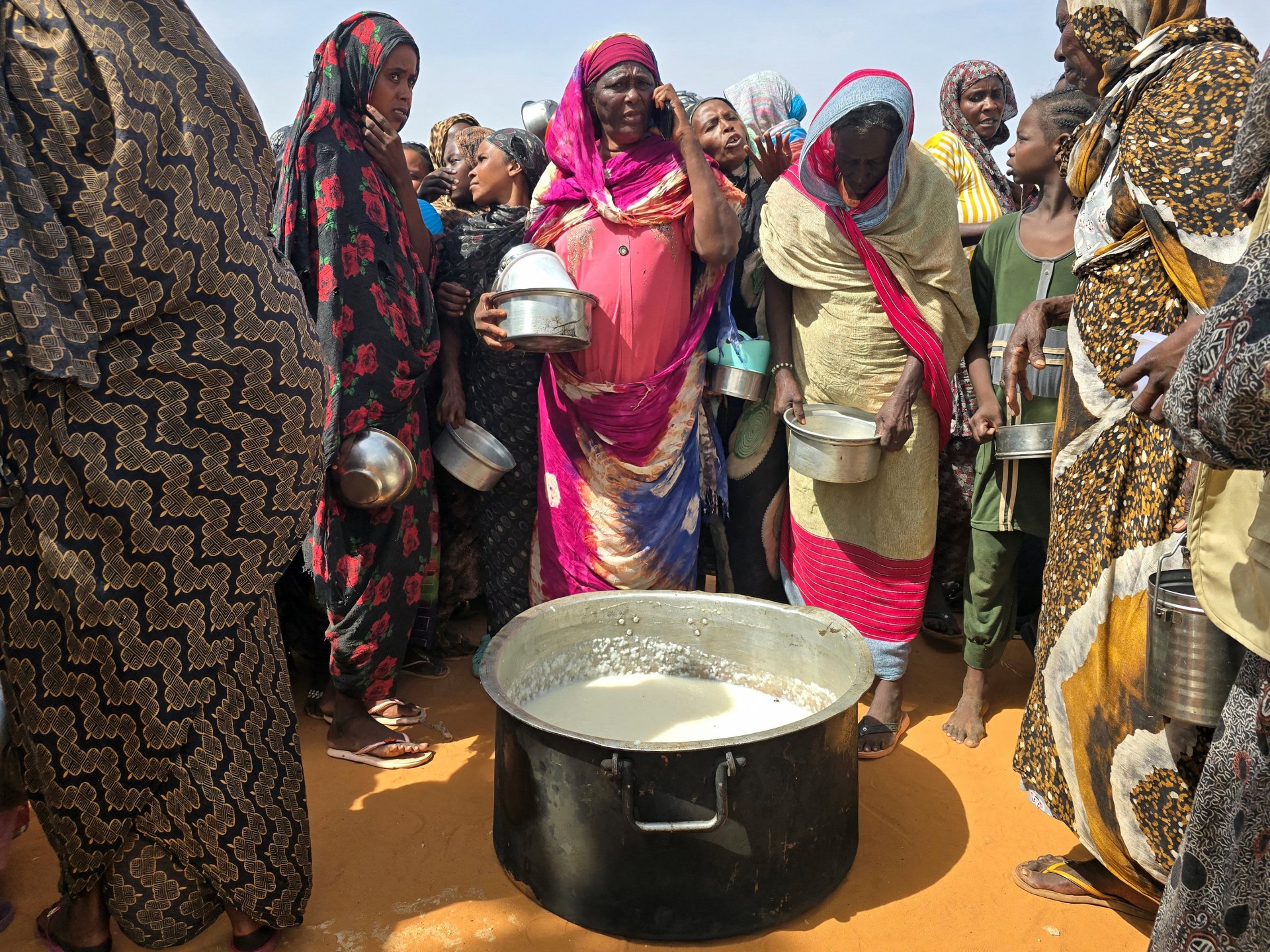
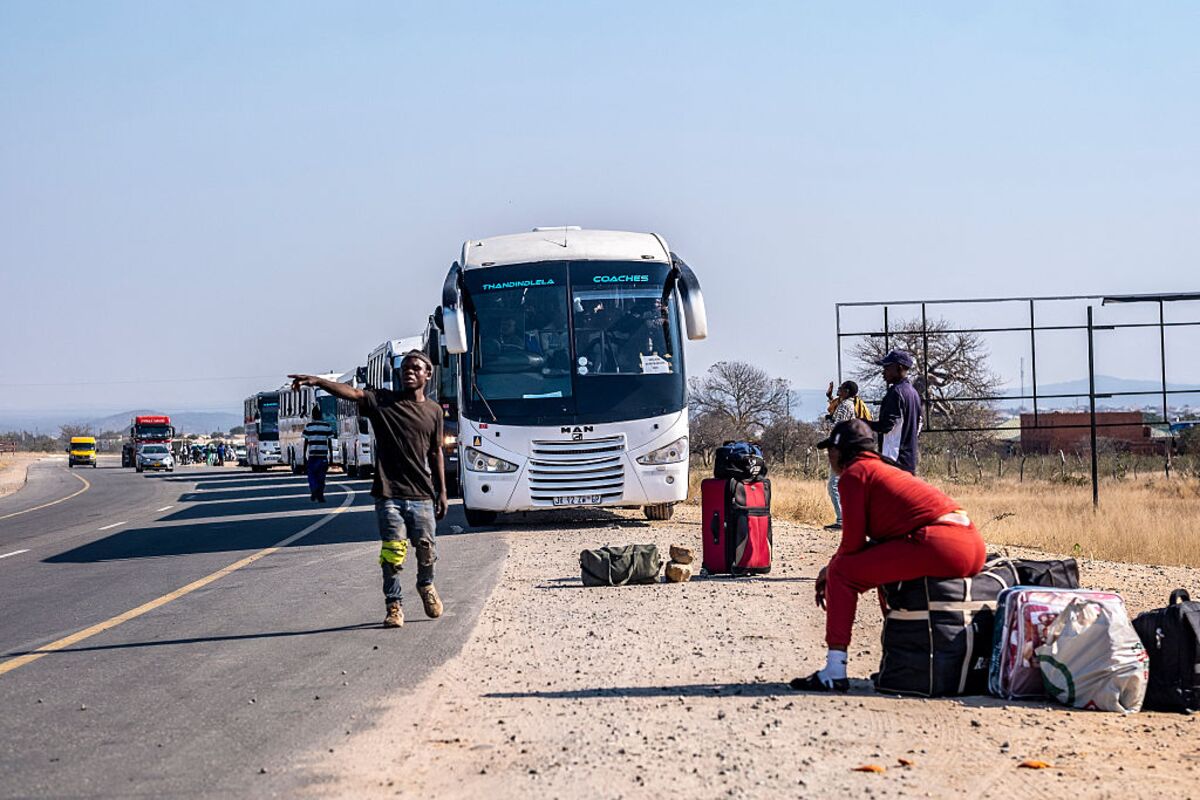
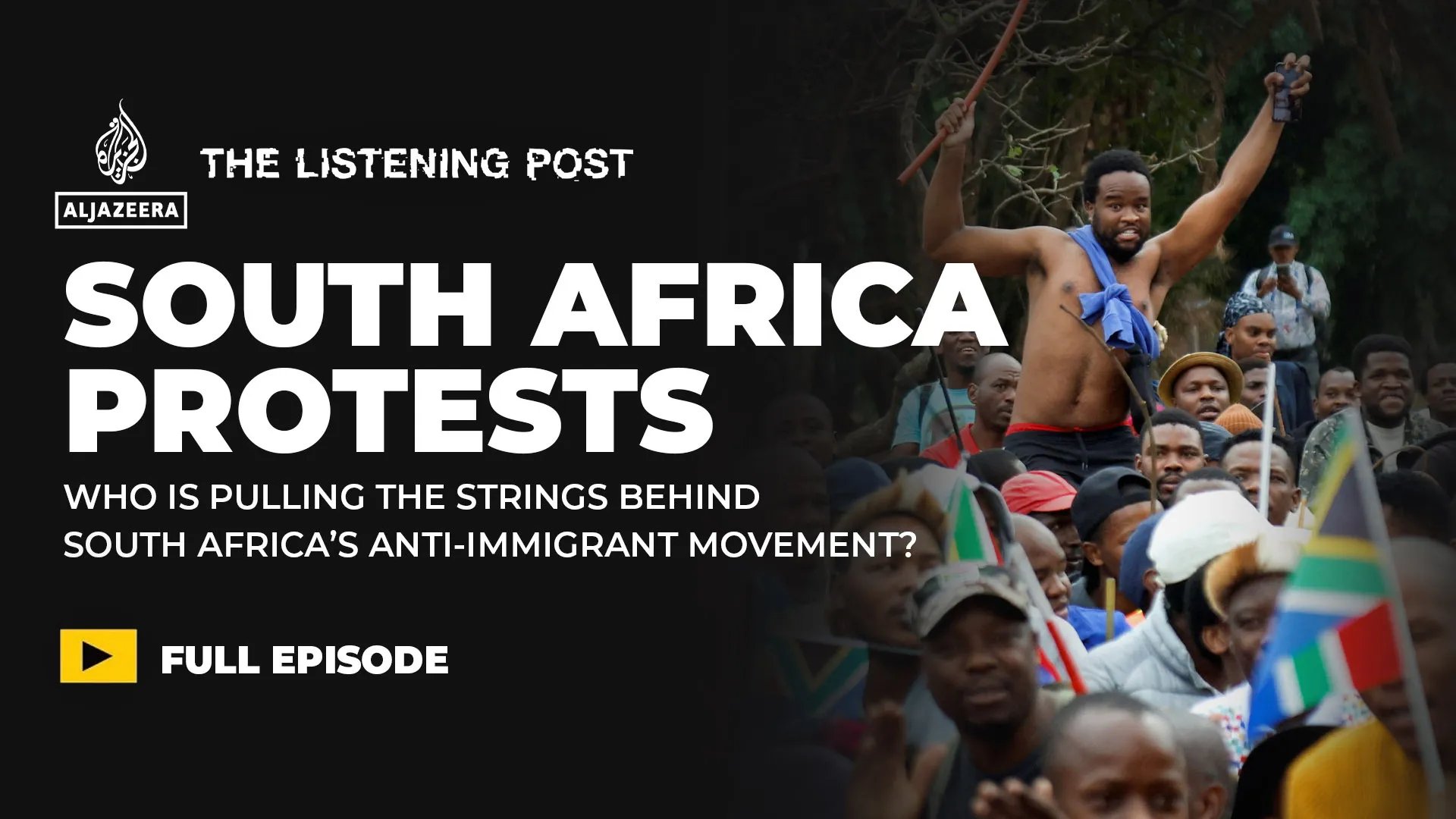
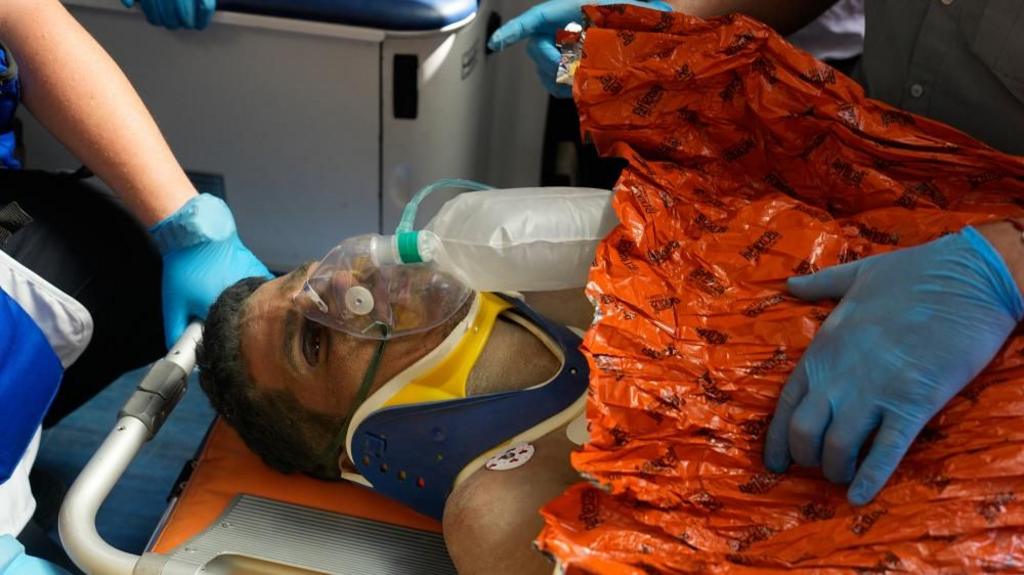
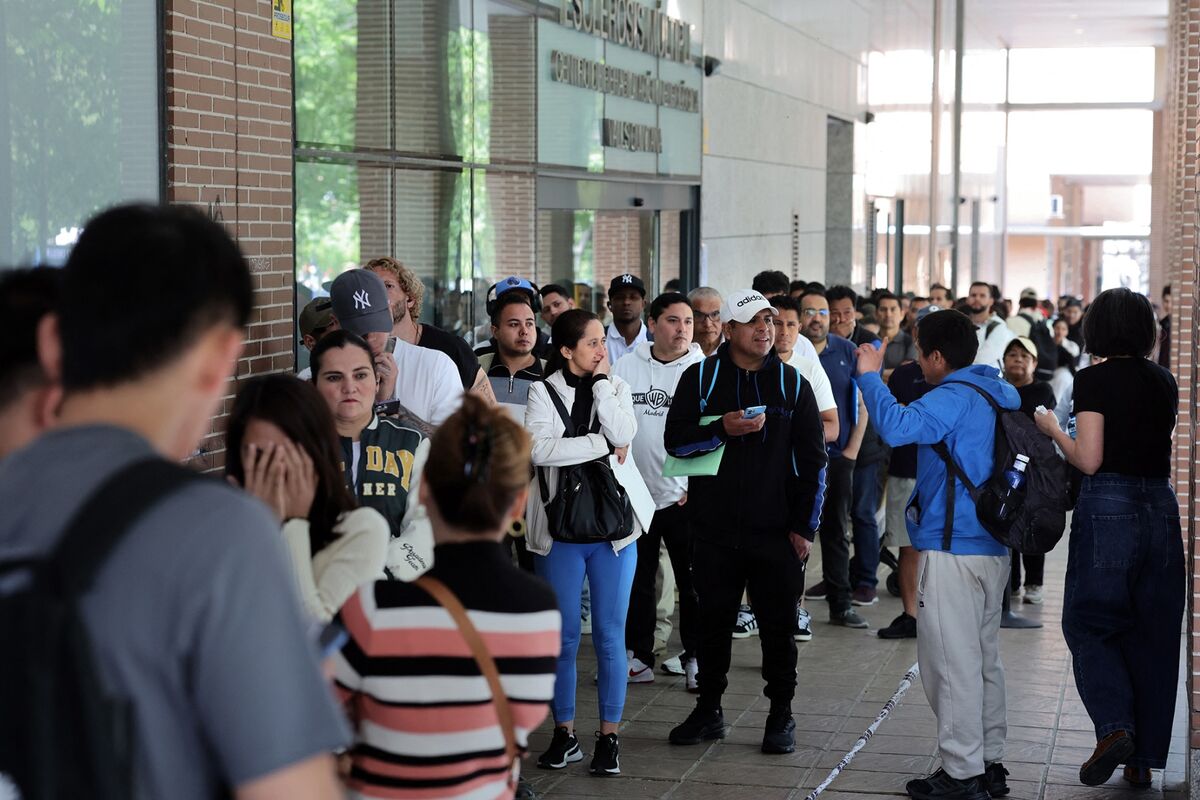
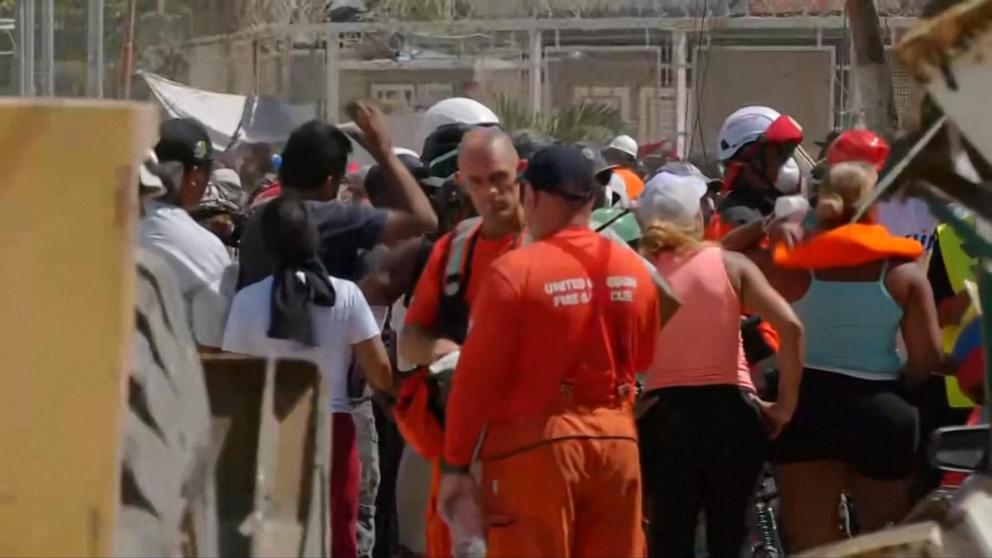
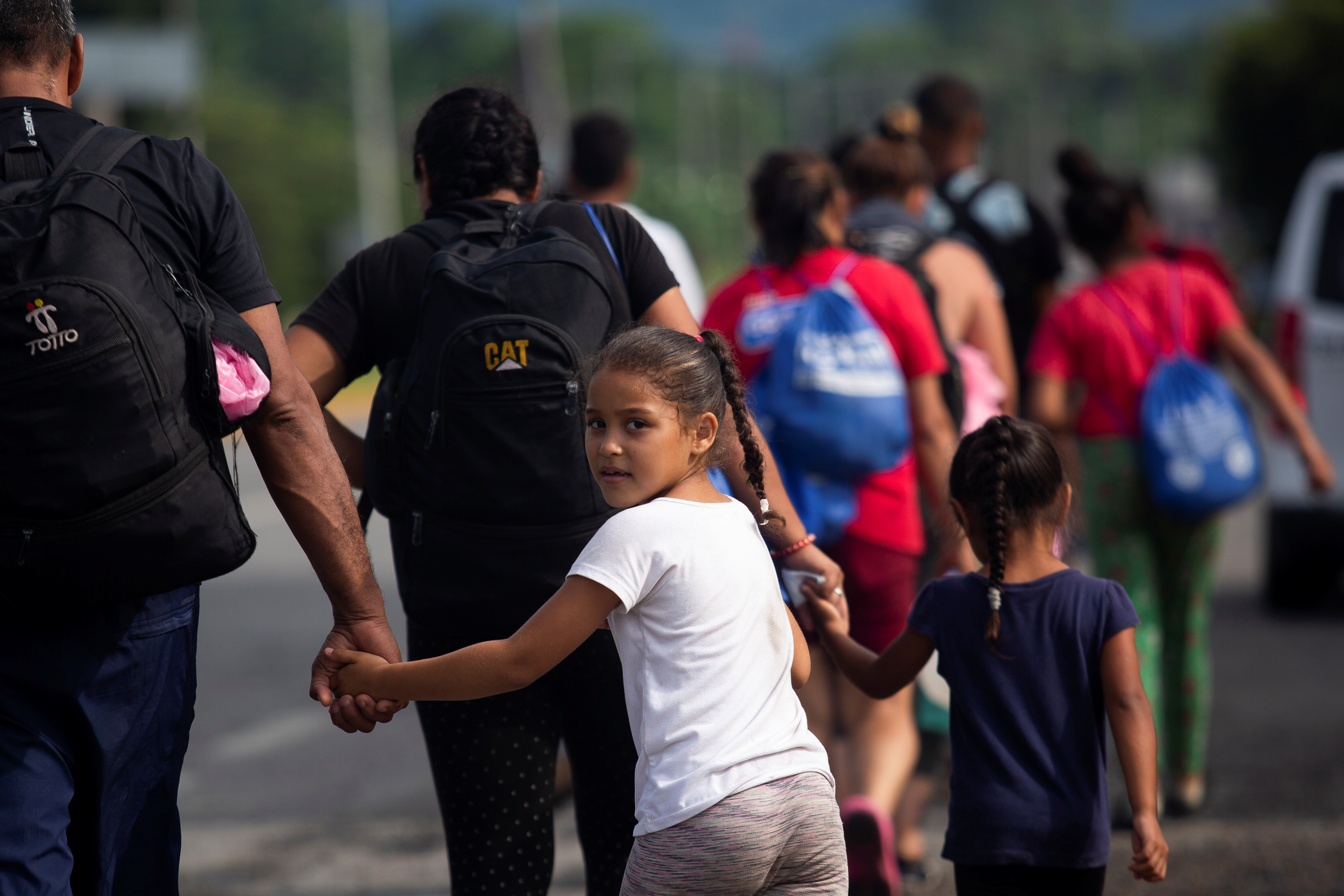
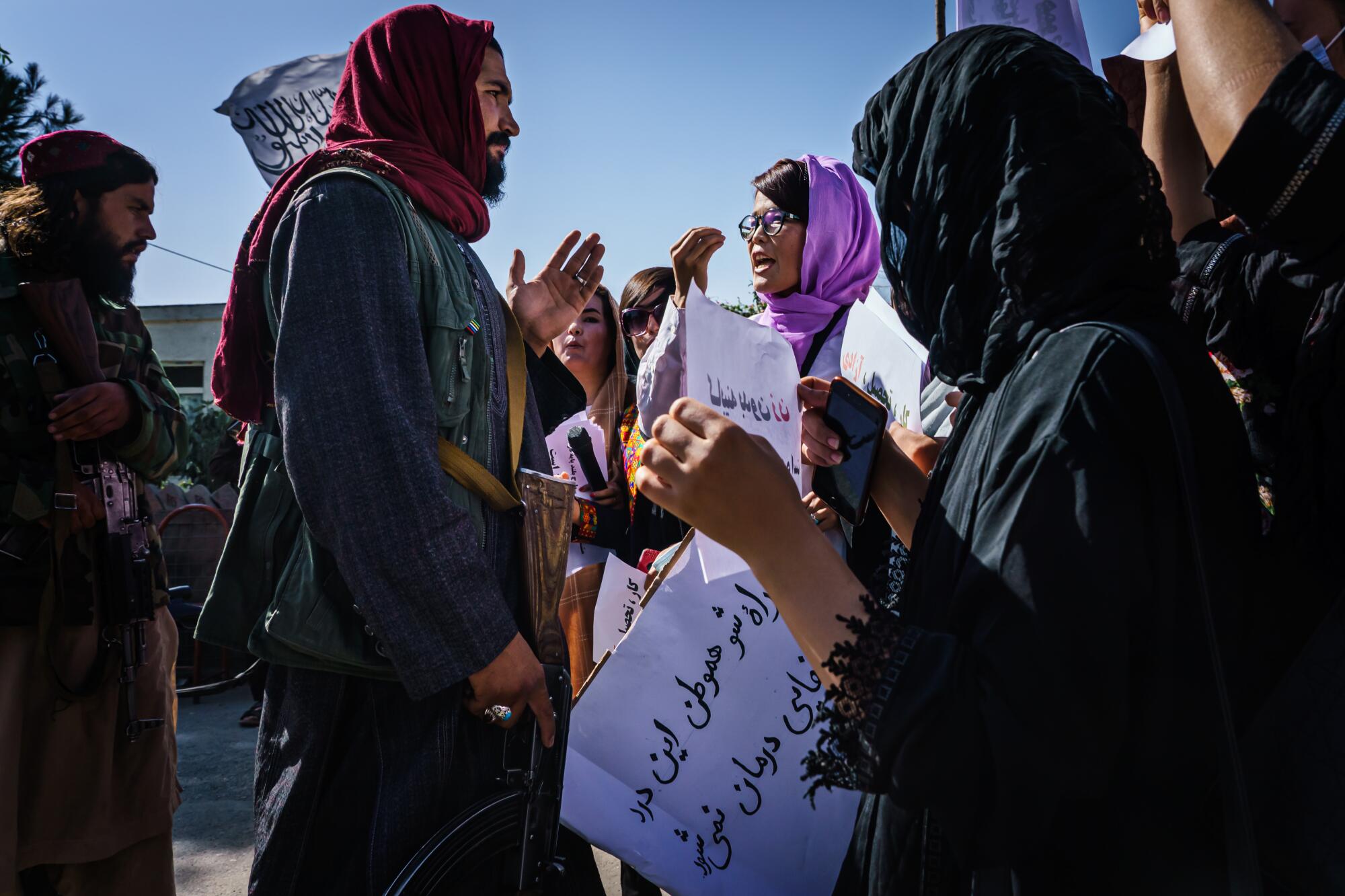
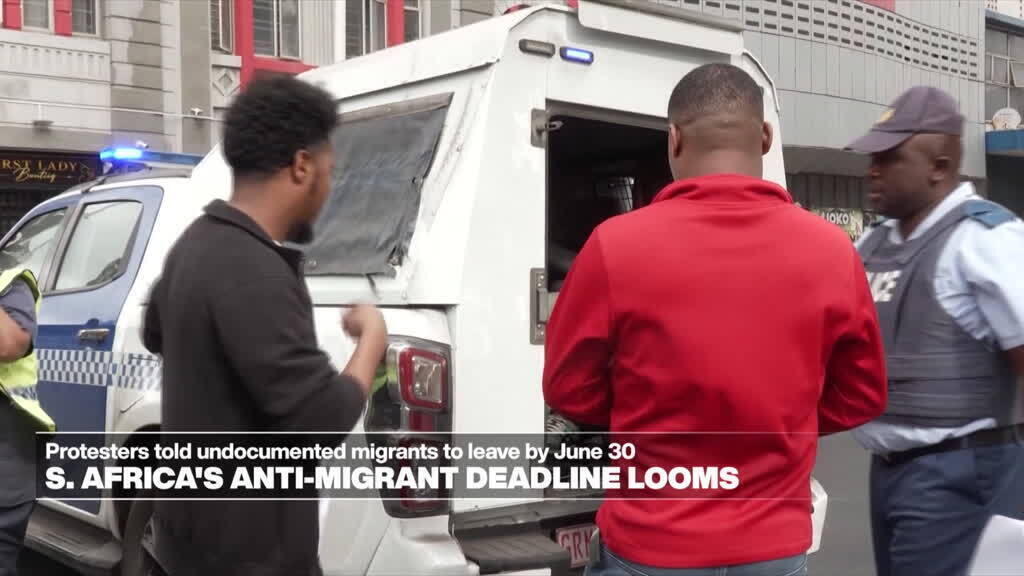
As an unofficial deadline set by anti-migrant groups for undocumented foreigners to leave South Africa approaches, President Cyril Ramaphosa warned against intimidation and violence. He stated, "The right to protest and freedom of expression does not allow people to threaten or intimidate others, or to engage in acts of vandalism or violence." The deadline has sparked fear and unrest, with several thousand citizens from other African countries leaving South Africa ahead of the June 30th deadline, including Malawians awaiting processing in temporary camps for safety.
Impact on Migrant Population
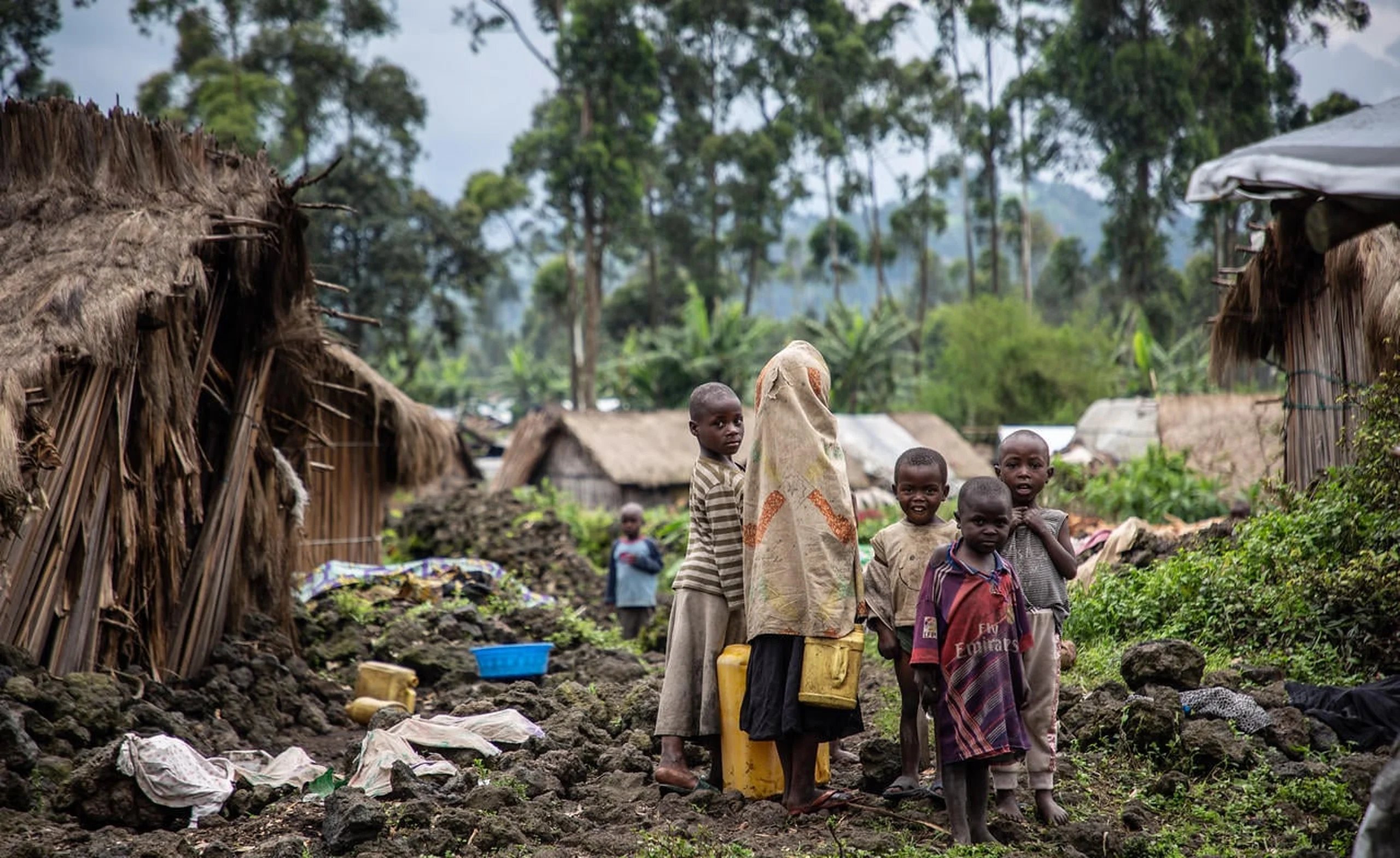
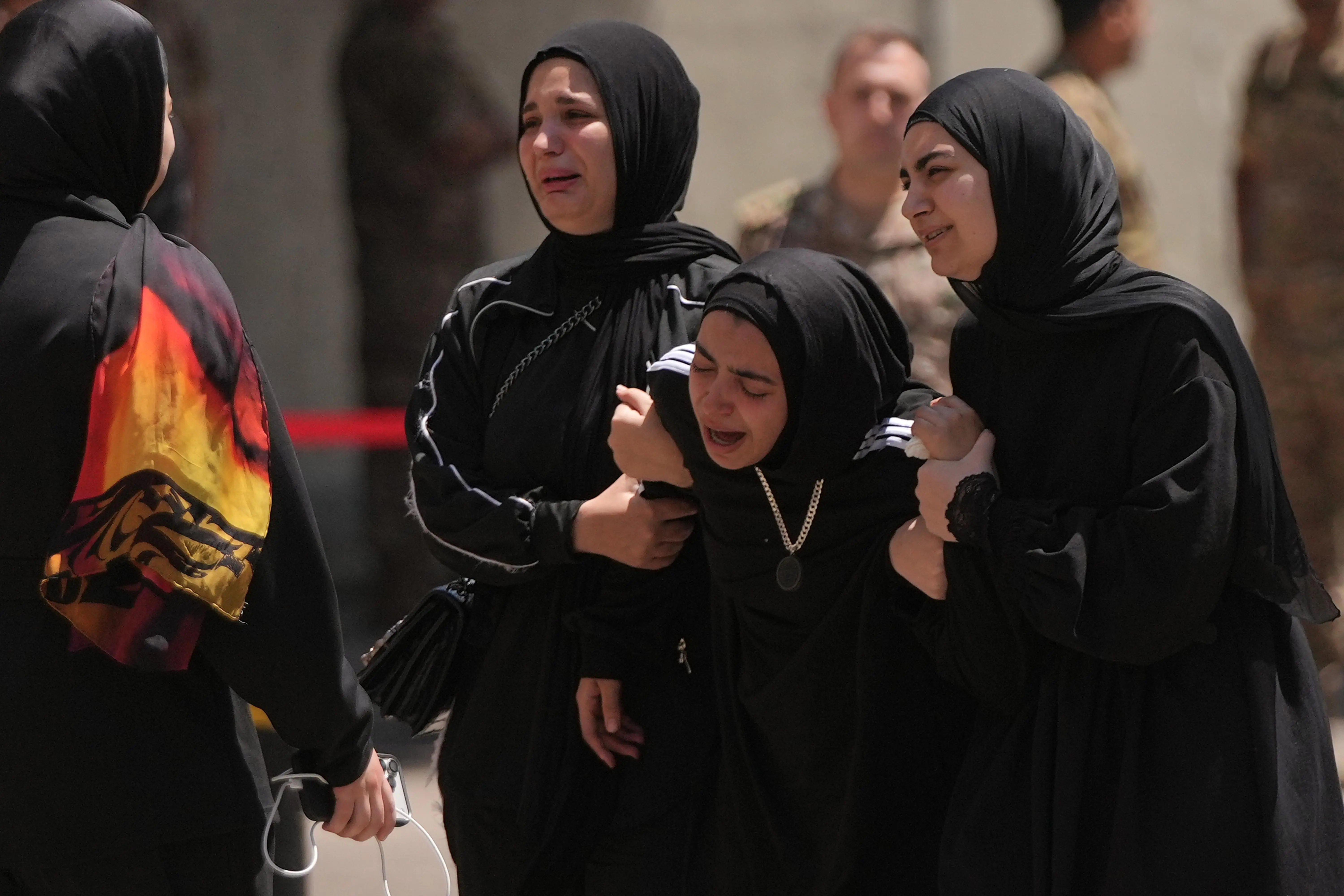
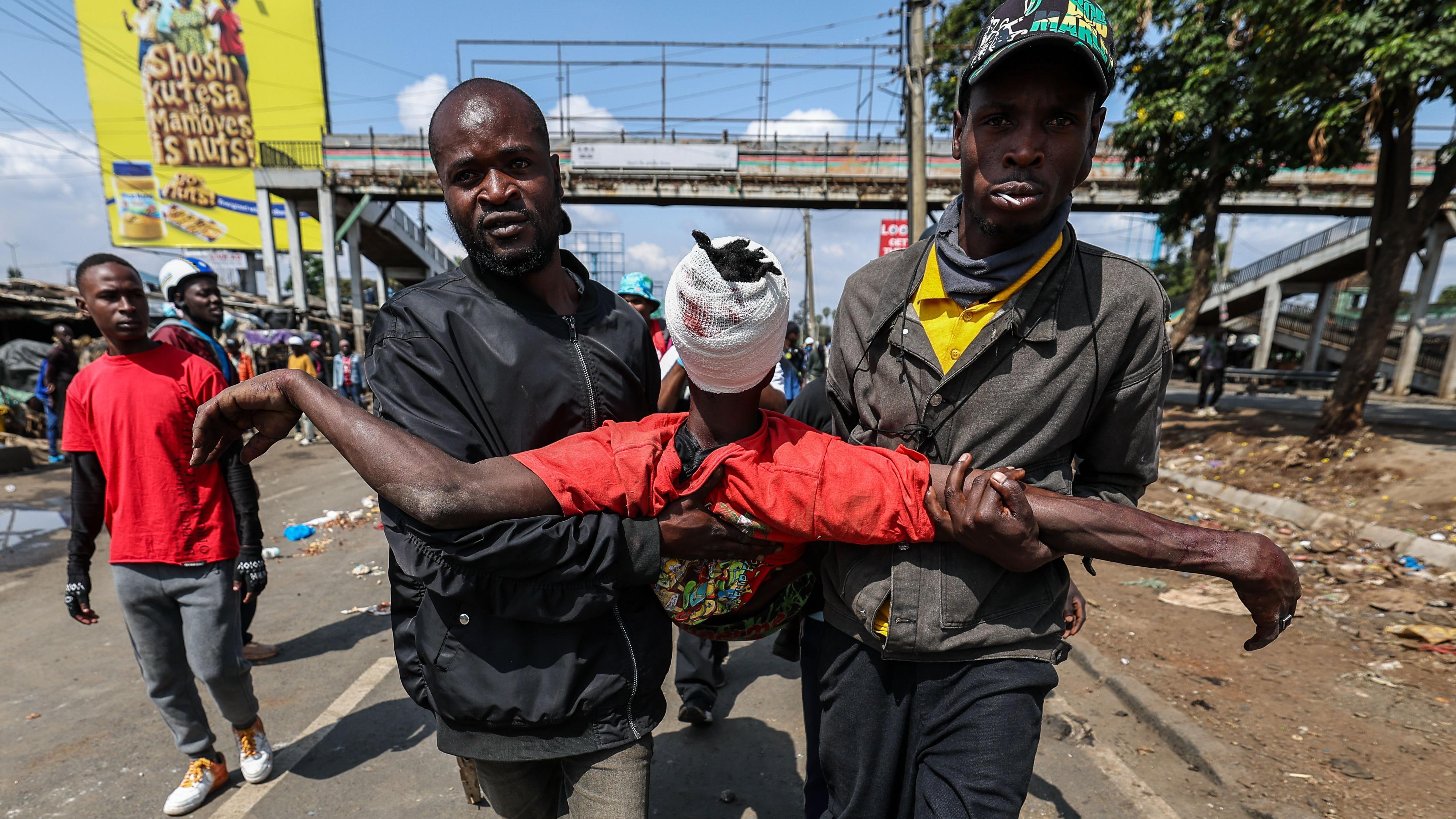
Undocumented migrants in South Africa represent about 4% of the population, while total migration (documented and undocumented) reached 3.9% by 2022. They have borne the brunt of xenophobic violence in the lead-up to the deadline, with attacks on foreign-owned businesses and immigrants killed during protests. One undocumented Malawian shared his sentiments with the BBC, expressing relief at returning home while being heartbroken to leave behind four young children in South Africa. The African Centre for Migration and Society's (ACMS) tracker, Xenowatch, recorded two people killed this year due to xenophobic violence.
Government's Preparation and Response
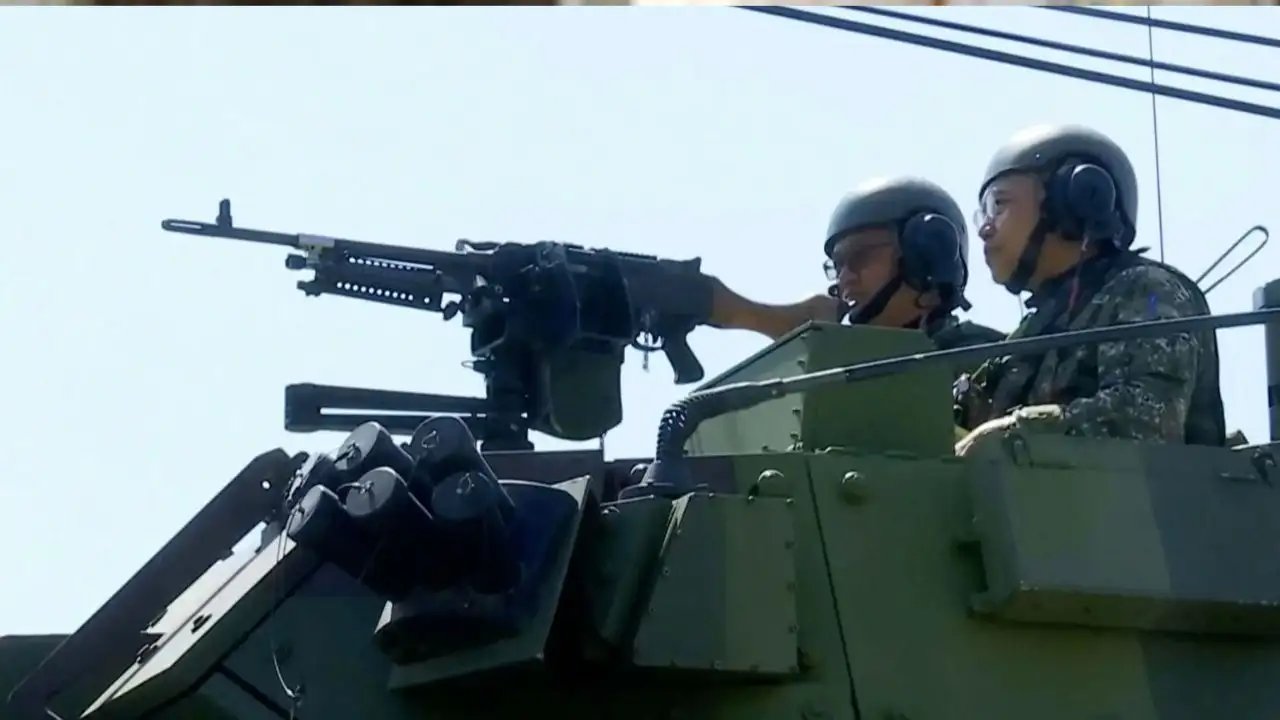
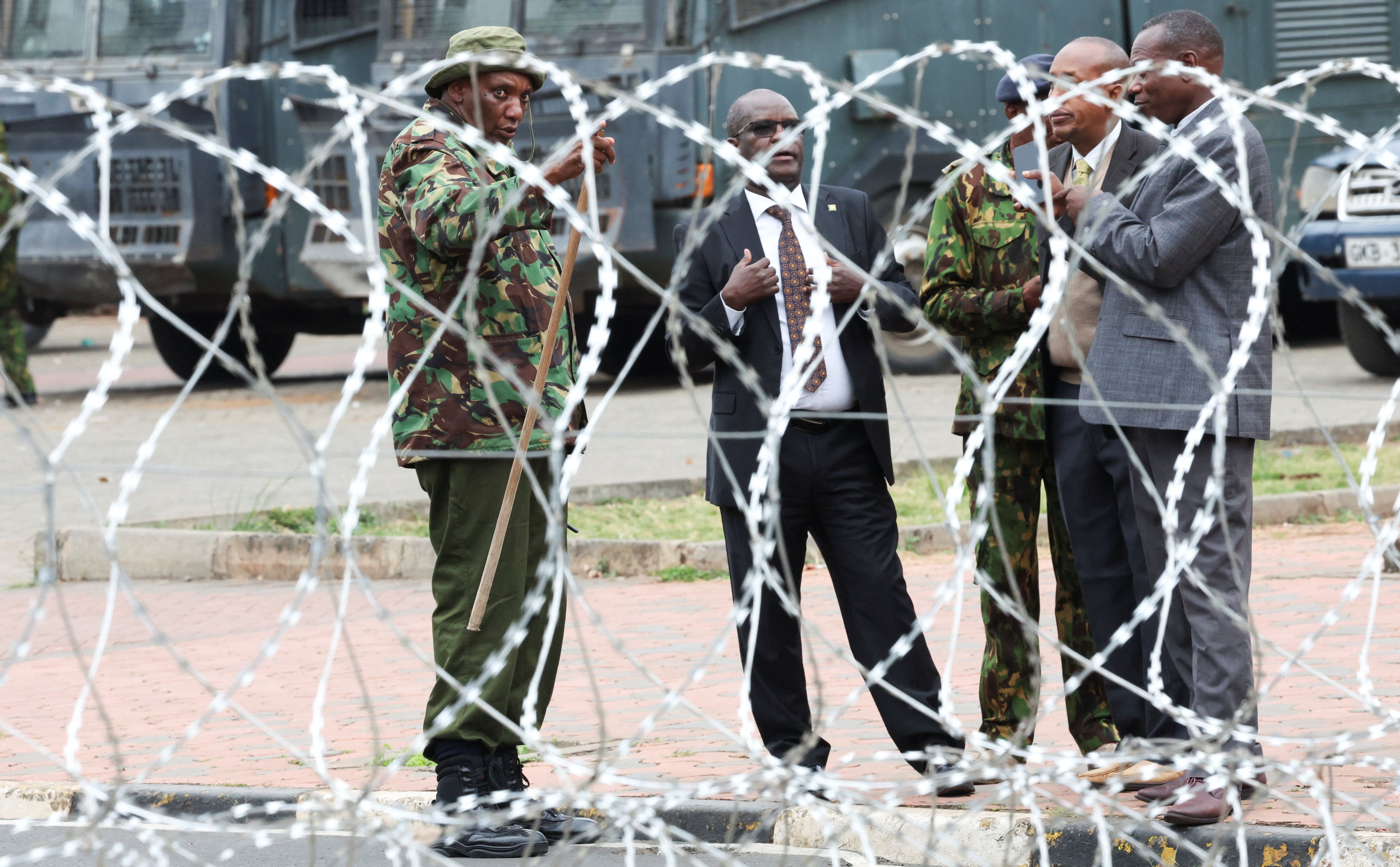
South African authorities are on high alert, with police fully prepared for the planned demonstrations and warning they will not tolerate intimidation or violence. The government has mobilized police forces and hired private security firms, incurring costs expected to reach 600 million rand (€32 million/$36 million). Police Minister Firoz Cachalia acknowledged past hesitation in addressing tensions and emphasized that unlawful actions will be met with force.
Underlying Social and Economic Issues
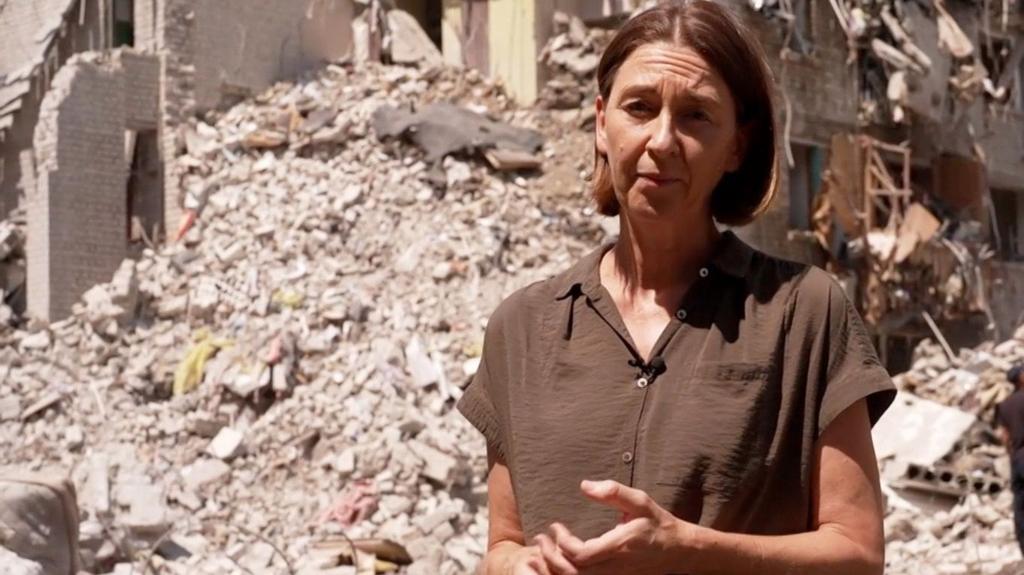
Analysts point to deep social and economic crises as the root of the unrest and xenophobia. High youth unemployment, limited access to healthcare and education, and widening inequality have left communities frustrated. Political commentator Tessa Dooms criticized the government for its reactive approach and failure to address these grievances, stating, "The South African government has largely created this dilemma for itself."
International Repercussions and Cooperation
The situation has international ramifications, with countries like Ghana, Malawi, Mozambique, Nigeria, and Zimbabwe organizing repatriations. South African authorities claim over 500 Nigerians repatriated did not have correct papers, a claim Nigeria disputes. President Ramaphosa stressed the importance of regional cooperation, noting no country can prosper alone, as the situation highlights tensions over migration and deeper unresolved economic and political challenges.