




Moratorium Announcement Details
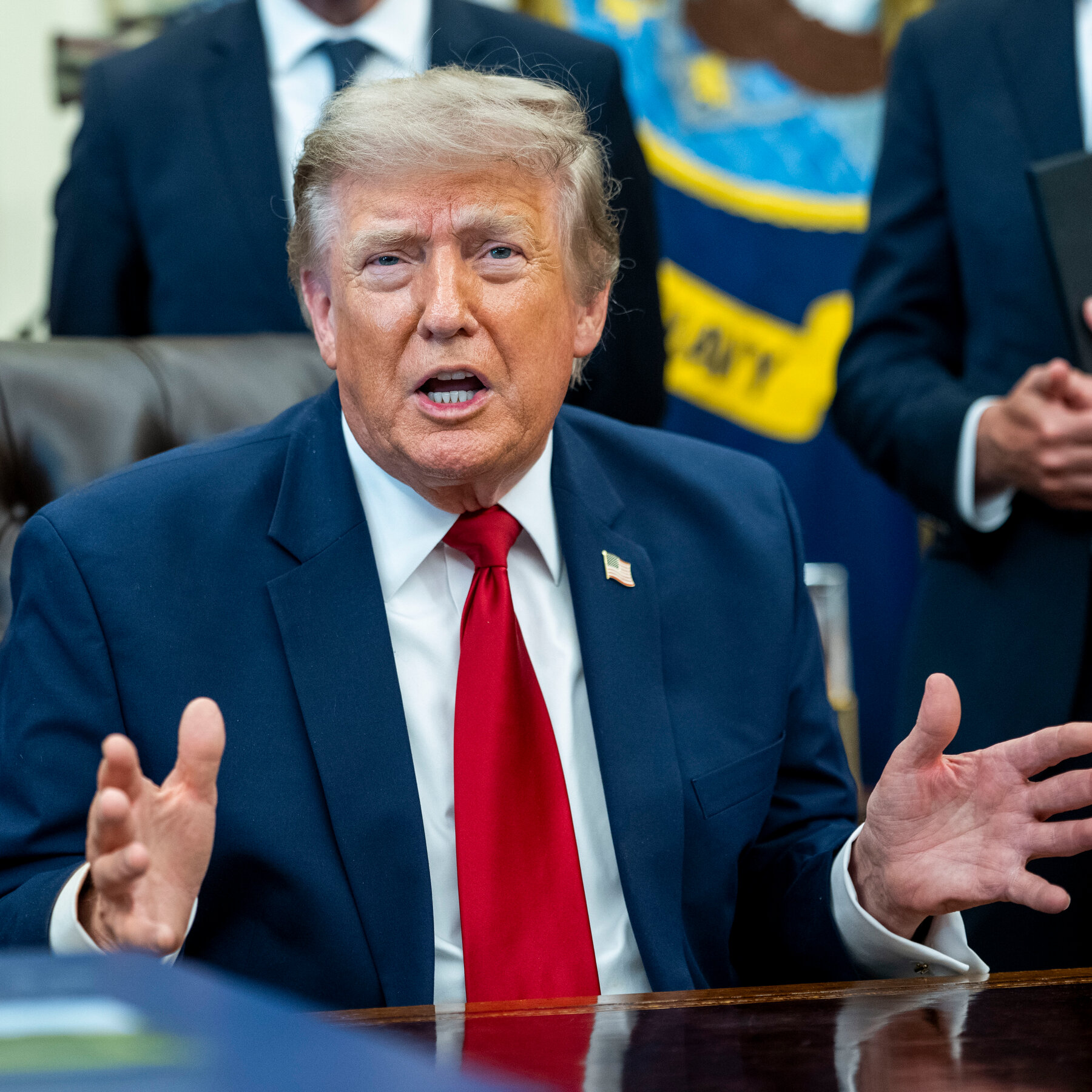
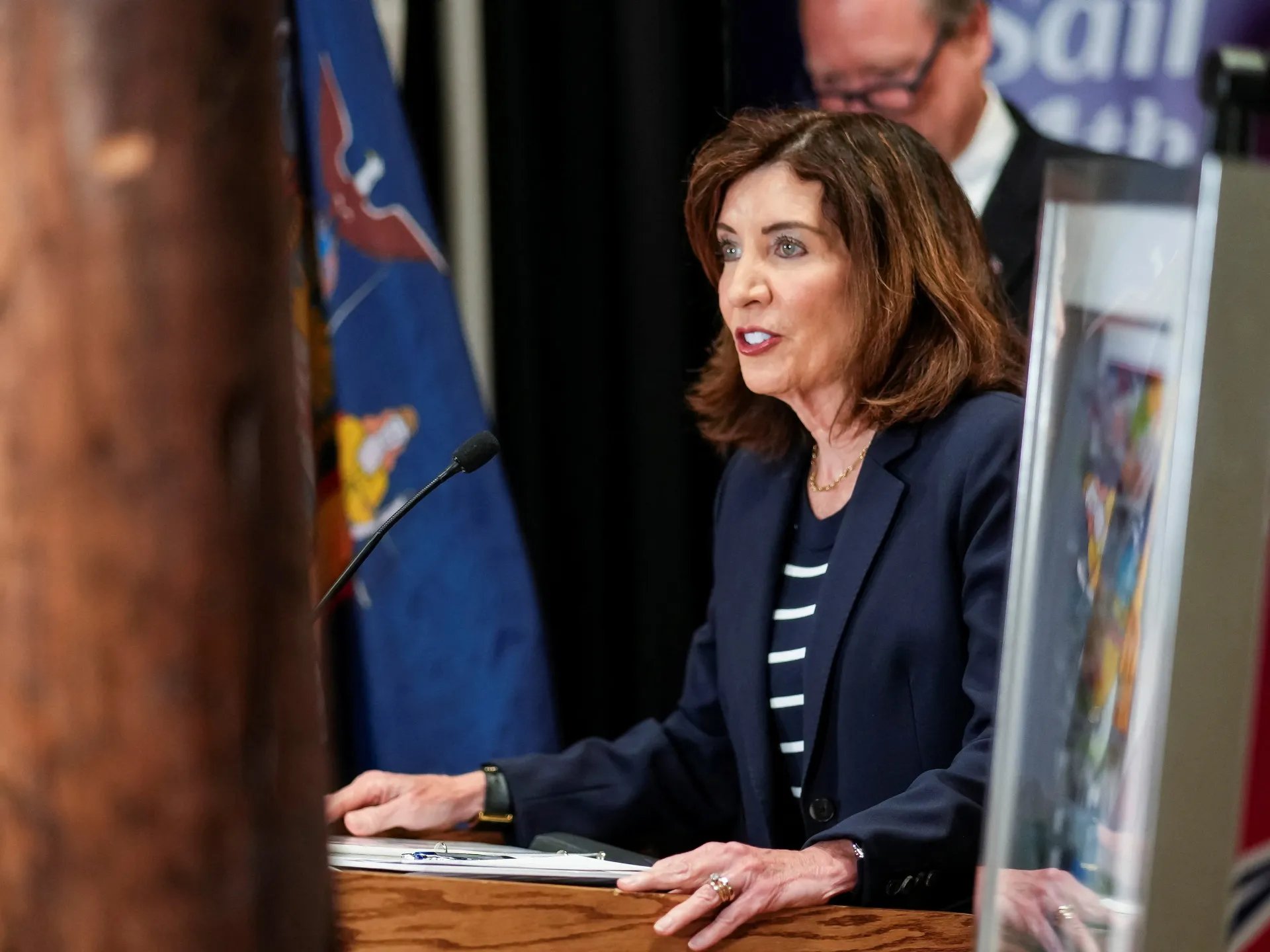
New York Governor Kathy Hochul announced a one-year moratorium on the construction of hyperscale data centers, marking the first statewide ban of its kind in the United States. During a press conference on July 14, Hochul emphasized the urgency of addressing the substantial strain these facilities place on local resources. "These hyperscale AI data centers consume enormous amounts of power, truly threatening to outpace our grid's capacity," she stated. The moratorium applies to new projects that utilize 50 megawatts or more, equivalent to the power consumption of approximately 50,000 homes.
Impact on Energy and Water Resources
The governor highlighted the massive energy and water requirements of these data centers, which can drain local supplies and lead to increased utility costs for residents. New York already ranks as the fourth highest state for energy prices, with consumers paying 56% above the national average for electricity in April 2026, according to the Empire Center. Hochul’s administration aims to develop guidelines that ensure data centers contribute to the state's energy infrastructure rather than burden it. "Before it goes any further, I need safeguards in place to protect New Yorkers," she said.
Legislative Background
The moratorium follows the passage of a bill by the New York Legislature, which aims to impose a one-year pause on data center permits and establish energy efficiency goals. State Senator Kristen Gonzalez, who sponsored the bill, echoed the importance of balancing technological advancement with community needs, stating, “Good tech policy is founded on the principle that technology should make our lives easier, not harder.” Hochul's order will allow lawmakers time to create a regulatory framework that addresses environmental and community concerns related to data centers.
Economic Considerations and Industry Pushback
While the moratorium aims to protect resources, it has sparked criticism from industry leaders who argue it may hinder job creation and economic growth. Mark McManus, general president of the United Association of Union Plumbers and Pipefitters, described the ban as shortsighted, claiming it jeopardizes good-paying union jobs. The Associated General Contractors of New York State also voiced concerns, stating that halting permits could drive investments to states like Virginia and Texas, which actively compete for data center projects.
Community and Environmental Protection
Hochul's administration plans to shift the burden of costs associated with data center operations onto the developers. This includes requiring them to either produce their own energy or pay a premium for using New York's power grid. The governor also expressed intent to repeal existing sales tax exemptions for data centers, which have previously incentivized their construction. "The bigger the data center, the bigger the investments that communities can and should expect," Hochul remarked.
Public Sentiment and Future Developments
Public sentiment appears to align with Hochul's cautious approach, as polling indicates that a significant portion of New Yorkers harbor concerns about the impact of data centers on their communities. A recent Gallup poll found that 71% of Americans oppose data center construction in their local areas. Hochul's moratorium reflects a growing awareness of the potential health and environmental impacts associated with these facilities, particularly in areas already burdened by pollution.
Next Steps and Long-Term Goals
The moratorium will remain in effect for up to one year while the state develops a Generic Environmental Impact Statement to ensure that new data centers adhere to consistent standards. Hochul's administration aims to create a framework that not only protects environmental resources but also promotes responsible growth in the tech sector. "New York will lead the way in creating the strongest standards in the nation for data center development," she said, signaling a commitment to balancing technological advancement with the needs of local communities.