




Second Case Raises Alarm Over Ebola Spread
A second U.S. citizen has tested positive for Ebola while working for a humanitarian organization in the Democratic Republic of the Congo. The Centers for Disease Control and Prevention (CDC) confirmed the case, stating it involves the Bundibugyo virus, a strain of Ebola. This outbreak is the fastest-growing ever recorded in Africa, with 1,830 confirmed cases and 648 deaths reported, according to the Africa Centers for Disease Control and Prevention.
Health Authorities Mobilize Resources
In response to the new case, the CDC is collaborating with the patient's employer, U.S. federal agencies, and Congolese health authorities to prevent further transmission. The agency is conducting contact tracing and risk assessments to identify individuals who may have been exposed. The CDC emphasized the need for heightened vigilance, as the outbreak continues to escalate in the region.
Previous Cases and Recovery
Dr. Peter Stafford, the first U.S. citizen who tested positive for Ebola during this outbreak, was evacuated to Germany for treatment and has since recovered. Upon his return, Stafford expressed gratitude for his recovery and highlighted the ongoing struggles faced by those in Congo during this epidemic. His statements underscore the urgency of addressing the crisis as it unfolds.
Global Health Risks Remain Low
Despite the alarming numbers in the Congo, the World Health Organization (WHO) has assessed that the risk of a global Ebola outbreak remains low. The virus spreads through bodily fluids but is not airborne, which reduces the potential for widespread transmission. However, health officials are on alert for any new developments that could change this assessment.
U.S. Precautionary Measures Intensified
Following the outbreak declaration on May 15, the U.S. has ramped up security measures, including enhanced health screenings for travelers returning from the region. Non-U.S. citizens from affected areas face restricted entry. These precautions aim to safeguard public health and prevent the virus from reaching U.S. soil, especially as more cases emerge in the Congo and surrounding regions.
Ongoing Challenges in Congo
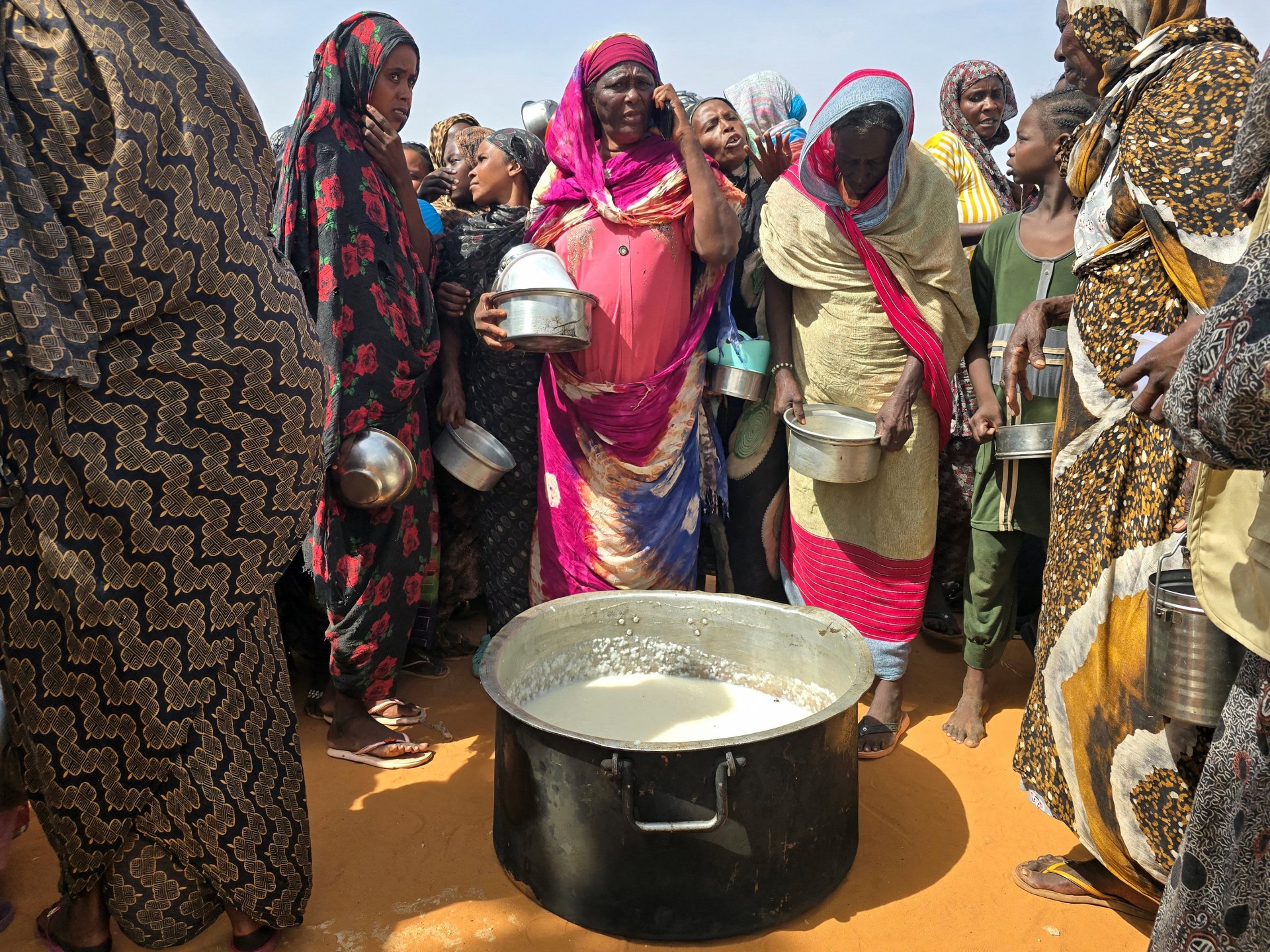
The situation in the Democratic Republic of the Congo remains dire, with health facilities overwhelmed by the volume of cases. The lack of approved vaccines or treatments for the Bundibugyo virus complicates efforts to manage the outbreak. Local health workers are engaged in clinical trials to develop effective treatments, but the immediate need for support and resources is critical.
Community Impact and Response
The outbreak has generated significant concern among local and international communities, especially as more healthcare workers are exposed to the virus. Humanitarian organizations continue to provide aid, but the risk to their employees raises questions about safety protocols in high-risk areas. As the situation develops, the need for coordinated global action becomes increasingly urgent to contain the virus and support affected populations.