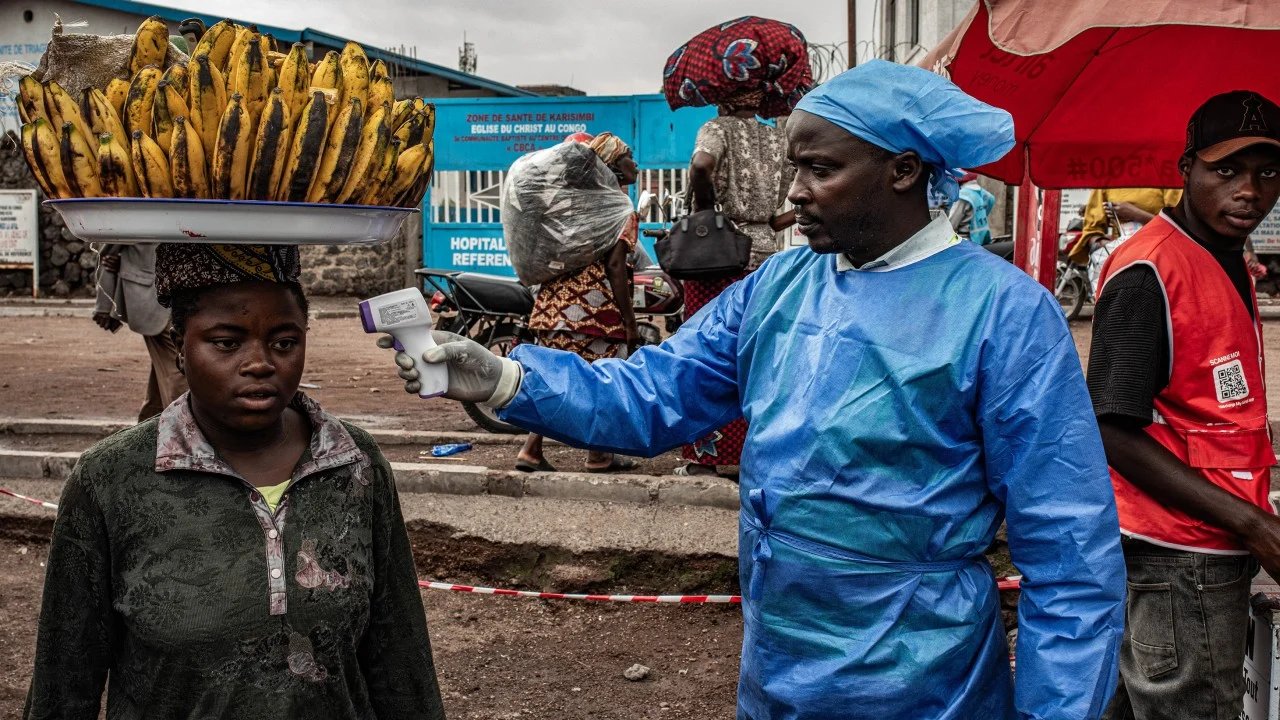
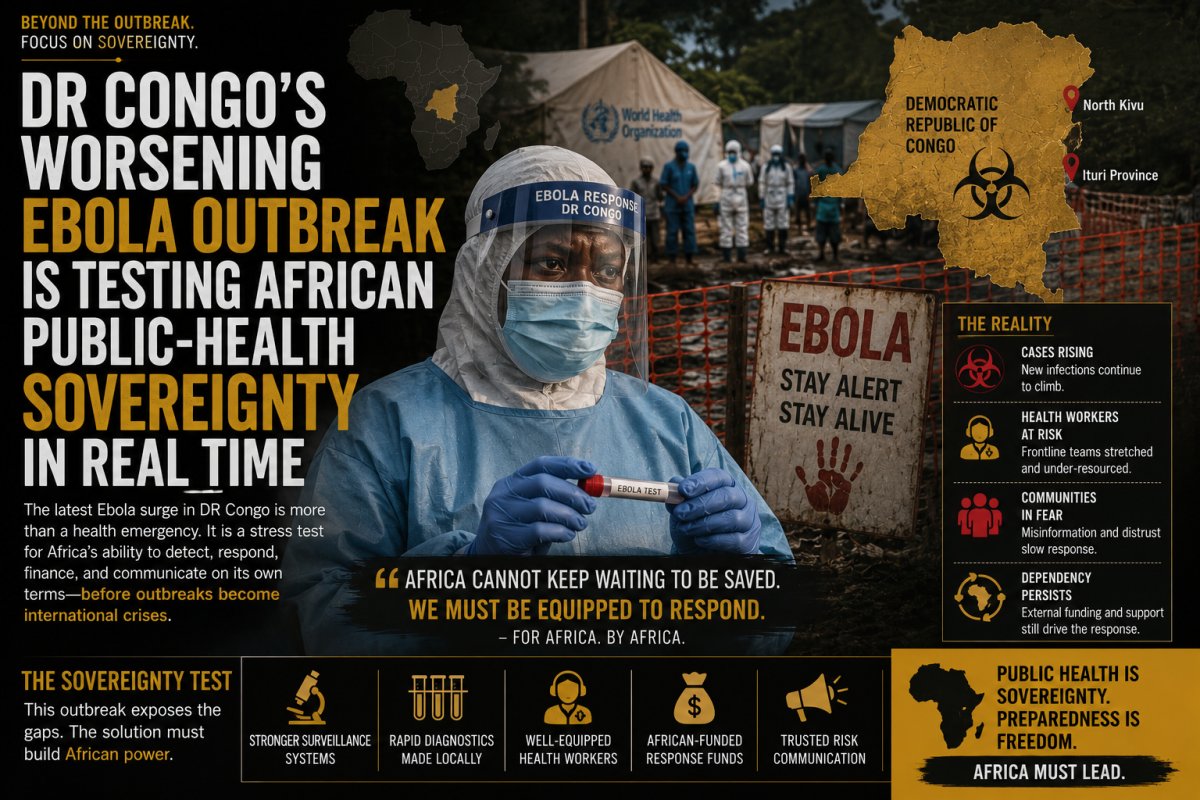
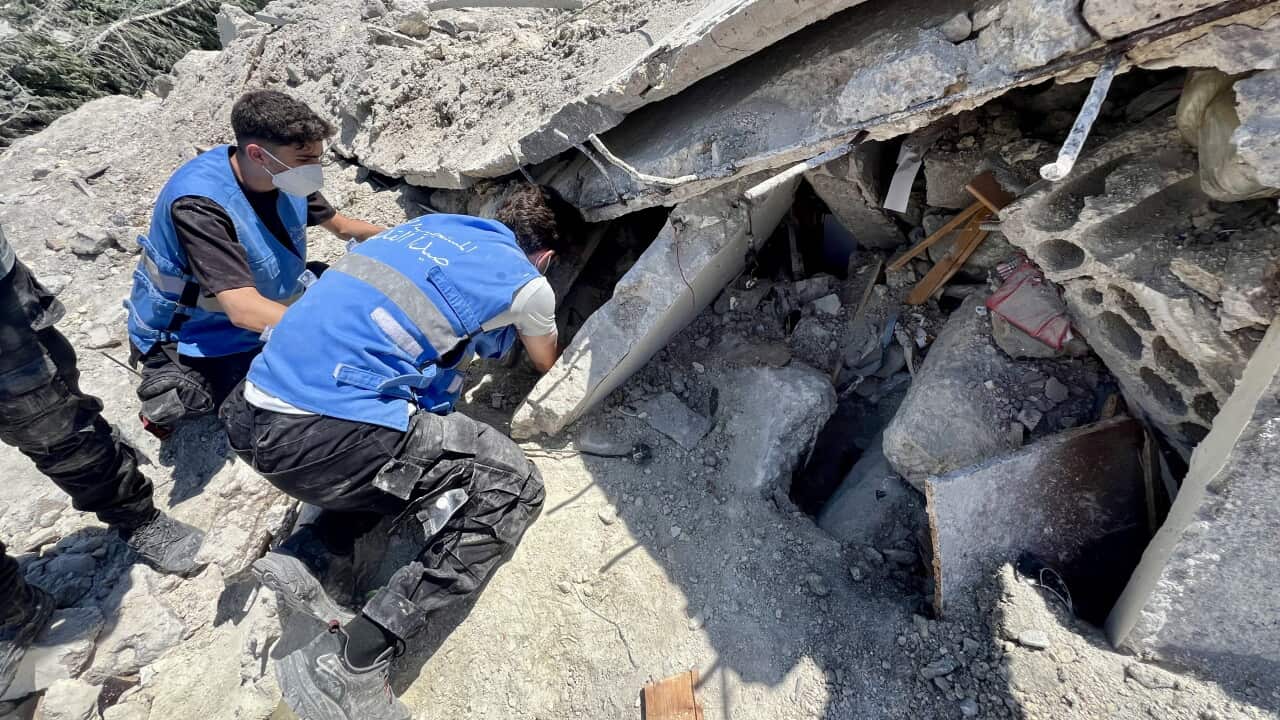
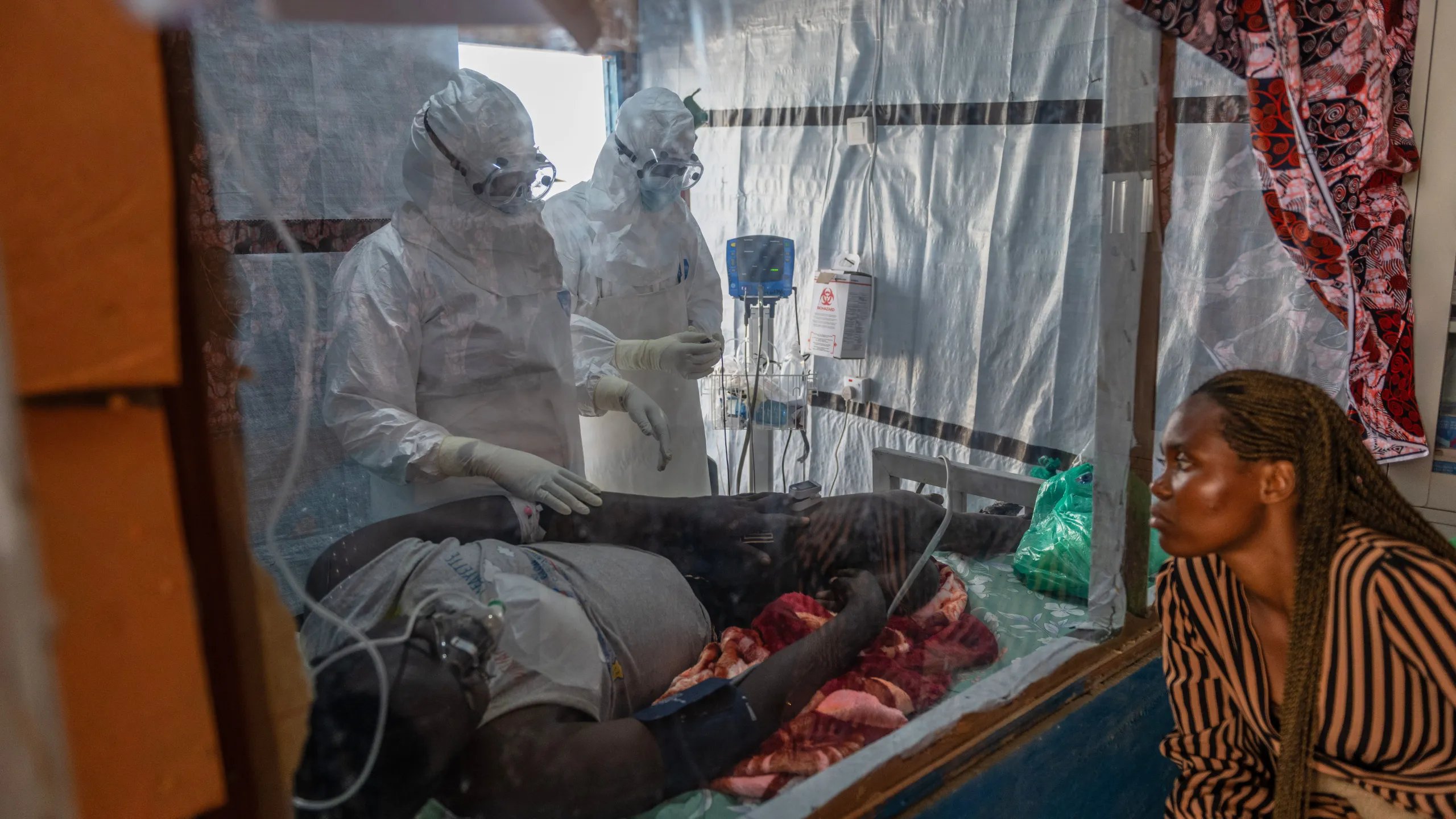
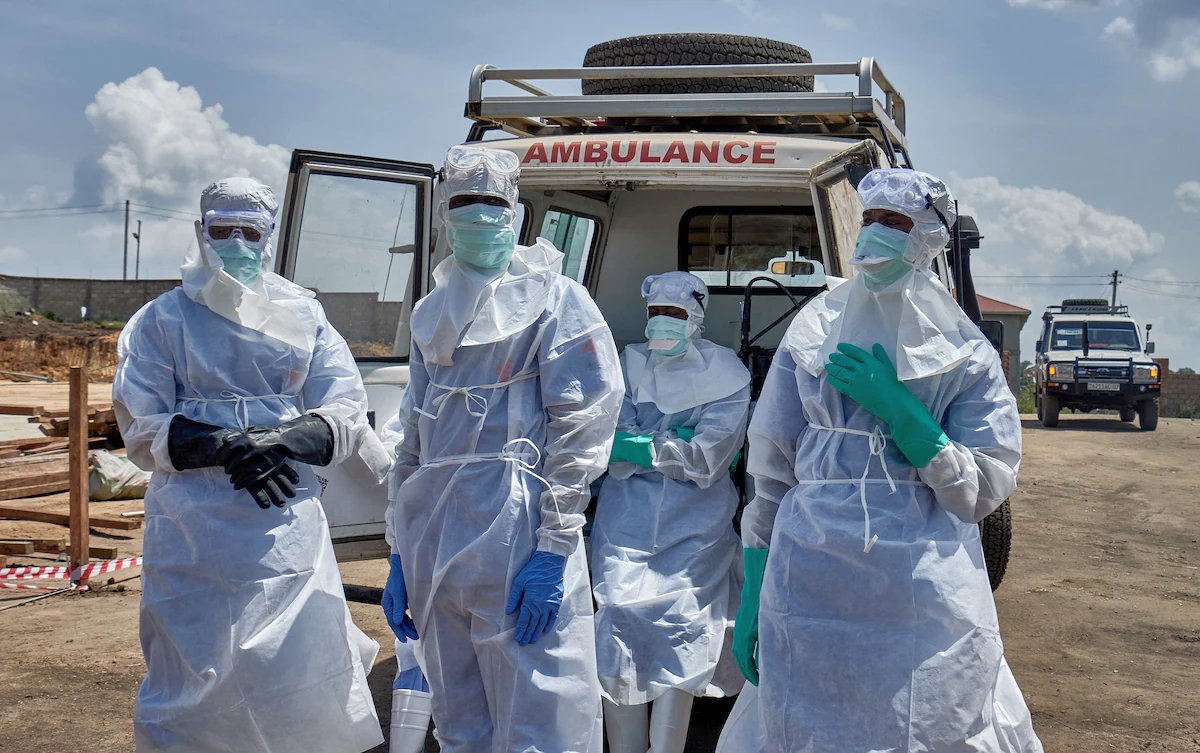
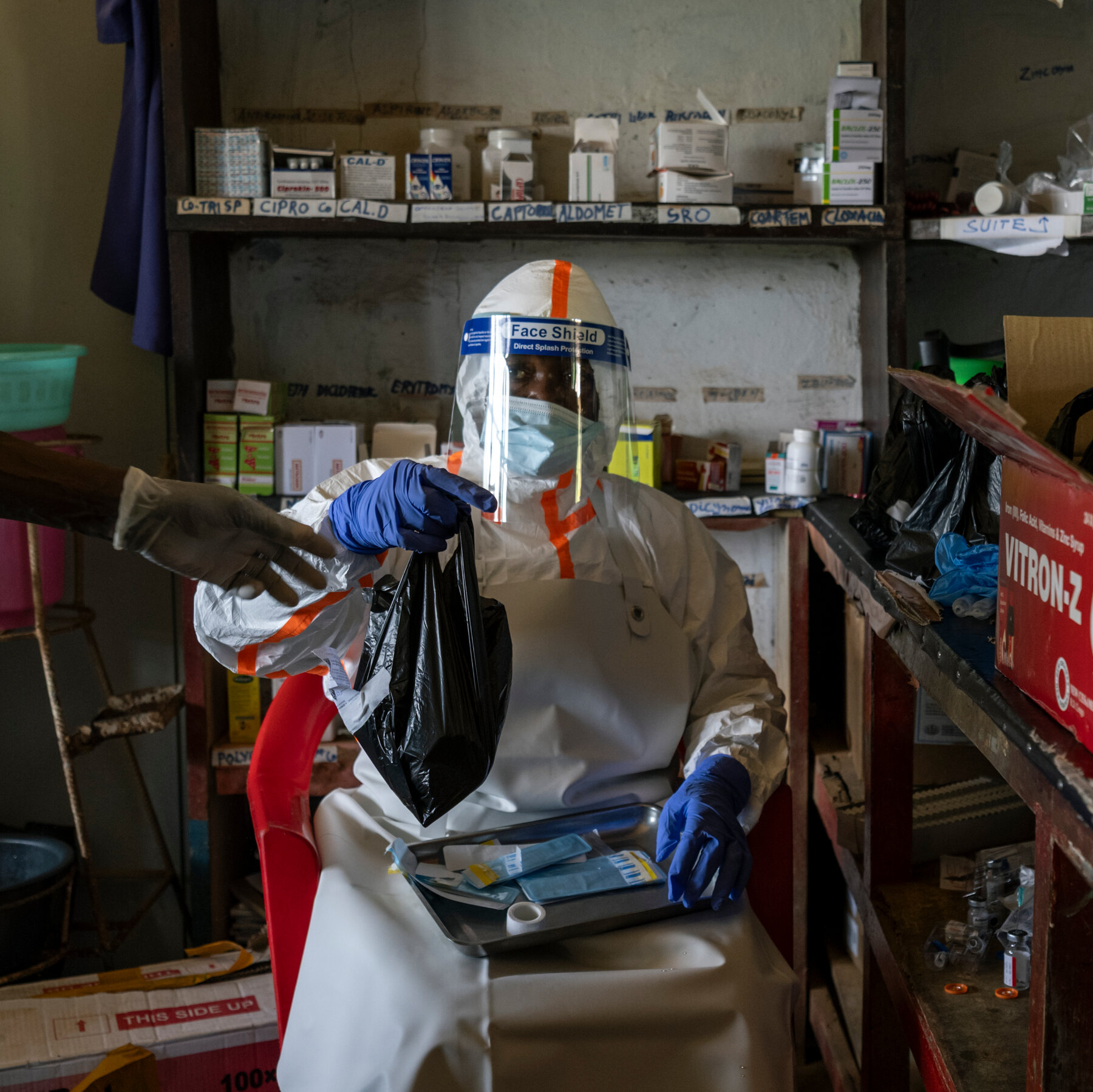
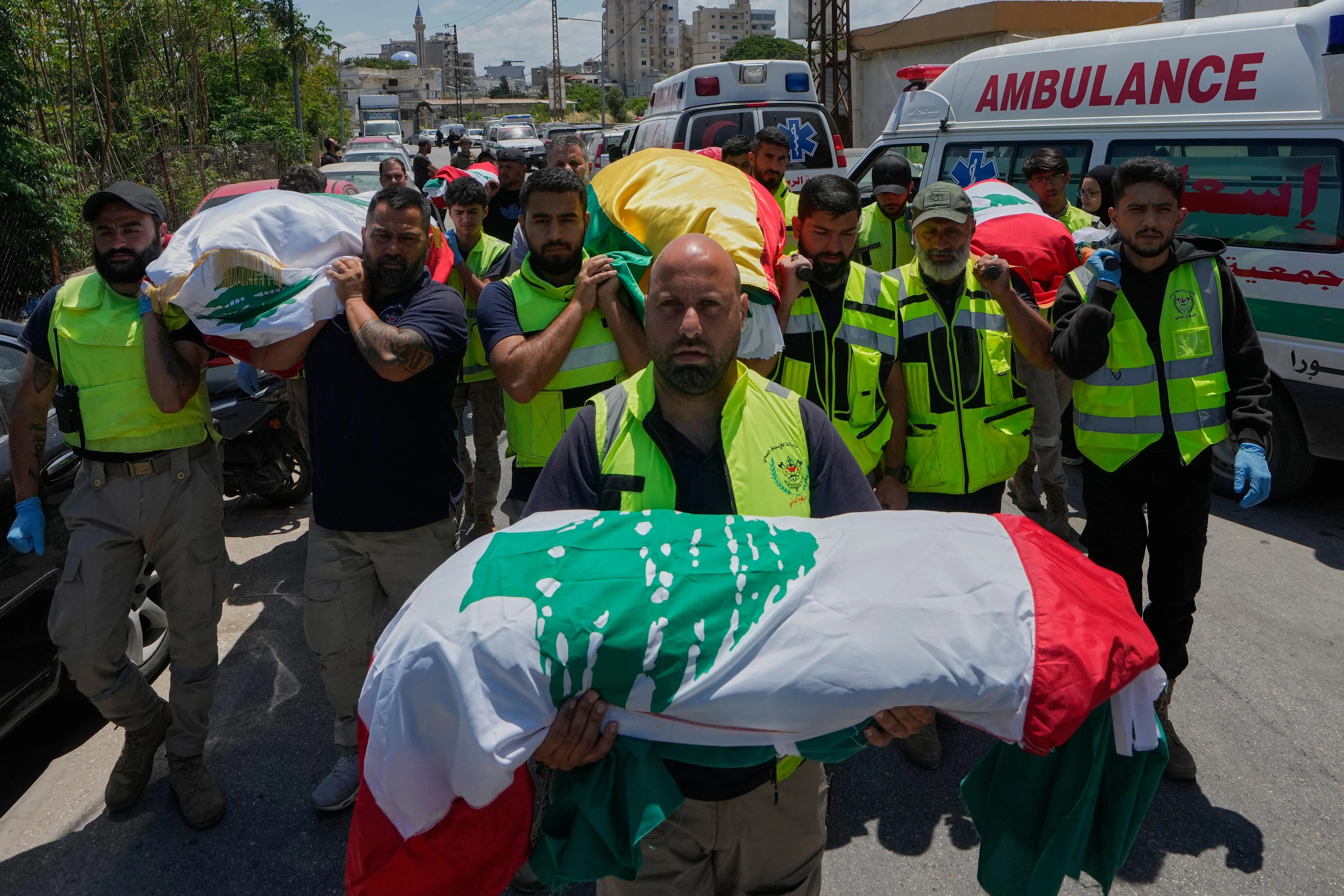
The Democratic Republic of Congo (DRC) has reported a record one-day increase in Ebola cases, with 72 new cases confirmed on June 13. This brings the total number of cases to 782 since the outbreak began a month ago, with 181 deaths, according to the DRC Ministry of Health.
The majority of cases are concentrated in three provinces in the northeast part of the country: Ituri, North Kivu, and South Kivu. Two new health zones, Nia-Nia in Ituri and Mabalako in North Kivu, reported cases for the first time, increasing the number of affected health zones to 31. The outbreak is caused by the rare Bundibugyo virus strain, which has no approved vaccine or treatment, unlike the Zaire virus responsible for the DRC's previous 16 Ebola outbreaks.
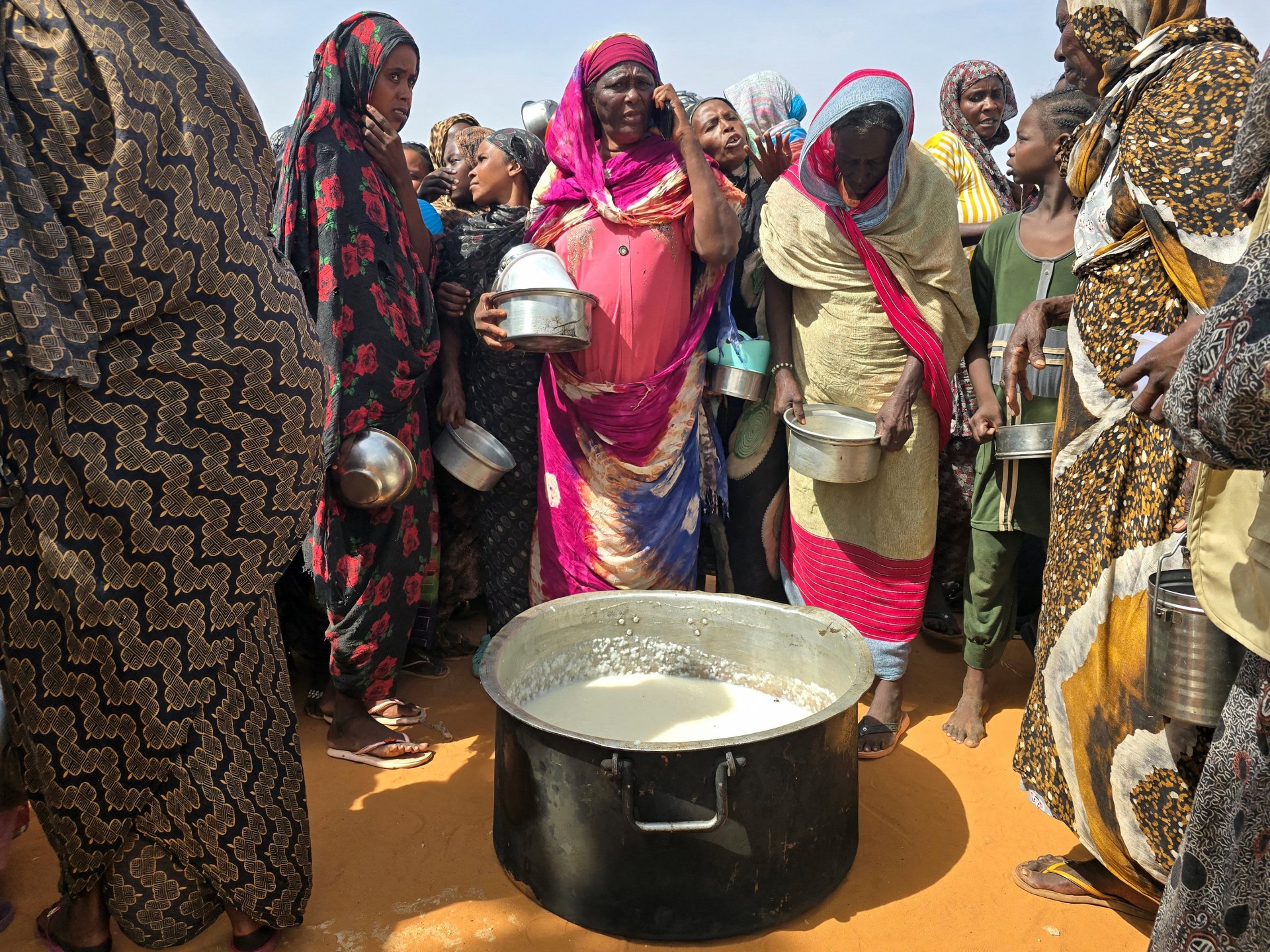
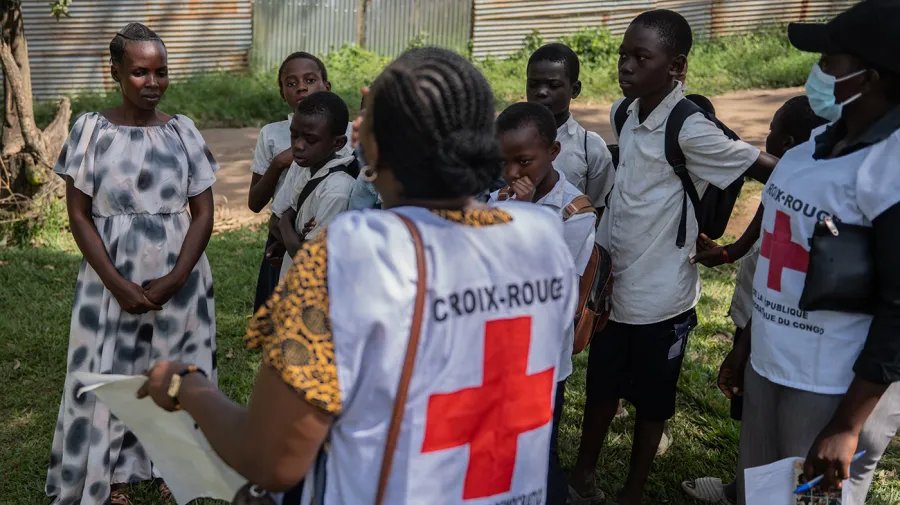
Contact tracing remains a significant challenge, with only 56.5% of identified contacts followed up on, significantly below the World Health Organization's target of 90%-95%. This shortfall hampers containment efforts, as does regional conflict and patient escapes. The region's humanitarian crisis, with nearly one million residents displaced by conflict, further complicates efforts to contain the outbreak.
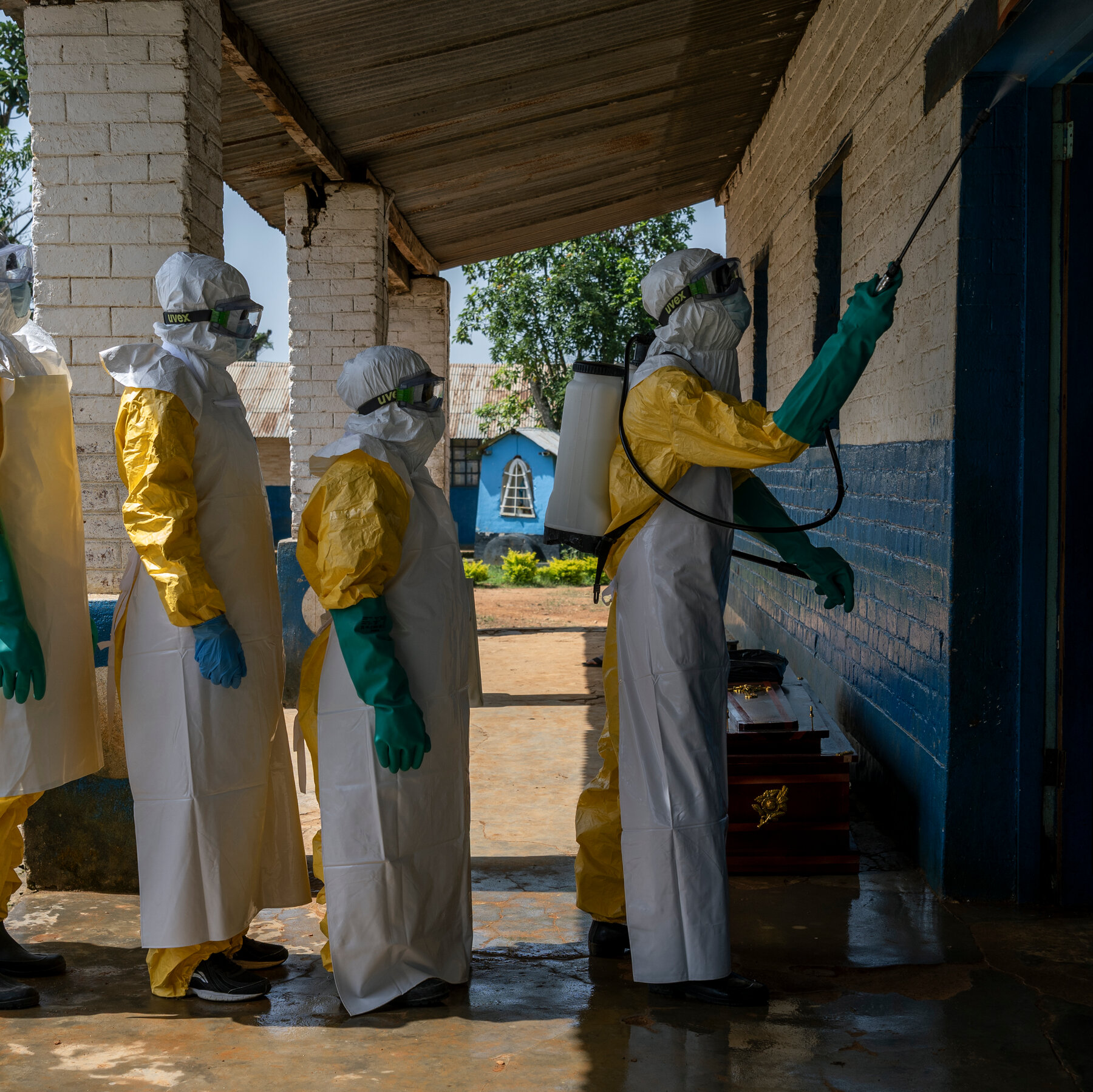
The U.S. State Department has committed $50 million to the Coalition for Epidemic Preparedness Innovations (CEPI) to help develop vaccines and treatments against the Bundibugyo strain. Additionally, the State Department has pledged more than $270 million directly to the Ebola response, with U.S.-funded partners screening over 6,300 people in Ituri, supporting 100 health facilities, and carrying out 200 safe burials. Doctors Without Borders (MSF) reports a critical funding gap of $21.5 million, hampering response efforts.
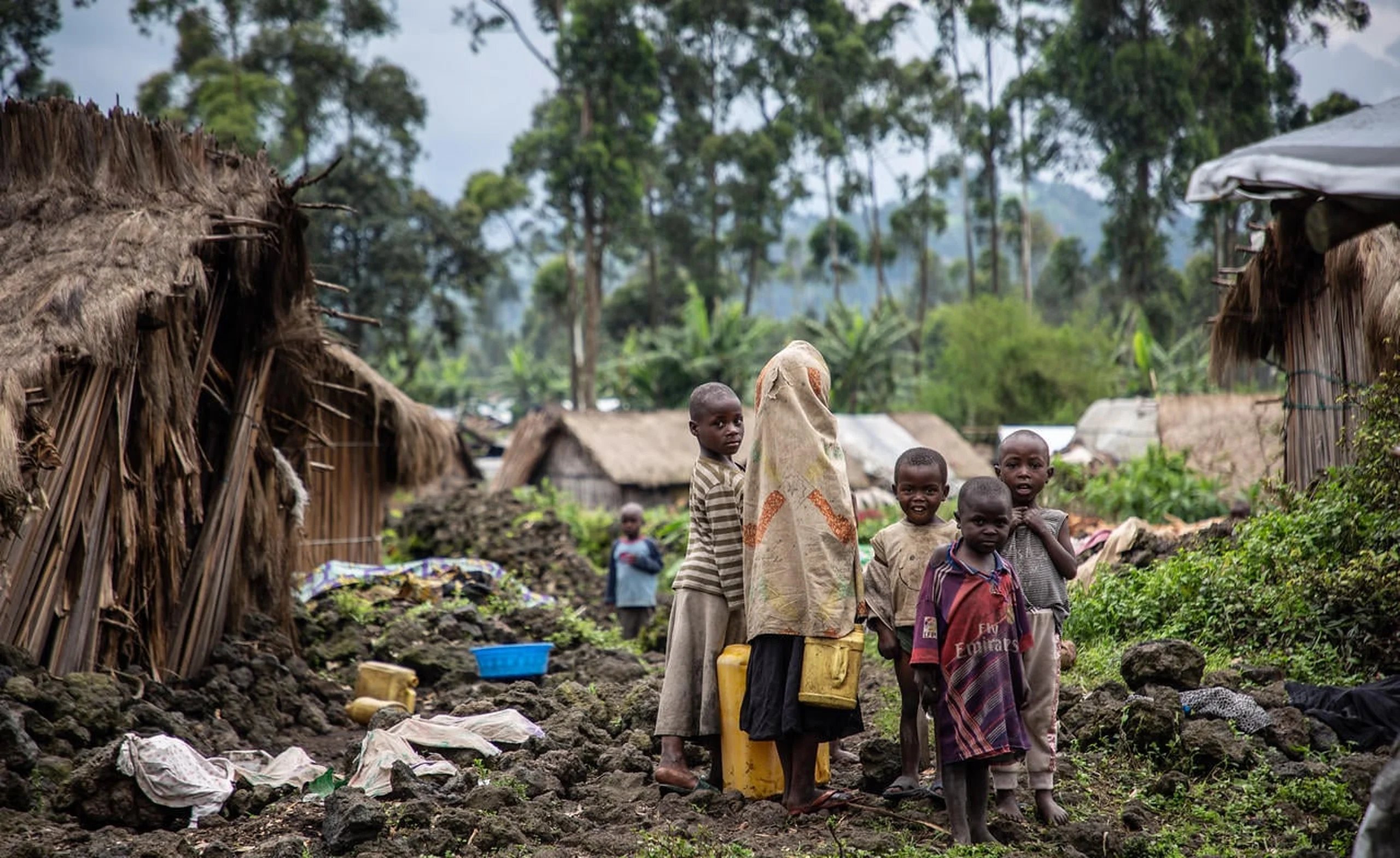
"As the outbreak evolves, we must be prepared for increasing household transmission which means we may see more children affected in the days ahead," said Dr. Douglas Noble, UNICEF global lead for public health emergencies and global incident manager for Ebola.
The record number of single-day Ebola cases in the DRC signifies a significant worsening of the outbreak. The challenges in containment, the spread of the virus, and the potential impact on children highlight the urgency and complexity of the situation.
The Democratic Republic of Congo (DRC) has reported a record one-day increase in Ebola cases, with the Ministry of Health confirming 72 new cases on June 13. This brings the total number of cases to 782 since the outbreak began a month ago, with 181 deaths, according to the DRC Ministry of Health. The surge in cases marks an escalation in a public health crisis that is directly impacting local communities and may trigger international health responses.
The majority of cases are concentrated in three provinces in the northeast part of the country: Ituri, North Kivu, and South Kivu. Two new health zones, Nia-Nia in Ituri and Mabalako in North Kivu, reported cases for the first time, increasing the number of affected health zones to 31. The outbreak is caused by the rare Bundibugyo virus strain, which has no approved vaccine or treatment, unlike the Zaire virus responsible for the DRC’s previous 16 Ebola outbreaks.
Contact tracing remains a significant challenge, with only 56.5% of identified contacts followed up on, significantly below the World Health Organization's target of 90%-95%. This shortfall hampers containment efforts, as does regional conflict and patient escapes. The region's humanitarian crisis, with nearly one million residents displaced by conflict, further complicates efforts to contain the outbreak.
The U.S. State Department has committed $50 million to the Coalition for Epidemic Preparedness Innovations (CEPI) to help develop vaccines and treatments against the Bundibugyo strain. Additionally, the State Department has pledged more than $270 million directly to the Ebola response, with U.S.-funded partners screening over 6,300 people in Ituri, supporting 100 health facilities, and carrying out 200 safe burials. However, Doctors Without Borders (MSF) reports a critical funding gap of $21.5 million, which is hampering response efforts.
United Nations agencies have warned that children in the eastern DRC could become increasingly affected by the Ebola outbreak. "As the outbreak evolves, we must be prepared for increasing household transmission which means we may see more children affected in the days ahead," said Dr. Douglas Noble, UNICEF global lead for public health emergencies and global incident manager for Ebola. This is a particularly concerning development given the vulnerability of children in the region.
The record number of single-day Ebola cases in the DRC signifies a significant worsening of the outbreak, with direct implications for public health and potentially triggering international health responses. The challenges in containment, the spread of the virus, and the potential impact on children highlight the urgency and complexity of the situation.
Highlighted text was flagged by the council. Tap to see feedback.

























































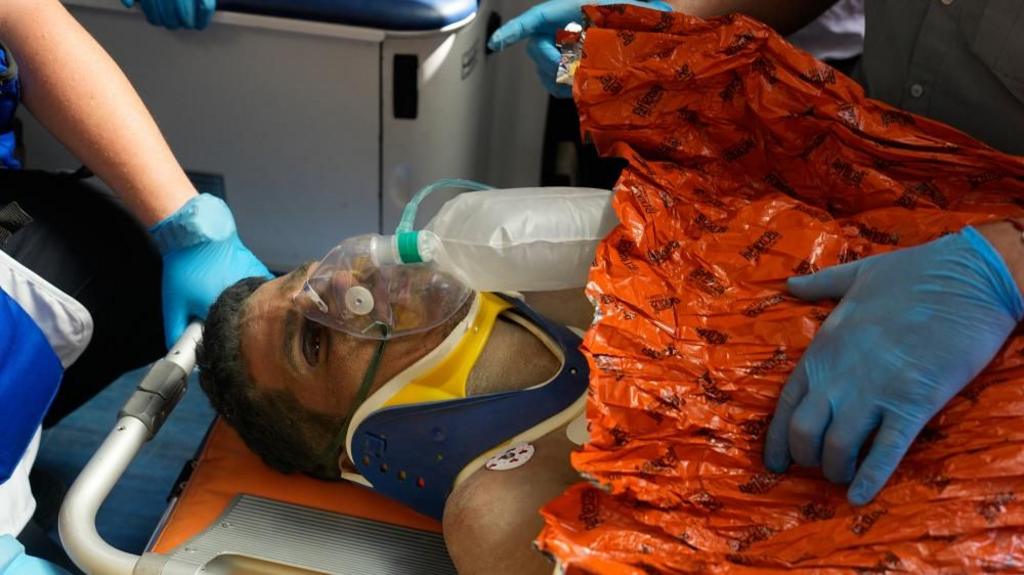



























































































































































































For example, the Bundibugyo virus strain has a 22.8 percent death rate so far, with 40 patients reported to have recovered.