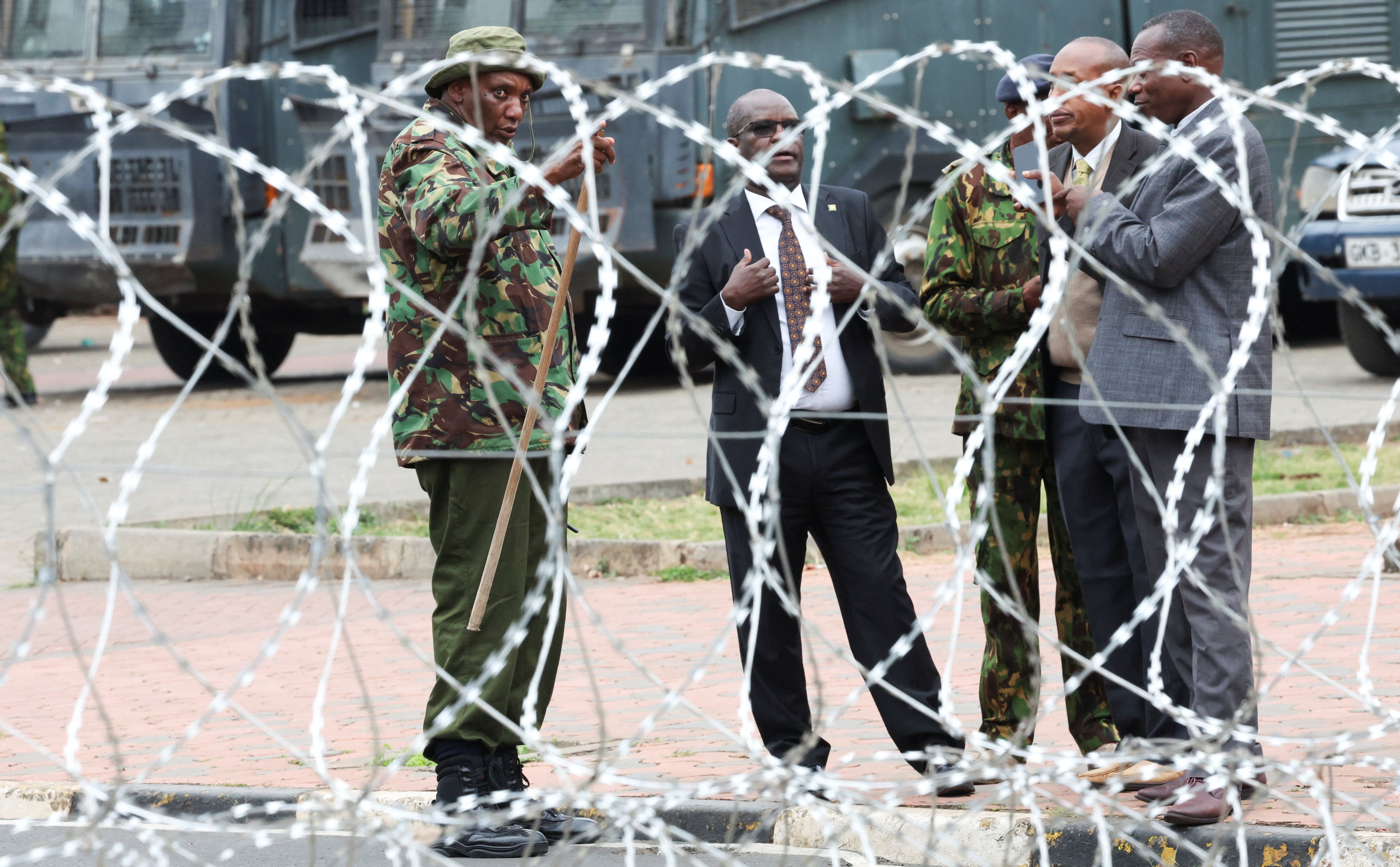
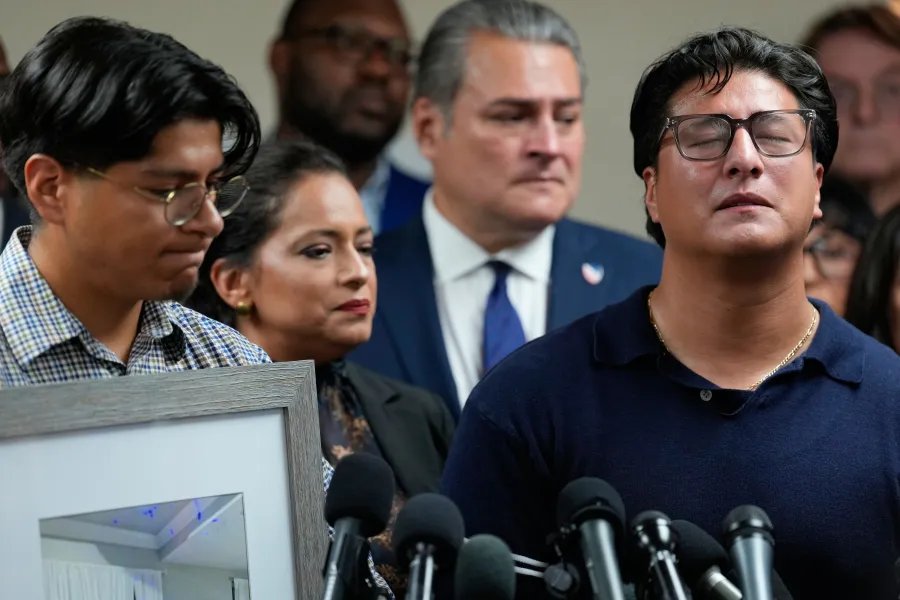
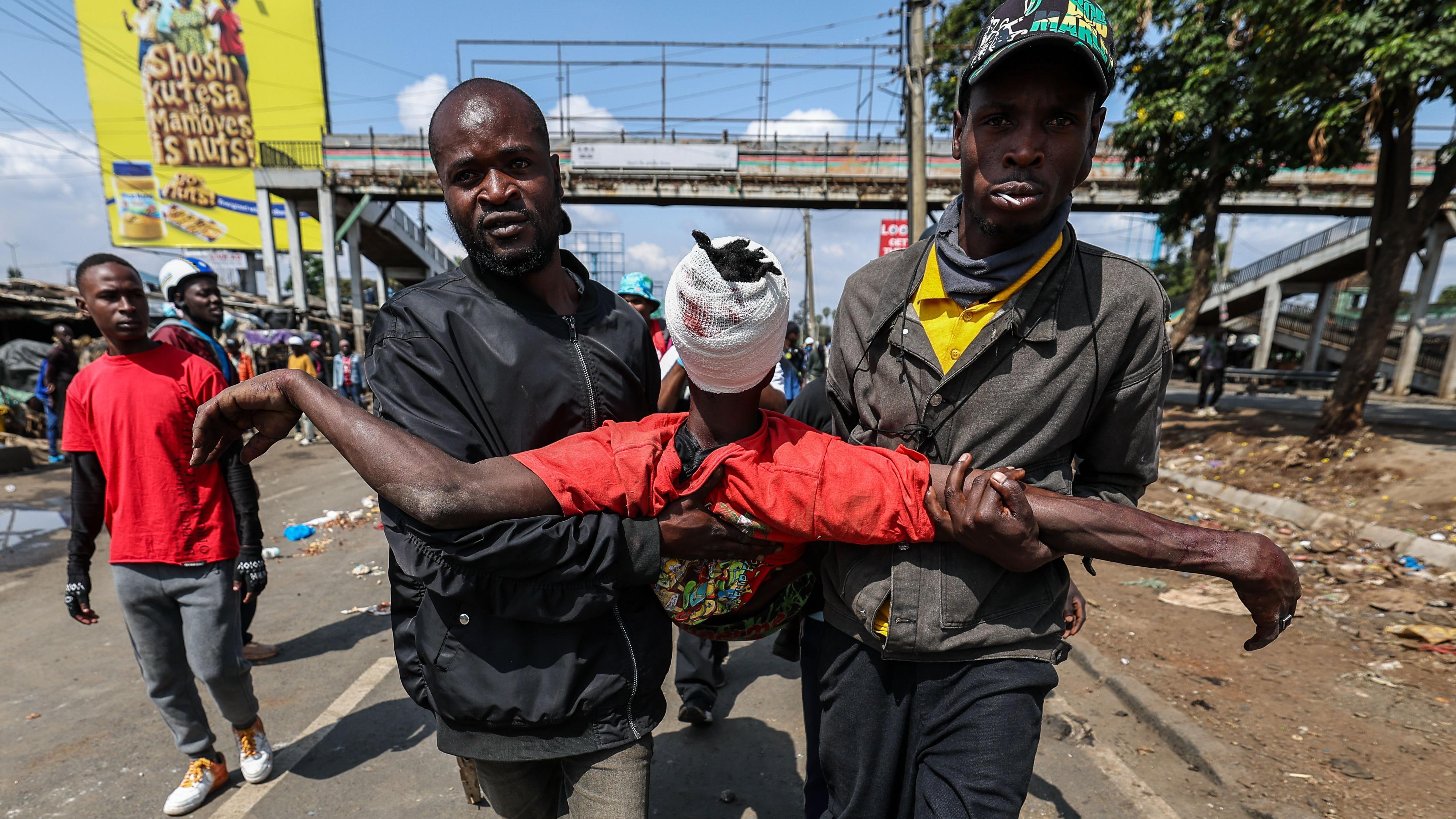
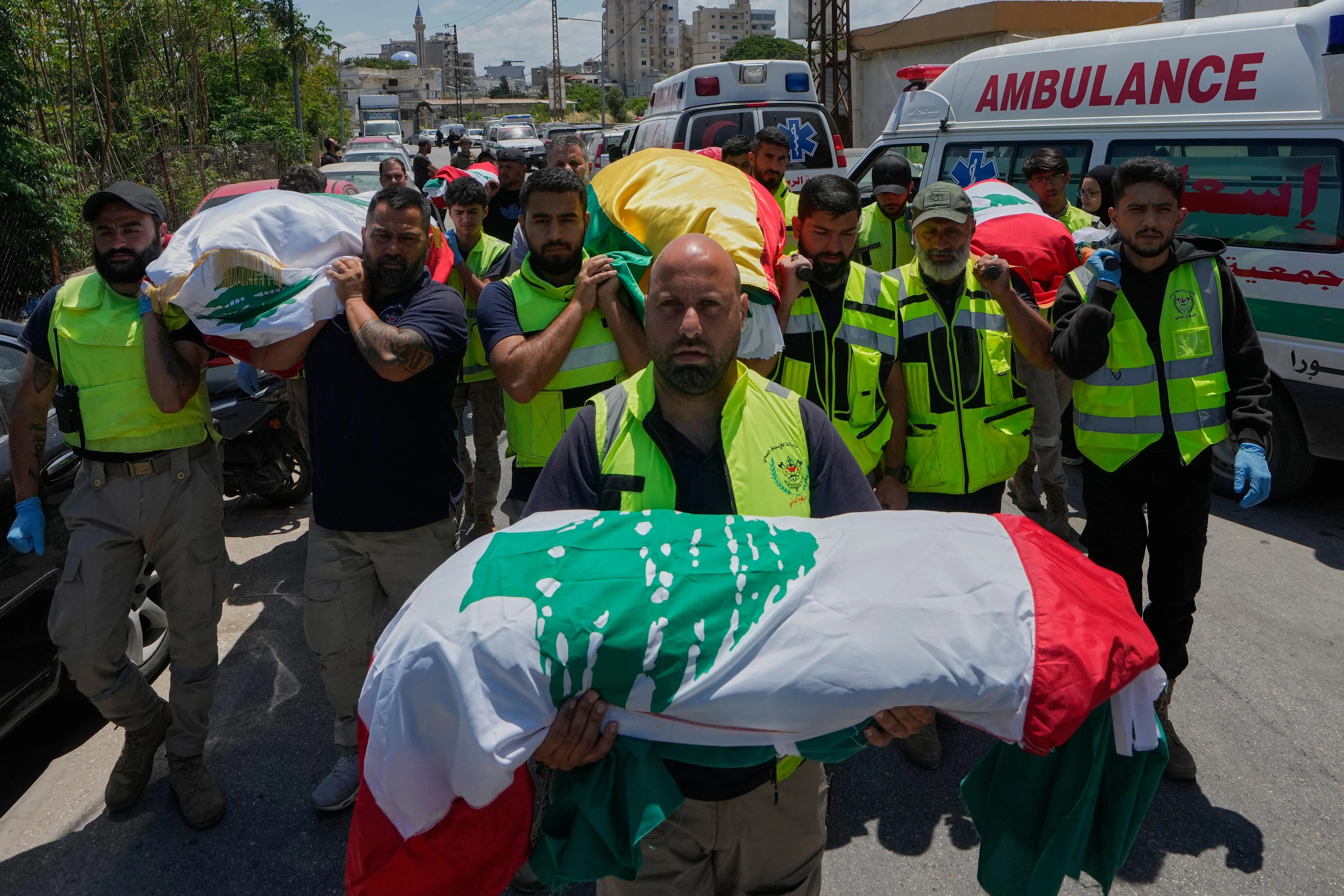
Families of the deceased from the 2024 anti-government protests in Kenya placed flowers on barbed wire barricades outside parliament as they marked the anniversary of the deadly clashes. The BBC reported that police arrested 355 protesters nationwide and blocked key roads in Nairobi, with a lower turnout compared to previous years. Authorities barricaded parliament, preventing families from laying wreaths and flowers by the building. Jacinta Anyango, whose 12-year-old son Kennedy was killed in 2024, said, "All I want is for the government to bring the officers responsible for killing our children before us and let them apologise."
Interior Minister Kipchumba Murkomen described those detained as "criminals" and apologized for the inconvenience caused by security measures, while acknowledging their effectiveness. According to Al Jazeera, police fired tear gas to disperse peaceful gatherings outside Nairobi's police station, following the detention of six people outside parliament. The Kenya National Commission on Human Rights stated that the protests were planned to mark the second anniversary of demonstrations that left at least 60 people dead after protesters breached parliament grounds in 2024.
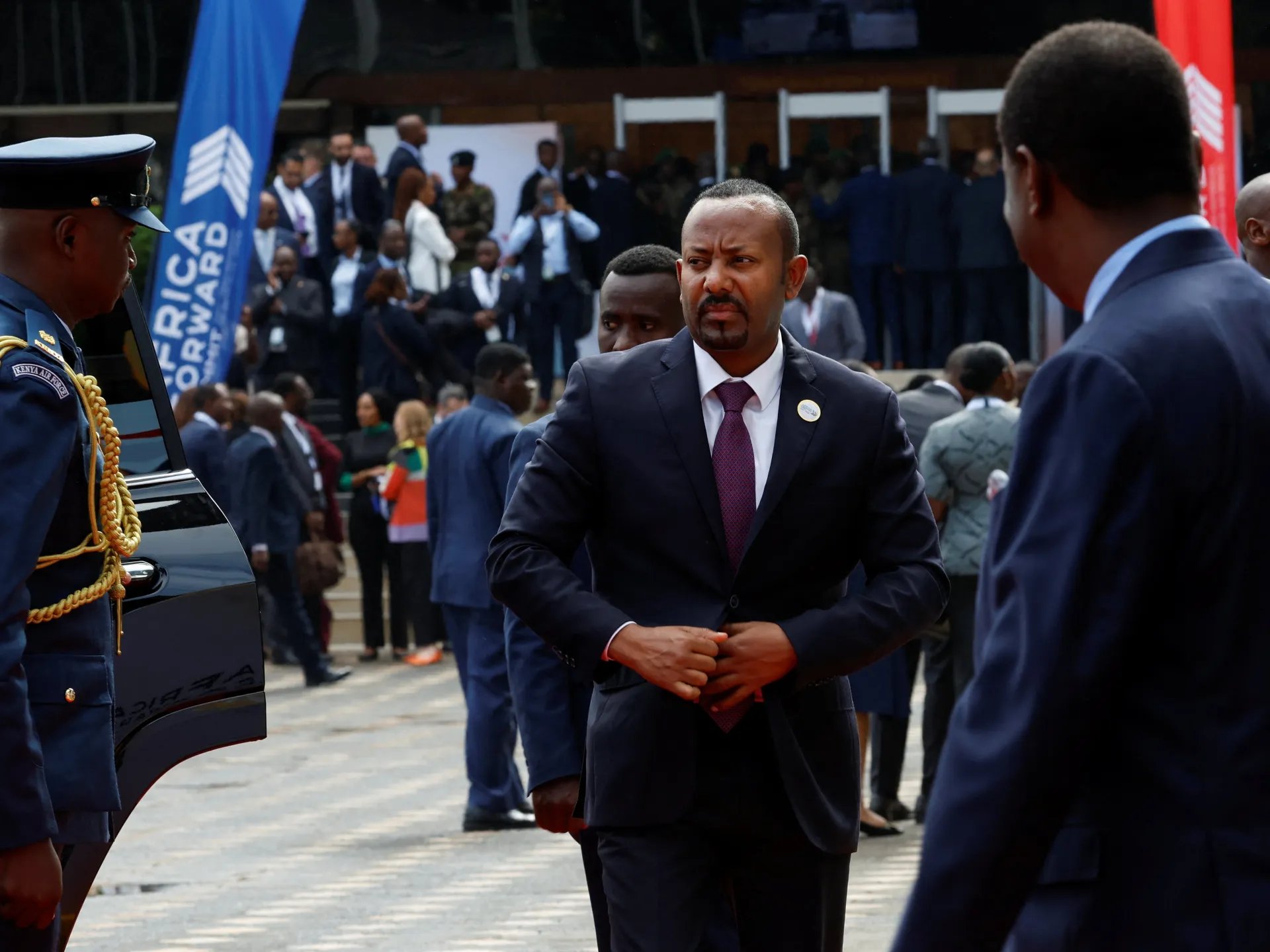
Opposition leaders, including Kalonzo Musyoka, Martha Karua, and Eugene Wamalwa, joined families and activists in their march to parliament. President William Ruto said last Friday that people had a right to protest but warned that anyone "mobilised to destroy property or cause chaos" would not be tolerated. His former deputy Rigathi Gachagua urged activists to stay away from the streets, citing concerns over potential violence. Opposition leaders and families of victims are seeking a credible investigation into past police conduct and guarantees against the use of excessive force.
Ruto said the compensation was not a "price for life, pain or loss" and should not be seen as rewarding violence or criminality. However, human rights organisations have rejected the compensation plan, citing the exclusion of some victims, inadequate pay-outs, and a lack of transparency.
Families of the 2024 victims are demanding a credible investigation into police conduct and guarantees against excessive force. Human rights organisations have rejected Ruto's compensation plan, citing exclusion of some victims, inadequate pay-outs, and lack of transparency.
Families of the deceased from the 2024 anti-government protests in Kenya placed flowers on barbed wire barricades outside parliament as they marked the anniversary of the deadly clashes. The BBC reported that police arrested 355 protesters nationwide and blocked key roads in Nairobi, with a lower turnout compared to previous years. Authorities barricaded parliament, preventing families from laying wreaths and flowers by the building. Jacinta Anyango, whose 12-year-old son Kennedy was killed in 2024, said, "All I want is for the government to bring the officers responsible for killing our children before us and let them apologise."
Interior Minister Kipchumba Murkomen described those detained as “criminals” and apologized for the inconvenience caused by security measures, while acknowledging their effectiveness. According to Al Jazeera, police fired tear gas to disperse peaceful gatherings outside Nairobi’s police station, following the detention of six people outside parliament. The Kenya National Commission on Human Rights stated that the protests were planned to mark the second anniversary of demonstrations that left at least 60 people dead after protesters breached parliament grounds in 2024.
Opposition leaders, including Kalonzo Musyoka, Martha Karua, and Eugene Wamalwa, joined families and activists in their march to parliament. President William Ruto warned against attempts to "shut down the country," while also asserting the right to protest. His former deputy Rigathi Gachagua urged activists to stay away from the streets, citing concerns over potential violence. Opposition leaders and families of victims are seeking a credible investigation into past police conduct and guarantees against the use of excessive force.
President Ruto faces growing public discontent ahead of the 2027 elections, with critics accusing his government of failing to deliver on key campaign promises. In response to the growing unrest, Ruto announced a fund of nearly $15 million to compensate nearly 2,000 victims of protest-related human rights abuses between 2017 and 2025 identified by rights groups. However, human rights organisations have rejected the compensation plan, citing the exclusion of some victims, inadequate pay-outs, and a lack of transparency.
The anniversary of the deadly protests in Kenya has once again brought to the forefront the ongoing political tensions and public discontent with President William Ruto's government. As families mourn and demand justice for their lost loved ones, the nation grapples with the consequences of past actions and the uncertain path towards reconciliation and reform.
Highlighted text was flagged by the council. Tap to see feedback.