




Resignation and Political Shift
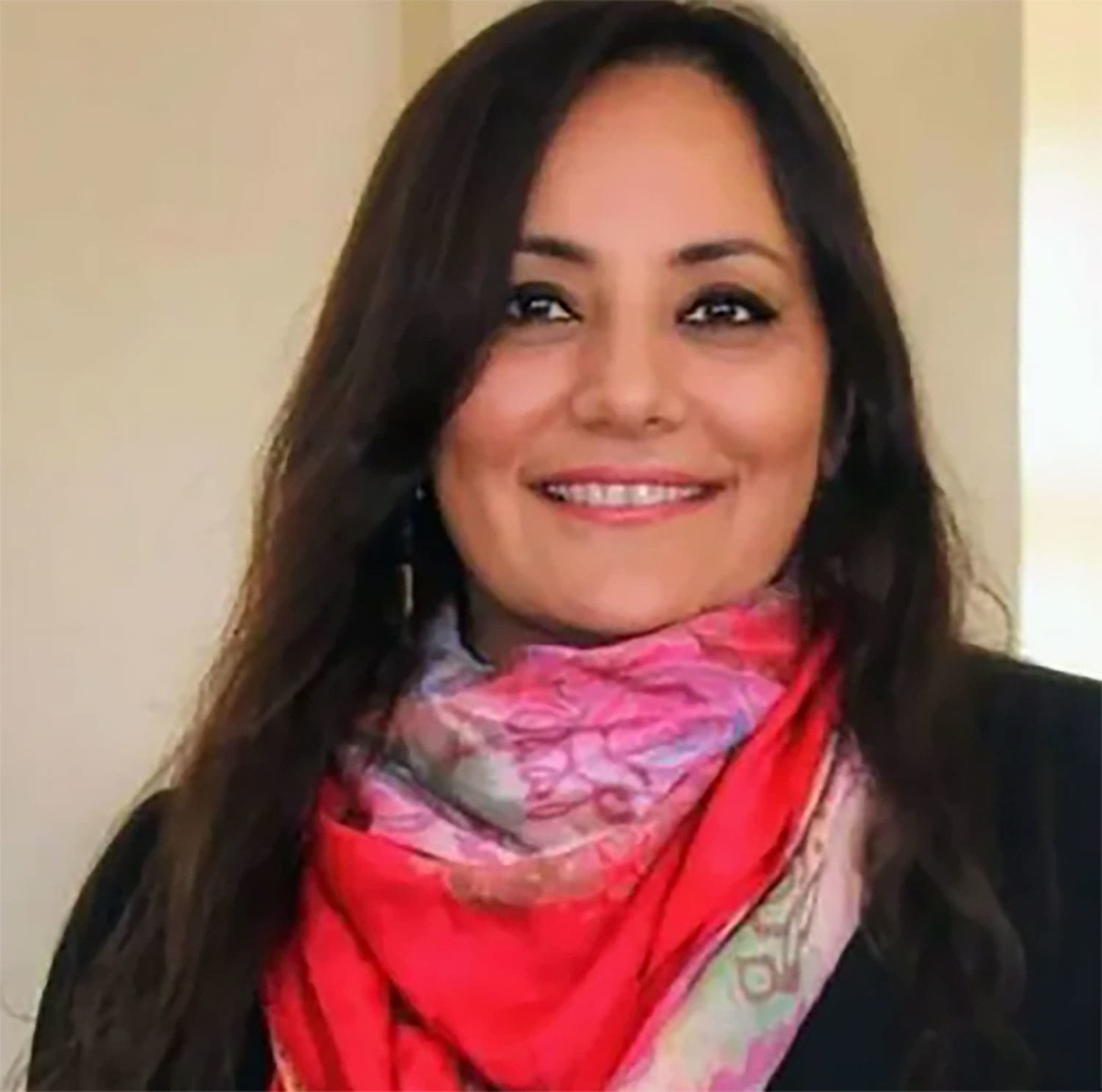
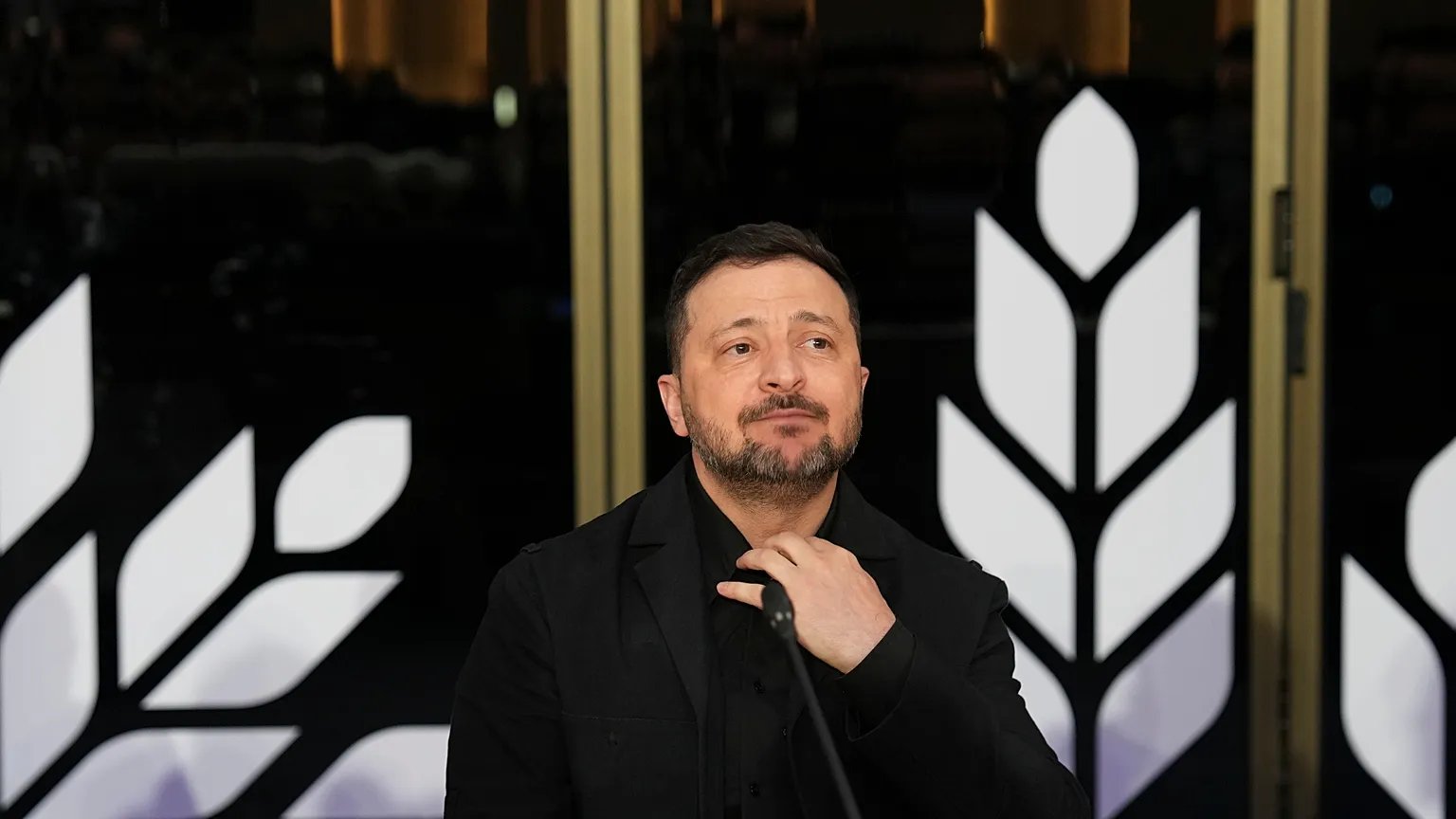
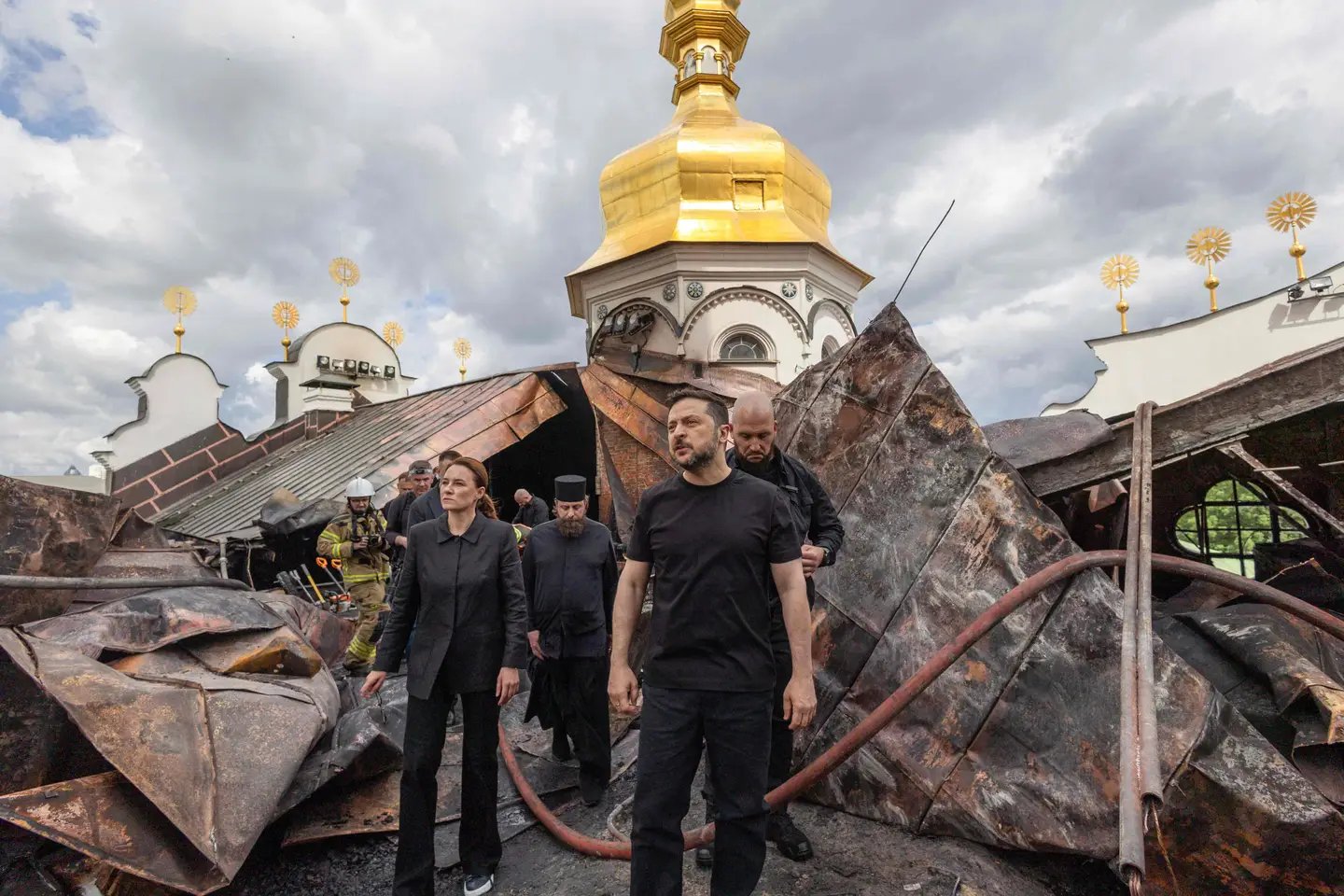
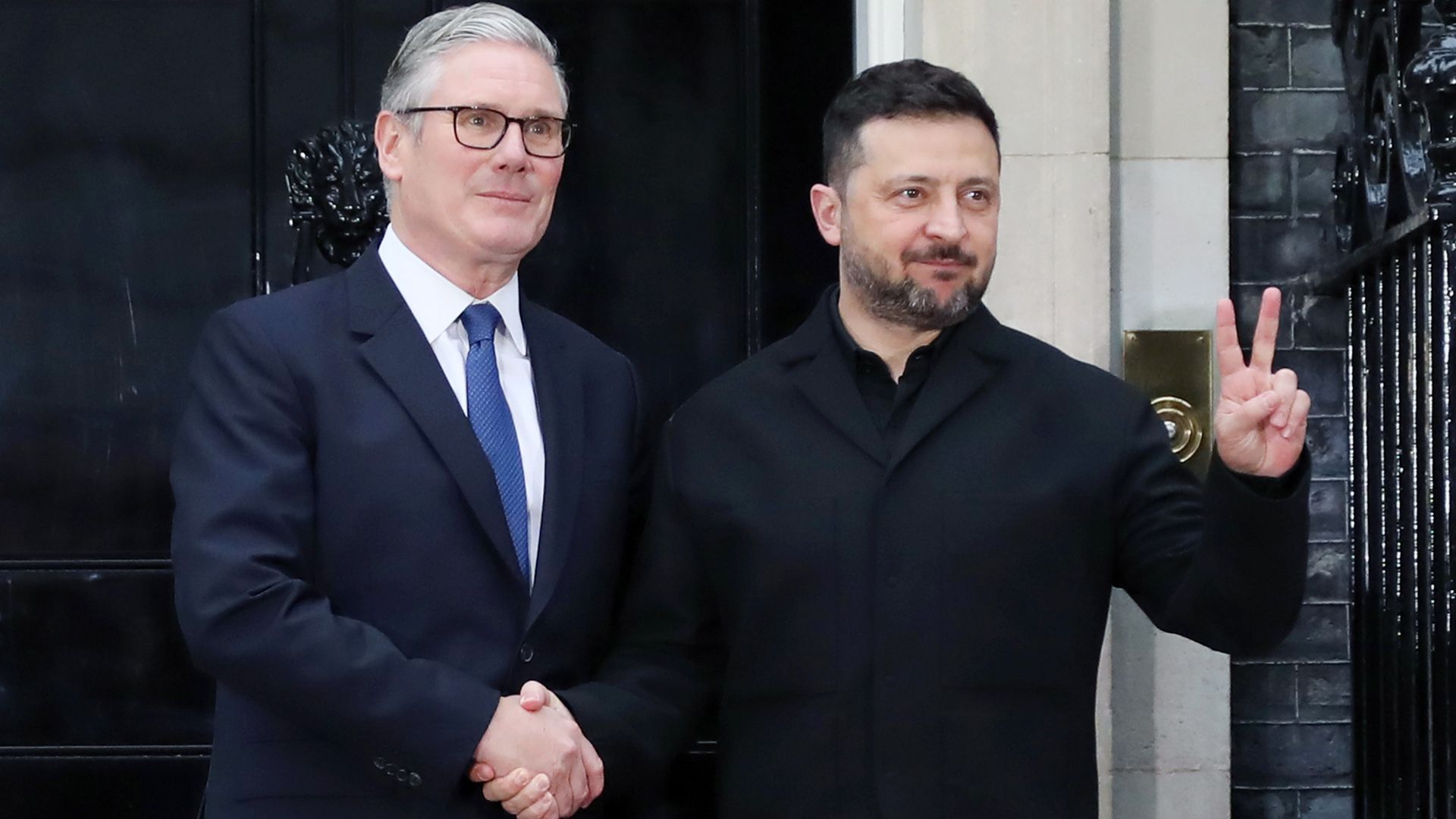
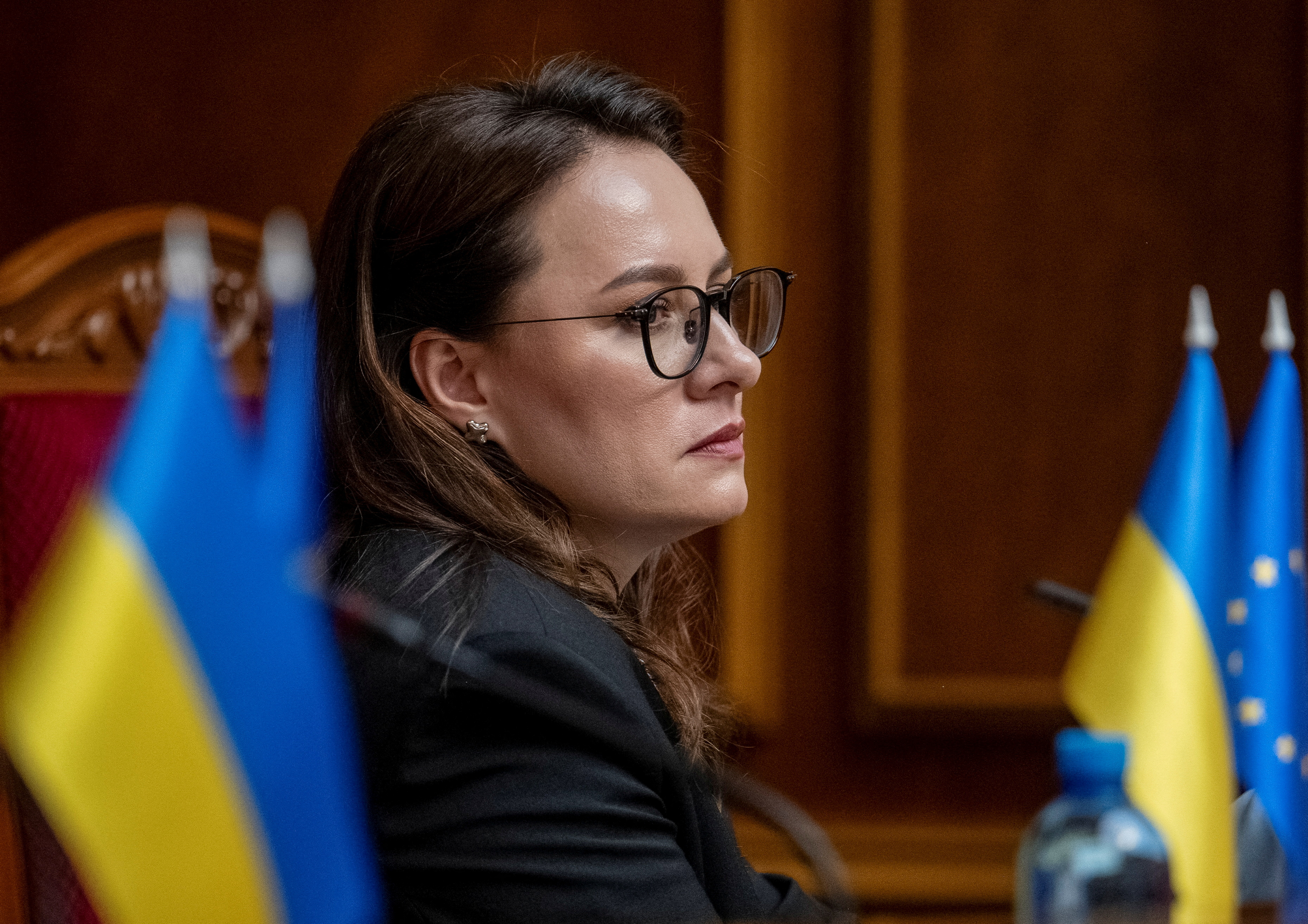
Ukrainian Prime Minister Yulia Svyrydenko resigned on Sunday as part of a significant government reshuffle announced by President Volodymyr Zelenskyy. This move comes as Ukraine faces ongoing challenges from Russia's invasion, prompting a reevaluation of its political strategy. Zelenskyy stated that he and Svyrydenko agreed on the need for "personnel changes" to better implement this updated strategy.
New Roles and Future Plans
Svyrydenko, who served as Prime Minister for just one year, expressed pride in leading the government during a critical period in Ukraine's history. In her statement, she emphasized her readiness to continue serving the Ukrainian state and contribute to national interests. Zelenskyy noted he has offered her a "new, important area" in Ukraine's international relations, although specifics were not disclosed.
Cabinet Overhaul and Potential Successors
Zelenskyy’s announcement included plans to reorganize key positions within the Cabinet. Possible successors to Svyrydenko include former Prime Minister Denys Shmyhal and current Defense Minister Mykhailo Fedorov. Lawmaker Yaroslav Zhelezniak speculated that Svyrydenko might be in line for the role of U.S. ambassador, given her previous work in securing a mineral agreement with the United States.
Context of the Reshuffle
This reshuffle marks the fourth significant change in Zelenskyy's government since the onset of Russia's full-scale invasion. The President's reshuffling aims to inject fresh momentum into his administration as Ukraine navigates complex political and military landscapes. Zelenskyy’s recent meetings with senior officials, including Energy Minister Denys Shmyhal and Interior Minister Ihor Klymenko, signal a broader strategy to strengthen leadership amid ongoing wartime pressures.
Ongoing Conflict and Domestic Challenges
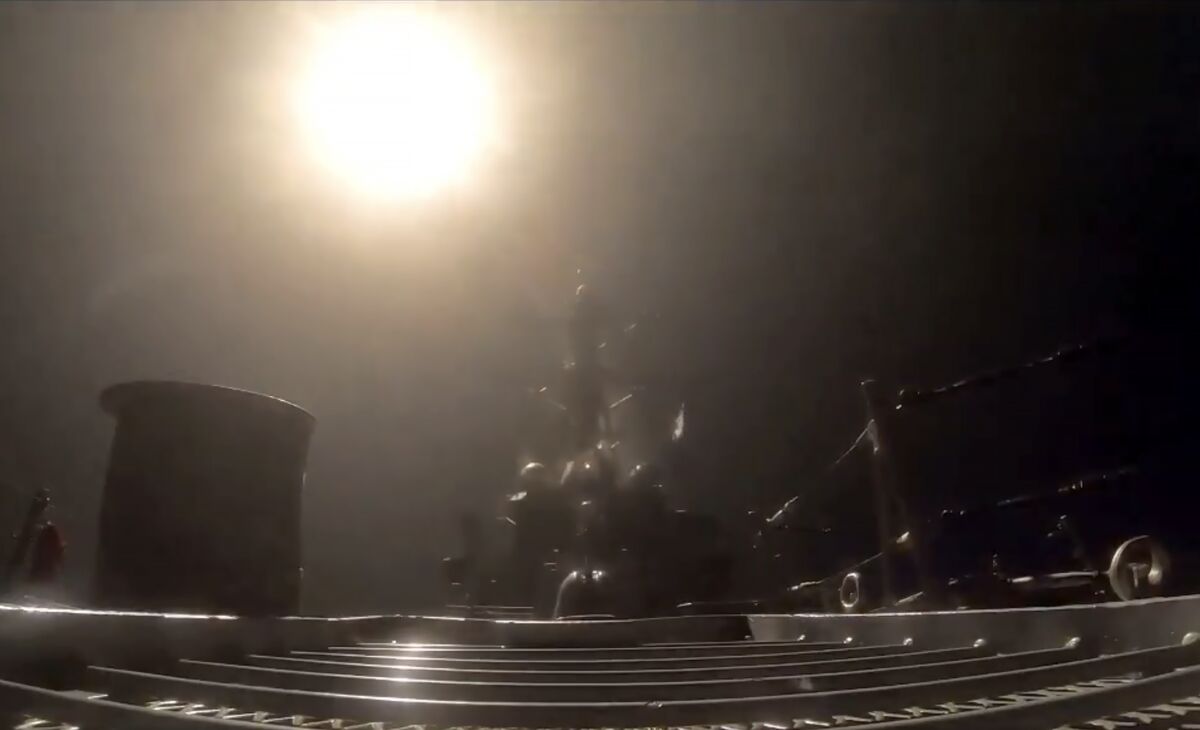
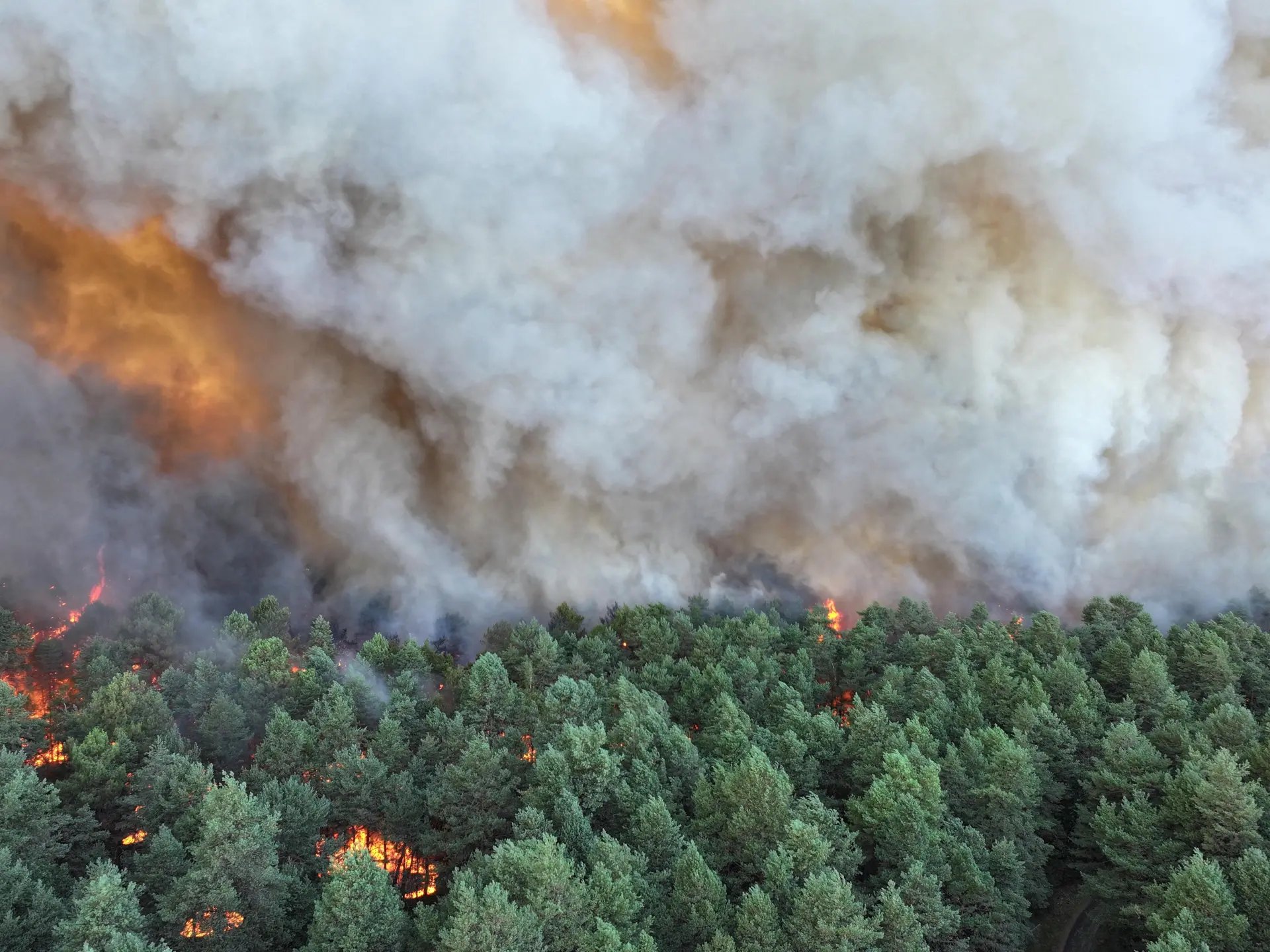
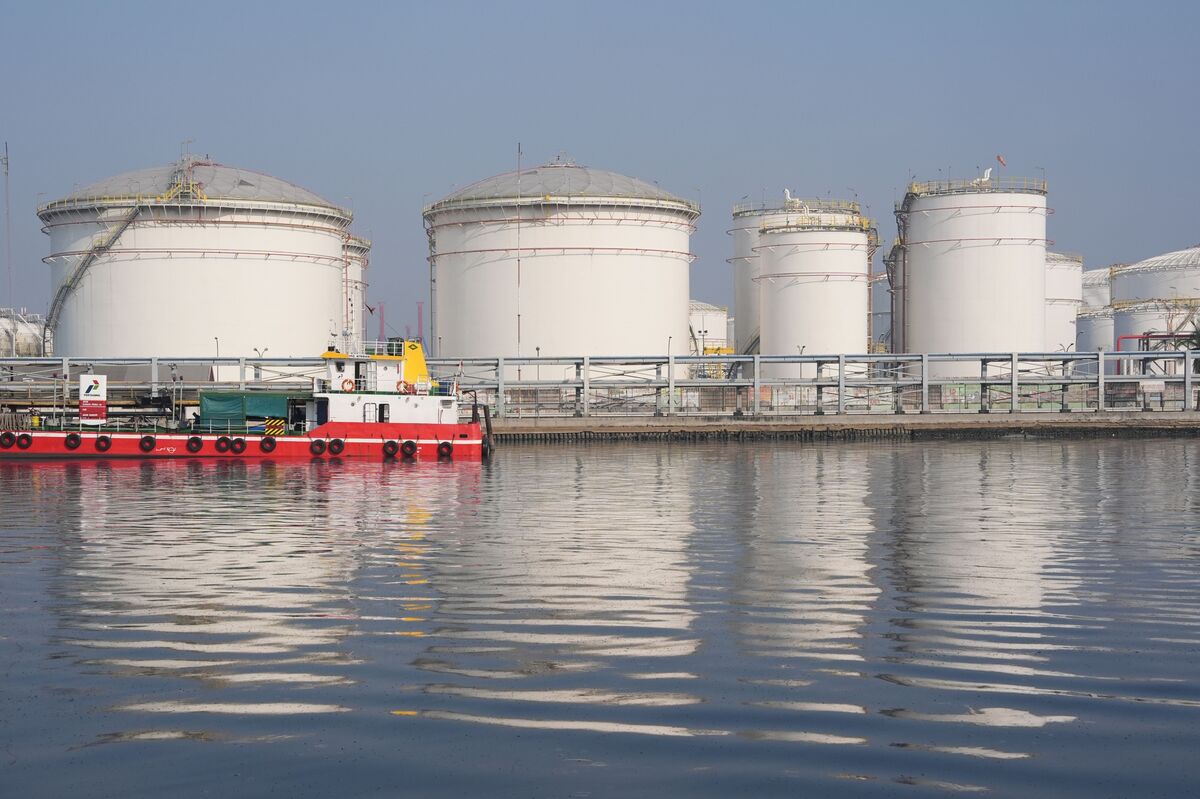
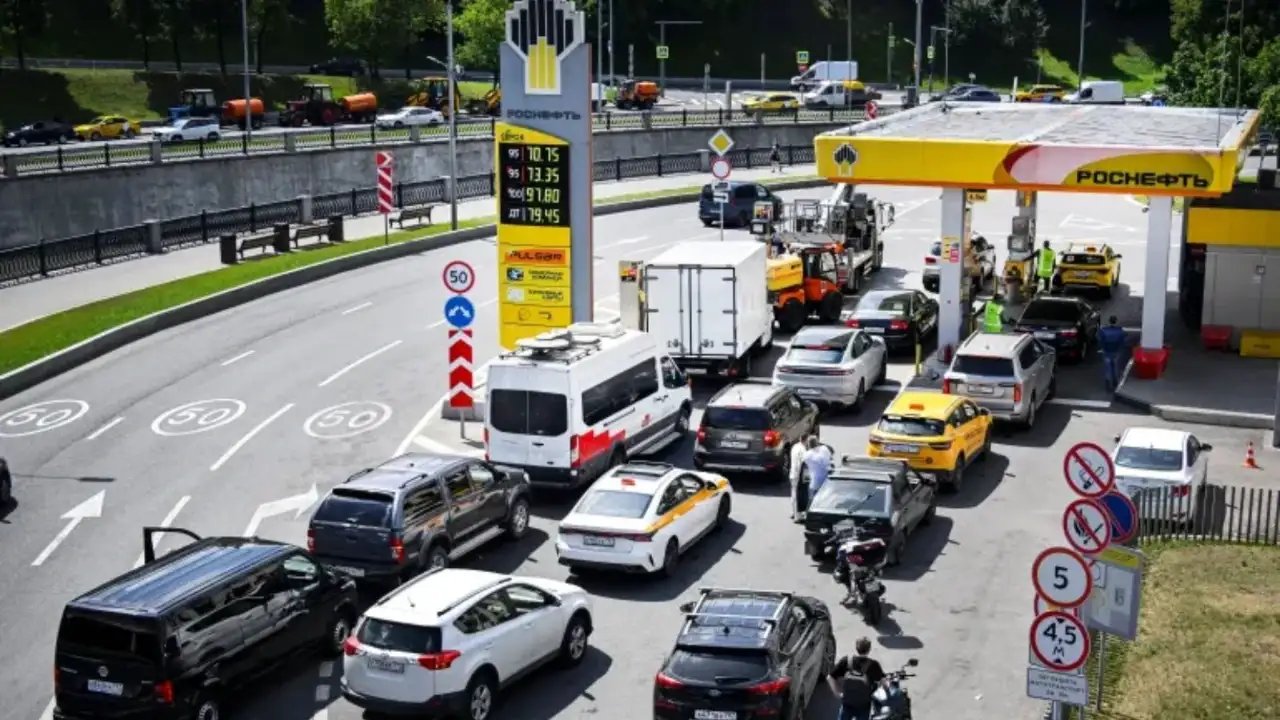
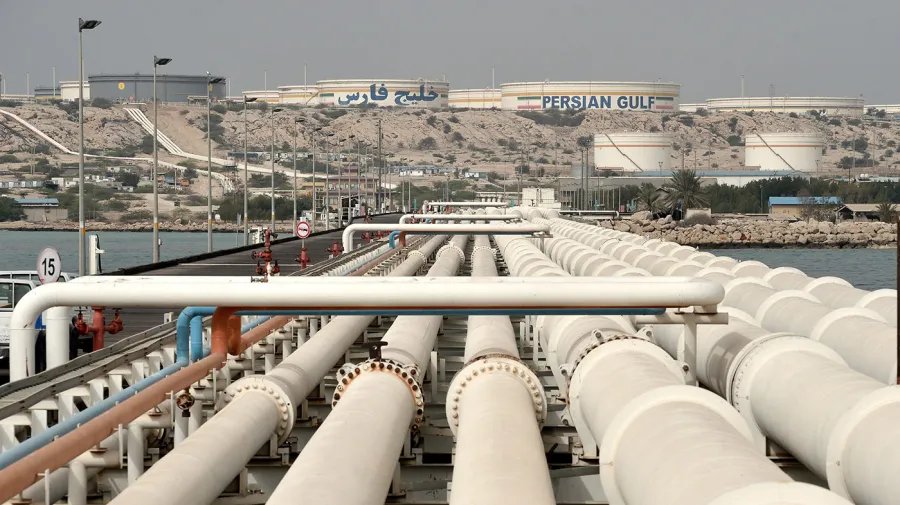
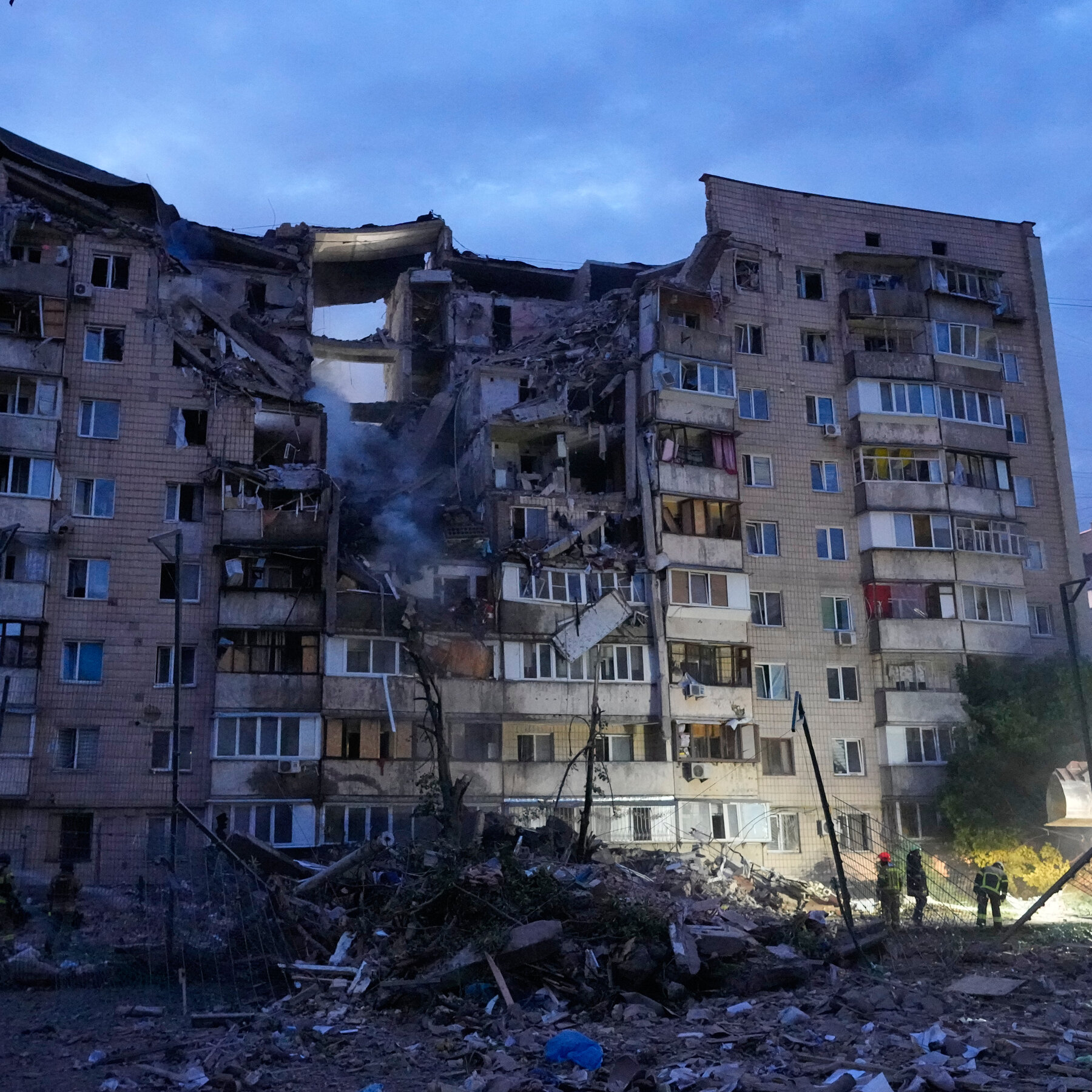
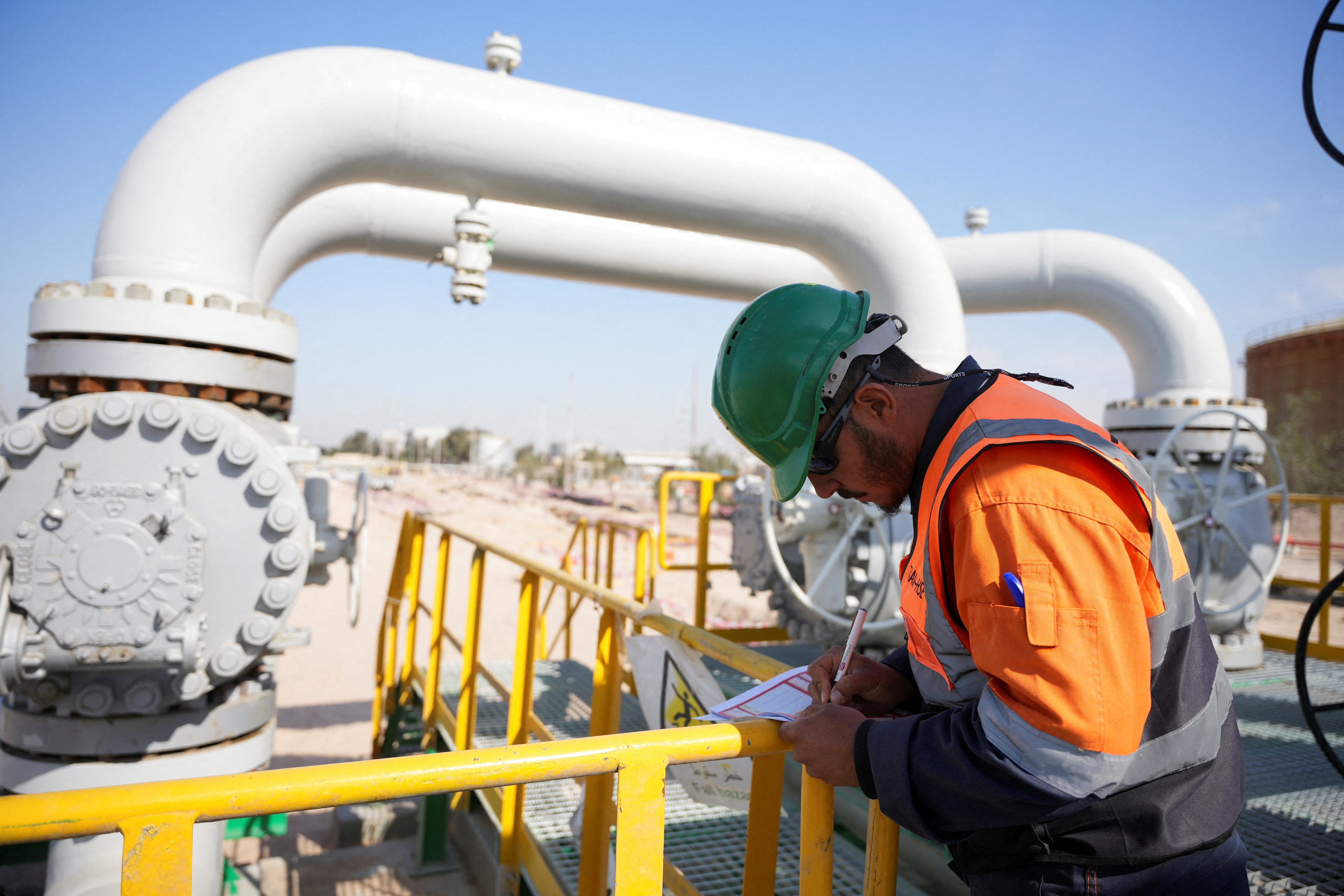
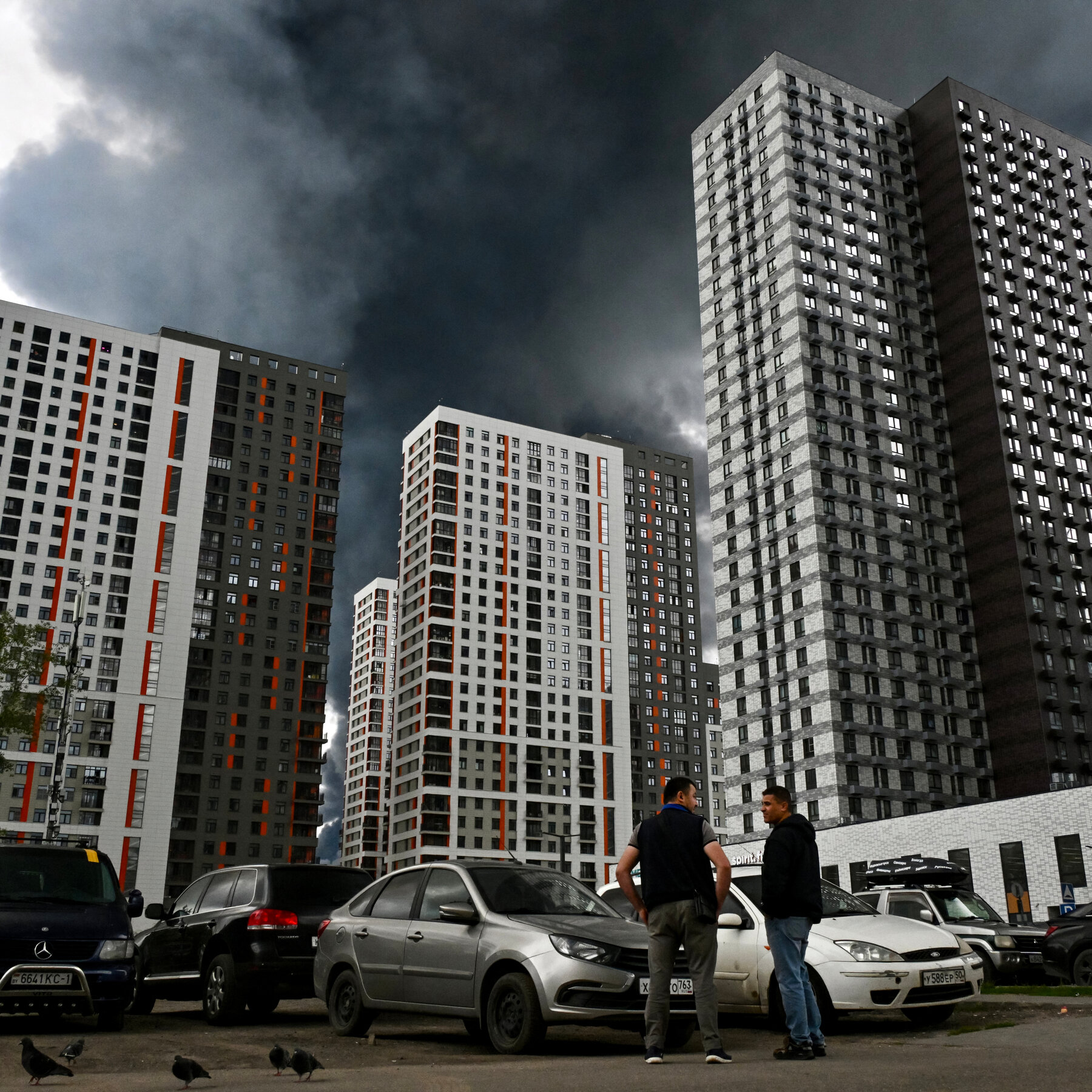
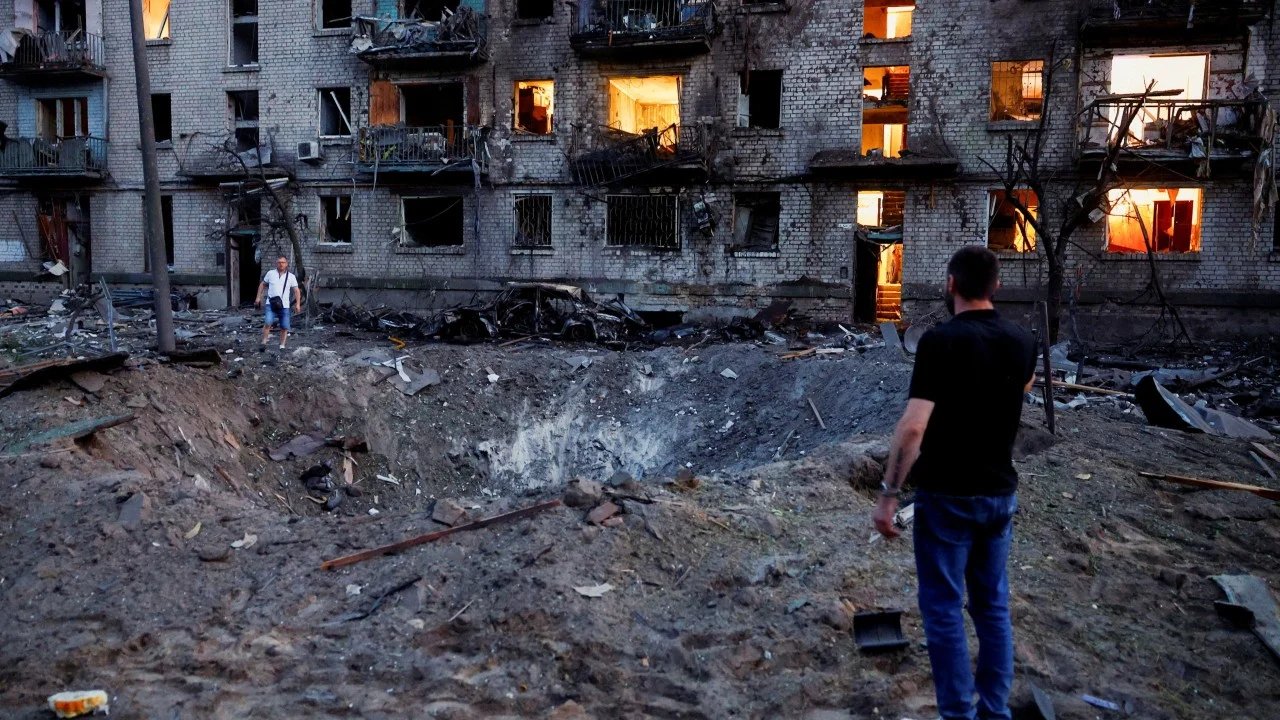
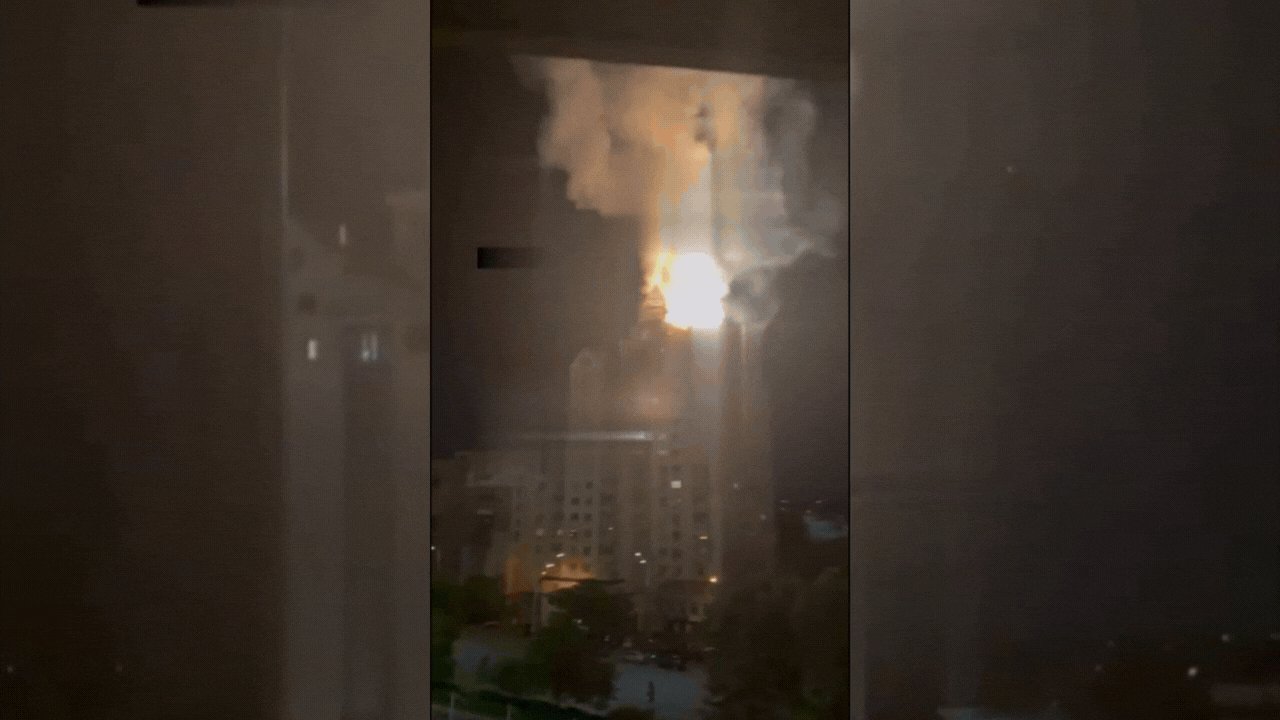
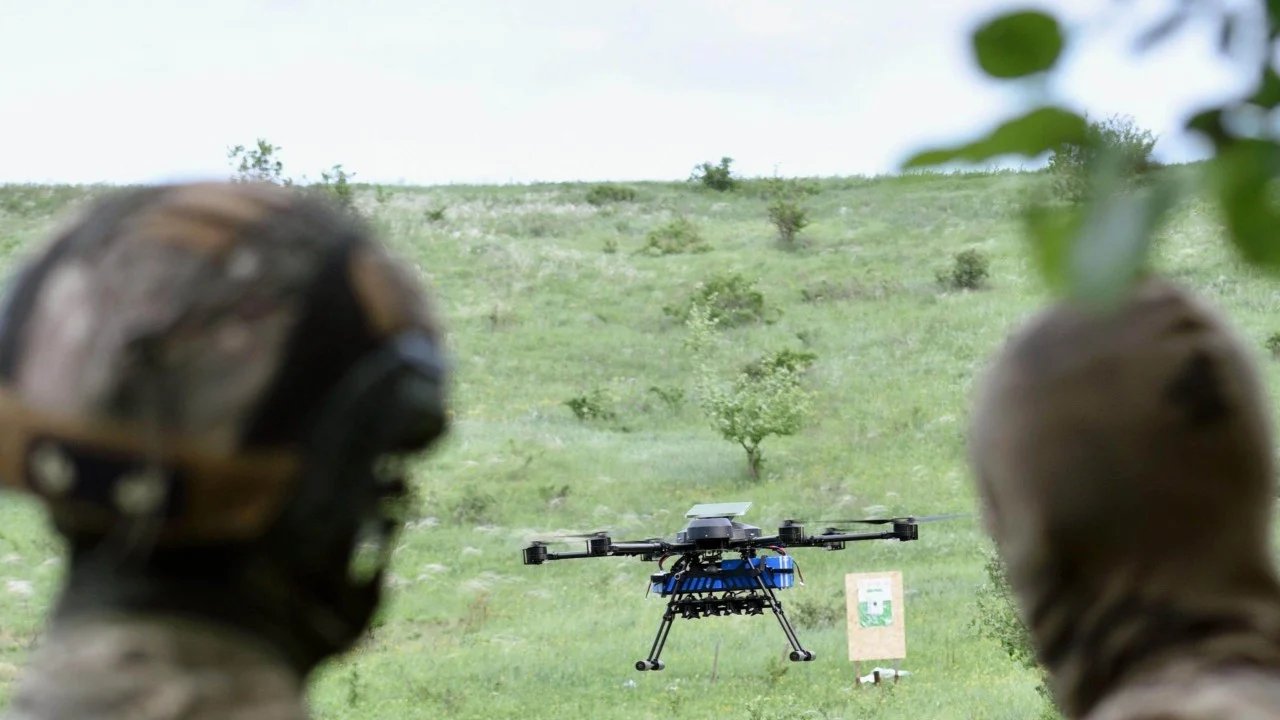
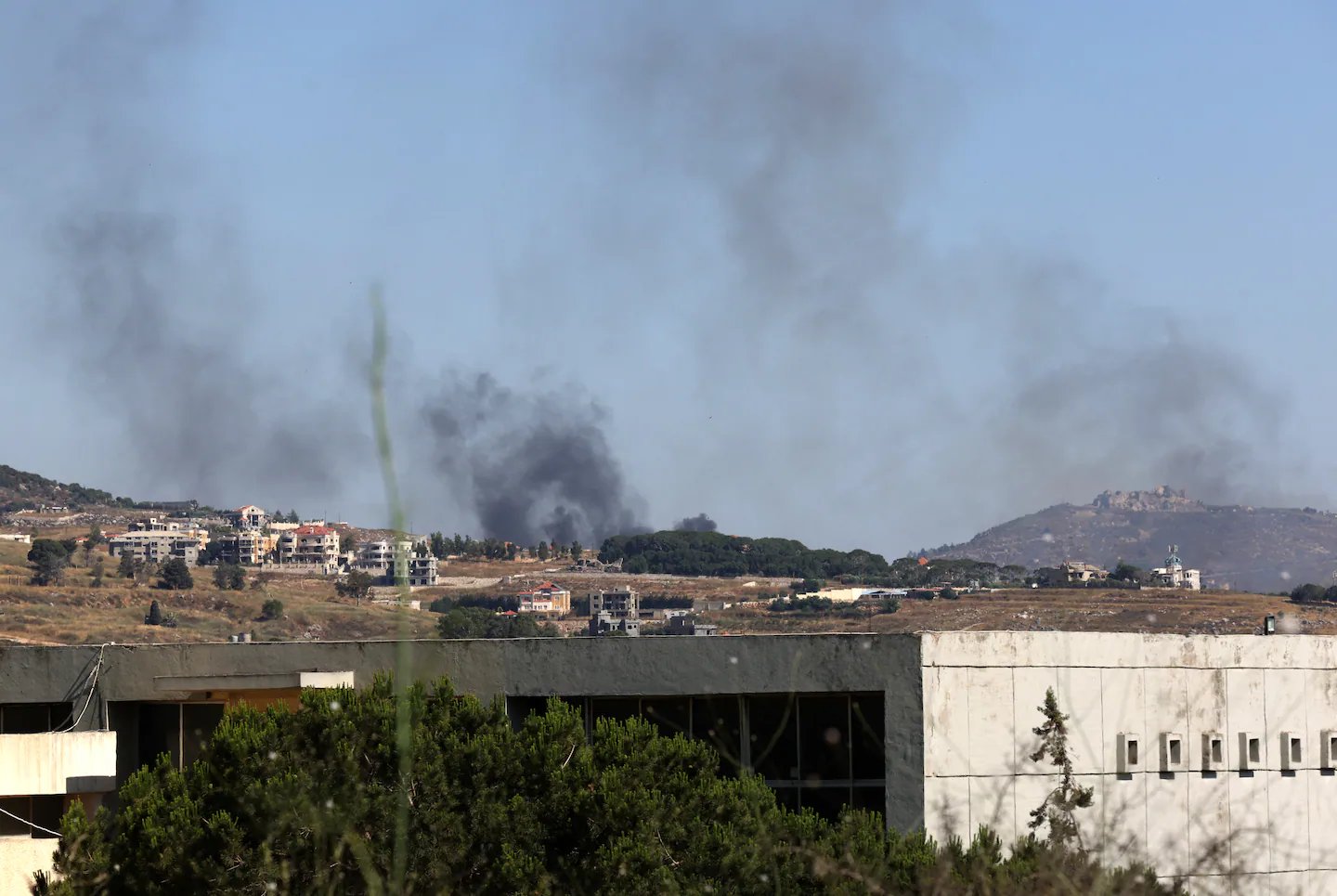
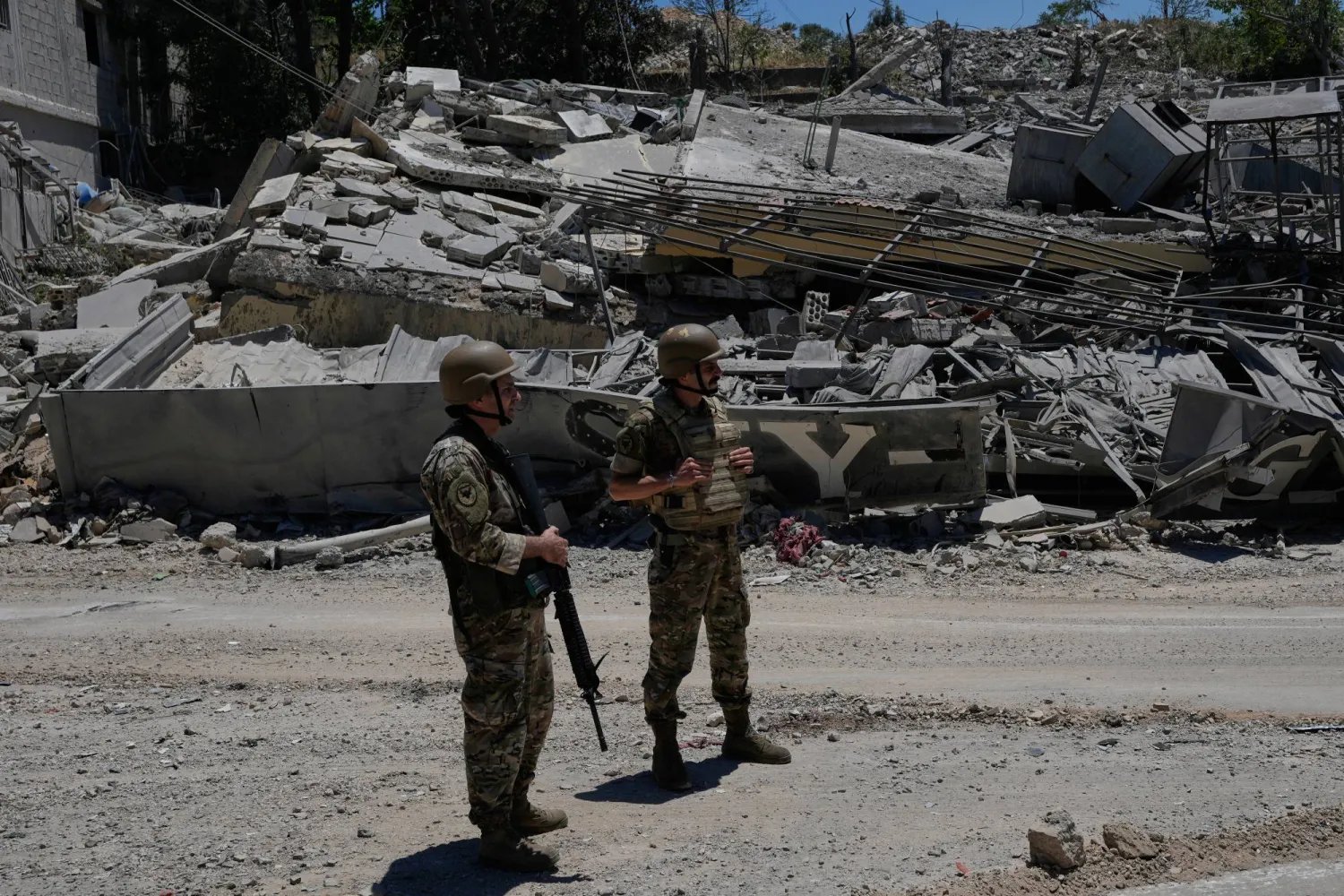
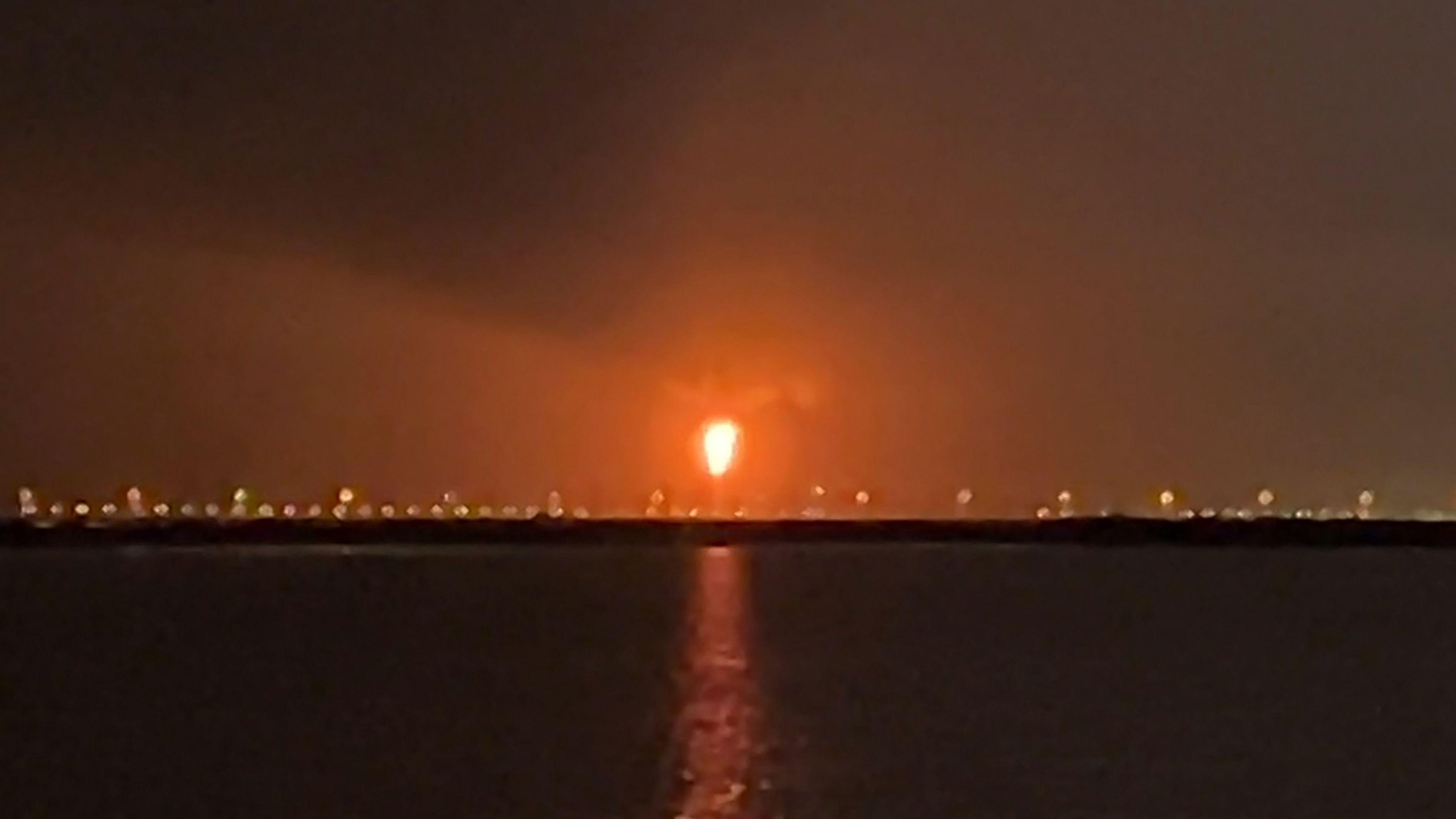
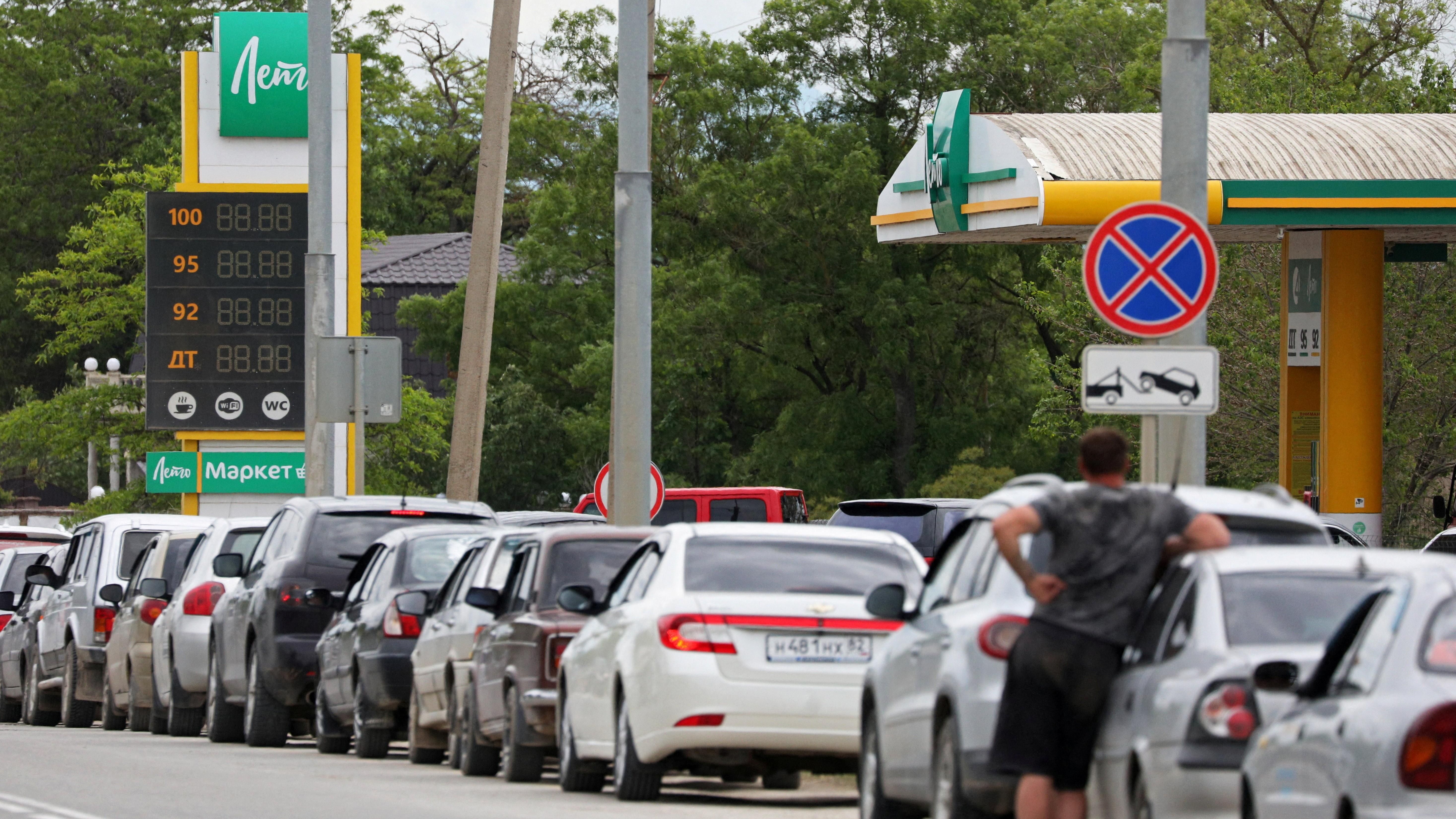
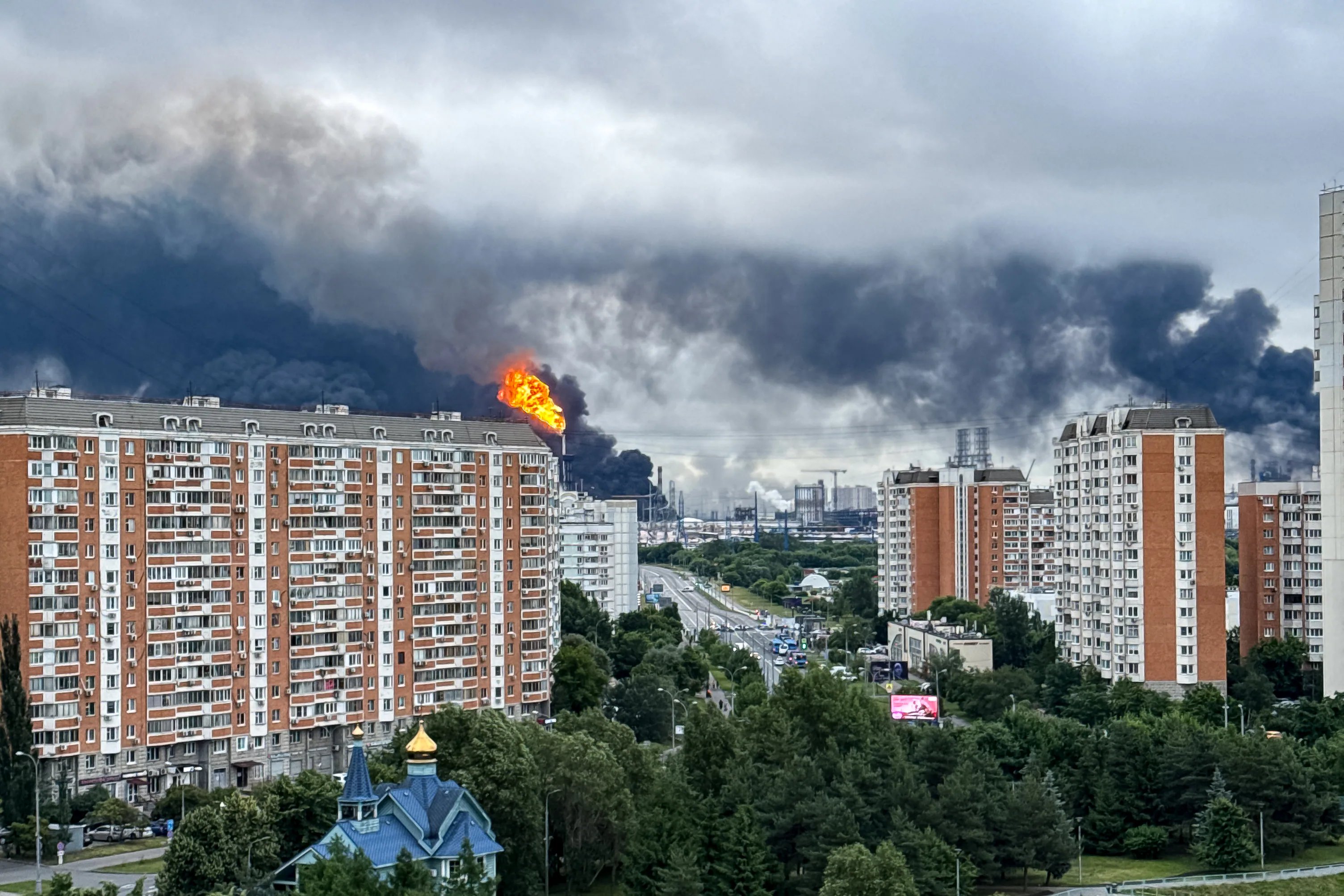
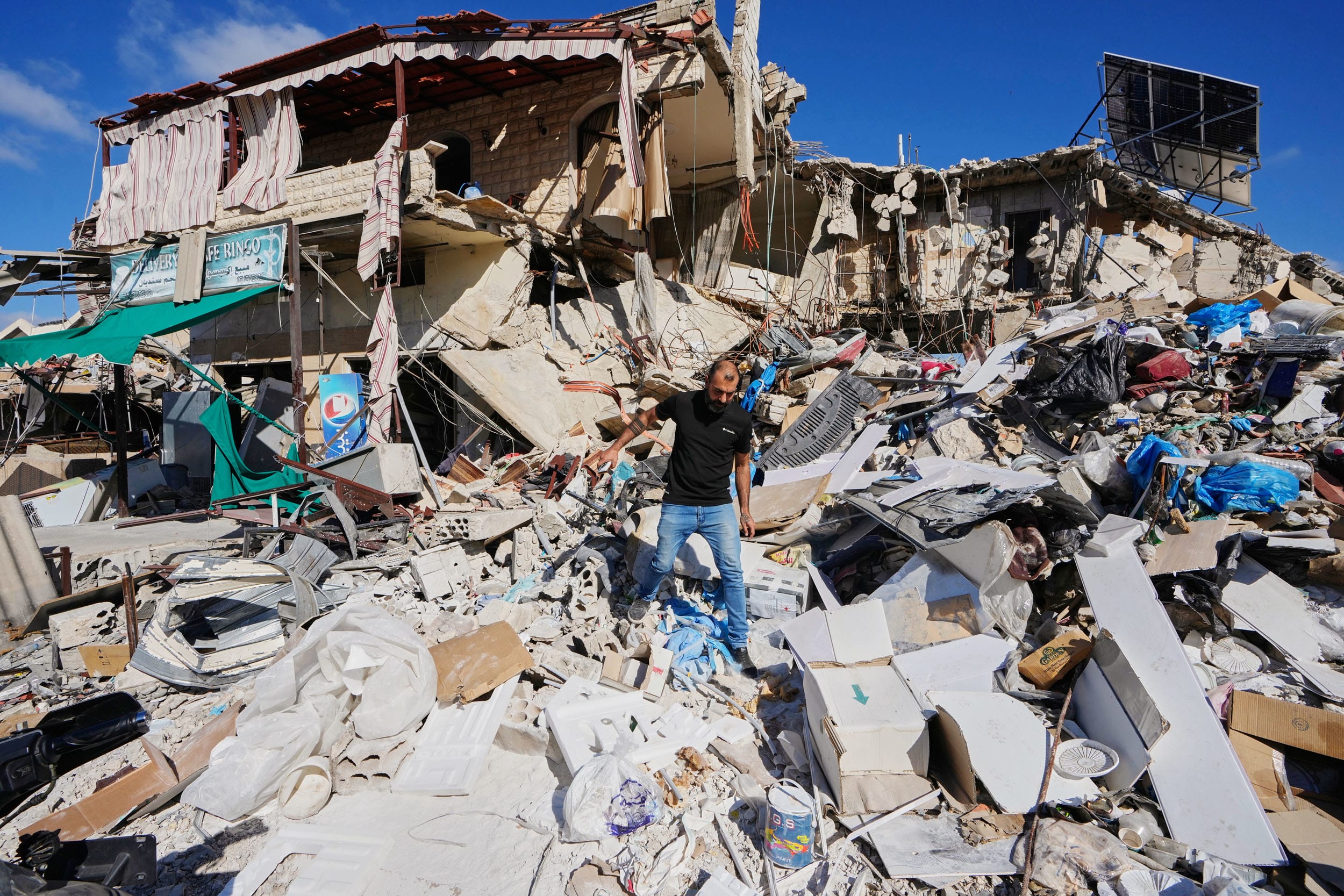
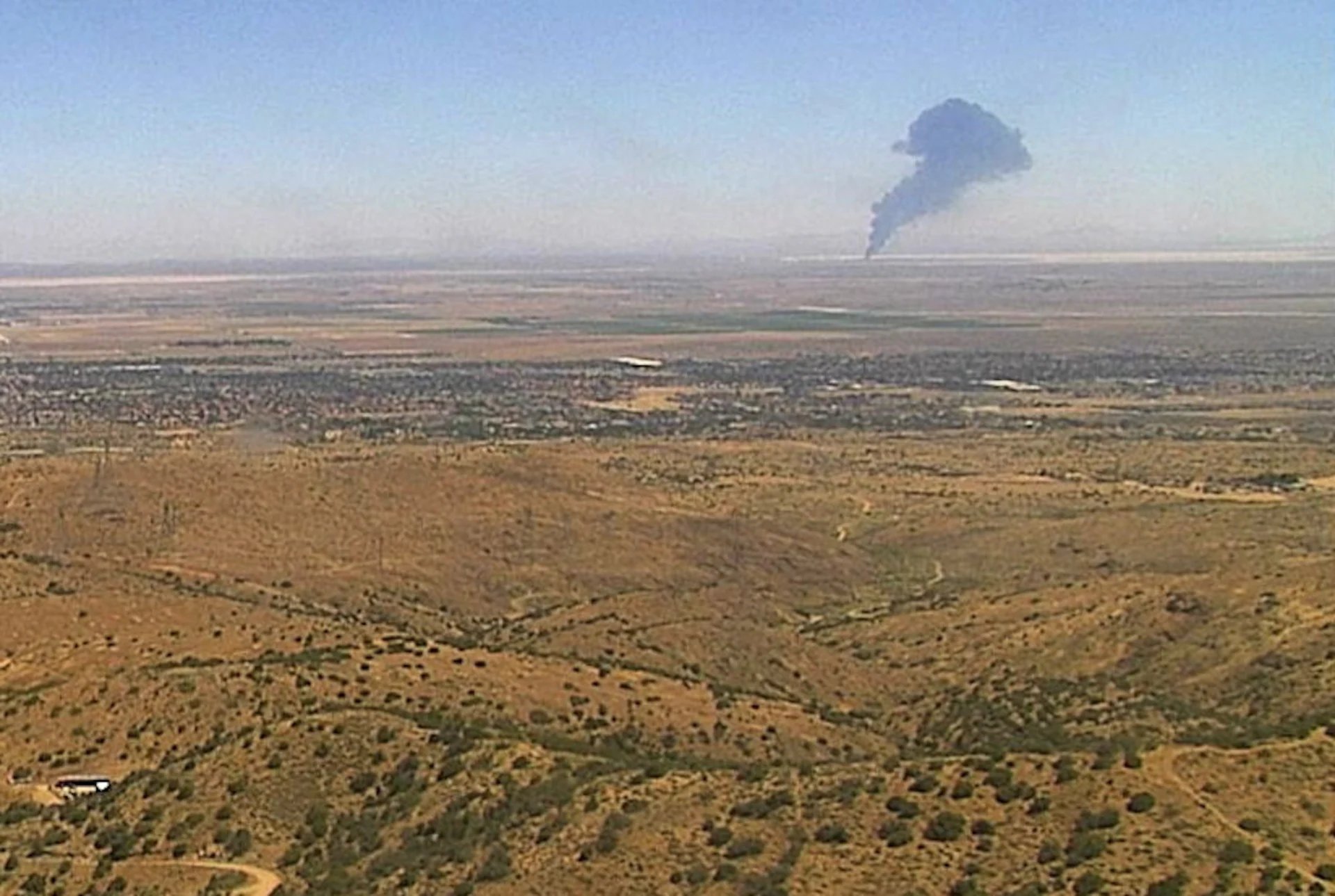
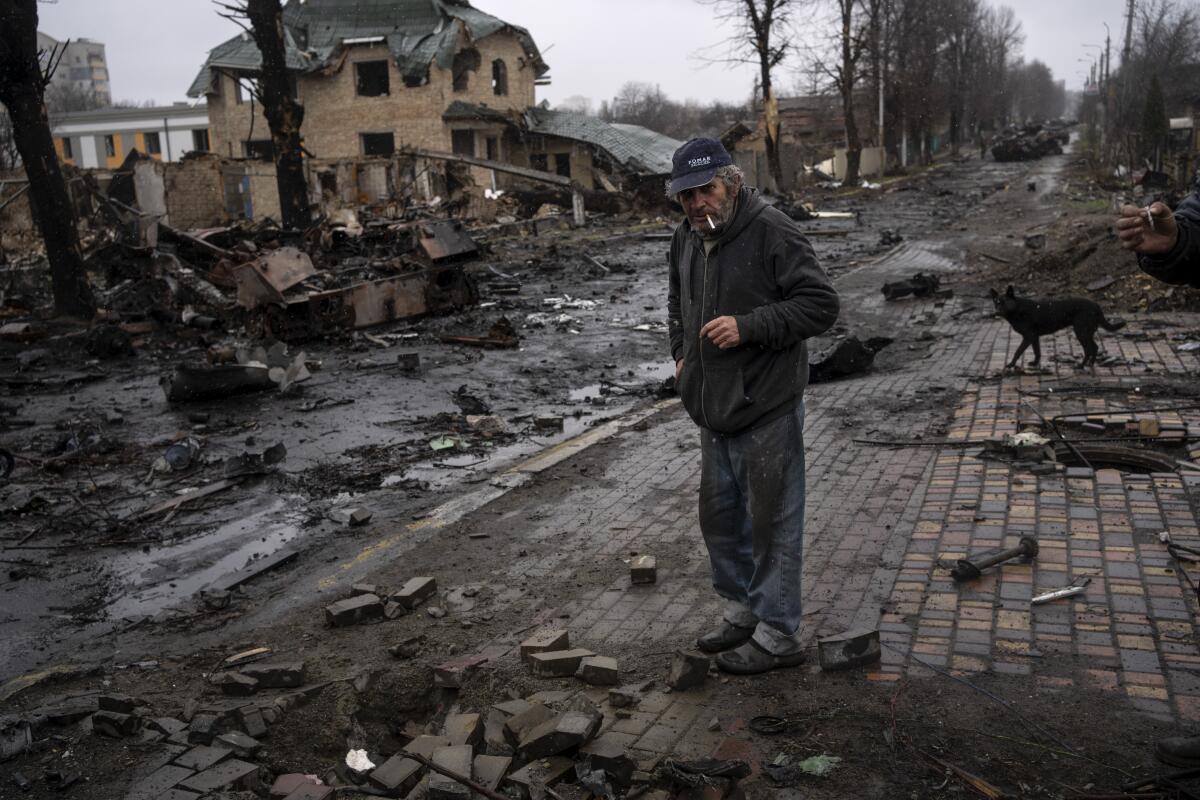
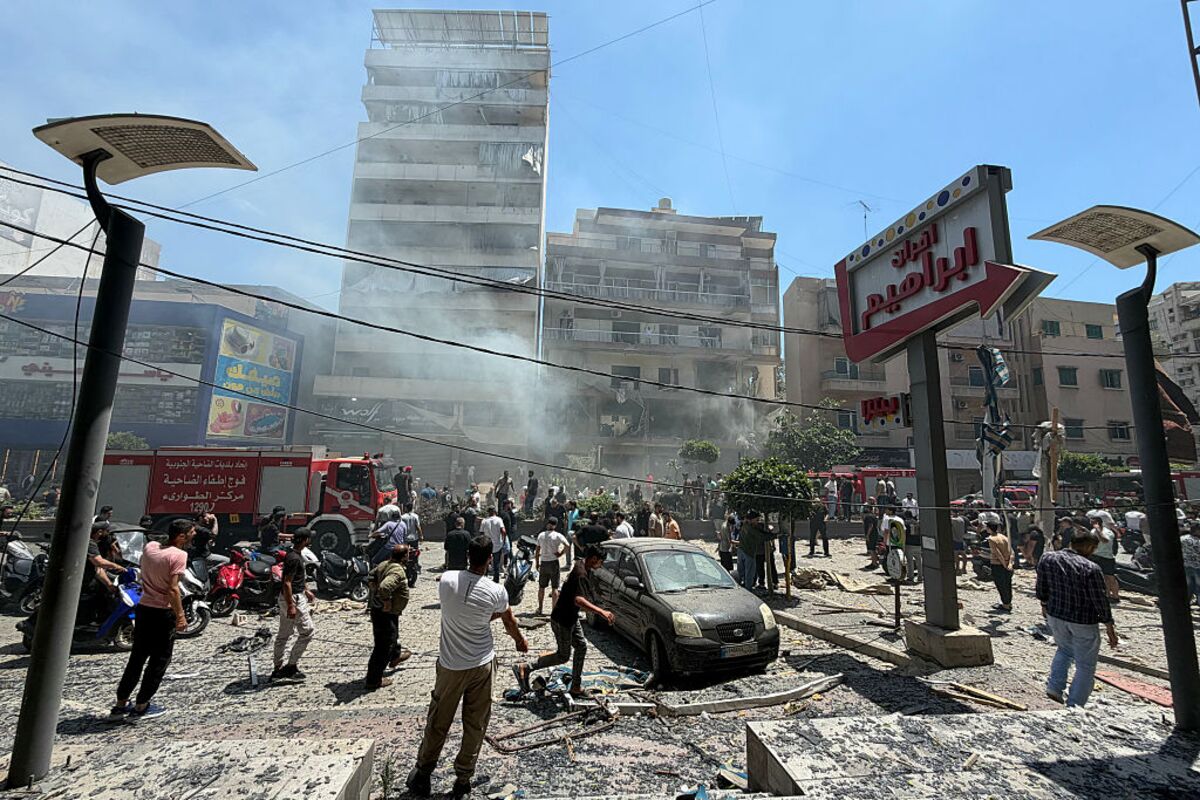
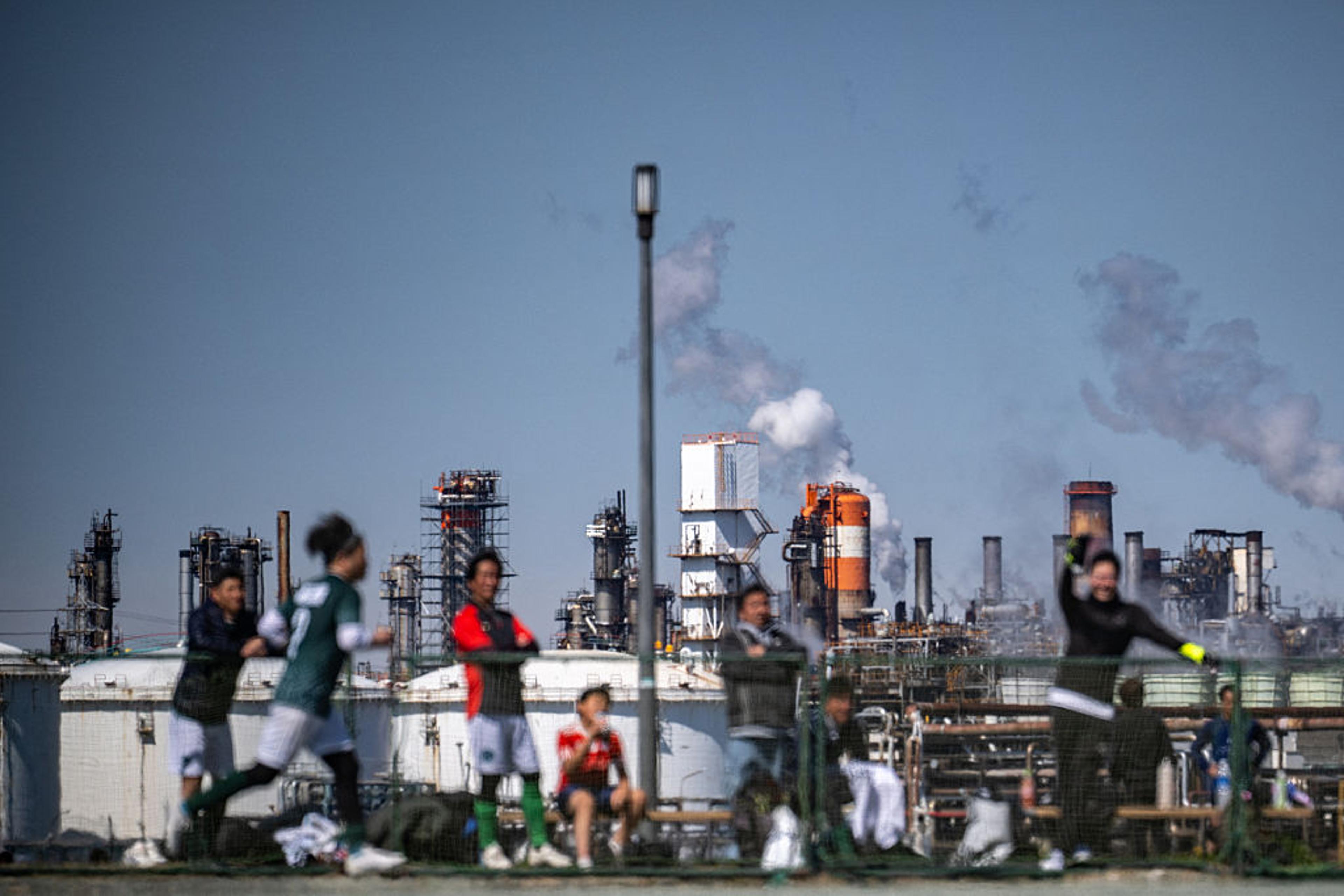
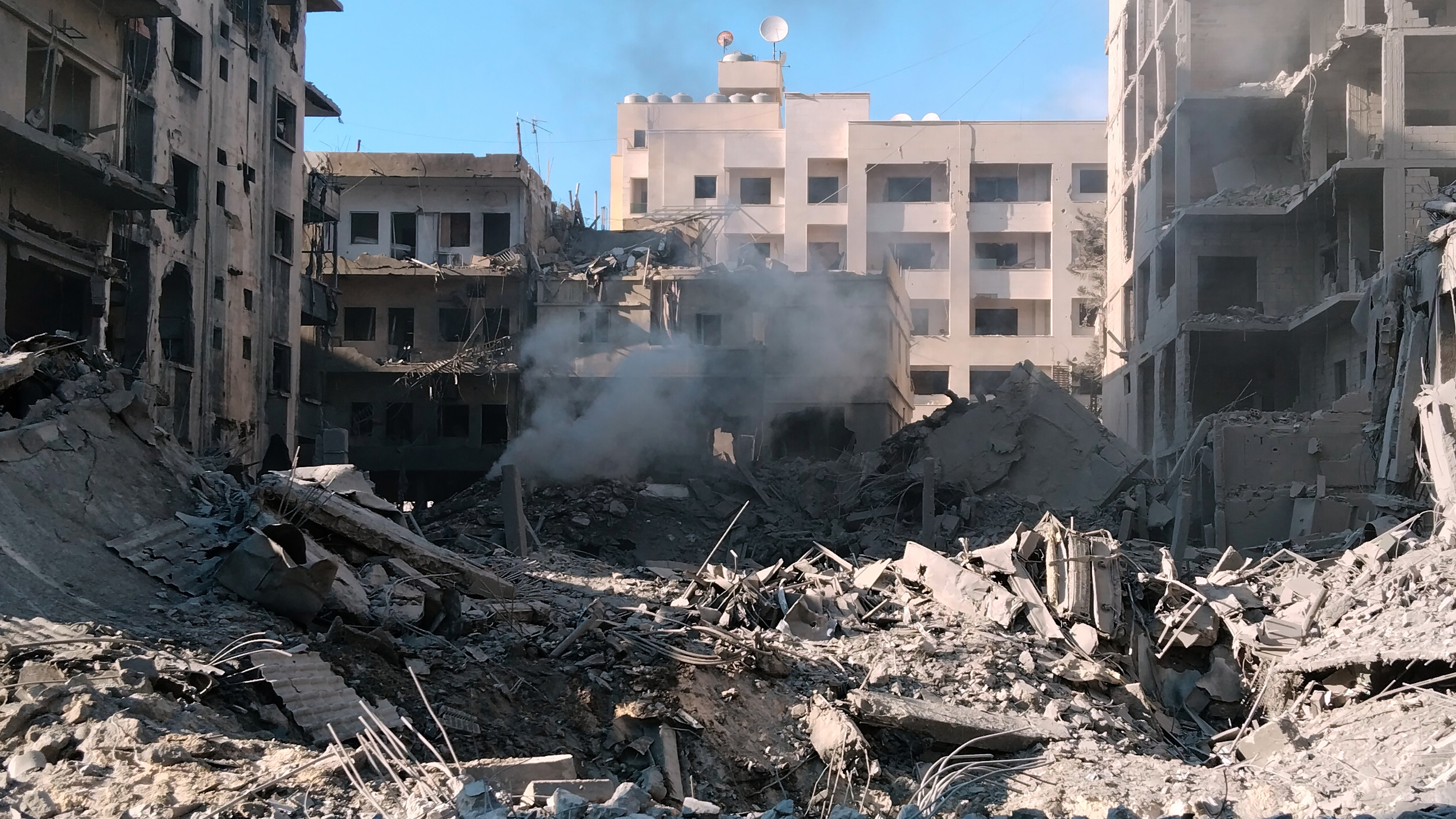
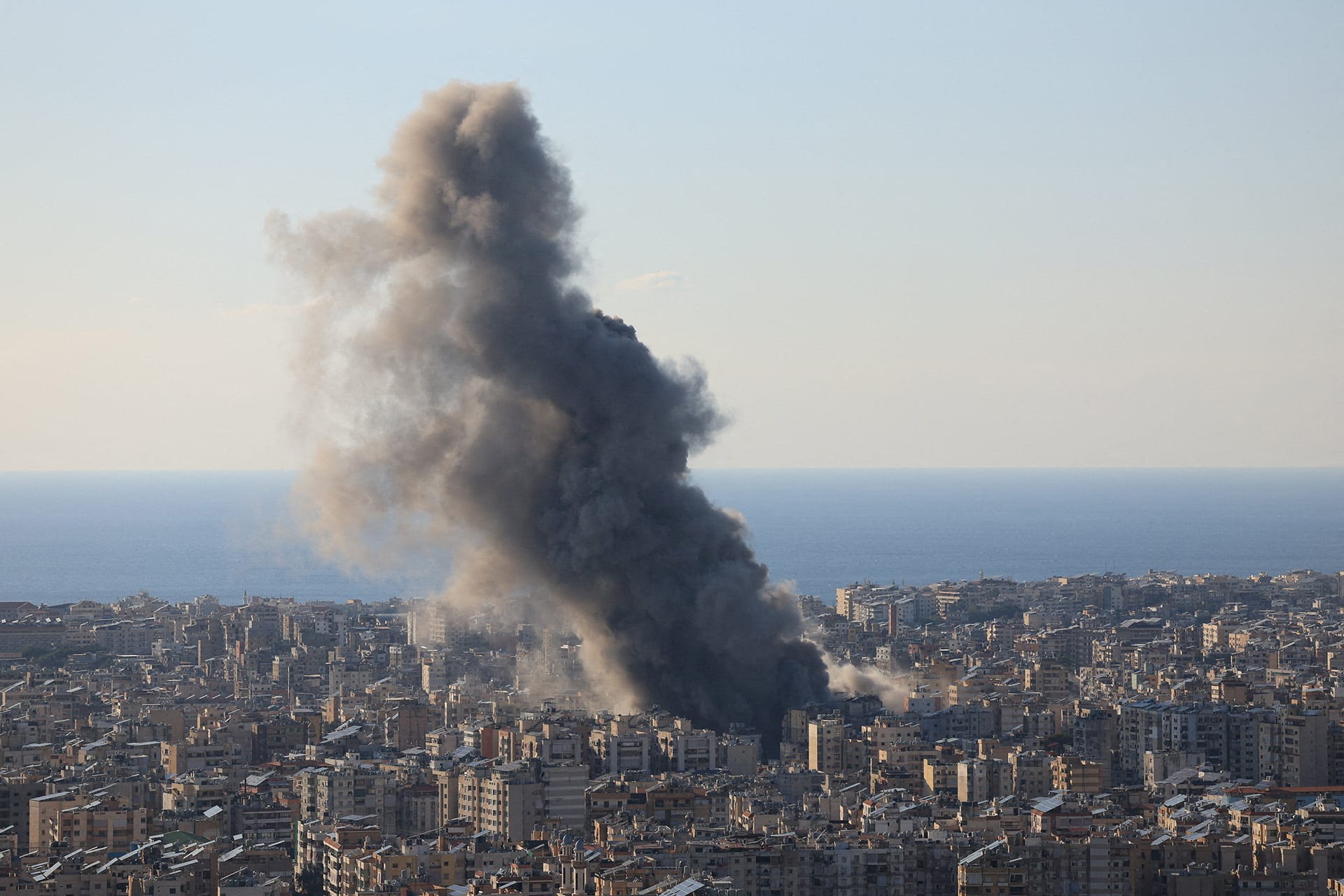
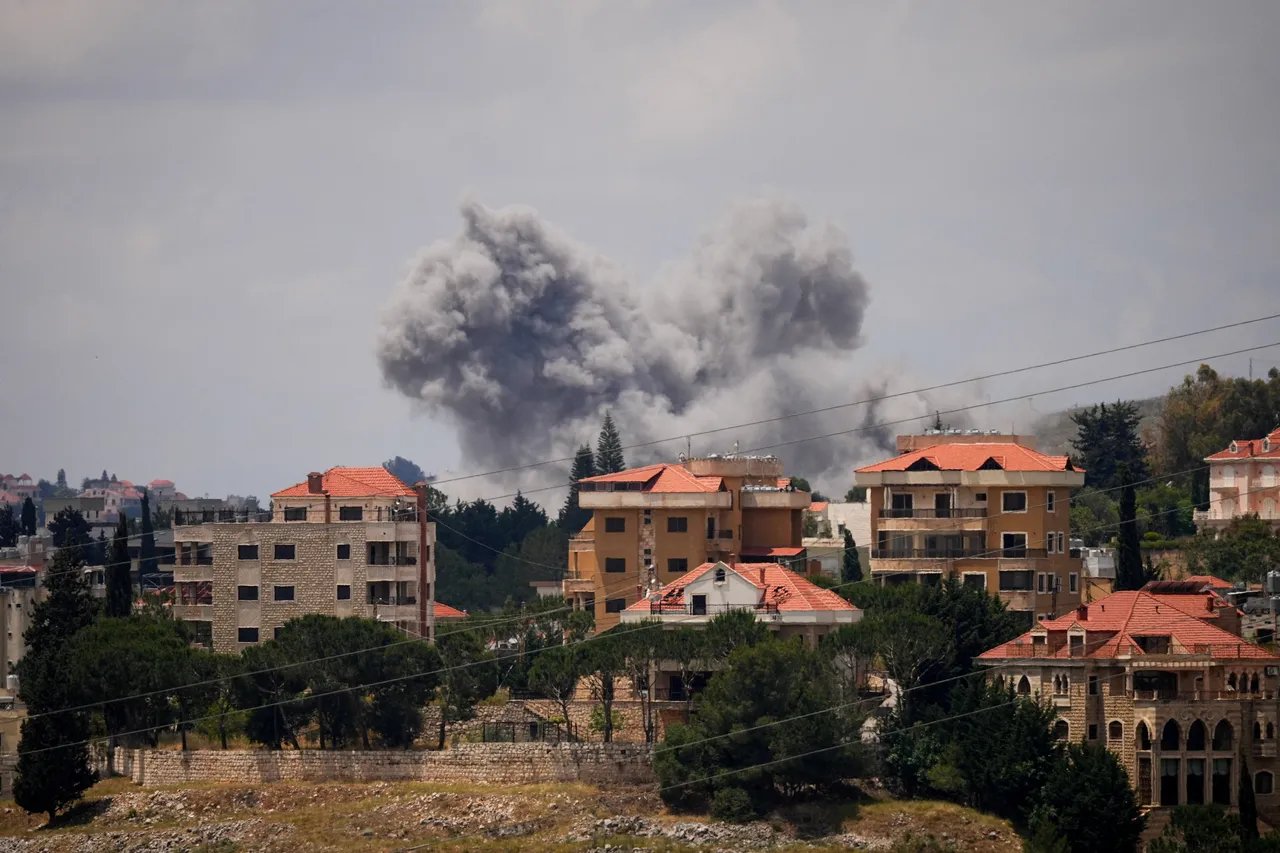
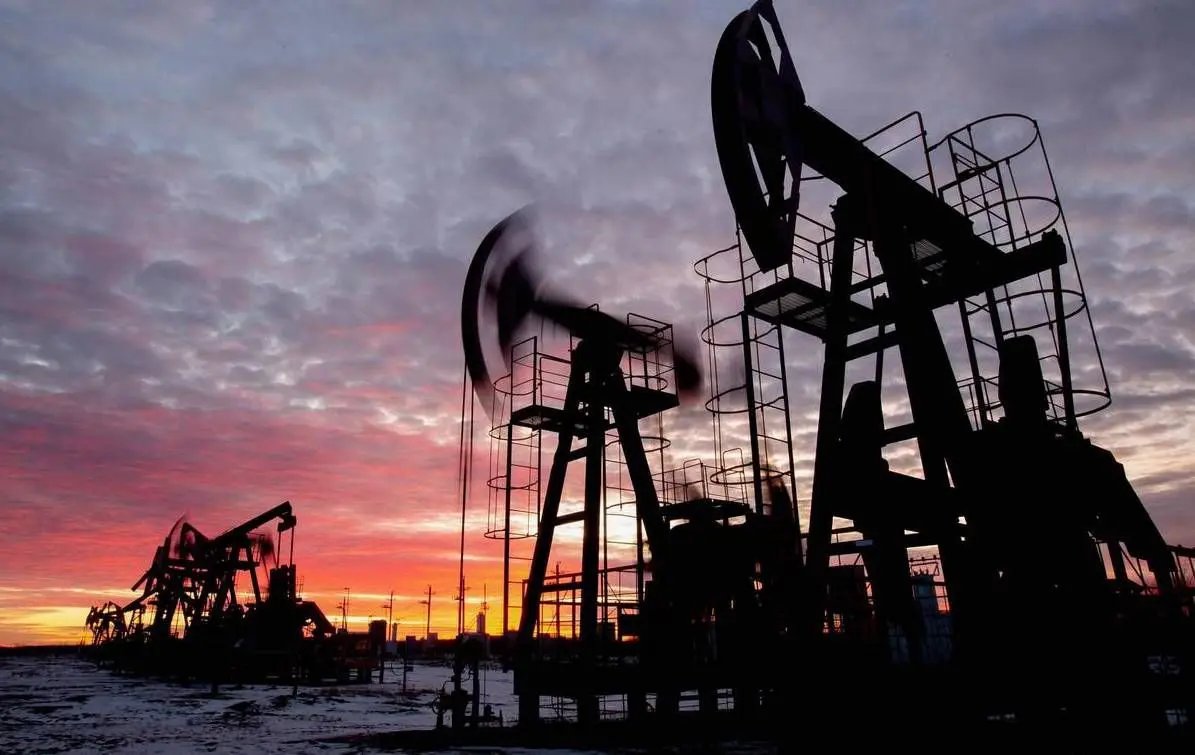
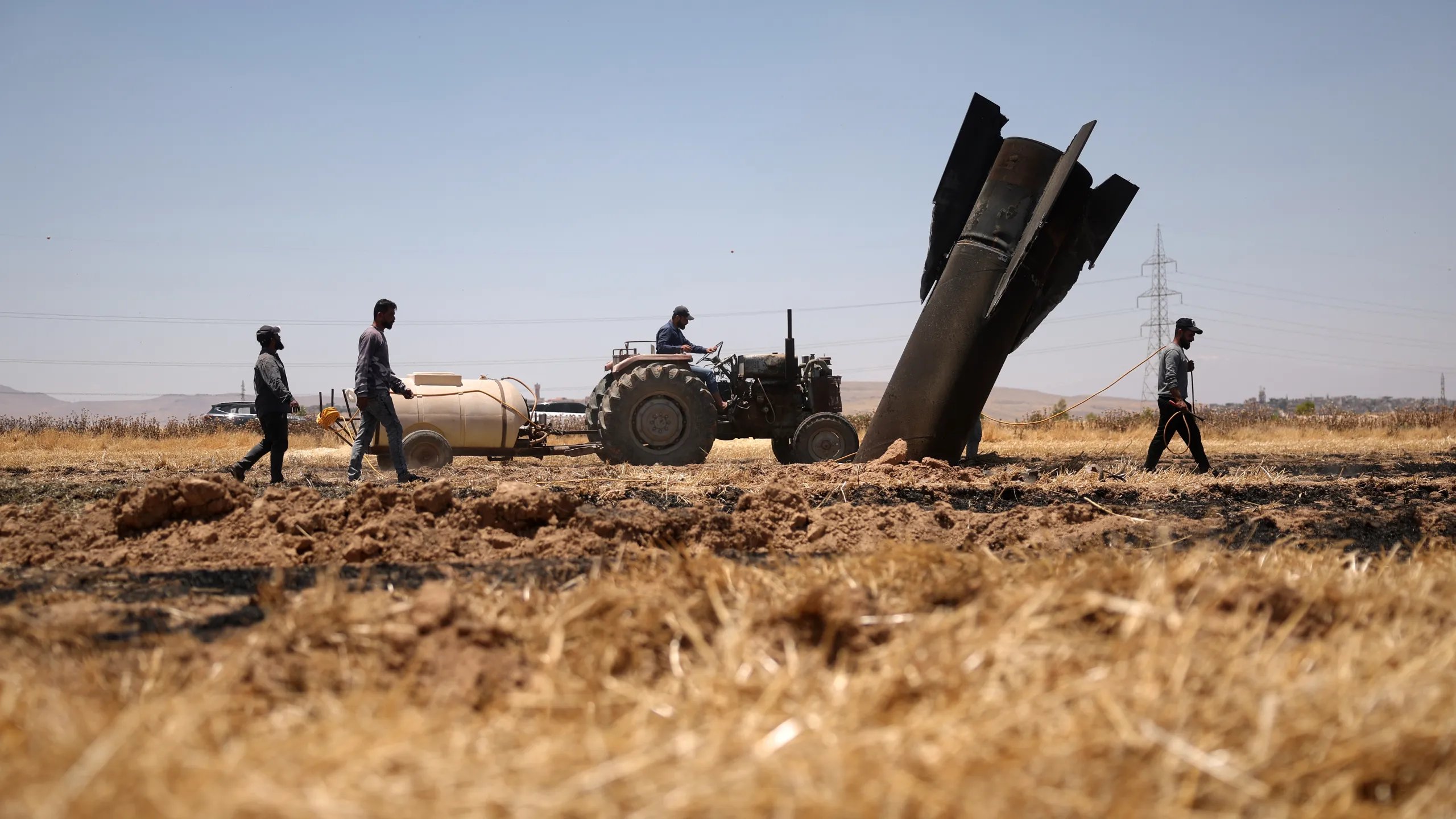
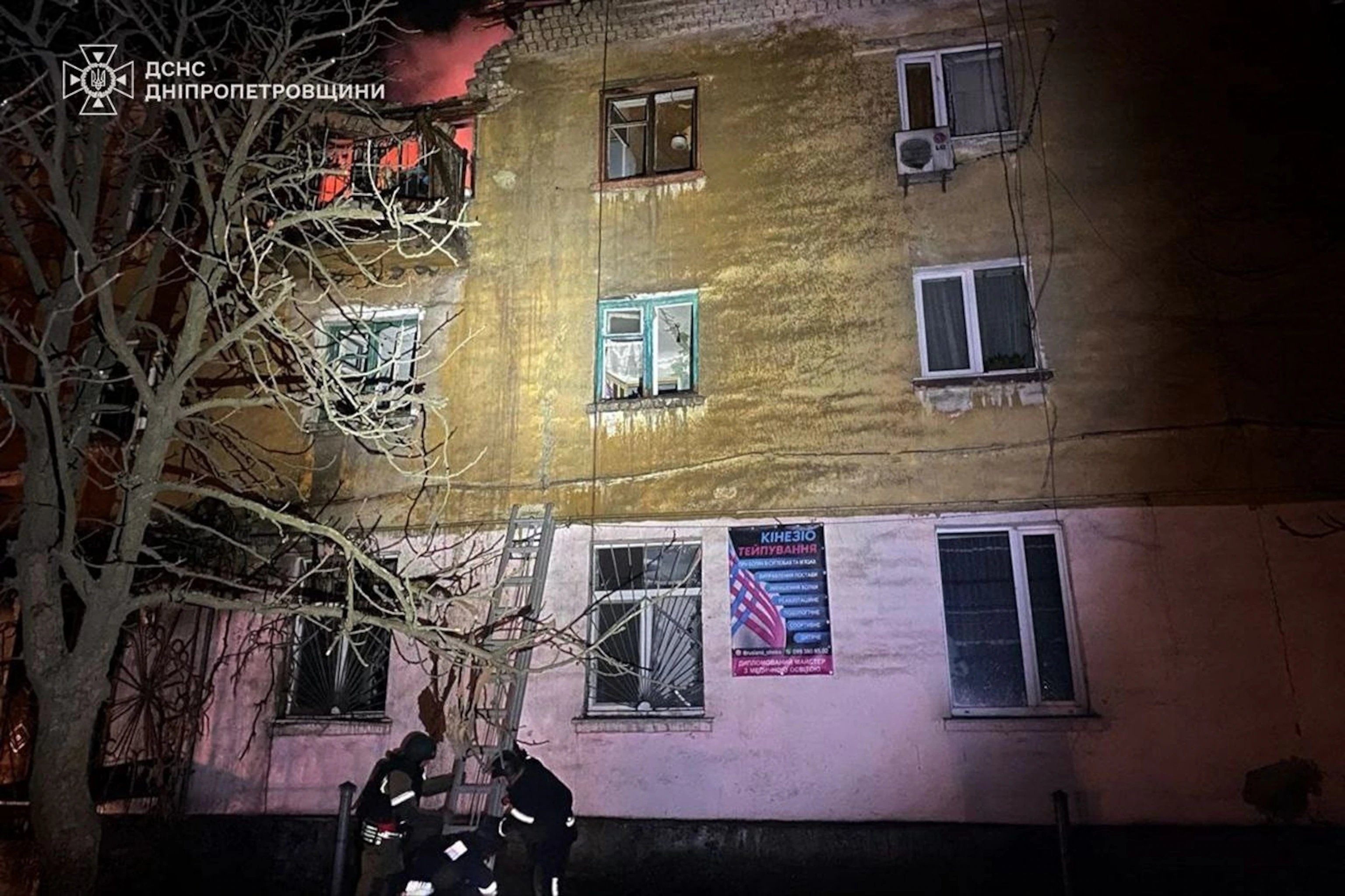
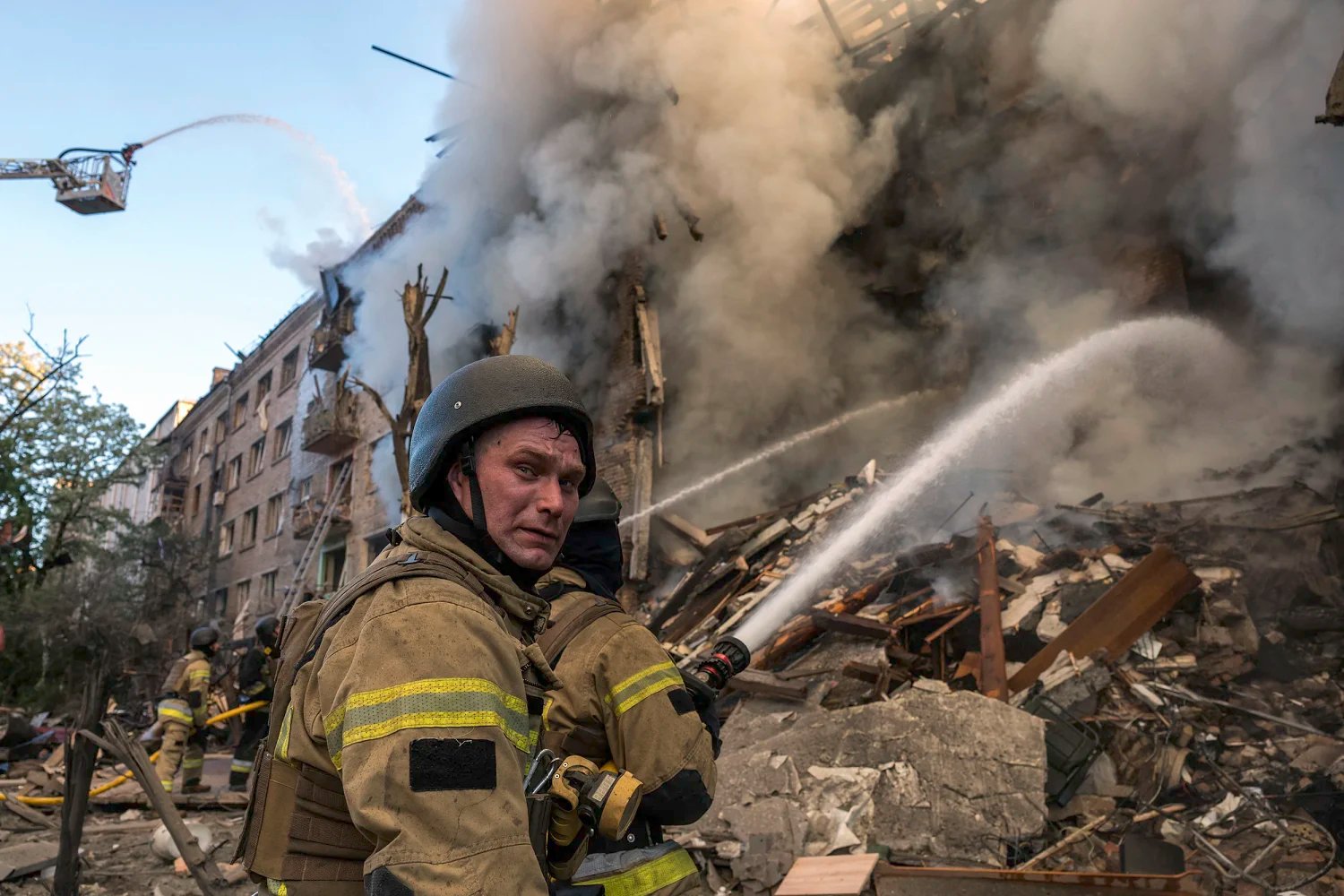
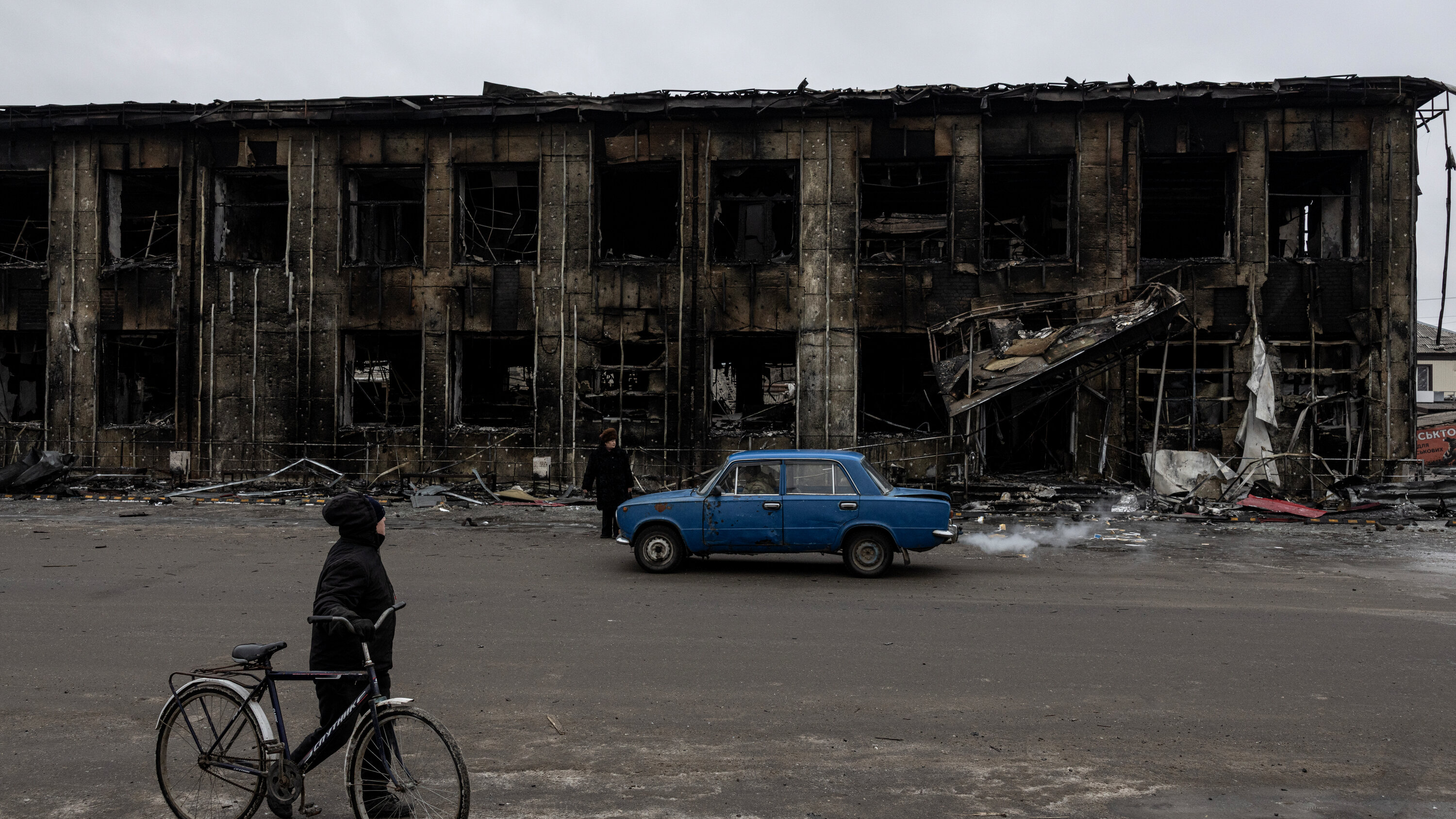
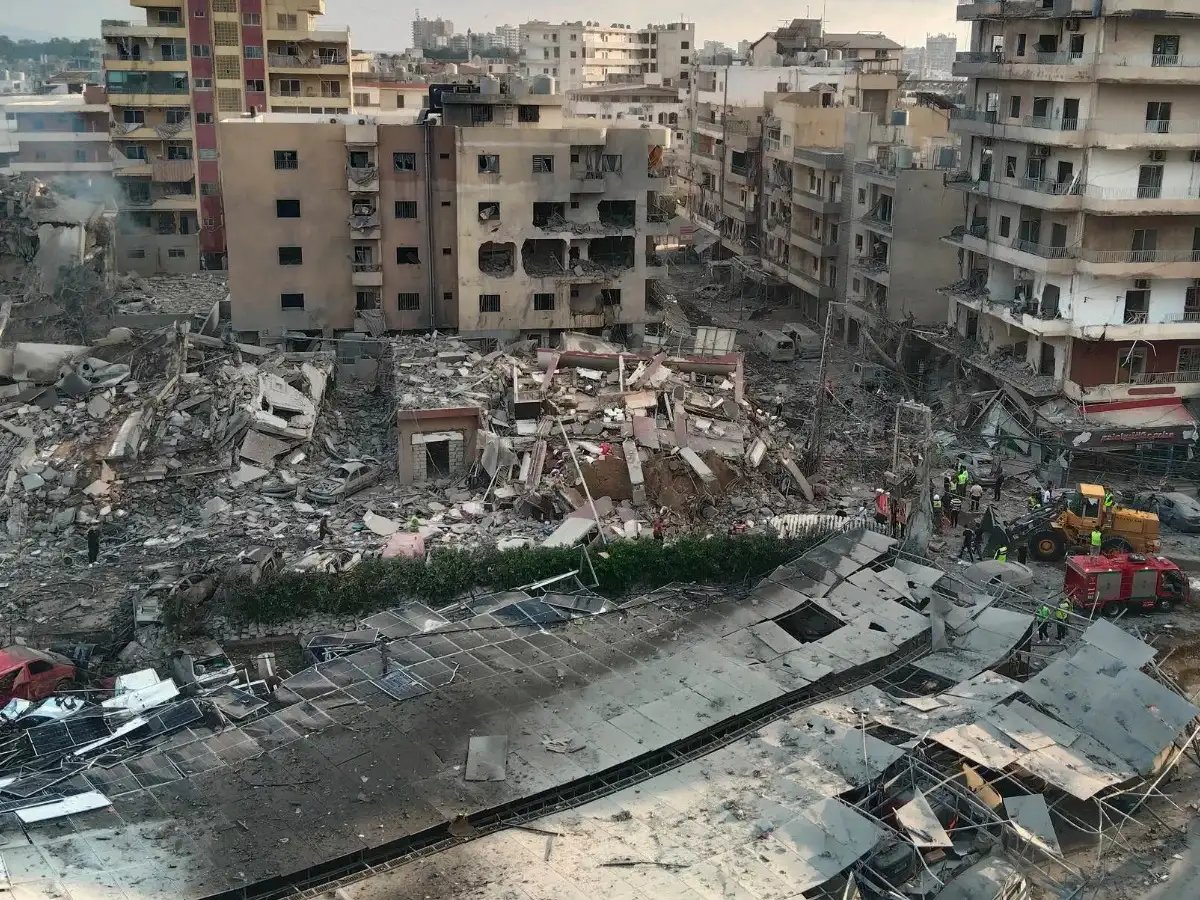
As Ukraine grapples with internal changes, the conflict with Russia continues to escalate. Recent Ukrainian attacks targeted Russian oil facilities, resulting in casualties and damage to infrastructure. Moscow responded with increased bombardment of Ukrainian cities, highlighting the ongoing volatility and the stakes involved in the reshuffle. Zelenskyy has described these attacks as part of a campaign of "long-range sanctions" against Russia.
Implications for Governance
The resignation of Svyrydenko and the reshuffle of government roles could have significant implications for Ukraine's governance and its response to the war. With wartime elections prohibited under martial law, the reshuffling reflects Zelenskyy’s attempts to adapt leadership to the evolving political landscape. As the nation continues to face external threats, the effectiveness of these changes will be closely monitored by both domestic and international observers.