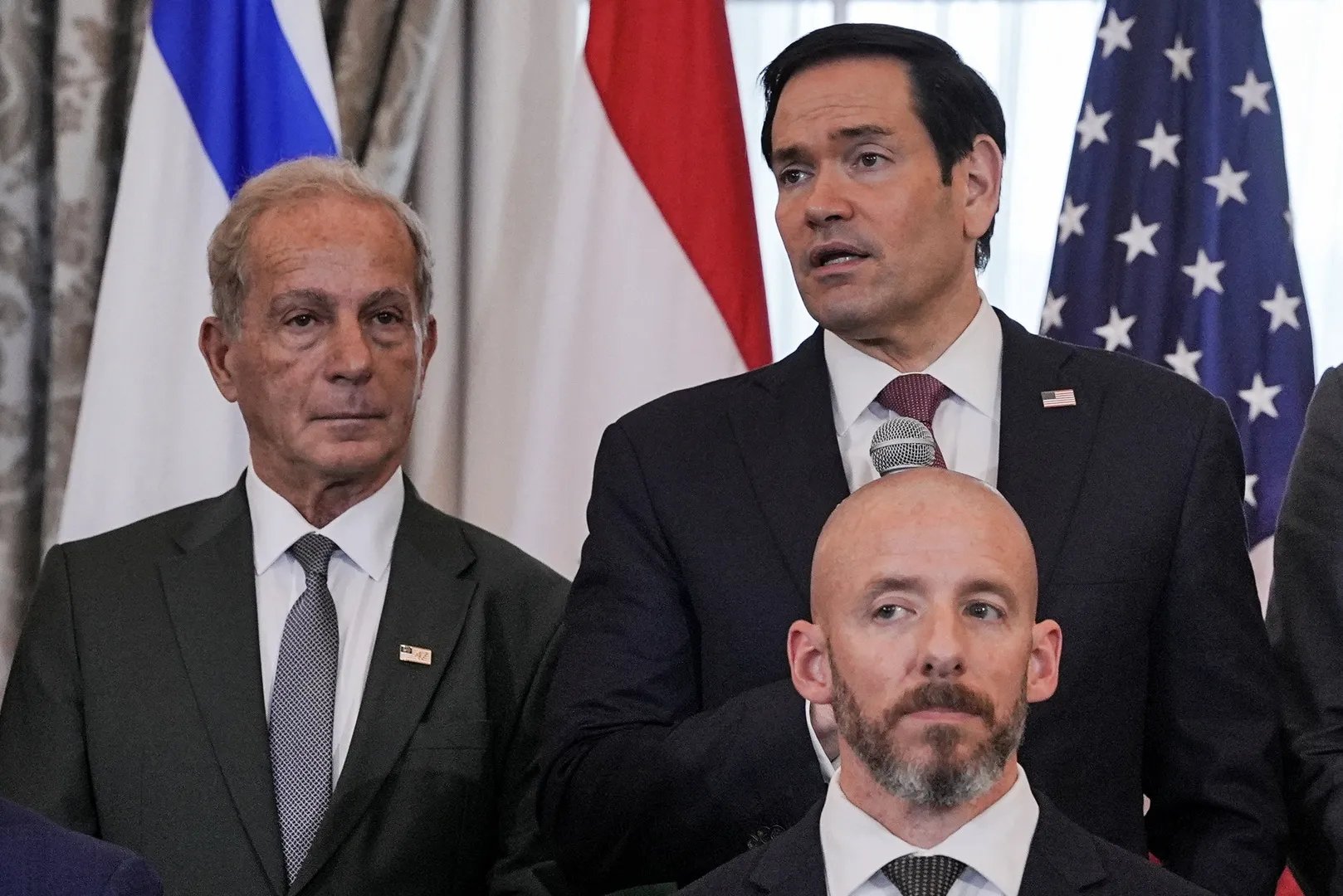
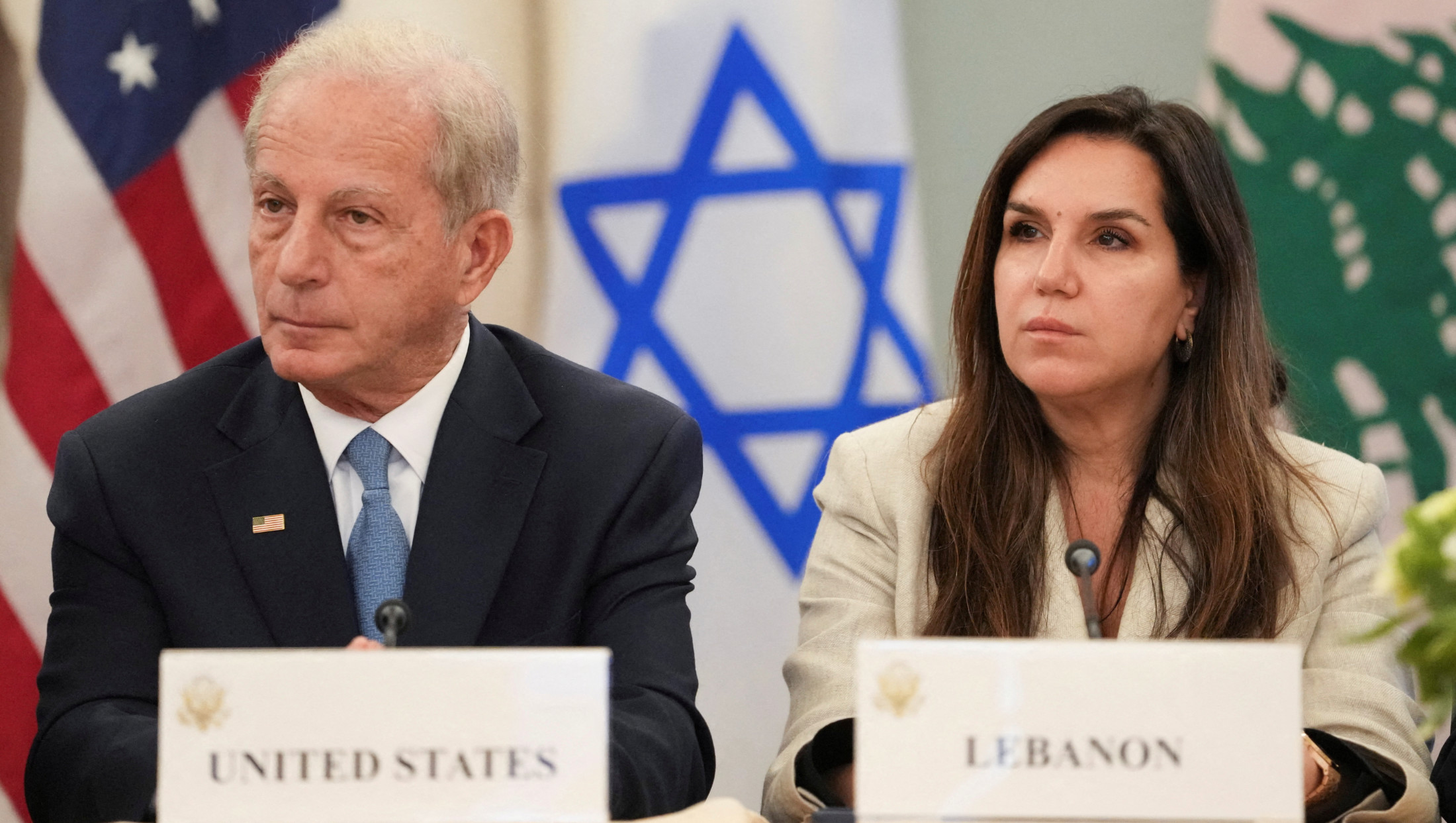
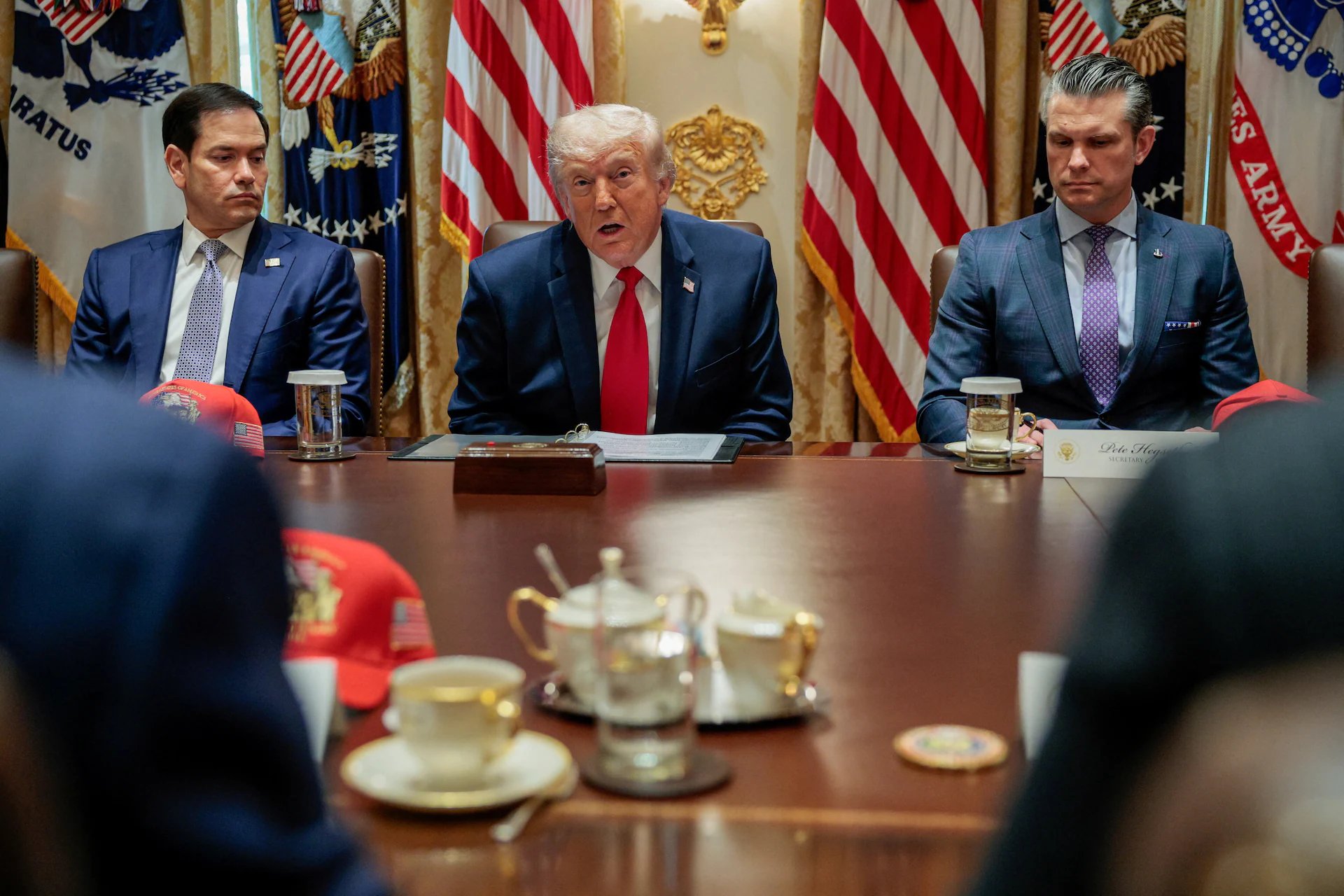
Israel and Lebanon have signed a framework agreement in Washington, mediated by the U.S., marking a significant diplomatic development that could impact regional stability. The signing is a significant step forward. US Secretary of State Marco Rubio said at the signing ceremony that it is a "good day" but stressed "there is a lot of work ahead." He added that the agreement "begins to put in place a framework for lasting peace and security."
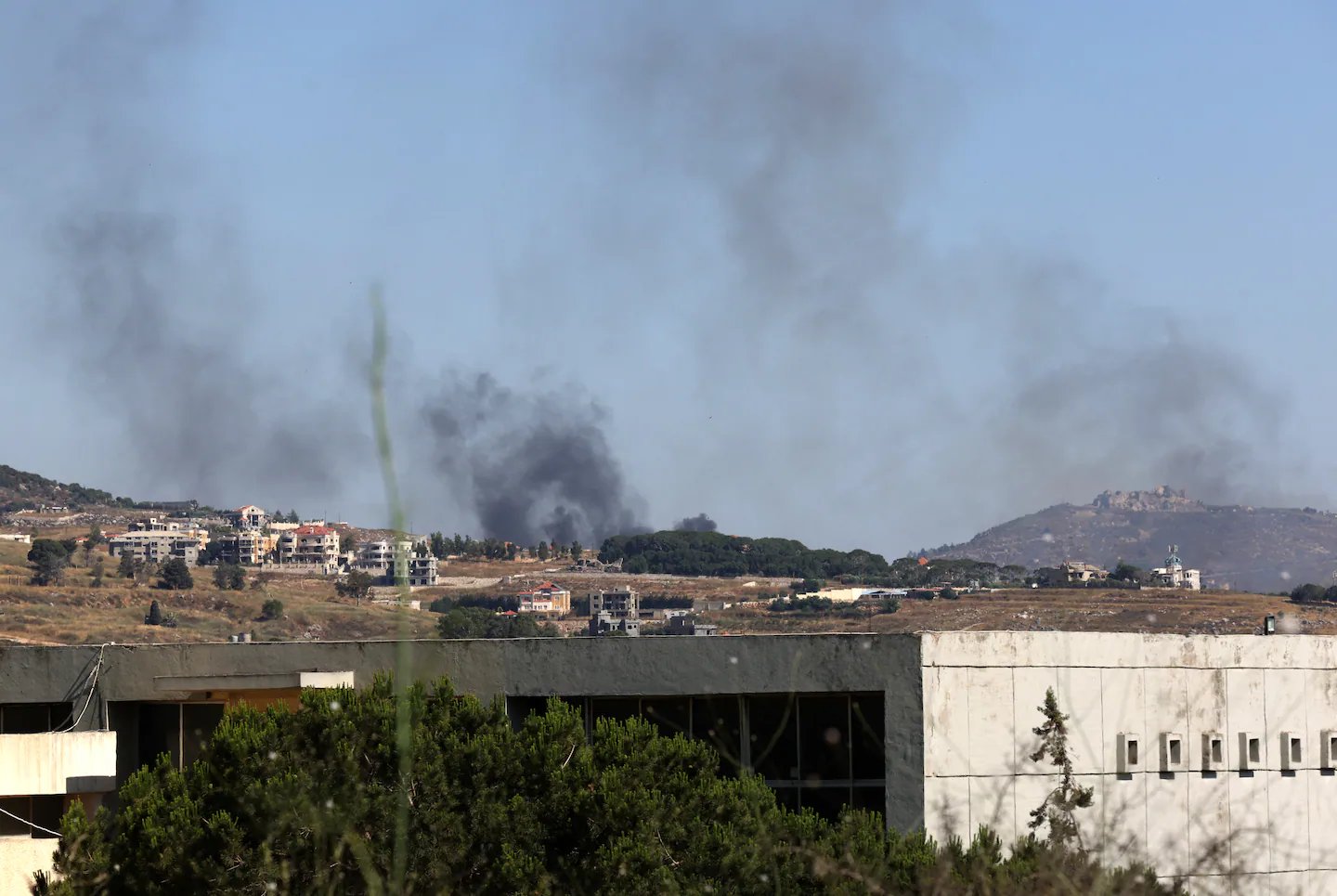
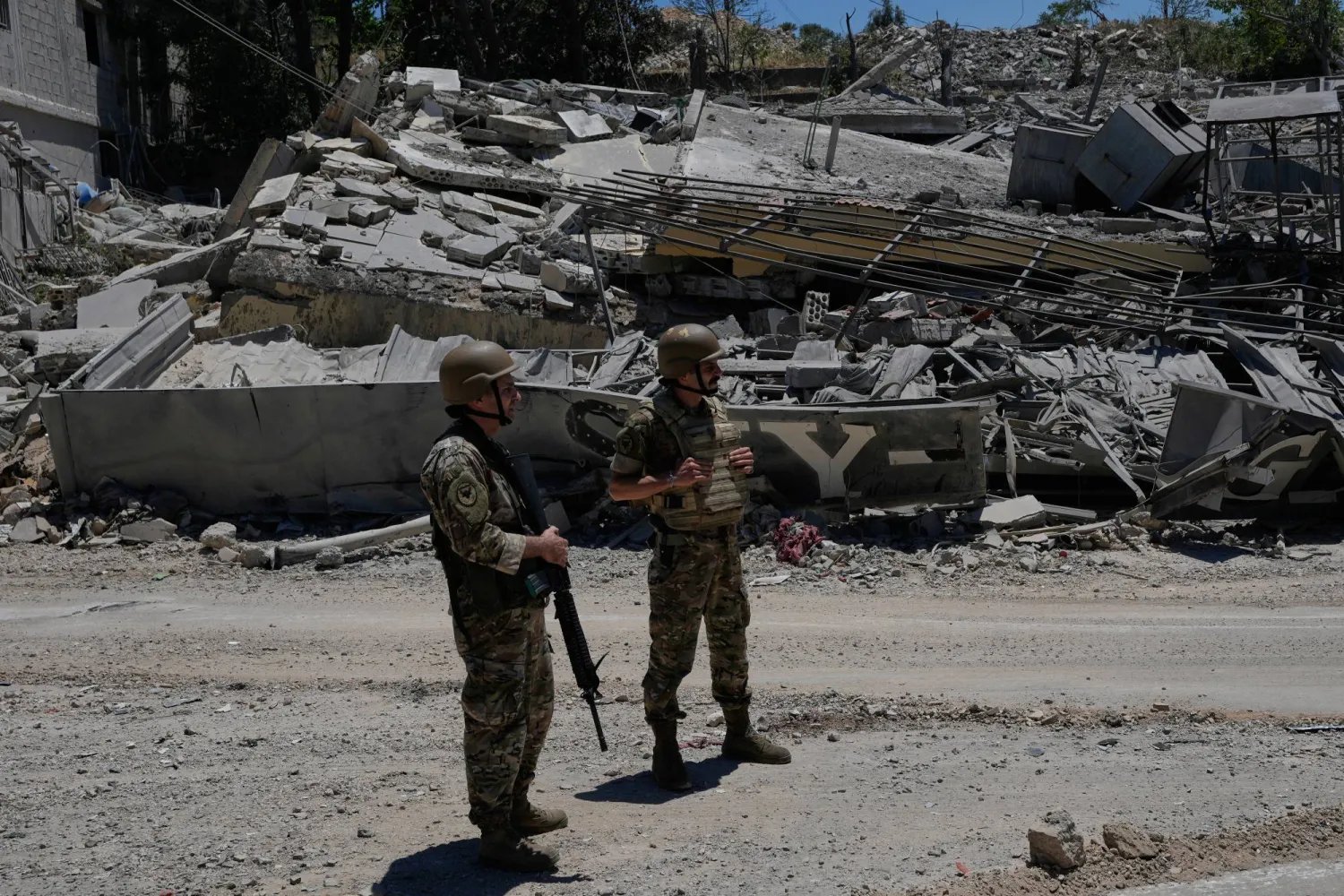
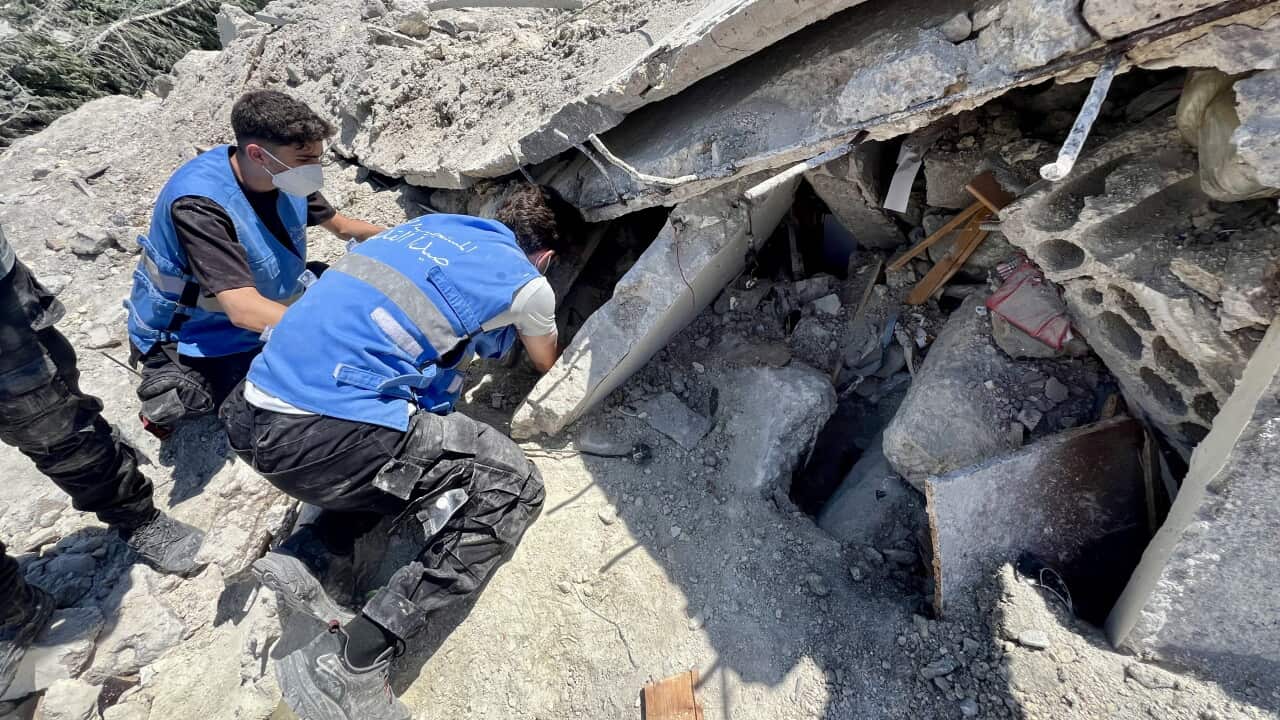
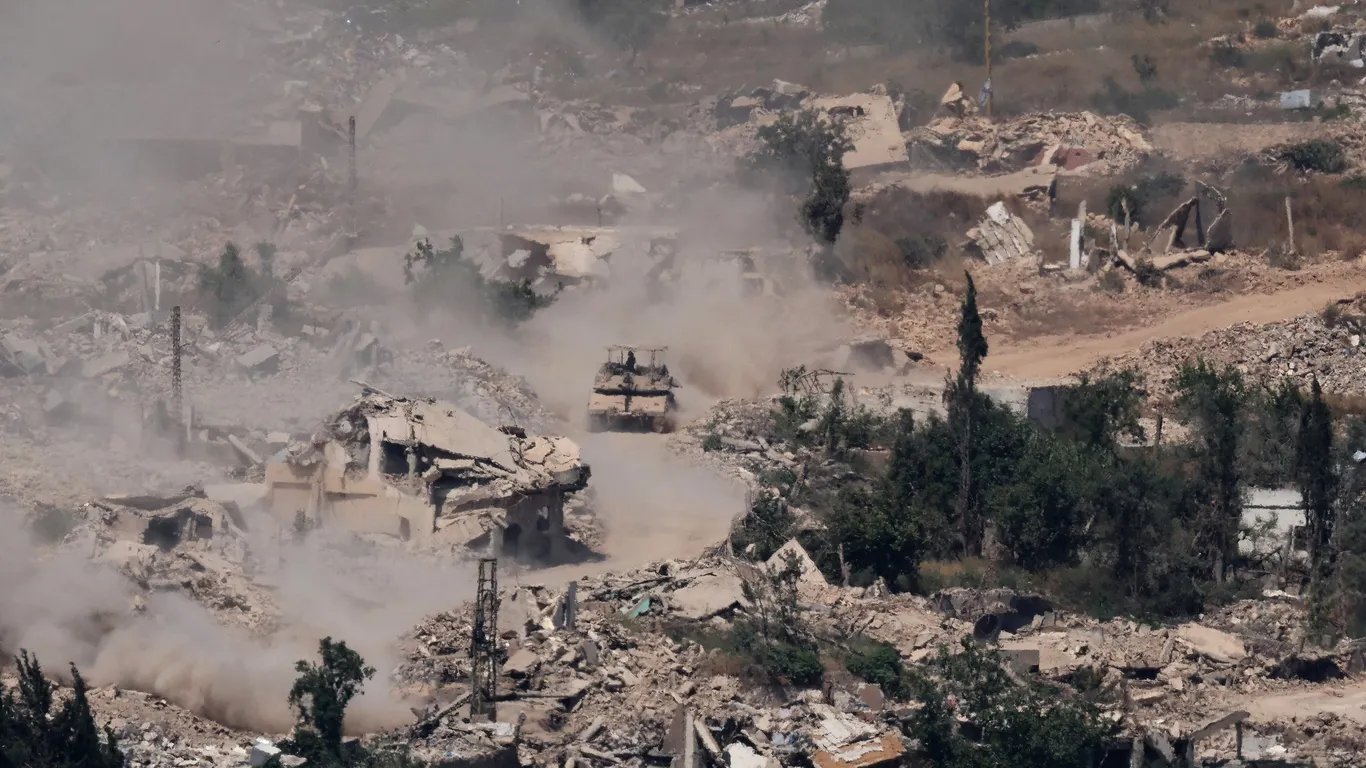
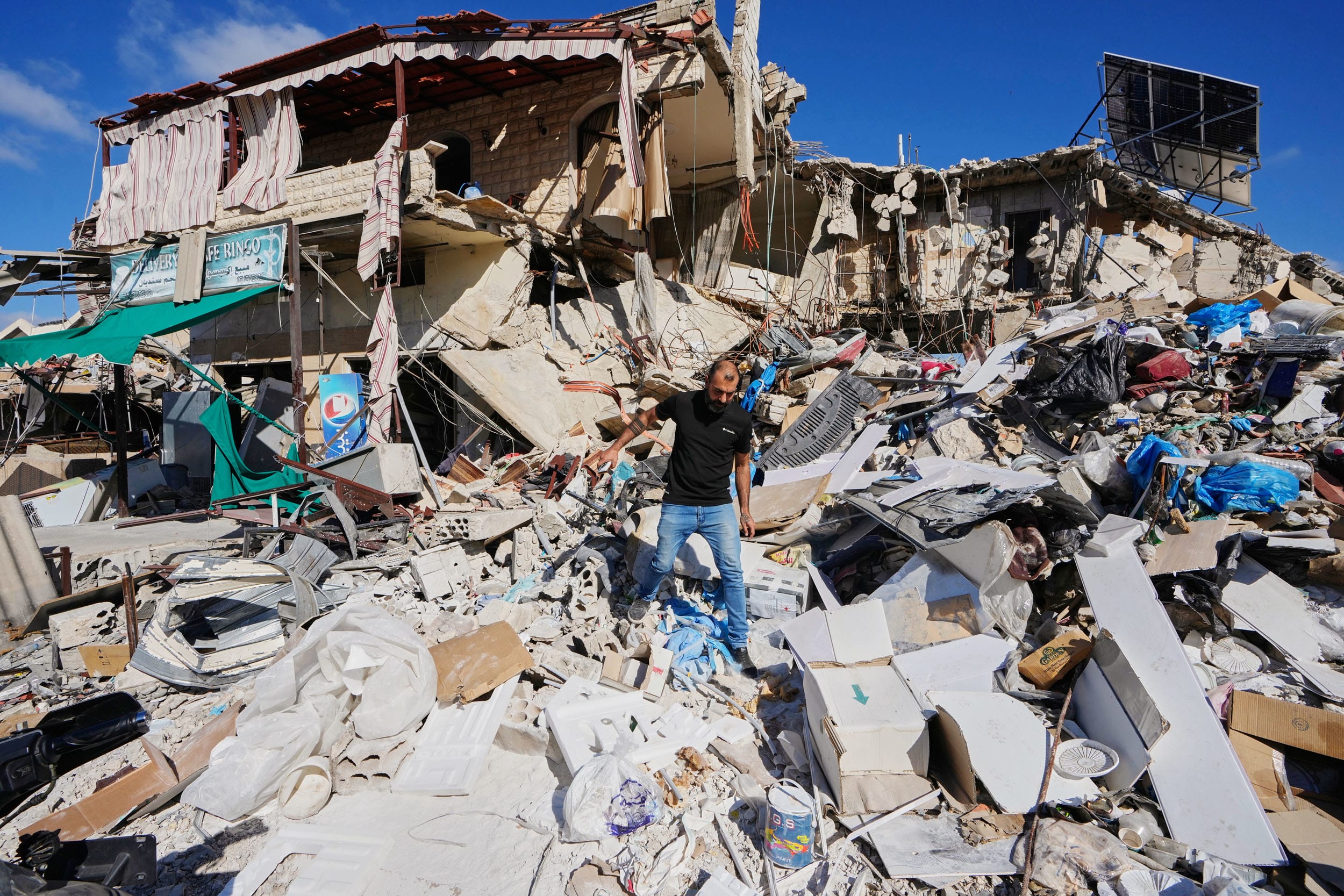
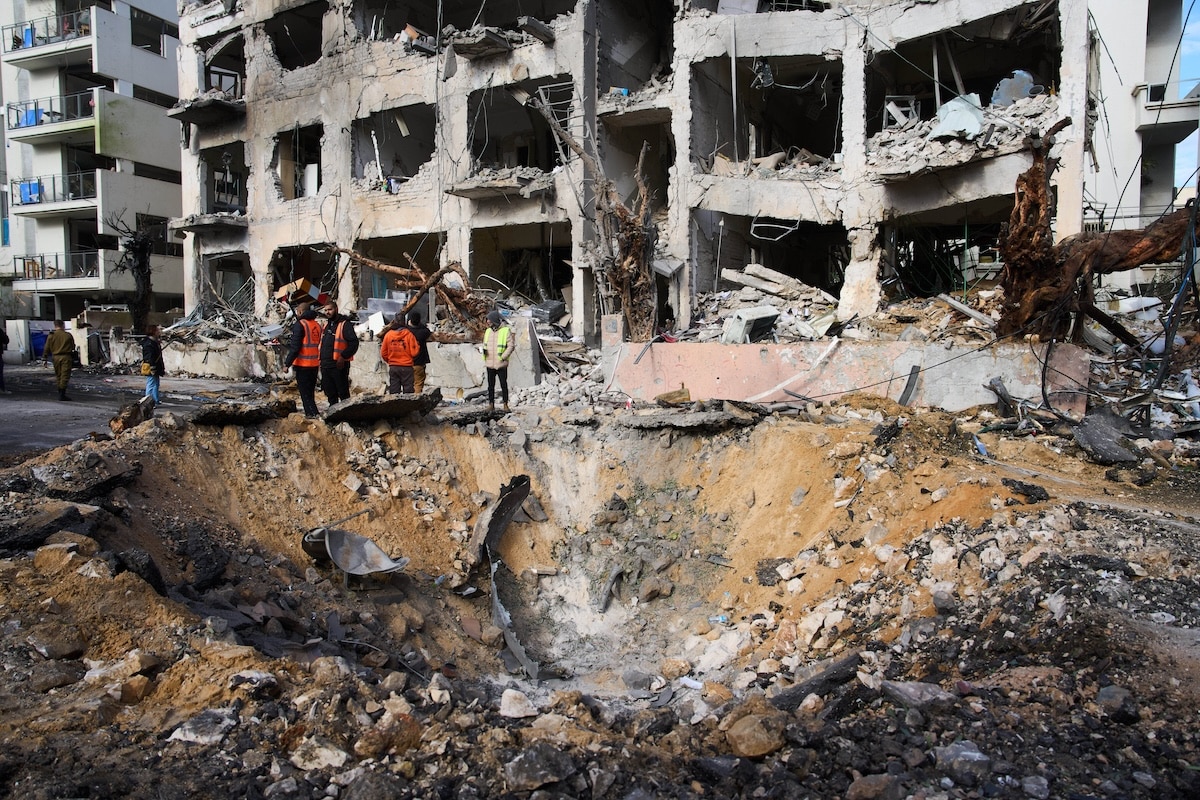
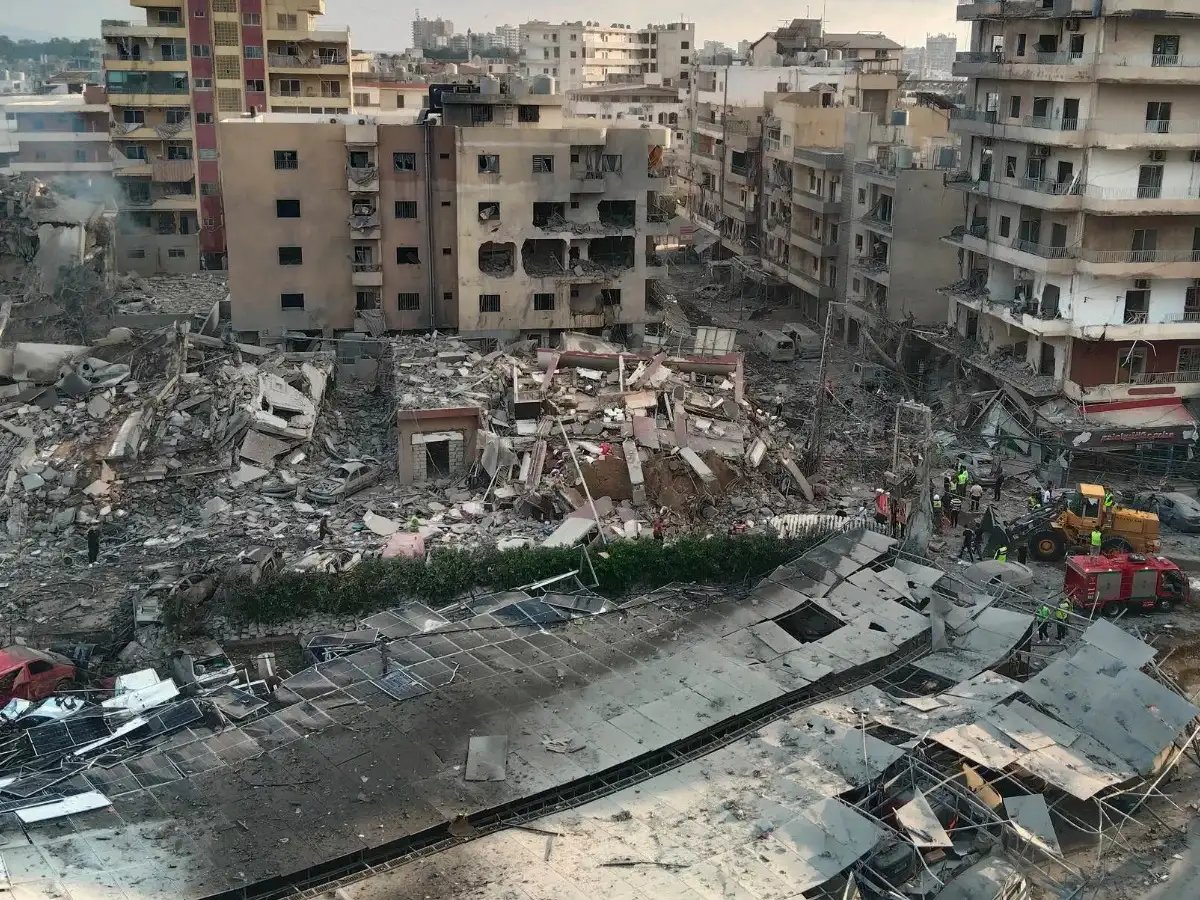
The framework is designed to eventually end Israel's occupation of southern Lebanon and restore the country's territorial integrity, but that appears a long way off. A senior Israeli official said after the signing of the agreement that "Israel will maintain its security zone within the borders of the Yellow Line in Lebanon until the day when Hezbollah and the other terrorist organizations in Lebanon are disarmed and there is no longer a threat from Lebanon to the territory of the State of Israel." Lebanese President Joseph Aoun said the framework was a first step to restoring sovereignty.
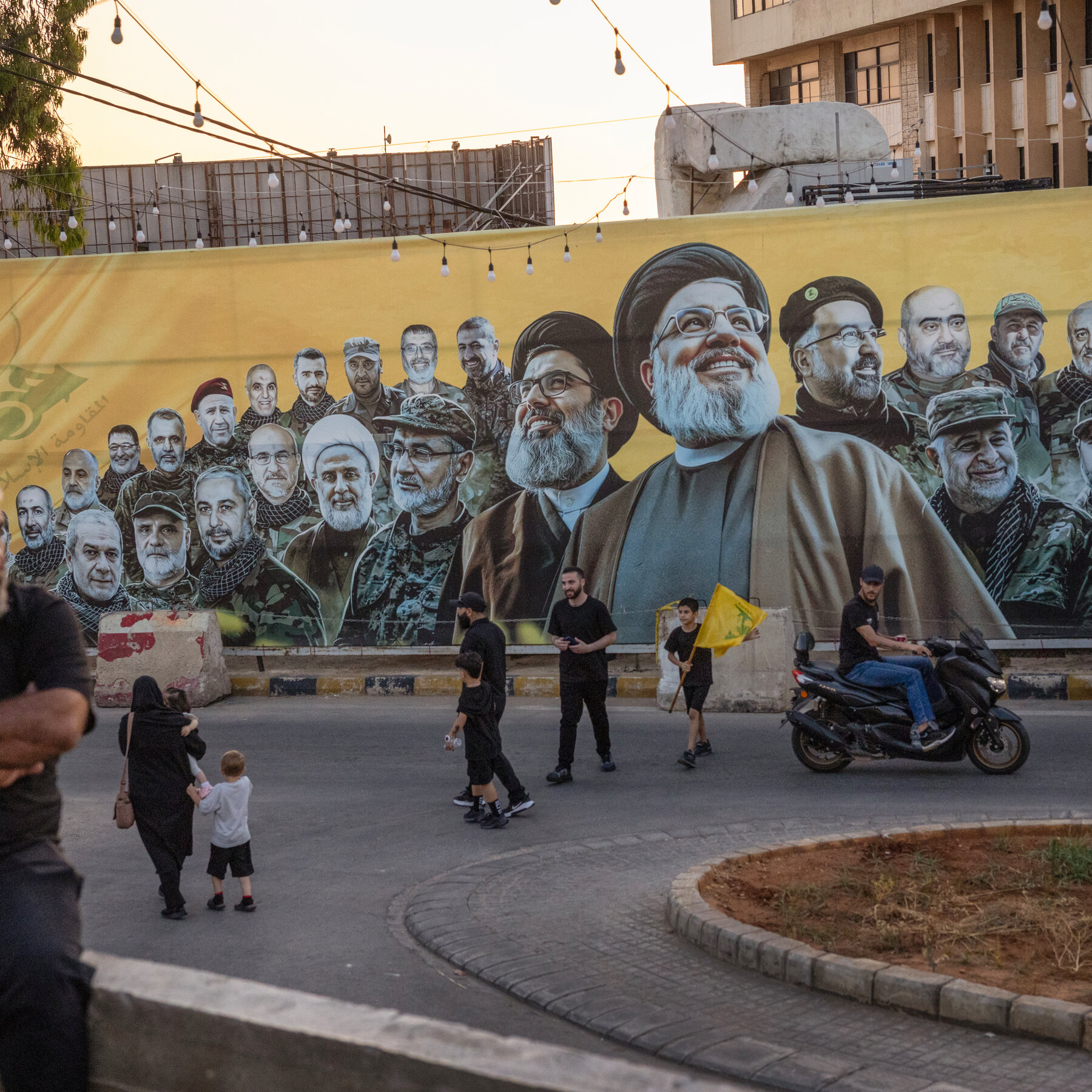
Hassan Fadlallah, a Hezbollah-affiliated lawmaker, criticized the agreement as "unilateral, gratuitous concessions that will only undermine the country and serve the interests of the Israeli enemy." Fadlallah said Lebanese authorities would need to fight a "civil war" if they wanted to enforce it. Hezbollah is not party to Friday's agreement, and it is unclear whether it will agree to withdraw its fighters from the South Litani area in southern Lebanon.
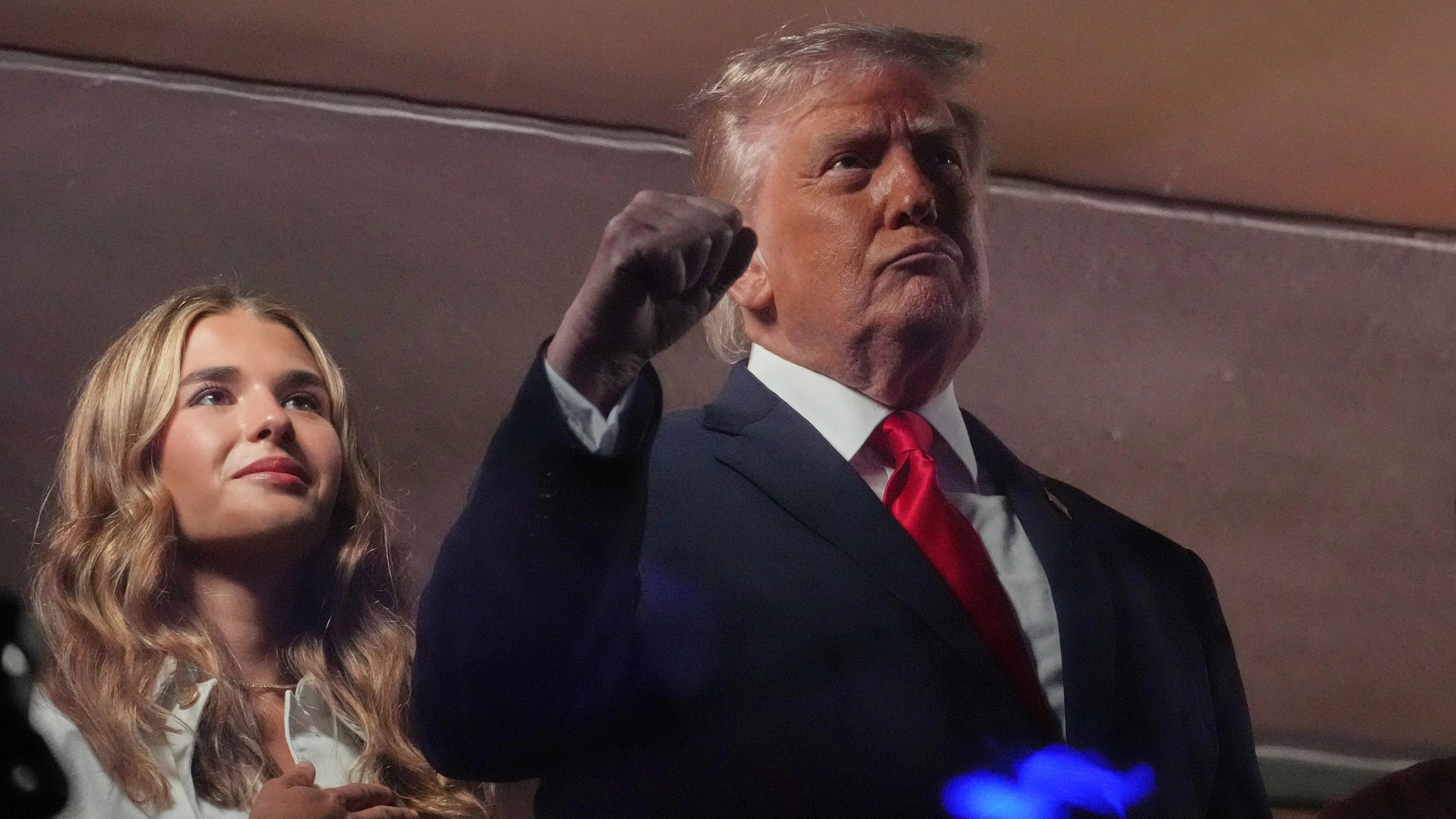
The agreement was signed by the Israeli and Lebanese ambassadors to Washington and State Department counselor Dan Holler. Rubio said the U.S. would provide $100 million in humanitarian assistance and to train Lebanese troops. The Trump administration pledged to immediately allocate $100m in humanitarian assistance in coordination with the United Nations, and it said it would reimburse the Lebanese Armed Forces $30m to support an "enduring peace."
One step is the launching of two "pilot projects" where the Israeli military is to withdraw from small areas it currently occupies and the Lebanese army is to deploy there. Israeli and U.S. officials said that U.S. military officers will be involved in working with the Lebanese army on the "pilot projects," mainly to verify these areas have no Hezbollah presence.
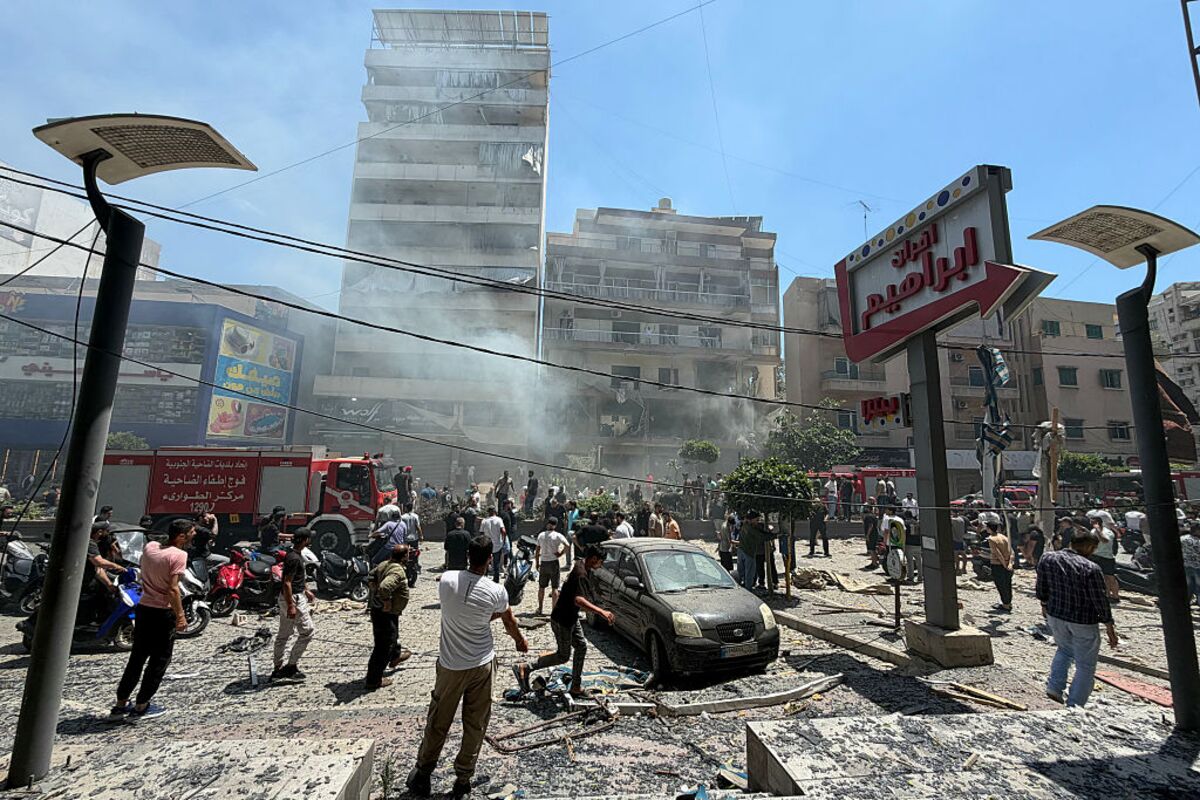
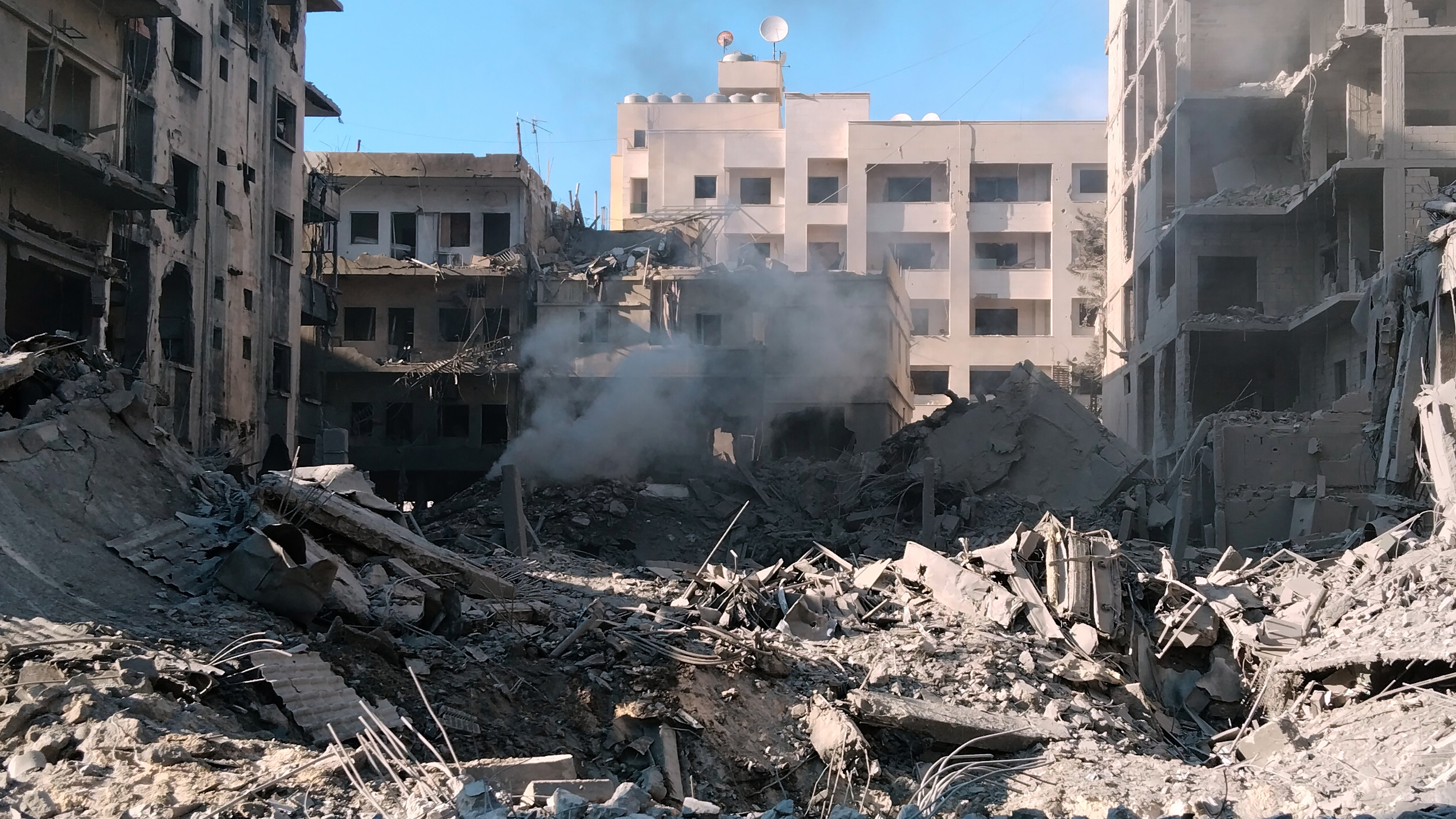
Israel and Lebanon have signed a framework agreement in Washington, mediated by the U.S., marking a significant diplomatic development that could impact regional stability. The signing is a significant step forward, but the situation on the ground in Lebanon has shown little sign of shifting, despite several ceasefires. US Secretary of State Marco Rubio said at the signing ceremony that it is a "good day" but stressed "there is a lot of work ahead." He added that the agreement "begins to put in place a framework for lasting peace and security."
The framework is designed to eventually end Israel's occupation of southern Lebanon and restore the country's territorial integrity, but that appears a long way off. A senior Israeli official said after the signing of the agreement that "Israel will maintain its security zone within the borders of the Yellow Line in Lebanon until the day when Hezbollah and the other terrorist organizations in Lebanon are disarmed and there is no longer a threat from Lebanon to the territory of the State of Israel." Lebanese President Joseph Aoun said the framework was a first step to restoring sovereignty.
Hezbollah has rejected the agreement, criticizing it as unilateral concessions by Lebanon. A senior Hezbollah-affiliated lawmaker, Hassan Fadlallah, condemned the agreement and said Lebanese authorities would need to fight a "civil war" if they wanted to enforce it. Hezbollah is not party to Friday's agreement, and it is unclear whether it will agree to withdraw its fighters from the South Litani area in southern Lebanon.
The agreement was signed by the Israeli and Lebanese ambassadors to Washington and State Department counselor Dan Holler. Rubio said the U.S. would provide $100 million in humanitarian assistance and to train Lebanese troops. The Trump administration pledged to immediately allocate $100m in humanitarian assistance in coordination with the United Nations, and it said it would reimburse the Lebanese Armed Forces $30m to support an "enduring peace."
The framework agreement describes a path for a future peace agreement and includes immediate steps on the ground the parties will take. One such step is the launching of two "pilot projects" where the Israeli military is to withdraw from small areas it currently occupies and the Lebanese army is to deploy there. Israeli and U.S. officials said that U.S. military officers will be involved in working with the Lebanese army on the "pilot projects," mainly to verify these areas have no Hezbollah presence.
Highlighted text was flagged by the council. Tap to see feedback.