




Policy Overview and Impact on Youth Behavior
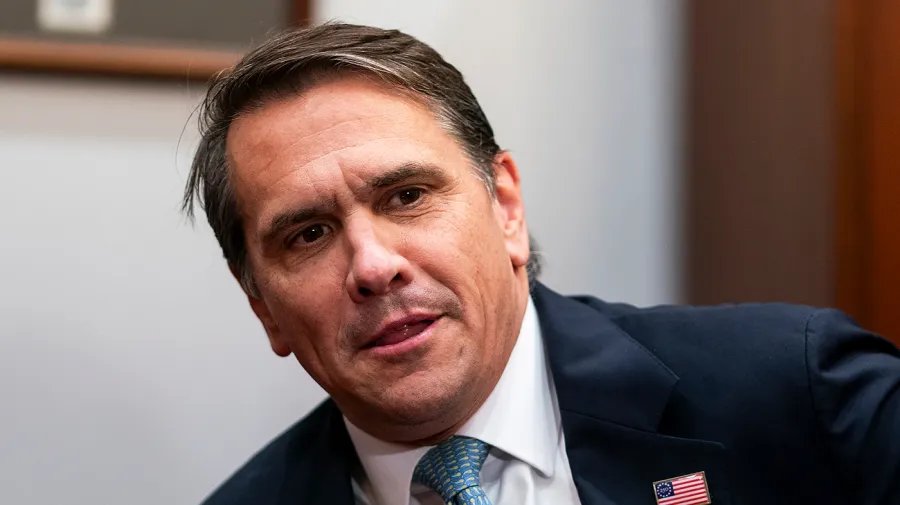
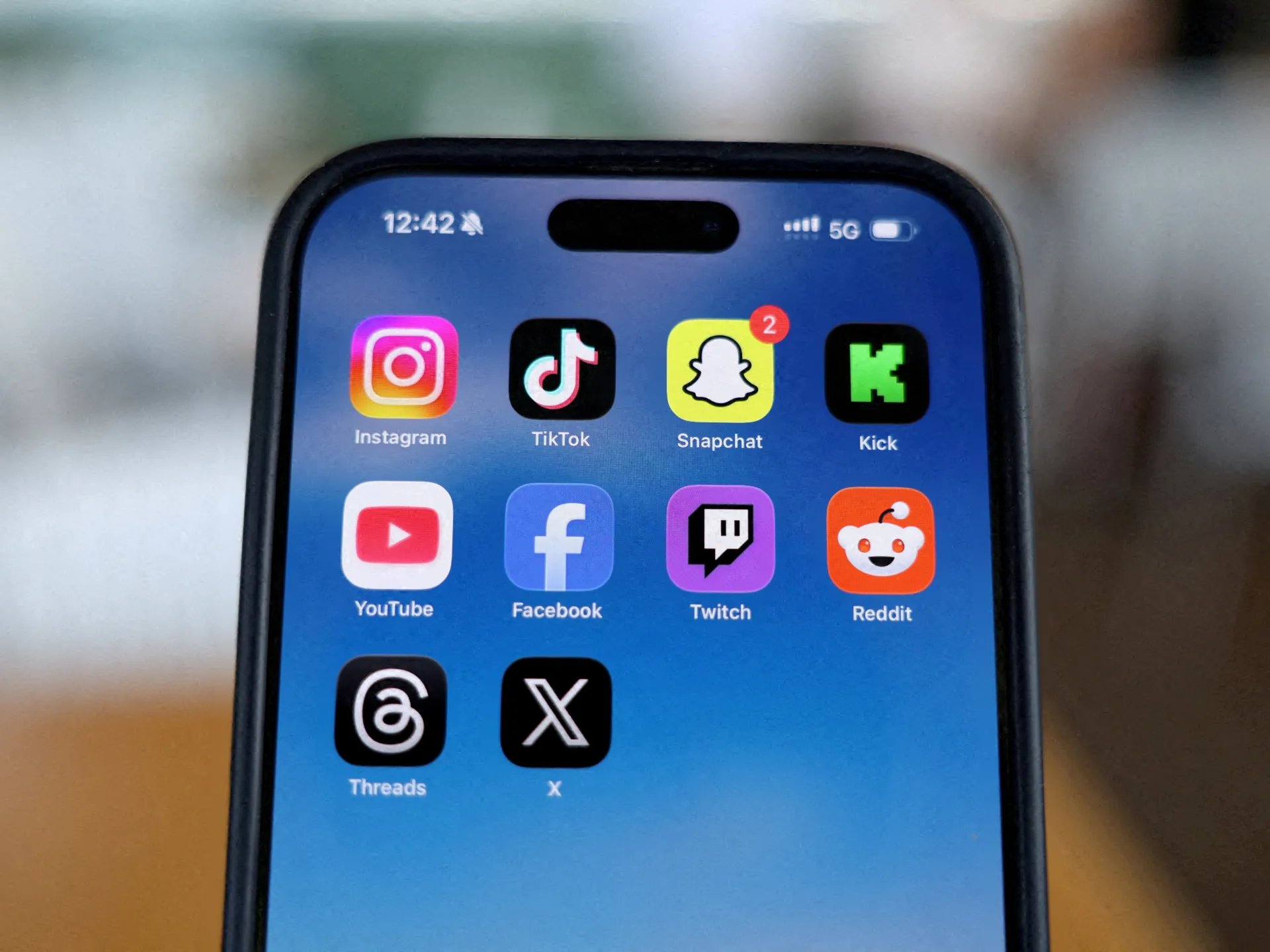
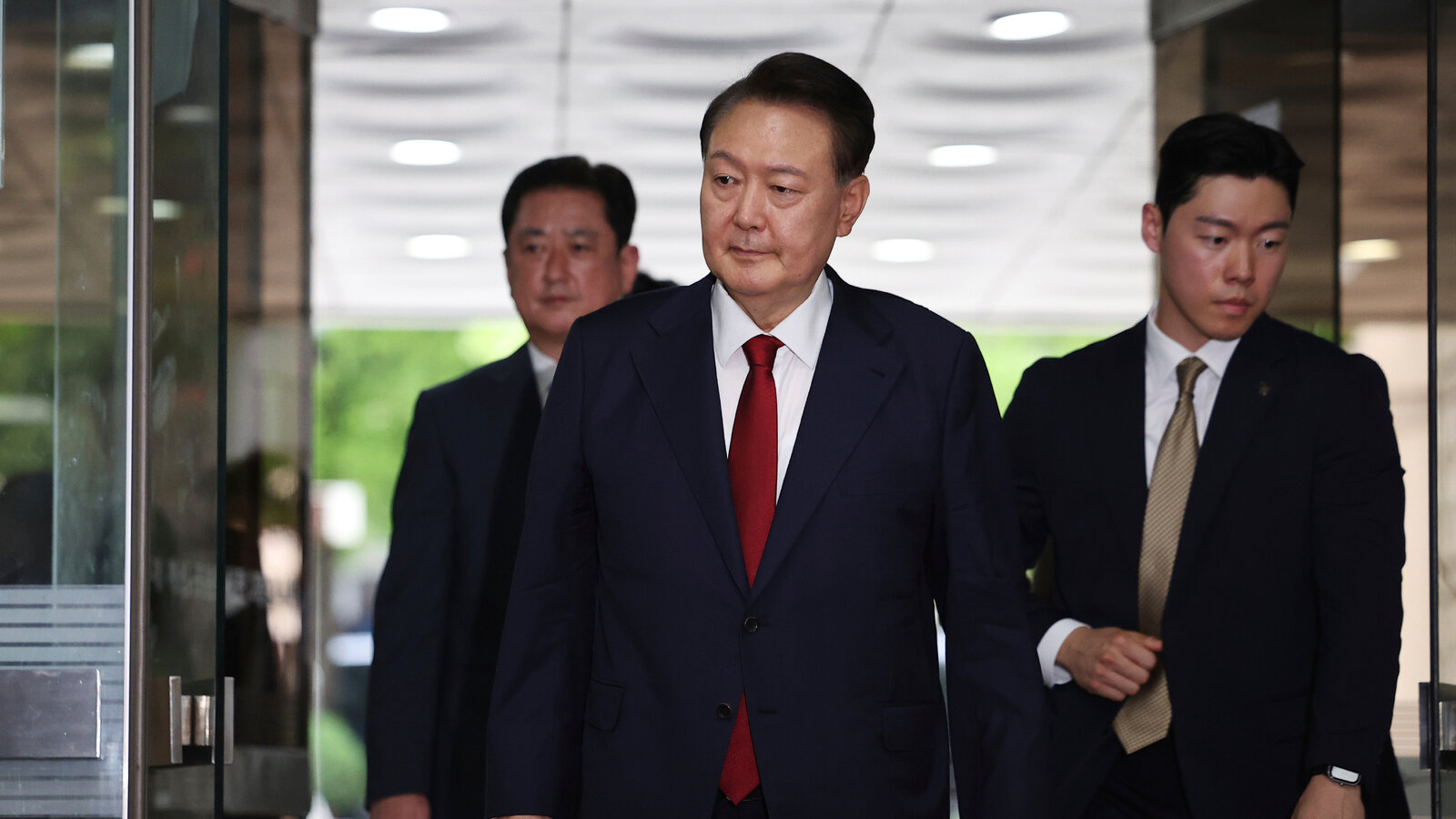
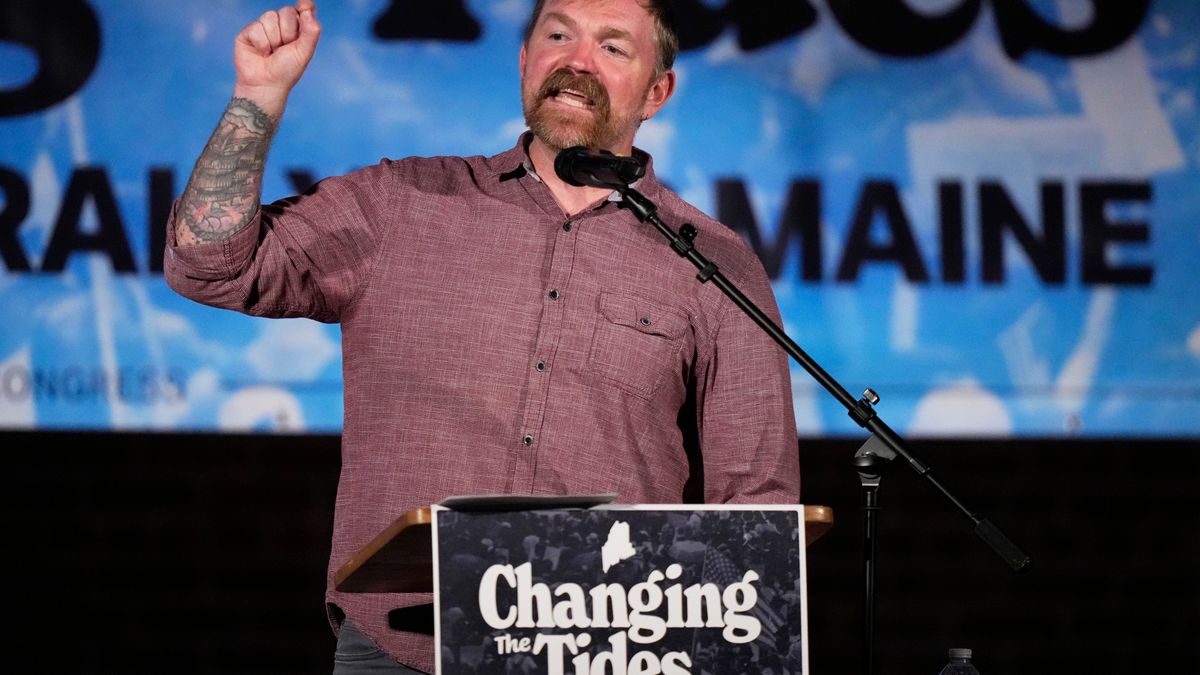
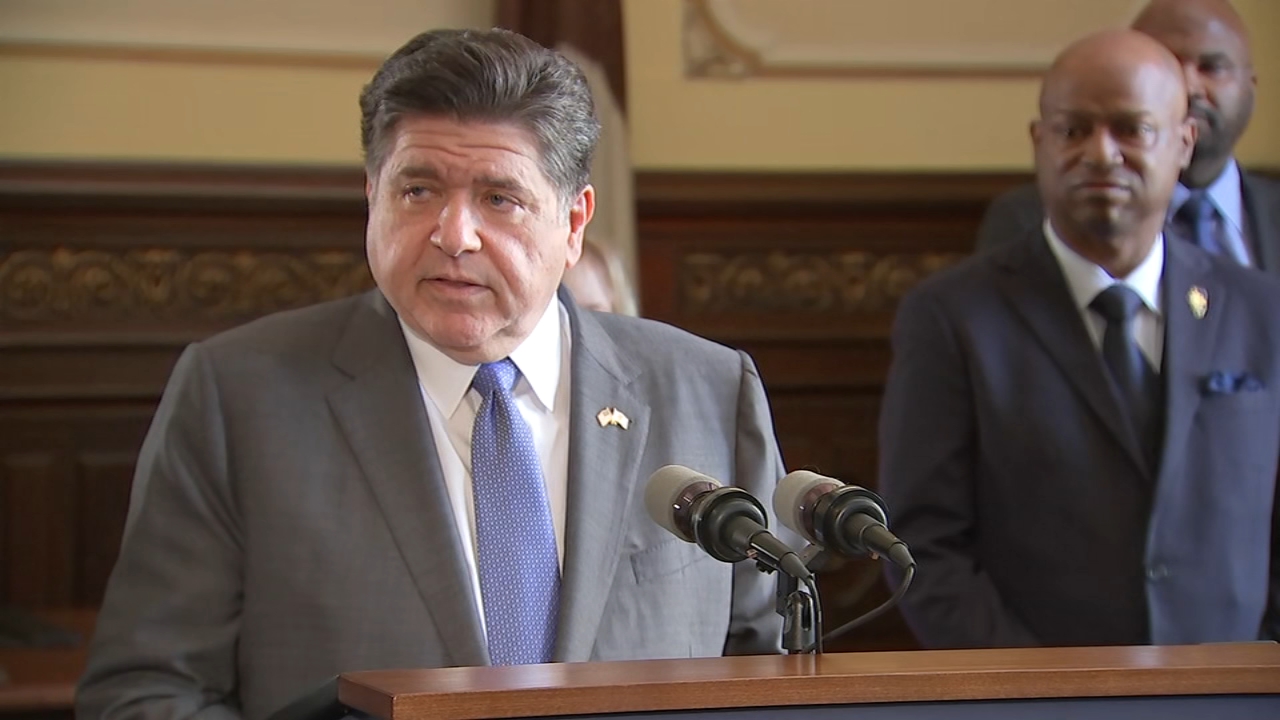
Six months into the world's first social media ban for children under 16, South Australia Premier Peter Malinauskas reports measurable positive changes among youths. The ban, which took effect in December, aims to protect children from the adverse effects of social media, including mental health issues and cyberbullying. Malinauskas noted a significant decrease in reported anxiety and depression rates among teenagers, citing a 30% reduction in mental health-related consultations at local clinics.
Data Supporting the Ban's Effectiveness
Recent surveys indicate that 75% of parents support the ban, attributing it to improved family dynamics and communication. In the months following its implementation, there has been a 40% increase in outdoor activities reported by teens, suggesting that the ban has encouraged healthier lifestyles. Malinauskas emphasized the importance of these findings during an interview on "The Daily Report," stating, "We are witnessing a generation of kids rediscovering the joys of face-to-face interaction."
Criticism and Concerns
While the ban has garnered support, it has also faced criticism. Opponents argue that restricting access to social media limits teens' ability to connect with peers and express themselves. Dr. Emily Carter, a child psychologist, warned that such restrictions could lead to feelings of isolation. "It's crucial to balance safety with social interaction, especially as children navigate their formative years," she said. Critics also highlight the need for educational initiatives about responsible social media use rather than outright bans.
Future Directions and Potential Expansion
Premier Malinauskas is considering expanding the ban to include other forms of digital communication that may pose risks to youth. He plans to collaborate with educational institutions to develop comprehensive digital literacy programs aimed at teaching safe online practices. "Our goal is to equip young people with the skills they need to navigate the digital world responsibly," Malinauskas stated. As South Australia leads the way, other regions are closely monitoring the policy's outcomes.
Economic Implications of Youth Engagement
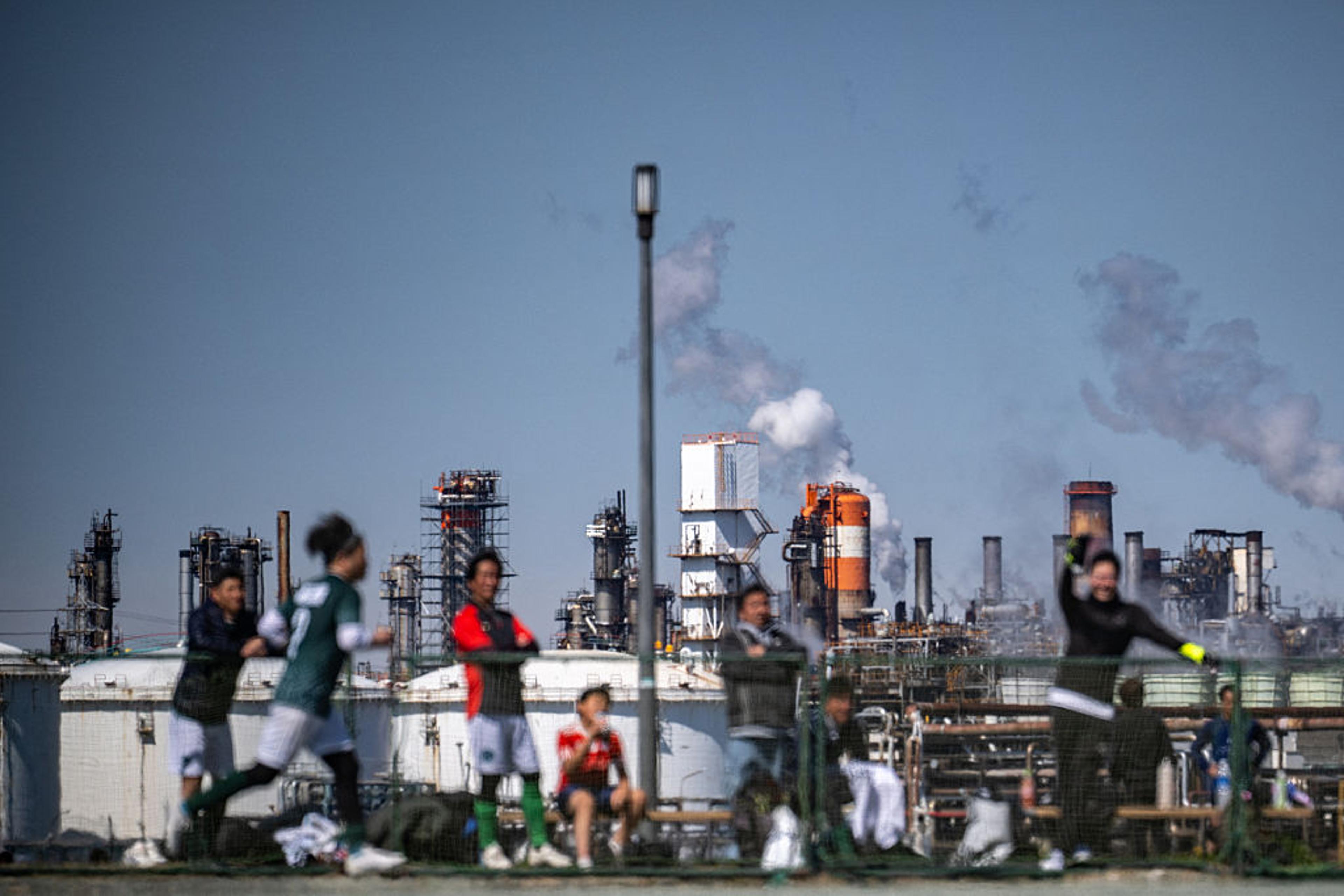
The ban has not only social implications but also economic ones. With increased outdoor activities, local businesses have reported a surge in sales related to recreational activities, such as sports equipment and local events. The Premier noted that this revitalization of community engagement could have long-term benefits for the local economy. "Investing in our youths' mental health today will yield dividends for our community tomorrow," Malinauskas remarked.
Conclusion and Next Steps for Families
As the ban continues to unfold, families in South Australia are encouraged to engage in discussions about online safety and mental health. Parents are urged to monitor their children's emotional well-being and to participate in community programs designed to support healthy interactions. The success of this initiative could serve as a model for other regions grappling with similar challenges, highlighting the importance of tailored approaches to youth engagement and mental health.