




Netanyahu's Dilemma
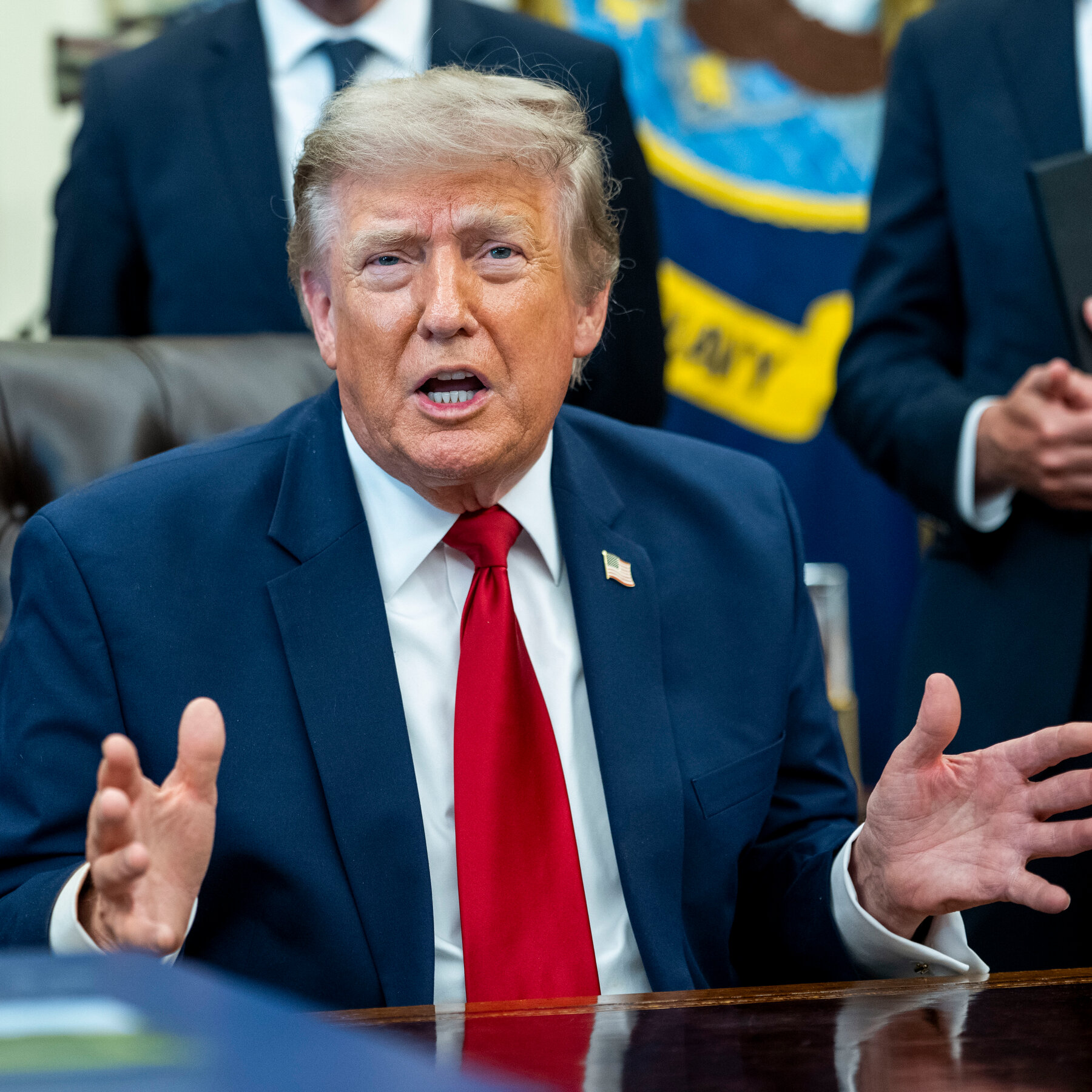
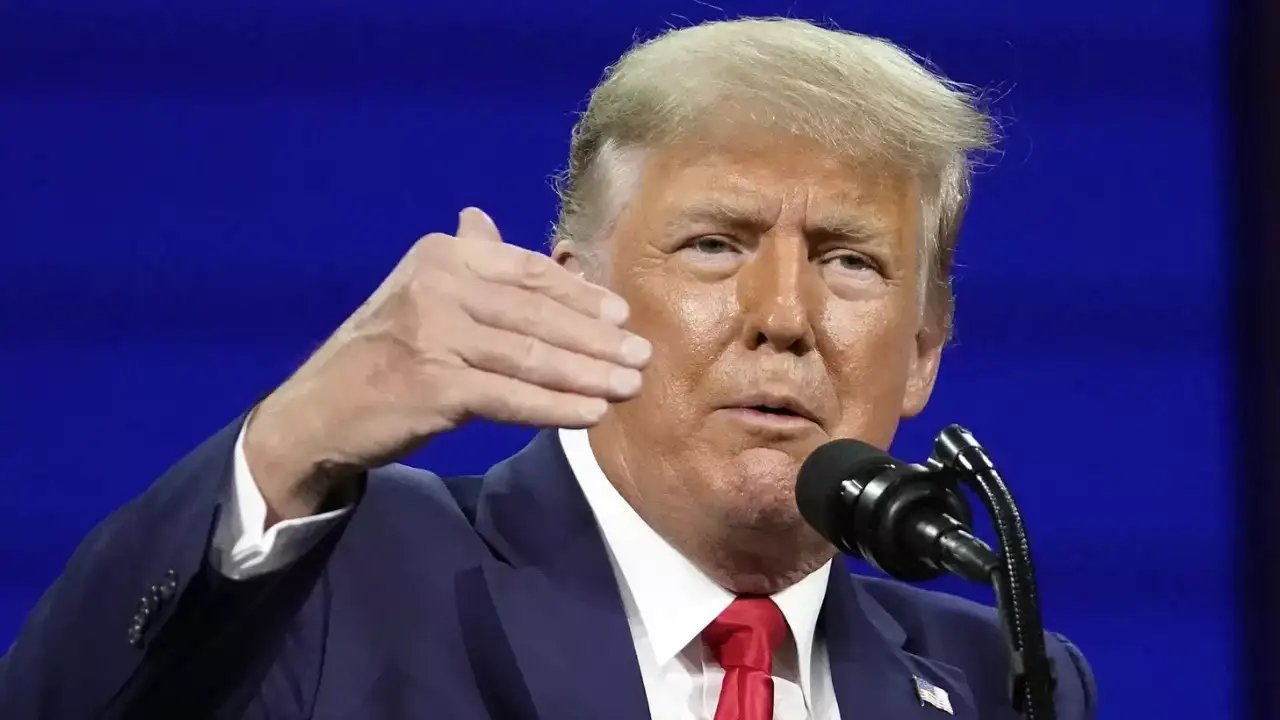
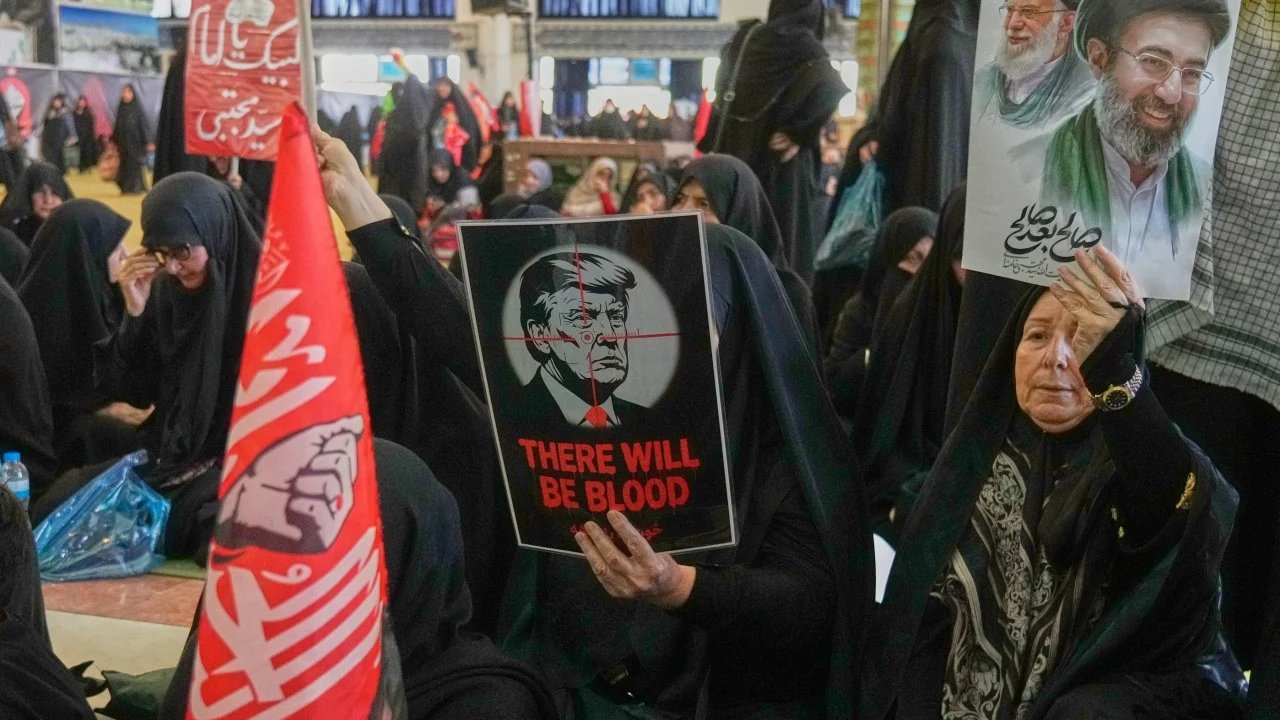
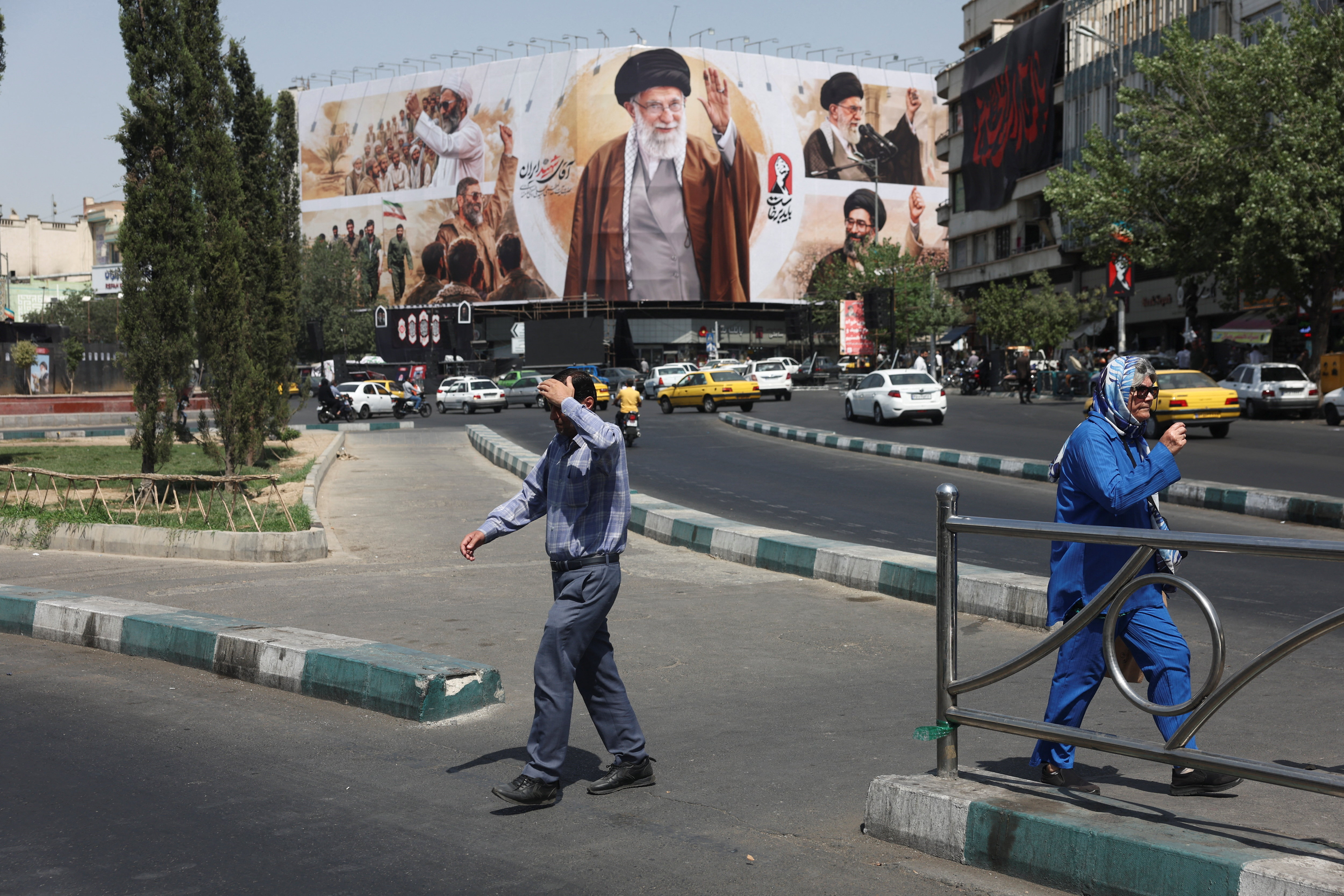
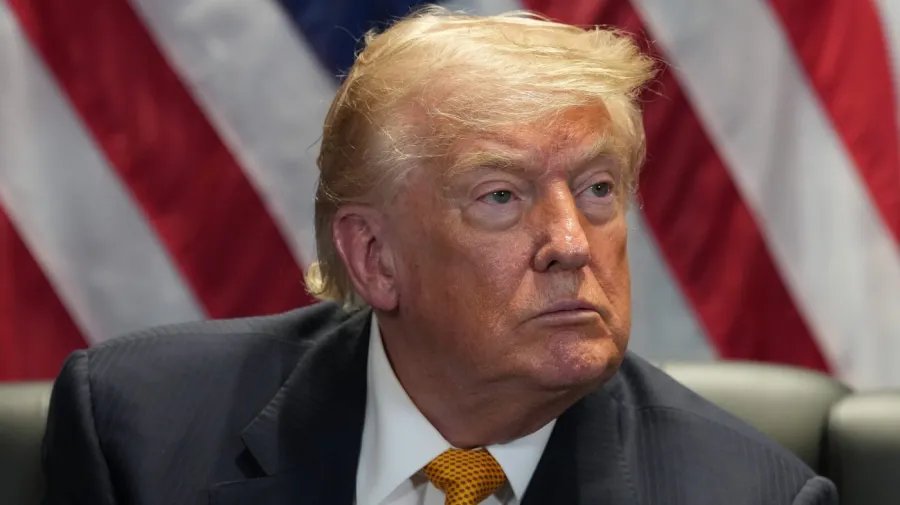
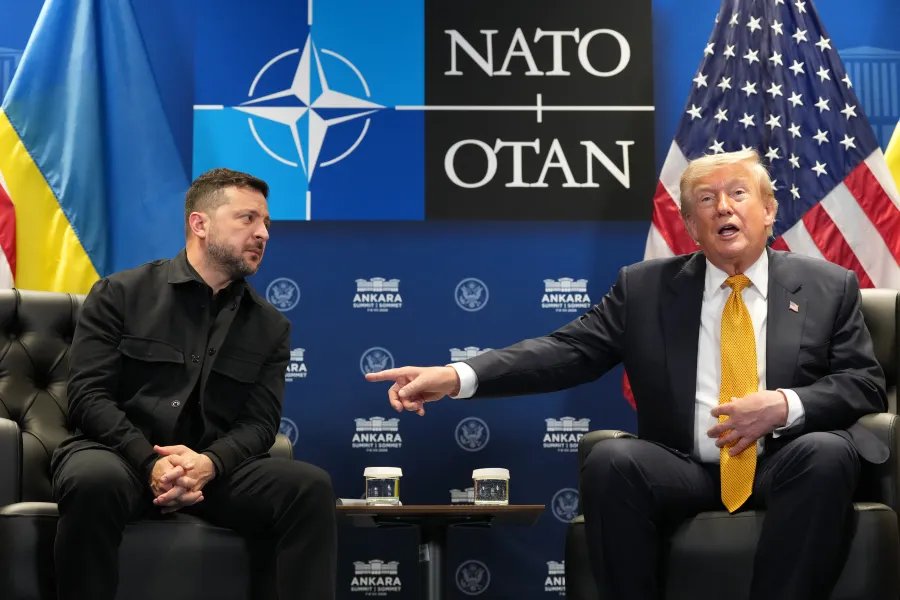
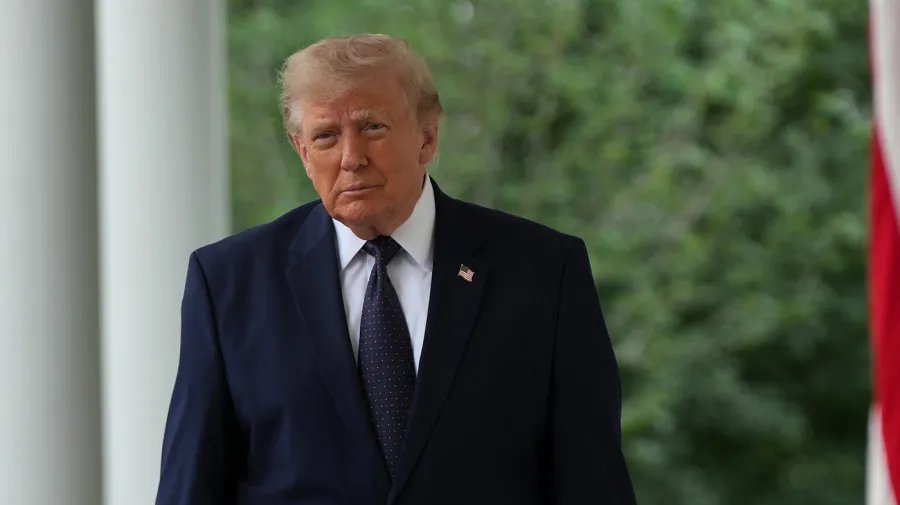
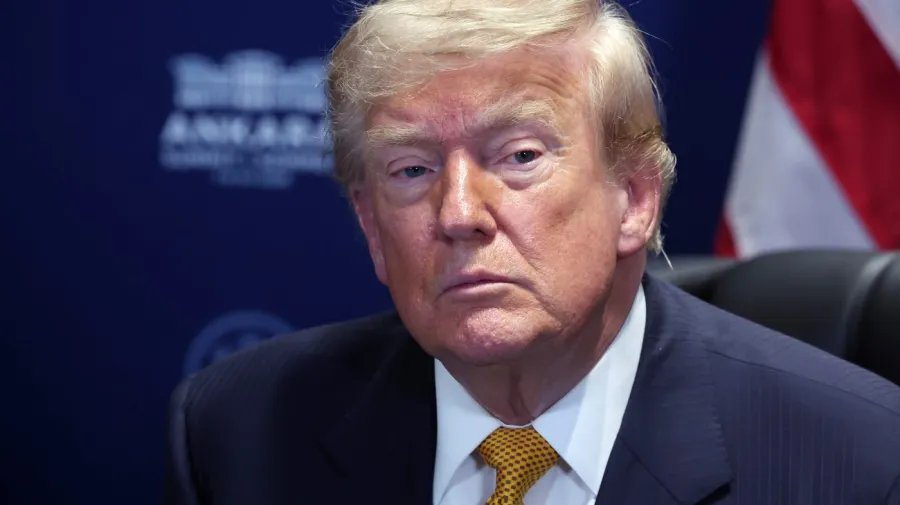
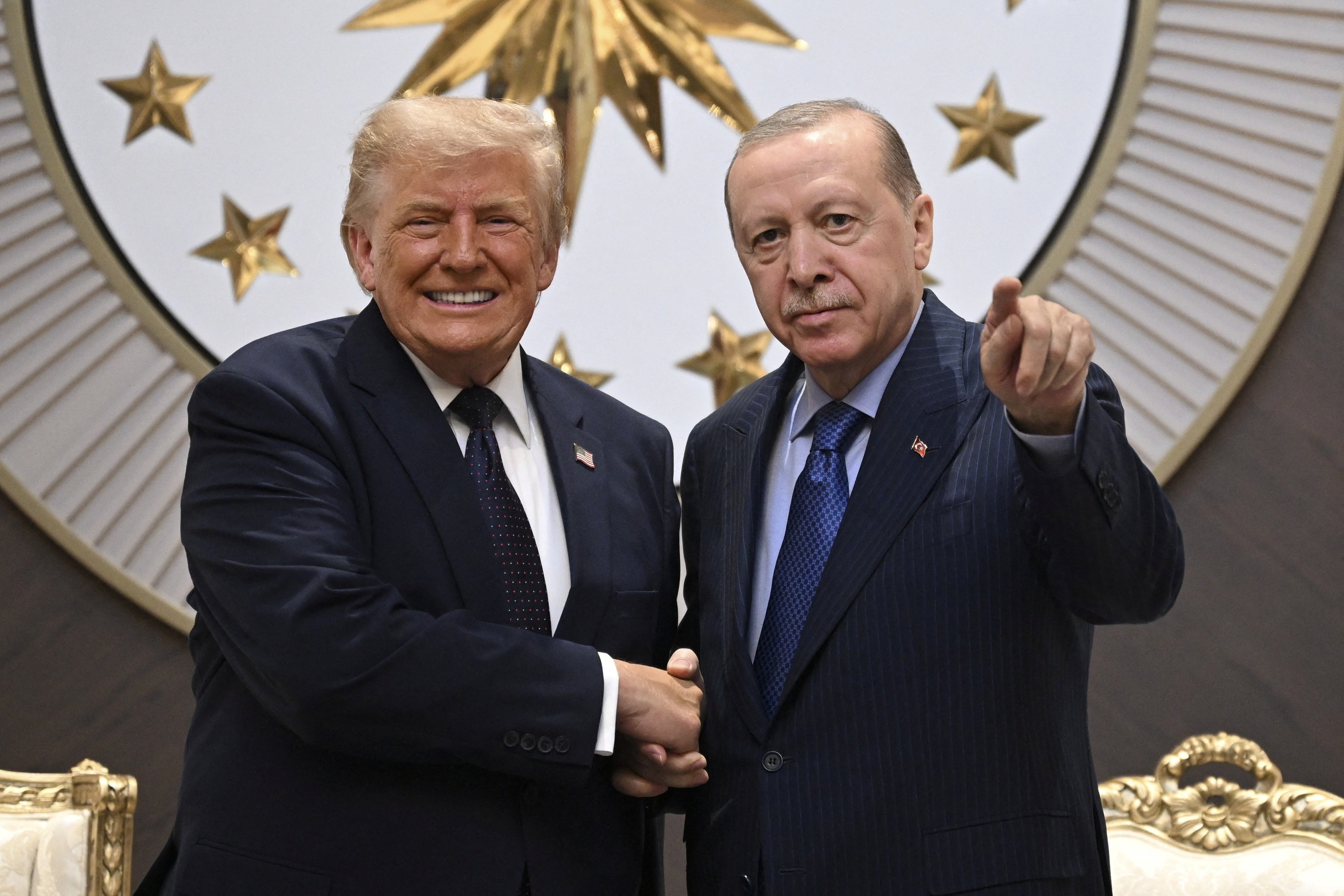
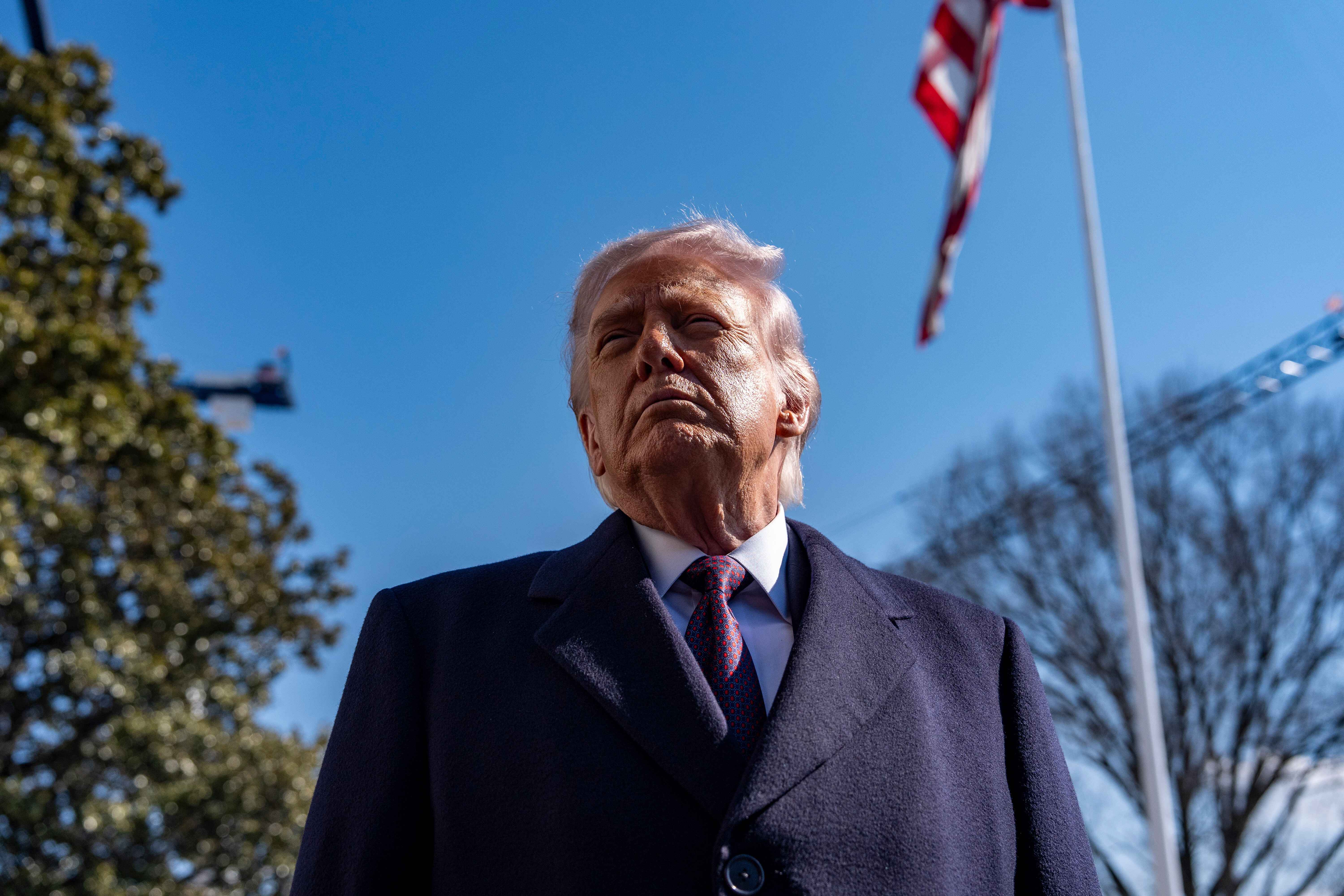
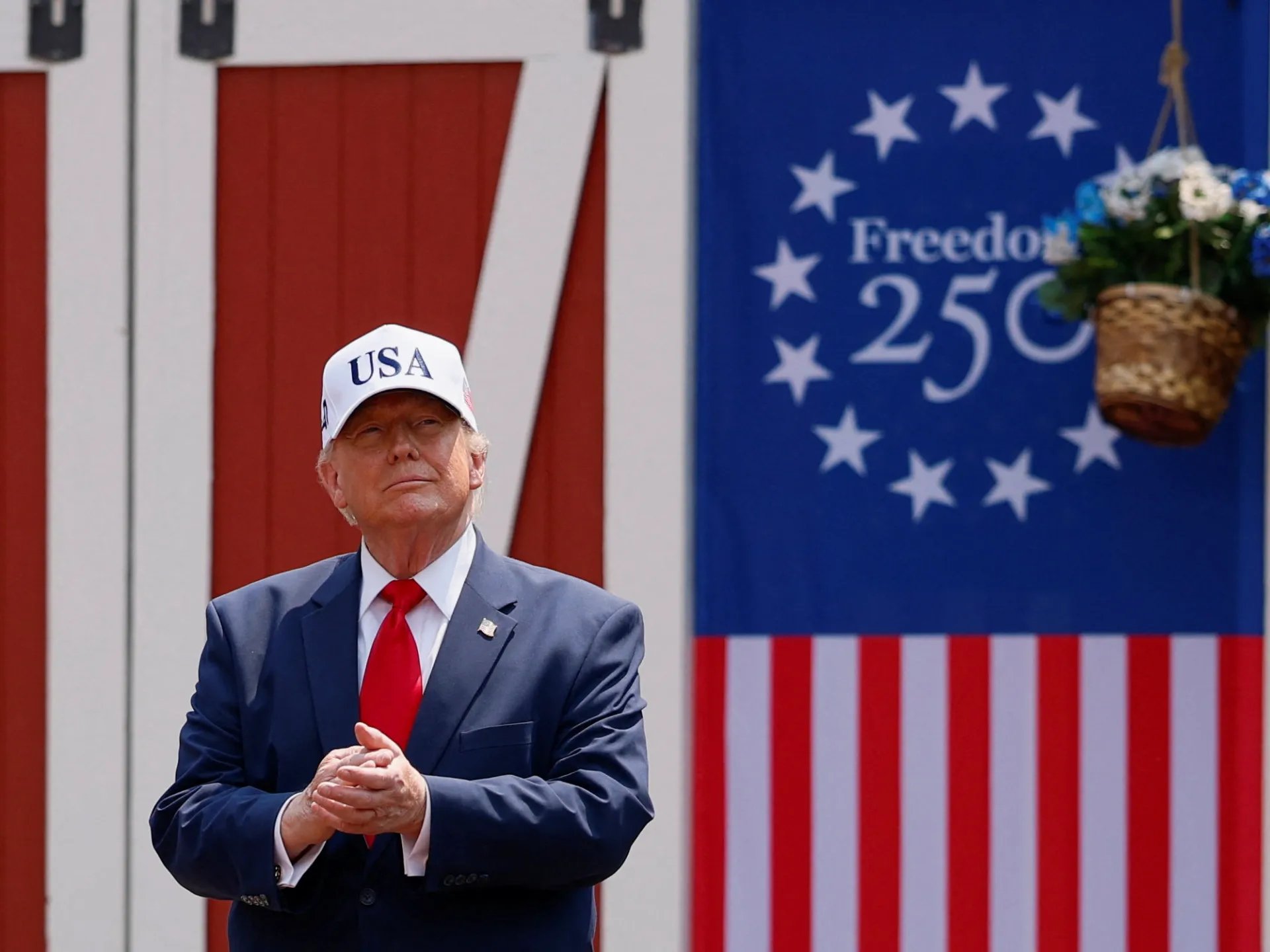
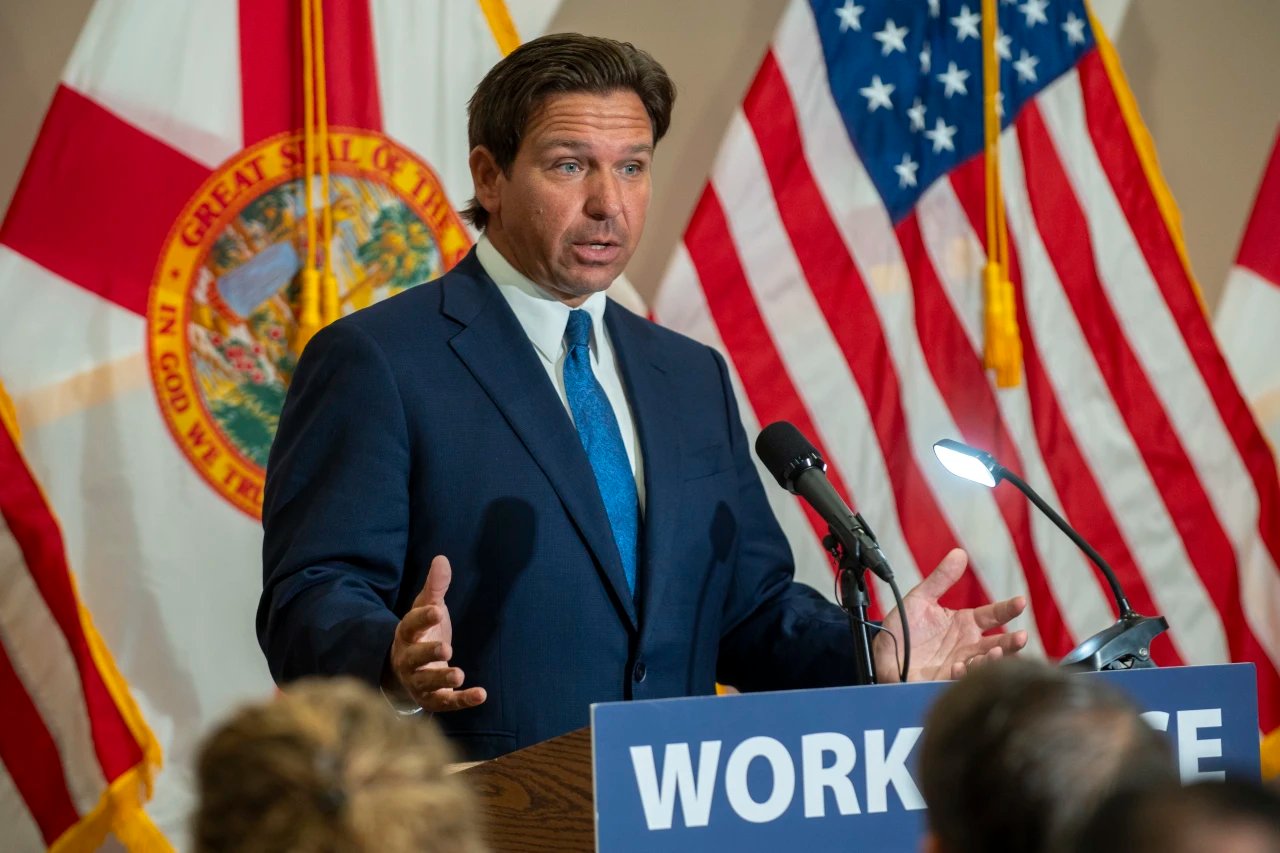
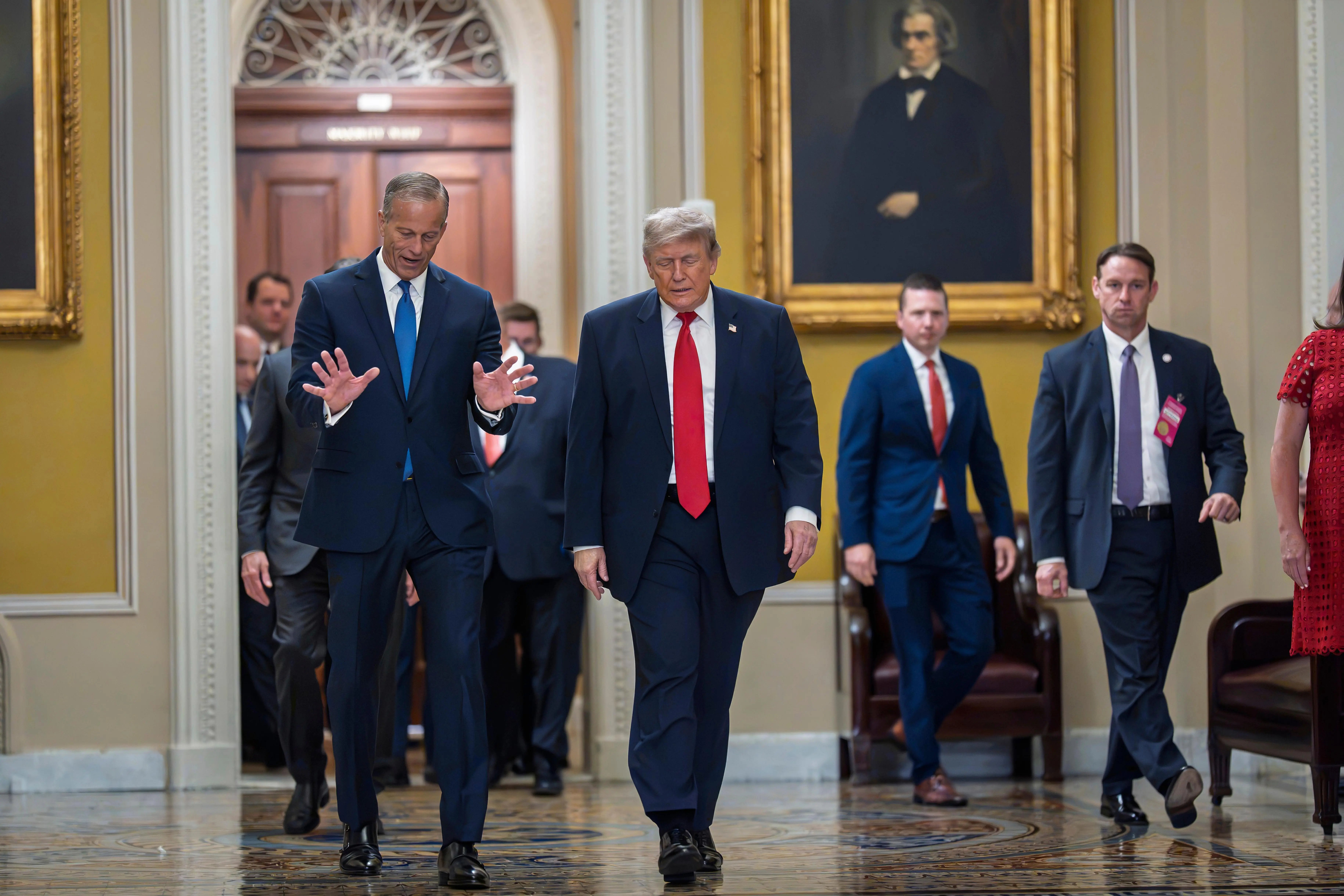
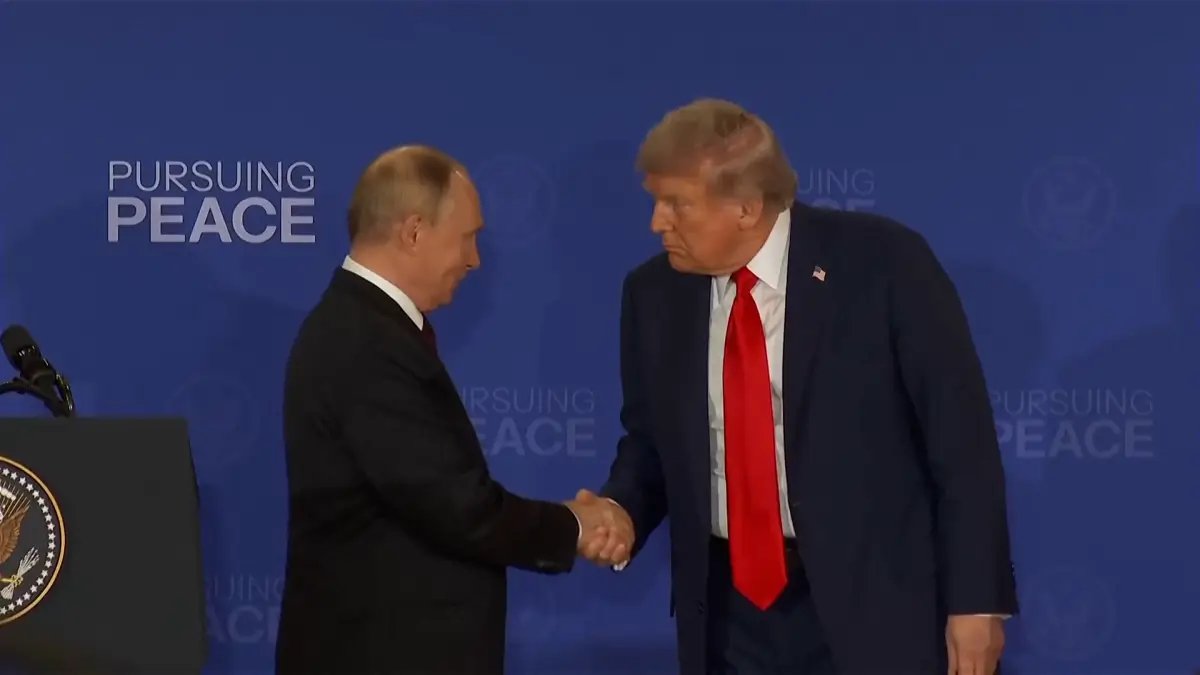
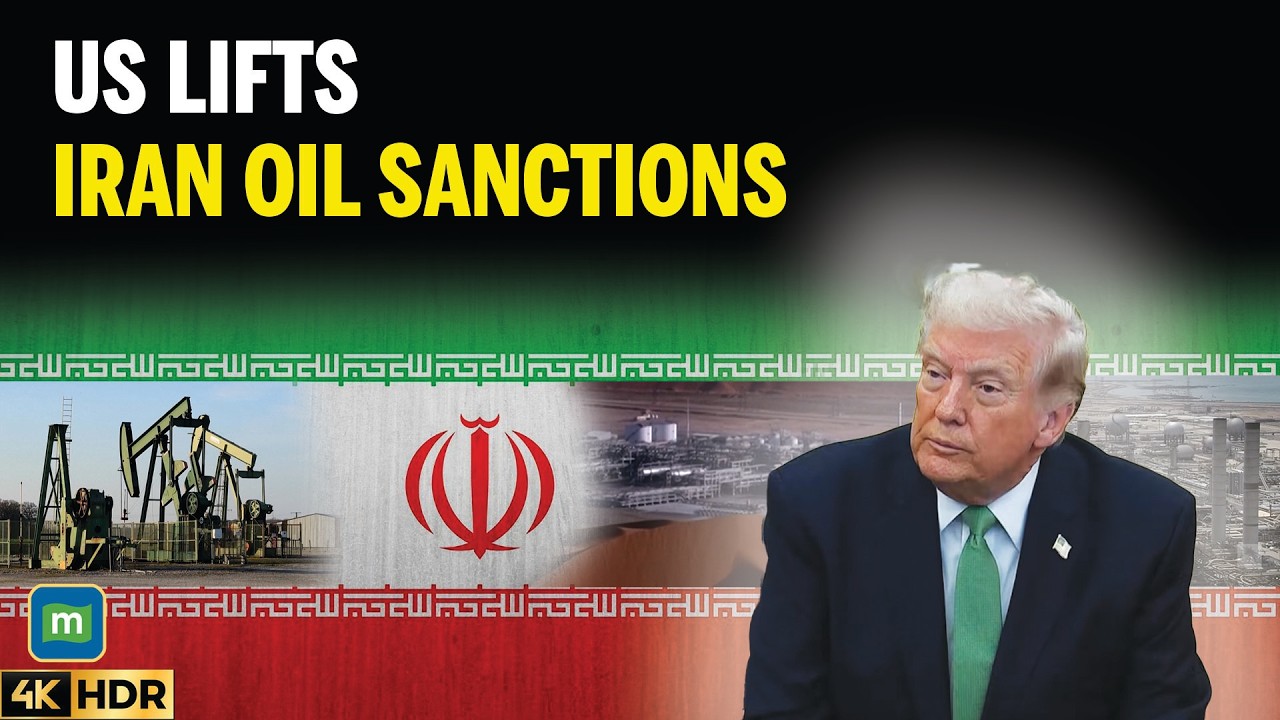
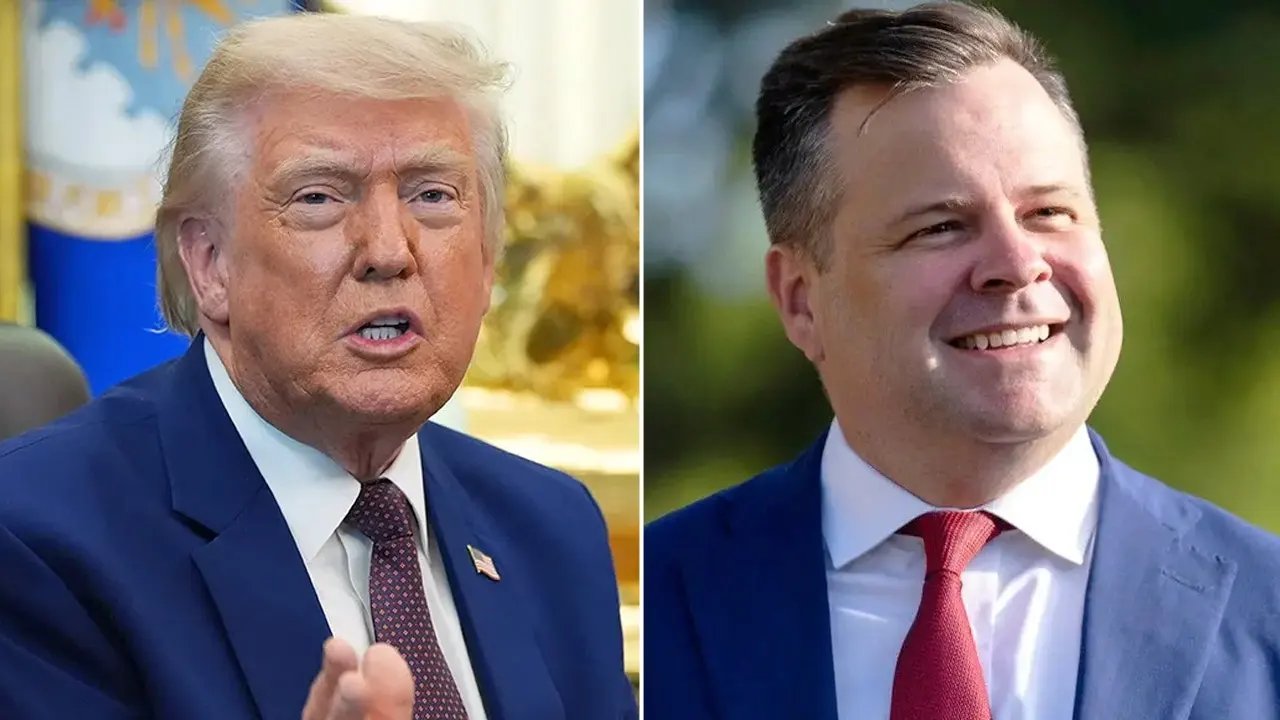
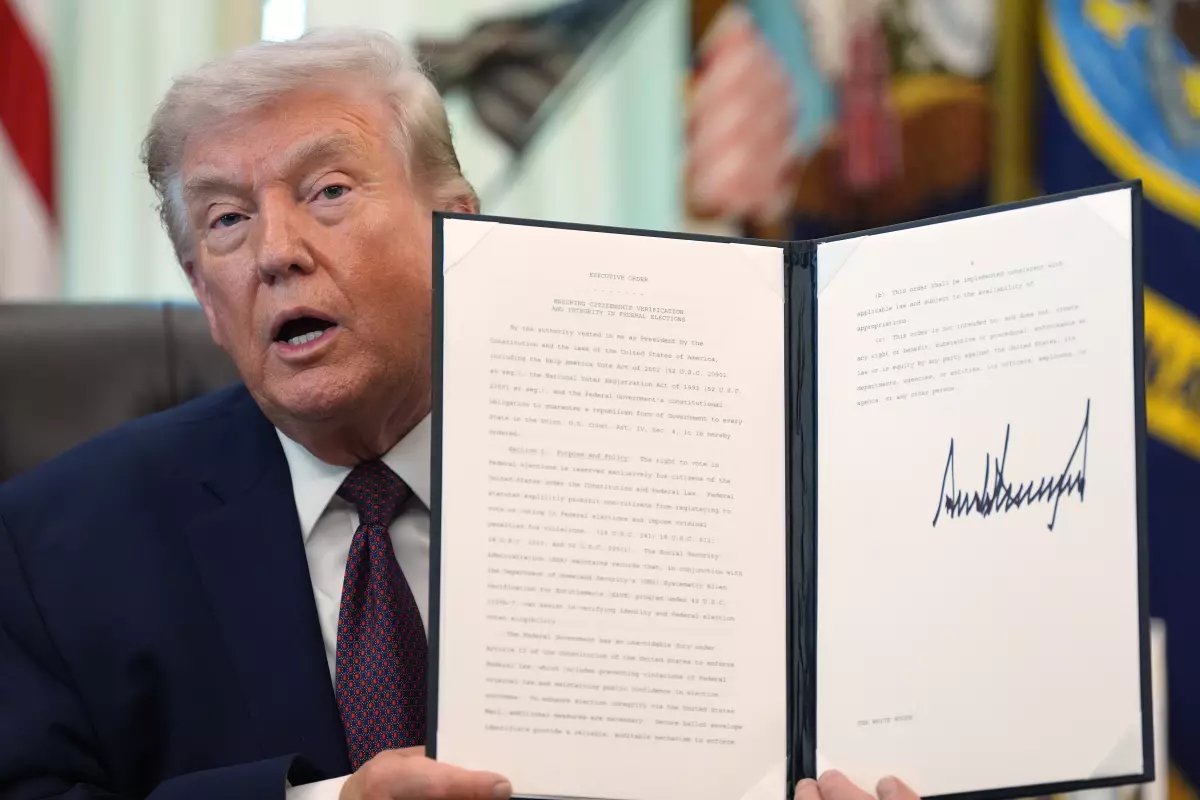
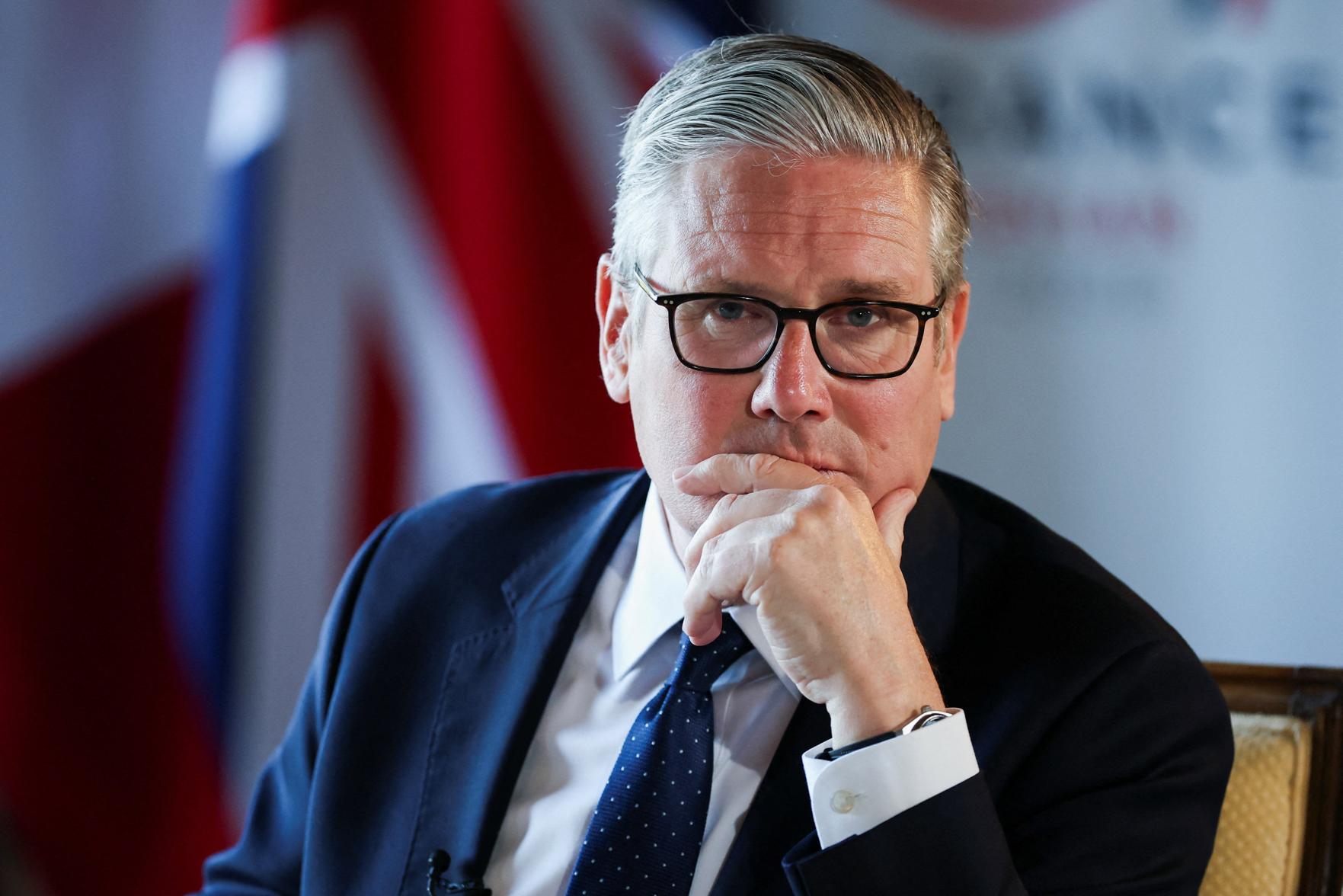
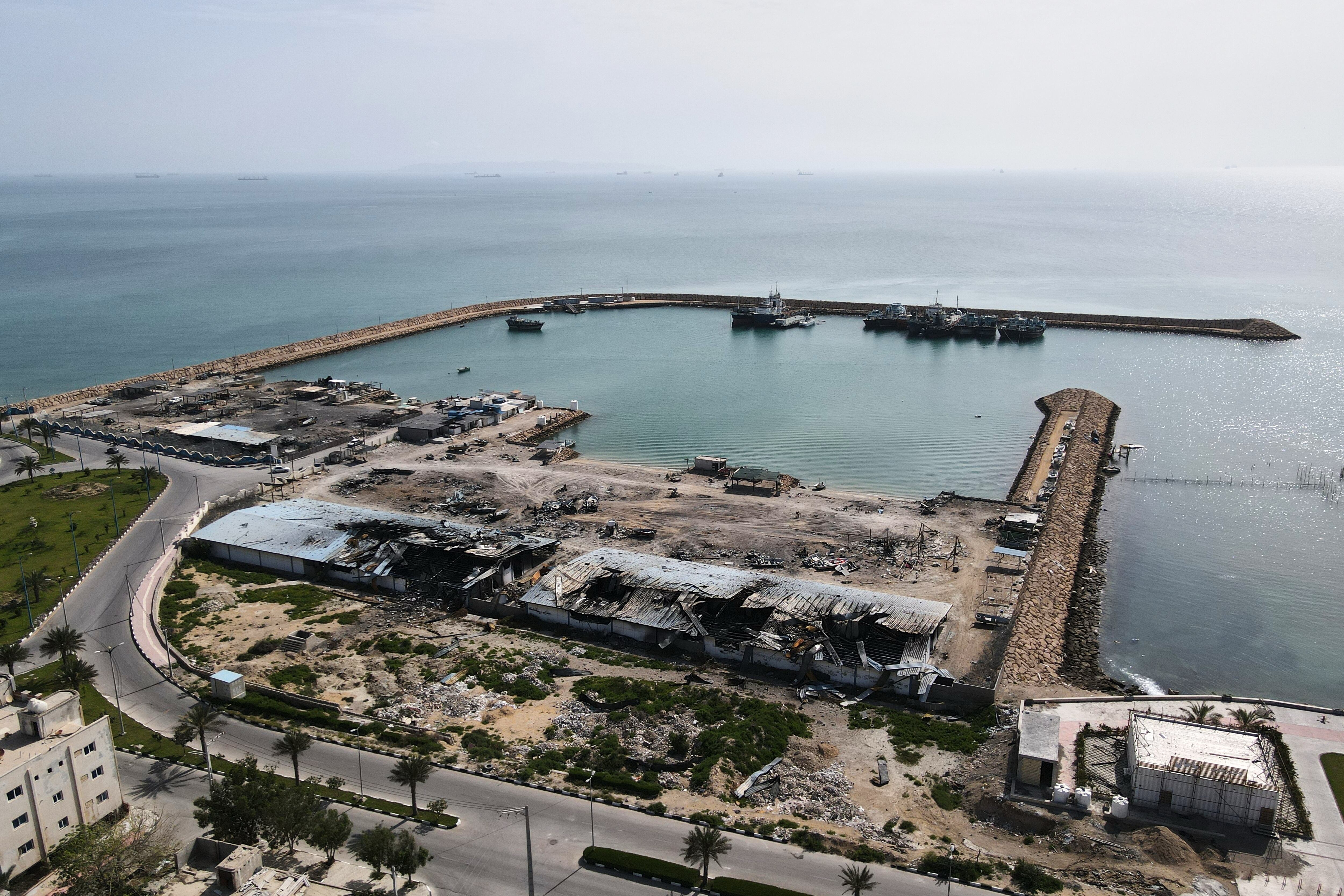
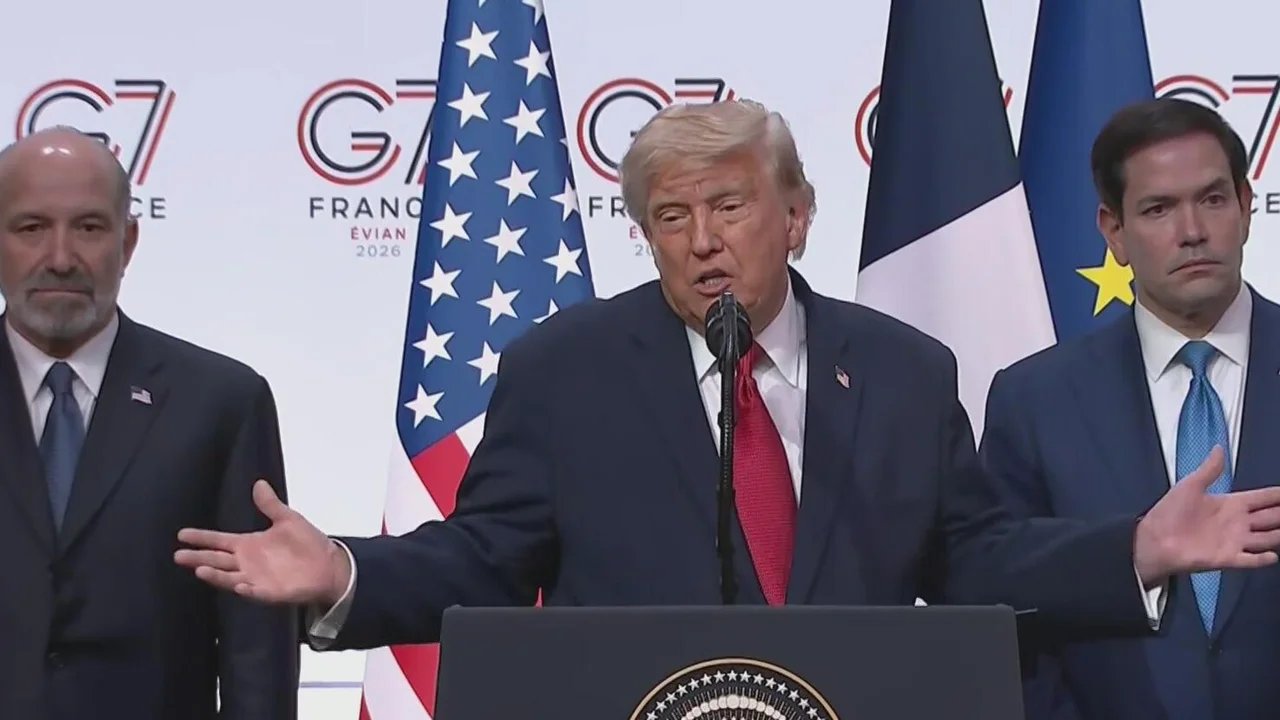
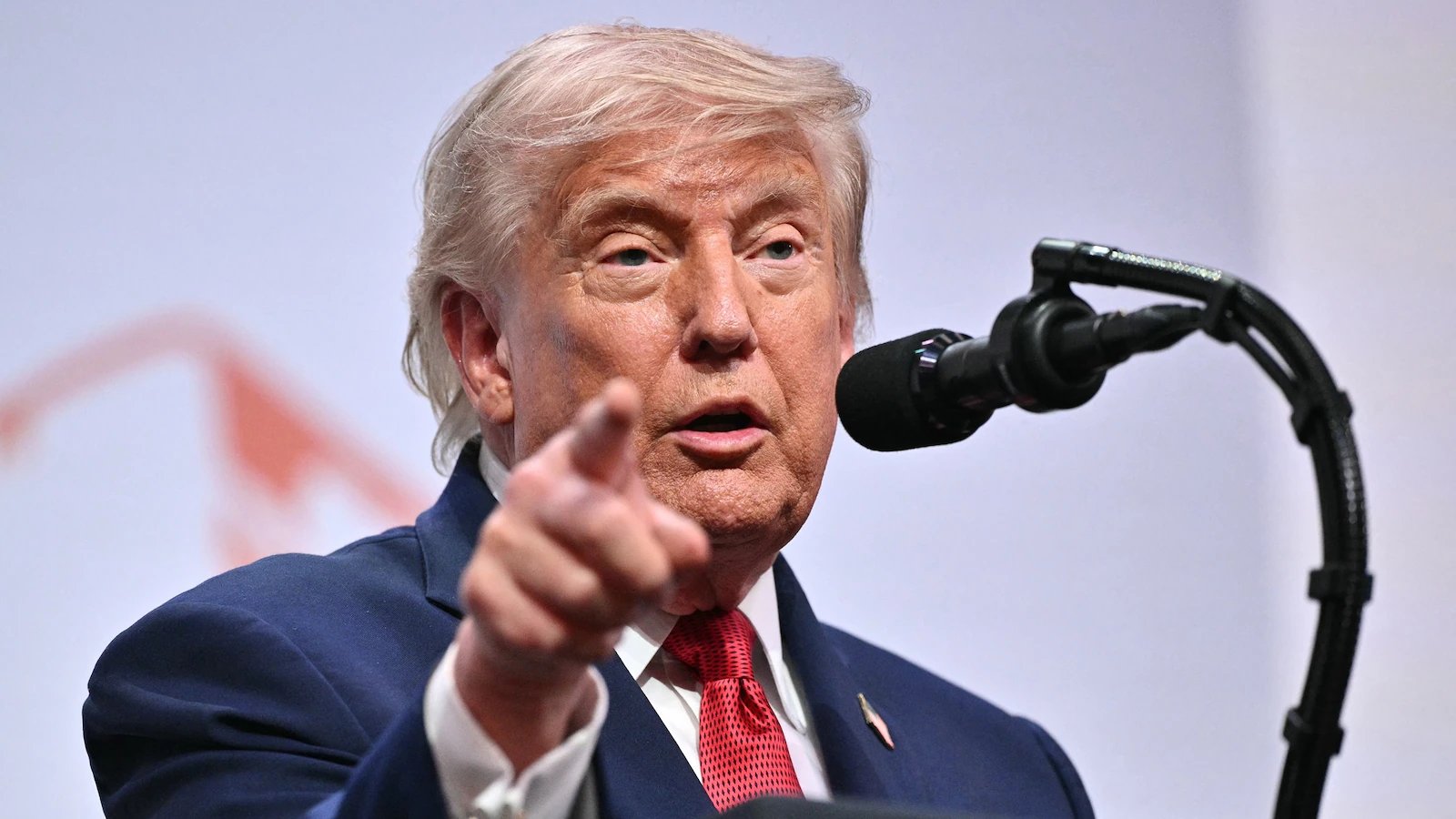
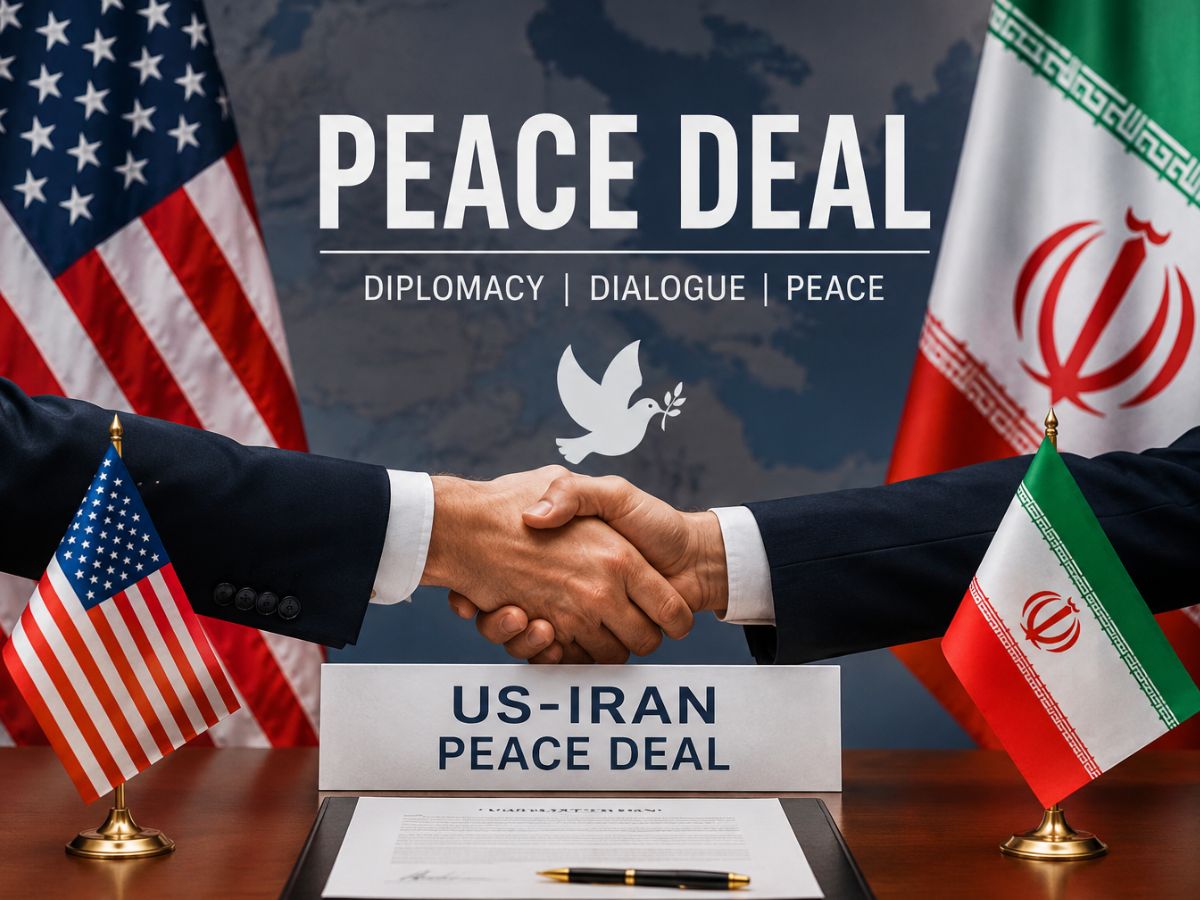
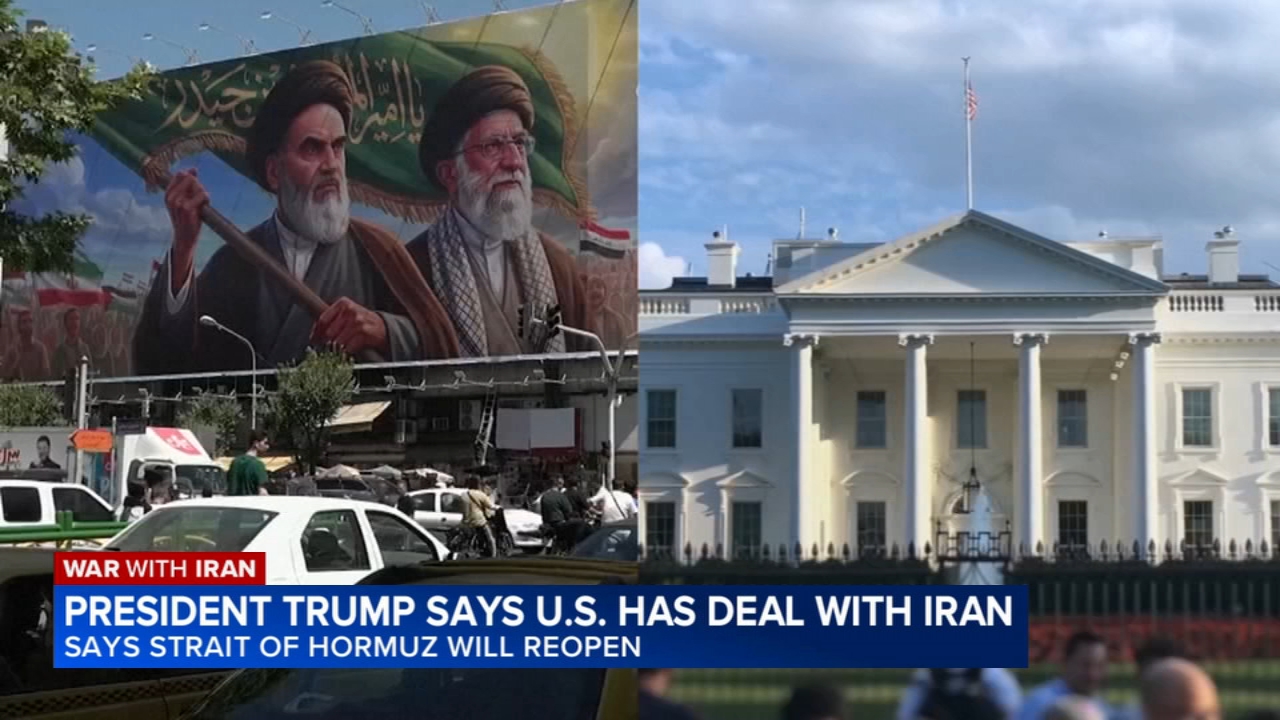
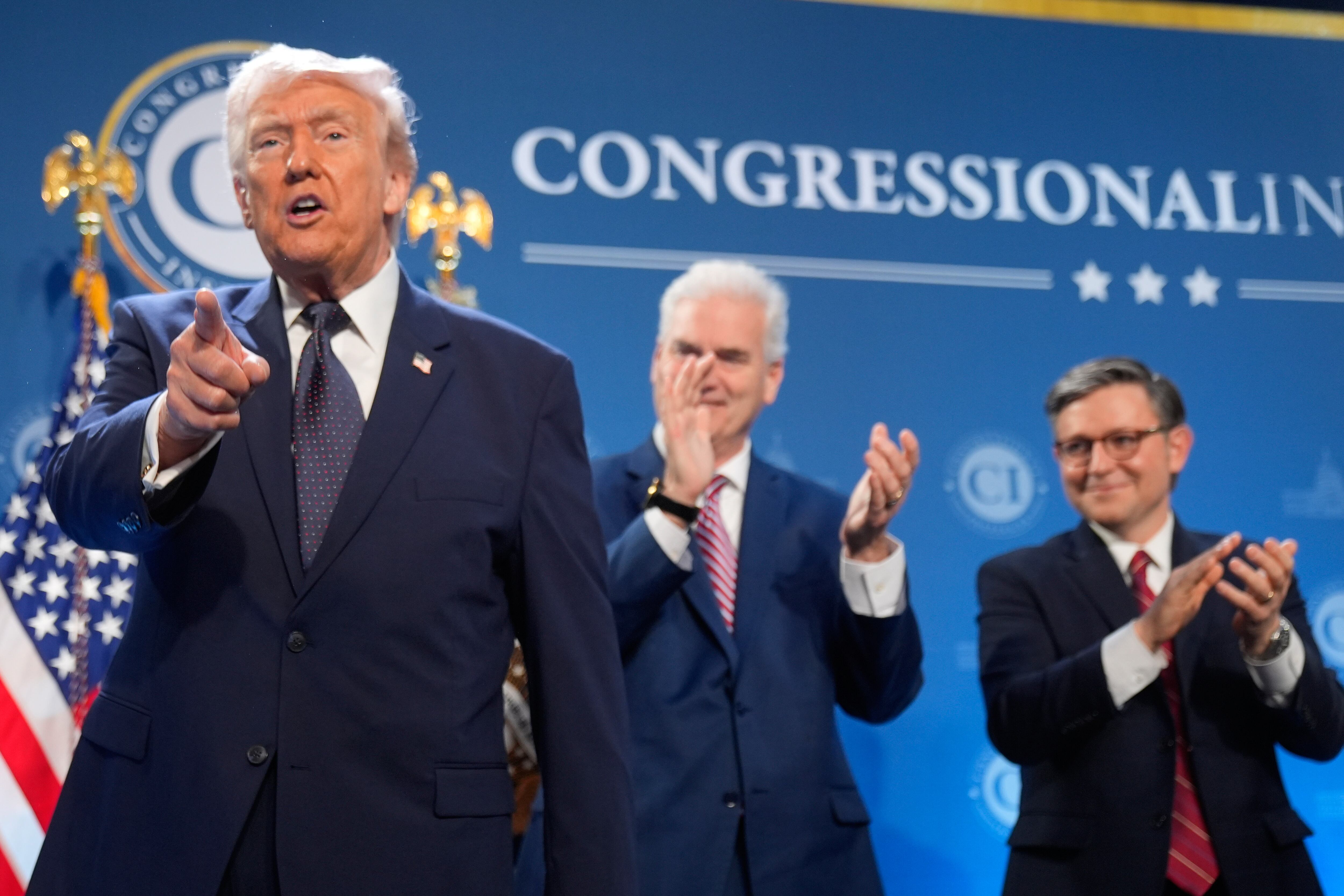
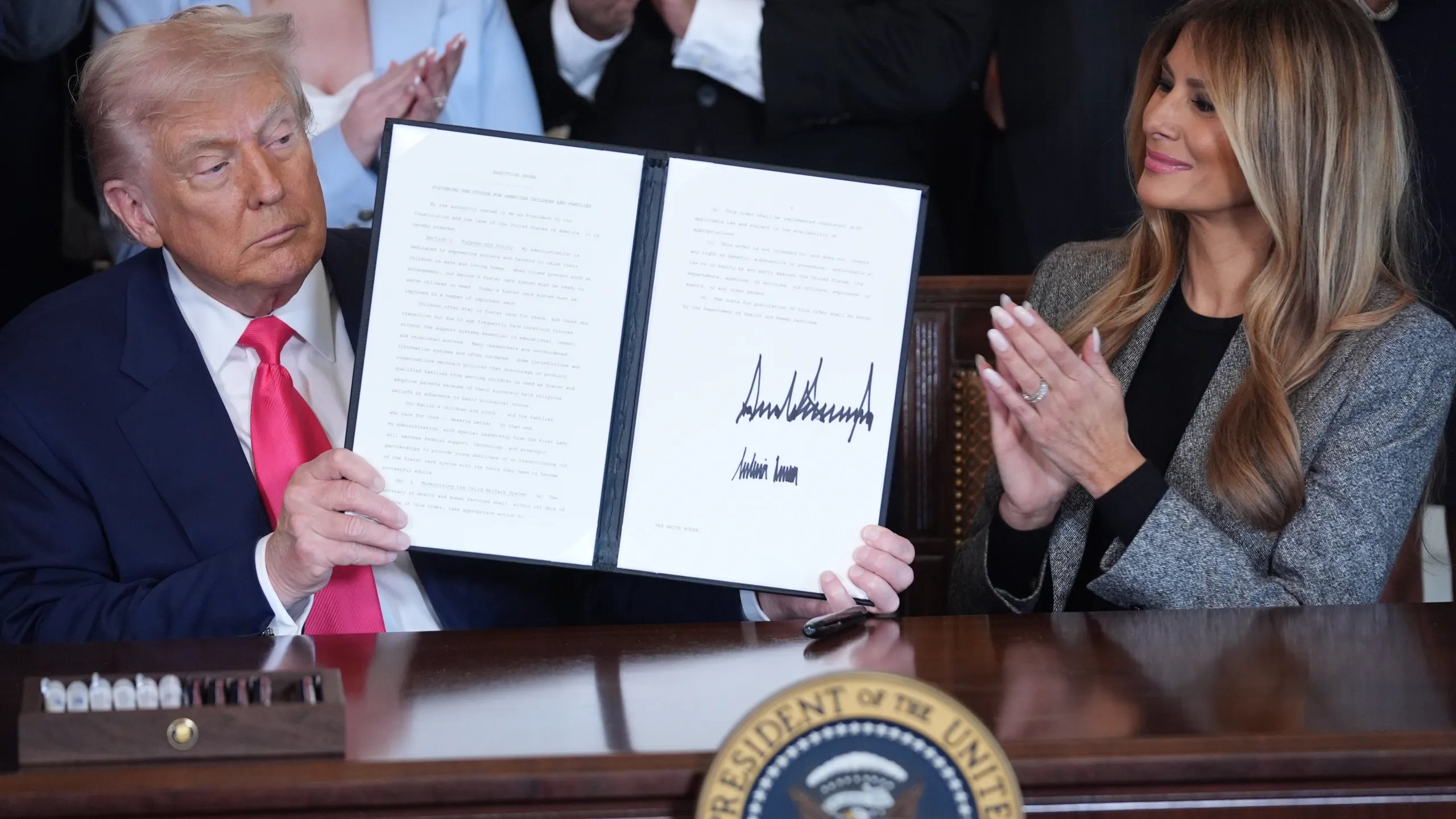
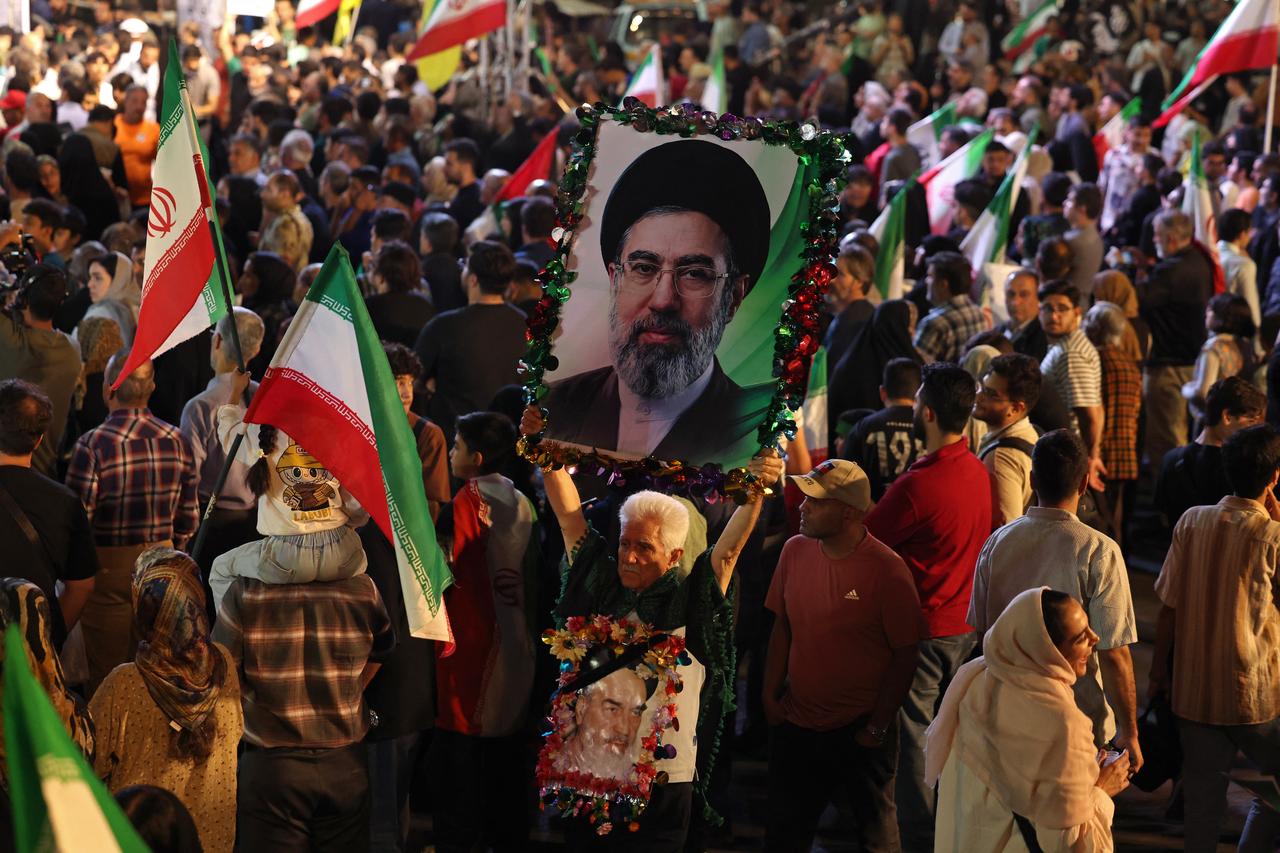
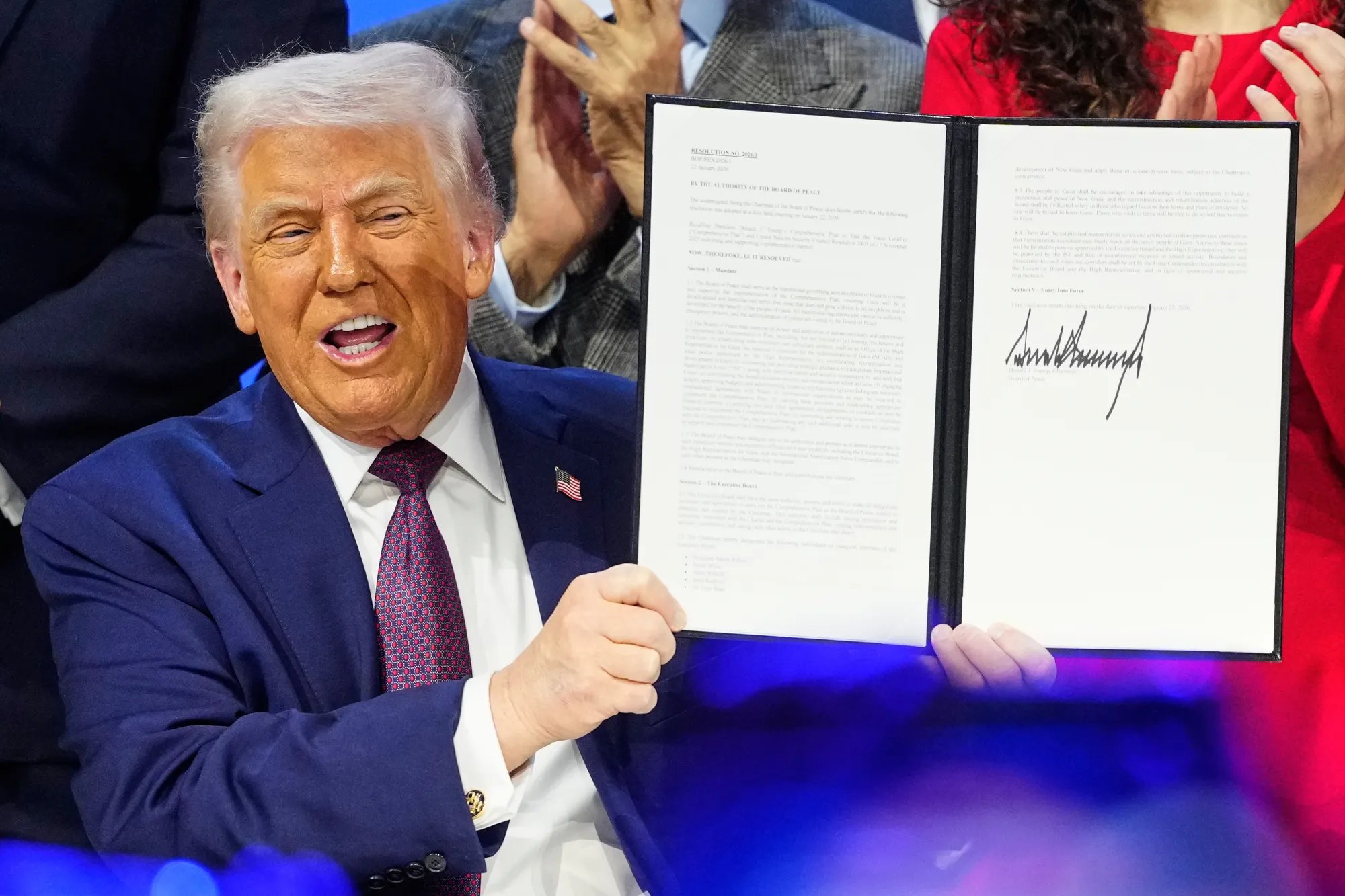
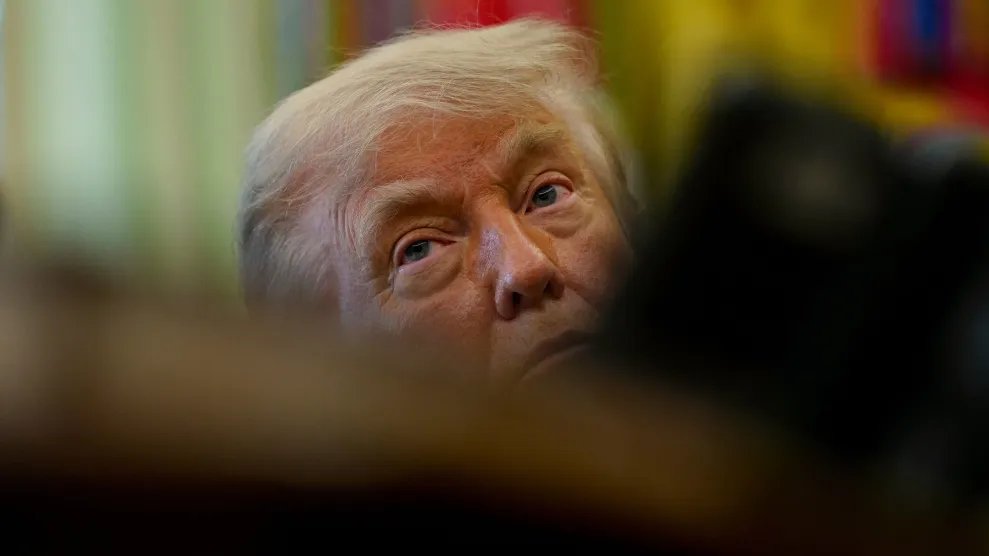
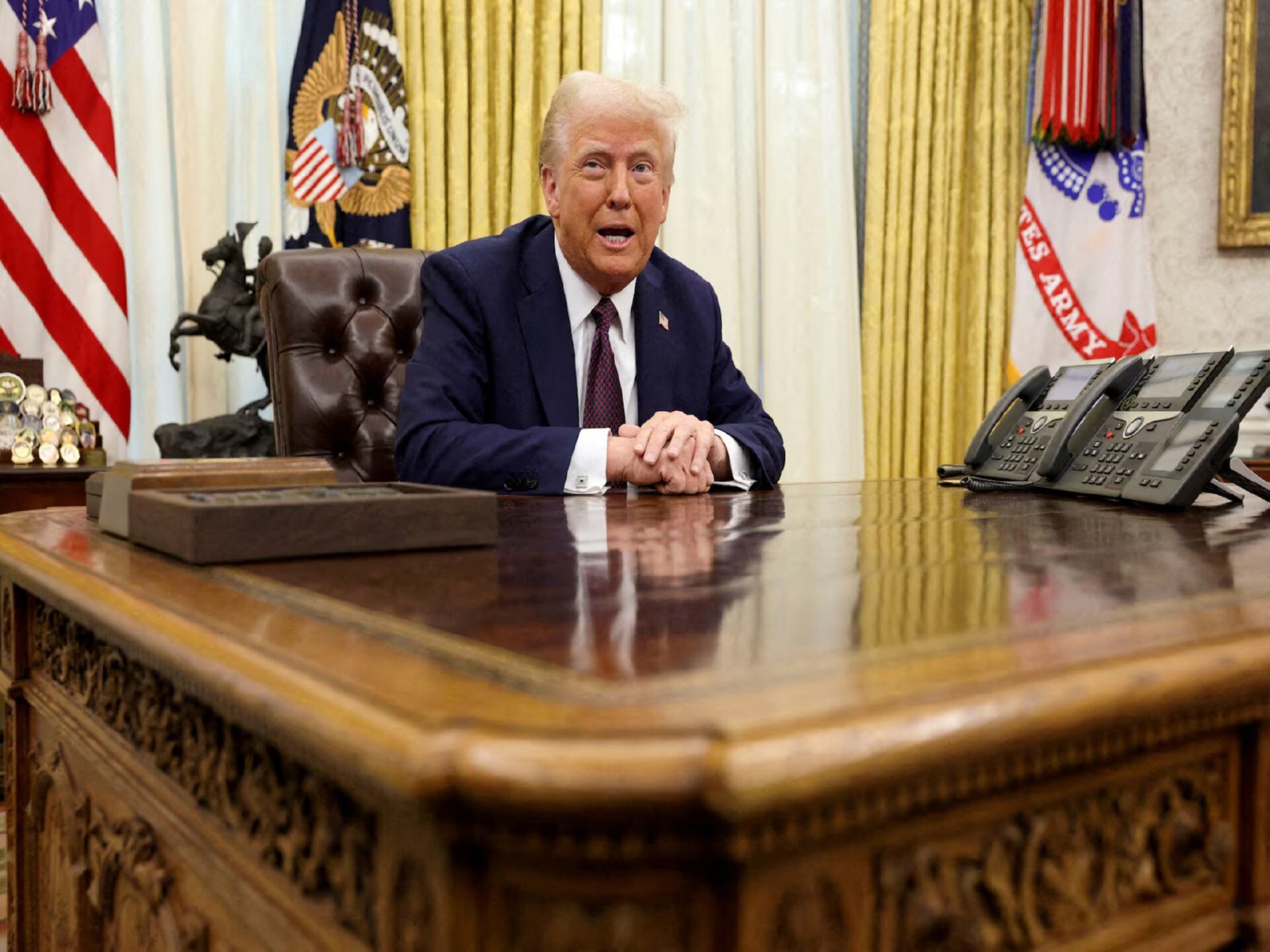
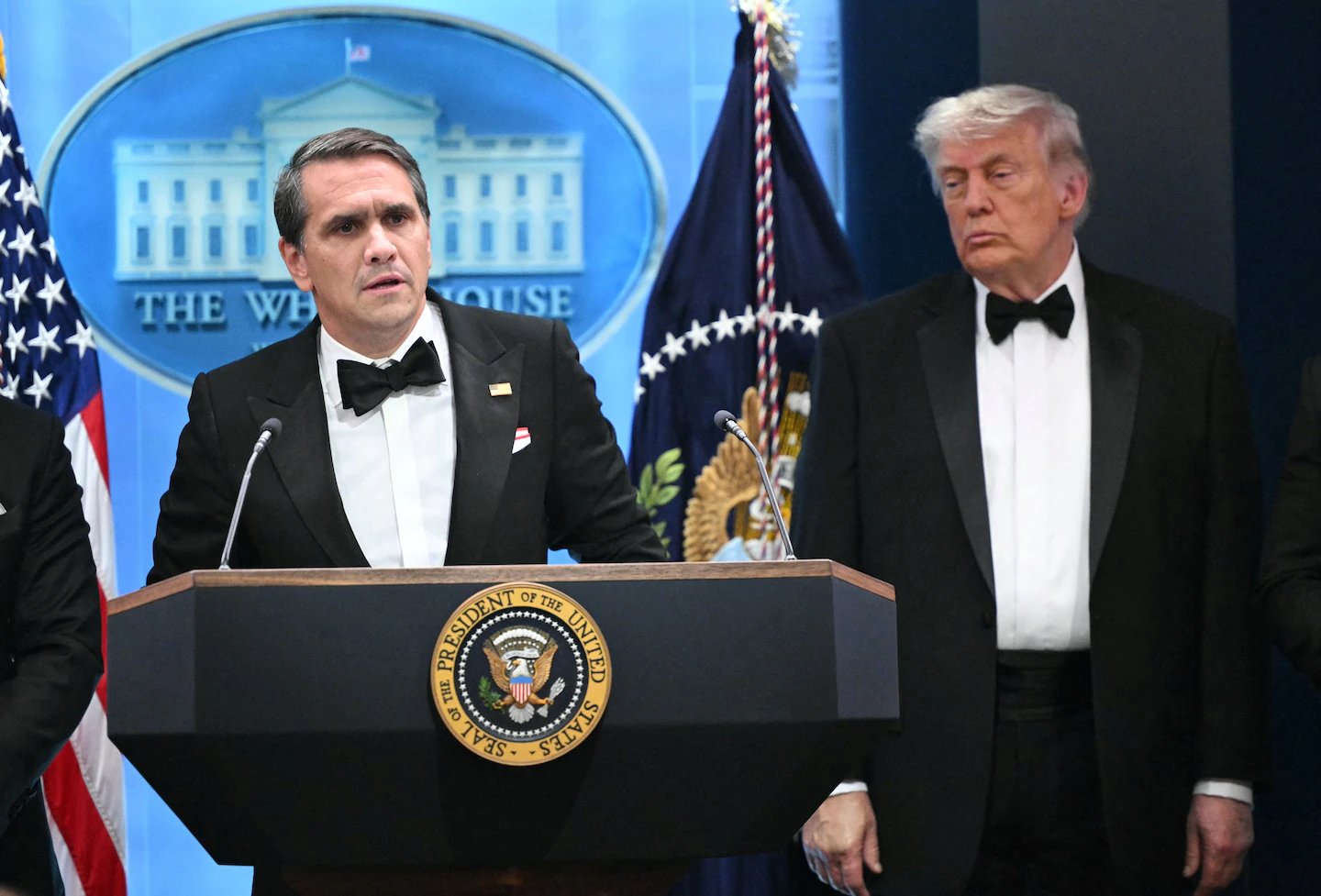
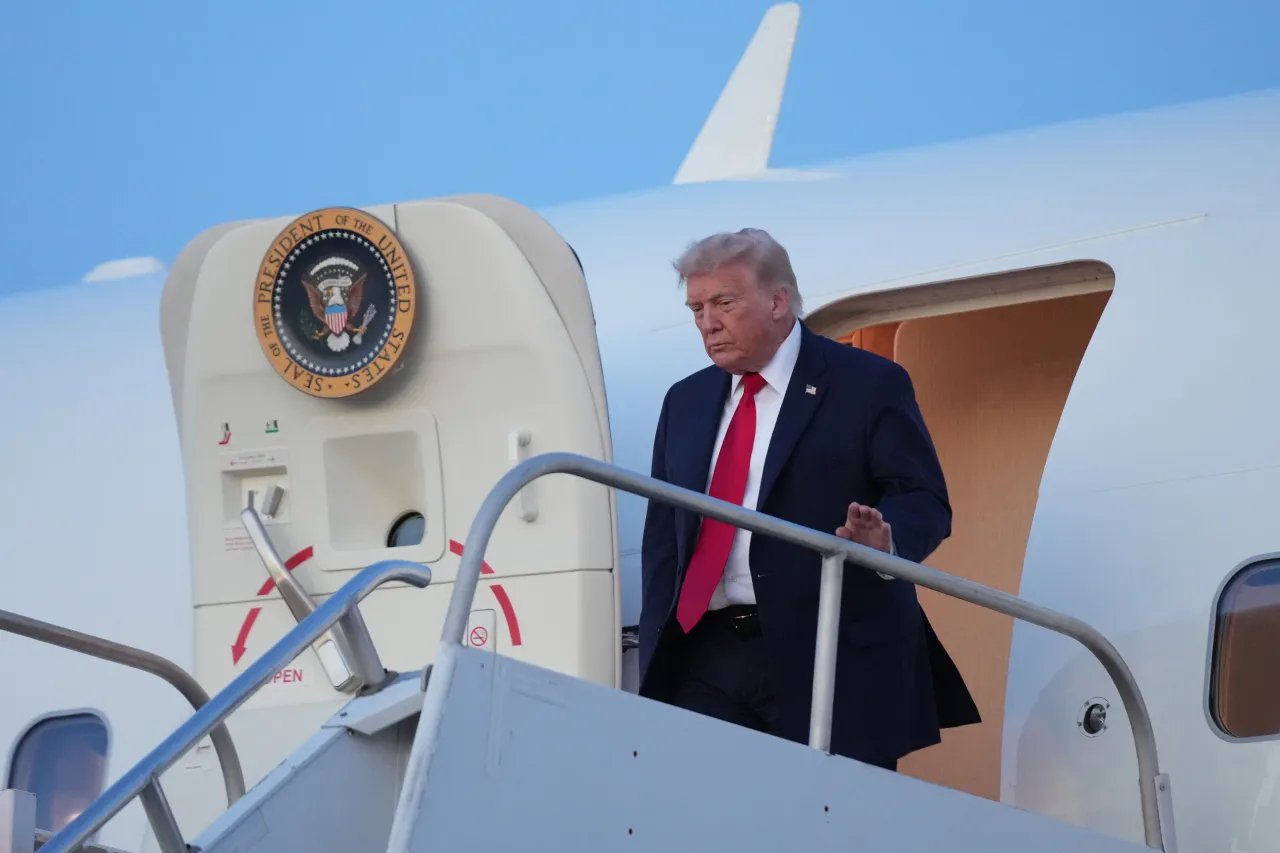
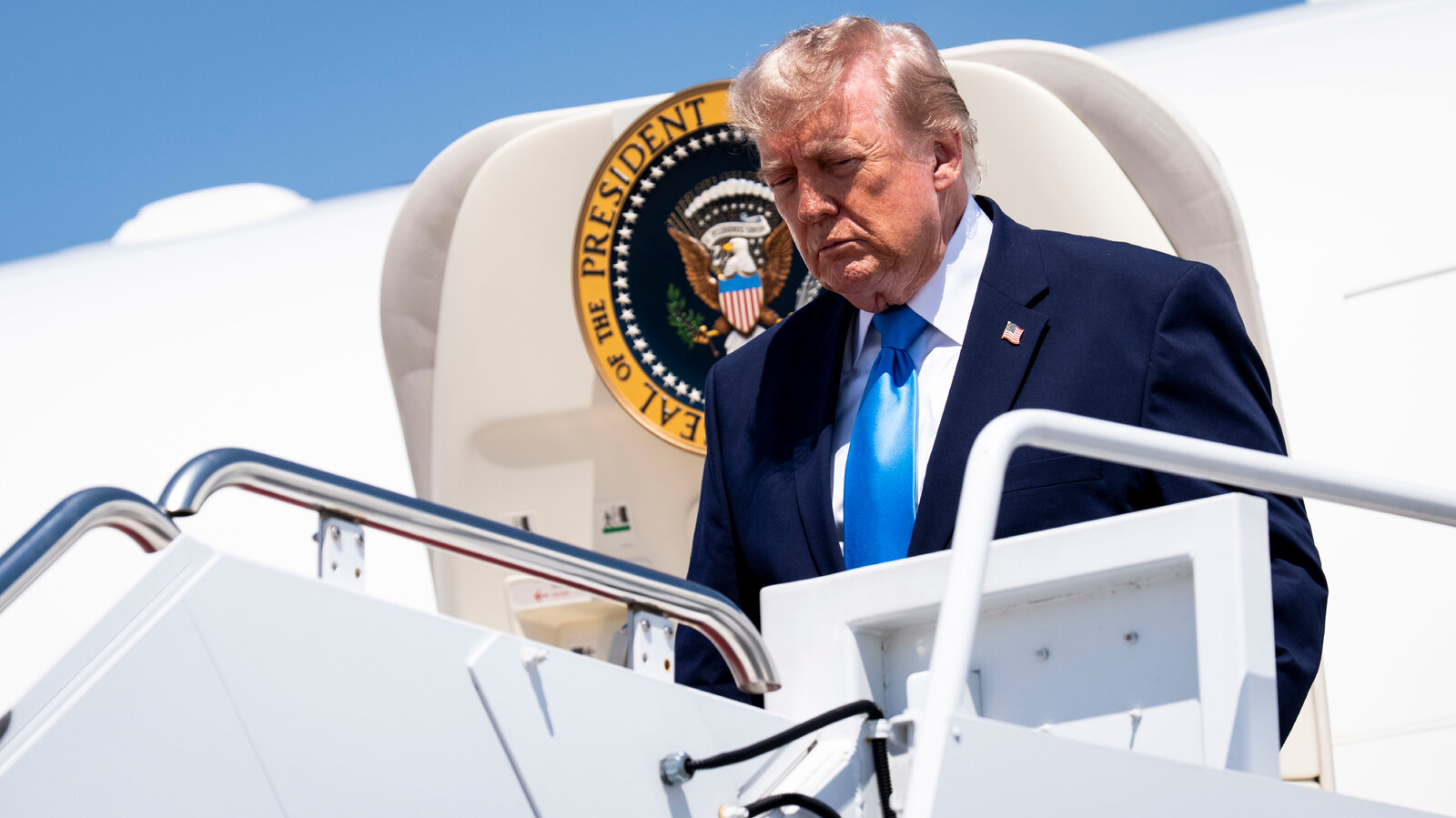
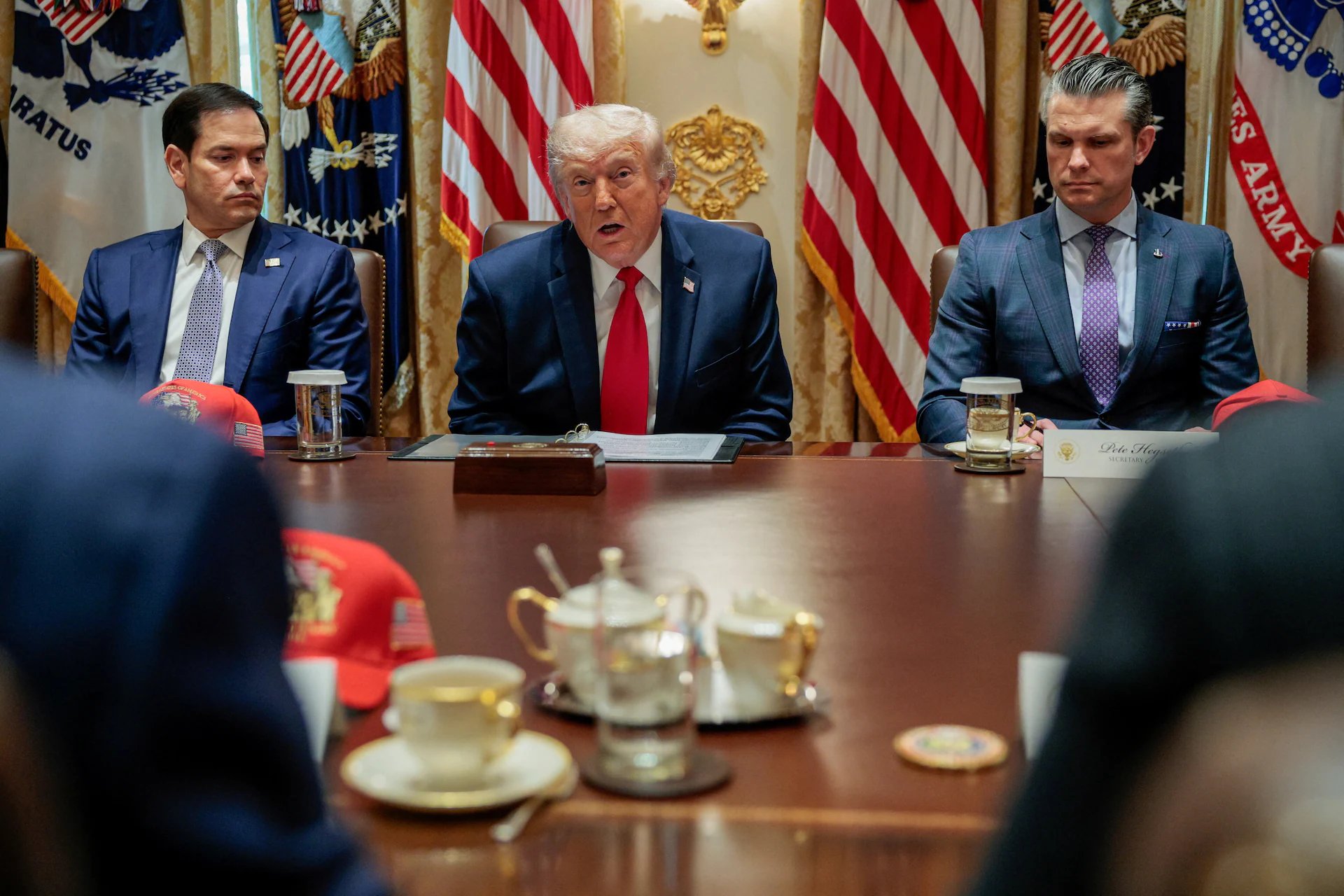
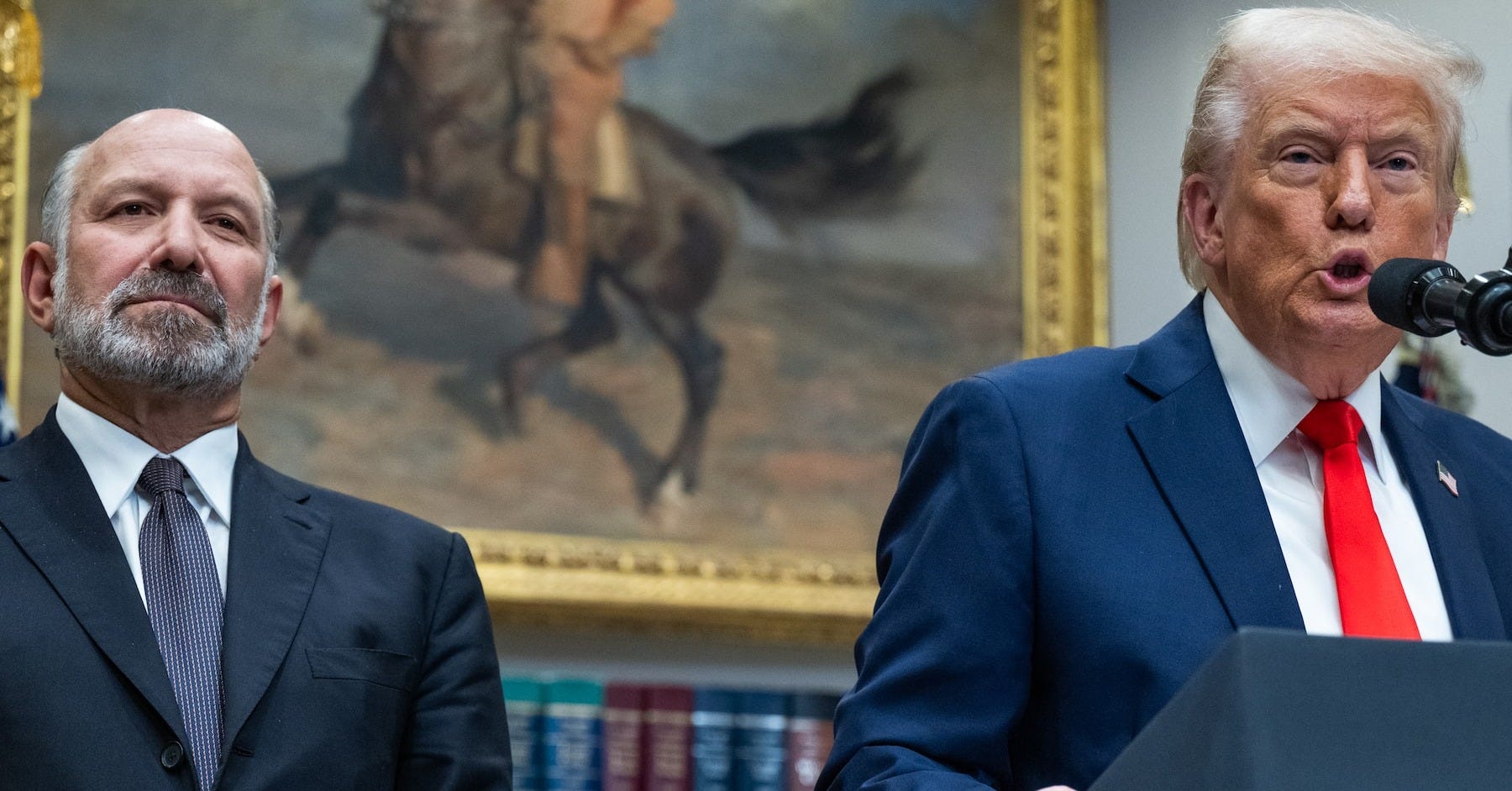
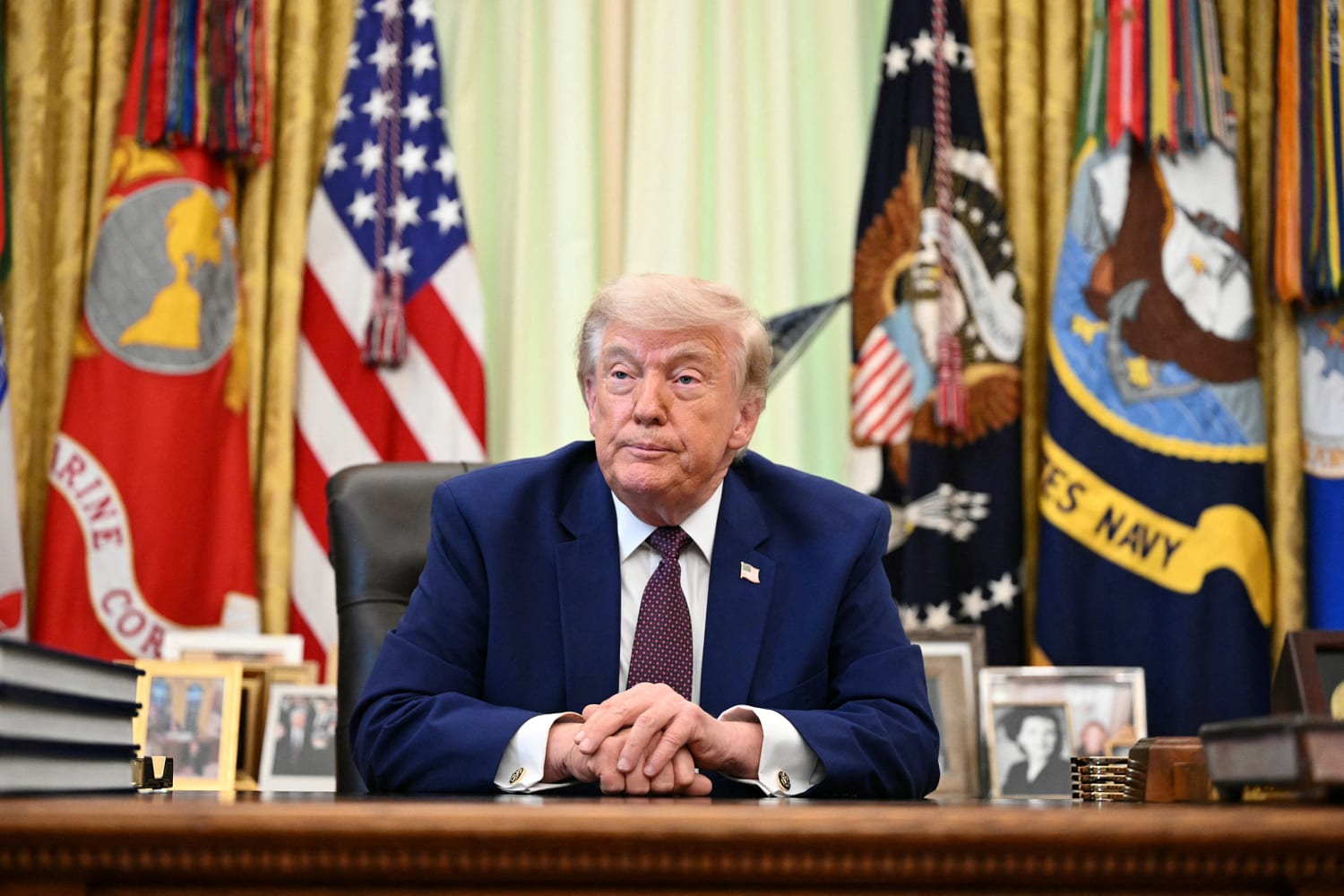
President Trump's anticipated Iran deal, which he expects to sign within days, presents a significant challenge to Israeli Prime Minister Benjamin Netanyahu. According to a senior U.S. official, Trump told Netanyahu, "This is the deal. It's a great deal, and it's time to end this war." Netanyahu, who had previously envisioned the war spurring regime change in Tehran, now faces accusations from his rivals that he is making Israel a "vassal state" by accepting Trump's terms for peace. With an election four months away, this development could significantly impact his political future.
U.S. Assurances and Israeli Concerns
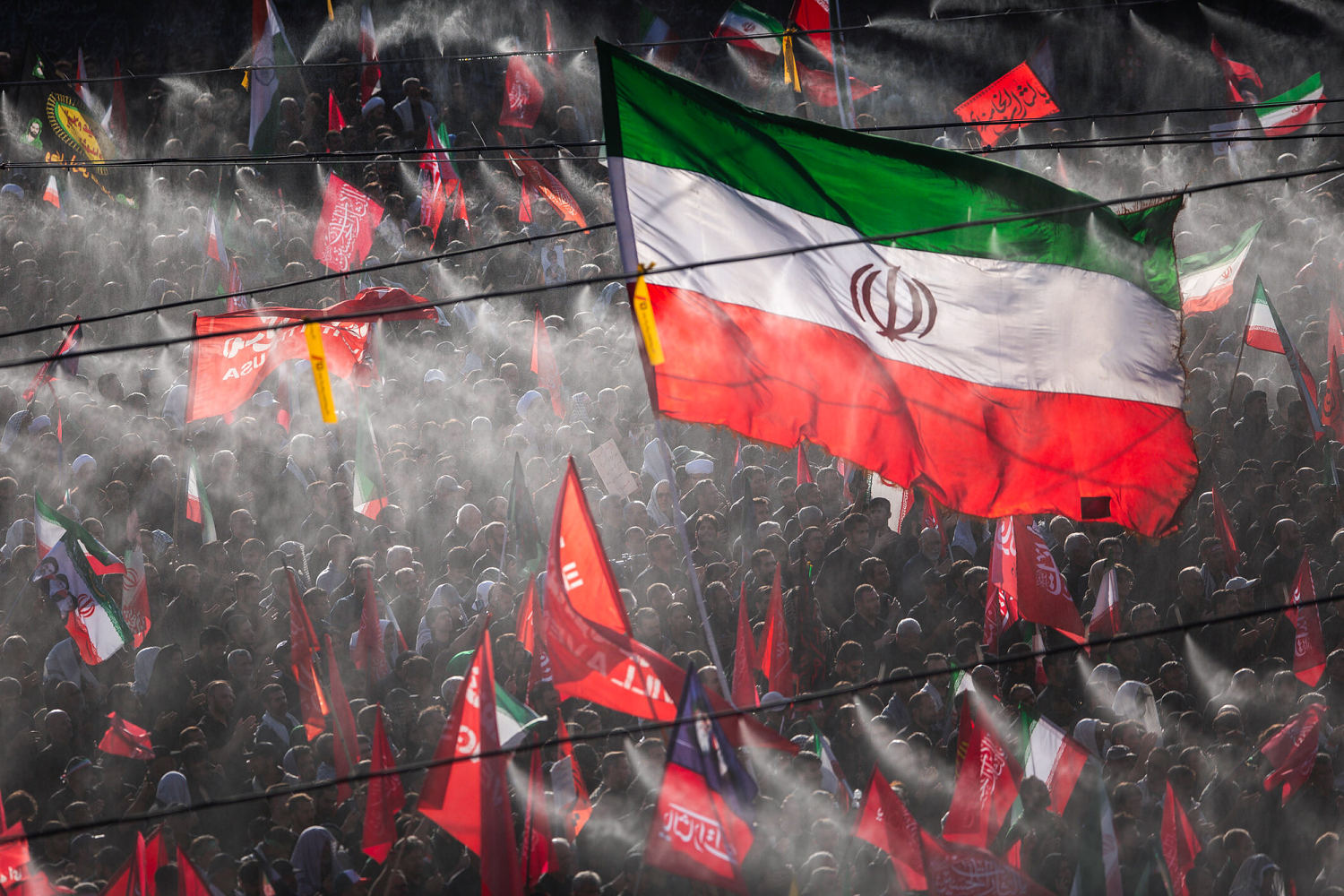
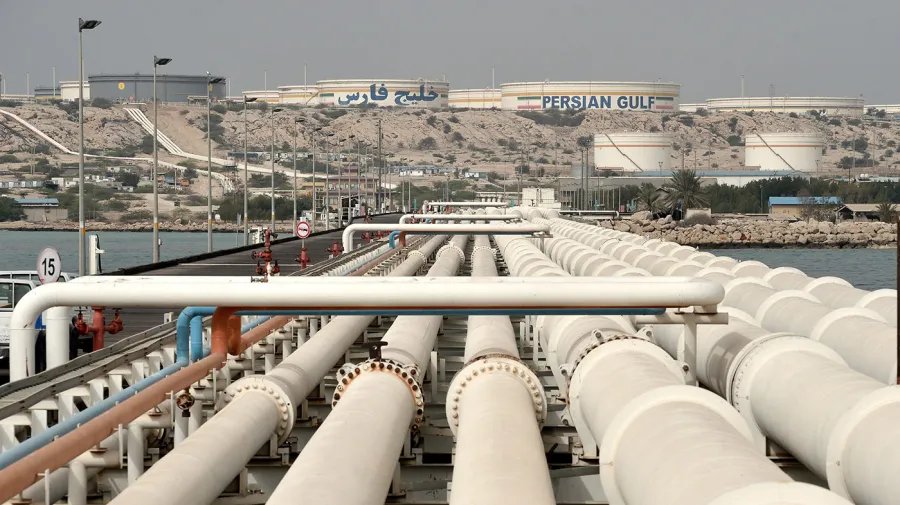
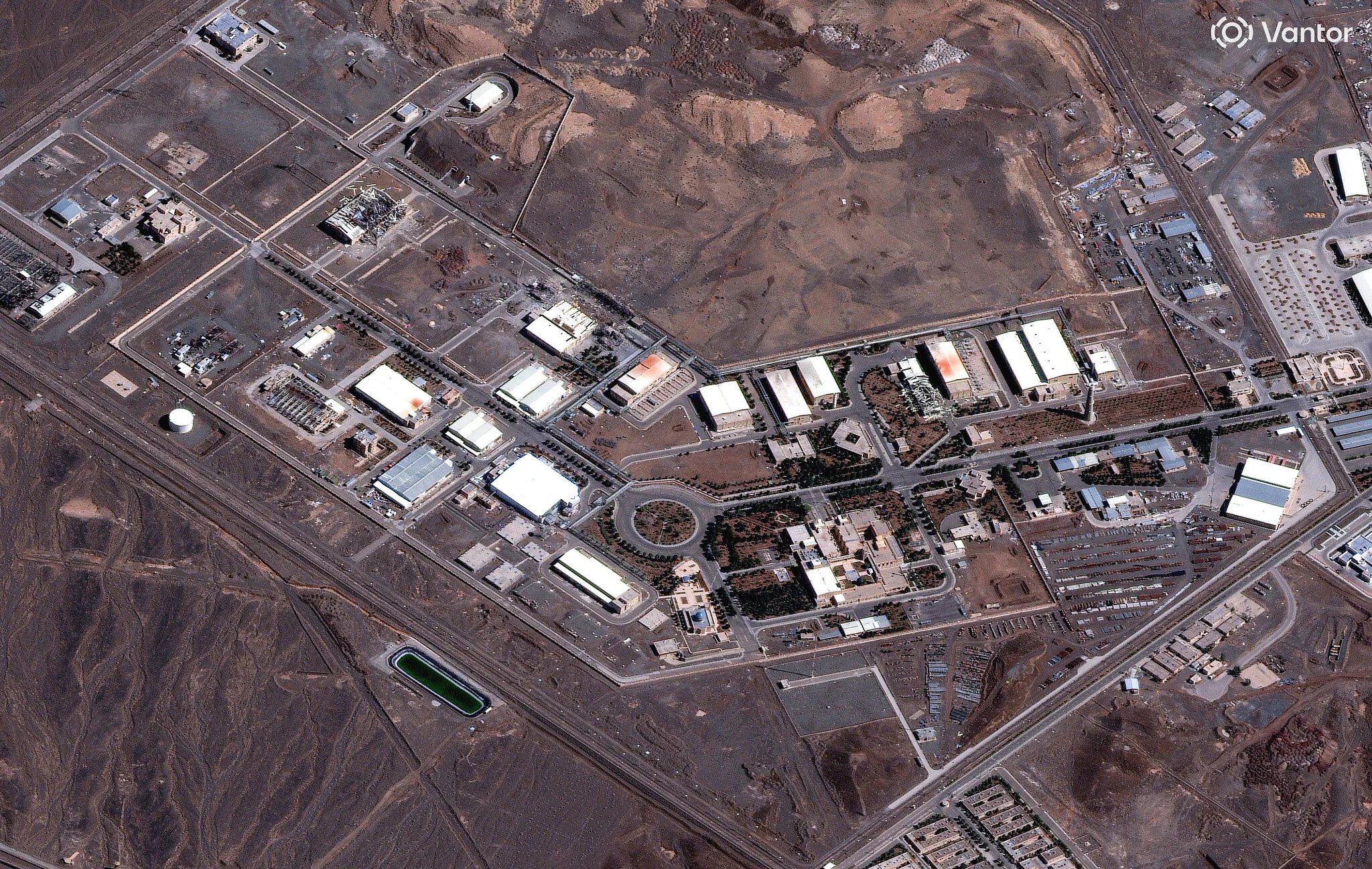
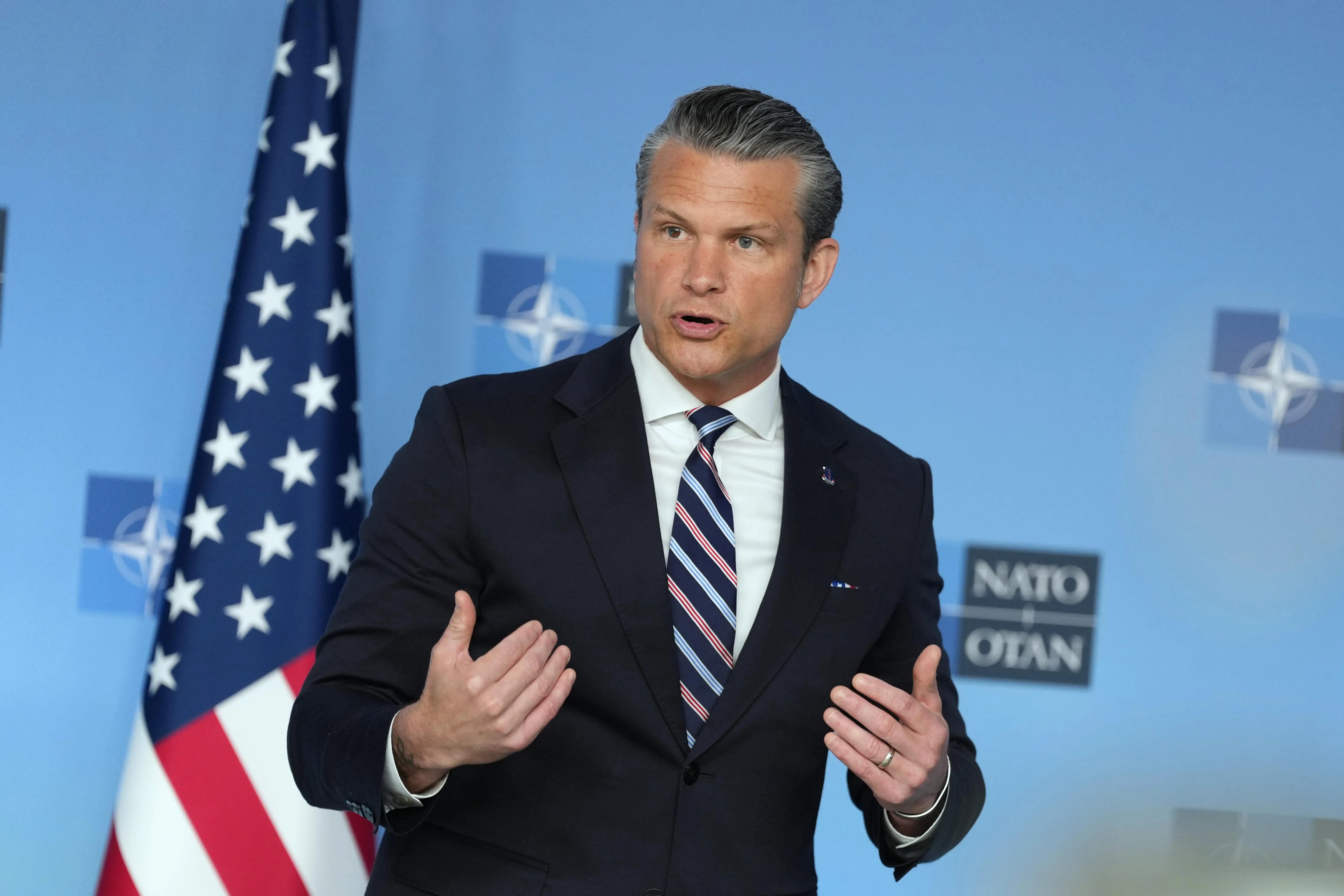
The Israeli leader has expressed his trust in Trump to ensure the final agreement addresses their shared concerns around Iran's nuclear program. However, Israeli officials, including Defense Minister Israel Katz, are privately skeptical about the pending deal. They fear that after the war ends, Iran could delay negotiations without making real nuclear concessions, using the opportunity to stabilize its government by selling oil without the risk of war. Katz also stated that Israel retains "the ability to act independently to prevent Iran from acquiring a nuclear weapon" and would prepare accordingly.
U.S. Officials' Perspective
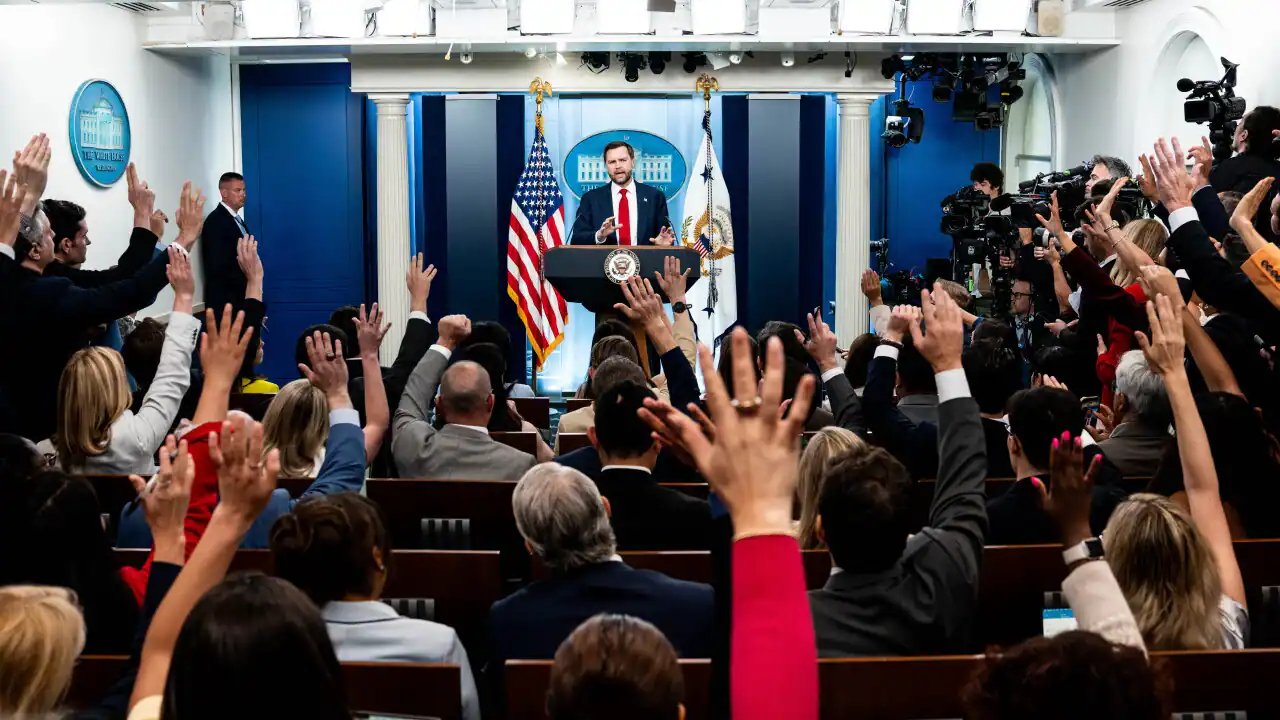
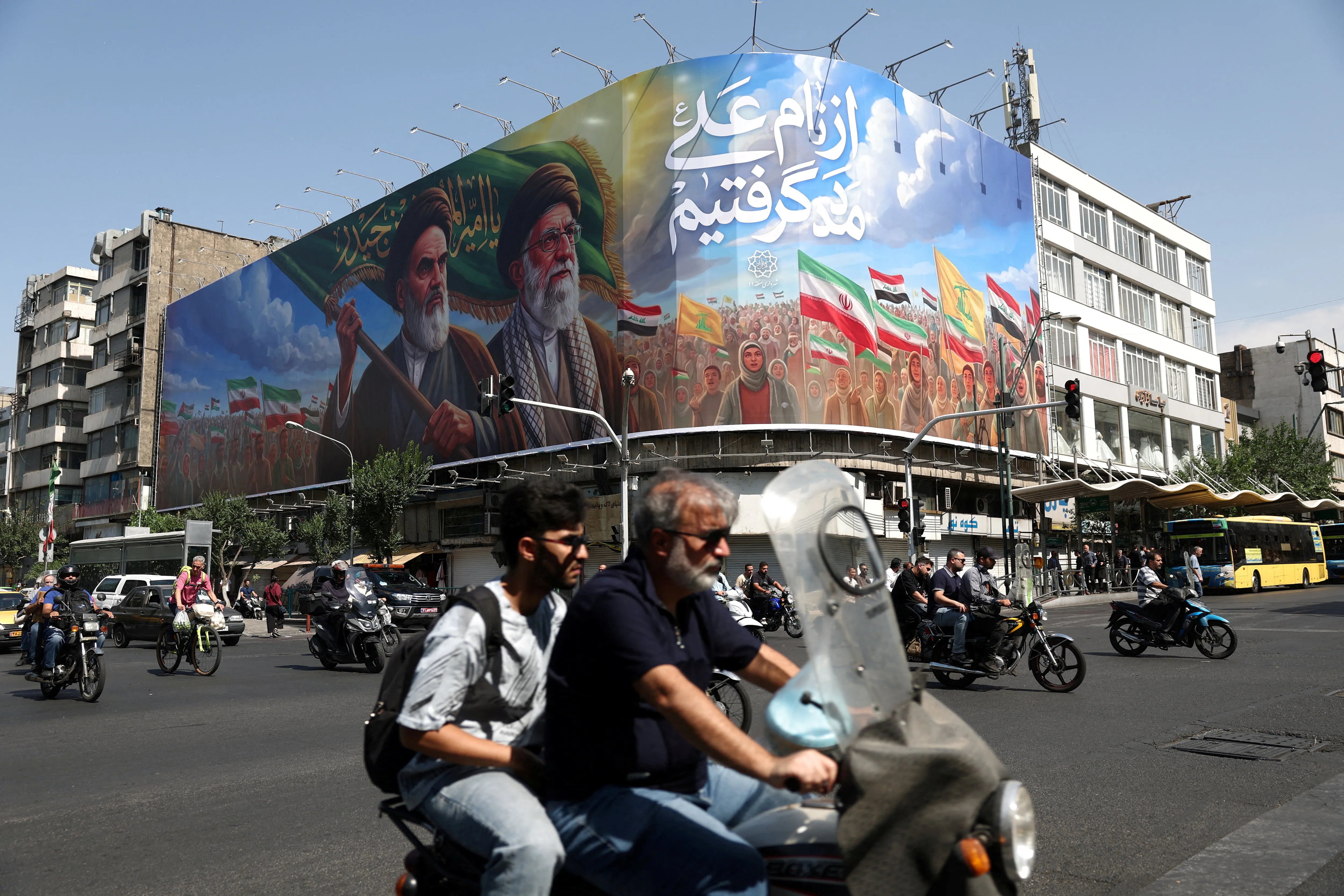
U.S. officials have reassured the Israelis that the Iranian reports mischaracterize the agreement, emphasizing that there will be no upfront money provided and that Iran's economic reintegration into the global economy will be staged based on verified compliance with agreed measures. A senior Trump administration official expressed confidence that the Israelis would ultimately support the deal.
Potential Flashpoints
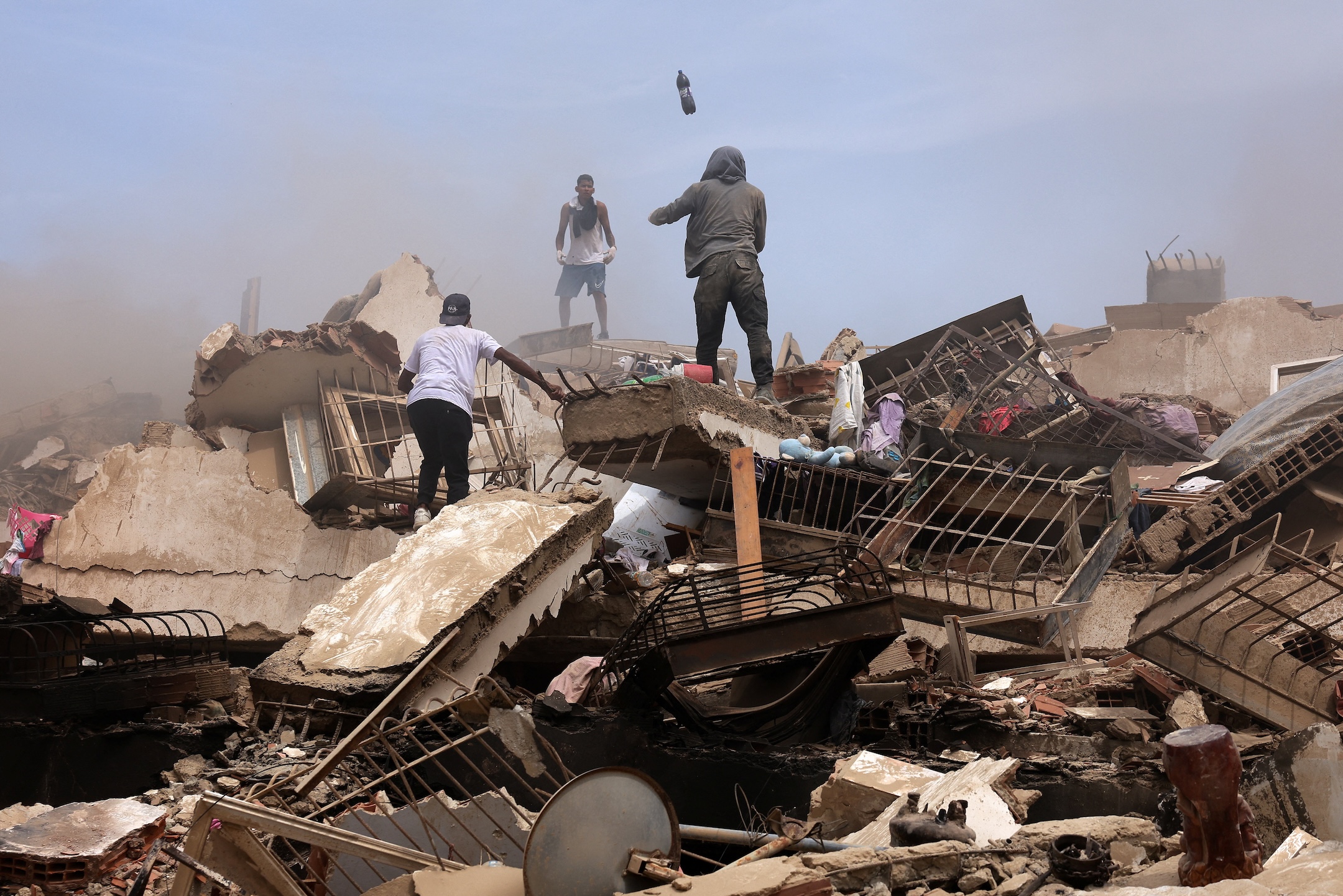
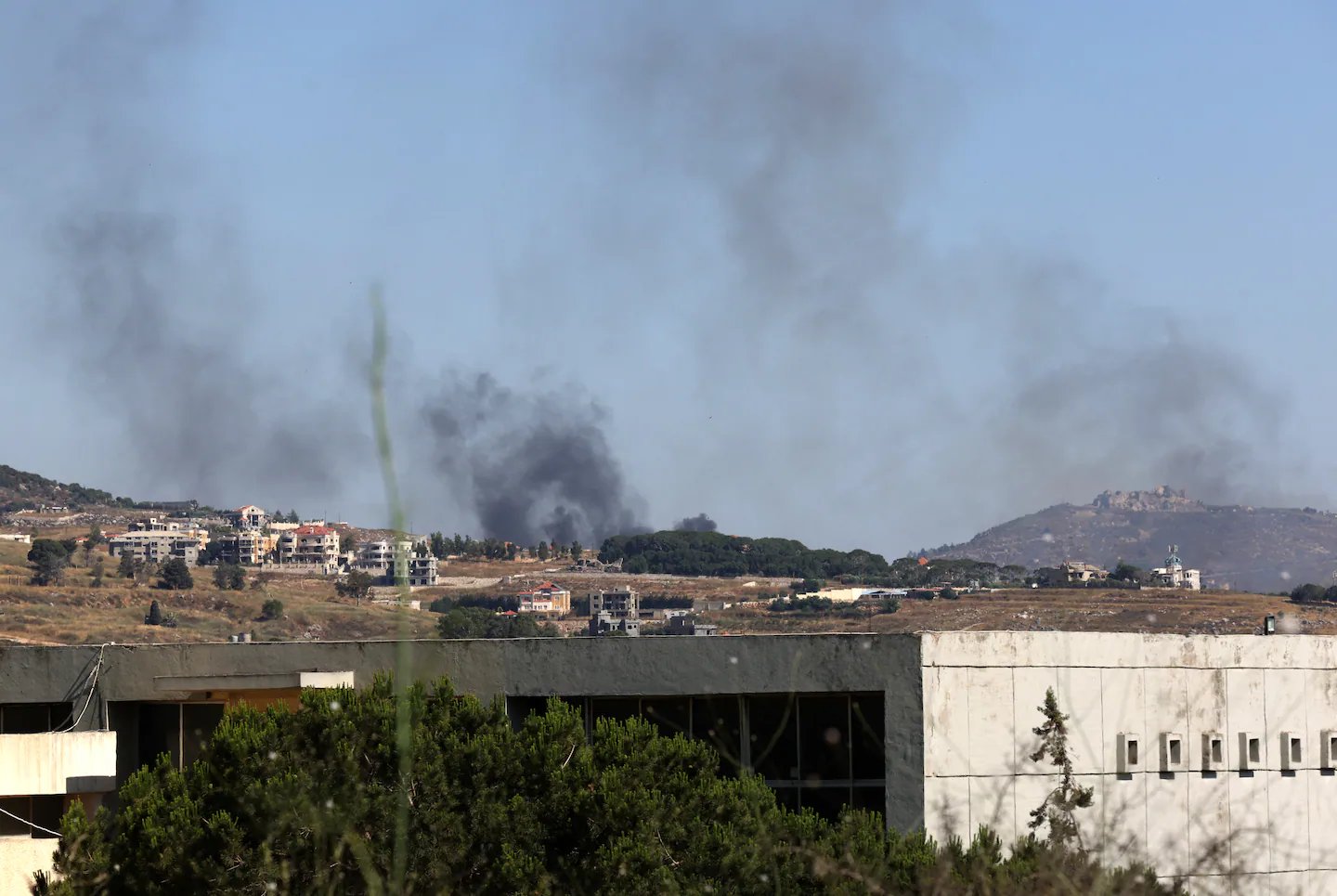
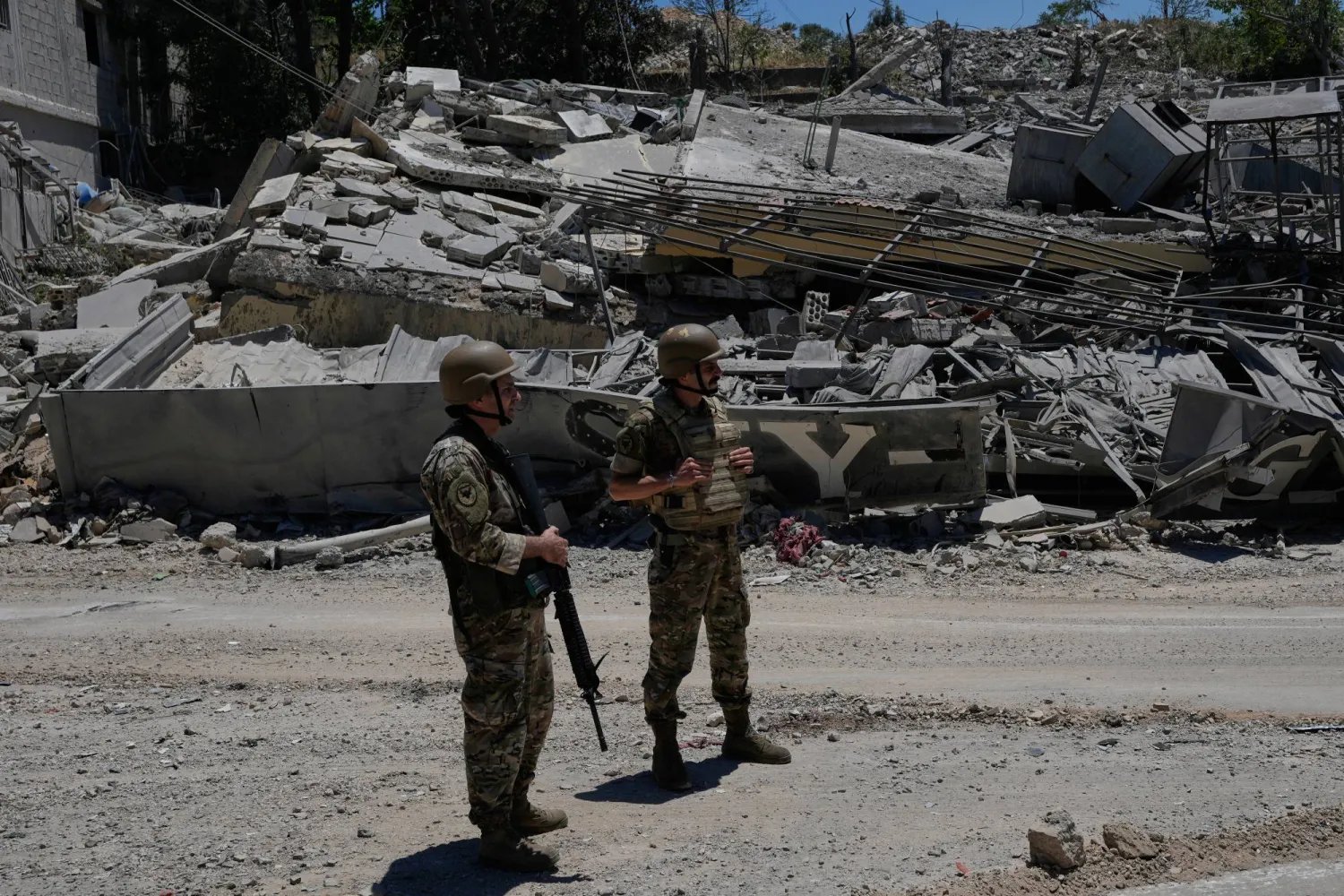
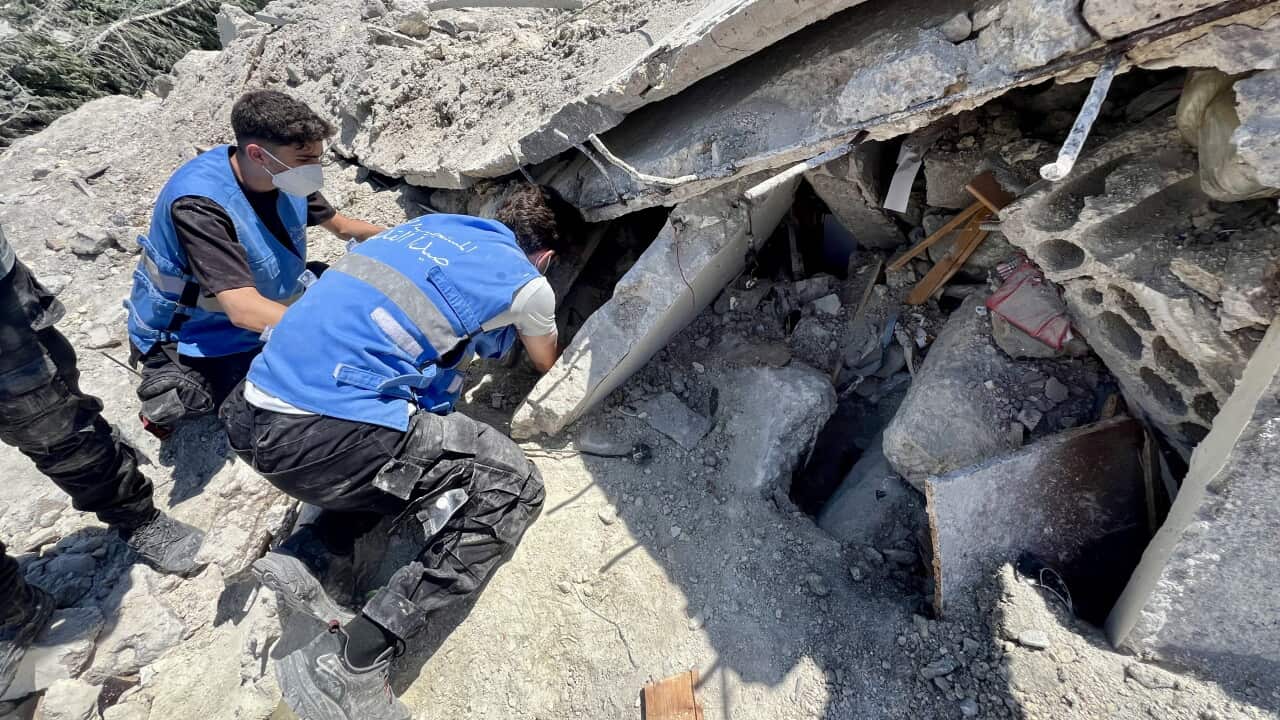
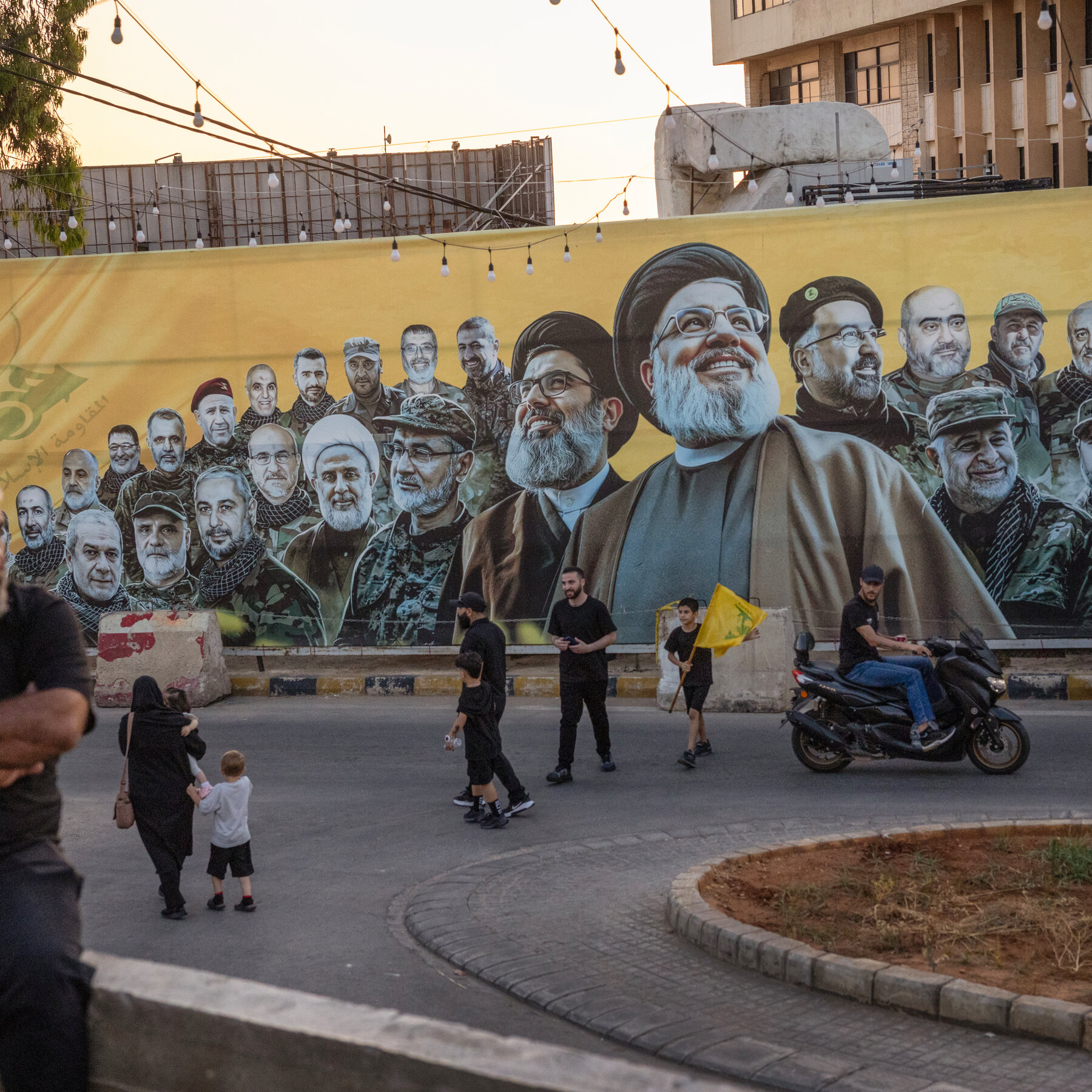
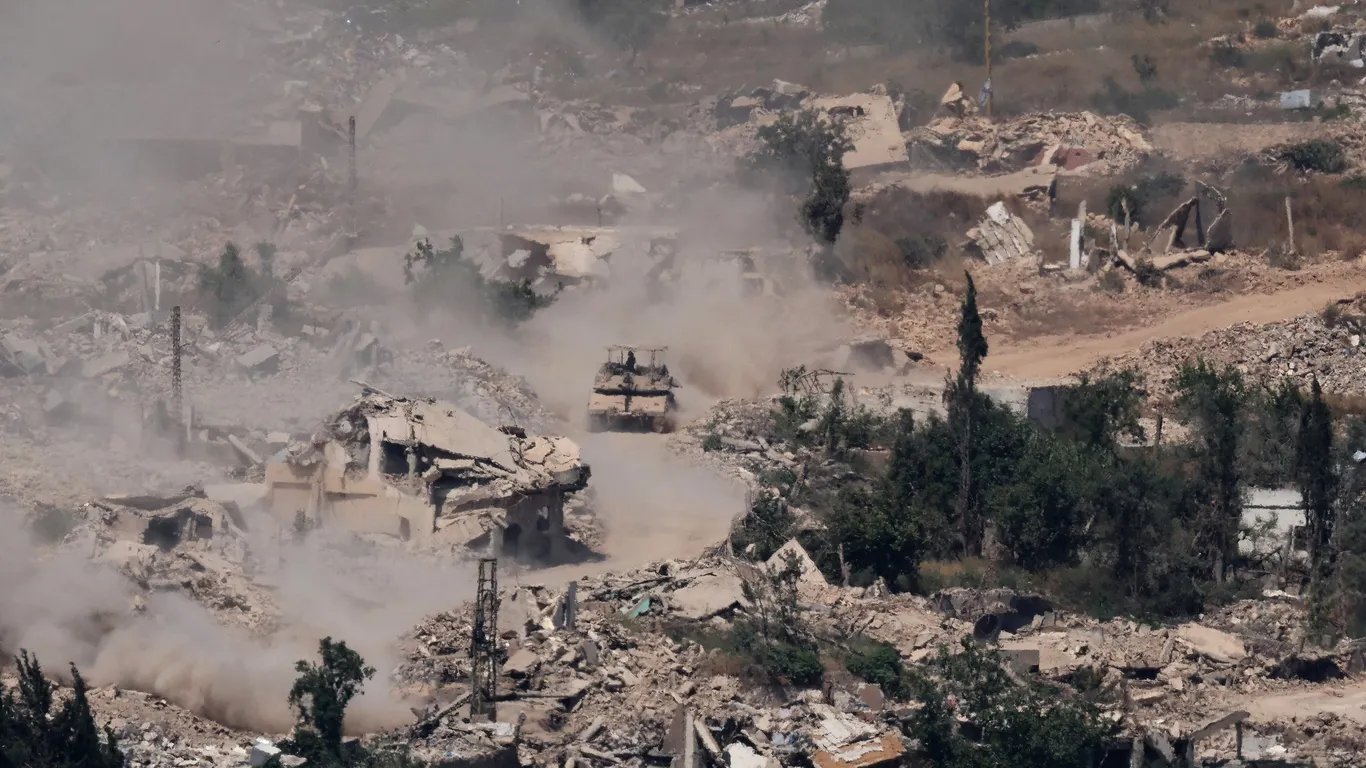
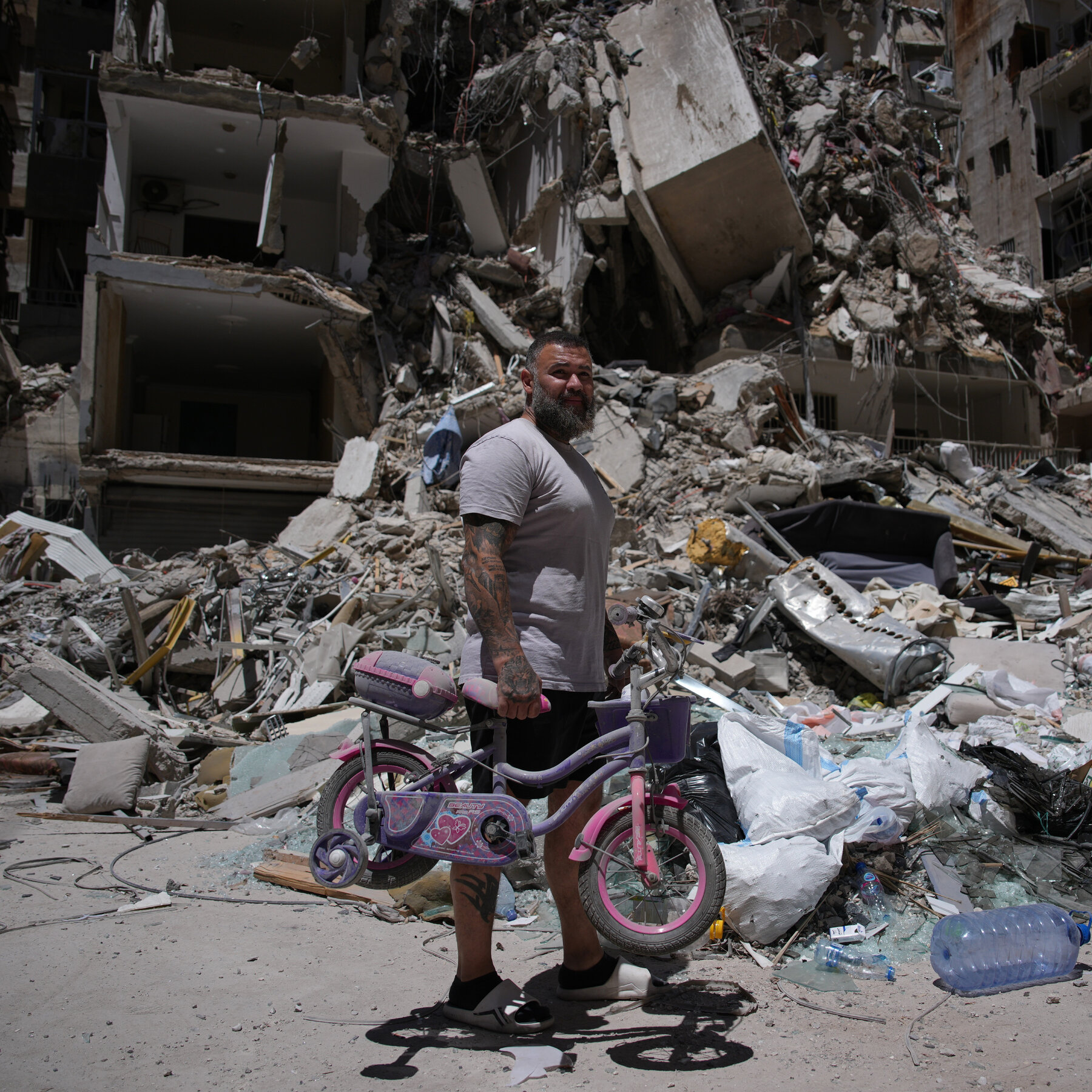
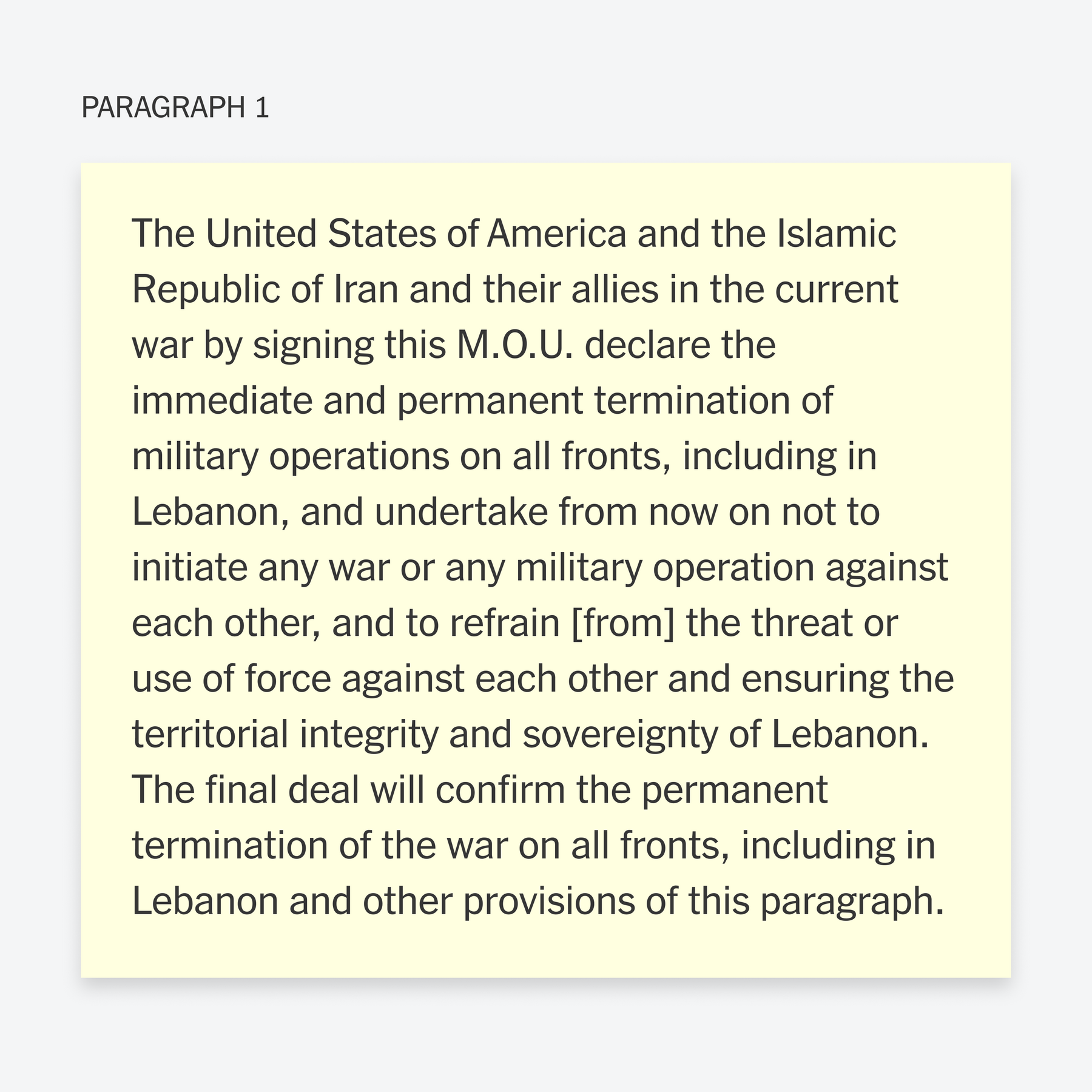
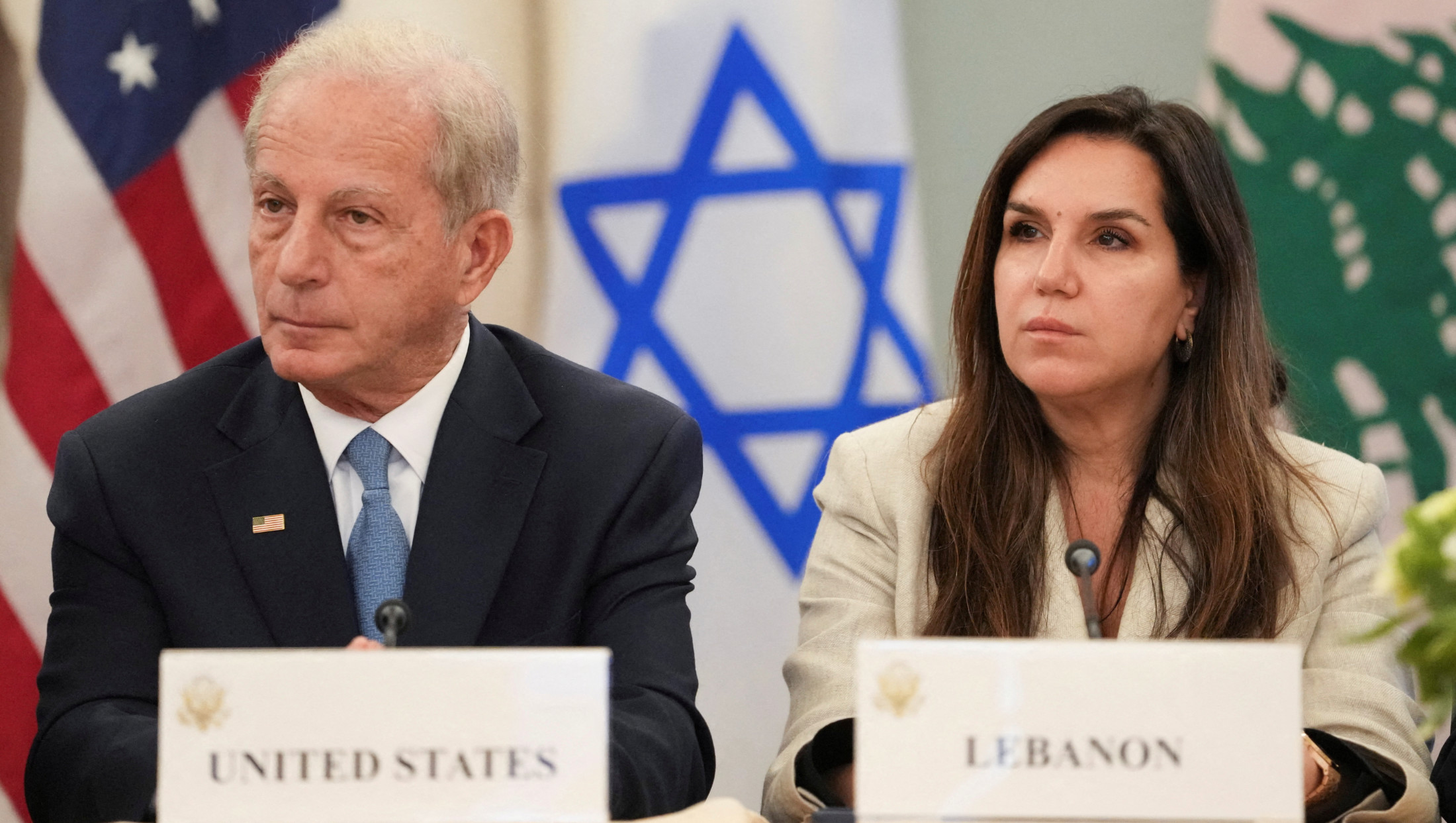
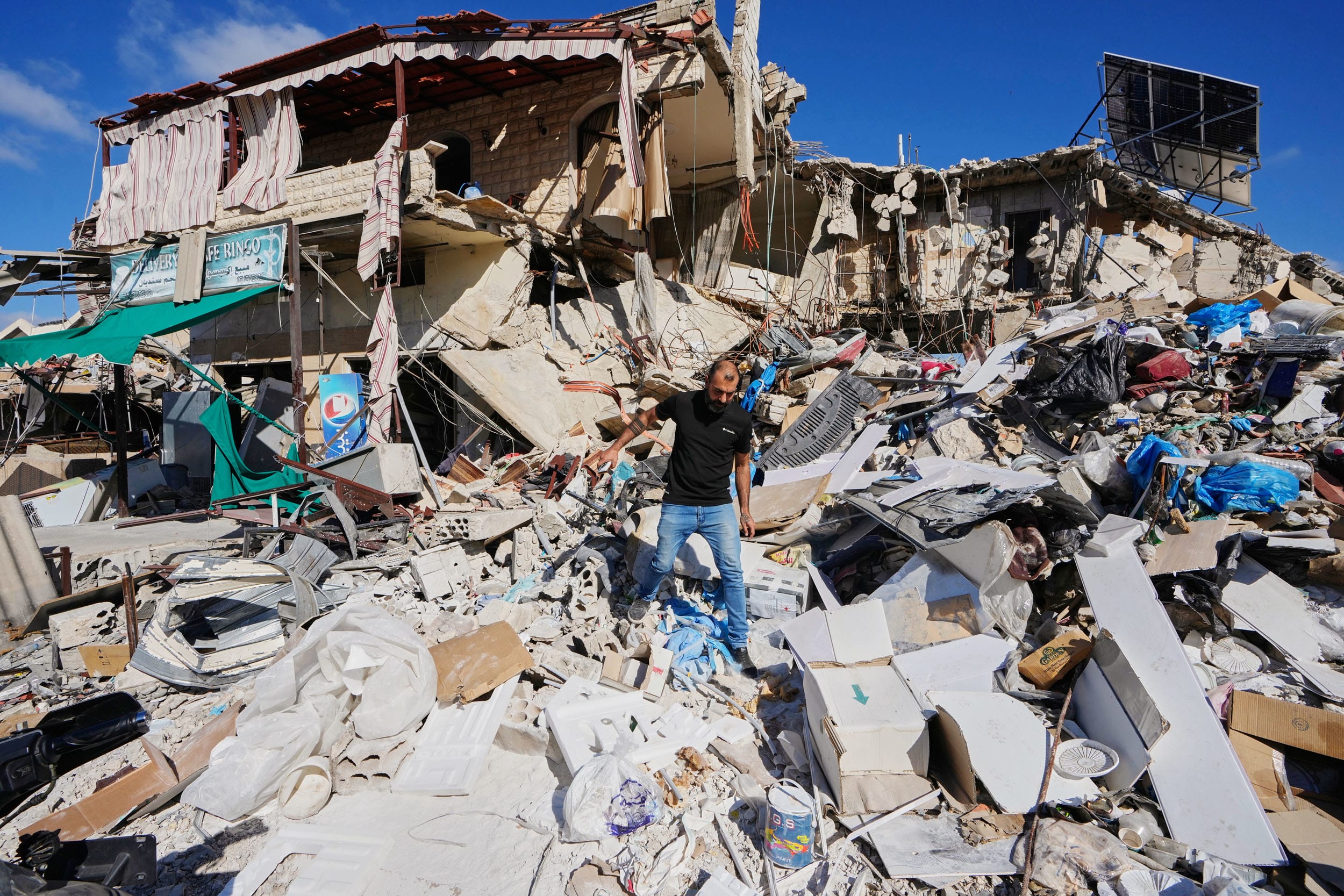
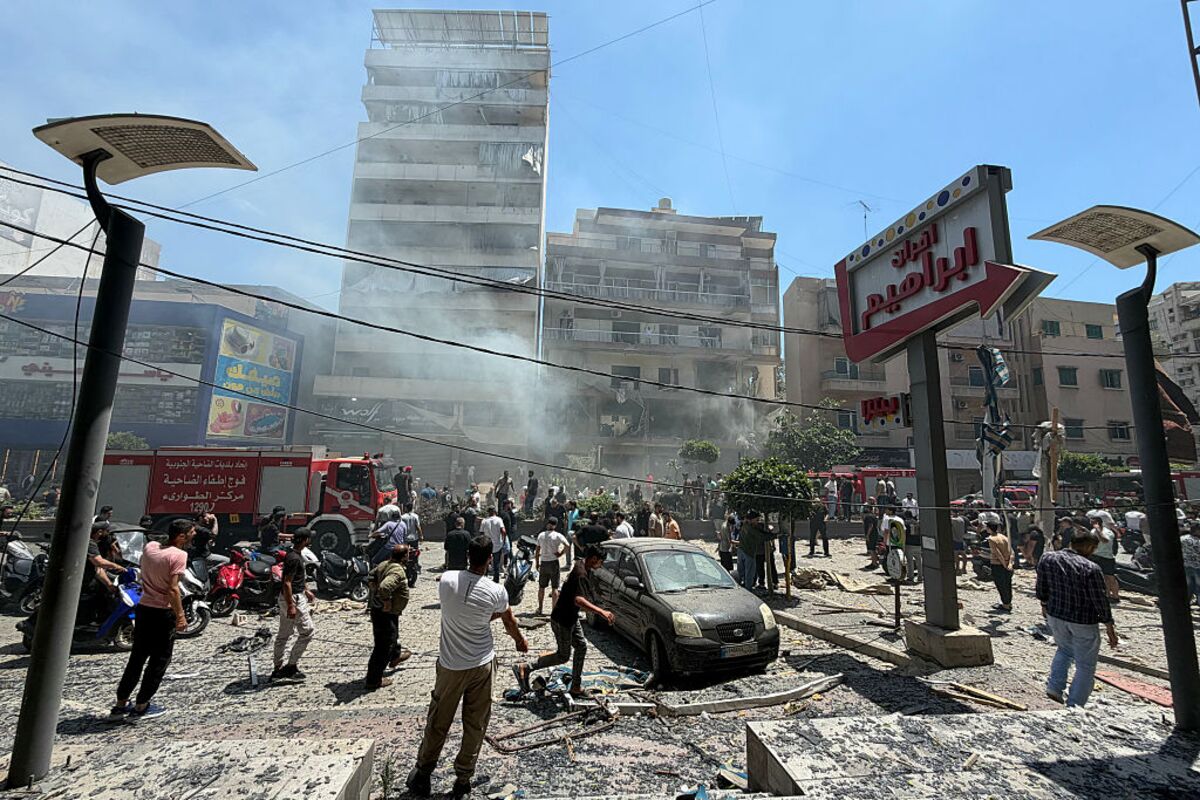
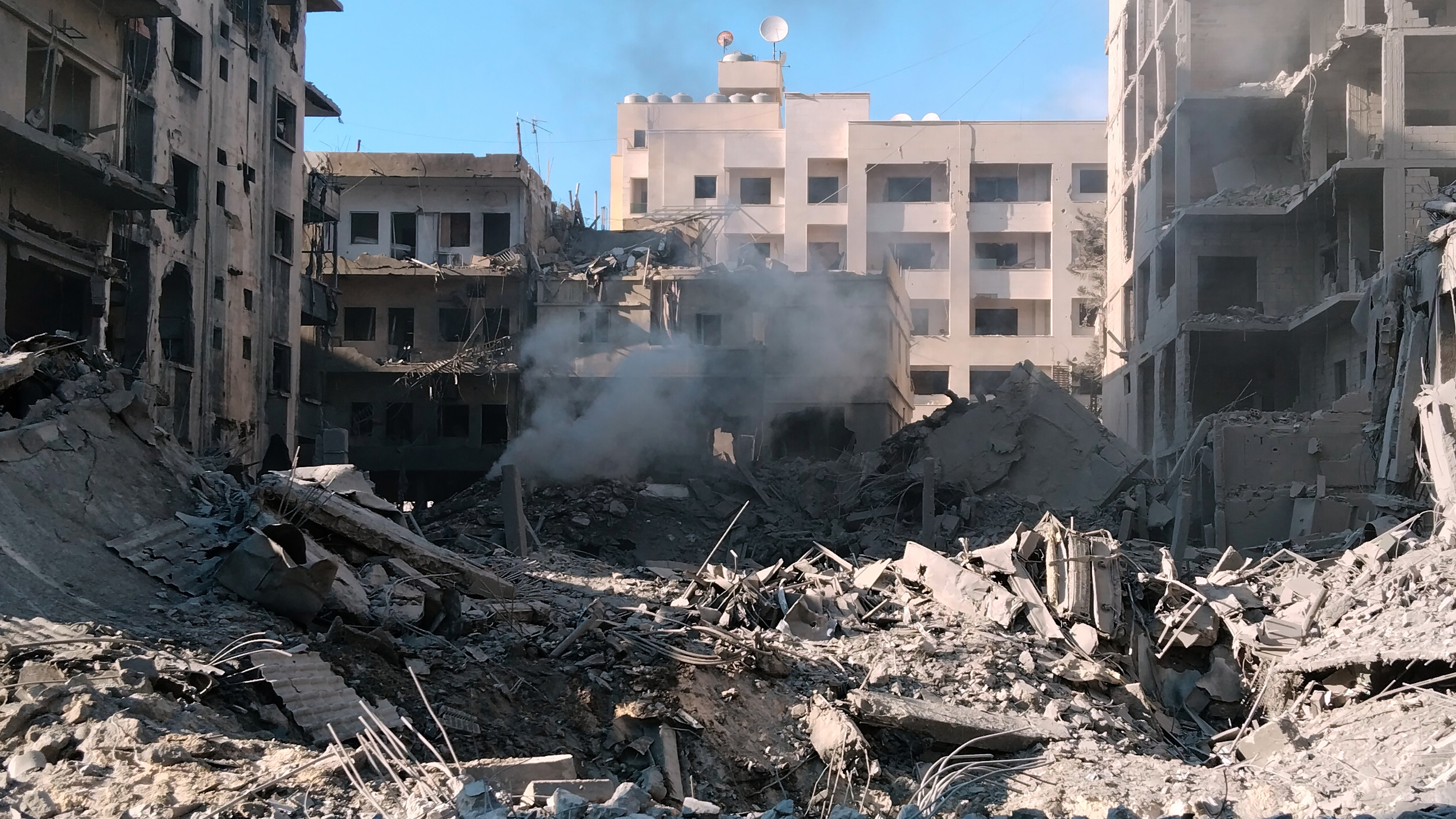
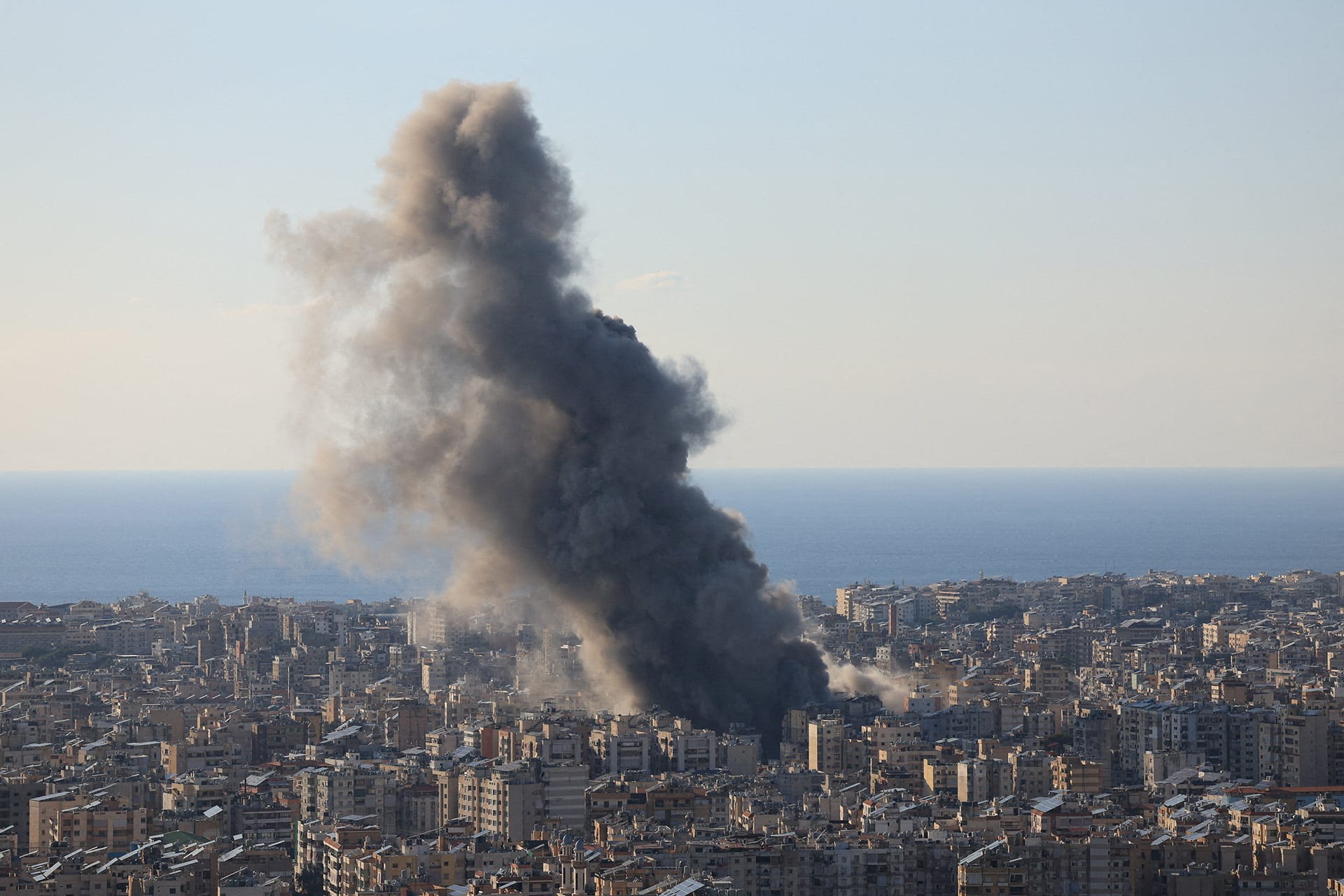
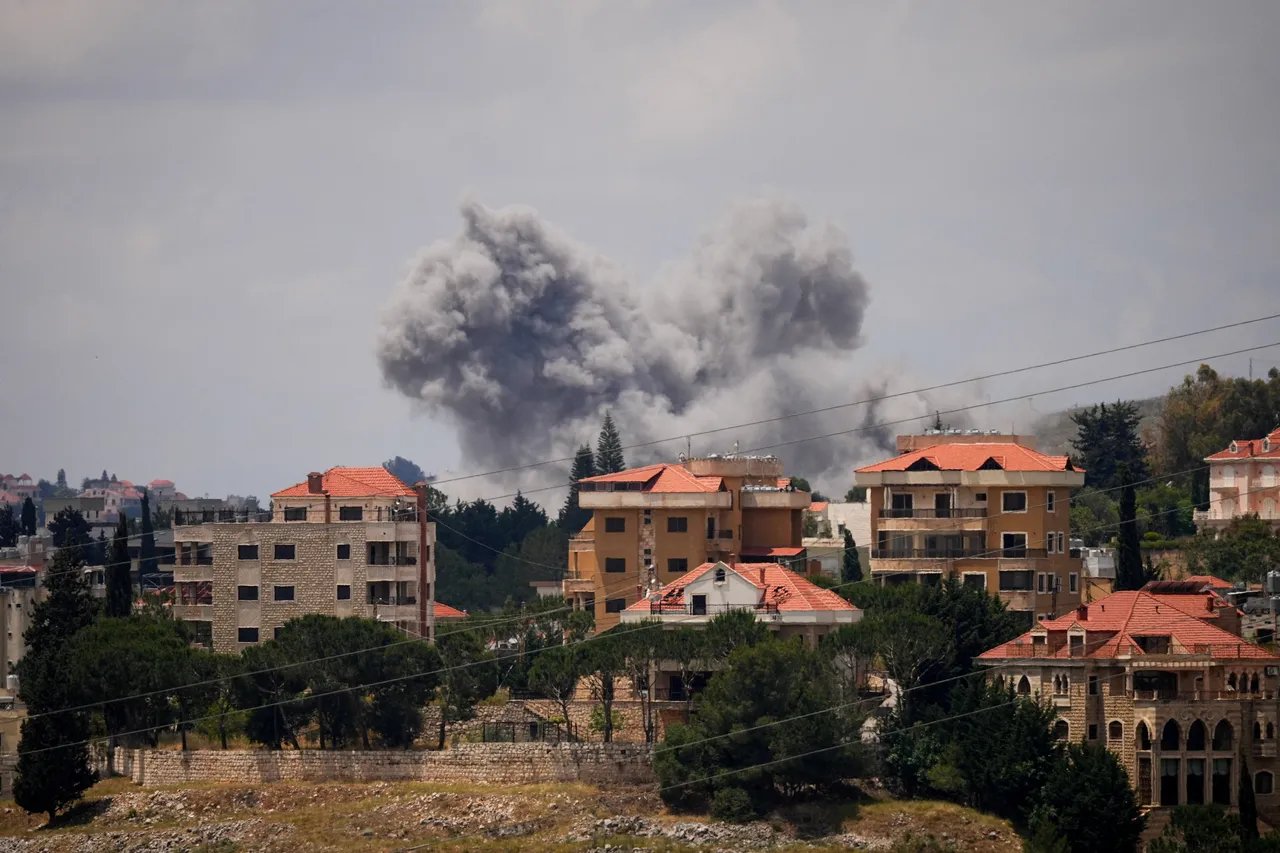
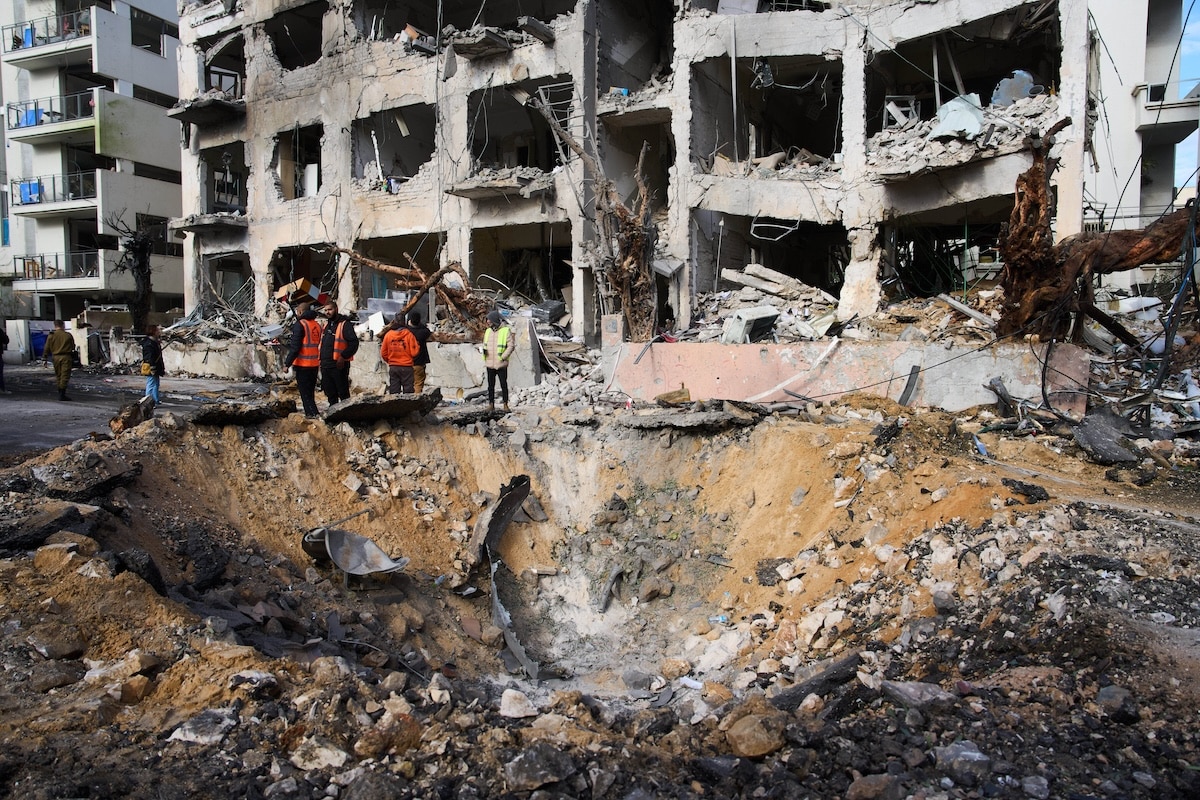
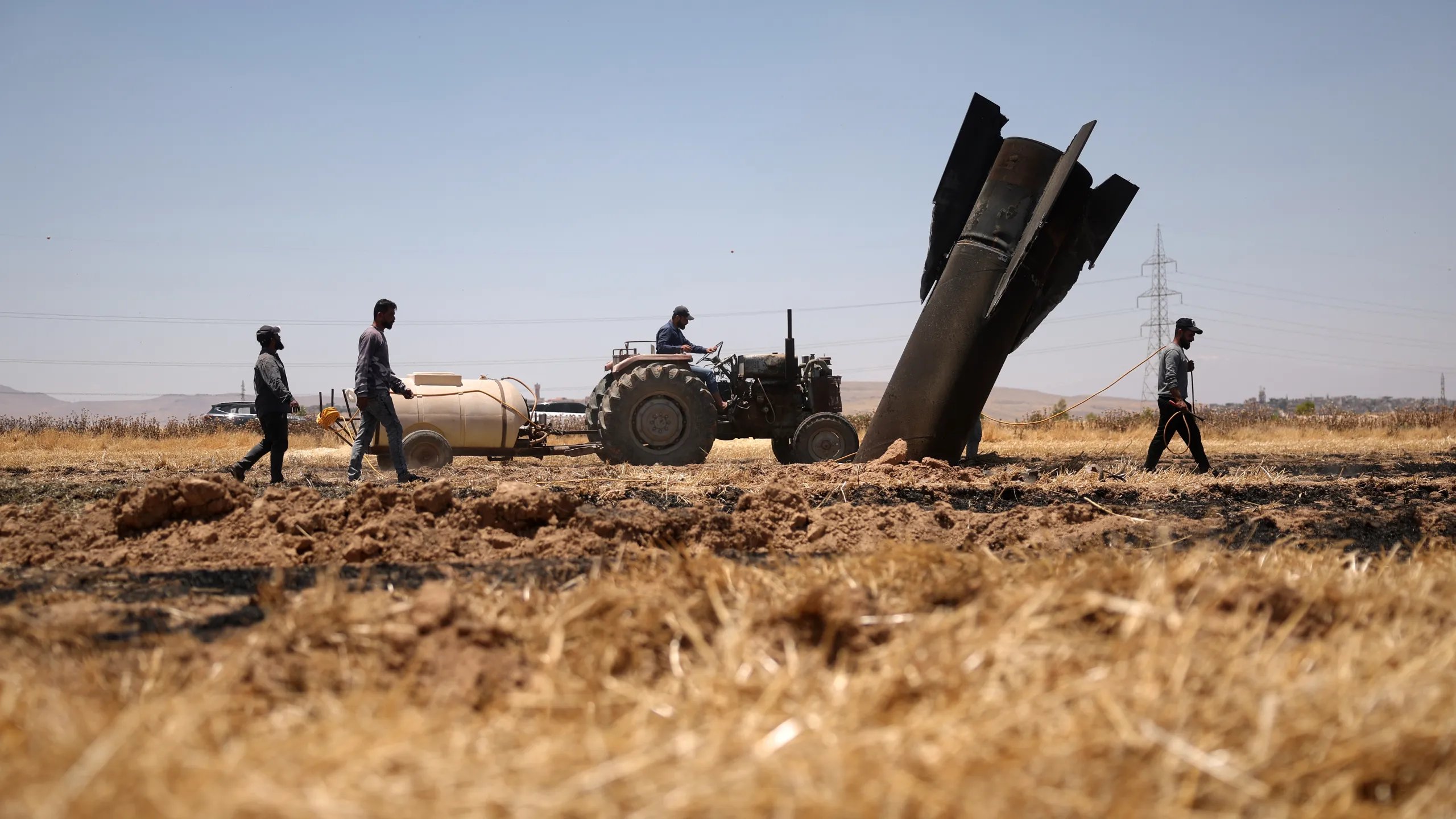
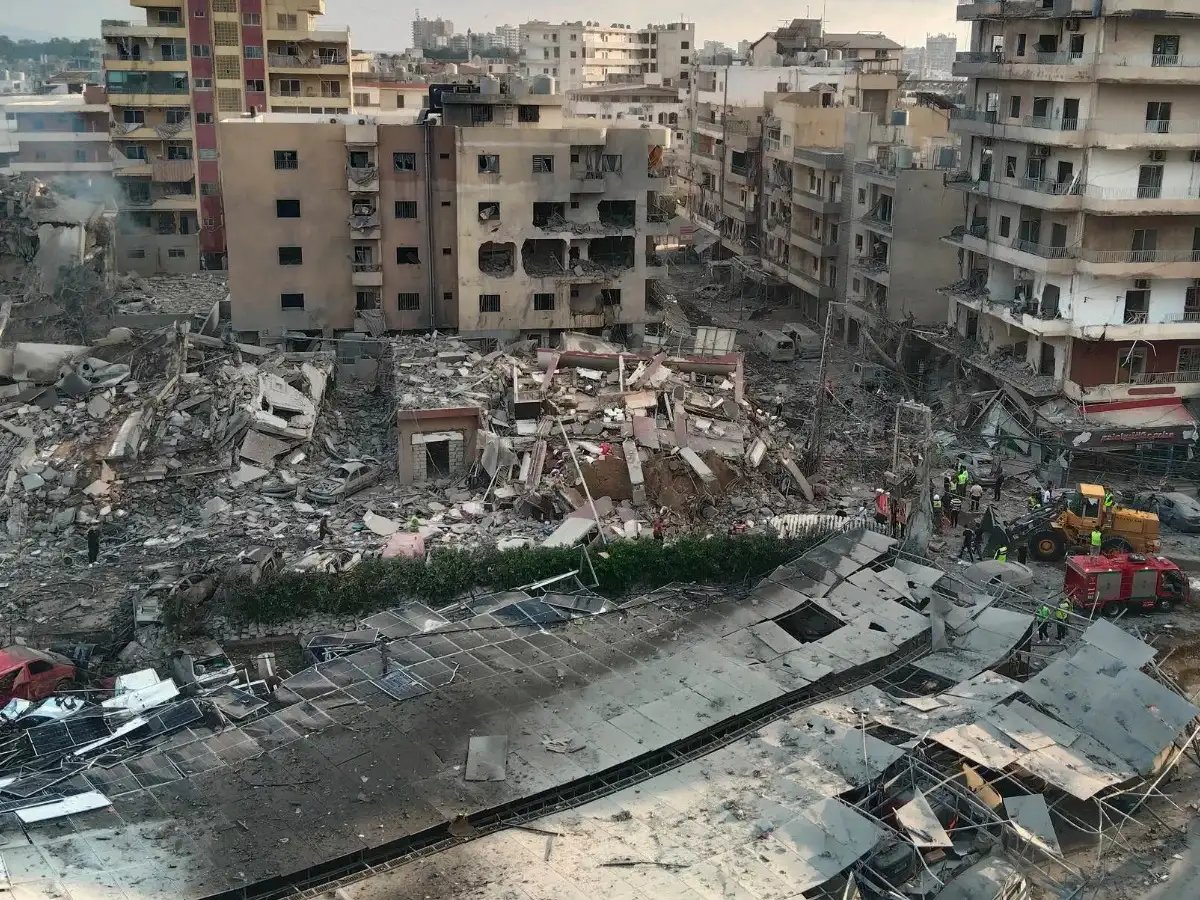
Events in Lebanon could destabilize the deal. Israeli forces occupy parts of southern Lebanon and continue cross-border strikes with Hezbollah. A senior U.S. official noted that if Hezbollah fires rockets at Israel and Iran continues arming the group, it would be contrary to the deal. For Netanyahu, co-signing a deal without achieving his stated objectives would be a major strategic and political blow.
Progress and Next Steps
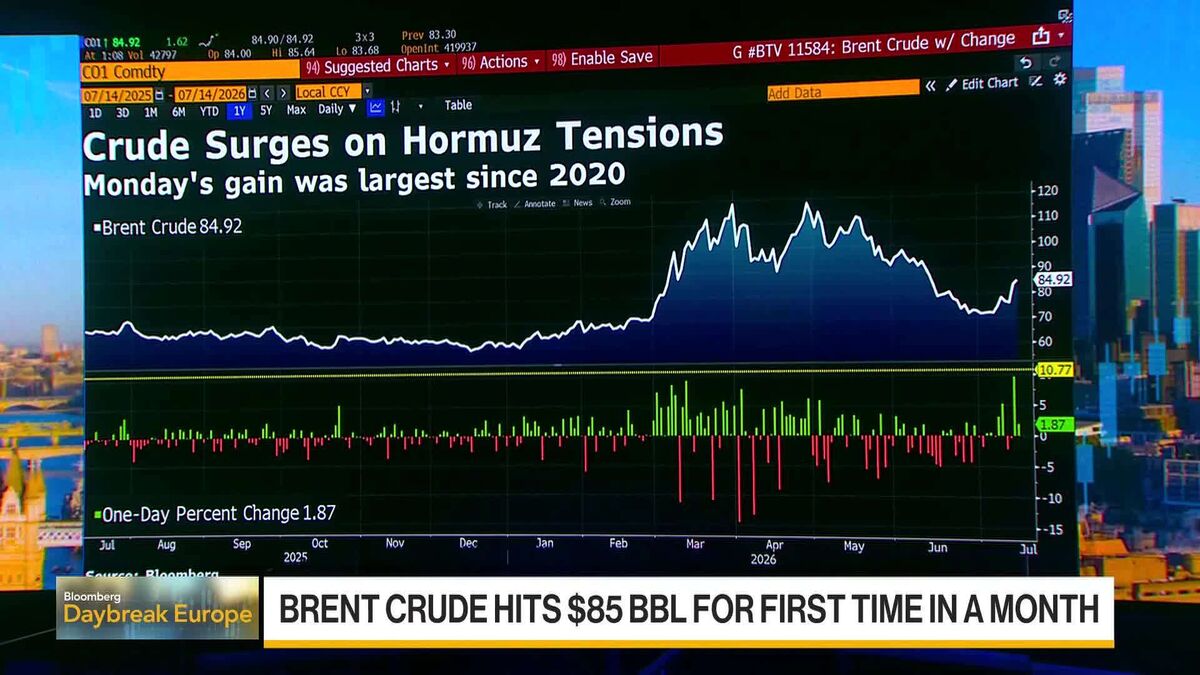
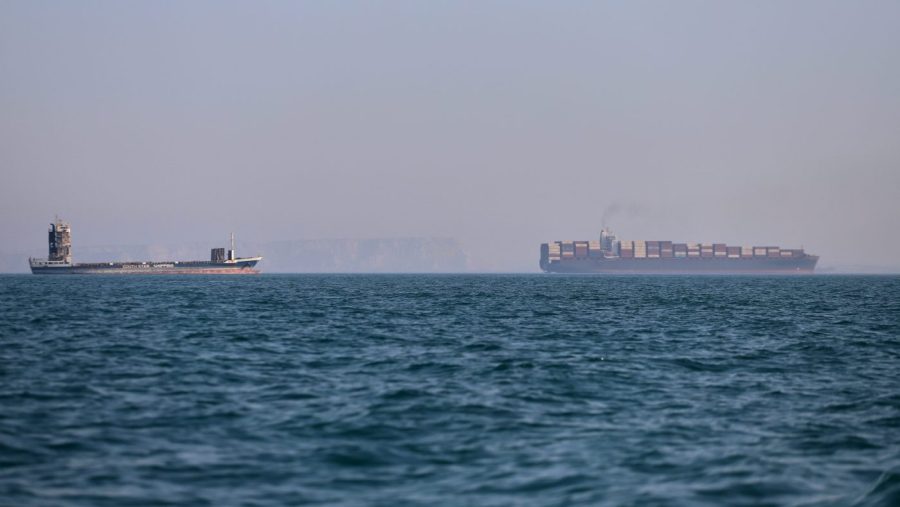
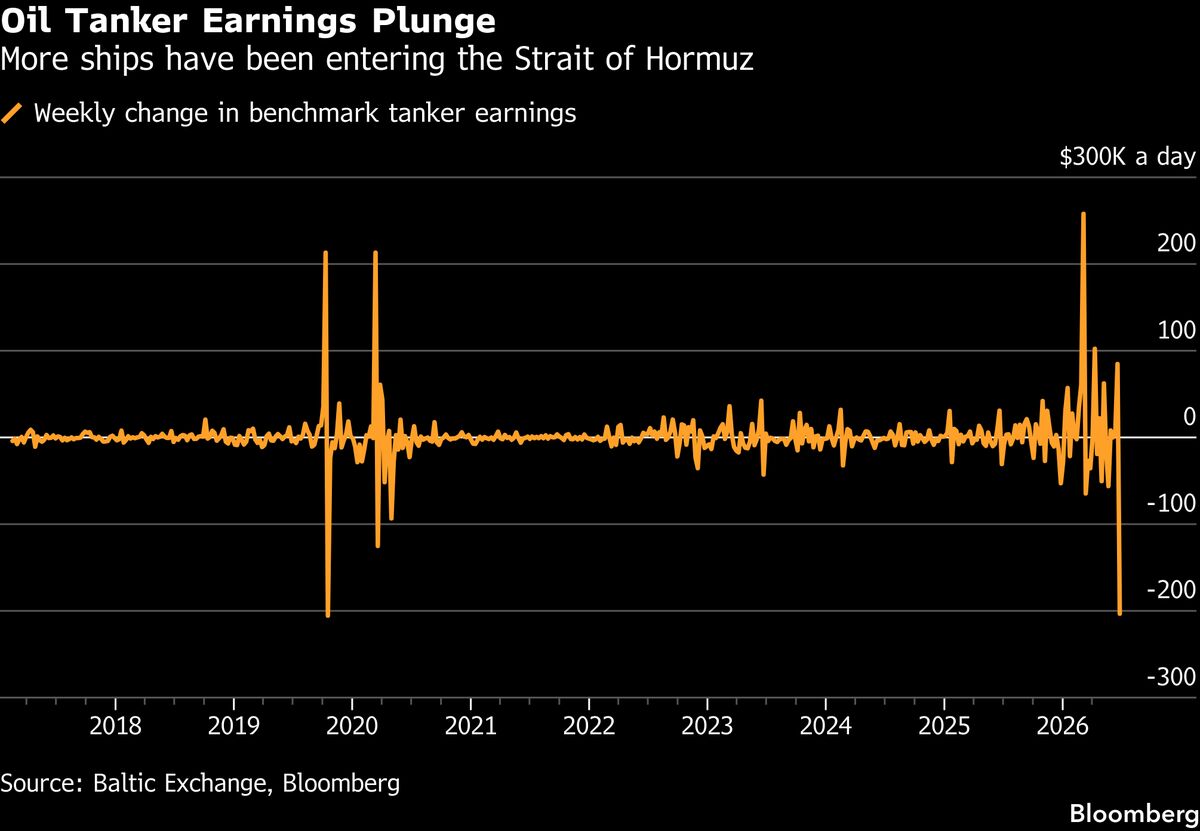
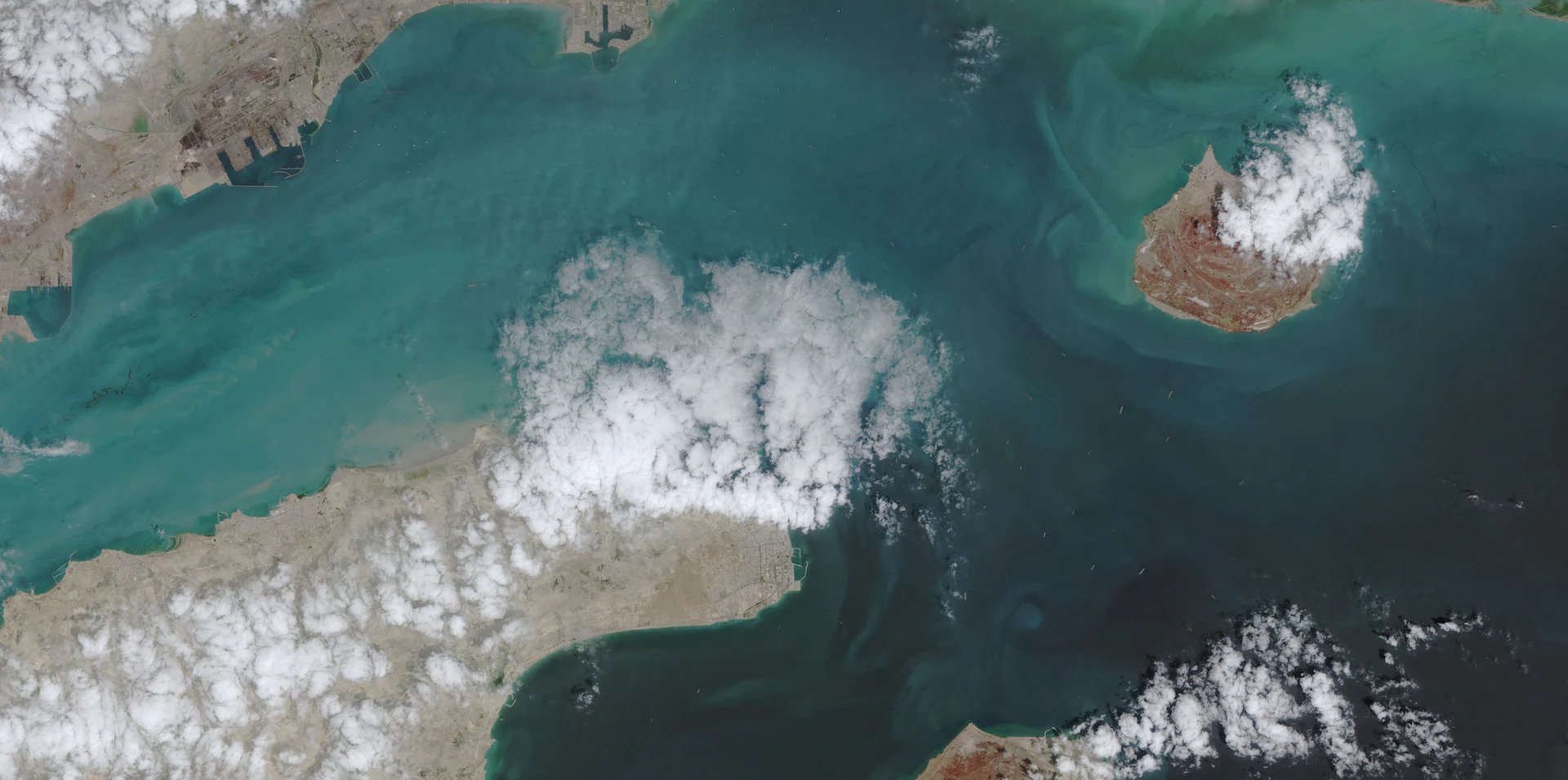
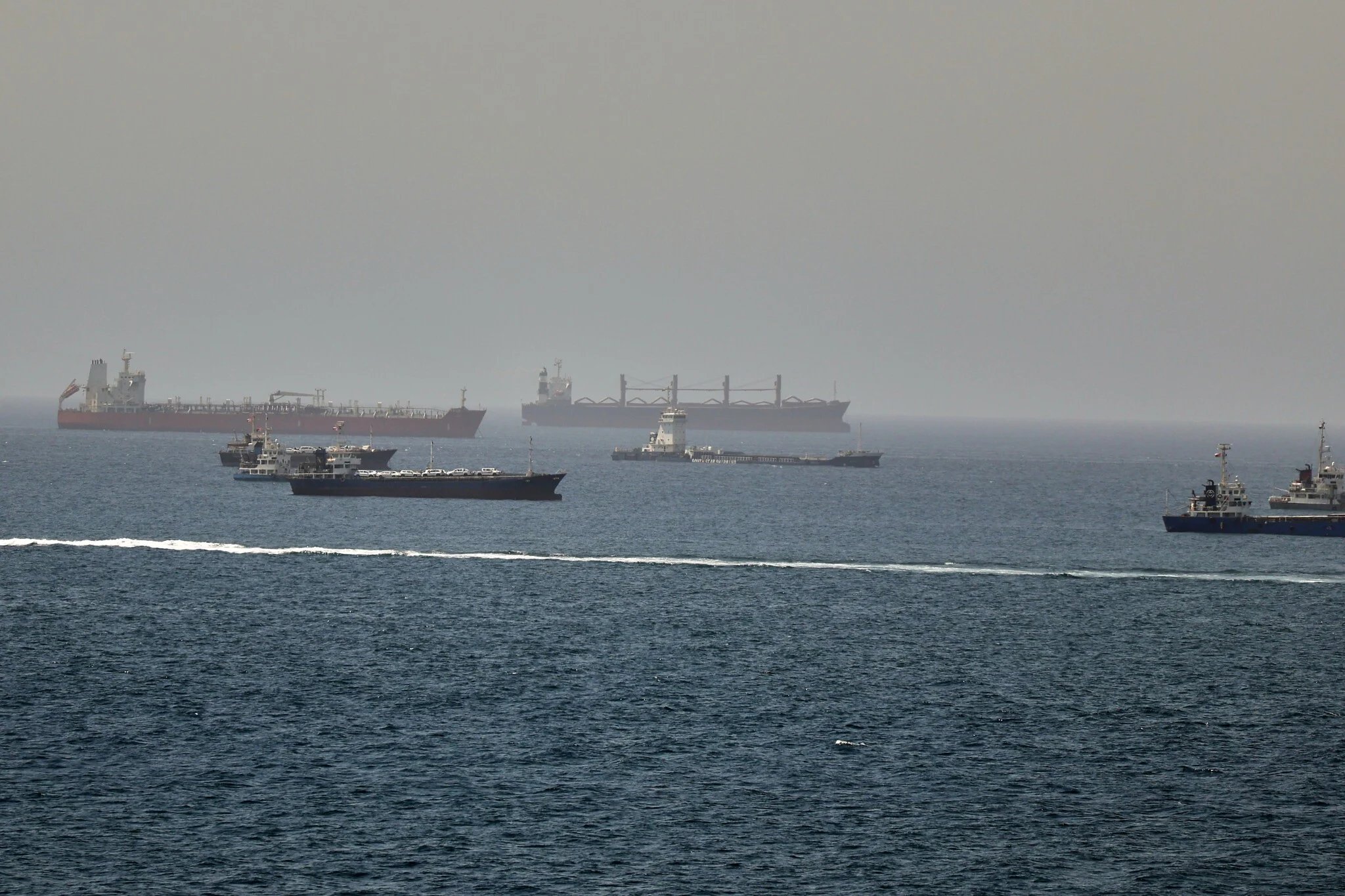
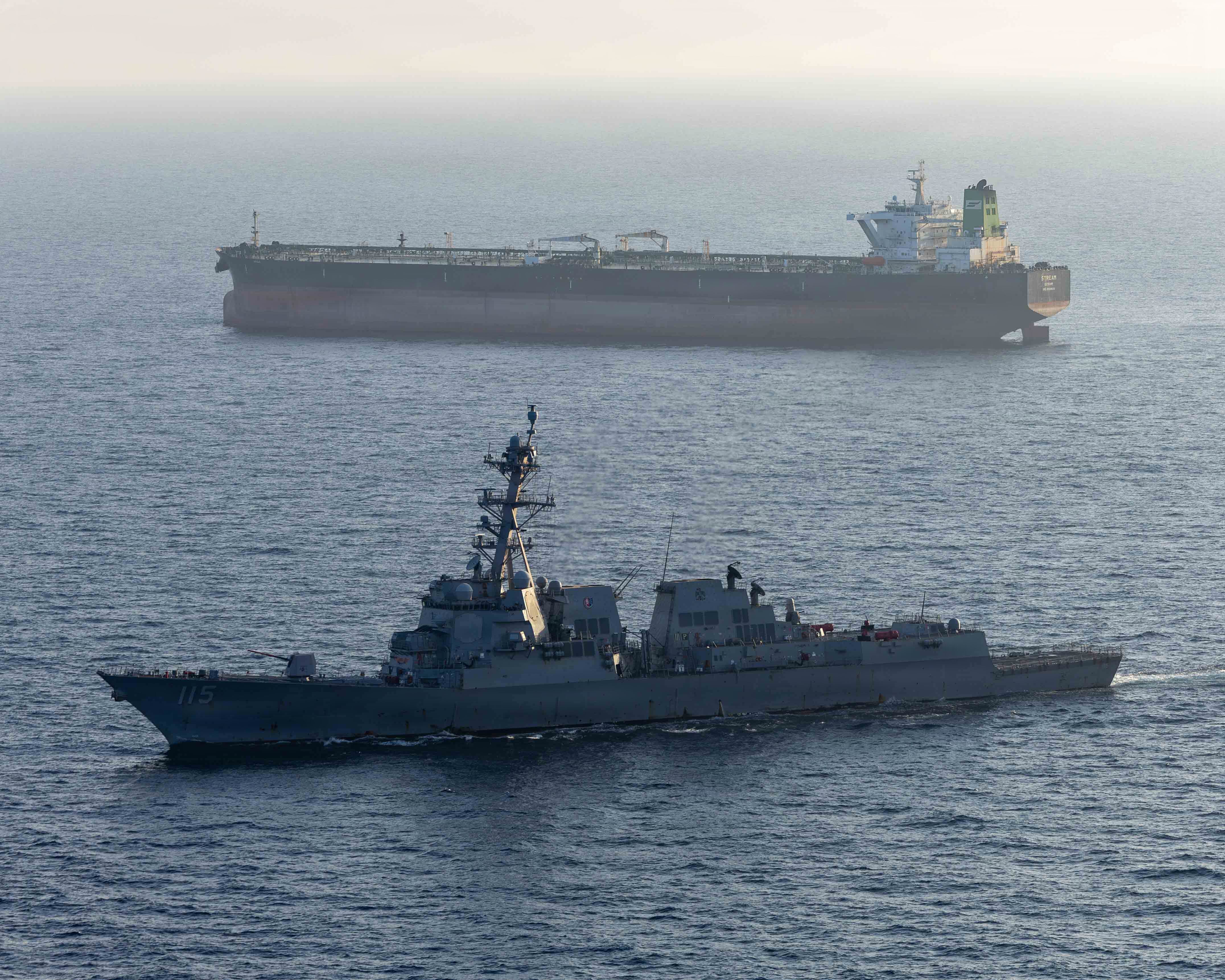
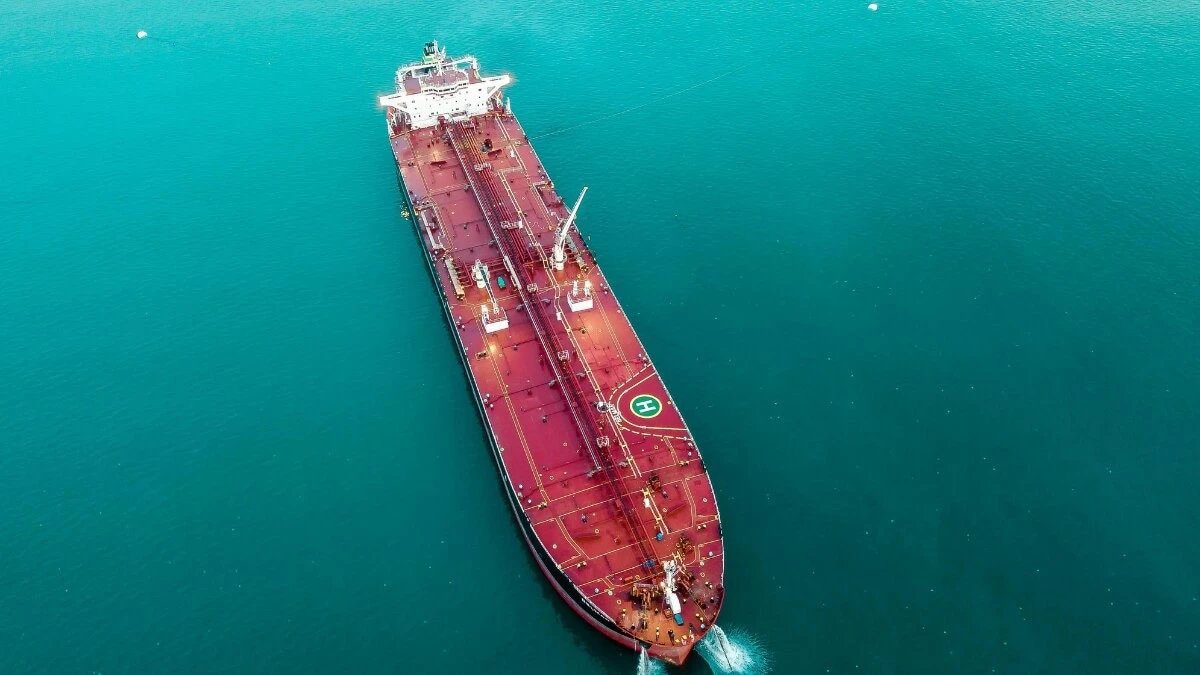
The deal is not yet complete. A senior Trump administration official estimated it is 75 percent of the way there, with signing expected within days. The agreement envisions reopening the Strait of Hormuz and ending the conflict between Israel and Hezbollah in Lebanon, along with the lifting of the U.S. blockade of Iran. Pakistan's Prime Minister Shehbaz Sharif, whose country is mediating talks, said his country is preparing for electronic signing of the peace deal. The next steps involve a 60-day negotiation period focusing on Iran's enriched uranium, with the goal of destroying and removing all such material from the country.