




The Crash
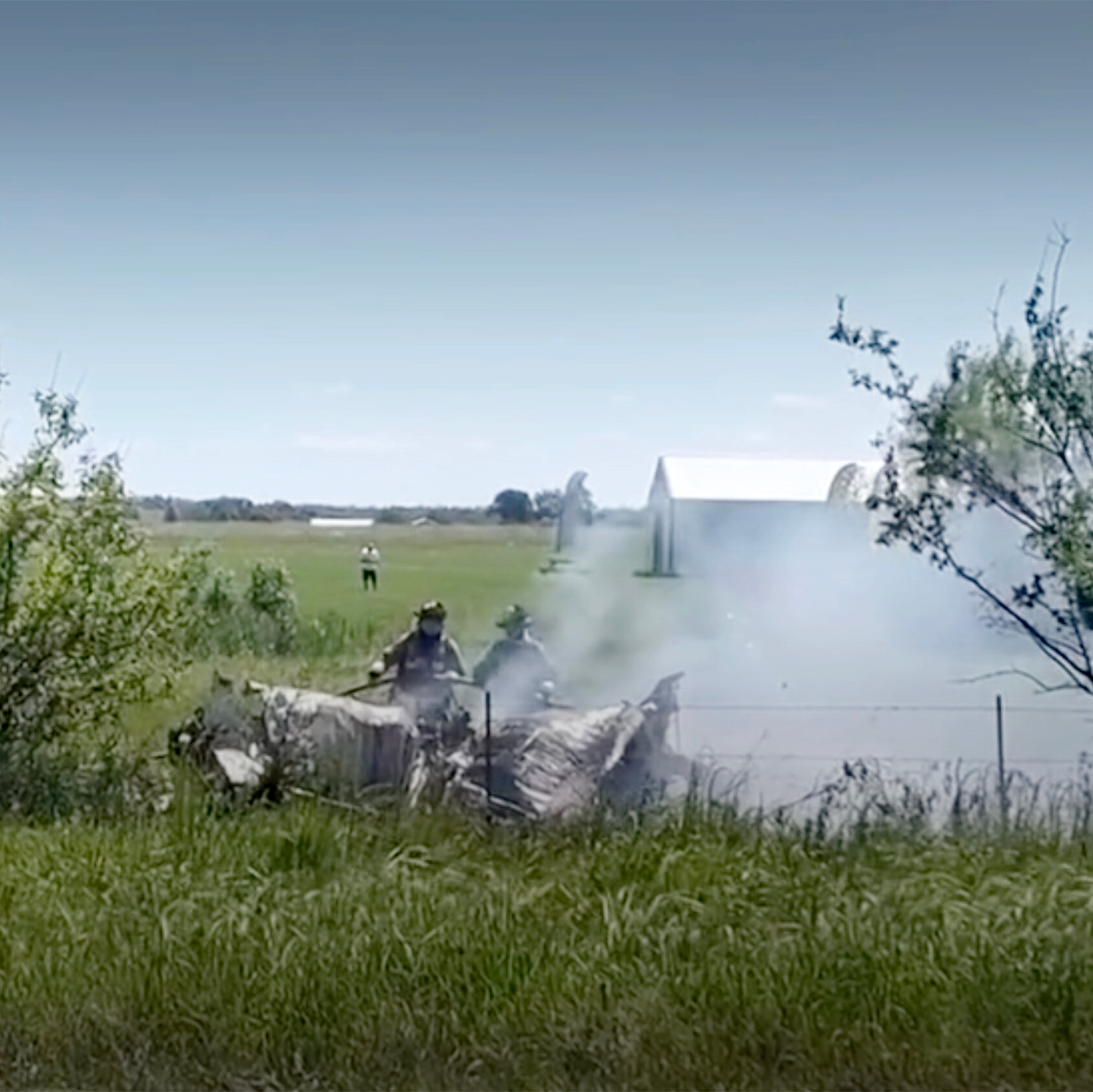
A B-52 Stratofortress bomber carrying eight people crashed and burst into flames shortly after takeoff from Edwards Air Force Base in California's Mojave Desert on Monday at 11:20 a.m. local time. The aircraft was on a routine test mission supporting a radar modernization program when it went down approximately 100 miles northeast of Los Angeles. Col. James Hayes, deputy commander for the 412th Test Wing at Edwards, confirmed all eight people aboard were killed. "Today, Edwards Air Force Base experienced a terrible tragedy and we lost eight great Americans," Hayes said at a news conference Monday afternoon.
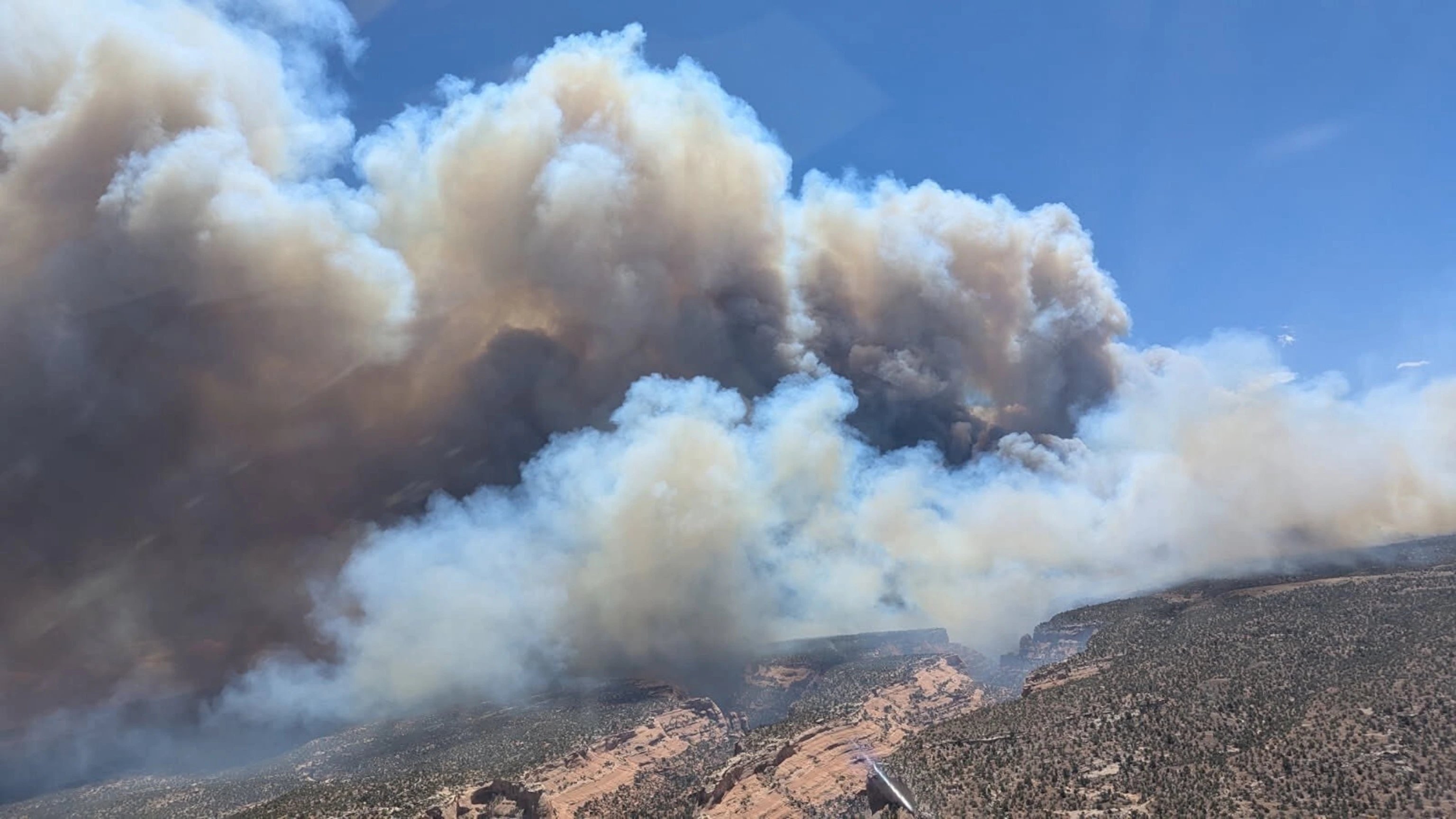
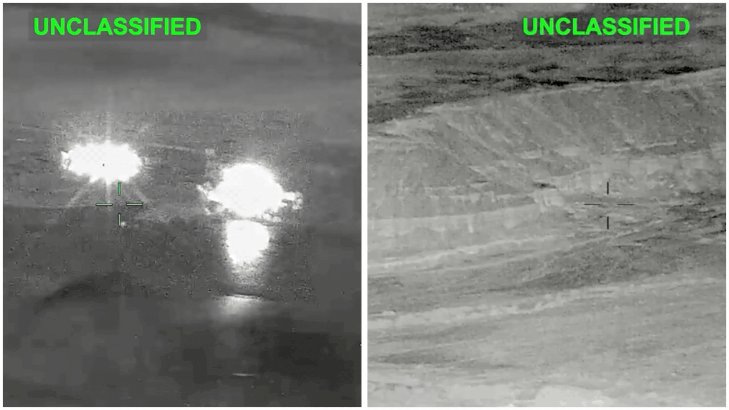
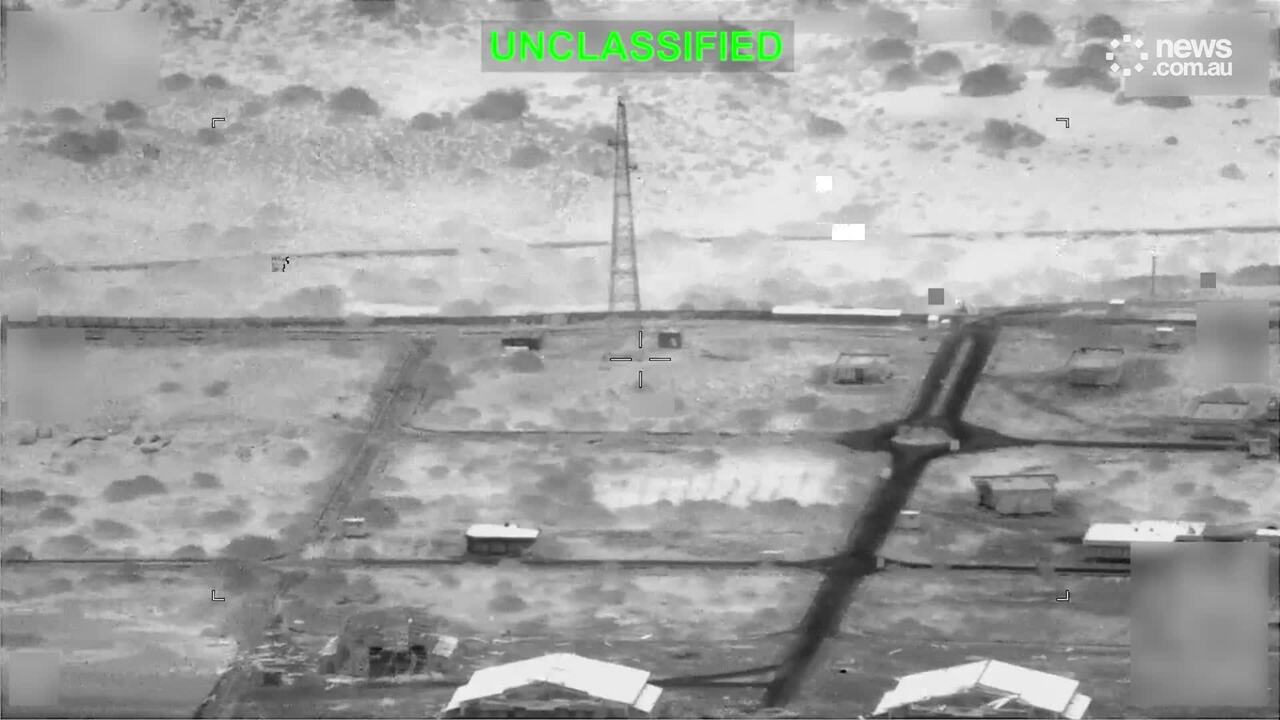
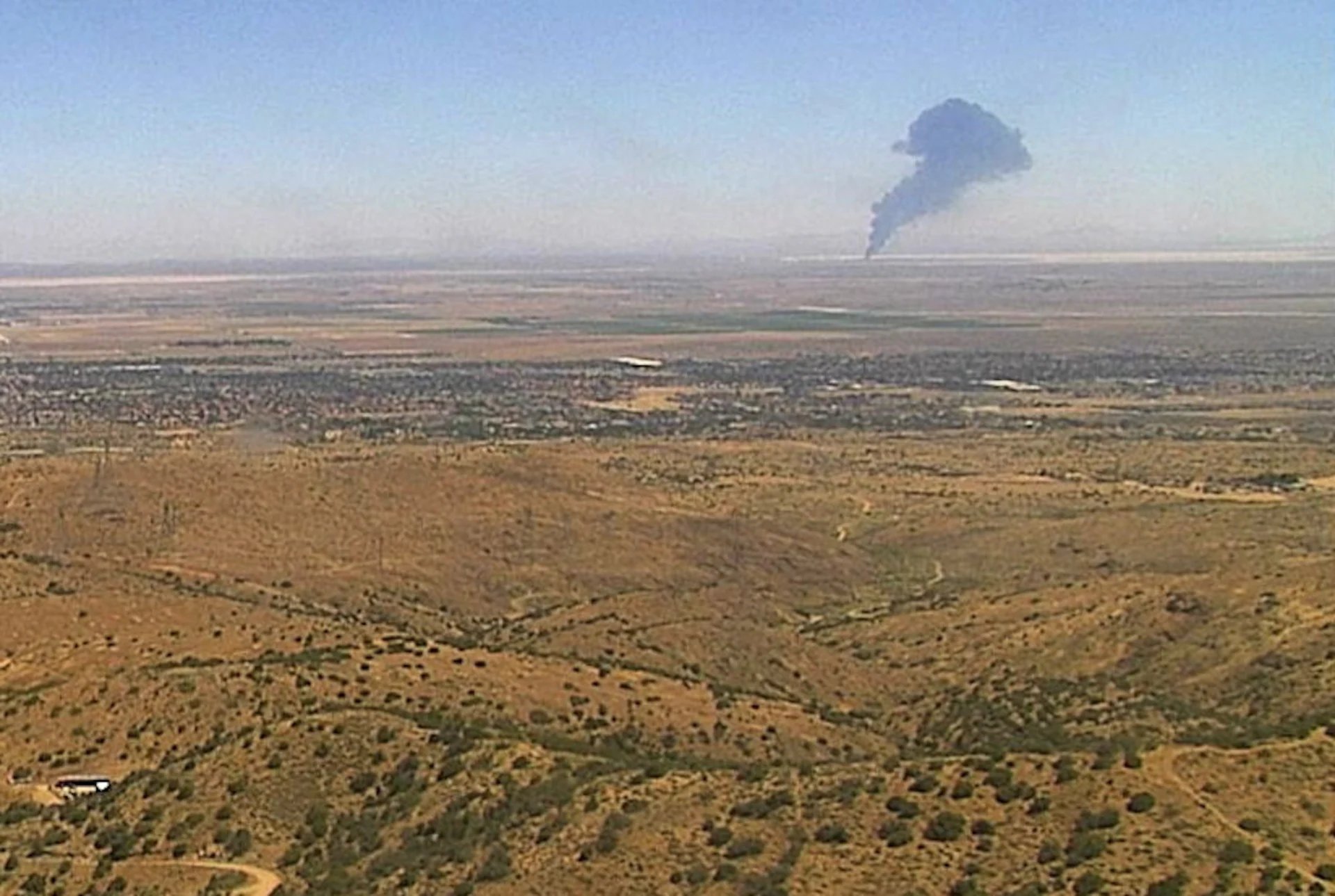
Aerial footage showed a charred, smoldering patch of desert roughly the size of a football field, with black smoke visible for miles. After reviewing the footage, Hayes said the crash "was deemed that this was an unrecoverable crash, and unsurvivable." The incident was totally contained within the base on the runway.
The Crew and Investigation
The eight people who died comprised a mixed crew of uniformed military personnel, government civilians, and government contractors. Boeing confirmed two of those killed were company employees. "It is with great sadness that we confirm two Boeing employees were among those on board. We are in contact with their families and are offering support," the aerospace giant said in a statement.
The names of those aboard will not be released until 24 hours after next-of-kin notifications are complete. The cause of the crash remains under investigation, a process Hayes said will likely take several months. Initial reviews could take up to 30 days, with further cause analysis extending beyond six months. "We won't be able to release that information, and we don't have an ability to get that any time soon," Hayes said.
Base Operations and Response
Edwards Air Force Base closed its airfield immediately following the crash, diverting all inbound aircraft. All non-commercial visitor passes were suspended until further notice to allow the installation to focus on emergency response operations. Hayes announced the base would stand down all operations on Tuesday. Test missions typically take place multiple times daily at Edwards, where the Air Force and NASA conduct test flights of new and developmental aircraft.
The Aircraft
The B-52 Stratofortress is a long-range, heavy, jet-powered strategic bomber built by Boeing and first introduced in the 1950s. The aircraft is capable of carrying both conventional and nuclear weapons over long distances and has been used in conflicts ranging from Vietnam to recent operations in the Middle East. The plane typically carries a crew of five: an aircraft commander, pilot, radar navigator, navigator, and electronic warfare officer. The B-52 being tested was supporting a program to modernize its radar from analog to digital.
Expert Assessment
Jeff Guzzetti, an aviation safety expert who previously investigated crashes for the Federal Aviation Administration and the National Transportation Safety Board, suspects a flight control malfunction caused the crash given how quickly the B-52 went down without gaining significant altitude or distance. Possible causes include controls rigged incorrectly after maintenance, a catastrophic engine problem, or failure of equipment being tested. "I think it was definitely a controllability issue," Guzzetti said. "Now, whether that was tied to an engine failure, a flight control failure or some new testing device failure, I'm not sure."
Guzzetti noted that test flights are inherently riskier than normal operations, which is why specially trained test pilots and additional safety protocols are required. The B-52 has been flown for more than 70 years, but testing new equipment on an aging airframe presents distinct challenges.