




Conservation Legacy
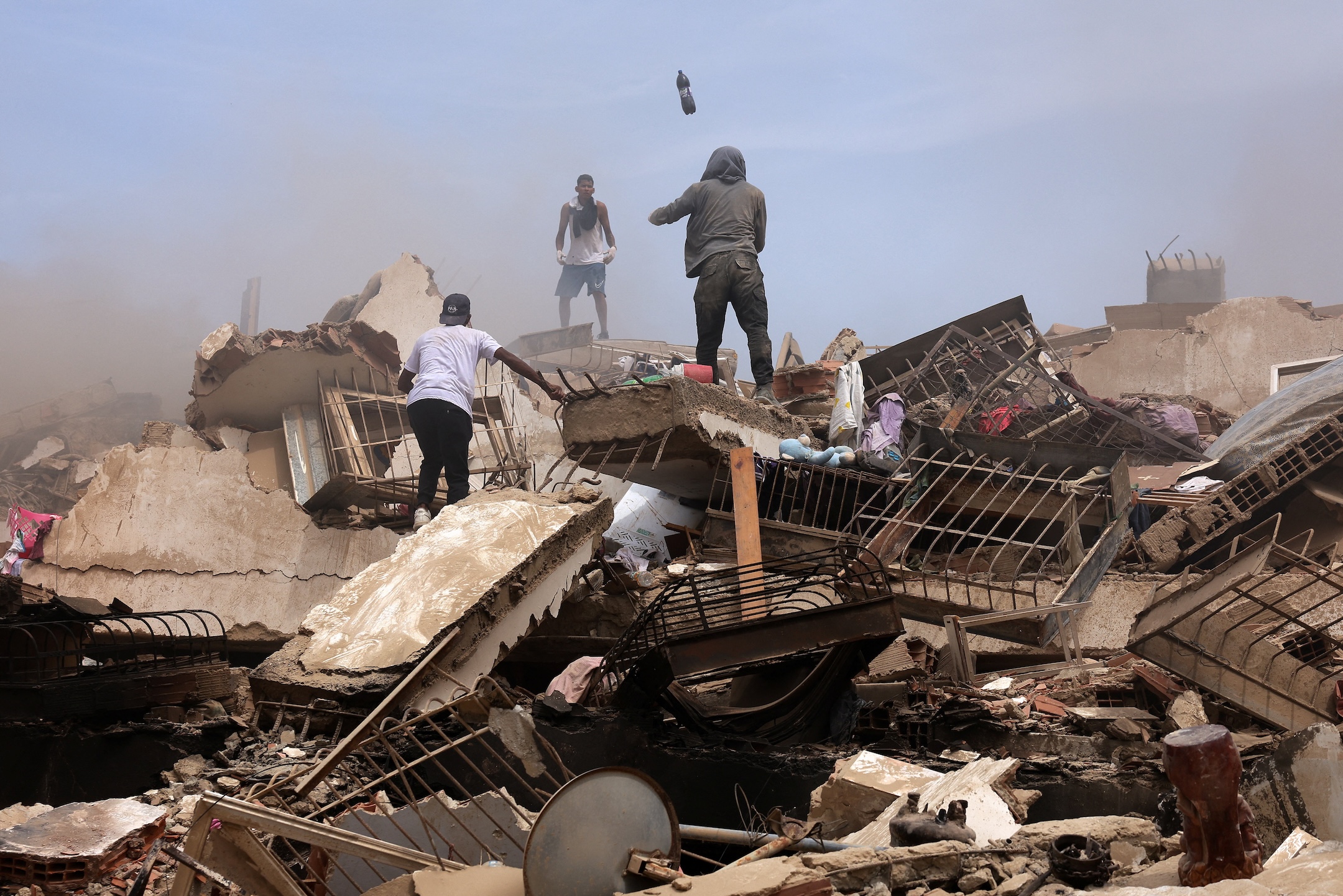
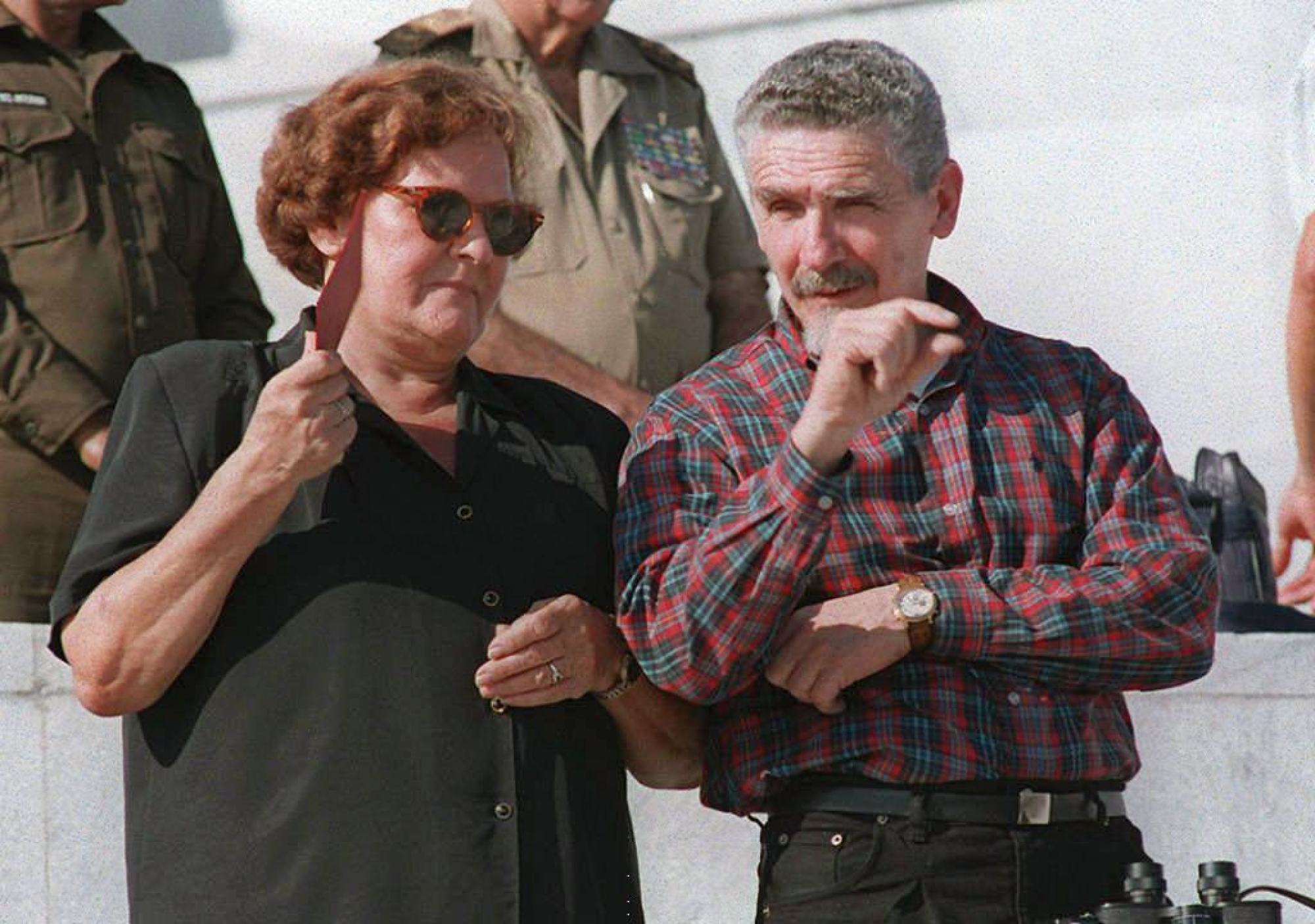
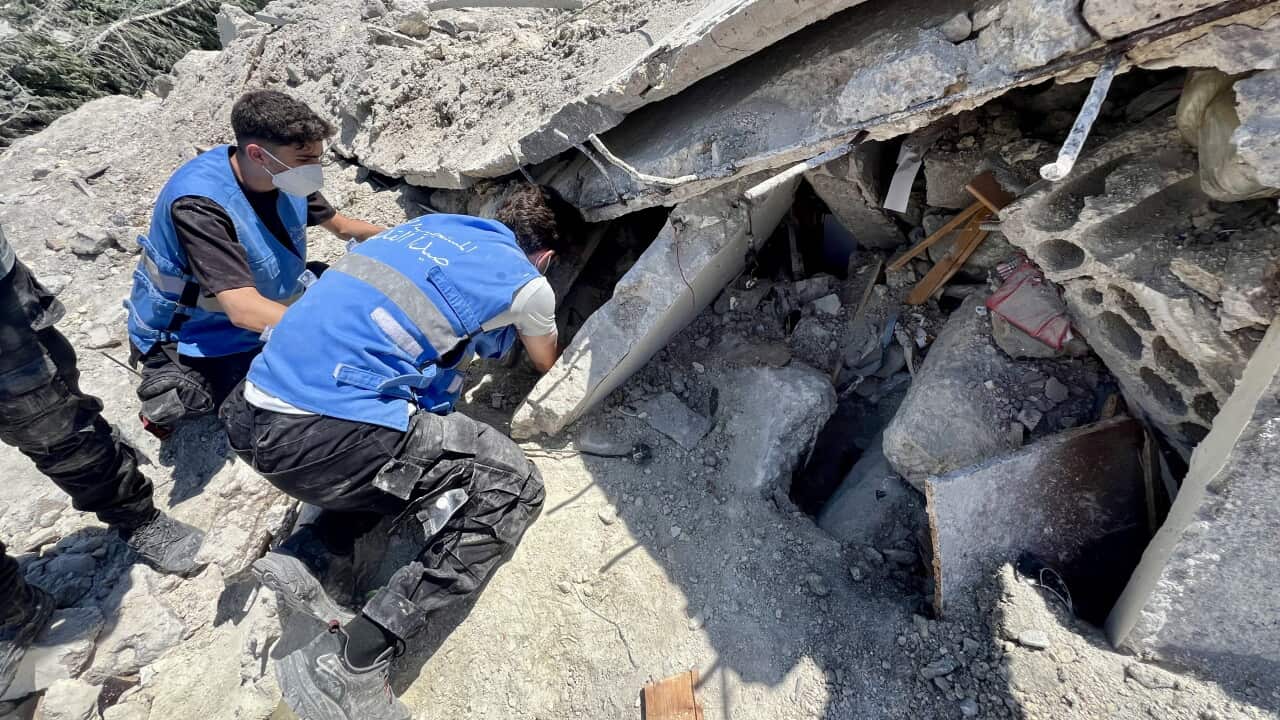
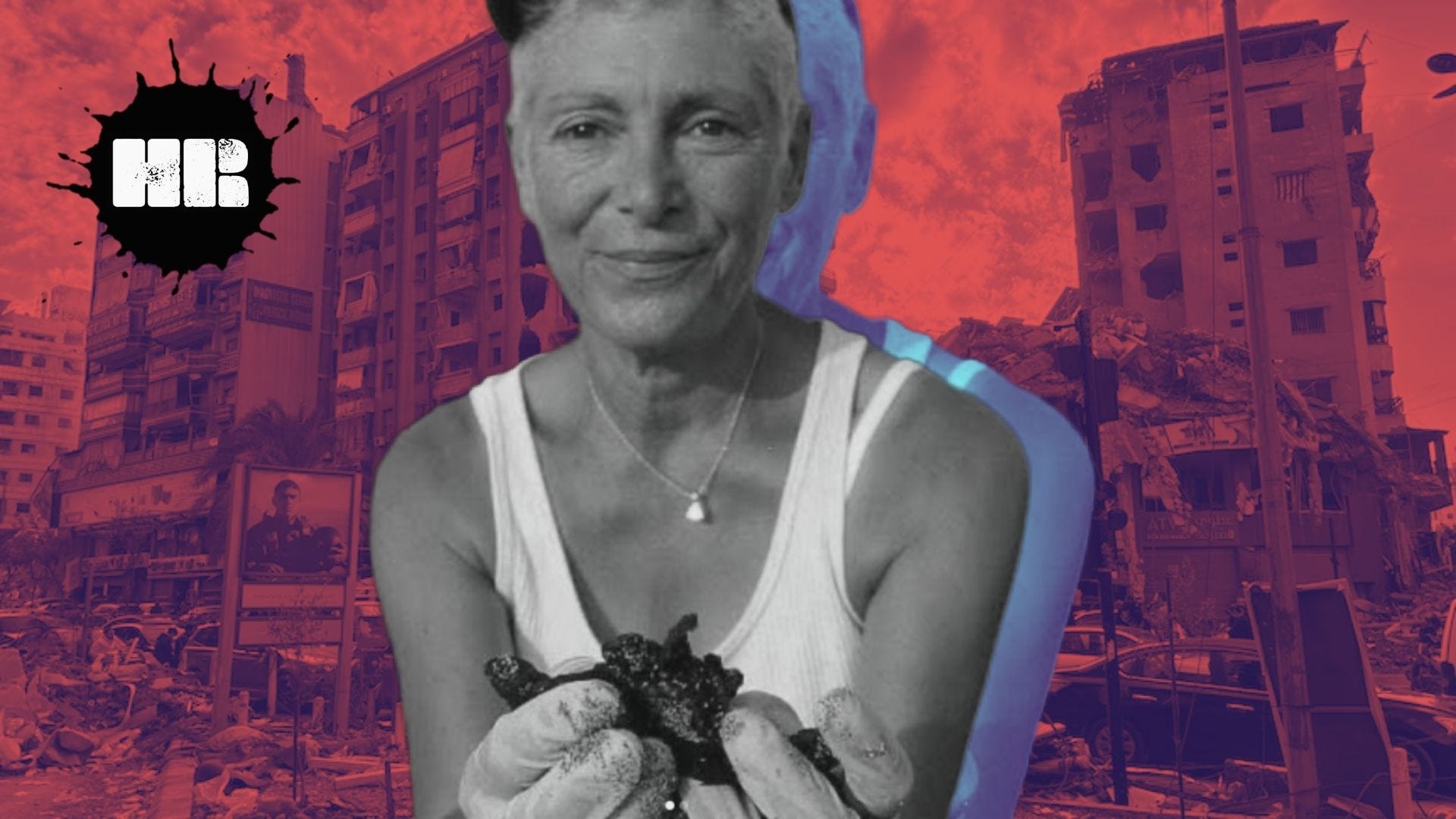
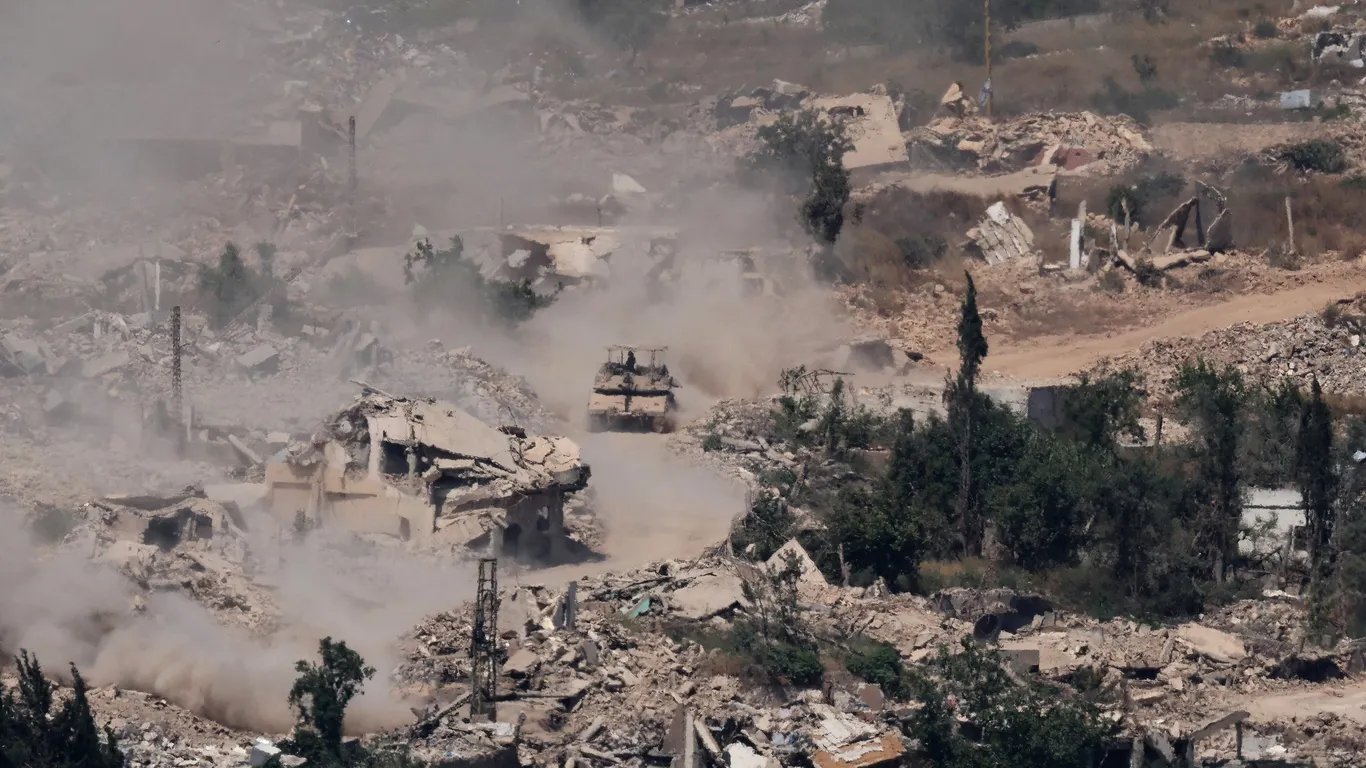
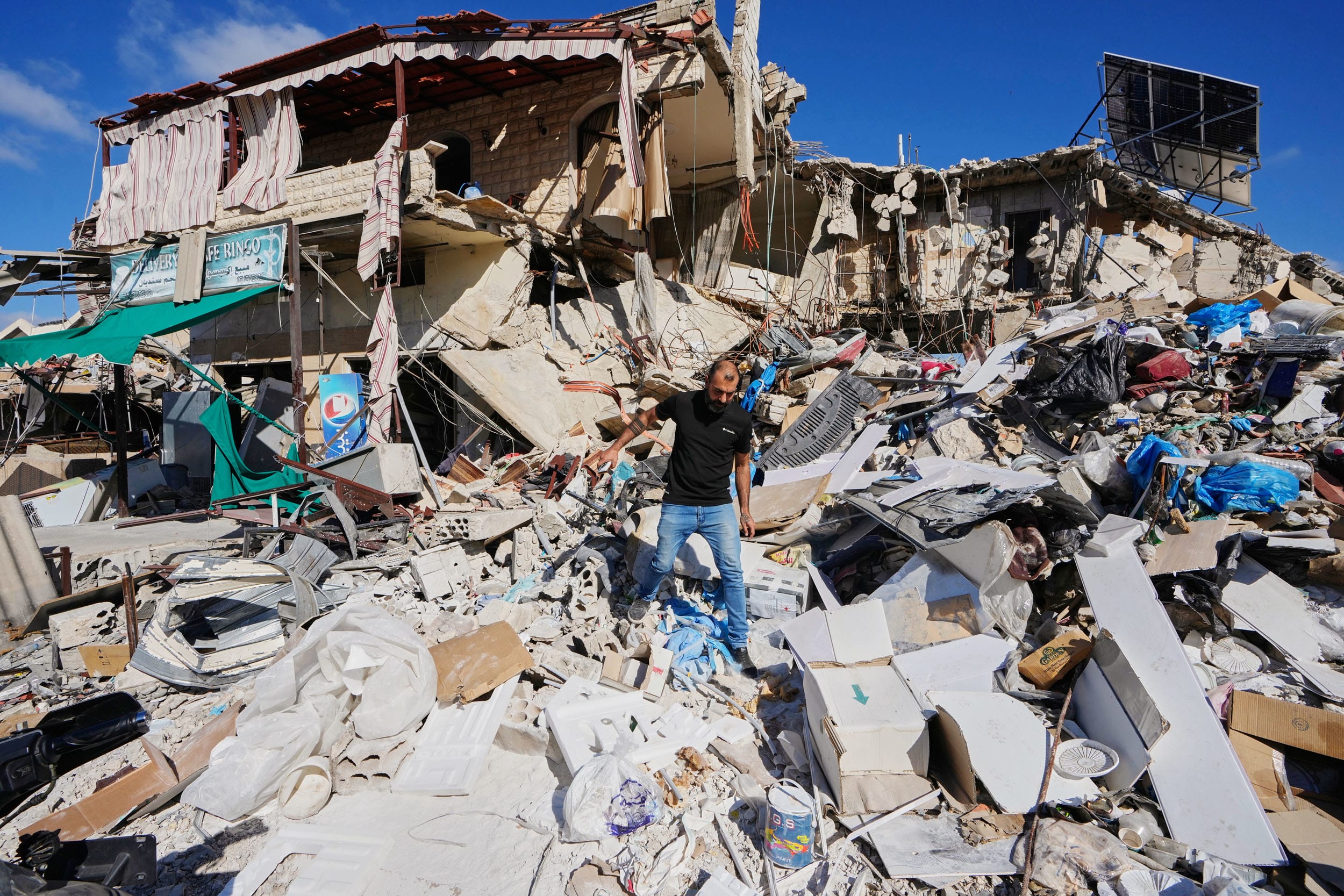
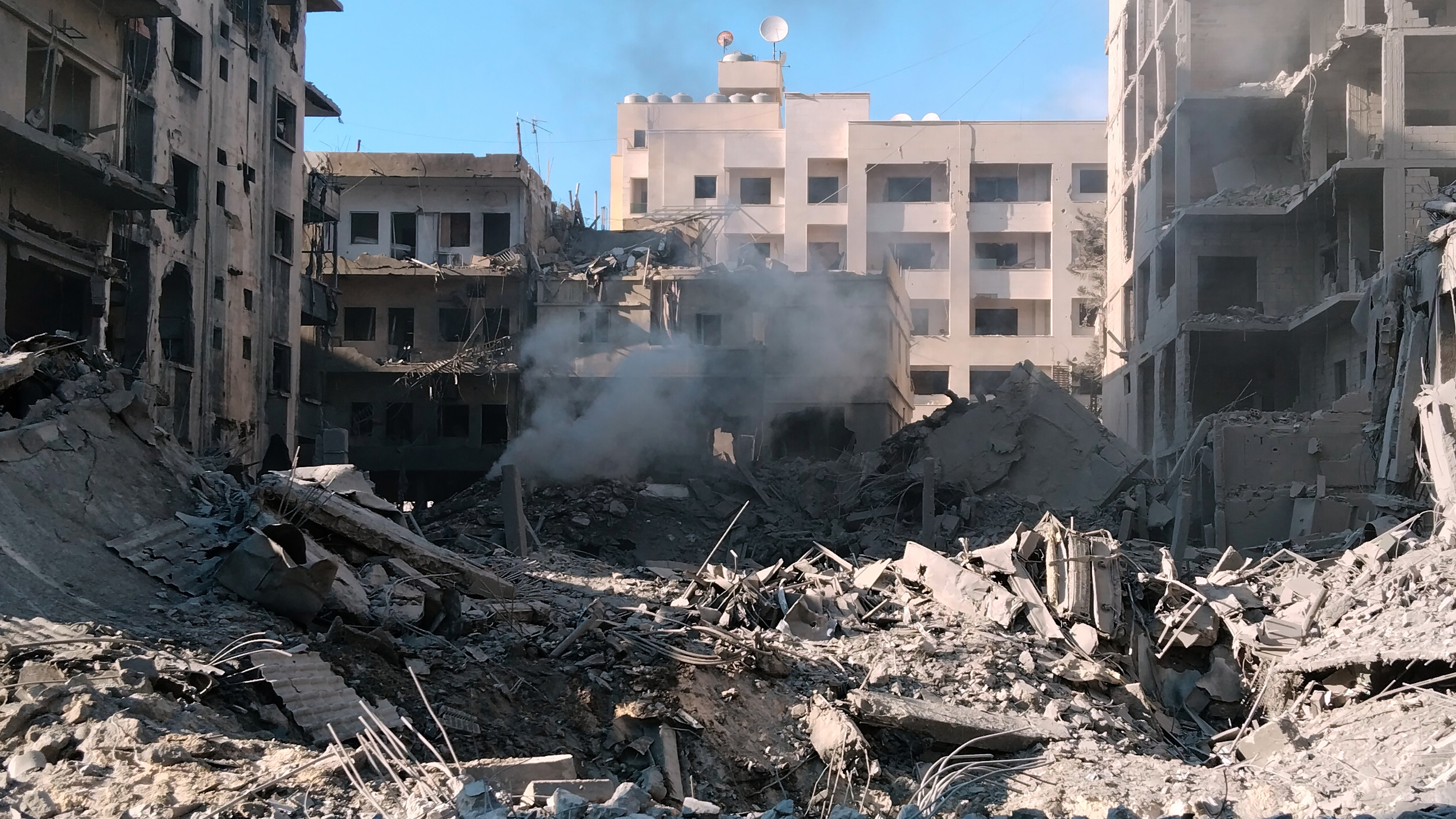
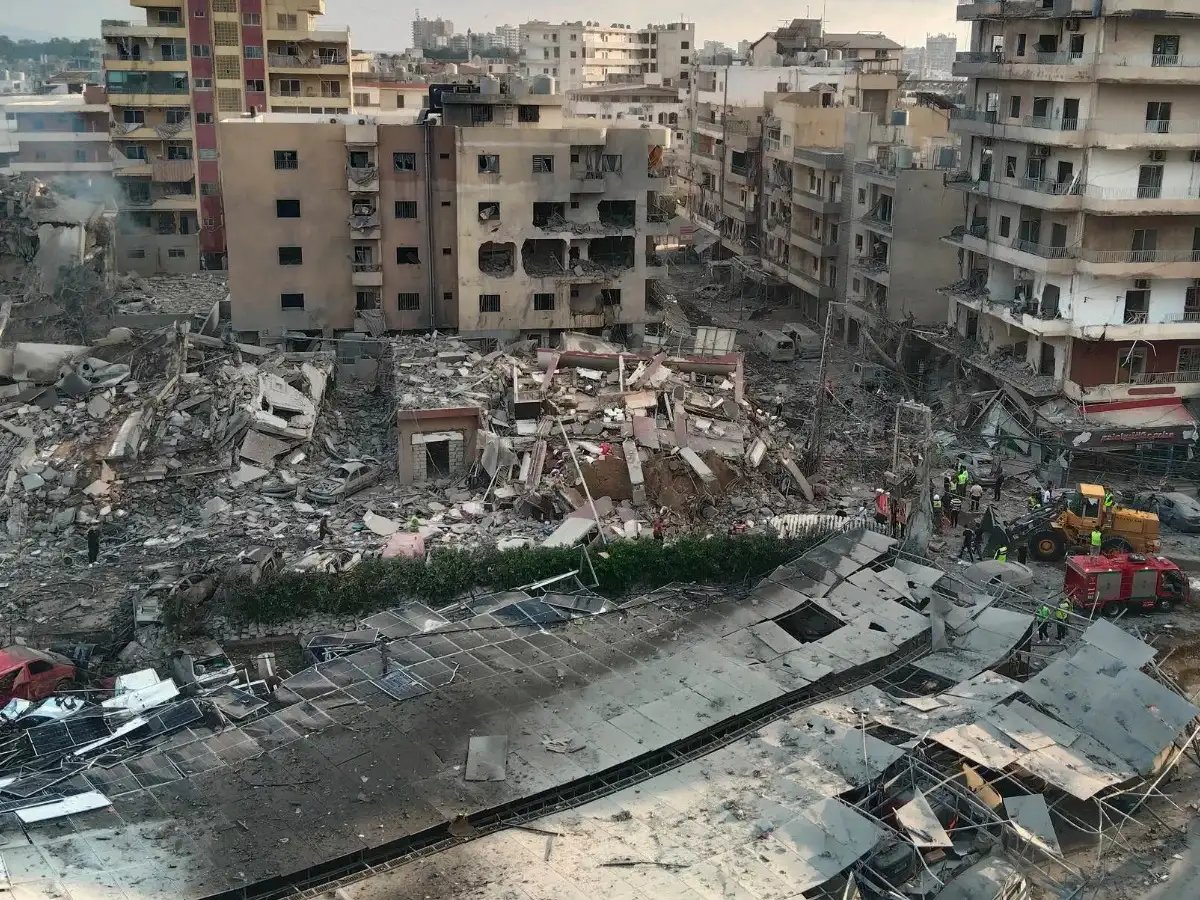
Lebanese conservationist Mona Khalil, who spent over two decades protecting sea turtles along Lebanon's coastline, passed away on Friday due to injuries sustained from an Israeli airstrike on her beachside home in the village of al-Mansouri in Tyre province on June 4. Khalil, 76, was known for her work in creating a conservation movement in southern Lebanon to protect sea turtle nesting grounds and the Mediterranean coast. Her efforts led to the transformation of the turtle nesting grounds into an officially recognized community-based conservation area.
Mourning and Tributes
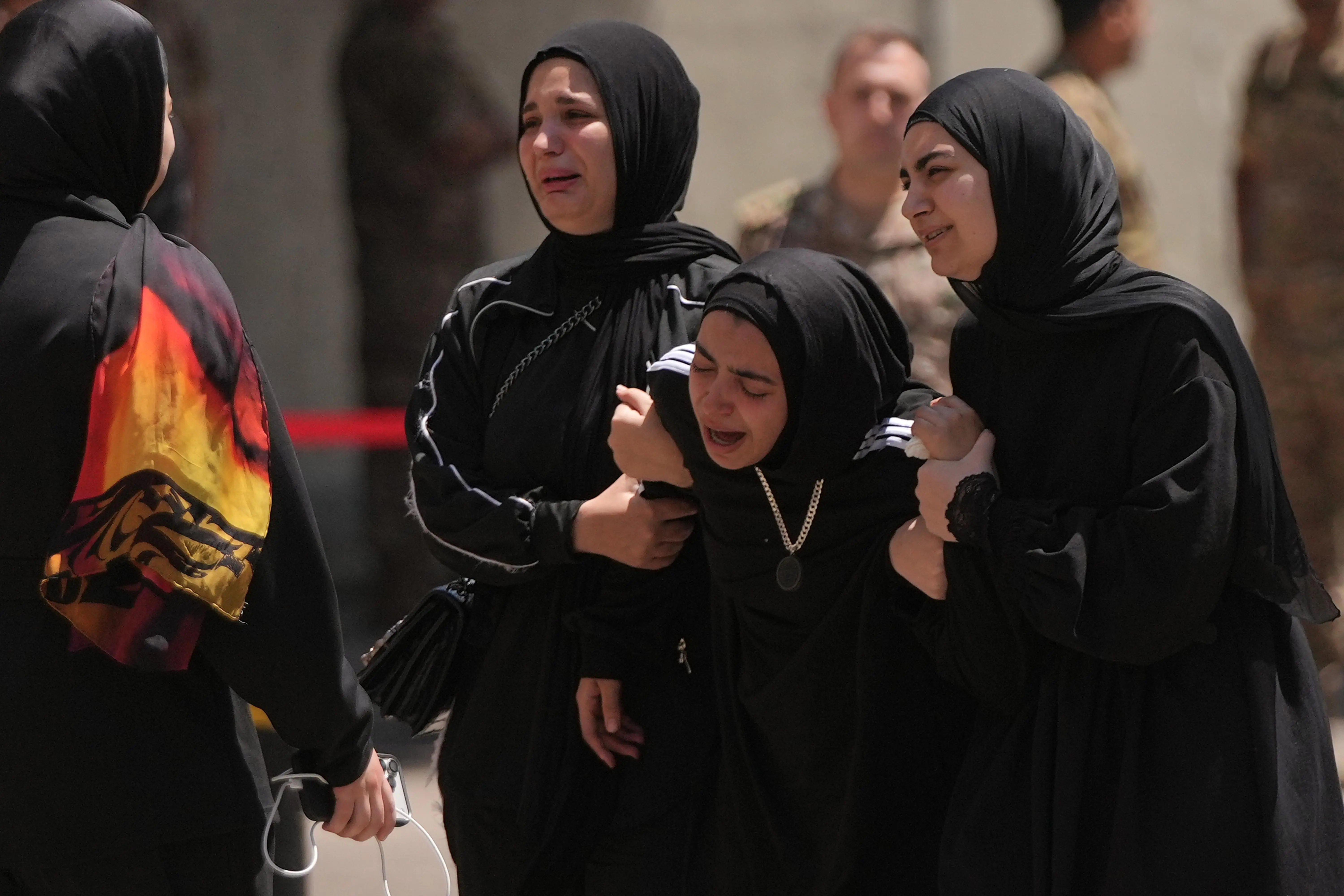
The news of Khalil's death has triggered an outpouring of grief among environmentalists and volunteers who worked with her. Mourners gathered in Beirut on Sunday to pay their respects to the beloved conservationist. The Orange House Project, which Khalil helped build into a small conservation hub and ecotourism site in al-Mansouri, became a refuge for endangered loggerhead and green sea turtles and a training ground for volunteers documenting nesting activity along the coast.
Impact on Conservation
She trained a generation of volunteers in ecological conservation, protecting the Mediterranean coastline and the endangered sea turtles that travel hundreds of miles to return to the same beaches where they were hatched to lay their eggs. The environmental group Green Southerners called for those responsible for the killings of Khalil and other civilians to be held accountable.
Personal Life and Dedication
Born in Lagos, Nigeria, in 1949, Khalil held dual Dutch and Lebanese citizenship. She lived in the Netherlands before returning to Lebanon and settling in what had once been her grandmother's home – the building that would later become known as the Orange House. During a previous conflict in 2024, Khalil initially refused to leave al-Mansouri beach until the Lebanese army persuaded her to evacuate. She later returned to the Orange House, where she remained when the June 4 airstrike struck. Khalil vowed to stay in her home during the fighting, believing she was safe because she was a civilian and there were no nearby military targets.
Unanswered Questions
The Israeli military said last week in response to an NPR query that it had no indication it had hit the house but was reviewing its records. It did not respond to a query about when the review might be completed.