




Geopolitical Shifts
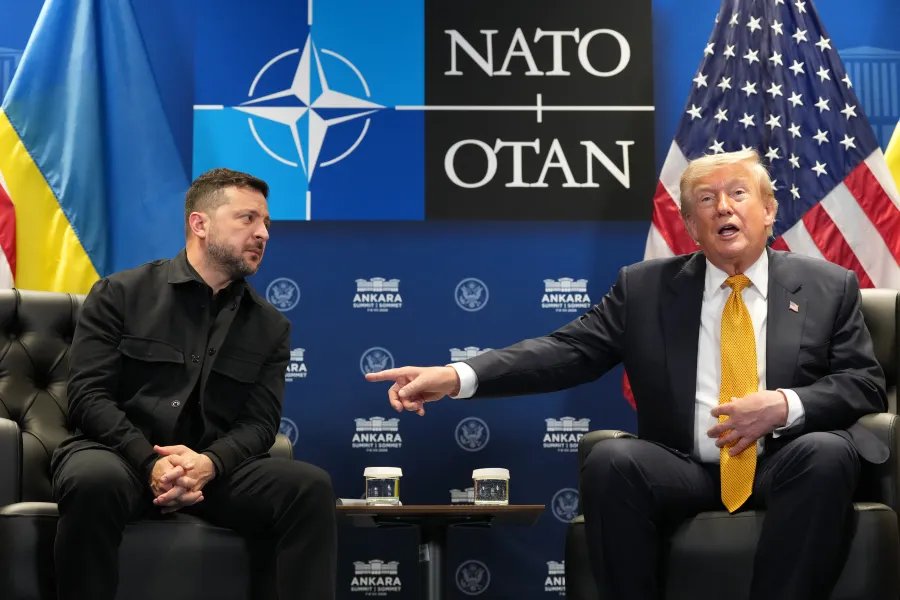
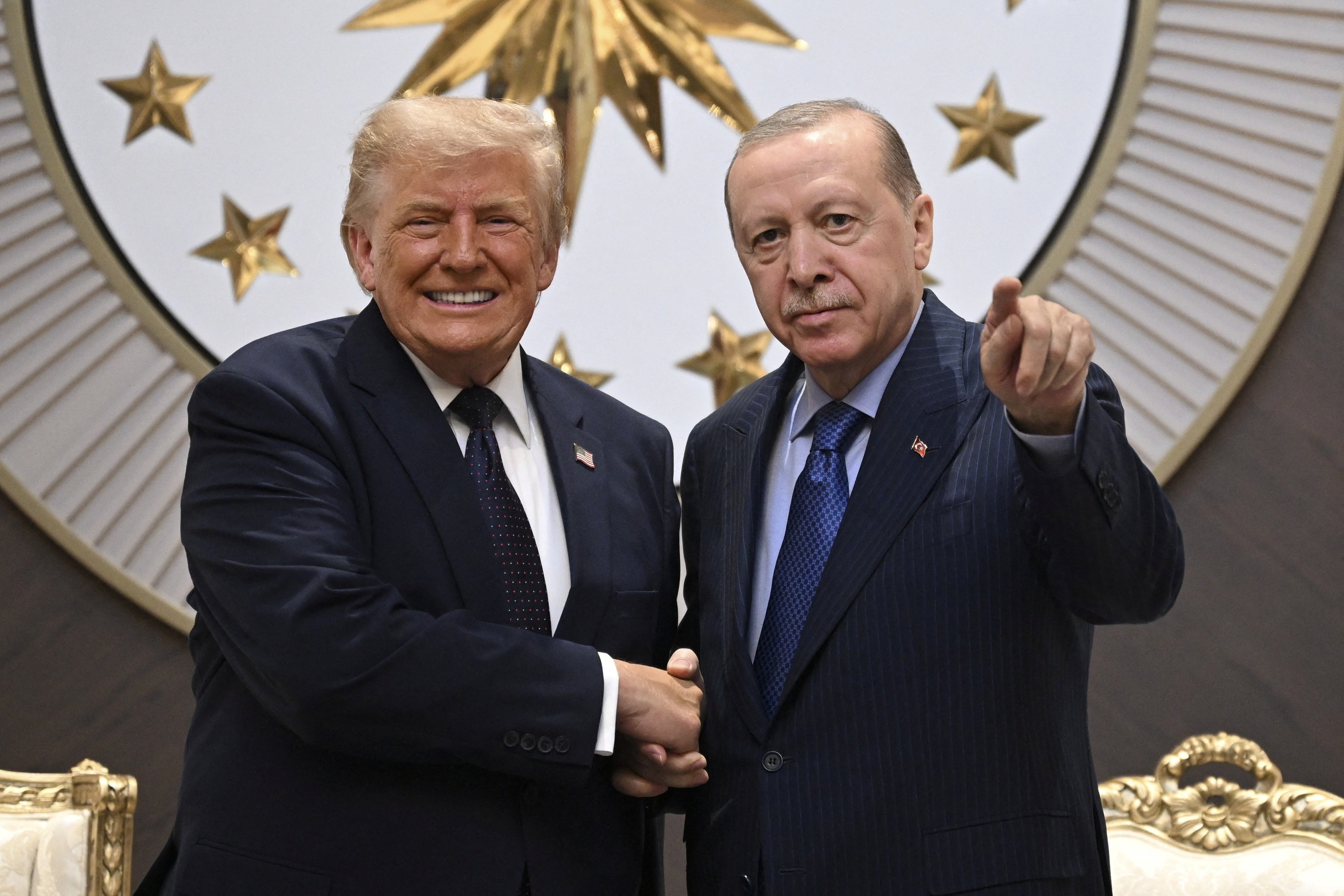
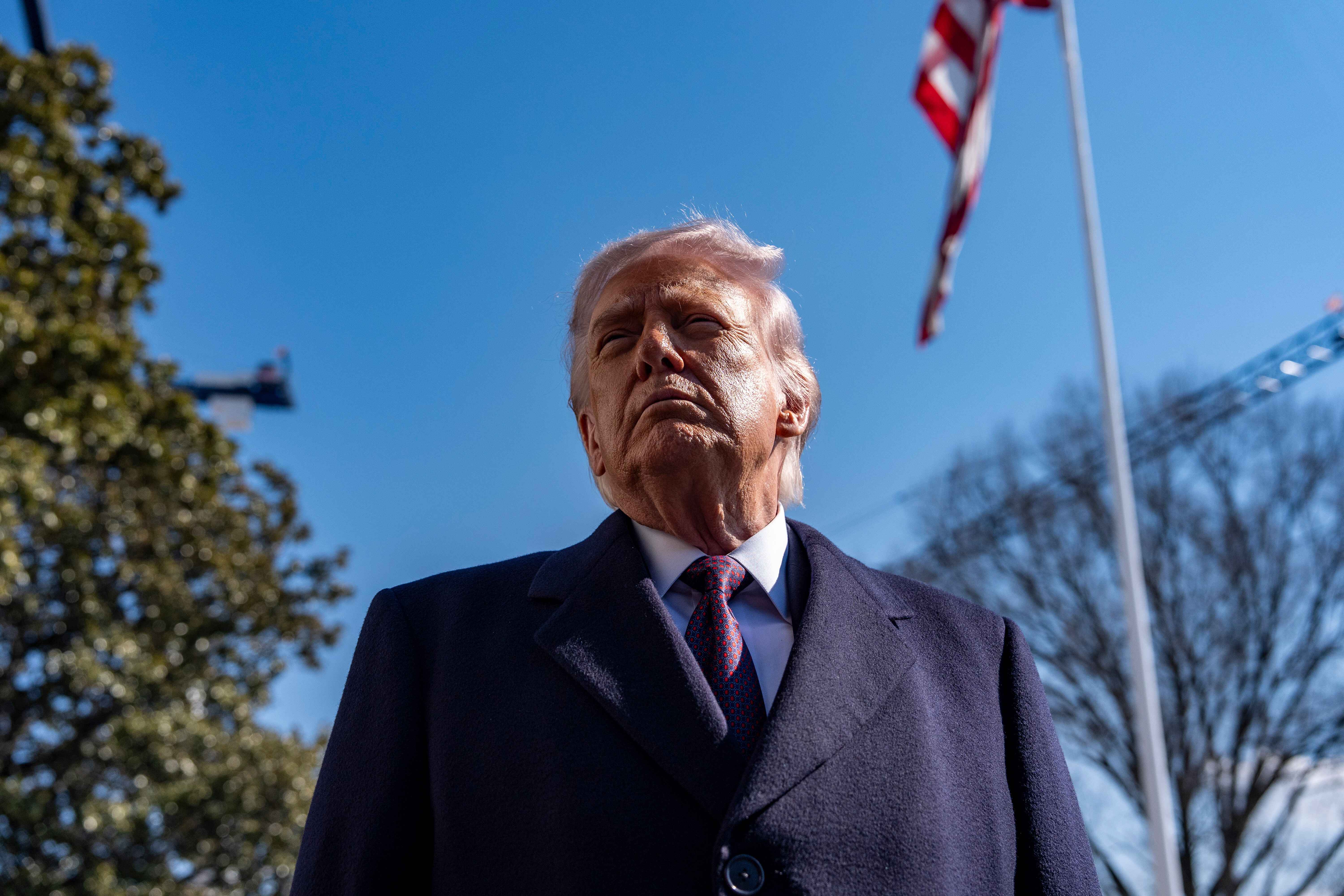
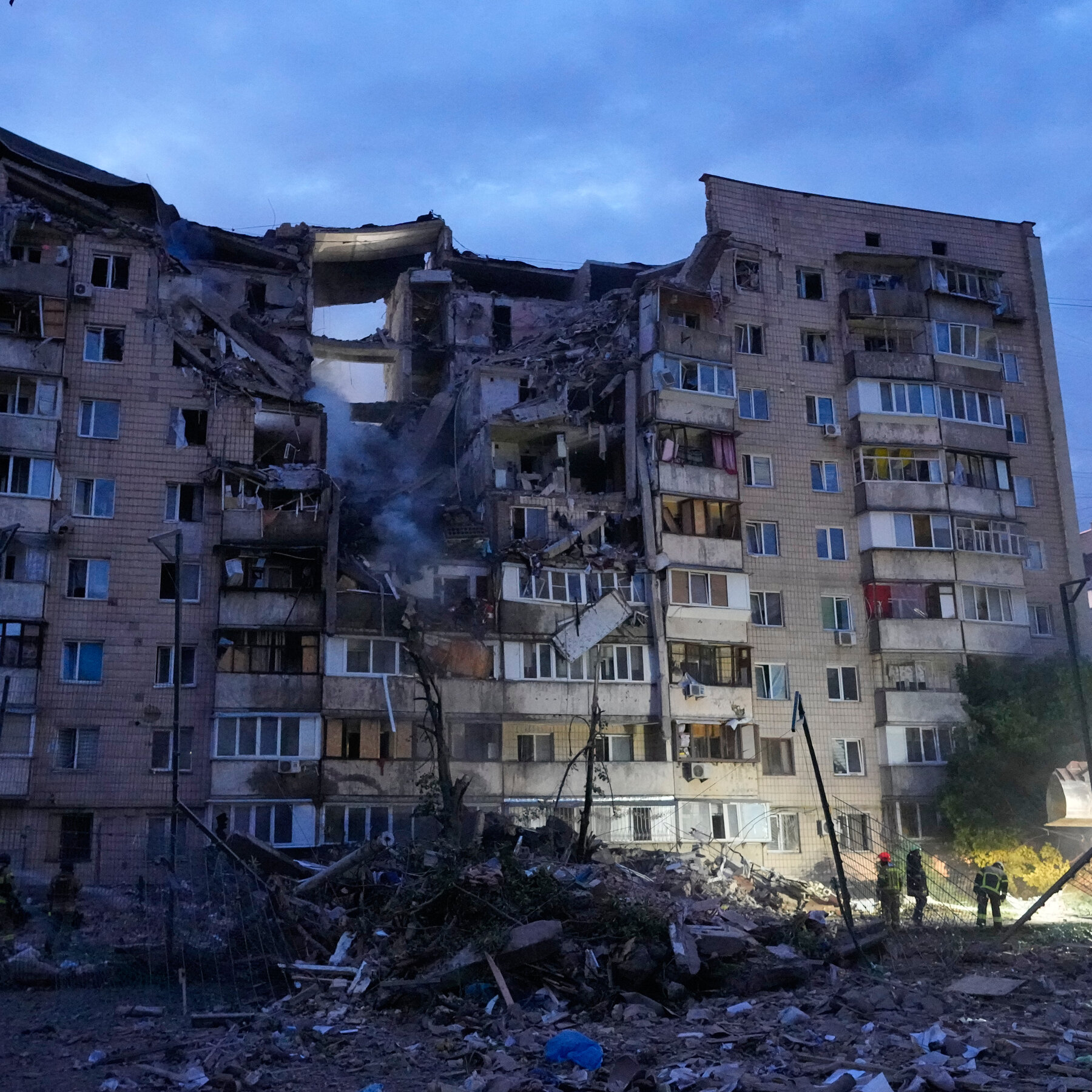
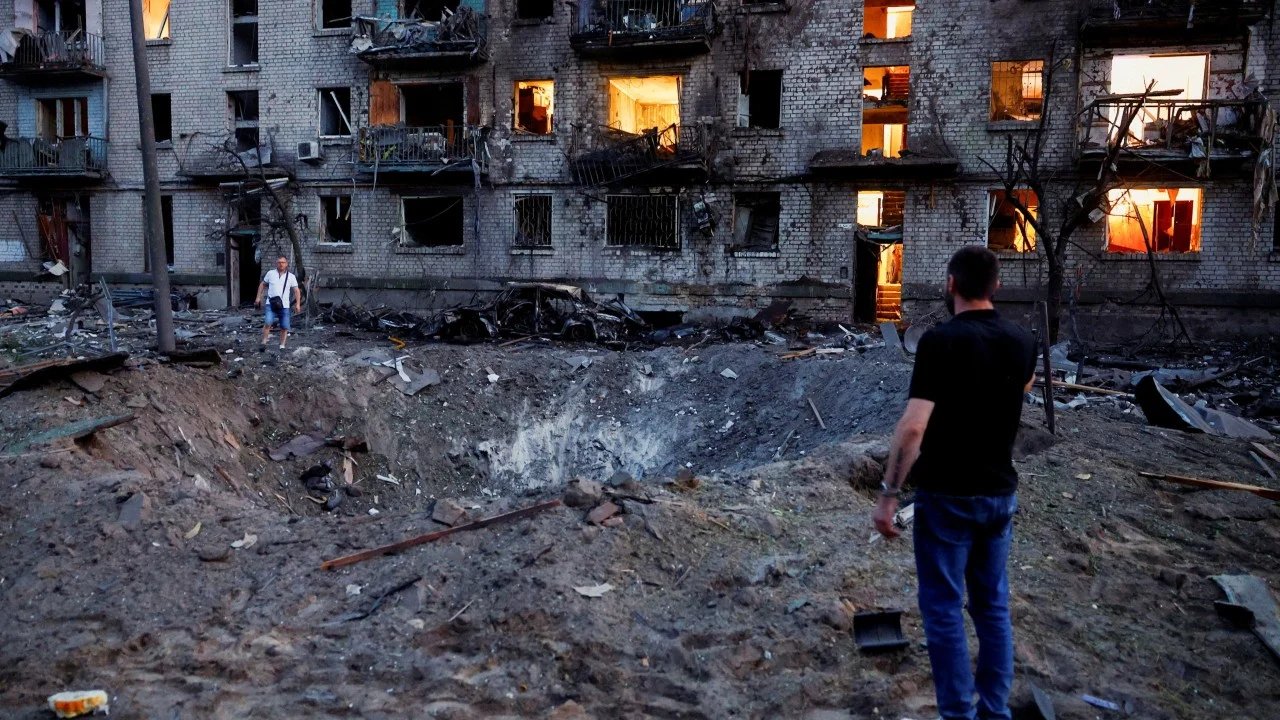
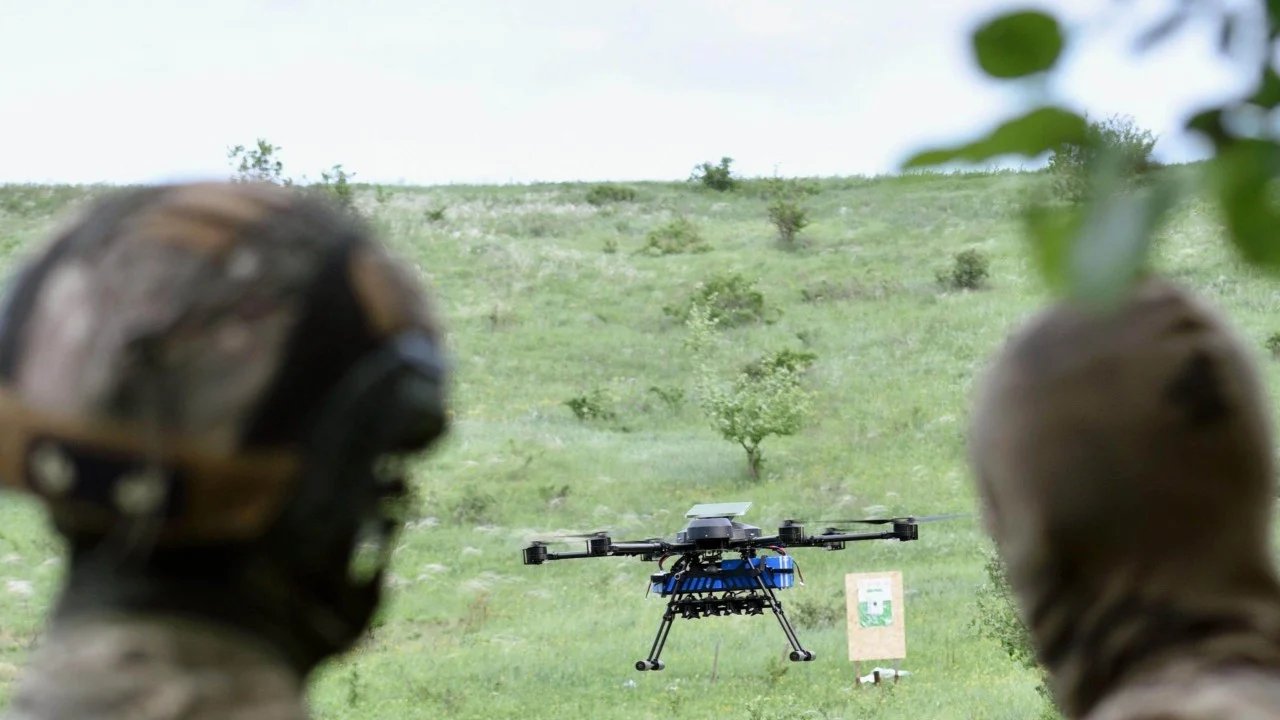
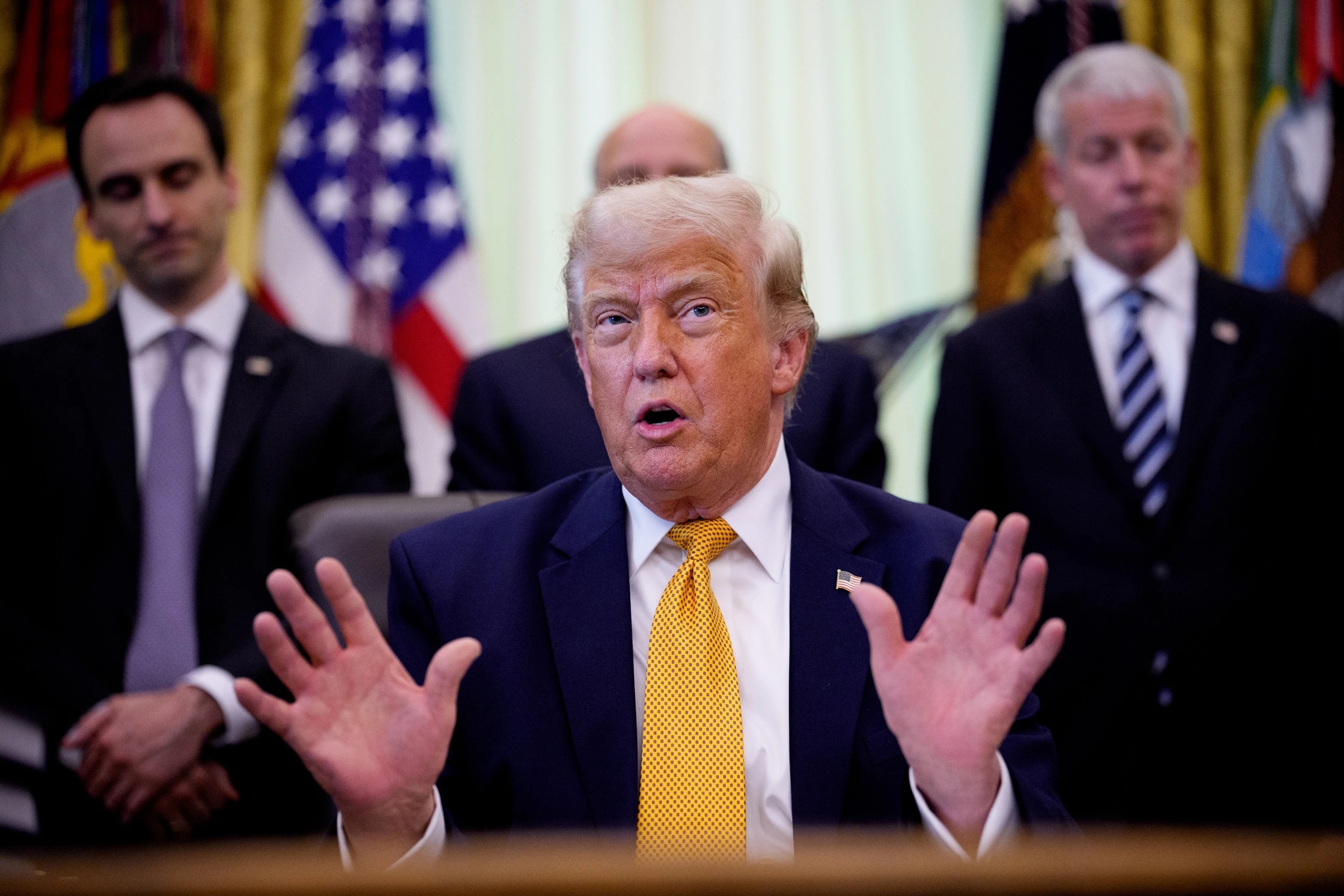
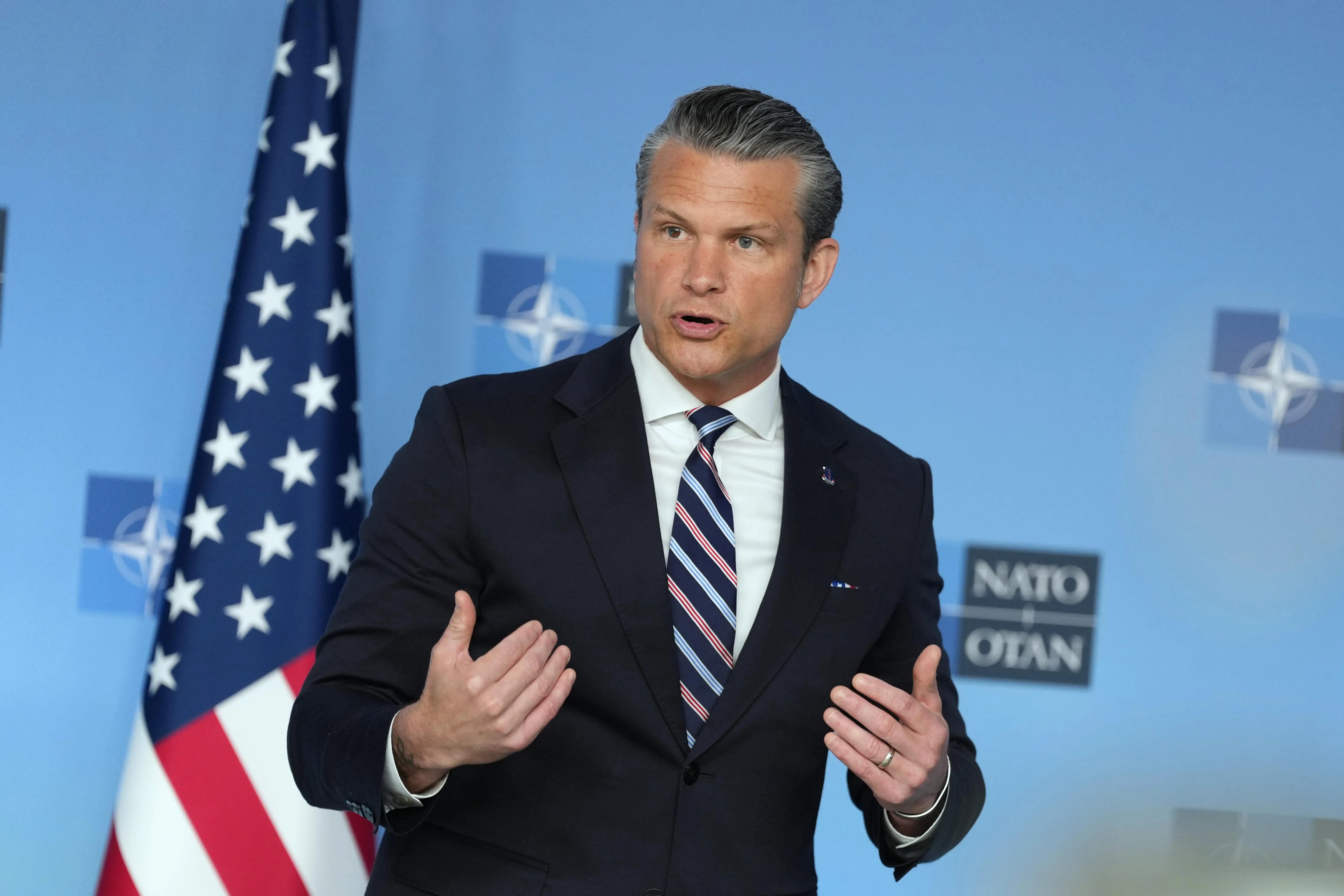
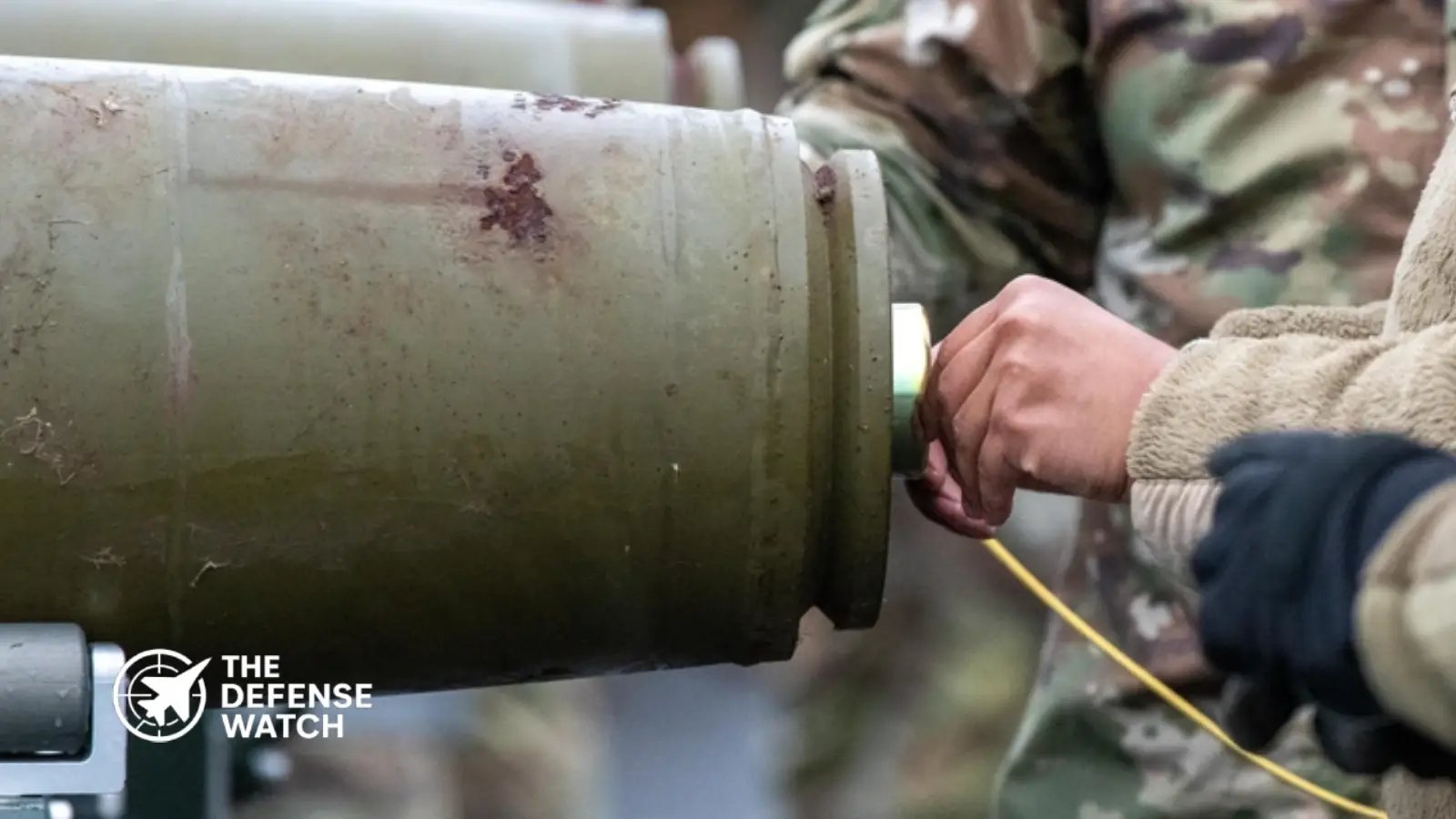
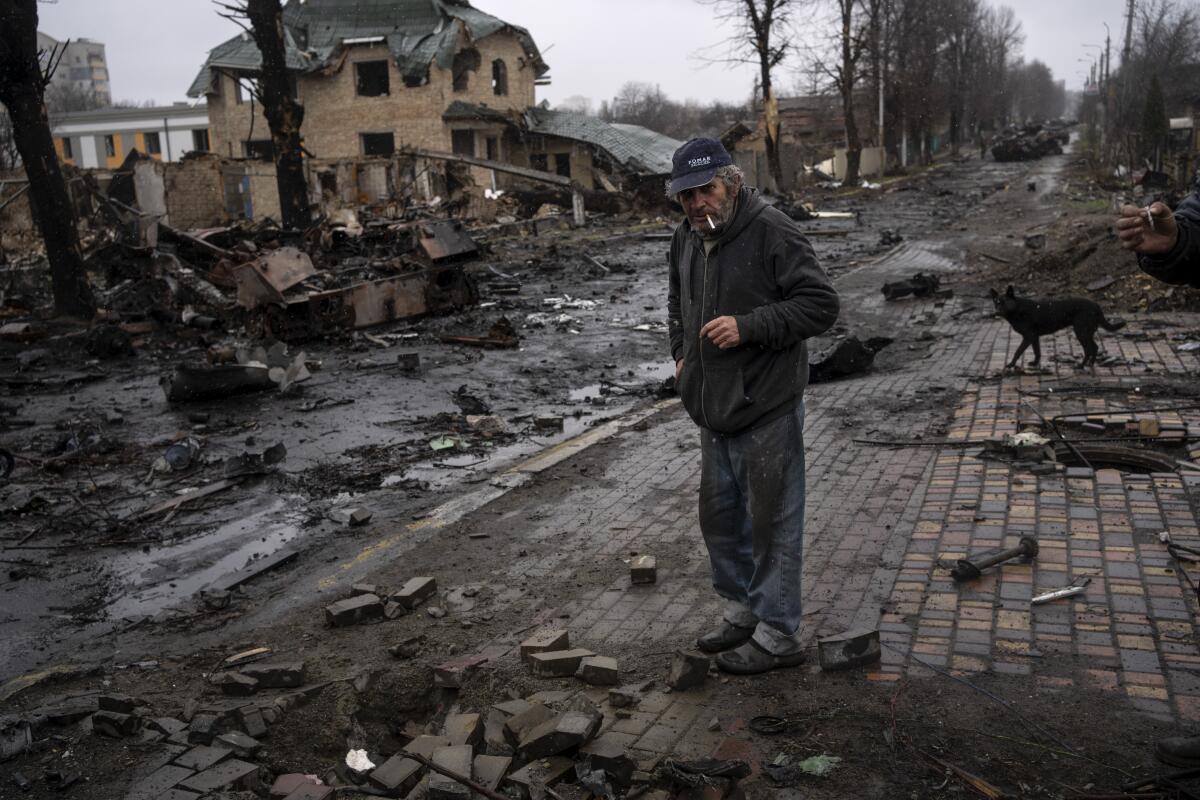
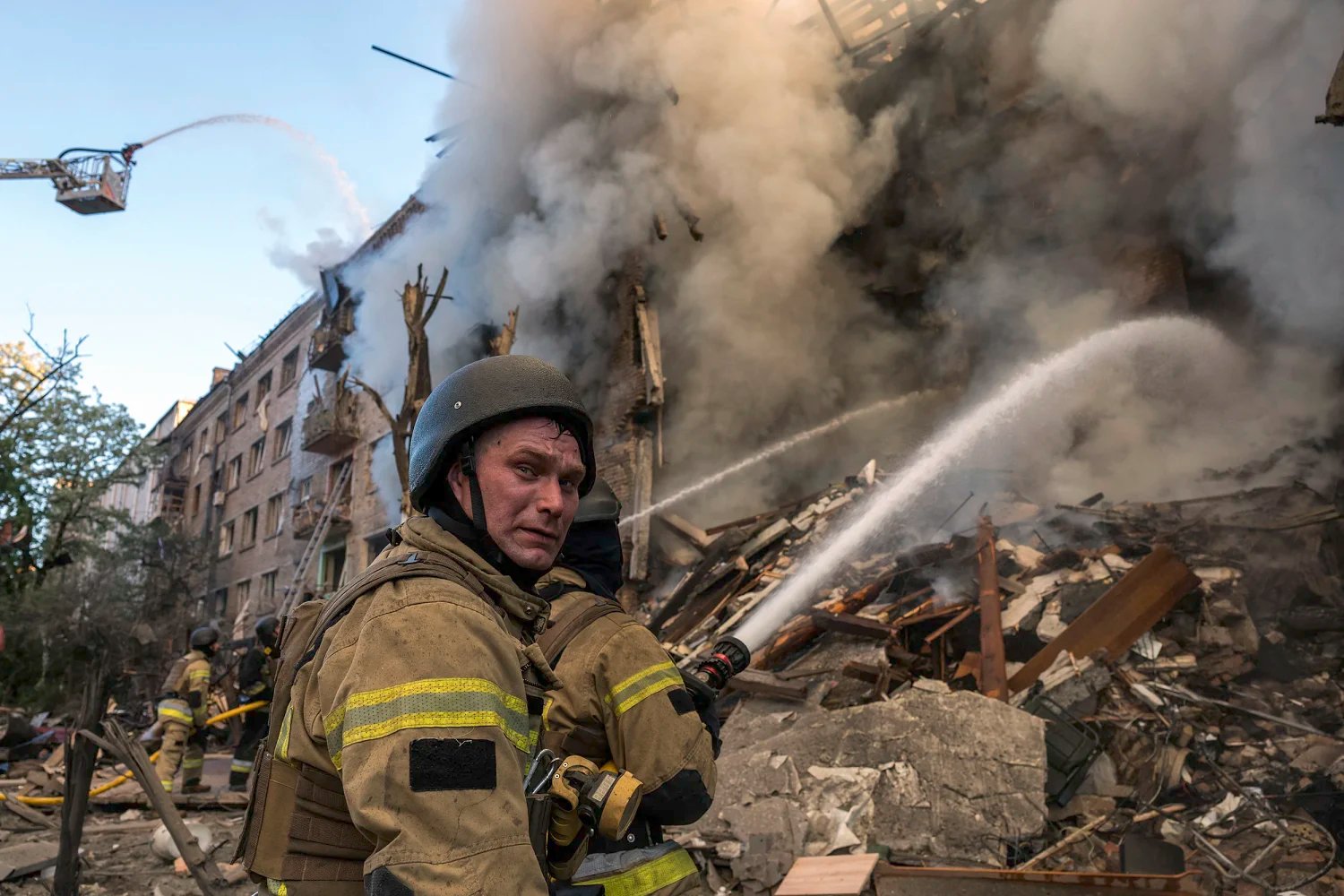
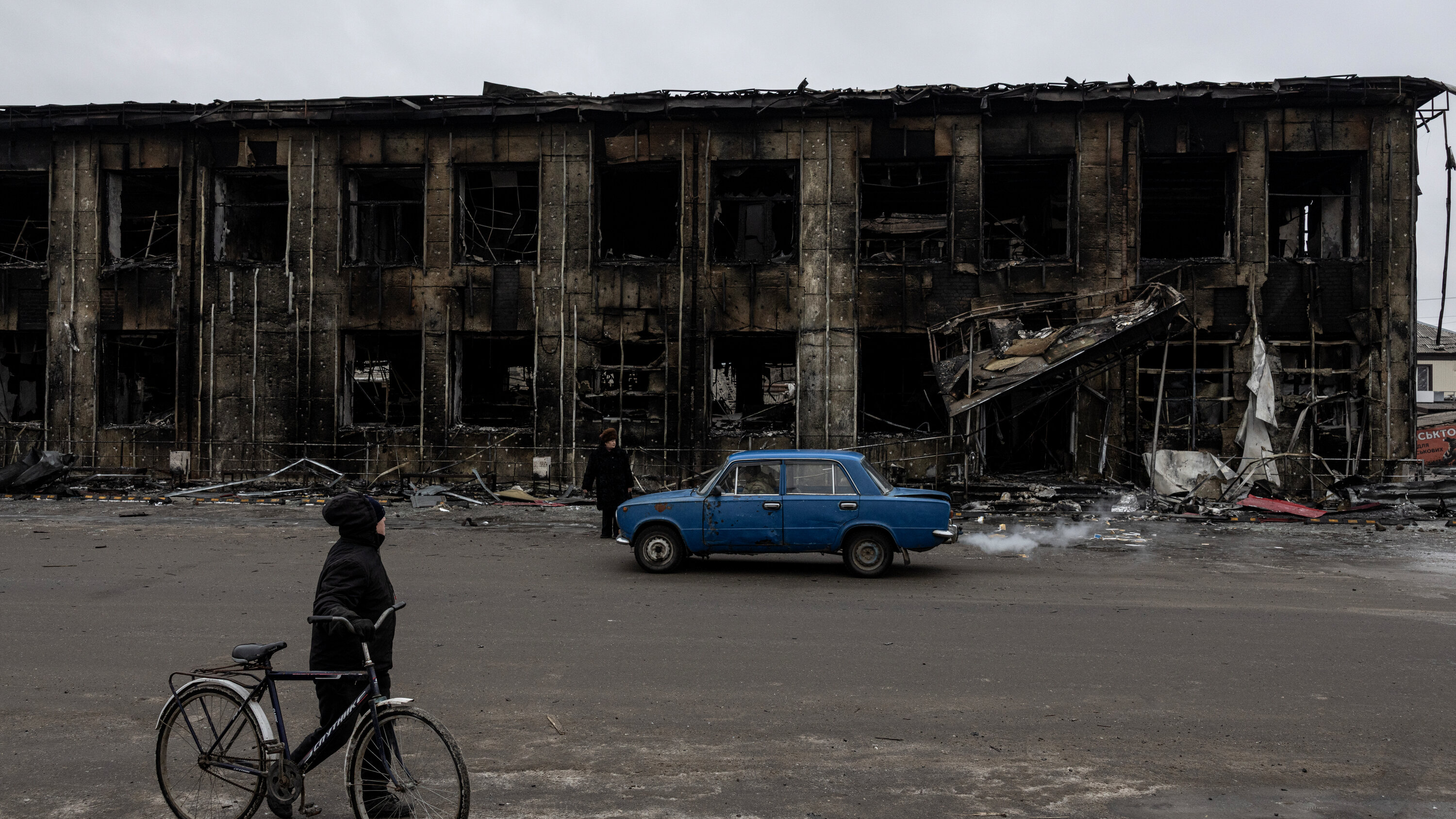
NATO's European members and Canada have pledged to finance Ukraine's ongoing fight against Russia, signaling a significant change in international political and military support. The announcement came ahead of the NATO summit in Ankara, where the alliance is expected to pledge €70 billion ($80 billion) in military aid to Ukraine for 2026, with at least equivalent levels of support planned for 2027. This move is a response to declining support from US President Donald Trump, who has repeatedly questioned the alliance's purpose and threatened to withdraw US military support.
Financial Commitments
The financial pledge, which includes €30 billion each year from an EU loan and funds already committed by individual countries, is set to be declared in the summit's text. This reaffirms NATO's "ironclad commitment to our collective defense under Article 5 of the Washington Treaty and to the transatlantic bond," with the principle that "an attack on one is an attack on all." The majority of the funding will be provided by NATO's European members and Canada, reflecting a shift in the burden of financing Ukraine's defense.
Trump's Criticisms and NATO's Response
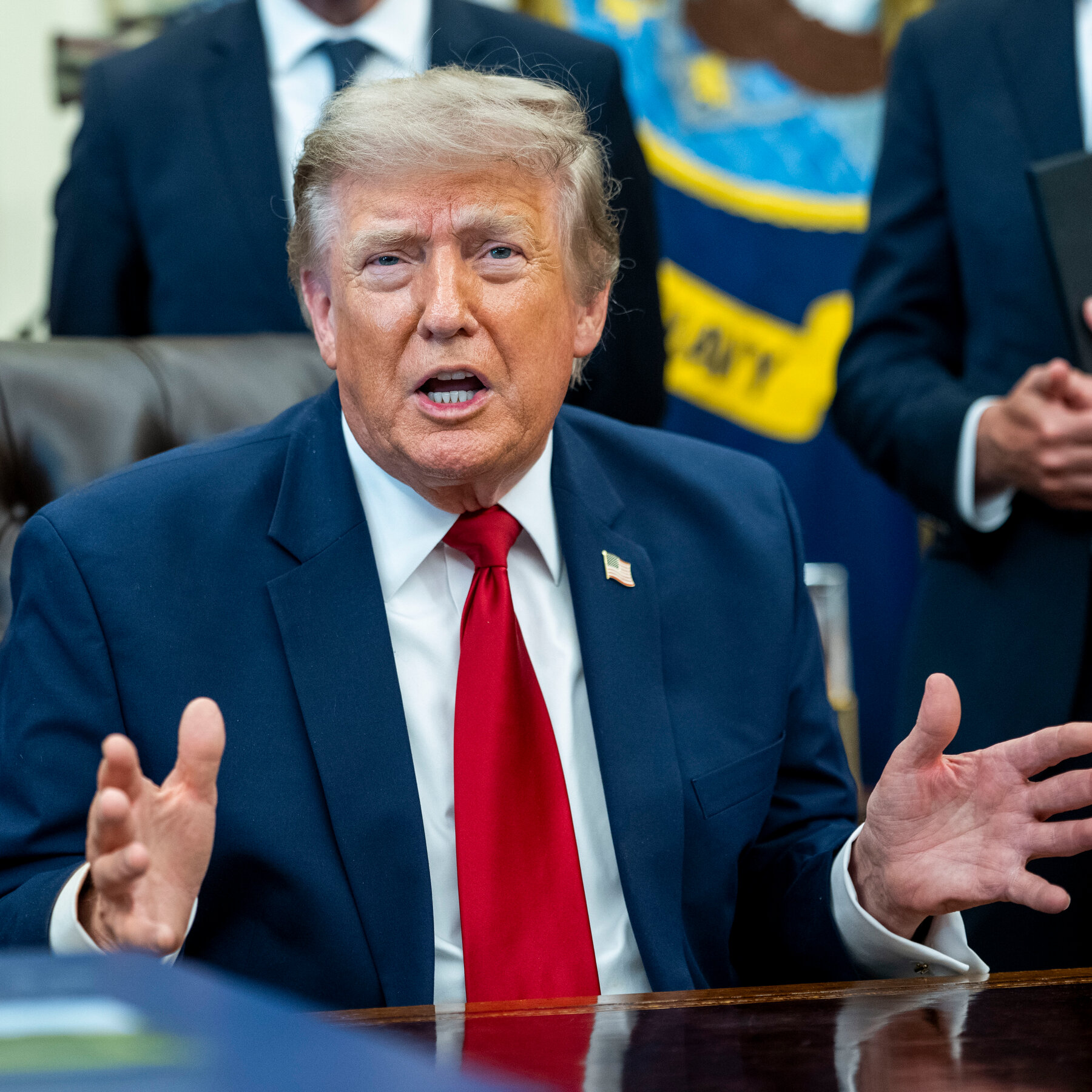
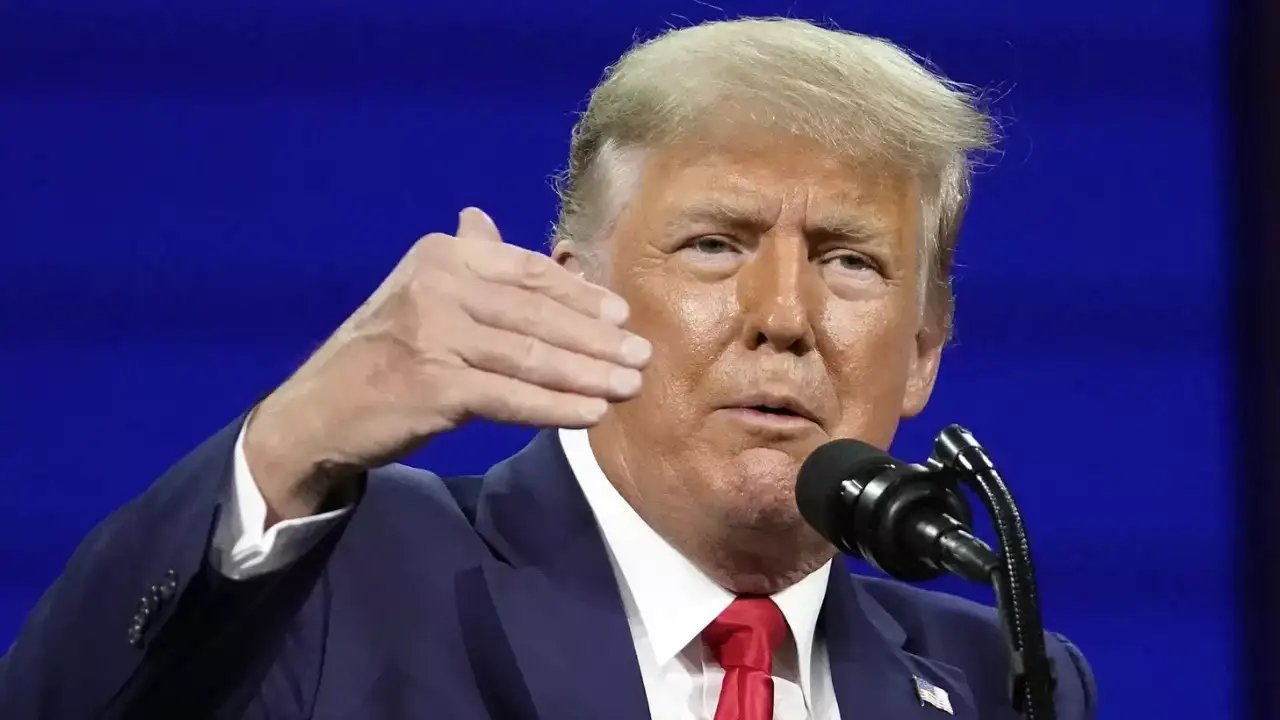
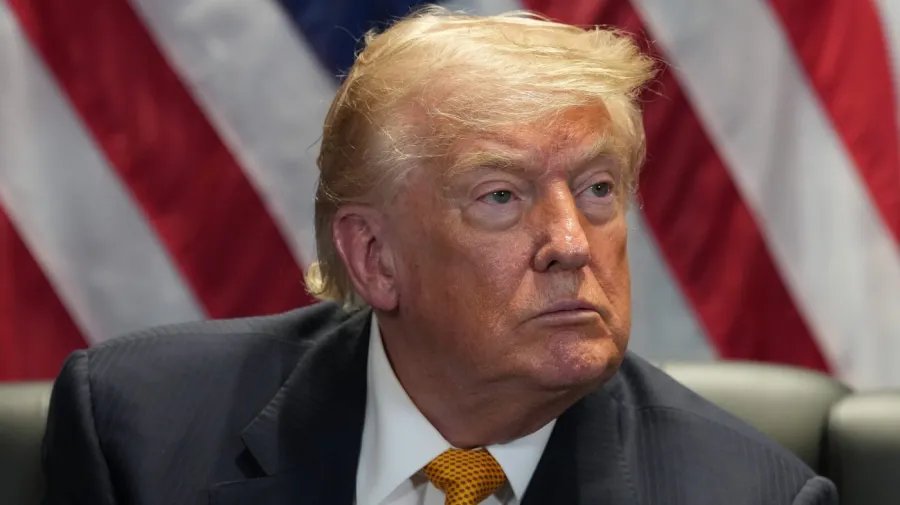
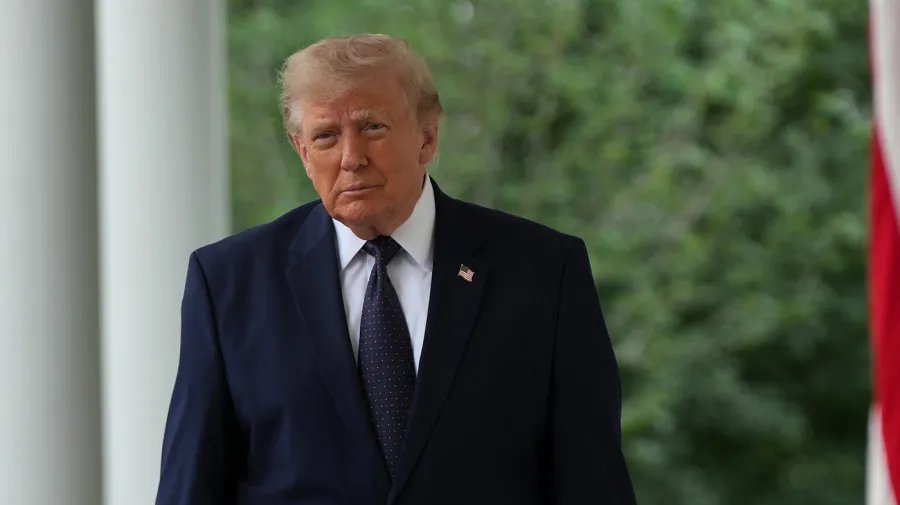
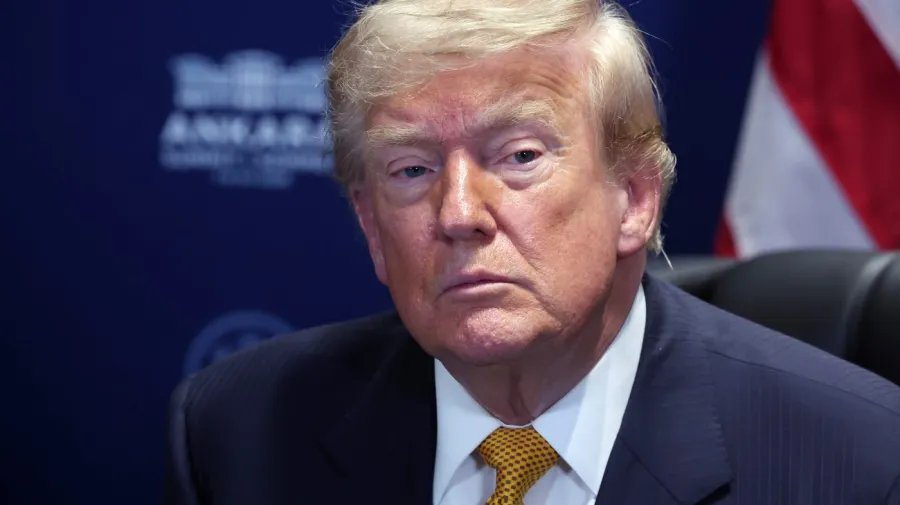
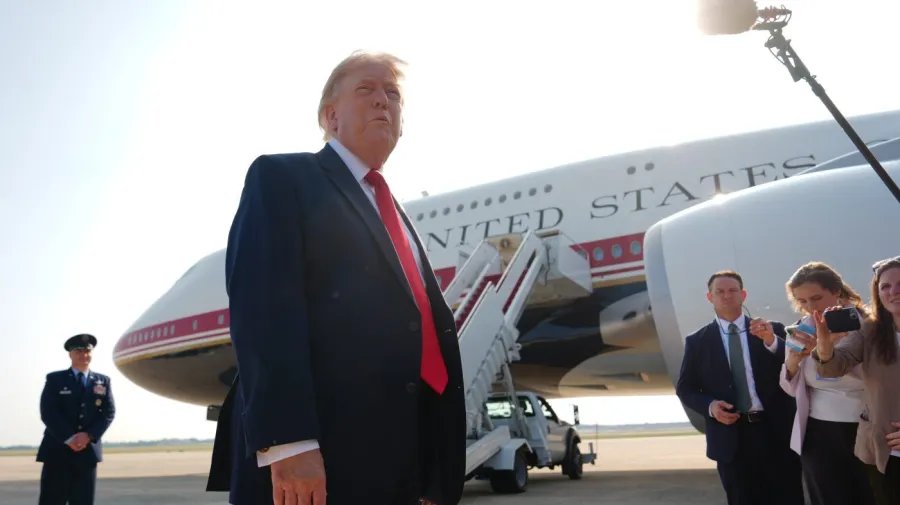
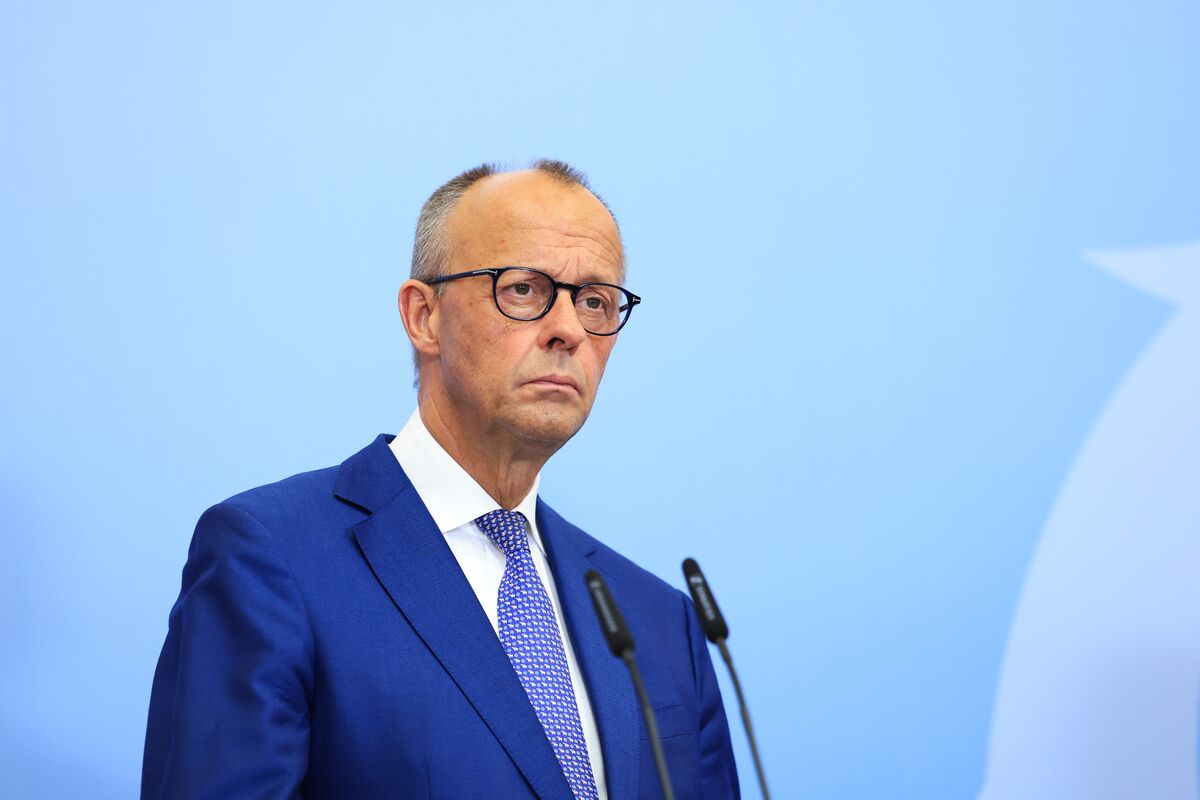
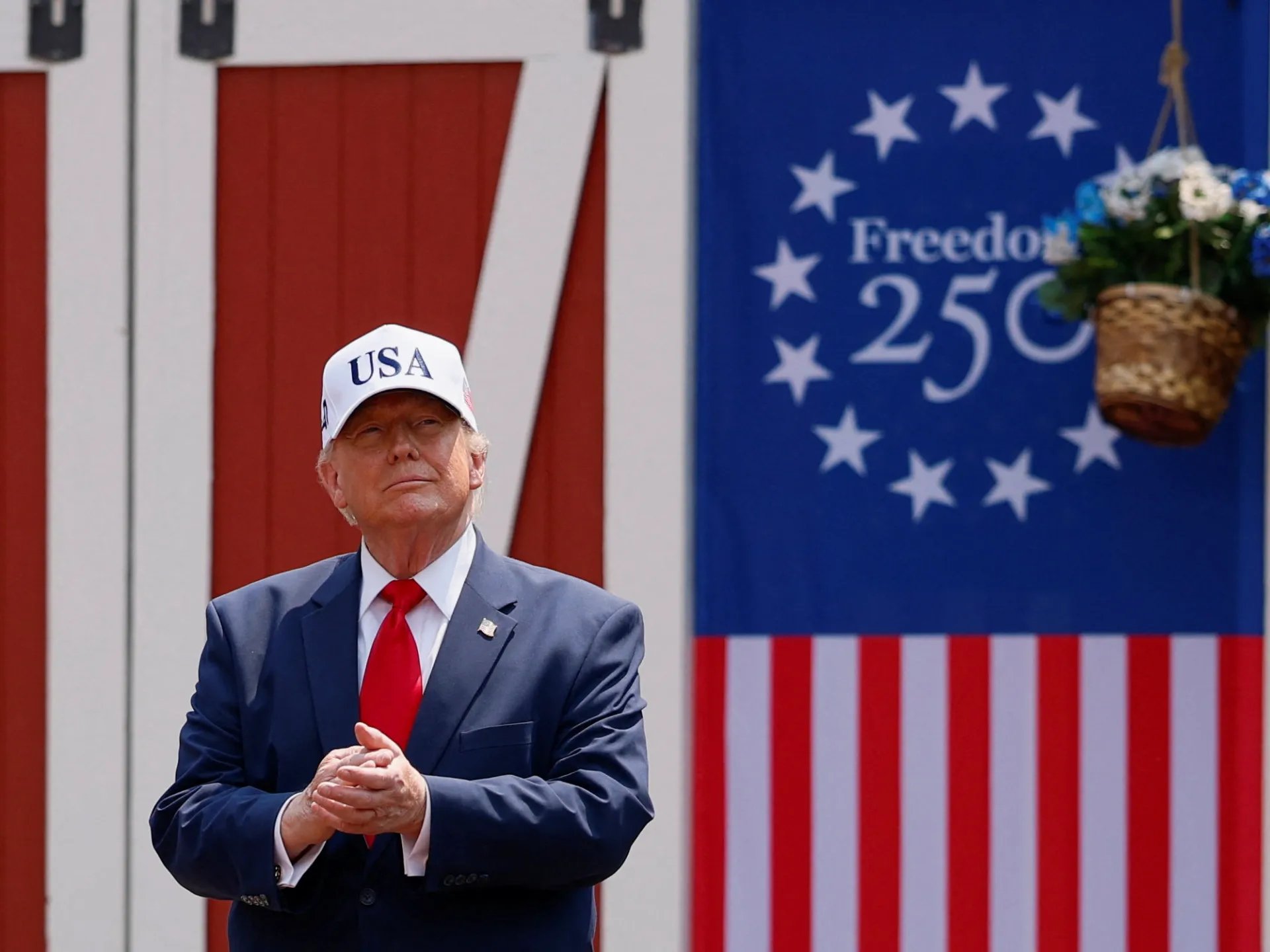
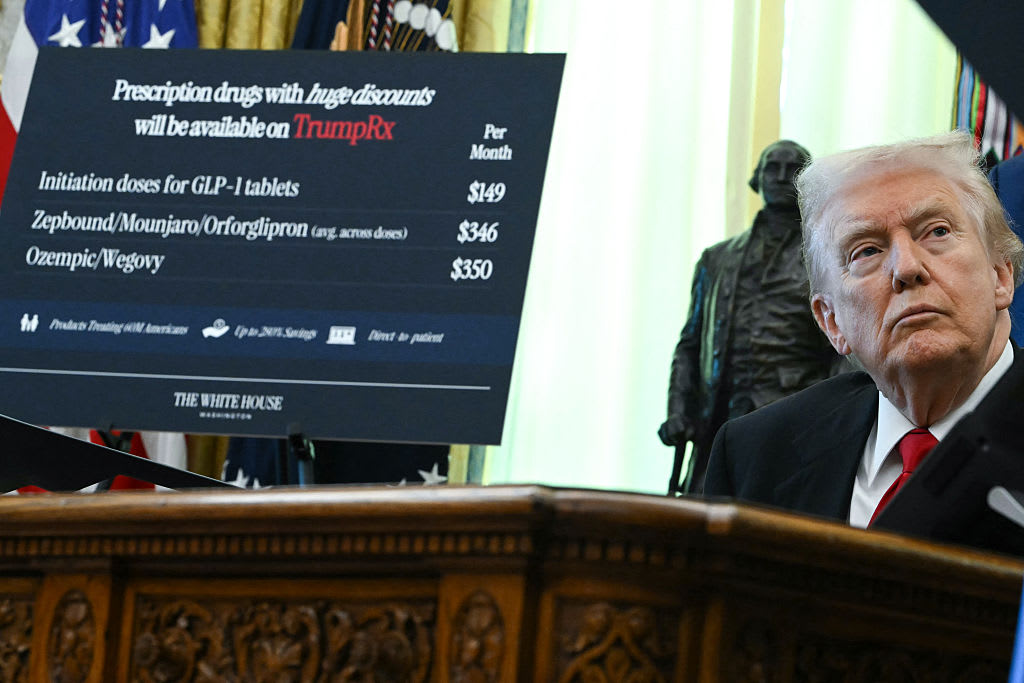
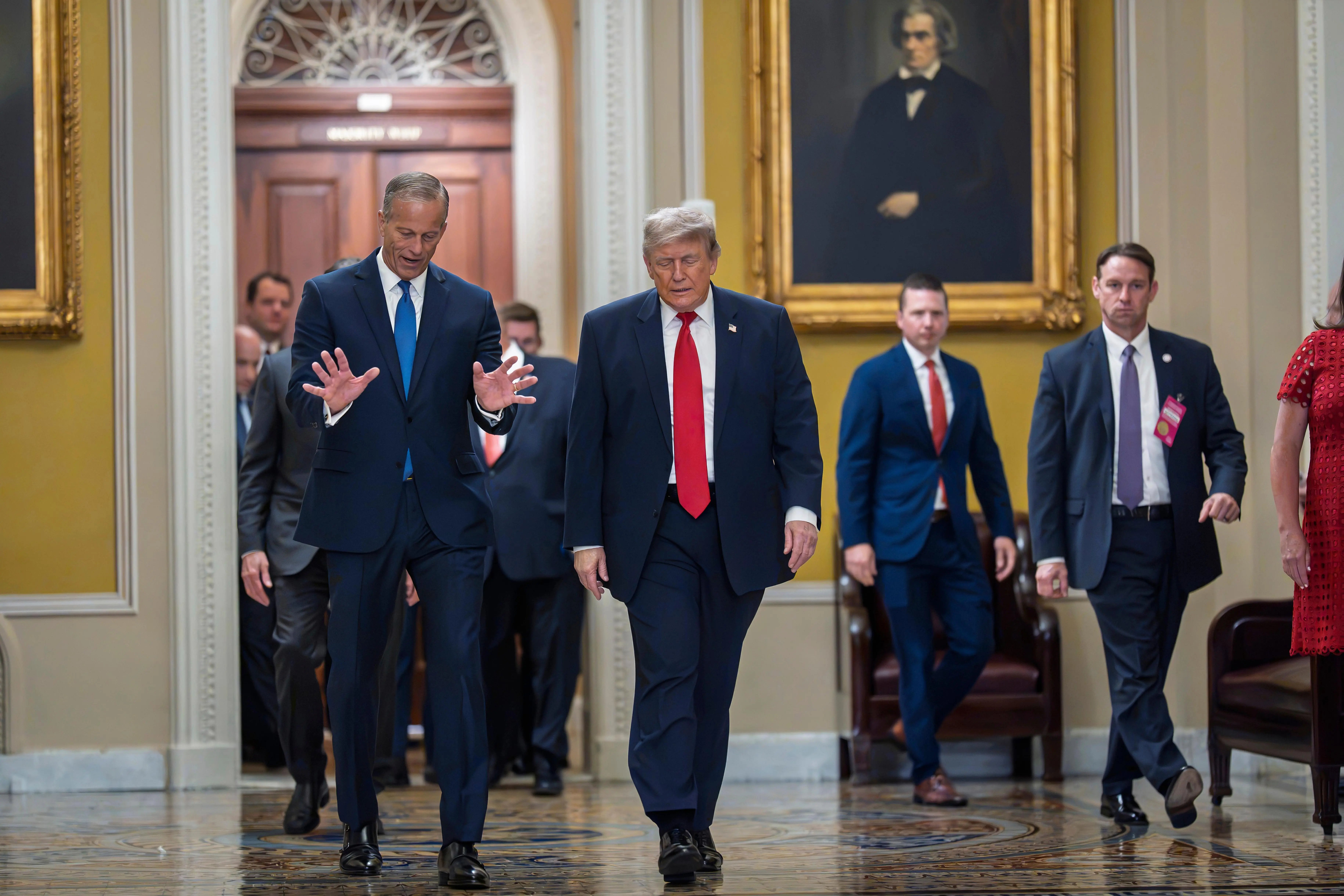
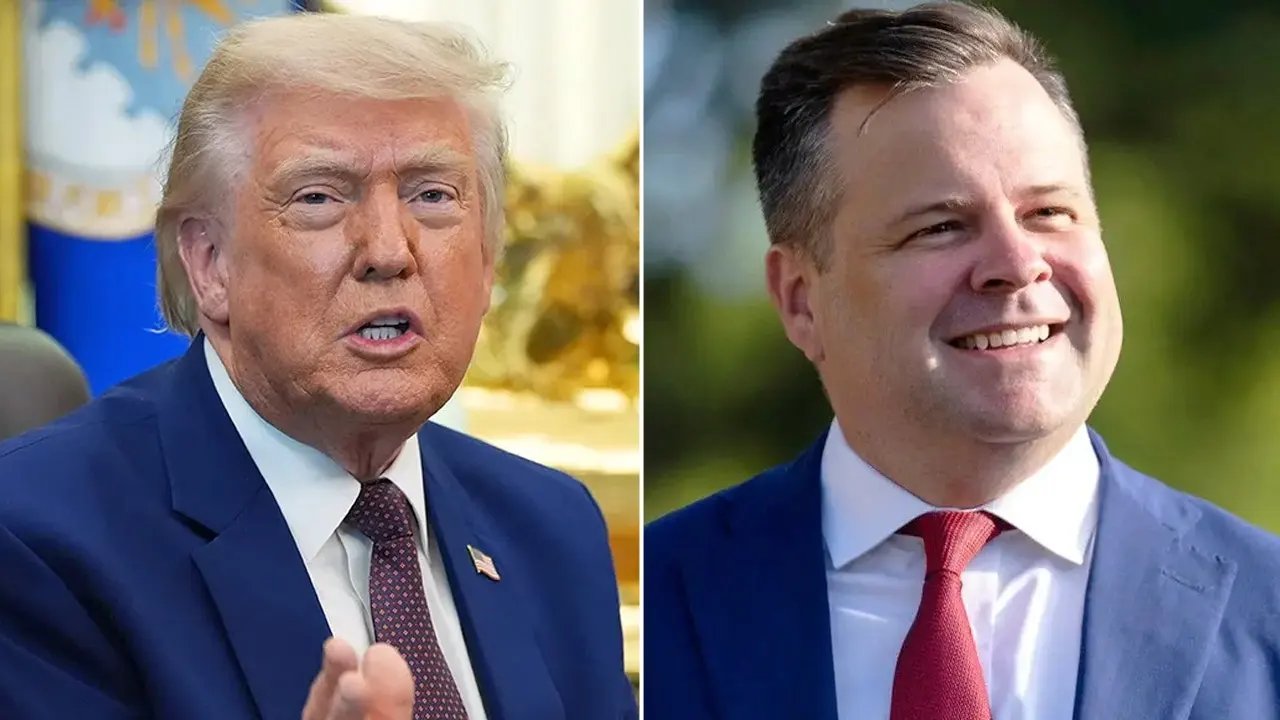
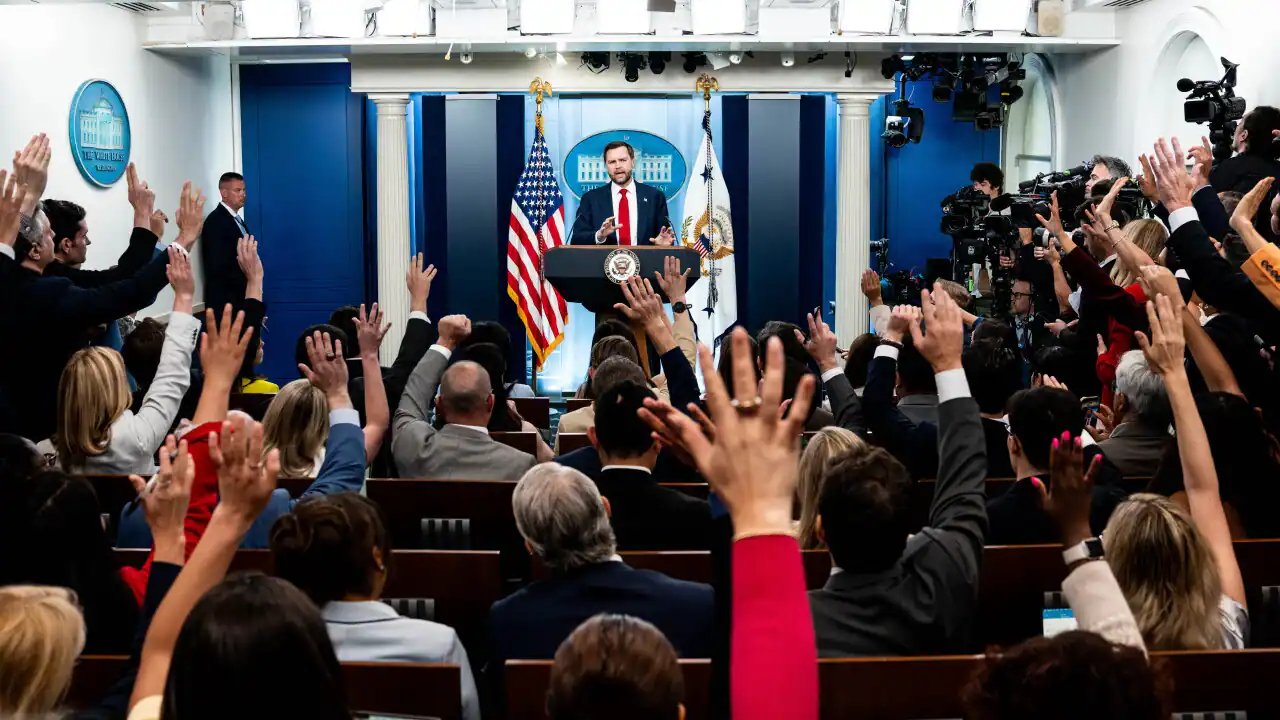
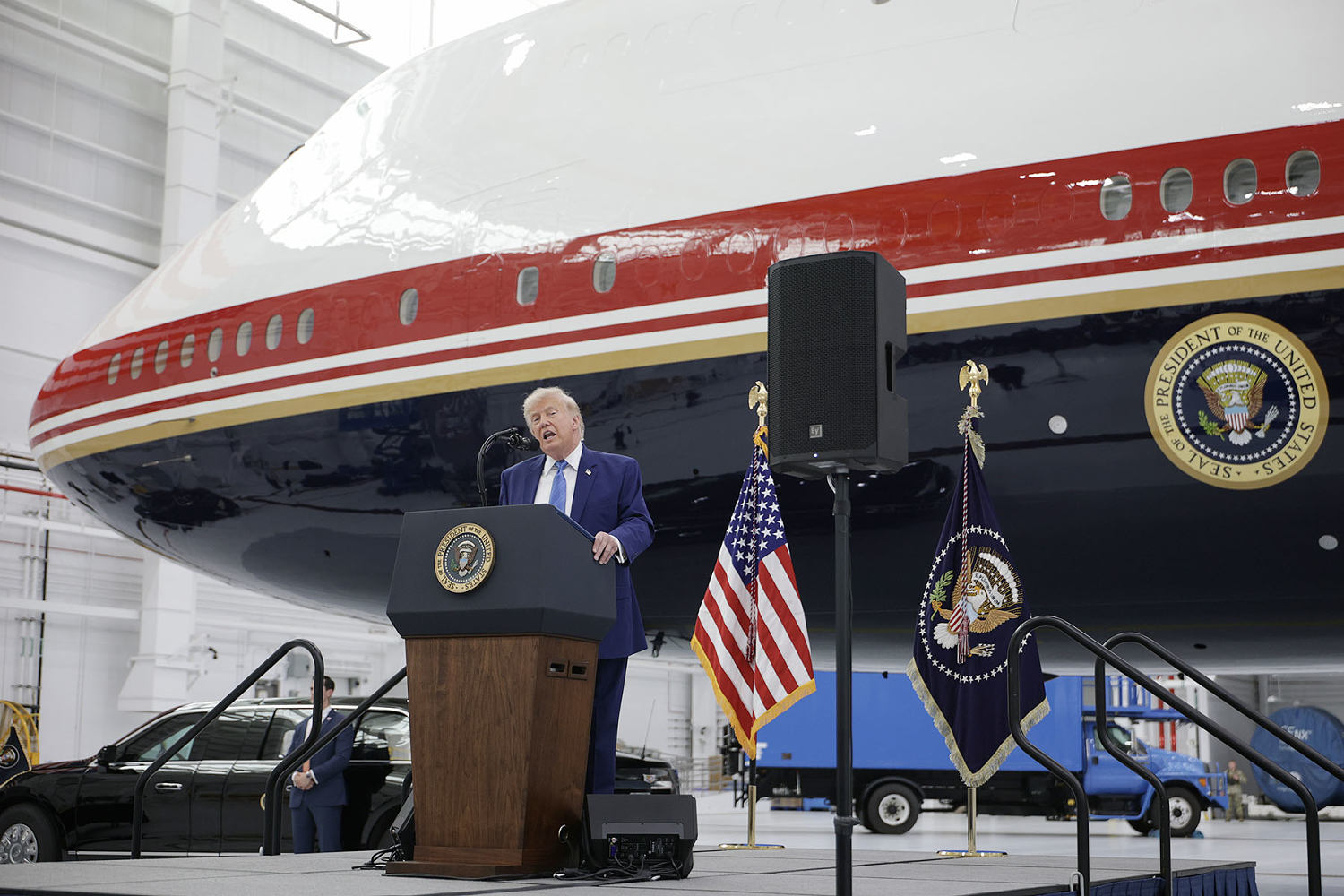
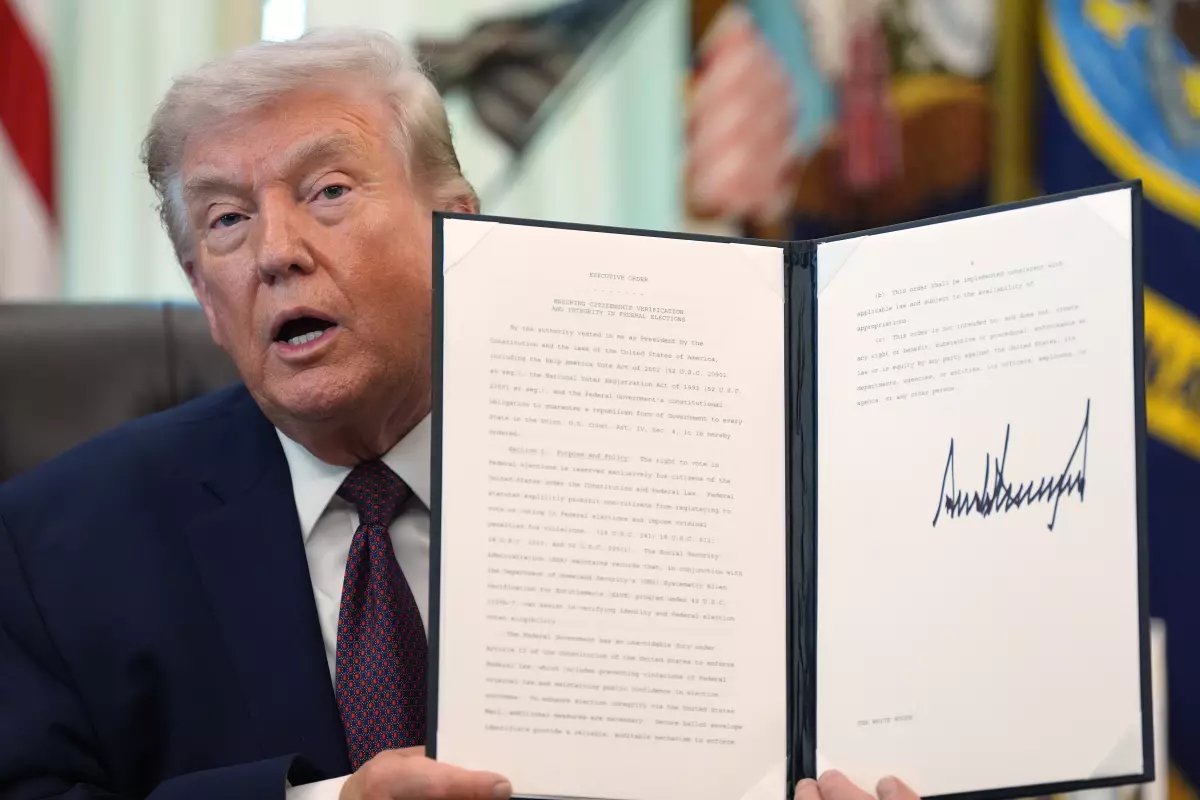
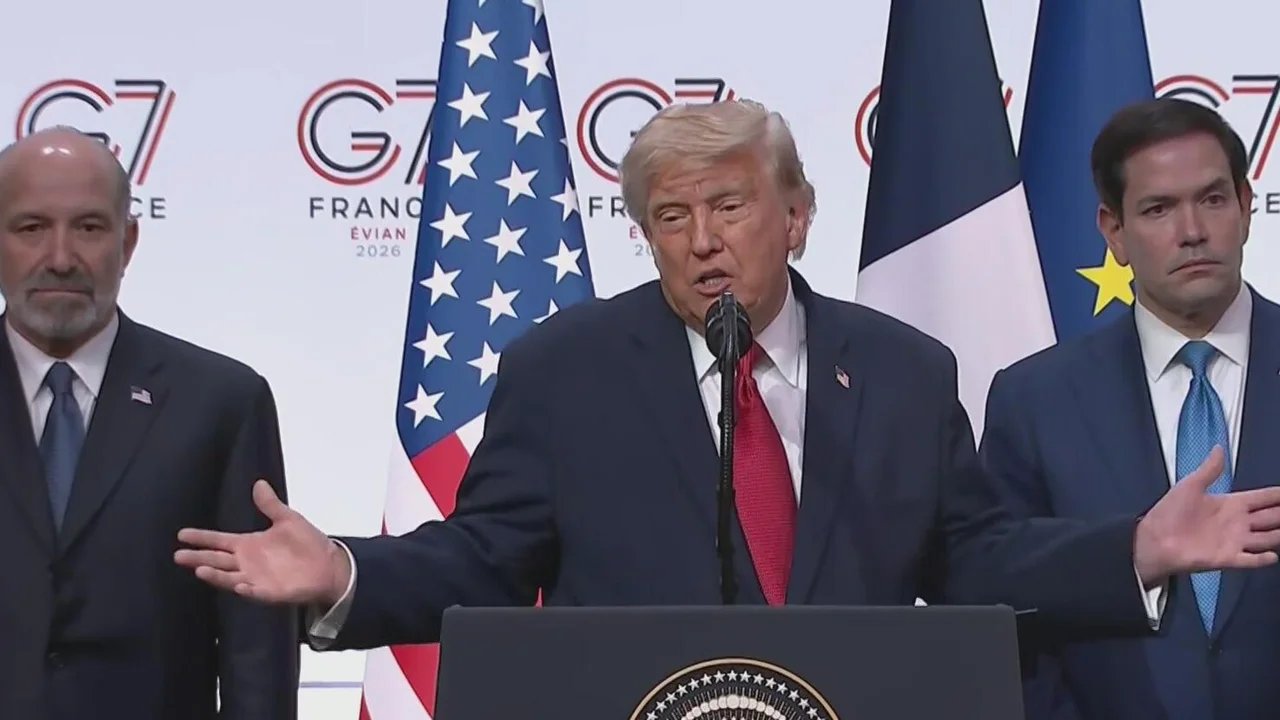
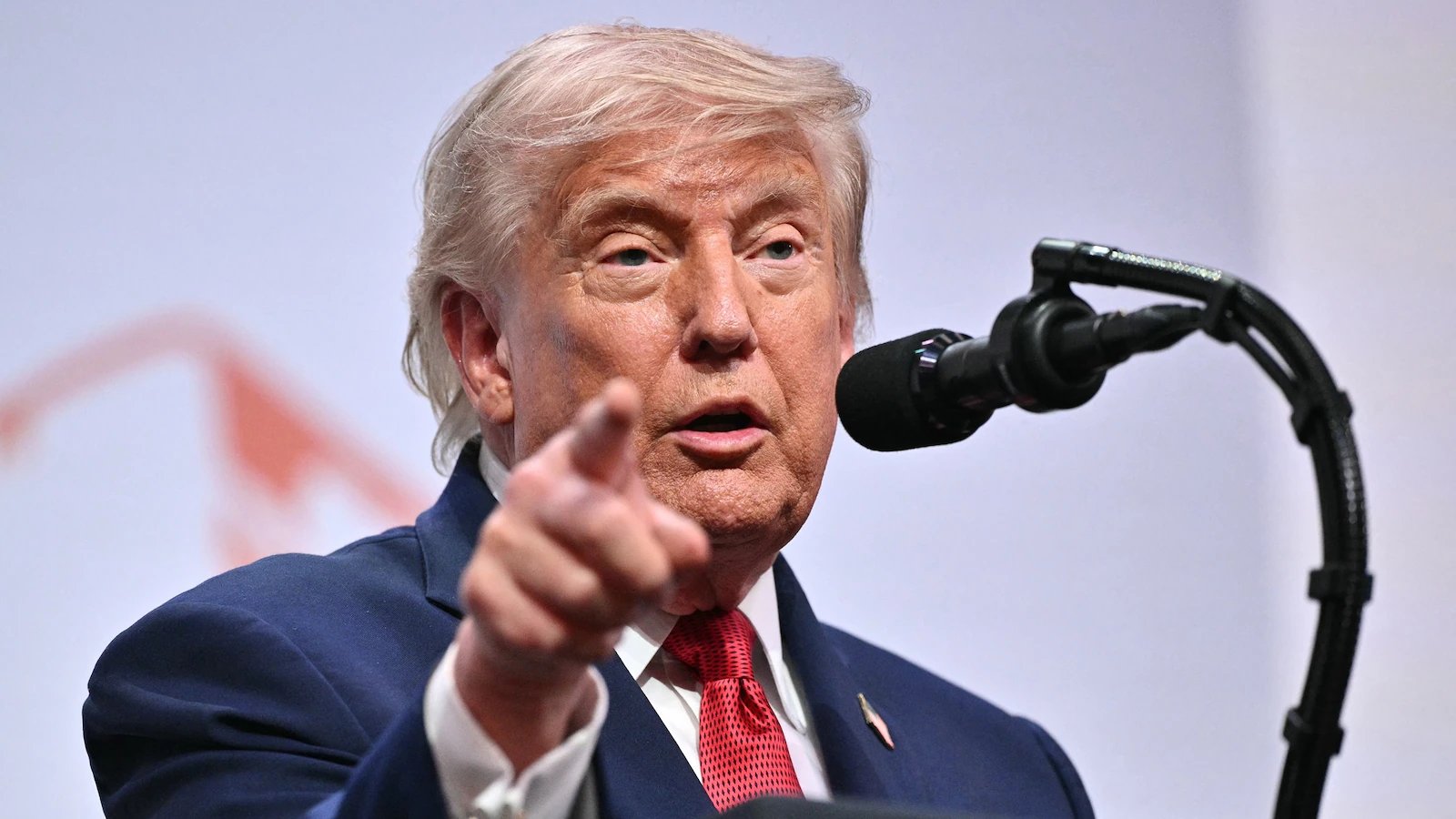
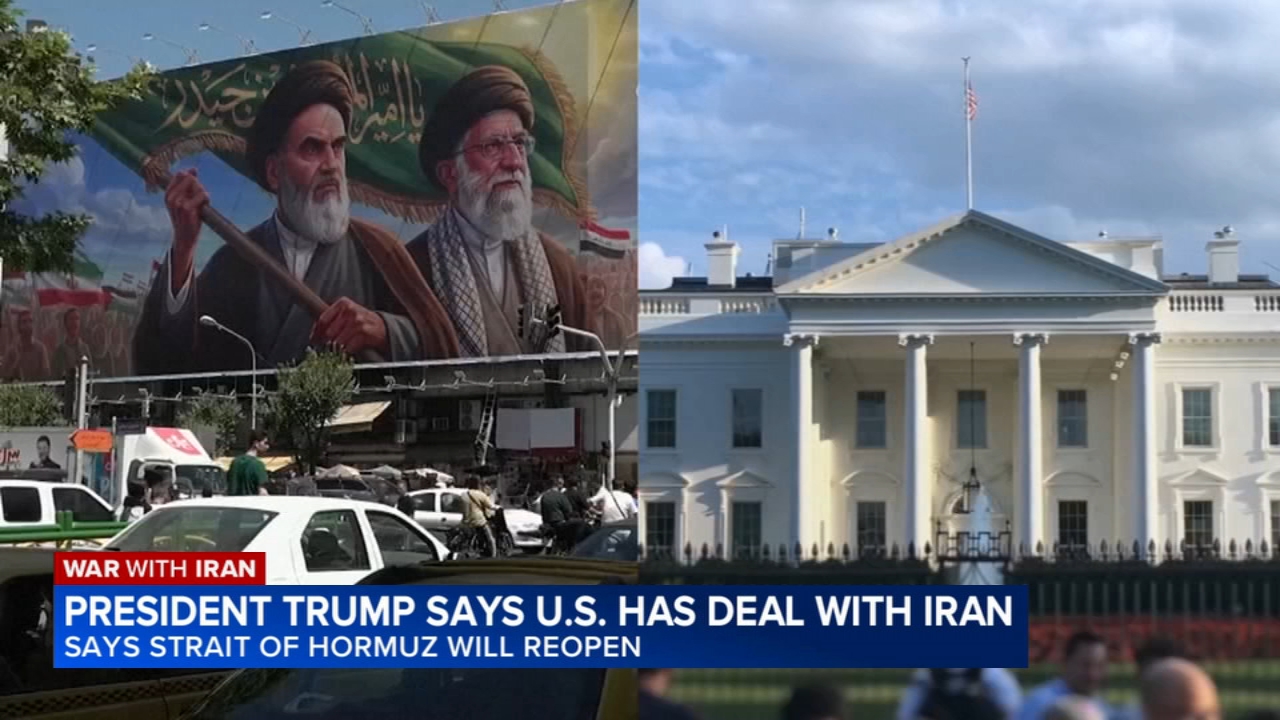
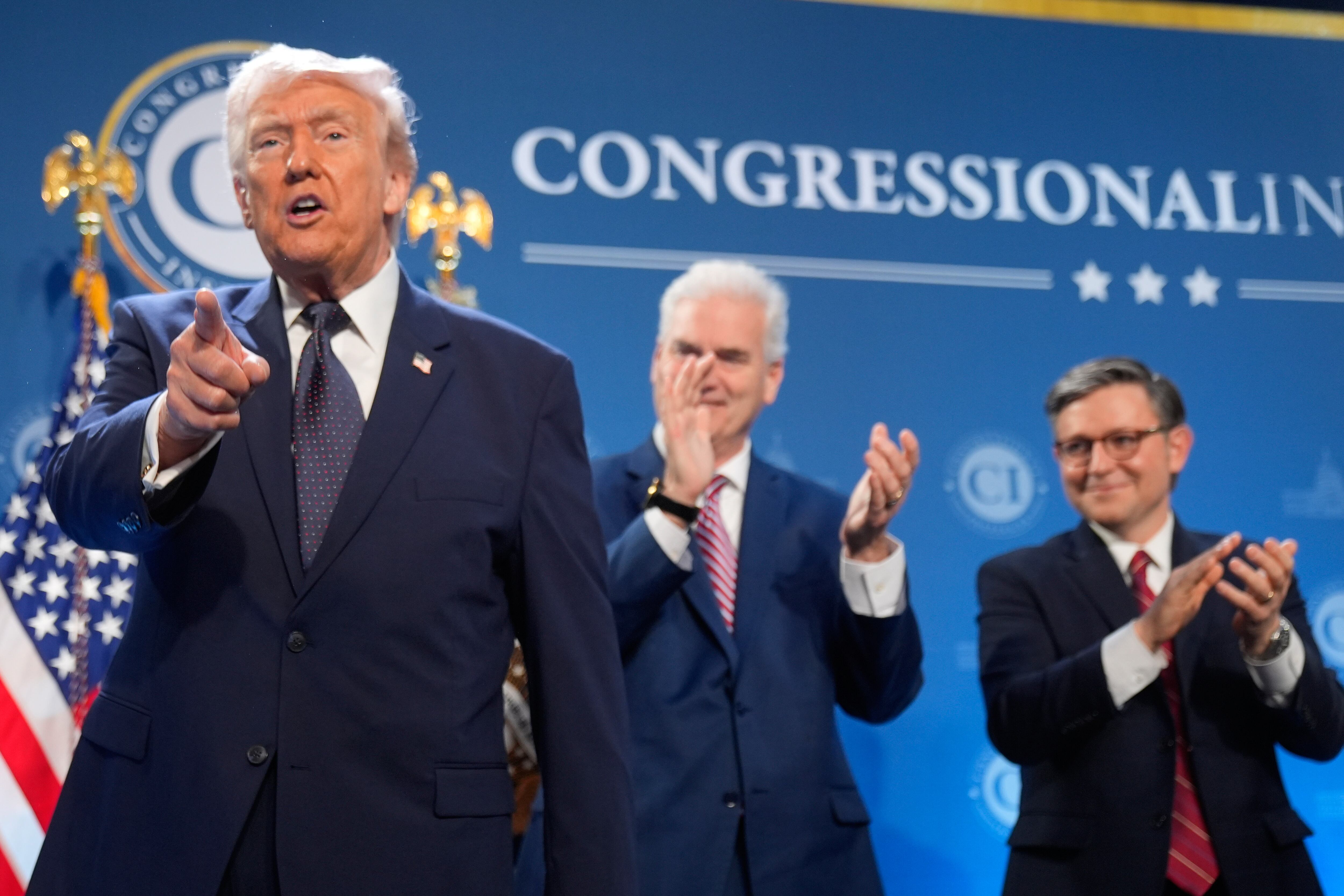
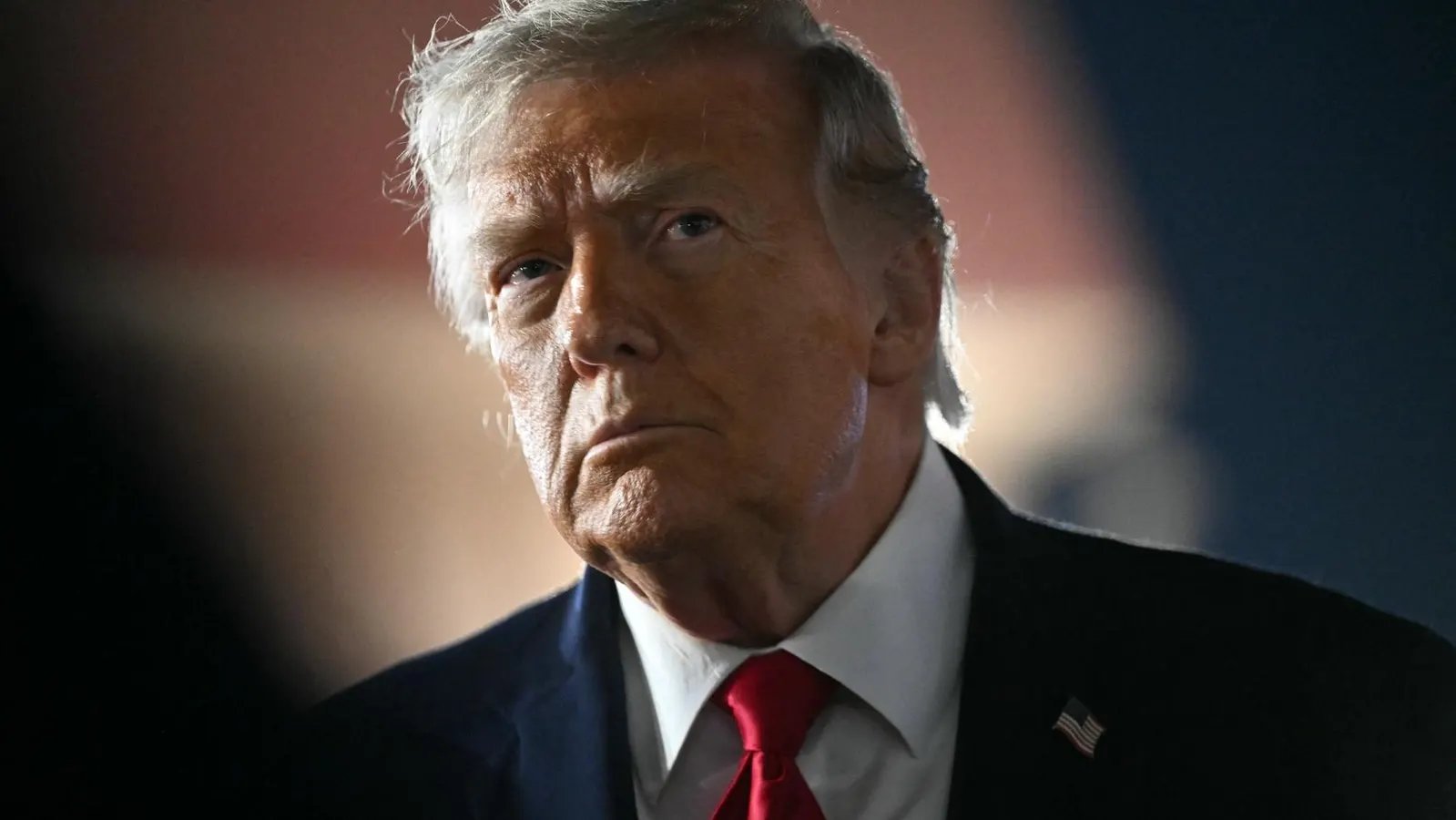
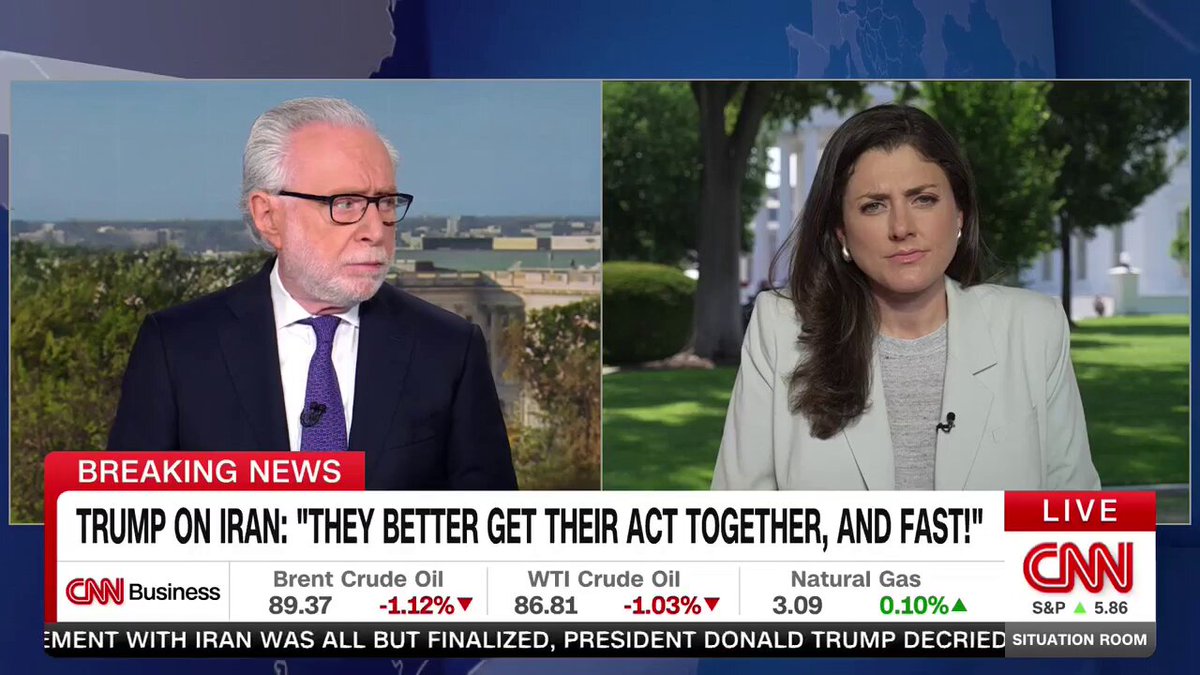
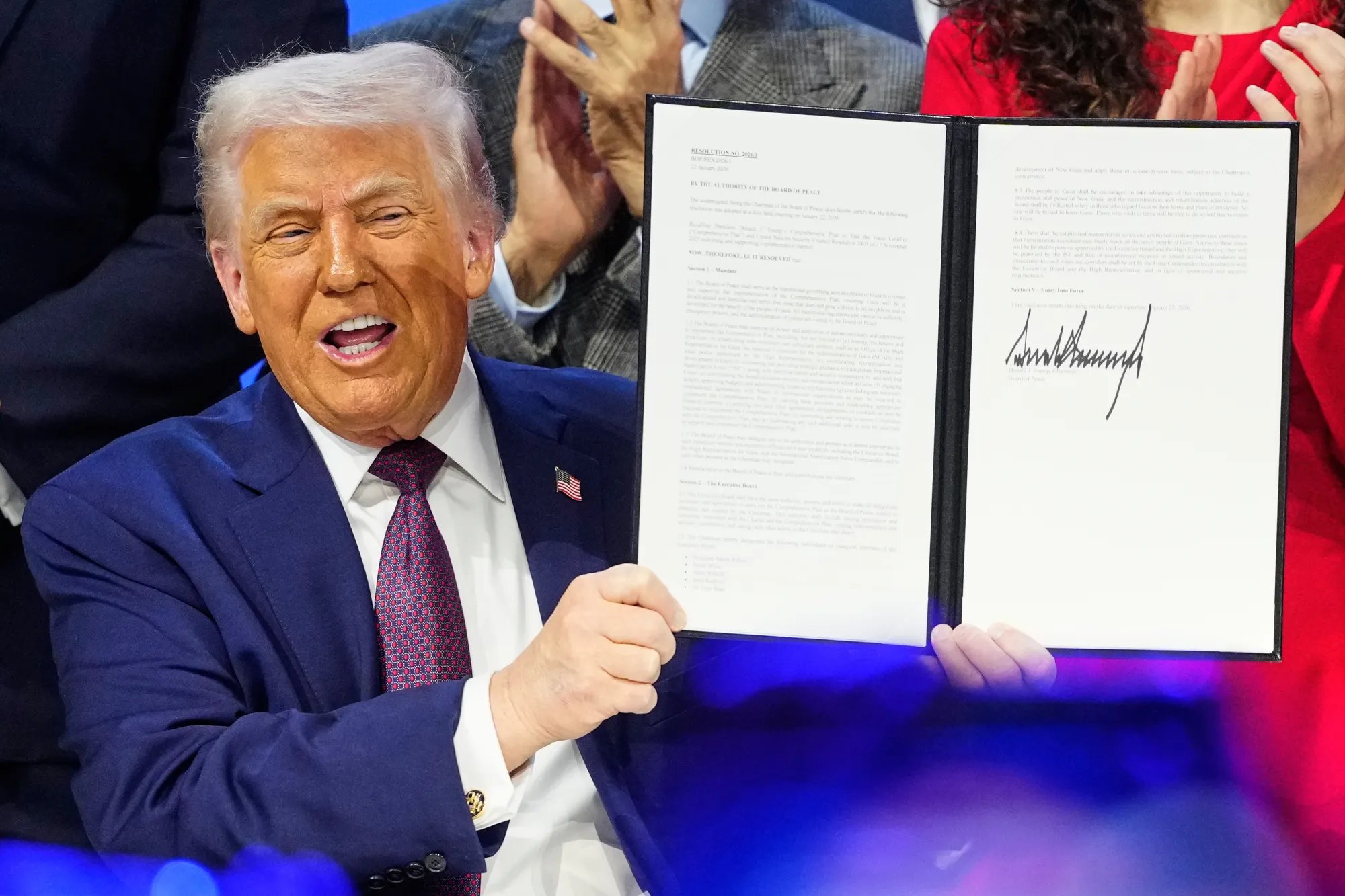
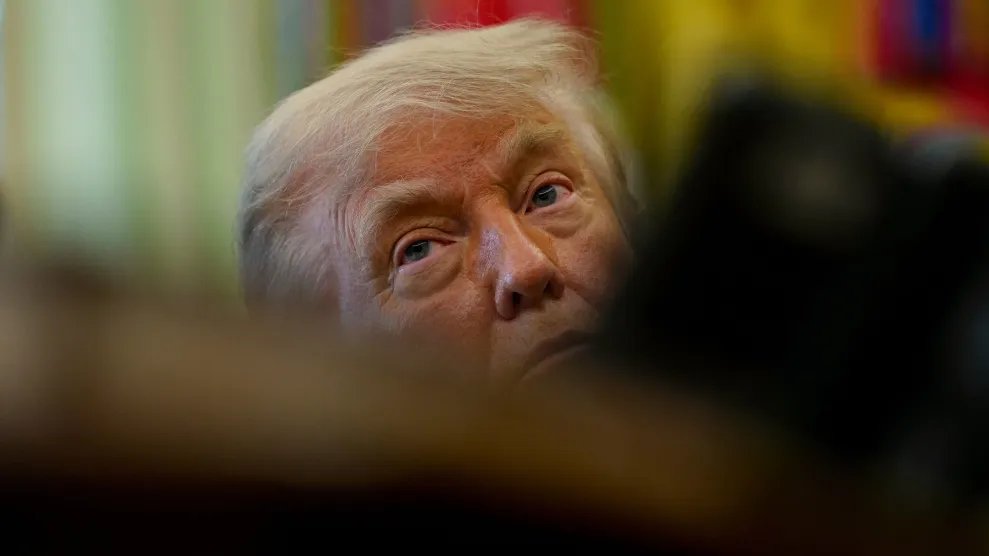
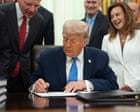
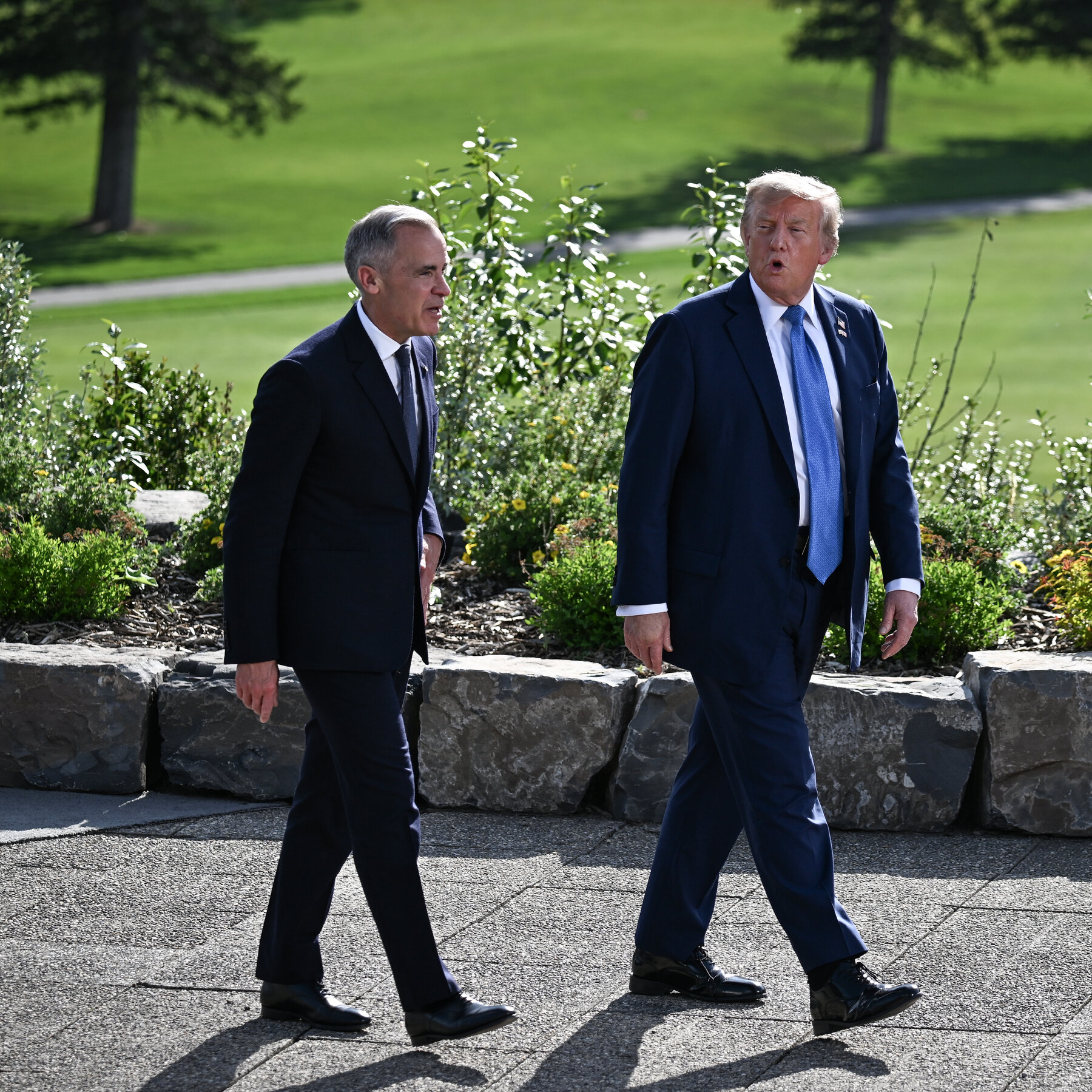
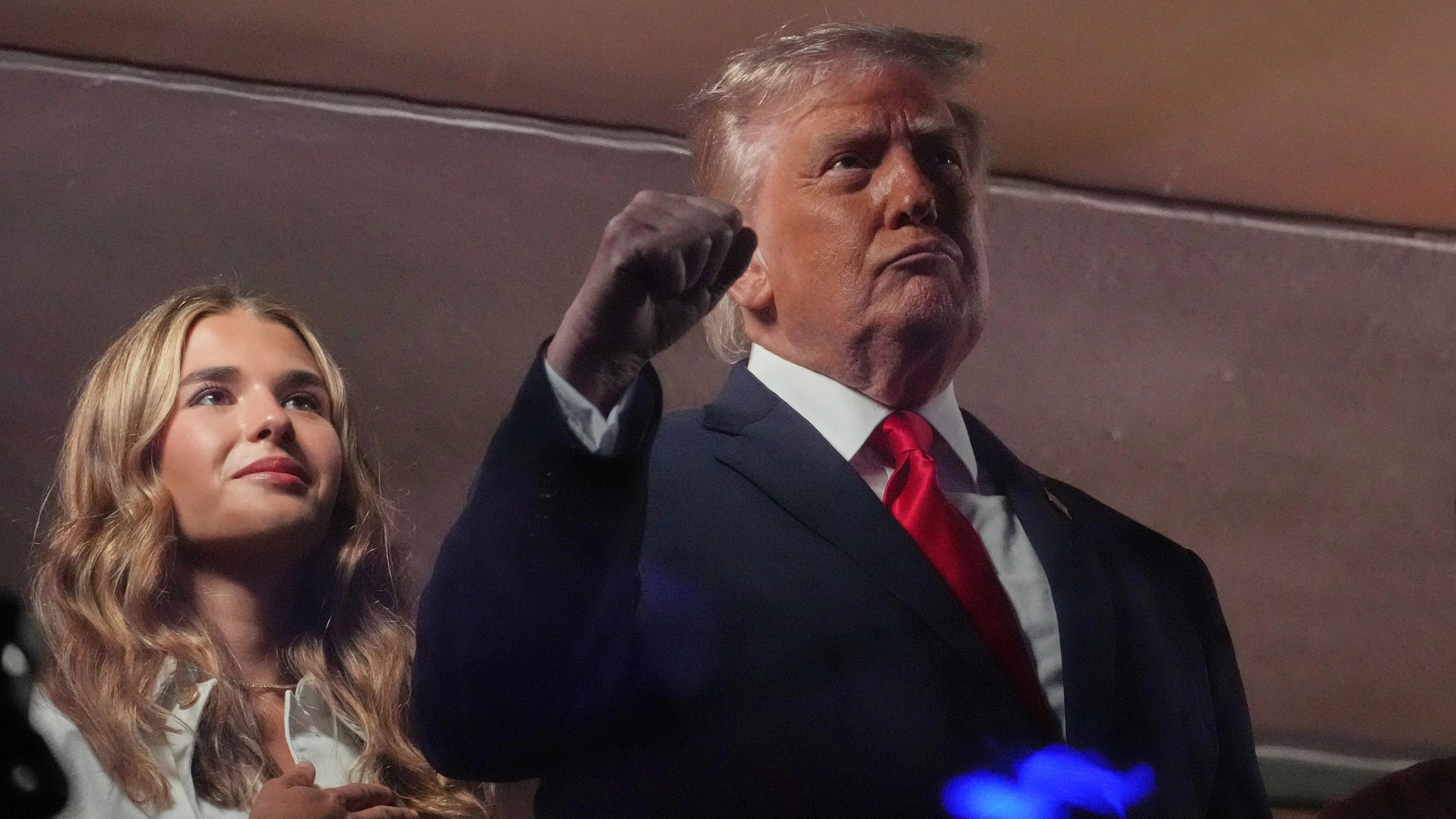
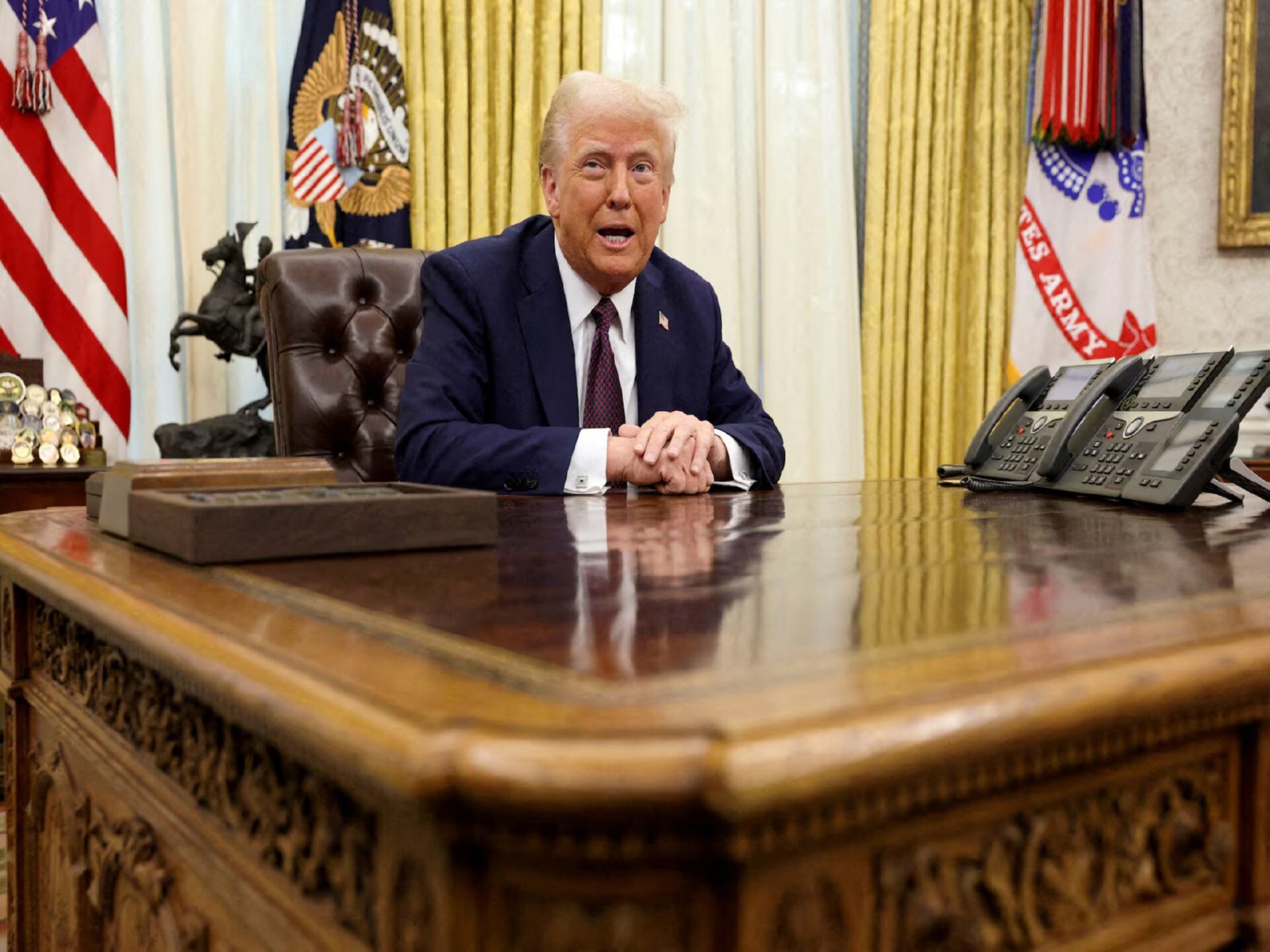
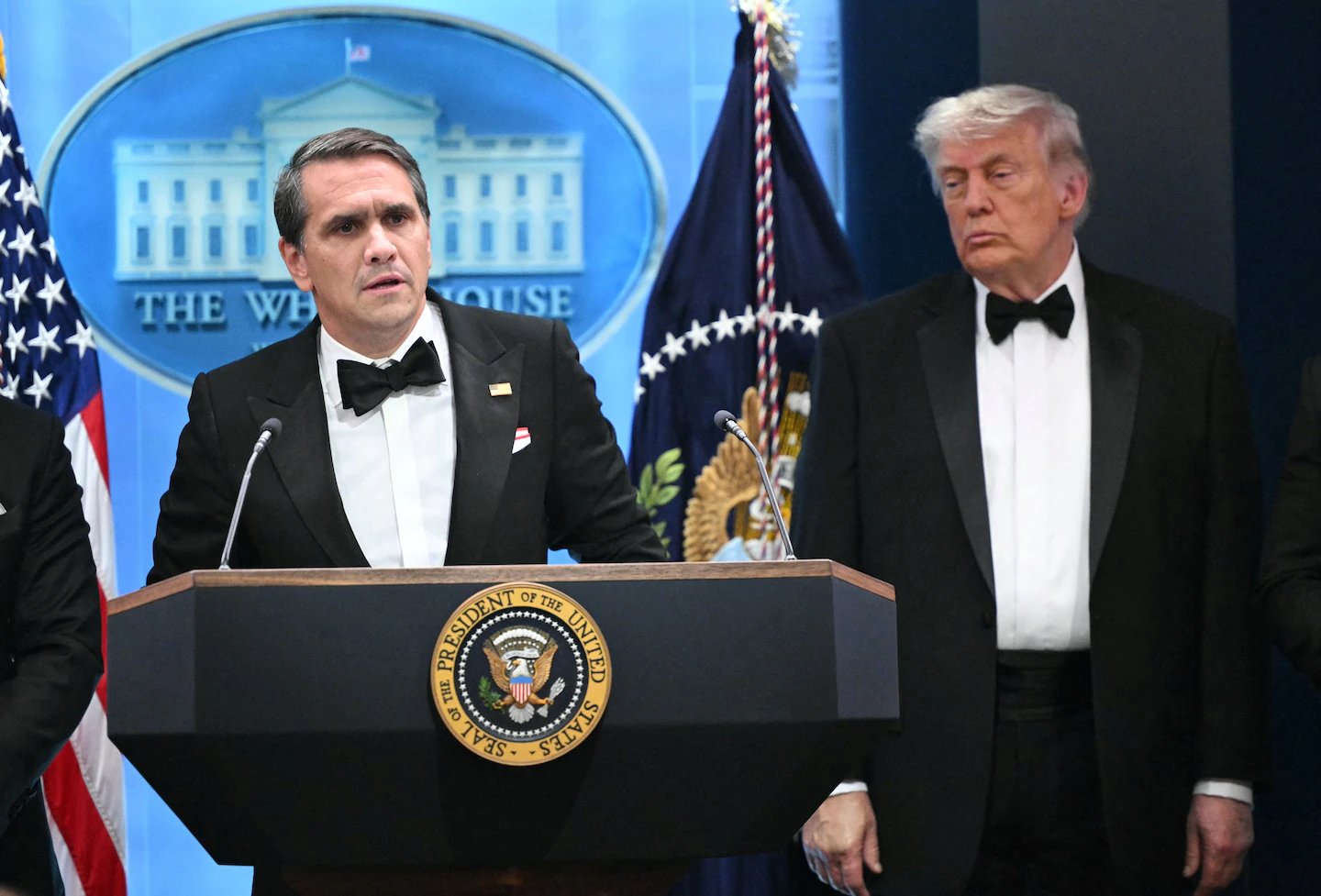
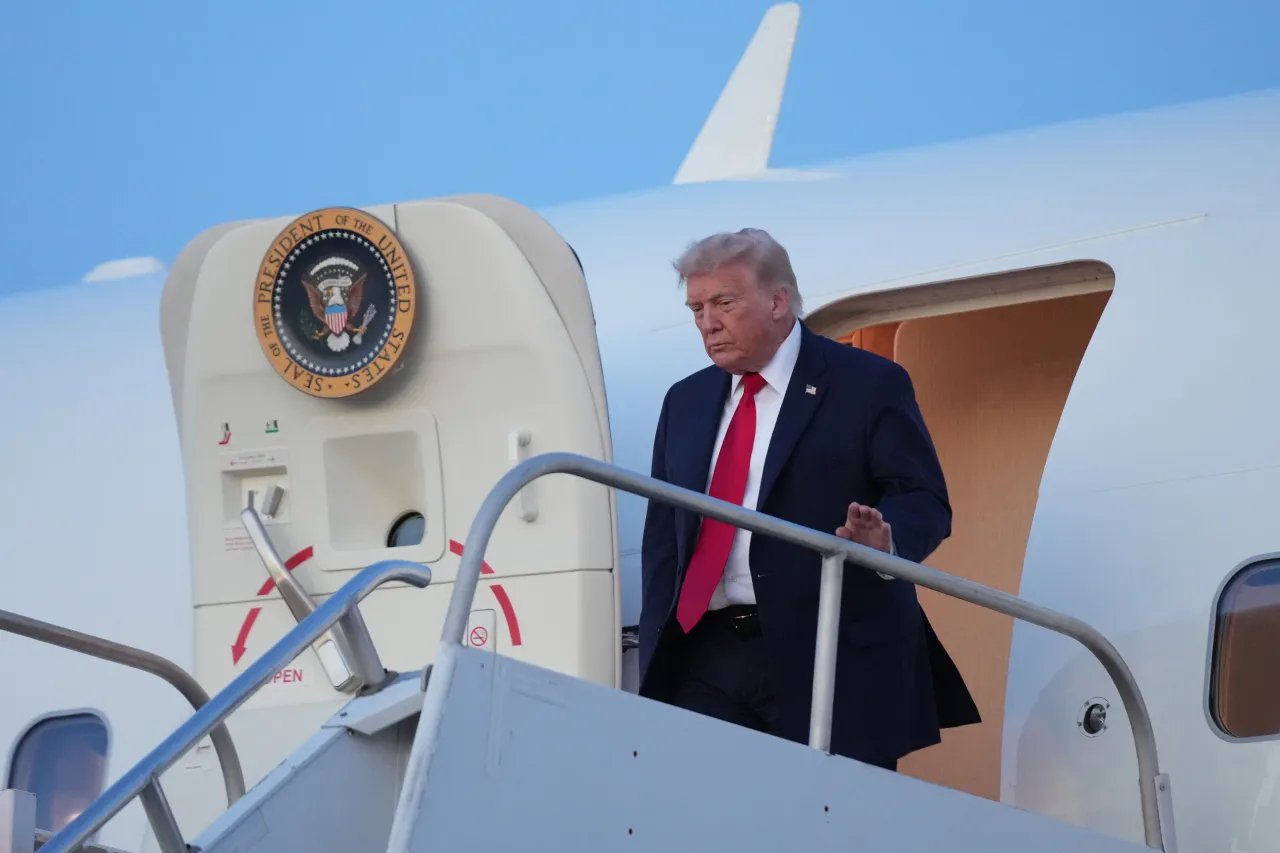
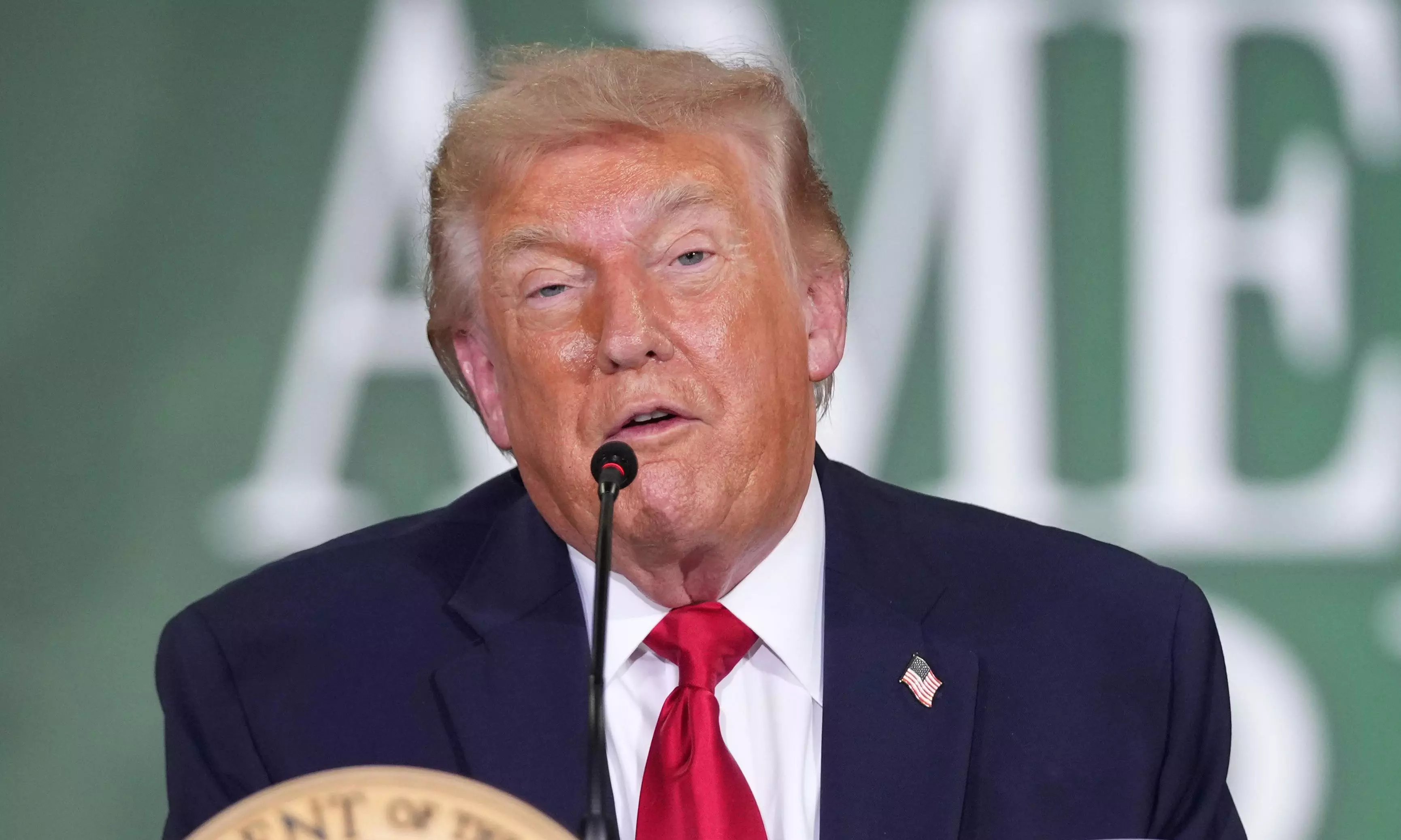
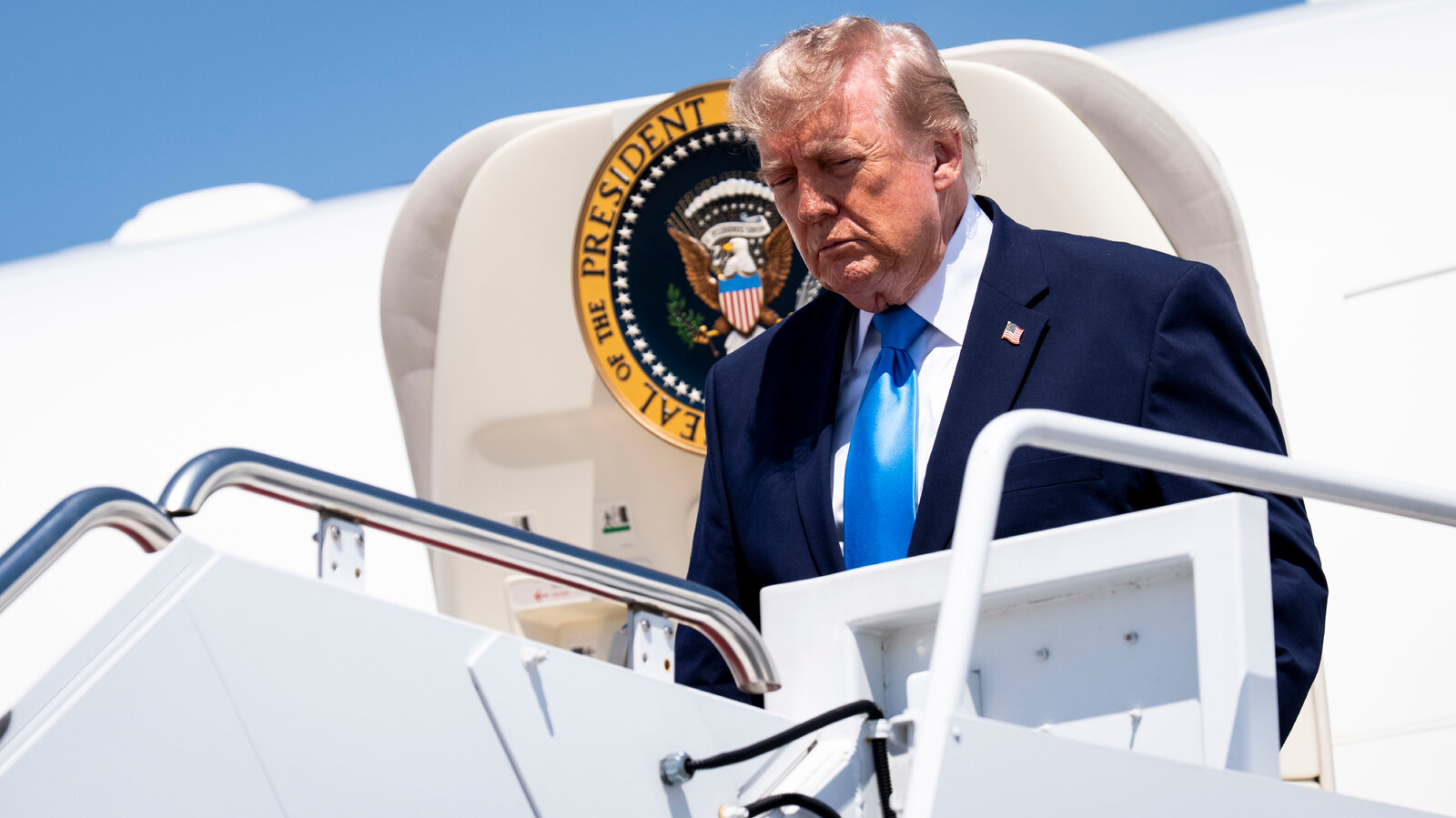
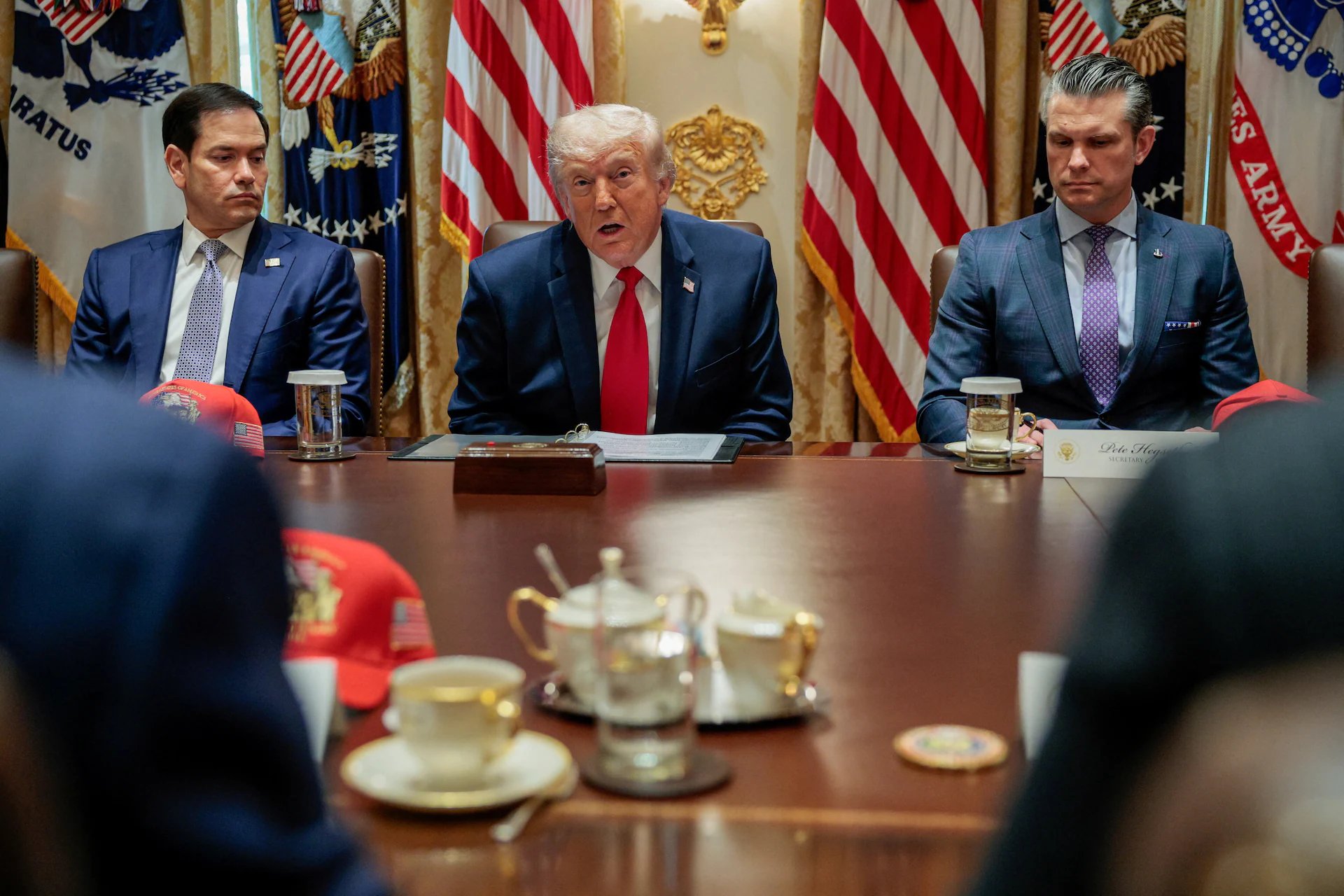
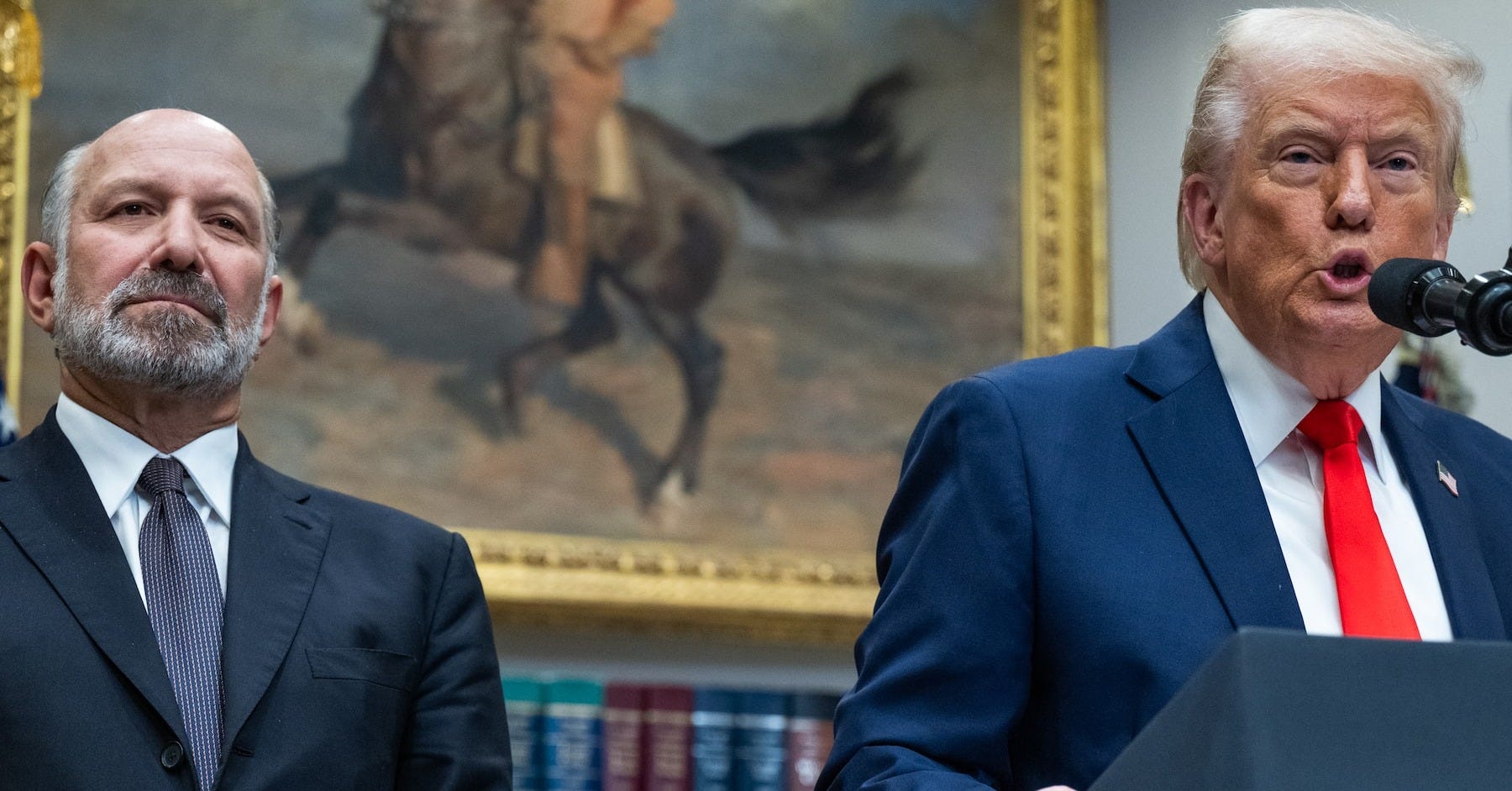
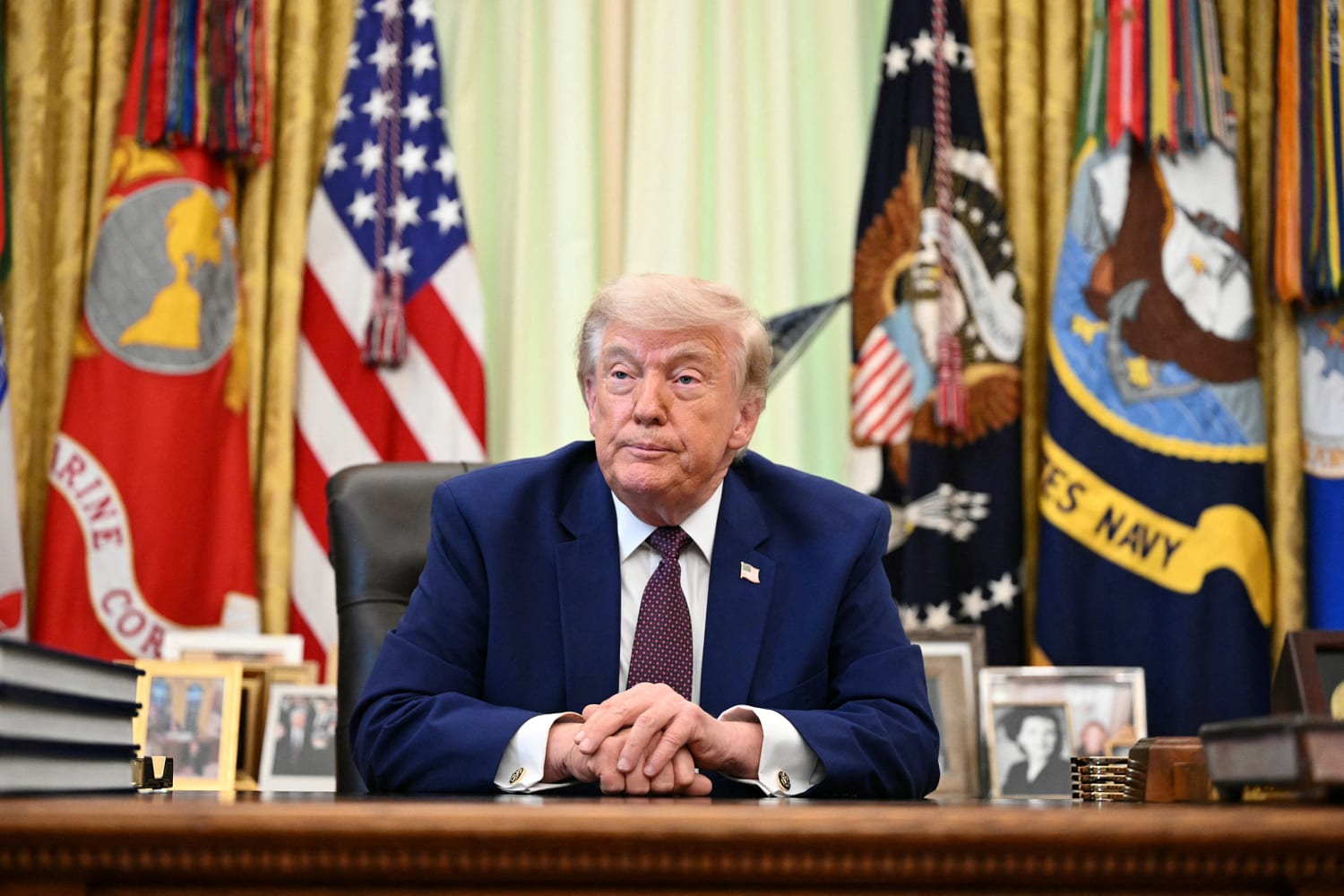
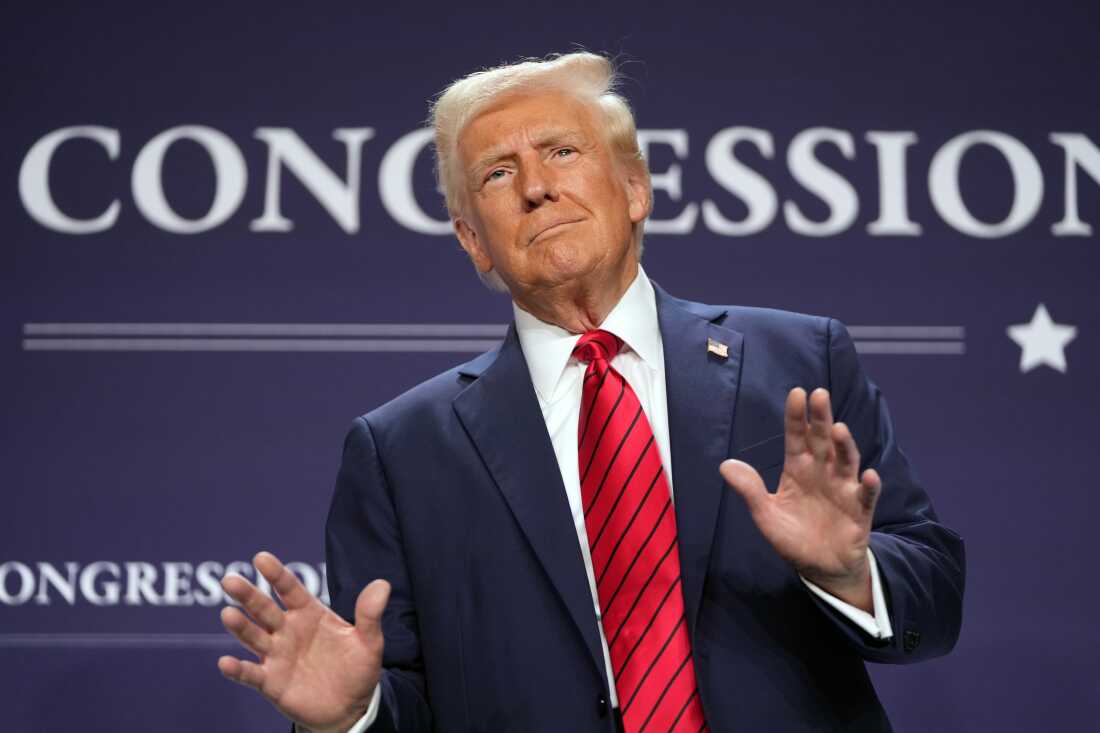
US President Donald Trump has been vocal in his criticism of NATO, particularly targeting Germany for its defense spending, which he deems "ridiculous." Trump stated, "The United States spends more money on NATO than any other country, by far, to protect them, without getting any benefit from so doing." In response, German Chancellor Friedrich Merz defended his country's efforts, insisting that Germany is in the process of doubling its defense budget within four years, calling it "the greatest effort we have ever made to strengthen our defense capabilities."
The Impact on Ukraine and Euro-Atlantic Security
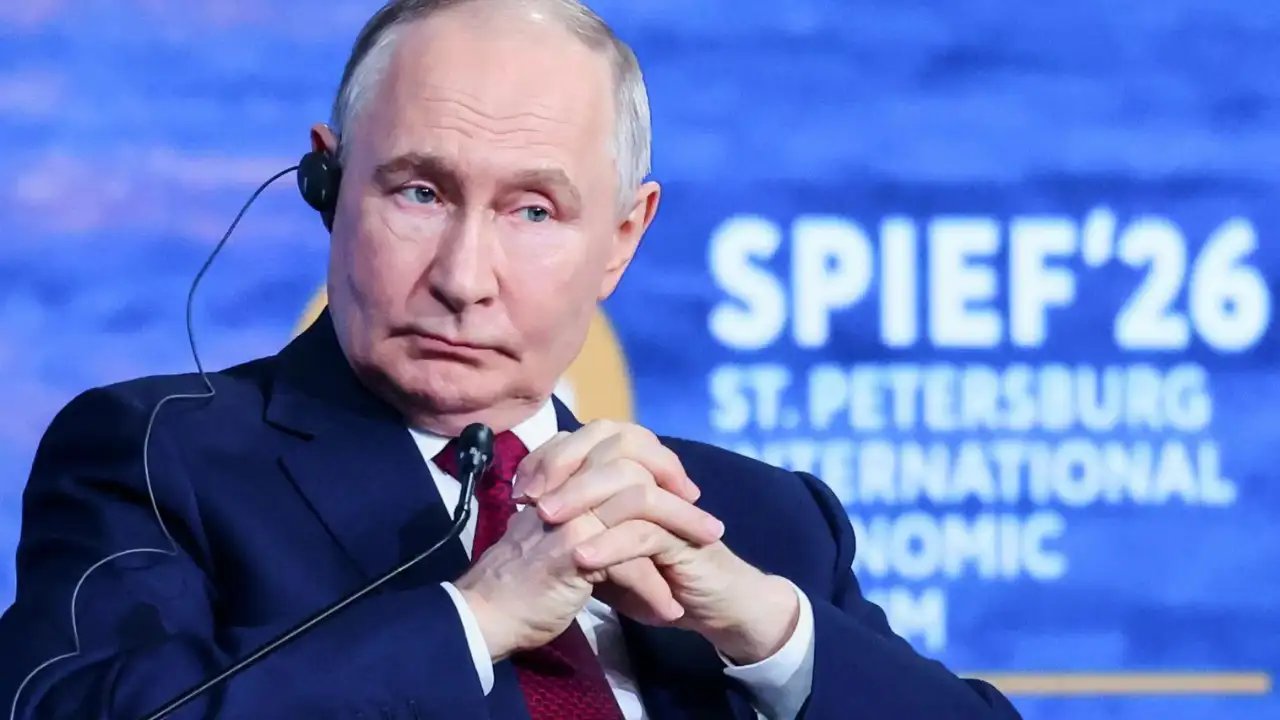
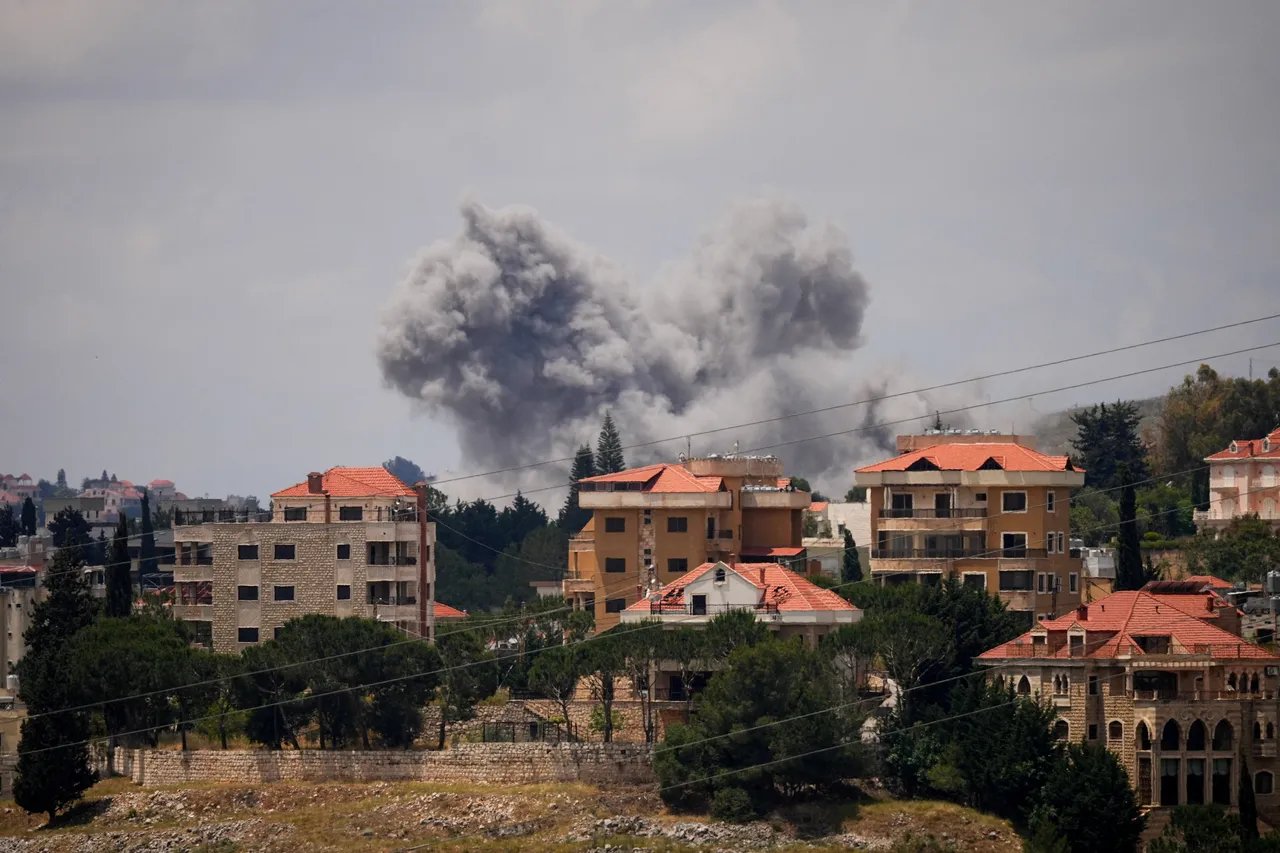
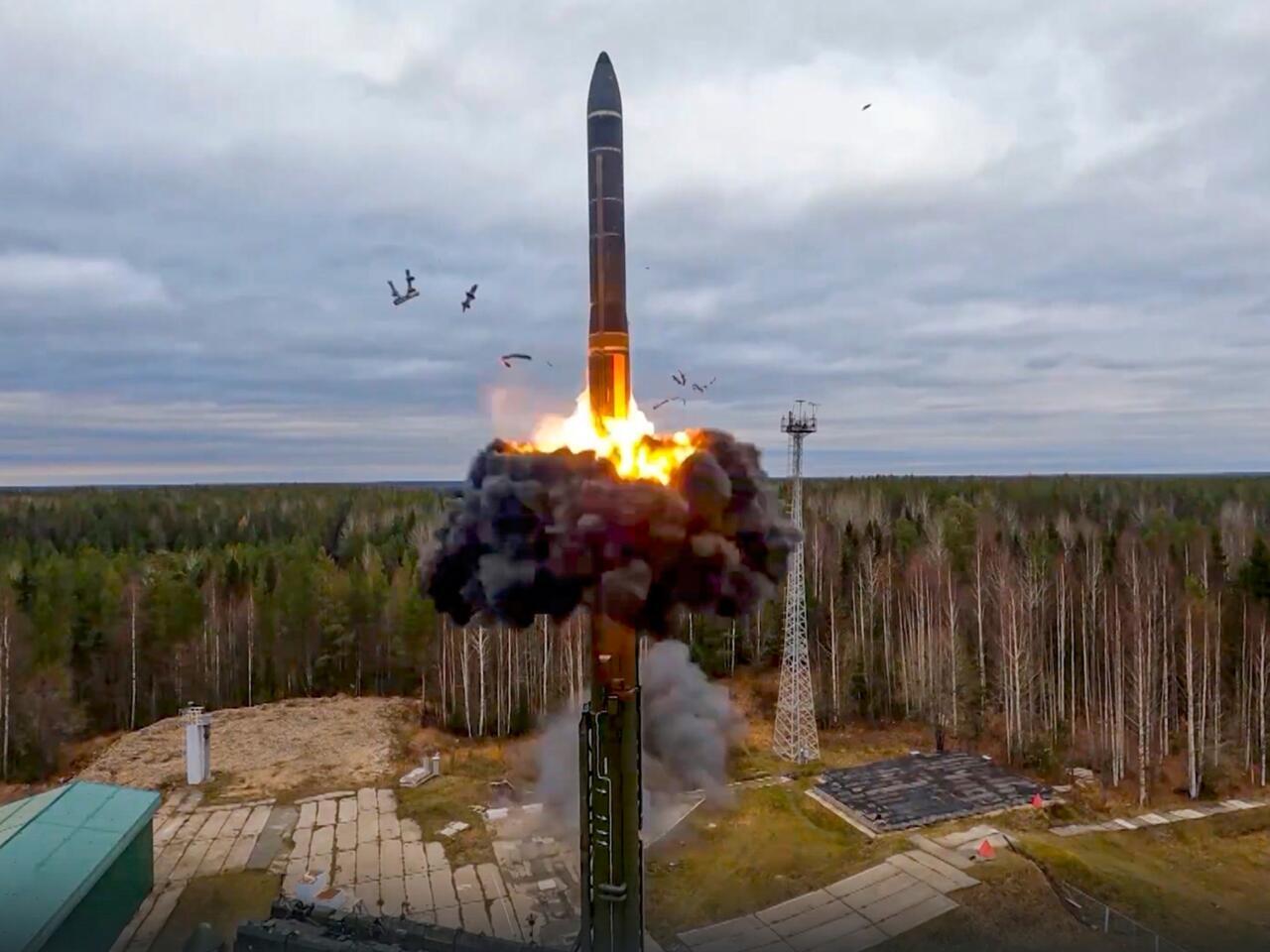
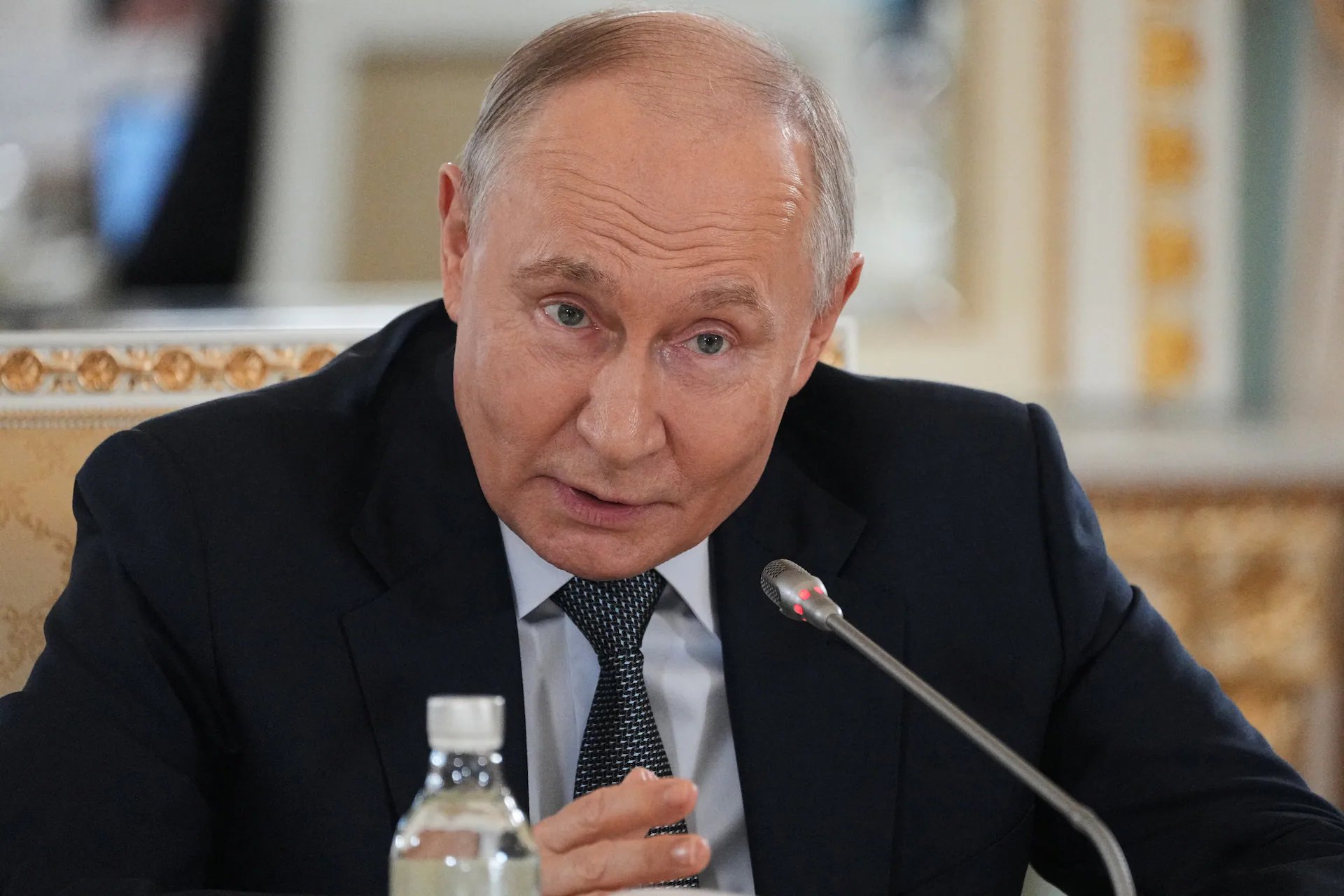
The NATO summit's declaration will label Russia as "a long-term threat" to "Euro-Atlantic security and stability." This commitment to increased defense spending by European members and Canada is a clear signal of their intent to bolster Ukraine's resistance against Russian aggression. The summit's outcome will not only affect the ongoing conflict in Ukraine but also has broader implications for the balance of power in the Euro-Atlantic region, as NATO members work to build "a stronger Europe in a stronger NATO."