




A continent overwhelmed by extreme temperatures
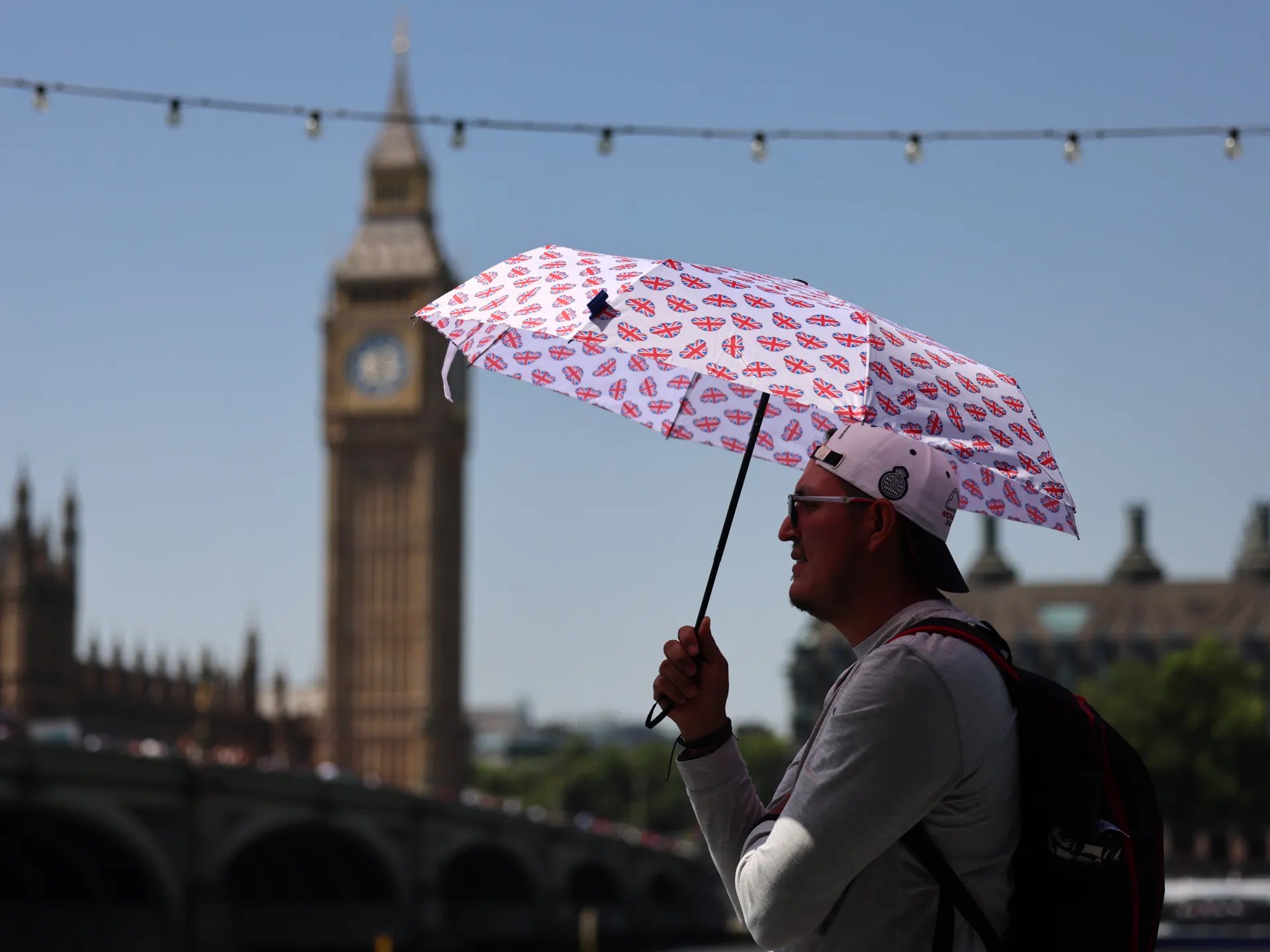
An estimated 150 million people across Europe are experiencing temperatures above 35 degrees Celsius as a historic heatwave sweeps the continent, breaking temperature records in multiple countries and triggering a public health emergency. Germany set a new all-time high of 41.5 degrees Celsius on Saturday in Möckern-Drewitz in the eastern state of Saxony-Anhalt, surpassing its previous record of 41.3 degrees set just one day earlier in Saarbrucken near the French border. The World Meteorological Organization has warned the heatwave would have "major impacts" to health and ecosystems.
The death toll is mounting across the region. France recorded approximately 1,000 excess deaths during the heatwave compared to expected mortality rates, according to the Public Health France agency on Sunday. The agency noted that 85 percent of the casualties were people aged 65 and over, though it stressed the figures were preliminary and likely to be an underestimate. Spain's MoMo monitoring system recorded 327 deaths that could be linked to the heat between Sunday and Thursday.
Records shattered from north to south
The Czech Republic recorded its highest-ever temperature on Saturday with a reading of 40.8 degrees Celsius at a weather station in Doksany north of Prague, according to the national meteorological service. Denmark also broke its all-time record, with a provisional temperature of 37 degrees recorded in Odum near Aarhus, exceeding the previous record of 36.4 degrees set in 1976. Switzerland broke the record for its hottest-ever June day for the third consecutive day on Saturday, with temperatures reaching 39 degrees in the northern city of Basel.
The heatwave, which began in the Iberian peninsula, has contributed to documented deaths across the region, including approximately 1,000 excess deaths in France and 327 heat-linked deaths in Spain. In France, drowning deaths have risen to at least 55 since the heatwave began, with an estimated two-thirds occurring in unsupervised swimming areas.
How the heat dome formed and what comes next
A slow-moving persistent area of high pressure, known as a "heat dome," has caused the exceptional heatwave, according to BBC lead weather presenter Ben Rich. Sinking air underneath the high pressure system compressed and warmed, lifting temperatures day by day, while cloud-free skies allowed strong sunshine to heat the region even more. Extreme heat will continue over the weekend into Monday with temperatures above 40 degrees still possible in some areas, but cooler conditions developing in the west will sweep eastwards to bring relief later in the week.
German politician Katrin Goering-Eckardt, a former leader of the Green Party, characterized the crisis on social media: "This heat isn't pleasant summer weather. It's a health crisis." In Berlin, police deployed two water cannons to spray mist onto people seeking relief from the oppressive temperatures.
Scientists from the World Weather Attribution say a heatwave of this magnitude so early in the summer would have been virtually impossible 50 years ago, and they say climate change is "unequivocally" to blame. Europe is the world's fastest-warming continent because of factors including the rapid heating of the Arctic and changes in the jet stream pattern.