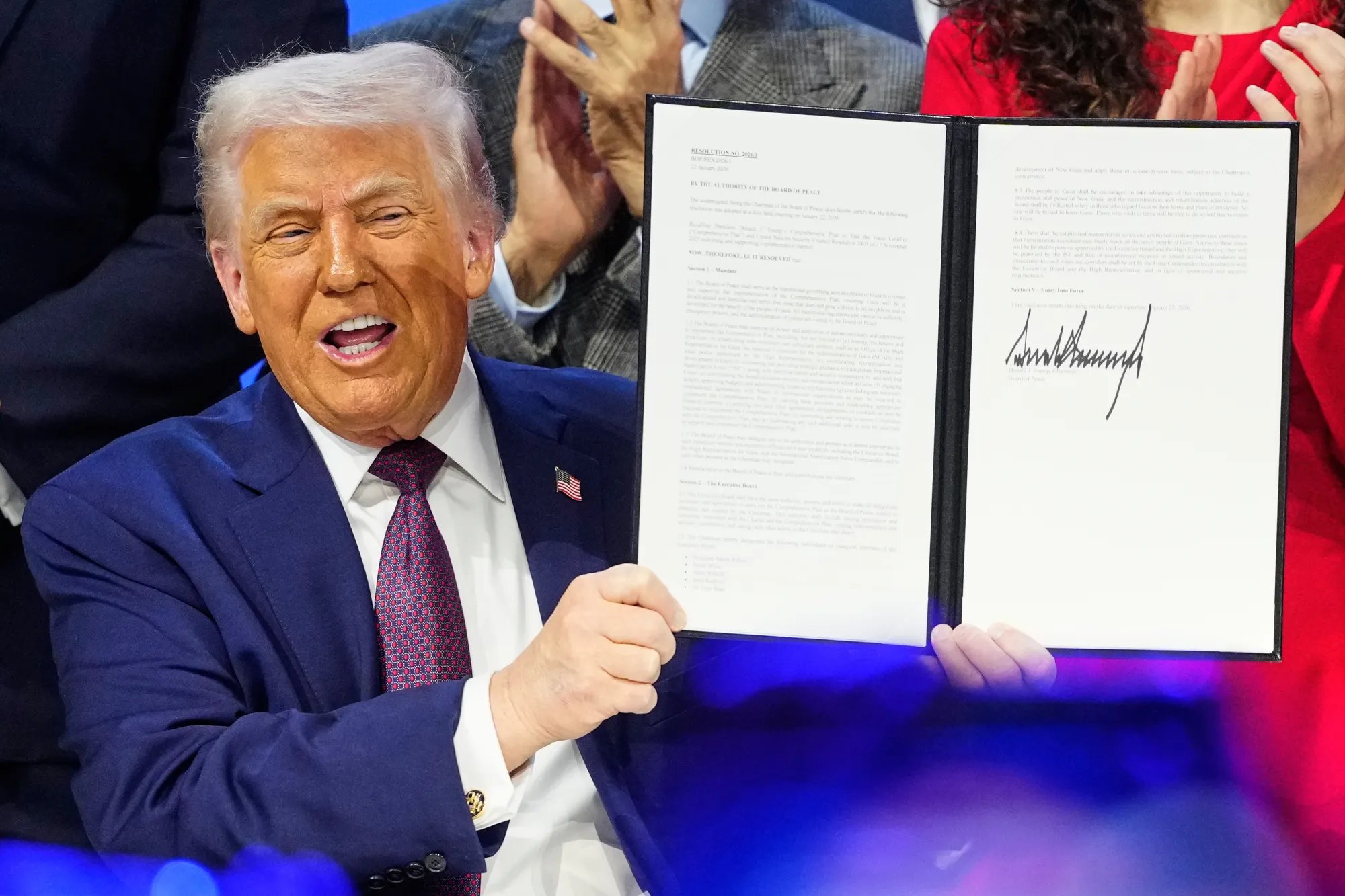
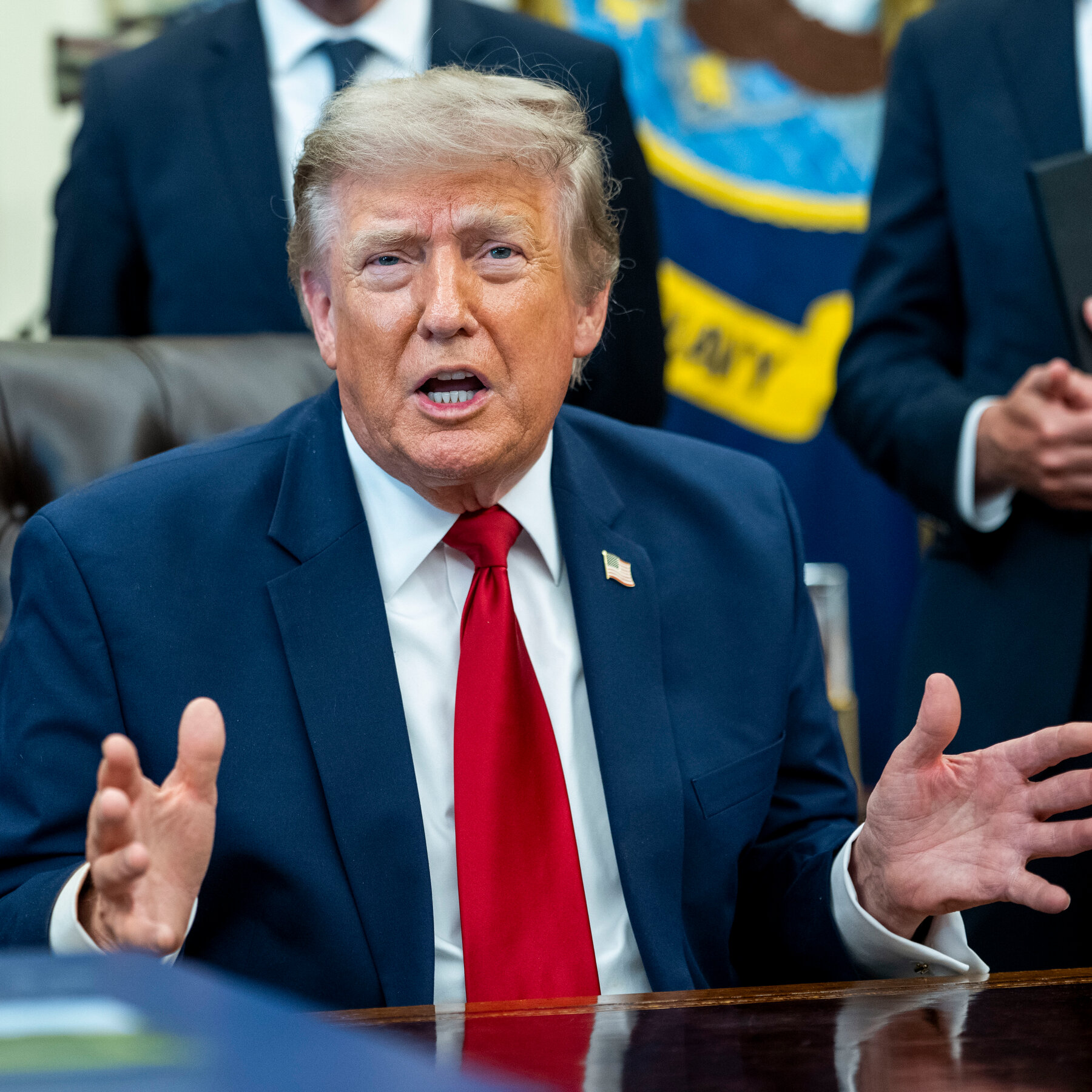
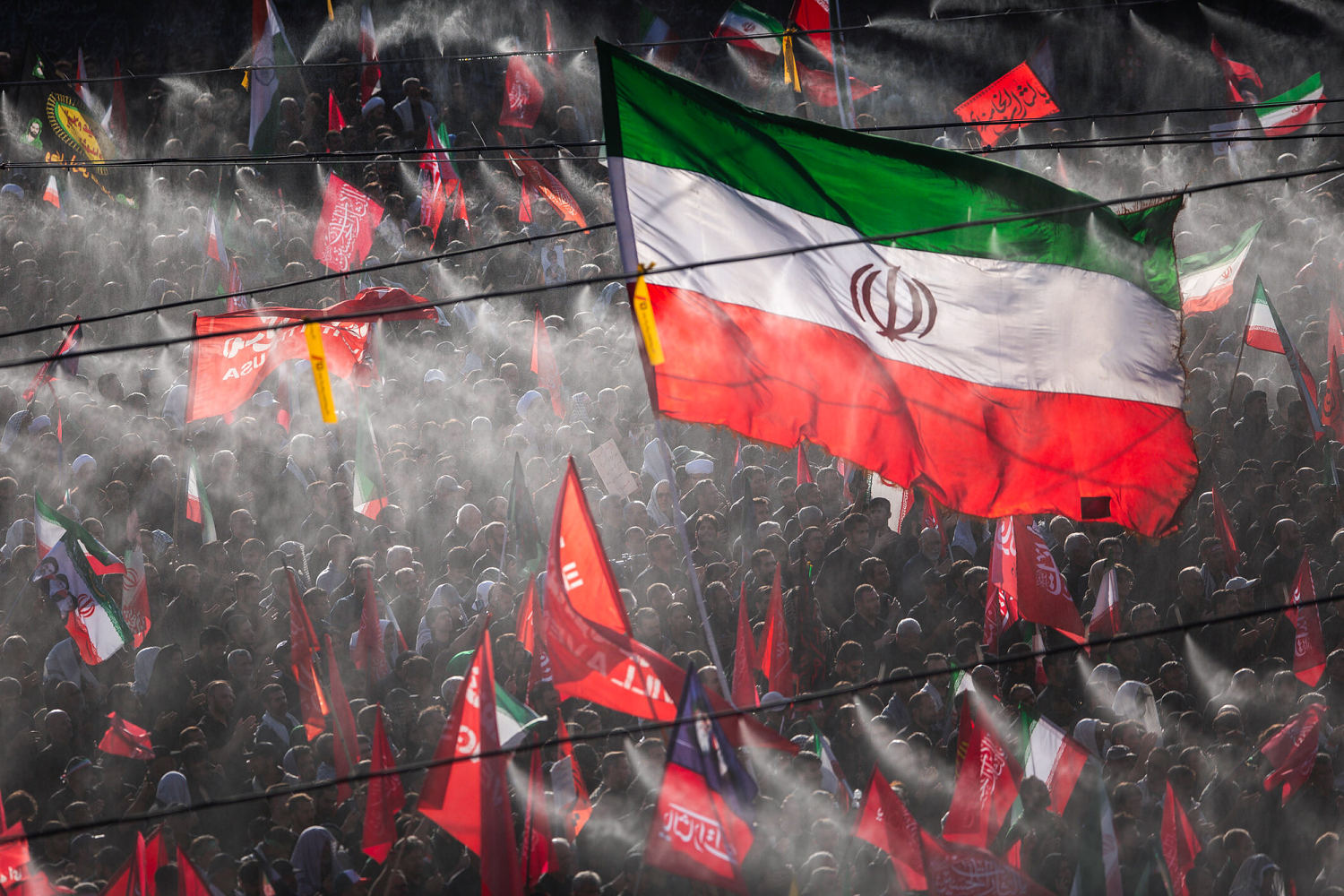
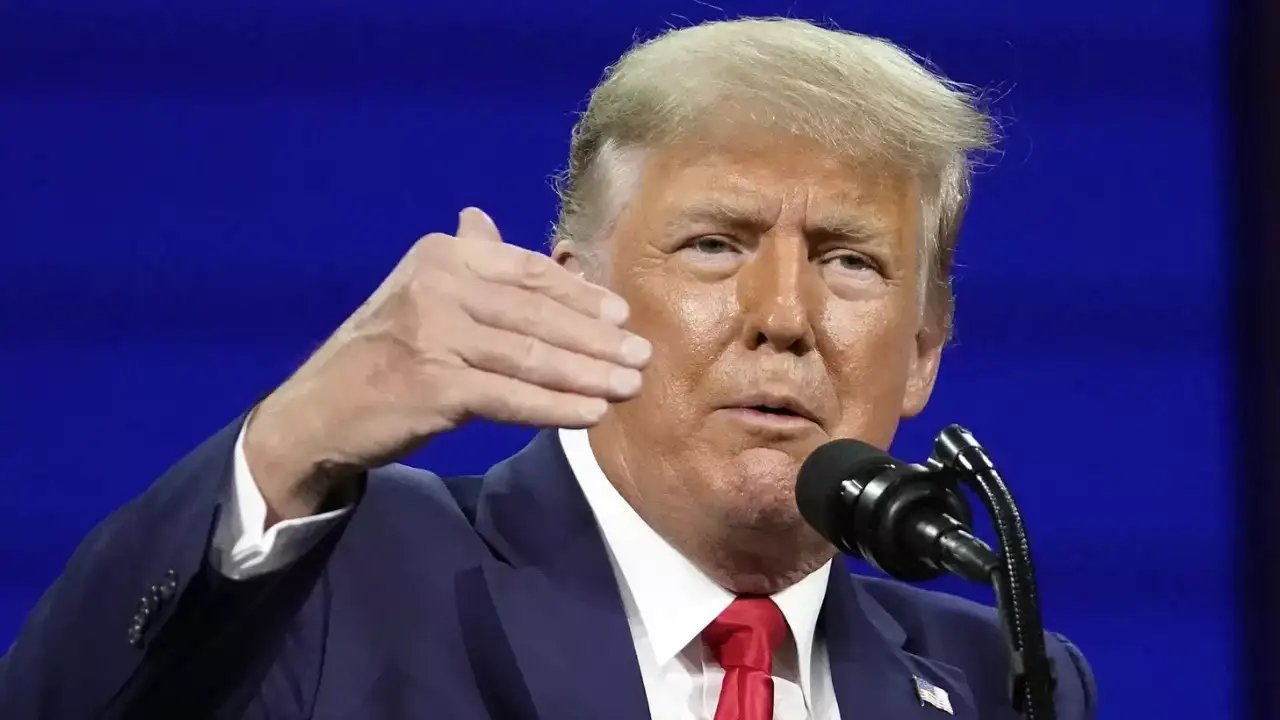
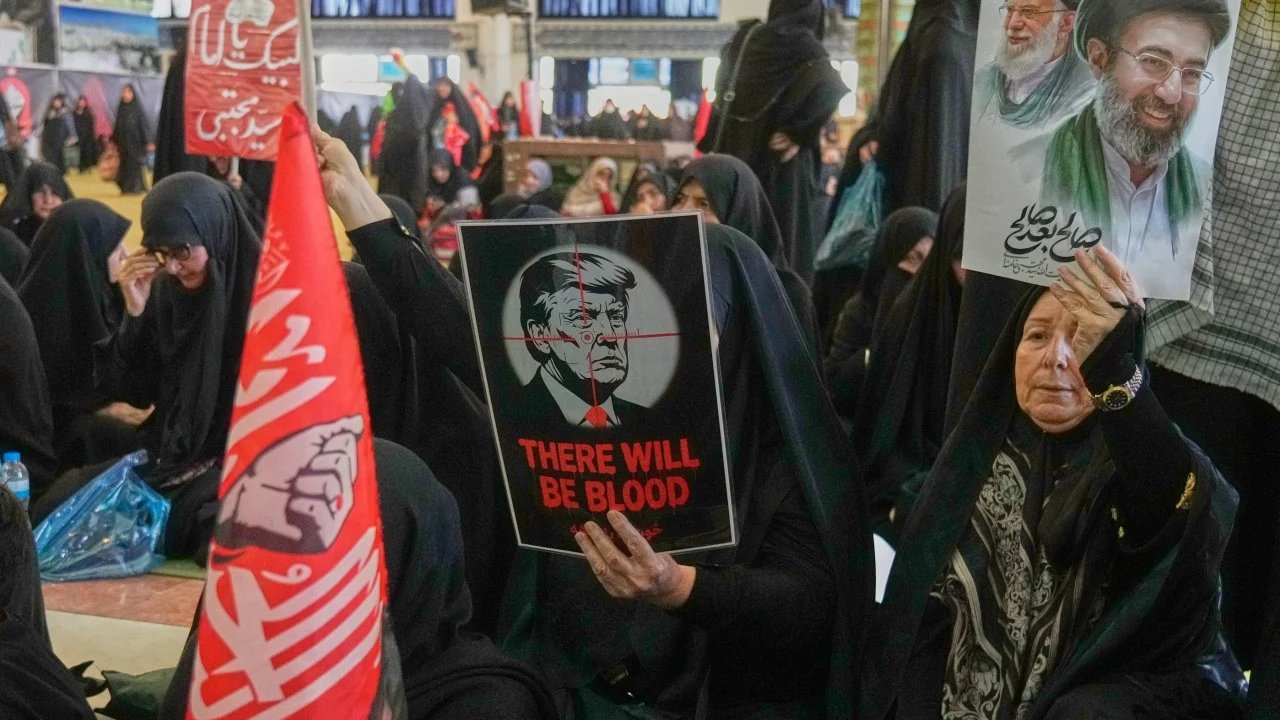
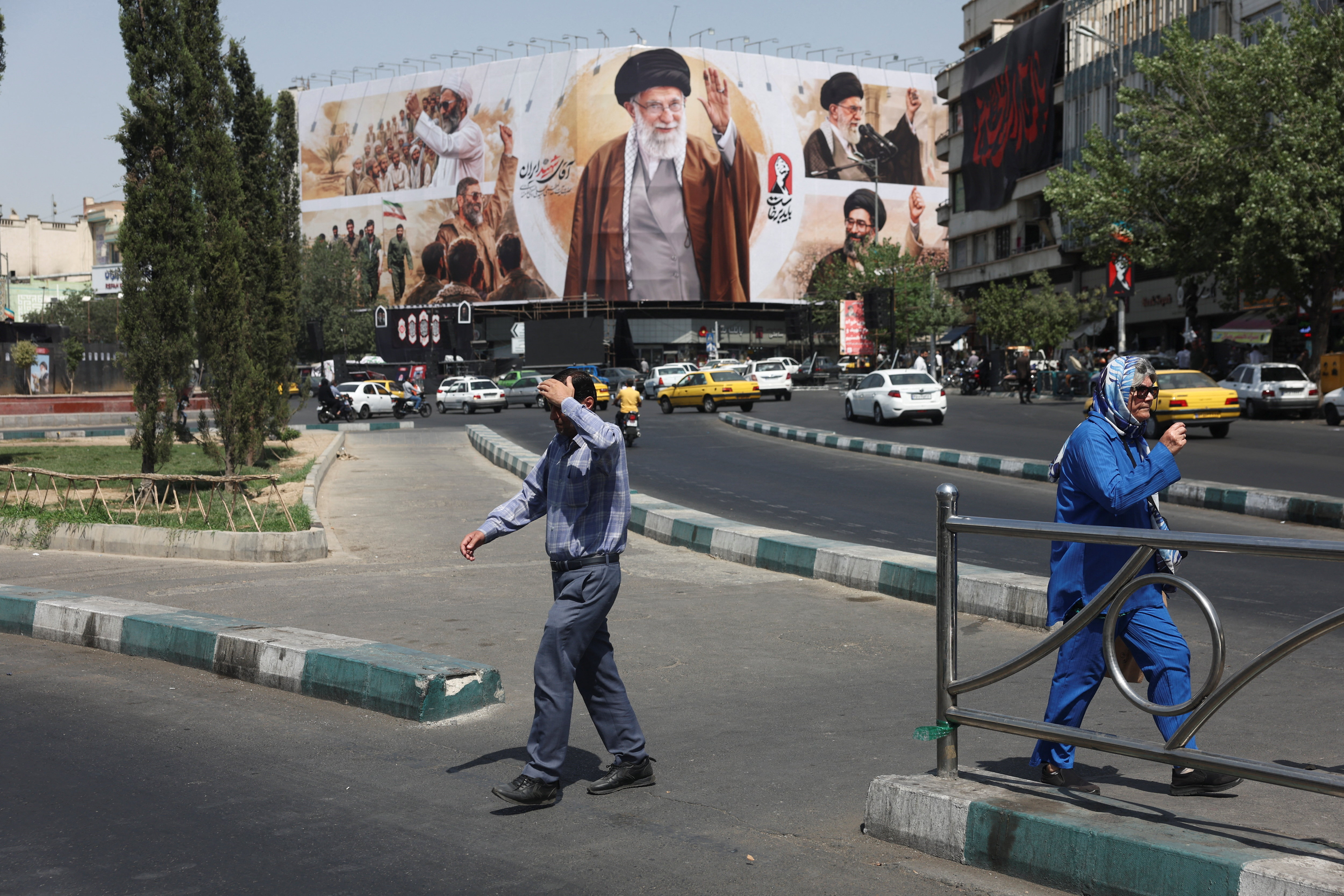
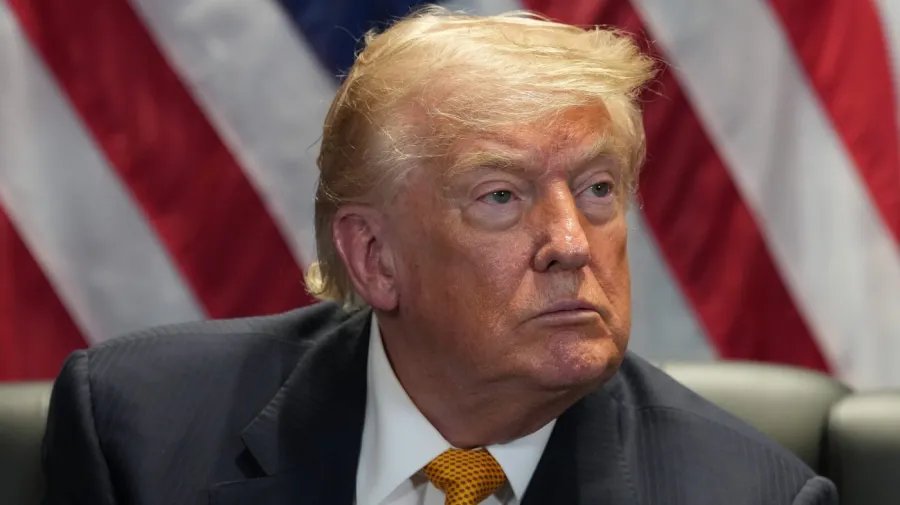
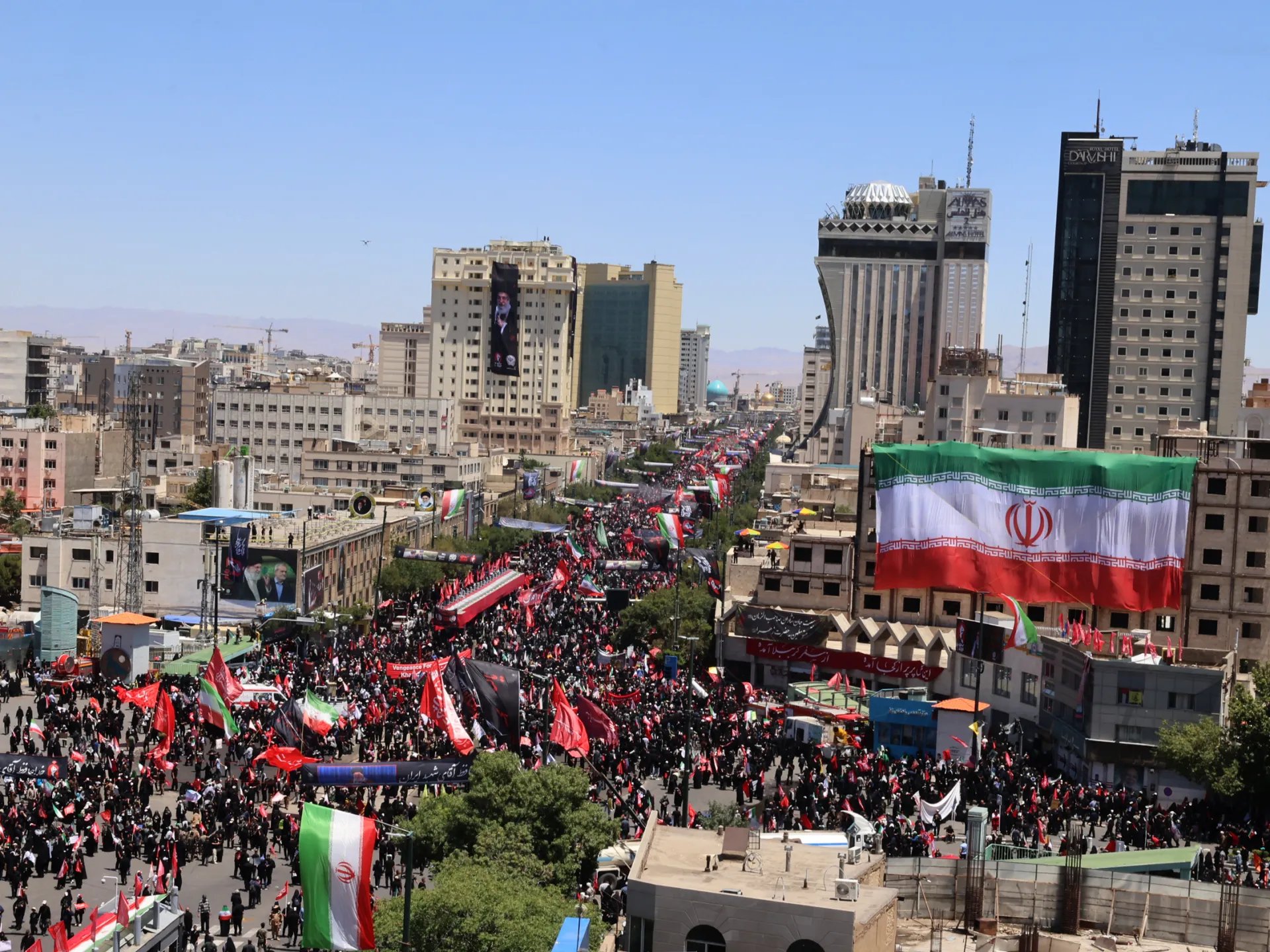
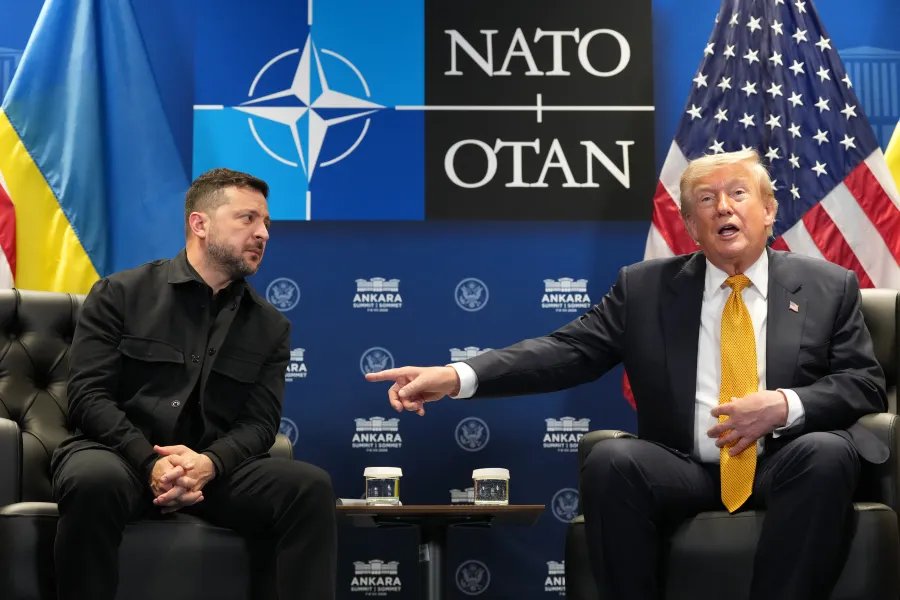
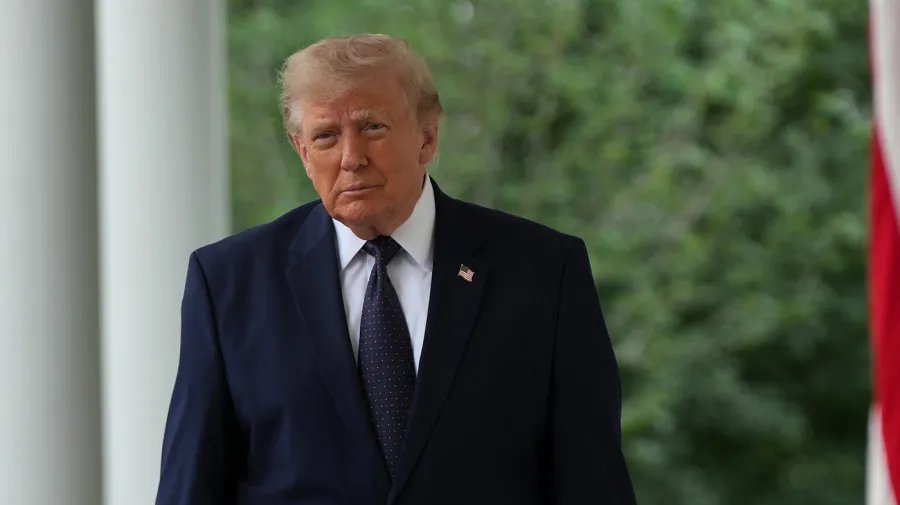
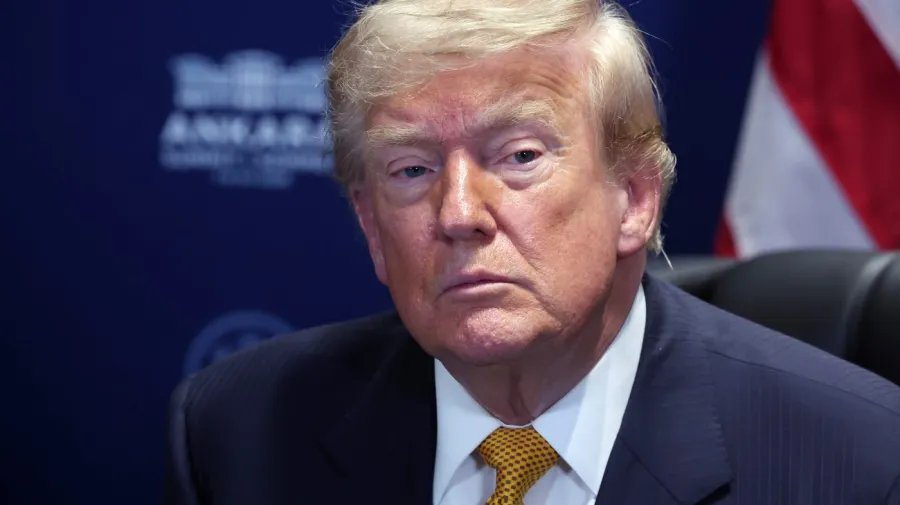
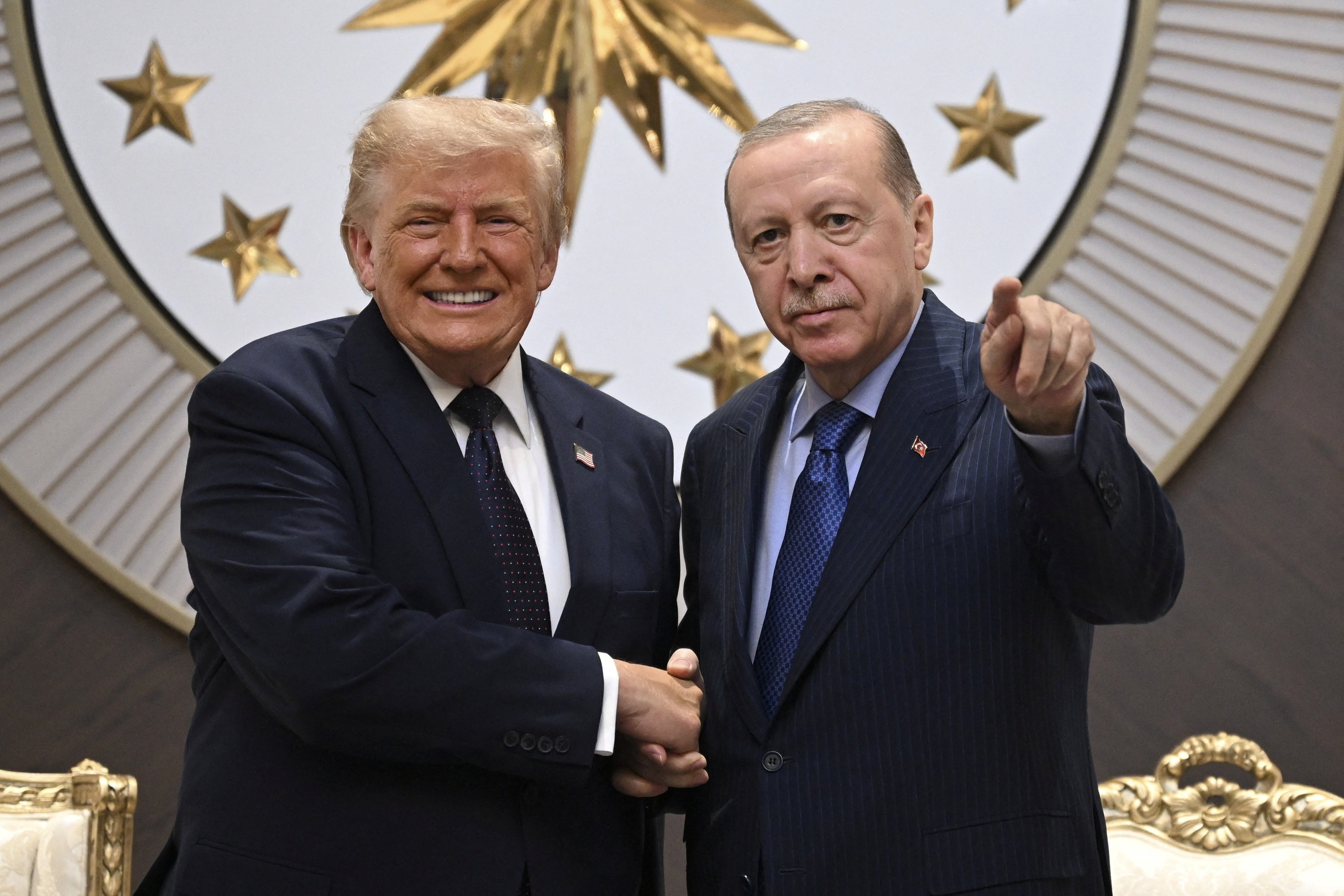
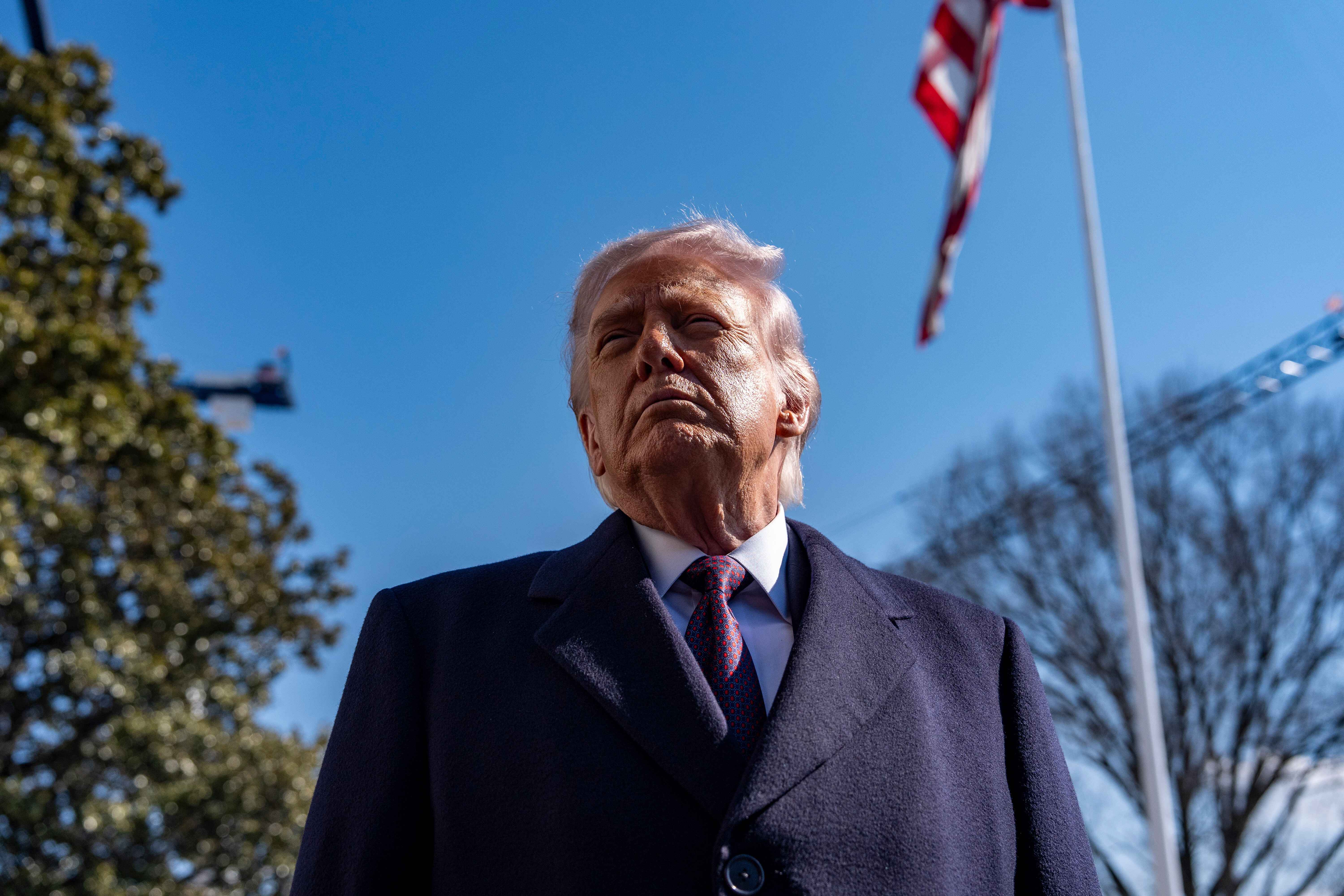
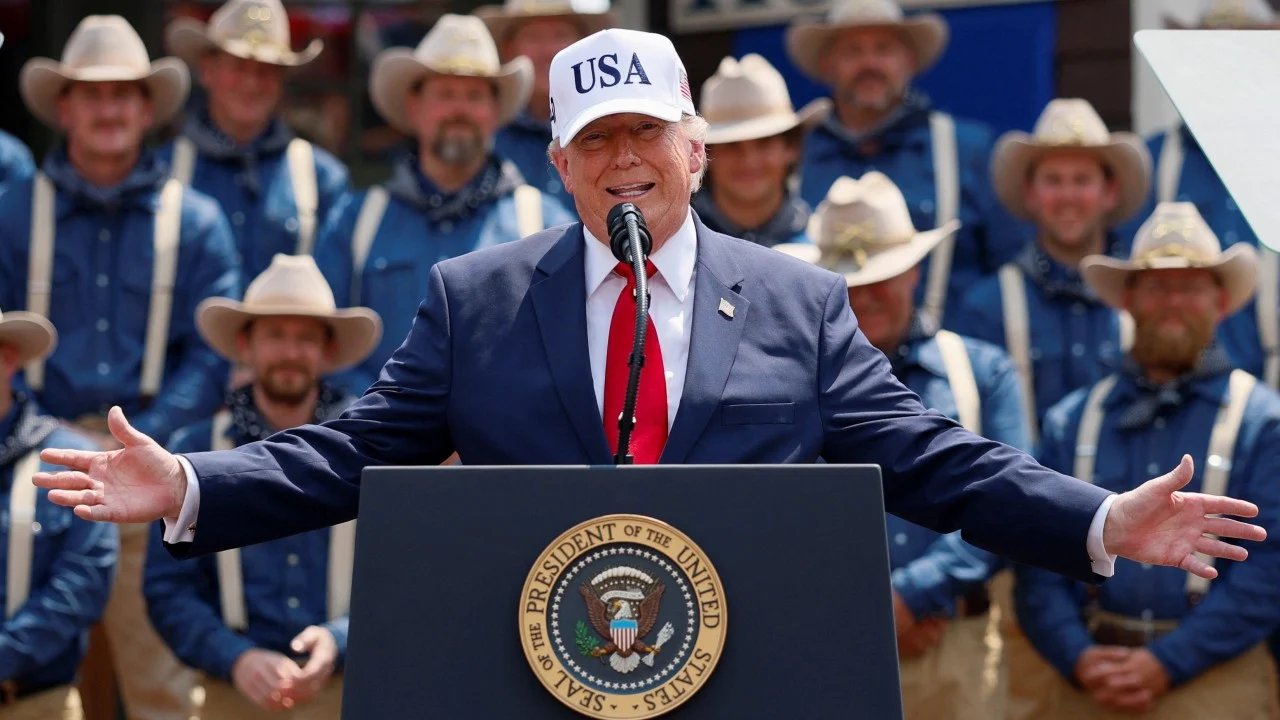
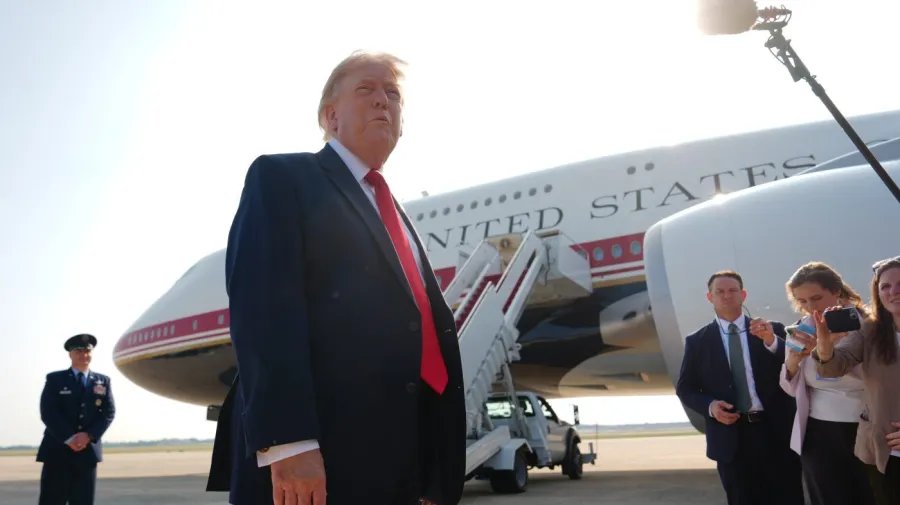
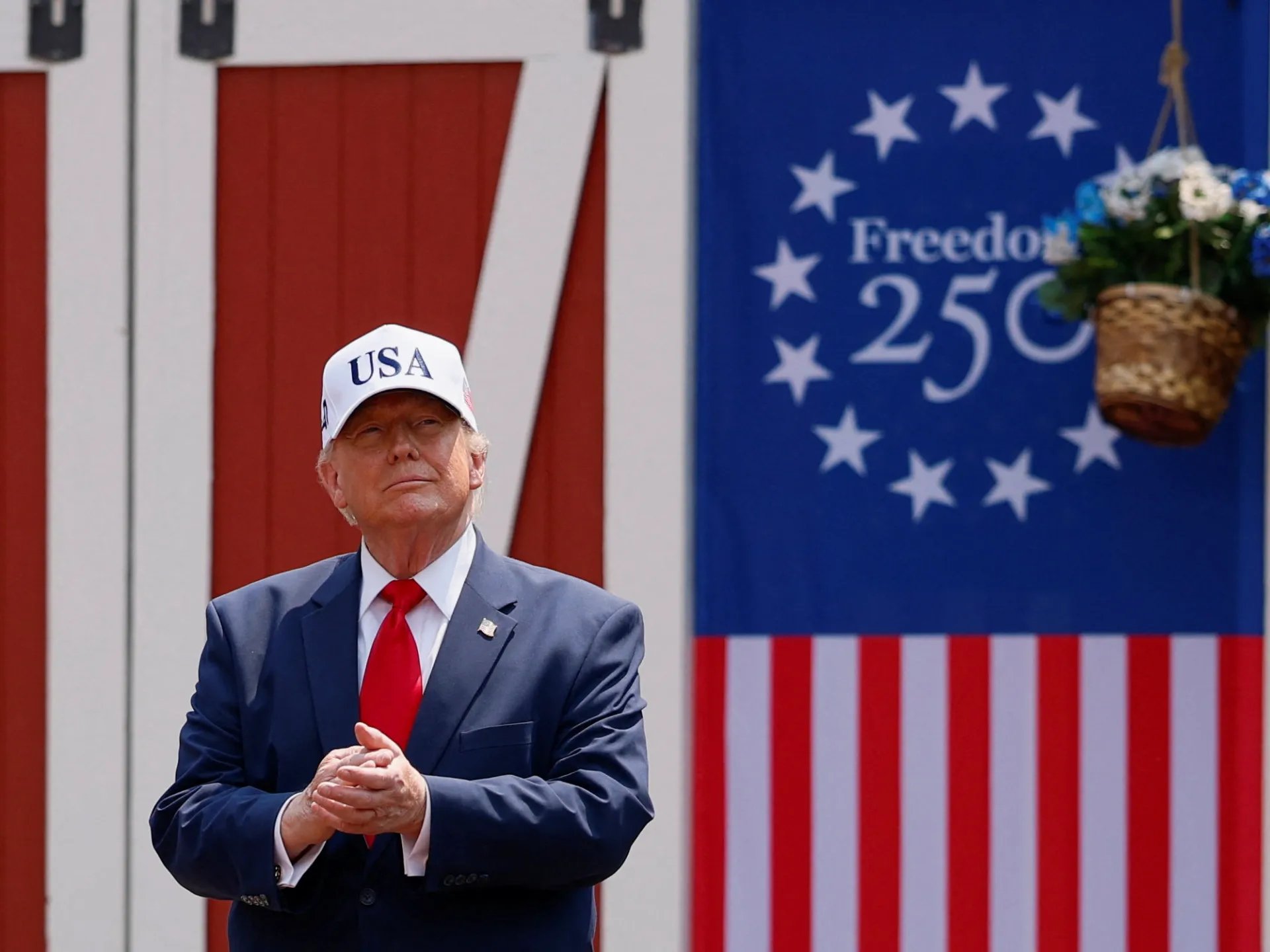
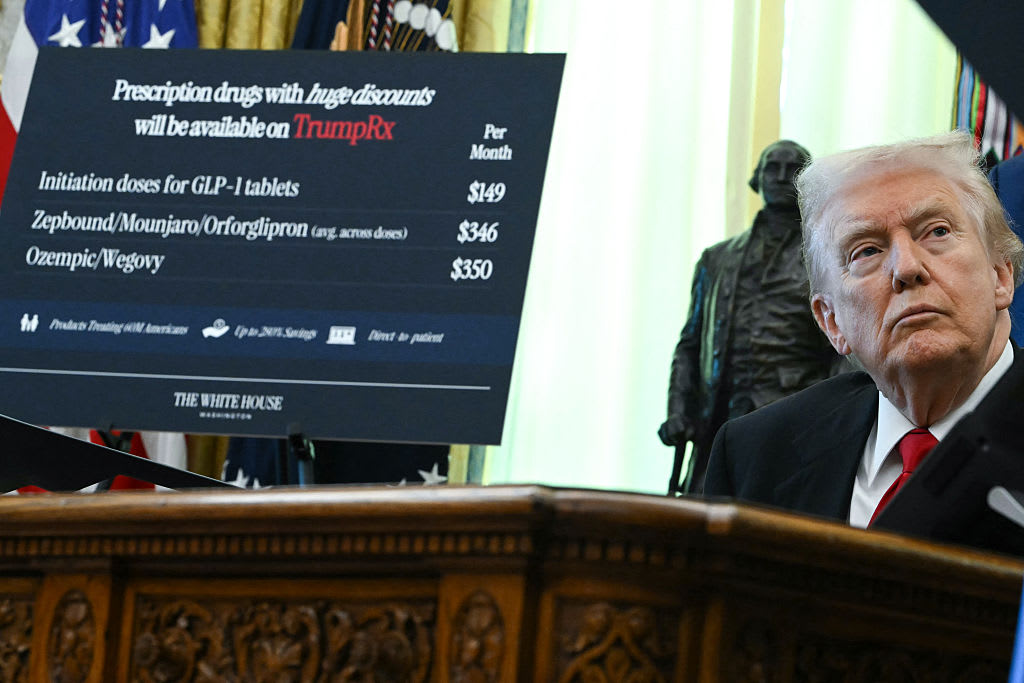
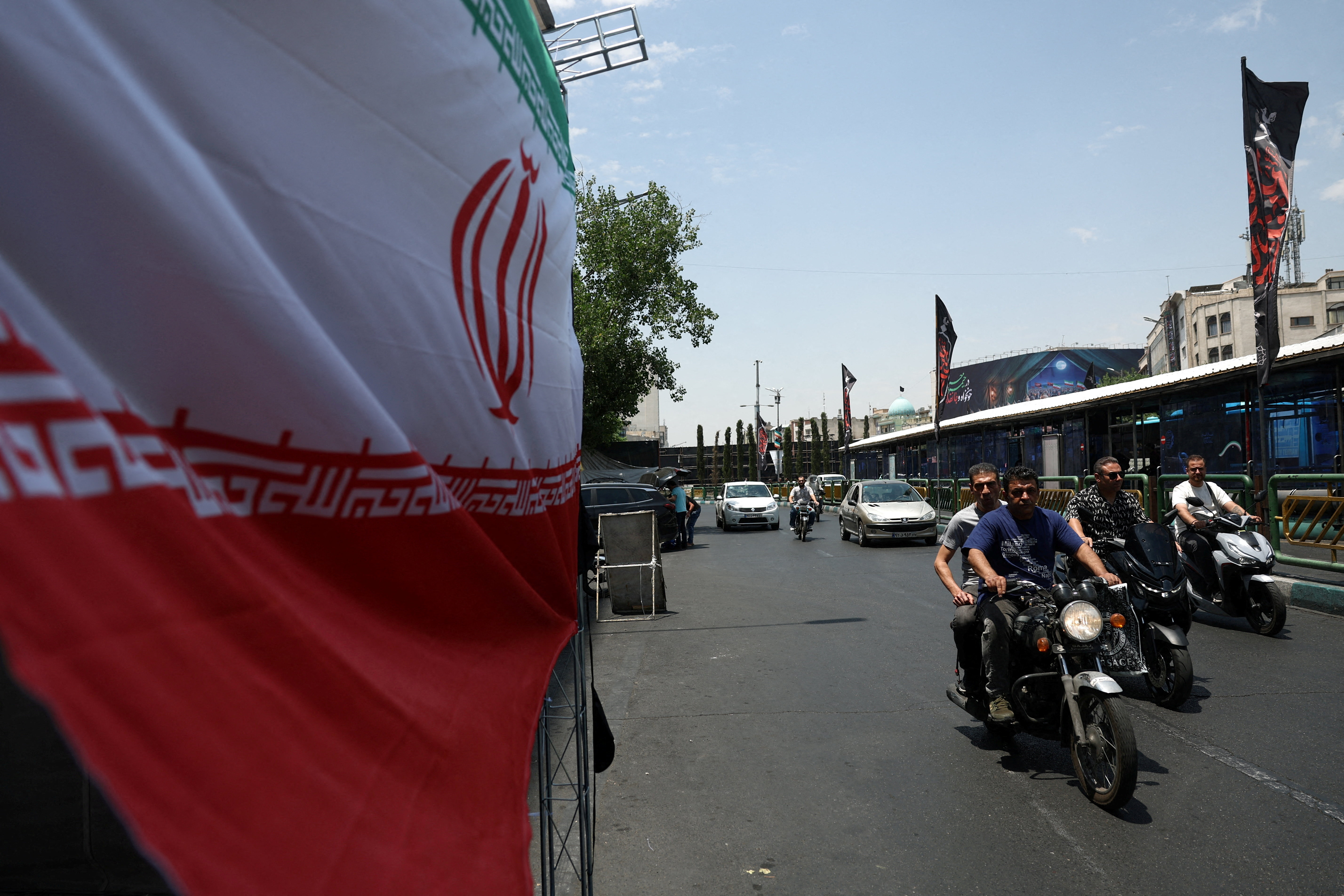
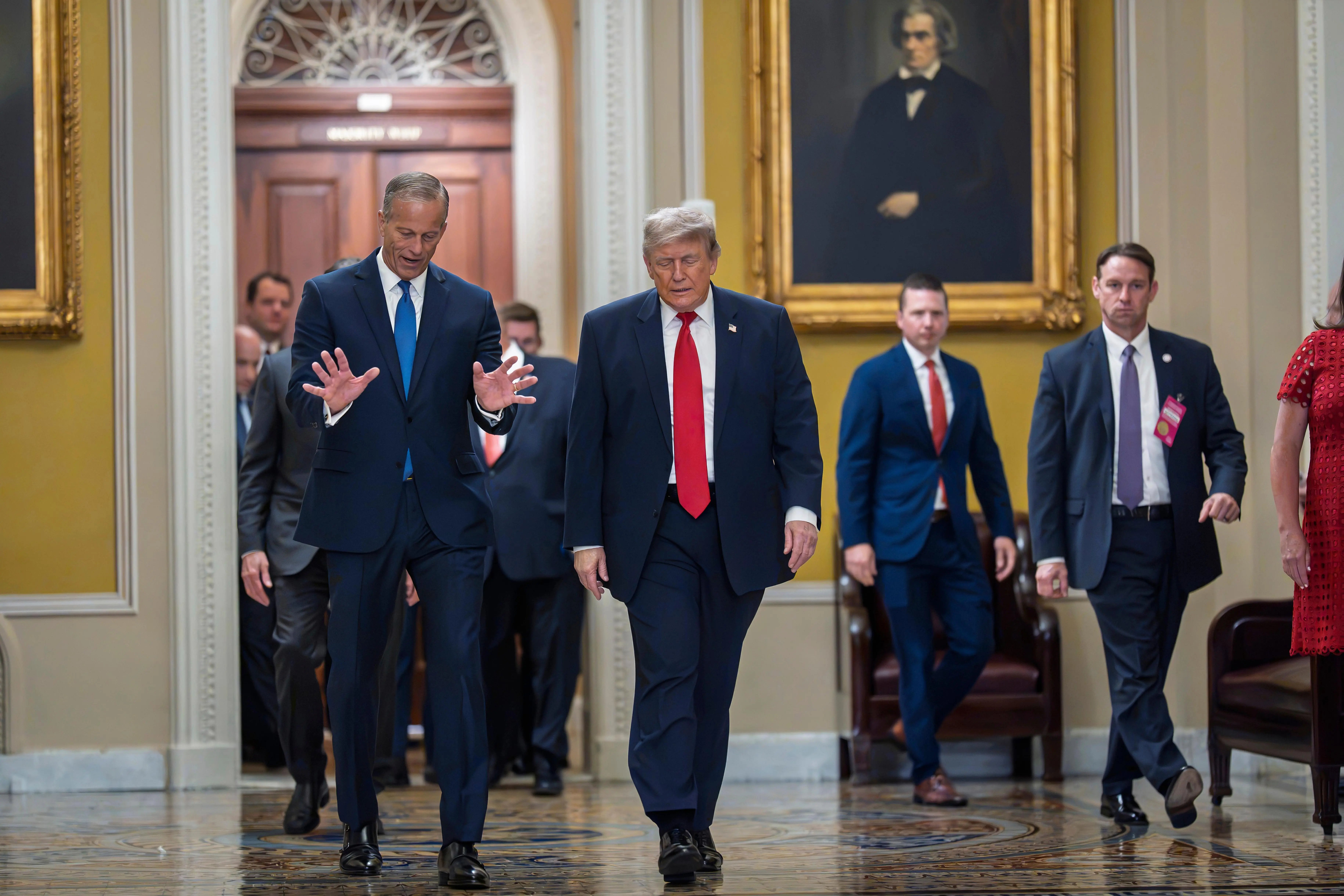
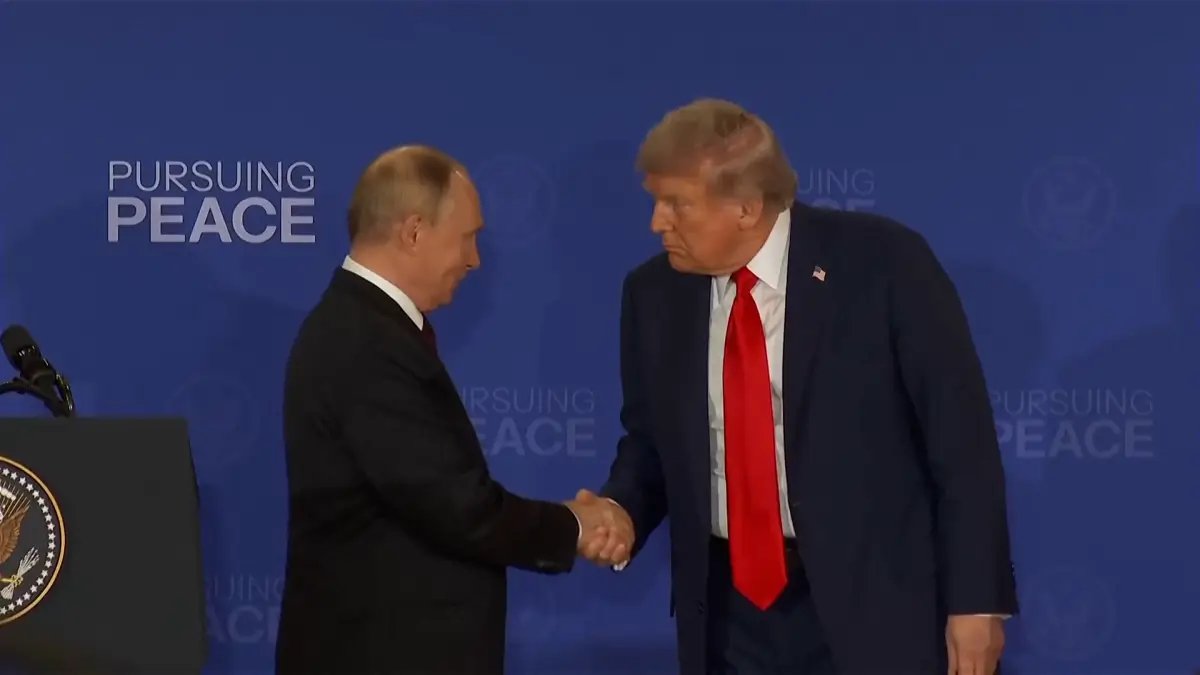
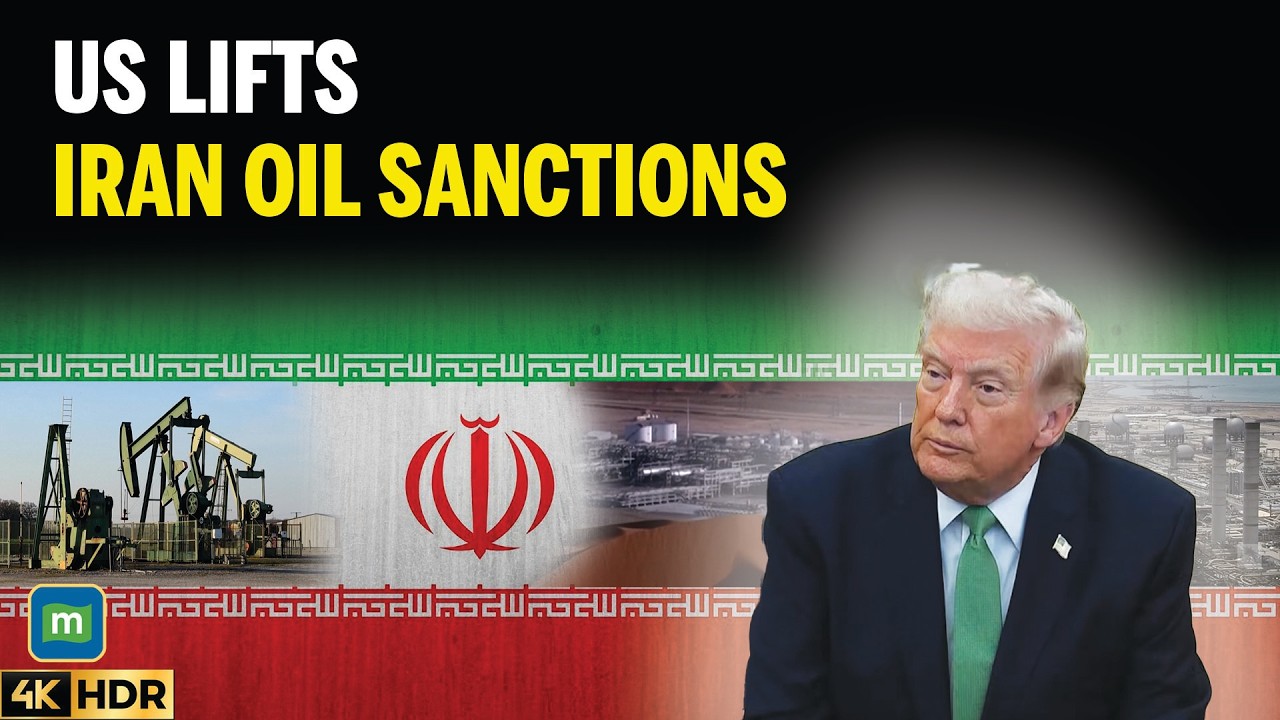
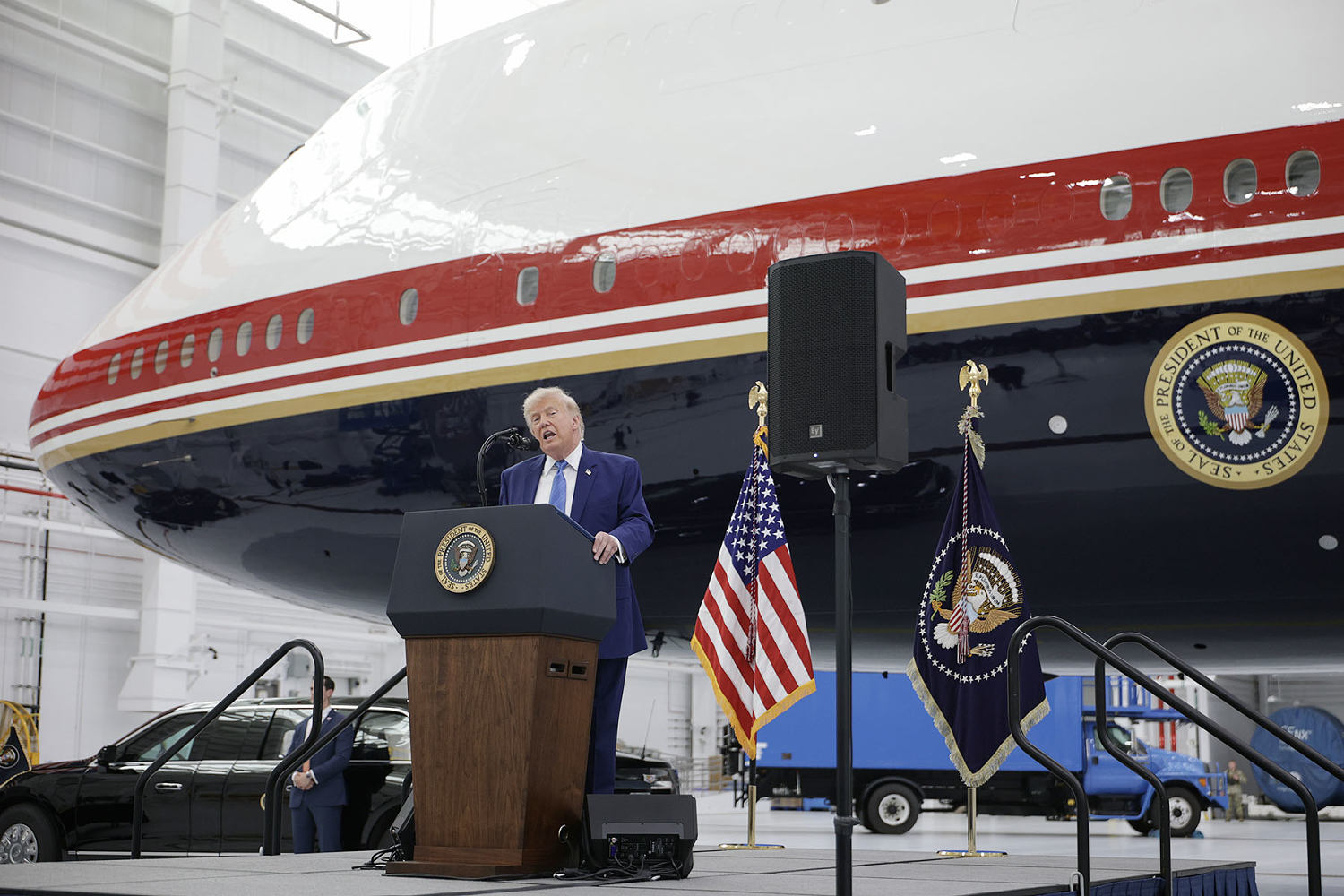
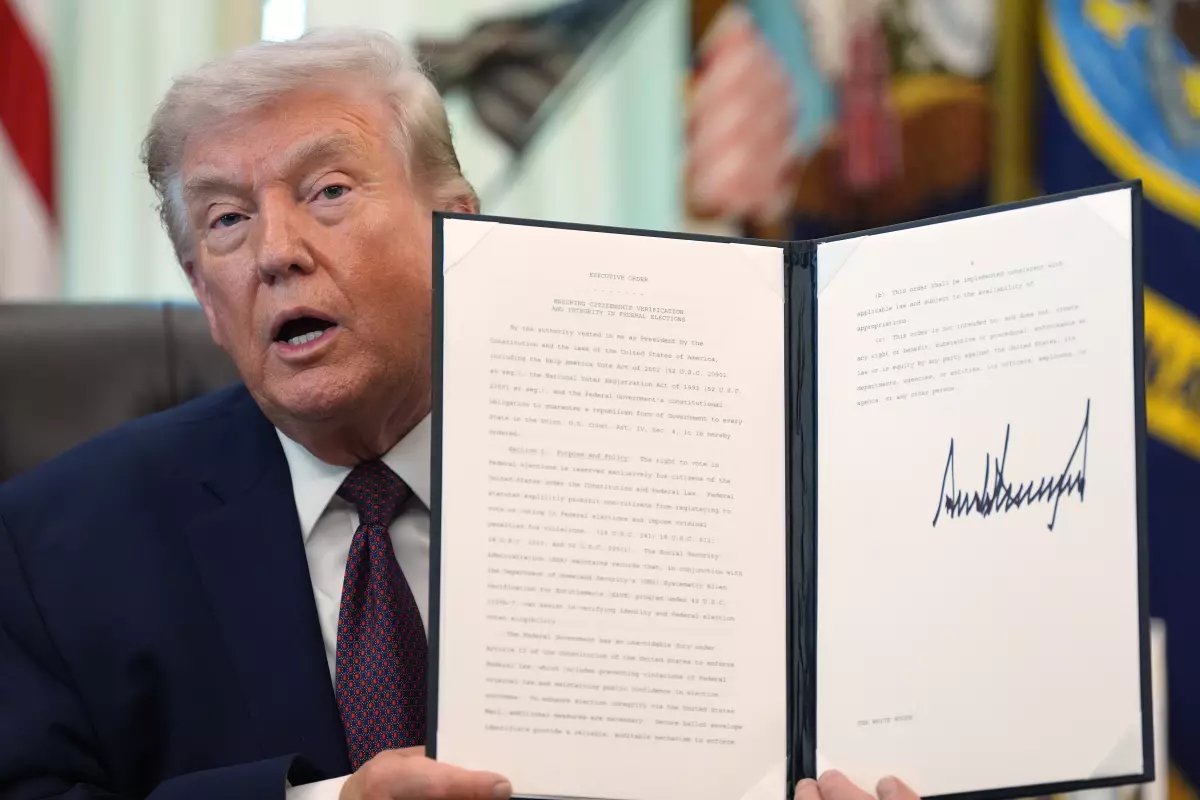
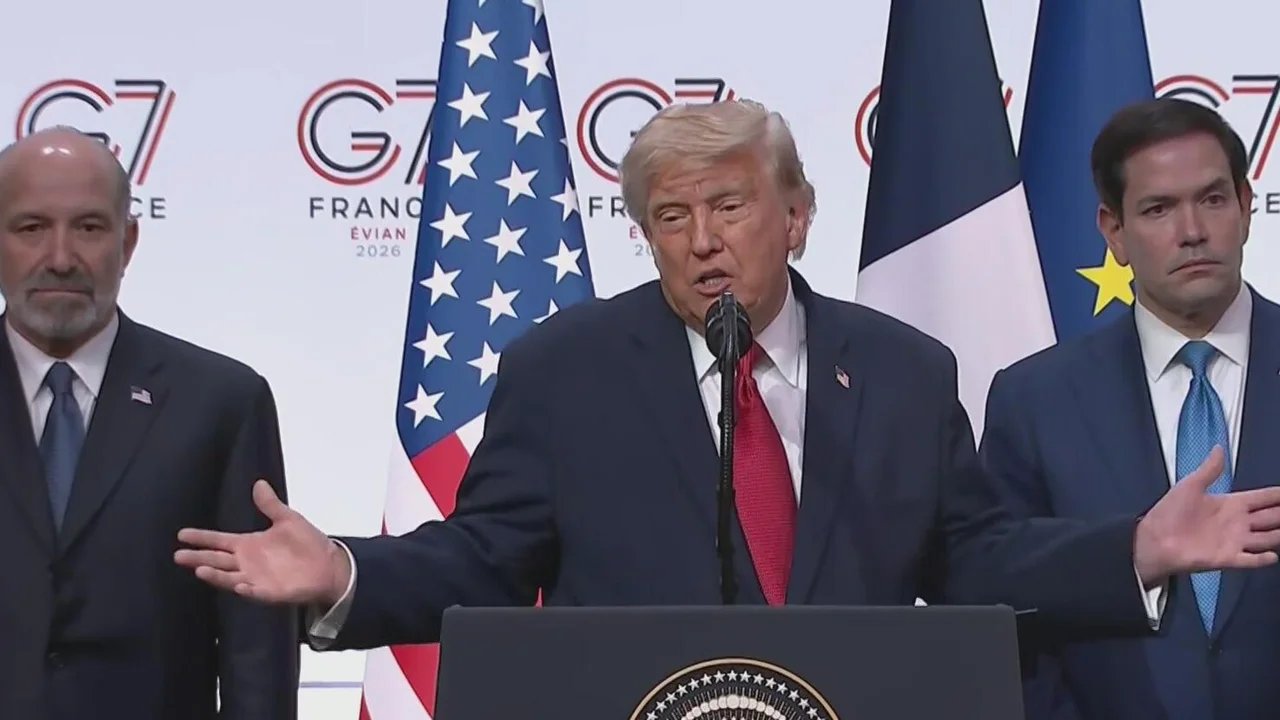
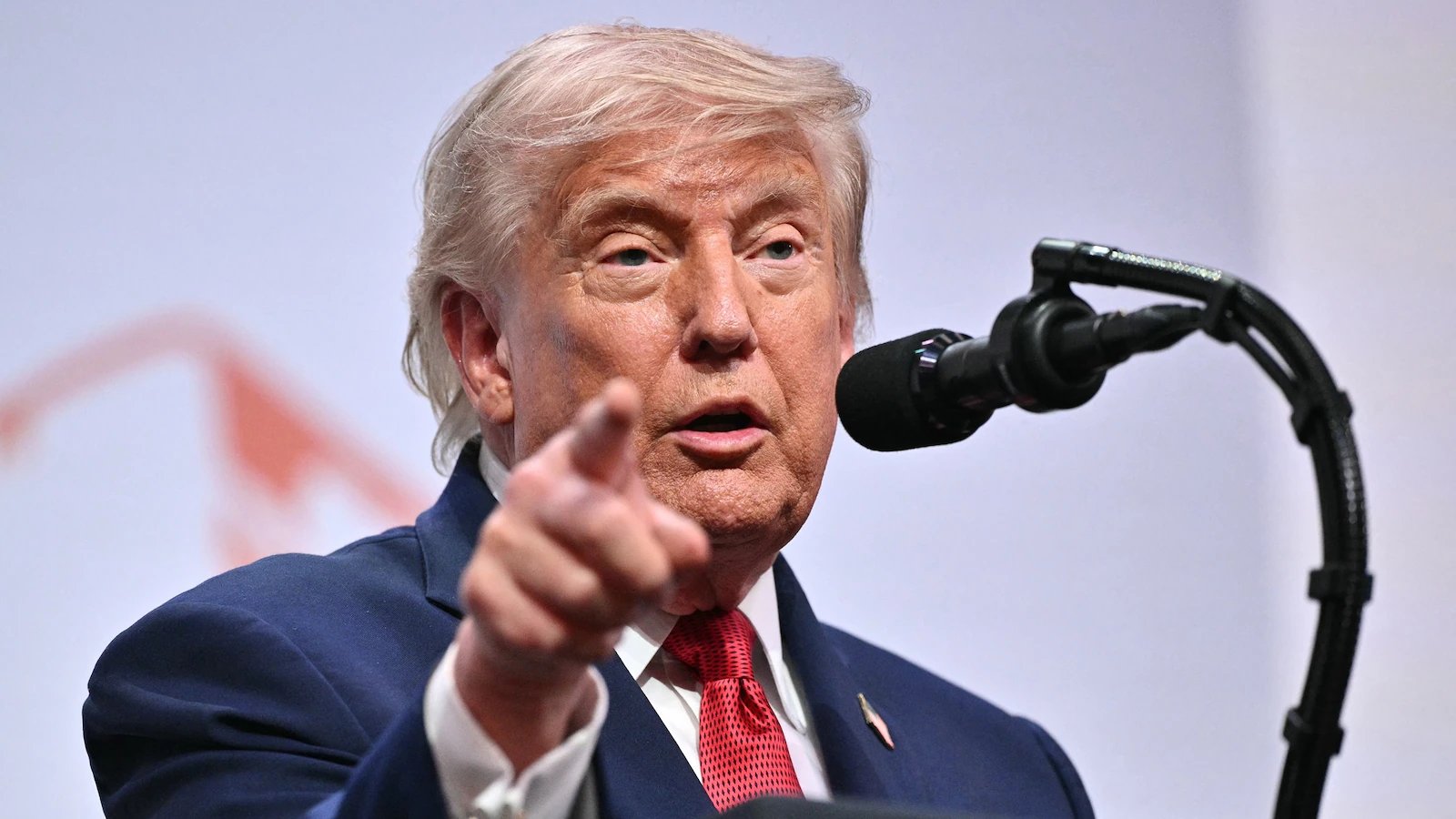
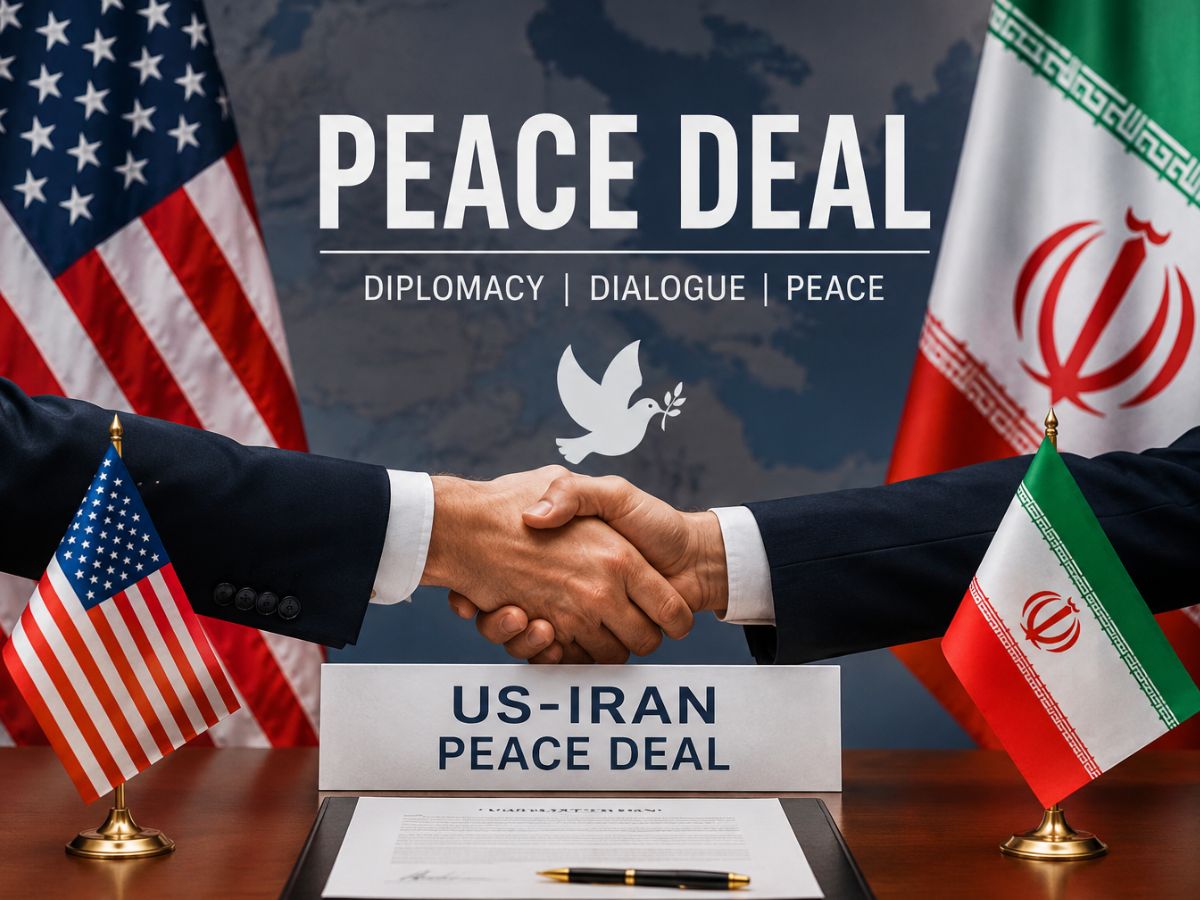
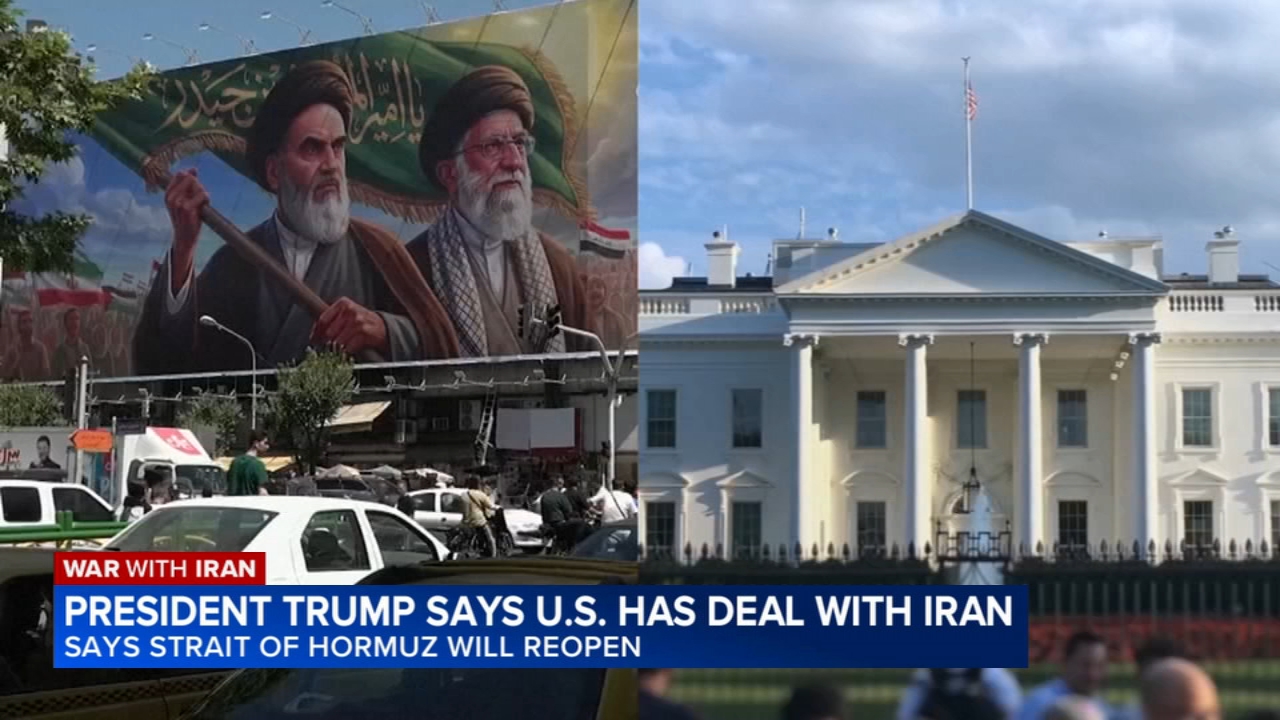
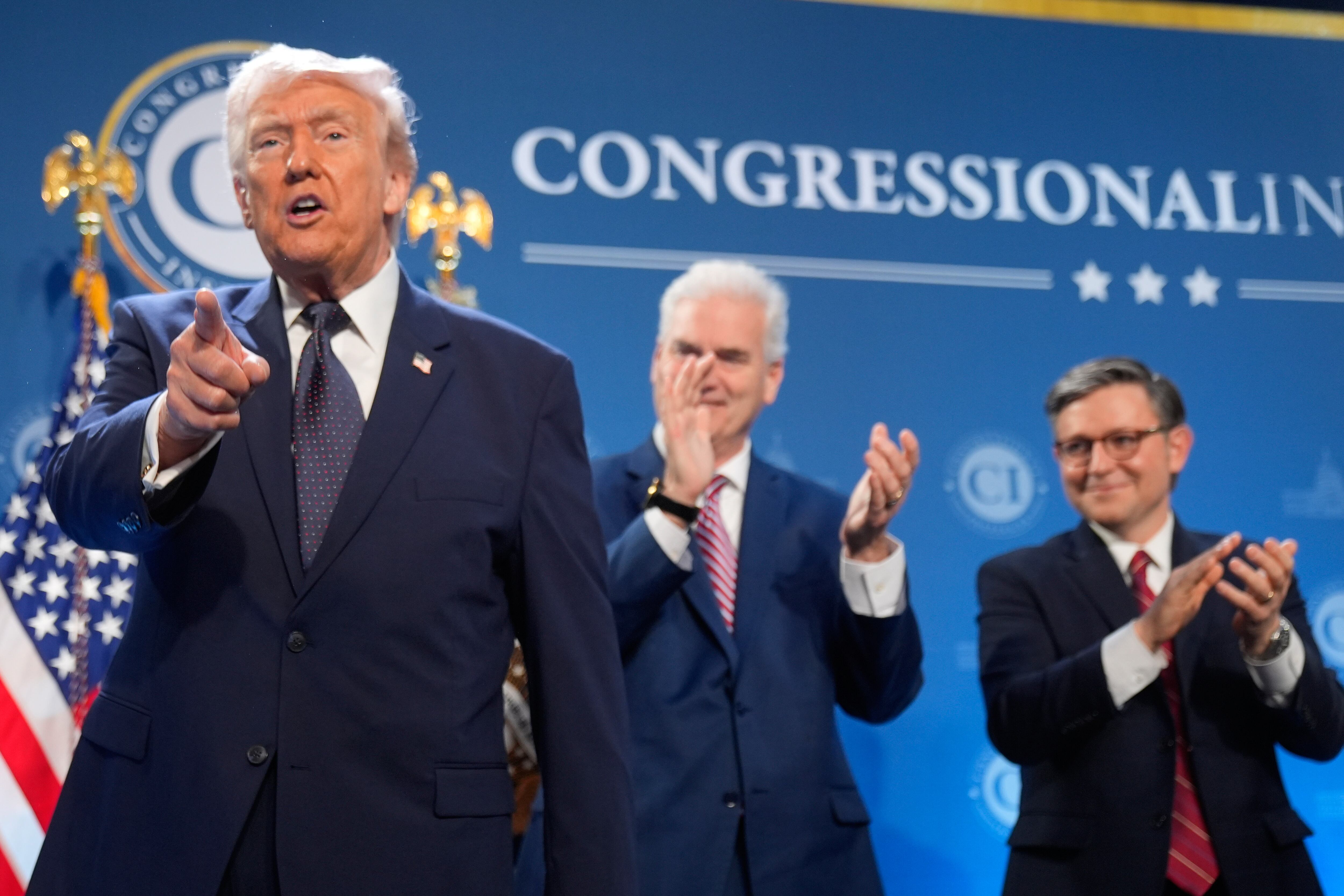
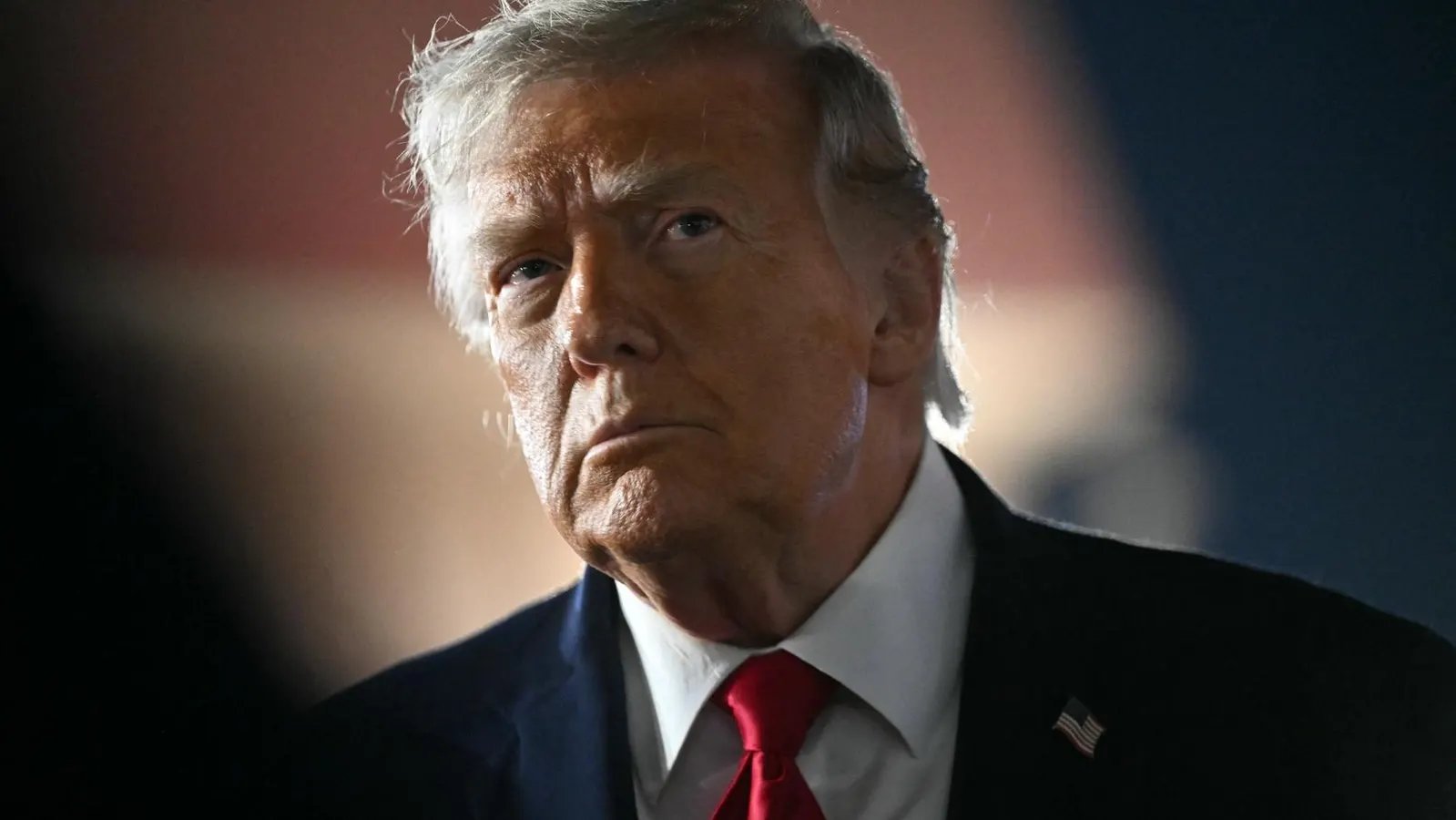
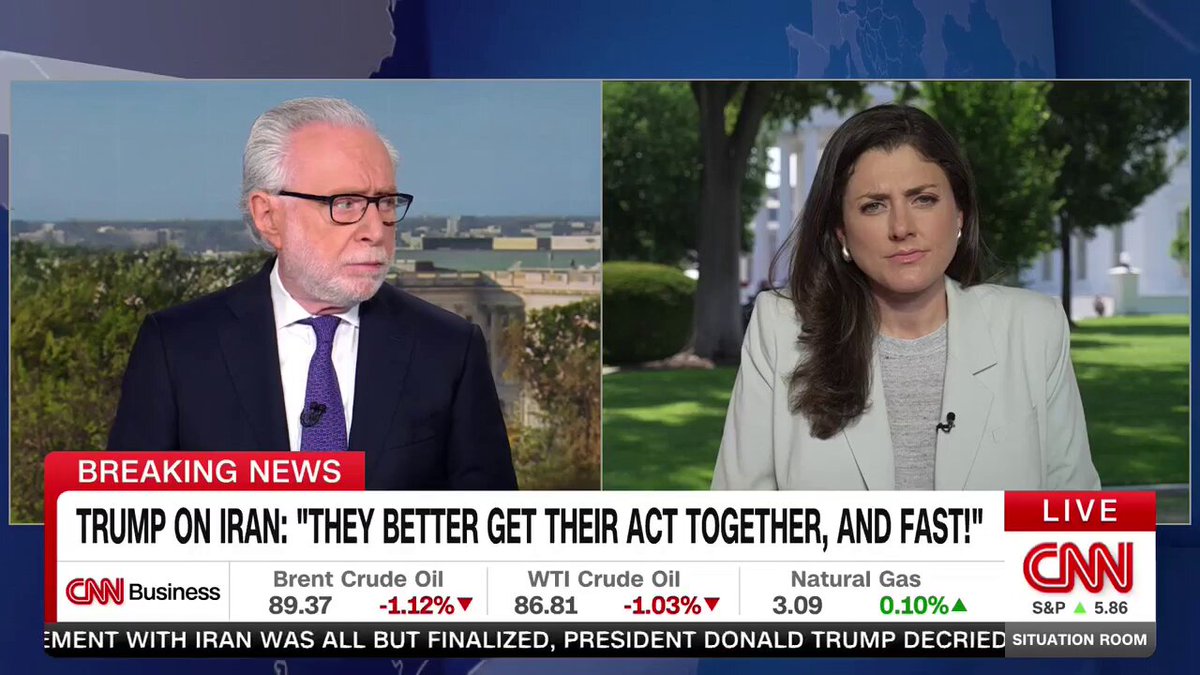
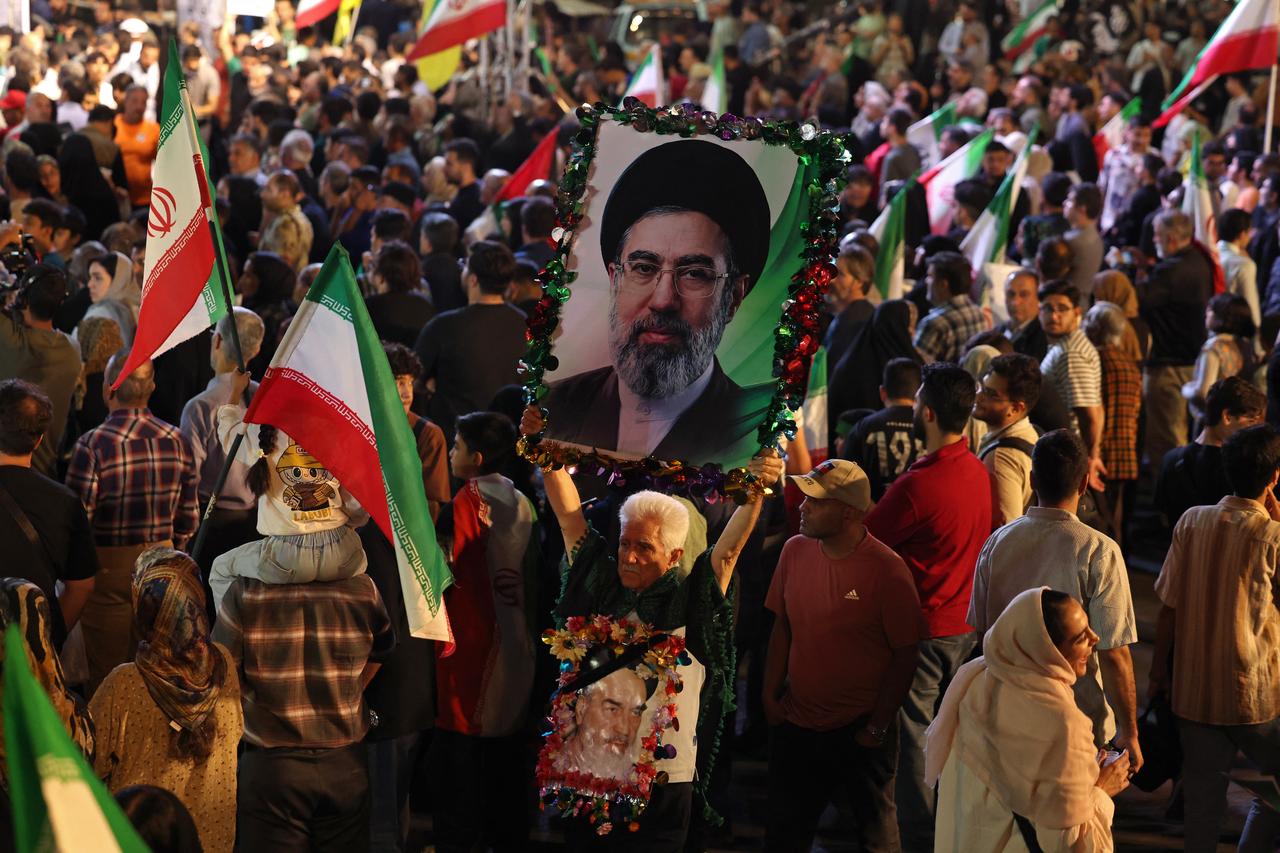
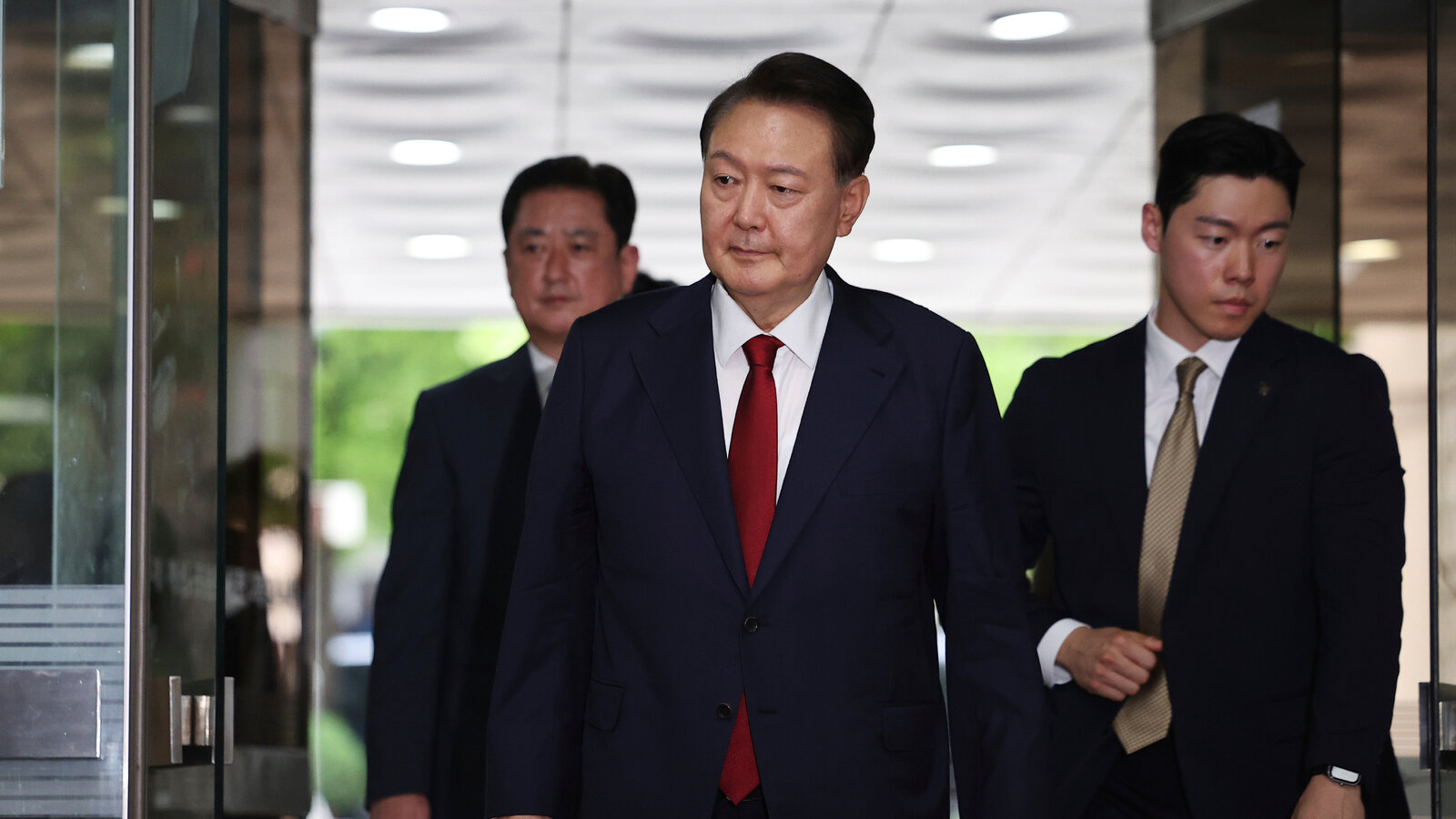
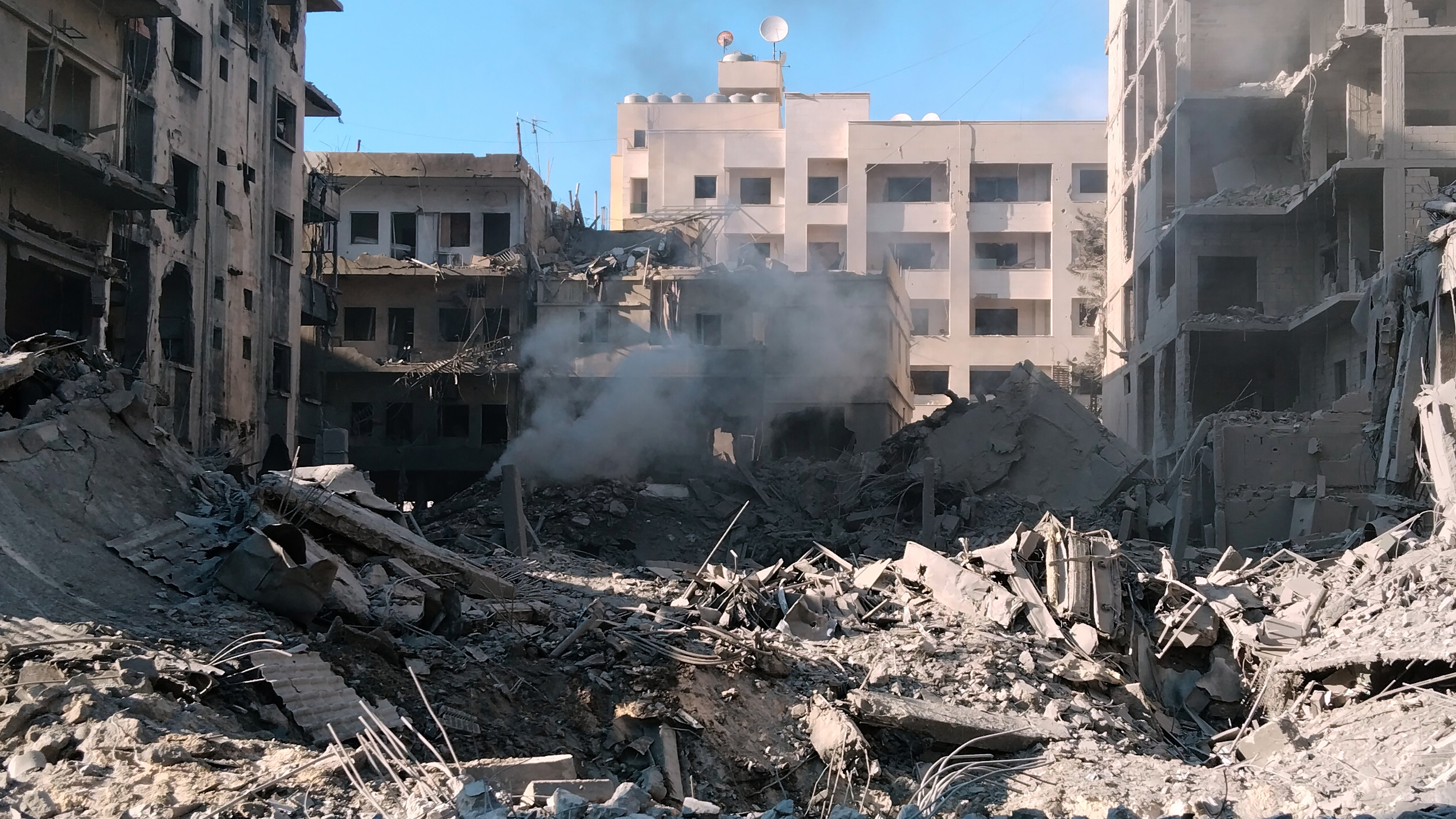
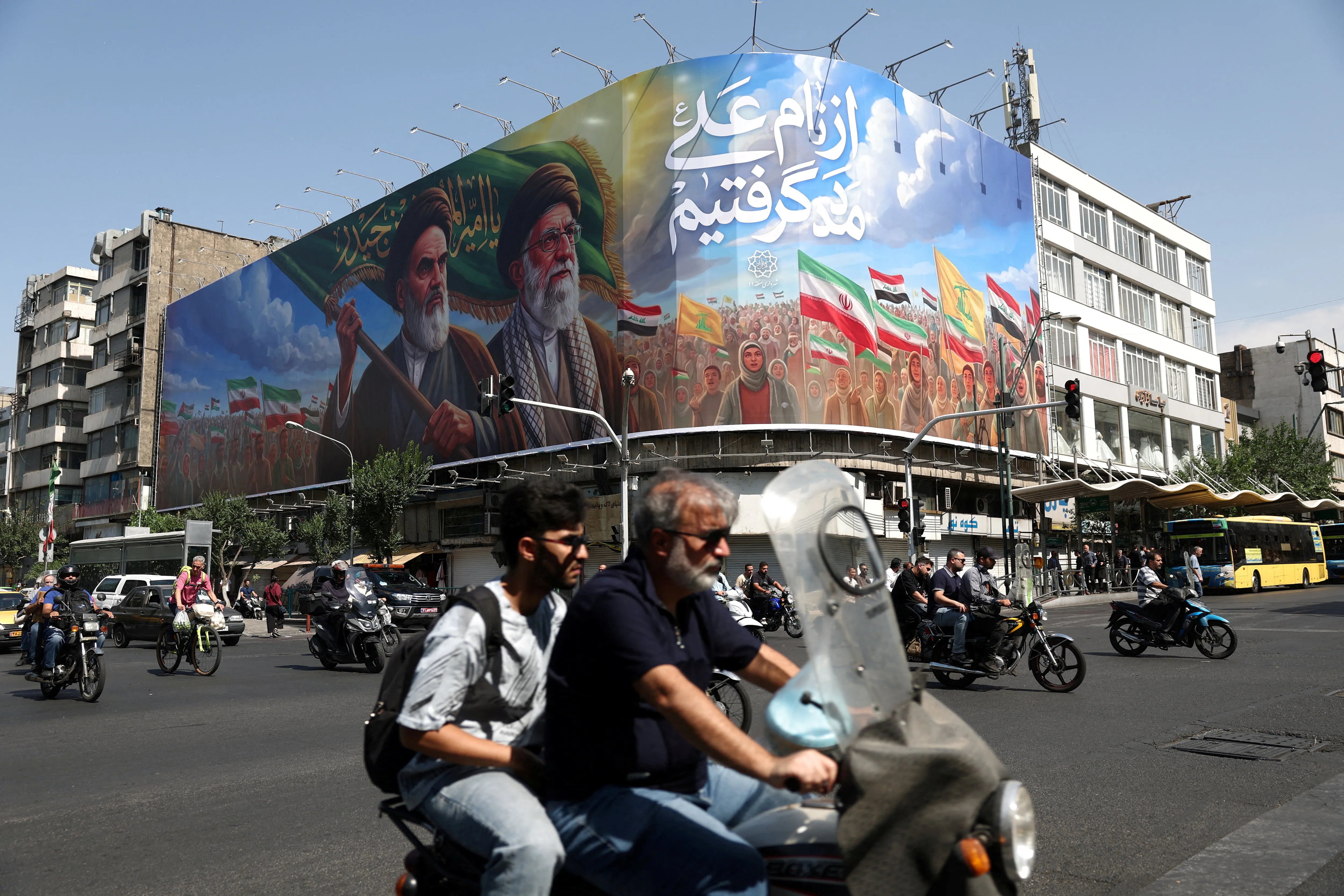
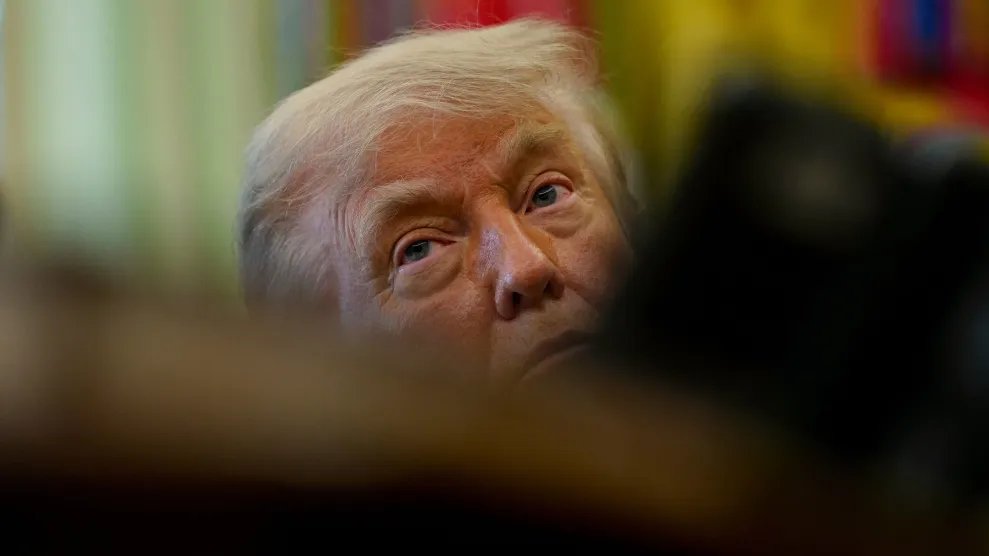
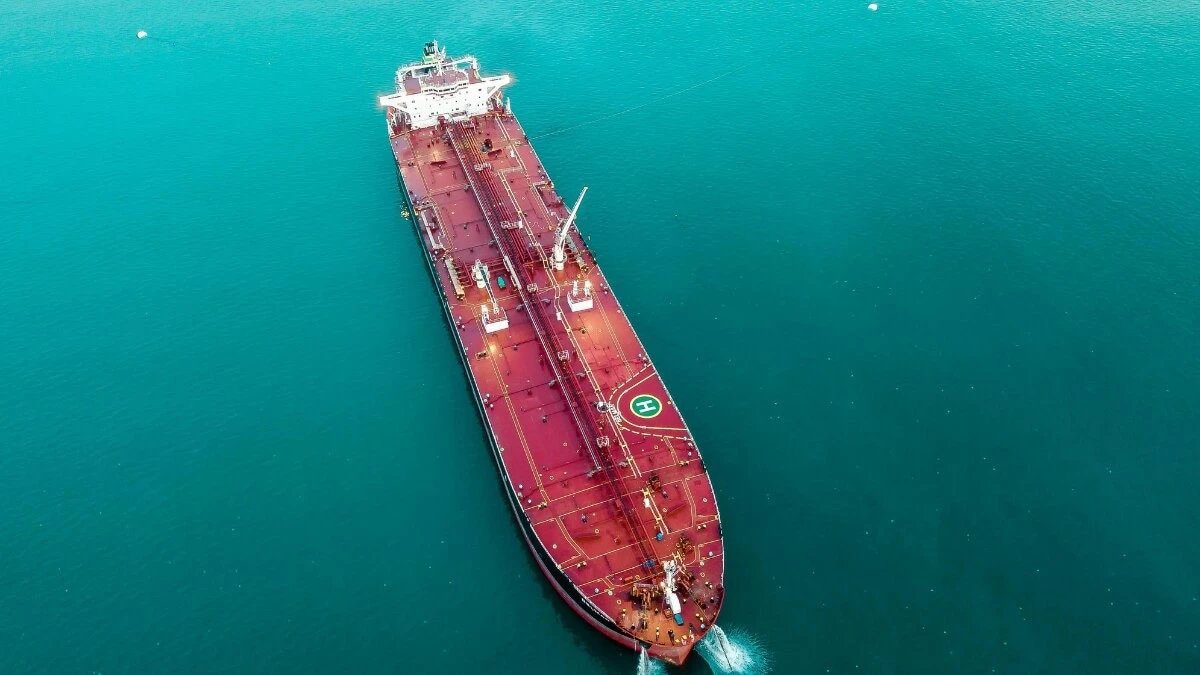
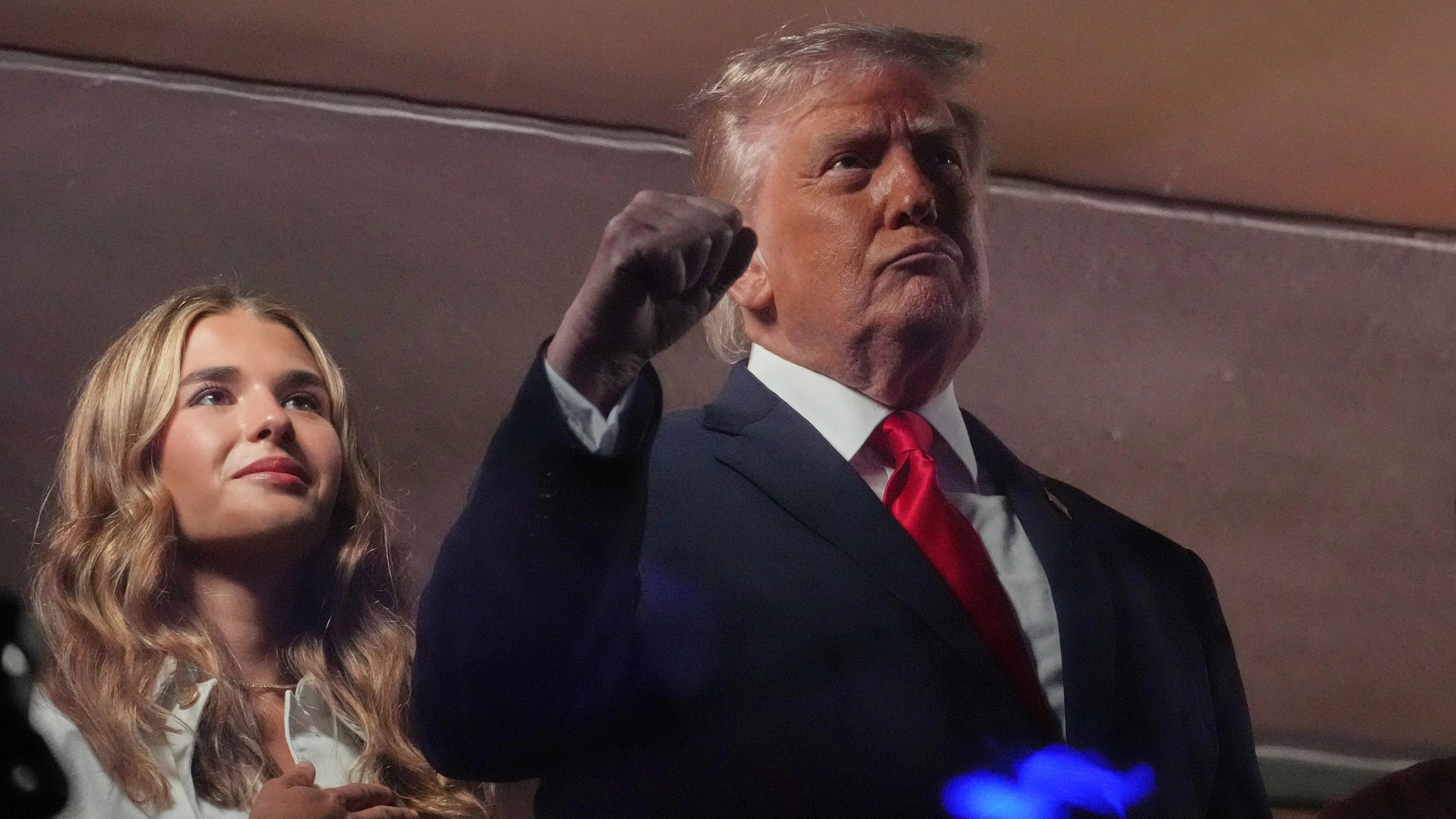
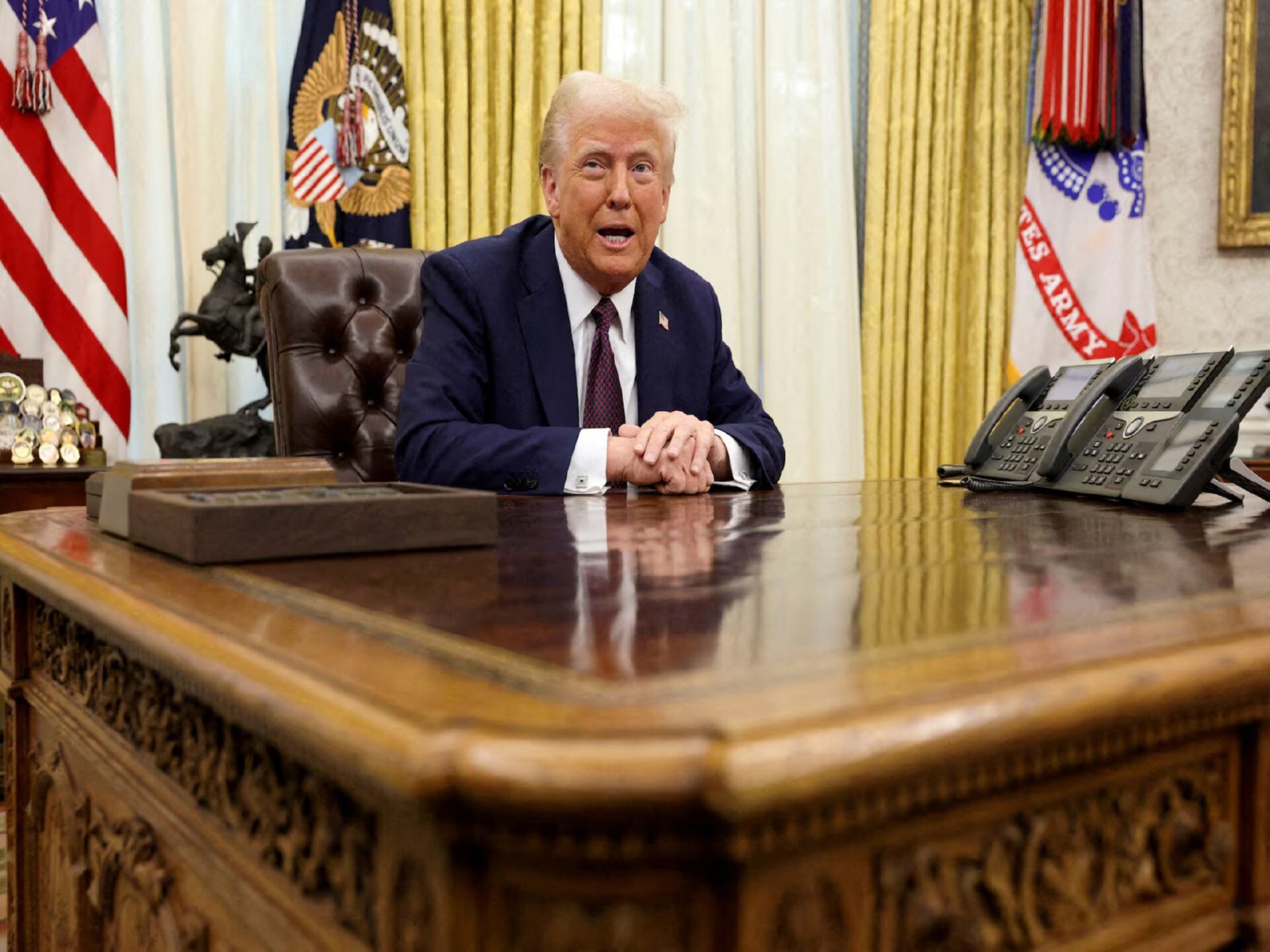
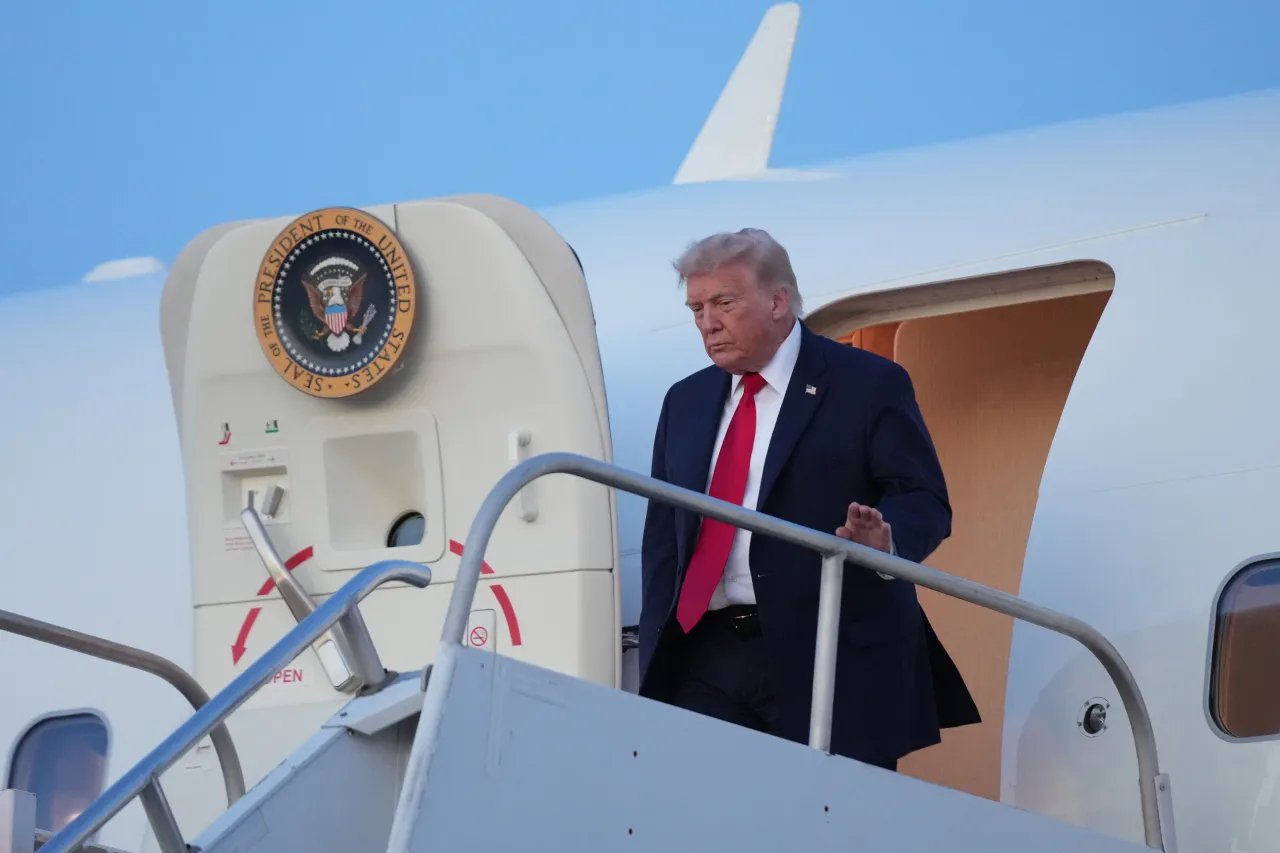
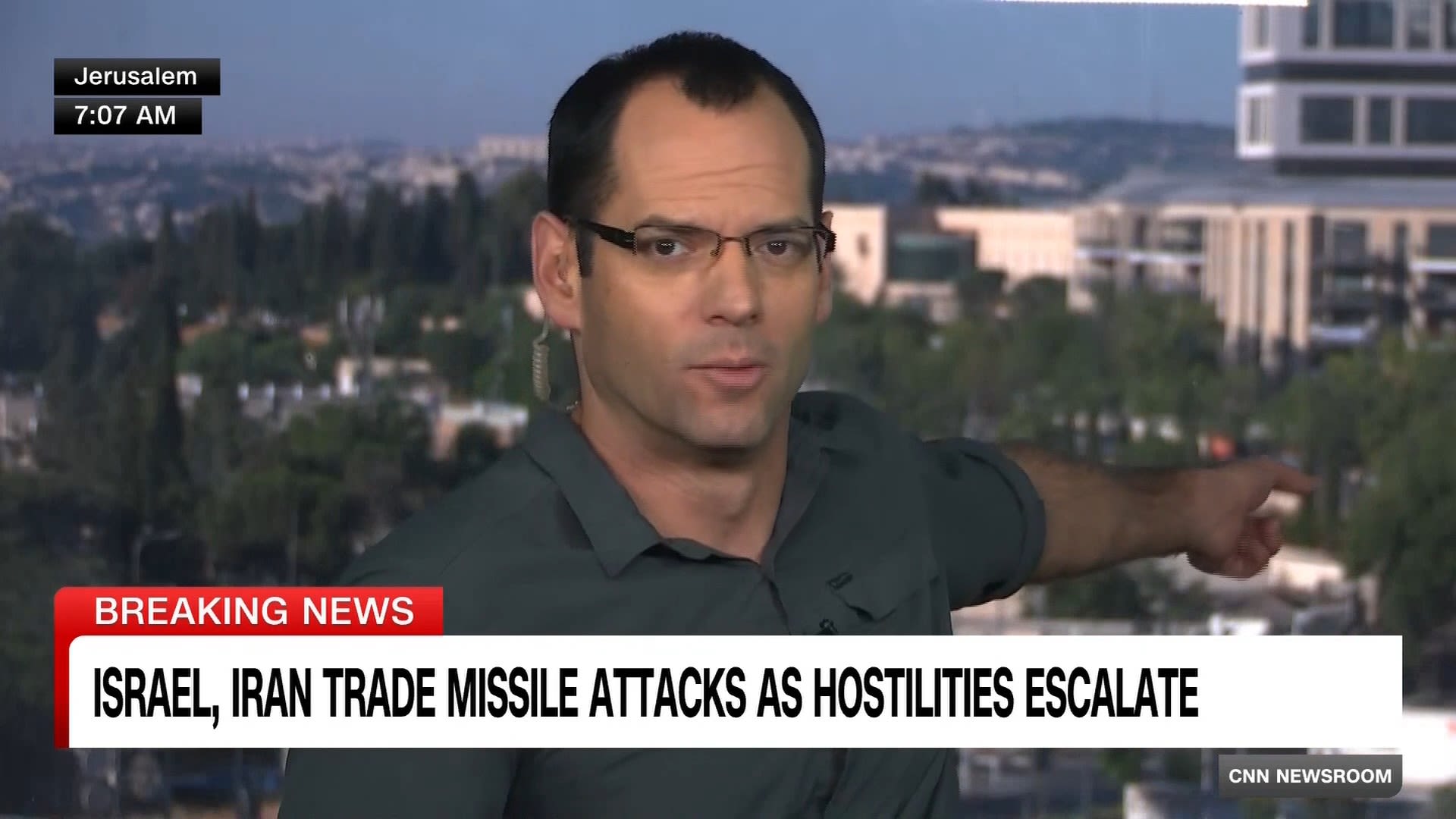
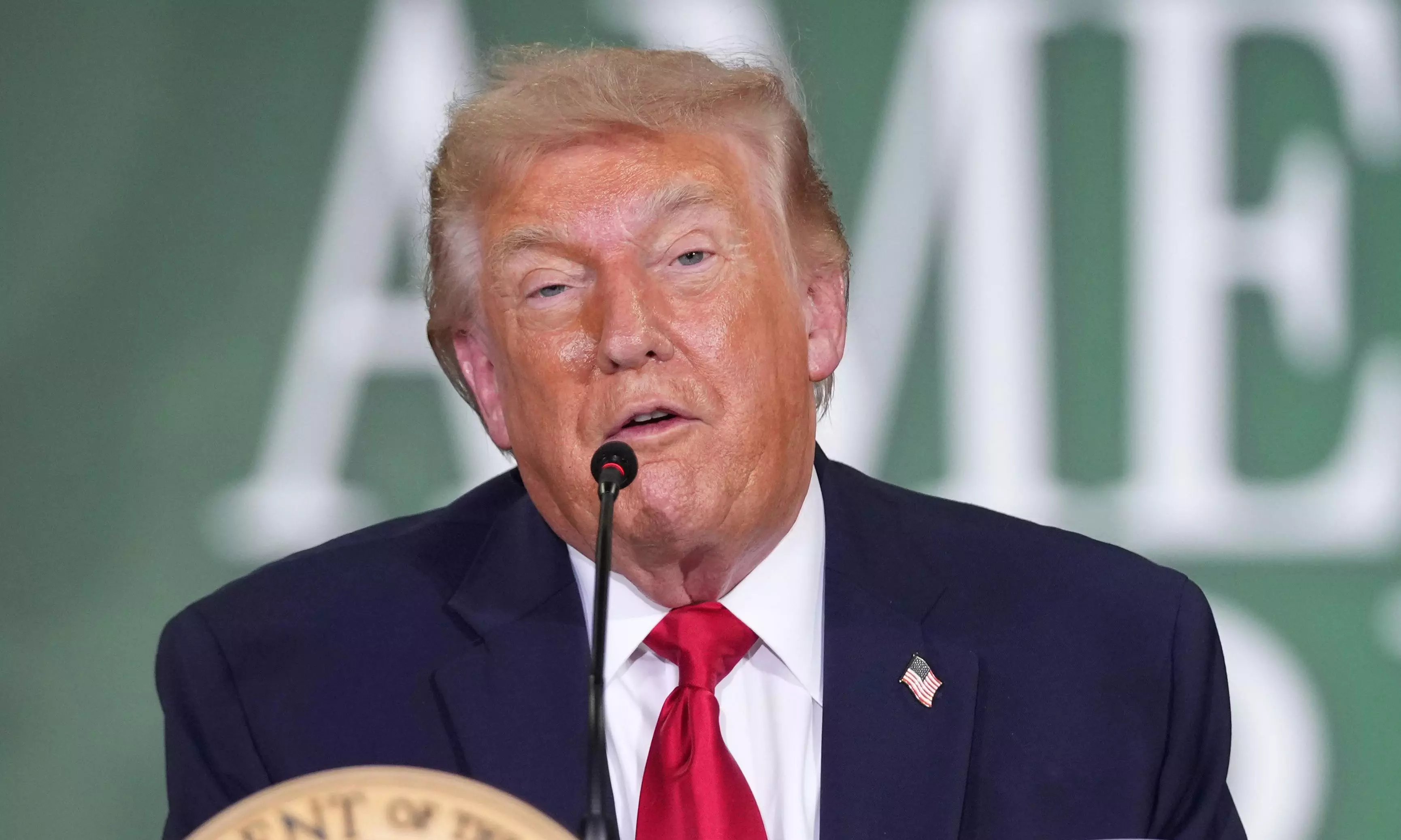
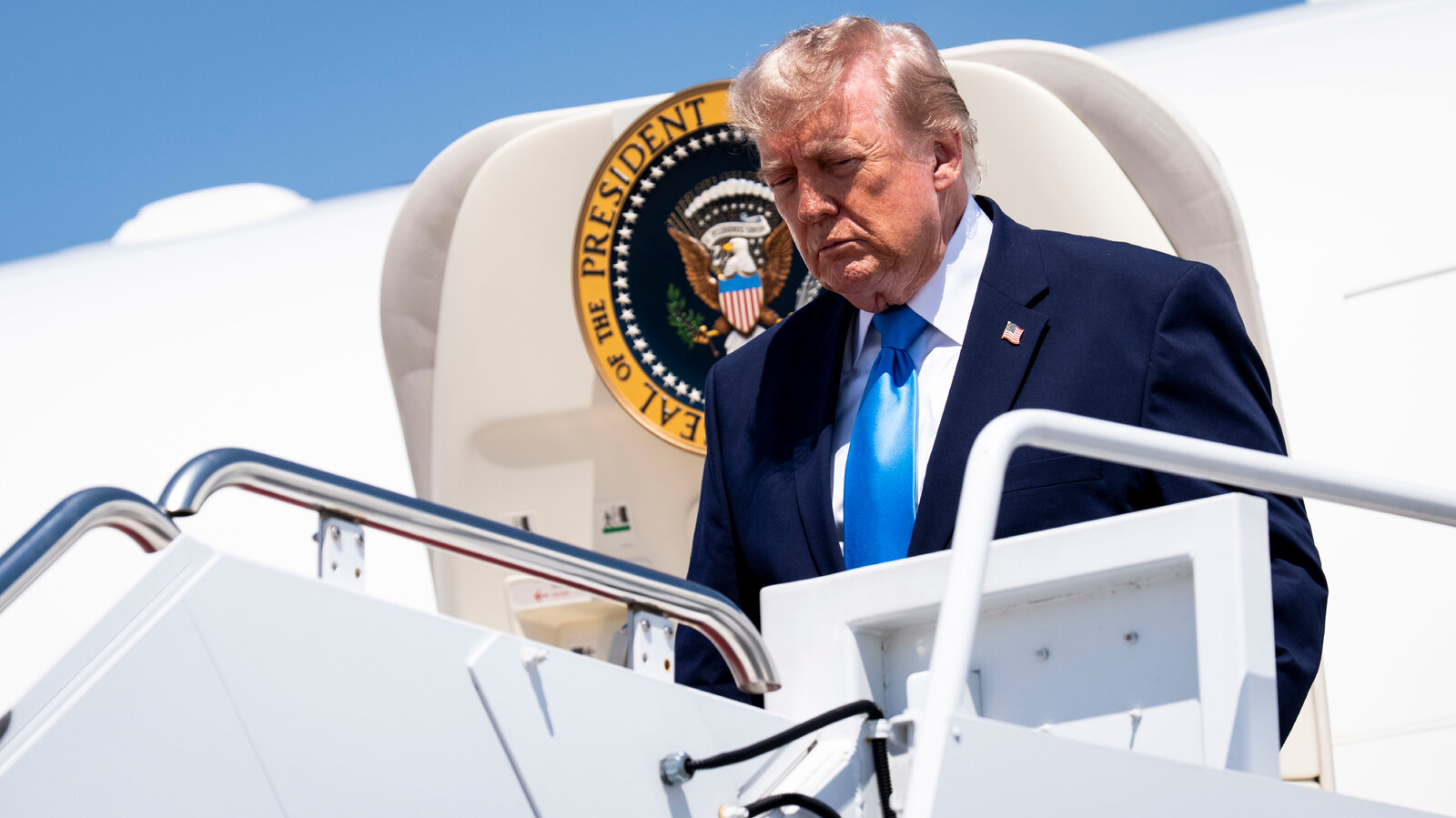
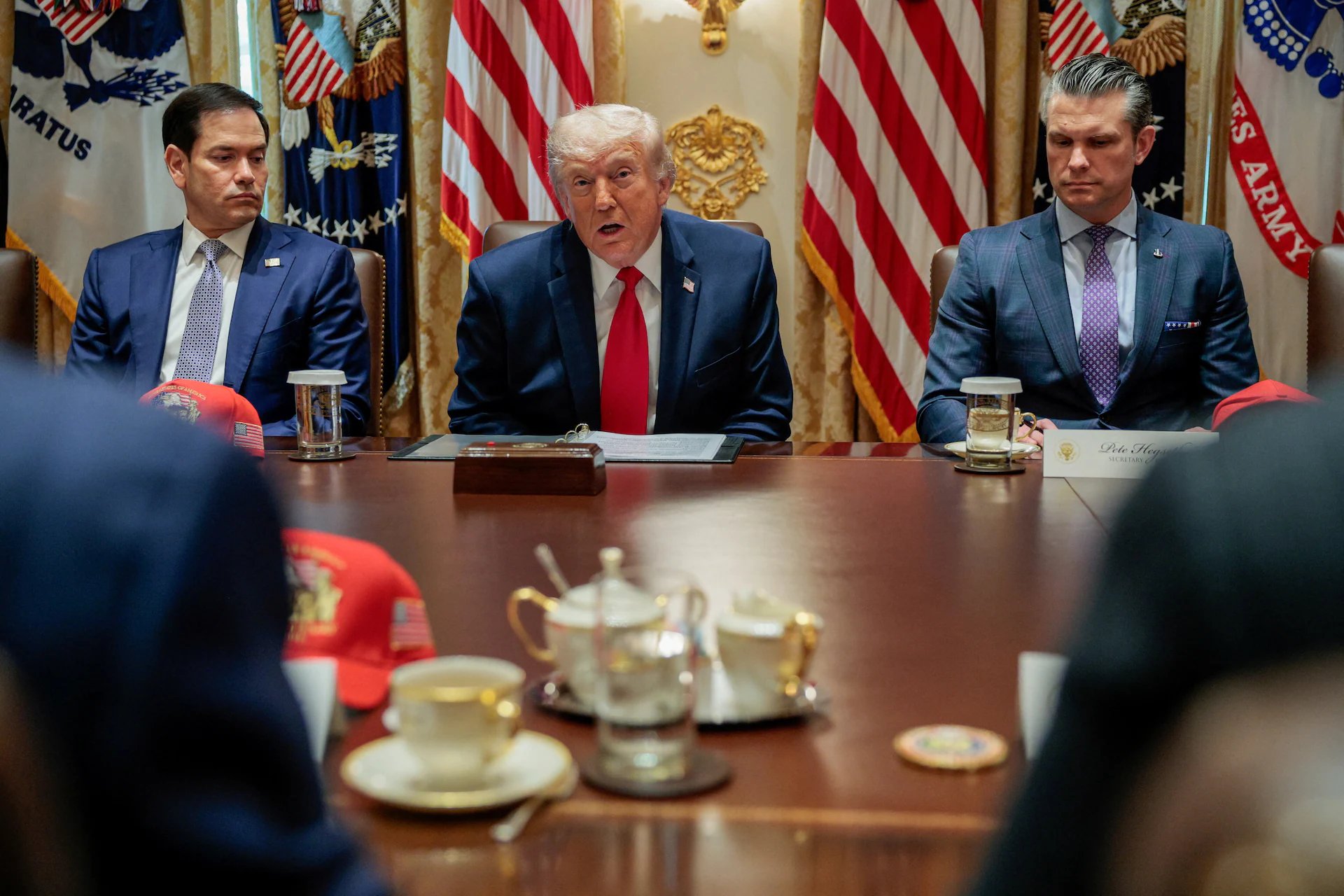
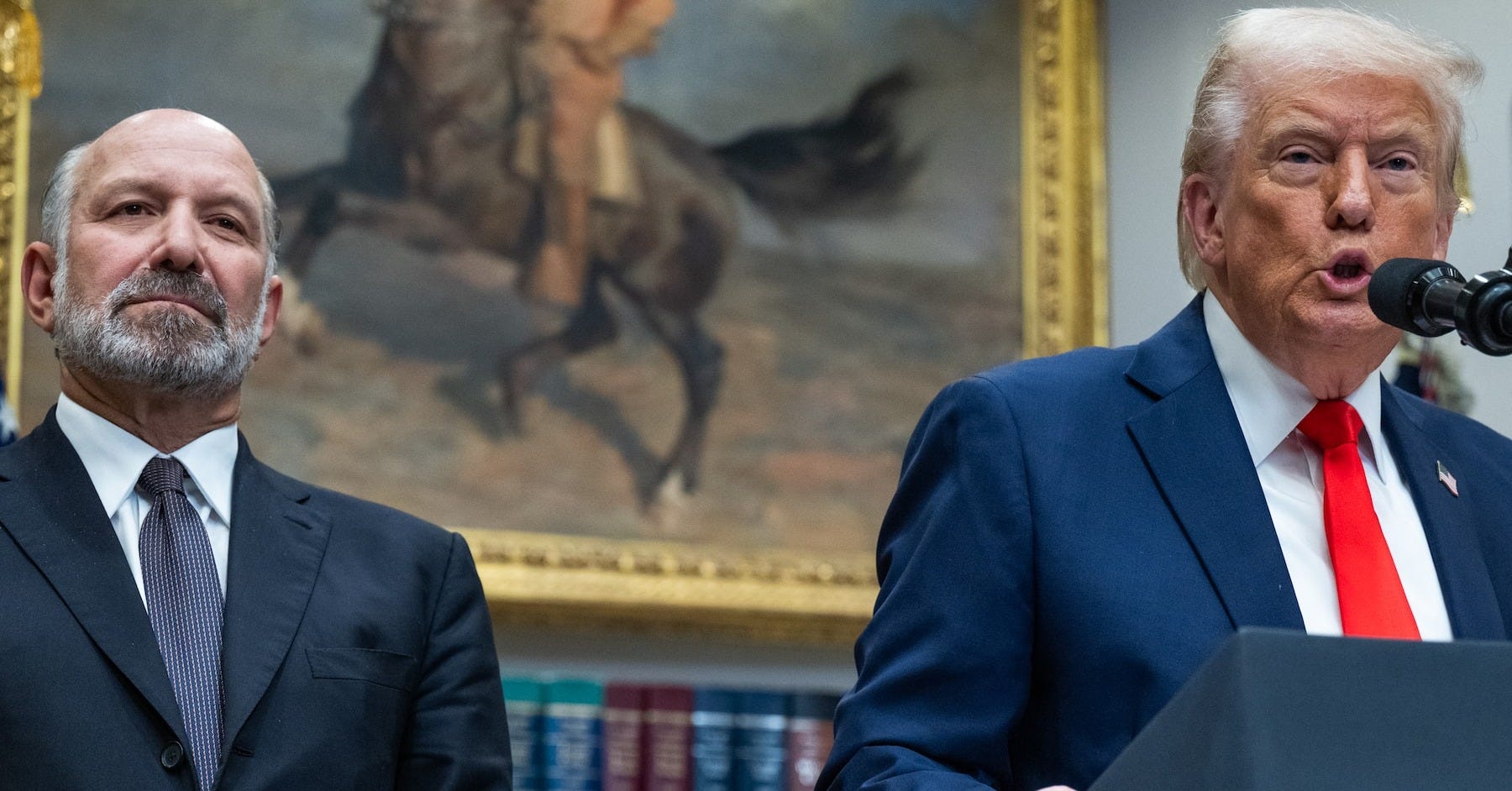
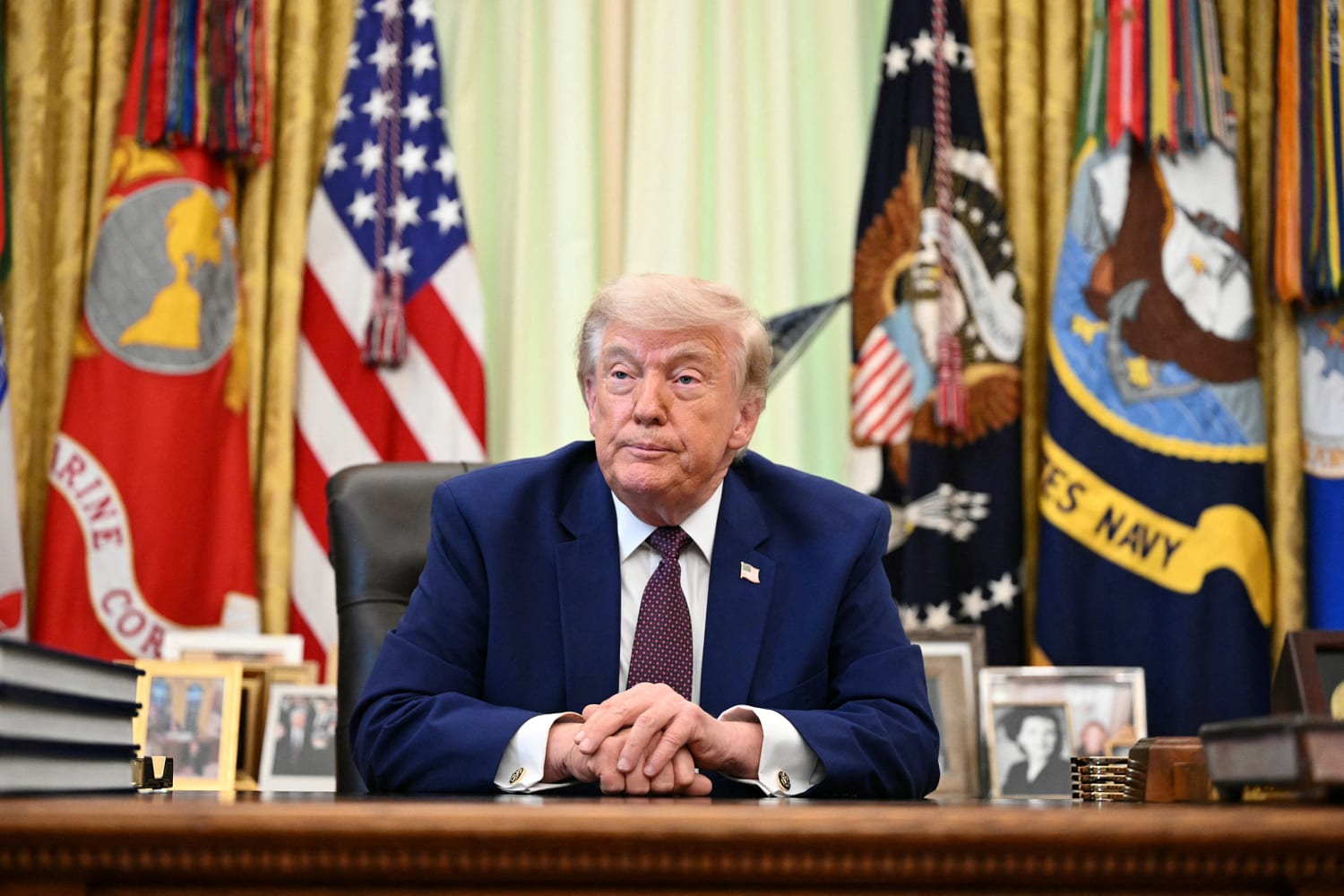
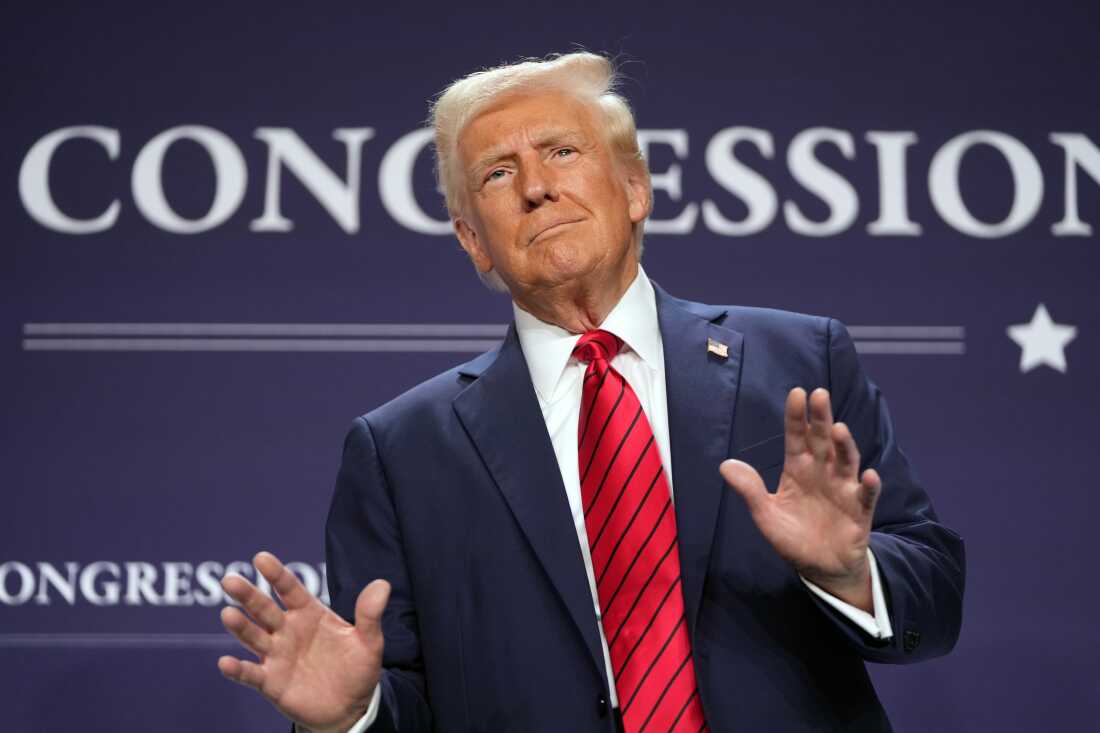
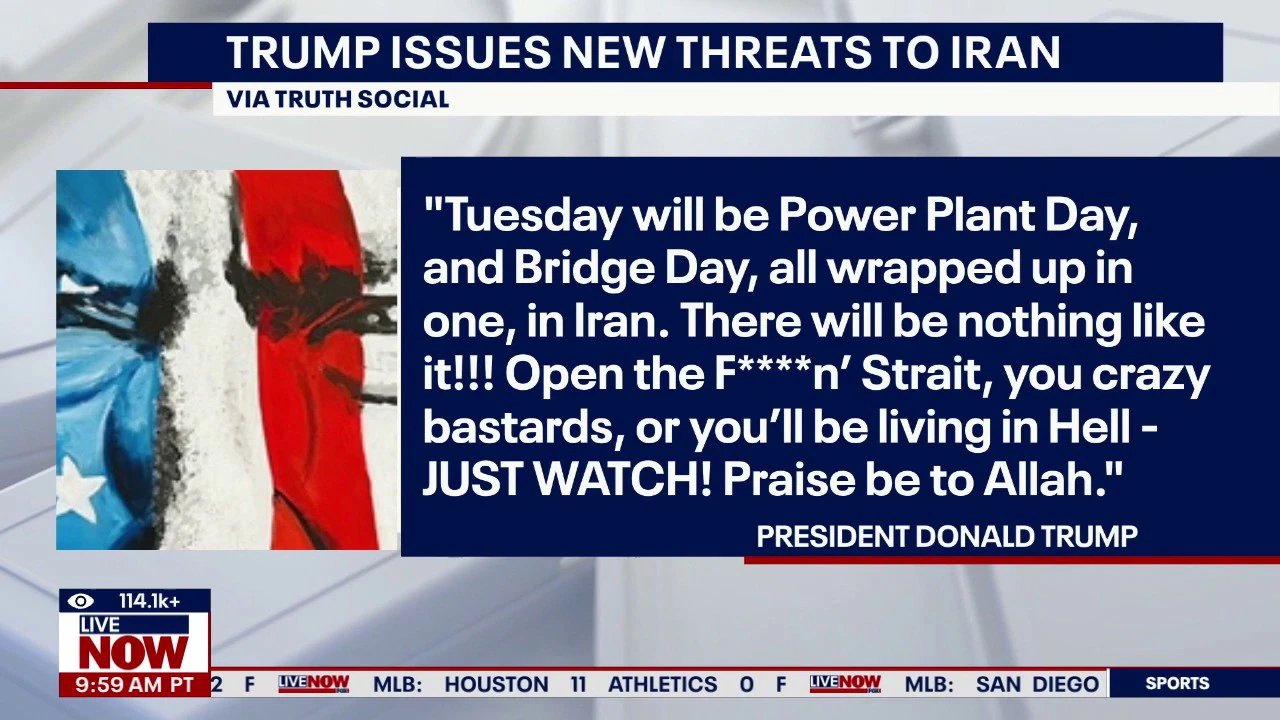
President Trump announced a significant shift in diplomatic relations by declaring that a peace deal with Iran will be announced "soon," and consequently canceled further strikes against the country, as reported by NPR.
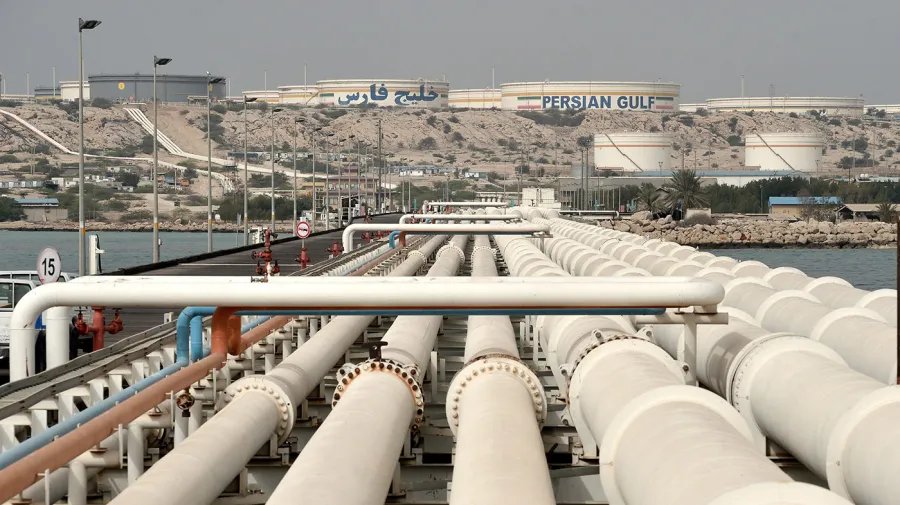
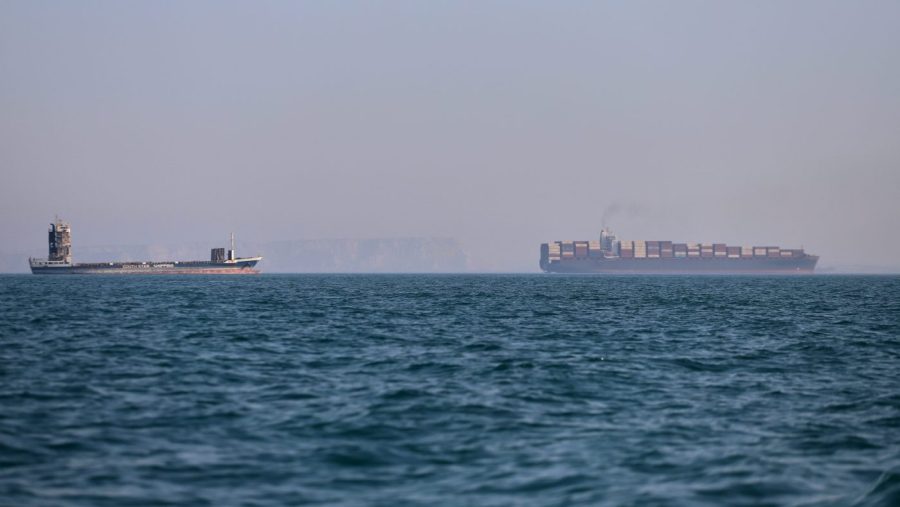
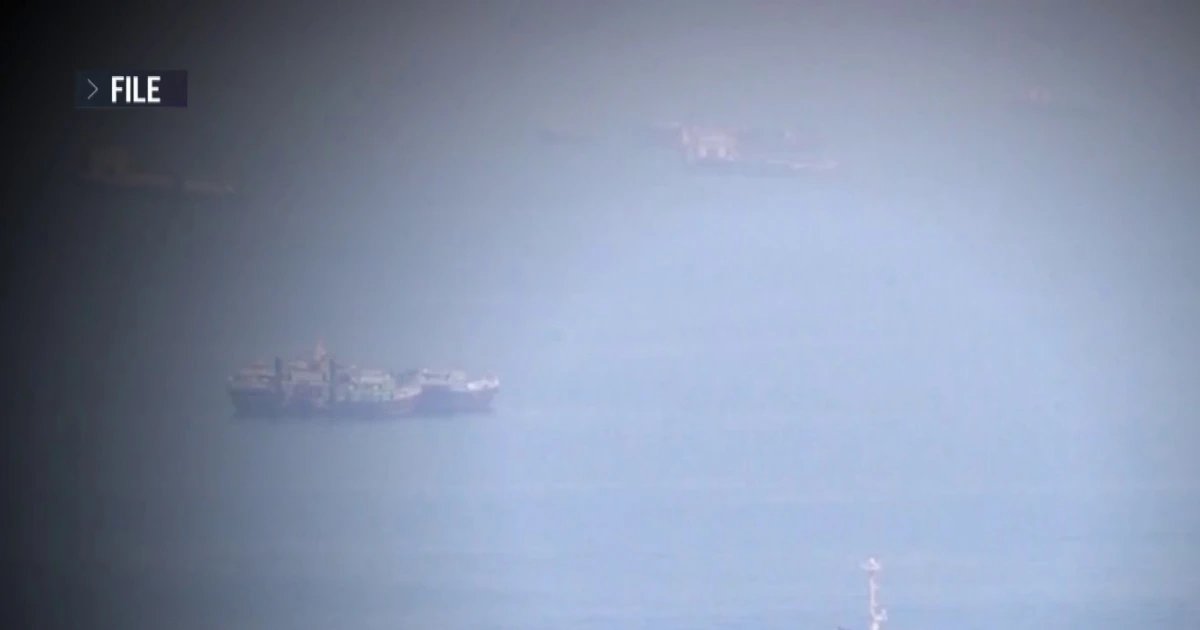
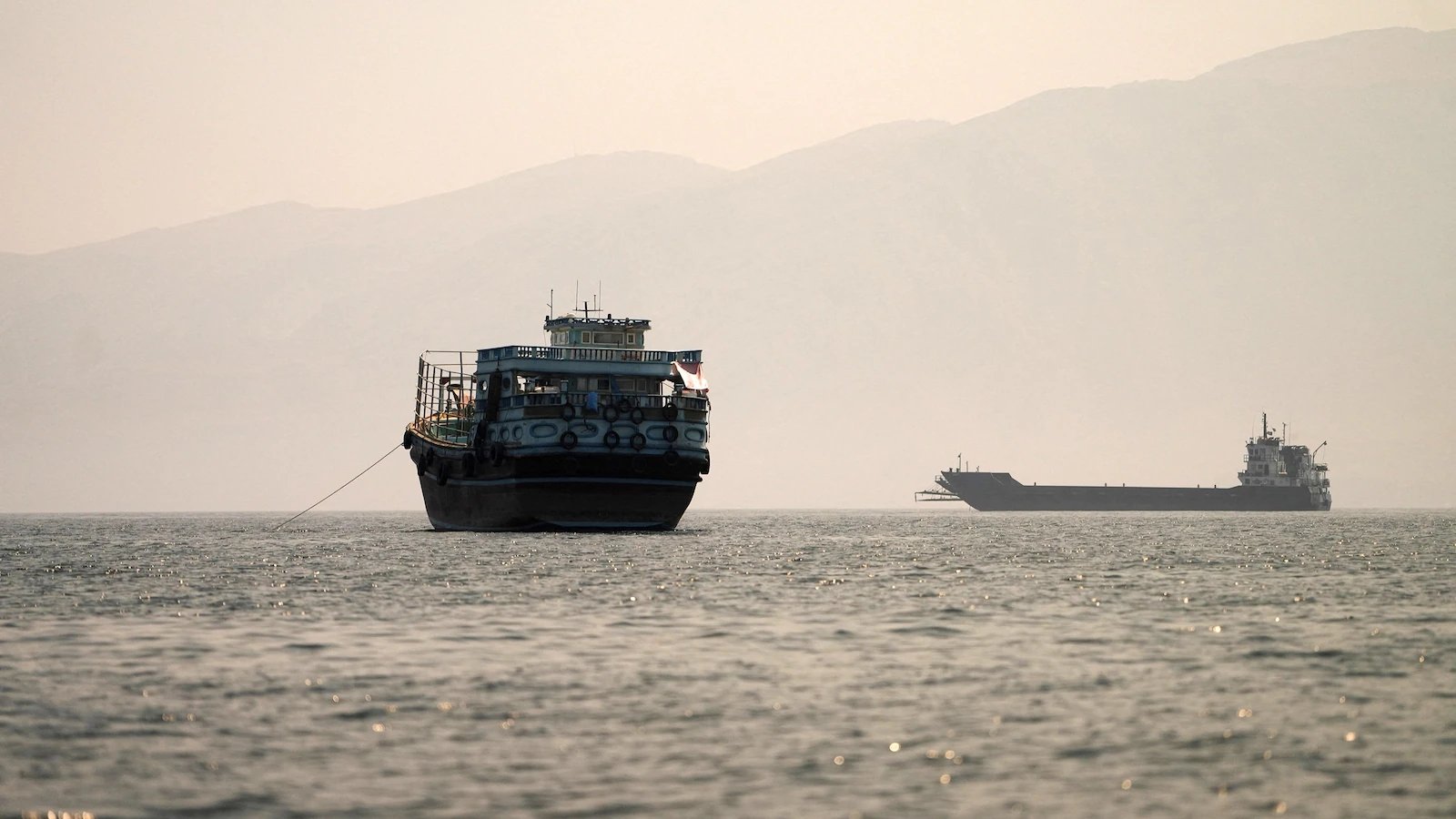
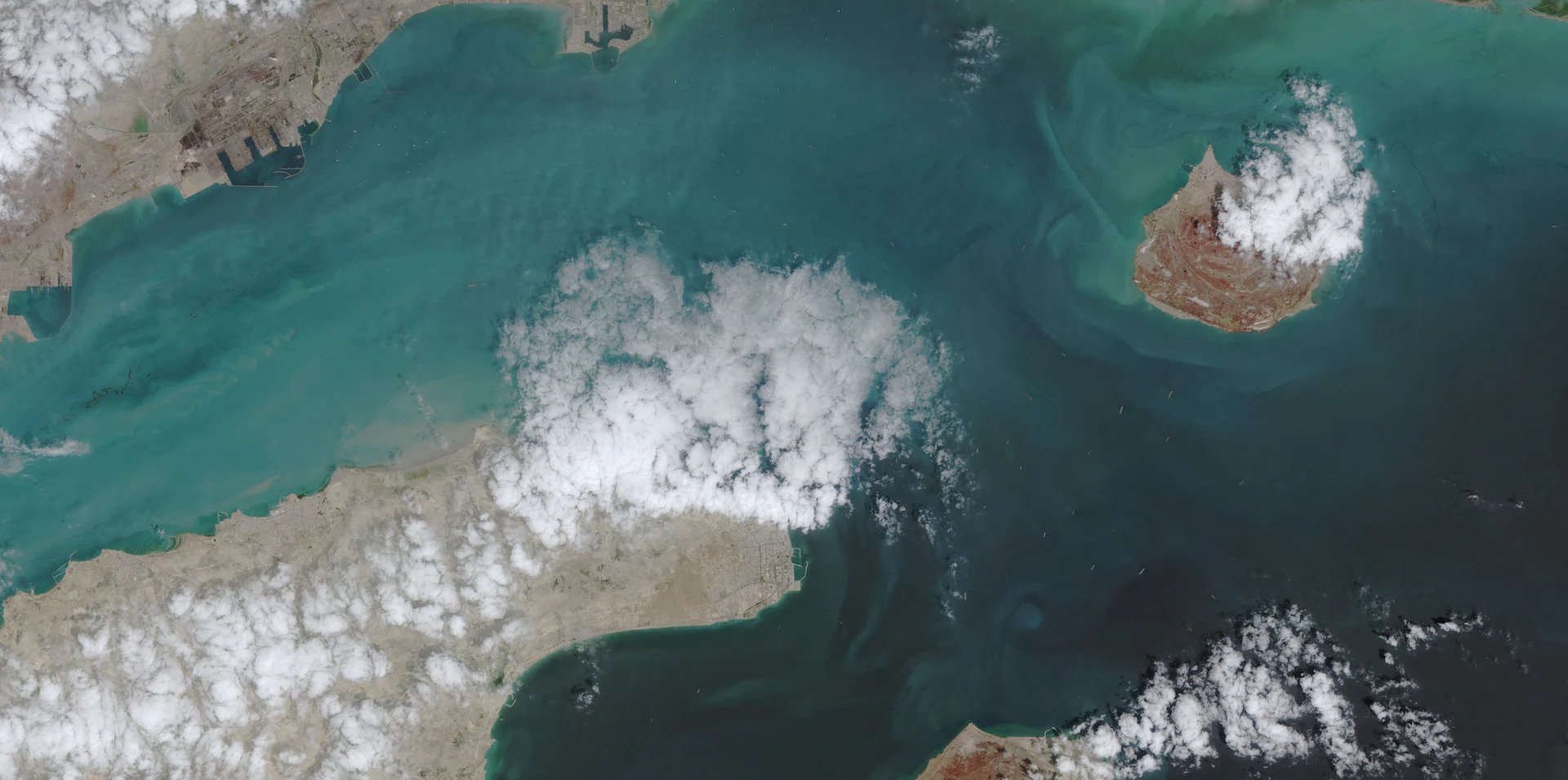
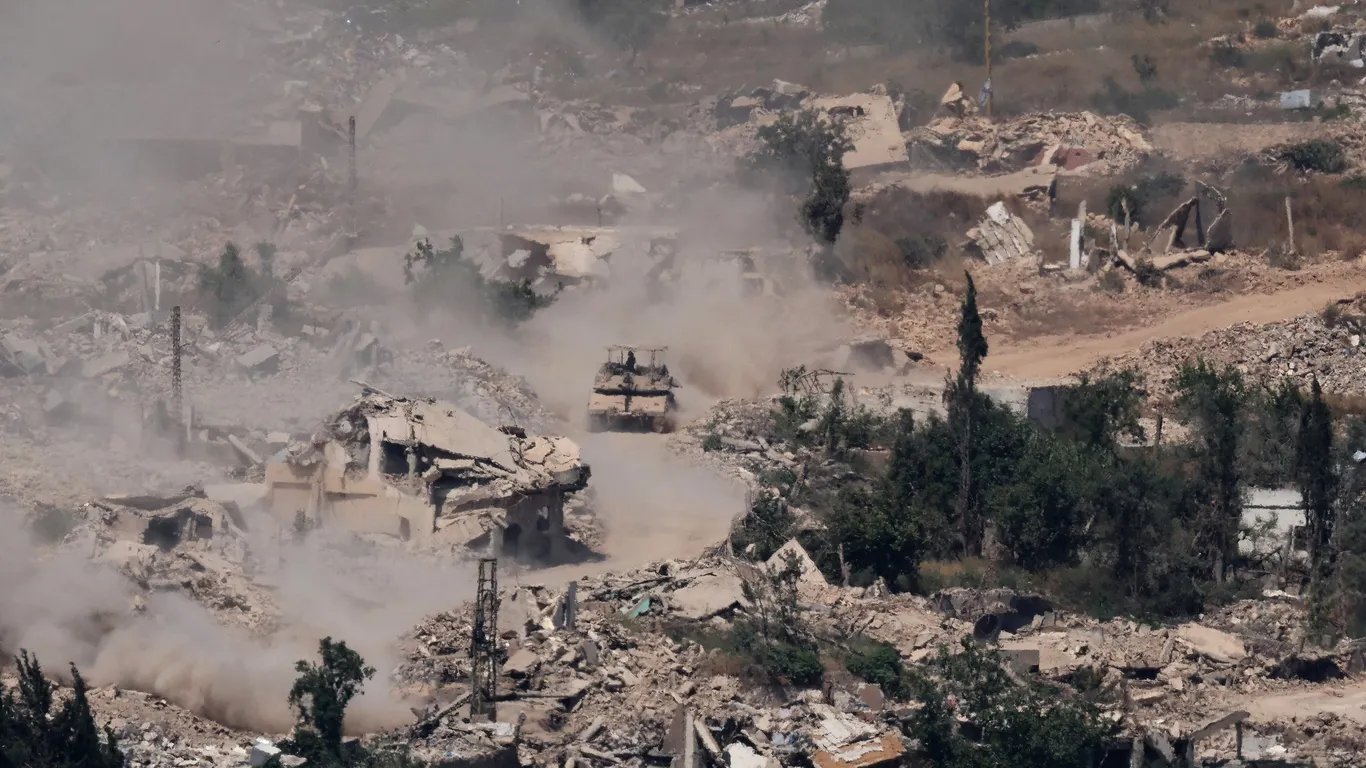
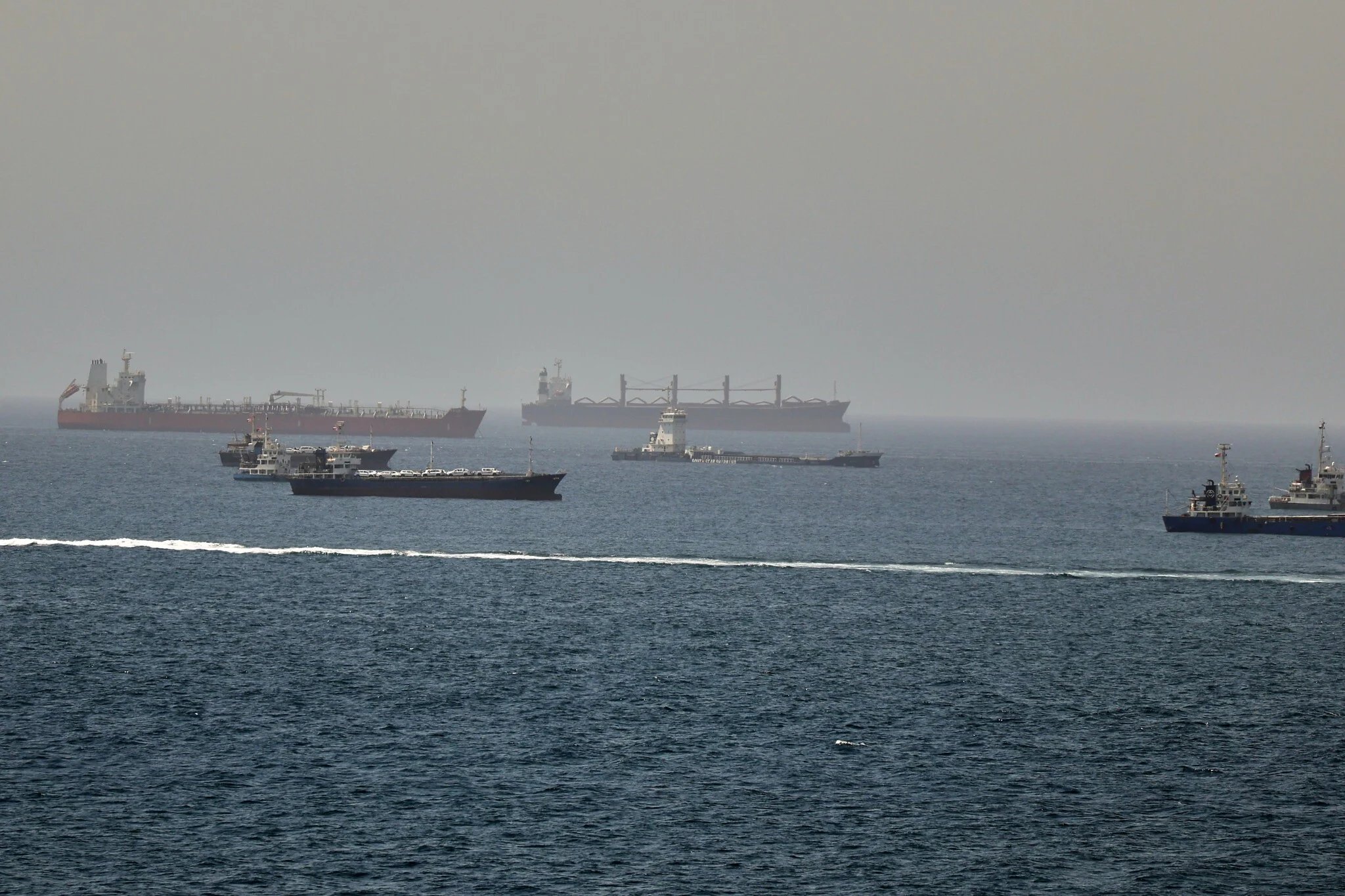
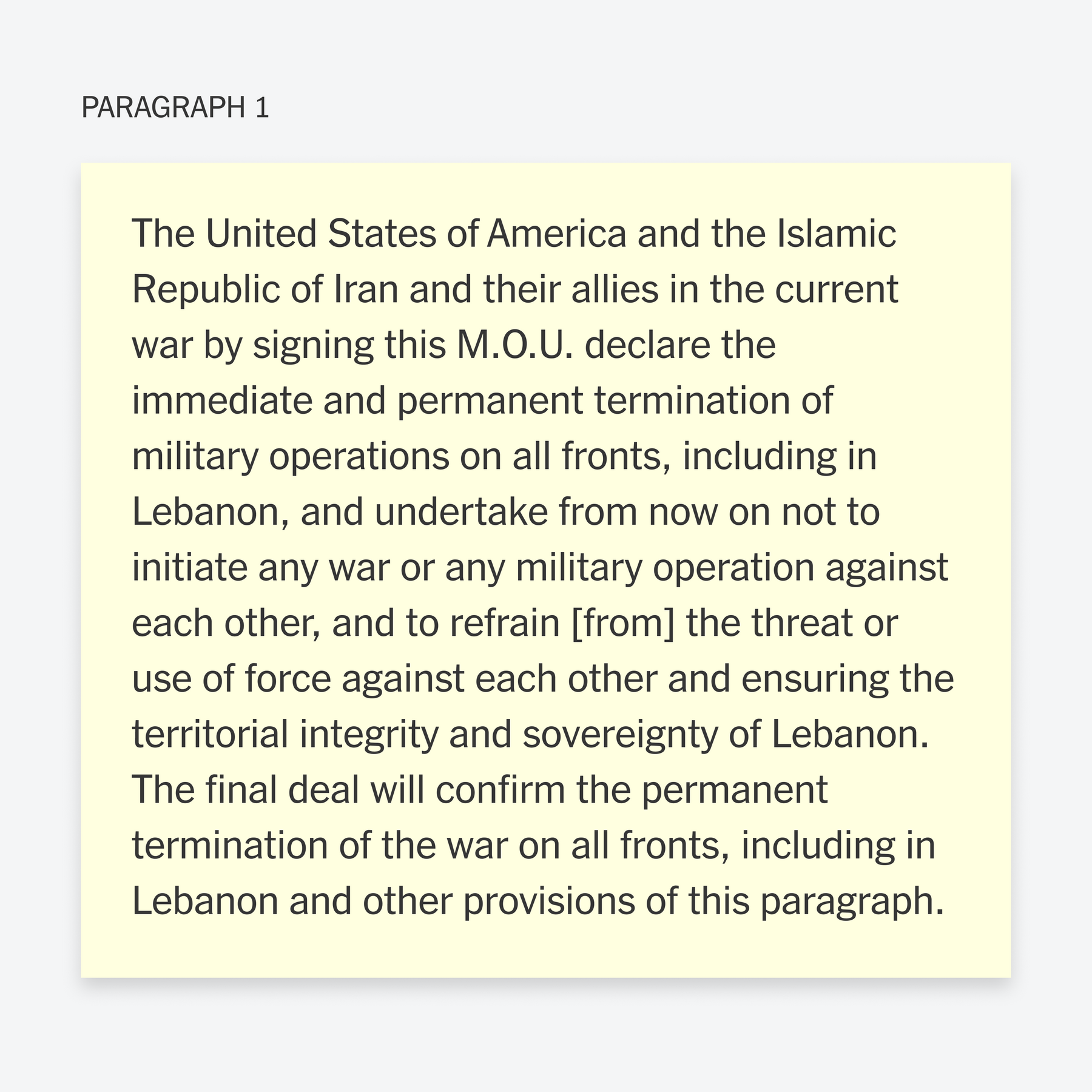
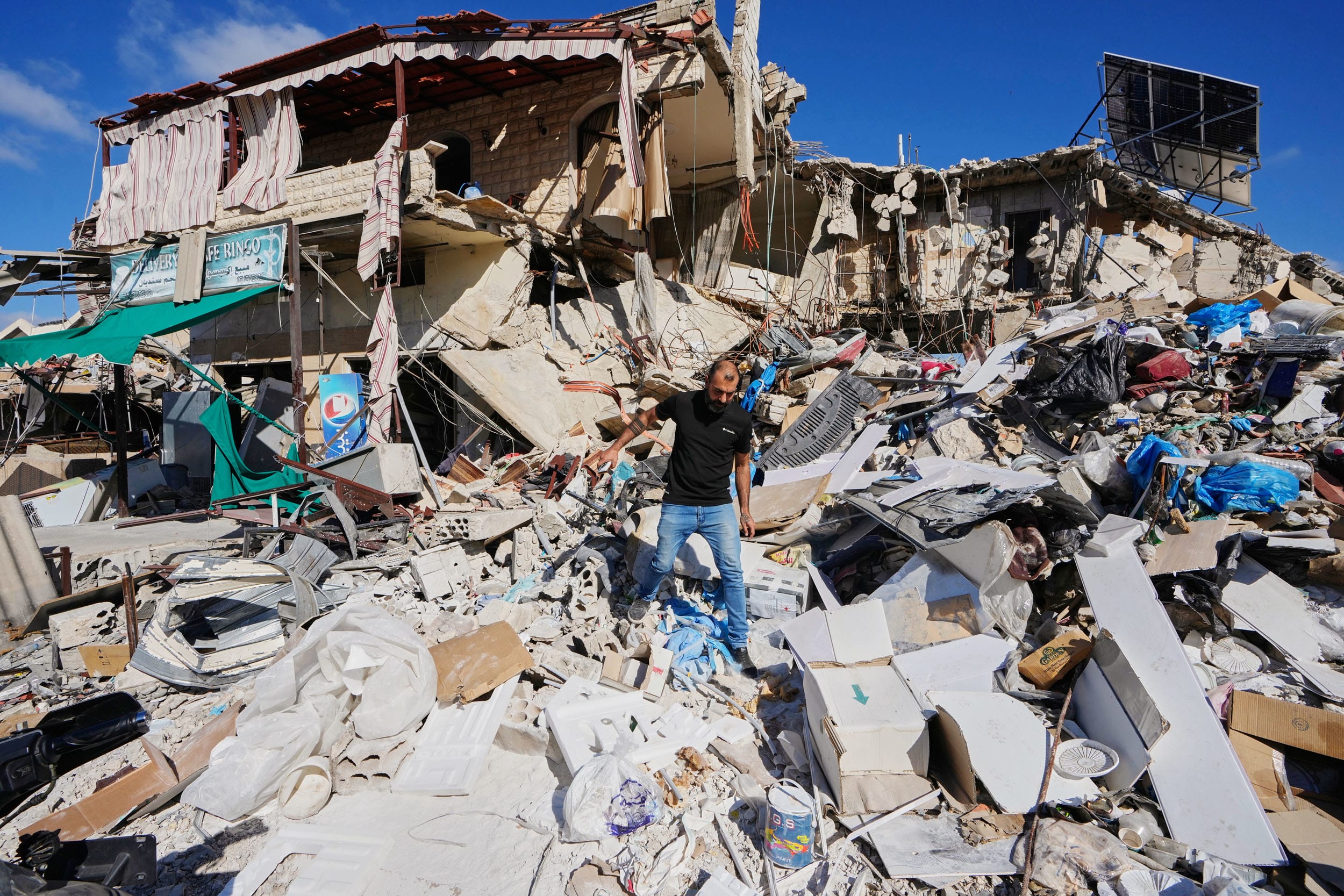
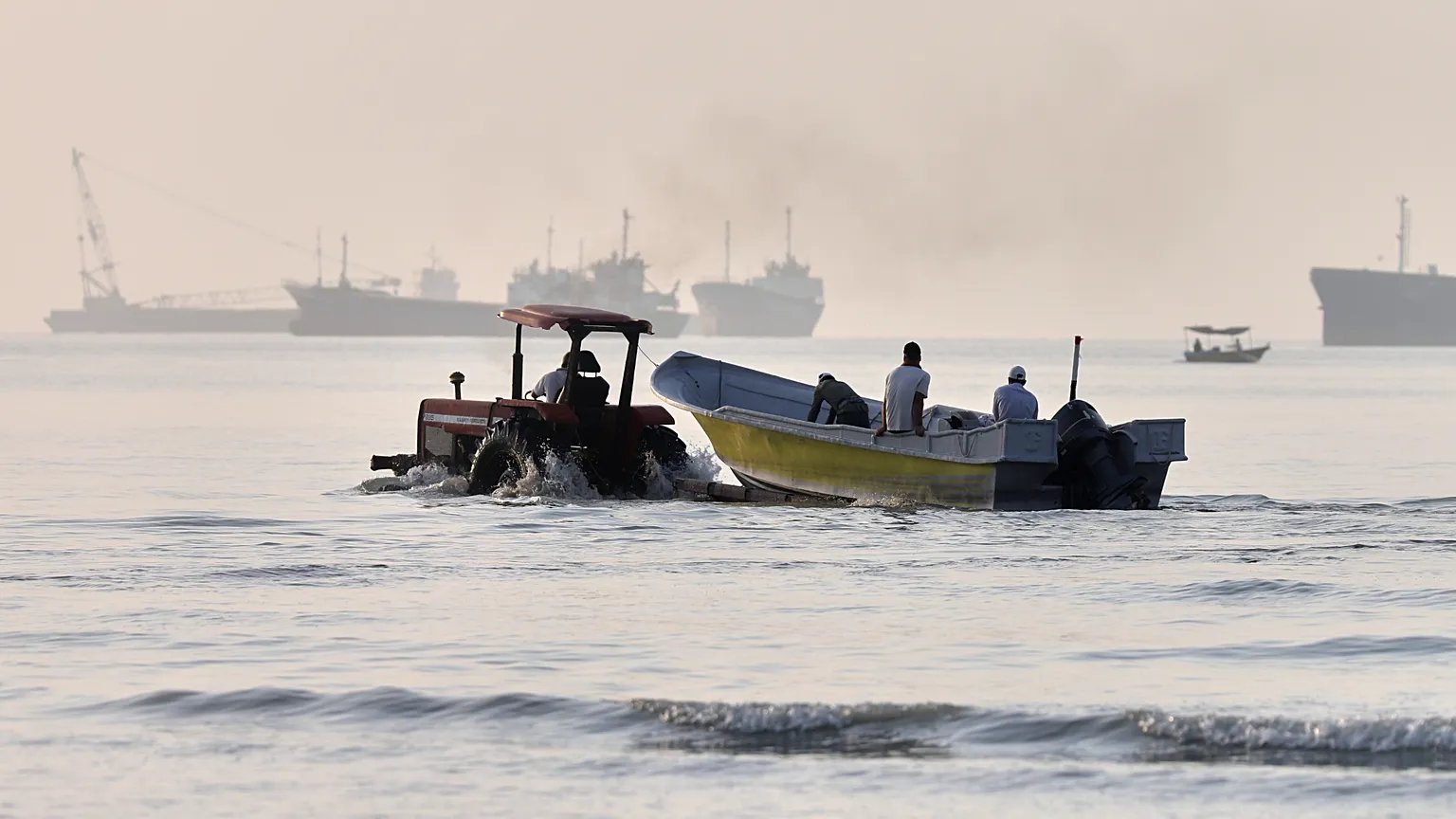
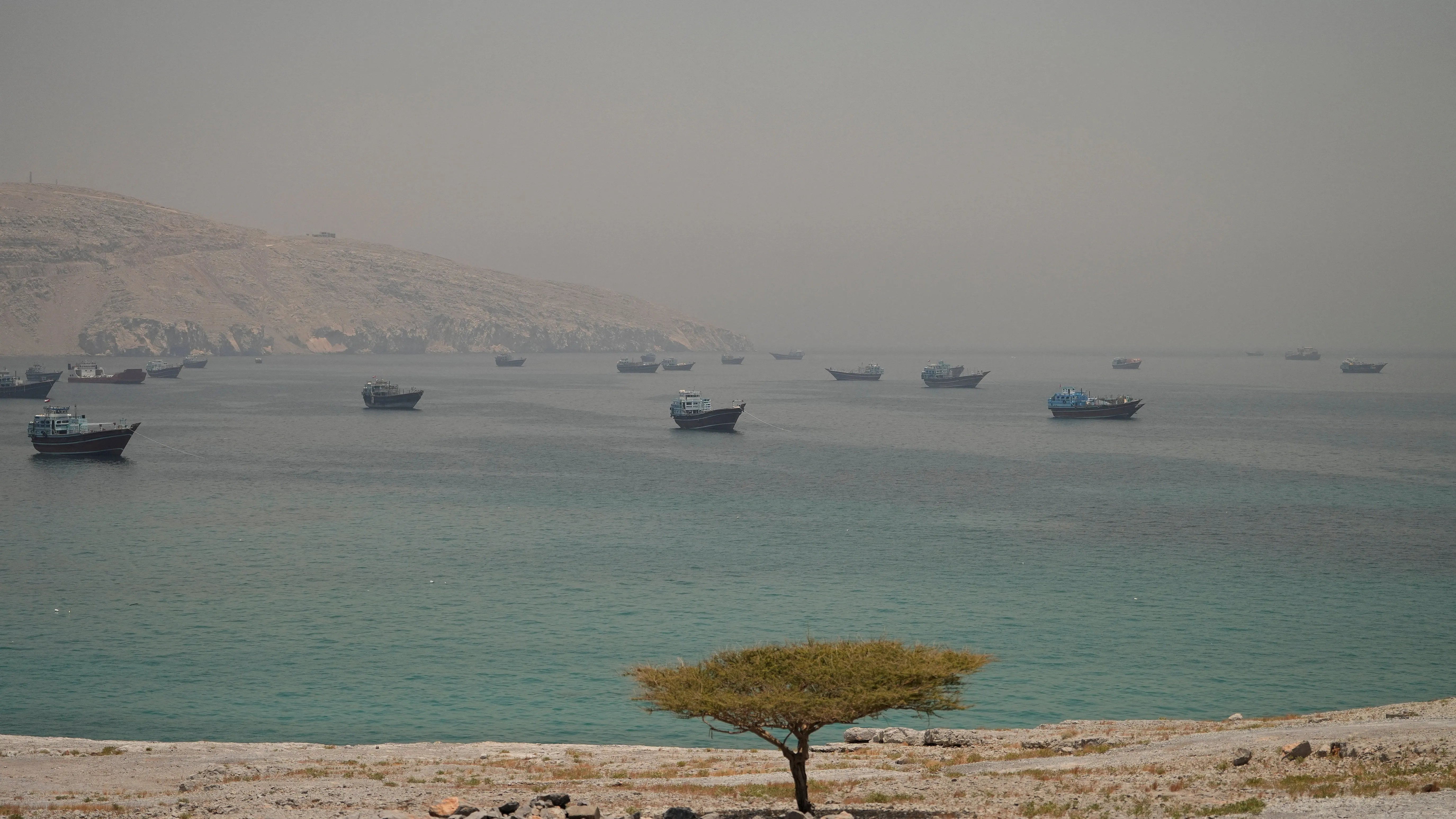
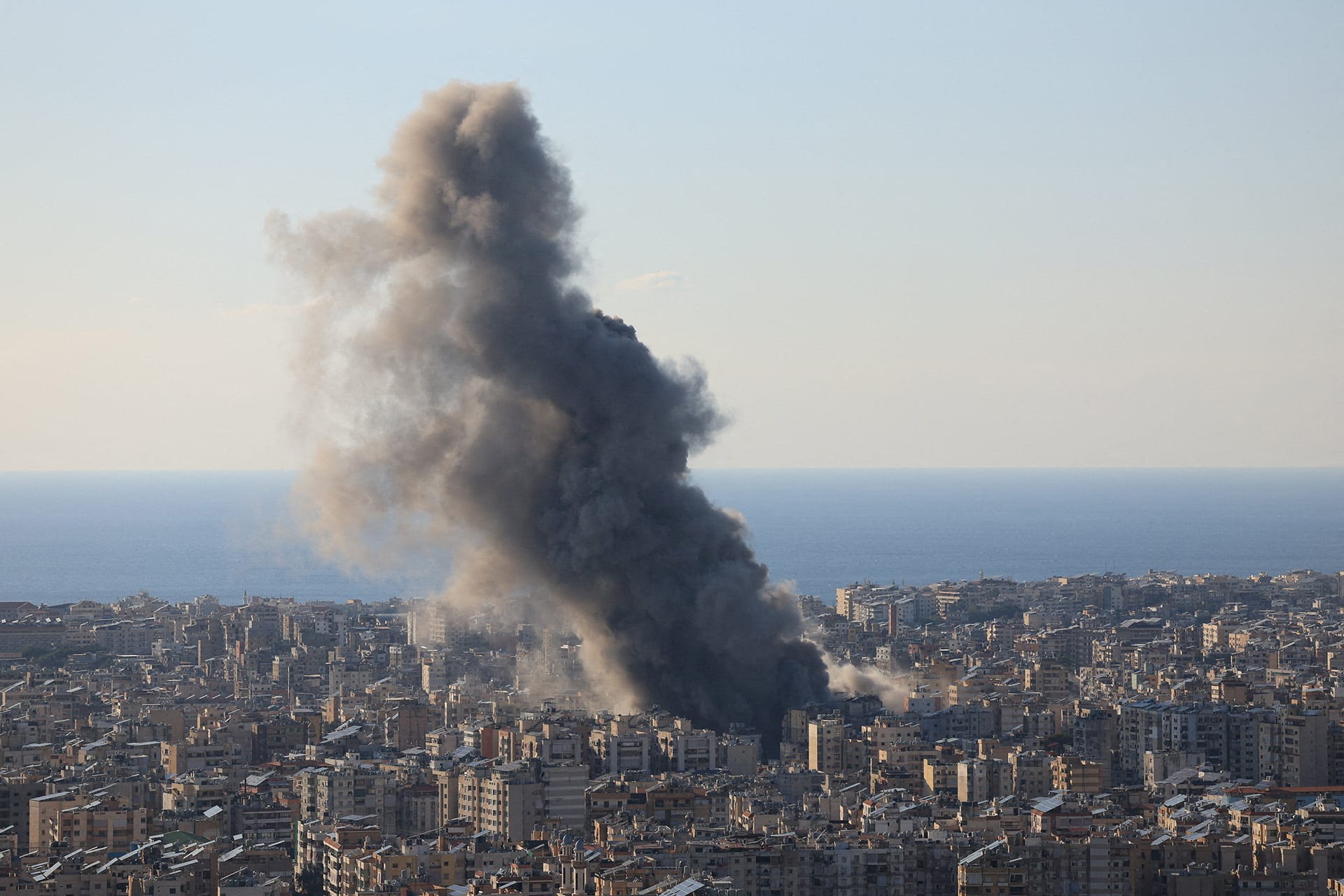
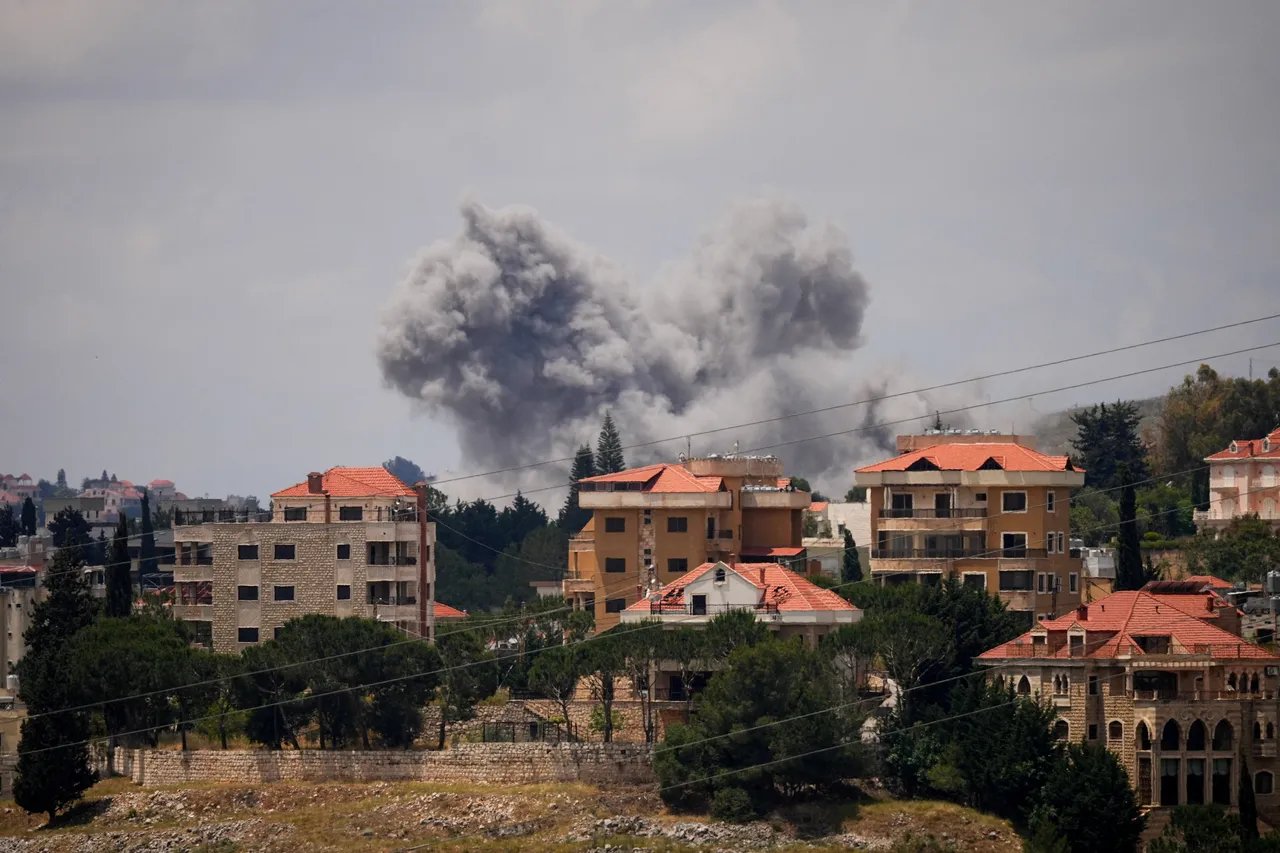
According to Axios, the proposed memorandum of understanding calls for the immediate reopening of the Strait of Hormuz without tolls and Iran receiving sanctions relief based on compliance. However, Iran's Foreign Ministry Spokesperson said Tehran had "not yet reached a final decision" on the agreement. The deal would extend the ceasefire for 60 days, including in Lebanon, during which time nuclear negotiations would be held. The text includes a framework for addressing Iran's enriched uranium stockpile. According to Trump and U.S. officials, Iran would commit to never acquiring a nuclear weapon and resolving the standoff around its enriched uranium, with steps only taking place if a second deal is reached. Iran has not confirmed these commitments.
Trump and Iran made directly contradictory claims about whether a deal had been reached. President Trump stated that the deal has been "approved by all parties involved." Iran's Foreign Ministry spokesperson said Tehran had "not yet reached a final decision," indicating that while progress has been made, the deal is not yet finalized.
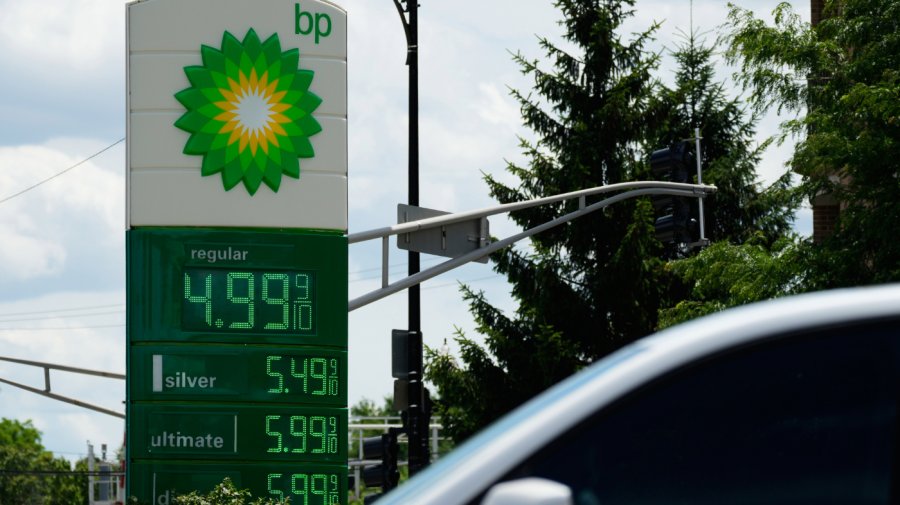
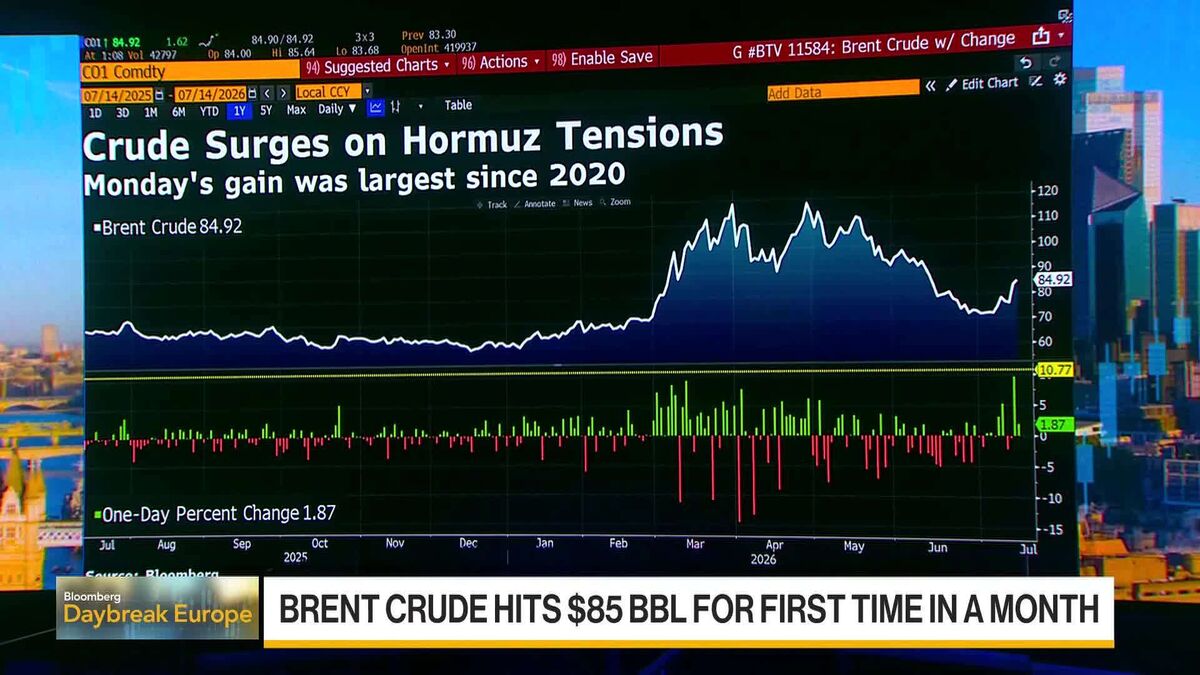
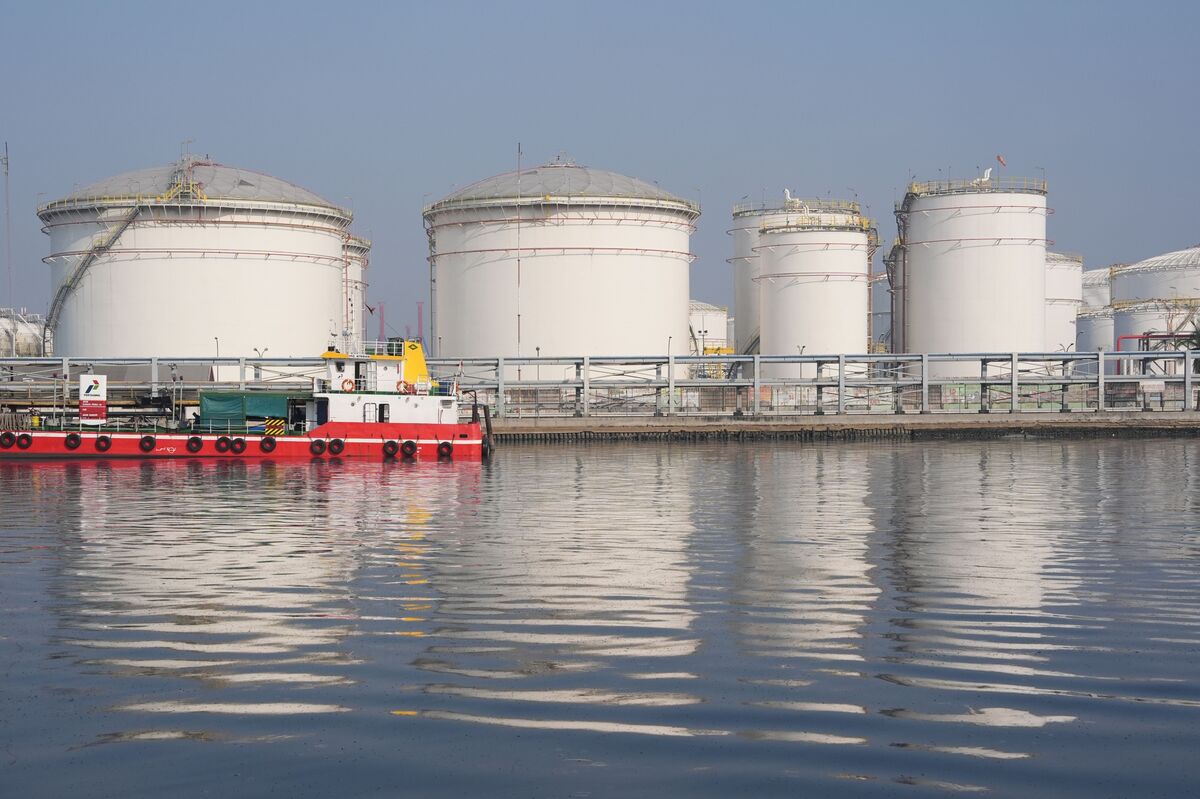
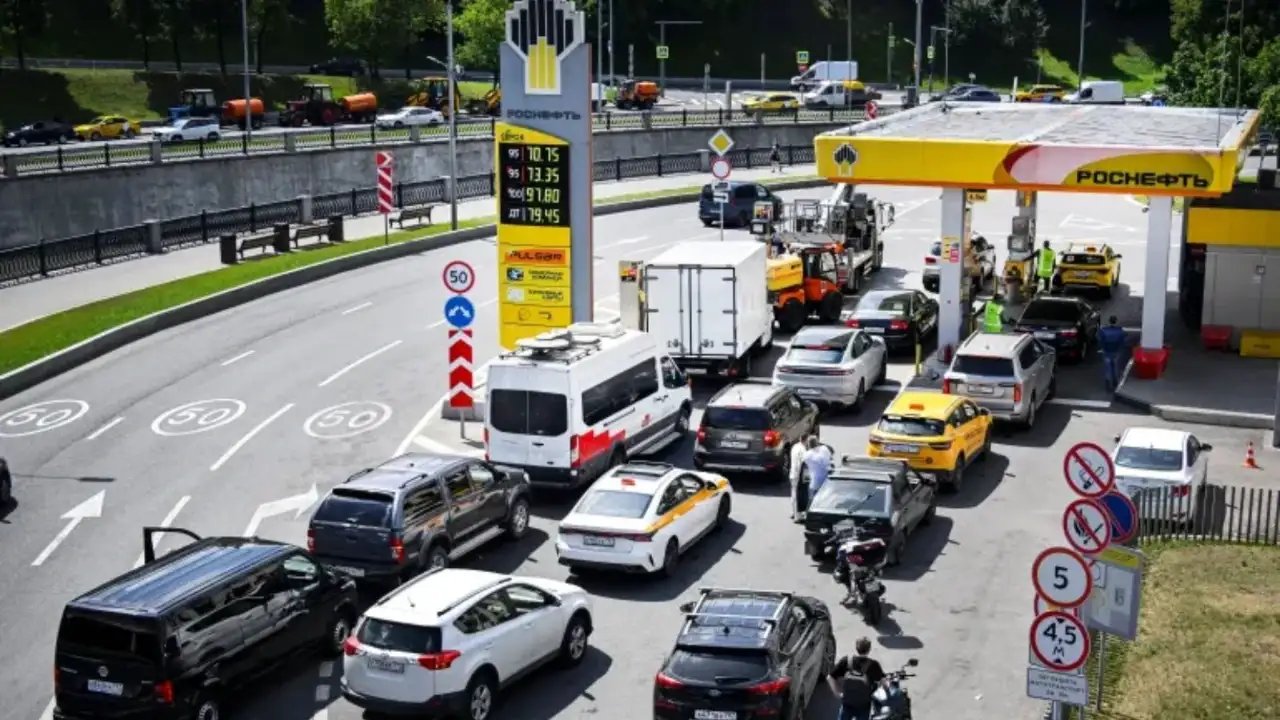
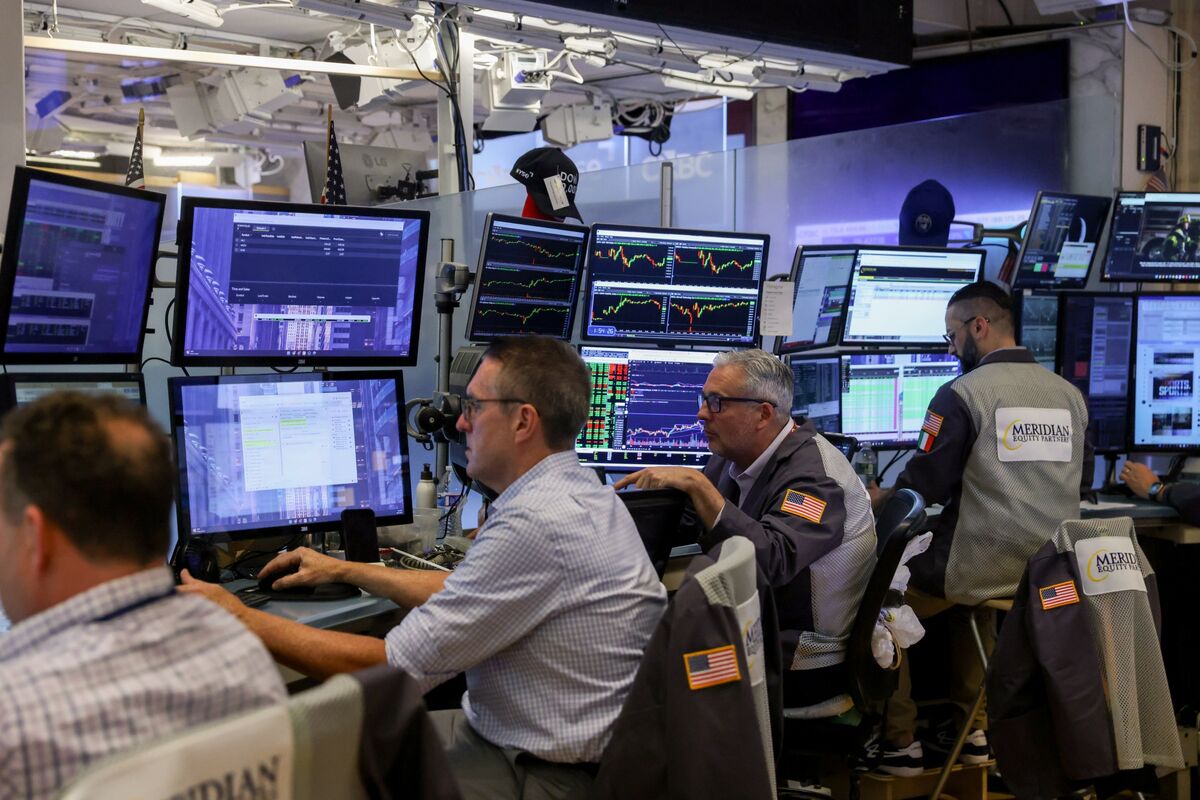
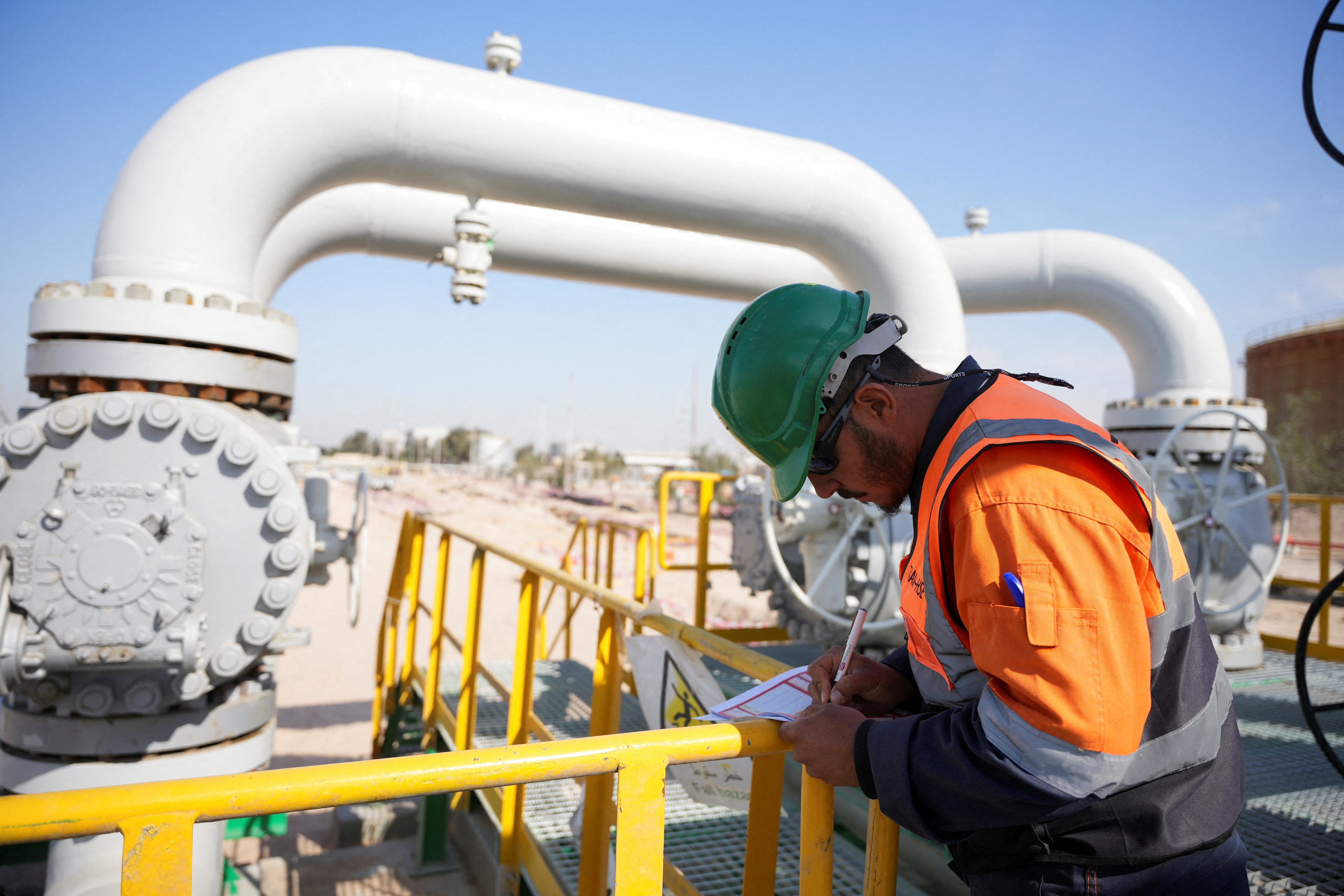
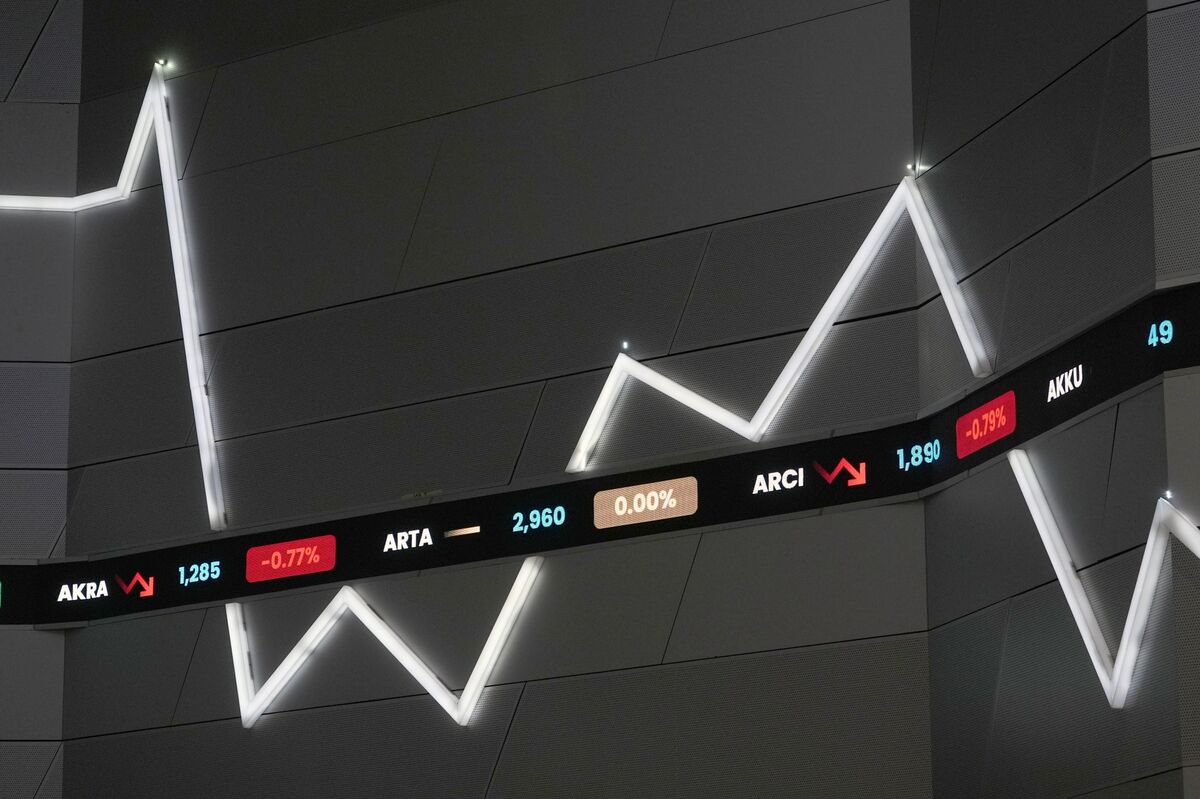
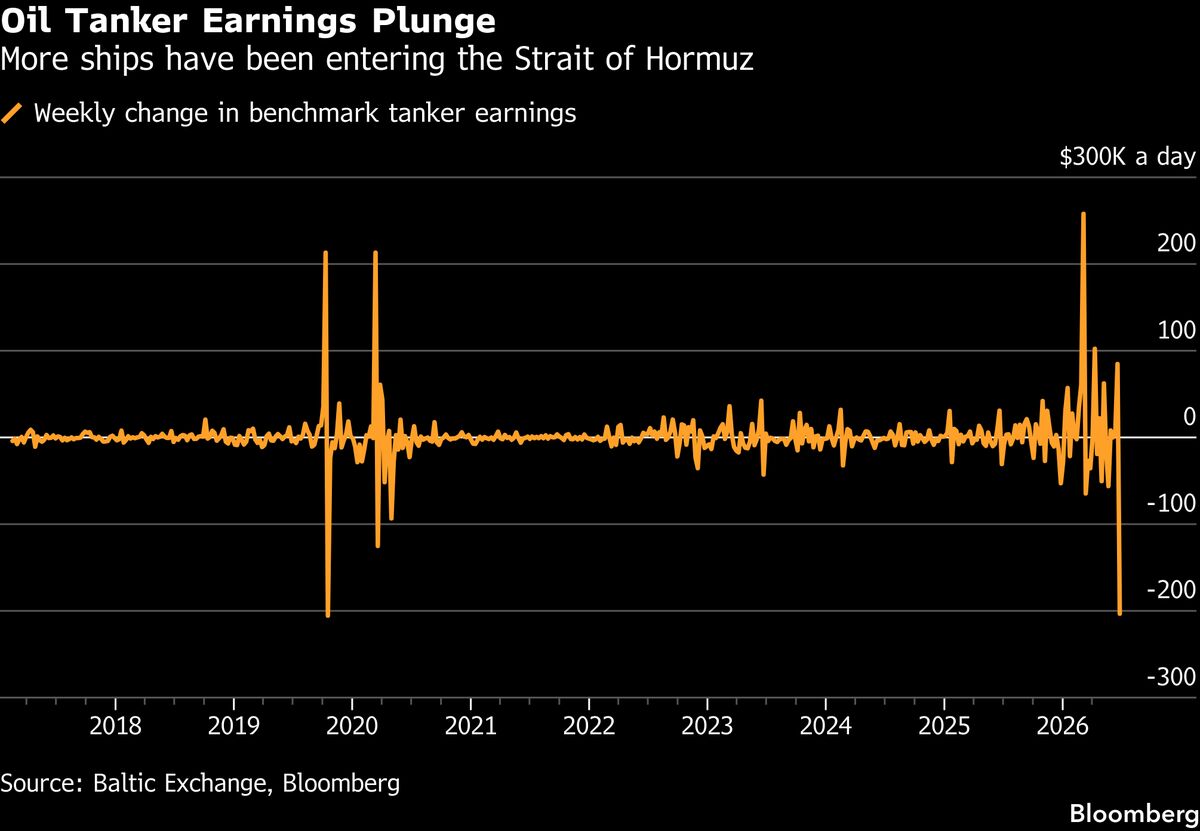
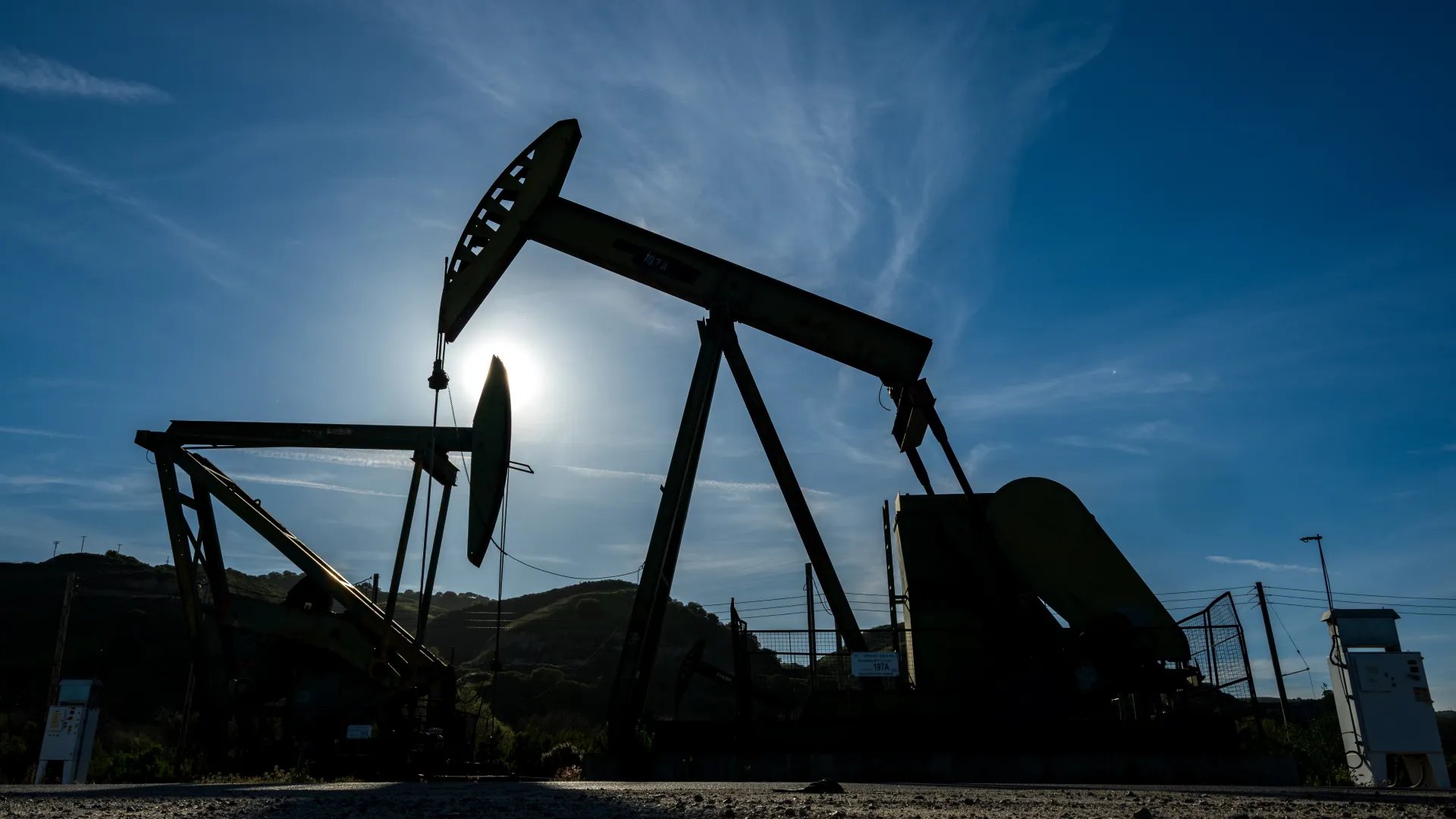
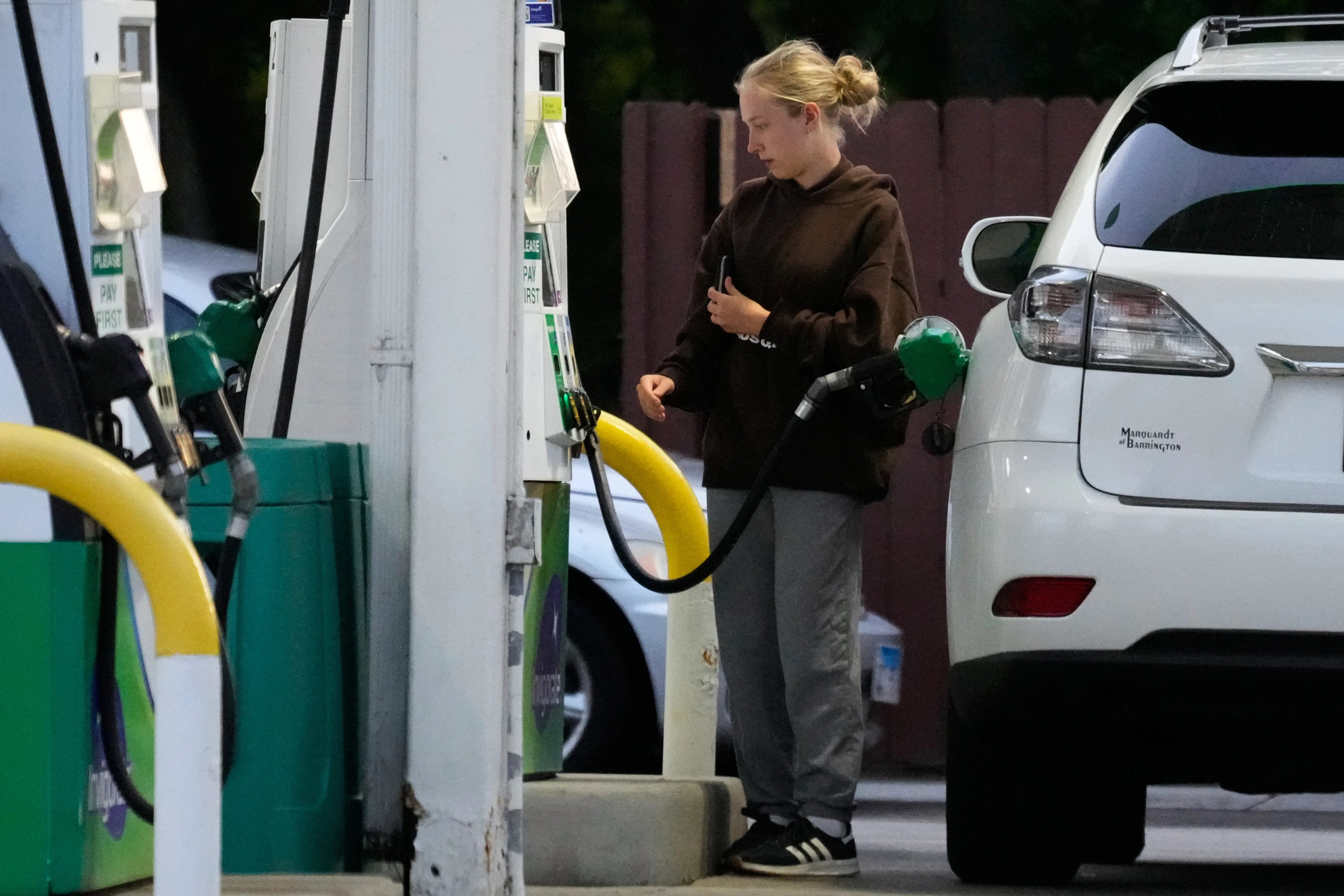
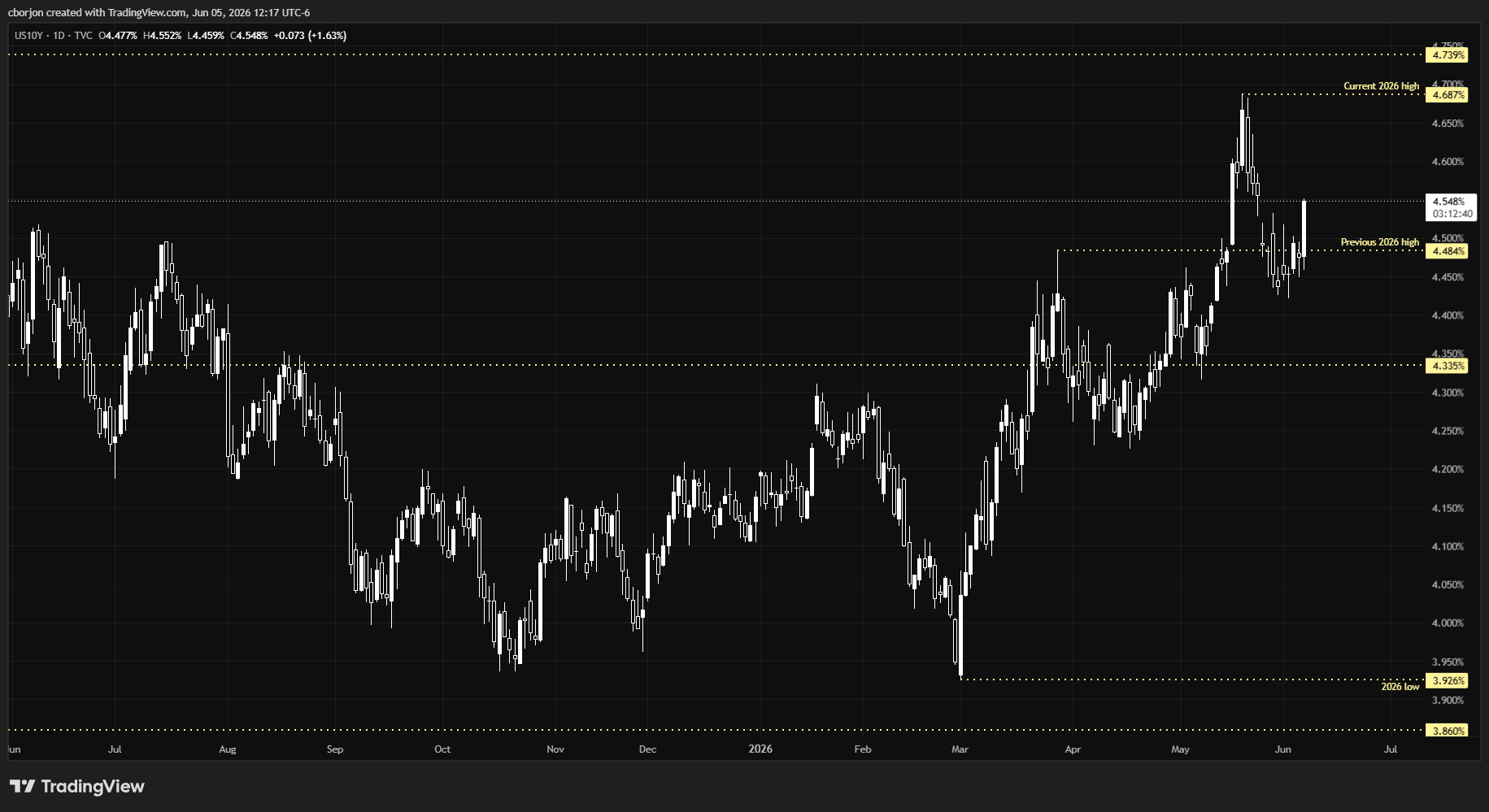
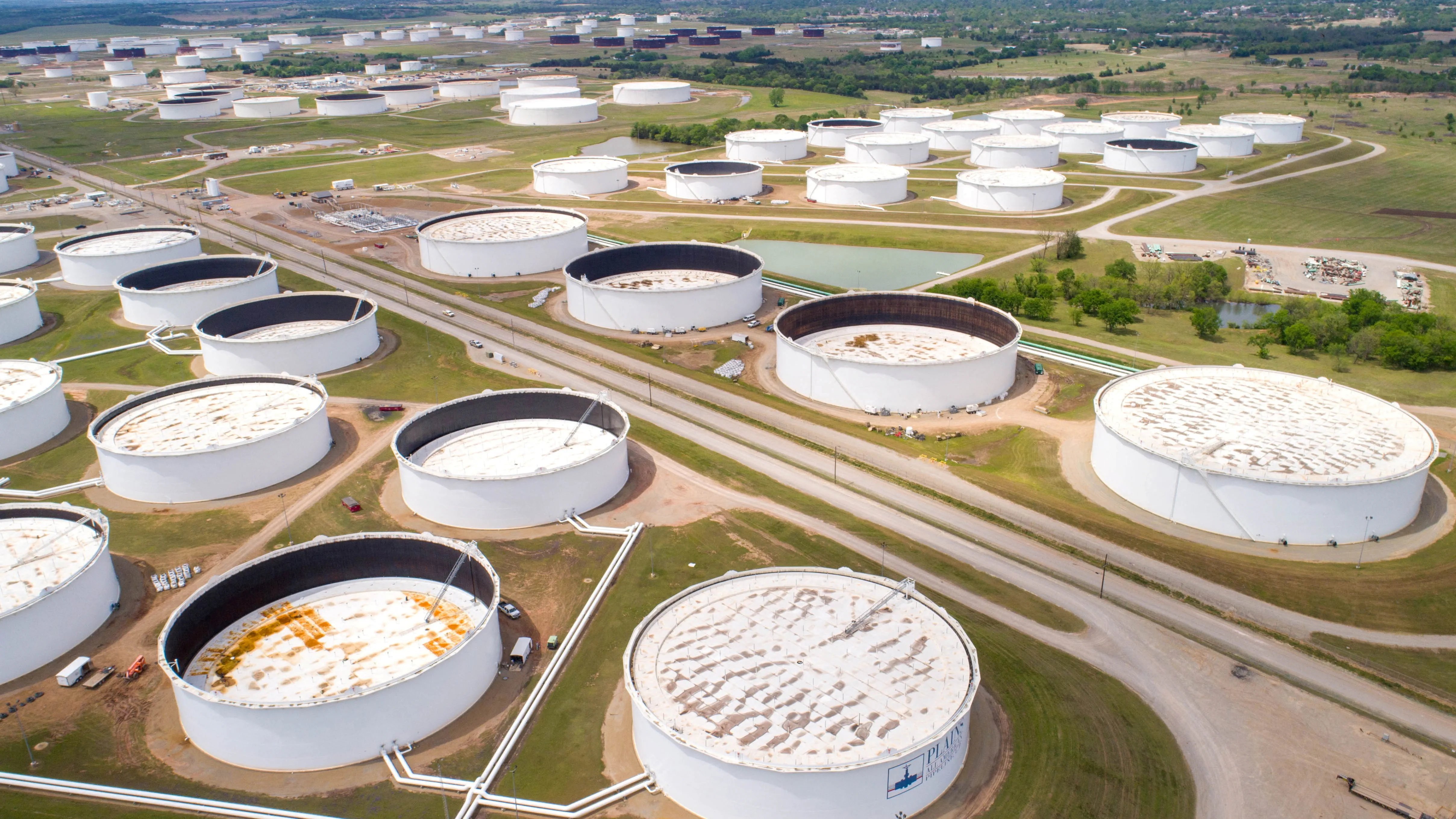
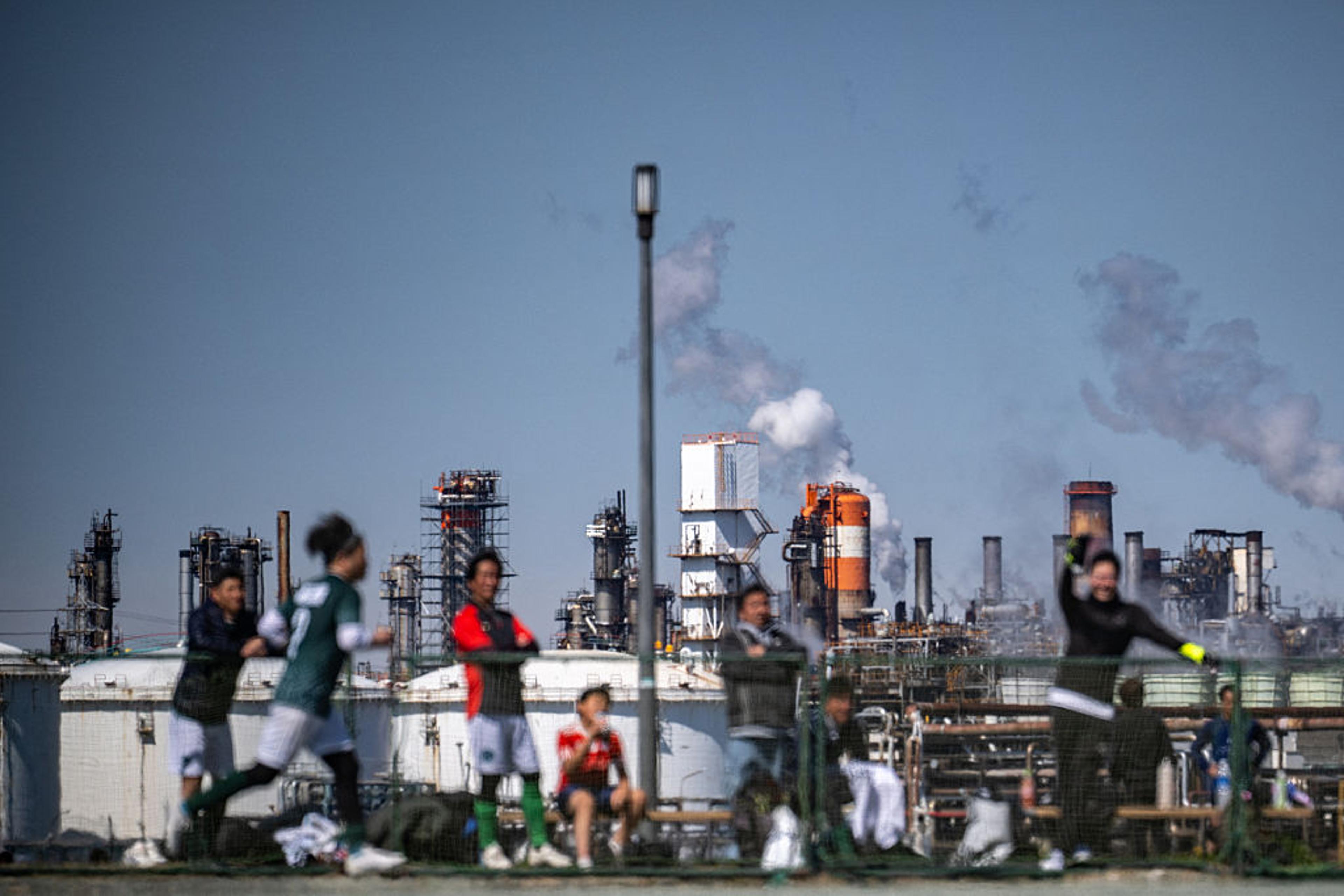
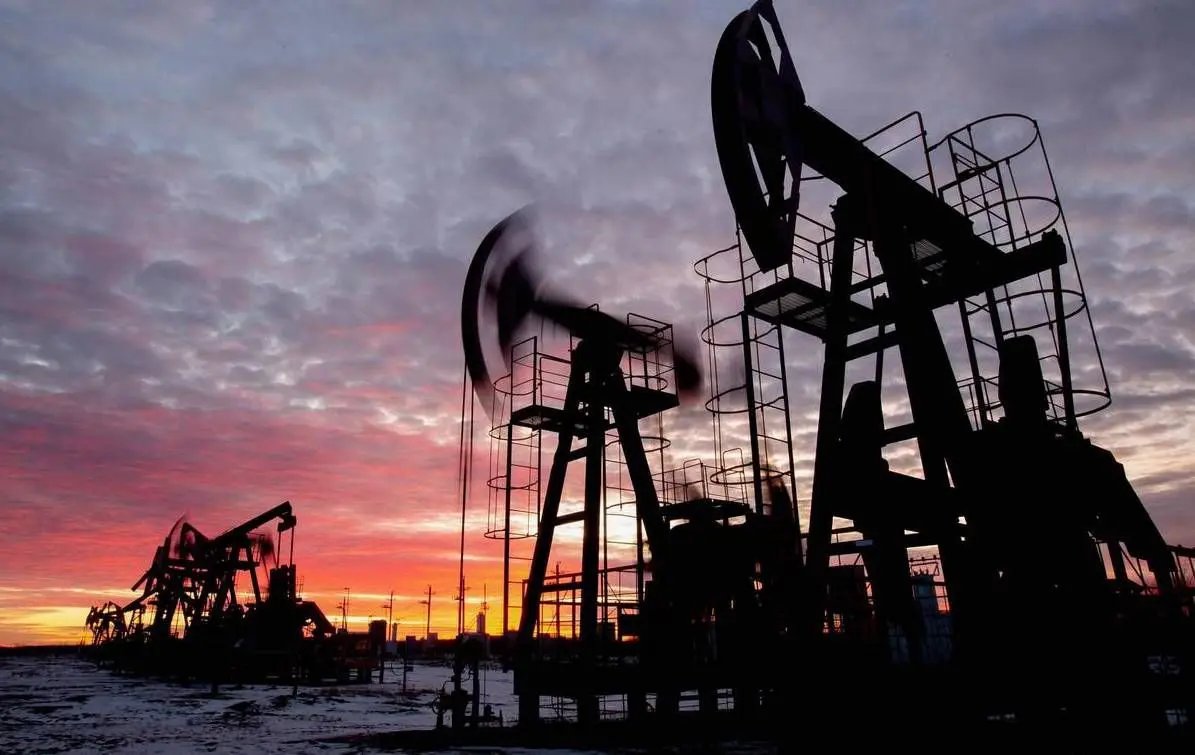
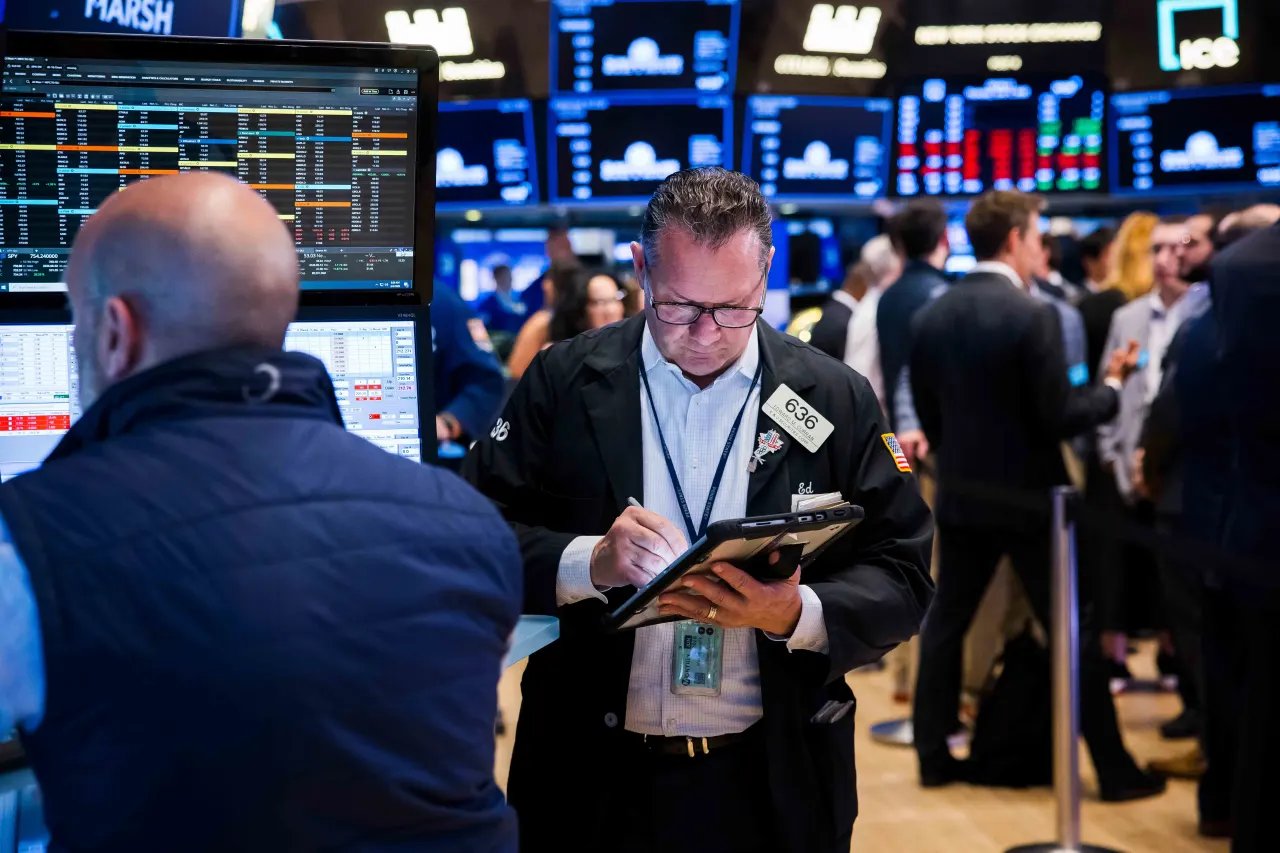
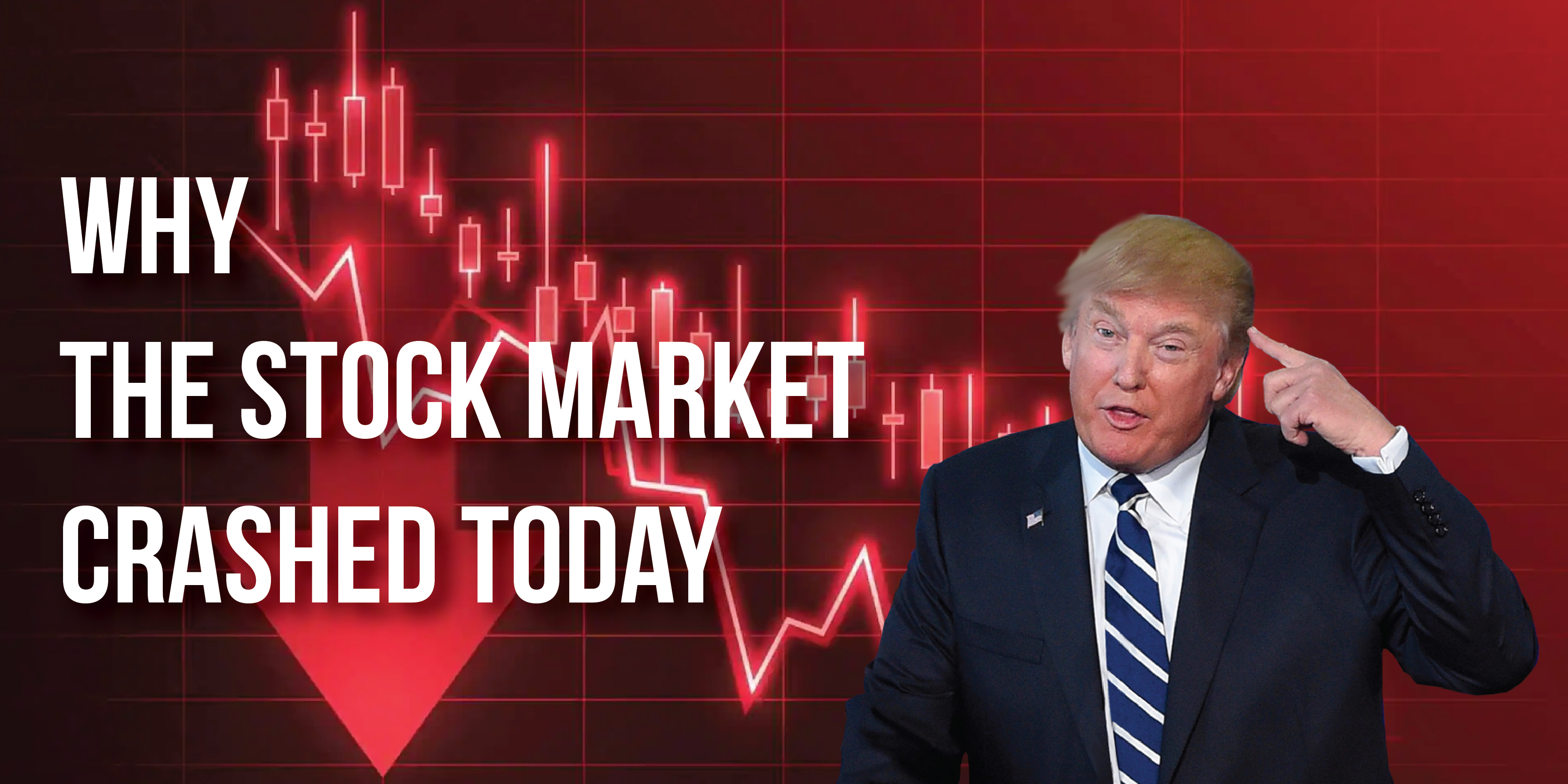
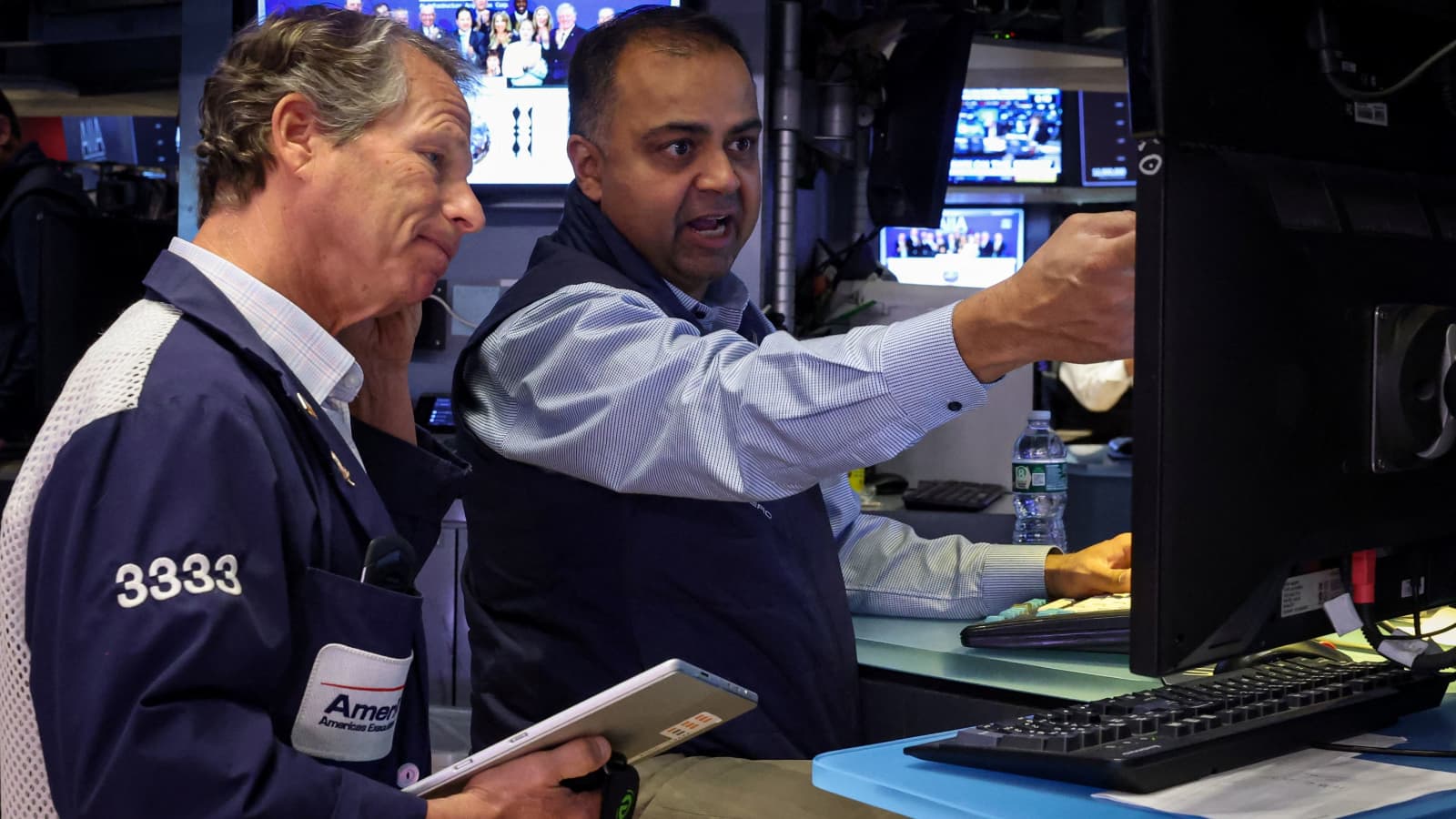
Oil prices declined and copper prices surged following Trump's announcement, reflecting market expectations about the deal's economic impact.
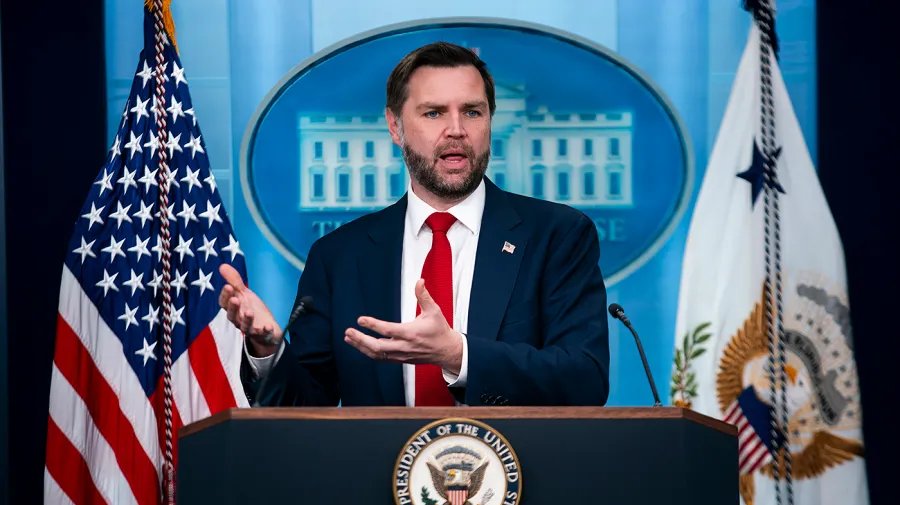
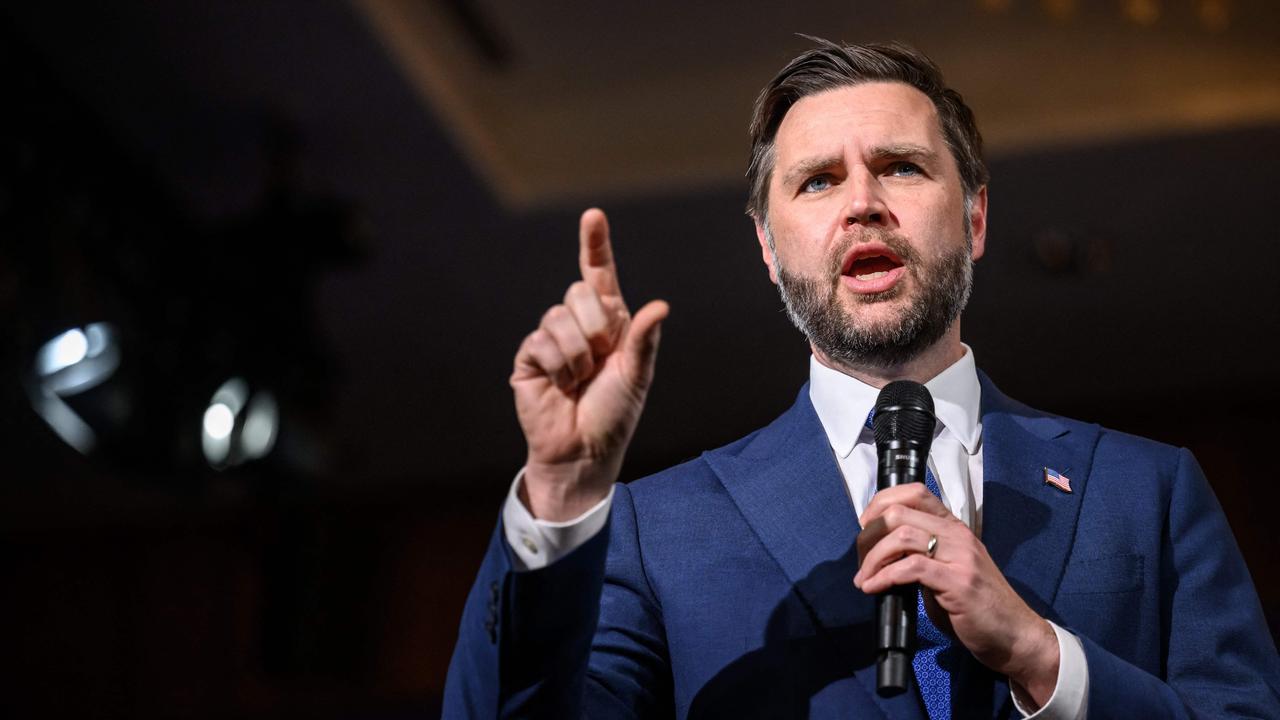
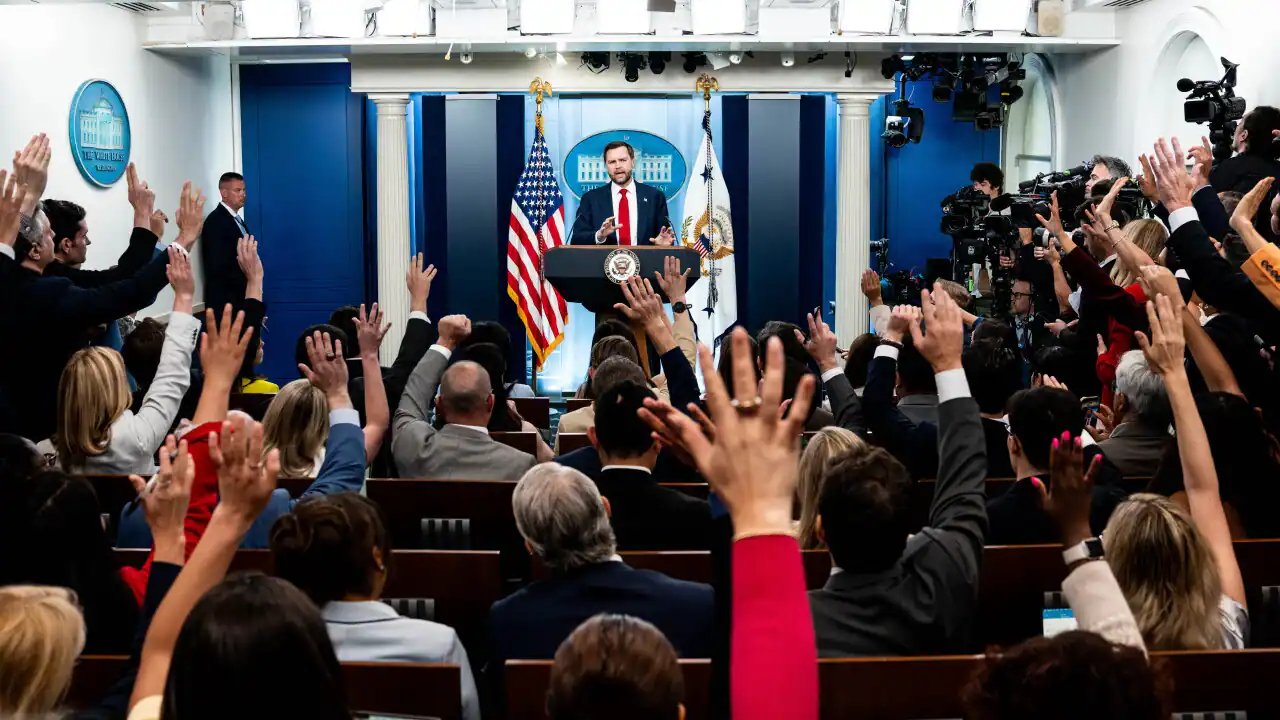
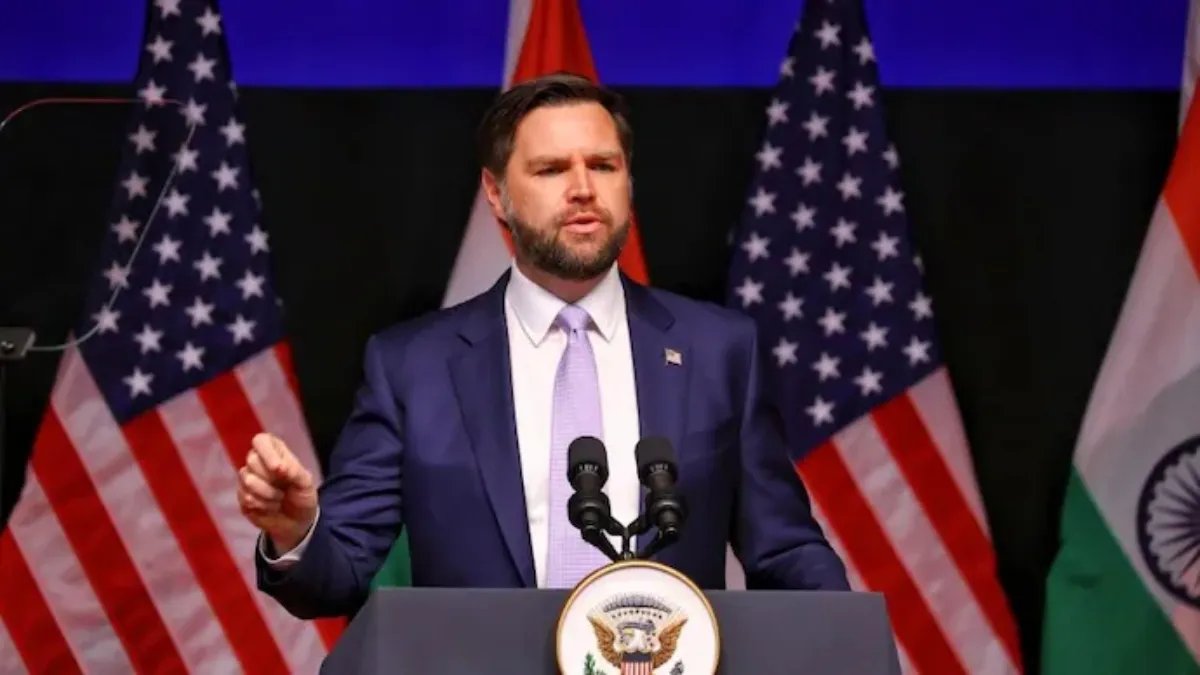
The deal, mediated jointly by Qatar and Pakistan, is tentatively named the Islamabad agreement, pending both sides' final agreement to sign. The signing ceremony, if it proceeds, could take place in Europe over the weekend, with Vice President Vance expected to lead the U.S. delegation. This development will be closely watched by the international community, as it could signal a new chapter in U.S.-Iran relations and have lasting effects on regional stability and global economic trends.
President Trump announced a significant shift in diplomatic relations by declaring that a peace deal with Iran will be announced "soon," and consequently canceled further strikes against the country, as reported by NPR. This move marks a potential end to the ongoing conflict and signals a change in U.S. policy from military escalation to negotiation. The peace deal, if signed, could have profound implications for global security and economic stability, especially considering the strategic importance of the Strait of Hormuz and the impact of Iranian oil on international markets.
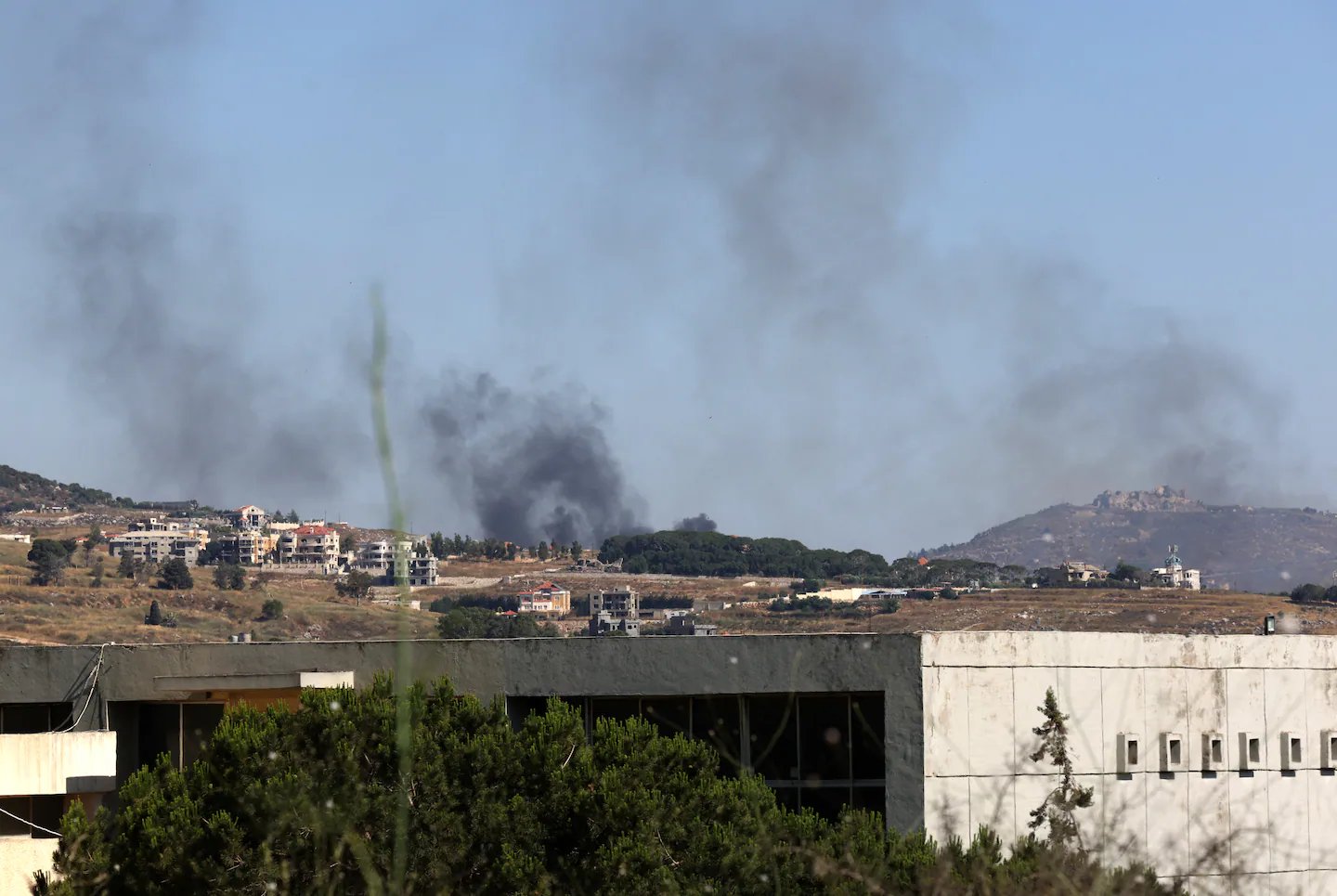
According to Axios, the memorandum of understanding involves the immediate reopening of the Strait of Hormuz without tolls and Iran receiving sanctions relief based on compliance. The deal would extend the ceasefire for 60 days, including in Lebanon, during which time nuclear negotiations would be held. The text includes a framework for addressing Iran's enriched uranium stockpile. Furthermore, Iran would commit to never acquiring a nuclear weapon and resolving the standoff around its enriched uranium, with steps only taking place if a second deal is reached.
While President Trump expressed optimism about the deal, stating that it has been "approved by all parties involved," Iran's response has been more cautious. An Iranian Foreign Ministry spokesperson said Tehran had "not yet reached a final decision," indicating that while progress has been made, the deal is not yet finalized. This divergence in statements highlights the delicate and complex nature of the negotiations.
The potential peace deal has already sparked reactions in global financial markets. As reported by Bloomberg, oil prices extended declines following Trump's announcement, reflecting the market's anticipation of reduced tensions and the potential for increased oil supply from Iran. Conversely, copper prices surged, indicating growing optimism about the global economy's recovery from the impacts of the conflict.
The deal, mediated jointly by Qatar and Pakistan, is tentatively named the Islamabad agreement, pending both sides' final agreement to sign. The signing ceremony, if it proceeds, could take place in Europe over the weekend, with Vice President Vance expected to lead the U.S. delegation. This development will be closely watched by the international community, as it could signal a new chapter in U.S.-Iran relations and have lasting effects on regional stability and global economic trends.
Highlighted text was flagged by the council. Tap to see feedback.