




Confirmation of Infection in Texas Calf
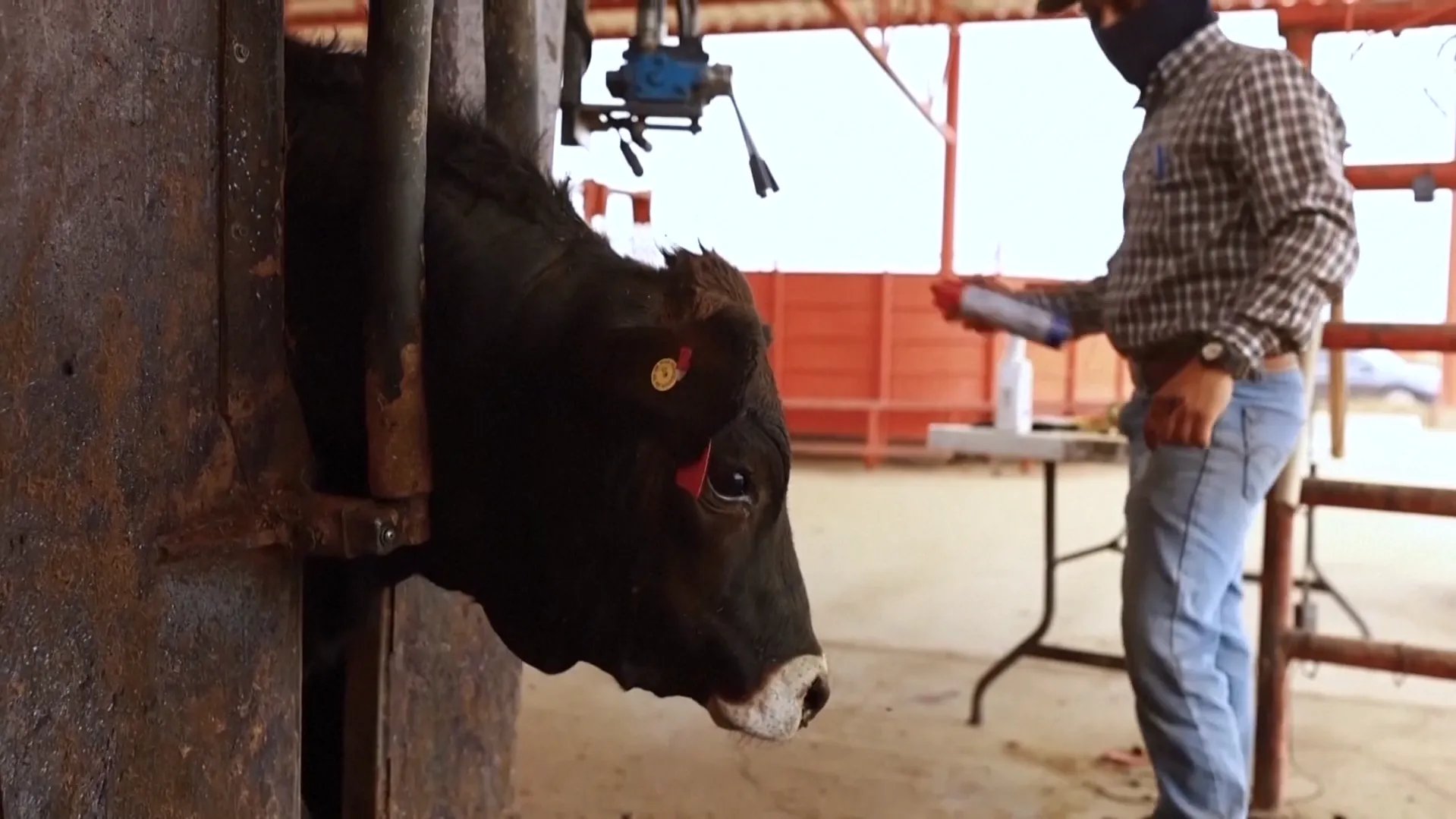
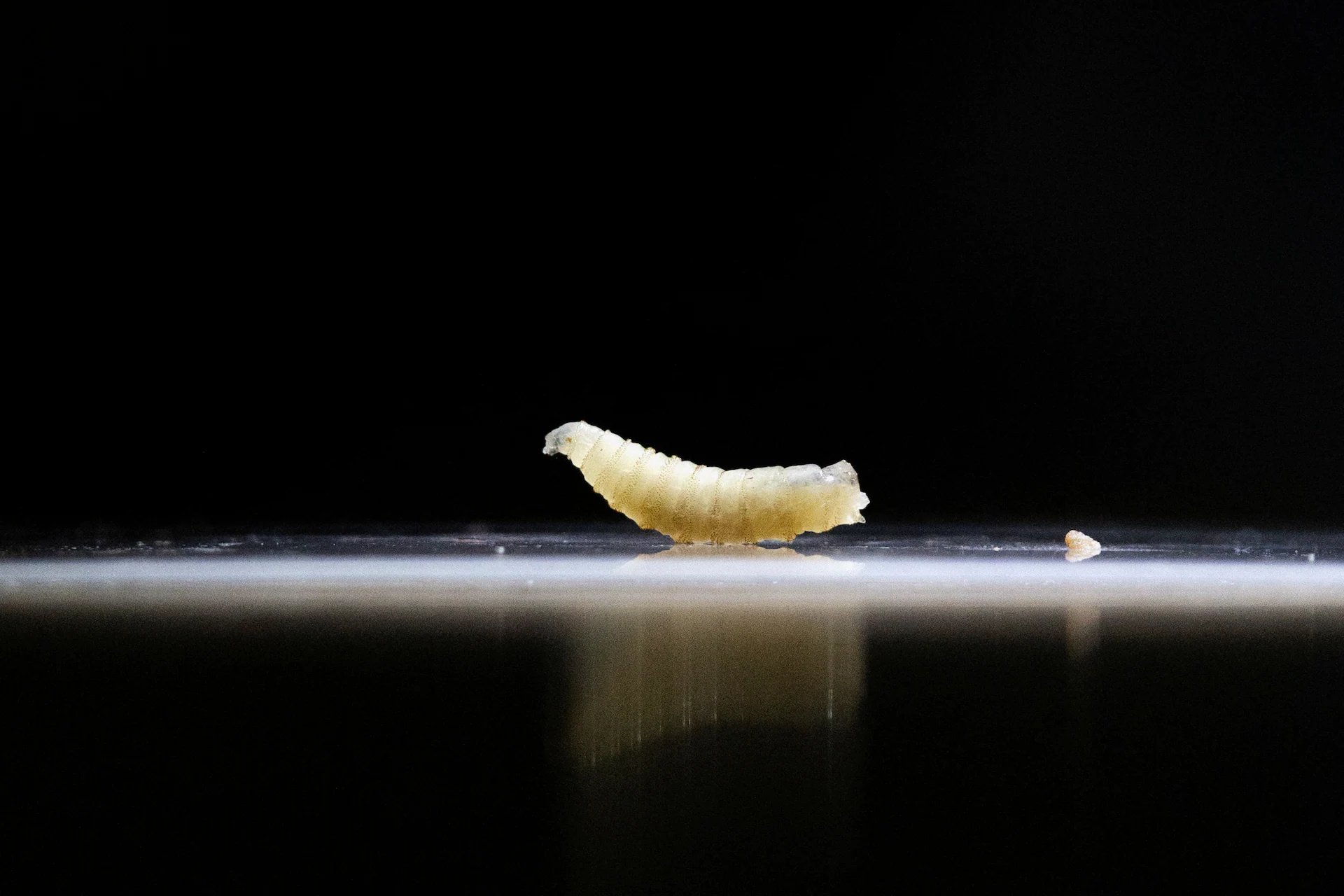
The U.S. Department of Agriculture confirmed the presence of the New World screwworm in a 3-week-old calf located in Zavala County, Texas. This marks the first detection of the flesh-eating parasite in the U.S. since 1966, raising alarms within the cattle industry. Agriculture Secretary Brooke Rollins stated that the larvae were identified in the calf's umbilical area, prompting immediate action to contain the outbreak.
Immediate Response Measures
In response to the confirmed case, the USDA has established a 12-mile quarantine zone around the infection site and implemented movement restrictions for livestock and pets. The USDA is also increasing the number of traps for screwworms along the border and deploying a unified Incident Command Team in collaboration with the Texas Animal Health Commission. "USDA invested heavily in the tools needed to eliminate NWS ever since cases started increasing in Central America and Mexico," said Dudley Hoskins, USDA Under Secretary for Marketing and Regulatory Programs.
Threat to the Cattle Industry
The New World screwworm poses a severe threat to livestock as its larvae feed on living tissue, potentially causing deep, festering wounds that can lead to severe infections or death. The cattle herd in the U.S. is already at its lowest level in 75 years, and a widespread outbreak could exacerbate beef prices, which are already at record highs. Agriculture officials estimate that an outbreak could cost the livestock industry billions of dollars.
Recent Developments in Mexico
The detection in Texas follows a series of cases reported in Mexico, with at least 26,216 screwworm cases identified across the country, and approximately 2,700 still active. A recent case was found just 25 miles from the U.S. border in Coahuila, Mexico, where the screwworm was identified in a goat. The USDA has been closely monitoring the situation and reports updates twice a week regarding any new cases within 400 miles of the U.S. border.
Historical Context of the Screwworm
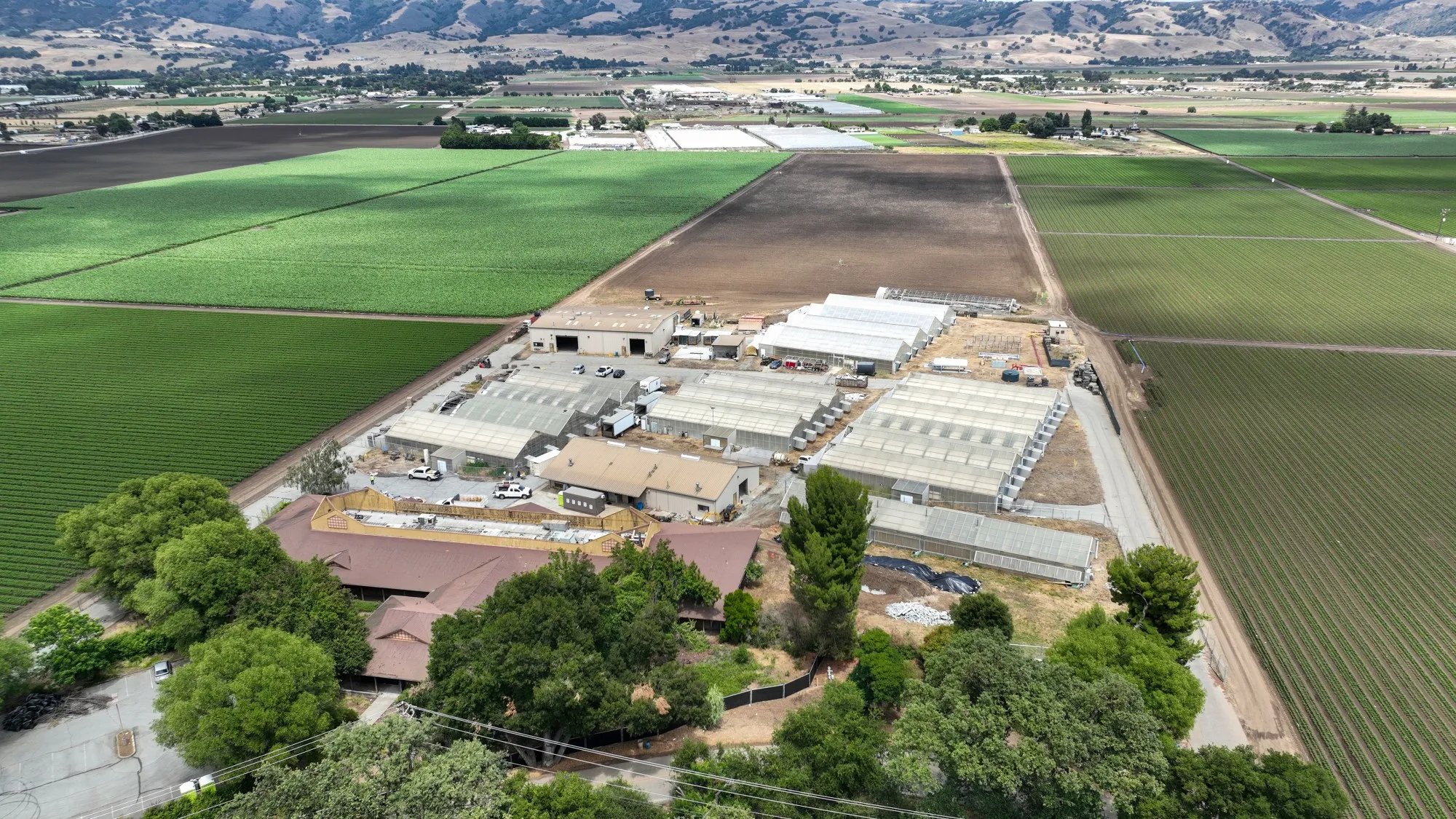
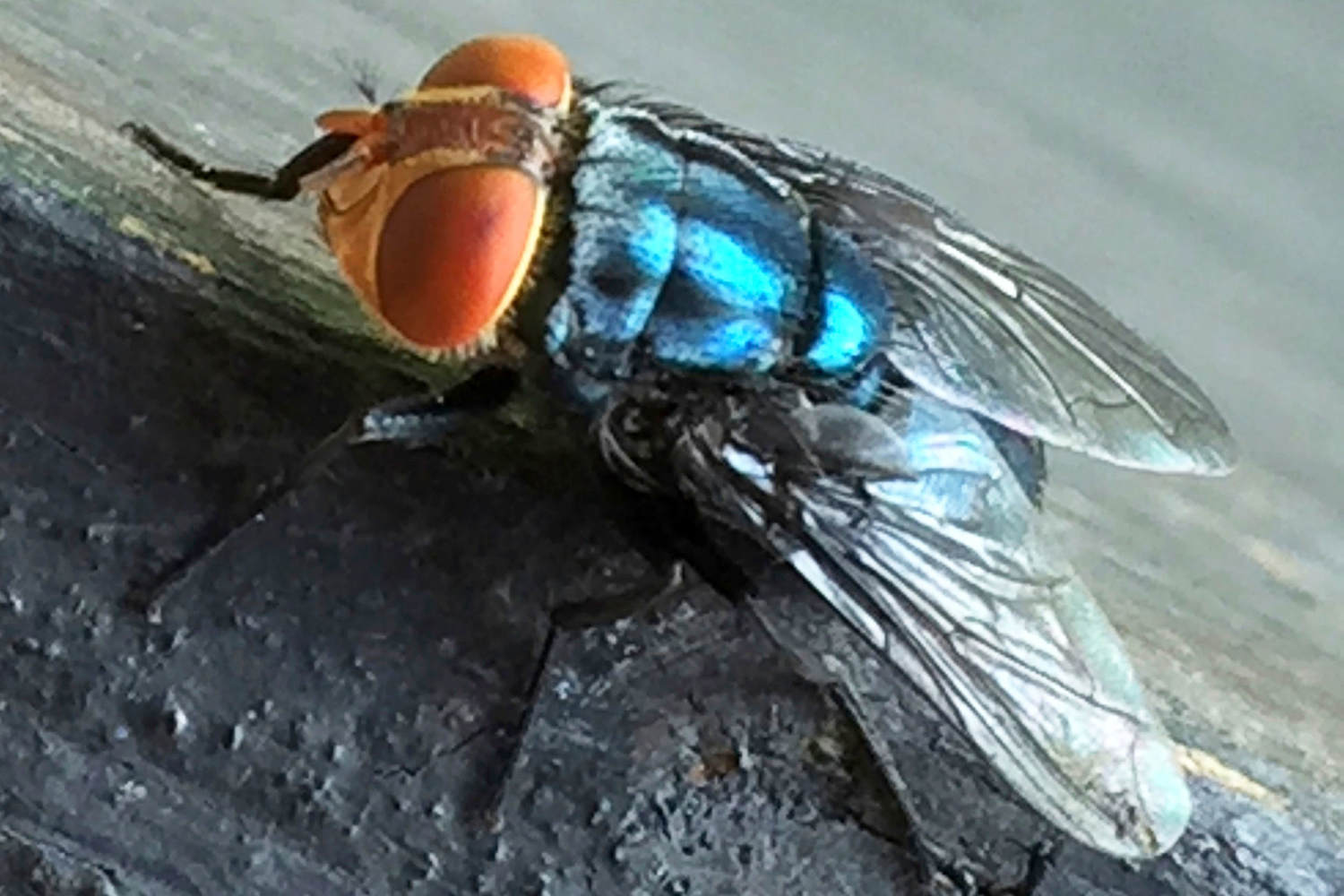
The New World screwworm was once endemic to the U.S. but was eradicated in the 1960s through a coordinated control effort involving the release of sterilized male flies. This strategy, known as the Sterile Insect Technique, effectively eliminated the pest from the U.S. and much of Central America. However, a breach in this control method in 2022 has allowed the screwworm to move northward, prompting renewed concerns.
Implications for Public Health
While the screwworm primarily affects livestock, it can occasionally infect humans, as evidenced by a case reported last year in Maryland involving a traveler returning from El Salvador. Health officials confirmed that the individual recovered and found no evidence of transmission to others. Experts maintain that the risk to the broader public remains low, but the potential for human infection underscores the need for vigilance.
Next Steps for Farmers and Officials
Texas Agriculture Commissioner Sid Miller has called for immediate federal action to address the threat, urging that all available resources be utilized to prevent a full-blown agricultural disaster. State veterinarians are urging ranchers and pet owners inside the quarantine zone to follow movement restrictions while eradication efforts continue. The USDA's proactive measures, including the release of sterile flies and enhanced surveillance, aim to contain the situation and protect the cattle industry from further damage.