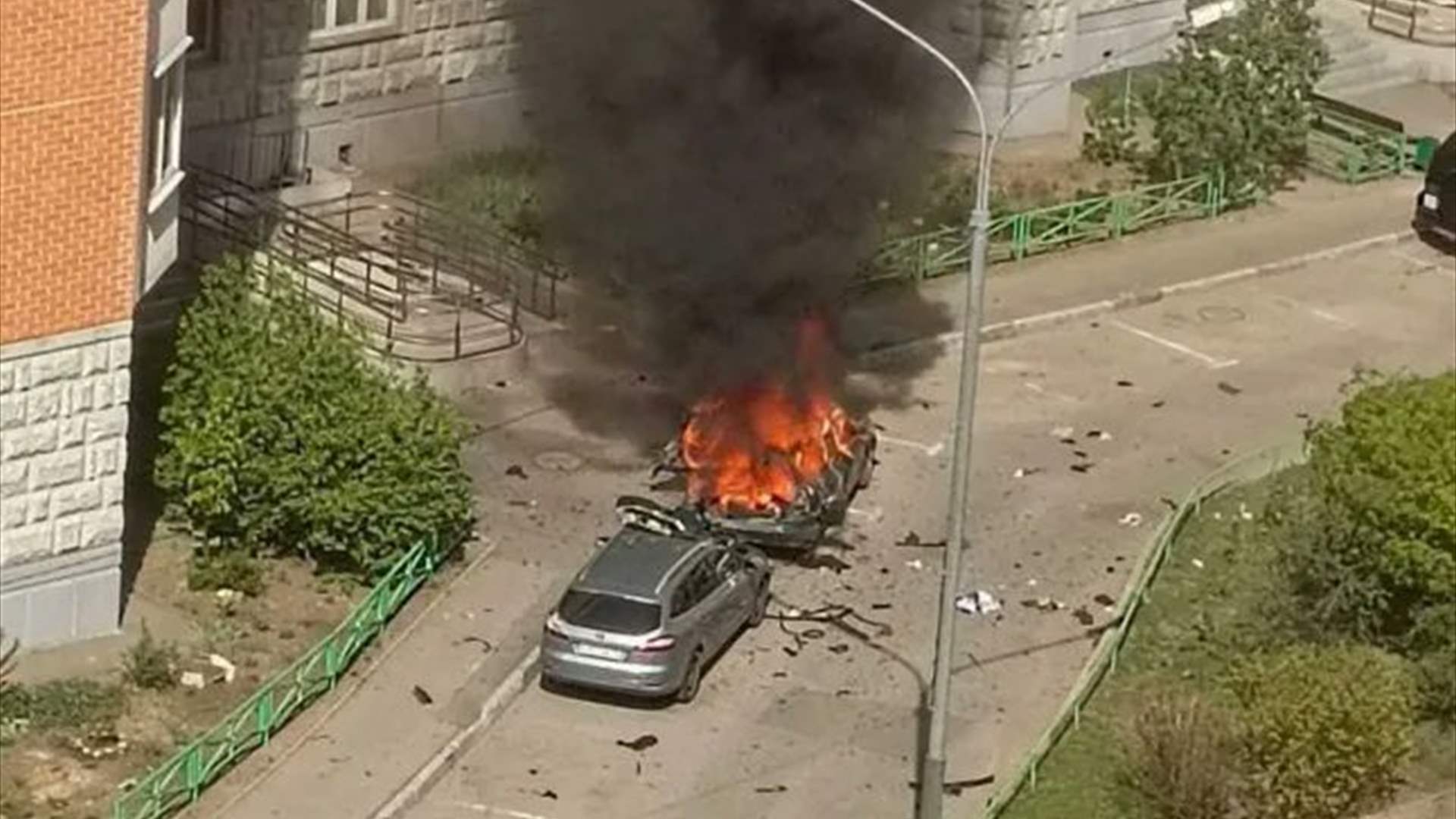
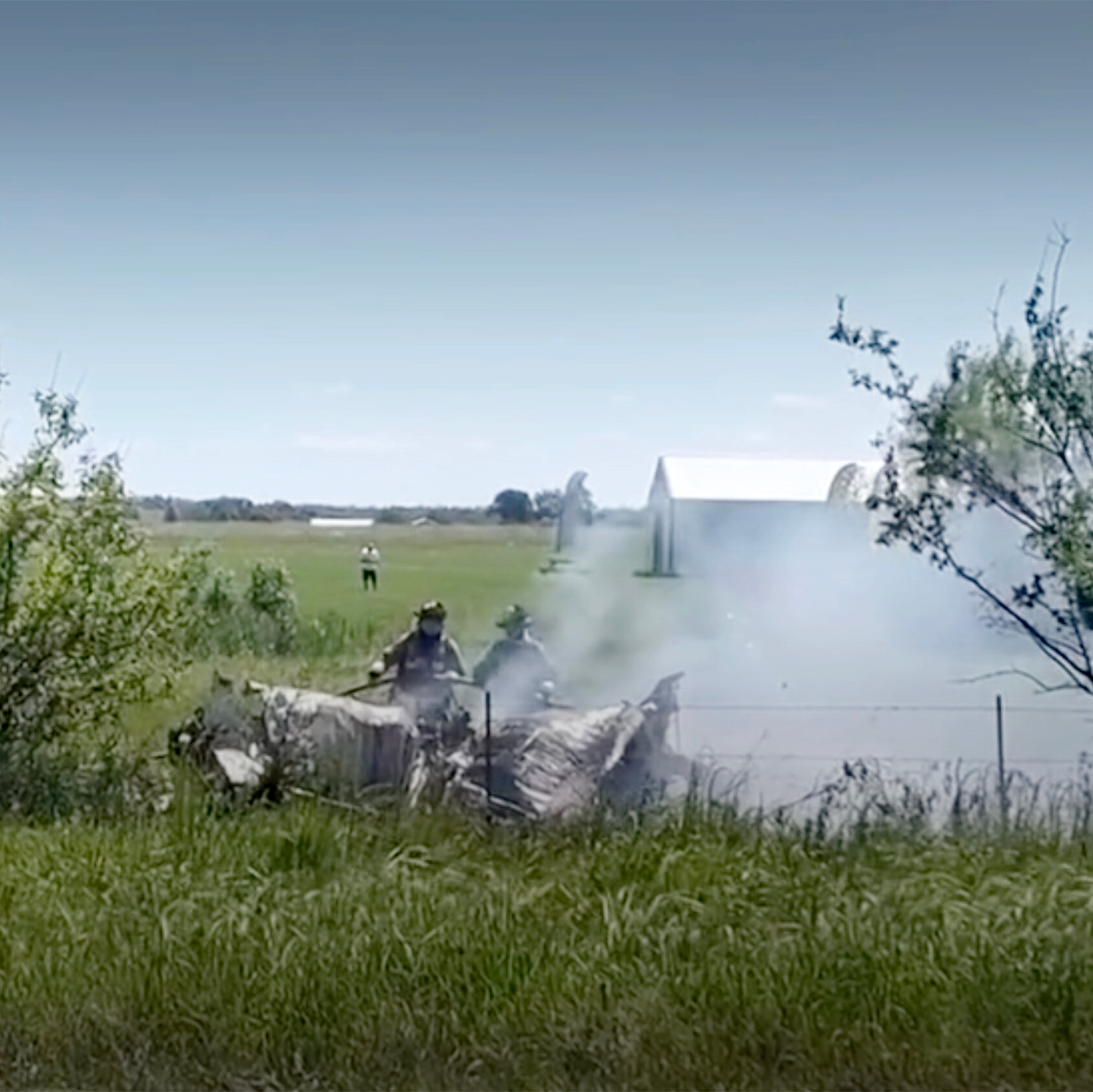
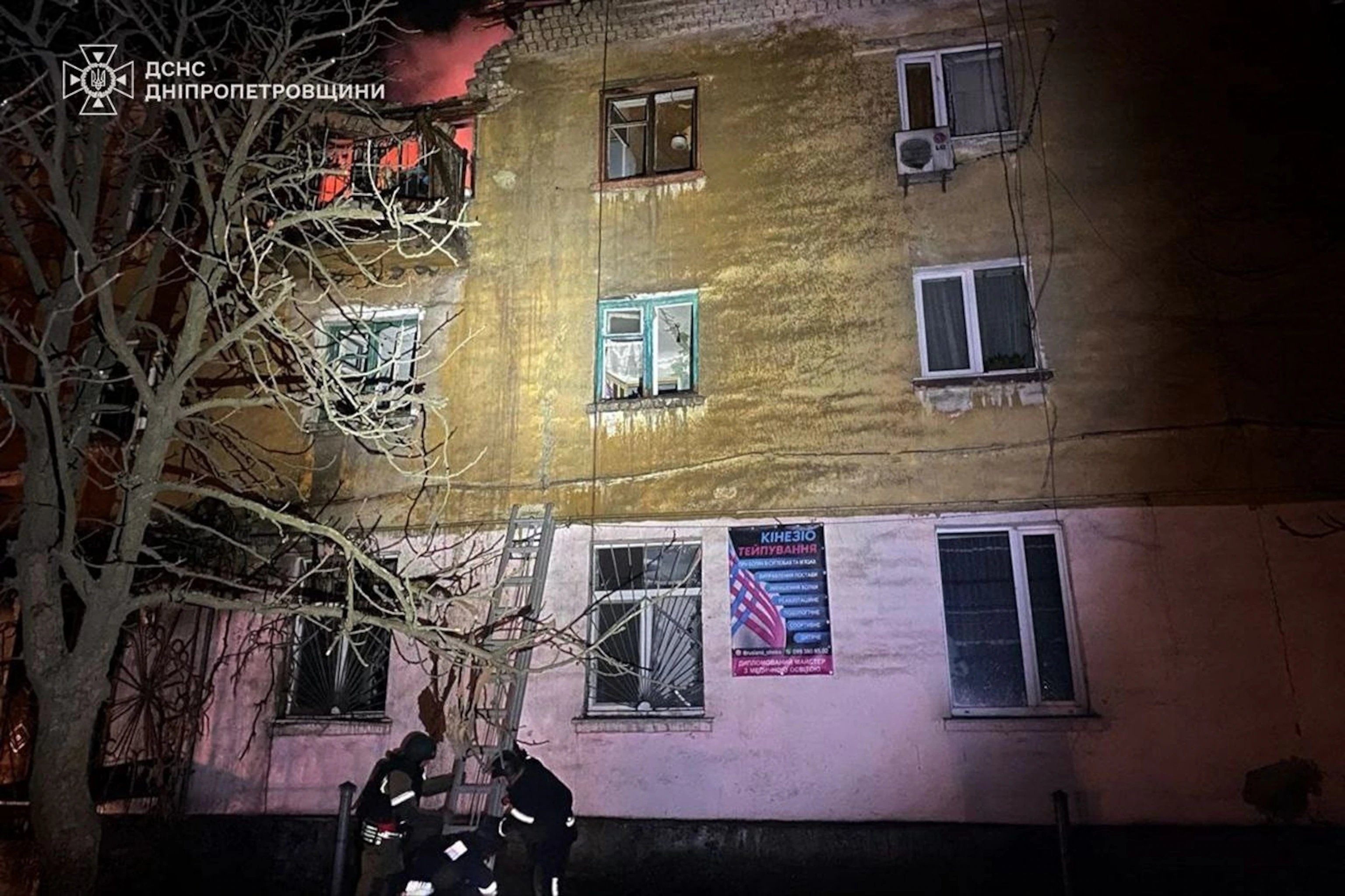
A senior Russian military official was killed in a car explosion near Moscow, marking a significant escalation in the ongoing conflict with Ukraine. Major General Andrei V. Surovikin, who was known for his role in coordinating military operations in Ukraine, died in the attack. This assassination adds to a series of high-profile killings of Russian military officials amid increasing tensions and targeted attacks against figures linked to the war effort. The incident underscores the vulnerability of Russia's military leadership as the conflict continues.
The assassination of Surovikin raises critical questions about Russia's internal security and military strategy. It could lead to increased paranoia among military leaders, potentially impacting decision-making processes as they navigate the ongoing conflict. The Russian government has not released an official statement regarding the attack, leaving speculations about the motives behind it and its broader implications for the war.
Reactions to the killing have varied widely among observers. Some view it as a tactical blow to Russia's military operations, while others see it as a sign of internal instability. Ukrainian officials have celebrated the event, interpreting it as a sign of weakening resolve among Russian forces. "Every loss for the Russian military is a step toward our victory," stated a spokesperson from Ukraine's Ministry of Defense. Conversely, pro-Kremlin analysts warn that such incidents could lead to retaliation against perceived enemies, further escalating violence within Russia.
The assassination fits into a broader context of violence and instability in Russia amid the war. Since the beginning of the conflict, there have been numerous reports of targeted killings, including those of military personnel and political figures opposed to the Kremlin's agenda. This pattern of violence raises concerns about the safety of individuals within the military and government, as well as the potential for increased militarization of domestic politics in response to perceived threats.
The killing of Surovikin may have direct repercussions on Ukraine-Russia relations. As the conflict continues, the impact of such targeted killings could reshape the landscape of military engagement in the region.
As the conflict between Ukraine and Russia persists, the assassination of a key military figure raises questions about the future trajectory of the war. The implications of this killing extend beyond immediate military considerations, potentially affecting the political landscape in Russia and its approach to the ongoing war. The international community watches closely, aware that such events could significantly influence the dynamics of the conflict.
The assassination of Major General Andrei V. Surovikin serves as a stark reminder of the volatility in the region, where individual actions can reverberate across borders, impacting not just military strategies but also the lives of civilians caught in the crossfire.
A senior Russian military official was killed in a car explosion near Moscow, marking a significant escalation in the ongoing conflict with Ukraine. The explosion occurred on June 9, resulting in the death of Major General Andrei V. Surovikin, who was known for his role in coordinating military operations in Ukraine. This assassination adds to a series of high-profile killings of Russian military officials amid increasing tensions and targeted attacks against figures linked to the war effort. The incident underscores the vulnerability of Russia's military leadership as the conflict continues.
The assassination of Surovikin raises critical questions about Russia's internal security and military strategy. Analysts suggest that this targeted killing may provoke a crackdown on dissent within the military ranks and among those perceived as sympathetic to Ukraine. It could also lead to increased paranoia among military leaders, potentially impacting decision-making processes as they navigate the ongoing conflict. The Russian government has not released an official statement regarding the attack, leaving speculations about the motives behind it and its broader implications for the war.
Reactions to the killing have varied widely among observers. Some view it as a tactical blow to Russia's military operations, while others see it as a sign of internal instability. Ukrainian officials have celebrated the event, interpreting it as a sign of weakening resolve among Russian forces. "Every loss for the Russian military is a step toward our victory," stated a spokesperson from Ukraine's Ministry of Defense. Conversely, pro-Kremlin analysts warn that such incidents could lead to retaliation against perceived enemies, further escalating violence within Russia.
The assassination fits into a broader context of violence and instability in Russia amid the war. Since the beginning of the conflict, there have been numerous reports of targeted killings, including those of military personnel and political figures opposed to the Kremlin's agenda. This pattern of violence raises concerns about the safety of individuals within the military and government, as well as the potential for increased militarization of domestic politics in response to perceived threats.
The killing of Surovikin may have direct repercussions on Ukraine-Russia relations. Analysts suggest that heightened tensions might lead to more aggressive military tactics from both sides as they seek to assert dominance in the ongoing conflict. The assassination could also complicate diplomatic efforts aimed at de-escalating the situation, as it may harden positions on both sides. As the conflict continues, the impact of such targeted killings could reshape the landscape of military engagement in the region.
As the conflict between Ukraine and Russia persists, the assassination of a key military figure raises questions about the future trajectory of the war. Will this event serve as a catalyst for change within the Russian military, or will it further entrench the existing power structures? The implications of this killing extend beyond immediate military considerations, potentially affecting the political landscape in Russia and its approach to the ongoing war. The international community watches closely, aware that such events could significantly influence the dynamics of the conflict.
The assassination of Major General Andrei V. Surovikin serves as a stark reminder of the volatility in the region, where individual actions can reverberate across borders, impacting not just military strategies but also the lives of civilians caught in the crossfire.
Highlighted text was flagged by the council. Tap to see feedback.