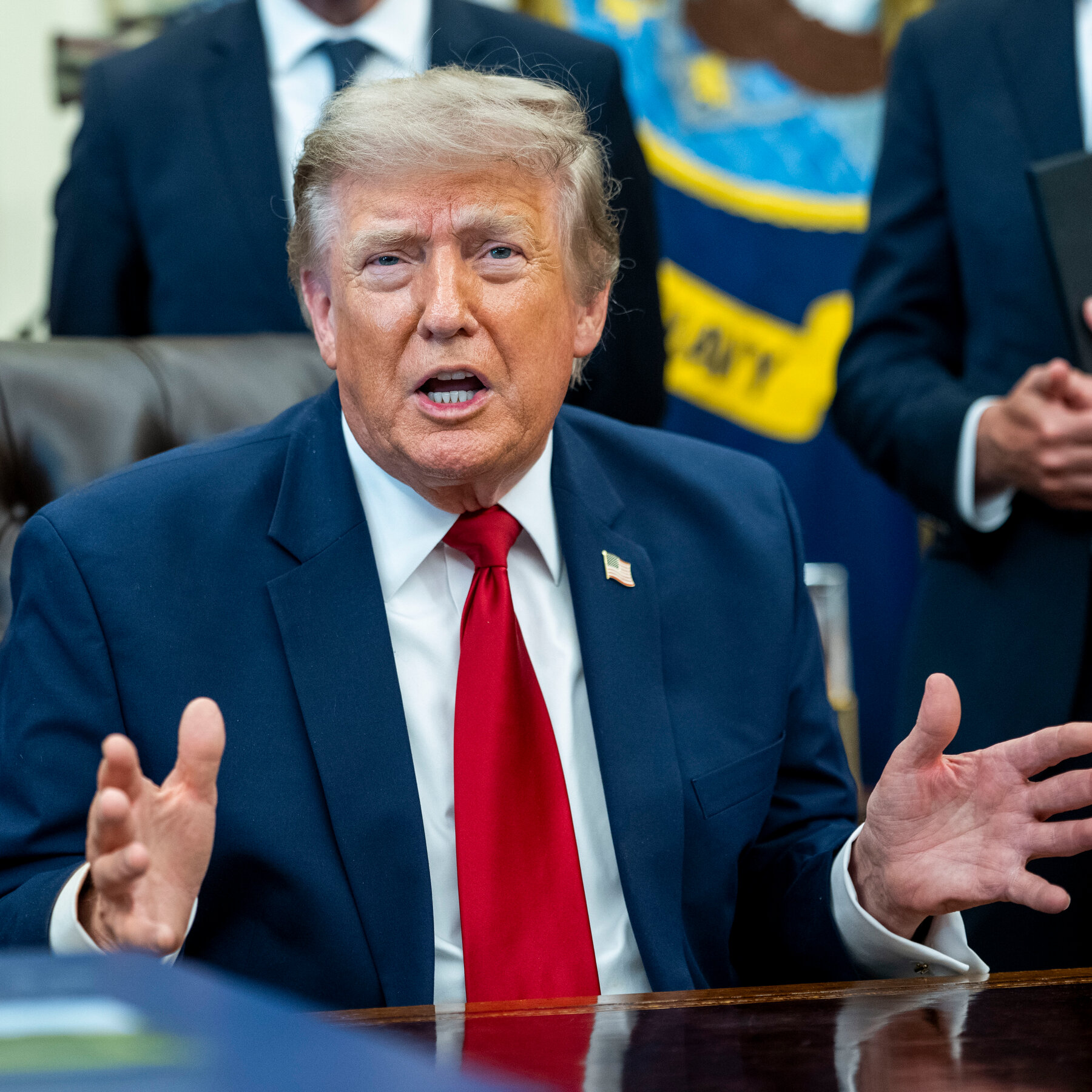
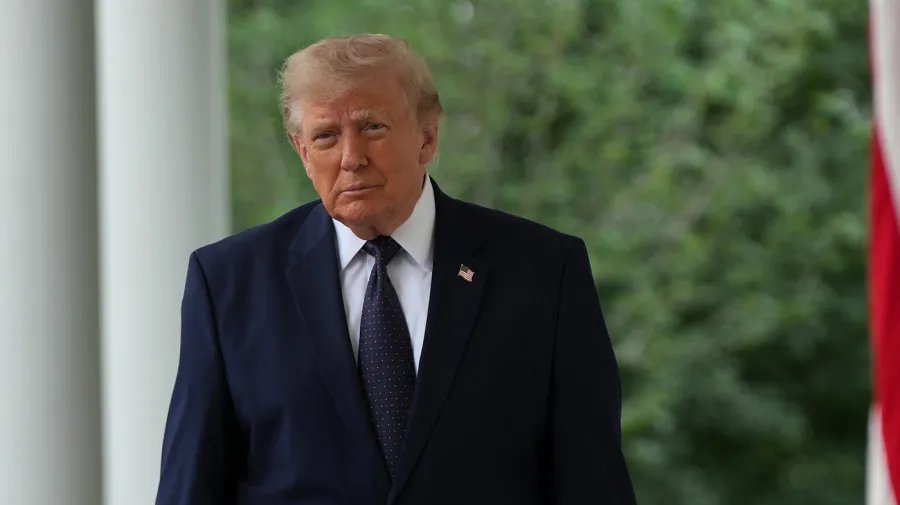
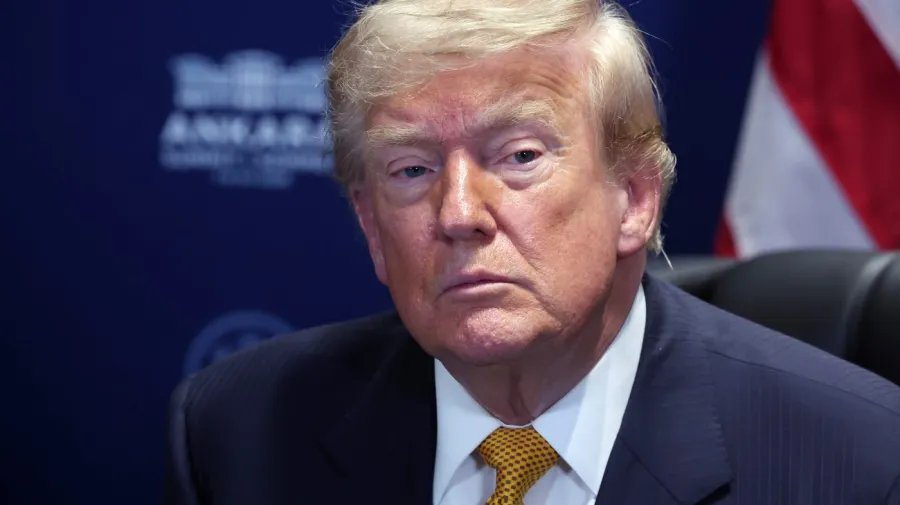
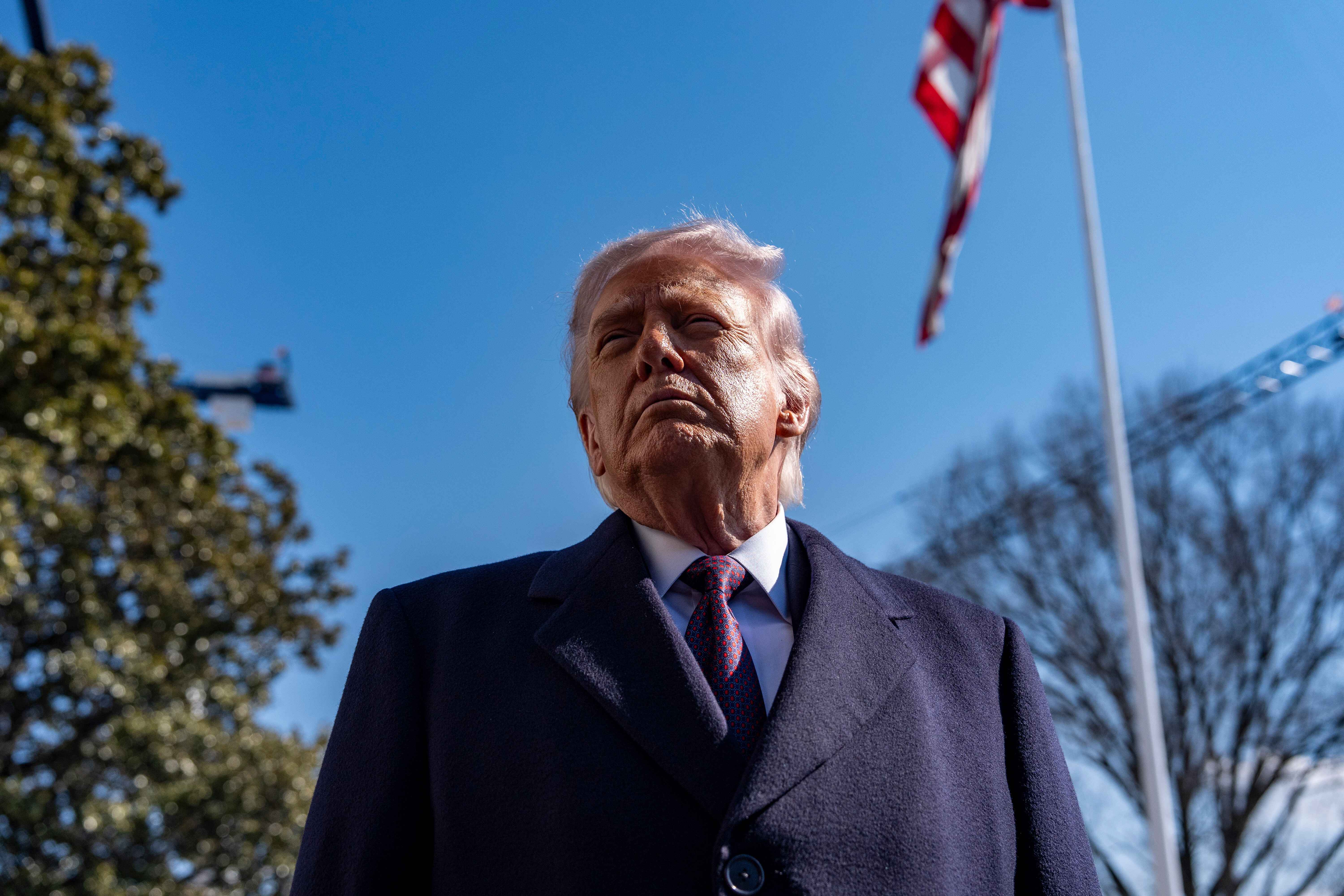
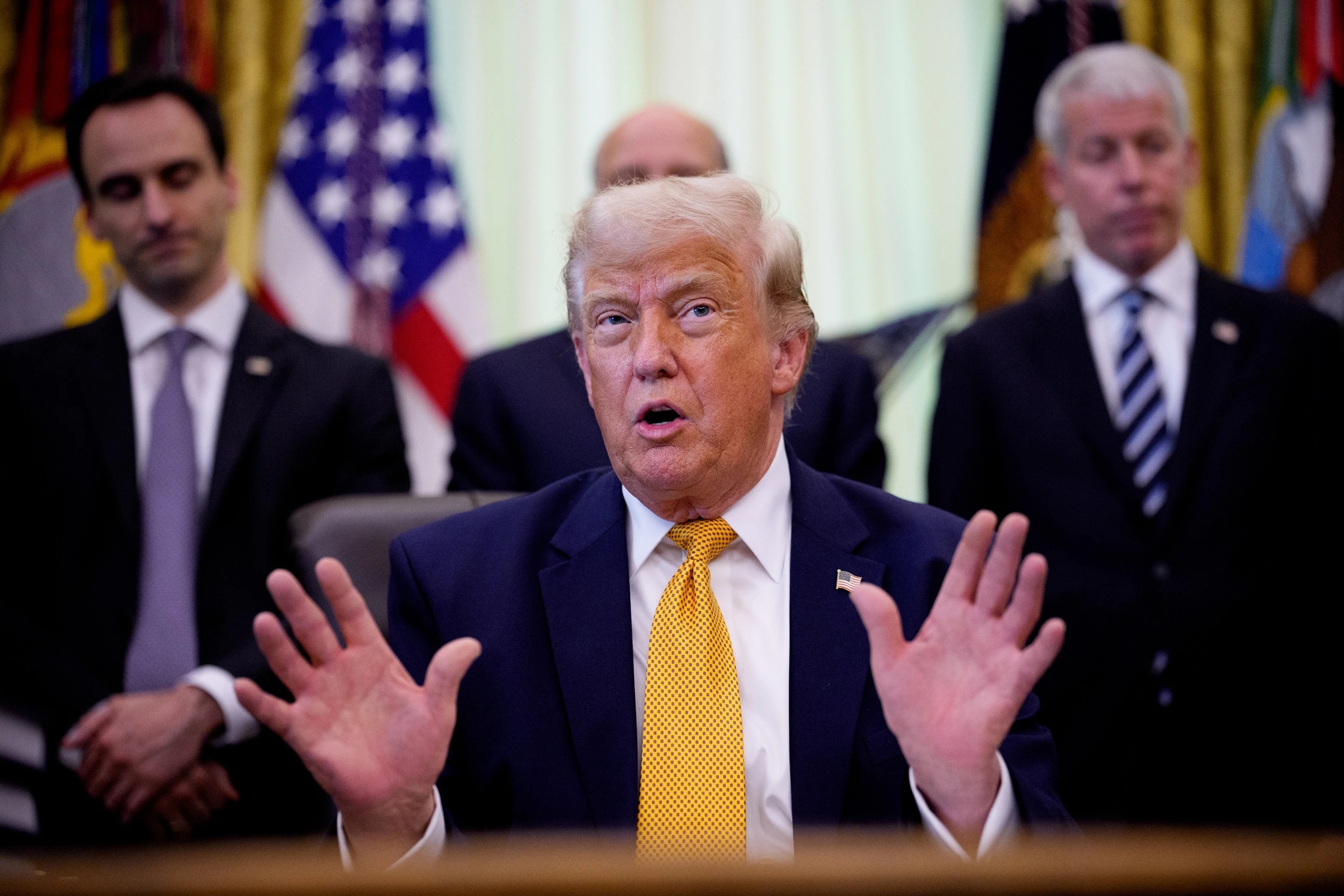
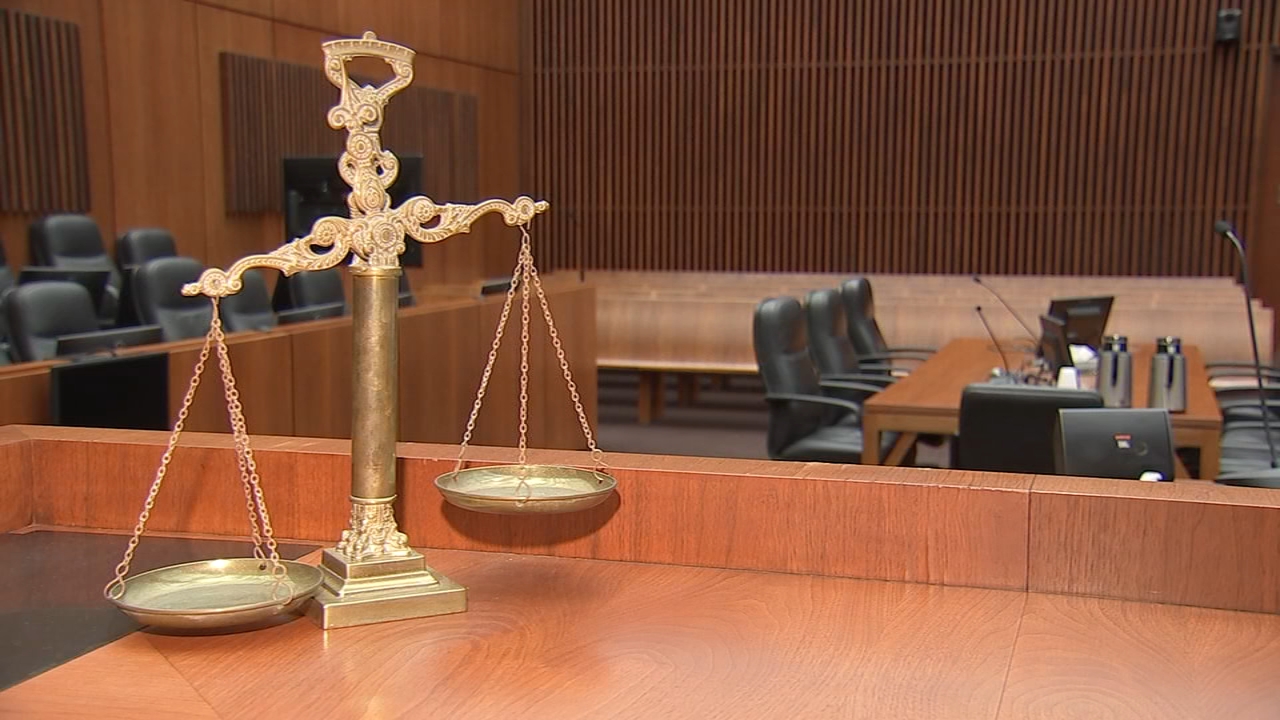
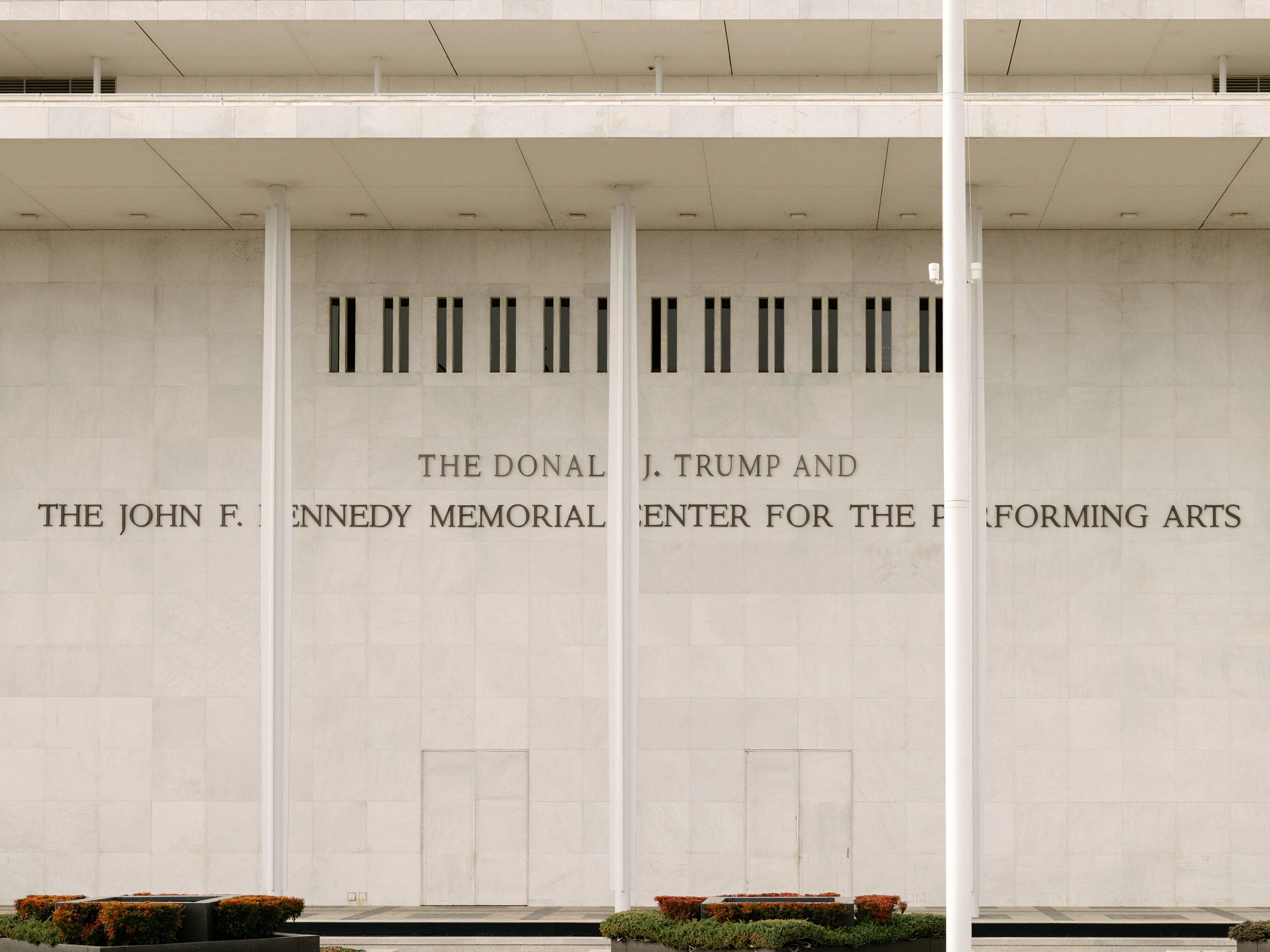
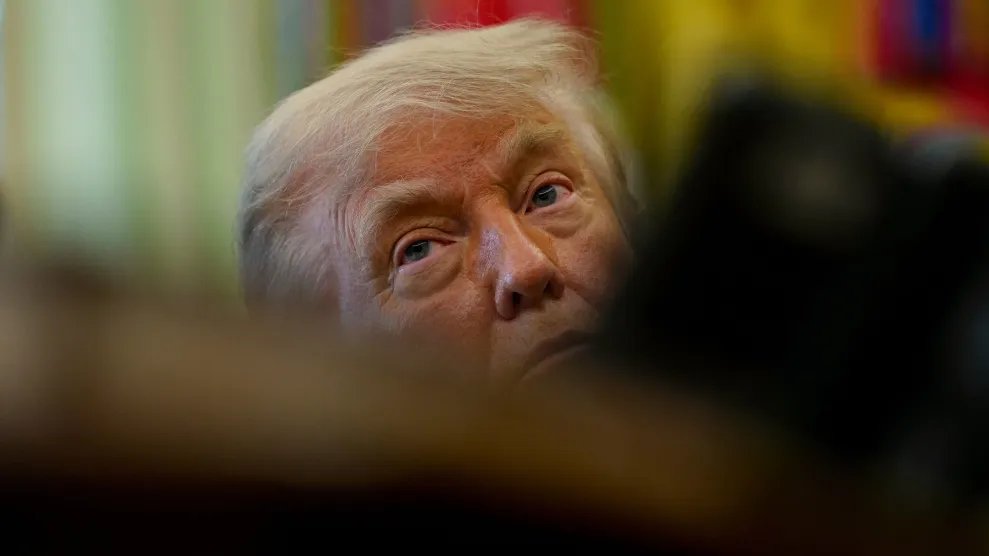
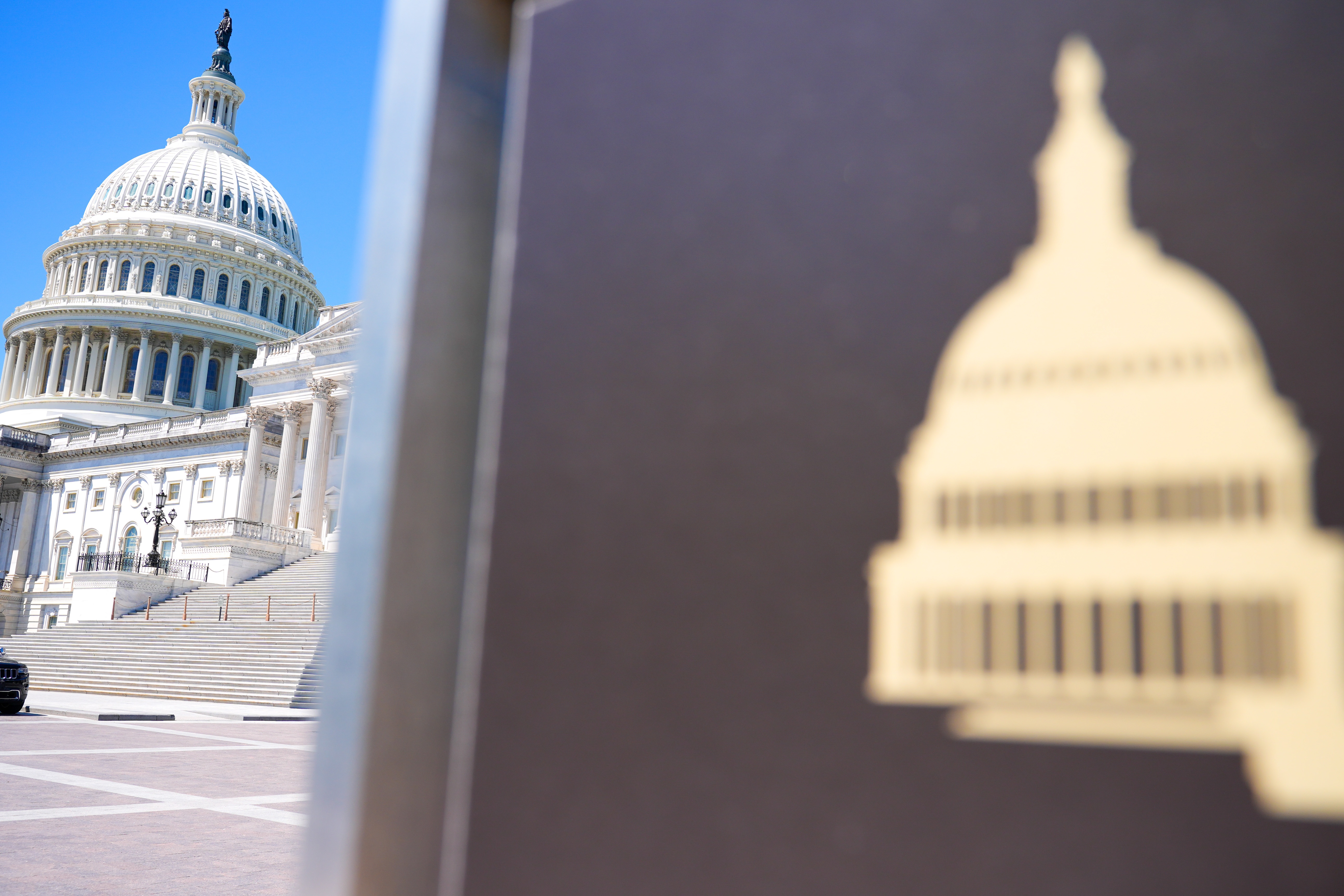
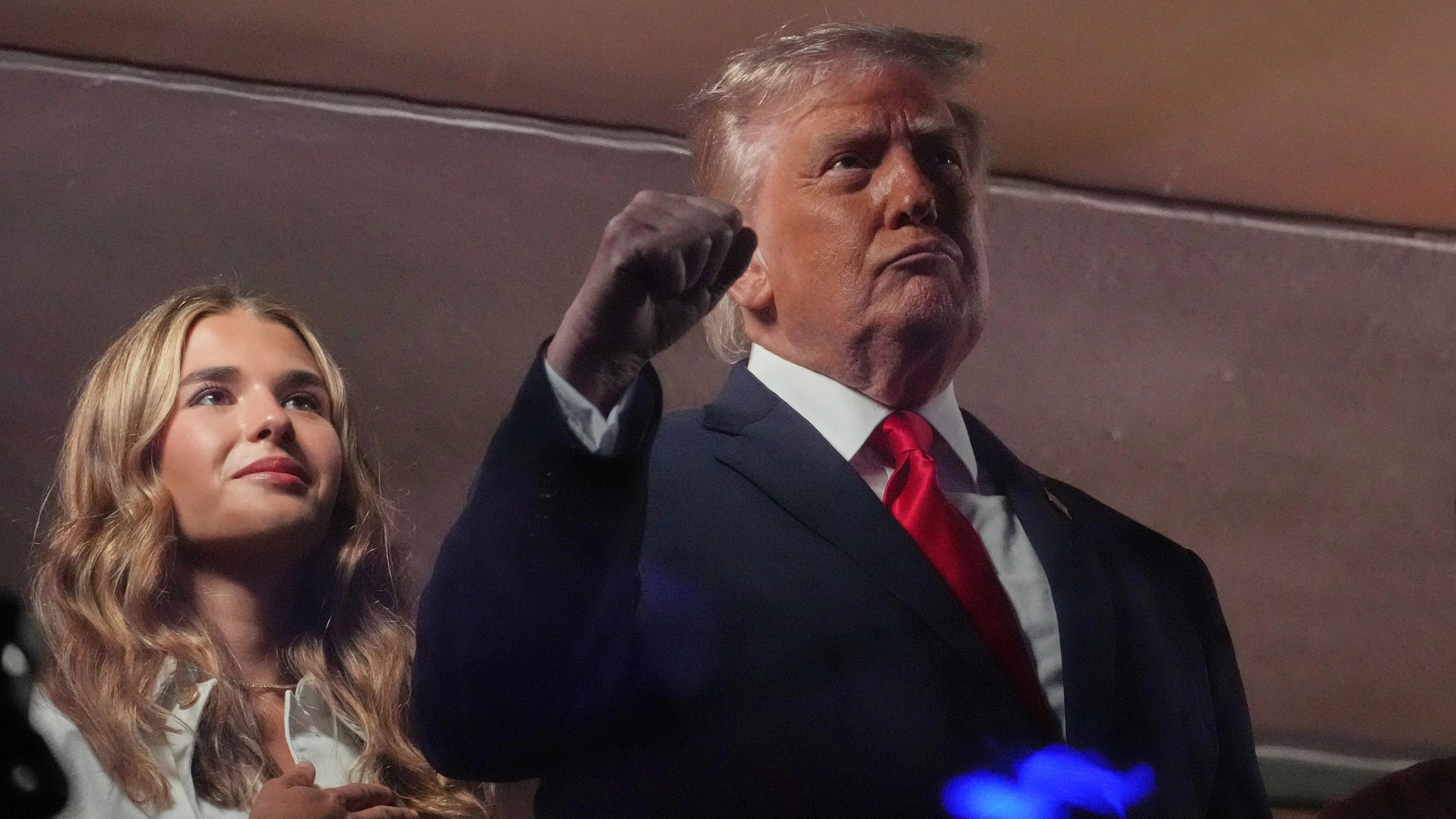
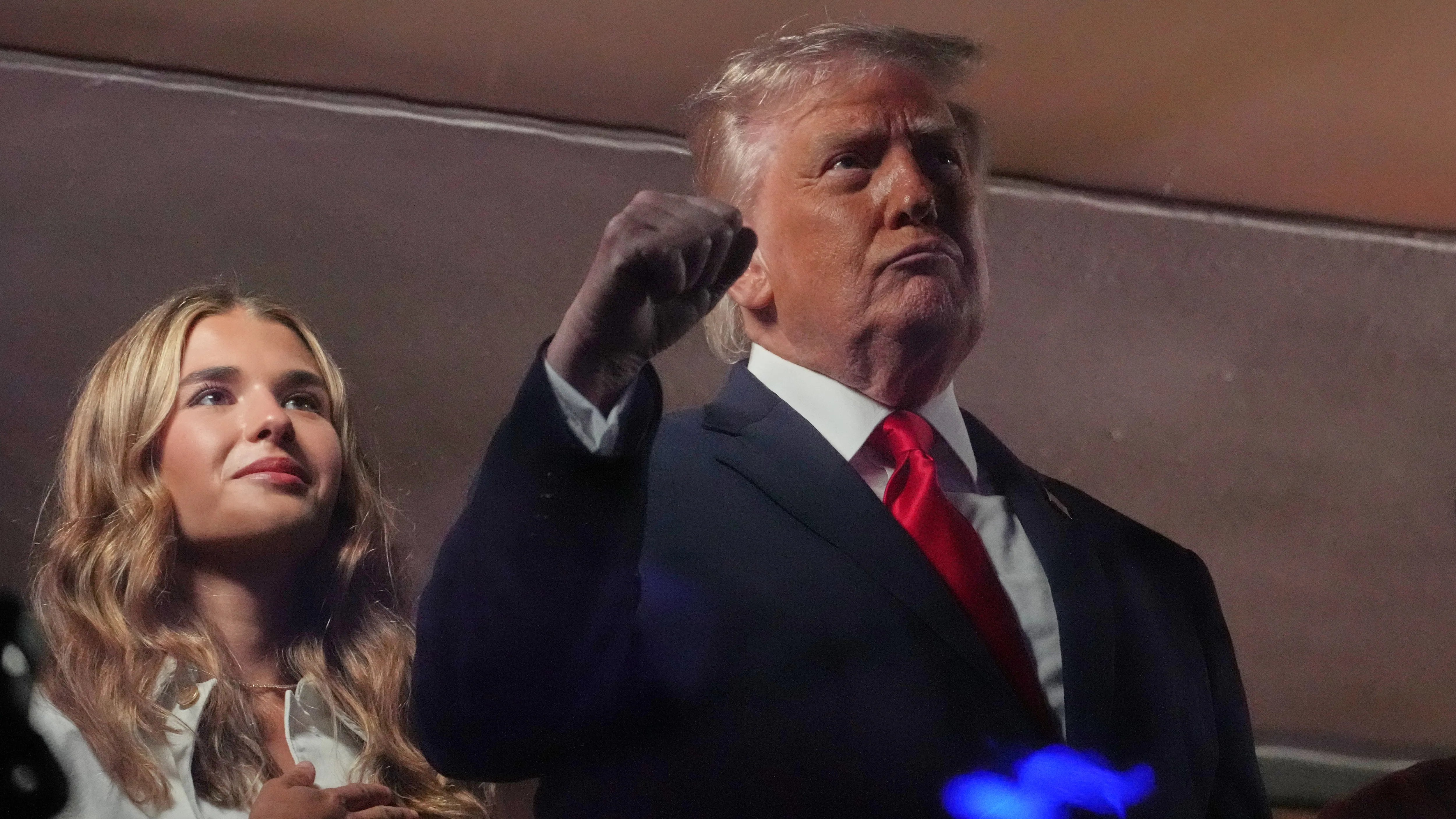
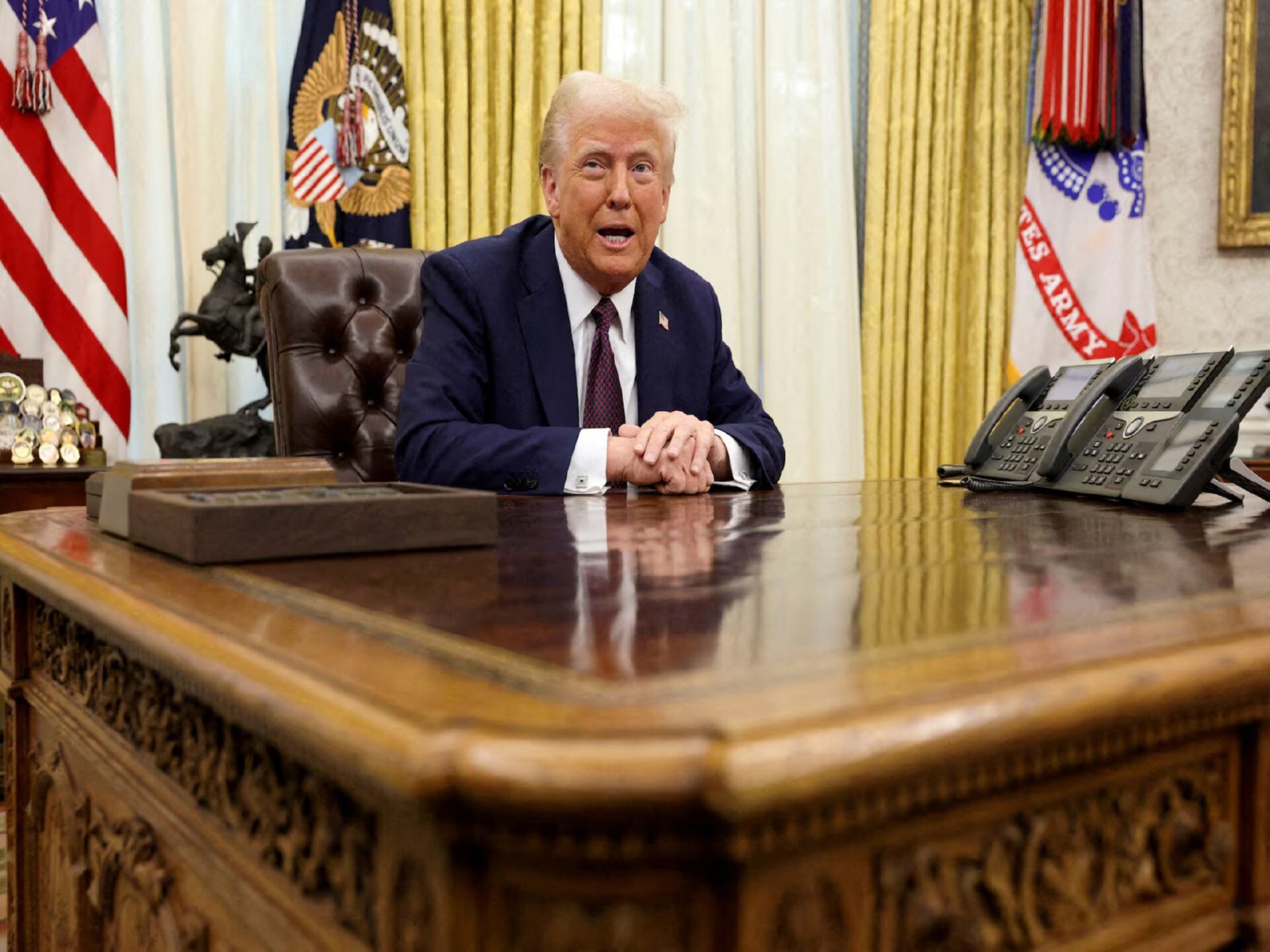
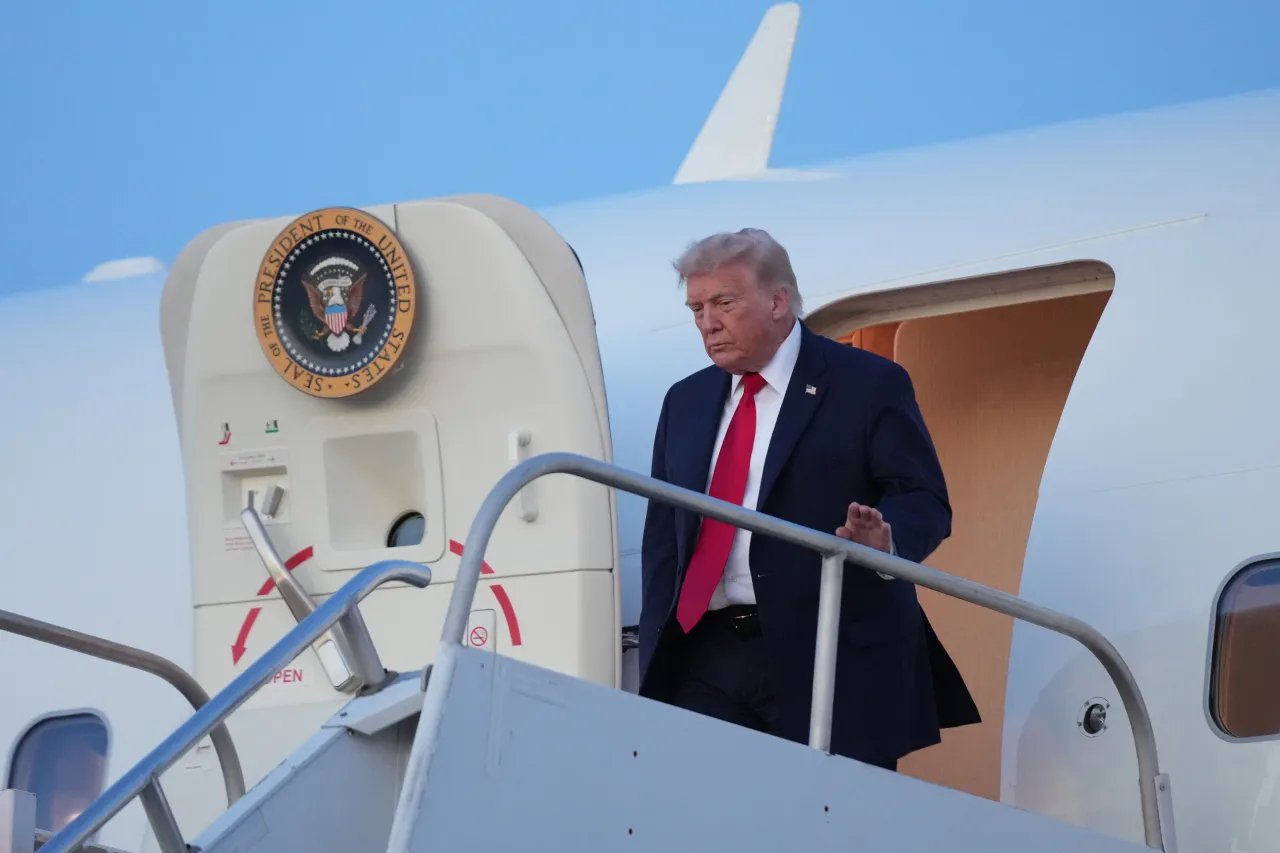
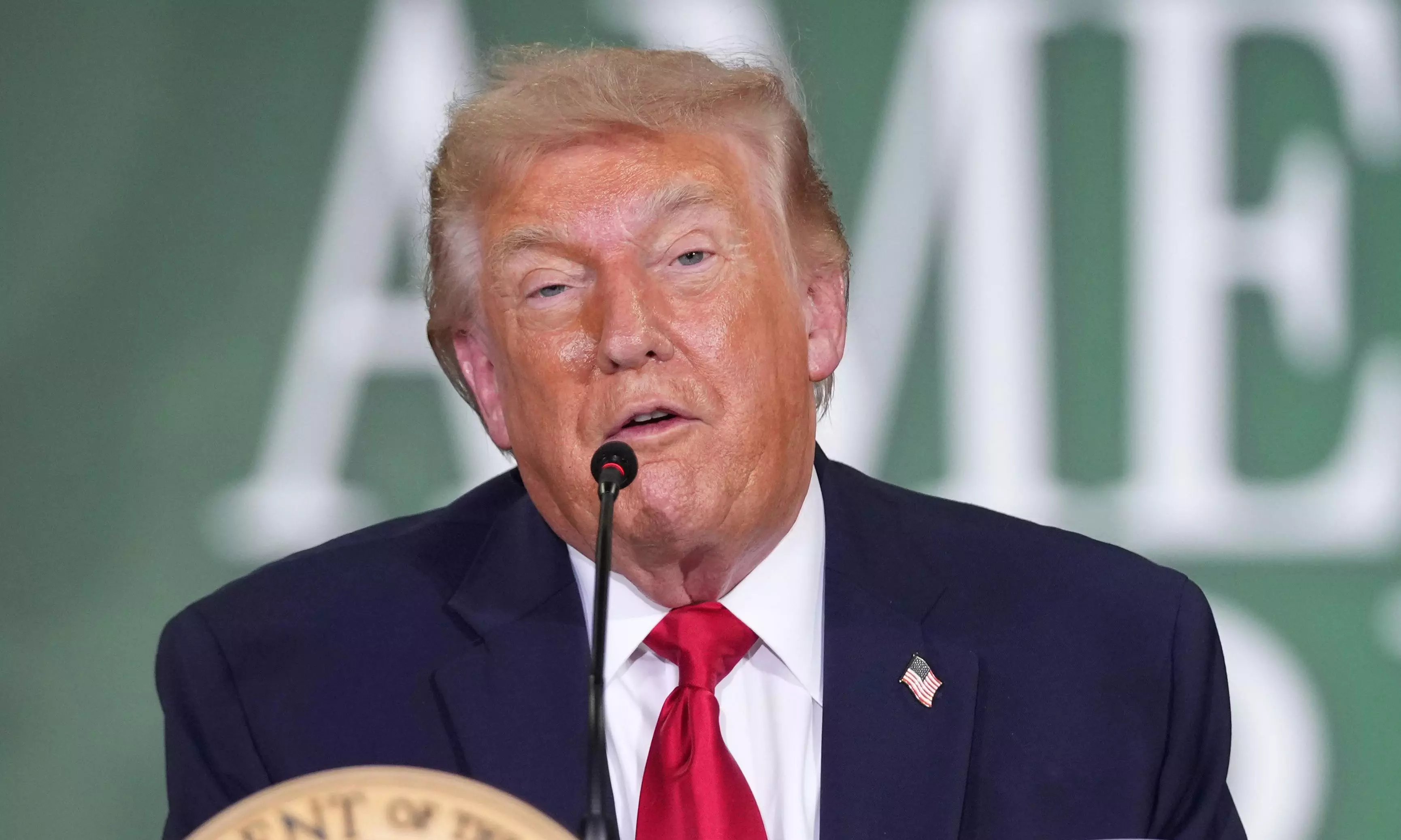
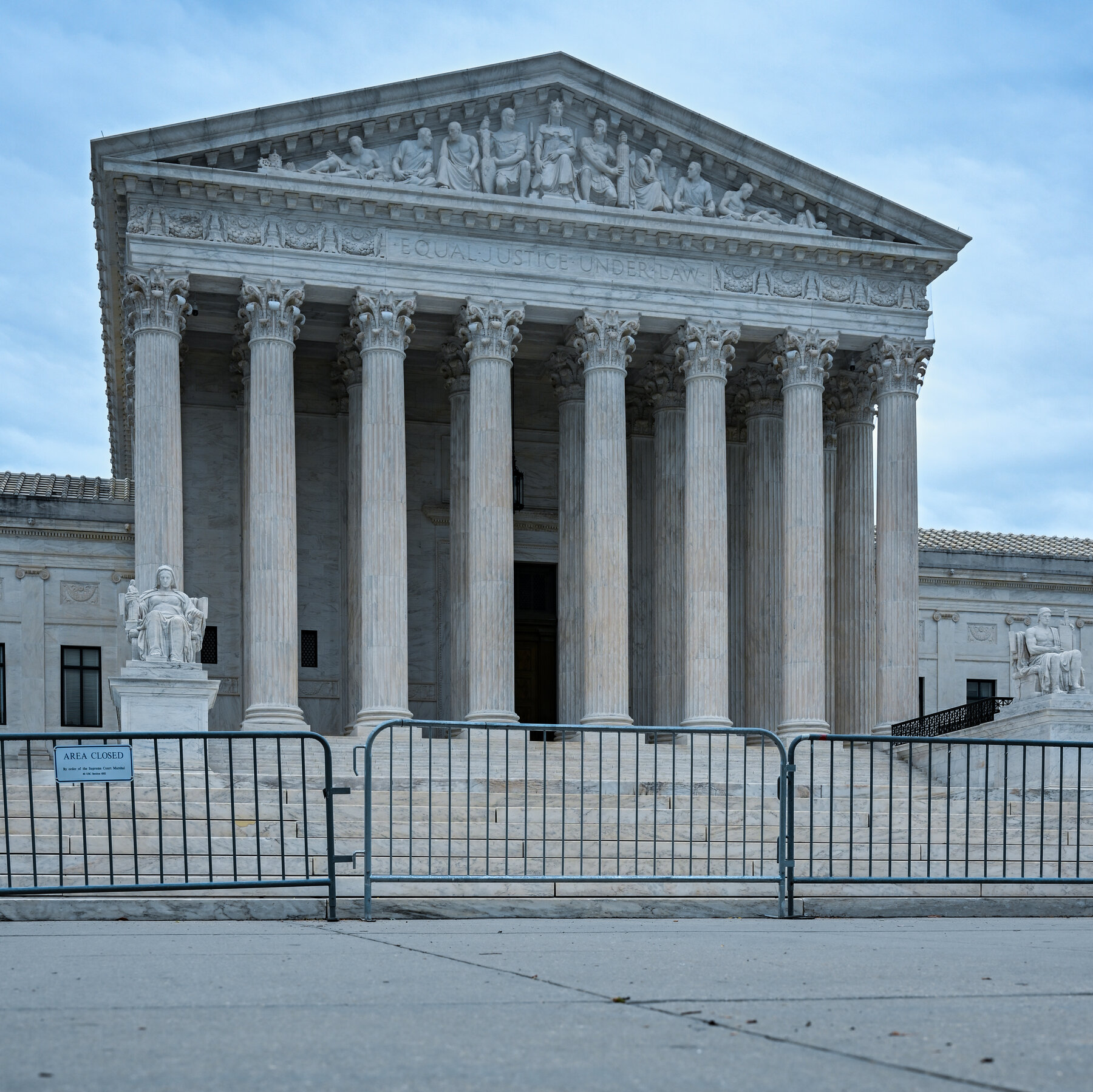
U.S. District Judge Christopher Cooper ordered President Trump's name removed from the Kennedy Center by Friday, June 12. When thunderstorms delayed the work, the removal was completed early Saturday morning. Cooper denied the Trump administration's request for a stay on his order, which also prohibits the center from closing for two years of planned renovations. The judge found that the name change was illegal and could only be authorized by Congress.
In a further blow to the Trump administration, a federal appeals court denied an emergency request to pause the removal order. The U.S. Court of Appeals for the D.C. Circuit's decision means that the Kennedy Center must comply with the deadline set by Judge Cooper. The administration argued that removing the name could confuse the public, hurt fundraising efforts—claiming some donors contributed specifically because of Trump's association—and jeopardize necessary renovations.
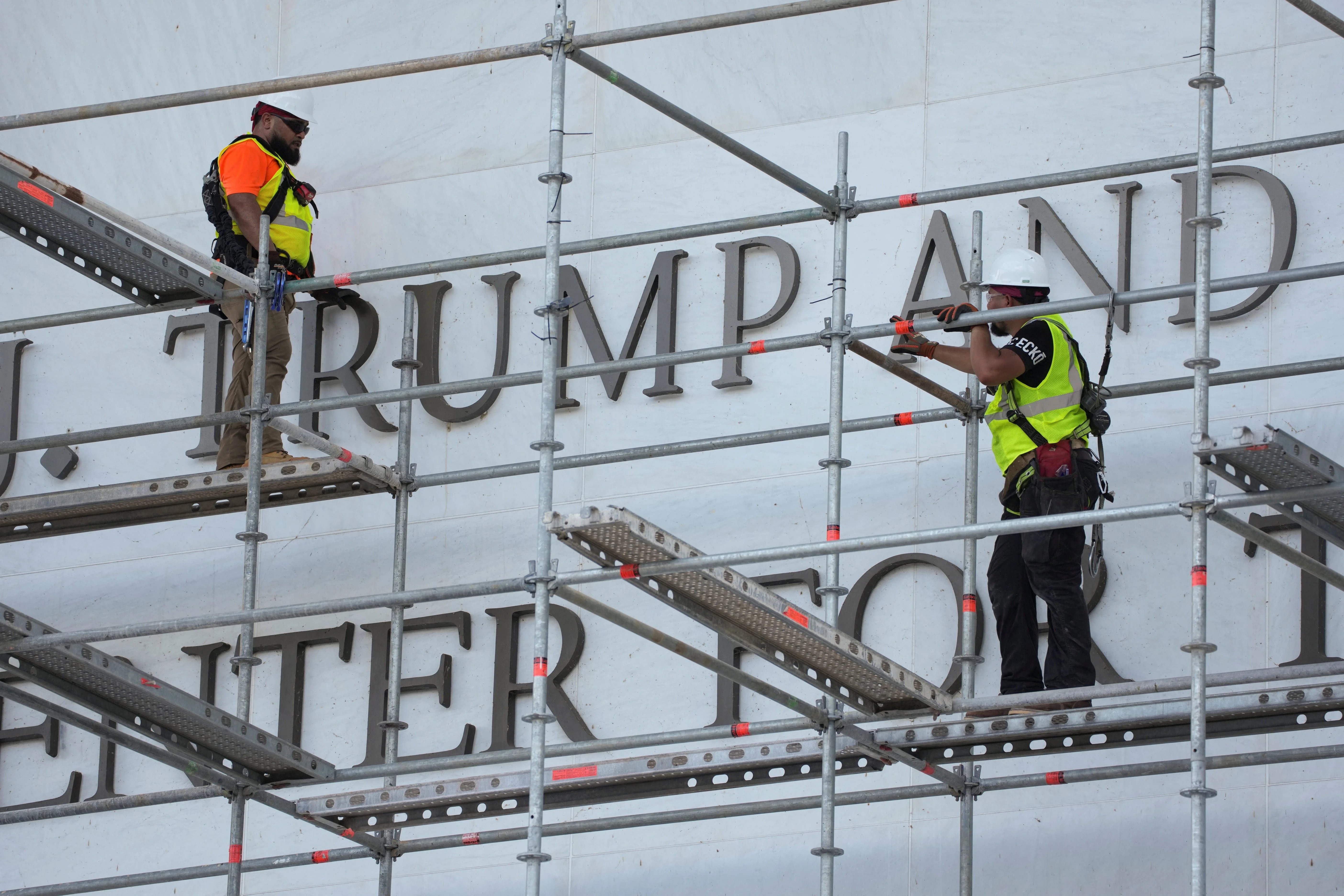
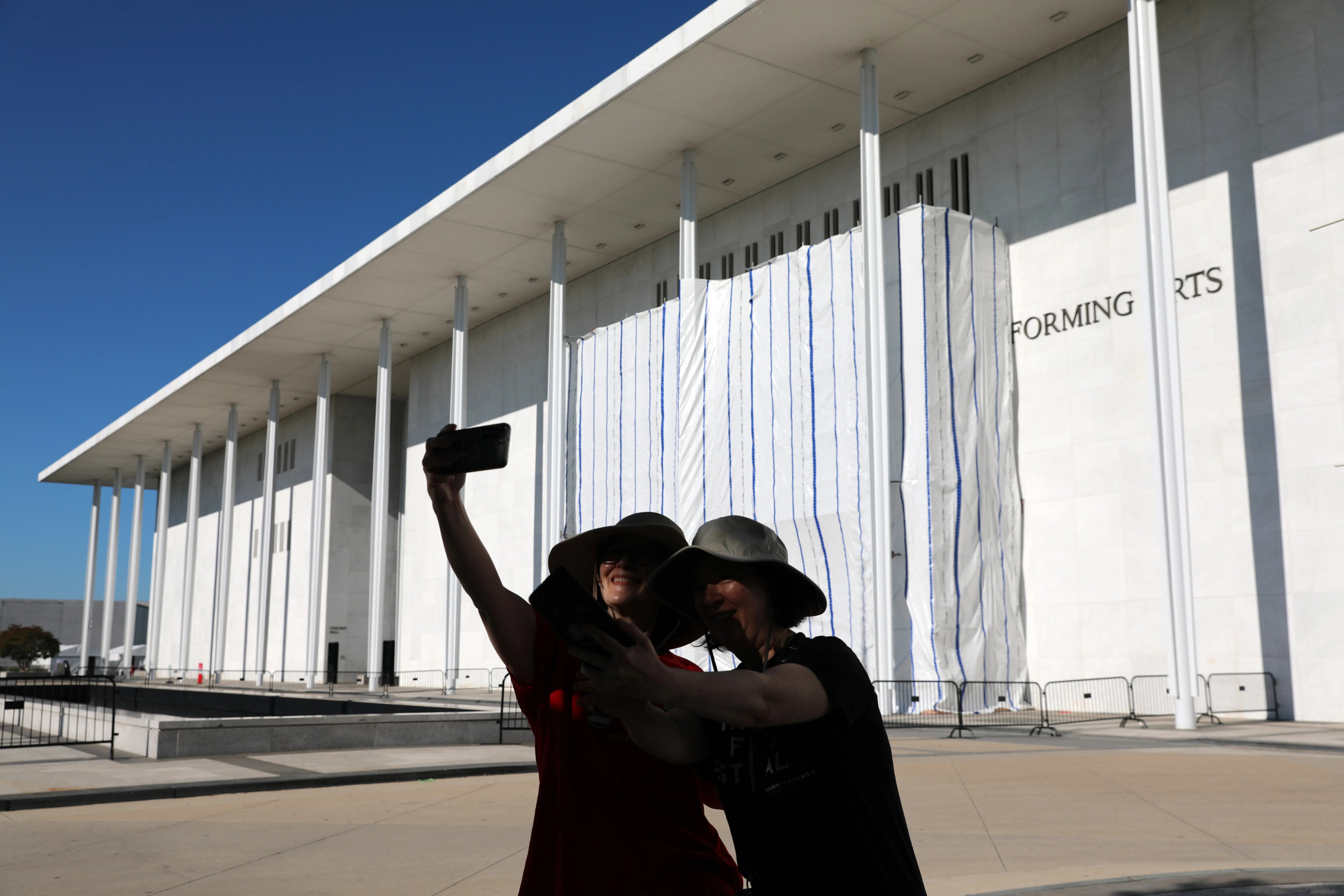
As the deadline loomed, workers erected scaffolding around the Kennedy Center to facilitate the name removal. Despite thunderstorms delaying initial efforts, Kennedy Center Executive Director Matthew Floca confirmed that the removal would be completed by Saturday morning. A crowd gathered outside the venue, chanting "take it down" as workers prepared to strip the name from the building.
The Kennedy Center has already begun to comply with the court's ruling by removing Trump's name from its website and internal documents. A memo from the center's Office of General Counsel instructed staff to refer to the venue solely as "The John F. Kennedy Center for the Performing Arts." The center's leadership, however, has expressed frustration over the ruling, claiming that it jeopardizes necessary renovations to fix structural issues, including rusted beams.
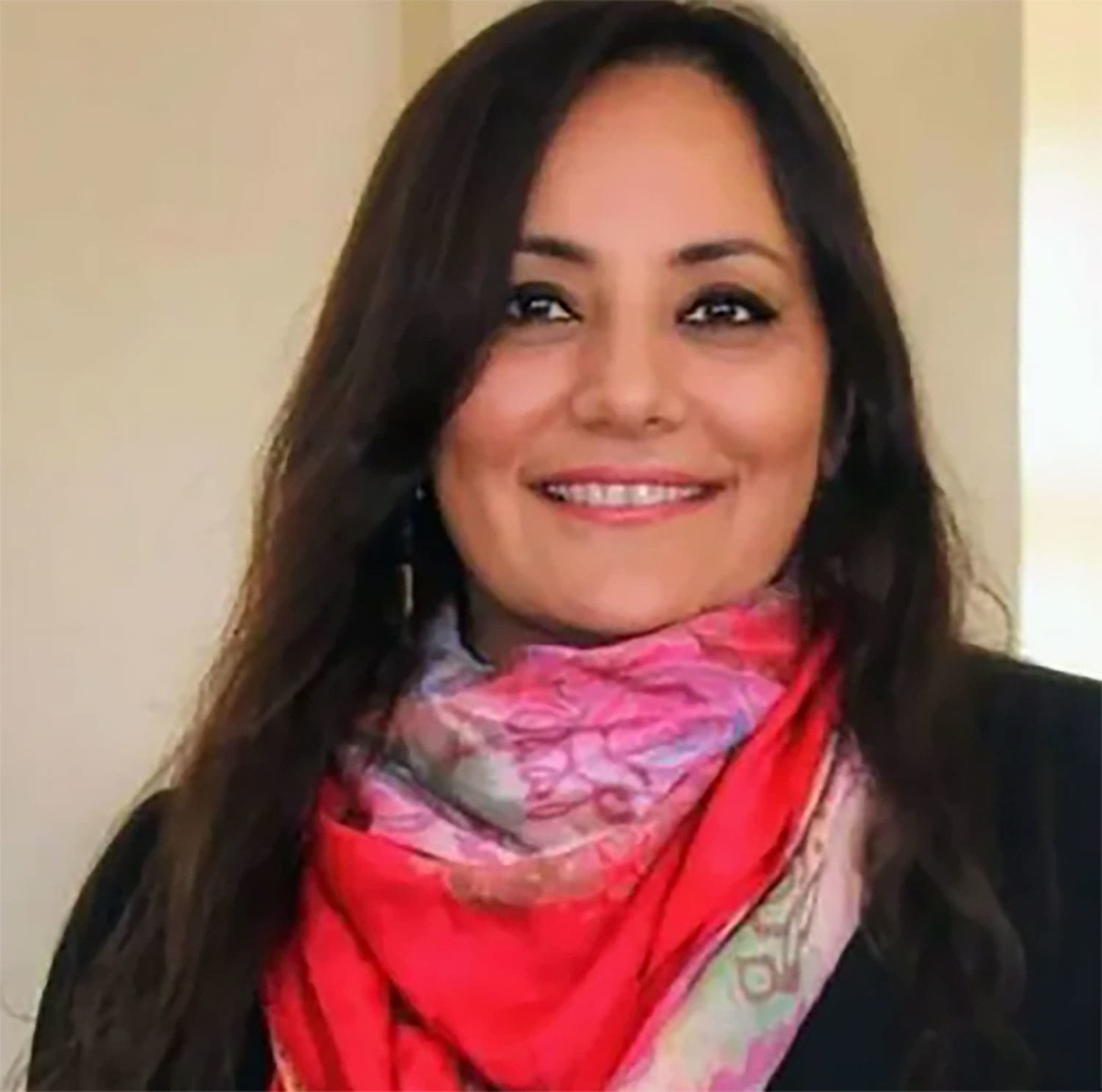
Shortly after his return to office, Trump appointed a new board of trustees that voted to add his name to the Kennedy Center, triggering the legal challenge. Trump's name was quickly added to the building. Representative Joyce Beatty, a member of the Kennedy Center board, has been a vocal critic of this move, leading the legal challenge that resulted in the current court rulings.
With the removal of Trump's name imminent, the focus will shift to the Kennedy Center's future operations and renovation plans. The center's leadership has emphasized the urgent need for repairs, citing potential safety hazards. As the legal battles continue, the Kennedy Center aims to restore its reputation and functionality as a premier arts venue while navigating the complexities of its recent history.
A federal judge has ruled that President Trump's name must be removed from the facade of the John F. Kennedy Center for the Performing Arts by Saturday morning. U.S. District Judge Christopher Cooper denied the Trump administration's request for a stay on his order, which also prohibits the center from closing for two years of planned renovations. The judge found that the name change was illegal and could only be authorized by Congress.
In a further blow to the Trump administration, a federal appeals court denied an emergency request to pause the removal order. The U.S. Court of Appeals for the D.C. Circuit's decision means that the Kennedy Center must comply with the deadline set by Judge Cooper. The administration argued that removing the name could confuse the public and hurt fundraising efforts, as some donors contributed specifically because of Trump's association with the venue.
As the deadline loomed, workers erected scaffolding around the Kennedy Center to facilitate the name removal. Despite thunderstorms delaying initial efforts, Kennedy Center Executive Director Matthew Floca confirmed that the removal would be completed by Saturday morning. A crowd gathered outside the venue, chanting "take it down" as workers prepared to strip the name from the building.
The Kennedy Center has already begun to comply with the court's ruling by removing Trump's name from its website and internal documents. A memo from the center’s Office of General Counsel instructed staff to refer to the venue solely as "The John F. Kennedy Center for the Performing Arts." The center's leadership, however, has expressed frustration over the ruling, claiming that it jeopardizes necessary renovations to fix structural issues, including rusted beams.
The conflict over Trump's name at the Kennedy Center stems from significant leadership changes made shortly after his return to office. Trump appointed a board of trustees that voted to add his name to the institution, rebranding it as the Trump-Kennedy Center. Representative Joyce Beatty, a member of the Kennedy Center board, has been a vocal critic of this move, leading the legal challenge that resulted in the current court rulings.
The removal of Trump's name from such a prominent cultural institution raises questions about his legacy and the ongoing shifts in public sentiment regarding his presidency. The Kennedy Center, established as a memorial to President John F. Kennedy, is a significant venue for the arts in Washington, D.C. The decision to strip Trump’s name reflects broader societal debates about how public figures are honored and remembered.
With the removal of Trump's name imminent, the focus will shift to the Kennedy Center’s future operations and renovation plans. The center's leadership has emphasized the urgent need for repairs, citing potential safety hazards. As the legal battles continue, the Kennedy Center aims to restore its reputation and functionality as a premier arts venue while navigating the complexities of its recent history.
Highlighted text was flagged by the council. Tap to see feedback.