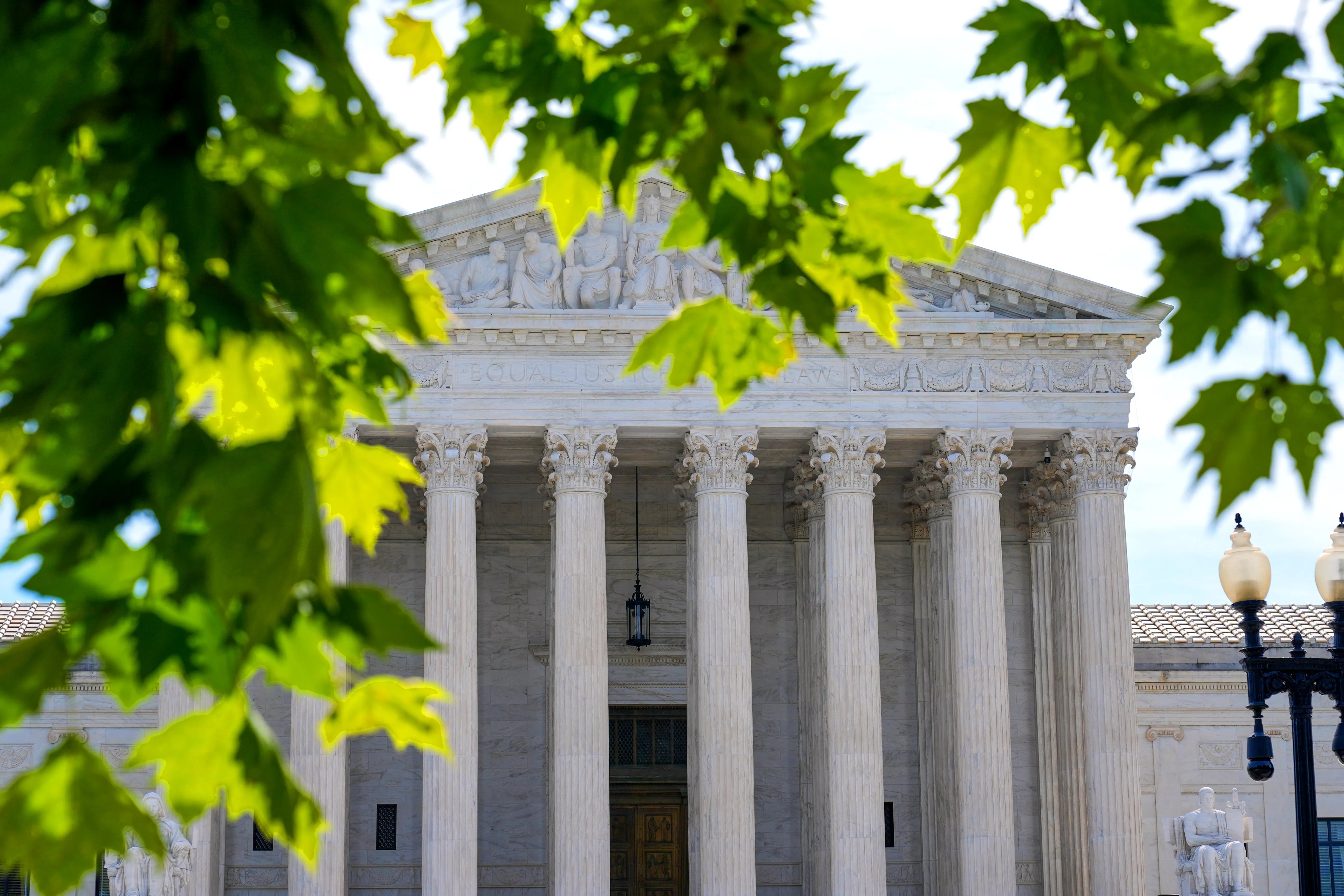
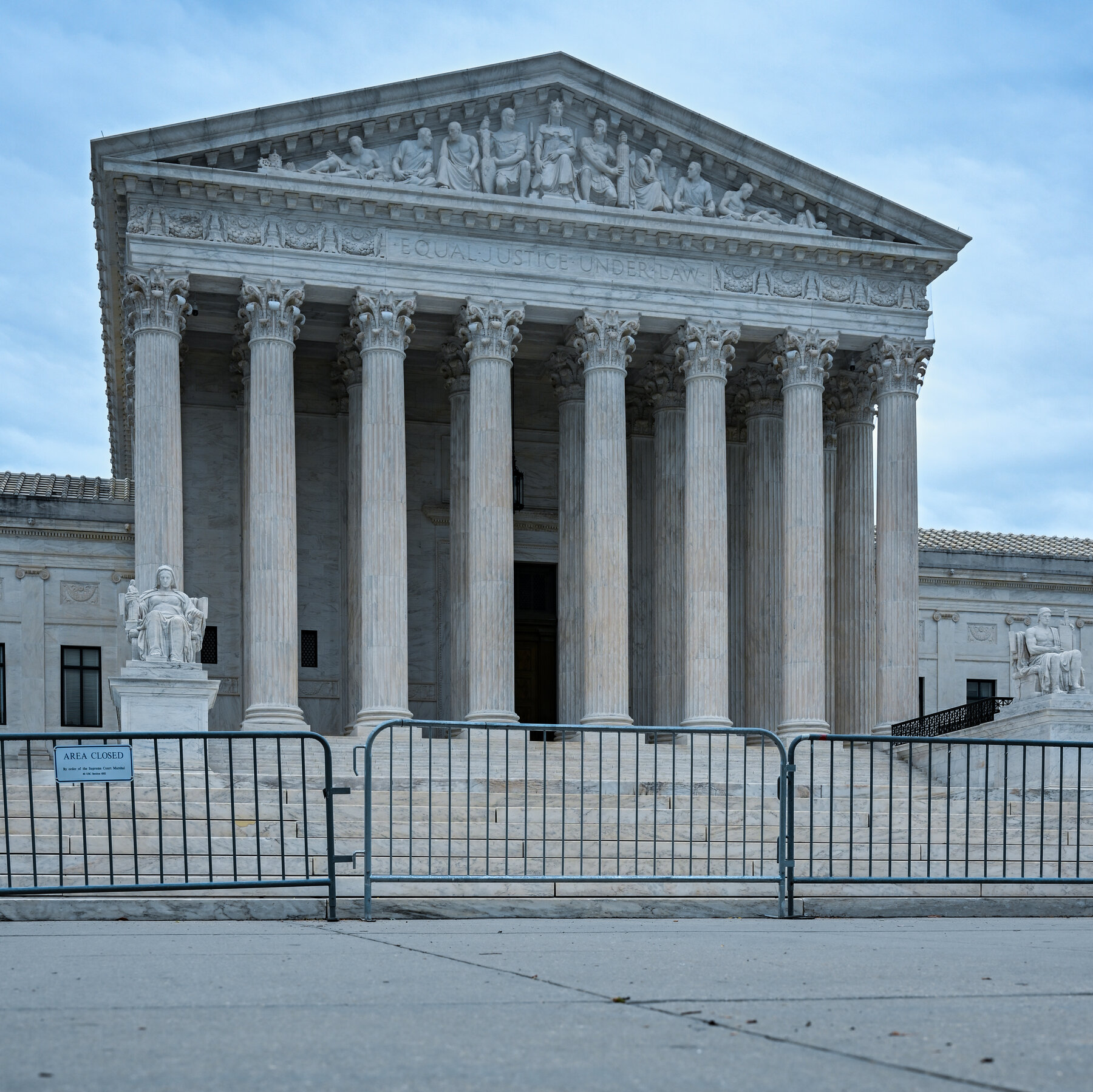
The Supreme Court's decision Thursday to allow the Trump administration to end temporary protected status for hundreds of thousands of immigrants will hasten a demographic crisis already reshaping American communities. David Bier, an immigration expert at the Cato Institute, said the U.S. is now "destined" to face steep population decline. "We're already seeing a situation where most counties in the United States had more deaths than births," he said.
The timing compounds an existing crisis. U.S. birthrates have been declining for decades, and until last year, high rates of foreign immigration offset that trend. But for the first time since the Great Depression, the nation now faces record low birthrates and low numbers of migrants simultaneously. In 2024, roughly 2.7 million foreign migrants entered the U.S., according to the Census Bureau. This year, census experts predict that number could drop as low as 300,000.
The Supreme Court ruling clears the way for the Trump administration to strip legal protections from about 350,000 Haitians and 6,000 Syrians, but the decision has broader implications. More than 1.3 million people from more than a dozen countries share temporary protected status and could soon lose the ability to work and face deportation.
Census data shows the total number of young Americans under age 25 is already falling nationwide. Without migrants, economists say the number of young workers paying into Social Security will fall more rapidly, schools in many areas will close, and the number of young families having children will decline.
William Frey, a demographer at the Brookings Institution, described the Supreme Court rulings as "alarming." He believes without robust foreign immigration, more states will quickly see their populations stagnate or decline. "Not just in big immigration states, but in places that have relatively small numbers of immigrants, you know, Iowa, Kansas, Nebraska — those states require immigrants to get any population growth," Frey said.
Bier told NPR that when he talks to conservatives about the economic and demographic risks of closing the country's doors to migrants, many respond with a cultural argument. "[They] would rather have a declining population of 'true Americans' than have an economy kept afloat by people who don't share [their] values," he said.
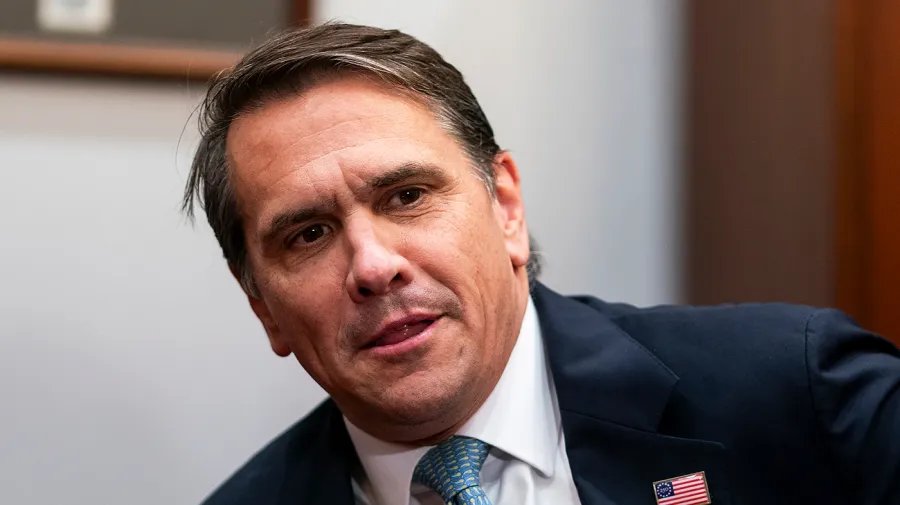
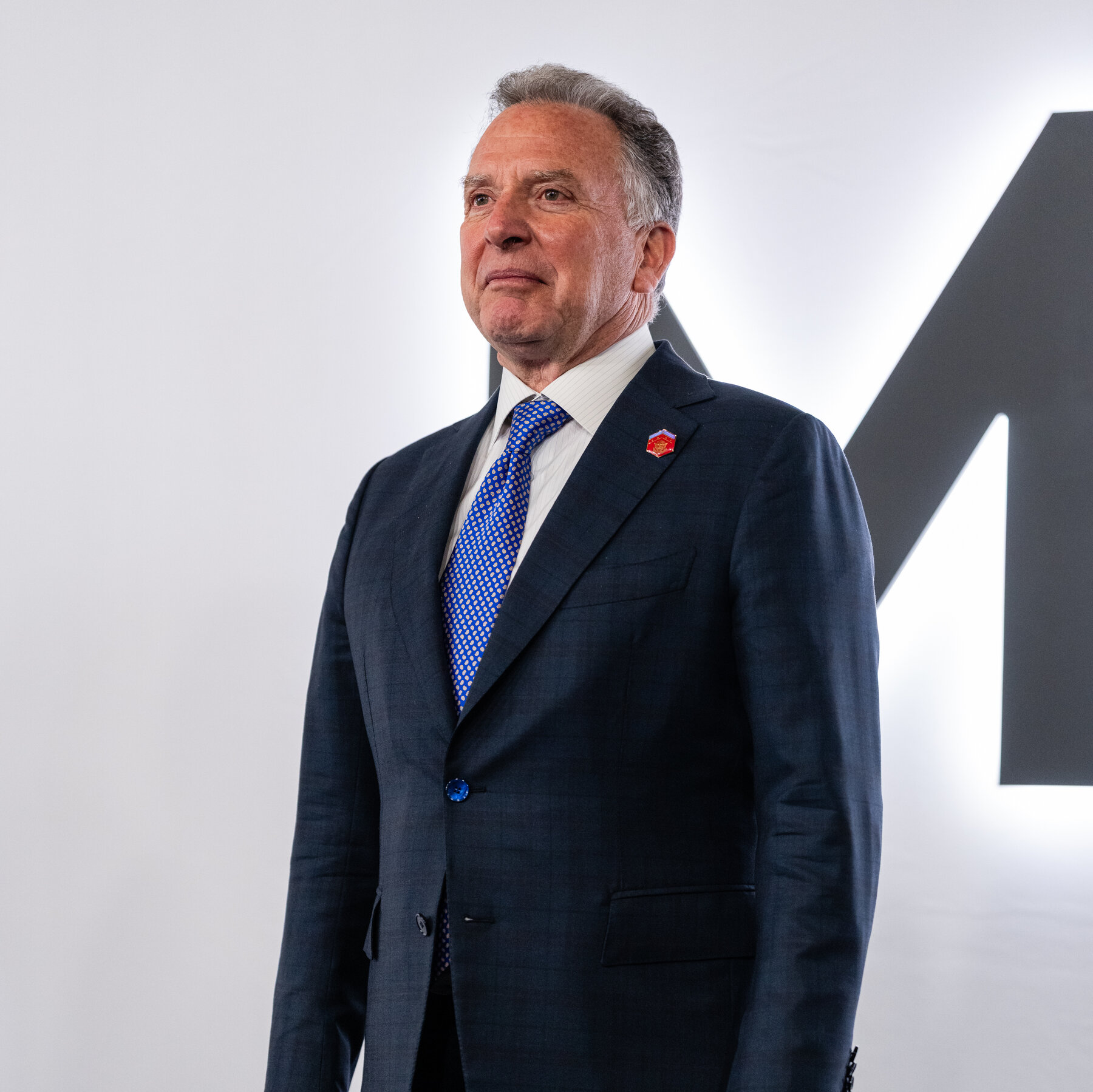
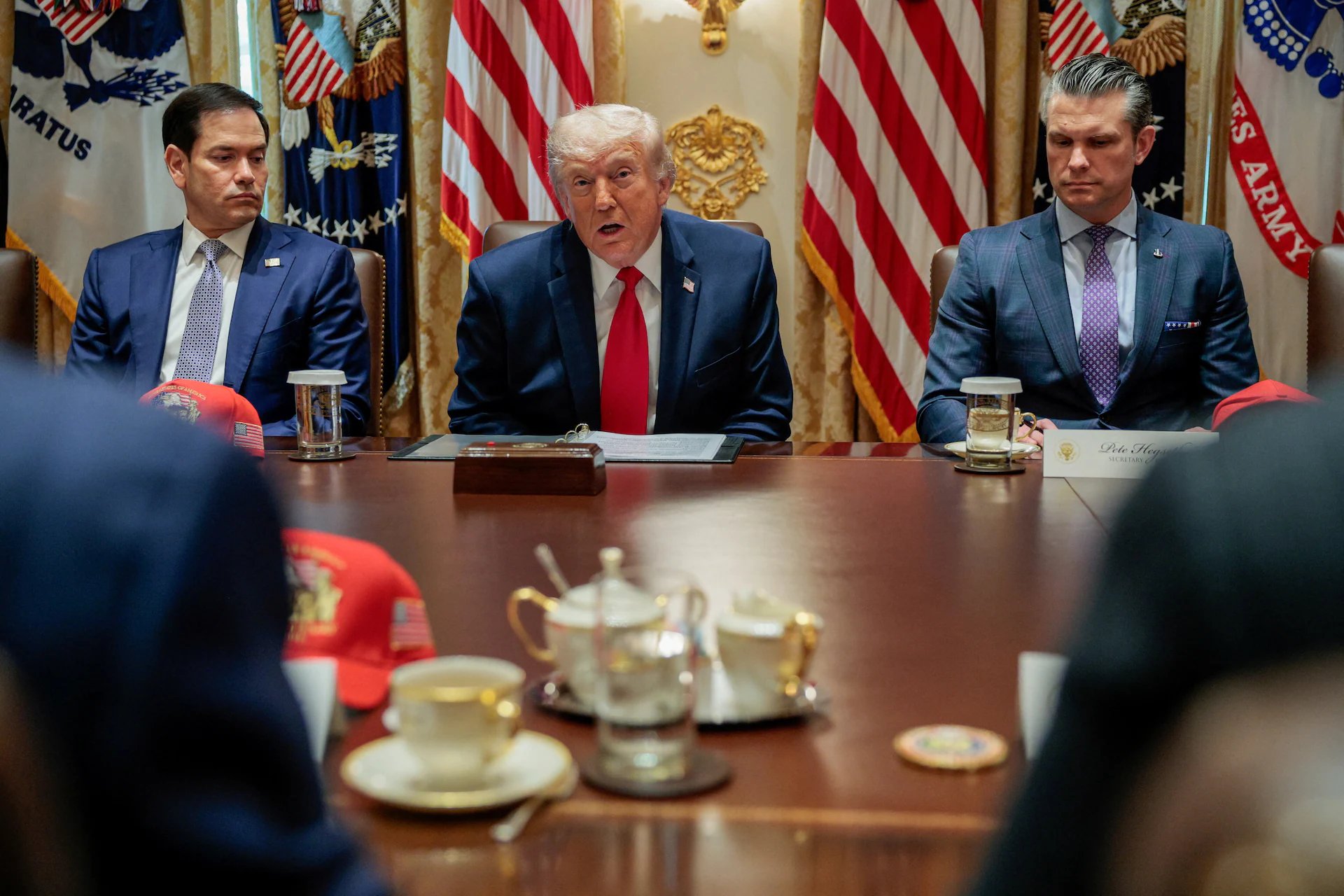
Stephen Miller, White House deputy chief of staff for policy, said on Thursday: "America's doors are closed fully to asylum seekers." Miller described the Supreme Court rulings as a victory and said ending birthright citizenship for the children of migrants born in the U.S. is the next step. "This country doesn't have a future if we don't end birthright citizenship," Miller said.
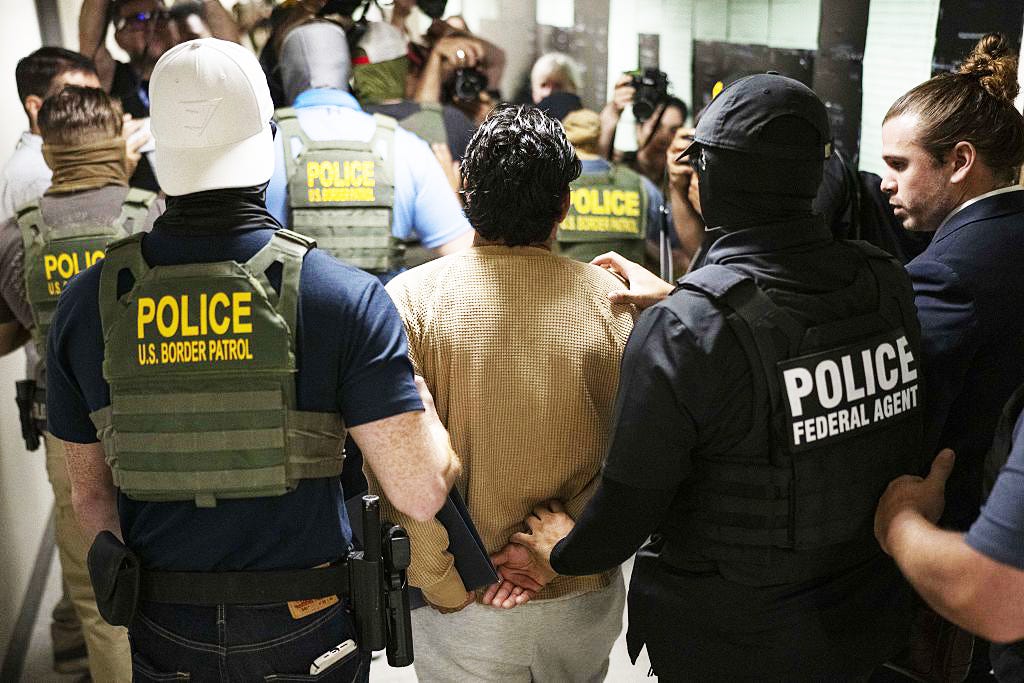
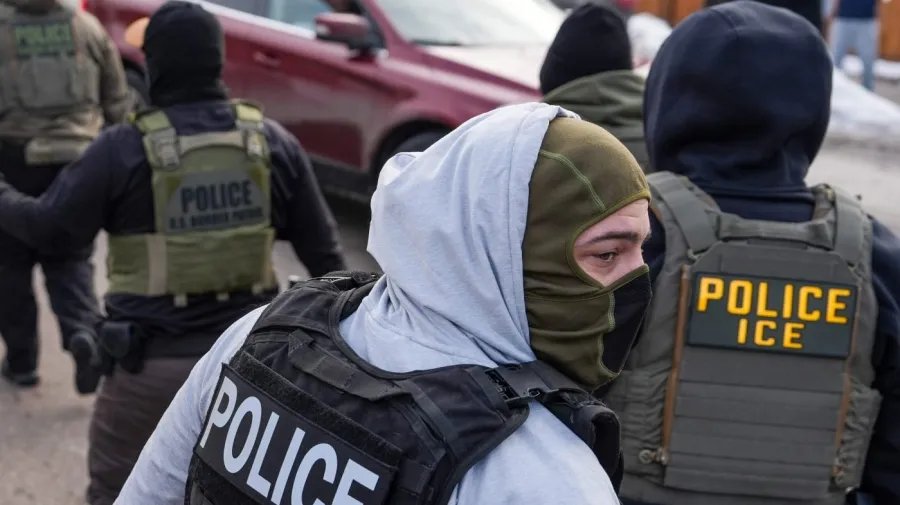
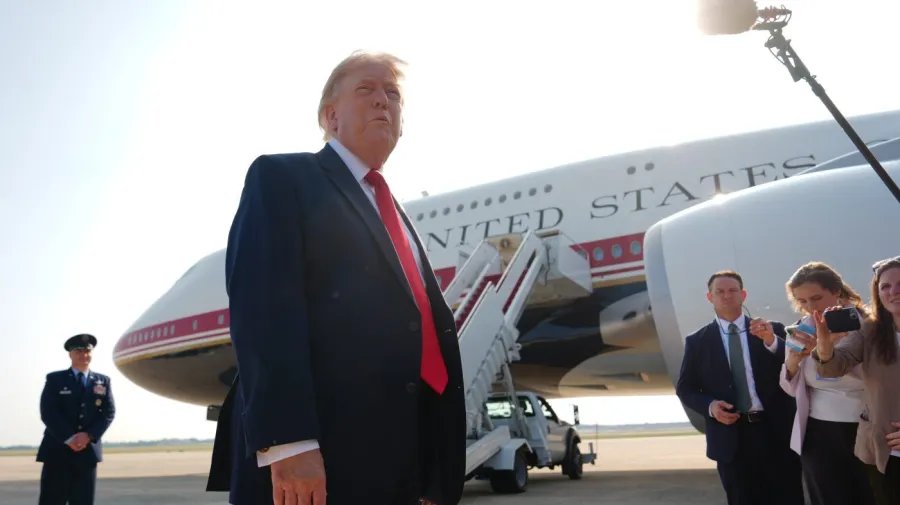
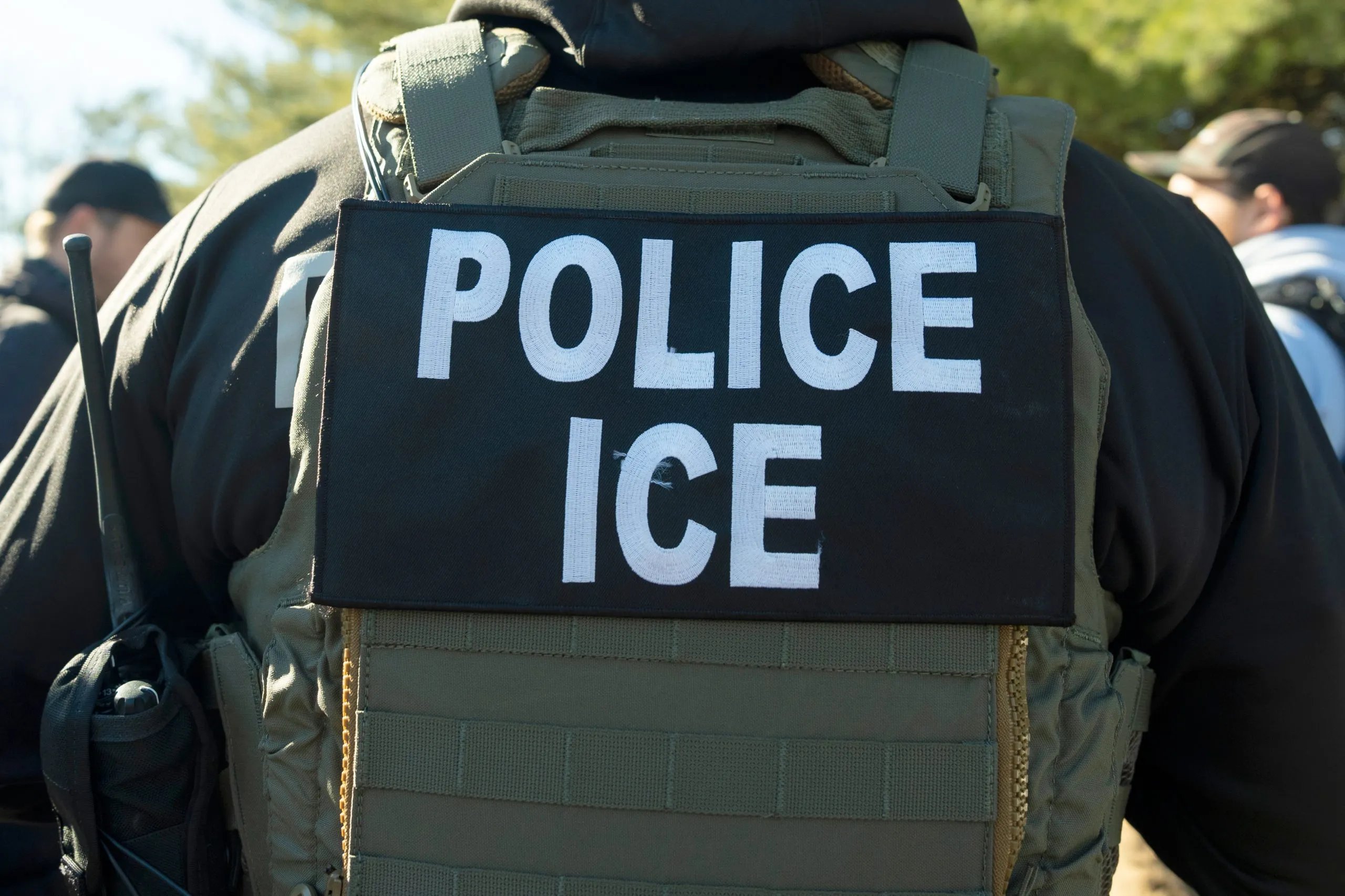
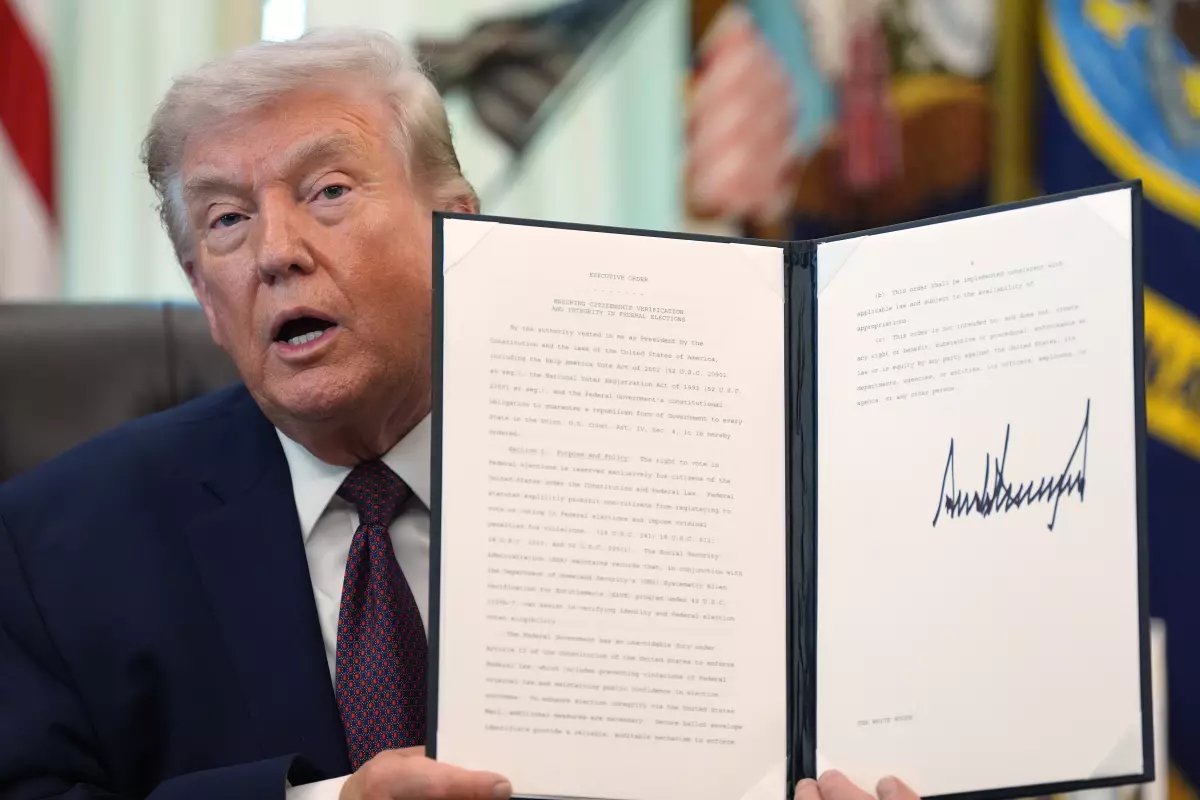
Christopher Hajec, a spokesman for the Federation for Immigration Reform, said Trump should have full authority to direct who enters the U.S. "Our immigration laws are written to be pro-enforcement, not anti-enforcement," Hajec said. The Trump administration has pursued multiple avenues to restrict immigration simultaneously. Last month, Trump issued an executive order that could make it harder for many migrants living in the U.S. without full legal status to use banking and financial services. Federal agents have also conducted raids in cities across the U.S. to accelerate deportations.
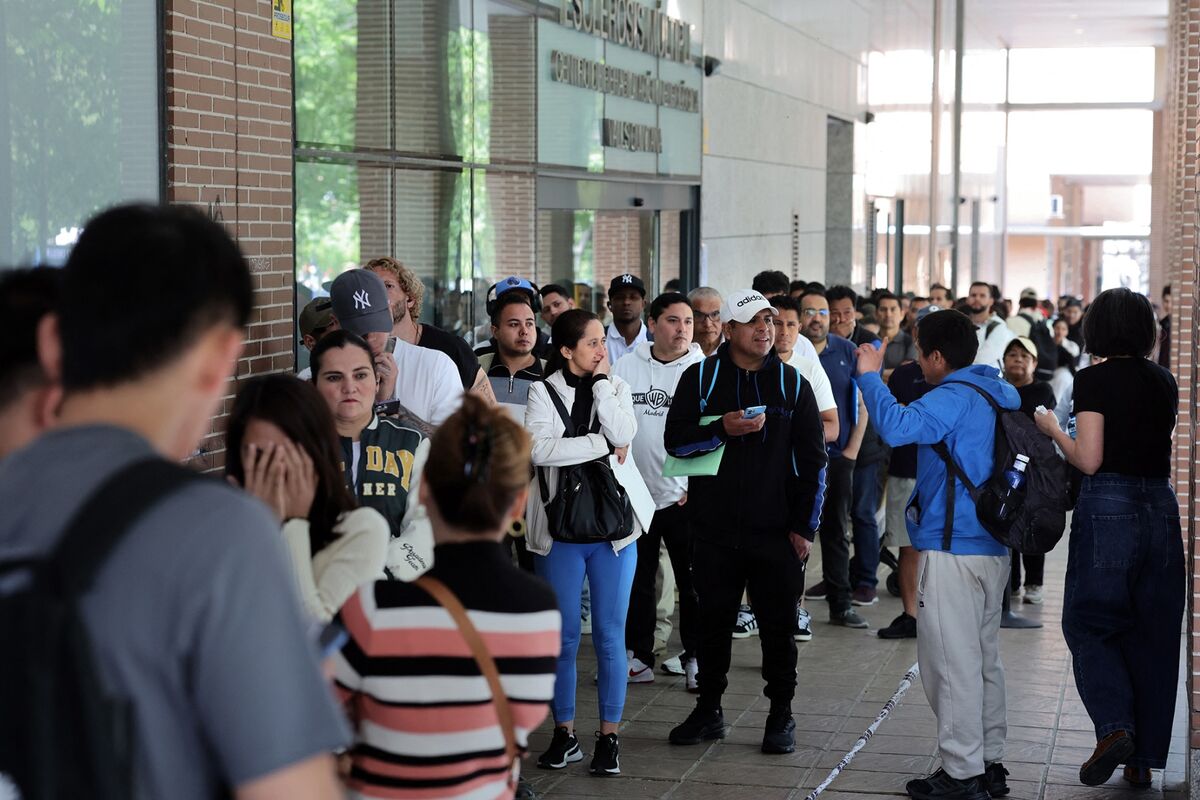
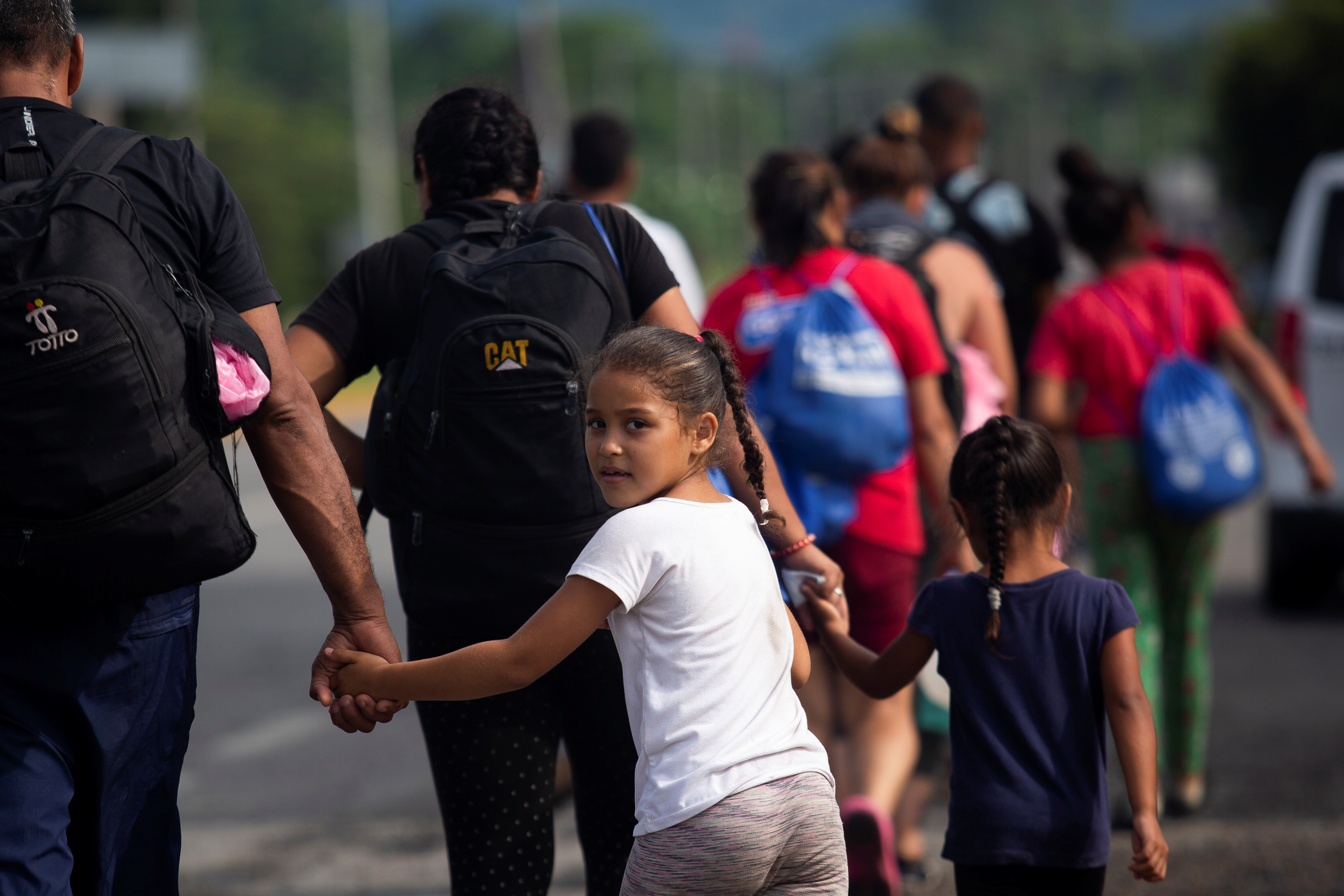
Immigrants are reeling from the decision that leaves them vulnerable to removal after decades in the U.S. Harlaine, an emergency room and travel nurse who is a TPS recipient since her mid-30s, said when she learned of the ruling Thursday morning, "I just couldn't breathe. I think I stopped breathing for a few minutes, and it was just like a heaviness on my chest." She worked as a nurse in hospitals during the Covid pandemic with critically ill patients on ventilators and now fears losing her job once her work permit expires.
"They're starving us out, and they're starving out our friends and family back home who have been depending on us," she said. She also thinks of her 17-month-old son, who is a U.S. citizen. "I feel trapped, because being separated from my son is not an option," she said.
Viles Dorsainvil, a TPS recipient and director at the Haitian Community Help and Support Center in Springfield, Ohio, called it "the saddest day of my life in the U.S." He said: "It seems that now you cannot rely on the judicial system to uphold human dignity and justice." In recent years, Haiti has experienced a presidential assassination and extremely dangerous gang violence, with entire regions overrun by armed groups.
Doris Landaverde, a TPS holder from El Salvador who has lived in the U.S. since 2000, said she has three U.S. citizen children ages 12, 15 and 19. The government has her personal information as a TPS applicant, and she fears the decision gives Trump "more freedom to make these mass deportations." Speaking in Spanish, she said: "Hope dies, and we're going to see desperation in people."
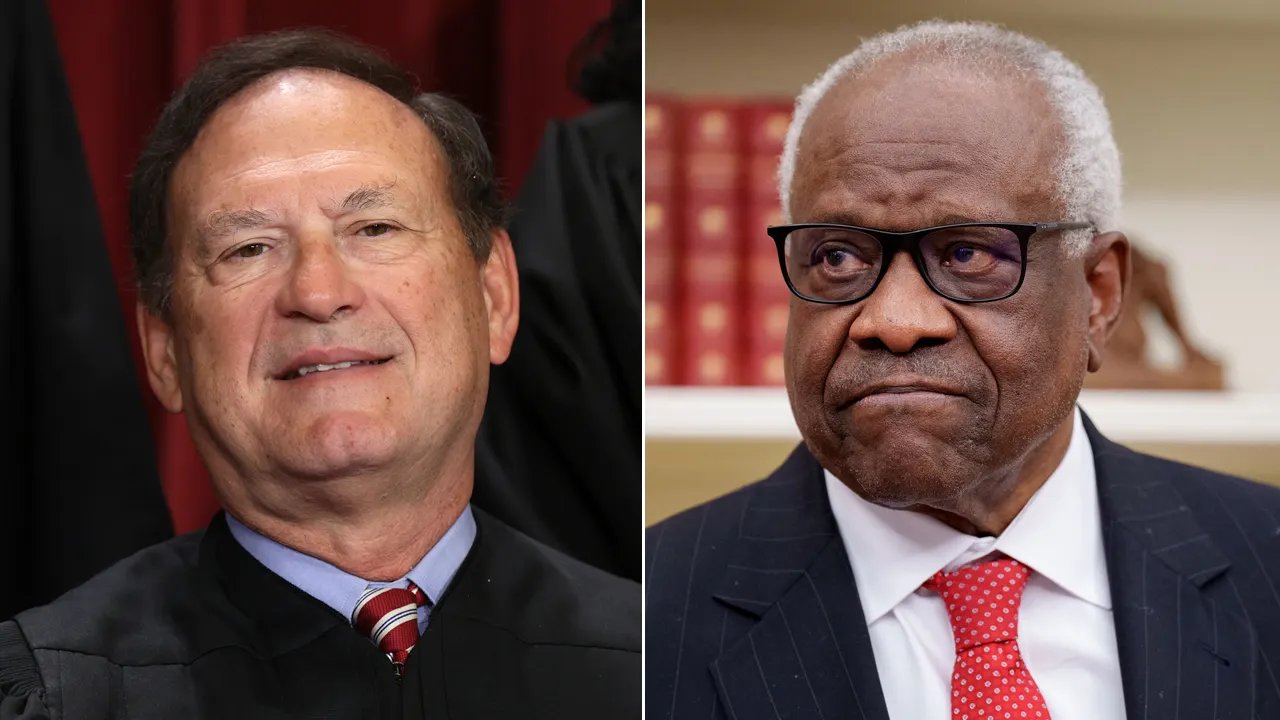
The Supreme Court majority wrote that judges did not have the authority to second-guess the administration's decisions when ending TPS. Conservative Justice Samuel Alito wrote that statements cited by plaintiffs were not "overtly racial" and were "insufficient to show that the termination of Haiti's TPS designation was based on the race of the Haitian people." In her dissent, Justice Elena Kagan accused the majority of downplaying Trump's racial comments about Haitians. "The statements fairly shout, in their racial undertones and overtones alike, that race entered into the president's resolve to remove Haitians from this country," she wrote.
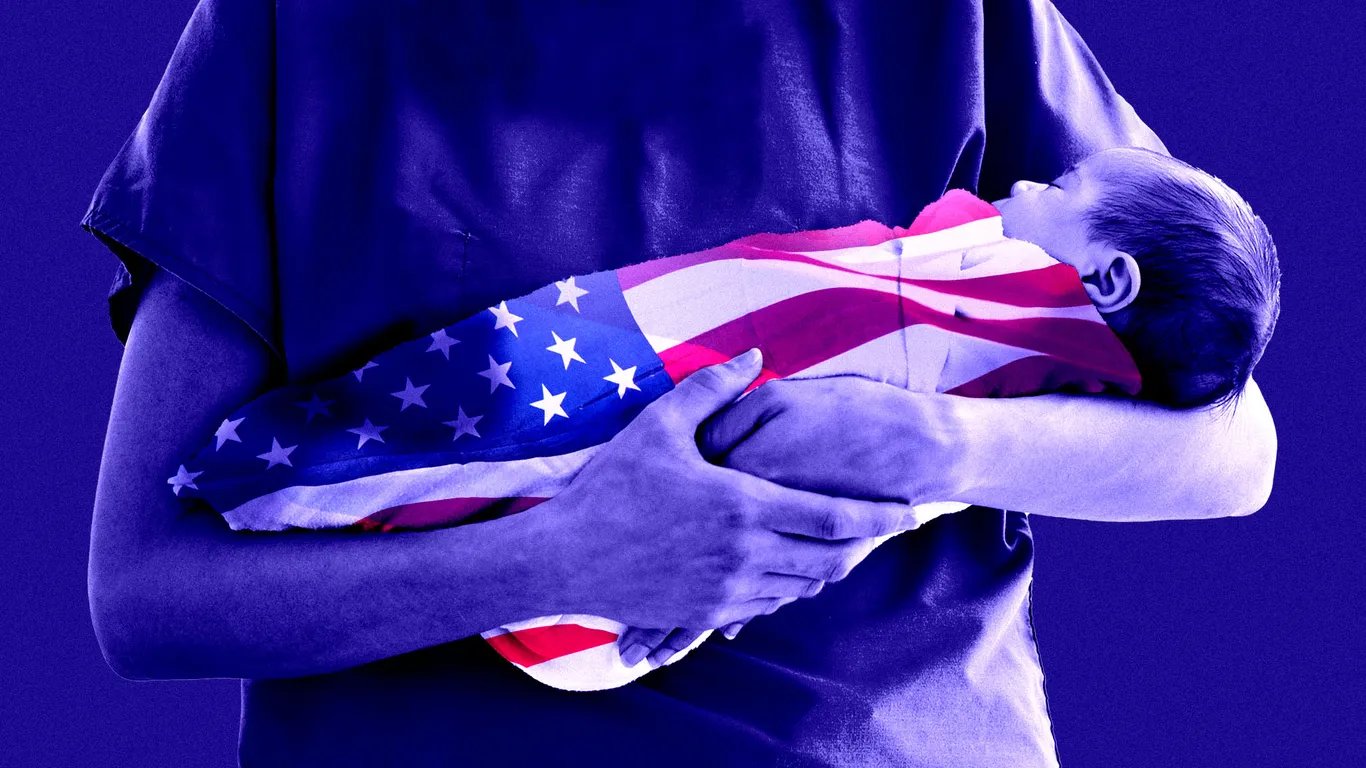
The justices are expected to rule before early July on whether Trump can end birthright citizenship by executive order, a decision that would affect approximately 3.6 million children born in American hospitals every year. An estimated 255,000 children born annually to noncitizen parents would lose legal status under the order, according to the Migration Policy Institute. Some may face difficulty establishing citizenship in any country, effectively being born as "stateless."
The Supreme Court's decision Thursday to allow the Trump administration to end temporary protected status for hundreds of thousands of immigrants will hasten a demographic crisis already reshaping American communities. David Bier, an immigration expert at the Cato Institute, said the U.S. is now "destined" to face steep population decline. "We're already seeing a situation where most counties in the United States had more deaths than births," he said.
The timing compounds an existing crisis. U.S. birthrates have been declining for decades, and until last year, high rates of foreign immigration offset that trend. But for the first time since the Great Depression, the nation now faces record low birthrates and low numbers of migrants simultaneously. In 2024, roughly 2.7 million foreign migrants entered the U.S., according to the Census Bureau. This year, census experts predict that number could drop as low as 300,000.
The Supreme Court ruling strips legal protections from about 350,000 Haitians and 6,000 Syrians immediately, but the decision has broader implications. More than 1.3 million people from more than a dozen countries share temporary protected status and could soon lose the ability to work and face deportation.
Population growth in the U.S. fell by half in 2025 from the previous year, with five states losing population. Census data shows the total number of young Americans under age 25 is already falling nationwide. Without migrants, economists say the number of young workers paying into Social Security will fall more rapidly, schools in many areas will close, and the number of young families having children will decline.
William Frey, a demographer at the Brookings Institution, described the Supreme Court rulings as "alarming." He believes without robust foreign immigration, more states will quickly see their populations stagnate or decline. "Not just in big immigration states, but in places that have relatively small numbers of immigrants, you know, Iowa, Kansas, Nebraska — those states require immigrants to get any population growth," Frey said.
The Census Bureau estimates that without robust migration in the coming years, total population loss by the end of this century could exceed 107 million people. Bier told NPR that when he talks to conservatives about the economic and demographic risks of closing the country's doors to migrants, many respond with a cultural argument. "[They] would rather have a declining population of 'true Americans' than have an economy kept afloat by people who don't share [their] values," he said.
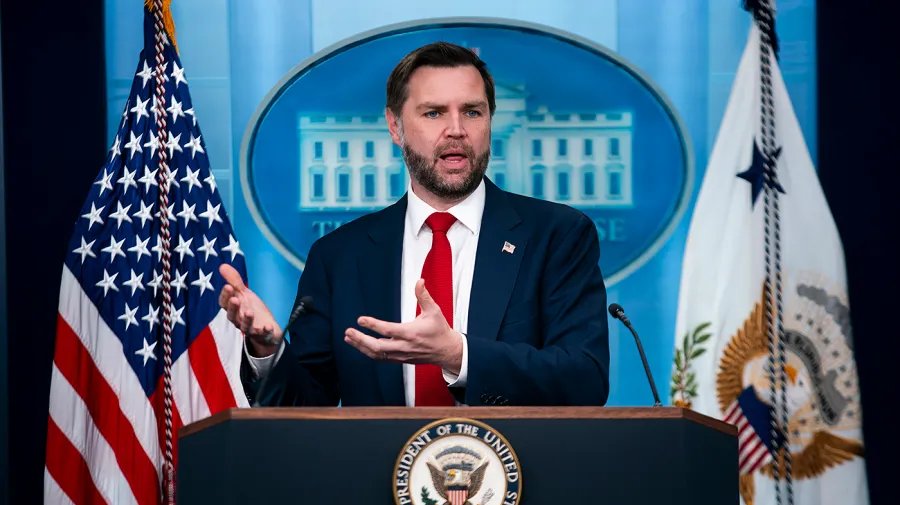
The Trump administration sees migrants not as people who sustain state populations and economies, but as a social burden and a threat. Stephen Miller, White House deputy chief of staff for policy, said on Thursday: "America's doors are closed fully to asylum seekers." Miller described the Supreme Court rulings as a victory and said ending birthright citizenship for the children of migrants born in the U.S. is the next step. "This country doesn't have a future if we don't end birthright citizenship," Miller said.
Christopher Hajec, a spokesman for the Federation for Immigration Reform, said Trump should have full authority to direct who enters the U.S. "Our immigration laws are written to be pro-enforcement, not anti-enforcement," Hajec said. The Trump administration has pursued multiple avenues to restrict immigration simultaneously. Last month, Trump issued an executive order that could make it harder for many migrants living in the U.S. without full legal status to use banking and financial services. Federal agents have also conducted raids in cities across the U.S. to accelerate deportations.
Immigrants are reeling from the decision that leaves them vulnerable to removal after decades in the U.S. Harlaine, an emergency room and travel nurse who is a TPS recipient since her mid-30s, said when she learned of the ruling Thursday morning, "I just couldn't breathe. I think I stopped breathing for a few minutes, and it was just like a heaviness on my chest." She worked as a nurse in hospitals during the Covid pandemic with critically ill patients on ventilators and now fears losing her job once her work permit expires.
"They're starving us out, and they're starving out our friends and family back home who have been depending on us," she said. She also thinks of her 17-month-old son, who is a U.S. citizen. "I feel trapped, because being separated from my son is not an option," she said.
Viles Dorsainvil, a TPS recipient and director at the Haitian Community Help and Support Center in Springfield, Ohio, called it "the saddest day of my life in the U.S." He said: "It seems that now you cannot rely on the judicial system to uphold human dignity and justice." In recent years, Haiti has experienced a presidential assassination and extremely dangerous gang violence, with entire regions overrun by armed groups.
Doris Landaverde, a TPS holder from El Salvador who has lived in the U.S. since 2000, said she has three U.S. citizen children ages 12, 15 and 19. The government has her personal information as a TPS applicant, and she fears the decision gives Trump "more freedom to make these mass deportations." Speaking in Spanish, she said: "Hope dies, and we're going to see desperation in people."
The Supreme Court majority wrote that judges did not have the authority to second-guess the administration's decisions when ending TPS. Conservative Justice Samuel Alito wrote that statements cited by plaintiffs were not "overtly racial" and were "insufficient to show that the termination of Haiti's TPS designation was based on the race of the Haitian people." In her dissent, Justice Elena Kagan accused the majority of downplaying Trump's racial comments about Haitians. "The statements fairly shout, in their racial undertones and overtones alike, that race entered into the president's resolve to remove Haitians from this country," she wrote.
The justices are expected to rule before early July on whether Trump can end birthright citizenship by executive order, a decision that would affect approximately 3.6 million children born in American hospitals every year. An estimated 255,000 children born annually to noncitizen parents would lose legal status under the order, according to the Migration Policy Institute. Some may face difficulty establishing citizenship in any country, effectively being born as "stateless."
Highlighted text was flagged by the council. Tap to see feedback.