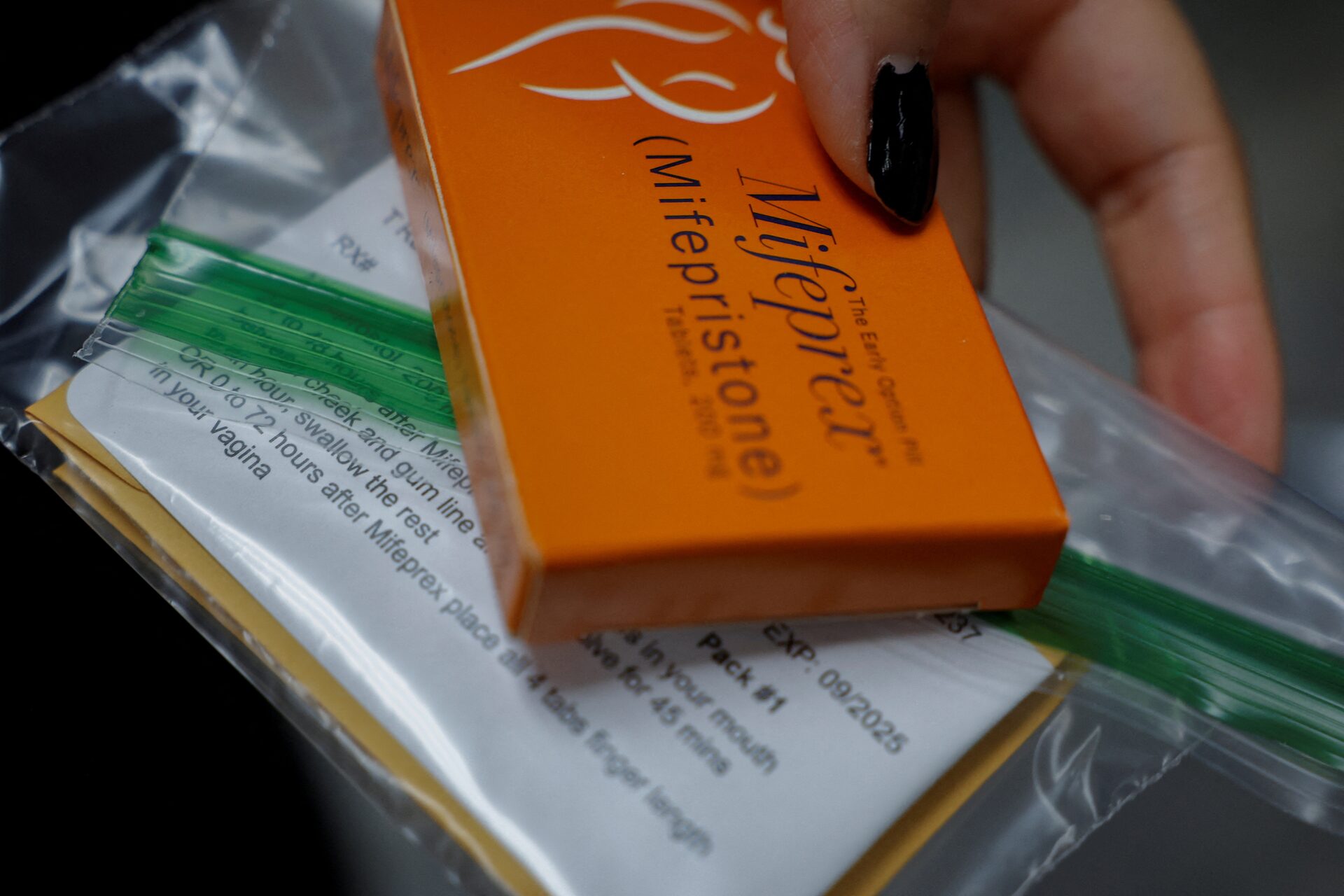
A Missouri circuit judge reinstated access to medication abortion, significantly impacting women's healthcare rights in the state. Judge Jerri Zhang ruled in favor of Planned Parenthood, which had filed a lawsuit against Missouri's restrictive abortion laws. The decision comes over a year after state residents voted to legalize abortion access, highlighting a clash between voter intent and legislative restrictions.
The ruling directly affects the availability of medication abortion, a method used in over 95% of abortions in the United States.
"This ruling is a victory for women in Missouri, affirming their right to choose and access safe healthcare," stated a representative from Planned Parenthood.
Planned Parenthood is now preparing to resume medication abortion services across its clinics in Missouri. The court's decision is expected to prompt further legal discussions regarding the future of abortion laws in Missouri, particularly as similar challenges may arise in other states.
This ruling may set a precedent for other states grappling with restrictive abortion laws. As states across the nation navigate the complexities of reproductive rights, Missouri's court decision could influence similar legal challenges.
The restoration of medication abortion in Missouri marks a significant shift in the landscape of reproductive rights, underscoring the ongoing debate over women's healthcare access in the United States.
A Missouri circuit judge reinstated access to medication abortion, significantly impacting women's healthcare rights in the state. Judge Jerri Zhang ruled in favor of Planned Parenthood, which had filed a lawsuit against Missouri's restrictive abortion laws. The decision comes over a year after state residents voted to legalize abortion access, highlighting a clash between voter intent and legislative restrictions.
The ruling directly affects the availability of medication abortion, a method used in over 95% of abortions in the United States. Advocates argue that restoring access is crucial for women's autonomy over their reproductive choices. Planned Parenthood's legal action emphasized the need for comprehensive reproductive healthcare, asserting that the state statutes imposed undue burdens on individuals seeking these services.
Reactions from community leaders and advocates have been largely positive, with many expressing relief at the judicial decision. “This ruling is a victory for women in Missouri, affirming their right to choose and access safe healthcare,” stated a representative from Planned Parenthood. However, some conservative groups continue to oppose the ruling, arguing that it undermines state regulations intended to protect life.
Planned Parenthood is now preparing to resume medication abortion services across its clinics in Missouri. The organization plans to implement the ruling quickly, ensuring that those in need can access the medication without delay. The court's decision is expected to prompt further legal discussions regarding the future of abortion laws in Missouri, particularly as similar challenges may arise in other states.
This ruling may set a precedent for other states grappling with restrictive abortion laws. As states across the nation navigate the complexities of reproductive rights, Missouri's court decision could influence similar legal challenges. Advocates for reproductive rights are hopeful that this ruling will inspire more states to reassess their abortion statutes in light of voter support for access to reproductive healthcare.
The restoration of medication abortion in Missouri marks a significant shift in the landscape of reproductive rights, underscoring the ongoing debate over women's healthcare access in the United States.
Highlighted text was flagged by the council. Tap to see feedback.