




Helicopter downing triggers cycle of retaliation
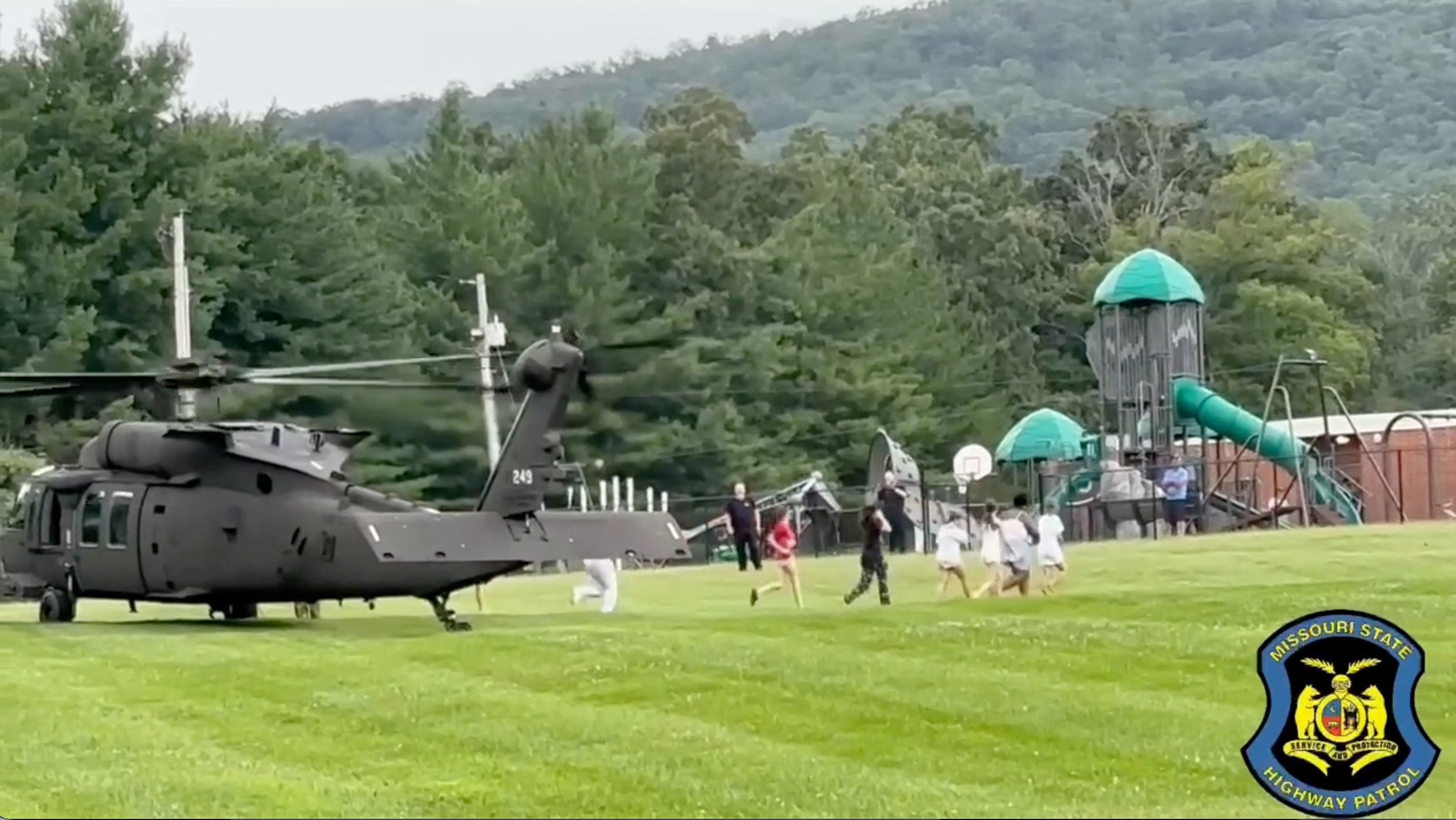
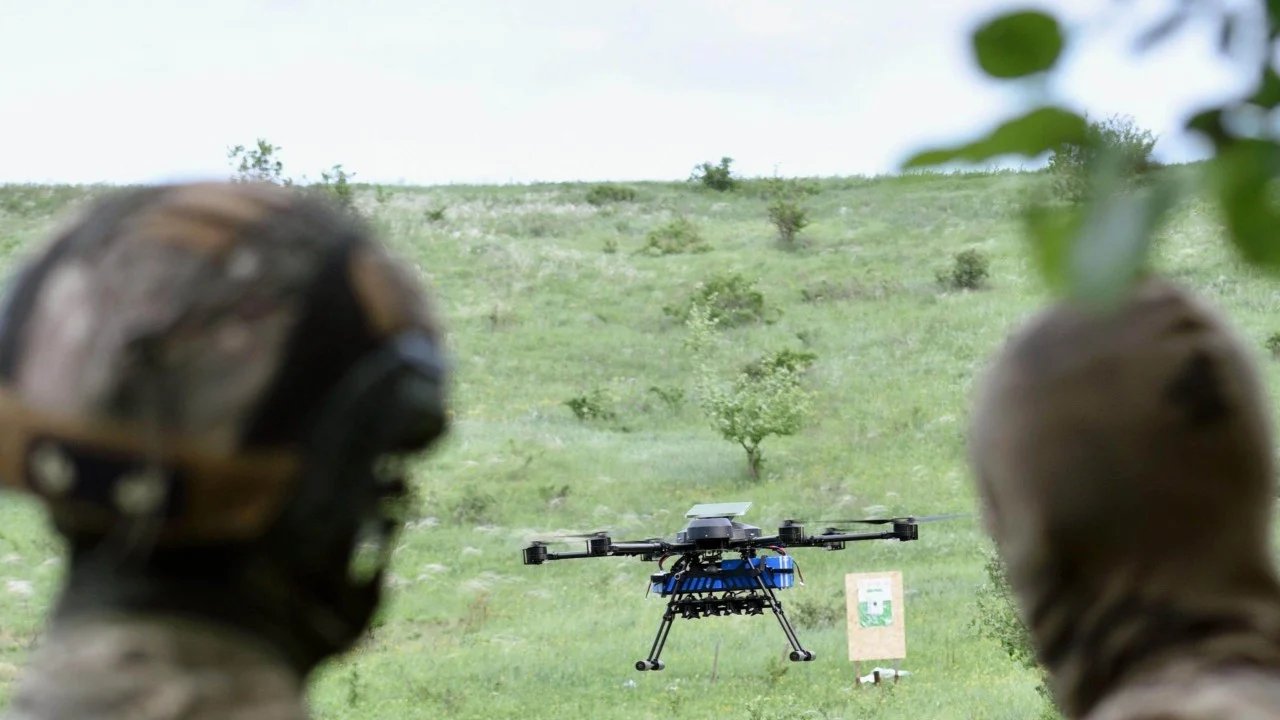
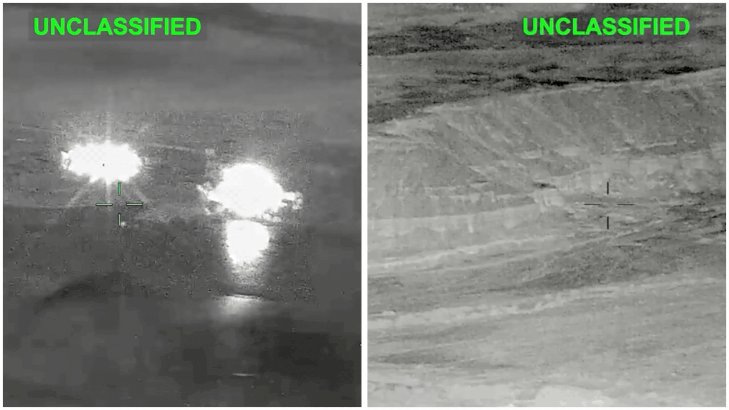
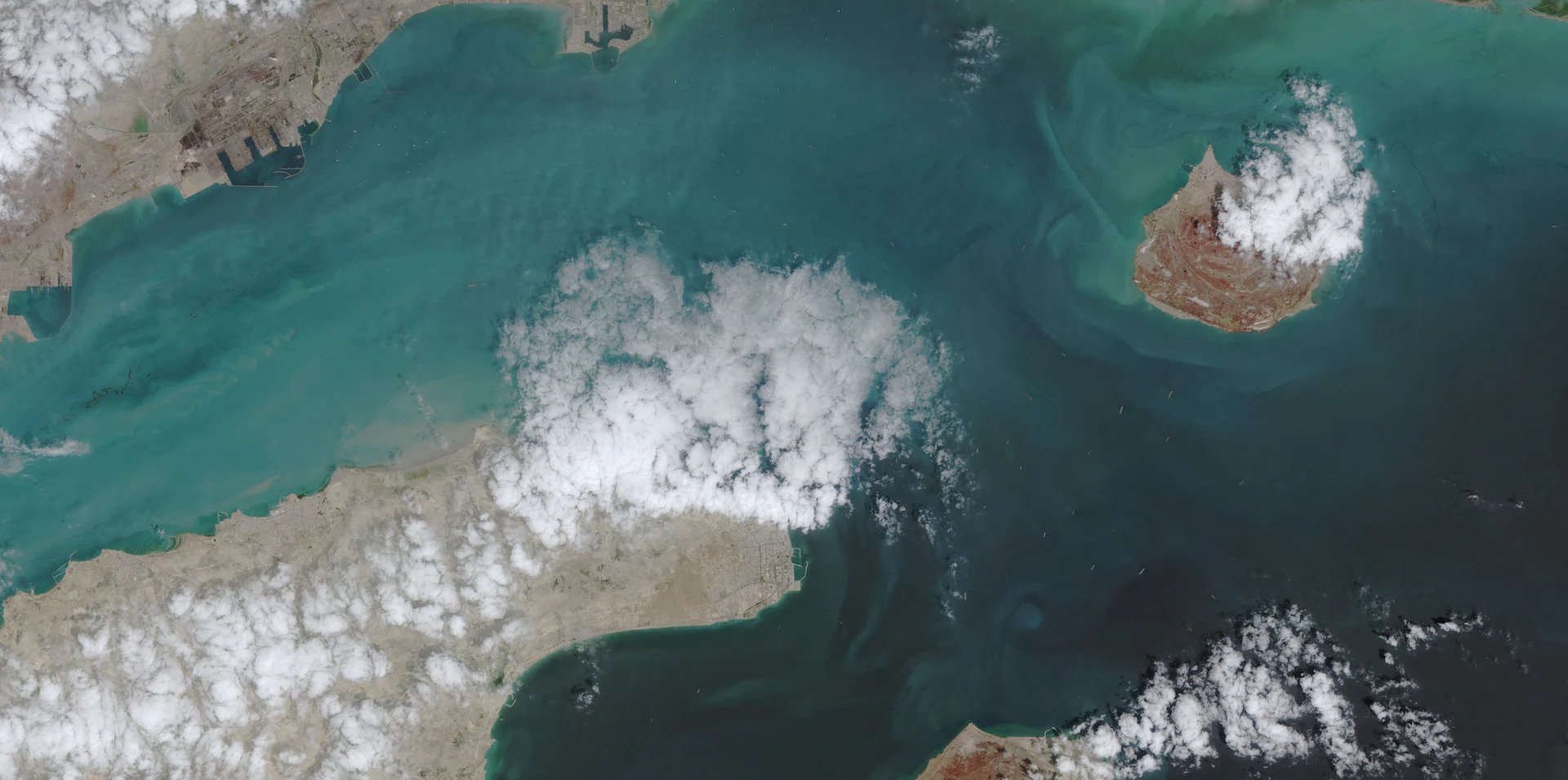
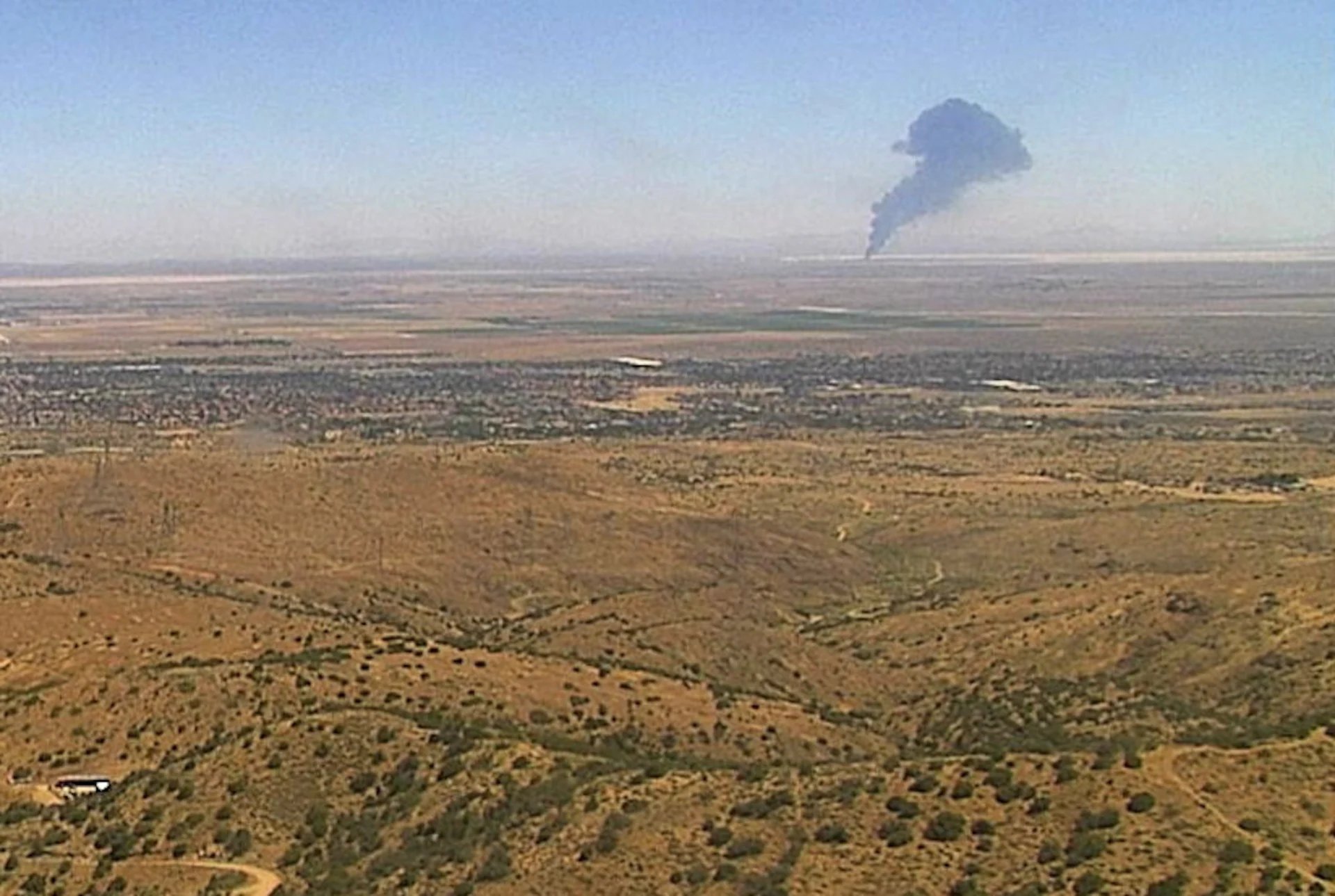
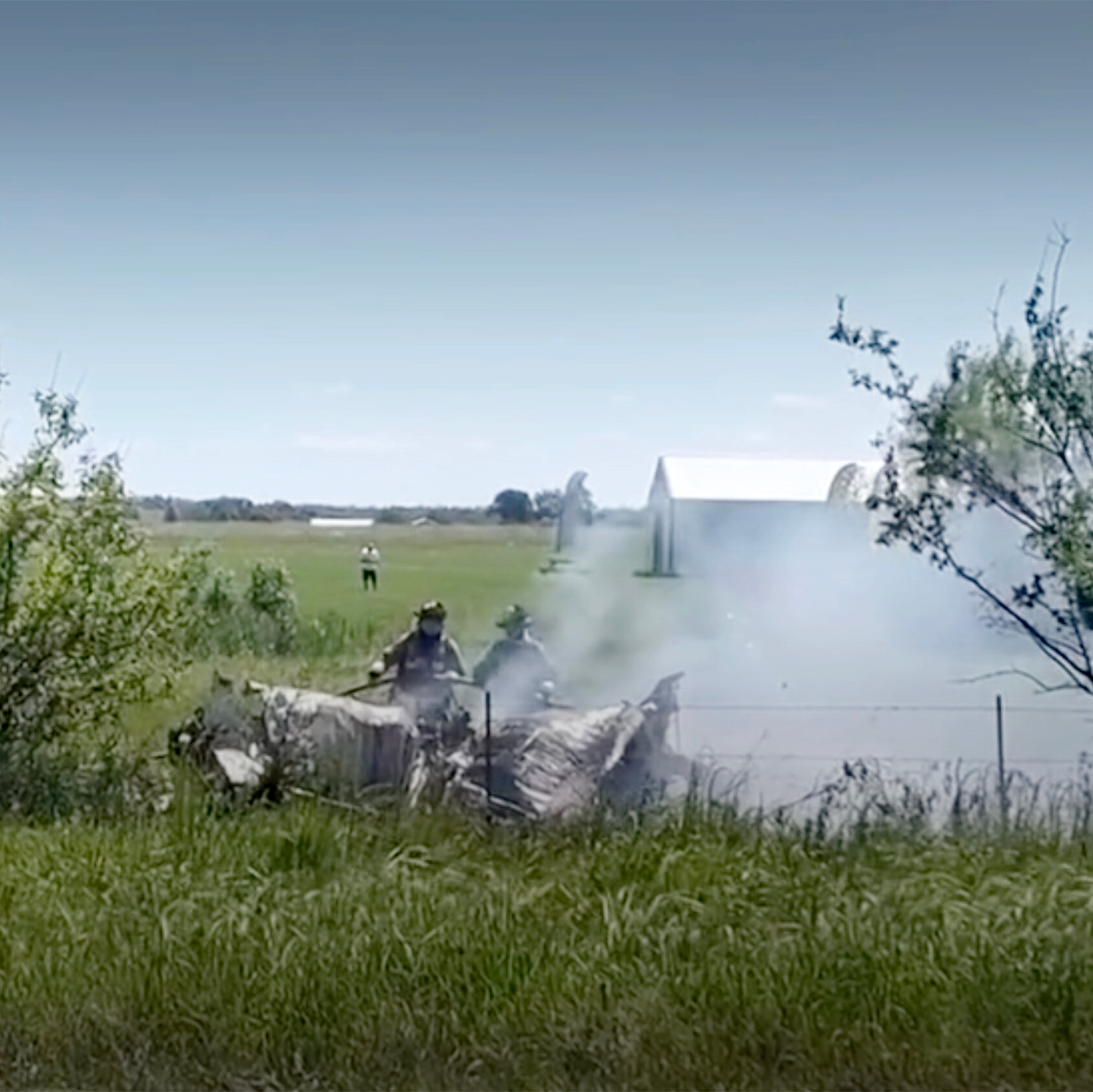
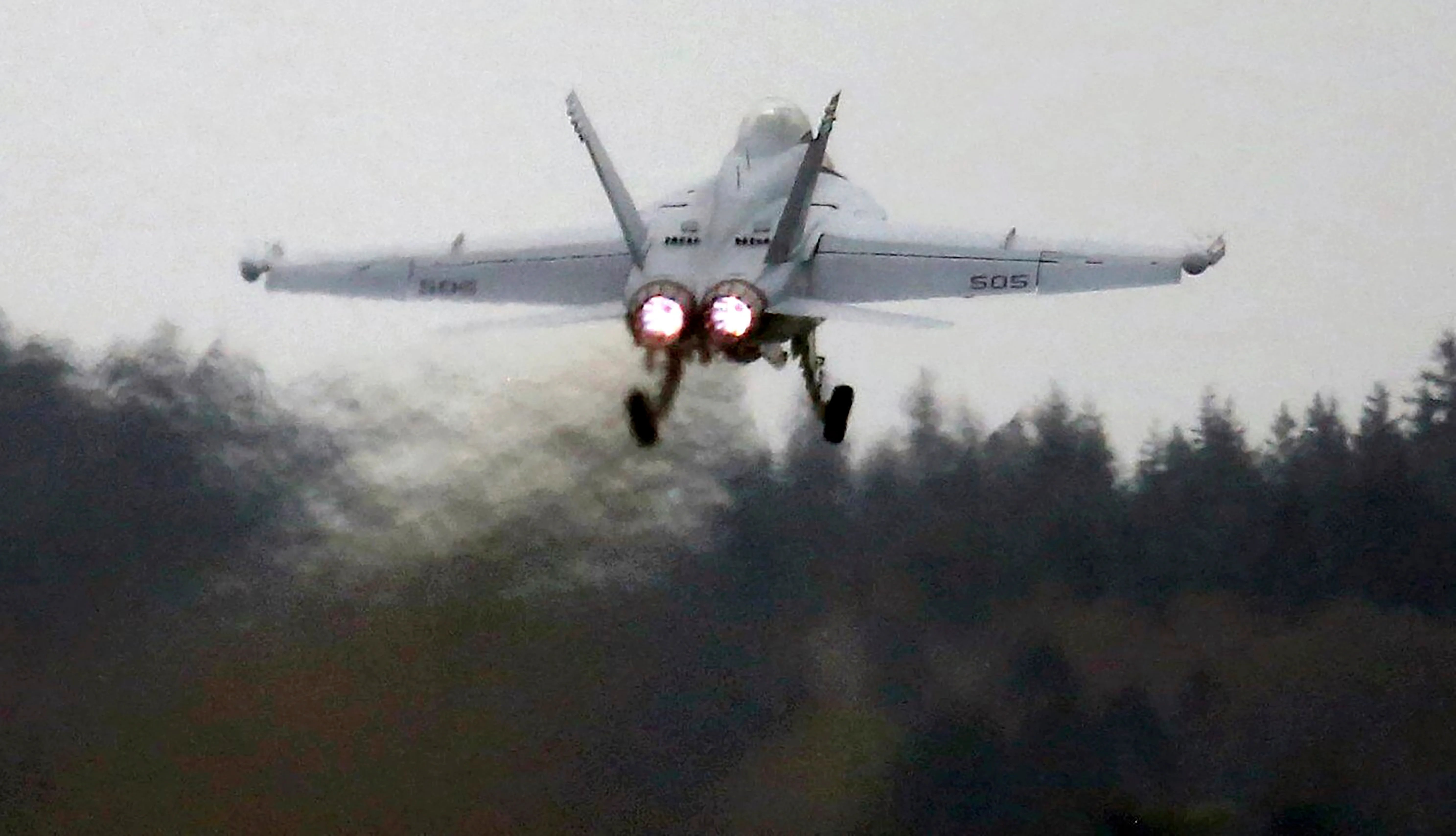
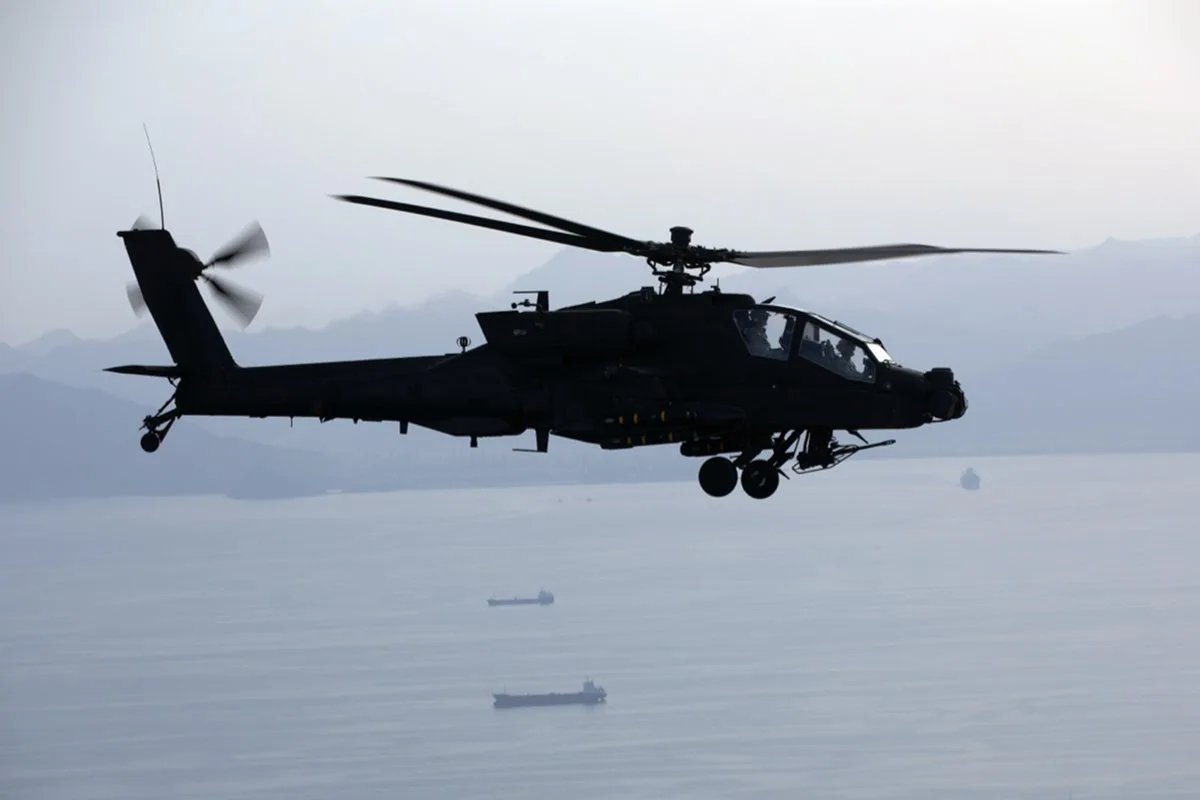
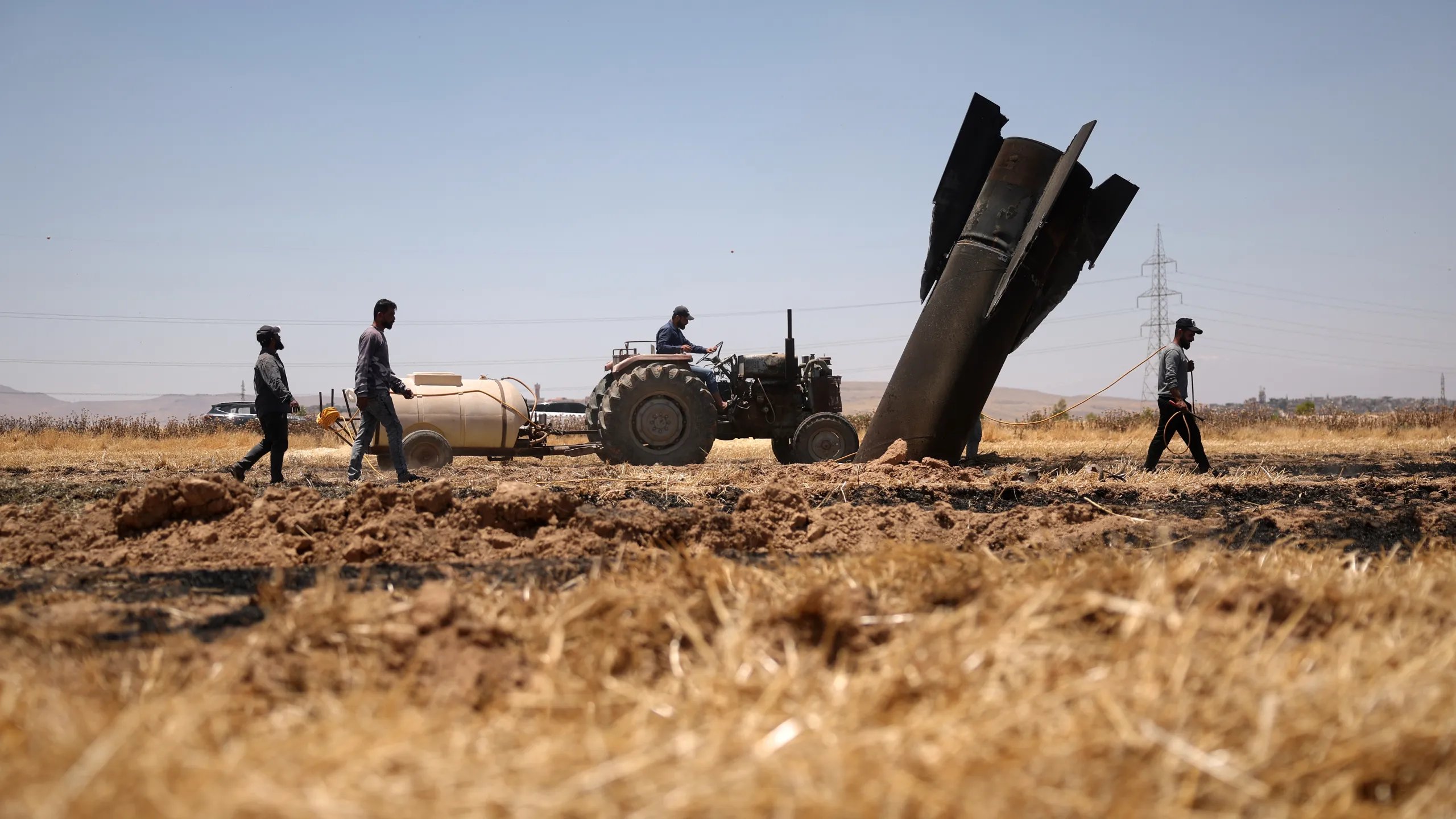
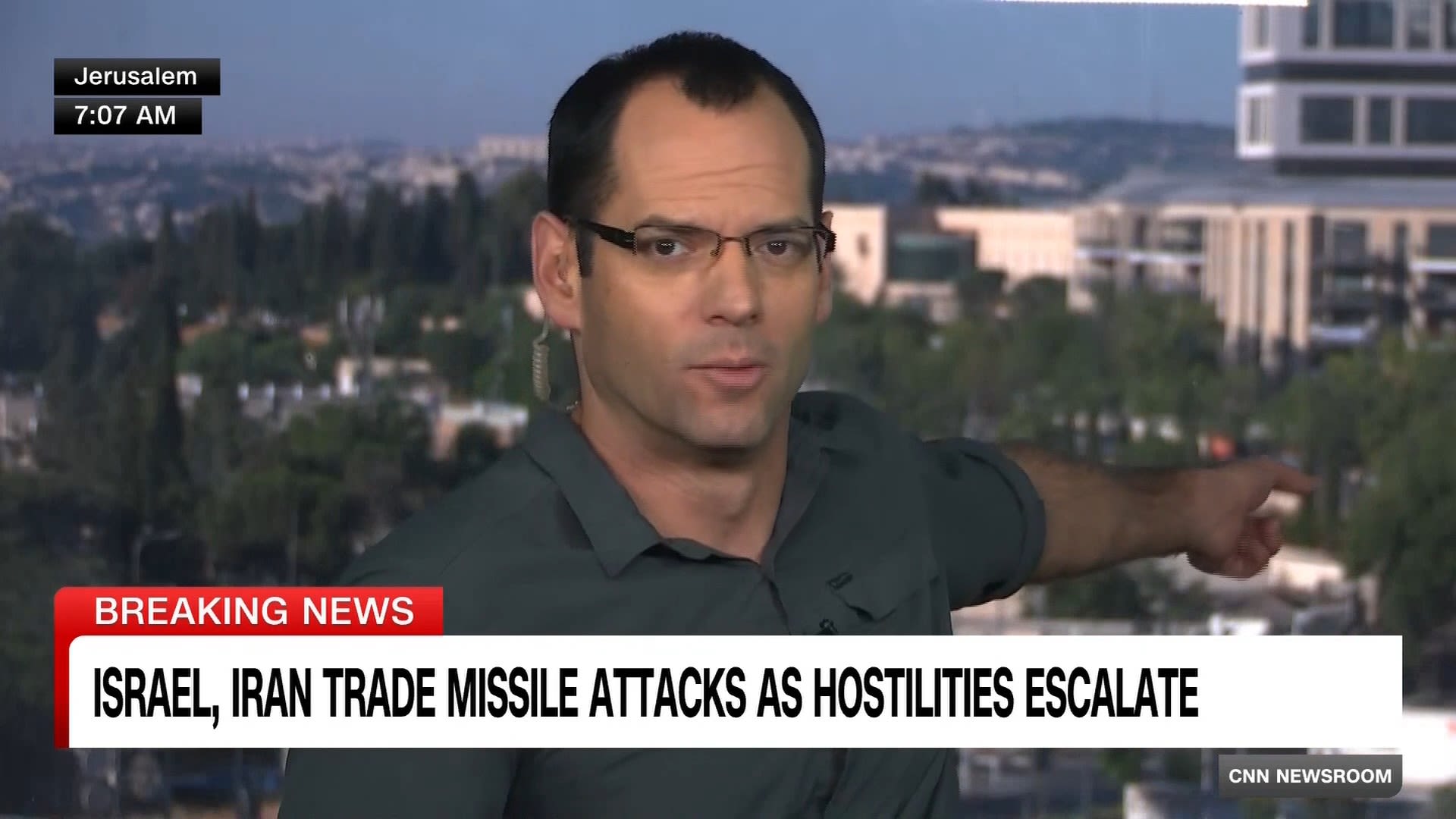
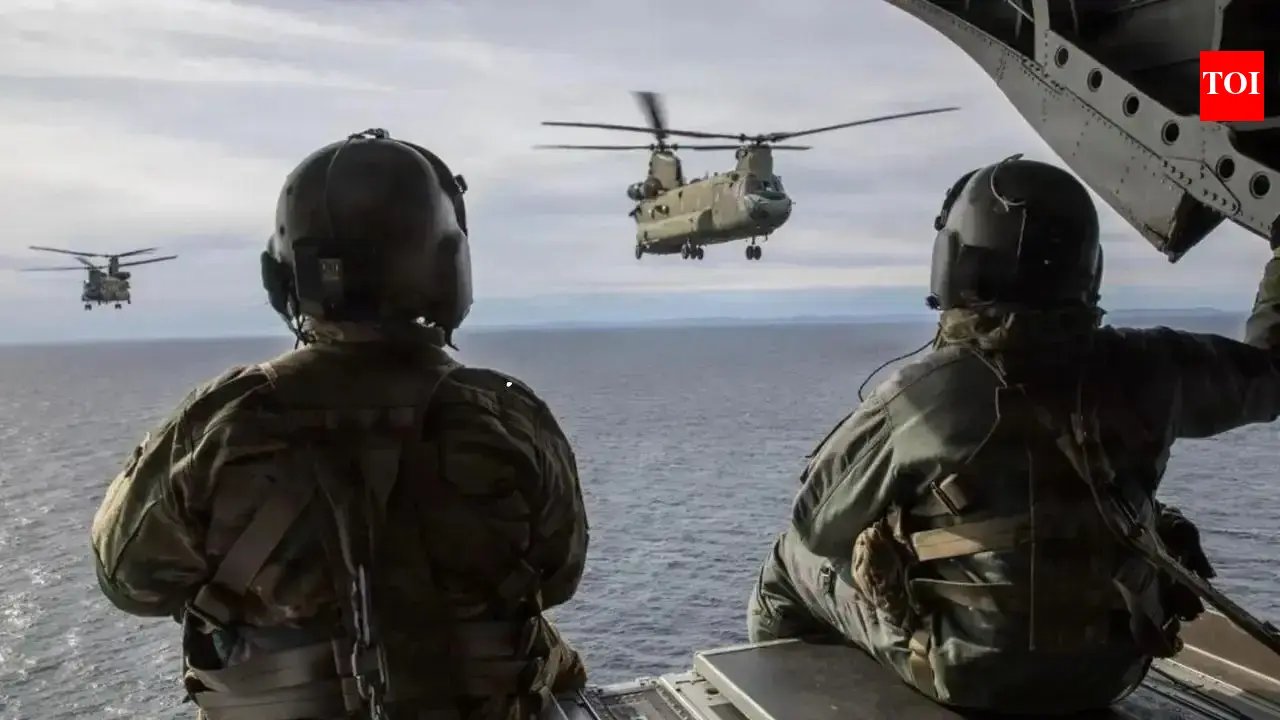
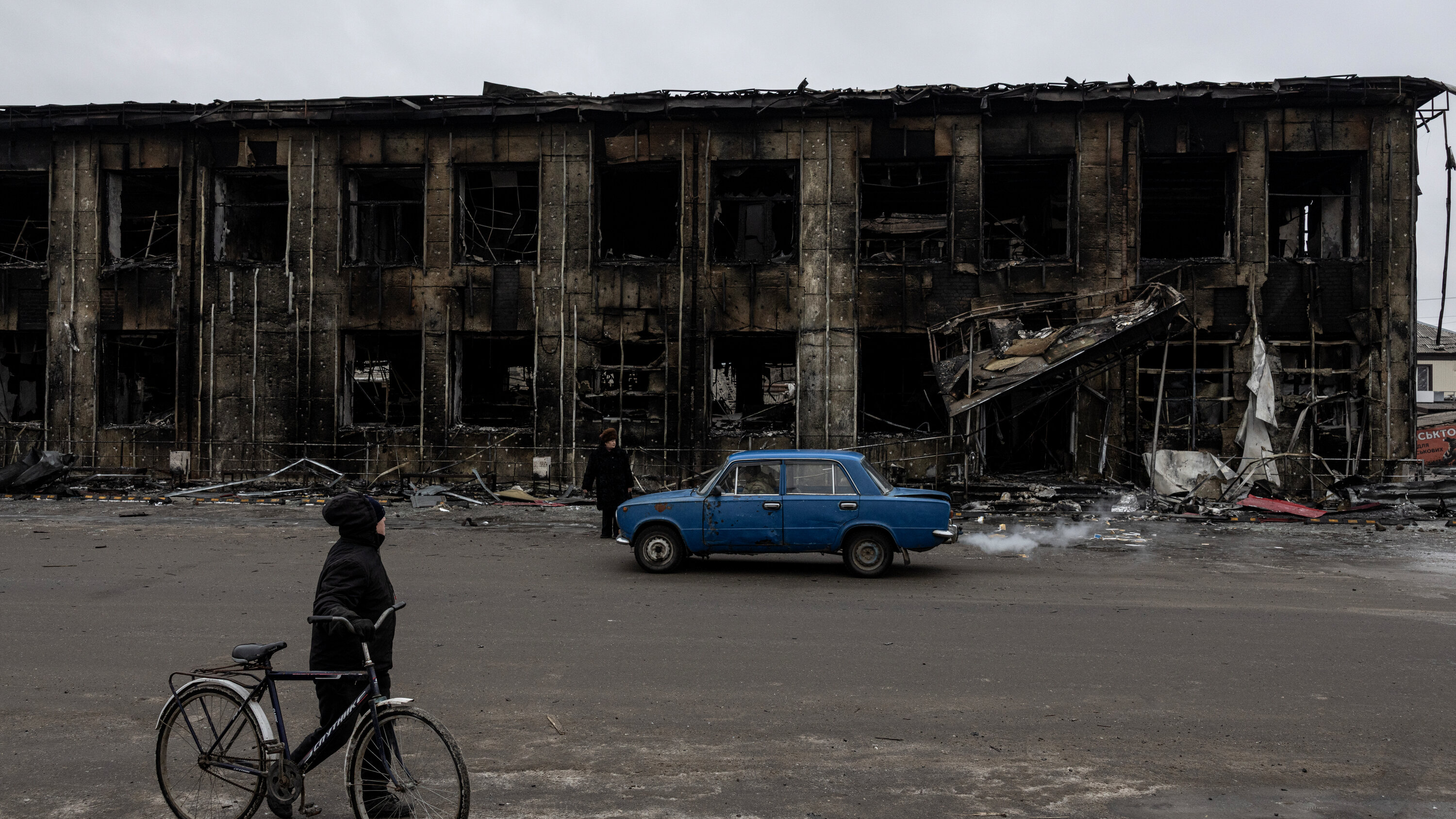
An Iranian drone struck a U.S. Army Apache helicopter near the Strait of Hormuz on Monday evening, forcing the aircraft down. Both crew members survived and were rescued. The incident shattered a fragile ceasefire that had held for weeks and set off a chain of military exchanges that continues to intensify.
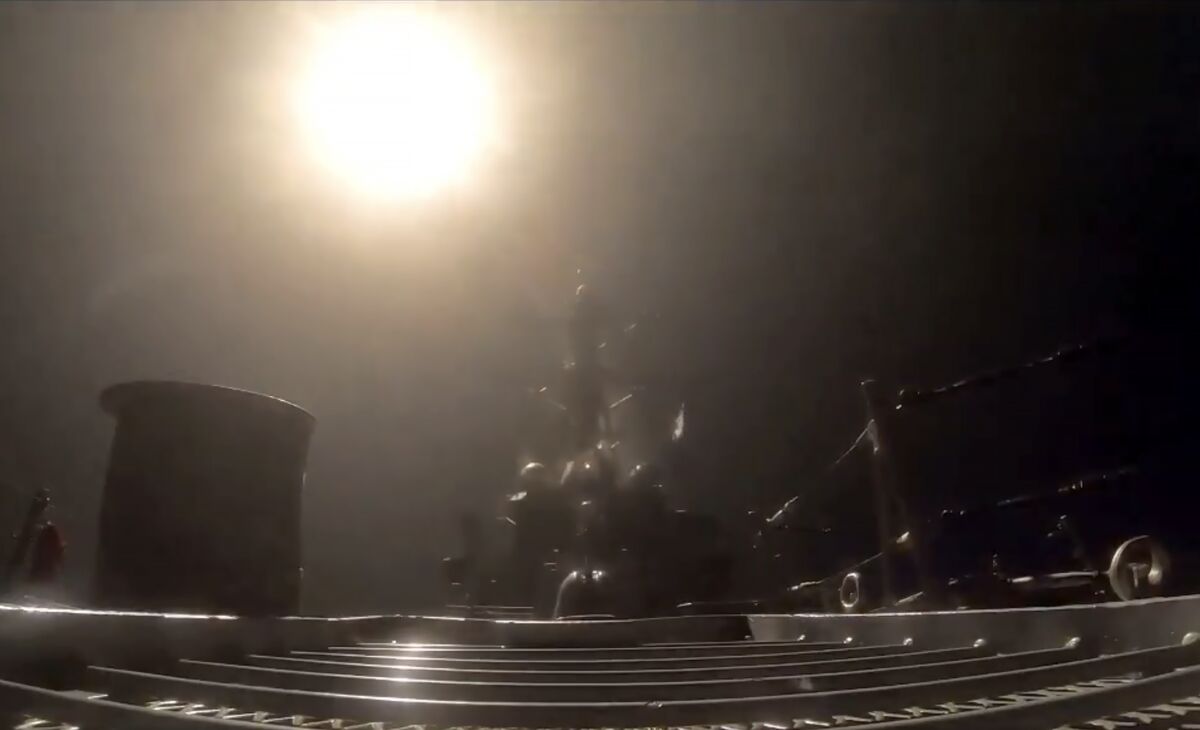
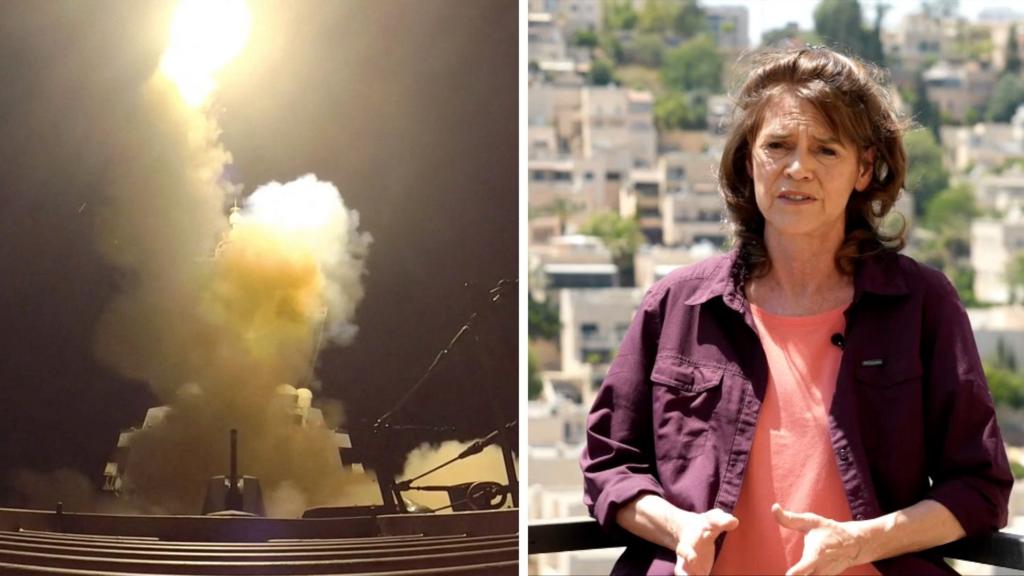
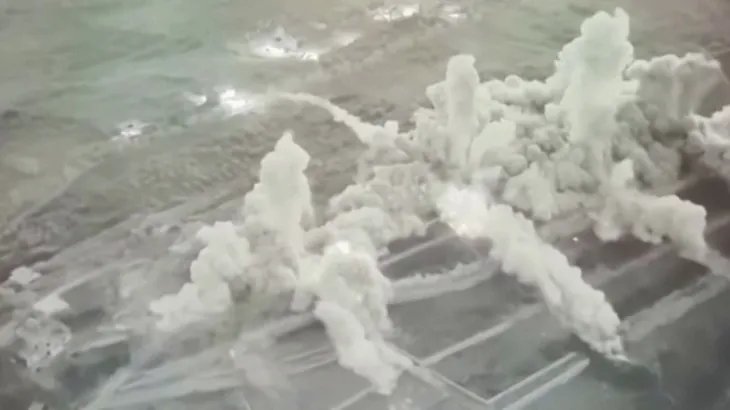
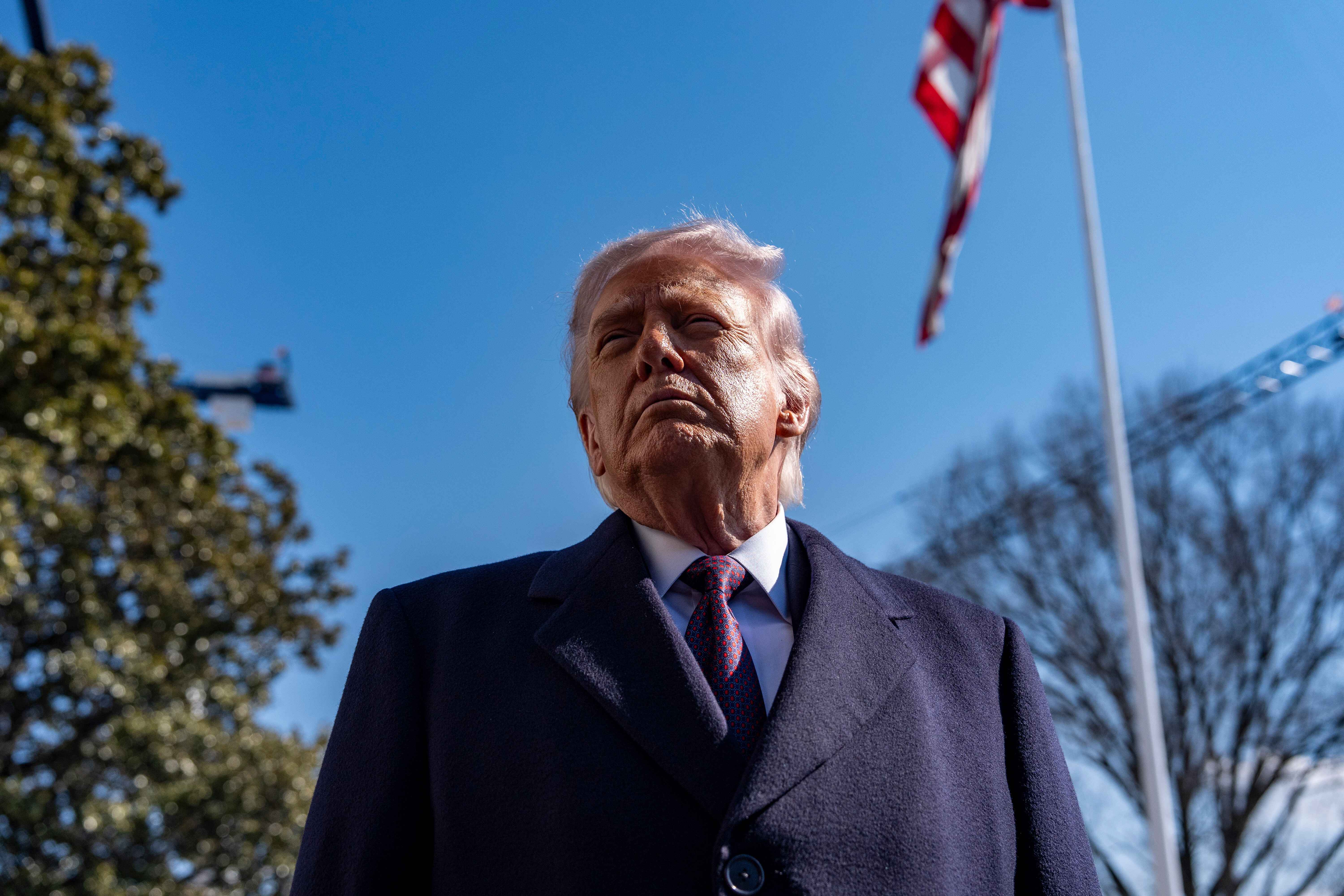
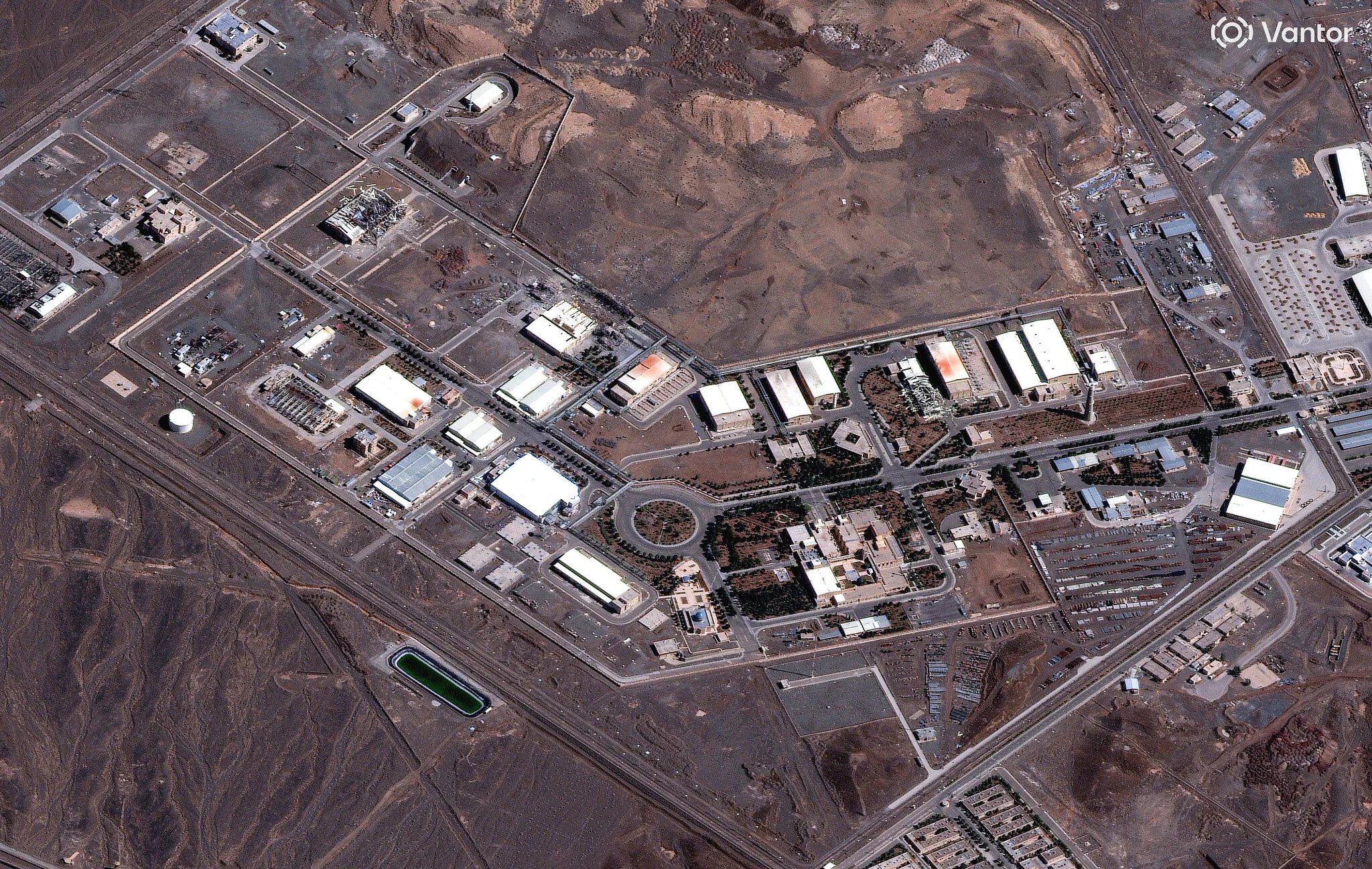
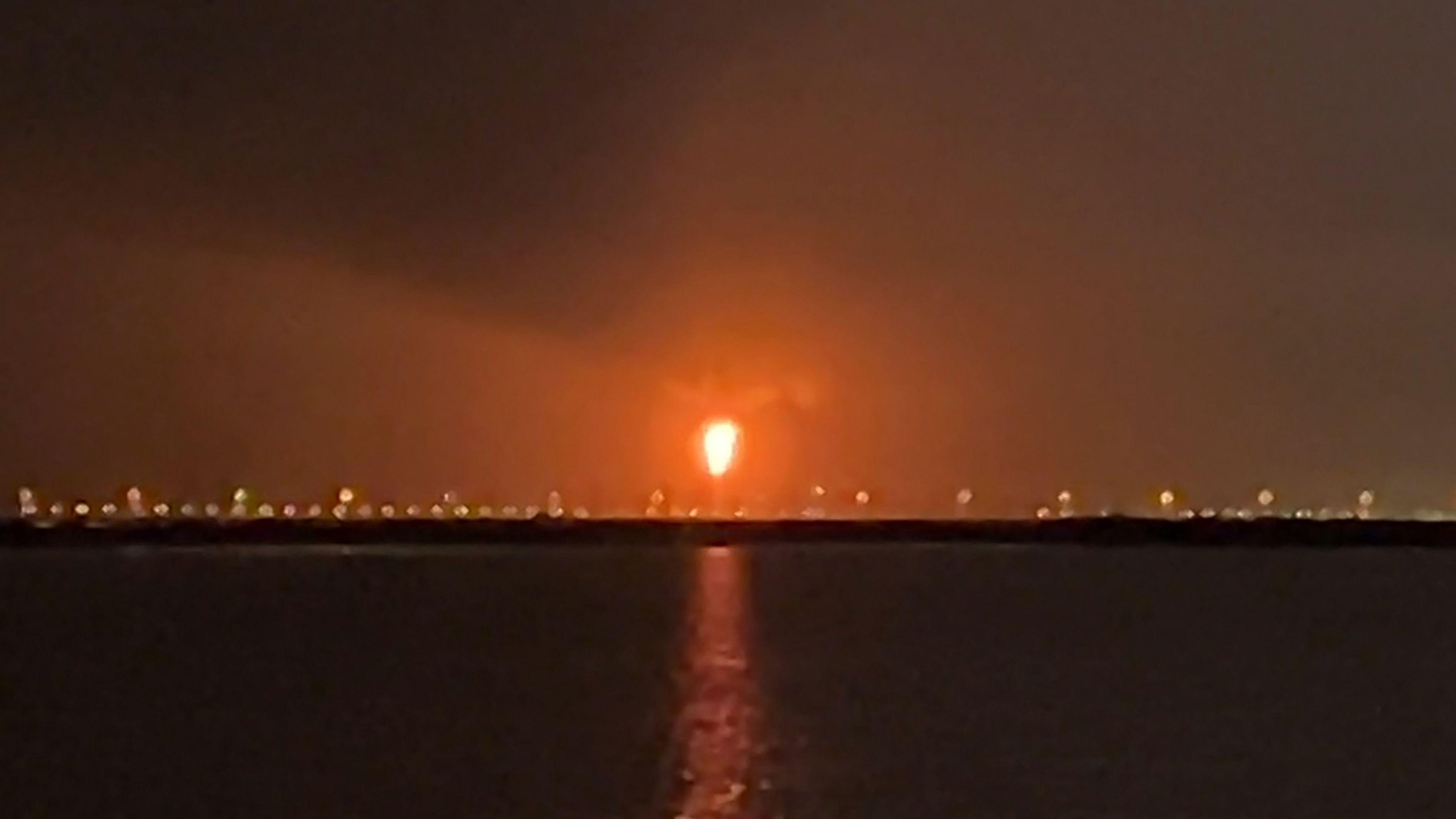
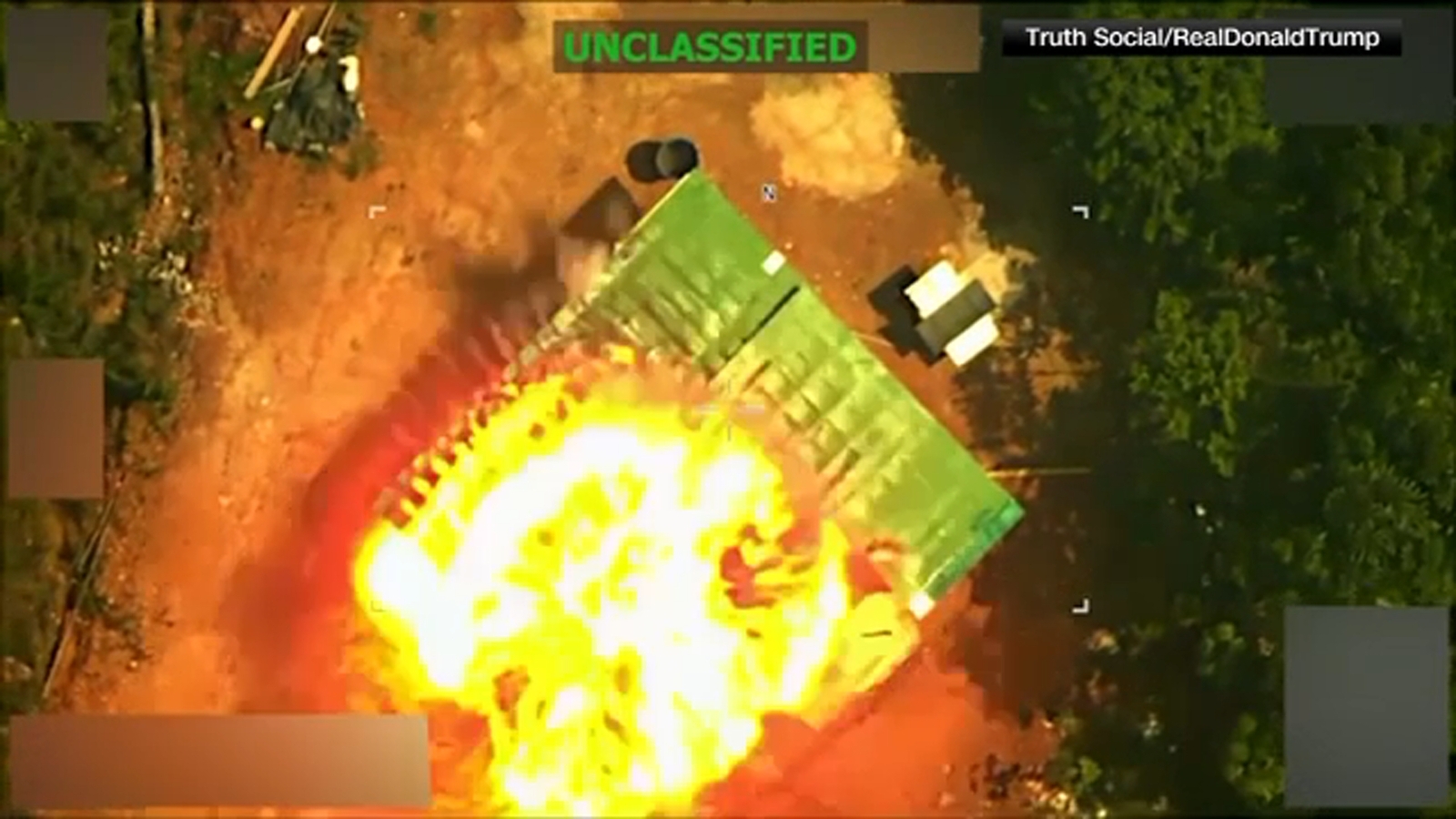
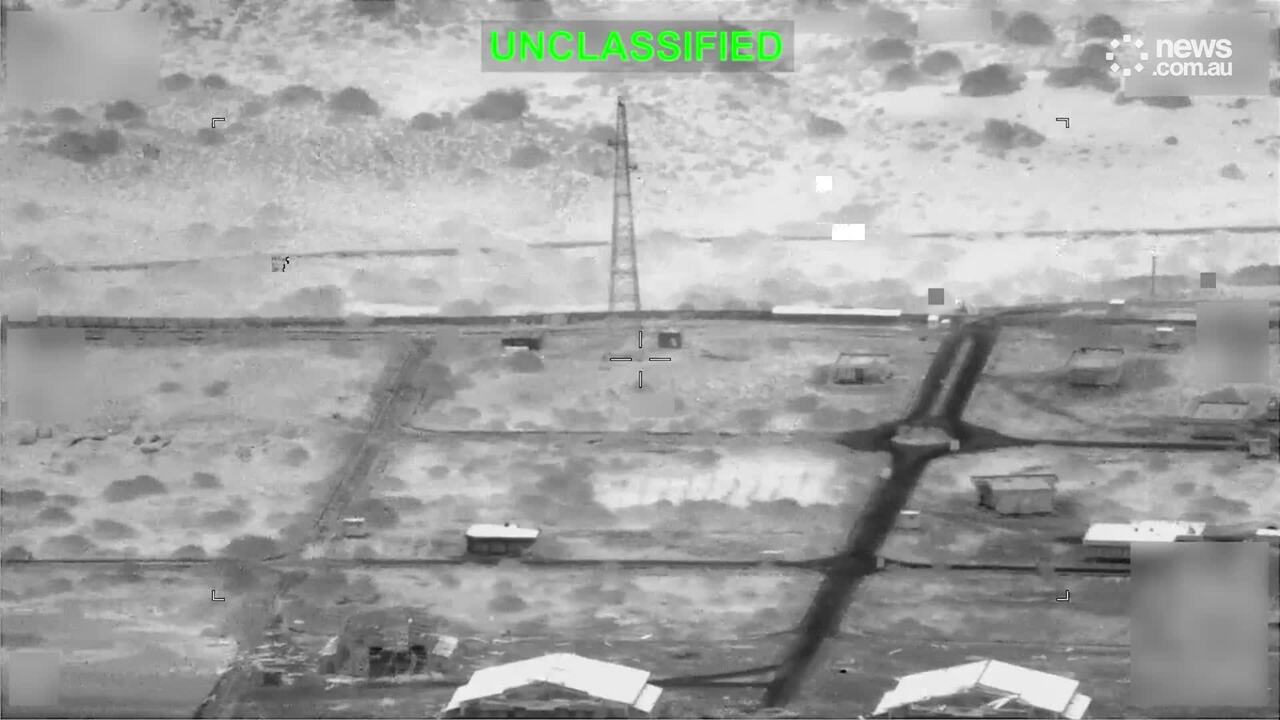
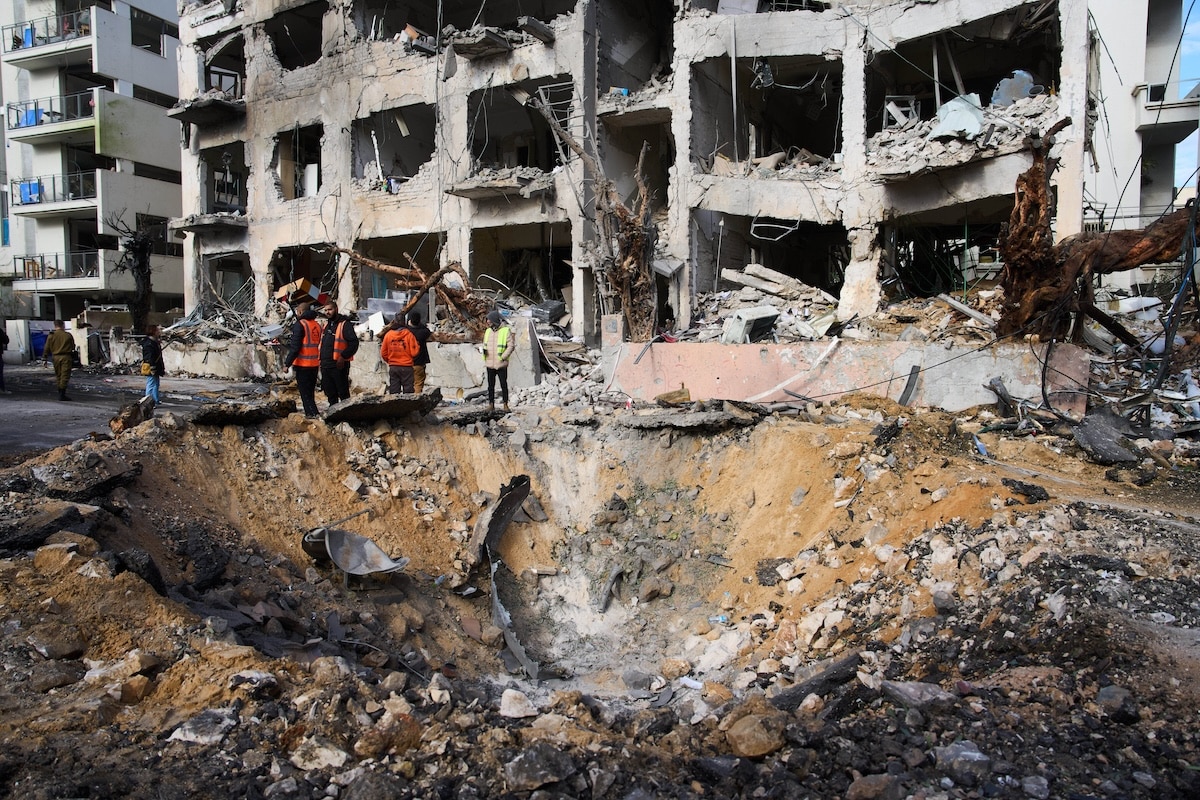
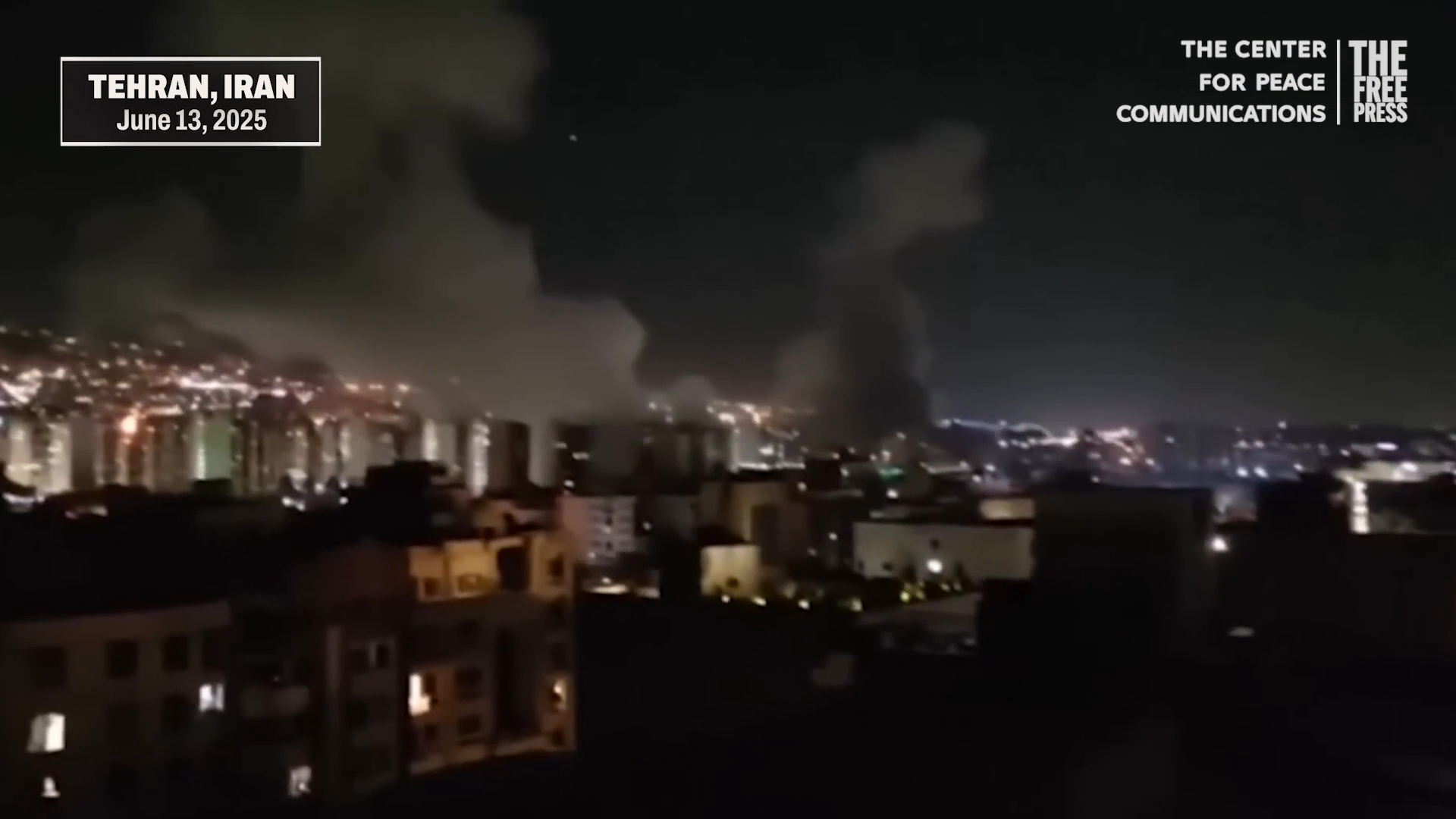
President Trump ordered retaliatory strikes on Tuesday targeting Iranian radar and air defense systems. U.S. Central Command said the strikes were calibrated to avoid casualties and hit ammunition depots, command and control nodes and warehouses across Iran. The operation included 49 Tomahawk missiles fired at targets as close as 40 miles from Tehran, according to Trump.
Iran responded early Wednesday by launching 12 ballistic missiles at Al-Azraq Air Base in Jordan, where U.S. forces are stationed. The Jordanian military said it intercepted and shot down the missiles with no injuries or damage reported. Iran also launched drone strikes targeting the U.S. Navy's Fifth Fleet headquarters in Bahrain and Ali Al-Salem Air Base in Kuwait.
Trump threatens continued bombing if Iran refuses deal
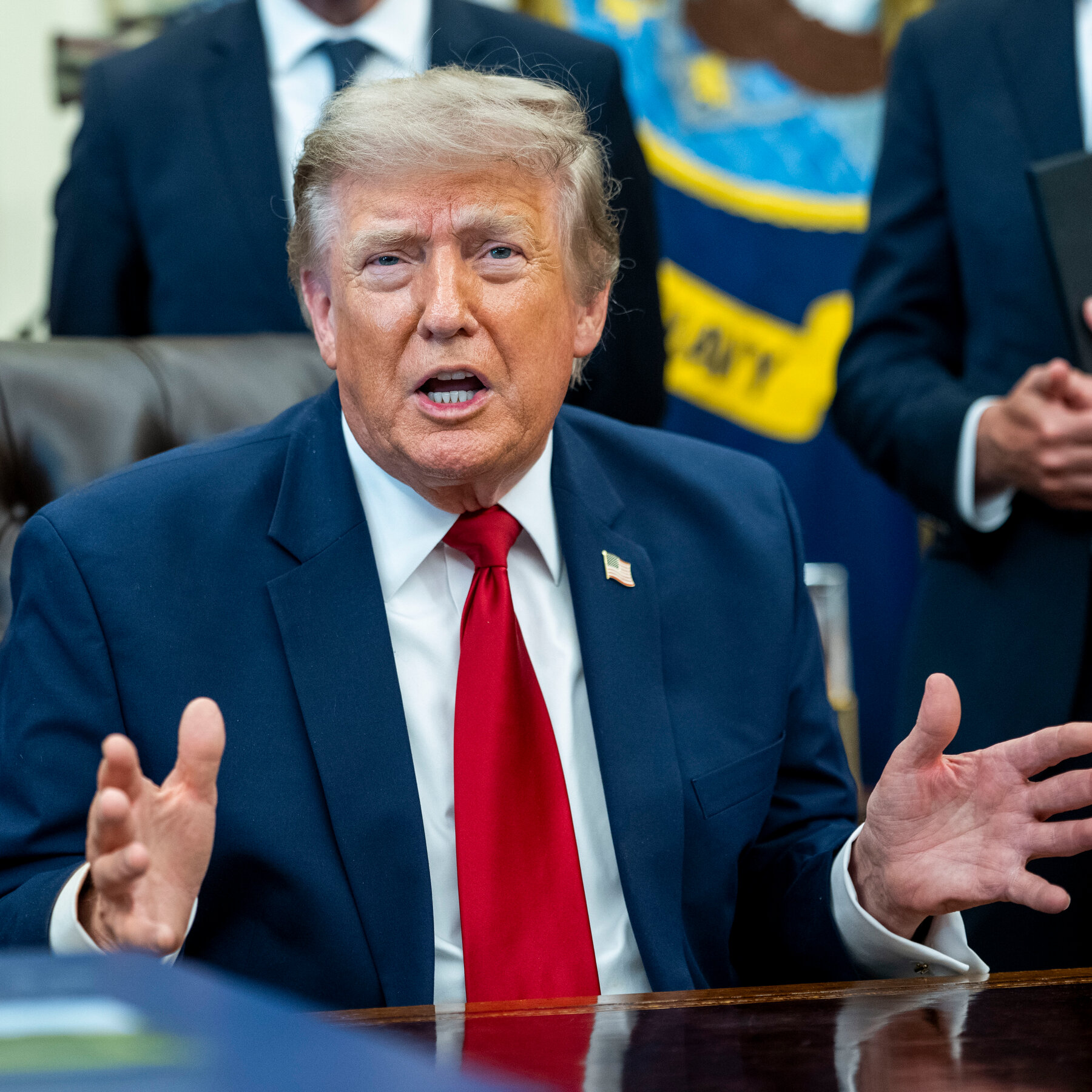
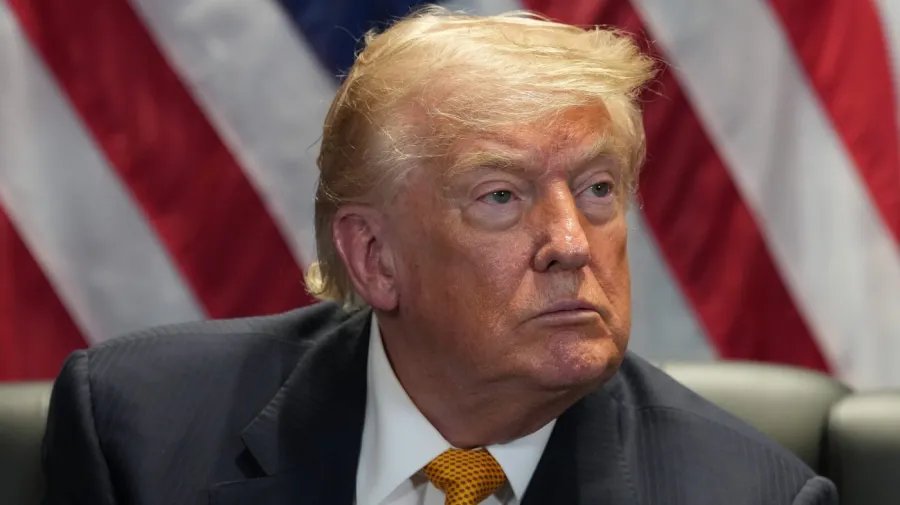
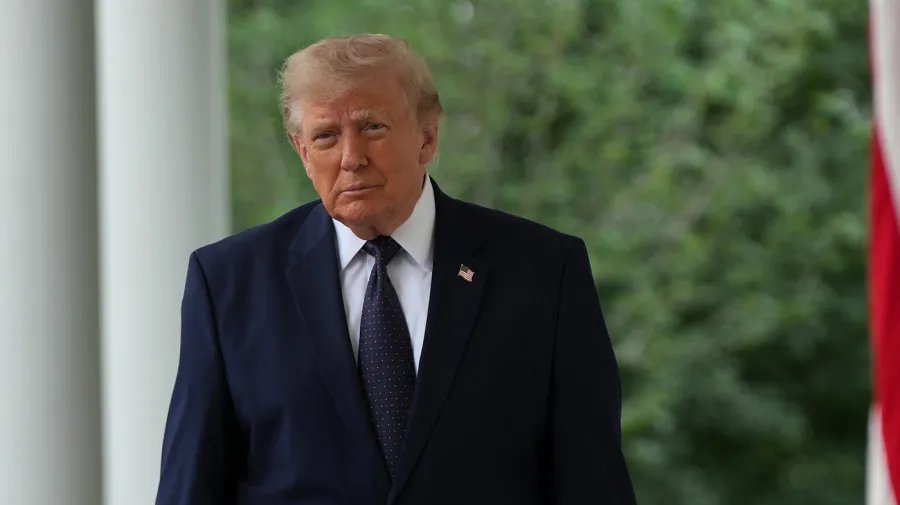
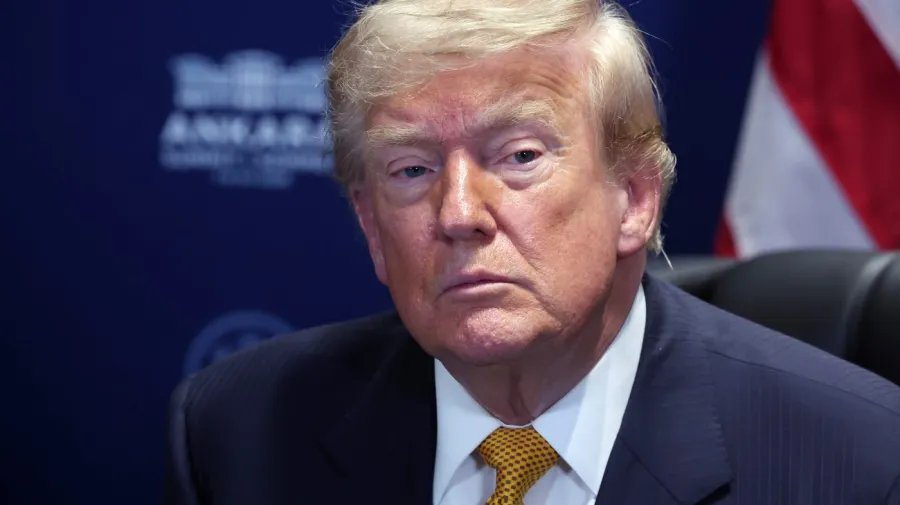
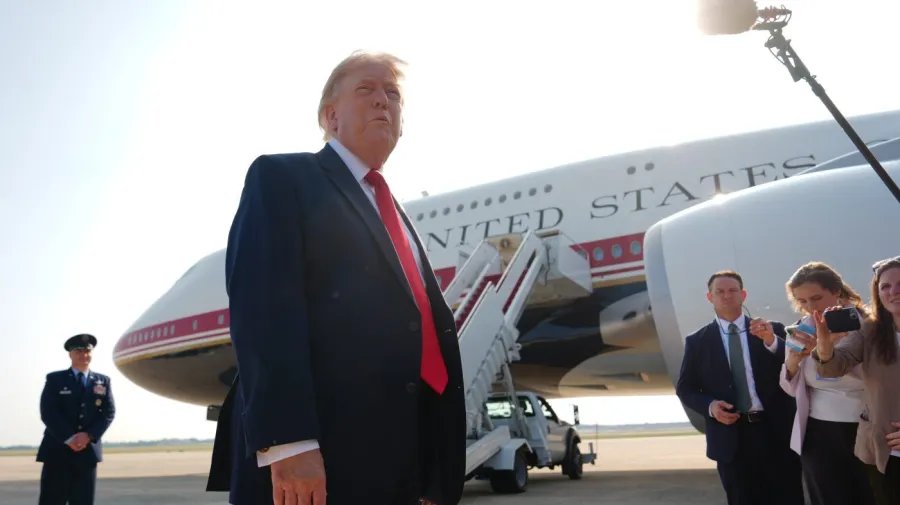
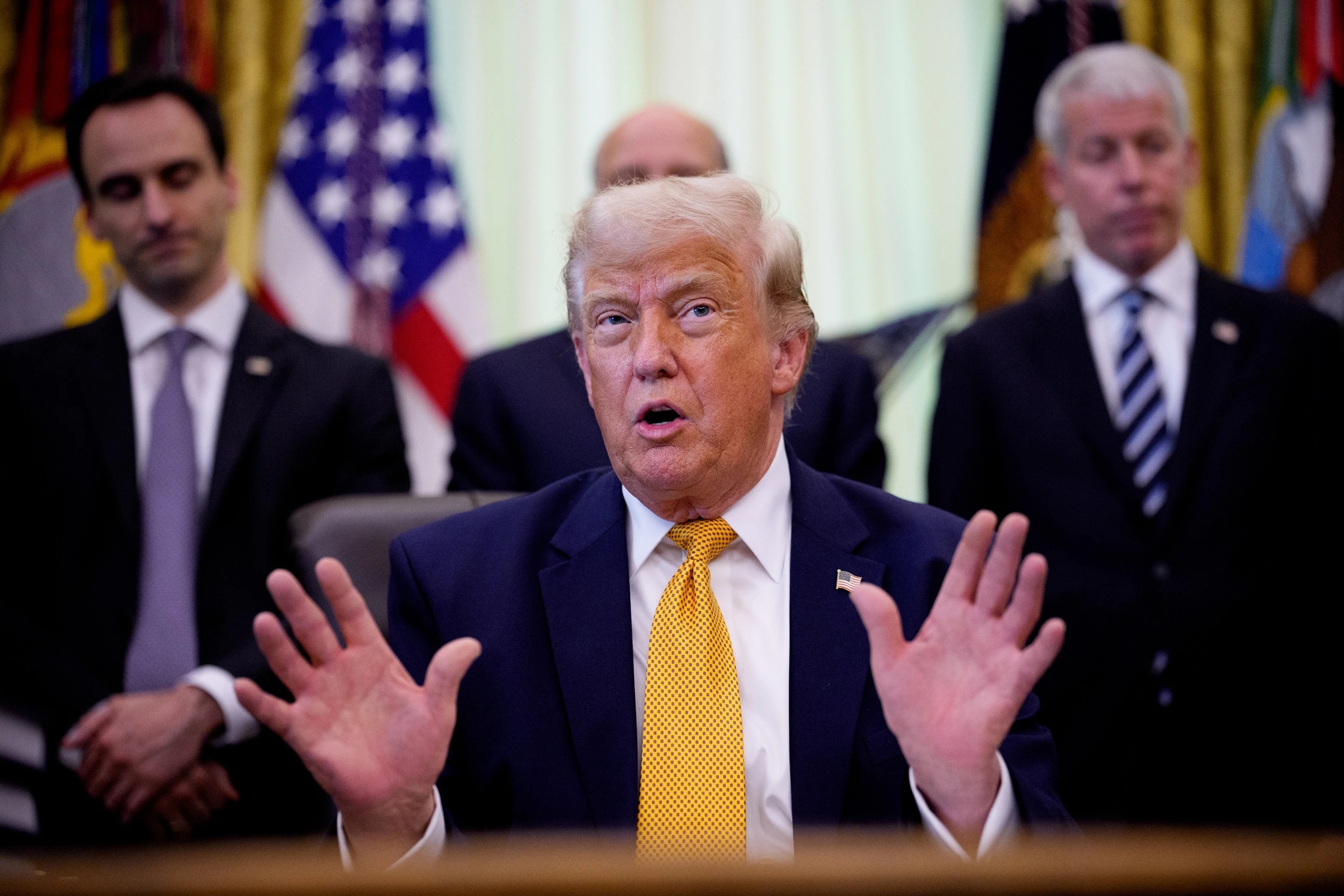
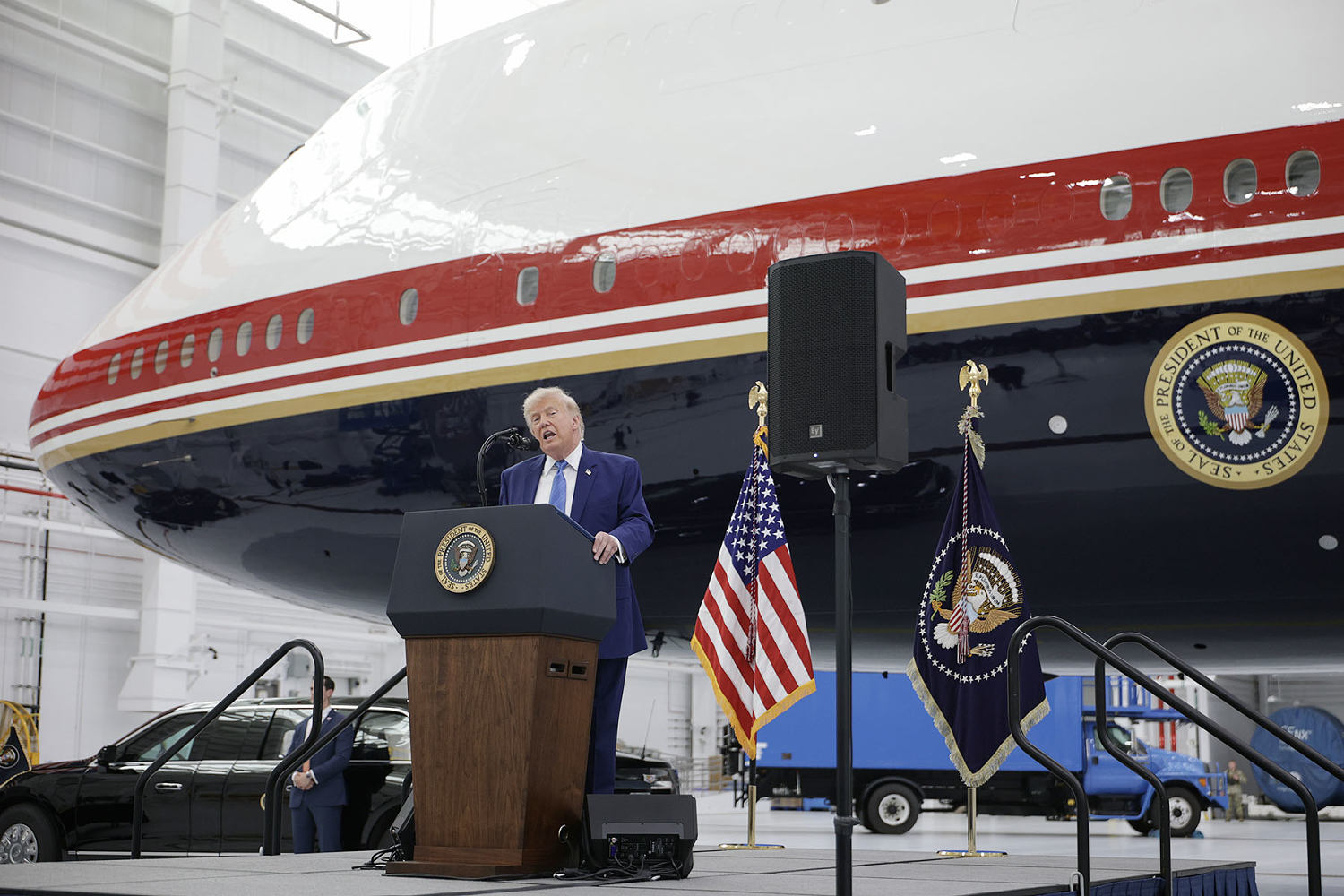
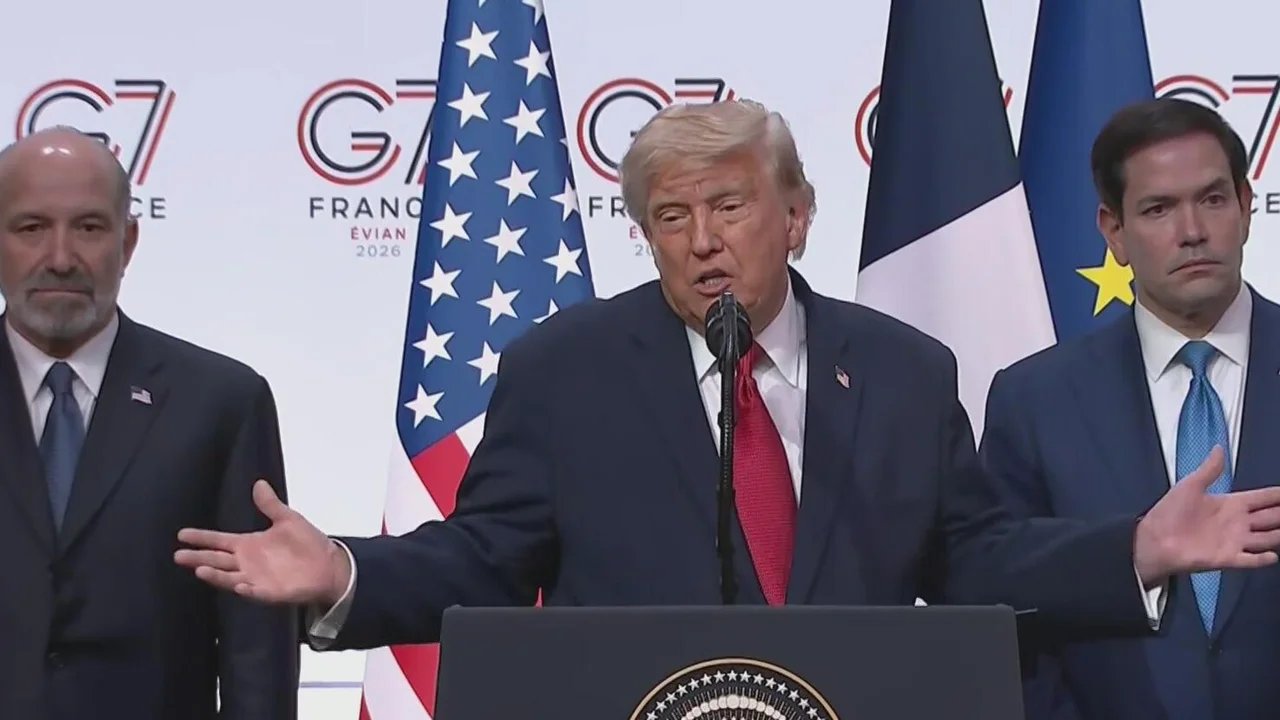
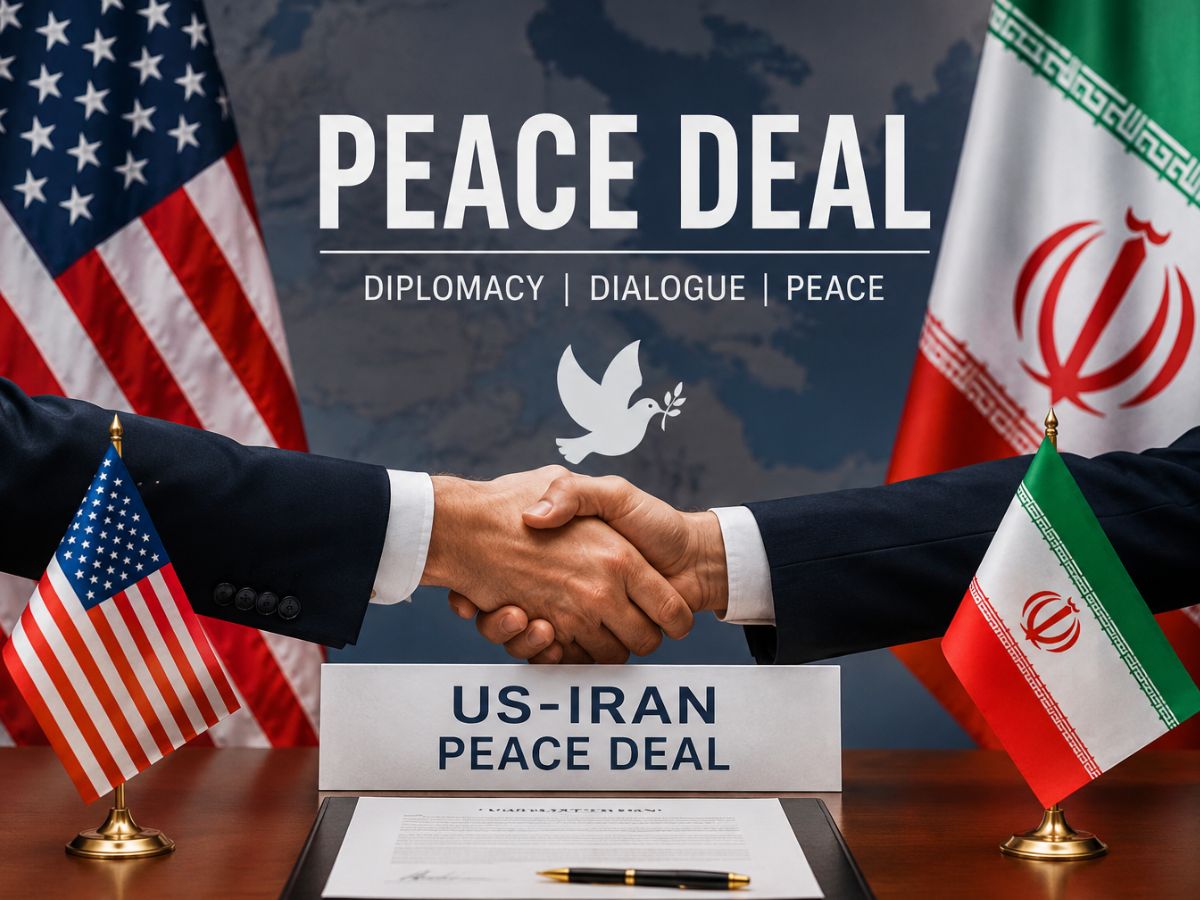
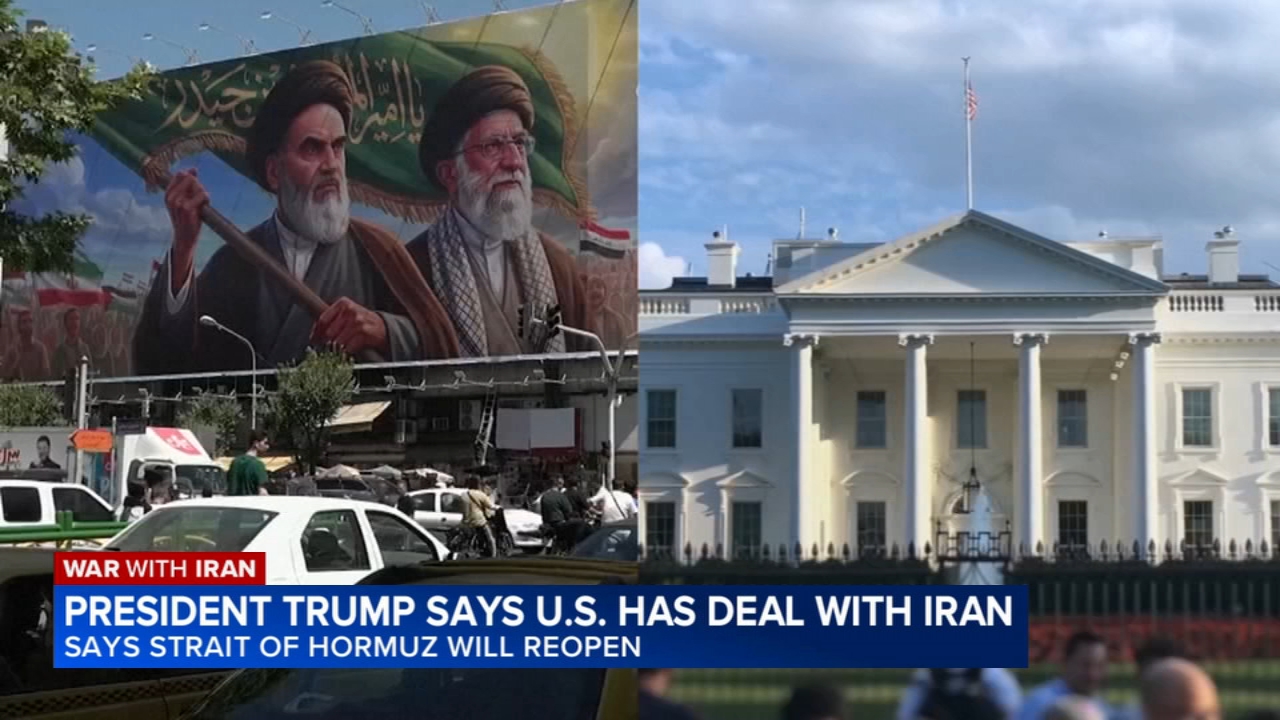
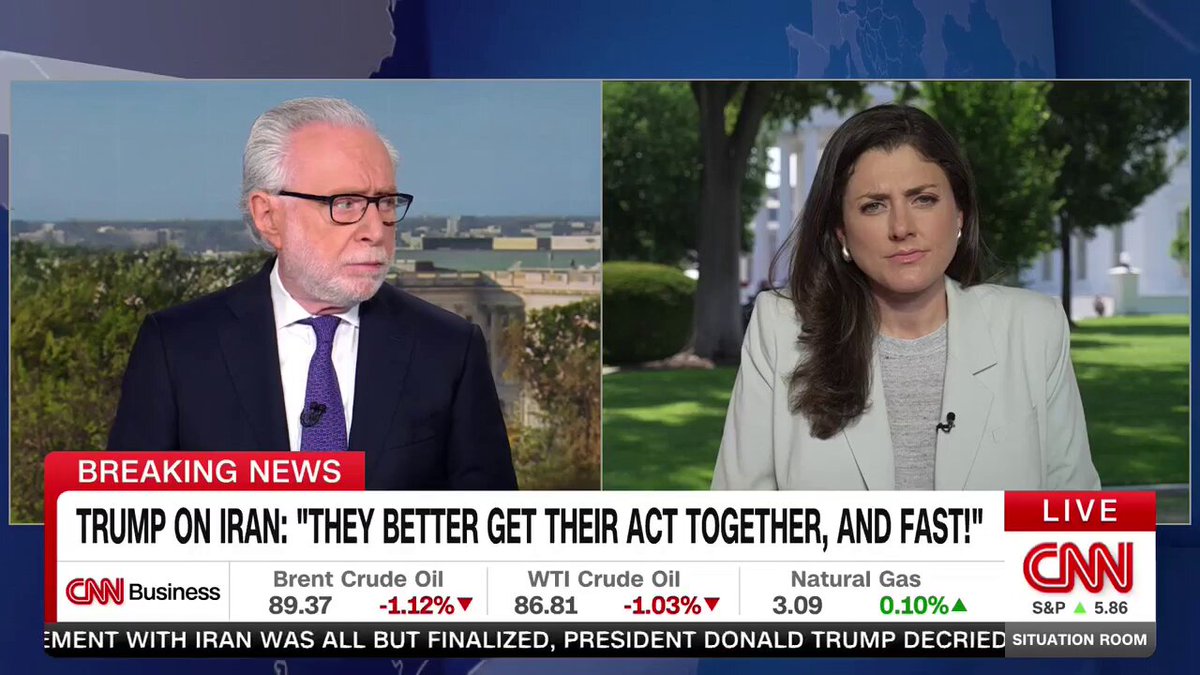
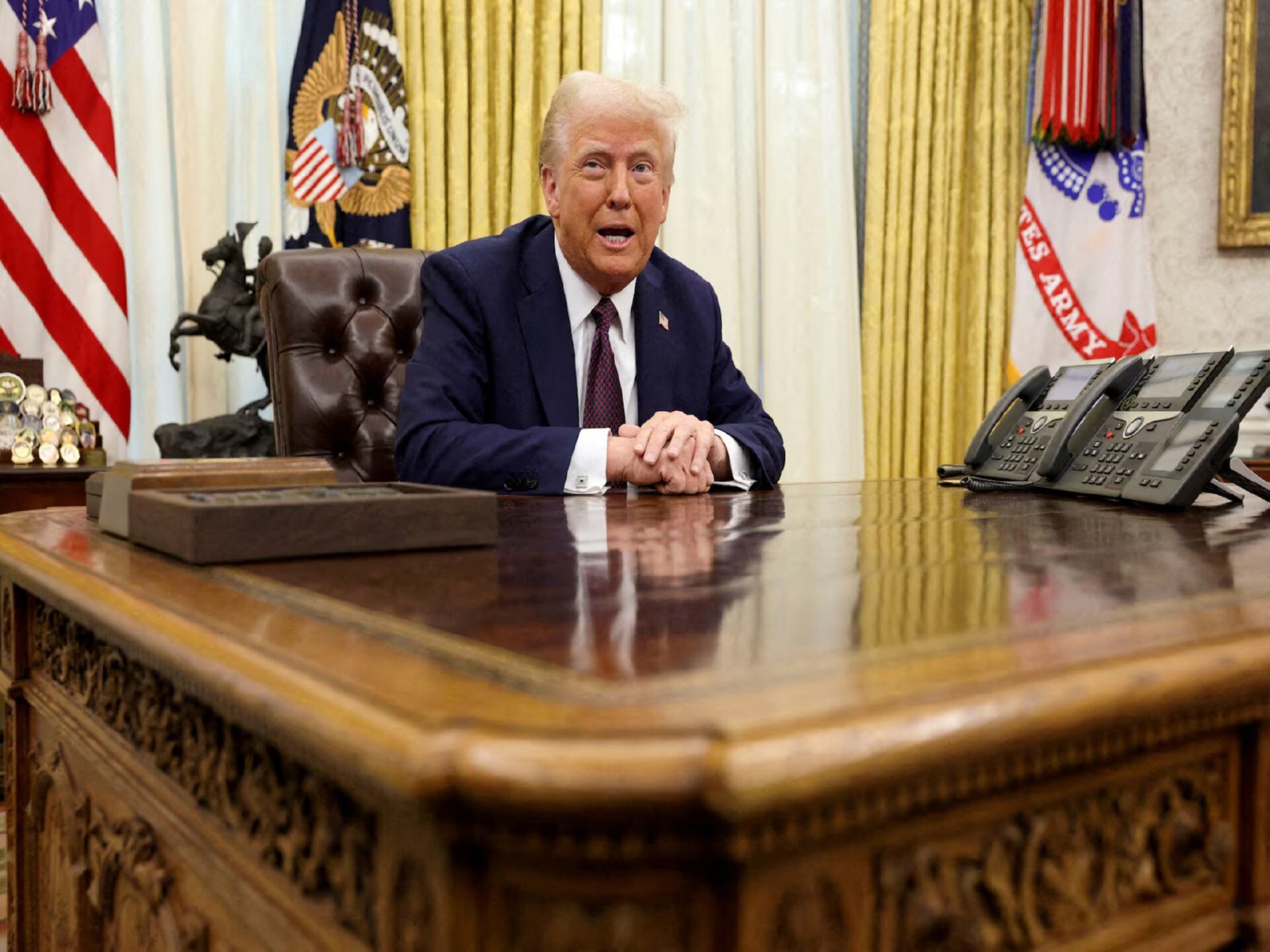
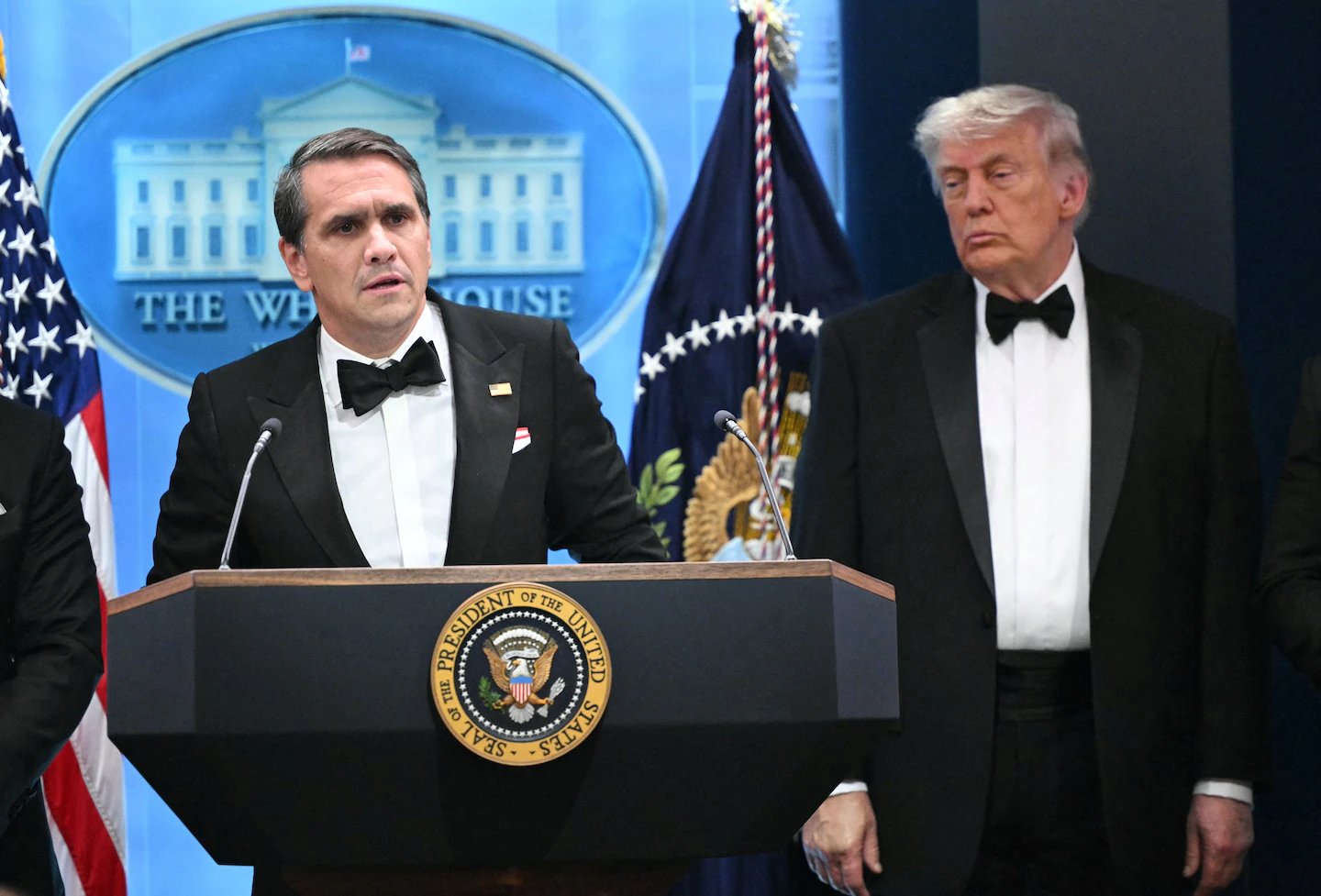
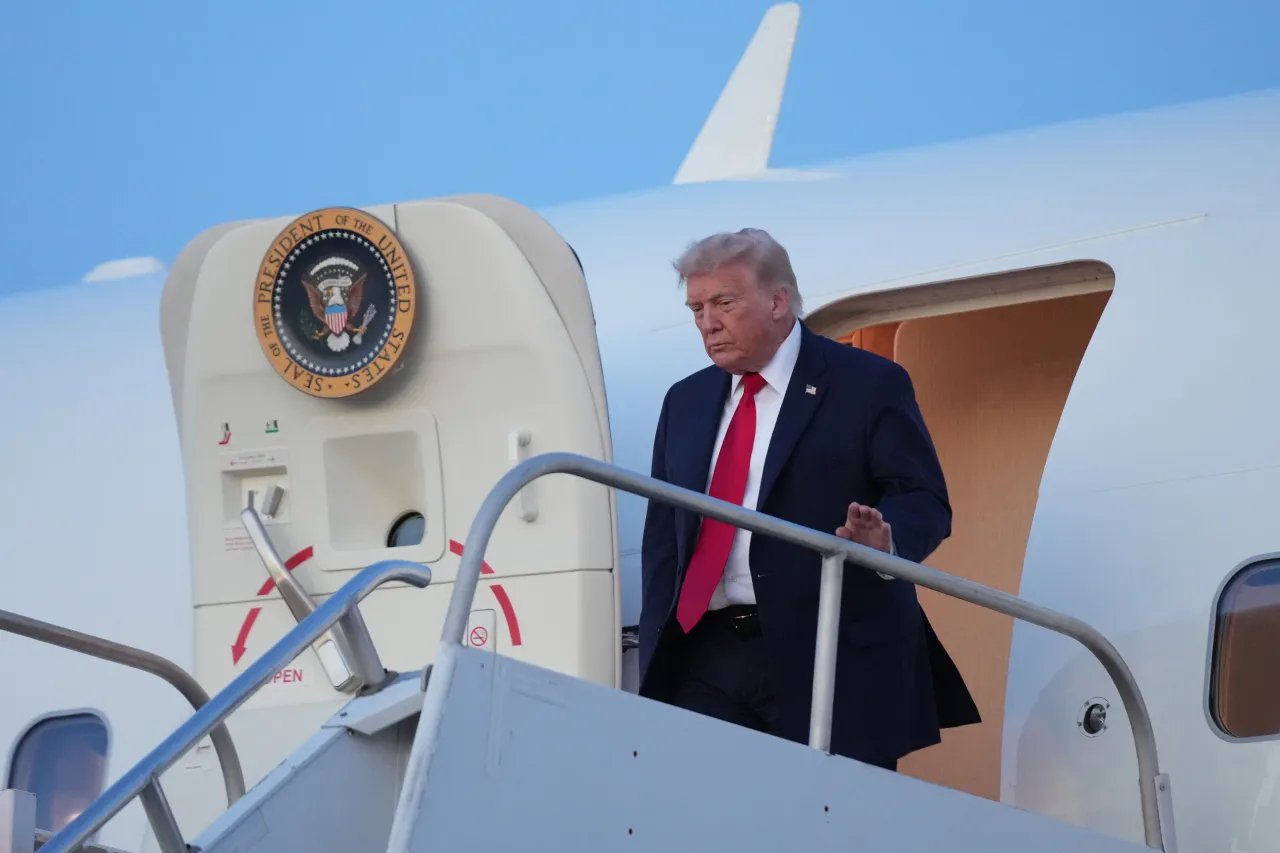
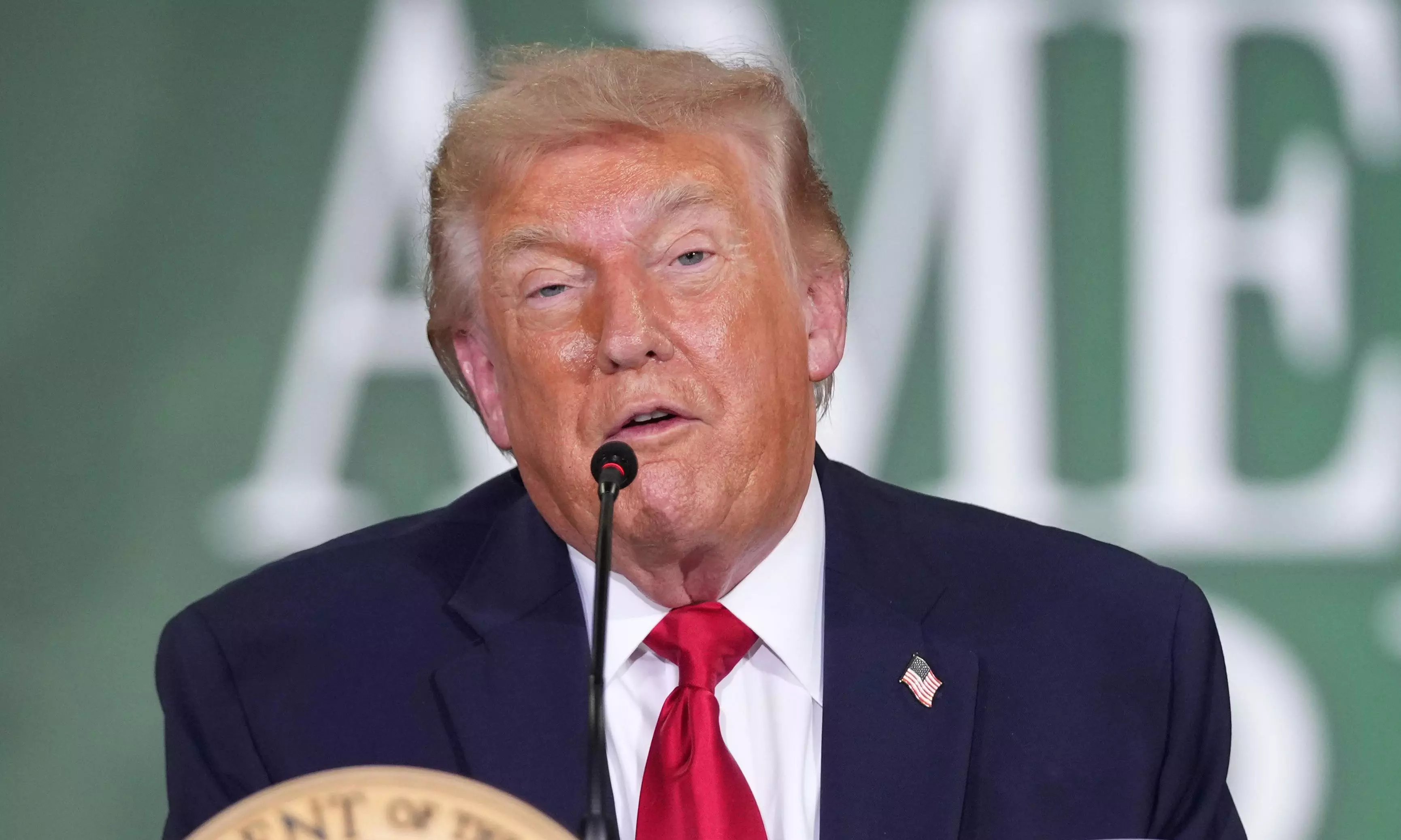
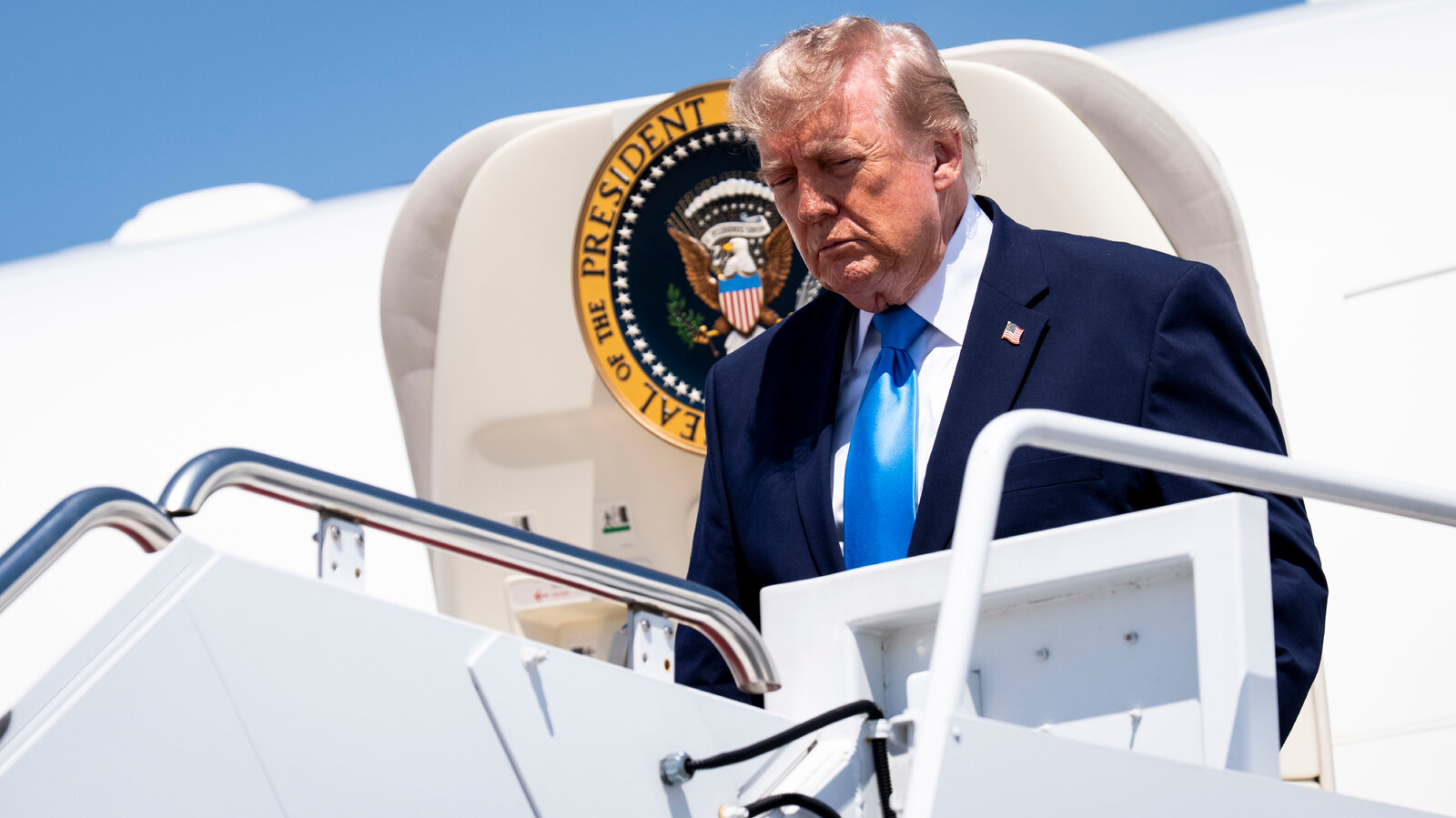
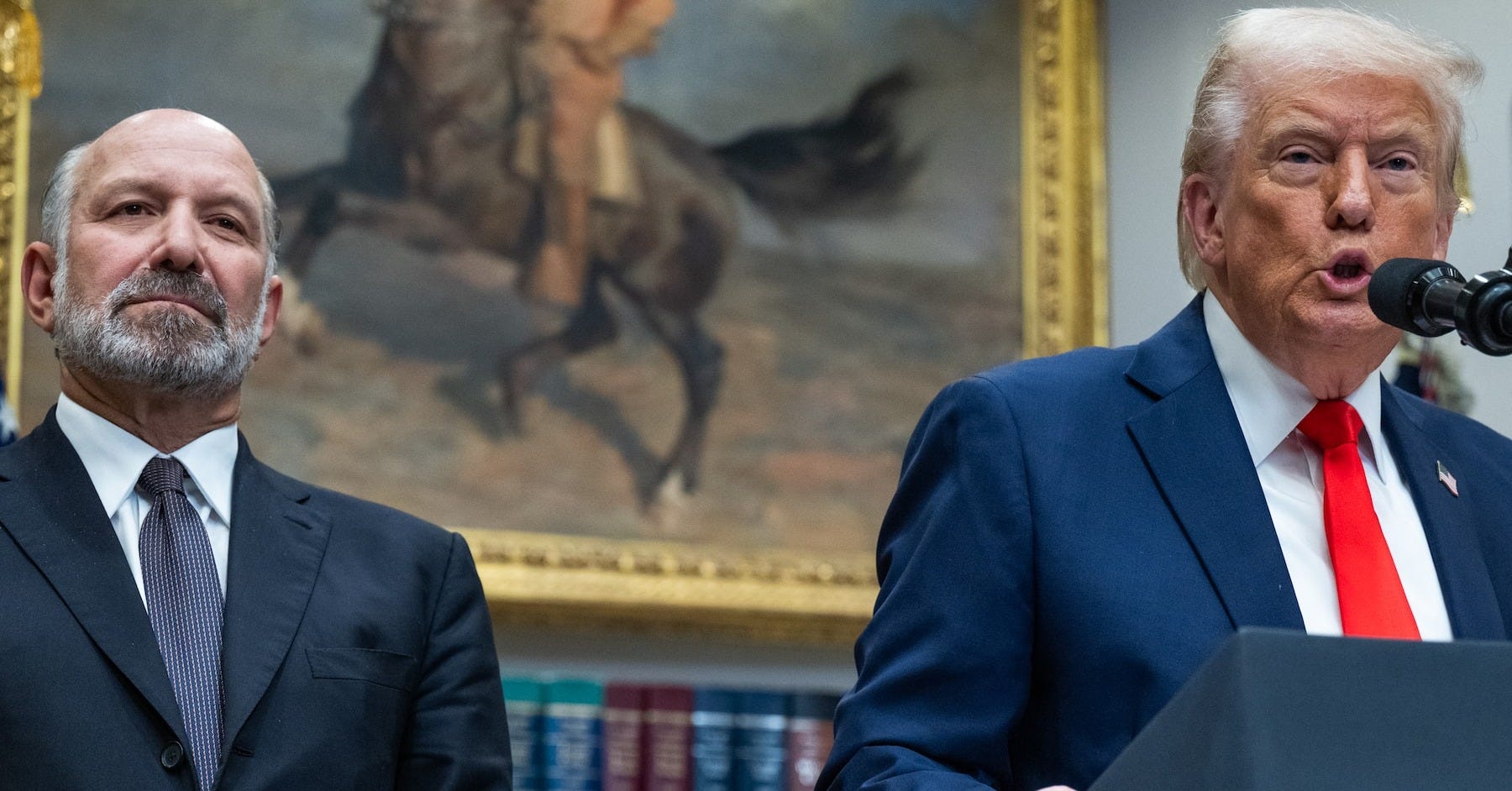
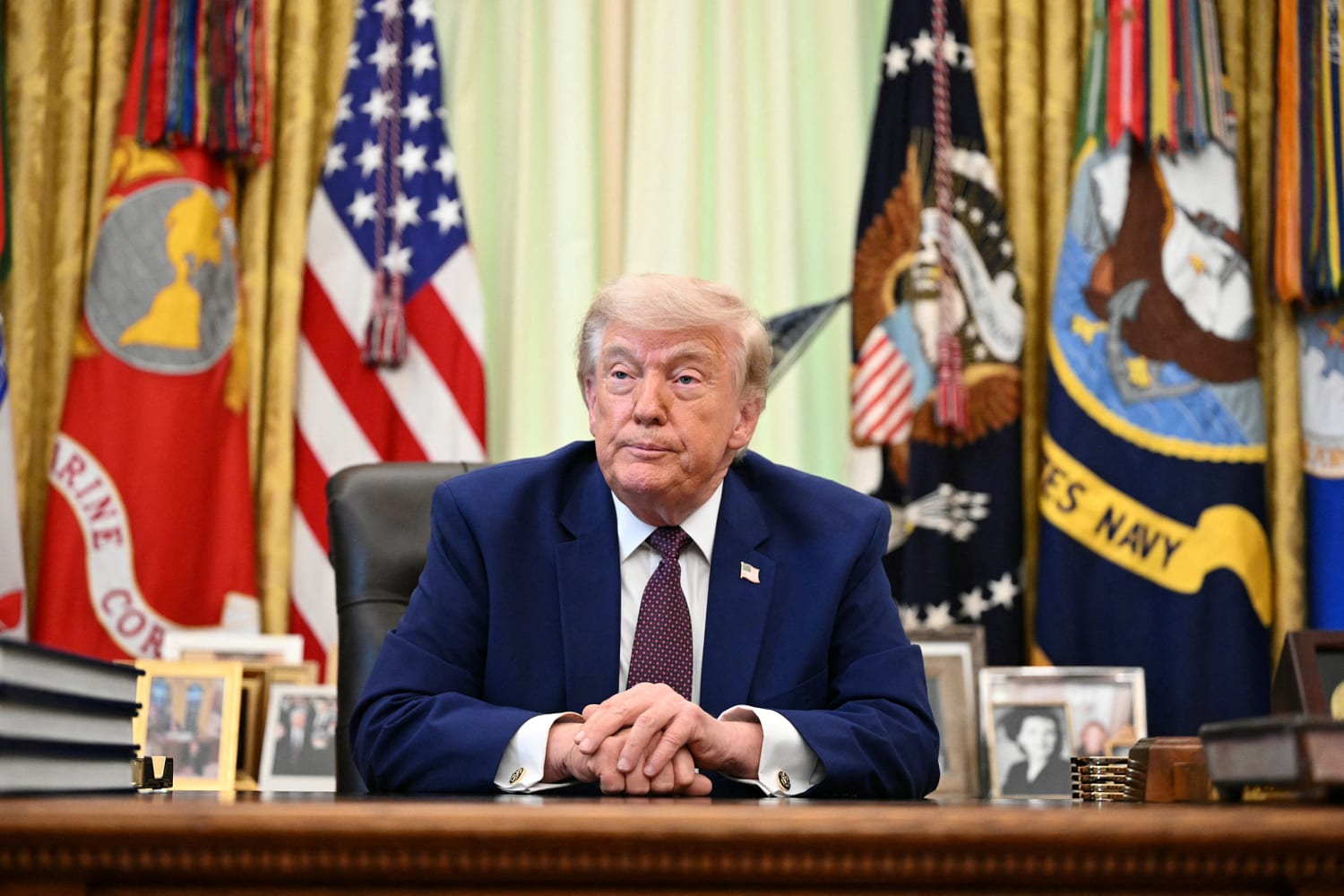
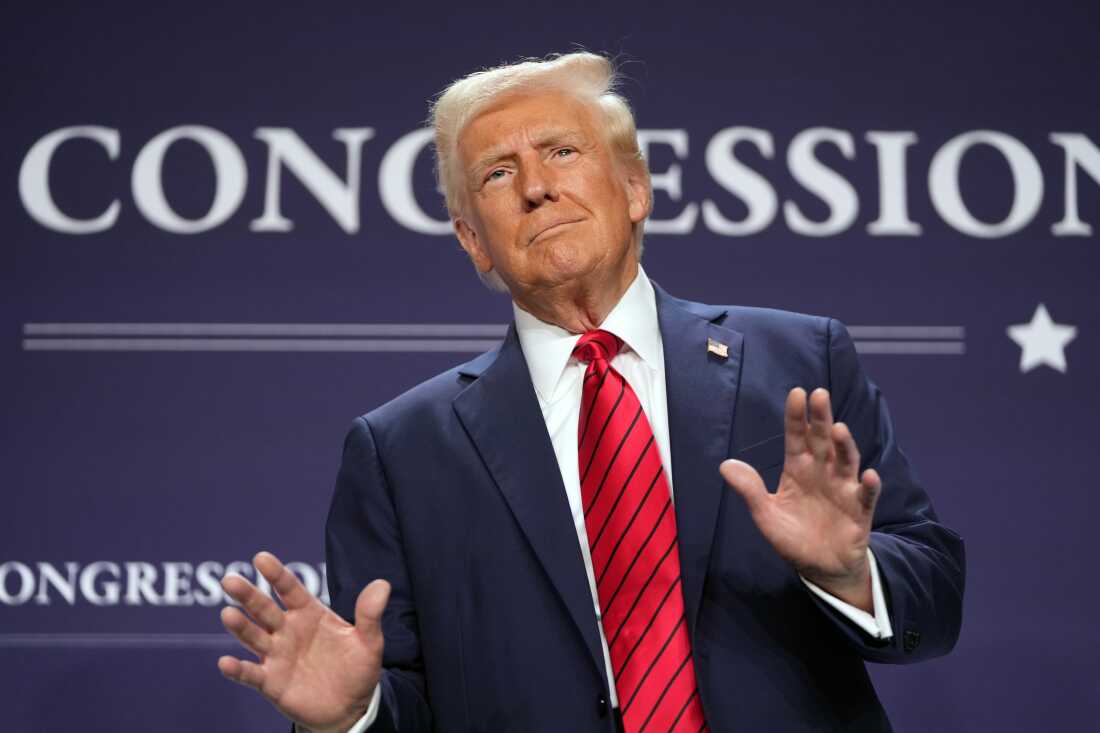
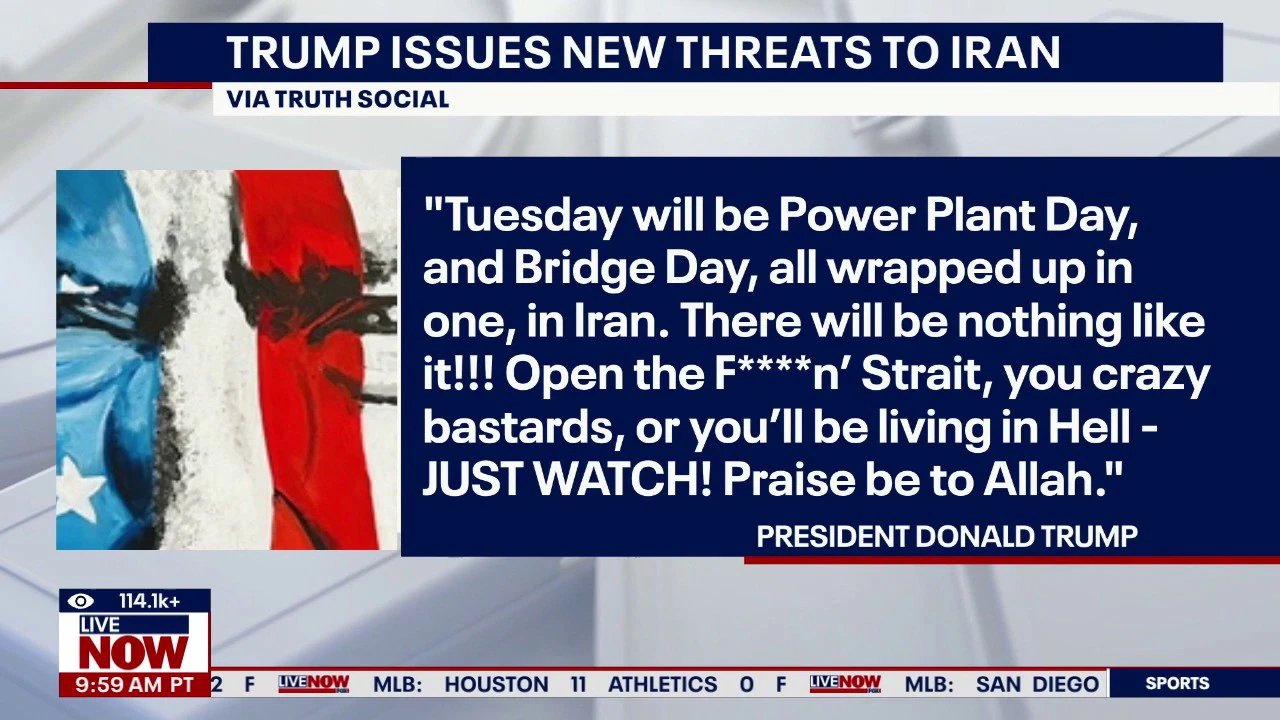
Trump told reporters Wednesday that the U.S. would strike Iran "hard again today" and warned that if Iran does not agree to a peace deal, "we'll bomb the s*** out of them tomorrow night." He accused Iranian negotiators of stringing the U.S. along during talks that have stalled for nearly two weeks.
"We were really close to a deal, but they keep tapping us along, they keep playing us for suckers," Trump said. He elaborated that Iran had been "tap, tap, tap" during negotiations while secretly preparing the helicopter attack.
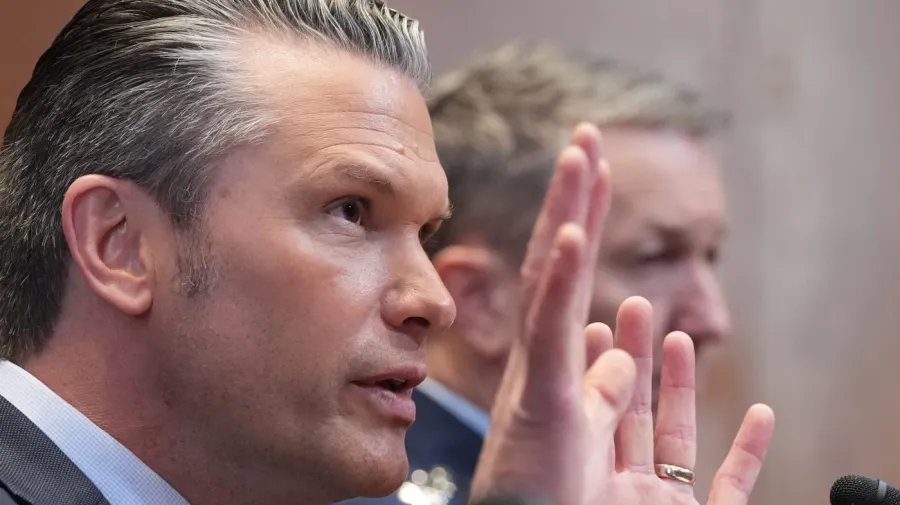
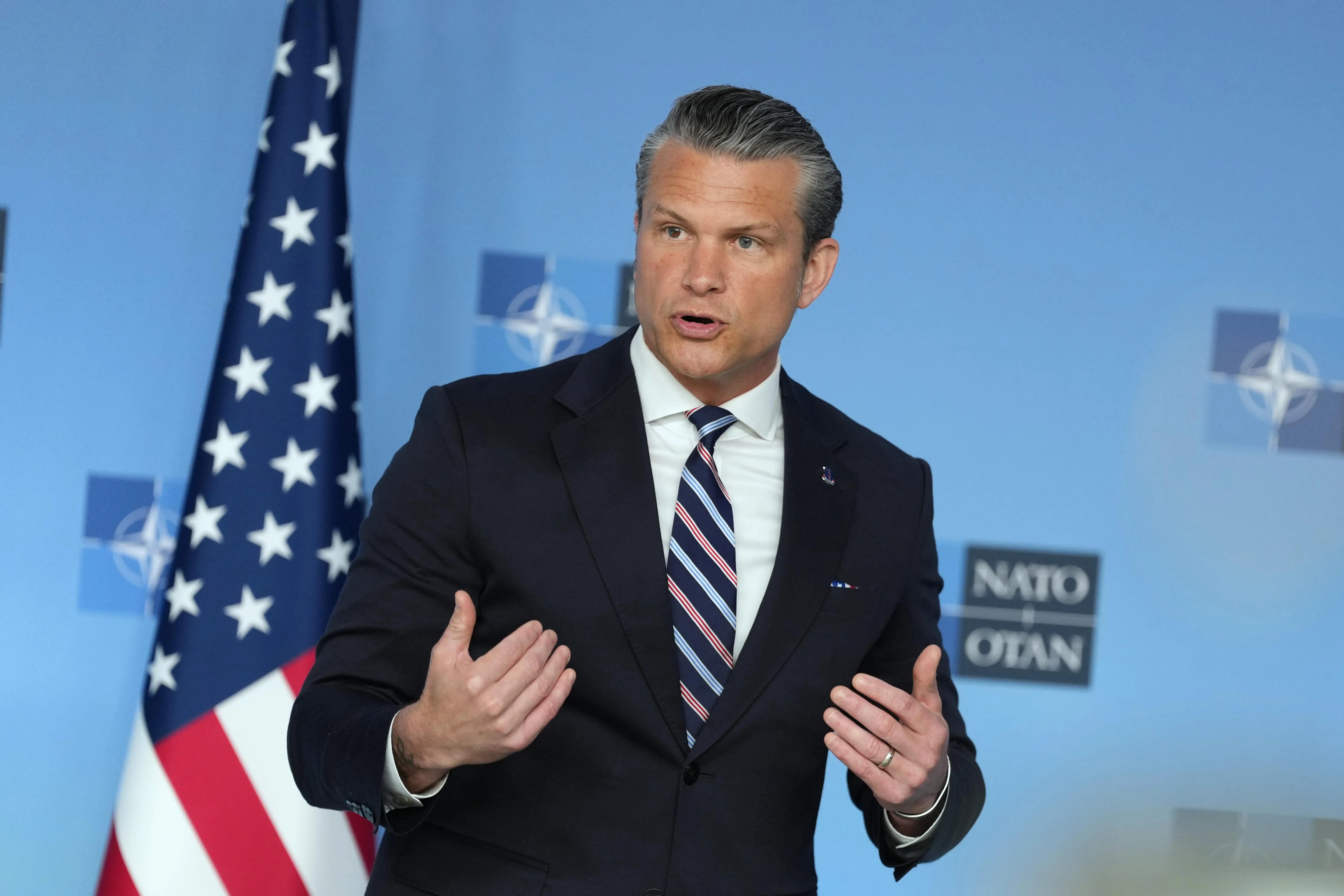
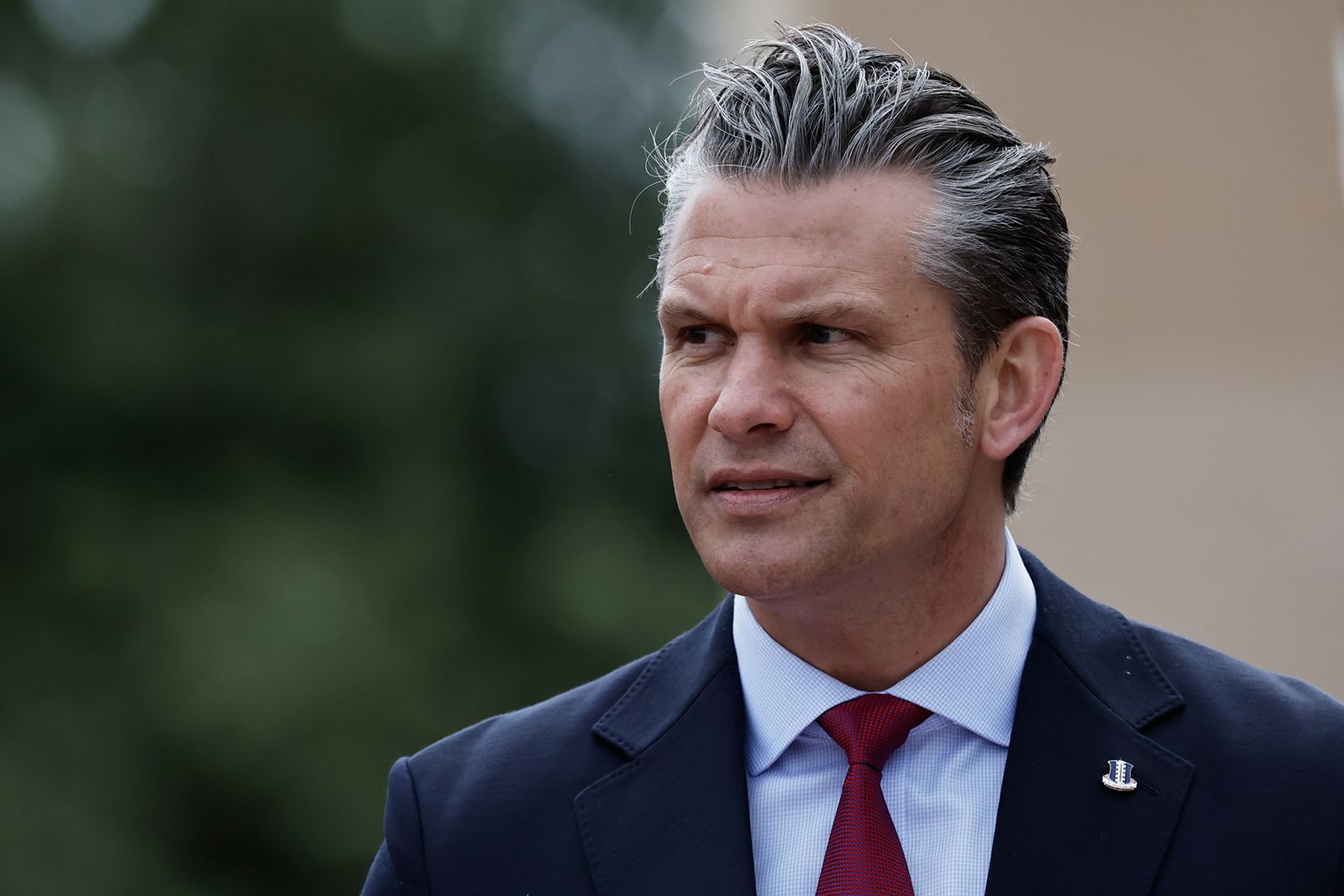
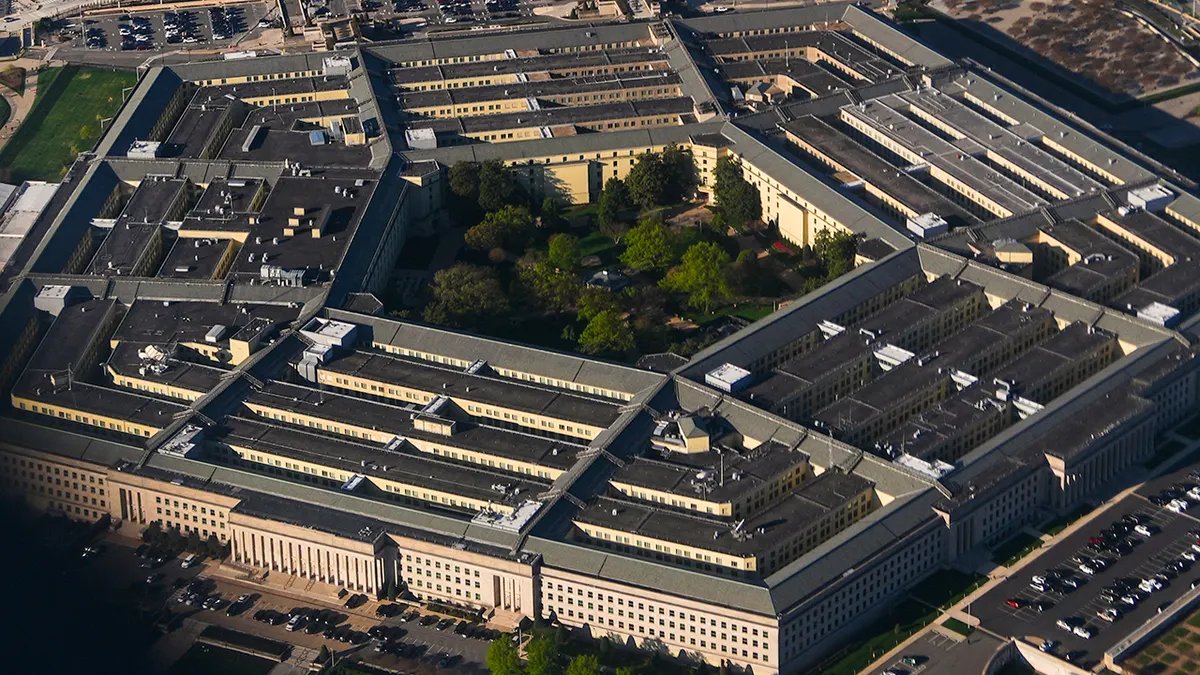
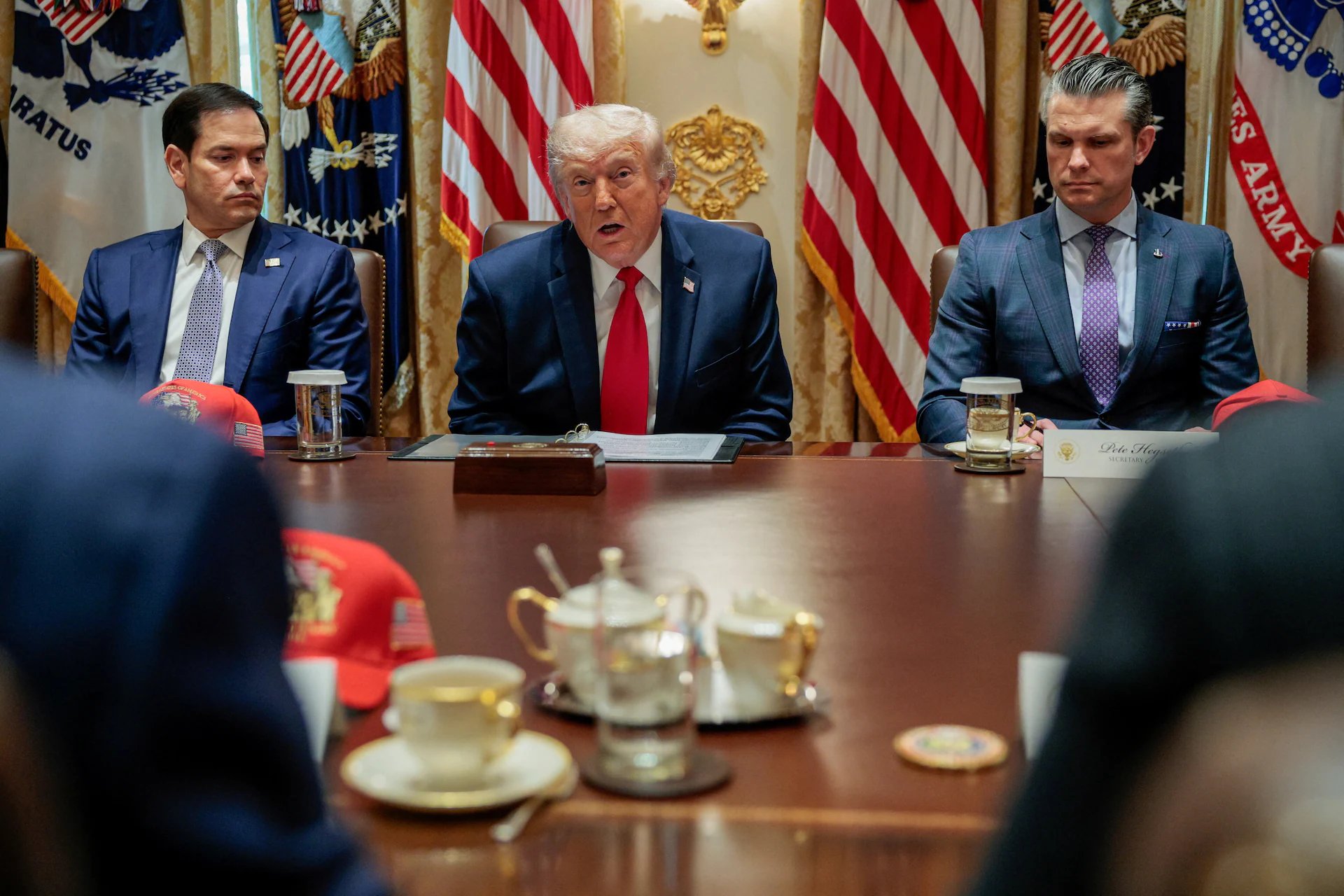
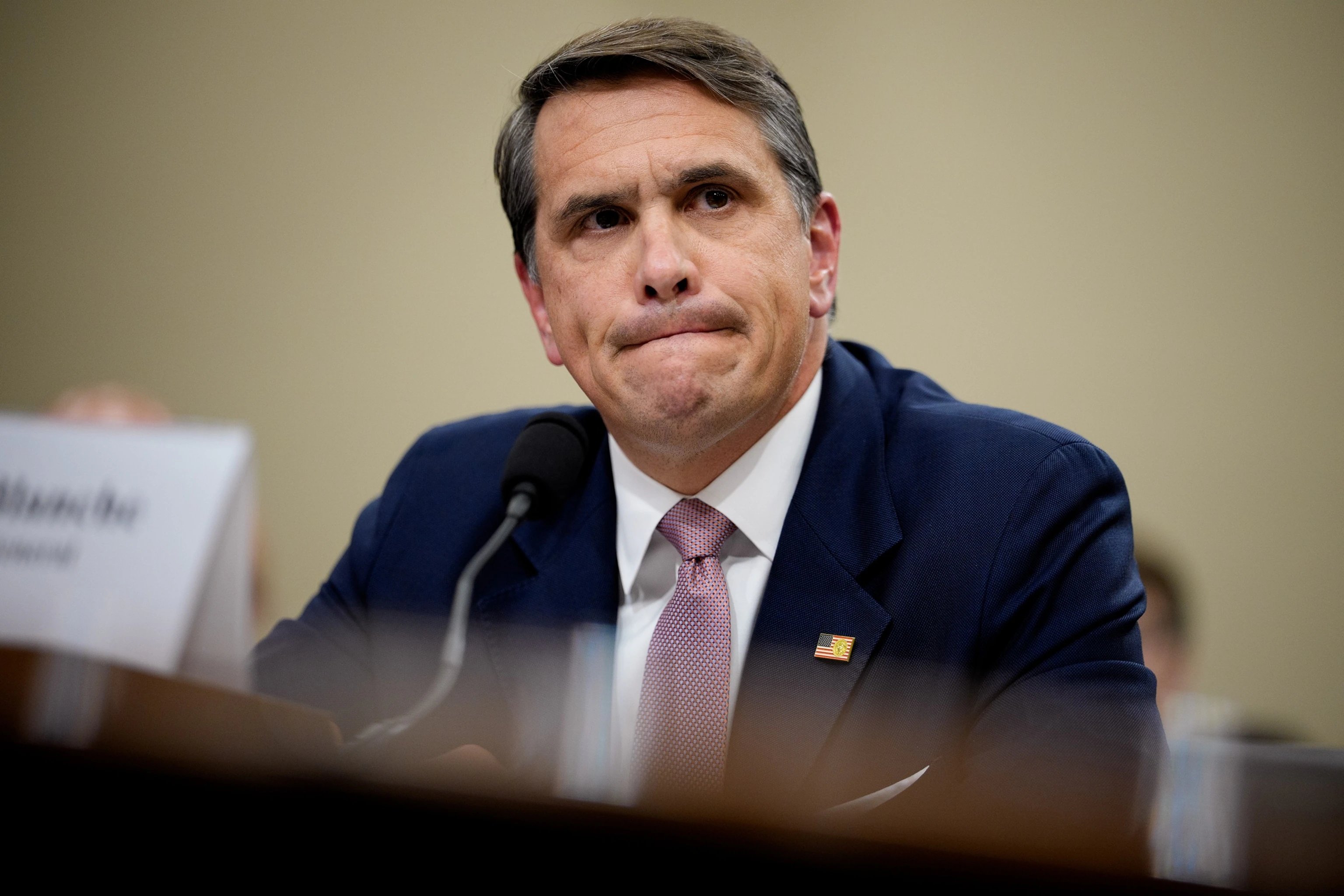
Defense Secretary Pete Hegseth told reporters that Central Command would be "busy tonight" executing strikes. "If we need to negotiate with bombs, we'll negotiate with bombs. And we're very good at it," Hegseth said. U.S. forces began striking Iran at 5:15 p.m. ET, hitting Iranian military surveillance capabilities, communication systems and air defense sites across the country.
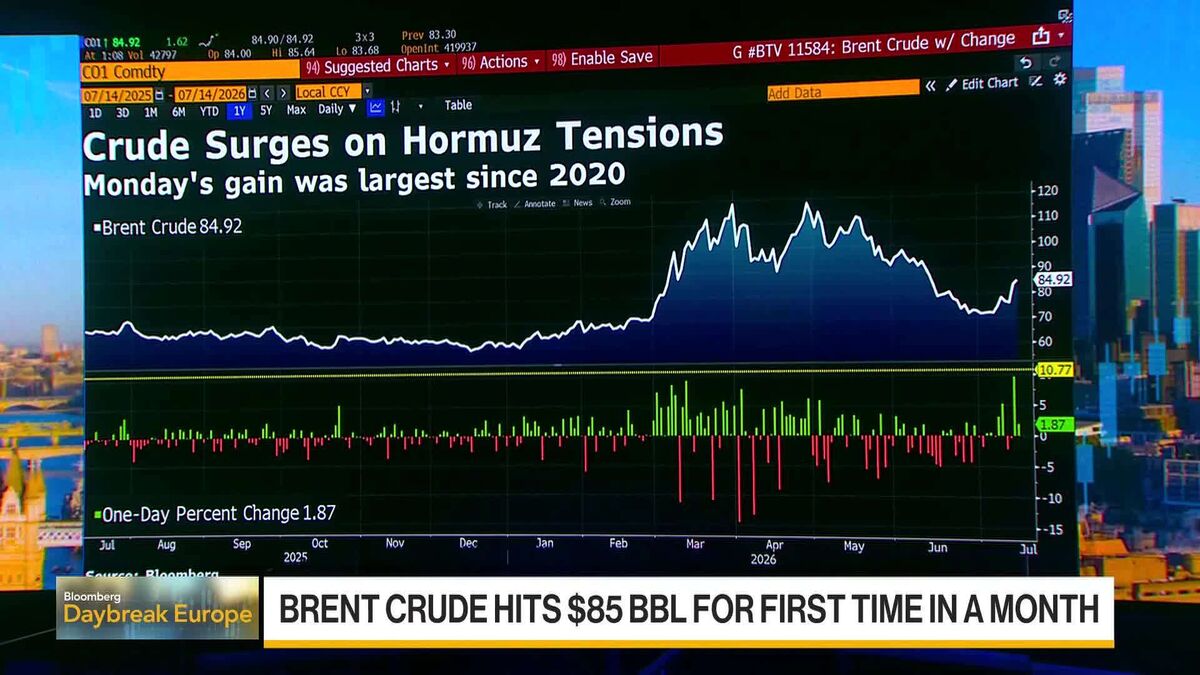
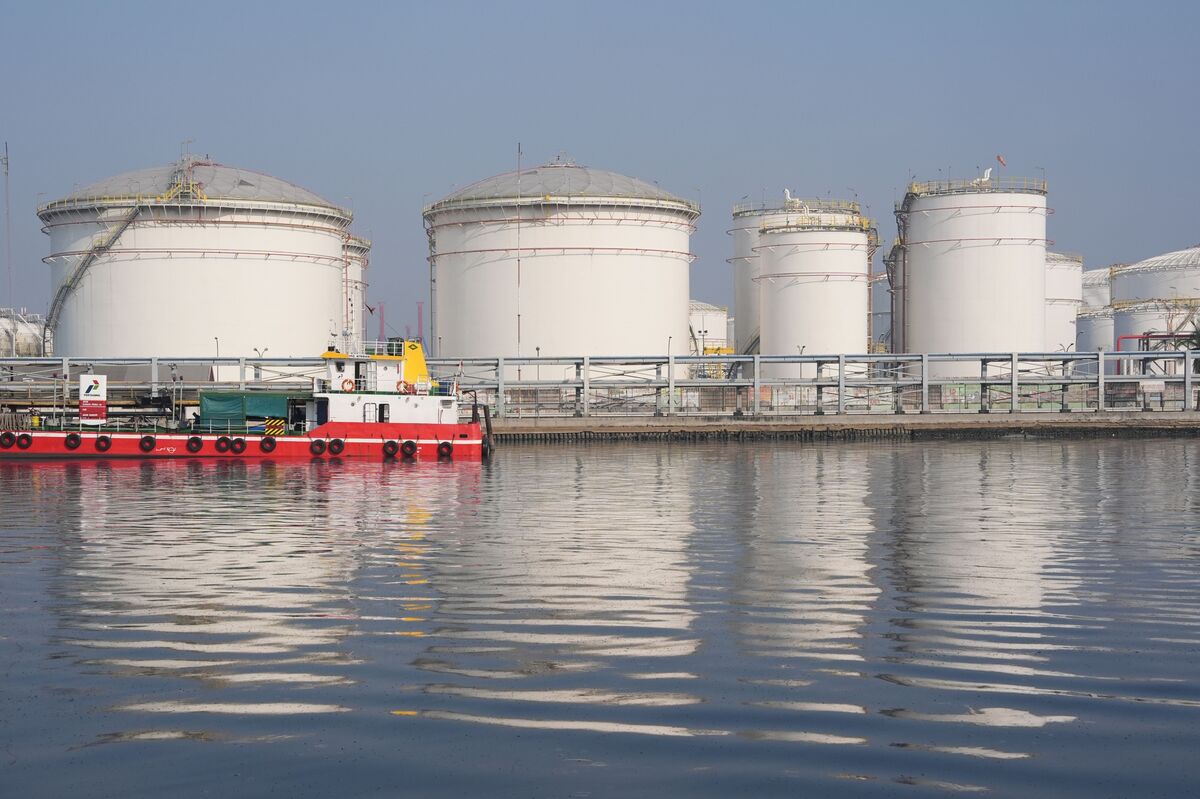
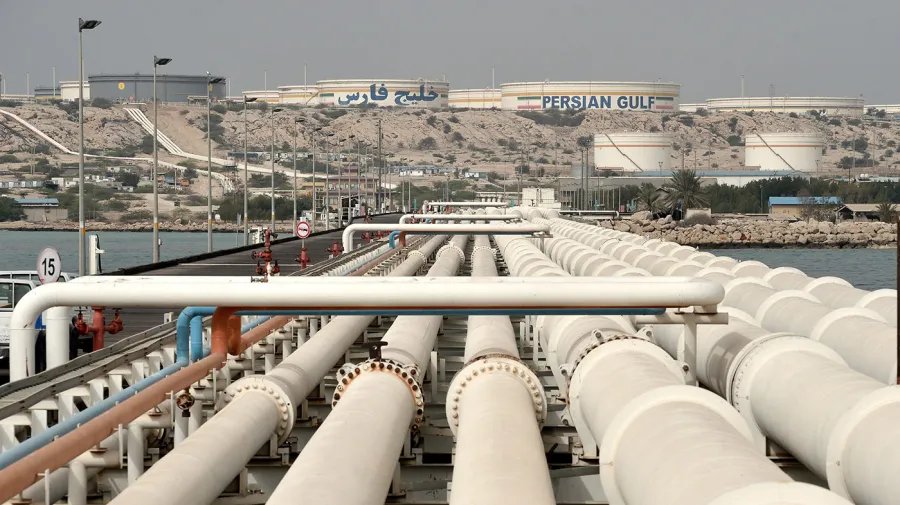
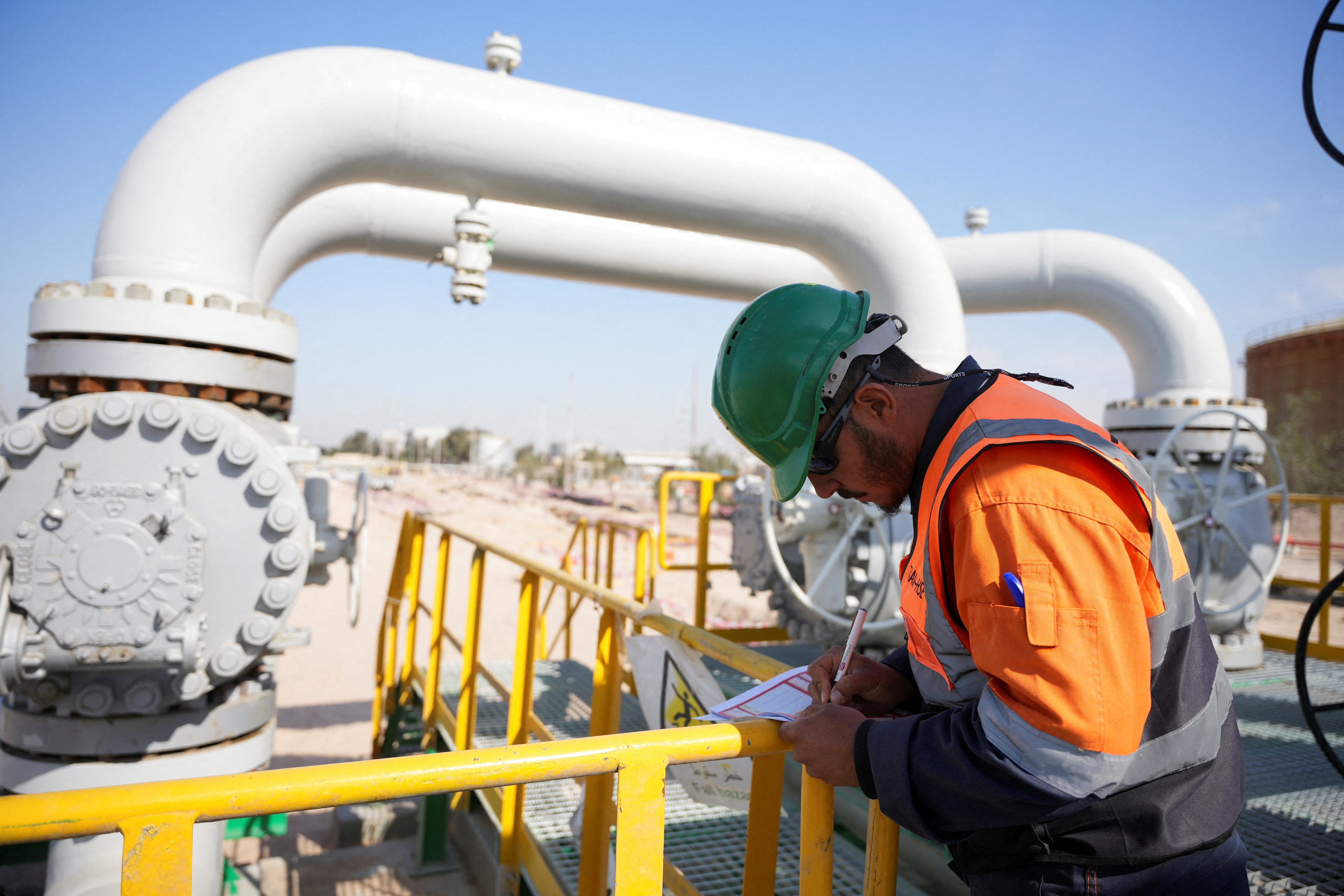
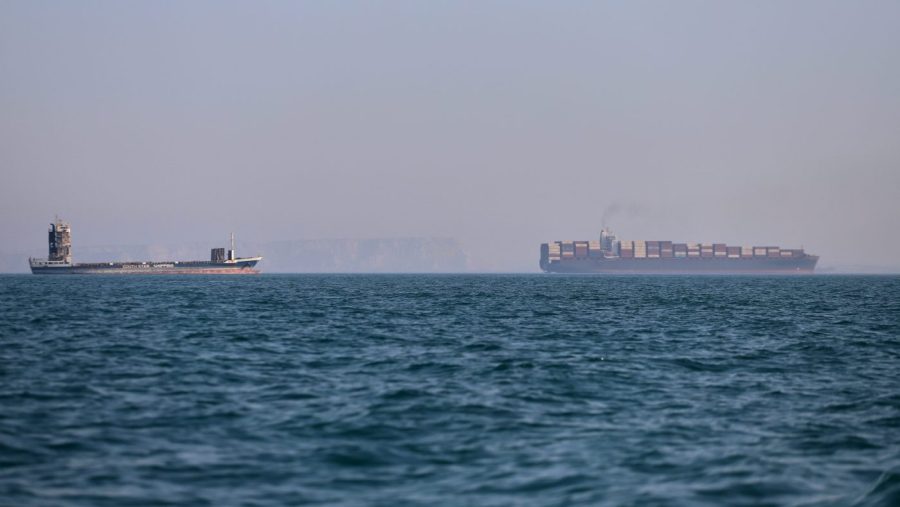
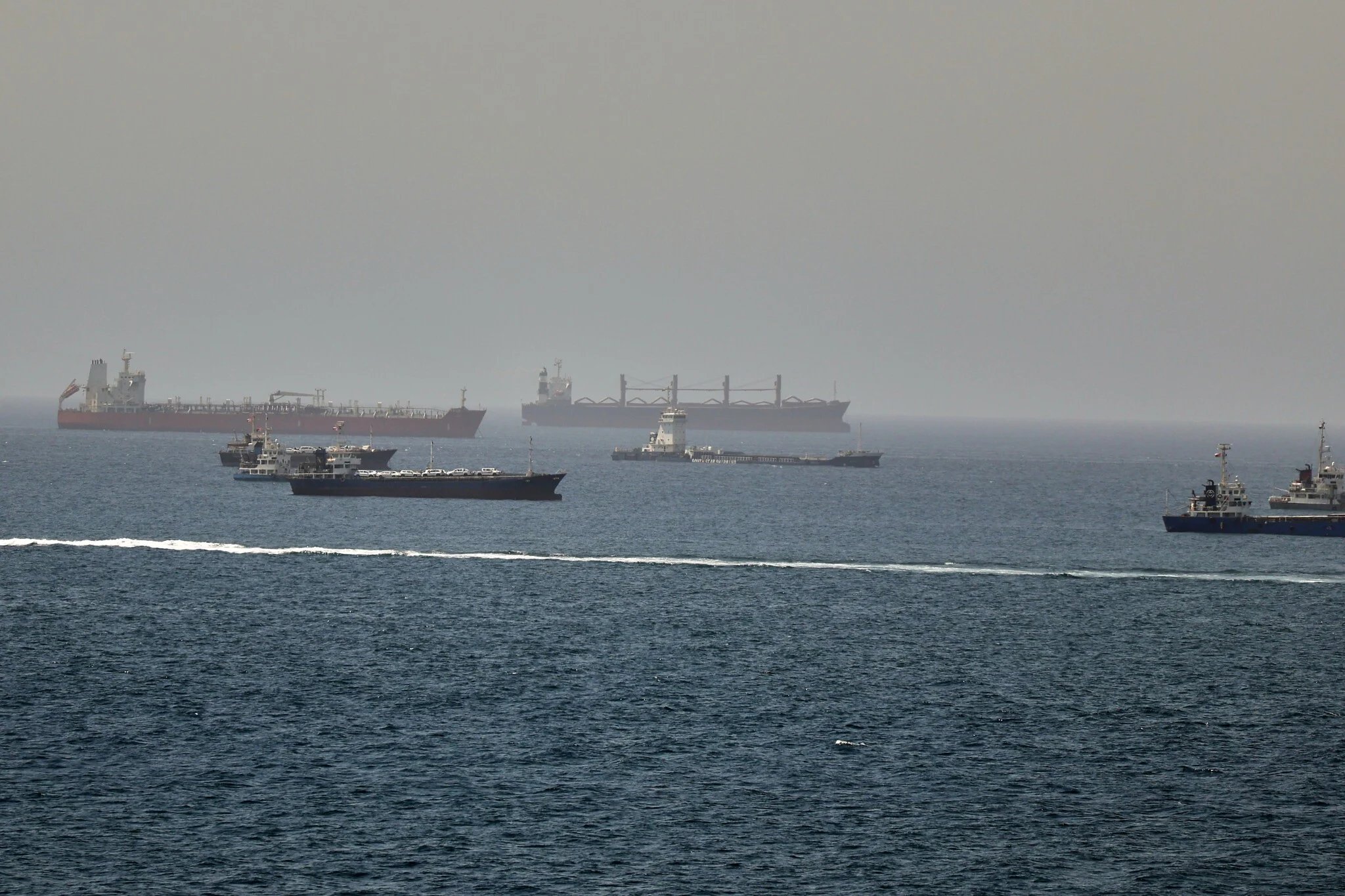
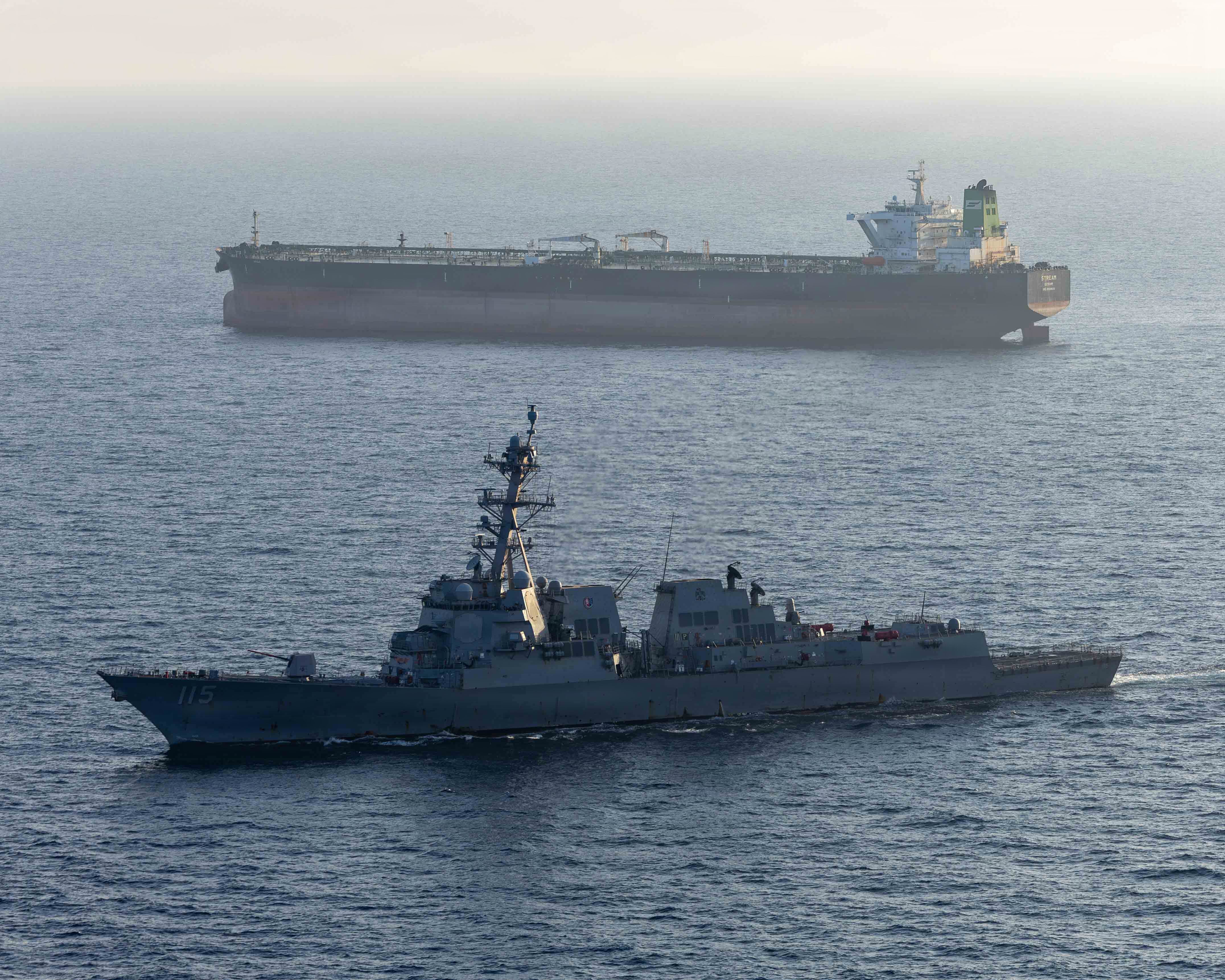
Trump also disclosed that the U.S. had conducted a "secret mission" over the past month to move oil tankers through the Strait of Hormuz. He said the effort resulted in more than 100 million barrels of oil reaching the open market and more than 200 commercial ships safely transiting the waterway. He claimed the U.S. had taken out 22 Iranian ships "late at night" with no lights because Iranian radar had been destroyed.
Civilian casualties mount amid blockade and strikes
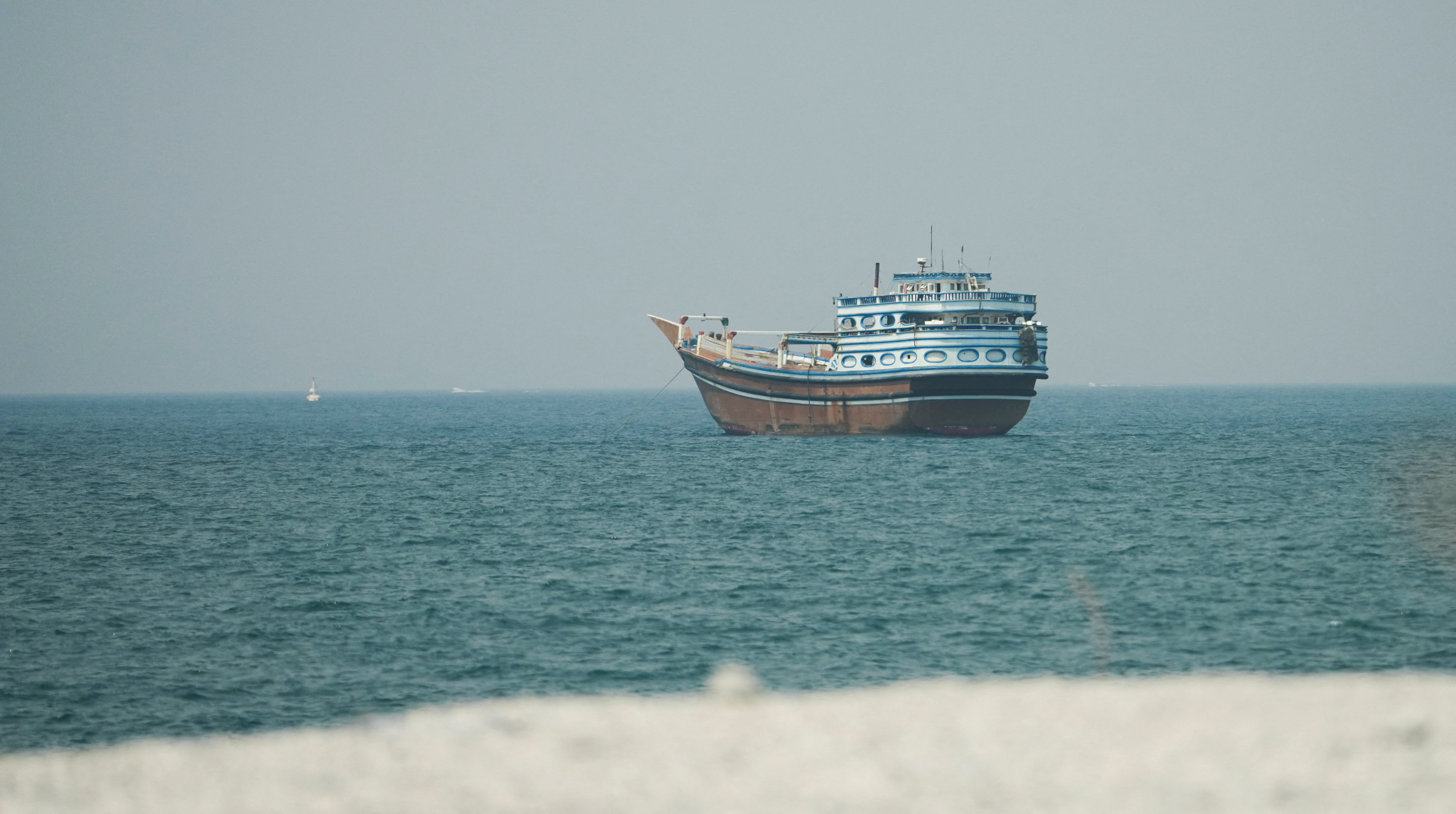
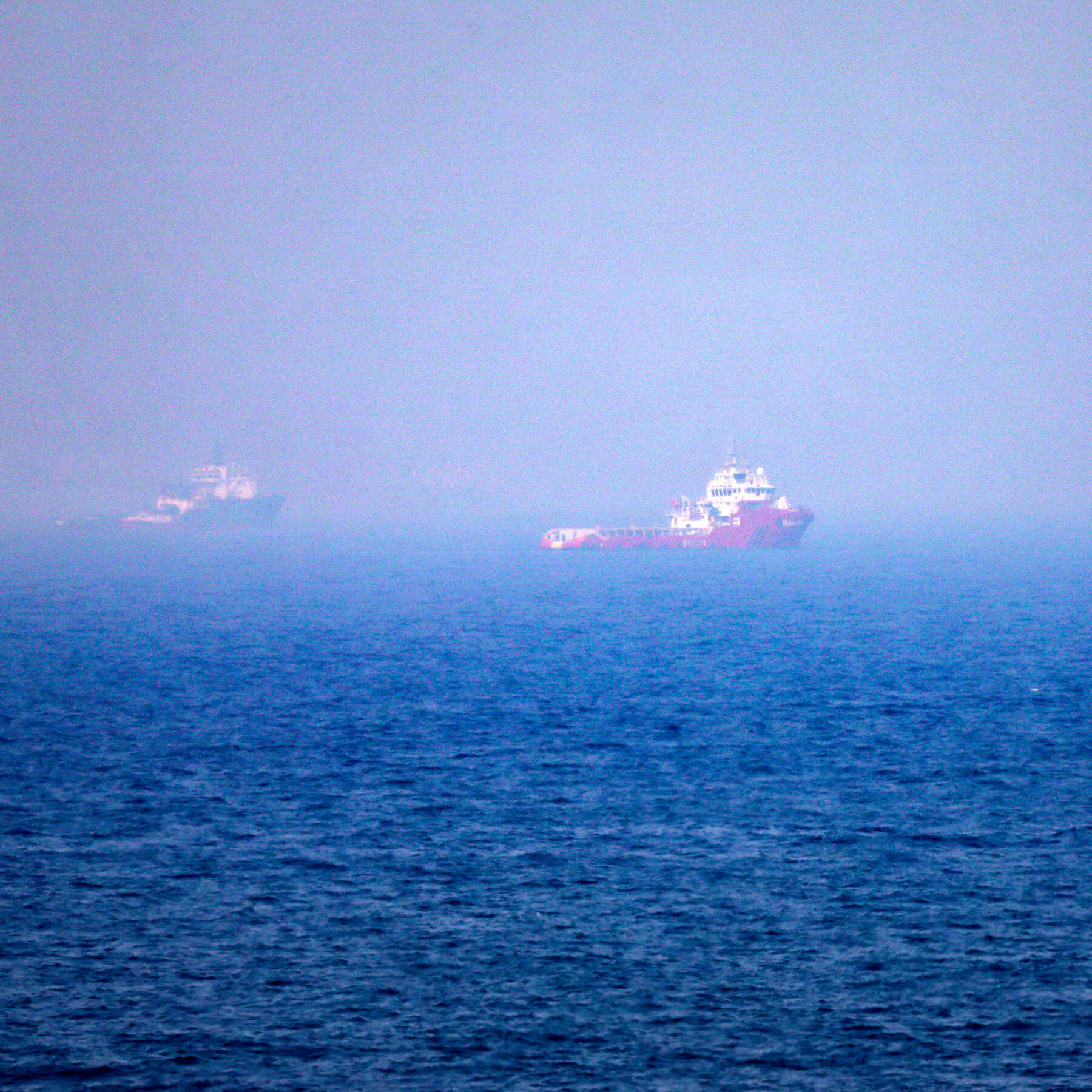
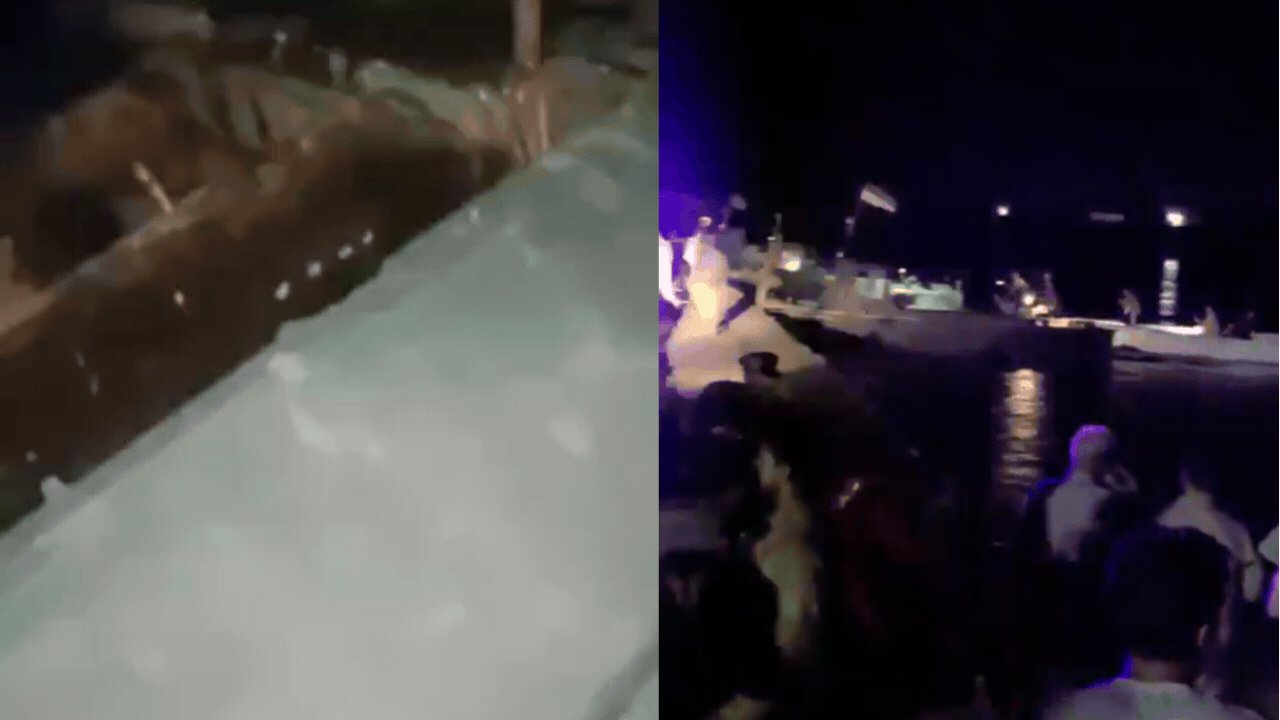
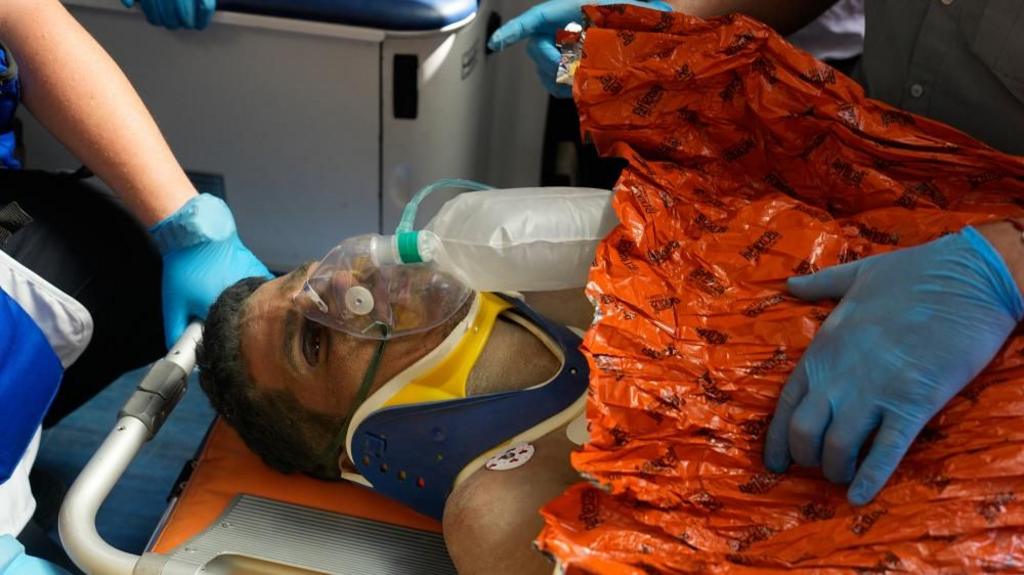
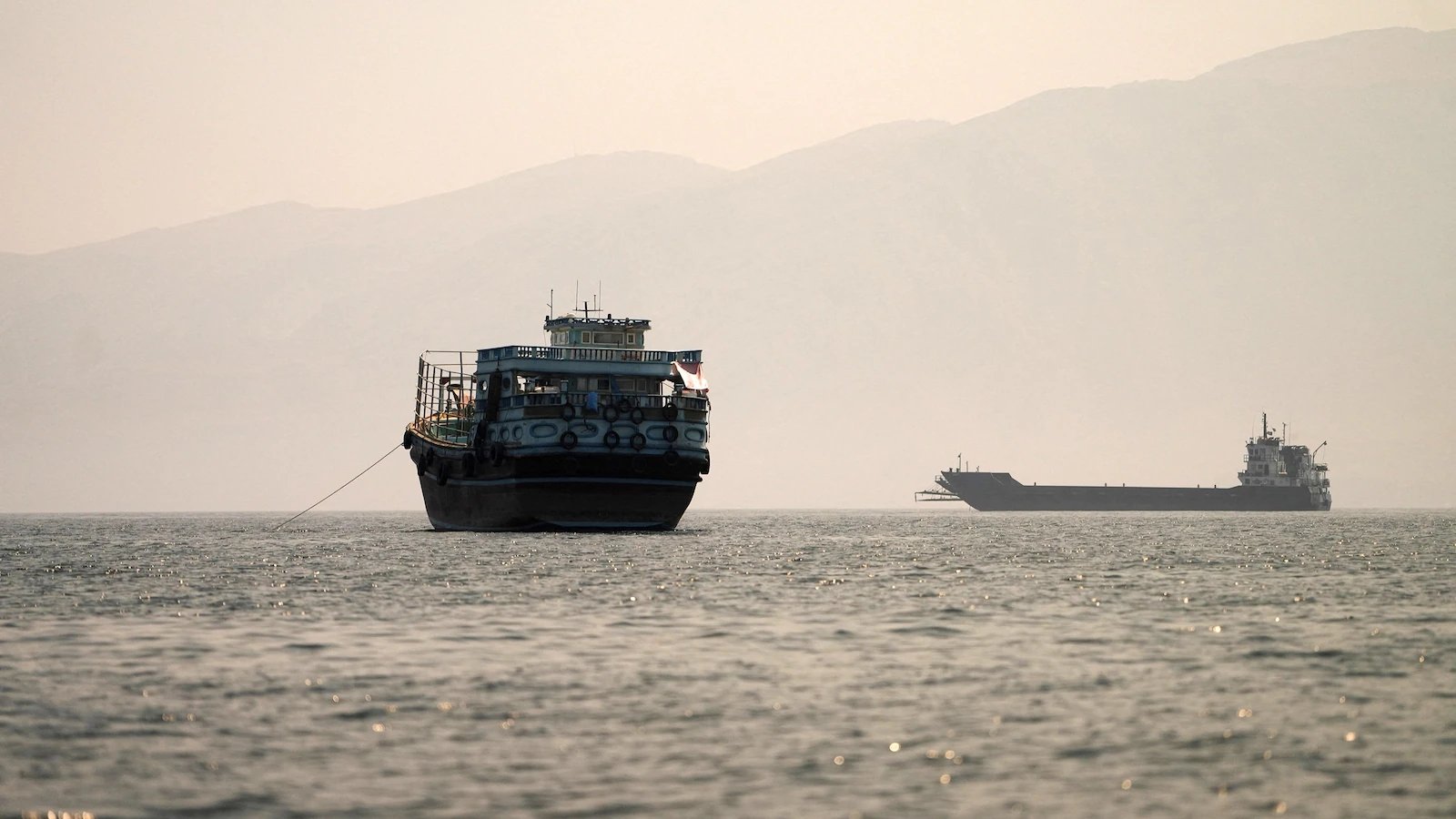
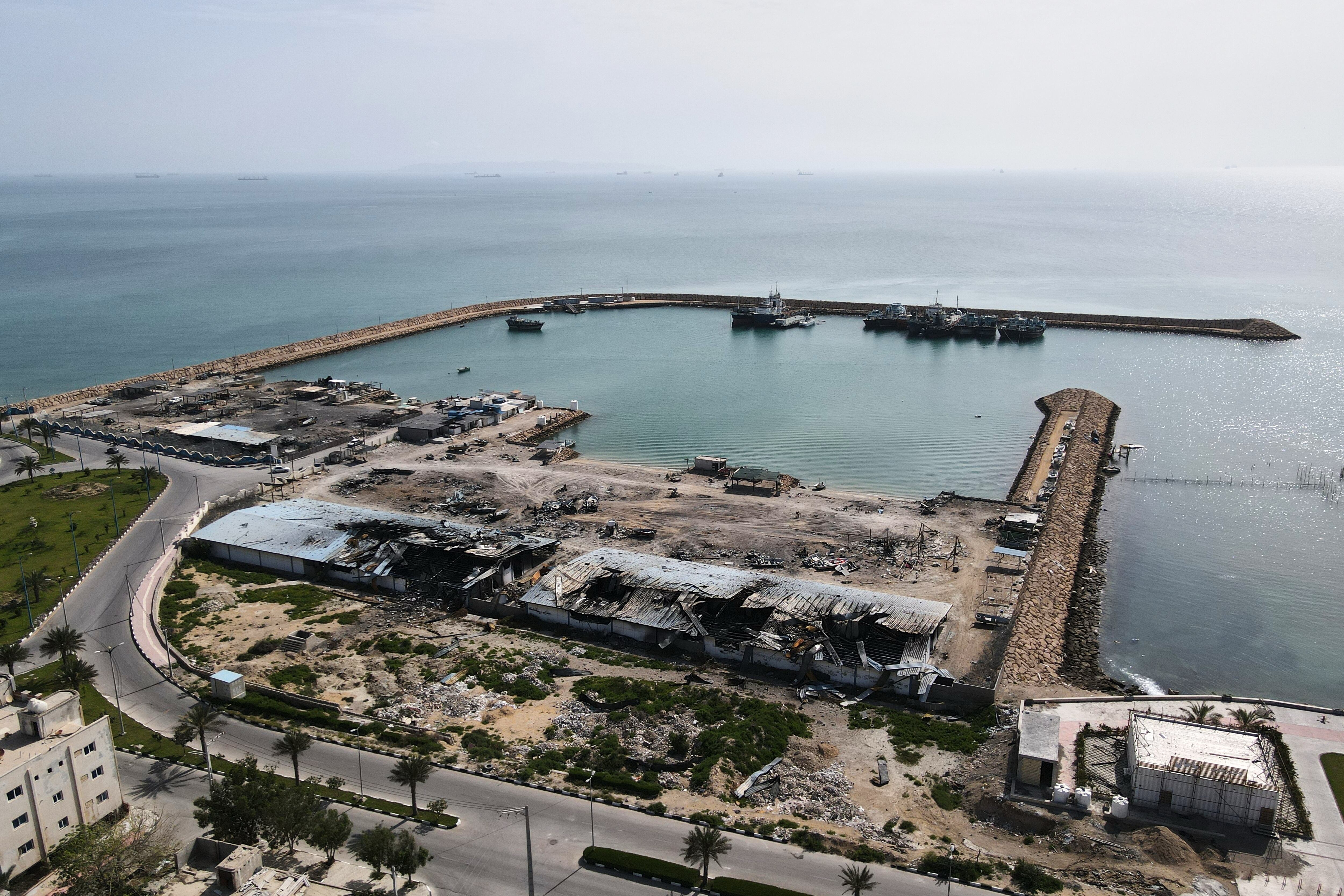
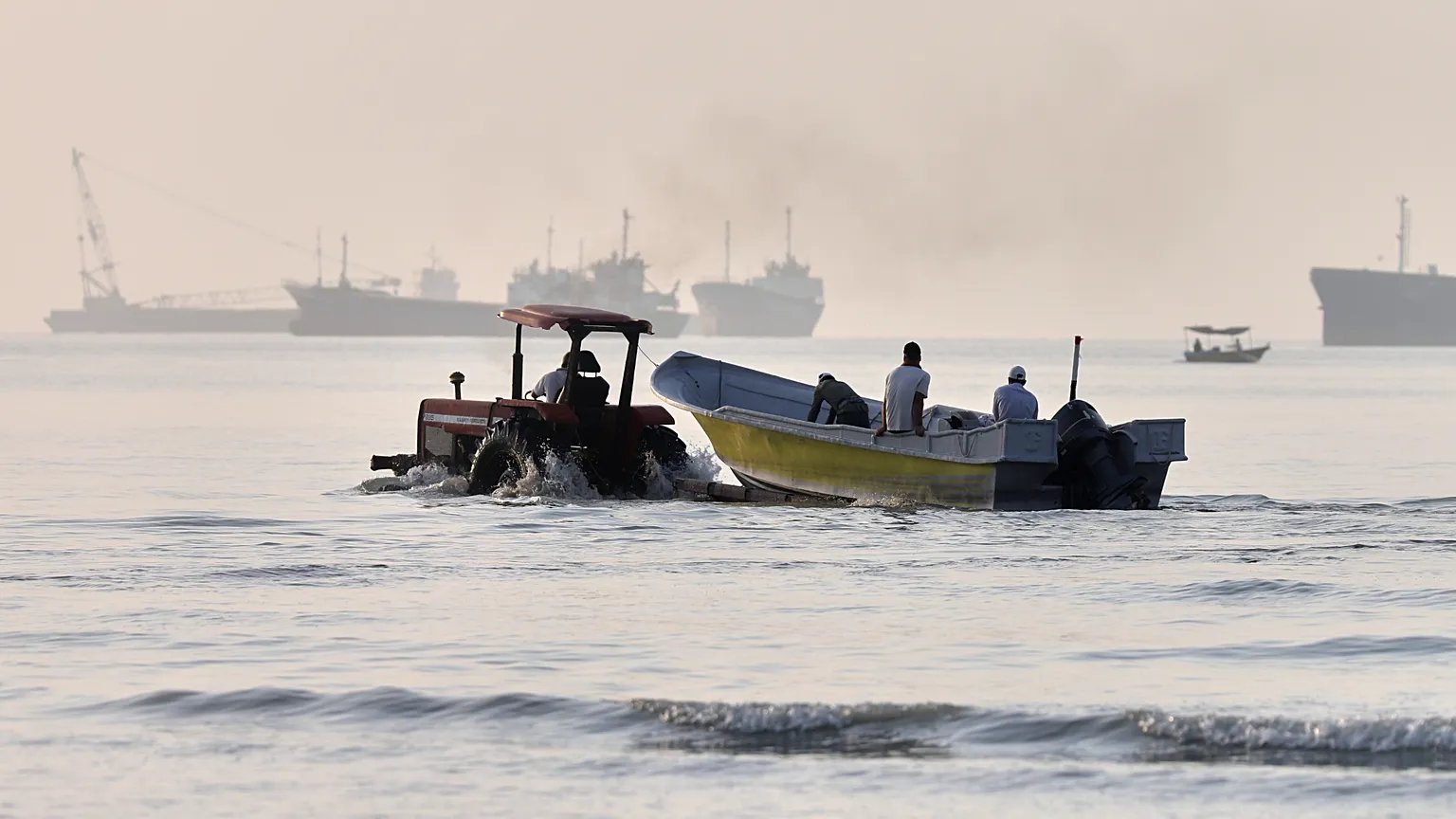
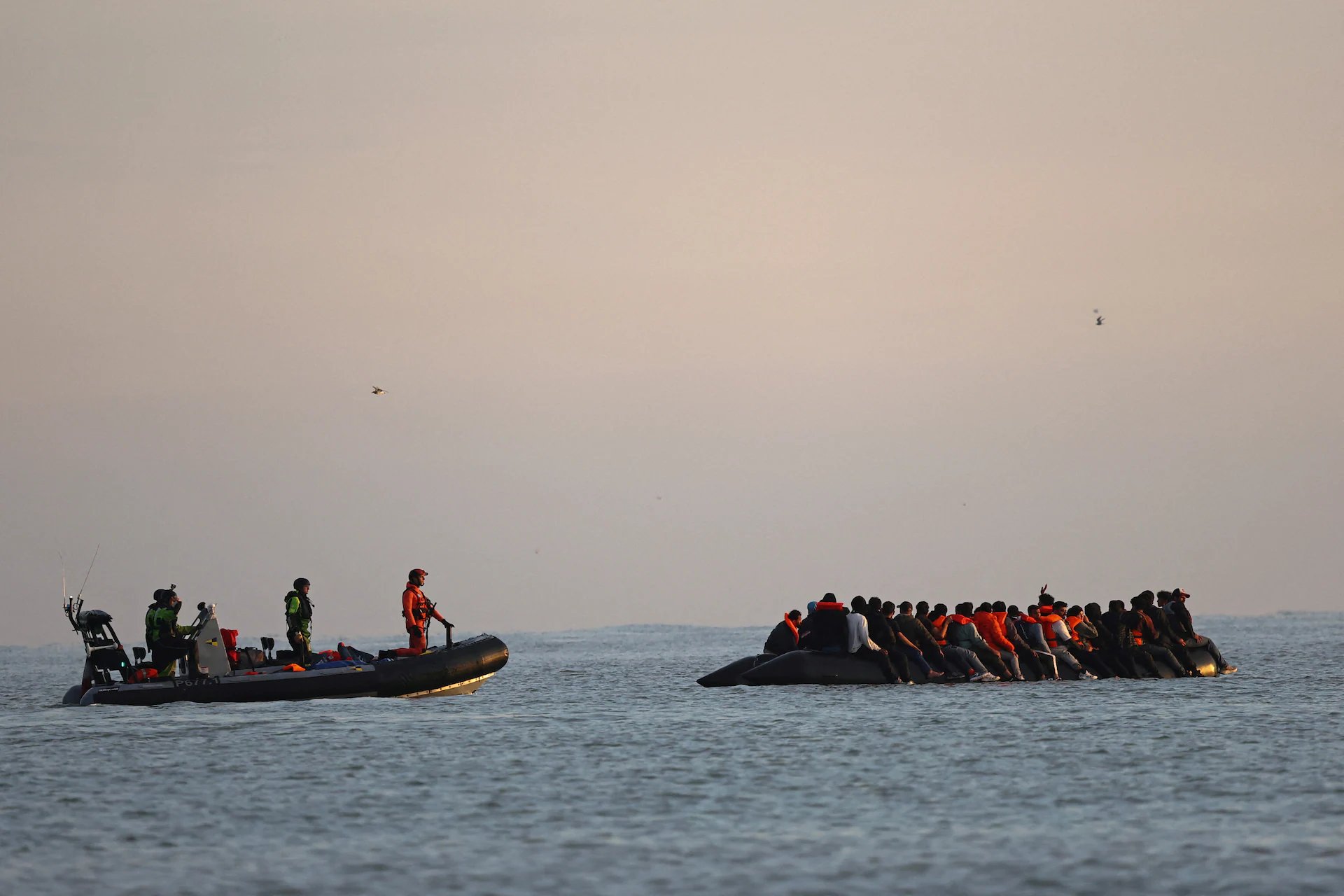
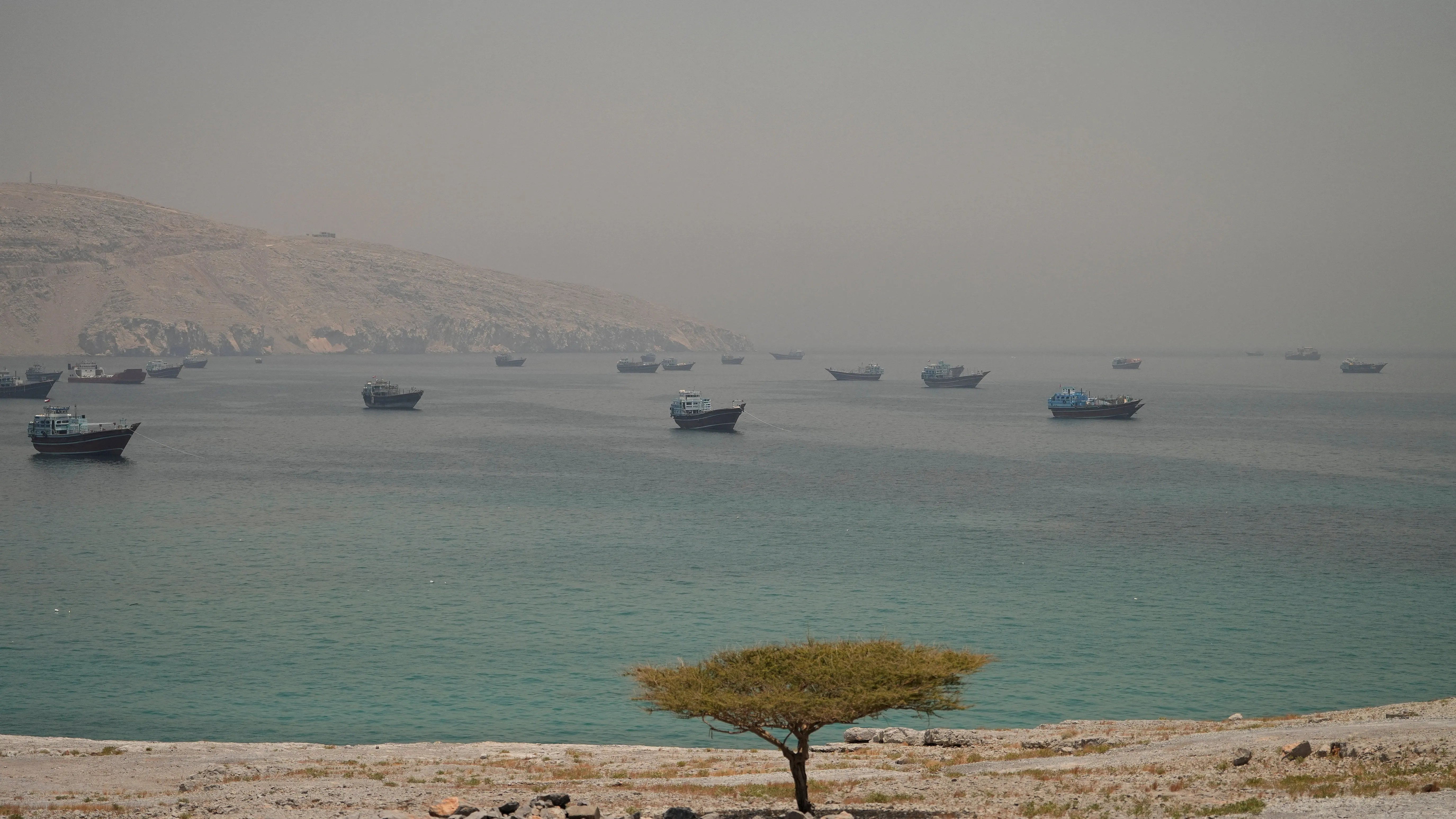
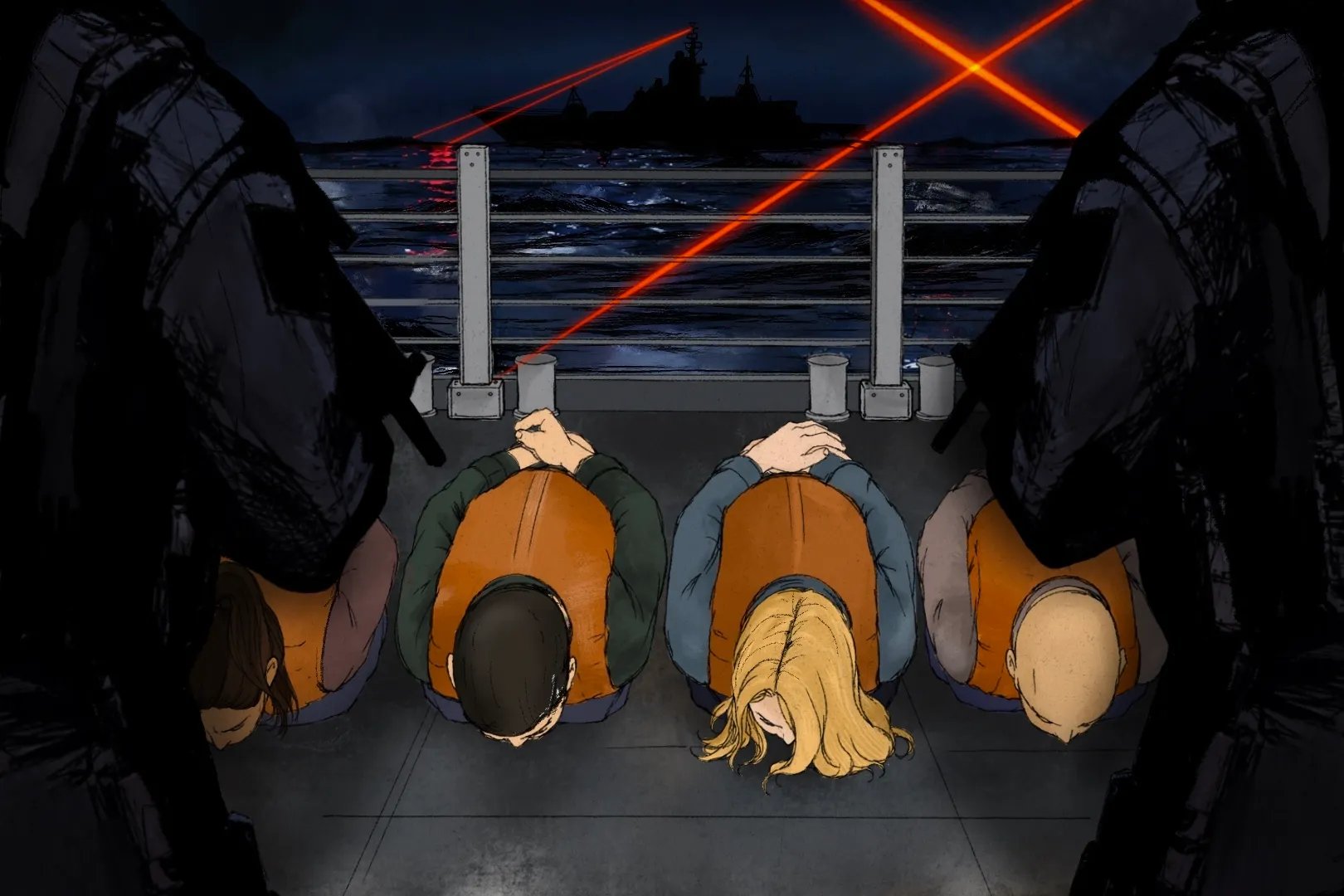
An Iranian cargo dhow carrying essential goods was struck by U.S. forces early Thursday off the port of Khasab in the Gulf of Oman. The 150-ton wooden vessel's five crew members were rescued by nearby vessels and transferred to Oman.
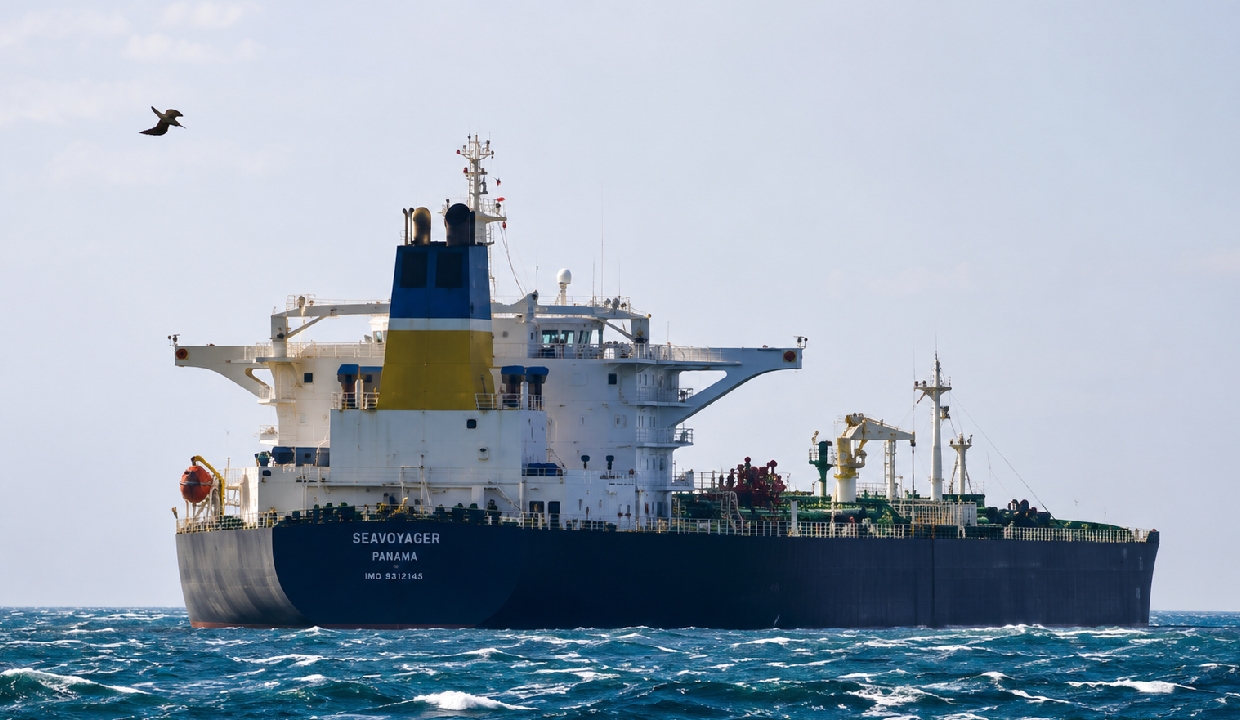
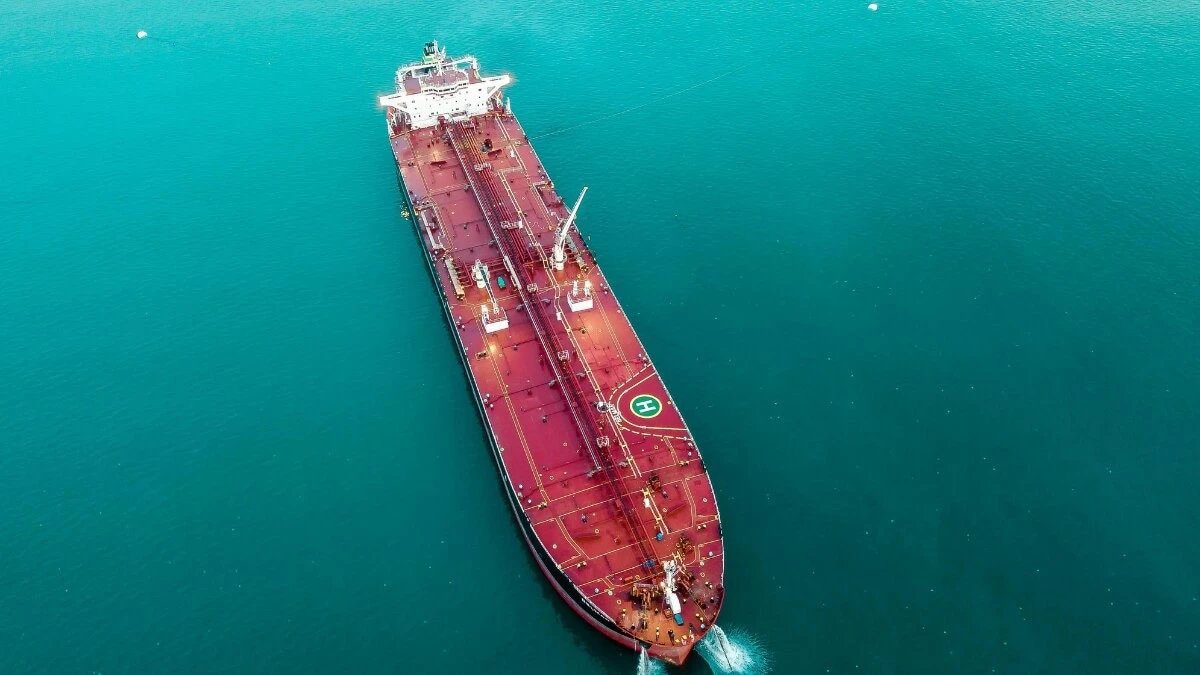
A more serious incident occurred when the Palau-flagged tanker Settebello was attacked Wednesday after allegedly violating the U.S. blockade on Iranian ports. India's Minister of Ports, Shipping & Waterways Sarbananda Sonowal announced that three Indian mariners were killed in the attack. Twenty-one crew members were rescued, but the third body's location remained unclear. U.S. Central Command said it fired into the ship's engine room to stop it from transporting oil from Iran.
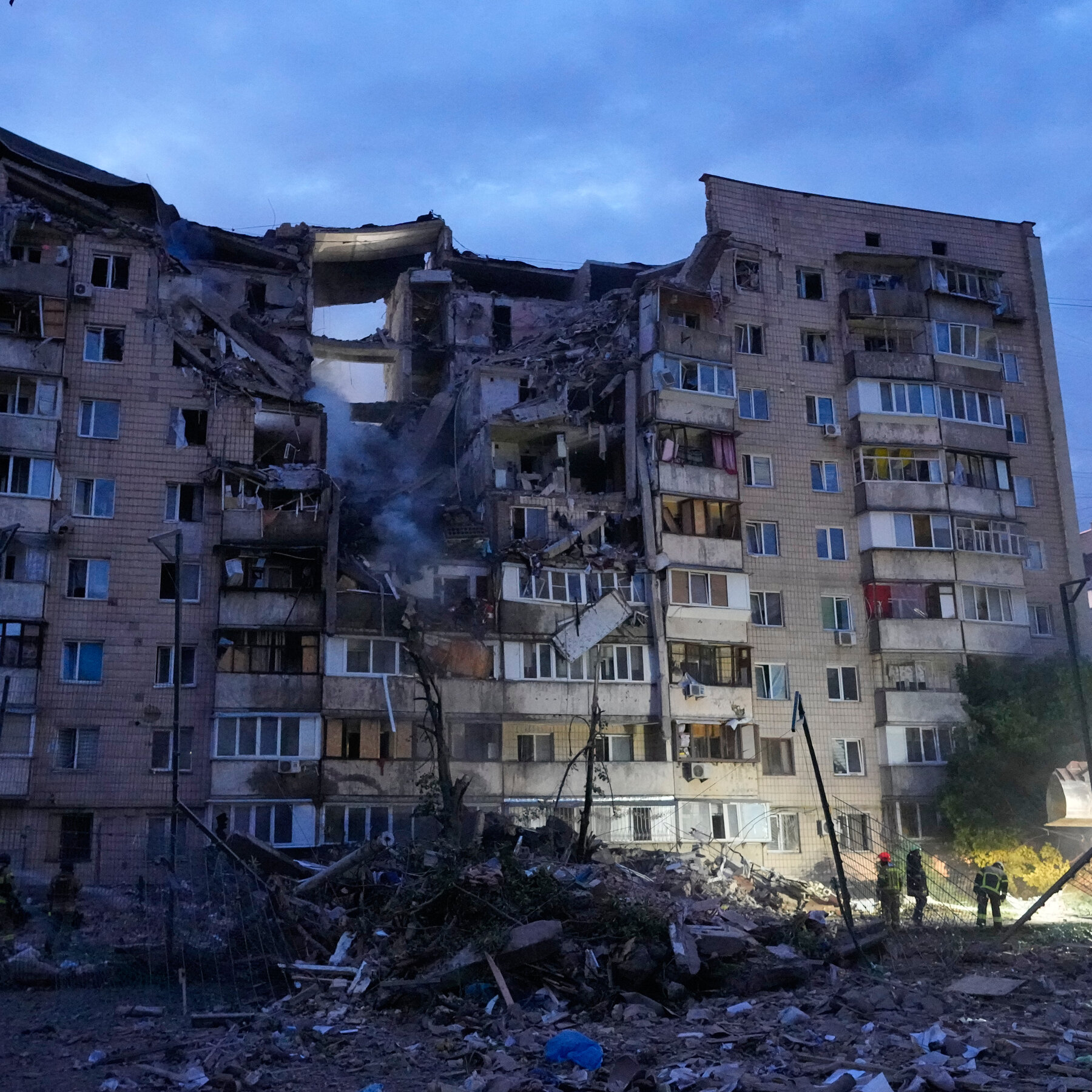
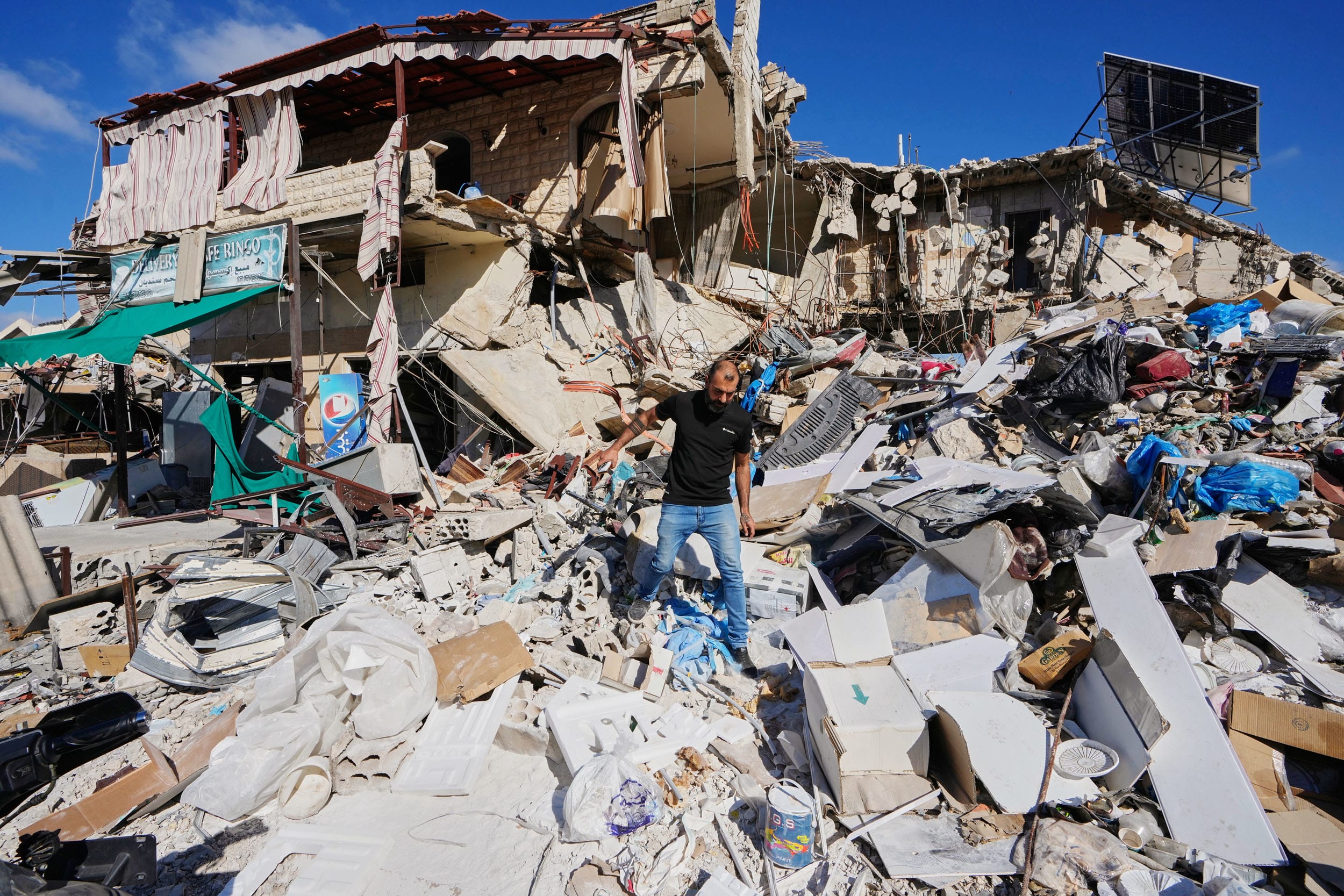
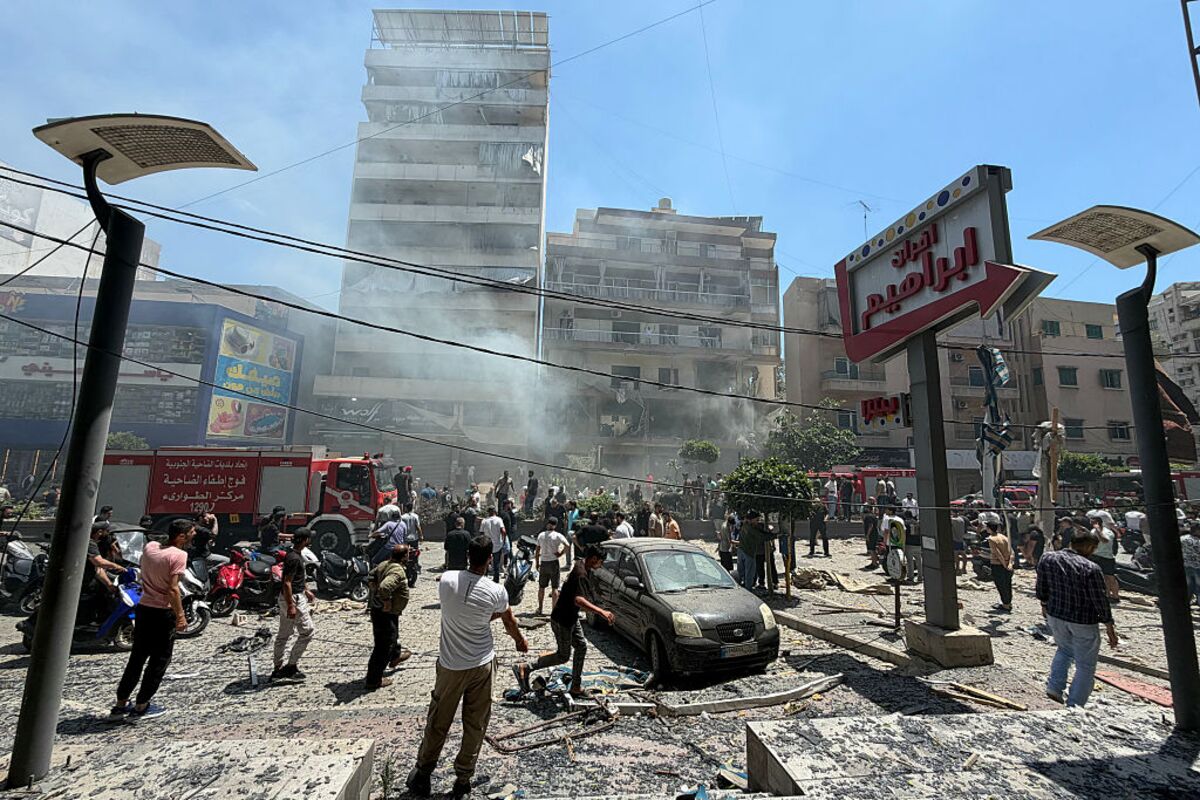
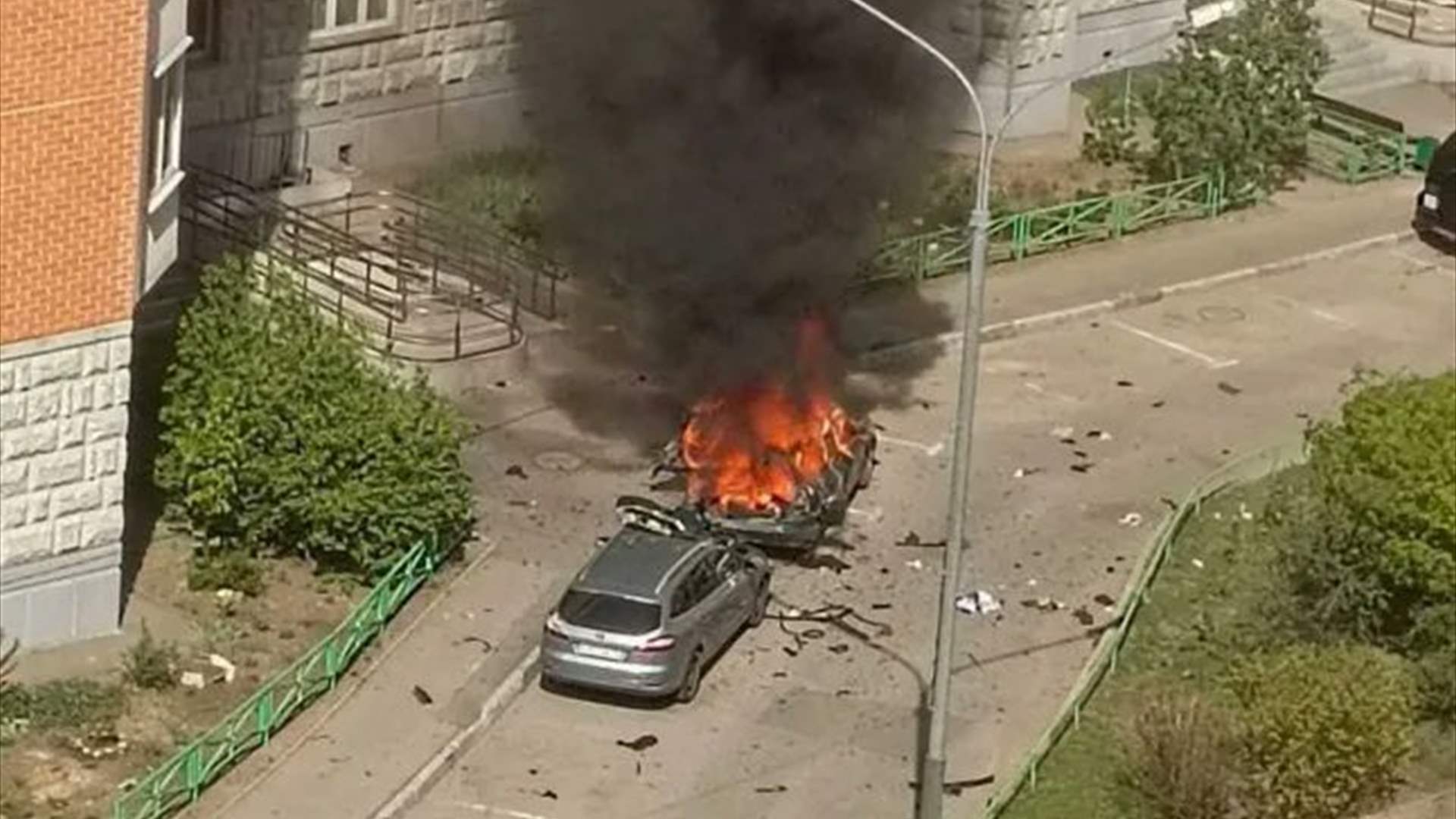
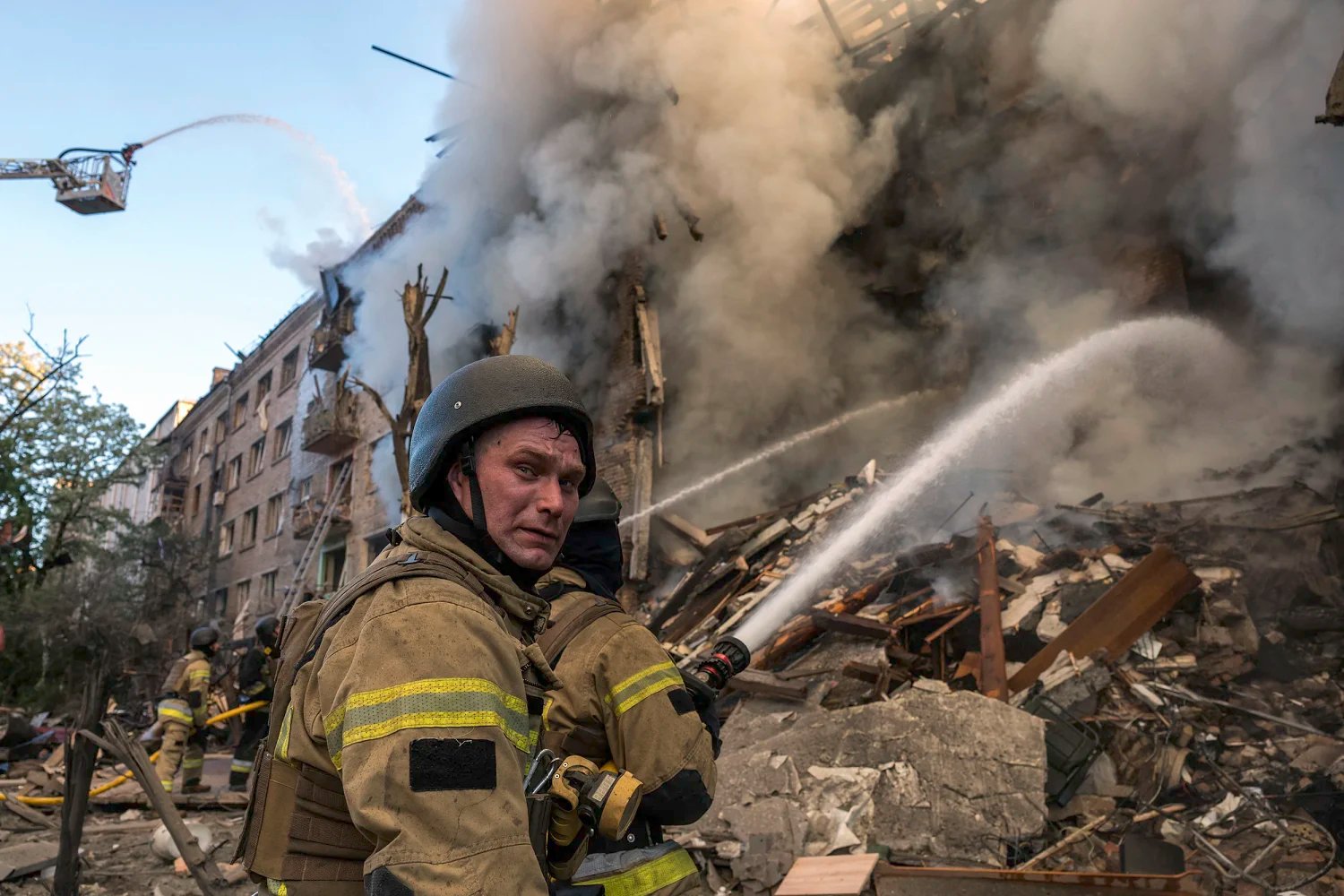
An 11-year-old girl sustained minor injuries in Bahrain when an Iranian drone was intercepted over the country Thursday. Falling debris from the drone damaged houses and set fire to cars in Hamad Town and Manama.
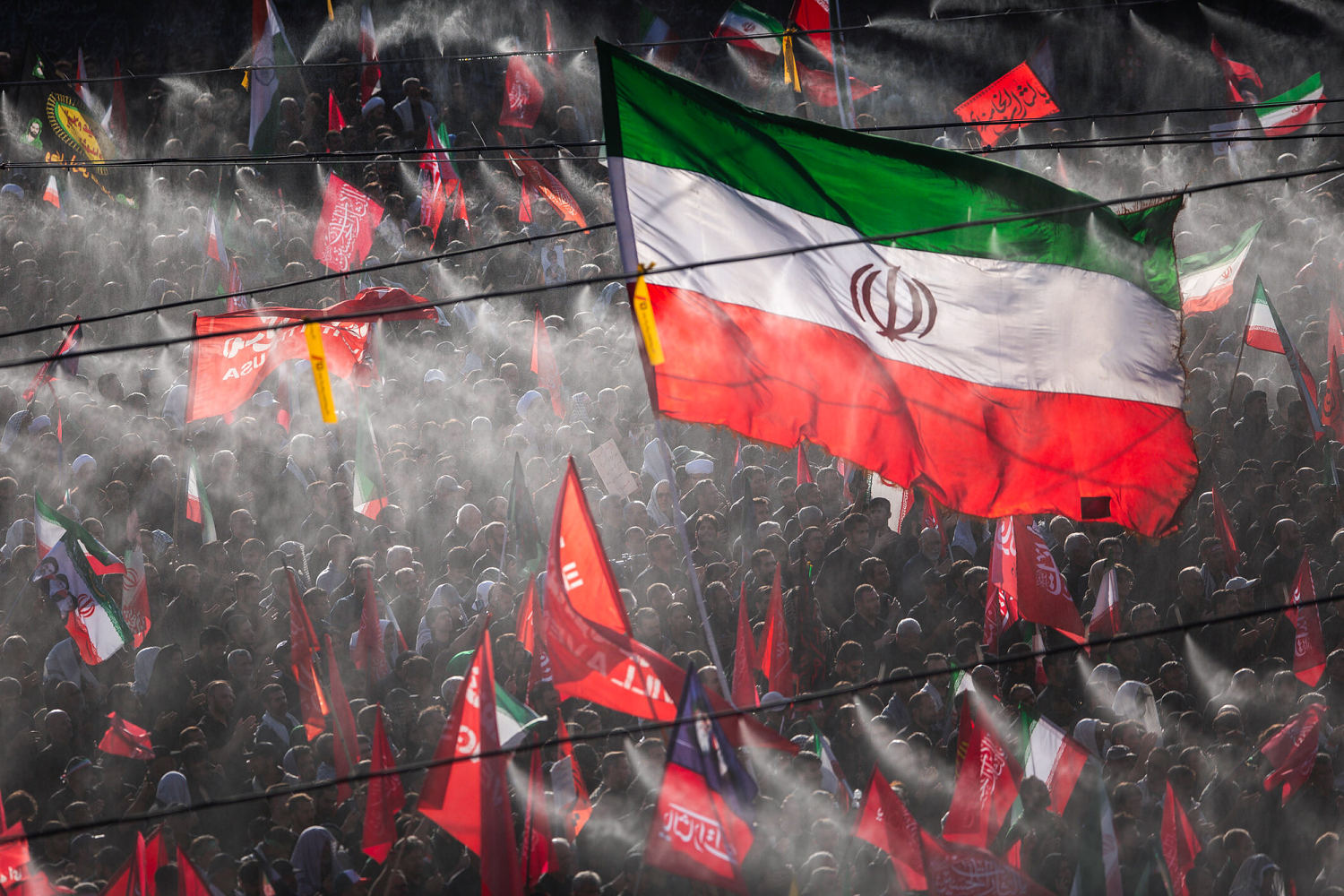
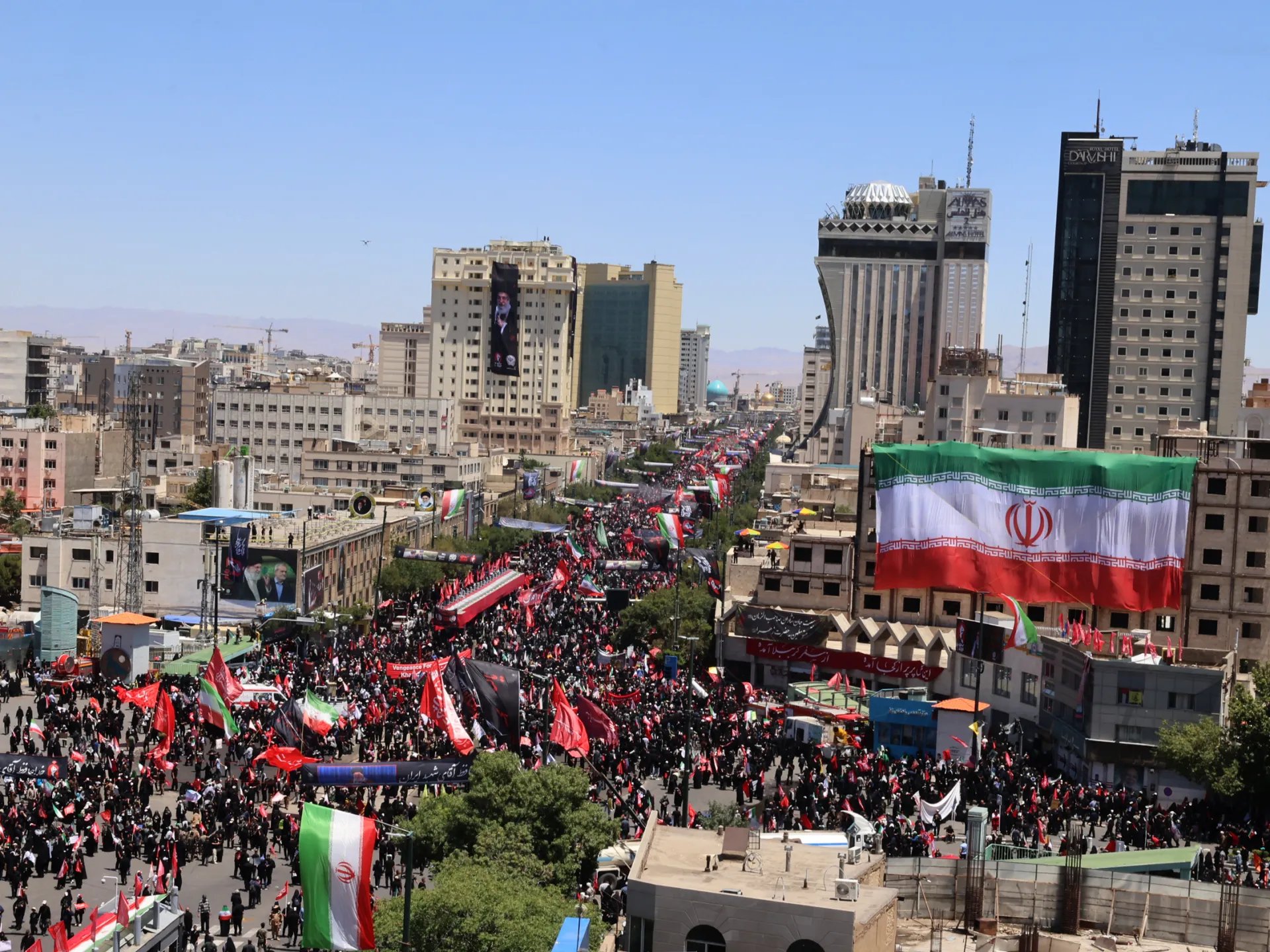
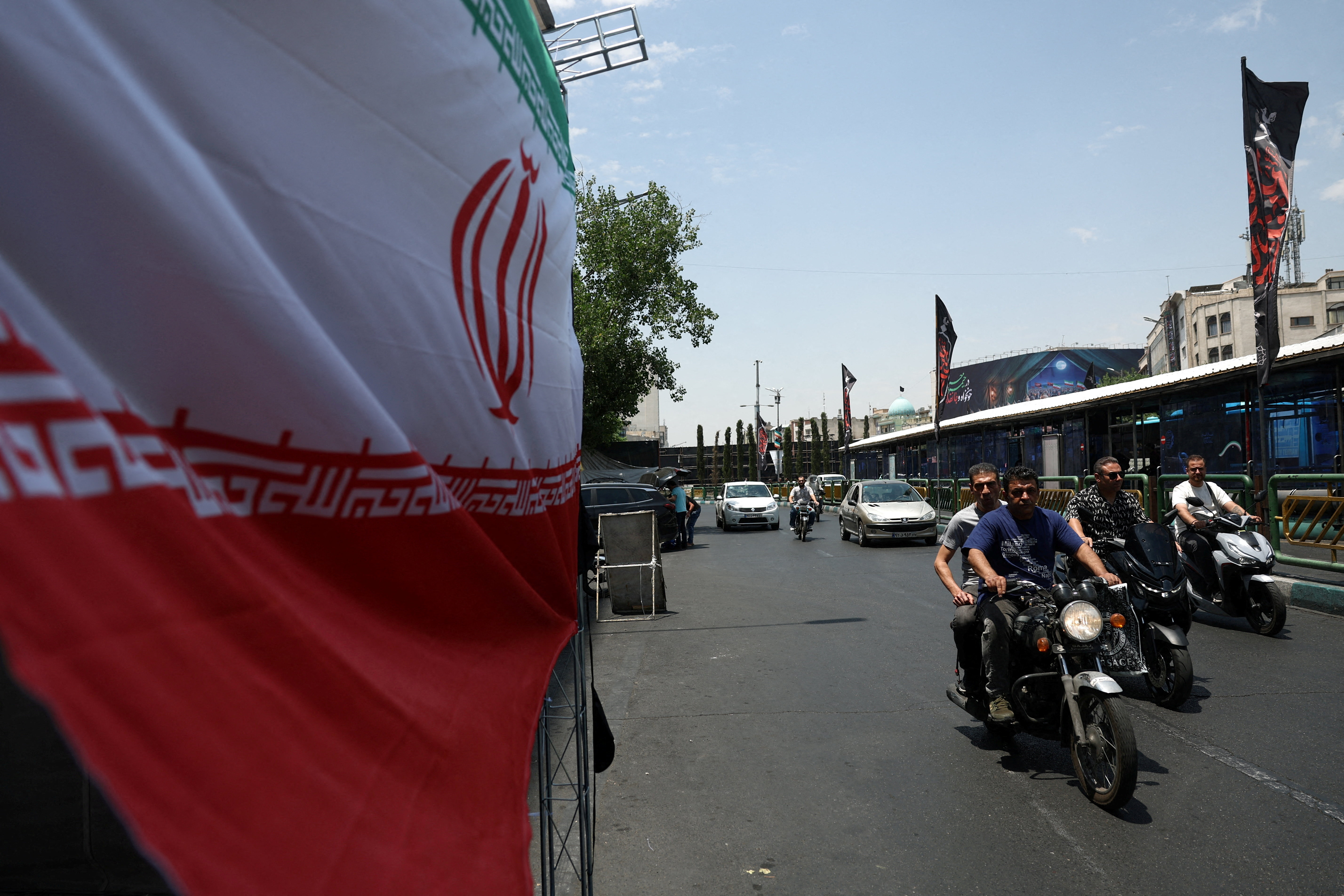
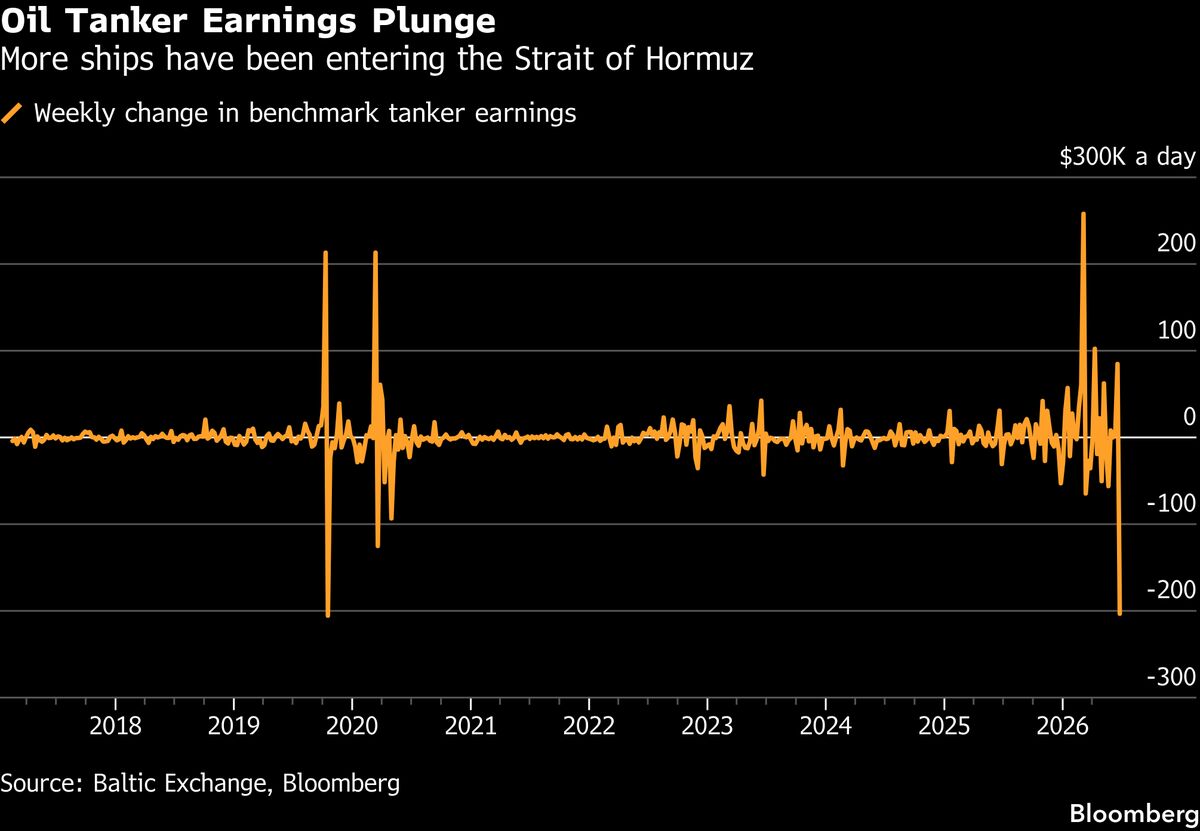
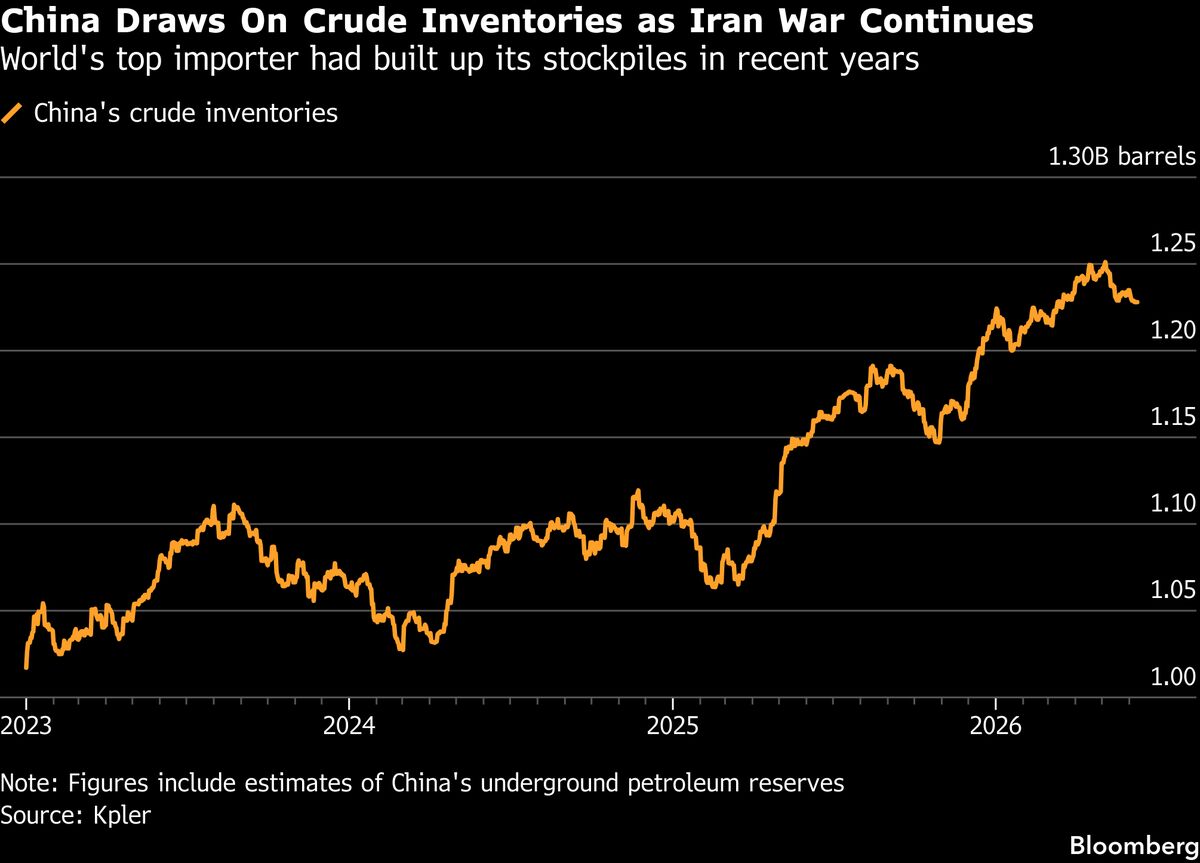
Iran claimed the strikes make the ceasefire "practically meaningless" and said the Strait of Hormuz is now closed to all traffic, including oil tankers and commercial ships. U.S. Central Command denied the claim, stating that commercial ships continue to transit the waterway. However, traffic through the strait has slowed significantly since the war began, disrupting global oil supplies.
Diplomatic efforts continue despite escalation
Qatari mediators arrived in Tehran on Wednesday to attempt to finalize an agreement between the U.S. and Iran. The Iranian Foreign Ministry spokesman Esmail Baqaei accused the U.S. of violating the ceasefire and sending contradictory messages, saying Iranian officials would review their negotiating position in light of the latest strikes.
Pakistan's foreign ministry said the country remained engaged in mediation efforts despite the surge in conflict. "It is hard to be an optimist in the new exchange of hostilities. We haven't lost hope, we remain engaged," foreign ministry spokesman Tahir Andrabi told journalists. "Let's not draw curtains on Pakistan's mediation approach."
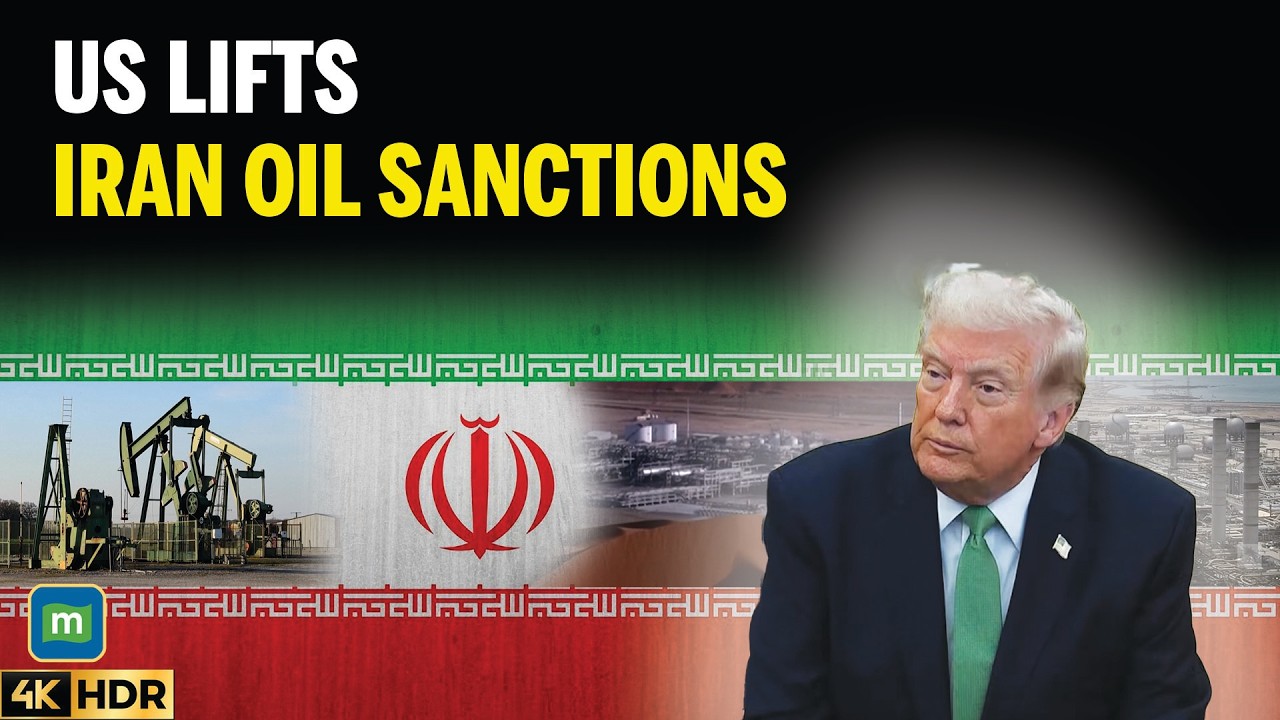
Iran seeks the lifting of international sanctions, the unfreezing of billions of dollars in assets and control over the Strait of Hormuz. Trump has insisted any deal must prevent Iran from developing a nuclear weapon, which Tehran denies it is seeking.
War strains Trump's relationship with Netanyahu
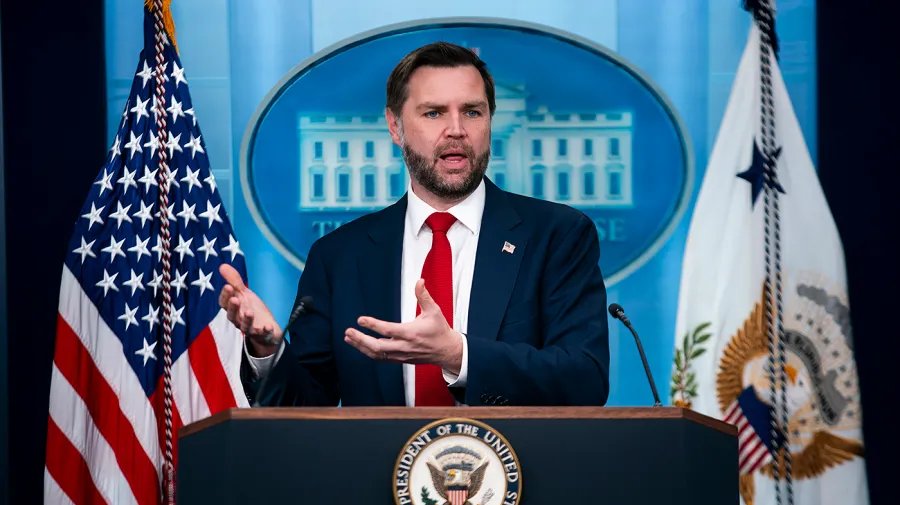
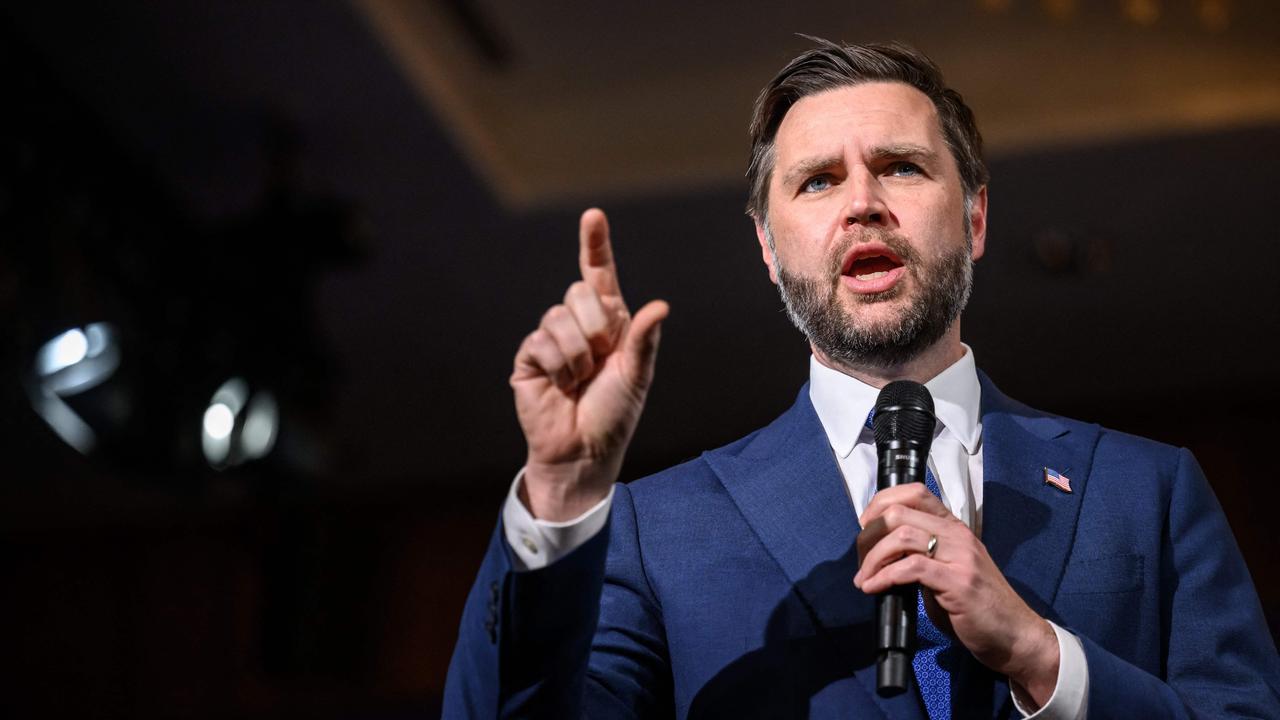
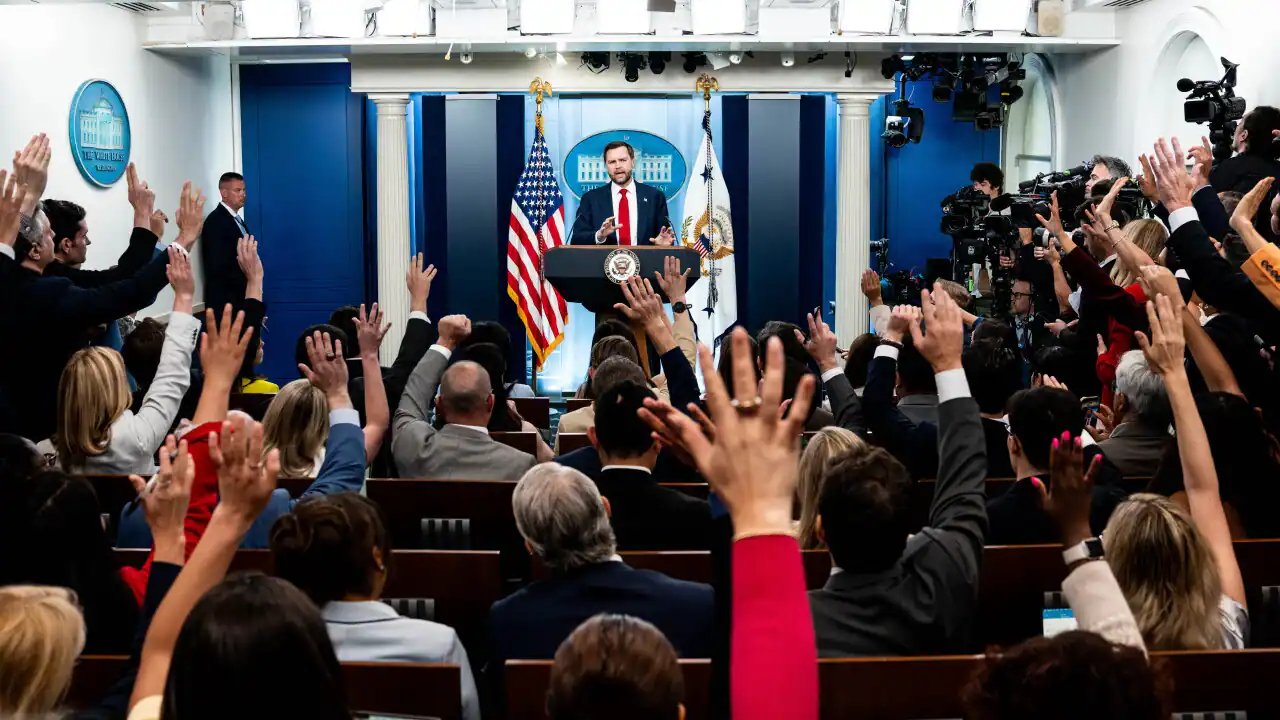
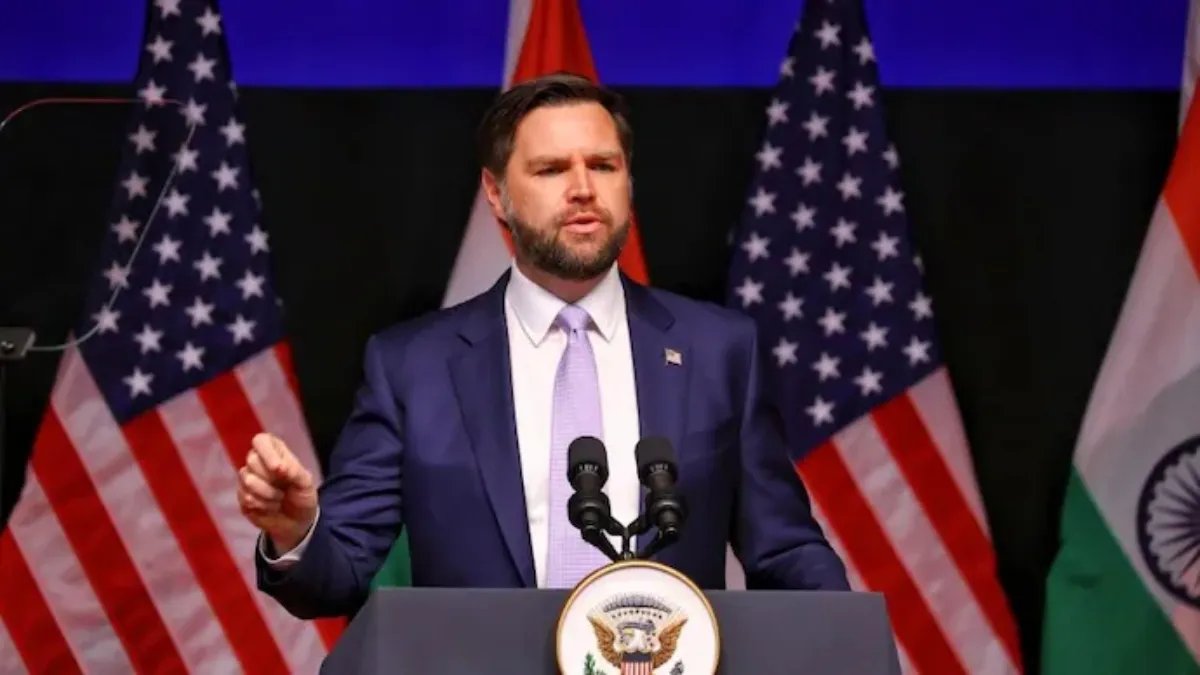
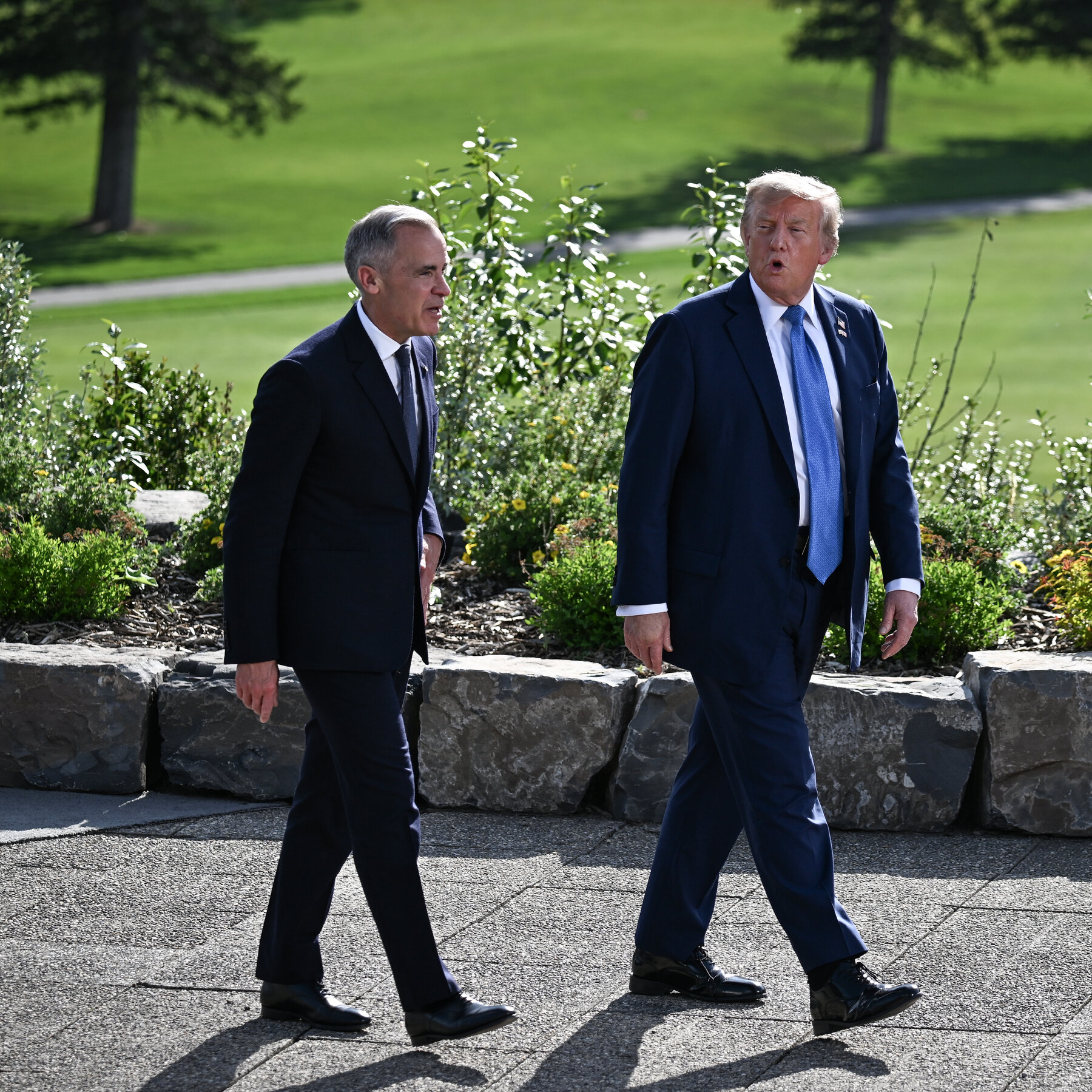
Vice President JD Vance said the interests of the U.S. and Israel are not always aligned as Trump's relationship with Prime Minister Benjamin Netanyahu has been tested over the Iran war. "Even when we've been close partners, sometimes we have interests that are perfectly aligned and sometimes we have interests that are misaligned," Vance told CBS News. Asked whether Netanyahu made mistakes in his approach to the U.S. on Iran, Vance said "he's certainly gotten some things wrong."
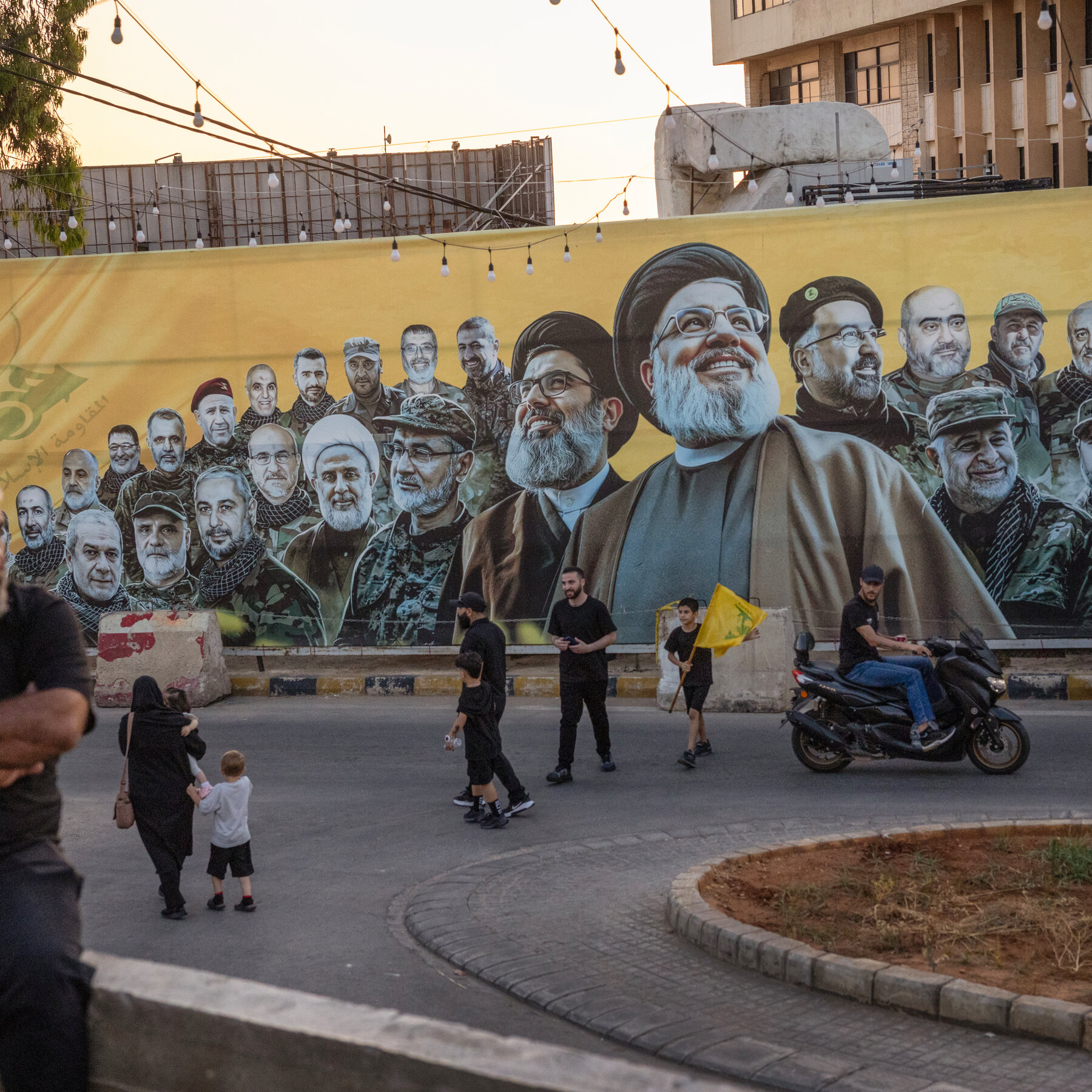
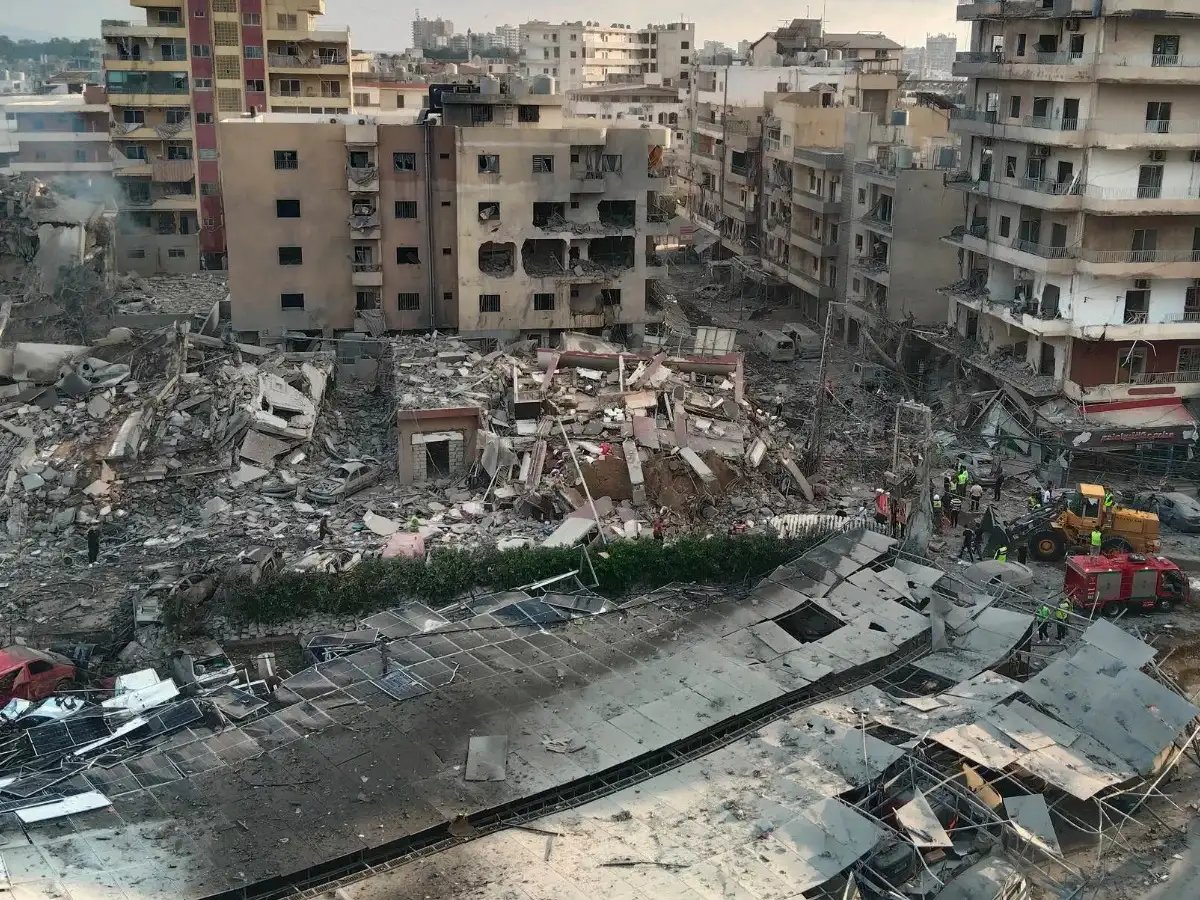
Netanyahu released a video Wednesday addressing the Lebanese people, saying Israel is not at war with them but with Hezbollah, the Iran-backed militia. He noted that nearly 10,000 Hezbollah members have been "taken out" and said Lebanon's possibilities are "endless" once the group is gone.
Inflation spikes as Trump embraces higher prices
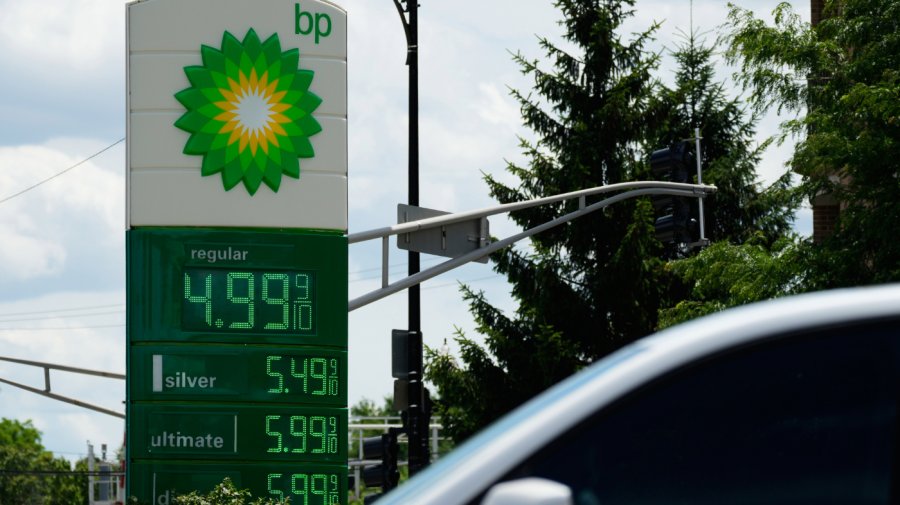
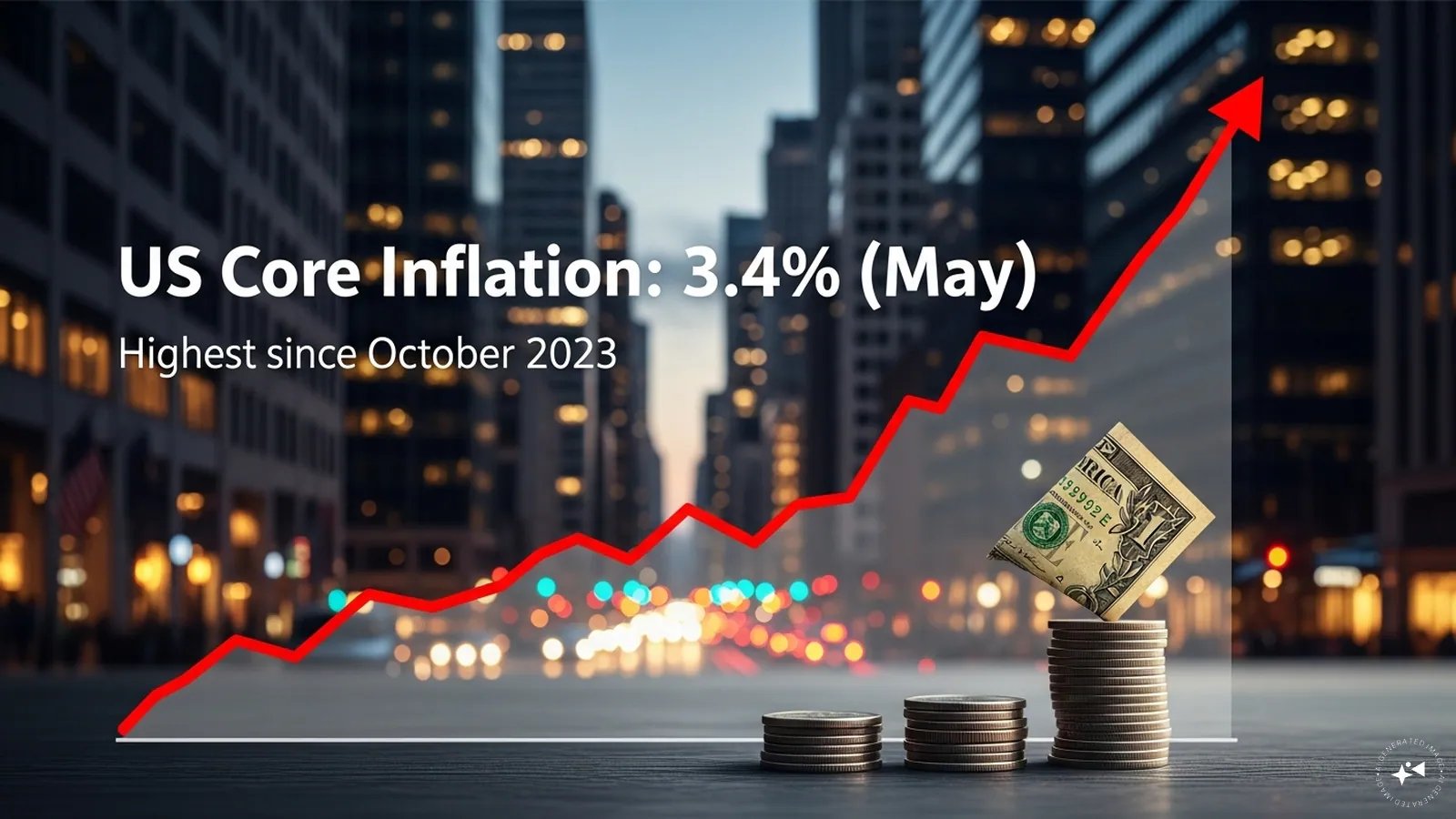
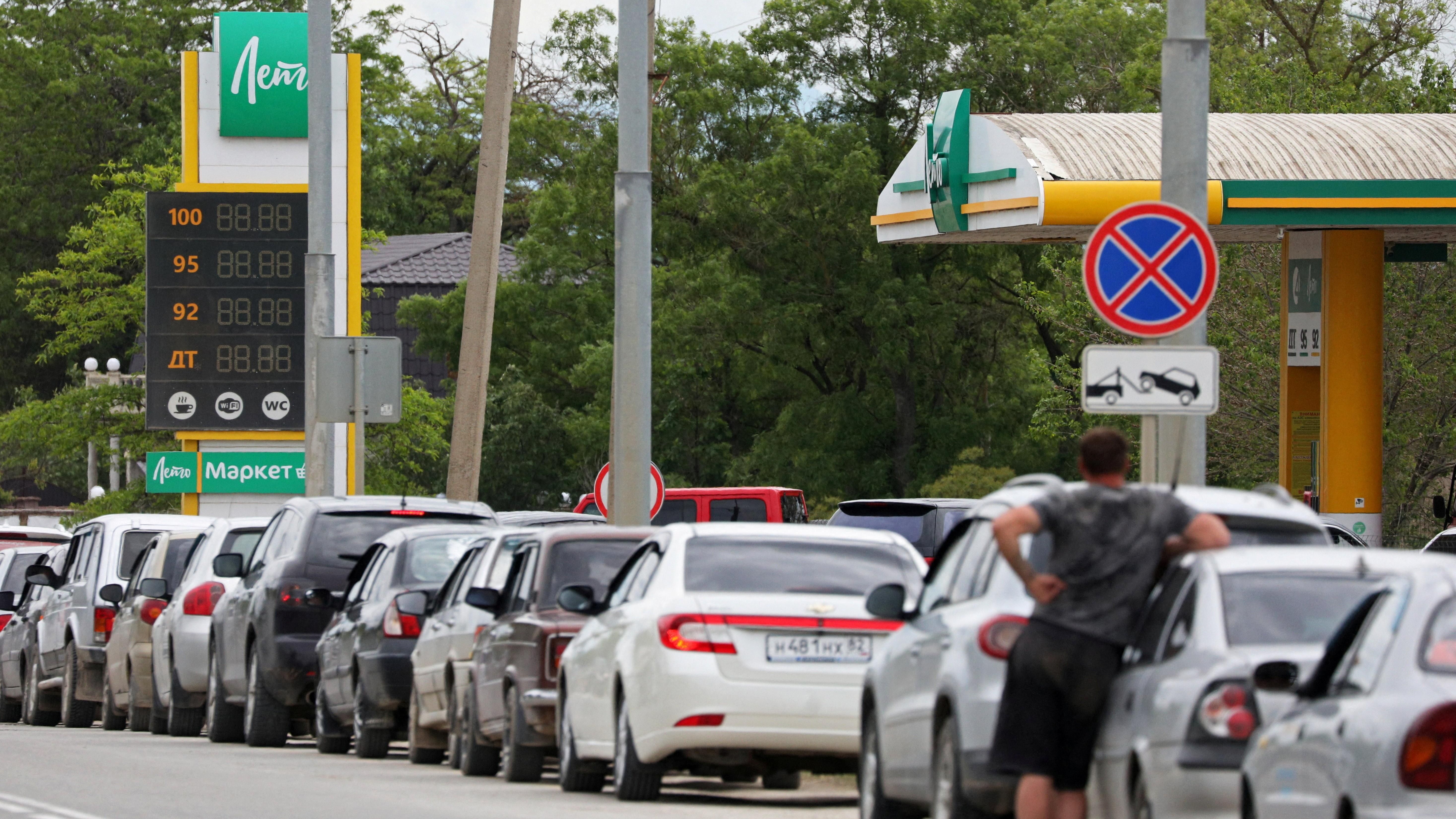
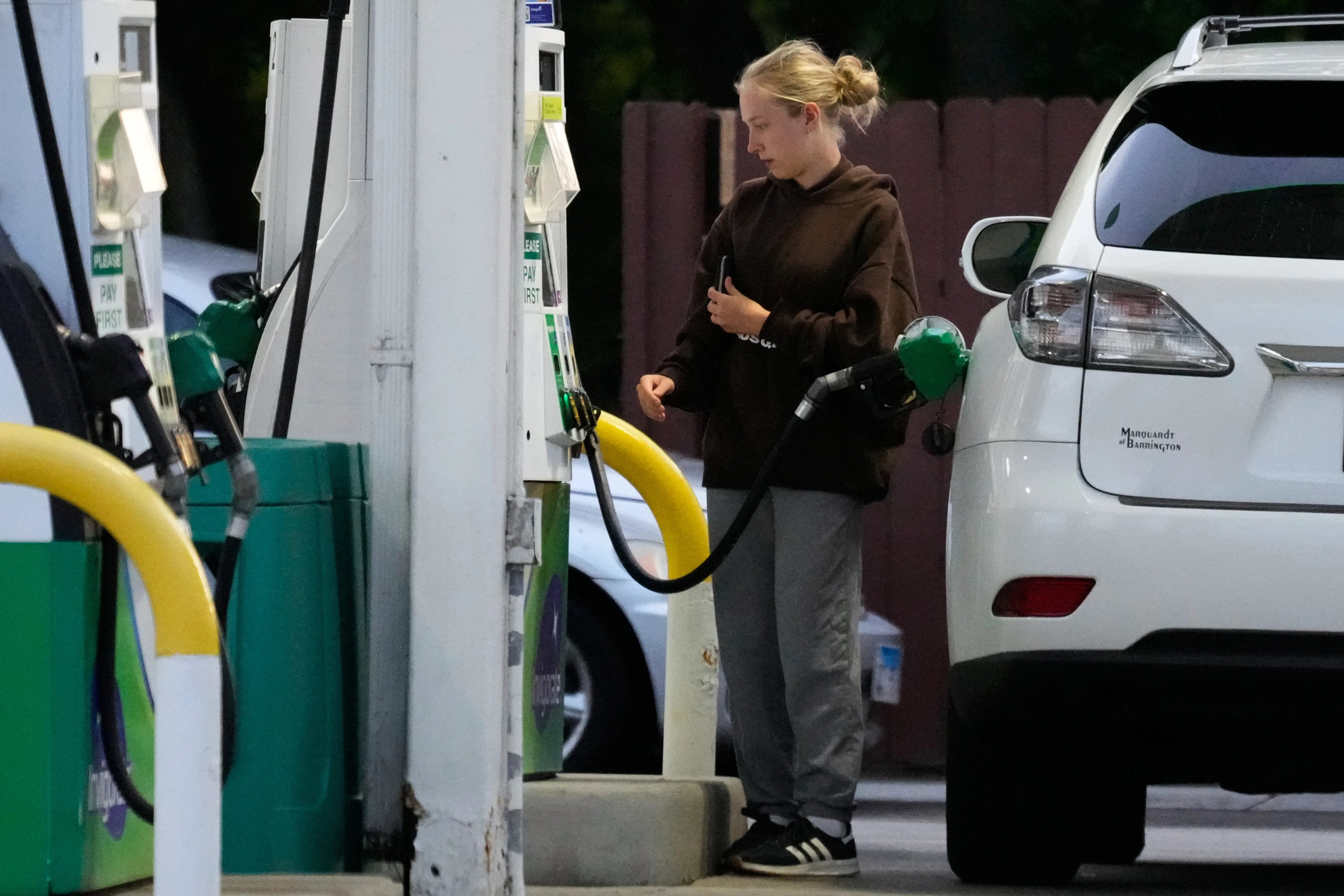
The consumer price index rose 4.2 percent year-on-year in May, the highest level in three years, up from 3.8 percent in April. The increase reflects soaring energy prices caused by the war disrupting global oil supplies.
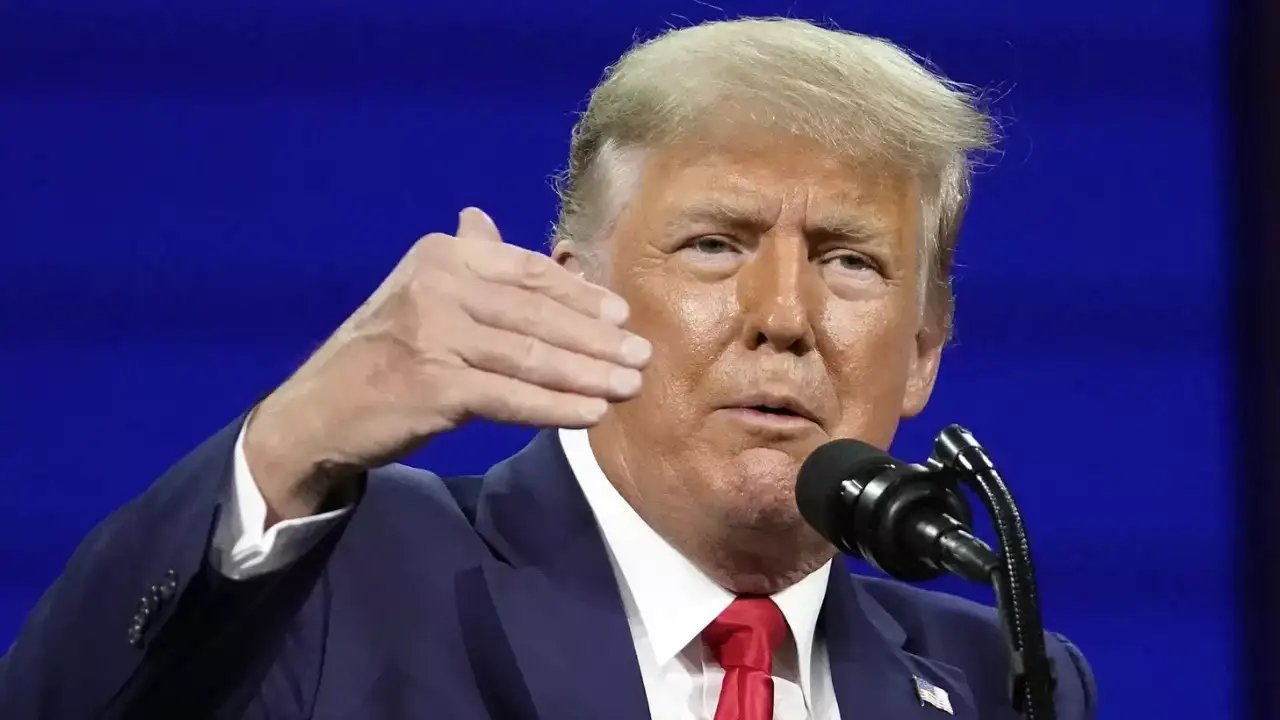
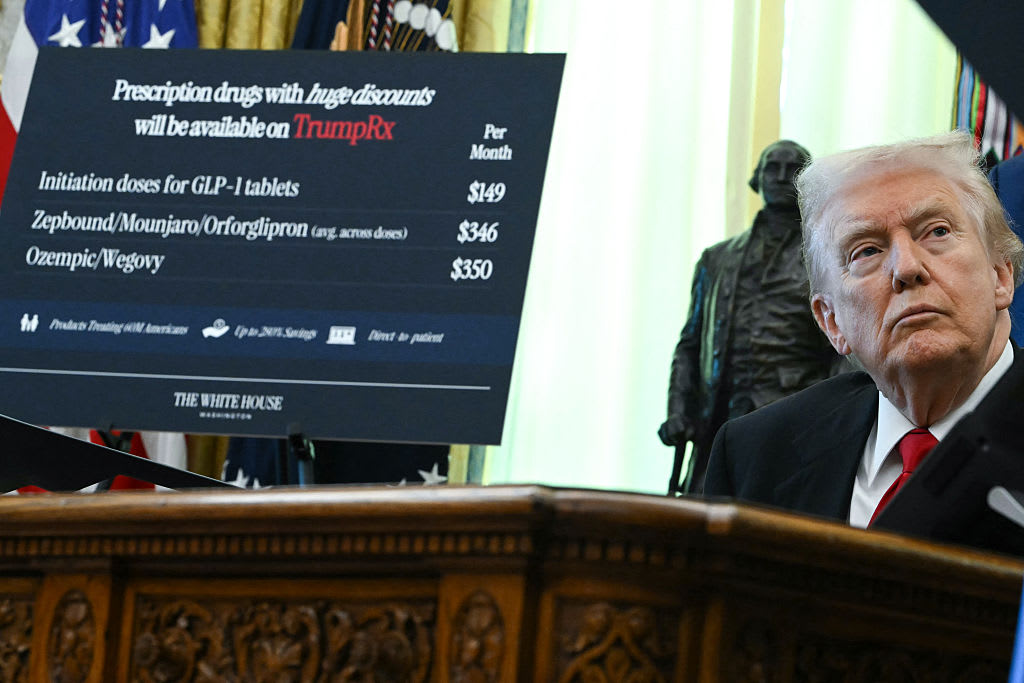
Trump dismissed concerns about the inflation surge, telling reporters Wednesday: "I love the inflation. The numbers were great." He attributed the rise to the military operations the U.S. has been able to accomplish. However, Brent crude, the international standard, was trading at about $94 per barrel at midday Wednesday, not the $85 Trump cited.
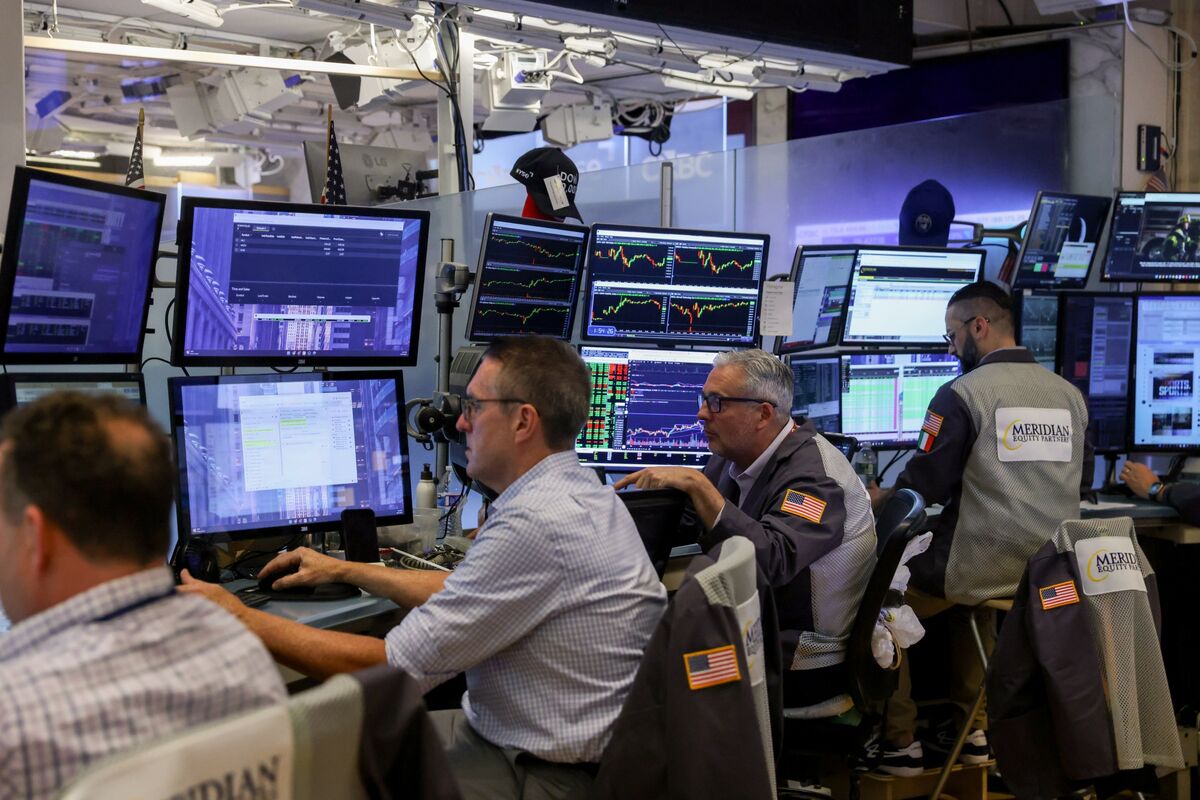
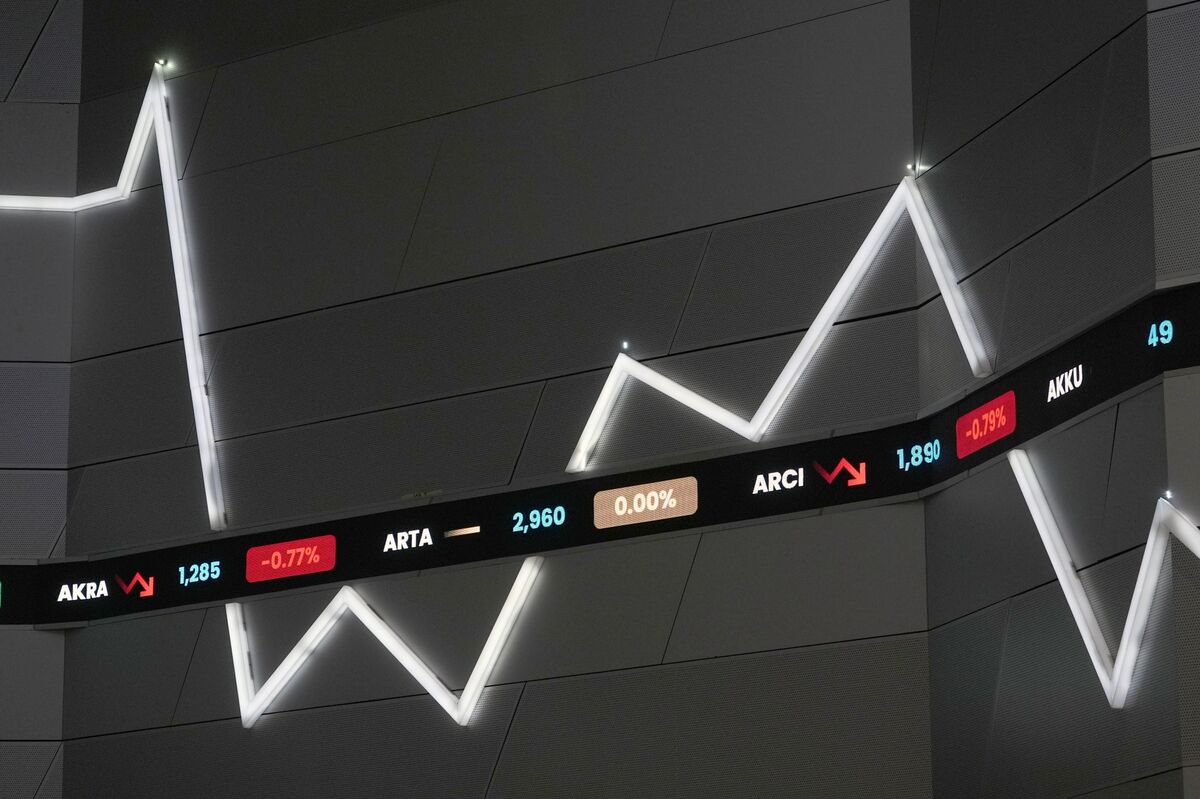
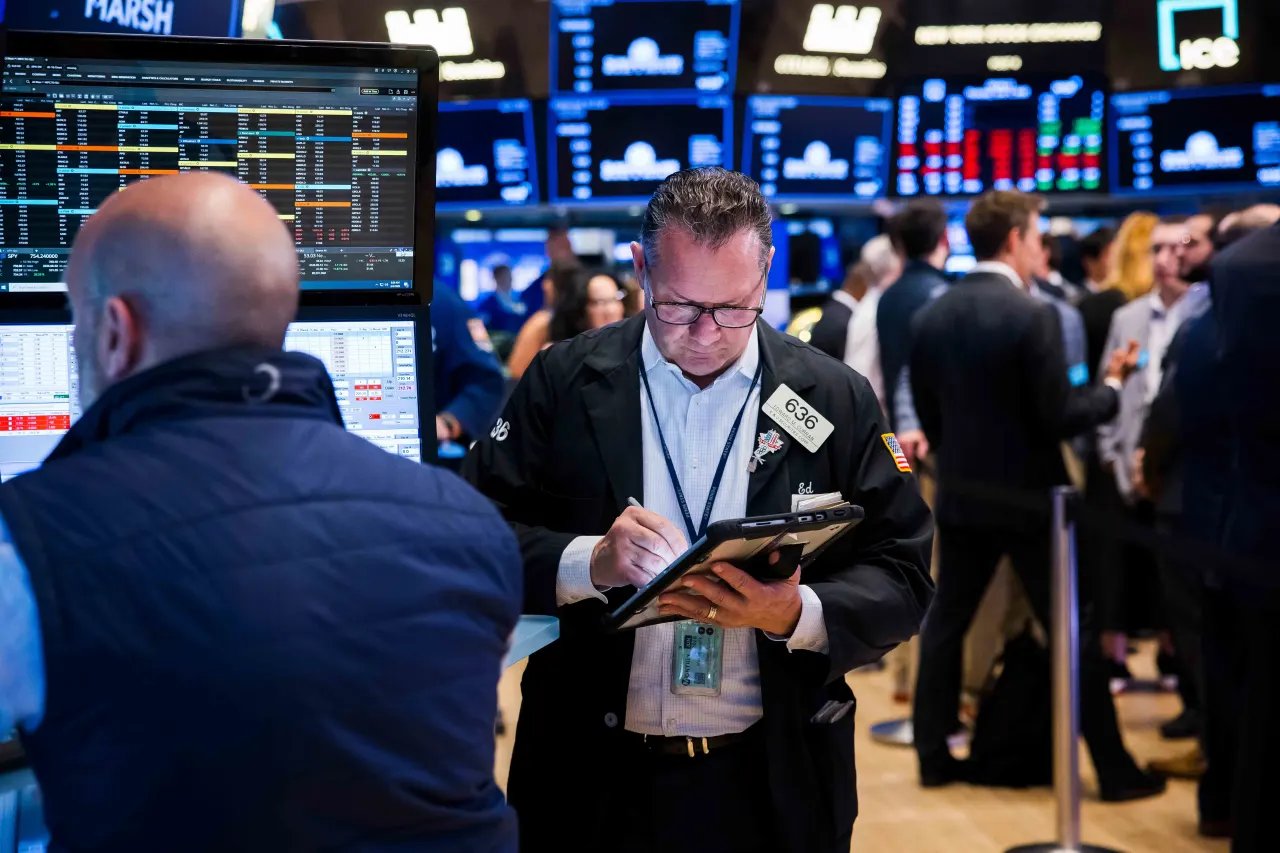
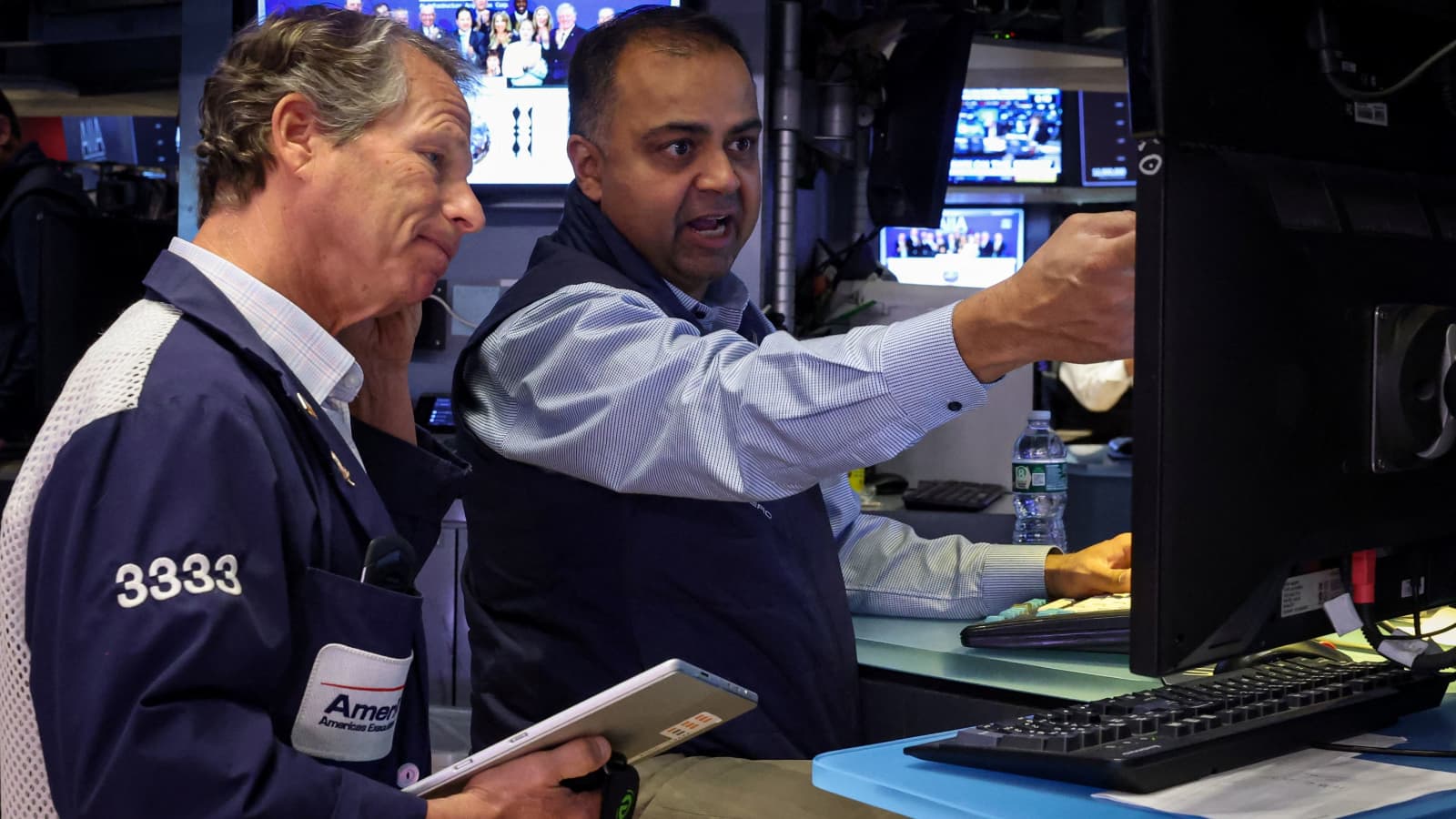
Wall Street stocks dipped early Wednesday following the inflation data. The Dow Jones Industrial Average fell 0.6 percent to 50,579.83, the S&P 500 declined 0.4 percent to 7,360.71 and the Nasdaq Composite dropped 0.4 percent to 25,569.36. Art Hogan of B. Riley Wealth Management said the concern was that "the war with Iran seems to be getting longer not shorter; that doesn't help the psychology."
International coalition condemns Iranian operations abroad
The United States, United Kingdom, Australia and 18 other countries issued a joint statement Wednesday condemning Iran's "lethal plotting and other malign actions" across Europe, North America and Australia. The group attributed the activities to Iran's Revolutionary Guard Corps, its Quds Force and the country's Ministry of Intelligence and Security.
The statement said Iran had a long-standing relationship with "international and local criminal groups" and condemned "the recent campaign of attacks across Europe targeting Jewish communities, Iranian journalists, and U.S. interests, claimed by Harakat Ashab al-Yamin al-Islamiya and supported by their intermediaries." The group said such actions "undermine national sovereignty and international norms" and "must stop immediately."
The signatories included Austria, Belgium, Bulgaria, Canada, Czechia, Denmark, Estonia, Finland, France, Germany, Ireland, Latvia, Lithuania, the Netherlands, New Zealand, North Macedonia, Norway, Portugal and Sweden. Germany and Spain, whose leaders have recently disagreed with Trump over the war, did not sign the letter.
U.N. warns of escalation toward full war
United Nations Secretary-General Antonio Guterres warned Wednesday of the risk of return to "full war" in the Middle East after the U.S. and Iran traded strikes. "We should not minimize the risks of a lesser fire becoming full fire, or in another word — full war," Guterres said at a U.N. Security Council meeting on the Middle East.
U.N. High Commissioner for Human Rights Volker Turk echoed the concern, saying he was "horrified by the fact that we see escalation upon escalation." He emphasized that "ceasefires need to be respected in full. International law needs to be respected in full."