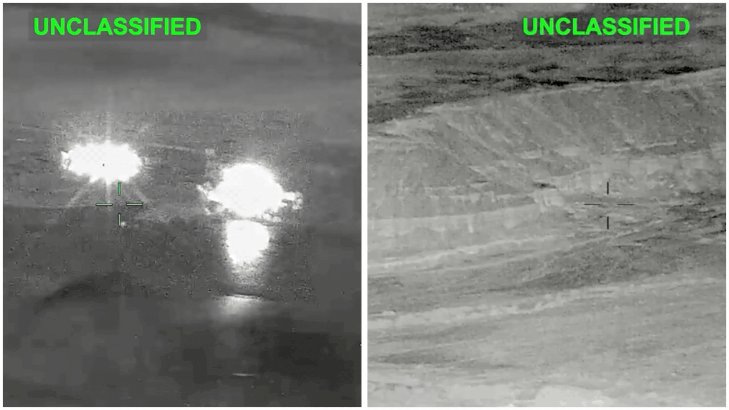
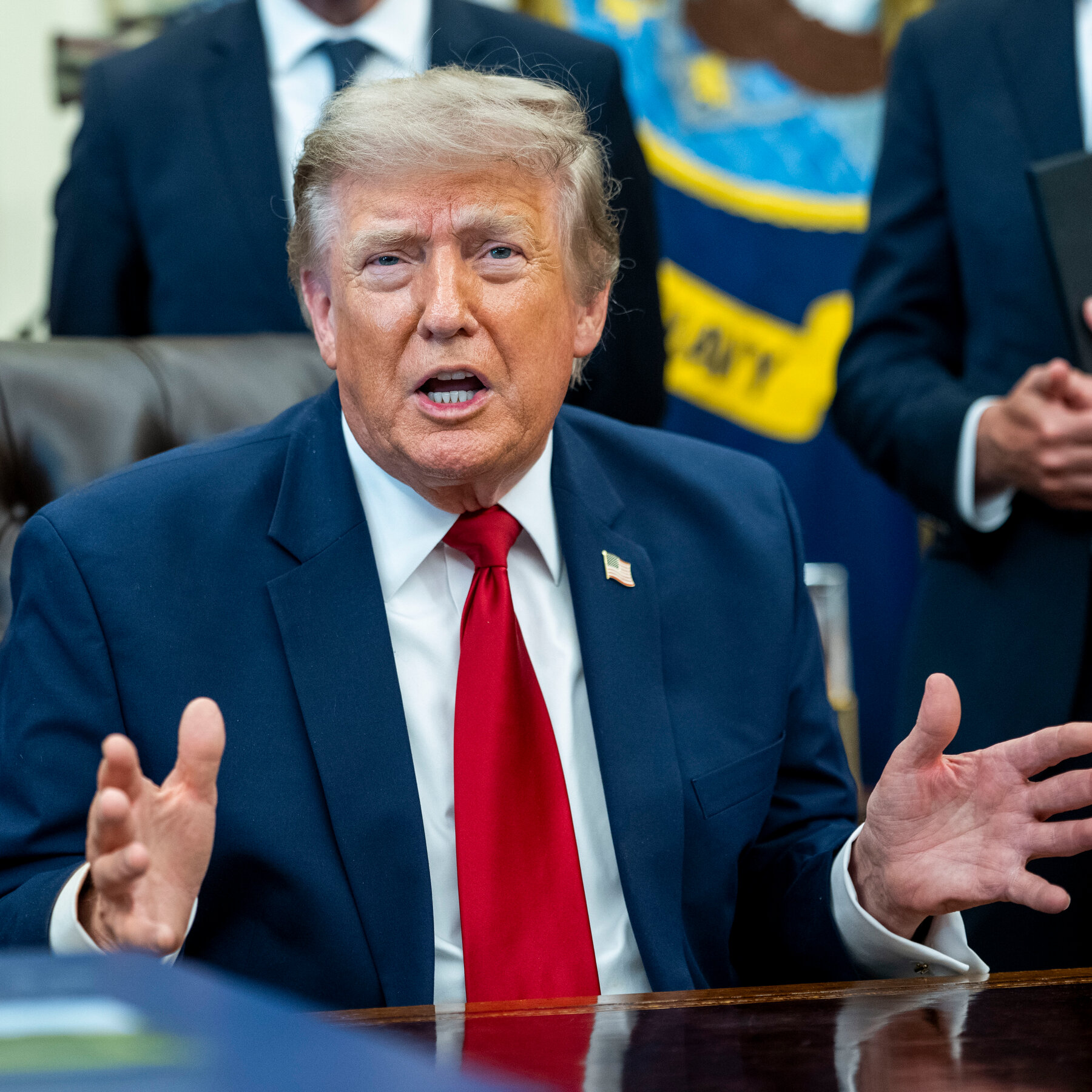
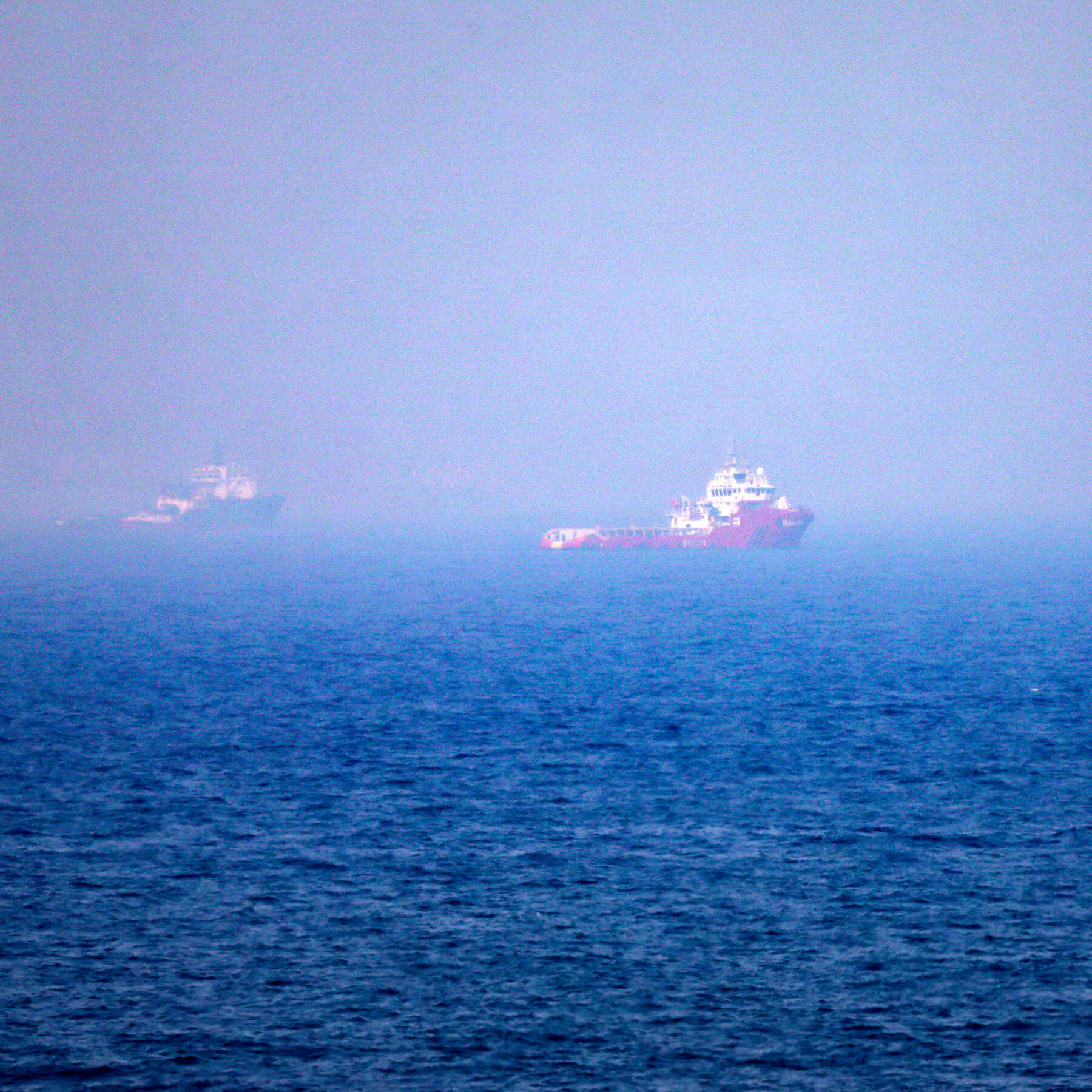
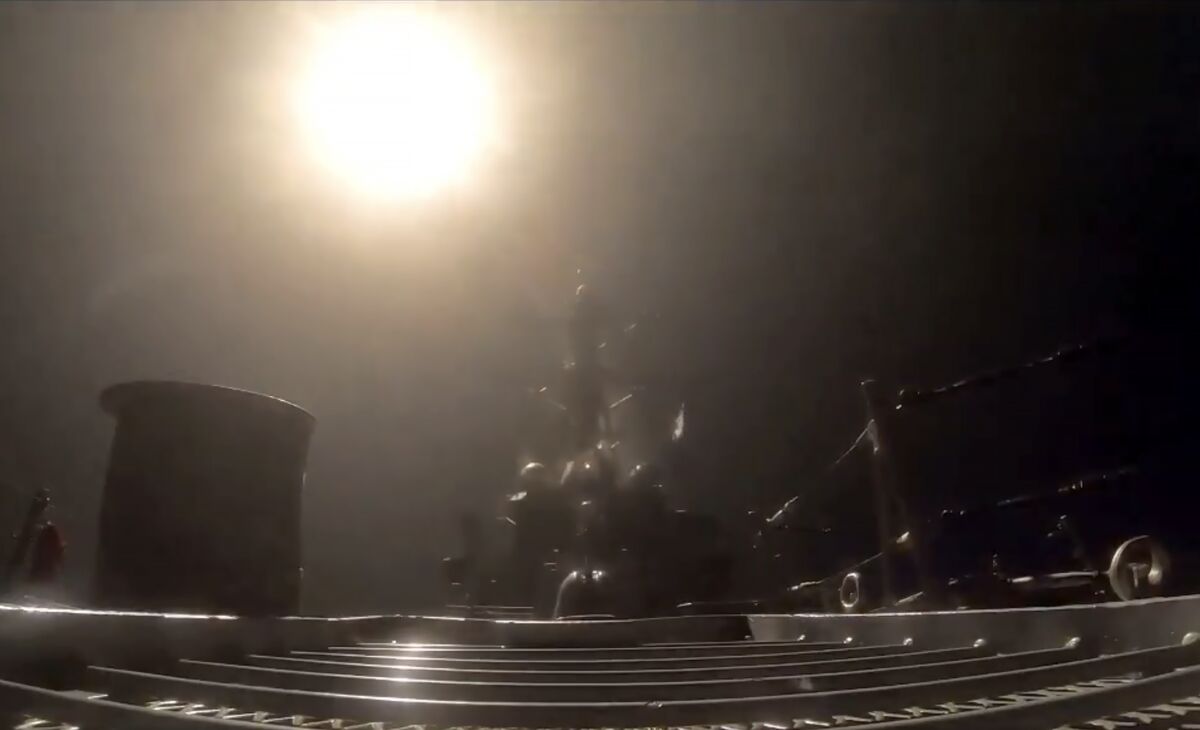
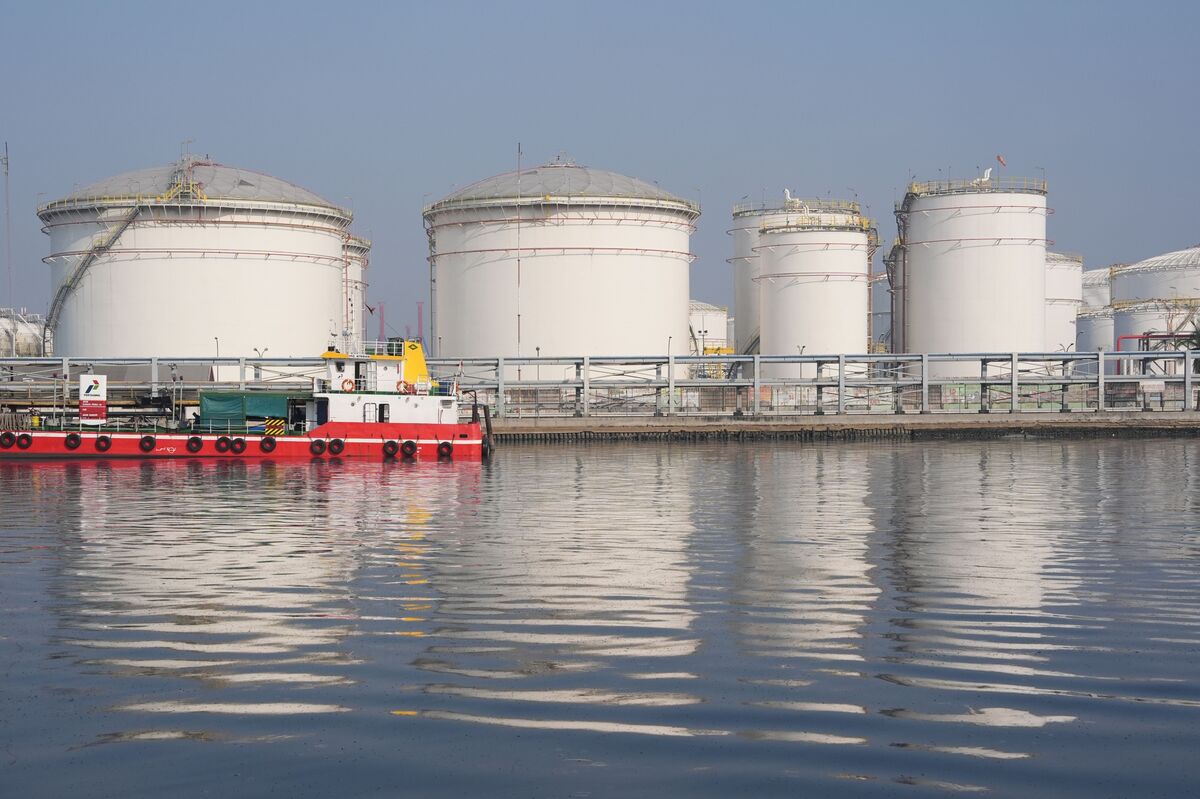
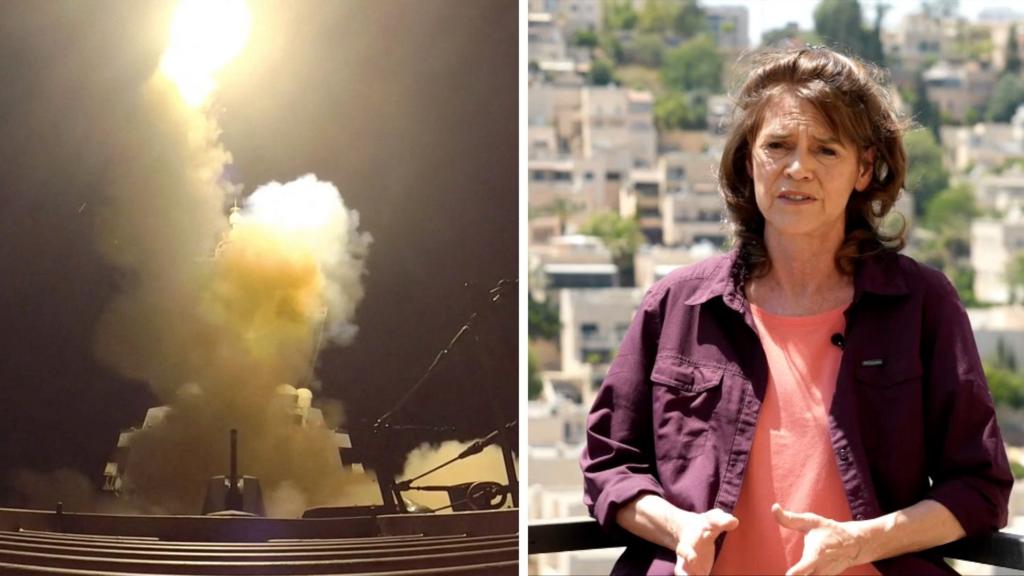
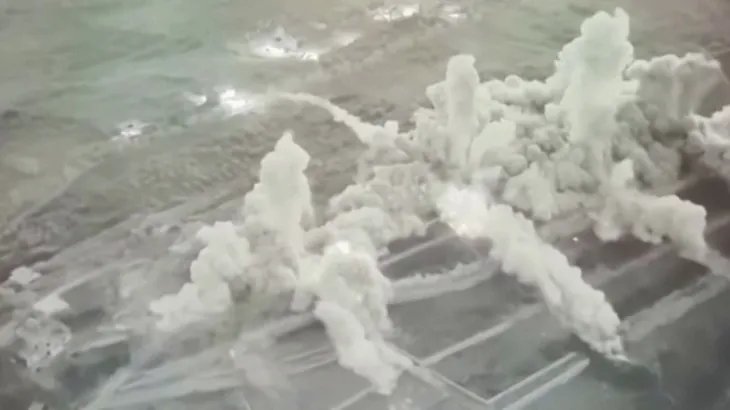
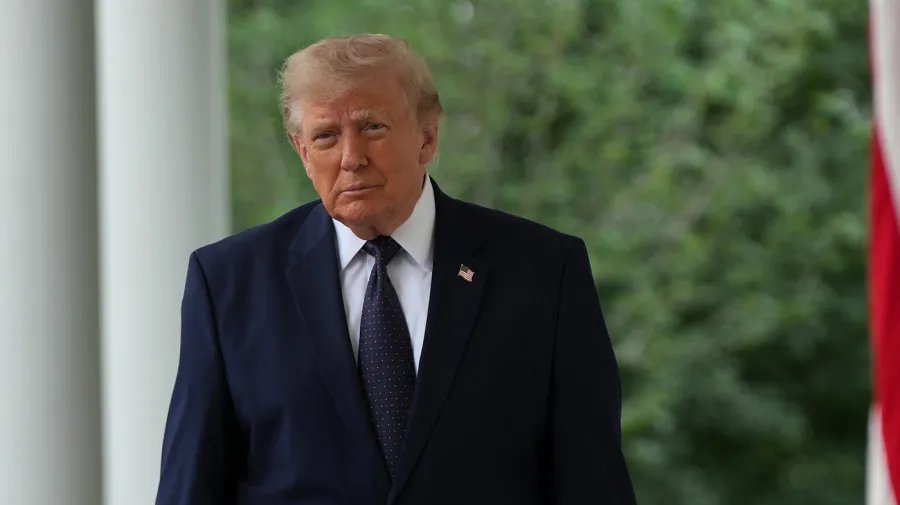
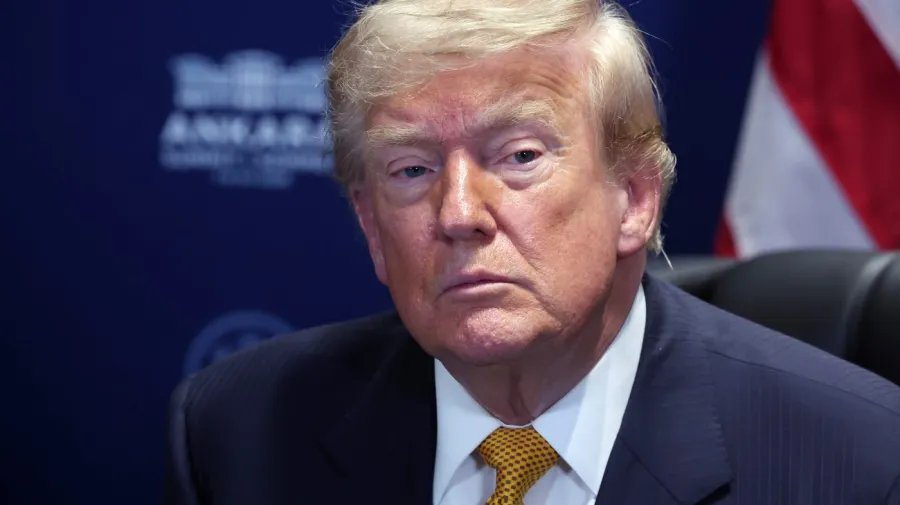
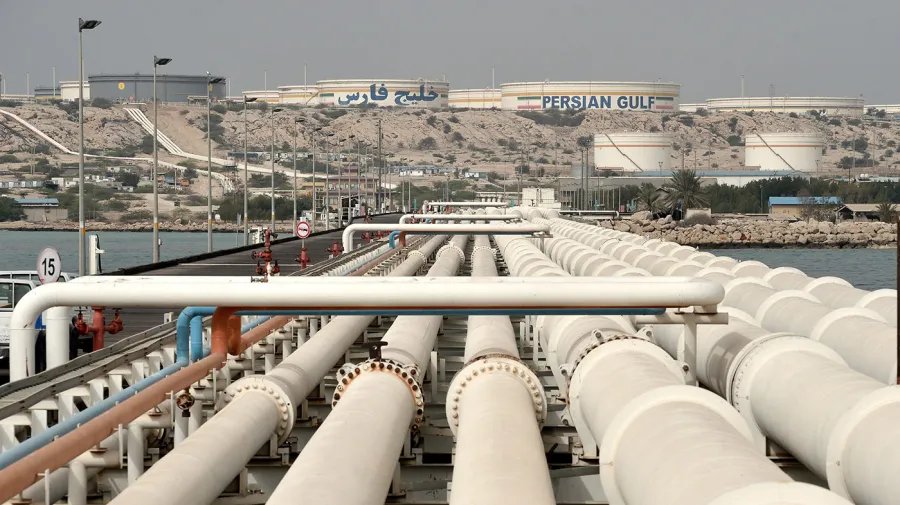
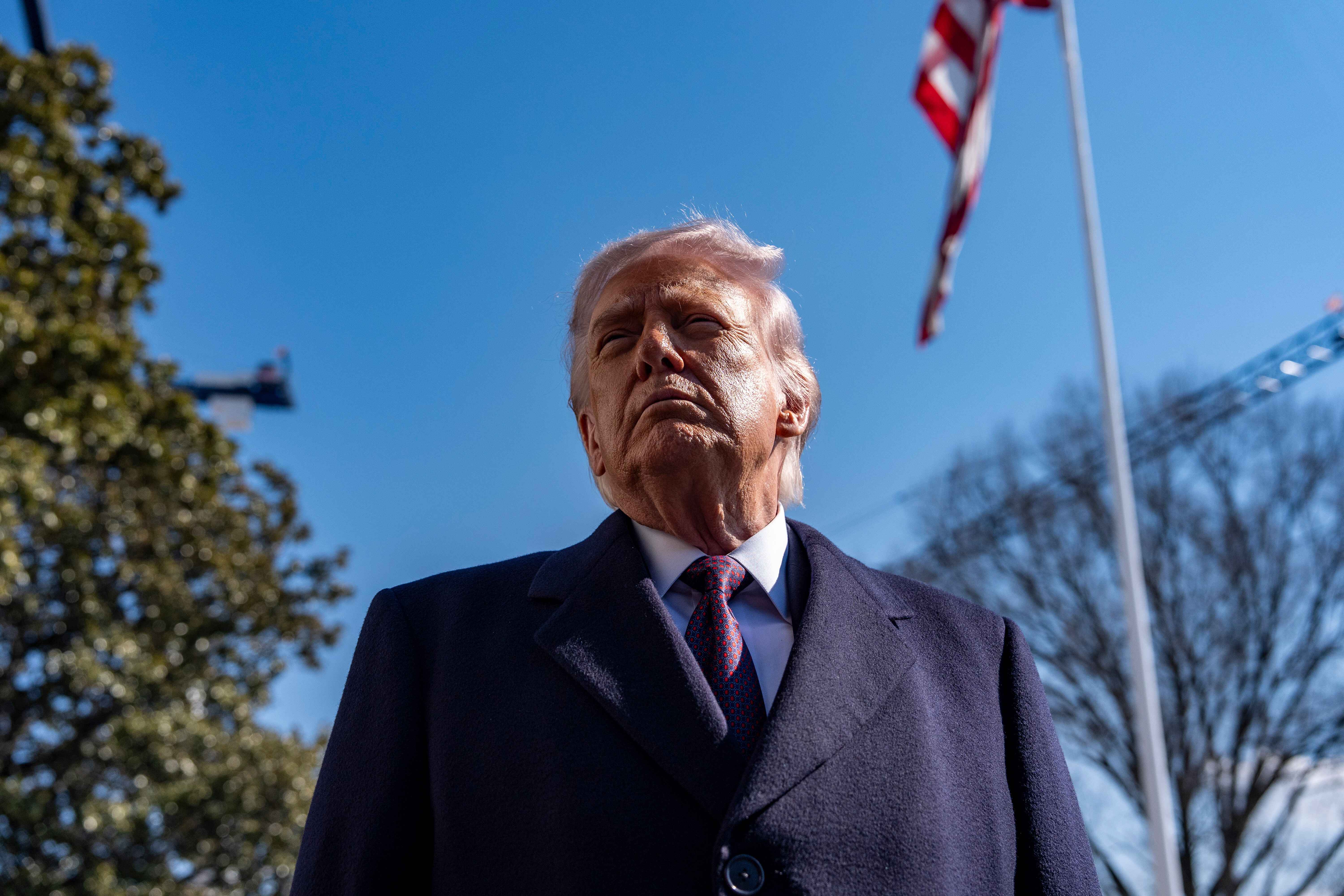
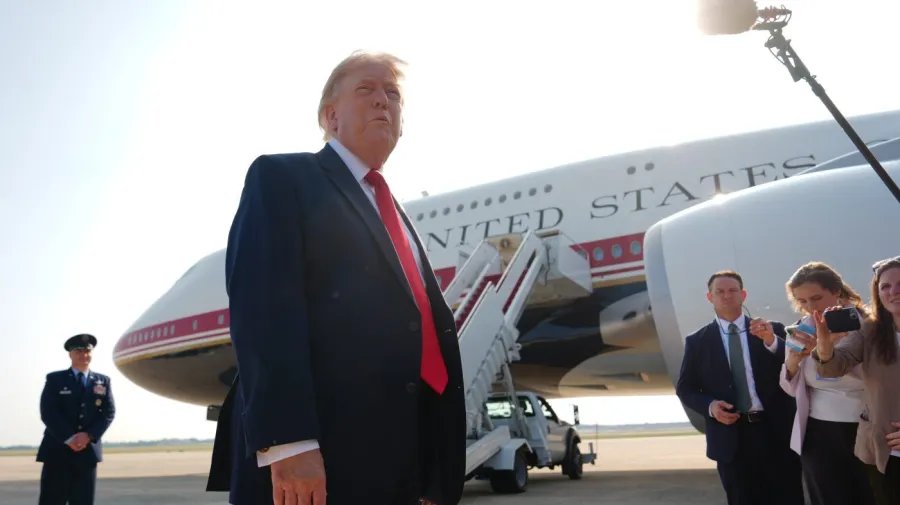
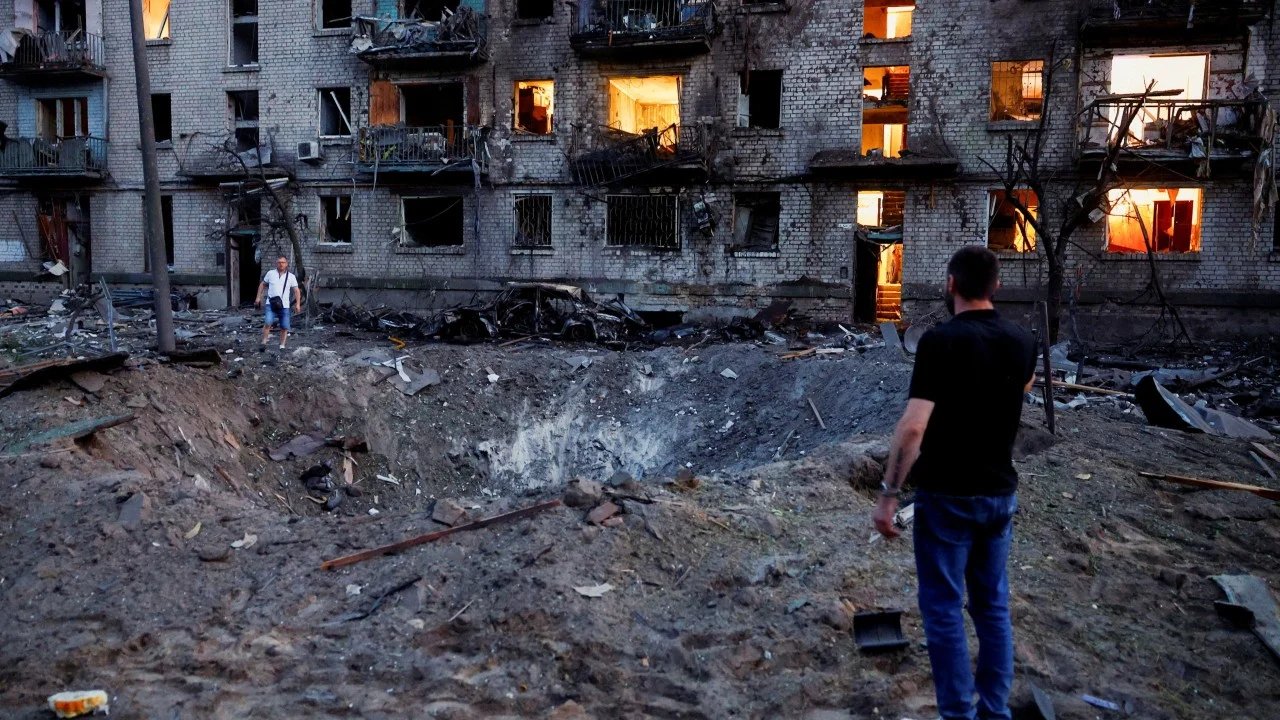
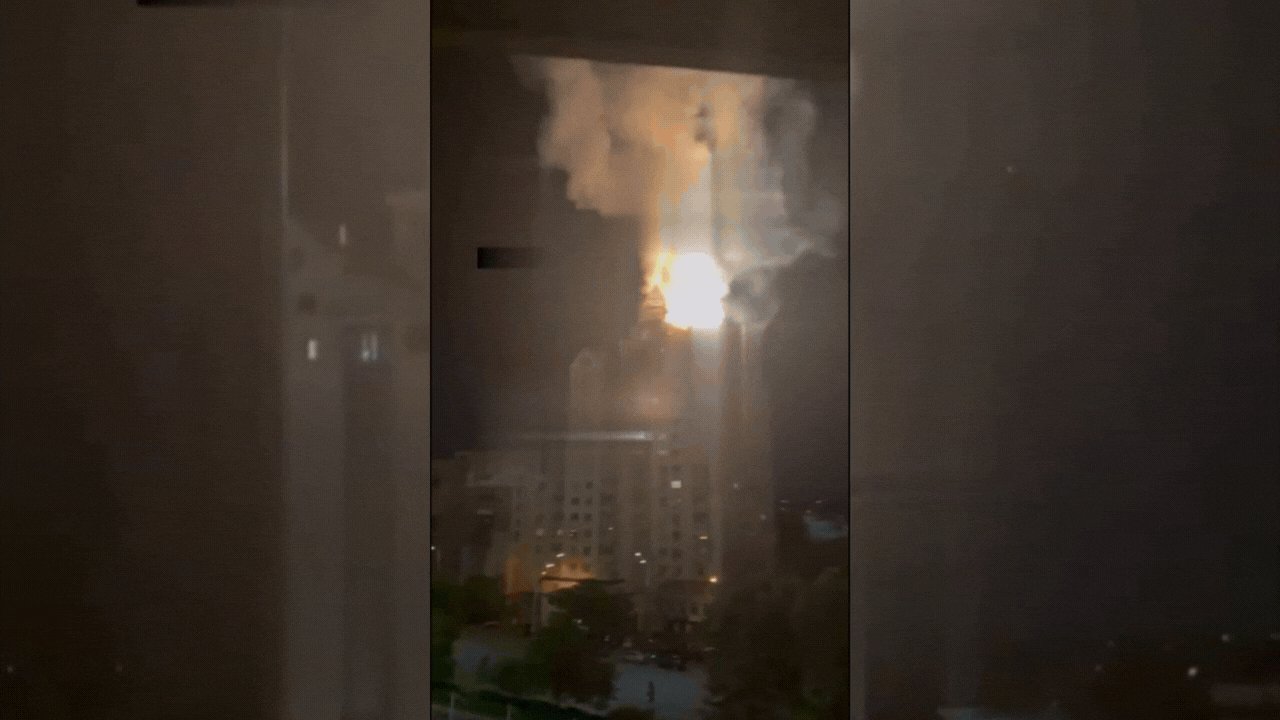
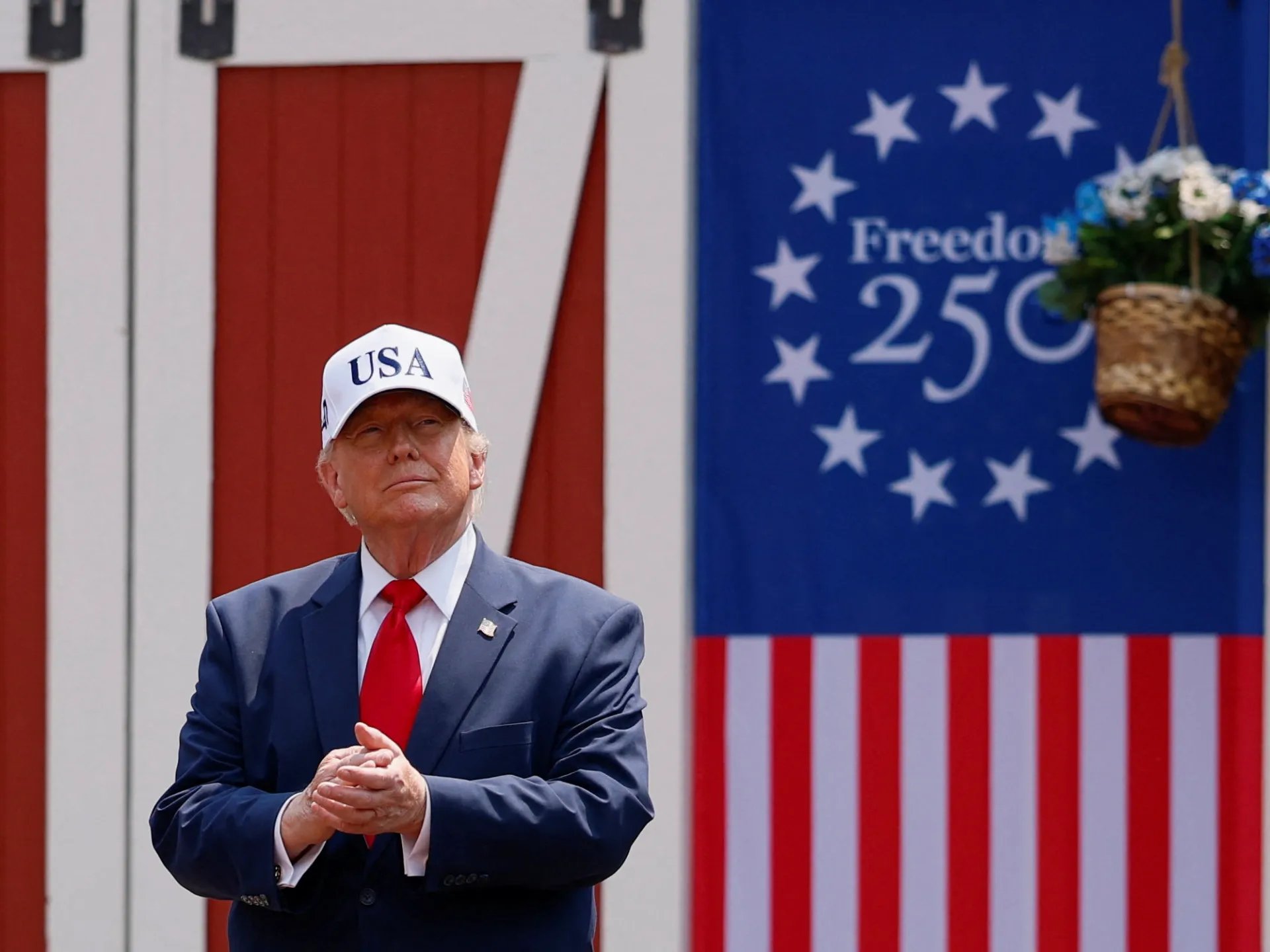
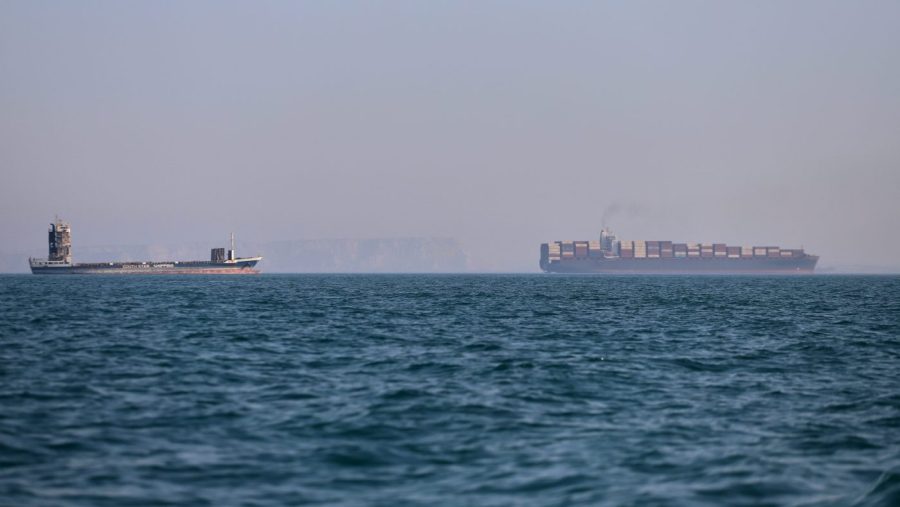
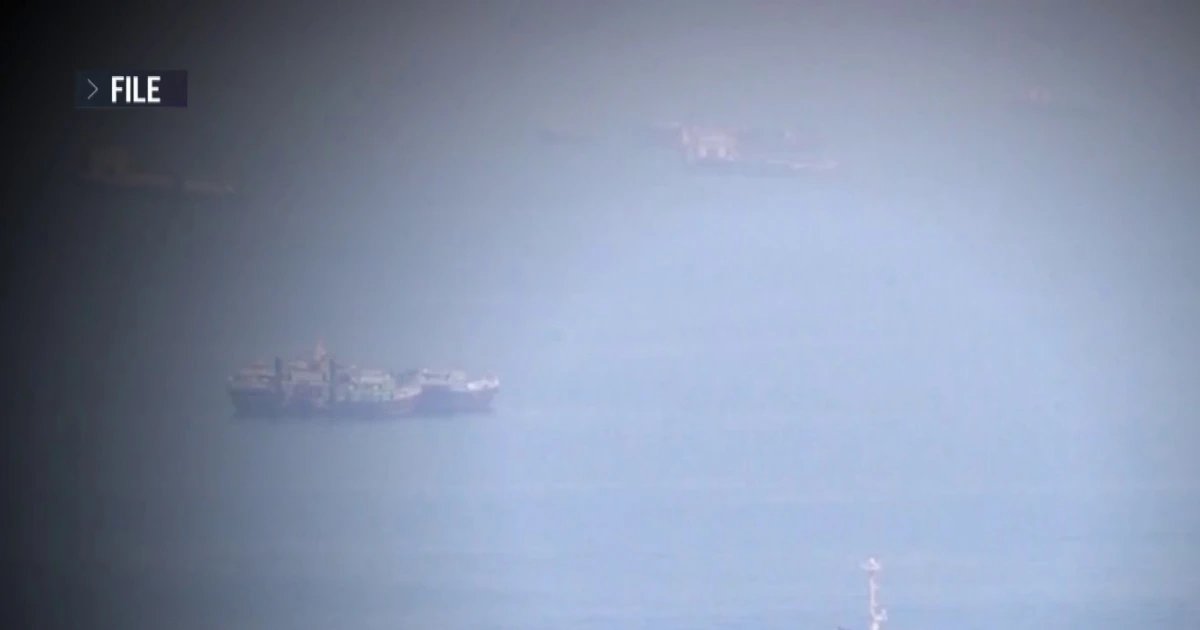
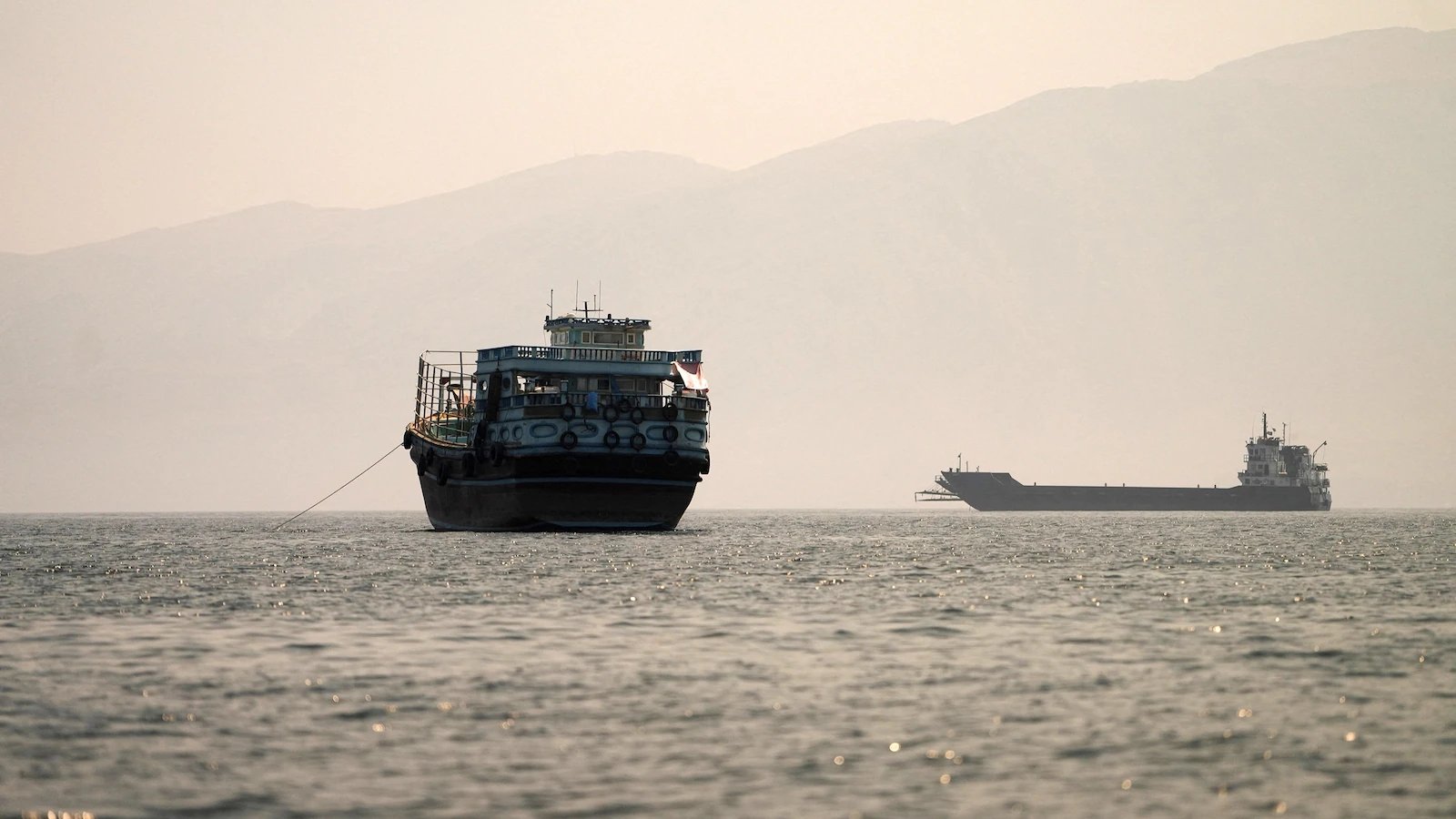
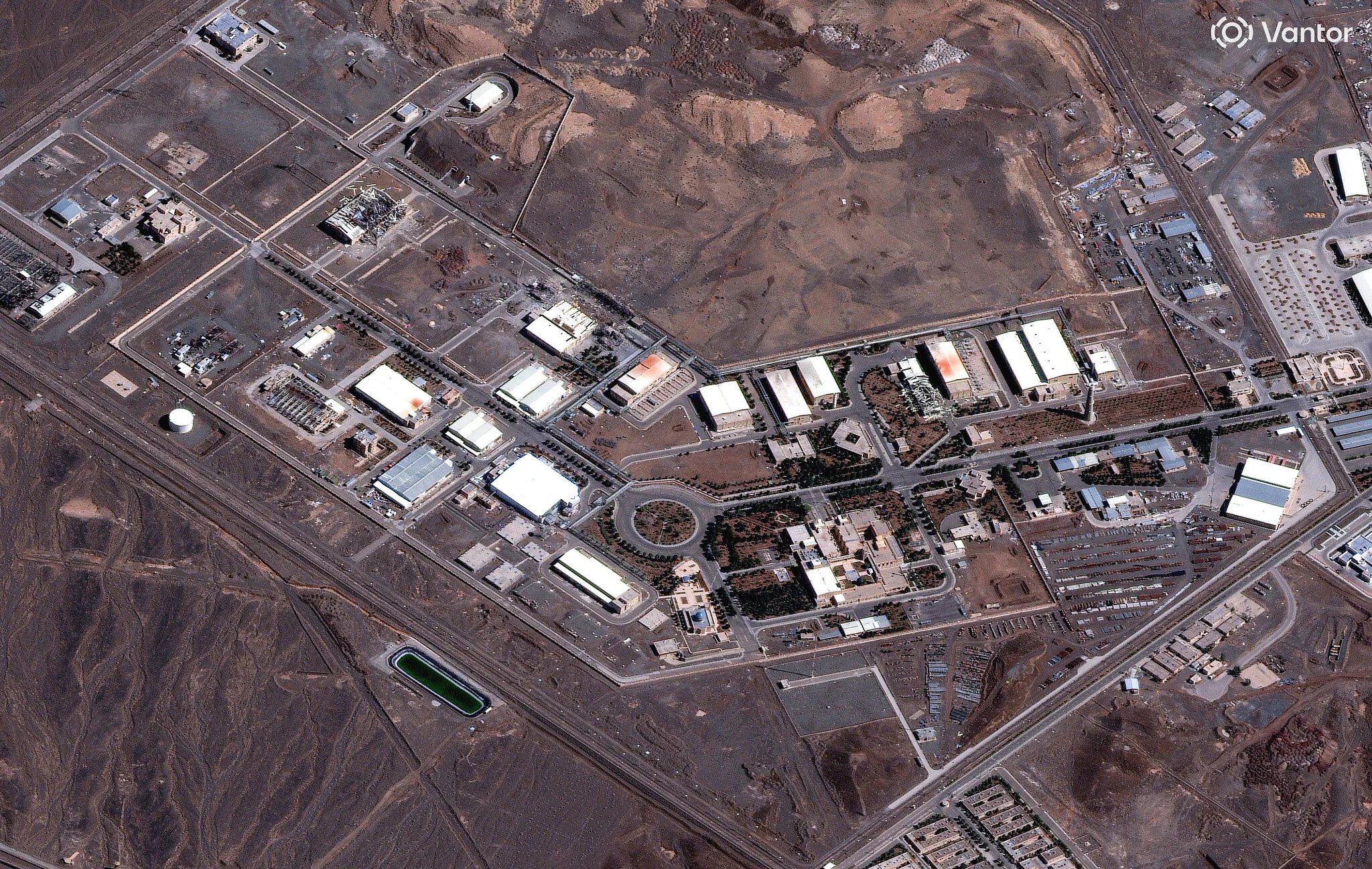
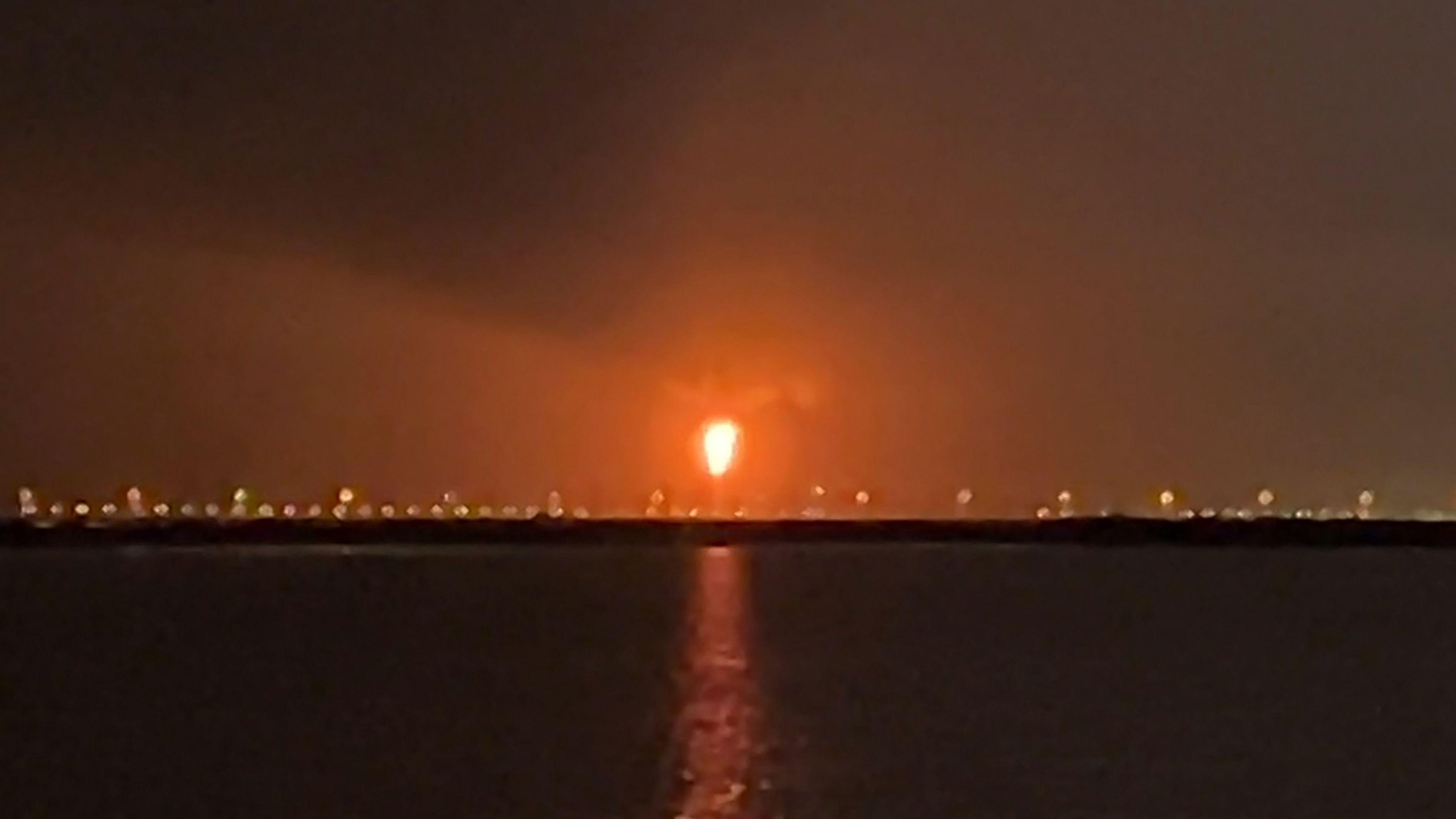
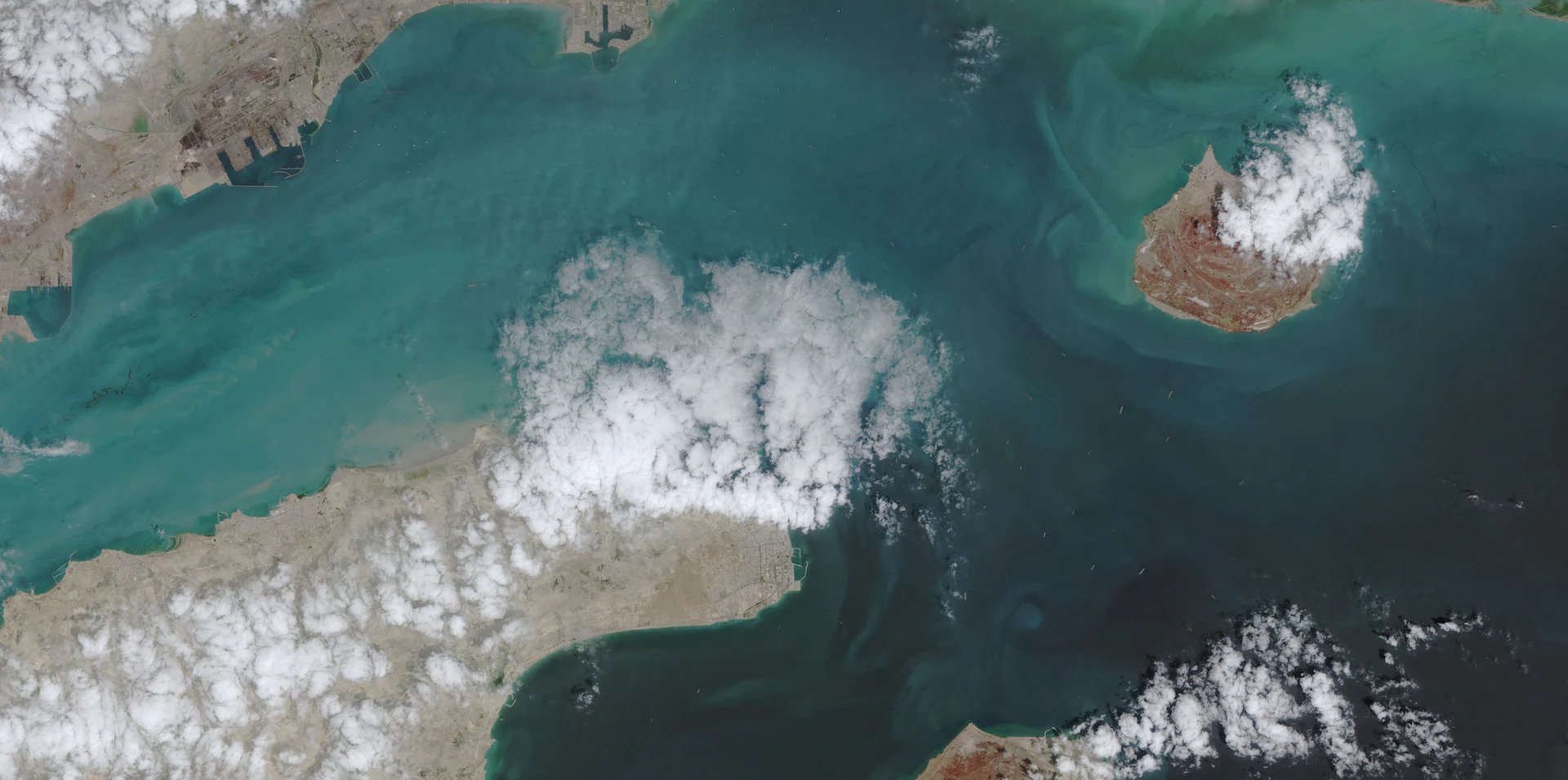
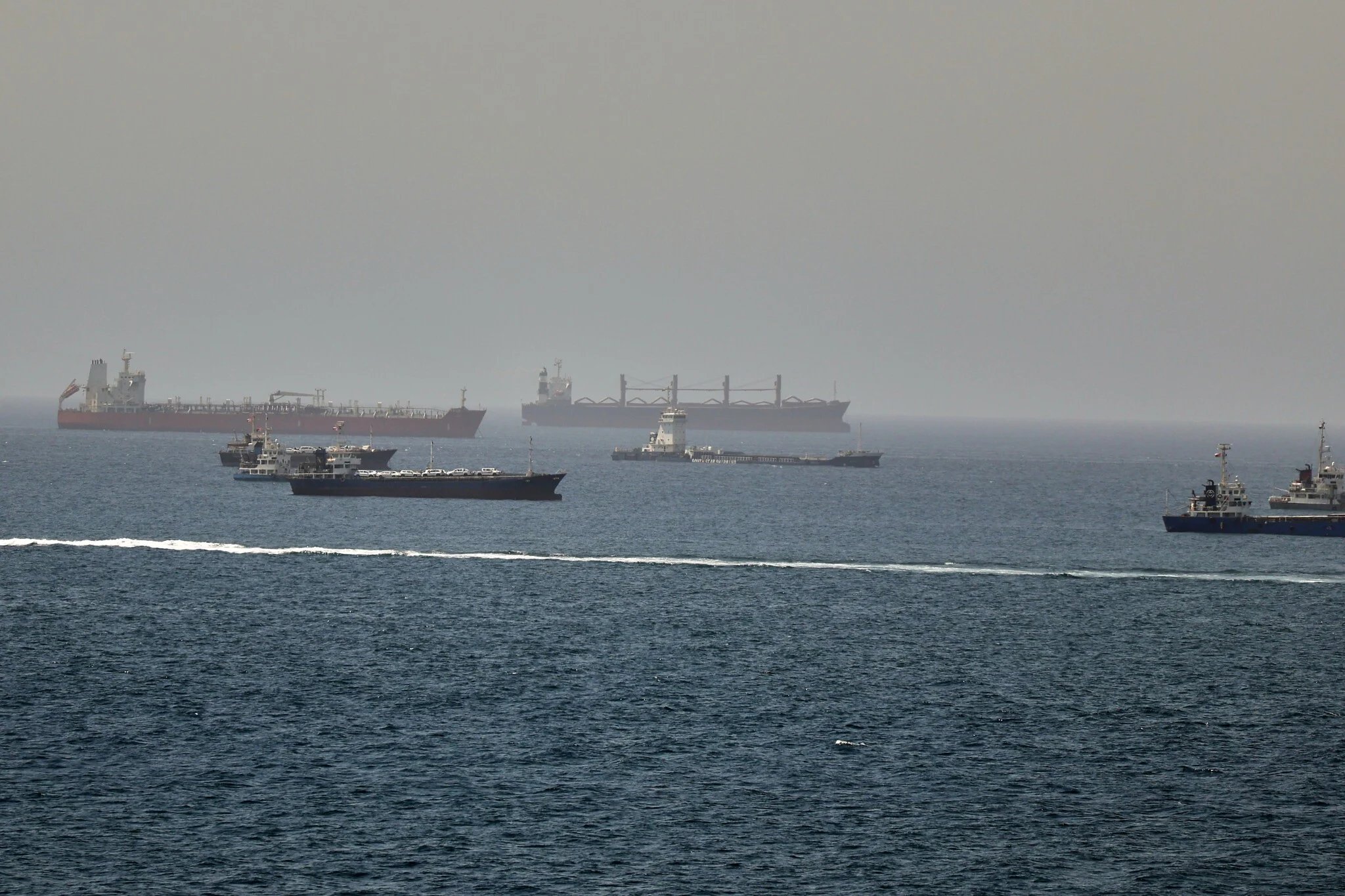
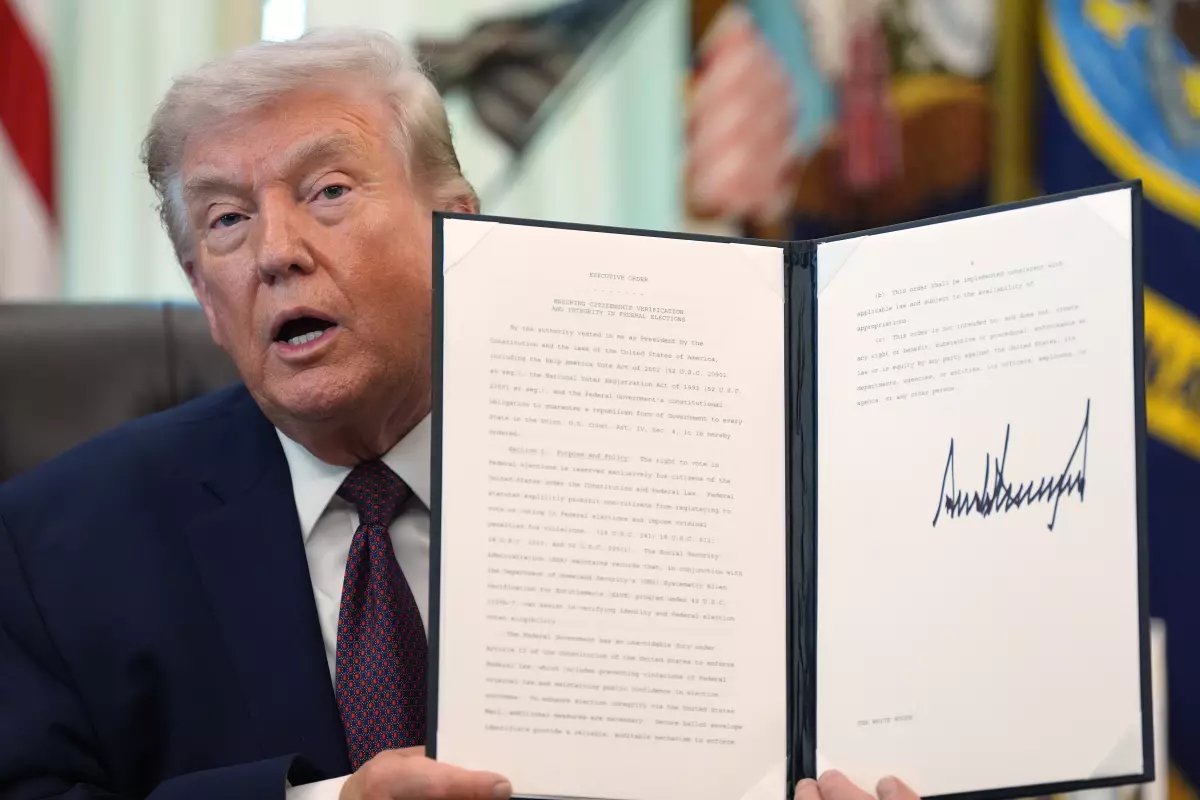
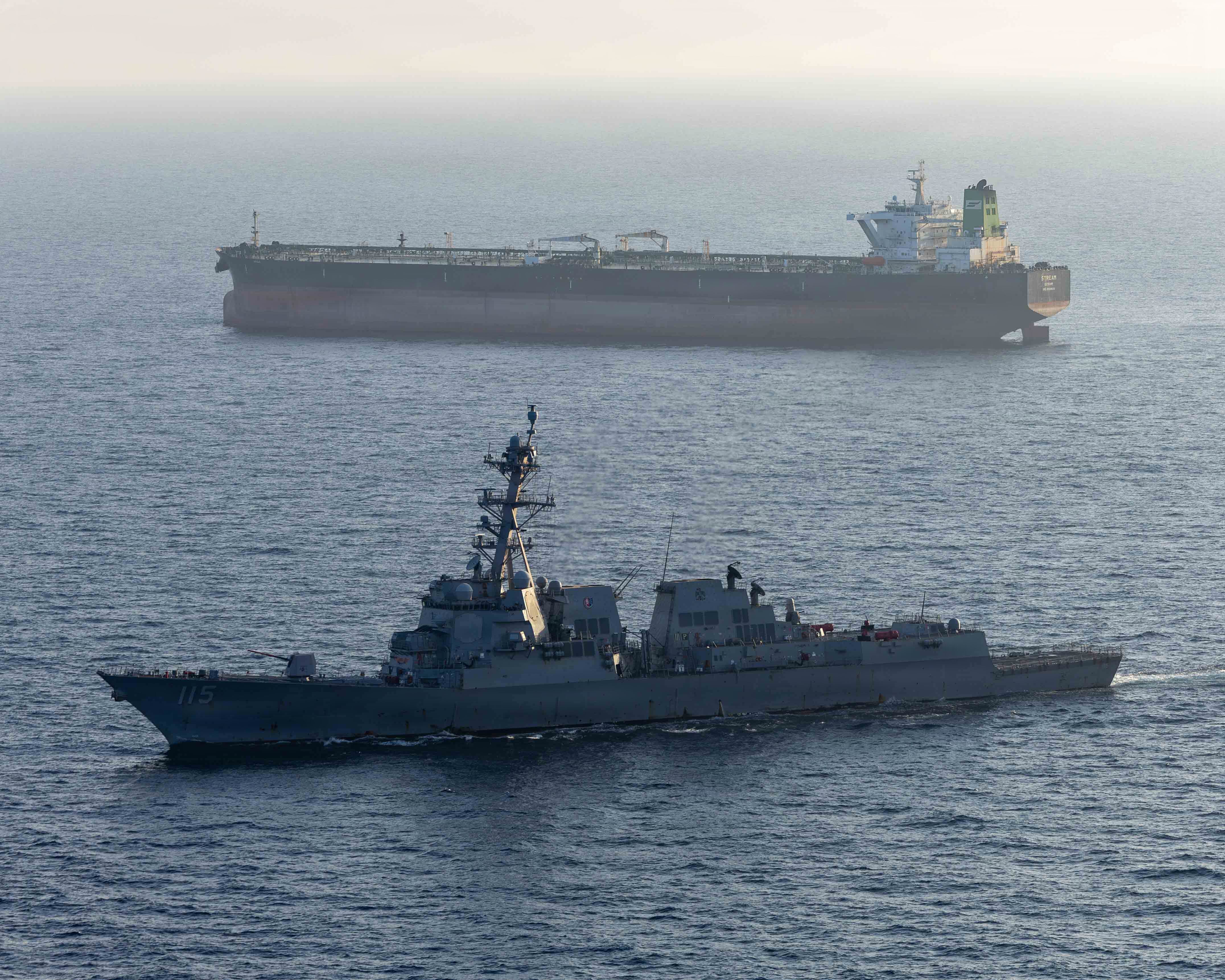
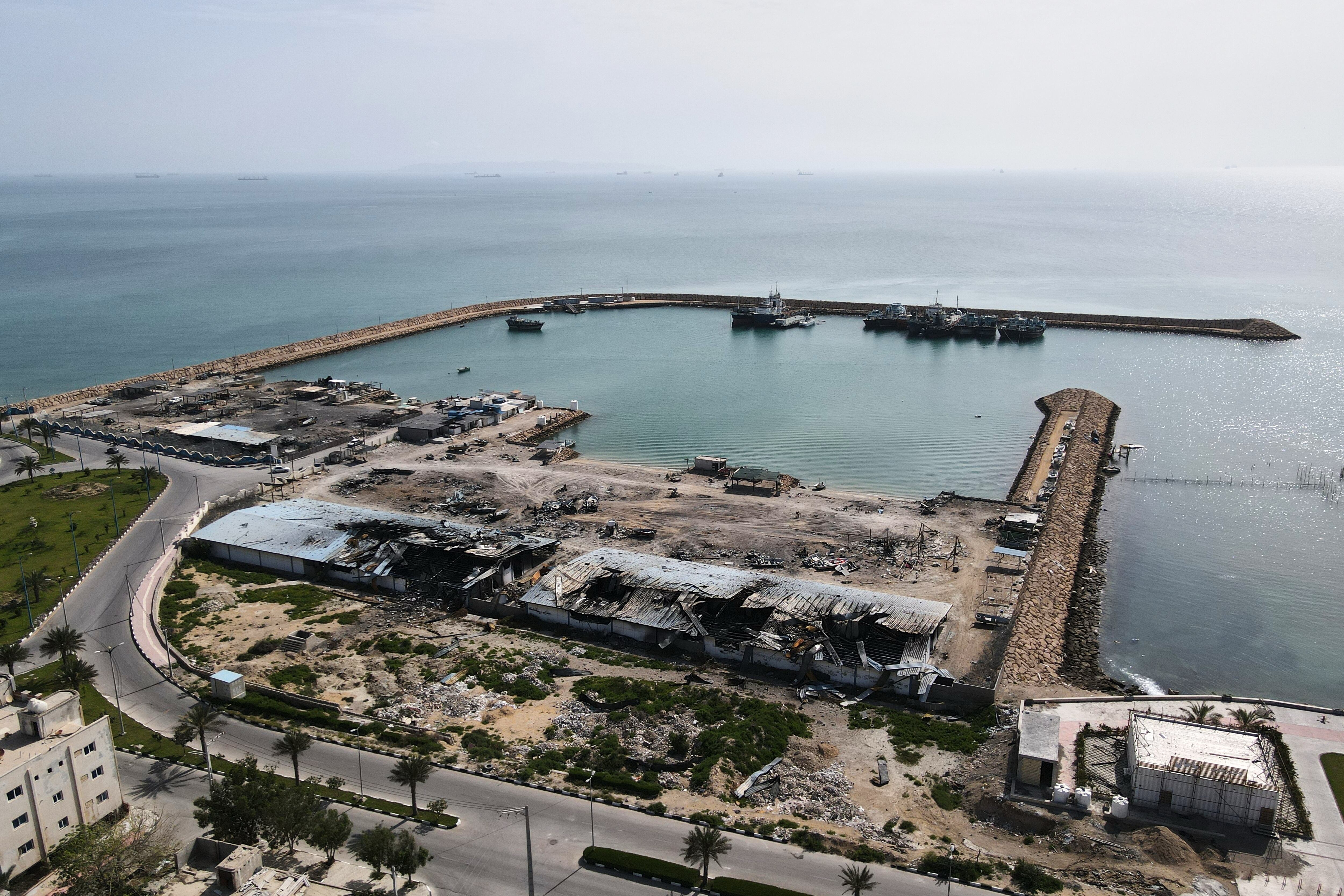
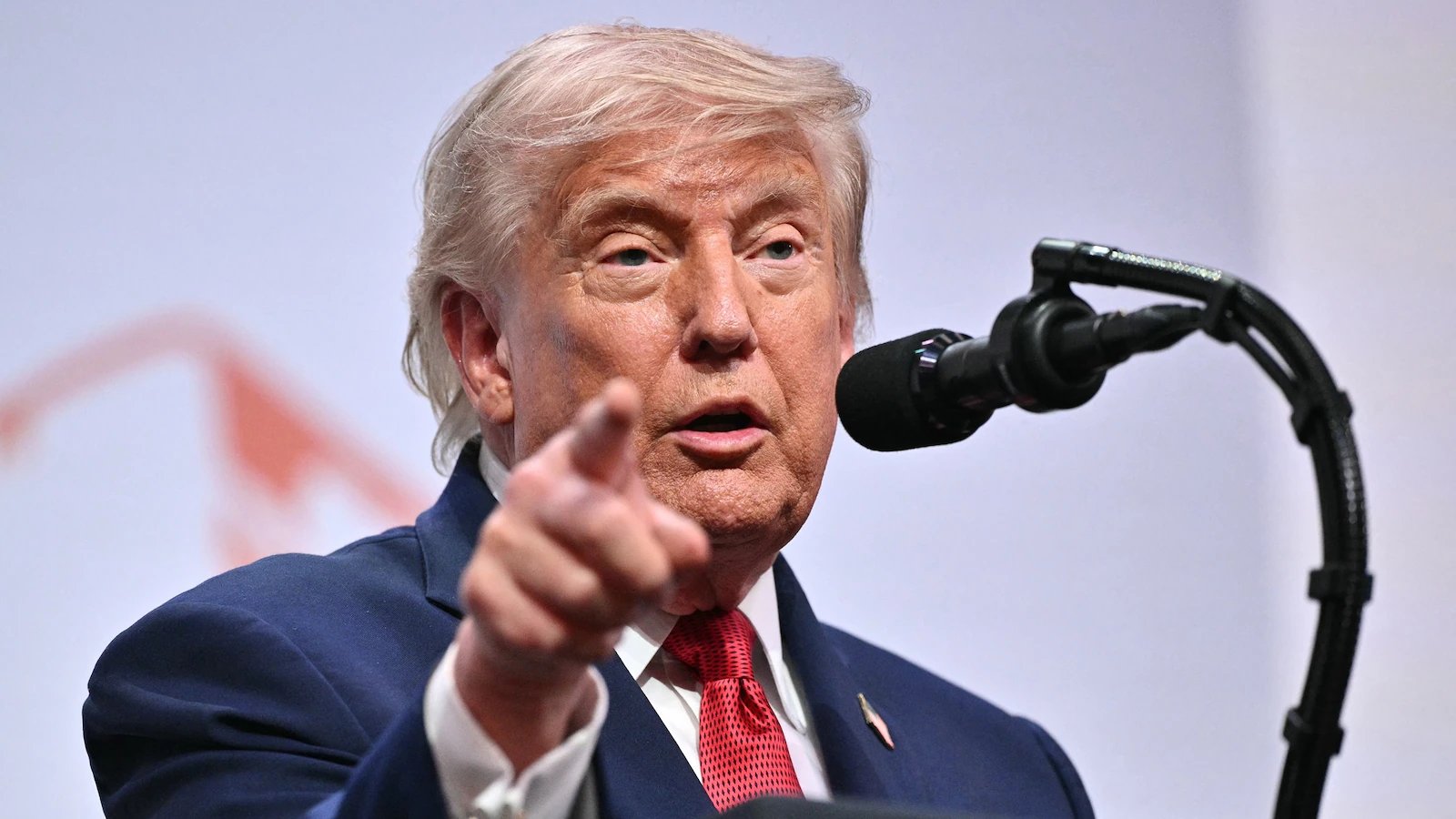
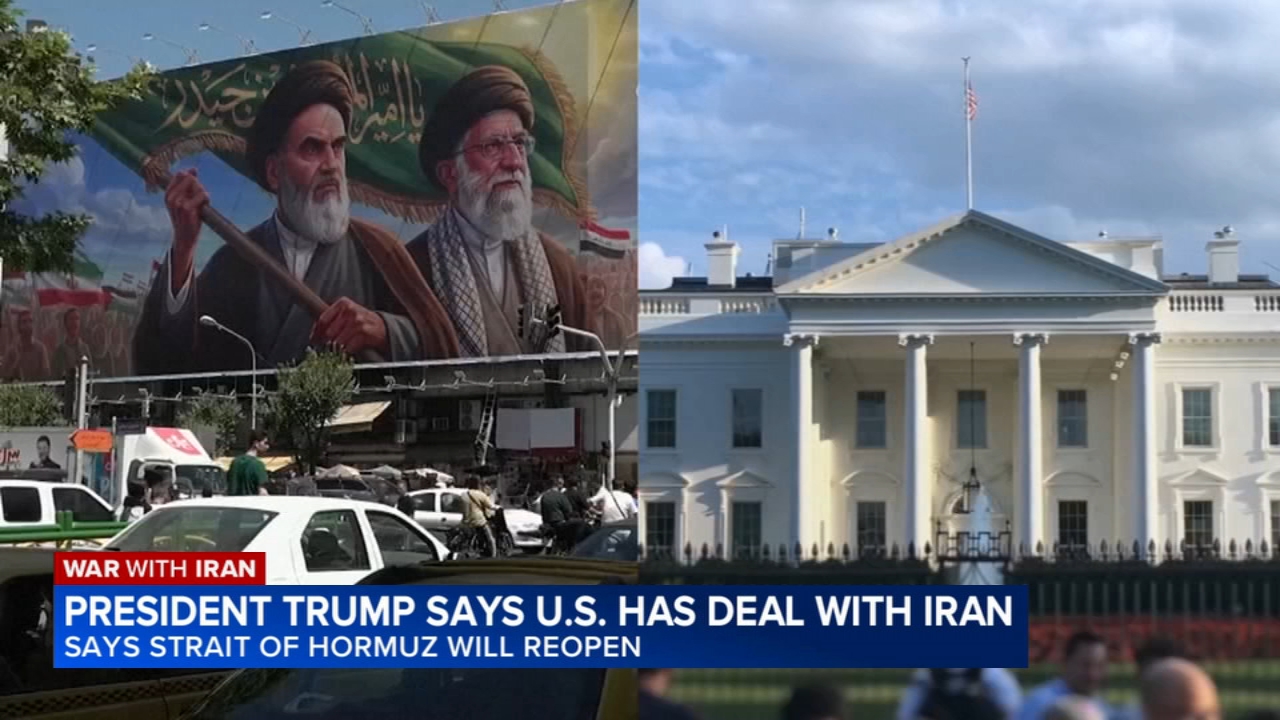
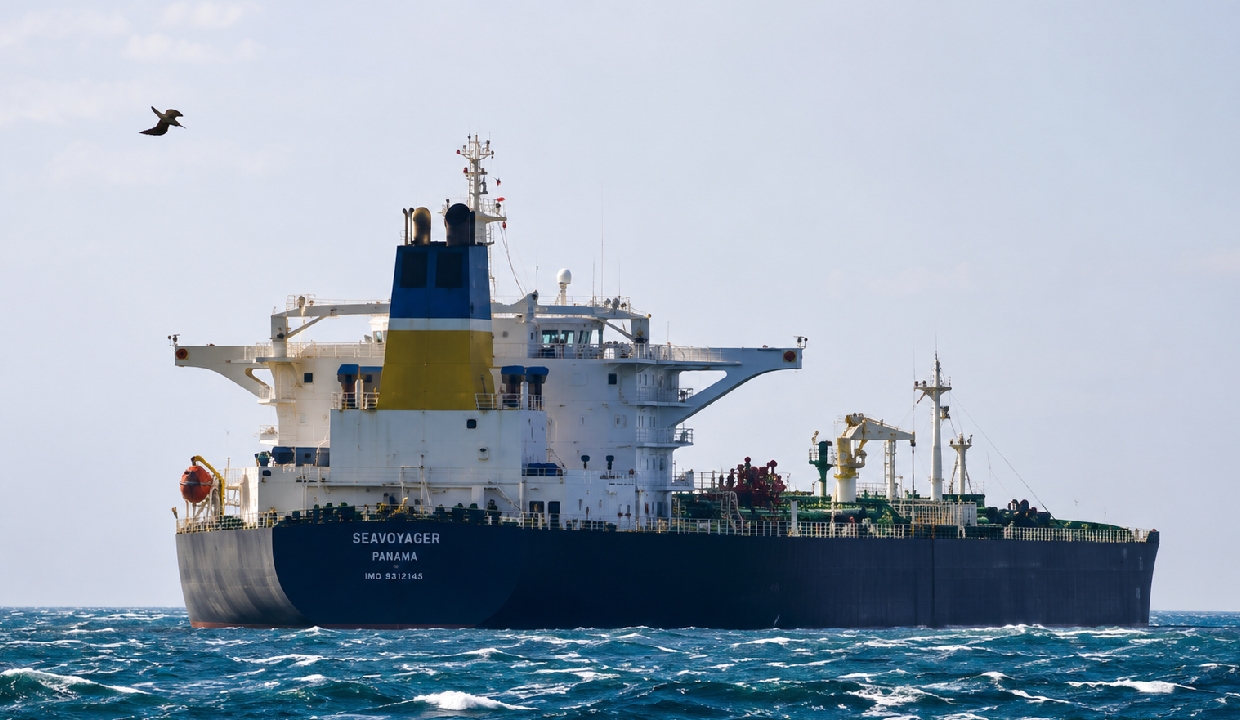
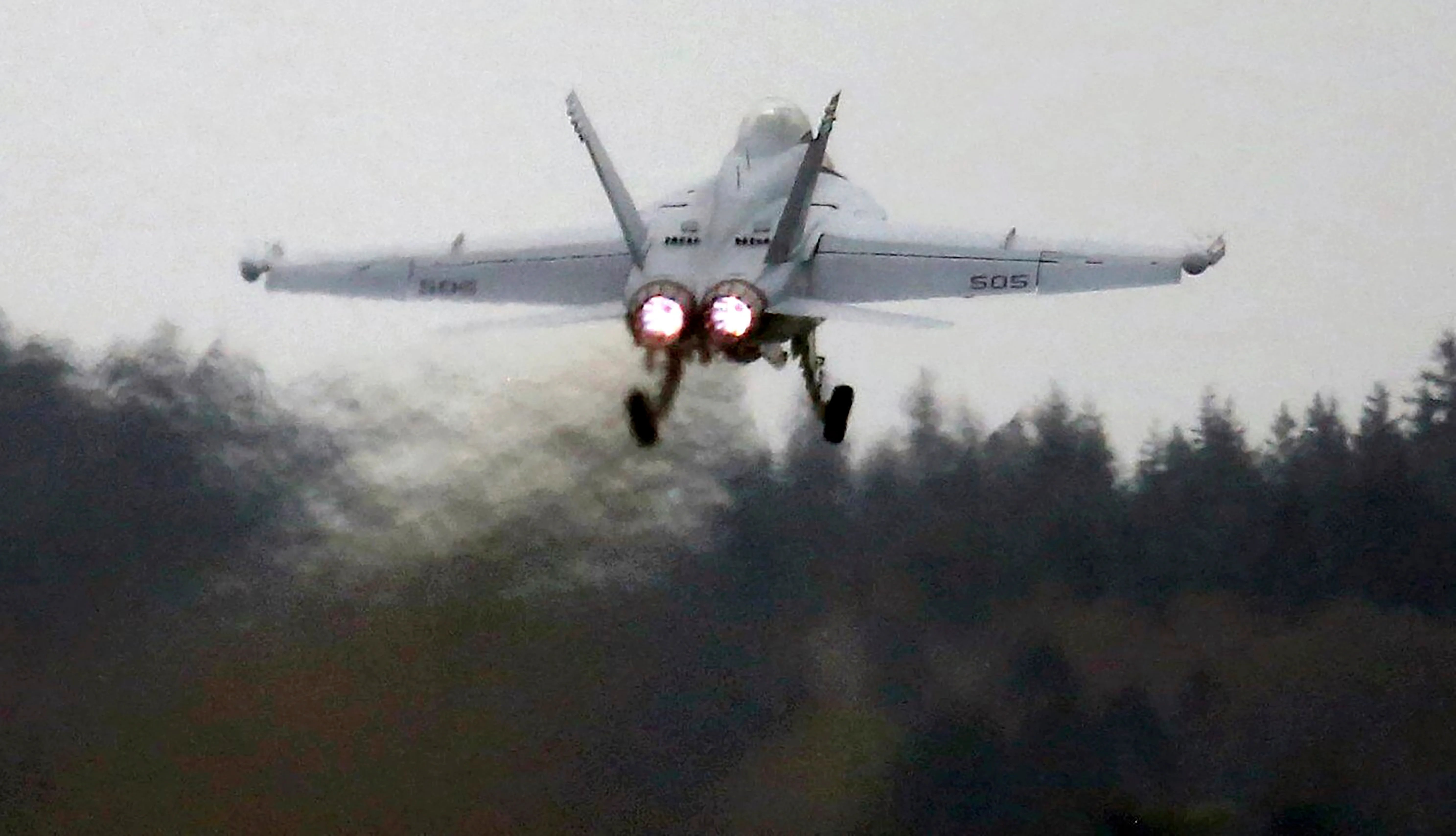
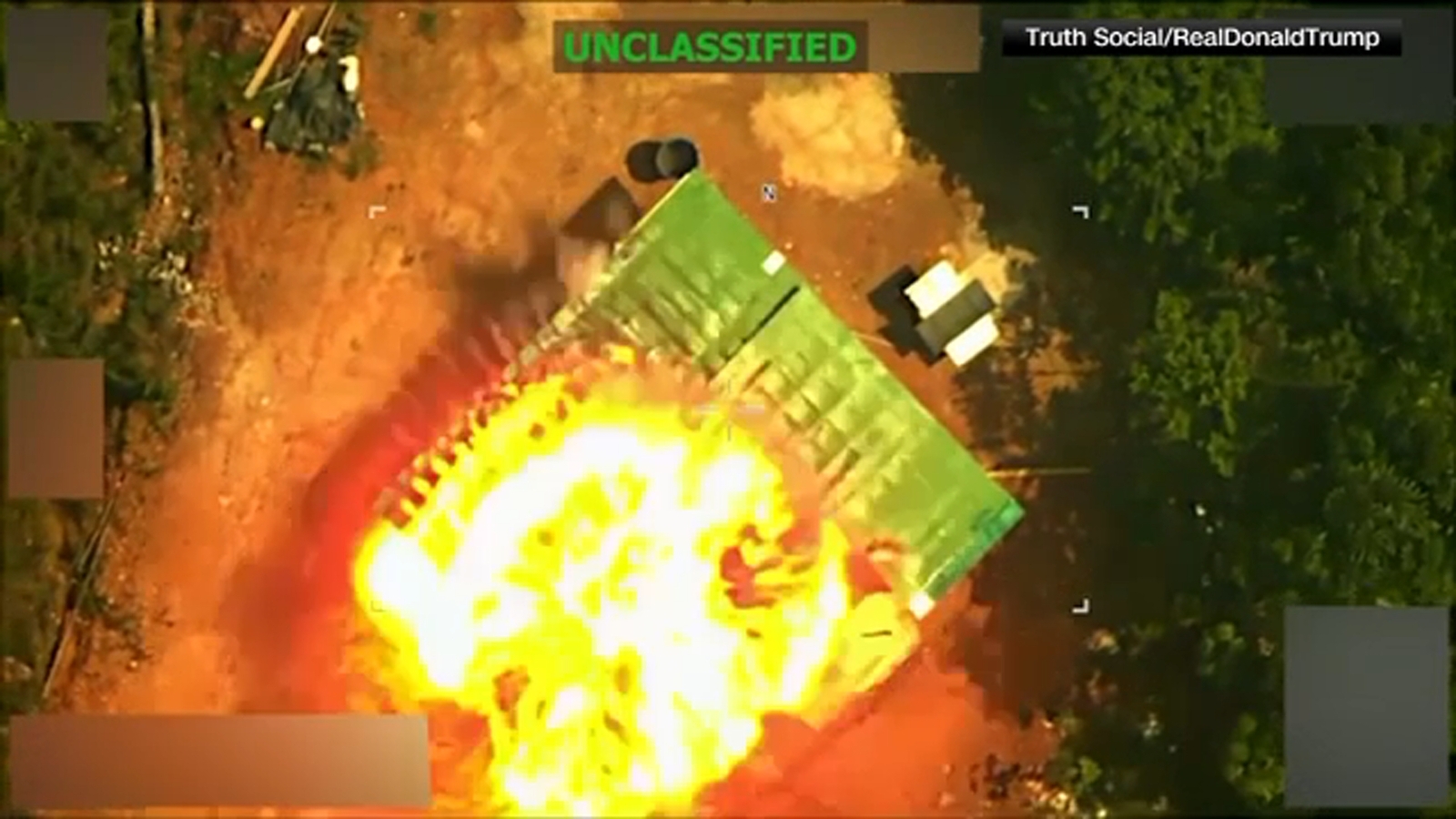
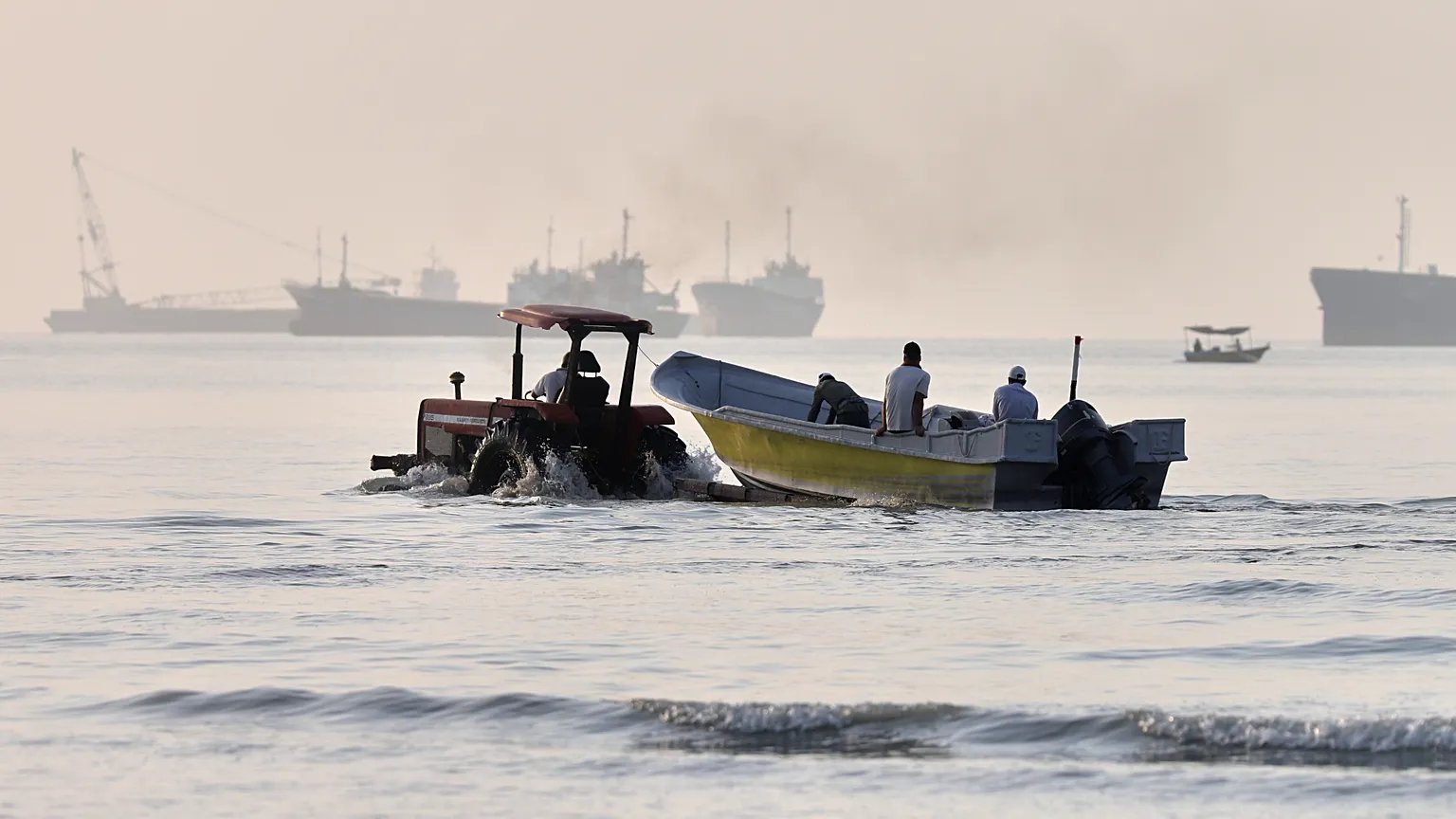
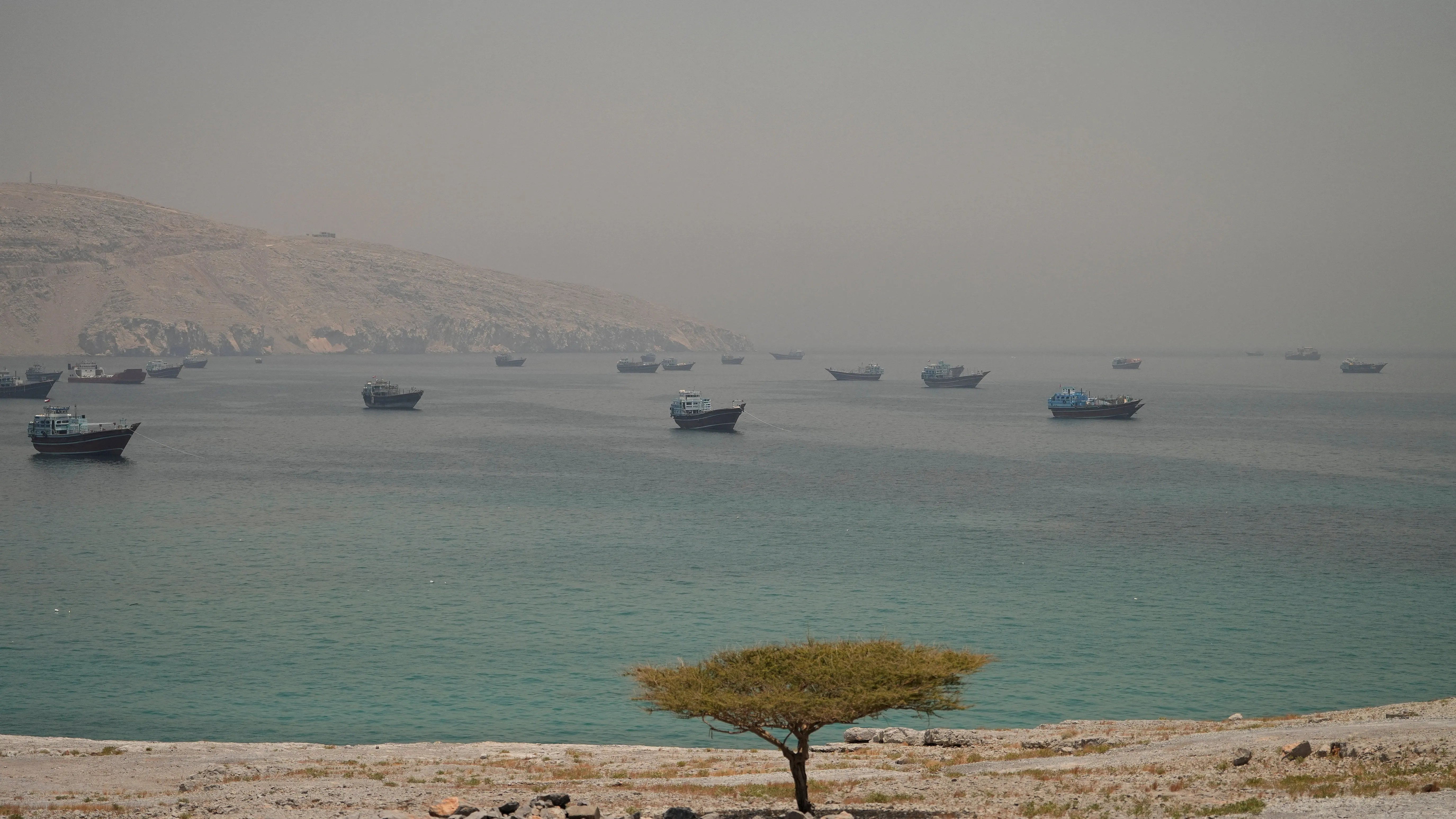
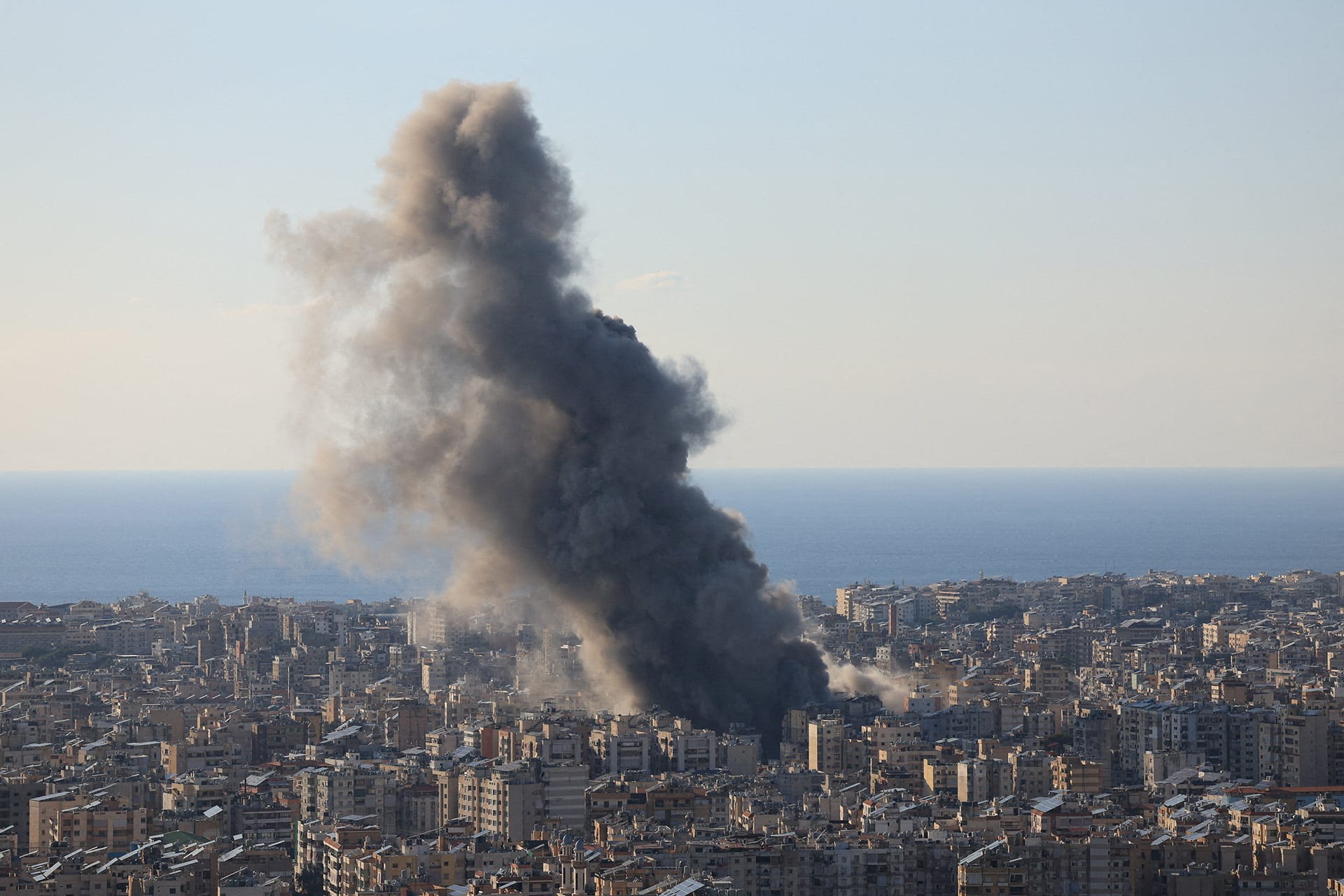
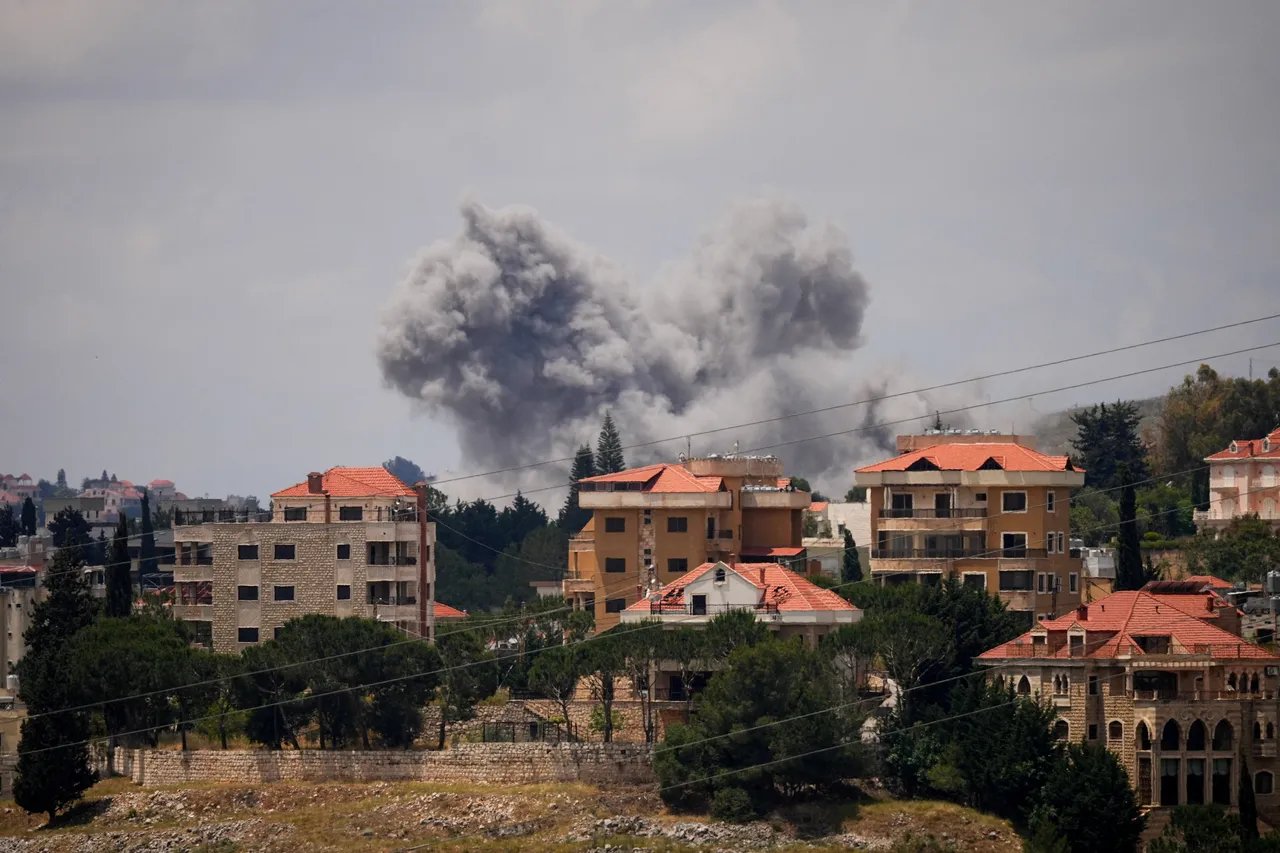
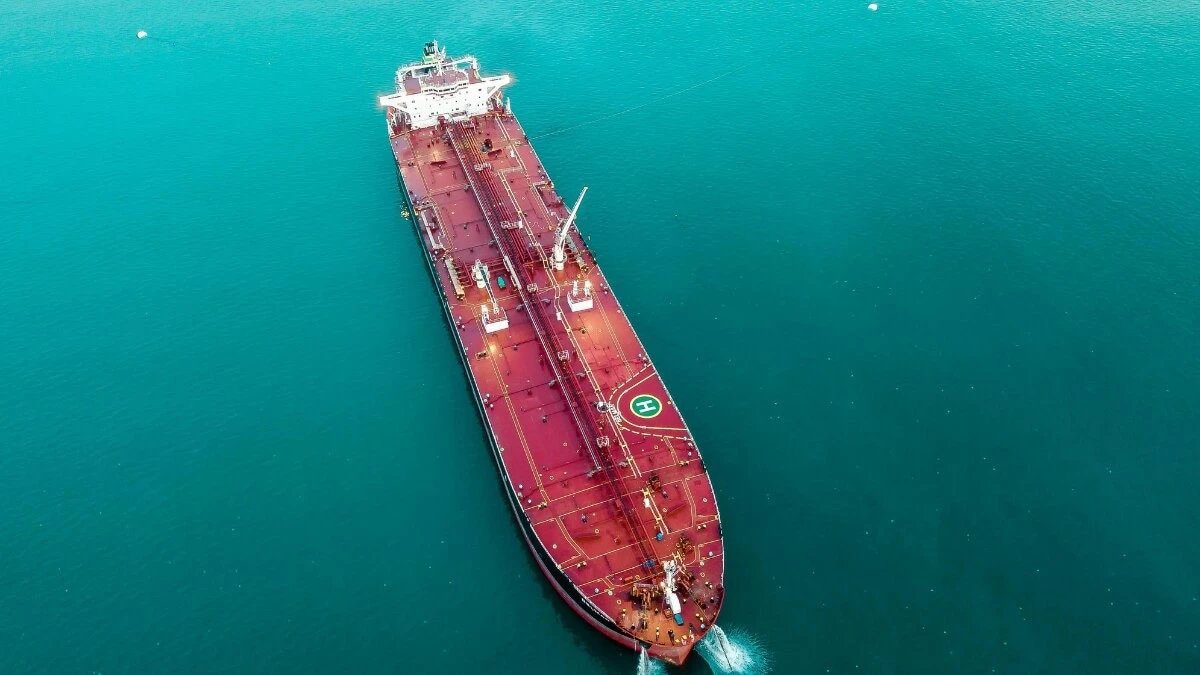
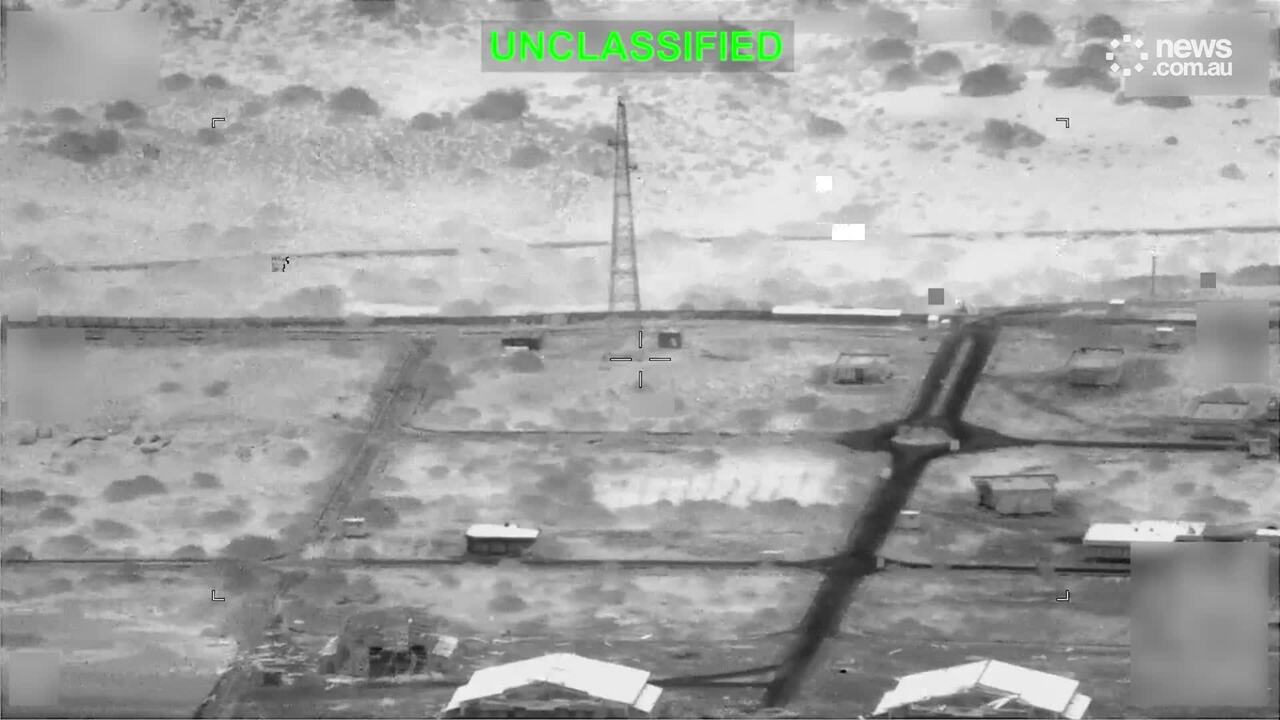
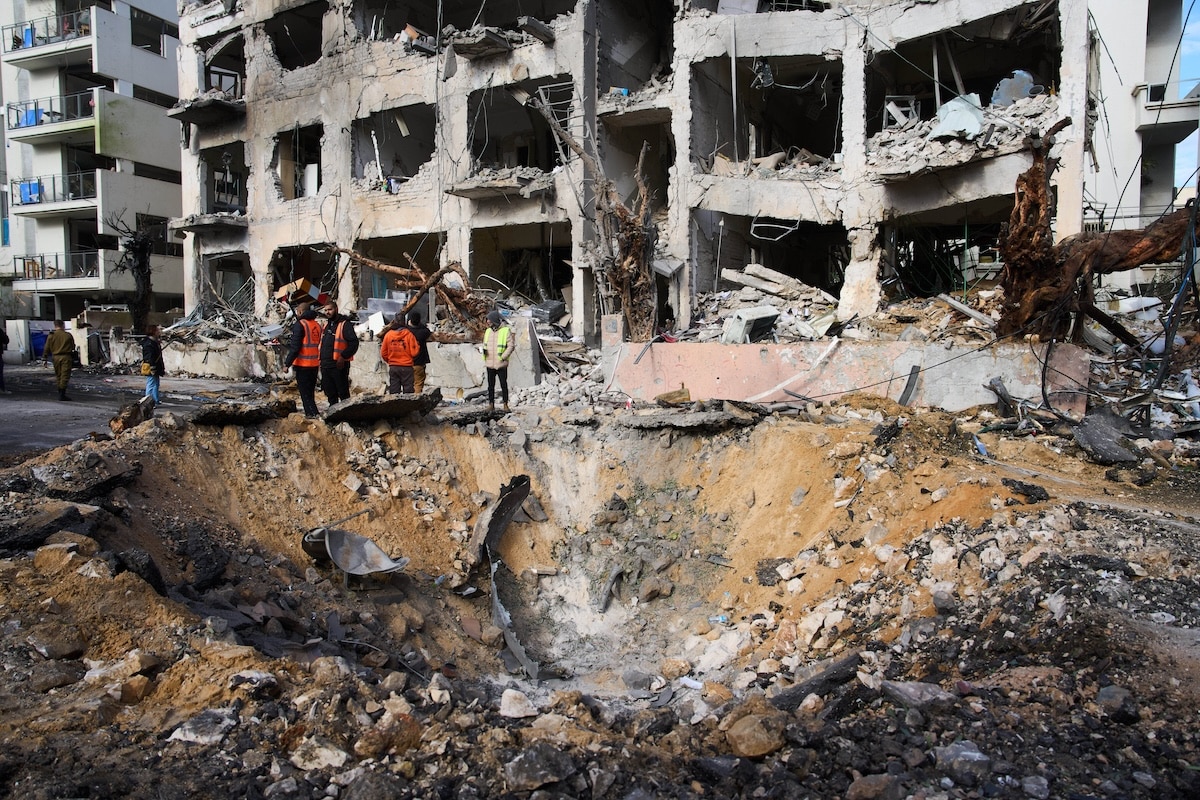
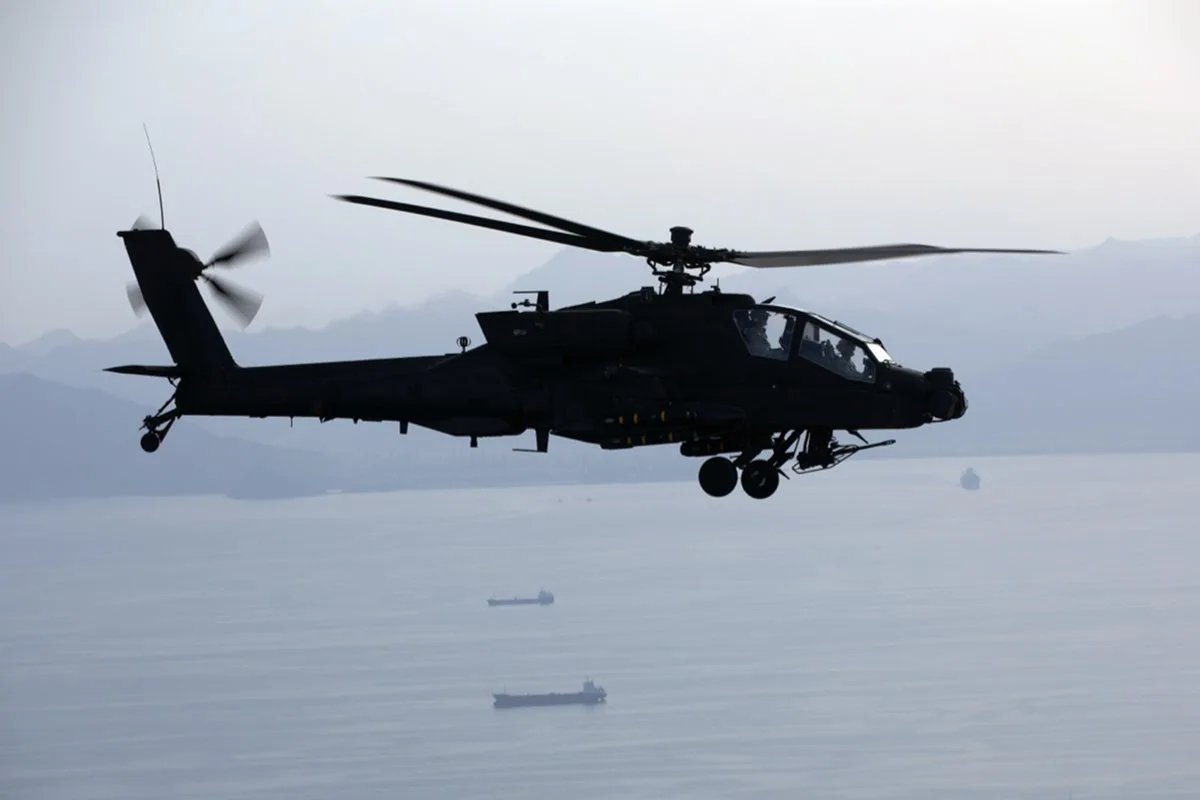
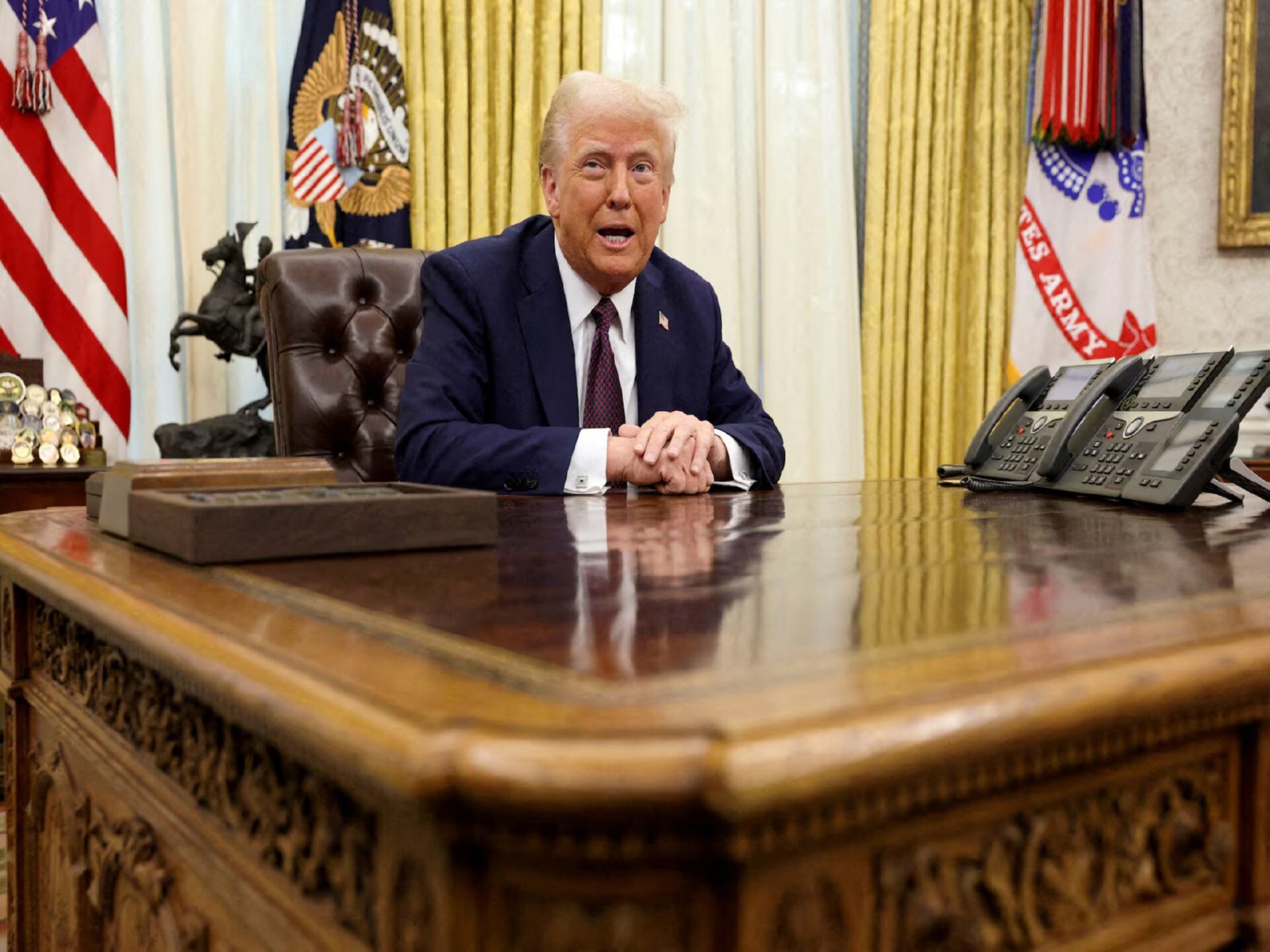
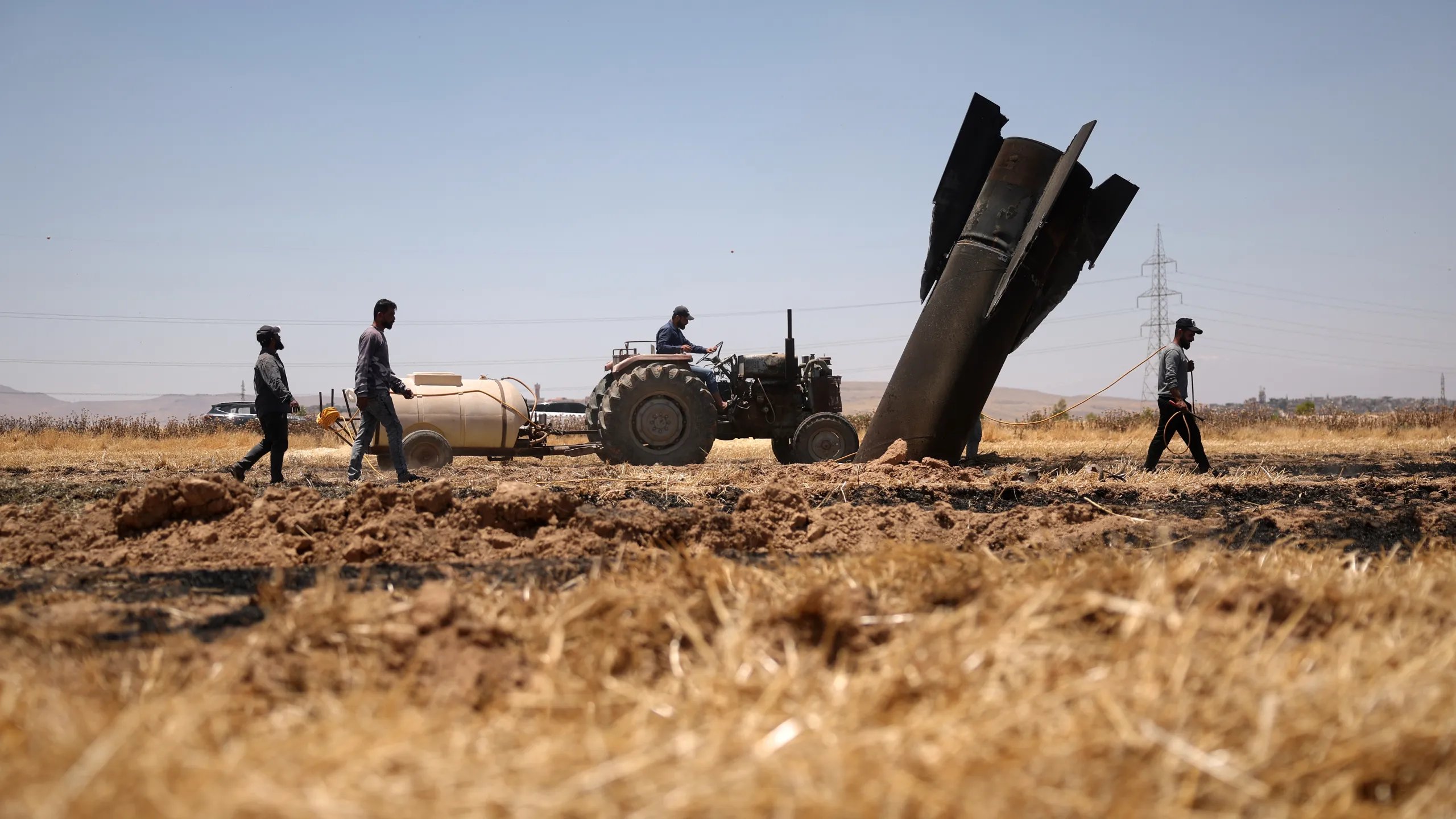
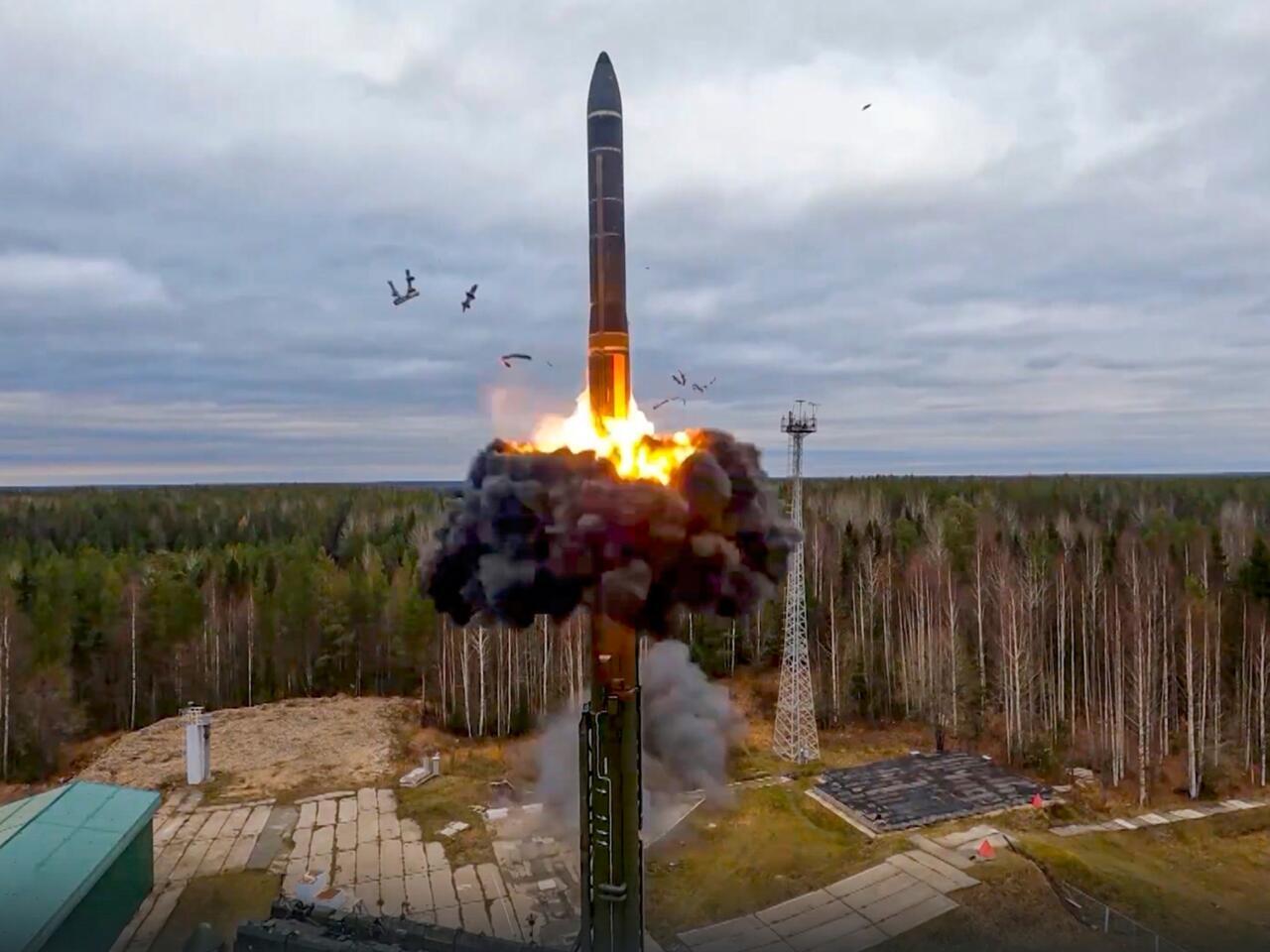
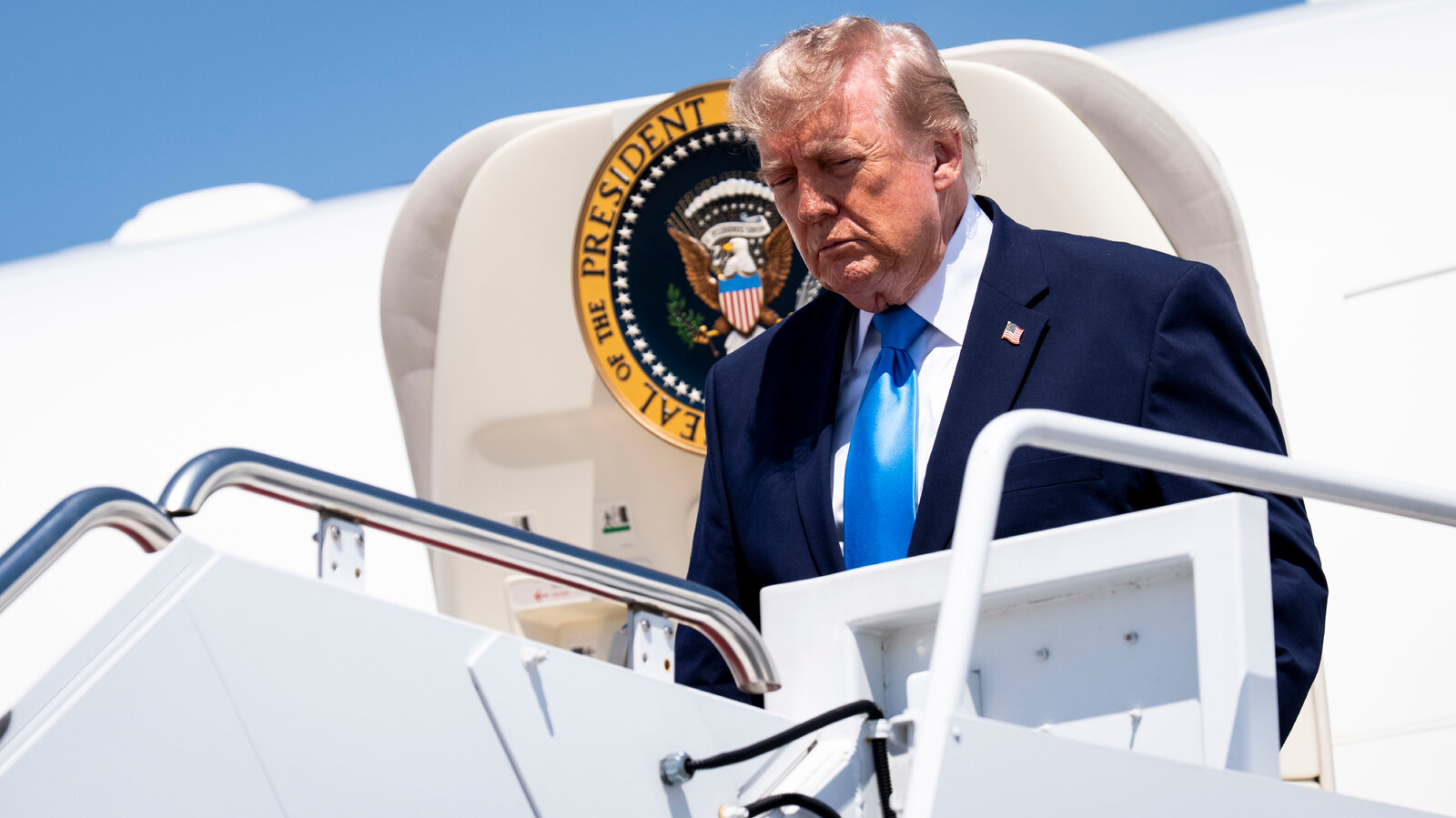
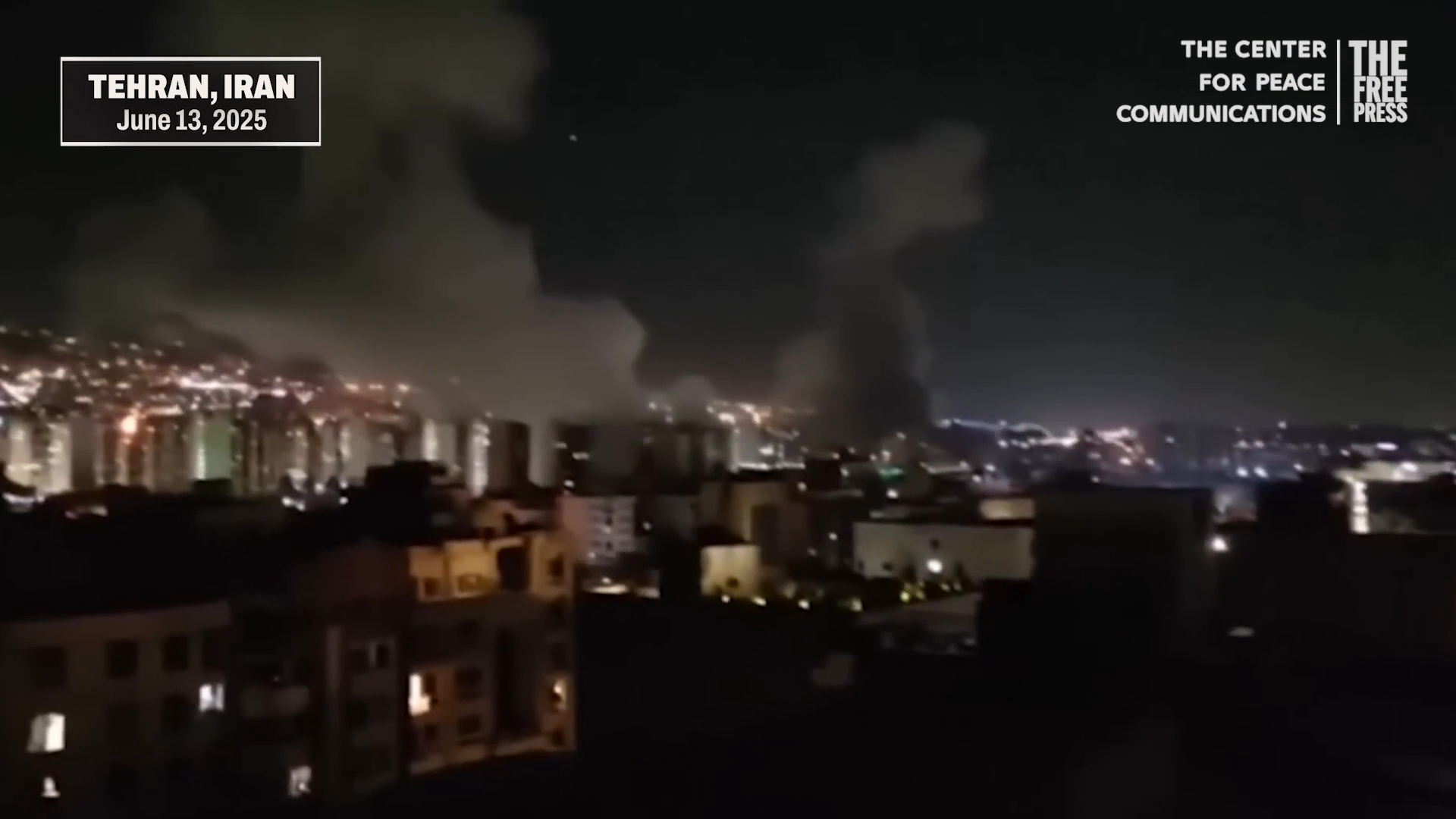
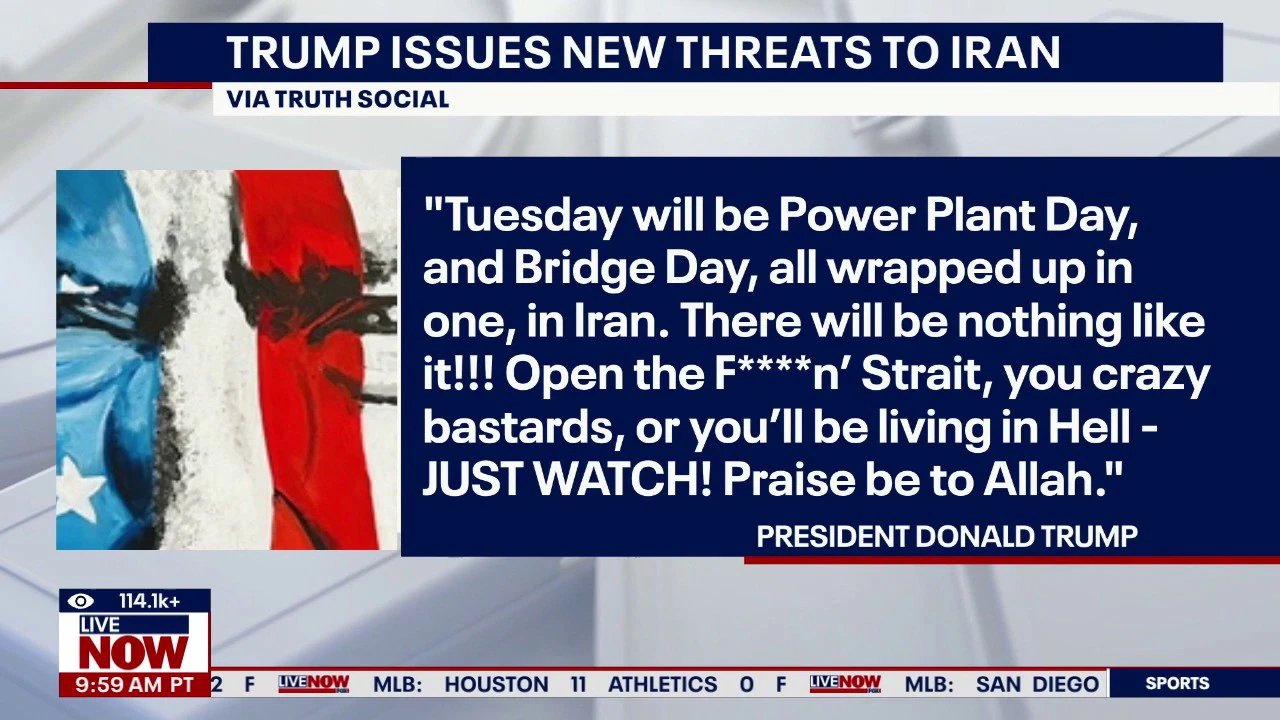
U.S. forces executed strikes on ten Iranian military facilities near the Strait of Hormuz following an Iranian drone attack on a commercial oil tanker. President Trump ordered this military action, which specifically targeted surveillance, communication, and drone facilities associated with Iran's military operations. The strikes represent a significant escalation in U.S. military engagement in the region, occurring despite an interim ceasefire agreement between the two nations.
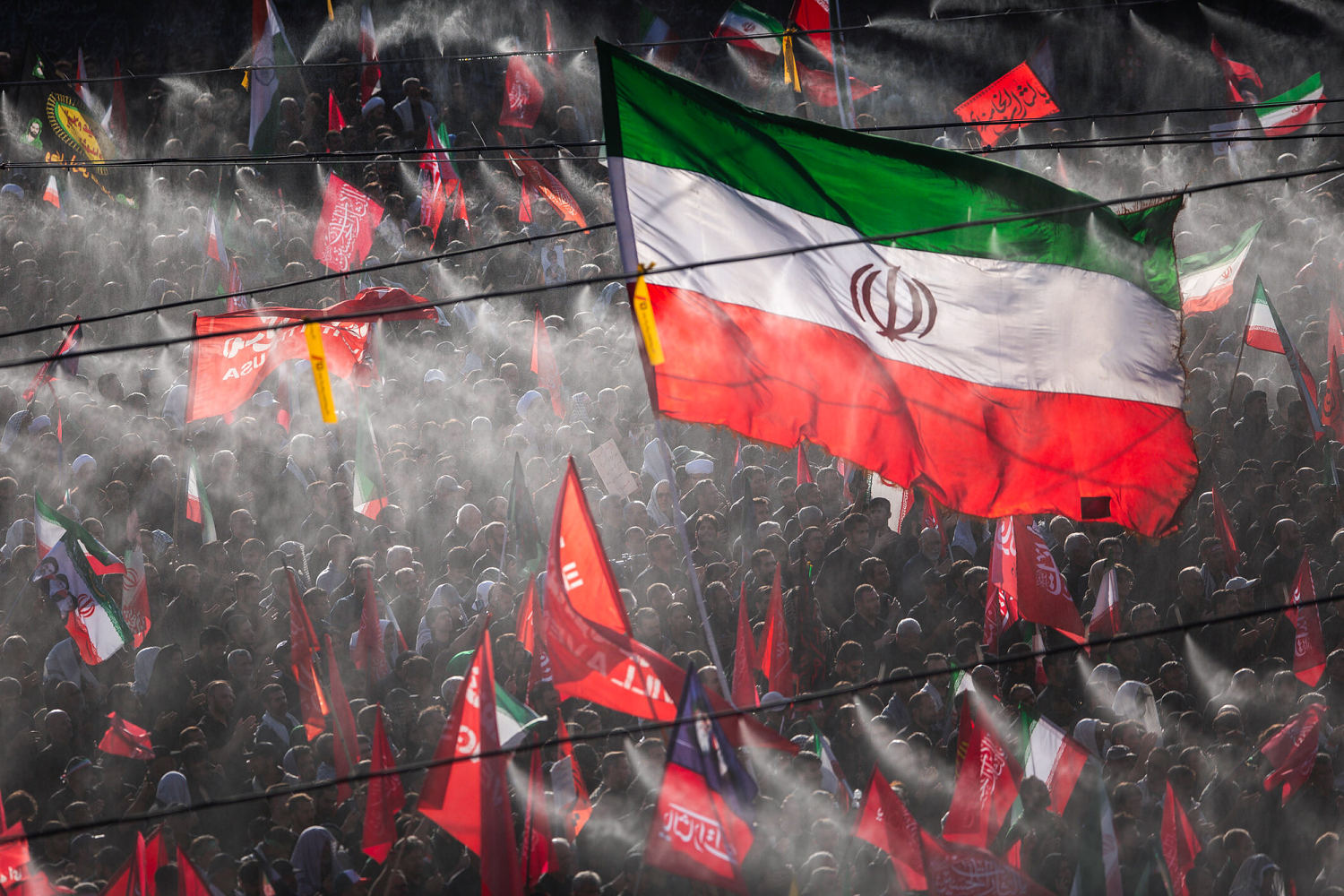
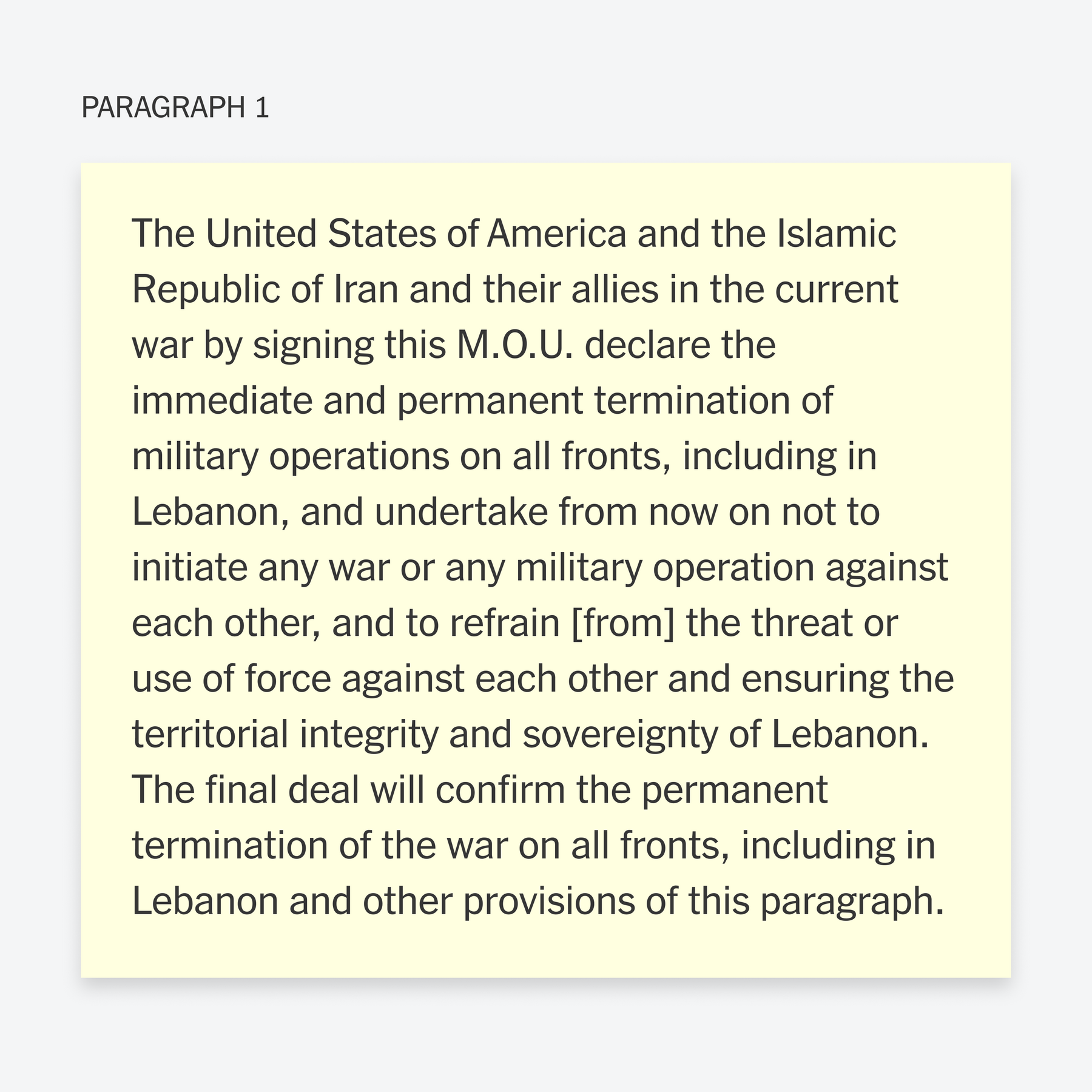
The recent military actions illustrate the fragile nature of U.S.-Iran relations, which have been strained by ongoing hostilities. This escalation comes just days after the two countries reached an interim agreement aimed at reducing conflicts. Washington warned of further action if hostilities persist, highlighting the precarious balance that exists in the Persian Gulf.
The strikes near the Strait of Hormuz underscore the potential for the conflict to spiral out of control. Analysts express concerns that renewed military actions could provoke Iran into retaliatory measures, increasing the risk of broader regional conflict. The U.S. military's readiness to respond decisively reflects a commitment to protecting maritime safety and U.S. interests in the region.
The situation remains volatile, with the possibility of escalation looming. The strikes serve as a reminder of the ongoing tensions and the need for diplomatic solutions to prevent further military confrontations in the Gulf region.
The recent U.S. military actions highlight the urgent need for a sustainable resolution to the ongoing conflict, as the stakes continue to rise for both nations and their allies.
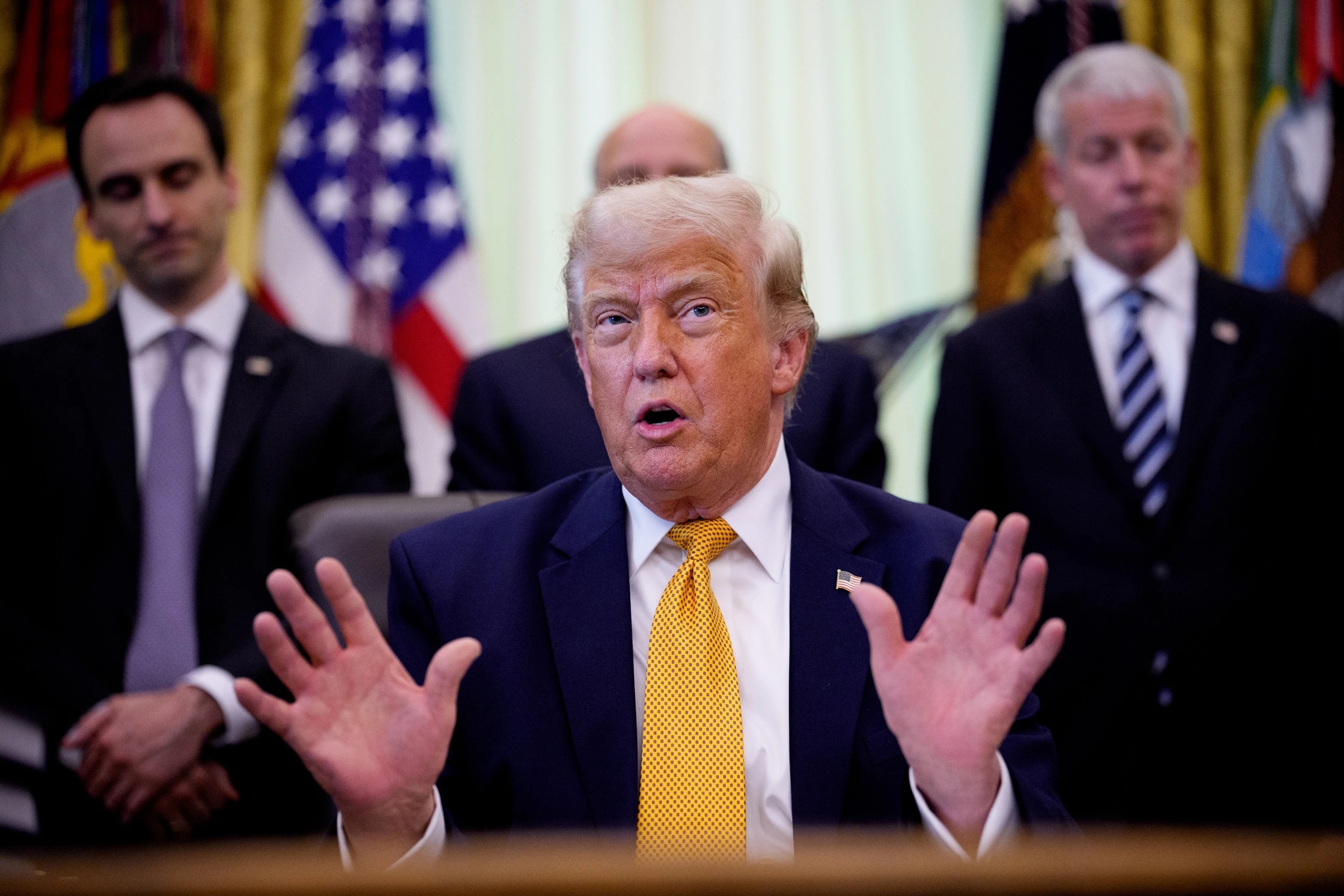
U.S. forces executed strikes on ten Iranian military facilities near the Strait of Hormuz following an Iranian drone attack on a commercial oil tanker. President Trump ordered this military action, which specifically targeted surveillance, communication, and drone facilities associated with Iran's military operations. The strikes represent a significant escalation in U.S. military engagement in the region, occurring despite an interim ceasefire that had been established between the two nations.
The recent military actions illustrate the fragile nature of U.S.-Iran relations, which have been strained by ongoing hostilities. This escalation comes just days after the two countries reached an interim agreement aimed at reducing conflicts. U.S. officials have warned that further military action could occur if Iran continues its aggressive behavior, highlighting the precarious balance that exists in the Persian Gulf.
The strikes near the Strait of Hormuz underscore the potential for the conflict to spiral out of control. Analysts express concerns that renewed military actions could provoke Iran into retaliatory measures, increasing the risk of broader regional conflict. The U.S. military's readiness to respond decisively reflects a commitment to protecting maritime safety and U.S. interests in the region.
In light of the recent strikes, there are calls from various international observers for both sides to exercise restraint. The situation remains volatile, with the possibility of escalation looming. The strikes serve as a reminder of the ongoing tensions and the need for diplomatic solutions to prevent further military confrontations in the Gulf region.
The recent U.S. military actions highlight the urgent need for a sustainable resolution to the ongoing conflict, as the stakes continue to rise for both nations and their allies.
Highlighted text was flagged by the council. Tap to see feedback.