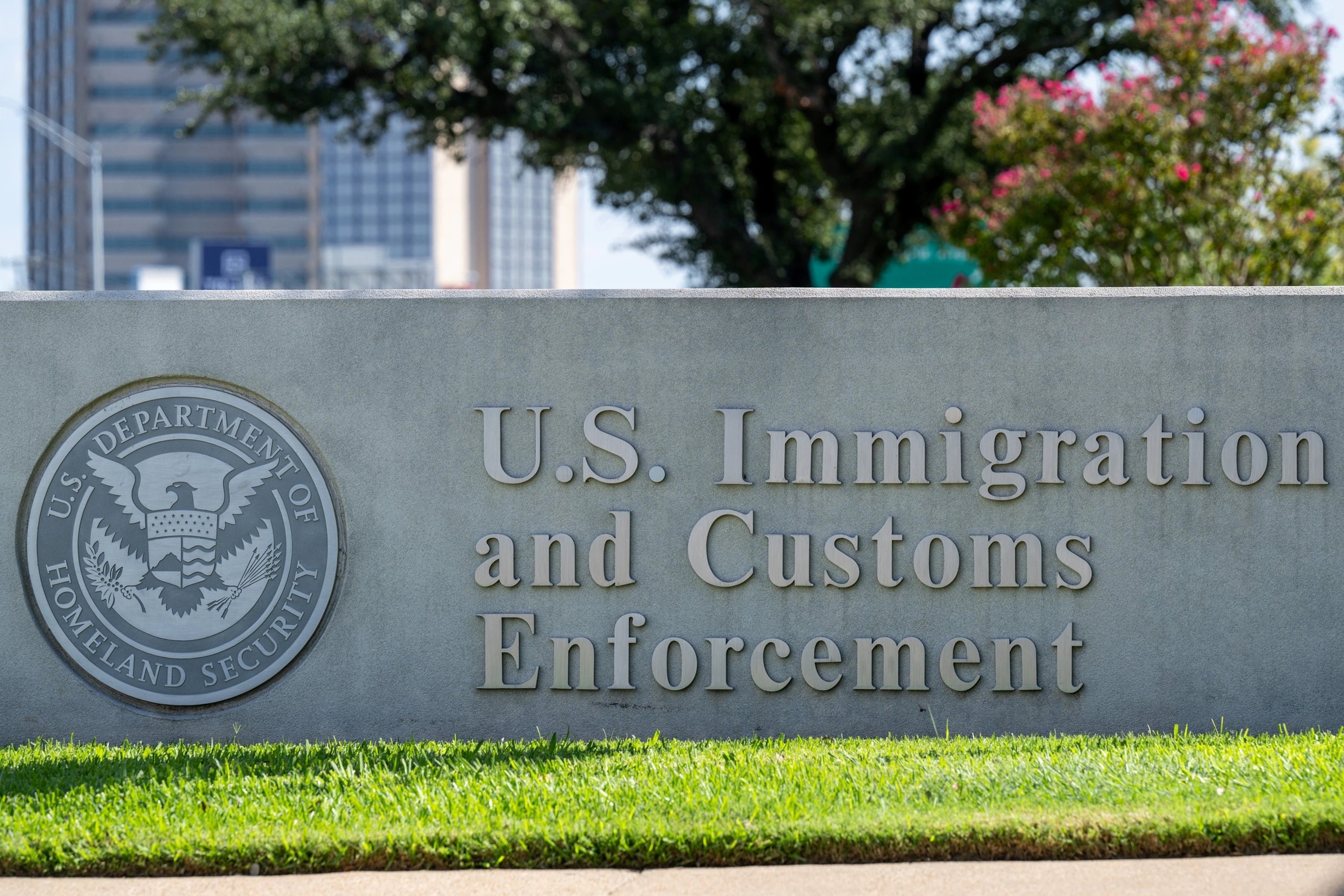
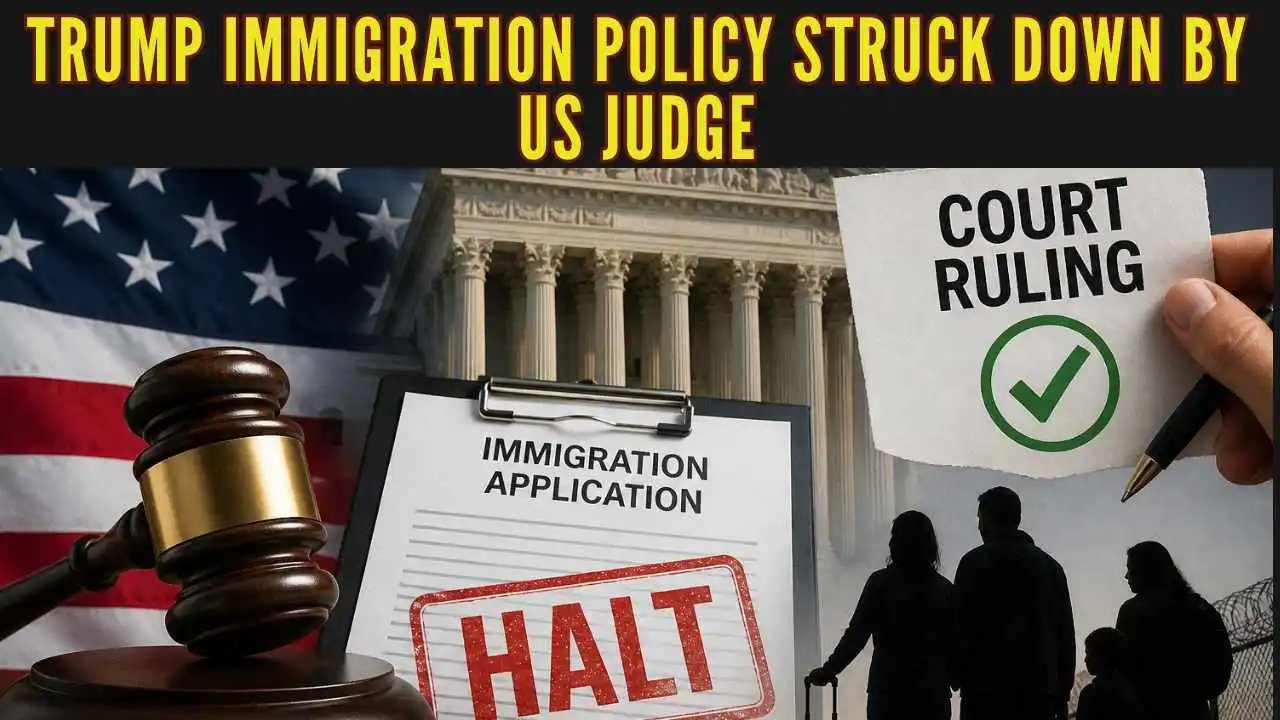
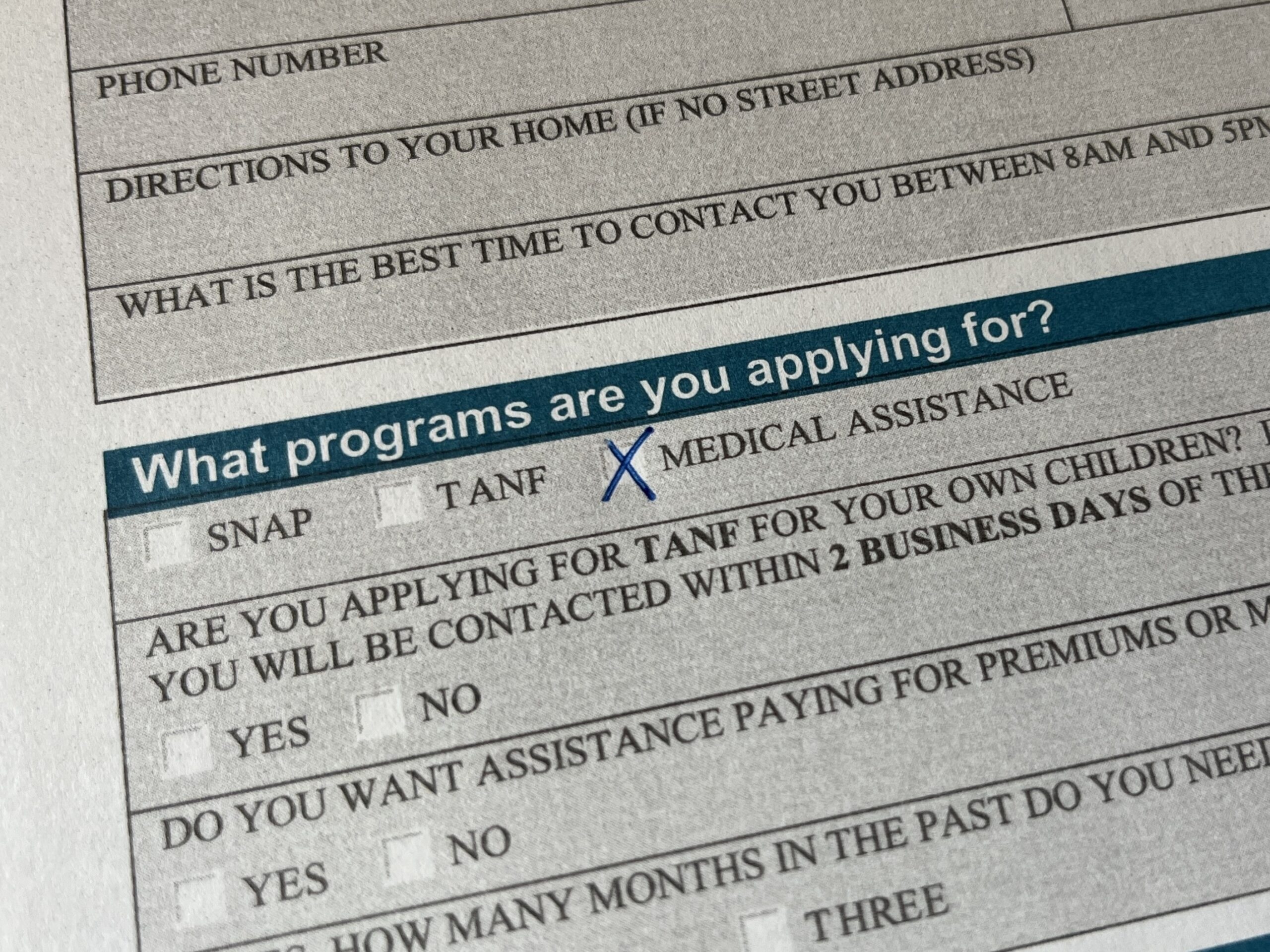
The Department of Homeland Security has proposed a substantial 75% increase in application fees for U.S. citizenship, a move that could significantly impact immigrants seeking naturalization. Under the proposed rule, the cost to apply would rise from $760 to $1,330, an increase of $570. Additionally, the fee for reconsideration requests before an appeals board would jump from $830 to $1,475, marking a 77.7% increase. This proposed rule is currently open for public comment and would take effect at least 60 days after its posting in the Federal Register.
This fee increase raises concerns about financial accessibility for those pursuing citizenship. The proposed changes would eliminate most fee waivers, making it more challenging for low-income applicants to afford the process. However, current and former armed forces members would remain exempt from these fees. Immigration lawyer Rosanna Berardi criticized the proposal, stating, "When you simultaneously raise fees, eliminate waivers, and add new vetting layers... you are building walls inside it."
The proposed rule states that current fees do not fully cover the cost of thoroughly adjudicating applications, including necessary screening and vetting checks. The U.S. Citizenship and Immigration Services (USCIS) is funded entirely by these fees and does not receive tax dollar support. The agency states that it is continuously enhancing its vetting processes, which now include social media checks for applicants.
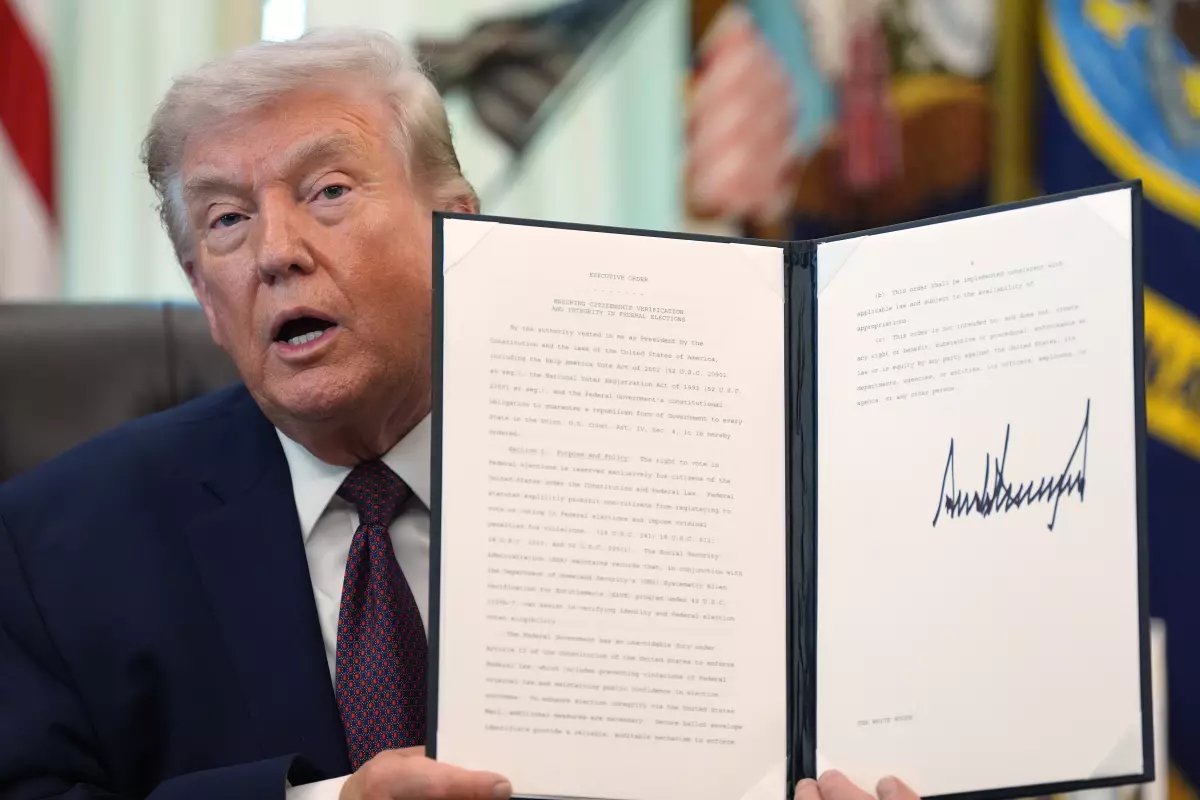
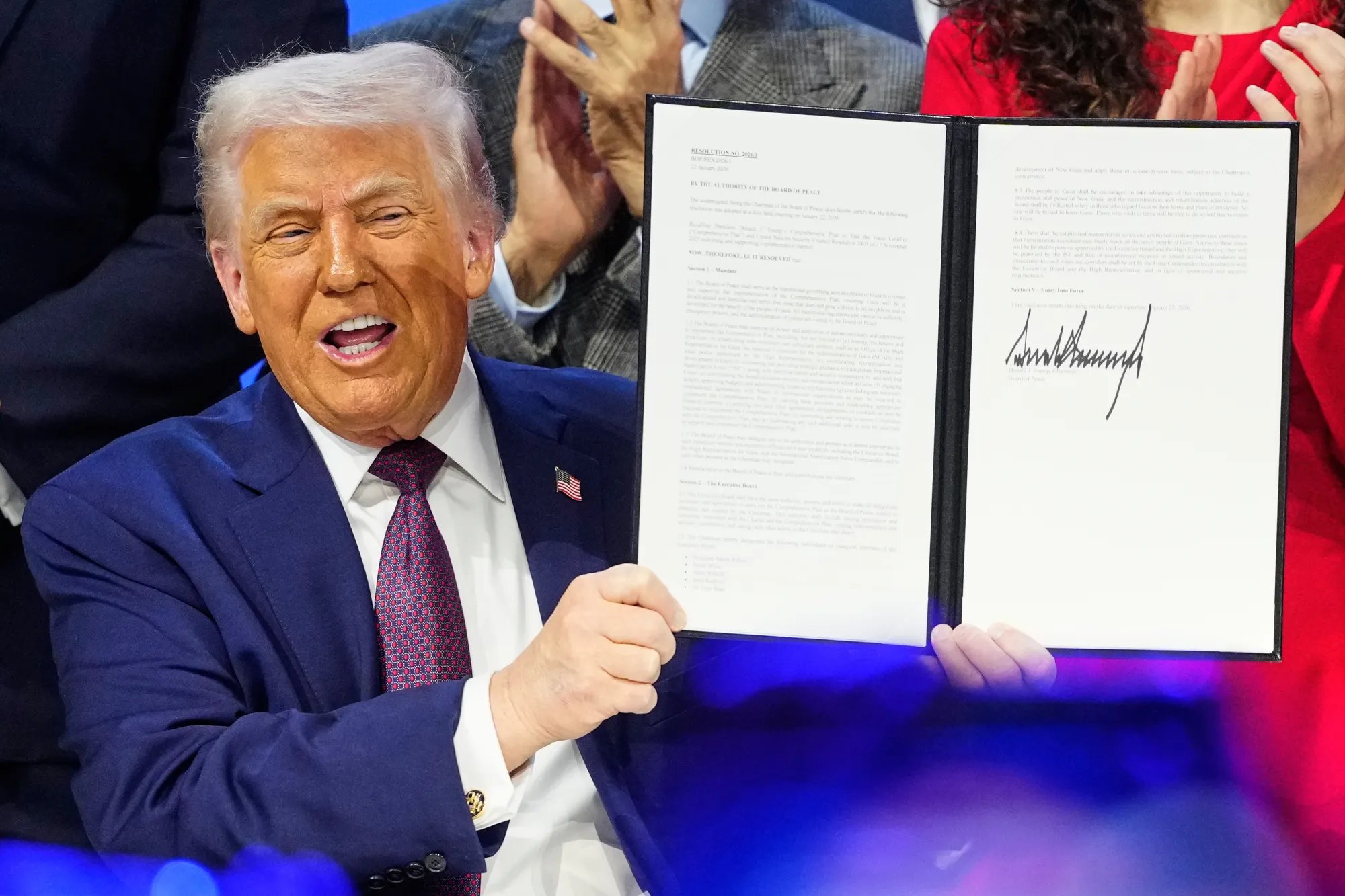
This proposed fee increase is consistent with the Trump administration's stated immigration policy. Critics argue it makes legal immigration more expensive and less accessible. The Trump administration has increased vetting for citizenship applicants, including social media checks. Citizenship applicants must also pass a civics test and undergo a full background investigation.
As the public comment period progresses, the proposed fee increase could deter many from applying for citizenship, particularly those from lower-income backgrounds. The changes may lead to a decrease in the number of applicants, thus affecting the overall demographics of new U.S. citizens.
In light of these developments, potential applicants may need to reassess their financial readiness and seek assistance to navigate the increasingly costly path to citizenship.
The Department of Homeland Security has proposed a substantial 75% increase in application fees for U.S. citizenship, a move that could significantly impact immigrants seeking naturalization. Under the proposed rule, the cost to apply would rise from $760 to $1,330, an increase of $570. Additionally, the fee for reconsideration requests before an appeals board would jump from $830 to $1,475, marking a 77.7% increase. This proposed rule is currently open for public comment and would take effect at least 60 days after its posting in the Federal Register.
This fee increase raises concerns about financial accessibility for those pursuing citizenship. The proposed changes would eliminate most fee waivers, making it more challenging for low-income applicants to afford the process. However, current and former armed forces members would remain exempt from these fees. Immigration lawyer Rosanna Berardi criticized the proposal, stating, "When you simultaneously raise fees, eliminate waivers, and add new vetting layers... you are building walls inside it."
The DHS argues that the current fees do not adequately cover the costs associated with processing applications. The proposed rule claims that the funds from these fees are essential for thorough adjudication, which includes necessary screening and vetting checks. The U.S. Citizenship and Immigration Services (USCIS) is funded entirely by these fees and does not receive tax dollar support. The agency states that it is continuously enhancing its vetting processes, which now include social media checks for applicants.
This proposed fee increase aligns with the Trump administration's broader immigration policy, which has been characterized by efforts to make legal immigration more expensive and less accessible. Critics argue that such measures are part of a strategy to deter immigrants from pursuing citizenship. The proposed changes come amid heightened scrutiny for individuals applying for lawful permanent residence and citizenship, which now entails extensive background checks and a civics test.
As the public comment period progresses, the proposed fee increase could deter many from applying for citizenship, particularly those from lower-income backgrounds. The changes may lead to a decrease in the number of applicants, thus affecting the overall demographics of new U.S. citizens. The implications of these fees extend beyond financial burdens; they could reshape the landscape of U.S. immigration by limiting access to citizenship for many aspiring Americans.
In light of these developments, potential applicants may need to reassess their financial readiness and seek assistance to navigate the increasingly costly path to citizenship.
Highlighted text was flagged by the council. Tap to see feedback.