
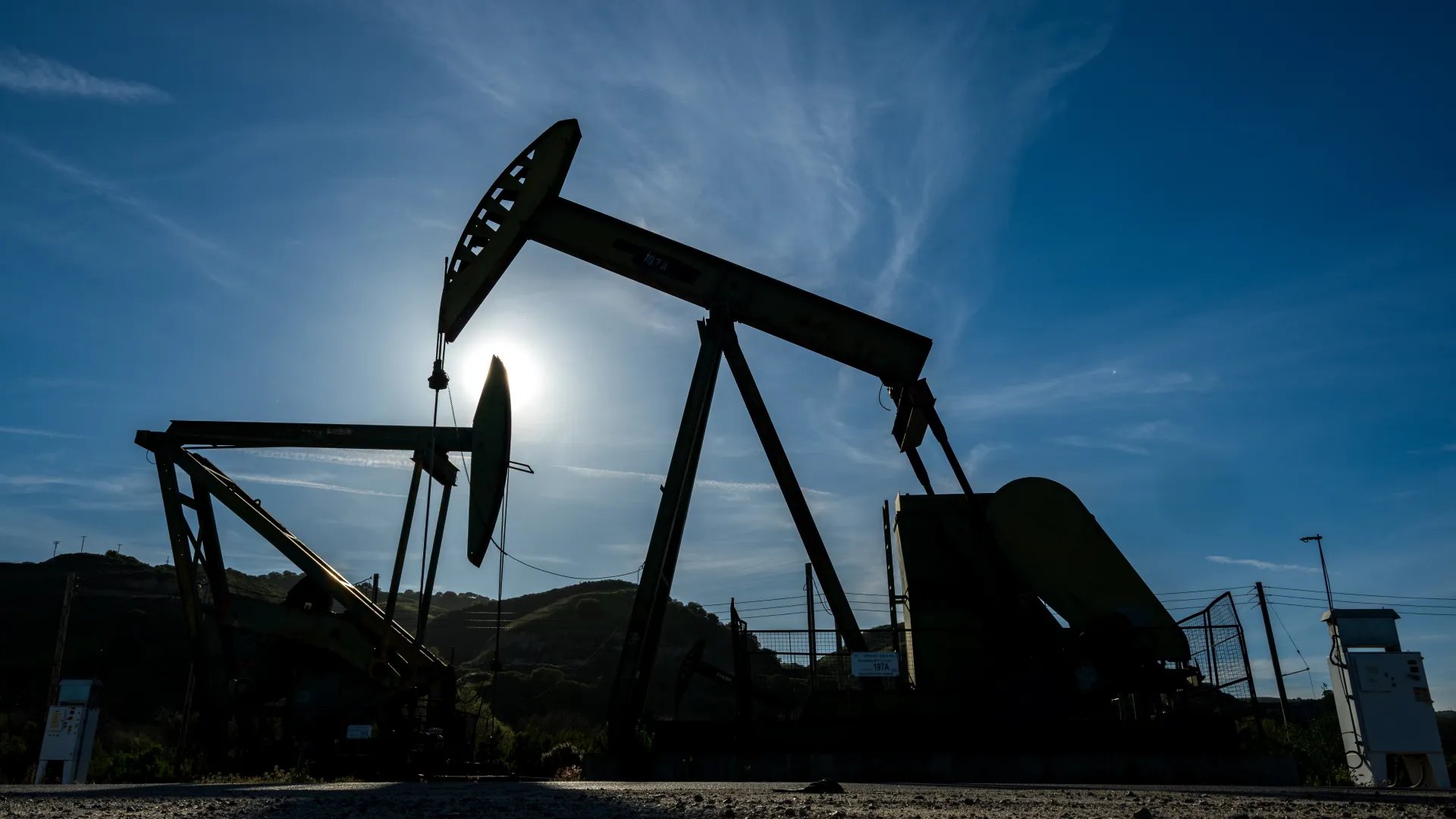





Increased Oil Prices Amid Geopolitical Tensions
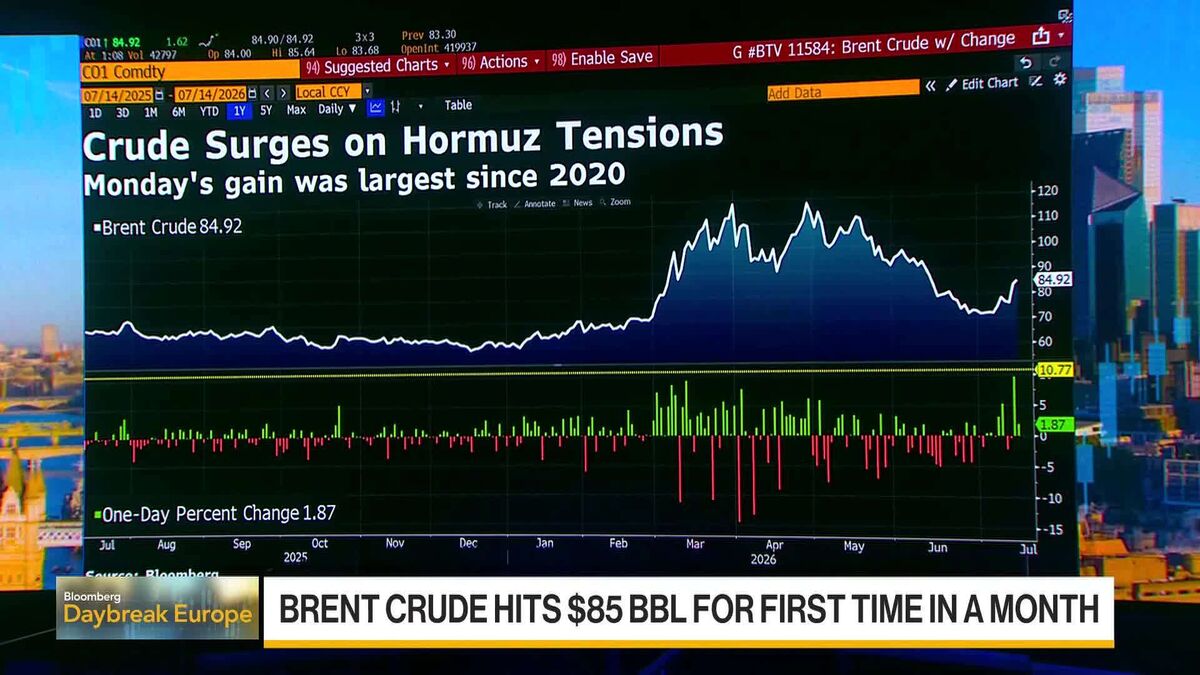
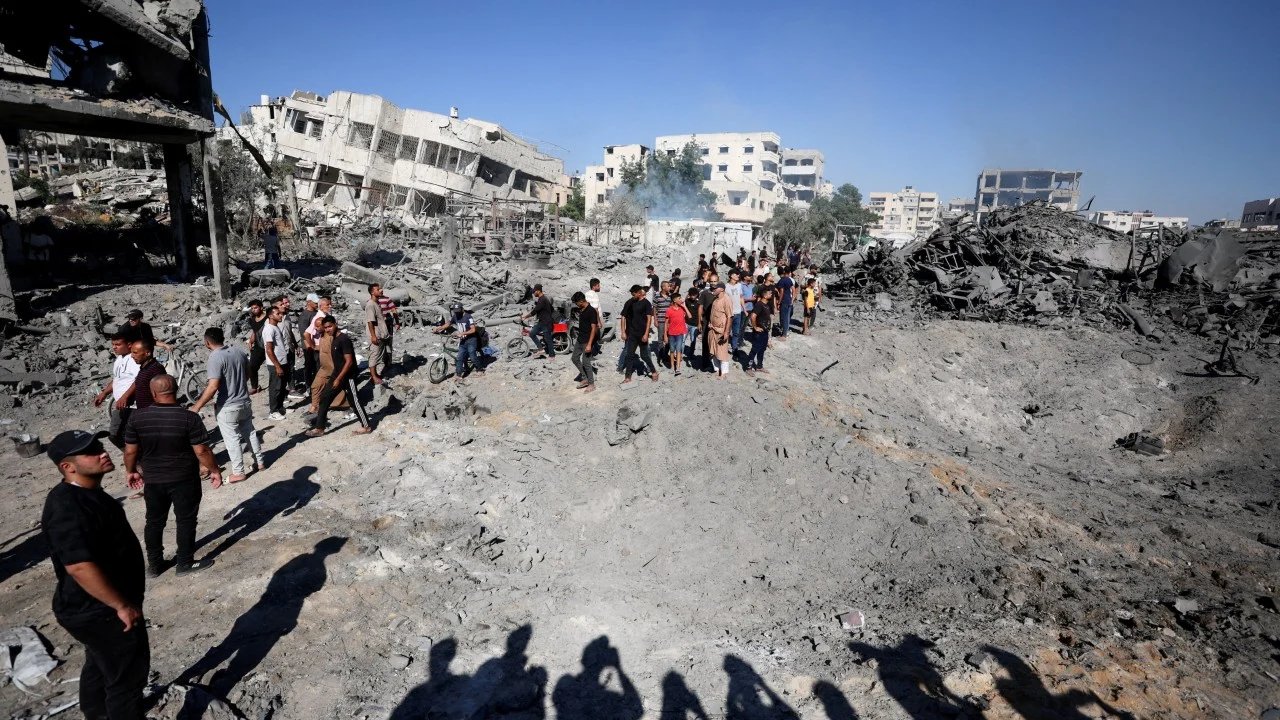
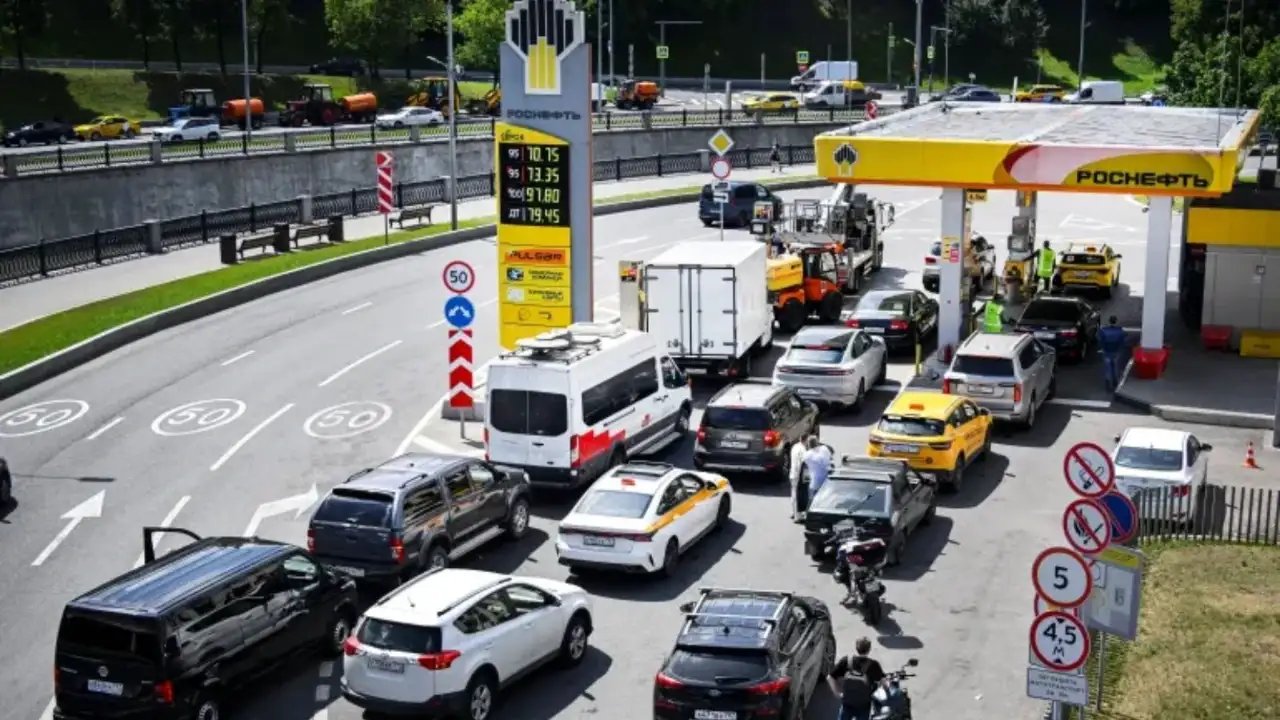
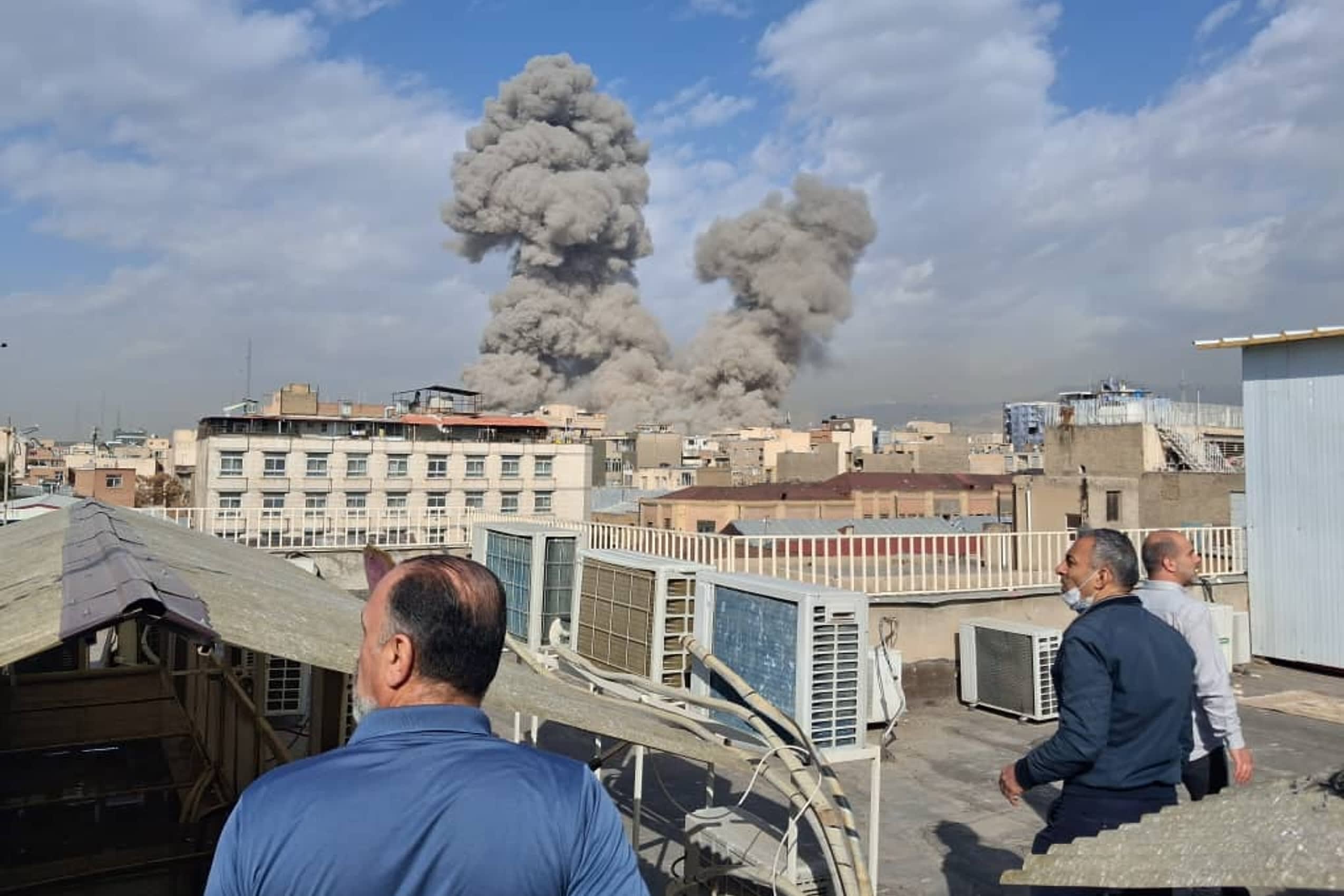
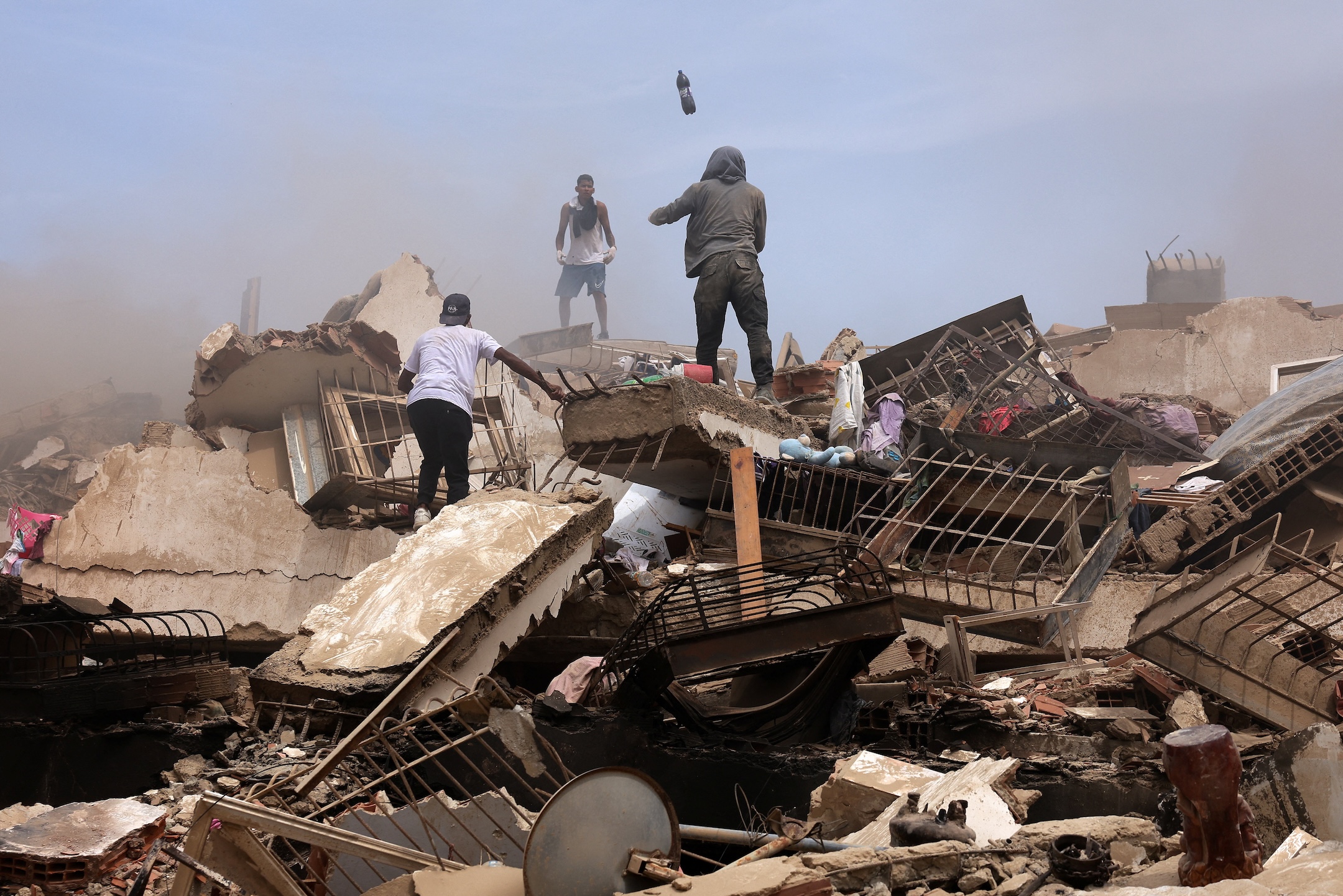
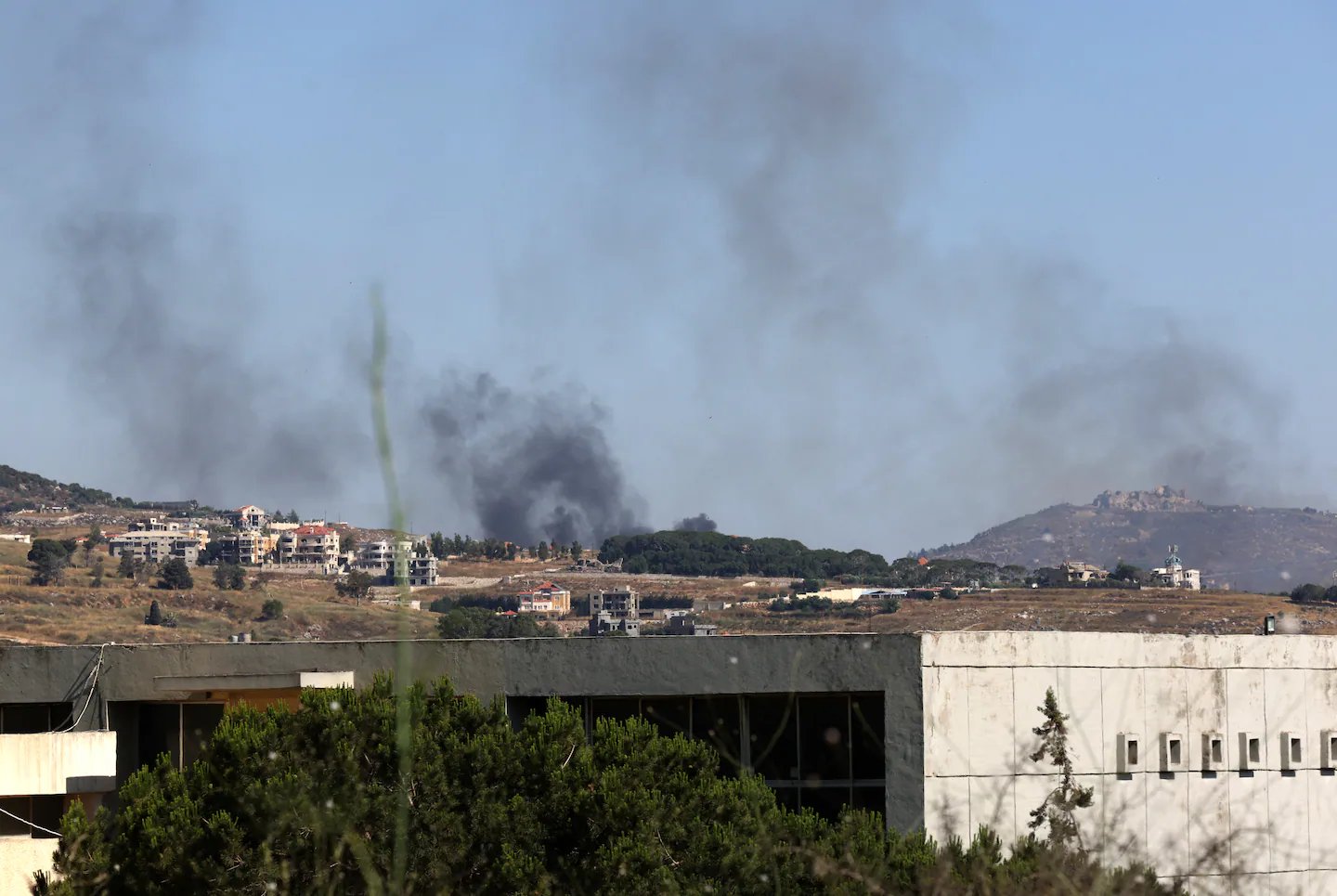
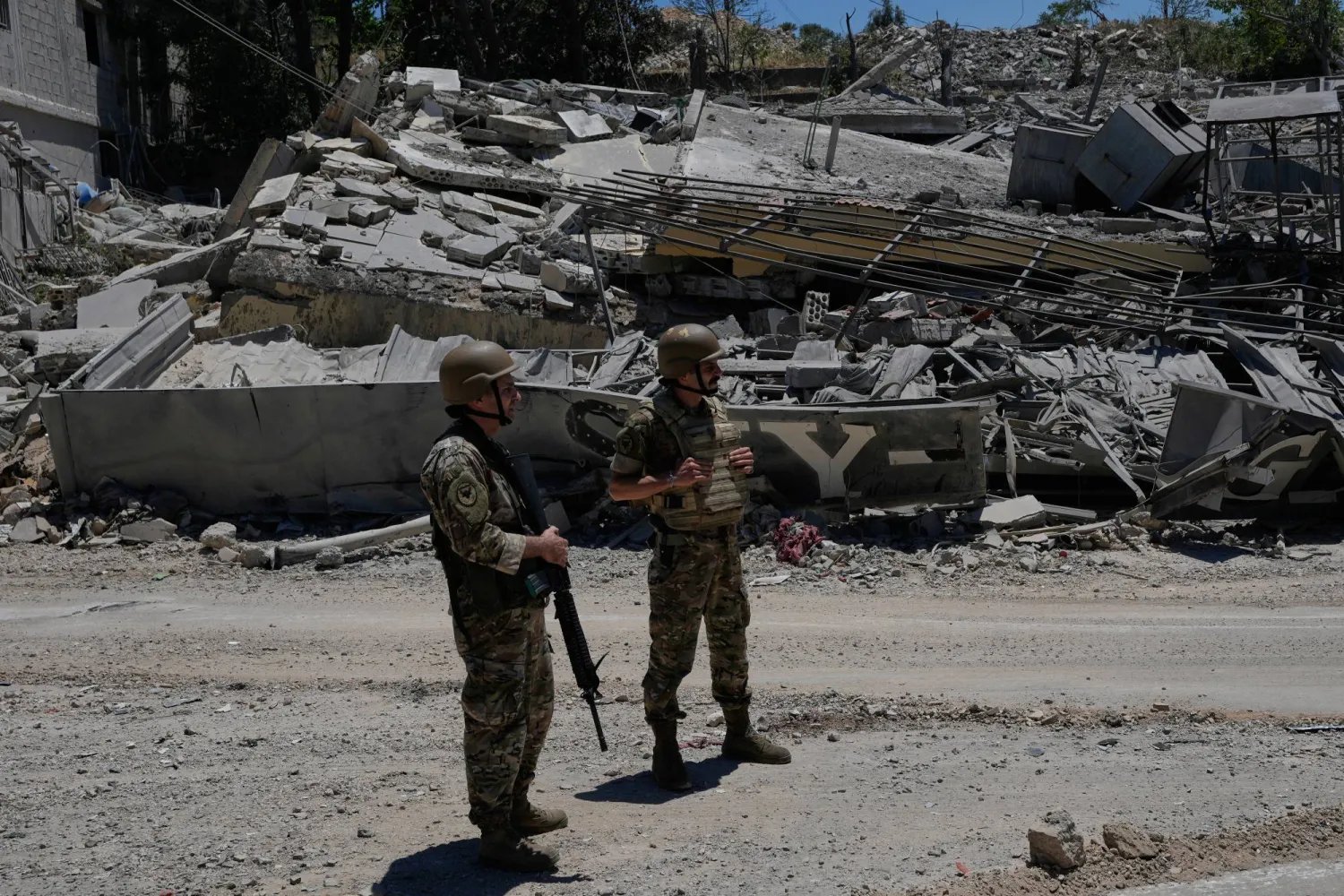
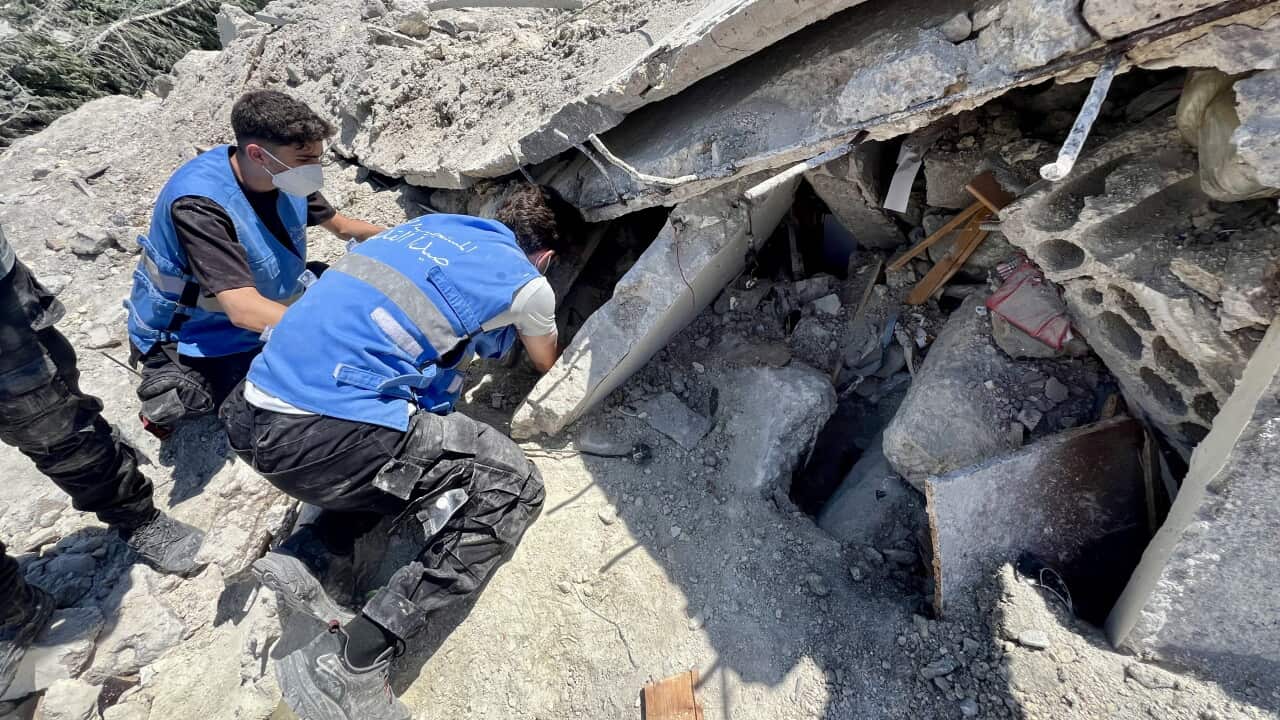
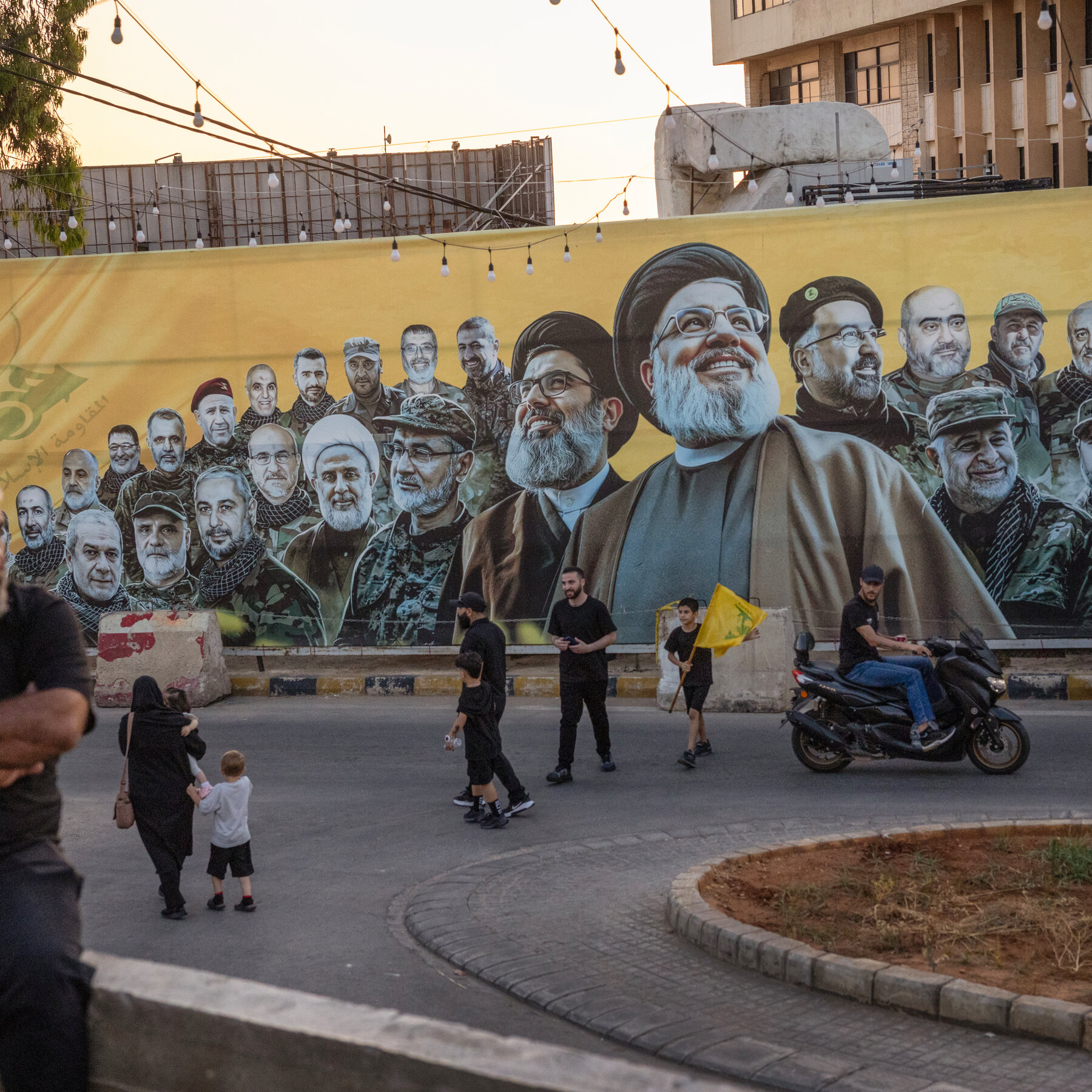
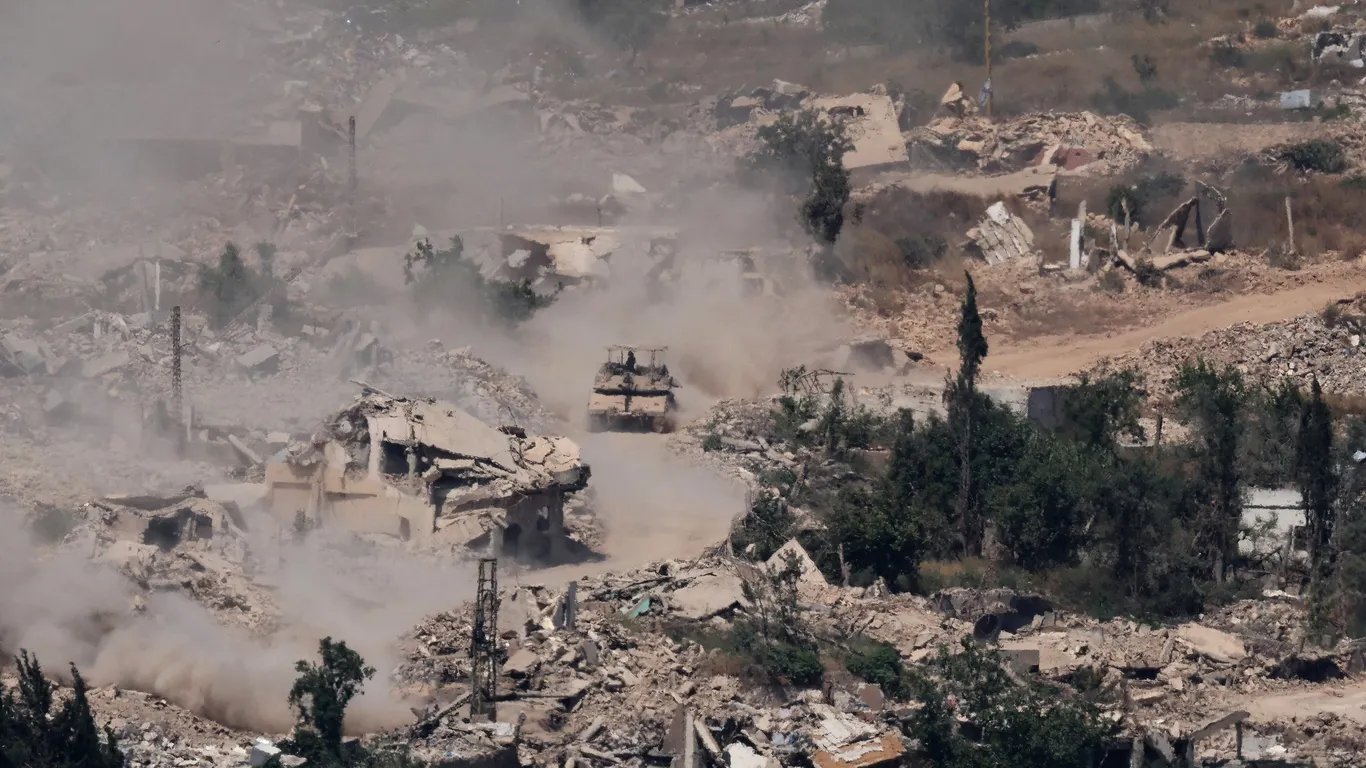
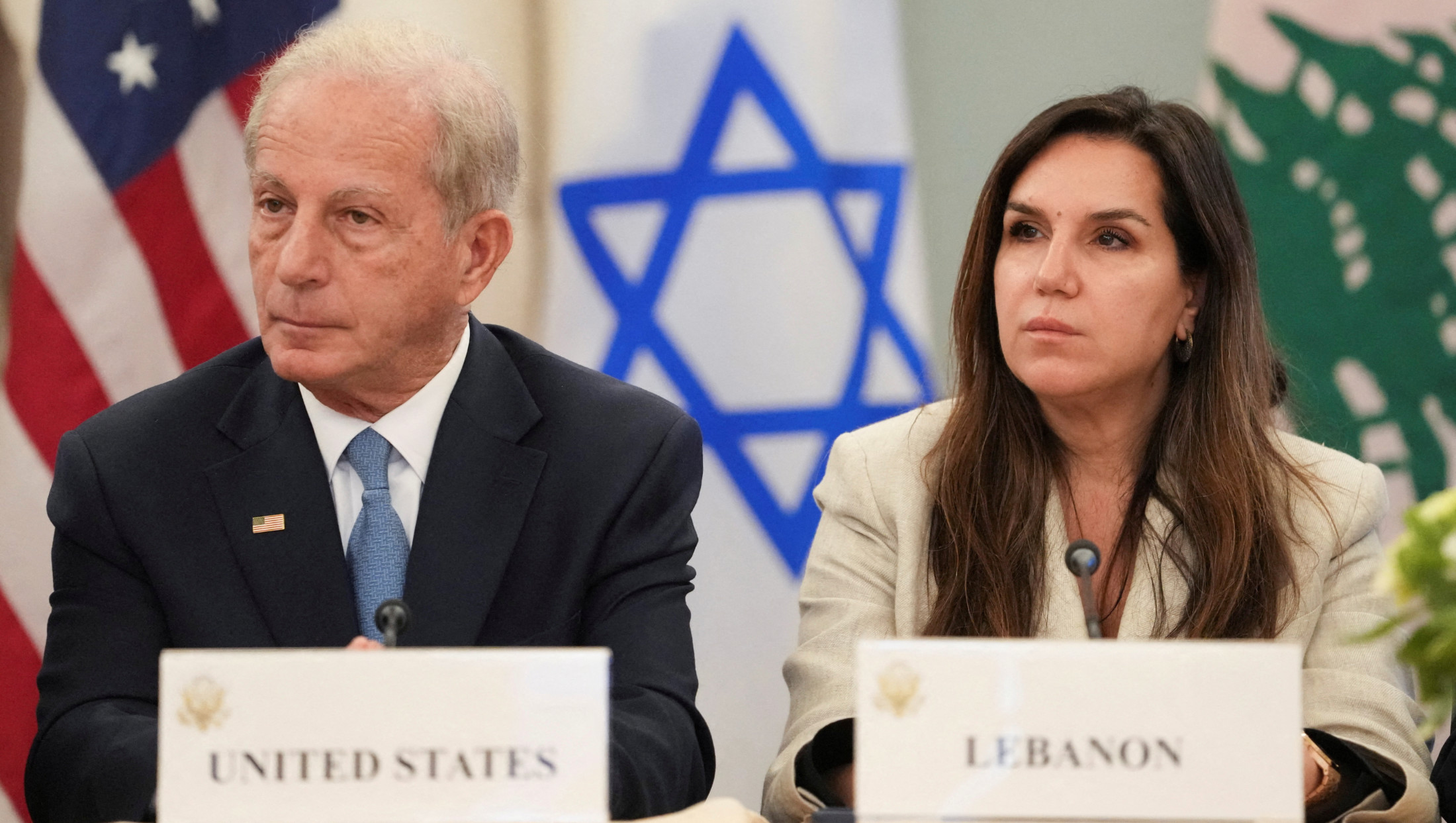
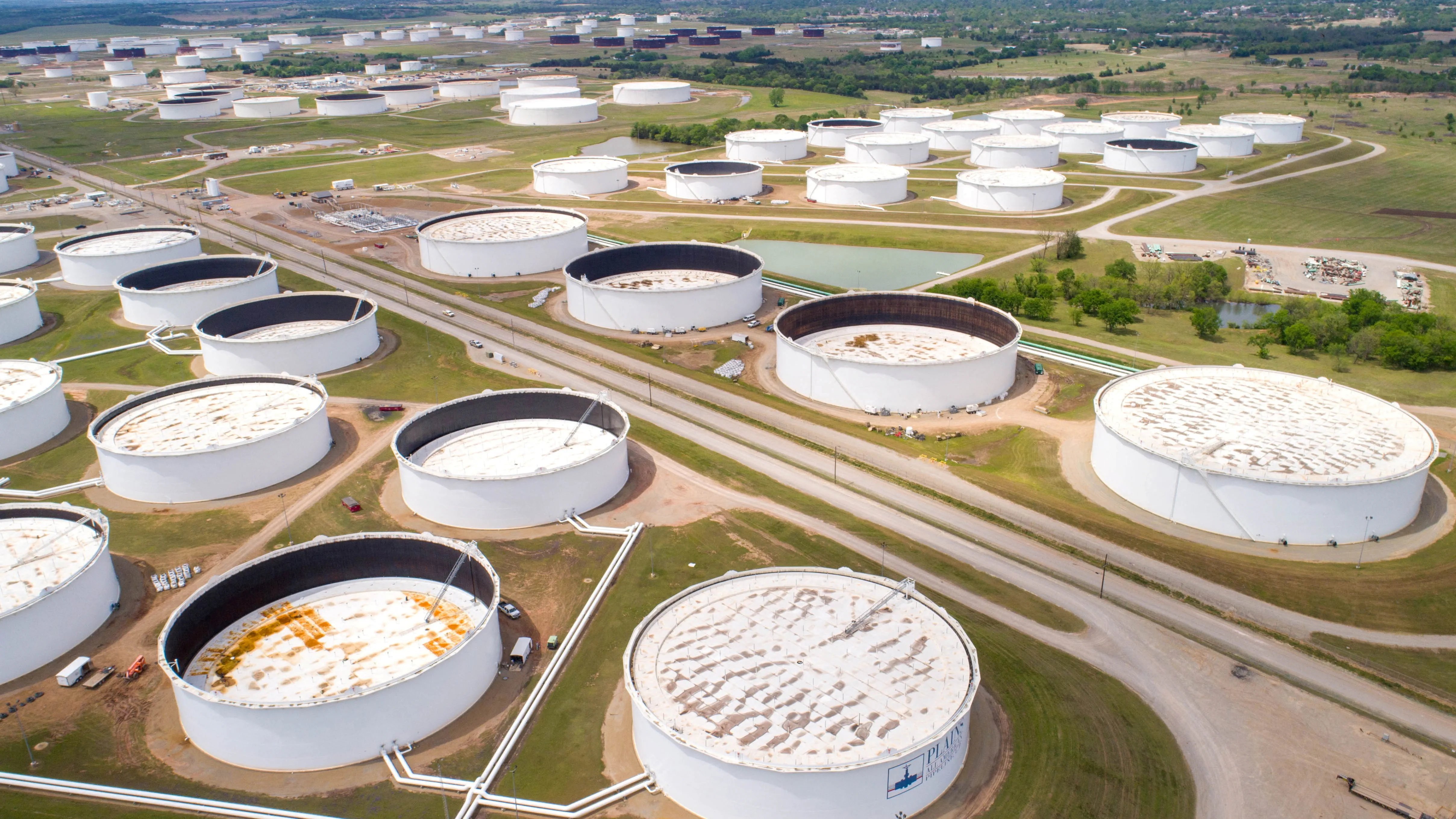
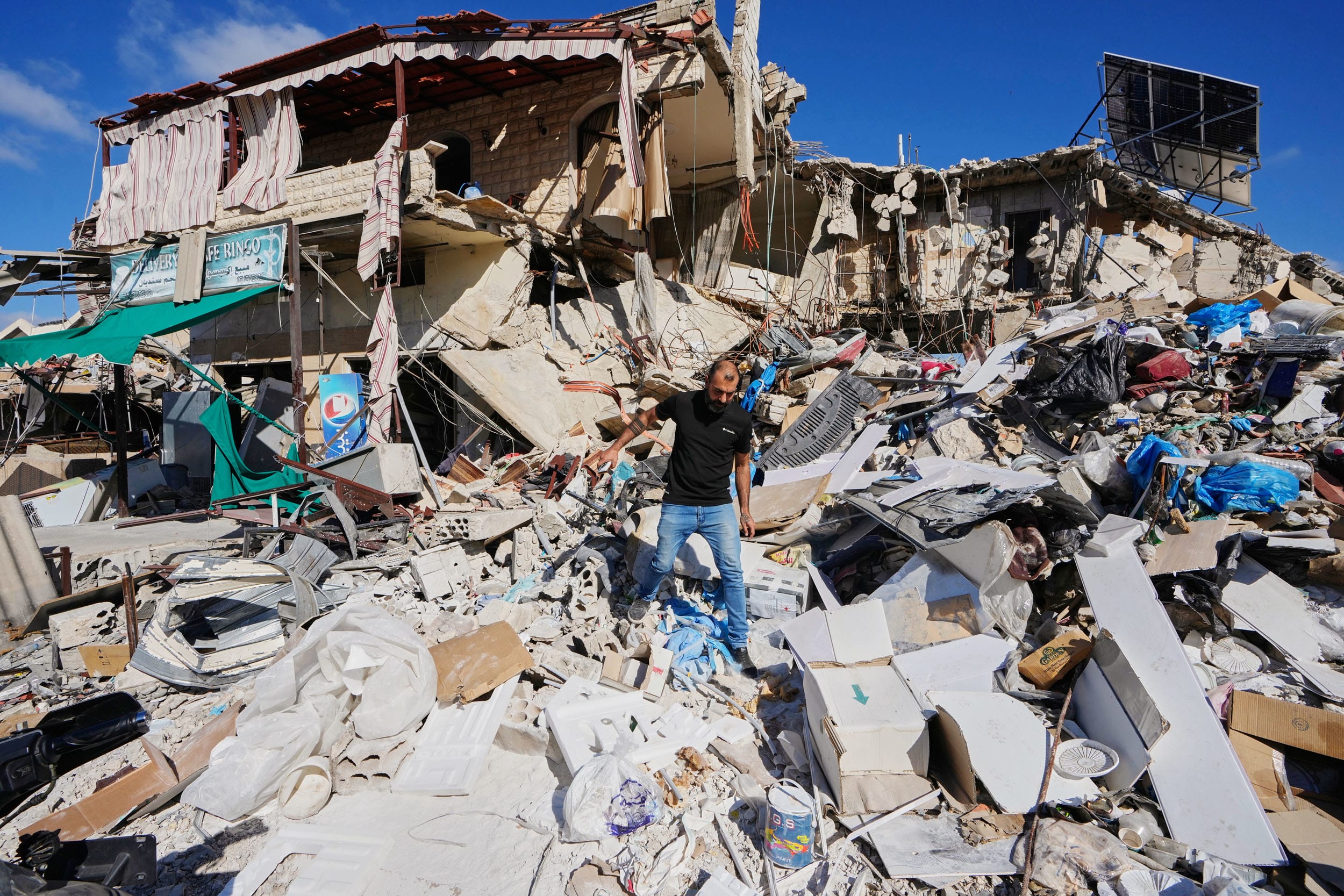
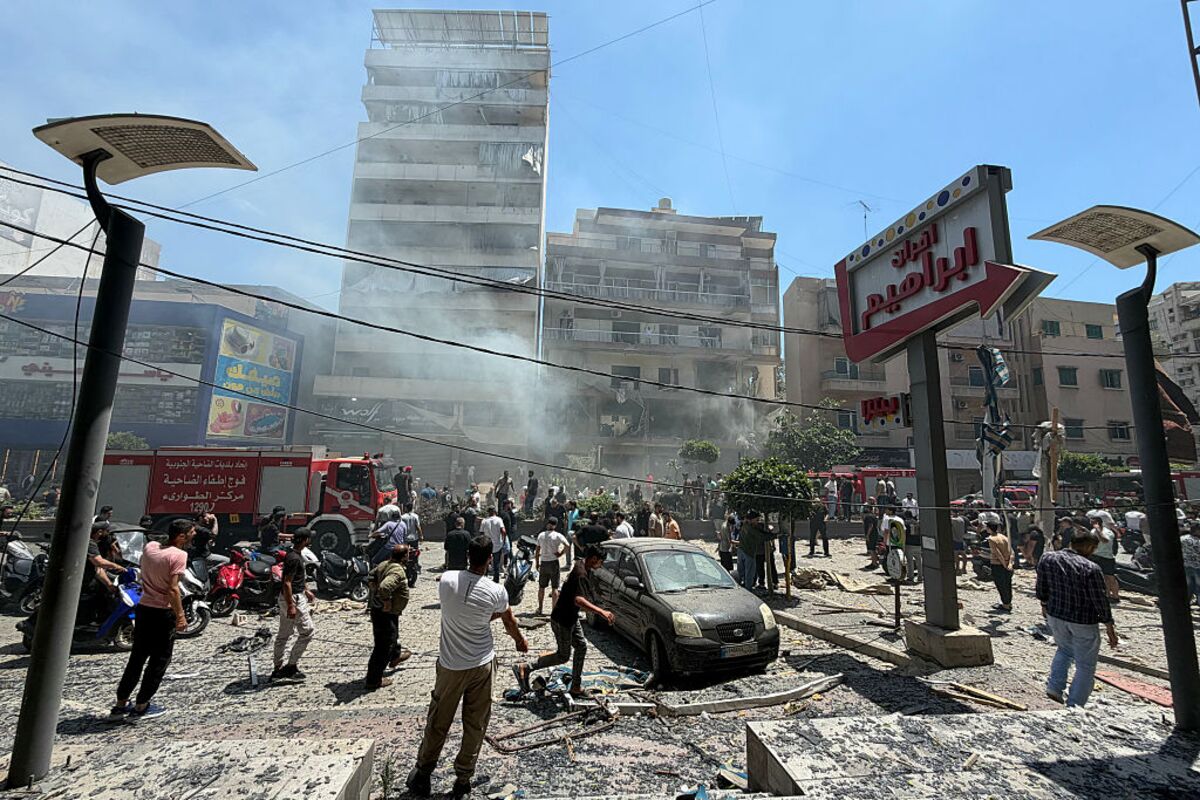
Oil prices are on the rise as conflict in Lebanon escalates and traffic through the Strait of Hormuz remains uncertain. Brent crude, the international benchmark, increased by 0.65 percent to $80.37 per barrel on Friday. This uptick follows a period of volatility influenced by Israel launching attacks on Lebanon, killing 16 people. Clashes between Israel and Hezbollah forces in southern Israel on Friday killed four Israeli soldiers.
Impact of Strait of Hormuz Traffic
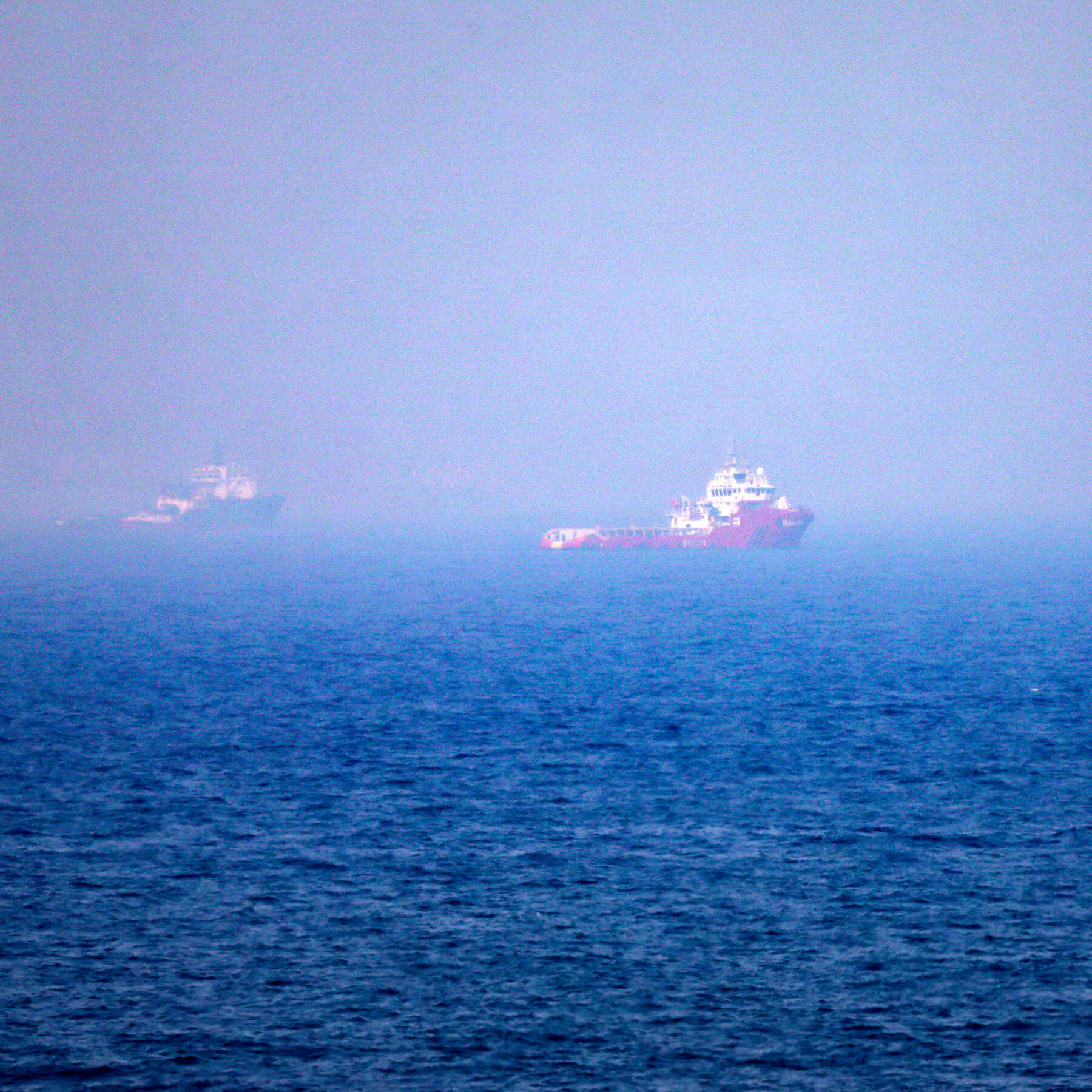
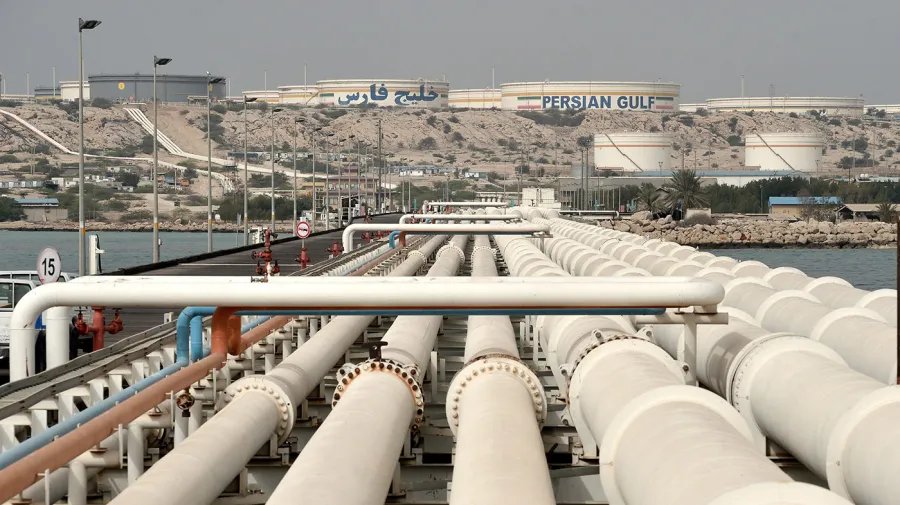
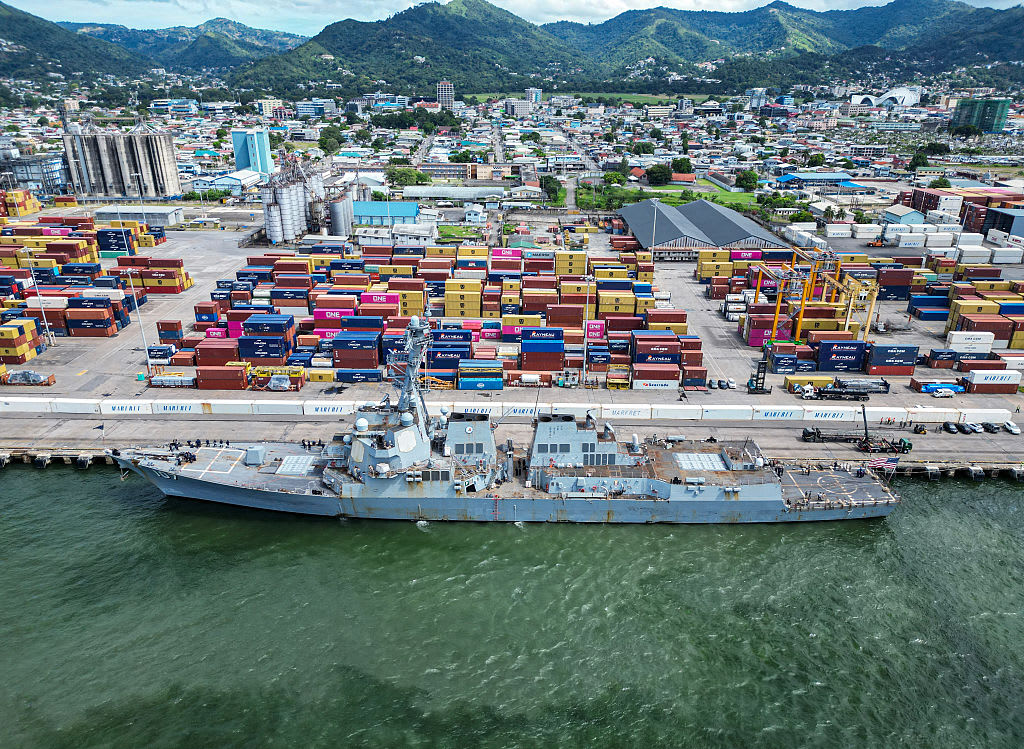
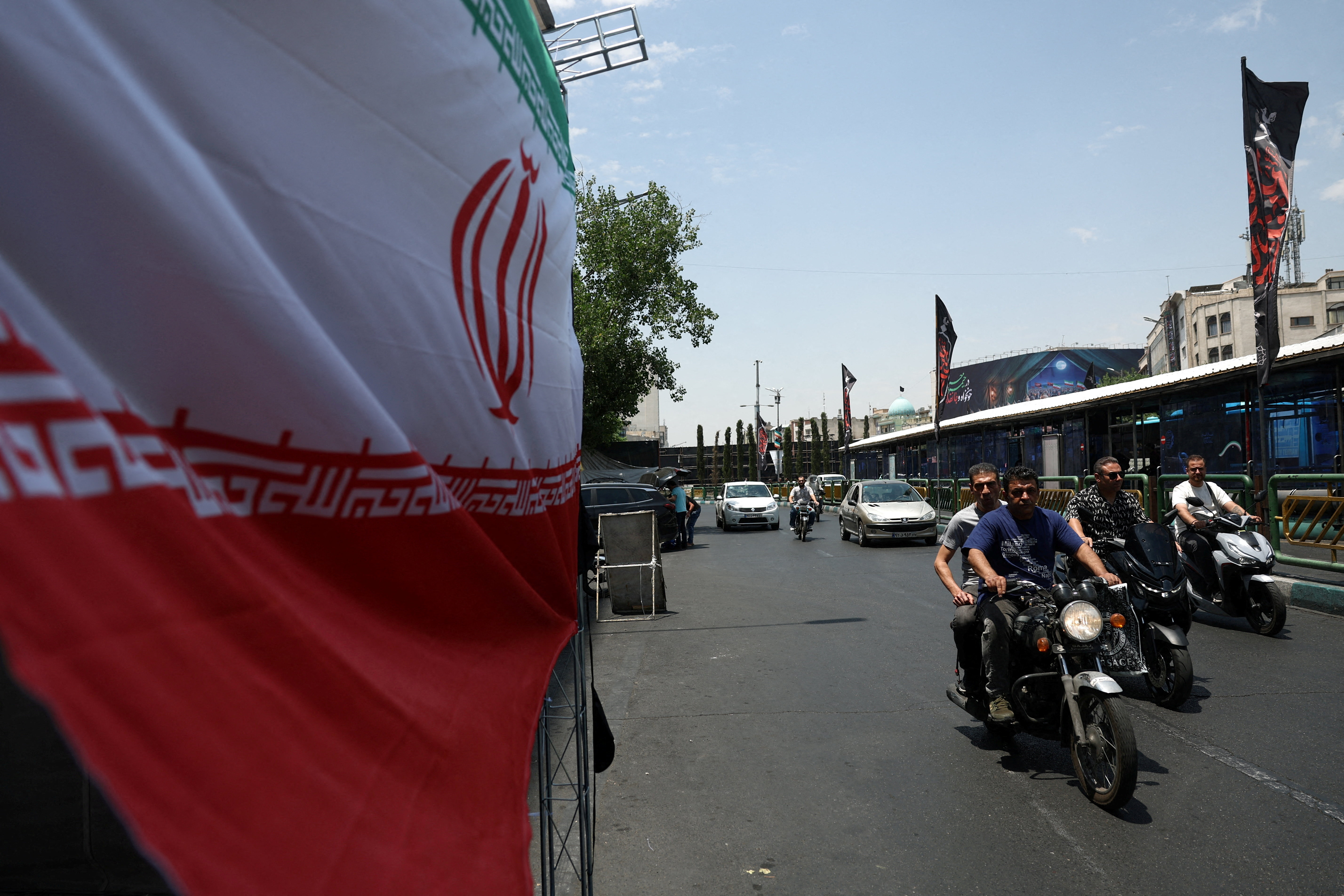
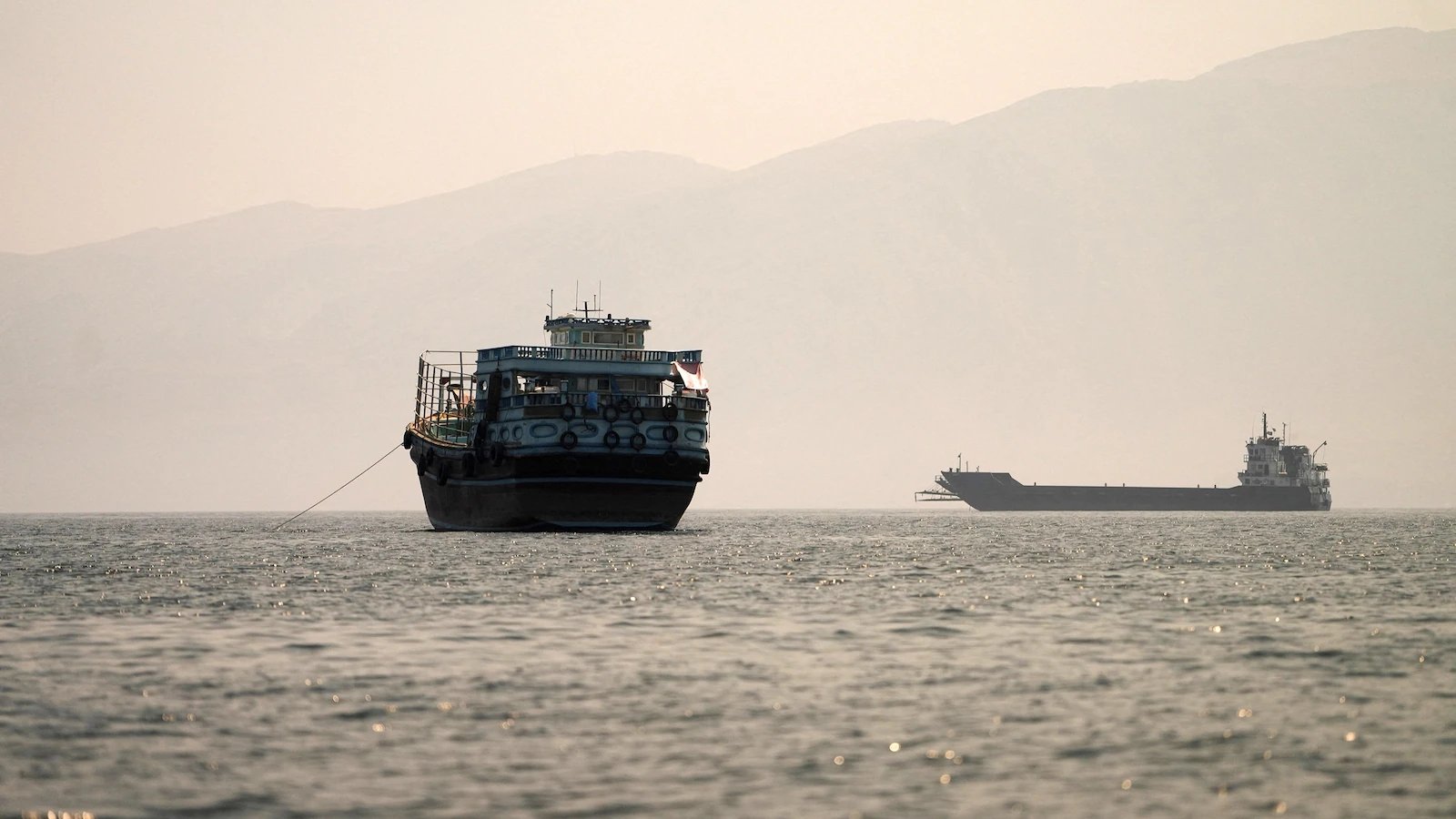
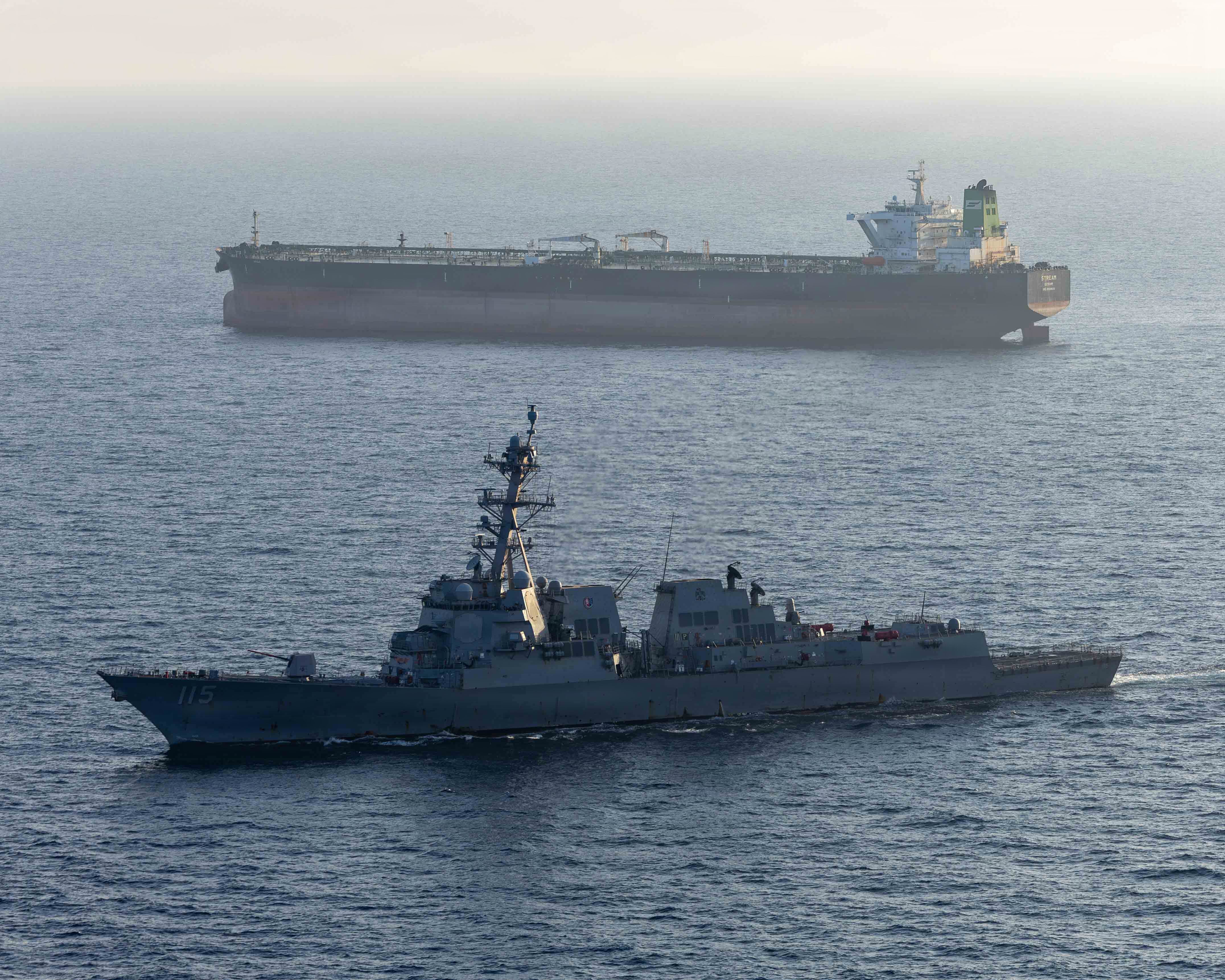
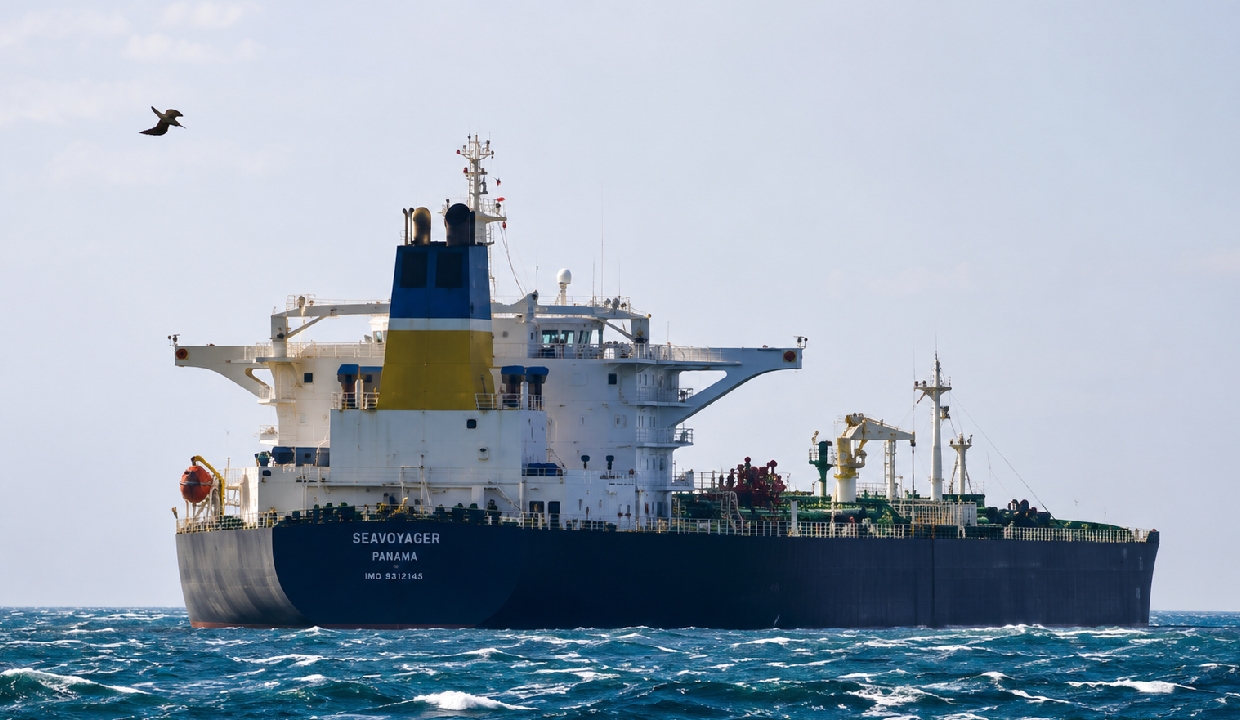
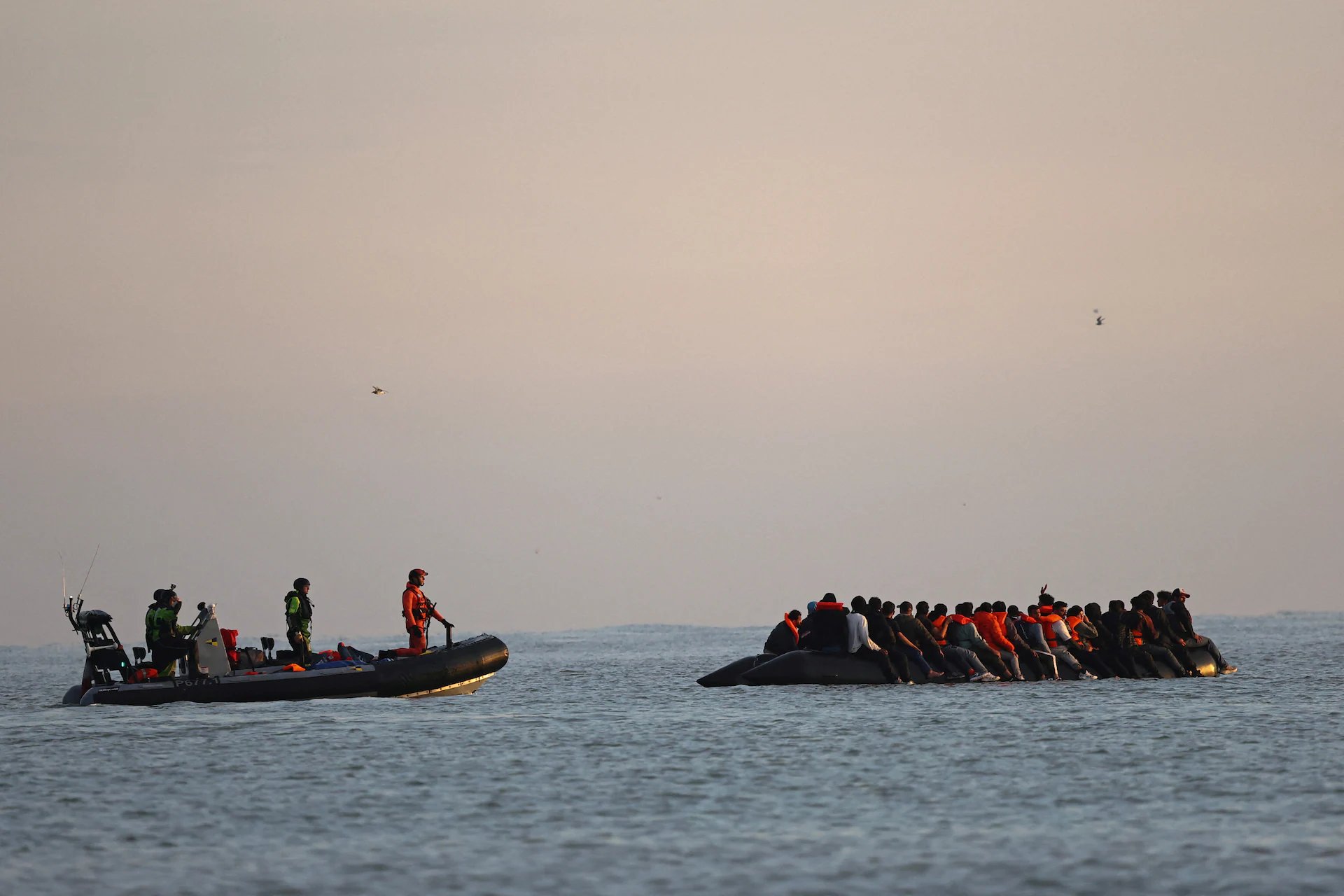
Despite the rise in oil prices, traffic through the Strait of Hormuz is significantly reduced compared to pre-conflict levels. The strait typically facilitates about 120 to 130 vessel transits daily, but current activity is a fraction of that. More than 500 vessels are estimated to be waiting to exit the Gulf. Three Saudi Arabia-flagged supertankers carrying approximately 6 million barrels of crude managed to navigate the strait, but many shipowners remain hesitant to send their vessels through due to safety concerns stemming from ongoing hostilities.
Safety Concerns for Shipping
The International Maritime Organization reported at least 46 attacks on ships in the vicinity of the Strait since February, leading to the deaths of 14 seafarers. These incidents have prompted ship operators to exercise caution, as many vessels have been navigating with their transponders turned off for weeks. Tim Wilkins, Managing Director of the International Association of Independent Tanker Owners, emphasized the need for clearer guidelines to ensure safe passage through the strait, stating, "Without clarity on these issues, ships will be unsure whether to transit the Strait of Hormuz."
Market Reactions and Economic Implications
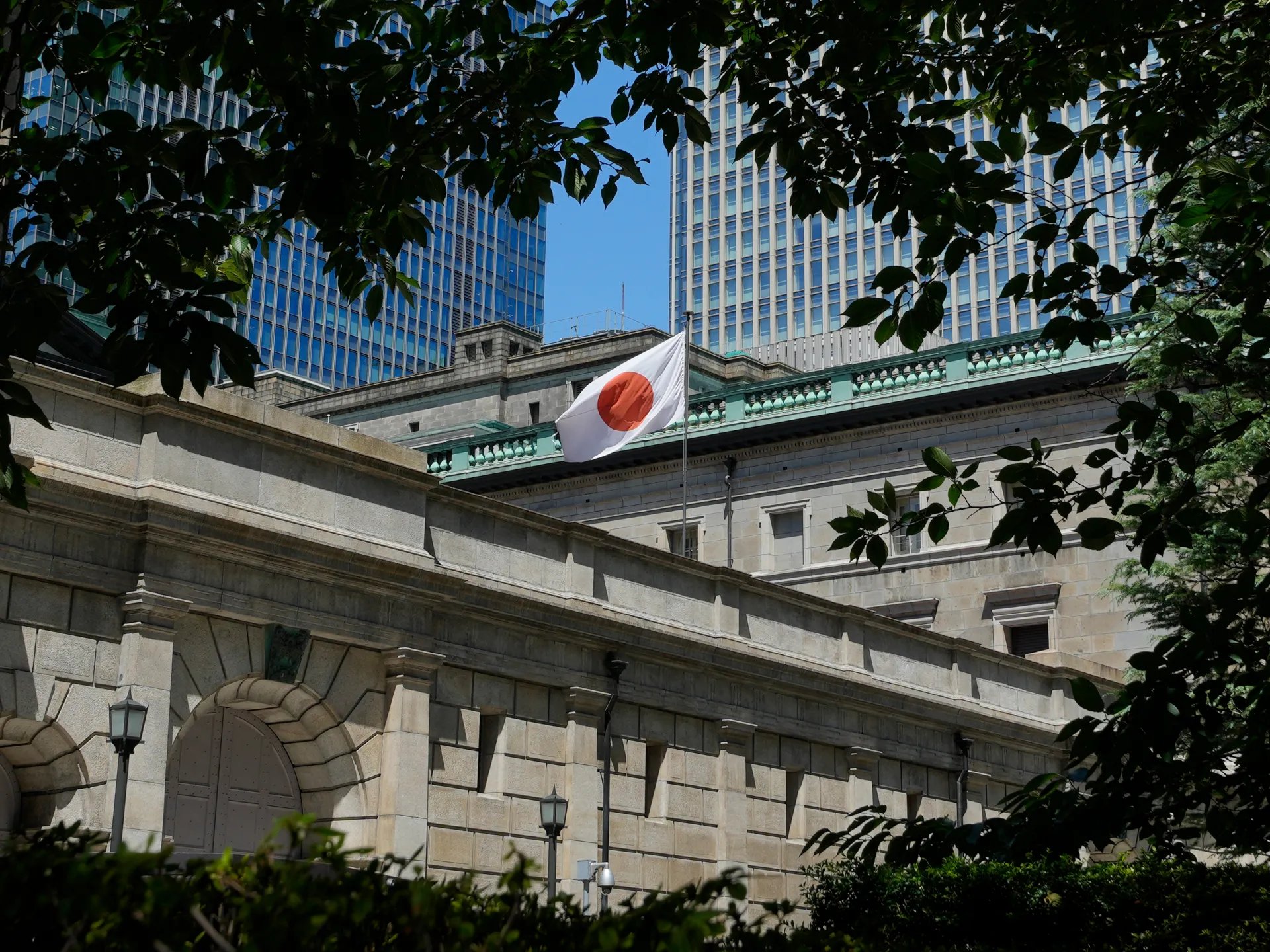
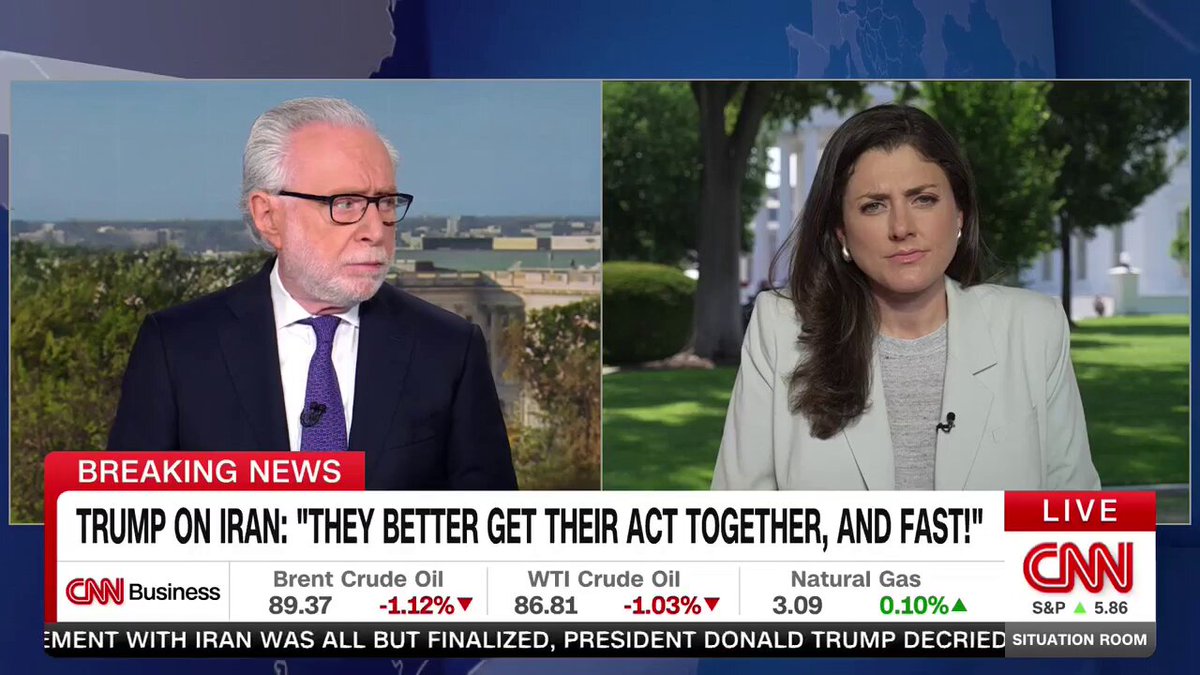
The rising oil prices have also sparked volatility in Asian stock markets. South Korea's Kospi index initially surged over 2.5 percent to reach an all-time high before closing with a slight gain, while Japan's Nikkei 225 fluctuated closely around the zero mark. The uncertainty surrounding oil supply and geopolitical stability continues to influence global market dynamics, with traders remaining cautious as they assess the situation in the Persian Gulf.
Future Uncertain Amid Diplomatic Tensions
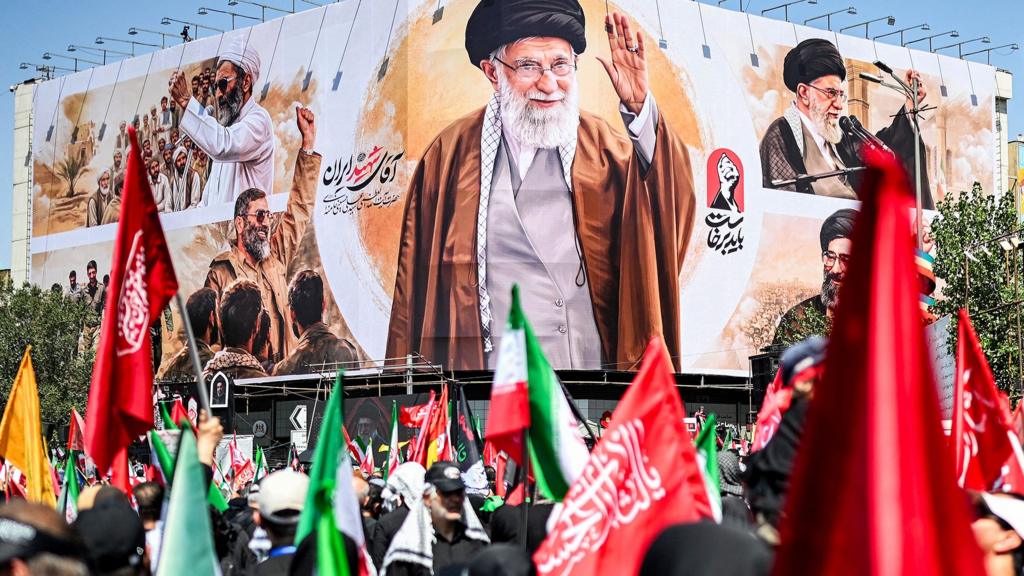
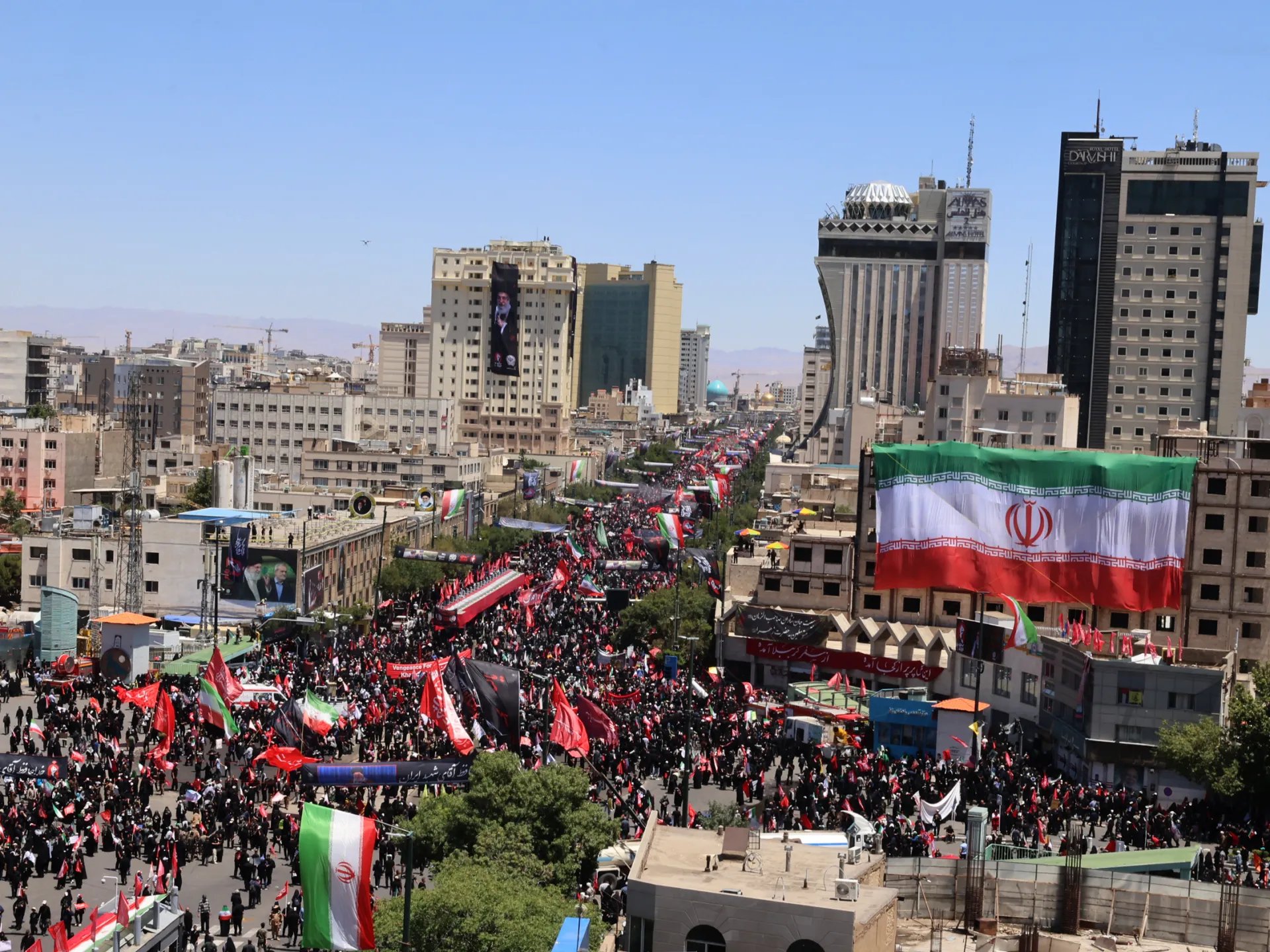
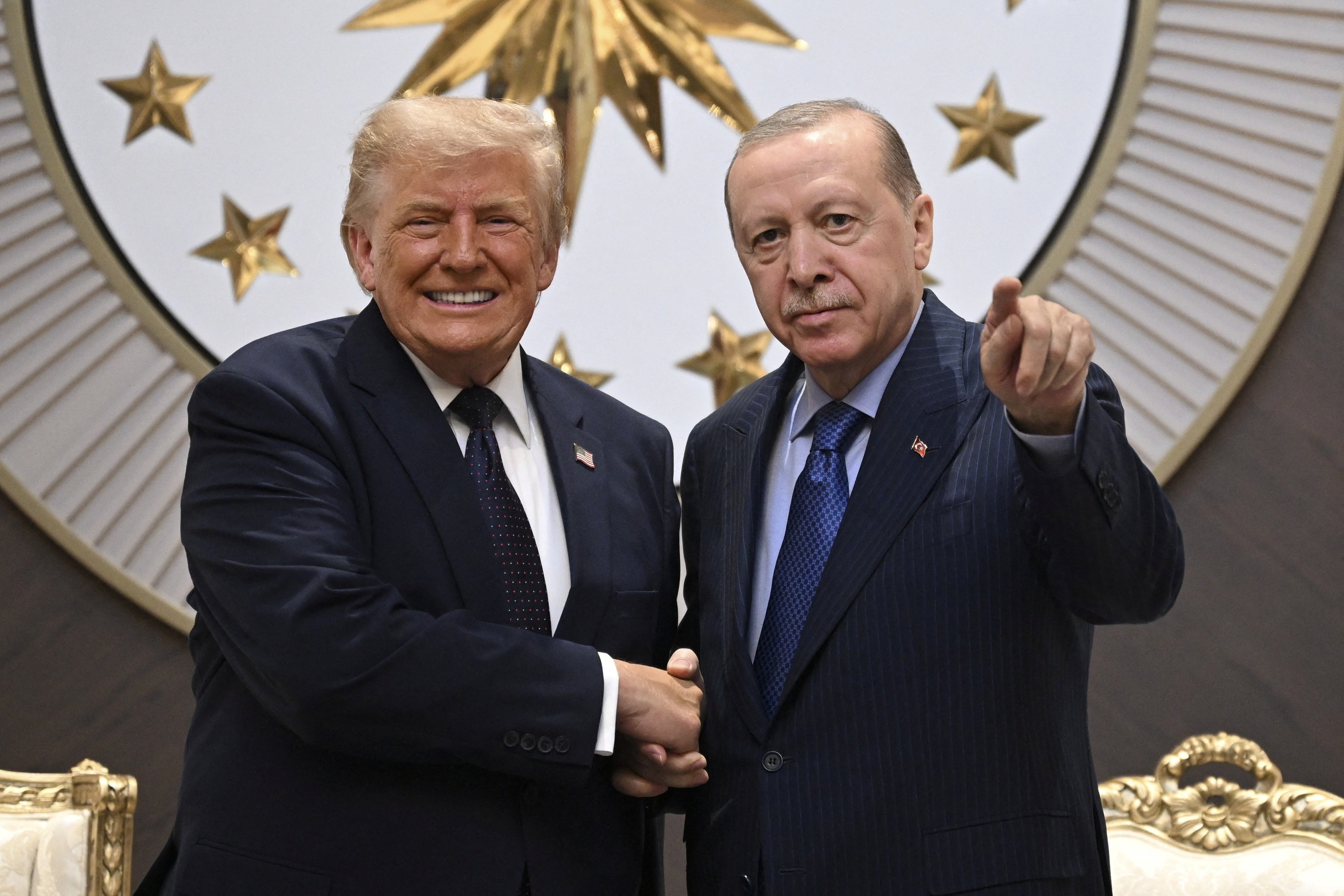
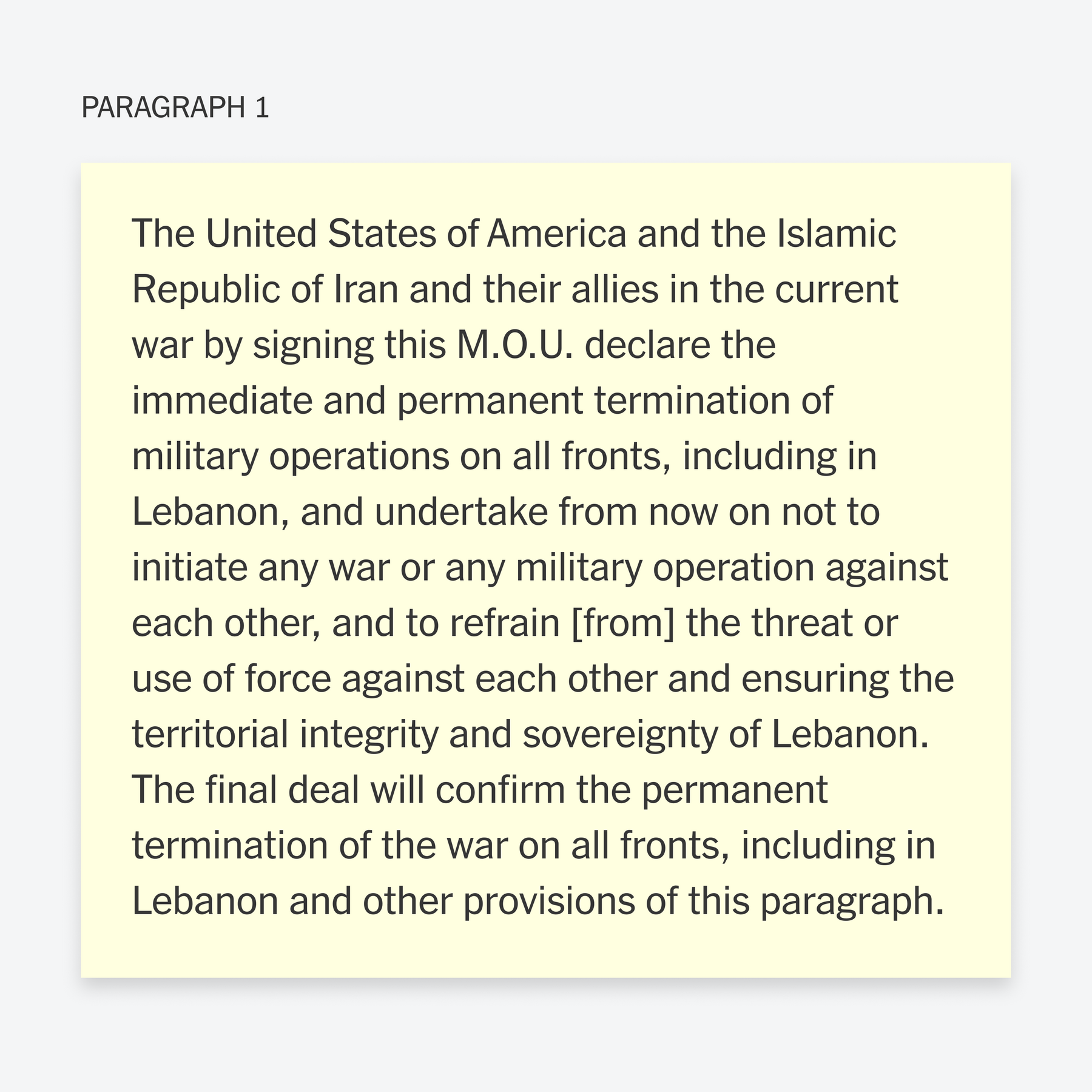
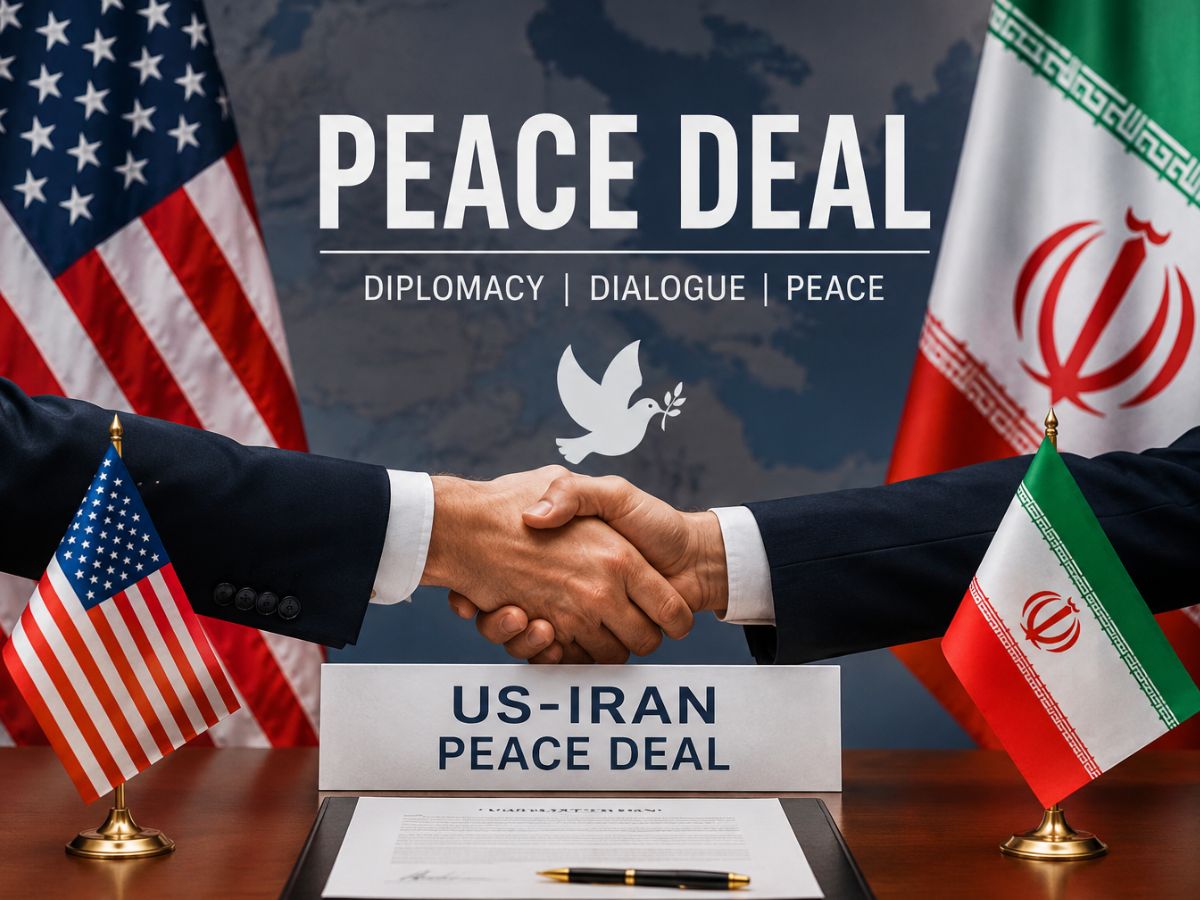
A planned meeting between U.S. and Iranian officials in Switzerland was cancelled, reportedly due to the attacks on Lebanon. The lack of diplomatic progress raises concerns about the sustainability of oil exports from the region. As the conflict in Lebanon continues and the situation in the Strait of Hormuz remains precarious, the implications for global oil prices and market stability remain significant.


































































































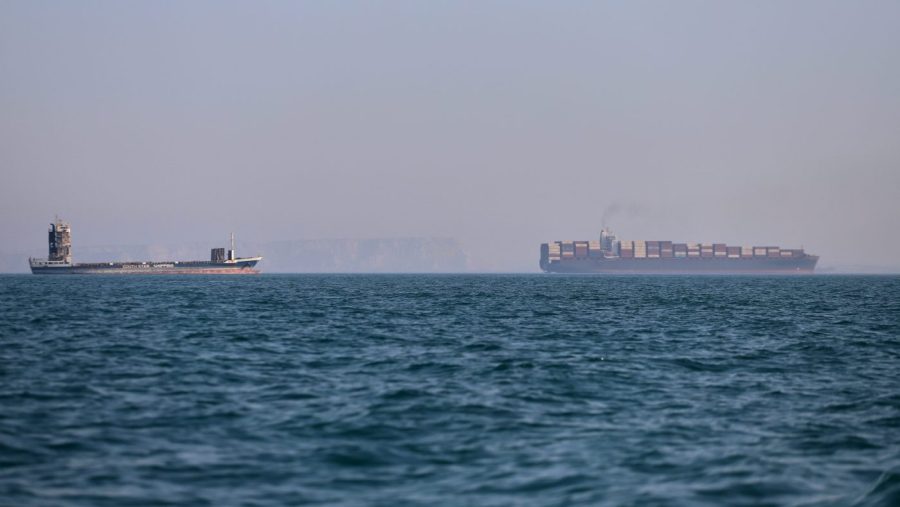





























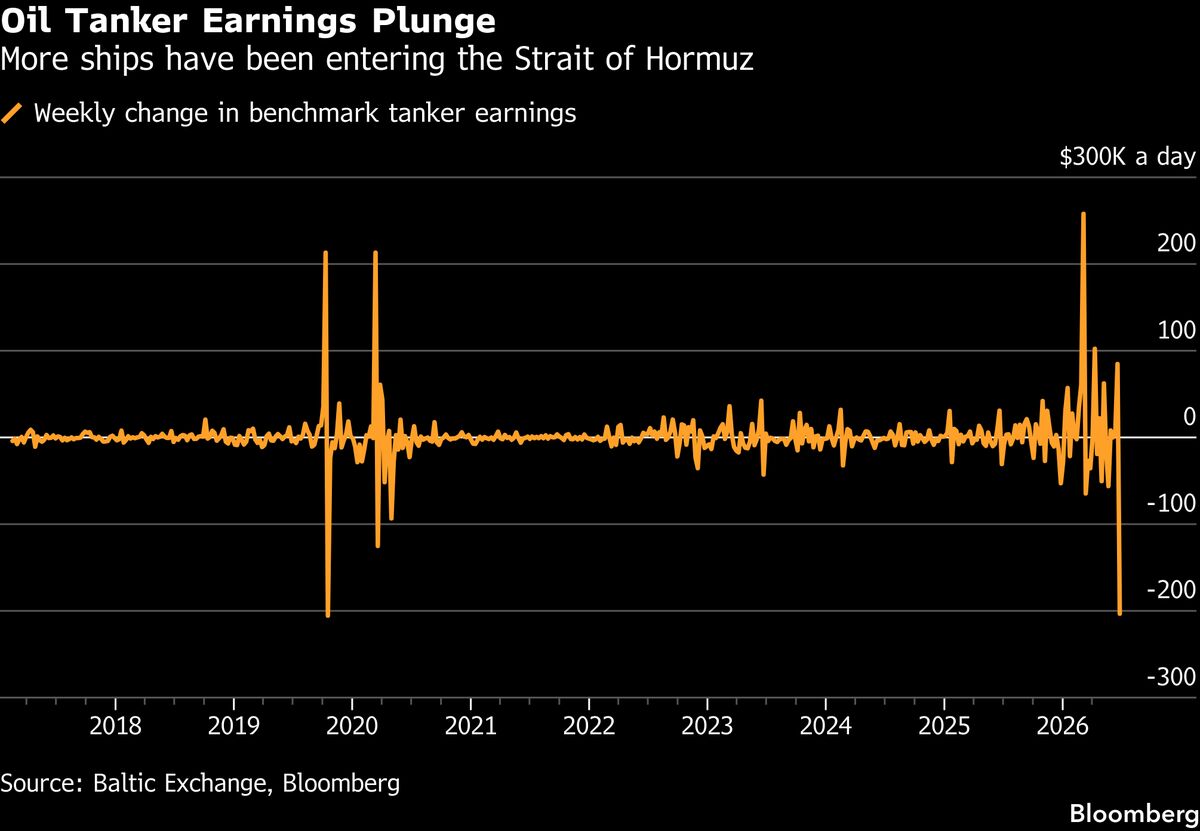






























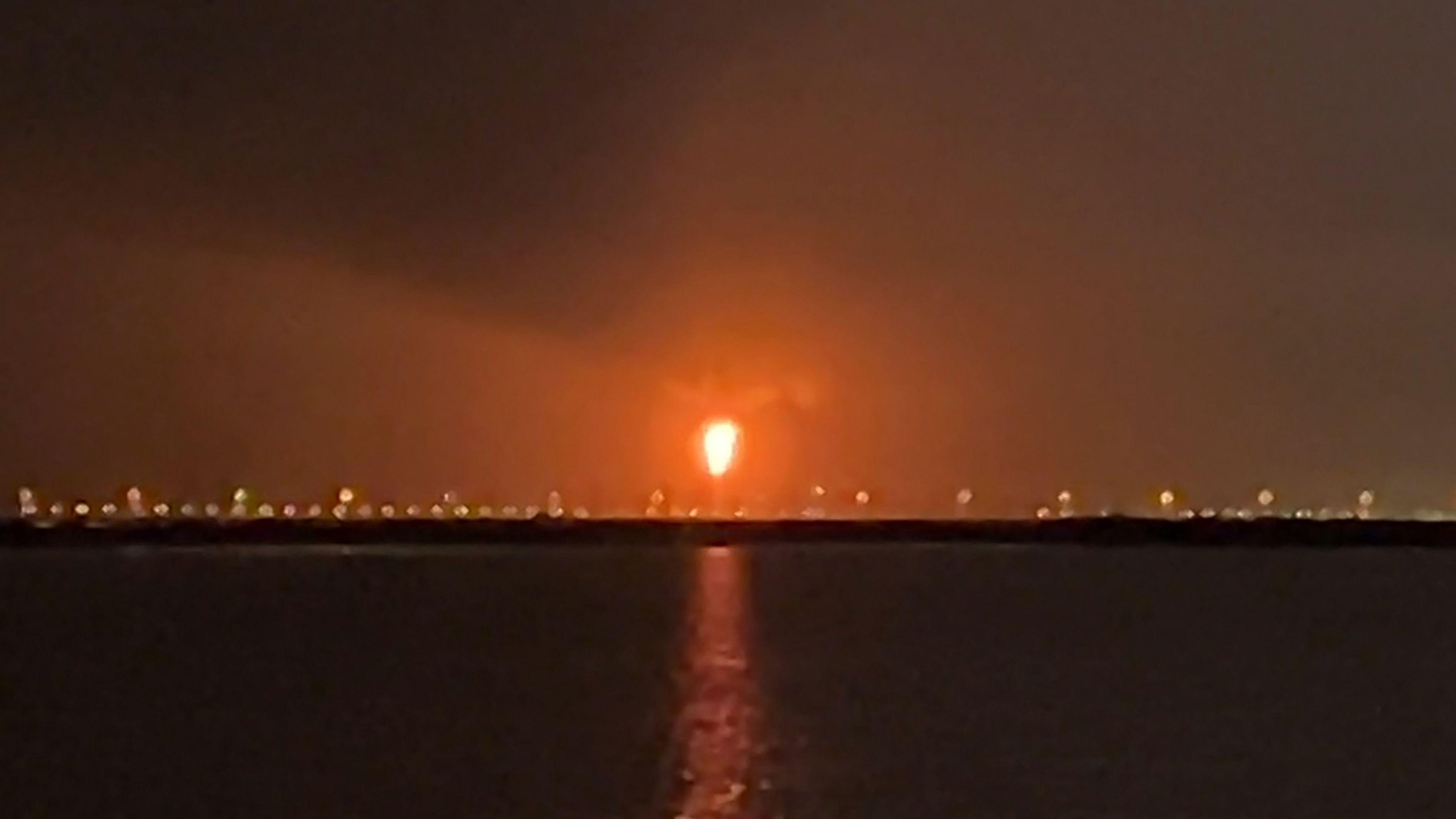













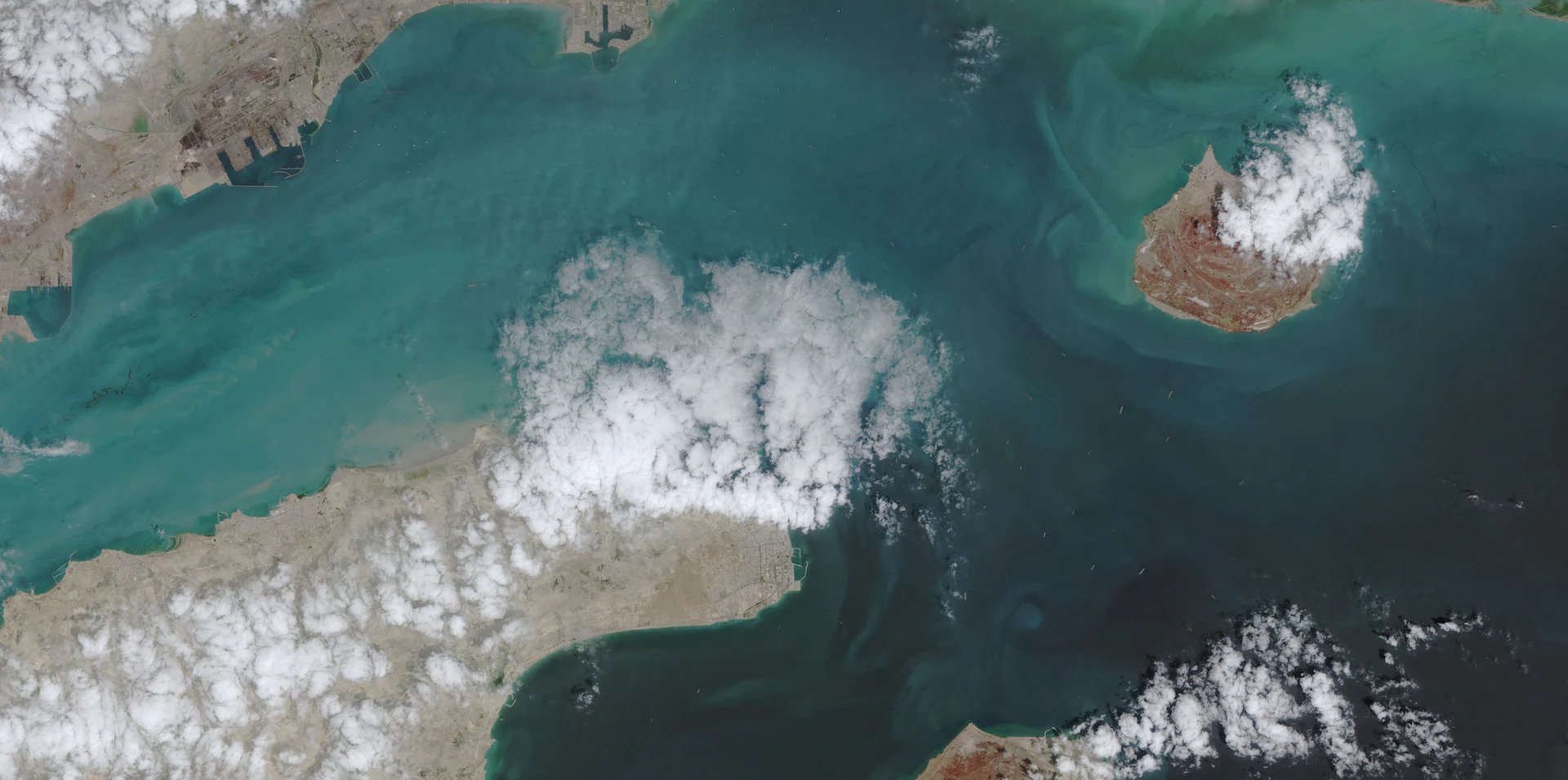
























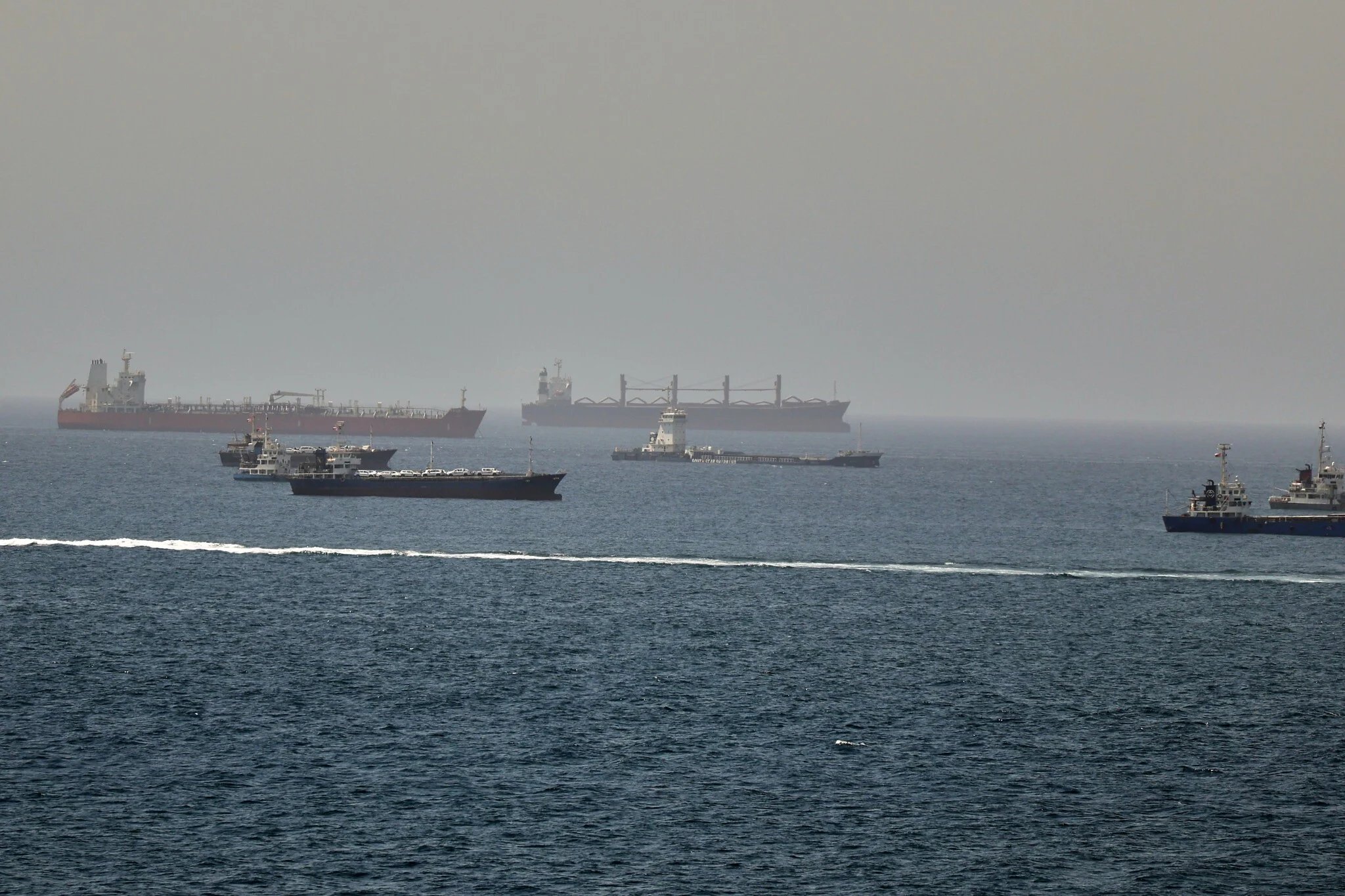

























































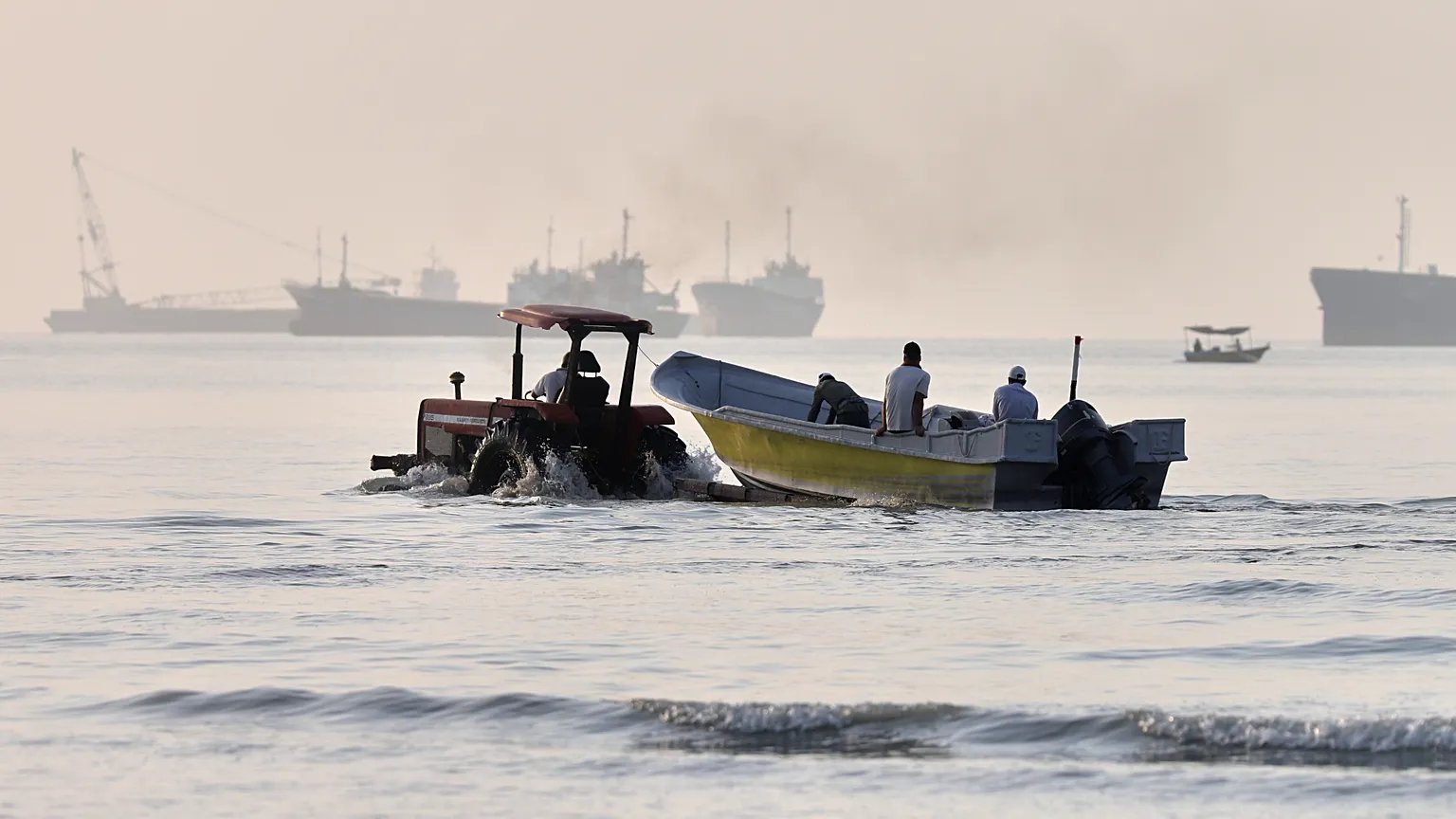
































































































































The sources also report that traffic in the Strait of Hormuz is at a fraction of pre-war levels, with 120-130 transits a day before the conflict.