




Rising Fuel Costs Impact Airlines and Travelers
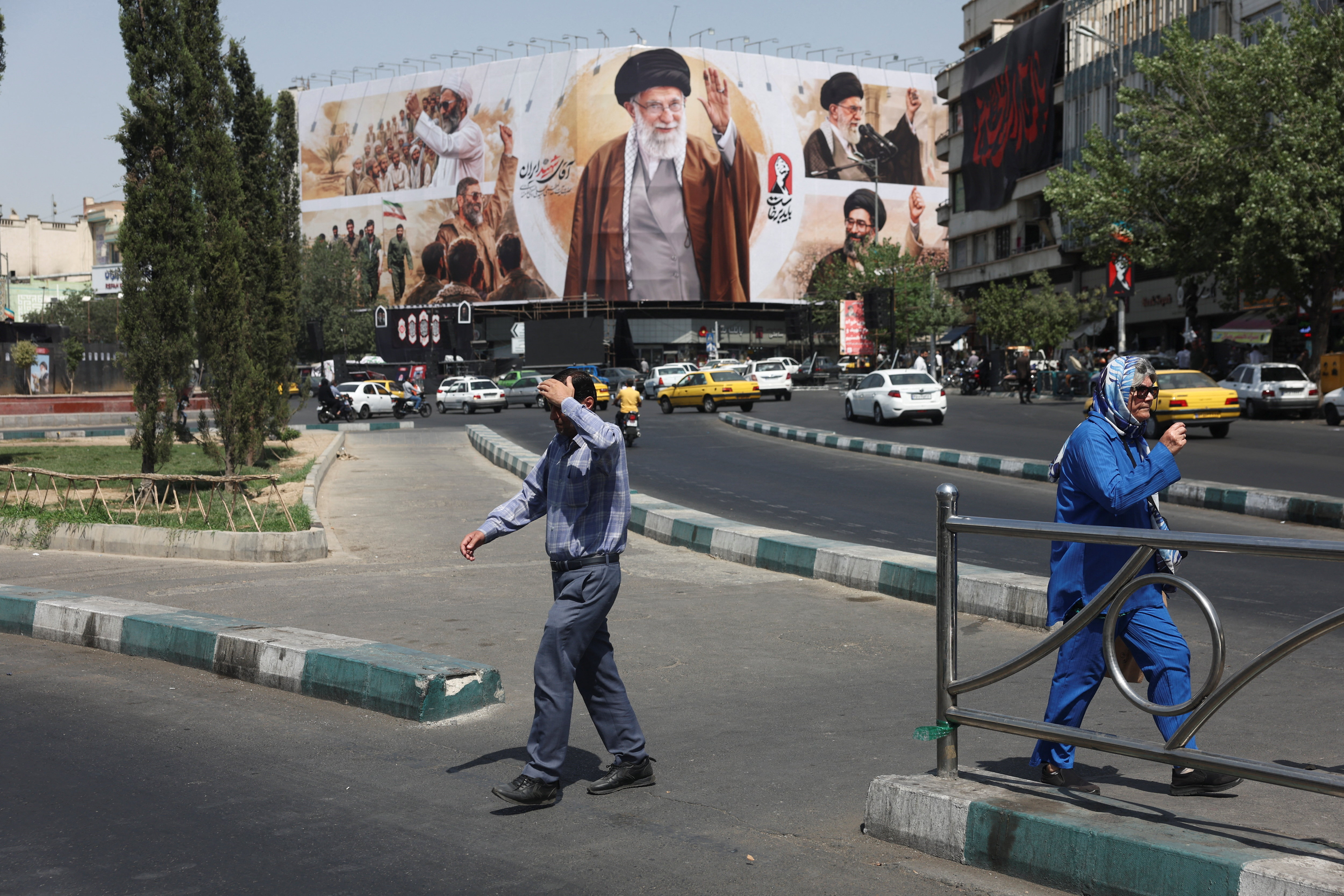
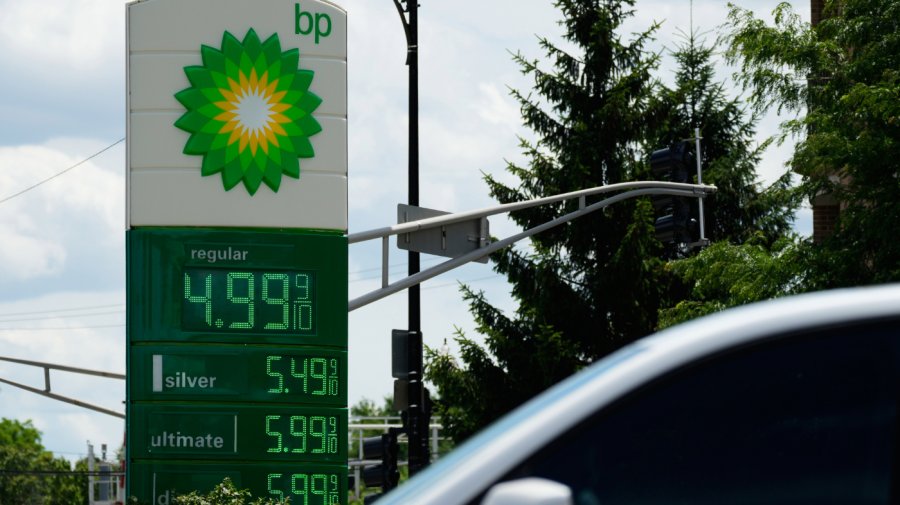
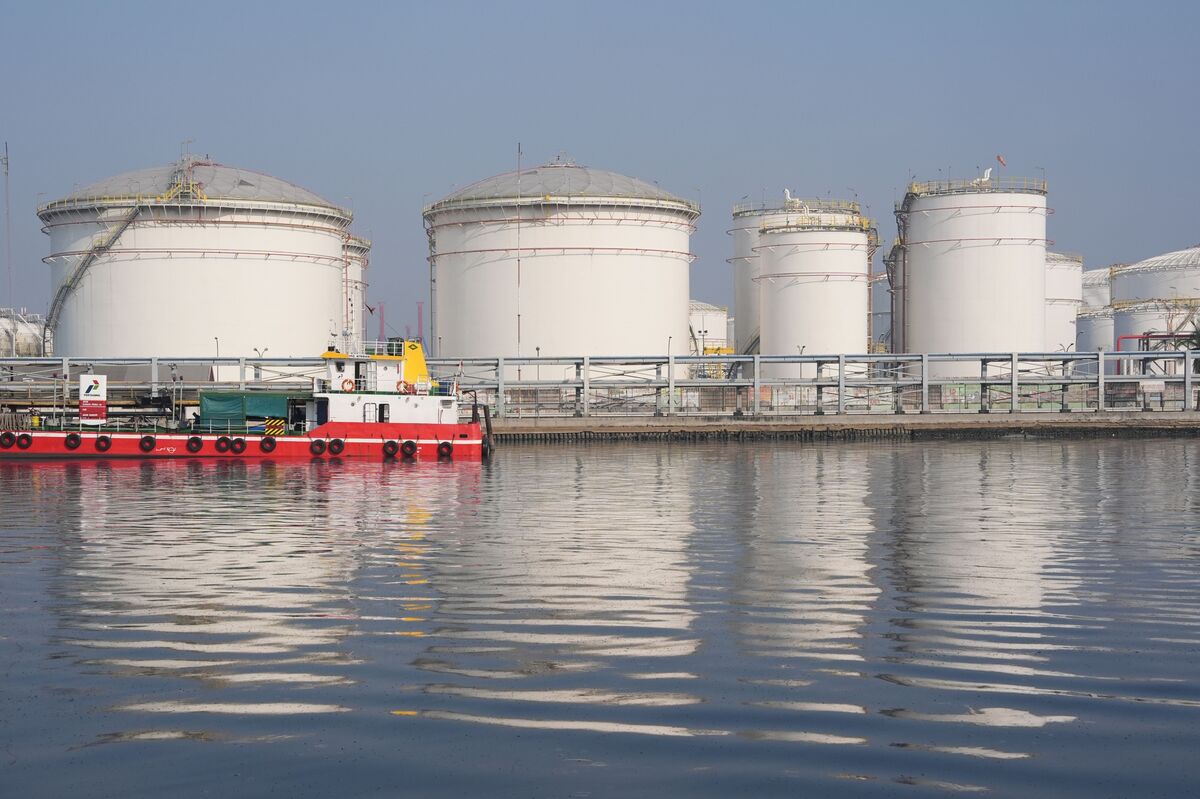
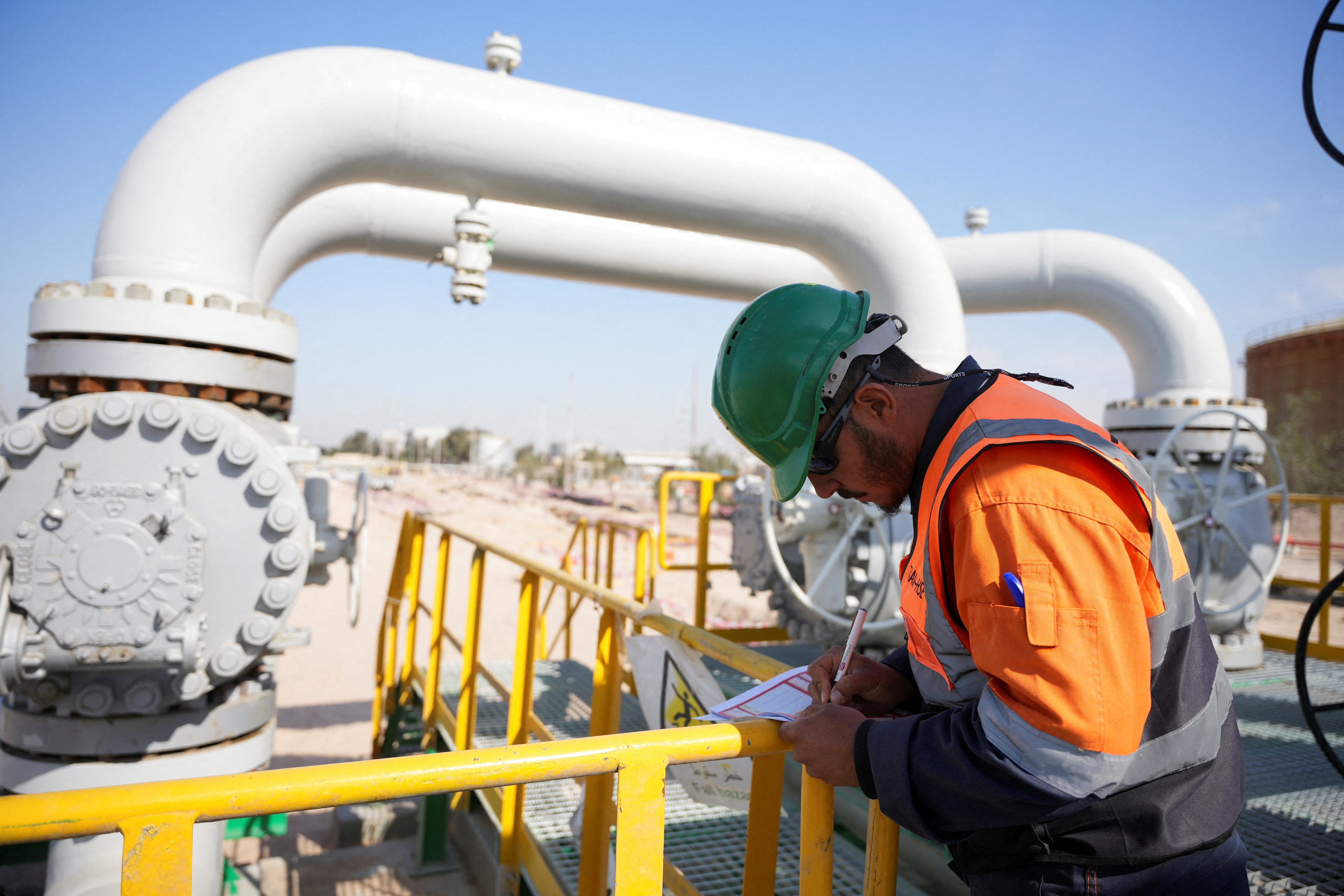
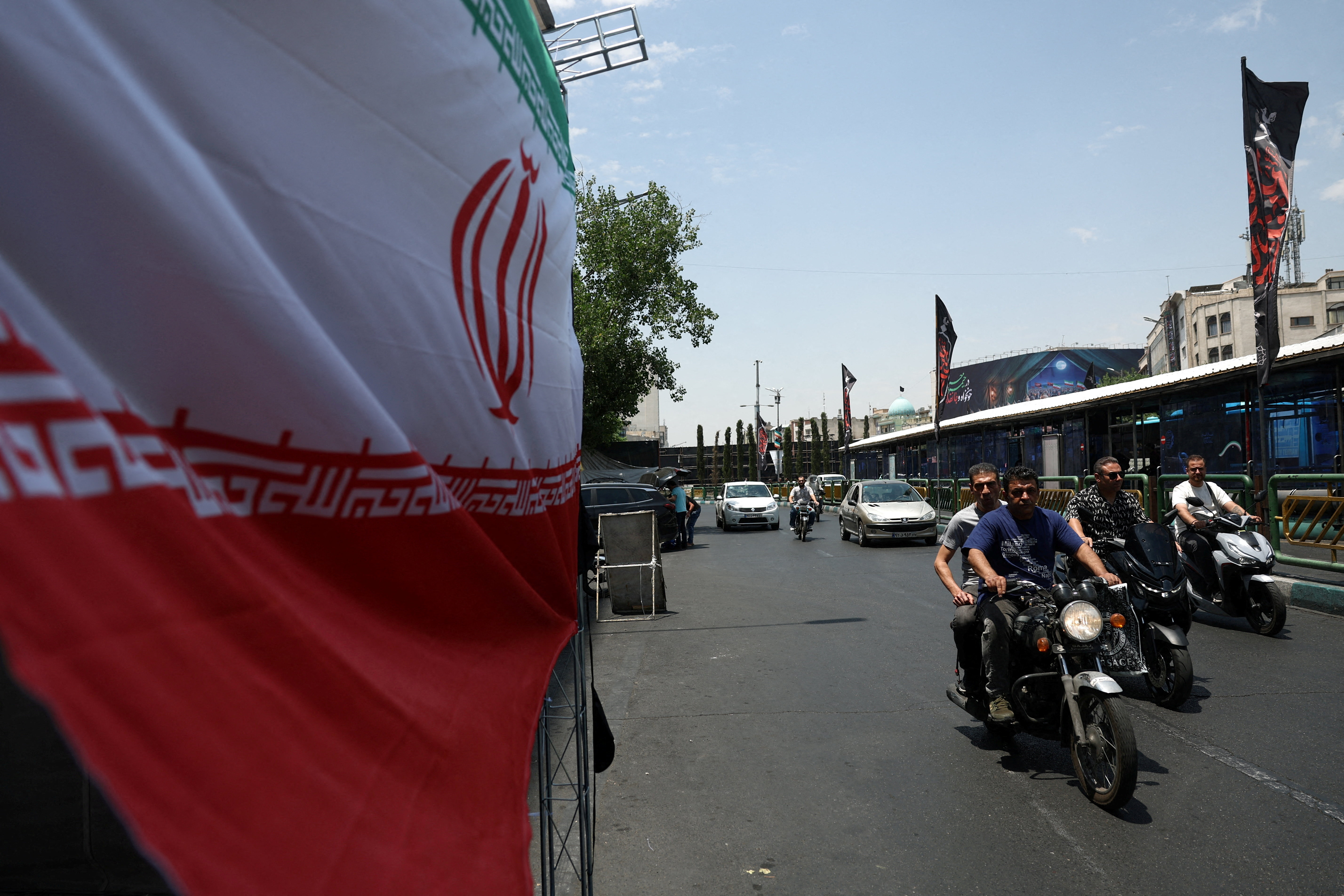
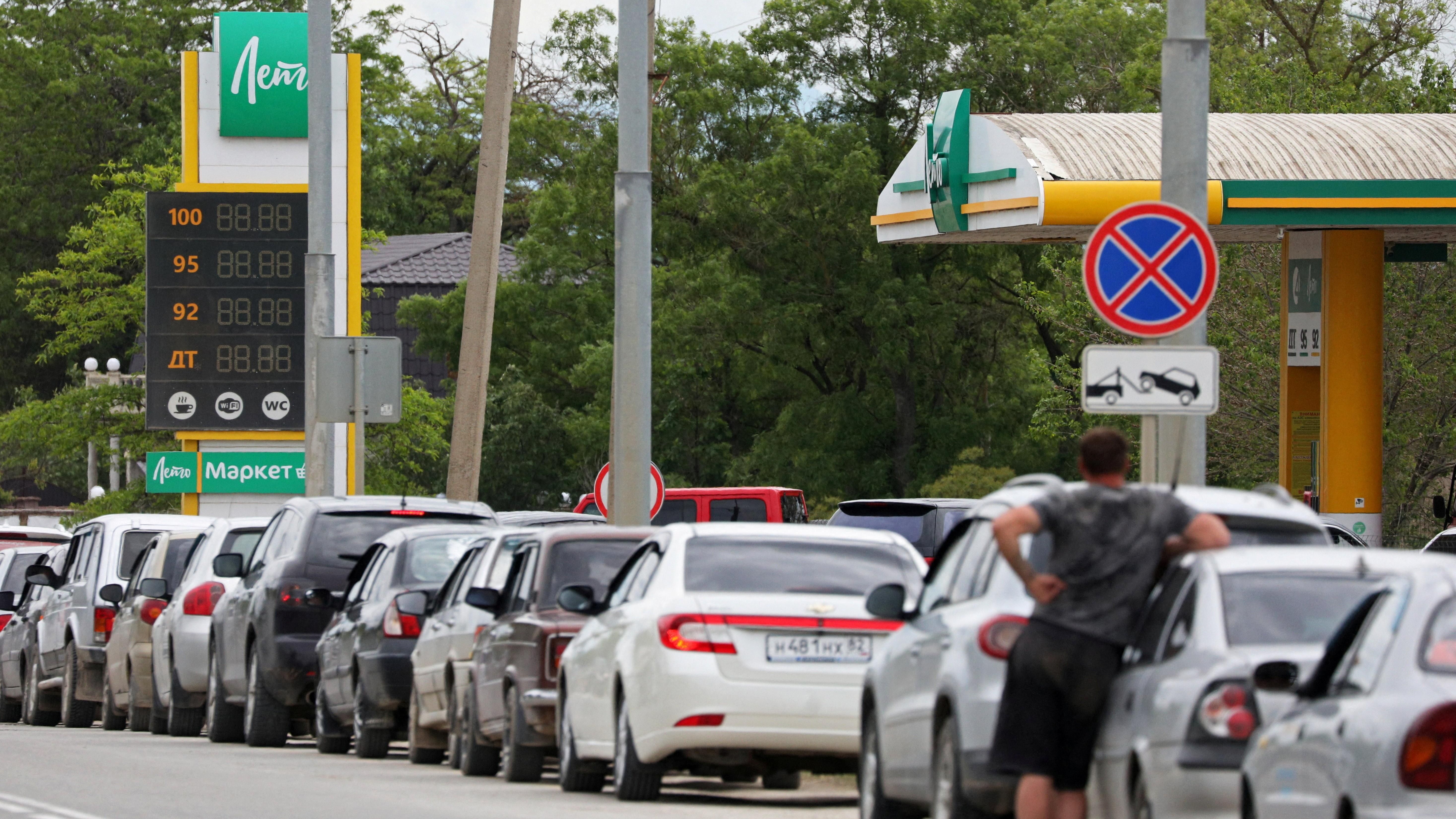
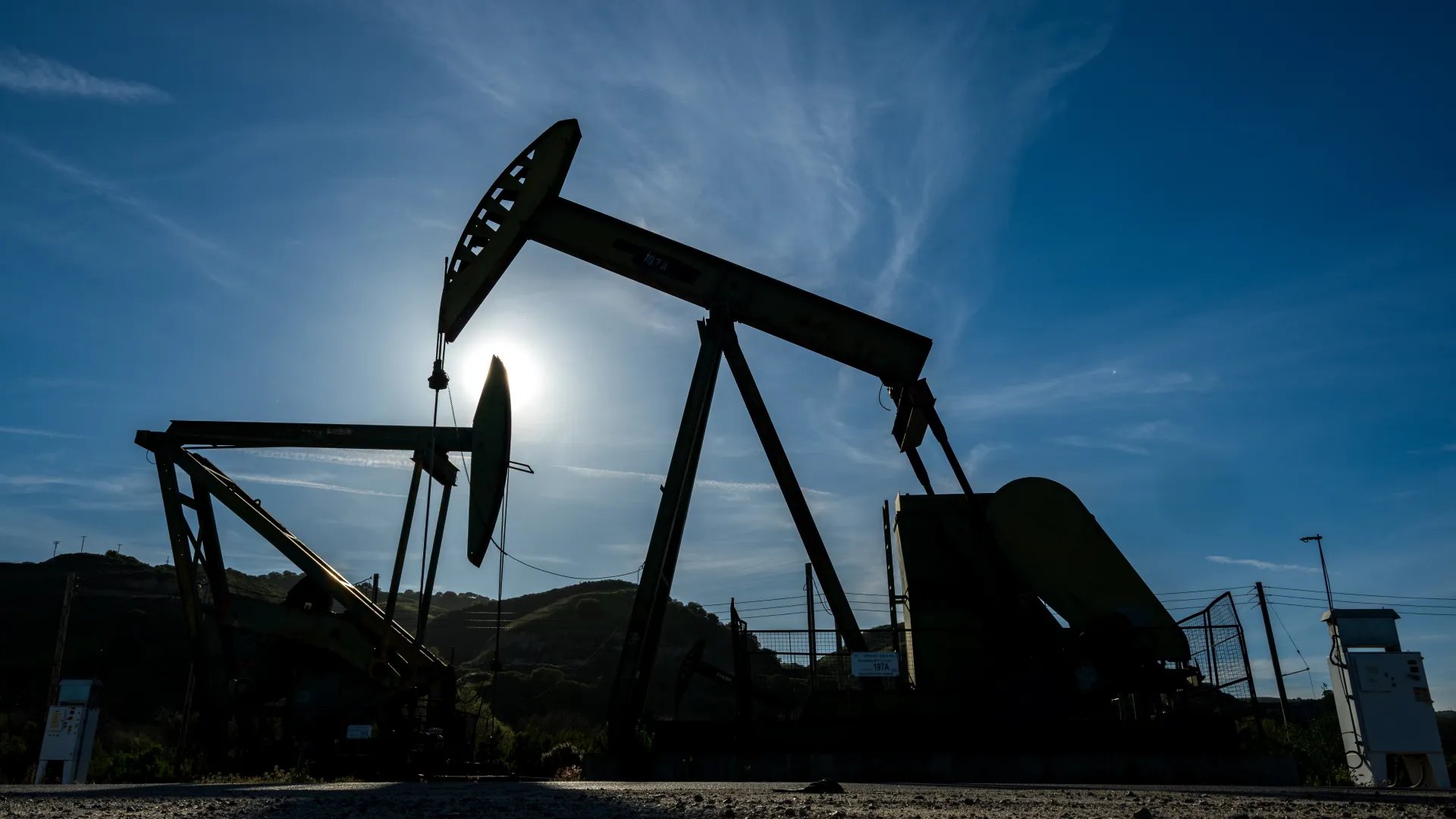
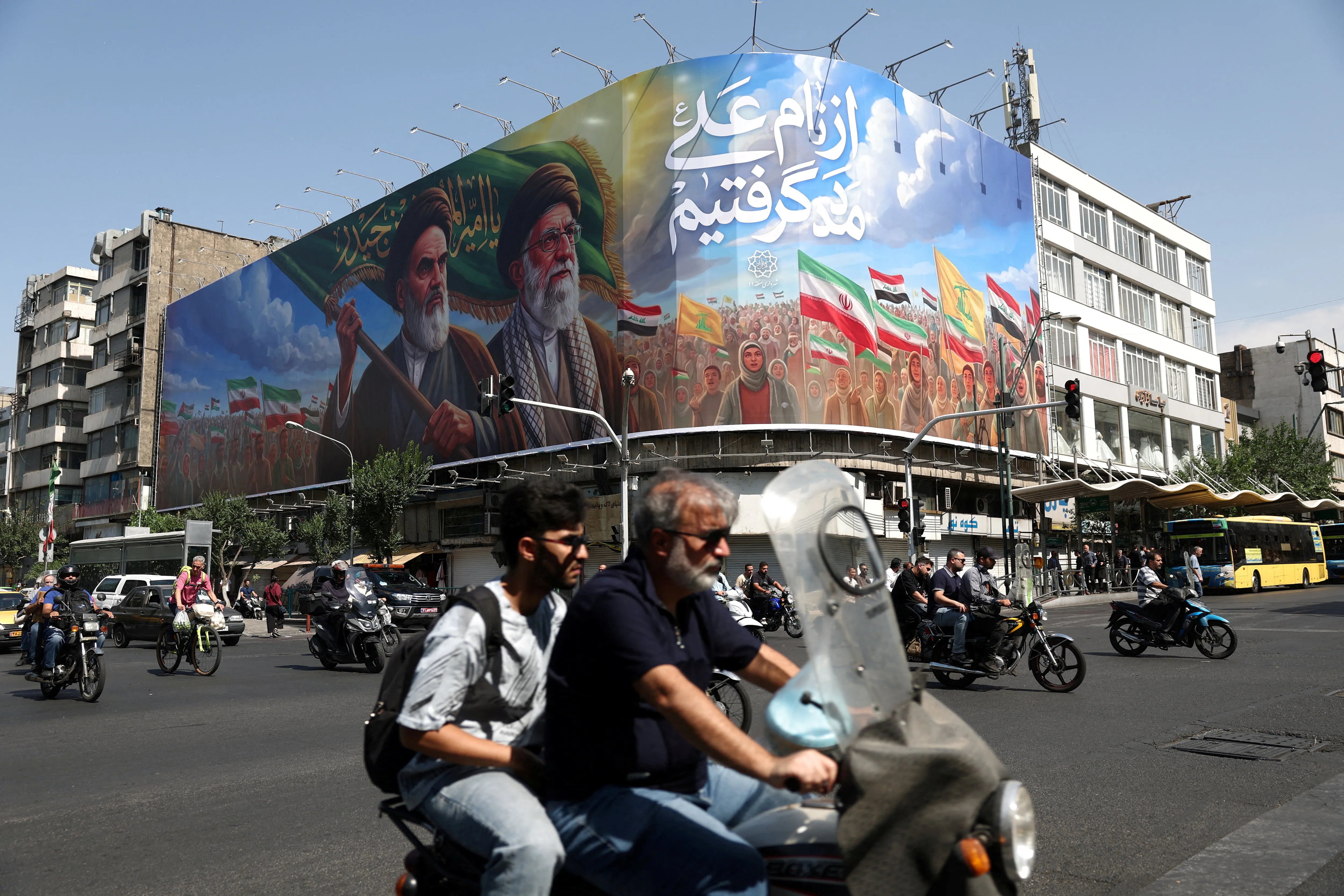
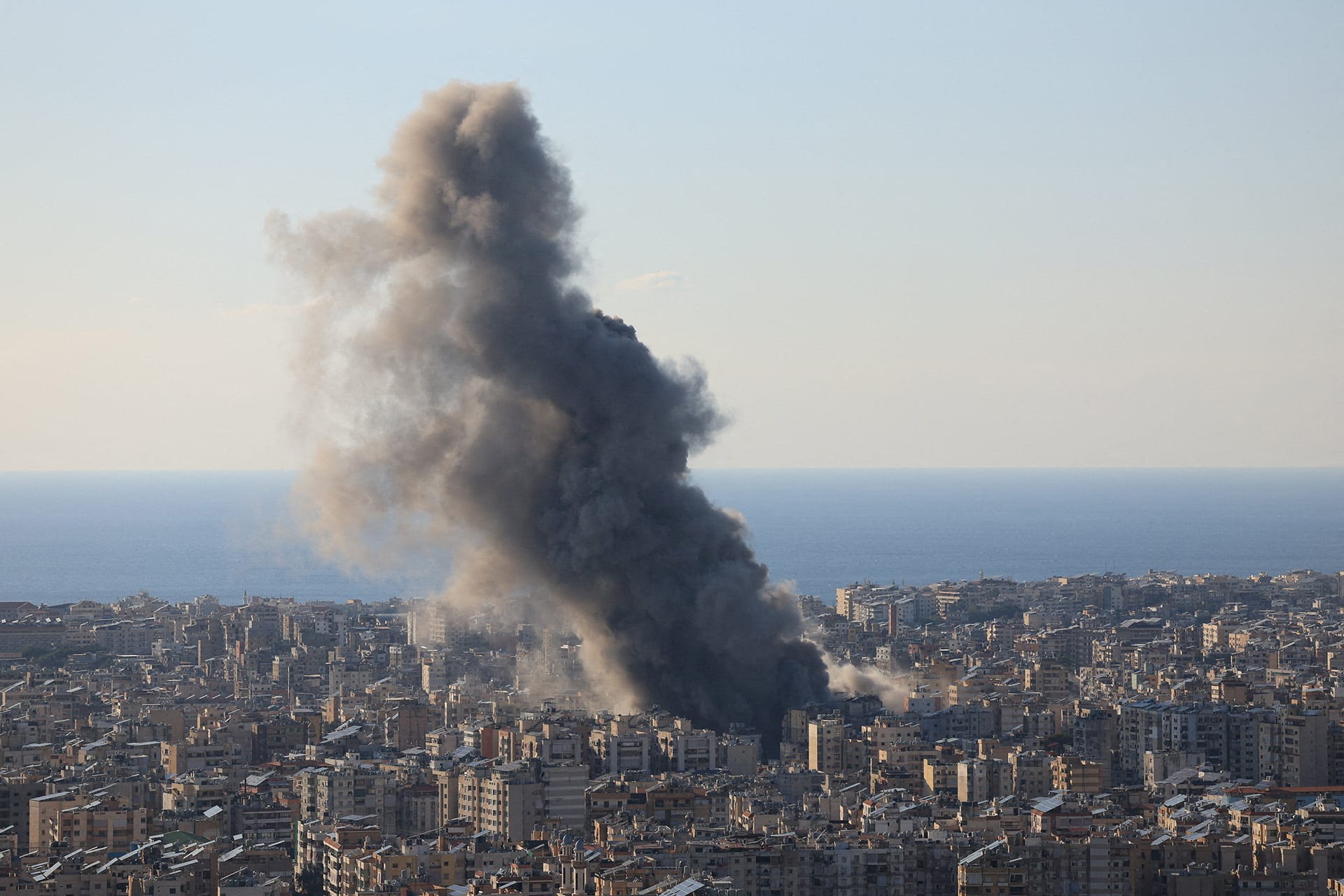
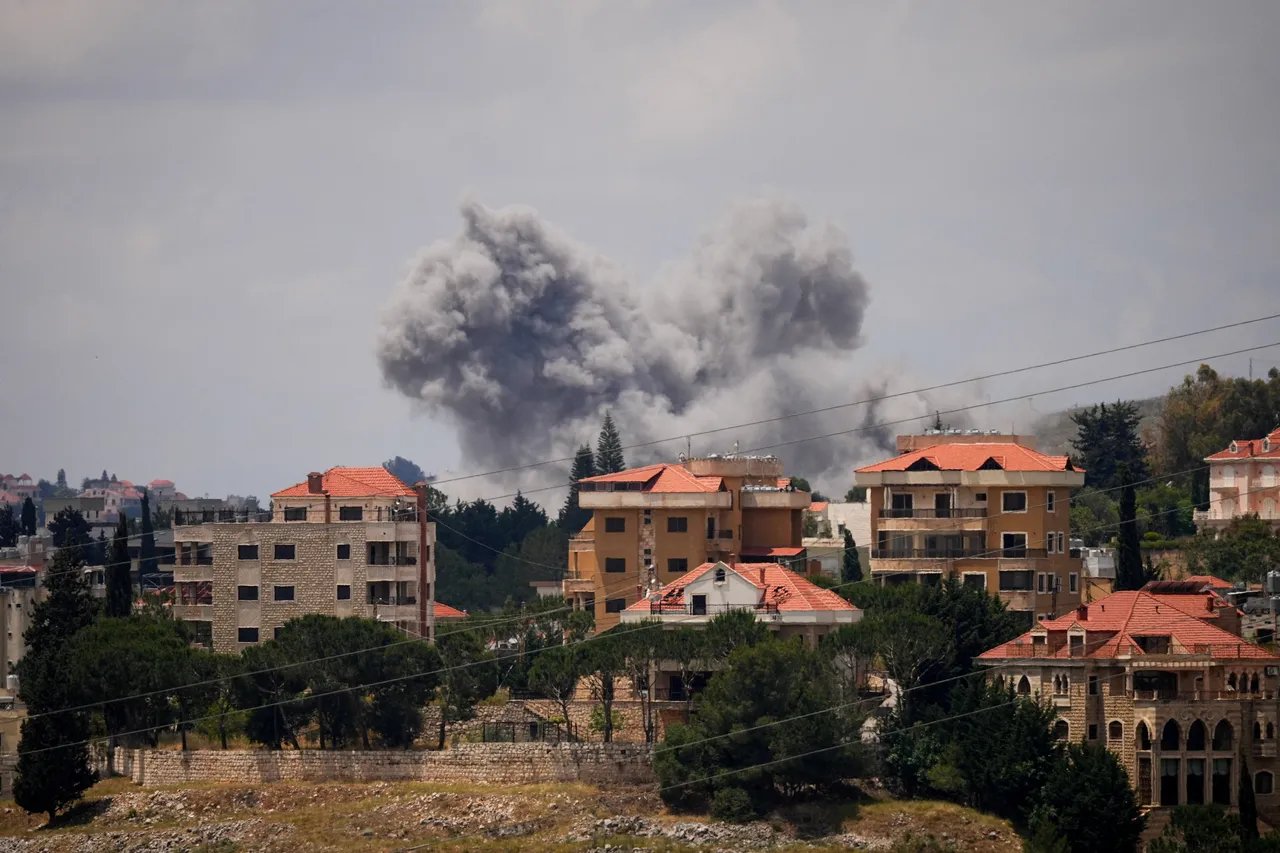
Airlines in the United States are grappling with soaring fuel costs that have surged by 78 percent over the past year, totaling nearly $6.5 billion in April alone, according to a report from the Bureau of Transportation Statistics. This spike follows a 26 percent increase from March and has been largely attributed to escalating tensions related to the war in Iran. The cost per gallon of jet fuel has climbed to $4.11, up $1.81 from the previous year, directly affecting ticket prices and operational expenses for airlines.
Strain on Airline Profits
The International Air Transport Association (IATA) forecasts that the airline industry's fuel bill will reach approximately $350 billion this year, a significant increase from about $252 billion in 2025. This rise in costs is expected to push the airline profit margin to its lowest level since the COVID-19 pandemic, with net profits projected at $23 billion, down from earlier estimates of $41 billion. Airlines are already feeling the pinch, with airfares increasing by 5.5 percent since the onset of the conflict, as noted by the US Labor Department.
Operational Adjustments and Flight Cancellations
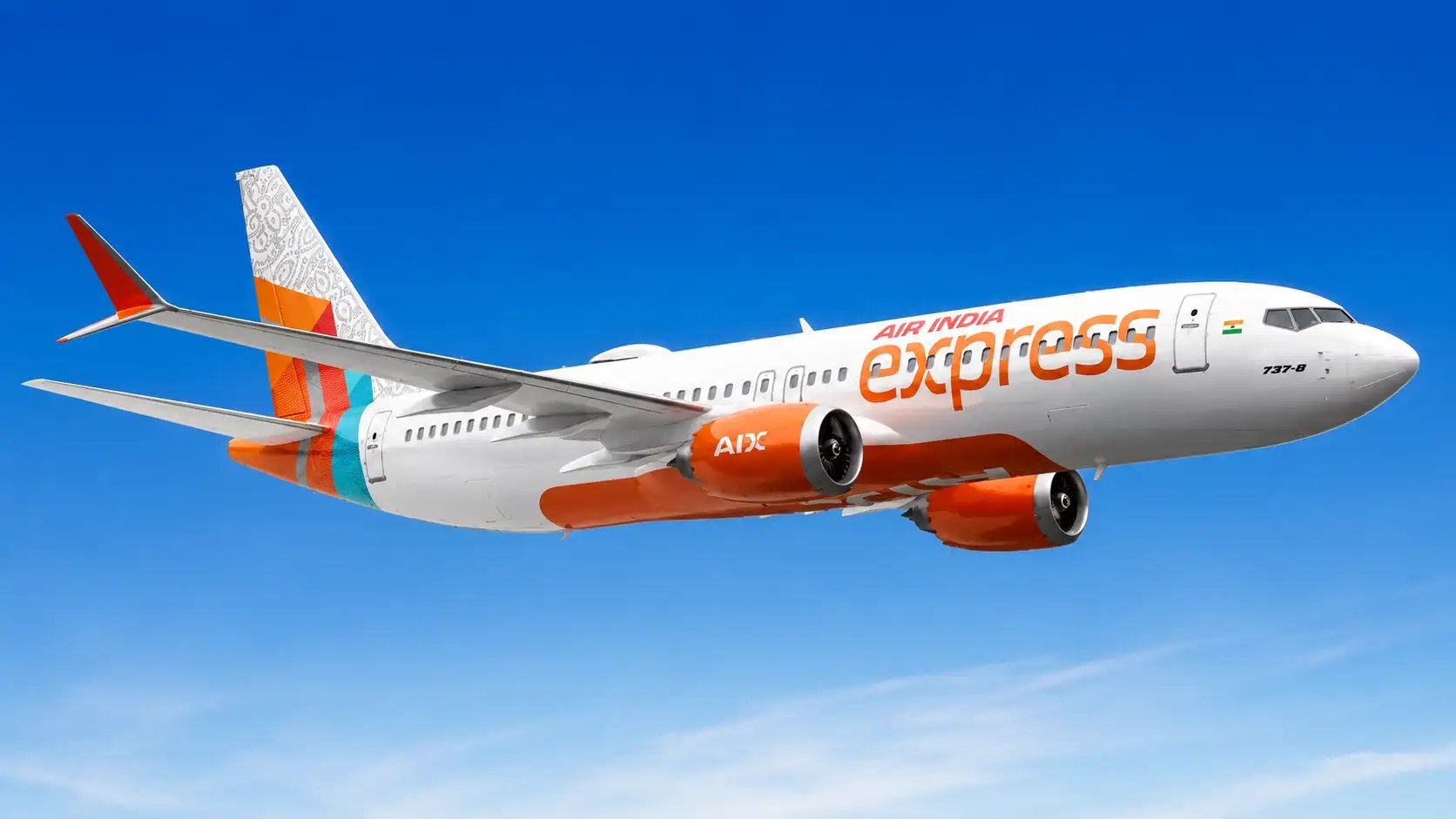
In response to the rising fuel costs, airlines are adjusting their operations. United Airlines CEO Scott Kirby indicated the need to raise ticket prices by up to 20 percent to cope with the escalating costs. Additionally, American Airlines has announced temporary suspensions of certain flights, including routes from Charlotte to Sacramento and Los Angeles to Pittsburgh. The budget carrier Spirit Airlines ceased operations in early May, citing surging fuel prices as a key factor in its collapse.
Market Reactions to Rising Costs
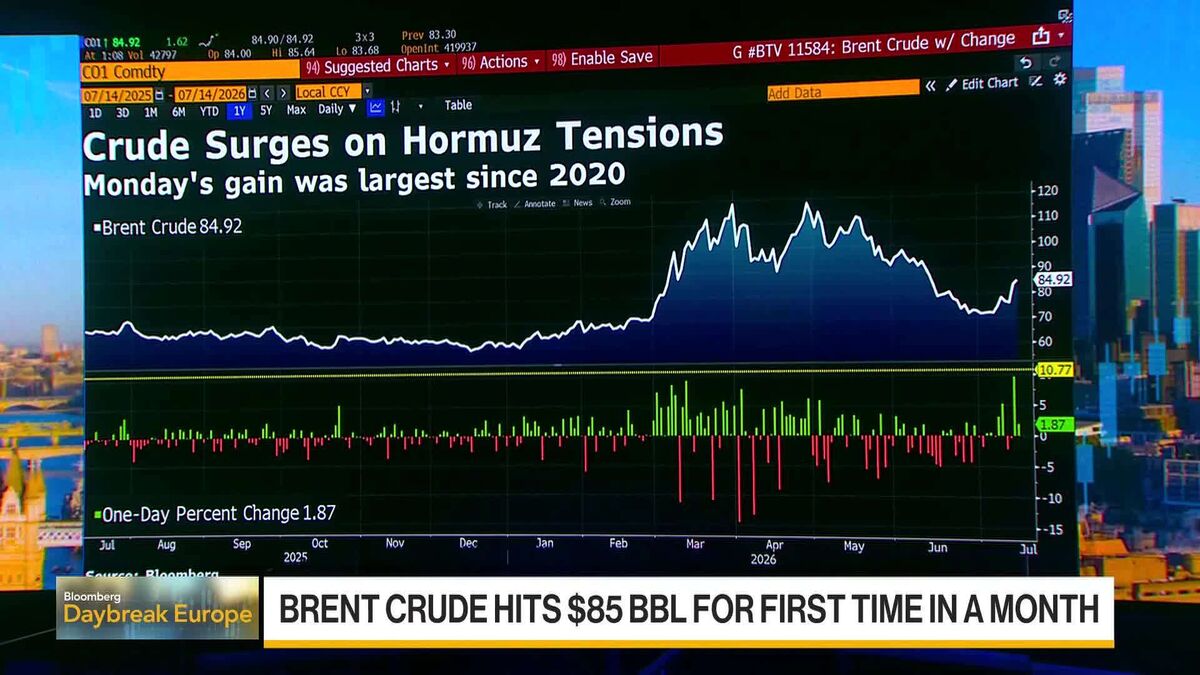
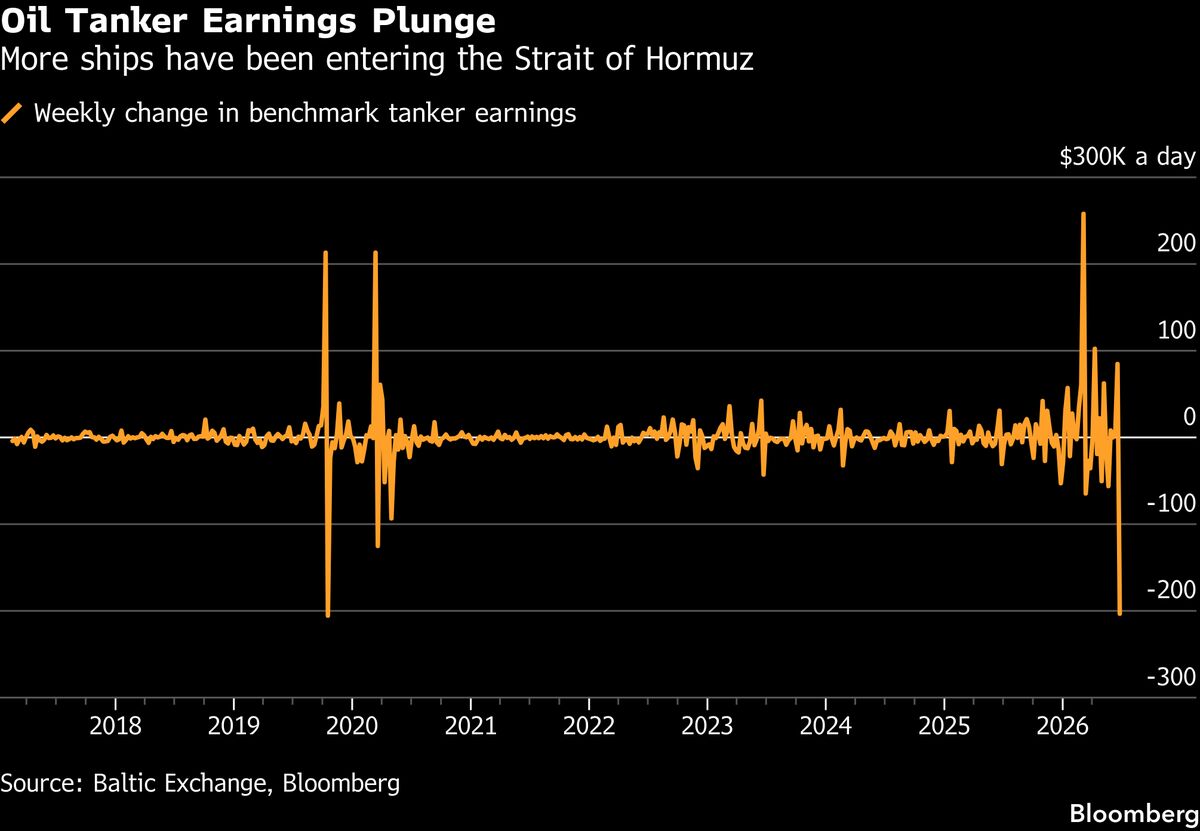
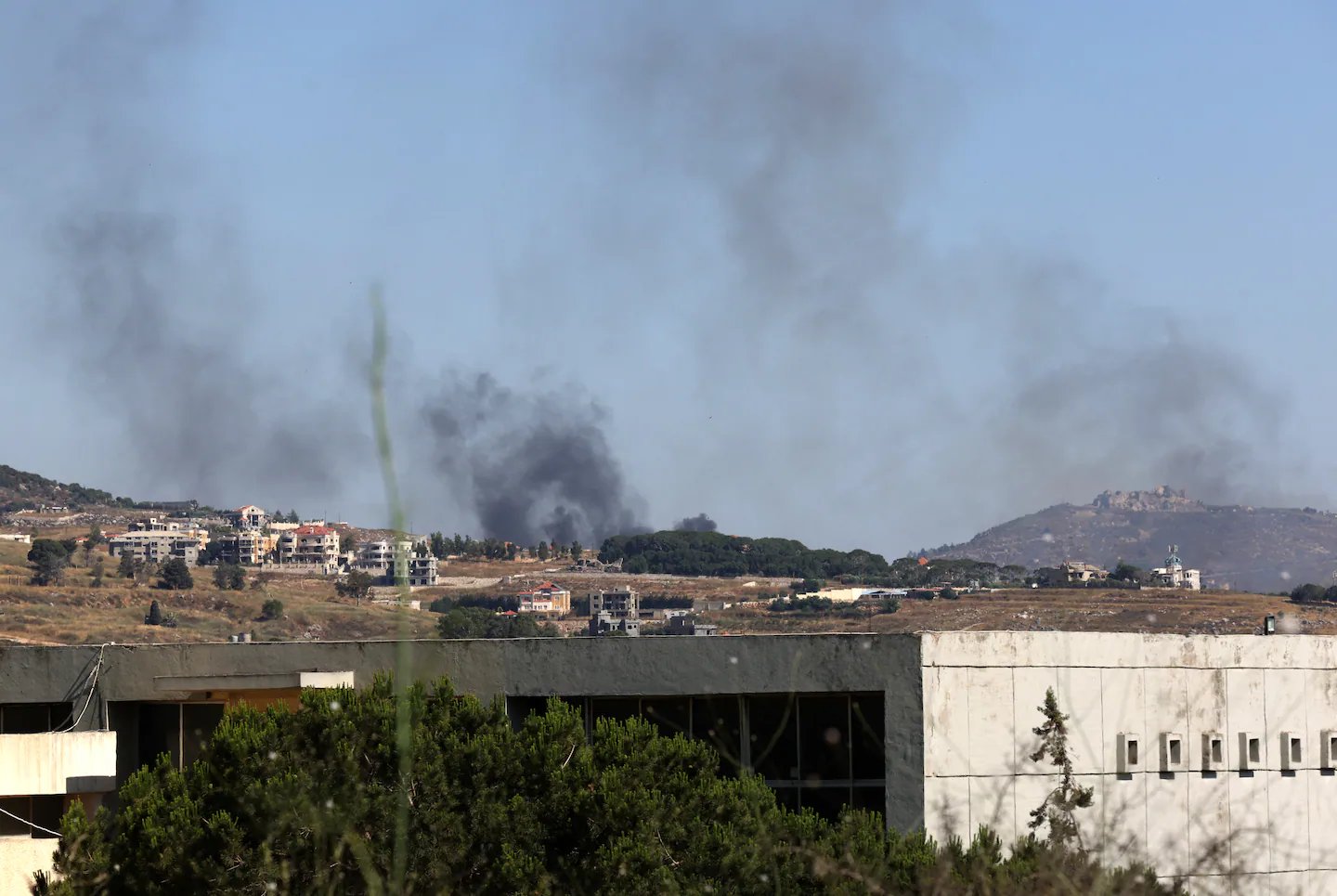
On Wall Street, airline stocks have shown volatility amid these rising costs. Major carriers like Delta Air Lines, United Airlines, and Southwest Airlines experienced declines in their stock prices as investors reacted to the ongoing fuel crisis. However, American Airlines saw a slight increase of 1.4 percent following the market open. The broader financial markets also reacted to the fluctuations in oil prices, which rose more than 5 percent during Asian trading hours amid renewed conflict in the region.
Broader Economic Implications
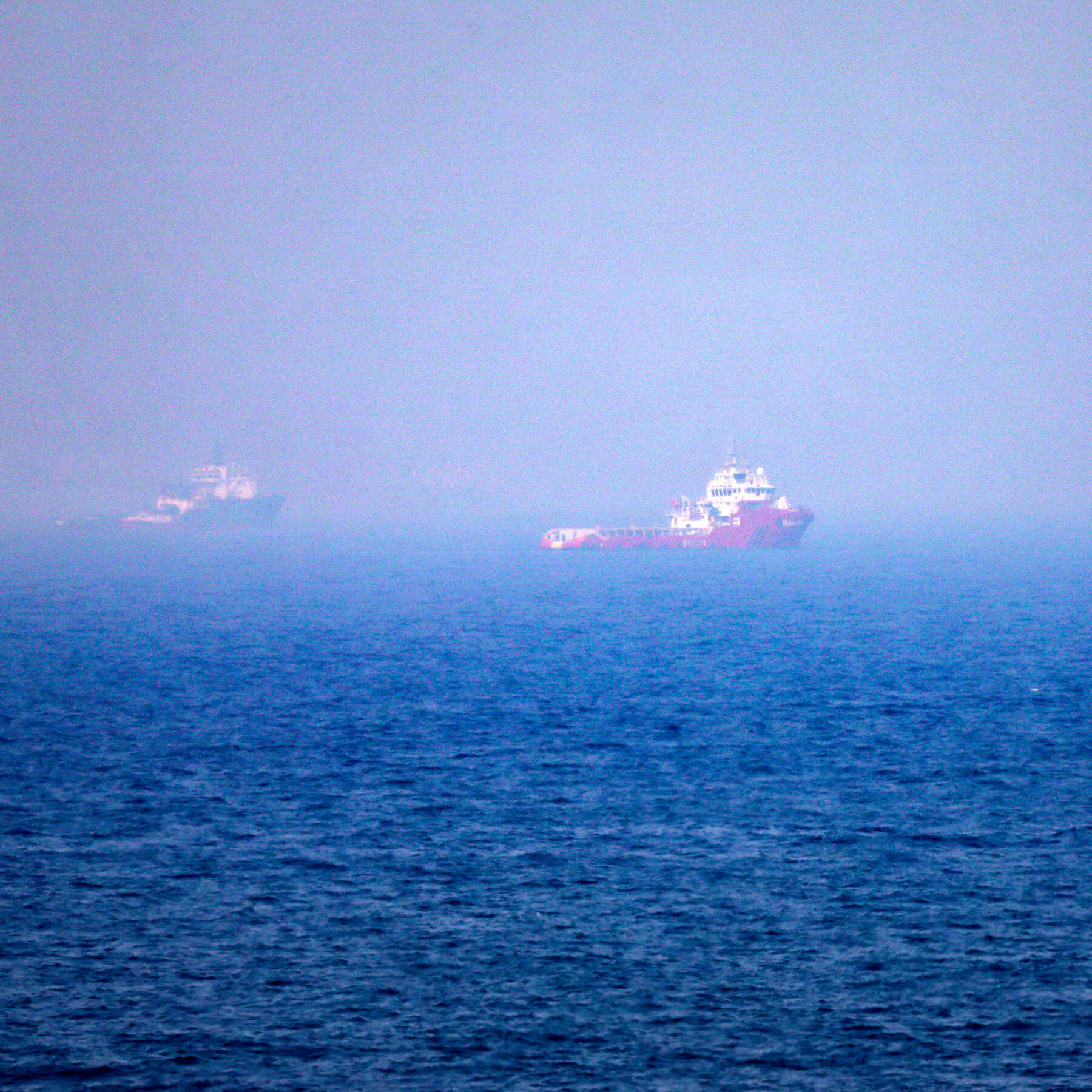
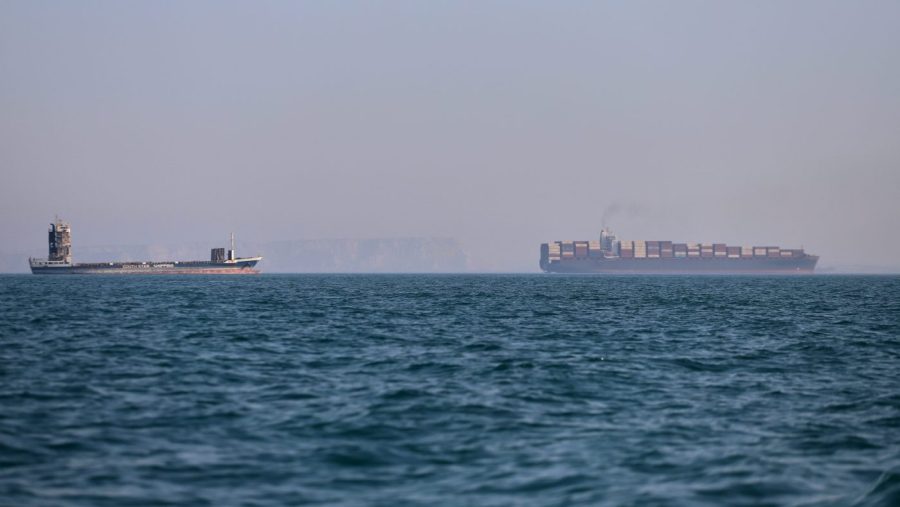
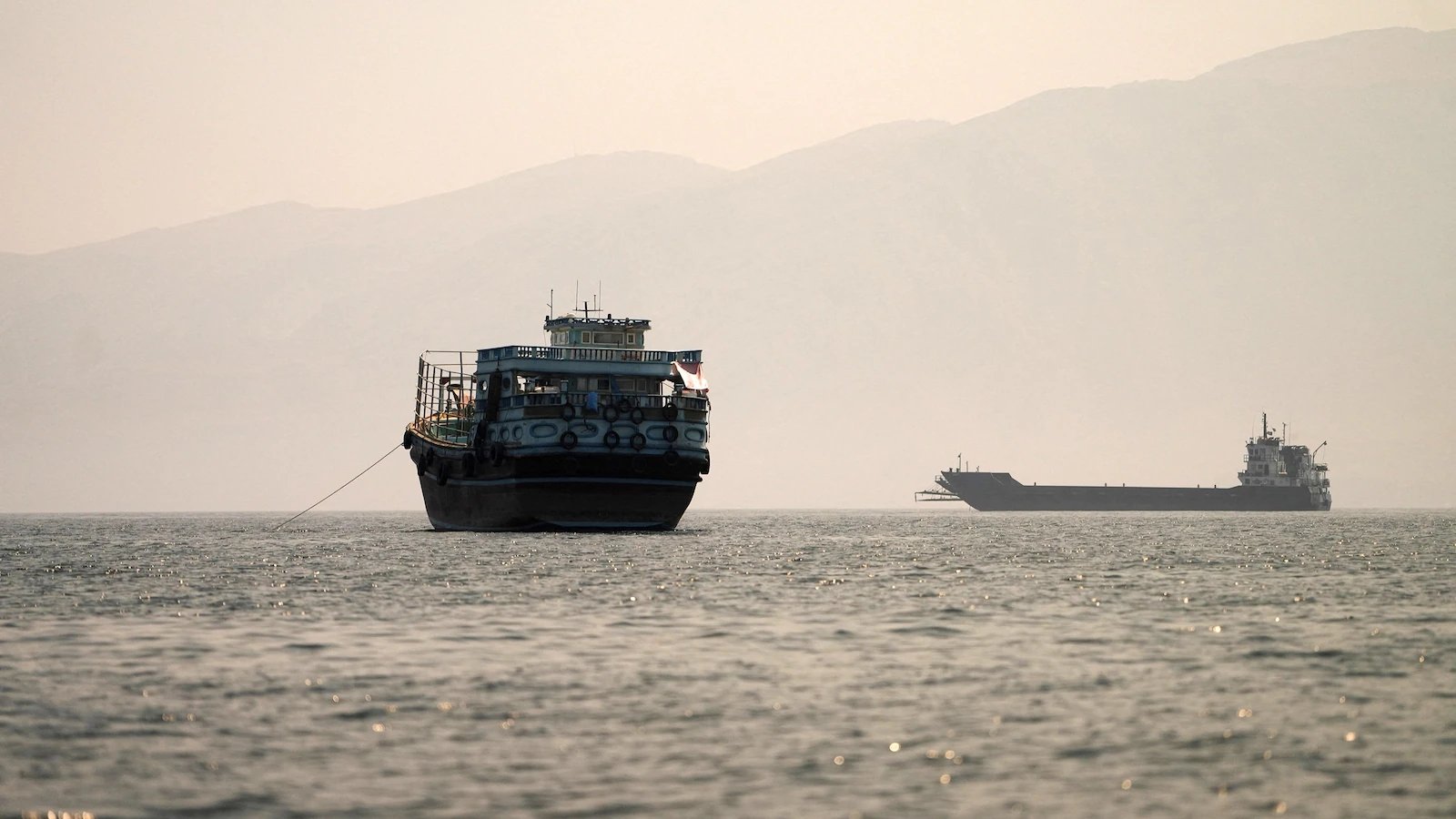
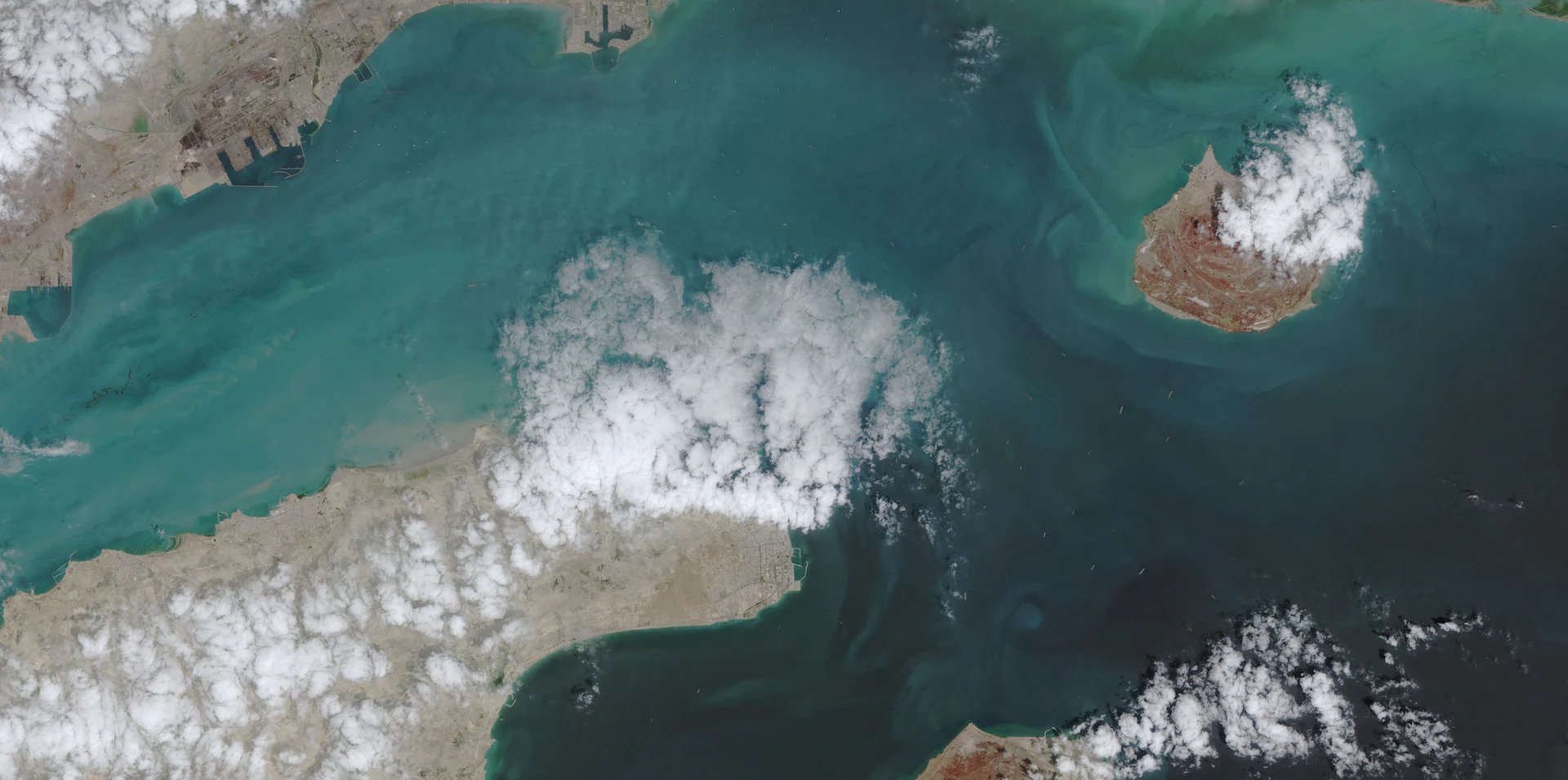
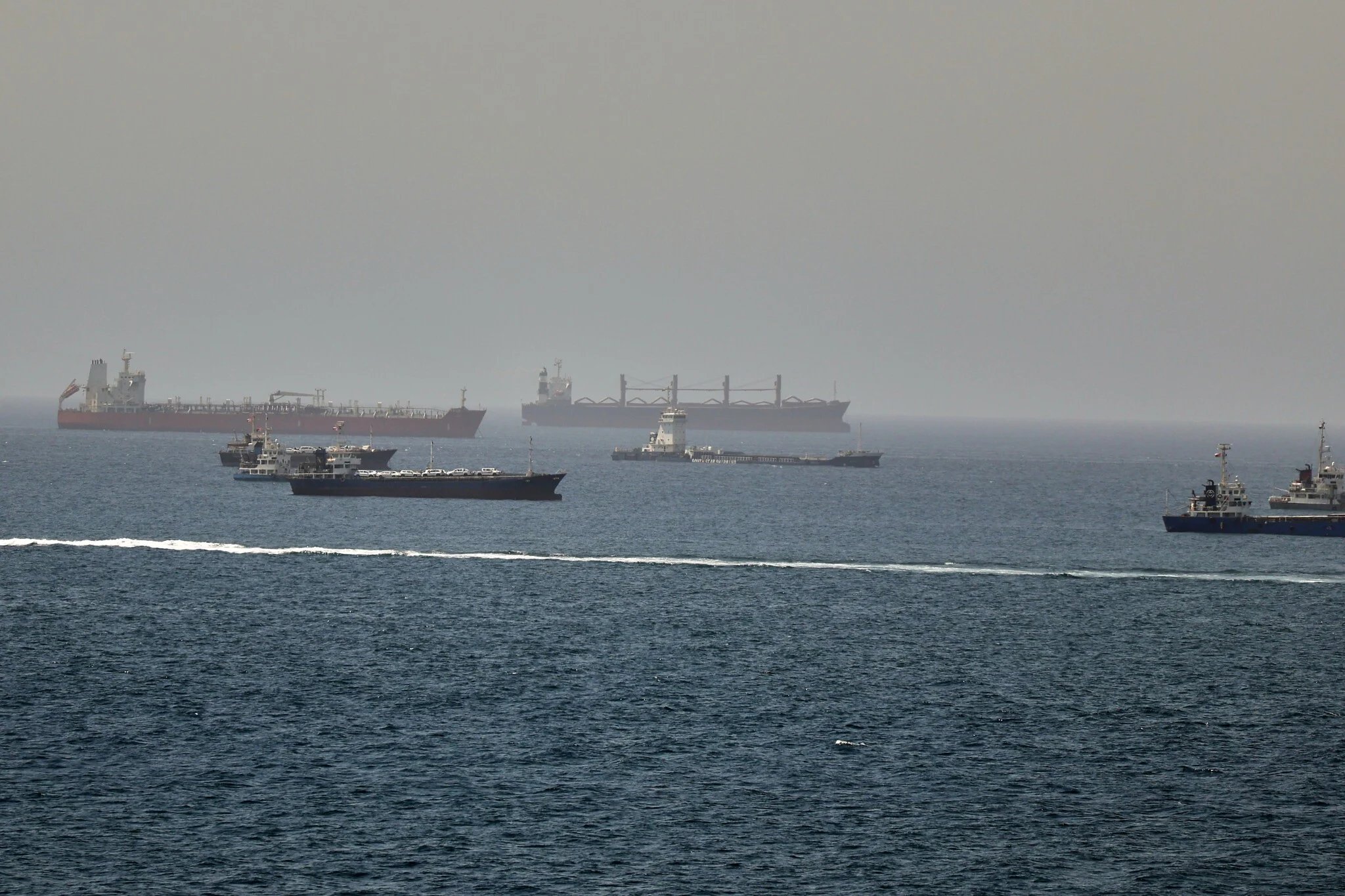
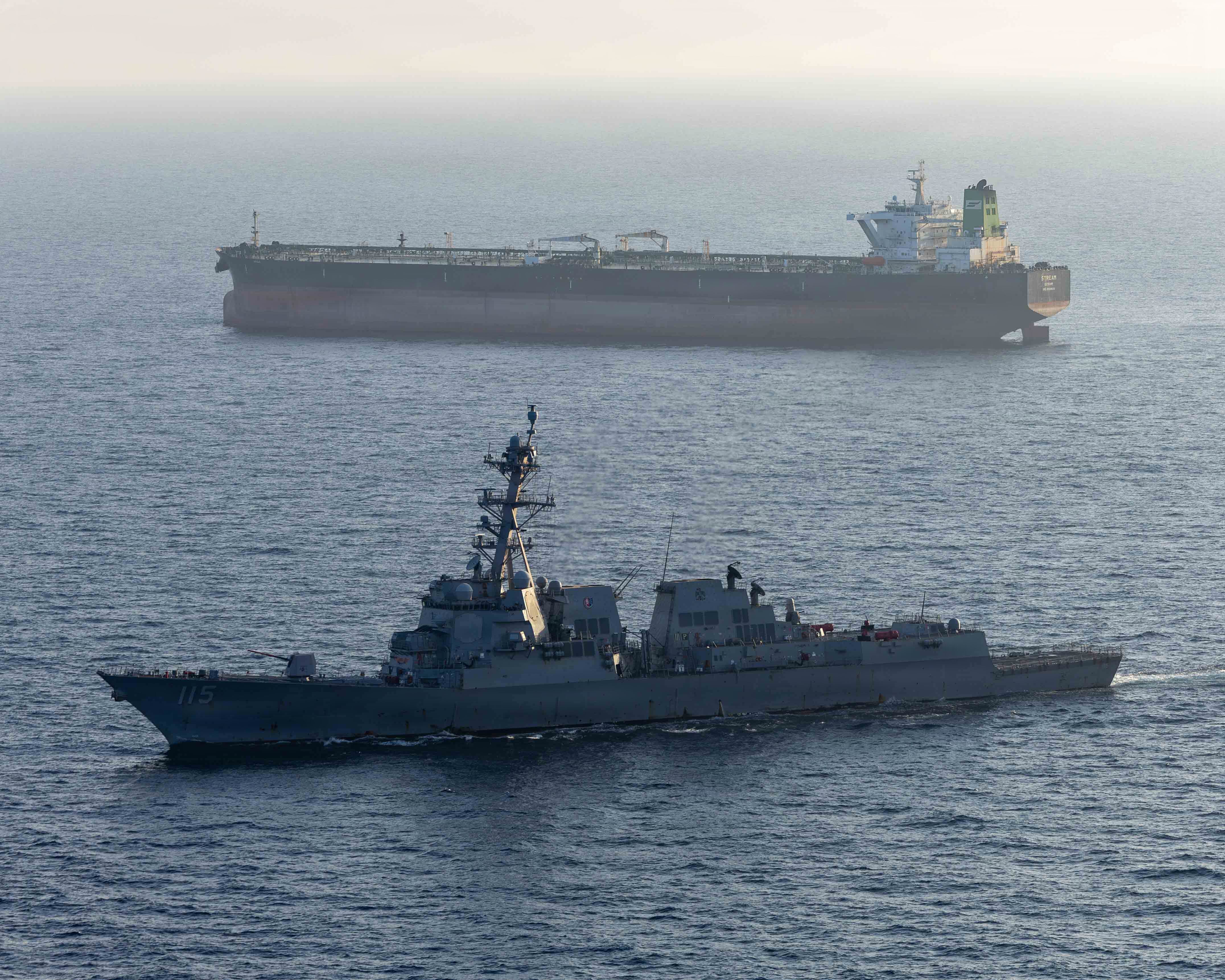
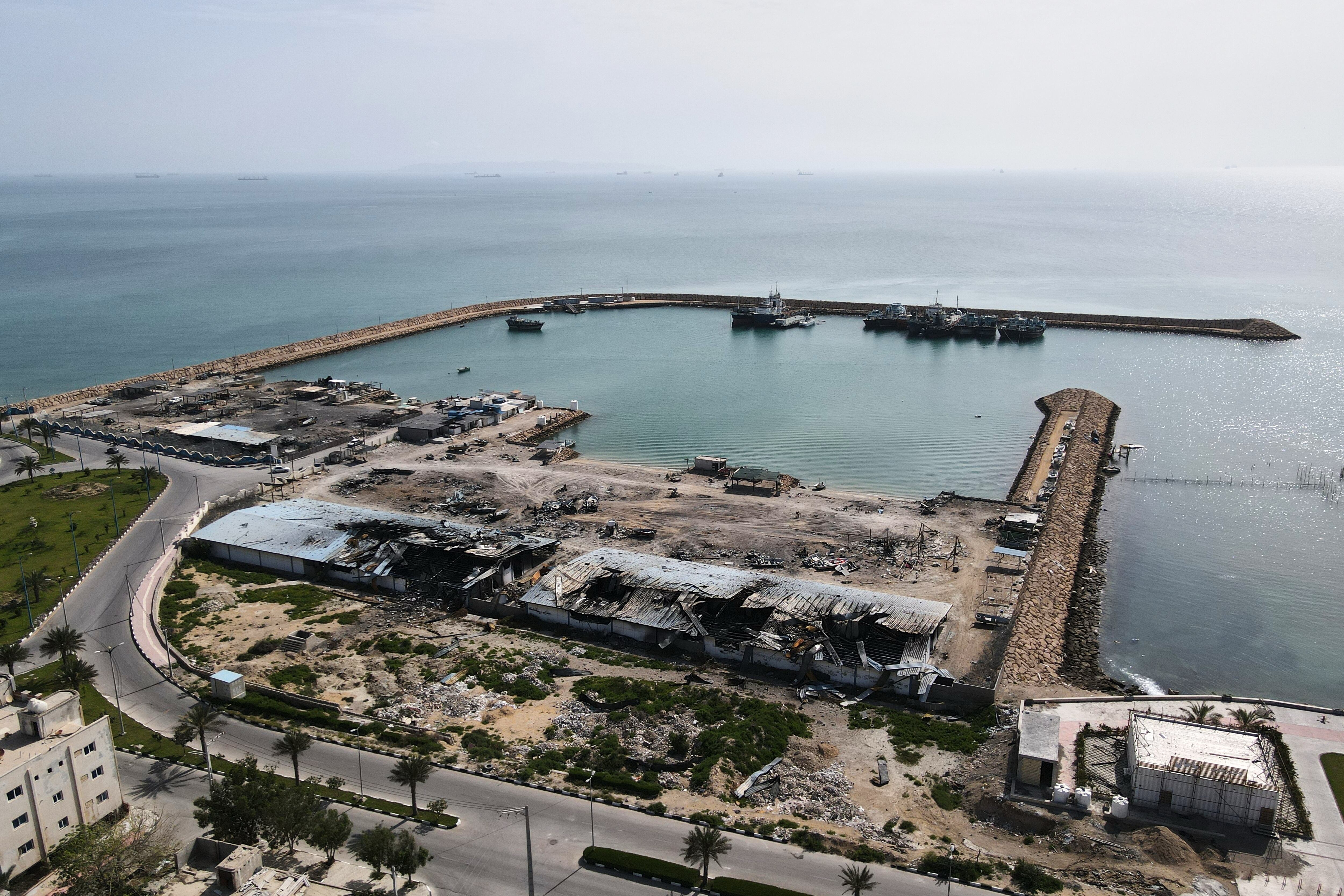
The conflict in Iran has not only impacted airline operations but has also raised concerns about global energy shipments through the Strait of Hormuz, a key transit route for oil. With jet fuel availability threatened, airlines are facing increased operational pressures that could lead to further flight disruptions. IATA's report highlights that fuel costs now account for nearly a third of airlines' operating expenses, a significant burden as the peak summer travel season approaches.
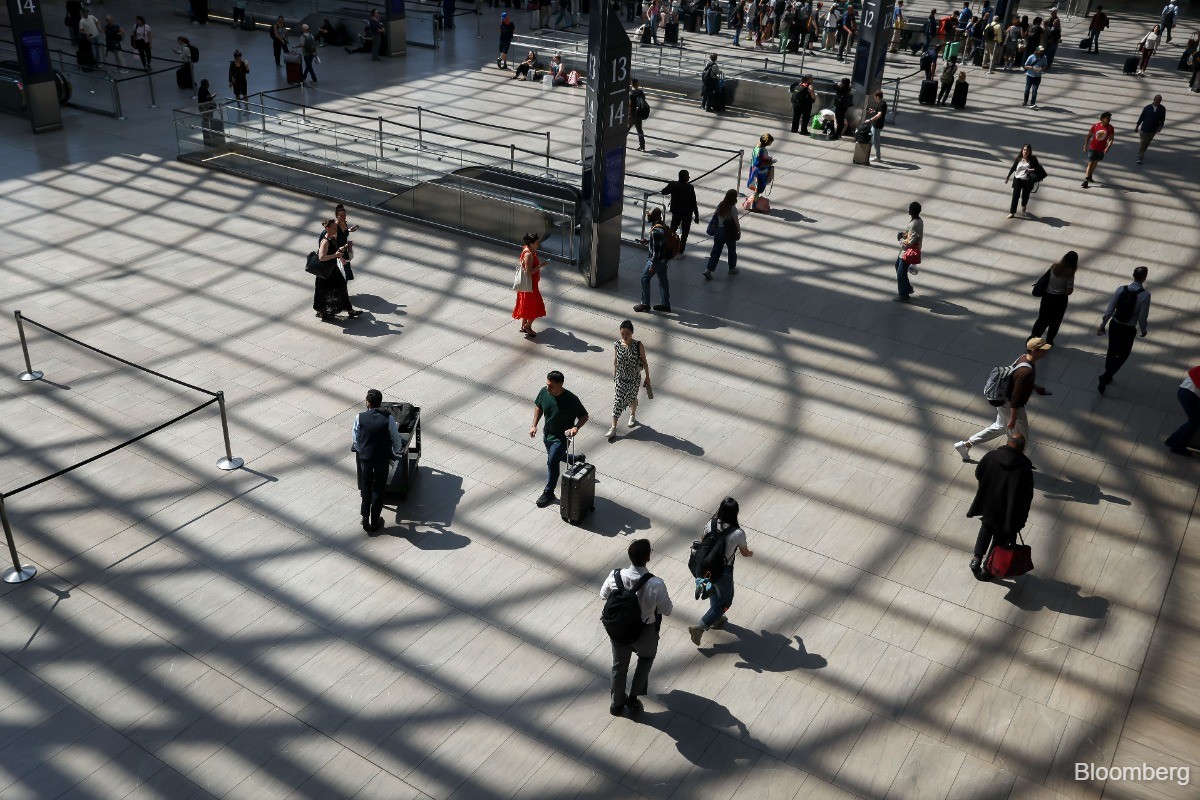
Travelers should prepare for potential fare increases and flight cancellations as airlines navigate this turbulent economic landscape. The ongoing situation underscores the interconnectedness of global events and their impact on everyday consumers.