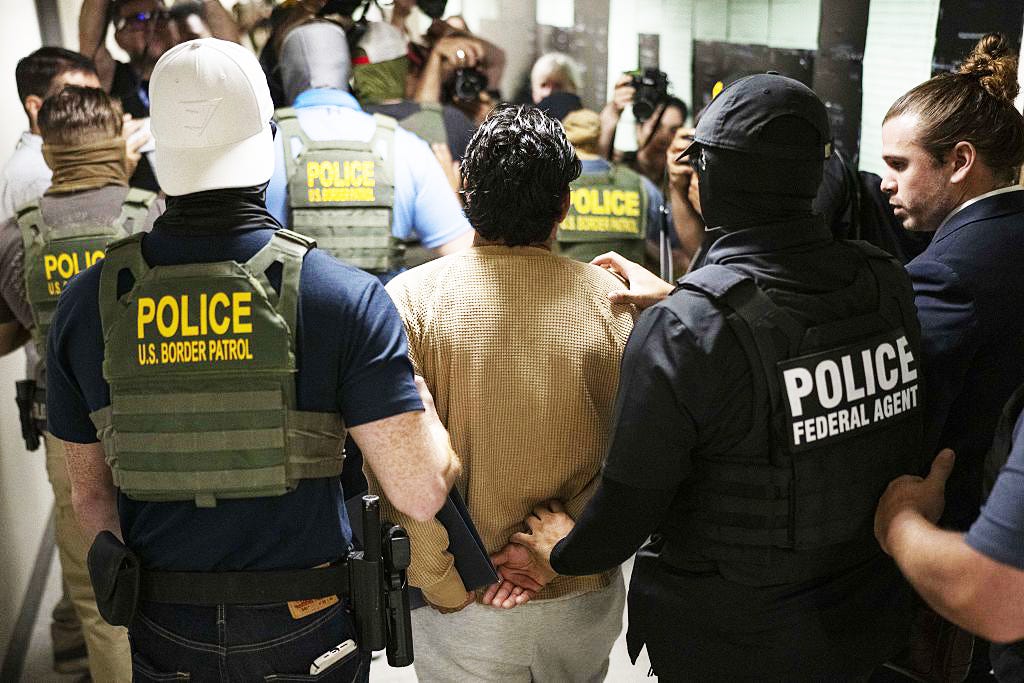
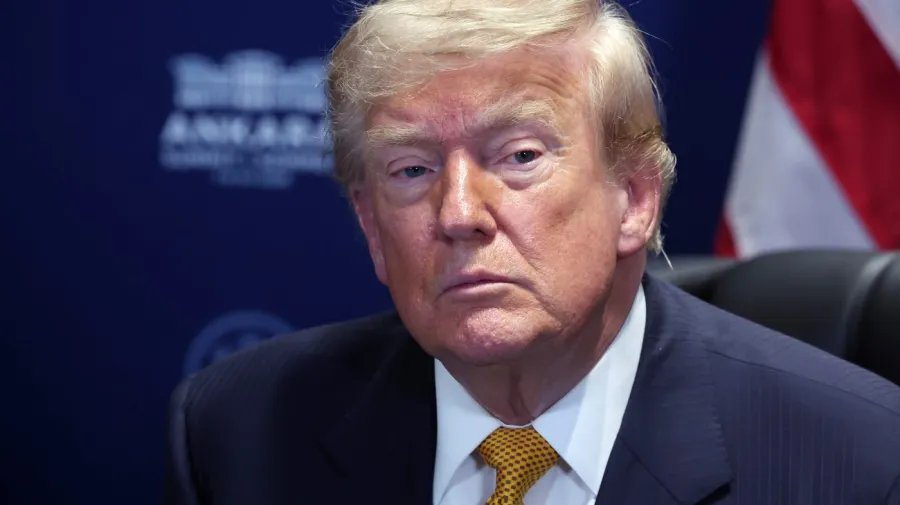
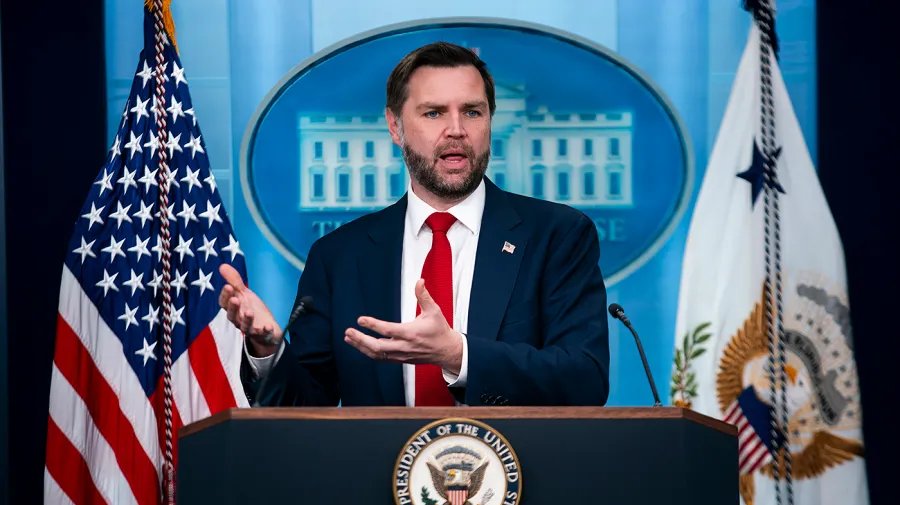
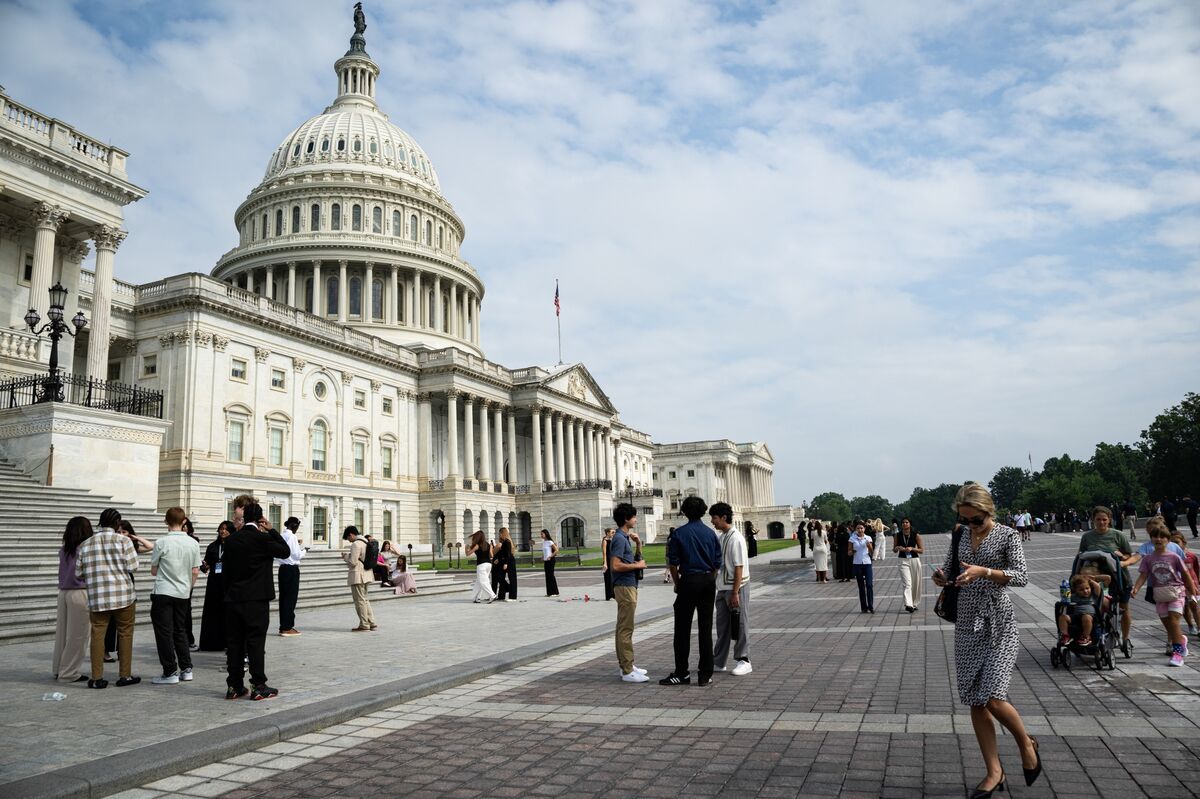
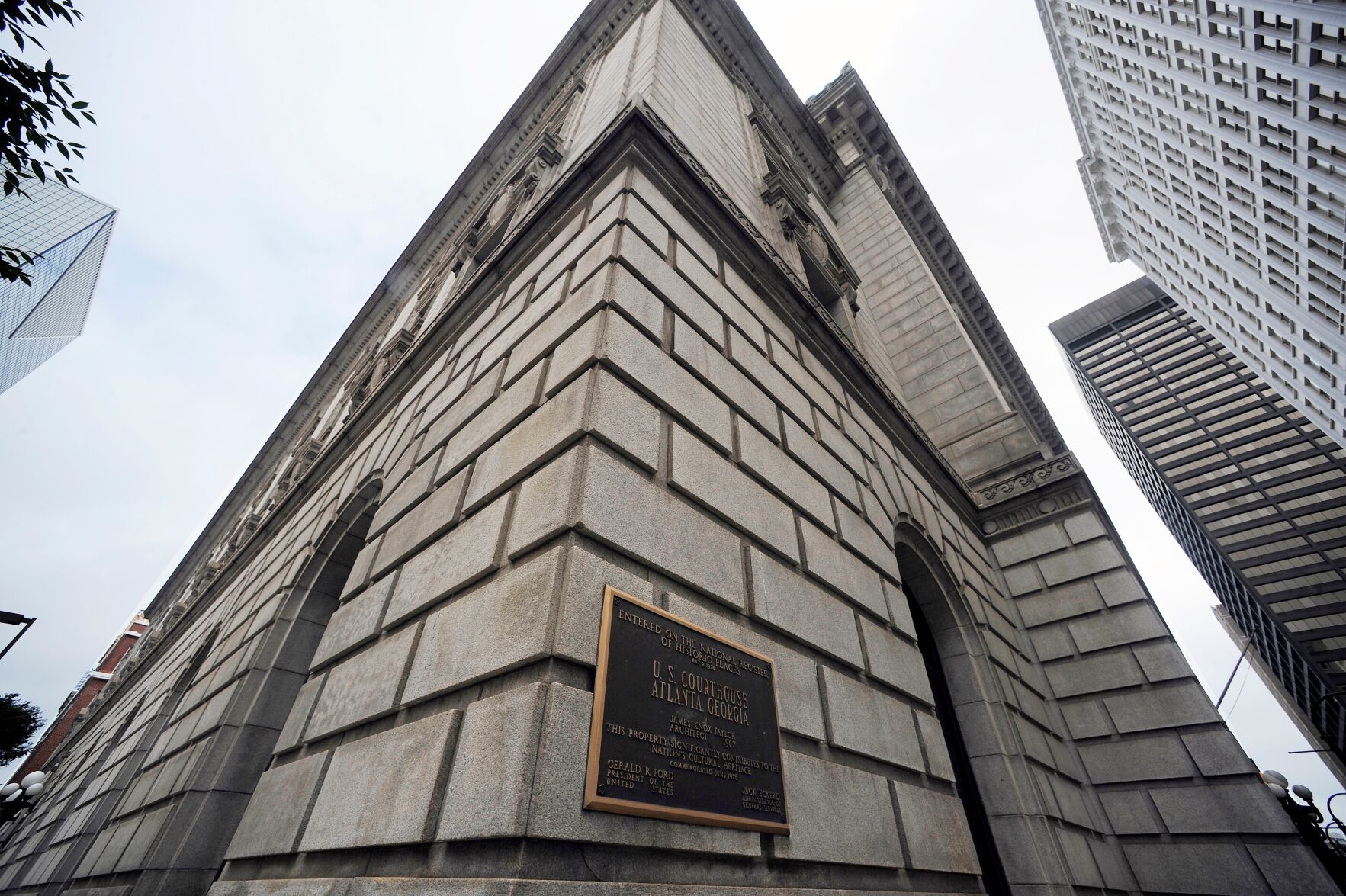
The Department of Justice announced Monday that it is seeking to strip citizenship from 17 foreign-born Americans across the country accused of serious crimes, marking the latest move in the administration's denaturalization push. Federal prosecutors filed denaturalization actions in various U.S. District Courts, citing serious criminal accusations against these individuals, which they claim could justify the revocation of their citizenship.
Federal prosecutors filed denaturalization actions against individuals accused of serious crimes. The DOJ has not released specific details about the crimes involved, but the move reflects a broader trend in the administration's immigration policies. According to officials, the goal is to ensure that those who commit serious offenses do not benefit from the protections afforded by U.S. citizenship.
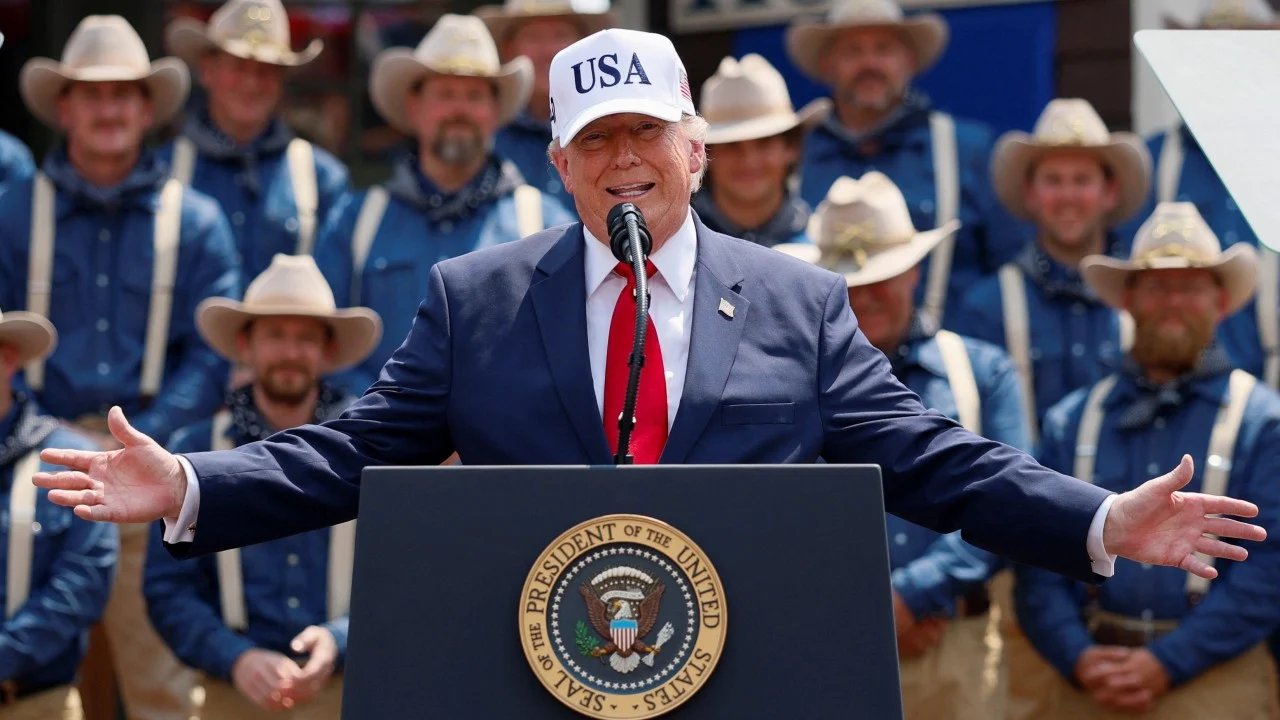
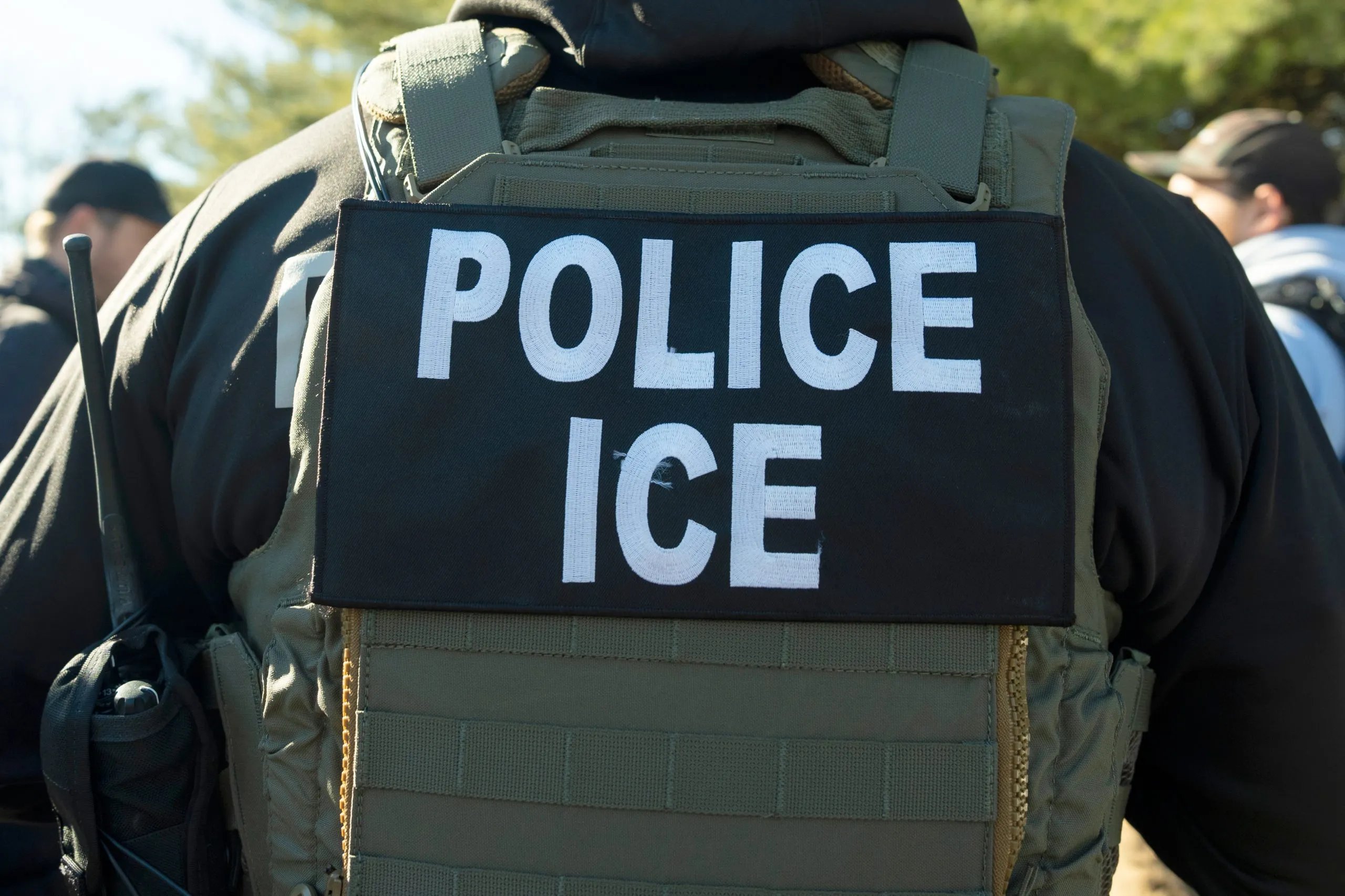
This latest denaturalization push signals a tougher stance on immigration by the Trump administration, which has consistently sought to tighten legal immigration pathways. Advocates for immigrant rights have raised concerns about the potential for abuse of this power, arguing that it may create a climate of fear among immigrant communities. They worry that this could lead to increased scrutiny of citizenship applications and a higher rate of denaturalization actions in the future.
Advocates argue that the denaturalization process can be complex and fraught with legal challenges, often disproportionately affecting marginalized communities.
As the DOJ moves forward with these denaturalization actions, the legal ramifications for the individuals involved could be profound. If successful, these actions may set a precedent for future citizenship revocations based on criminal conduct. Legal experts warn that the consequences could extend beyond the individuals targeted, potentially affecting the broader landscape of immigration and citizenship rights in the United States.
The 17 individuals facing denaturalization are now confronted with a complex legal battle. They will need to mount defenses against the allegations made by the DOJ, which could involve lengthy court proceedings. For many, the stakes are high; losing citizenship can result in deportation and separation from families, underscoring the human impact of this administration's immigration policies.
The Trump administration is moving forward with a significant policy shift by seeking to revoke U.S. citizenship from 17 foreign-born individuals. The Department of Justice (DOJ) announced this action on June 8, describing it as the largest denaturalization effort in recent history. Federal prosecutors filed denaturalization actions in various U.S. District Courts, citing serious criminal accusations against these individuals, which they claim could justify the revocation of their citizenship.
The administration's strategy hinges on accusations that these individuals obtained their citizenship through fraudulent means or by concealing criminal conduct. The DOJ has not released specific details about the crimes involved, but the move reflects a broader trend in the administration's immigration policies. According to officials, the goal is to ensure that those who commit serious offenses do not benefit from the protections afforded by U.S. citizenship.
This latest denaturalization push signals a tougher stance on immigration by the Trump administration, which has consistently sought to tighten legal immigration pathways. Advocates for immigrant rights have raised concerns about the potential for abuse of this power, arguing that it may create a climate of fear among immigrant communities. They worry that this could lead to increased scrutiny of citizenship applications and a higher rate of denaturalization actions in the future.
Organizations such as the American Civil Liberties Union (ACLU) have criticized the administration's actions, labeling them as part of a broader campaign against immigrants. "This is a direct attack on the fundamental rights of individuals who have made the United States their home," said ACLU spokesperson Maria Rodriguez. Advocates argue that the denaturalization process can be complex and fraught with legal challenges, often disproportionately affecting marginalized communities.
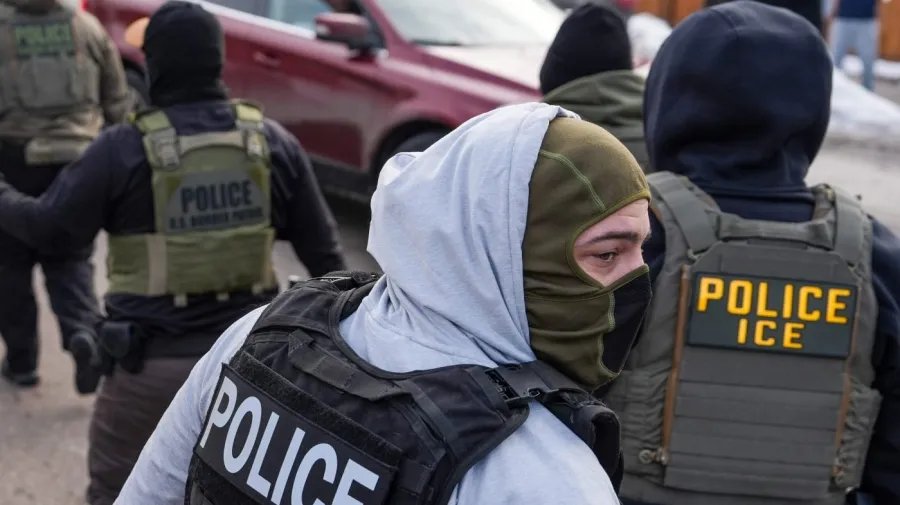
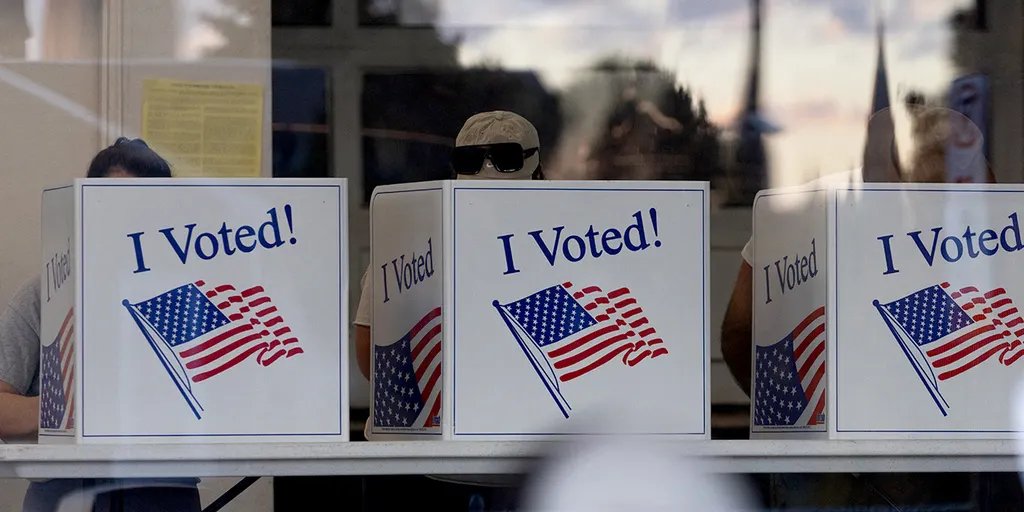
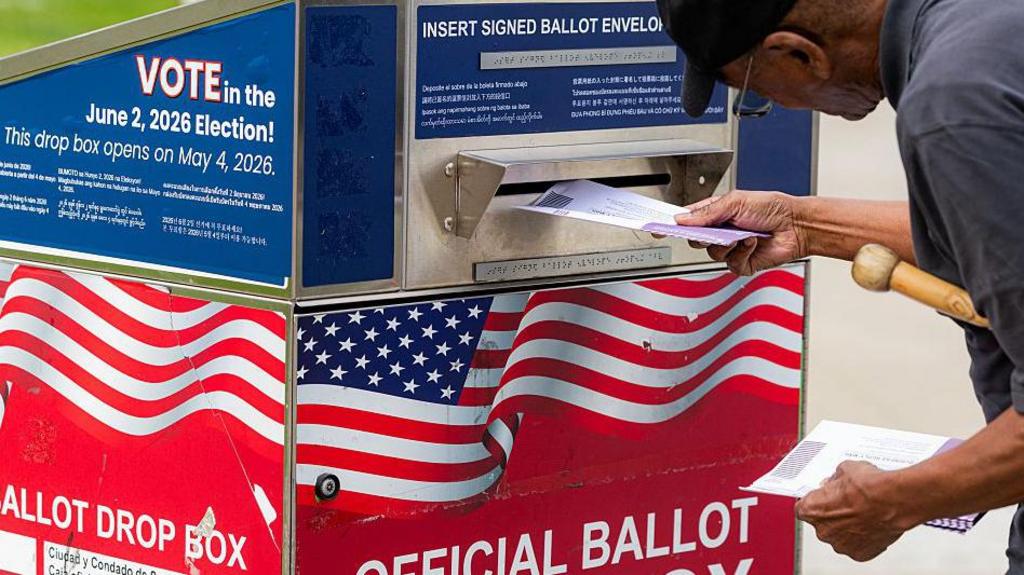
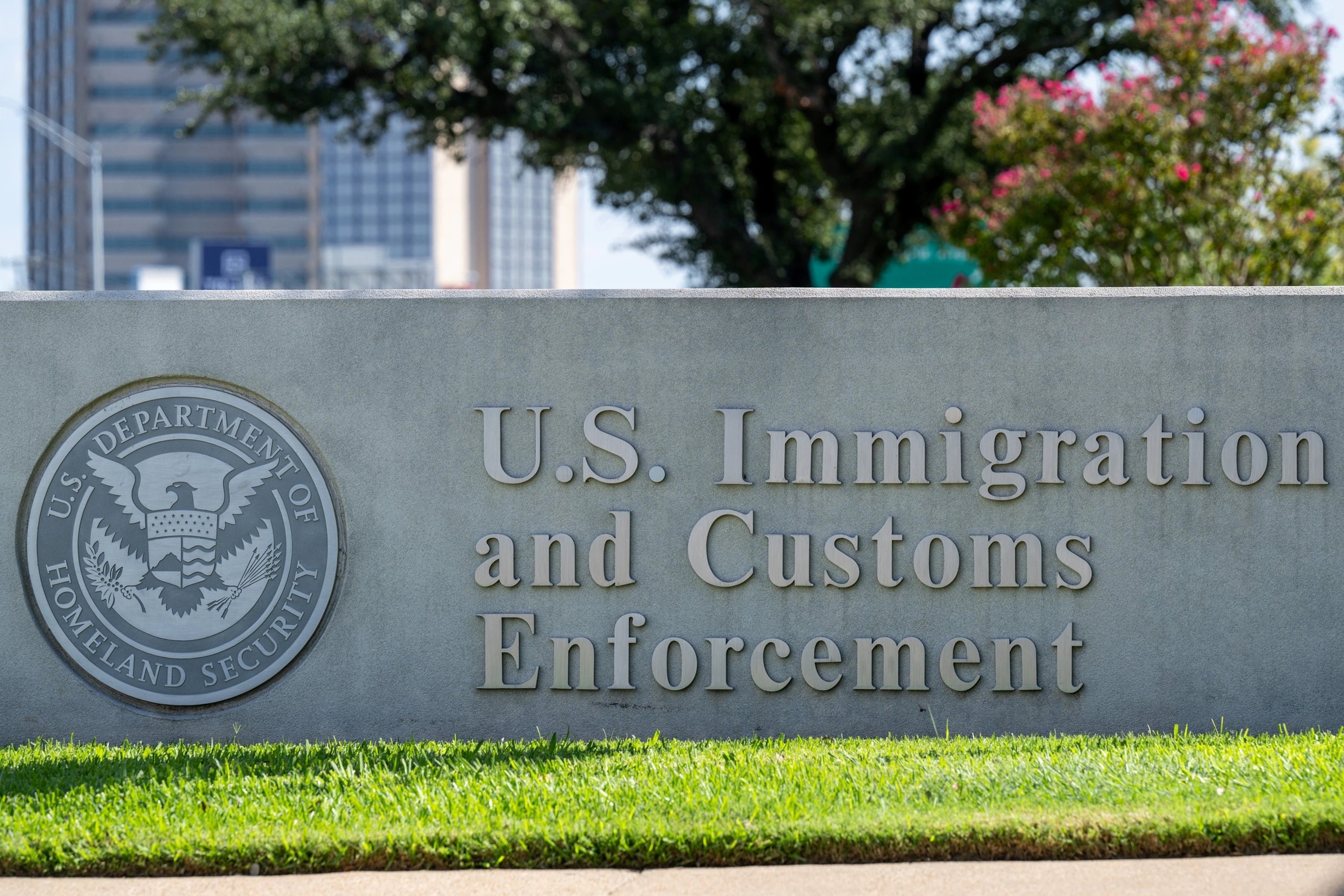
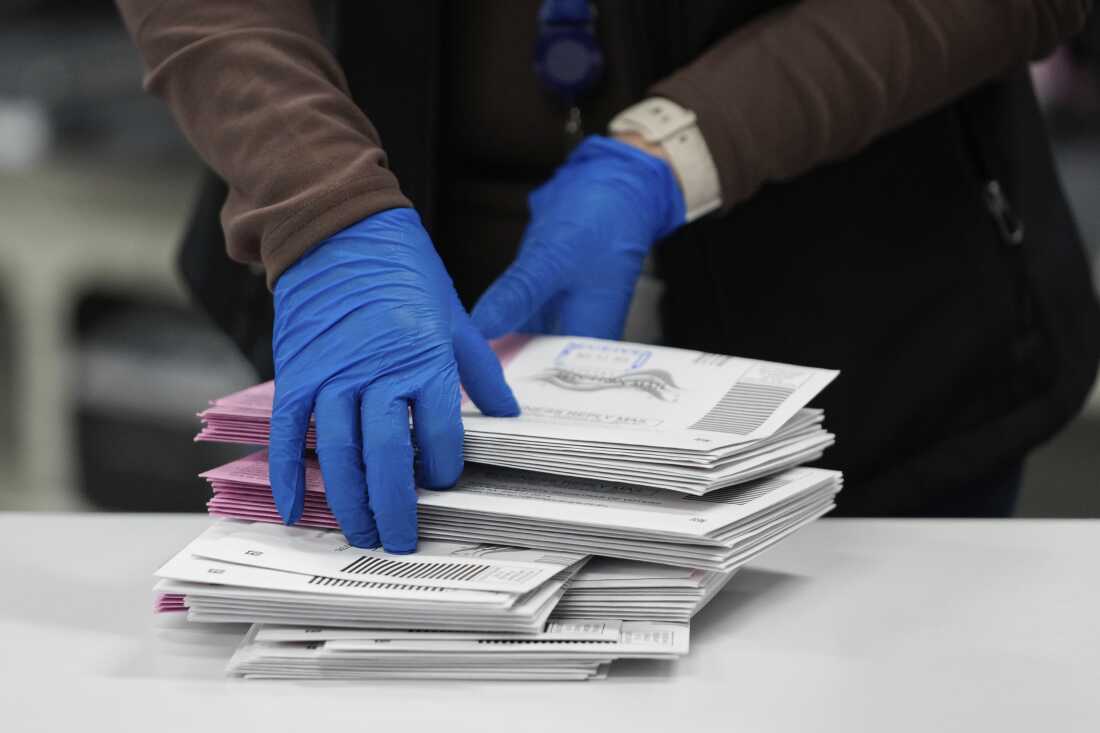
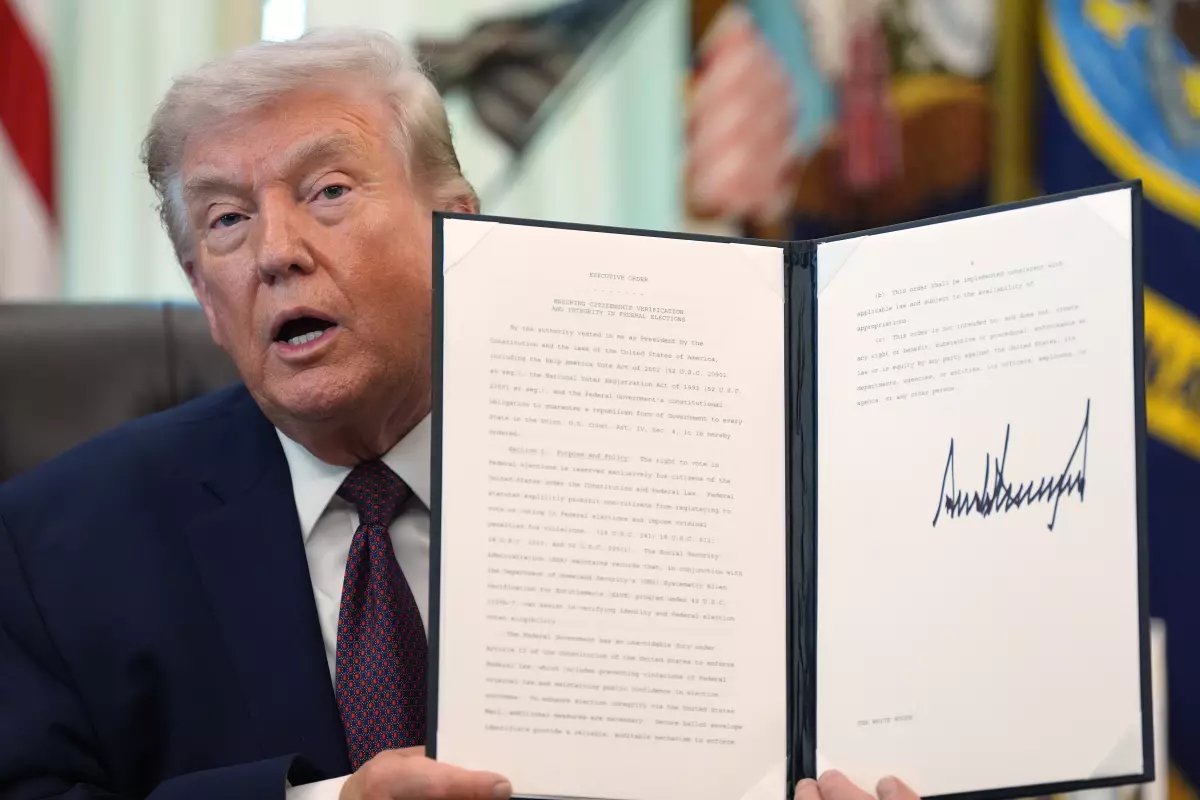
The denaturalization actions coincide with other recent initiatives by the Trump administration aimed at enhancing immigration enforcement. The Department of Homeland Security has approved plans to allow states to verify the citizenship of registered voters using federal immigration databases. This initiative is part of an ongoing effort to address perceived vulnerabilities in the election system, which Trump has frequently claimed are sources of fraud.
As the DOJ moves forward with these denaturalization actions, the legal ramifications for the individuals involved could be profound. If successful, these actions may set a precedent for future citizenship revocations based on criminal conduct. Legal experts warn that the consequences could extend beyond the individuals targeted, potentially affecting the broader landscape of immigration and citizenship rights in the United States.
The 17 individuals facing denaturalization are now confronted with a complex legal battle. They will need to mount defenses against the allegations made by the DOJ, which could involve lengthy court proceedings. For many, the stakes are high; losing citizenship can result in deportation and separation from families, underscoring the human impact of this administration's immigration policies.
Highlighted text was flagged by the council. Tap to see feedback.