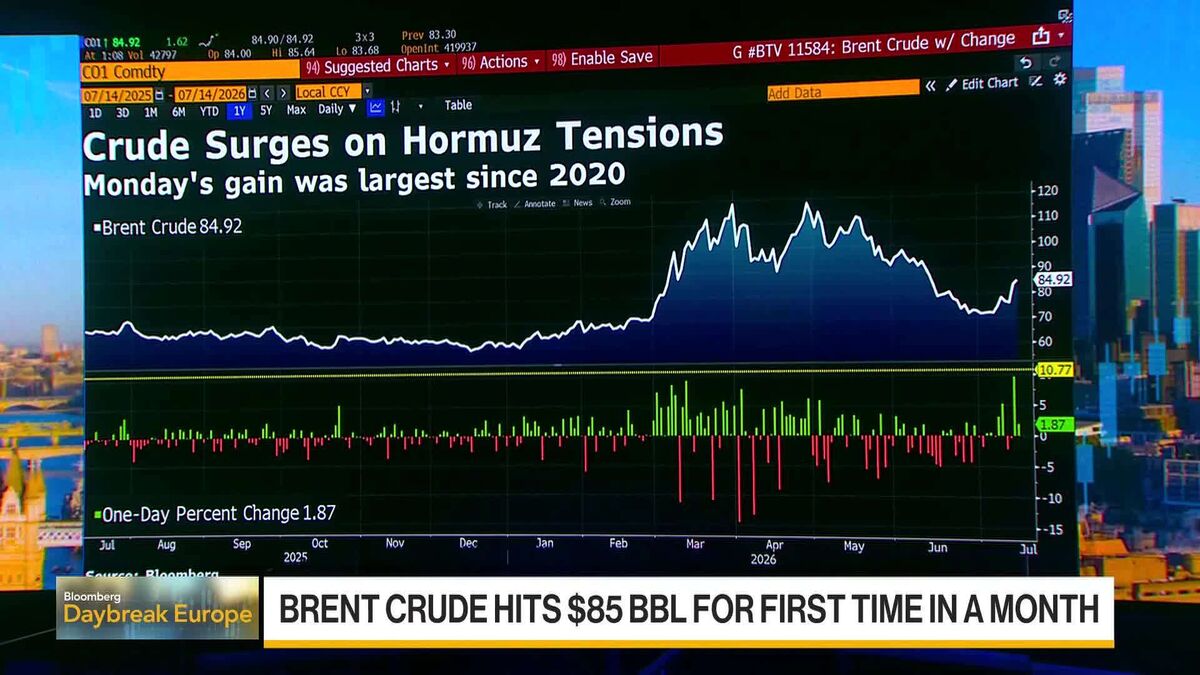
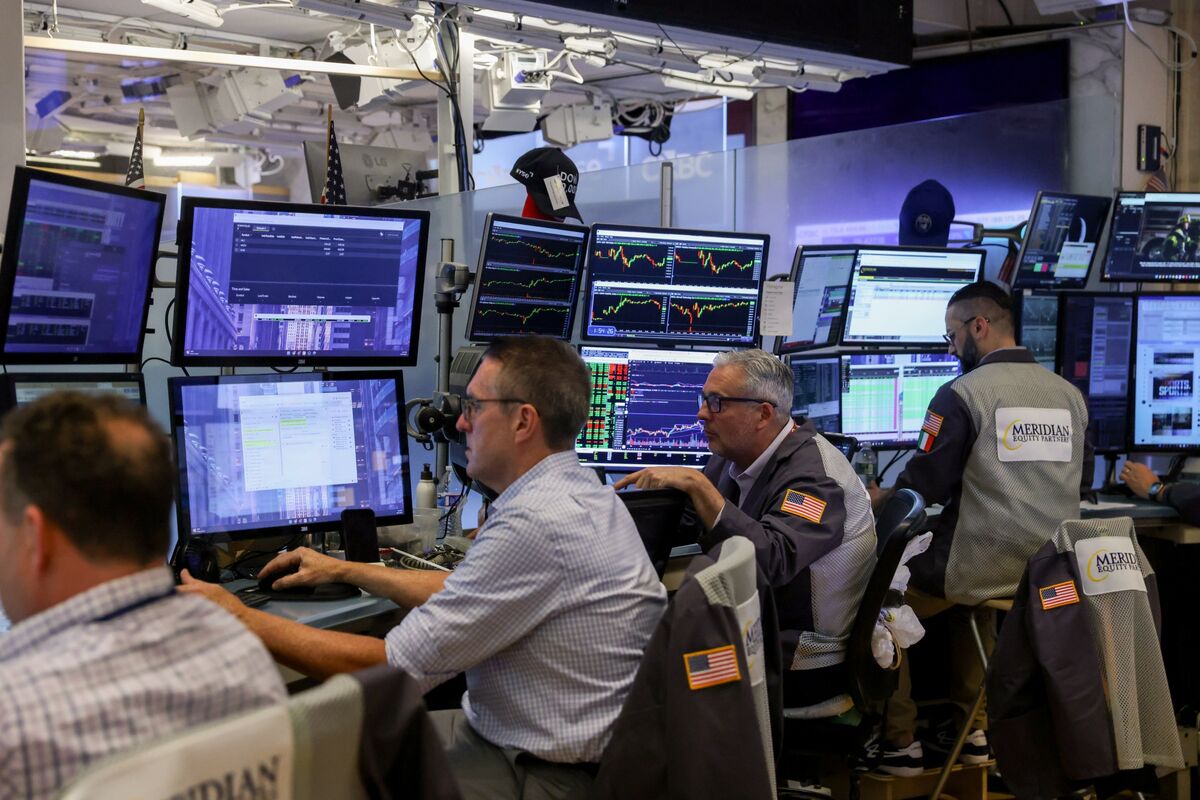
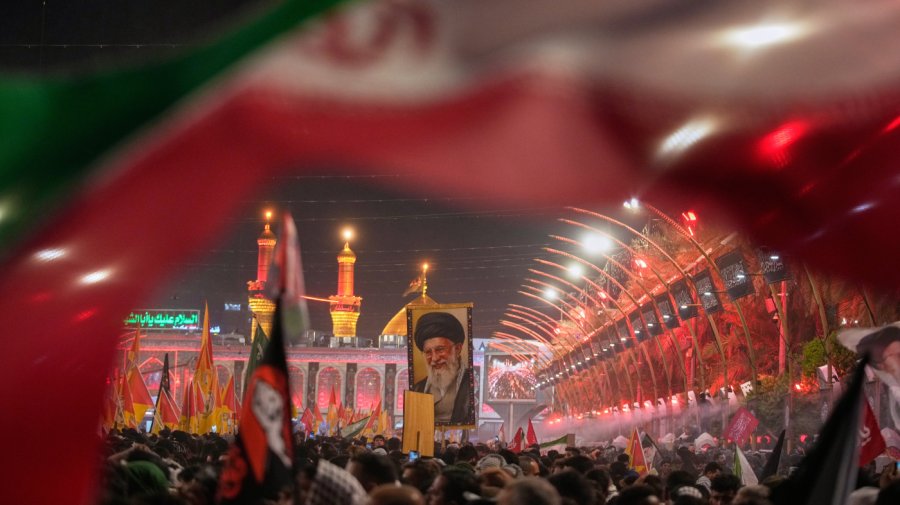
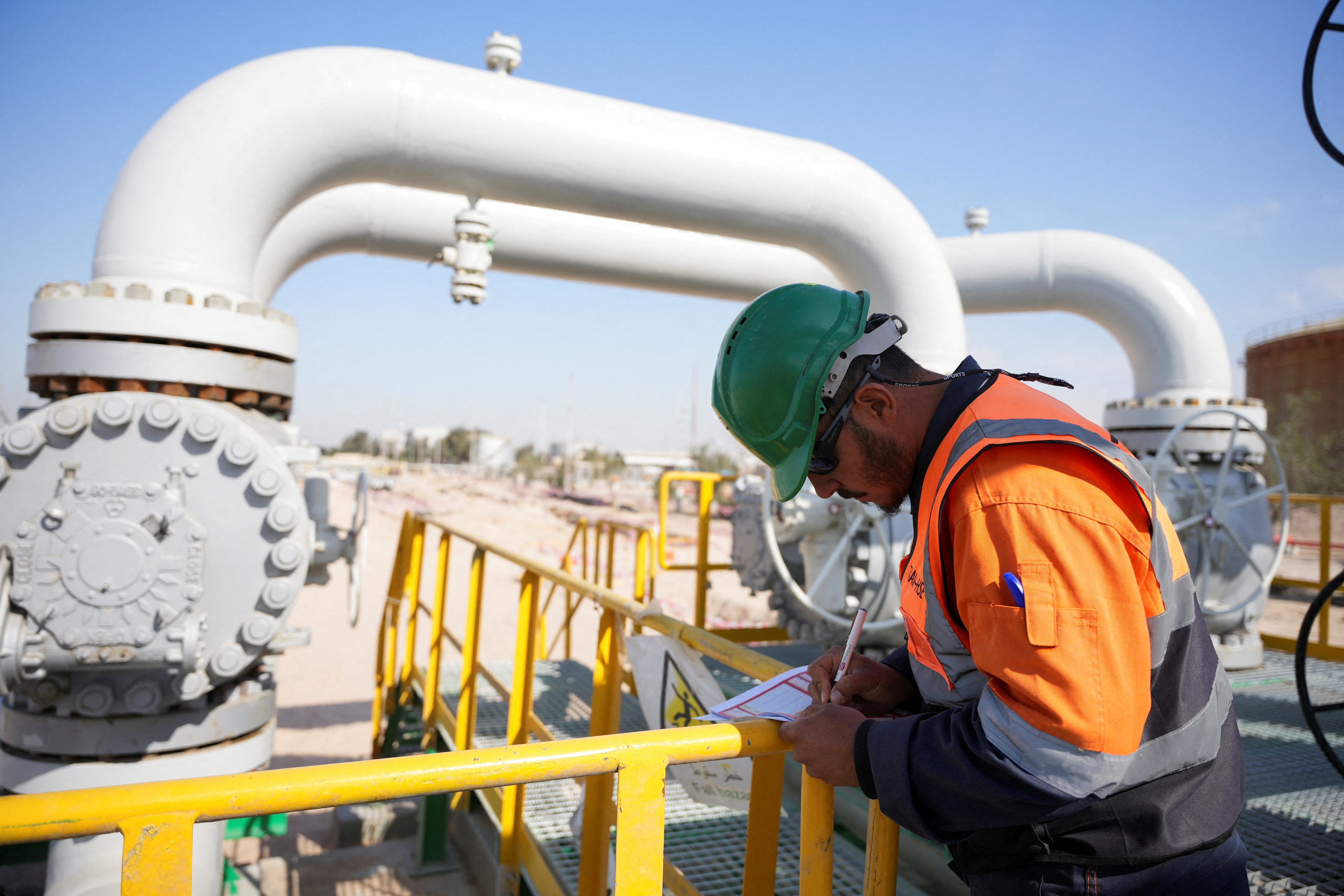
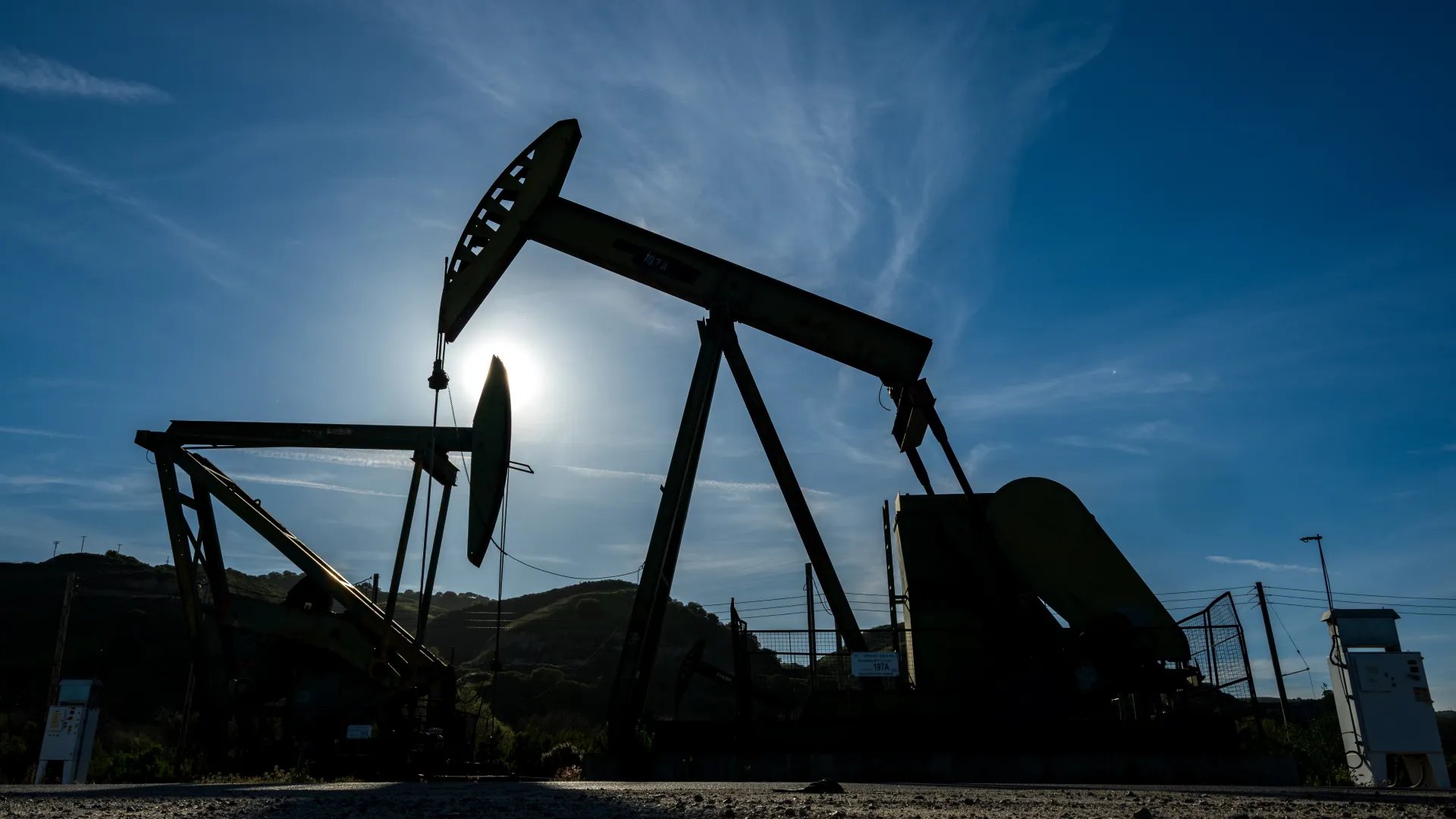
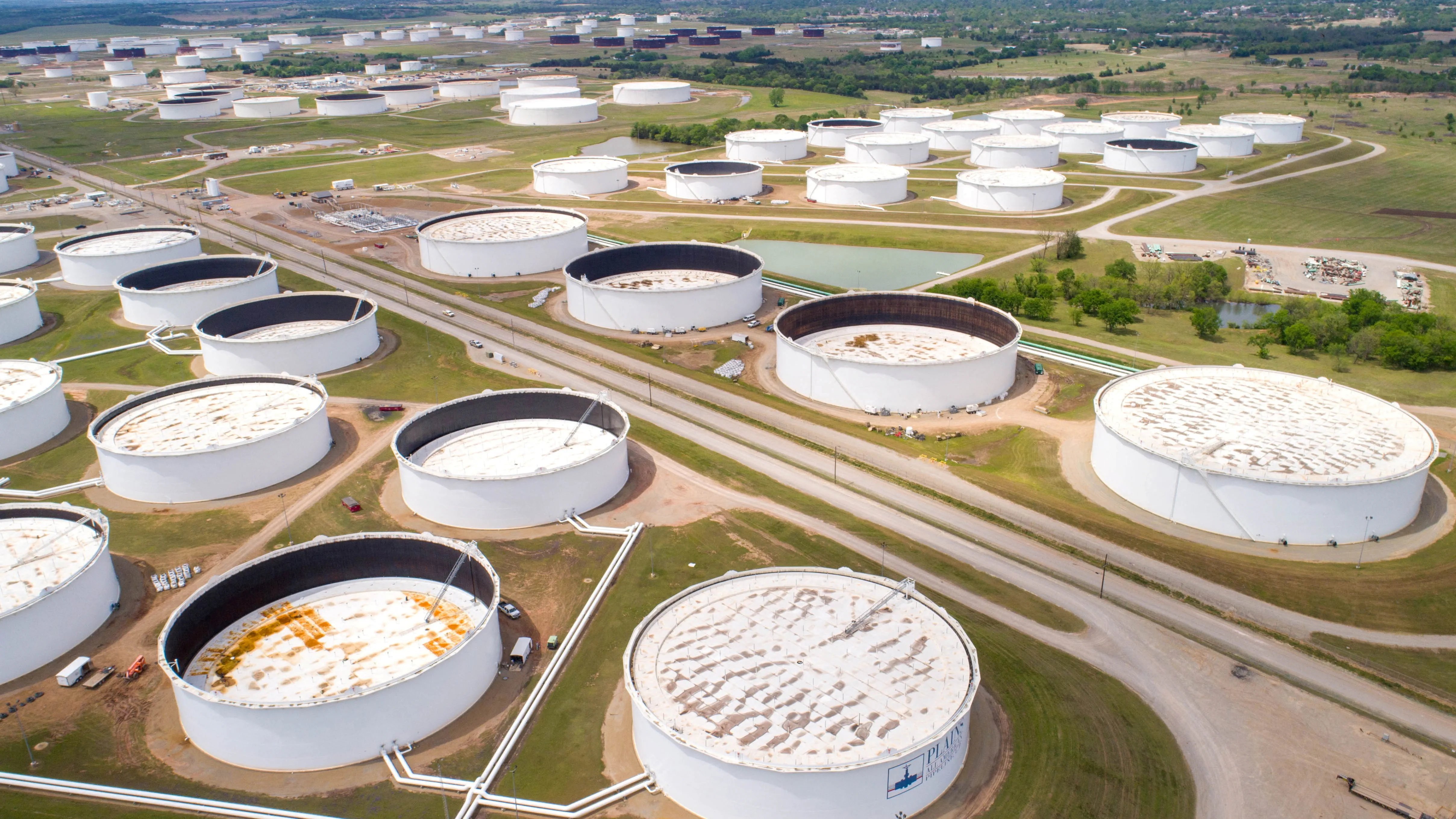
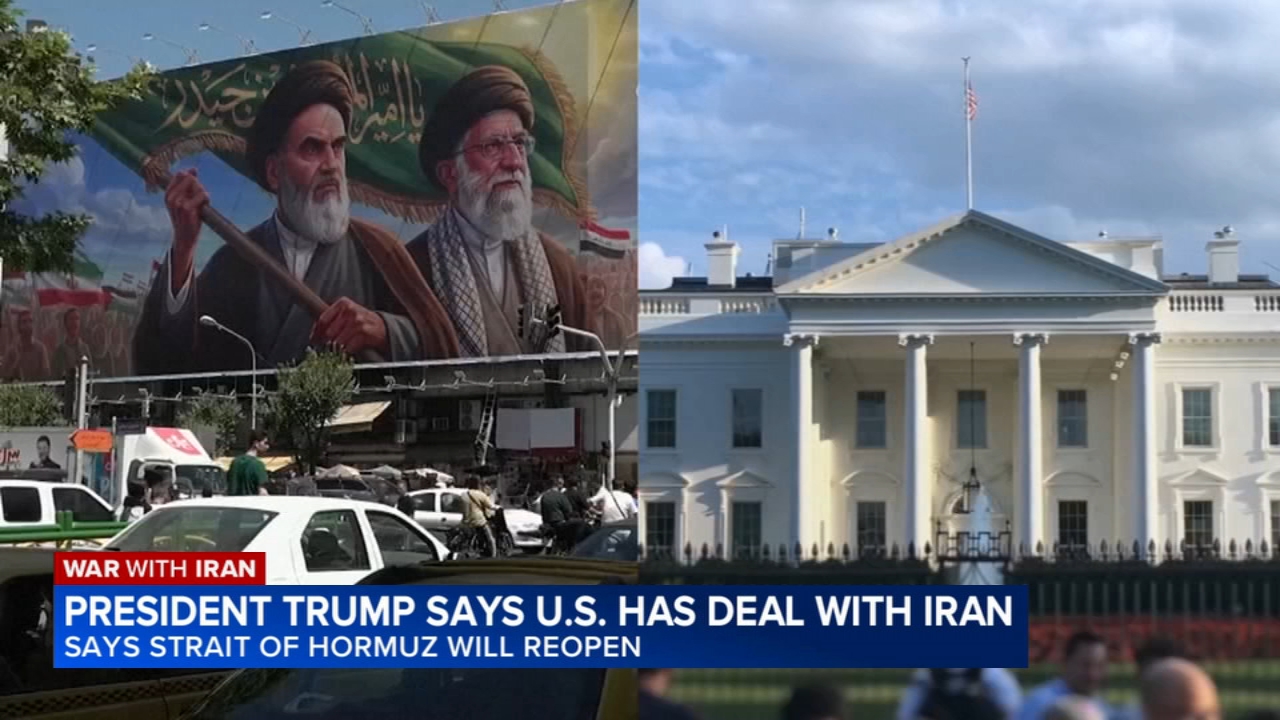
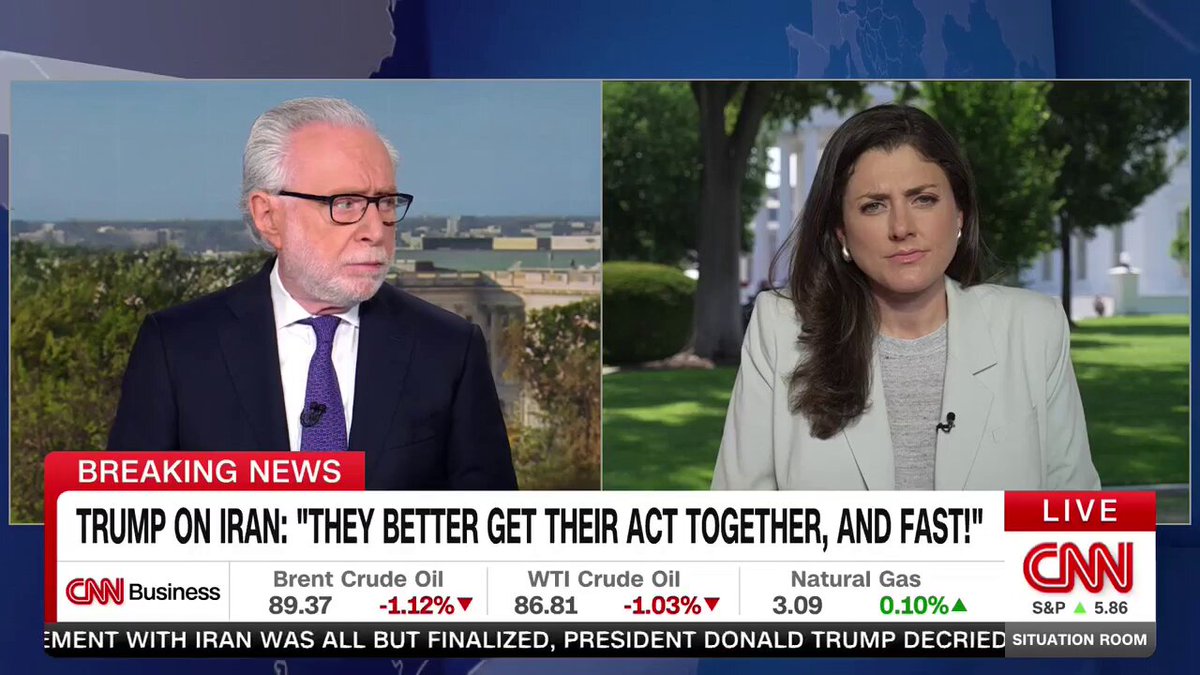
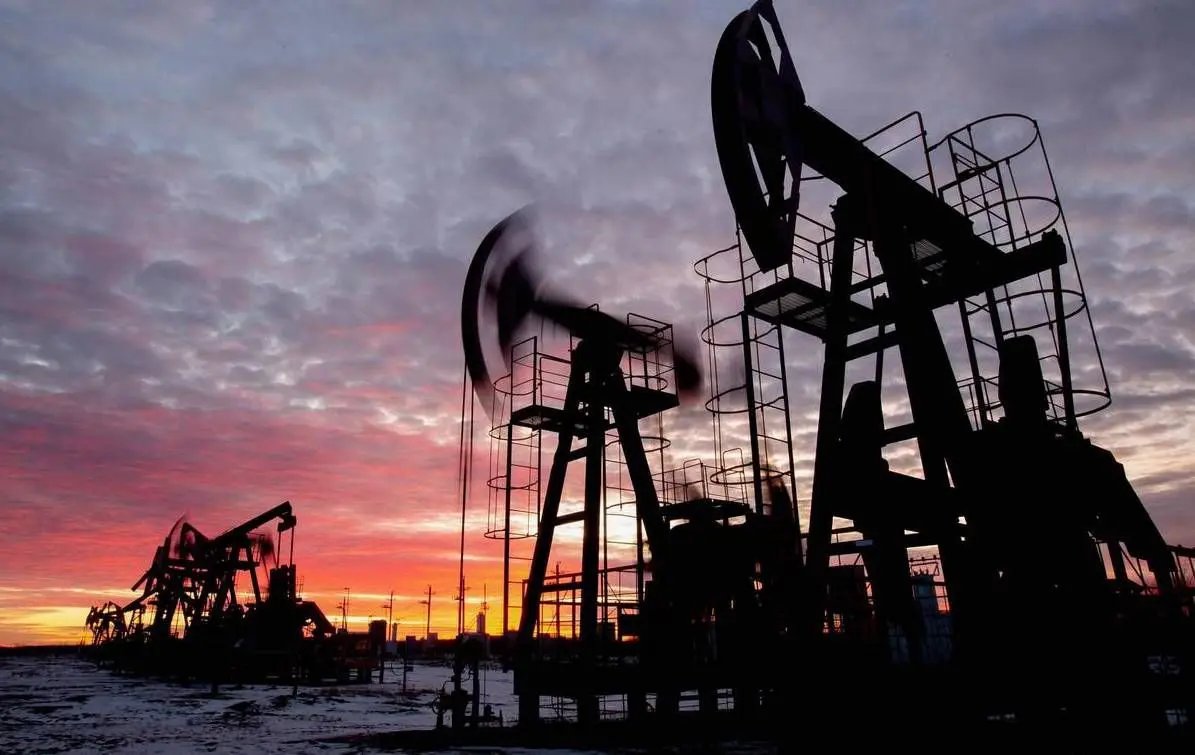
Crude oil has fallen back to prewar levels, marking a significant shift in global energy markets after months of elevated prices and uncertainty. According to the New York Times, the cost of crude has become a real-time barometer of the Iran war's toll on the global economy, reflecting how quickly energy markets respond to geopolitical shifts.
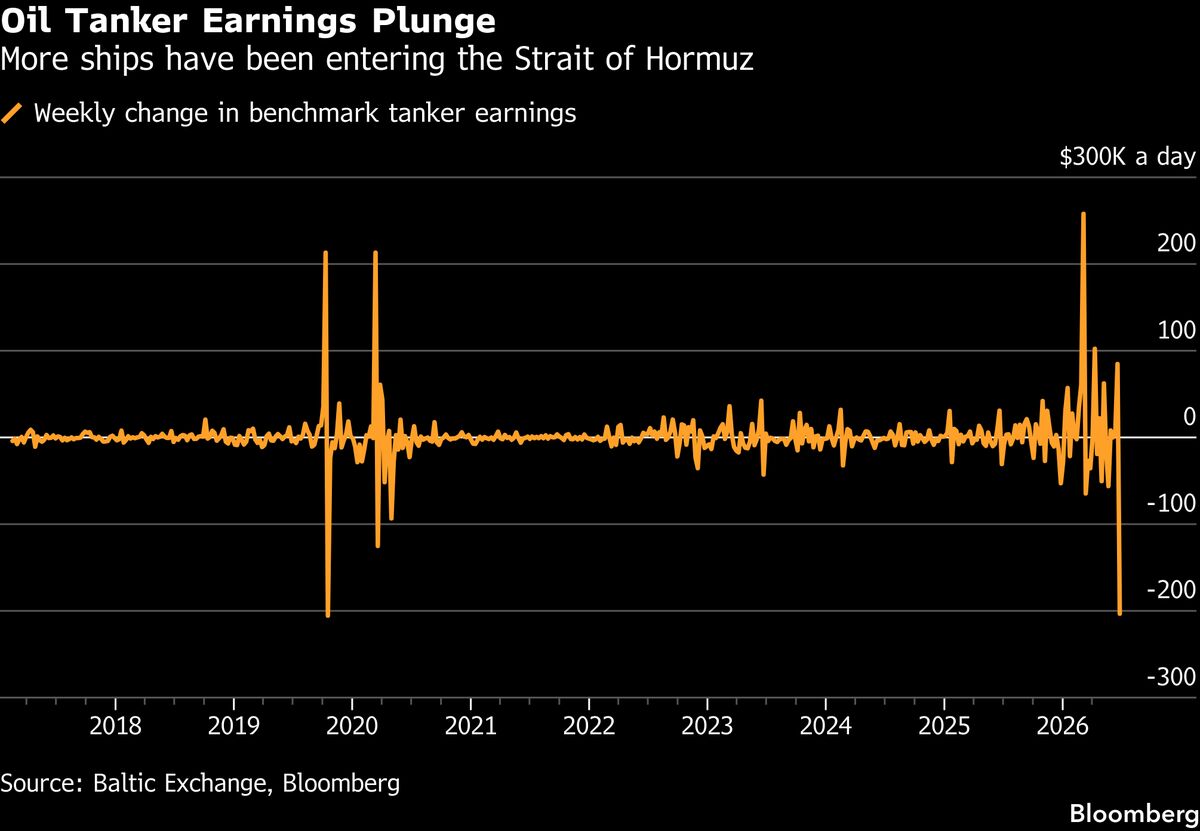
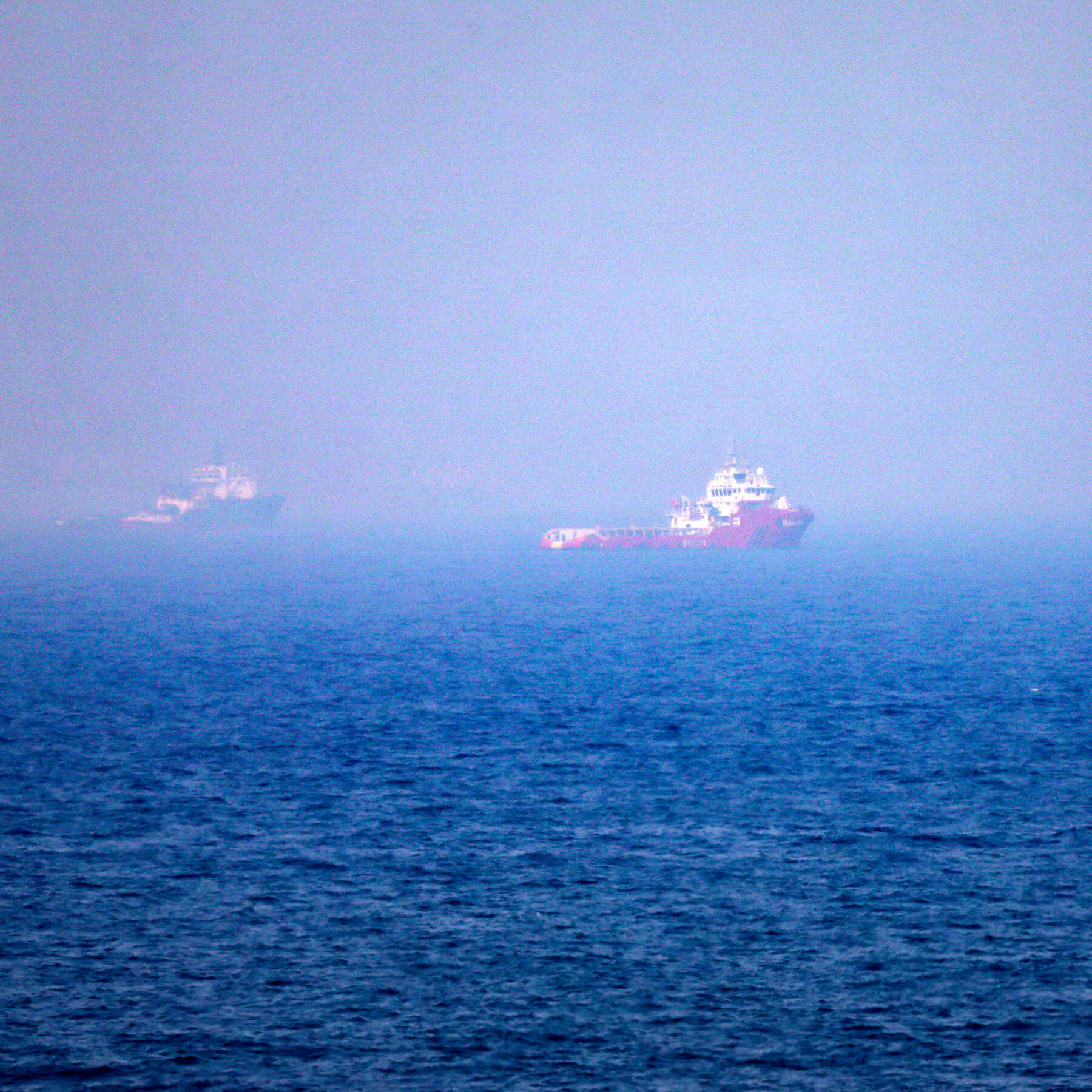
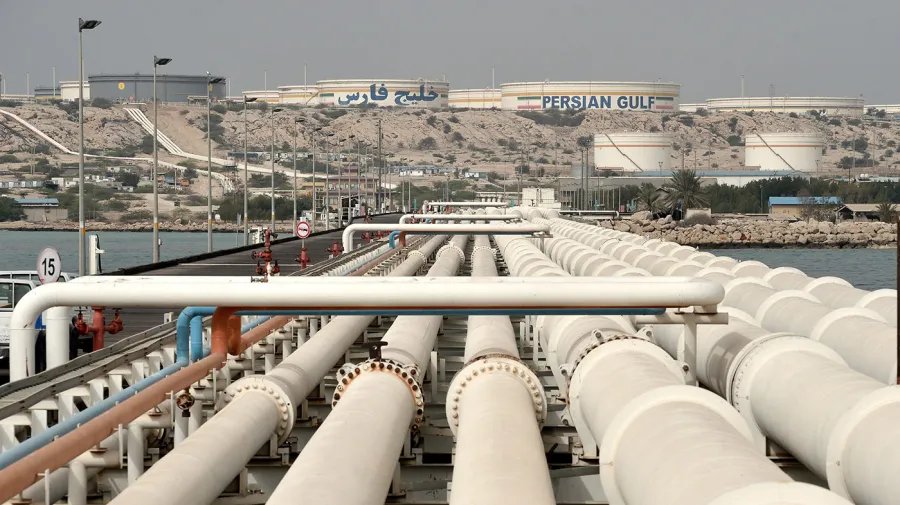
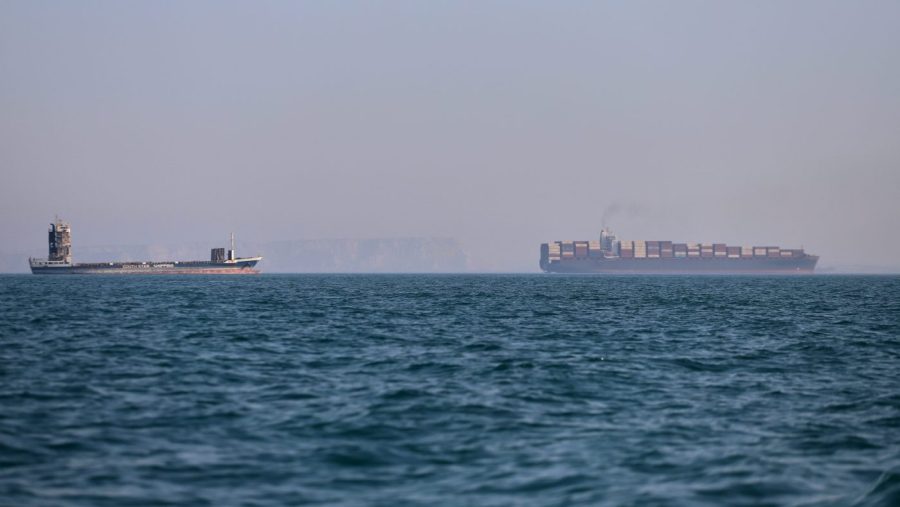
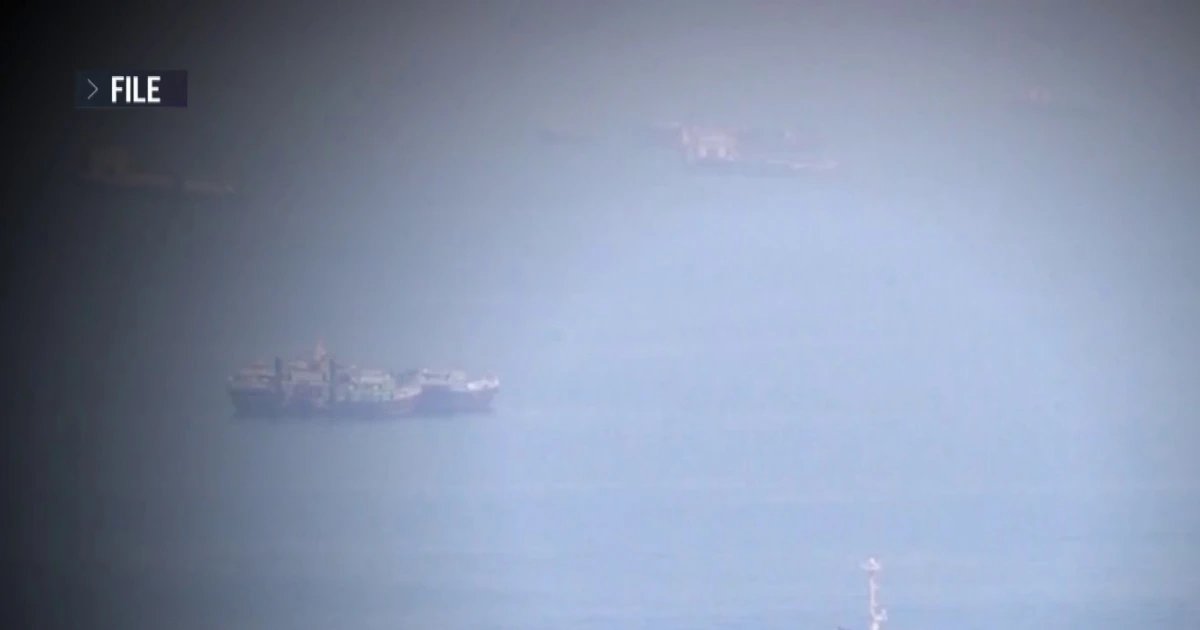
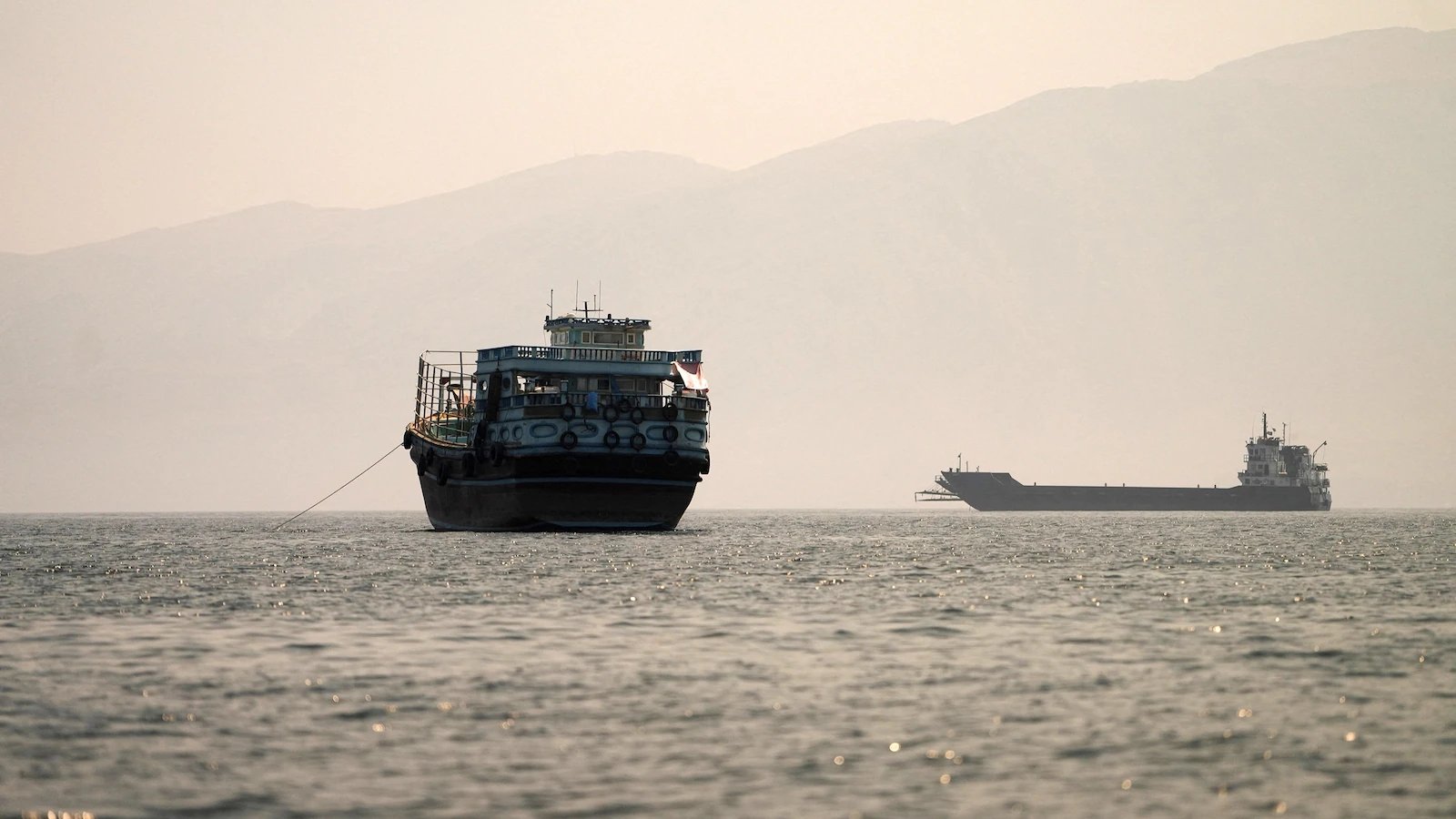
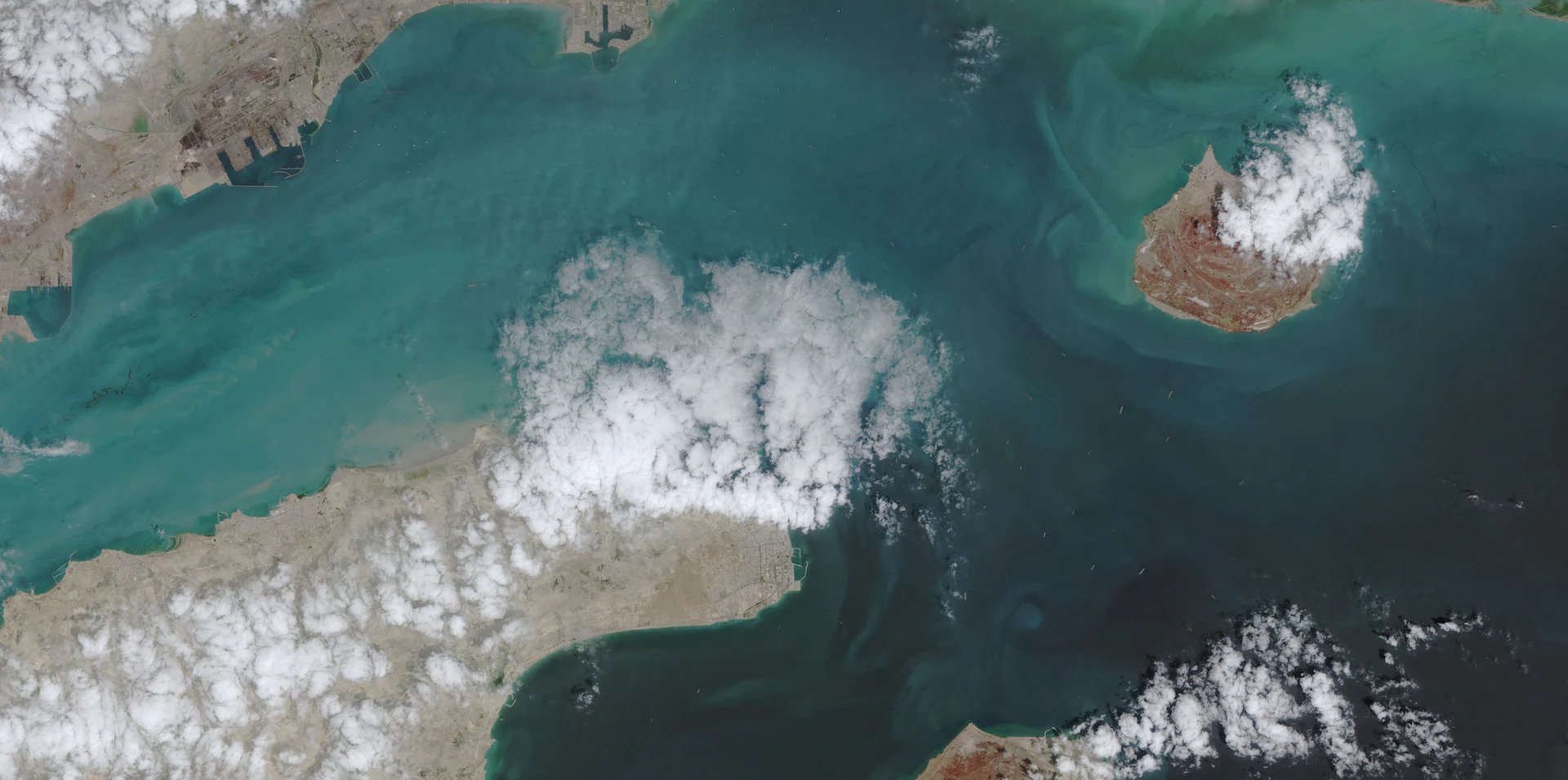
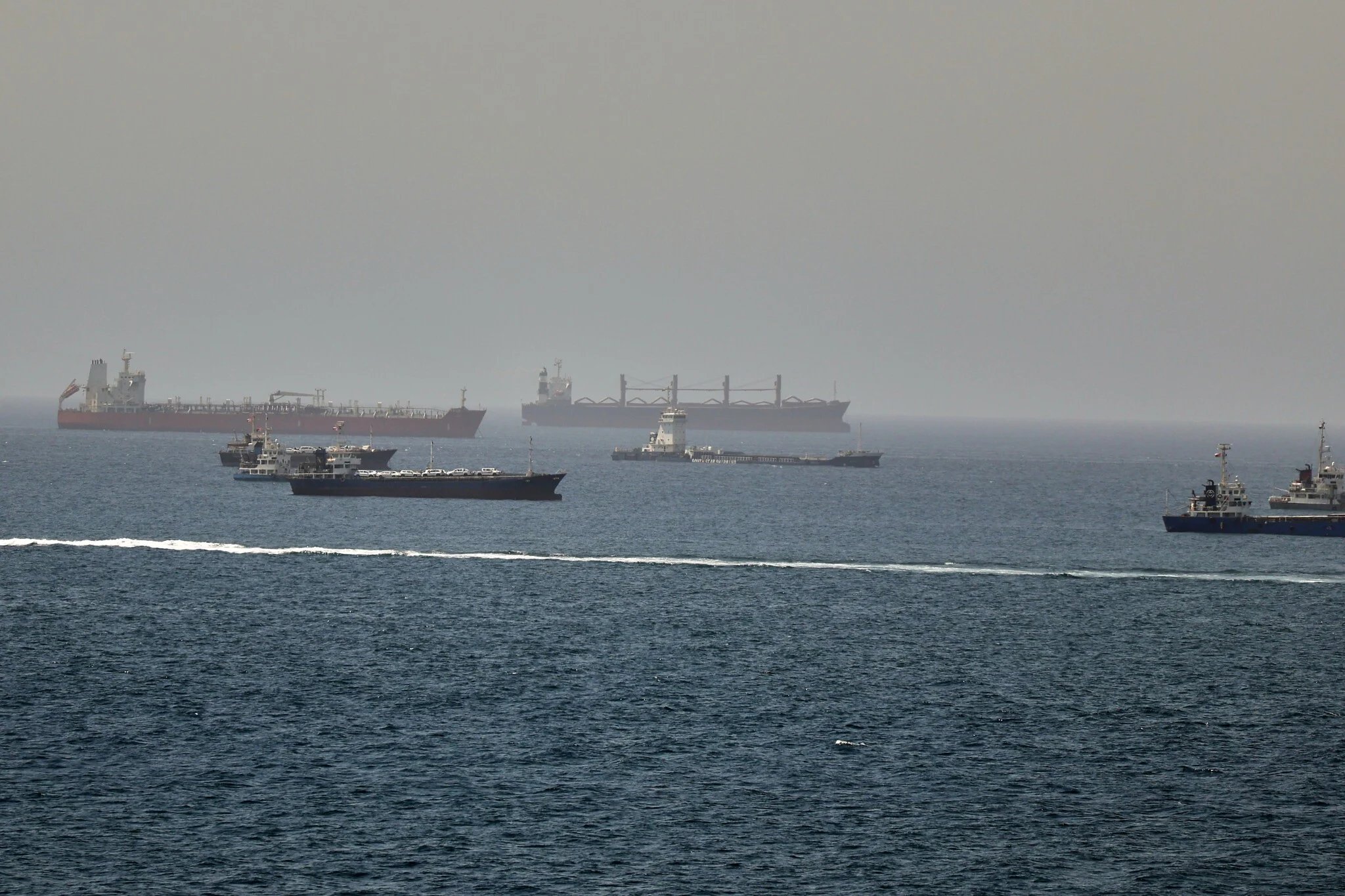
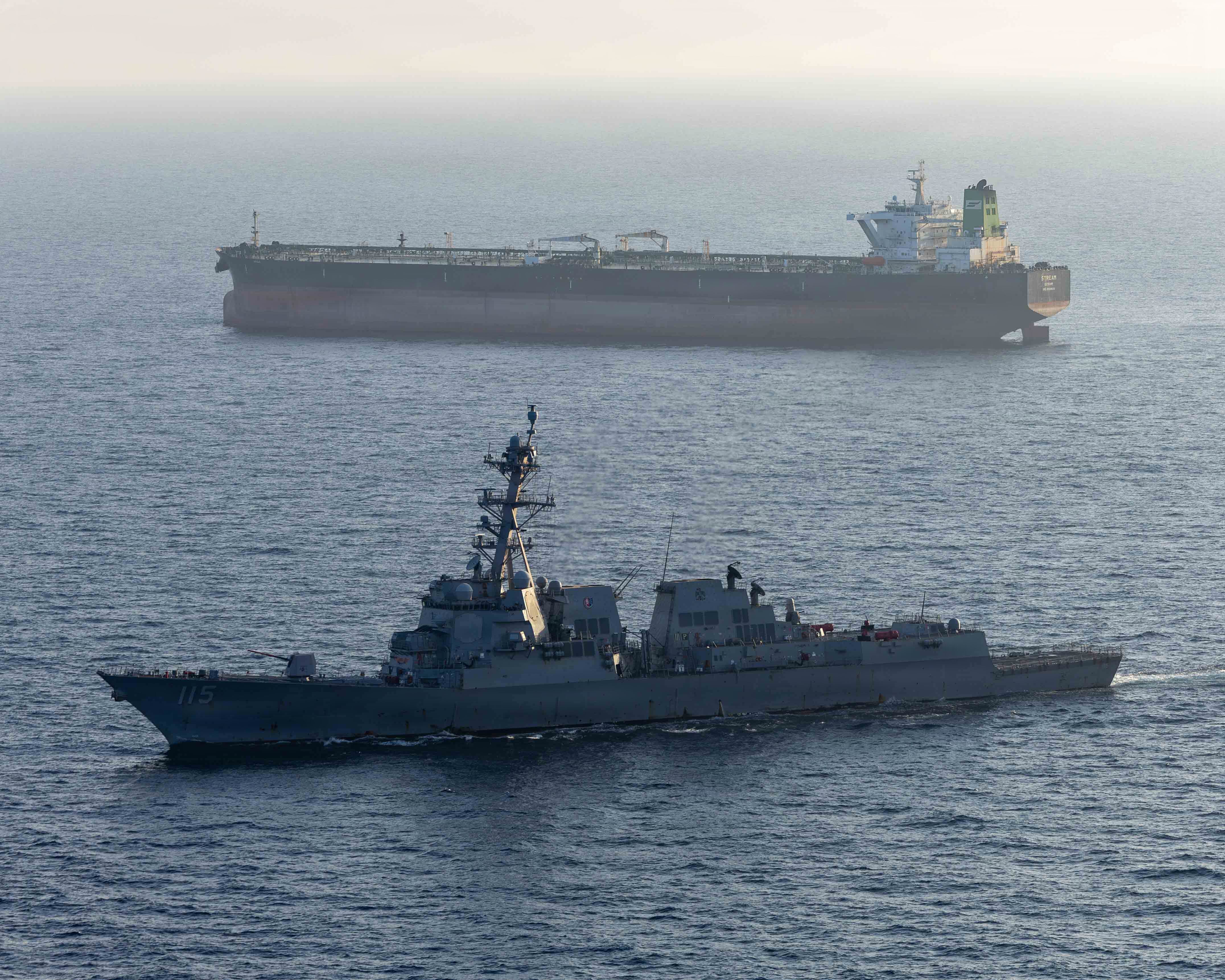
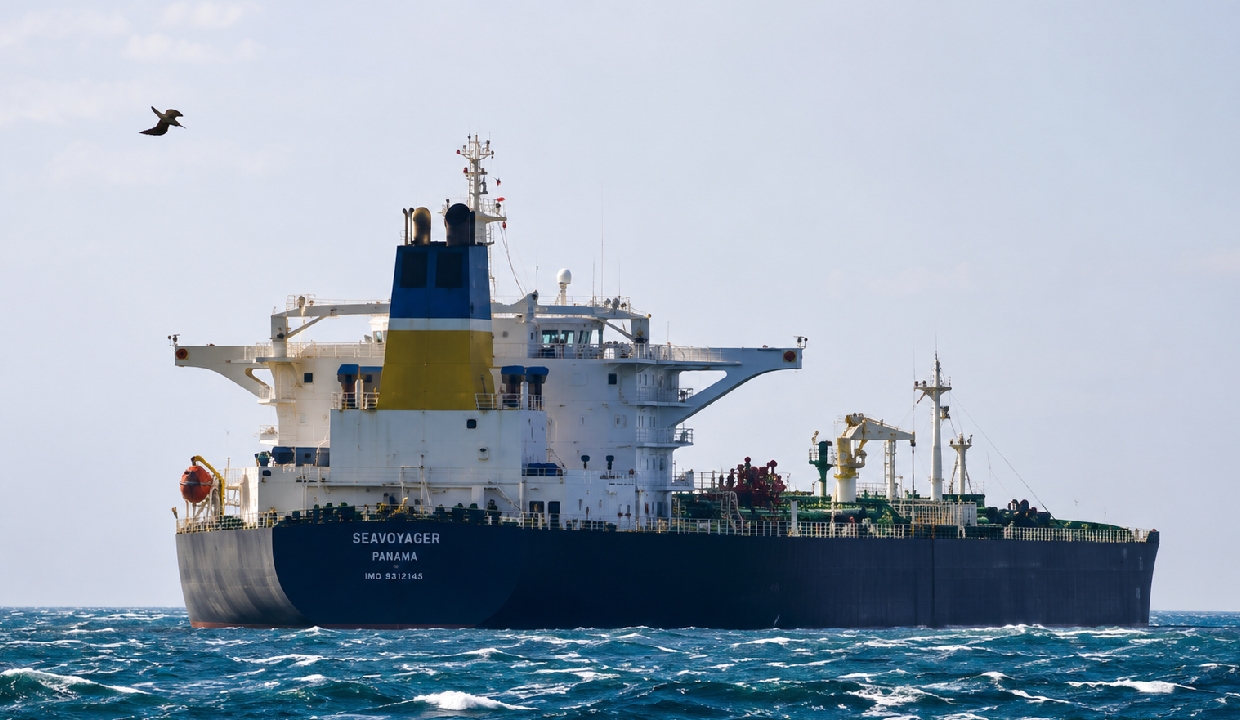
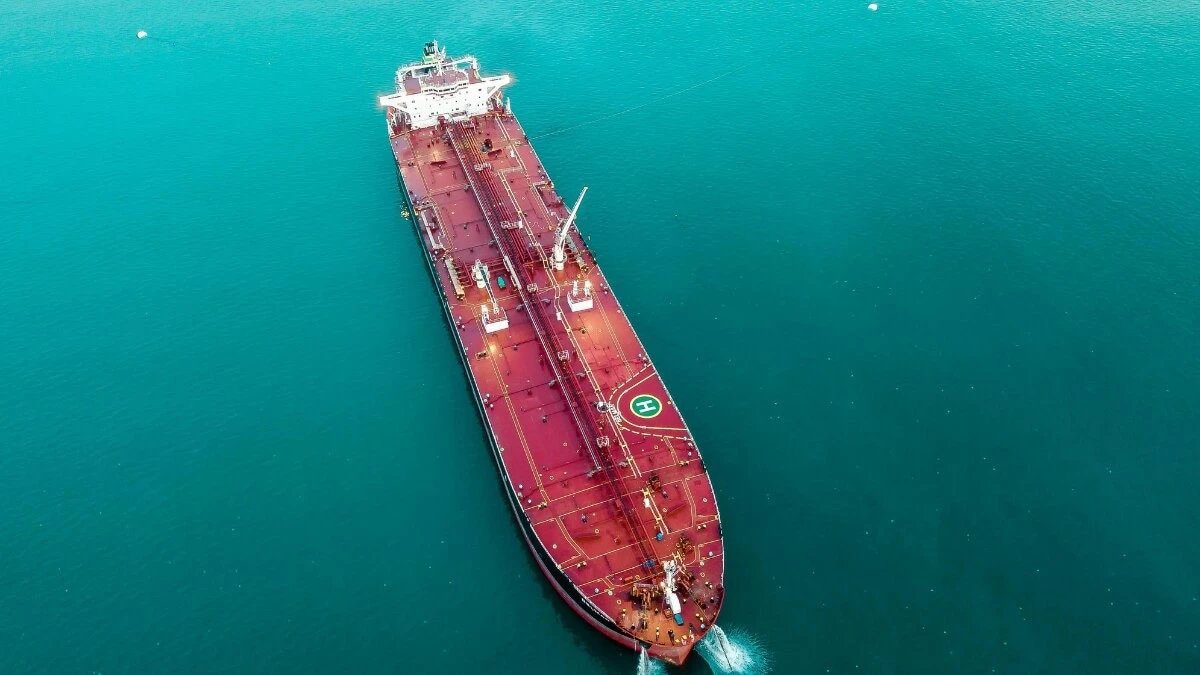
The stabilization comes as shipping companies grow more willing to navigate previously dangerous waters. Oil tanker earnings tumbled as more ships are willing to enter the Strait of Hormuz, capping a dramatic week of swings in costs to hire the world's biggest crude carriers.
The plunge in tanker earnings by $200,000 reflects a fundamental change in how the shipping industry assesses risk. When more vessels compete for the same routes, prices for hiring those ships naturally decline. The fact that companies are willing to accept lower earnings to move through the Strait of Hormuz suggests confidence that the conflict has stabilized or that insurance and security measures have made the passage sufficiently safe.
Nations reliant on oil imports face a different economic calculus than they did four months ago. The prewar price level removes a significant drag on their trade balances and reduces the urgency of energy rationing or alternative sourcing strategies. Conversely, oil-producing nations that benefited from elevated prices during the conflict period now face lower revenues unless production volumes increase.
Even as prices stabilize at prewar levels, the underlying geopolitical tensions that triggered the initial spike have not fully resolved. The willingness of tanker operators to enter the Strait of Hormuz may reflect temporary confidence rather than a permanent reduction in perceived risk.
Crude oil has fallen back to prewar levels, marking a significant shift in global energy markets after months of elevated prices and uncertainty. The cost of crude now serves as a real-time barometer of the Iran war's toll on the global economy, reflecting how quickly energy markets respond to geopolitical shifts.
The stabilization comes as shipping companies grow more willing to navigate previously dangerous waters. Oil tanker earnings tumbled as more ships are willing to enter the Strait of Hormuz, capping a dramatic week of swings in costs to hire the world's biggest crude carriers. This willingness to resume passage through the contested waterway signals that traders and shippers view the immediate risk as manageable enough to resume normal operations.
The plunge in tanker earnings by $200,000 reflects a fundamental change in how the shipping industry assesses risk. When more vessels compete for the same routes, prices for hiring those ships naturally decline. The fact that companies are willing to accept lower earnings to move through the Strait of Hormuz suggests confidence that the conflict has stabilized or that insurance and security measures have made the passage sufficiently safe.
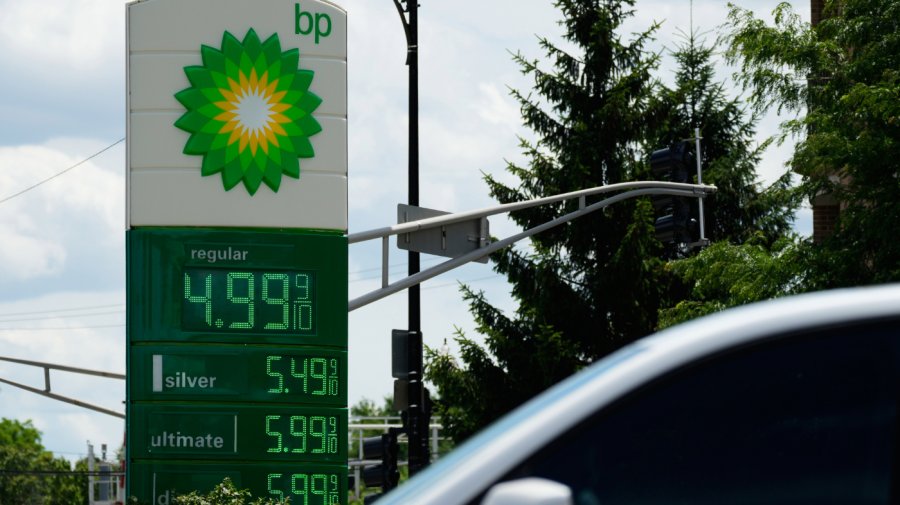
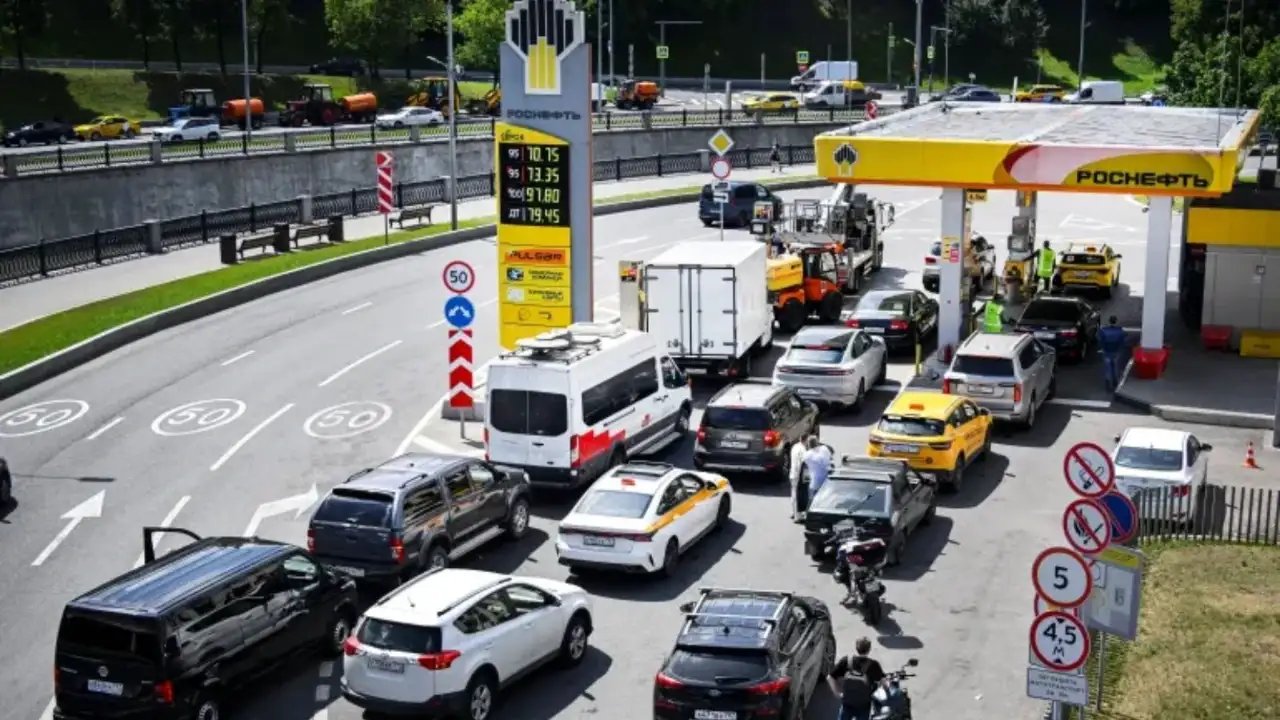
This shift has direct consequences for consumers and businesses dependent on oil. Lower tanker costs reduce the premium shippers add to crude prices, which eventually affects what people pay at the pump and what manufacturers pay for energy-dependent production. The return to prewar pricing means that inflation pressures tied to energy disruption have eased, at least for now.
Nations reliant on oil imports face a different economic calculus than they did four months ago. The prewar price level removes a significant drag on their trade balances and reduces the urgency of energy rationing or alternative sourcing strategies. Conversely, oil-producing nations that benefited from elevated prices during the conflict period now face lower revenues unless production volumes increase.
The dramatic swings in tanker costs during the past week underscore how volatile these markets remain. Even as prices stabilize at prewar levels, the underlying geopolitical tensions that triggered the initial spike have not fully resolved. The willingness of tanker operators to enter the Strait of Hormuz may reflect temporary confidence rather than a permanent reduction in perceived risk.
Highlighted text was flagged by the council. Tap to see feedback.