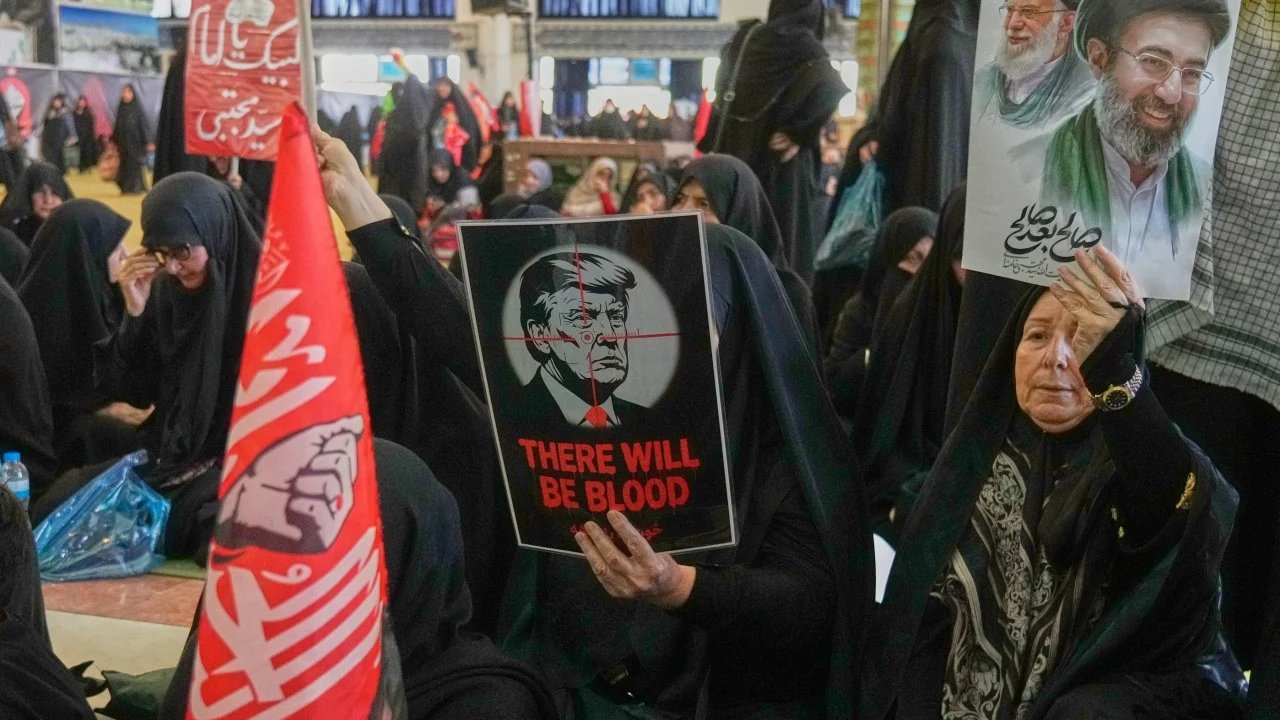
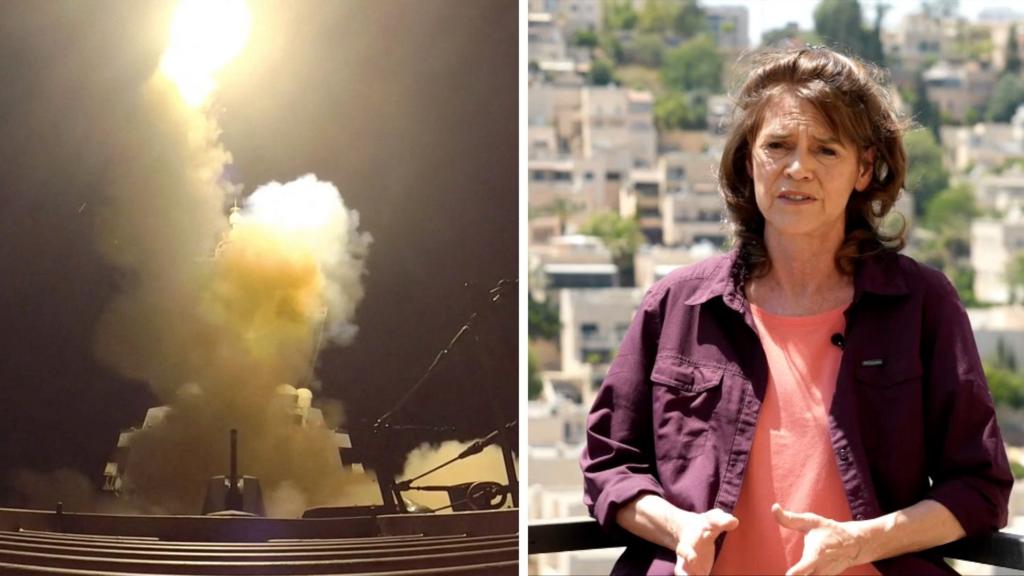
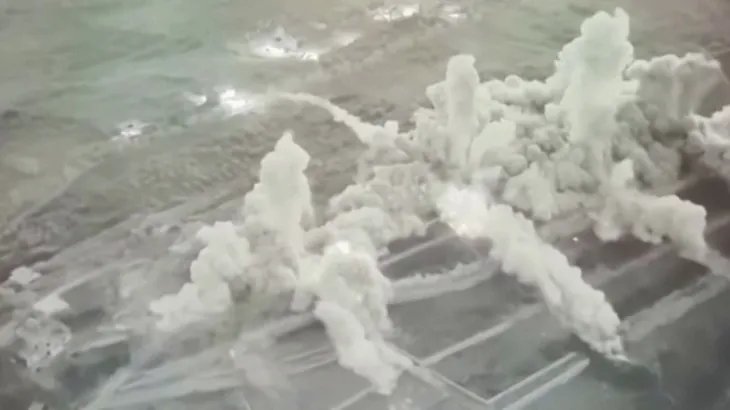
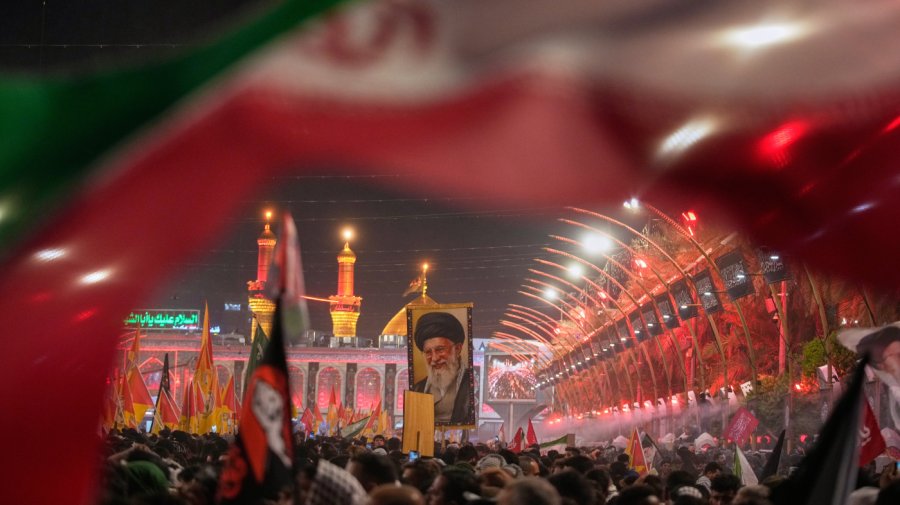
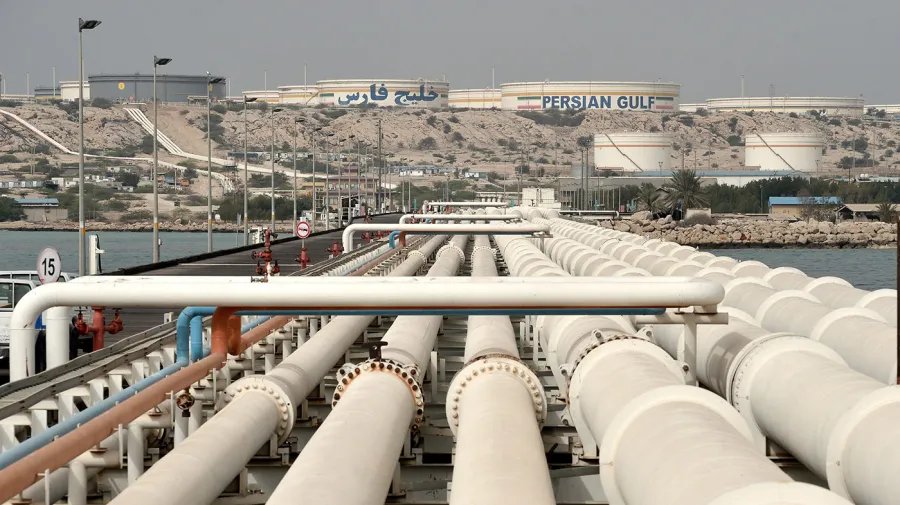
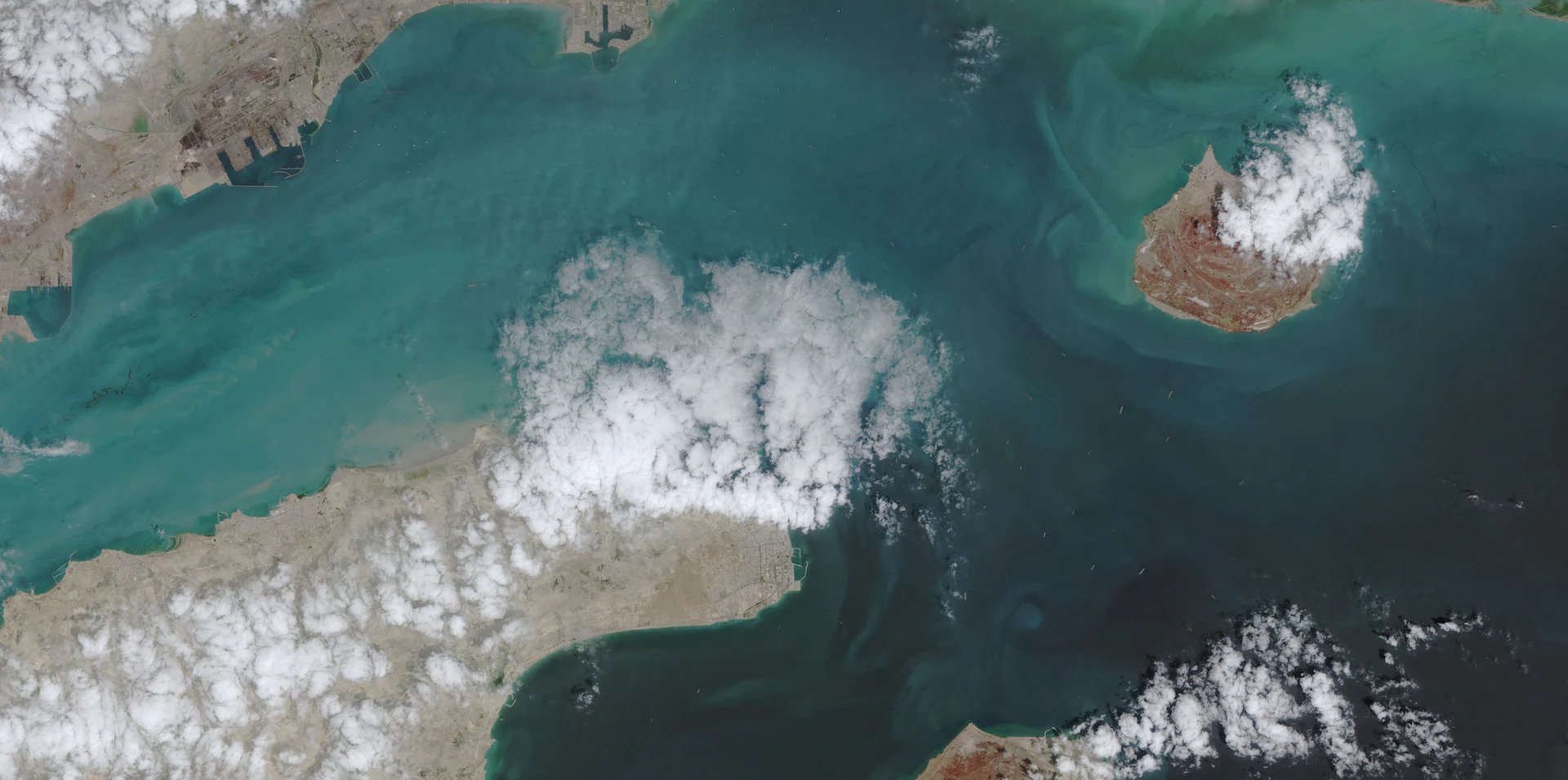
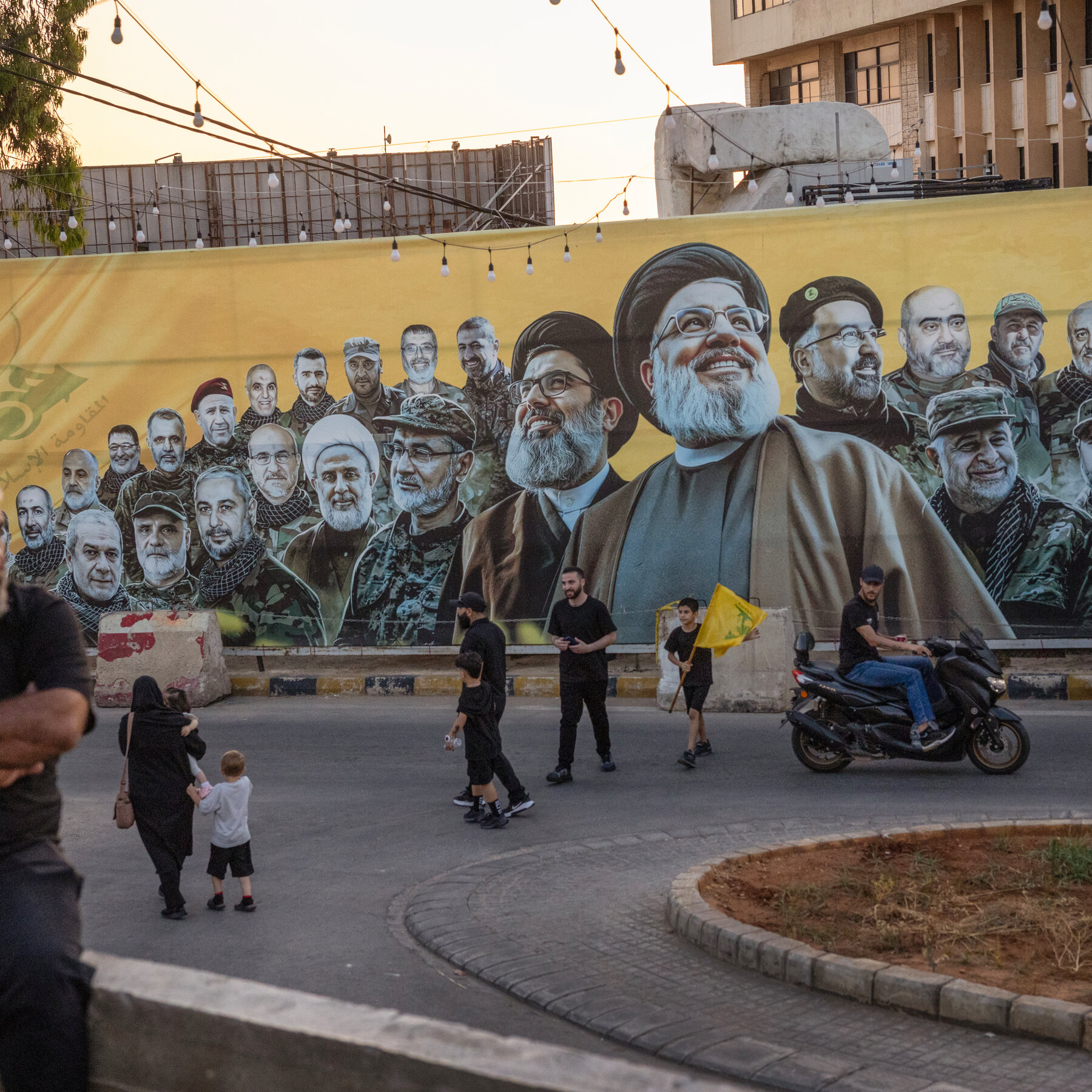
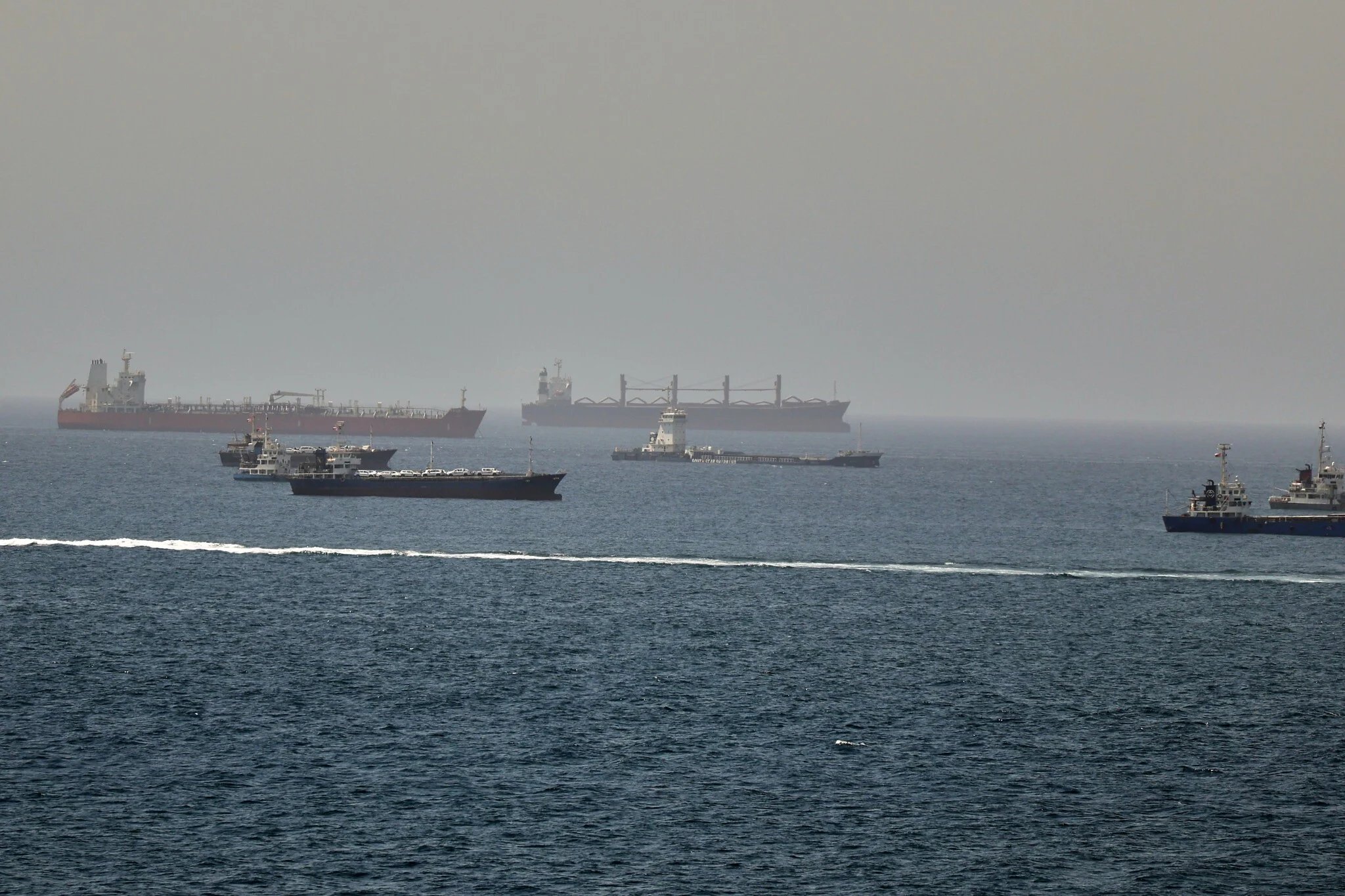
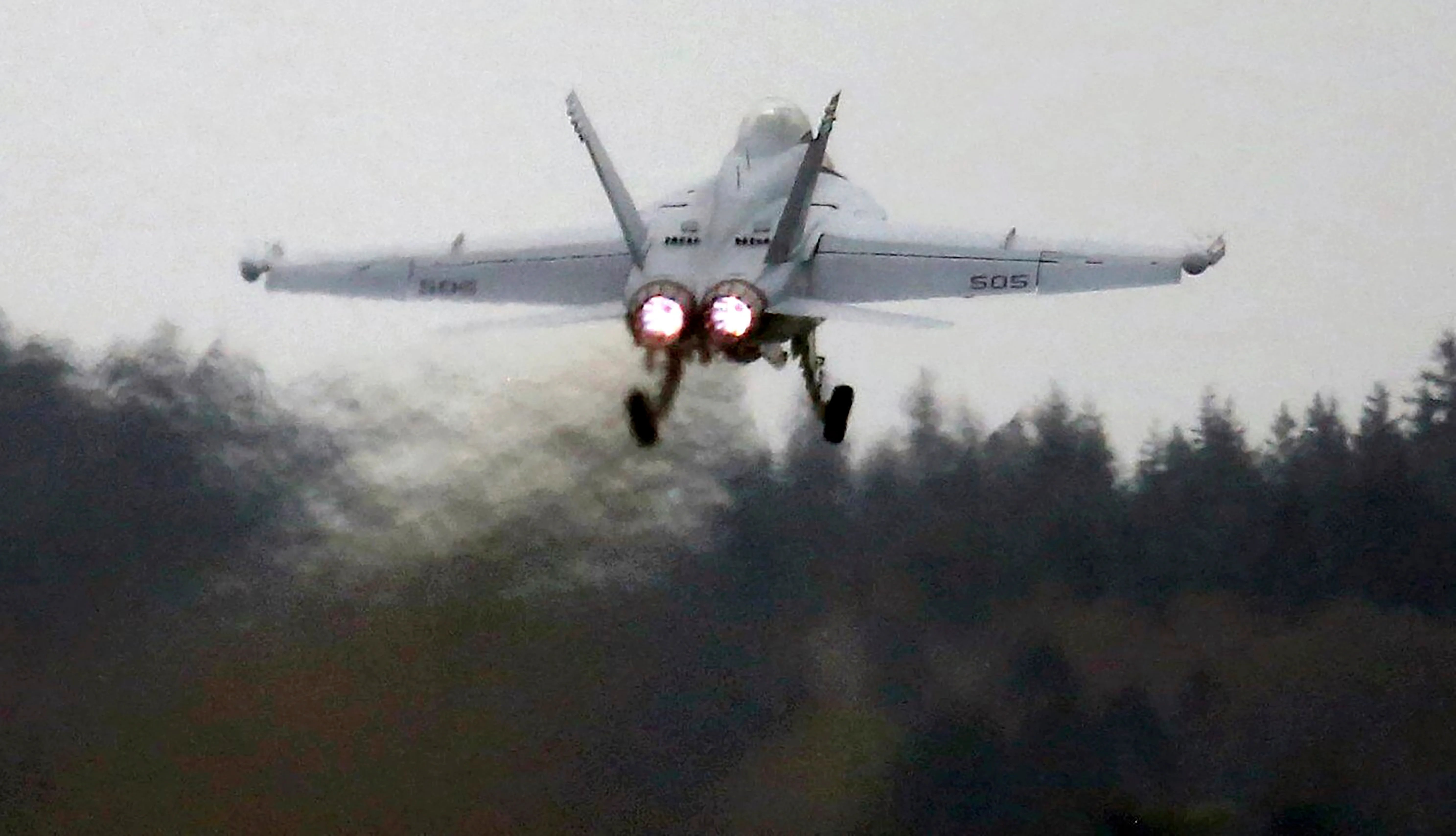
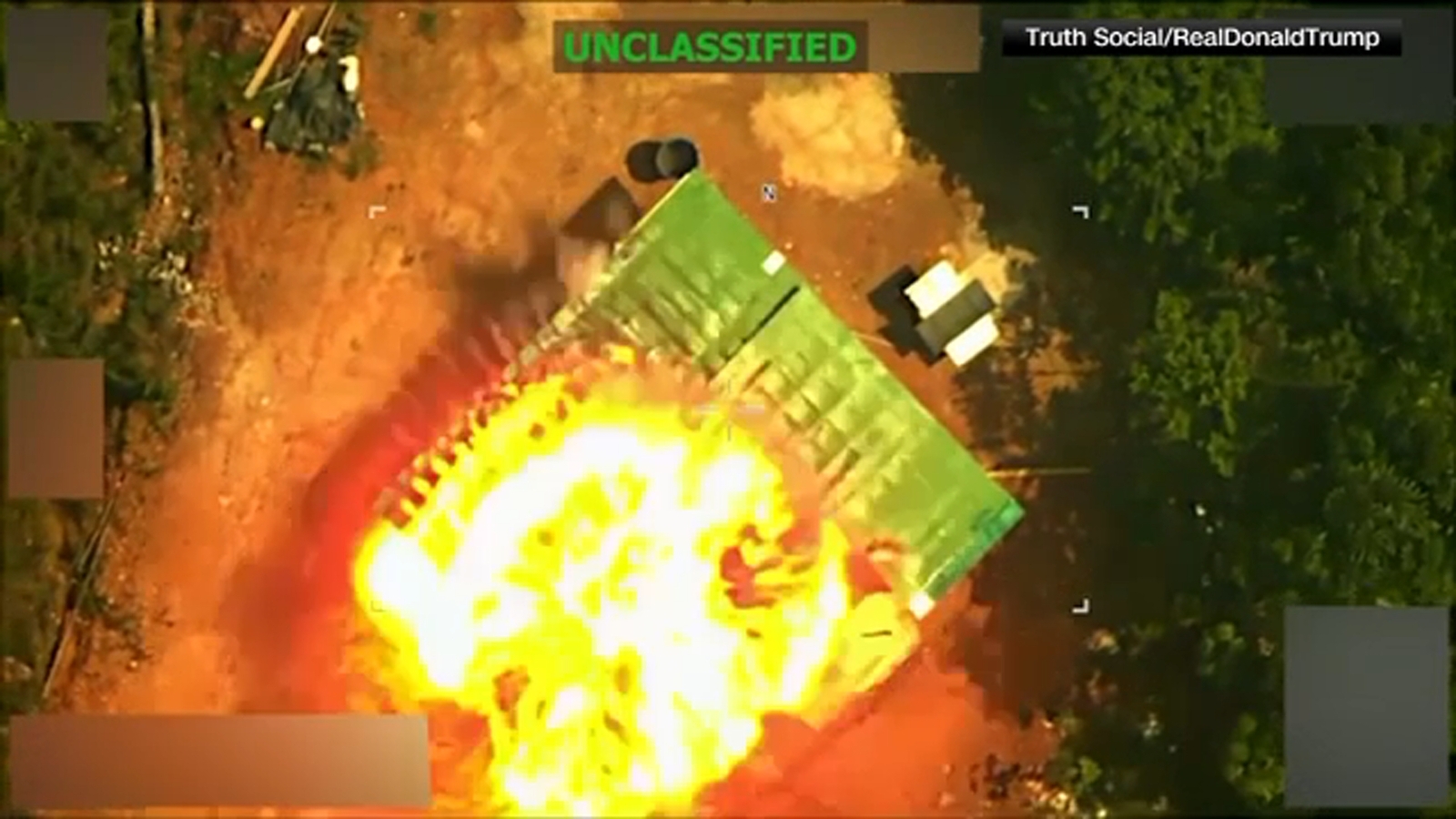
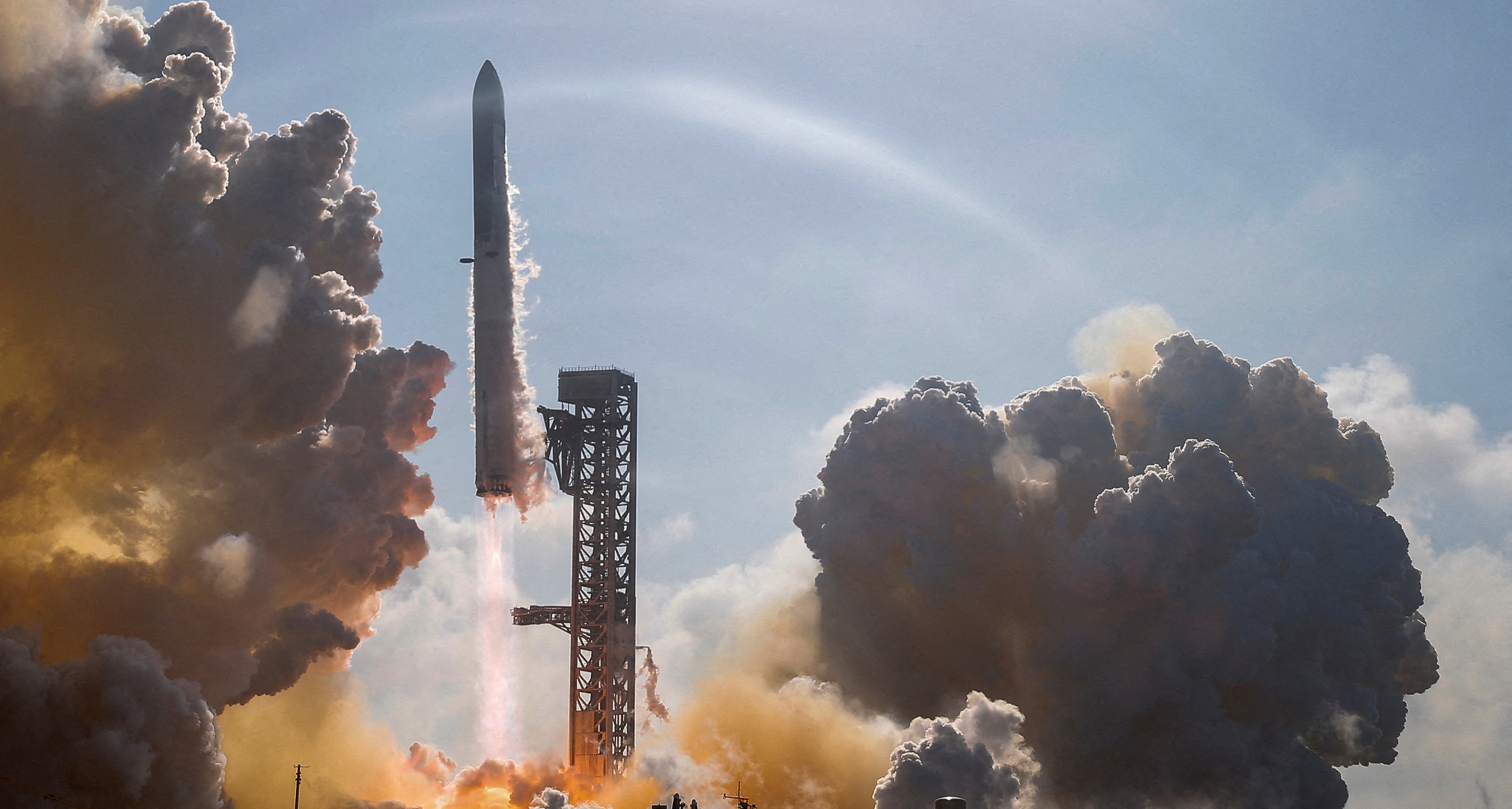
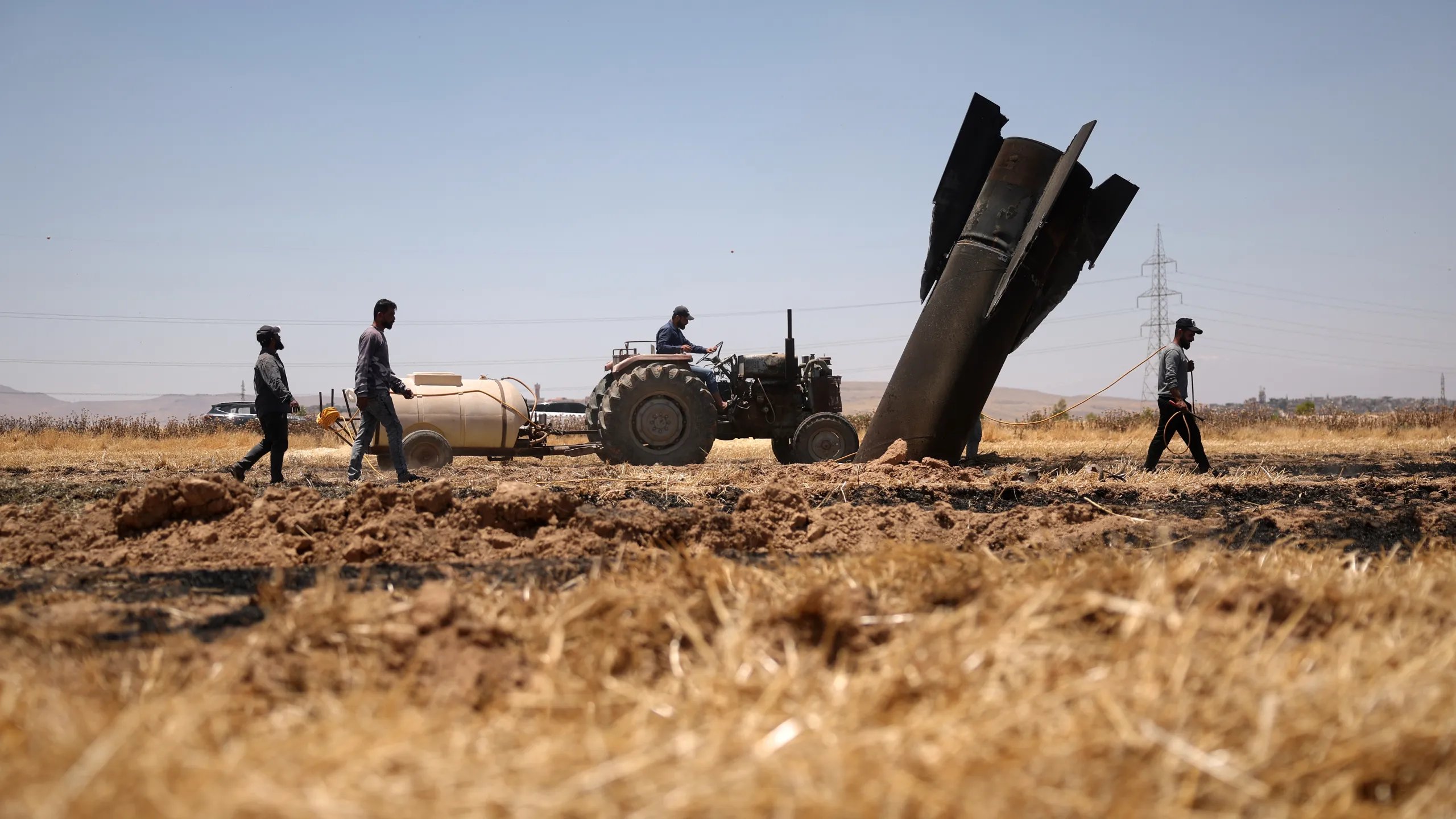
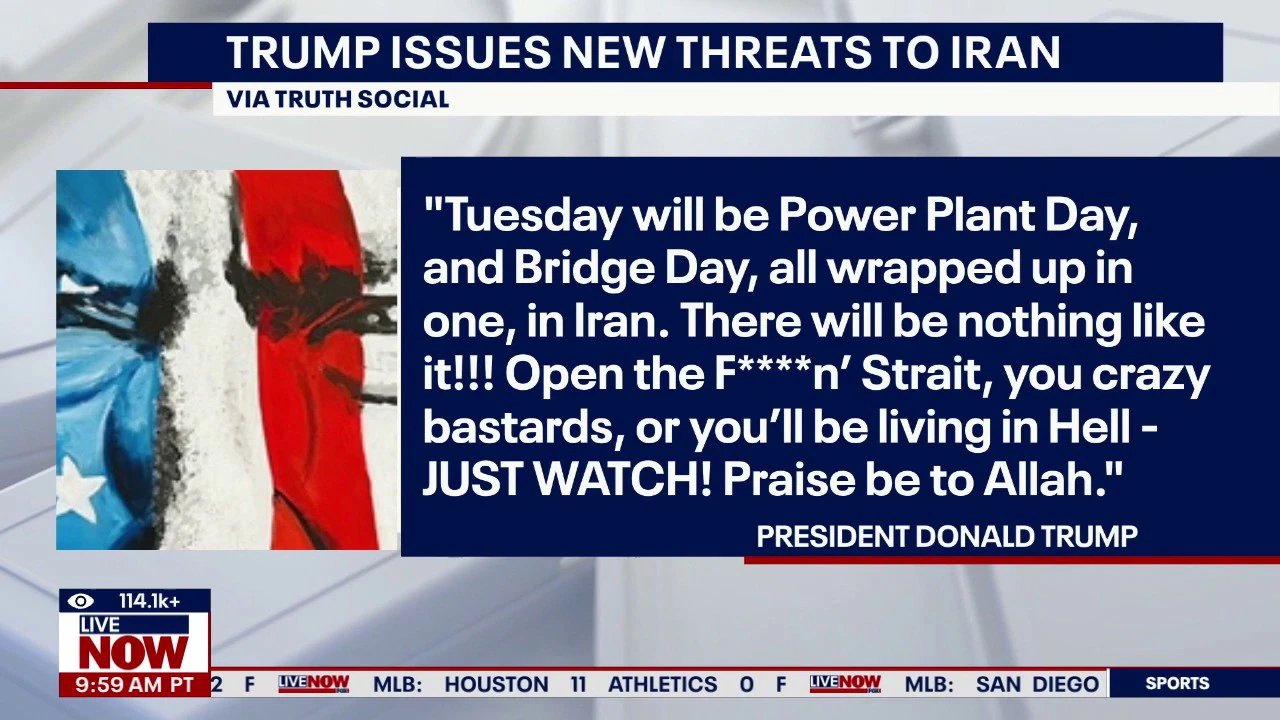
Iranian state media released video footage showing missiles being launched towards U.S. military bases in the Middle East. The strikes occurred amid rising tensions following recent U.S. military actions in the Strait of Hormuz. Notably, the missiles were adorned with images of Iranian commanders killed during the recent hostilities, symbolizing a direct retaliation from Iran.
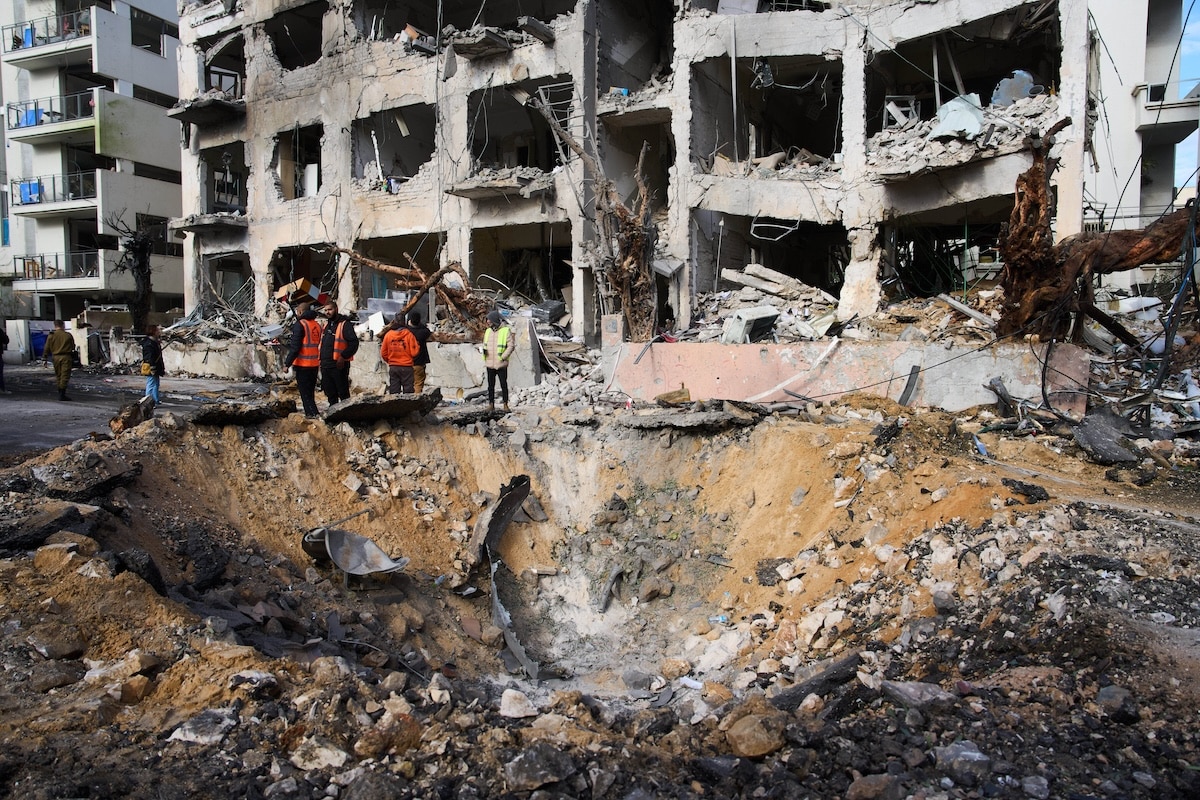
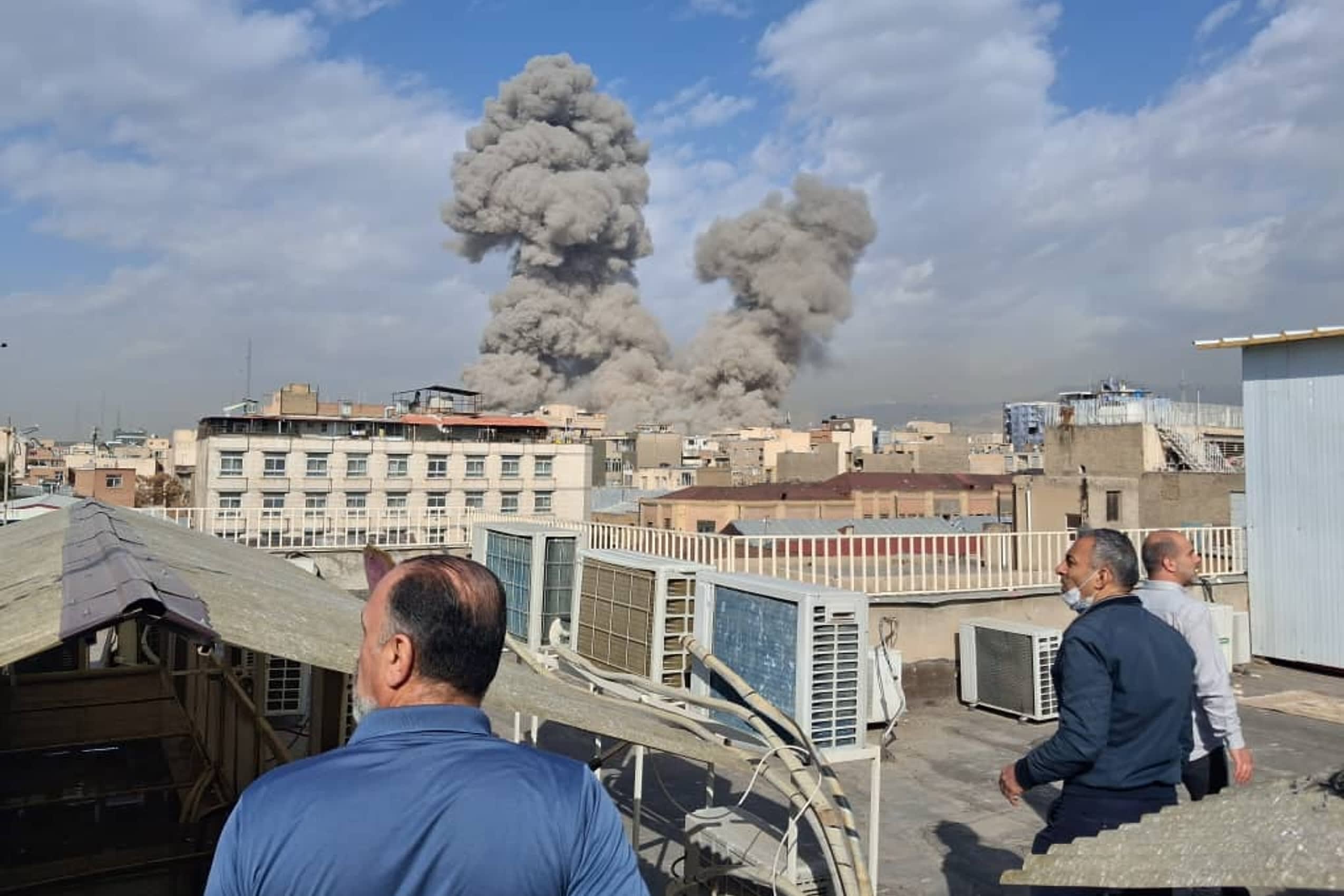
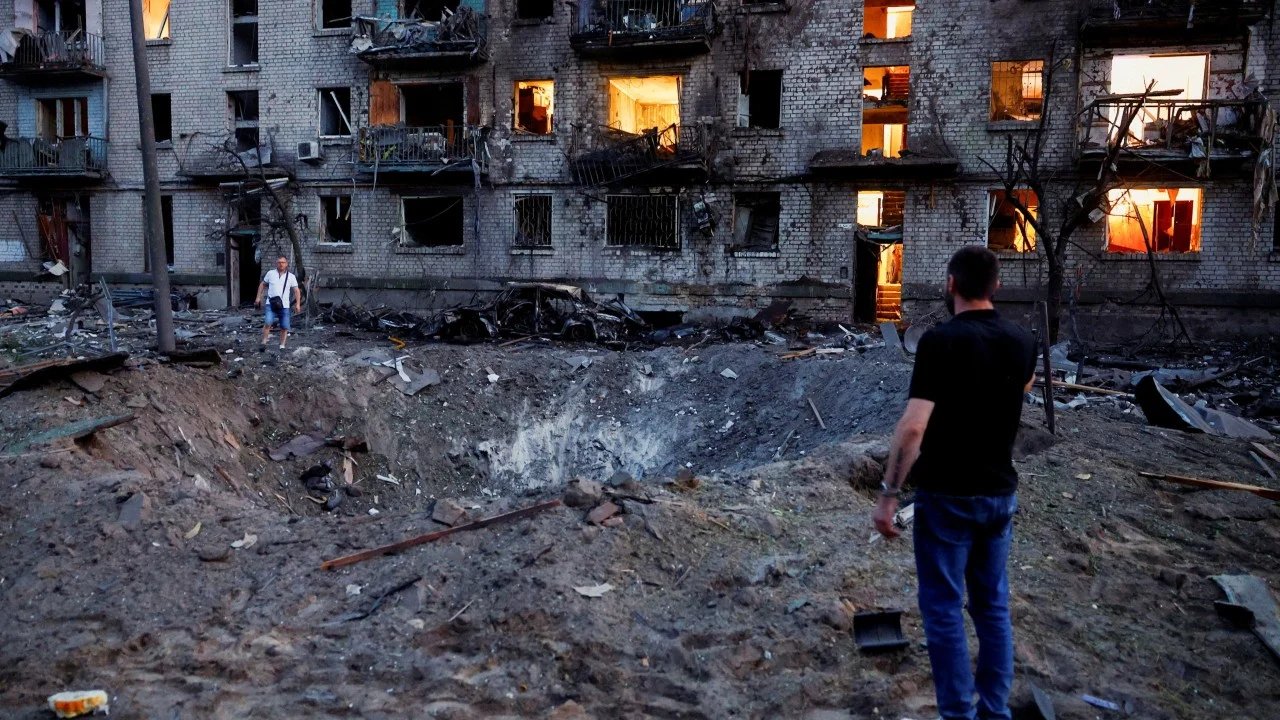
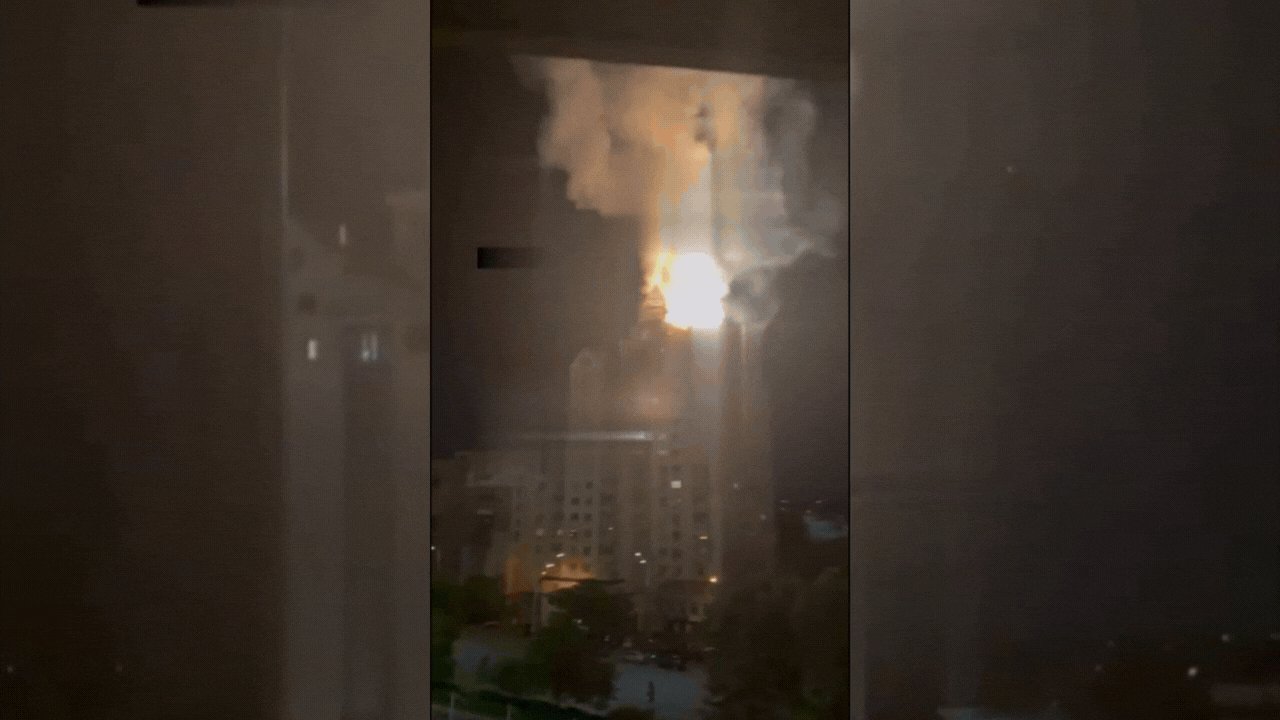
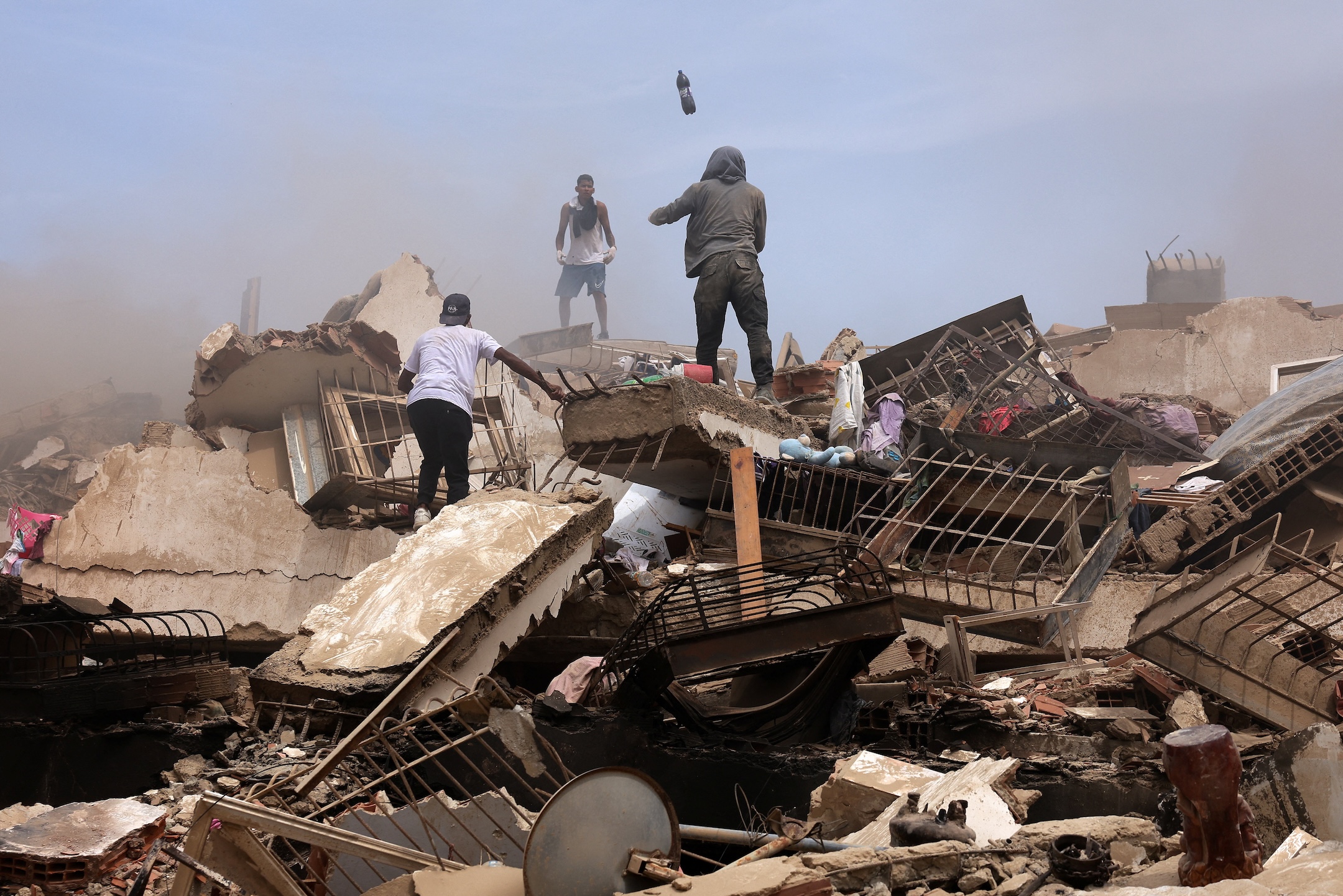
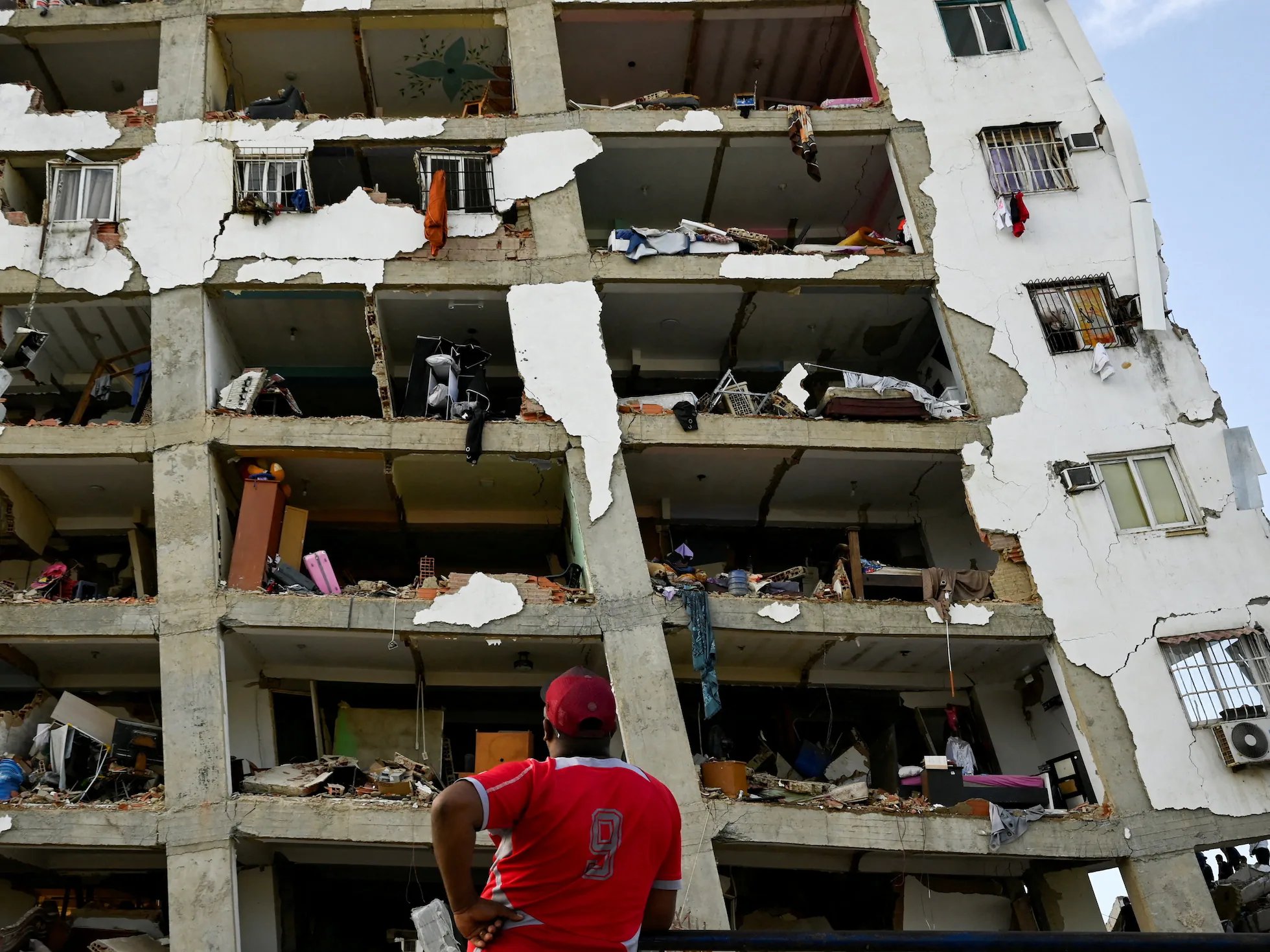
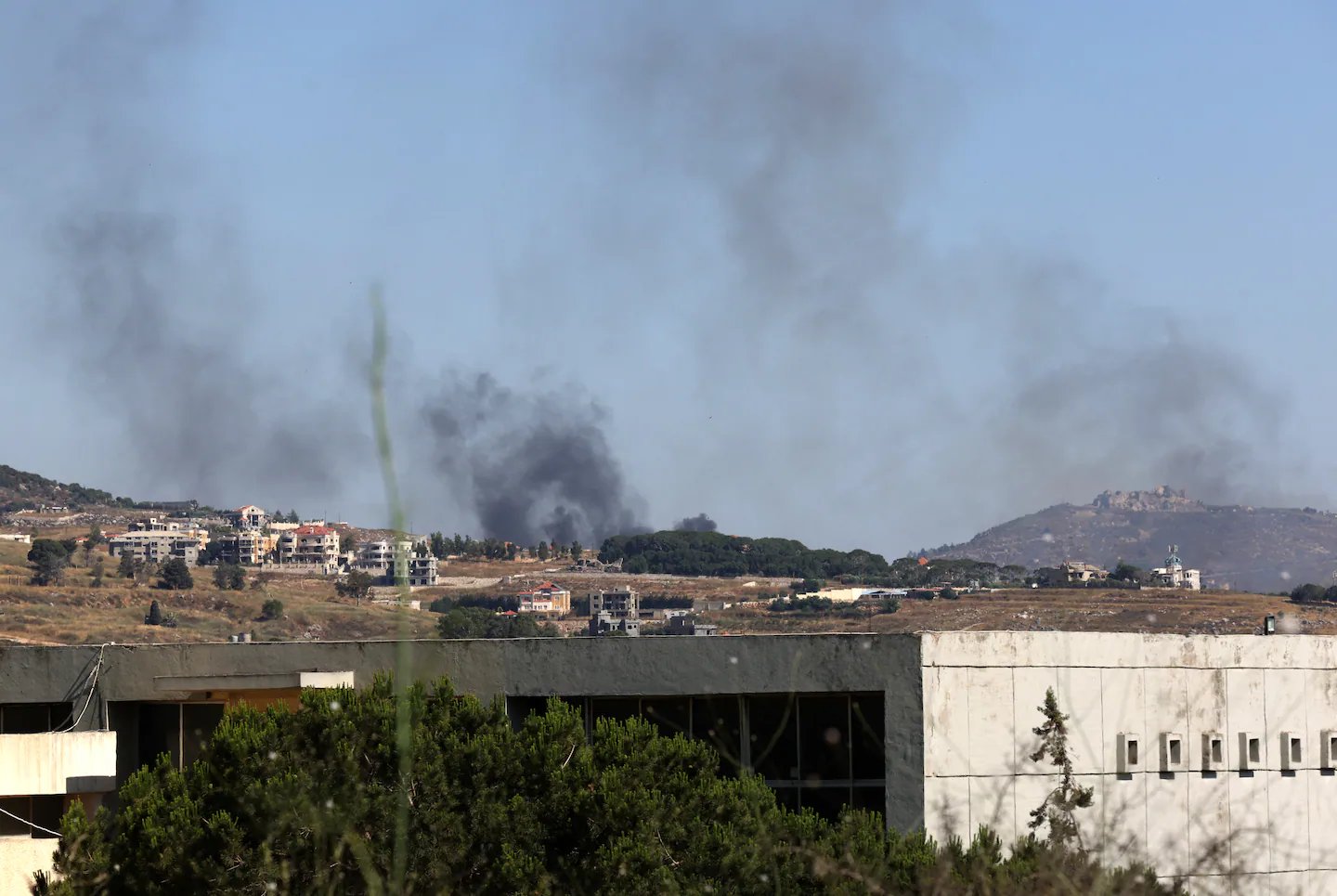
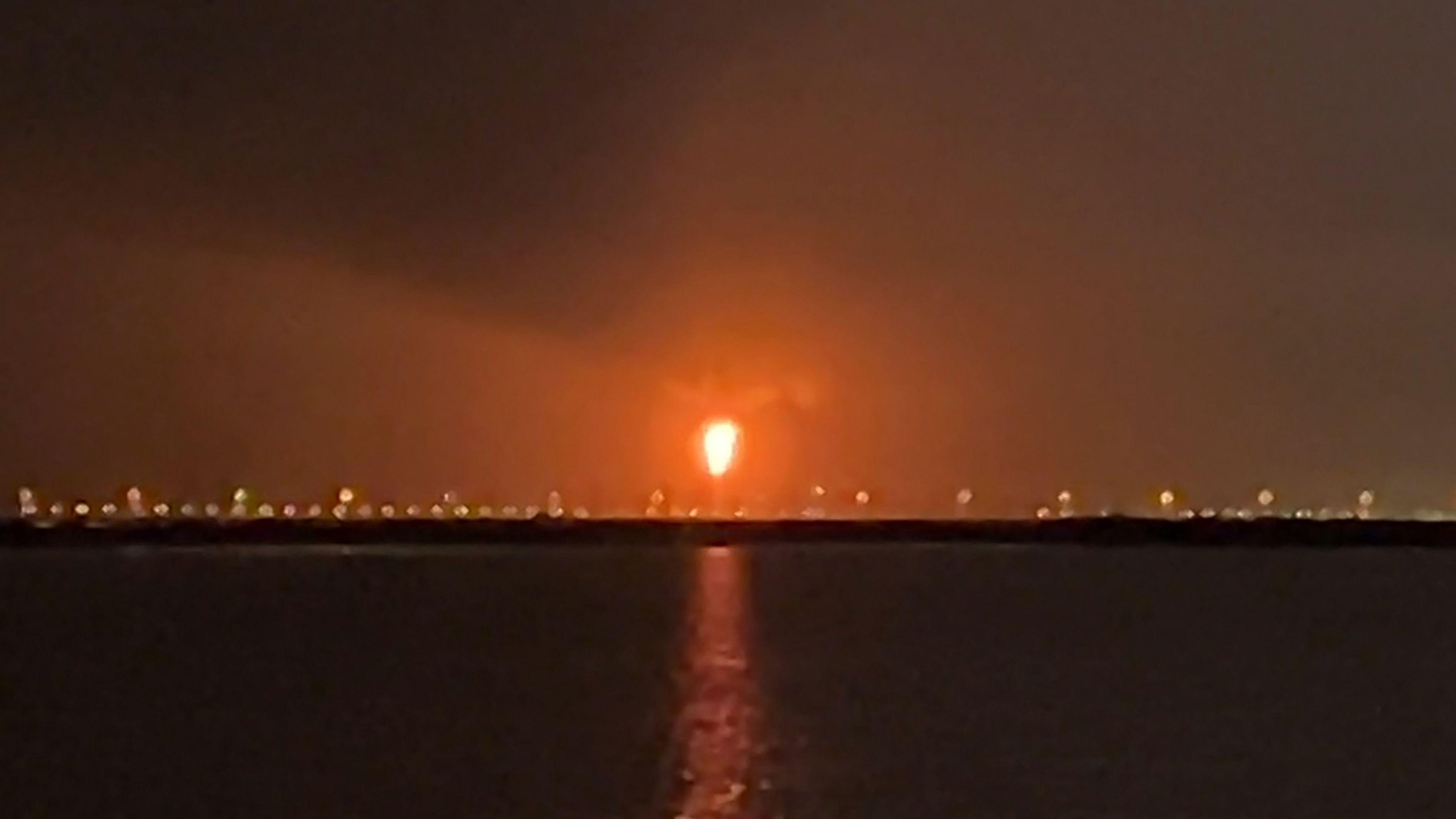
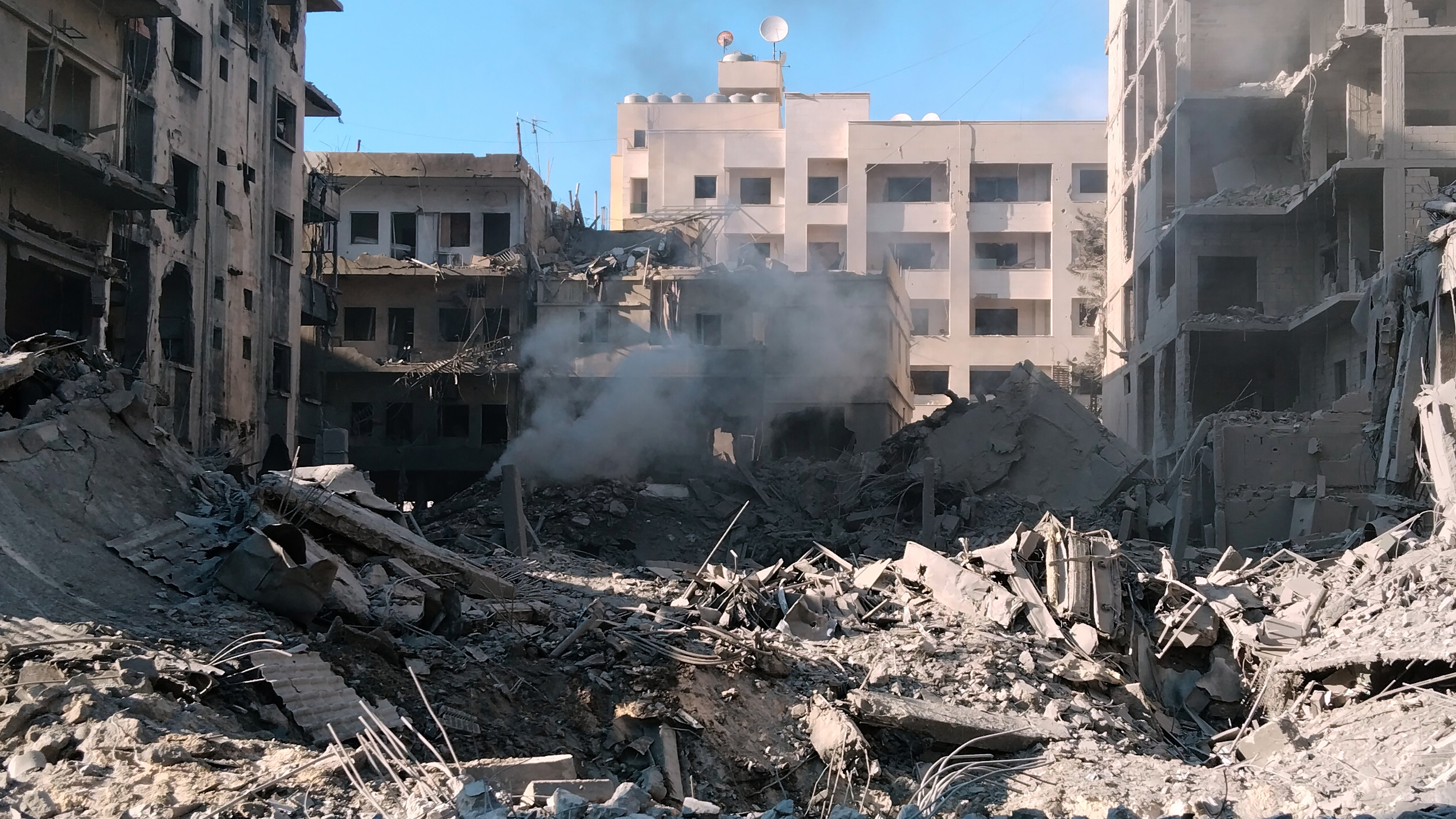
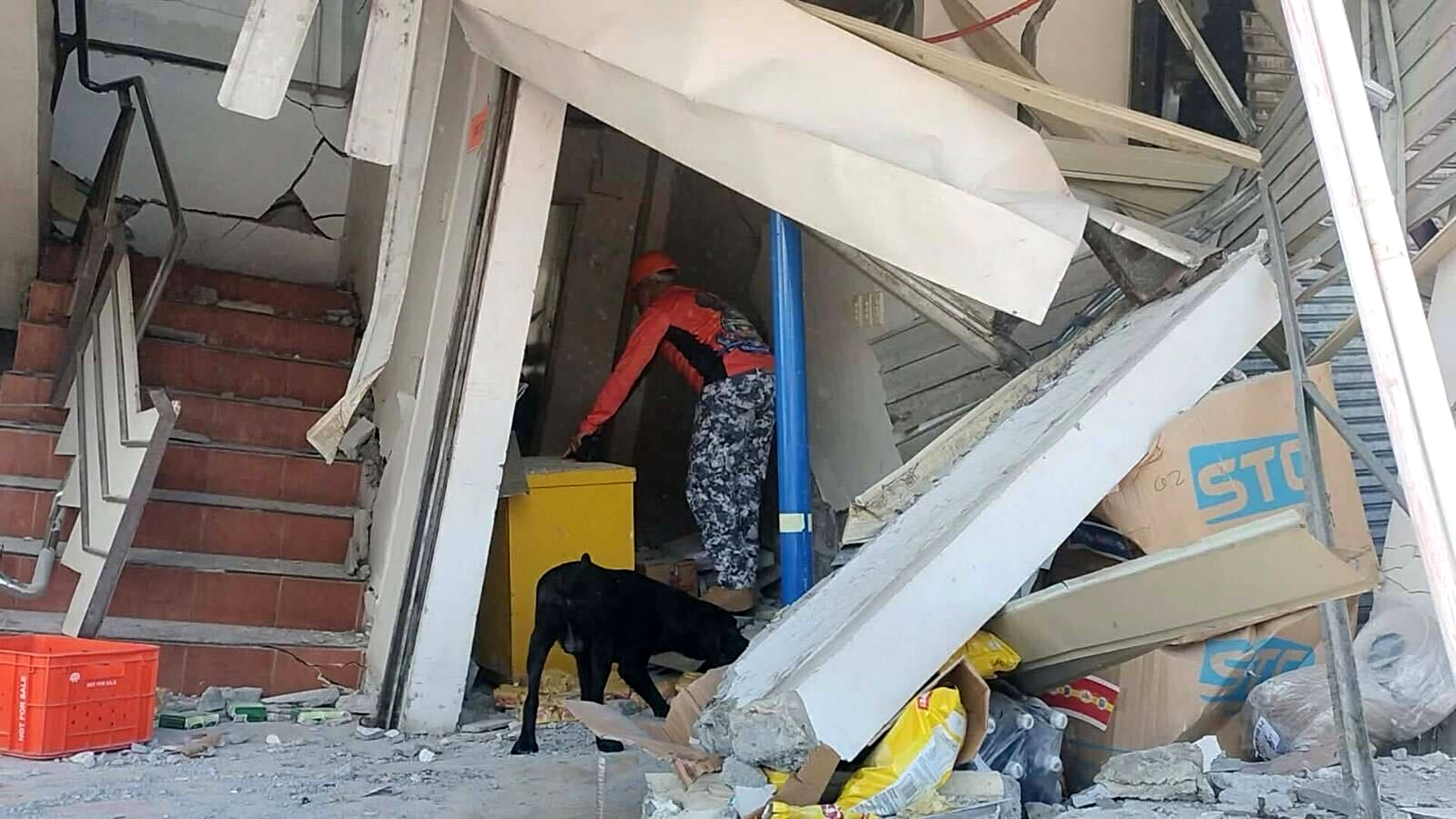
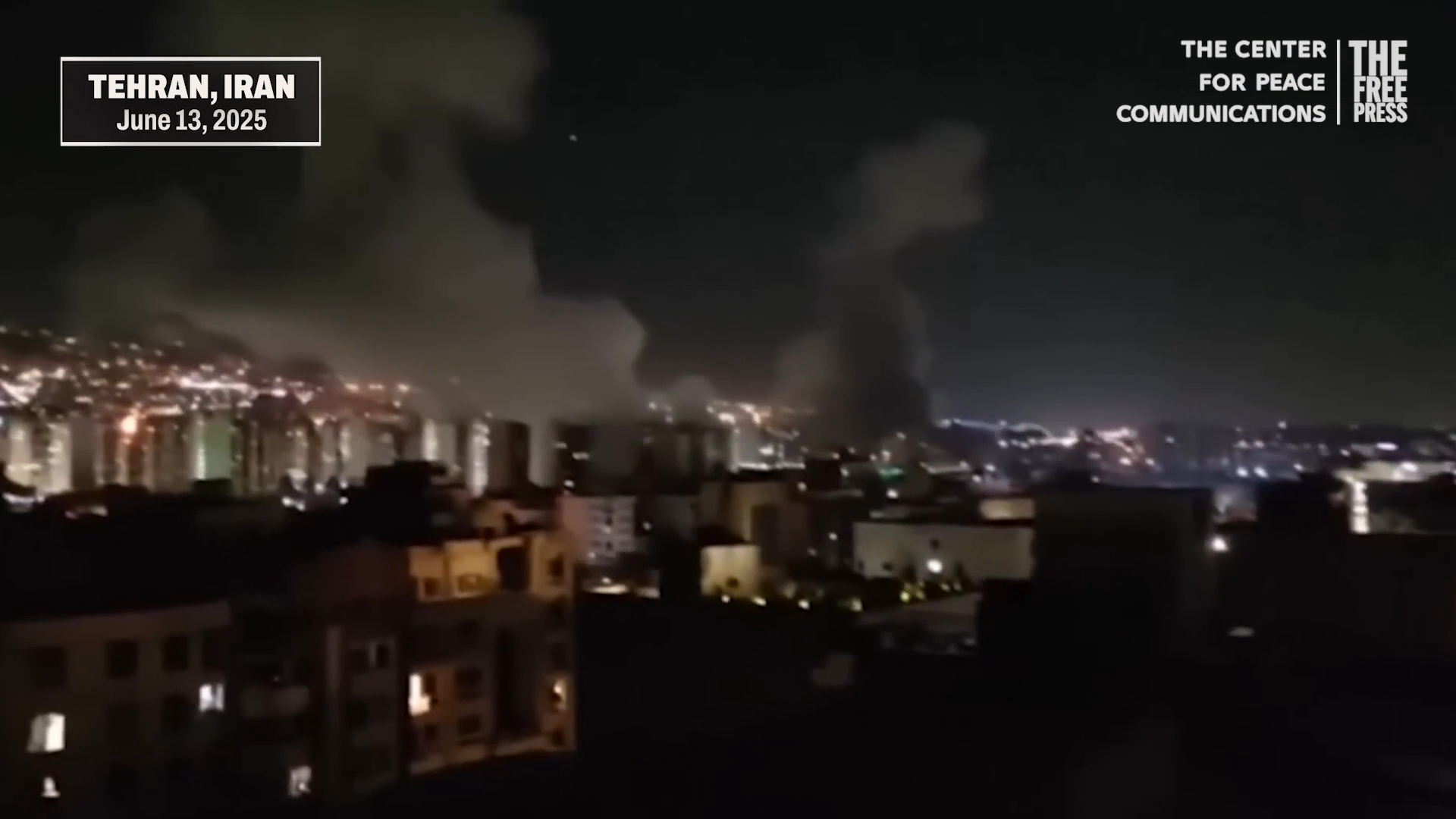
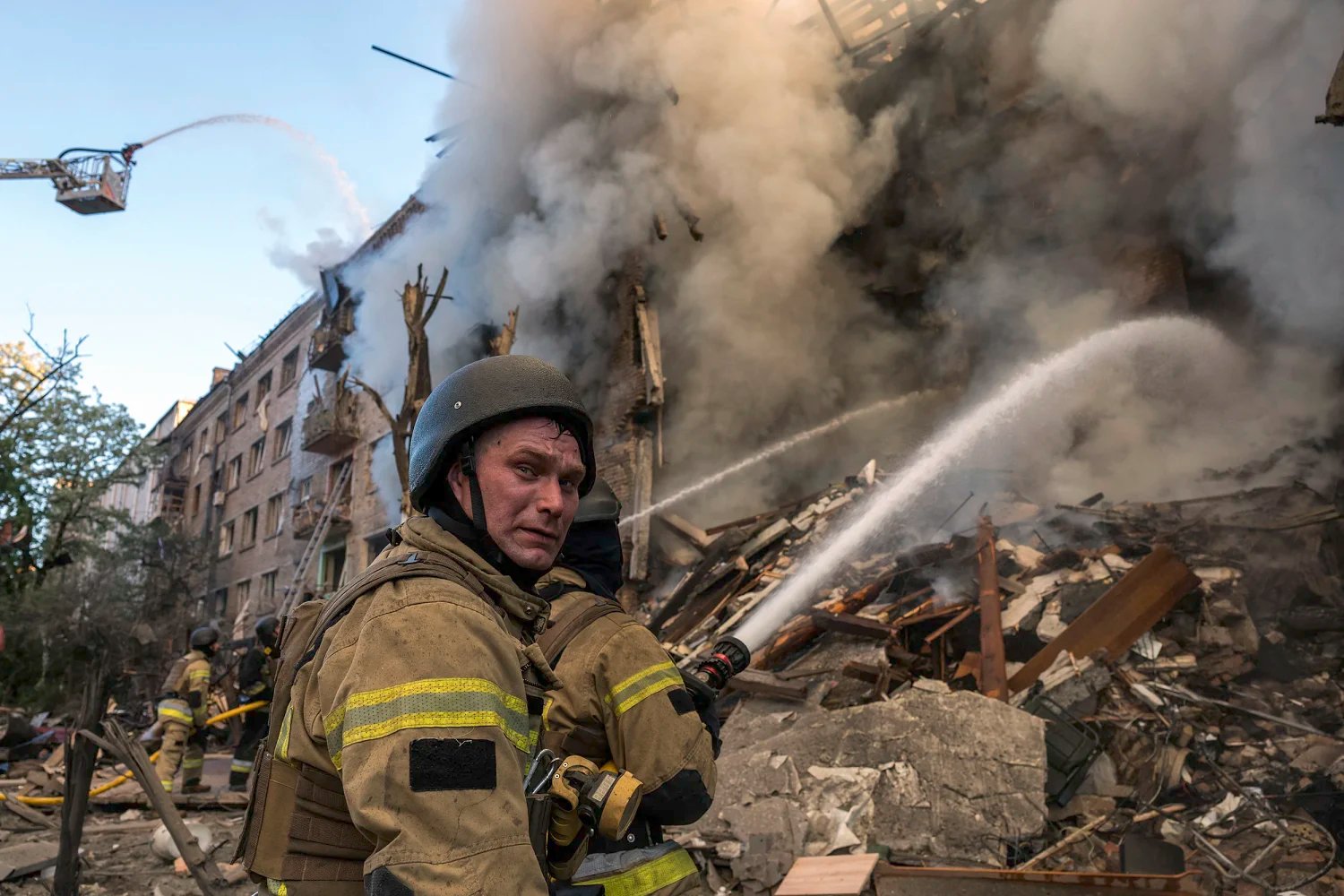
In Bahrain, CCTV footage captured an explosion in the capital, Manama, attributed to an Iranian missile strike. The Iranian Revolutionary Guard Corps claimed responsibility for hitting U.S. military installations in Bahrain, Kuwait, and Jordan as part of their retaliatory actions.
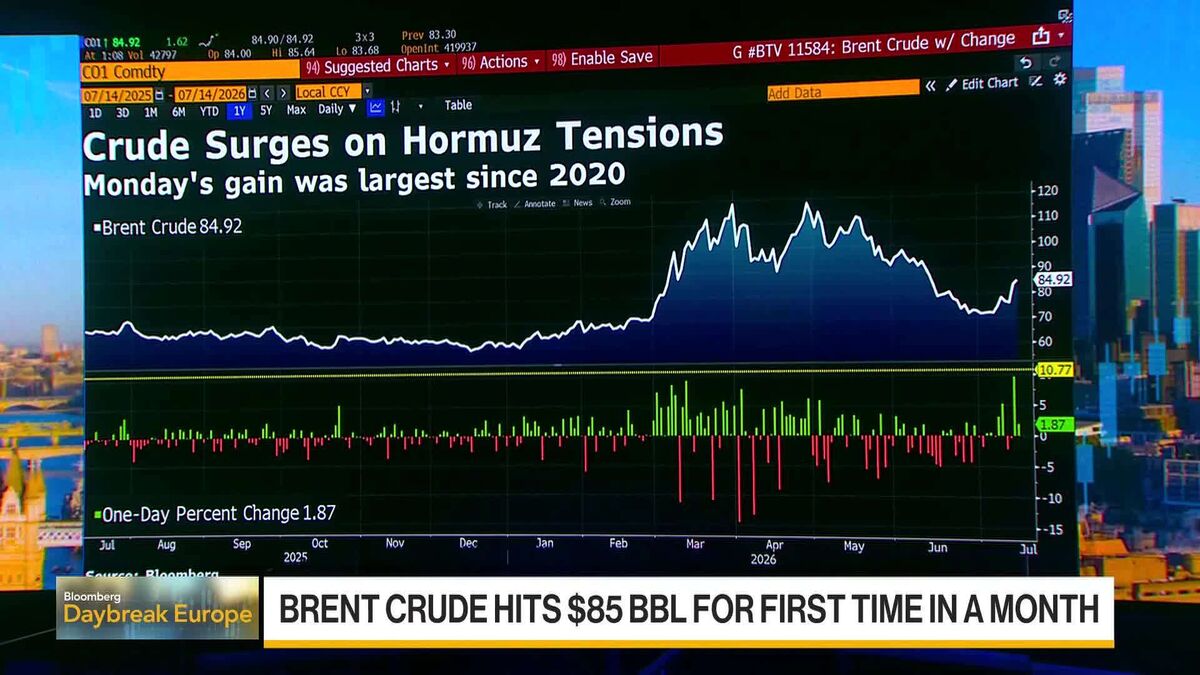
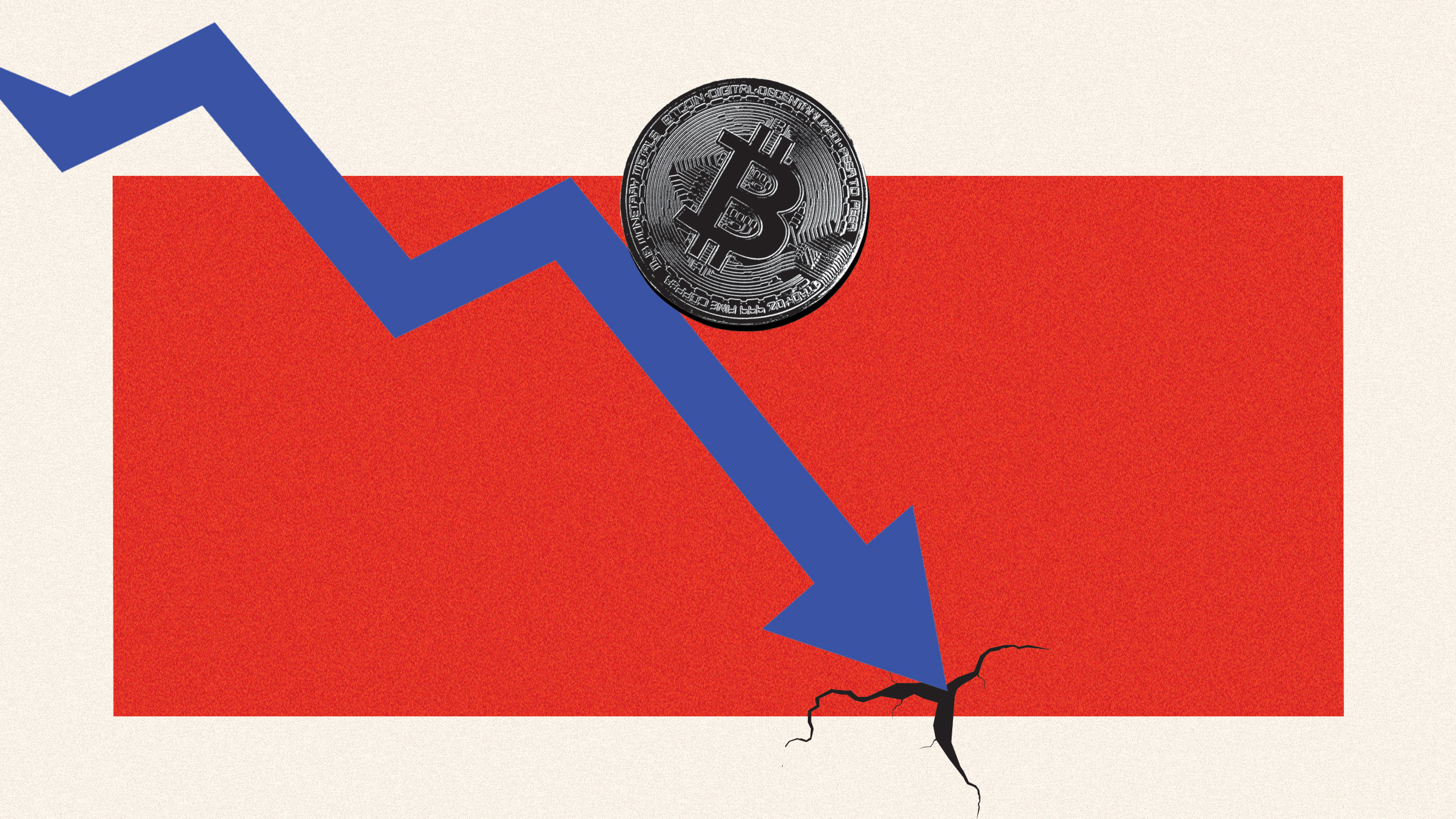
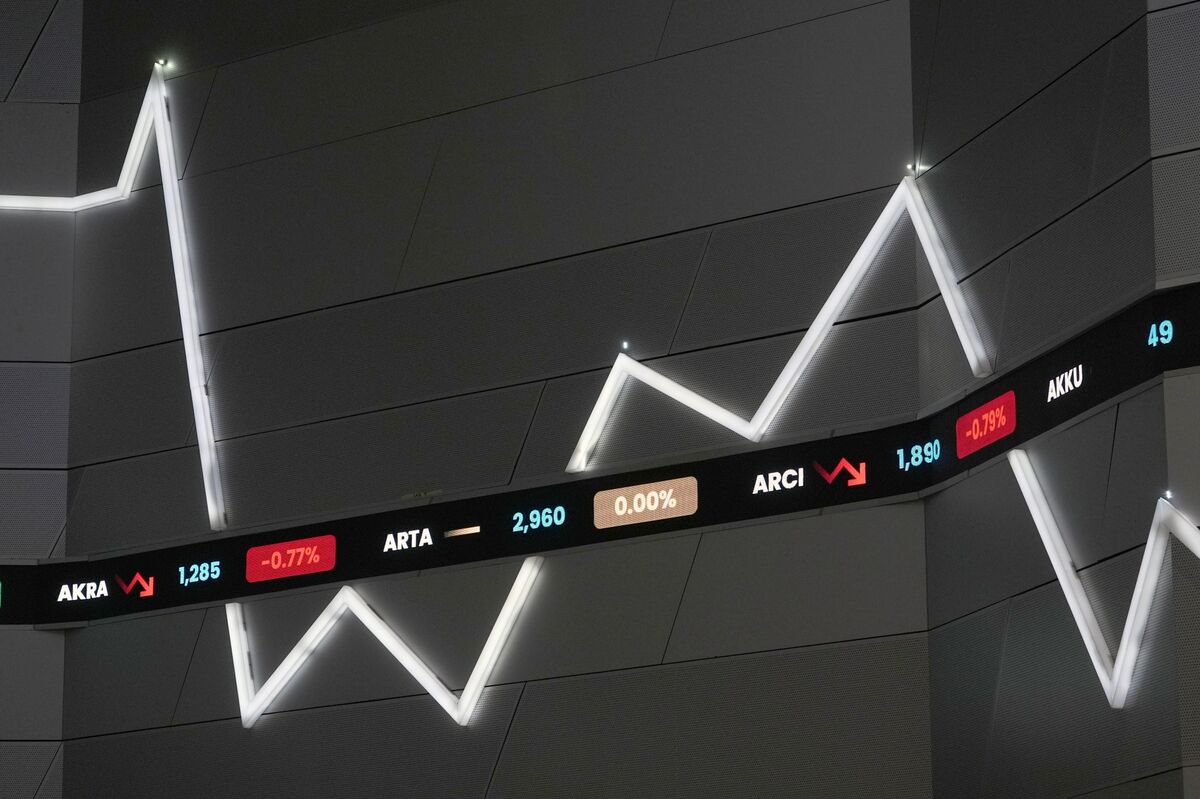
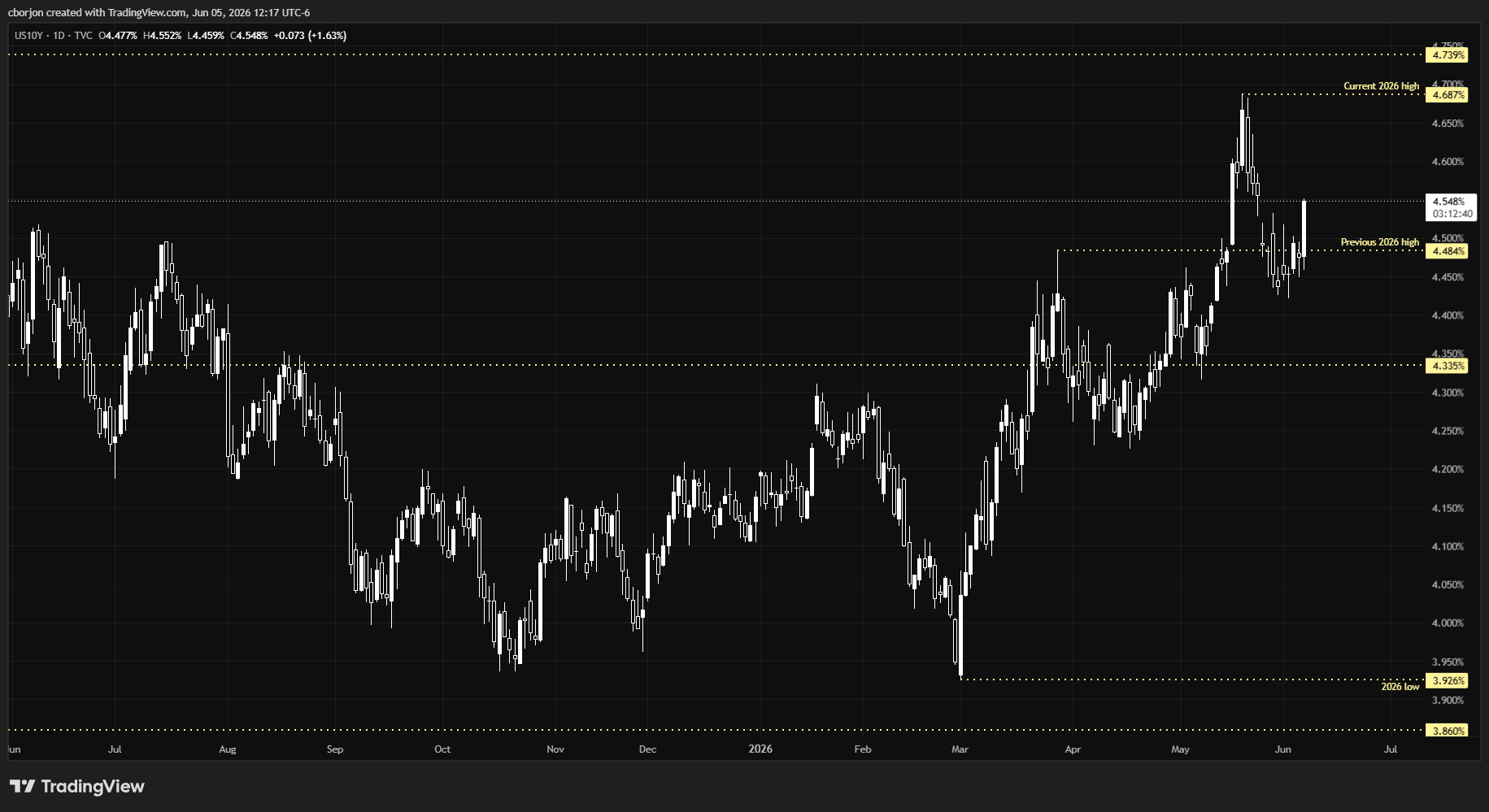
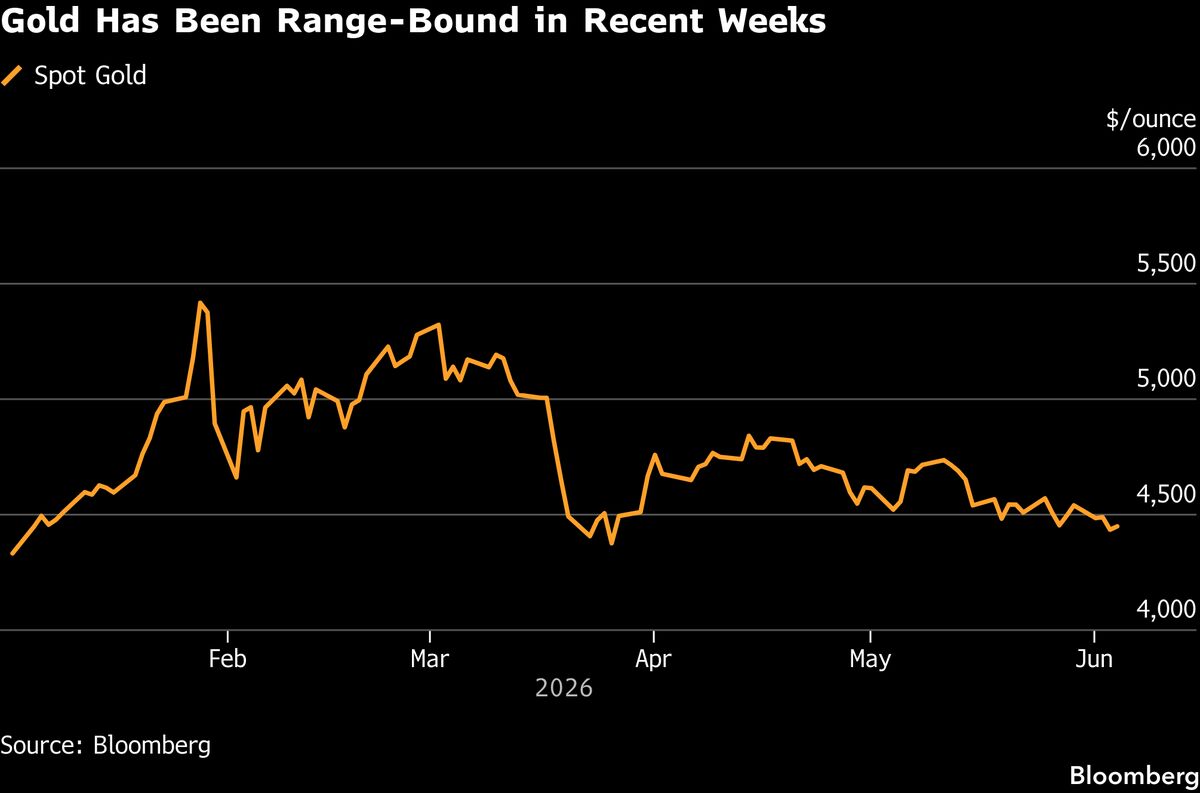
The renewed military tensions have already begun to affect global markets. Prices for base metals, including aluminum and zinc, have dropped as investors react to the instability in the Middle East. Economic analysts are linking these declines to both the escalating conflict and shifting expectations regarding future U.S. interest rate hikes, which could further impact commodity demand.
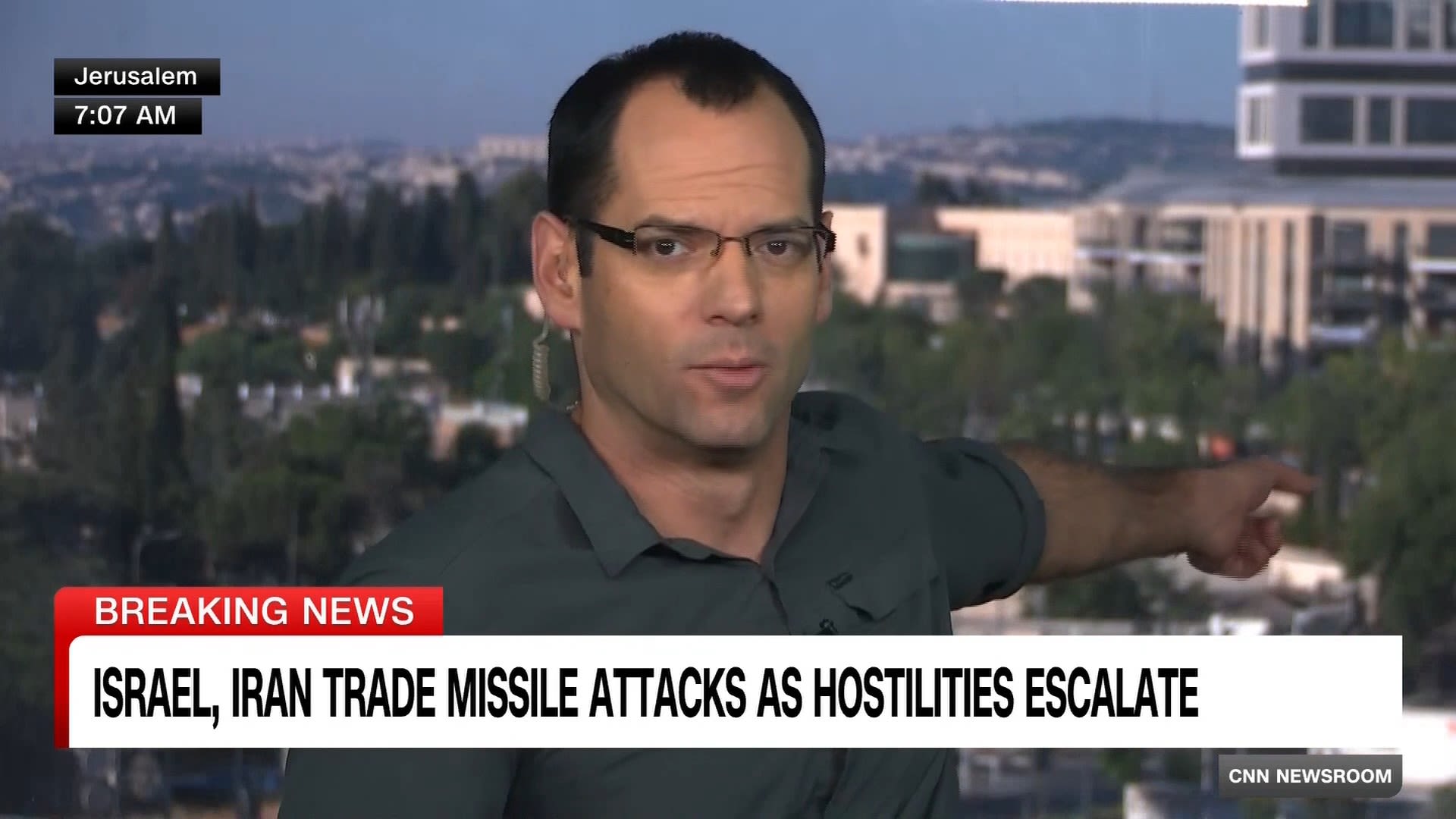
The missile attacks mark a significant escalation in hostilities, prompting discussions about U.S. military strategy in the region.
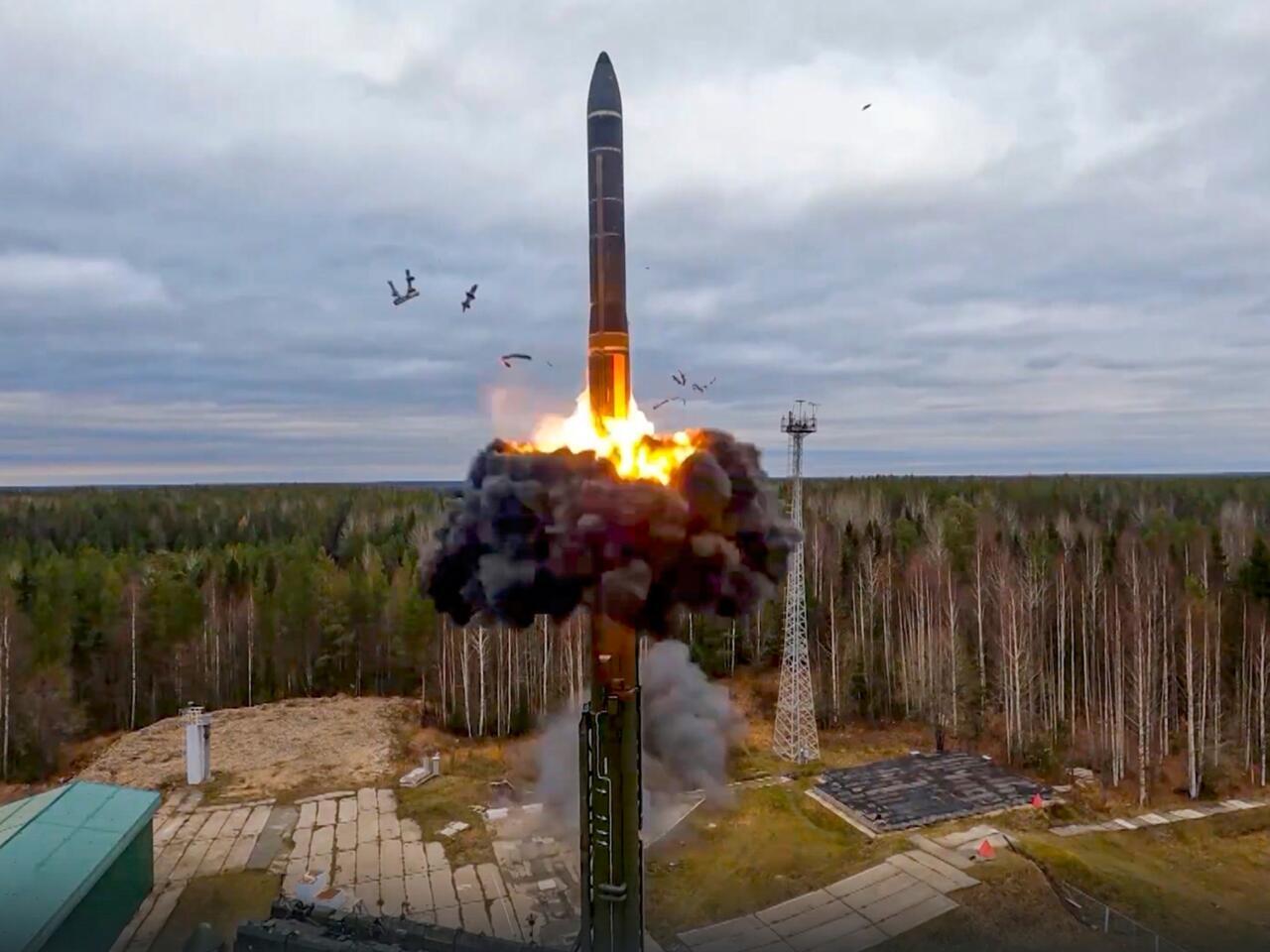
Iranian state media released video footage showing missiles being launched towards U.S. military bases in the Middle East. The strikes occurred amid rising tensions following recent U.S. military actions in the Strait of Hormuz. Notably, the missiles were adorned with images of Iranian commanders killed during the recent hostilities, symbolizing a direct retaliation from Iran.
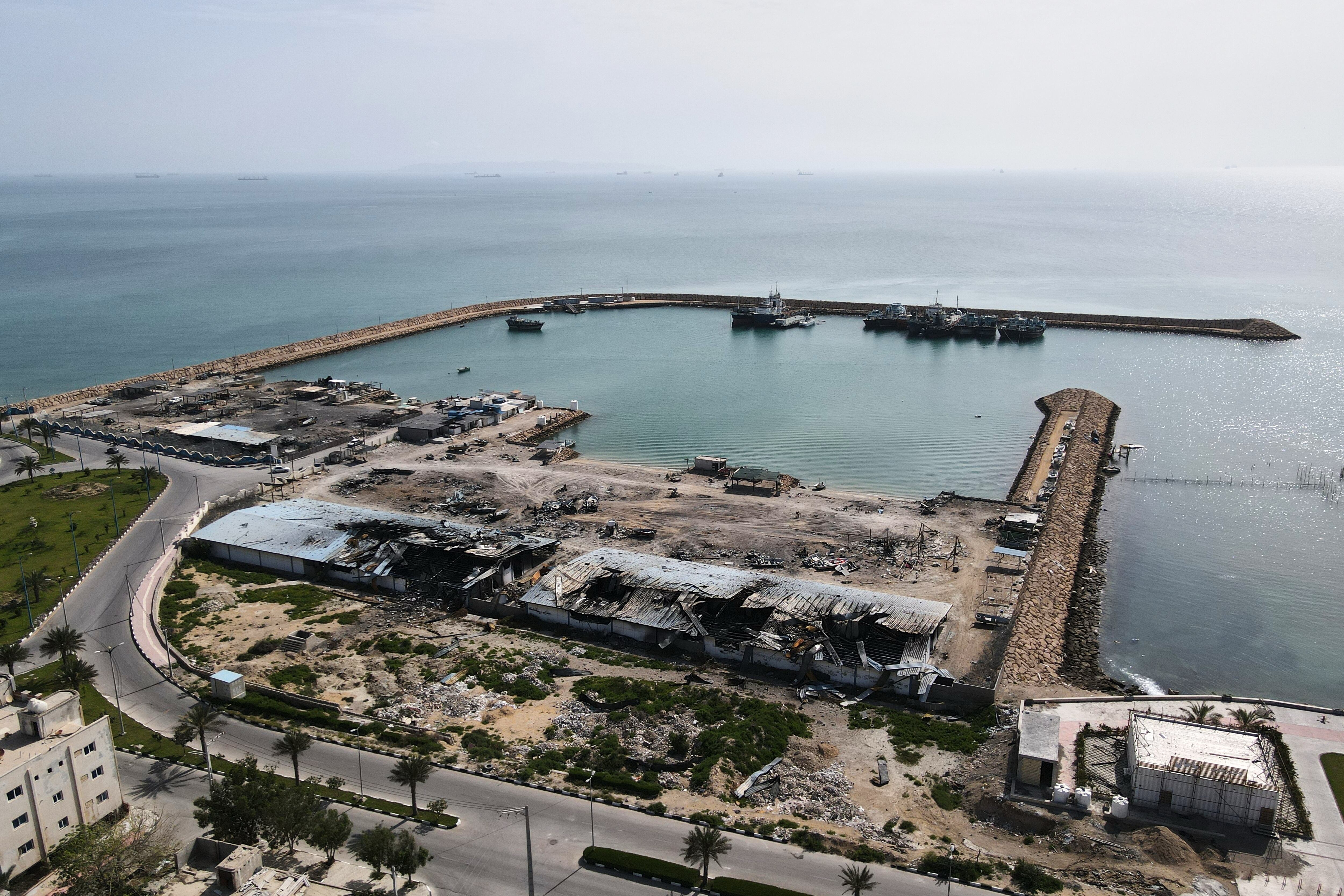
In Bahrain, CCTV footage captured an explosion in the capital, Manama, attributed to an Iranian missile strike. The Iranian Revolutionary Guard Corps claimed responsibility for hitting U.S. military installations in Bahrain, Kuwait, and Jordan as part of their retaliatory actions. The strikes highlight the immediate threat to U.S. forces in the region and raise concerns about the safety of personnel stationed at these bases.
The renewed military tensions have already begun to affect global markets. Prices for base metals, including aluminum and zinc, have dropped as investors react to the instability in the Middle East. Economic analysts are linking these declines to both the escalating conflict and shifting expectations regarding future U.S. interest rate hikes, which could further impact commodity demand.
The missile attacks mark a significant escalation in hostilities, prompting discussions about U.S. military strategy in the region. The potential for further retaliatory strikes raises questions about the safety and operational capacity of U.S. forces. As tensions rise, the implications for U.S. foreign policy and military presence in the Middle East become increasingly critical, affecting not only military personnel but also regional stability and international relations.
The situation continues to evolve, and stakeholders in both government and industry must closely monitor developments to assess their impacts on safety, security, and economic conditions.
Highlighted text was flagged by the council. Tap to see feedback.