




U.S. Forces Take Action Against M/T Belma
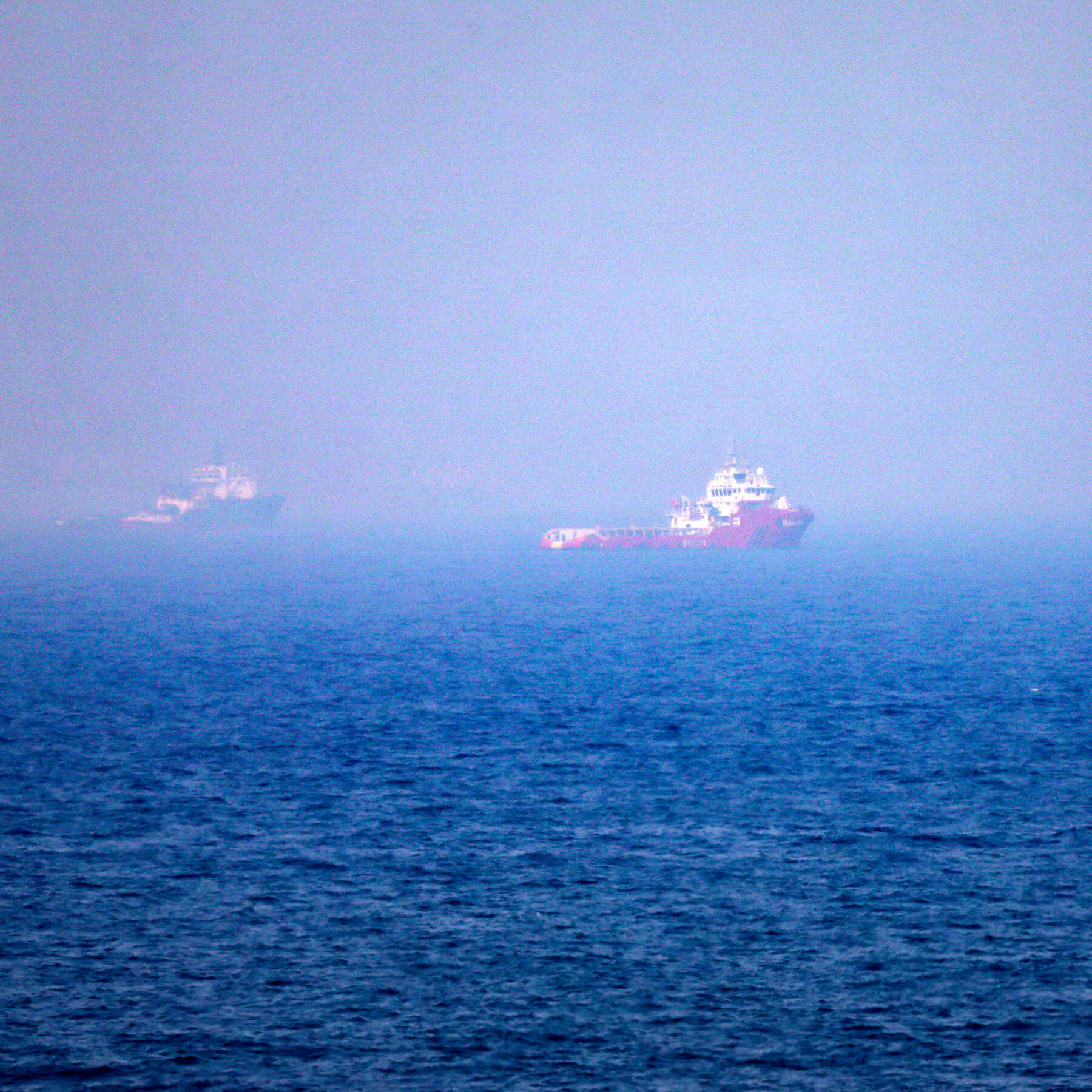
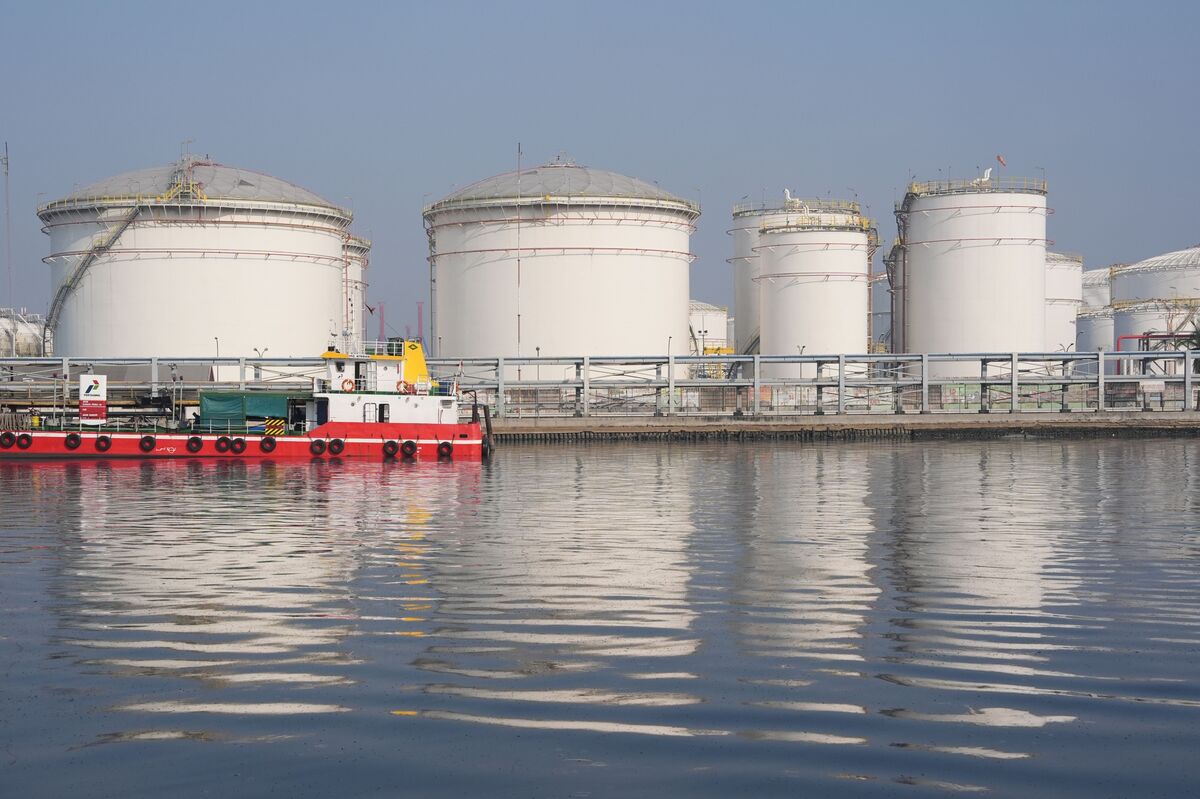
The U.S. military disabled the Curacao-flagged oil tanker M/T Belma on Wednesday, marking a significant escalation in tensions between the U.S. and Iran. The vessel was allegedly attempting to sail toward Kharg Island, a key oil export terminal in Iran, when it reportedly ignored multiple warnings from U.S. forces. Central Command stated that a U.S. aircraft fired Hellfire missiles into the ship's smokestack, effectively crippling its ability to navigate. This incident is the first known disabling of a vessel since President Trump reimposed a naval blockade on Iranian ports earlier this week.
Intensified Military Operations
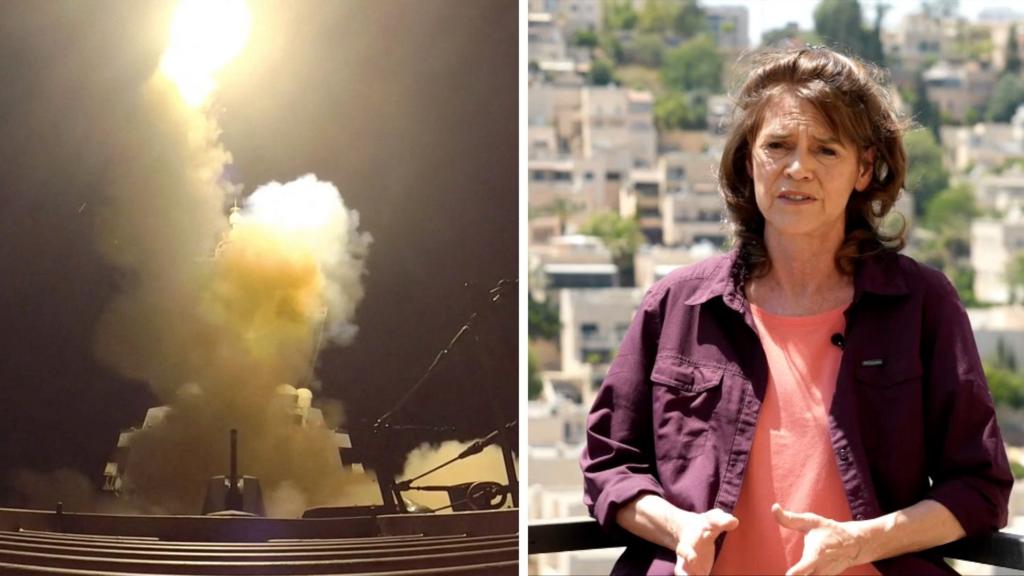
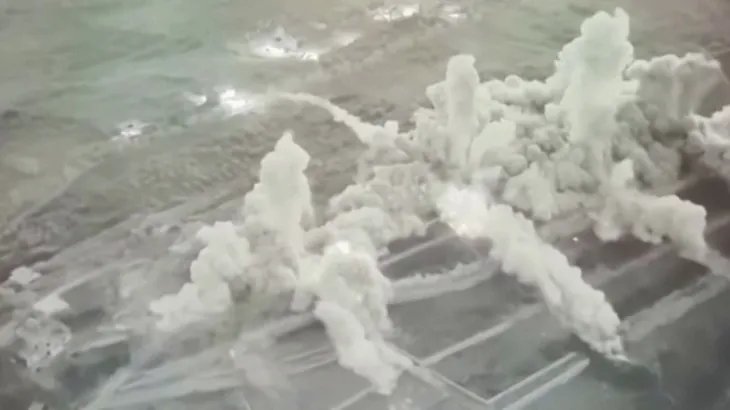
The U.S. Central Command has ramped up its military efforts in the region, conducting airstrikes against Iranian military targets following the reactivation of the blockade. On Wednesday, CENTCOM announced a new wave of strikes aimed at degrading Iran's capabilities to threaten commercial shipping in the Strait of Hormuz. These actions come on the heels of previous strikes that have reportedly resulted in at least 35 fatalities and over 300 injuries among Iranian forces, according to Iranian health officials. The bombardment has targeted key military sites, including missile storage facilities and drone launch points.
Iran's Threats and Regional Implications
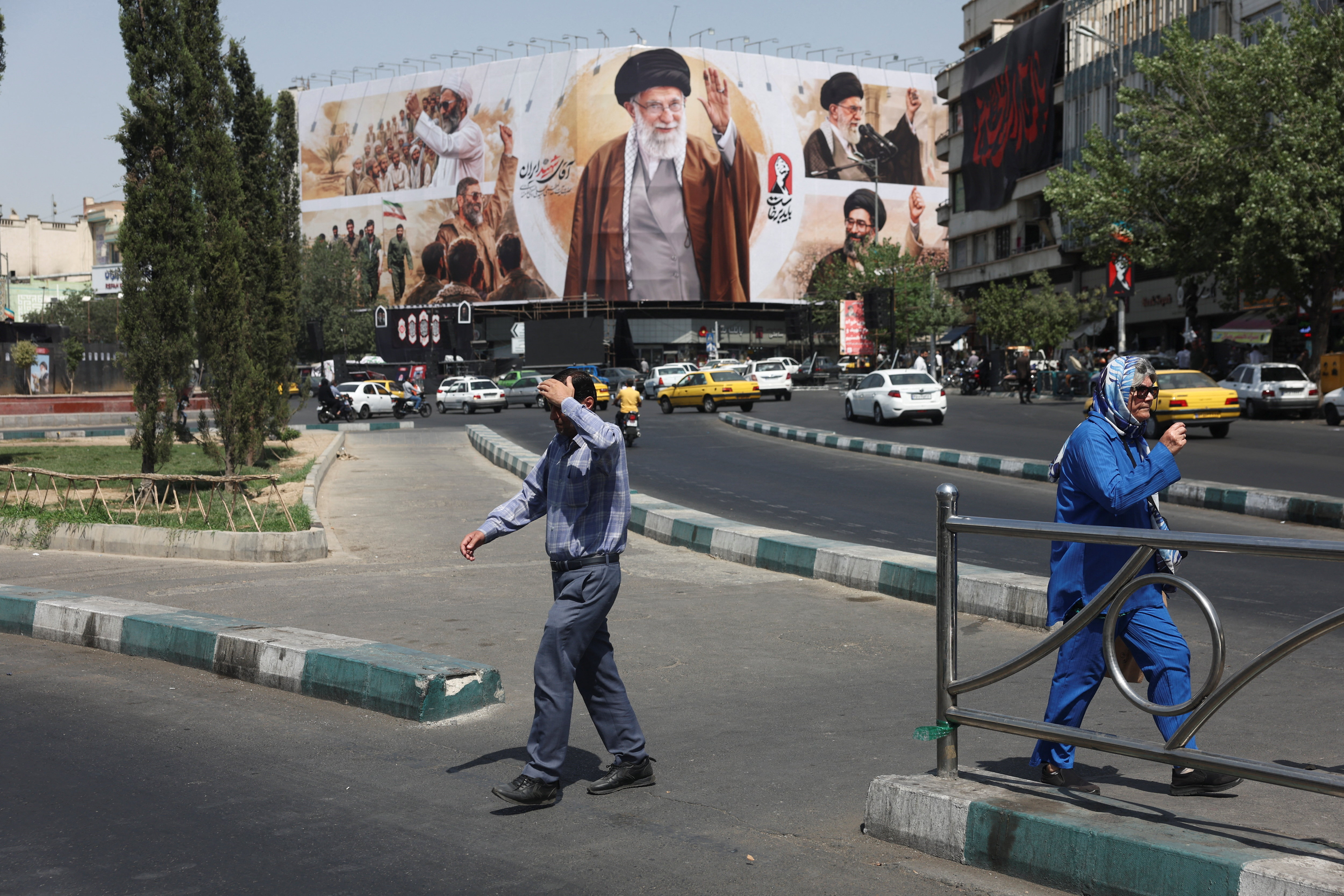
In response to the U.S. blockade and military actions, Iran's Islamic Revolutionary Guard Corps threatened to halt all energy exports from the region. The IRGC asserted that "the export of oil and gas from the region will be either for everyone or for no one," signaling a potential escalation that could disrupt global energy supplies. The ongoing conflict has already caused significant disruptions, with oil prices fluctuating and fears of inflation rising due to uncertainty in the Strait of Hormuz, a vital shipping lane for global oil transport.
Political Reactions and Strategic Concerns
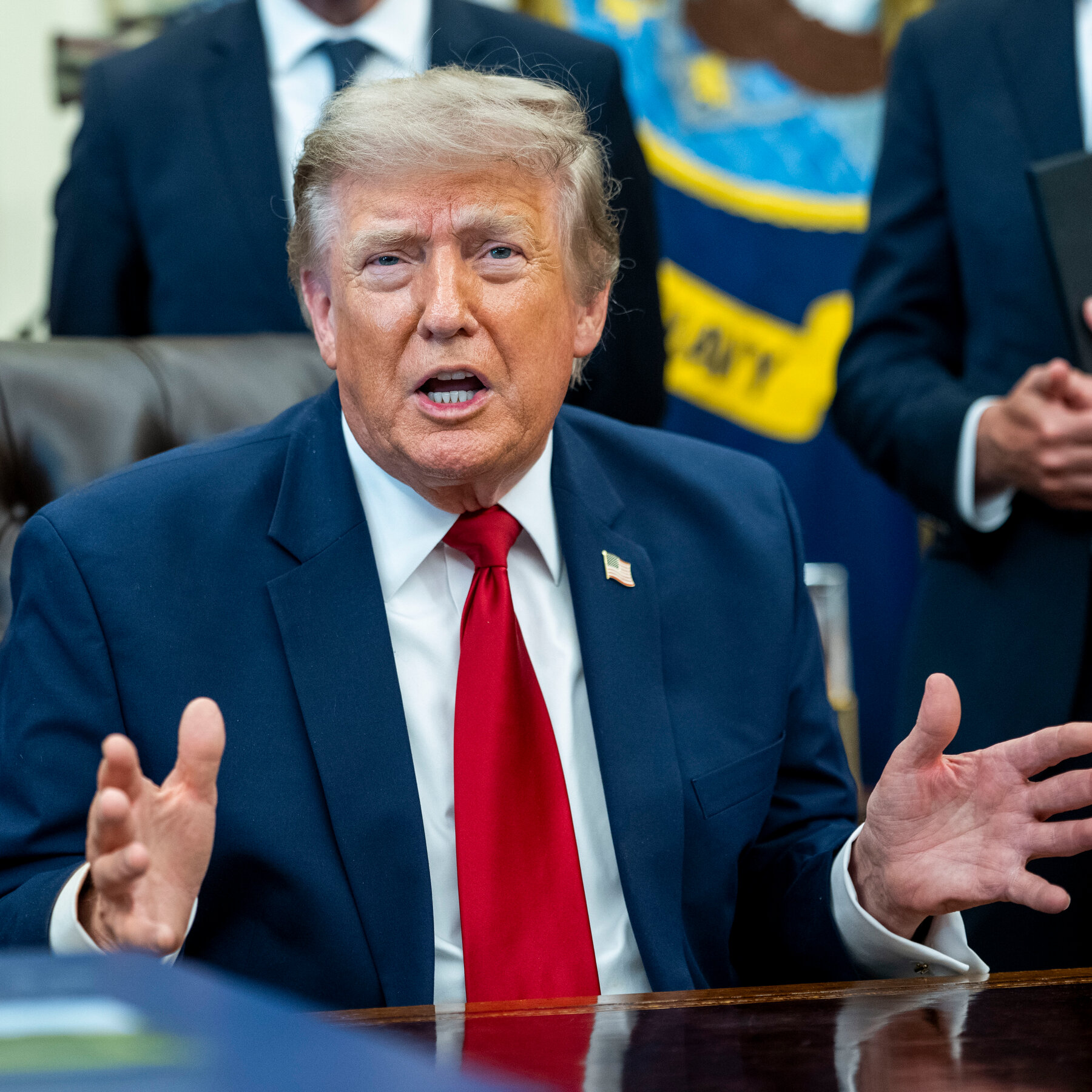
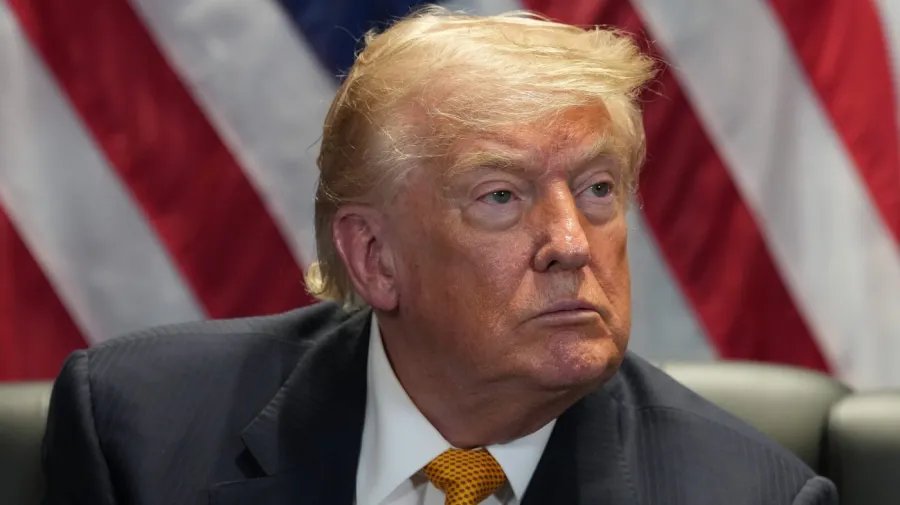
Vice President JD Vance expressed frustration with hardline positions against negotiating with Iran, advocating for diplomacy as a means to prevent further violence in the Strait of Hormuz. He highlighted the delicate balance the U.S. must maintain between military action and diplomatic efforts. Meanwhile, President Trump remains firm on his stance, stating that he is weighing whether to finalize a deal with Iran or escalate military operations. "They want to settle so badly," Trump remarked, emphasizing the ongoing tension and uncertainty surrounding U.S.-Iran relations.
Economic Consequences of the Conflict
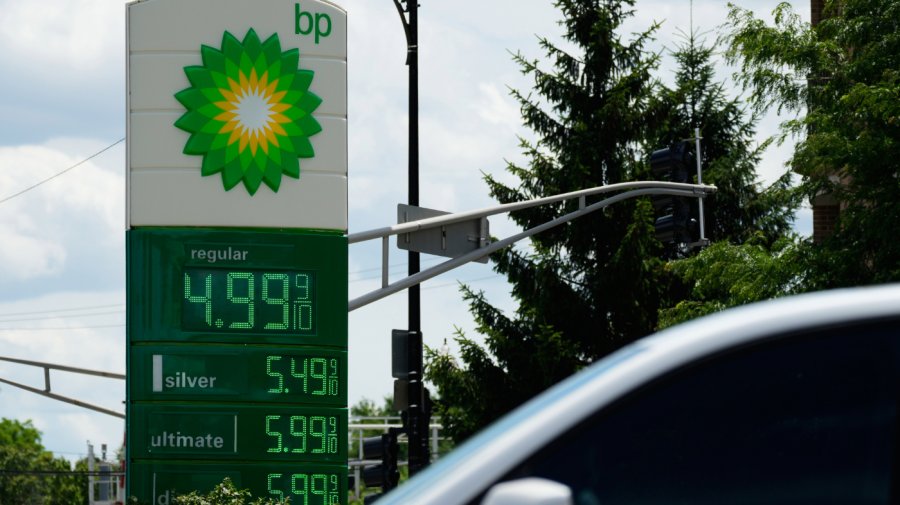
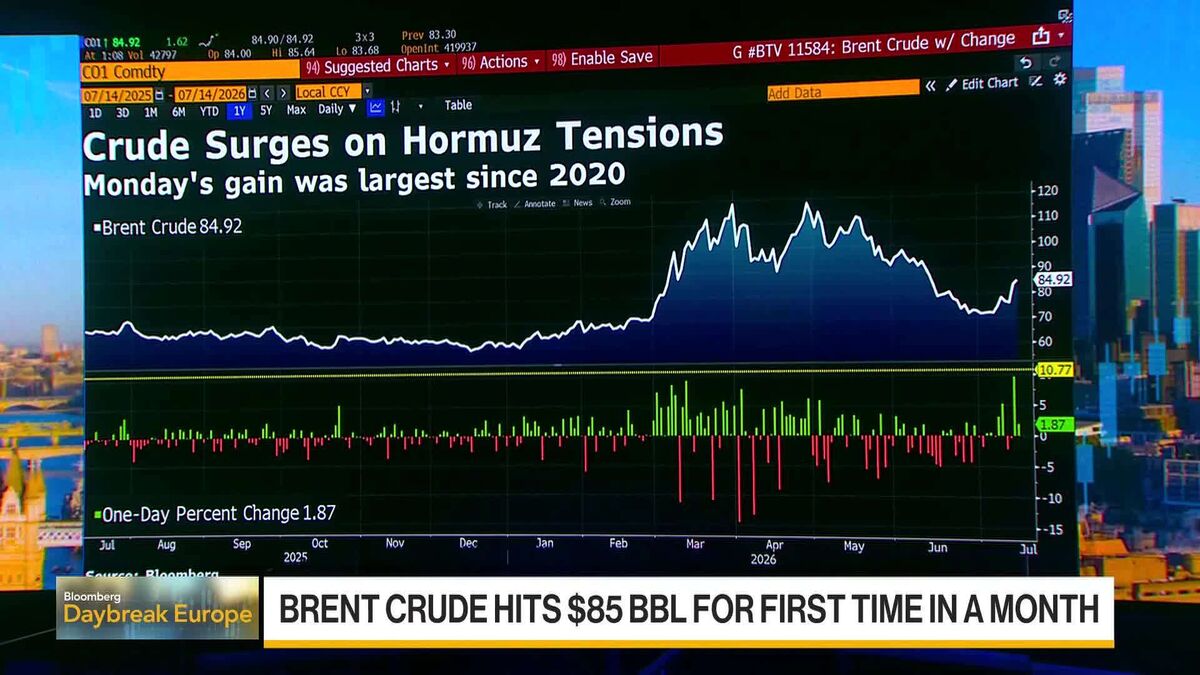
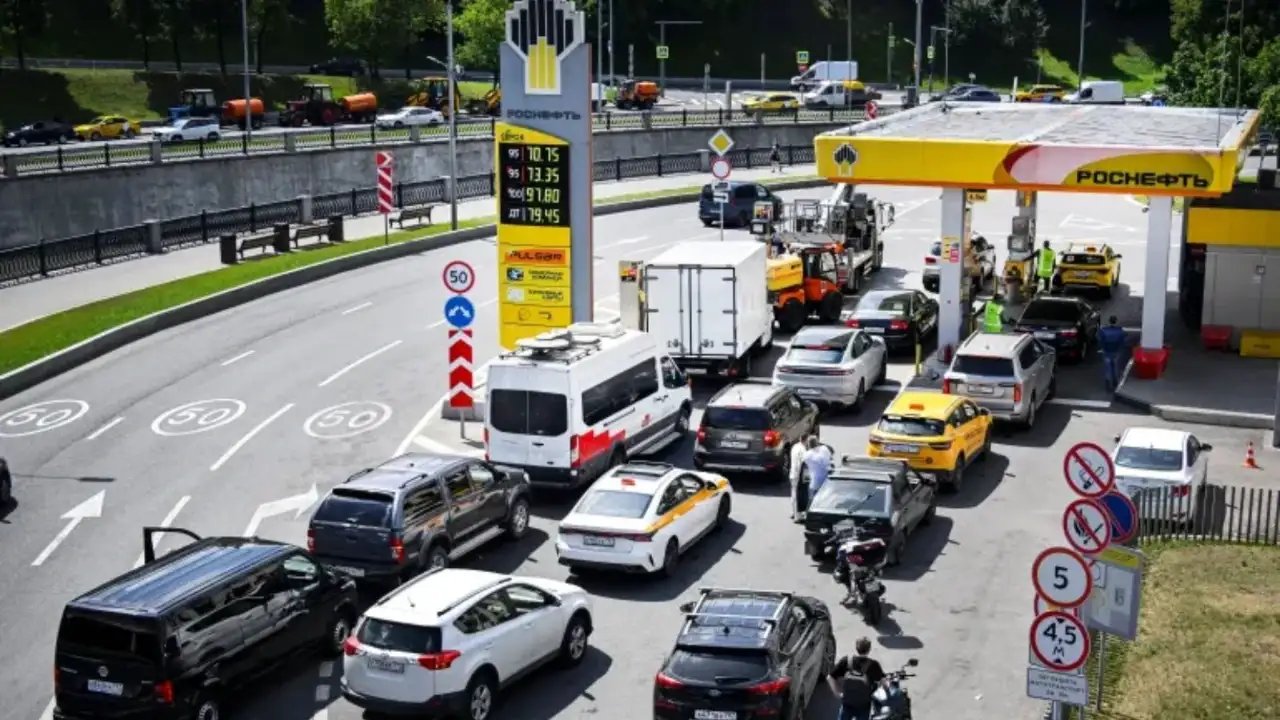
The renewed hostilities have led to a growing loss of confidence among shippers using the Strait of Hormuz. Business intelligence firm Kpler reported a noticeable decline in traffic through the southern route, with shippers favoring northern lanes closer to Iran, which Iranian officials have urged vessels to use. The situation is further complicated by the threat of Iranian attacks on commercial vessels, leading to a near standstill in maritime traffic through the strait. Oil prices have reacted sharply, with Brent crude briefly reaching $86 per barrel, the highest level in a month, due to the heightened conflict.
The Breakdown of Diplomatic Efforts
The U.S.-Iran memorandum of understanding, which had previously established a framework for negotiations and a temporary ceasefire, appears to be effectively dead following the reimposition of the blockade. Trump’s abrupt decision to renew military actions has led to accusations from Iranian officials that the U.S. has abandoned diplomatic efforts. Iranian Parliament Speaker Mohammad Ghalibaf condemned the U.S. actions, stating that Iran would not adhere to any agreement that does not yield benefits. The current state of affairs suggests a return to hostilities, with both sides preparing for a prolonged conflict.
The Path Forward Amidst Escalation
As military operations continue, the conflict shows no signs of resolution. With U.S. airstrikes targeting Iranian infrastructure and Iran threatening to retaliate by closing off additional shipping routes, the situation remains precarious. The potential for further escalation looms large, raising questions about the future of U.S. involvement in the region and its implications for global energy markets. The ongoing war has become a war of attrition, where both sides must weigh the costs of continued hostilities against the possibility of a negotiated settlement.