




Landmark Decision
France's National Assembly has voted to legalize assisted dying under strict conditions, a significant move after years of intense debate. The bill, which passed with a 291 to 241 vote, allows terminally ill adults with "serious and incurable" life-threatening illnesses to choose assisted dying if they are in constant, unbearable suffering. Prime Minister Sébastien Lecornu is expected to refer parts of the bill to France's Constitutional Council for examination before it can become law.
Opposition and Support
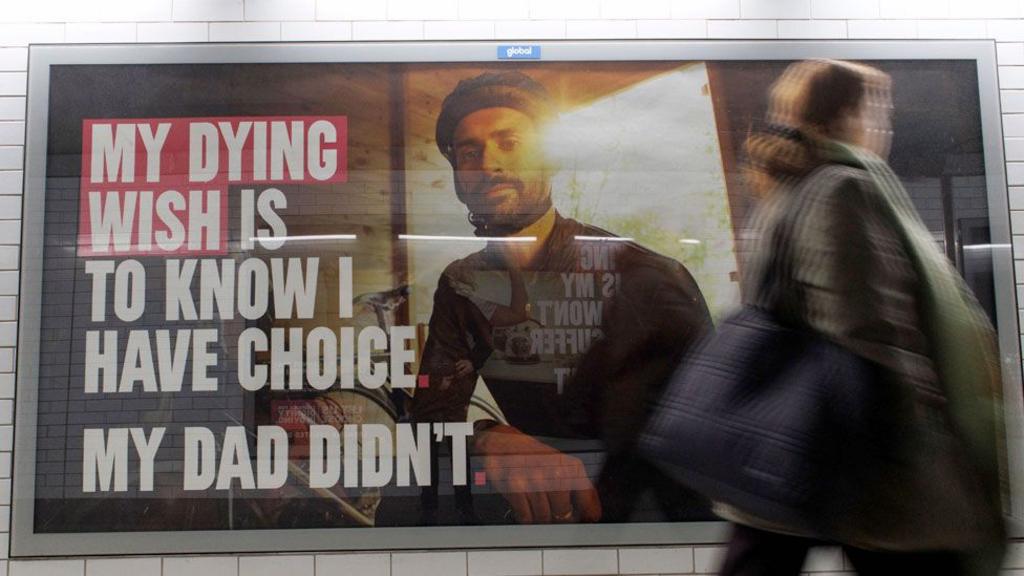
The bill has been a point of contention, particularly among France's right-wing parties and the Catholic Church. Despite this opposition, polls indicate that a large majority of the French population supports the right for terminally ill individuals to choose between palliative care or assisted dying. President Emmanuel Macron has been a long-time supporter of end-of-life legislation, a stance that has influenced the bill's progress.
Detailed Process and Verification
The process for assisted dying, as outlined in the bill, is stringent. Patients must "freely manifest his or her intention" to a doctor, who then has 15 days to make a decision after consultation. Following a two-day reflection period, the patient must administer the lethal substance themselves; if unable, a doctor or nurse may do so. The physician must verify the patient's decision on the day of the procedure.
European Precedents and Future Steps
France's move towards legalizing assisted dying places it alongside several other European countries that have decriminalized the practice under certain conditions. The Netherlands and Belgium legalized assisted dying in 2002, and other countries have since followed suit. The final adoption of the law in France hinges on the Constitutional Council's review, which will focus on aspects such as the reflection period and the role of health facilities in providing these services. This vote signifies a potential shift in societal norms and legal rights, with implications for how end-of-life choices are viewed and regulated.