




Geopolitical Tipping Point
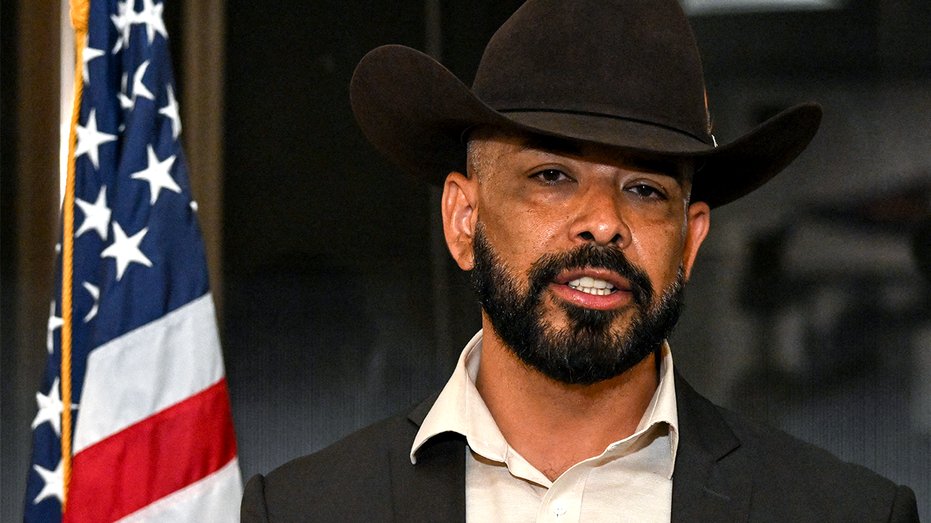
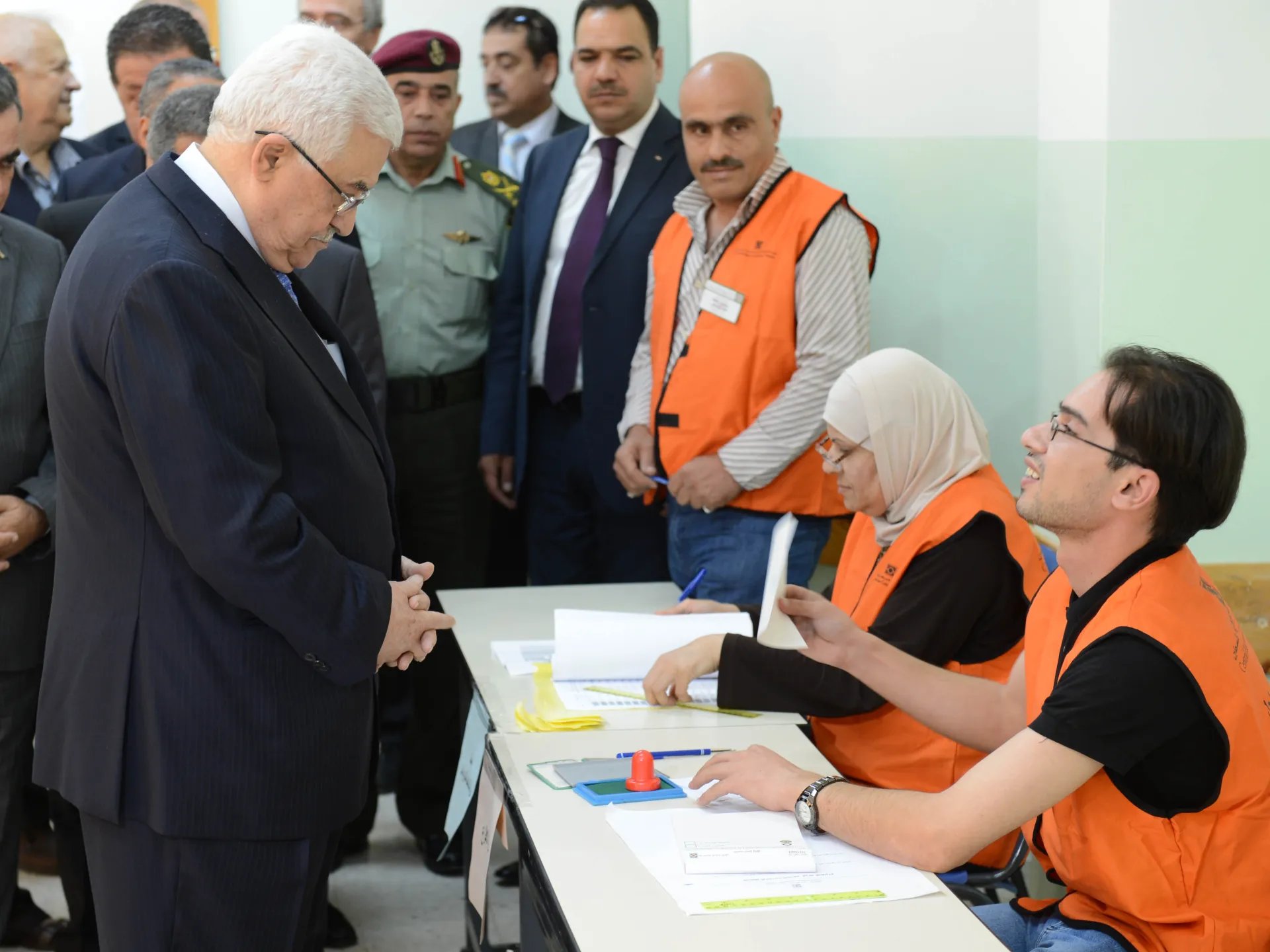
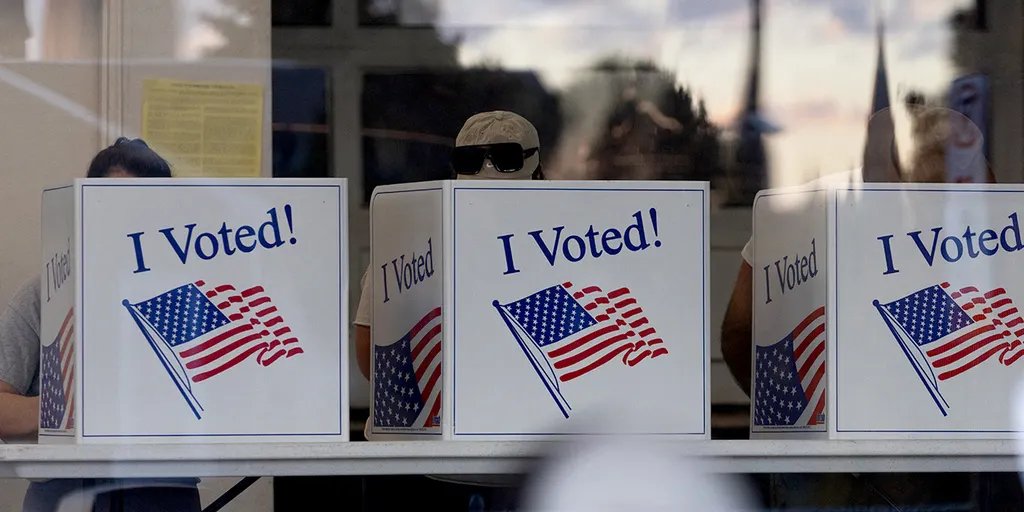
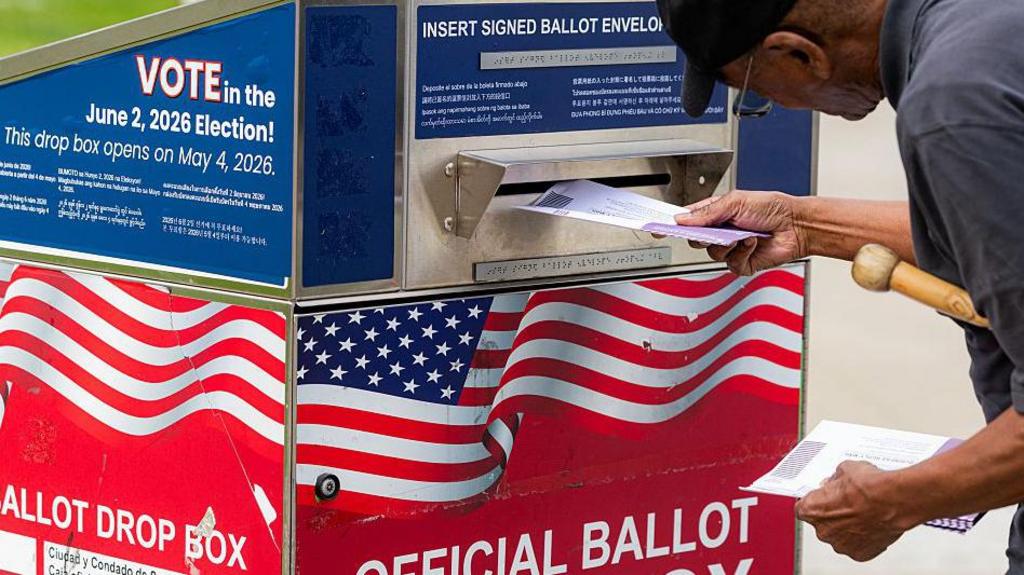
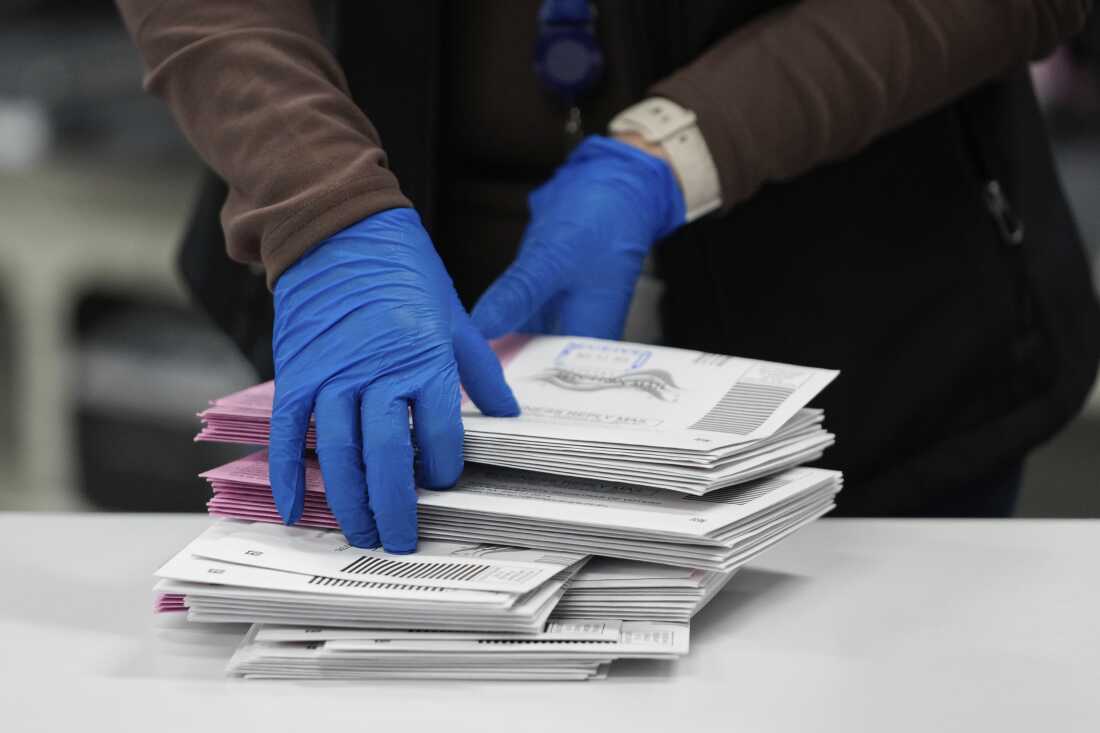
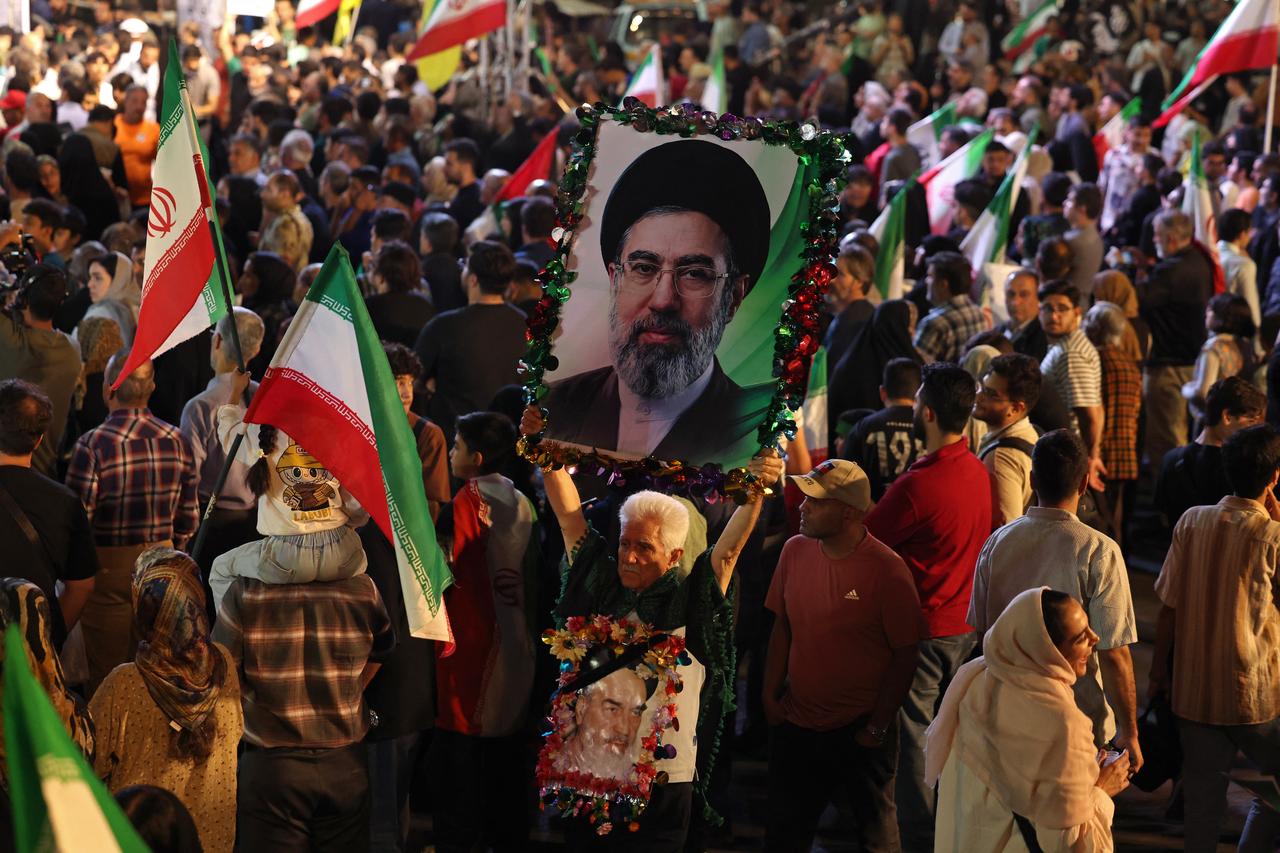
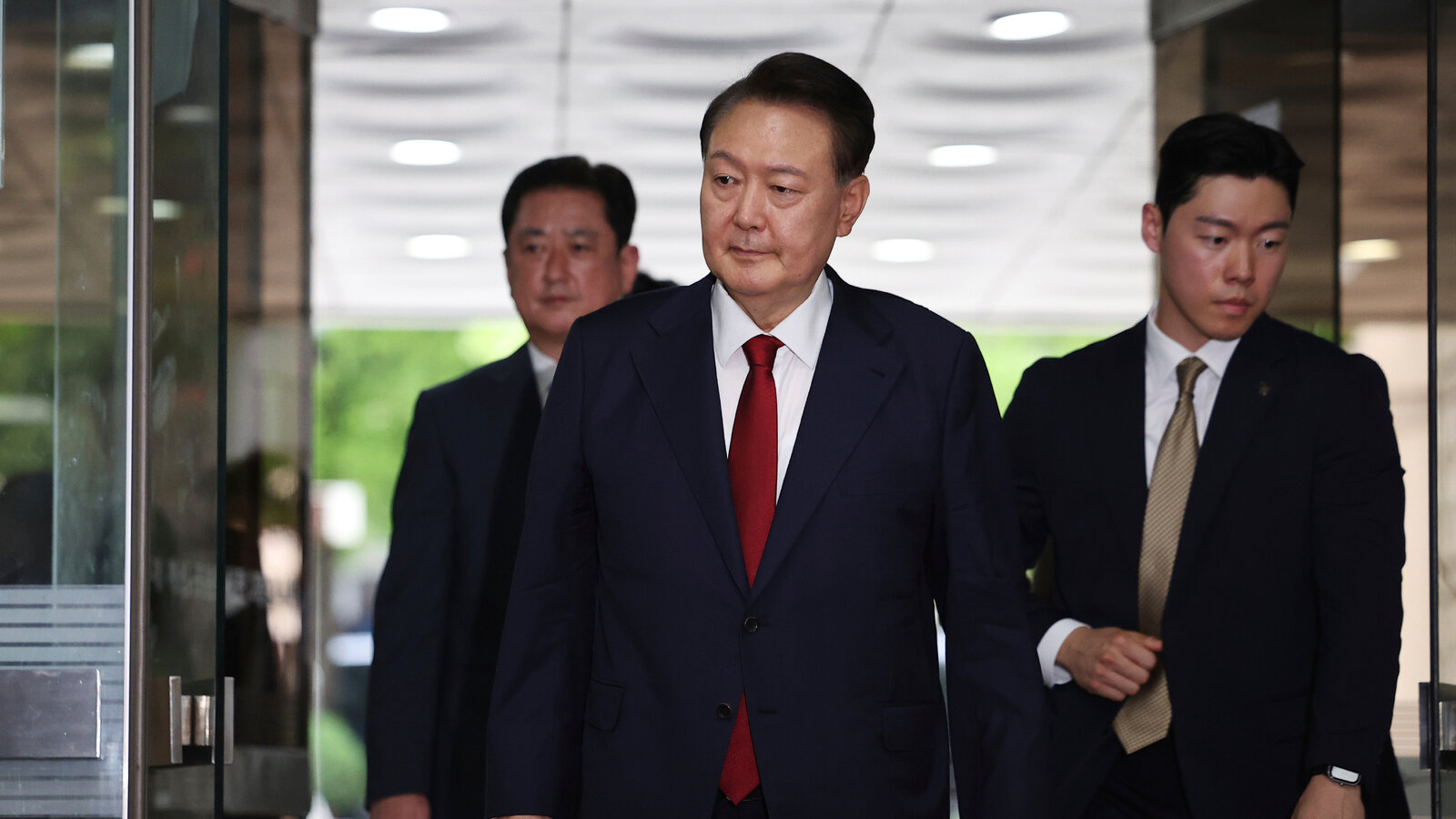
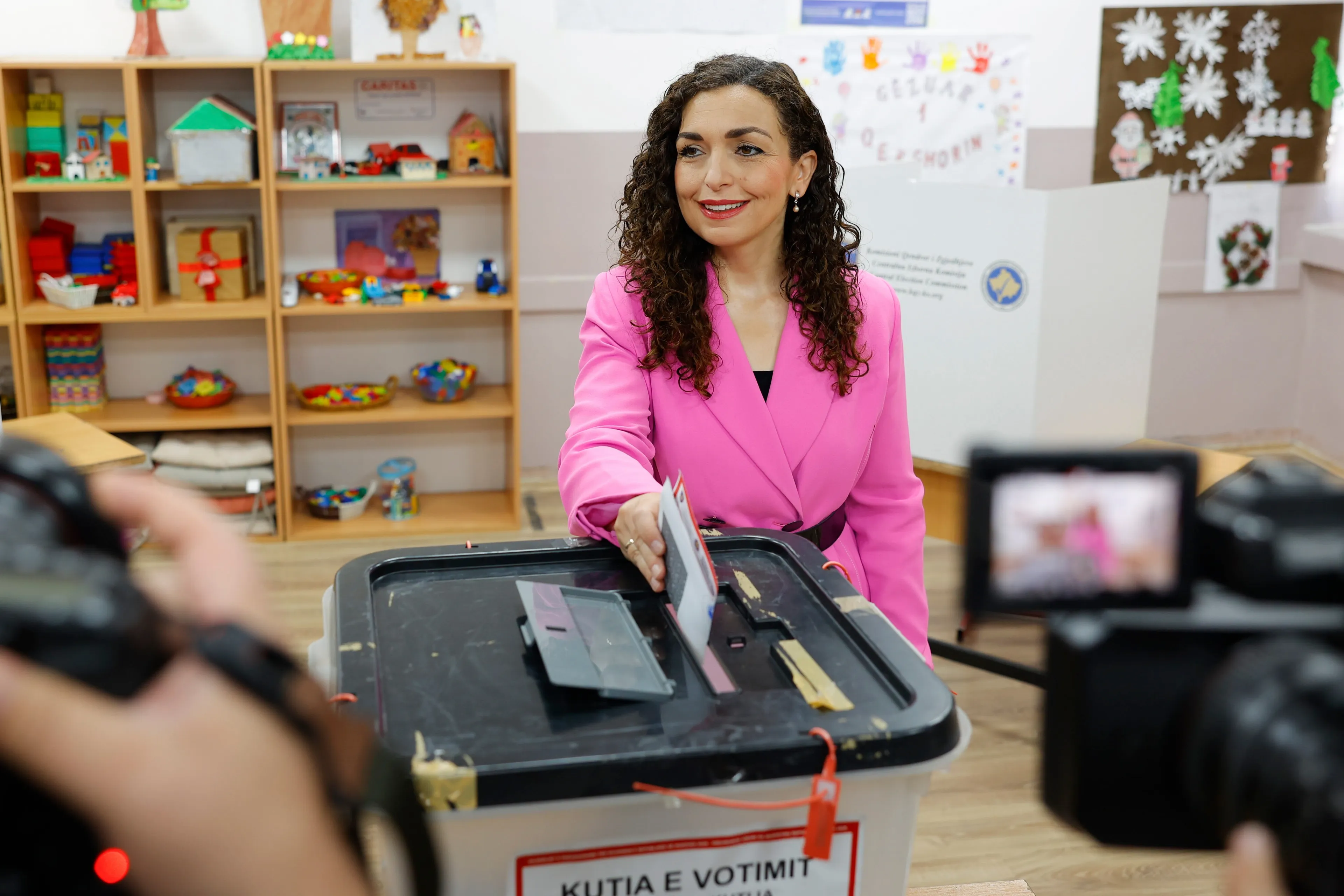
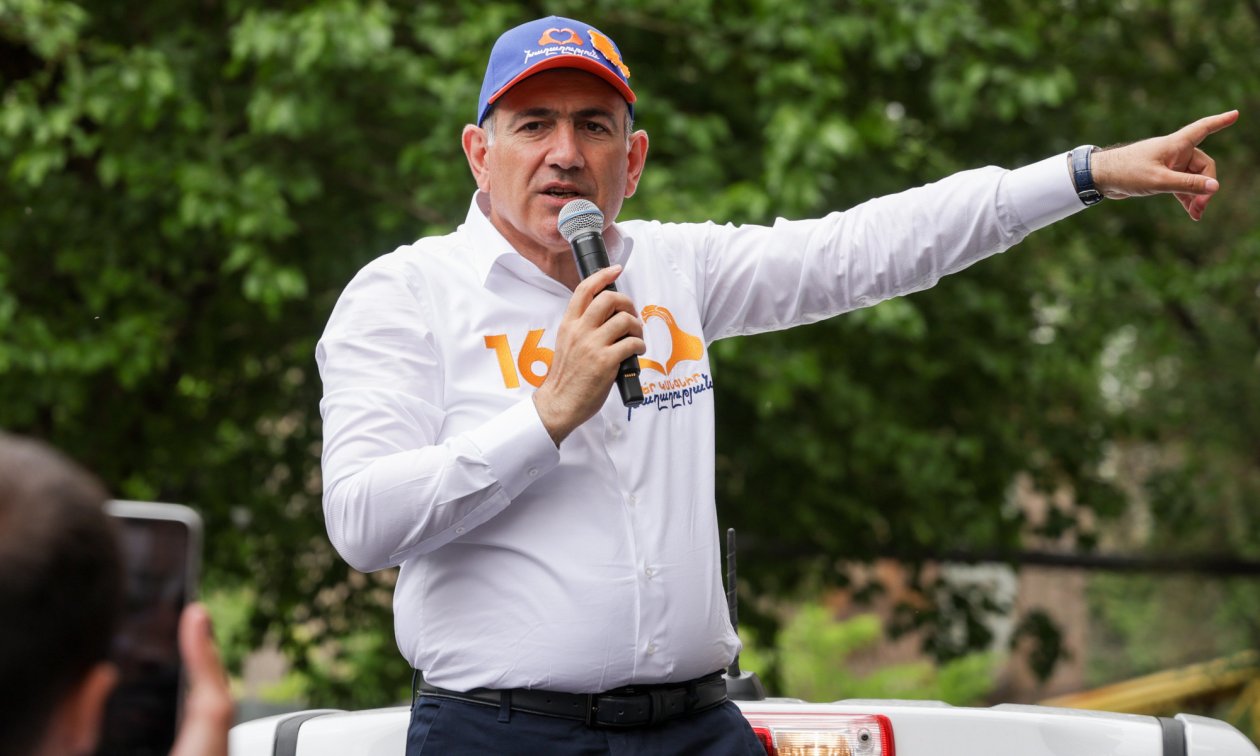
On June 7th, Armenians voted in a pivotal election that could determine whether the country steers towards European integration or reverts to its traditional alliance with Russia. Prime Minister Nikol Pashinyan, who has been instrumental in moving Armenia closer to the EU, seeks re-election amidst domestic challenges and Russian pressure. According to a poll by the International Republican Institute (IRI), Pashinyan's Civil Contract party leads with 32% support, with opposition groups advocating for closer ties with Russia trailing behind.
Economic Pressures and International Relations
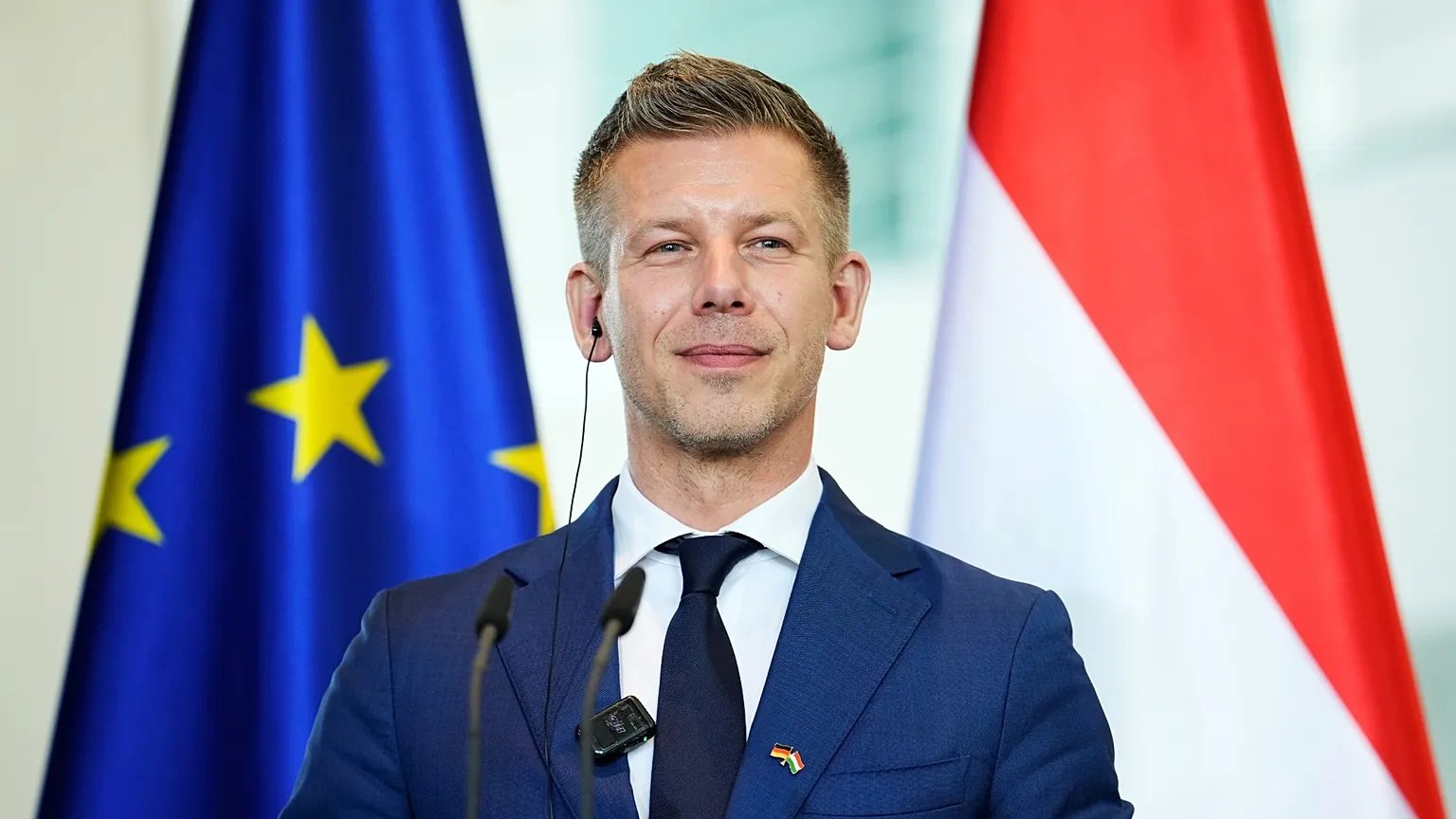
The economic implications of Armenia's geopolitical choices are significant. Russia, Armenia's largest trading partner, has applied economic pressure by banning the export of Armenian products like flowers and cognac. Moscow has also used its leverage on gas supplies, offering them at a fraction of European market prices. European Commission President Ursula von der Leyen pledged €50m in support for Armenia and announced eased trade restrictions, countering Moscow's economic influence.
Domestic Support and Criticisms
Despite Pashinyan's efforts to integrate with the West, his domestic support has dwindled from 54% in 2021 to around 30% today, largely due to concessions made in the peace process with Azerbaijan. One recent poll shows the peace deal remains divisive, with 44% in support and 41% opposed. Opposition parties, including the Armenia Alliance led by former president Robert Kocharyan and the "Strong Armenia" bloc led by Samvel Karapetyan, argue for restoring deep ties with Russia as a path to national security.
The Influence of External Powers
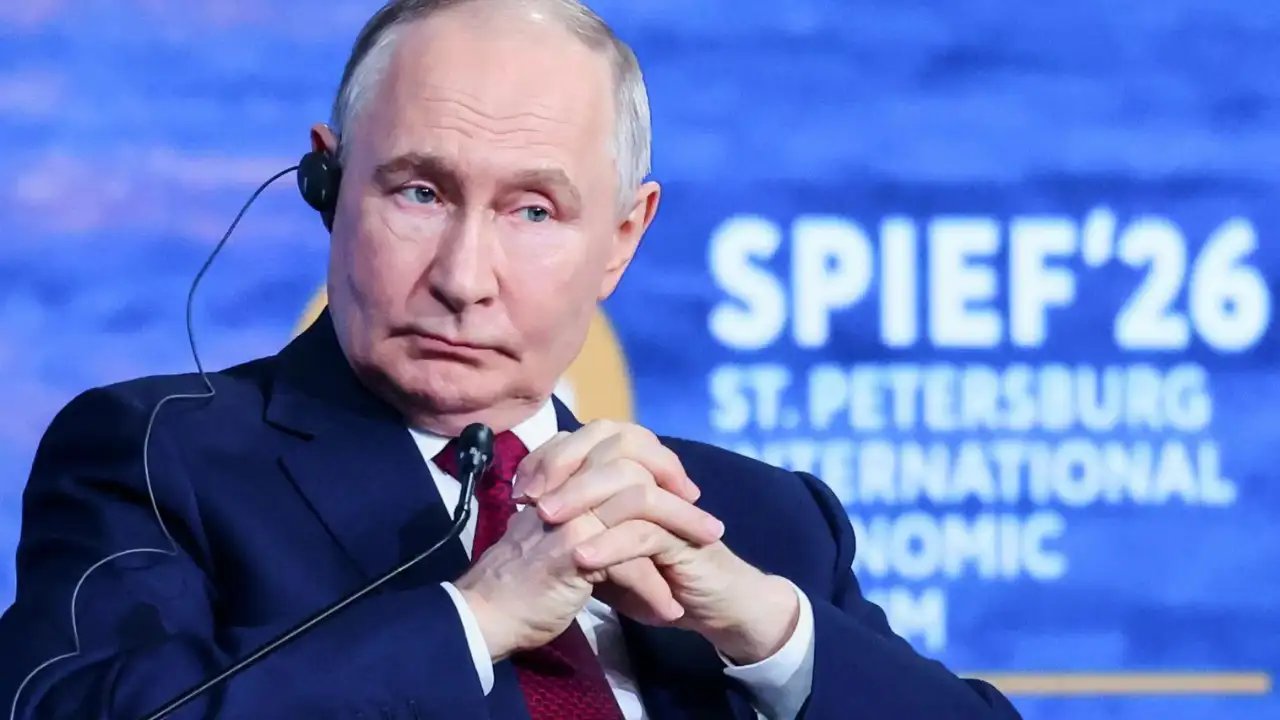
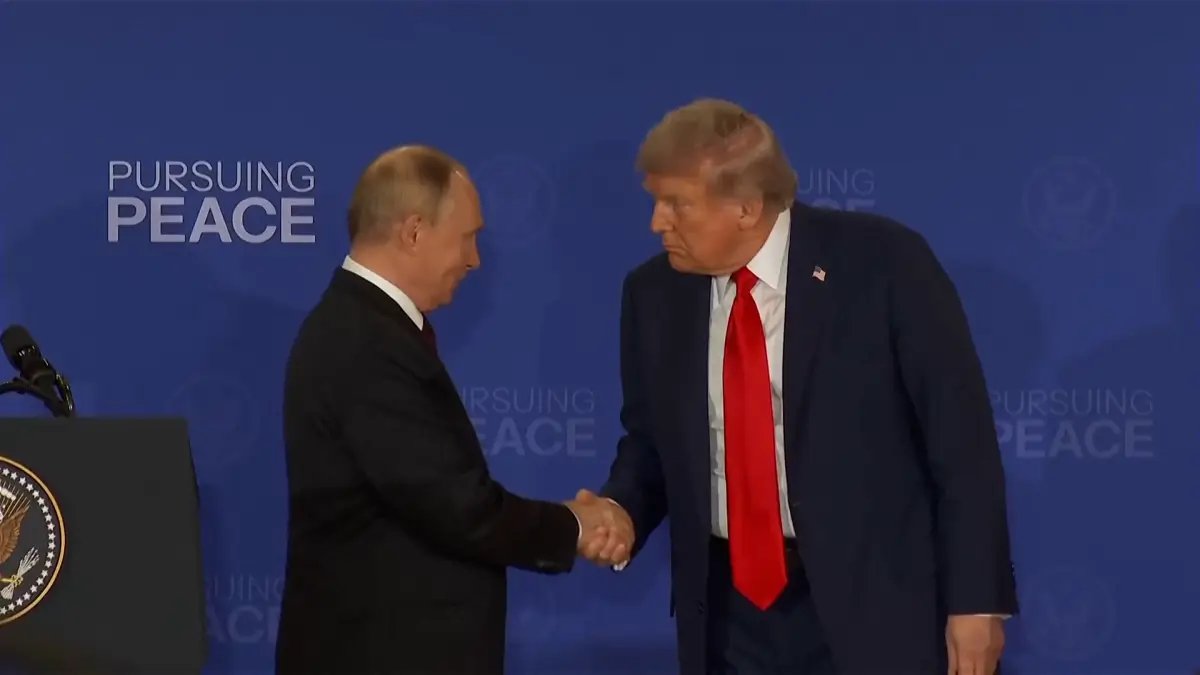
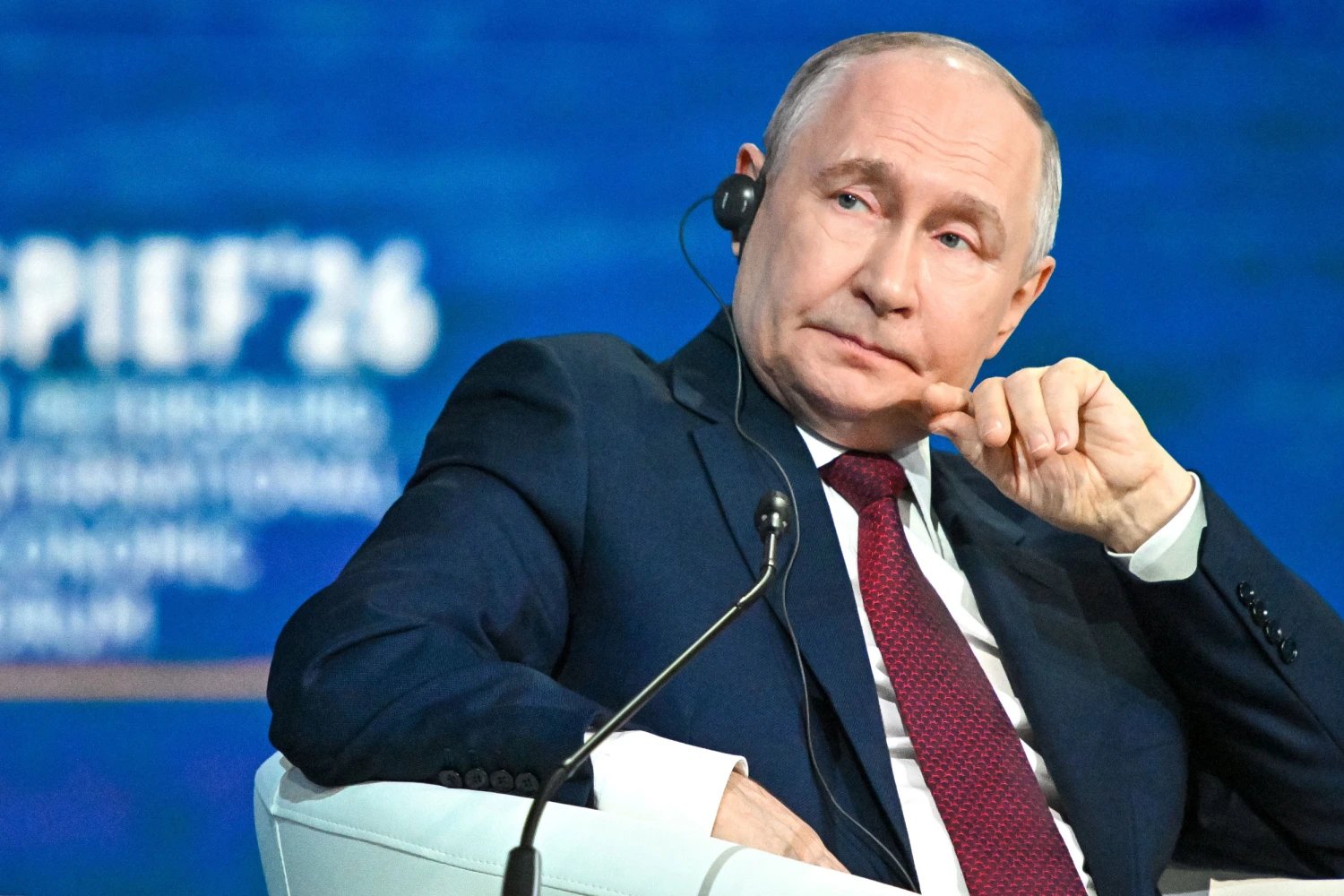
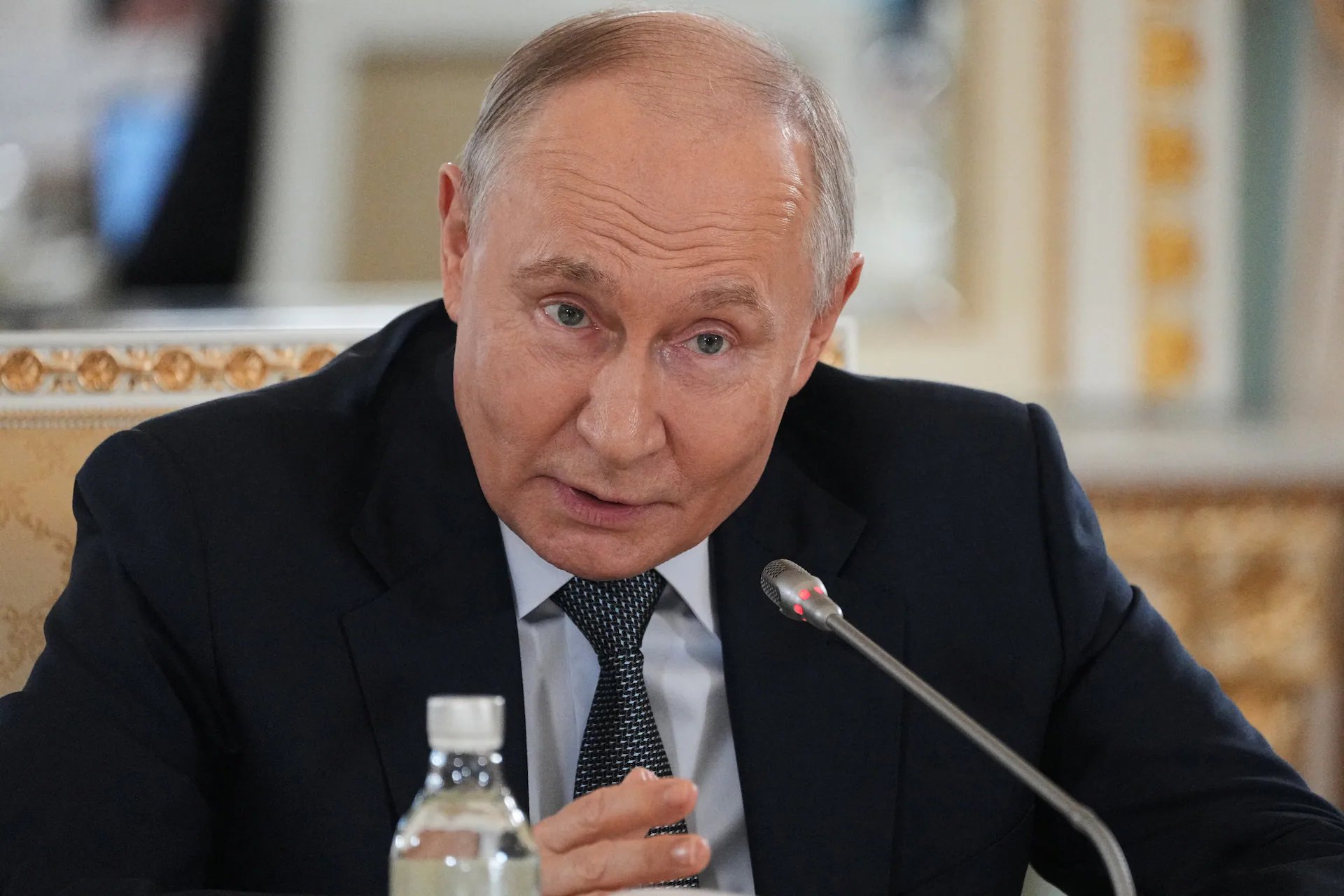
In late May, President Vladimir Putin warned of economic consequences if Armenia pursued EU accession, noting that "the crisis in Ukraine began with efforts to move toward EU accession." He also called on Armenia to hold a referendum on whether to join the EU or remain in the Russian-led Eurasian Economic Union. The EU, on the other hand, is not a passive observer, offering financial support and trade concessions to Armenia in the face of Moscow's political pressure.
The Future of Armenia
The election results will reveal whether Armenians are willing to bear the economic costs of Pashinyan's chosen direction, with a European future still a distant prospect. For Armenia, the choice is not just between political ideologies, but also between economic tradeoffs and the long-term vision of the country's place in the global order.