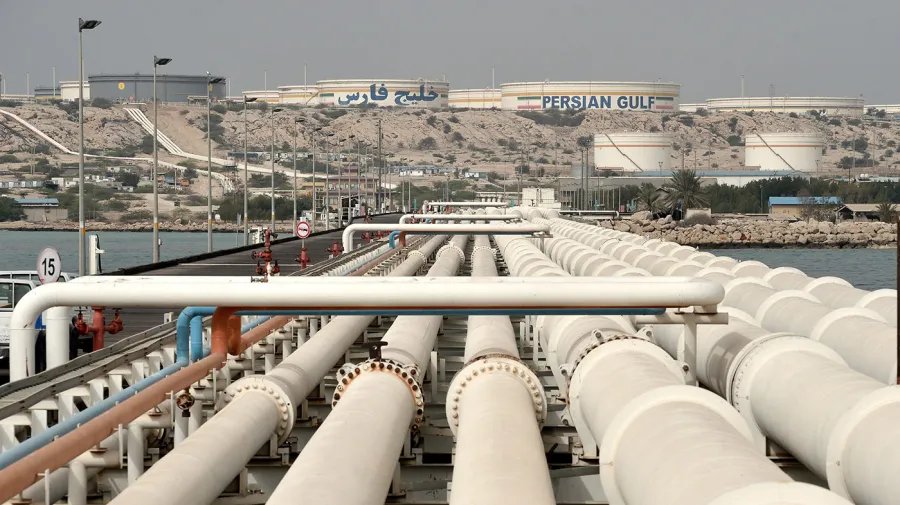
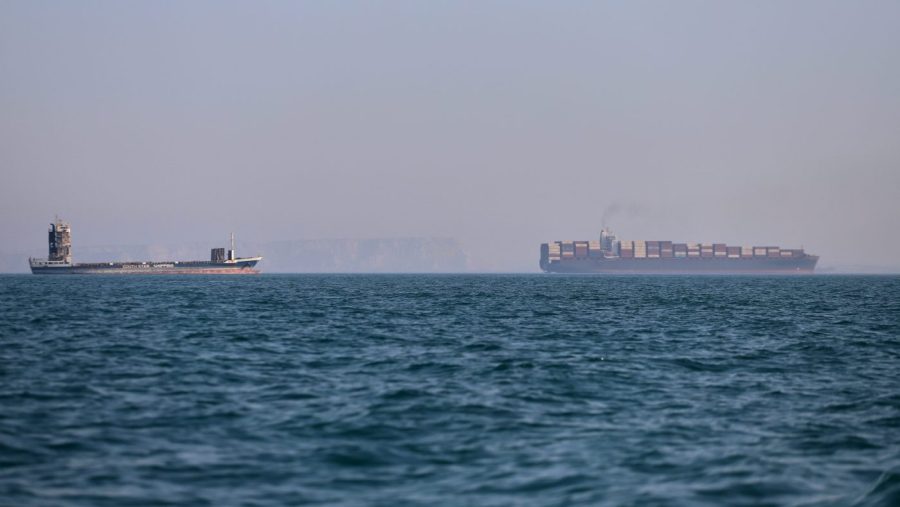
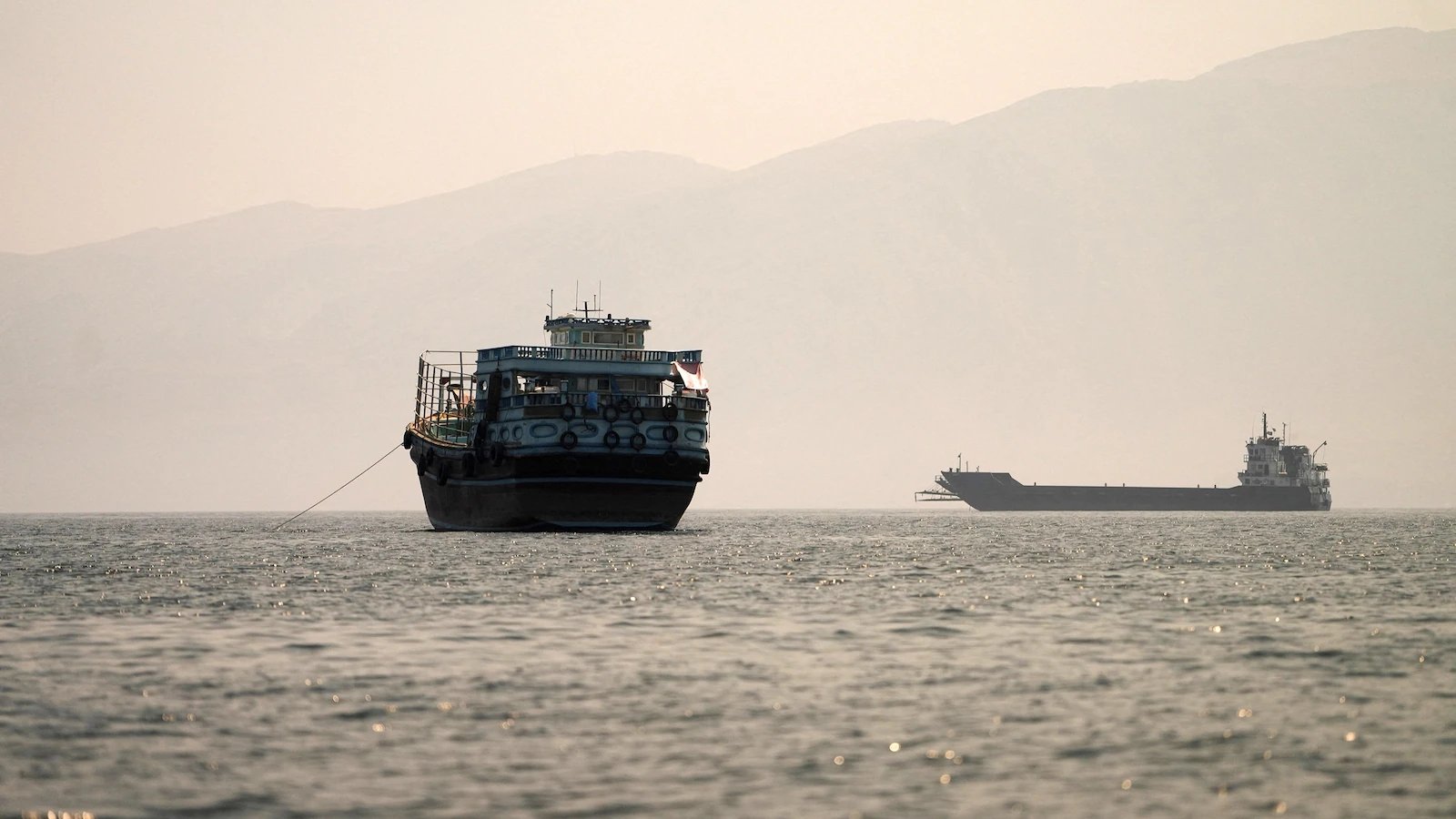
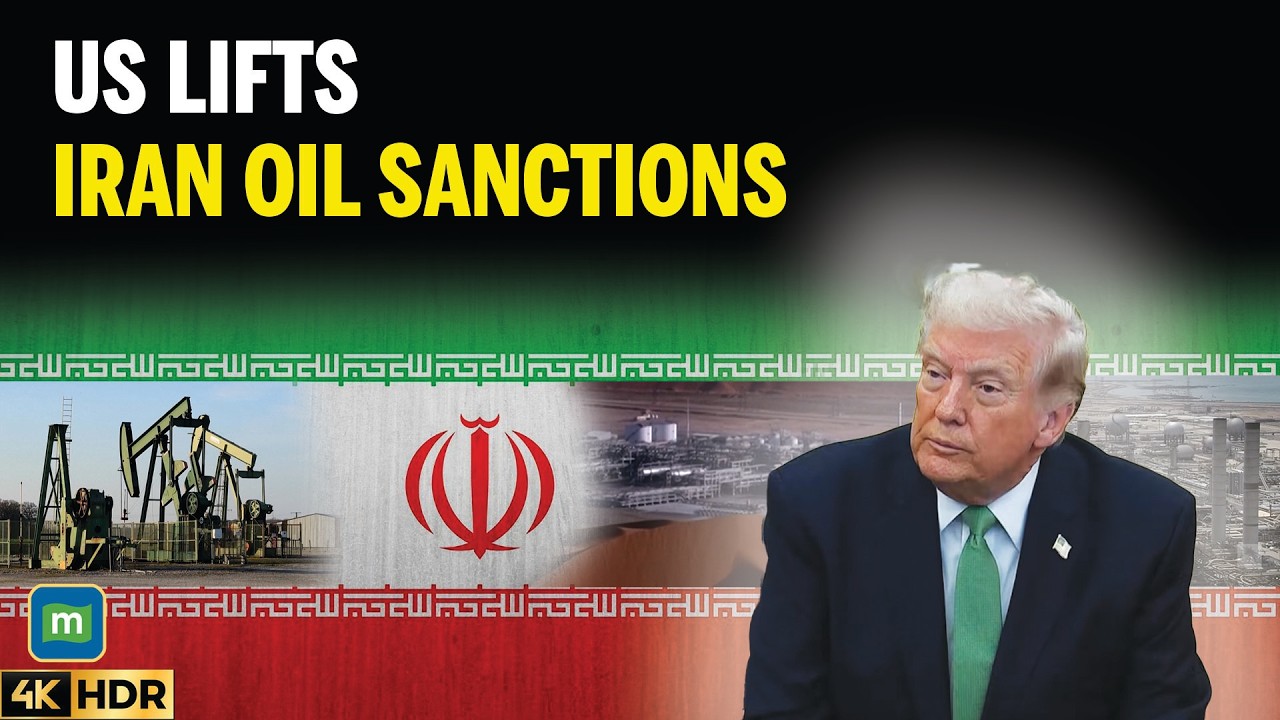
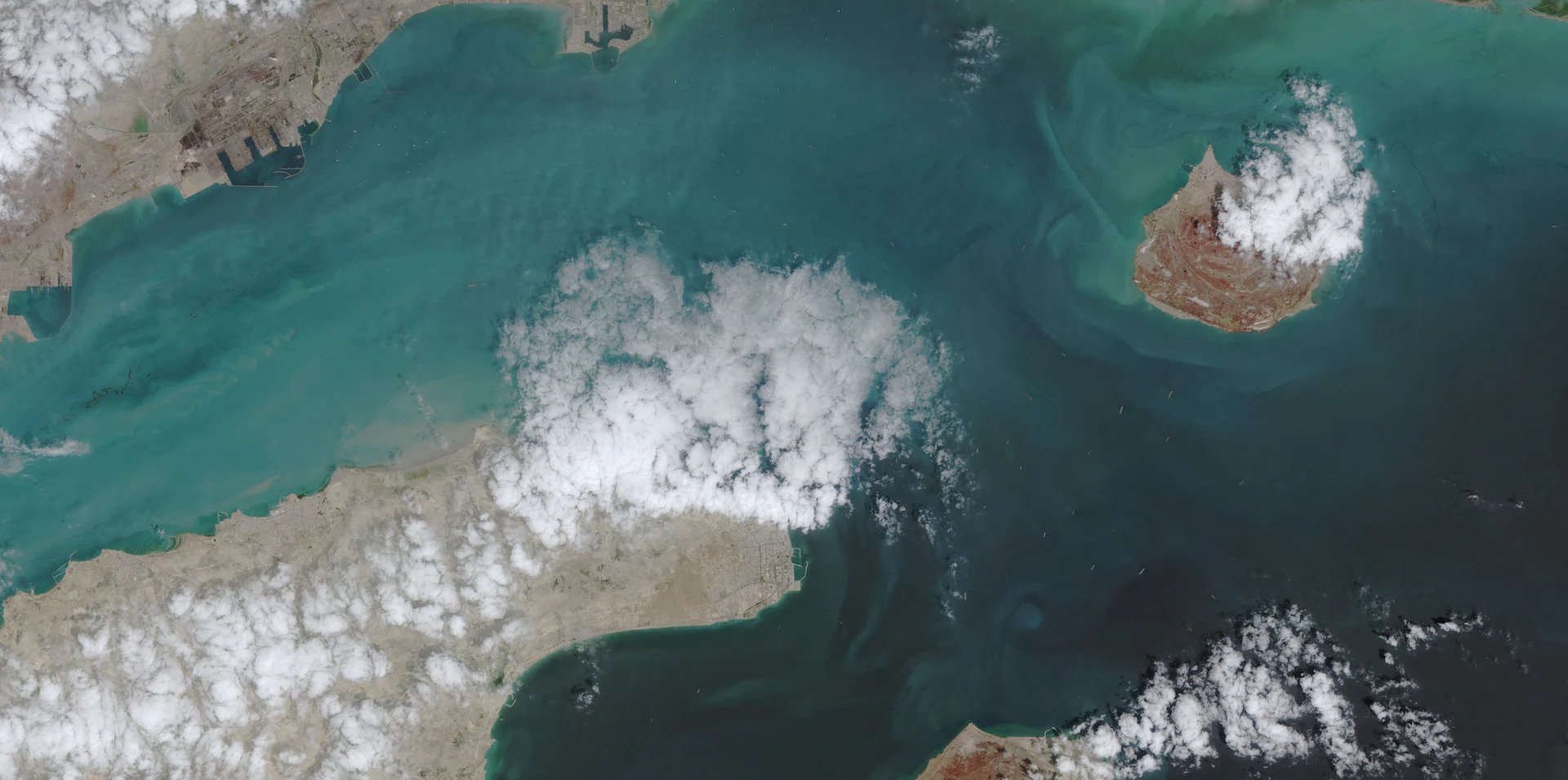
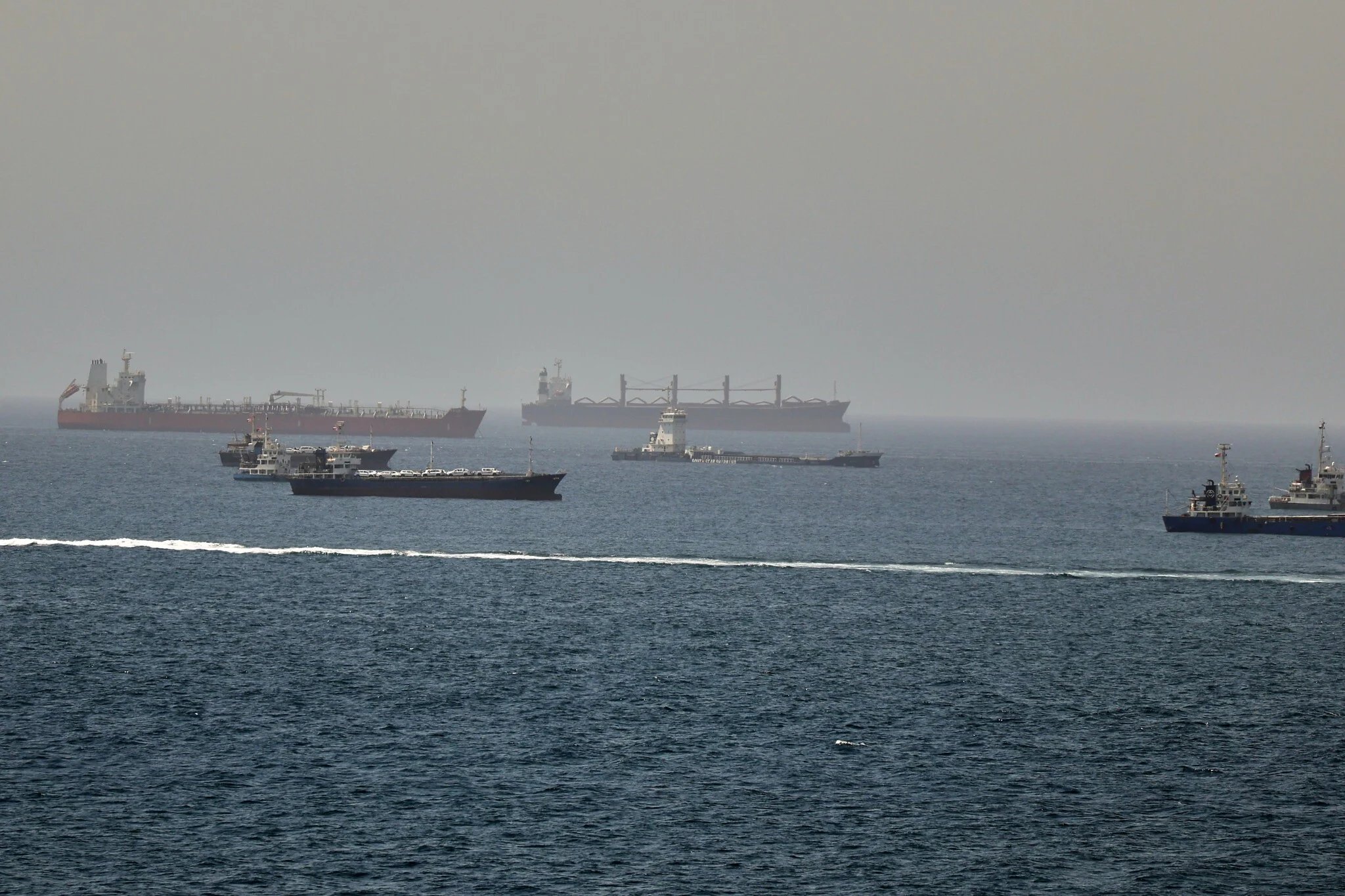
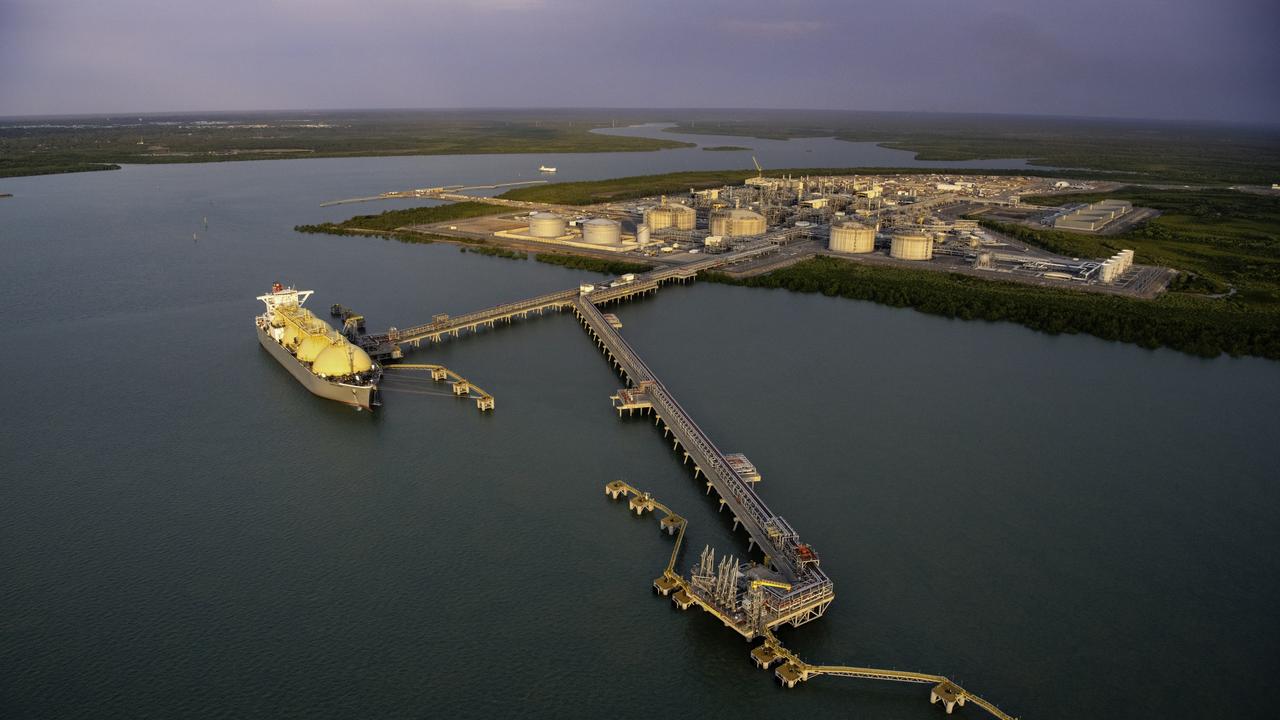
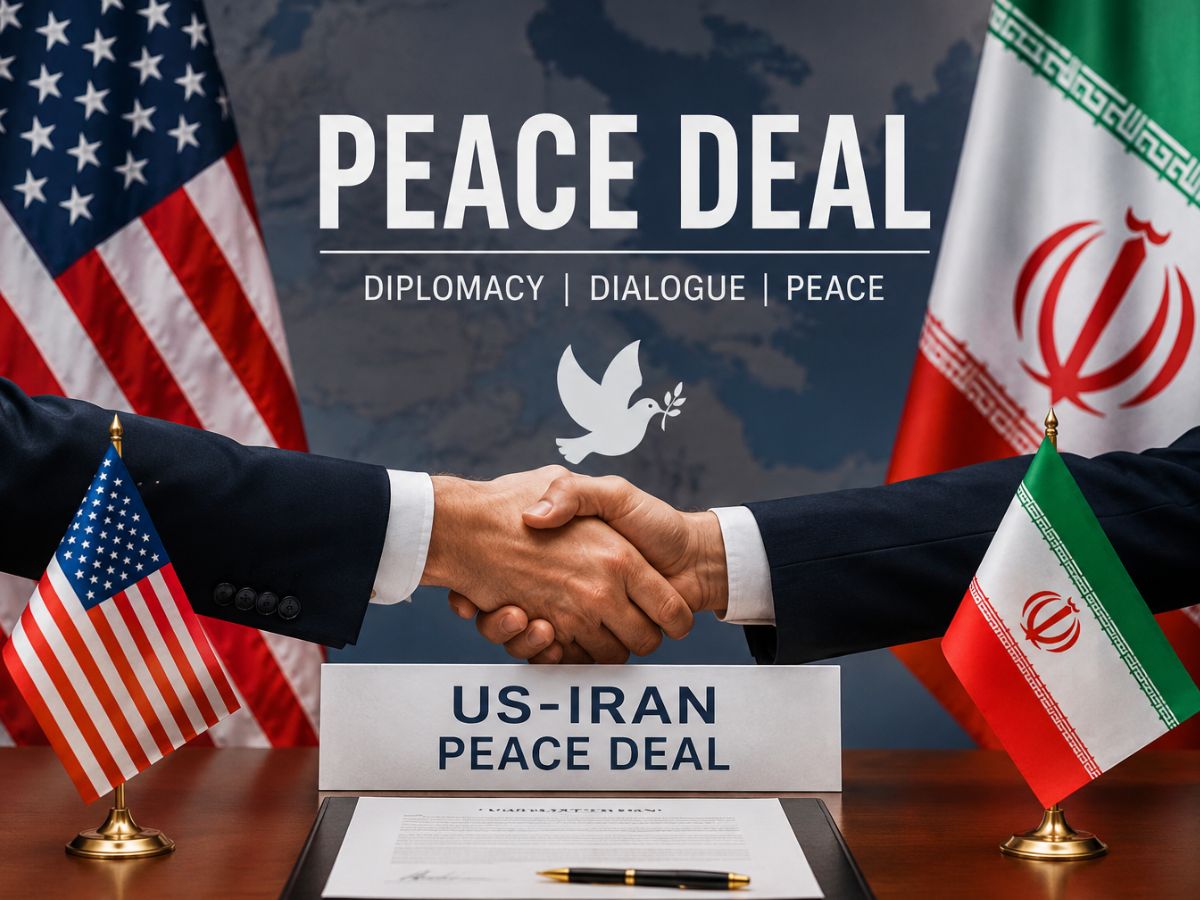
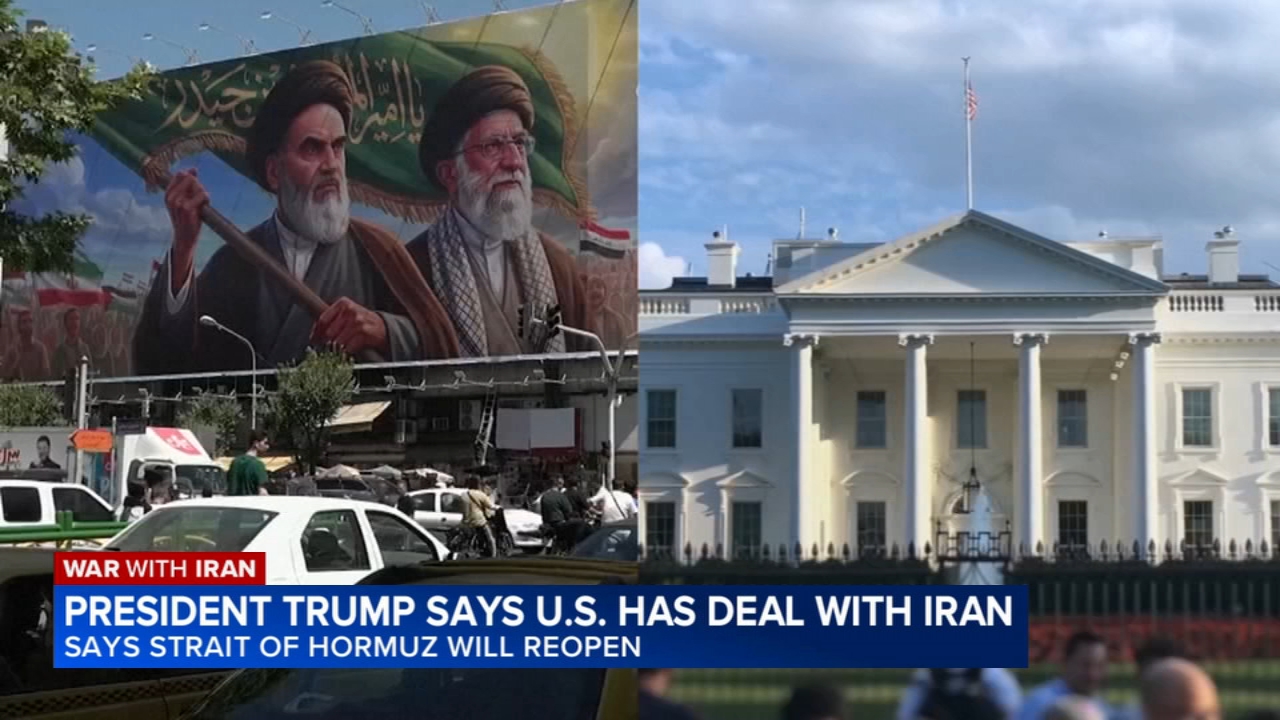
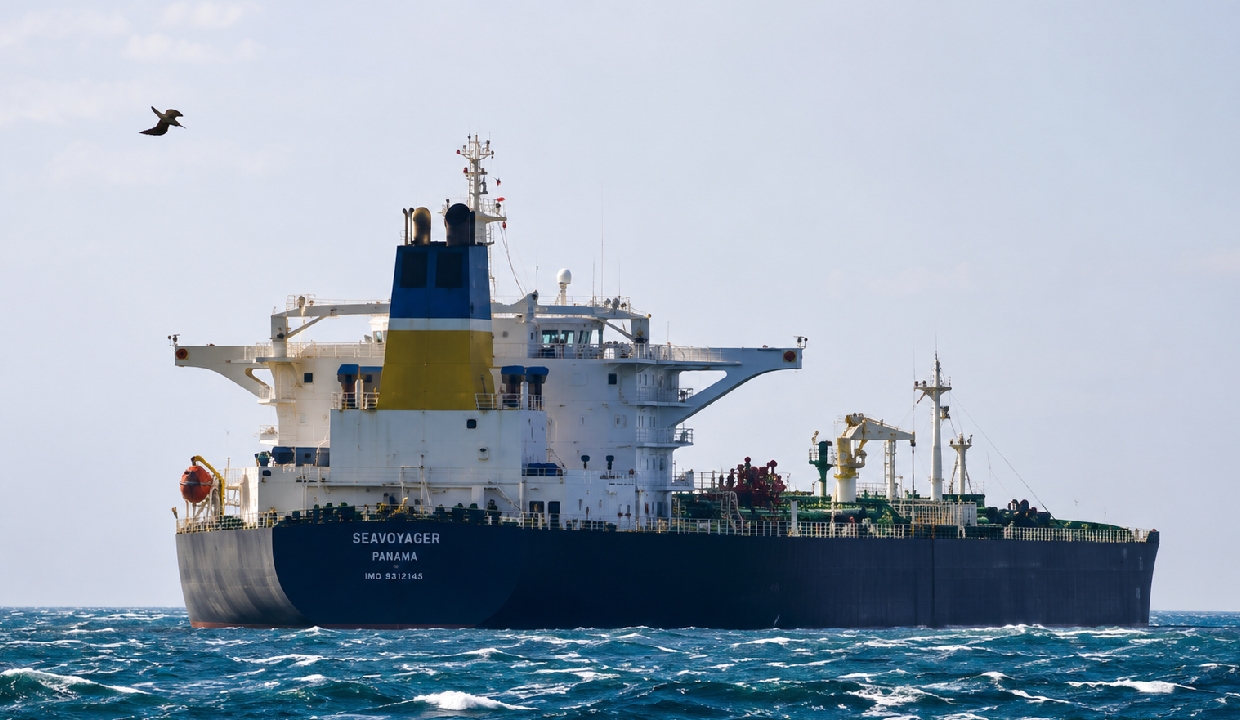
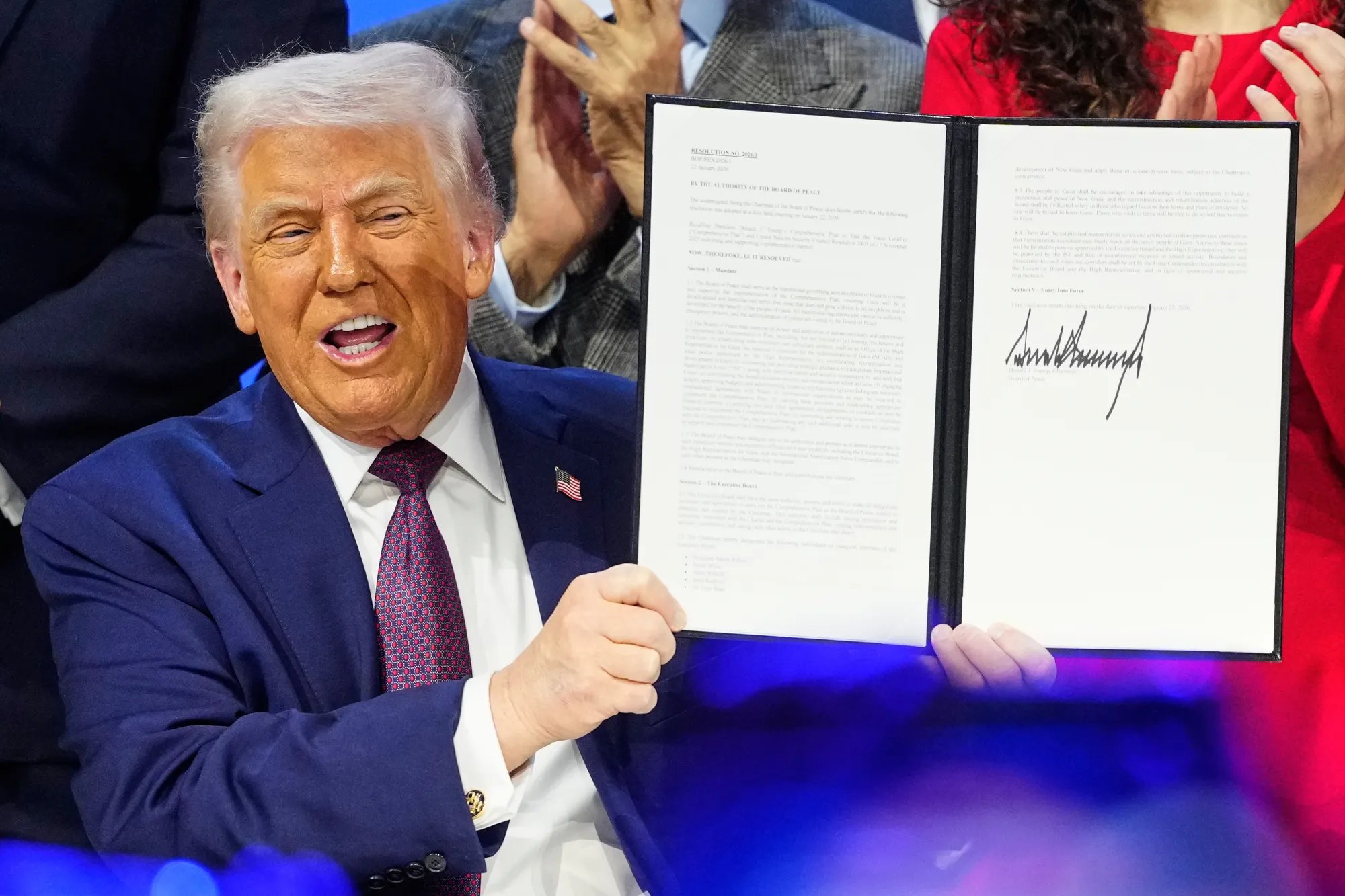
The U.S. Treasury Department issued a temporary 60-day license allowing the sale of Iranian oil, effective until August 21. This move coincides with ongoing peace talks and permits crucial transit in the Strait of Hormuz as well as IAEA inspections, according to the Times of India.
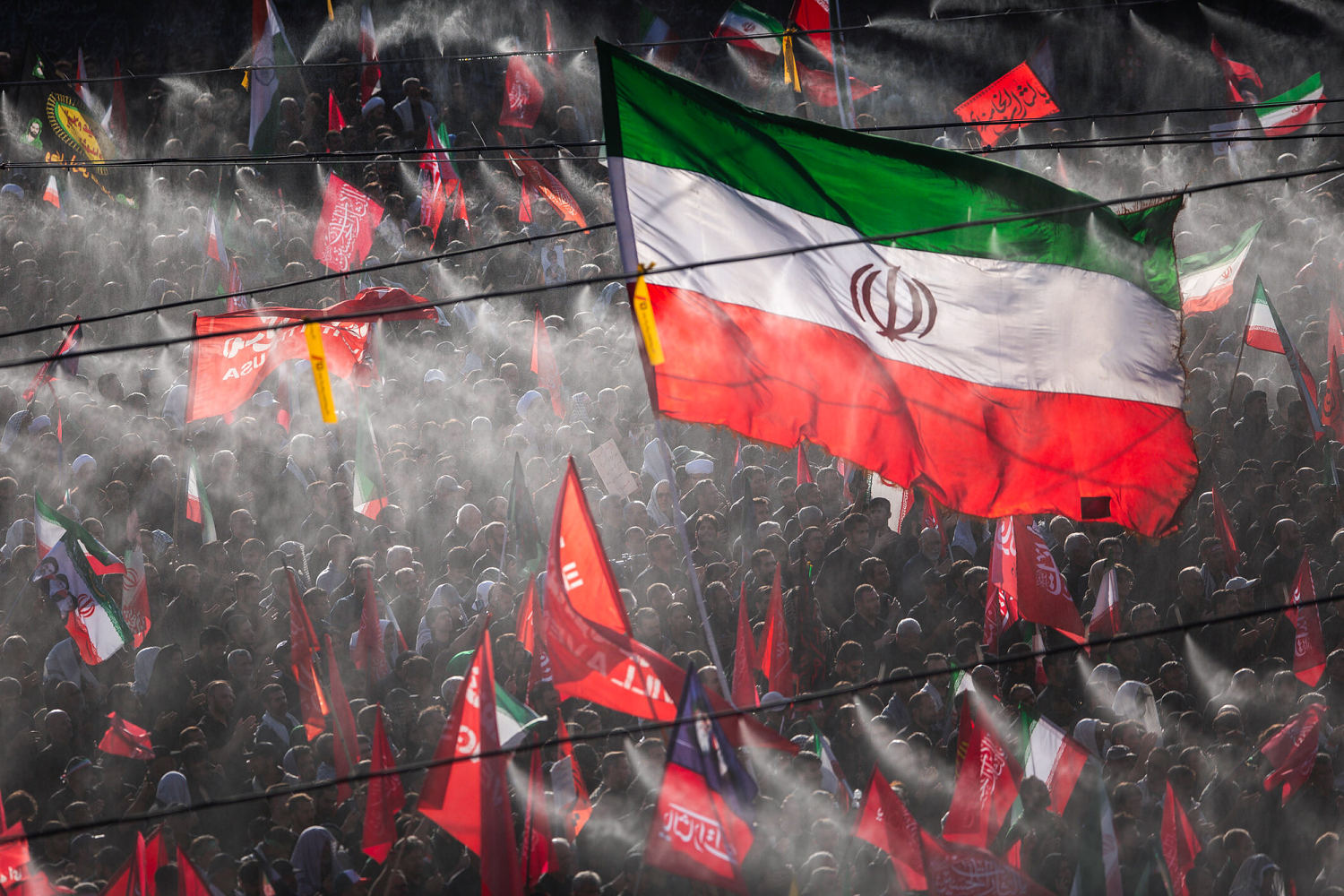
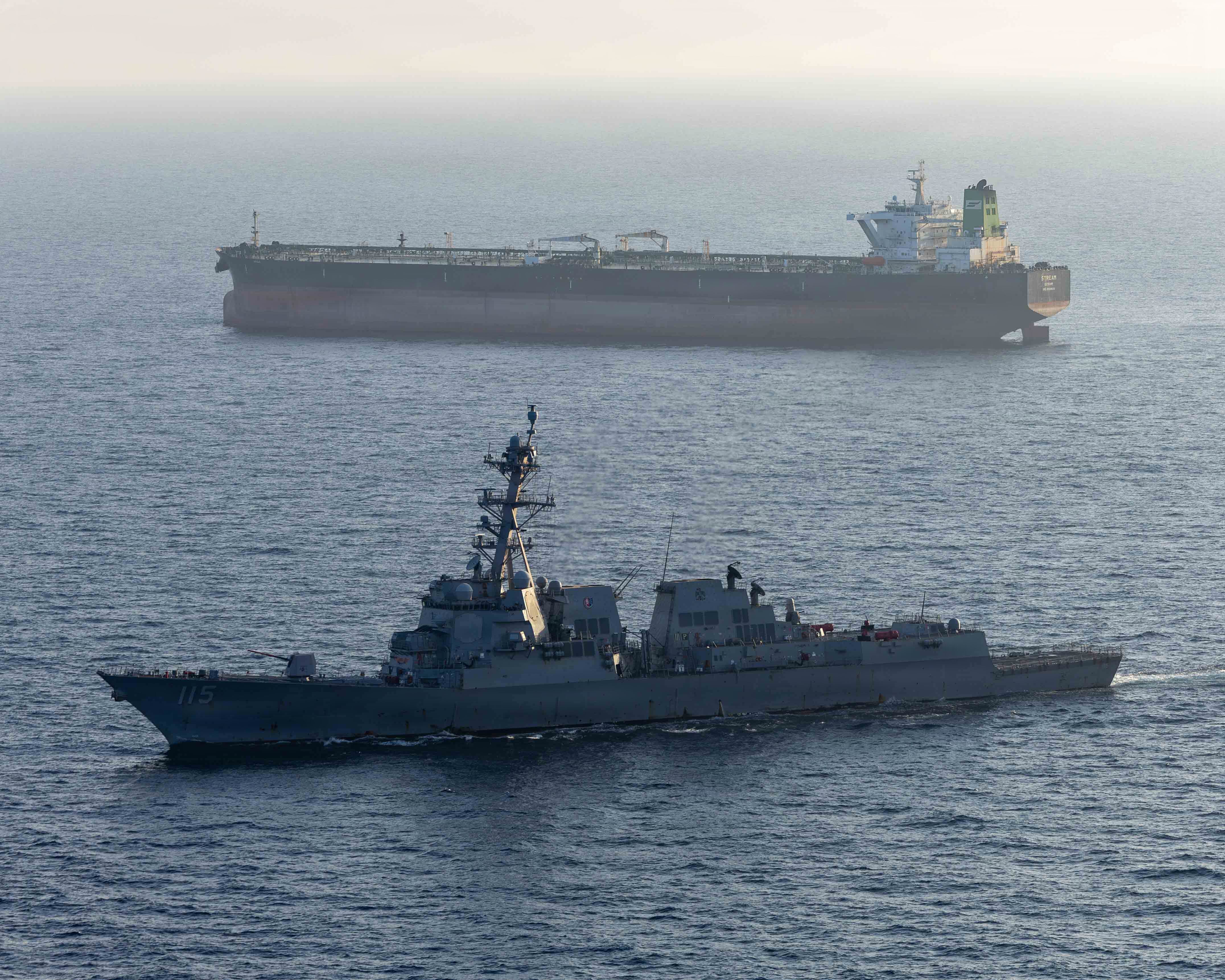
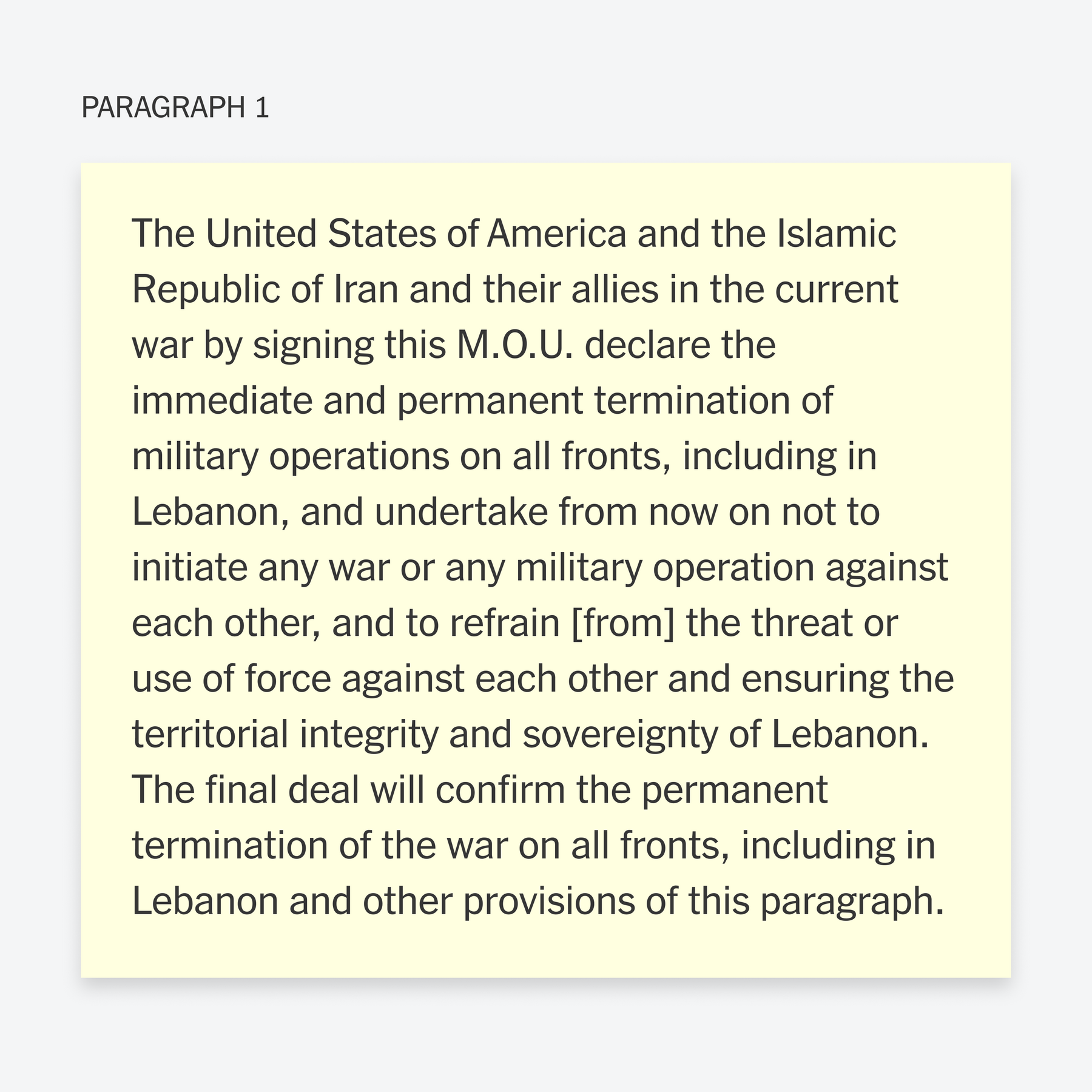
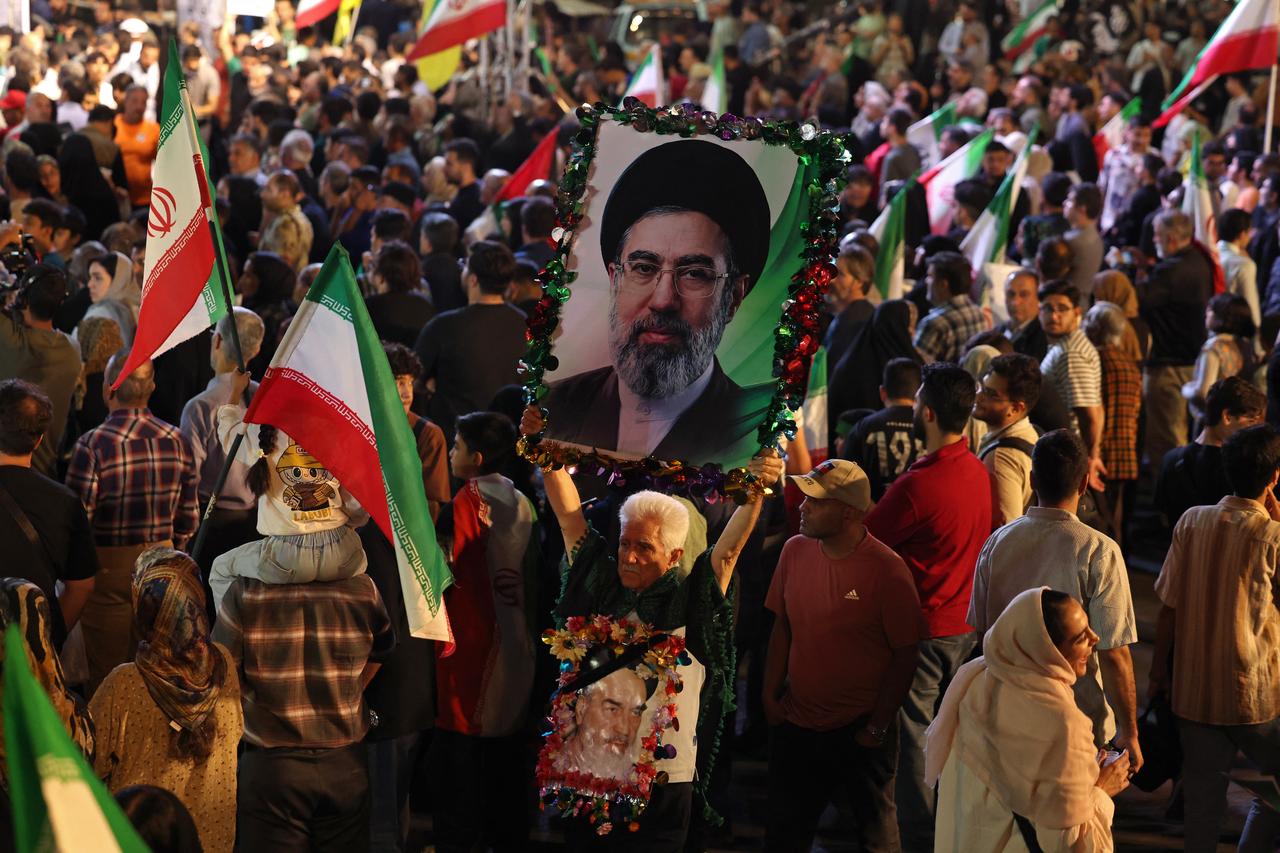
In line with the license, Iran has agreed to ensure free and open transit in the Strait of Hormuz and to allow International Atomic Energy Agency (IAEA) inspections, as reported by The Hill. These commitments are part of the ongoing negotiations in Switzerland aimed at reaching a comprehensive peace agreement.
According to the Times of India, the temporary waiver permits imports into the U.S. under specific conditions.
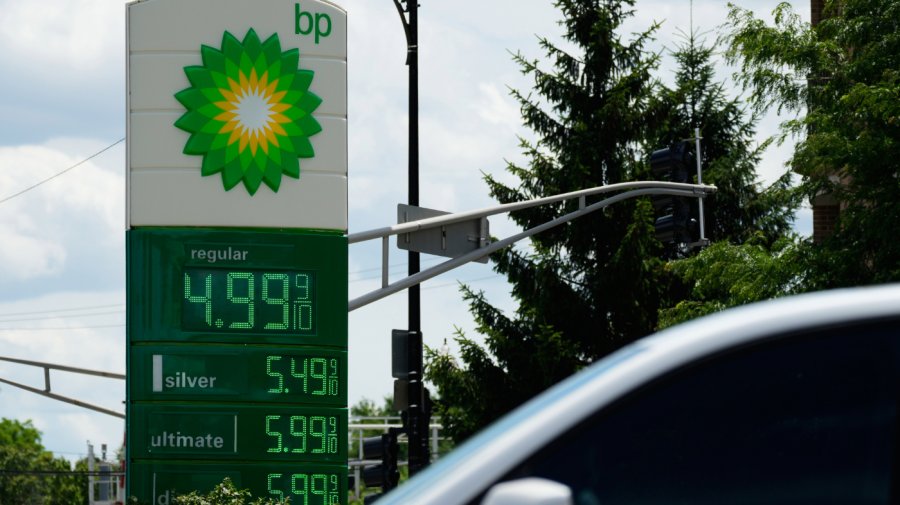
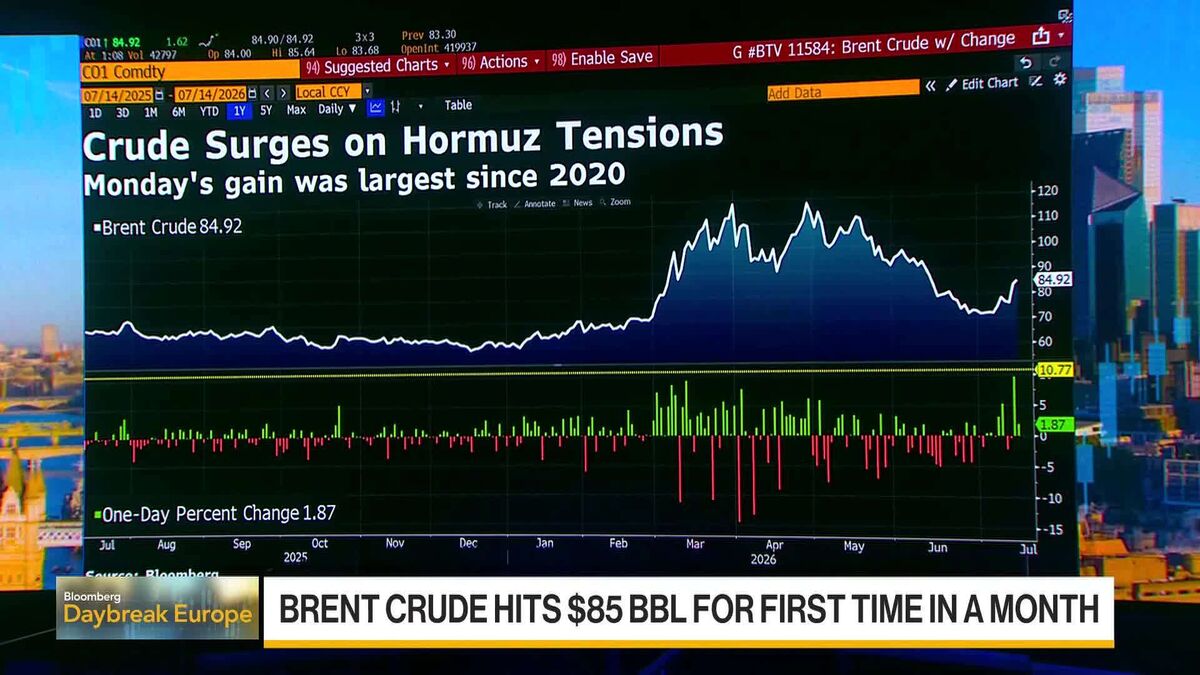
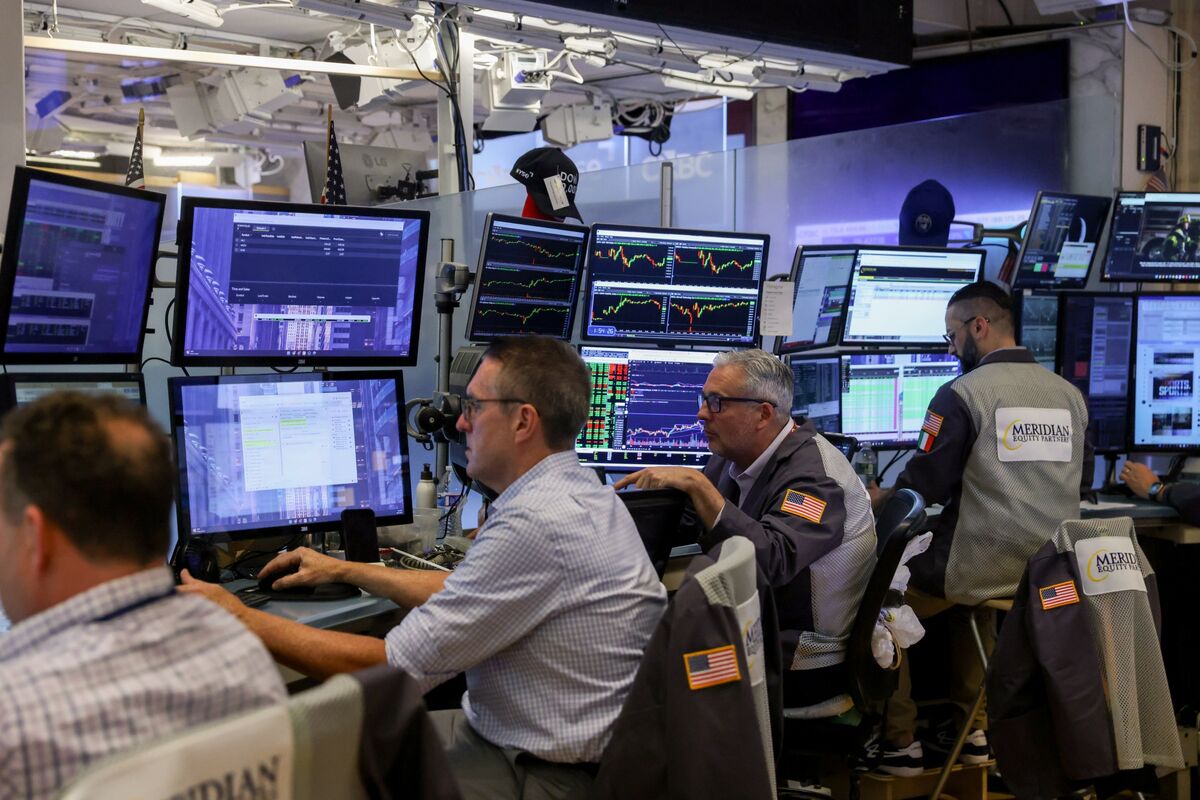
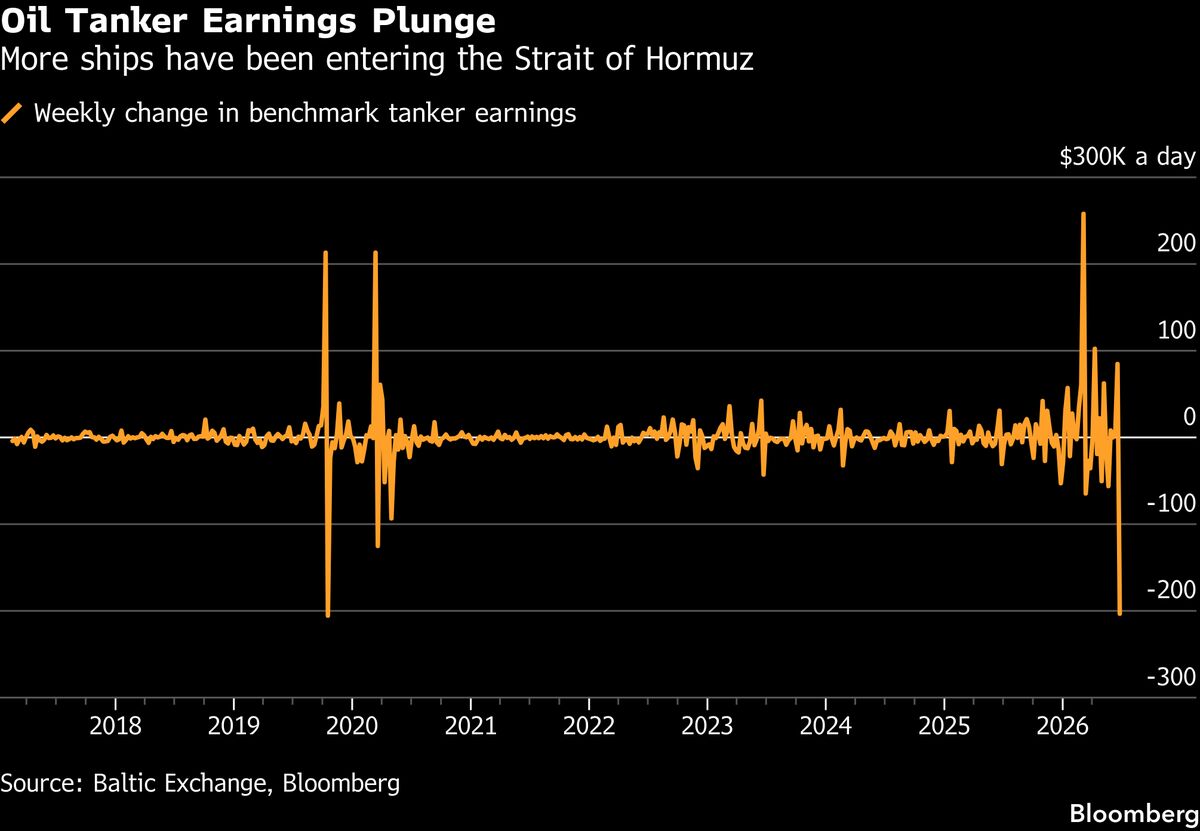
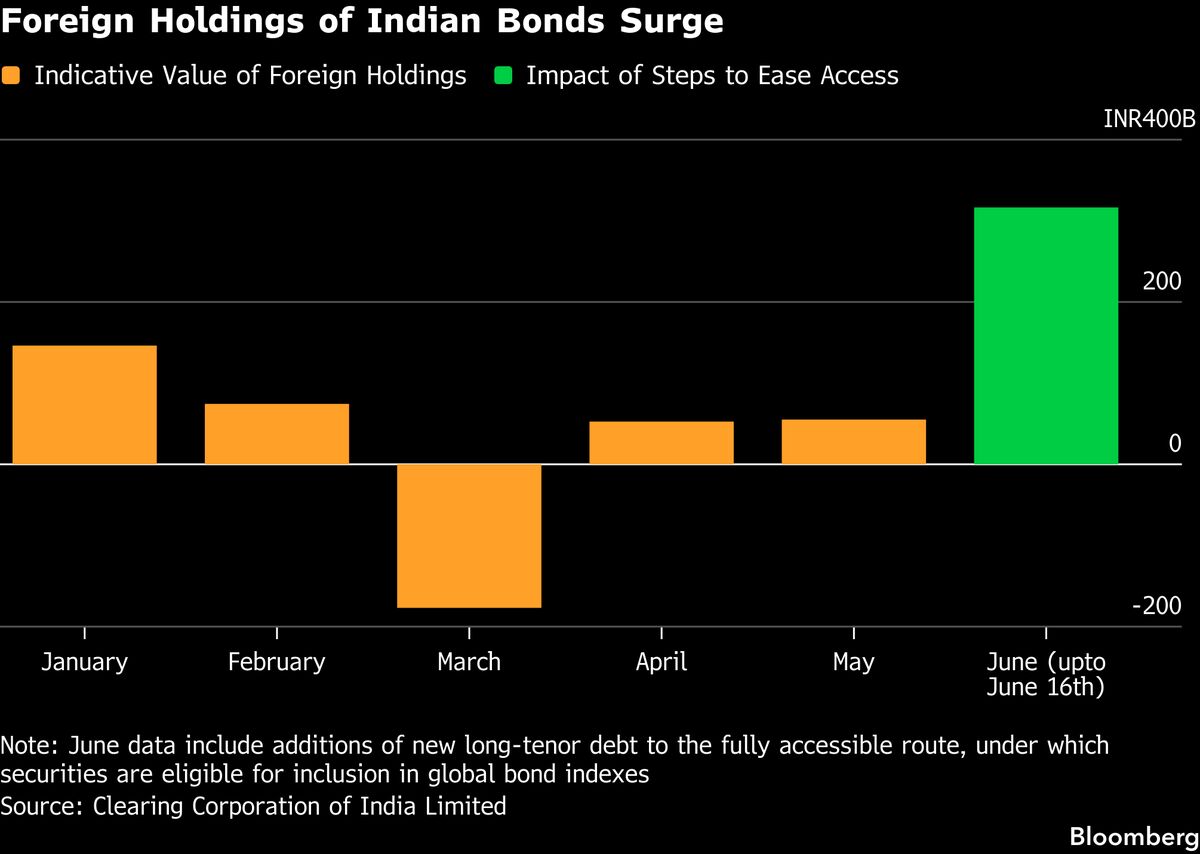
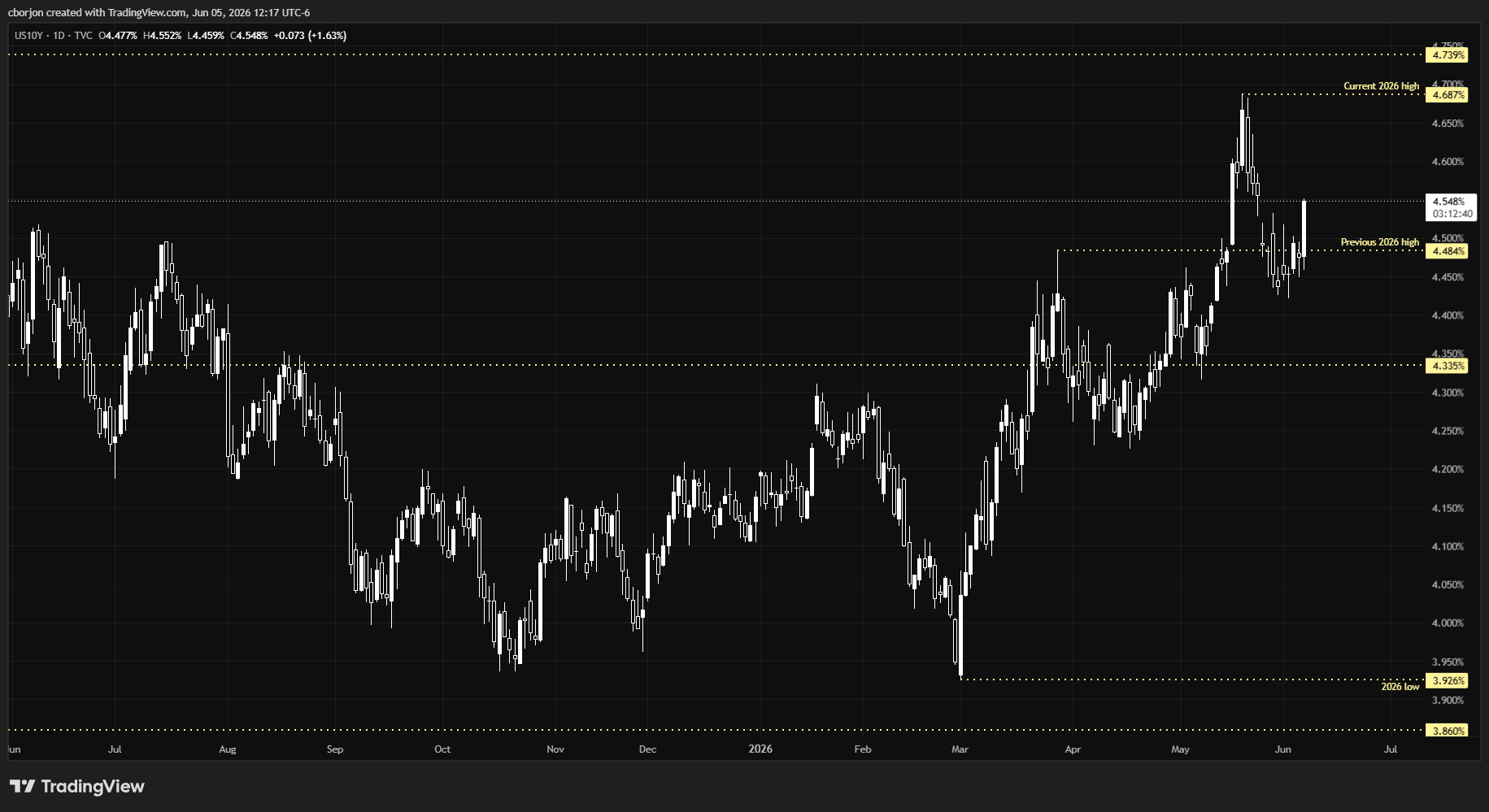
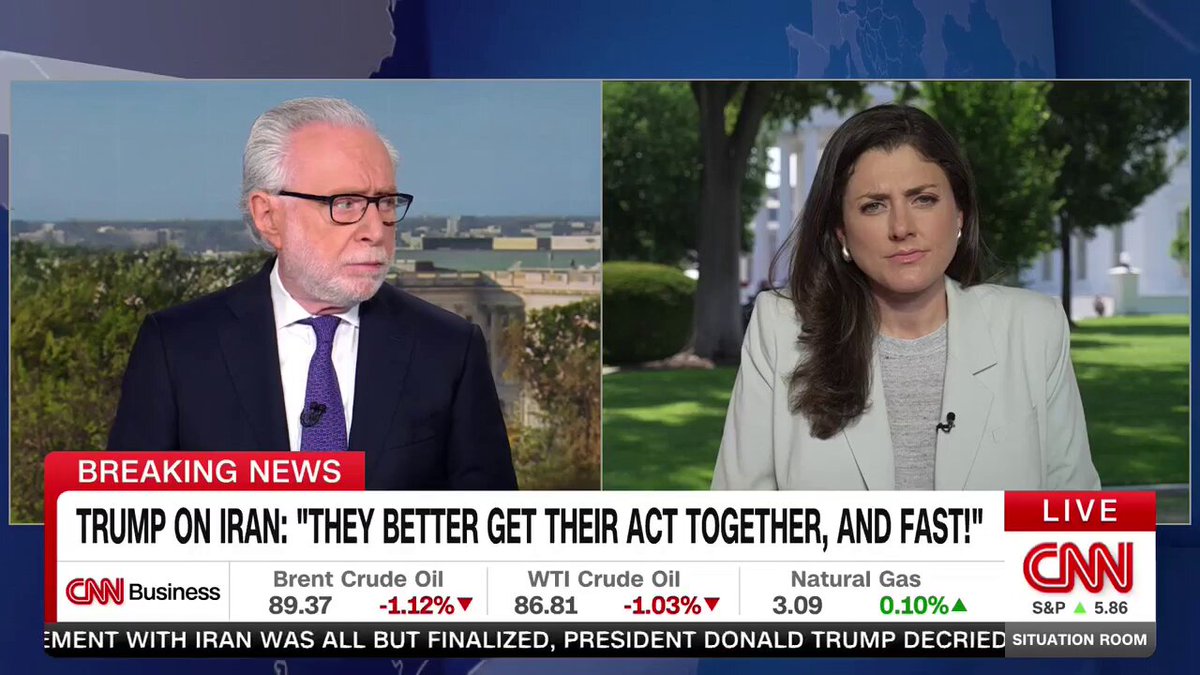
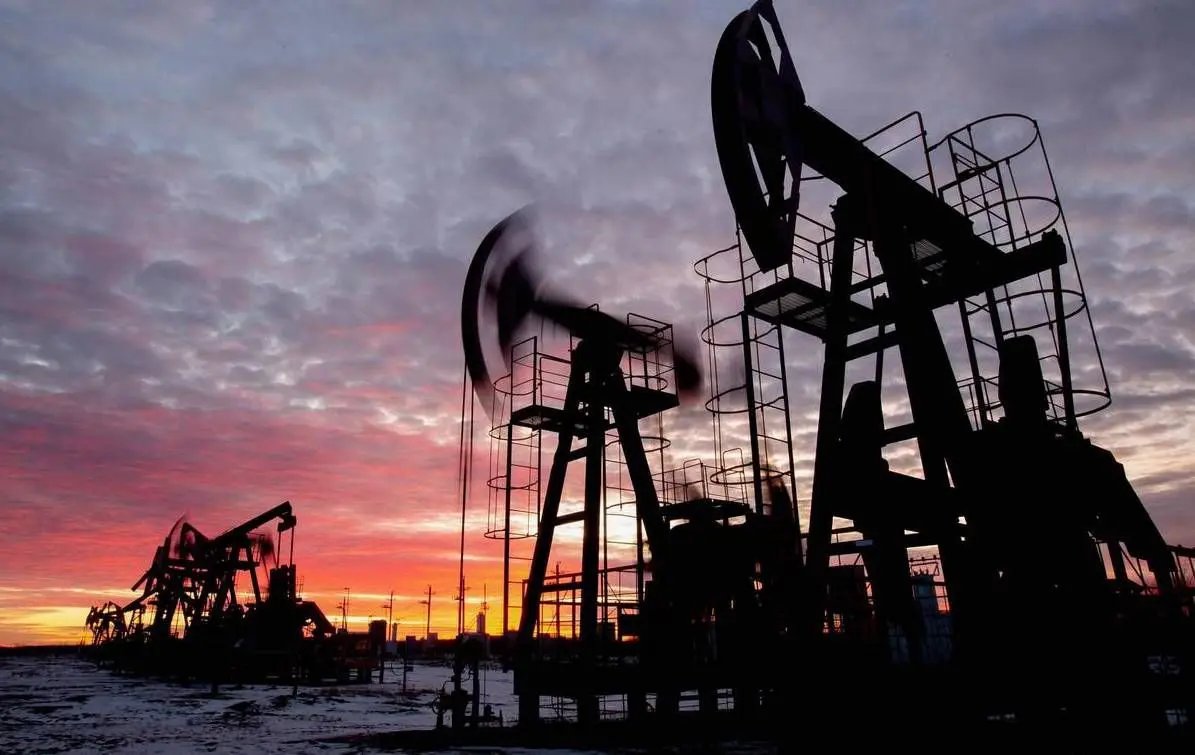
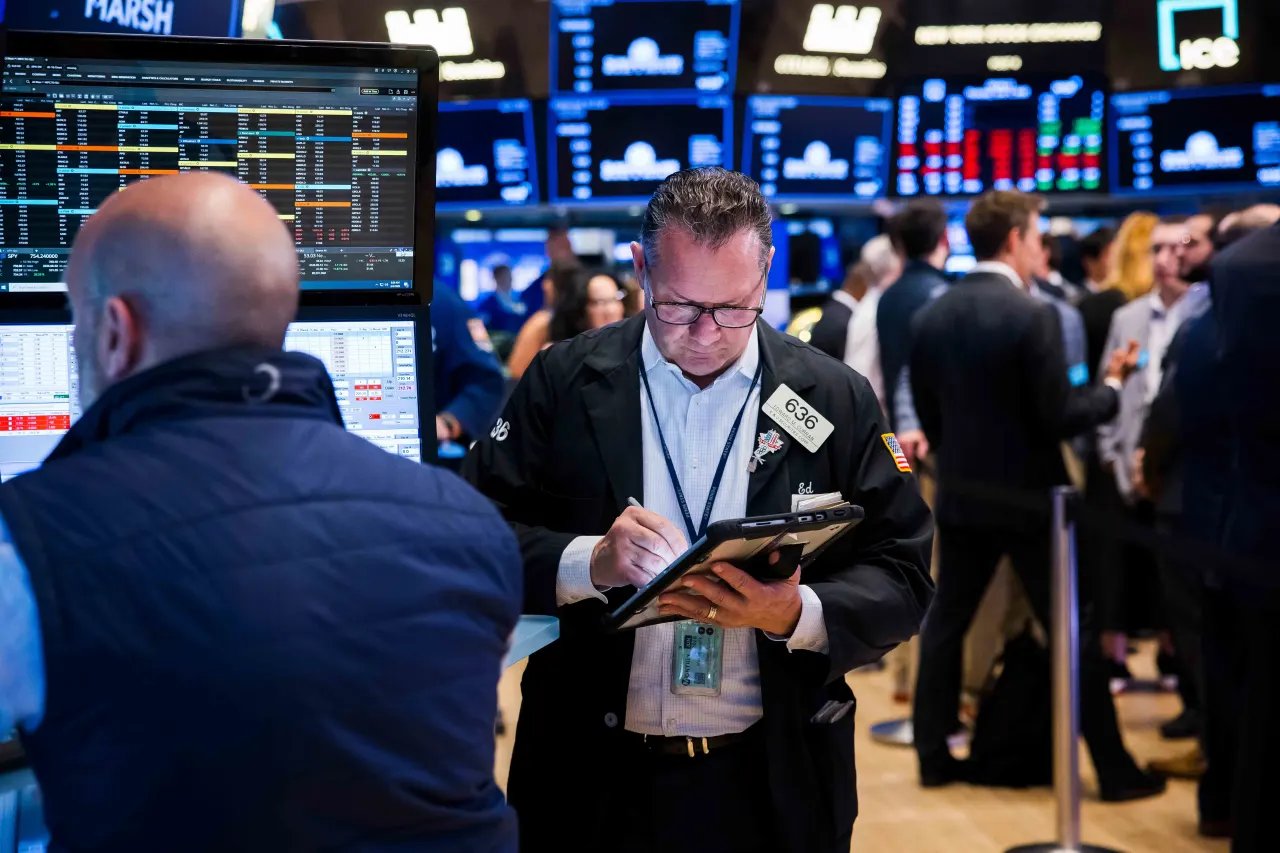
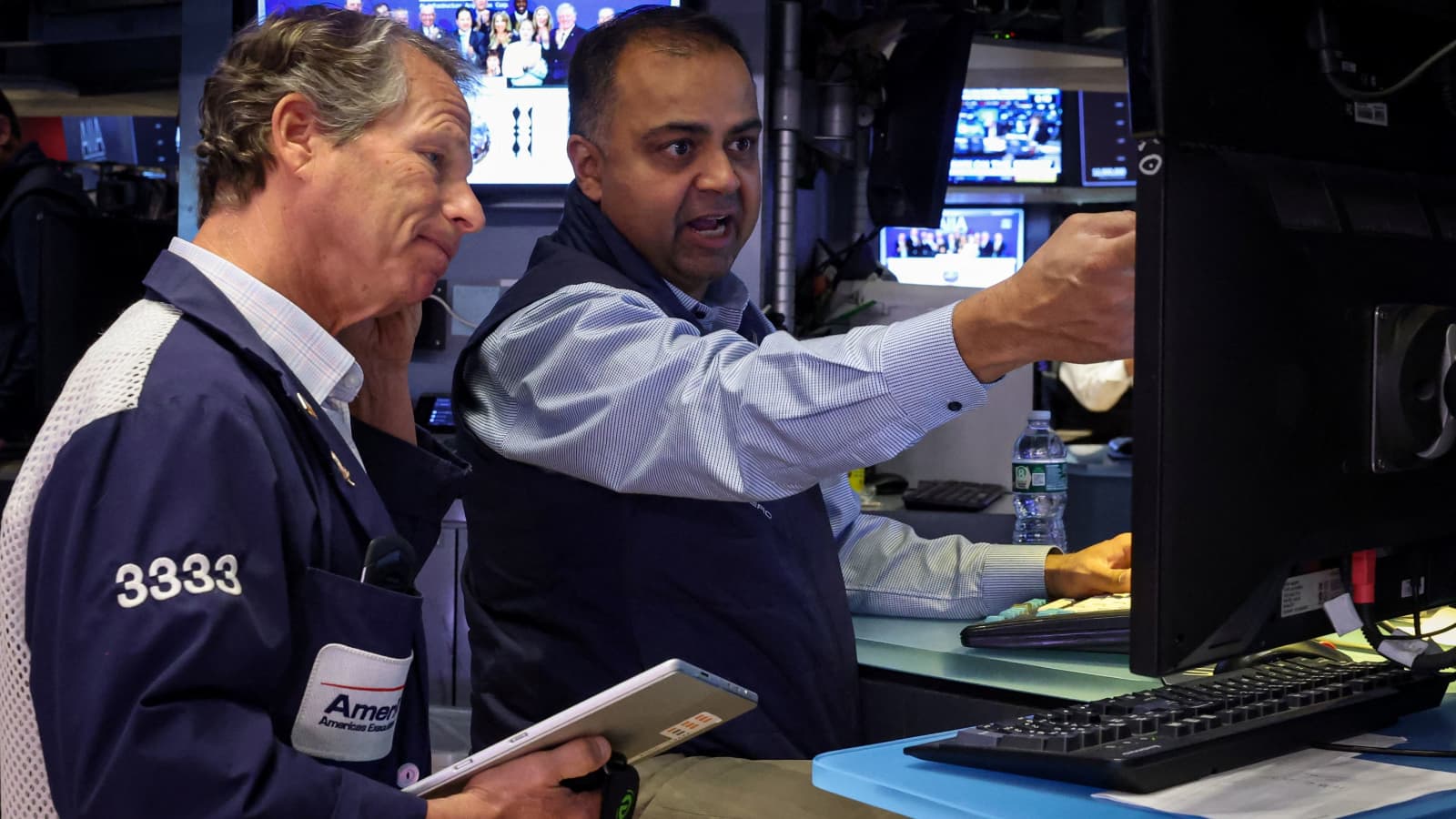
As Treasuries fell following the U.S. public holiday, with Washington and Tehran working on the details of a peace accord, the market is closely watching the progress of these talks. The easing of sanctions and the potential for increased Iranian oil on the market could have a substantial effect on oil prices and the economies of oil-importing nations.
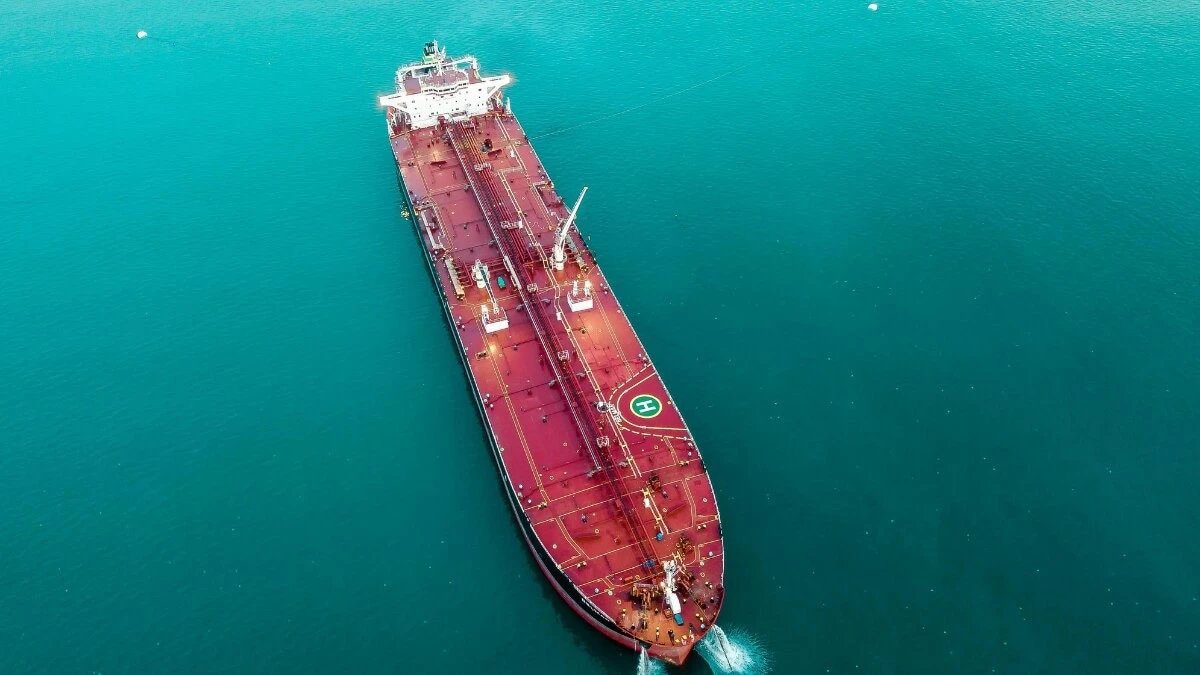
The U.S. Treasury Department issued a temporary 60-day license allowing the sale of Iranian oil, a policy shift with significant implications for global oil markets. This move, effective until August 21, coincides with ongoing peace talks and permits crucial transit in the Strait of Hormuz as well as IAEA inspections, according to the Times of India.
In line with the license, Iran has agreed to ensure free and open transit in the Strait of Hormuz and to allow International Atomic Energy Agency (IAEA) inspections, as reported by The Hill. These commitments are part of the ongoing negotiations in Switzerland aimed at reaching a comprehensive peace agreement.
The temporary waiver also allows for Iranian oil imports into the U.S. under certain conditions, further impacting the dynamics of the global energy sector. This easing of sanctions is a significant development in the context of the peace talks and could reshape the geopolitical landscape regarding oil trade.
As Treasuries fell following the U.S. public holiday, with Washington and Tehran working on the details of a peace accord, the market is closely watching the progress of these talks. The easing of sanctions and the potential for increased Iranian oil on the market could have a substantial effect on oil prices and the economies of oil-importing nations.
The issuance of this temporary license not only indicates a shift in U.S. policy towards Iran but also has real-world consequences for energy markets worldwide. As the talks continue, the global community will be closely monitoring the implications of this policy change on the oil industry and international relations.
Highlighted text was flagged by the council. Tap to see feedback.