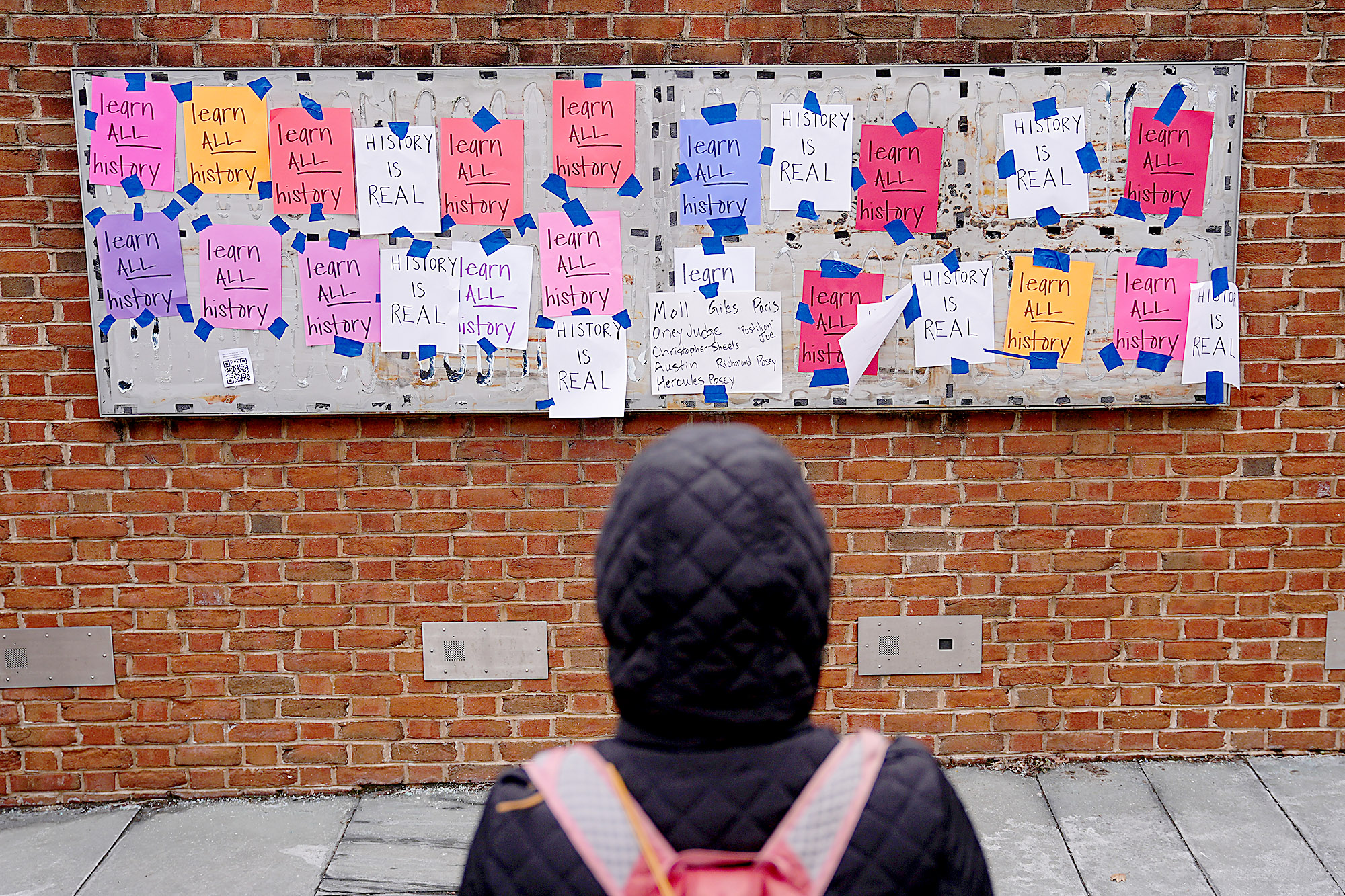
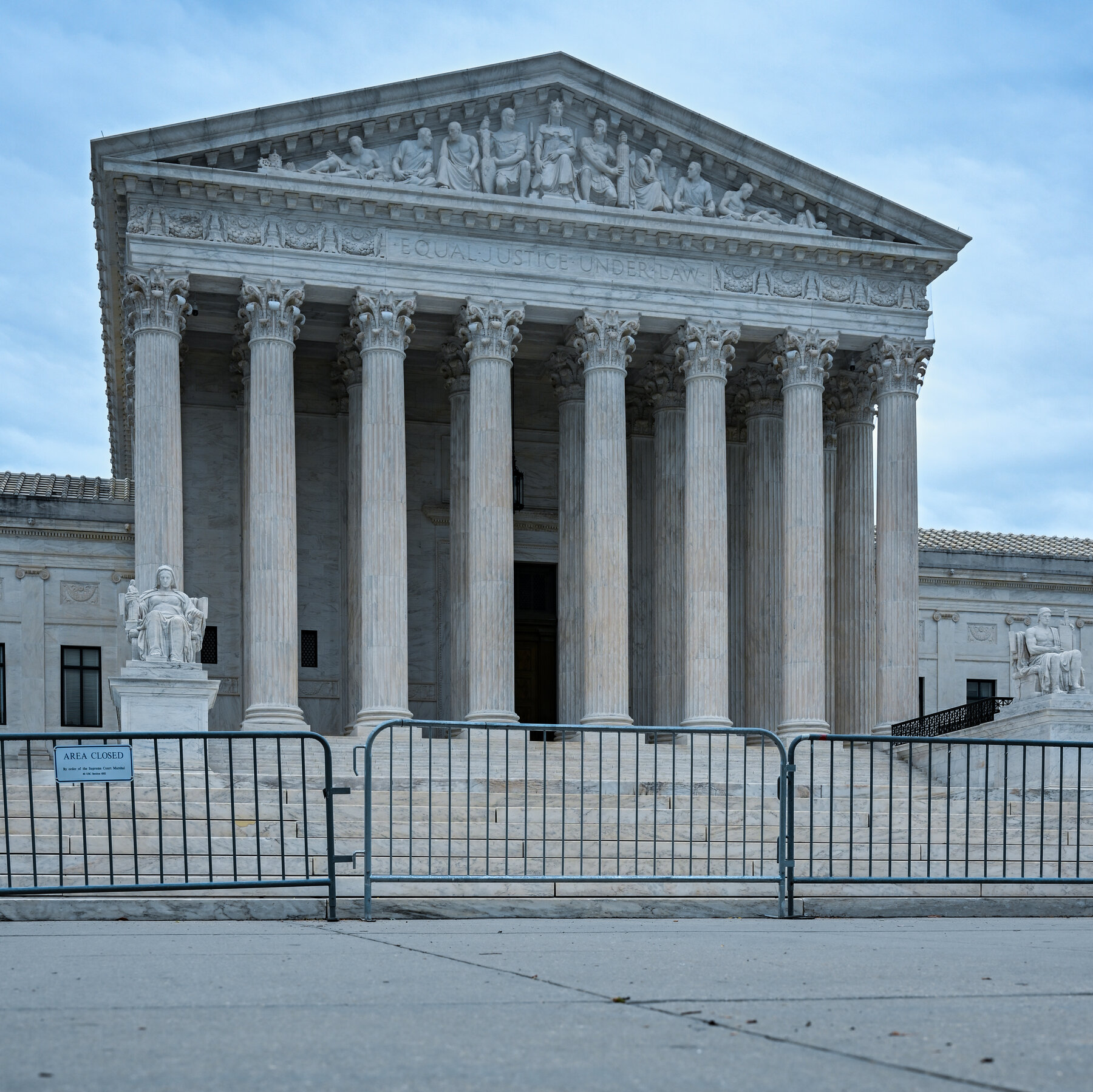
In a significant move affecting historical narratives, a federal appeals court ruled on Thursday that the Trump administration can replace the slavery exhibit at the President's House in Philadelphia. The outdoor memorial, "From Enslavement to Emancipation," located at Independence National Historic Park, tells the stories of the nine people enslaved by President George Washington. The city of Philadelphia, which has been fighting the removal of the exhibit, argued in a lawsuit that the National Park Service (NPS) violated congressional laws and a 2006 agreement by removing the panels without notice. The appeals court, however, found that while the city had standing to sue, its underlying statutory and contract claims lacked merit.
The Trump administration stated in a court filing that it removed panels from the exhibit because they "disparage" Americans. A spokesperson for the Interior Department, when asked about the ruling and a potential timeline for replacing the exhibit, simply responded, "Trust in Trump." The administration has indicated that the new panels will be full of historical context, highlighting events that took place in the President's House and acknowledging the evil of slavery.
The Avenging the Ancestors Coalition (ATAC), an advocacy group that pushed for the building of the memorial, criticized the proposed changes, calling them "deeply offensive" and "another troubling attempt to distort and censor American history." They argue that the new panels represent an attempt to sanitize history and present a version of the past that is more comfortable but far less truthful. ATAC argues the original exhibit did not disparage America but rather told the truthful story of enslaved people.
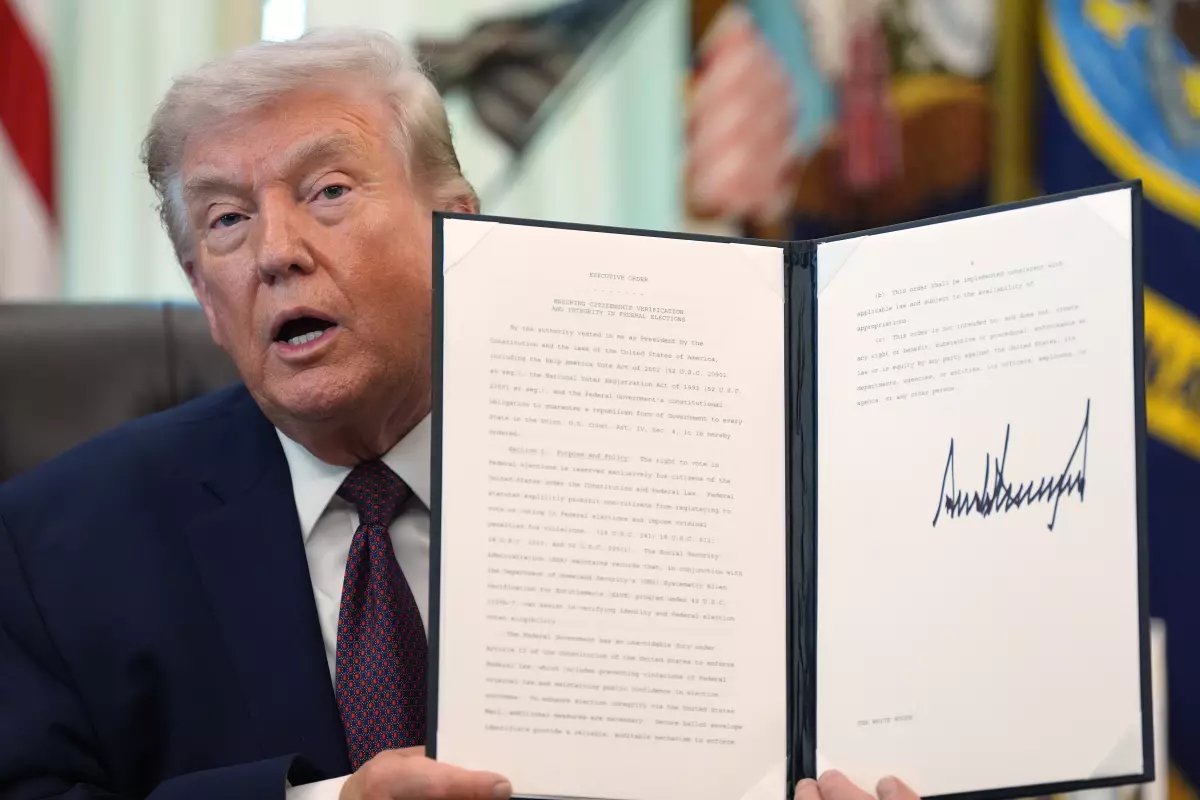
The Interior Department stated that the removal complies with a March 27, 2025 executive order directing the department to remove content that casts the United States' founding principles and historical milestones in a negative light.
In a significant move affecting historical narratives, a federal appeals court ruled on Thursday that the Trump administration can replace the slavery exhibit at the President's House in Philadelphia. The outdoor memorial, "From Enslavement to Emancipation," located at Independence National Historic Park, tells the stories of the nine people enslaved by President George Washington. The city of Philadelphia, which has been fighting the removal of the exhibit, argued in a lawsuit that the National Park Service (NPS) violated congressional laws and a 2006 agreement by removing the panels without notice. The appeals court, however, found that while the city had standing to sue, its underlying statutory and contract claims lacked merit.
The Trump administration stated in a court filing that it removed panels from the exhibit because they allegedly "disparage" Americans. A spokesperson for the Interior Department, when asked about the ruling and a potential timeline for replacing the exhibit, simply responded, "Trust in Trump." The administration has indicated that the new panels will be full of historical context, highlighting events that took place in the President's House and acknowledging the evil of slavery.
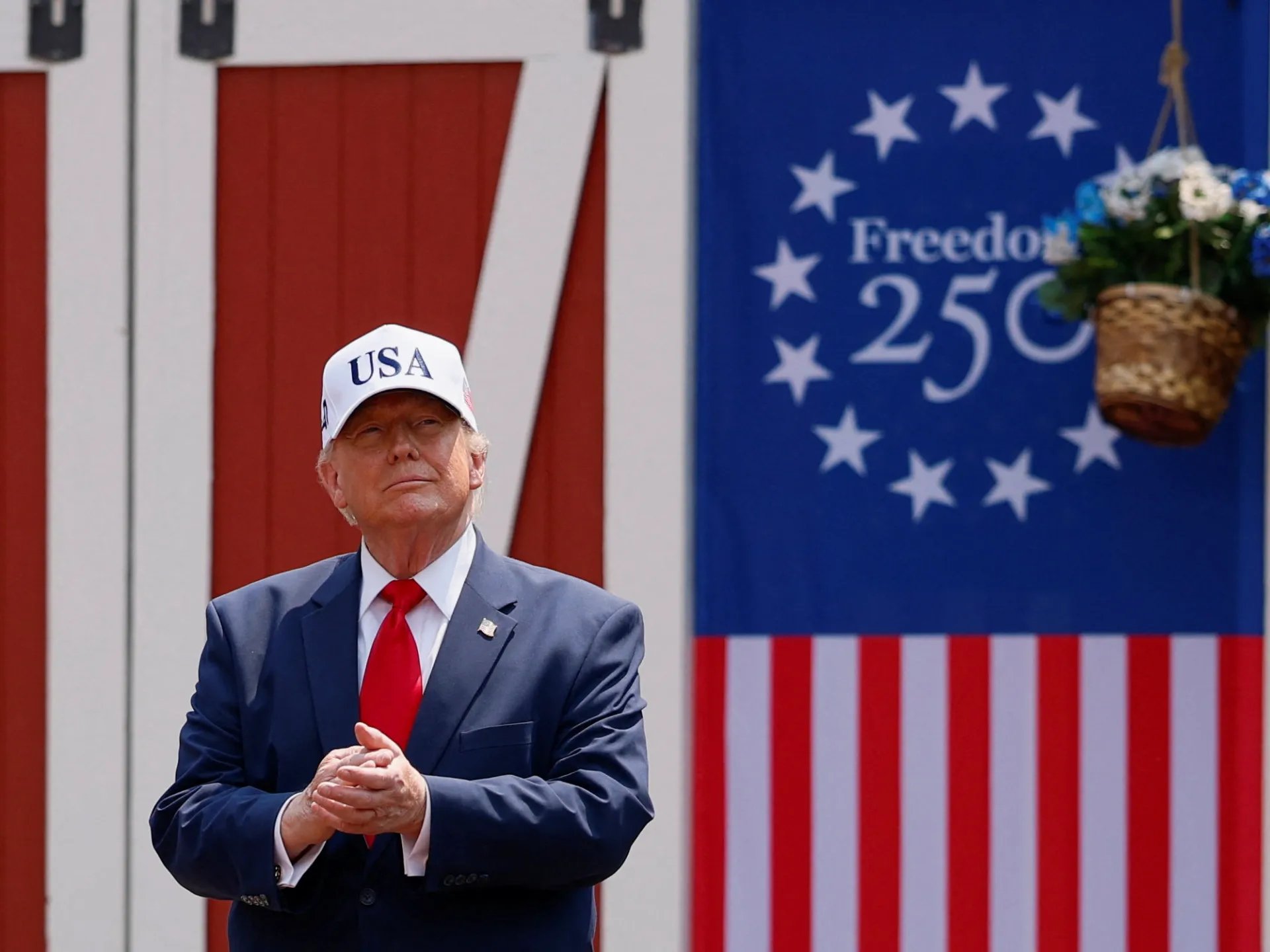
The Avenging the Ancestors Coalition (ATAC), an advocacy group that pushed for the building of the memorial, criticized the proposed changes, calling them "deeply offensive" and "another troubling attempt to distort and censor American history." They argue that the new panels represent an attempt to sanitize history and present a version of the past that is more comfortable but far less truthful. Critics also contend that mandating National Park Service employees to wear pins promoting Freedom 250, a semi-private group, is a partisan declaration, akin to donning a MAGA hat.
This ruling has broader implications for the management and presentation of historical narratives at cultural institutions. The Trump administration's move to replace the exhibit aligns with its executive order to remove content that casts the United States' founding principles and historical milestones in a negative light. The decision could set a precedent for other historical sites and exhibits across the country, potentially altering how America's past is presented and understood by future generations.
Highlighted text was flagged by the council. Tap to see feedback.