




Enrollment Drops Significantly
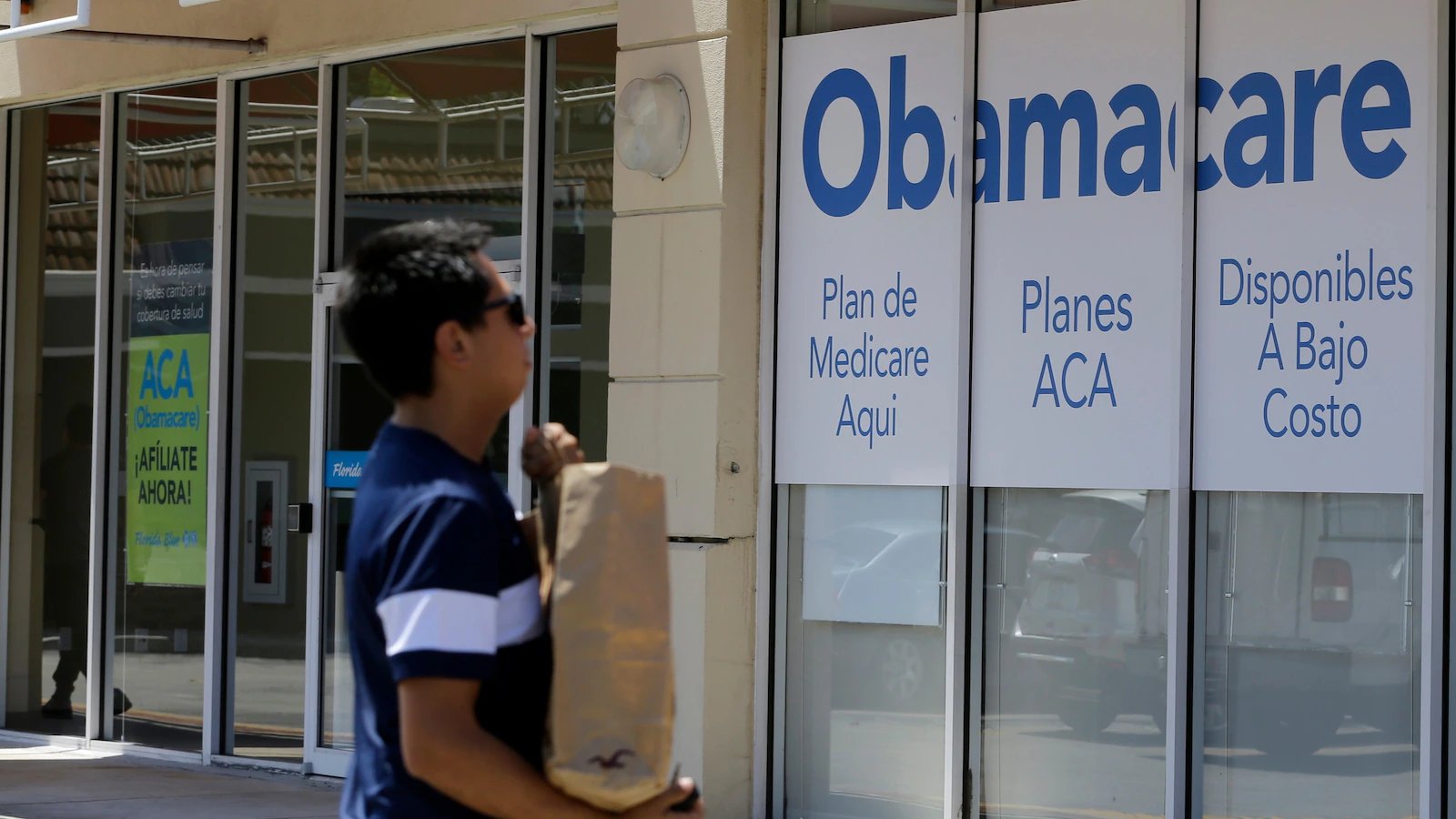
About 3 million fewer Americans had Affordable Care Act insurance coverage in February 2026 compared with February 2025, according to federal data released Friday. The figures reveal a stark decline from 22.1 million enrollees in 2025 to 19.2 million in early 2026. This represents a 13% drop in enrollment, the first decline in the past four years during the same period, primarily attributed to the expiration of enhanced federal subsidies on January 1.
Rising Premium Costs Drive Disenrollment
Many individuals faced steep increases in their premium payments, with some experiencing double or even triple-digit hikes. Cynthia Cox, vice president and director of the ACA program at the nonprofit KFF, stated, "We know that real people lost their health insurance coverage," highlighting the impact of soaring costs on enrollment. The expiration of subsidies has particularly affected gig workers, farmers, and others without employer-sponsored health coverage, who have relied on ACA plans for affordable health insurance.
Government Response to Enrollment Decline
The U.S. Department of Health and Human Services noted that the enrollment drop could also be linked to a crackdown on fraudulent or "phantom" enrollments. Cynthia Cox, vice president and director of the ACA program at KFF, said the primary driver was the loss of affordability due to subsidy expiration, not fraudulent enrollment. The new data marks a significant moment for the ACA, as it captures the marketplace after the nonpayment grace period expired, revealing how many individuals were unable to pay their premiums.
Future Projections and Political Implications
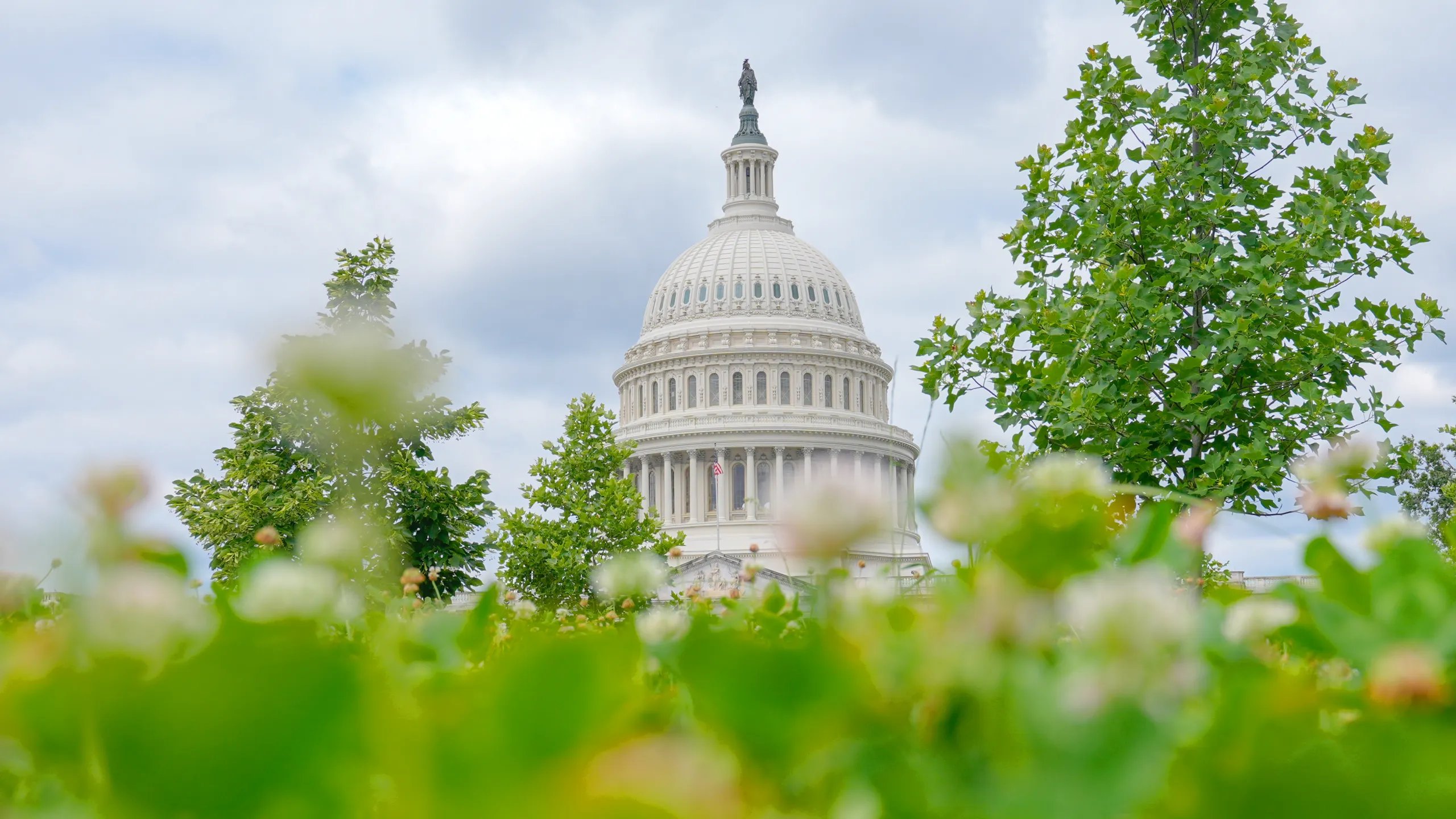
KFF analysts project that enrollment could continue to decline throughout the year, potentially reaching as low as 17.5 million. This anticipated decrease raises concerns about access to healthcare for millions, especially as affordability emerges as a critical issue for voters ahead of the upcoming November elections. The ACA subsidies were at the center of a bitter fight in Congress last fall, with Democrats and some Republicans calling for their renewal.
Impact on Health Coverage
The decline in ACA enrollment may have far-reaching consequences for public health and economic stability. As millions lose their insurance, the burden of healthcare costs may shift back onto individuals, exacerbating financial hardships. The trend underscores the urgency for policymakers to address healthcare affordability and access as a top priority, especially in light of the increasing financial strain on American families.