




Vance Confirms Agreement Details Are Still Unclear
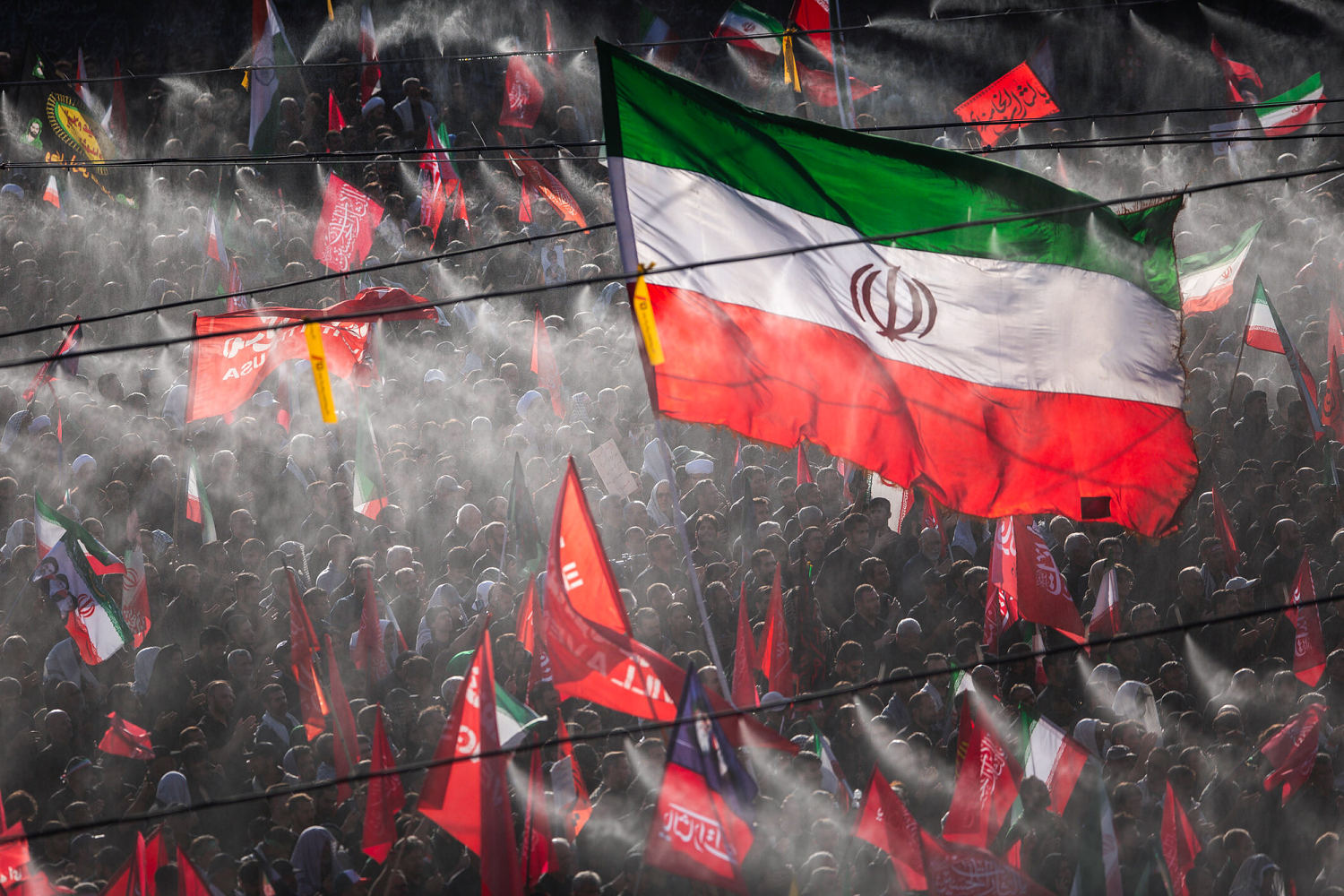
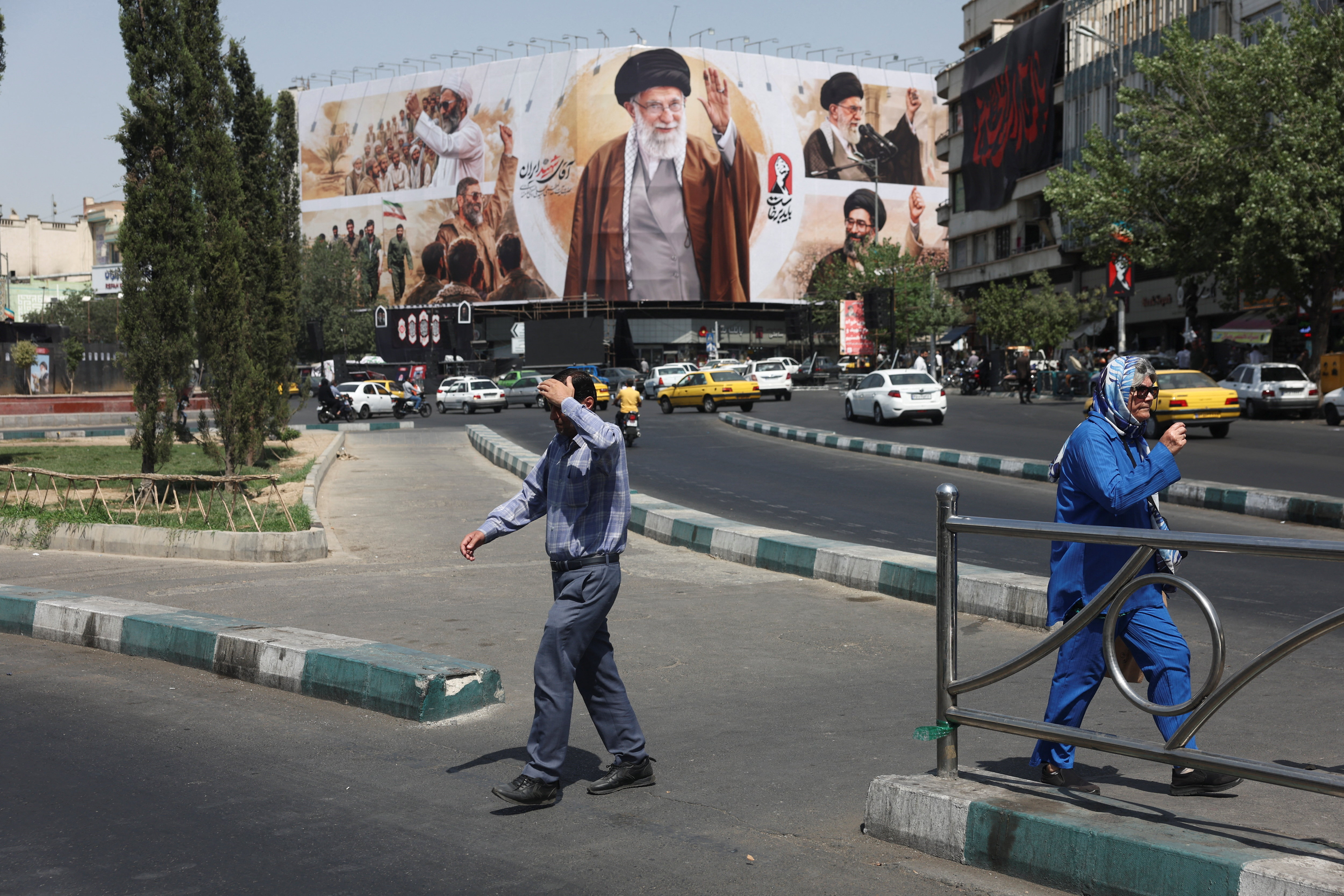
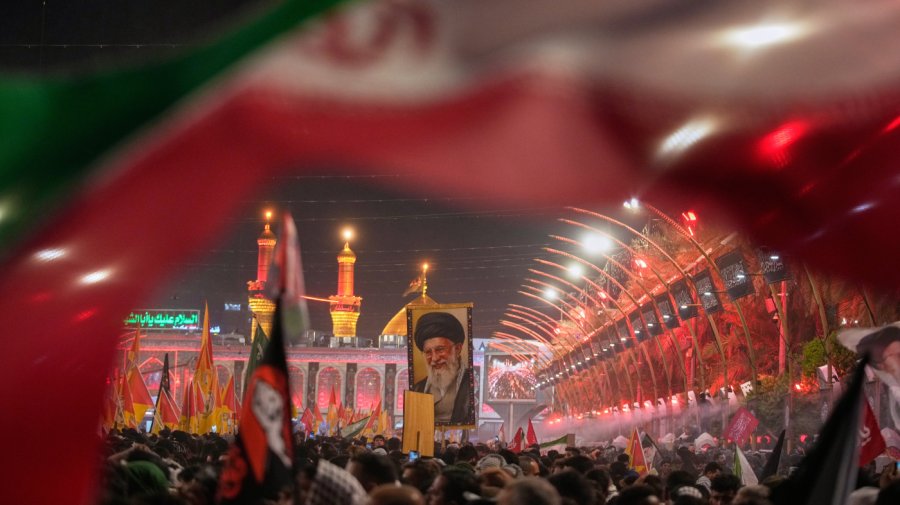
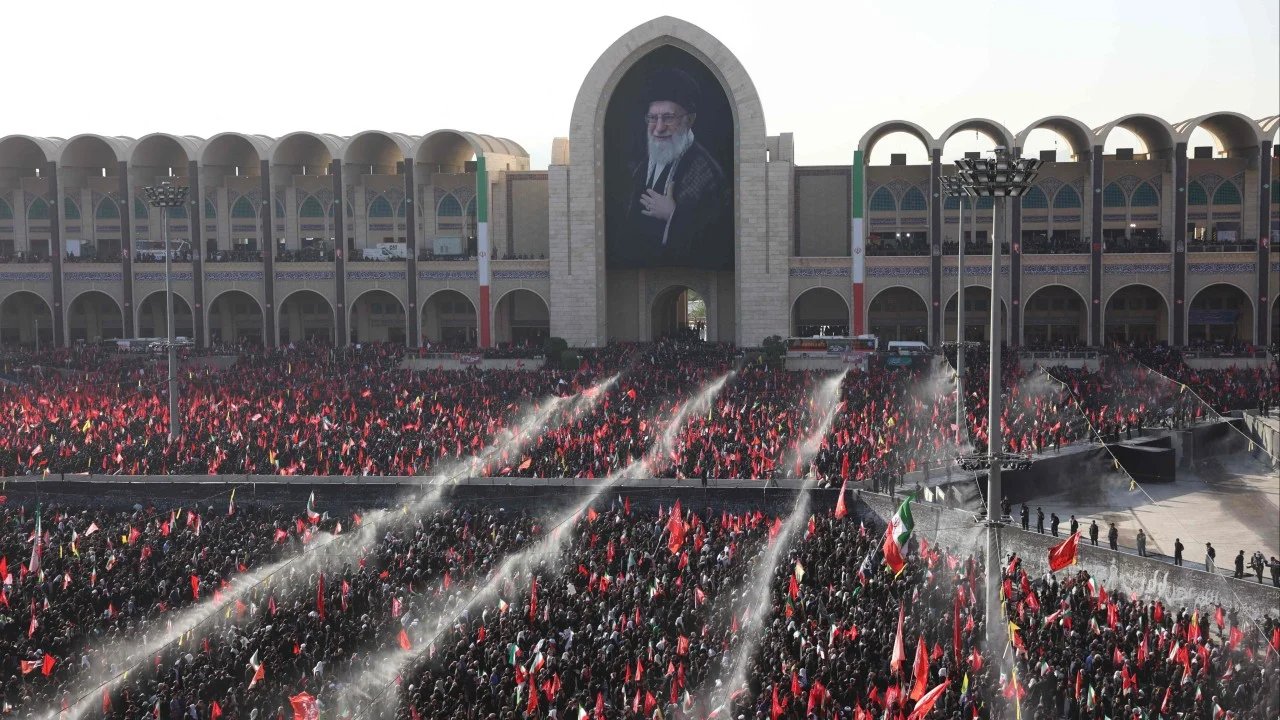
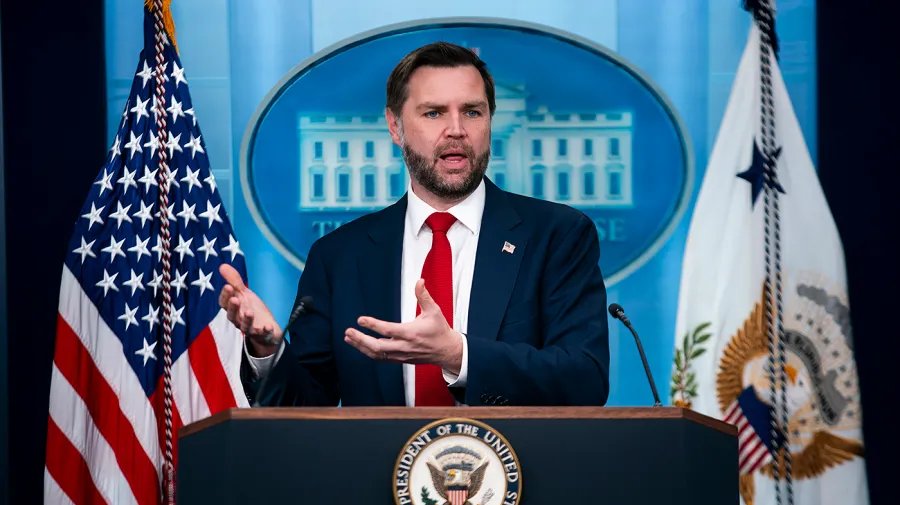
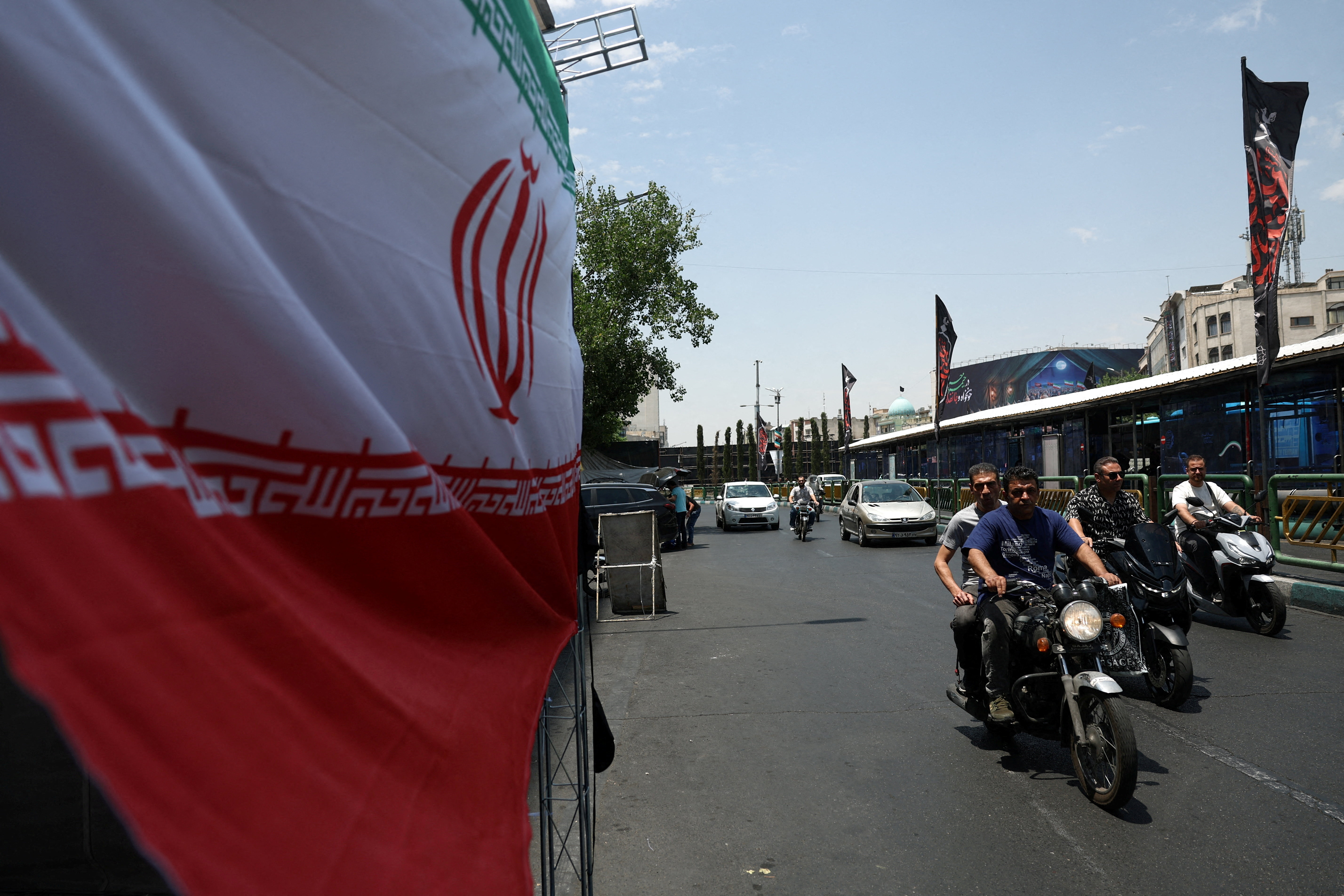
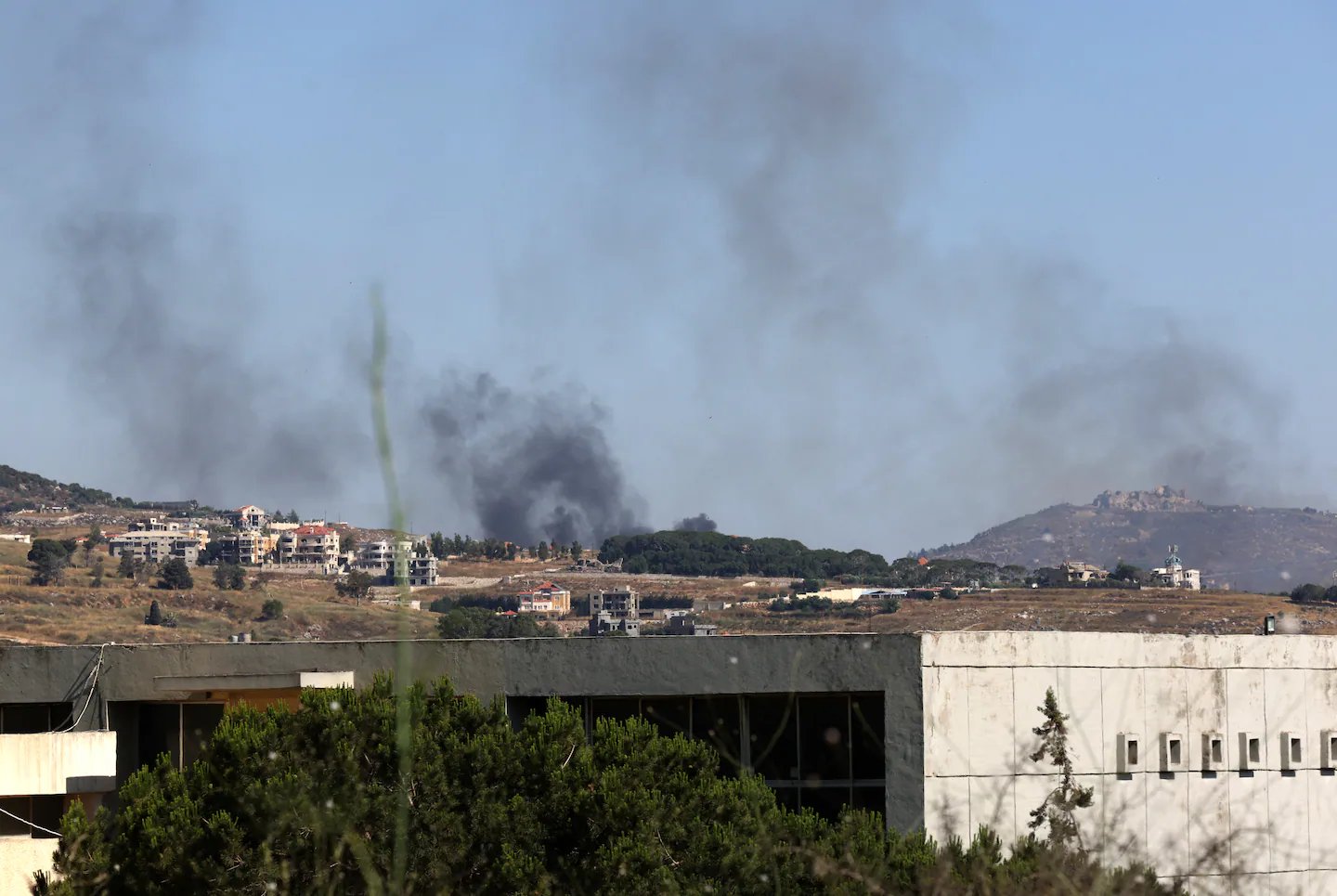
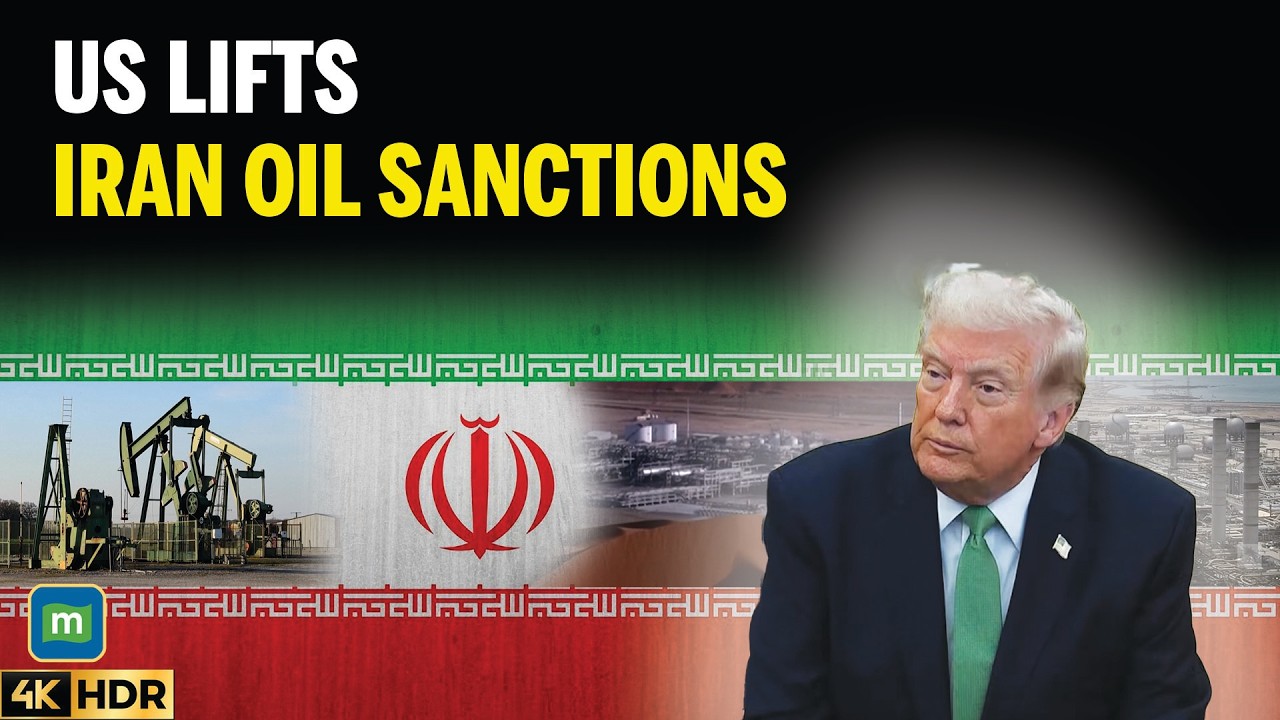
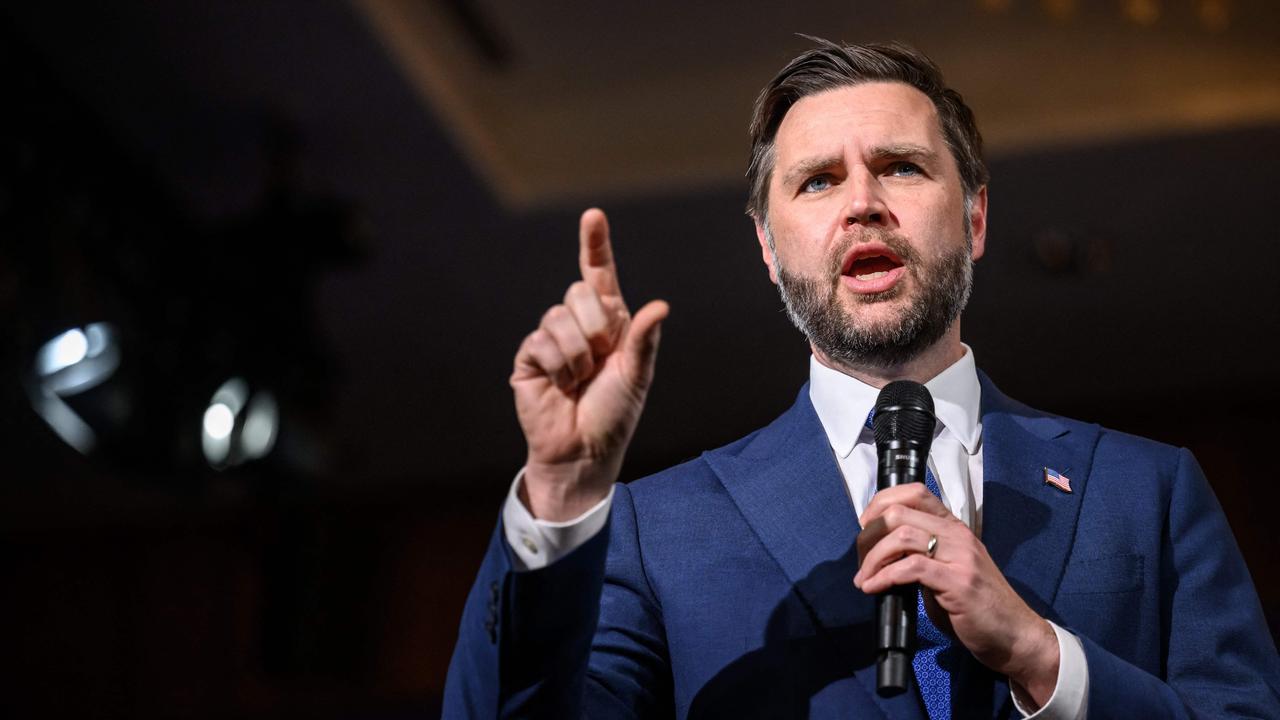
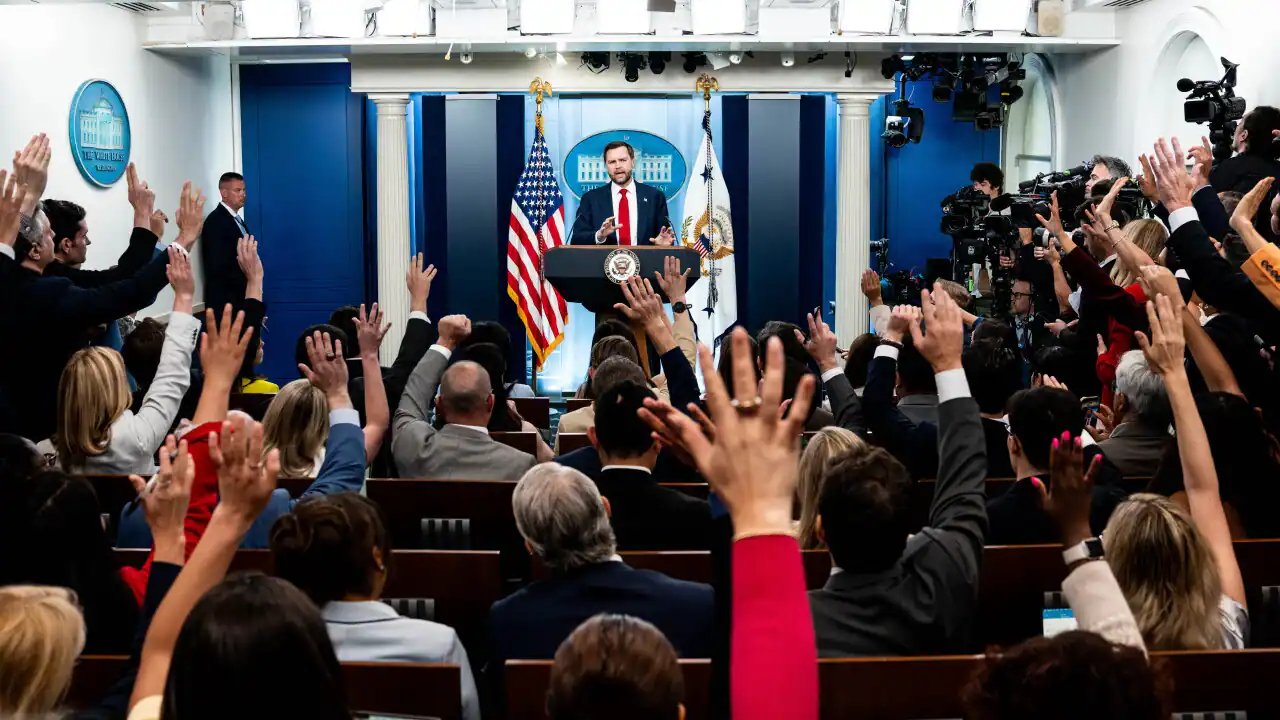
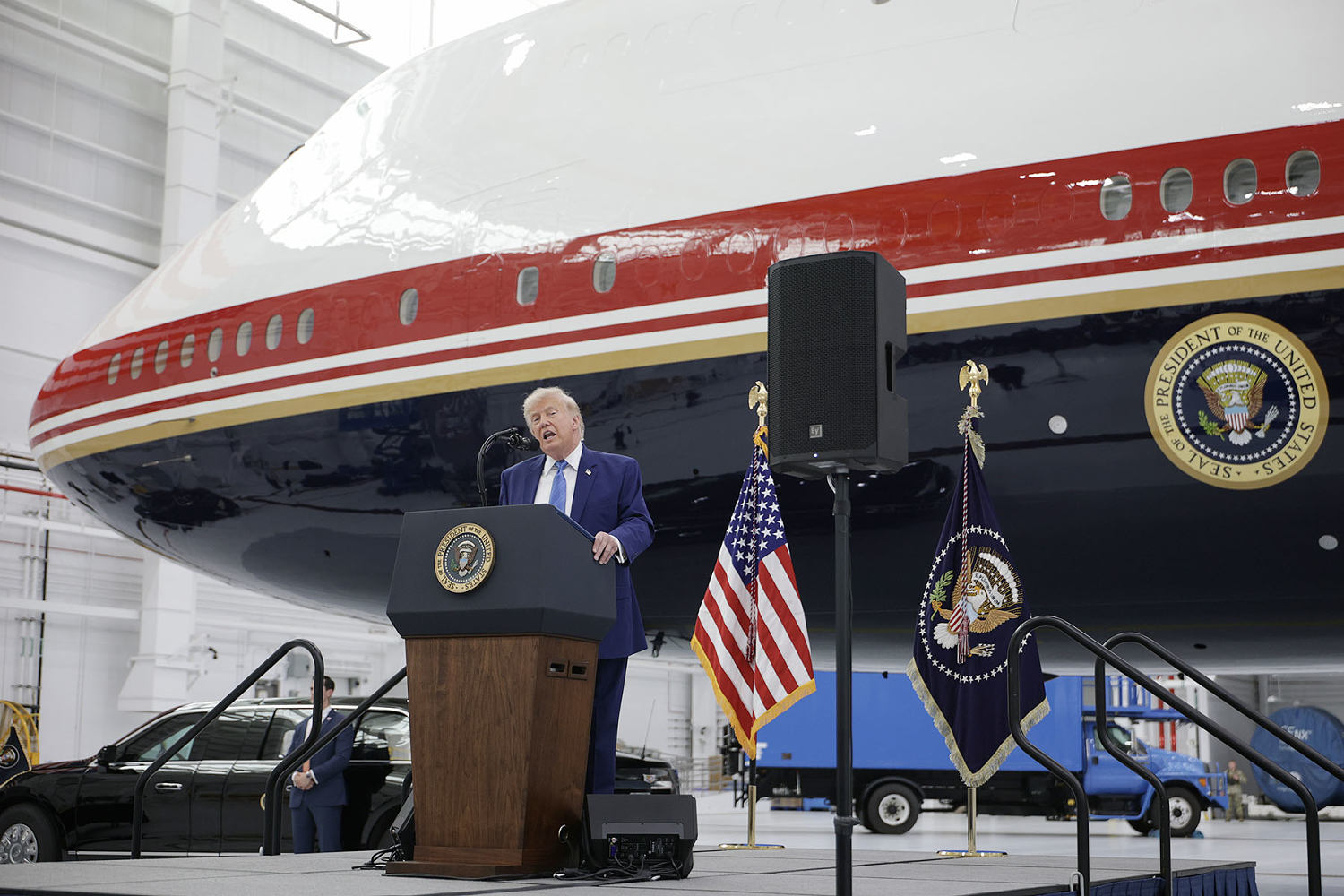
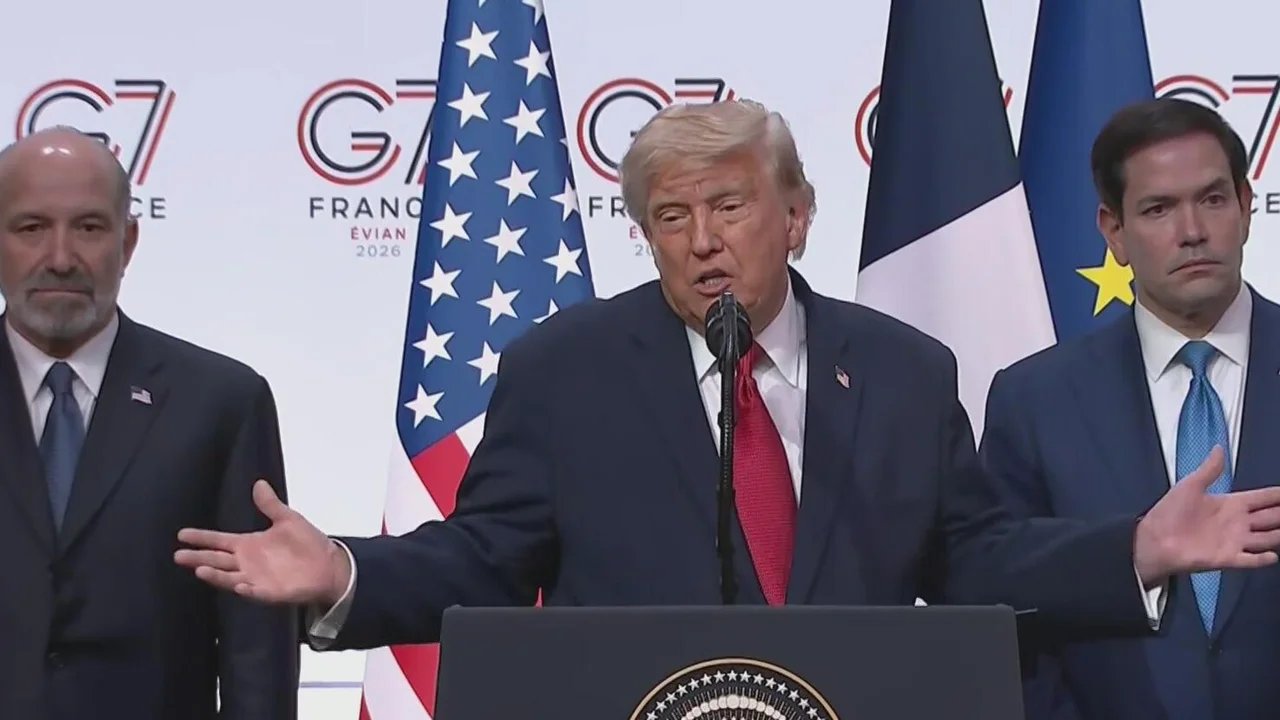
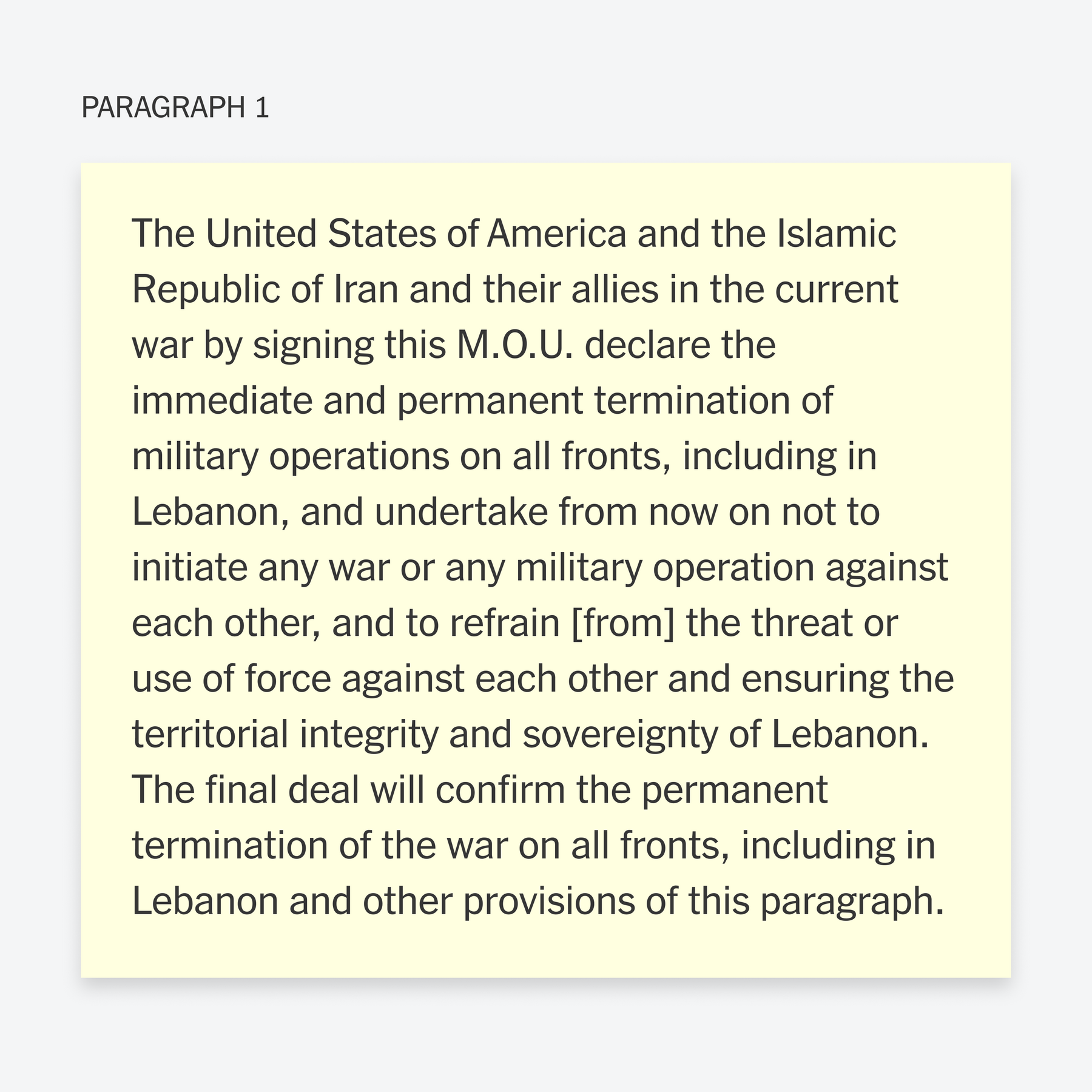
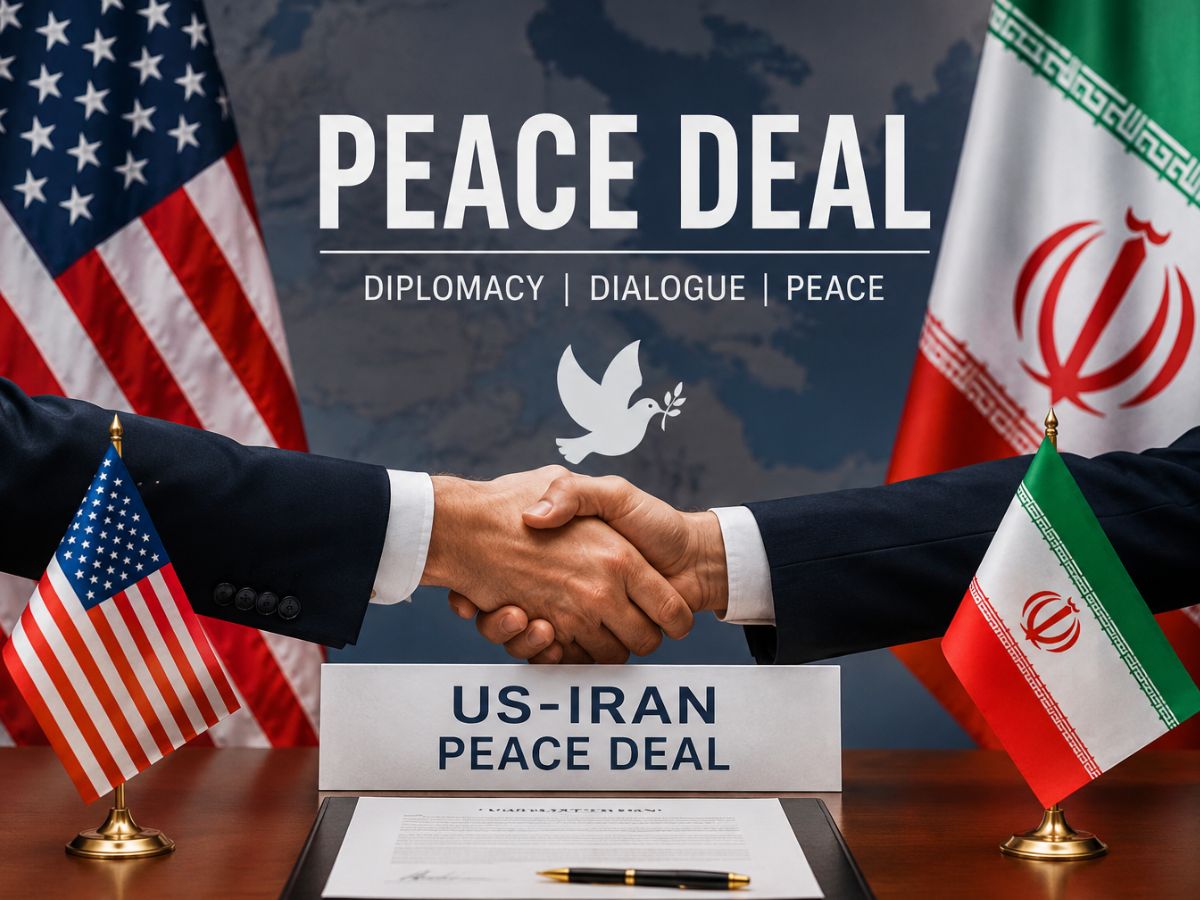
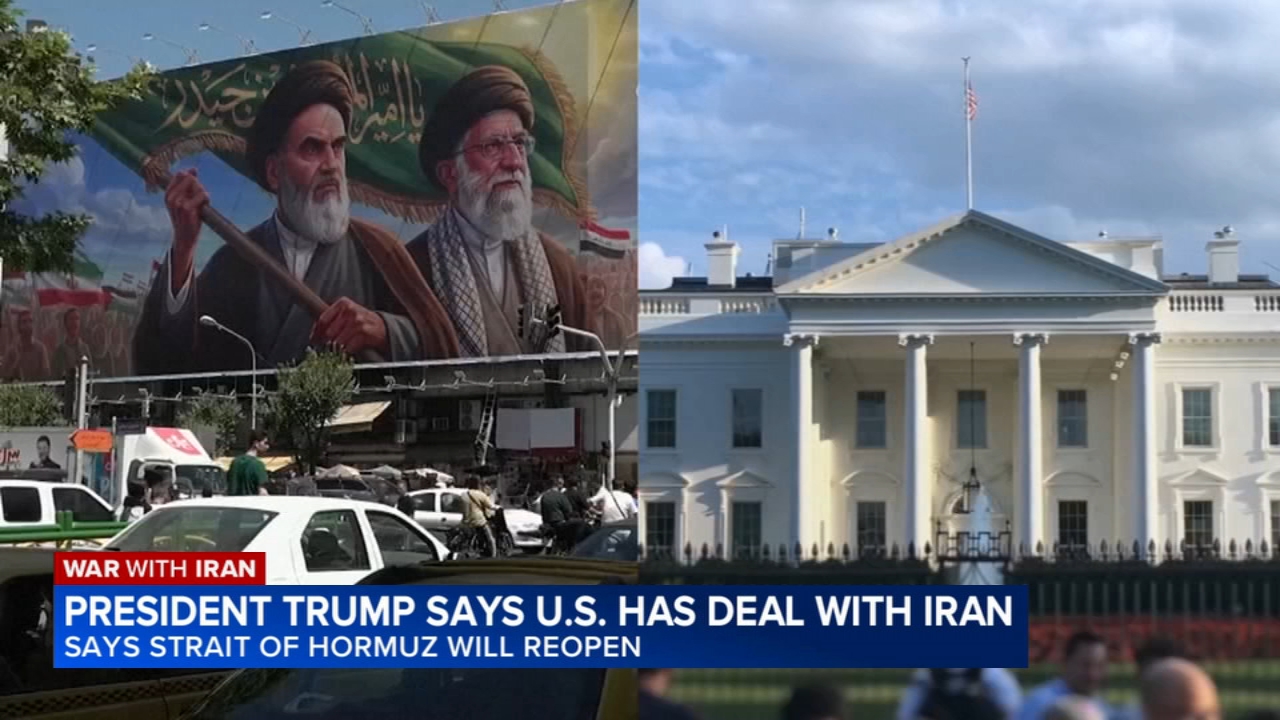
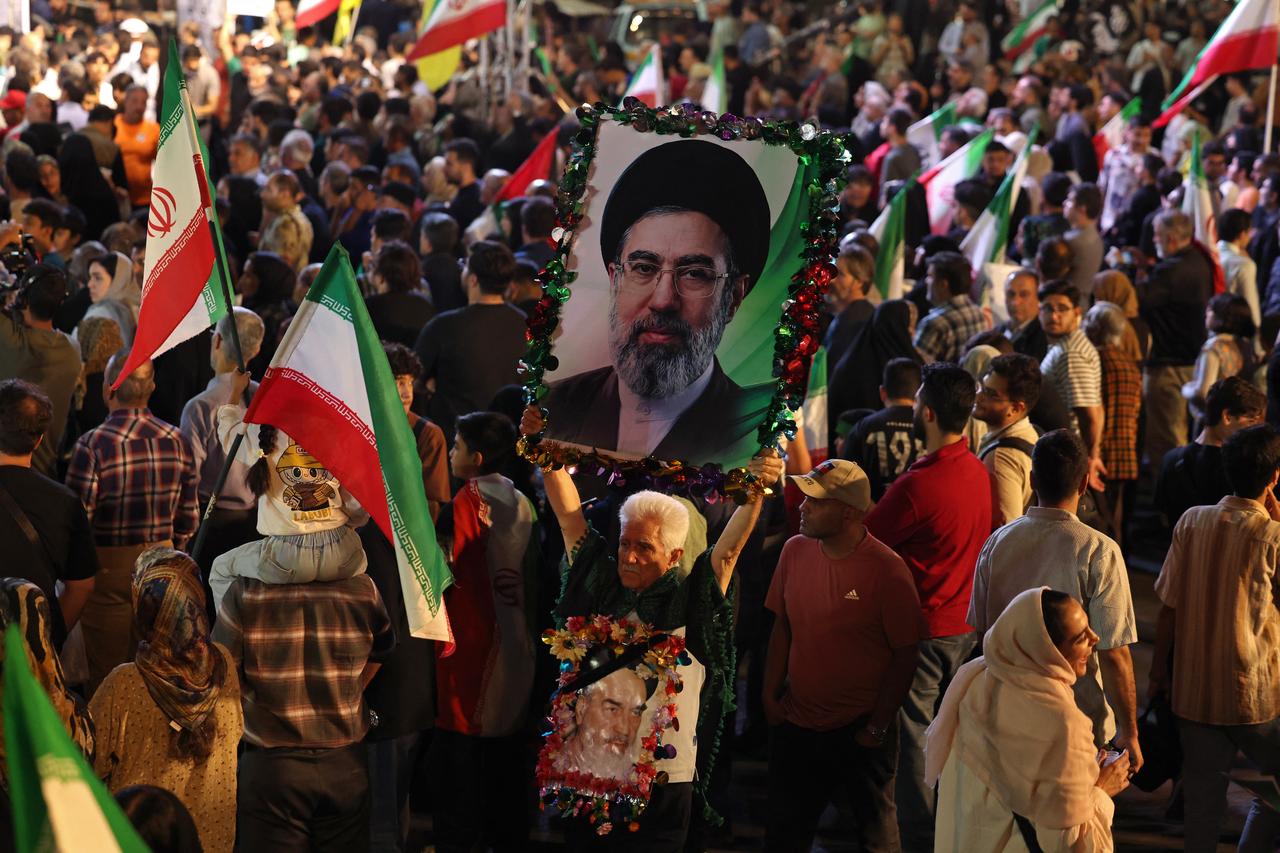
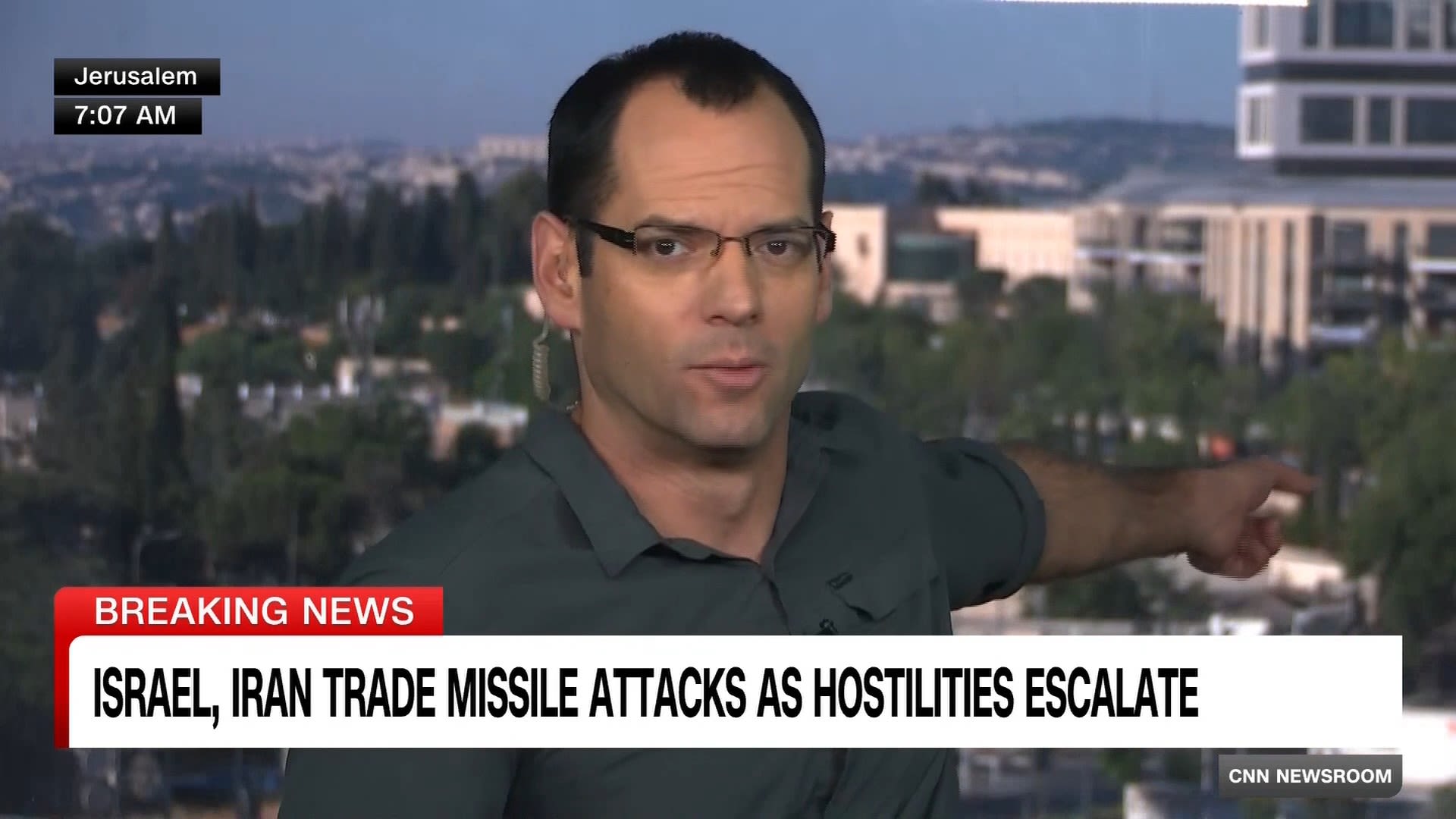
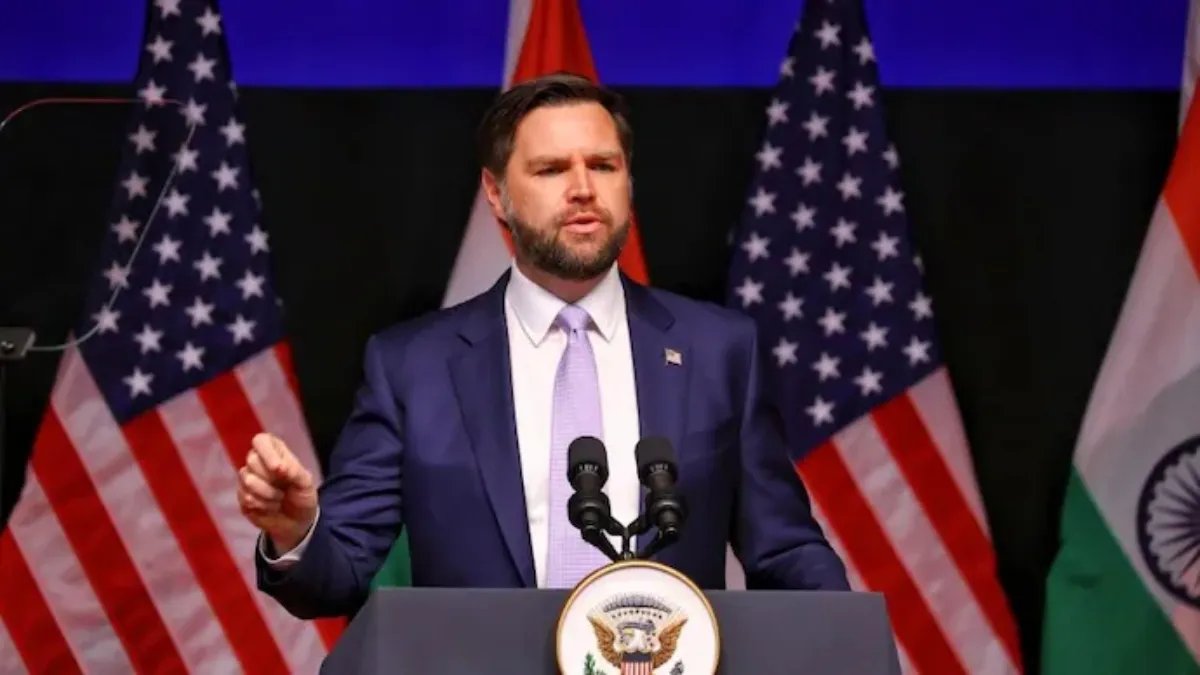
Vice President JD Vance announced on Monday that a memorandum of understanding between the United States and Iran has been digitally signed, marking a significant diplomatic step towards ending hostilities. The agreement lays the groundwork for a 60-day ceasefire and further negotiations. Vance described it as a "two-path" option for Iran, emphasizing that if Tehran complies with the terms, it could reintegrate into the global economy, while failing to do so would prevent them from accessing resources needed for nuclear development.
Economic Impact and Oil Prices
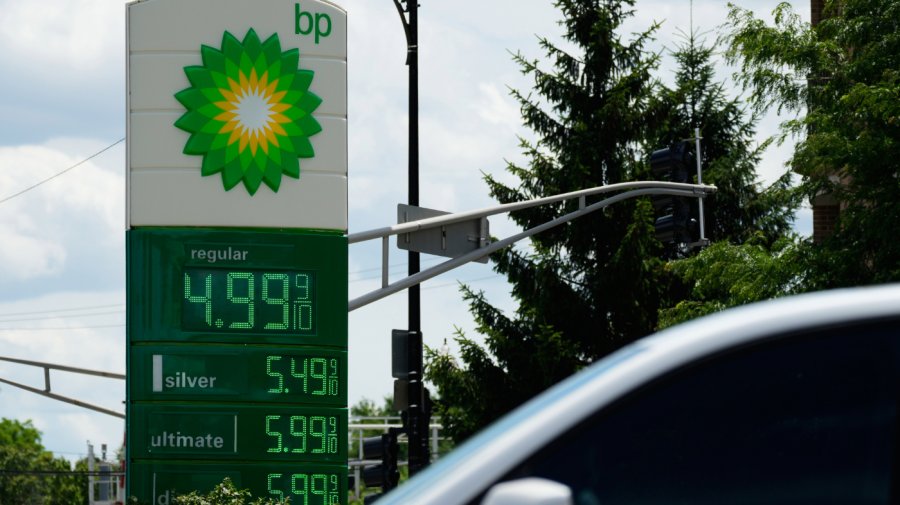
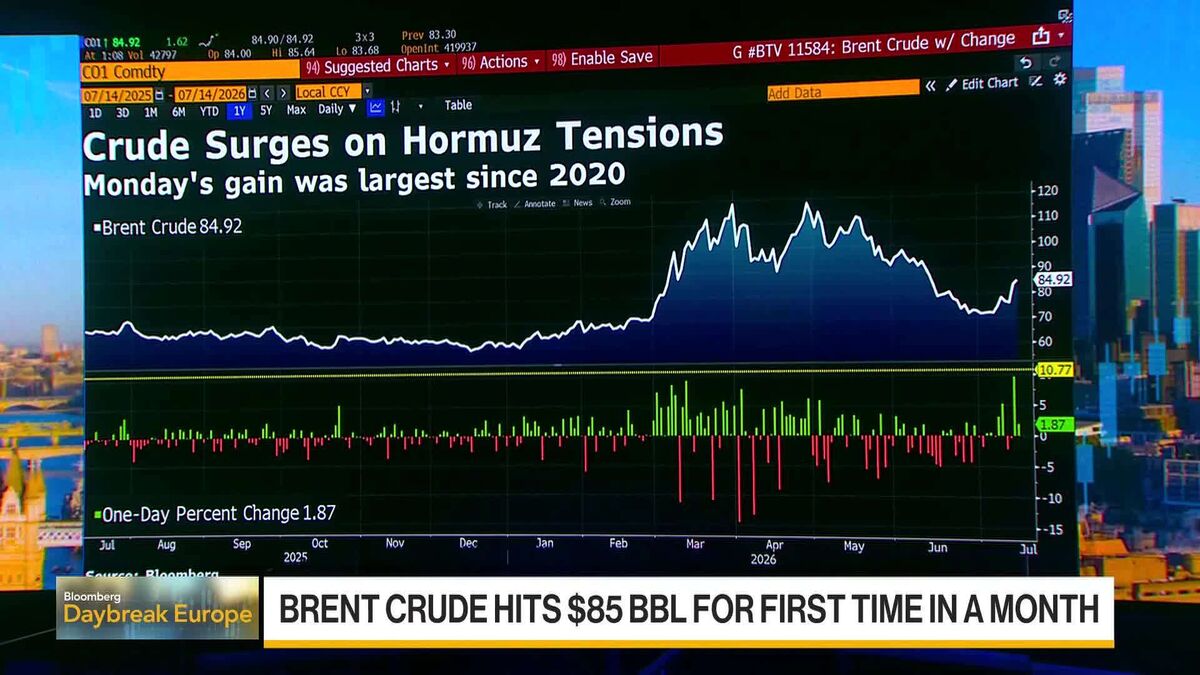
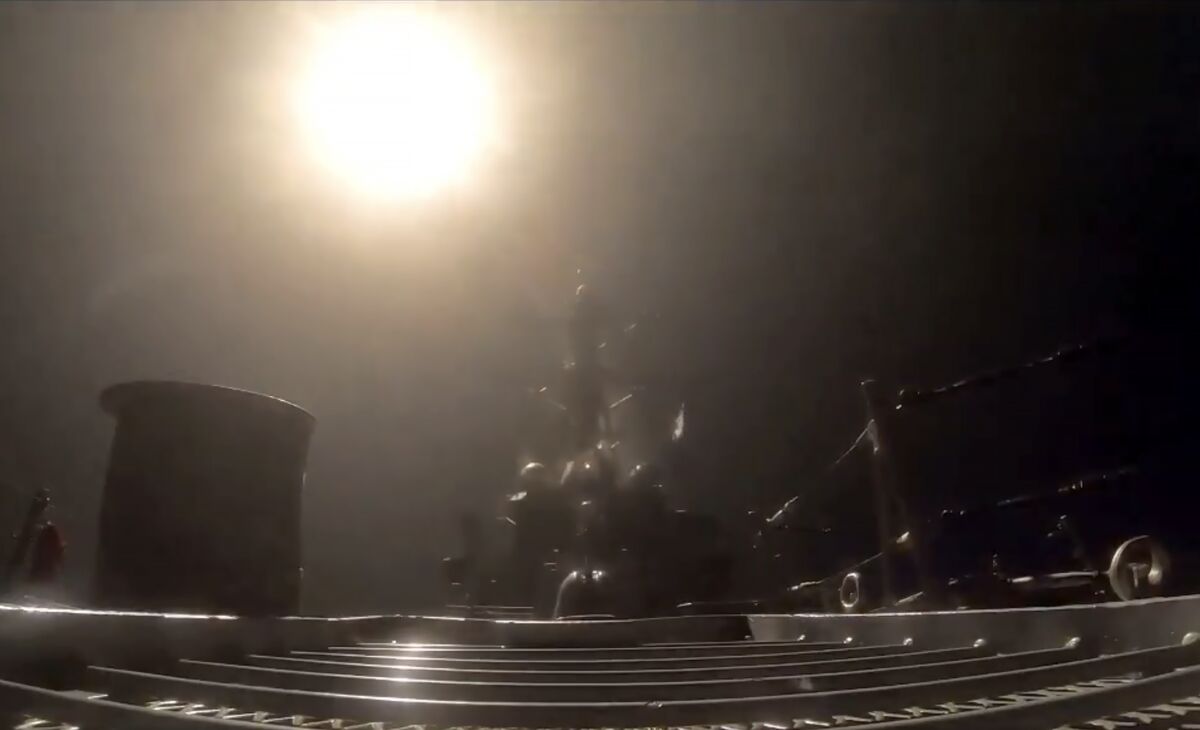
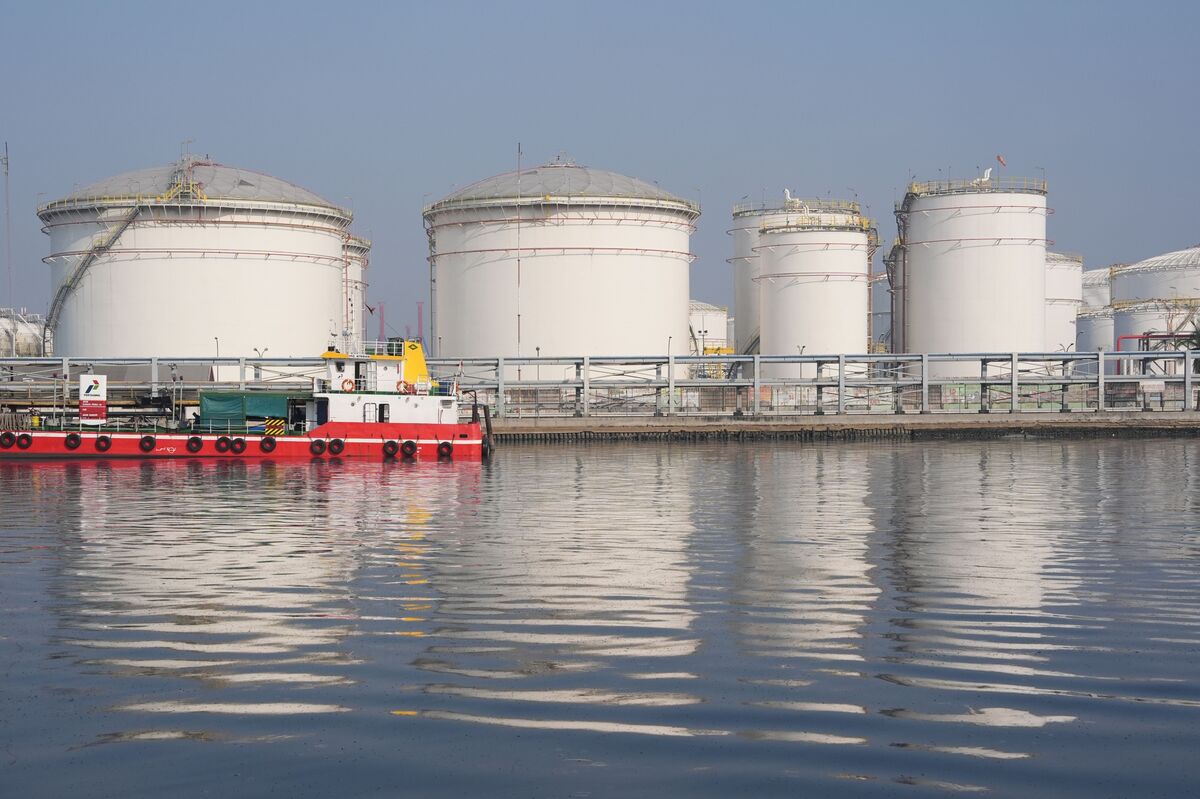
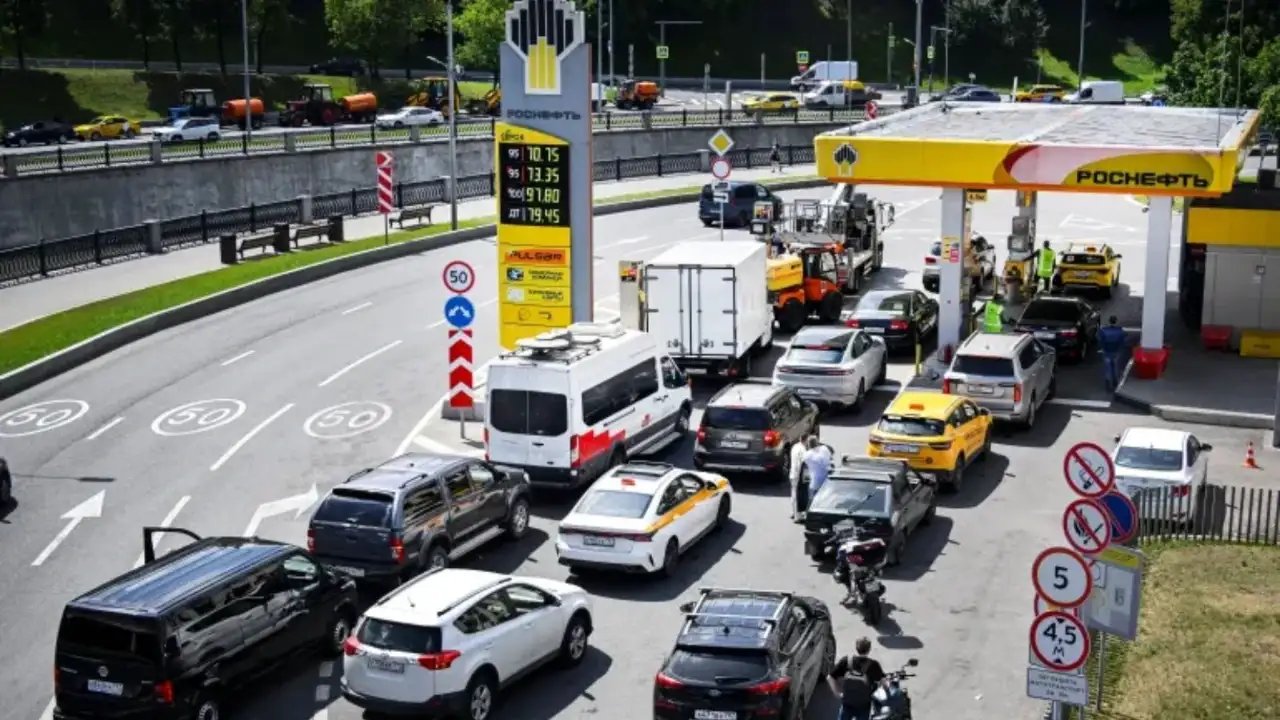
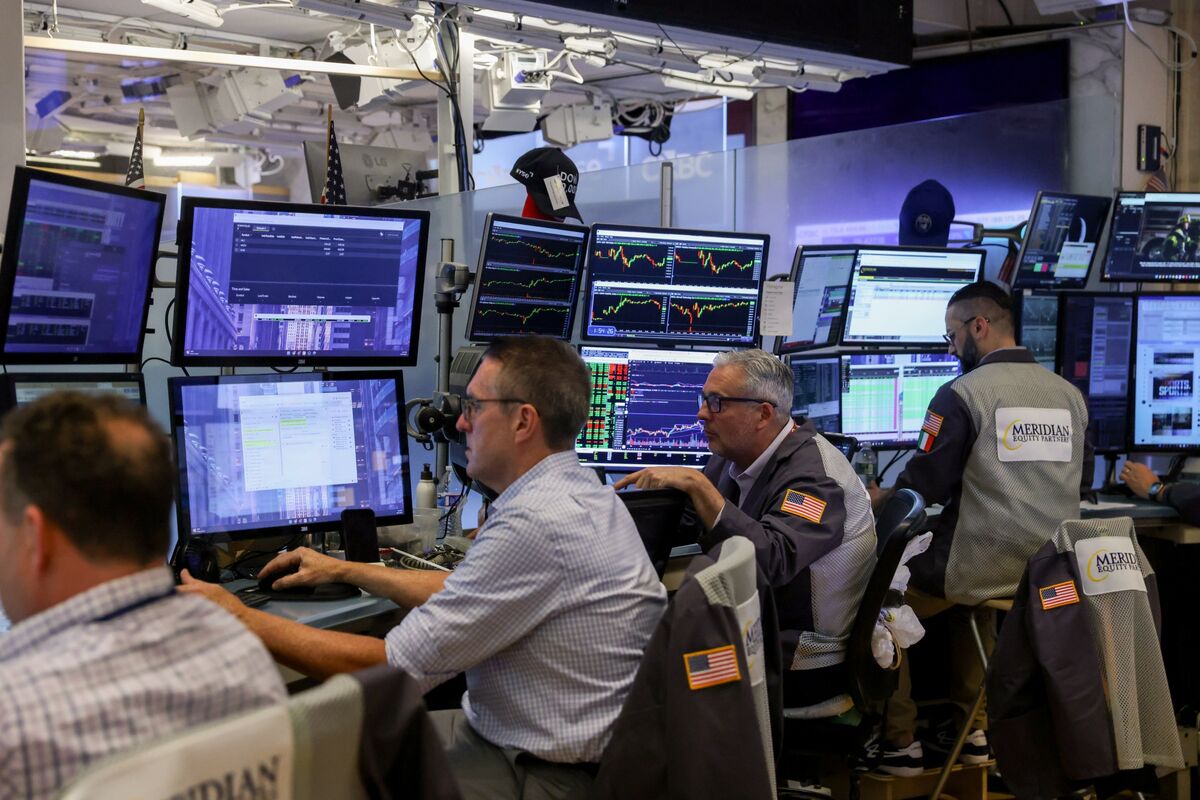
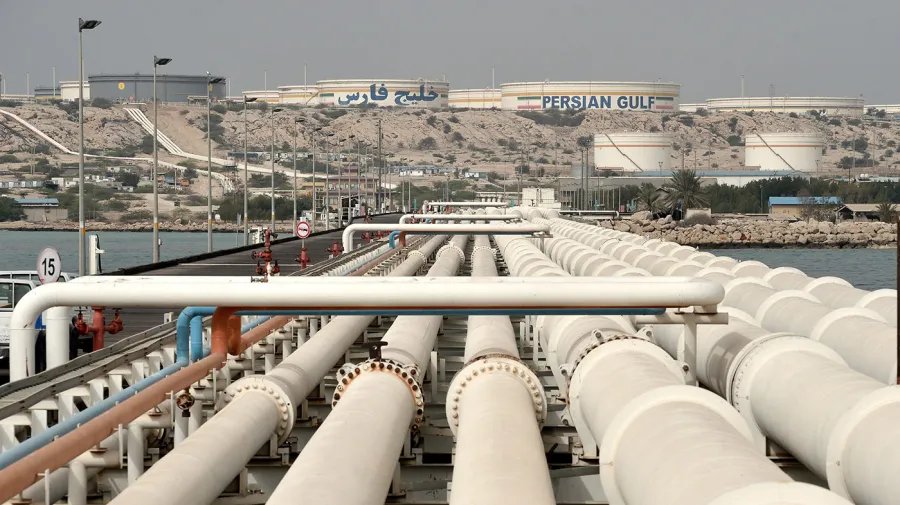
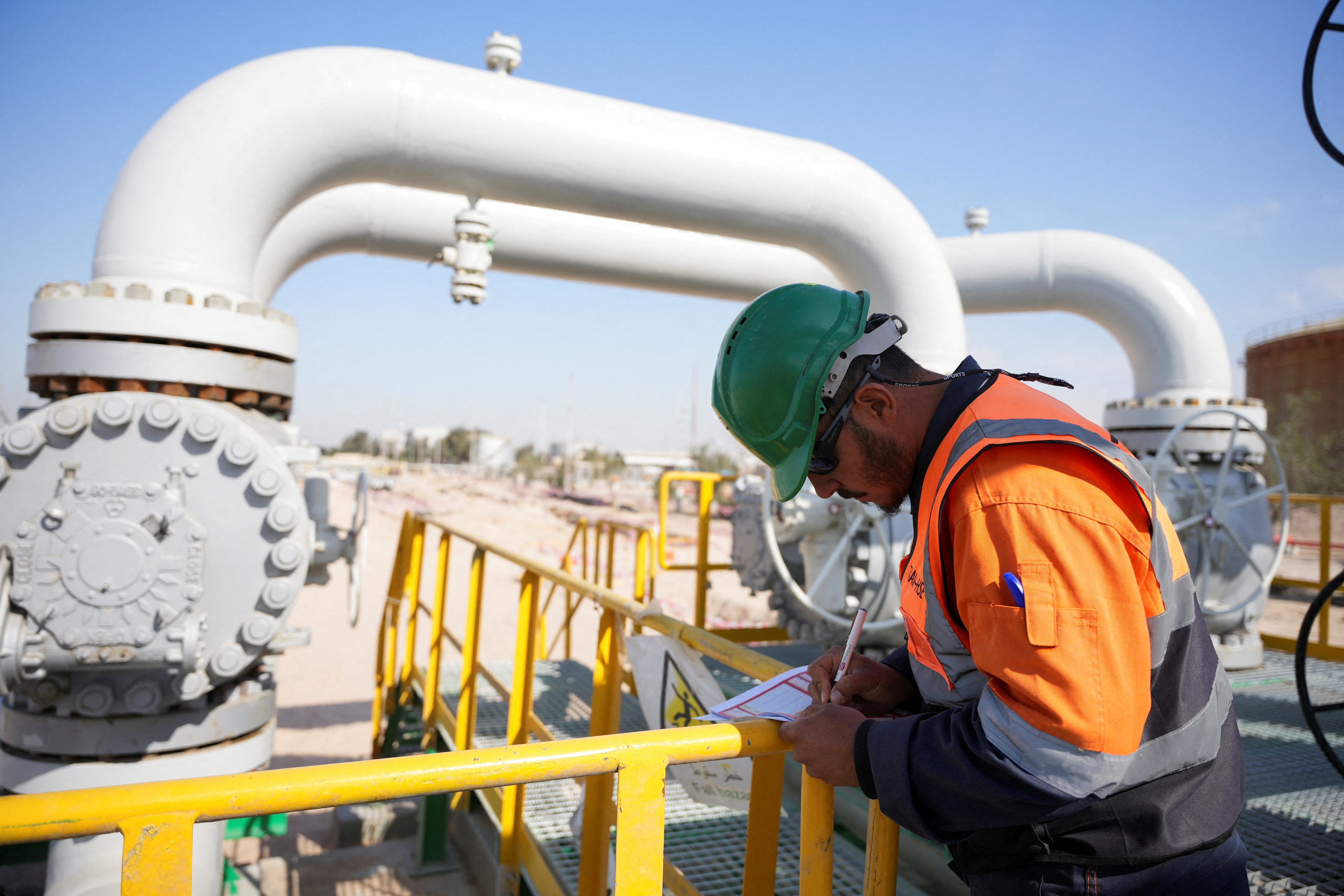
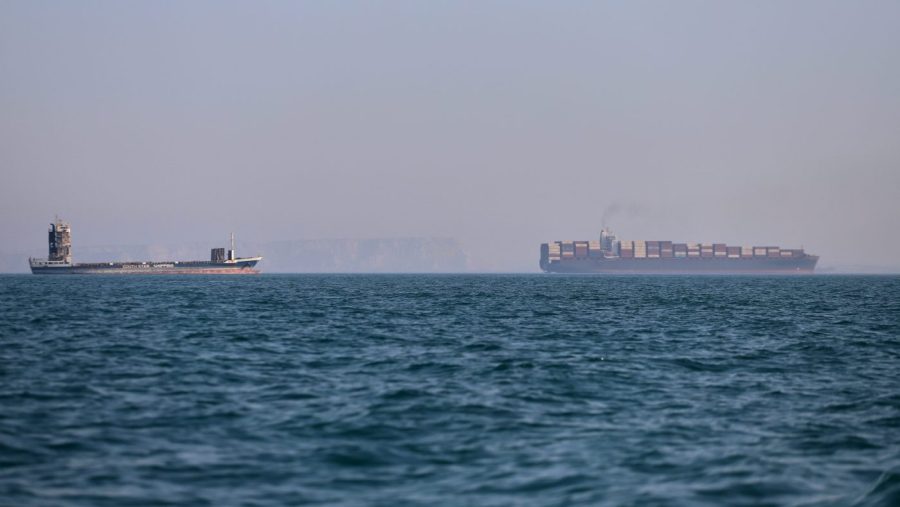
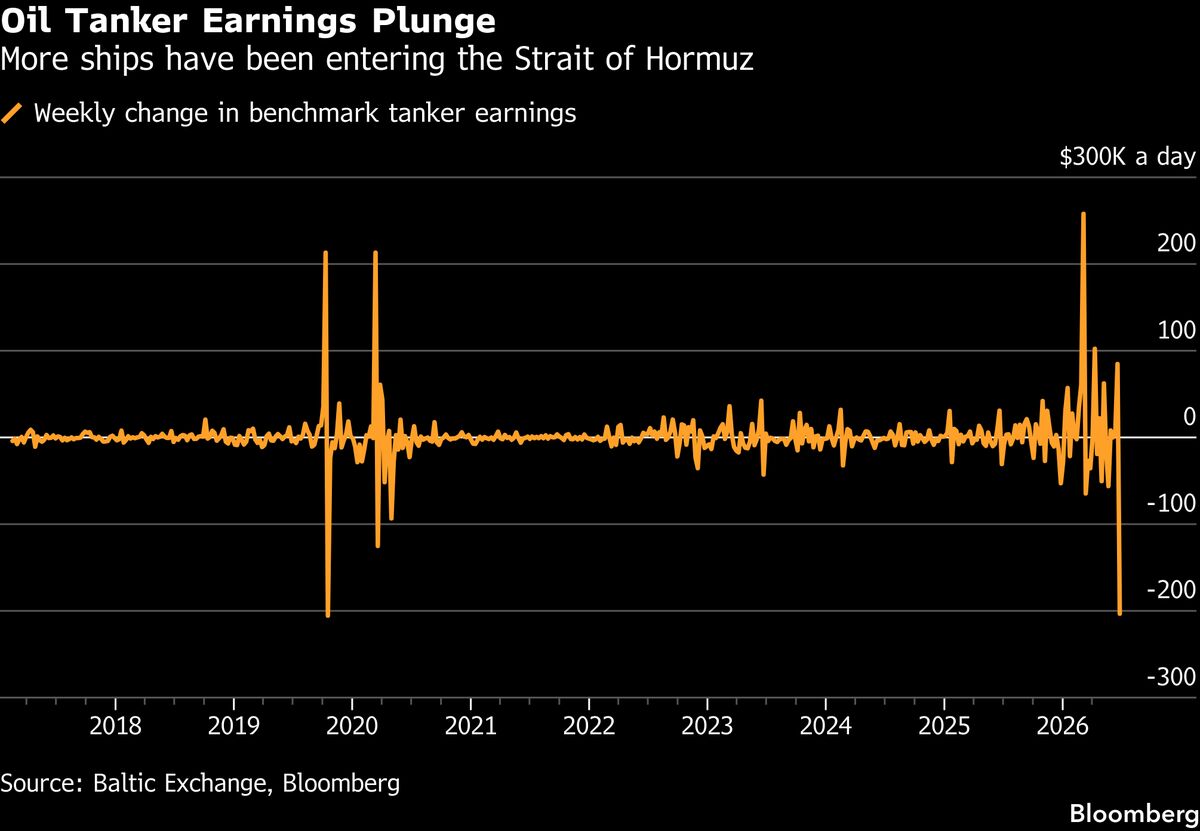
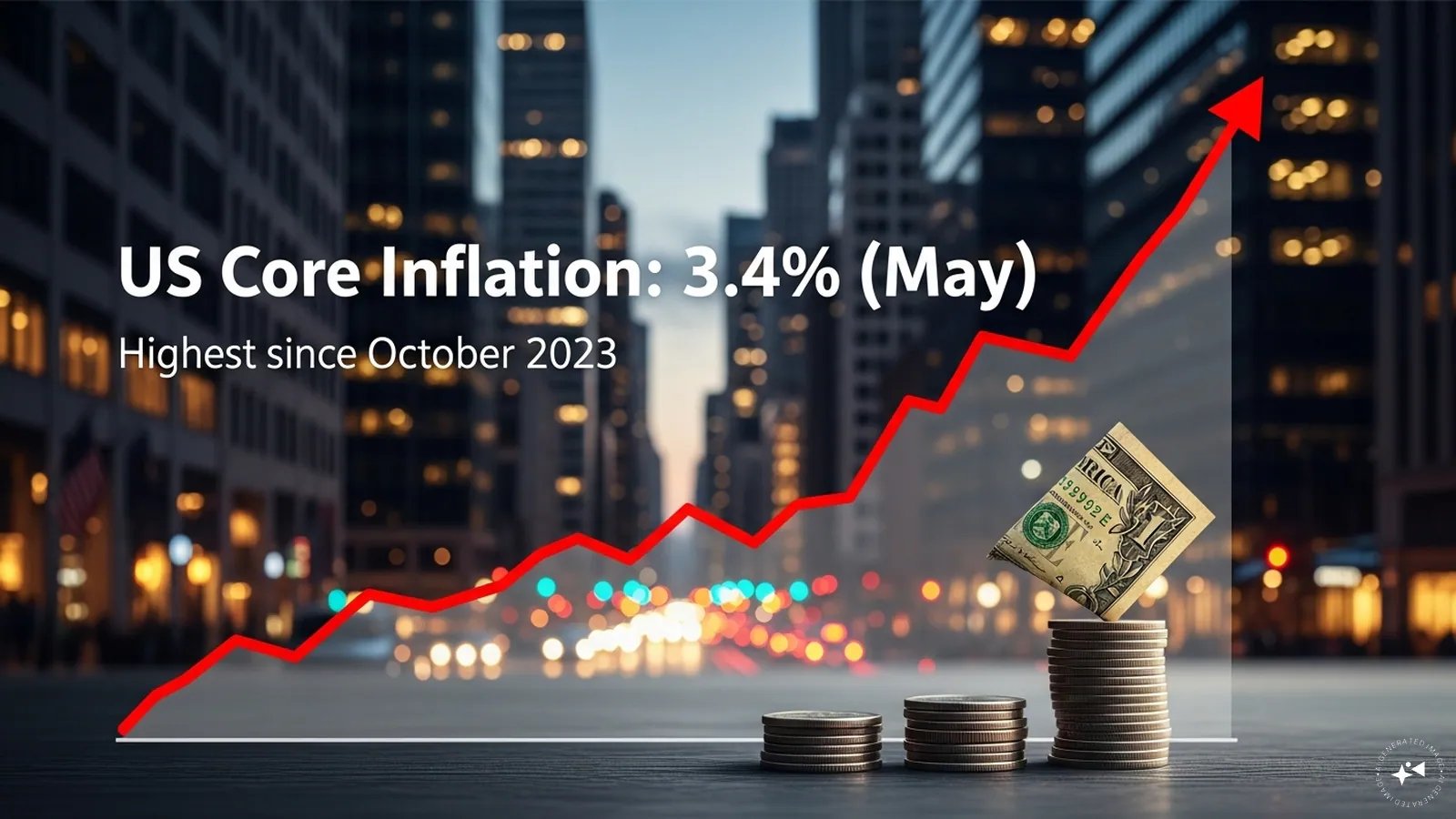
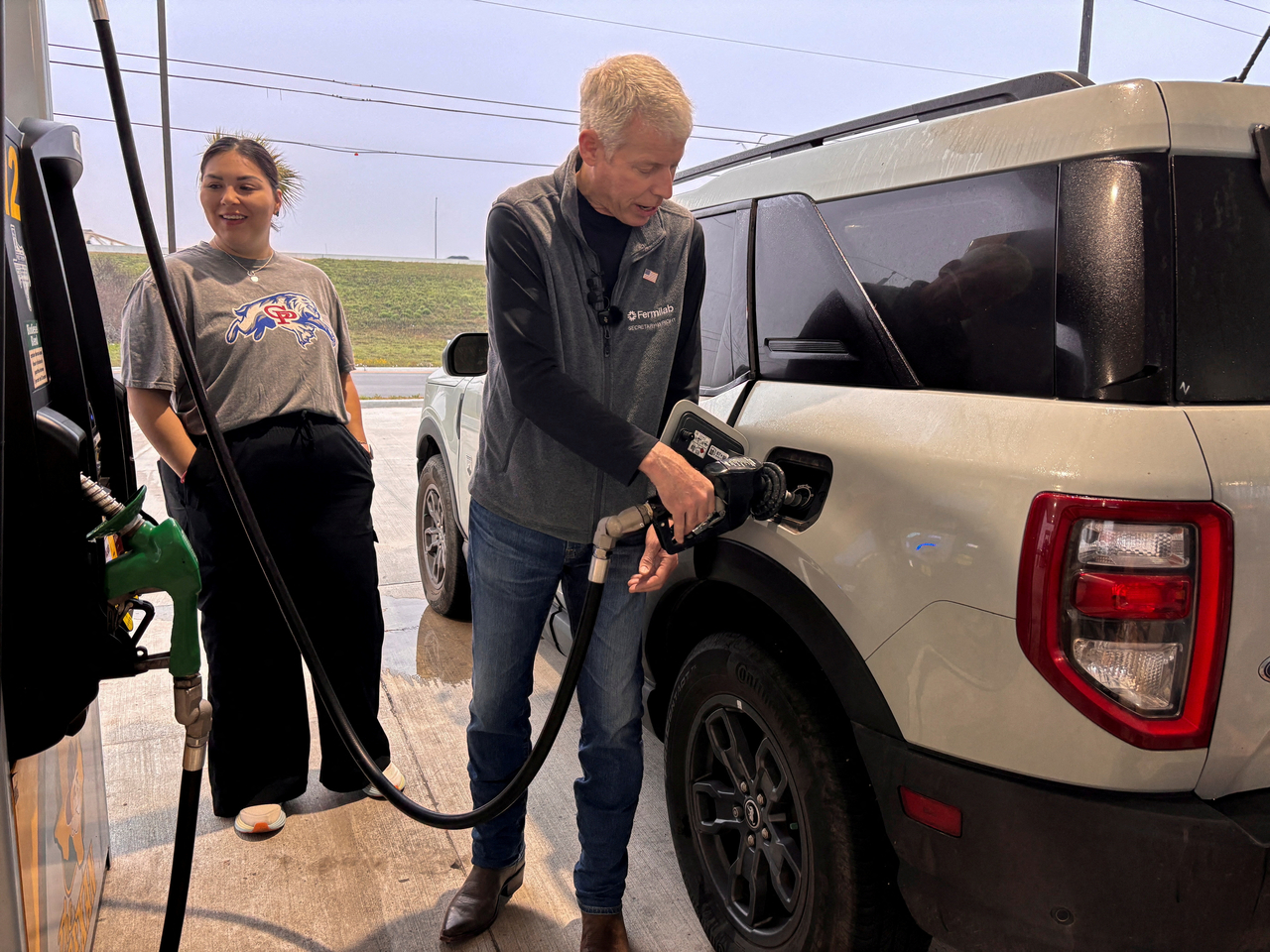
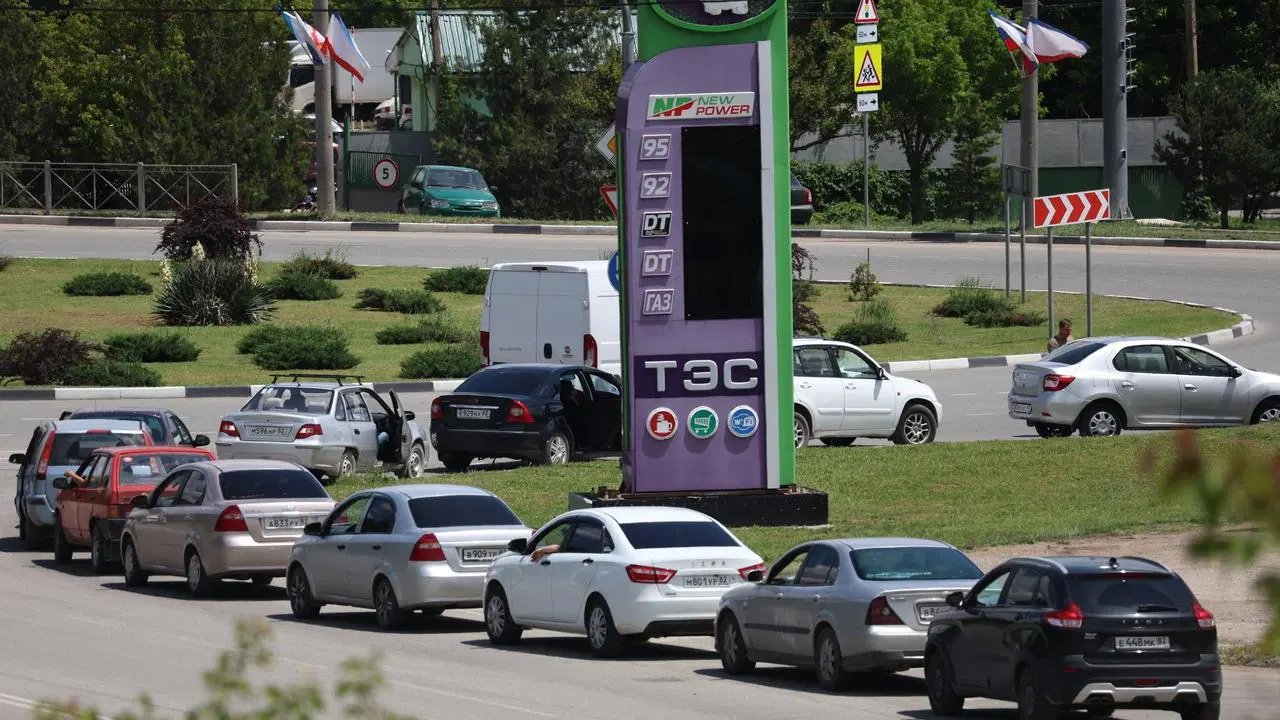
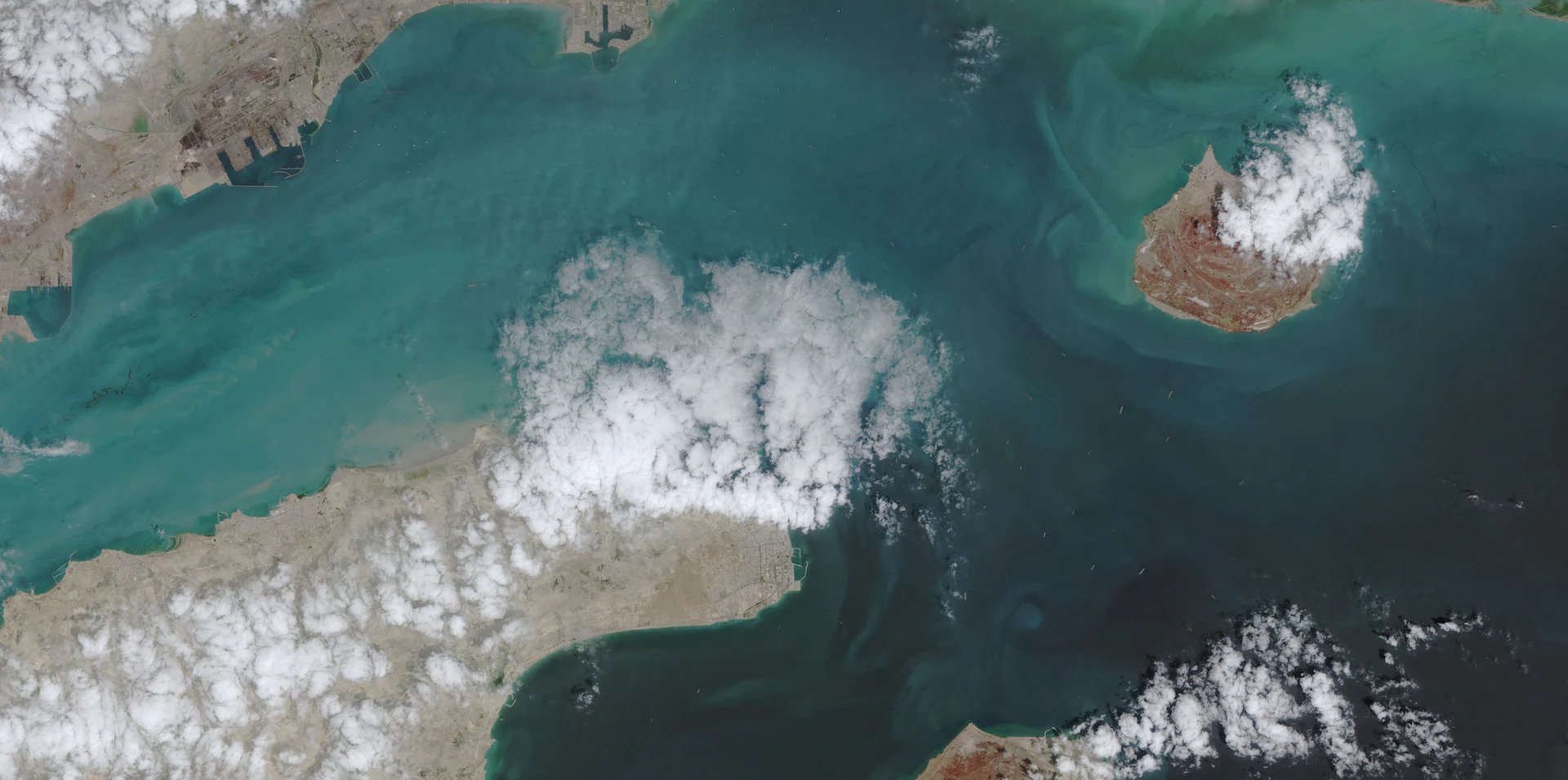
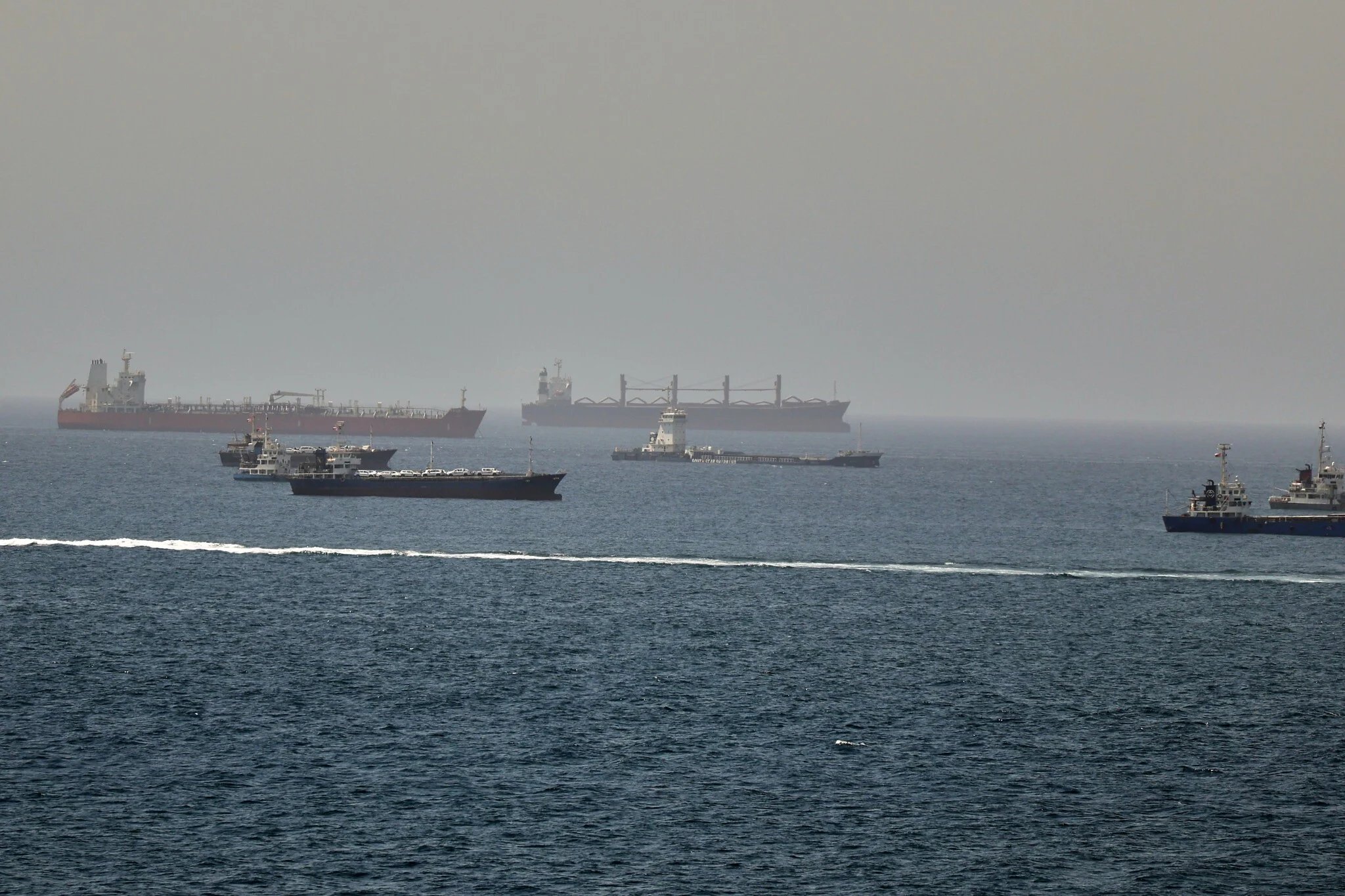
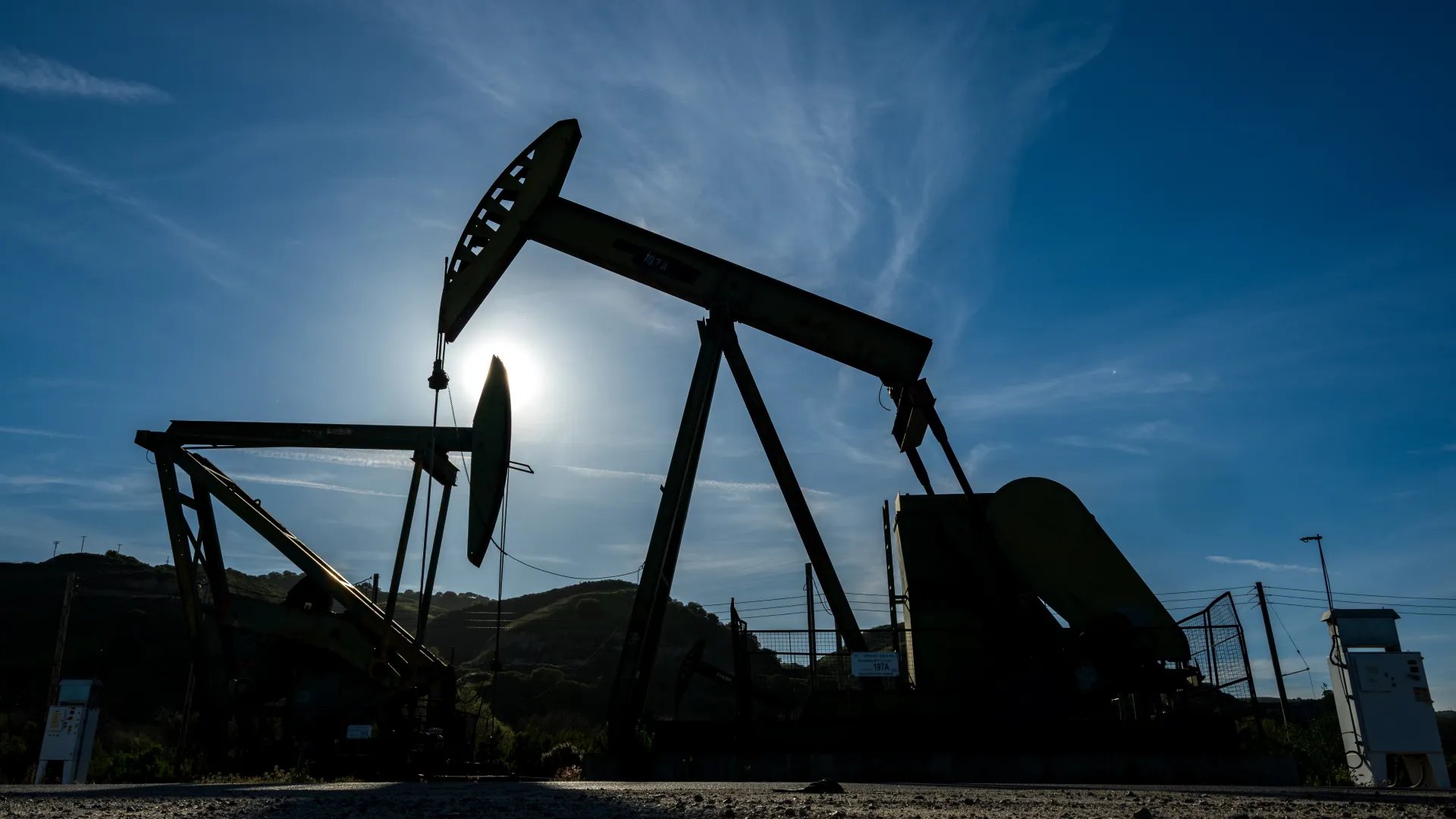
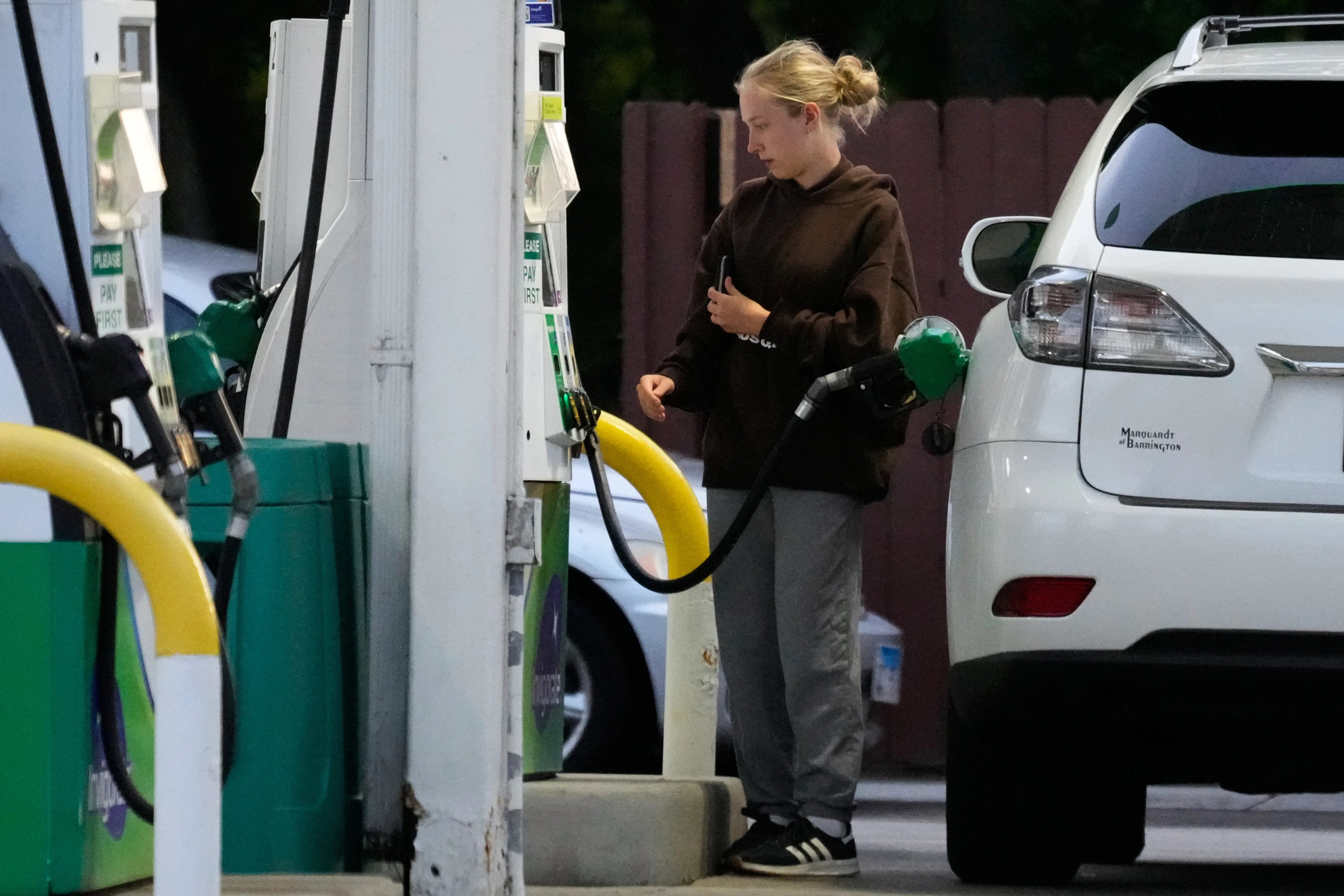
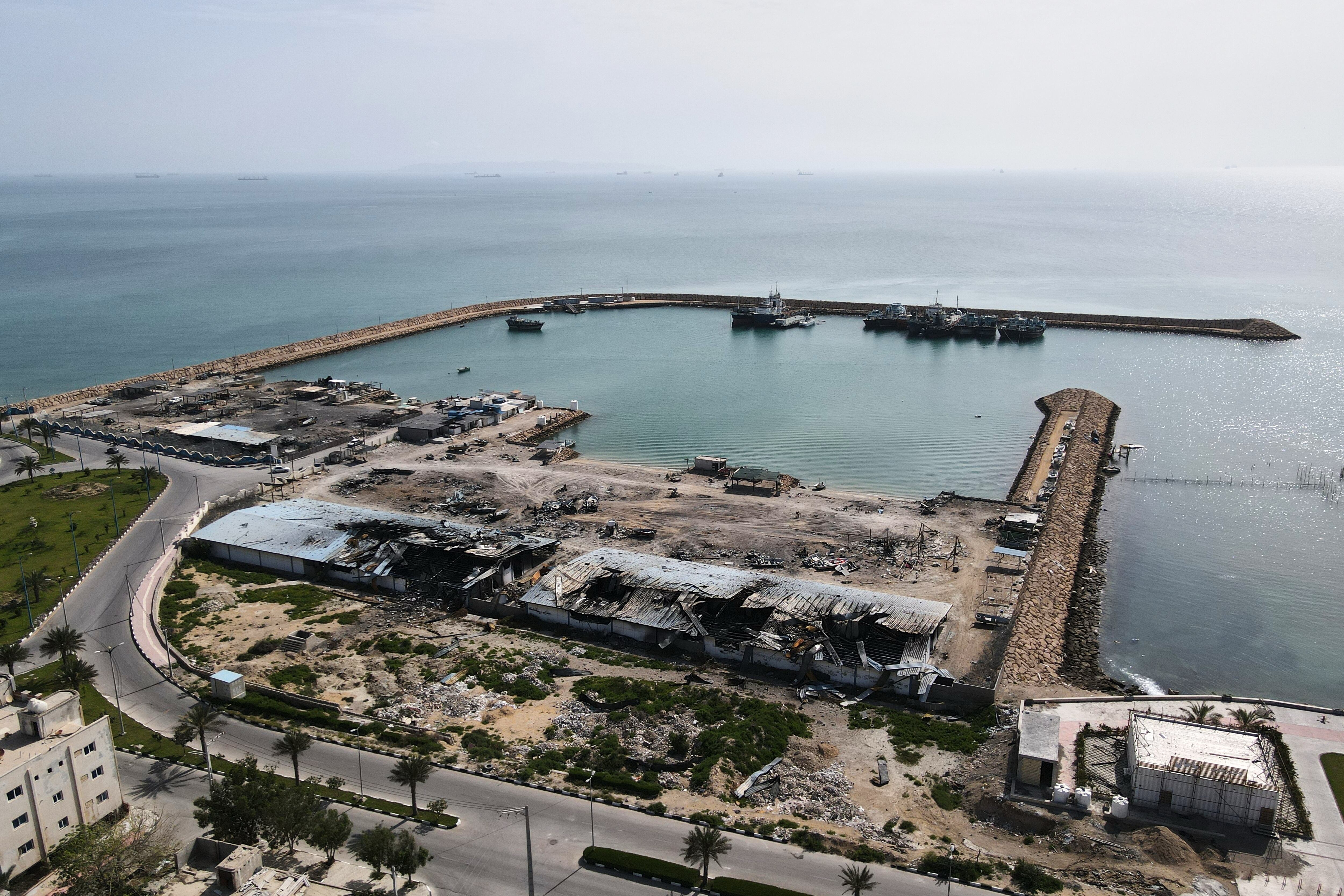
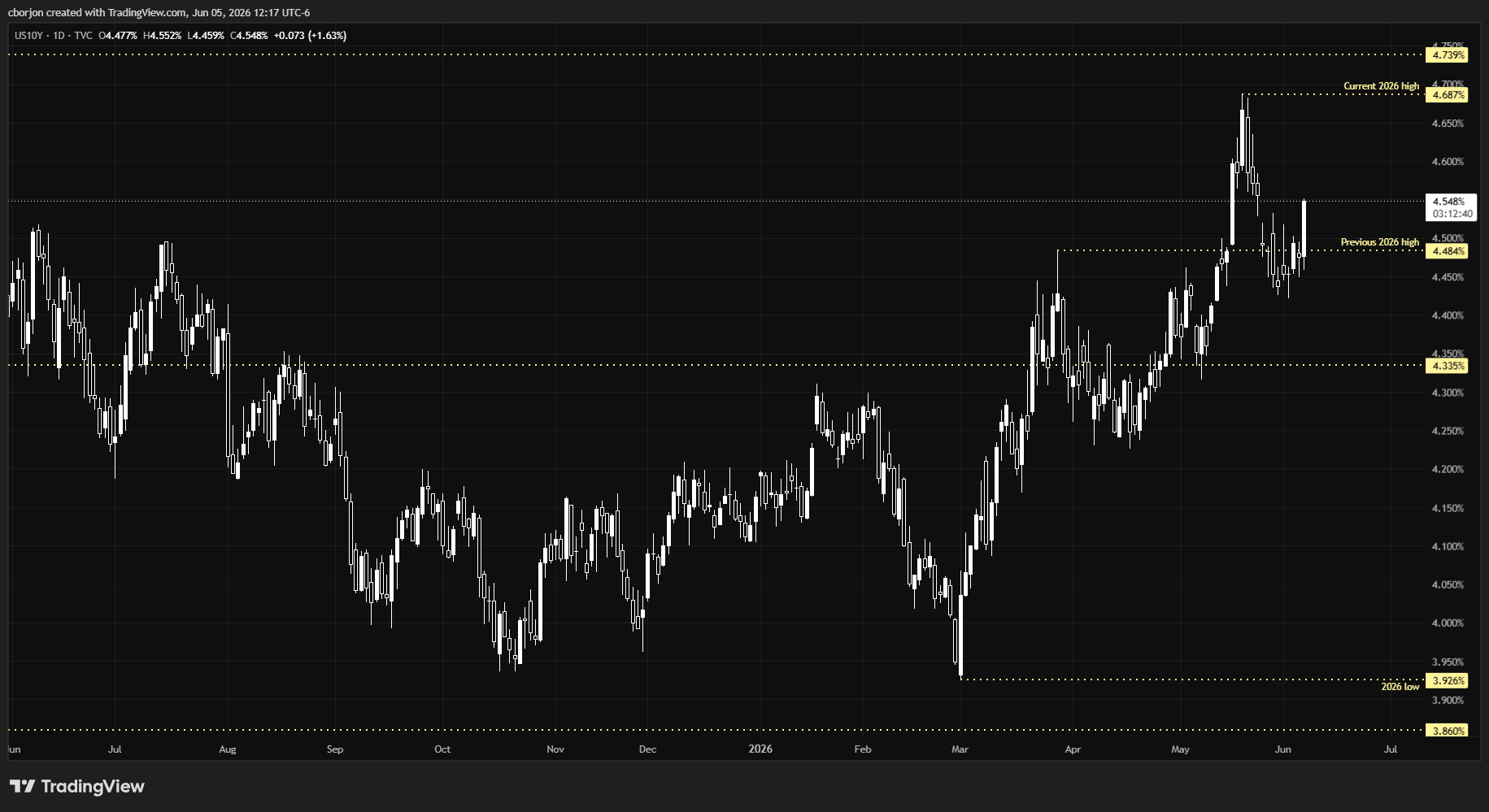
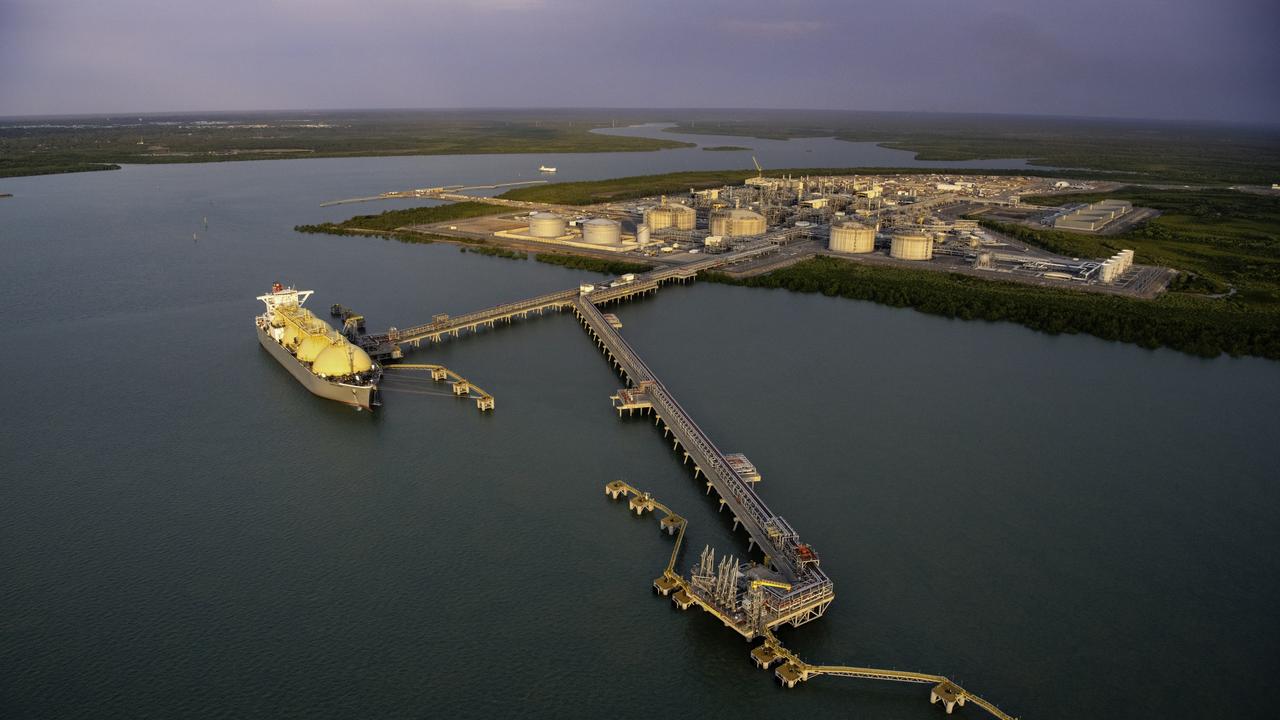
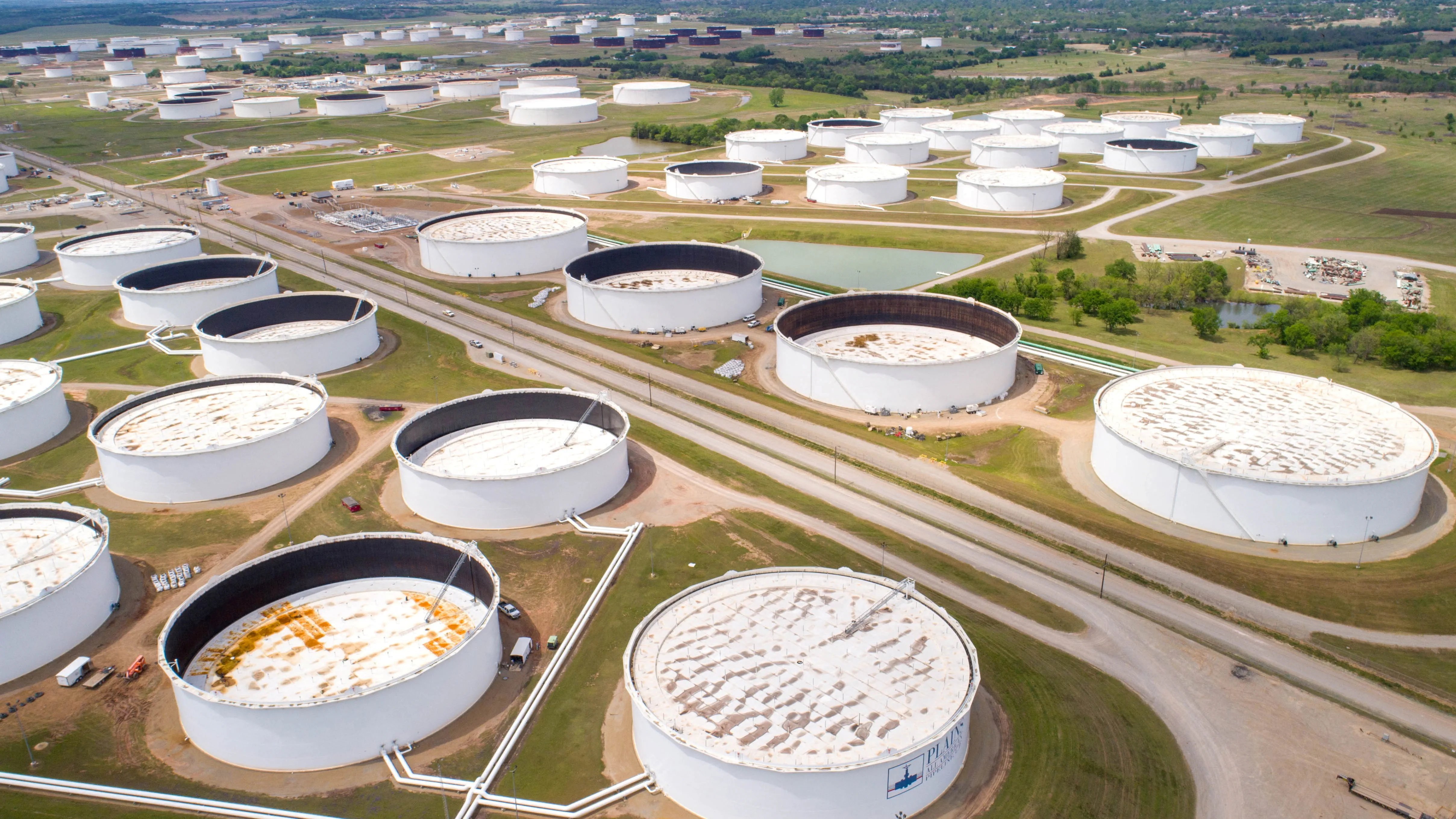
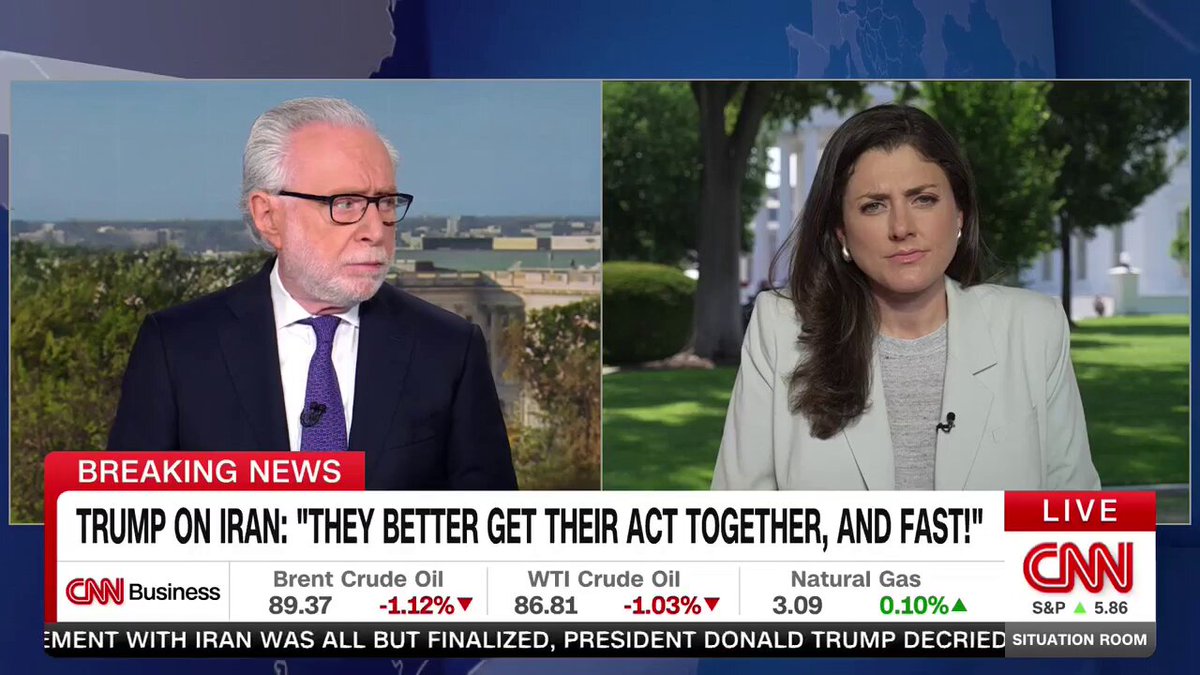
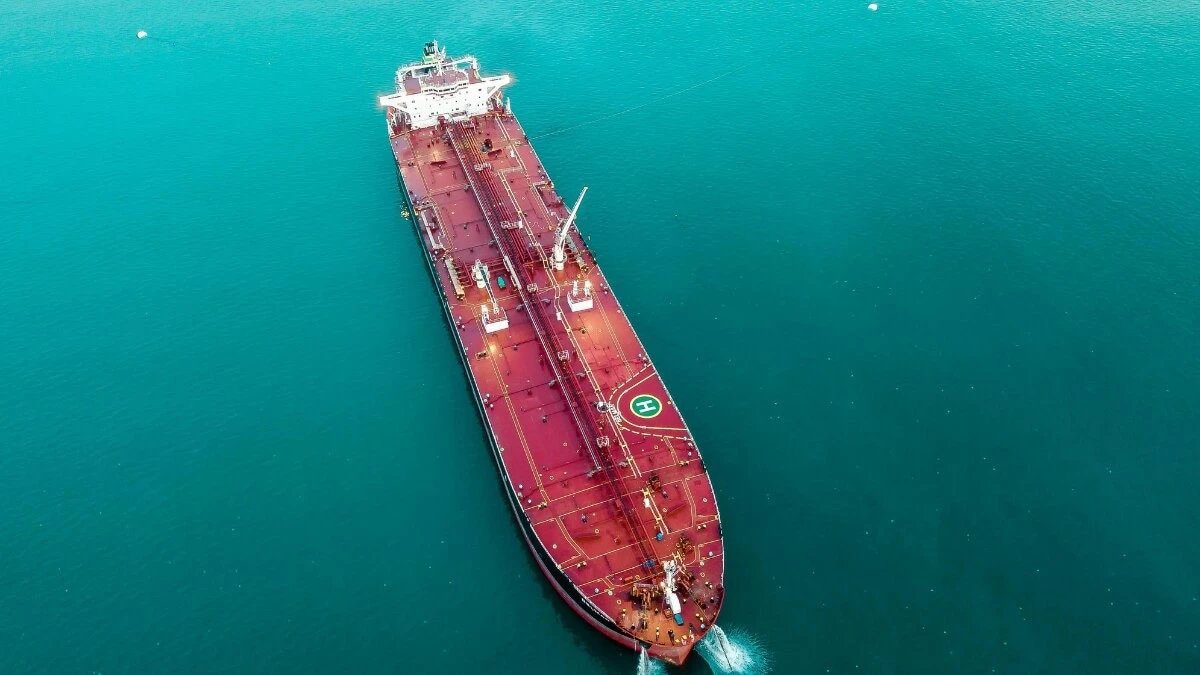
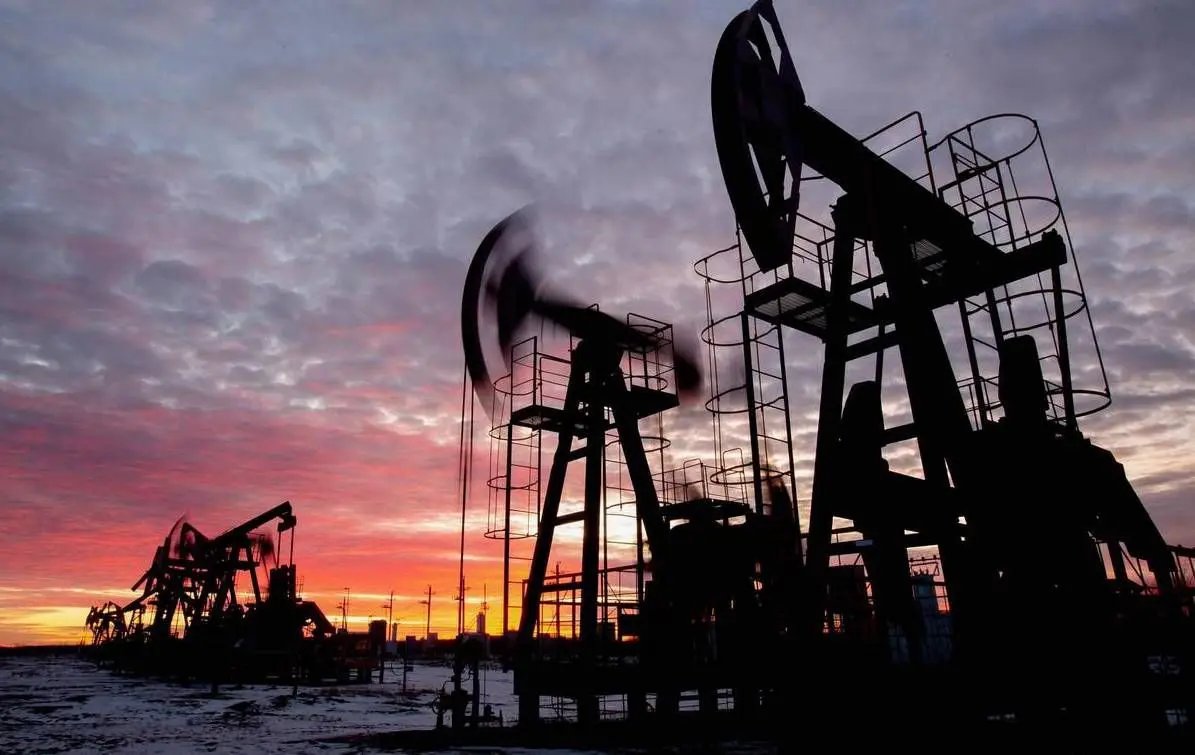
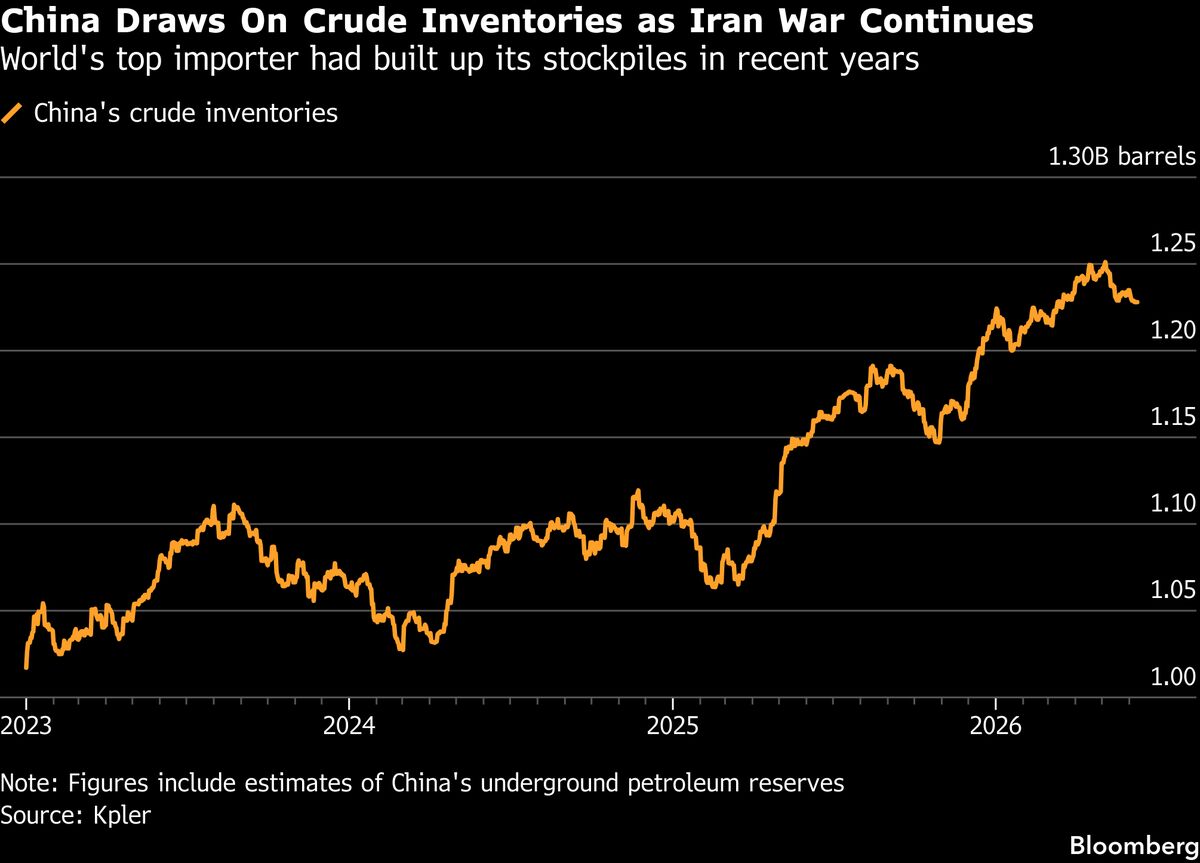
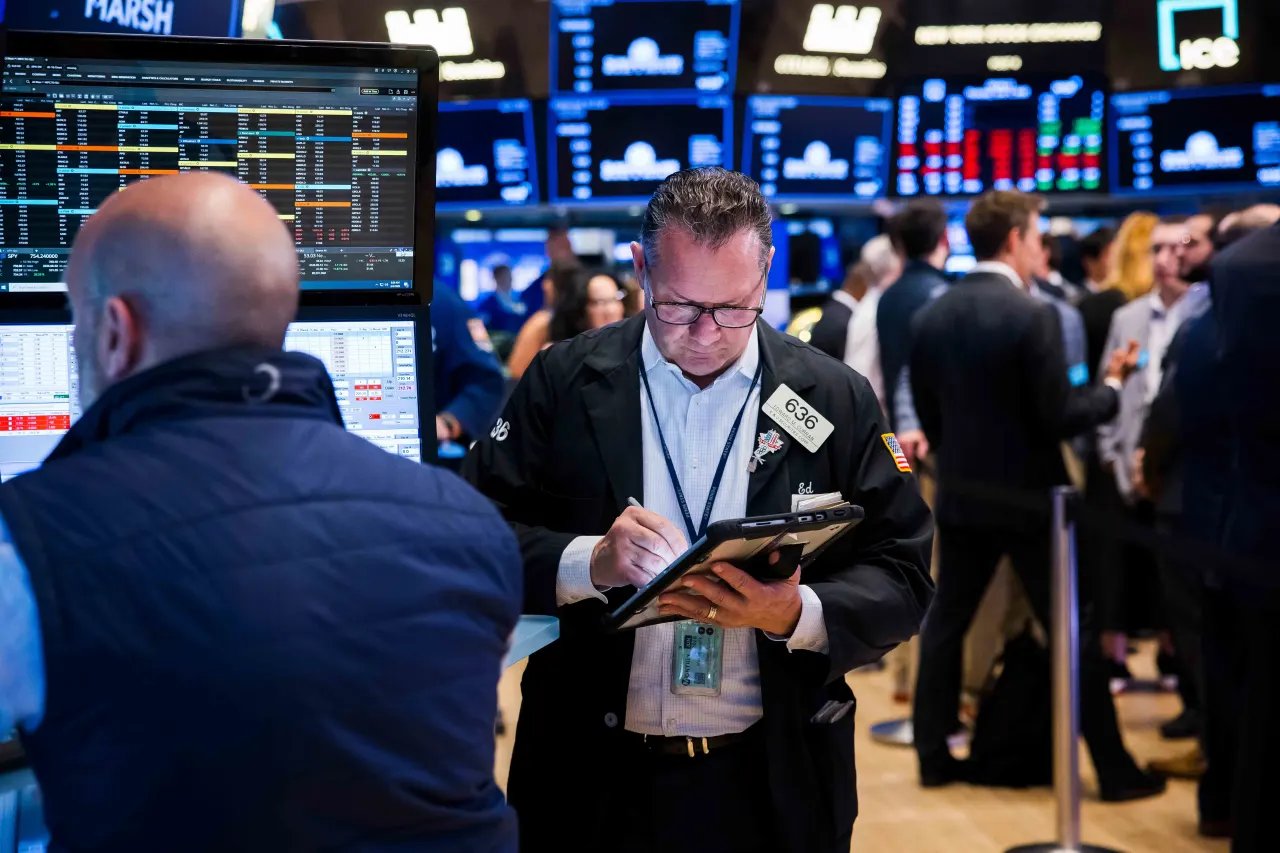
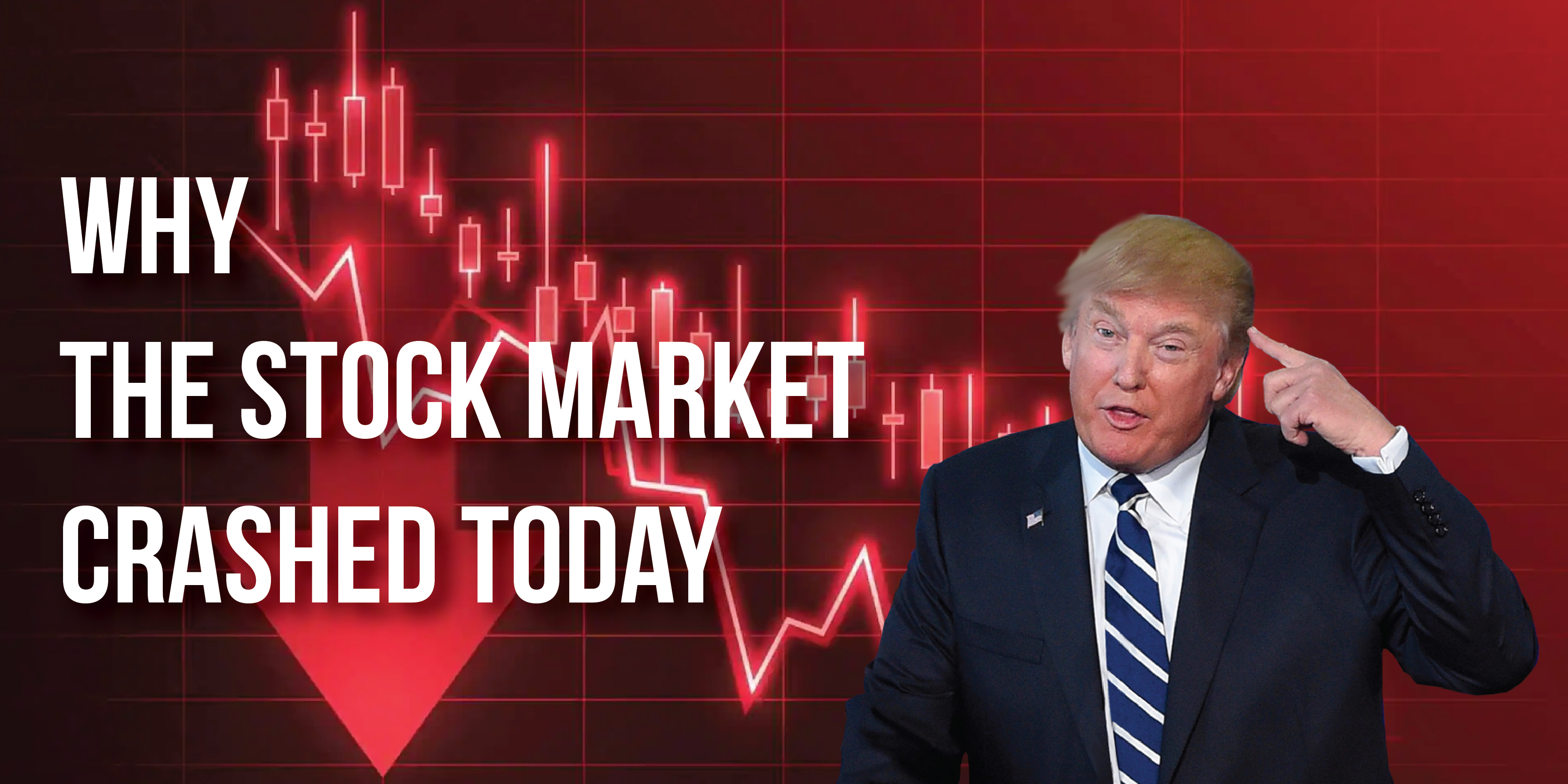
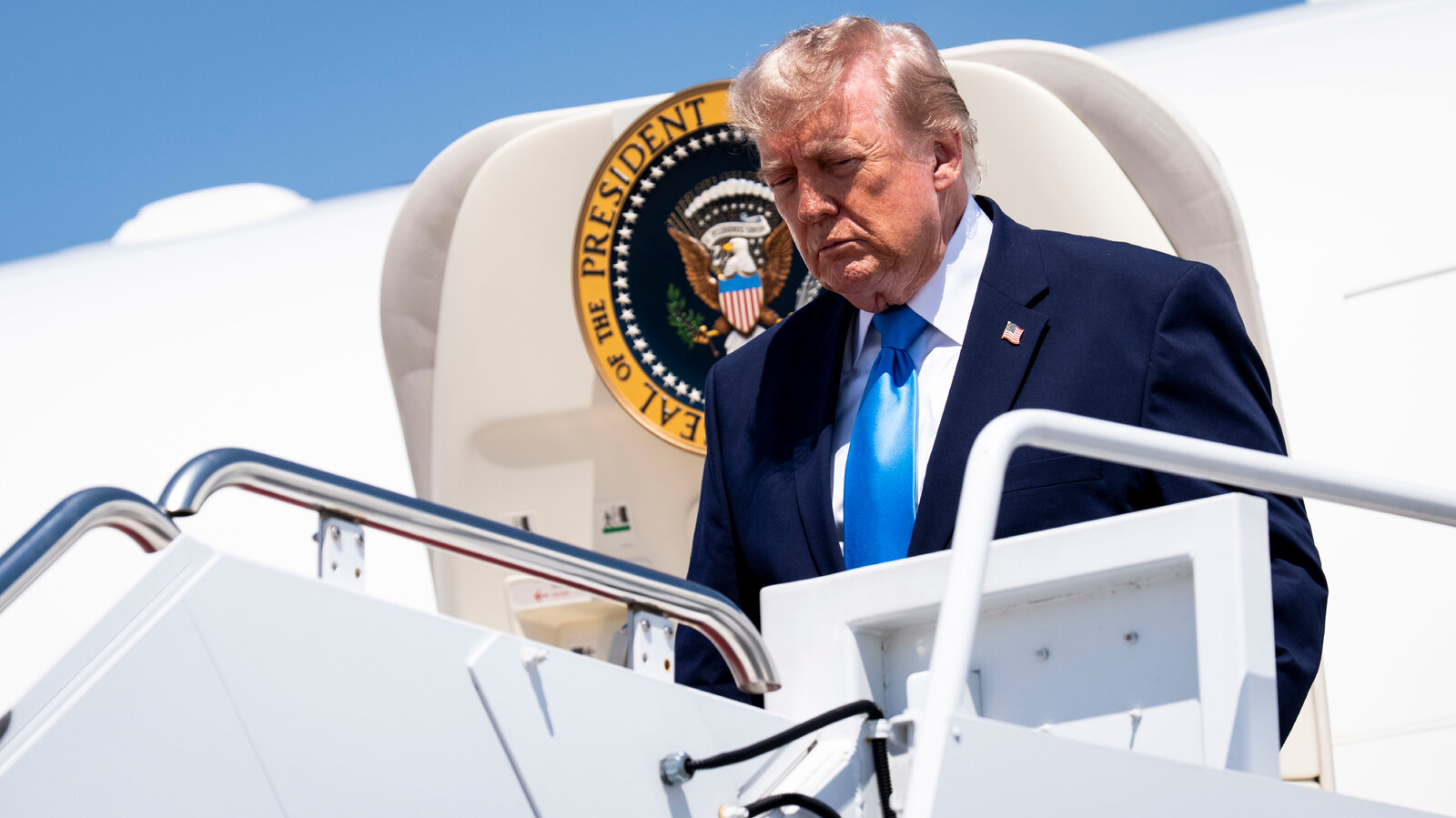
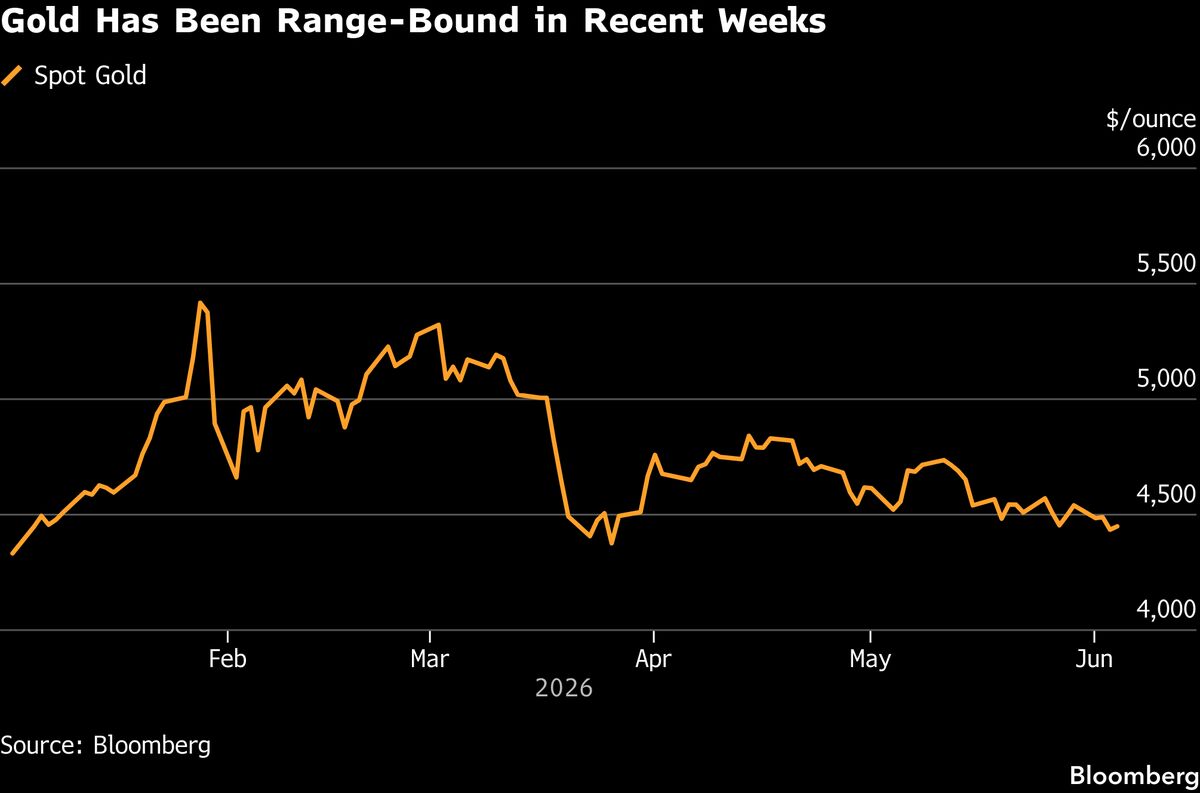
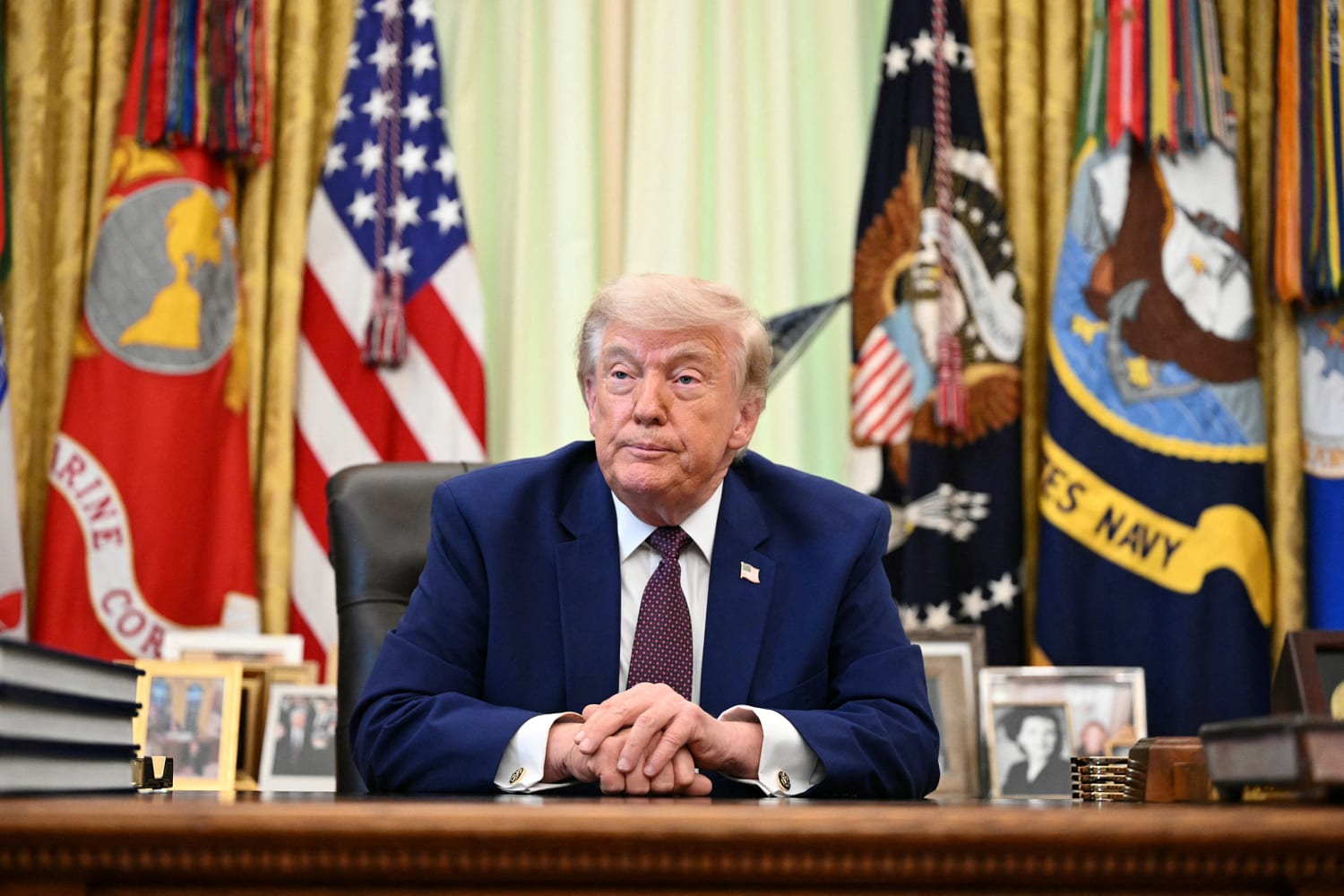
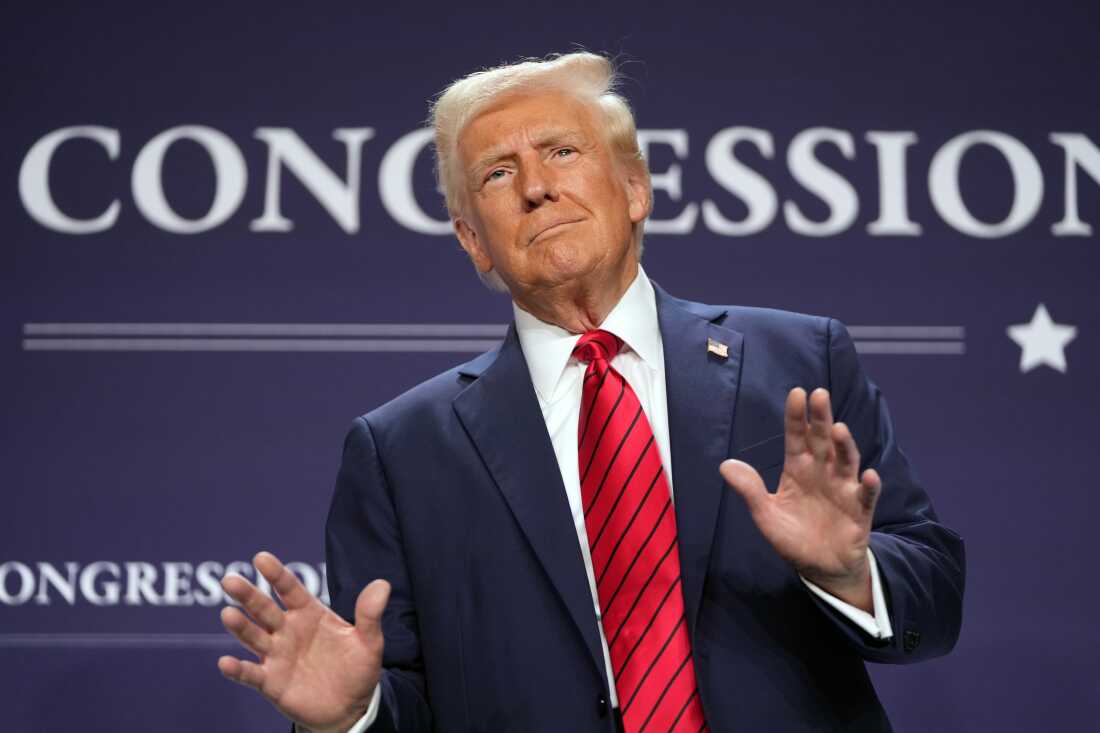
Following the announcement, oil prices dropped to their lowest level since March, with West Texas Intermediate futures settling at approximately $80.40, a 5% decrease. This decline is linked to the anticipated reopening of the Strait of Hormuz, a vital maritime route for global oil supply. President Trump stated on social media that the agreement would allow for the immediate removal of the U.S. naval blockade in the region, further fueling optimism in the markets. Gas prices, currently averaging $4.06 per gallon, have also seen a decline over the past month, reflecting easing tensions.
Skepticism Among Senate Republicans
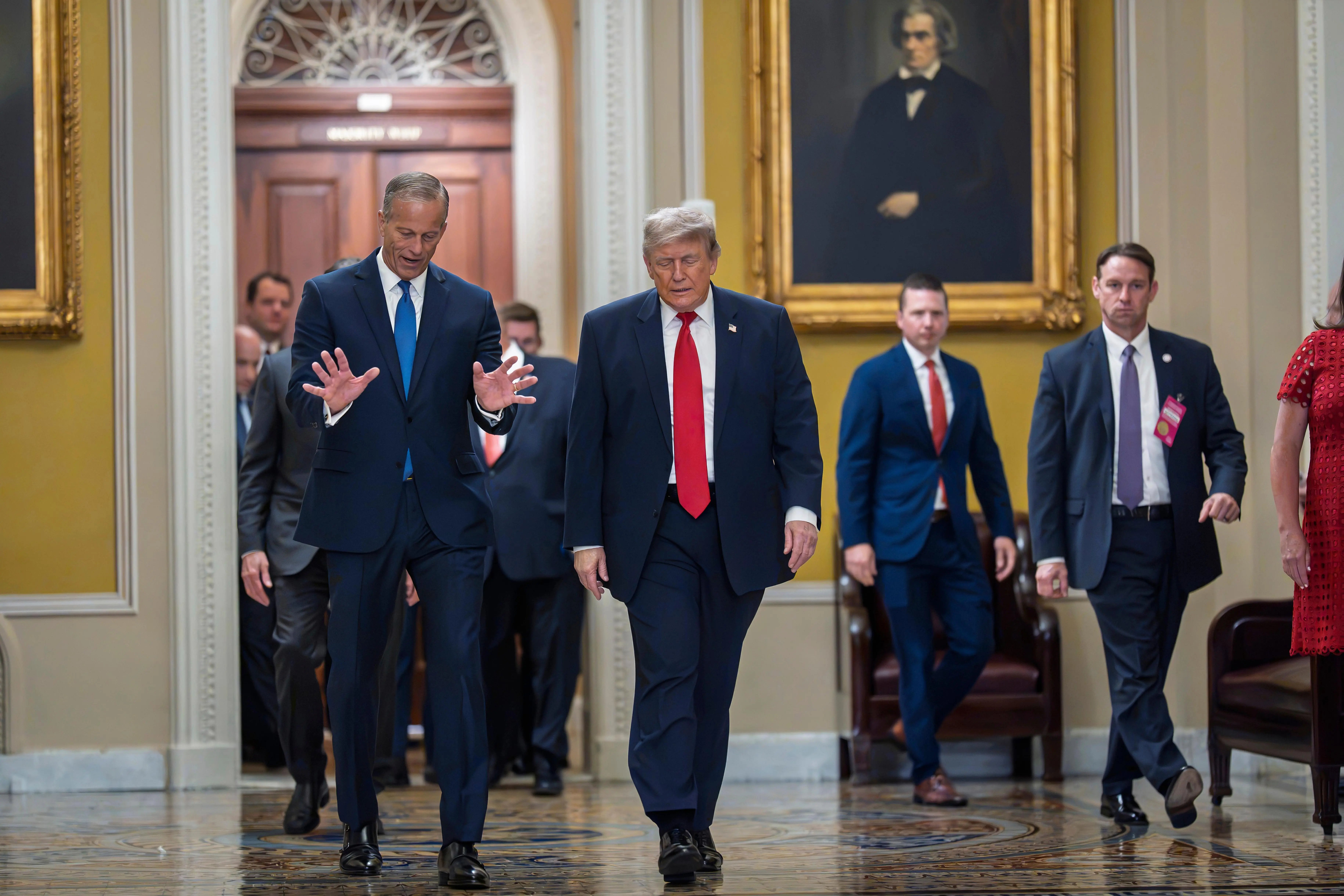
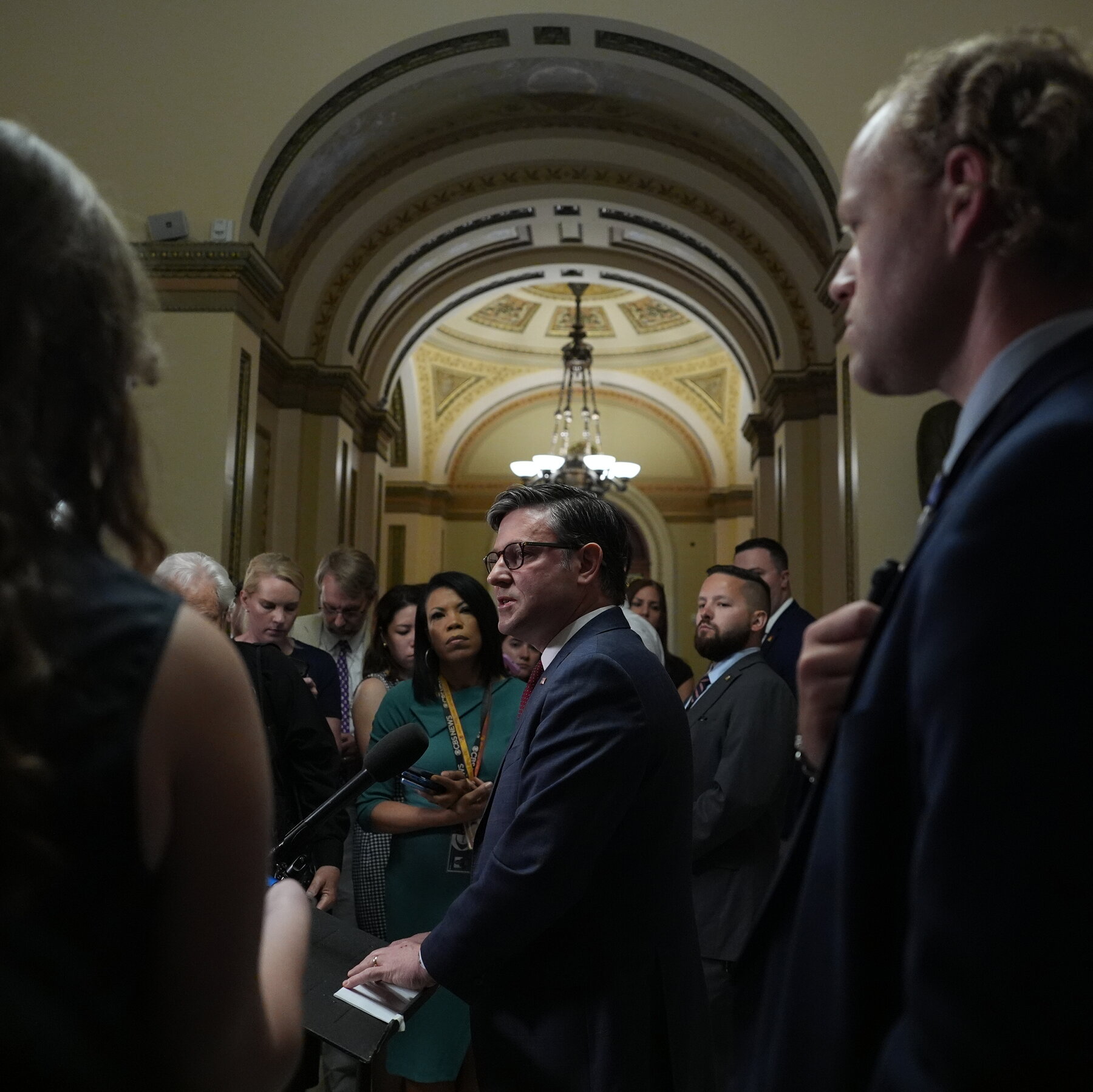
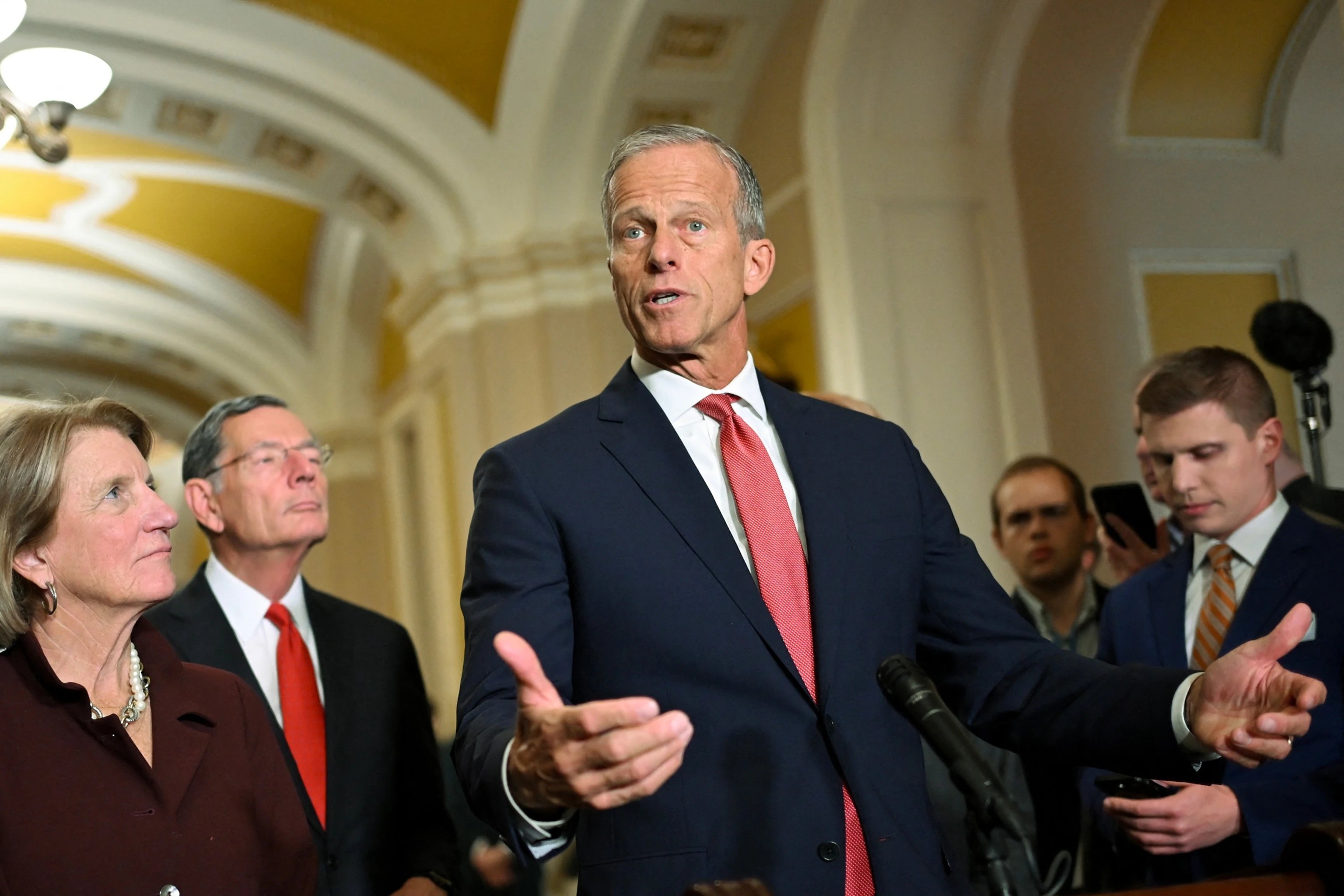
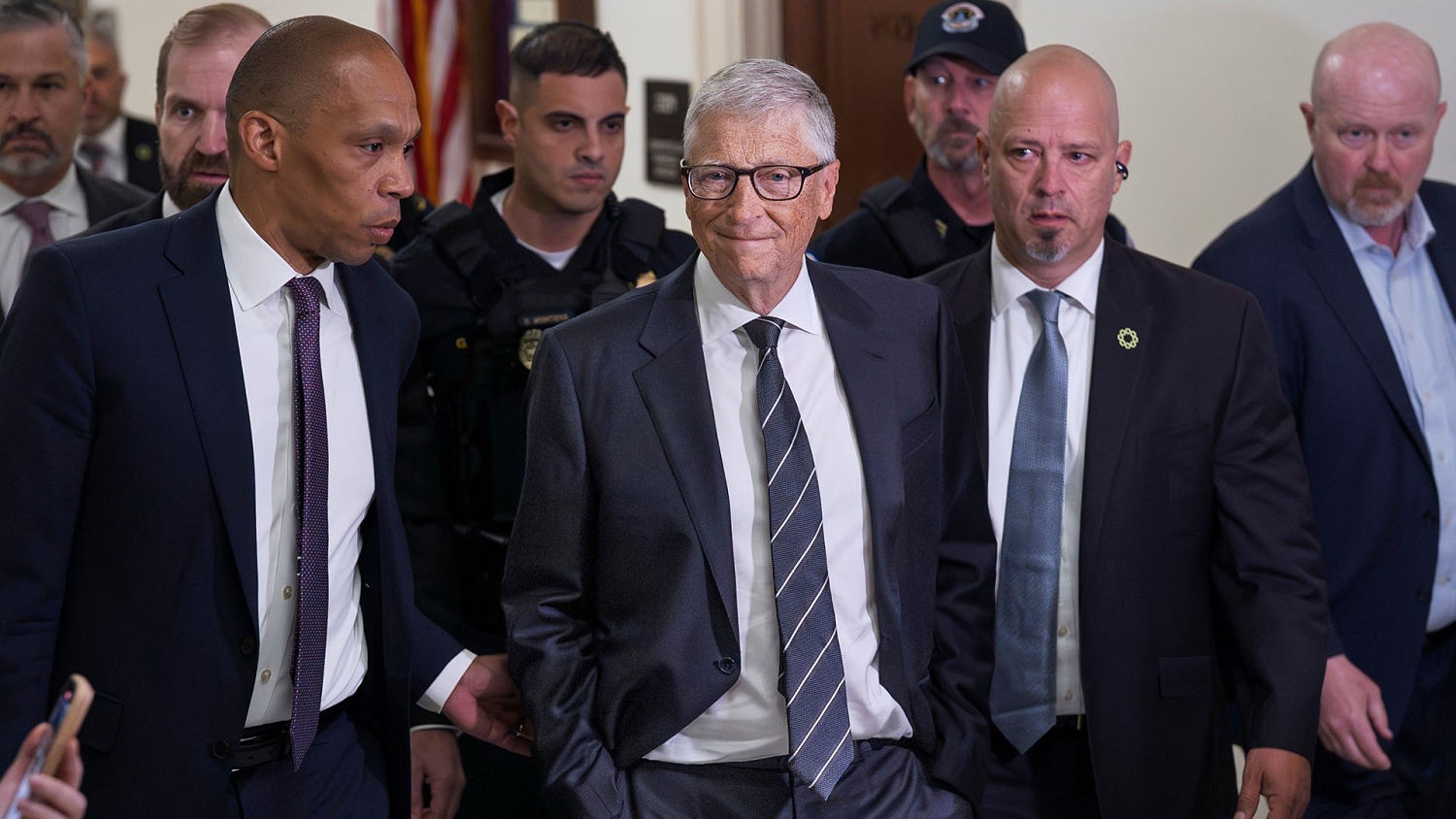
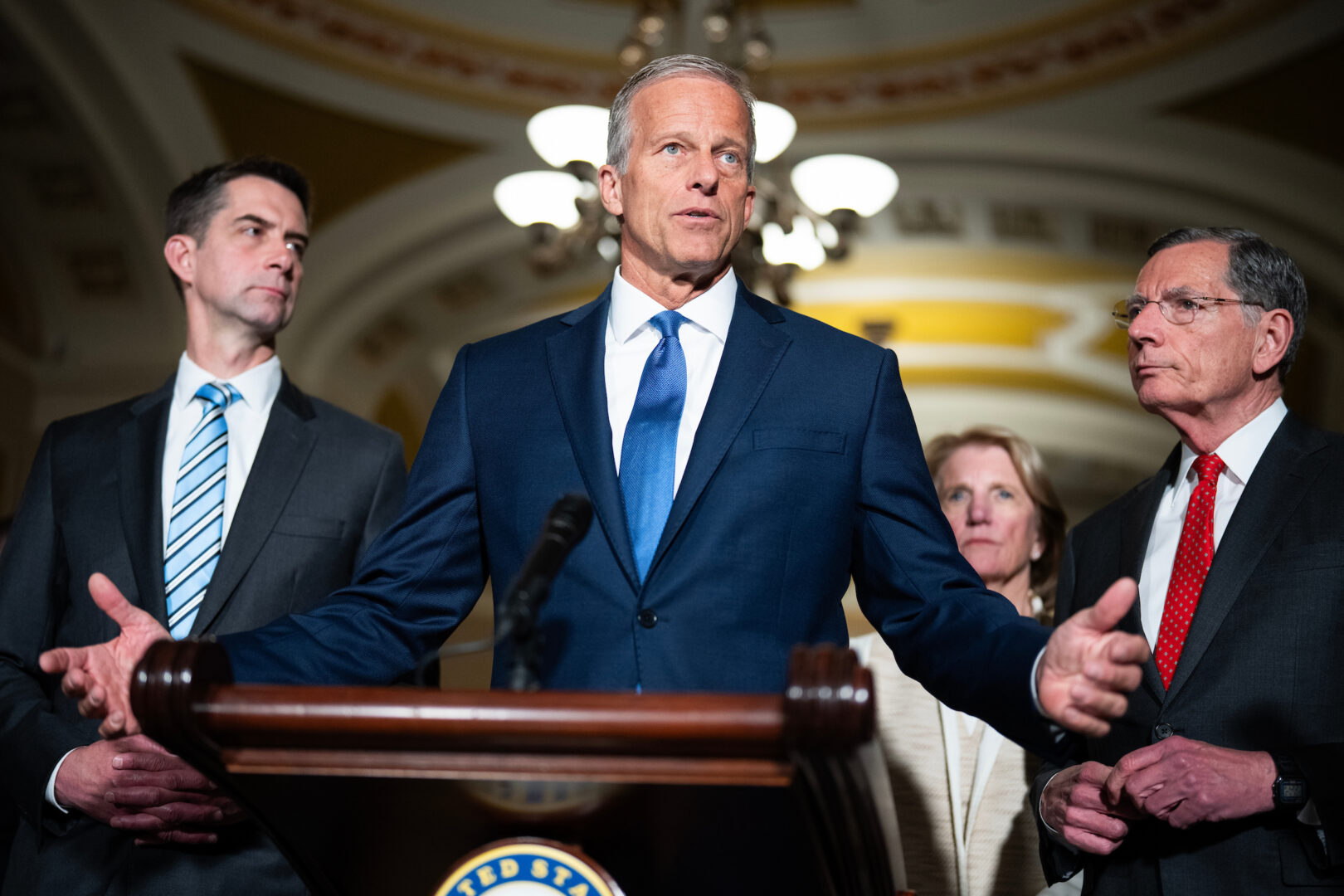
Despite the optimistic economic indicators, many Senate Republicans expressed skepticism about the agreement's specifics. Senator John Thune noted a lack of clarity regarding compliance mechanisms and enforcement. He stated, "Even the people who follow this stuff closely up here don't know that much about it." Concerns also arose regarding financial incentives for Iran, including a $300 billion reconstruction fund contingent on Iranian compliance with the agreement's benchmarks.
Vance Addresses Financial Concerns
In interviews, Vance reassured that Iran would not receive any American taxpayer money unless it fulfills its obligations under the agreement. He stated, "Iran won't get a dime of American taxpayer money, ever," and emphasized that financial incentives would be funded by neighboring Gulf states. This assertion aims to quell fears that the U.S. might inadvertently finance Iranian activities, particularly those related to terrorism.
Future Negotiations and Verification Challenges
Vance acknowledged that the agreement is still a "very general document" and that further negotiations will be necessary to clarify its terms. He mentioned that Iran's commitment to halting its support for terrorist groups would be a critical aspect of the discussions. The Vice President also highlighted the importance of verification measures to ensure that Iran does not pursue nuclear weapons, although he did not elaborate on the specifics of these verification processes.
Next Steps and Legislative Oversight
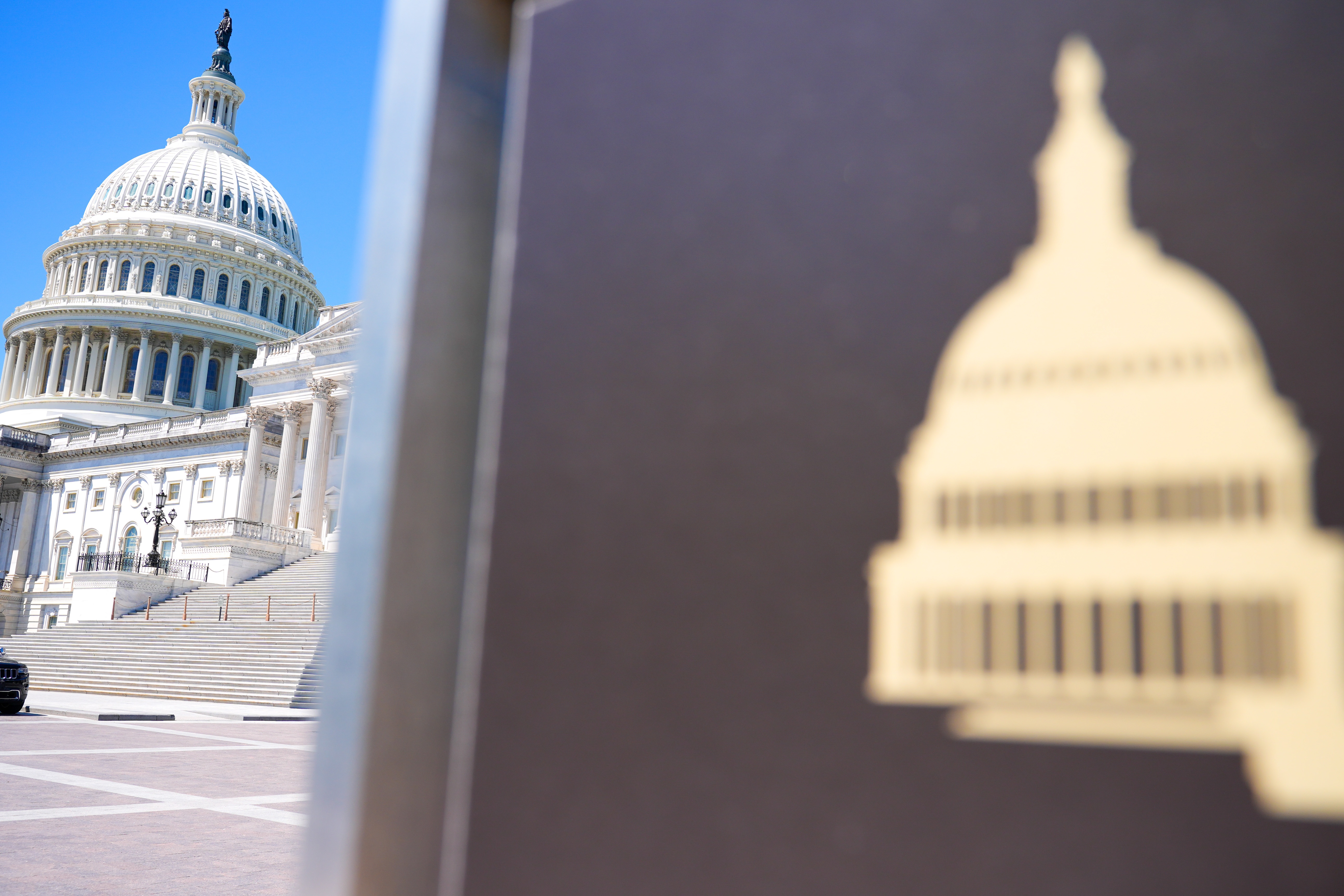
The memorandum of understanding is set for a ceremonial signing on Friday in Geneva, with the full text expected to be released soon. Congressional leaders, including Senator Lindsey Graham, have called for thorough briefings and oversight before finalizing the agreement. Graham expressed a desire to review the details, stating, "Let's look at it and see what it actually is." As negotiations progress, both sides will need to navigate a complex landscape of regional politics and public scrutiny.
The outcome of this agreement could reshape U.S.-Iran relations and have lasting implications for global oil markets, making it crucial for citizens to stay informed about its developments.