
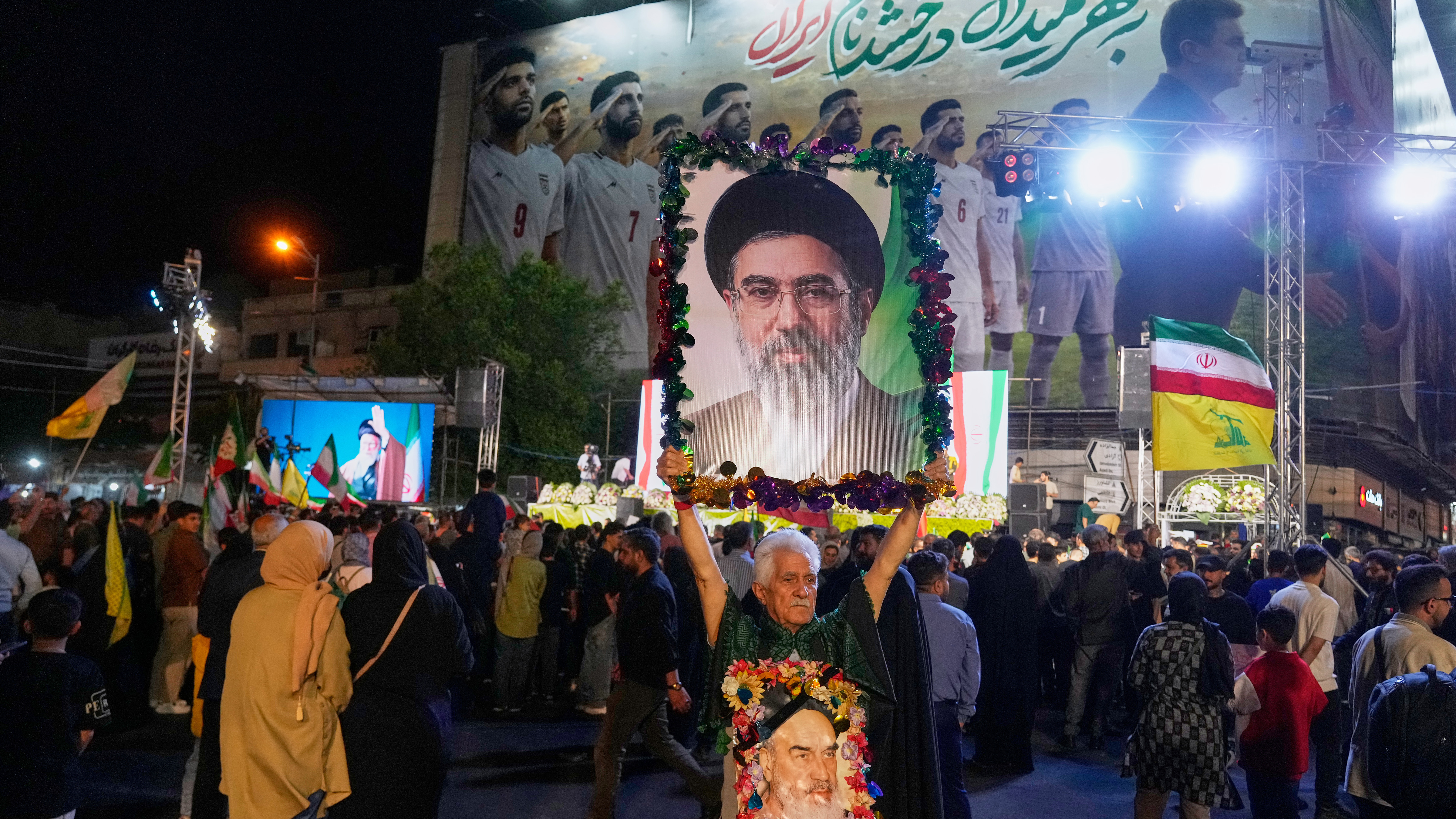





New Developments in Switzerland Talks
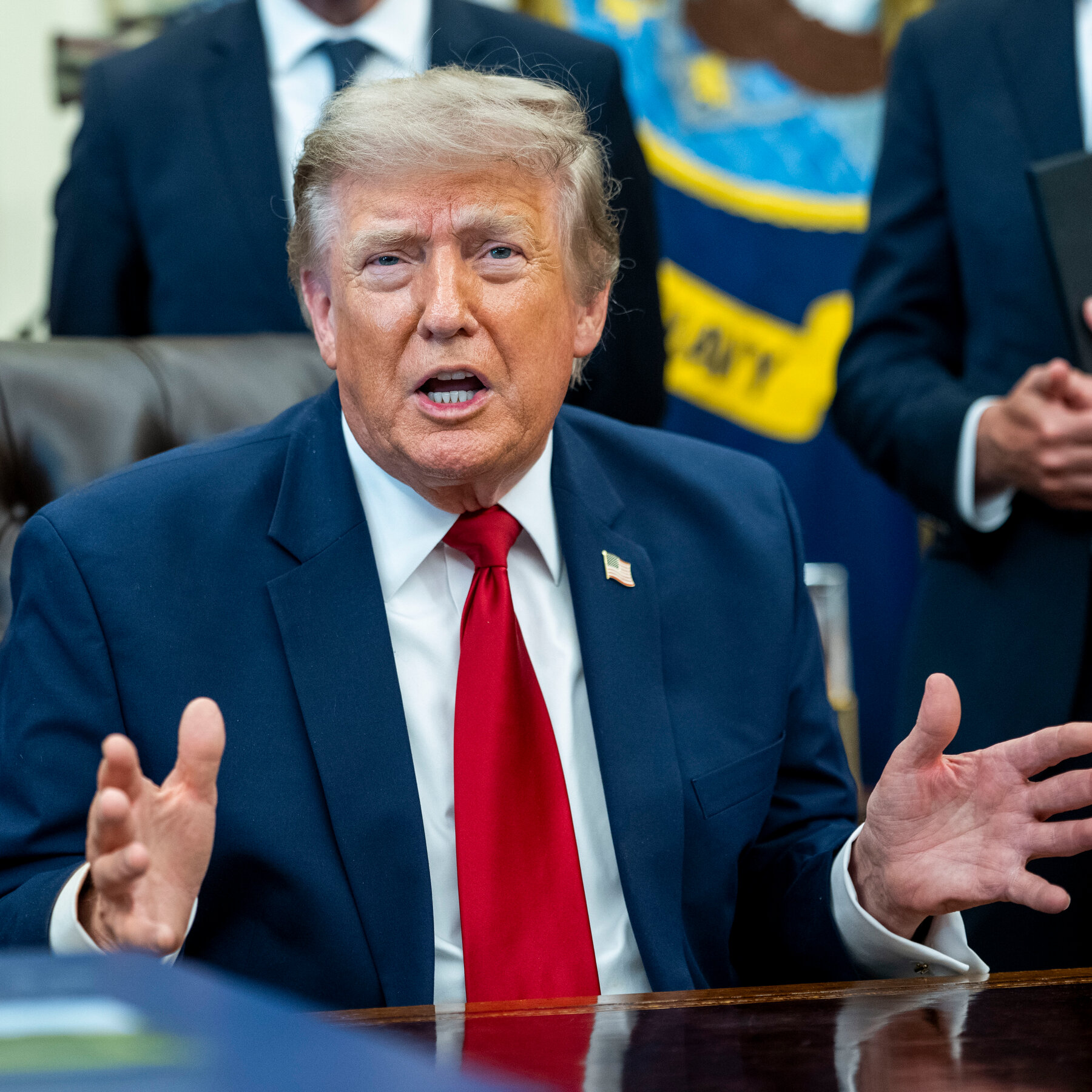
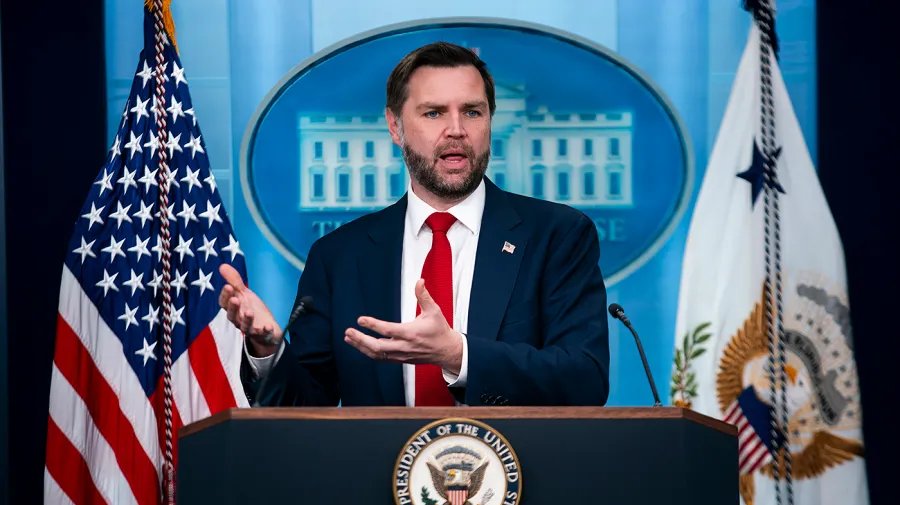
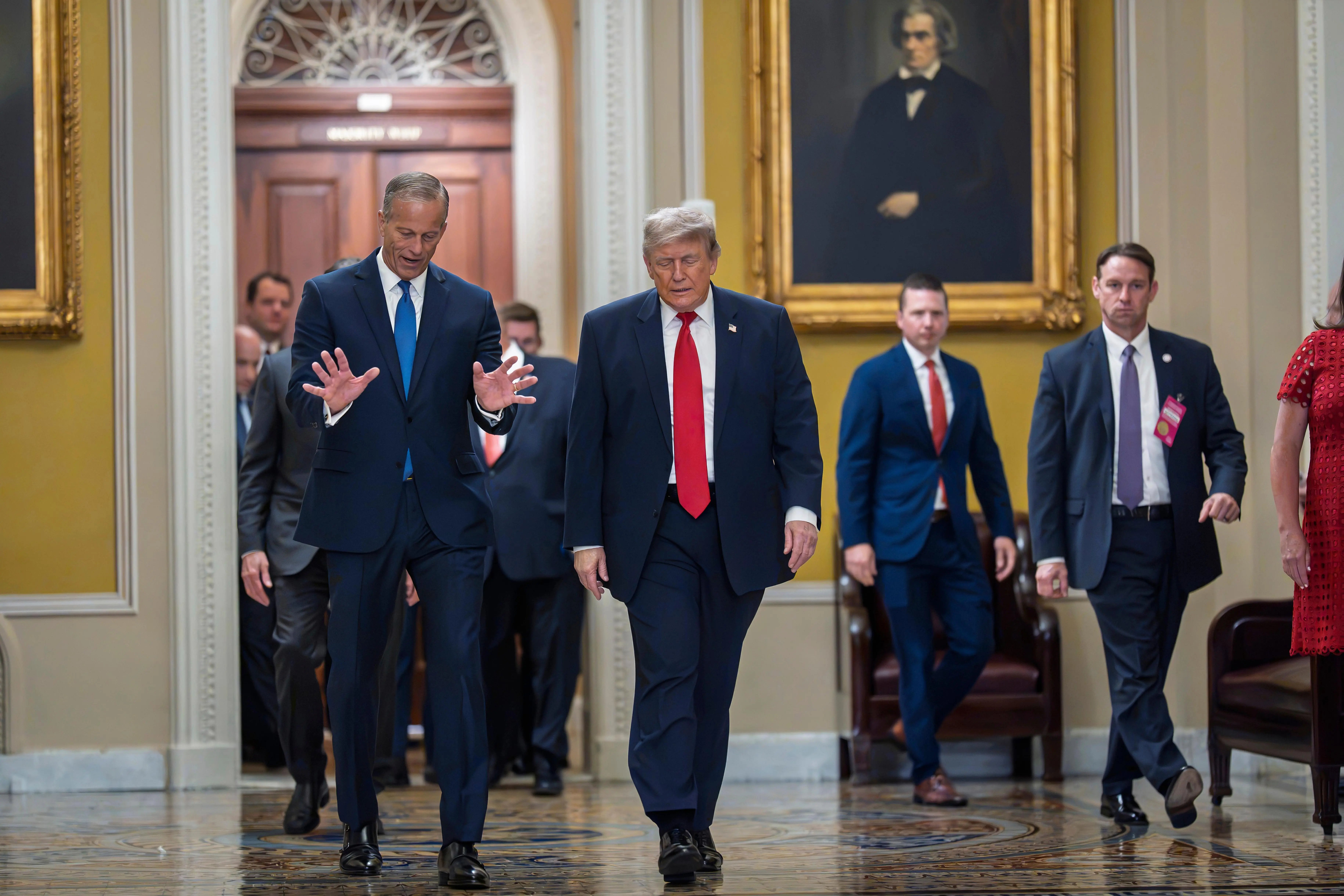
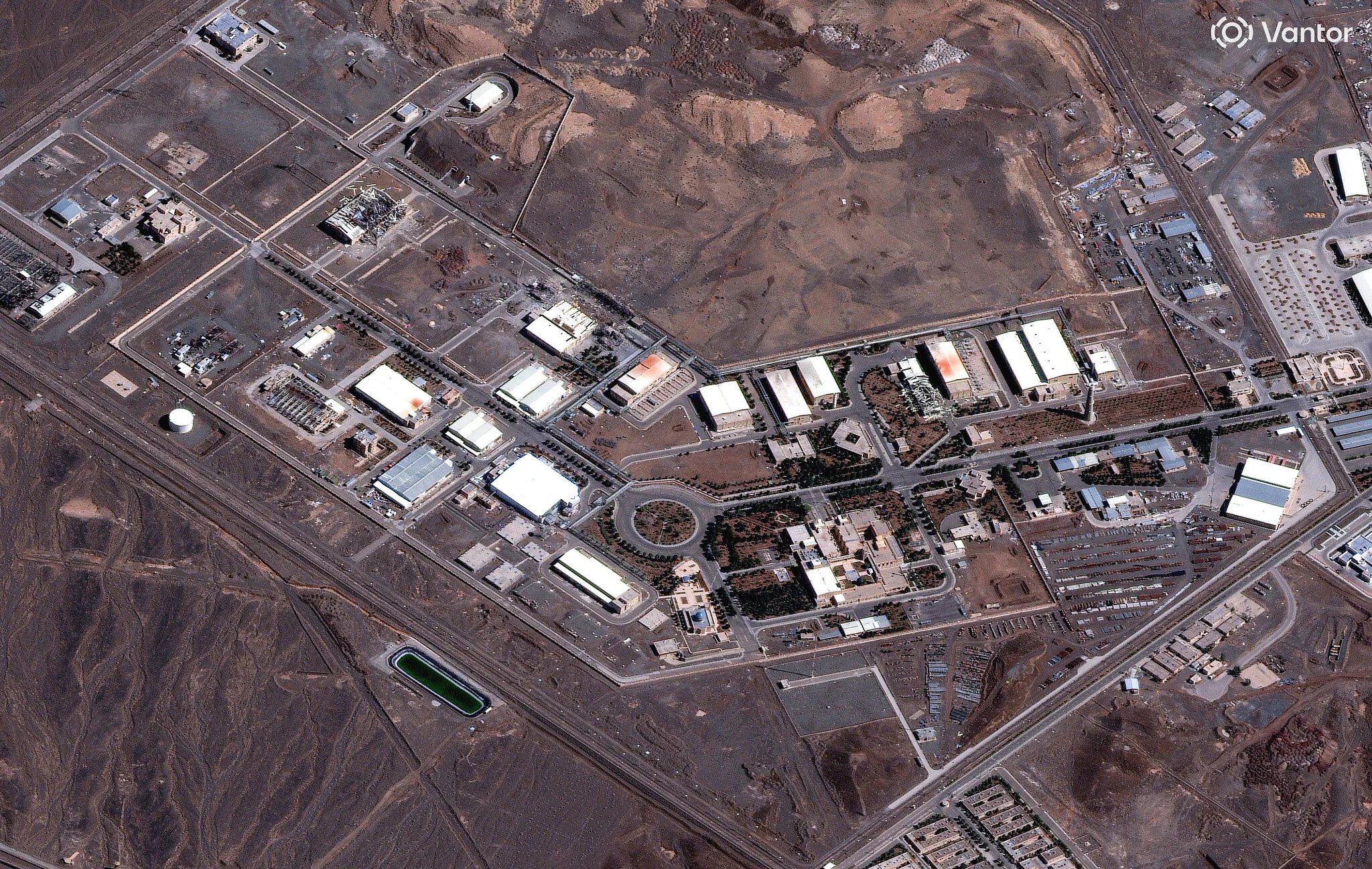
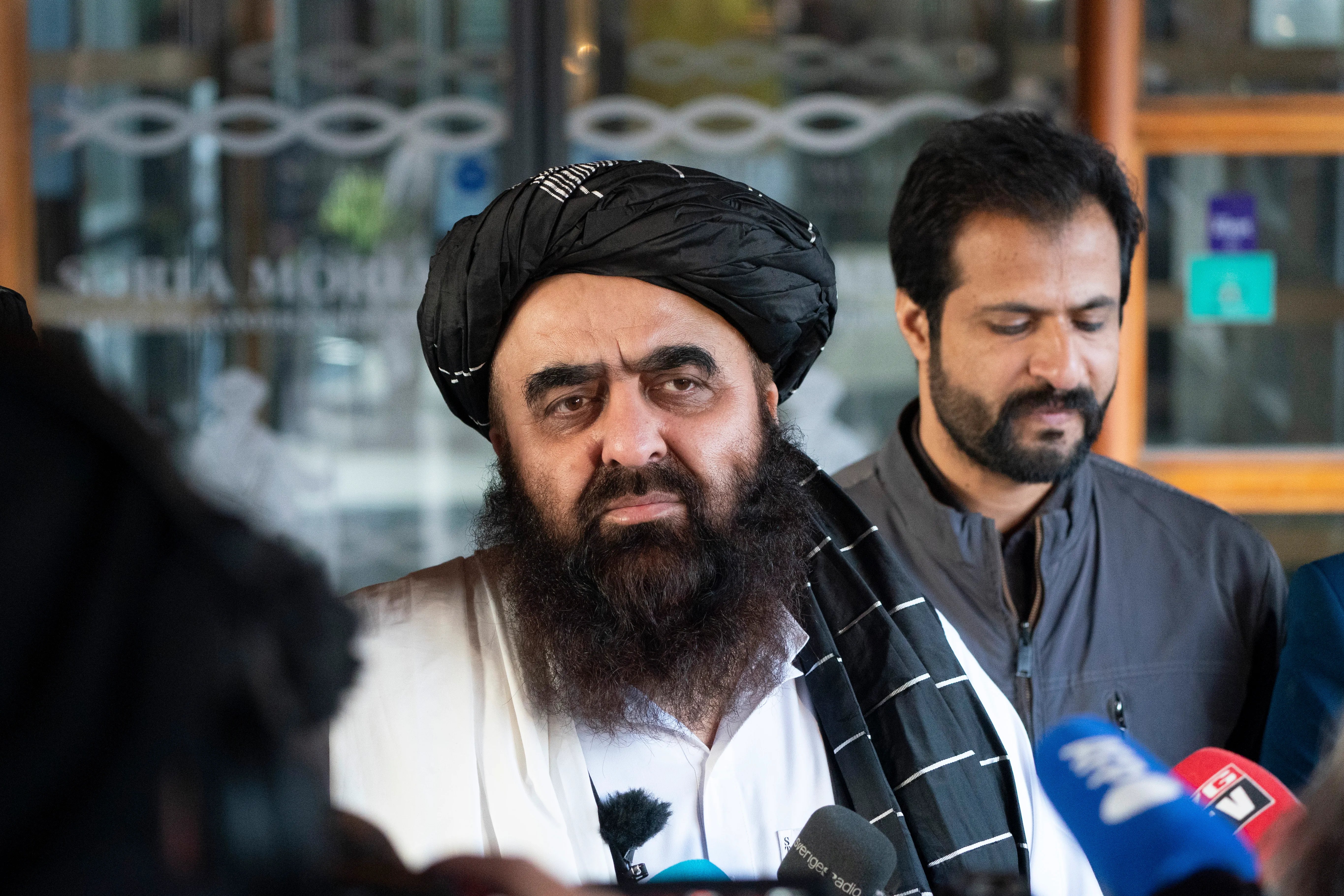
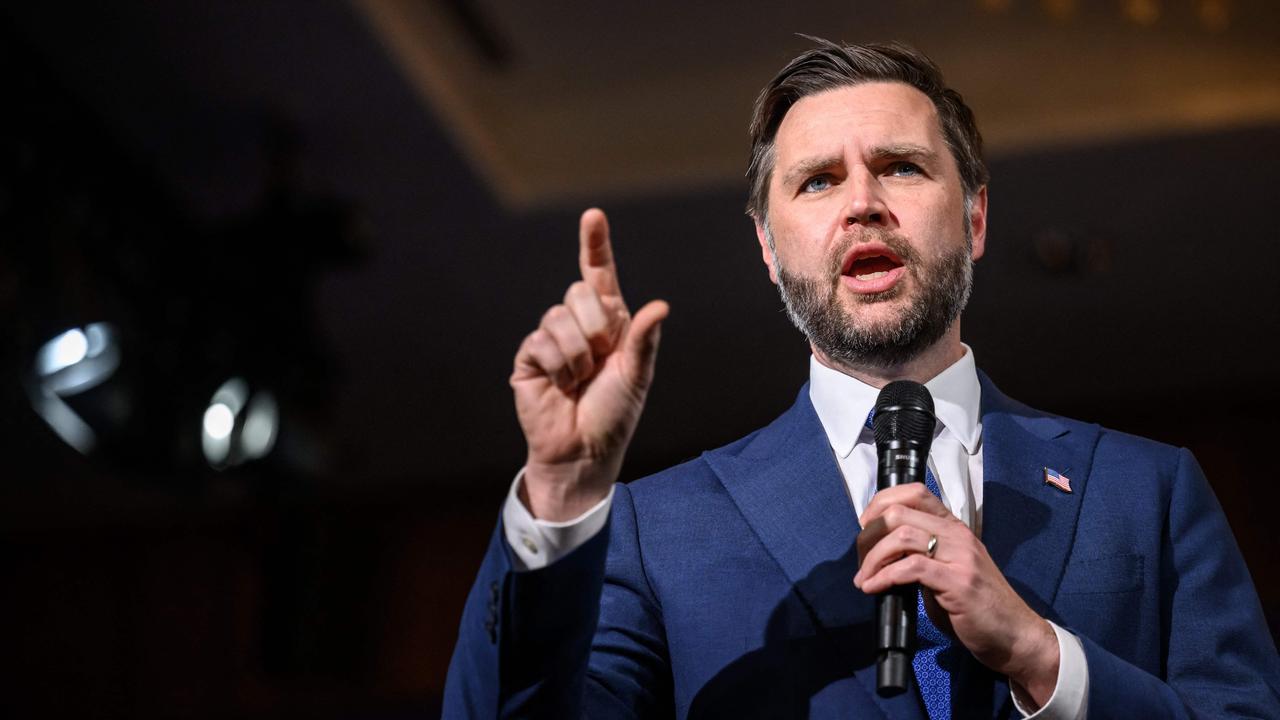
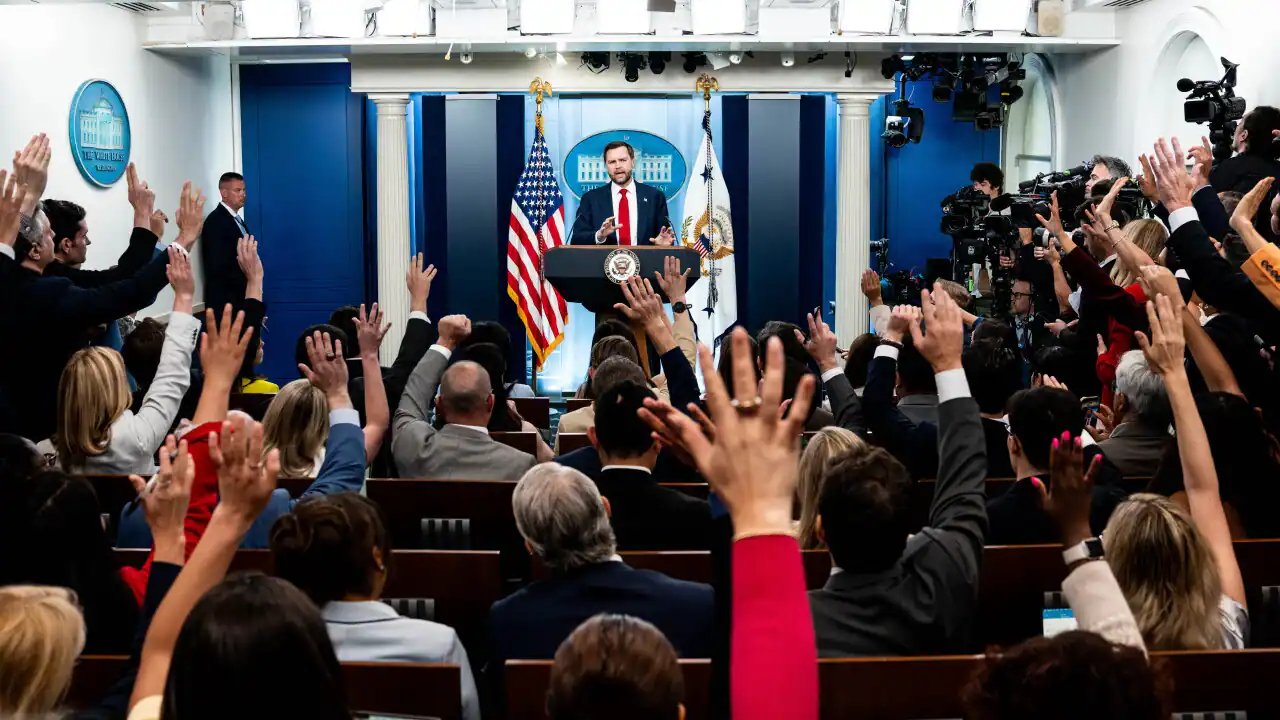
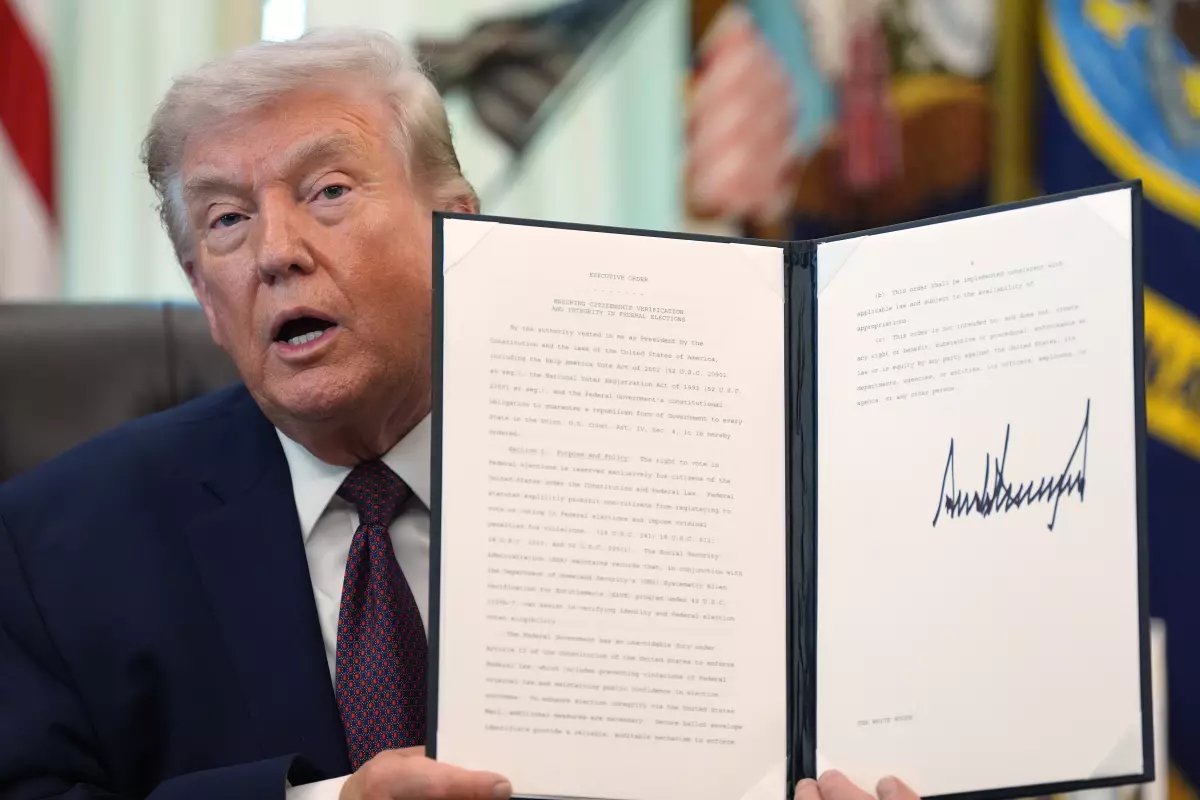
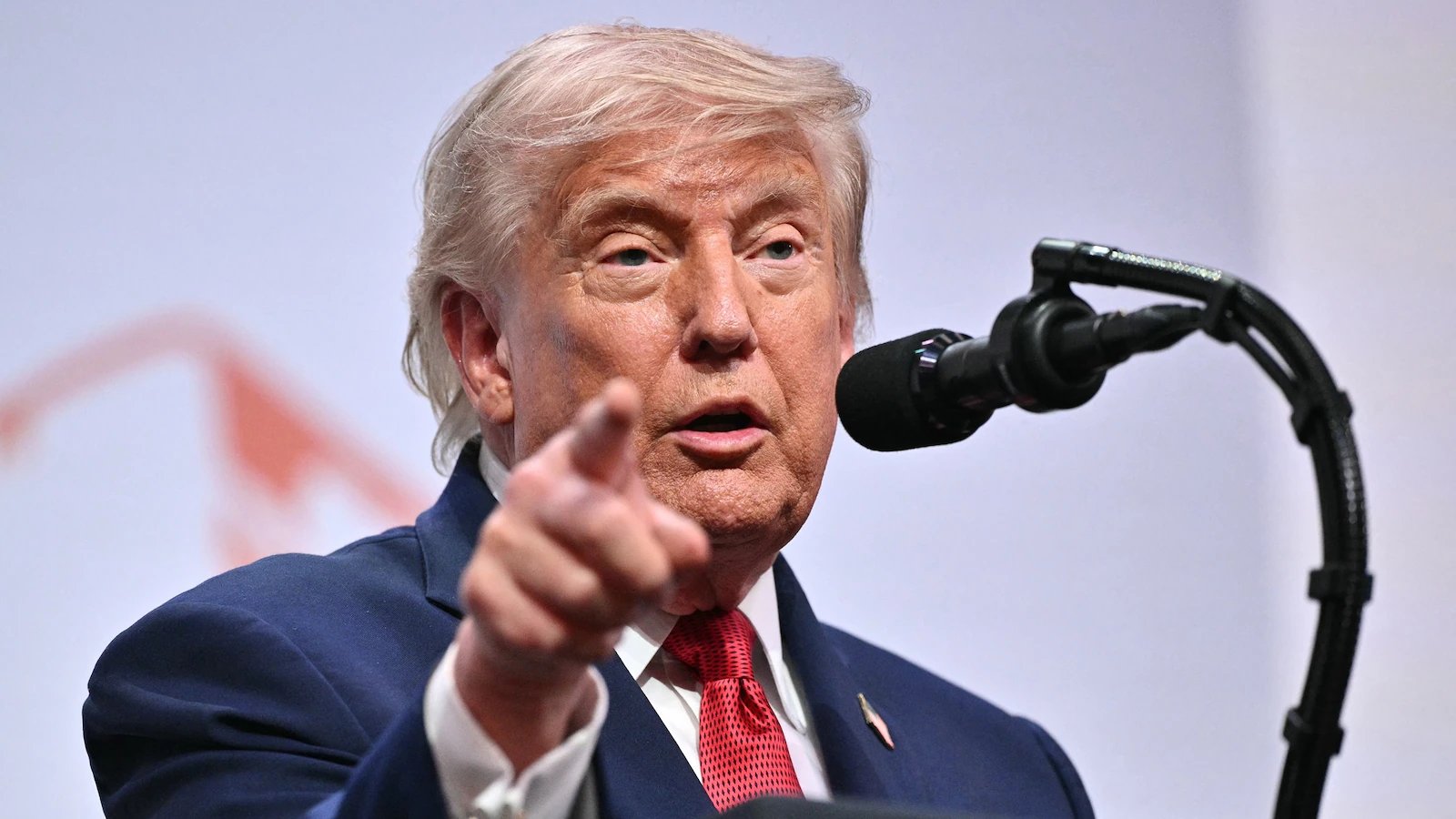
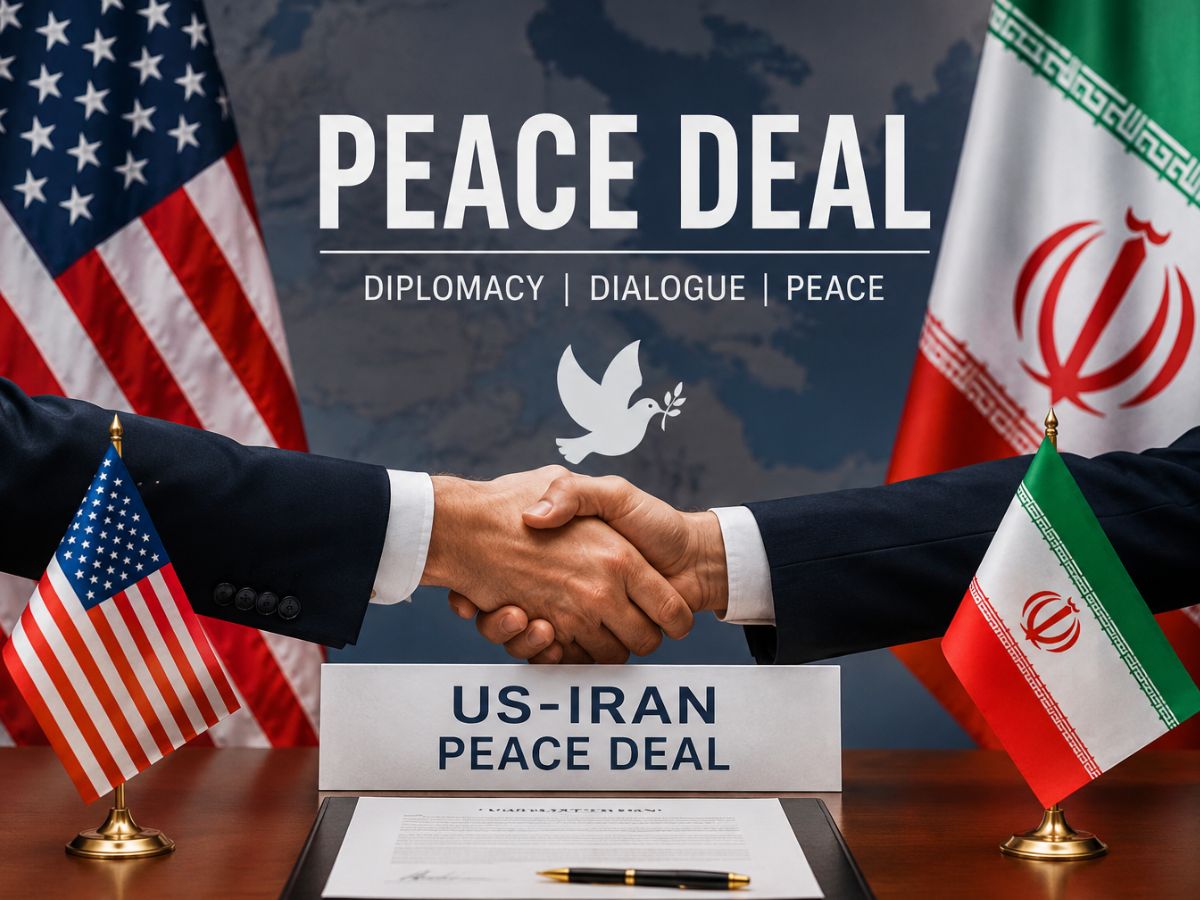
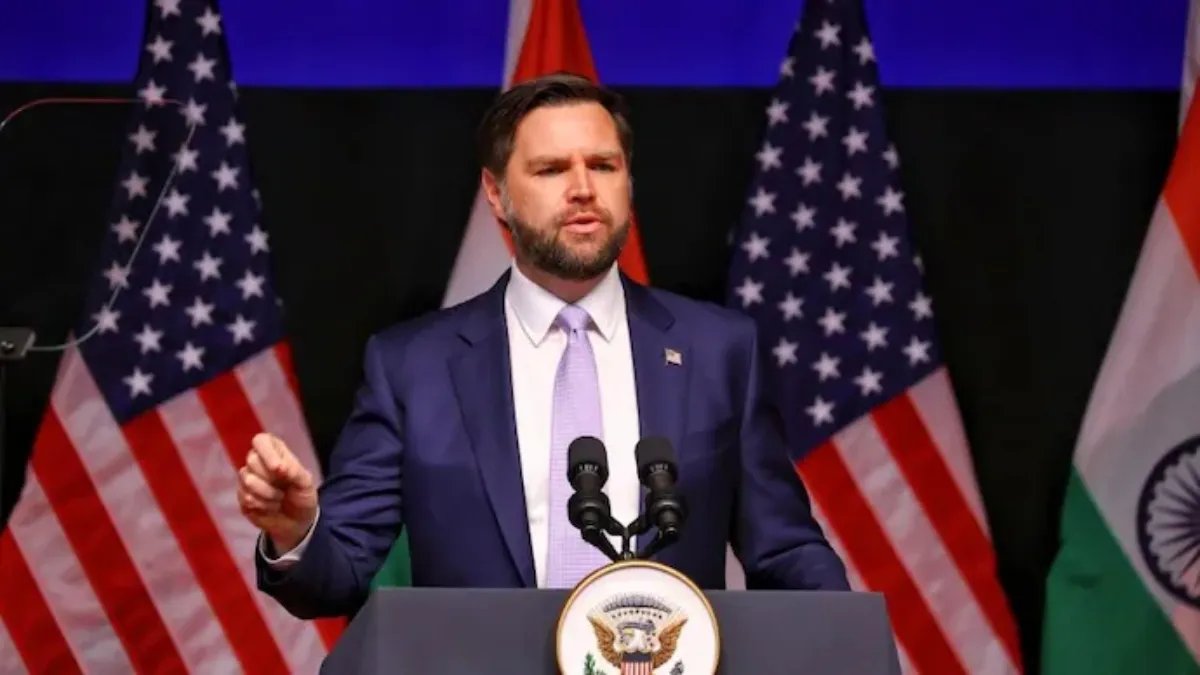
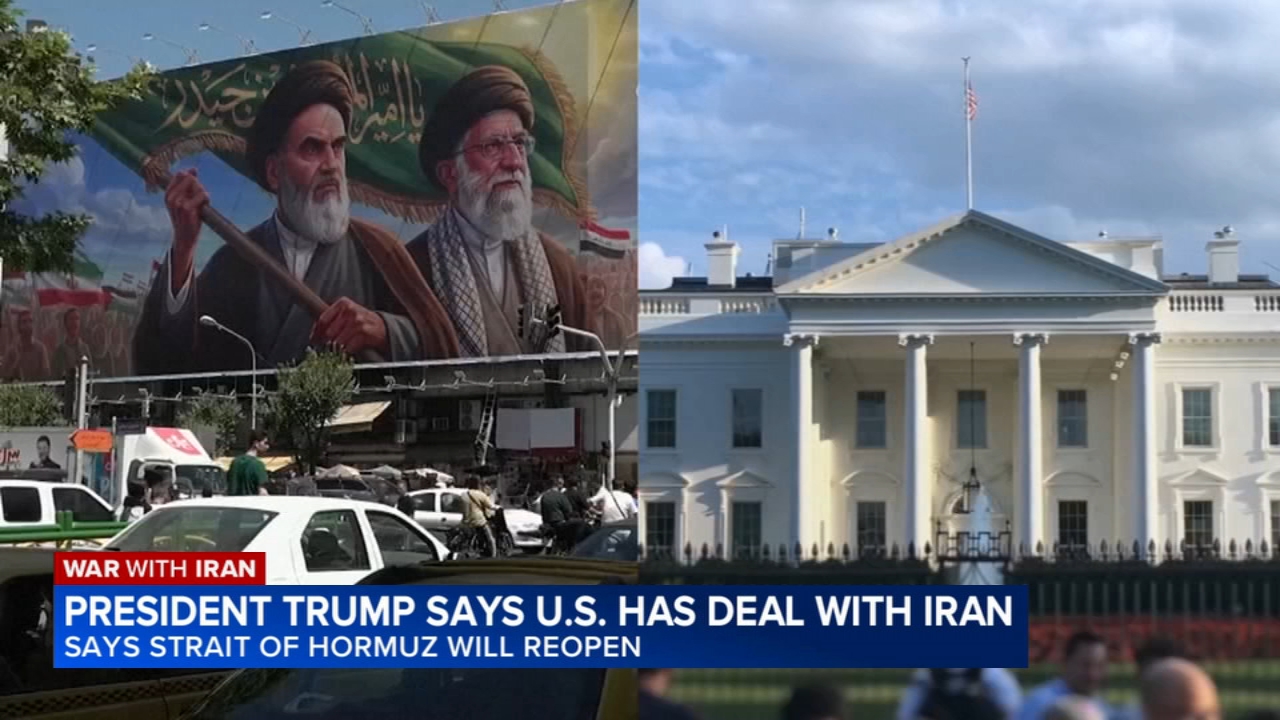
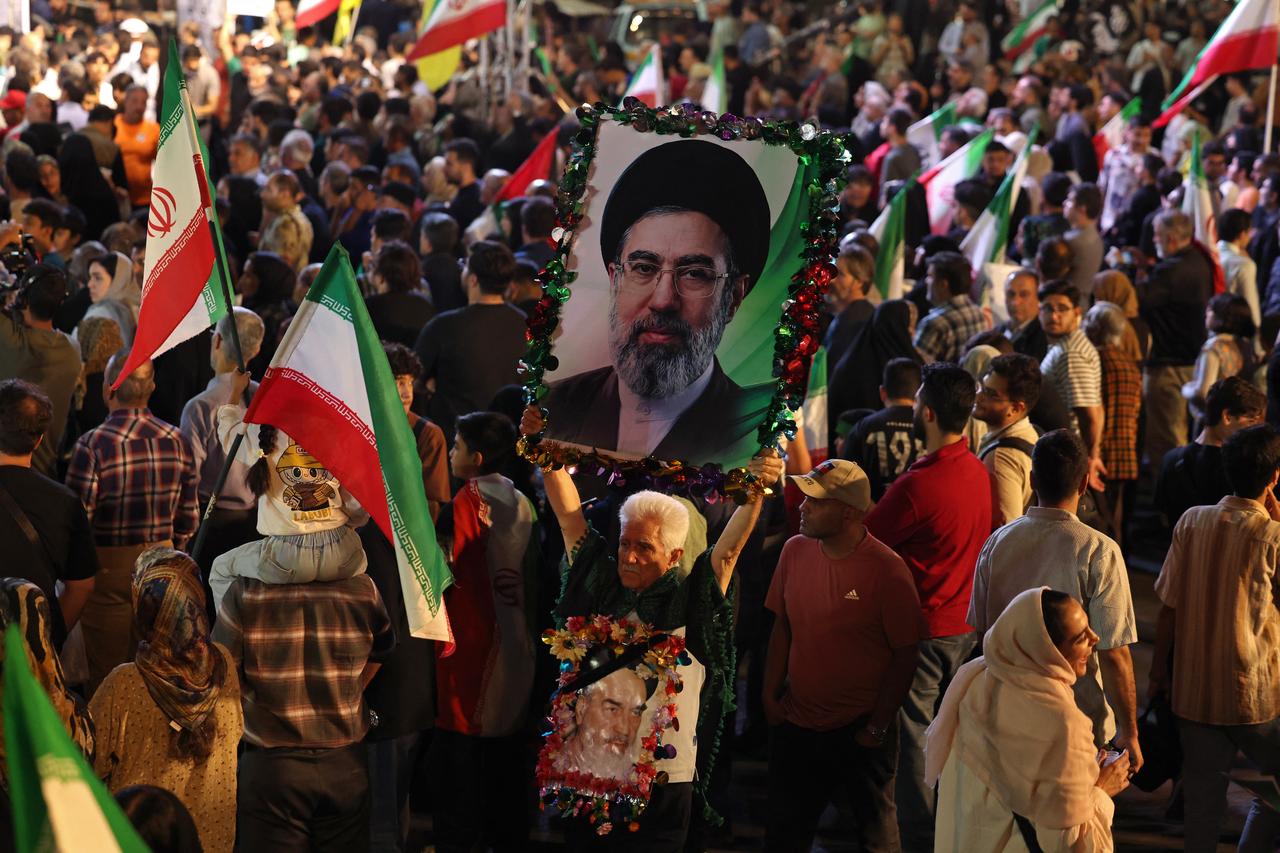
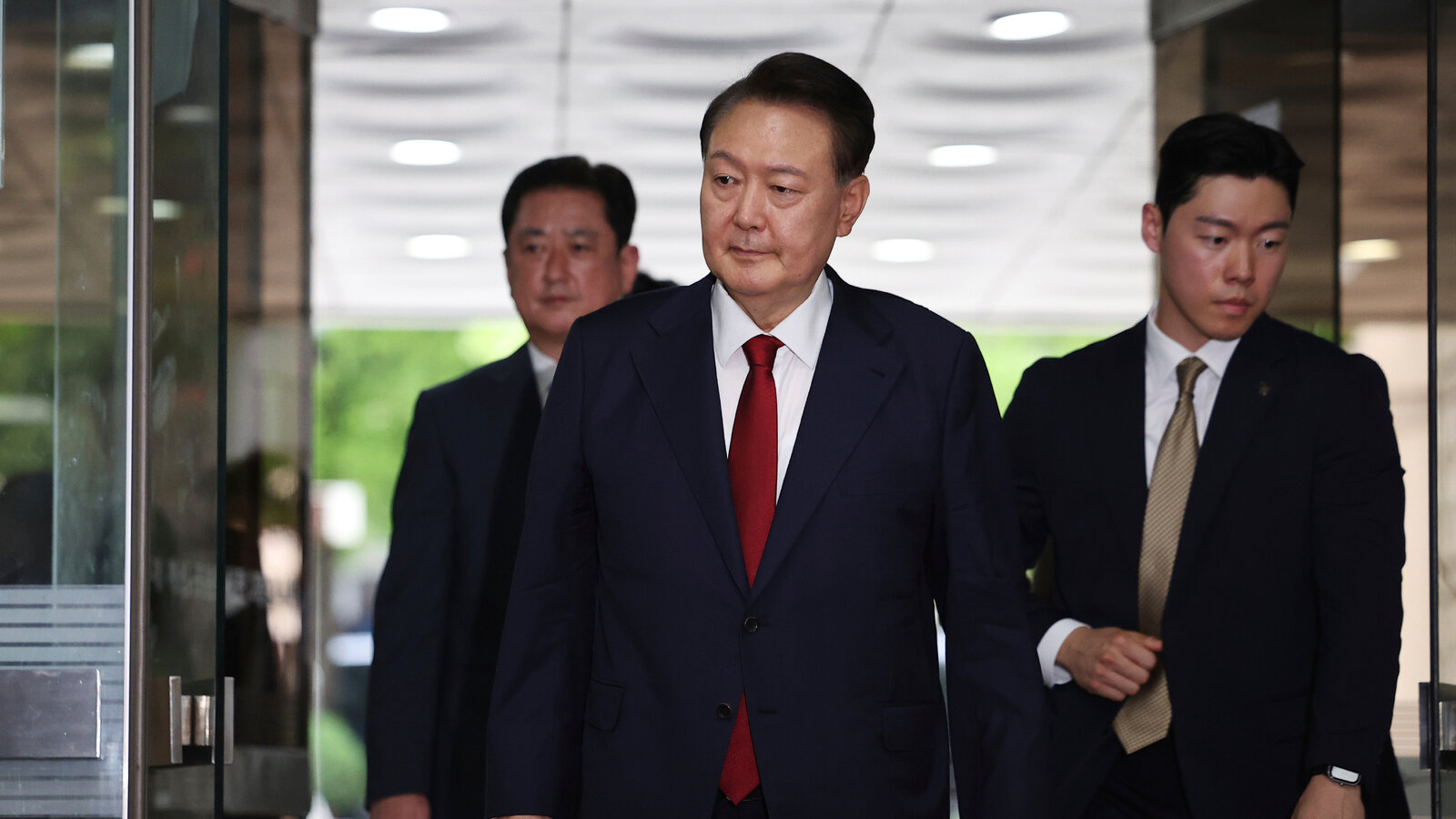
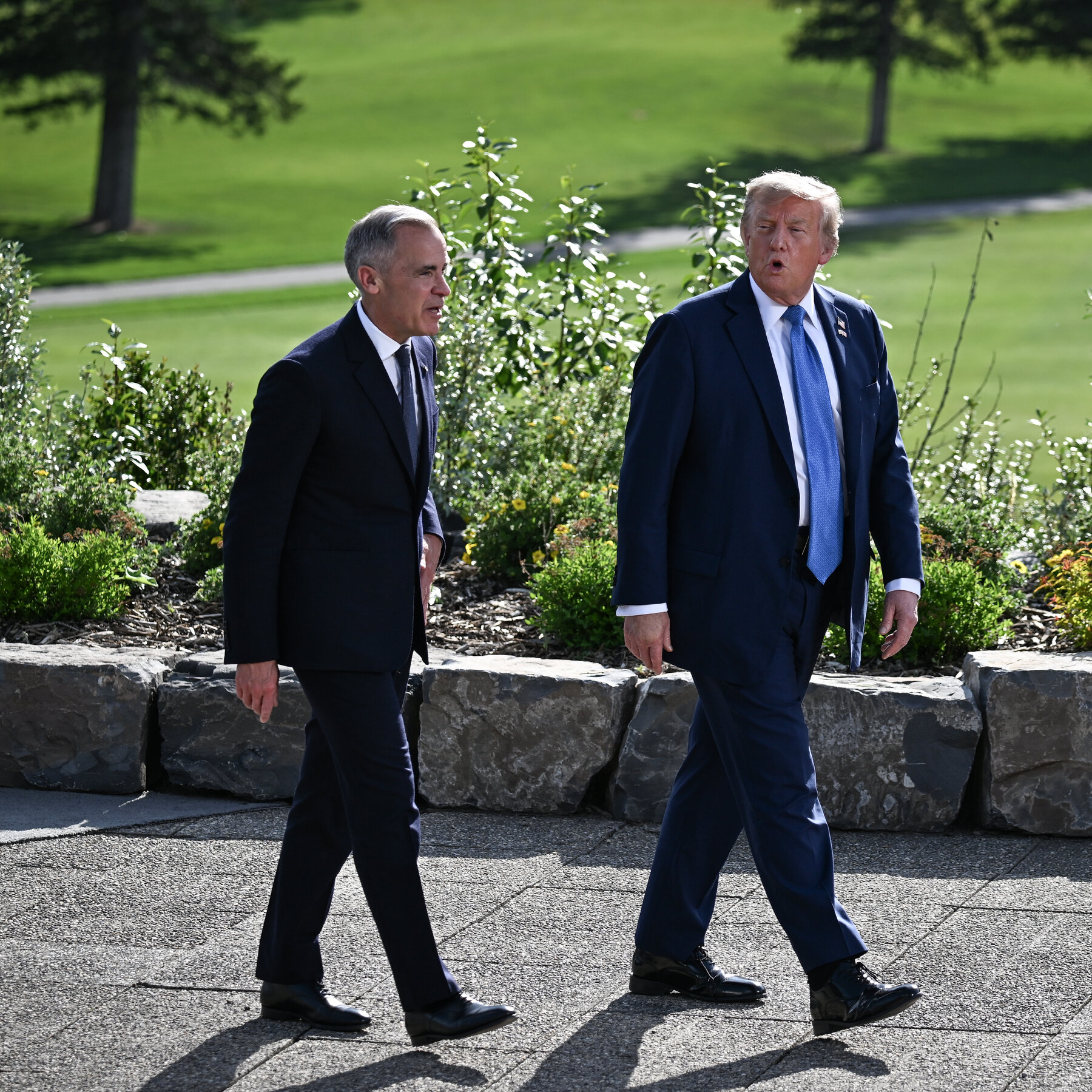
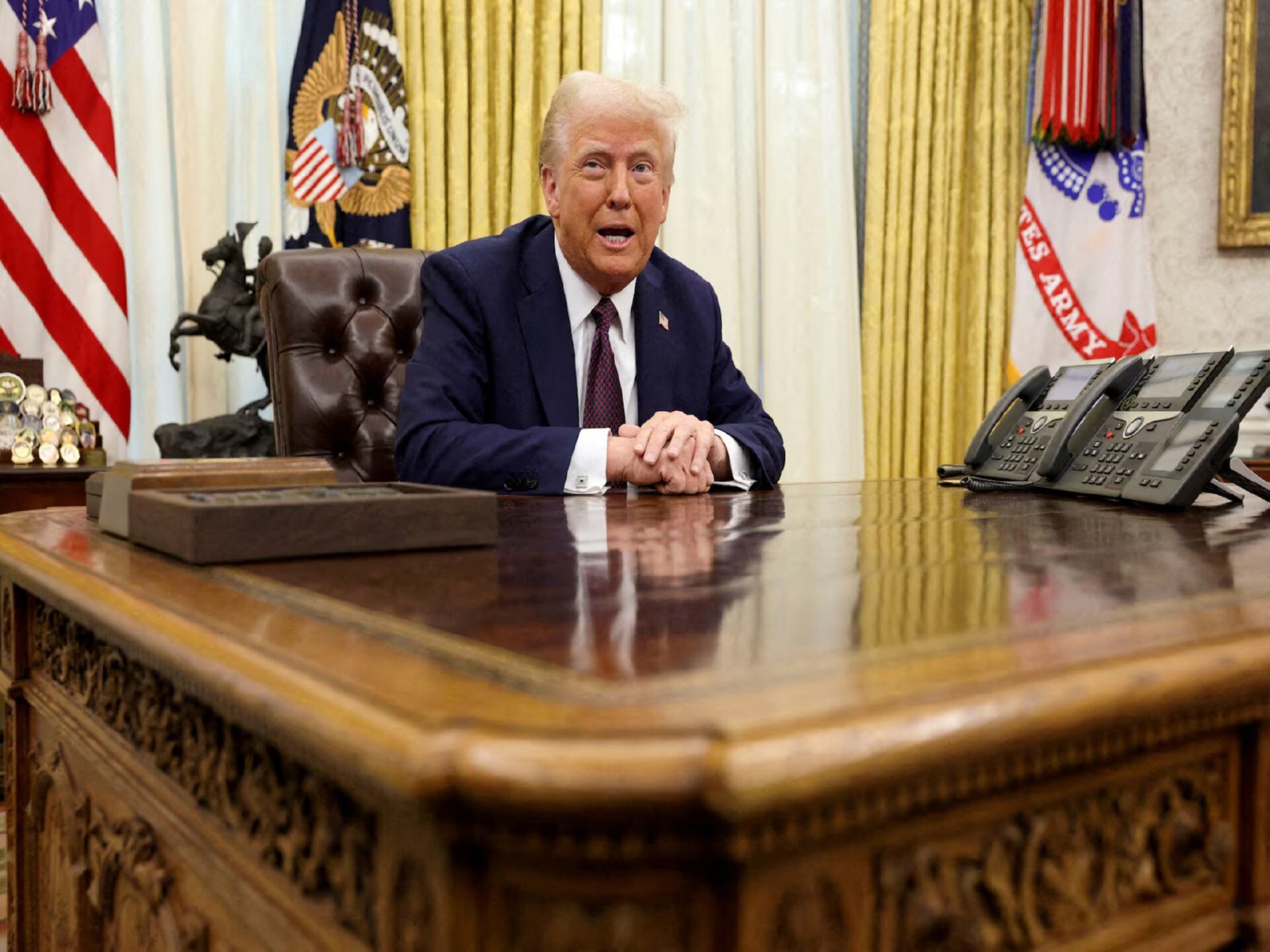
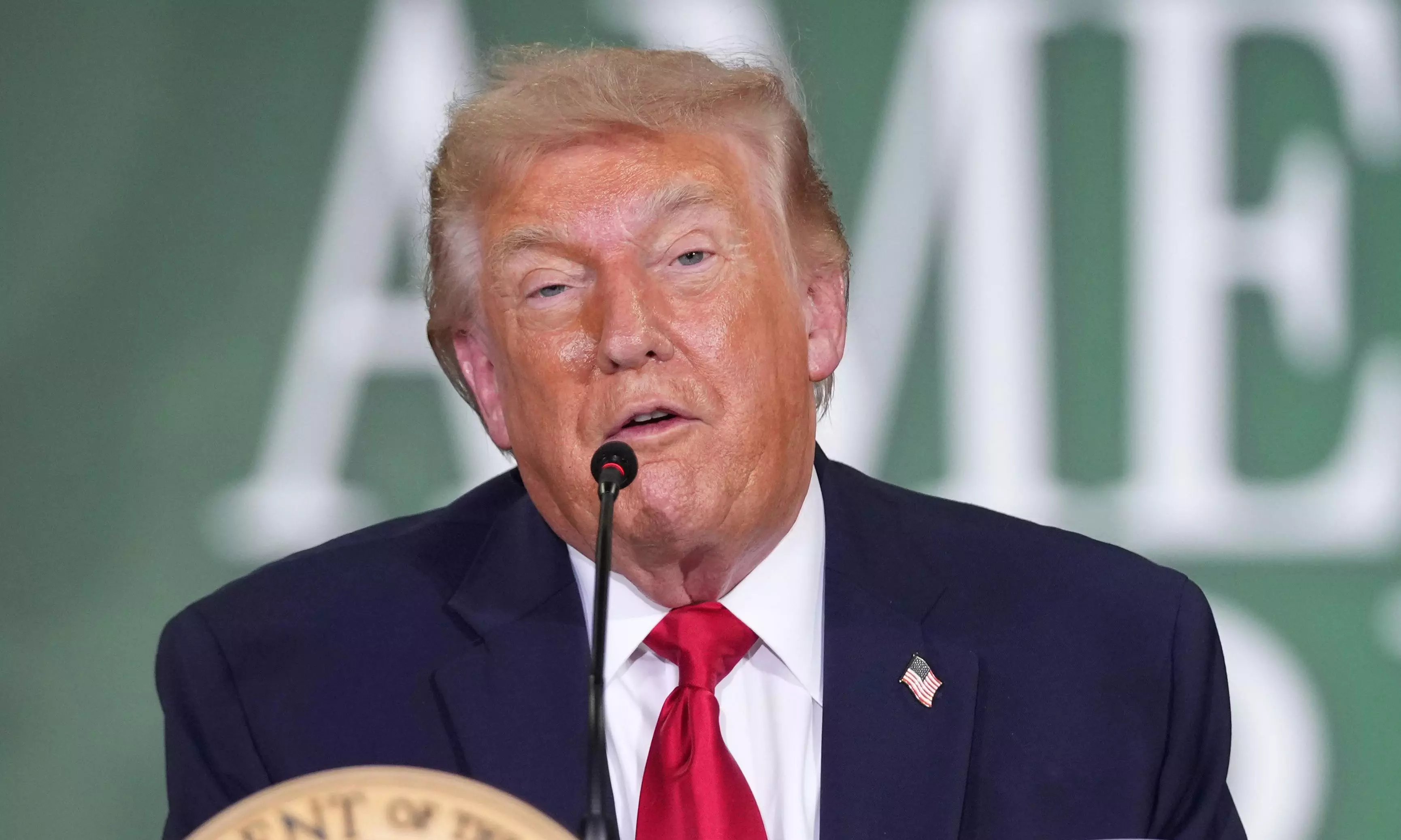
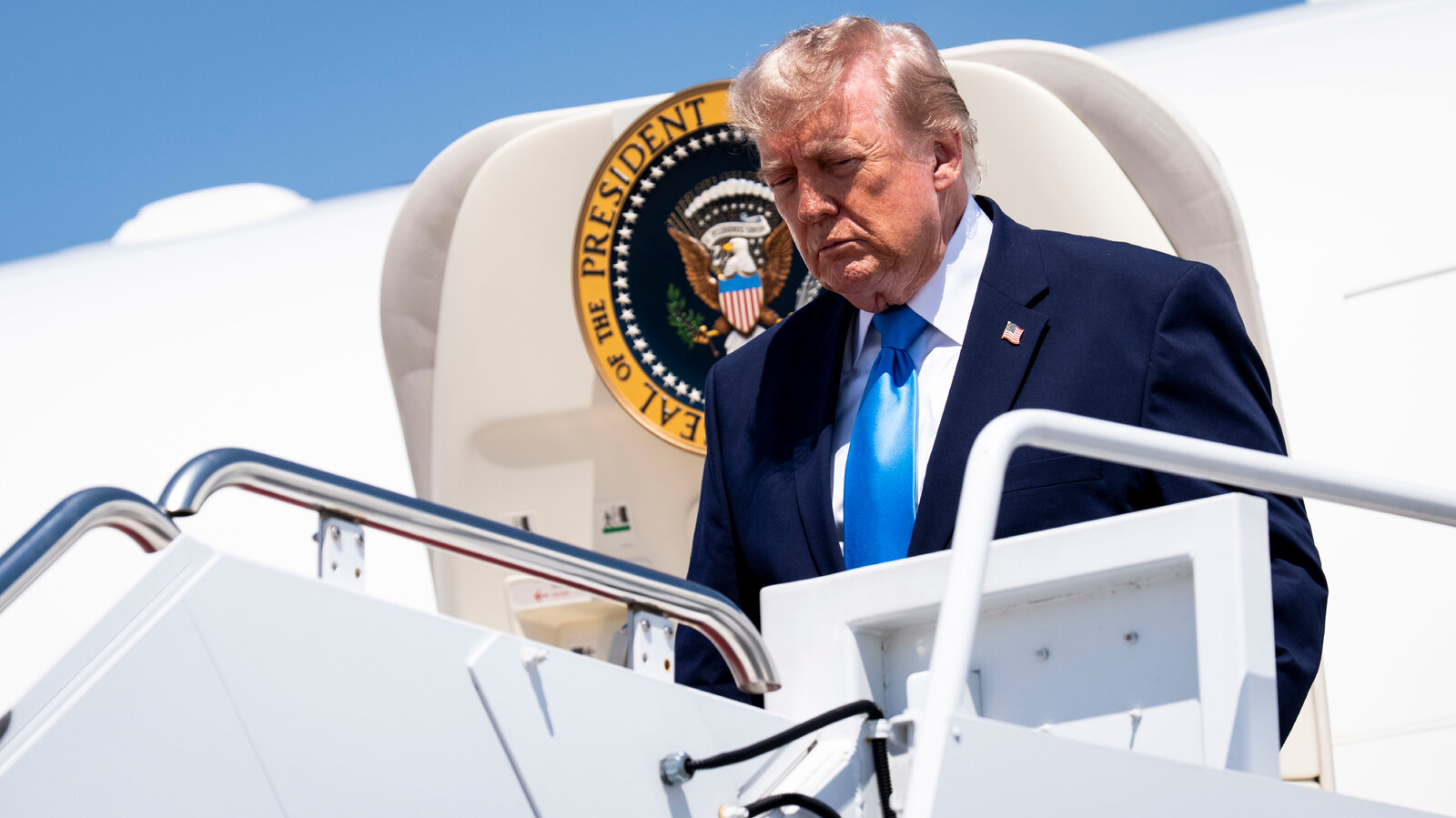
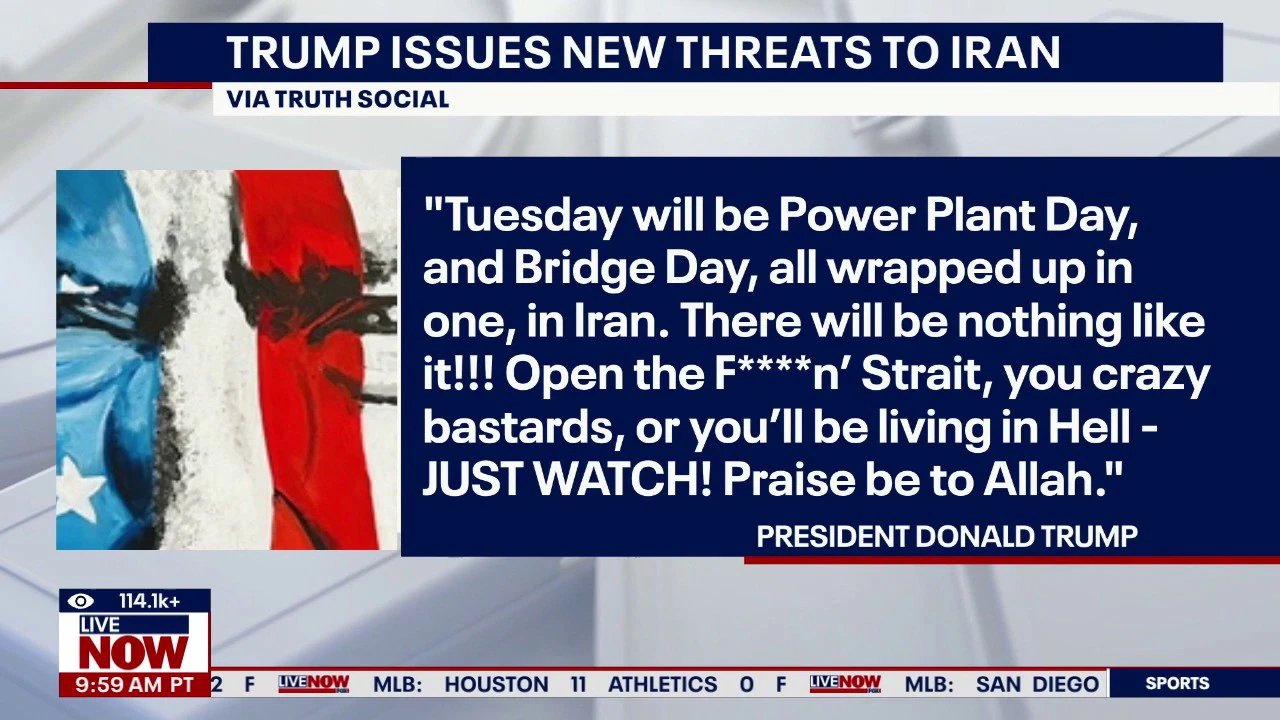
Delegations from the United States and Iran commenced negotiations at the Bürgenstock resort in Switzerland, with Vice President JD Vance reporting significant progress. Vance stated that Iran agreed to allow international nuclear inspectors from the International Atomic Energy Agency into the country, marking a notable shift after years of restricted access. President Donald Trump stated that Iran must "agree to have Major Weapons Inspections" to ensure "Nuclear Honesty" long into the future. Vice President Vance separately announced that Iran agreed to allow International Atomic Energy Agency nuclear inspectors back into the country, marking a return to inspections that were part of the Obama-era nuclear deal Trump had canceled.
Structure of Ongoing Negotiations
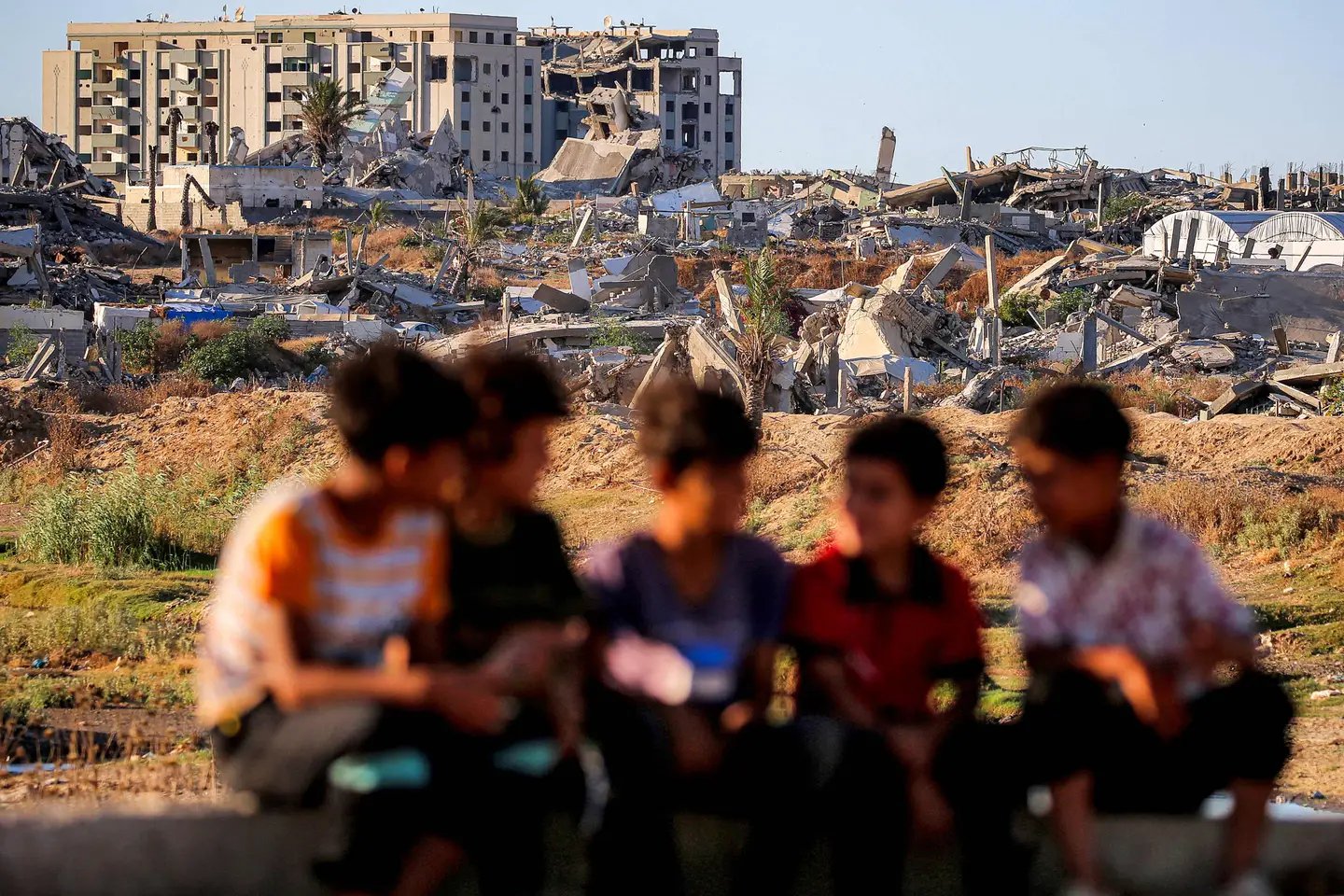
The negotiations have led to the establishment of four working groups focusing on sanctions termination, nuclear affairs, reconstruction and economic development, and monitoring and implementation of agreements, according to Iran's Deputy Foreign Minister Kazem Gharibabadi. This structure aims to address key issues stemming from the ongoing conflict and facilitate a comprehensive deal.
Economic Implications for Iran
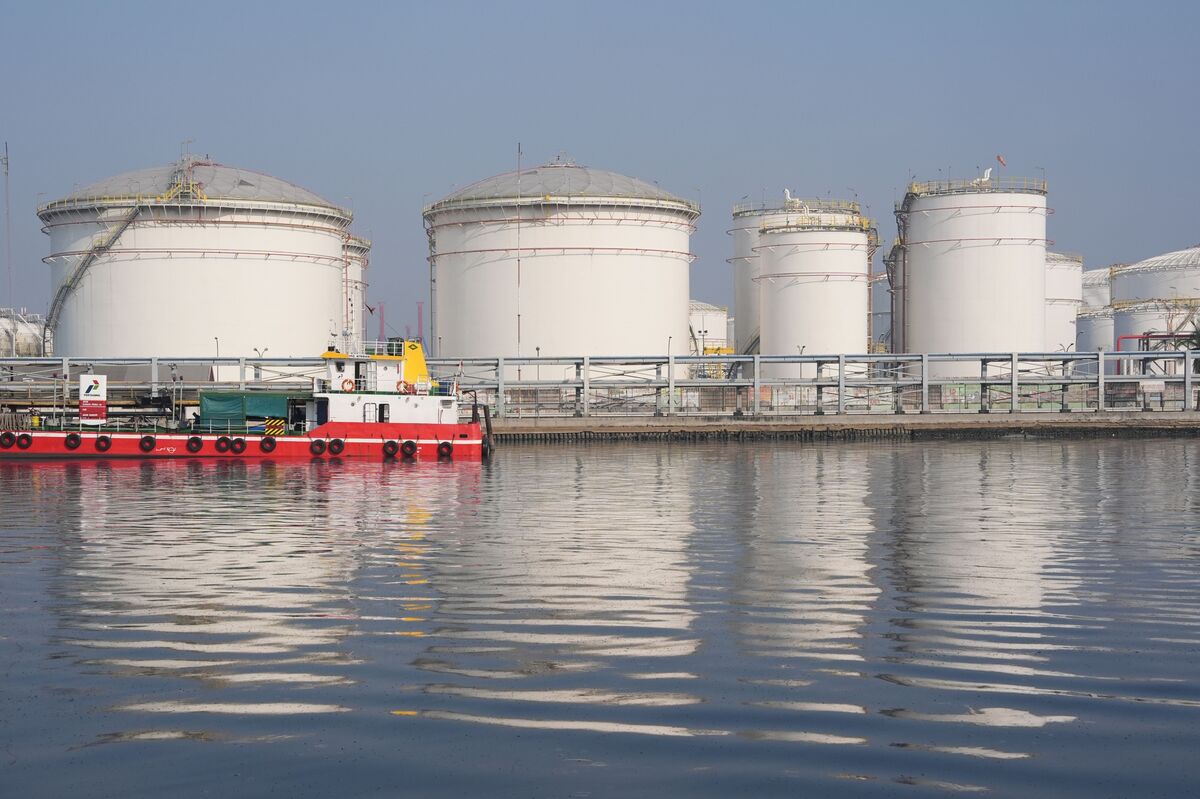
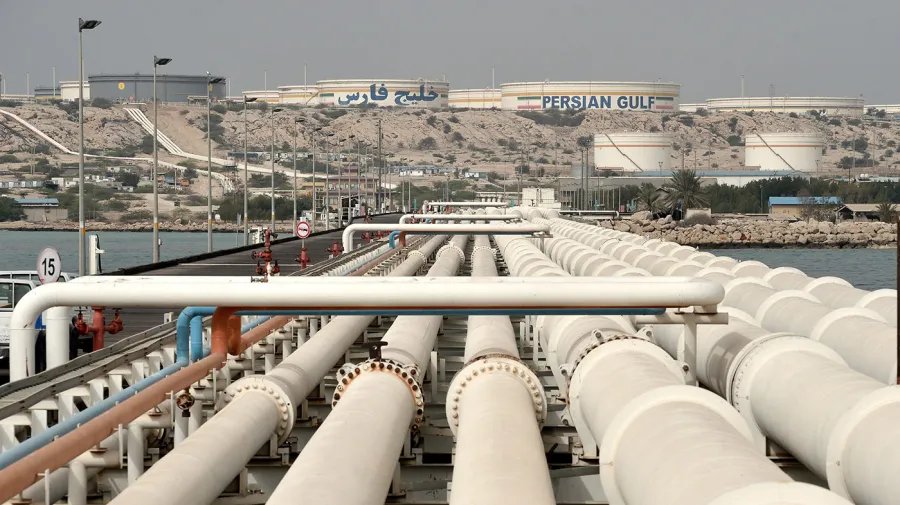
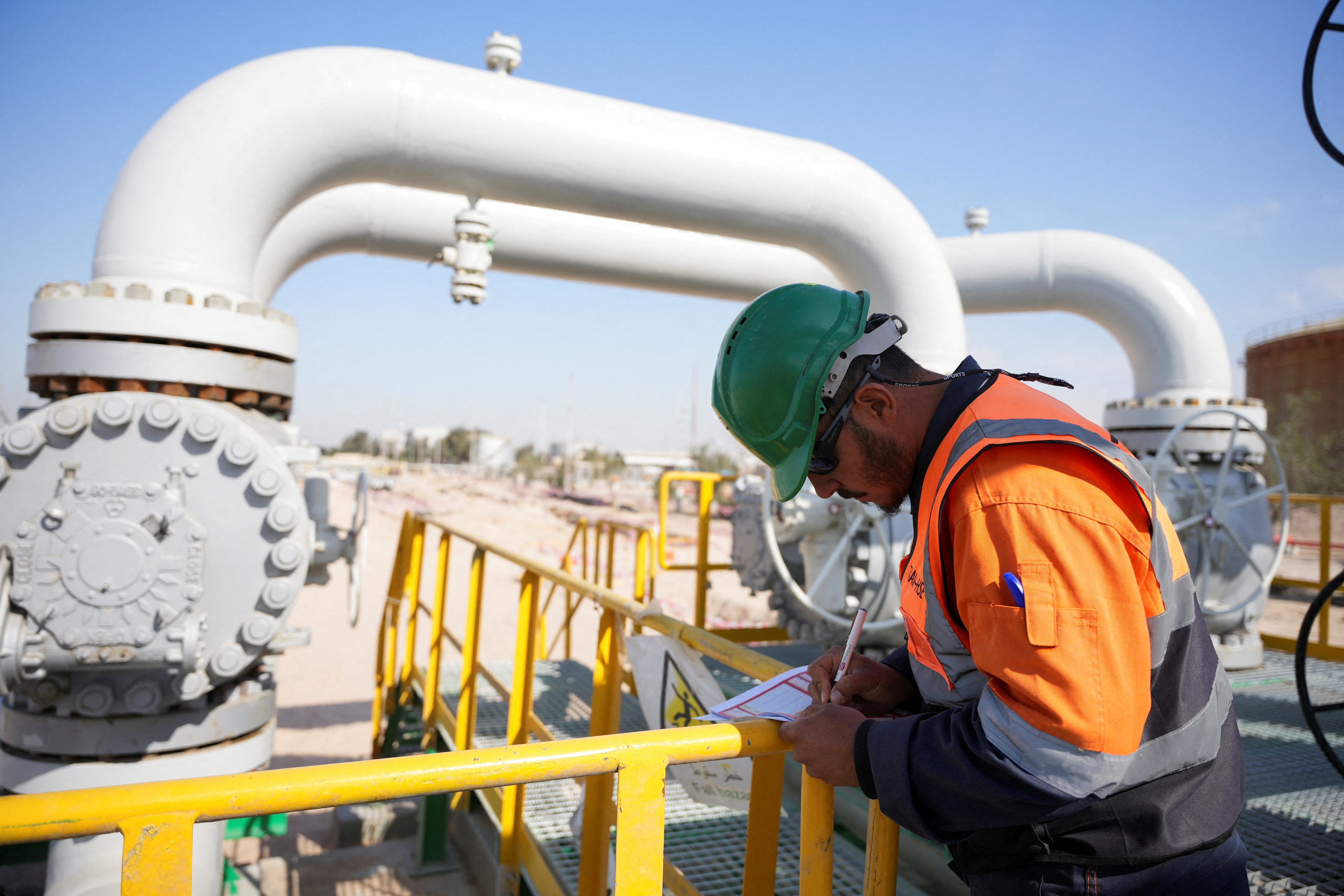
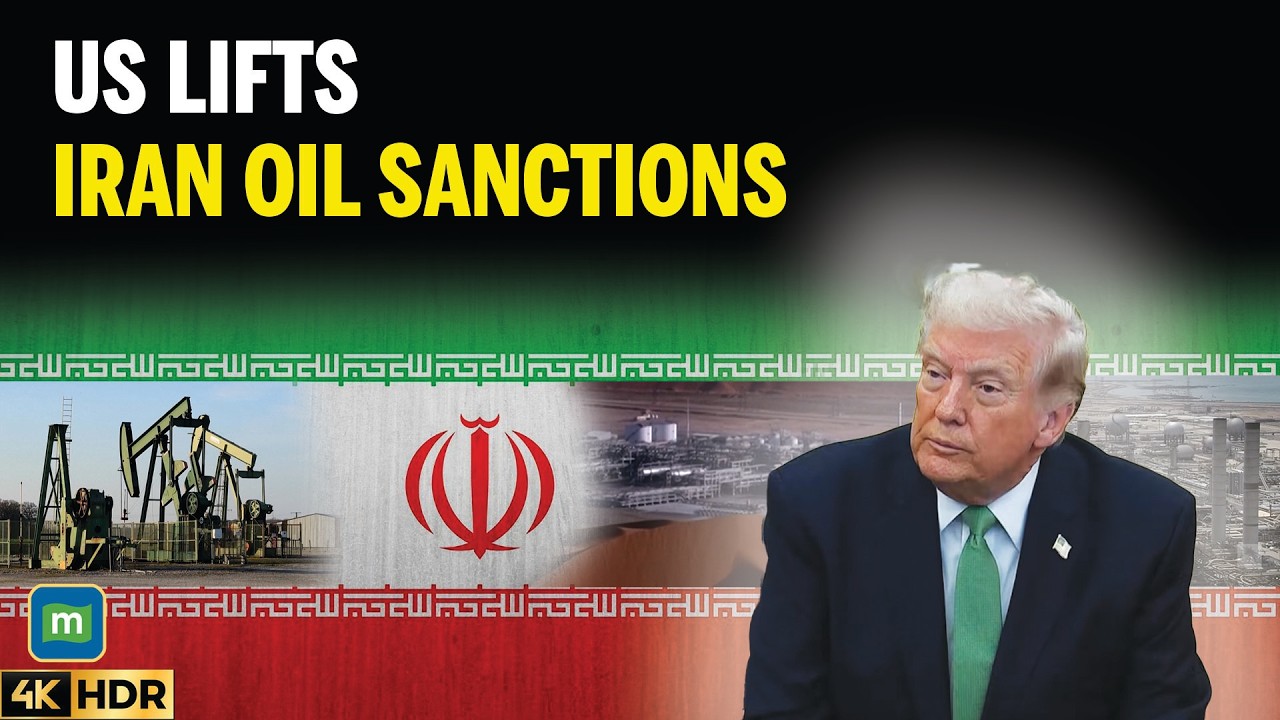
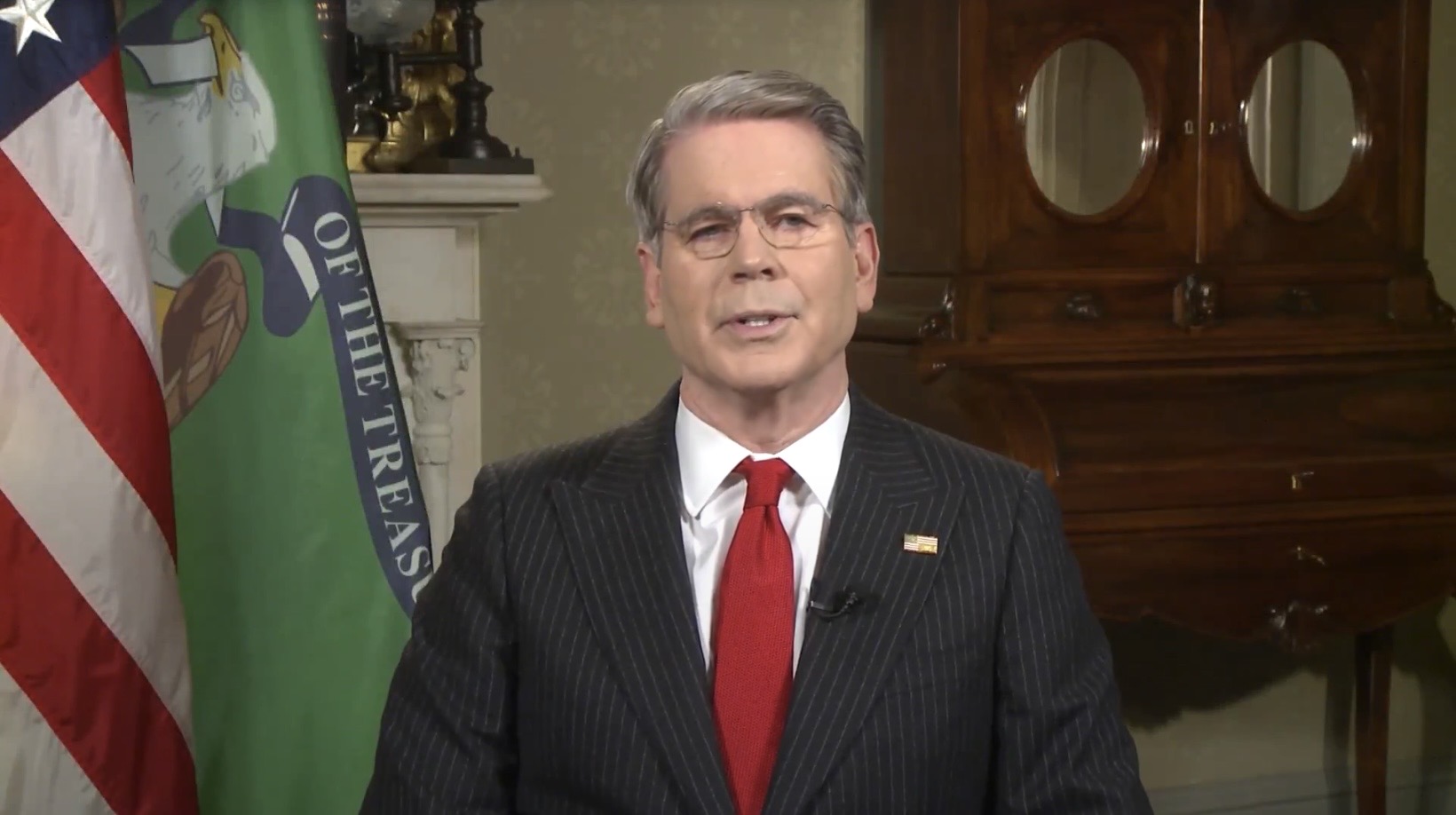
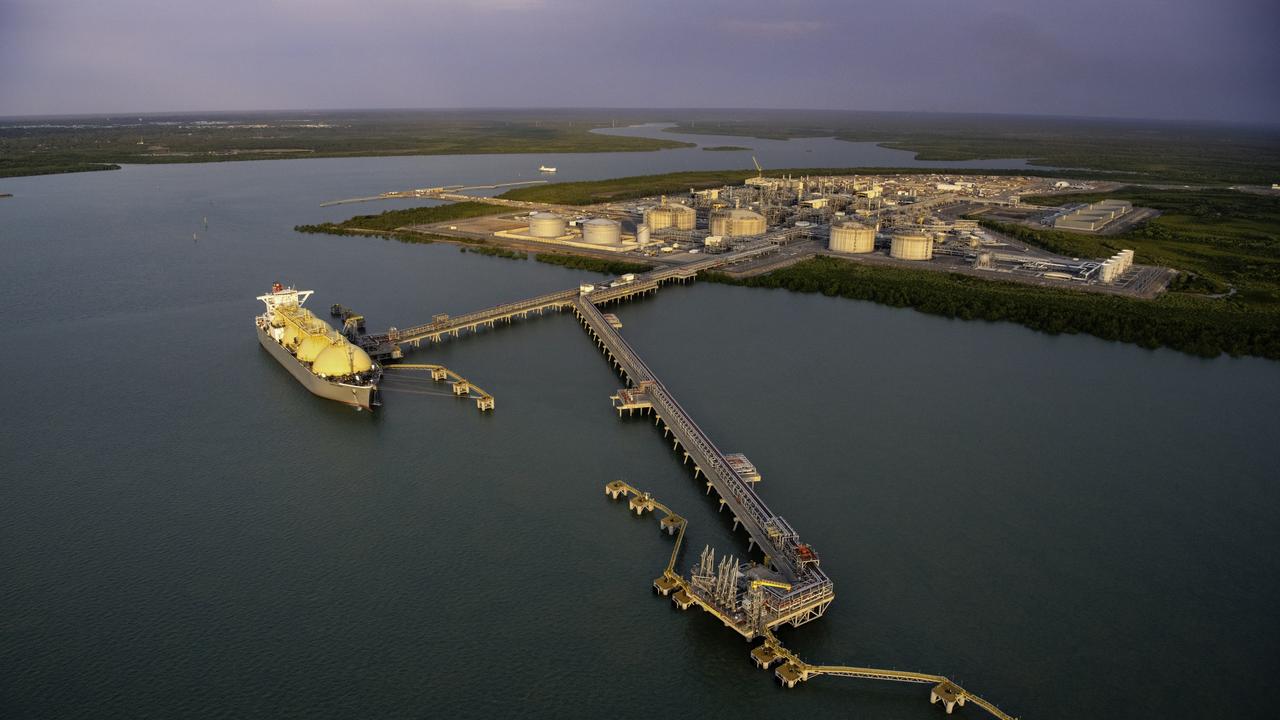
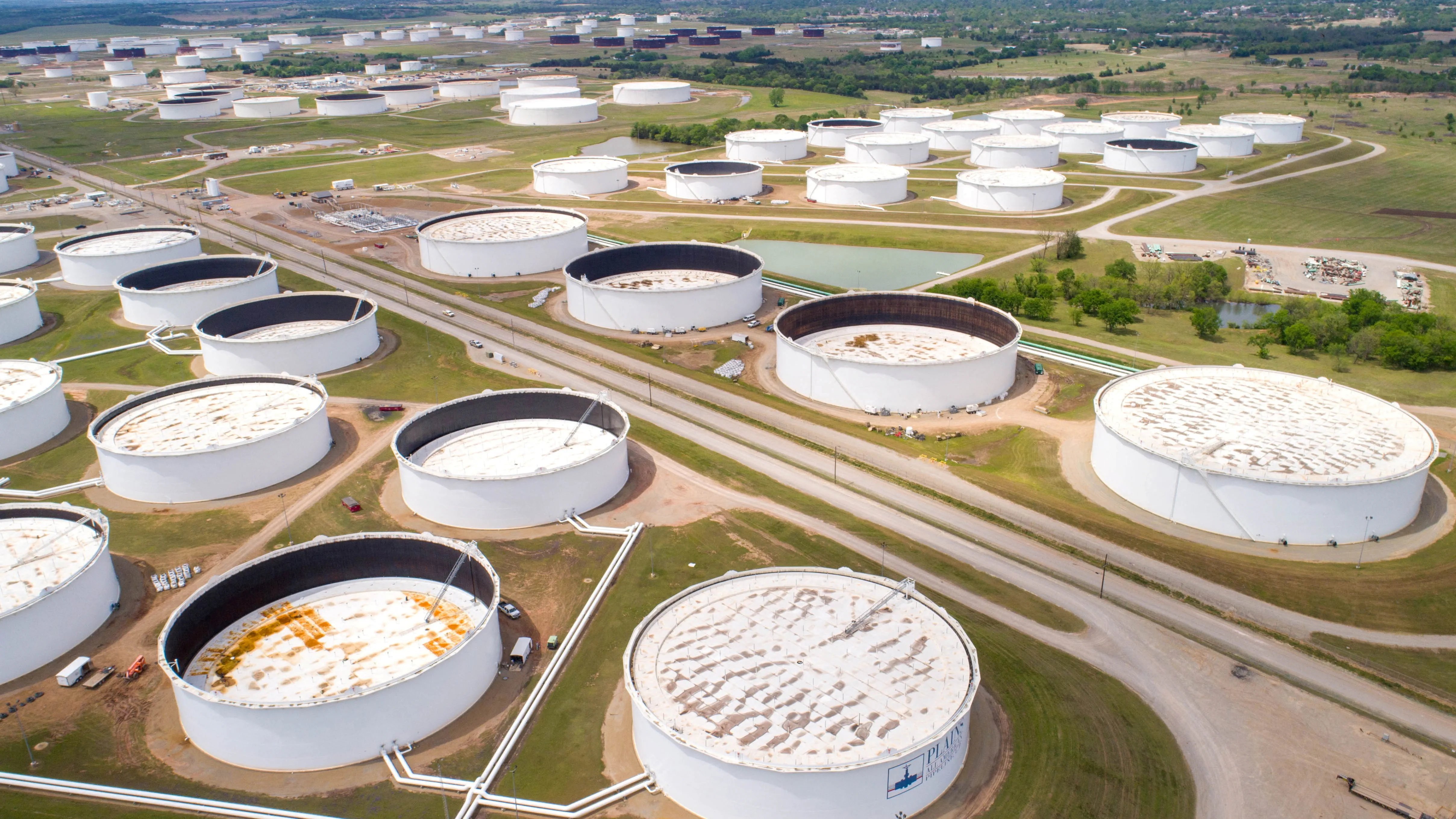
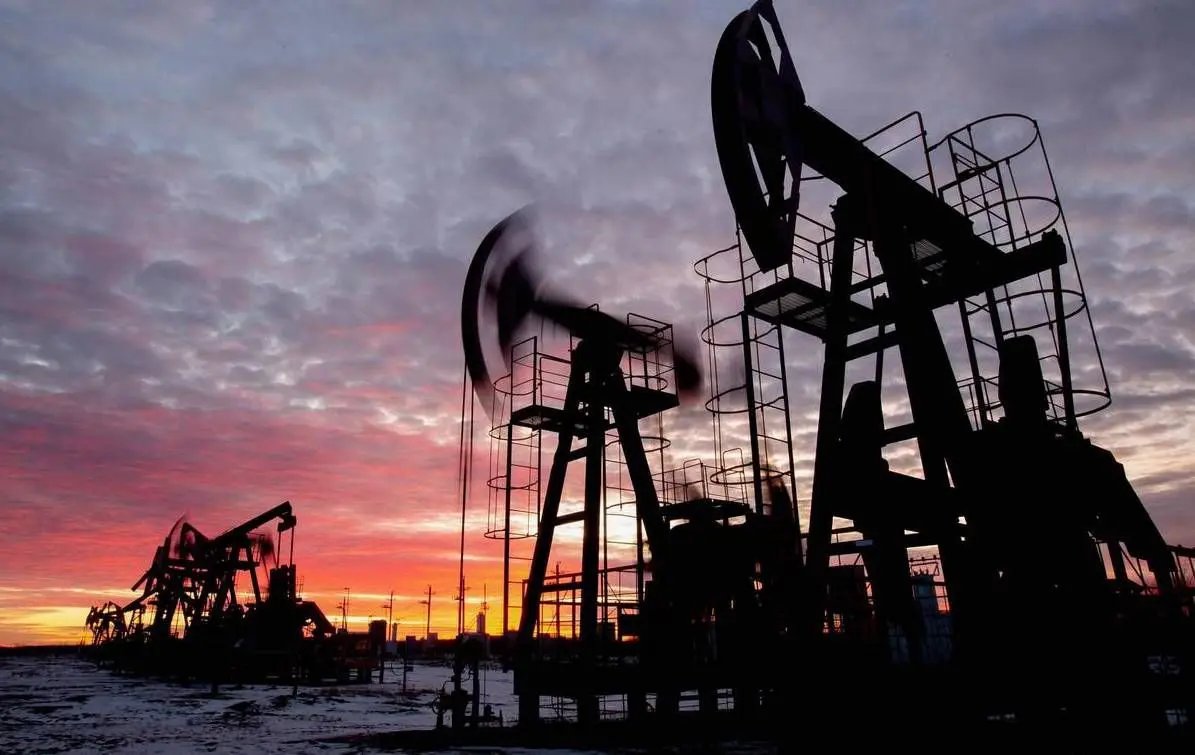
In conjunction with the negotiations, the U.S. Treasury has approved Iran to resume selling oil and gas, waiving several sanctions related to these sectors until August 21. This move could provide Iran with a significant financial boost, estimated at around $100 billion in frozen assets that may be released under strict conditions ensuring humanitarian use. Vance indicated that the released funds could potentially be used to purchase American agricultural products, benefiting U.S. farmers.
Regional Security Concerns
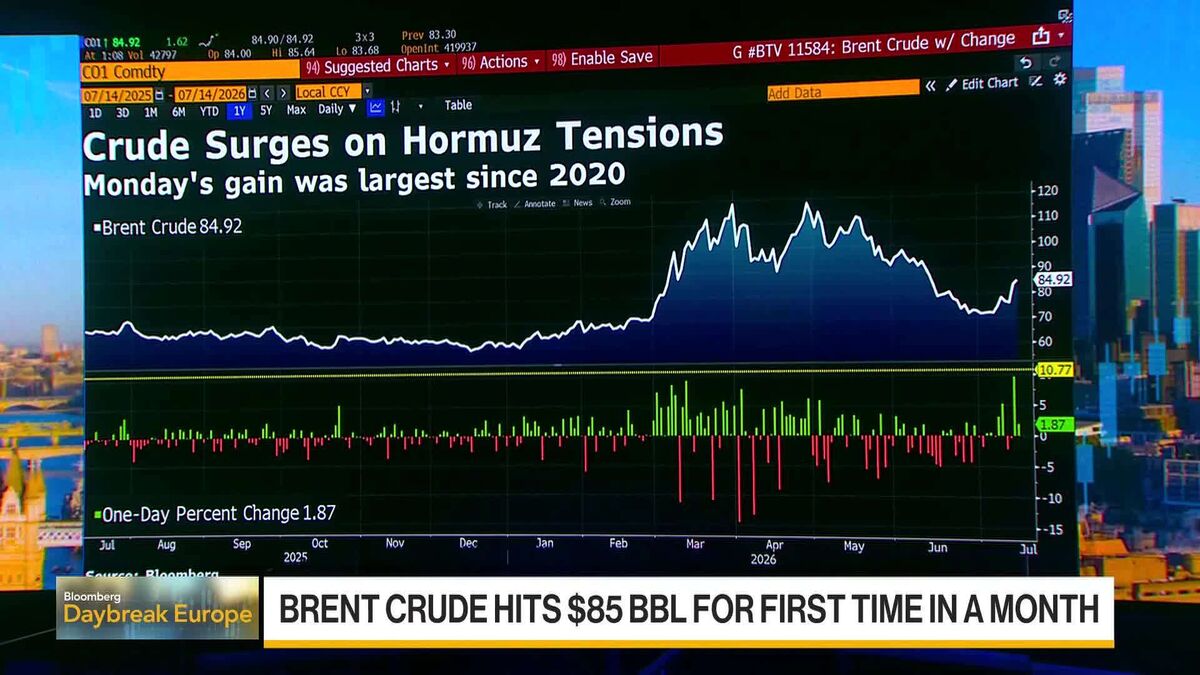
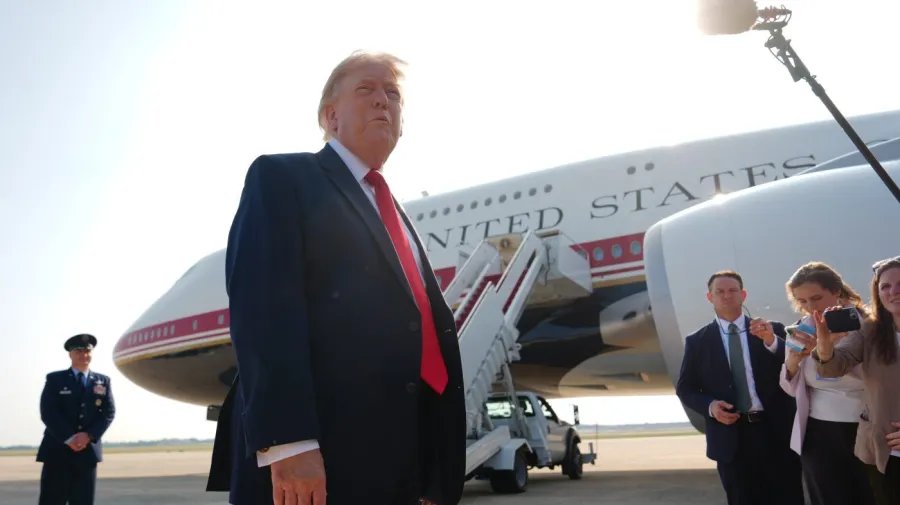
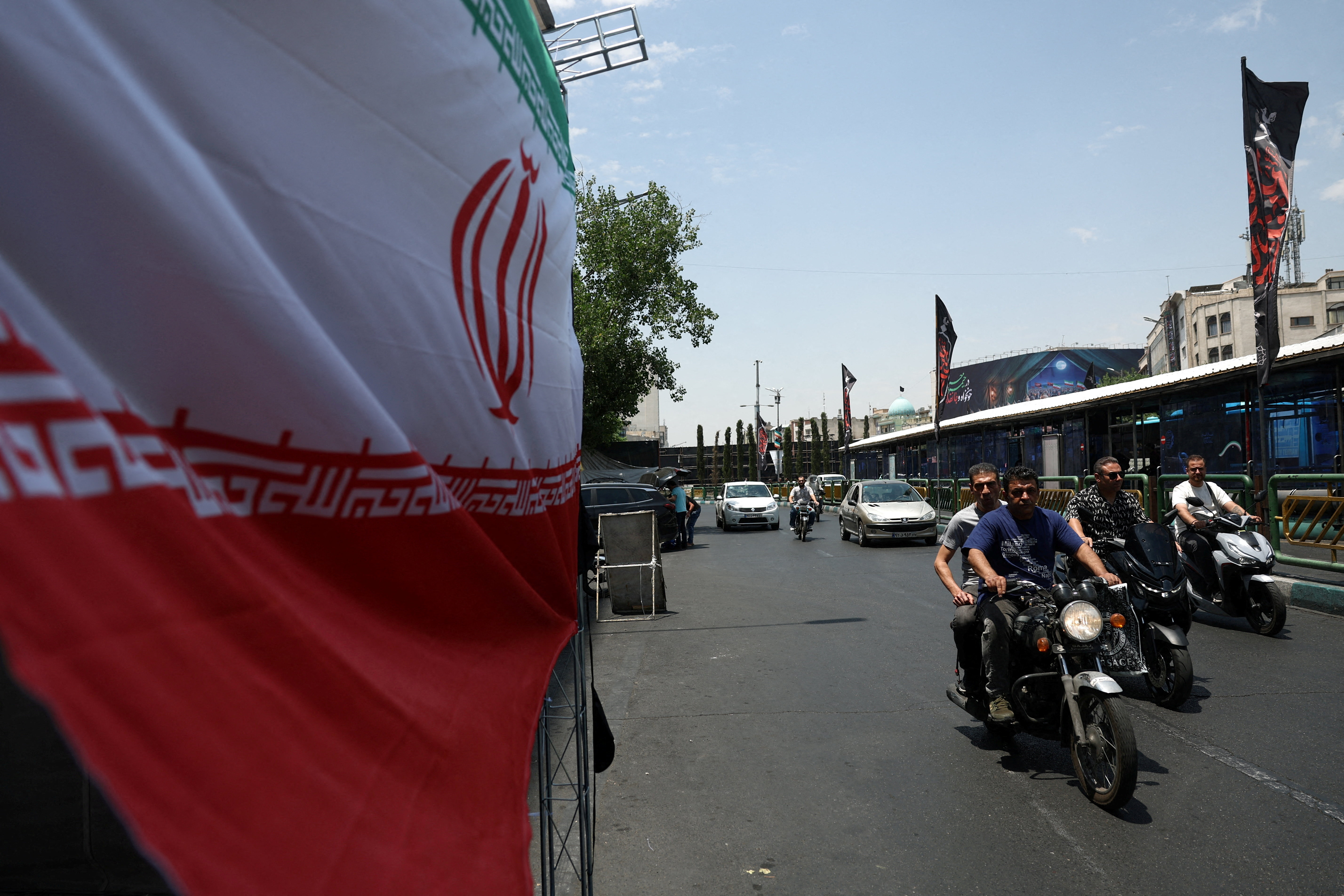
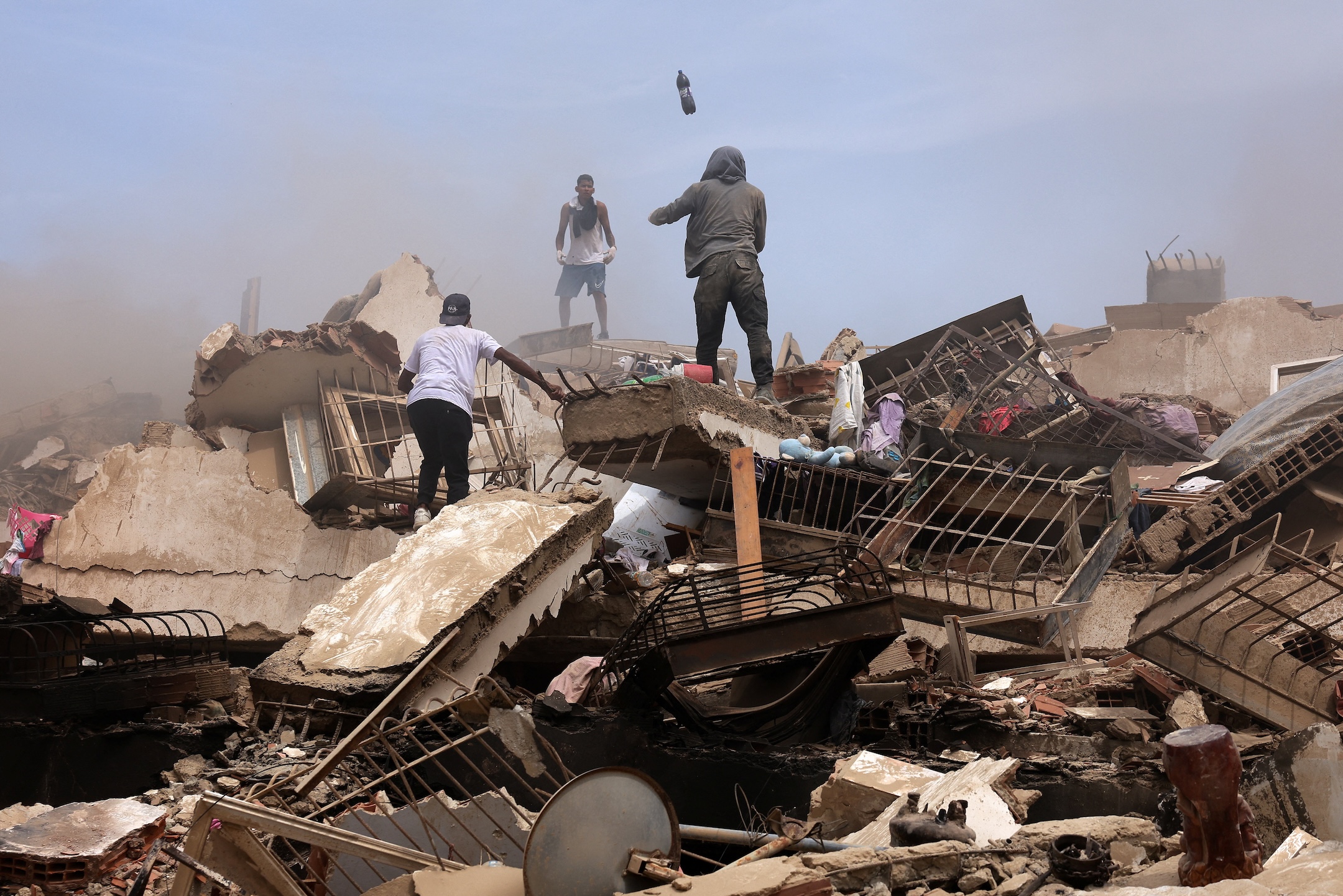
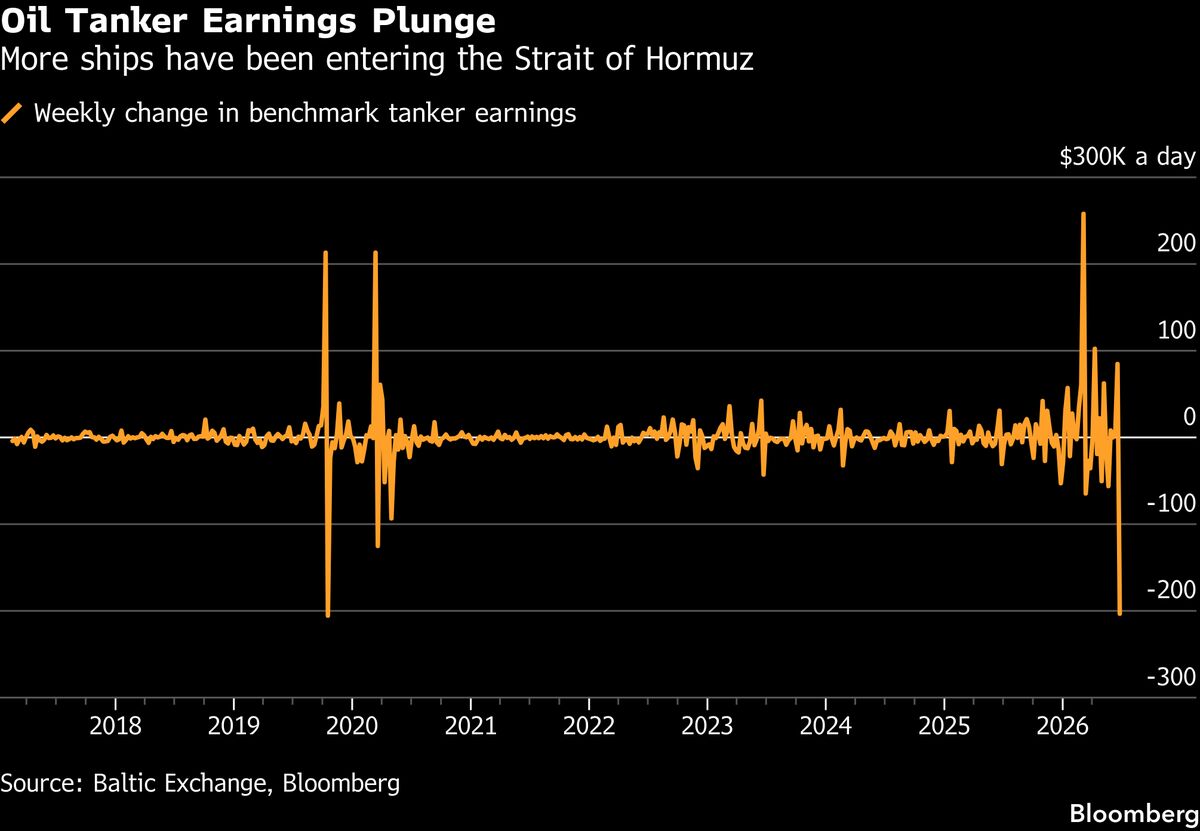
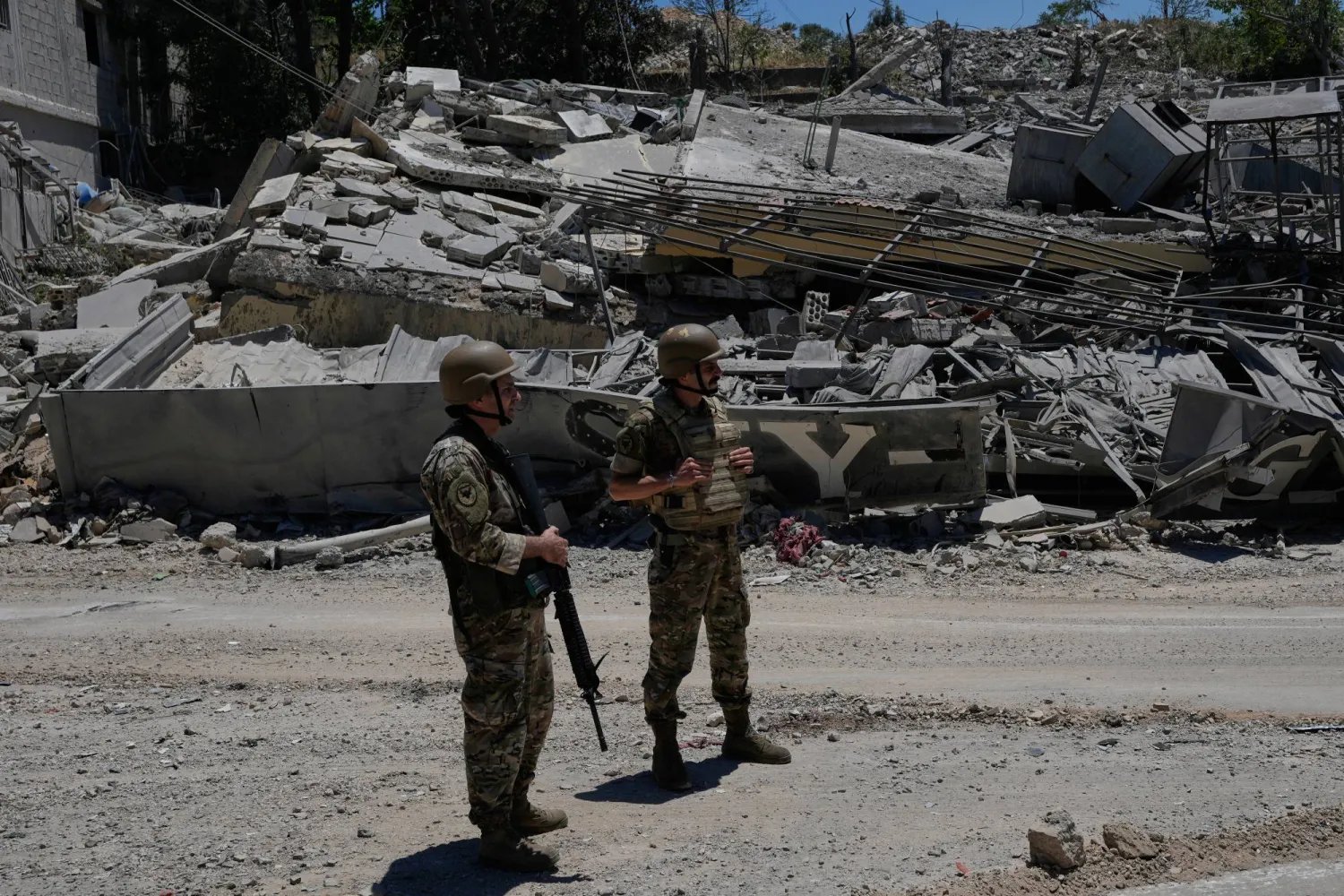
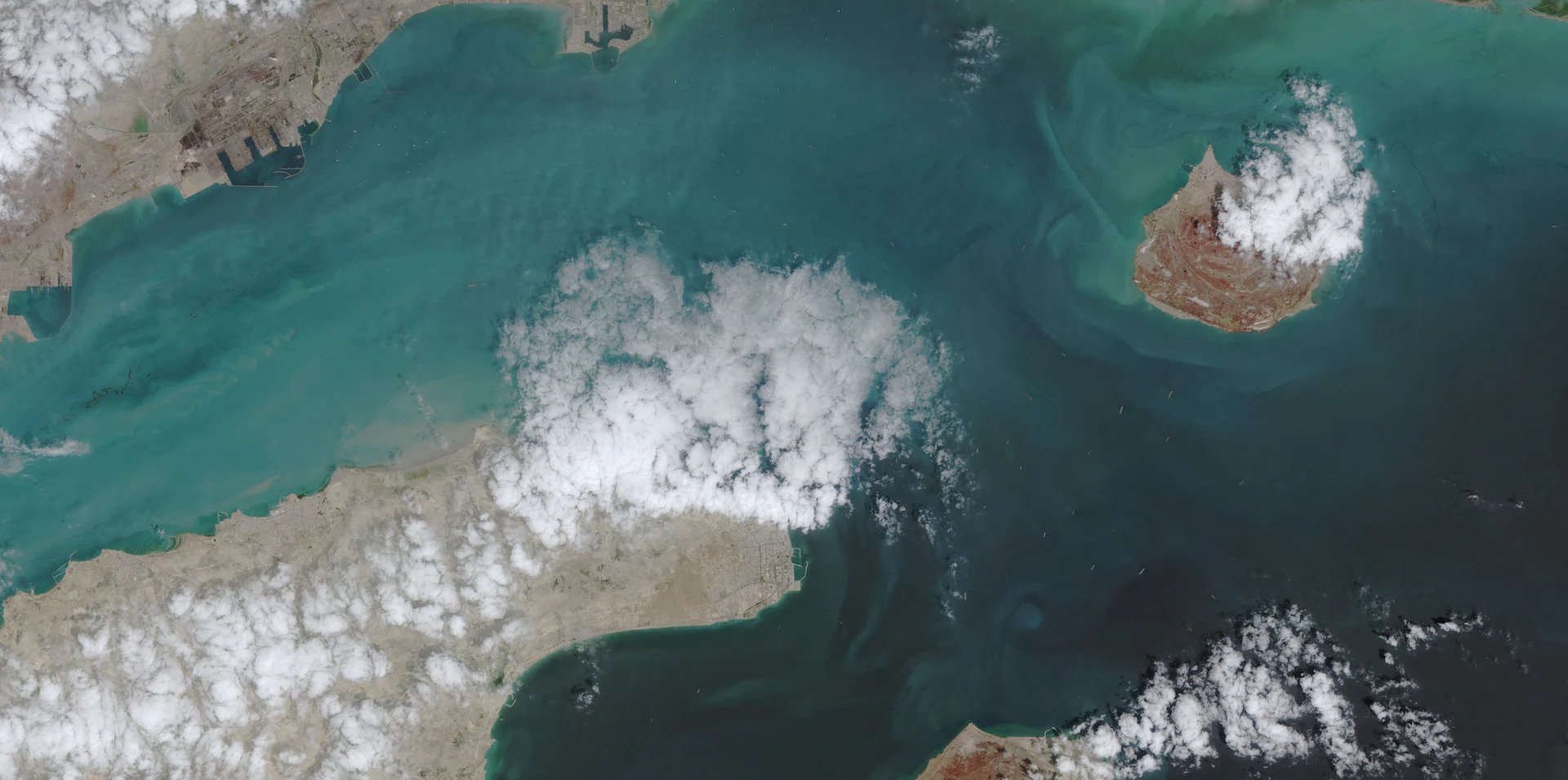
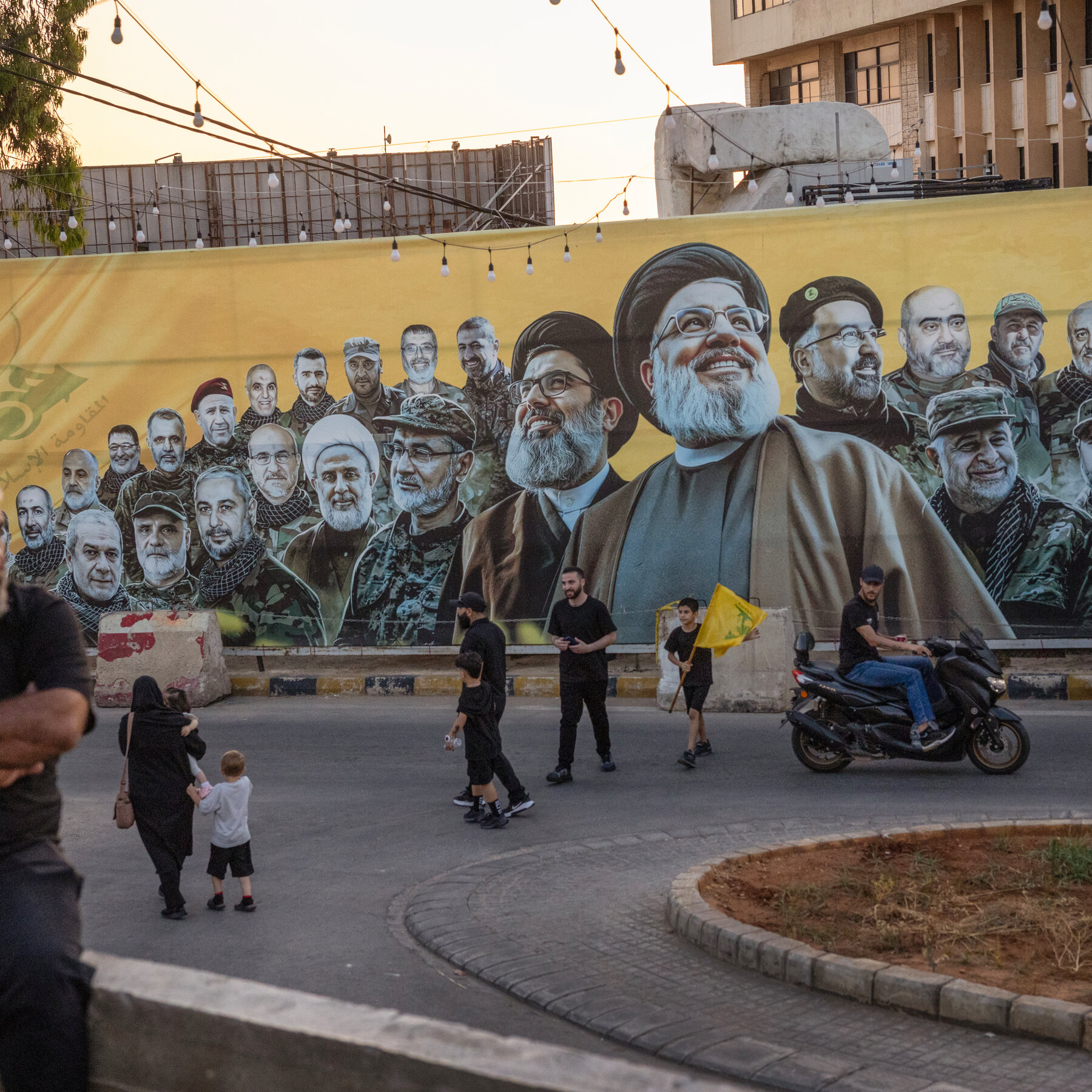
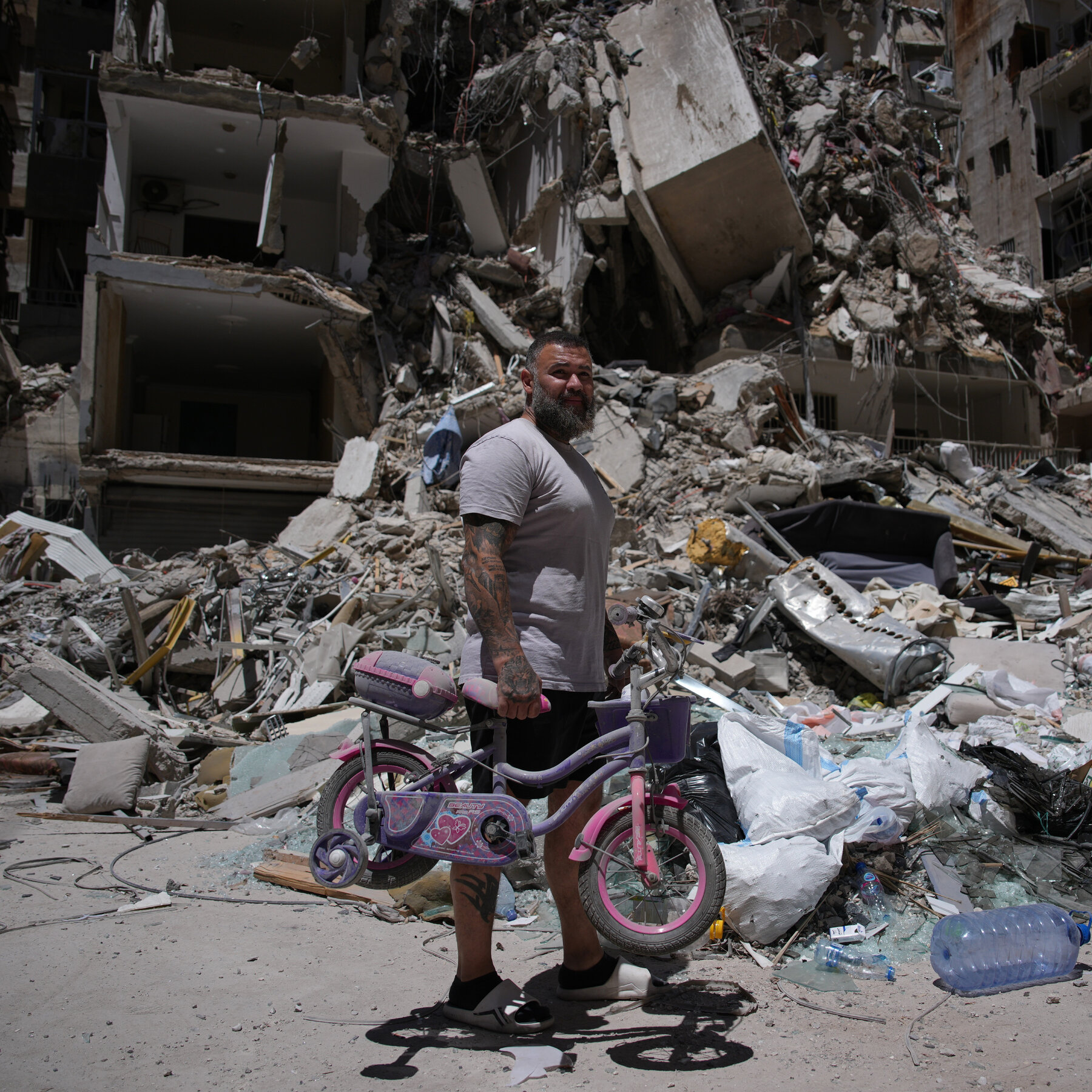
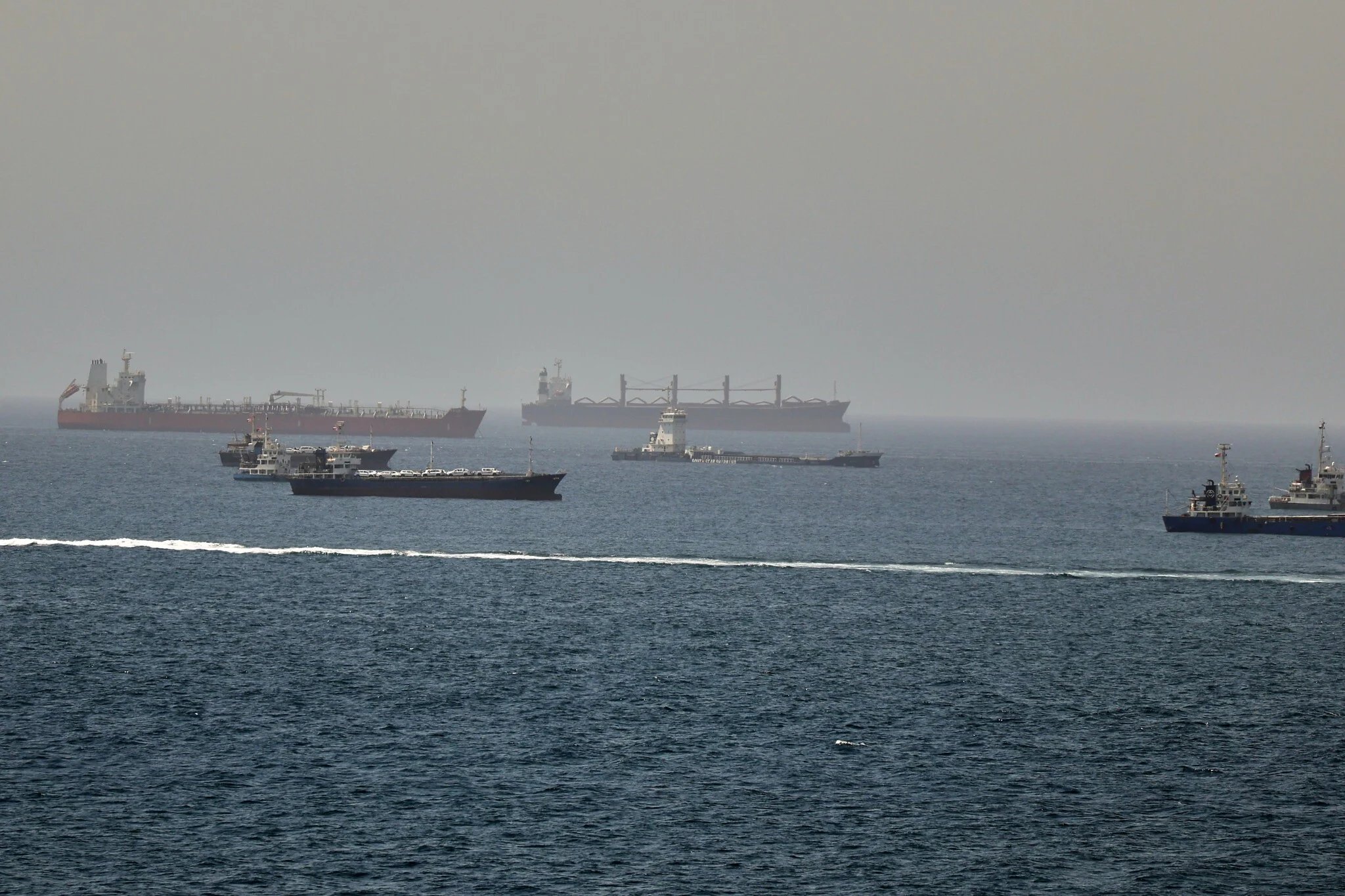
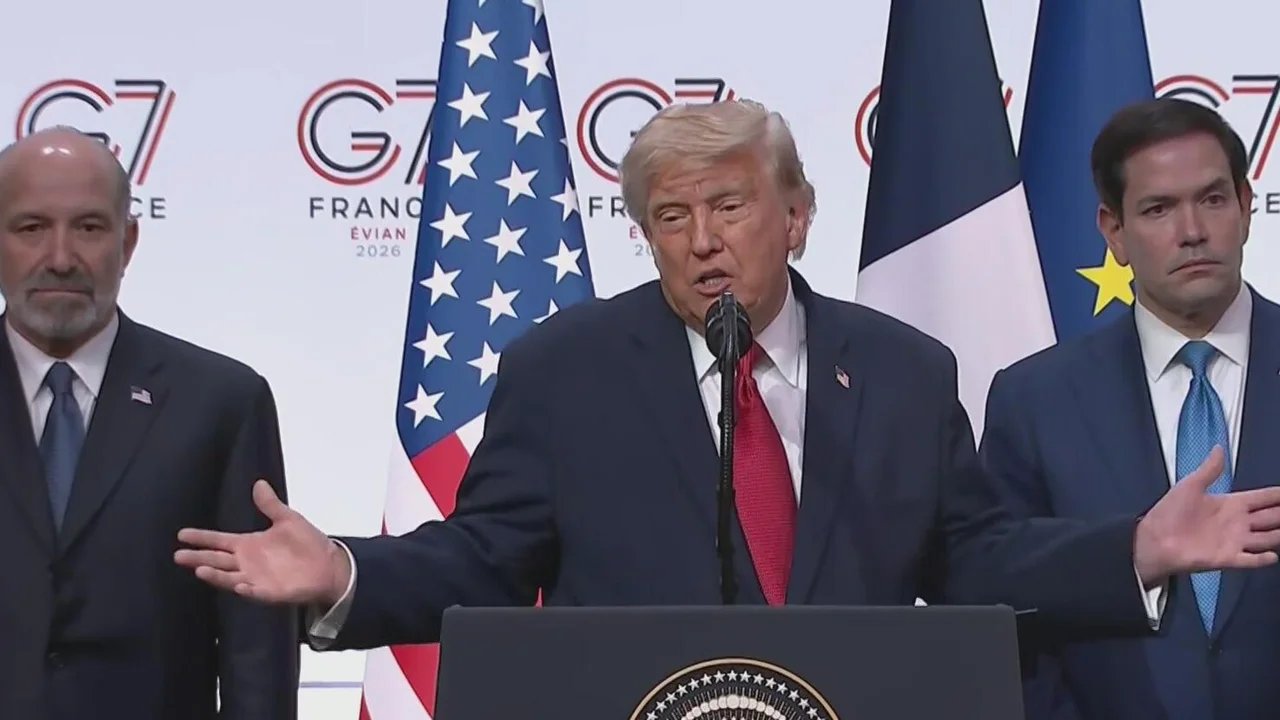
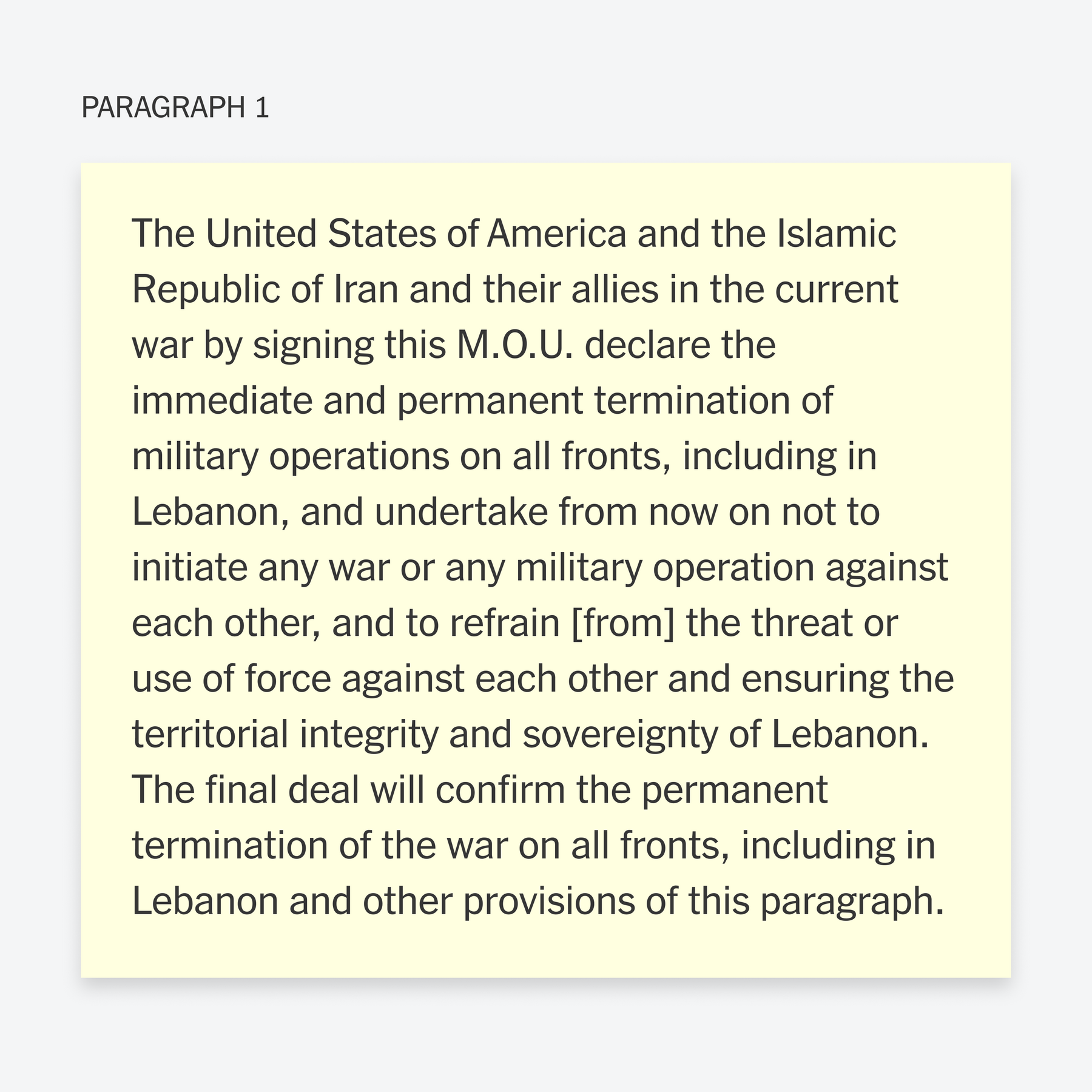
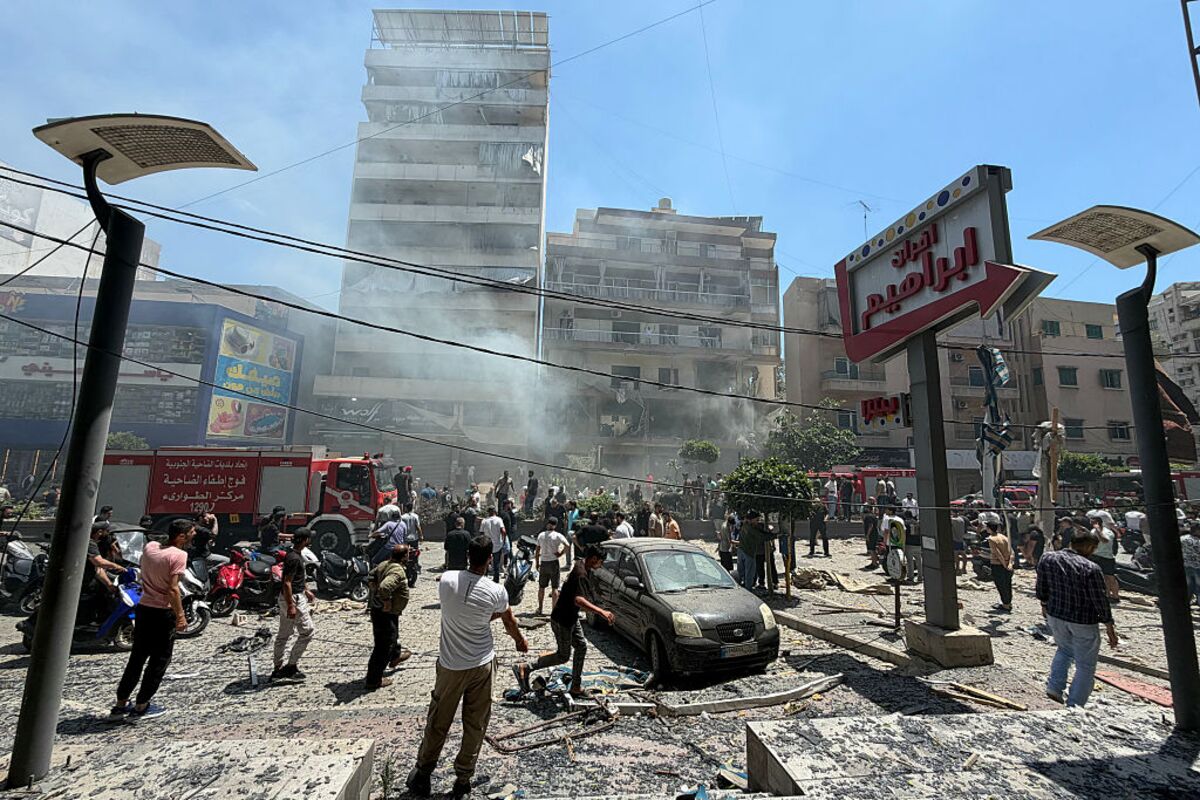
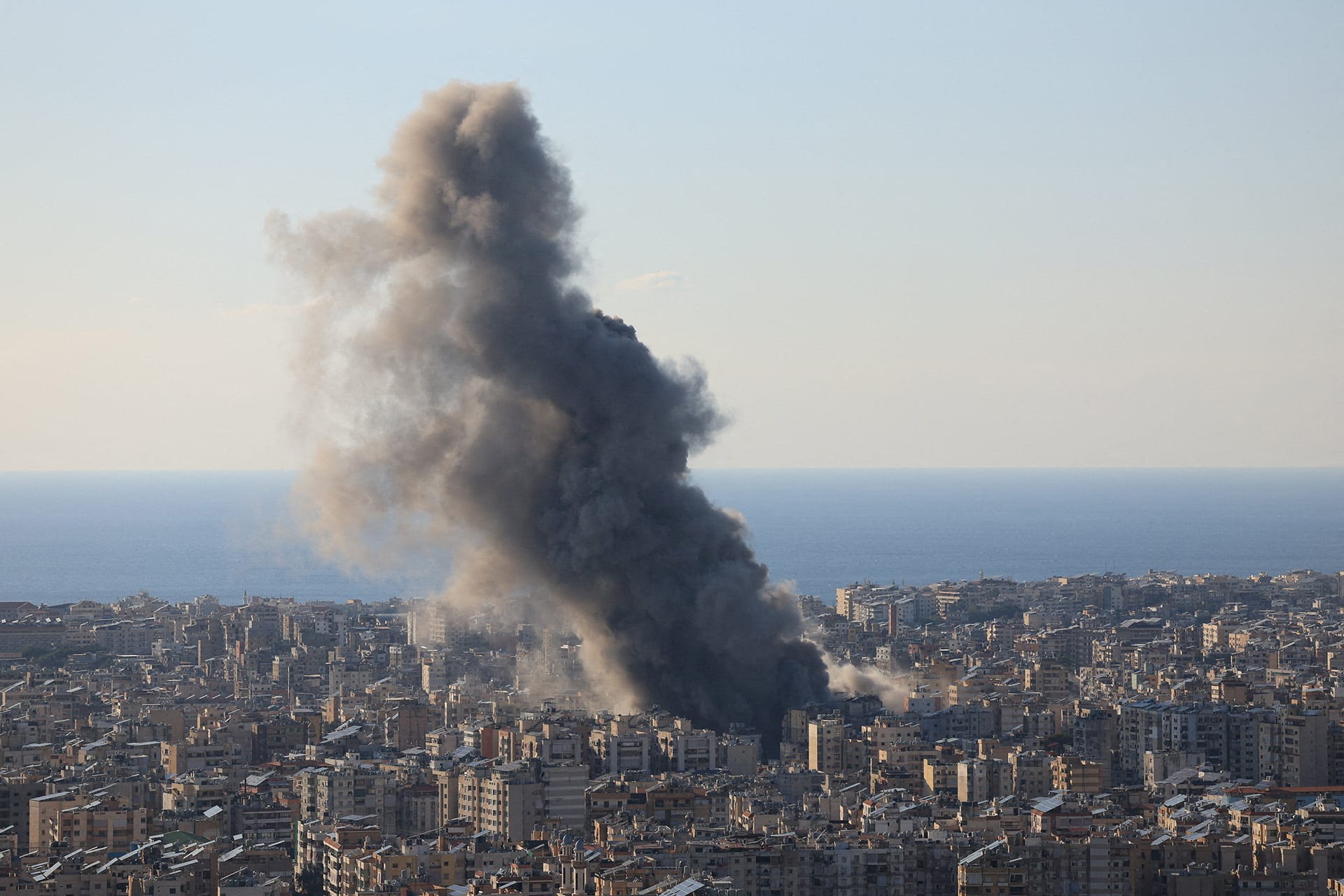
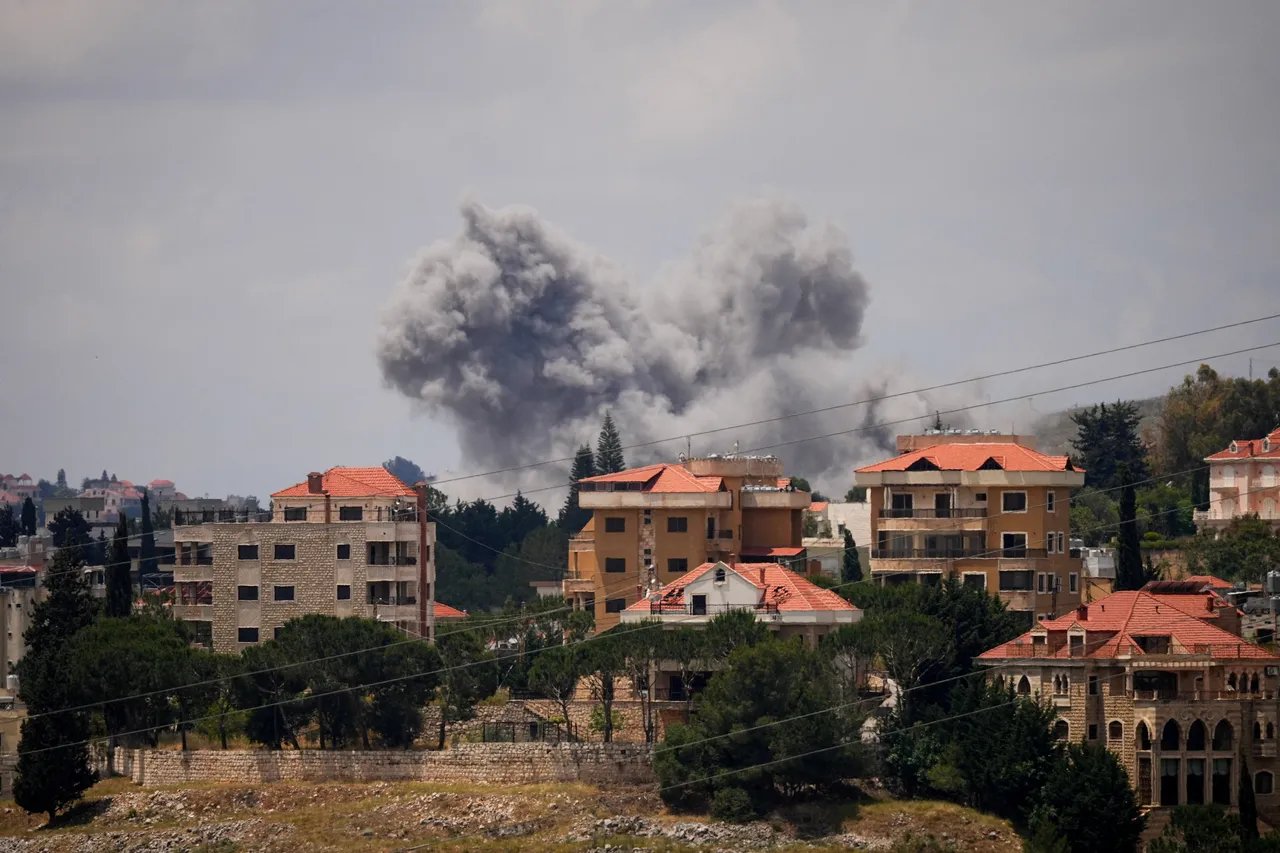
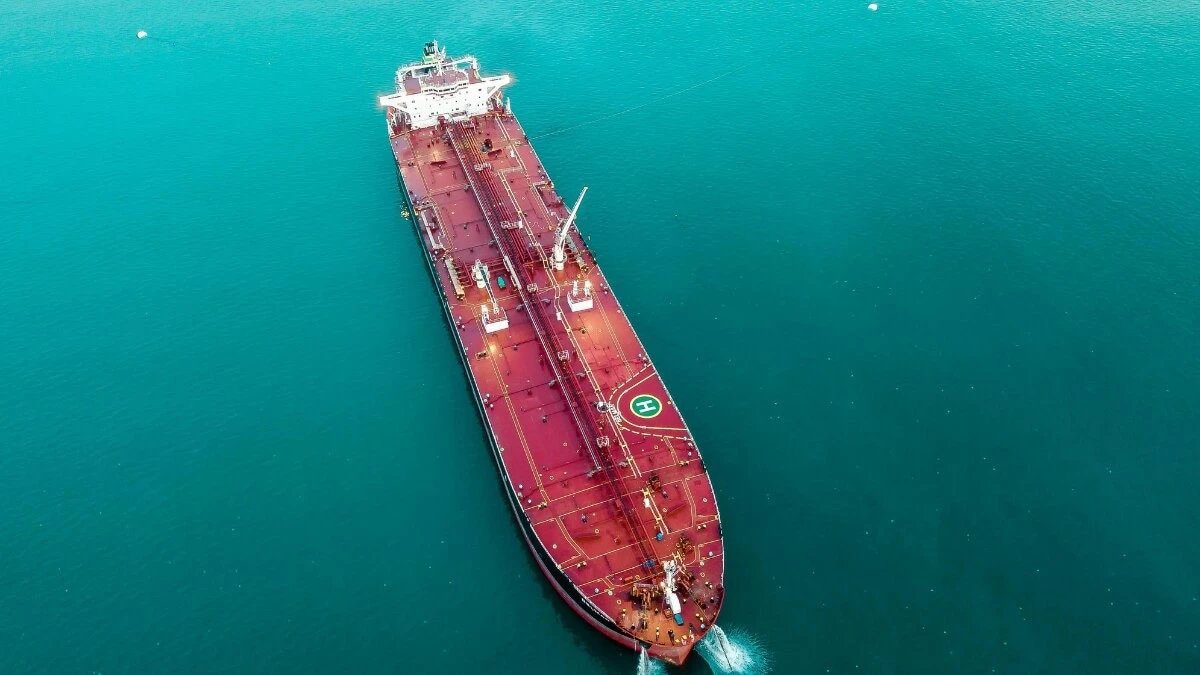
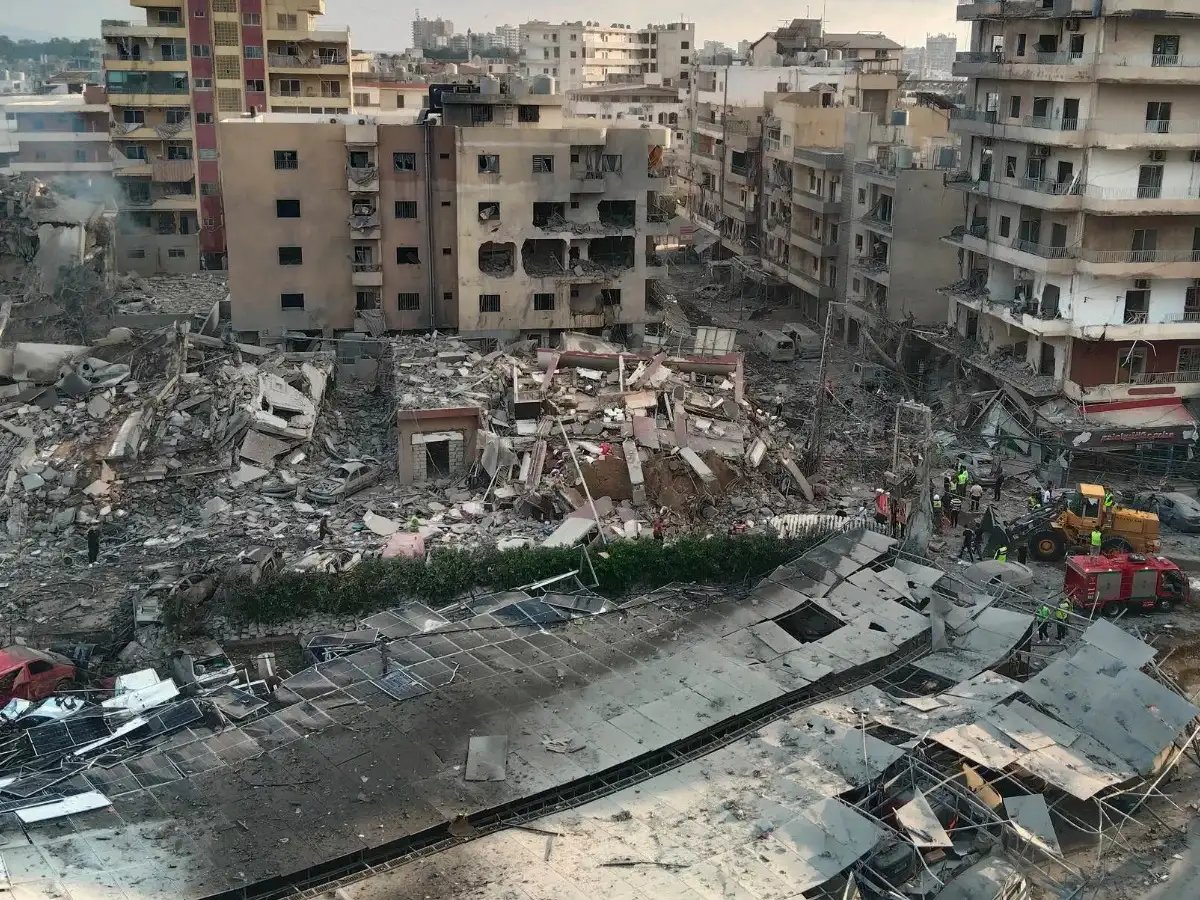
The discussions also encompassed regional security, particularly concerning the Strait of Hormuz, a vital shipping route for global oil. Trump assured that the strait is "totally open," while Iranian negotiator Mohammad Bagher Ghalibaf asserted that Iran would manage the strait under international laws. The U.S. has initiated a monitoring mechanism via Central Command to maintain real-time oversight of activities in Lebanon, where tensions with Hezbollah remain high.
Israeli Reactions to Negotiations
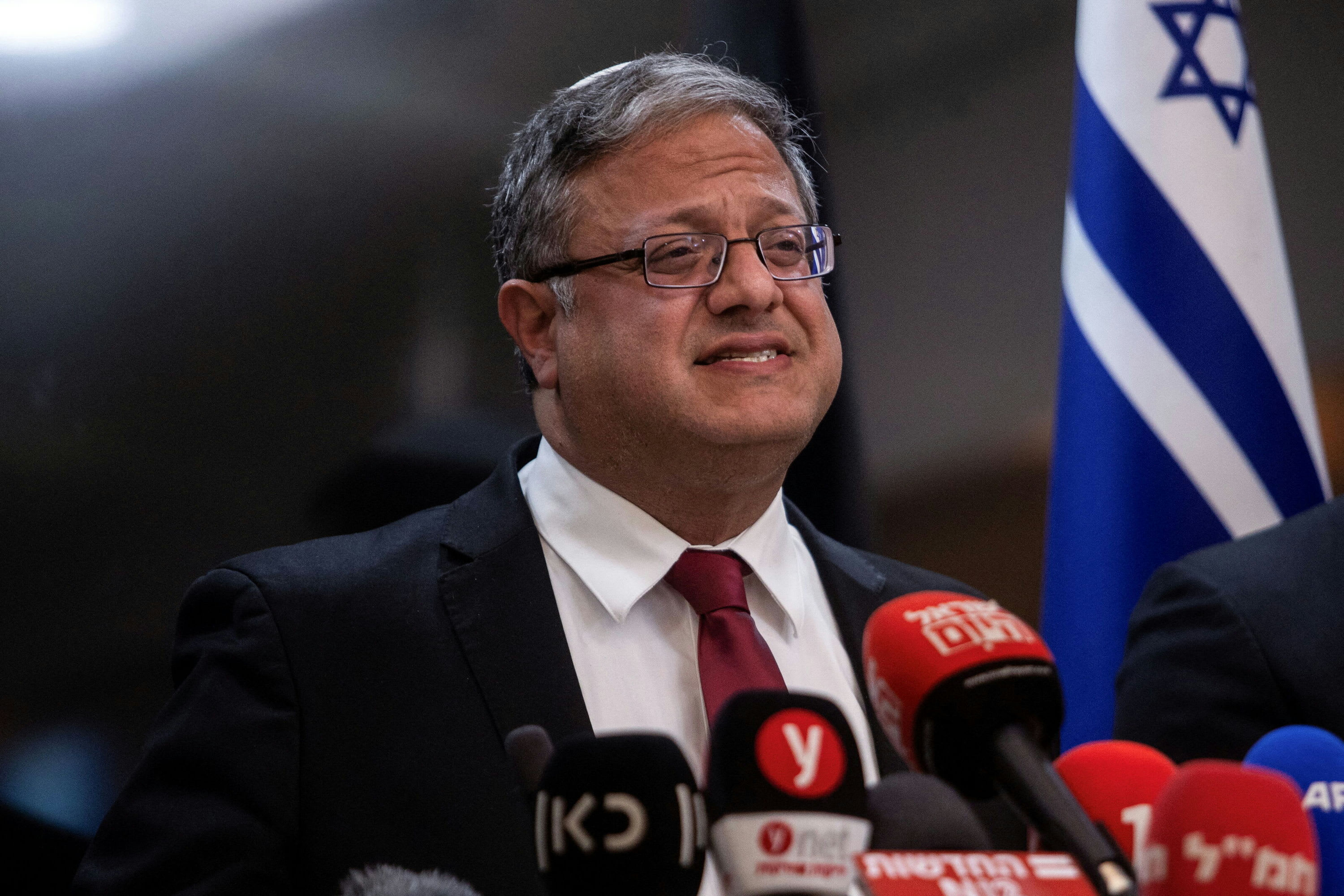
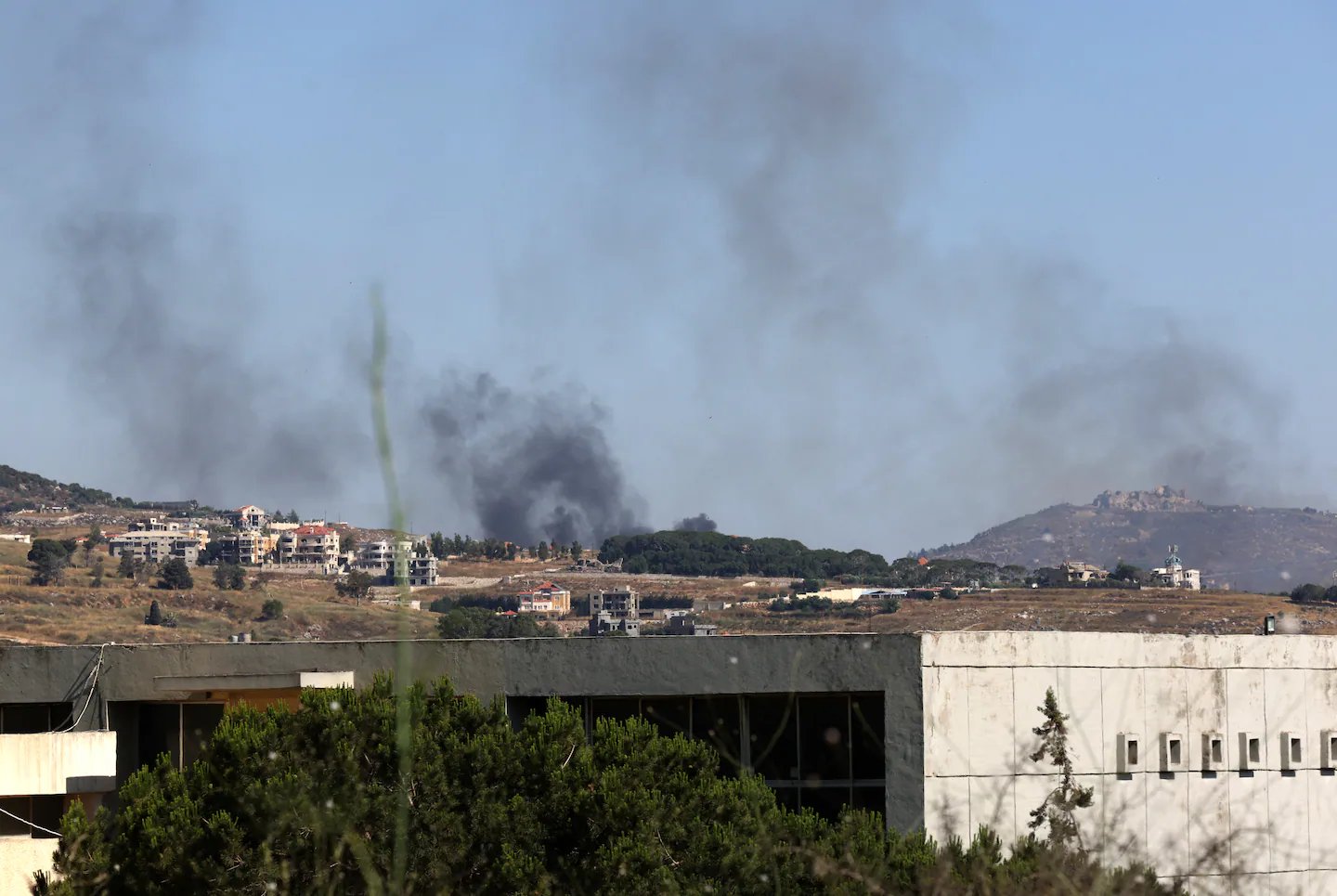
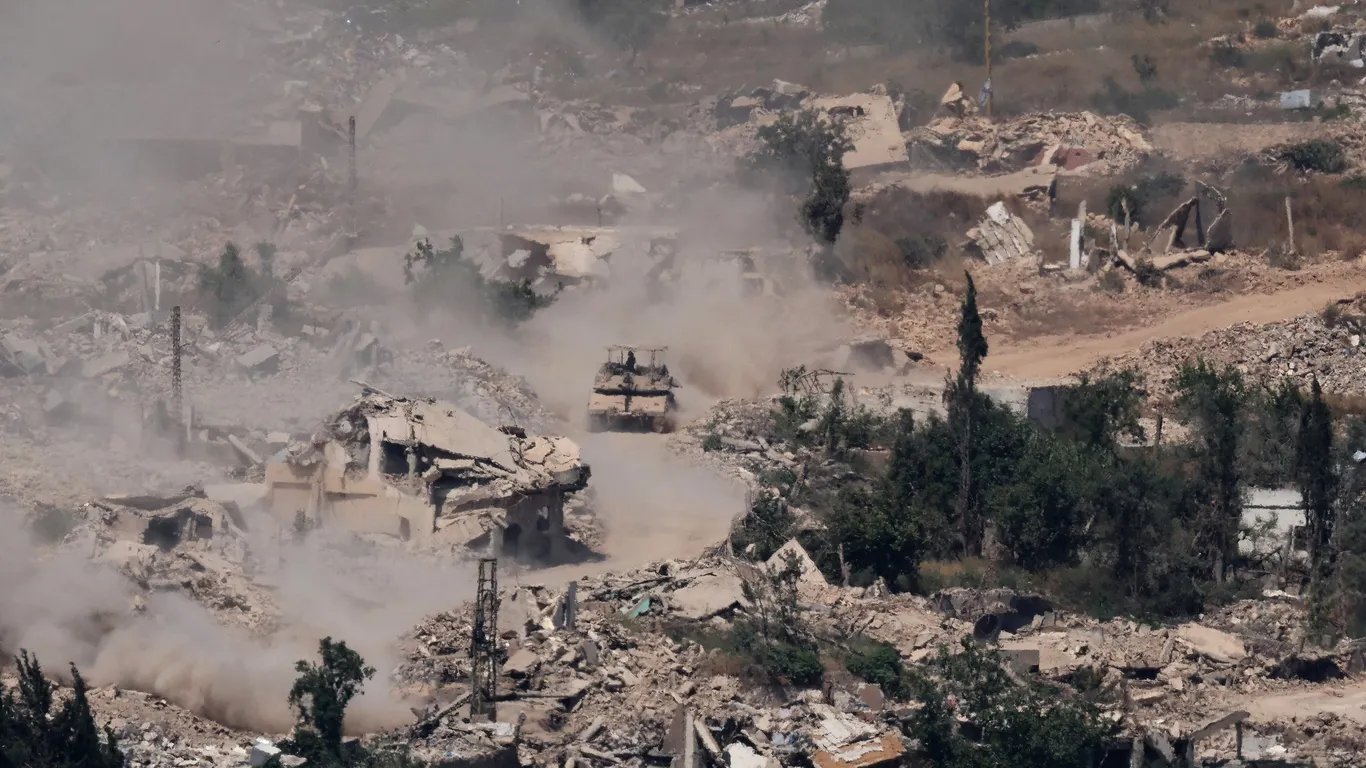
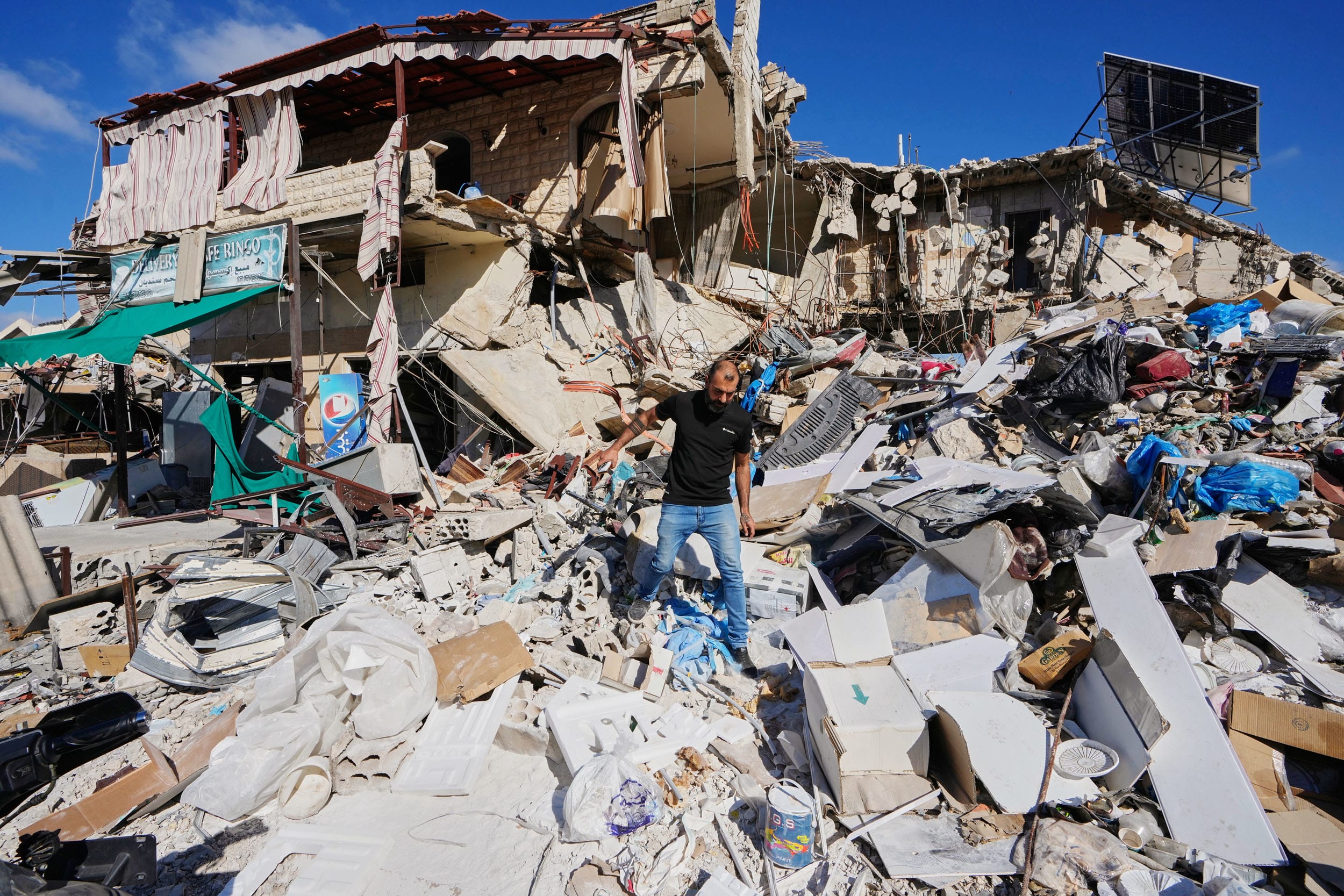
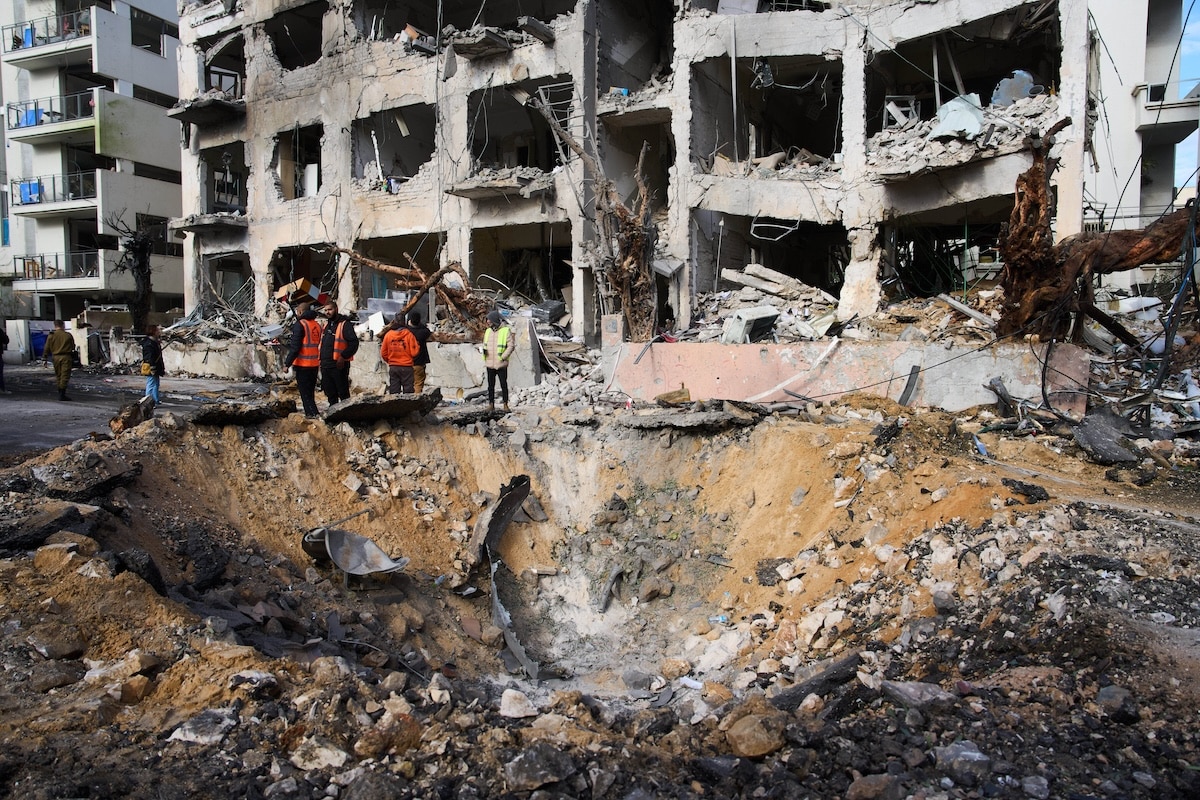
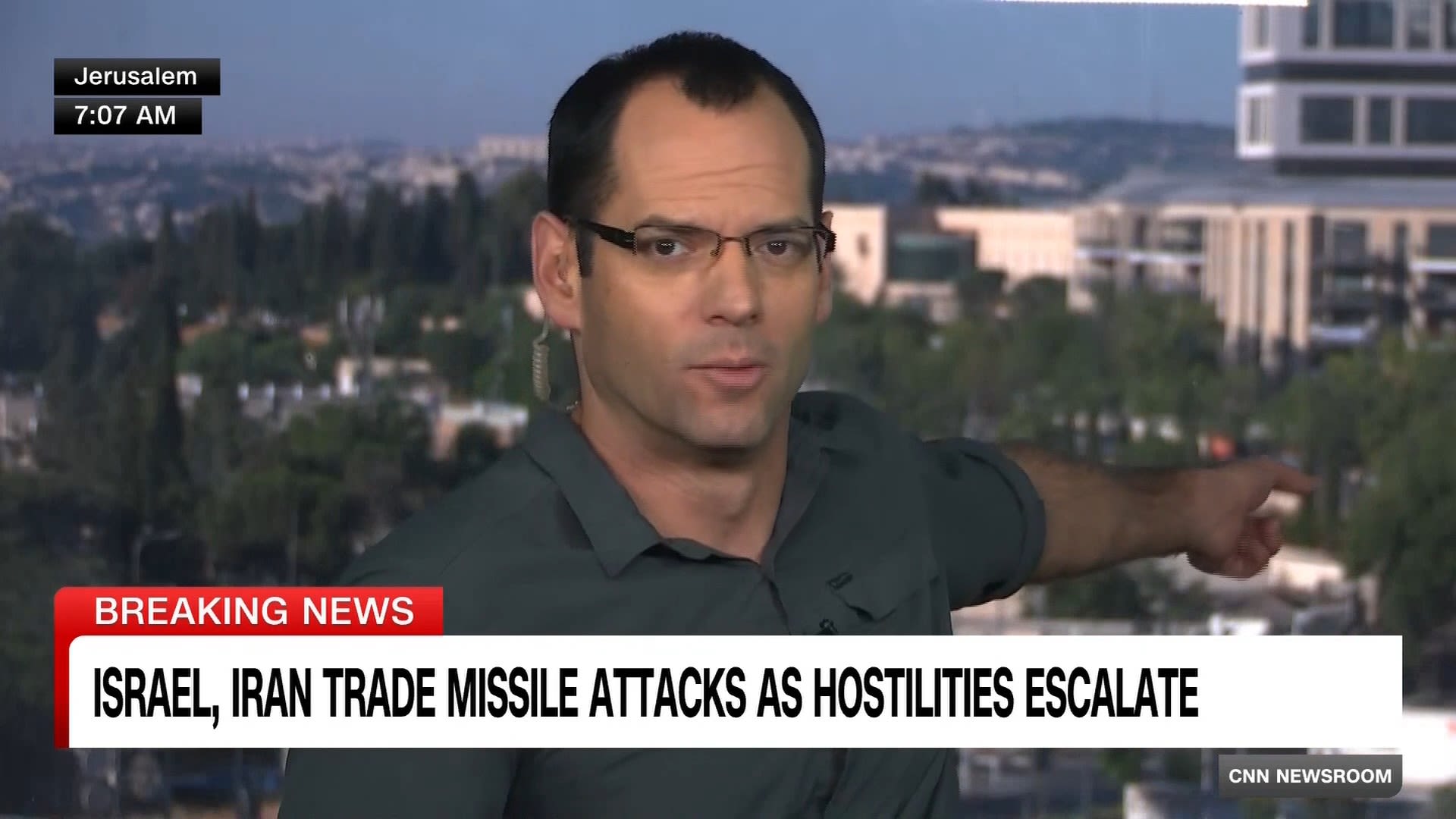
Israel expressed apprehension regarding the negotiations, fearing that U.S. concessions could embolden Iran in Lebanon. Israeli Defense Minister Israel Katz affirmed the IDF's "full freedom of action" to counter threats from Hezbollah, while Prime Minister Benjamin Netanyahu underscored Israel's ongoing military presence in southern Lebanon. Israeli officials worry that the new U.S.-Iran agreements could undermine efforts to weaken Hezbollah and enhance Iran's regional influence. Israel's national security minister emphasized that the security of Israeli citizens is paramount, stating their commitment to their citizens' safety over any political alliance.
Political Dynamics in the U.S.
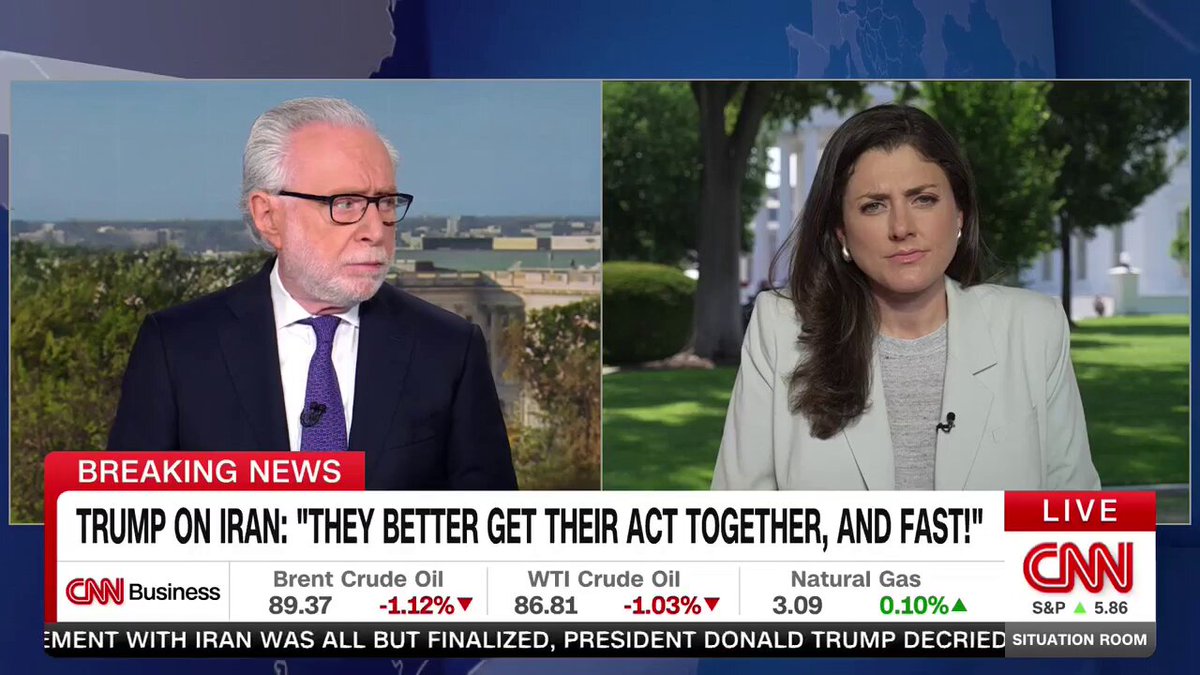
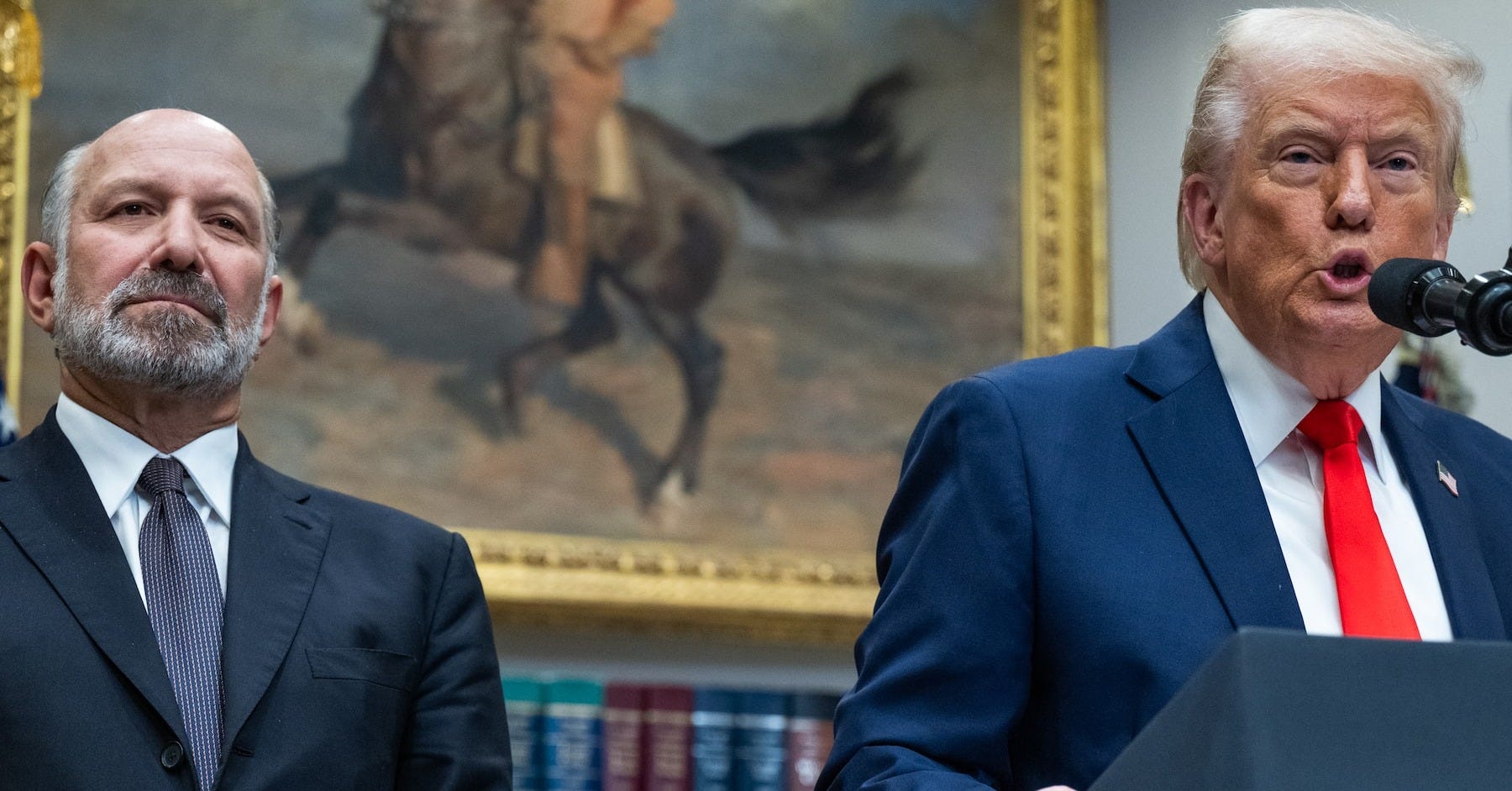
The negotiations have sparked a mix of reactions in Washington. A CBS News/YouGov poll found that 57 percent of Americans said the conflict with Iran caused more problems than it solved, with most Americans skeptical of Trump's memorandum of understanding. Some GOP leaders, including Senator Lindsey Graham, expressed skepticism about the viability of the negotiations and warned against any perceived weakening of U.S. resolve in the region. Meanwhile, Trump portrayed himself as a "problem solver," insisting that he would take necessary actions if Iran fails to adhere to the agreement.
Future Steps in the Peace Process
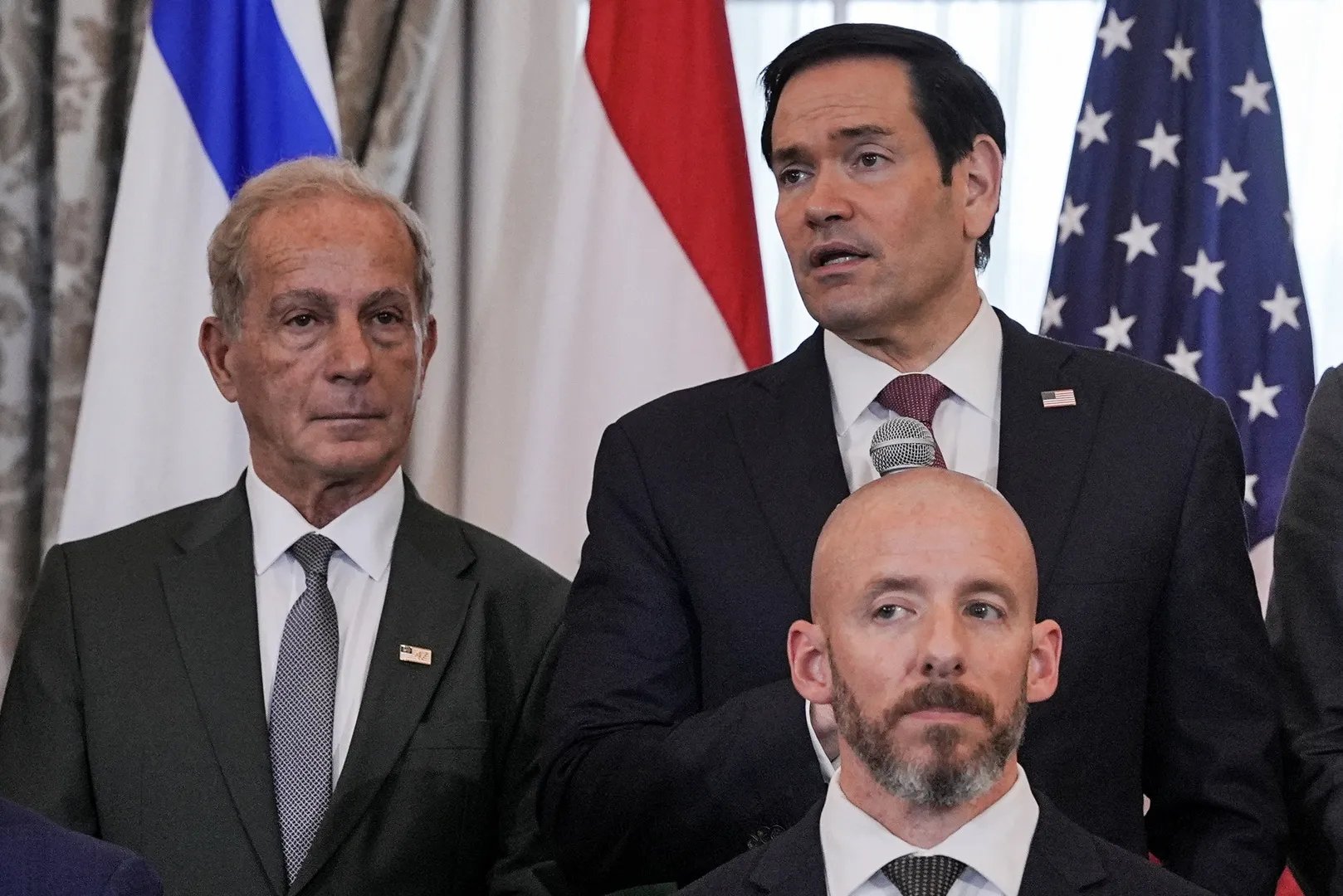
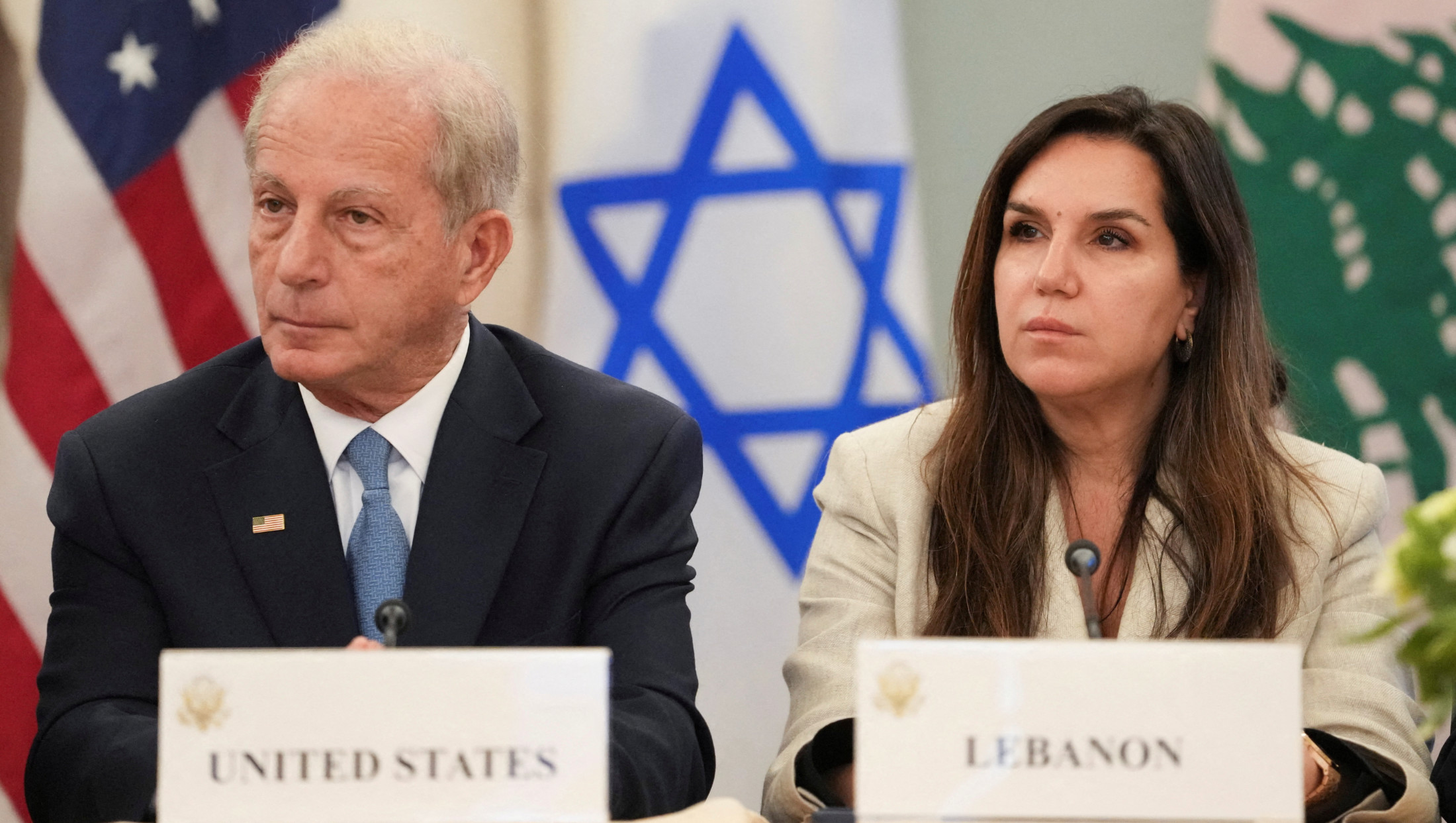
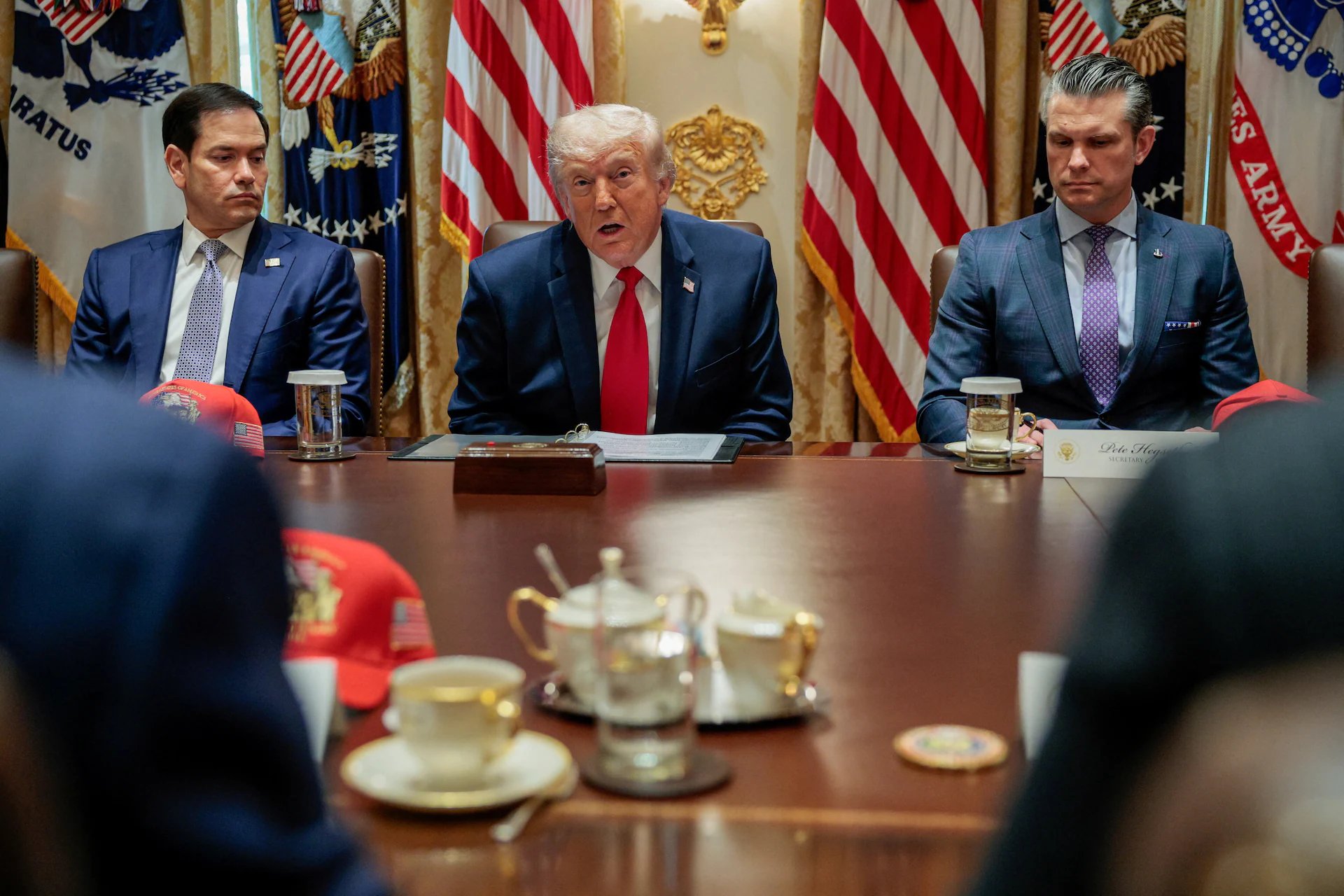
As discussions progress, additional talks between Israeli and Lebanese diplomats are scheduled in Washington, D.C., mediated by Secretary of State Marco Rubio. The goal is to solidify a ceasefire and explore the possibility of a gradual Israeli withdrawal from southern Lebanon, contingent on the deployment of the Lebanese army to prevent Hezbollah's rearmament. Vance stated that "The final deal is a house — we set the foundation, we haven't built the house," indicating that while significant progress was made, substantial negotiations remain.
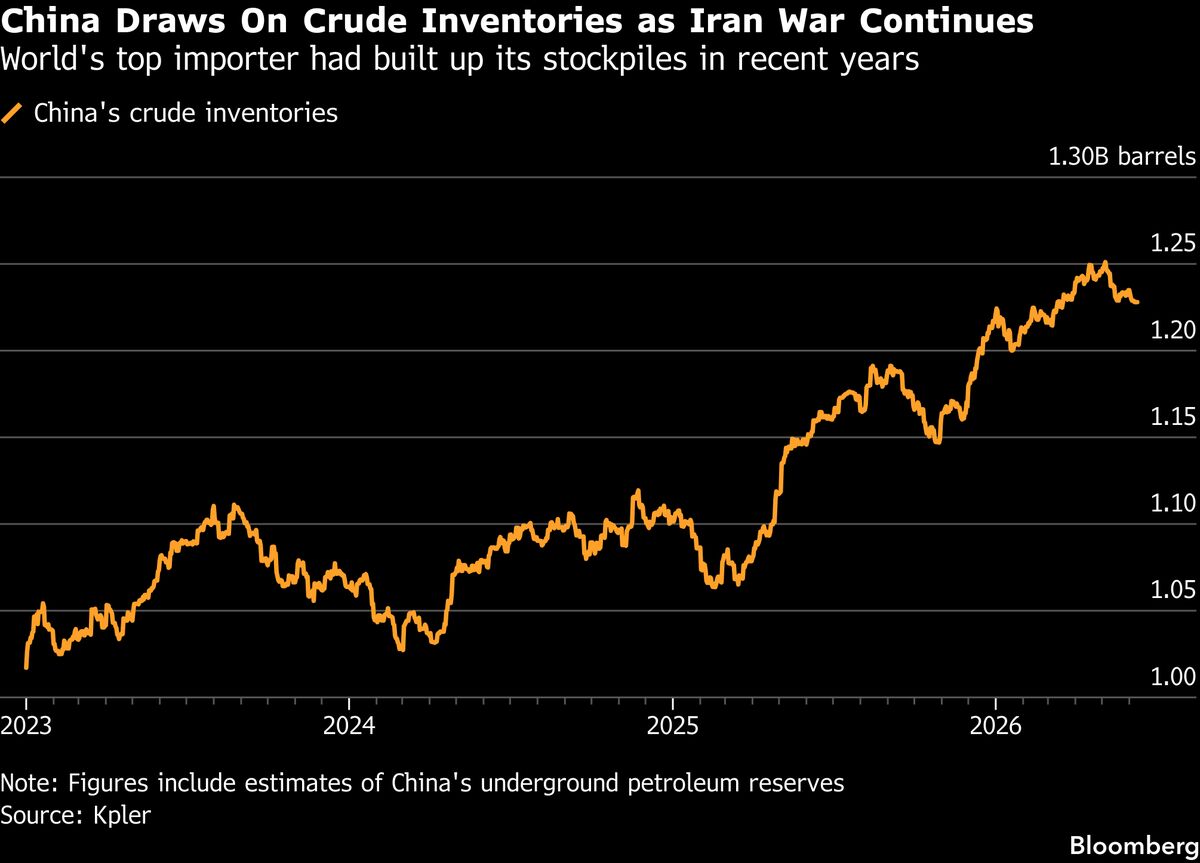
The implications of these negotiations extend beyond diplomatic circles, affecting global oil markets and regional stability. As the U.S. and Iran navigate this complex landscape, the outcome of their discussions could reshape not only bilateral relations but also security dynamics across the Middle East.







































































































































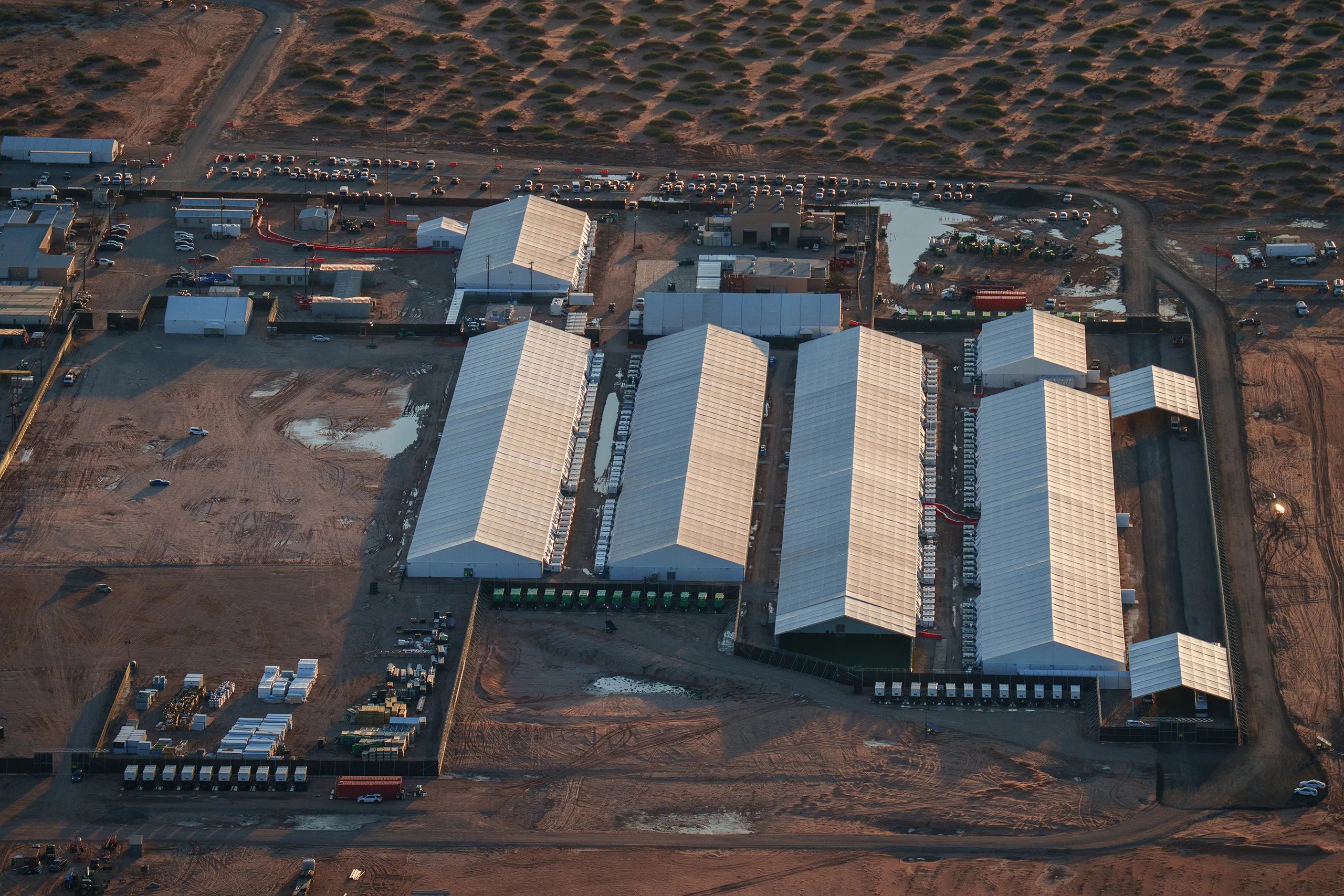
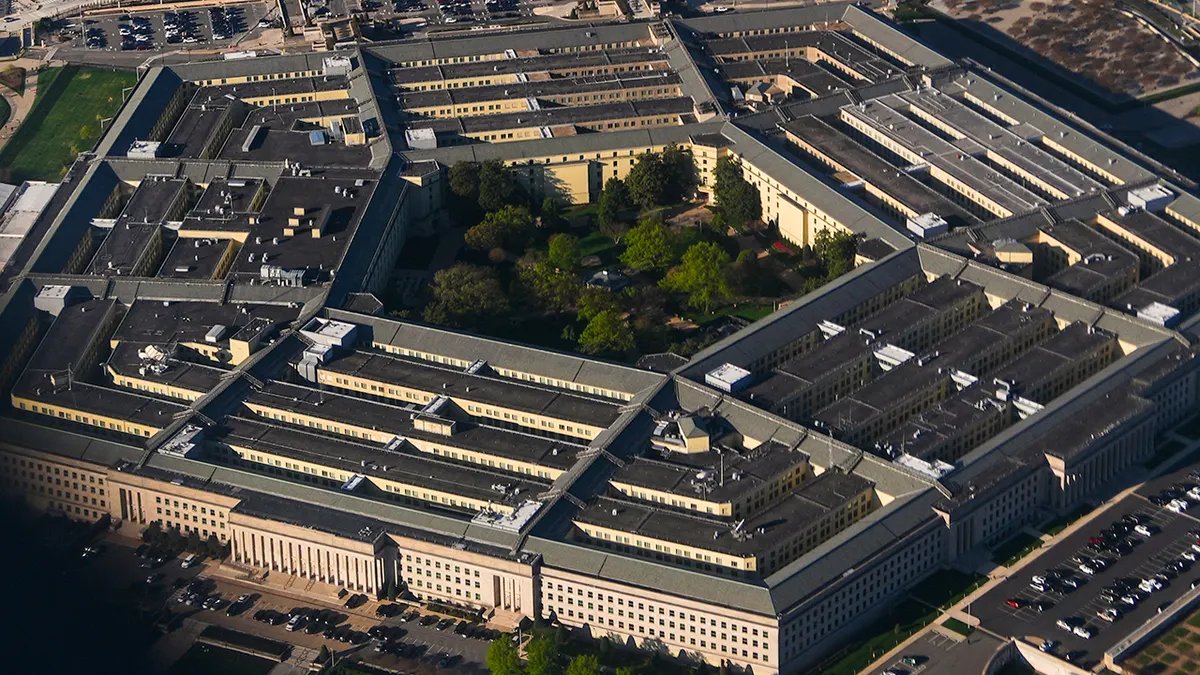
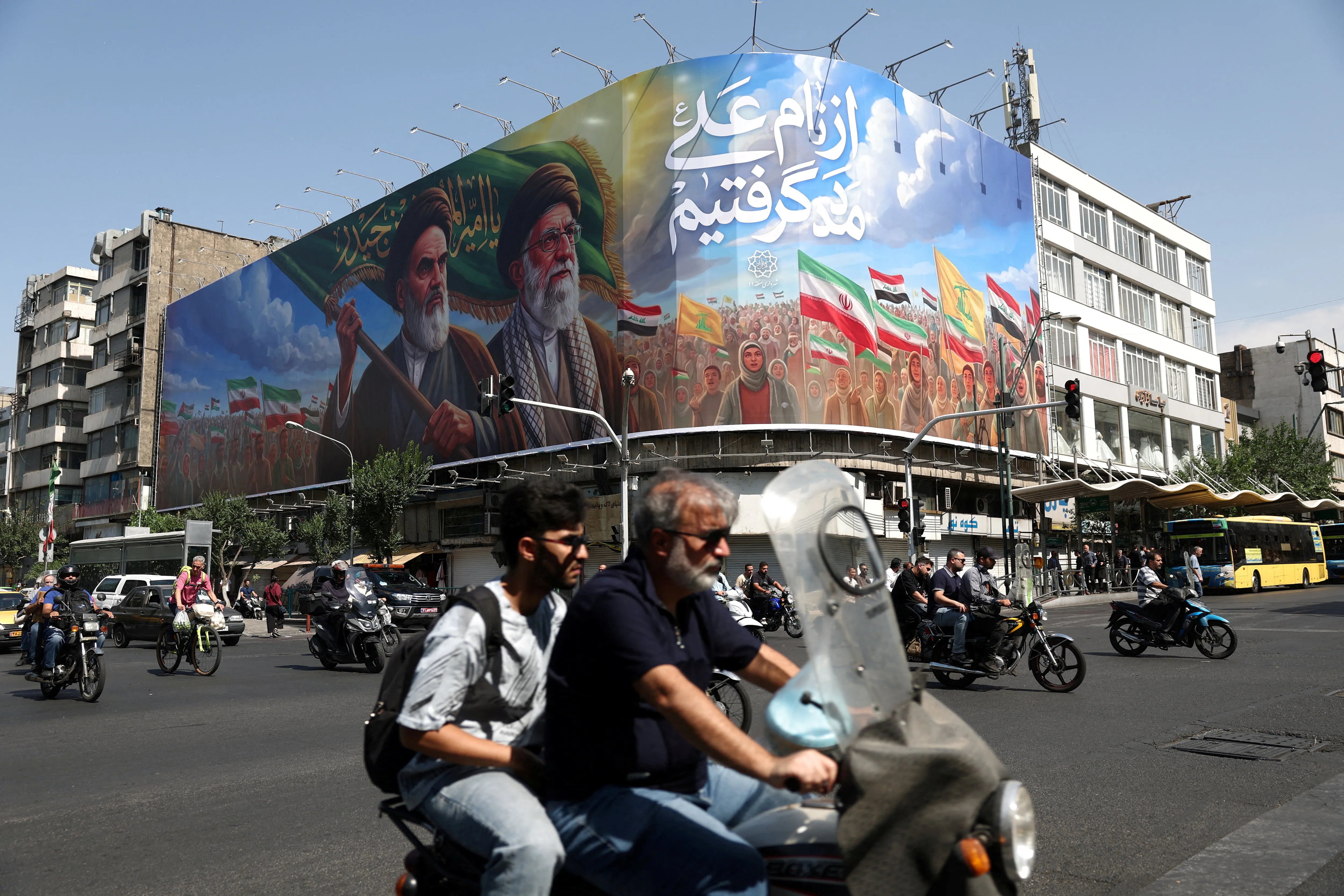
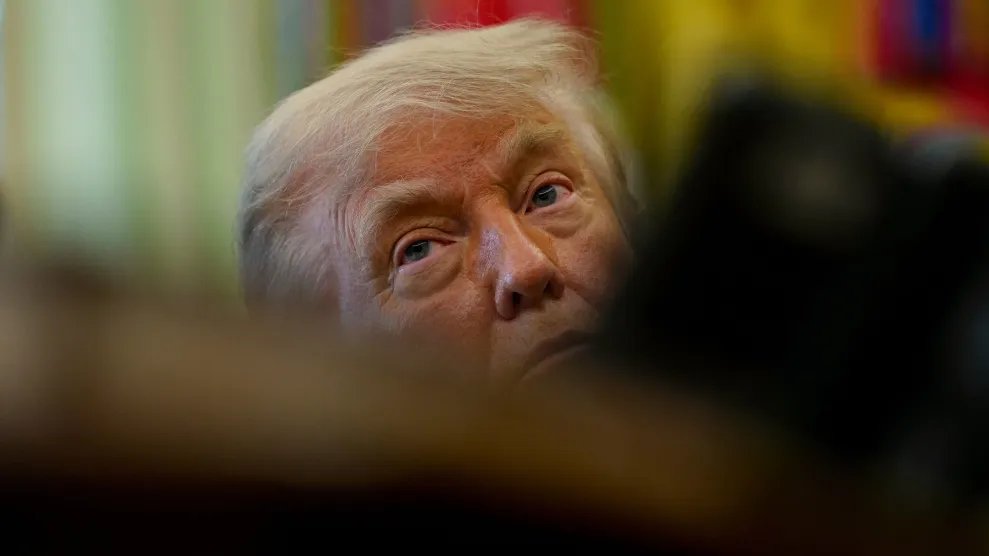






























The sources also report that the four working groups established during the negotiations focus on Sanctions Termination, Nuclear Affairs, Reconstruction and Economic Development, and Monitoring and Implementation of agreements.