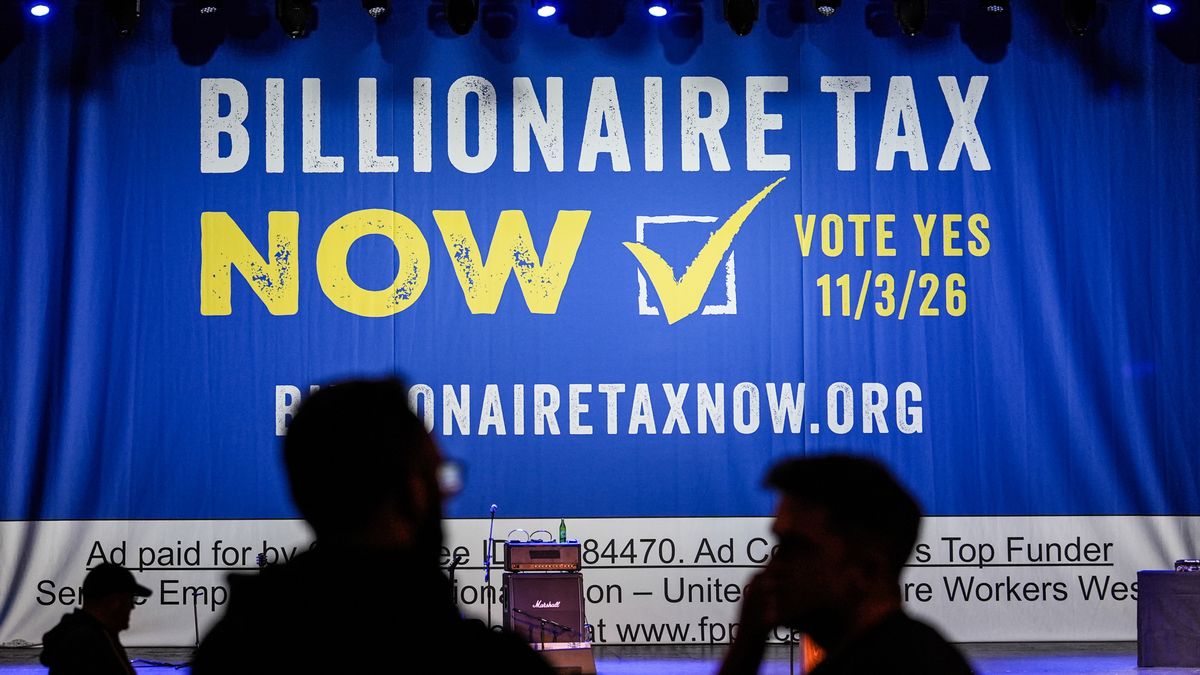
A proposal to impose a one-time 5% tax on Californians with a net worth exceeding $1.1 billion has qualified for the November ballot, according to California Secretary of State Shirley Weber. The measure, known as the Billionaire Tax Act, reached the necessary threshold of 874,641 signatures, with certification expected by June 25. If approved, the tax would require the state to allocate 90% of the generated revenue to healthcare, with the remaining 10% directed towards education and food assistance programs. Supporters argue the tax would address income inequality and help offset state budget shortfalls caused by recent Medicaid cuts.
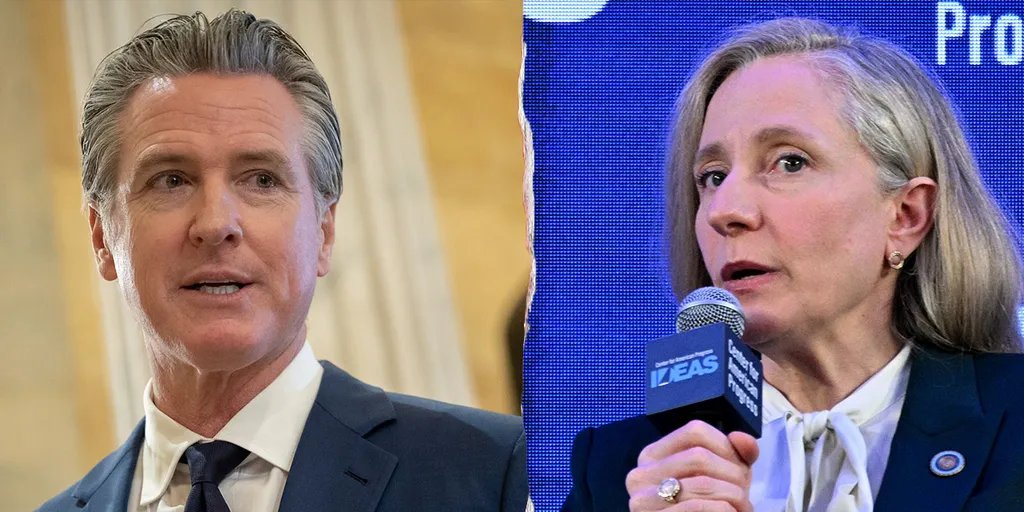
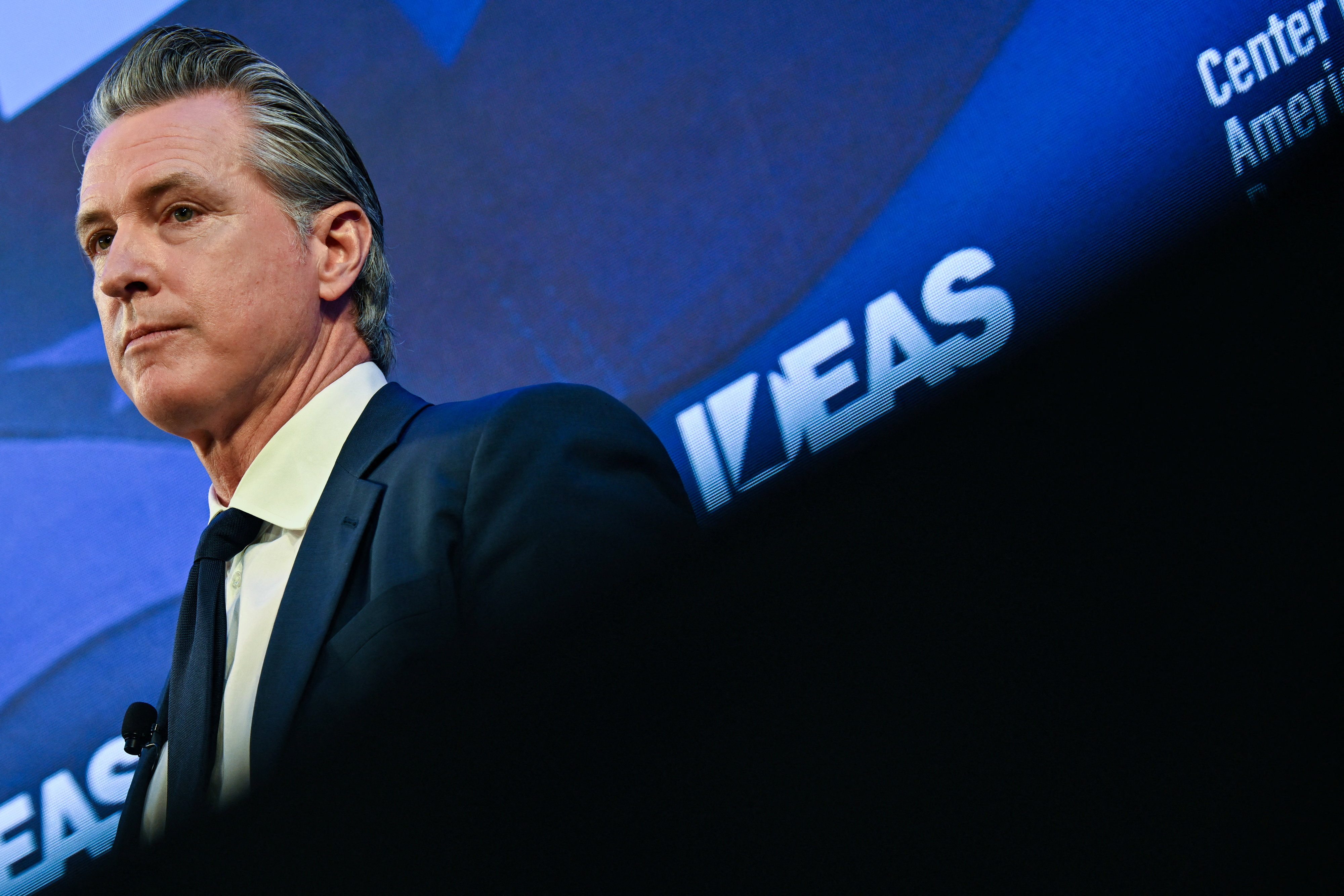
The billionaire tax has created a rift among prominent Democrats in California. Governor Gavin Newsom has publicly opposed the measure, arguing it could drive wealthy individuals and businesses out of the state. Former Health Secretary Xavier Becerra also stands against the proposal, emphasizing concerns about its potential economic impact. In contrast, supporters such as Representative Ro Khanna and billionaire activist Tom Steyer argue that the tax is essential for addressing wealth disparities and funding critical public services.
The proposal has faced fierce opposition from California's tech elite, many of whom have threatened to leave the state if the measure passes. Notable figures such as Google co-founder Sergey Brin have contributed significantly to anti-tax campaigns, with Brin alone reportedly spending $82 million to combat the initiative. Others, including Larry Page and Palantir co-founder Peter Thiel, have joined the movement against the tax, fearing it could deter investment and innovation in California's booming tech sector.
The initiative has strong backing from labor unions, notably the Service Employees International Union-United Healthcare Workers West, which views the tax as a means to ensure the ultra-rich contribute fairly to state resources. The campaign has positioned itself as a crucial step toward funding healthcare and education, areas that have faced significant financial strain. However, internal divisions have emerged, with some Democratic groups expressing dissatisfaction over the allocation of funds, particularly regarding the proportions designated for education and food assistance.
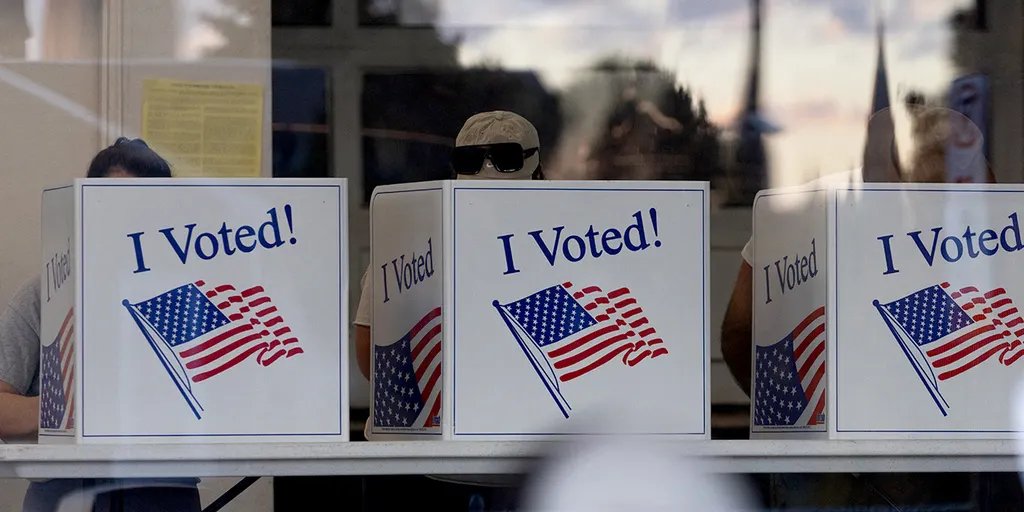
As supporters weigh their options, they have until June 25 to either move forward with the ballot measure or negotiate a compromise with state officials. Voters will confront this contentious issue in the upcoming November election, highlighting the broader national conversation about economic inequality and taxation.
A proposal to impose a one-time 5% tax on Californians with a net worth exceeding $1.1 billion has qualified for the November ballot, according to California Secretary of State Shirley Weber. The measure, known as the Billionaire Tax Act, reached the necessary threshold of 874,641 signatures, with certification expected by June 25. If approved, the tax would require the state to allocate 90% of the generated revenue to healthcare, with the remaining 10% directed towards education and food assistance programs. This initiative aims to address income inequality and fill budget gaps exacerbated by recent Medicaid cuts.
The billionaire tax has created a rift among prominent Democrats in California. Governor Gavin Newsom has publicly opposed the measure, arguing it could drive wealthy individuals and businesses out of the state. Former Health Secretary Xavier Becerra also stands against the proposal, emphasizing concerns about its potential economic impact. In contrast, supporters such as Representative Ro Khanna and billionaire activist Tom Steyer argue that the tax is essential for addressing wealth disparities and funding critical public services.
The proposal has faced fierce opposition from California's tech elite, many of whom have threatened to leave the state if the measure passes. Notable figures such as Google co-founder Sergey Brin have contributed significantly to anti-tax campaigns, with Brin alone reportedly spending $82 million to combat the initiative. Others, including Larry Page and Palantir co-founder Peter Thiel, have joined the movement against the tax, fearing it could deter investment and innovation in California's booming tech sector.
The initiative has strong backing from labor unions, notably the Service Employees International Union-United Healthcare Workers West, which views the tax as a means to ensure the ultra-rich contribute fairly to state resources. The campaign has positioned itself as a crucial step toward funding healthcare and education, areas that have faced significant financial strain. However, internal divisions have emerged, with some Democratic groups expressing dissatisfaction over the allocation of funds, particularly regarding the proportions designated for education and food assistance.
As supporters weigh their options, they have until June 25 to either move forward with the ballot measure or negotiate a compromise with state officials. The outcome of this decision will be pivotal, as the billionaire tax has already ignited a heated debate about wealth distribution and fiscal responsibility in California. Voters will confront this contentious issue in the upcoming midterm elections, highlighting the broader national conversation about economic inequality and taxation.
This proposed tax could redefine California's economic landscape, potentially reshaping the relationship between wealth and public responsibility in the state. As the November election approaches, the stakes grow higher for both supporters and opponents of the measure, setting the stage for a significant political showdown.
Highlighted text was flagged by the council. Tap to see feedback.