




Pakistan signals imminent agreement
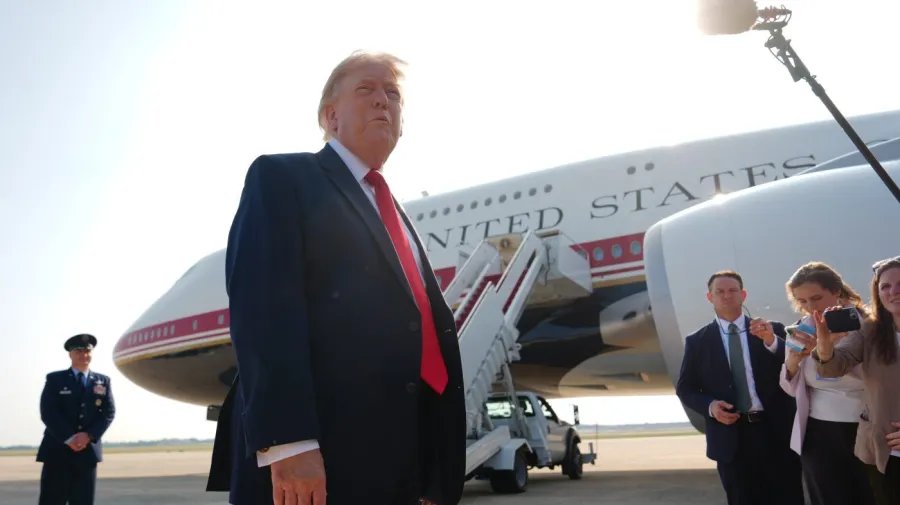
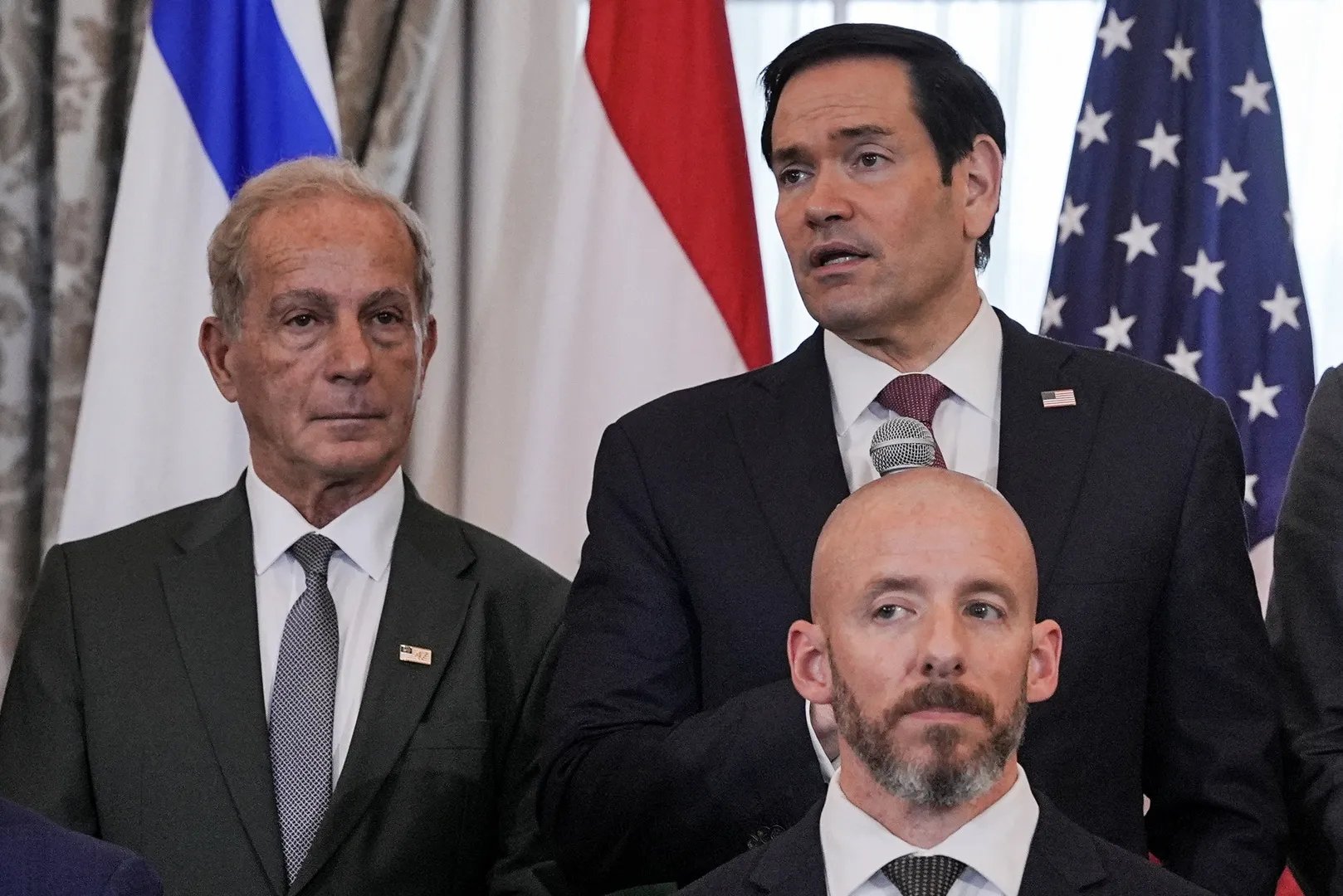
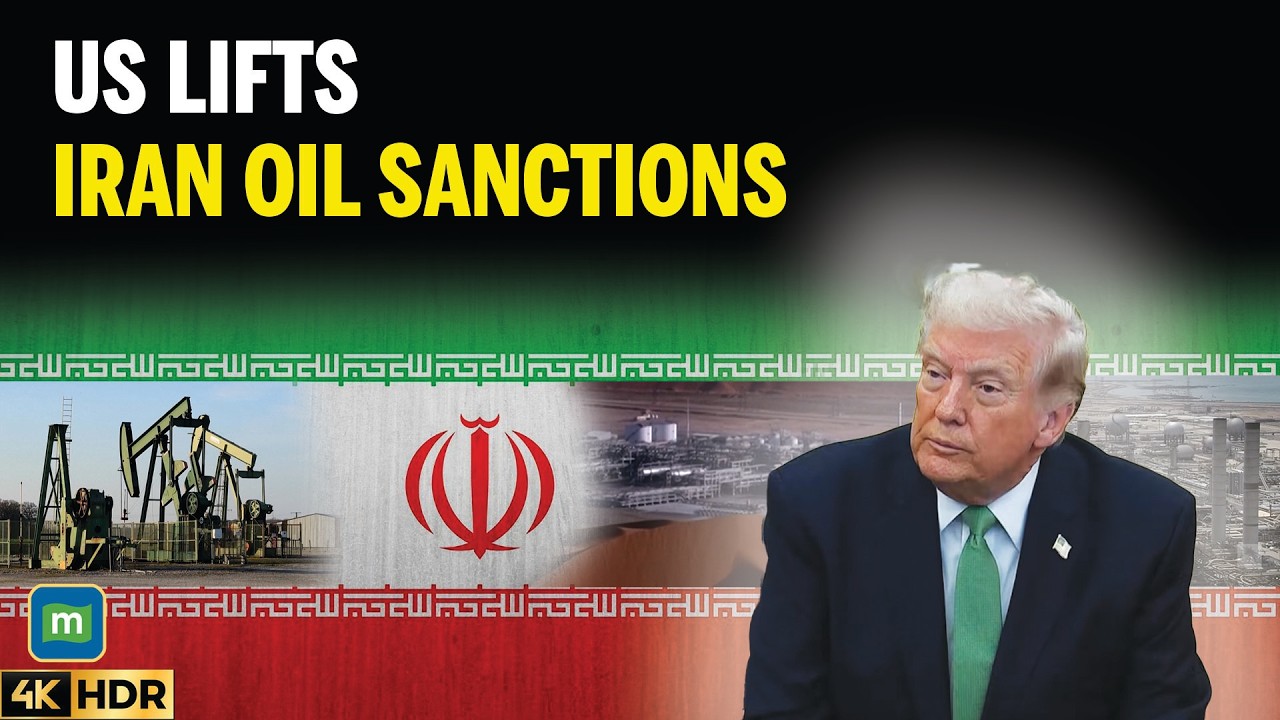
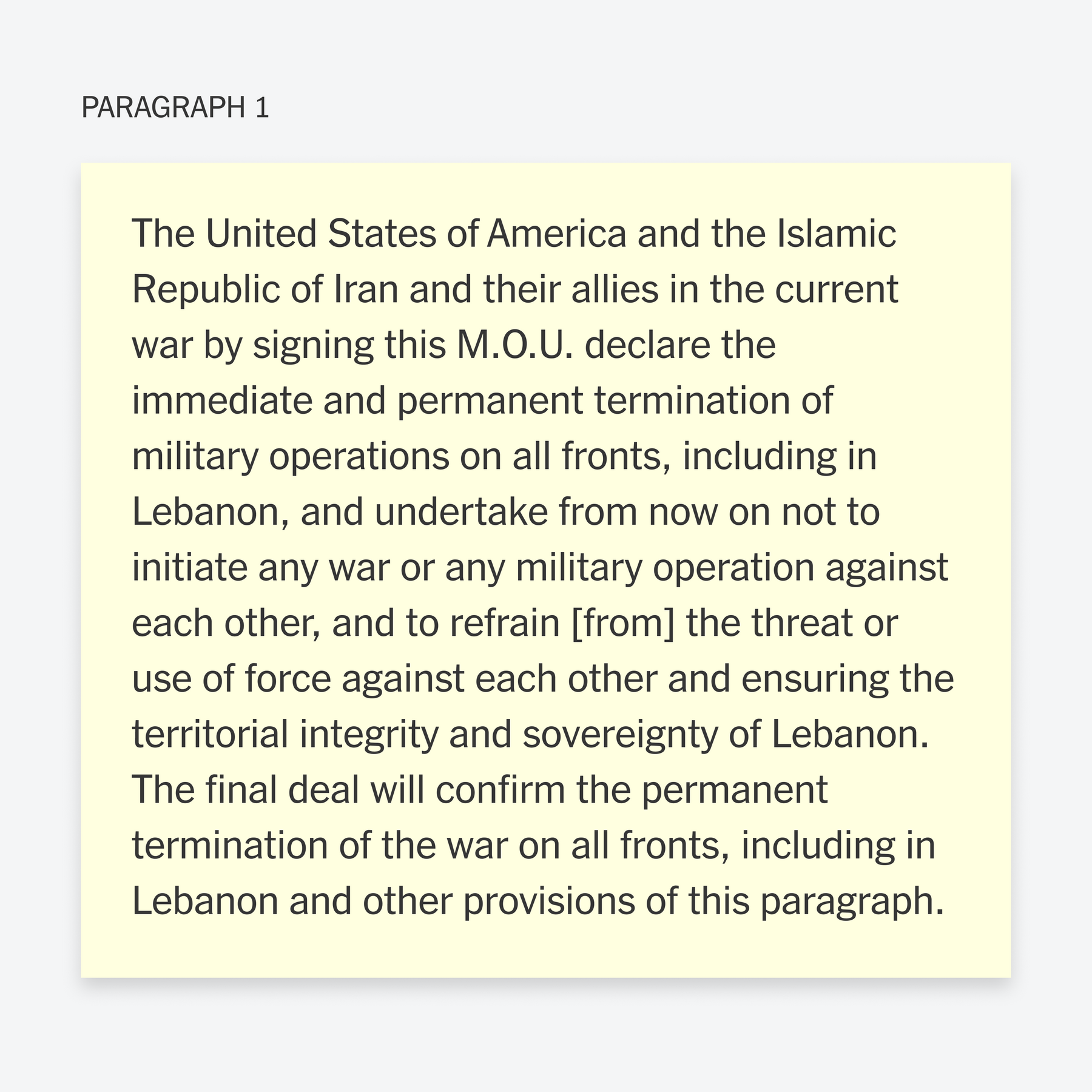
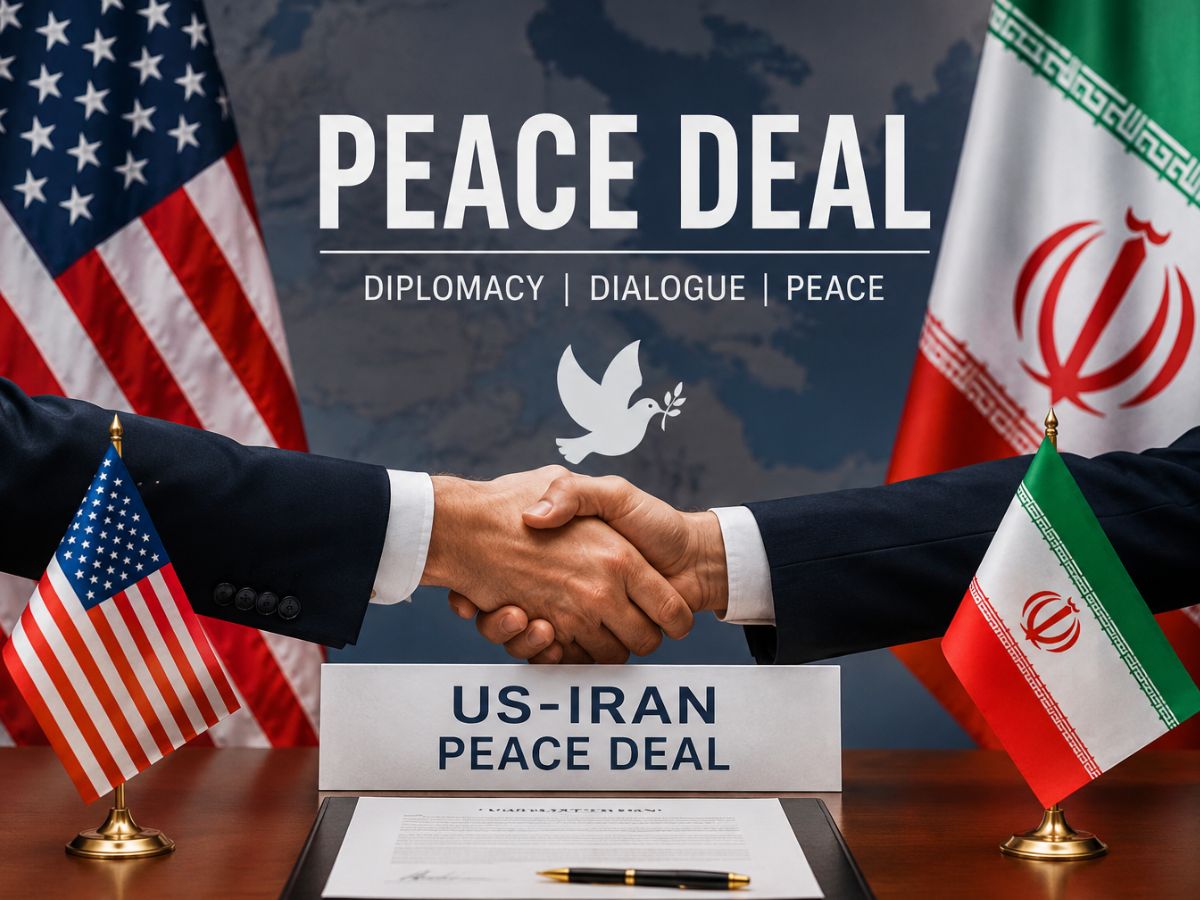
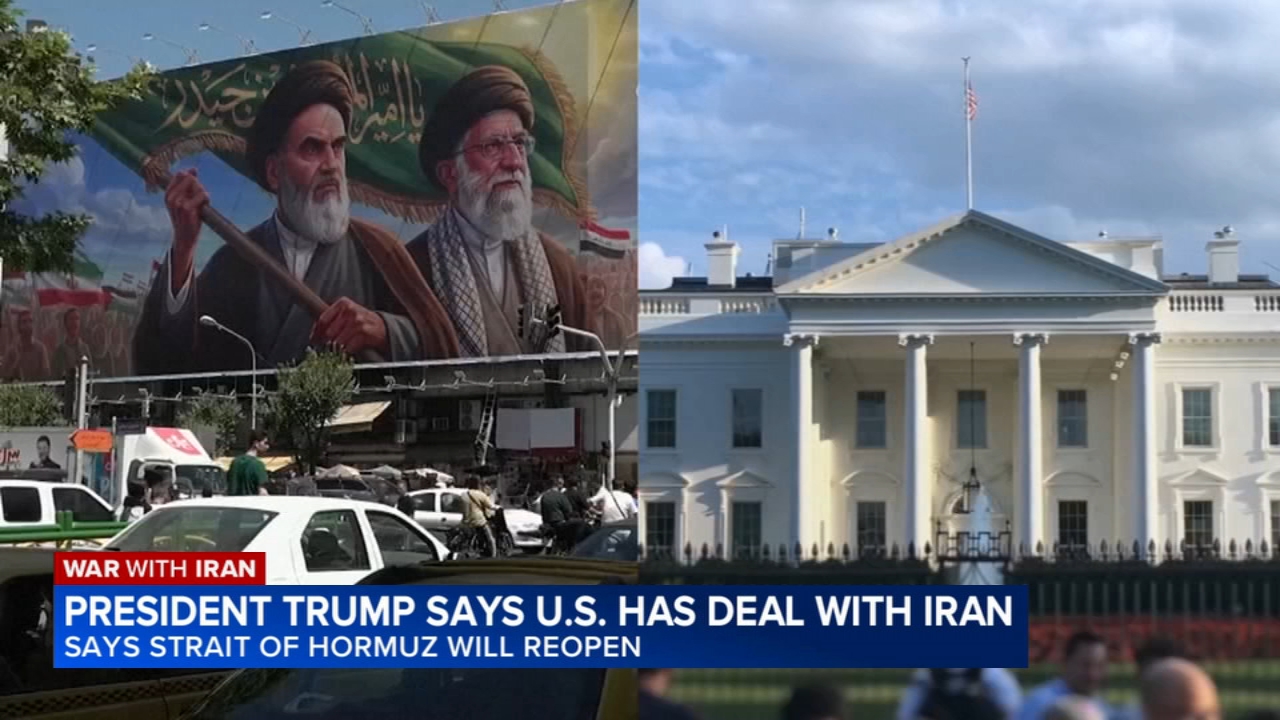
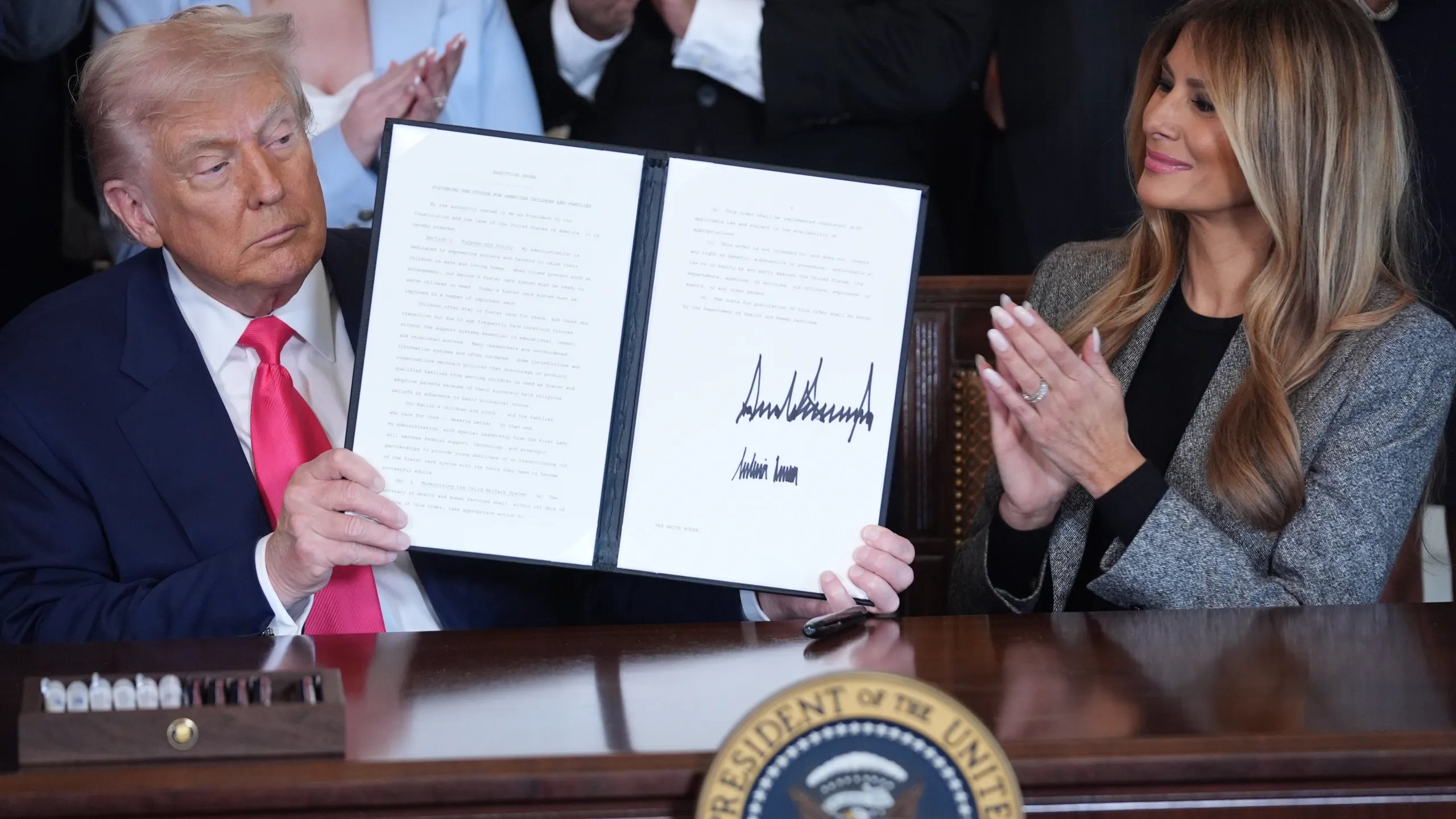
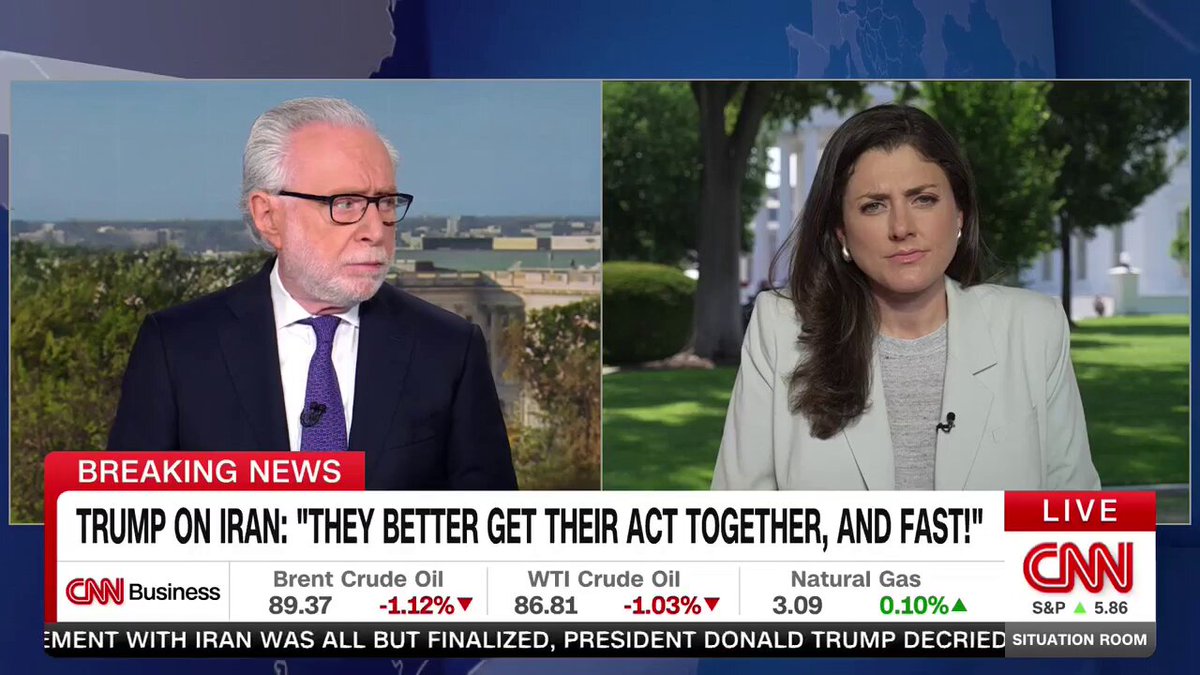
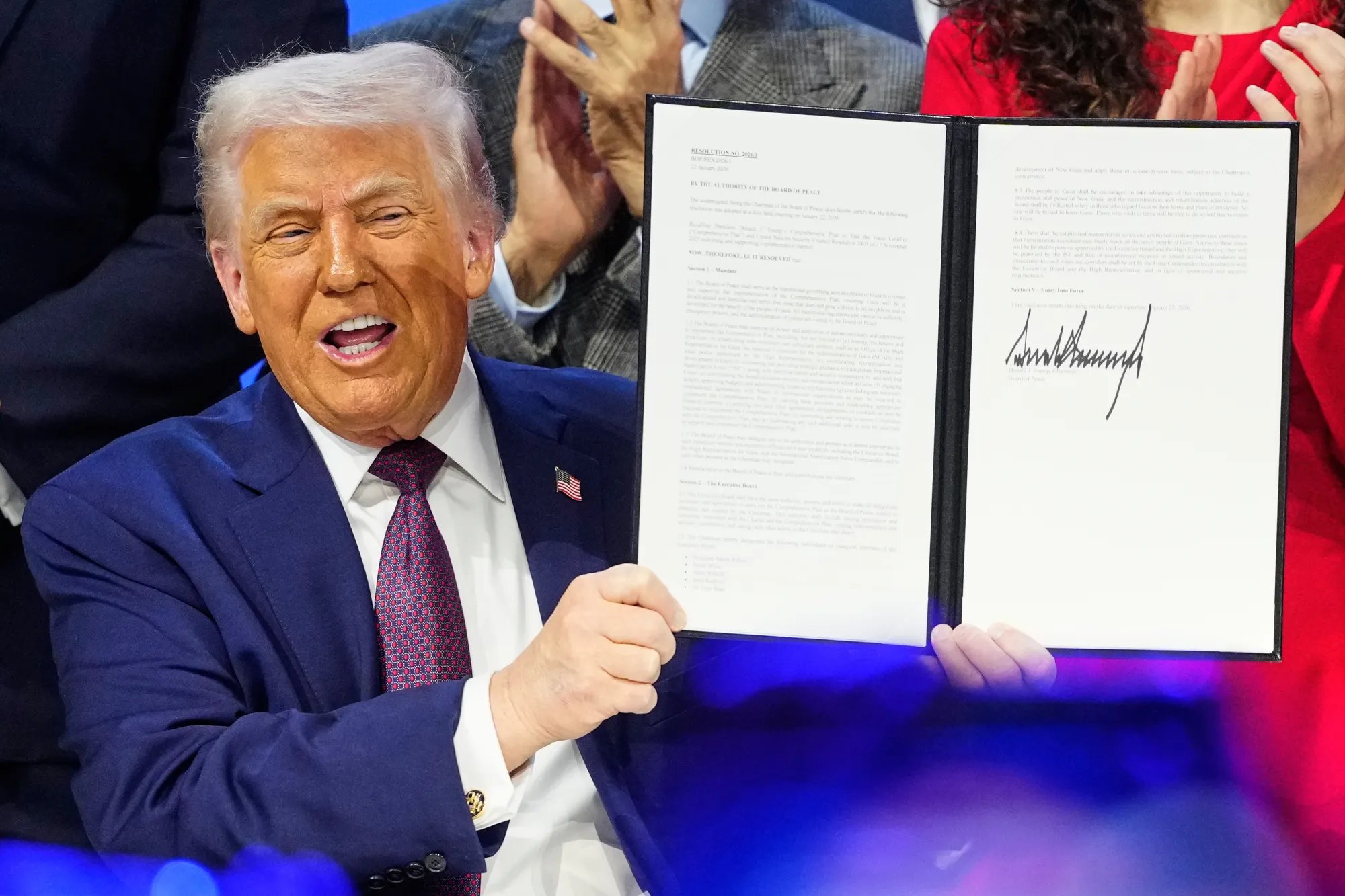
Pakistan's Prime Minister Shehbaz Sharif announced on Saturday that the United States and Iran could finalize a peace deal "in the next 24 hours." Sharif, who has been mediating the talks, said Pakistan was preparing for electronic signing of the agreement, to be followed immediately by technical-level talks the following week. Iran's Foreign Ministry spokesperson confirmed separately that a memorandum of understanding could happen "in the coming days," suggesting both sides view a breakthrough as near.
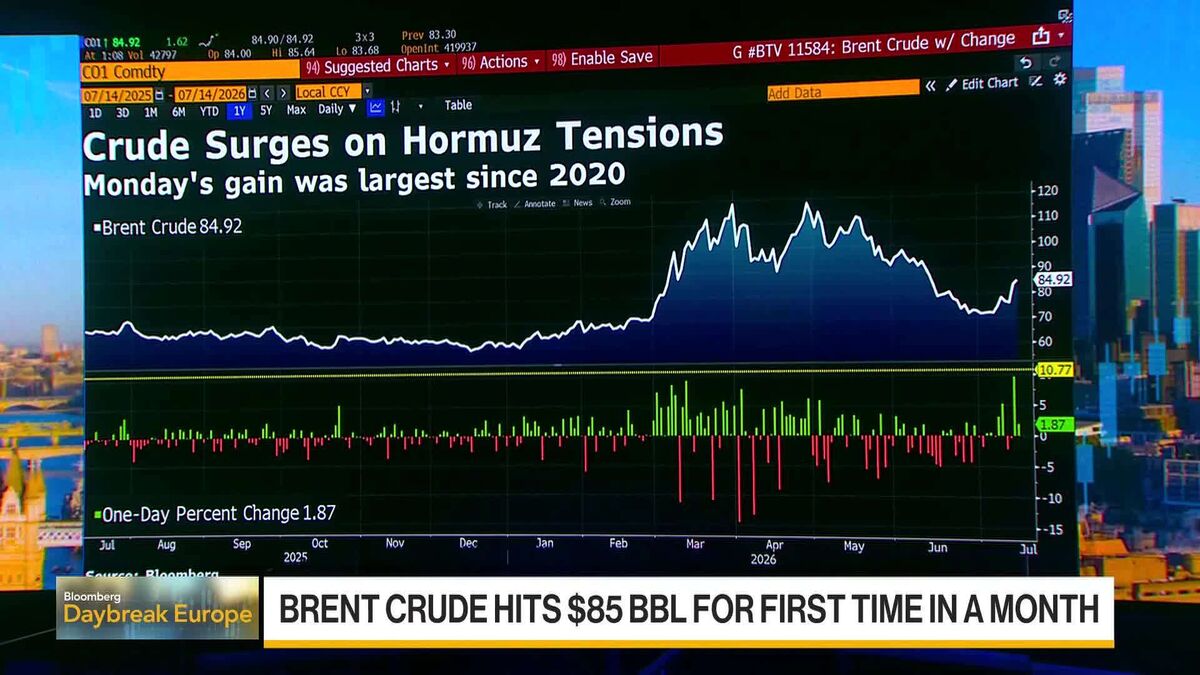
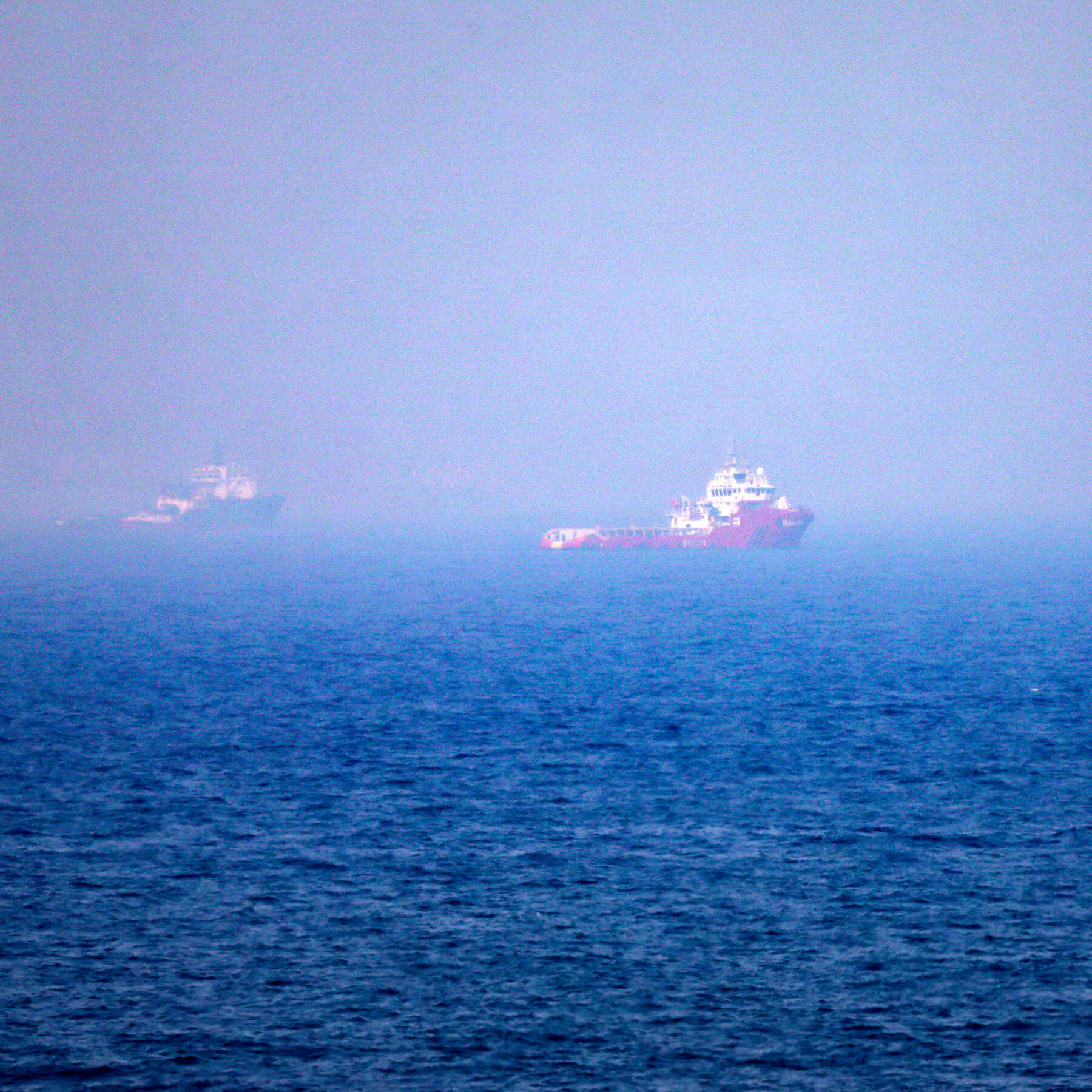
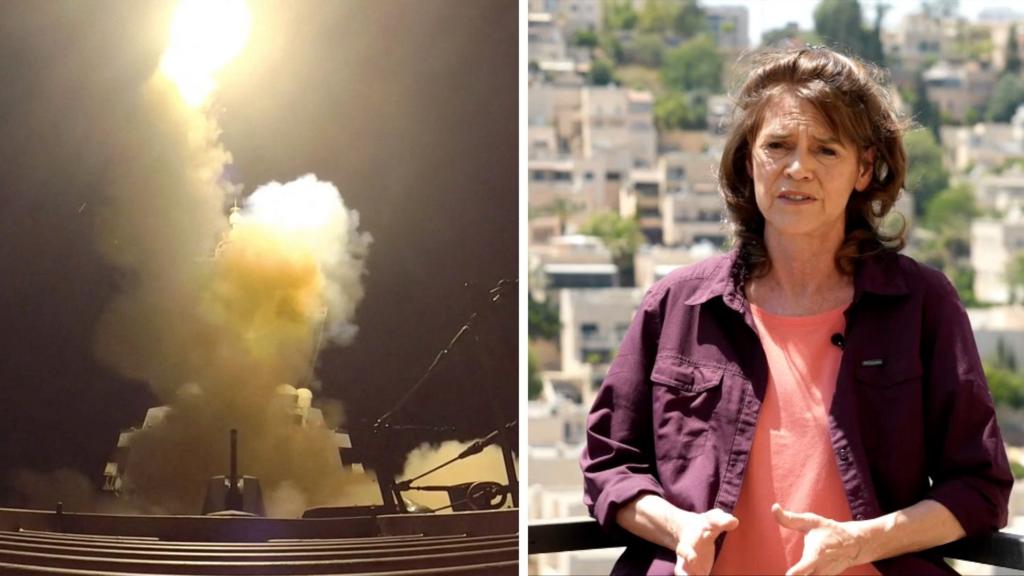
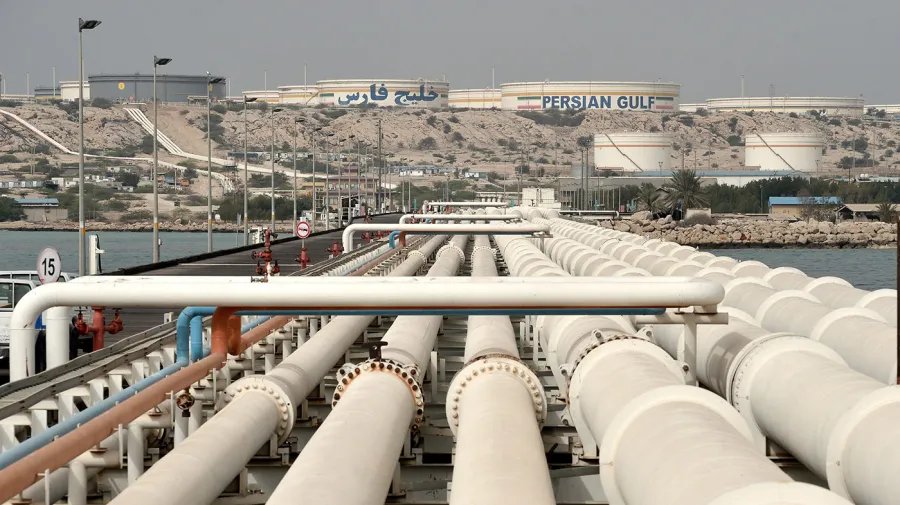
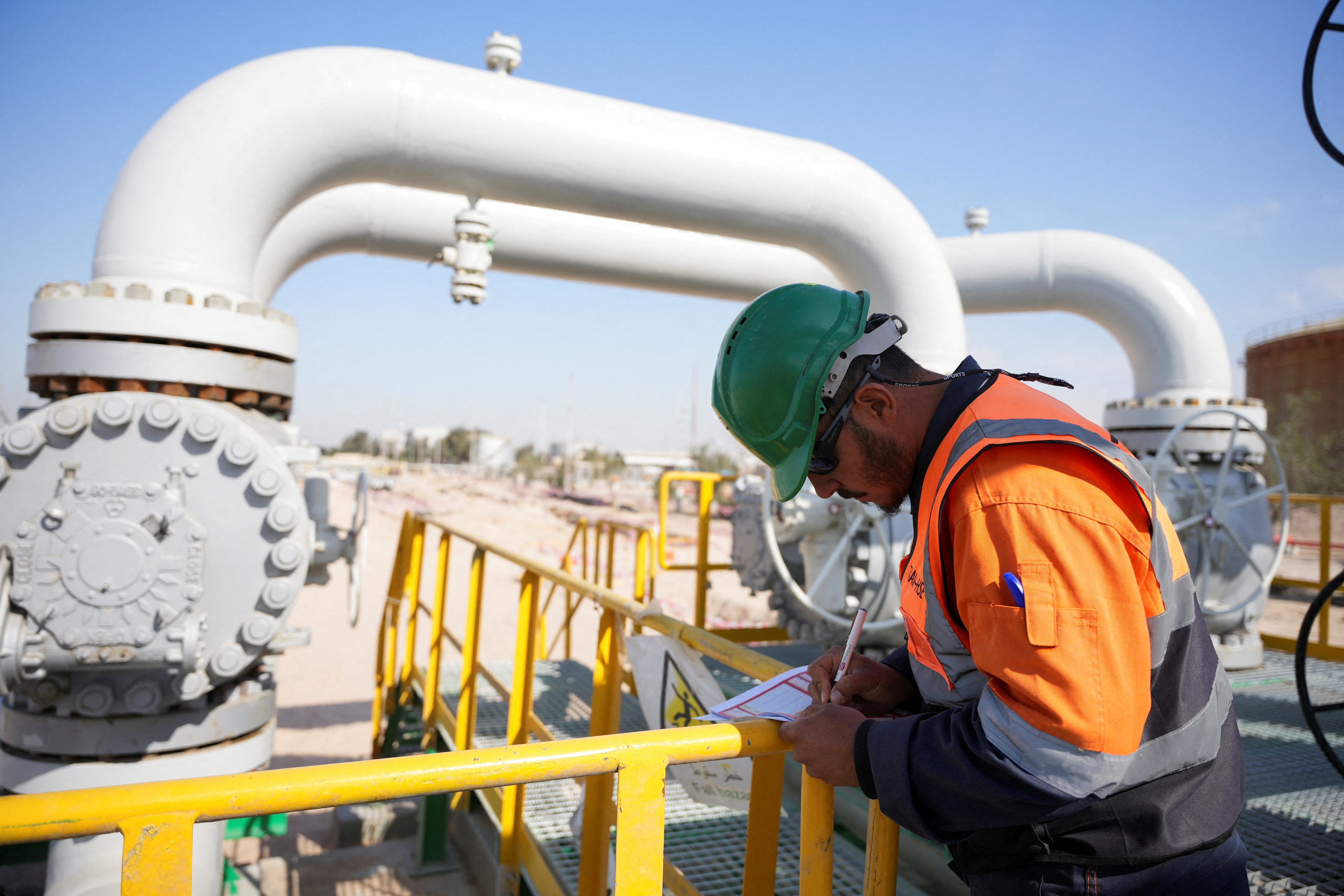
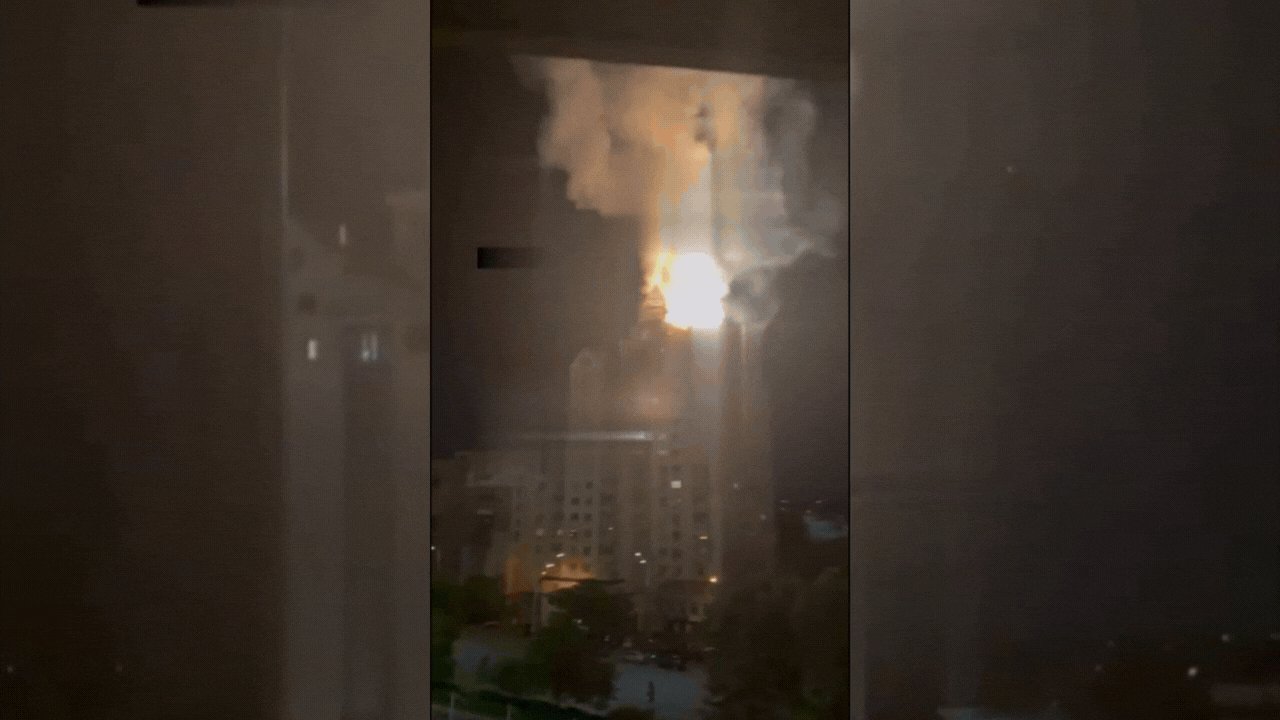
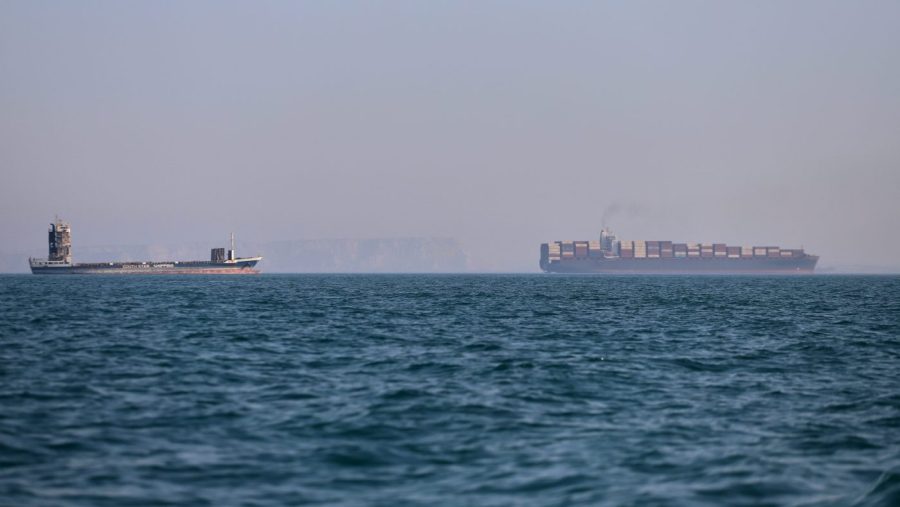
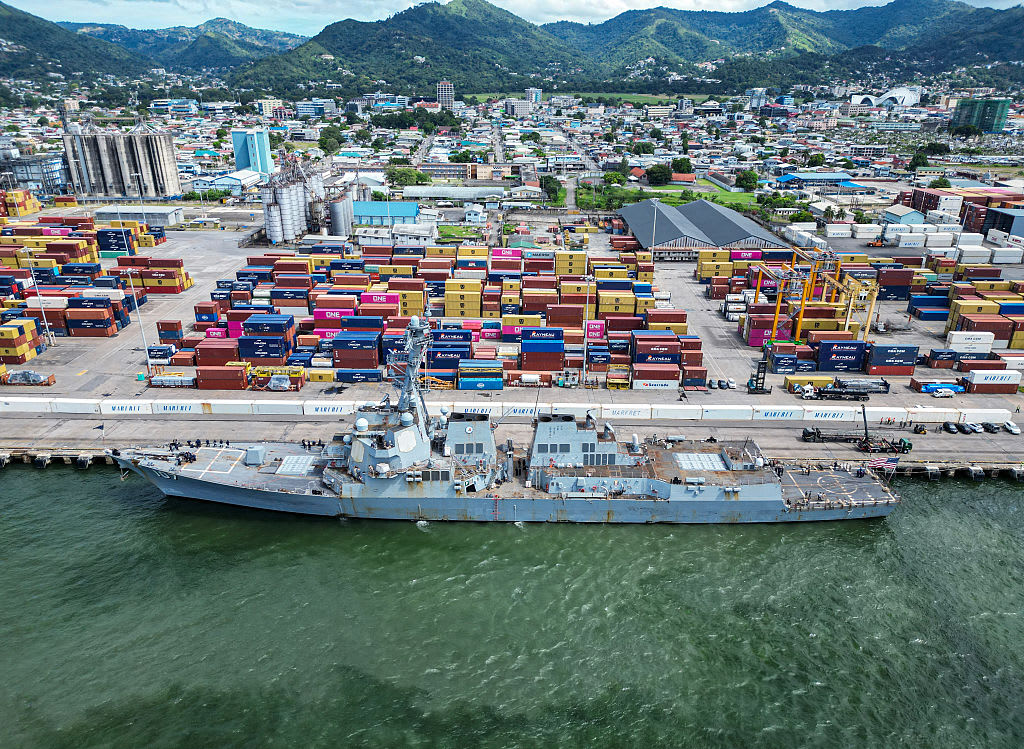
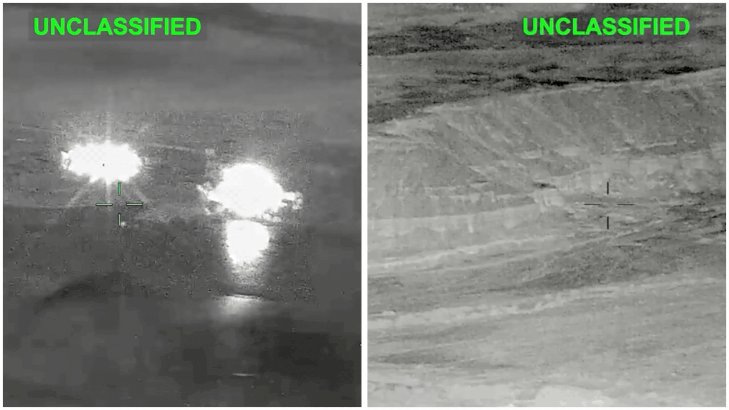
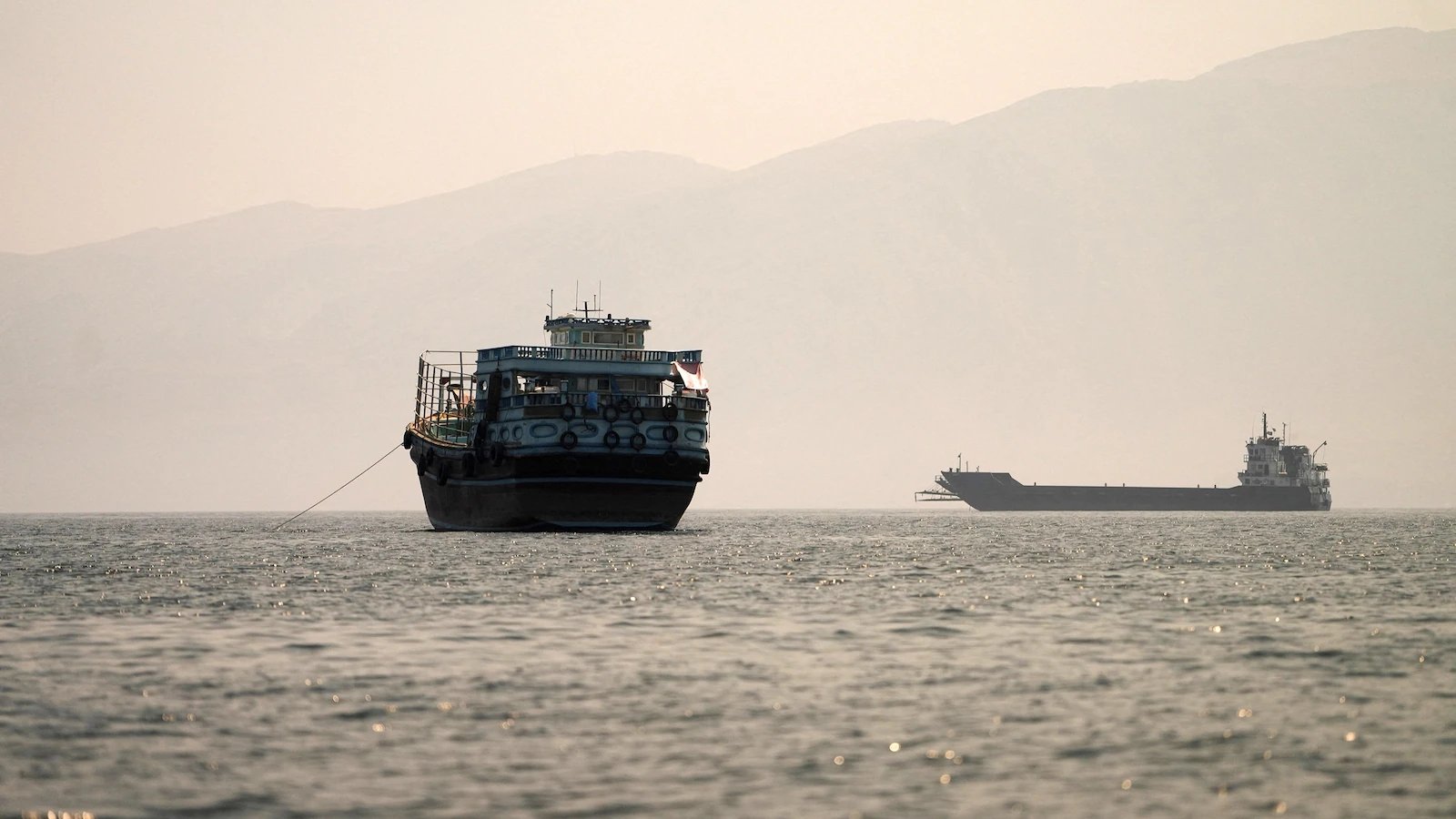
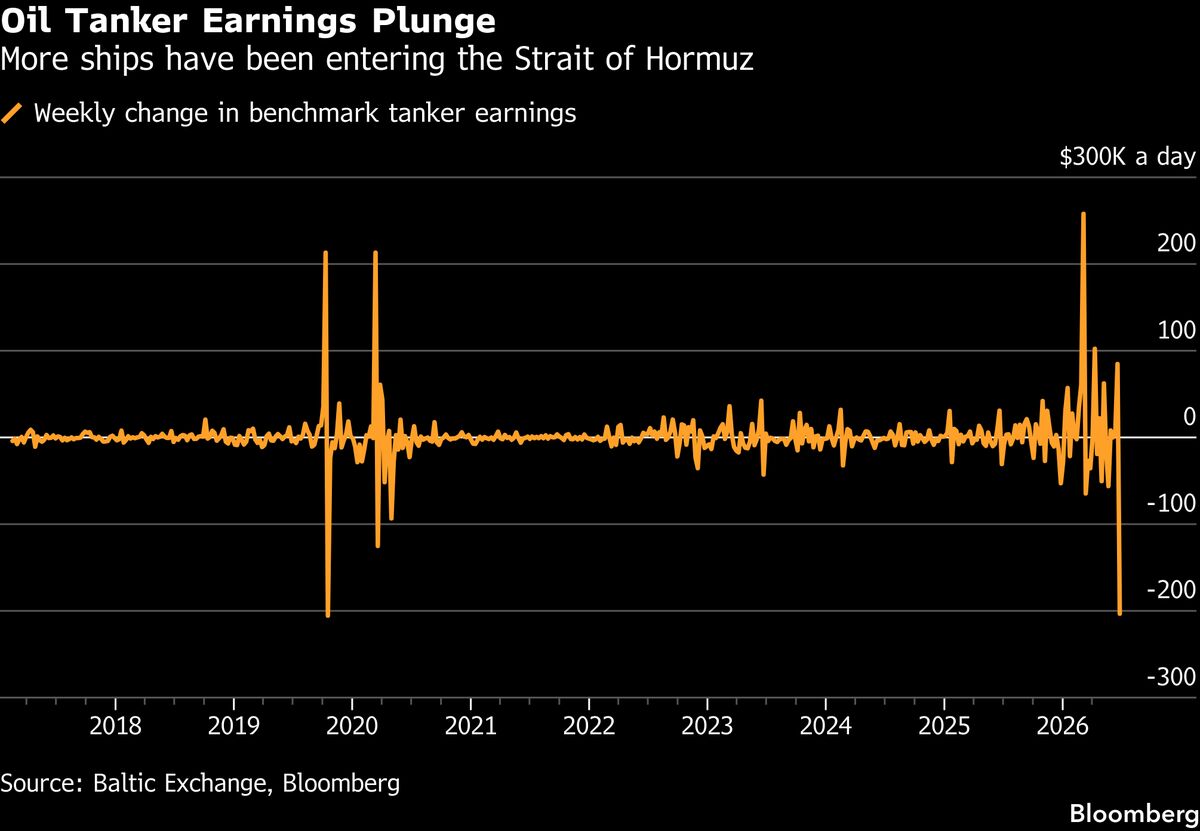
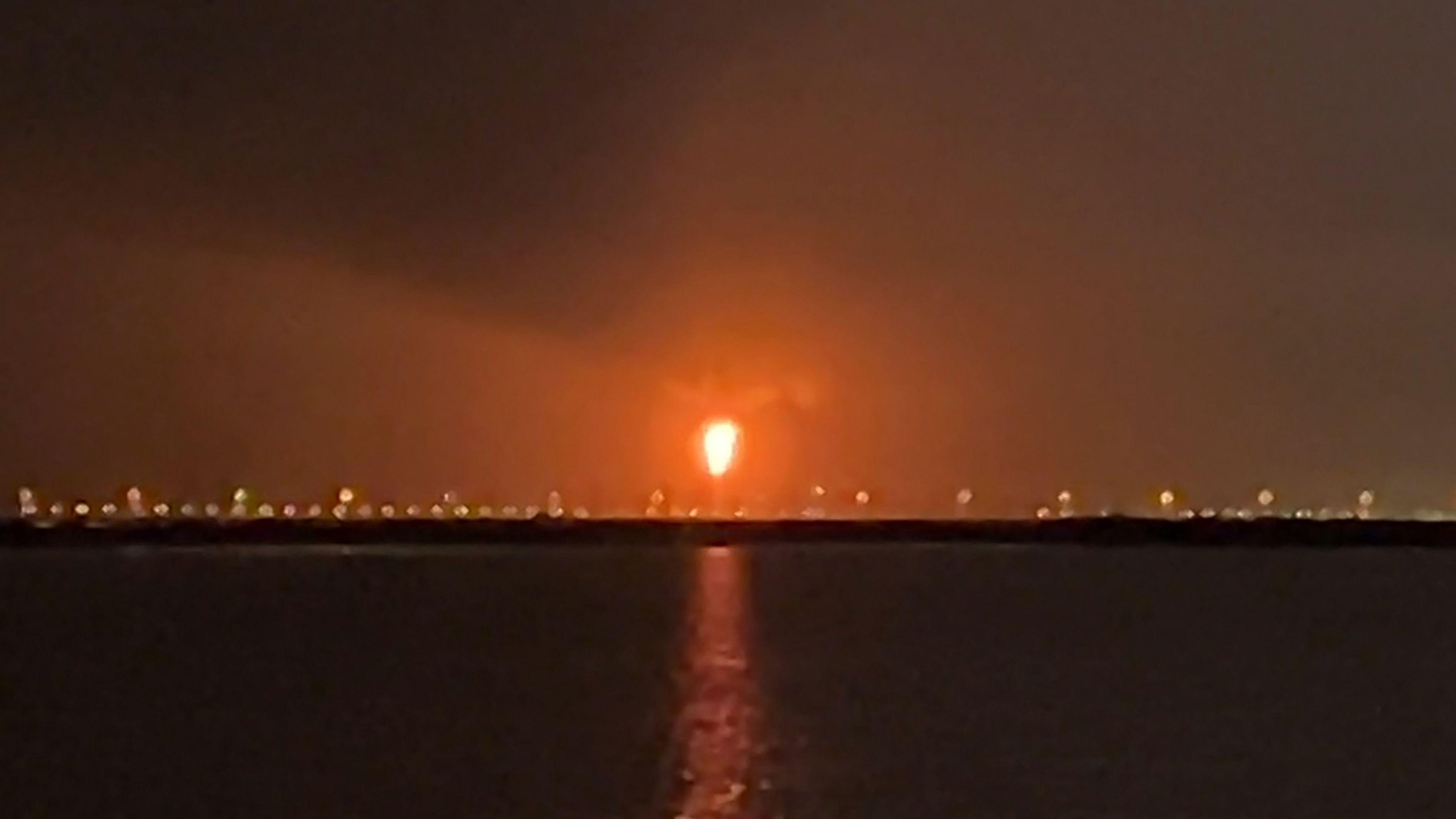
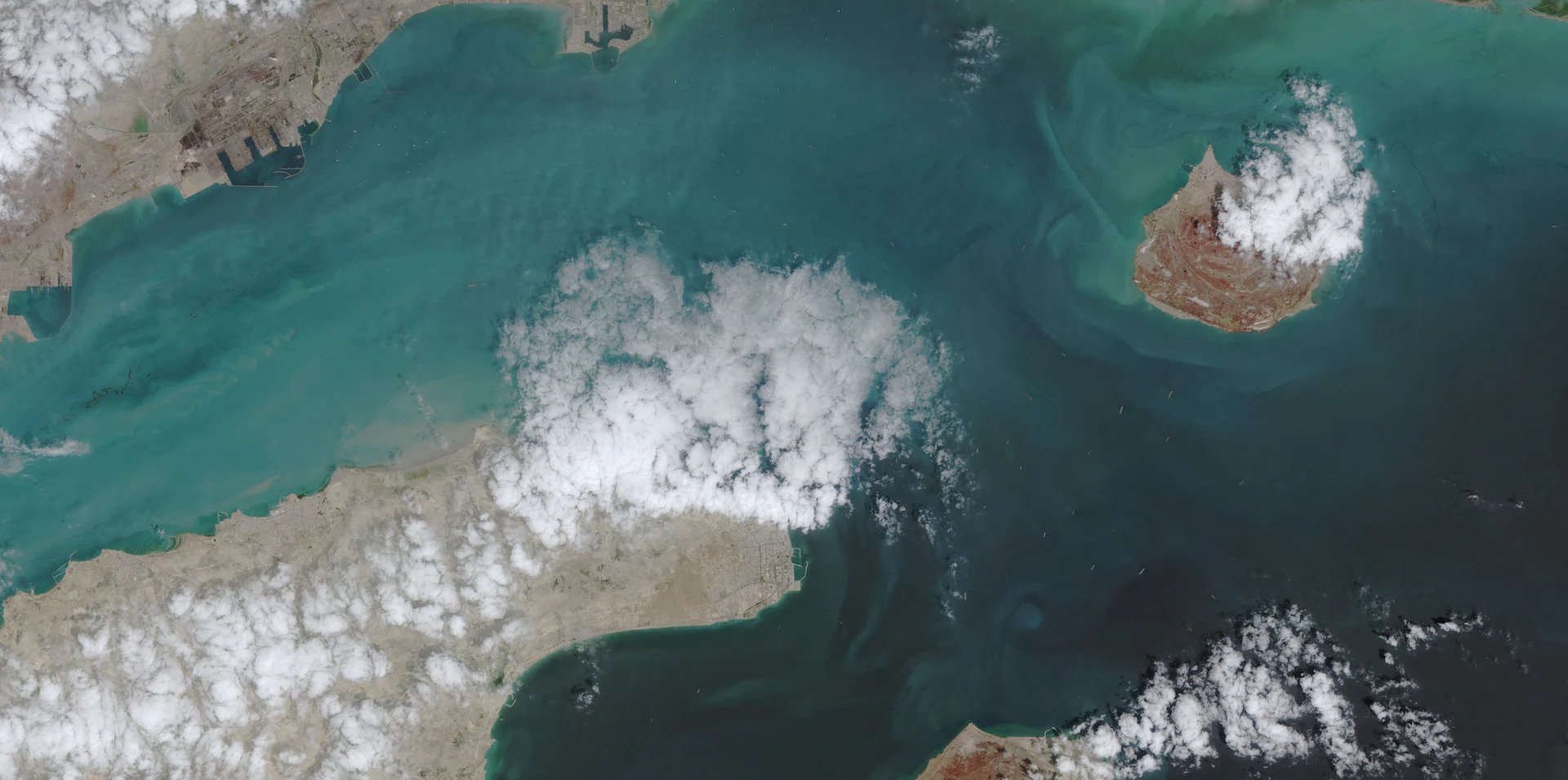
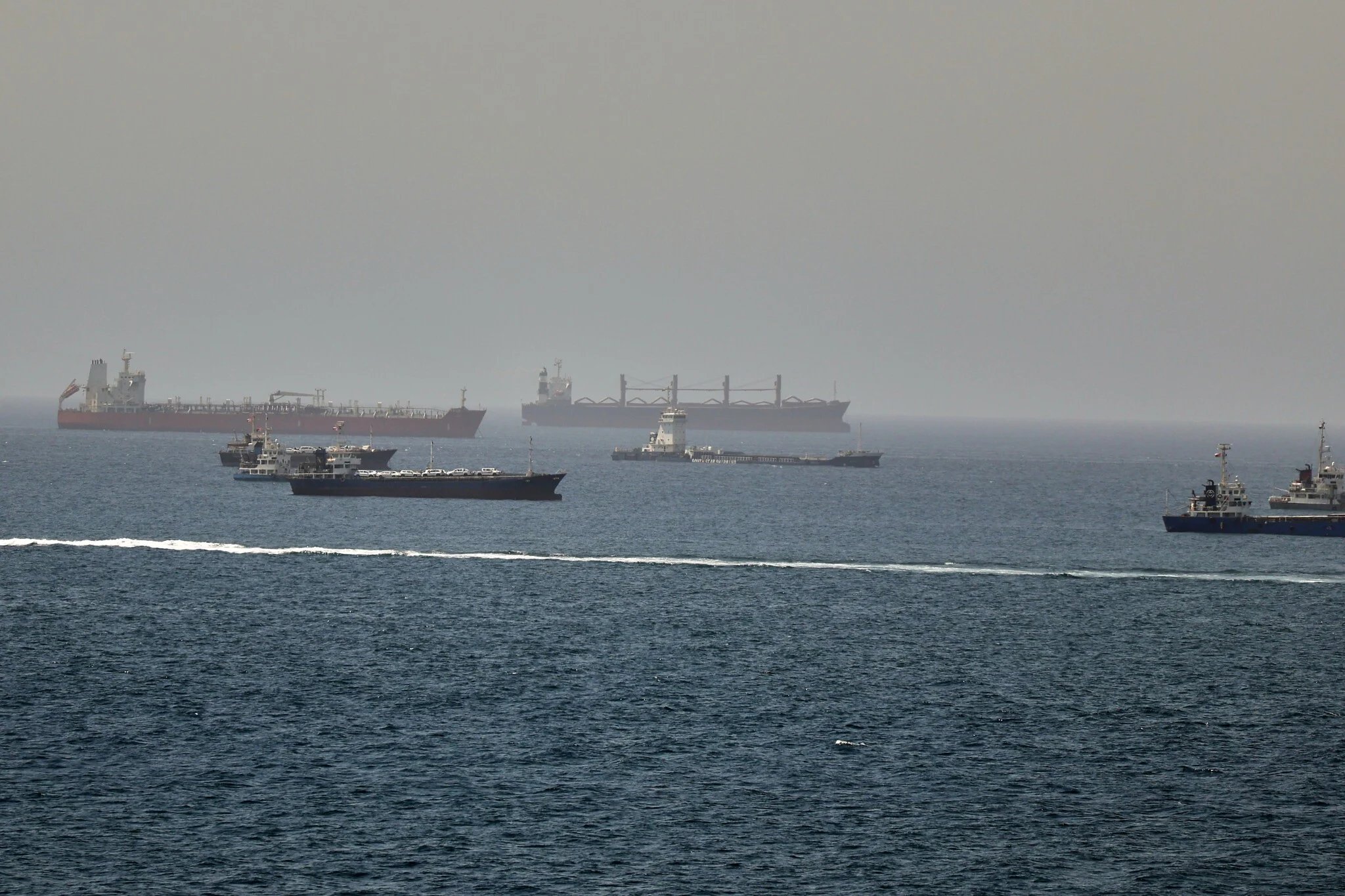
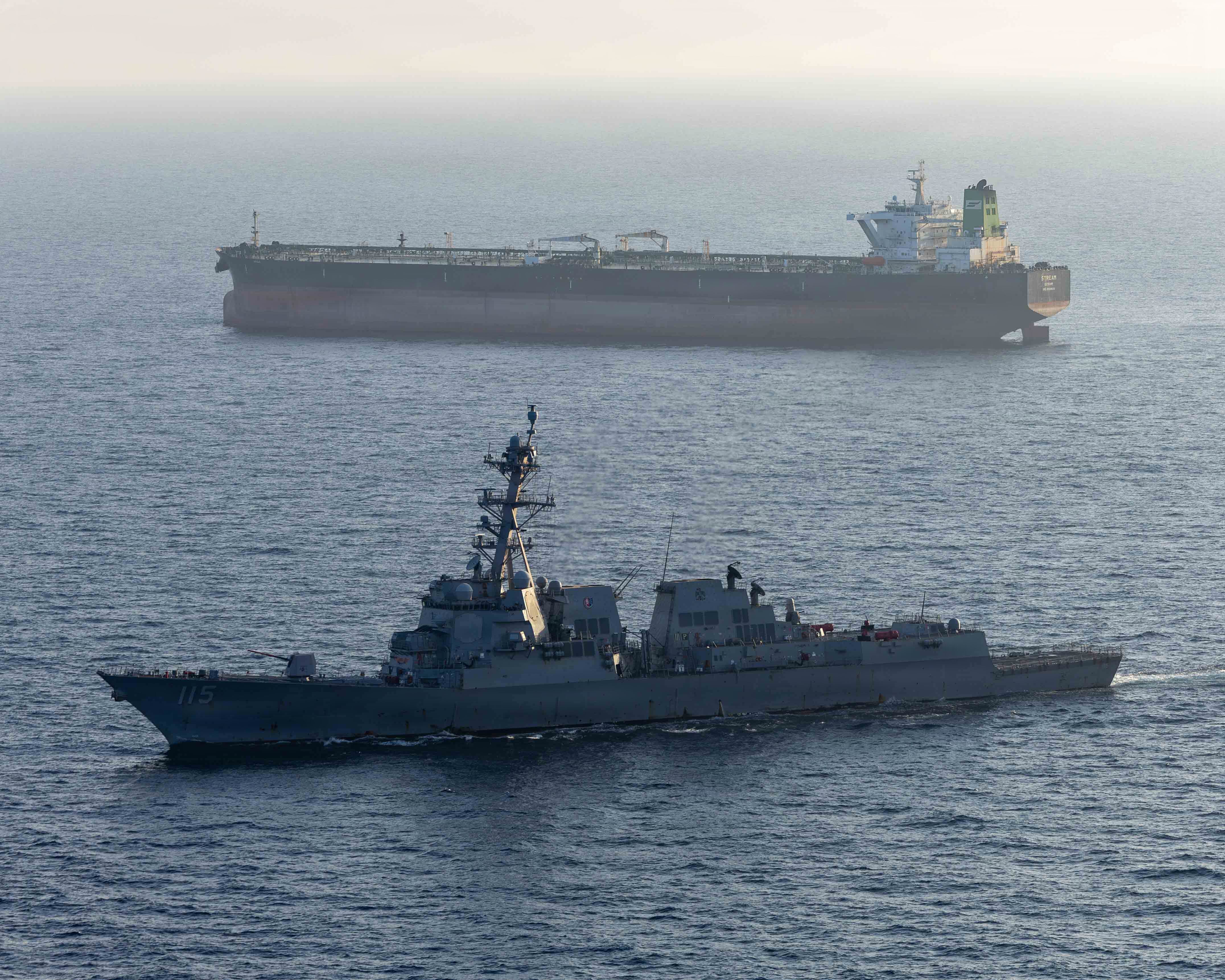
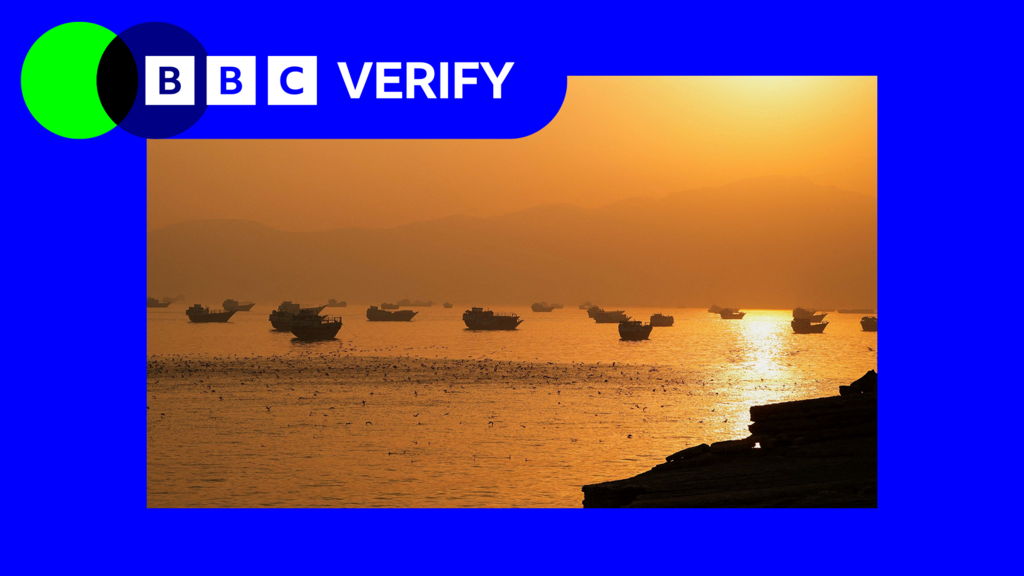
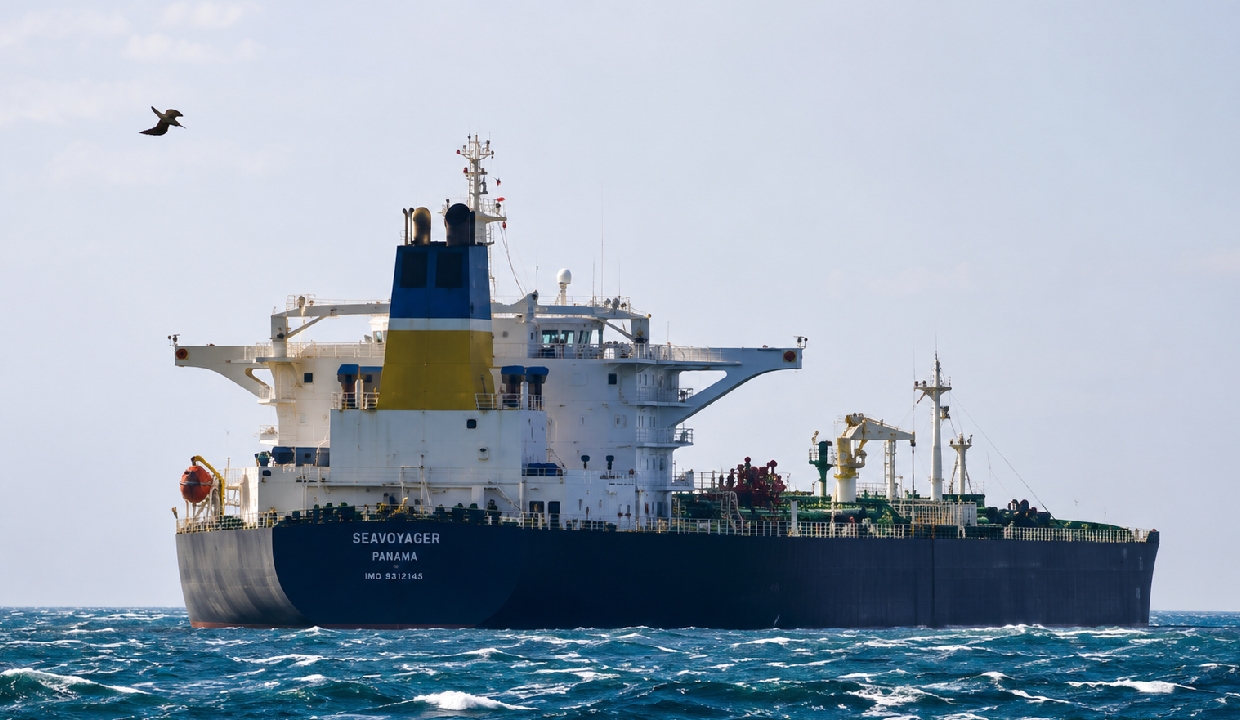
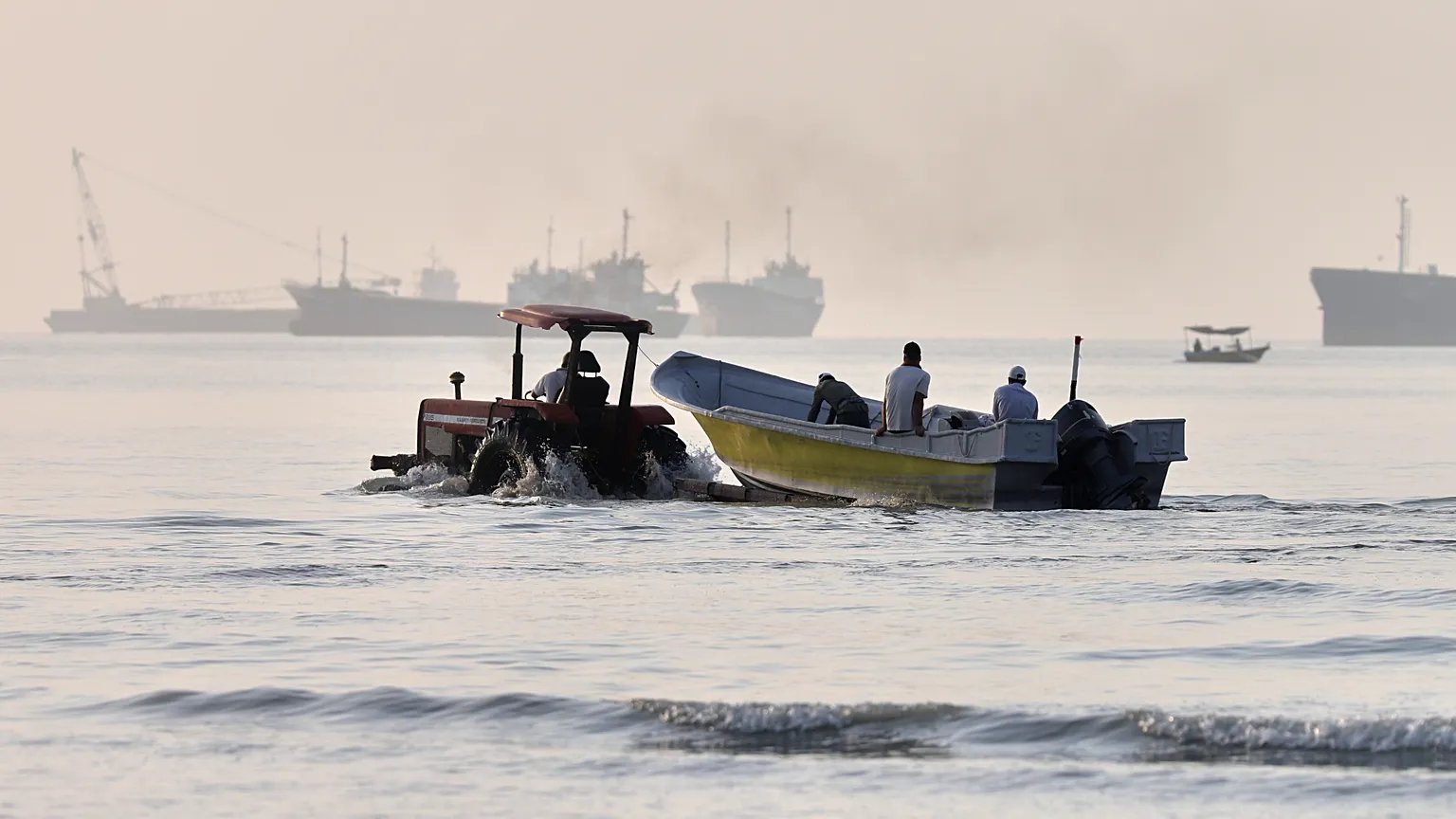
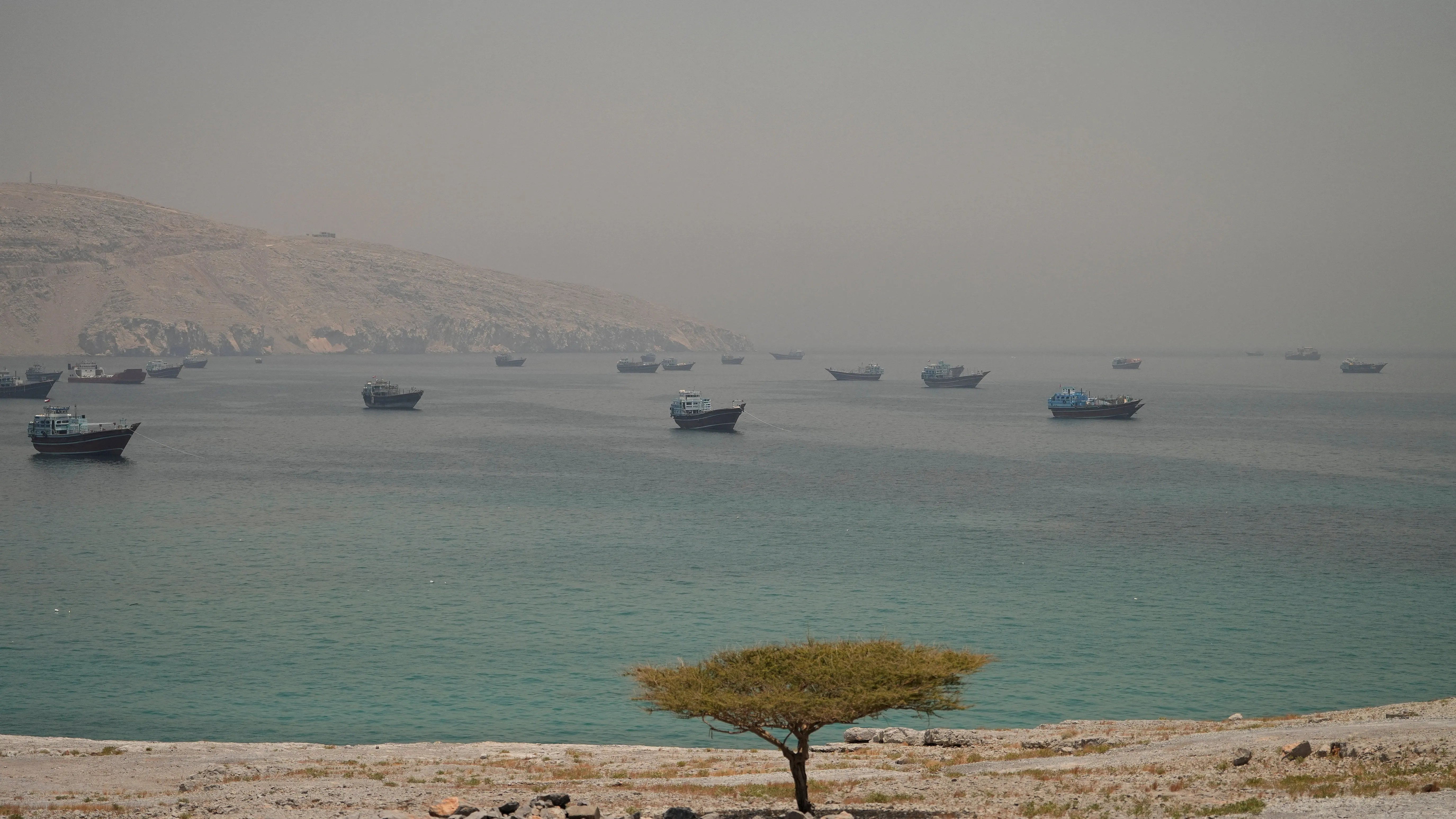
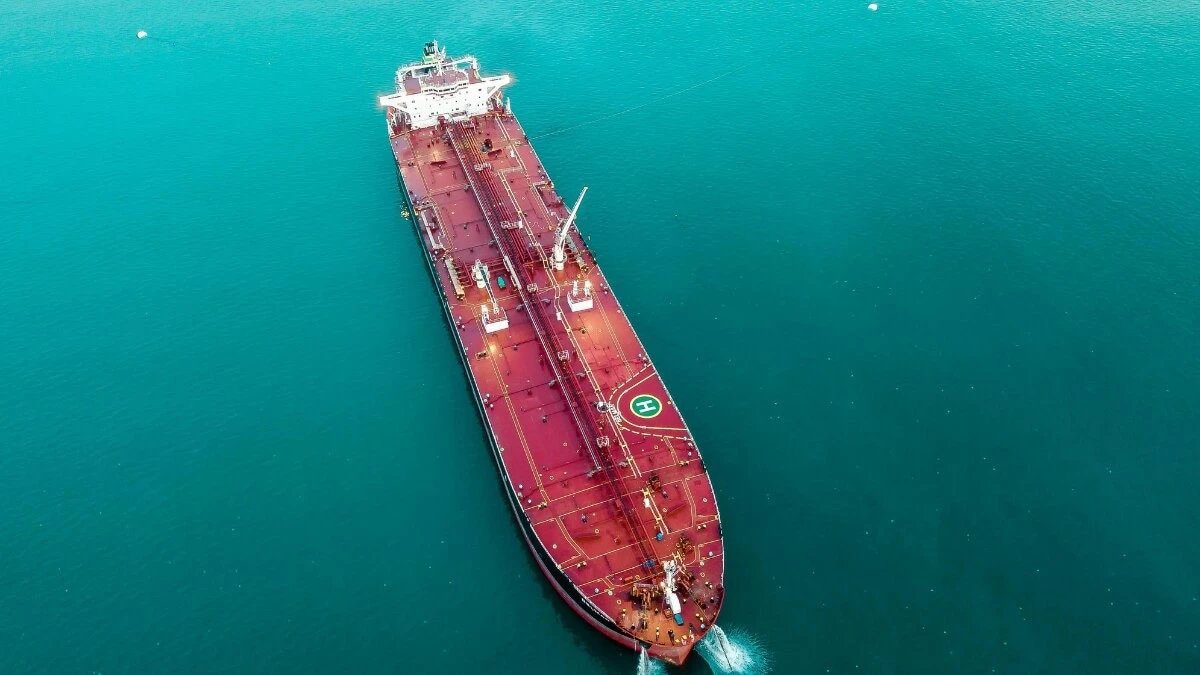
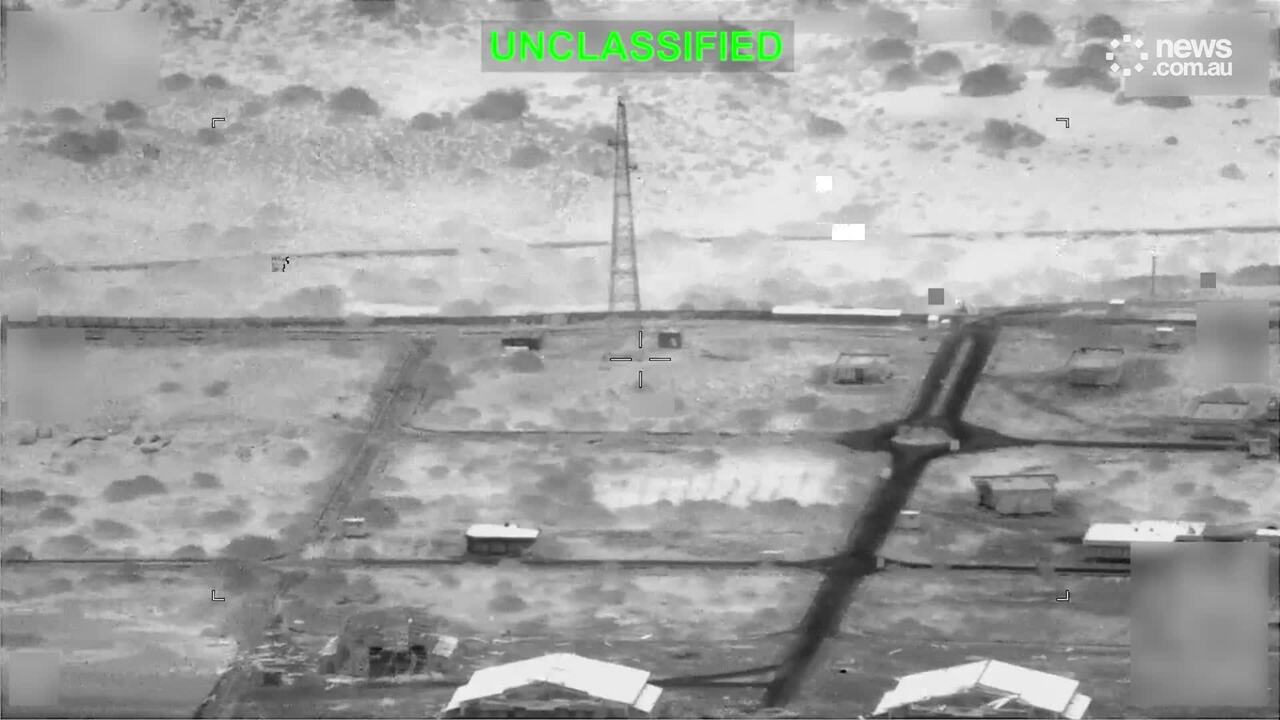
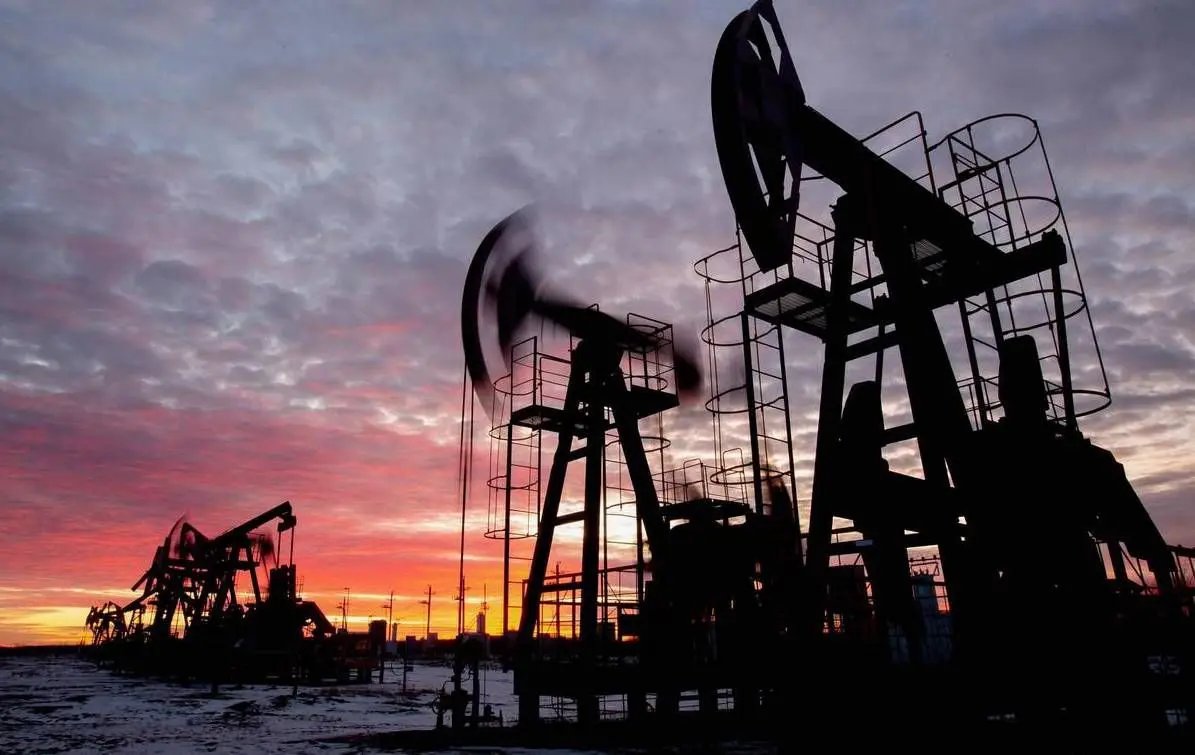
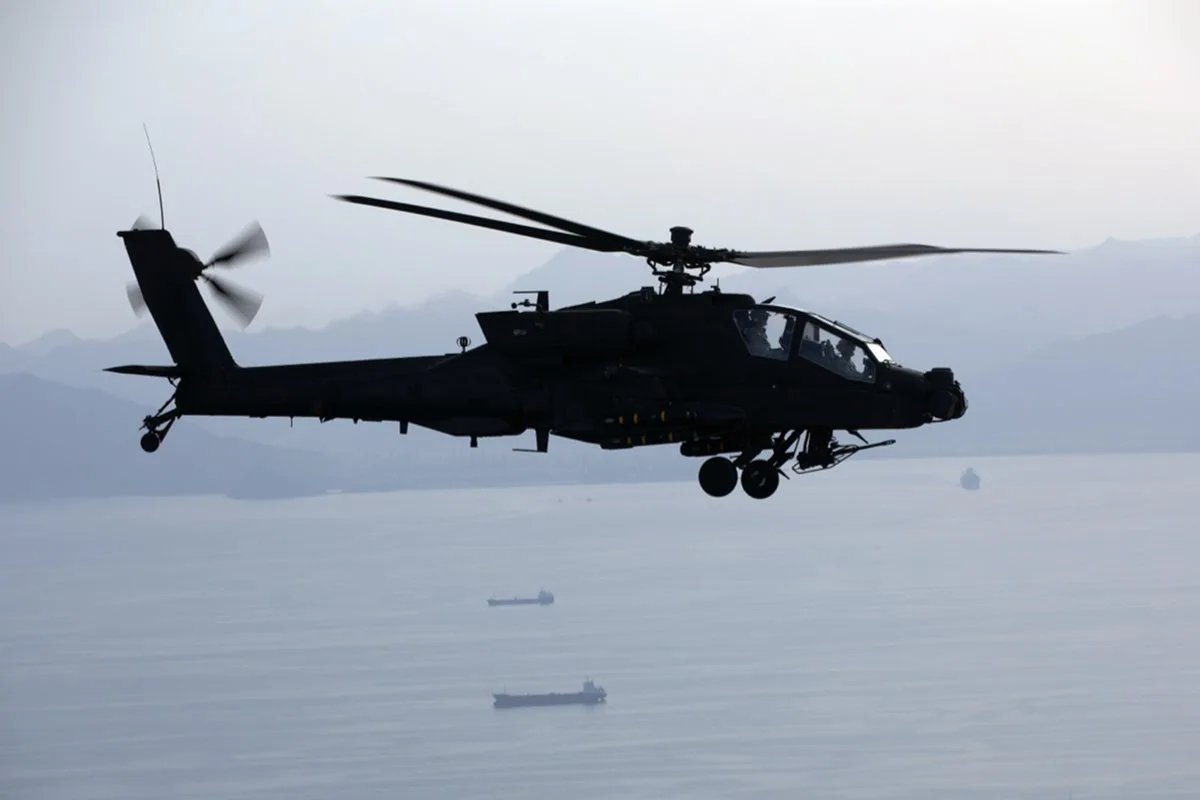
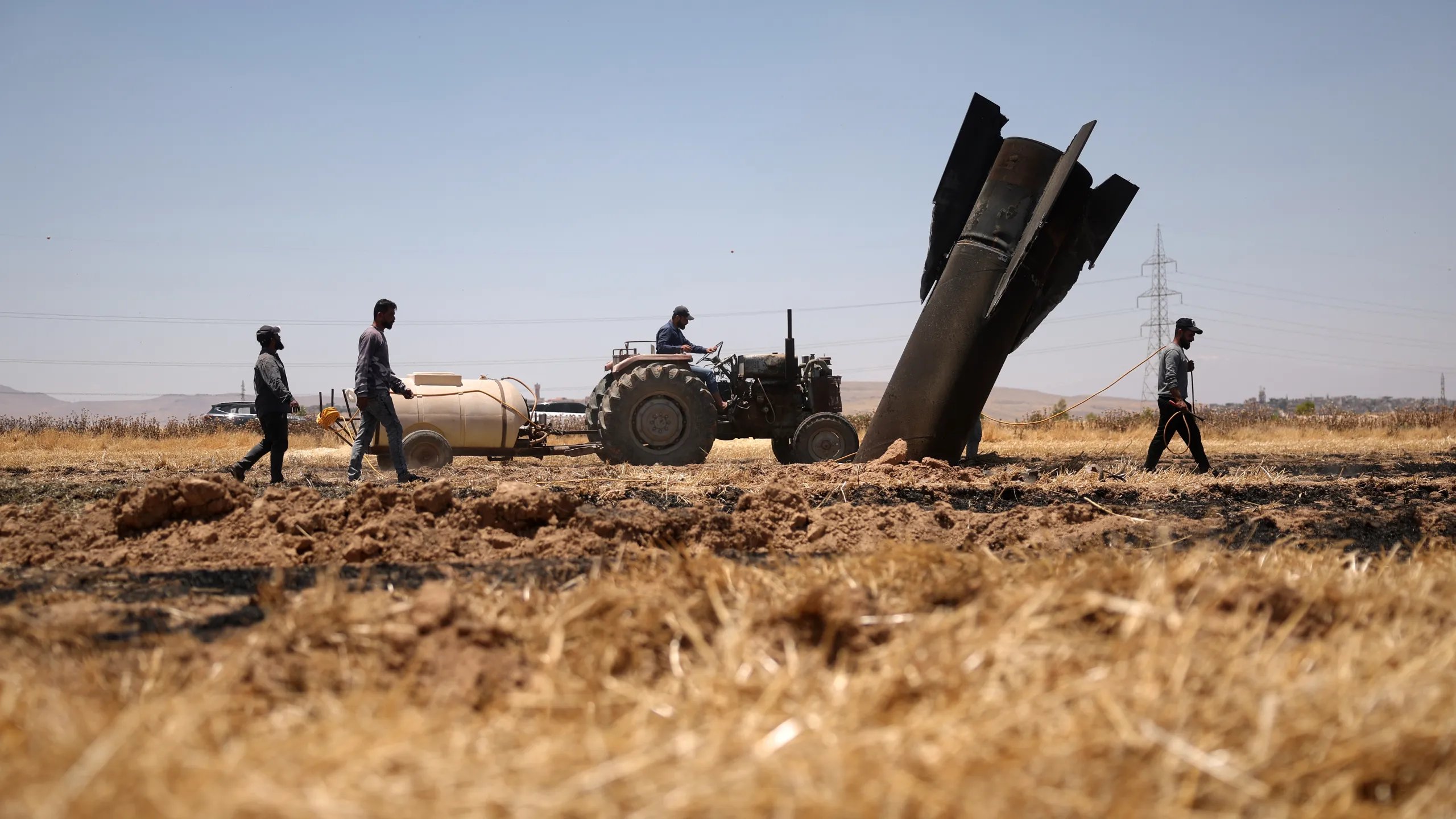
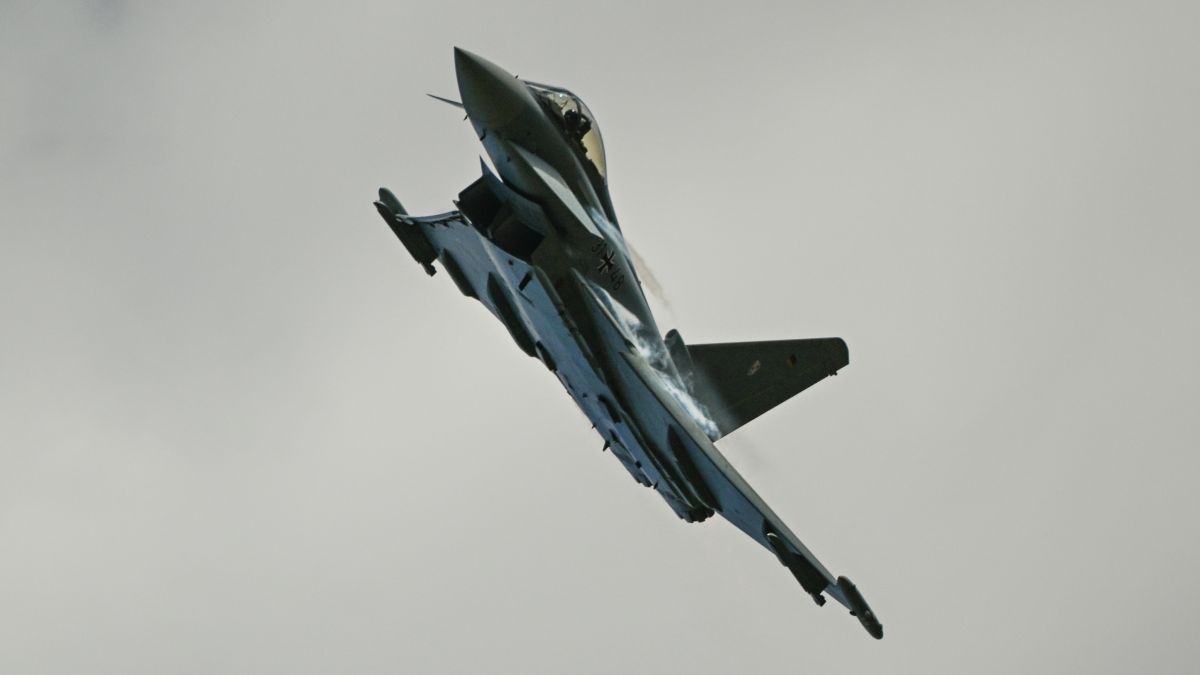
The interim deal would reopen the Strait of Hormuz, a waterway through which approximately a fifth of the world's oil passed before the recent conflict. The announcement came hours after the U.S. Central Command said it shot down multiple Iranian drones targeting commercial ships near the strategic chokepoint, demonstrating that military tensions persist even as diplomats work toward resolution.
Iran's hardened negotiating stance
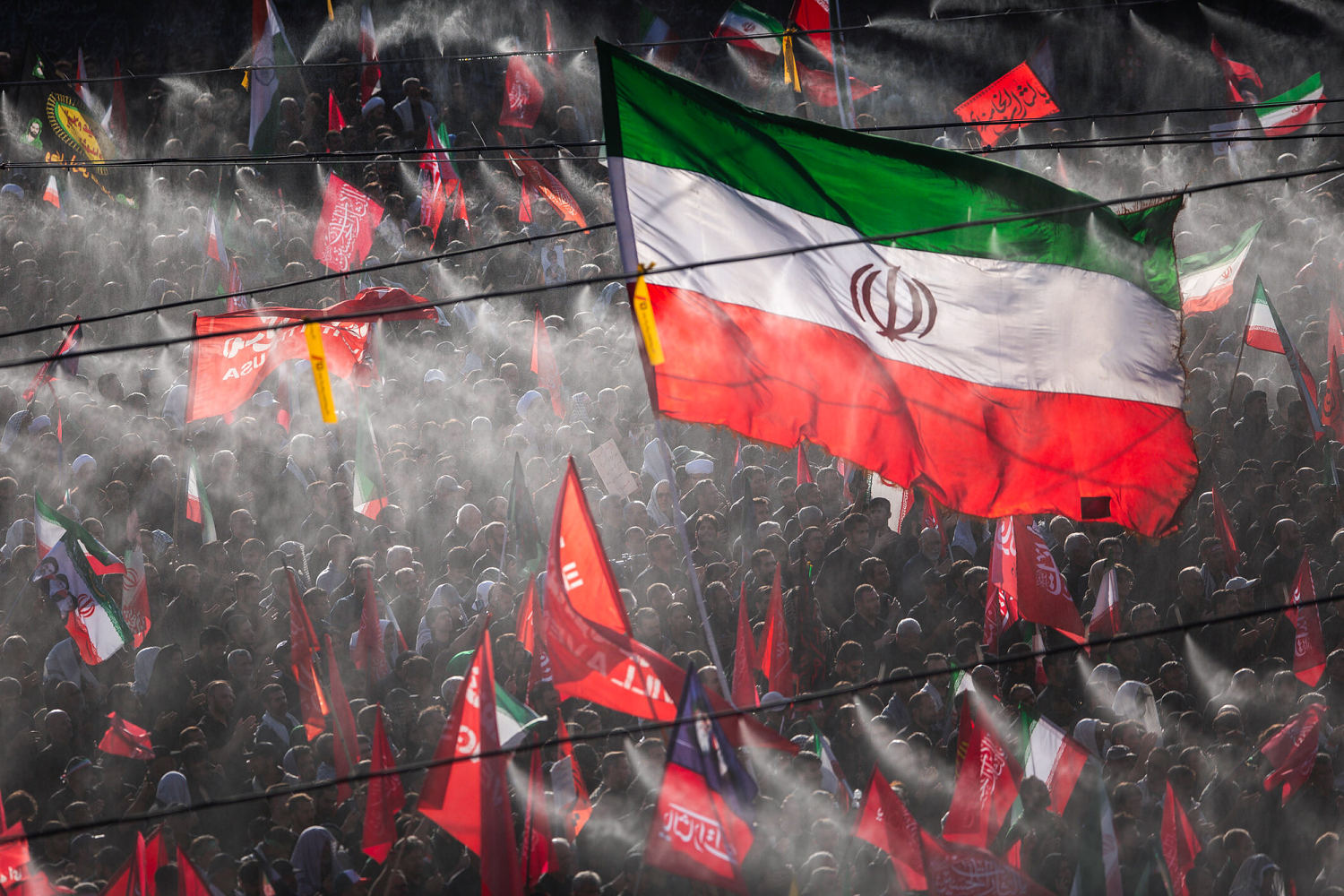
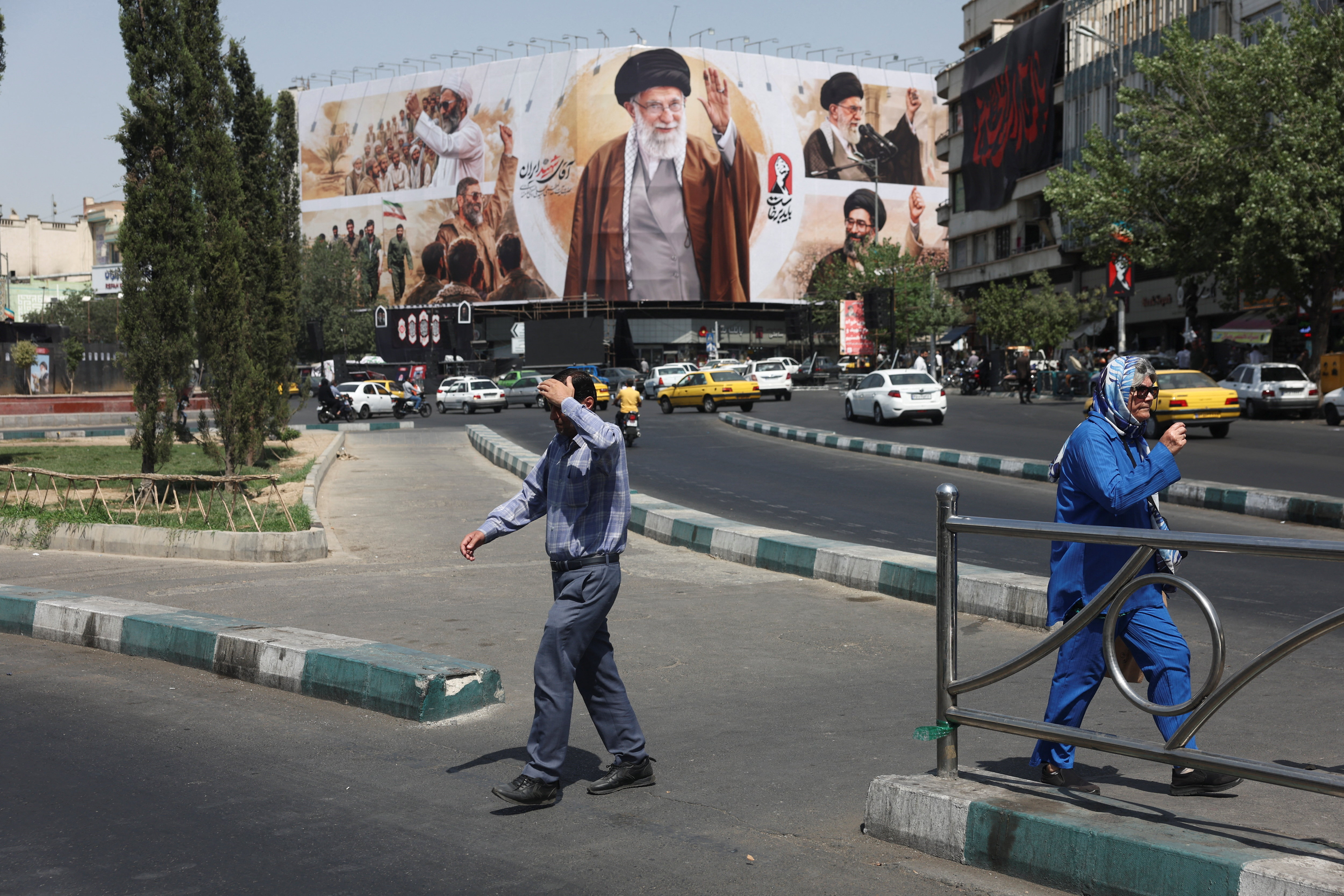
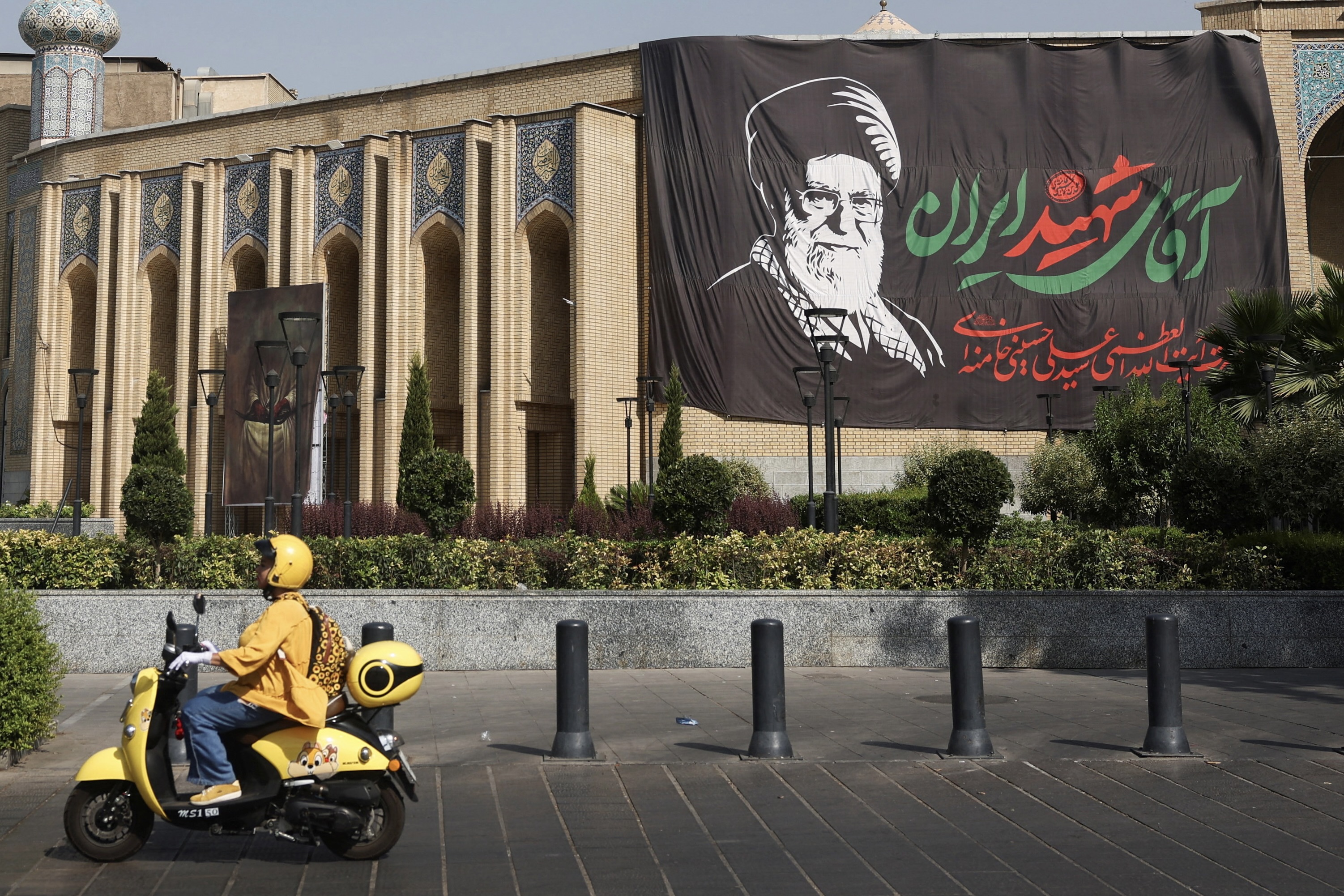
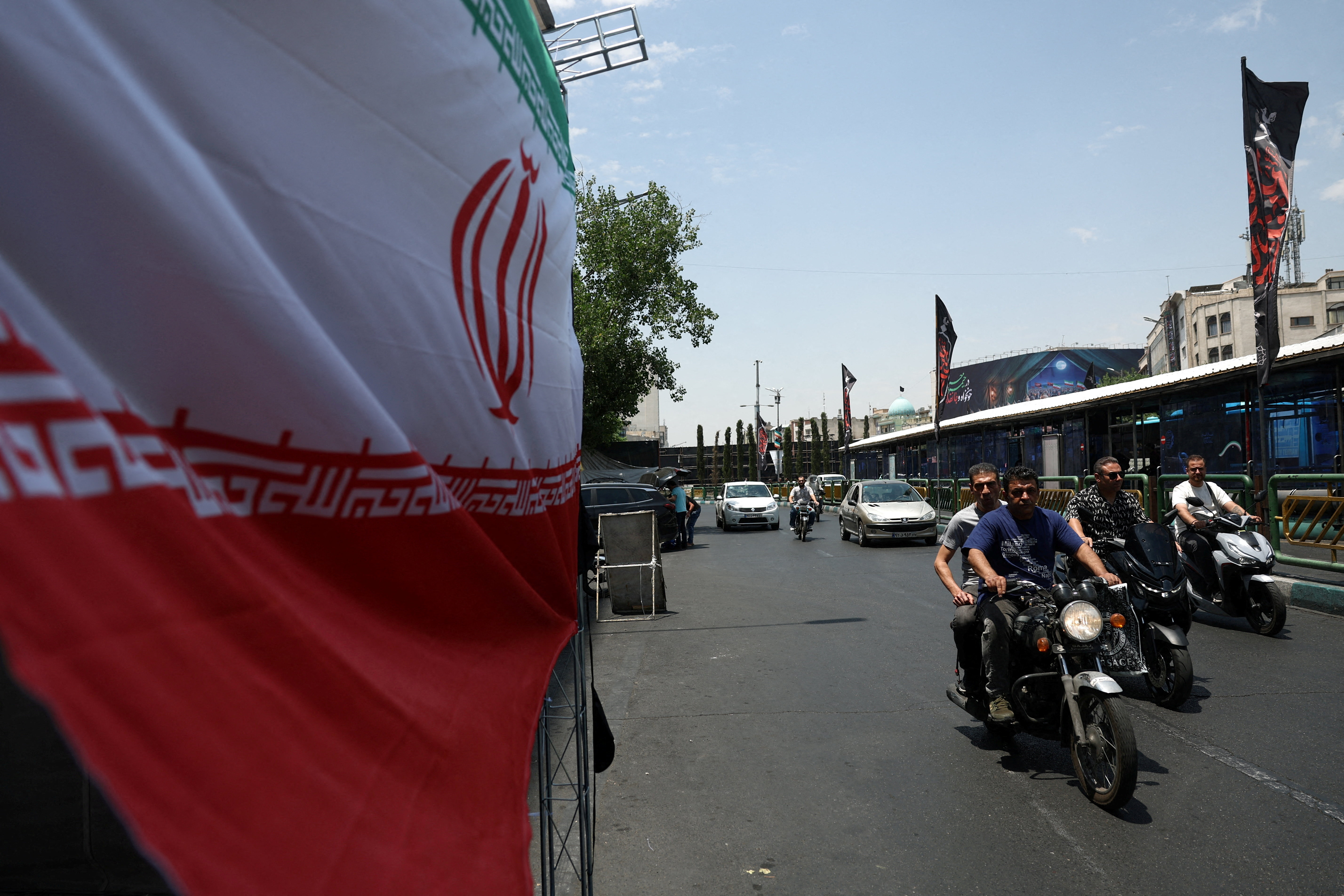
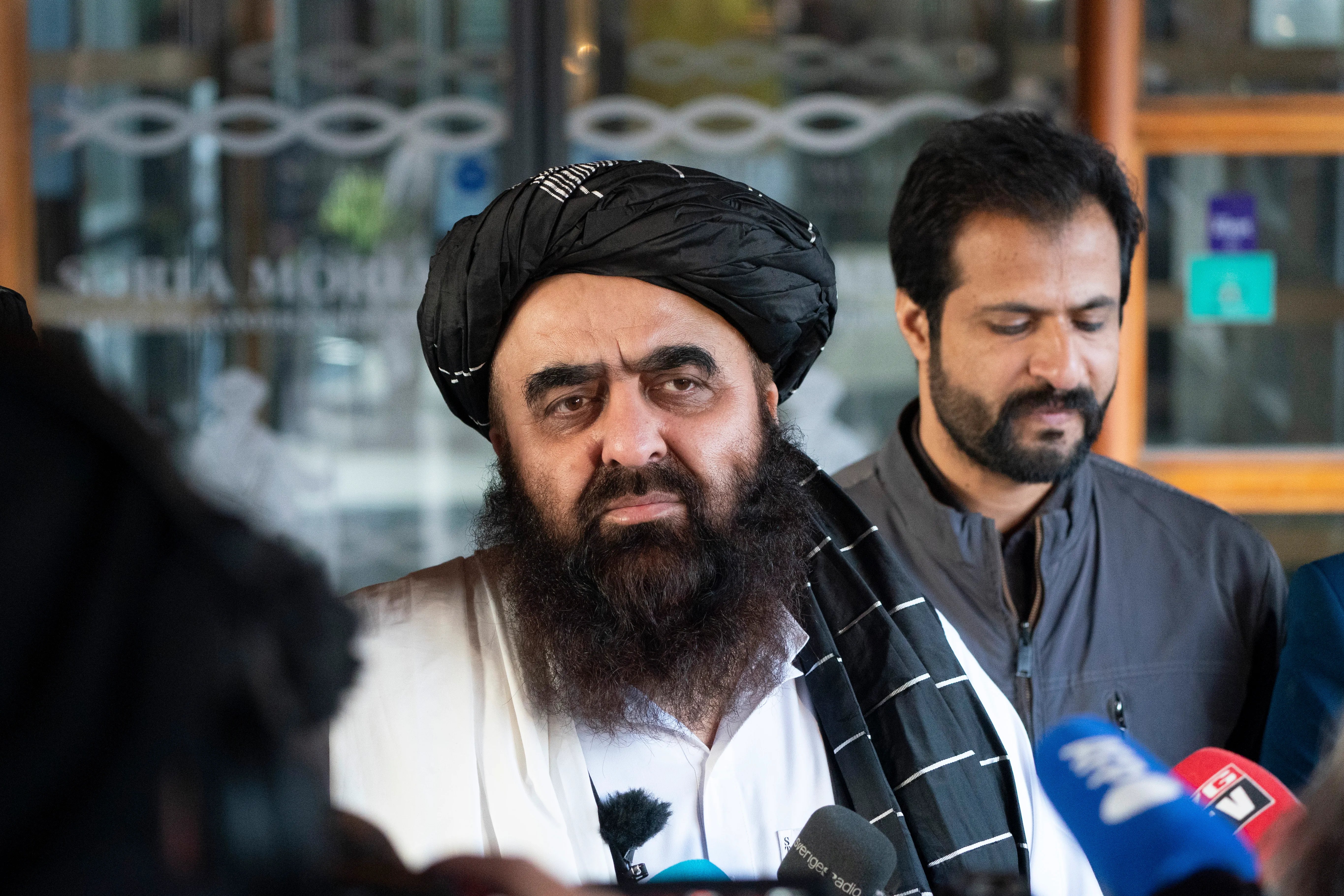
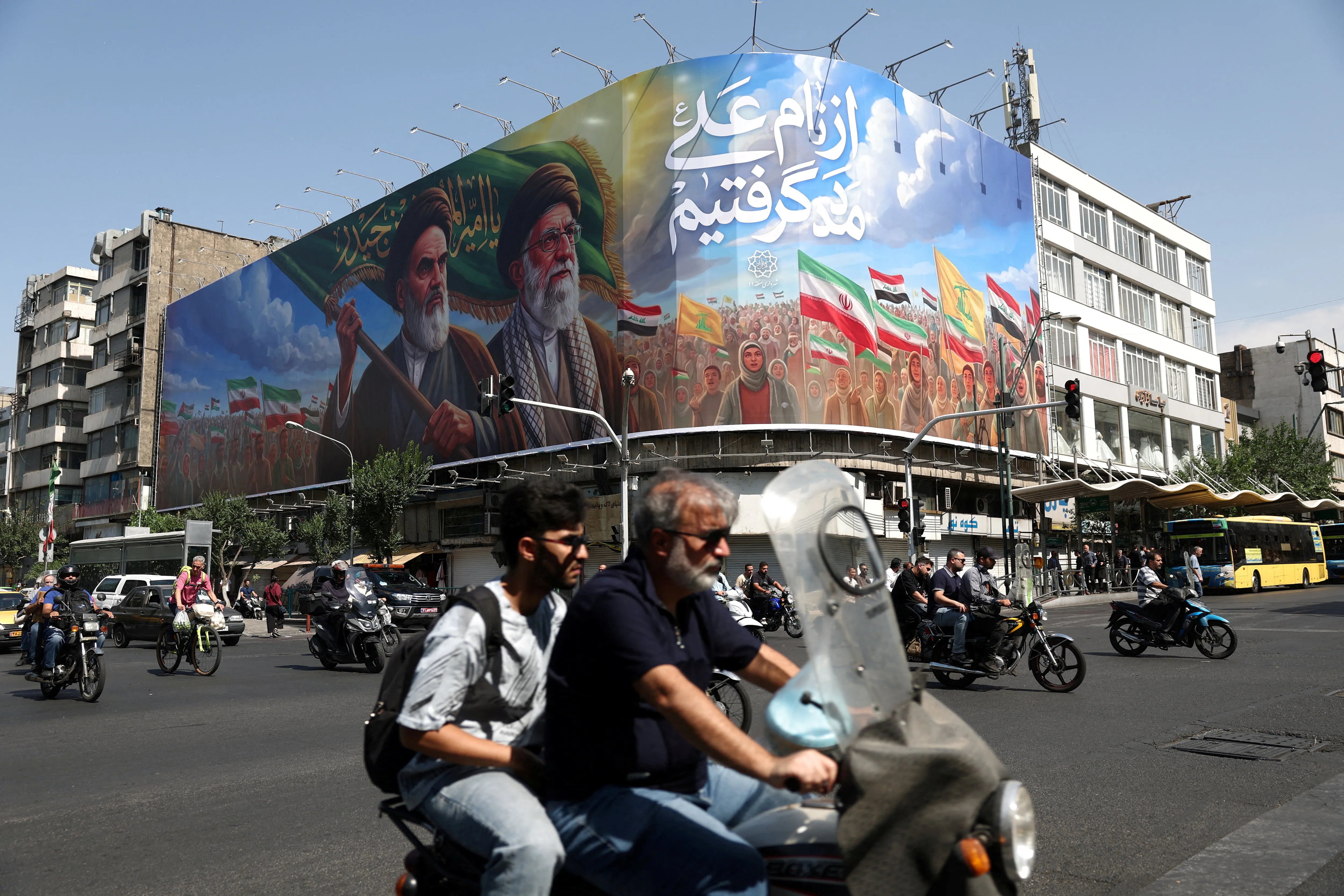
Iran's leadership has signaled it will not yield to American pressure as readily as in past negotiations. Foreign Minister Abbas Araghchi told state television on Friday that Iran had refused to buckle to U.S. demands after a 12-day war last June, such as zero nuclear enrichment on Iranian soil. "The negotiations did not lead to war, resistance led to war," Araghchi said, framing Iran's survival of two wars against the U.S. and Israel as evidence of strength.
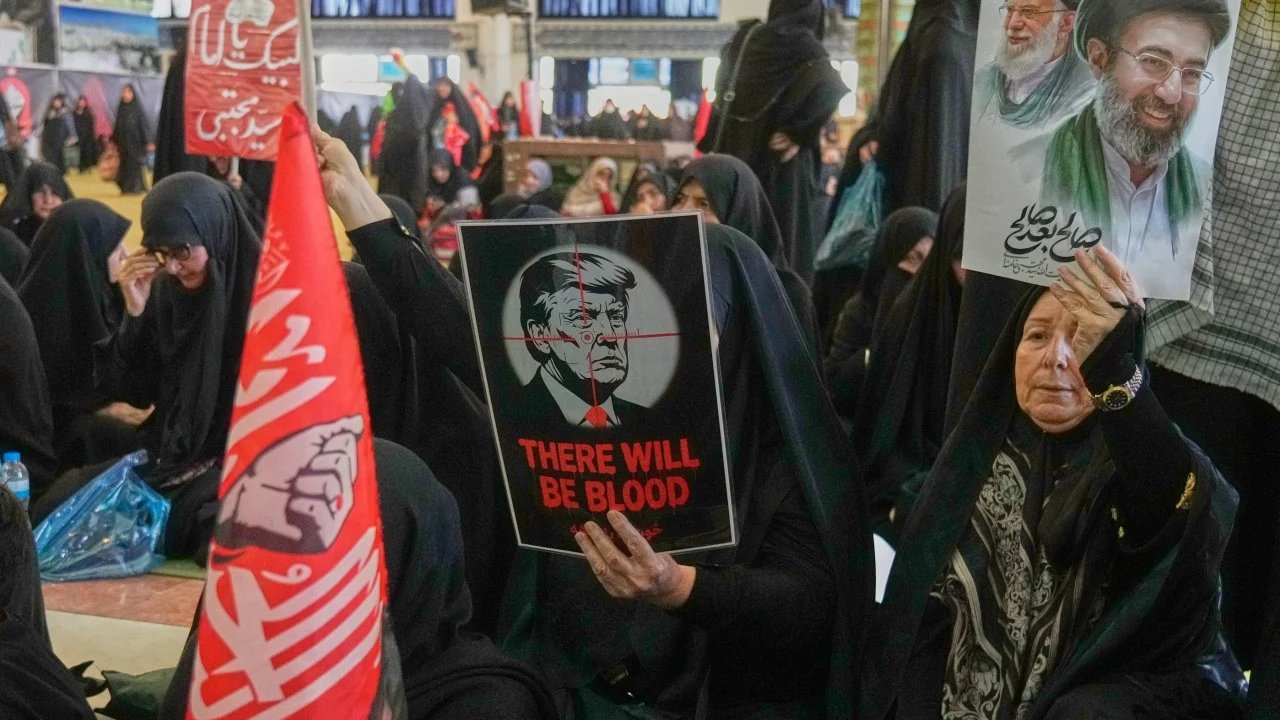
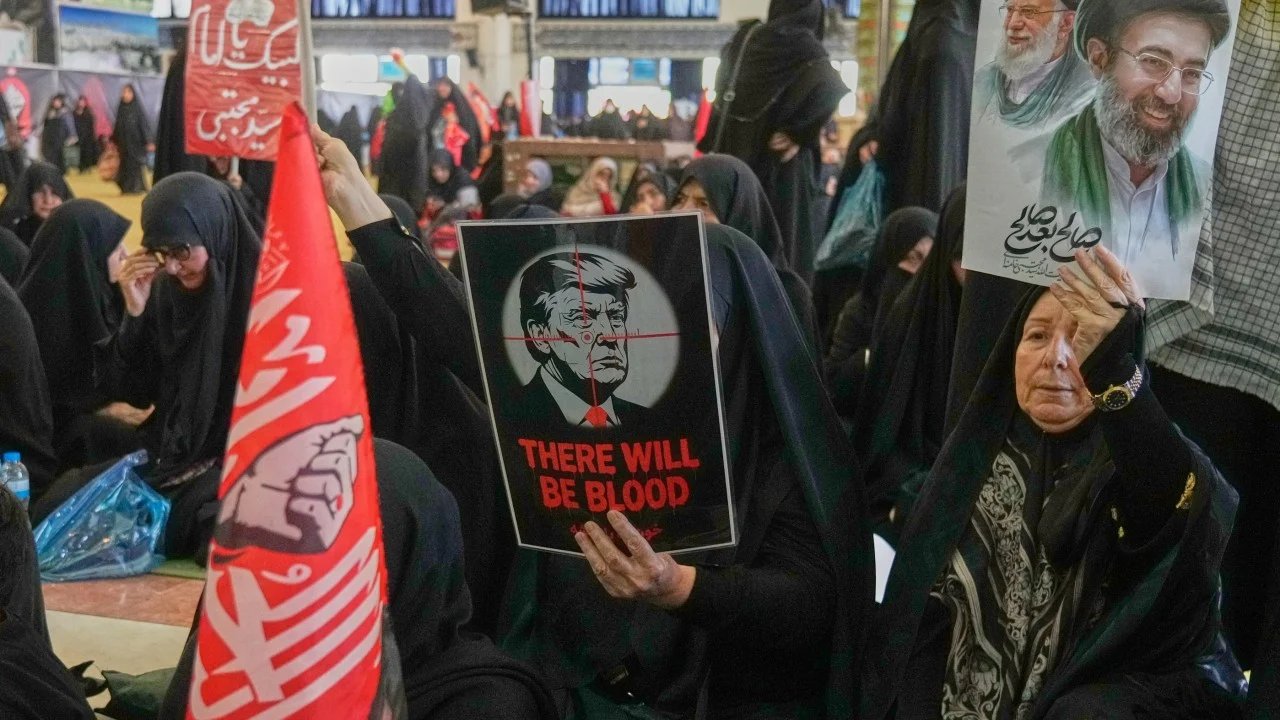
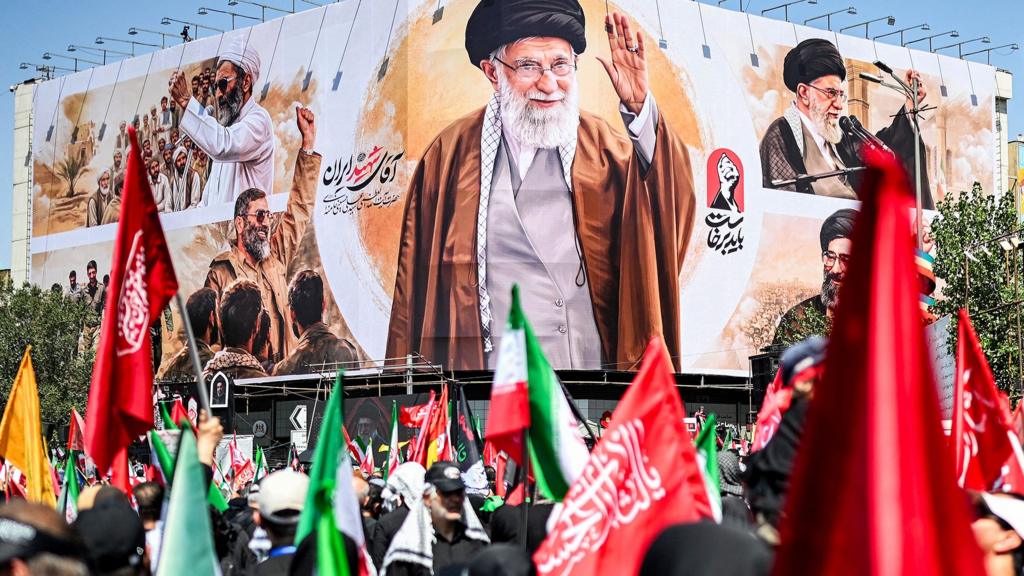
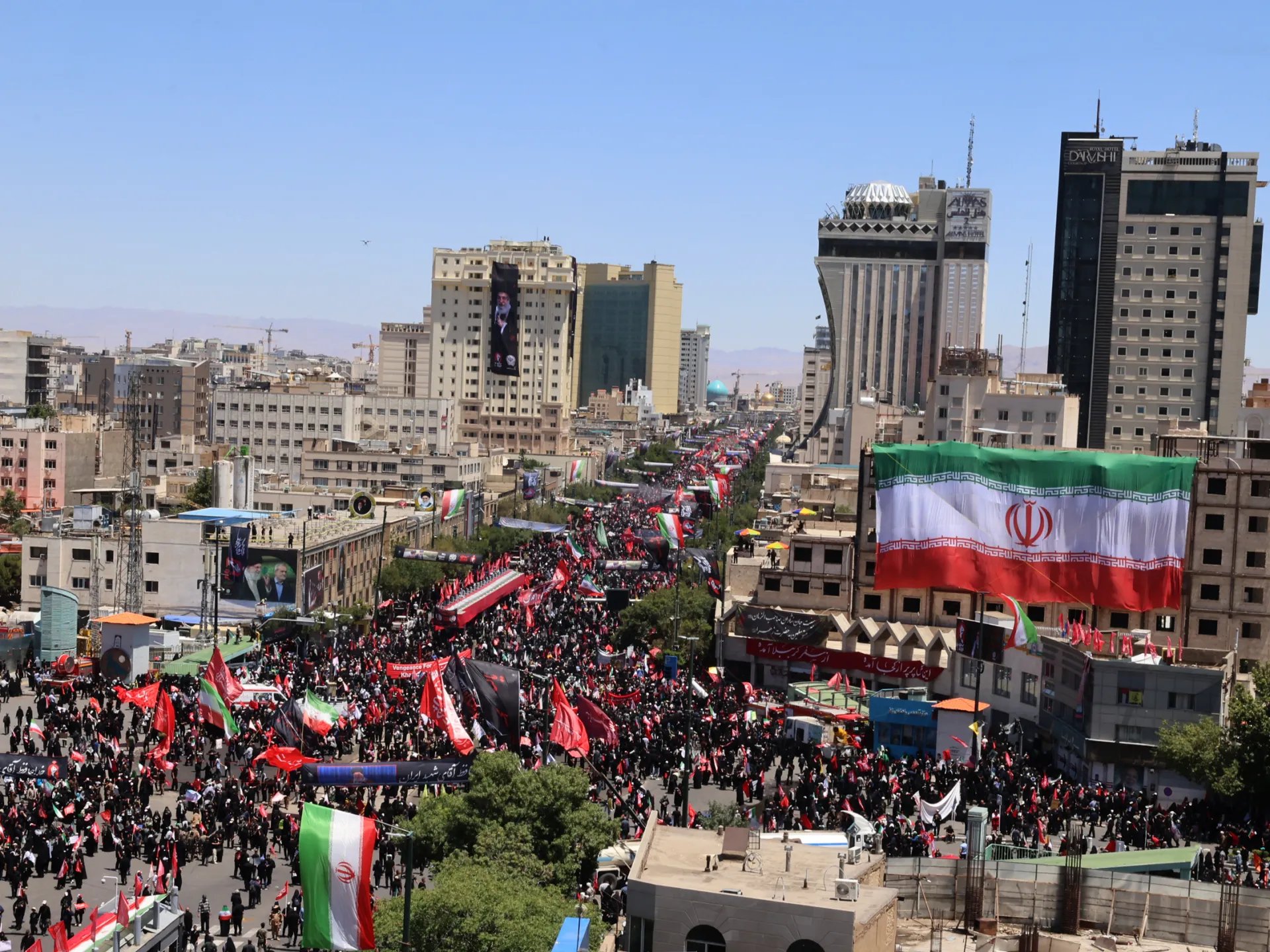
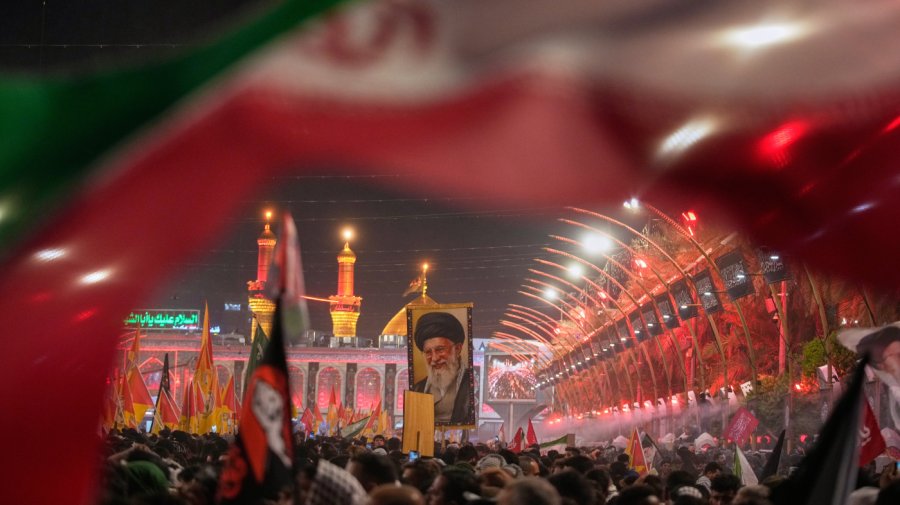
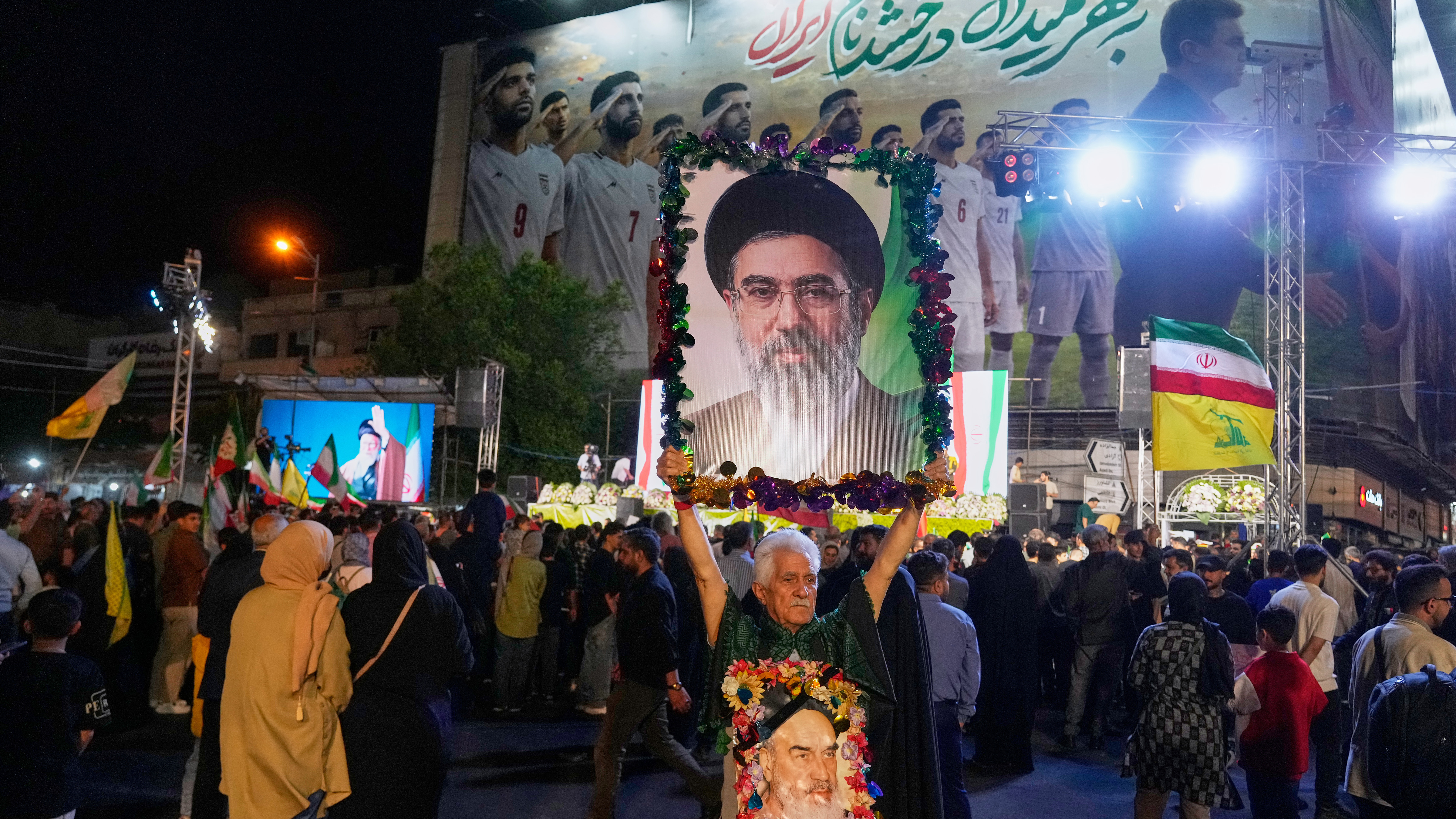
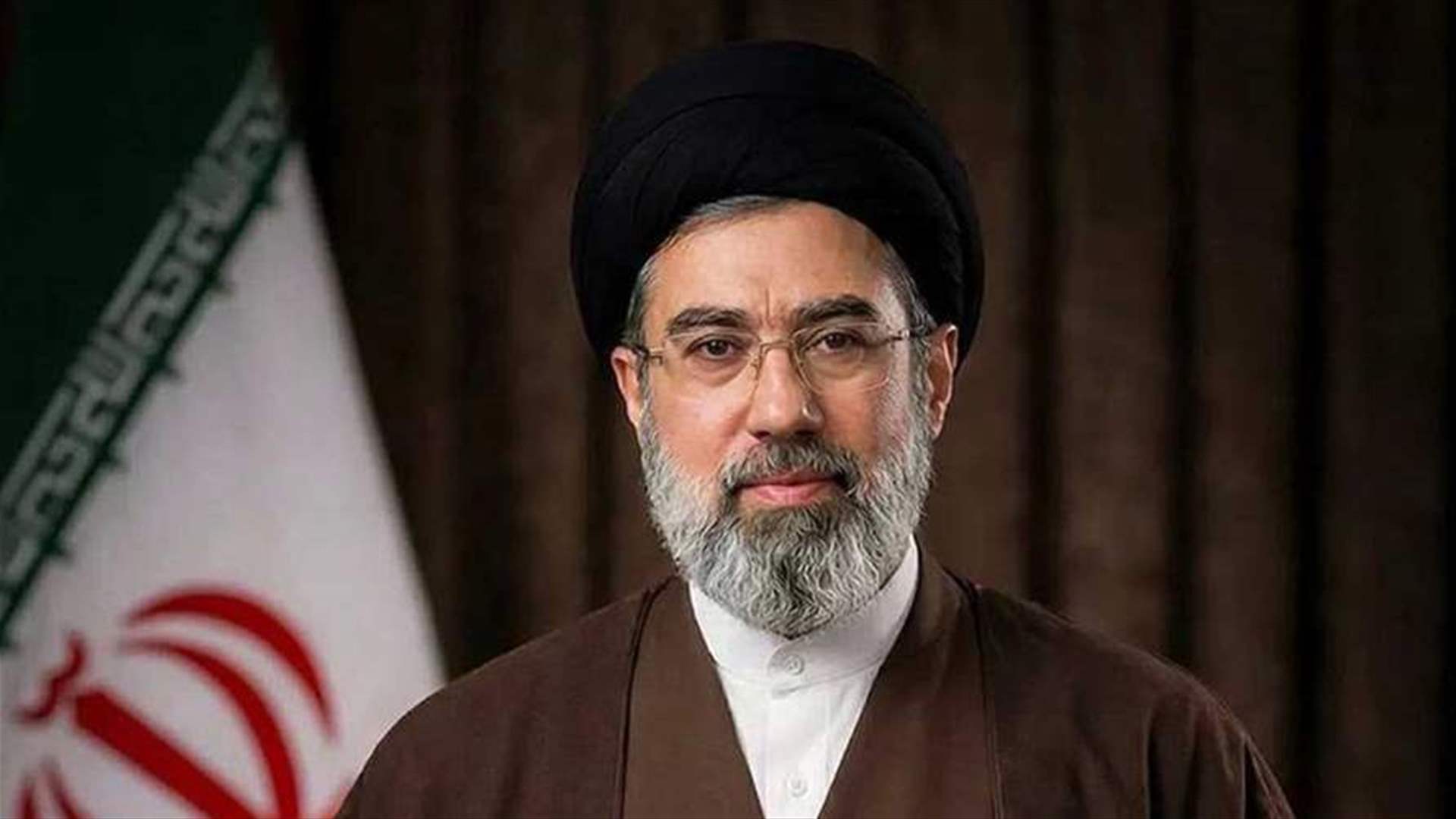
Iran's chief justice, Gholam-Hossein Mohseni-Ejei, said U.S. leaders have yet to understand the ideology and perseverance of Iran's theological establishment, which he said is prepared to make more sacrifices. He characterized the coming Islamic month of Muharram, beginning June 16, as "the month of the victory of blood over the sword."
Domestic opposition to emerging terms
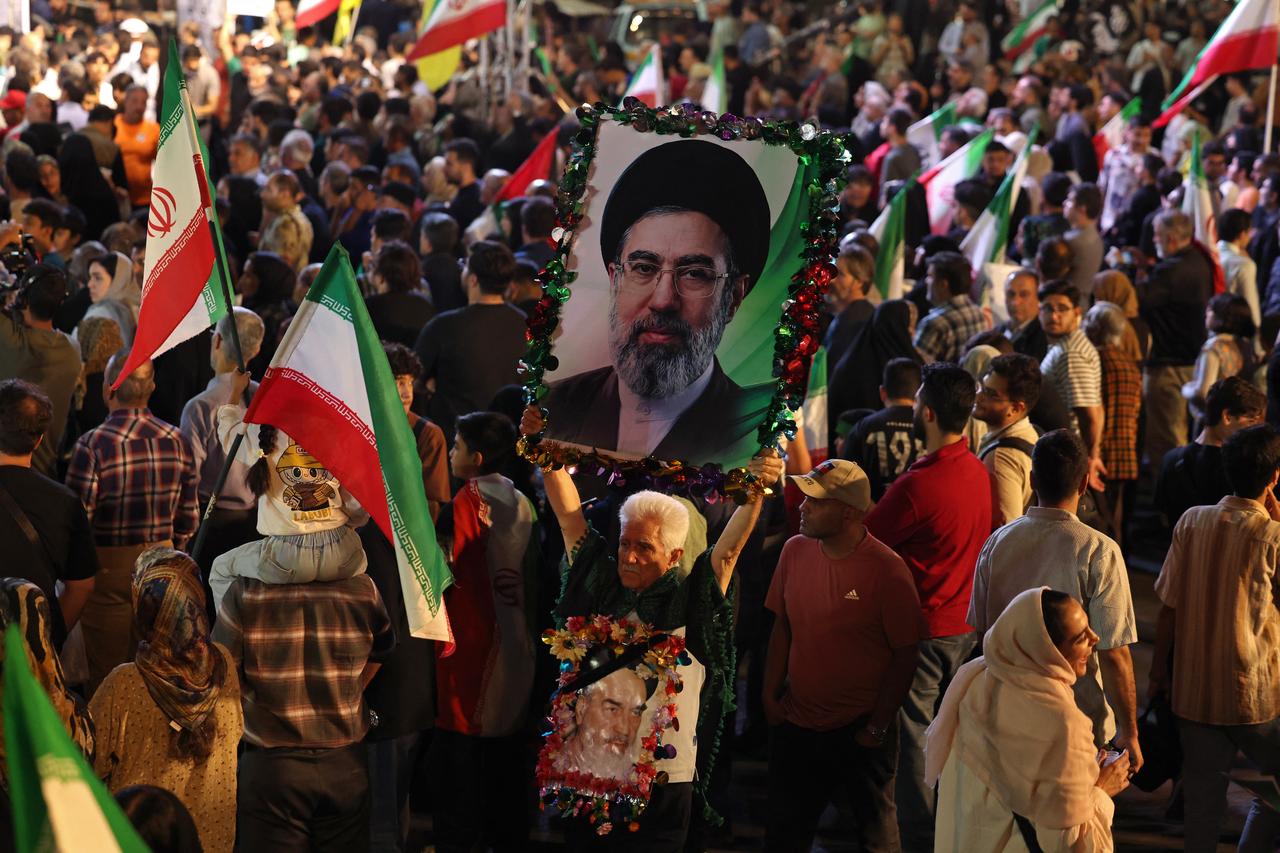
Members of Iran's ultra-hardline Paydari faction have rejected the conditions circulating in media accounts. Senior cleric and parliamentarian Mahmoud Nabavian warned on Saturday that Iran was about to make more concessions than in previous talks and that the new agreement looks "more damaging compared to the two prior versions." Points of contention include whether Iran will receive frozen overseas funds, the status of the Strait of Hormuz, and the future of Iran's nuclear program.
Some Iranian hardliners have compared the alleged terms circulating in media to the 2015 nuclear deal, which they viewed as a "pure loss" for Iran. They insist the government must push for stronger demands to paint a "victory" narrative when the war ends. A state television host grilled Foreign Ministry spokesman Esmaeil Baghaei on Friday night, comparing the U.S. to a "snake" always ready to undermine negotiations.
Cost of continued conflict
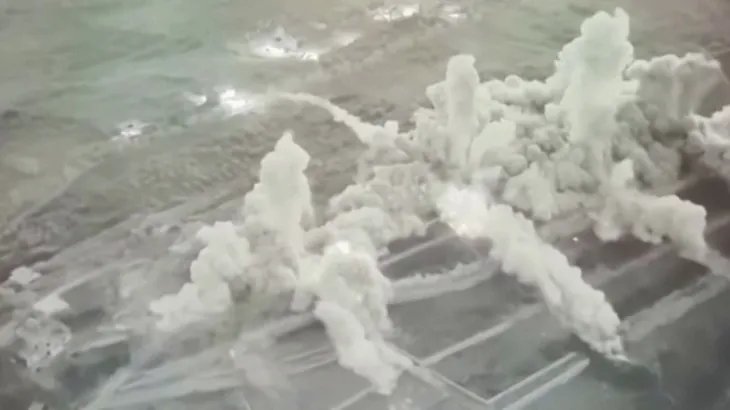
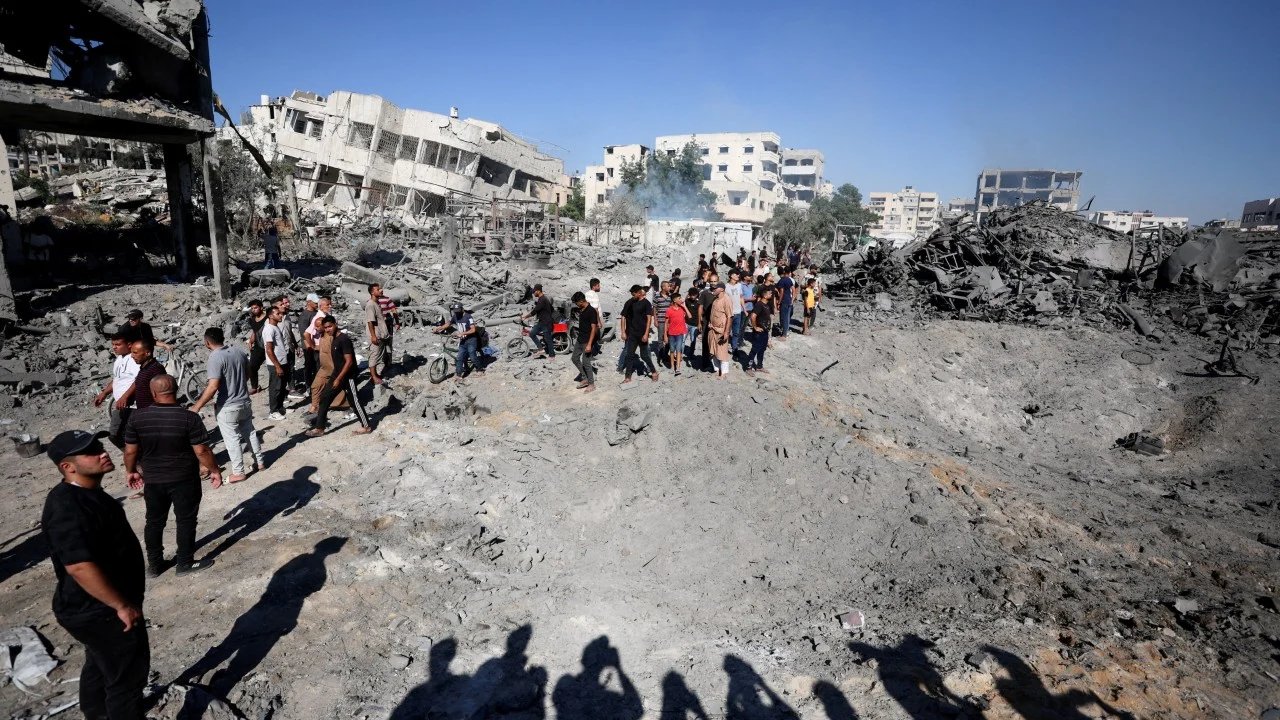
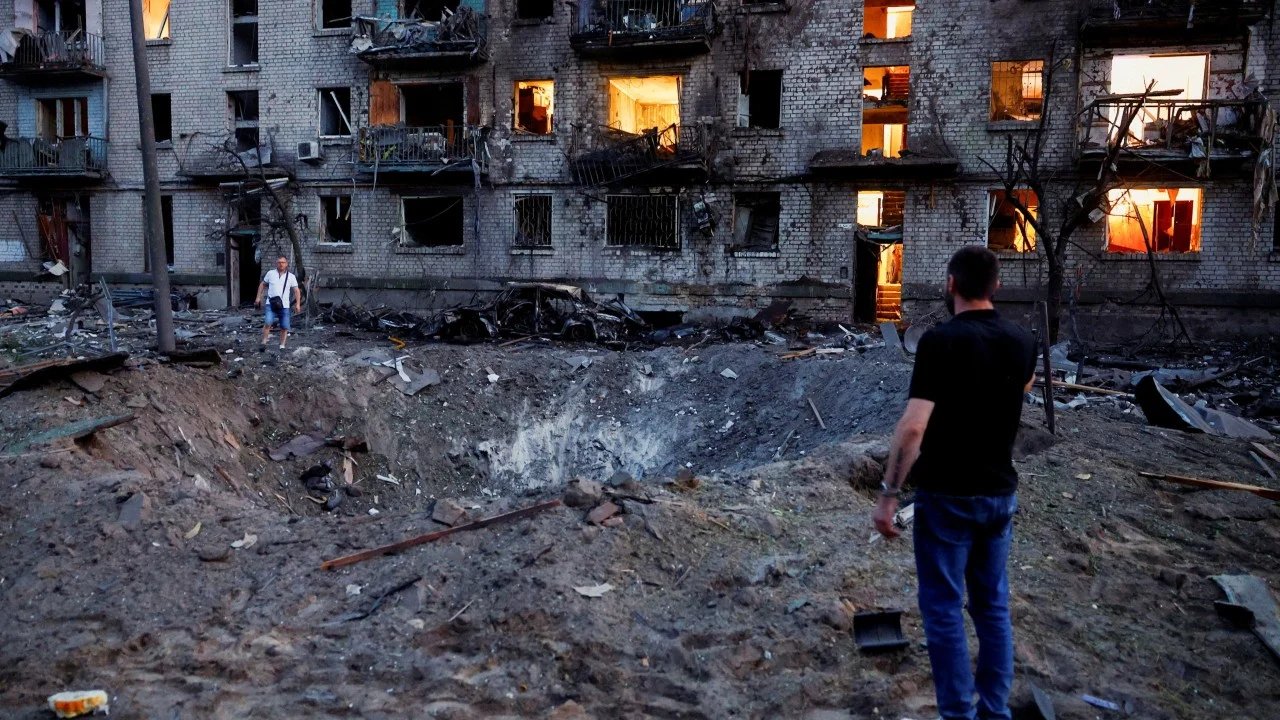
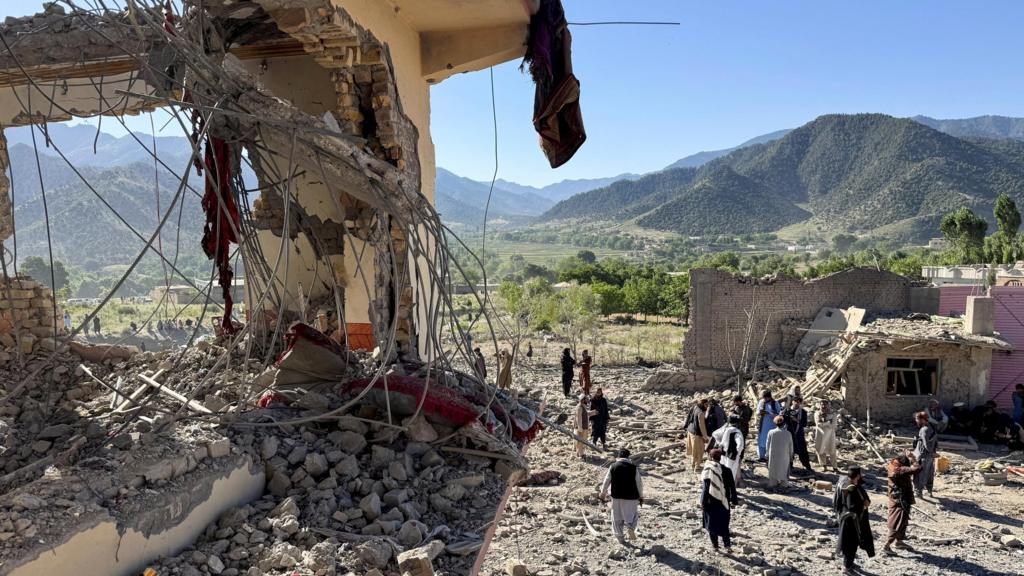
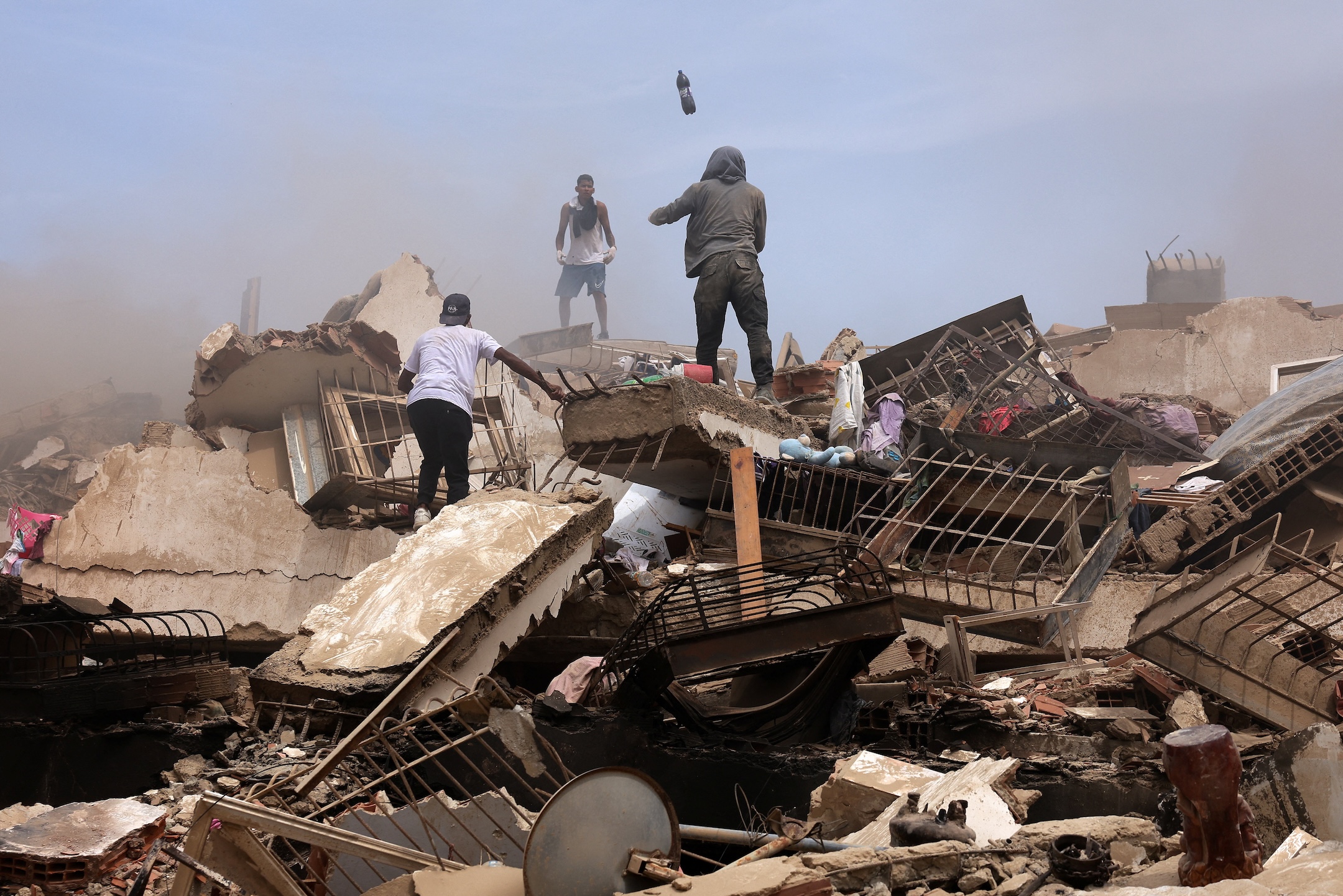
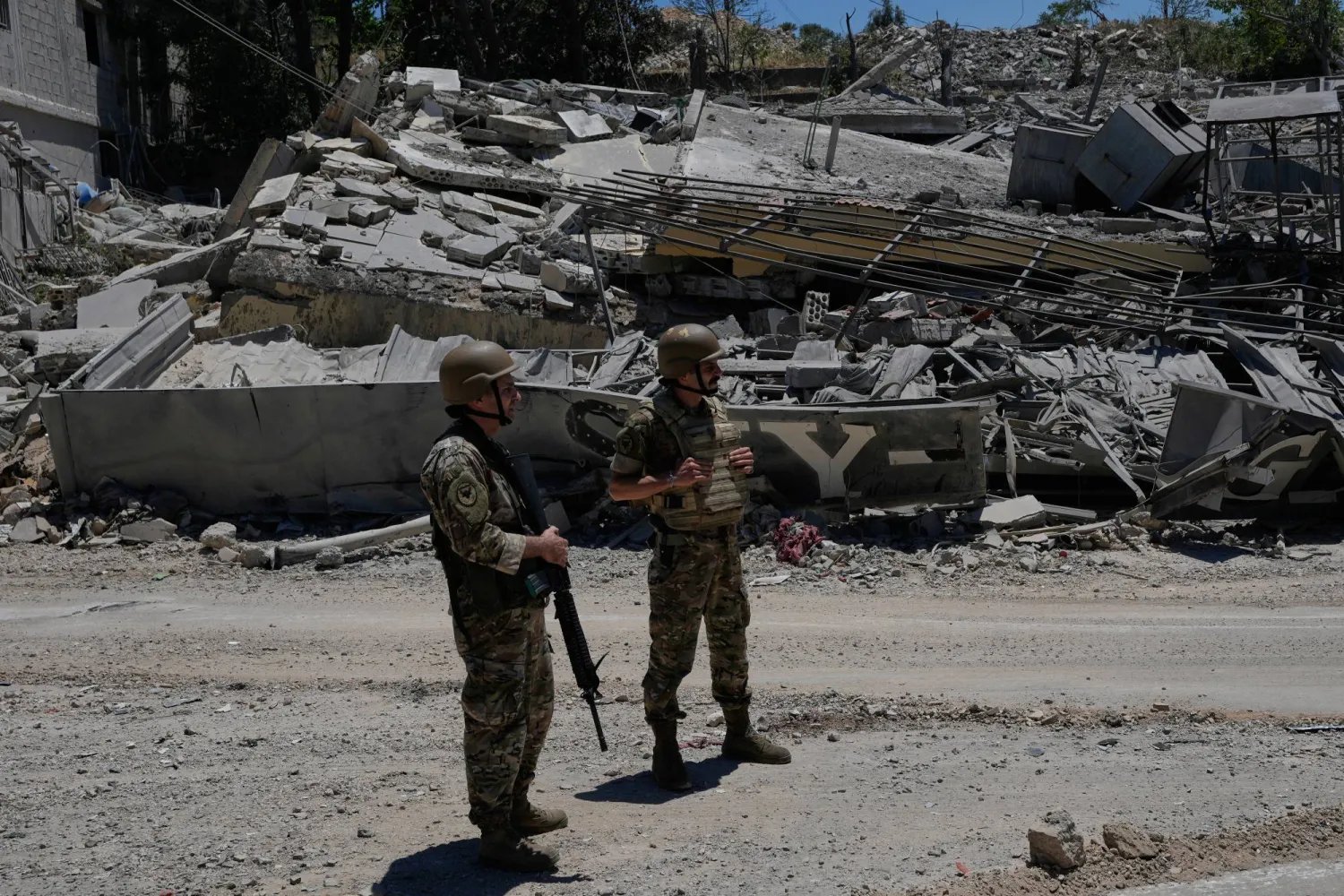
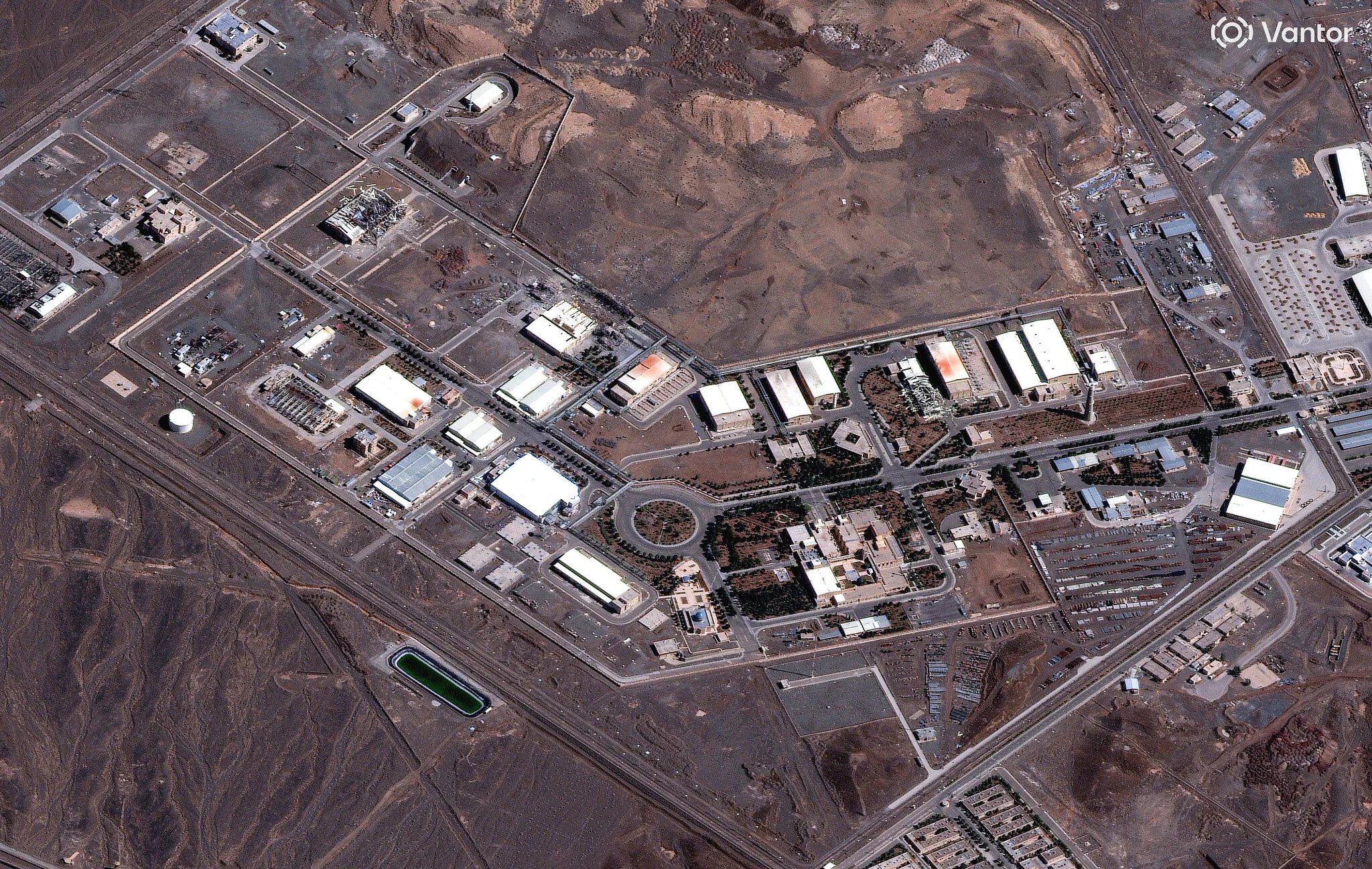
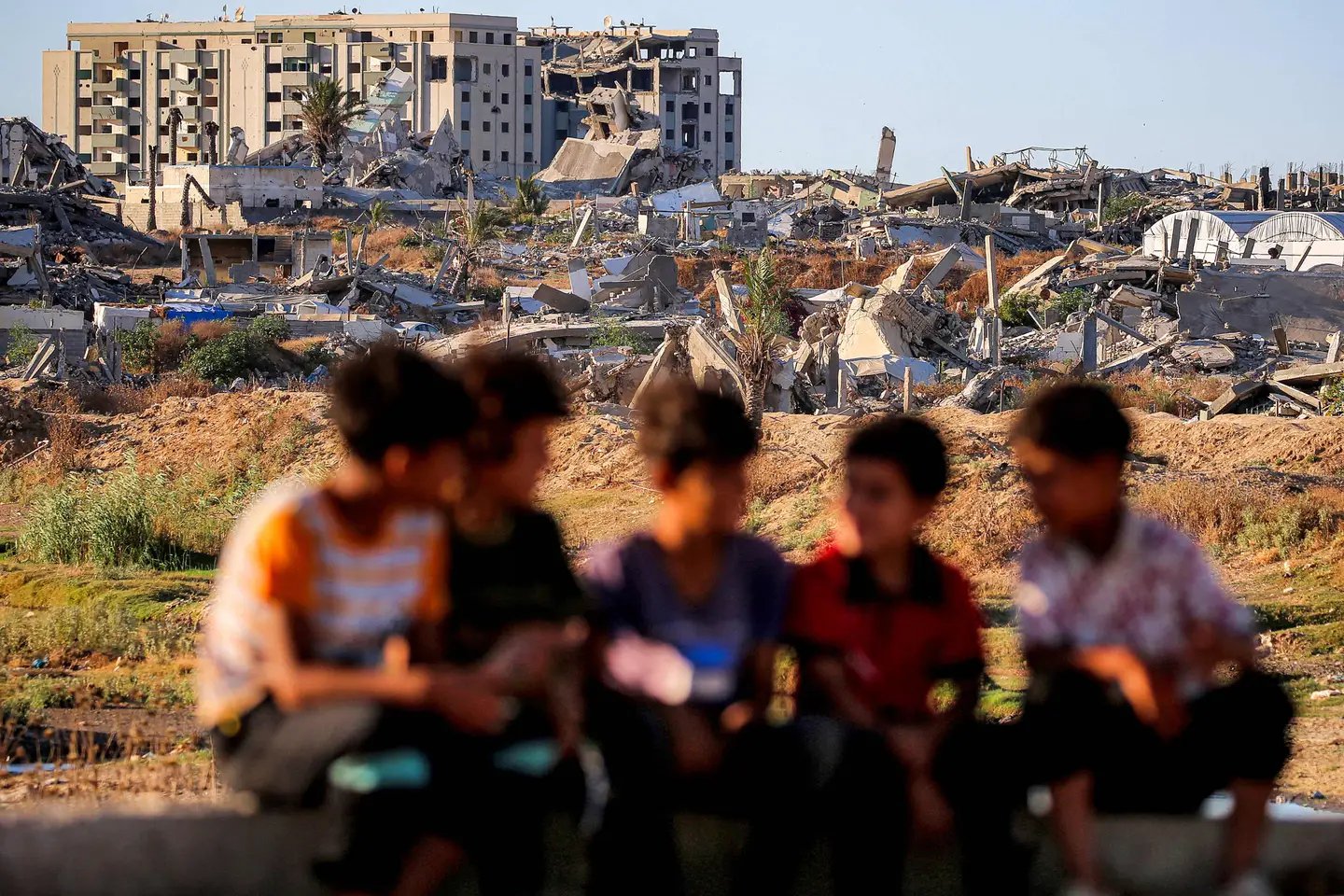
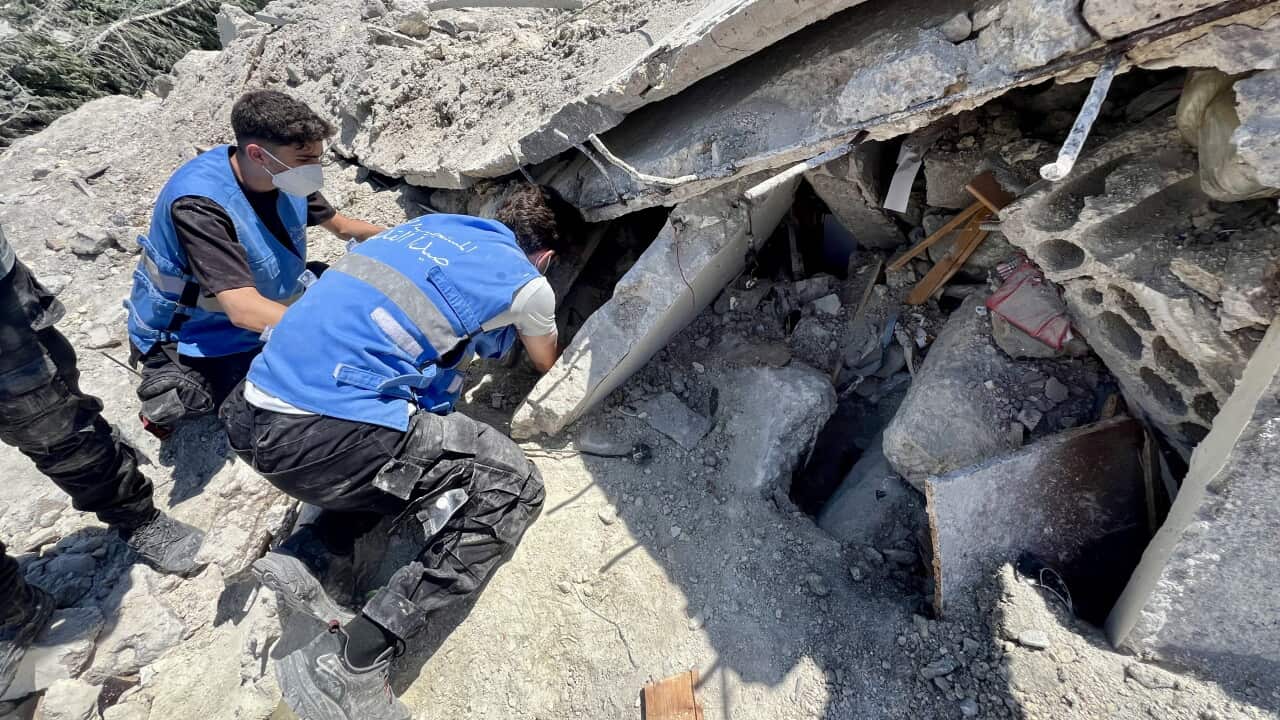
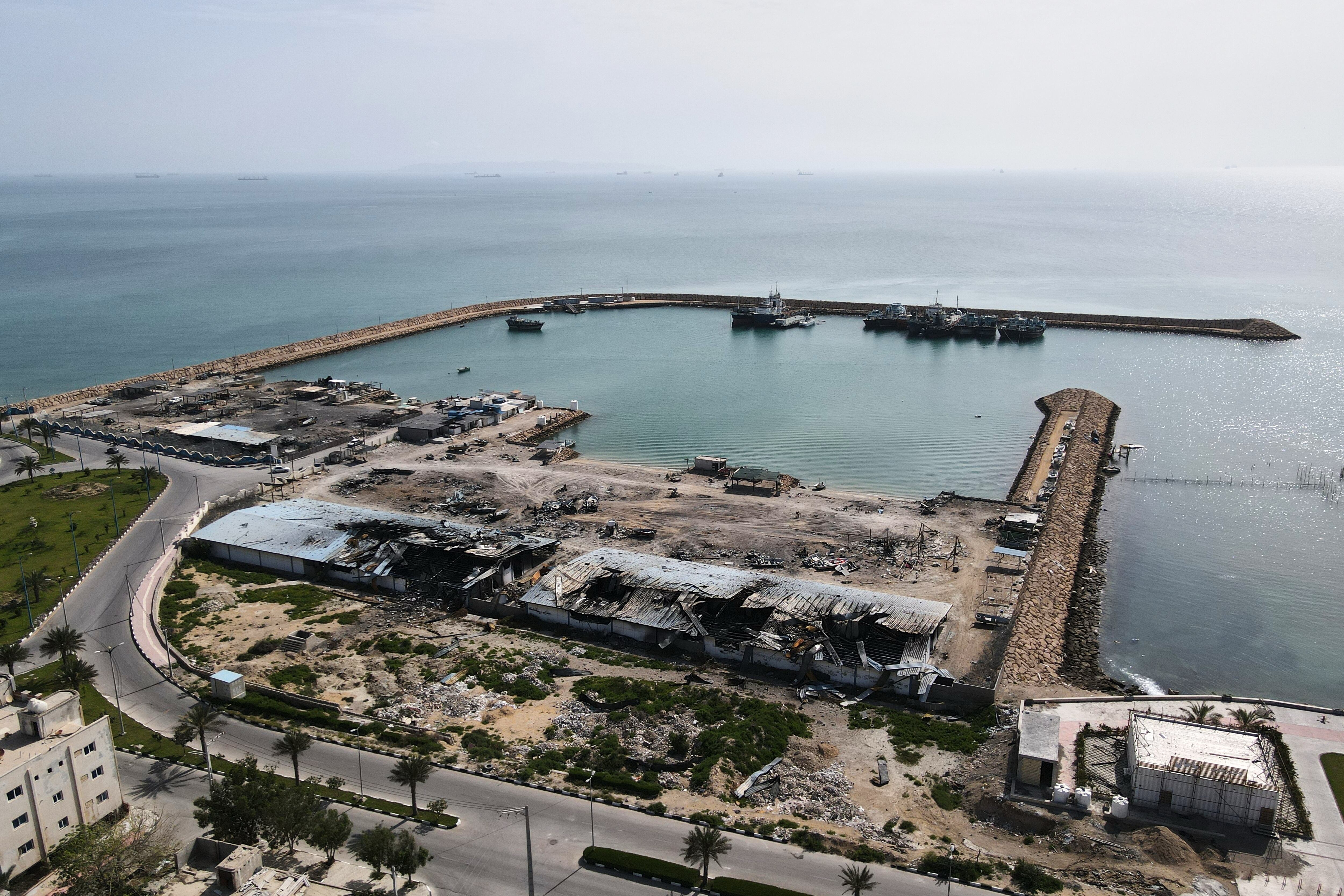
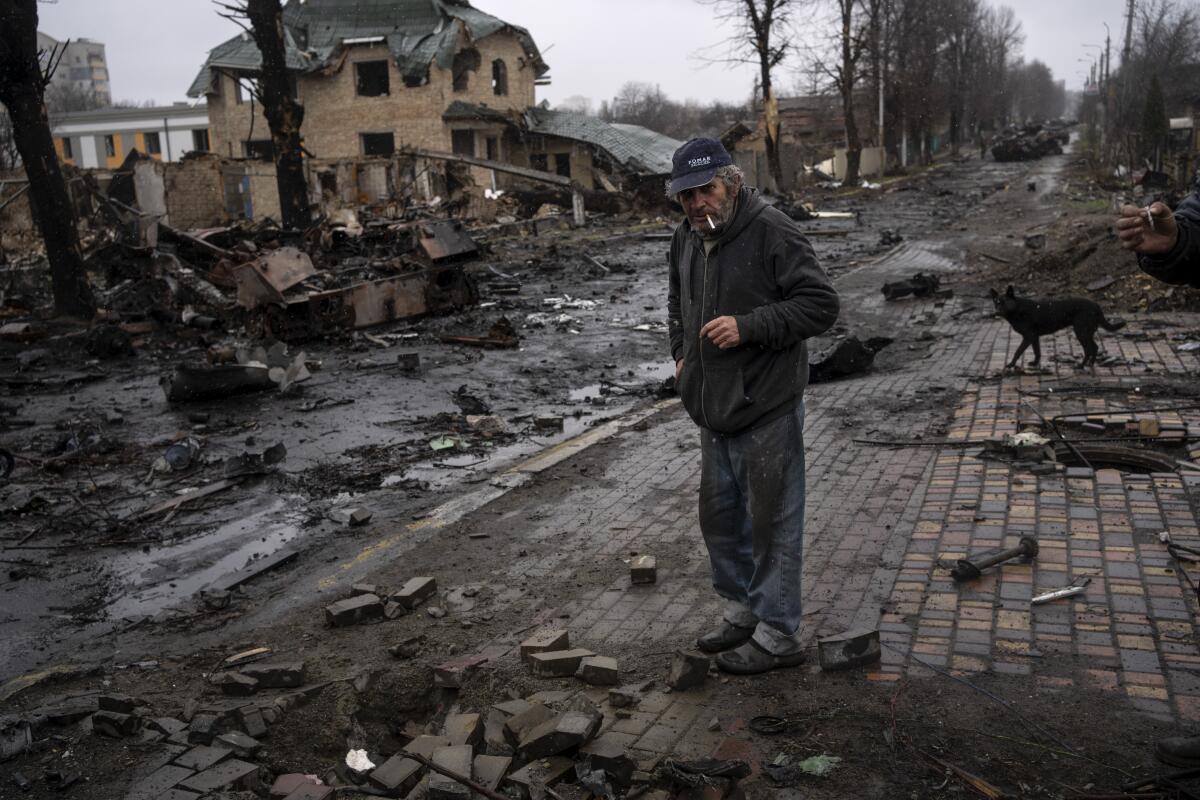
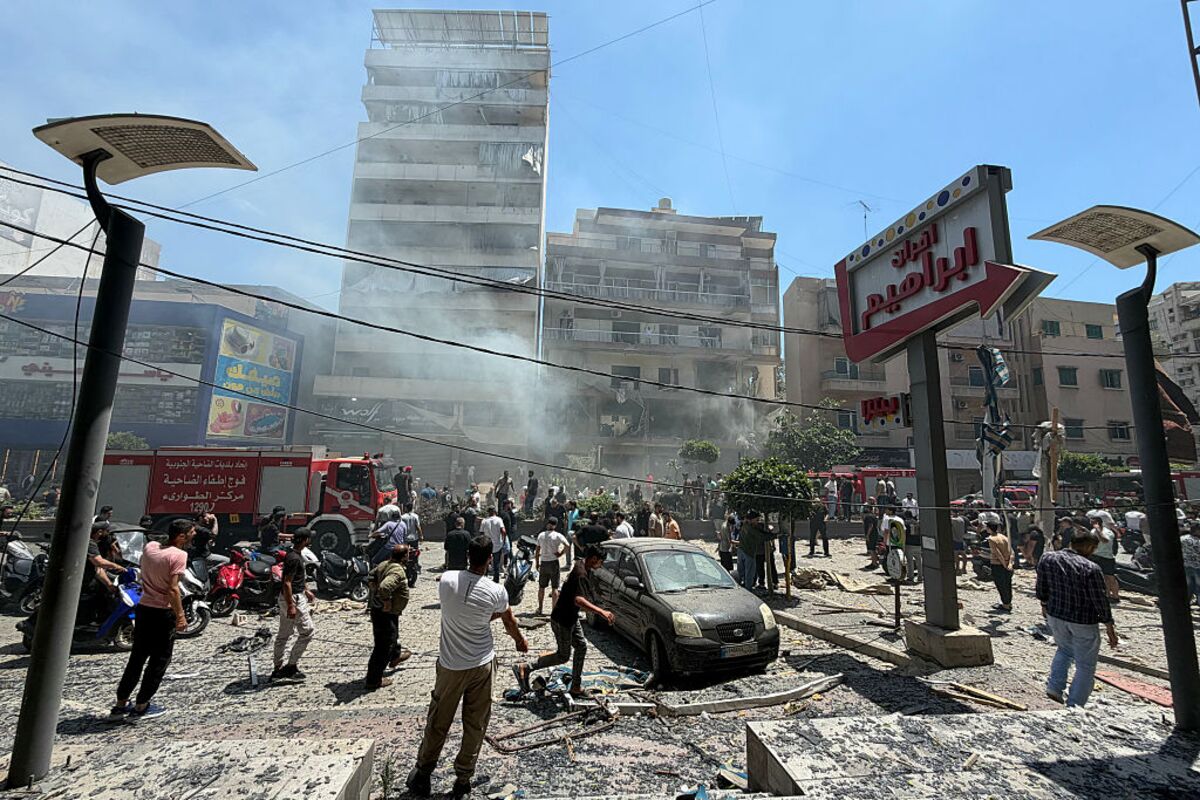
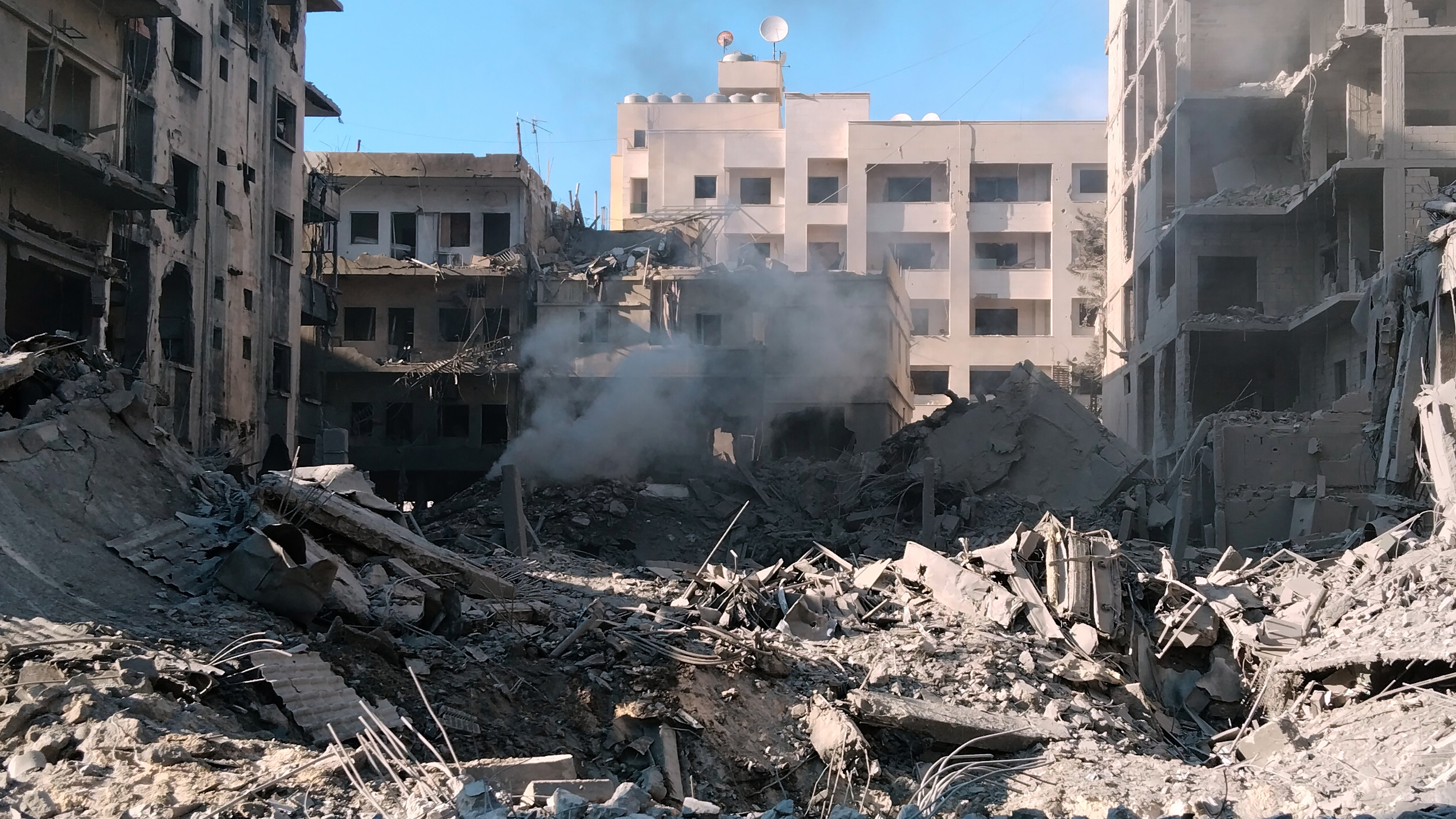
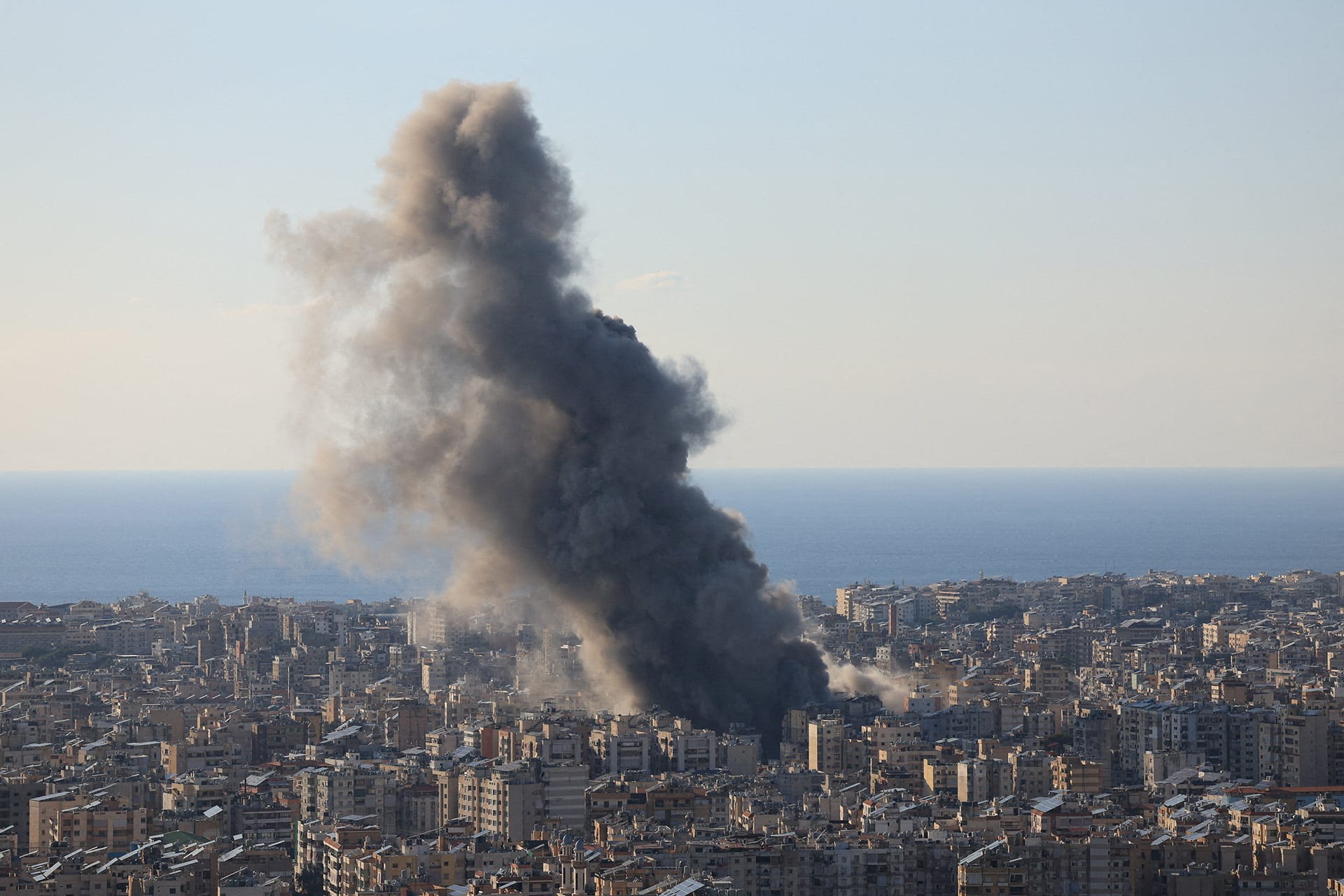
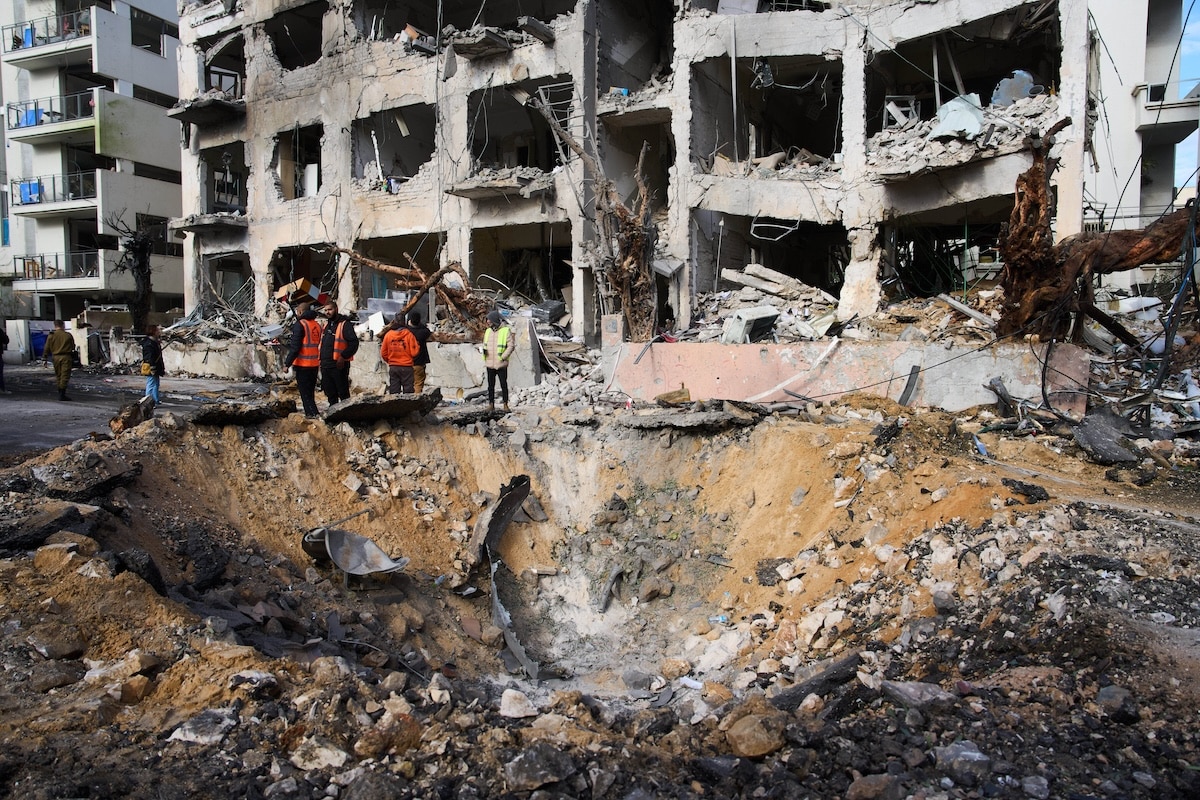
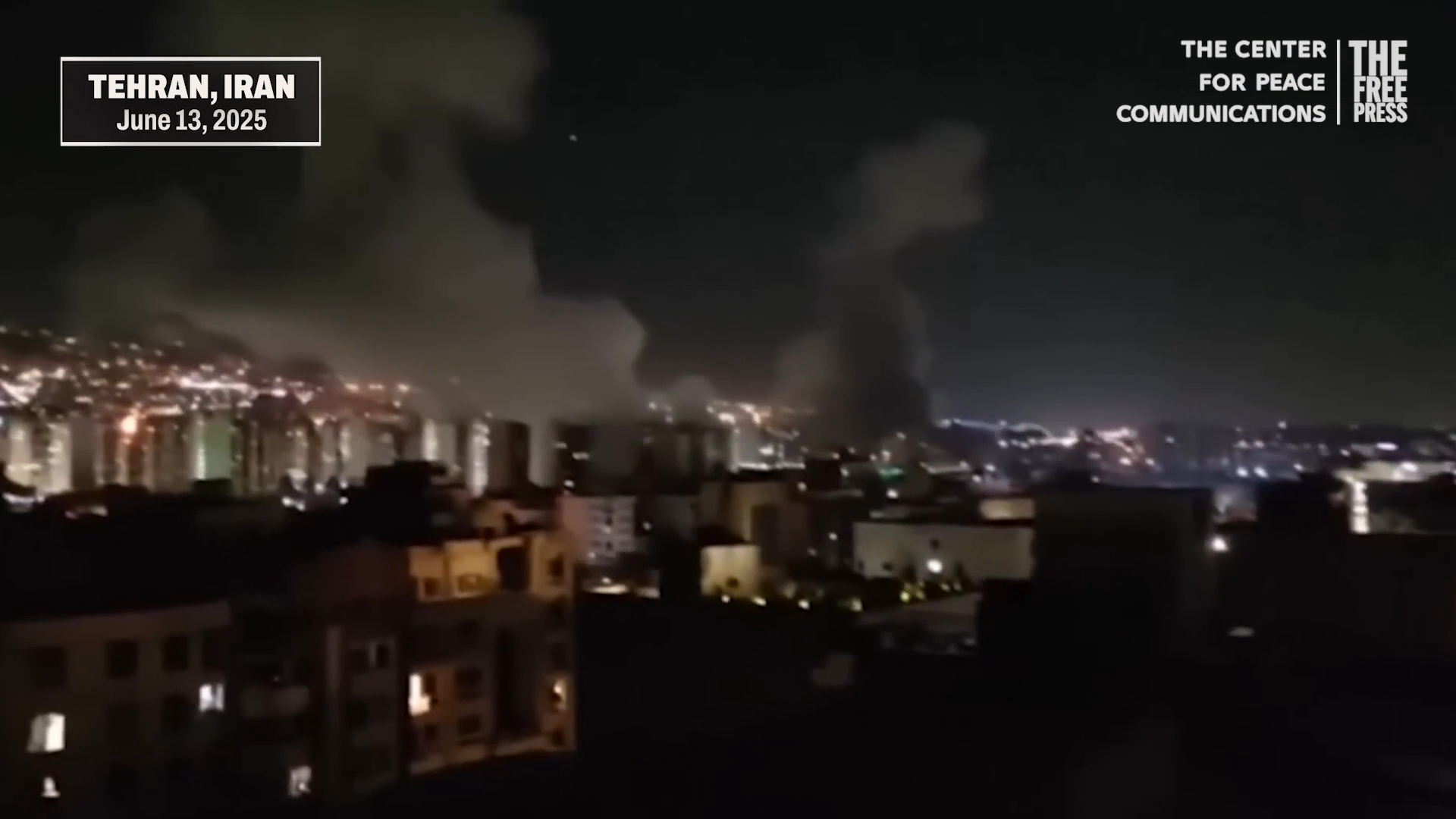
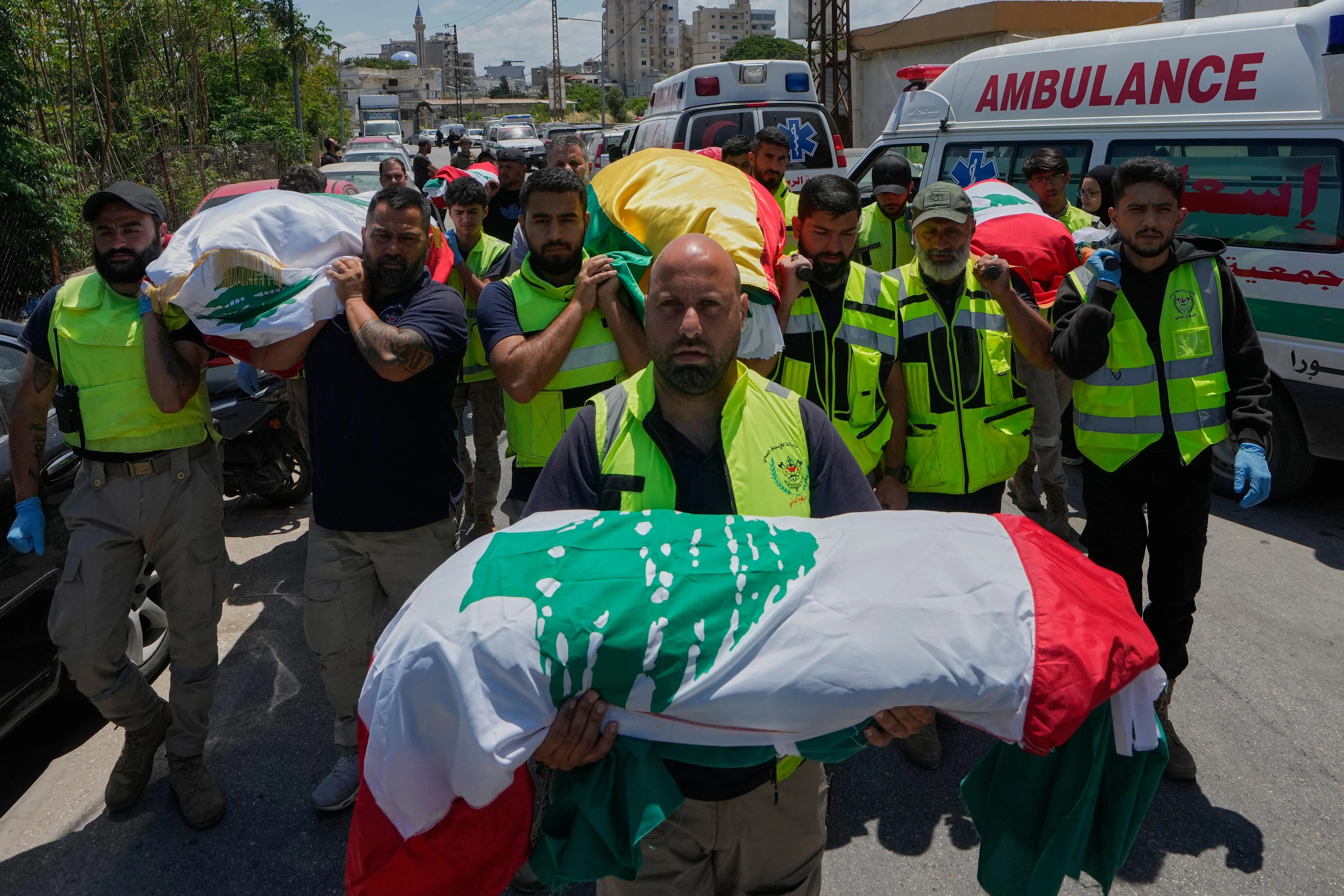
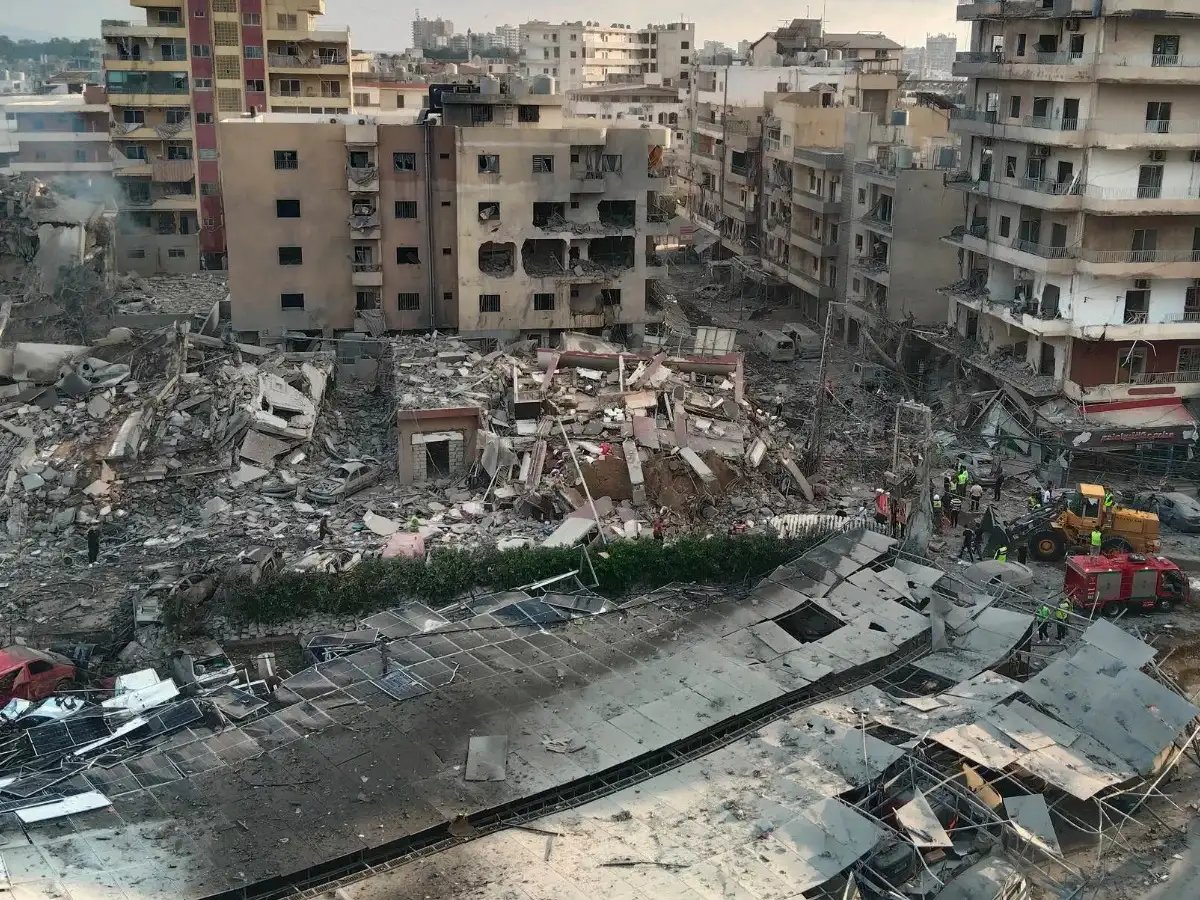
The human toll of the past year weighs on Iran's calculations. More than 1,000 Iranians were killed in a 12-day bombing campaign last June, including several hundred civilians and dozens of children. At least 3,468 people have been killed in Iran's current war with the U.S. and Israel, with close to half being civilians, according to government figures.
The IRGC-affiliated Javan newspaper published on Saturday that "even if odds of success are low for the negotiations, the cost of not trying it may prove more than trying it." This shift reflects exhaustion from prolonged conflict, even among factions skeptical of the emerging agreement's terms.