




Inflation Takes Center Stage
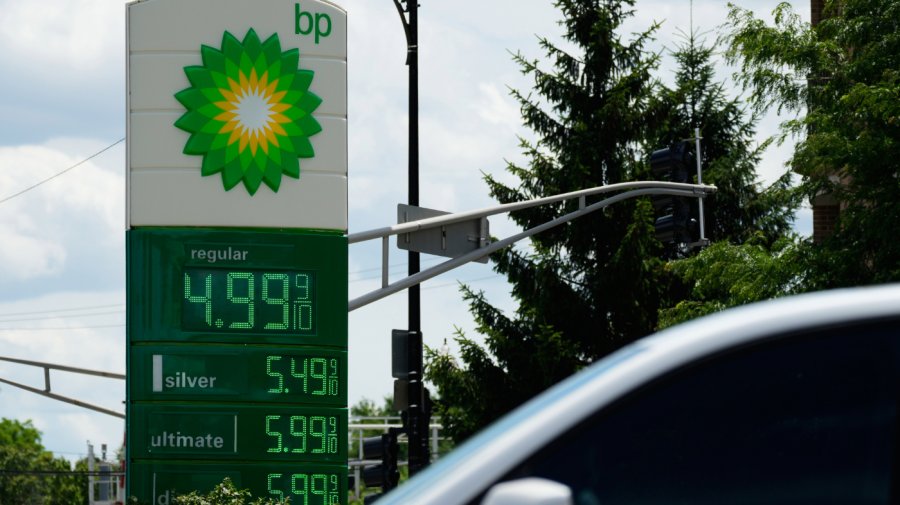
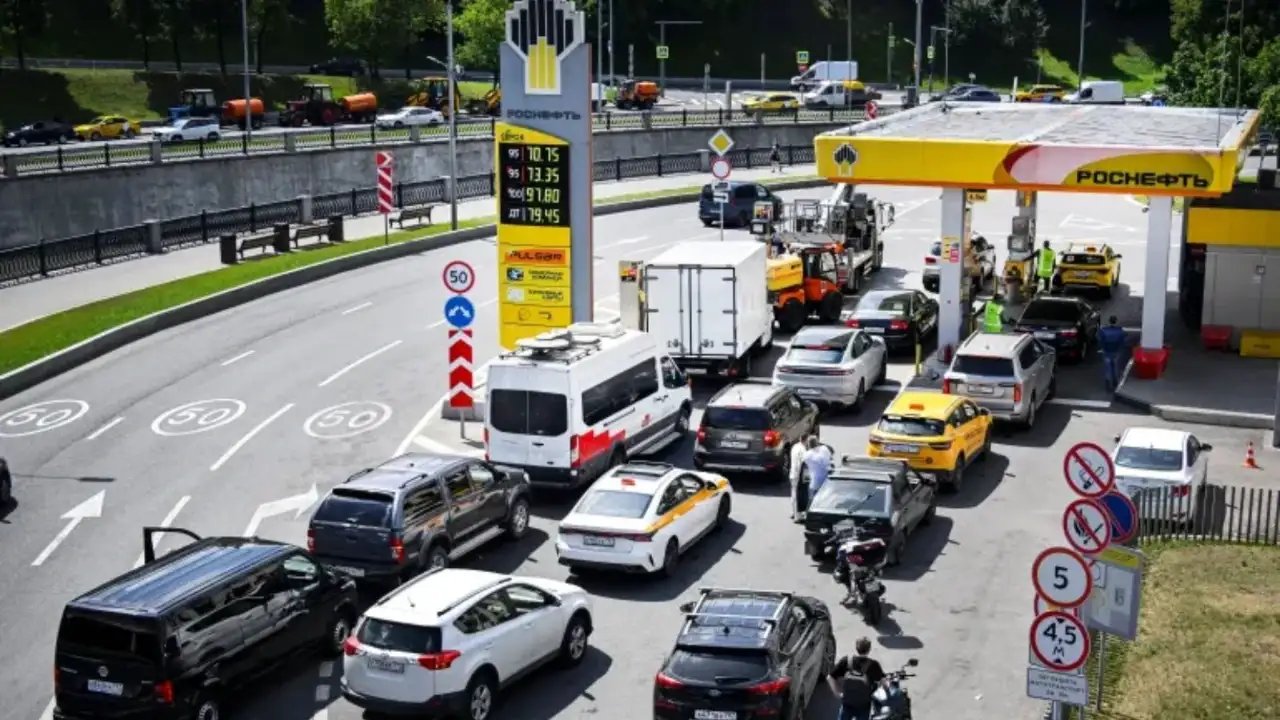
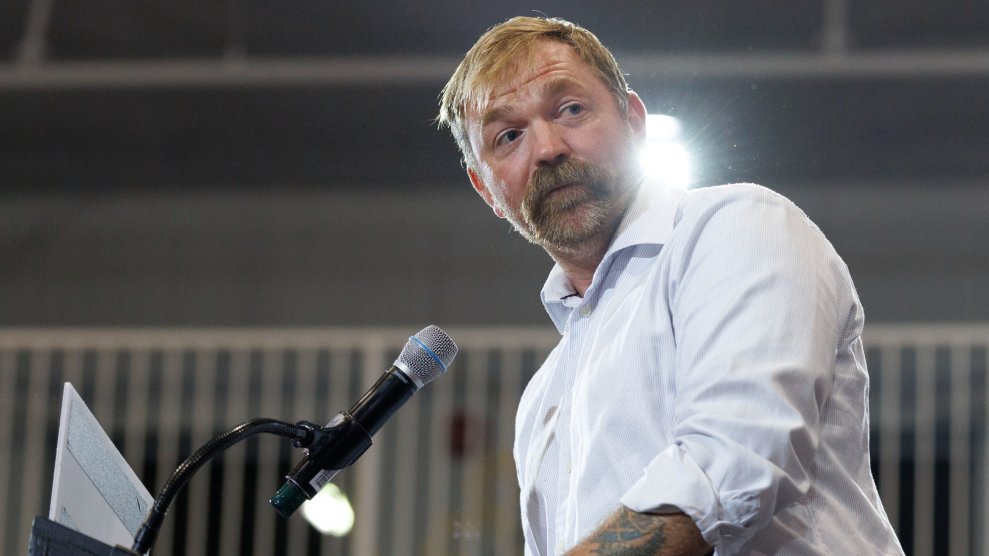
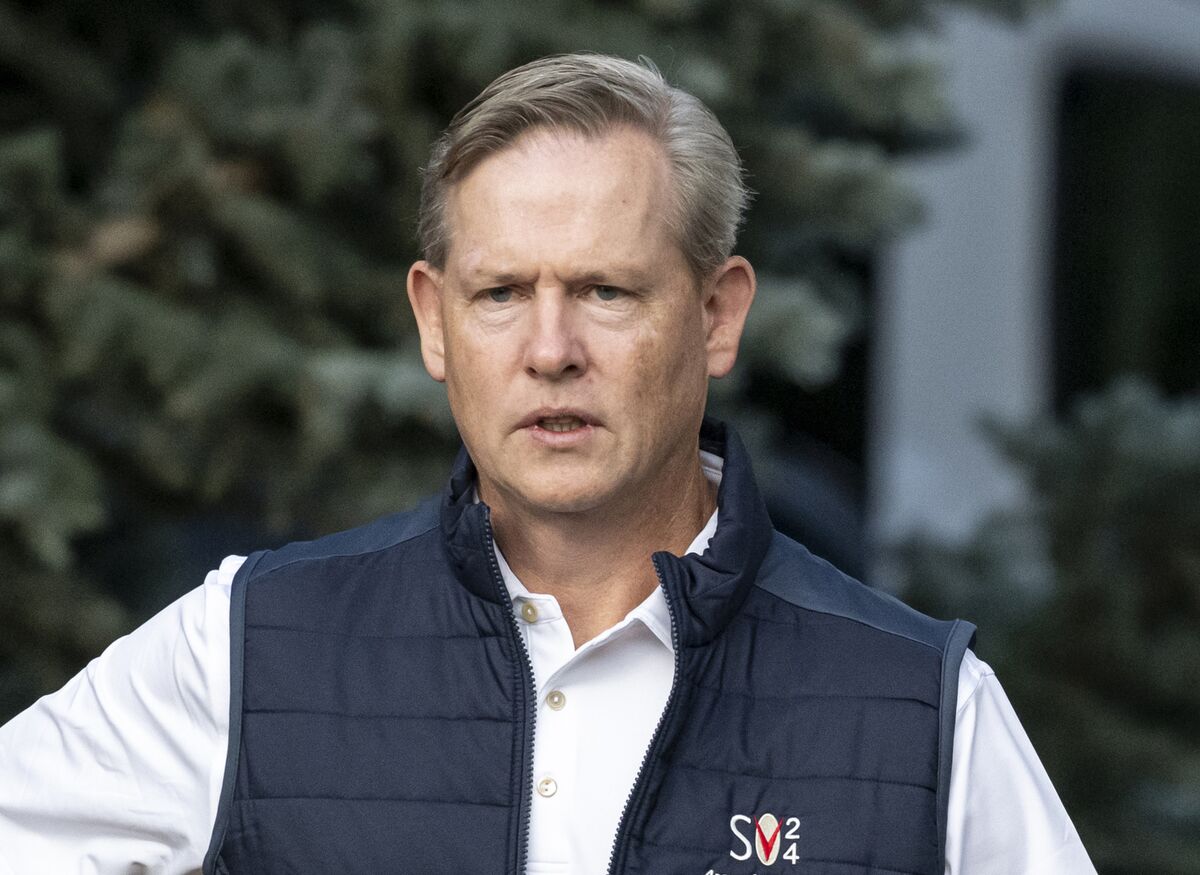
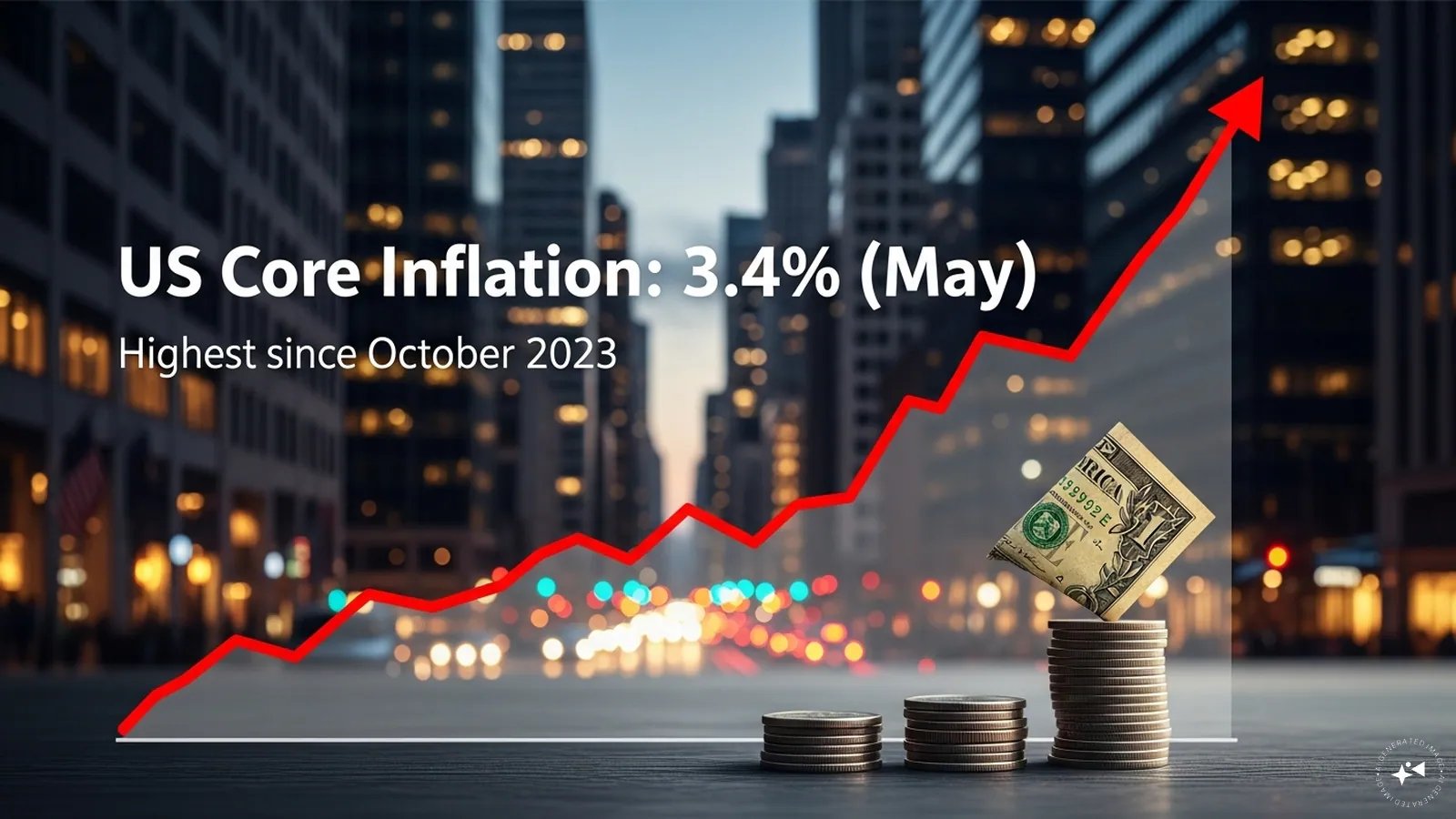
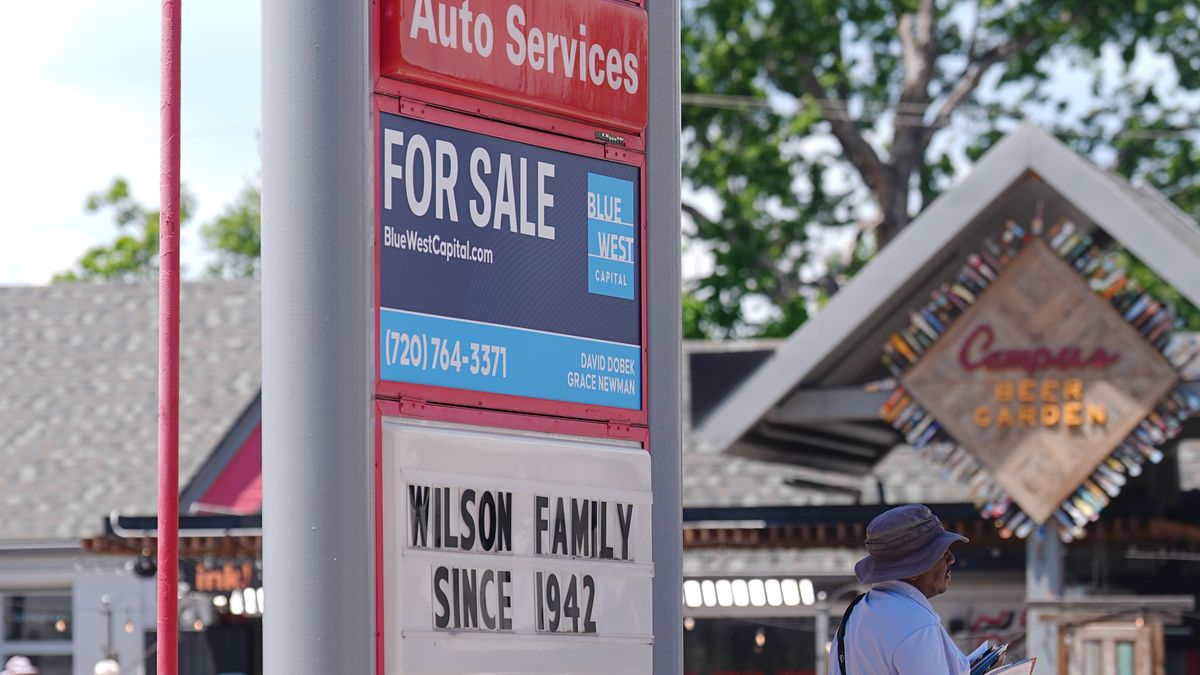
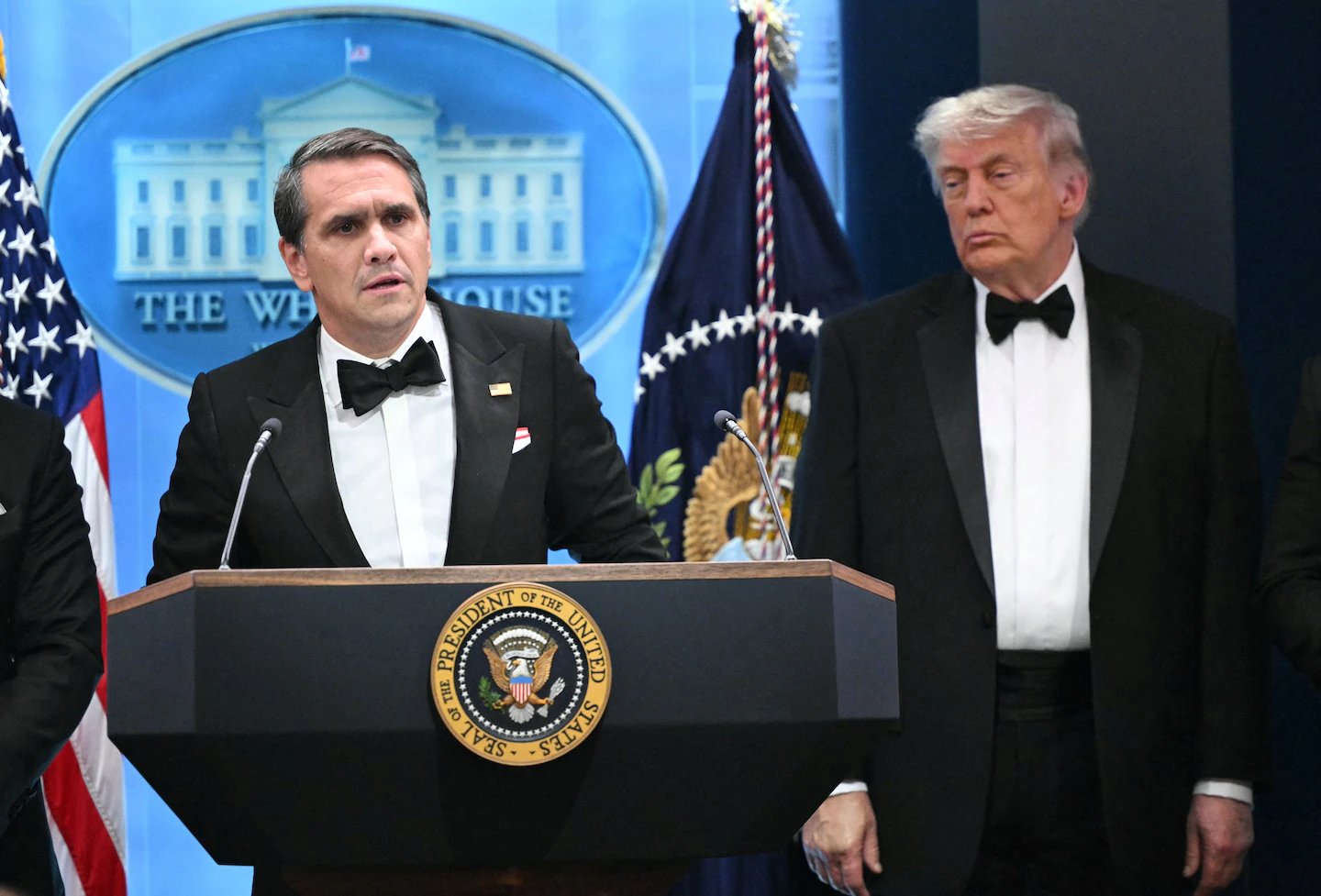
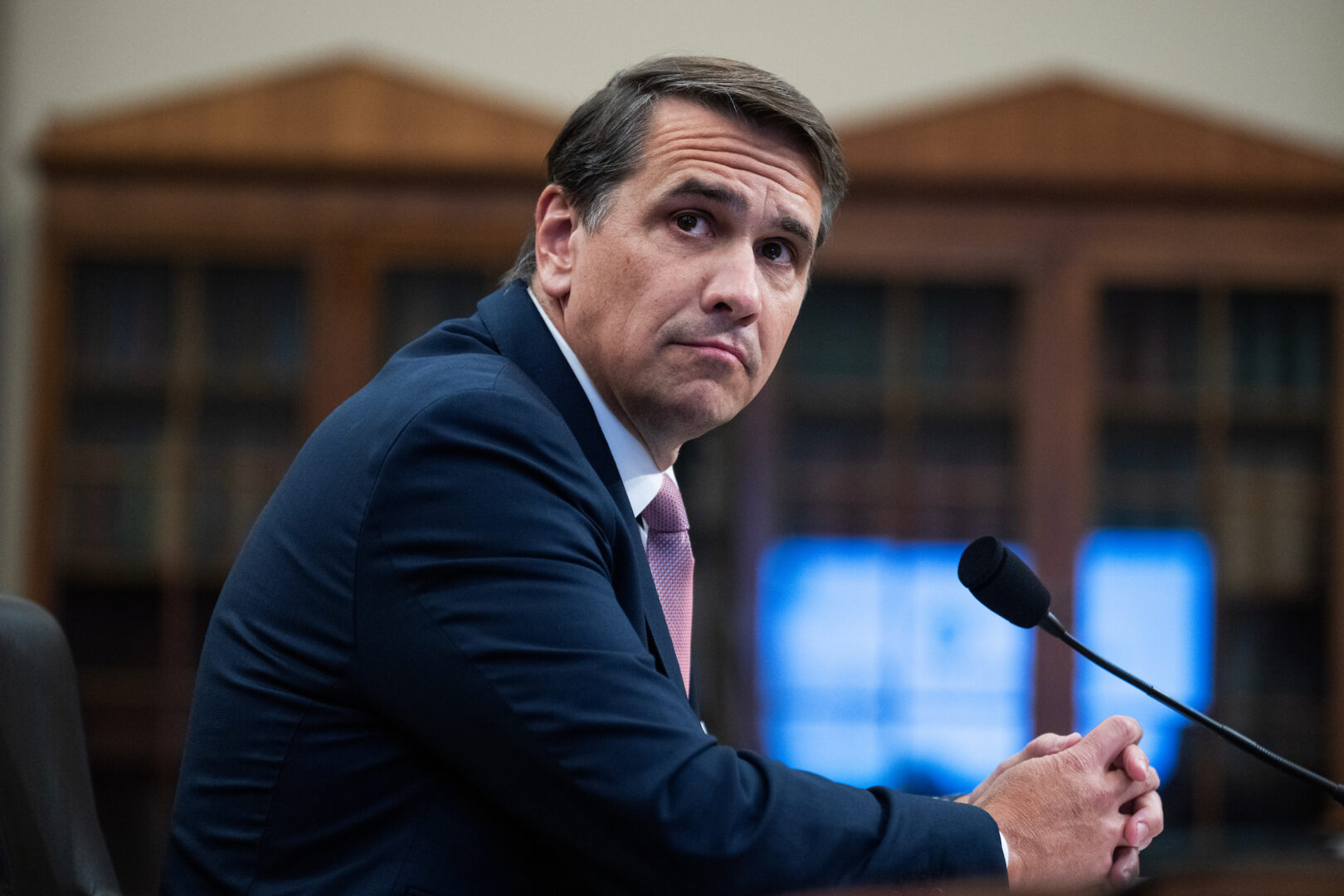
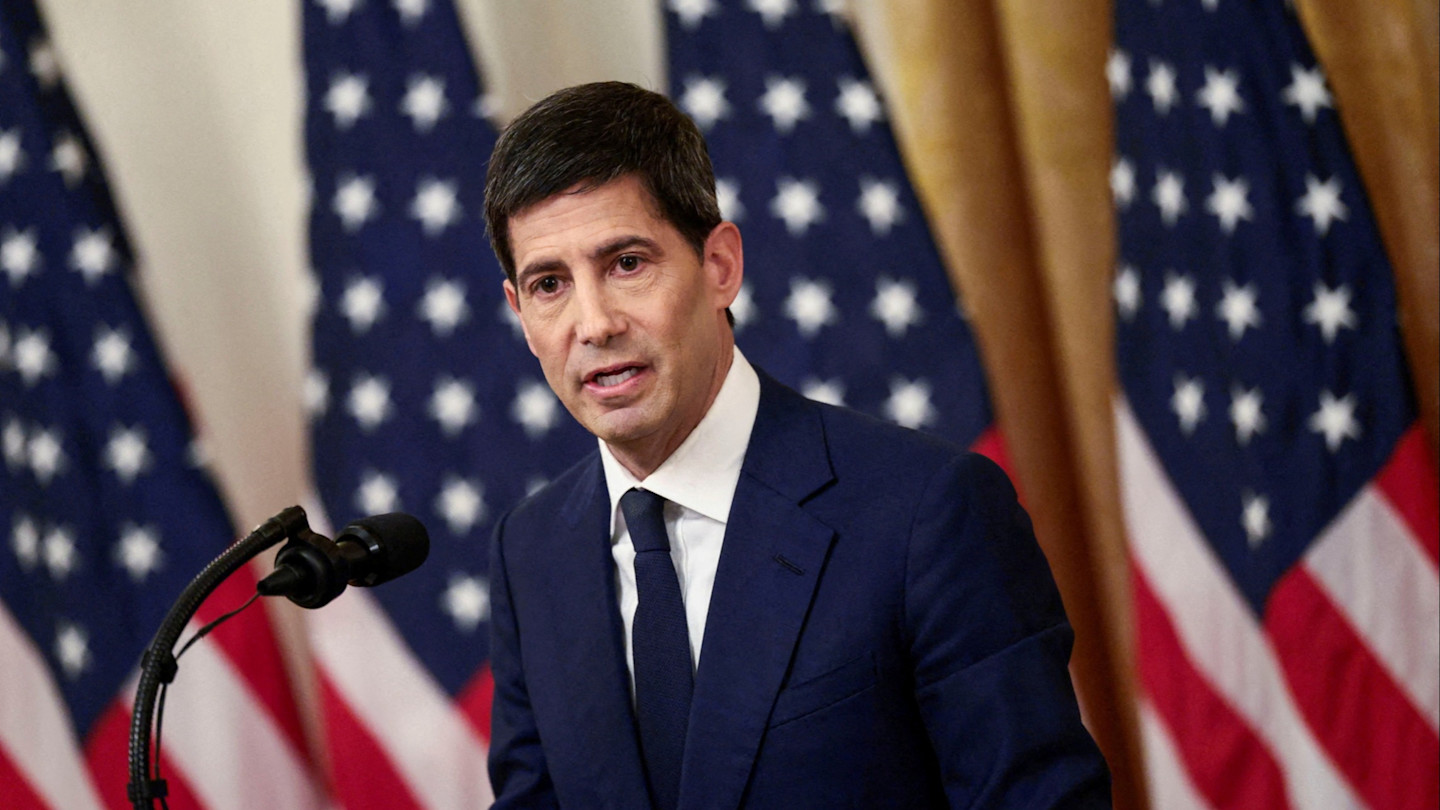
New Federal Reserve Chairman Kevin Warsh will lead his first interest rate meeting today, a pivotal moment as inflation rises to its highest level in over three years. The Consumer Price Index surged to an annual rate of 4.2% in May, driven by higher oil and gas prices amid ongoing geopolitical tensions. This inflationary pressure complicates the Fed's decision-making, as households face eroding purchasing power.
Market Expectations
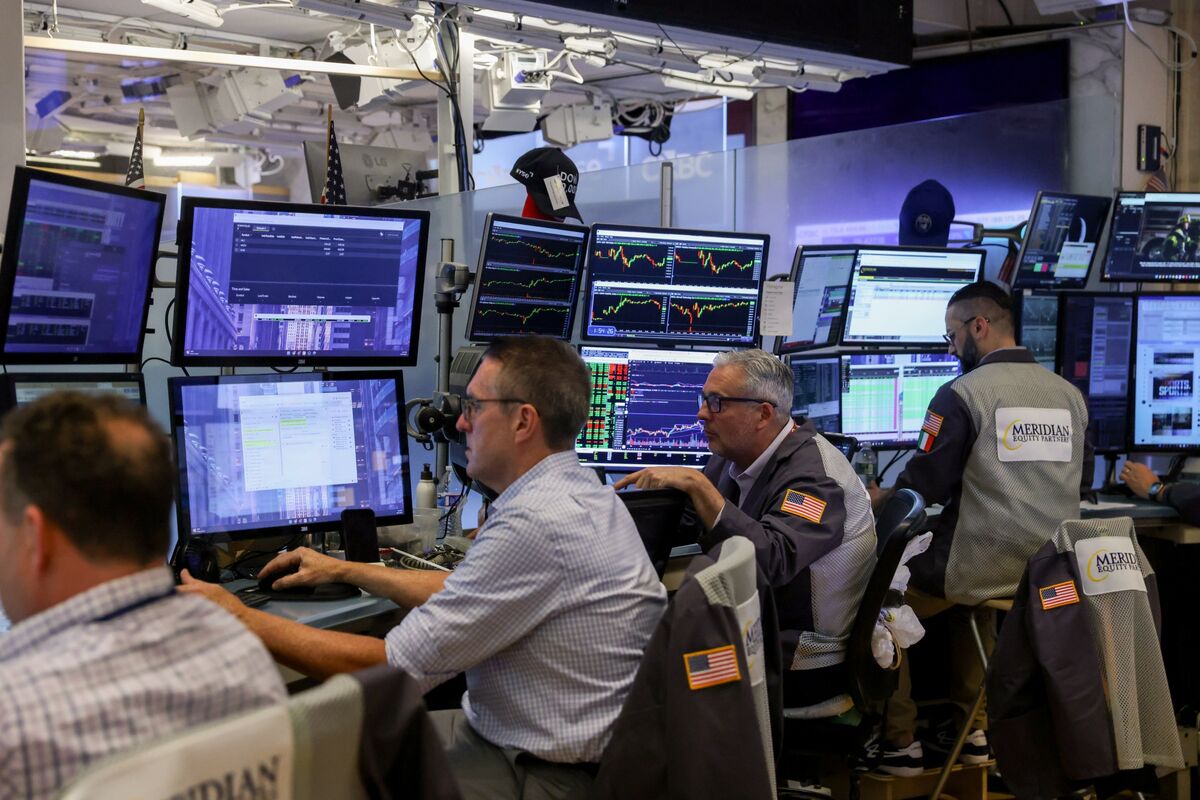
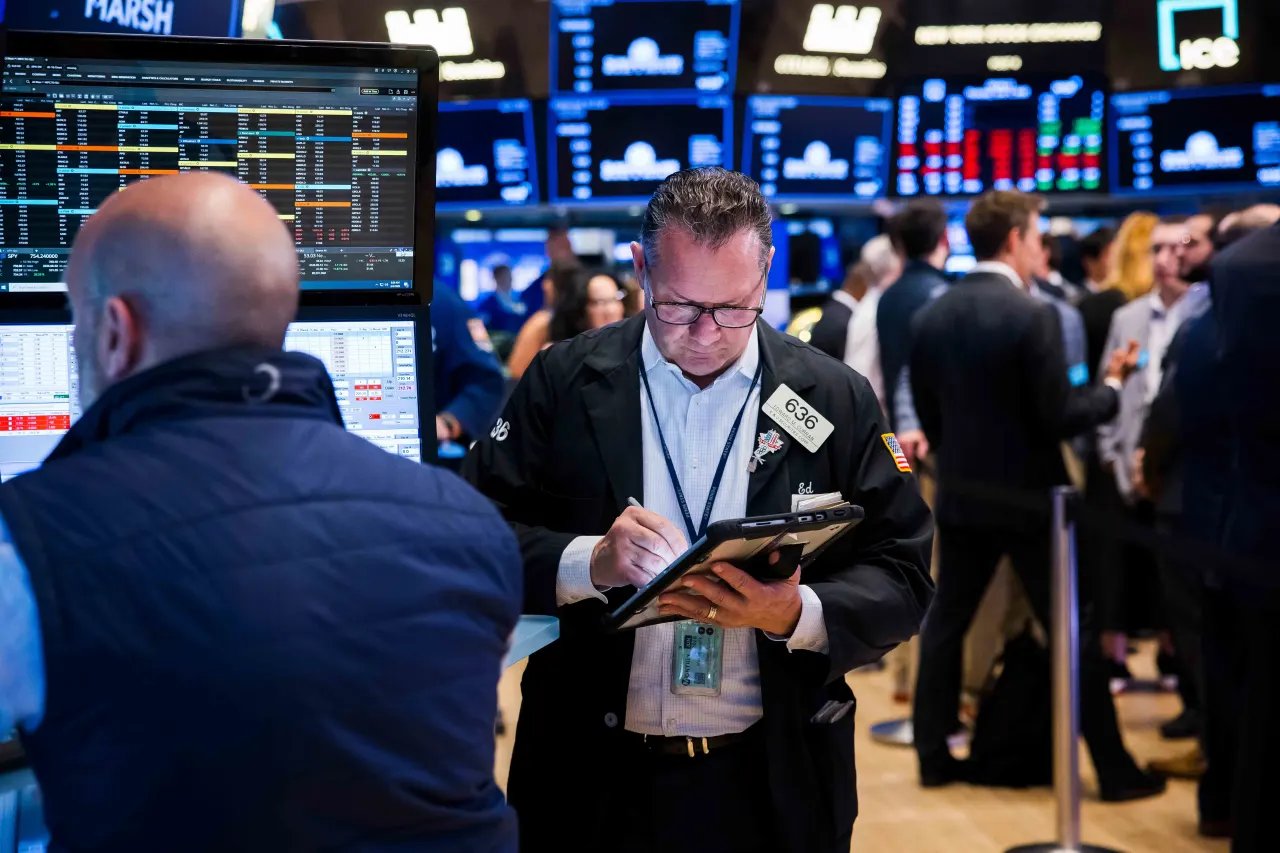
Economists expect the Federal Reserve to maintain its benchmark interest rate in the range of 3.5% to 3.75% during this meeting. This comes after the Fed has kept rates steady throughout 2026, with the last cut occurring in December 2025. Investors are particularly focused on how Warsh will frame inflation and future monetary policy during his inaugural press conference, scheduled for 2:30 p.m. ET.
The Role of Energy Prices
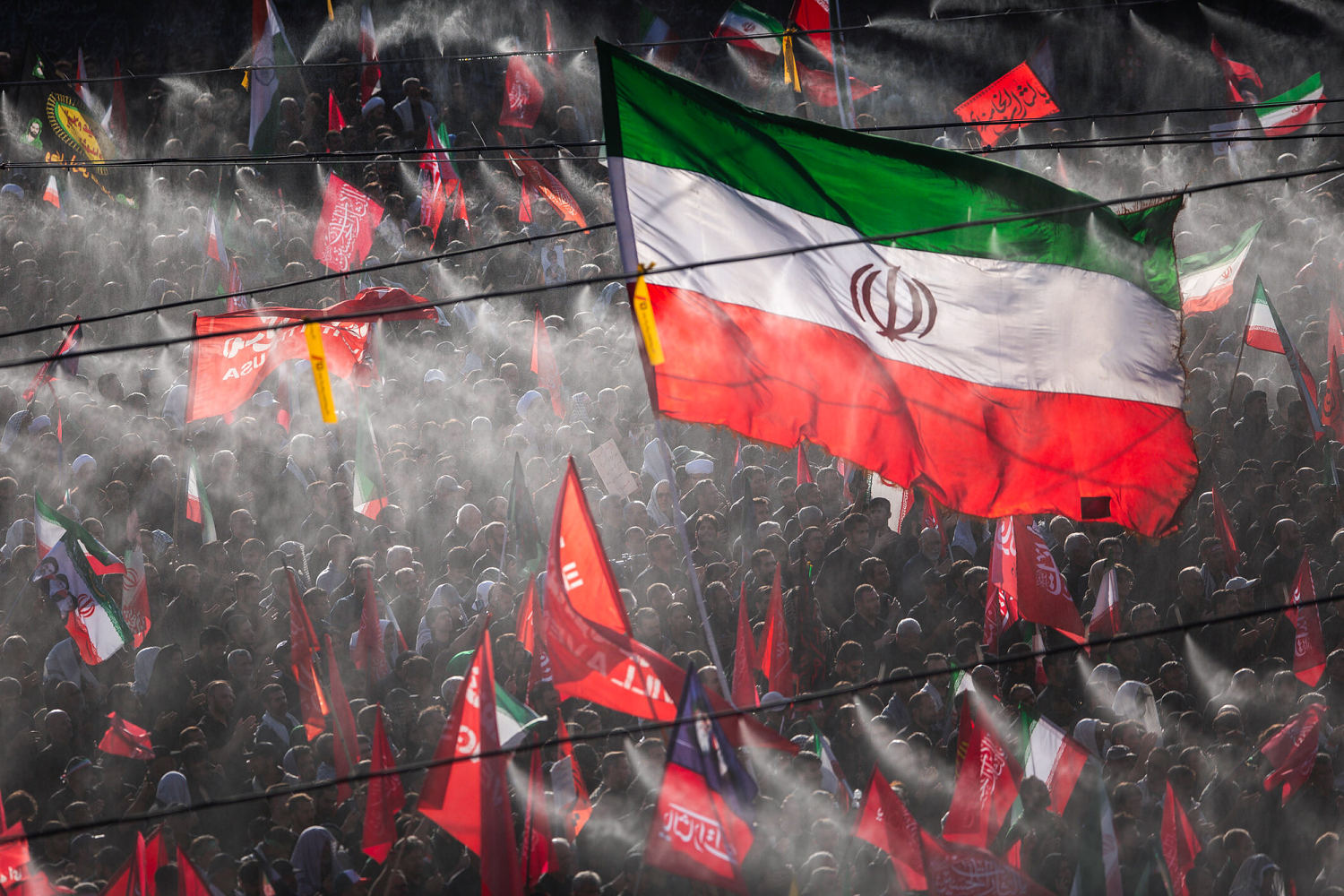
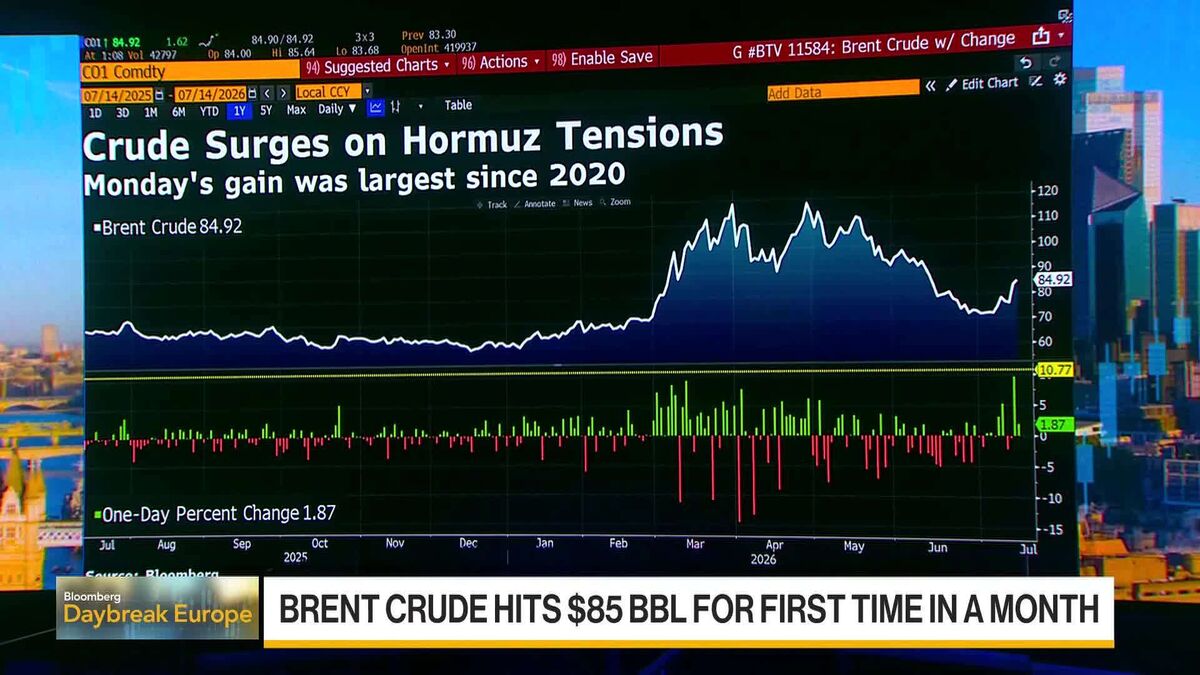
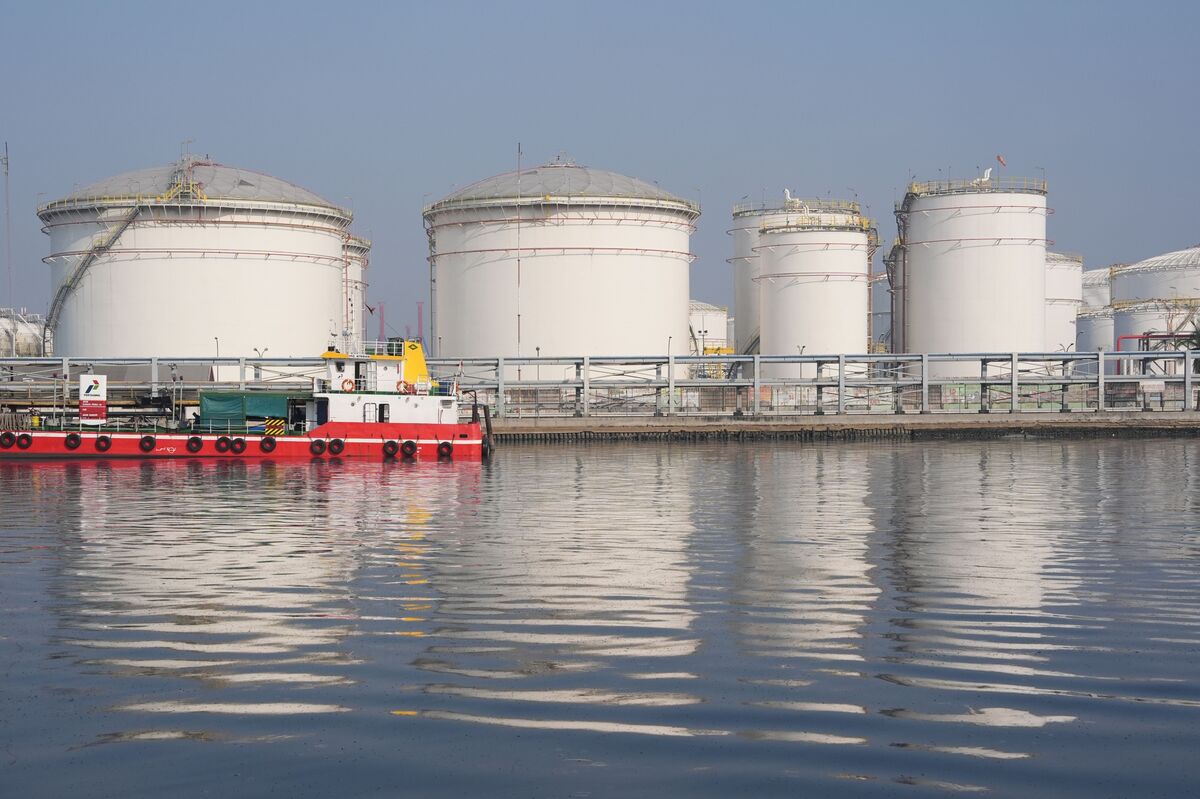
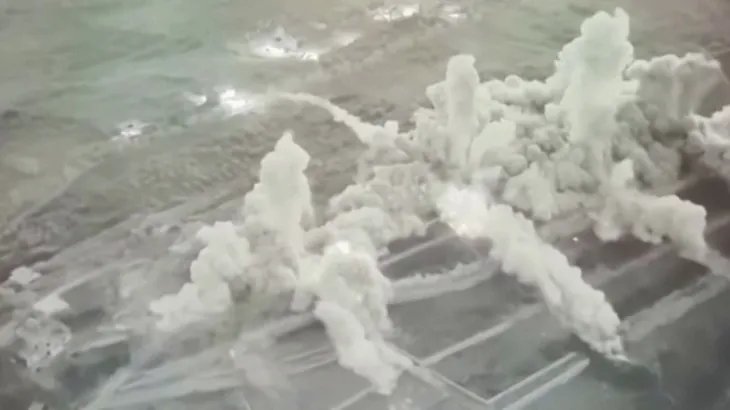
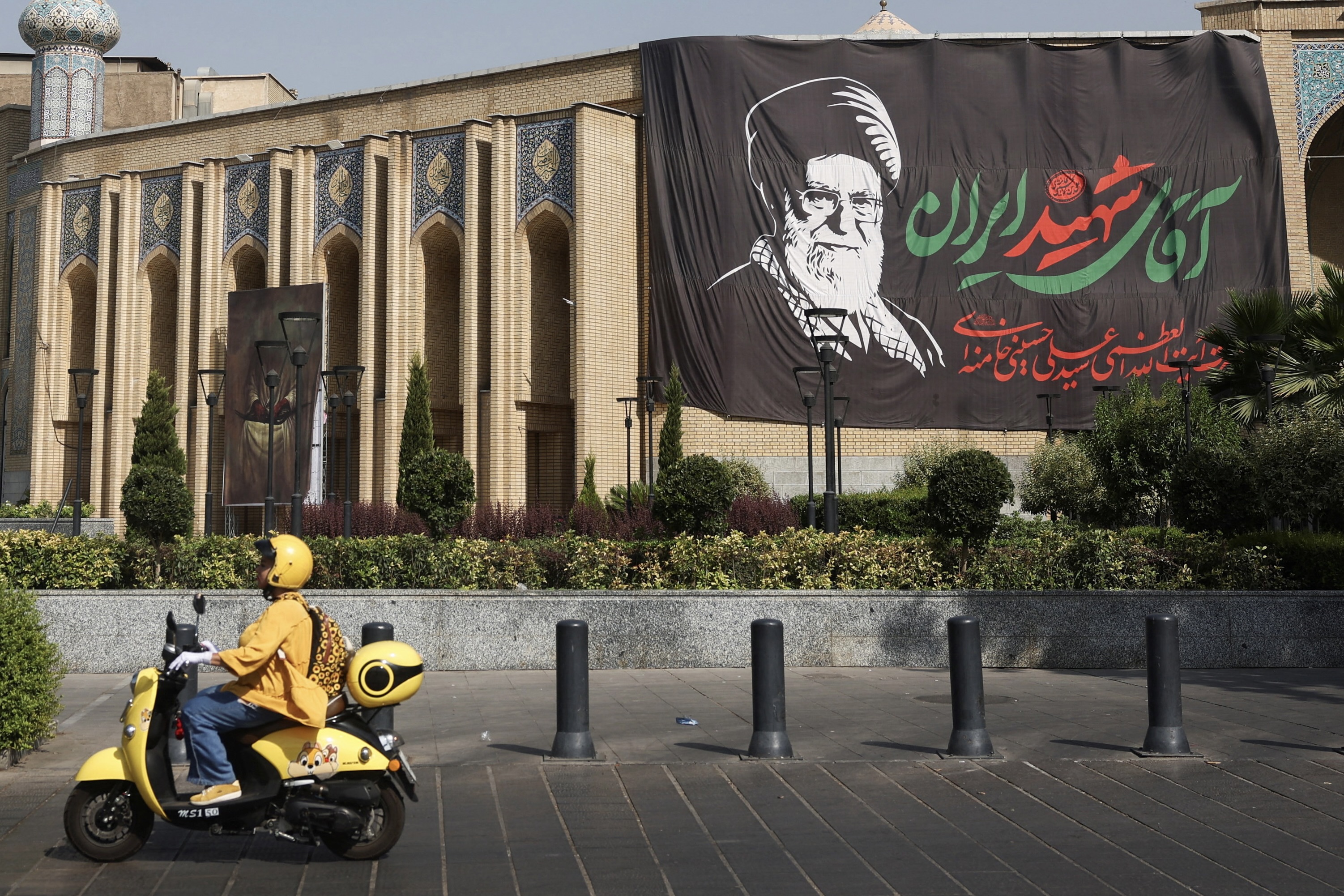
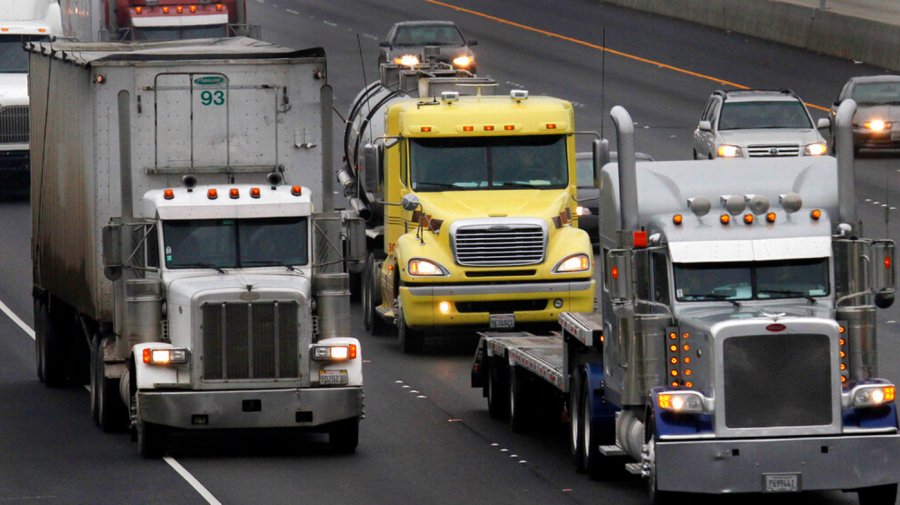
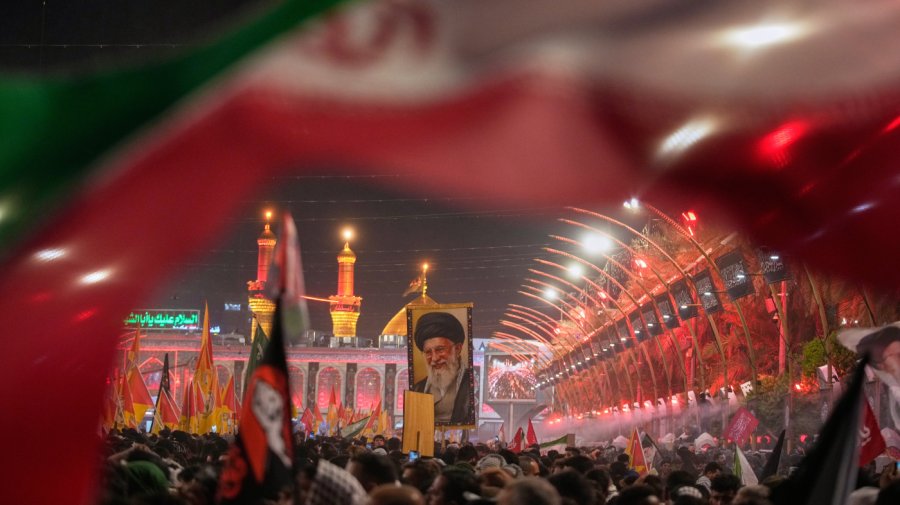
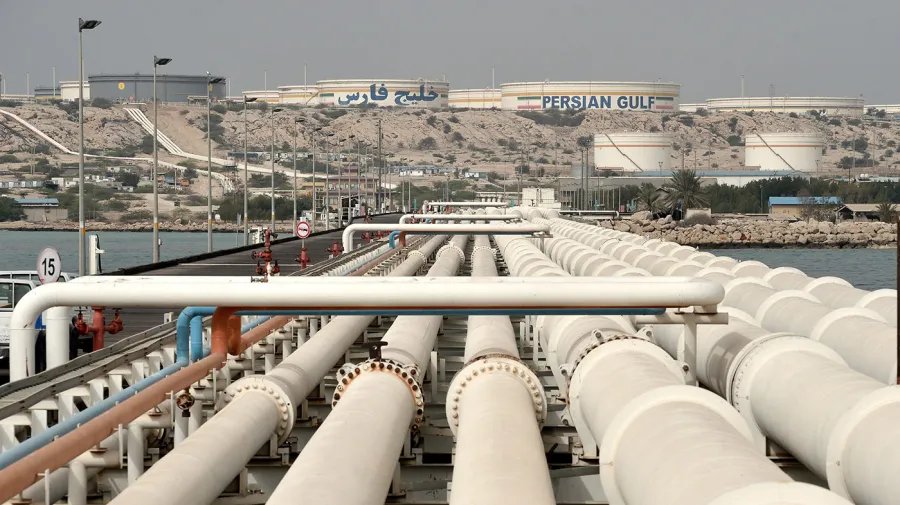
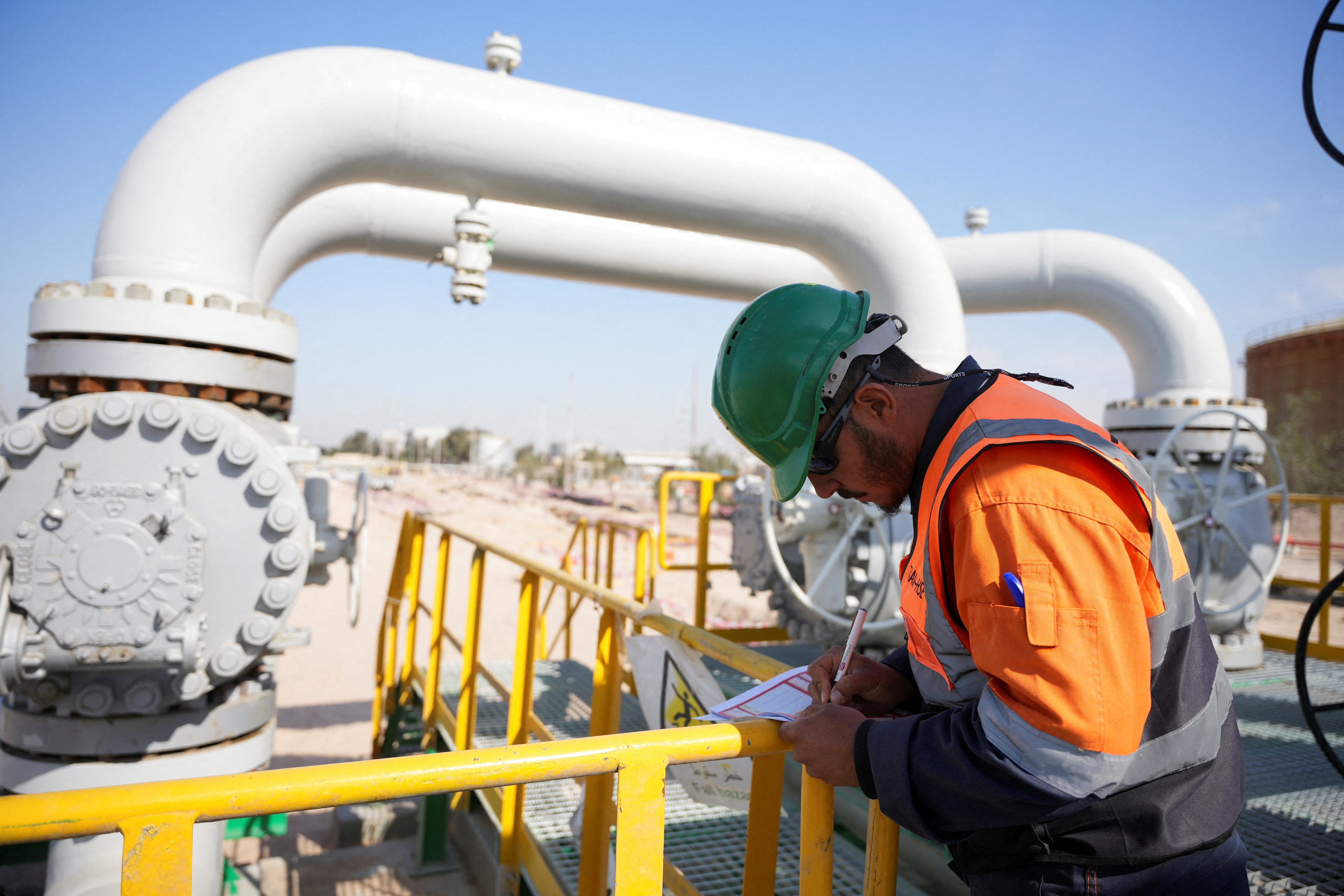
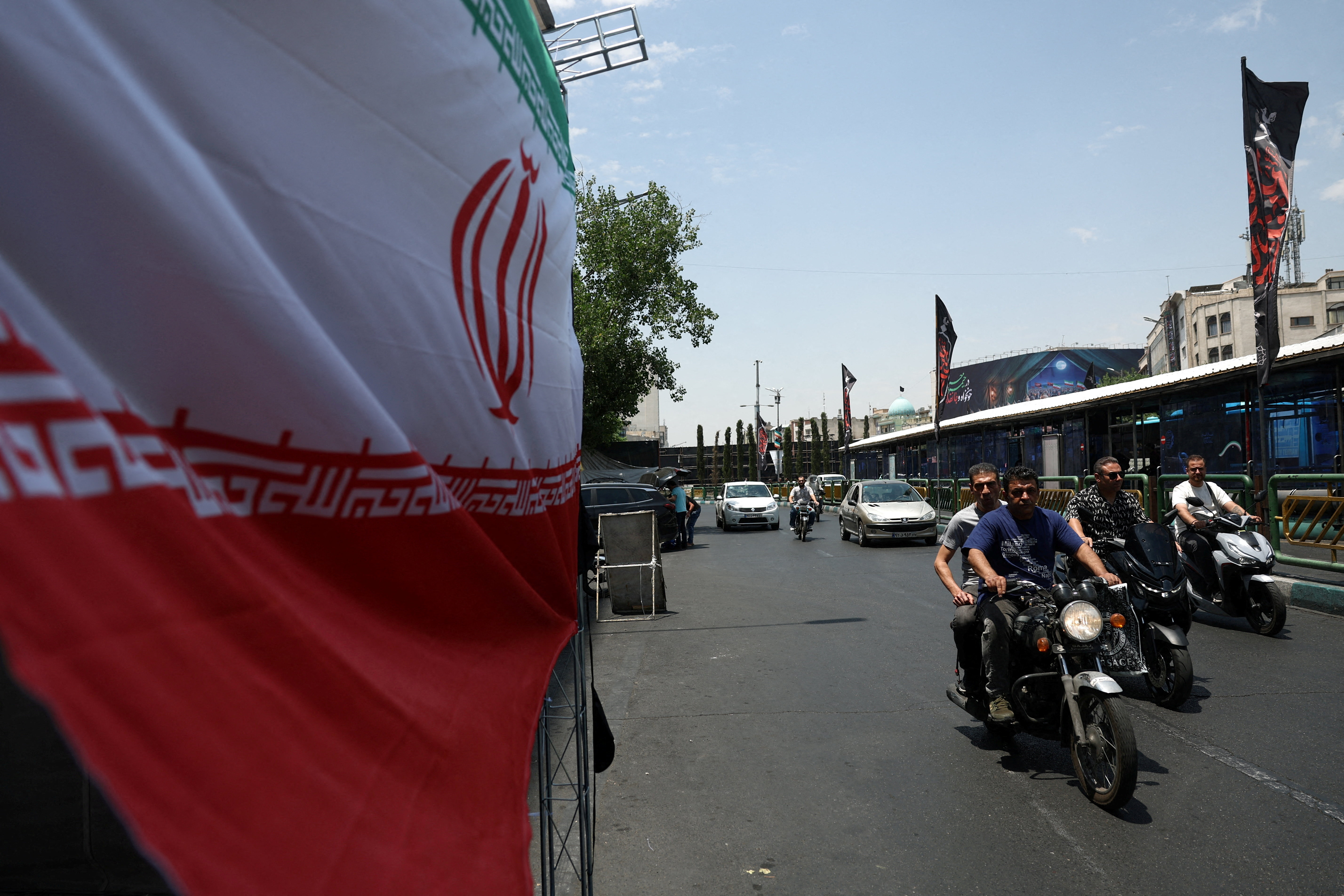
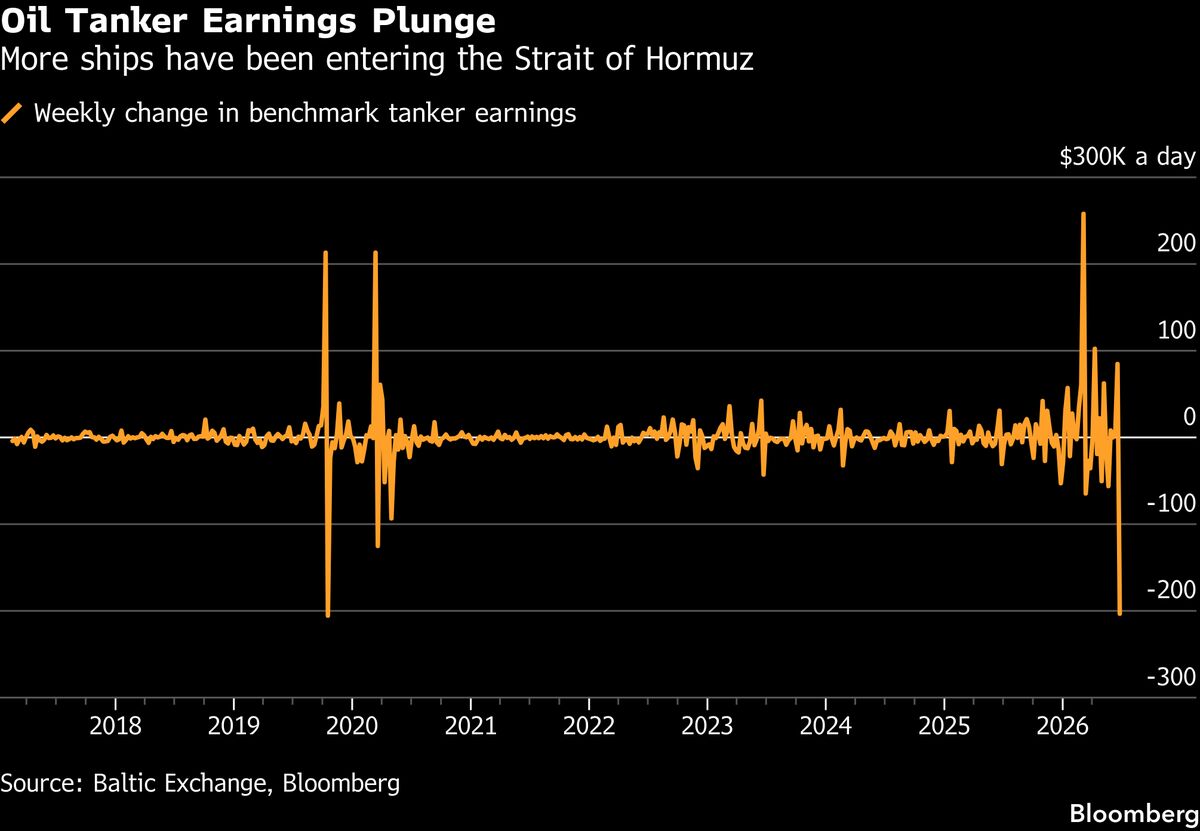
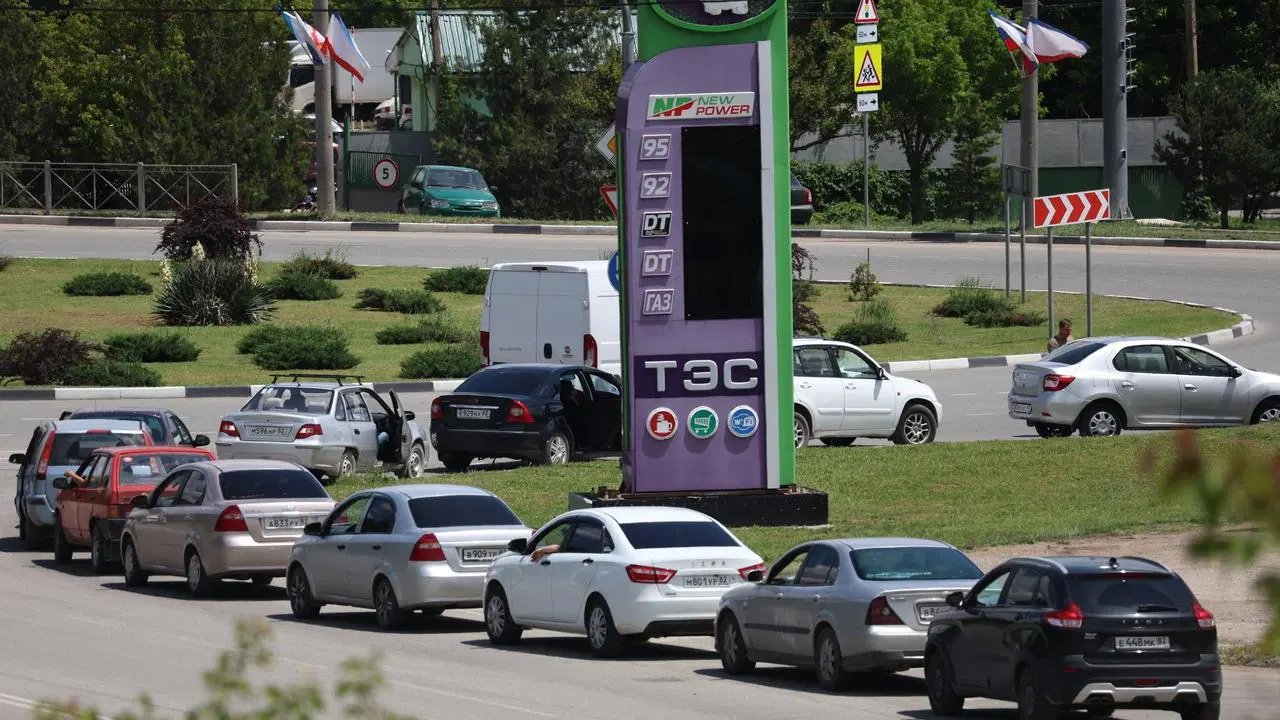
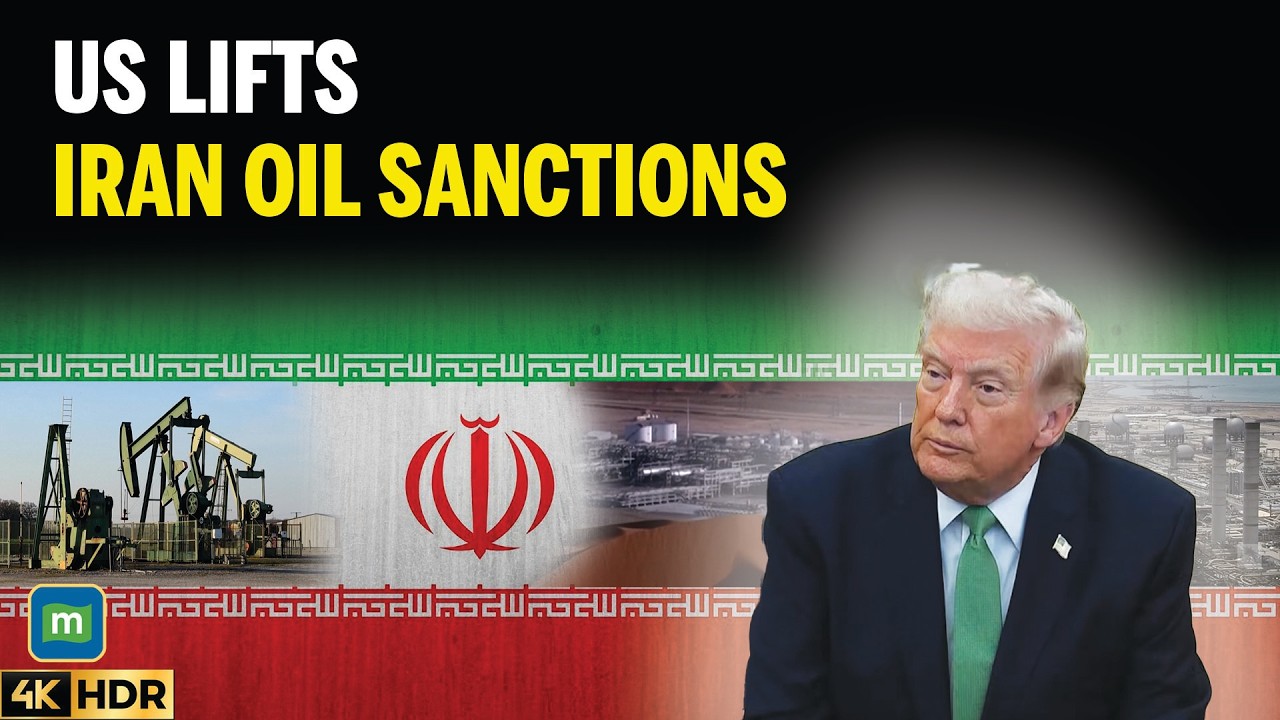
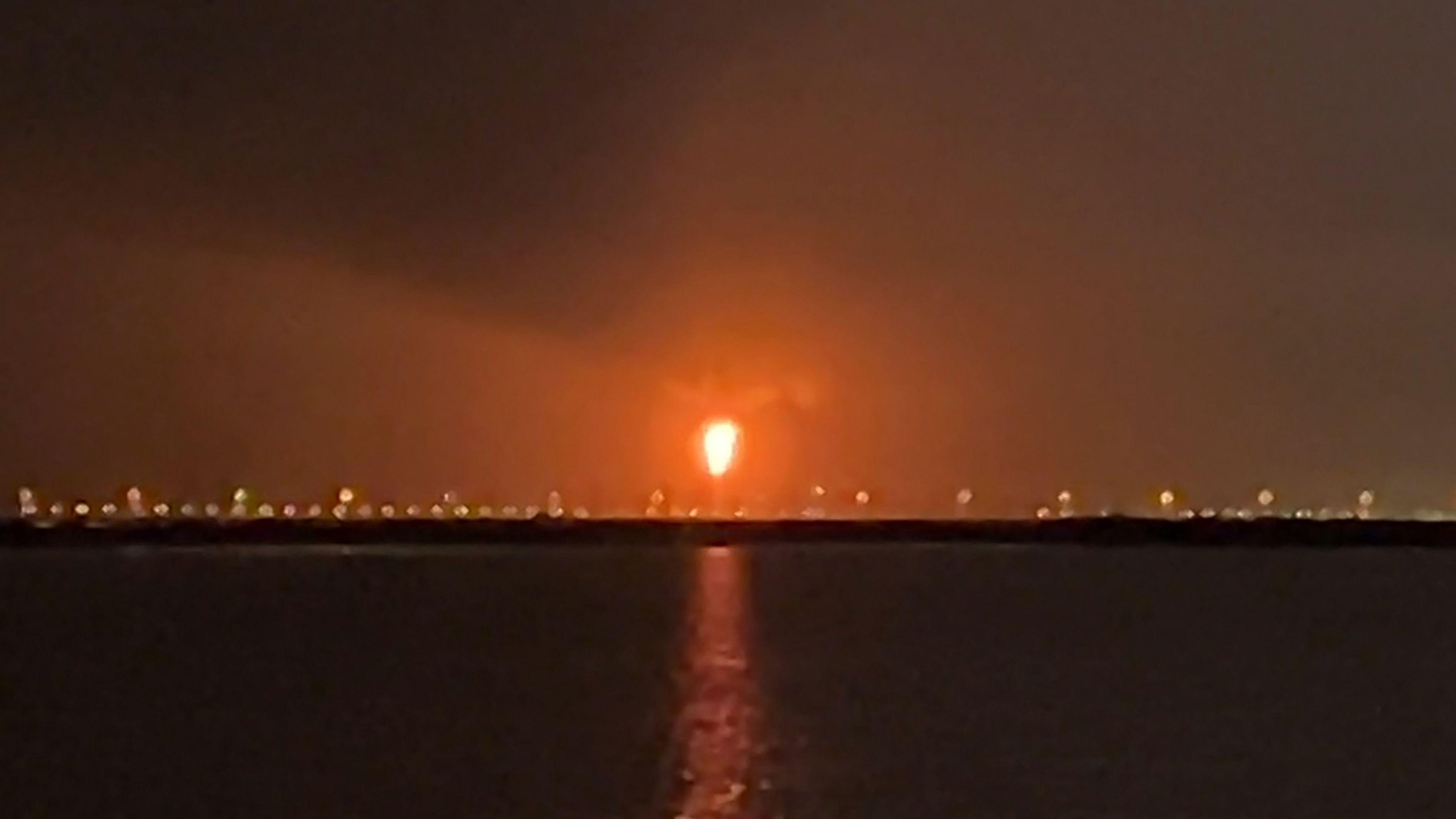
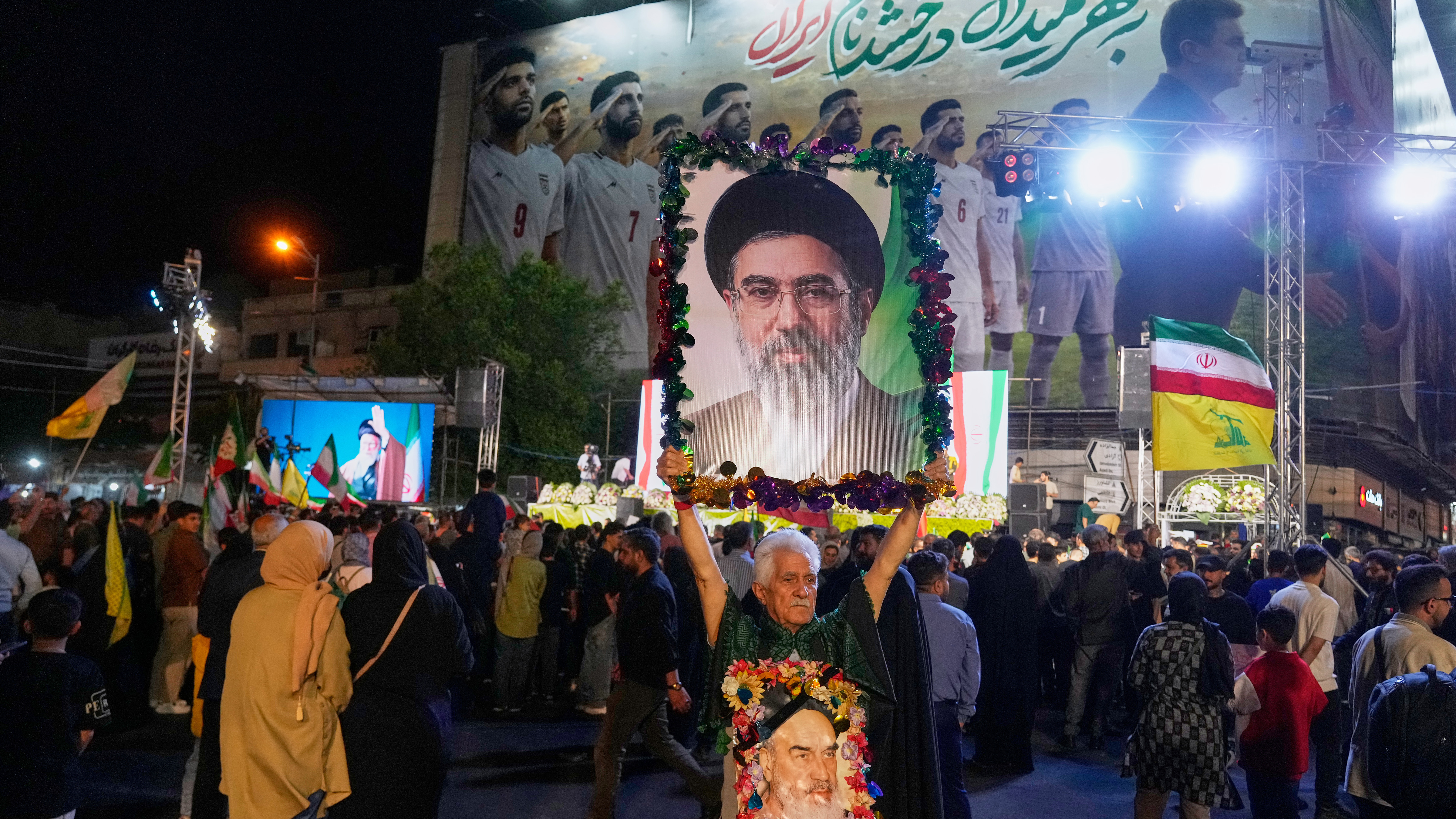
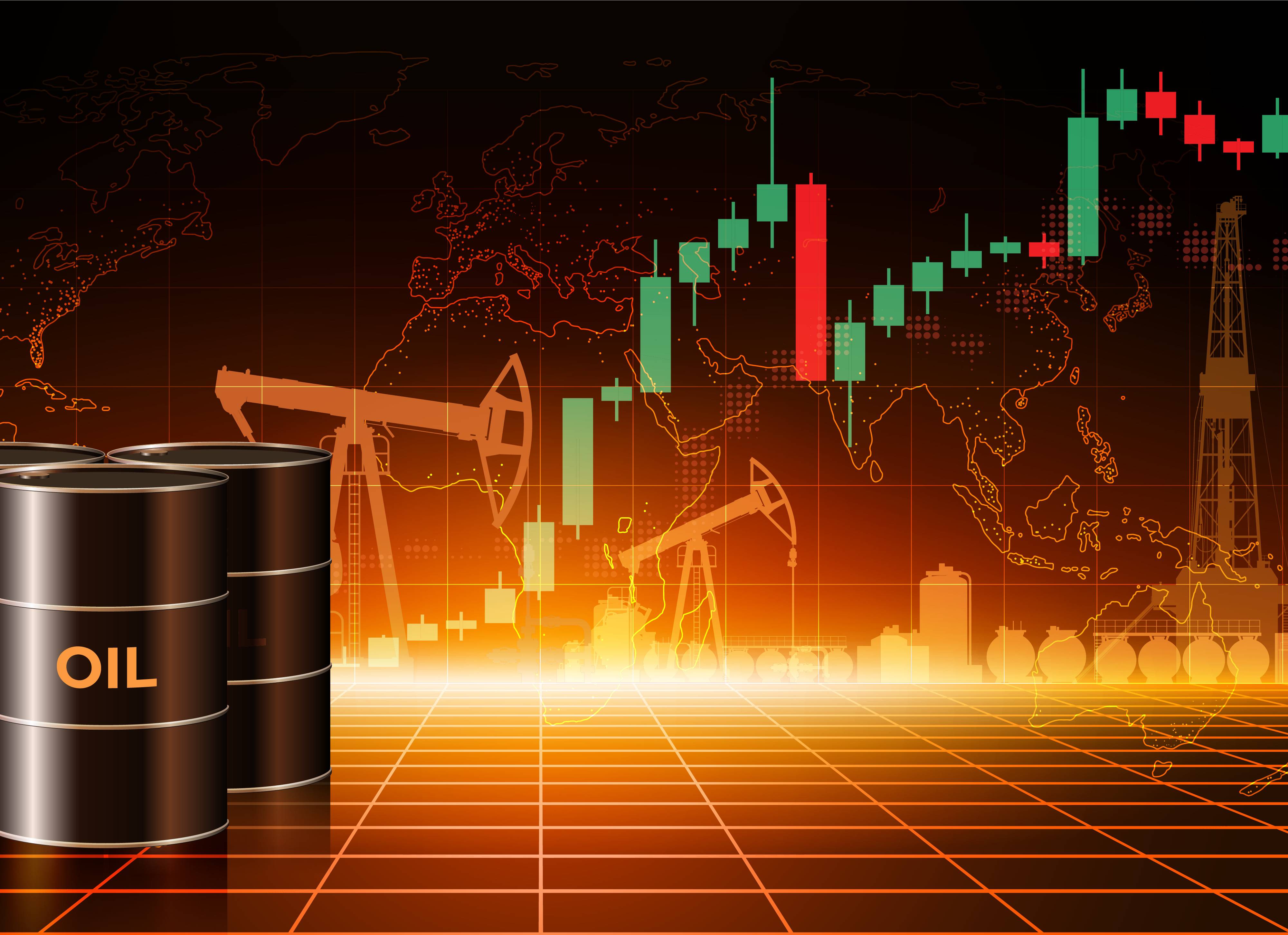
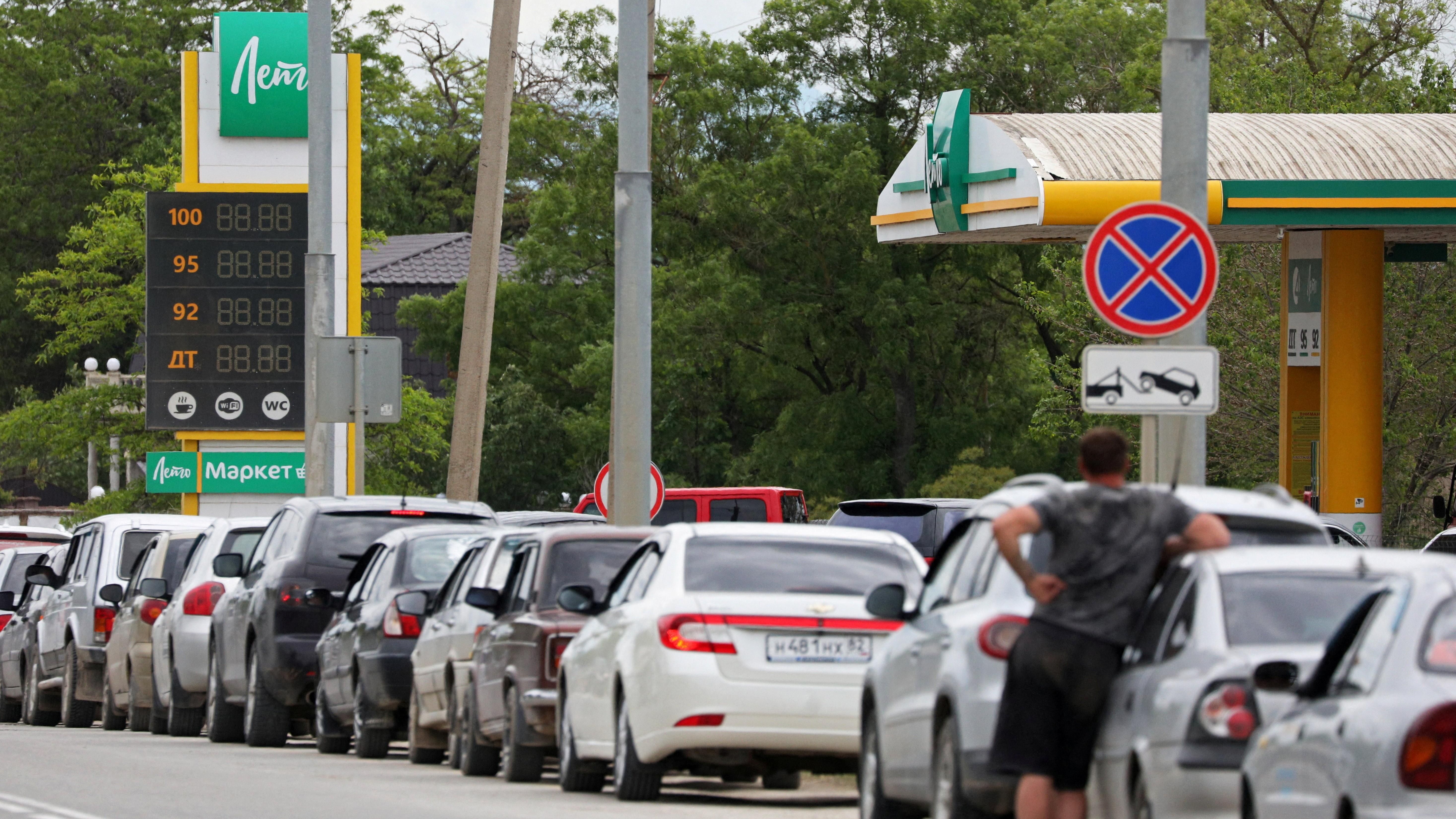
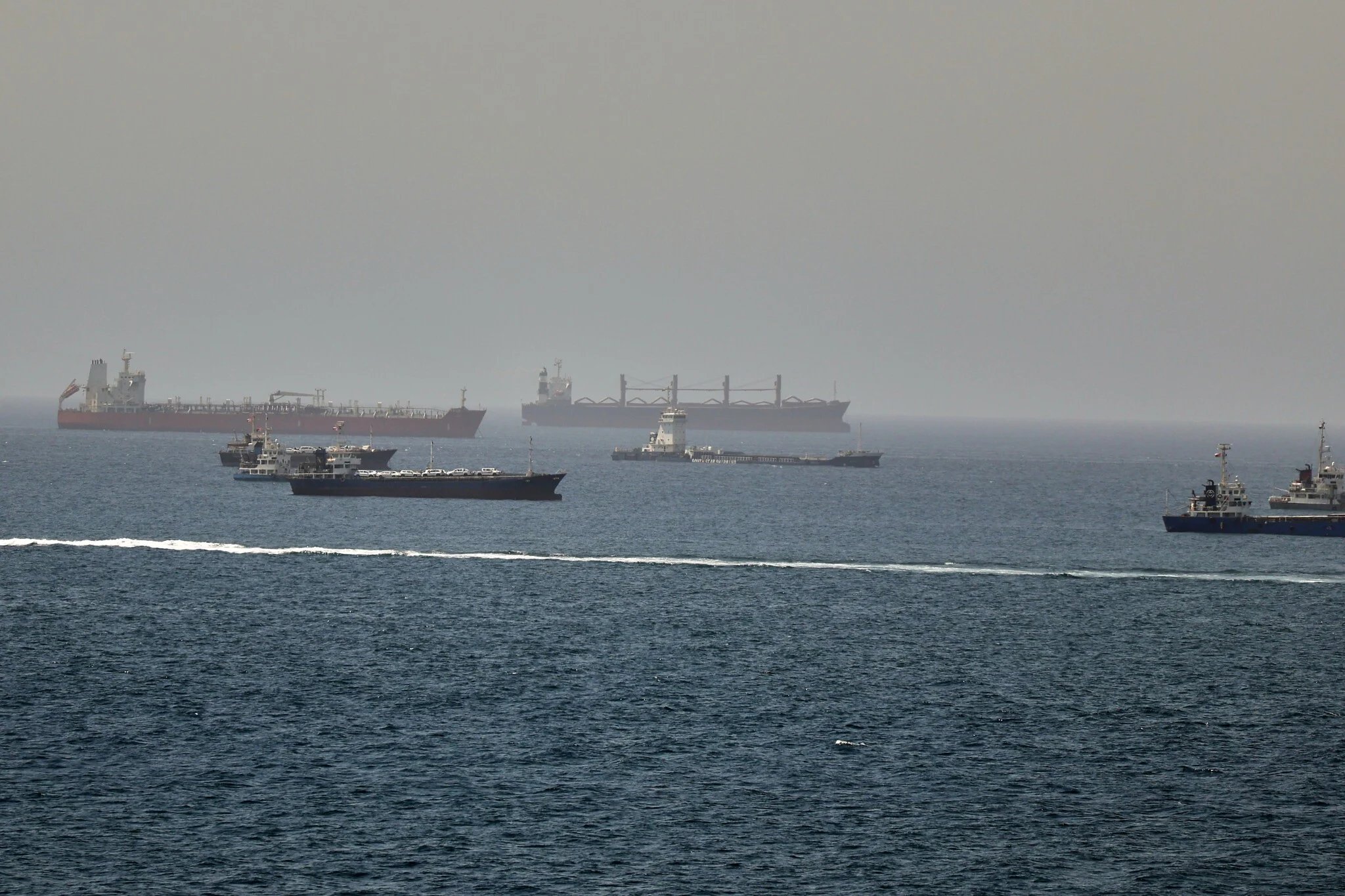
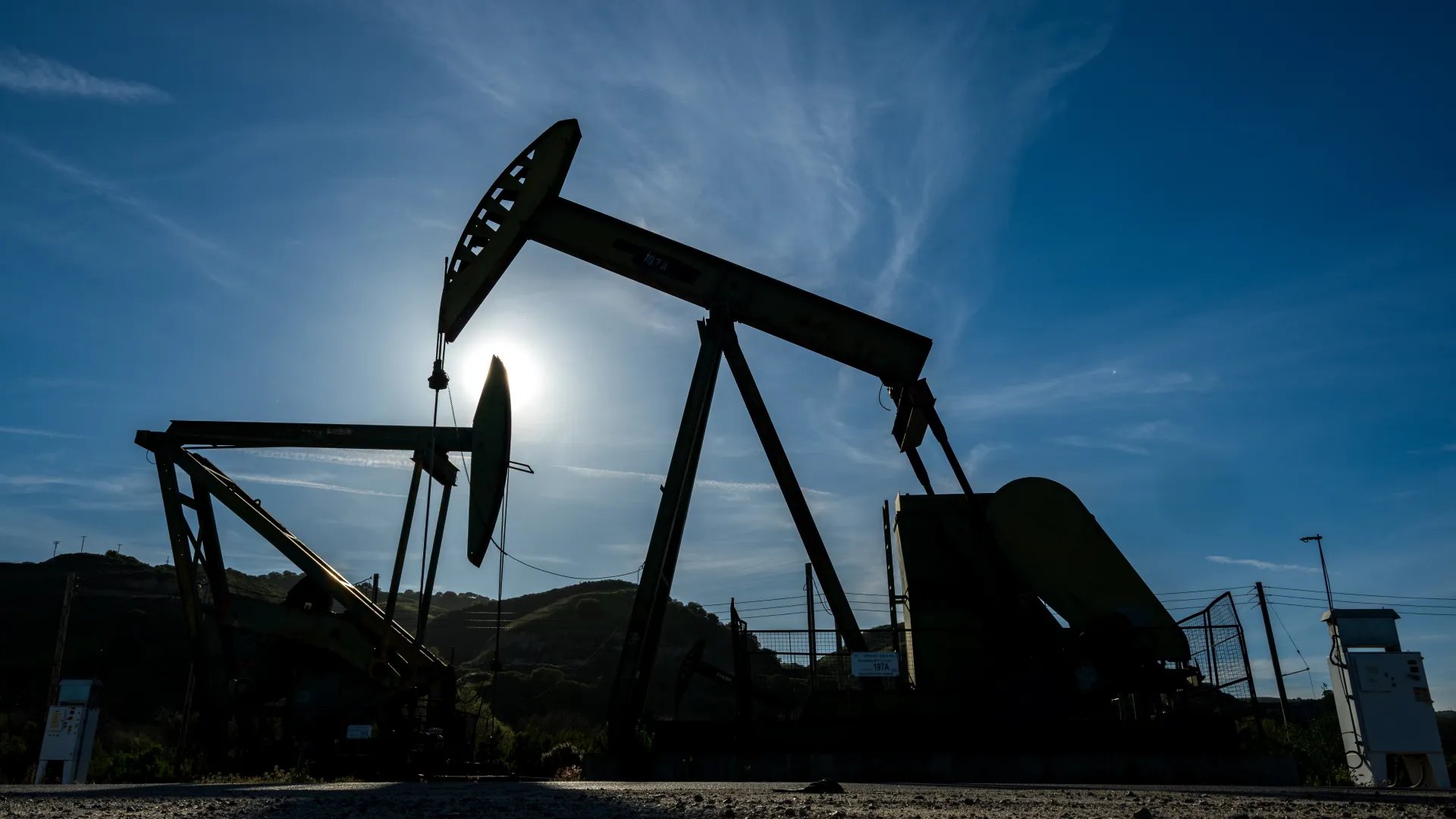
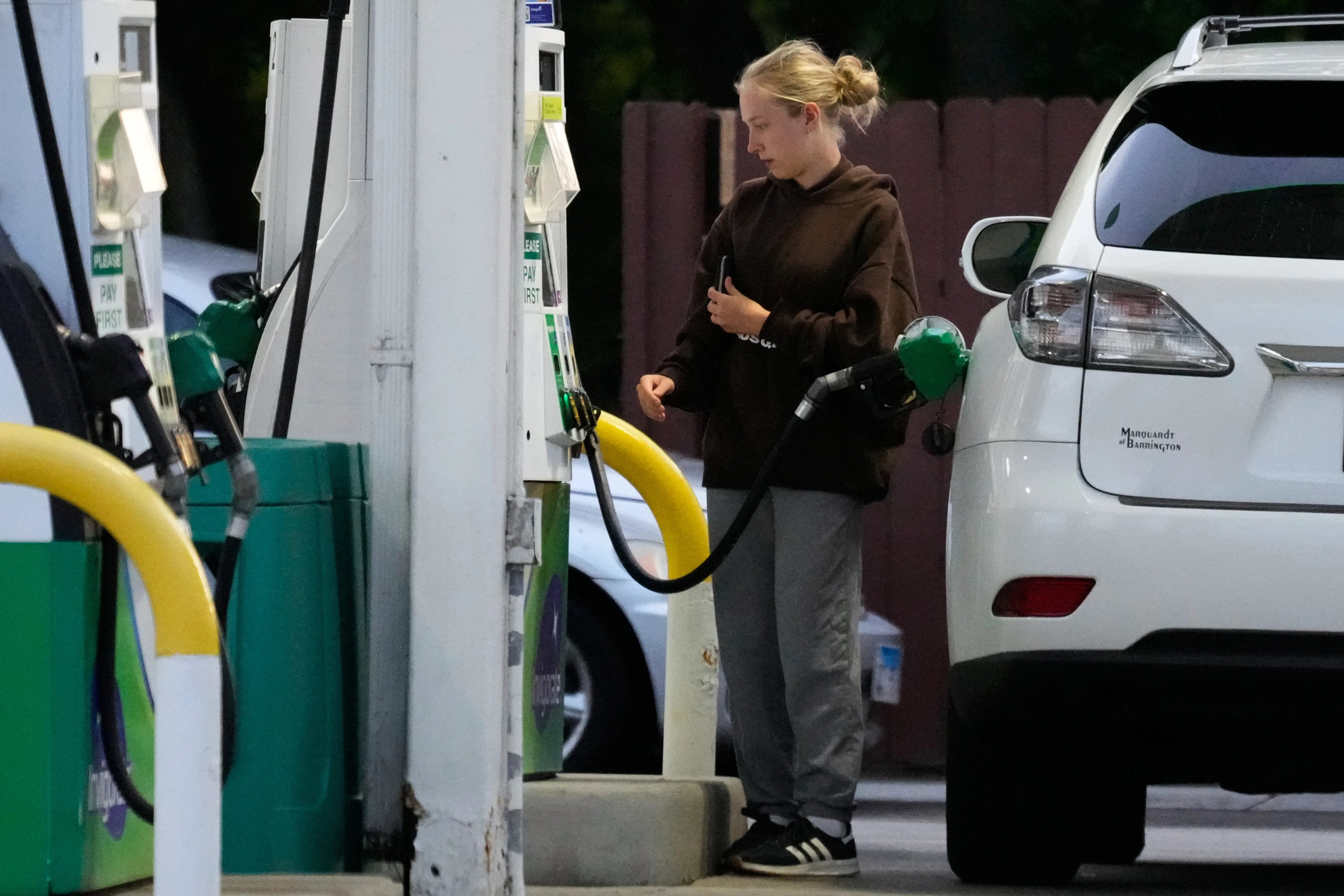
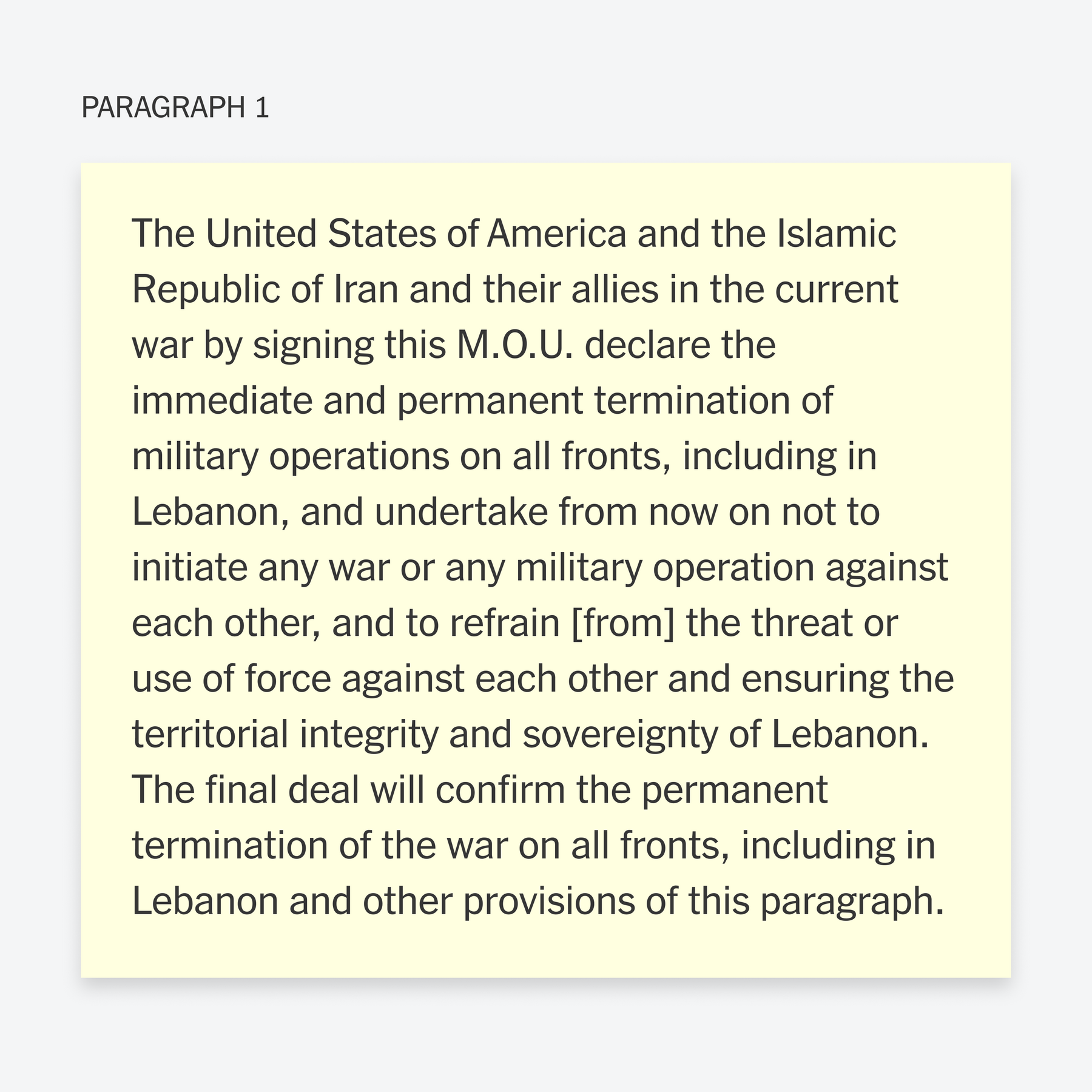
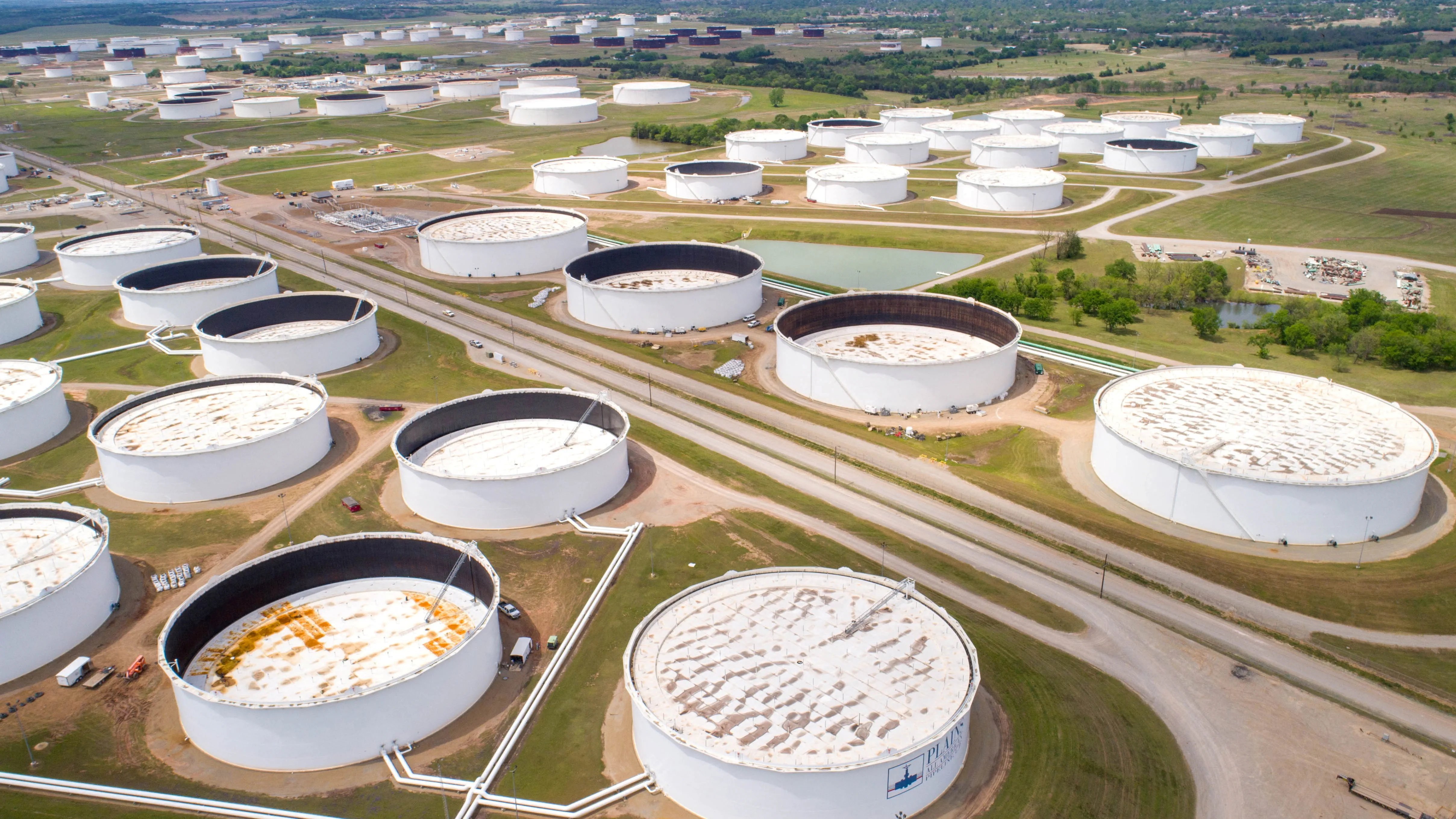
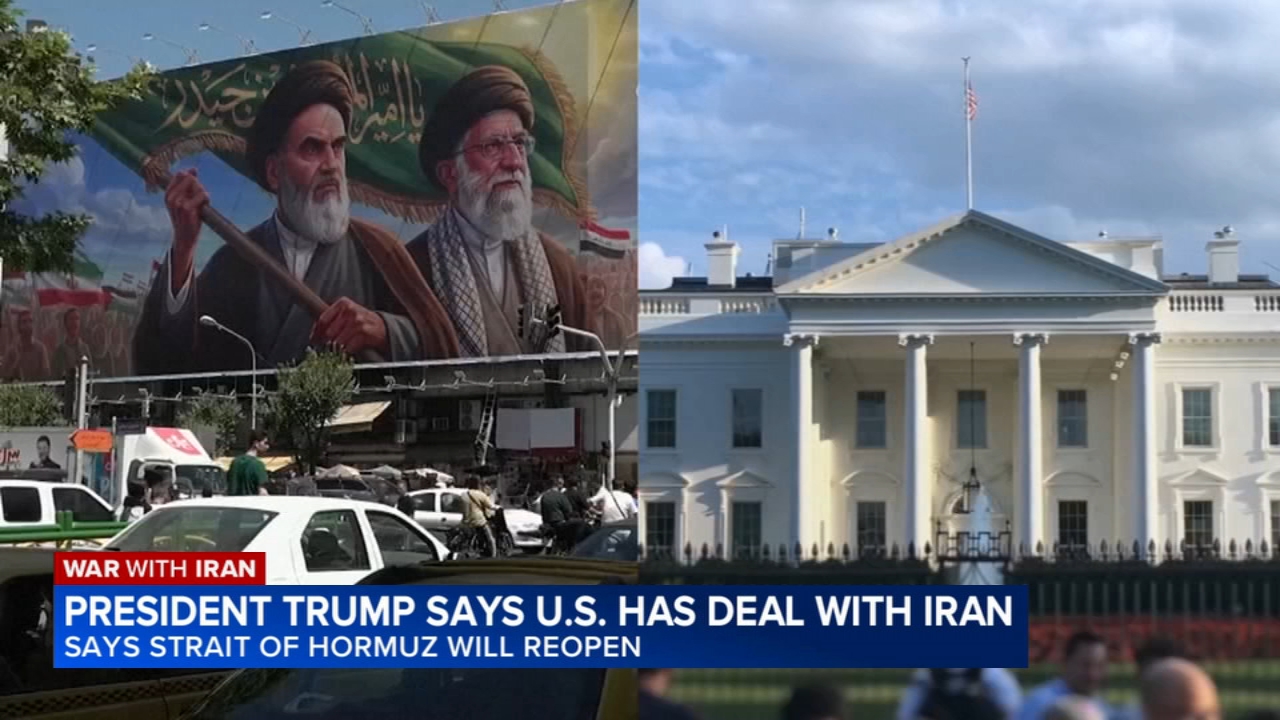
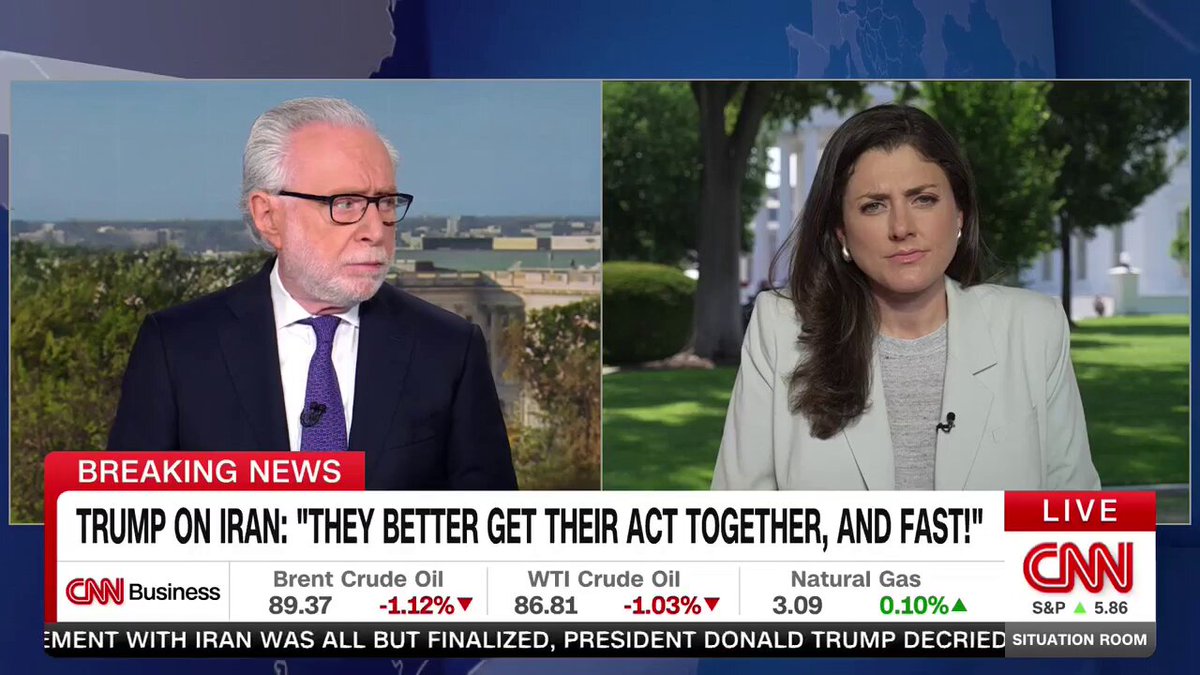
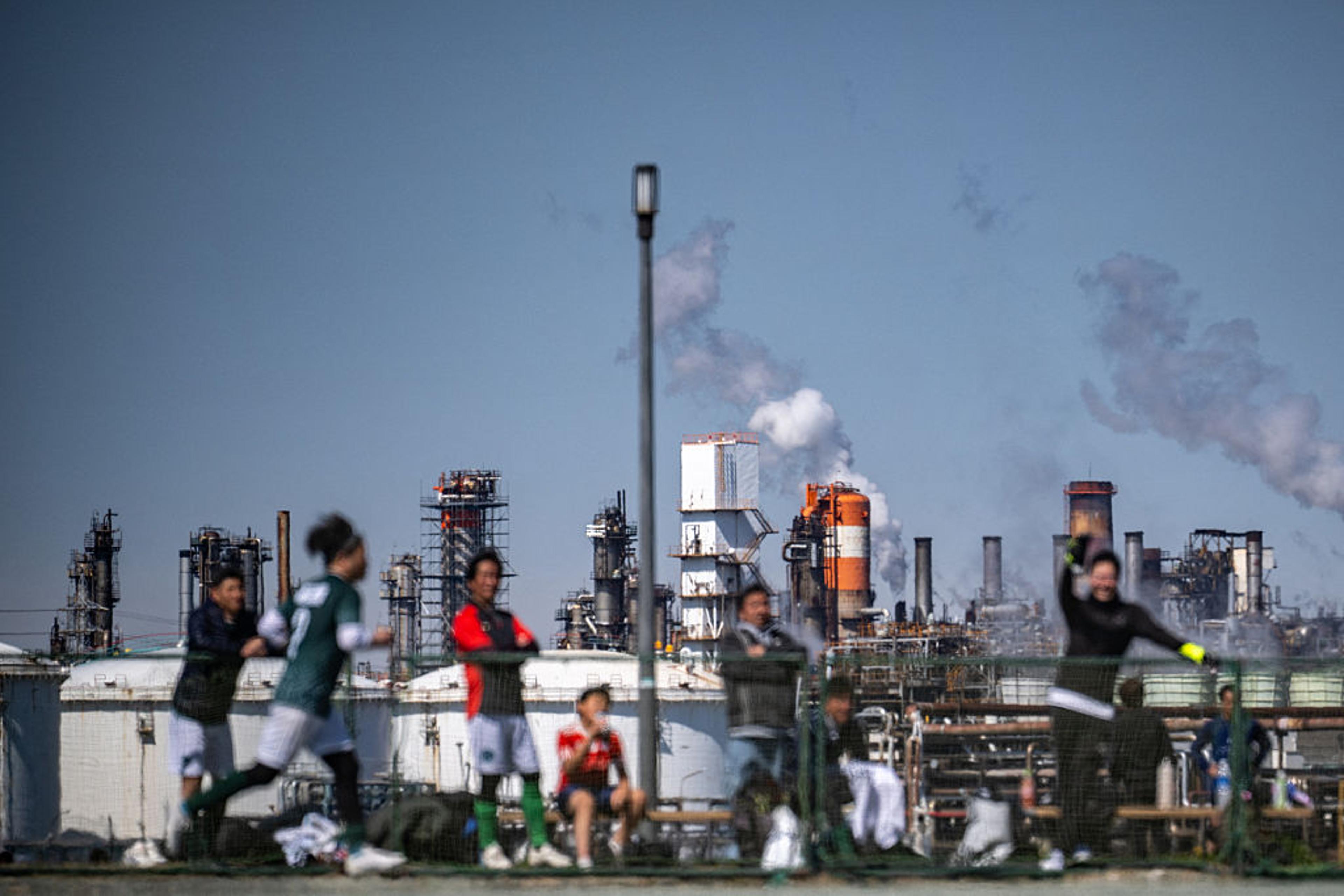
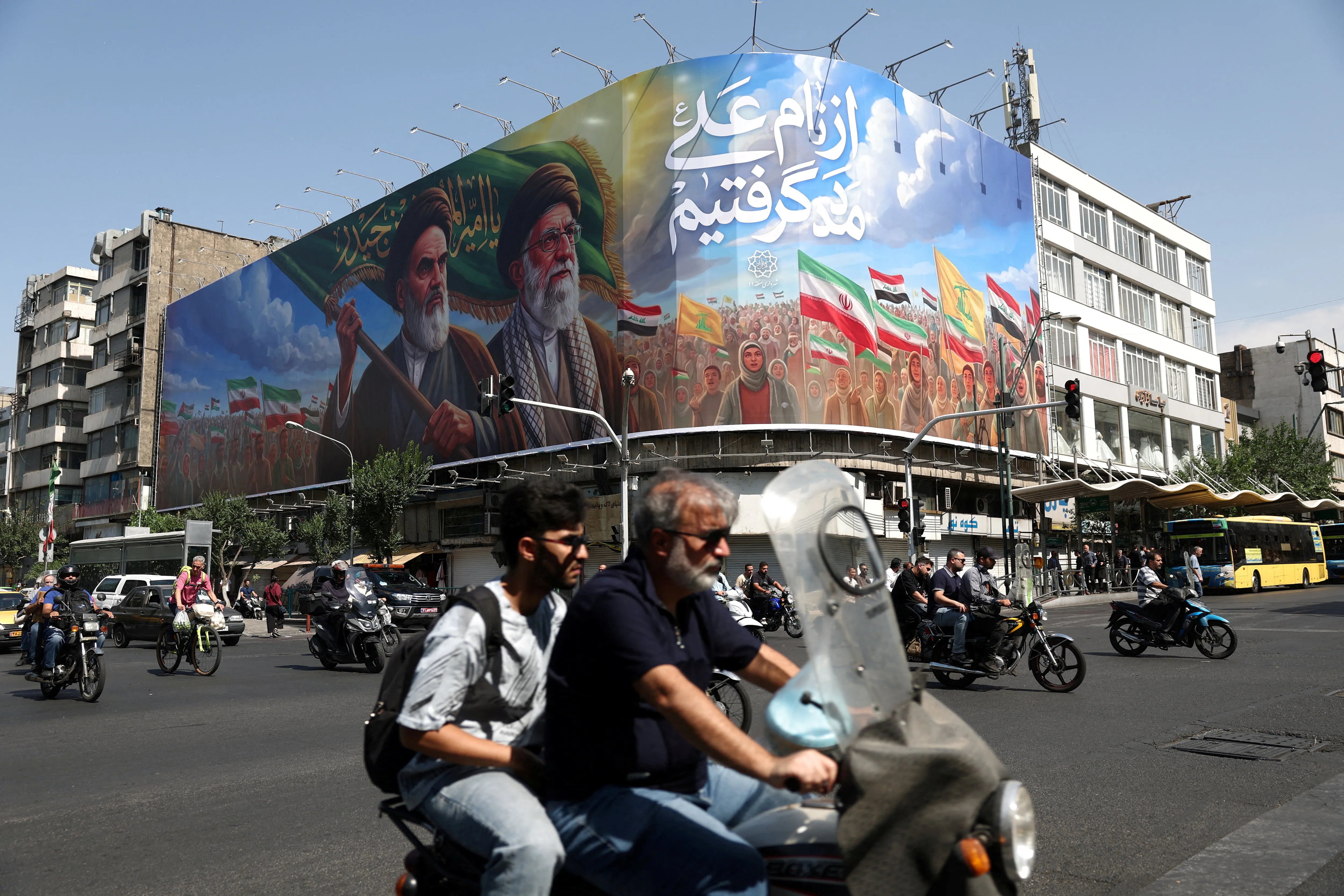
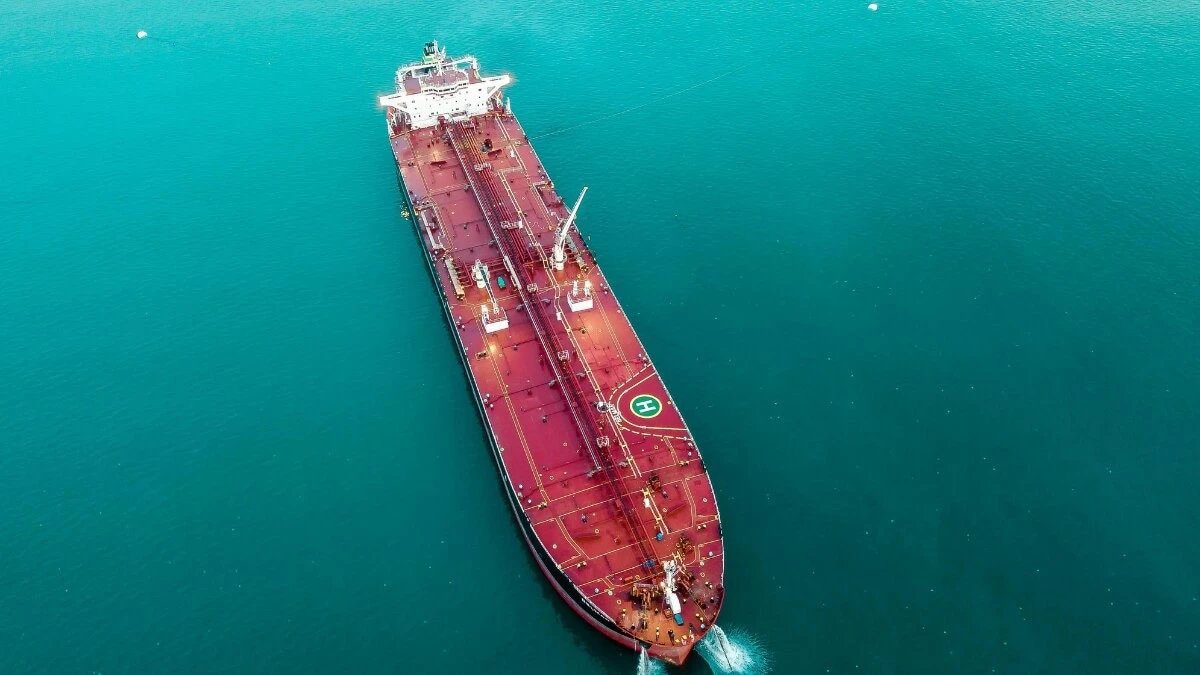
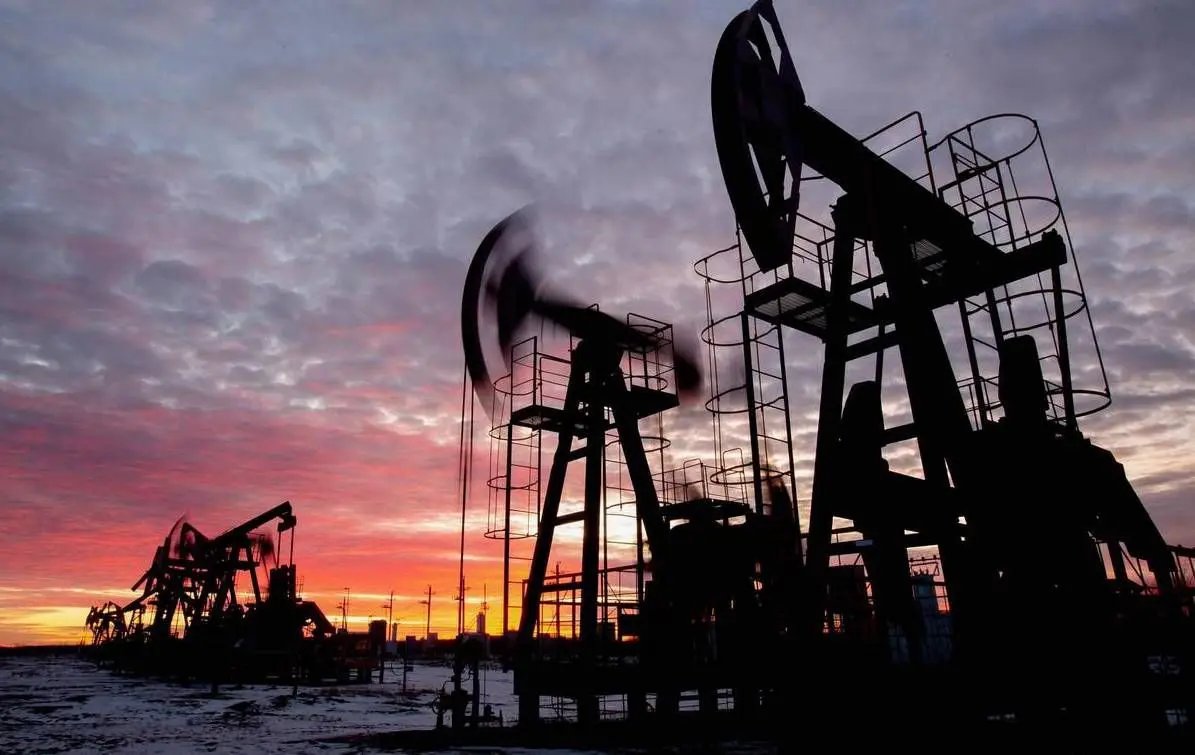
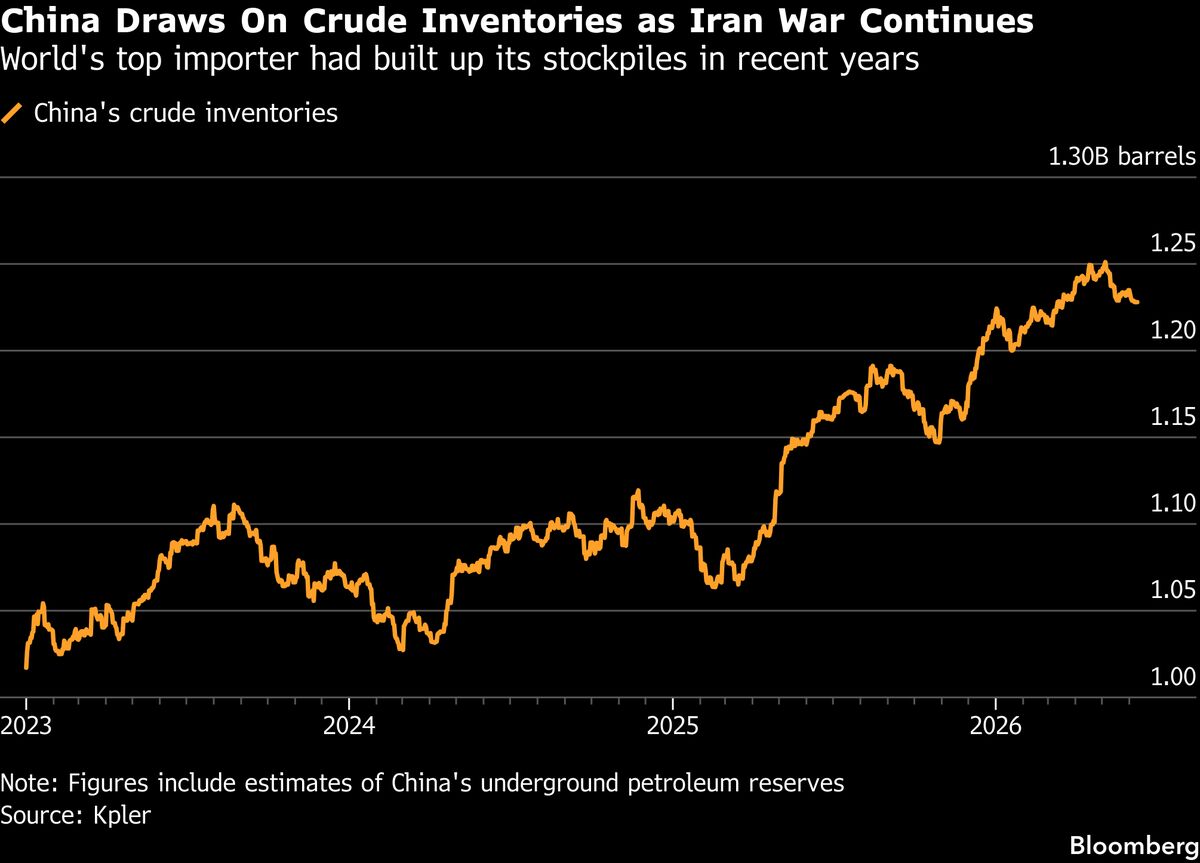
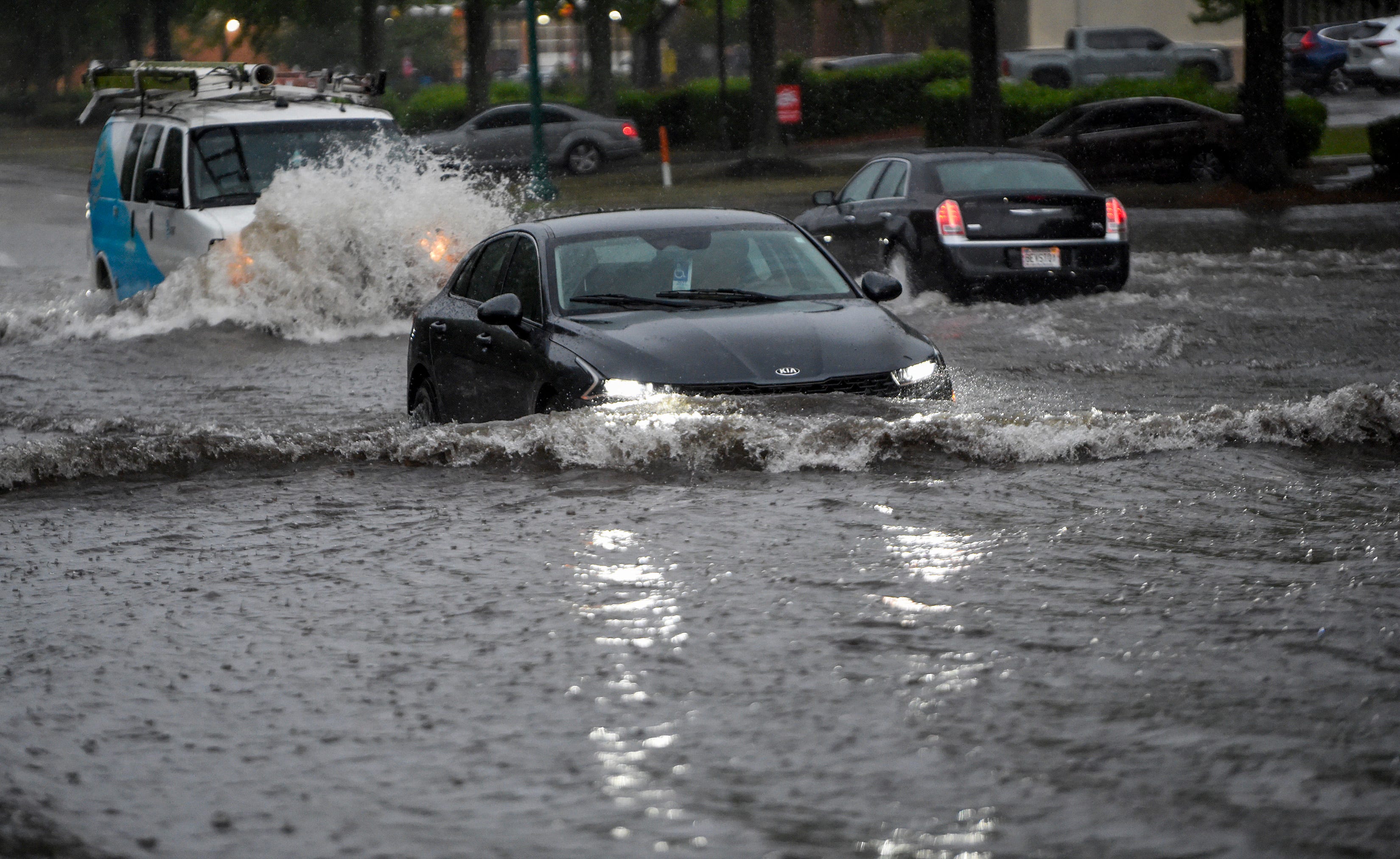
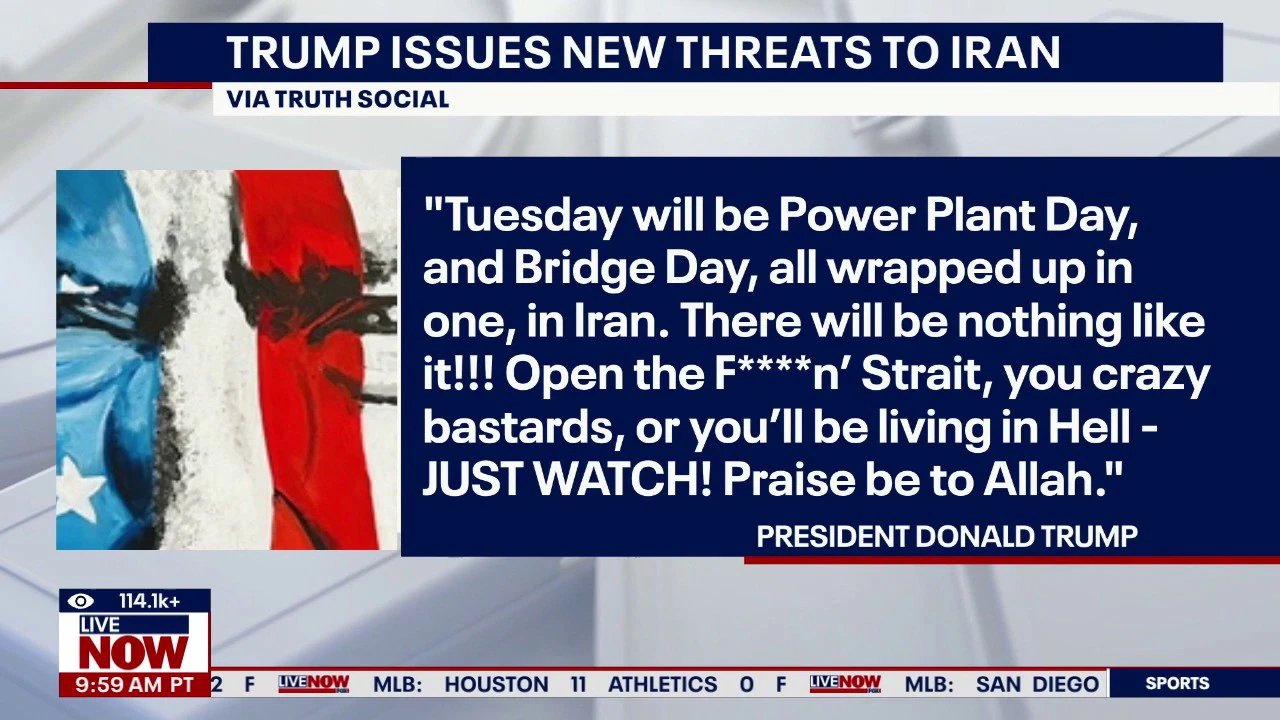
With oil prices still elevated, up 30% since the start of the year, the Fed's ability to respond to inflation remains constrained. The U.S. and Iran reached a peace deal days before this meeting, though it has not yet been signed. If implemented, it could ease some inflationary pressures from oil prices. The central bank typically refrains from acting on volatile energy price fluctuations, preferring to assess longer-term trends.
Warsh's Approach to Forward Guidance
Warsh has argued that the Fed should reduce forward guidance—the signals it sends about future interest rate moves—believing the central bank currently provides too much detail about its policy intentions. This meeting will include the release of the Summary of Economic Projections, which encompasses the so-called "dot plot" illustrating policymakers' future interest rate expectations. Bank of America and Goldman Sachs analysts predict Warsh may decline to submit forecasts, though doing so could antagonize colleagues given Powell's recent communication review found no majority support for changes.
Diverging Opinions Within the Fed
The March dot plot showed sharp divisions: seven officials projected one rate cut, seven saw no cuts, two anticipated two cuts, two expected three cuts, and one projected four cuts. This division highlights the uncertainty surrounding future rate decisions. Some economists believe the upcoming dot plot could shift higher due to persistent inflation concerns, suggesting that officials may need to keep rates elevated for longer than previously anticipated.
Focus on Warsh's Communication Style
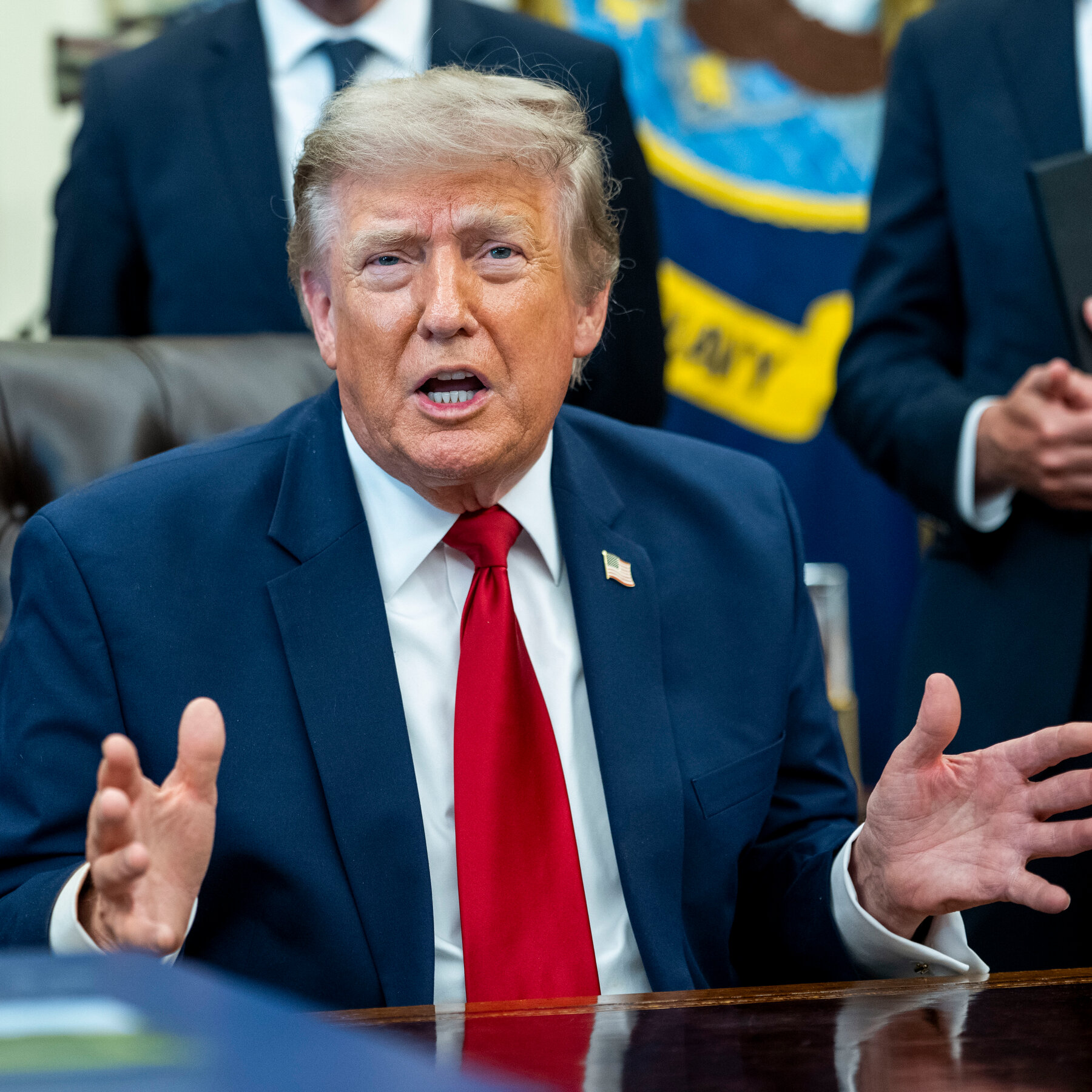
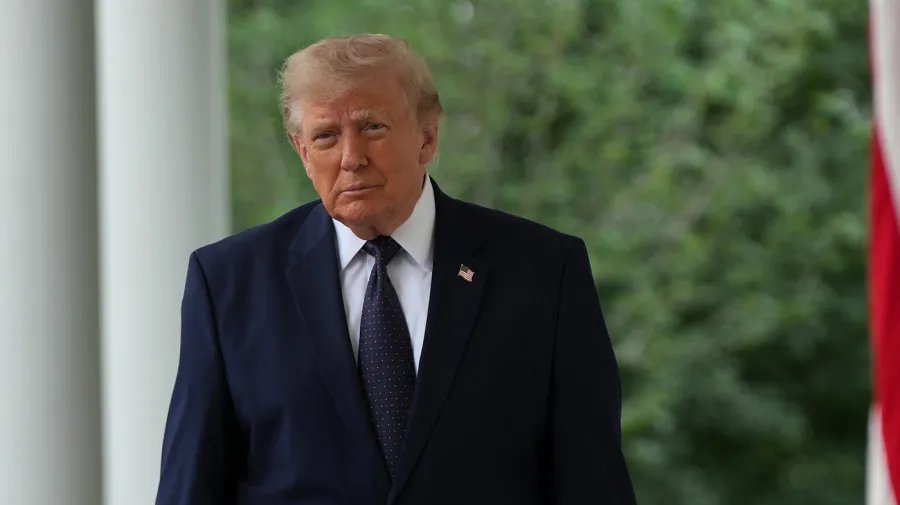
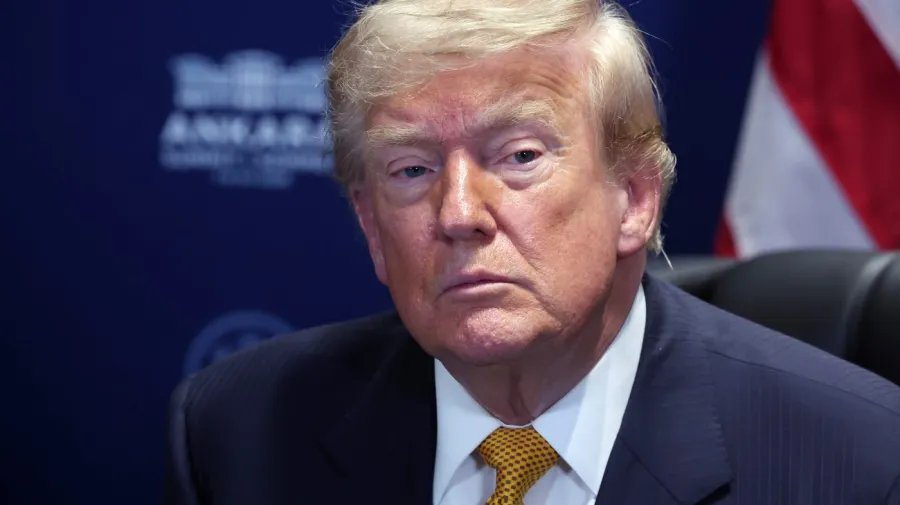
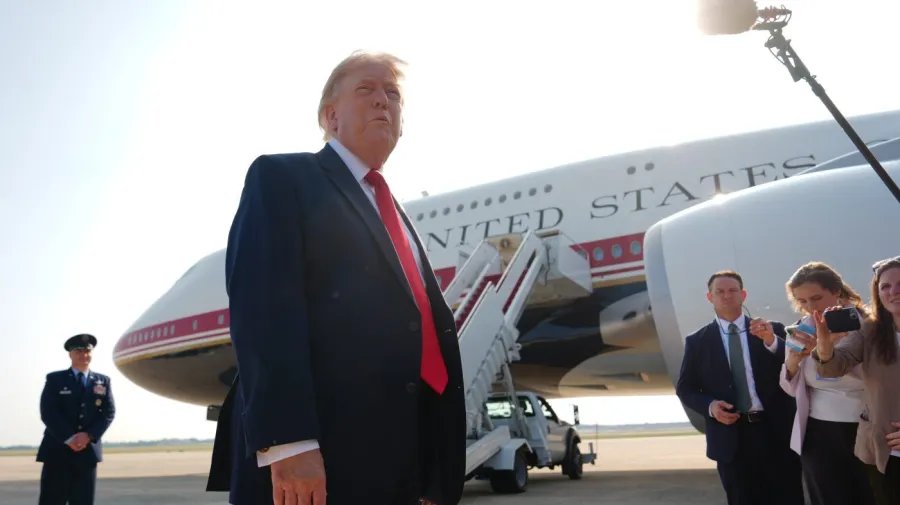
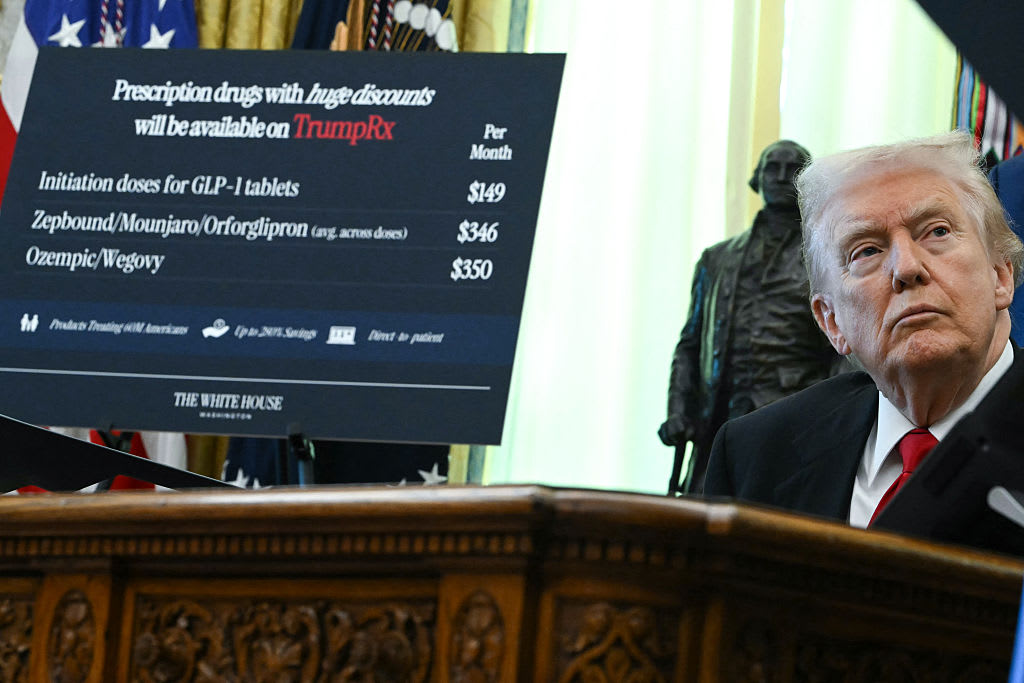
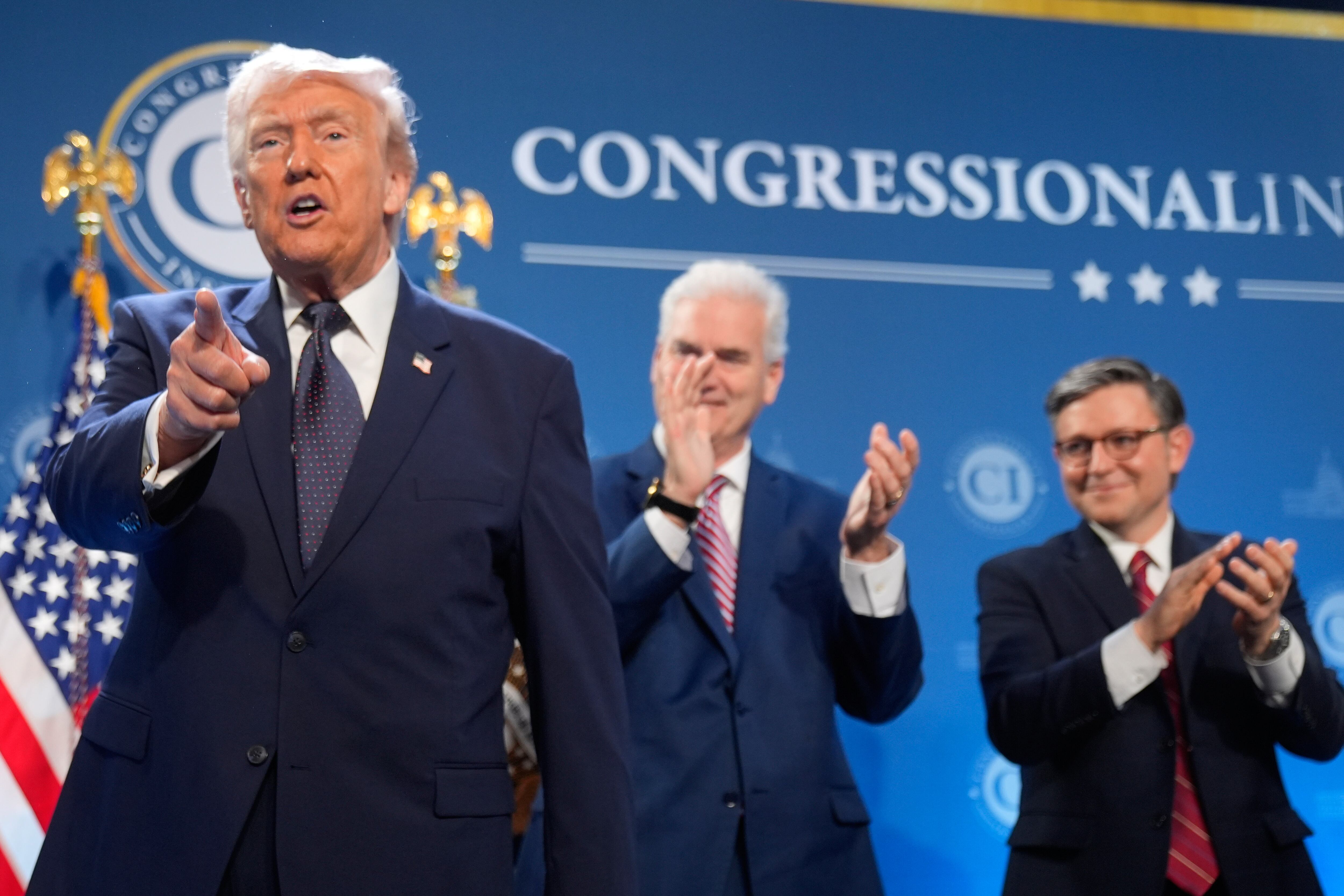
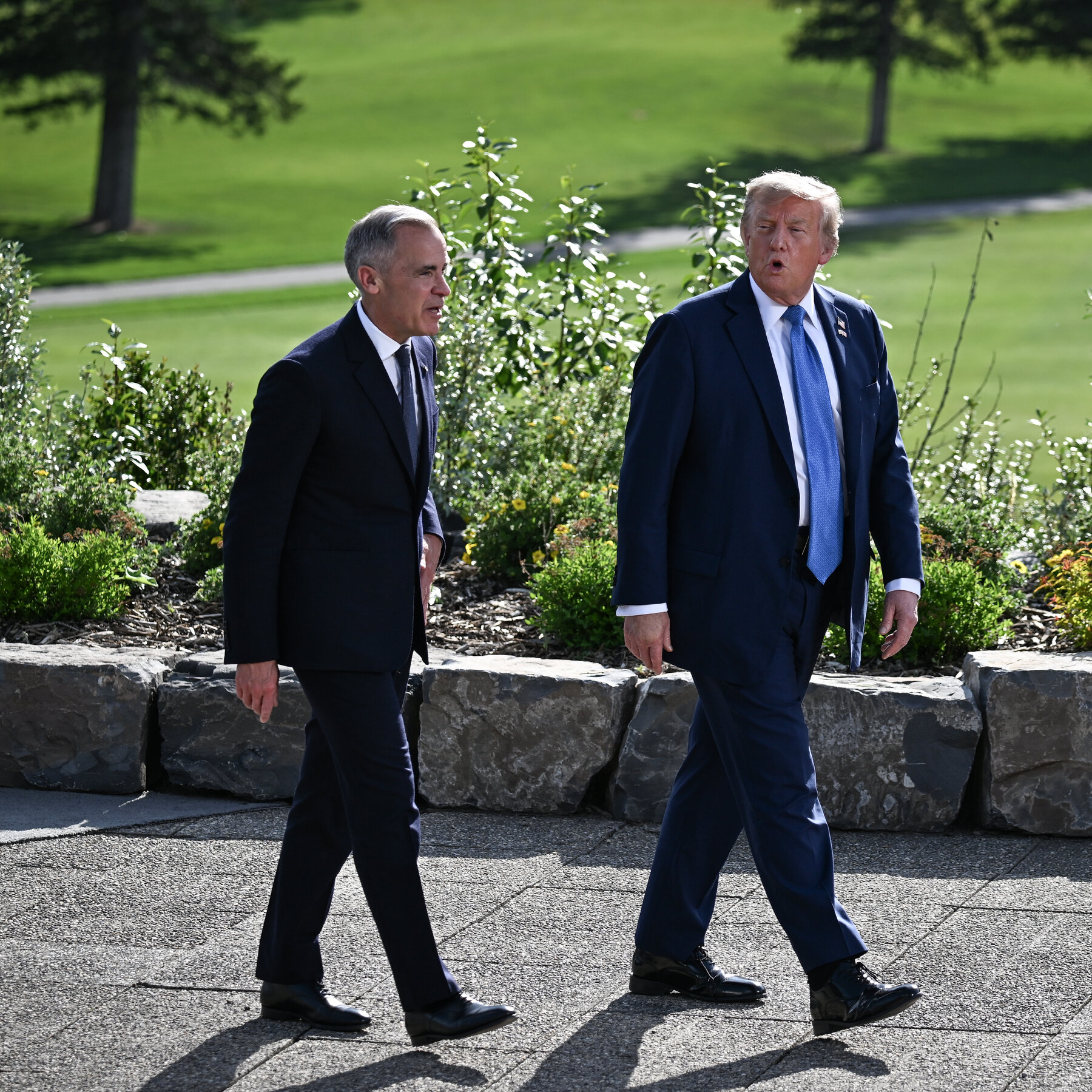
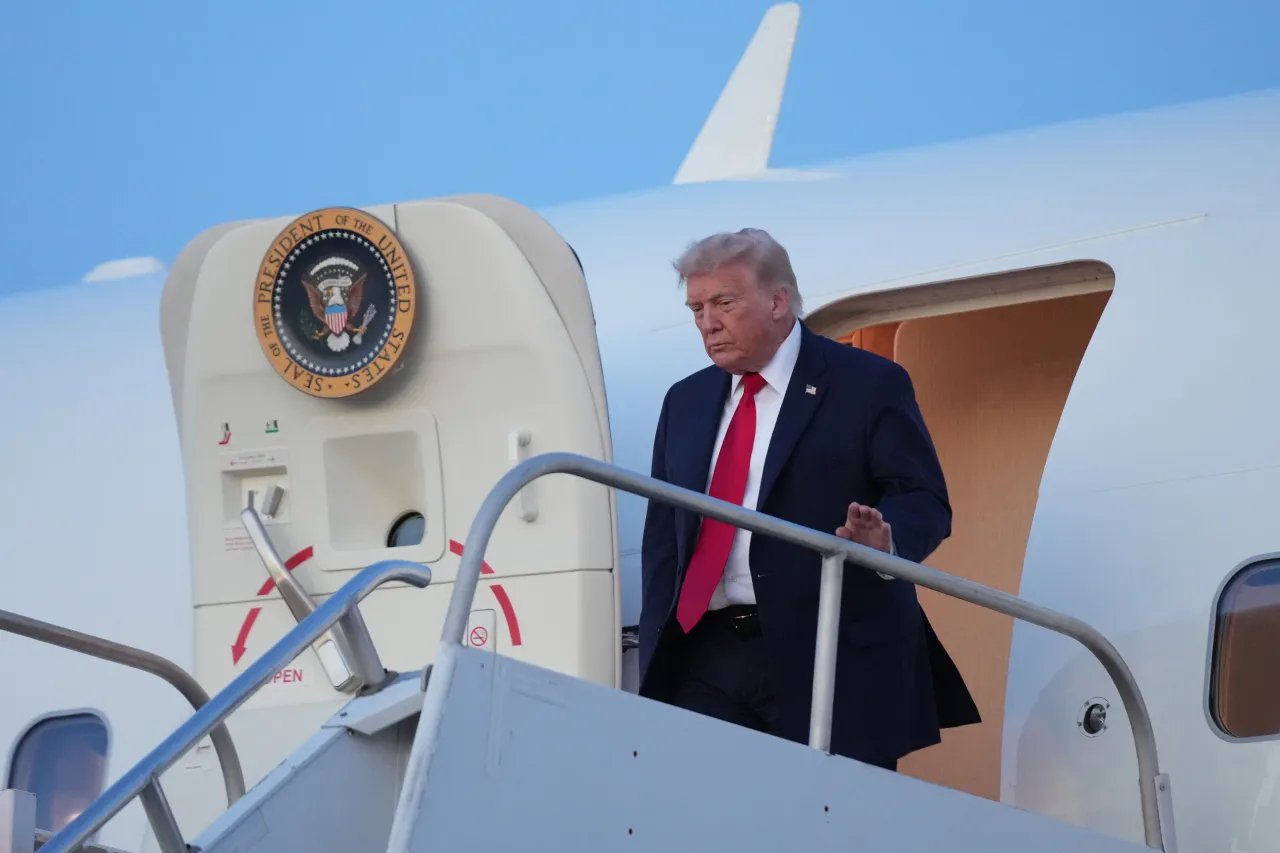
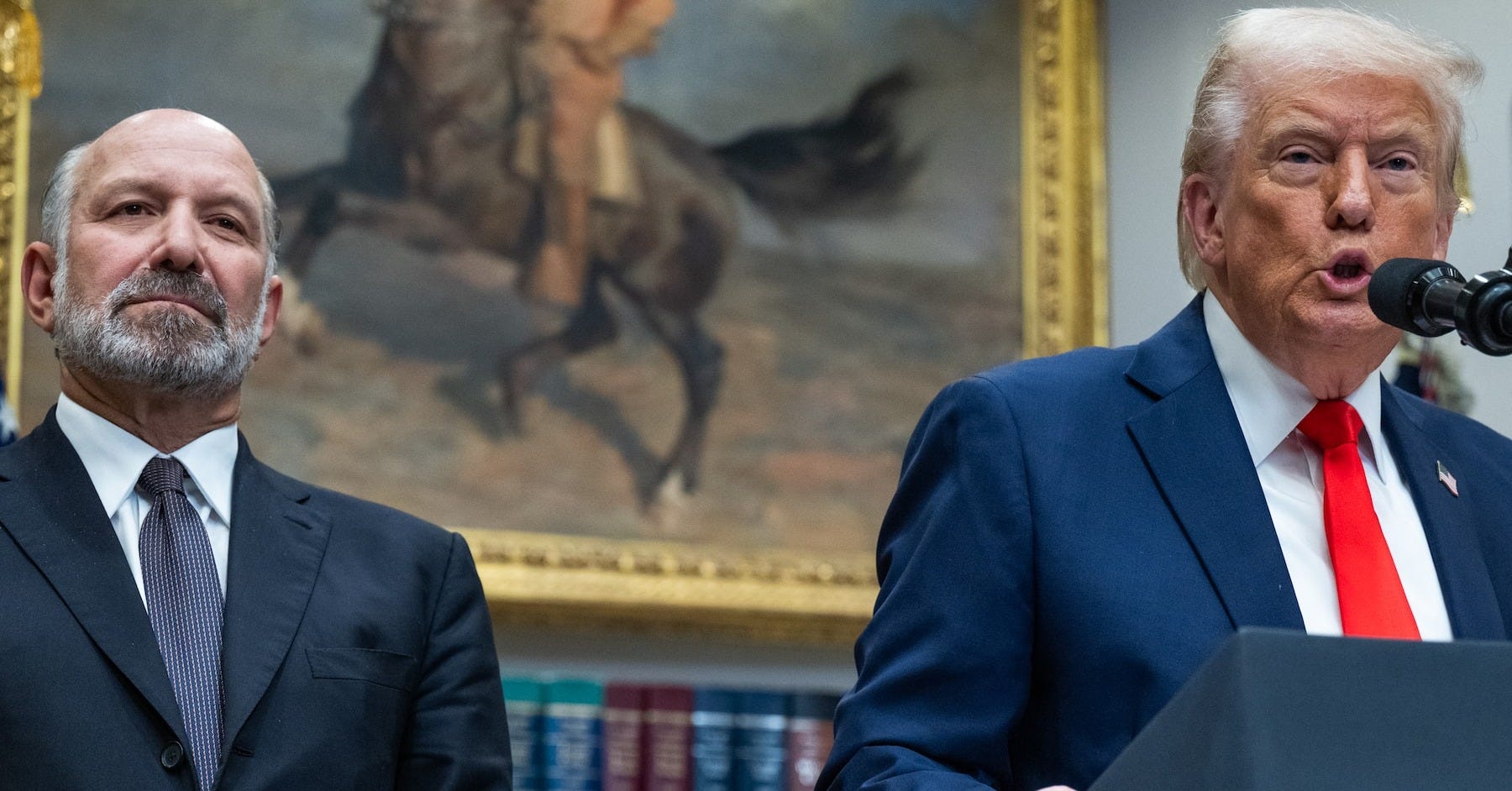
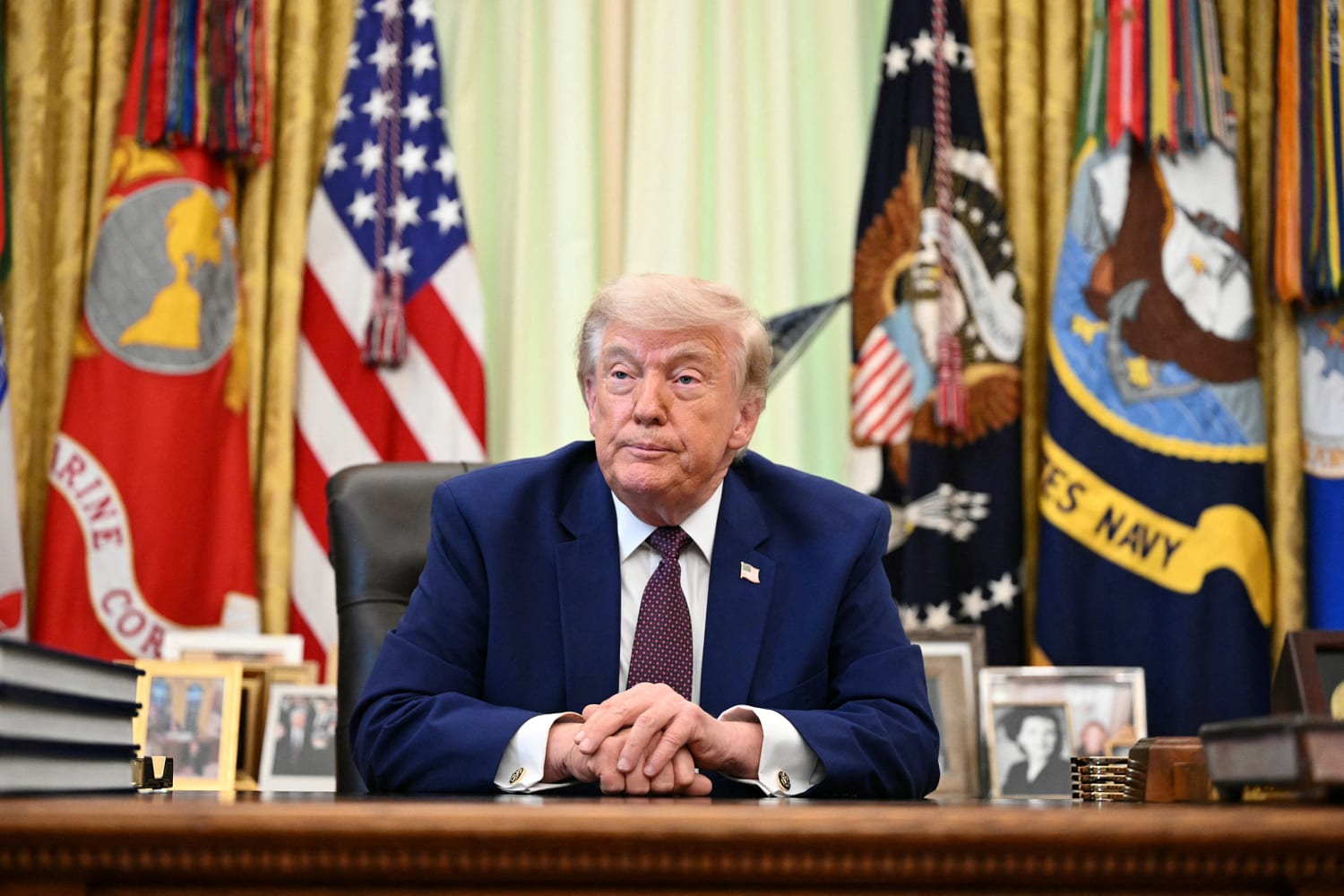
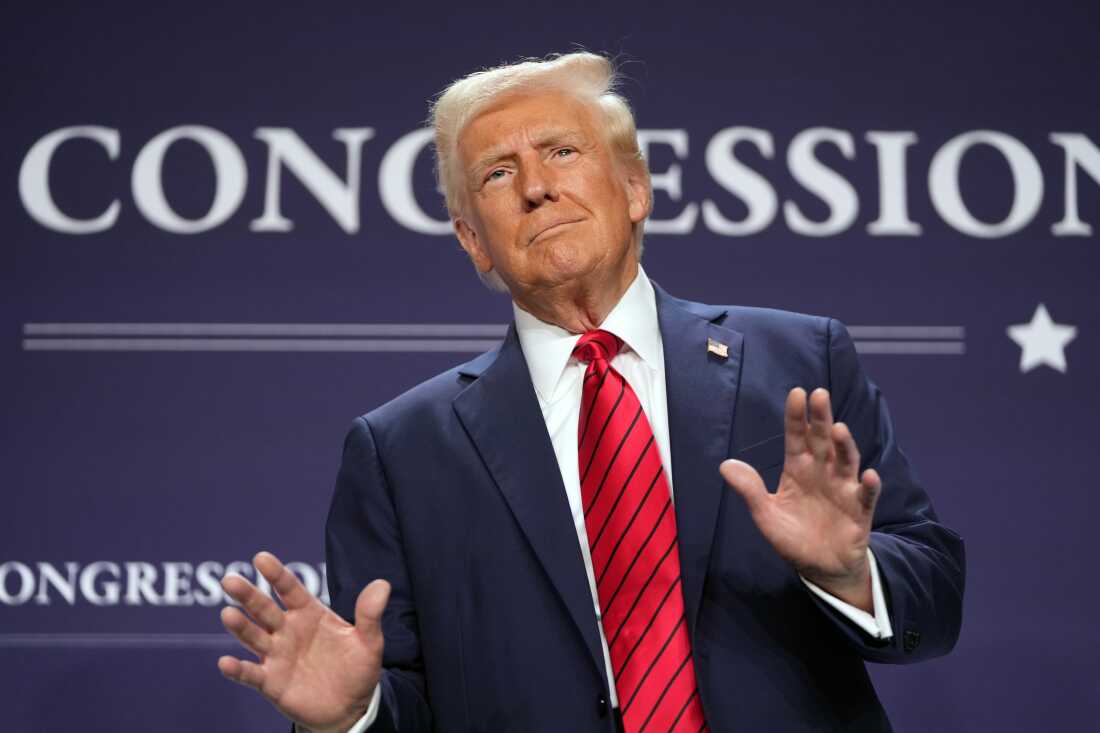
Investors and analysts are keenly observing Warsh's communication style and how he may put his stamp on the Fed. His comments on inflation, employment, and monetary policy direction will be scrutinized, especially following President Trump's previous criticism of former Chair Jerome Powell for not moving quickly enough to cut rates. Warsh's ability to navigate these pressures while establishing his authority will be critical.
Implications for Borrowers and Investors
The outcome of today's meeting and Warsh's subsequent press conference will have significant implications for borrowers and investors. As interest rates influence everything from mortgages to business loans, the Fed's decisions will affect economic activity and consumer behavior. Investors are particularly interested in any signals Warsh may provide regarding future rate hikes or adjustments to the Fed's communication strategy.
As the Federal Reserve embarks on this new chapter under Warsh, all eyes will be on how he addresses the current economic landscape and the challenges posed by rising inflation.