




Khamenei's Conditional Approval
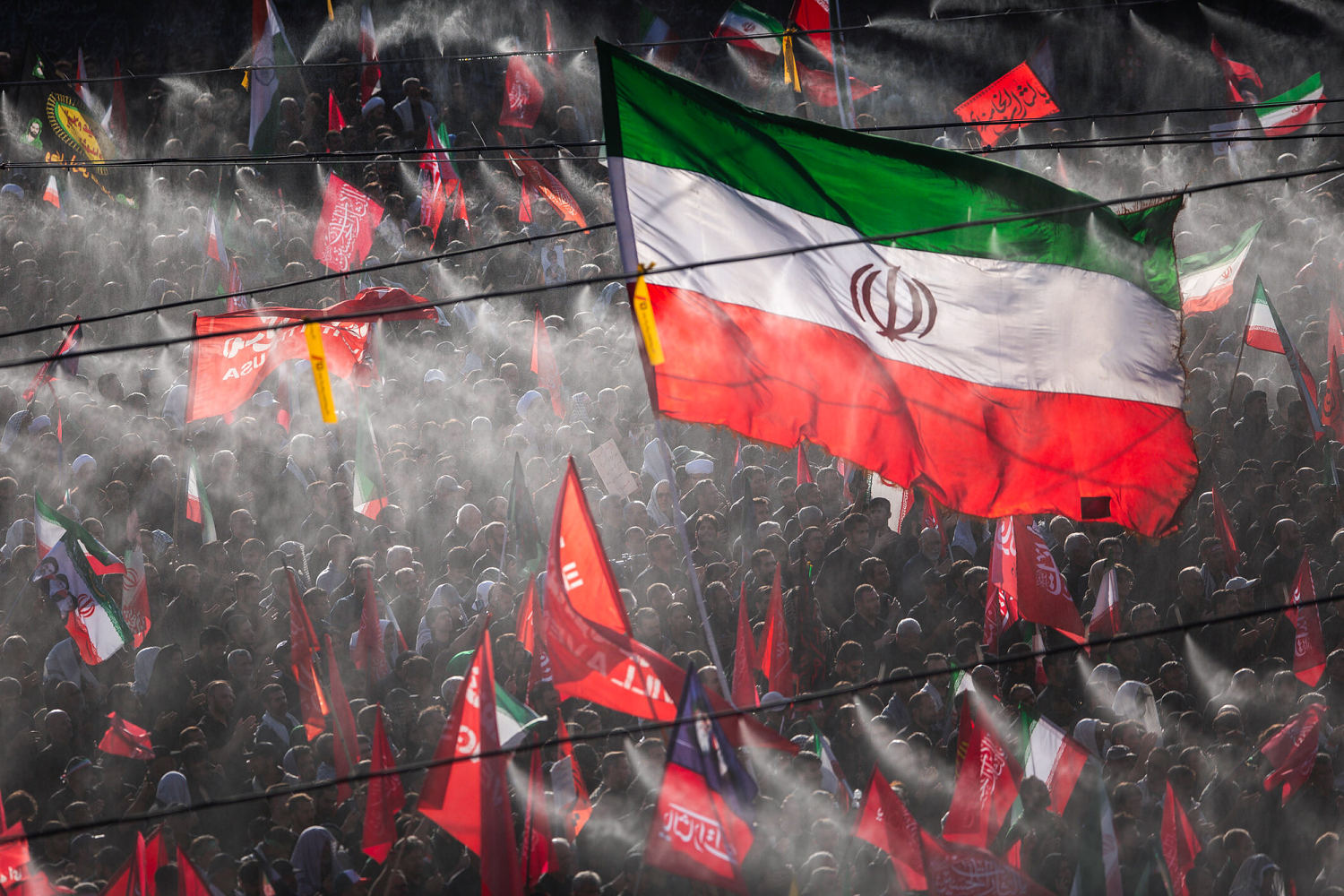
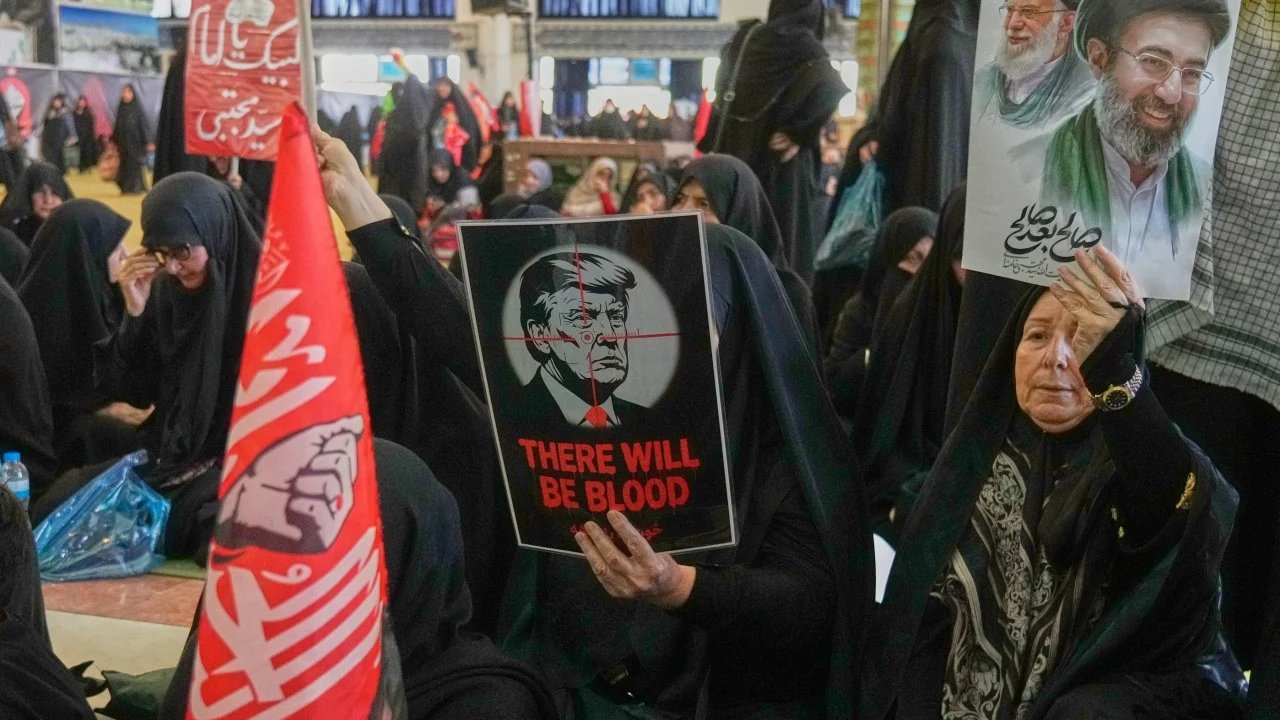
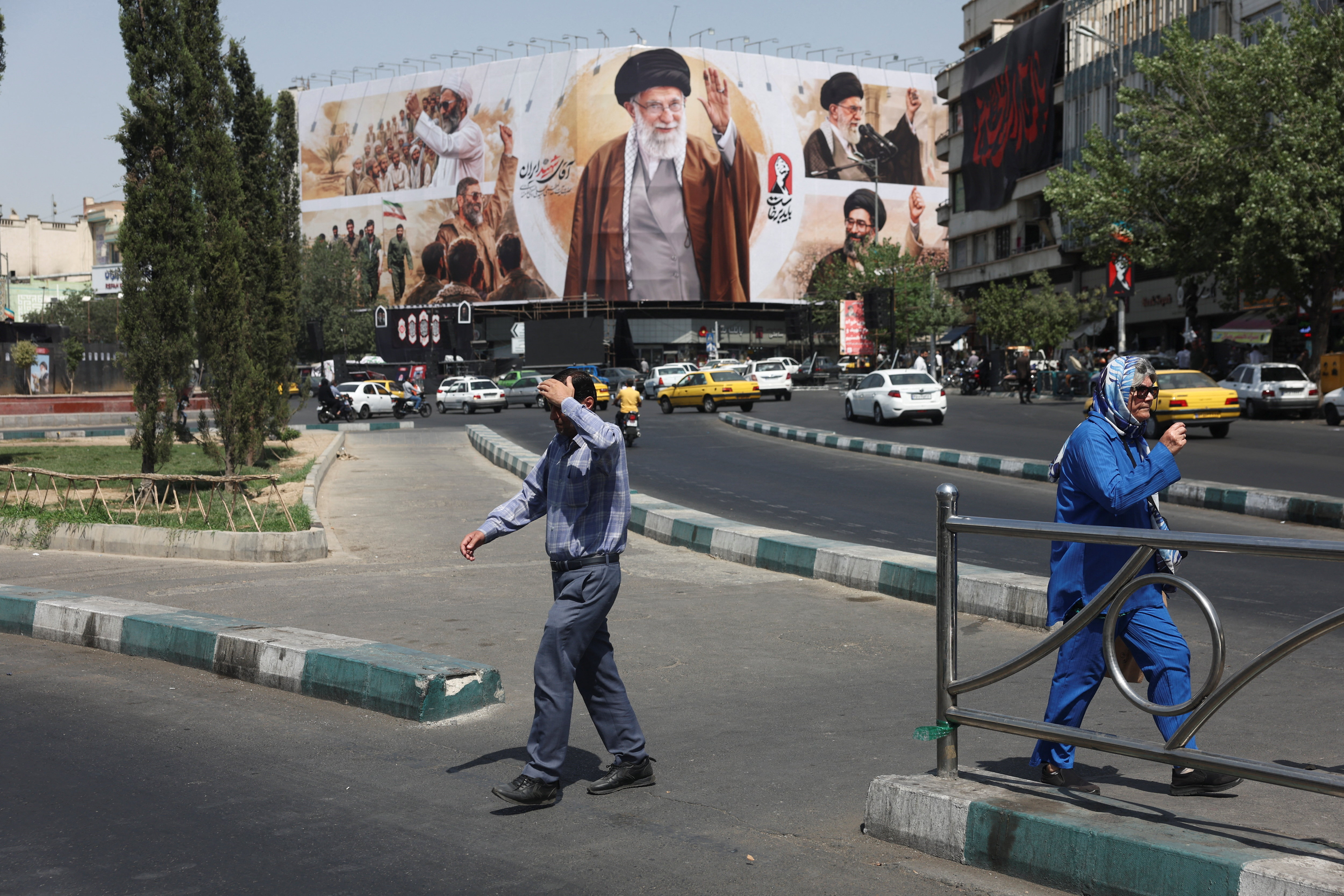
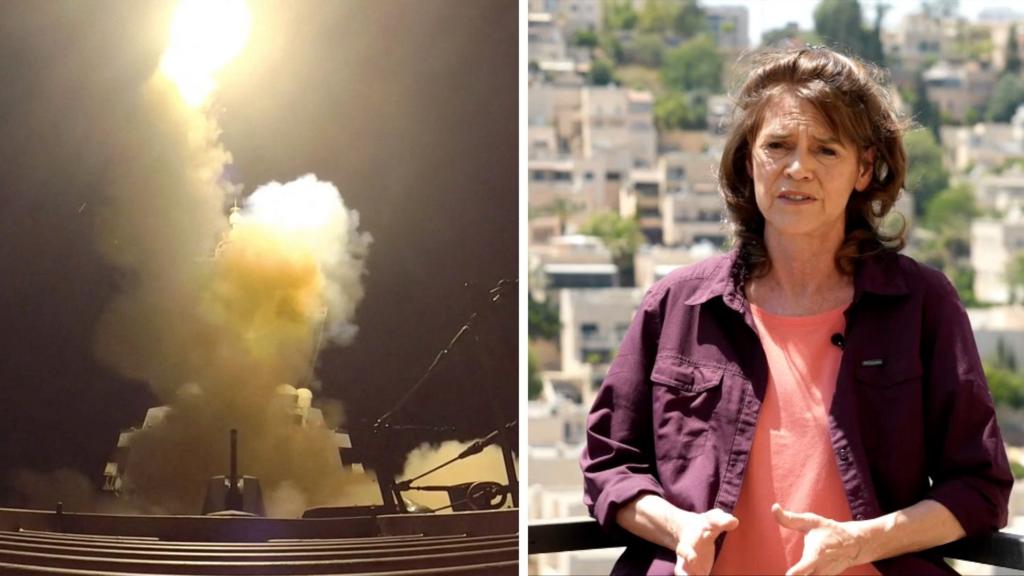
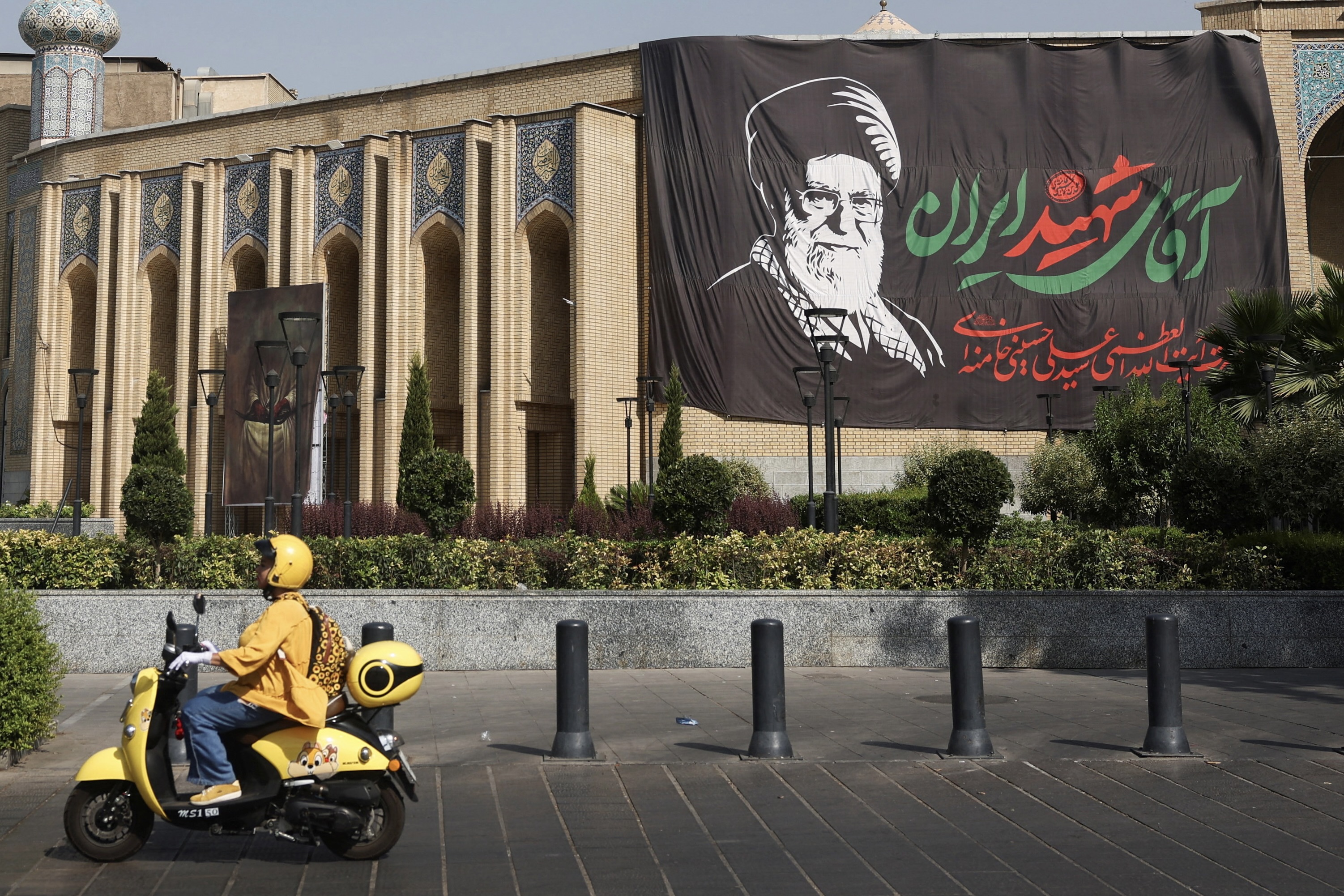
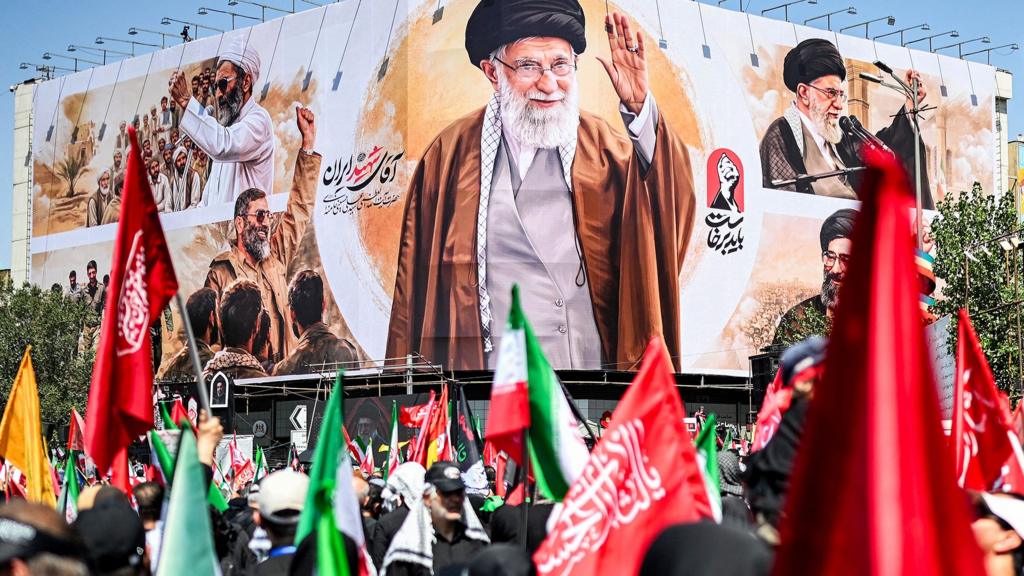
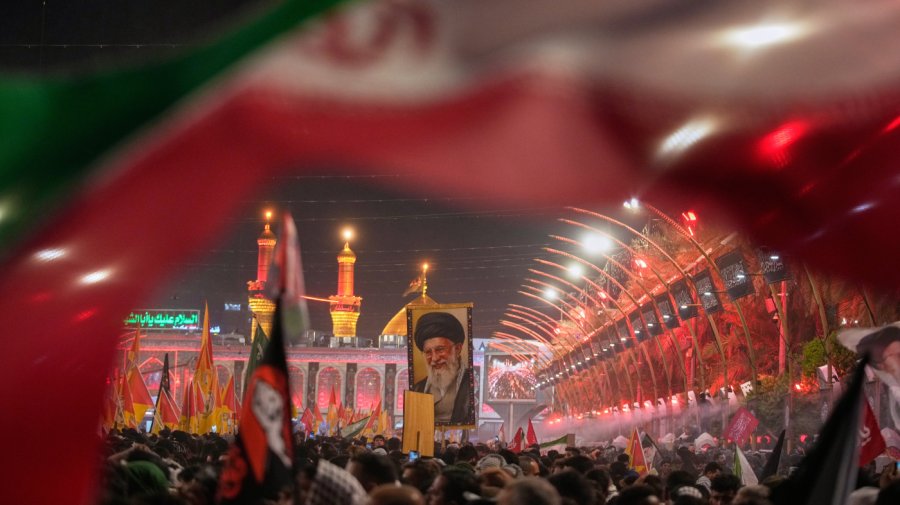
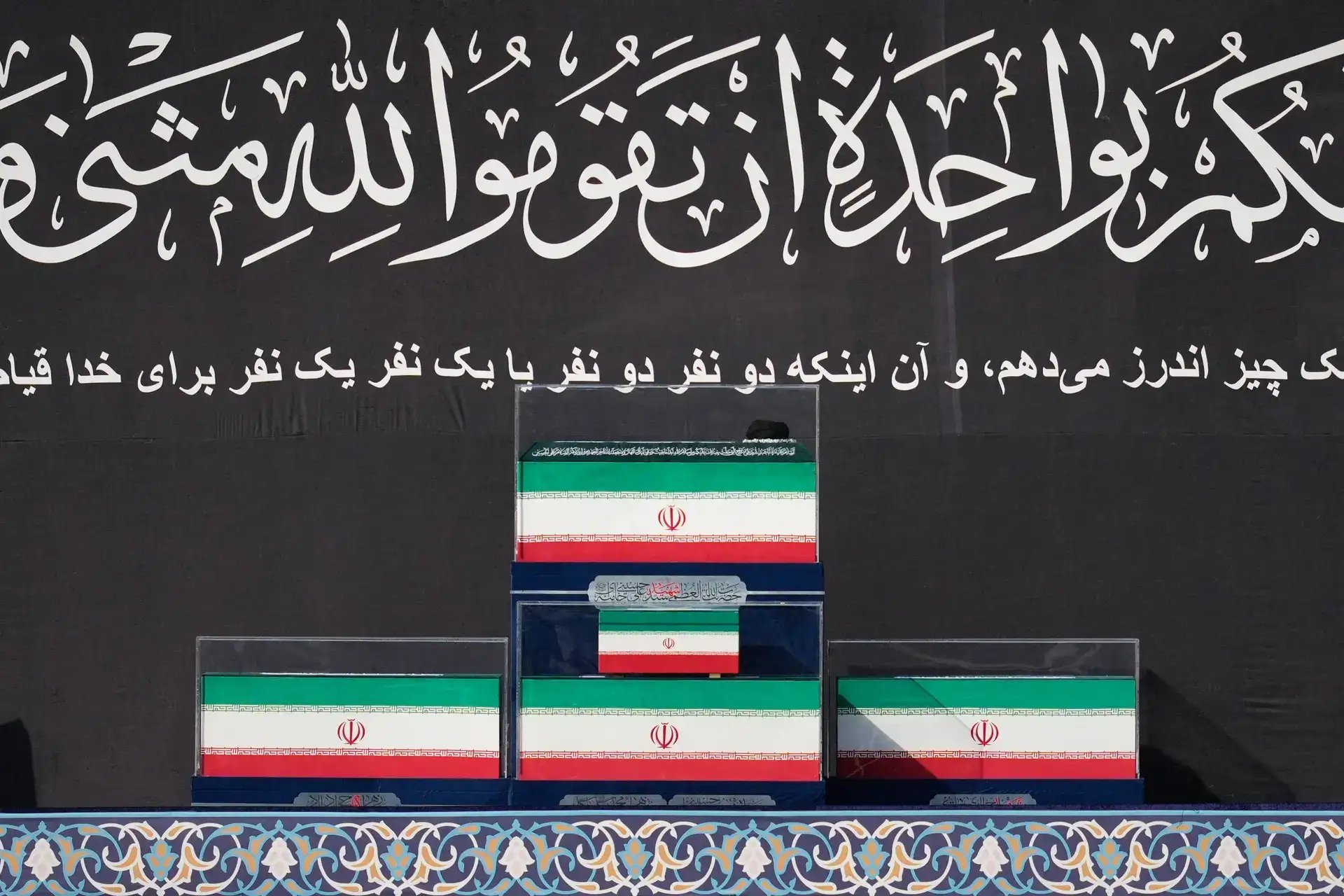
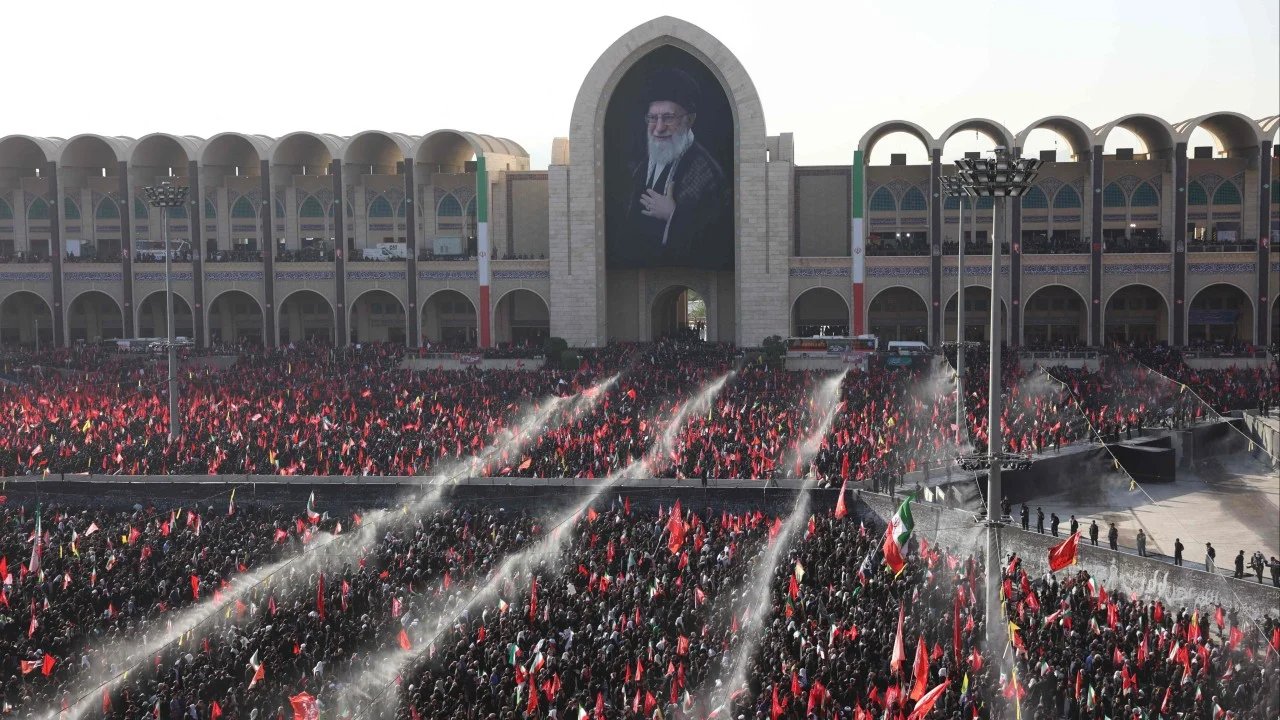
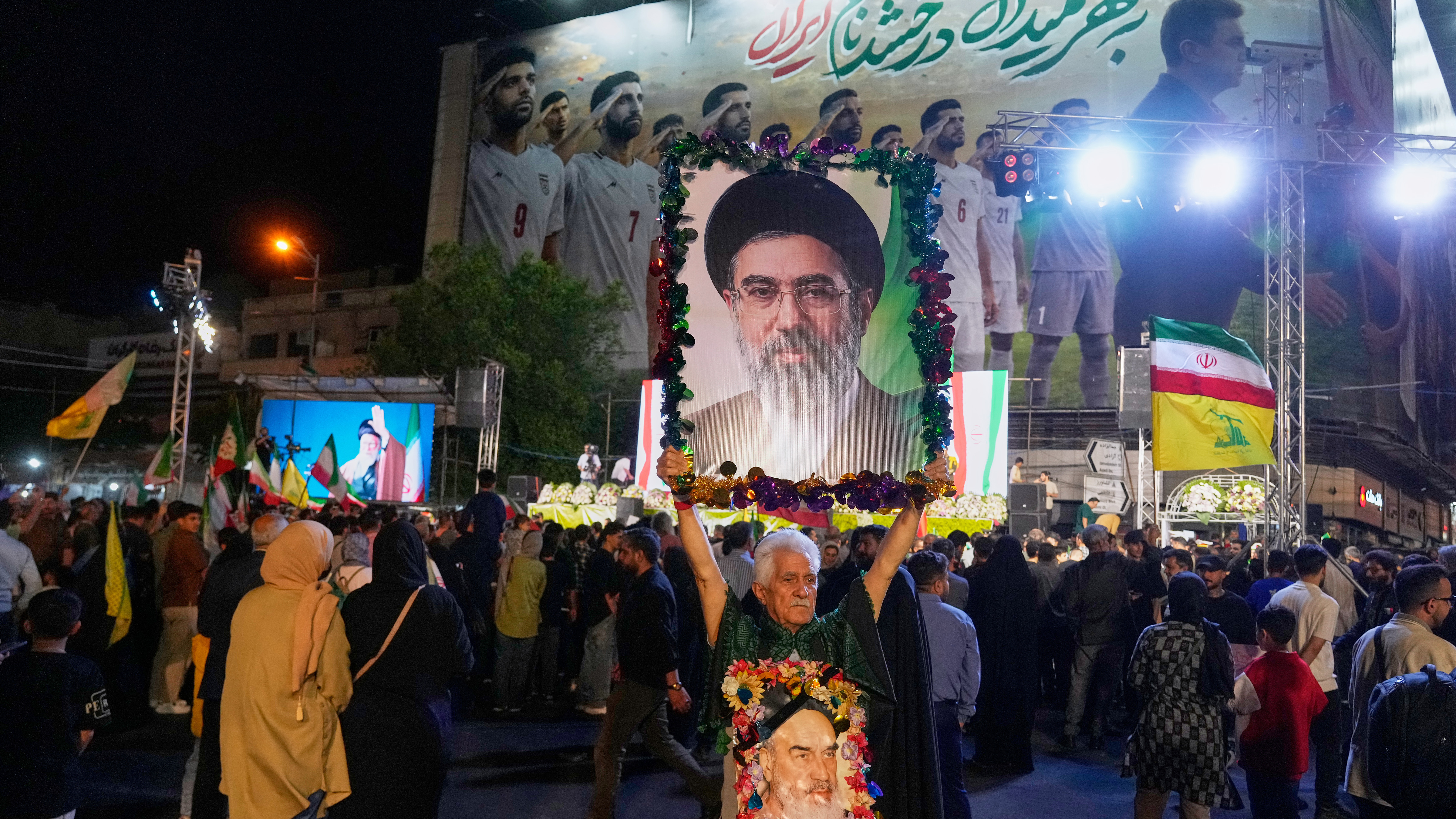
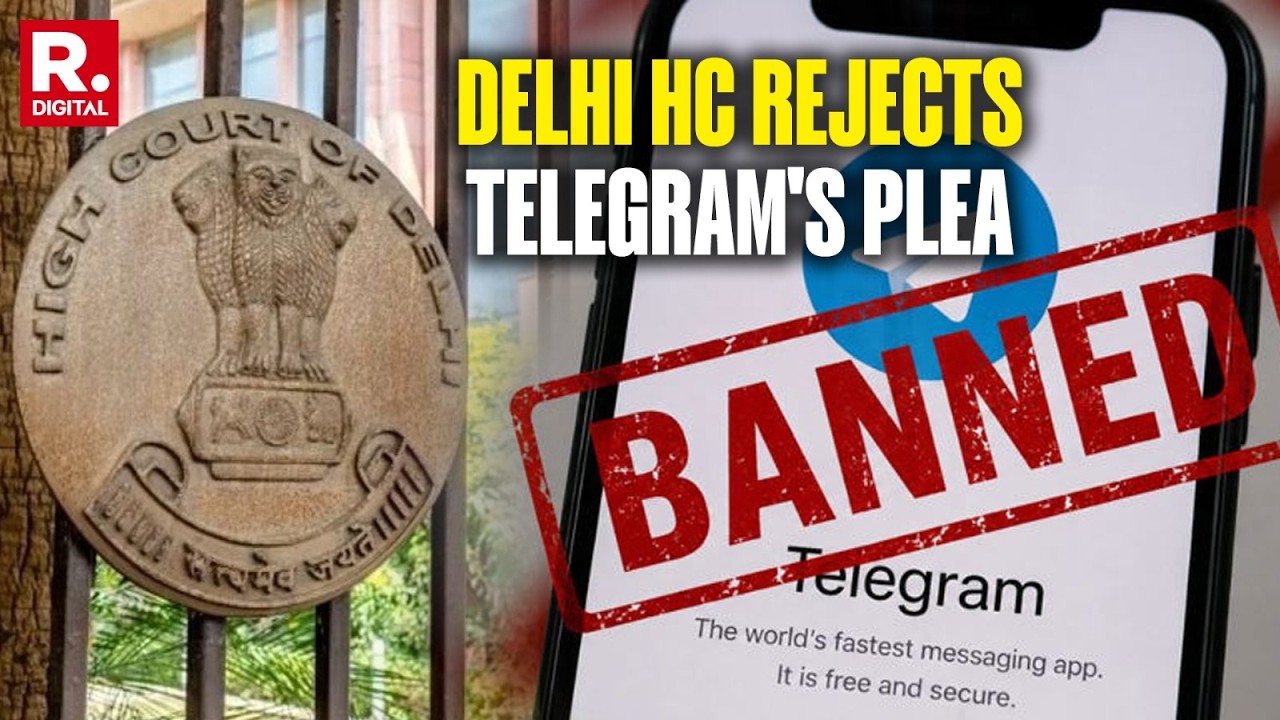
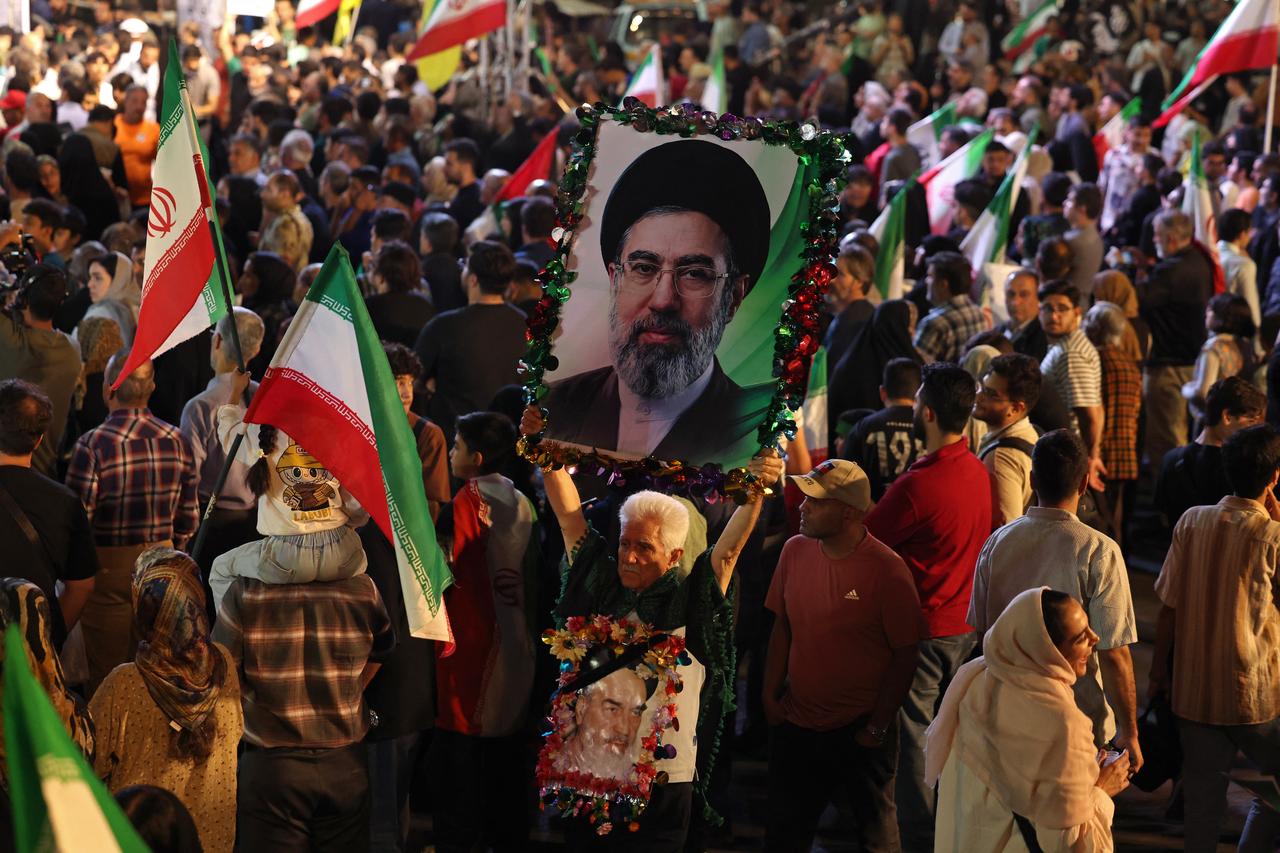
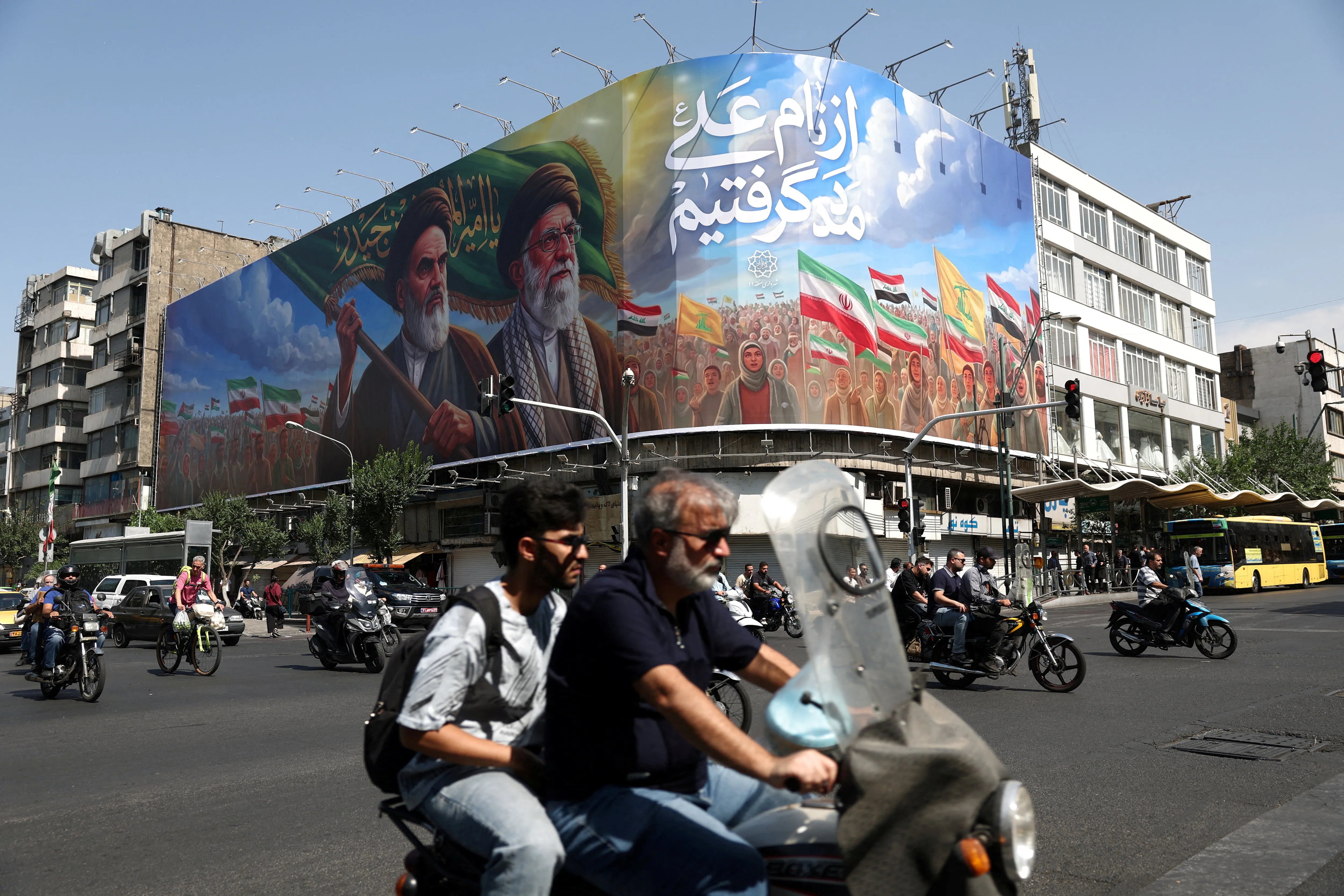
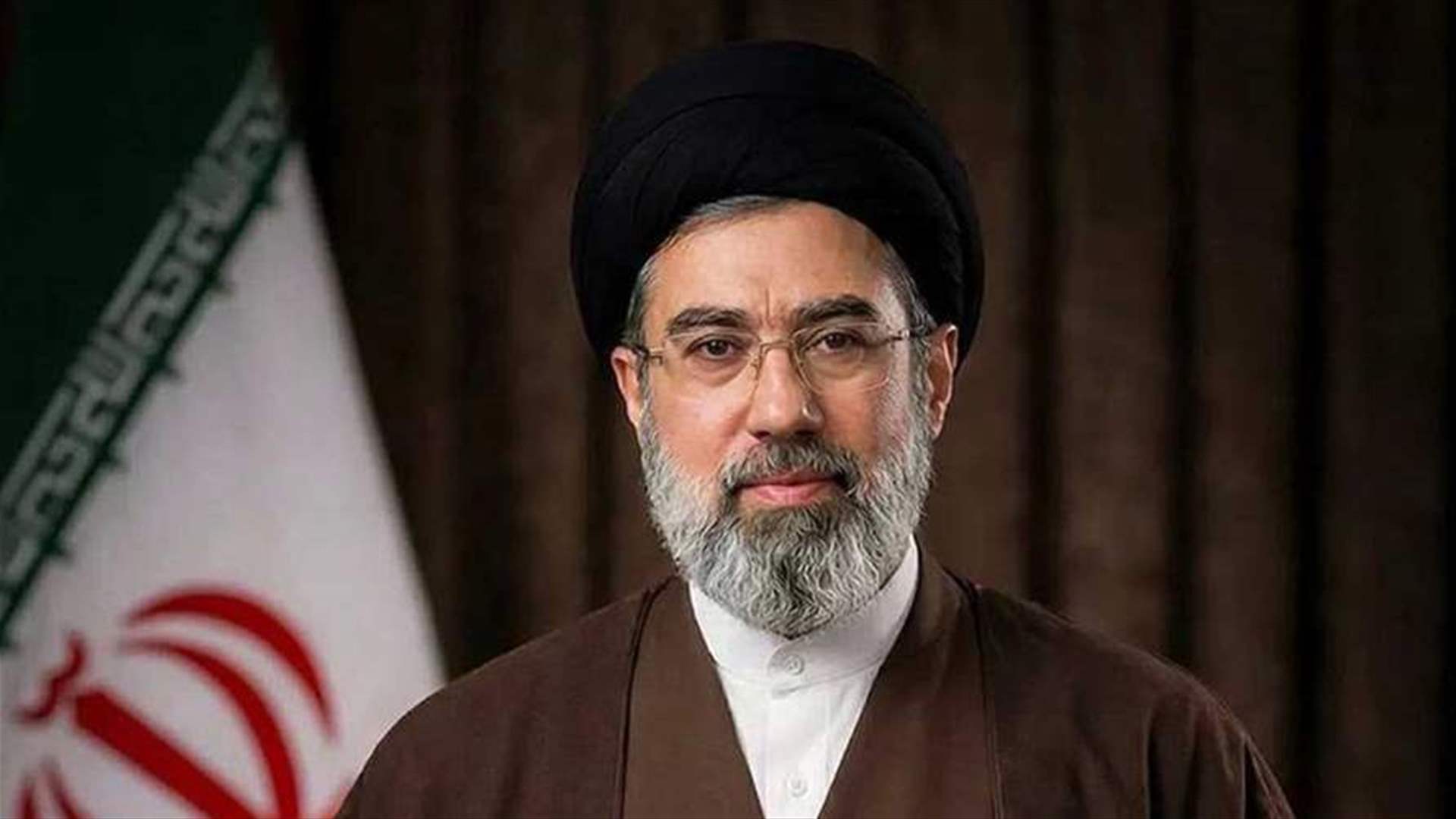
Iran's Supreme Leader Mojtaba Khamenei authorized Iranian negotiators to conduct direct talks with the U.S. in a written statement posted to his Telegram channel, marking his first public response to the signed memorandum of understanding. Khamenei stressed the authorization "does not signify acceptance of the enemy's views," a careful formulation that allows him political cover regardless of how negotiations proceed.
Khamenei said he opposed signing the memorandum but authorized it at the recommendation of President Masoud Pezeshkian and the country's Supreme National Security Council. "Based on the commitment given to me by the honorable President, acting in his capacity as Chairman of the Supreme National Security Council, on behalf of himself and the other members, to safeguard the rights of the Iranian nation and the Axis of Resistance—and his explicit acceptance of responsibility for doing so—I authorized it," Khamenei wrote.
The supreme leader praised negotiators for acting "out of concern and goodwill" and claimed Pezeshkian and other officials supporting the deal committed that "if the American side seeks excessive concessions, they will not submit to them." Iranian negotiators had been waiting for his public authorization before heading to Switzerland for a first round of negotiations scheduled for Friday or Saturday.
What the Deal Covers and Doesn't
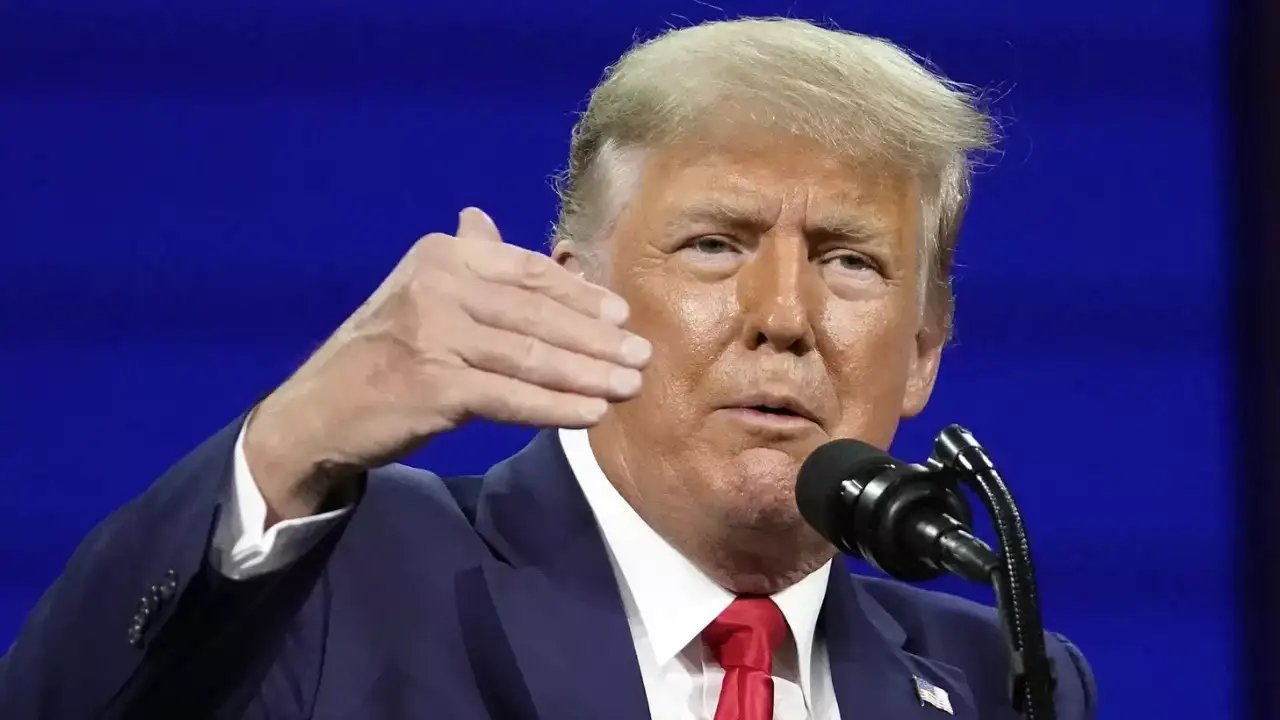
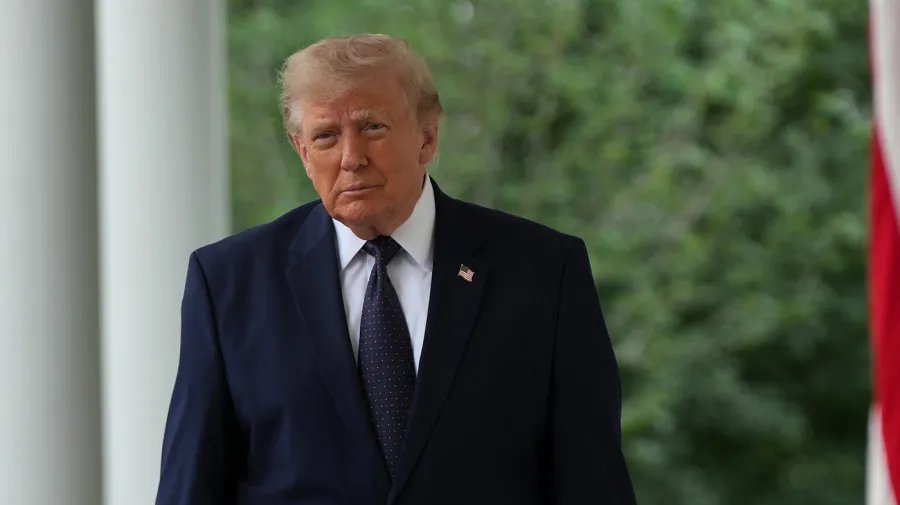
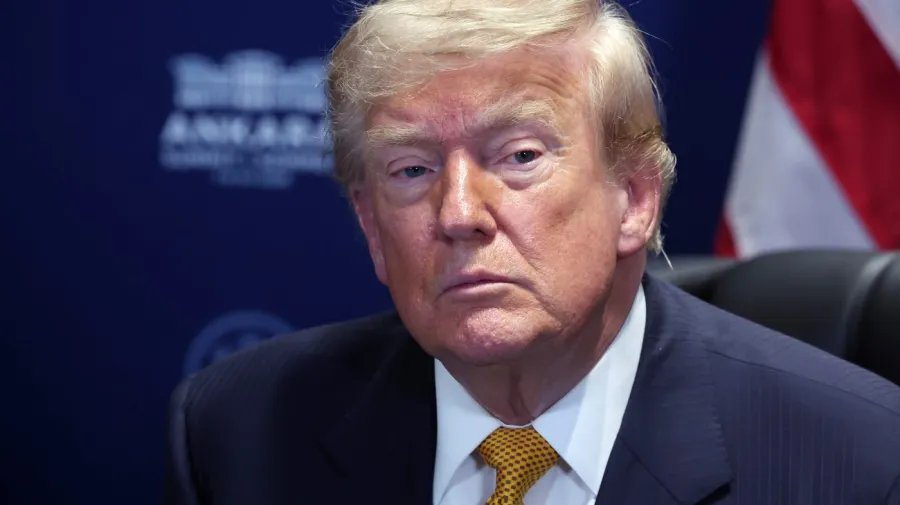
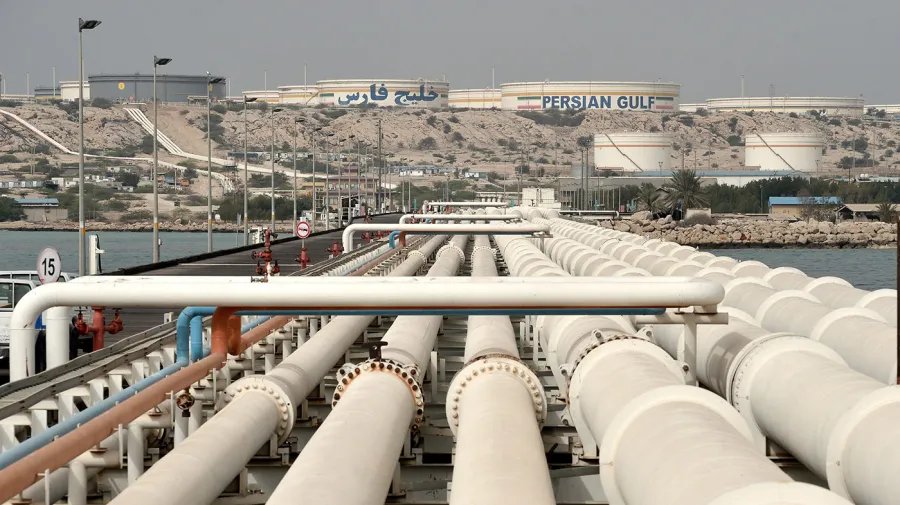
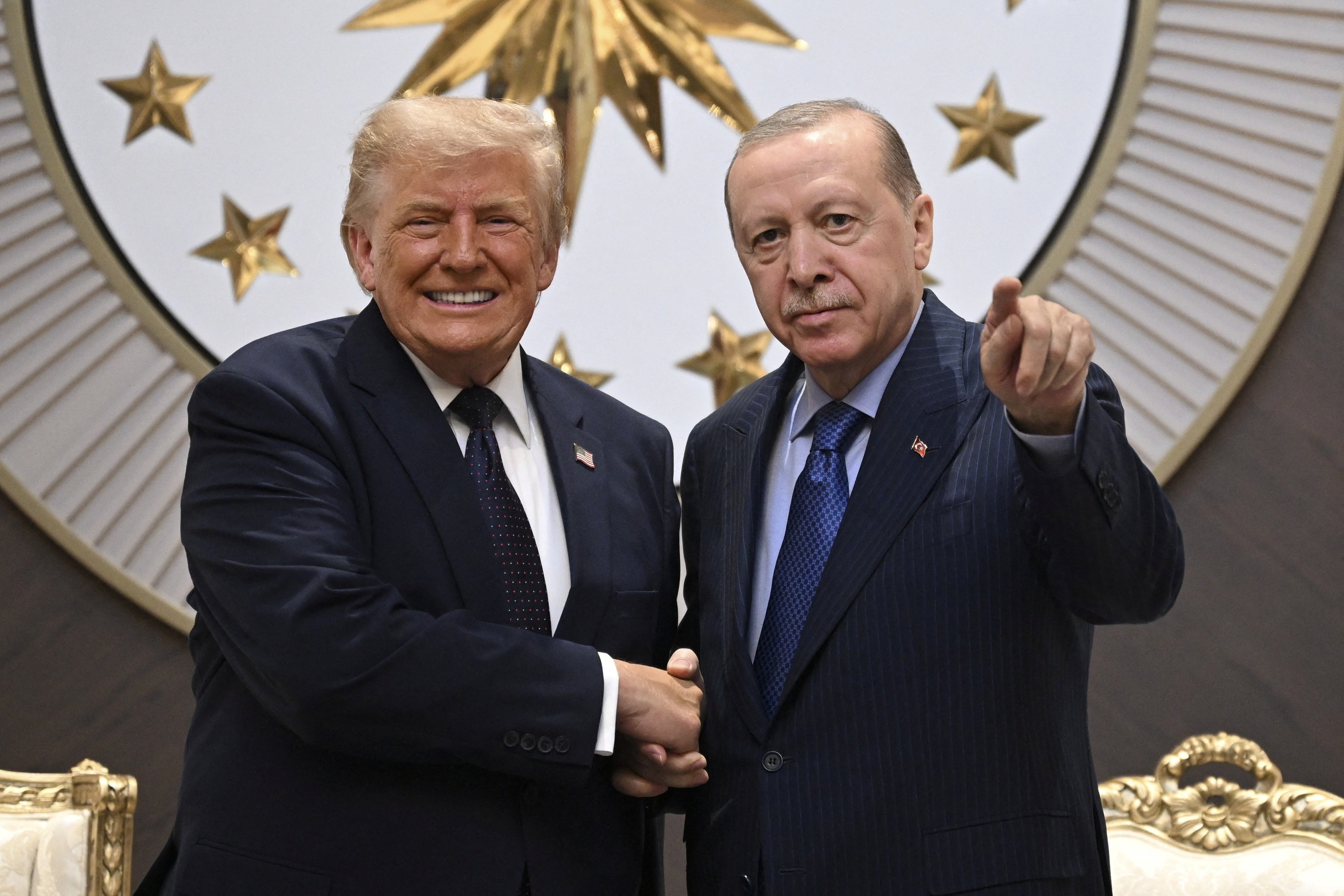
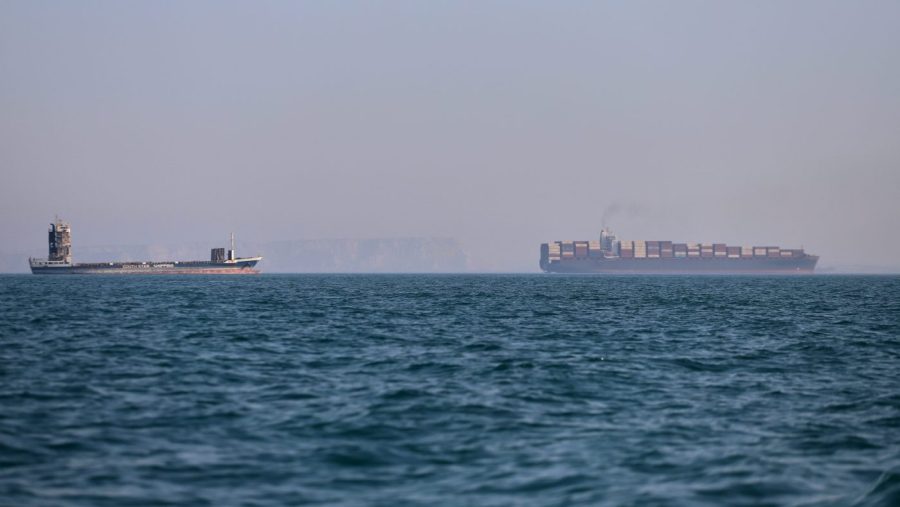
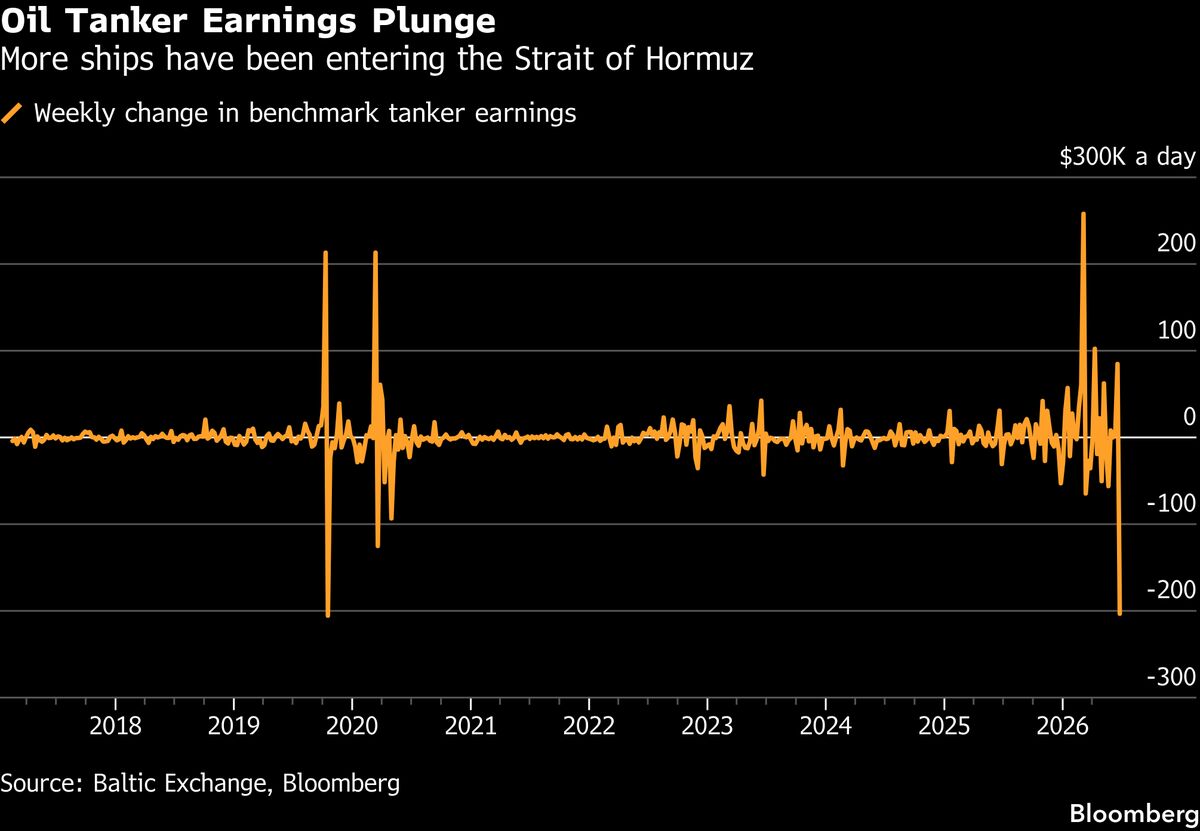
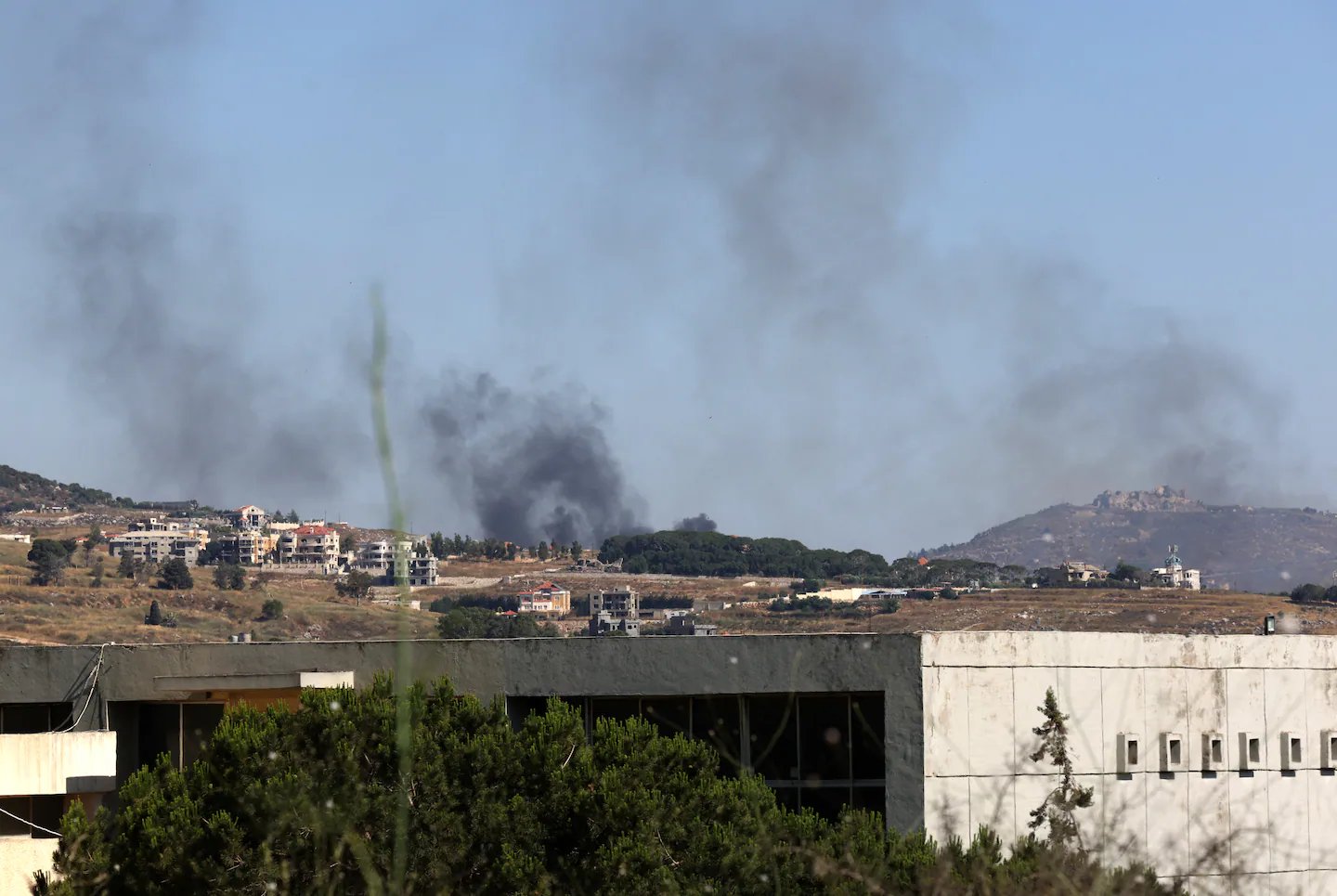
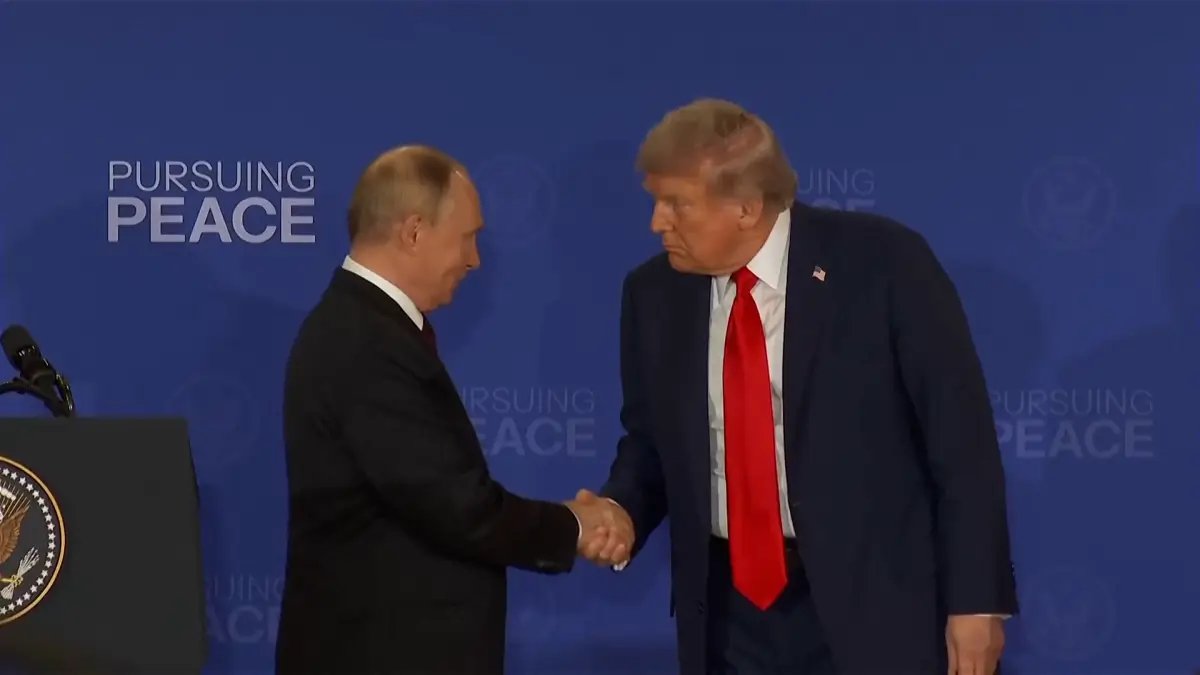
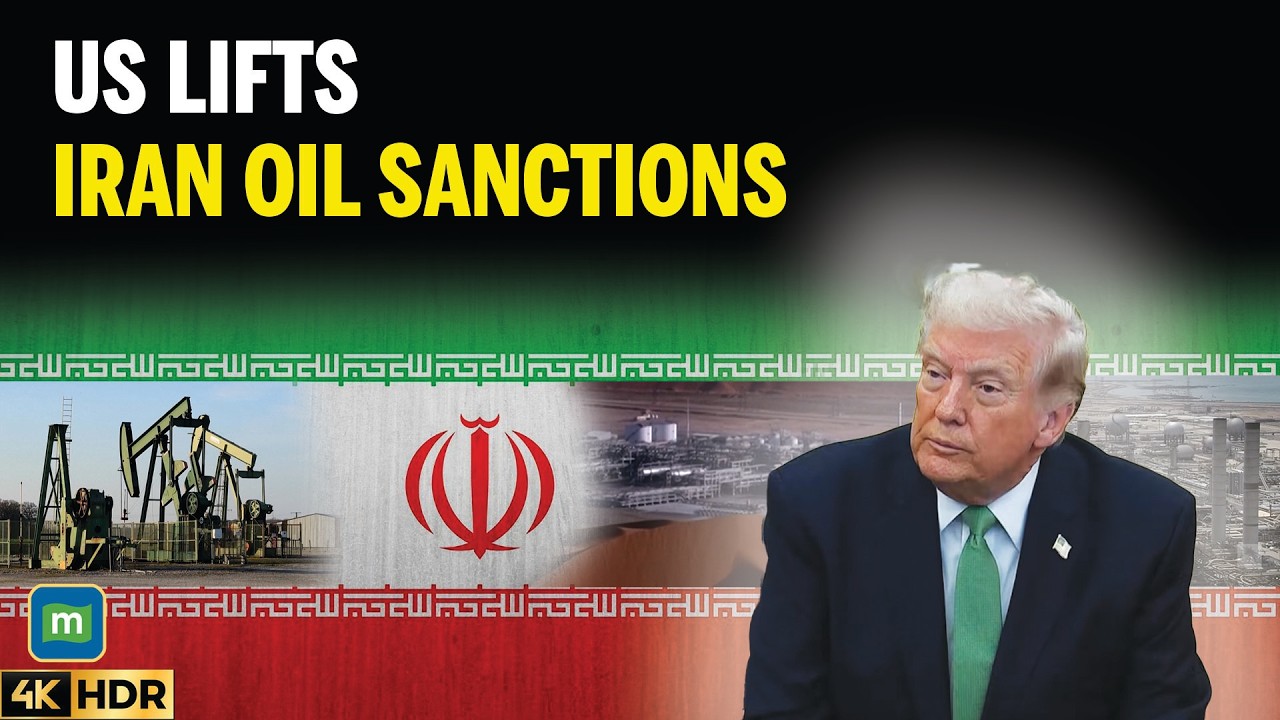
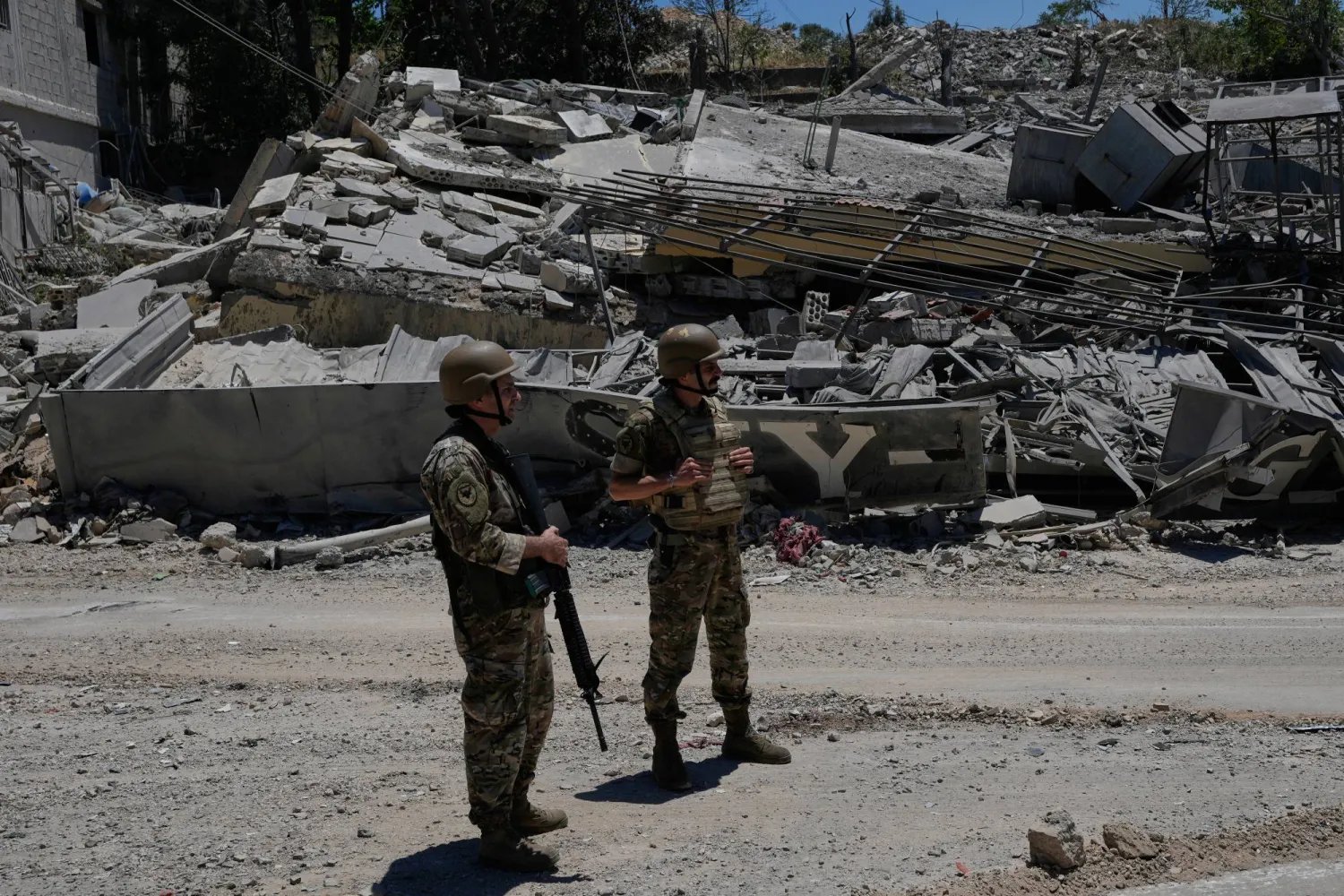
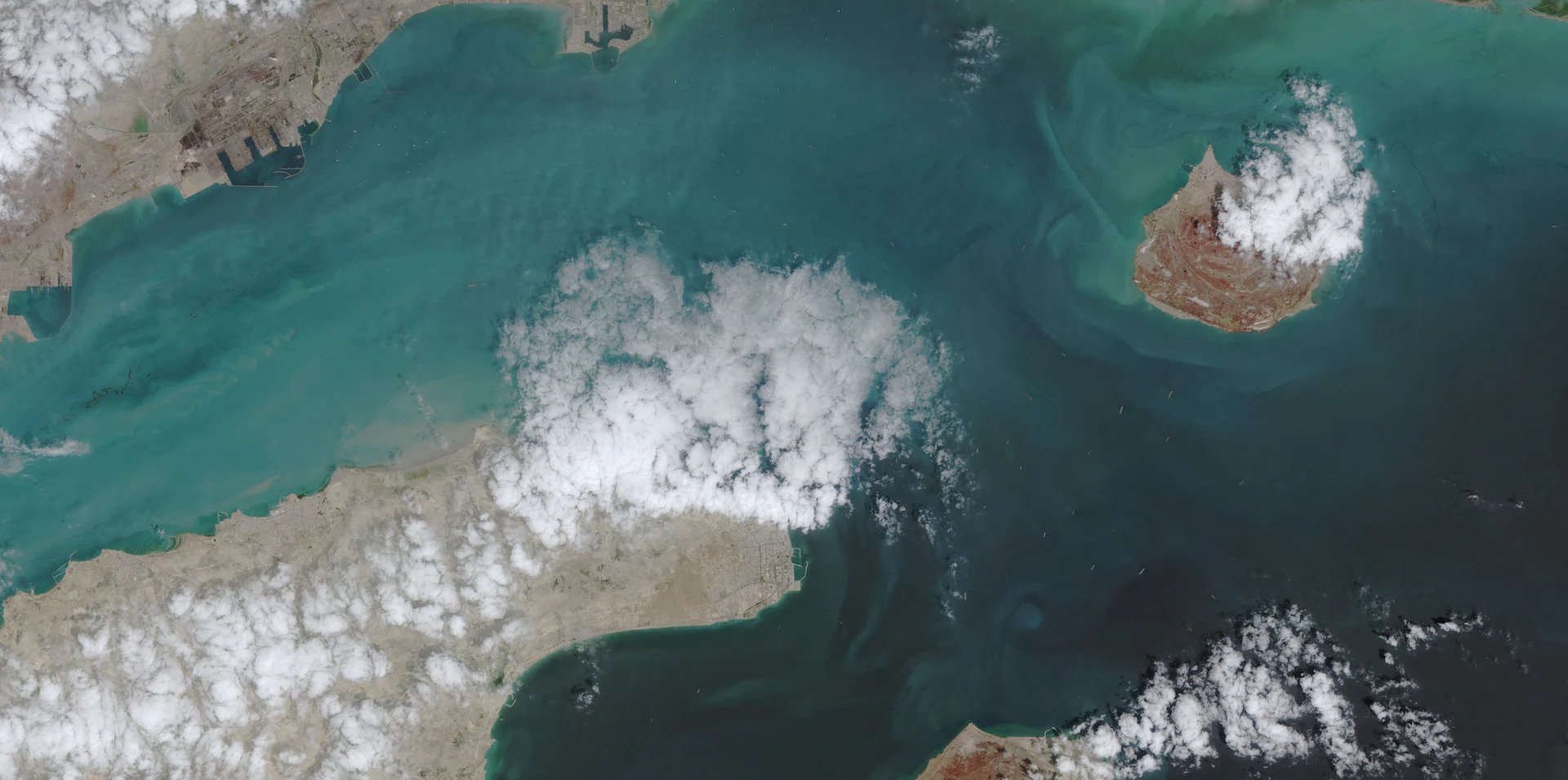
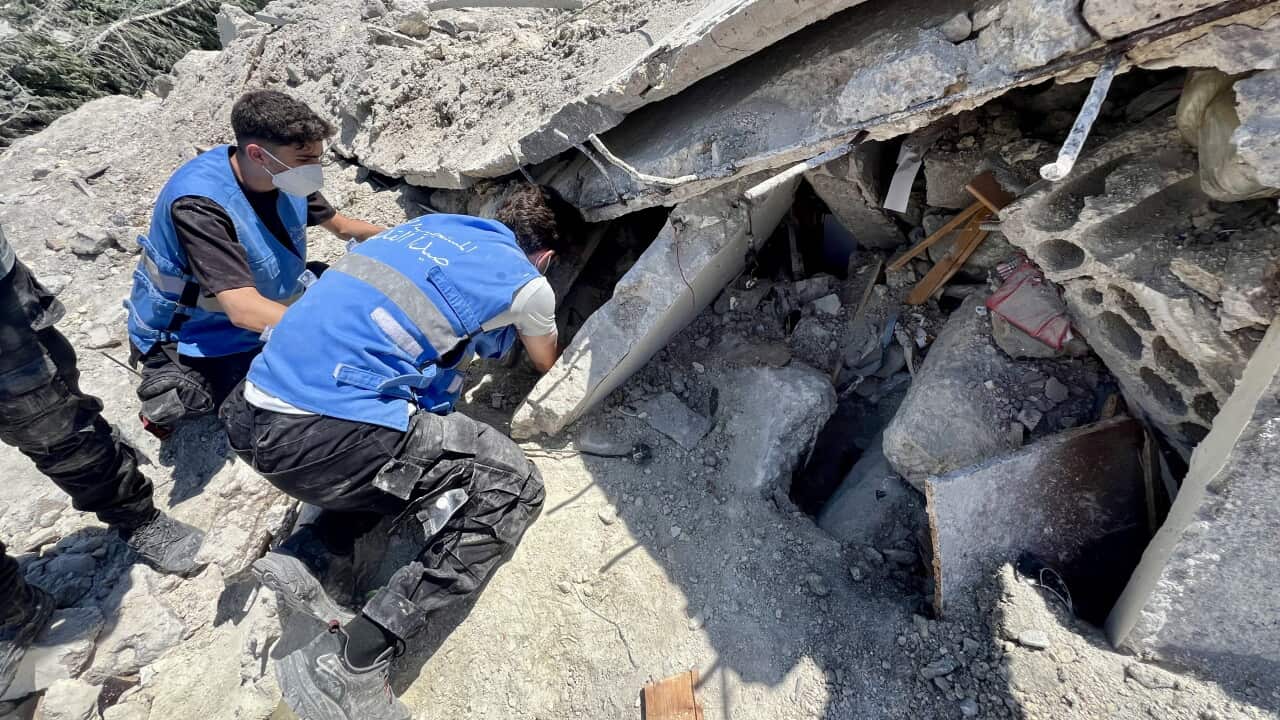
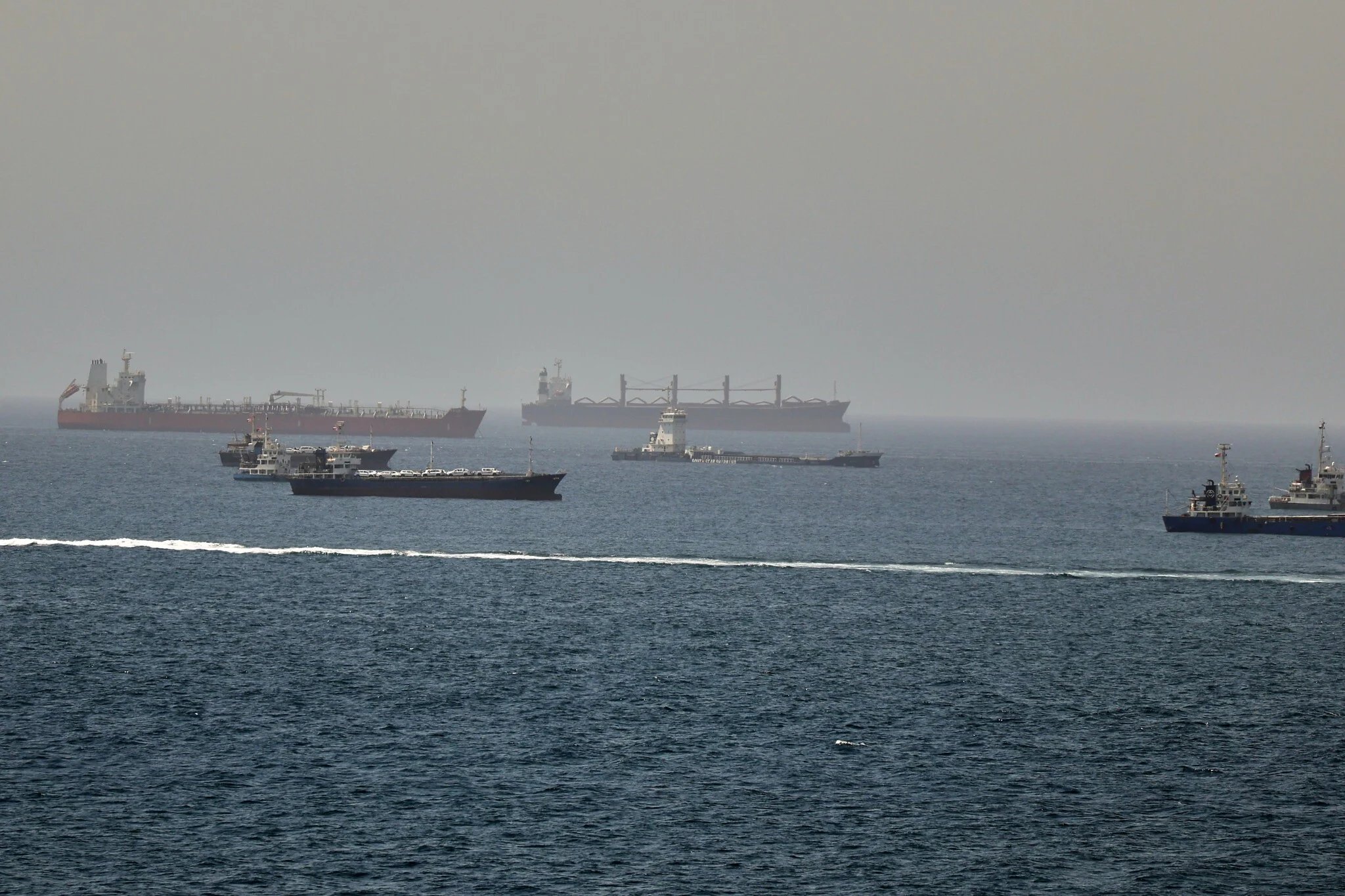
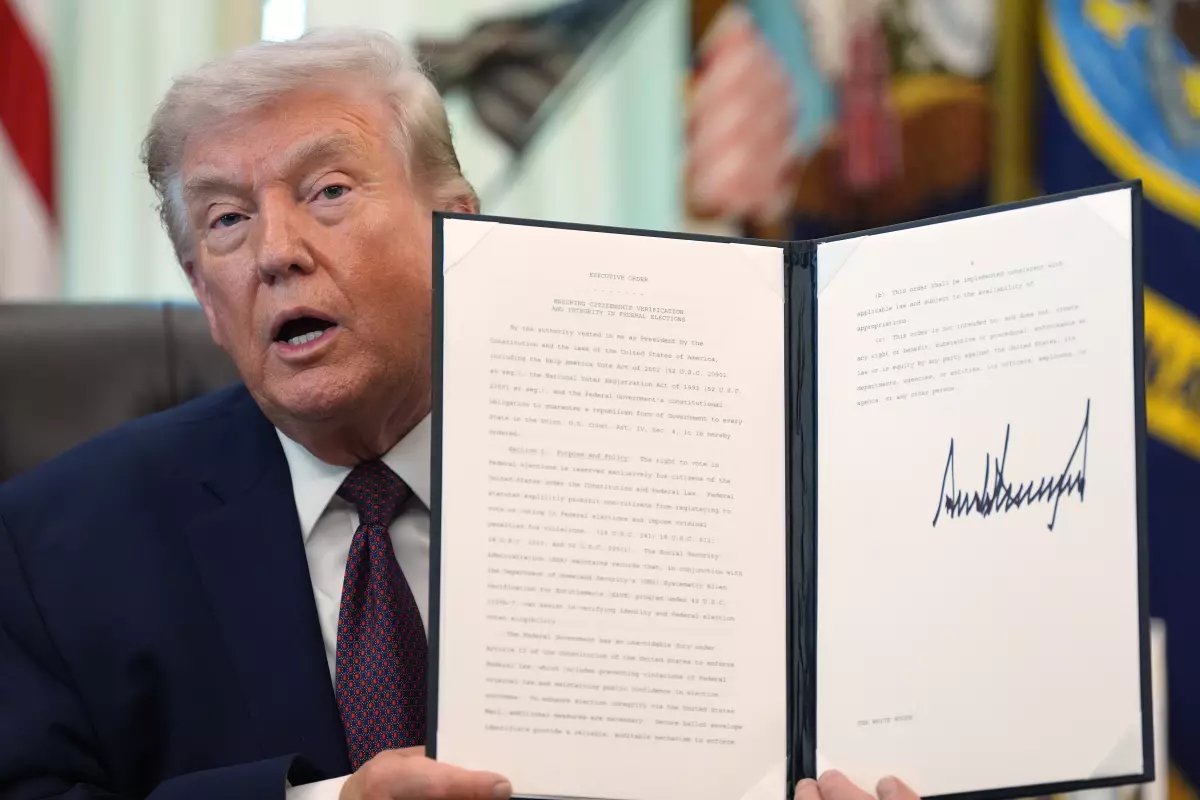
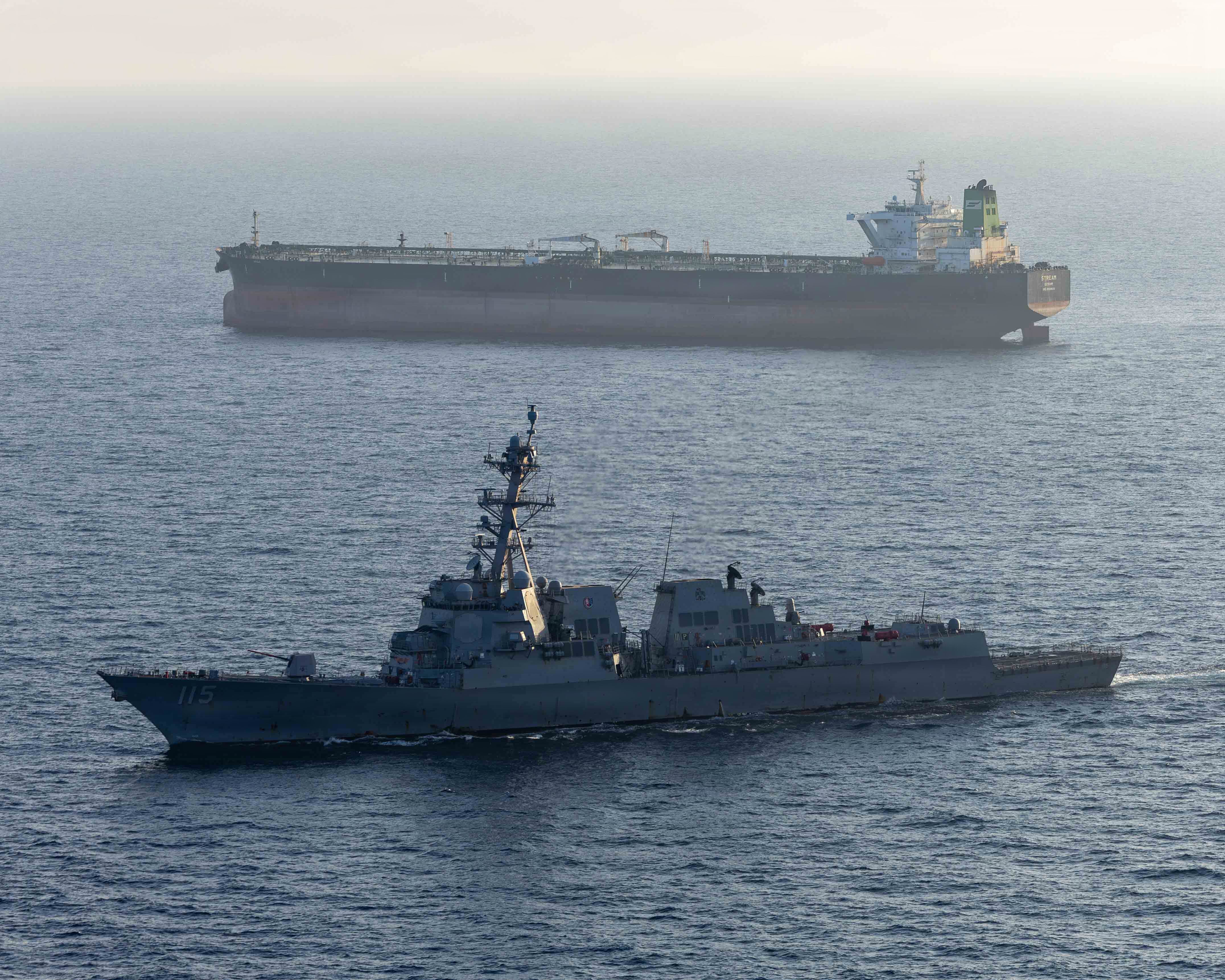
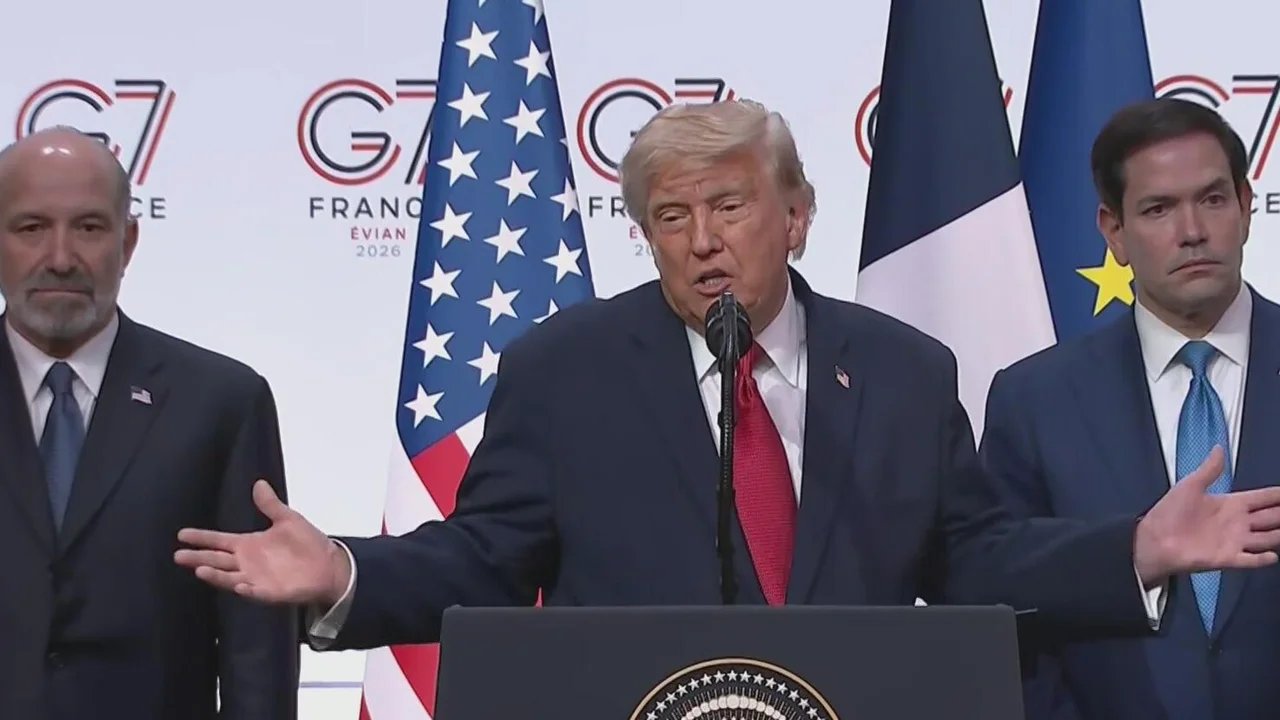
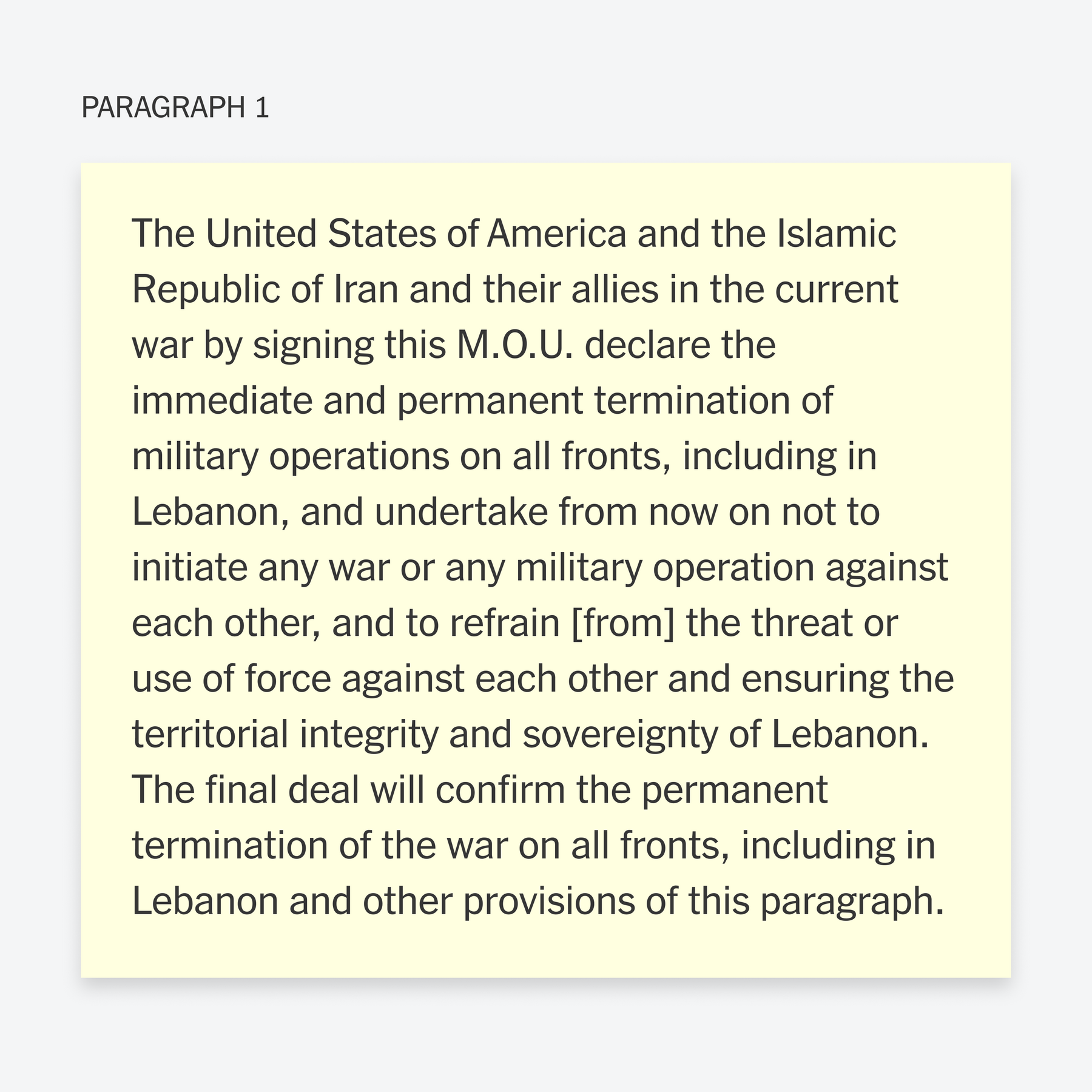
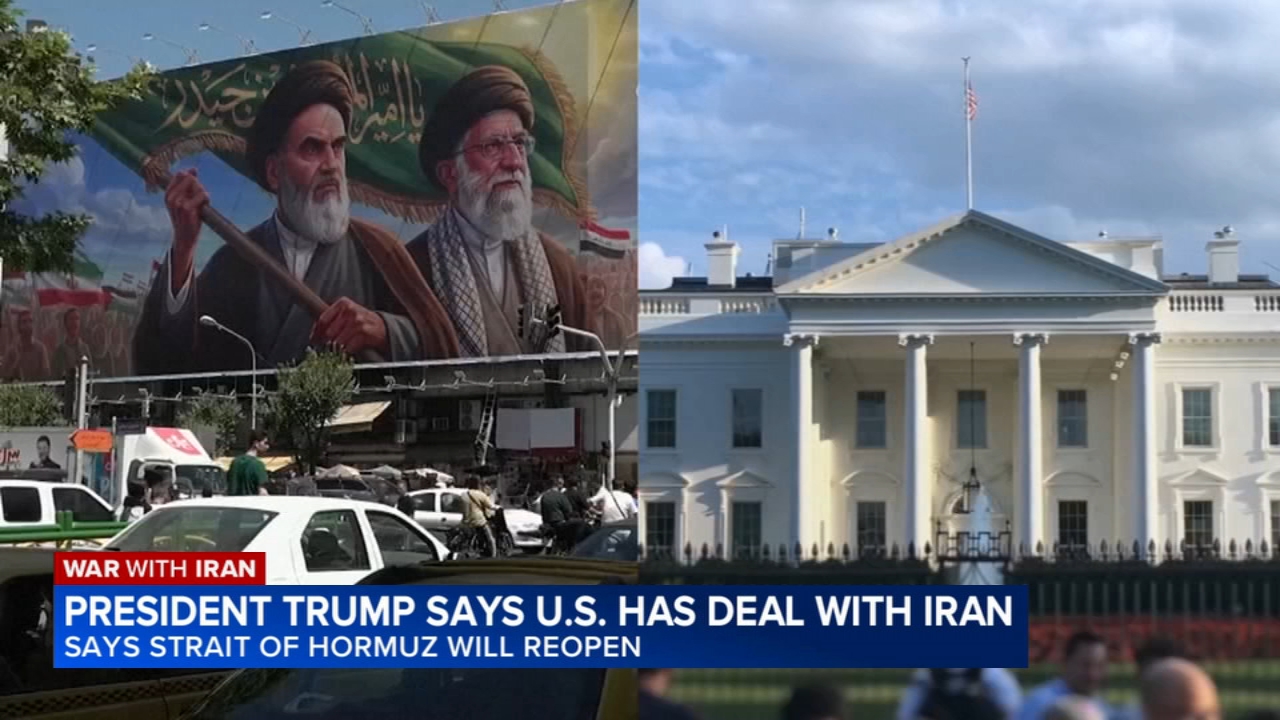
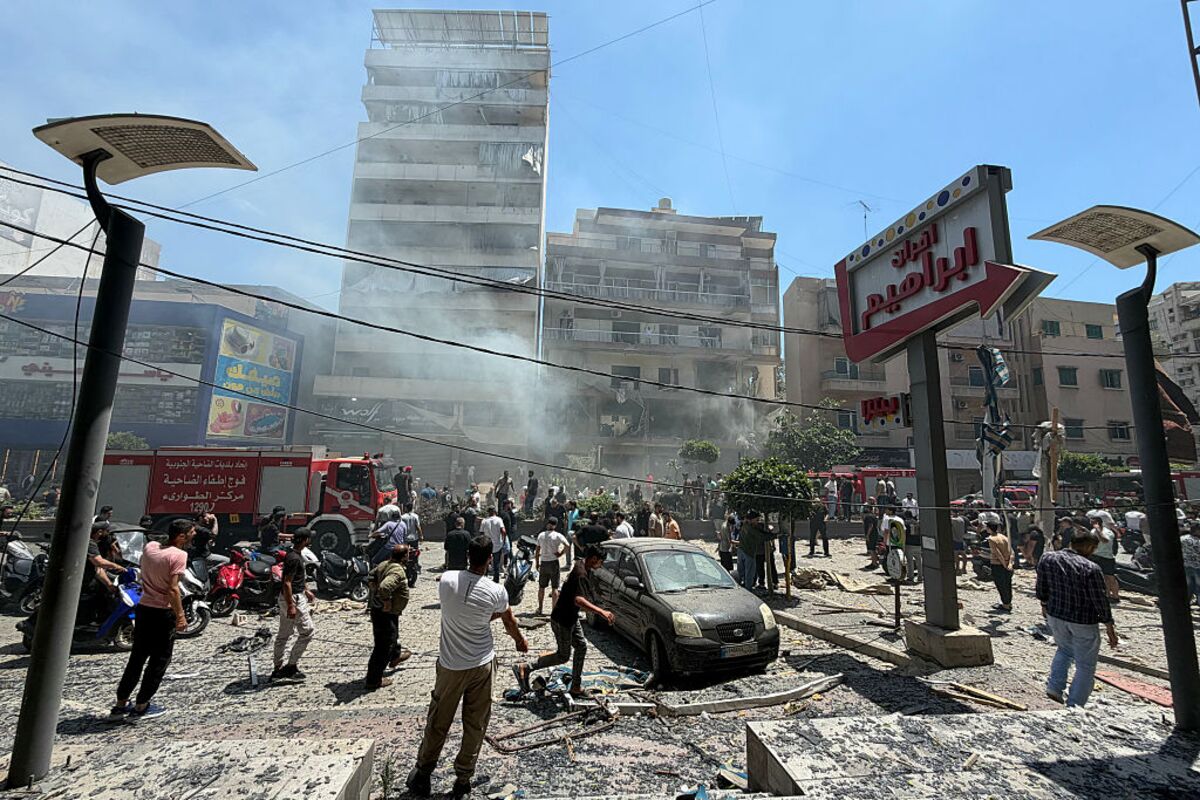
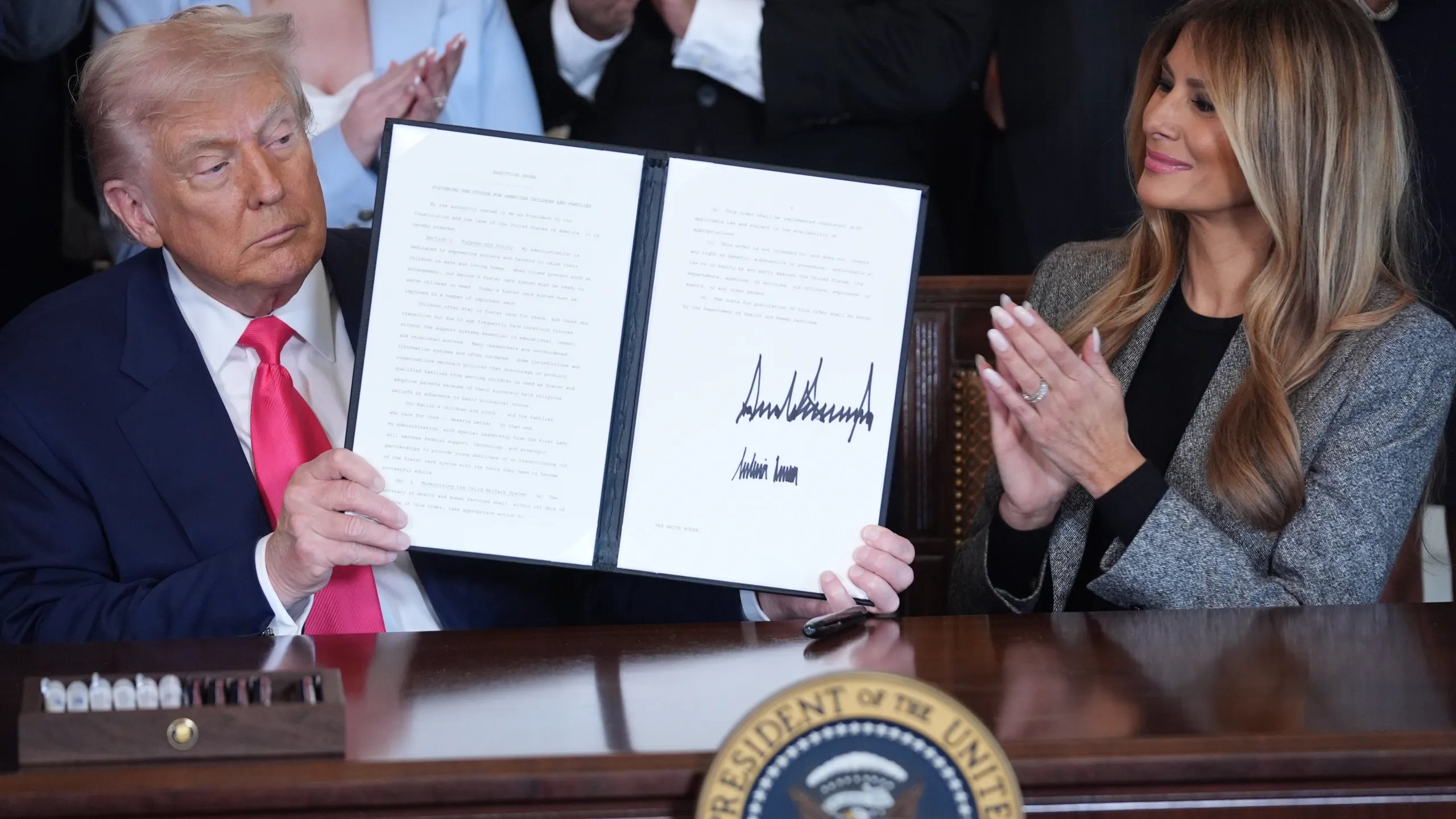
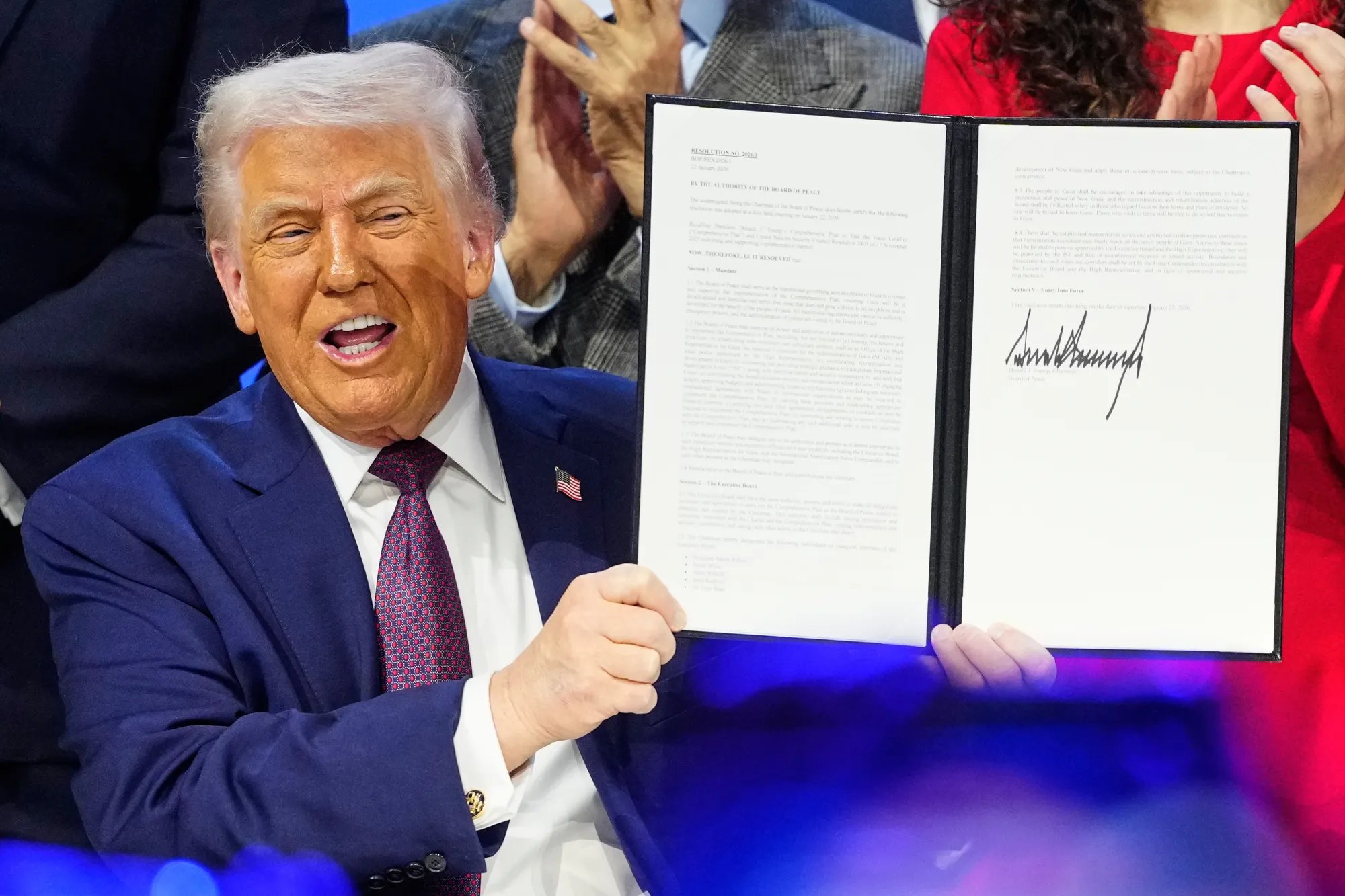
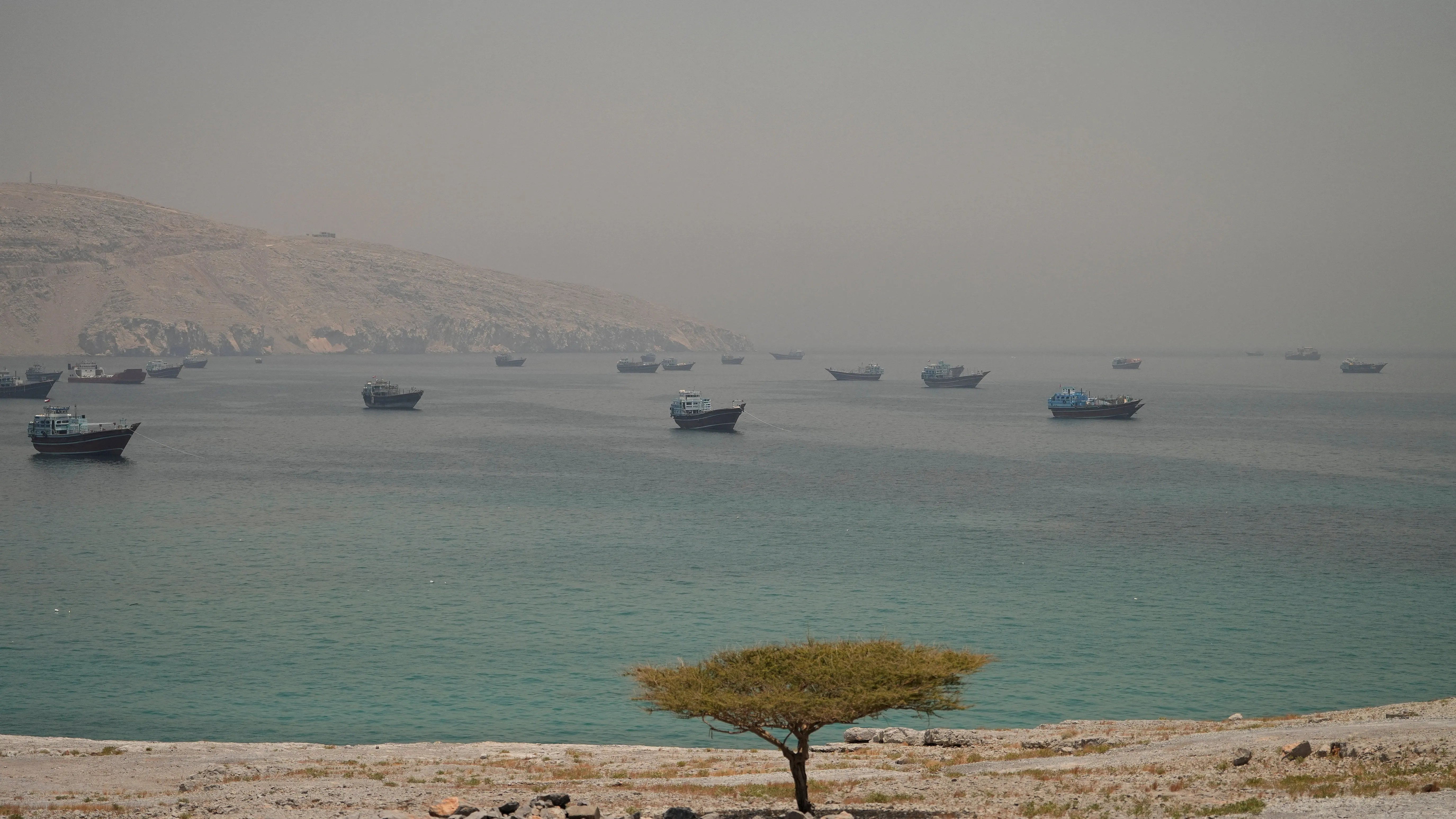
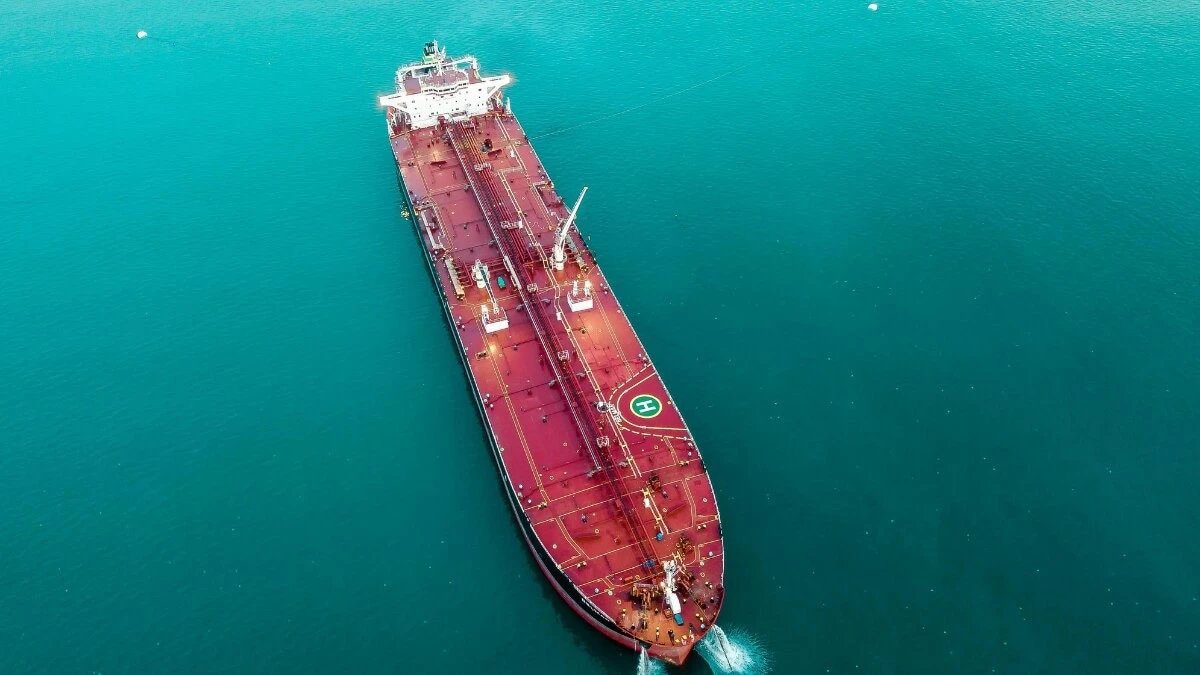
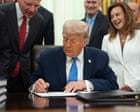
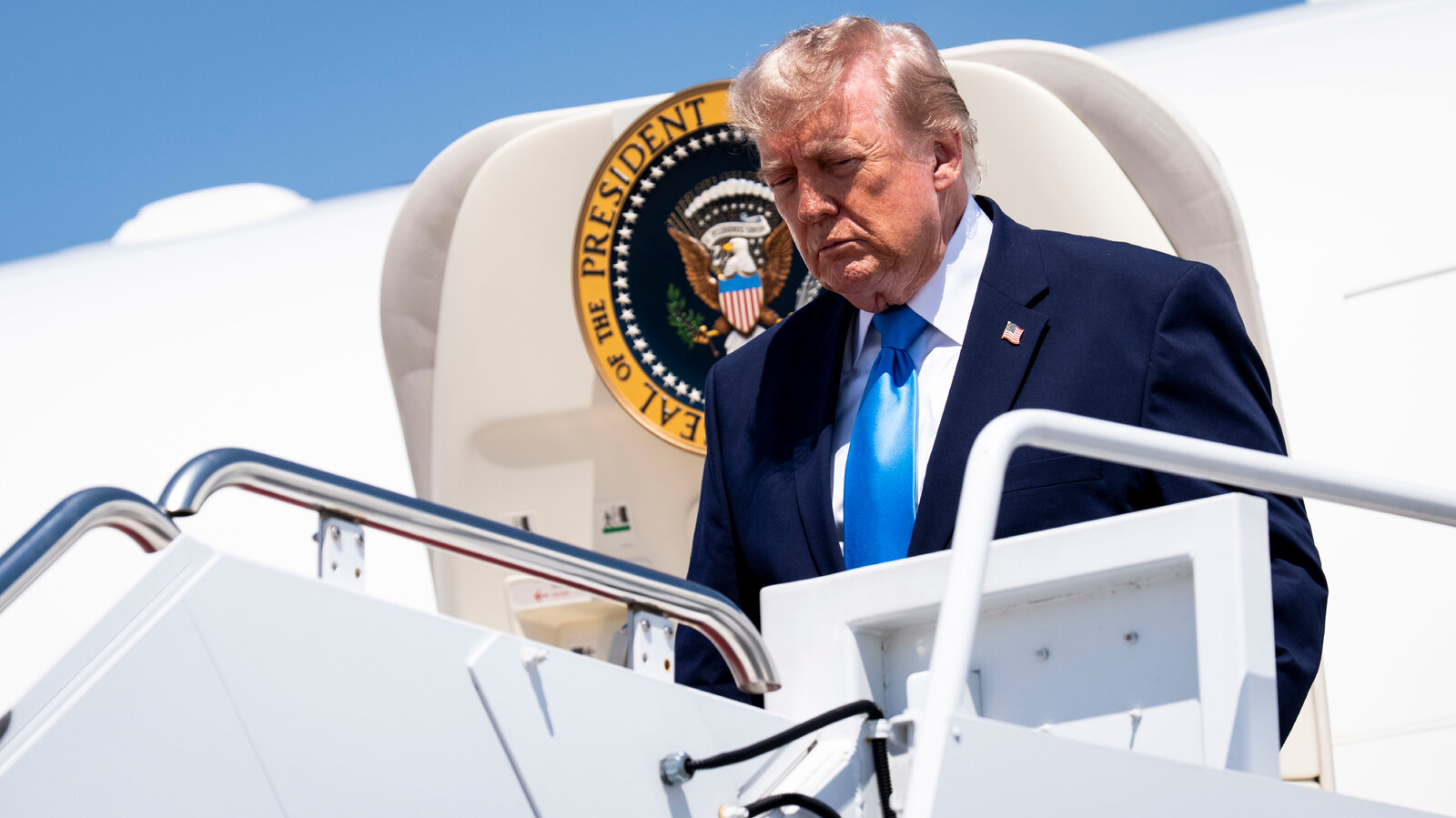
The 14-point memorandum signed by President Trump and President Pezeshkian confirms an immediate halt to military operations on all fronts, including Lebanon, and establishes a 60-day framework for negotiations over Iran's nuclear program. The agreement mandates mutual respect for sovereignty, reopening of the Strait of Hormuz, and the U.S. commitment to fully end its naval blockade within 30 days.
Iran's immediate obligations are significant but relatively limited. Tehran agreed to help ensure safe commercial passage through Hormuz for 60 days only and to reaffirm it will not pursue nuclear weapons while entering talks on its highly enriched uranium and enrichment program. The U.S. commitments appear broader: Washington will begin removing its naval blockade within 30 days, issue waivers for Iranian oil exports immediately, make frozen or restricted Iranian assets available, work towards easing sanctions, and pursue a reconstruction and economic development plan for Iran worth at least $300 billion.
The agreement notably omits several war aims Trump had previously stated publicly. Early in the conflict, Trump vowed the U.S. military would "destroy their missiles and raze their missile industry to the ground," but the memorandum contains no references to Iran's ballistic missiles. Similarly, the MOU makes no mention of Iran's ties with regional proxy groups, despite Trump's March promise that the U.S. was working to ensure "the Iranian regime cannot continue to arm, fund and direct armies outside of their borders."
Republican Criticism Over Concessions
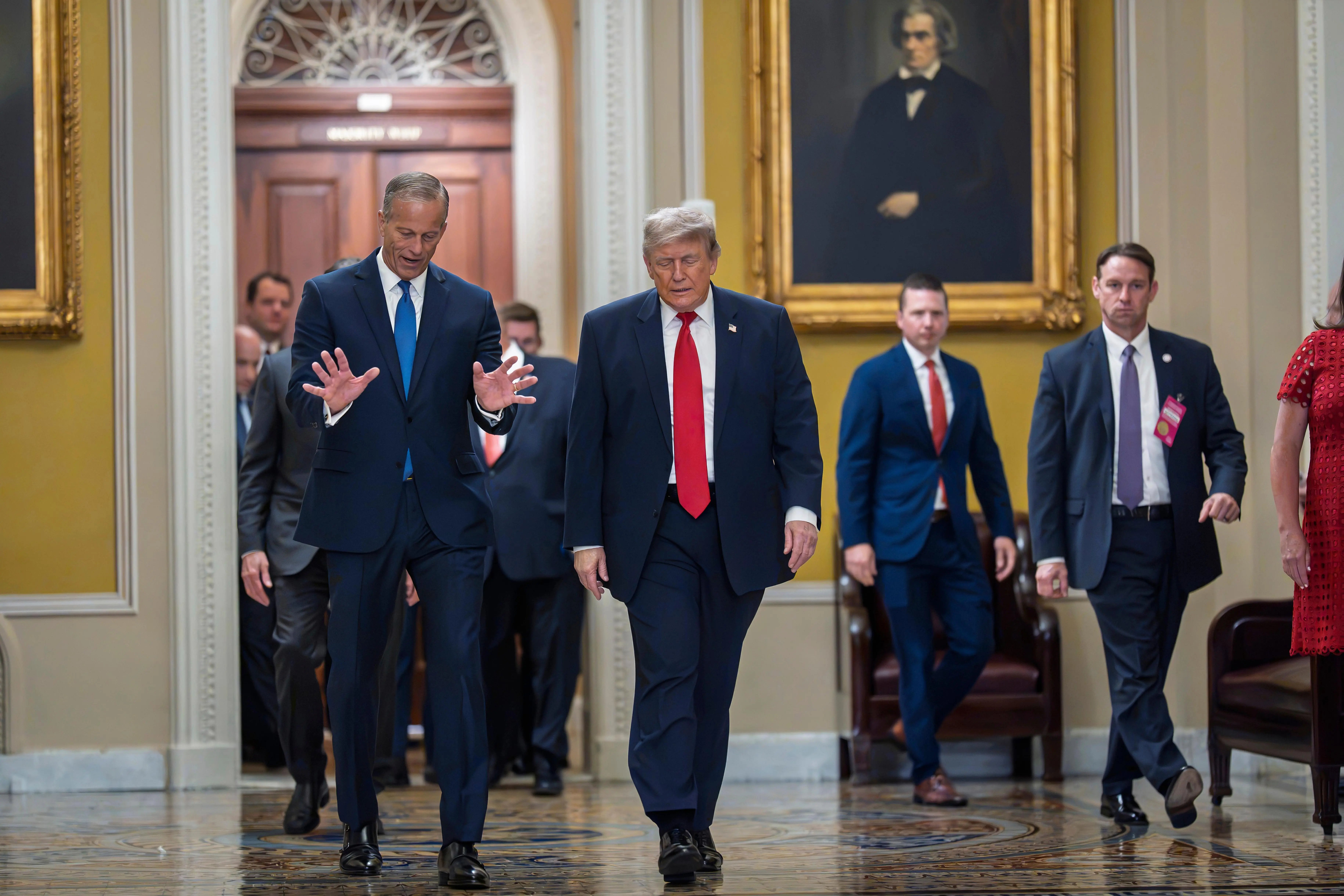
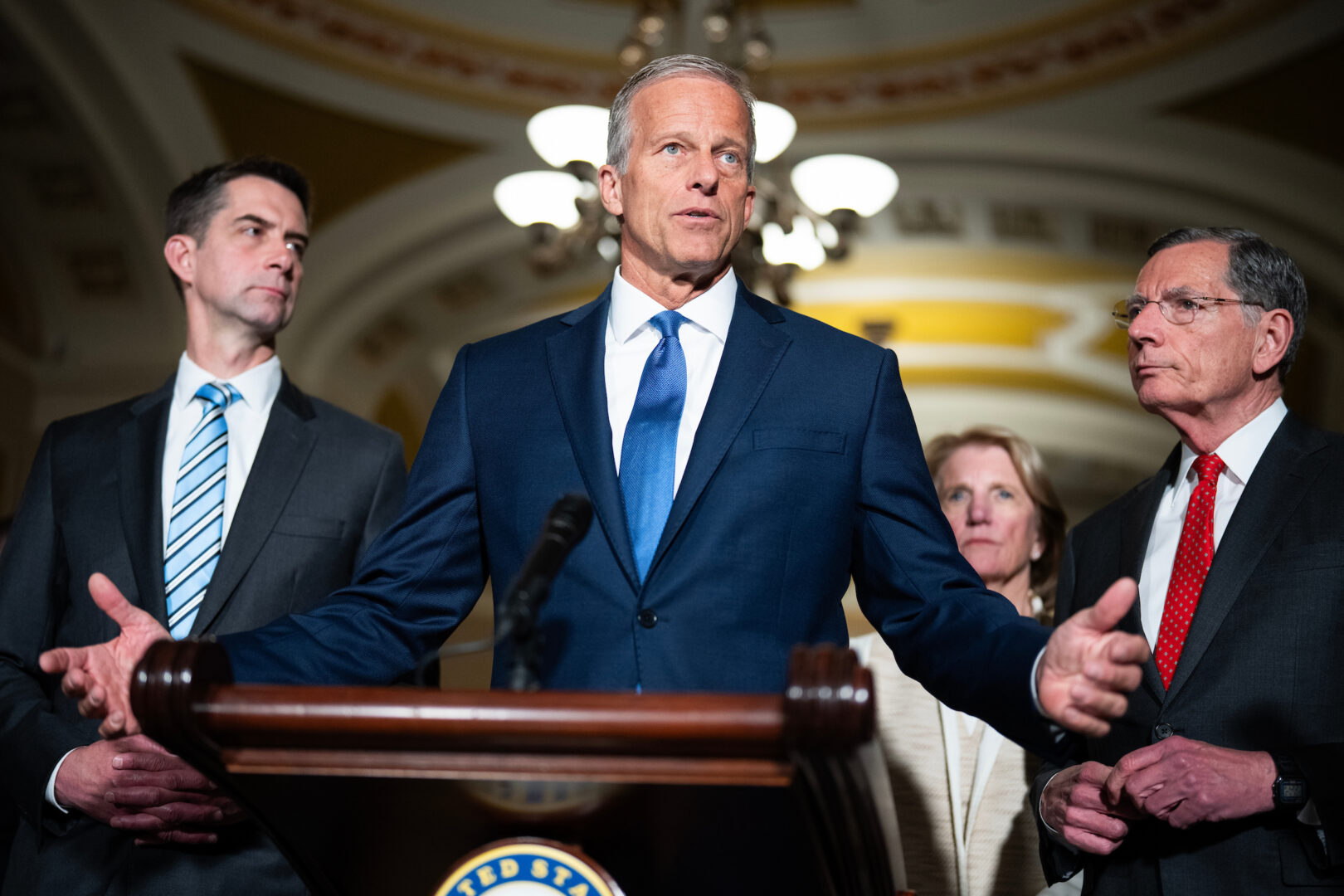
Sen. Roger Wicker of Mississippi, chair of the Senate Armed Services Committee, said Thursday he was "concerned" the memorandum "negotiates away the victories of Operation Epic Fury in ways that are completely out of step with the President's goals." The $300 billion reconstruction fund has become a focal point of Republican opposition.
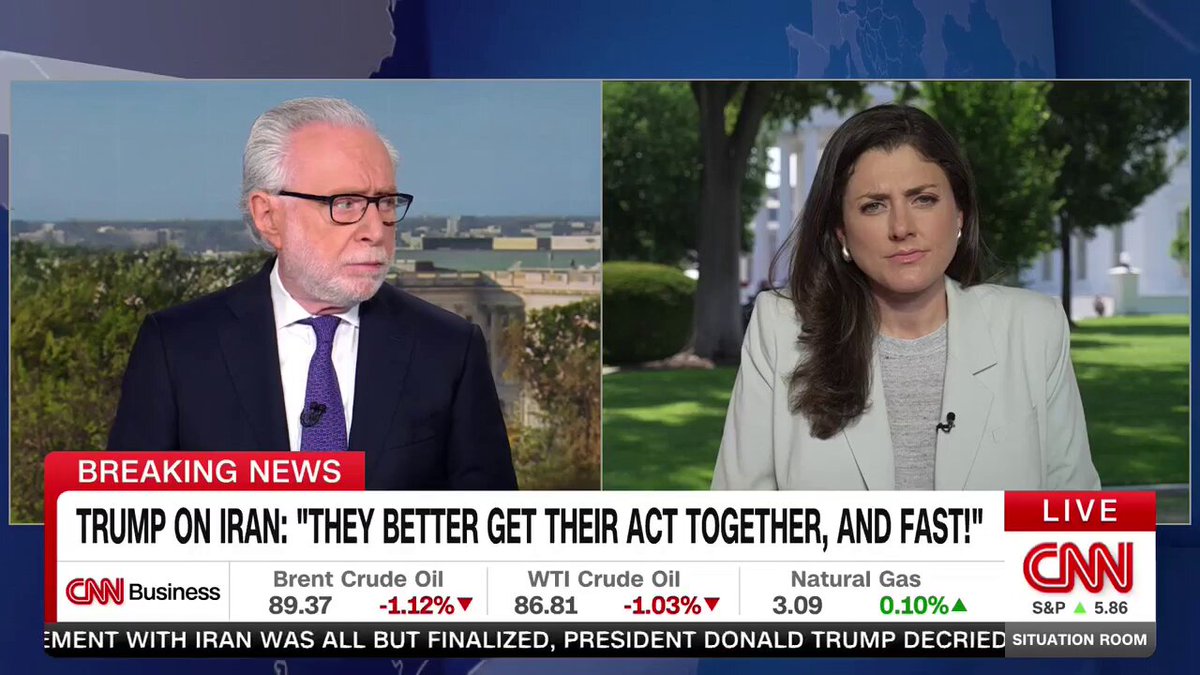
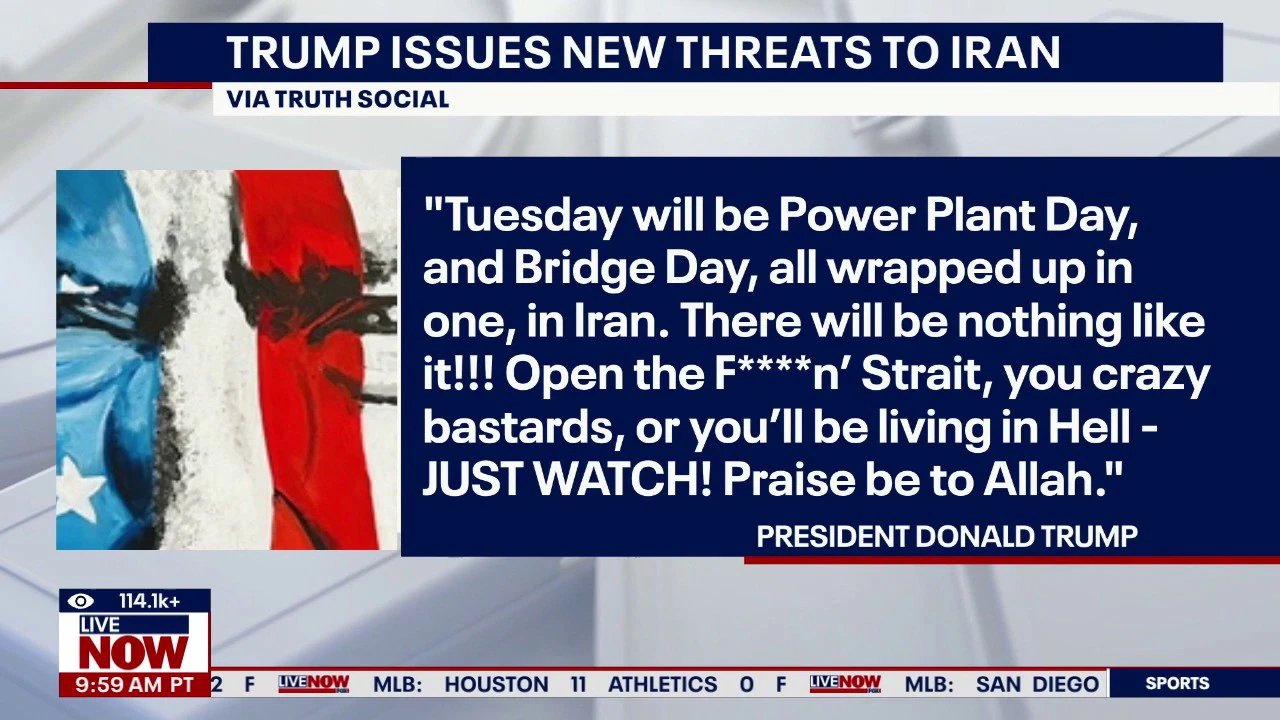
Trump denied the characterization on Truth Social: "There is no 300 billion dollar payment to Iran by the US. That's fake news. All there is for the US is success, lower oil prices, and victory." Administration officials clarified that none of this money would come directly from the U.S. but would be funded by regional partners. Despite Trump's denial, the memorandum outlines a $300 billion reconstruction fund, funded by regional partners, which has raised concerns among Republicans and been criticized as a concession to Iran.
Texas Senator Ted Cruz, an otherwise reliable Trump ally, told The Hill: "History teaches us that giving billions of dollars to theocratic lunatics who want to murder us is not a good idea. I think the president is receiving some very poor advice." Conservative commentator Tucker Carlson was more direct, saying on his show: "This is a pretty humiliating loss for the United States. This is a loss."
Expert Analysis on Iran's Position
Raz Zimmt, director of the Iran Program at the Institute for National Security Studies, told Axios that Khamenei's statement endorses continued negotiations while preserving political insulation. "If the negotiations produce an agreement favorable to Iran, Khamenei will be able to claim credit. But if it fails, he and his supporters will be able to argue that he never truly supported the negotiations or the deal, and put the blame on president Pezeshkian," Zimmt said.
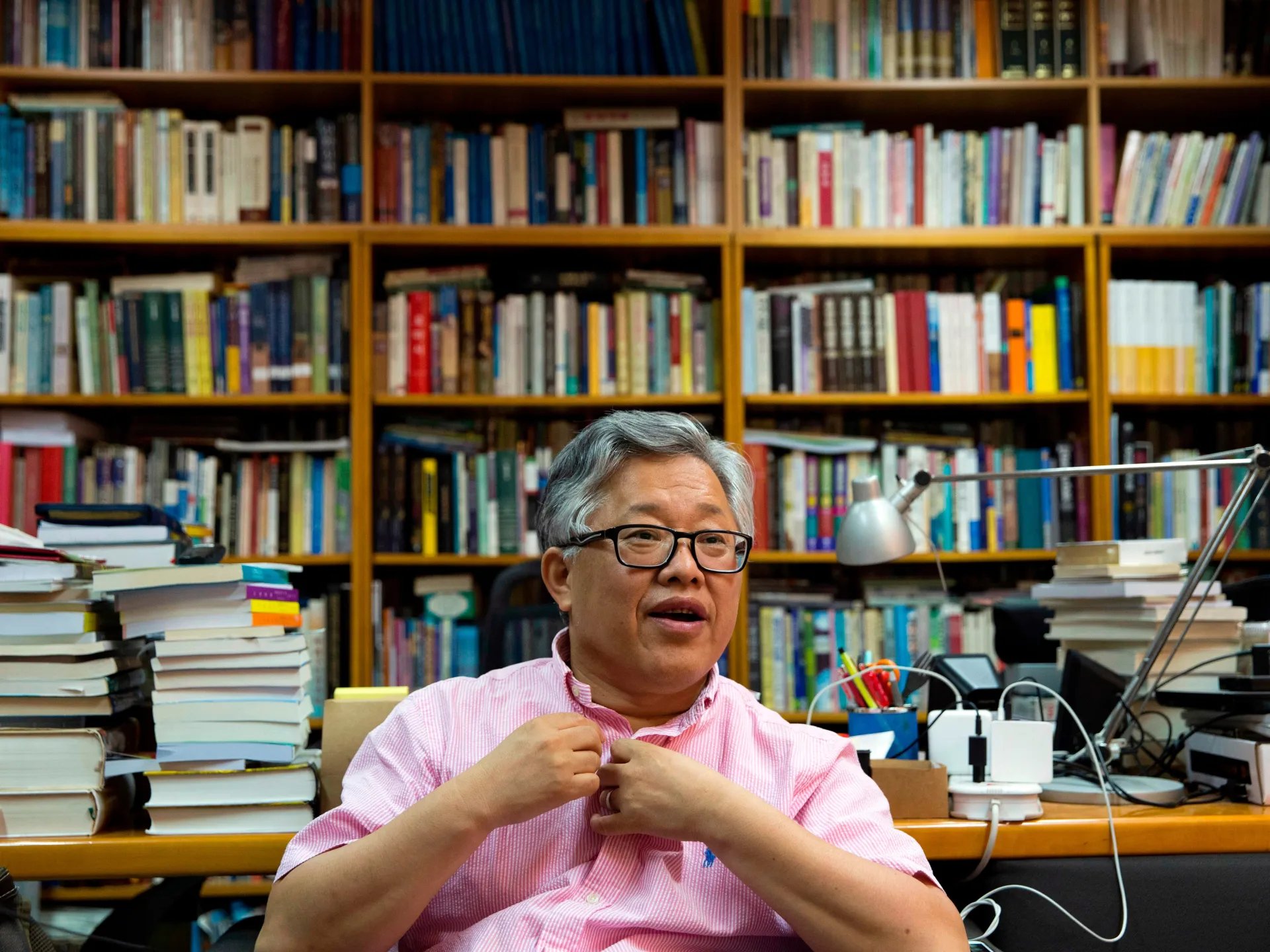
Vali Nasr, professor of Middle East studies at Johns Hopkins University and former adviser to the State Department, said in an interview that "the war is ending in Iran's favour" and "it's very difficult not to see this as a major setback for the United States and a major gain for Iran." He added that "the Islamic Republic, domestically and regionally, is coming out of this war more confident, more self-assured and stronger" than before.
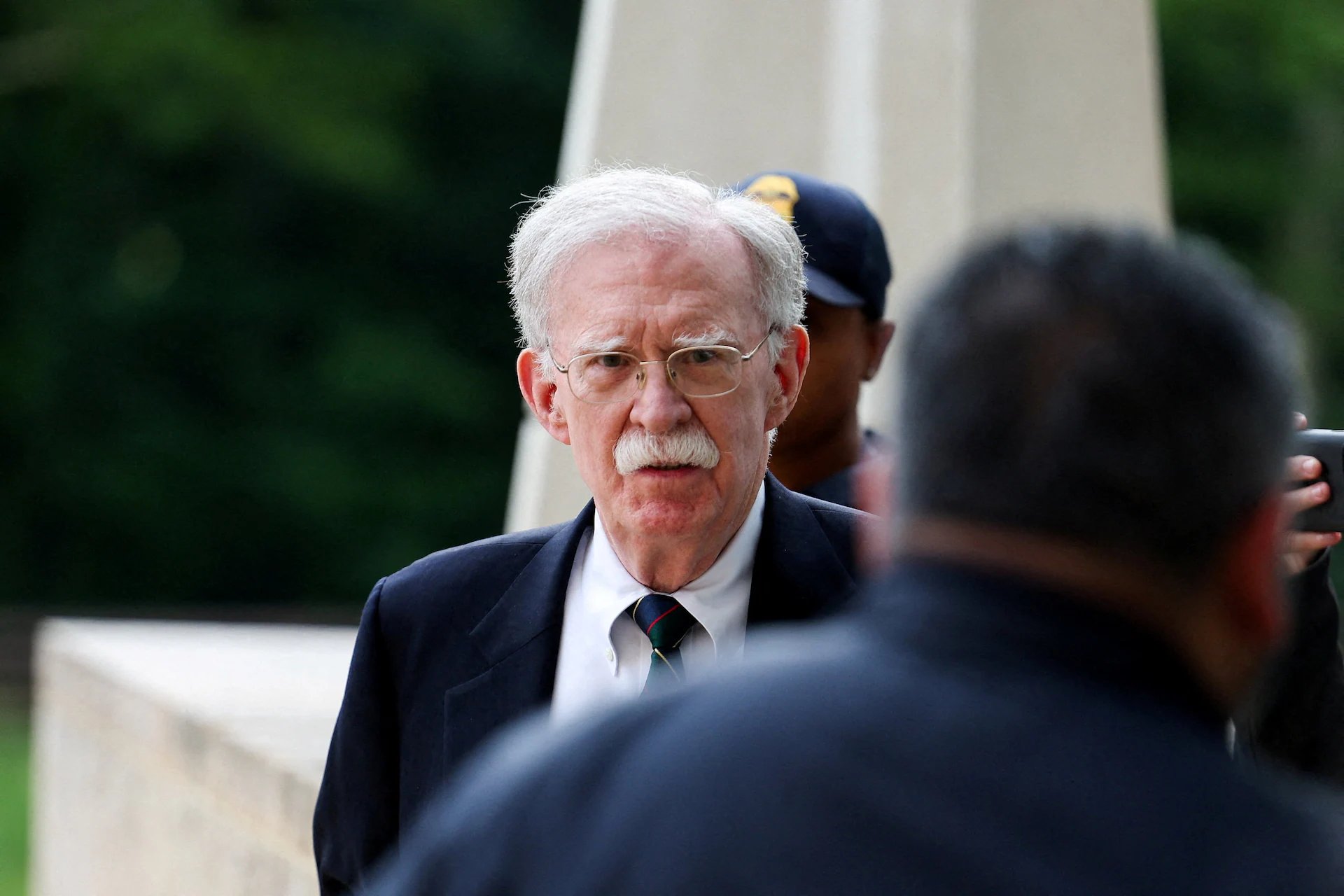
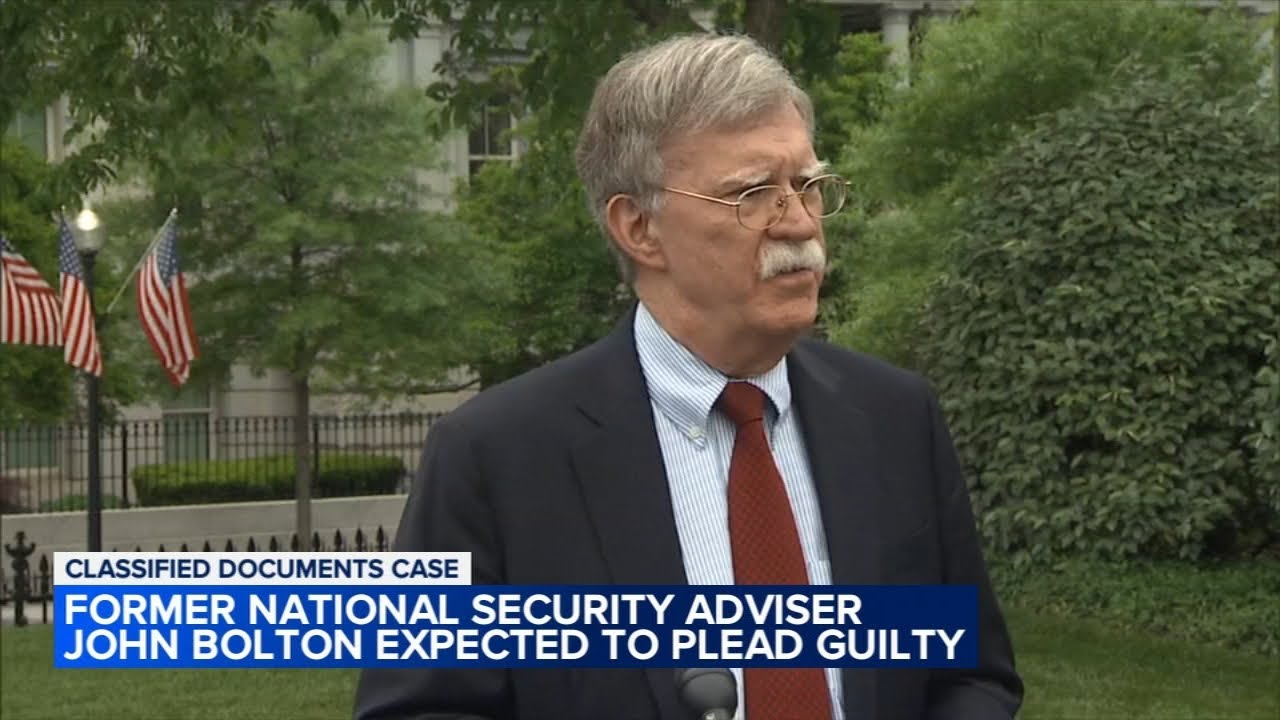
Former National Security Advisor John Bolton called the deal a "real defeat" for the U.S., warning that "Iran will use oil funds to rebuild their war capabilities" and describing the situation as "a trap of Trump's own making."
The 60-Day Negotiation Window
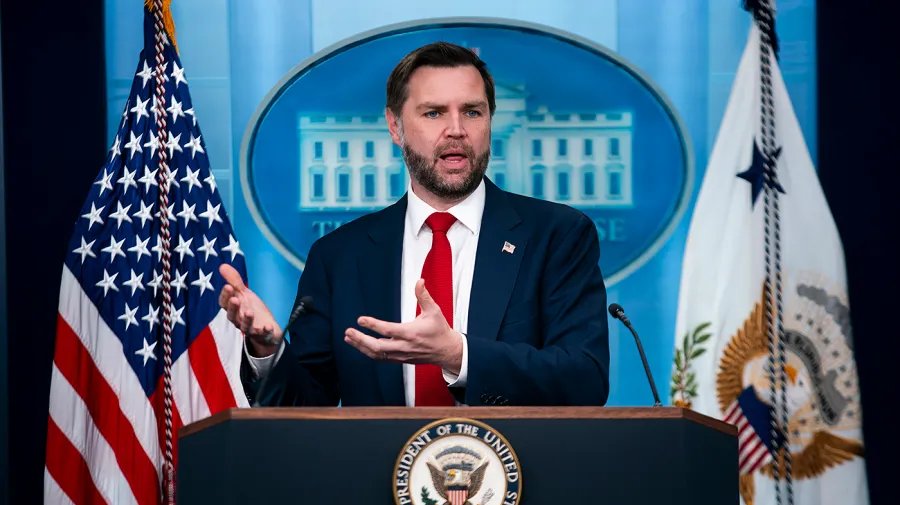
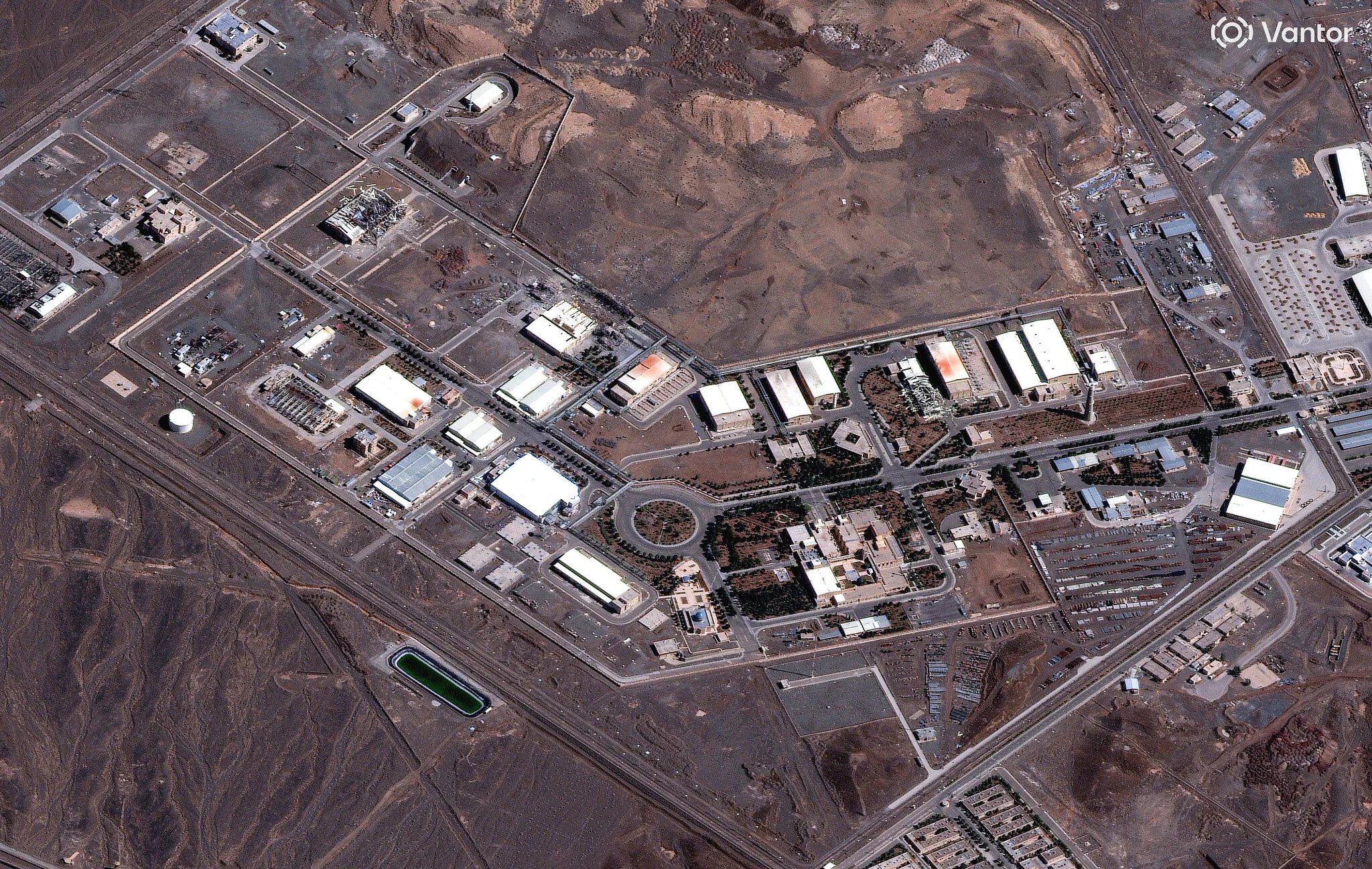
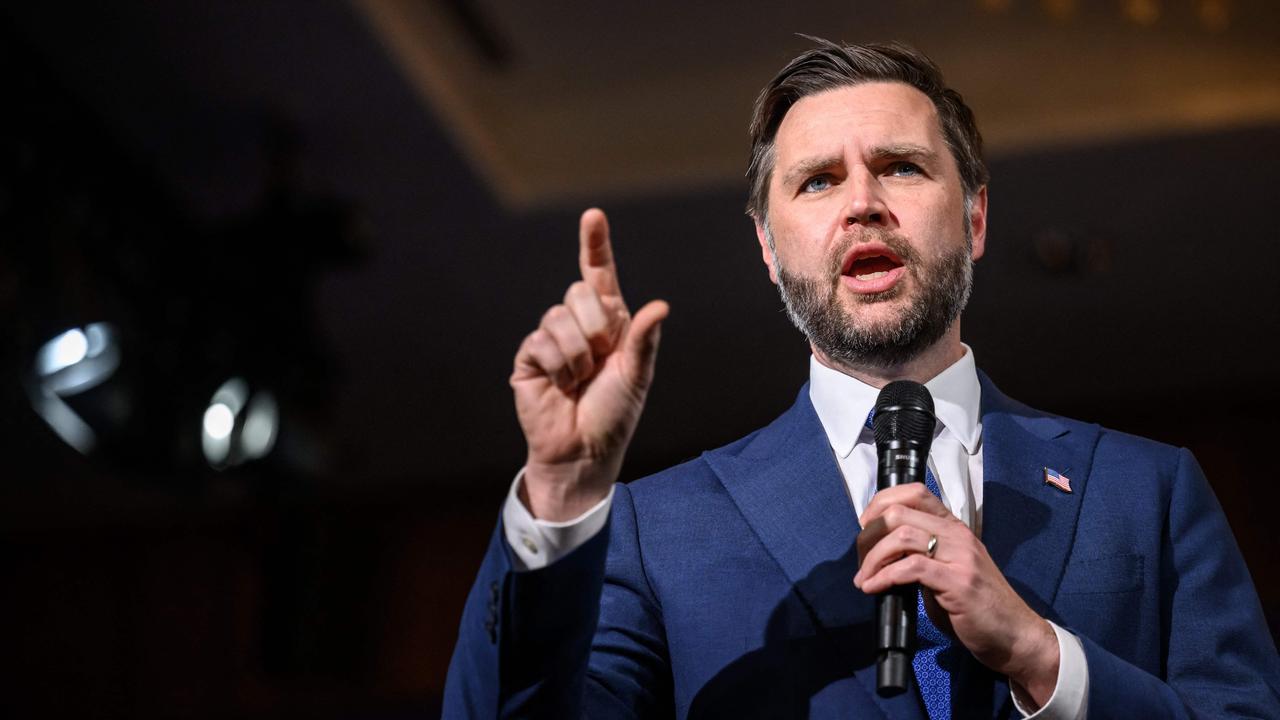
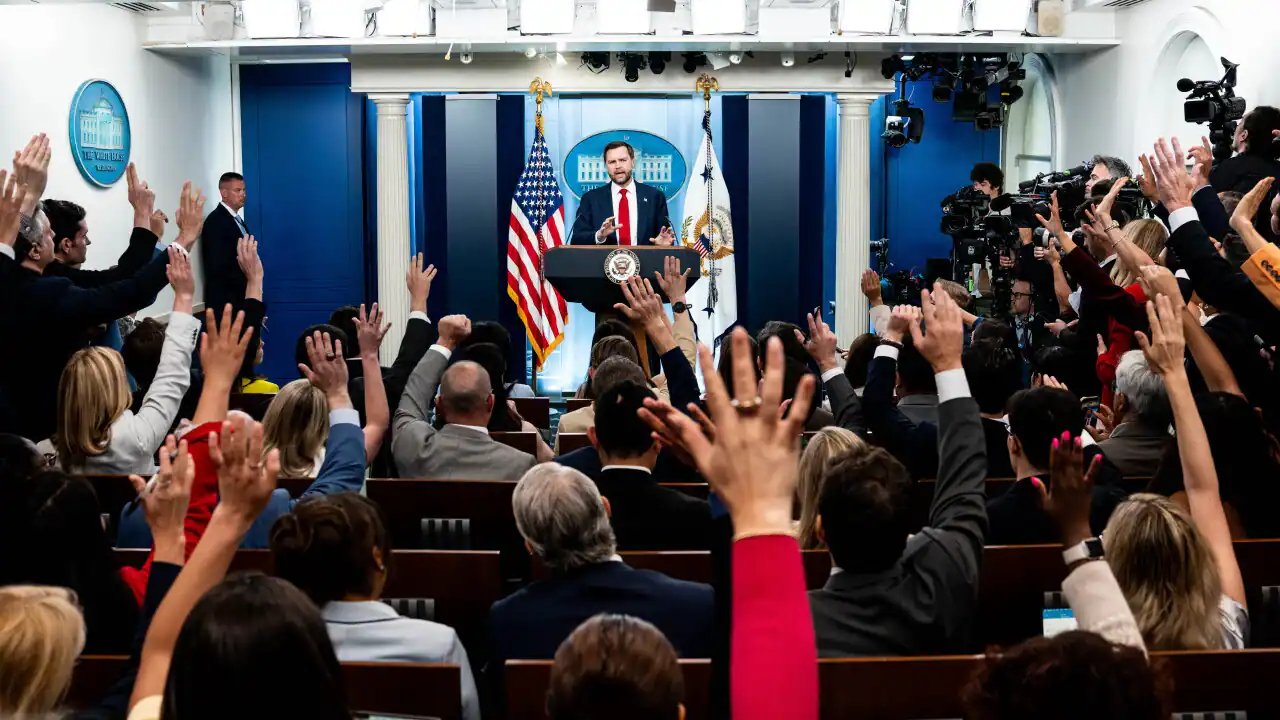
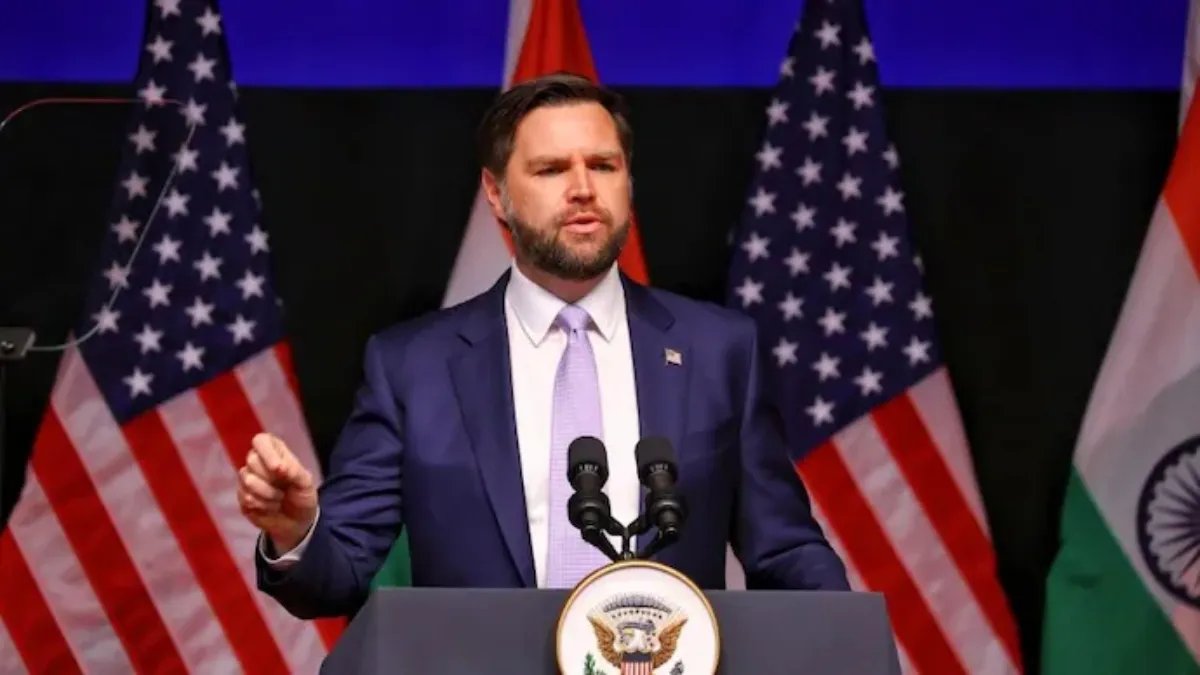
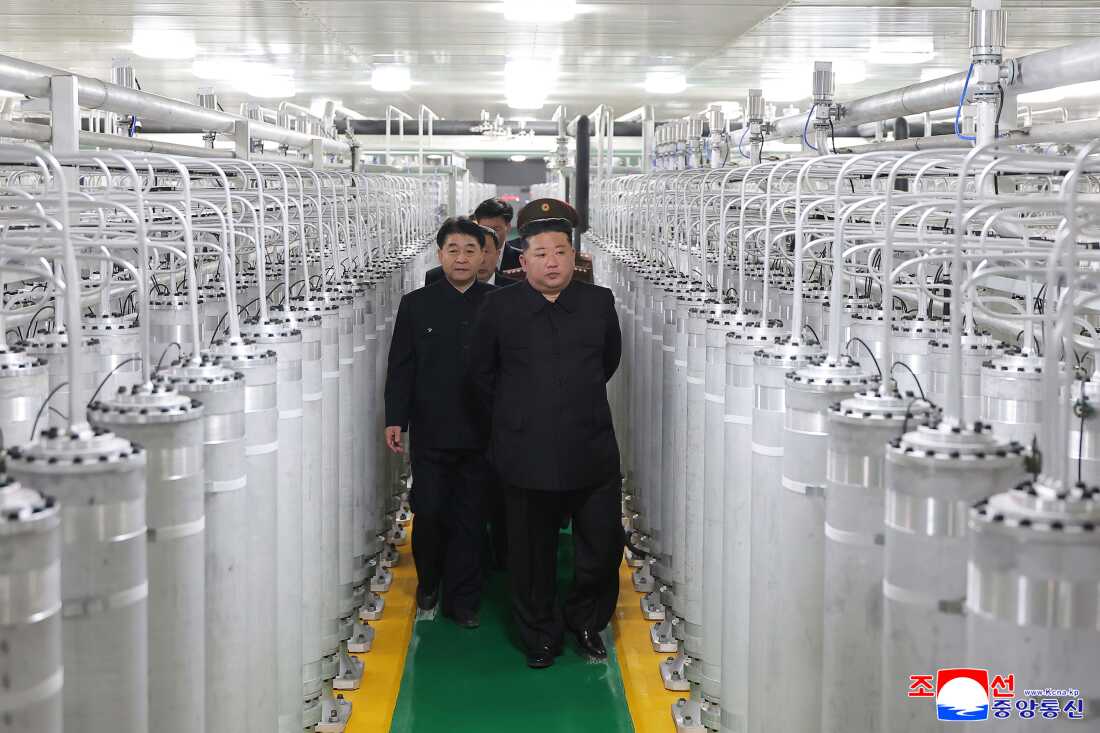
The meeting between U.S. and Iranian delegations headed by Vice President JD Vance and Iranian parliamentary speaker Mohammad-Bagher Ghalibaf is expected to take place in Switzerland on Friday. The two sides will discuss launching negotiations on Iran's nuclear program, with the memorandum setting a 60-day deadline to reach agreement on enriched uranium disposition and the future shape of Iran's nuclear facilities.
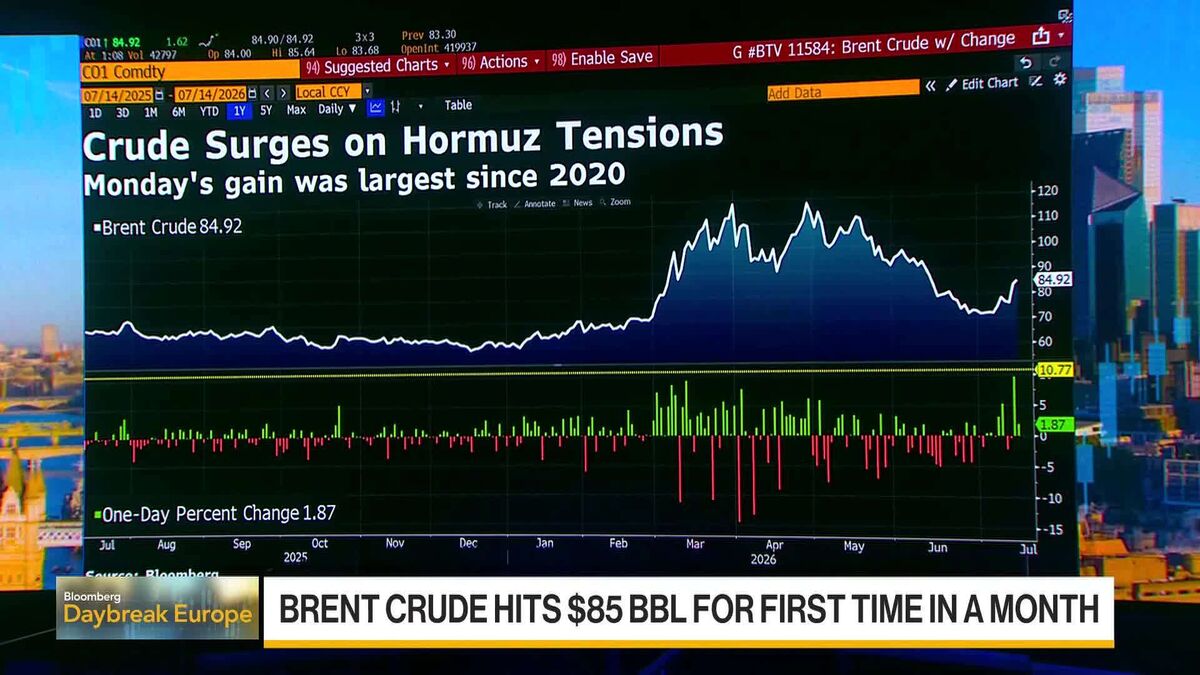
The agreement states Iran will "conduct dialogue" with Oman after that period to define future administration of the waterway, though Iran's foreign ministry indicated there will be "fees" for using the strait charged "in exchange for the services that are provided."