




Goma border sealed after first confirmed case
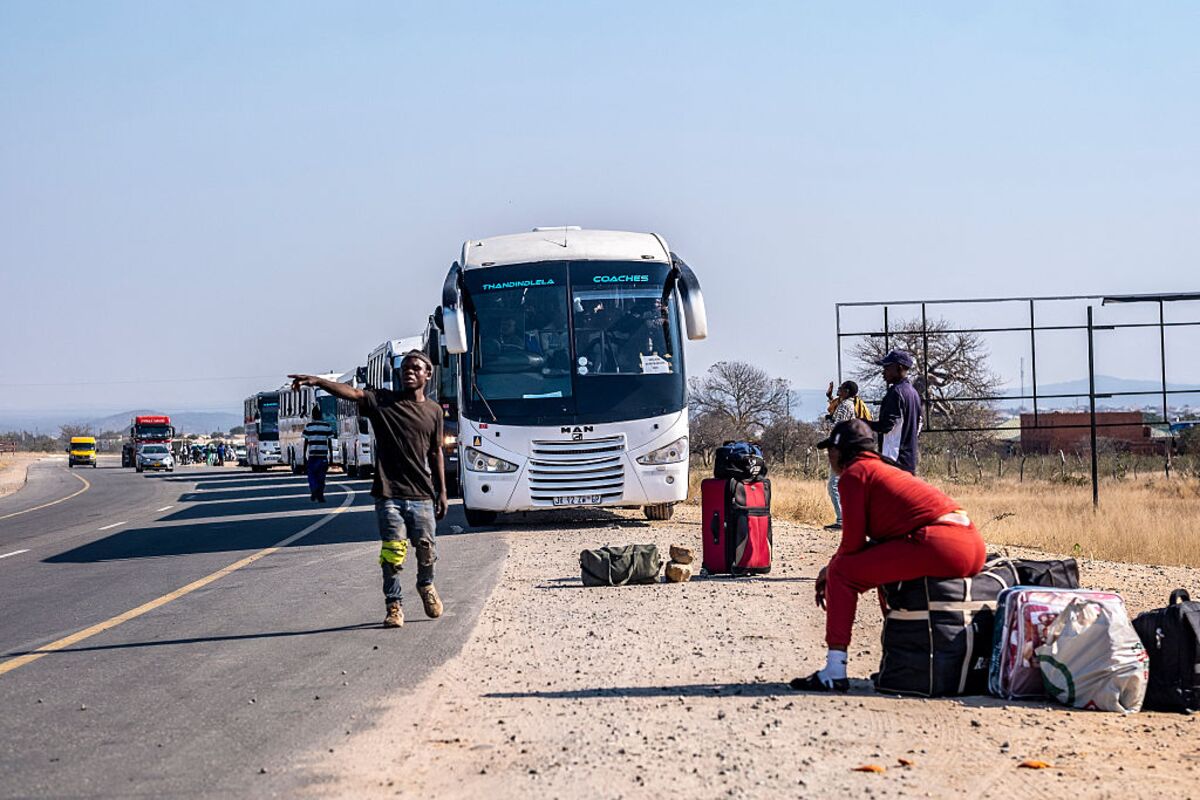
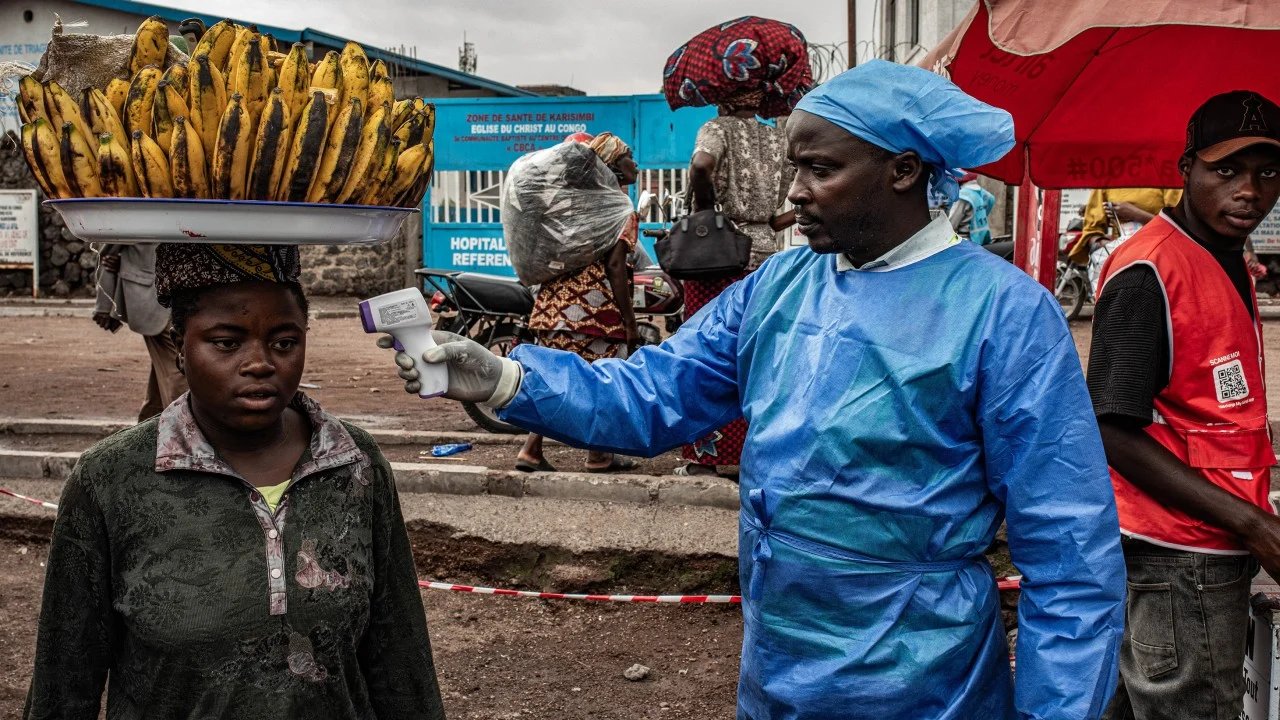
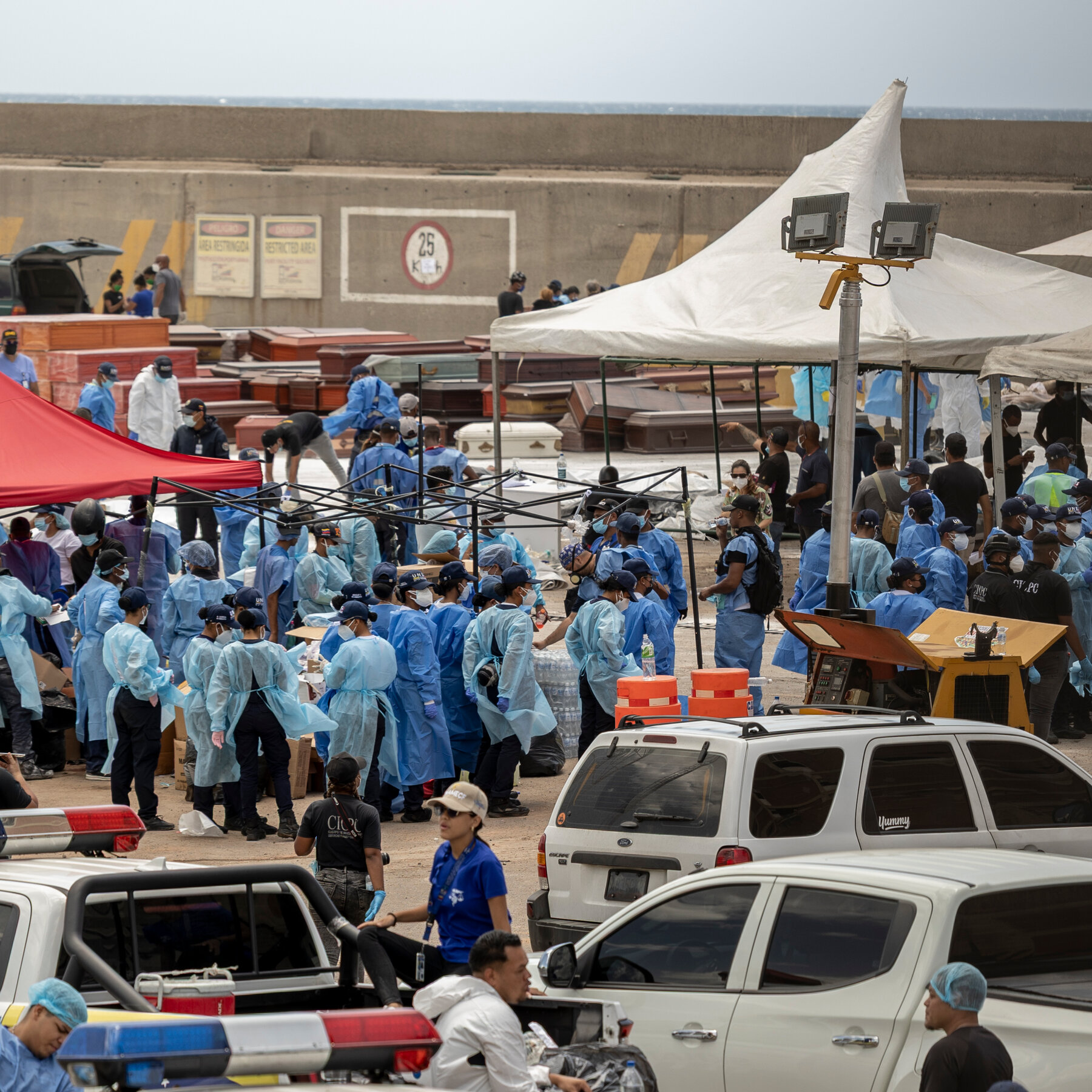
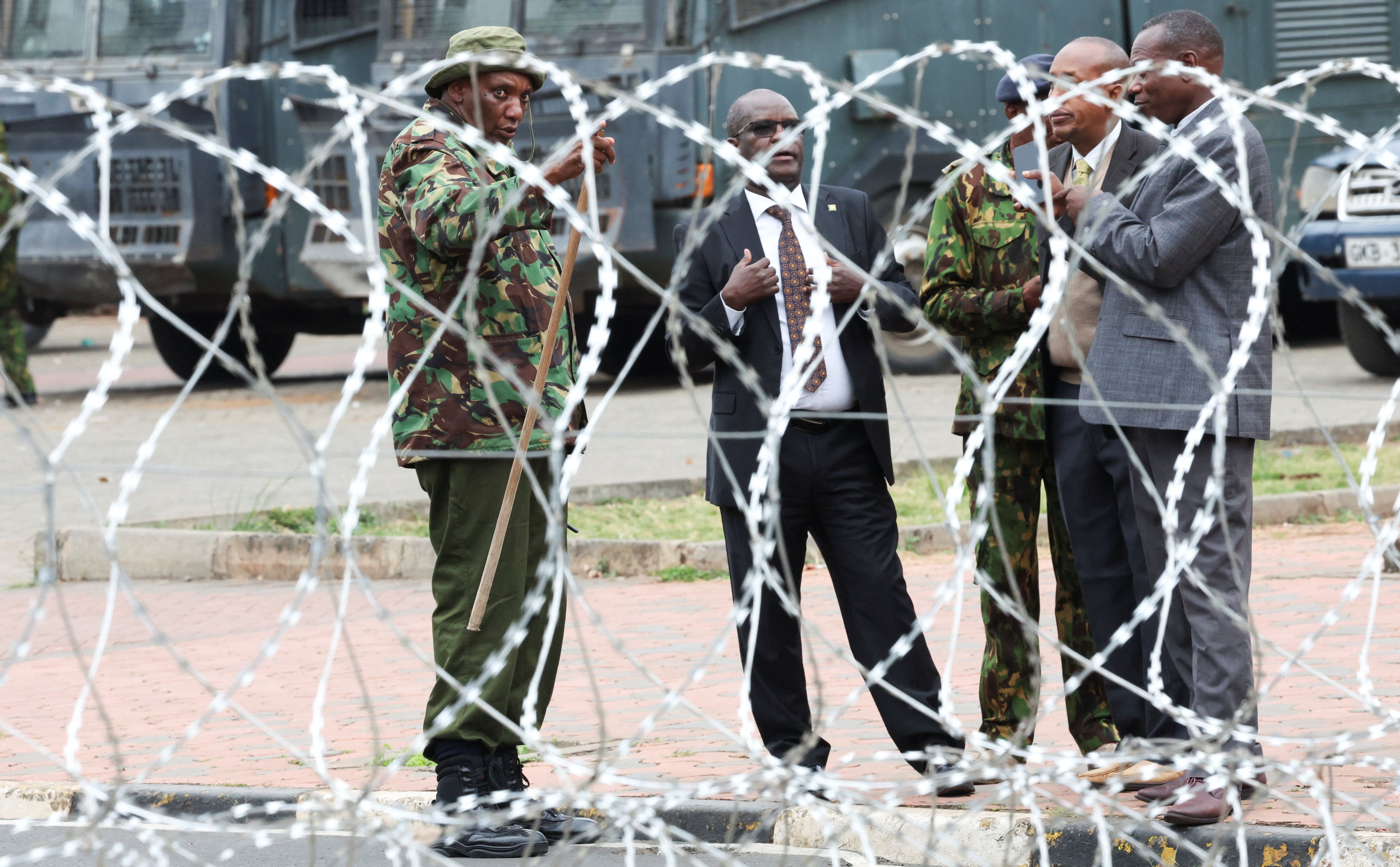
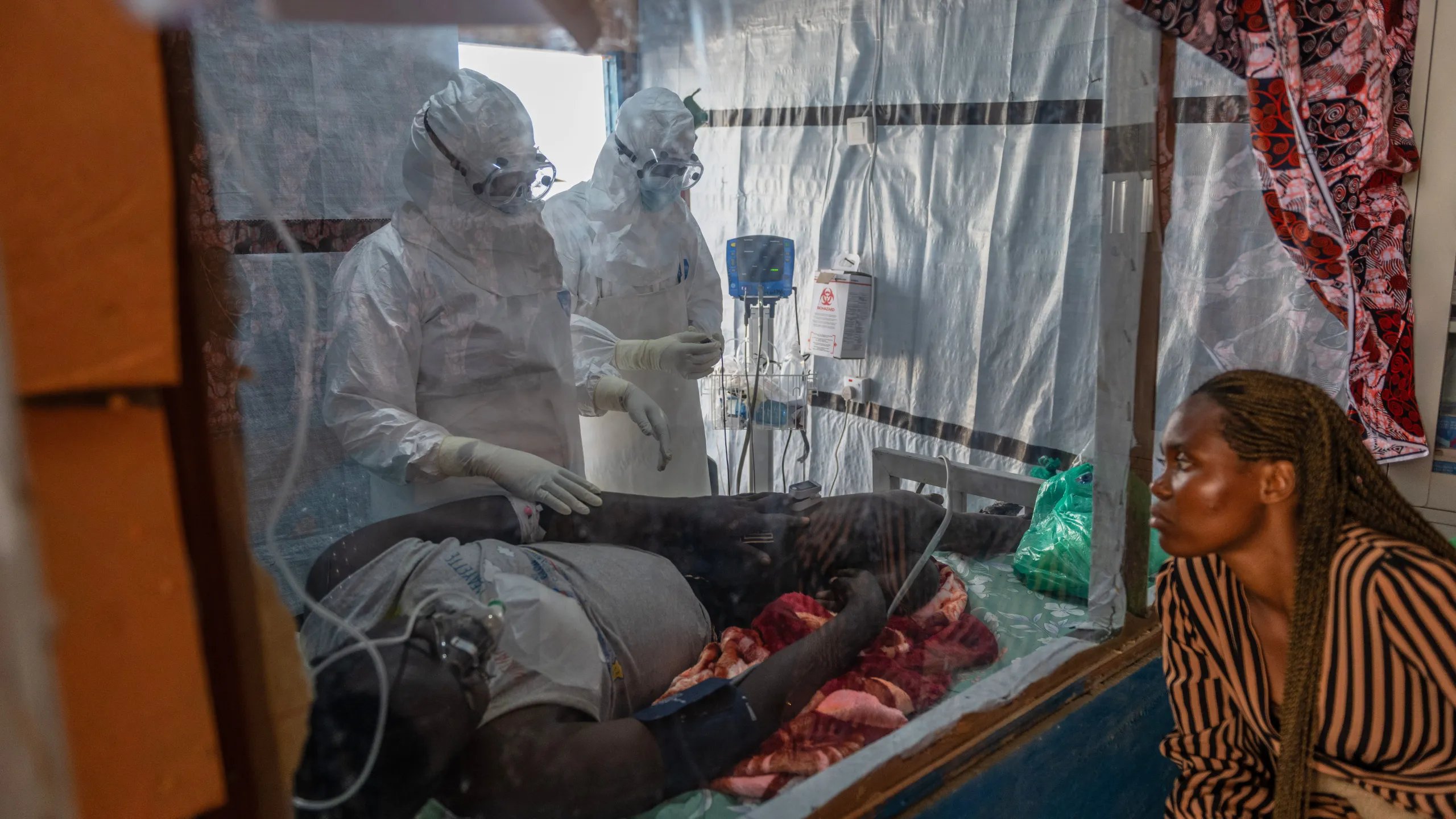
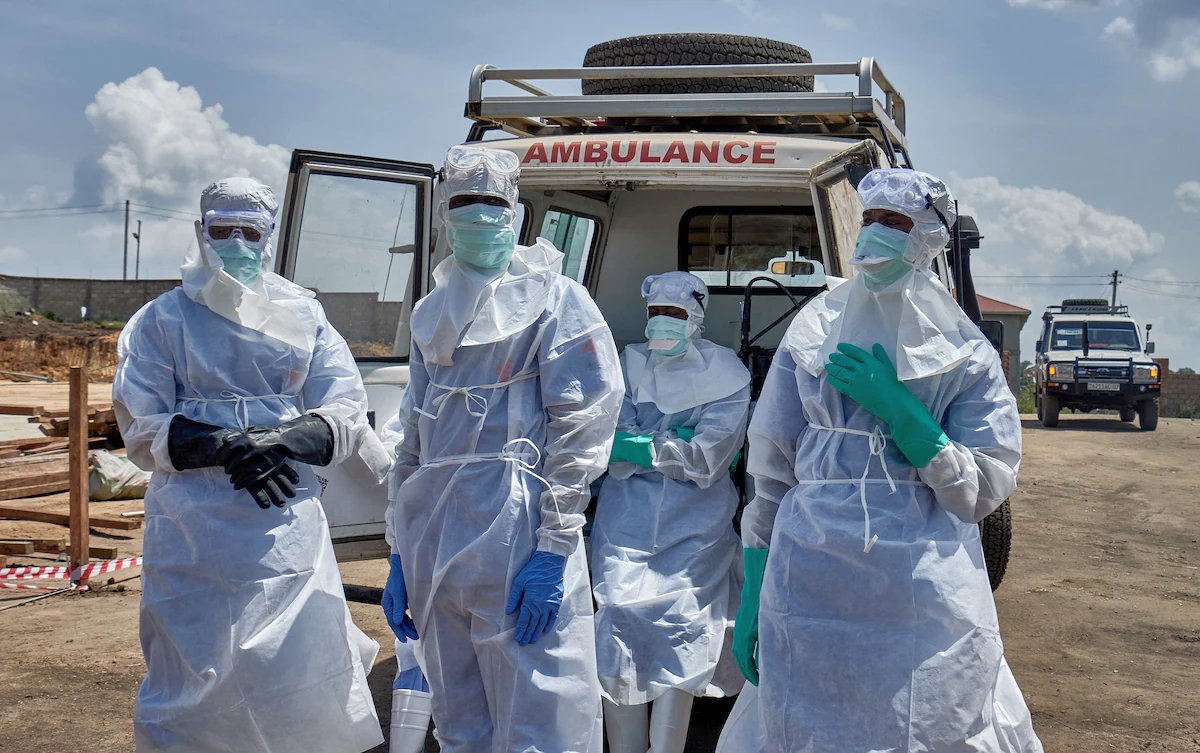
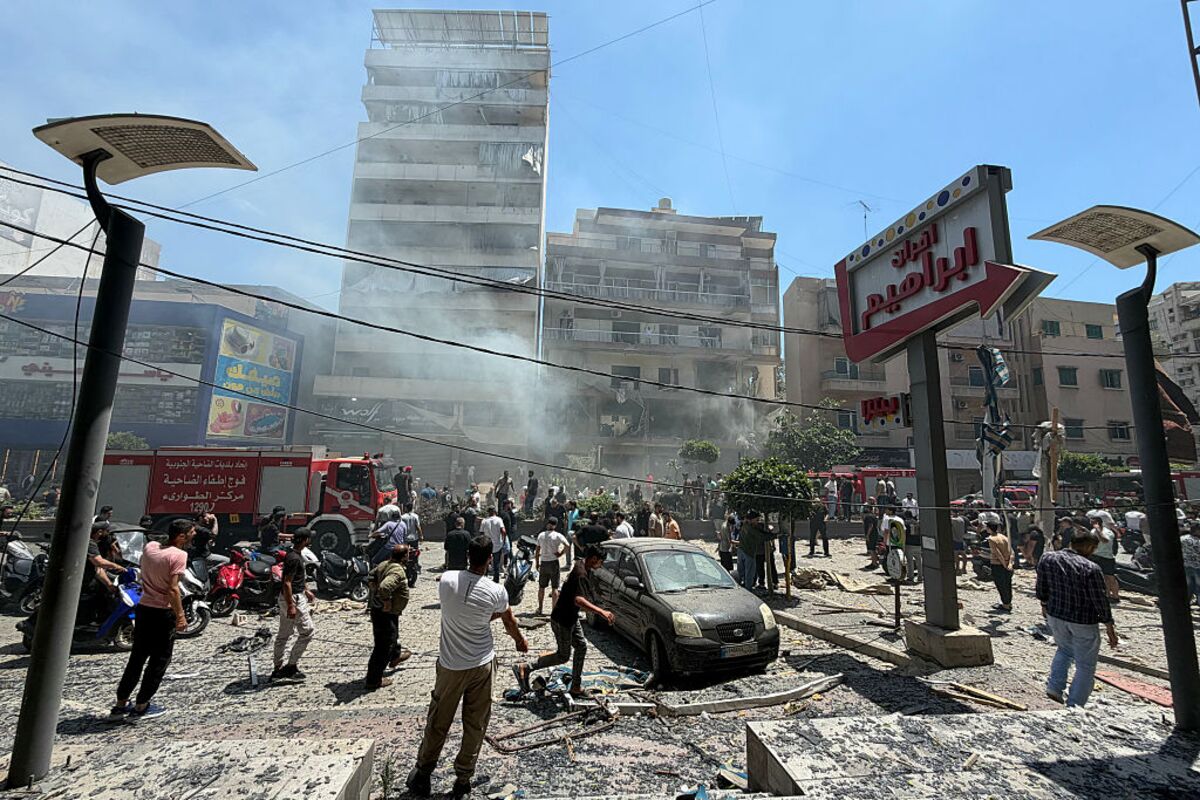
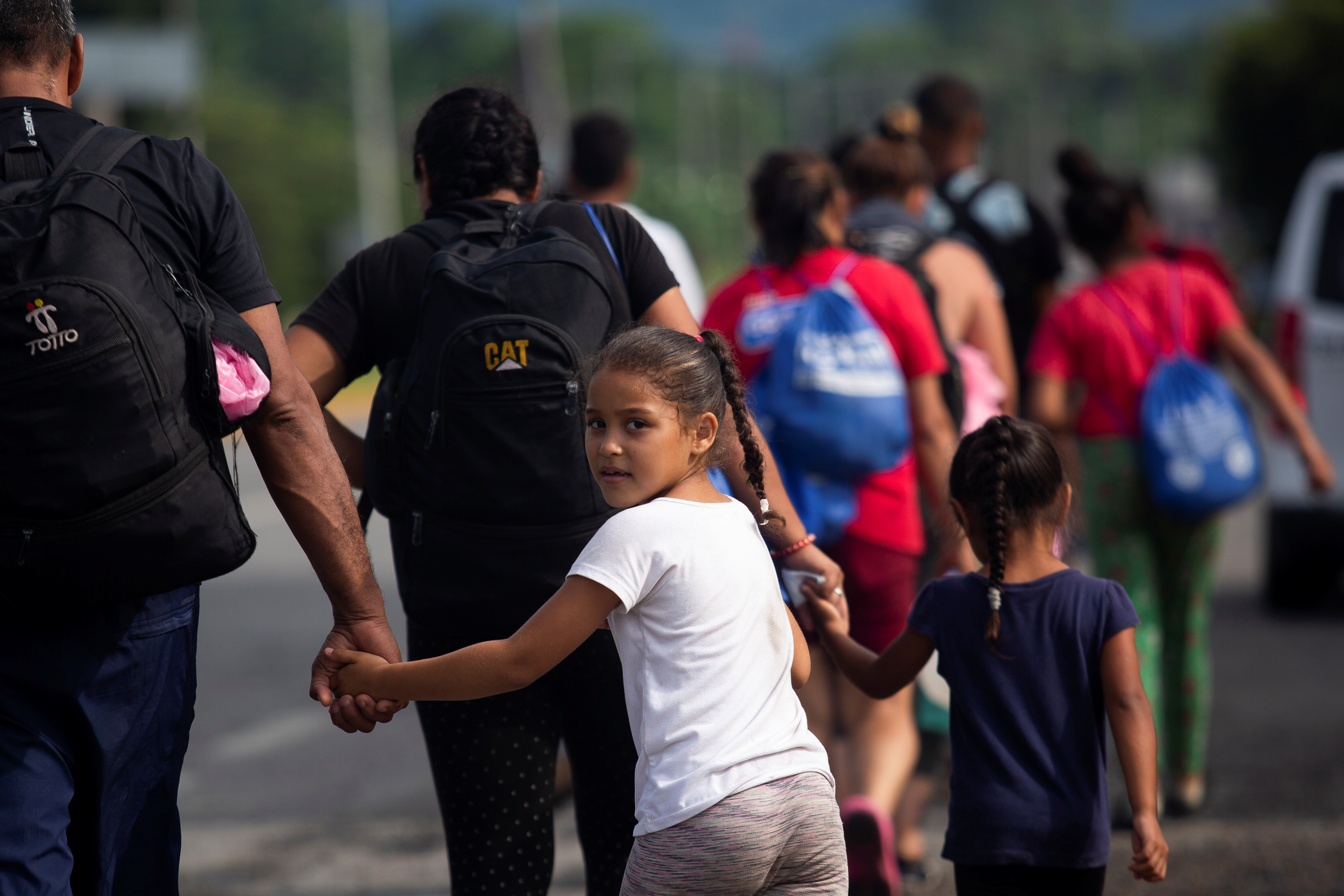
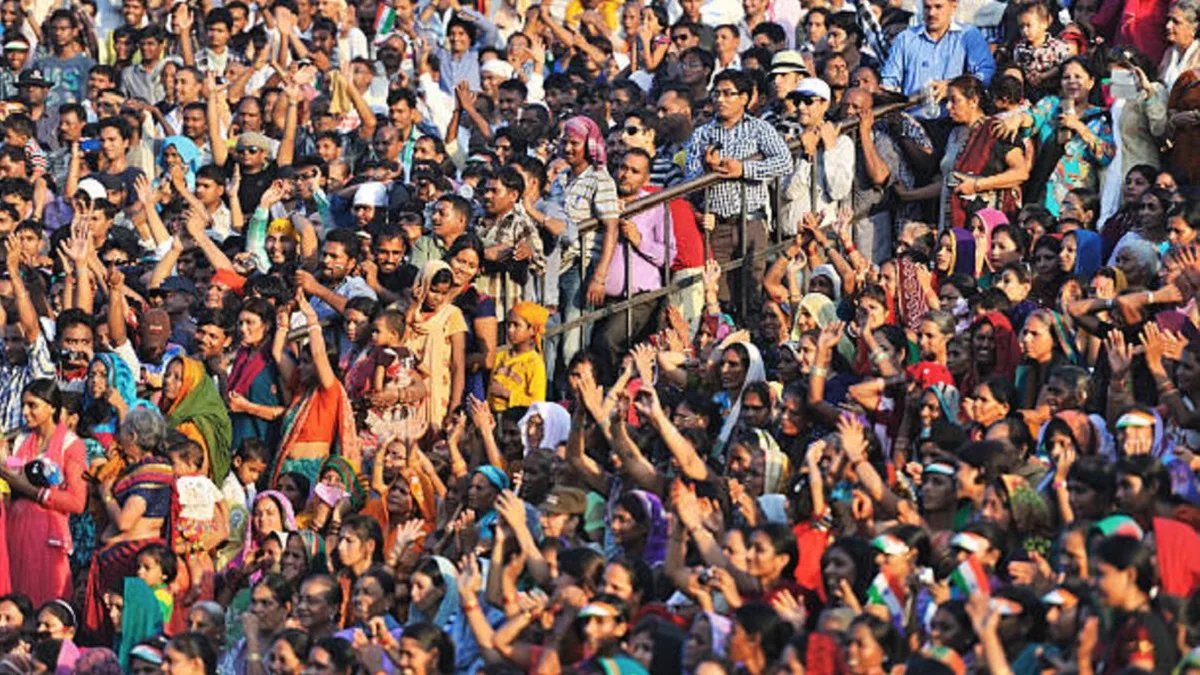
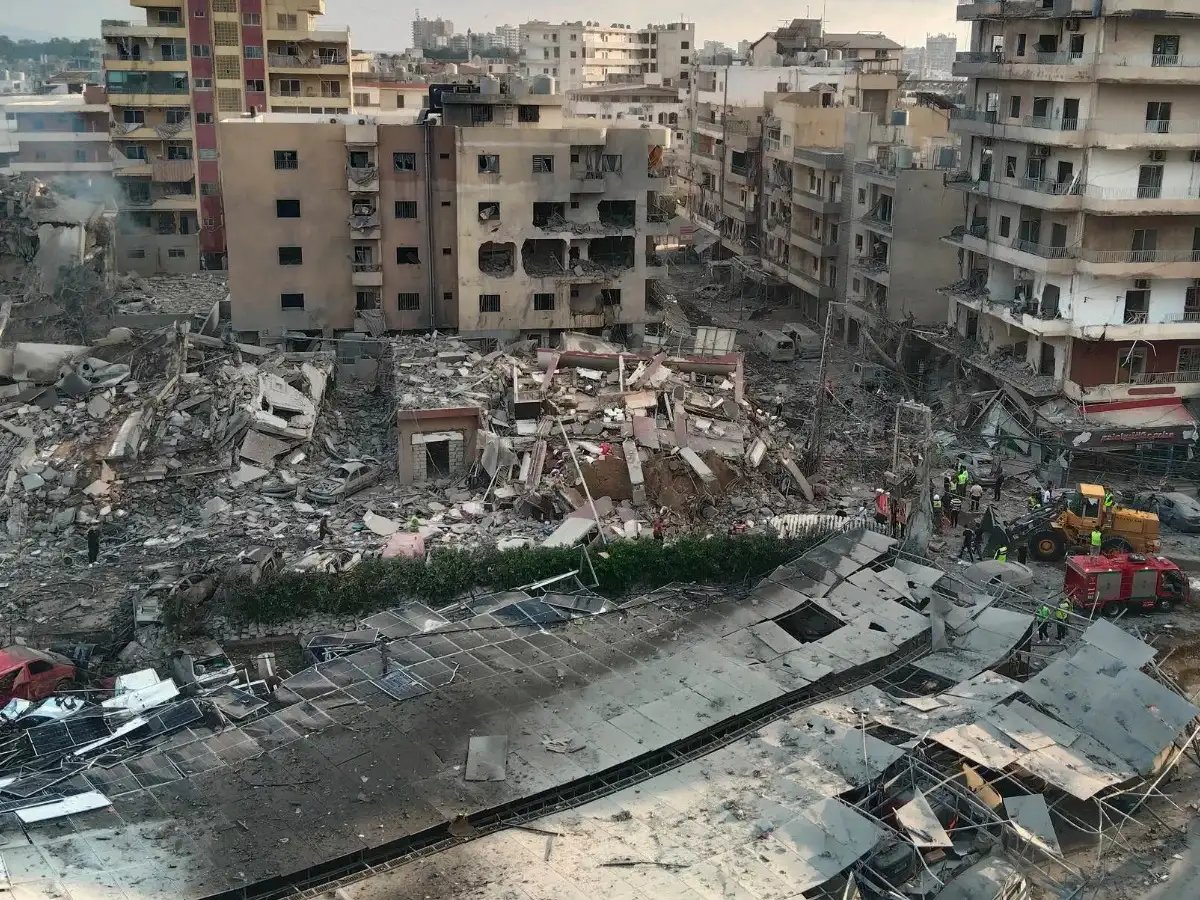
Authorities closed the Petite Barrière border crossing between Goma in the Democratic Republic of the Congo and the Rwandan town of Gisenyi on May 16 after confirming an Ebola case in Goma. The closure has severed a trade route that World Bank estimates from 2015 showed handled between 20,000 and 30,000 daily crossings, many by small-scale traders whose livelihoods depend on moving goods between the two cities.
Murielle Ihora, a mother of three who sells tomatoes, was turned back on May 17 as she attempted to cross into Rwanda to buy fresh produce at prices low enough to resell in Goma. She now travels instead to neighboring villages like Minova, about 30 kilometers southwest of Goma in South Kivu province, to source her stock at higher cost and lower profit margins.
Economic toll on vulnerable traders
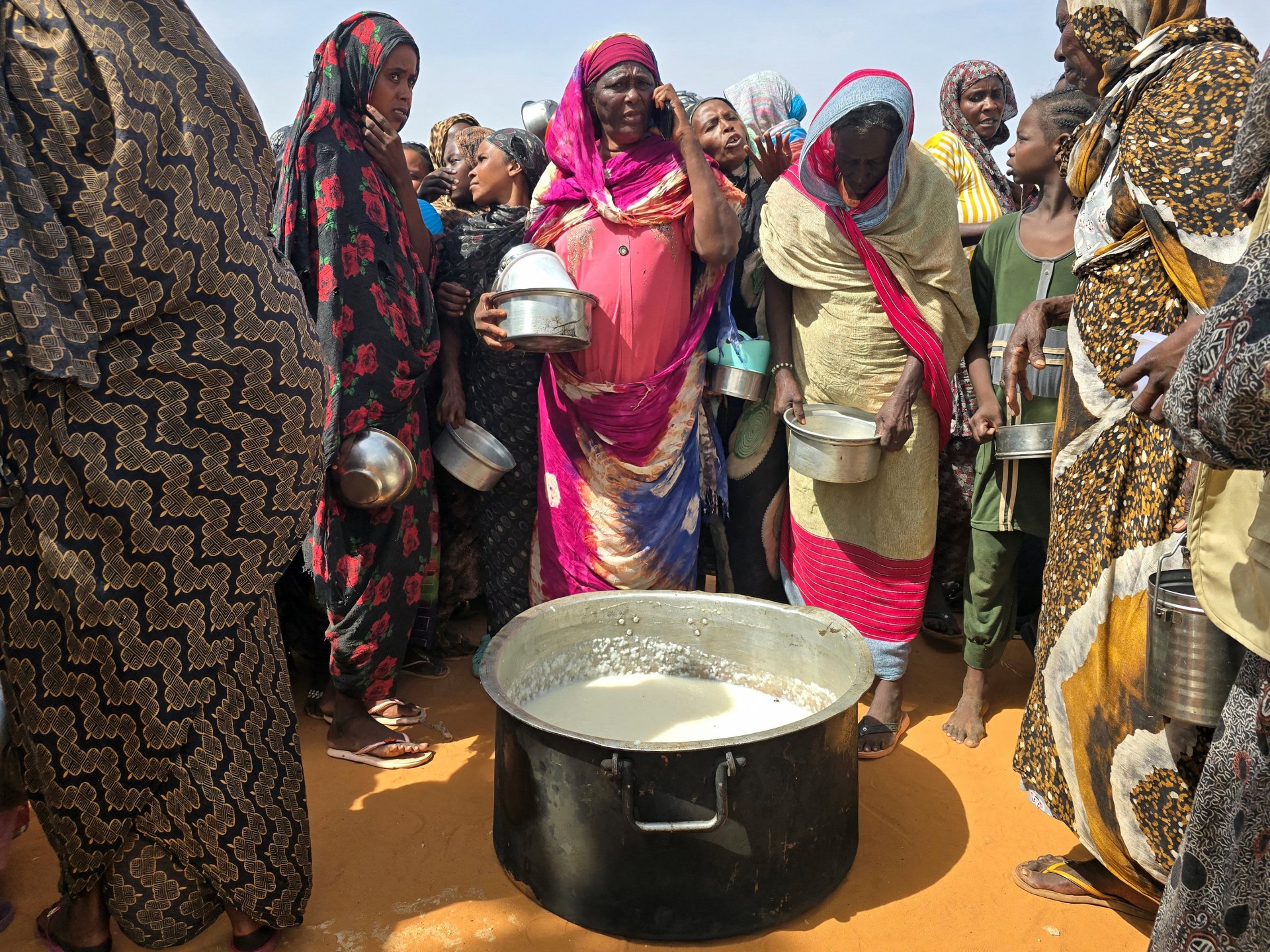
The border closure has devastated traders already struggling in an economically fragile city. Furaha Kiza, 45, supports six children through a small lemon-selling business but says her income has sharply declined since the crossing closed. Fatuma Mapendo, 32, who buys peppers wholesale in Rwanda to resell in Goma, now finds some days she has nothing to sell at all.
Gustave Bolingo, an economic analyst based in Goma, said the restrictions have dealt a heavy blow to communities already vulnerable. He noted that Goma lacks a bank or airport, making the cross-border trade especially critical. "The epidemic struck without warning. Unfortunately, its arrival is undermining the livelihoods of many families who trade between our respective towns," Bolingo told Al Jazeera.
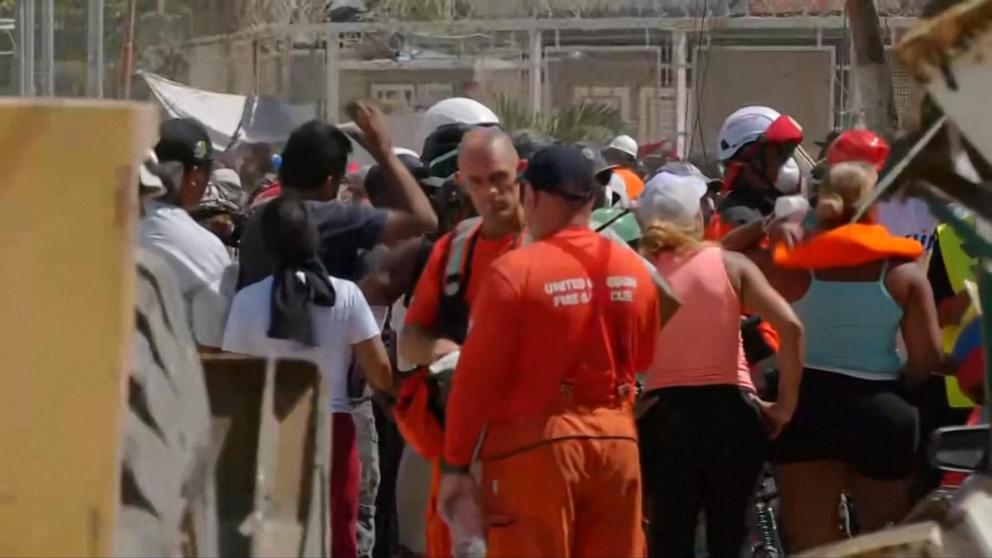
Sales across Birere Market have fallen sharply since the closure. Traders say they would have preferred to follow safety measures rather than face a complete border shutdown. Rocky Ngelema Tshomba, head of the Tuungane Organisation for People with Physical Disabilities, which represents small cross-border traders living with disabilities, said his members no longer have enough to survive on and are continuing talks with Rwandan and local authorities hoping to ease restrictions.
Health experts question closure effectiveness
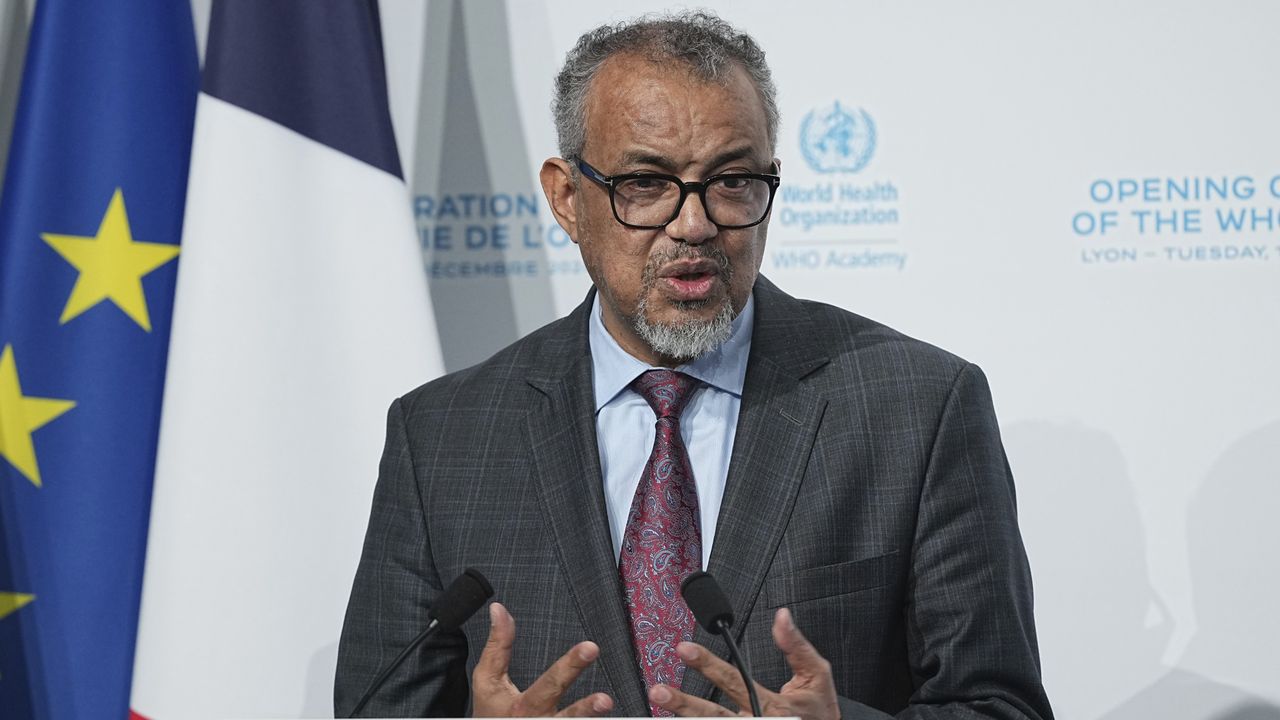
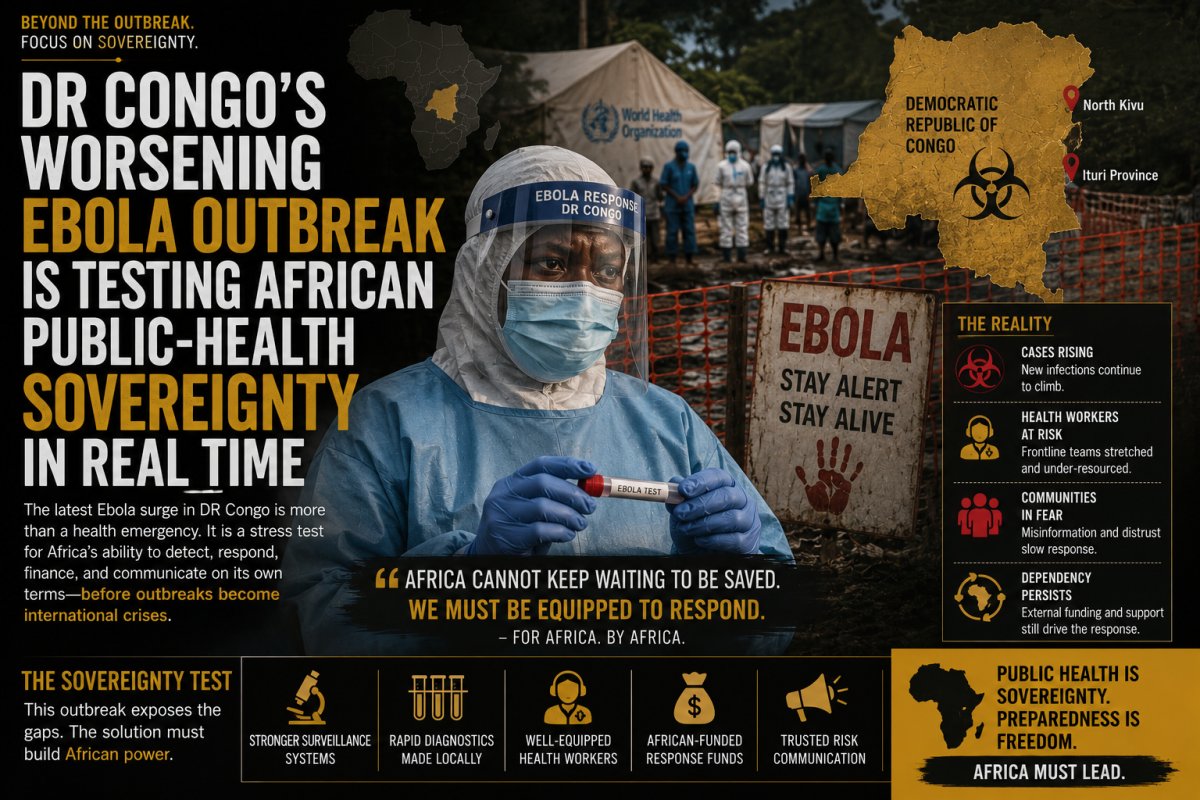
The World Health Organization's director general reiterated last month that the agency does not recommend closing borders during Ebola outbreaks, arguing such measures are ineffective and cause significant harm. Dr. Elie Bajo, a health policy analyst, told Al Jazeera that surveillance and screening at entry points remains the most effective tool rather than shutting borders entirely.
Rwanda imposed health restrictions including barring entry to foreign travelers who had been in the DRC in the previous 30 days. Leaders of the M23 armed group, which controls large swaths of eastern DRC, say there are no confirmed Ebola cases in areas under their control. Dr. Freddy Kaniki, head of the Ebola Response Task Force within the M23 armed group, stated on X that areas under M23 control had only four cases total, with one death and three recoveries, and currently no active cases.