




The Nomination
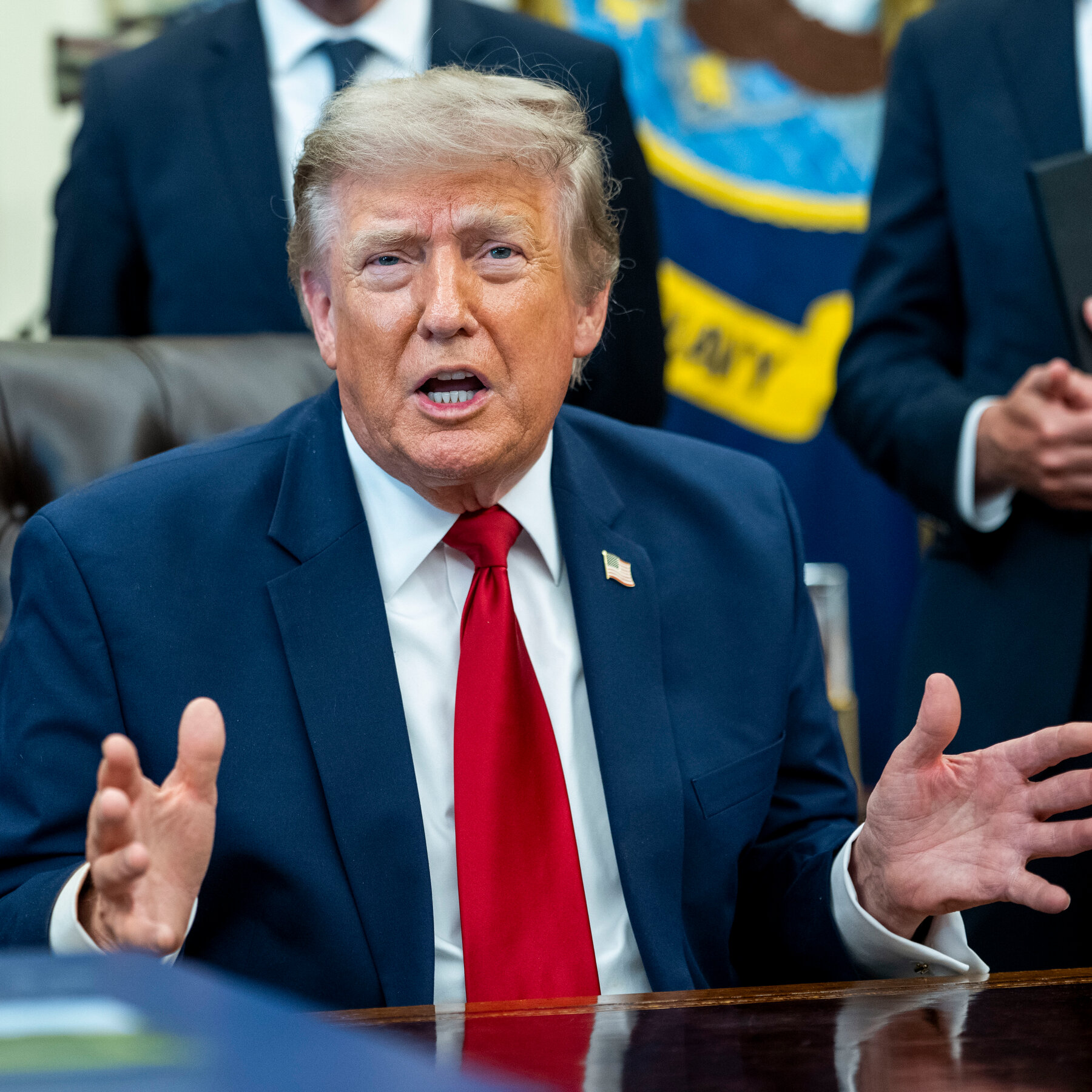
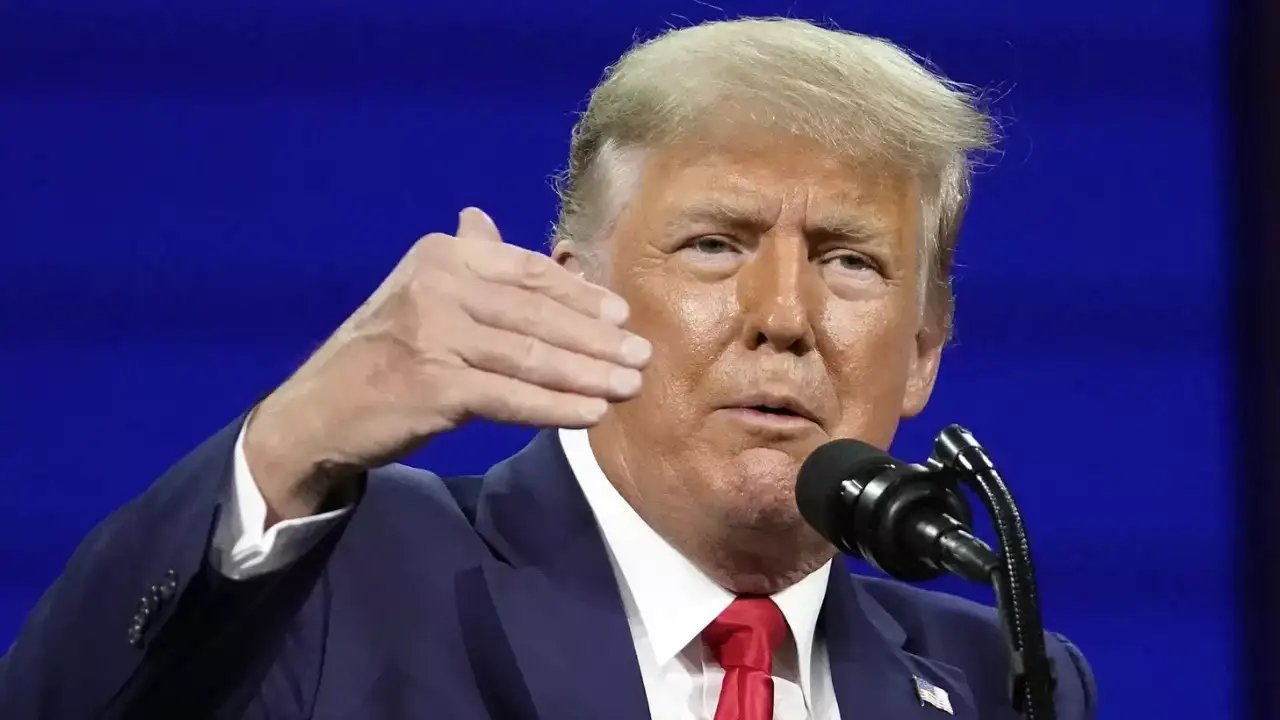
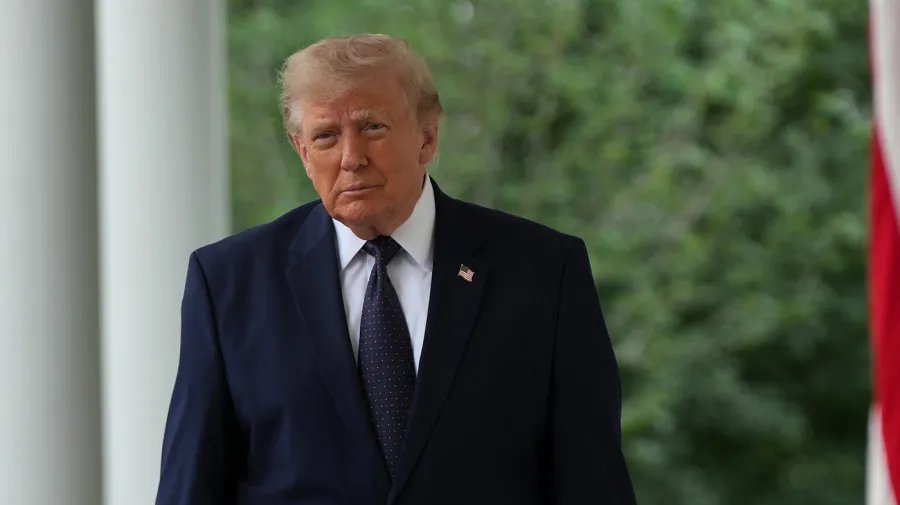
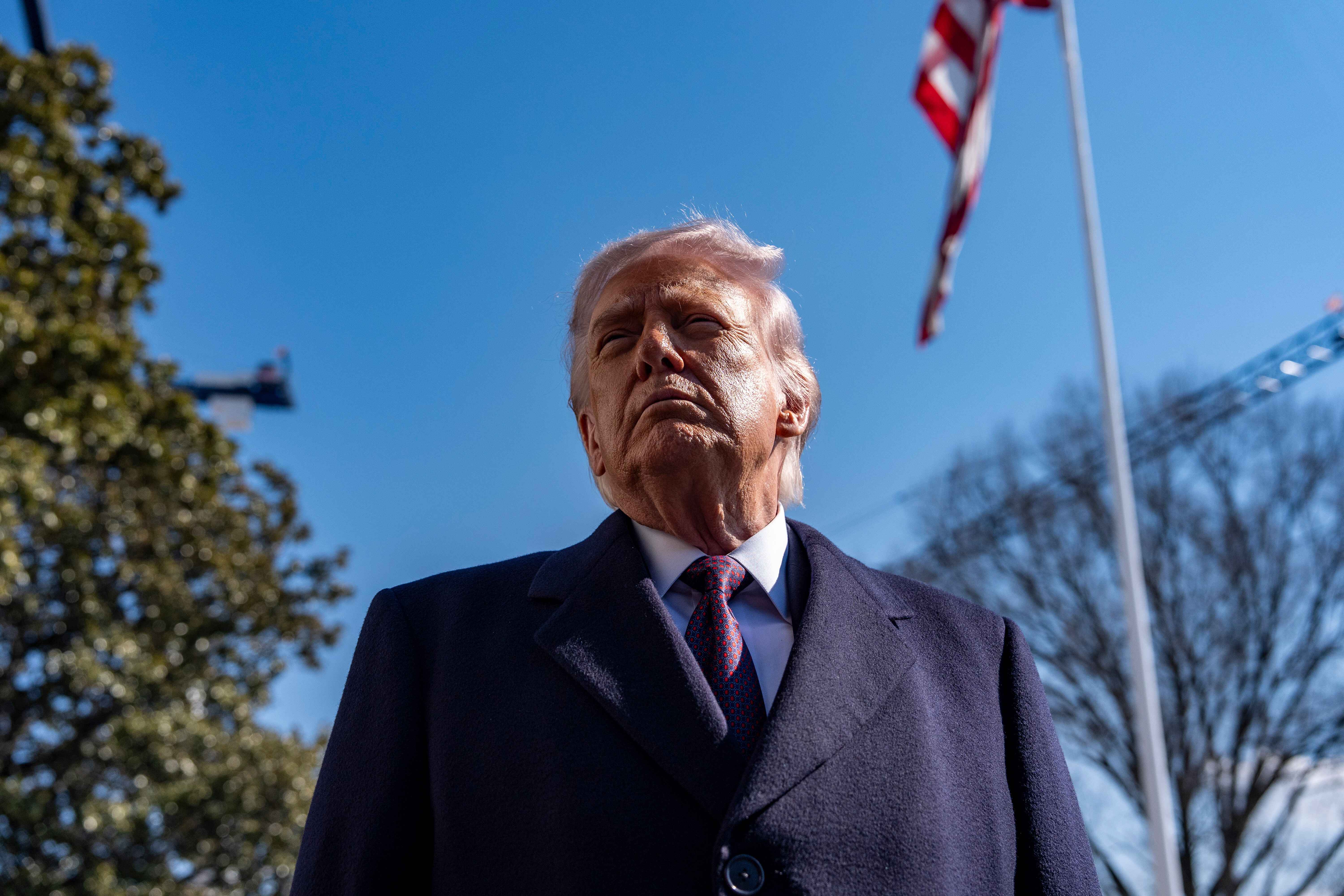
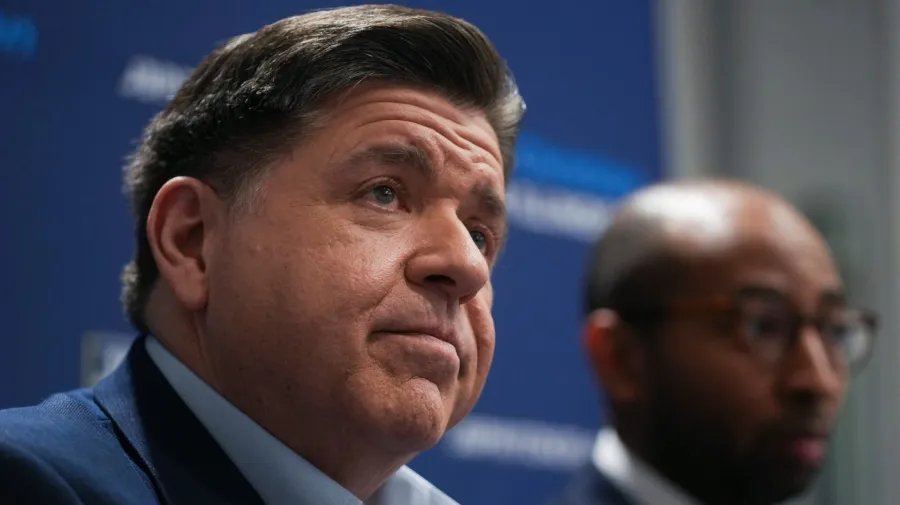
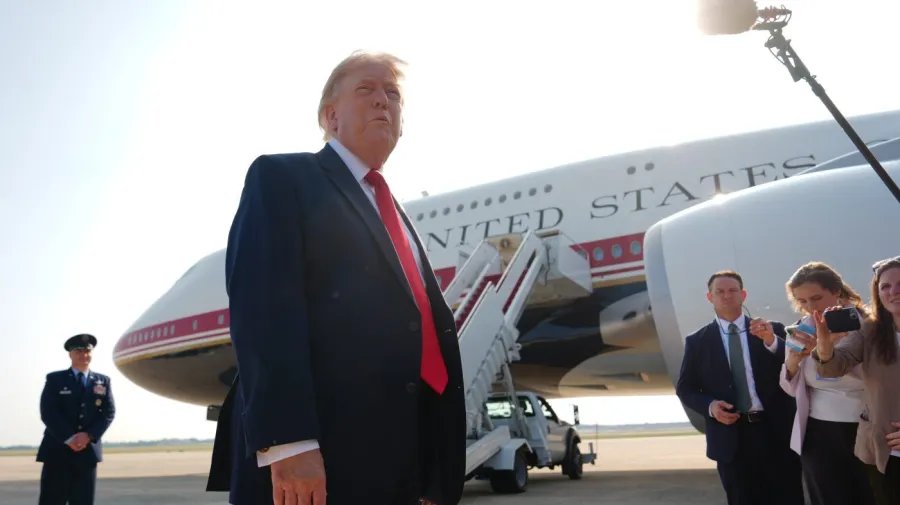
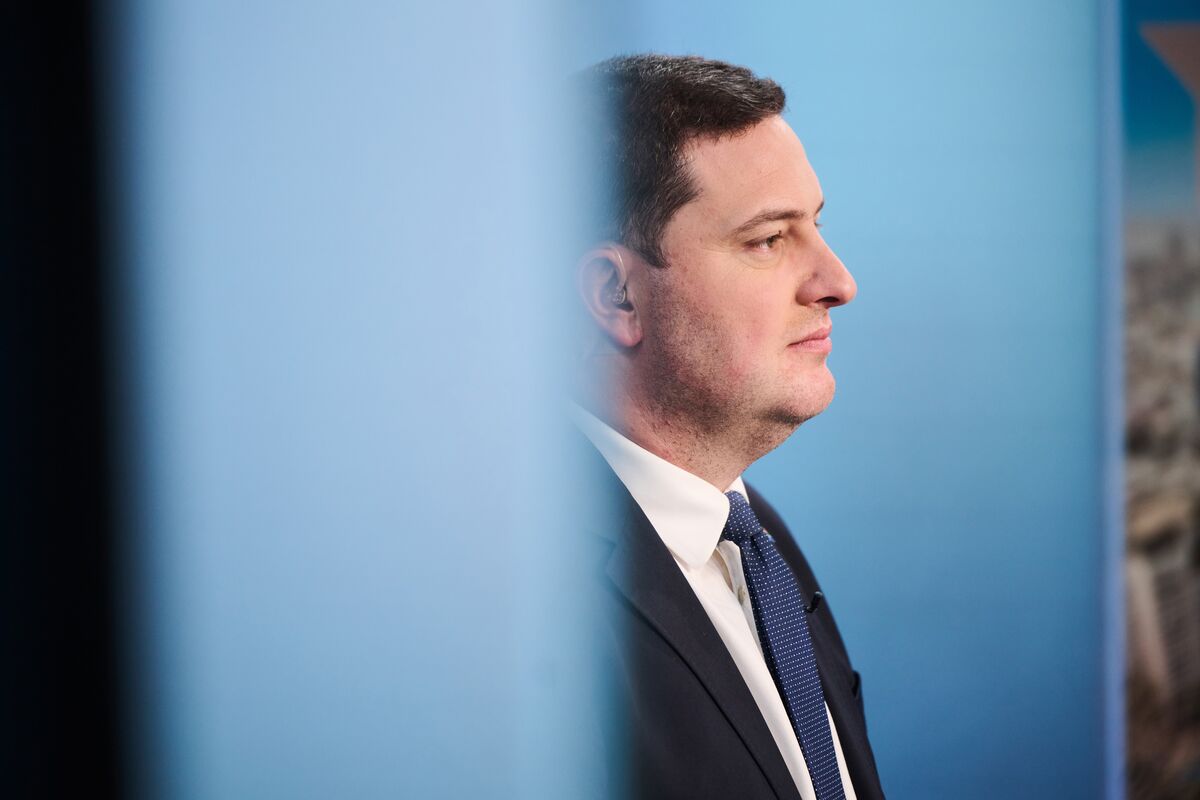
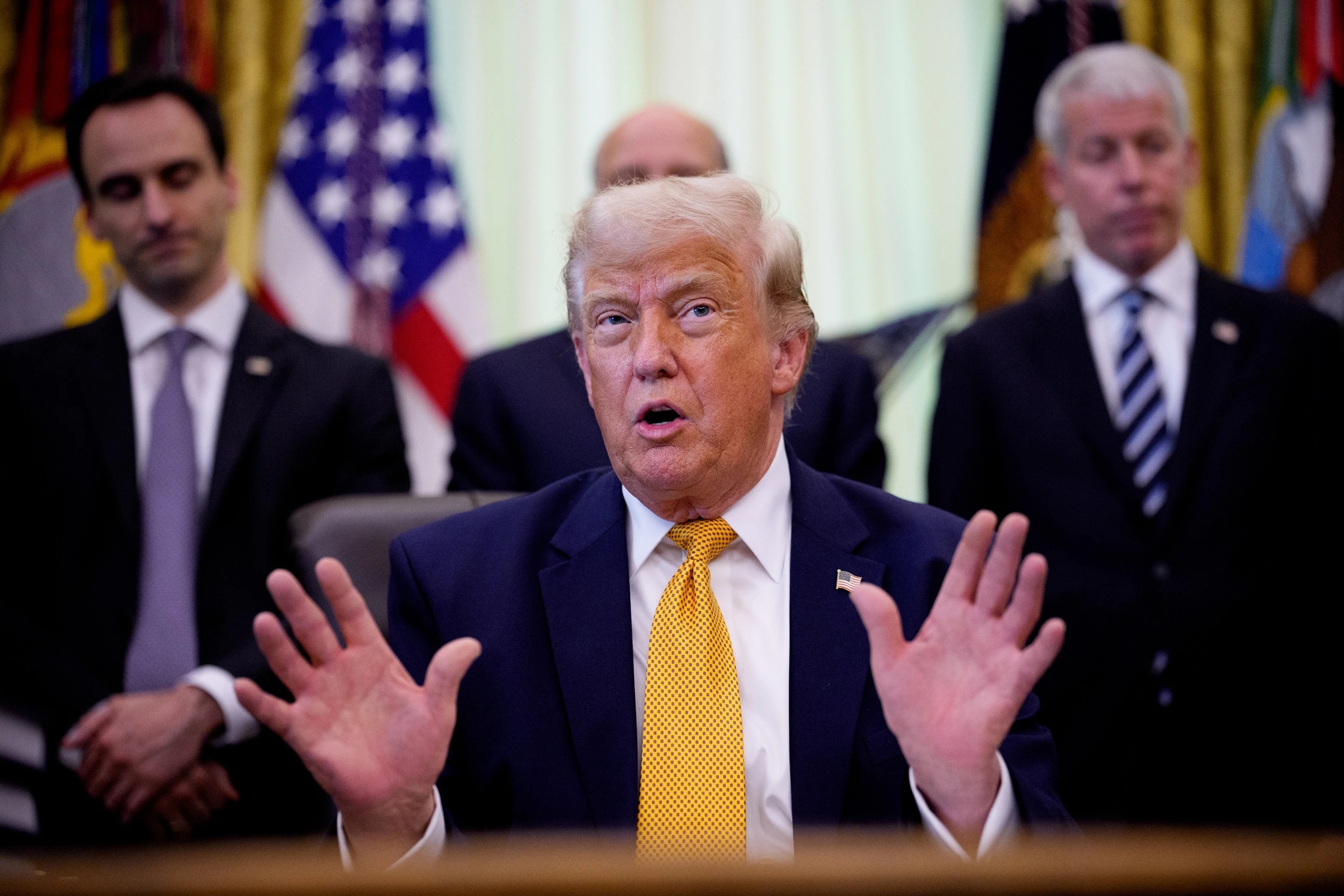
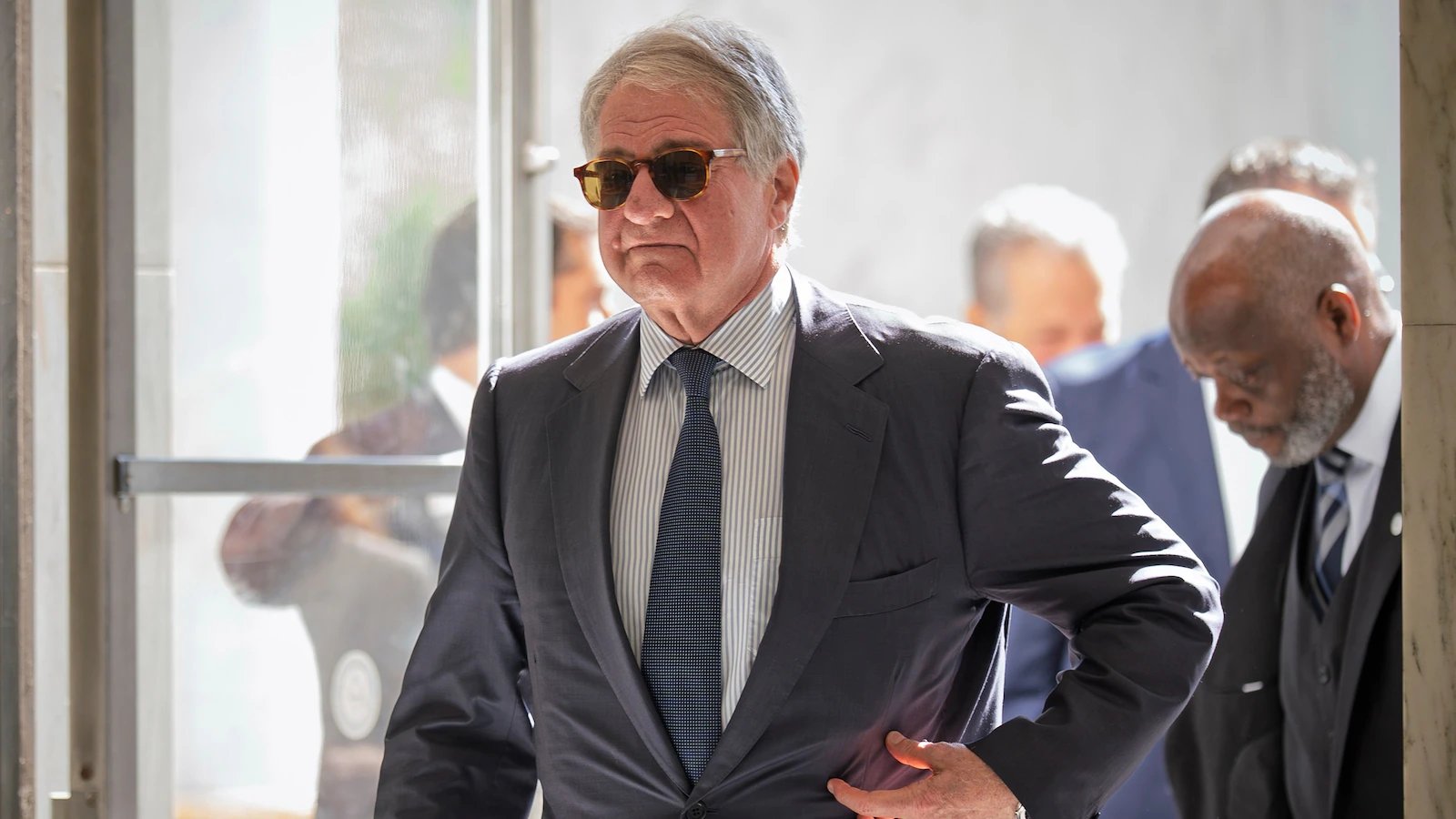
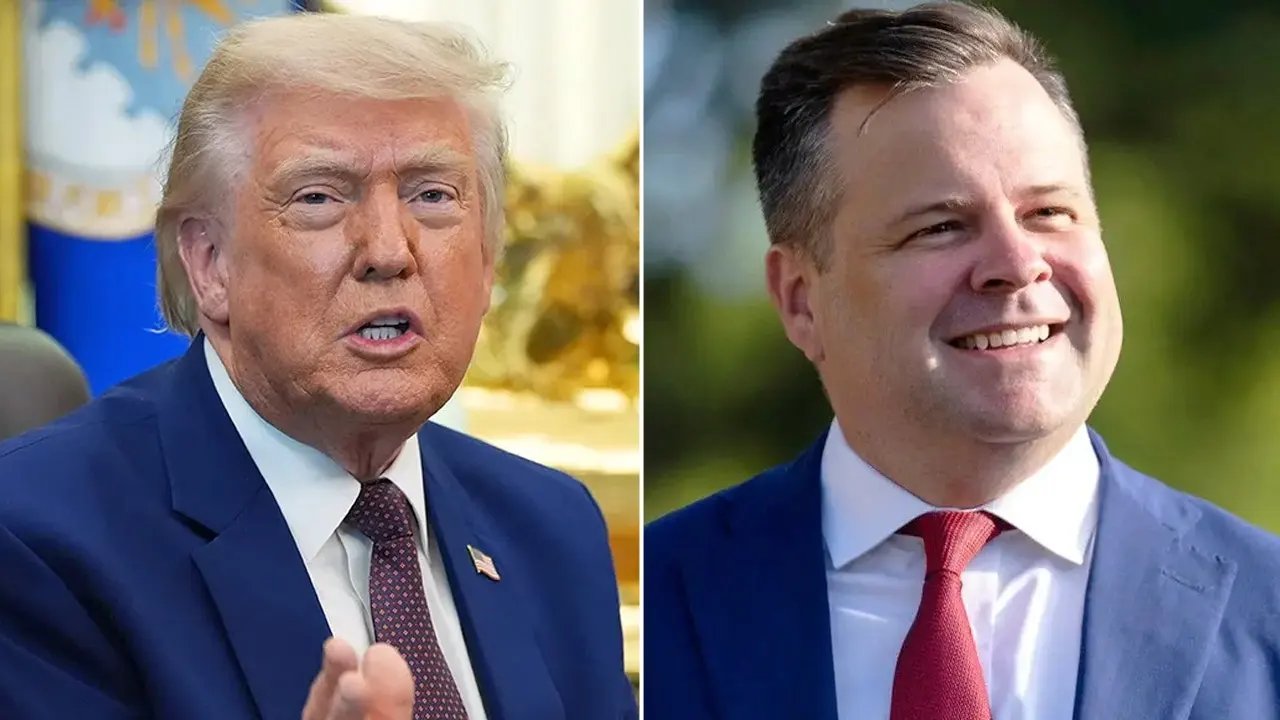
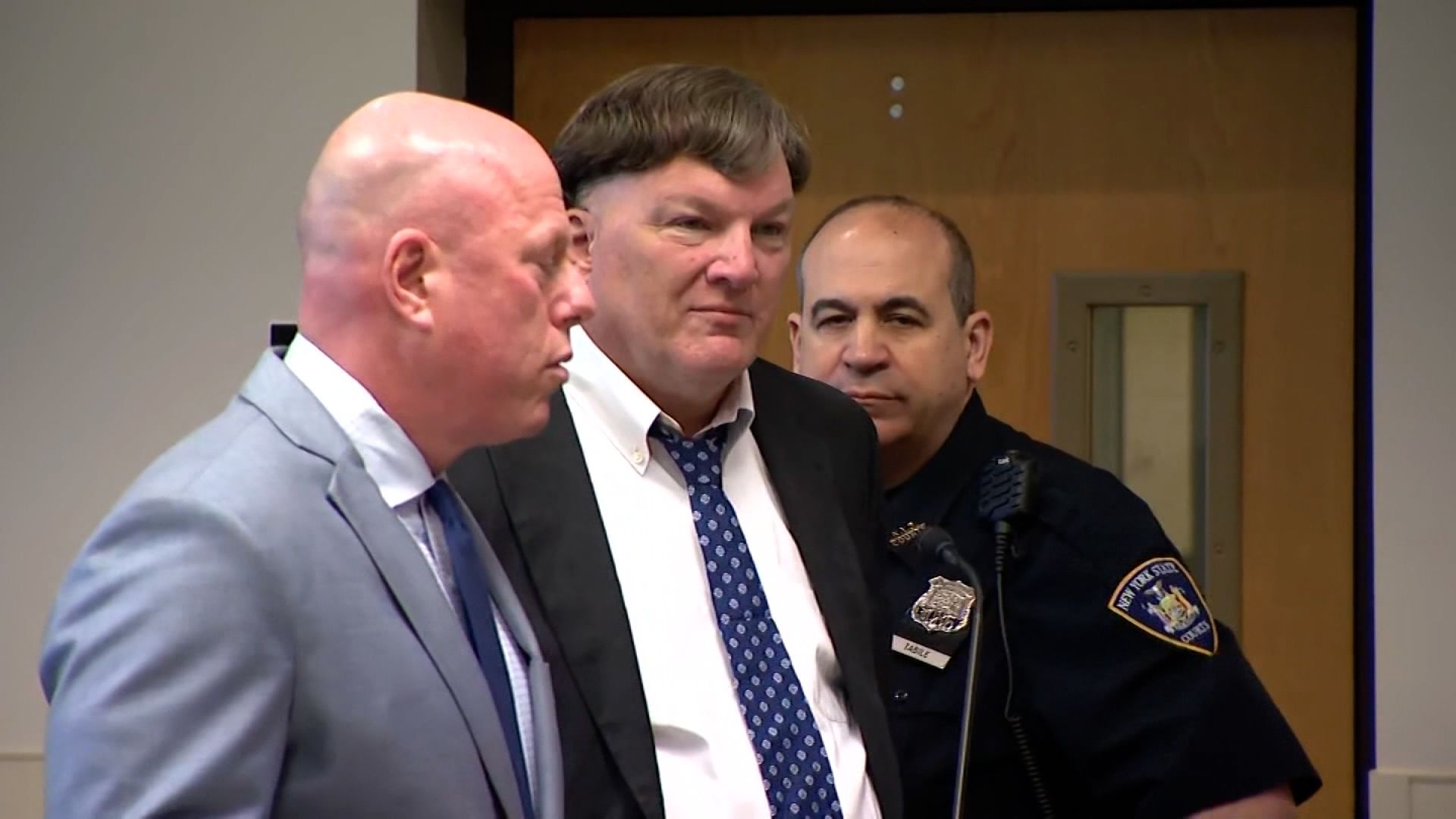
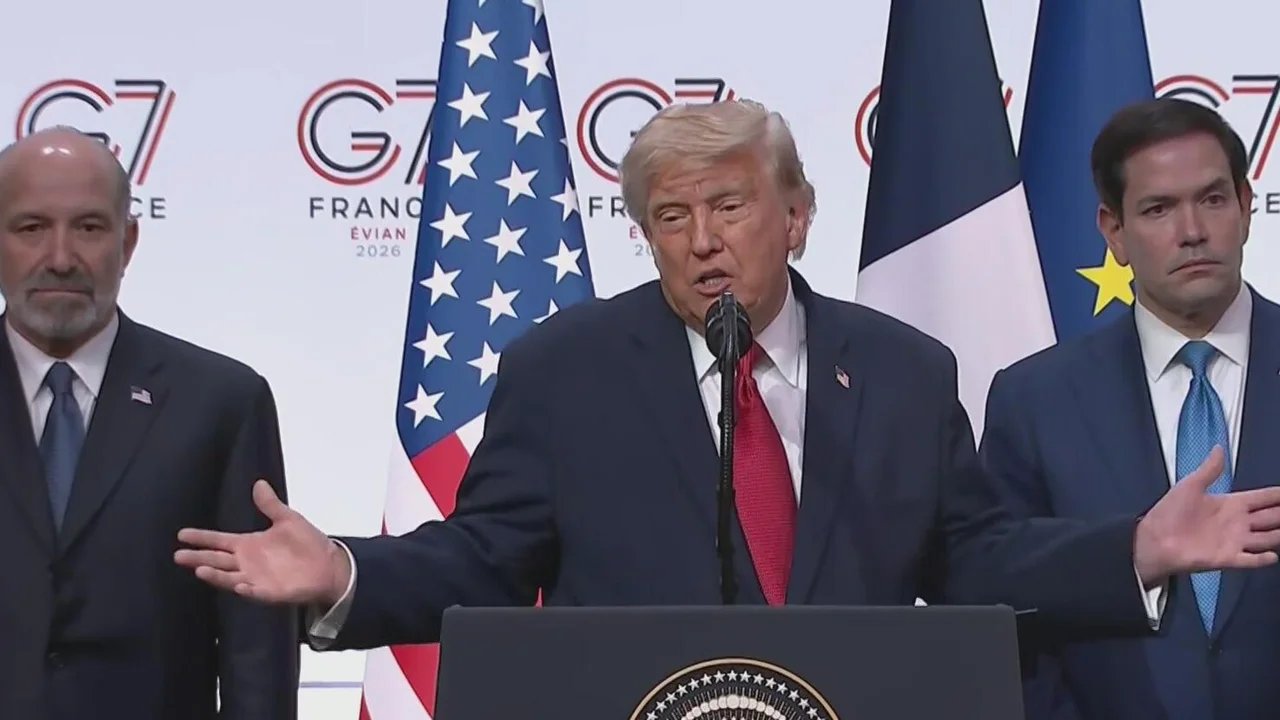
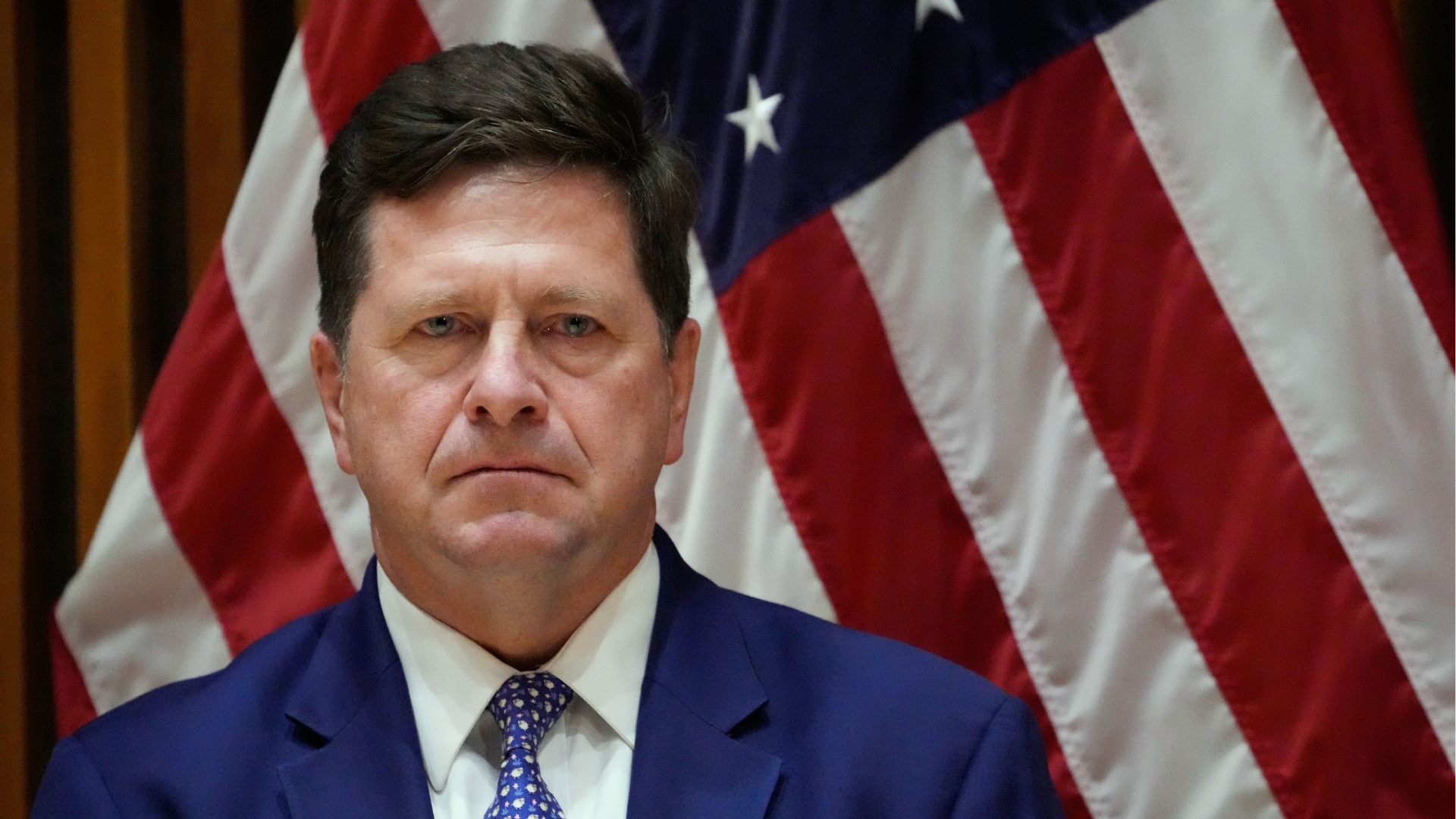
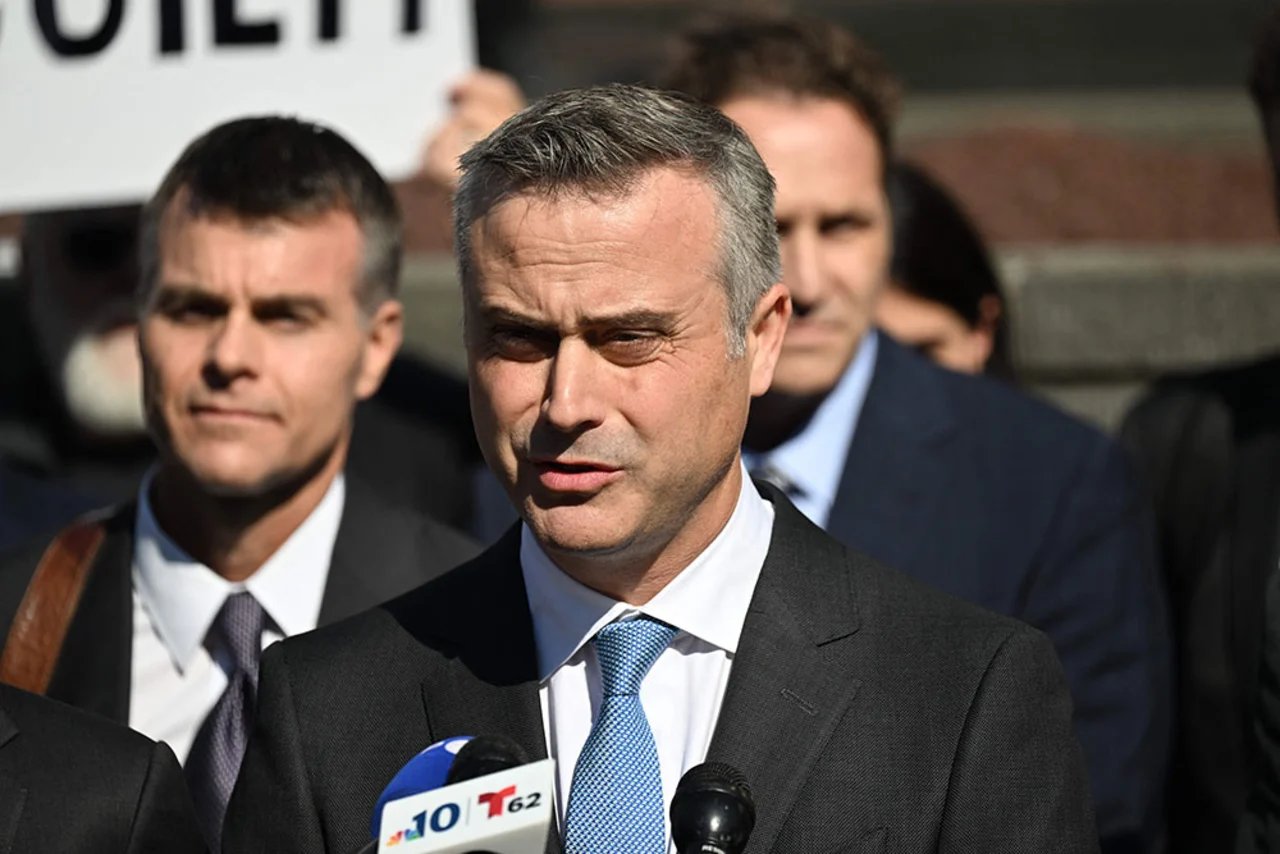
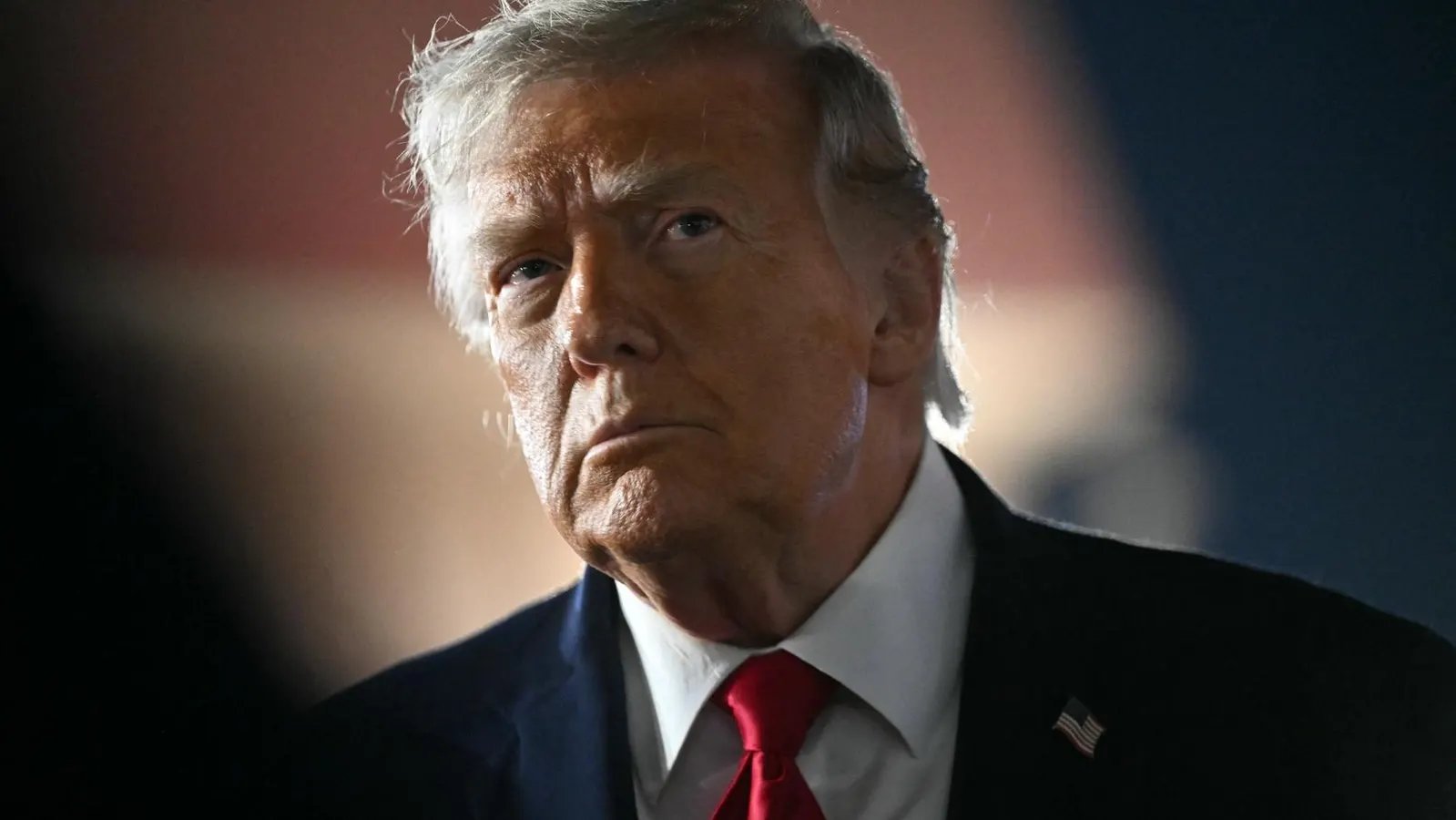
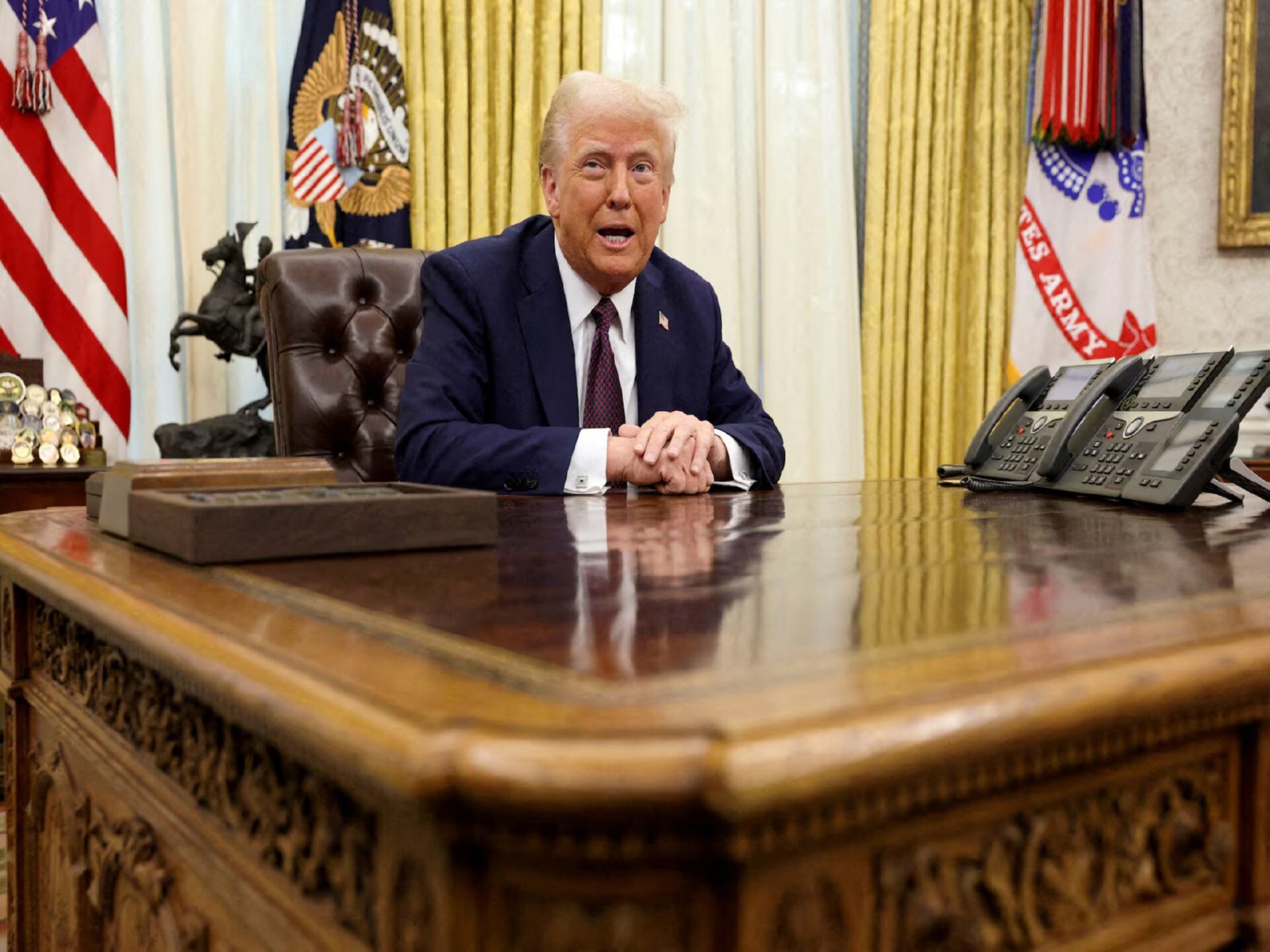
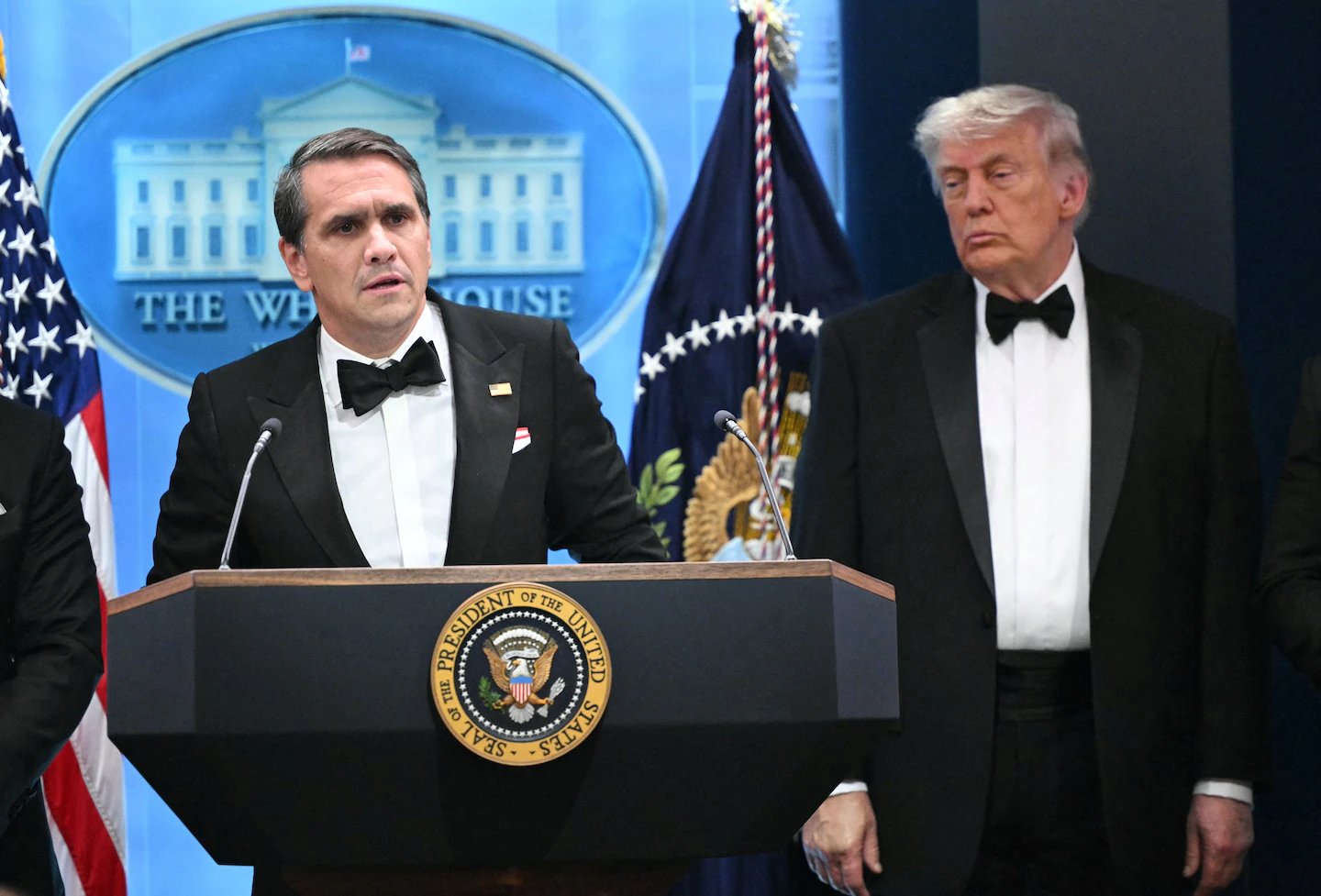
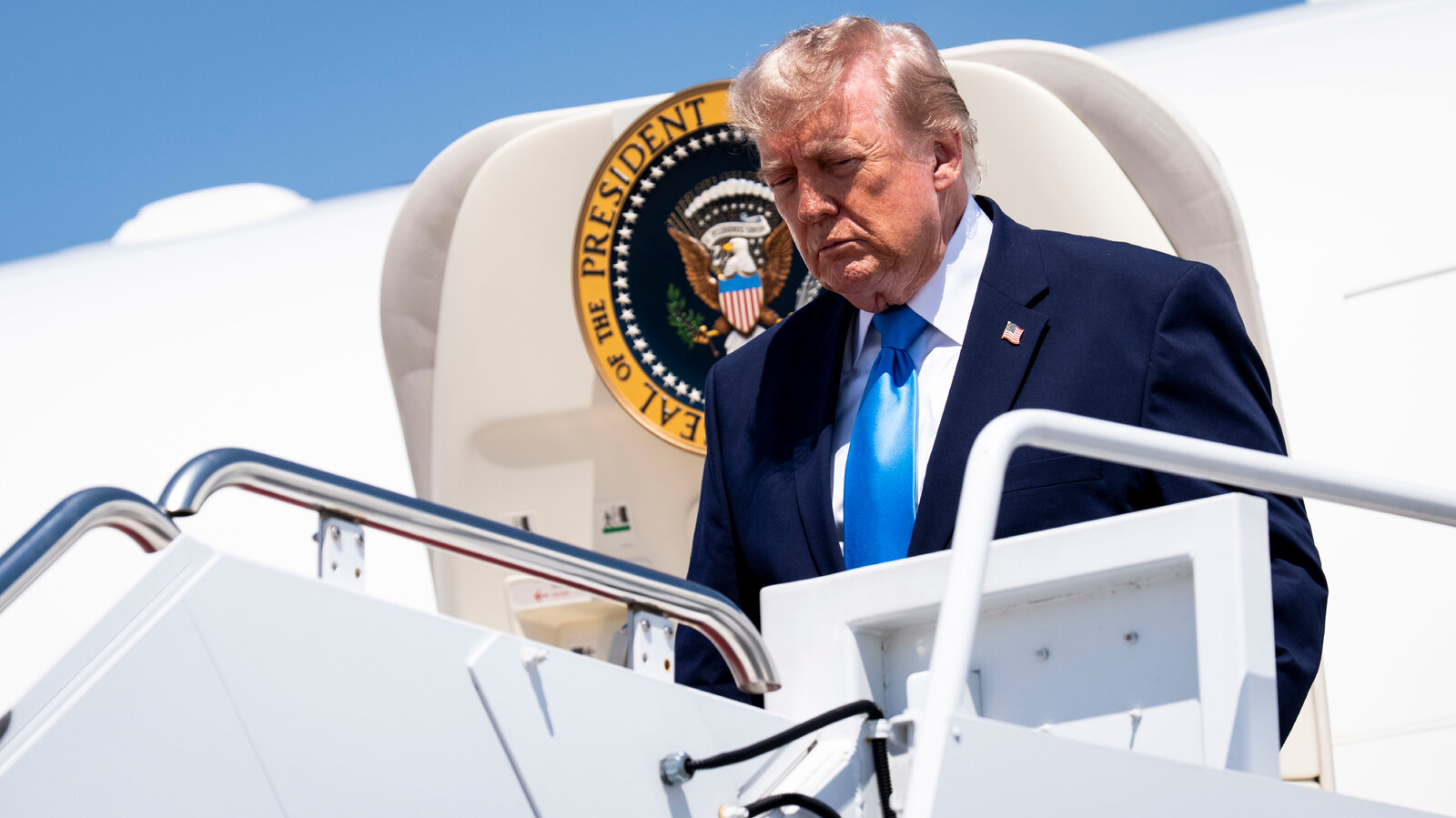
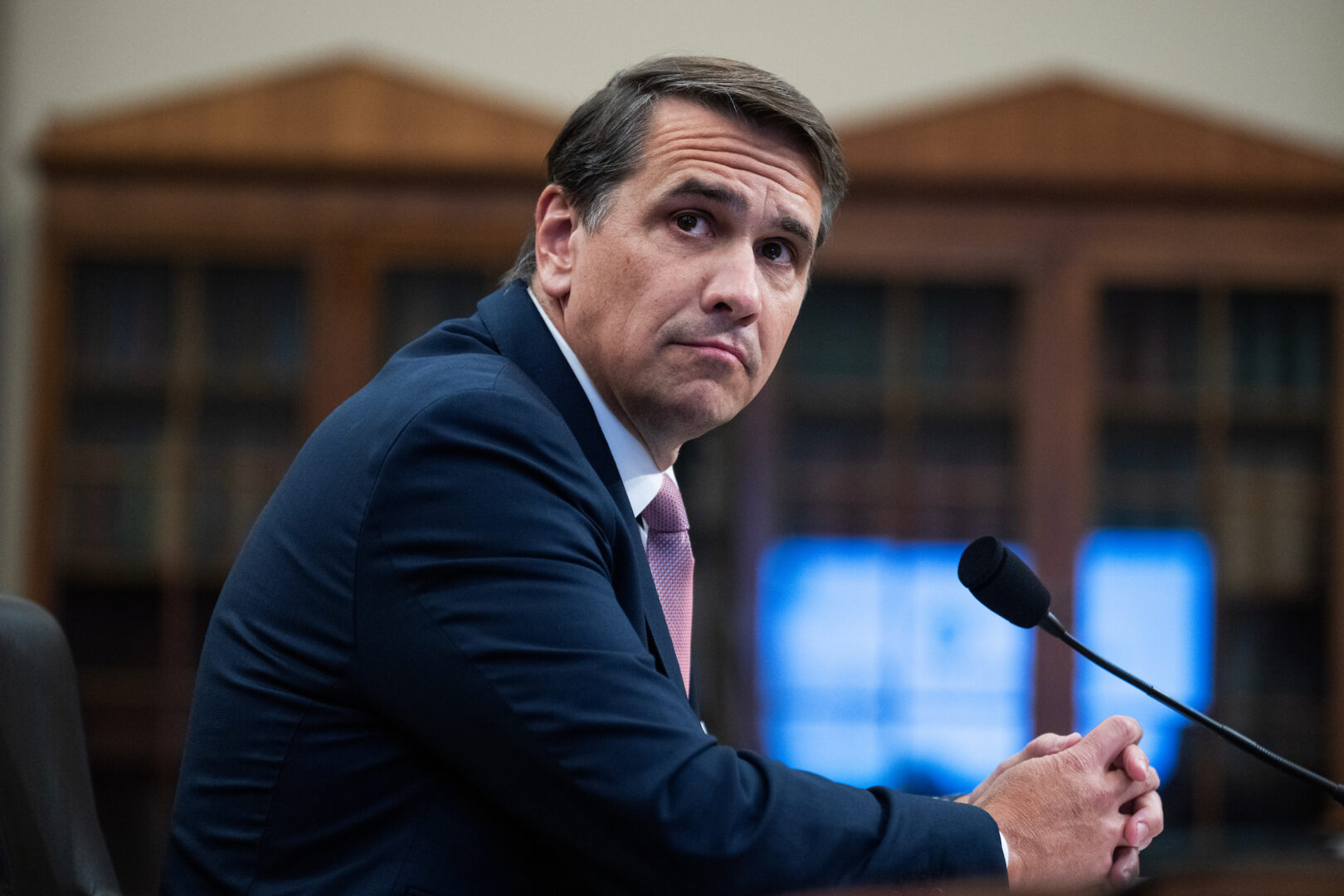
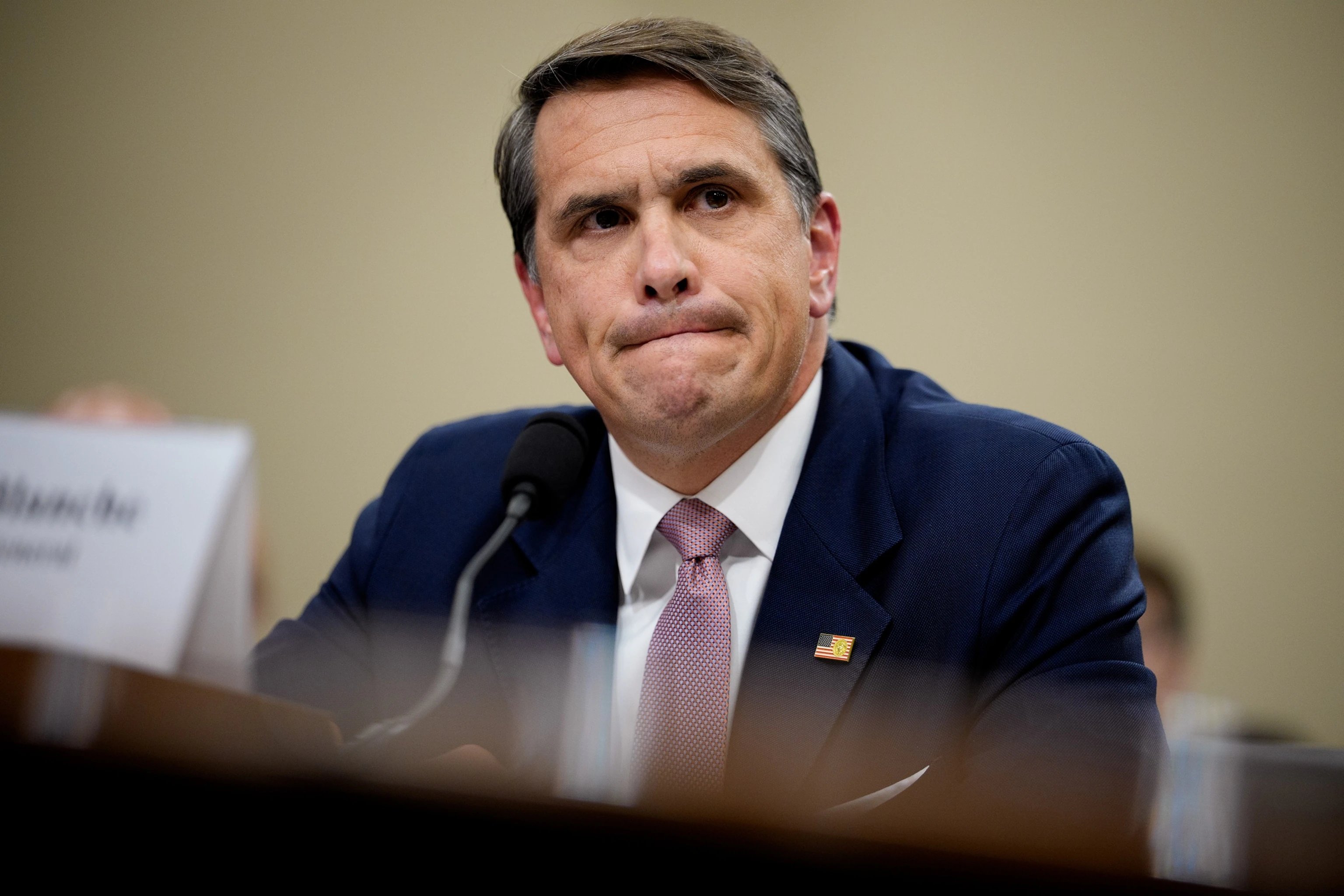
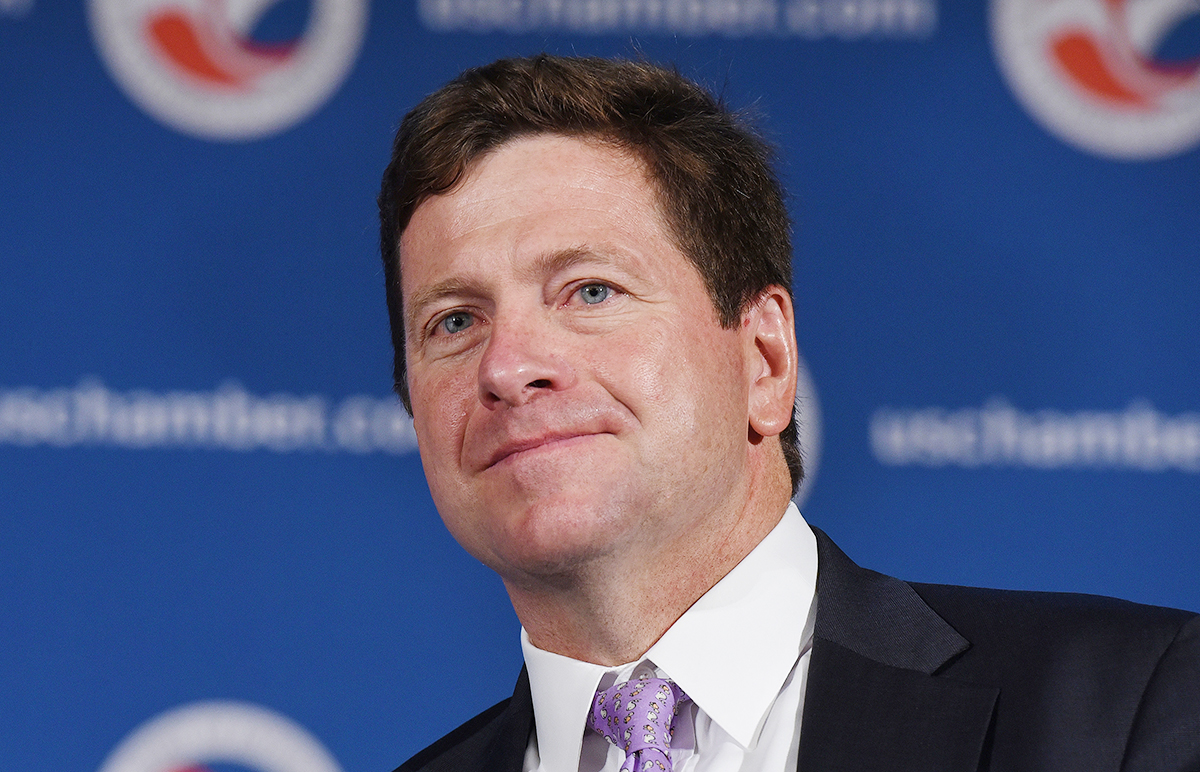
President Trump announced Thursday that he is nominating Jay Clayton, the U.S. Attorney for the Southern District of New York, to serve as director of national intelligence. Trump posted the announcement on Truth Social, writing that "Few people anywhere in the Legal Community are respected at the level of Jay" and urging the Senate to confirm him "as soon as possible." Clayton previously served as chairman of the Securities and Exchange Commission from 2017 to 2020 and was a partner at the law firm Sullivan & Cromwell before his current role as Manhattan's top federal prosecutor.
CIA Director John Ratcliffe recommended Clayton to Trump for the position, according to a person familiar with the matter. The nomination comes after weeks of turmoil over Trump's earlier decision to name Bill Pulte, the head of the Federal Housing Finance Agency, as acting director of national intelligence.
Why Clayton Over Pulte
Pulte's appointment as acting director triggered immediate backlash from Democrats and some Republicans in Congress. His willingness to investigate the president's political adversaries while serving at the Federal Housing Finance Agency raised concerns he would weaponize the intelligence apparatus. The dispute stalled negotiations over extending Section 702 of the Foreign Intelligence Surveillance Act, a warrantless surveillance authority set to expire this weekend.
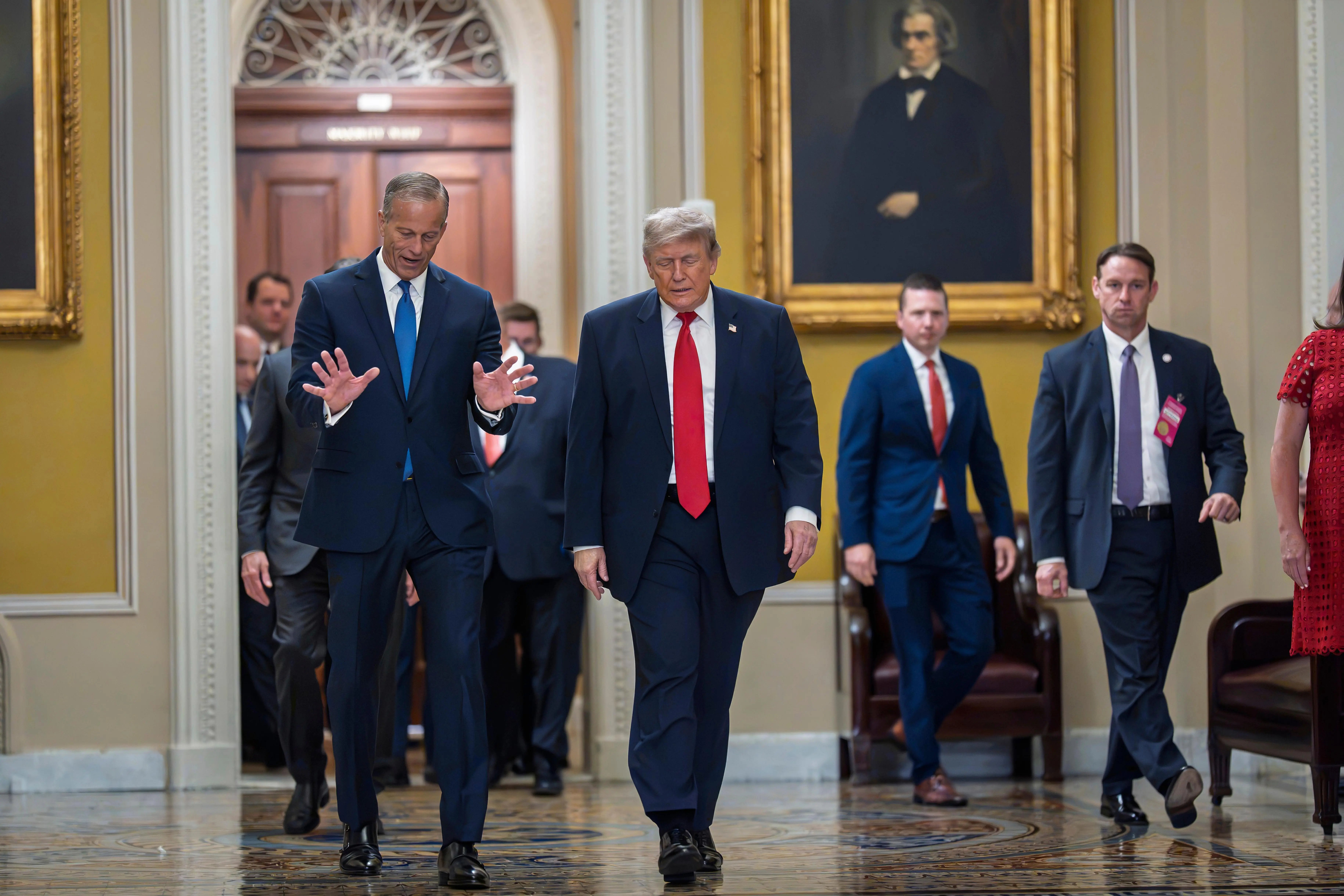
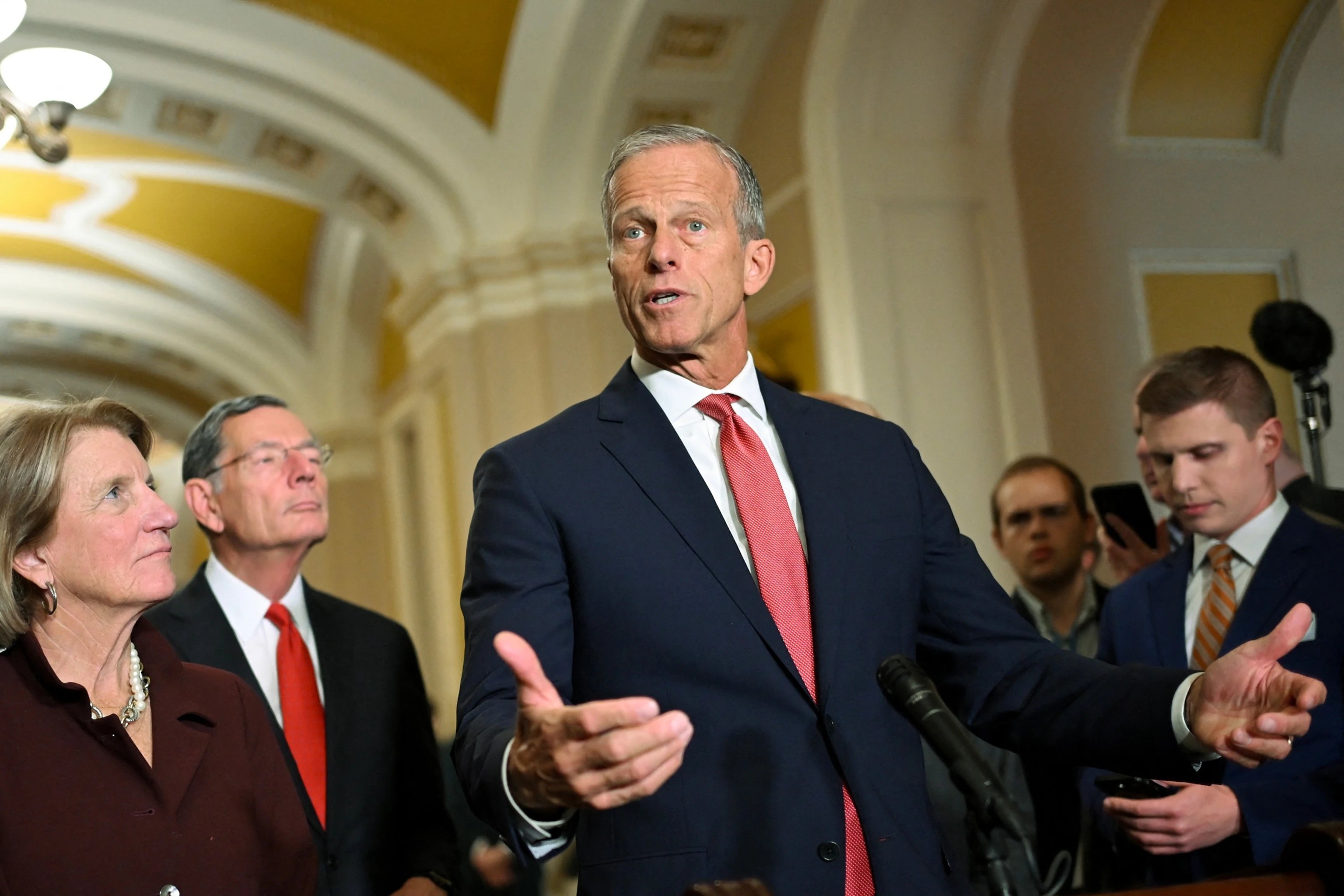
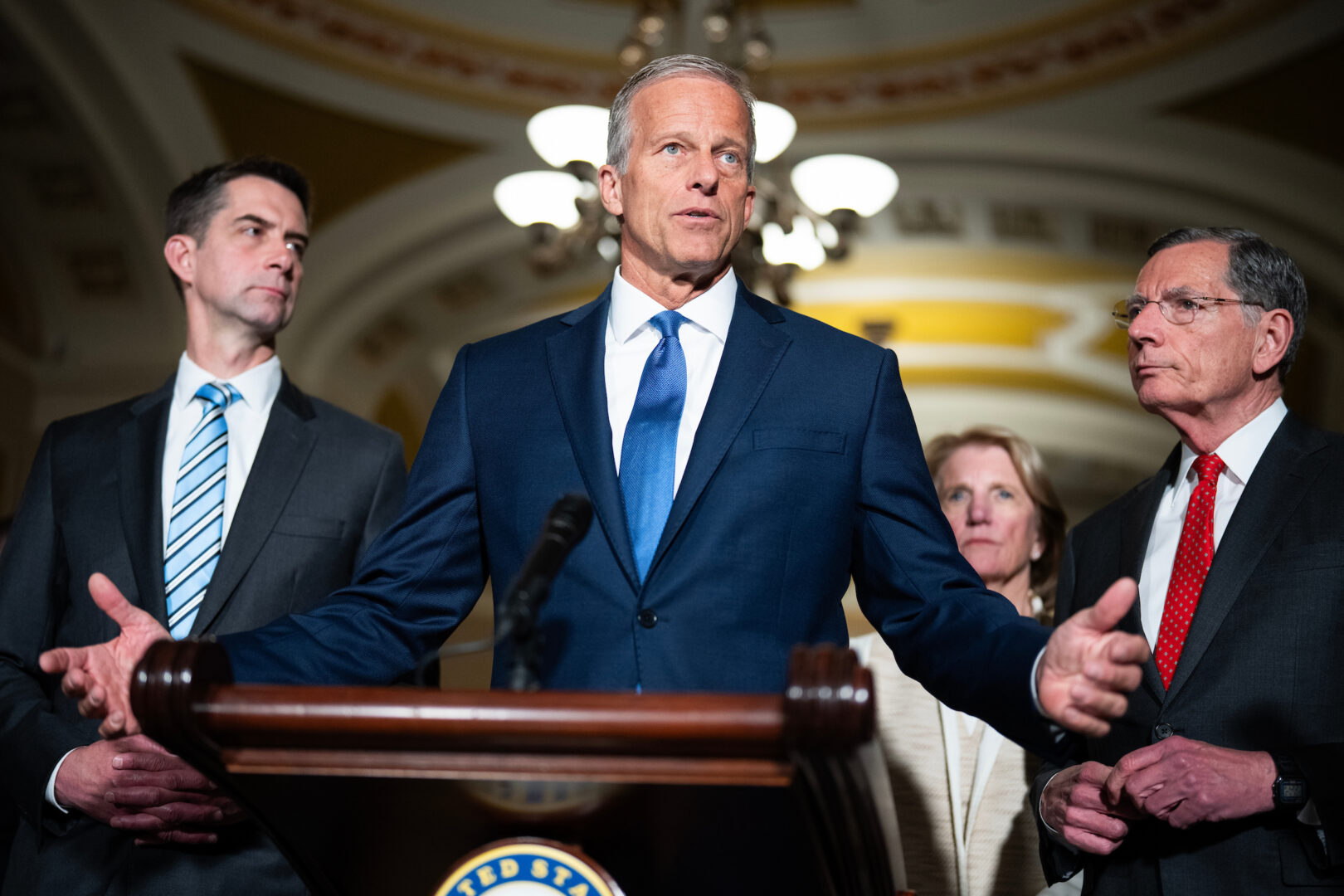
Senate Majority Leader John Thune applauded Clayton's nomination, telling reporters the attorney "has a great reputation of being an incredibly competent manager" and pledging to confirm him "as quickly as possible." Senate Minority Leader Chuck Schumer, a New York Democrat, said Pulte "has got to go." Sen. Mark Warner of Virginia, the top Democrat on the Senate Intelligence Committee, said he has "great respect" for Clayton, though he indicated that extending FISA with Pulte still set to become acting director remained unacceptable to him.
The Surveillance Law Collapse
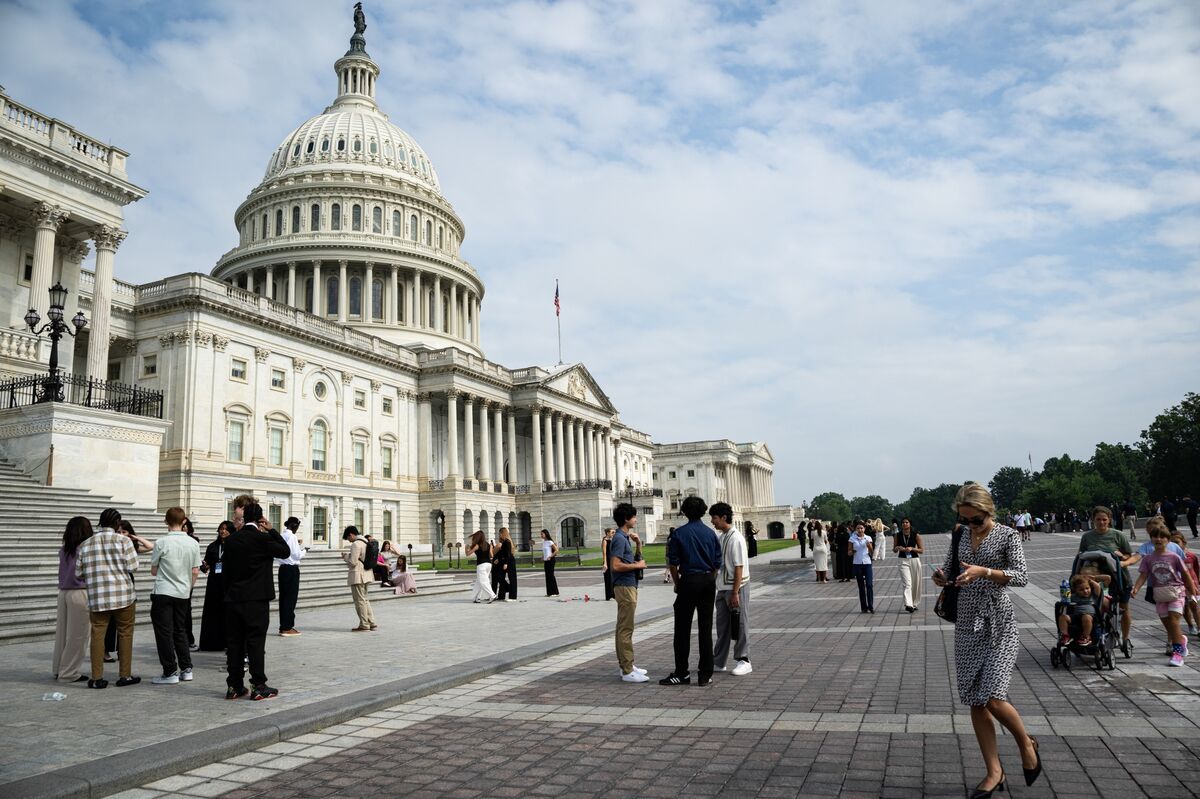
The House rejected a short-term extension of Section 702 on Thursday morning by a vote of 198-218, with Democrats citing the Pulte appointment as their reason for opposing it. Senate Republicans attempted to approve a short-term extension by unanimous consent, but Democratic Sen. Ron Wyden of Oregon objected. Warner questioned the White House's timing, noting that the House had already left Washington for the week. "Why he waited until after the House broke, I have no idea," Warner said.
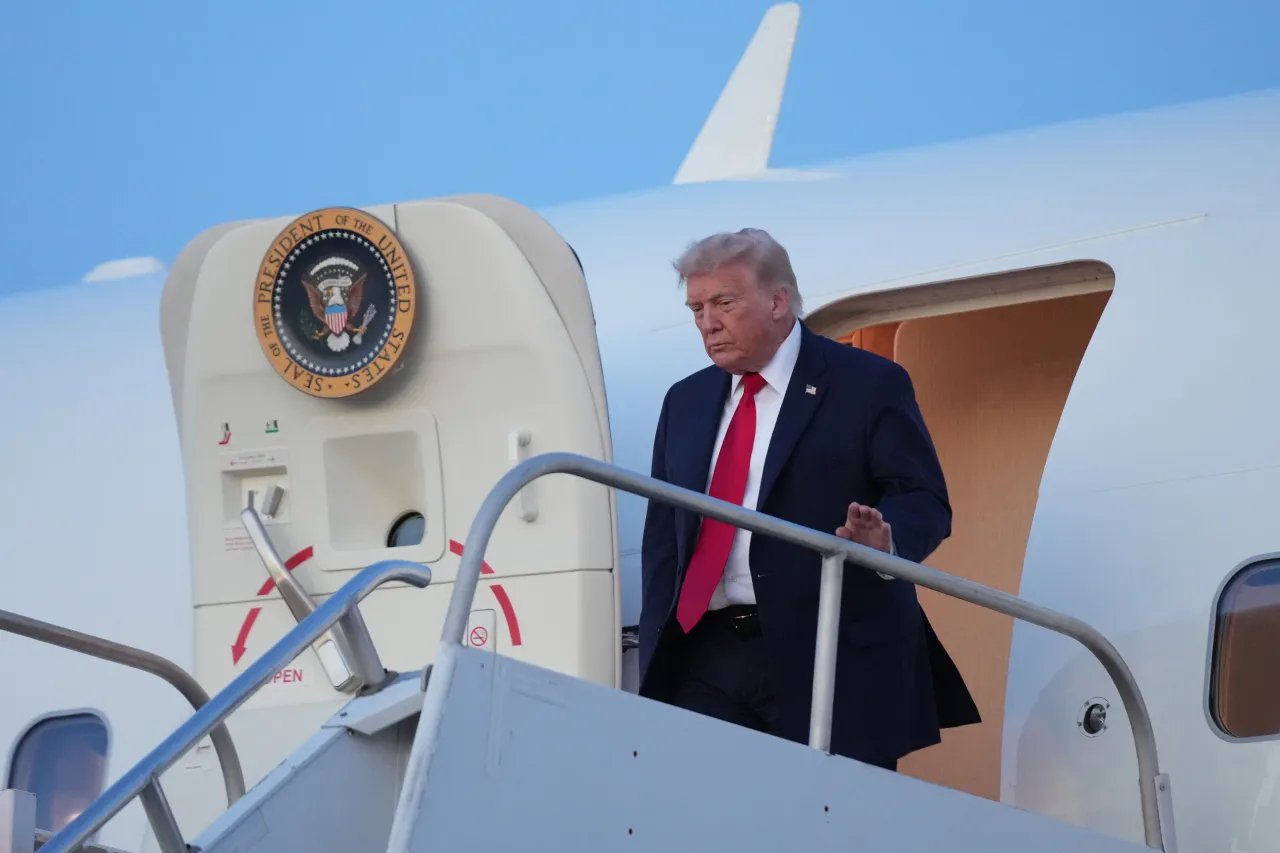
Trump said Pulte will assume the acting director role on June 19, and his announcement of Clayton's nomination did not change that timeline. Warner suggested that if Tulsi Gabbard, the current director who is resigning, remained in her position until Clayton could be confirmed, it might provide a path forward.
Clayton's Background and Concerns
Clayton was appointed to the U.S. attorney role in August 2025 after his nomination stalled in the Senate; a federal judge later appointed him to the position. He came to the role without experience in criminal law. As an attorney at Sullivan & Cromwell, he specialized in capital-raising and mergers and acquisitions. Apart from his brief tenure as U.S. attorney, no national security experience is documented, though such experience is required by law to serve as DNI.
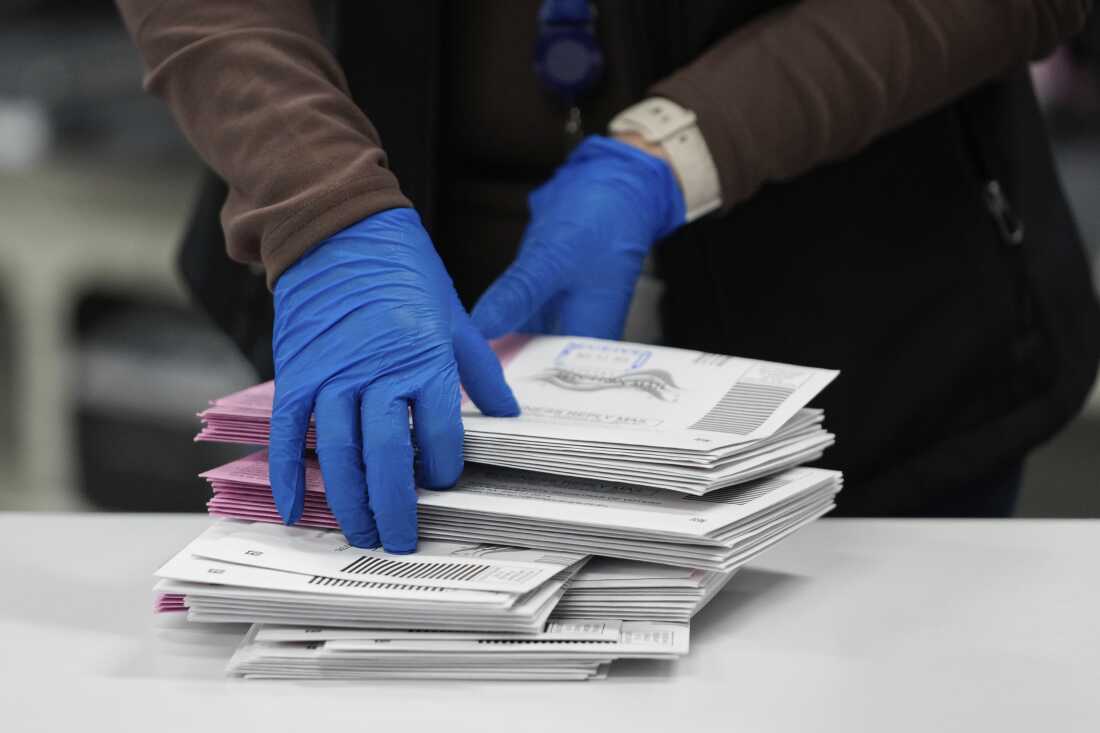
Days before his nomination, Clayton falsely claimed California's election laws left open the "opportunity for fraud," telling CNBC: "On the integrity side, we're doing an absolutely terrible job. And the American people are right to question it." In November, then-Attorney General Pam Bondi said Clayton would investigate Jeffrey Epstein's connections to prominent Democrats after Trump called for such an investigation on Truth Social.
The Plan to Shrink Intelligence
Trump wants to dramatically reduce the size of the Office of the Director of National Intelligence, according to a source familiar with the president's thinking. The source said Trump views the agency as superfluous and that "POTUS still wants Pulte to wind down ODNI as much as possible and leave Clayton to operate a scaled-back organization to coordinate with the other 17 intelligence agencies." The office was created following the September 11 attacks to improve intelligence sharing across the government. Gabbard cut the ODNI workforce by 40% during her tenure, and Trump has said he wants to see the office made "smaller" still.