




Ceasefire Announcements and Continued Attacks
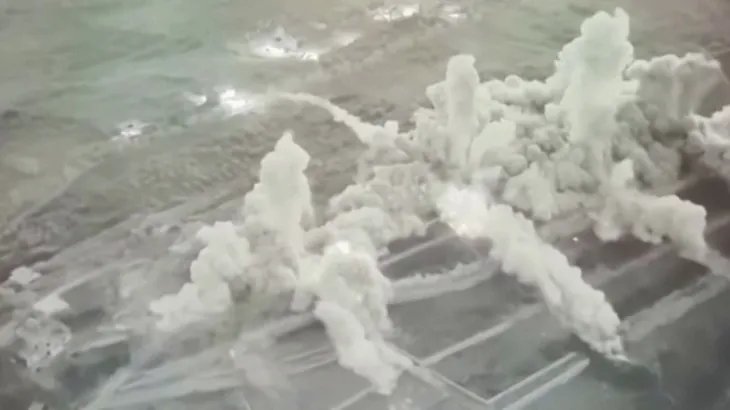
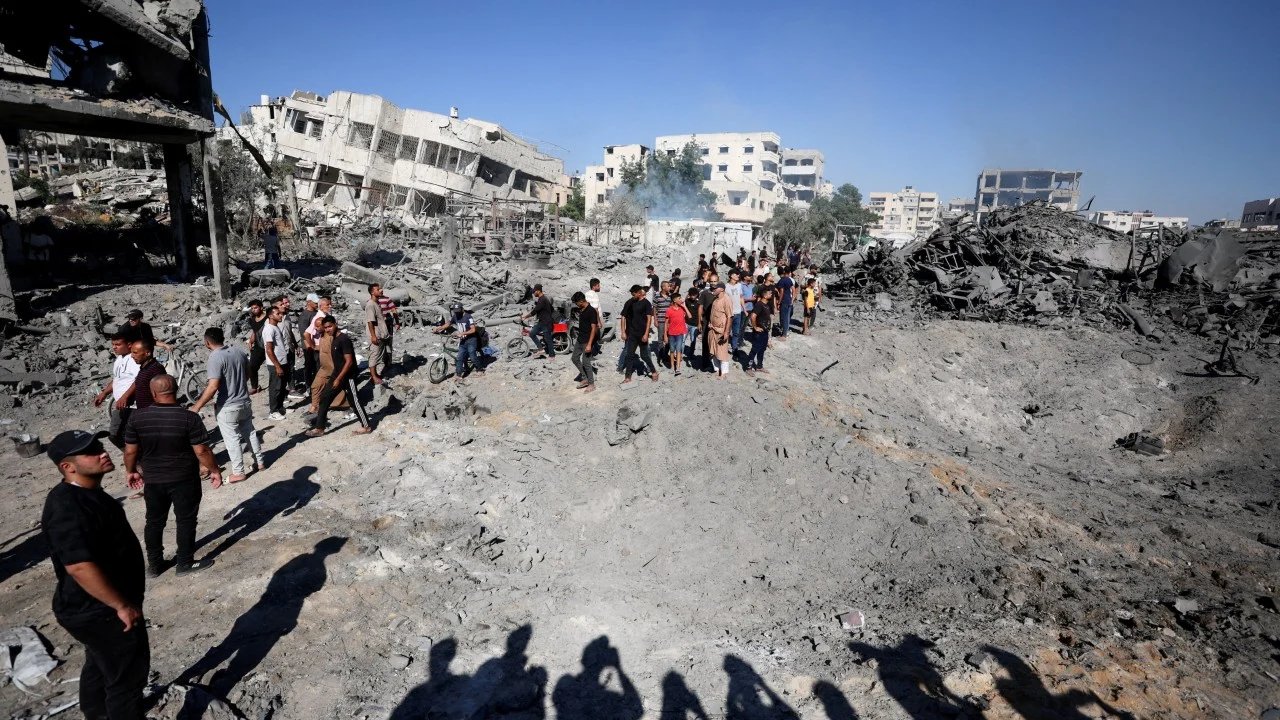
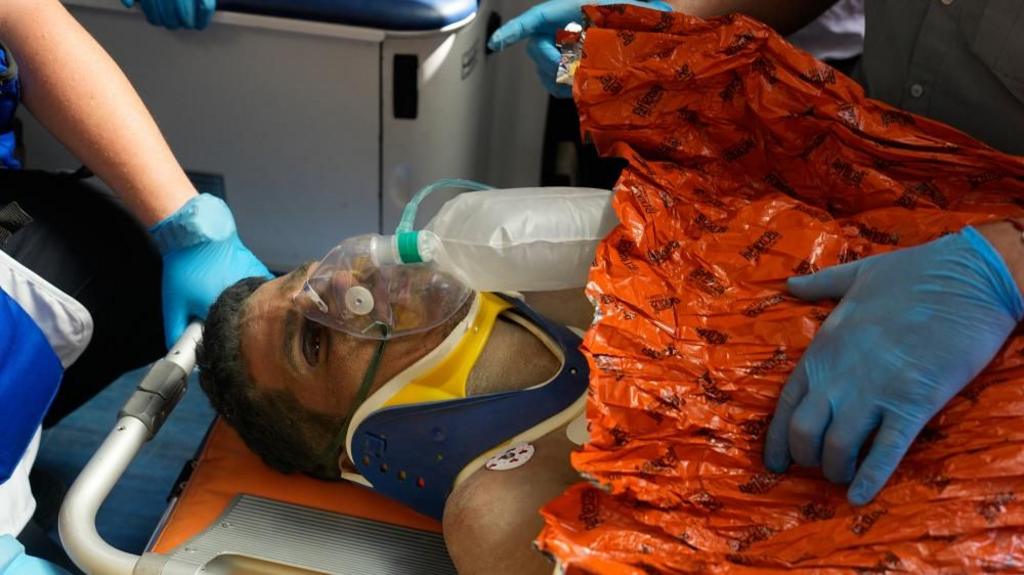
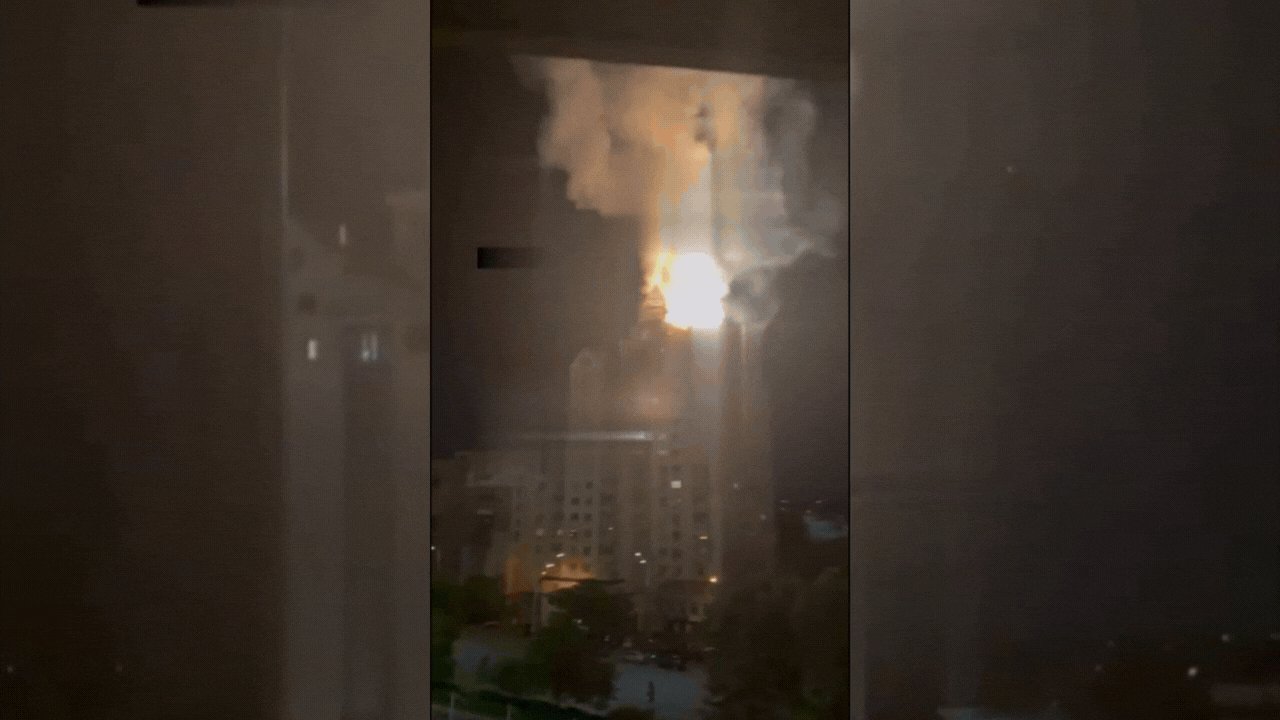
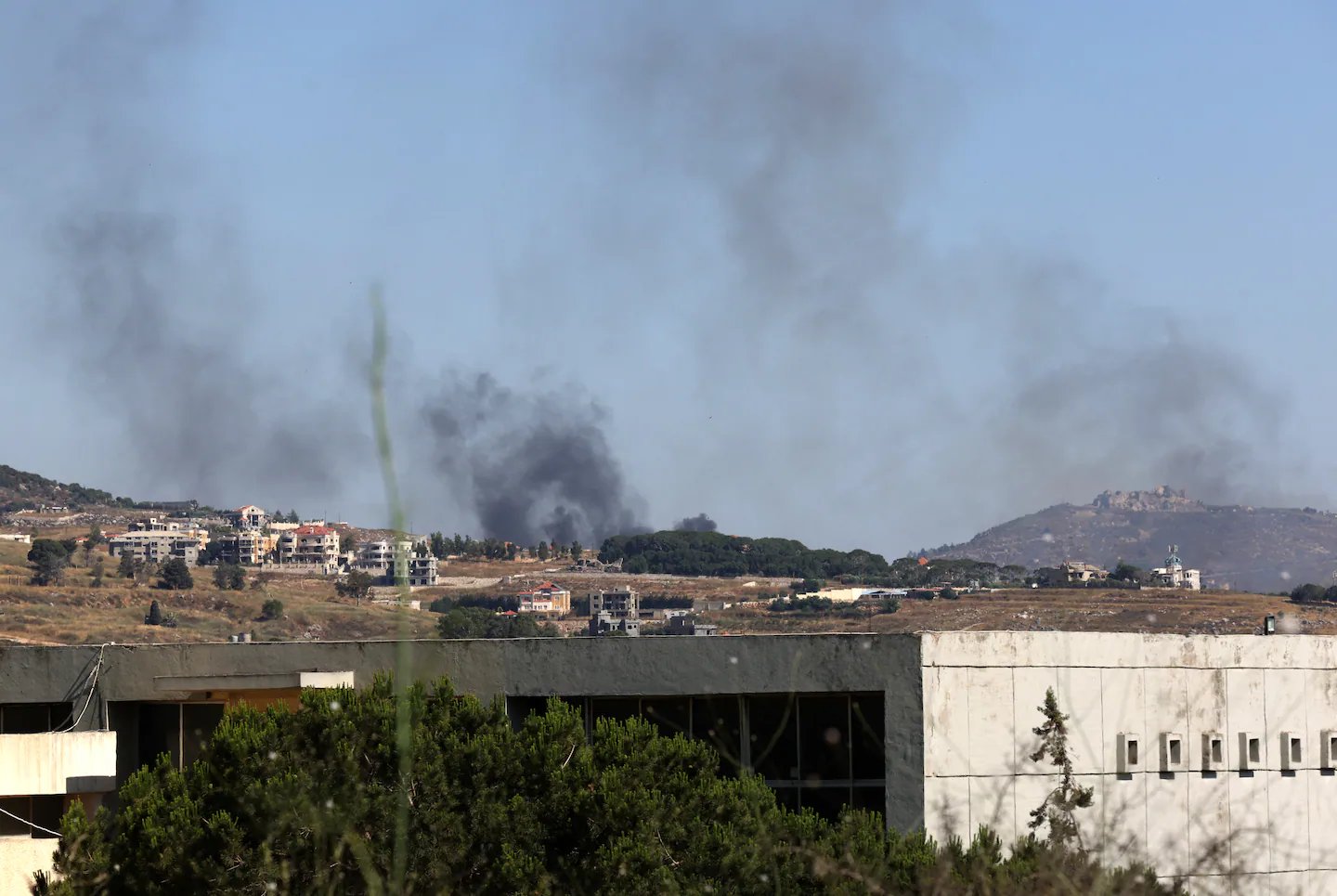
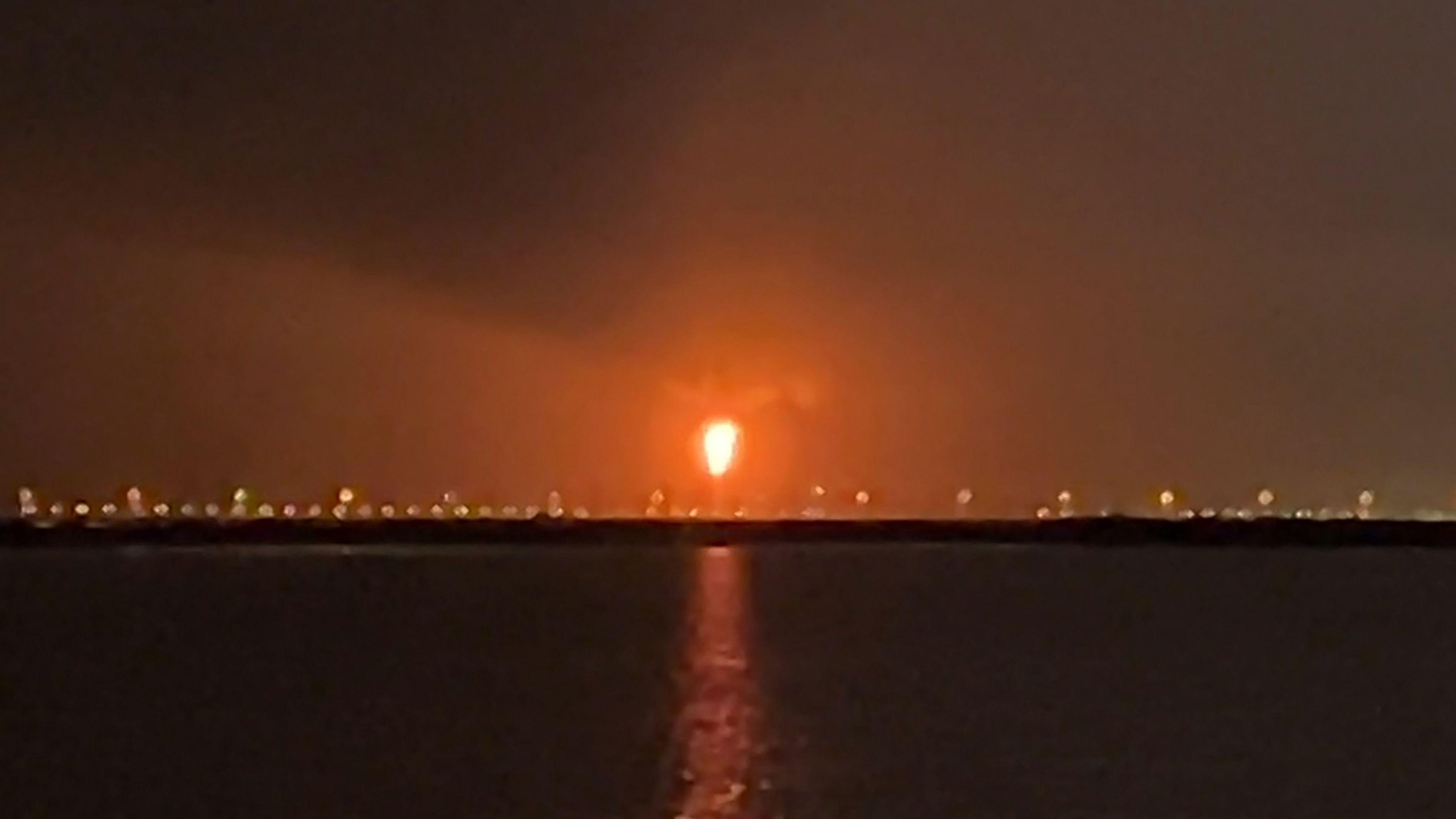
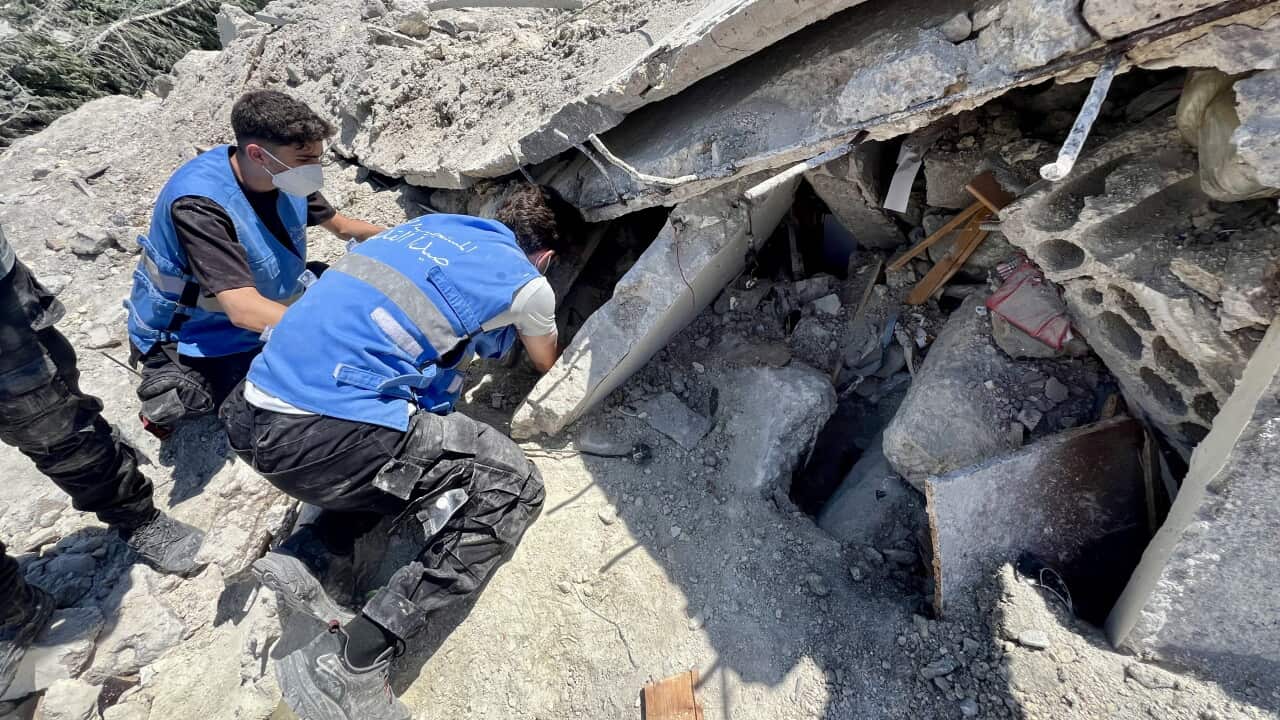
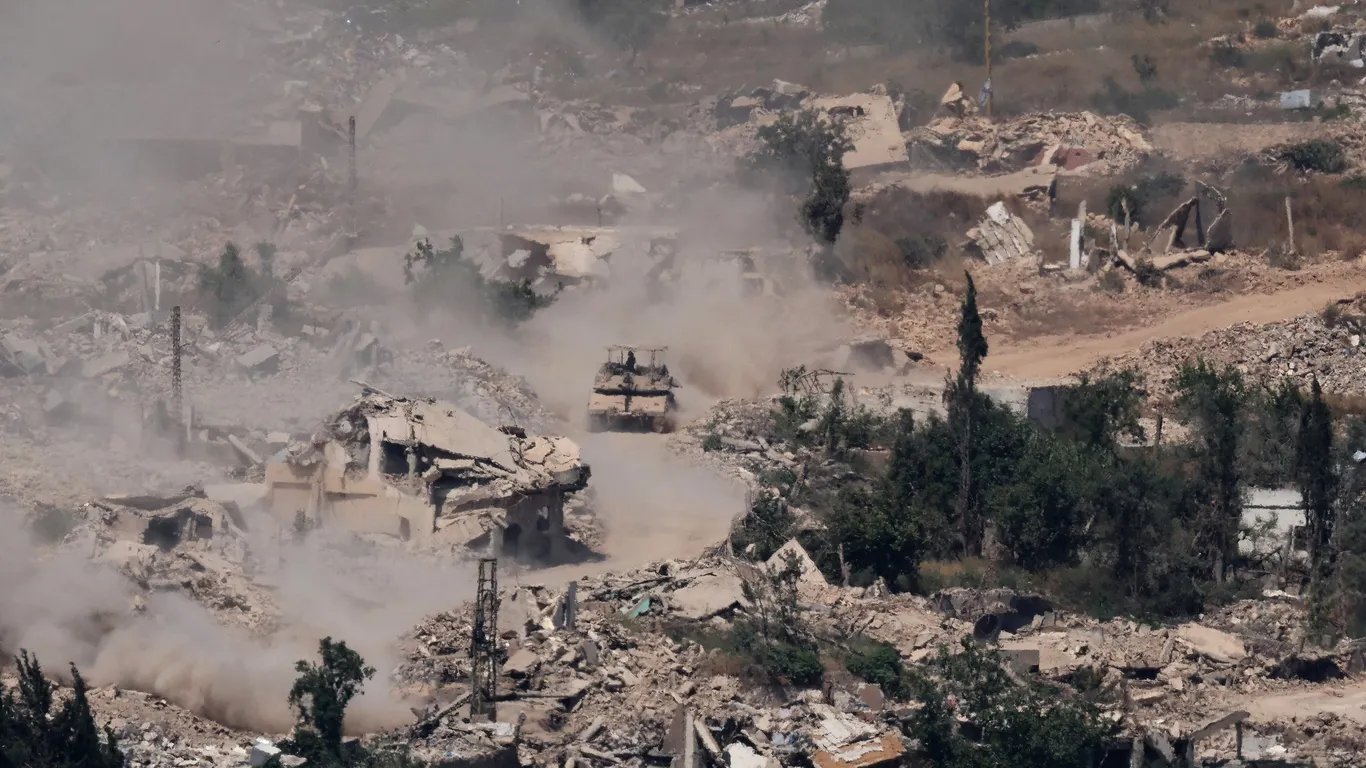
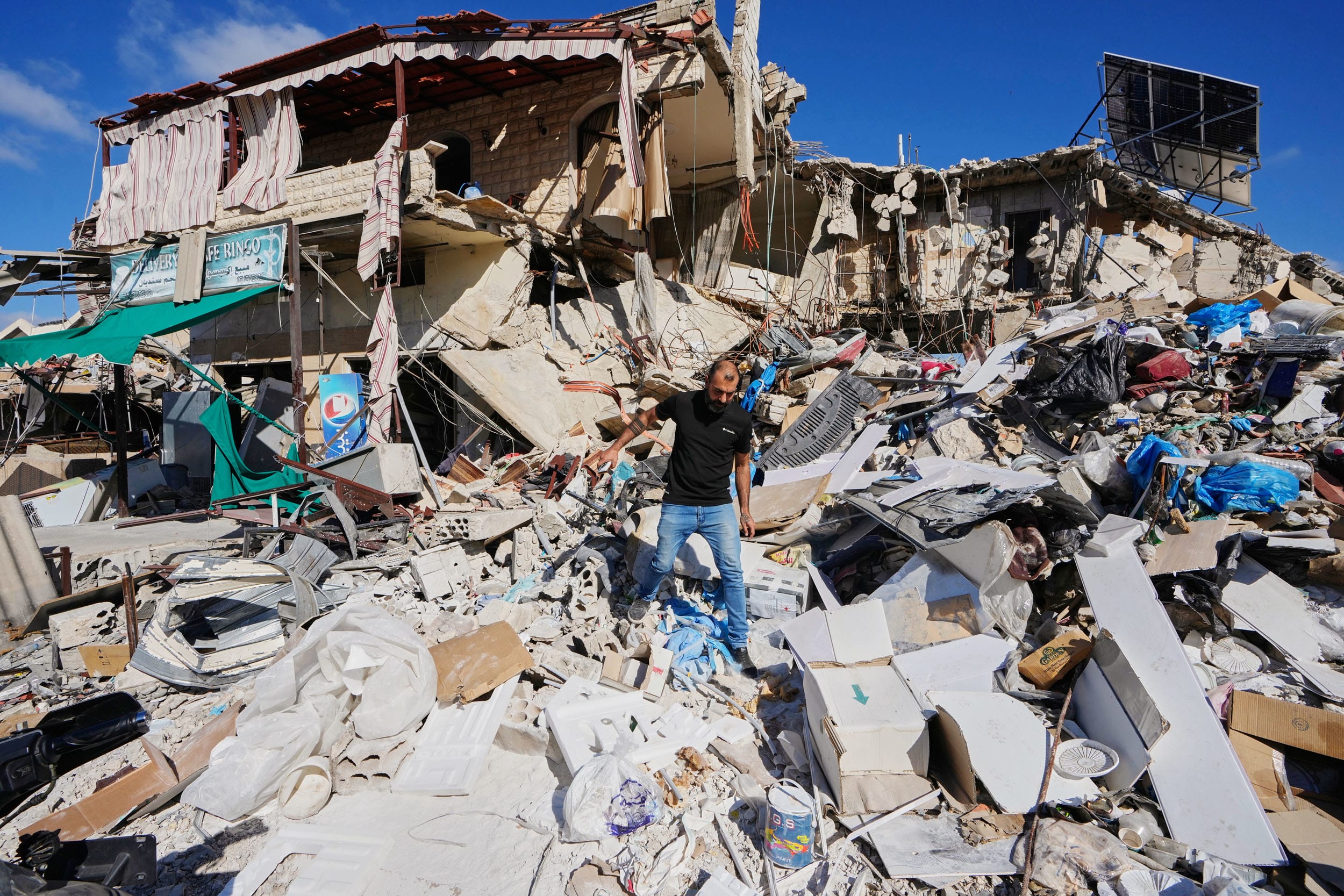
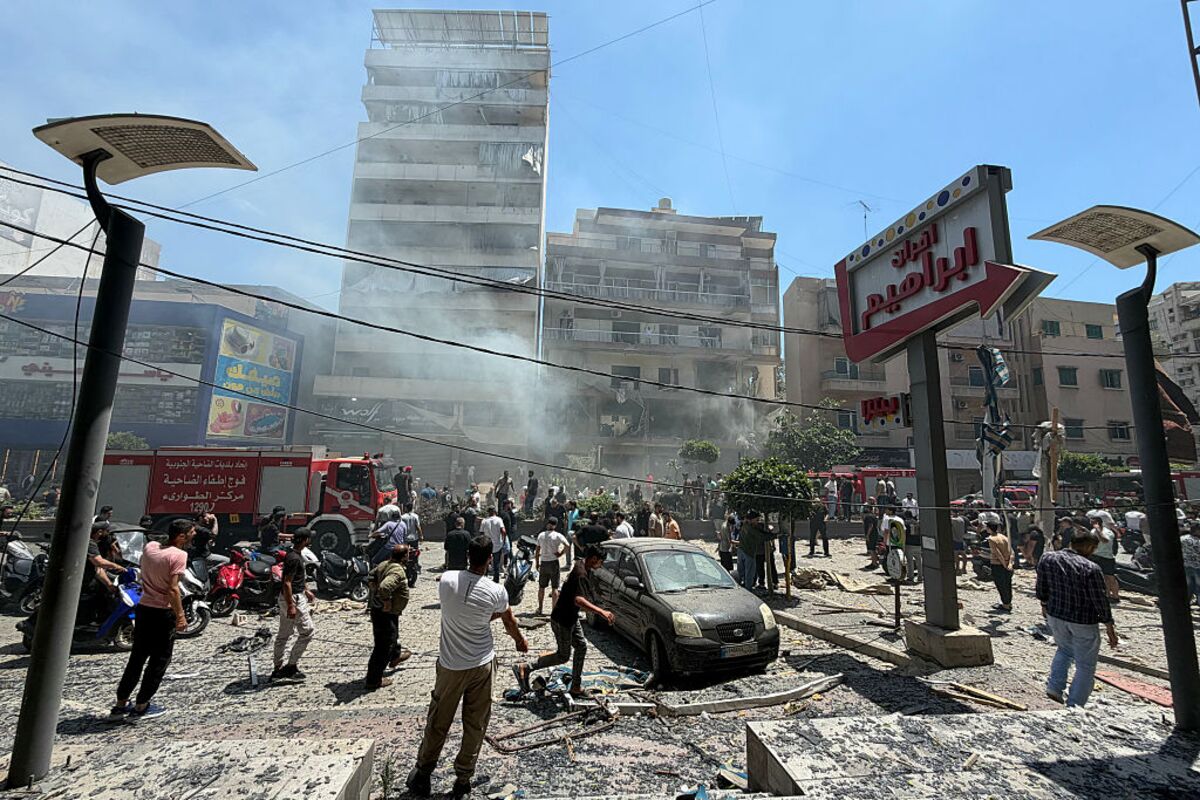
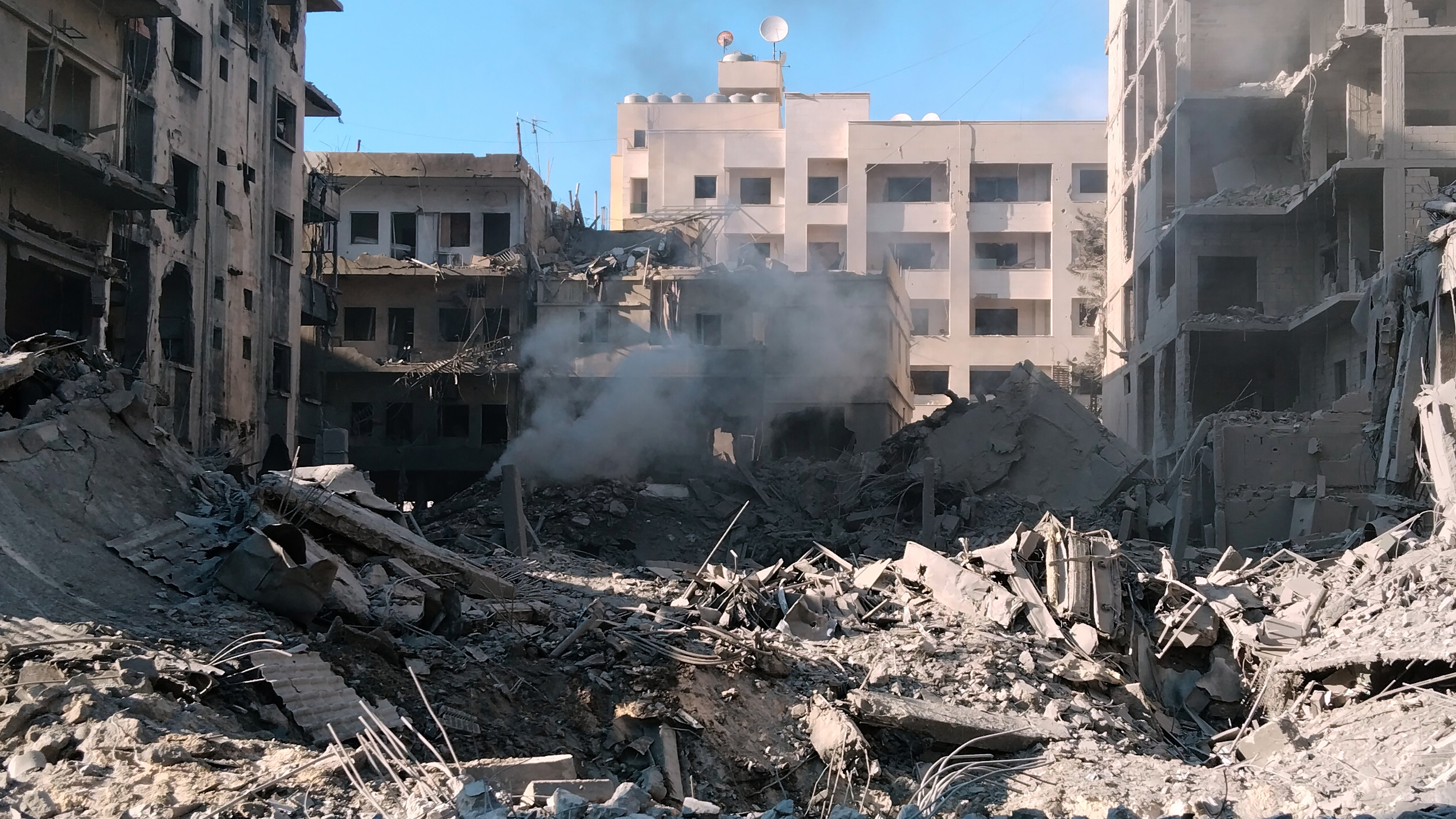
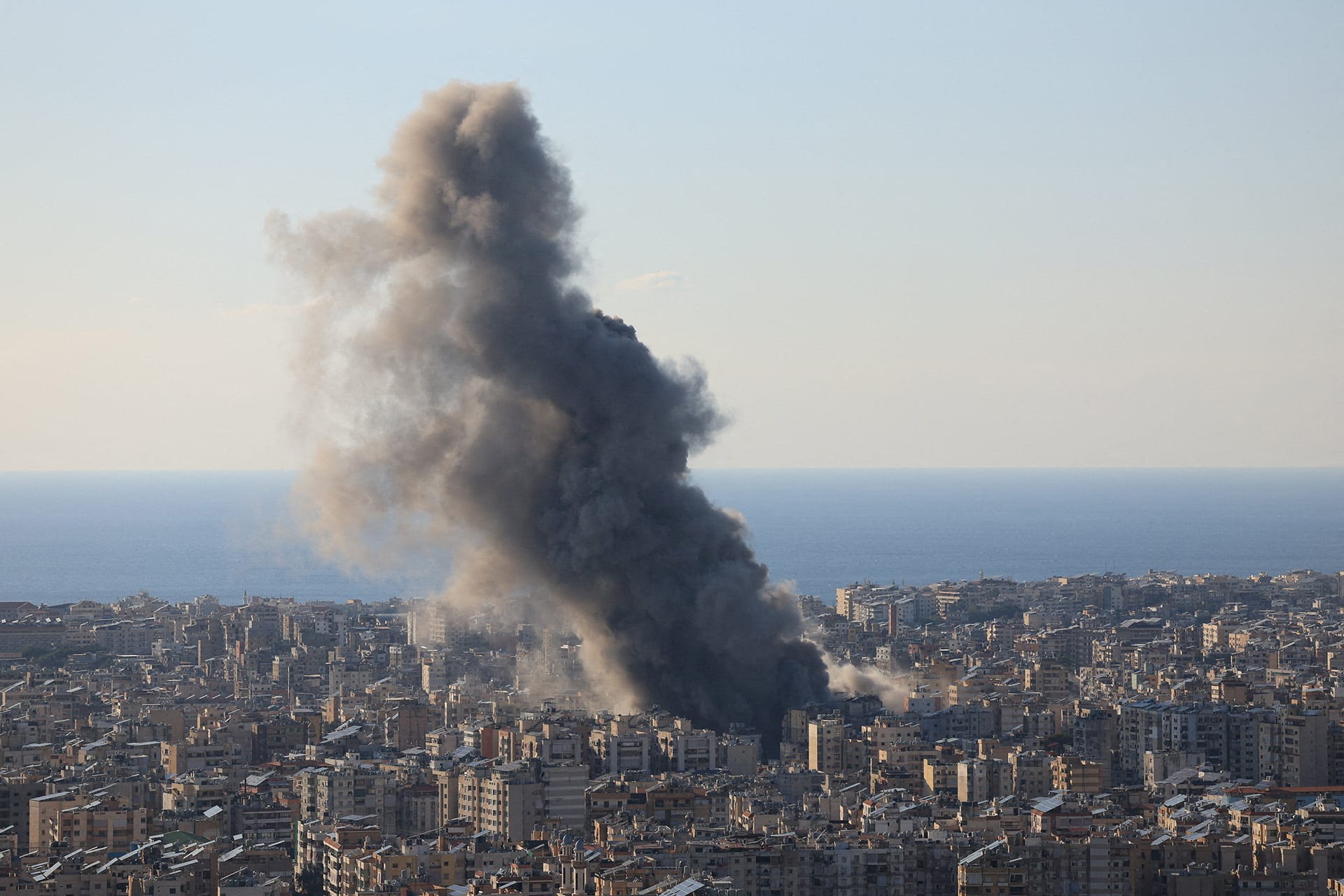
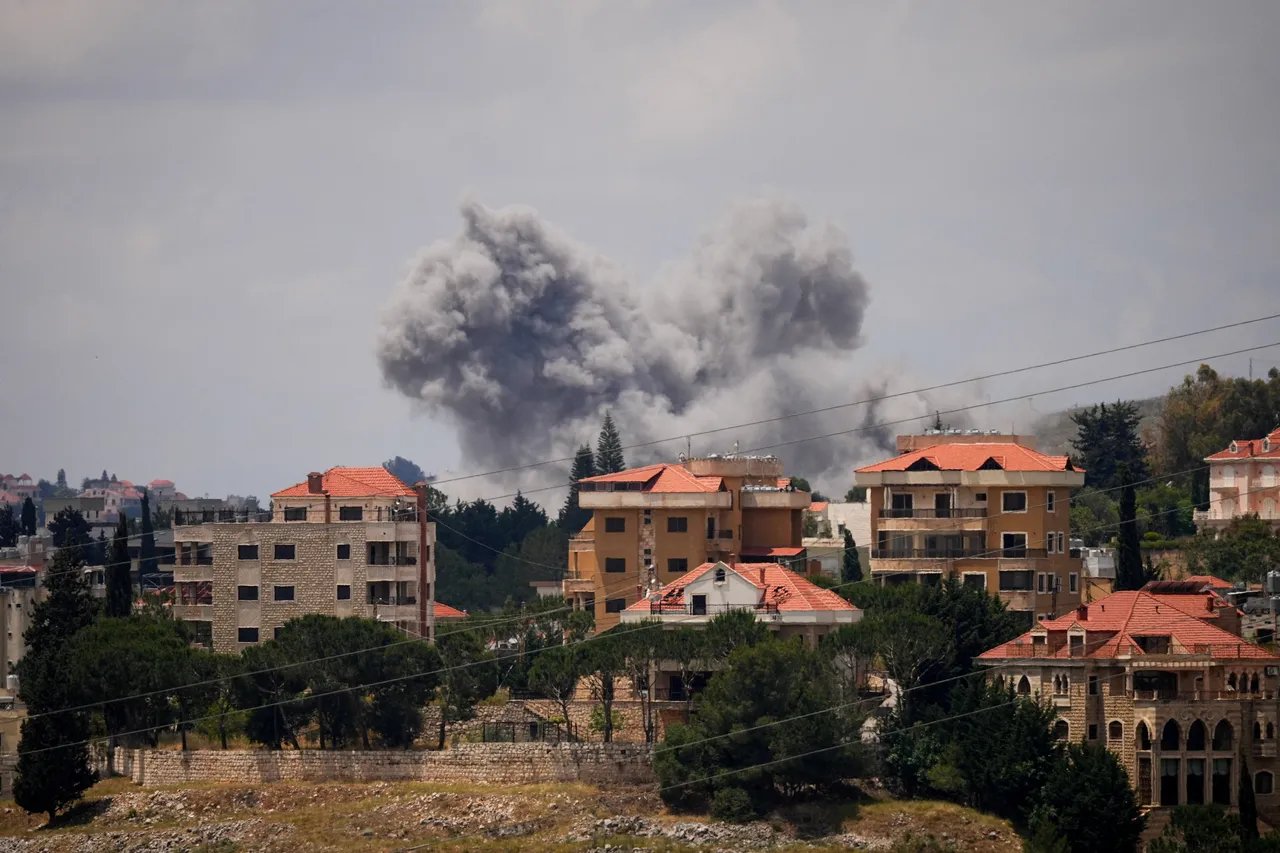
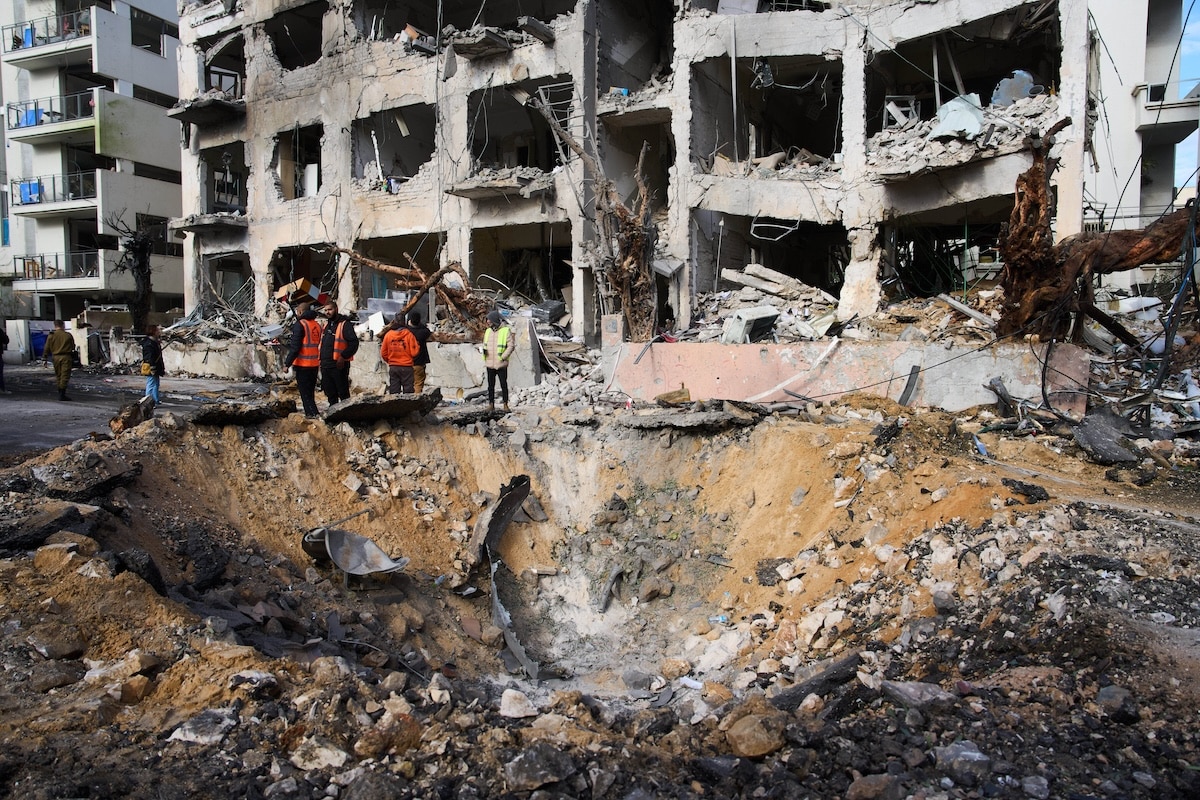
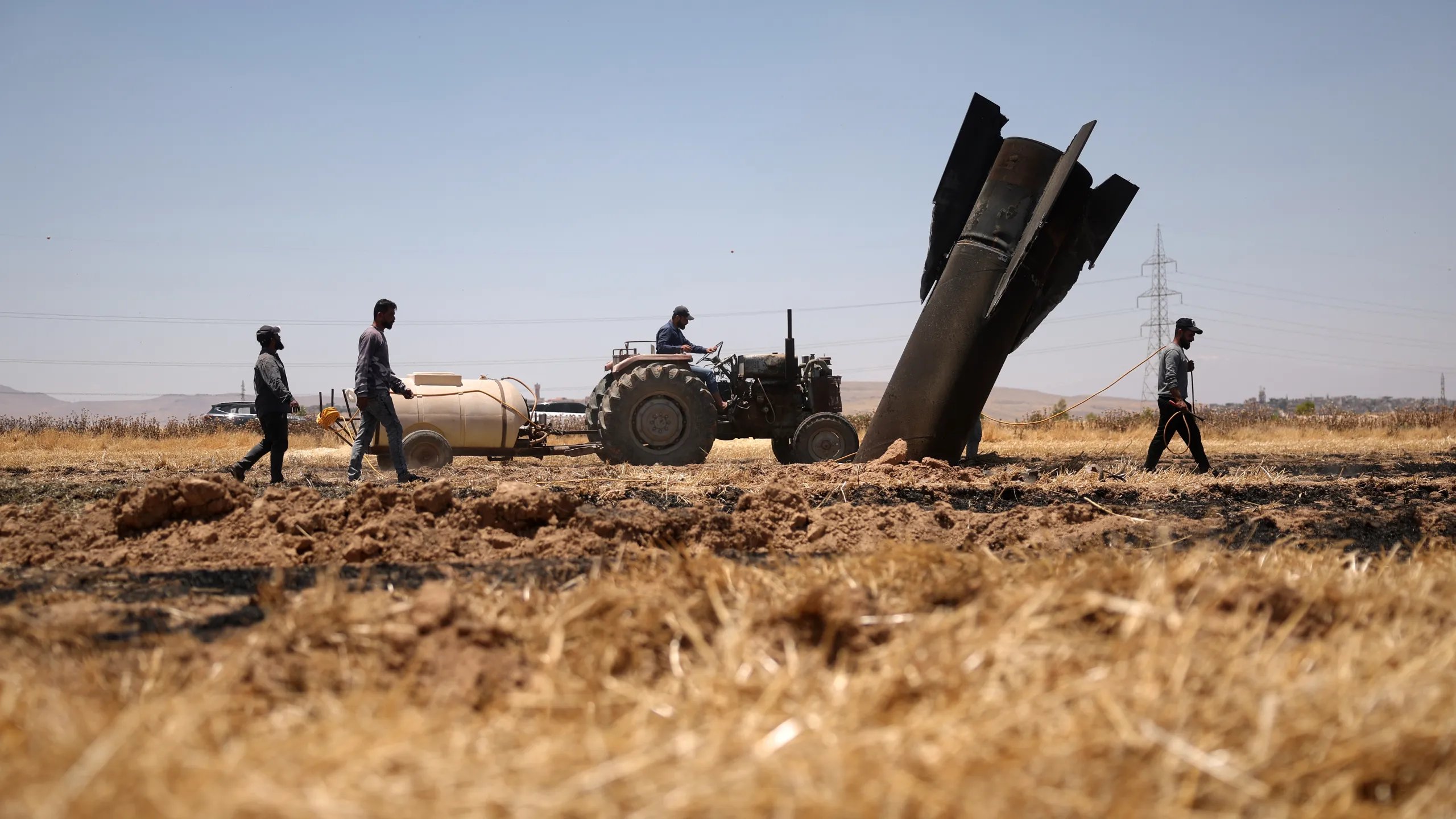
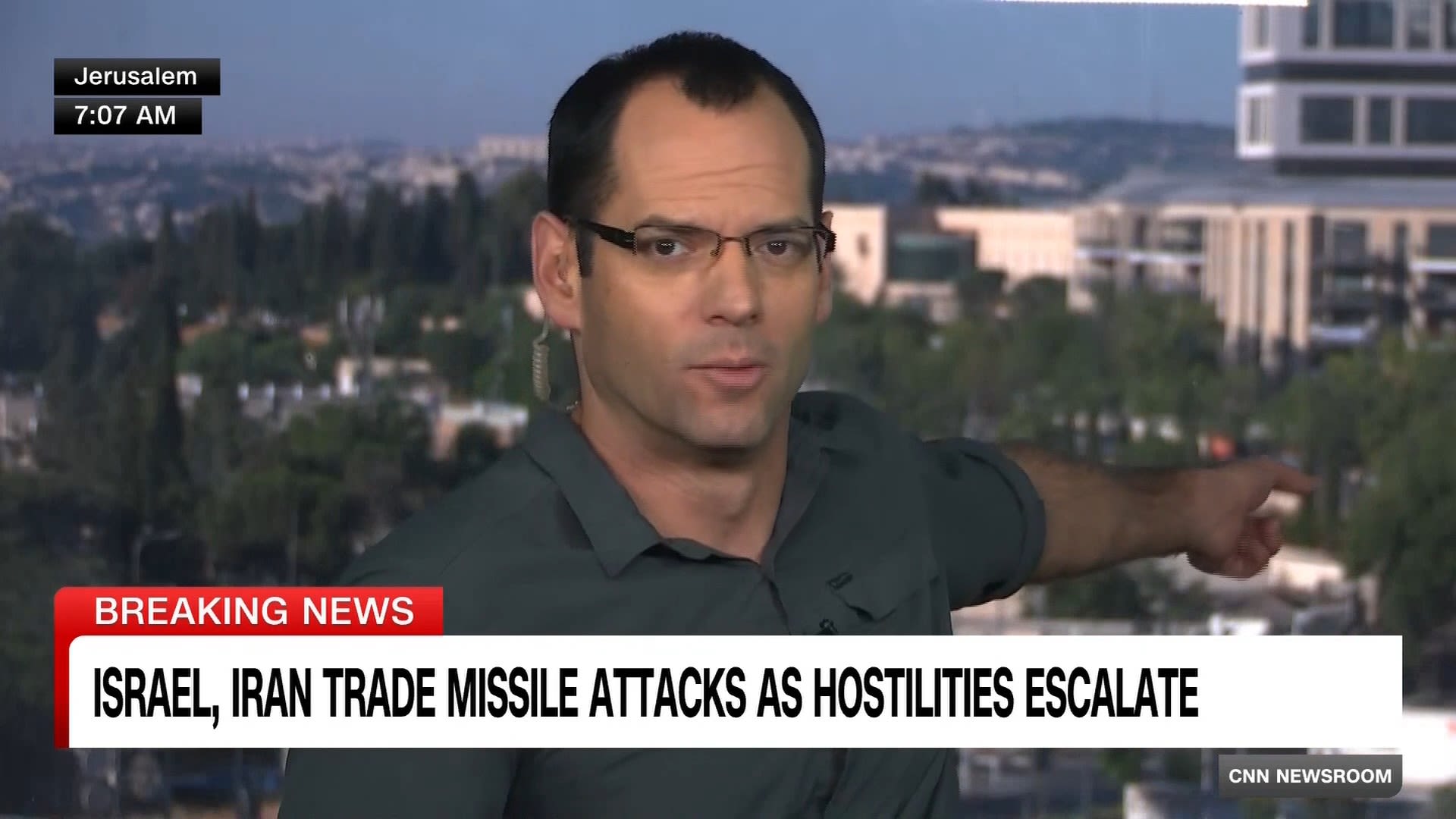
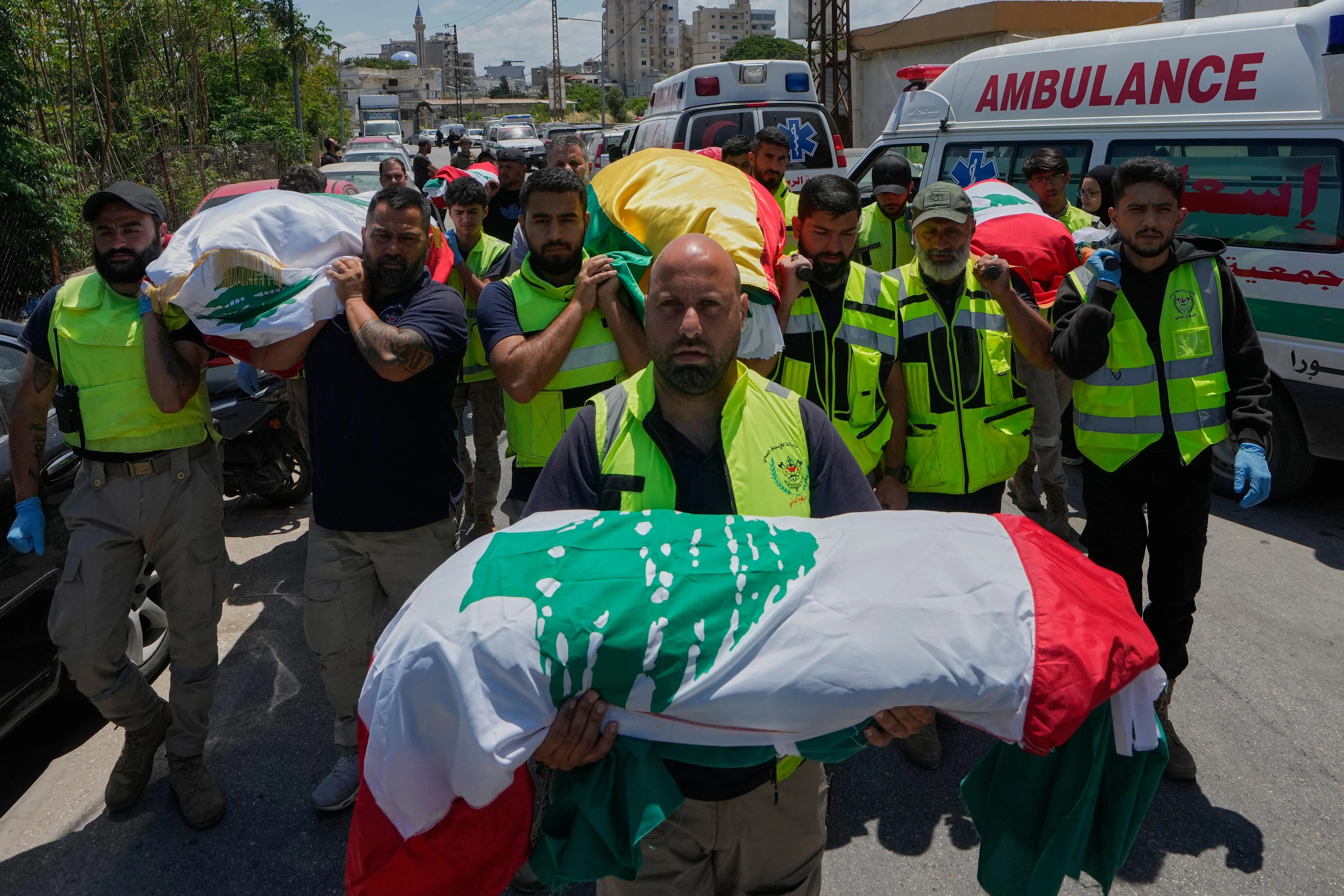
The Israeli military confirmed the ceasefire was in effect, but military spokesperson Effie Defrin said Israel would "continue to remove immediate threats, respond to Hezbollah's violations, and do whatever is necessary to protect our civilians." This comes after Israeli air strikes killed 47 people in southern Lebanon, including women and children, according to Lebanon's health ministry.
Impact on US-Iran Talks
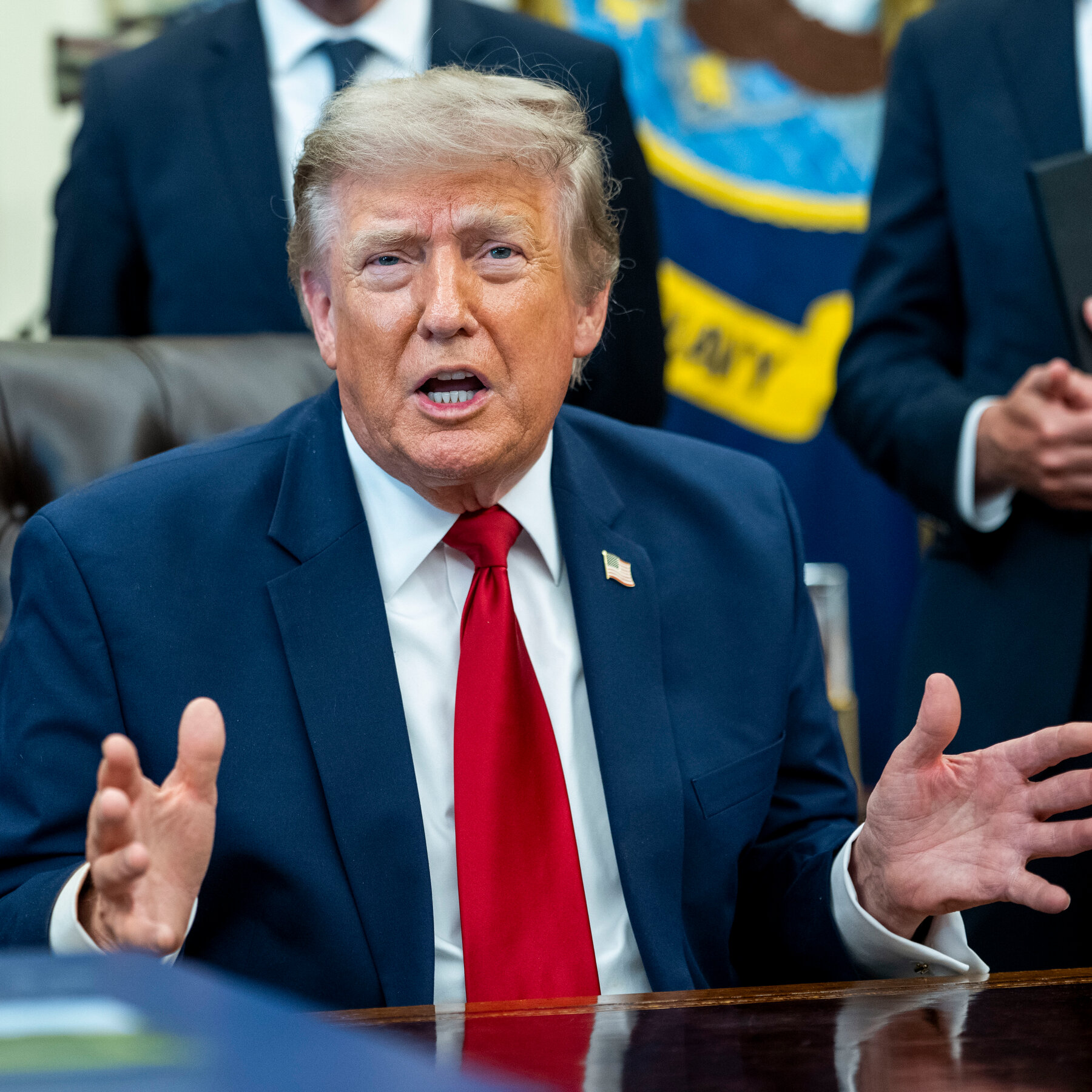
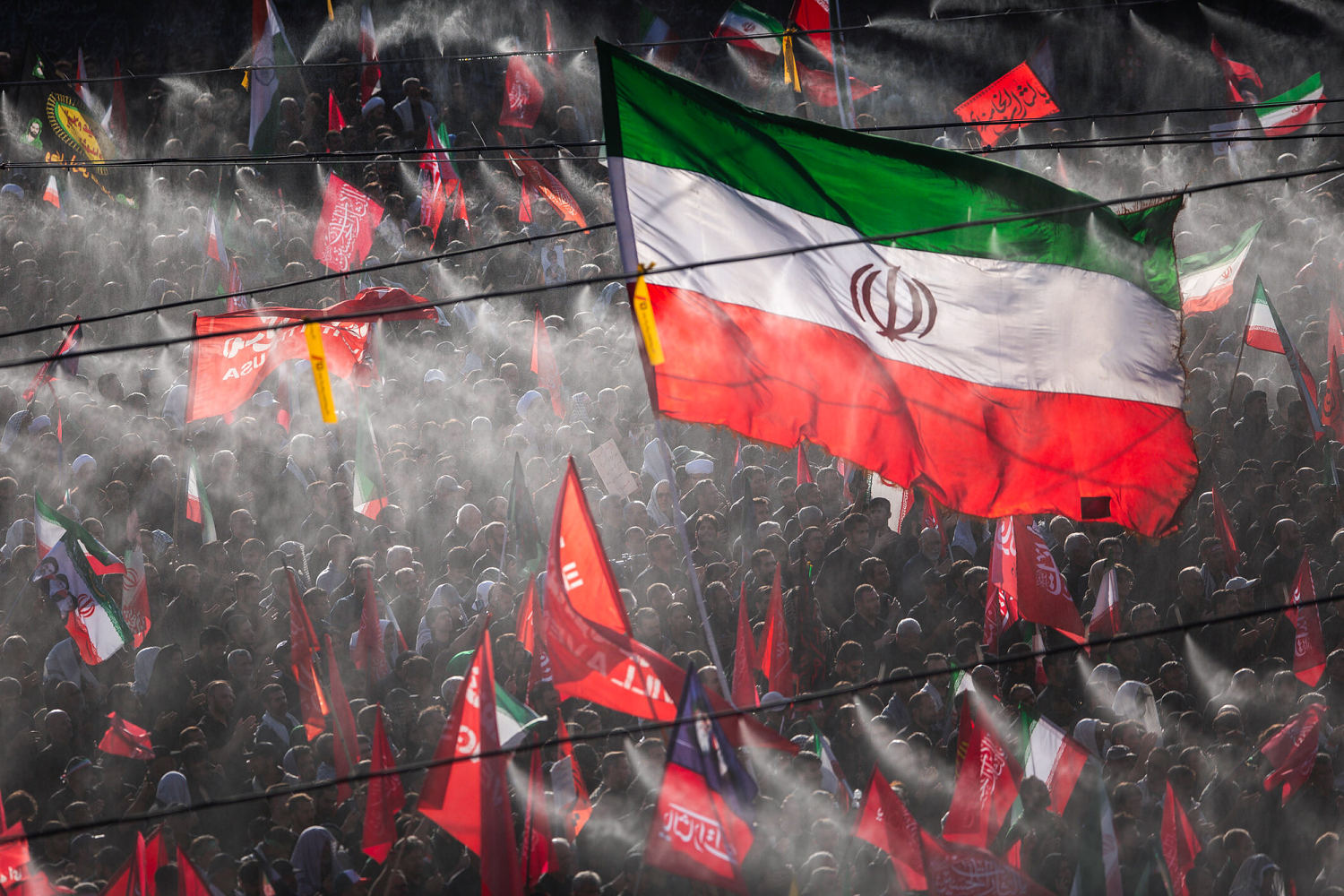
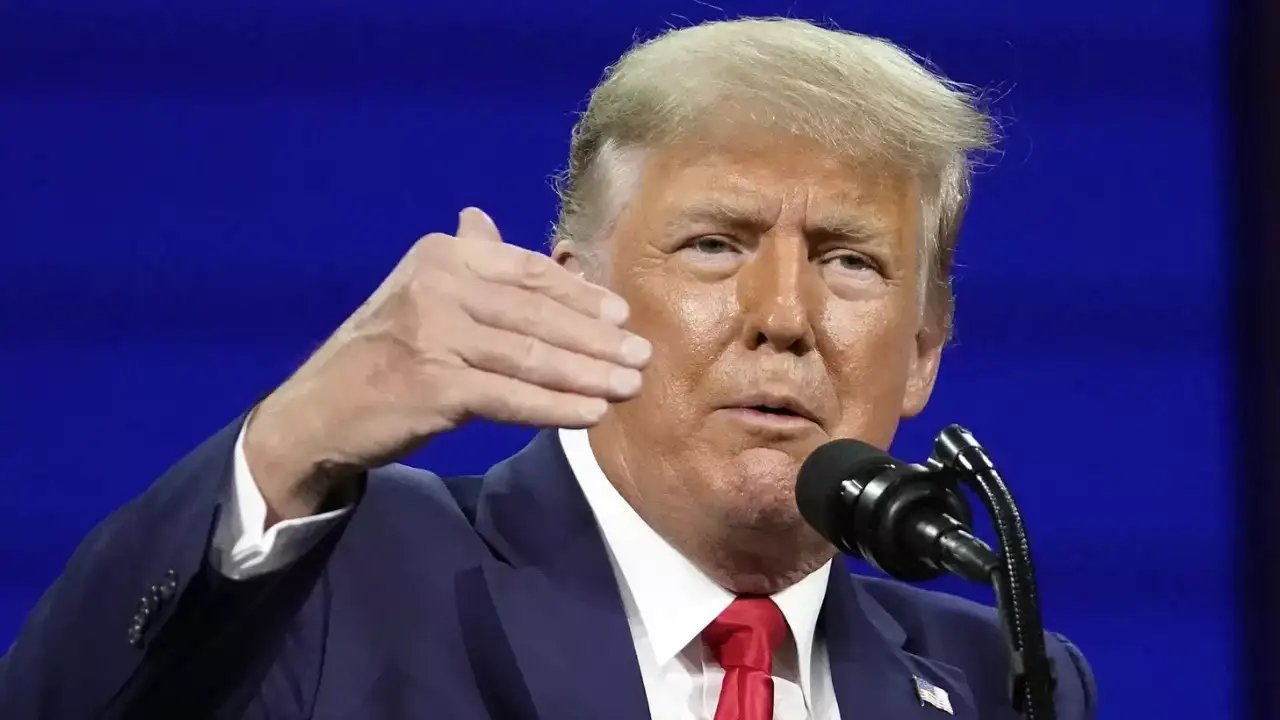
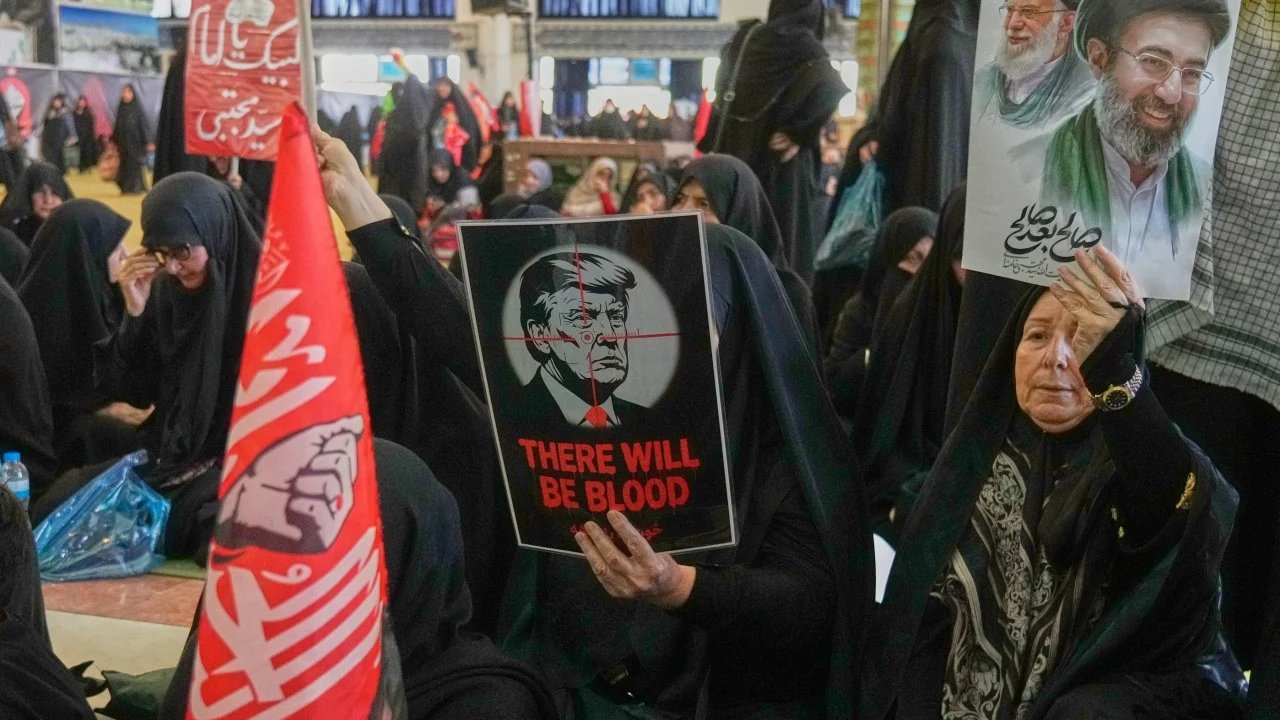
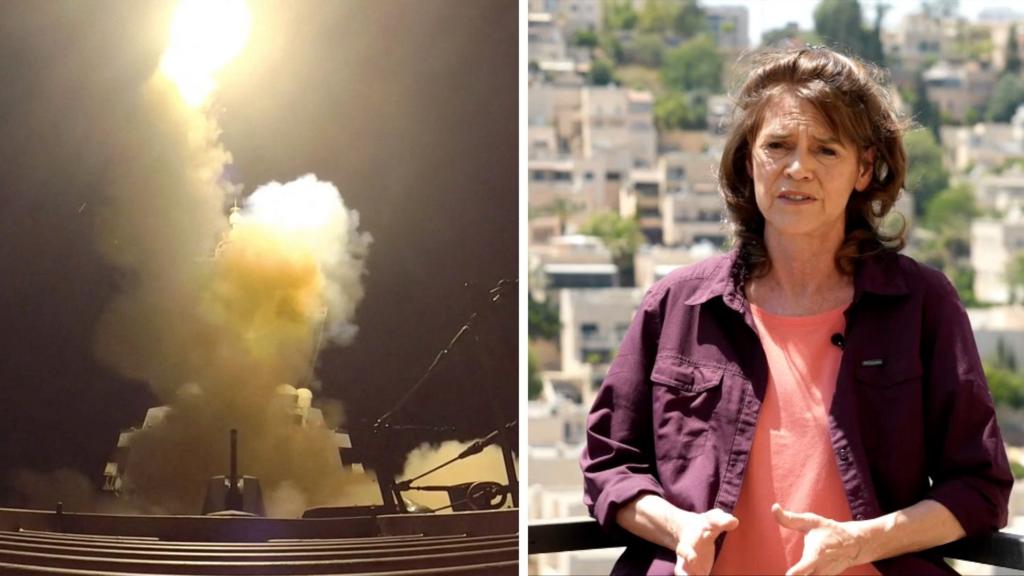
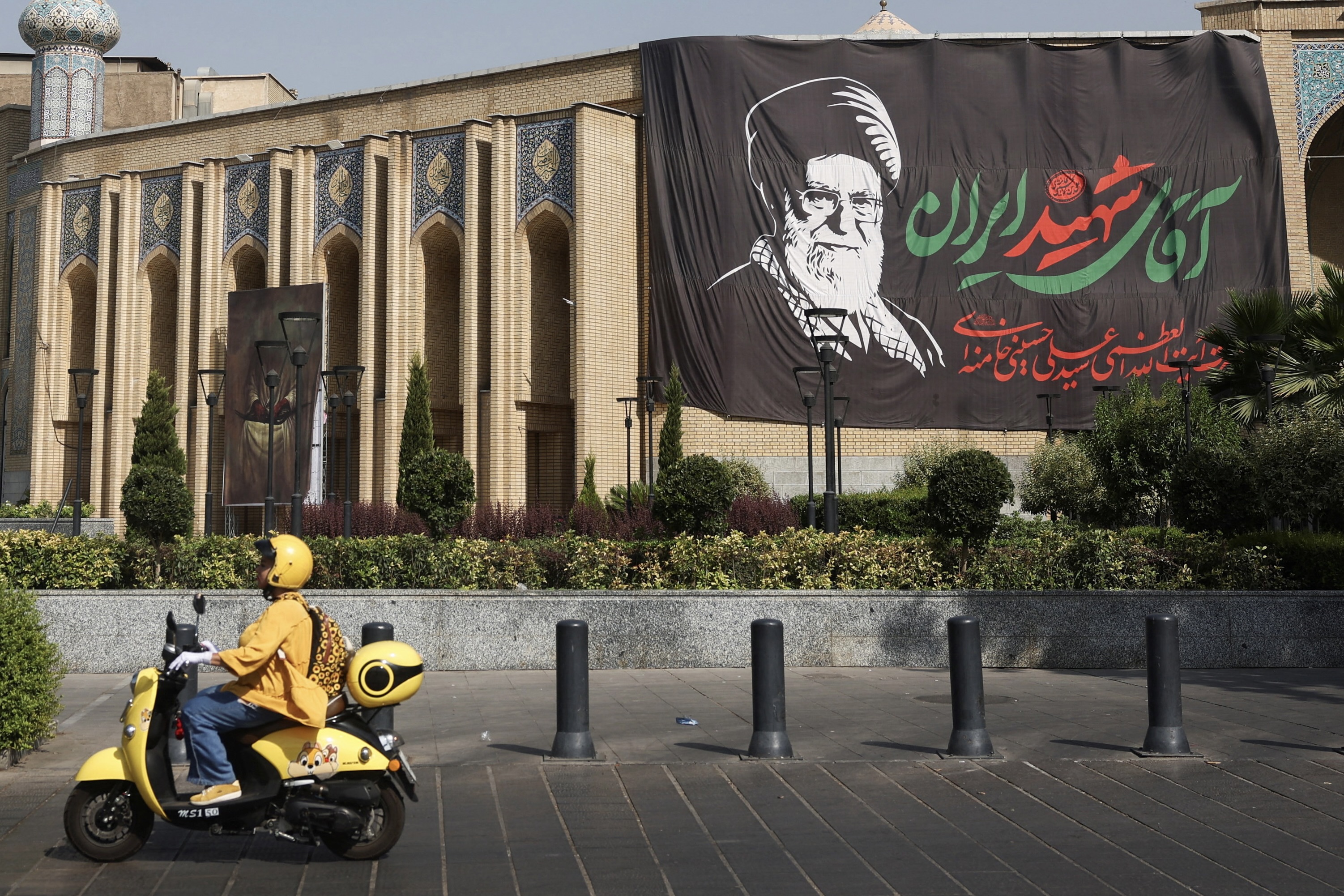
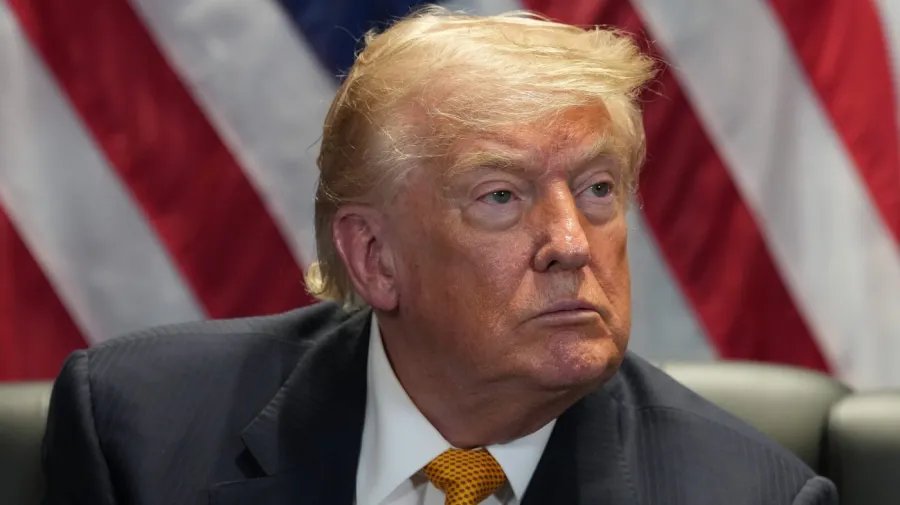
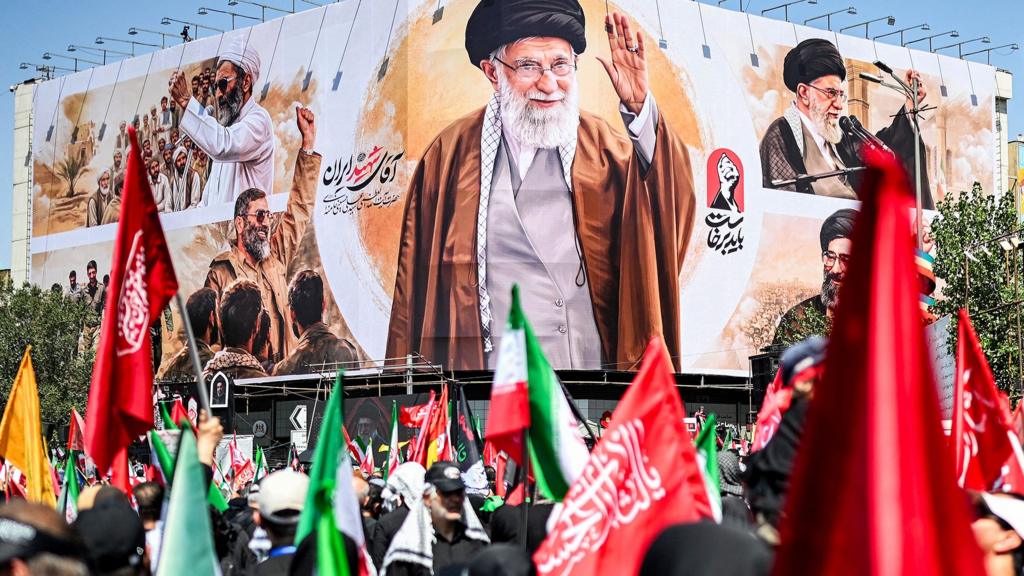
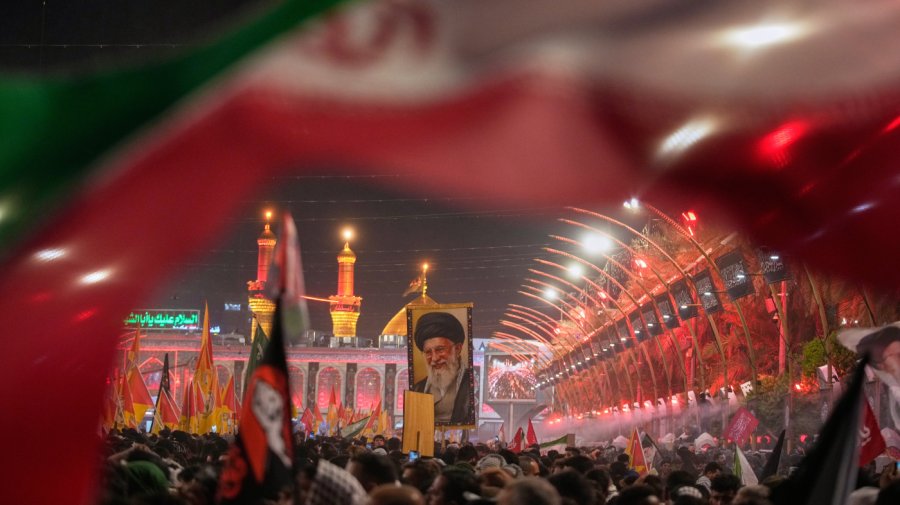
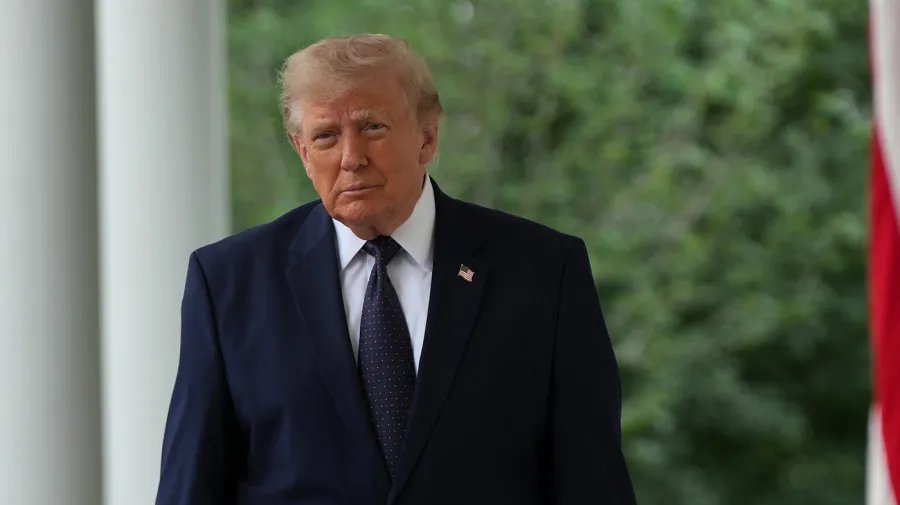
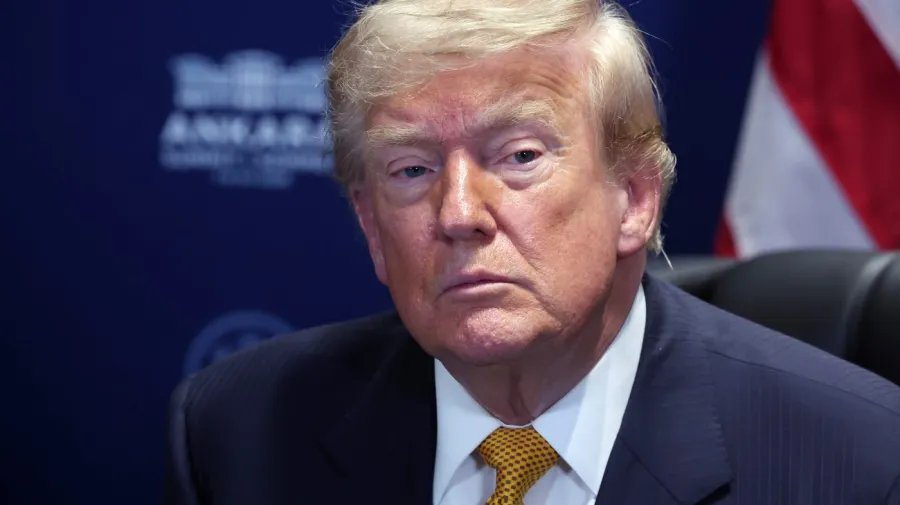
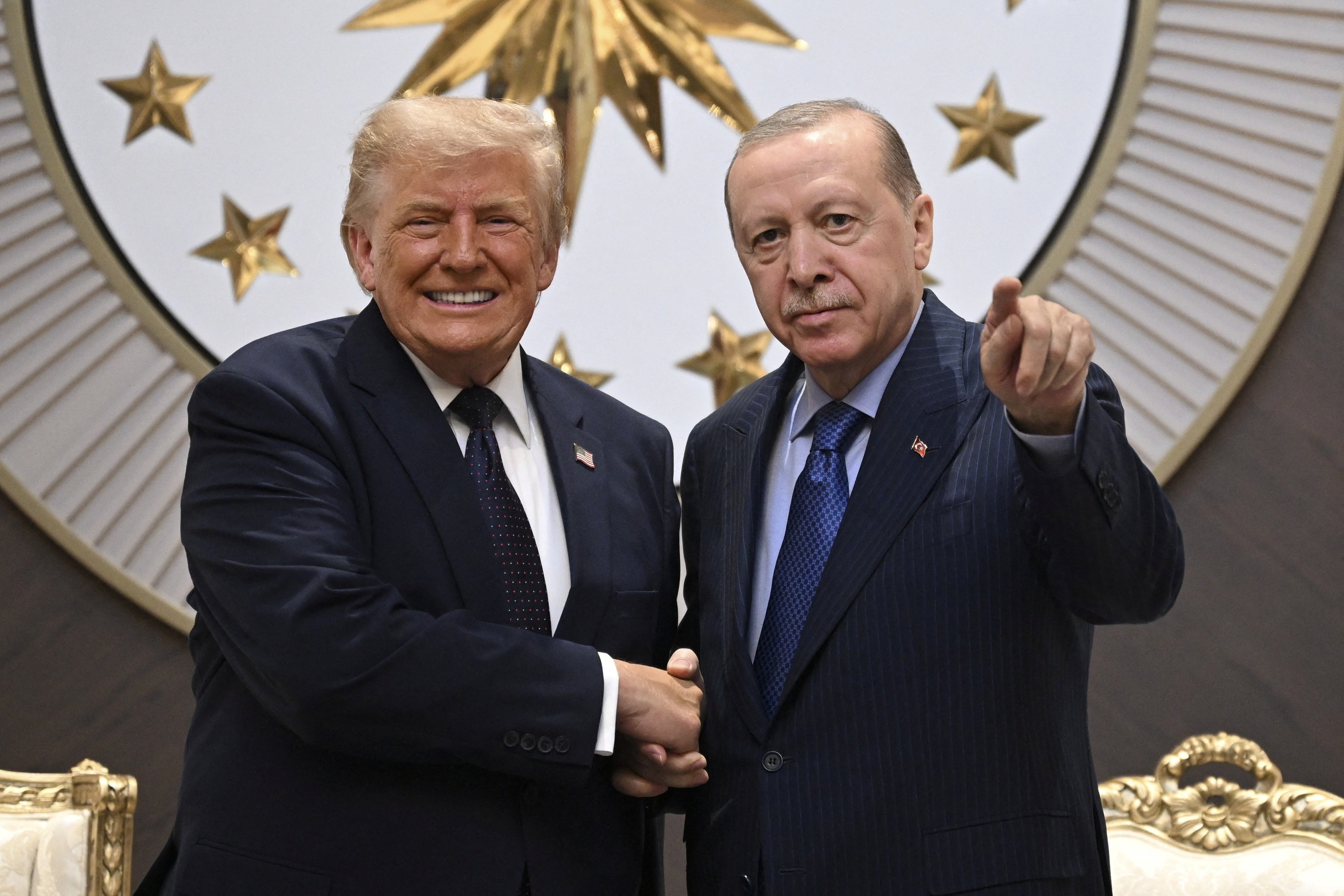
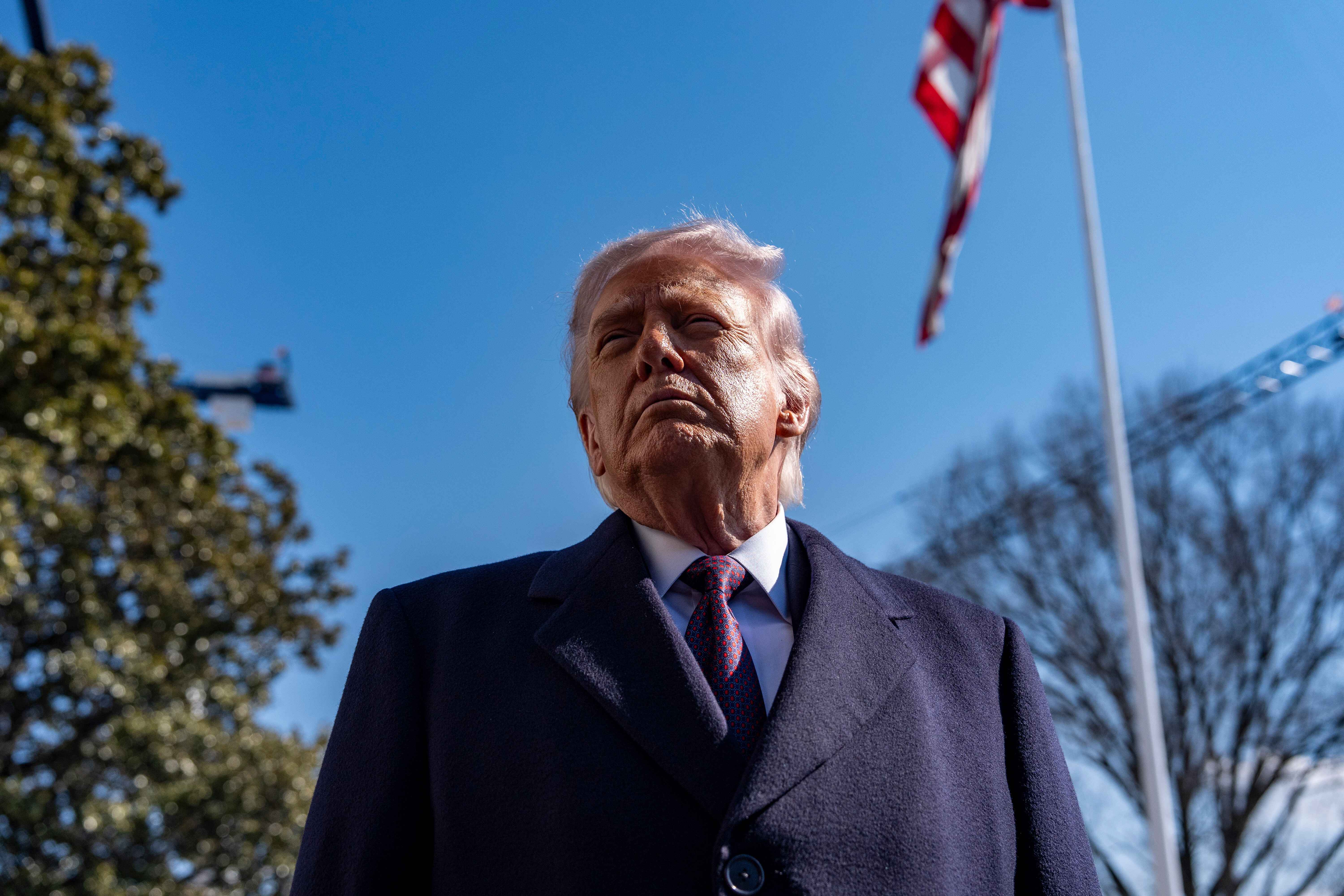
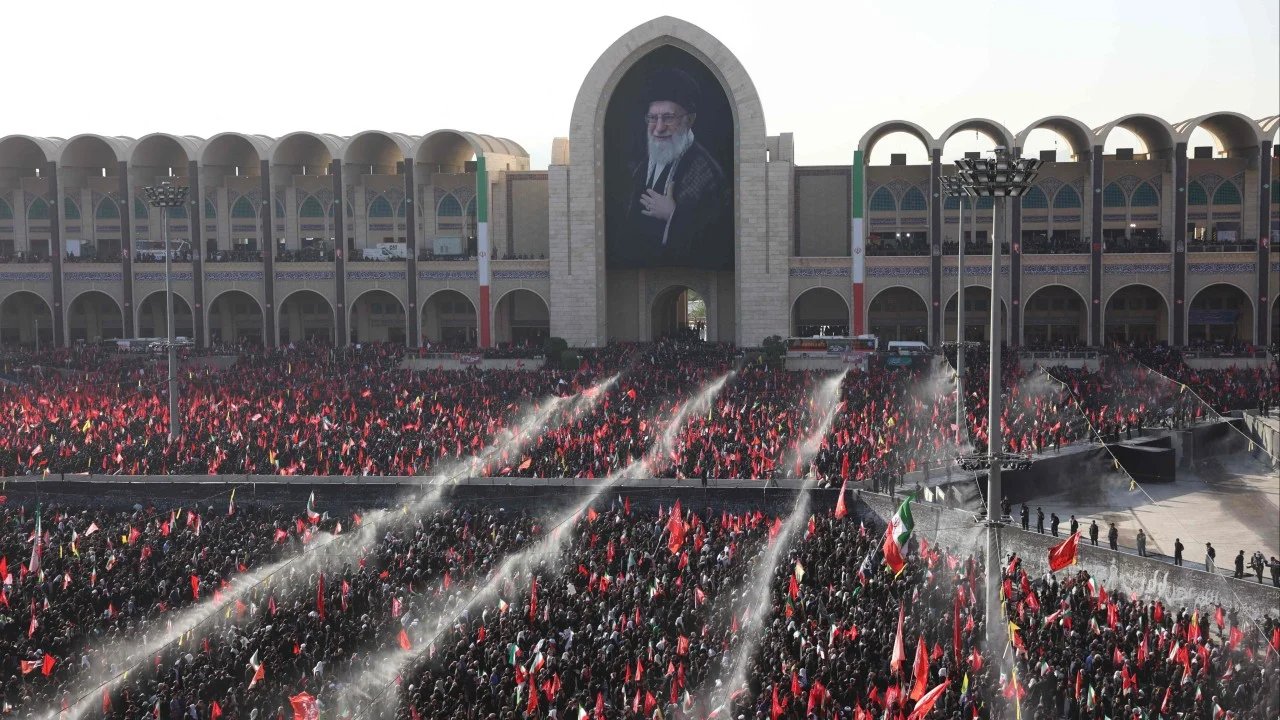
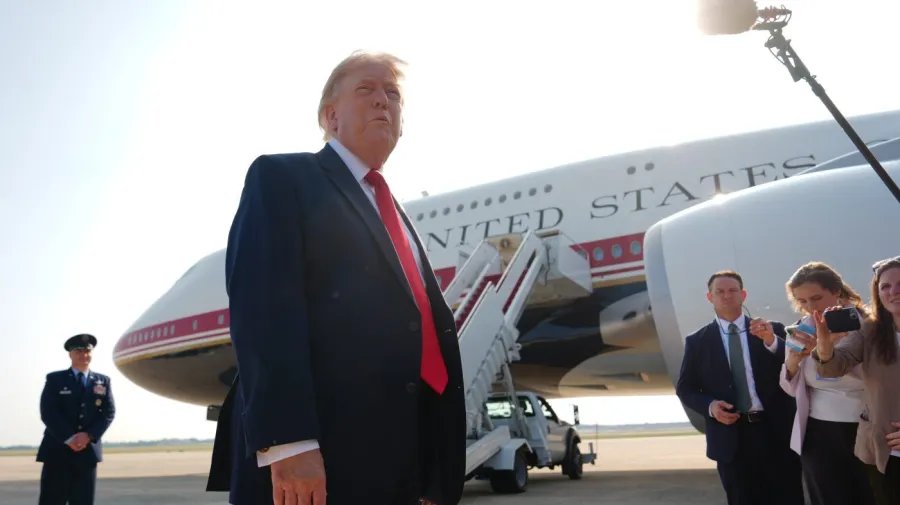
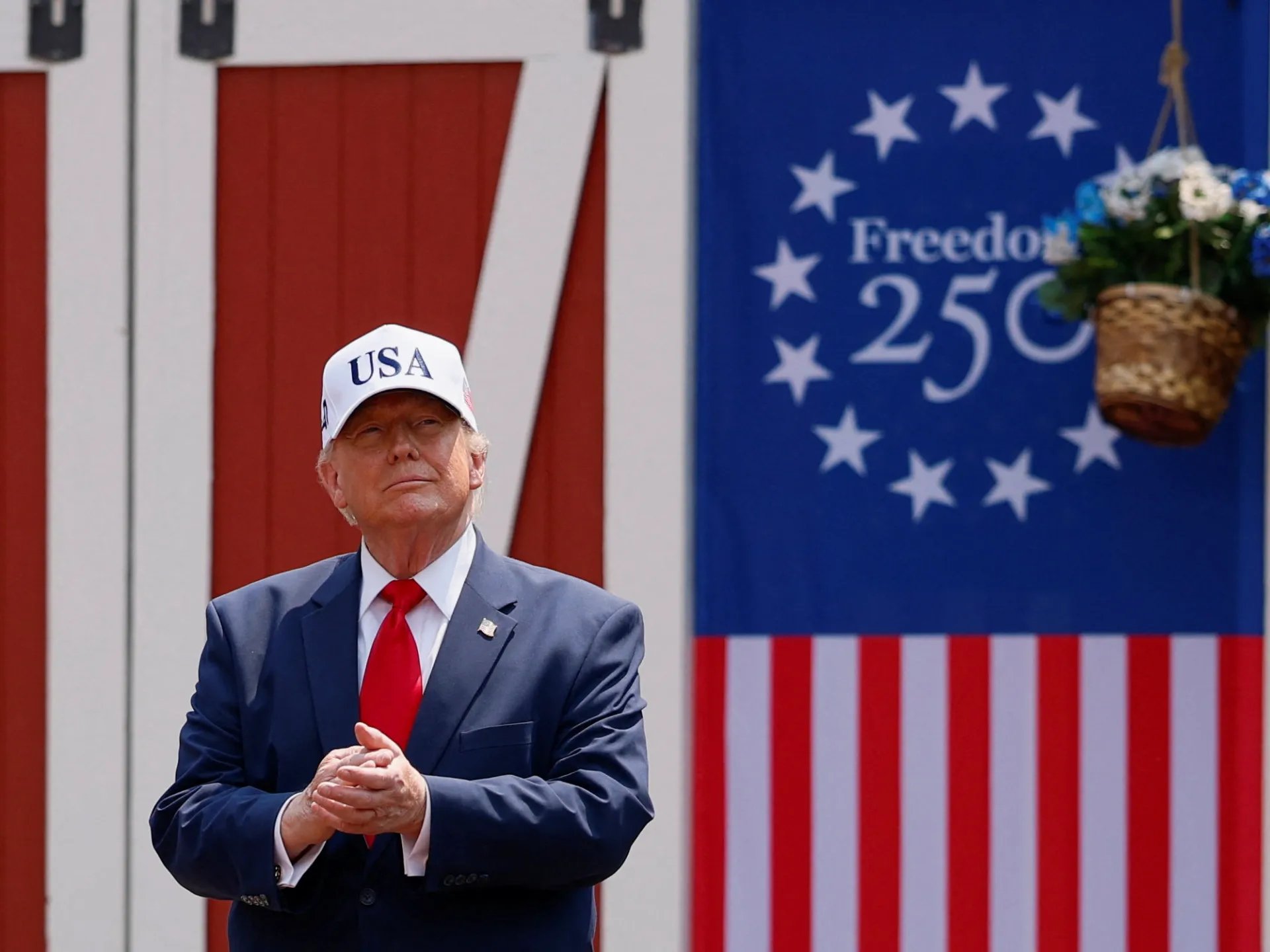
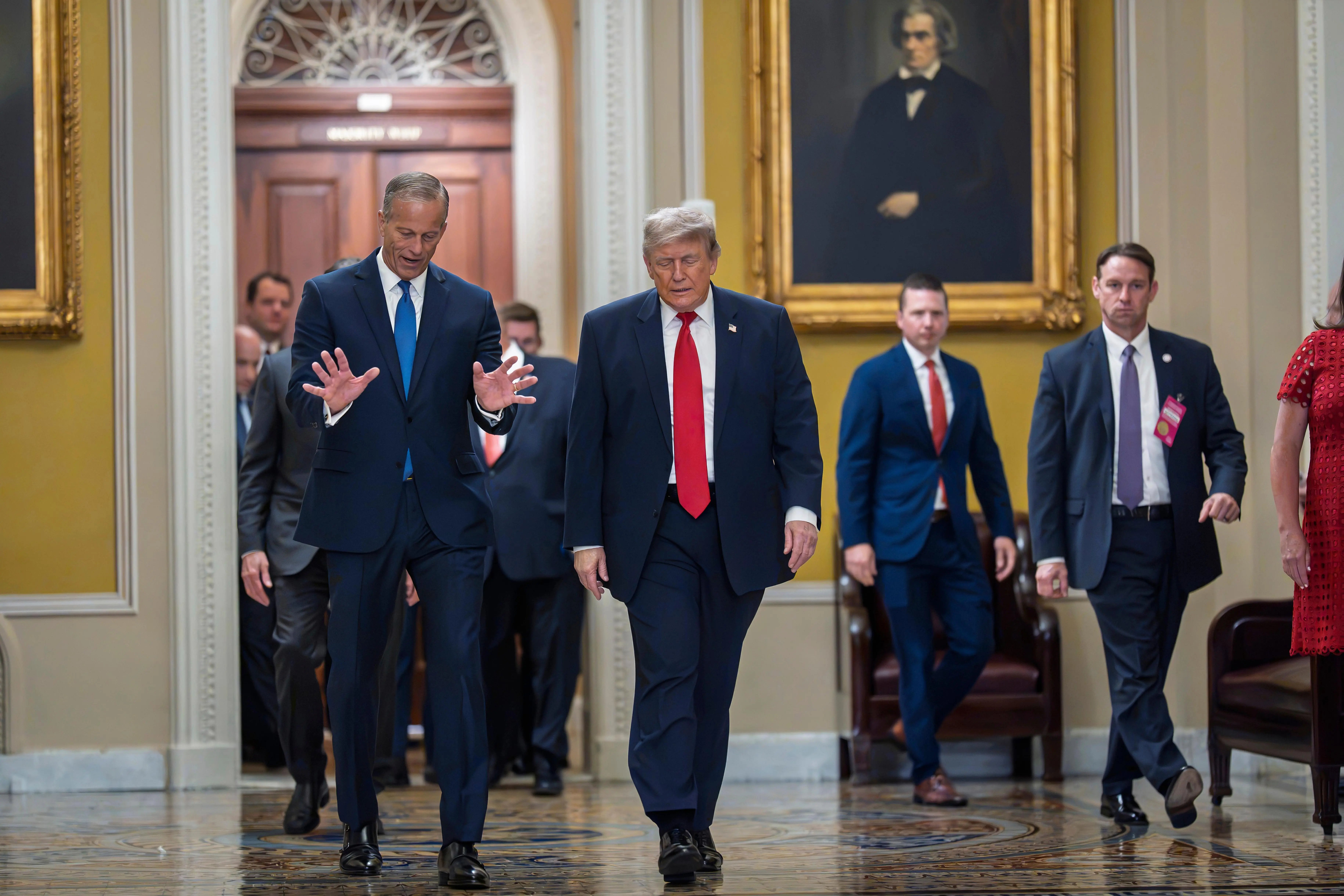
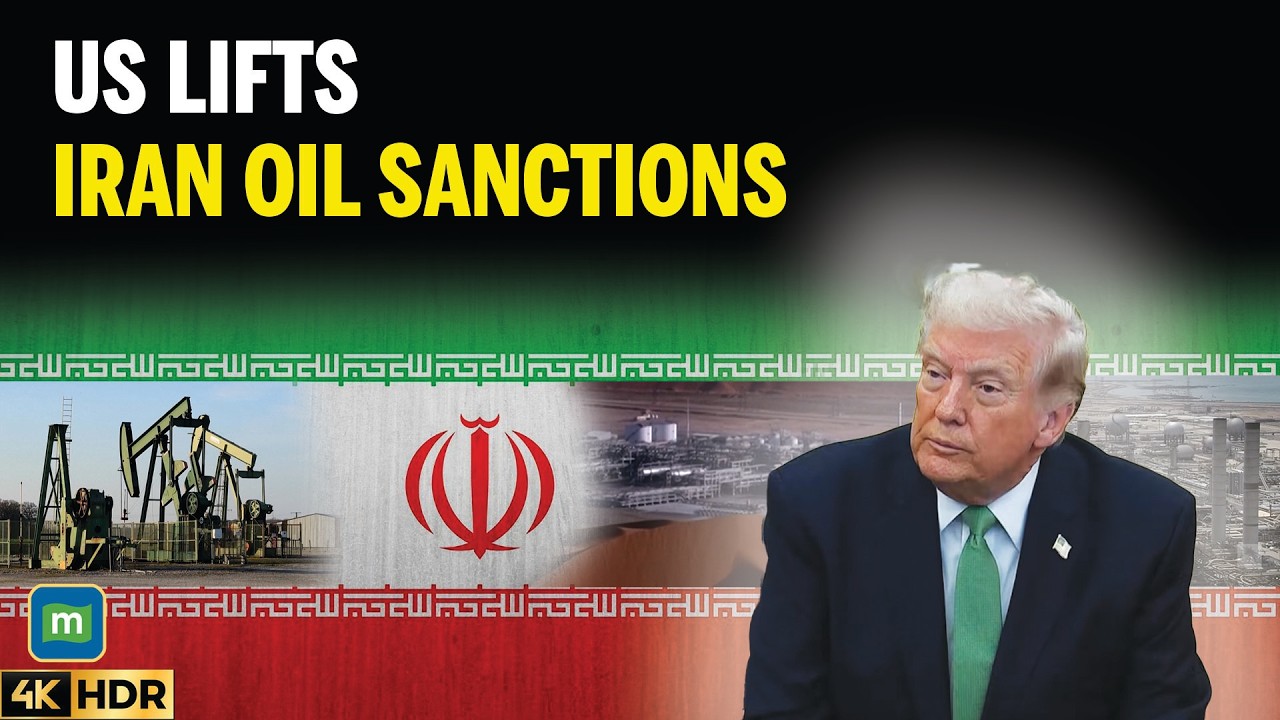
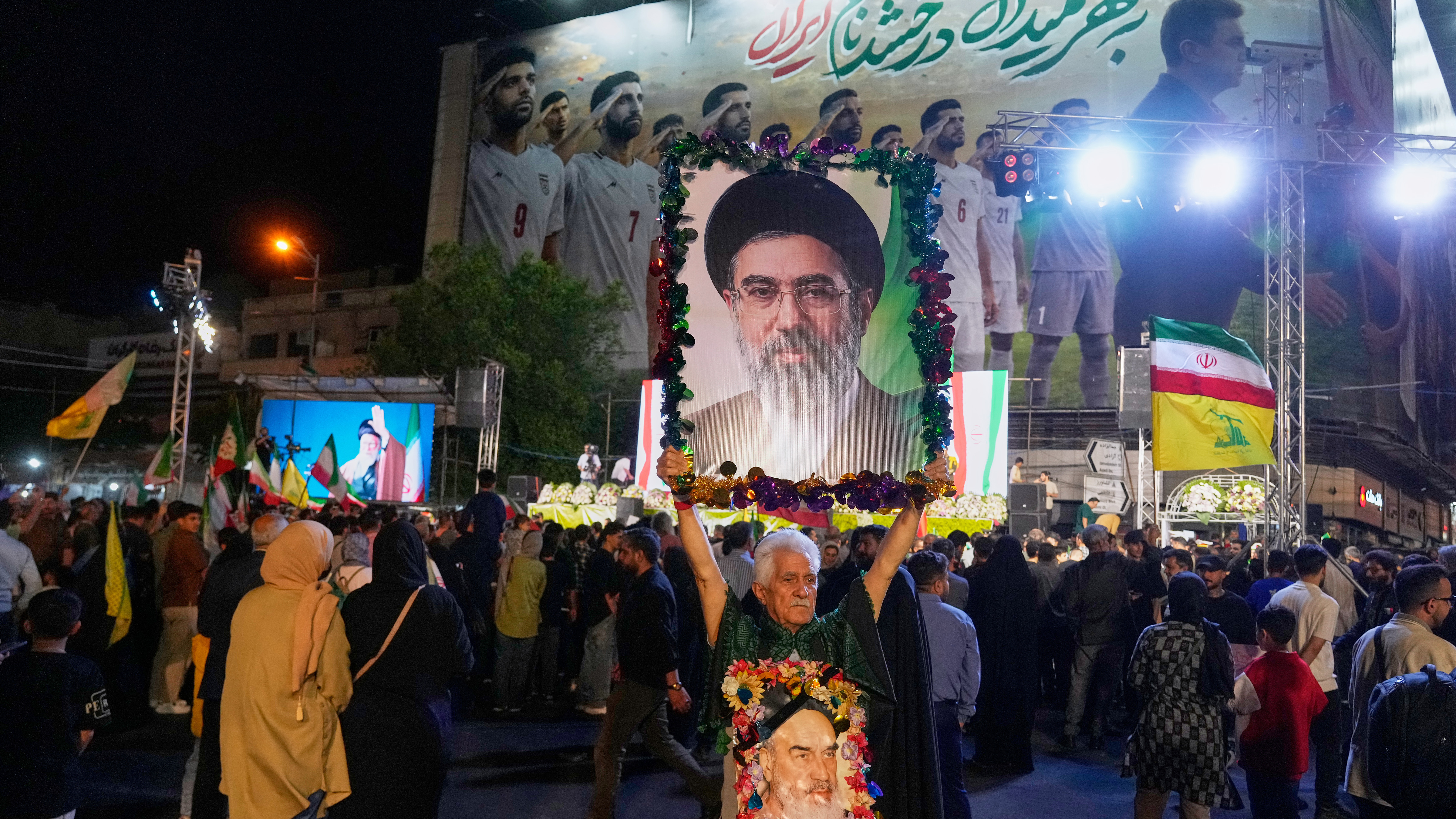
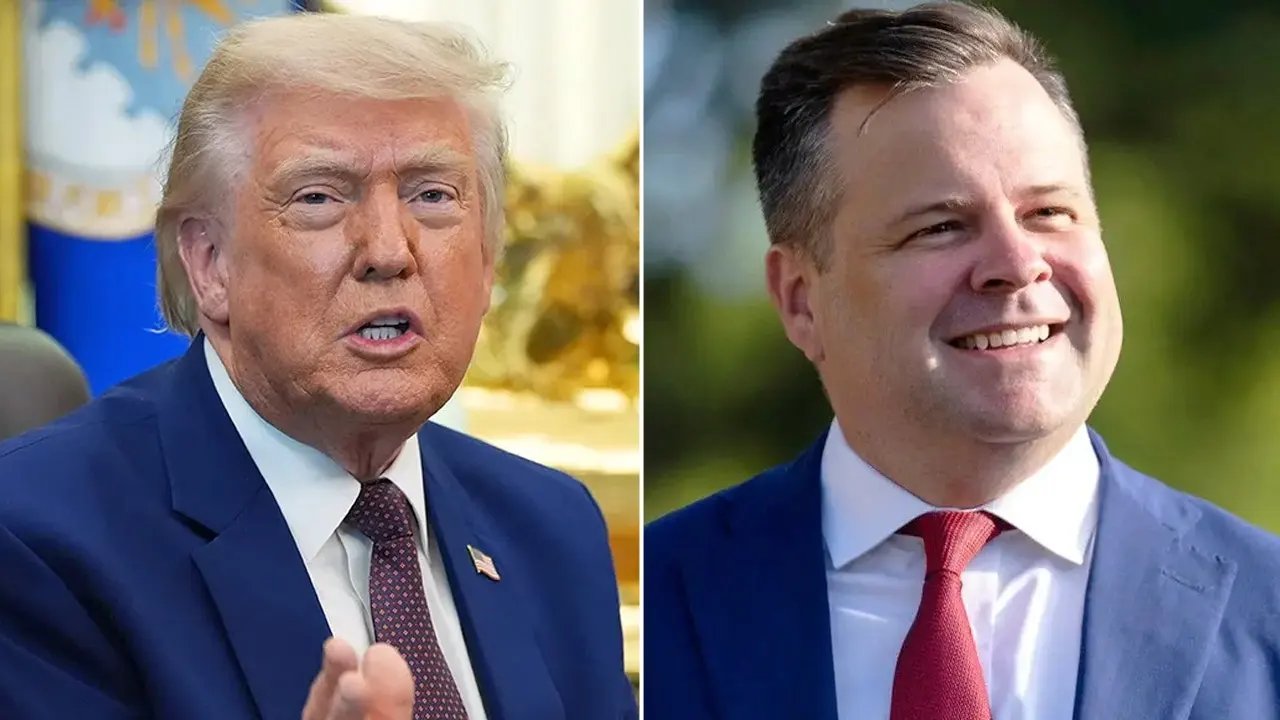
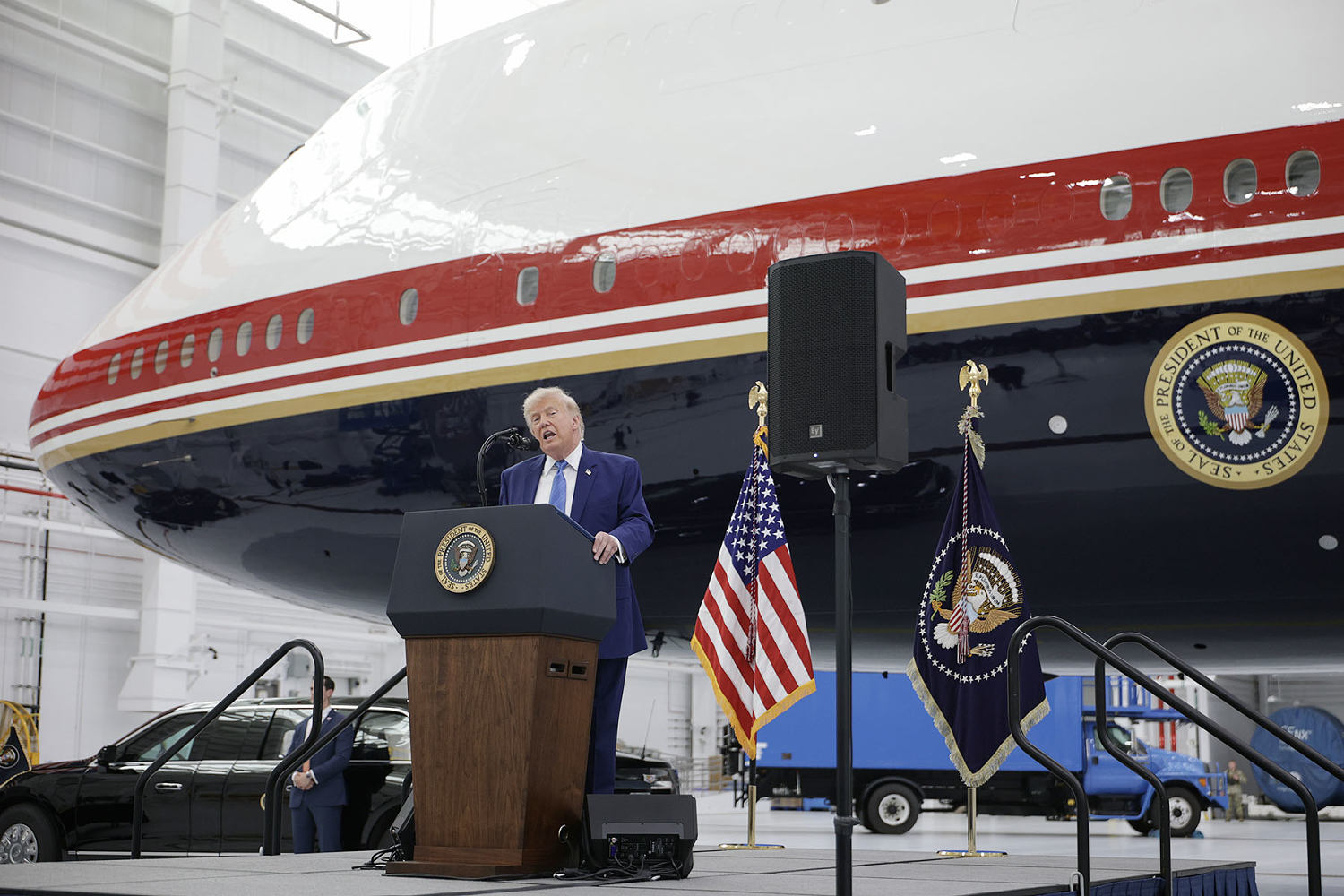
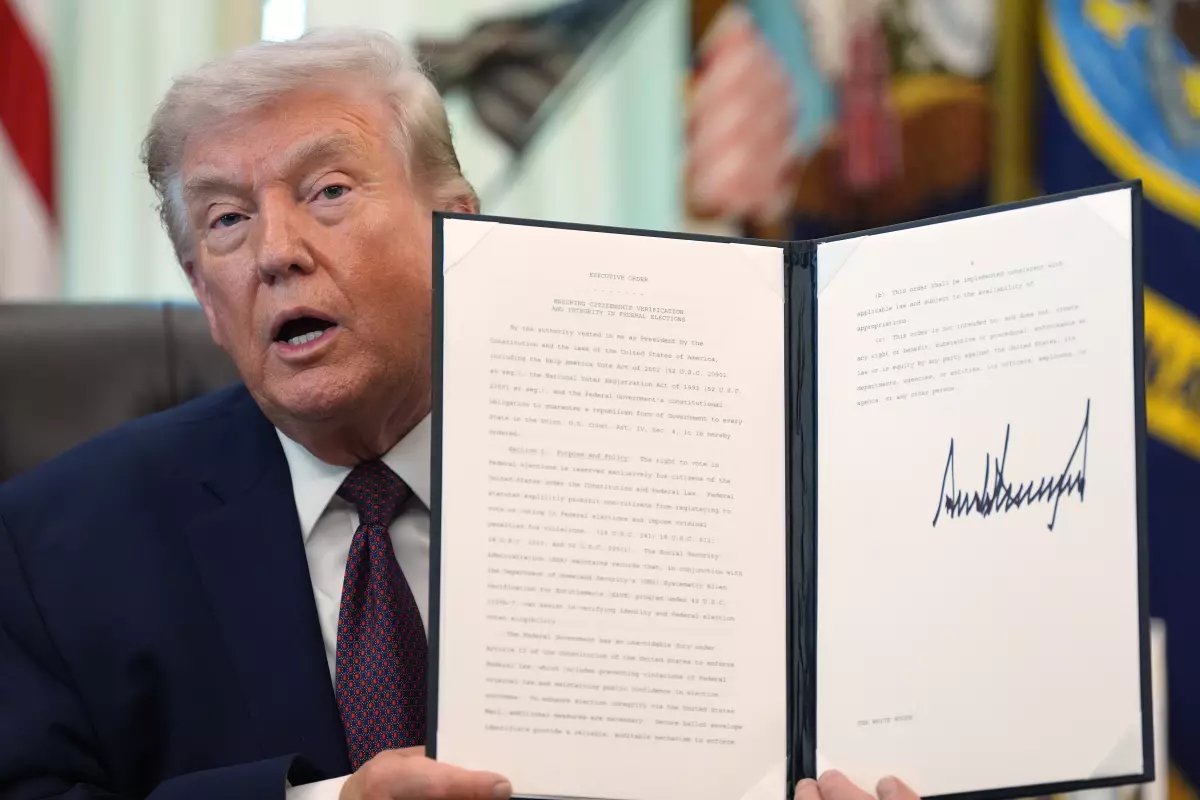
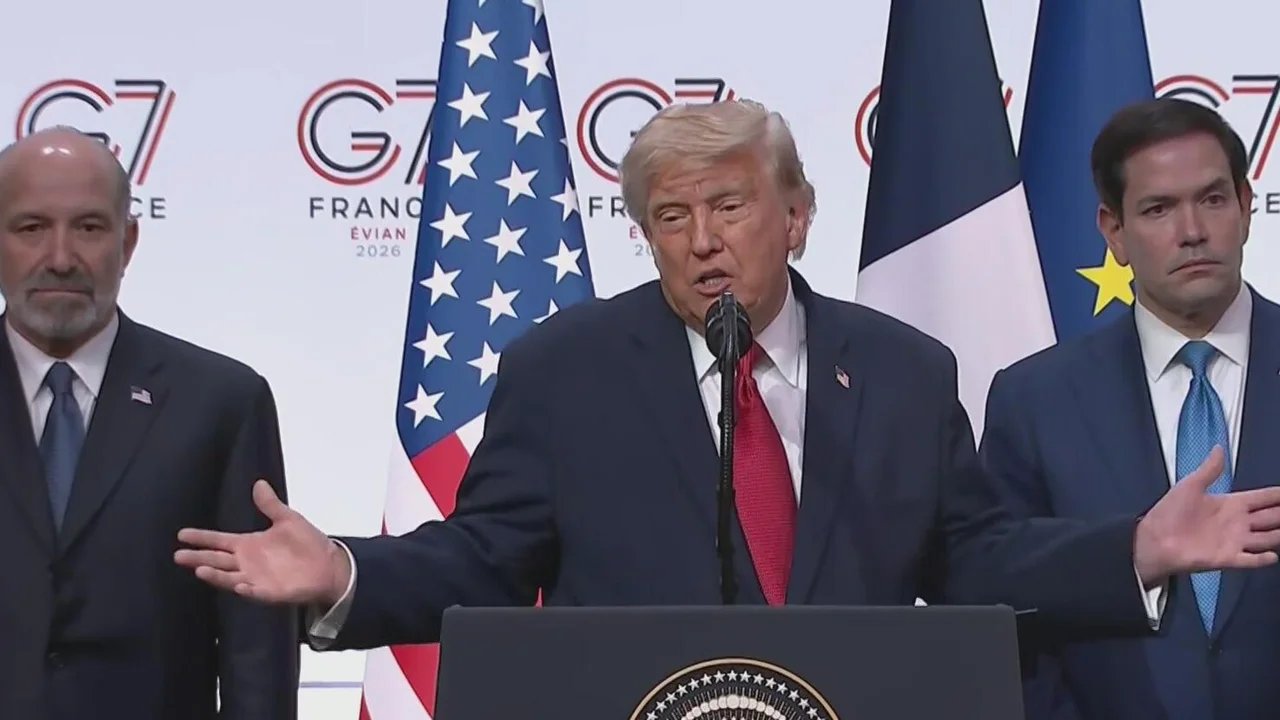
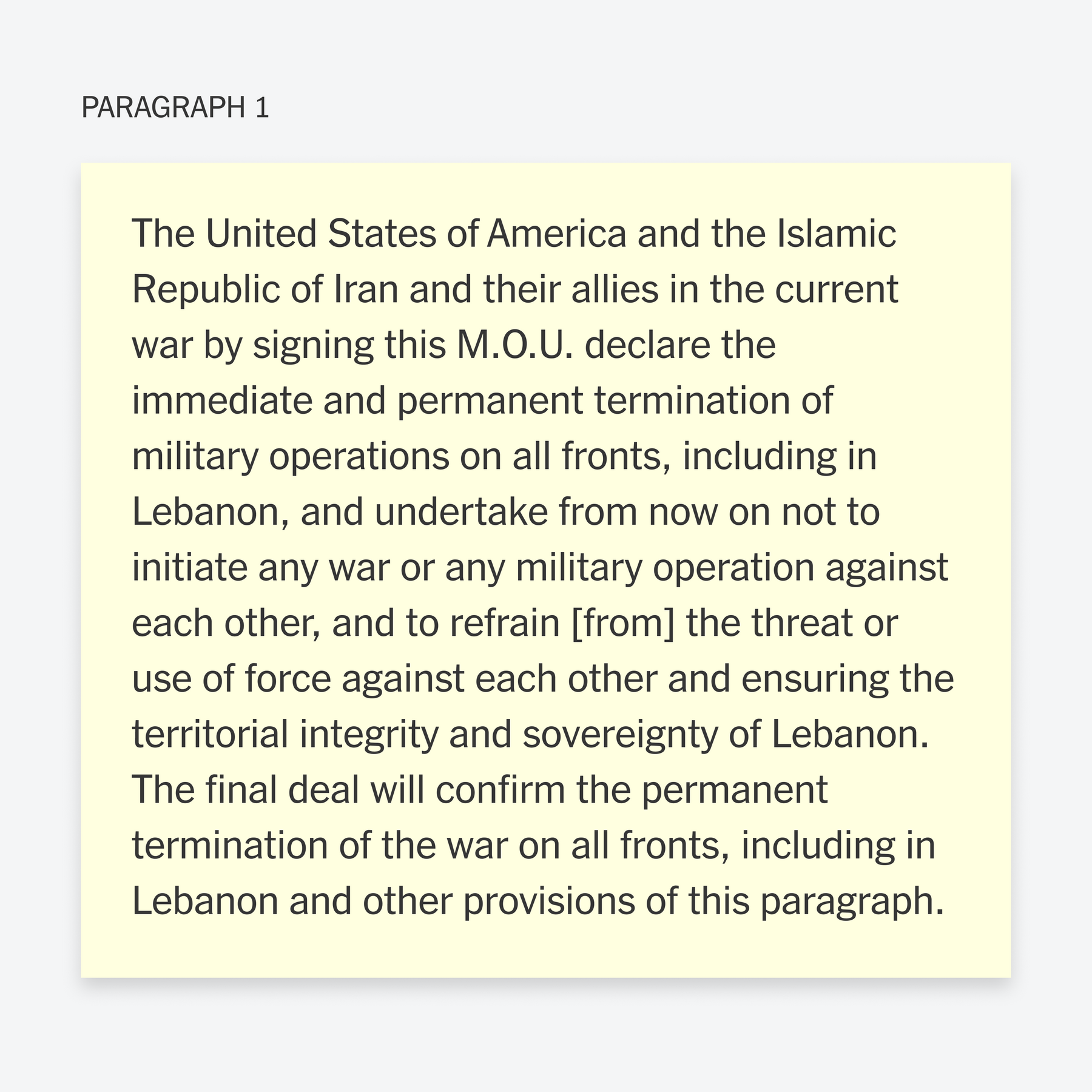
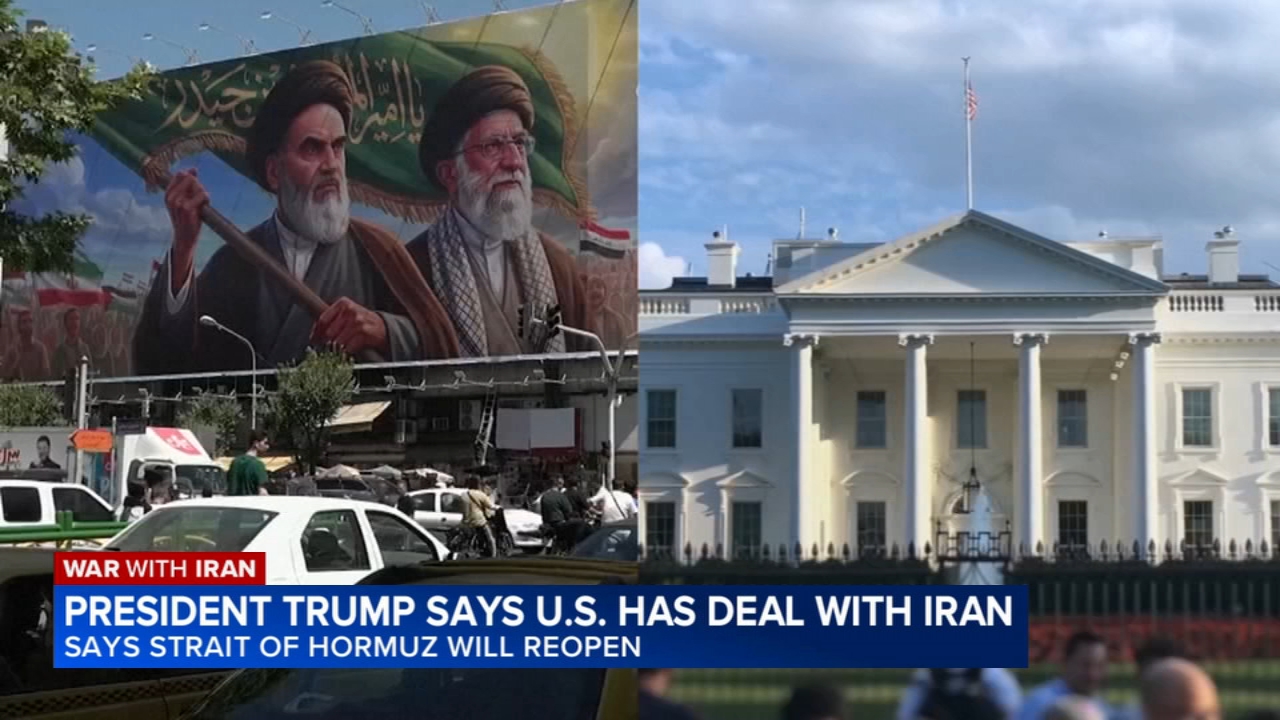
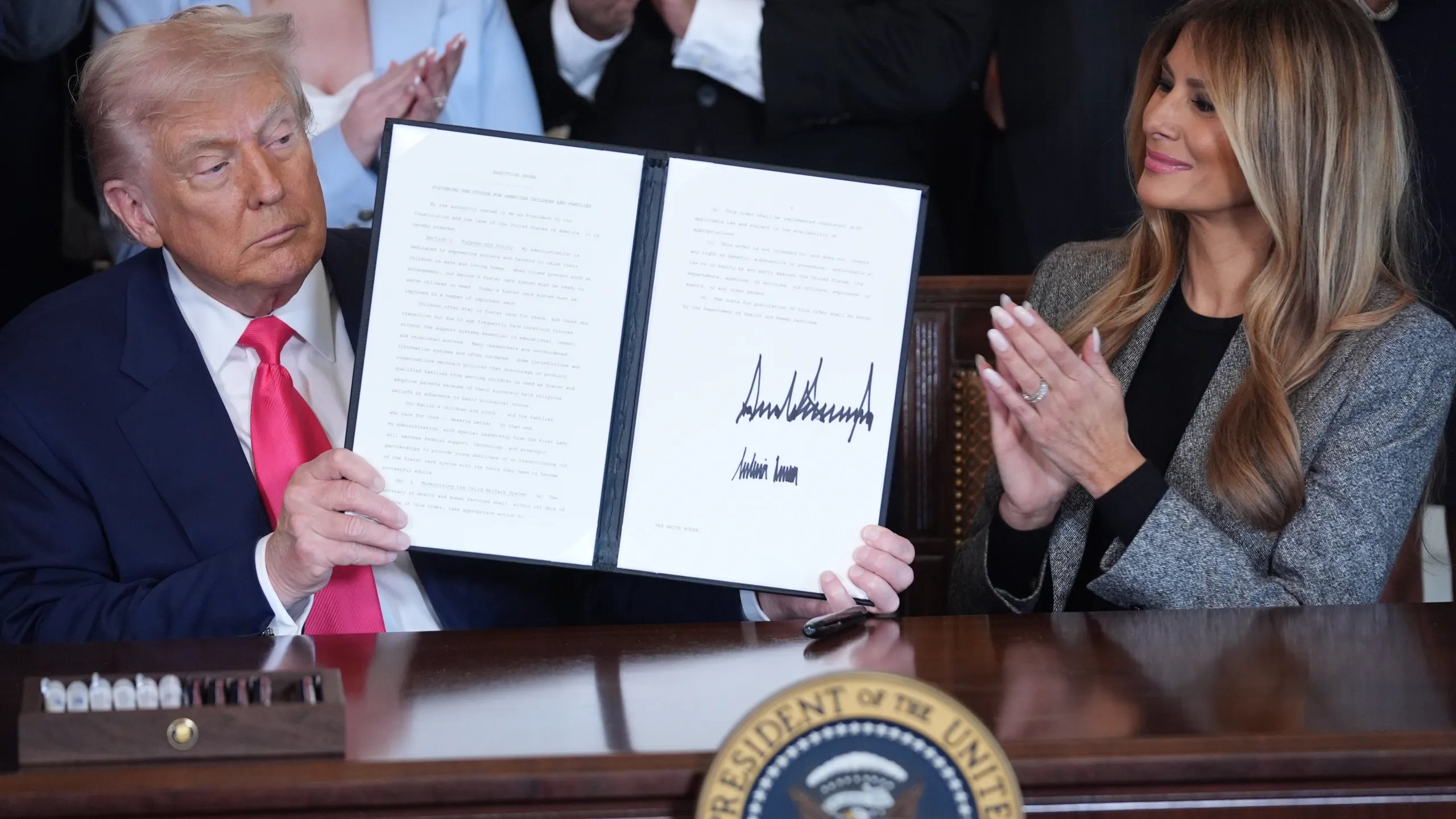
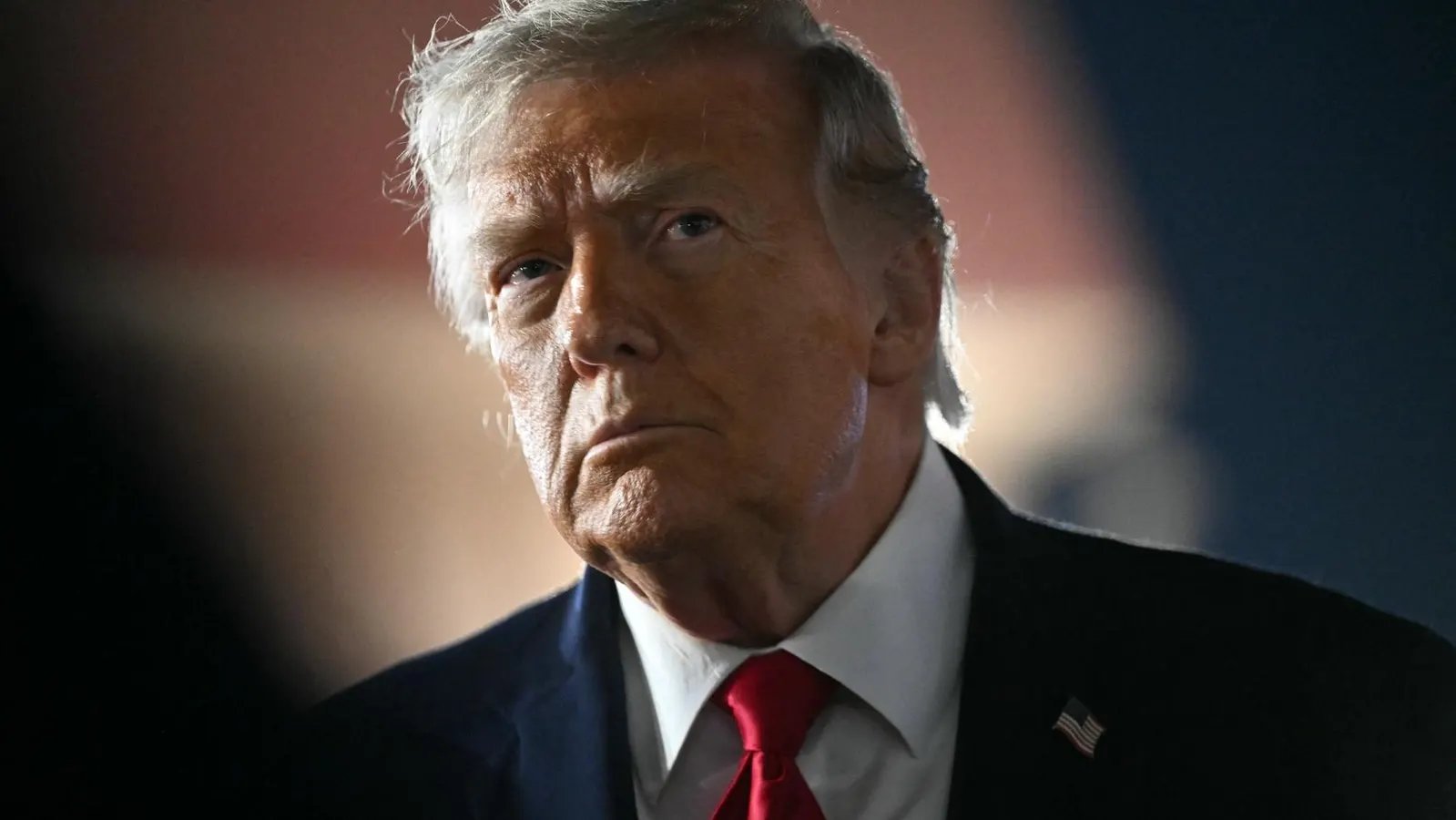
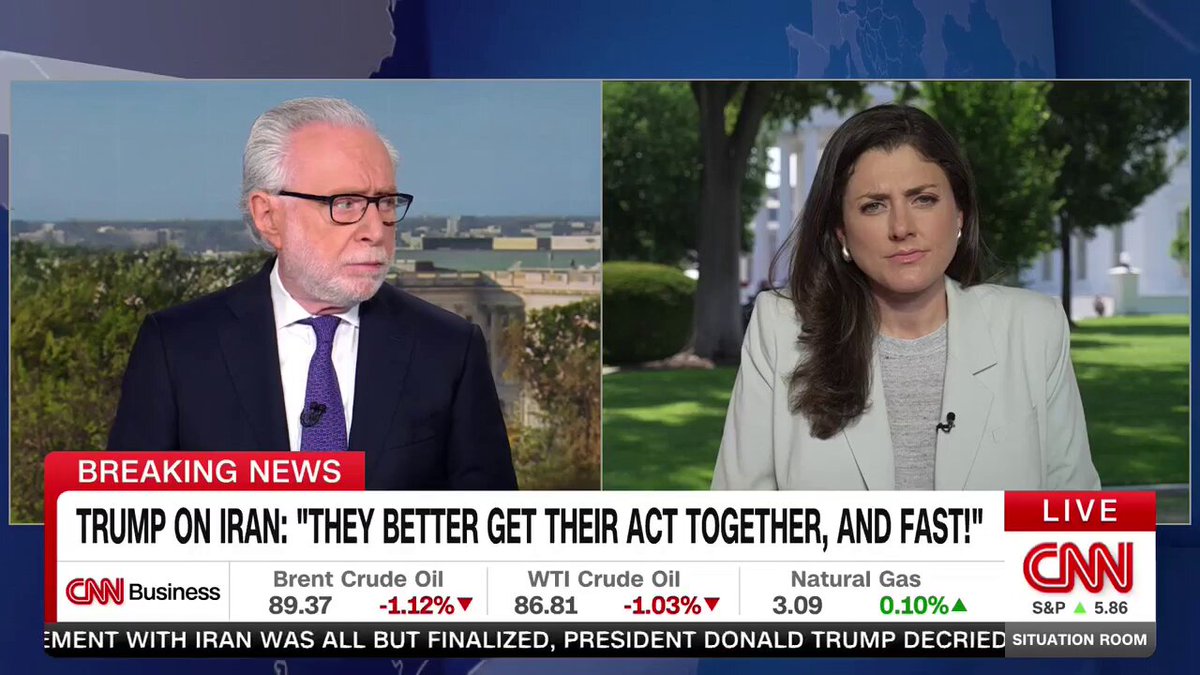
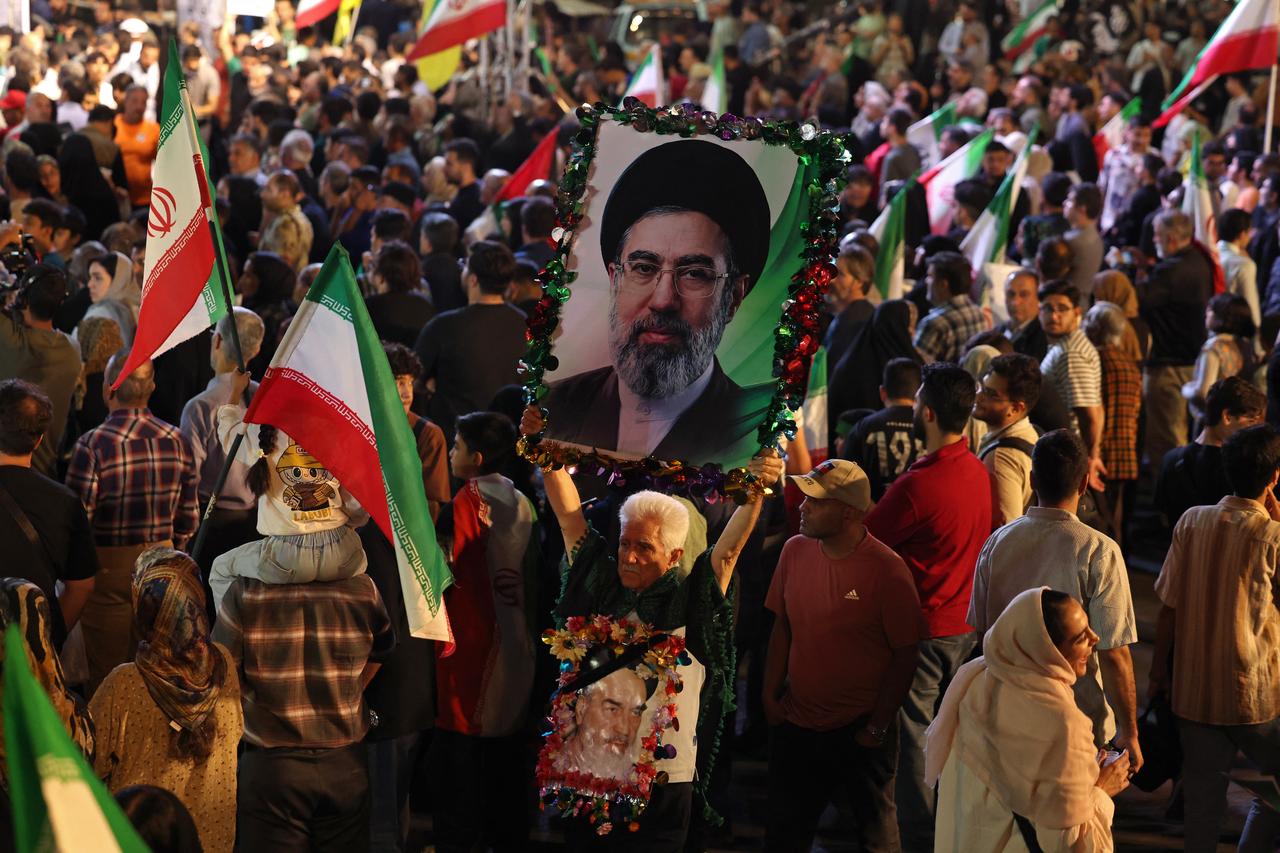
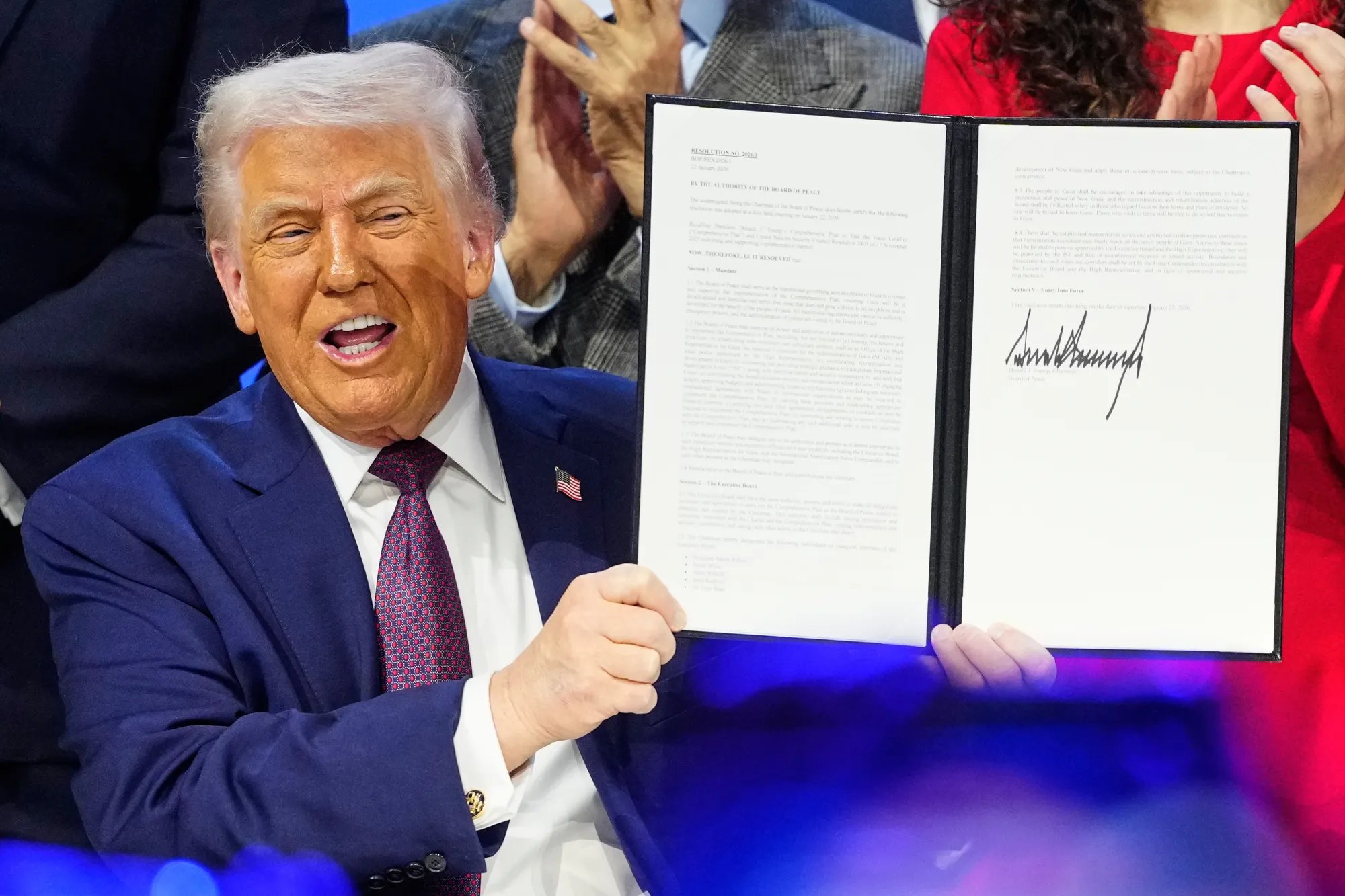
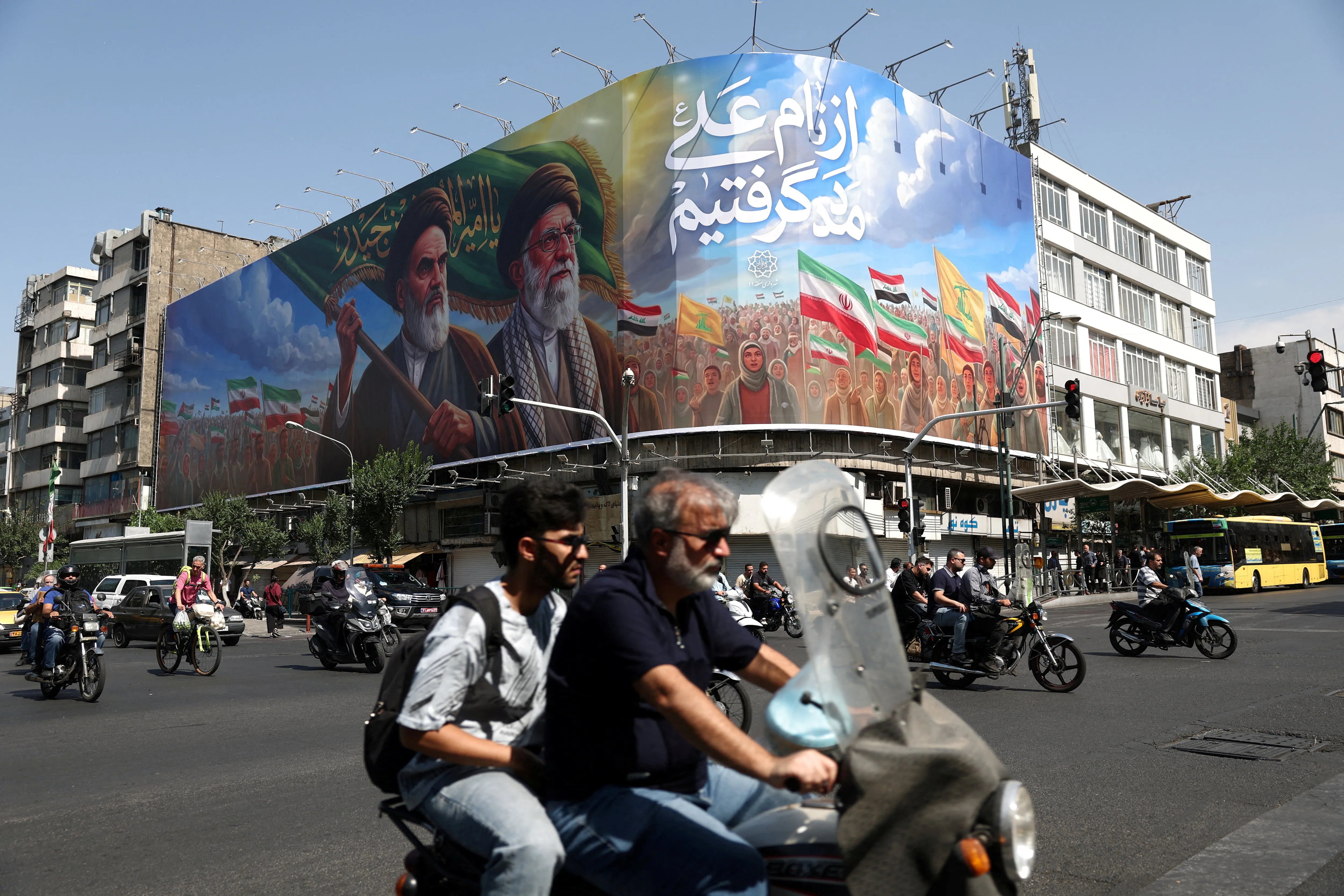
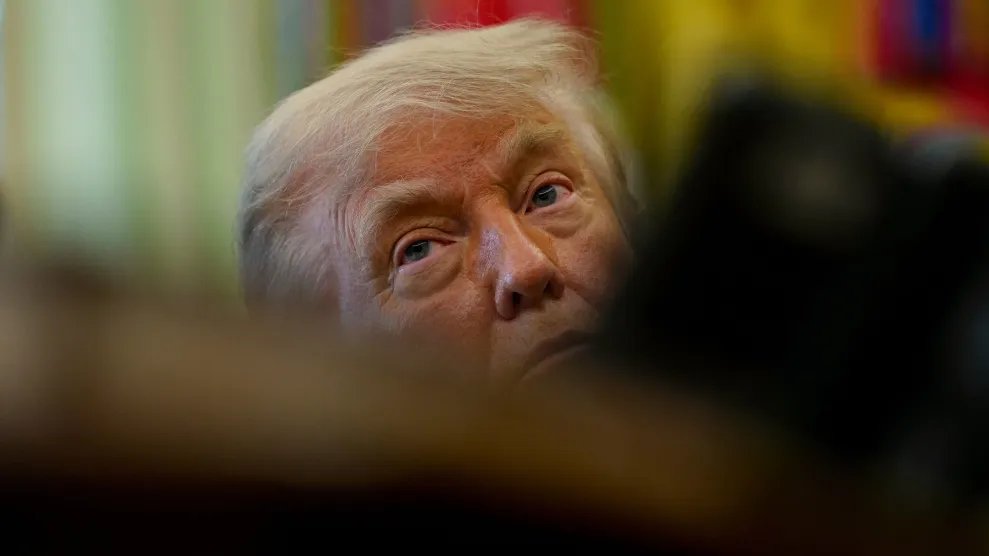
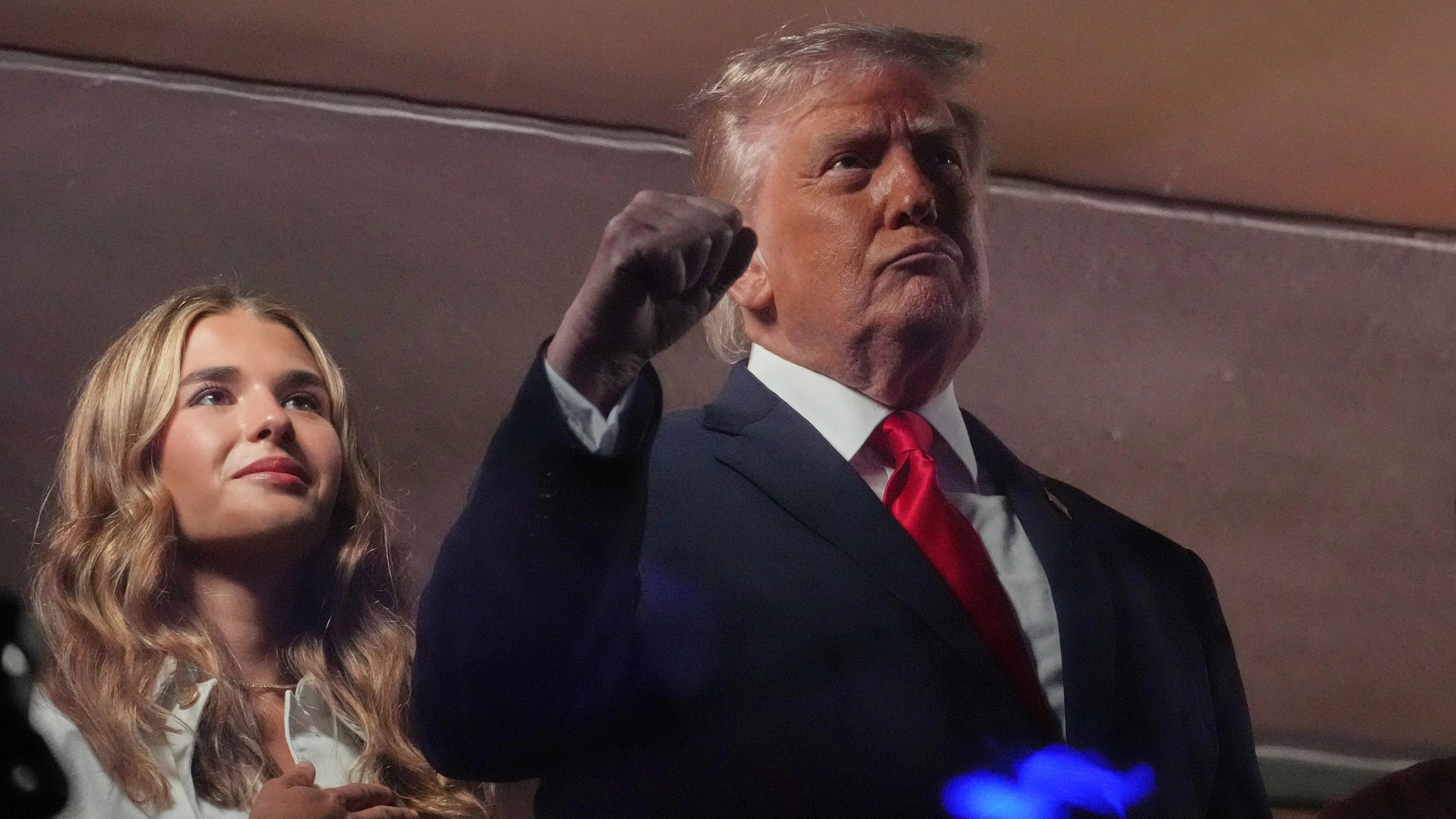
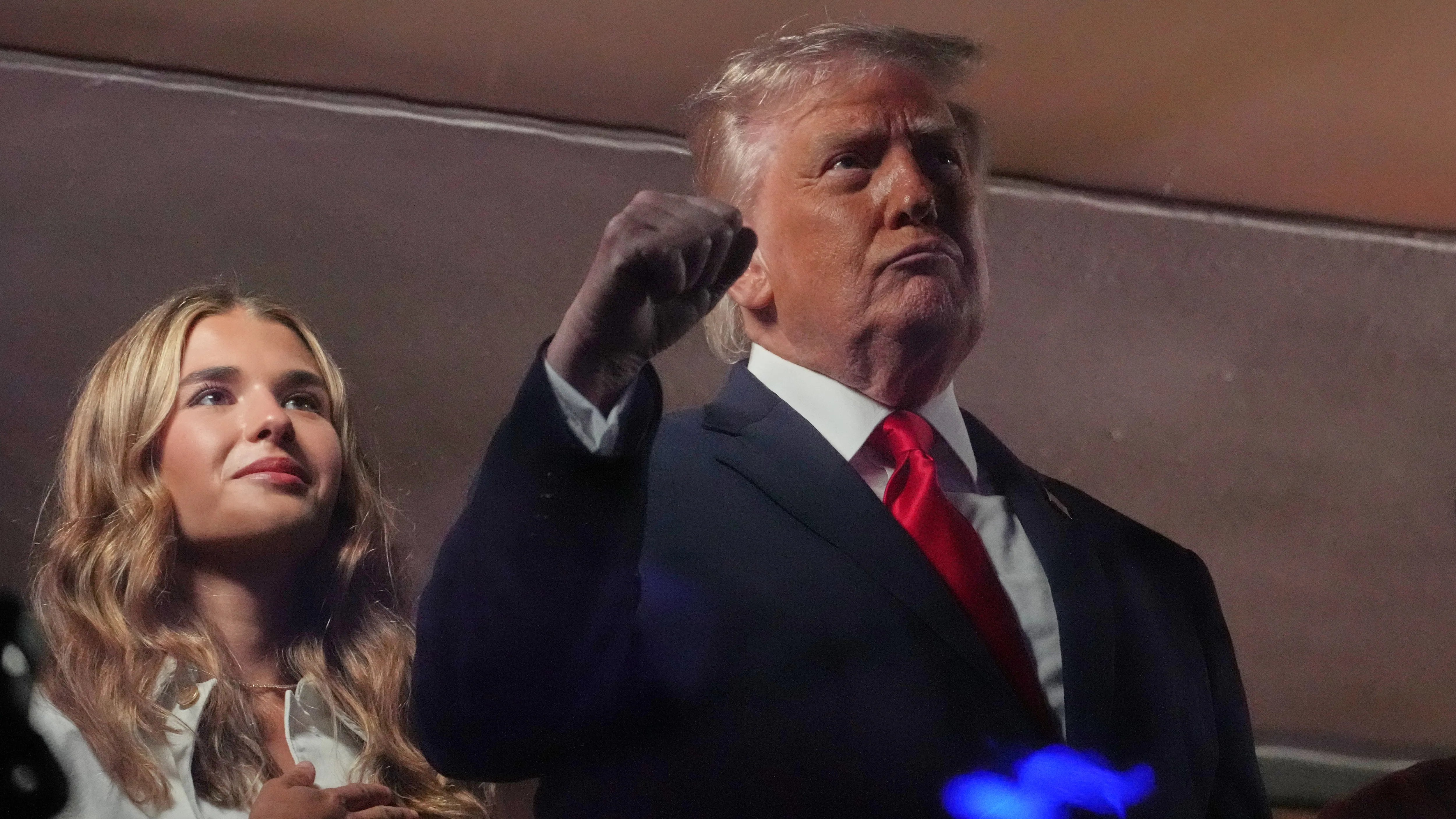
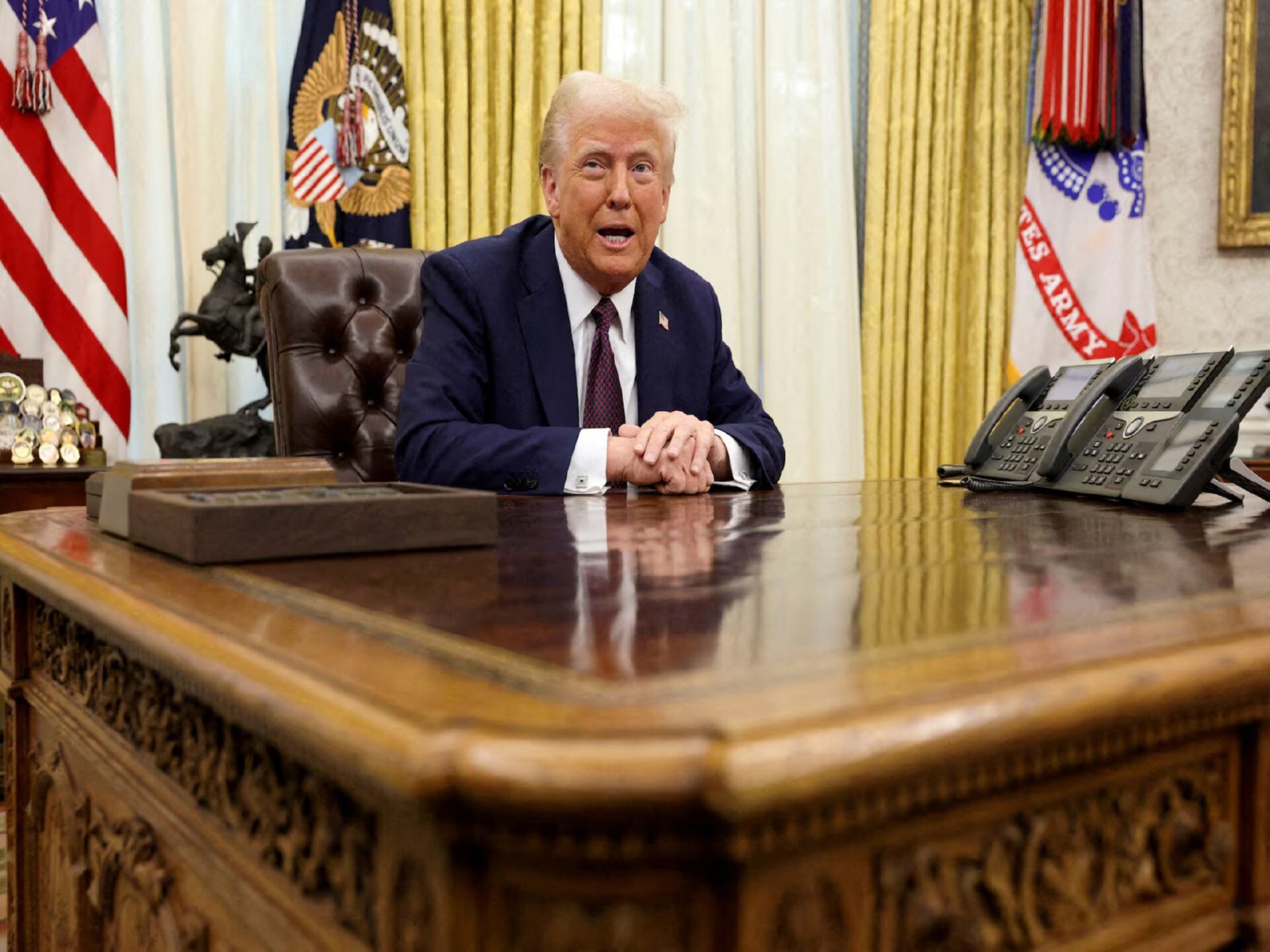
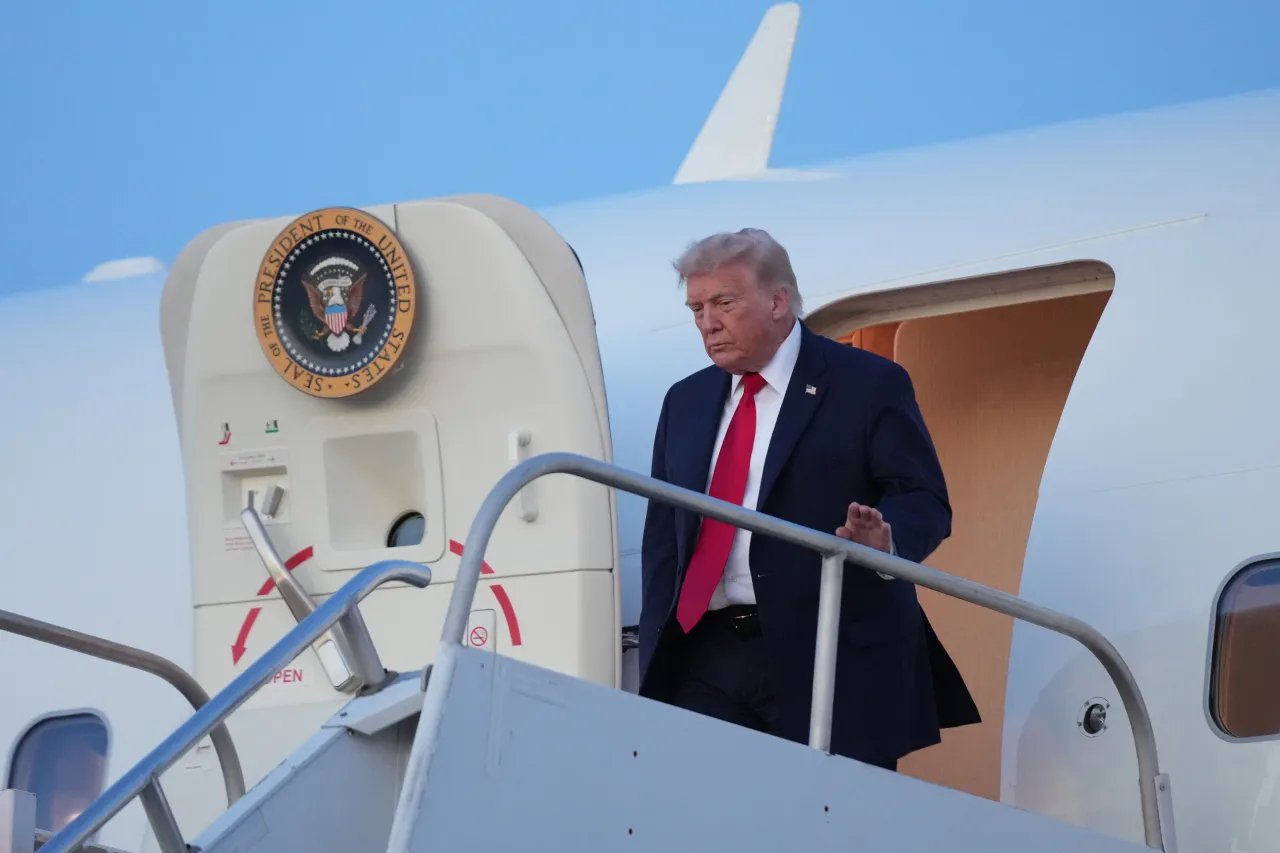
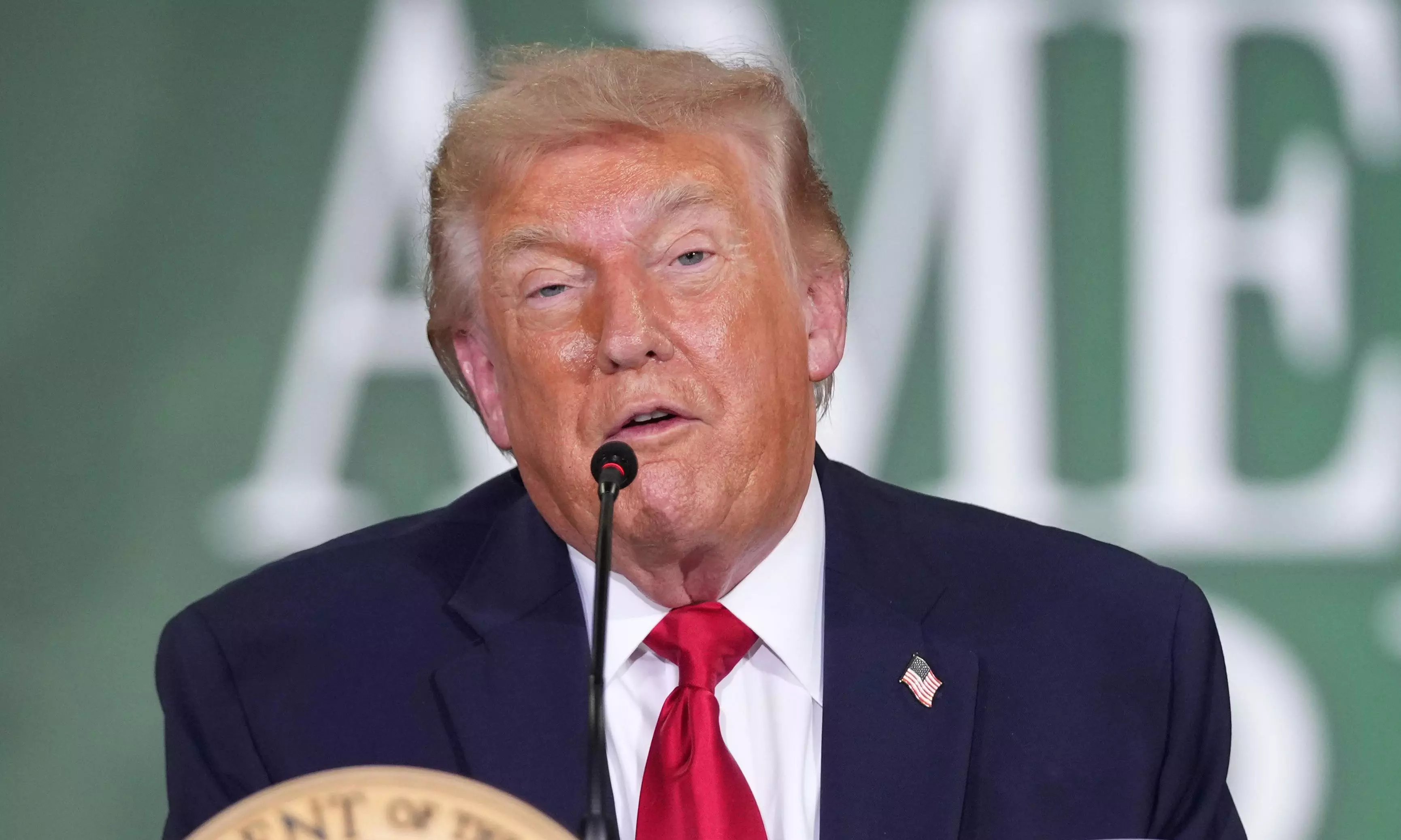
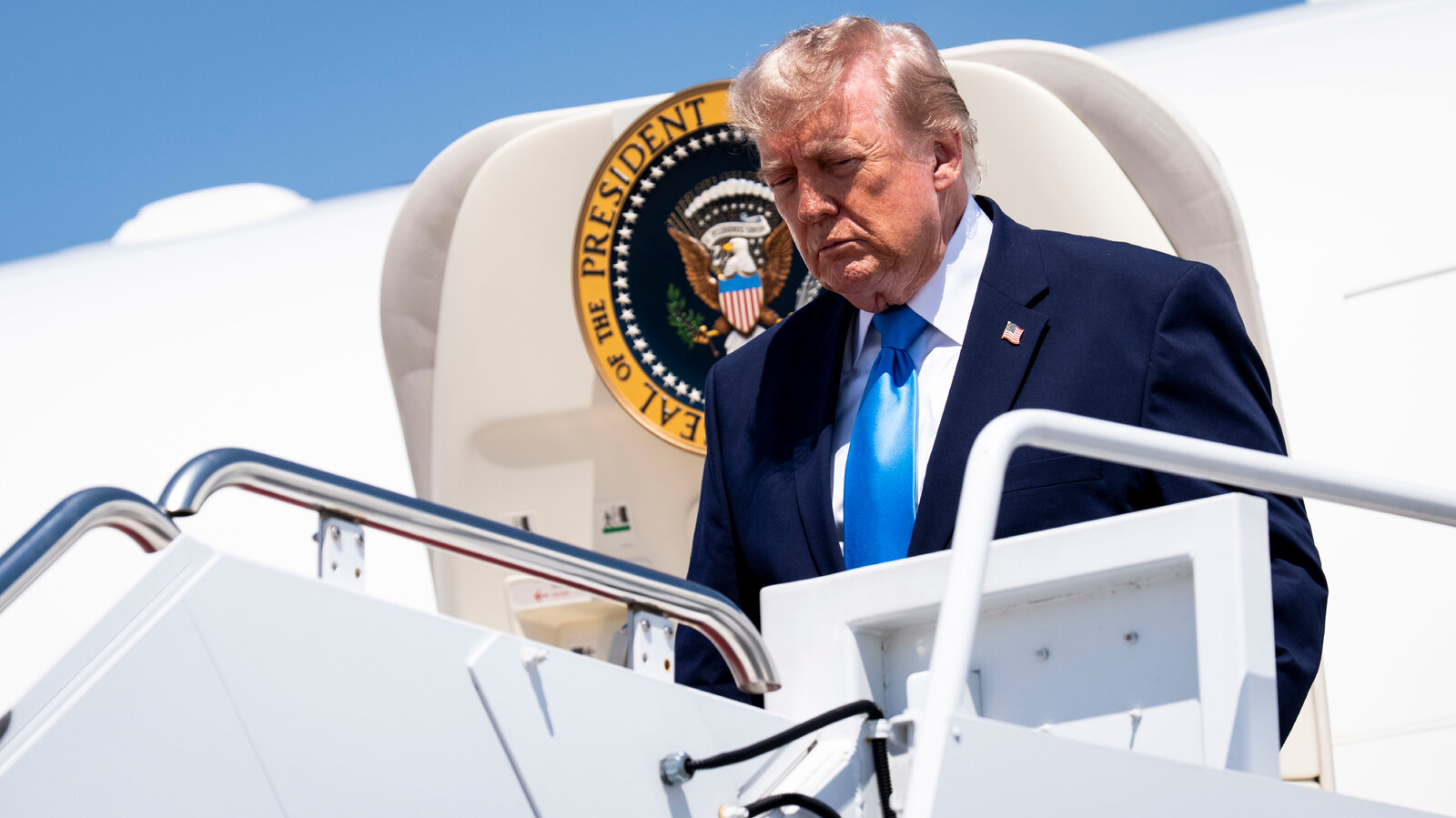
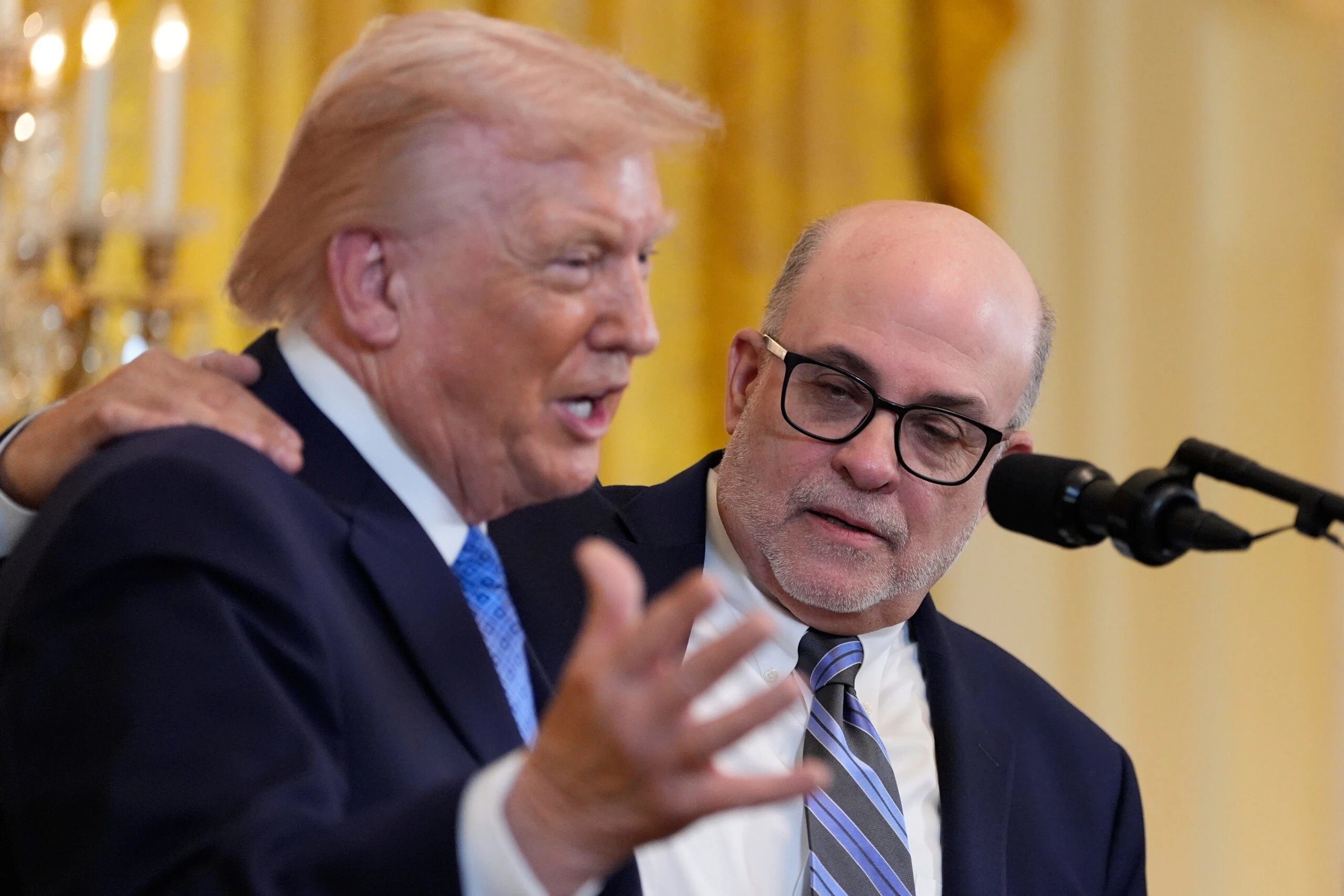
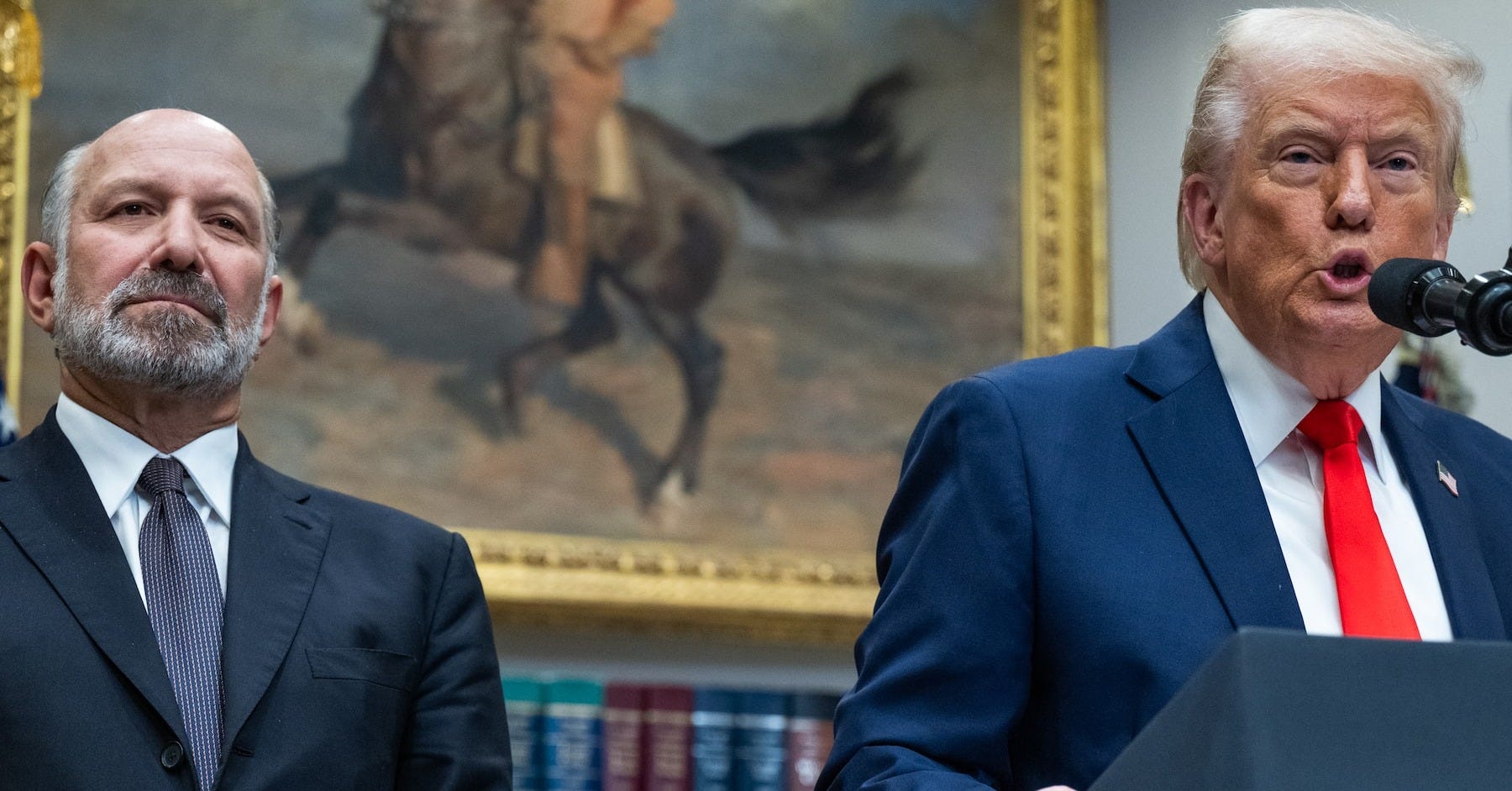
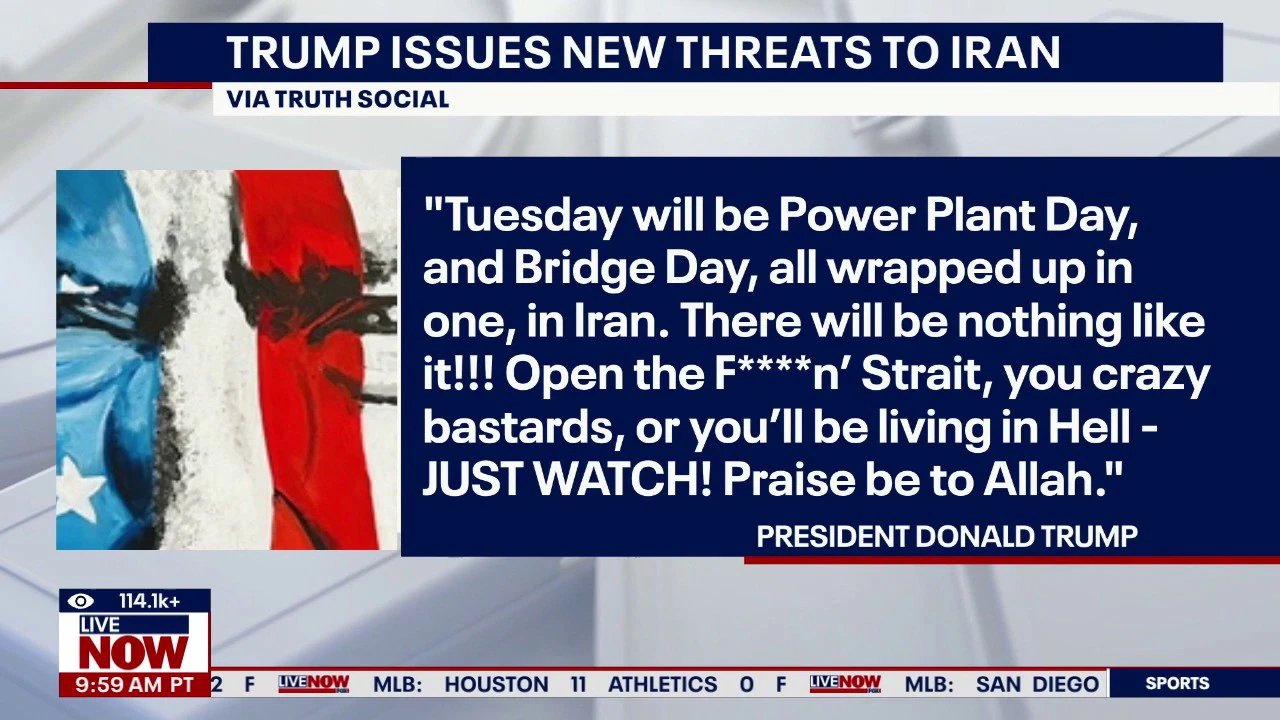
The fresh clashes have delayed US-Iran talks in Switzerland that were planned for Friday, with no new date announced. Tehran's top negotiator warned that Iran's finger was still "on the trigger," highlighting the fragile state of the ceasefire agreement. The deal signed by President Donald Trump and his Iranian counterpart aimed to end a war that began on February 28 with US-Israeli strikes that killed supreme leader Ayatollah Ali Khamenei. The agreement was also meant to halt the fighting in Lebanon.
Domestic Pressures and Regional Tensions
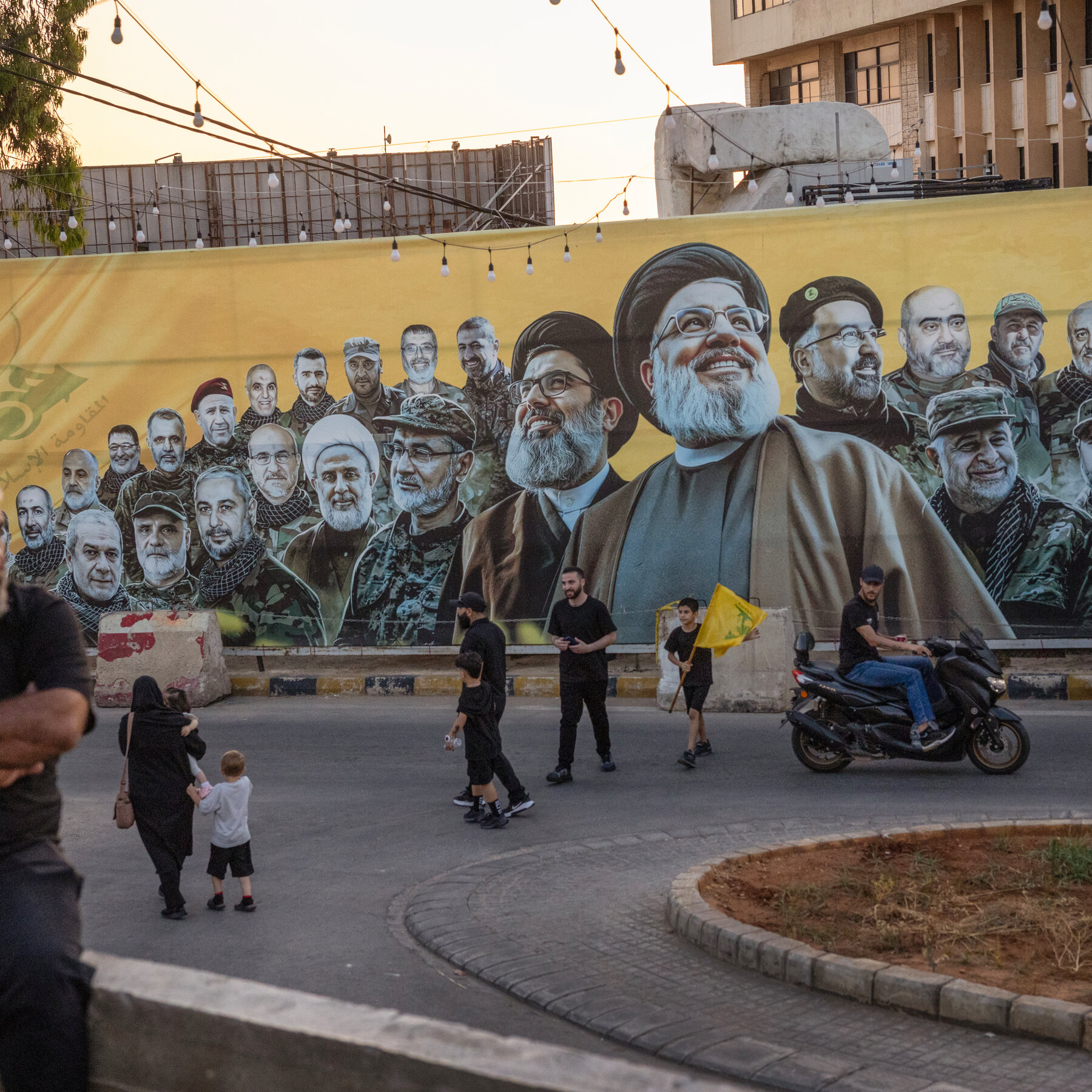
Israeli Prime Minister Benjamin Netanyahu is under domestic pressure to continue military operations against Hezbollah, and the Iran-backed group has vowed to continue its attacks as long as Israel's invasion of southern Lebanon persists. Iran's Foreign Minister Abbas Araghchi accused Israel of wanting "permanent war" and insisted that any breach of the ceasefire commitments would be attributed to the US.
Scepticism and Displacement
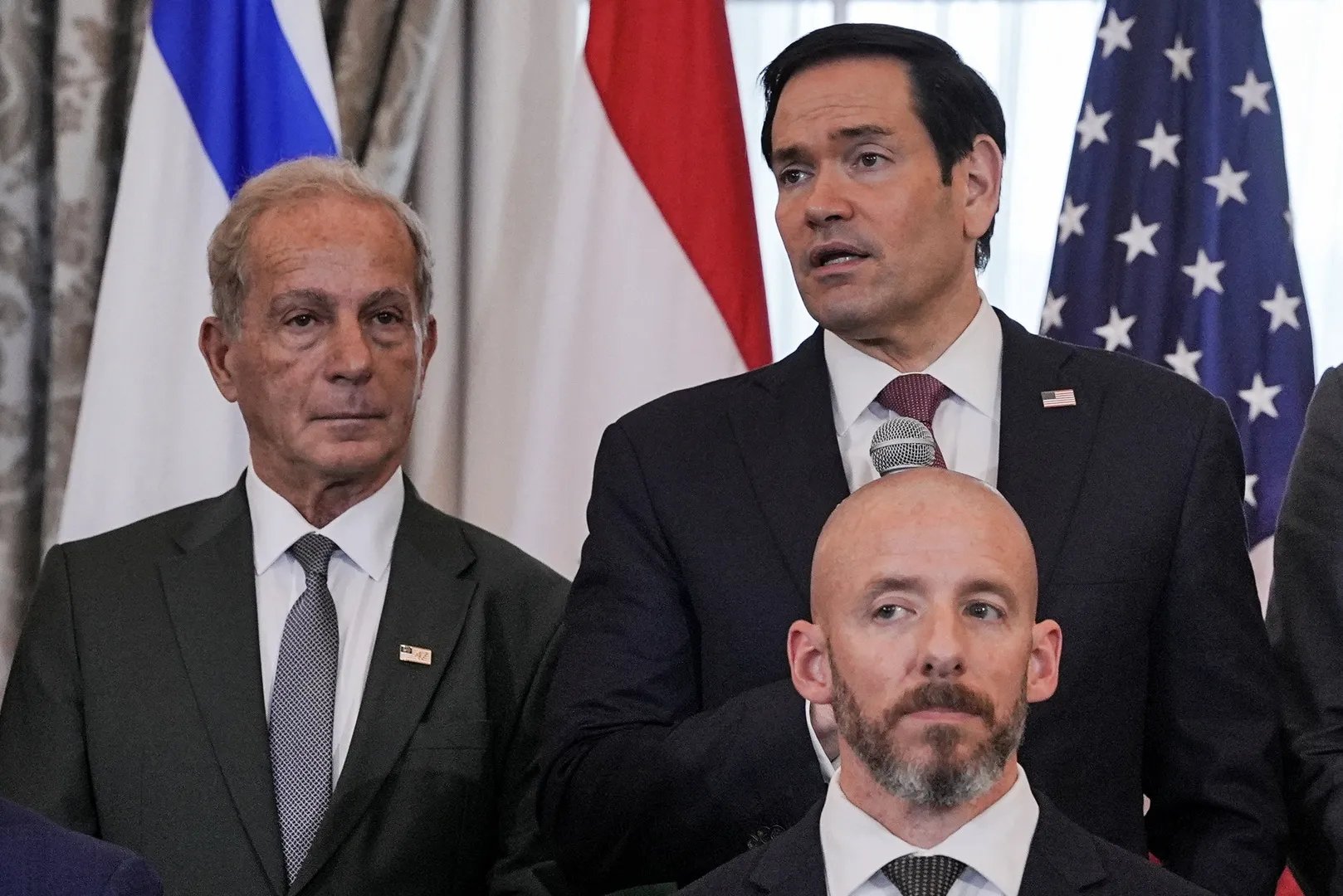
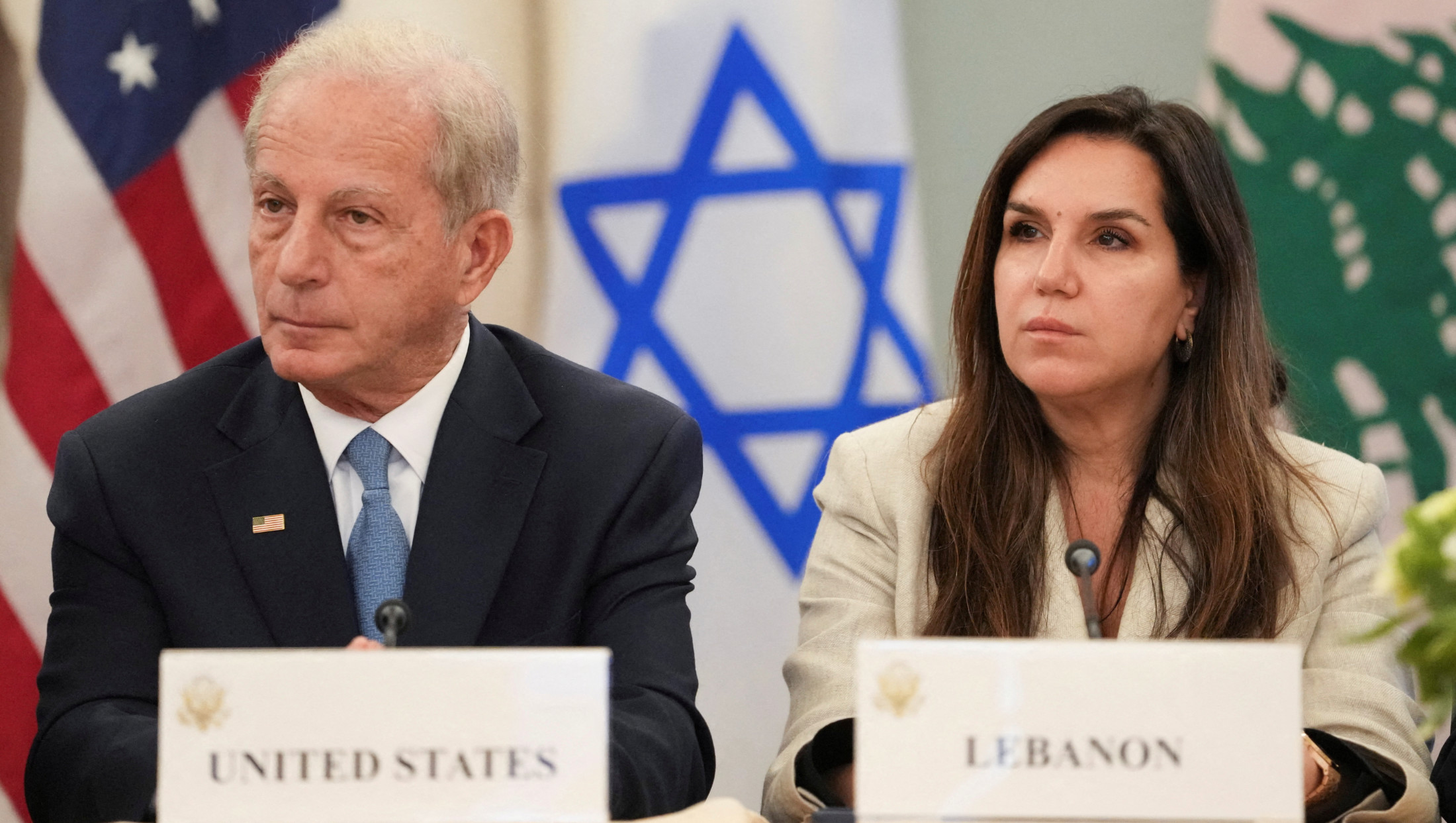
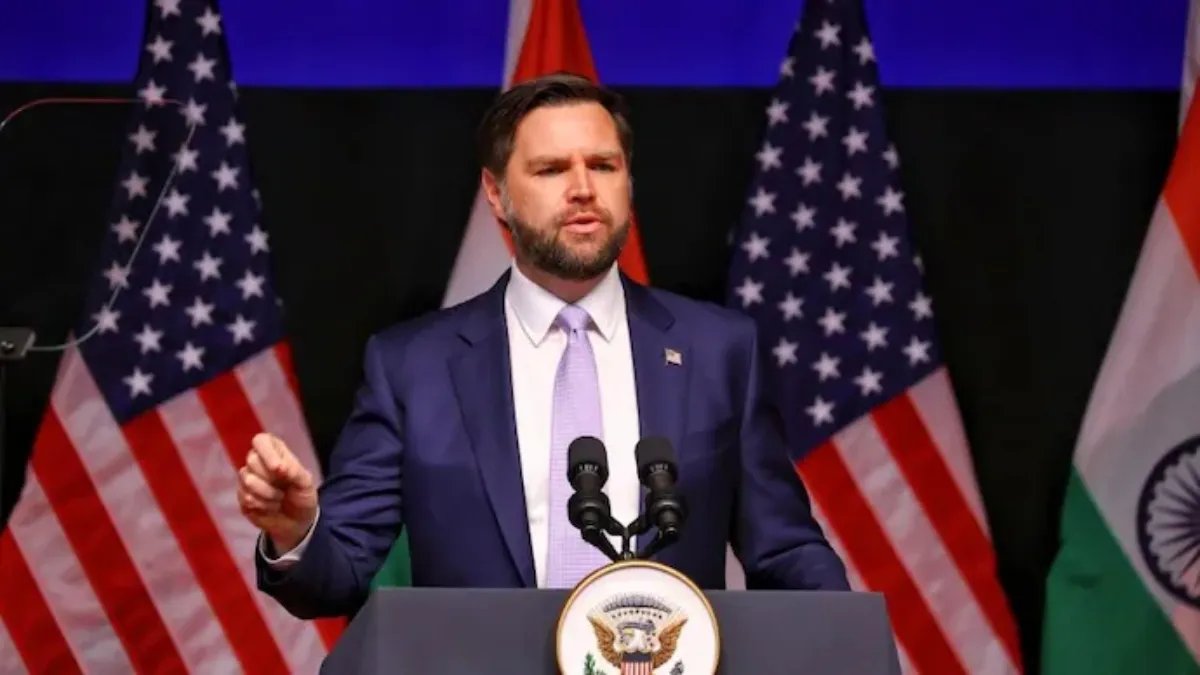
News of the ceasefire has been met with scepticism by displaced Lebanese people, who doubt Israel's commitment to peace. The US State Department announced that direct talks between the Lebanese government and Israel would resume in Washington next week, aimed at securing a "lasting peace." Lebanese President Joseph Aoun told US Secretary of State Marco Rubio that a "comprehensive ceasefire" was needed for the Washington talks to progress.
Human Cost of the Conflict
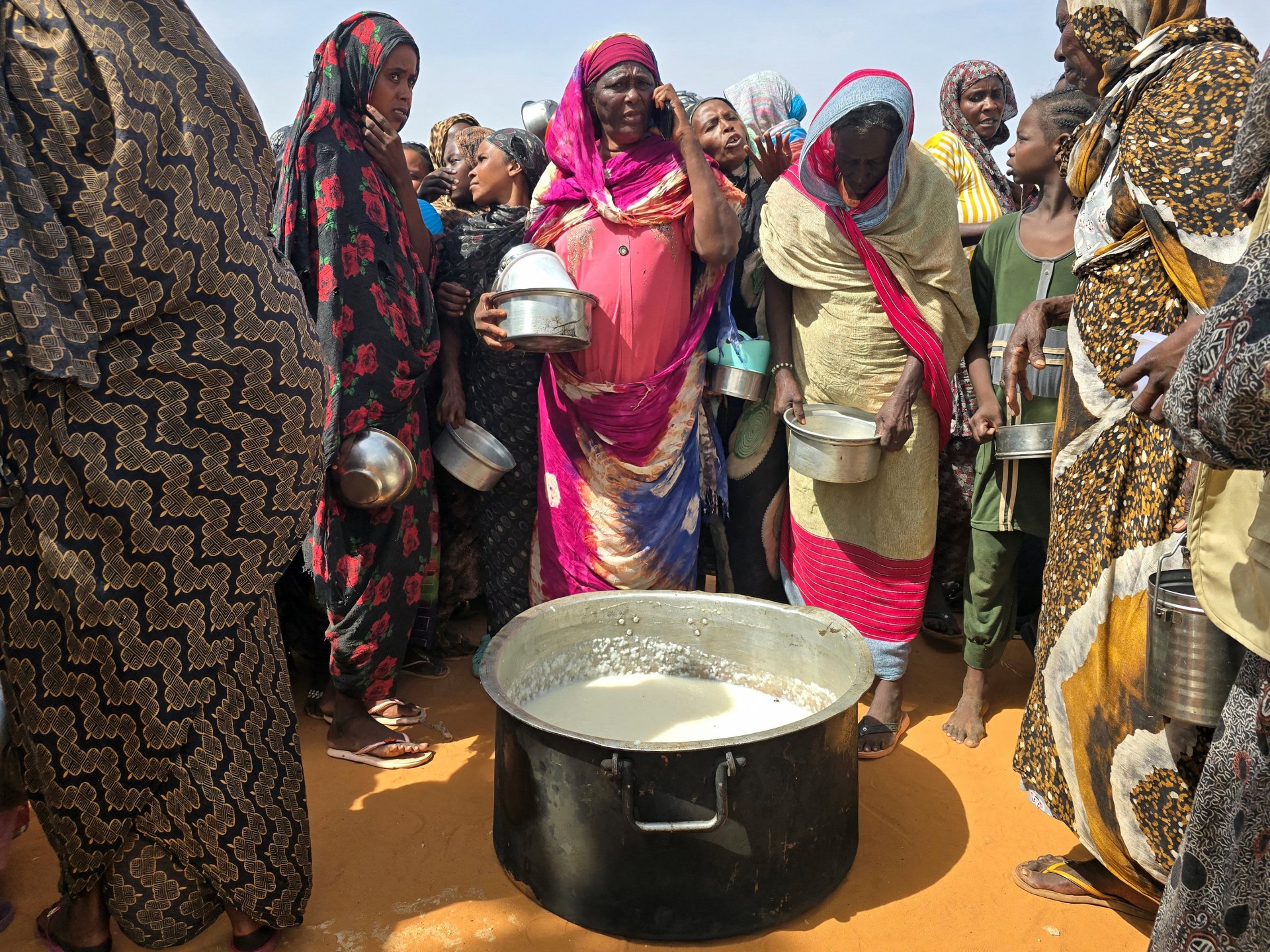
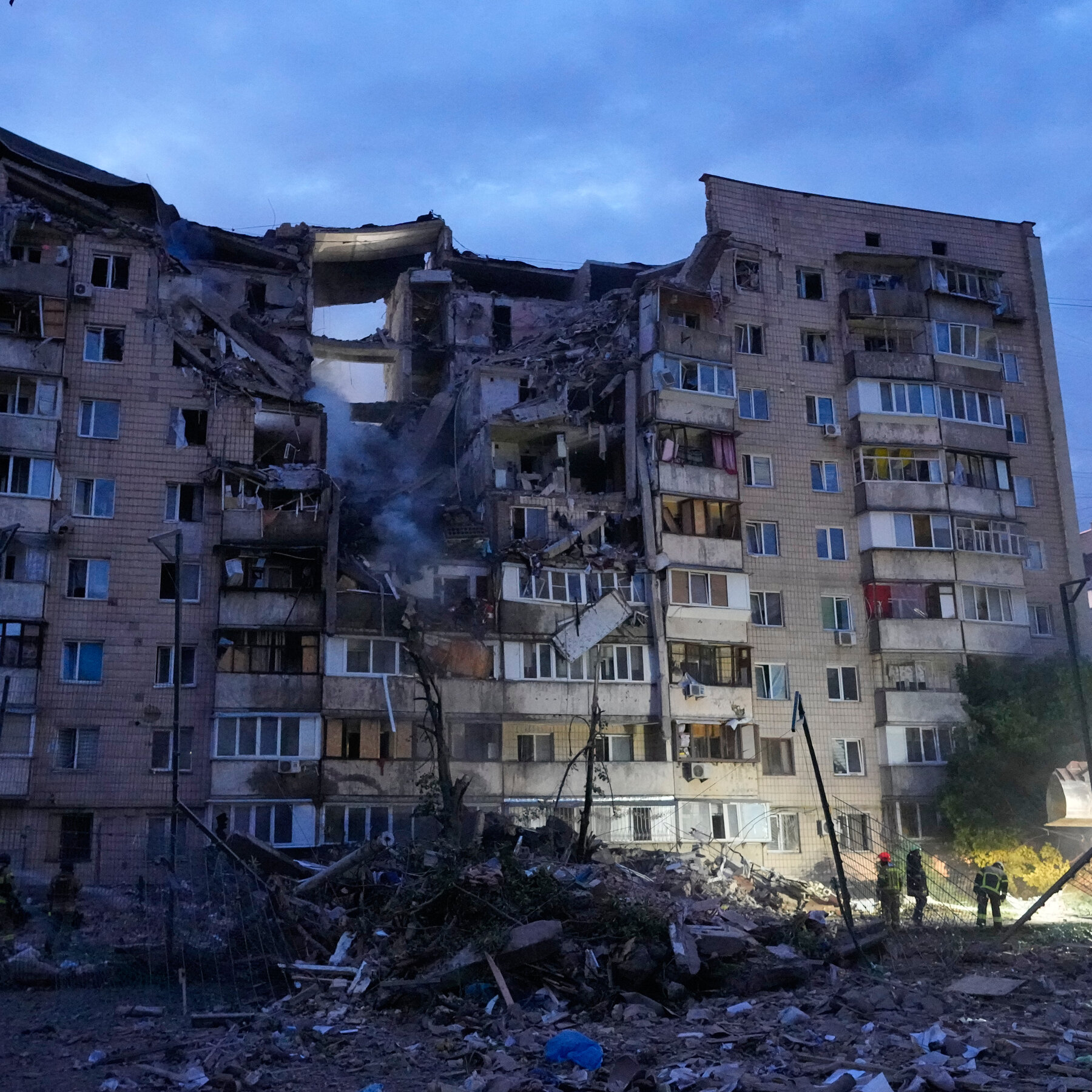
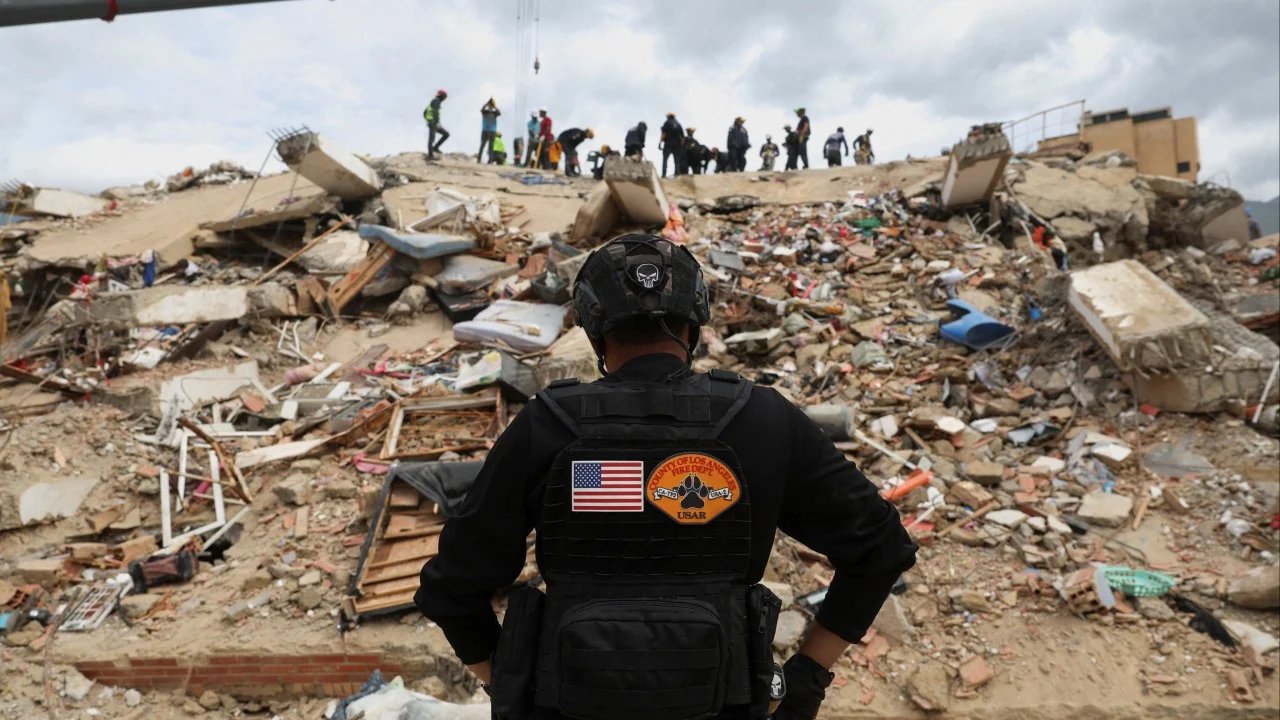
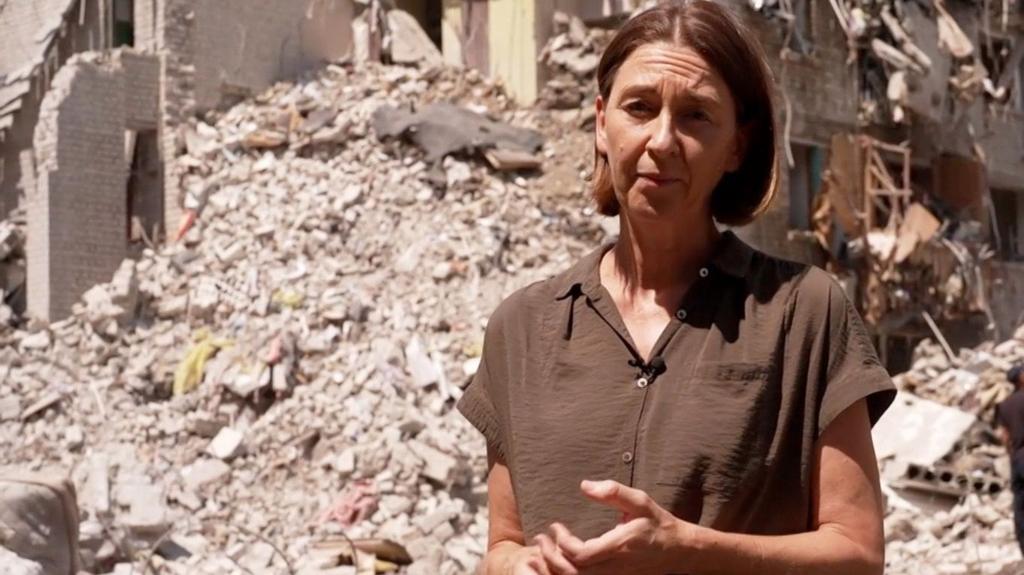
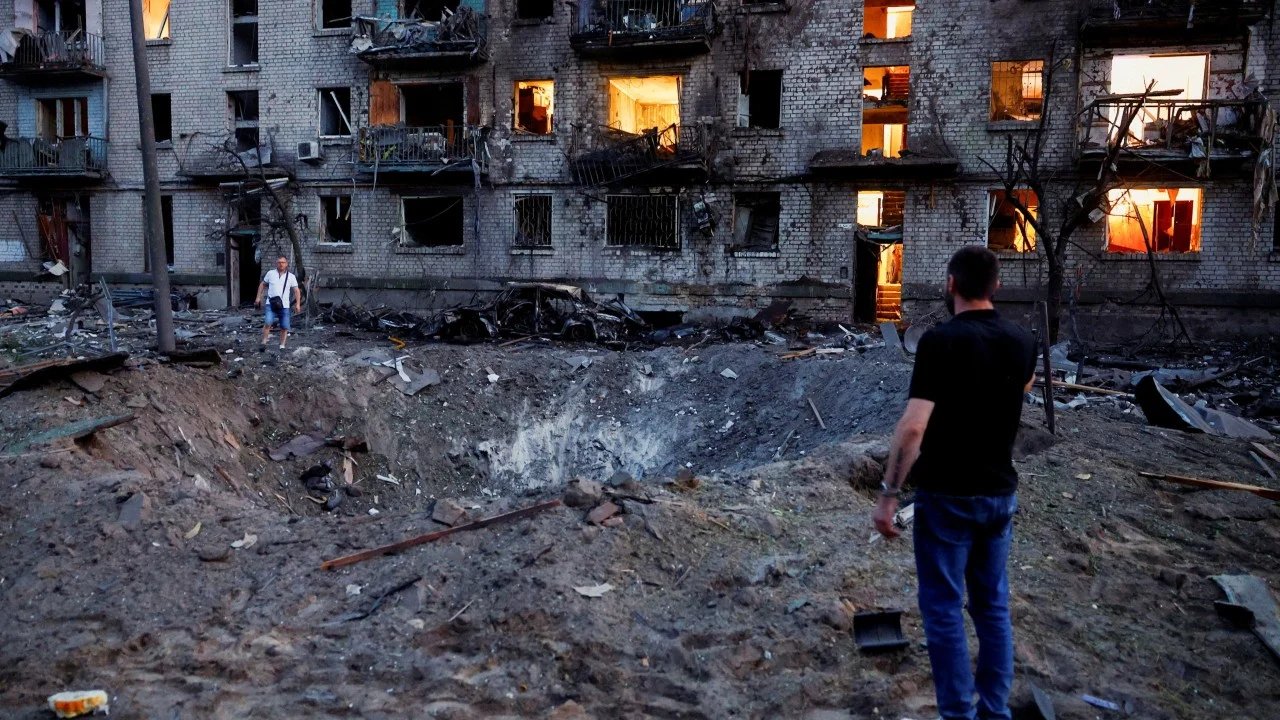
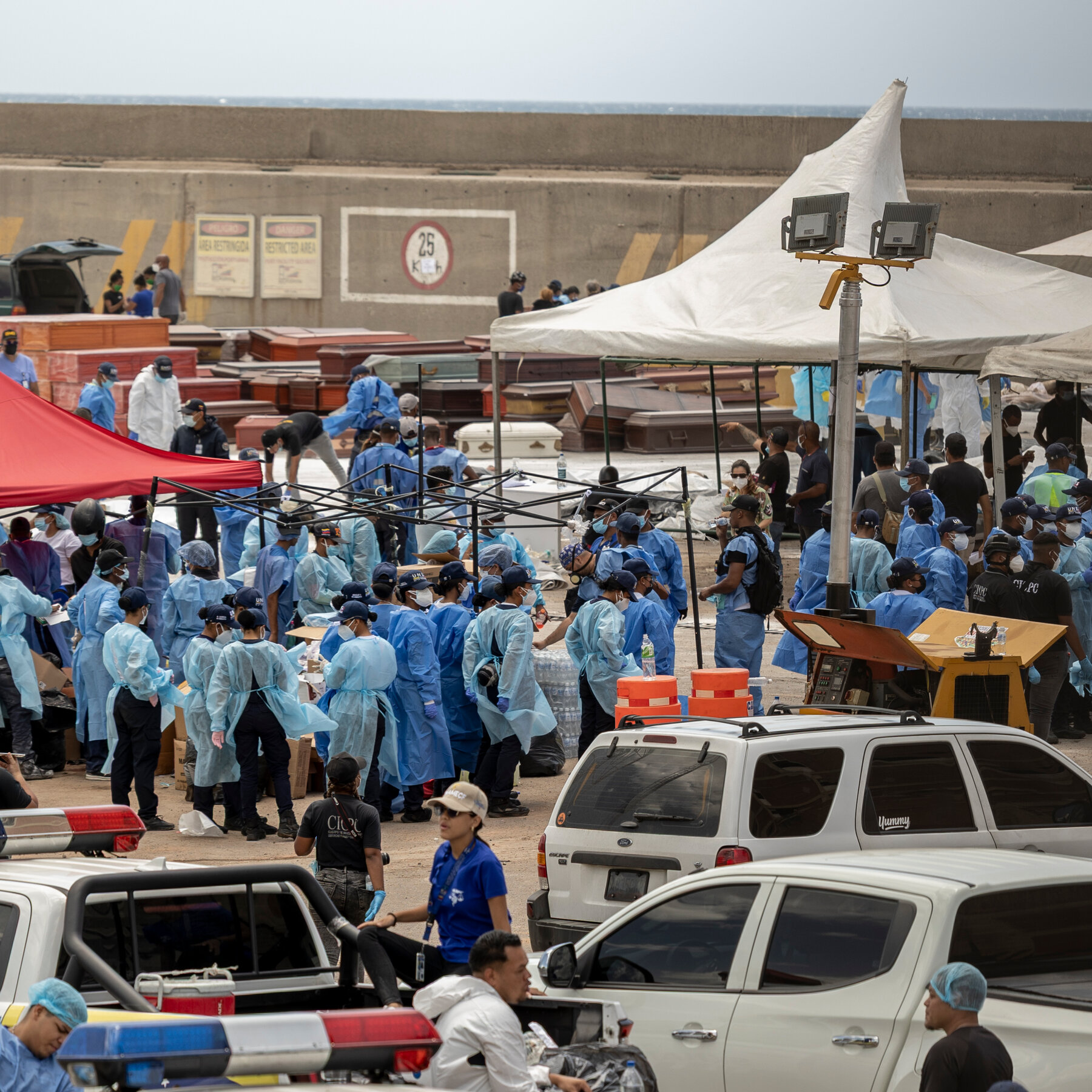
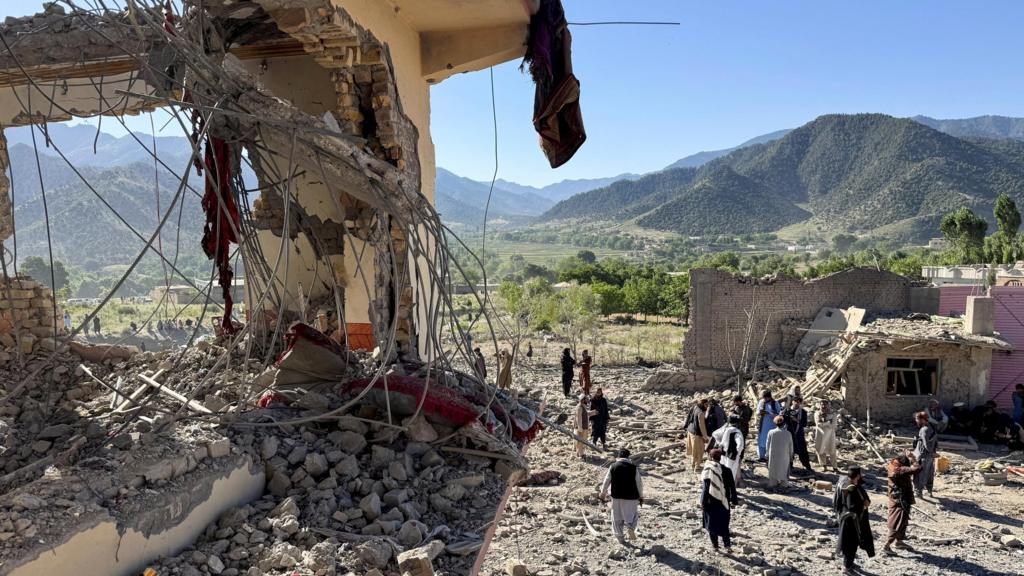
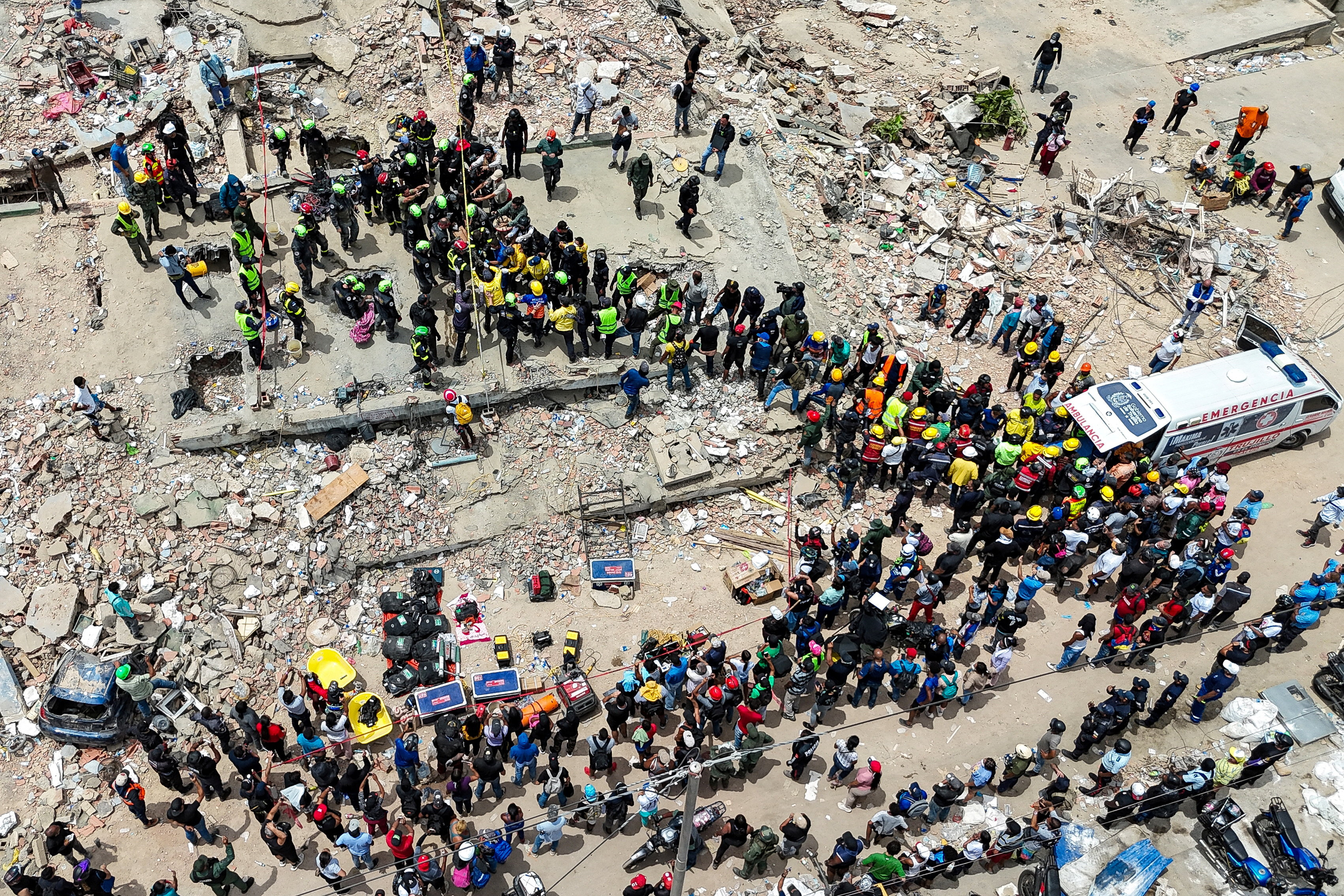
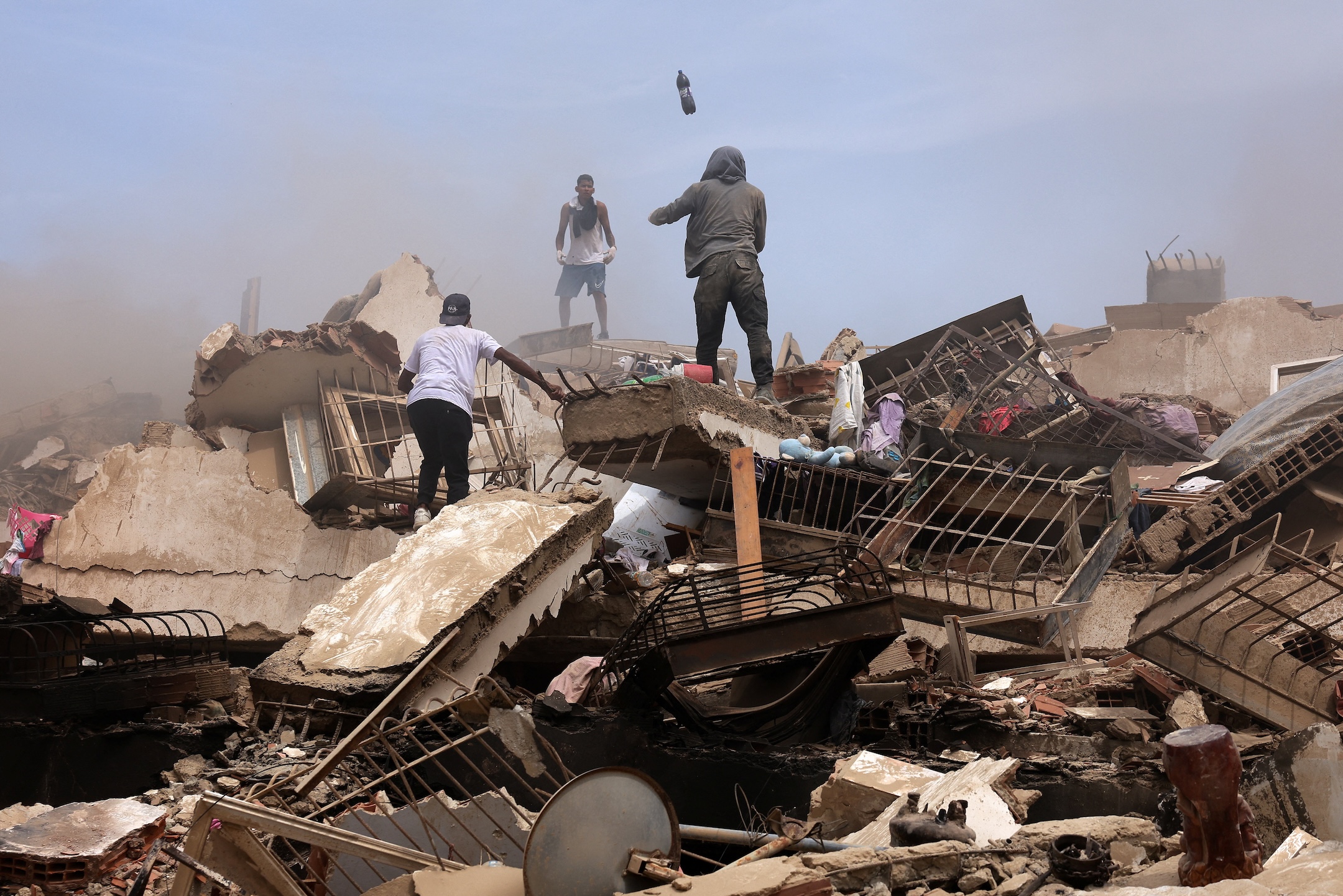
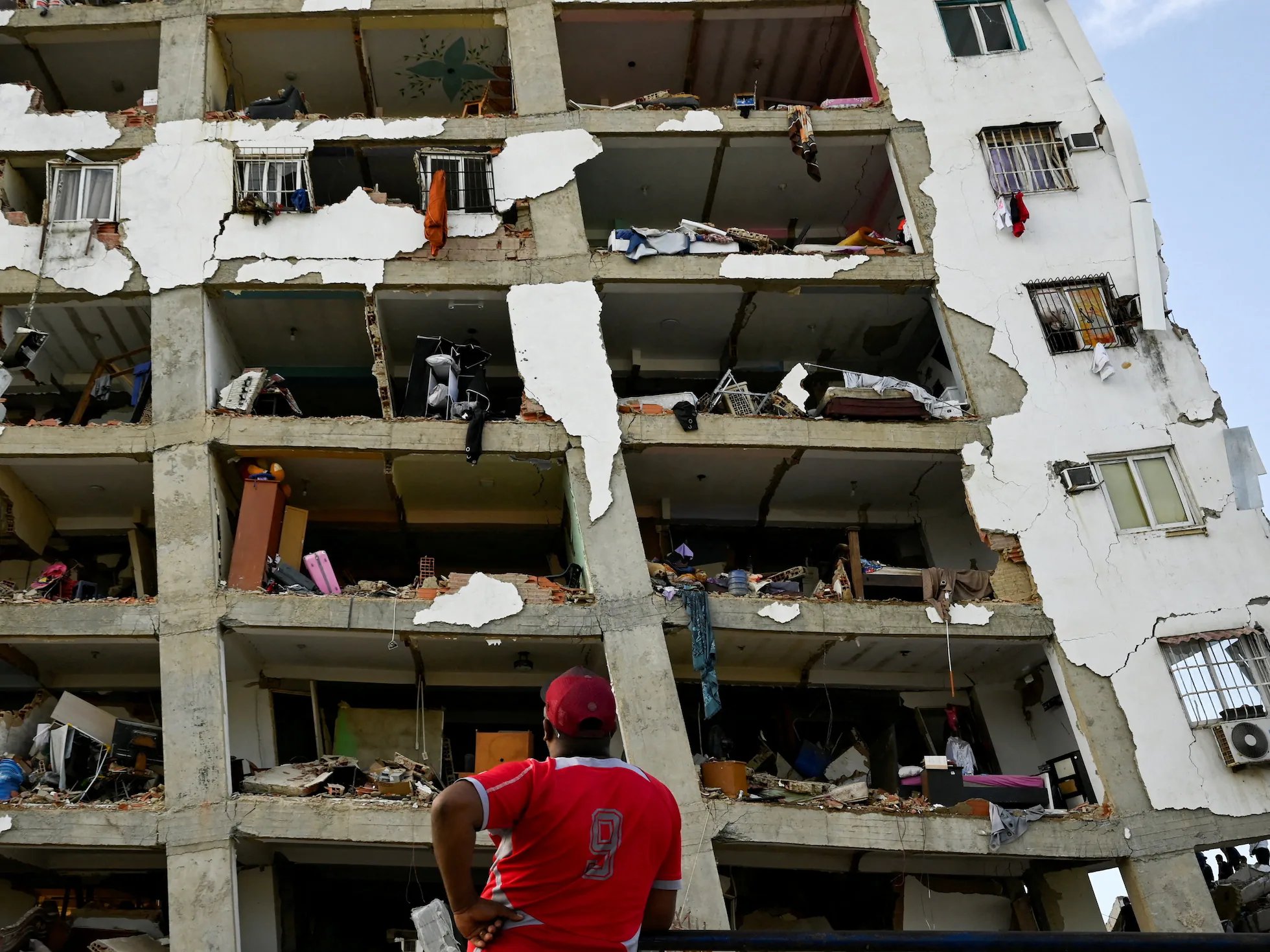
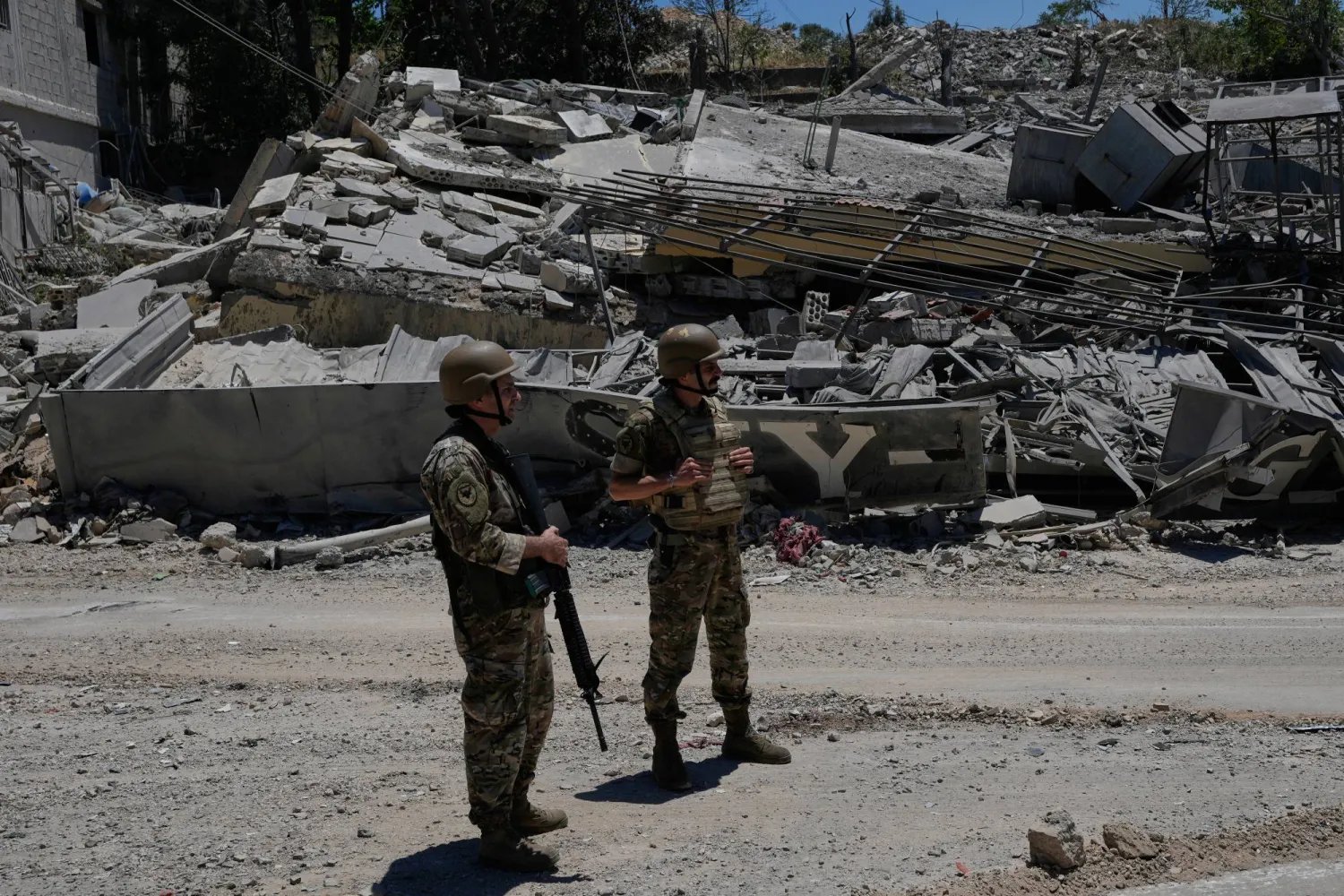
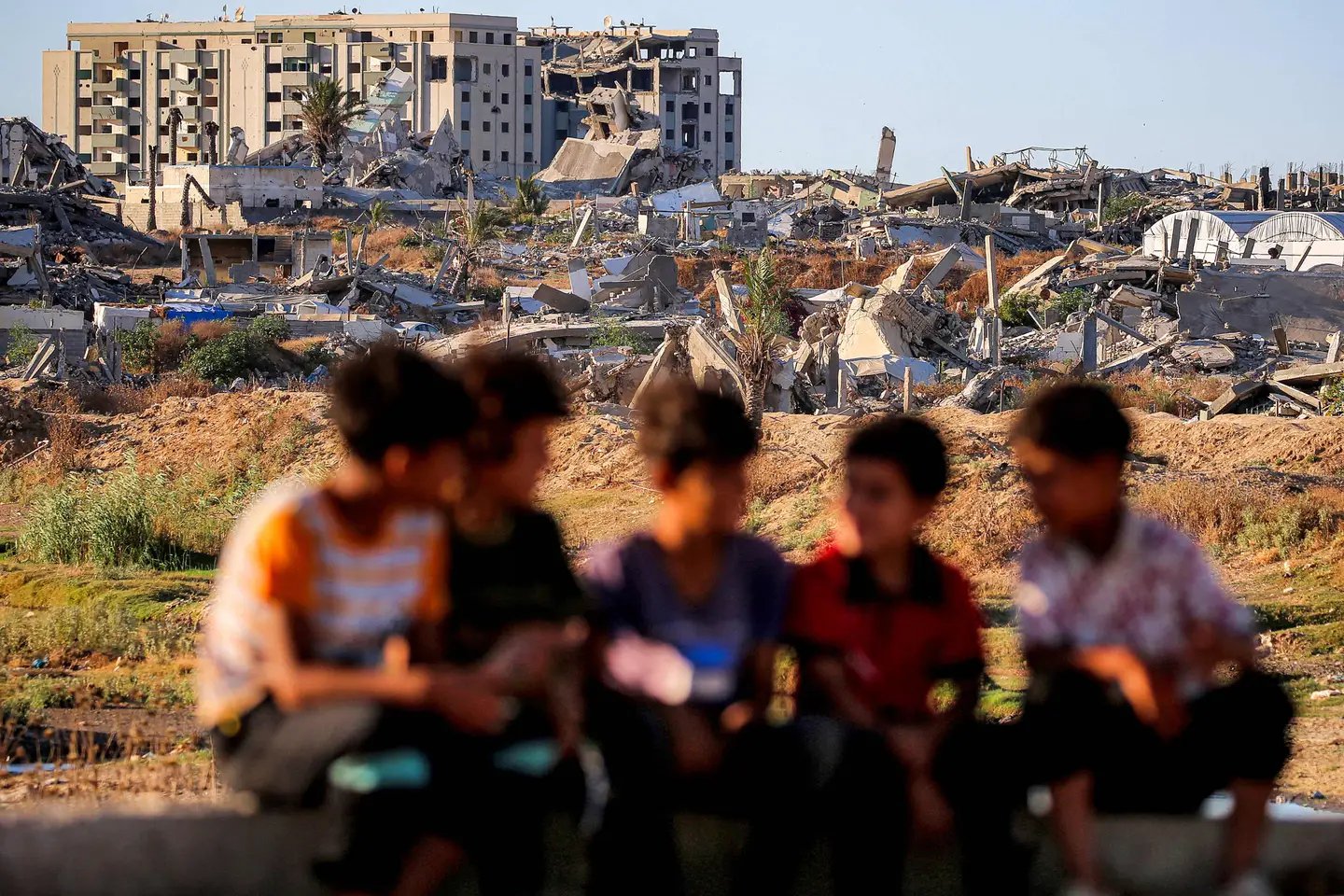
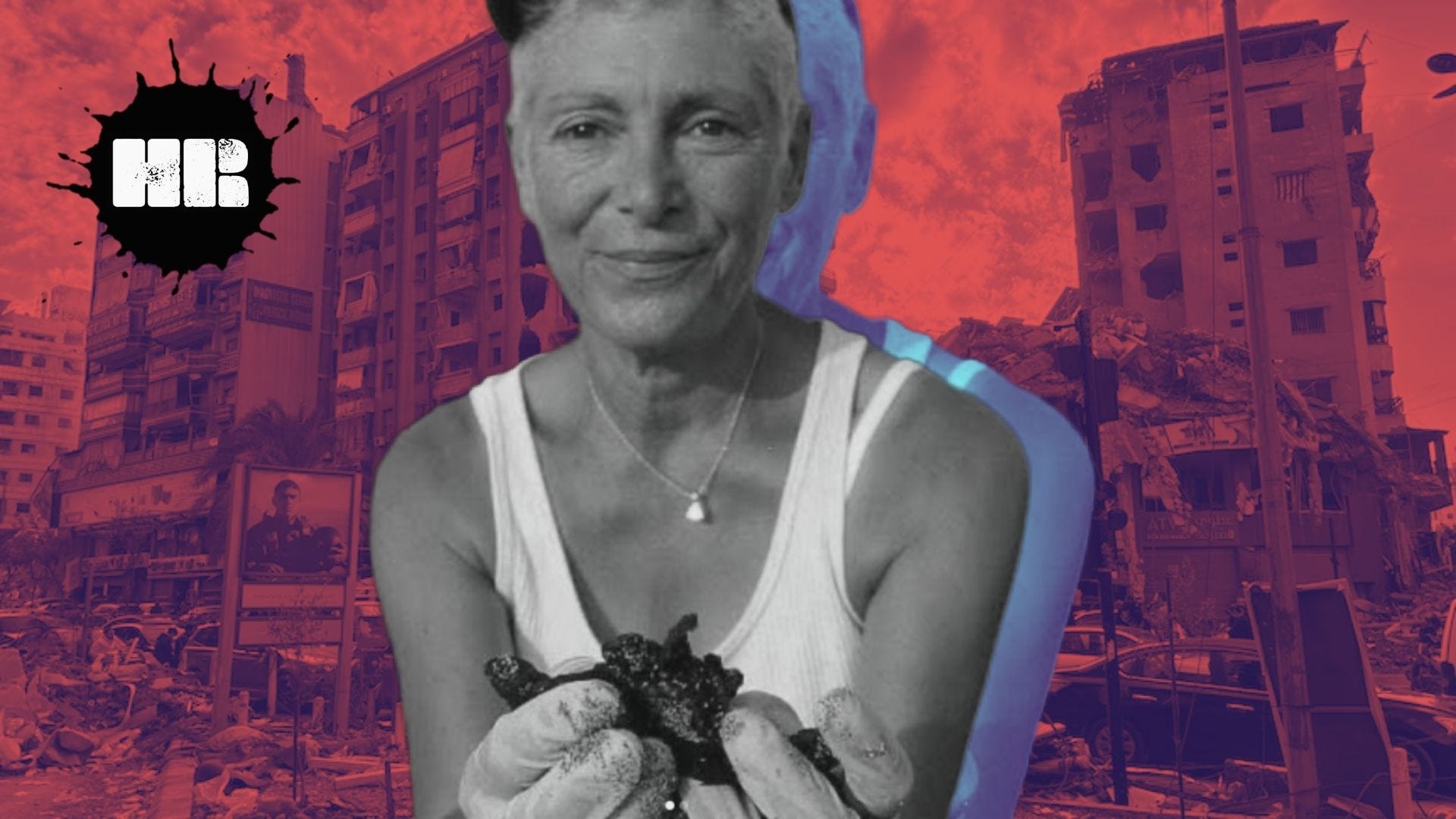
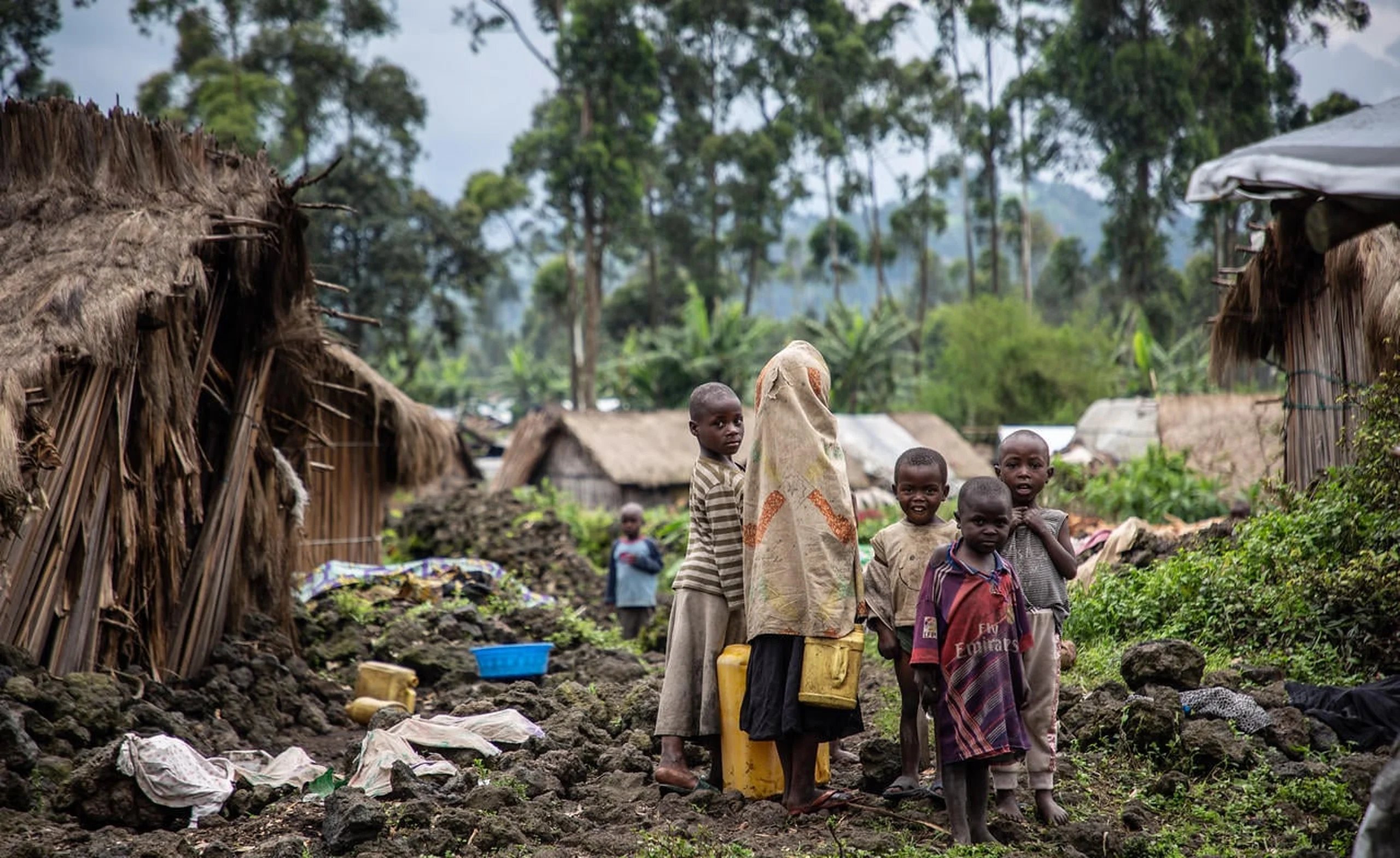
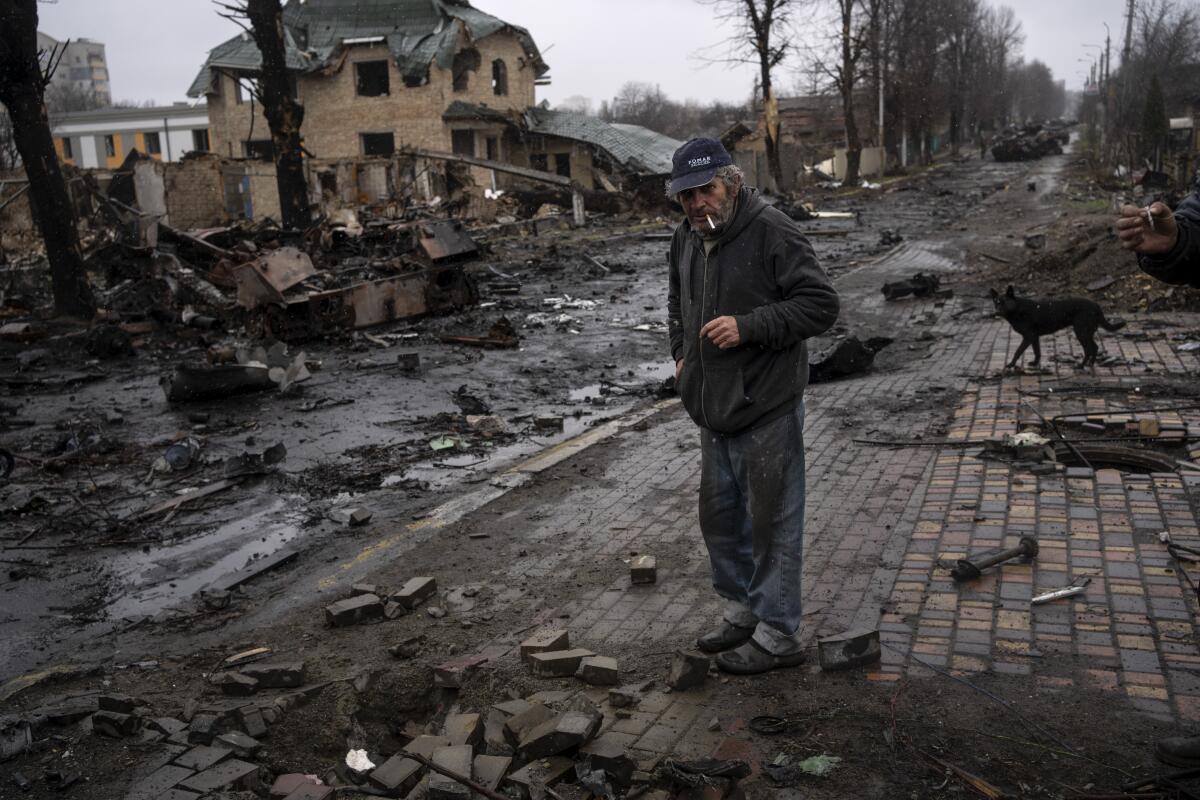
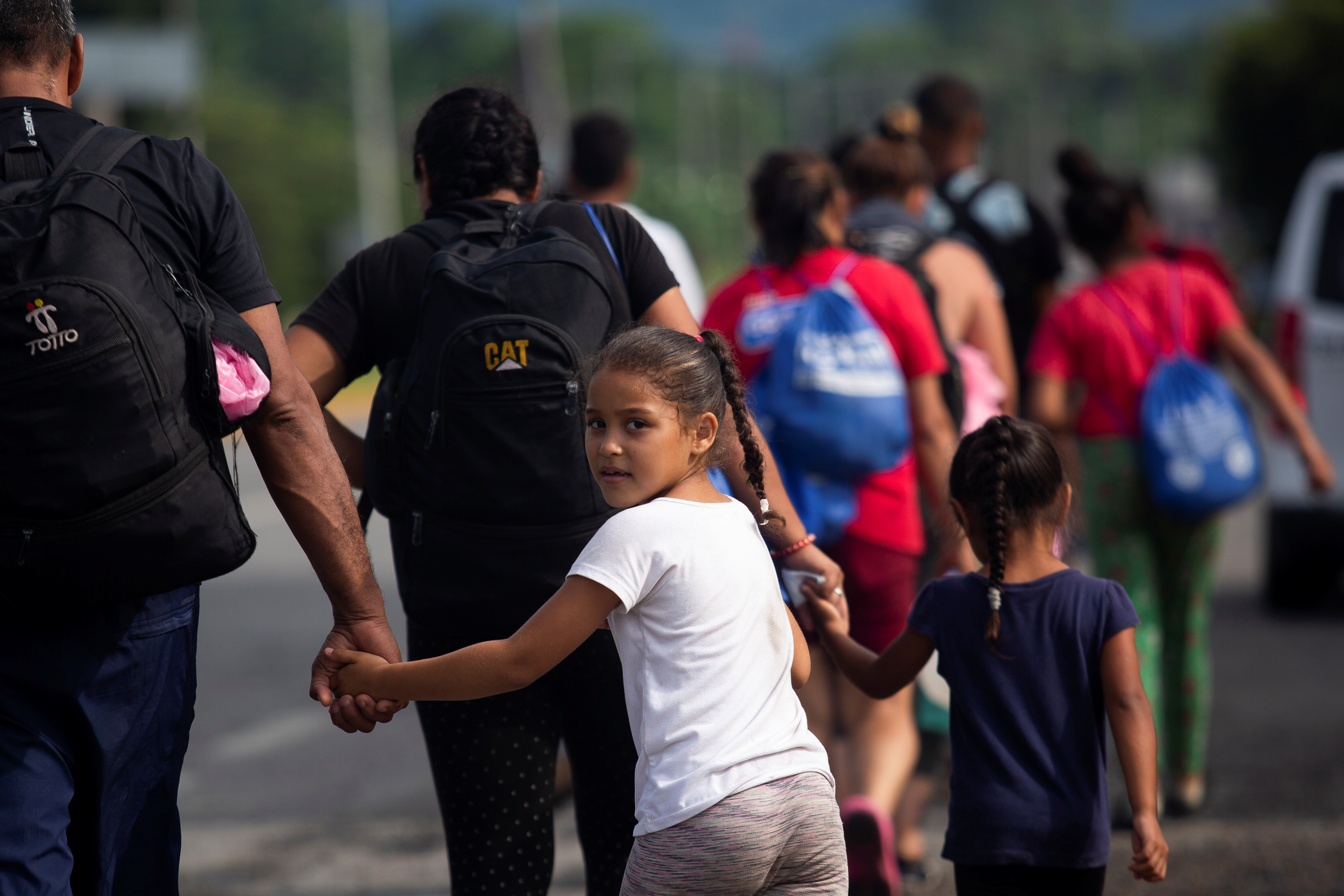
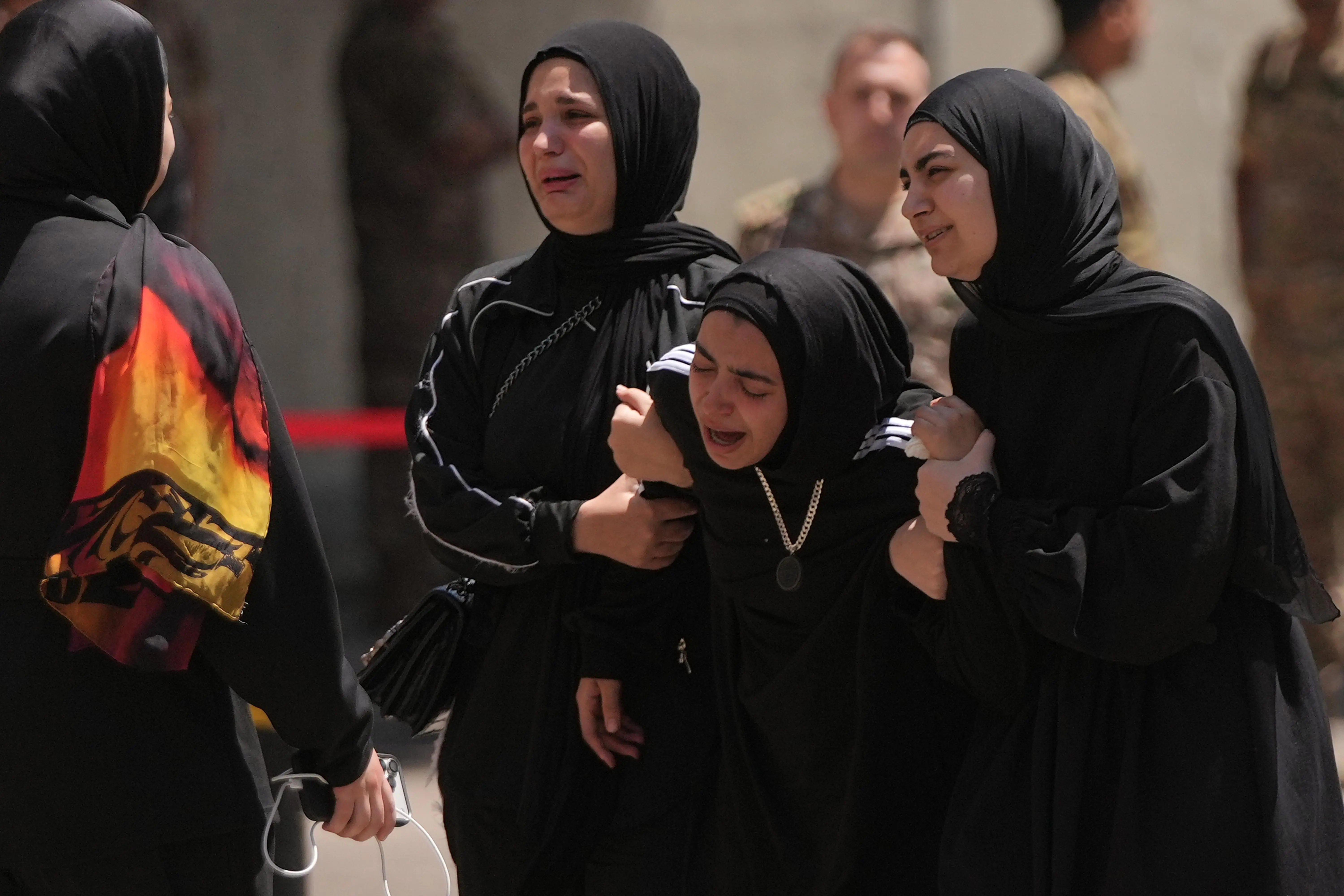
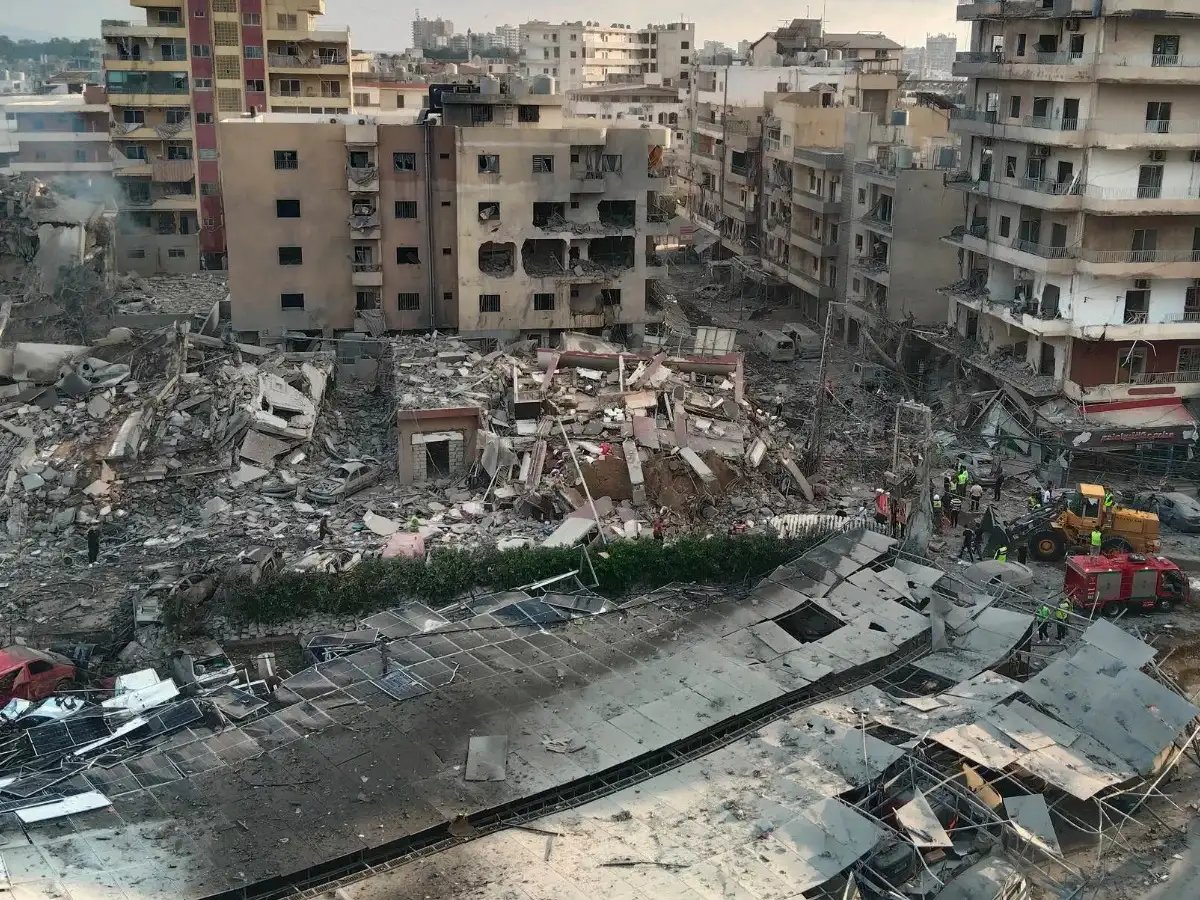
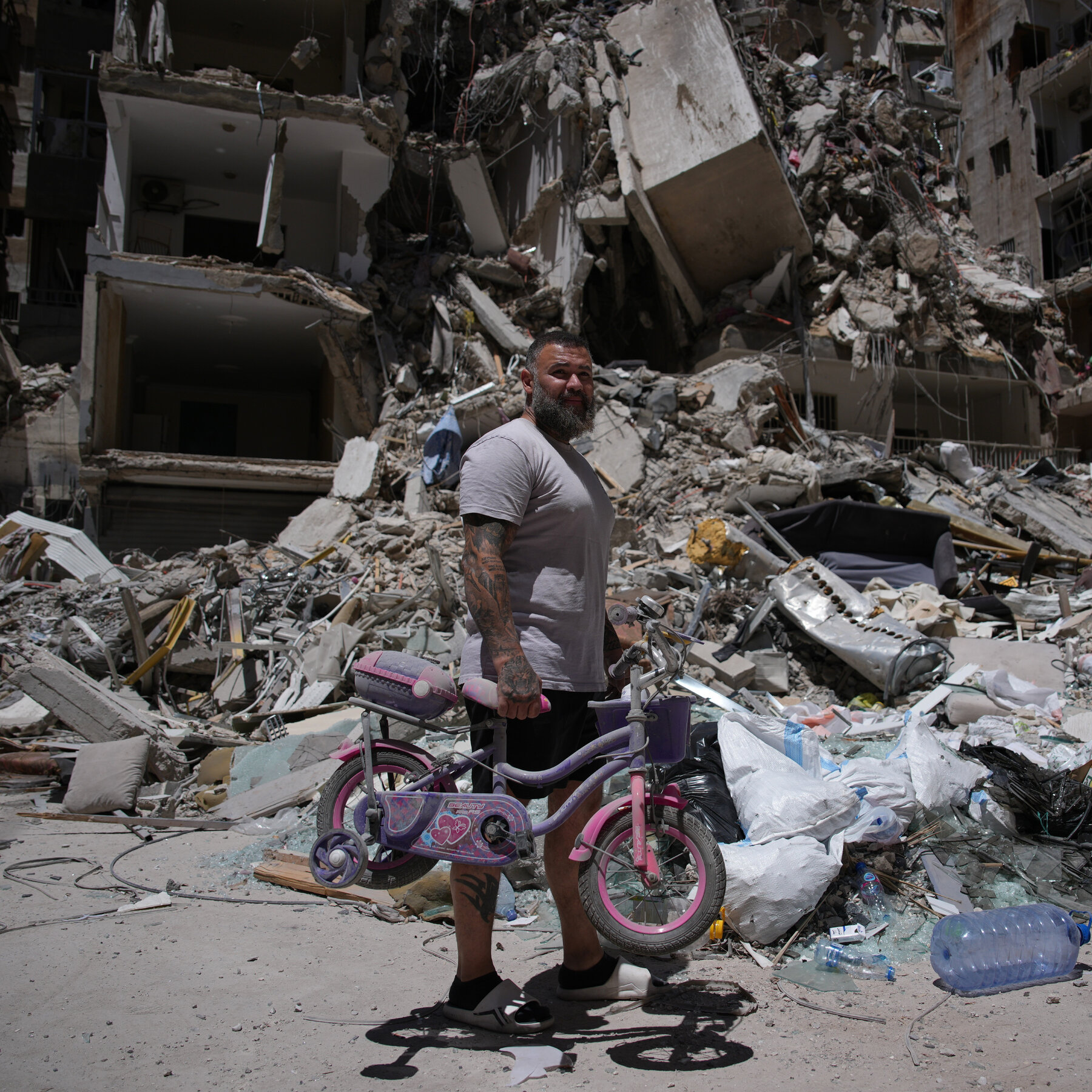
The ongoing conflict has taken a heavy toll on the Lebanese people, with more than 3,900 people killed and over 11,600 wounded since it began, according to Lebanon's health ministry. Around a million people remain displaced, and dozens of communities in the south have been completely destroyed. The situation underscores the urgency for a lasting resolution to the violence and a path towards peace in the region.