Colorado's Democratic Party faces its most serious internal challenge in years as voters head to the polls today to choose nominees in races for governor, U.S. Senate, and House seats. The primary elections pit establishment figures against progressive and democratic socialist challengers who have gained momentum following similar insurgent victories in New York one week ago. The results will determine which candidates advance to November's general election in a state where Democratic nominees hold a decisive advantage.
The most visible battle centers on the race to replace term-limited Governor Jared Polis. U.S. Senator Michael Bennet, who has represented Colorado since 2009 and ran for president in 2020, entered the gubernatorial primary as the frontrunner. But state Attorney General Phil Weiser has cut significantly into Bennet's lead by casting himself as a fighter willing to challenge the Trump administration. Weiser has filed dozens of lawsuits against the administration and has labeled Bennet a Washington insider out of touch with Coloradans, criticizing him for supporting a handful of Trump Cabinet picks.
Bennet has emphasized affordability issues and pointed to his legislative achievements, including expansion of the Child Tax Credit. When he announced his campaign for governor, he said that "the best solutions to our challenges will not come from Washington's broken politics," but from within Colorado.
If Bennet wins the primary and the general election, he has said he will appoint his own interim replacement to the Senate rather than allowing Polis to do so. Bennet's current Senate seat will be on the ballot in 2028.
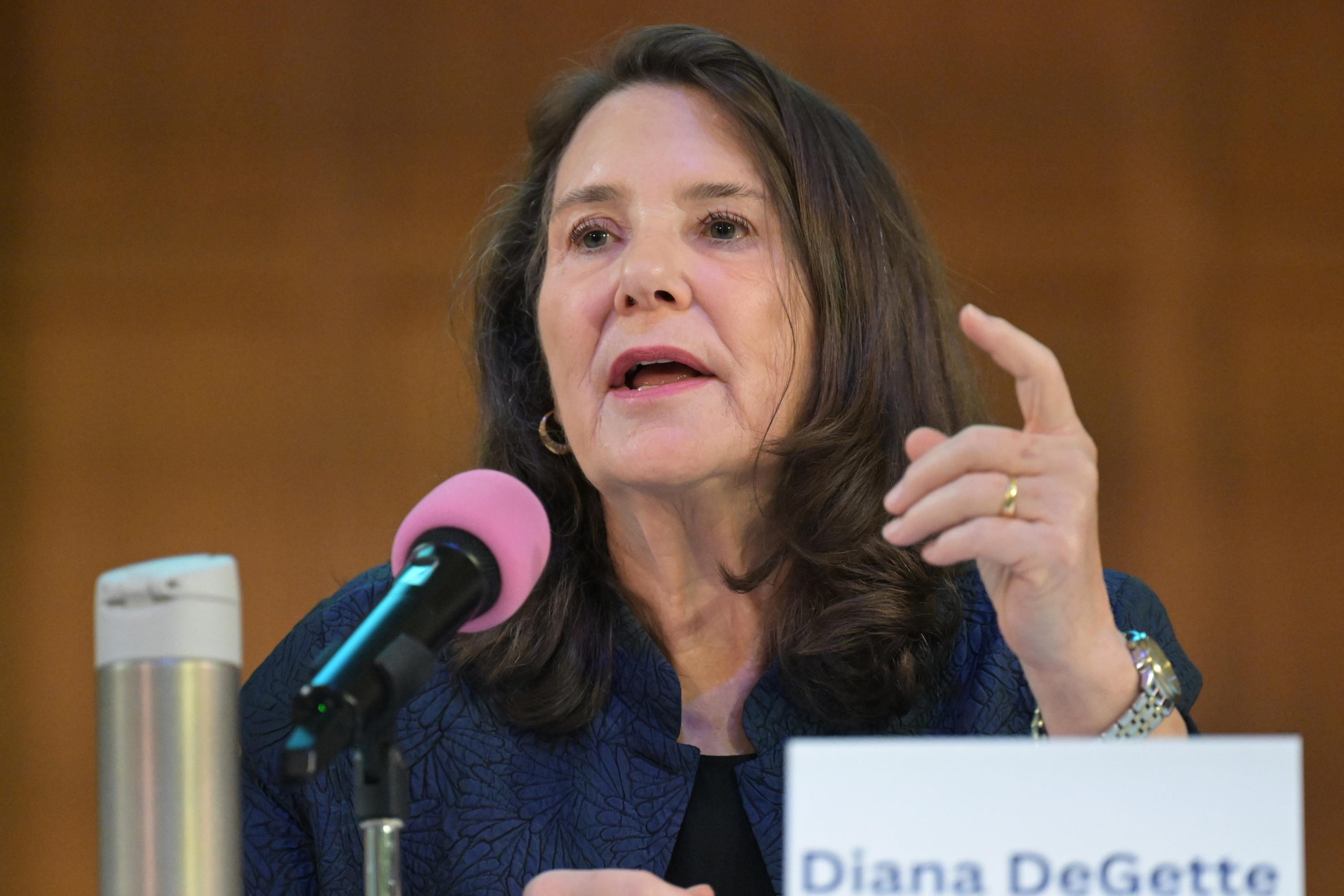
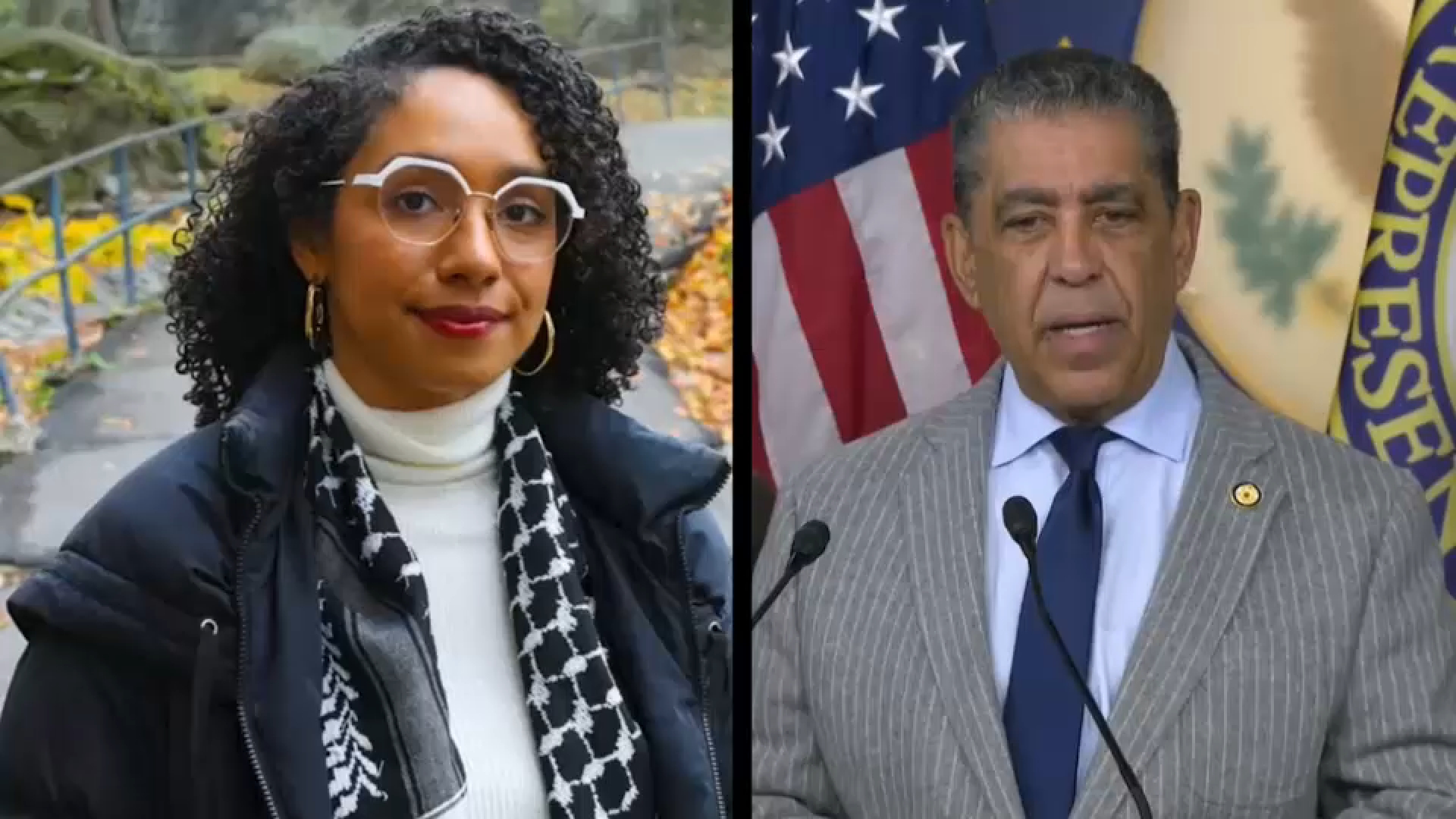
Rep. Diana DeGette, who has served in Congress for almost 30 years, is fighting for political survival against 29-year-old democratic socialist Melat Kiros in Colorado's 1st Congressional District. Kiros, a former lawyer whose family immigrated from Ethiopia when she was a baby, outperformed DeGette at the Democratic Party assembly in March, forcing the 68-year-old incumbent to narrowly clear the 30 percent threshold needed to secure a spot on the ballot.
Kiros has cast DeGette as beholden to corporate donors and has argued that the incumbent is not adequately fighting for the district. At a candidate forum earlier this month, Kiros said that "in order for the Democratic Party to actually fulfill its progressive agenda, we need to have members that are unbought and unafraid to stand up to the billionaires and corporations." DeGette has responded by criticizing Kiros's lack of experience, stating at the same forum that "now is not the time to gamble and send somebody with no experience to Washington."
The race has drawn enormous outside spending. Justice Democrats has spent more than $500,000 to boost Kiros, while various super PACs have spent more than $2 million to support DeGette. Overall, outside groups have poured about $3 million into the race, with DeGette enjoying a nearly three-to-one spending advantage as the contest comes to a close.
Israel policy has loomed large in the race. Kiros has said she was fired from her job after publishing a letter critical of how law firms were addressing protests against Israel's war in Gaza following the 2023 Hamas attack. She has been endorsed by Sen. Bernie Sanders, Justice Democrats, the Democratic Socialists of America, and several candidates who won insurgent bids elsewhere.
First-term Democratic Sen. John Hickenlooper is running for a second term against state Sen. Julie Gonzales, a 43-year-old progressive who once belonged to the Democratic Socialists of America. Gonzales has painted Hickenlooper, 74, as a product of "go-along-to-get-along politics" and has criticized him for voting for 10 of Trump's Cabinet nominees.
Hickenlooper has vastly outraised and outspent Gonzales, hitting the airwaves with ads highlighting his Senate work and opposition to Trump.
Gonzales has touted her support from Track AIPAC, a group that details spending by pro-Israel groups for politicians across the country. She has also criticized Hickenlooper's positions on Israel and Palestine. Hickenlooper will face Republican state Sen. Mark Baisley, the sole candidate in his party's primary.
Colorado's primaries represent the latest test of anti-establishment sentiment within the Democratic Party following a week of progressive victories in New York. Four Democratic House incumbents have been defeated in primaries so far in 2026, already double the number defeated in 2018, when members of "the squad" first entered Congress. House Minority Leader Hakeem Jeffries acknowledged the unsettled electoral environment on Monday, stating that "it's not a surprise that there are highly competitive primaries in deep blue parts of the country that are also unfolding this cycle."
The winners of the Democratic primaries are expected to have a significant edge in the general election in November. Colorado has not elected a Republican governor in more than two decades and has not sent a Republican to the Senate since 2014. In 2024, DeGette won her House seat with more than 75 percent of the vote. Polls open at 7 a.m. and close at 7 p.m. local time today.
Colorado's Democratic Party faces its most serious internal challenge in years as voters head to the polls today to choose nominees in races for governor, U.S. Senate, and House seats. The primary elections pit establishment figures against progressive and democratic socialist challengers who have gained momentum following similar insurgent victories in New York one week ago. The results will determine which candidates advance to November's general election in a state where Democratic nominees hold a decisive advantage.
The most visible battle centers on the race to replace term-limited Governor Jared Polis. U.S. Senator Michael Bennet, who has represented Colorado since 2009 and ran for president in 2020, entered the gubernatorial primary as the frontrunner. But state Attorney General Phil Weiser has cut significantly into Bennet's lead by casting himself as a fighter willing to challenge the Trump administration. Weiser has filed dozens of lawsuits against the administration and has labeled Bennet a Washington insider out of touch with Coloradans, criticizing him for supporting a handful of Trump Cabinet picks.
Bennet has emphasized affordability issues and pointed to his legislative achievements, including expansion of the Child Tax Credit. When he announced his campaign for governor, he said that "the best solutions to our challenges will not come from Washington's broken politics," but from within Colorado. A recent poll funded by a political action committee supporting Weiser showed the attorney general leading with 45 percent support compared to 36 percent for Bennet, with 19 percent undecided. An earlier survey by the same pollster had Bennet ahead by six points, suggesting momentum has shifted.
If Bennet wins the primary and the general election, he has said he will appoint his own interim replacement to the Senate rather than allowing Polis to do so. Bennet's current Senate seat will be on the ballot in 2028.
Rep. Diana DeGette, who has served in Congress for almost 30 years, is fighting for political survival against 29-year-old democratic socialist Melat Kiros in Colorado's 1st Congressional District. Kiros, a former lawyer whose family immigrated from Ethiopia when she was a baby, outperformed DeGette at the Democratic Party assembly in March, forcing the 68-year-old incumbent to narrowly clear the 30 percent threshold needed to secure a spot on the ballot.
Kiros has cast DeGette as beholden to corporate donors and has argued that the incumbent is not adequately fighting for the district. At a candidate forum earlier this month, Kiros said that "in order for the Democratic Party to actually fulfill its progressive agenda, we need to have members that are unbought and unafraid to stand up to the billionaires and corporations." DeGette has responded by criticizing Kiros's lack of experience, stating at the same forum that "now is not the time to gamble and send somebody with no experience to Washington."
The race has drawn enormous outside spending. Justice Democrats has spent more than $500,000 to boost Kiros, while various super PACs have spent more than $2 million to support DeGette. Overall, outside groups have poured about $3 million into the race, with DeGette enjoying a nearly three-to-one spending advantage as the contest comes to a close.
Israel policy has loomed large in the race. Kiros has said she was fired from her job after publishing a letter critical of how law firms were addressing protests against Israel's war in Gaza. She has been endorsed by Sen. Bernie Sanders, Justice Democrats, the Democratic Socialists of America, and several candidates who won insurgent bids elsewhere.
First-term Democratic Sen. John Hickenlooper is running for a second term against state Sen. Julie Gonzales, a 43-year-old progressive who once belonged to the Democratic Socialists of America. Gonzales has painted Hickenlooper, 74, as a product of "go-along-to-get-along politics" and has criticized him for voting for 10 of Trump's Cabinet nominees.
Hickenlooper has vastly outraised and outspent Gonzales, hitting the airwaves with ads highlighting his Senate work and opposition to Trump. A February poll suggested Hickenlooper leading by 32 points, but a late May survey showed his advantage had shrunk to just seven points. That same poll indicated Gonzales had improved her position with voters as they became more familiar with her.
Gonzales has touted her support from Track AIPAC, a group that details spending by pro-Israel groups for politicians across the country, signaling her criticism of pro-Israel influence in Democratic politics. Hickenlooper will face Republican state Sen. Mark Baisley, the sole candidate in his party's primary.
Colorado's primaries represent the latest test of anti-establishment sentiment within the Democratic Party following a week of progressive victories in New York. Four Democratic House incumbents have been defeated in primaries so far in 2026, already double the number defeated in 2018, when members of "the squad" first entered Congress. House Minority Leader Hakeem Jeffries acknowledged the unsettled electoral environment on Monday, stating that "it's not a surprise that there are highly competitive primaries in deep blue parts of the country that are also unfolding this cycle."
The winners of the Democratic primaries are expected to have a significant edge in the general election in November. Colorado has not elected a Republican governor in more than two decades and has not sent a Republican to the Senate since 2014. In 2024, DeGette won her House seat with more than 75 percent of the vote. Polls close at 7 p.m. local time today.
Highlighted text was flagged by the council. Tap to see feedback.