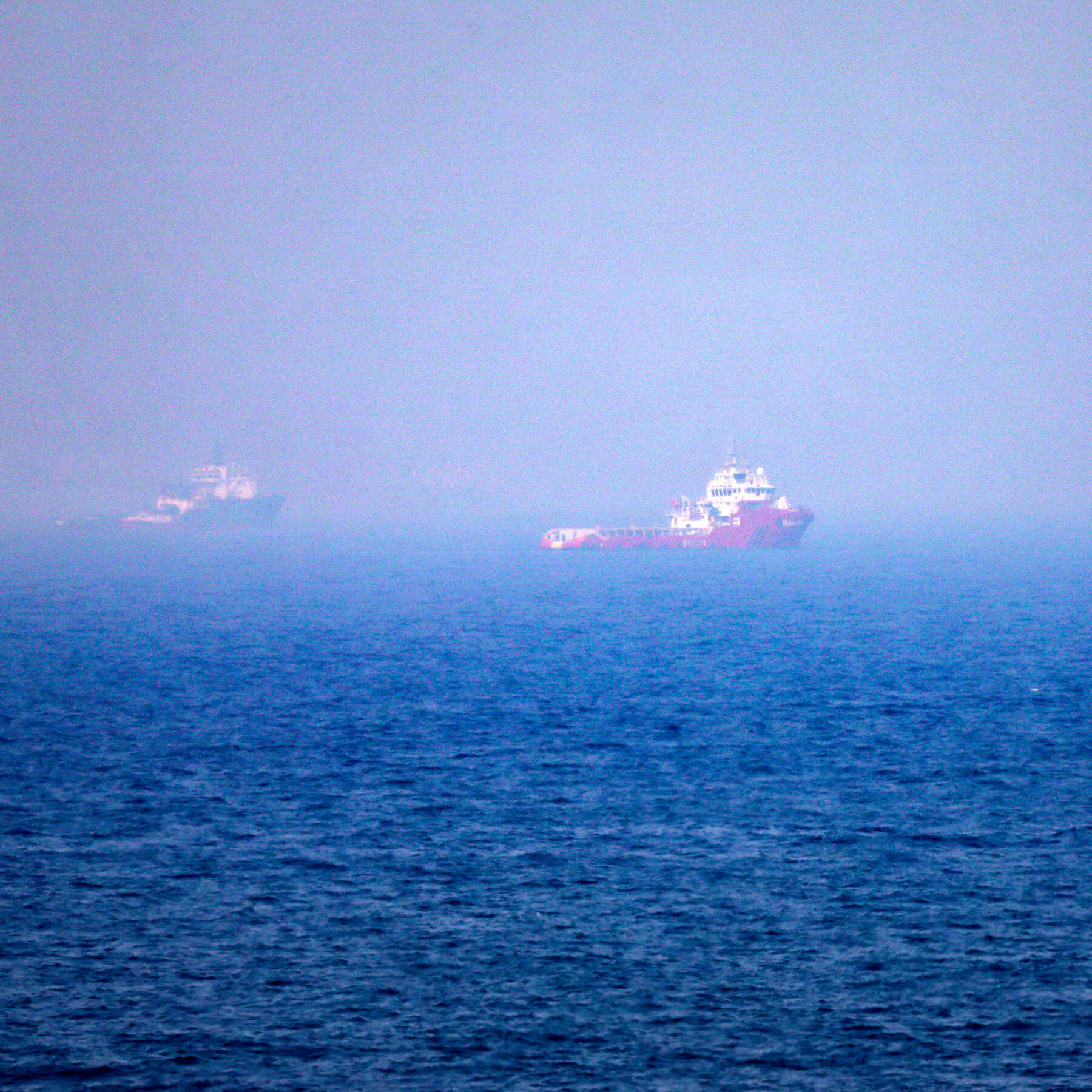
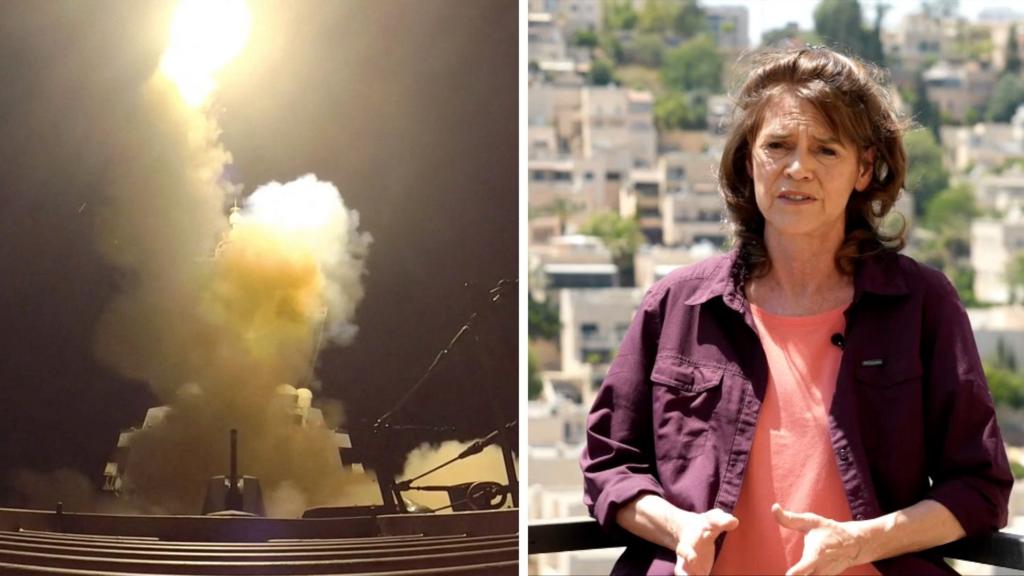
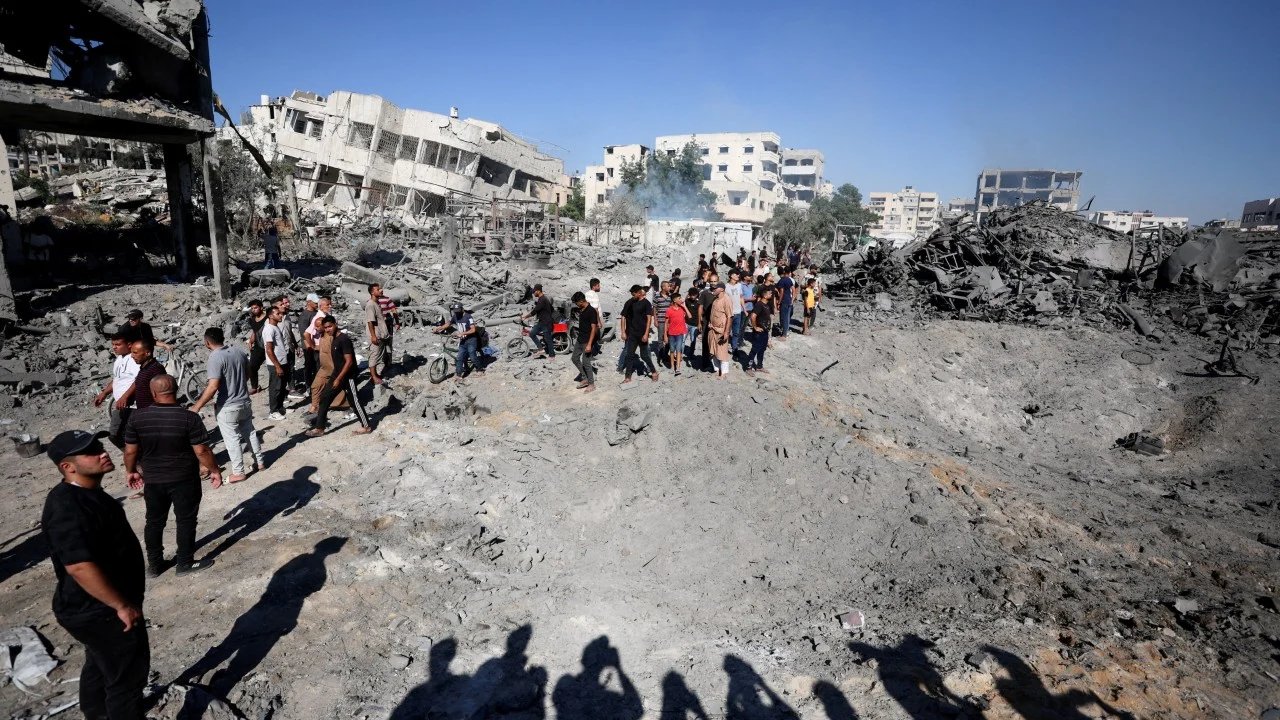
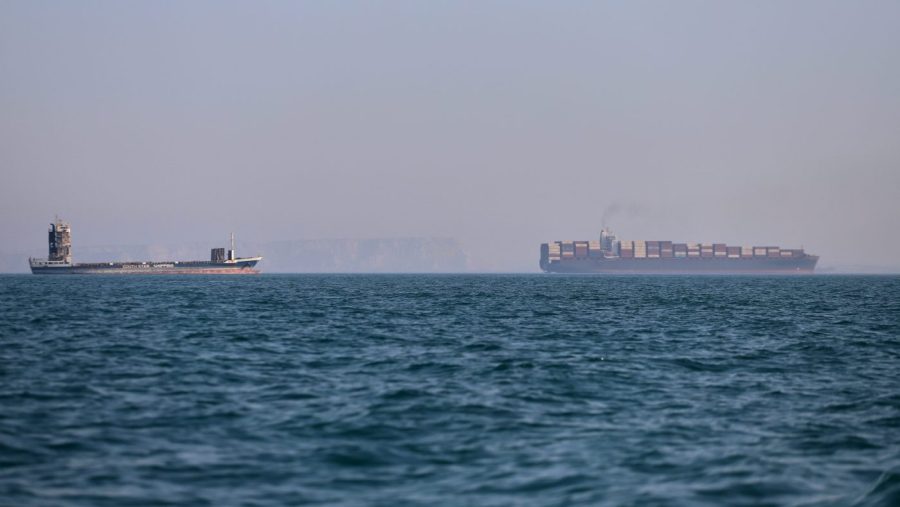
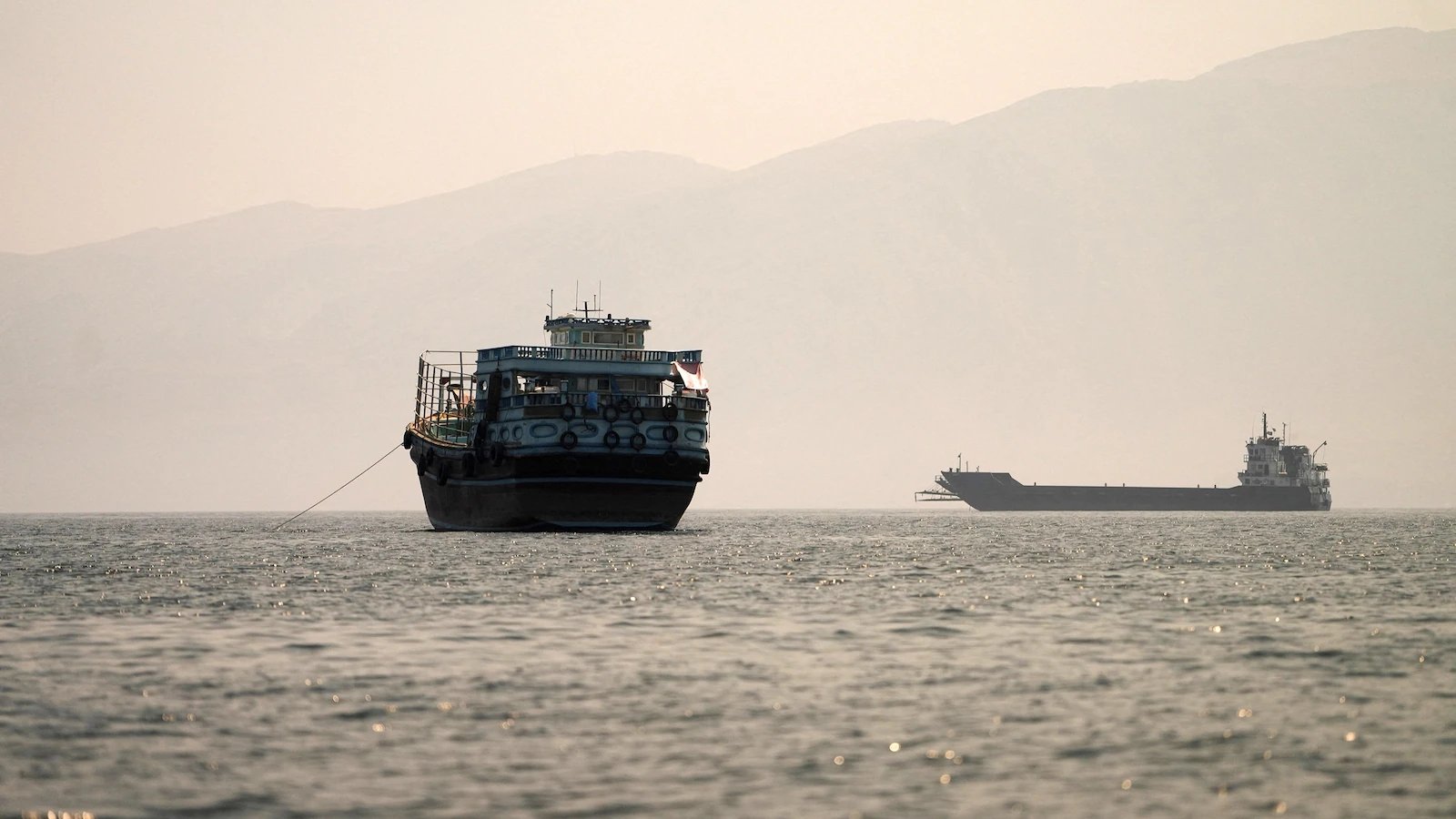
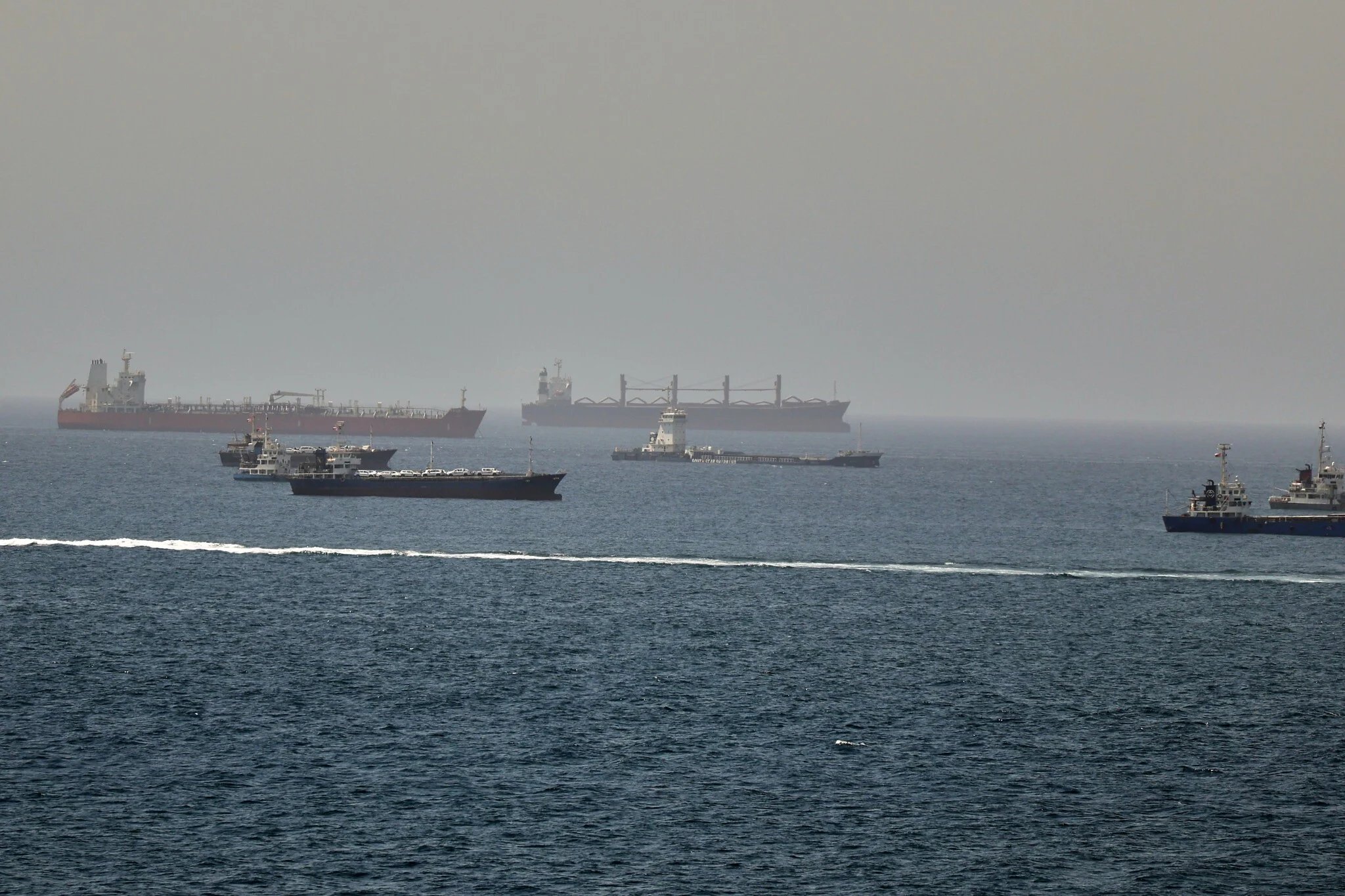
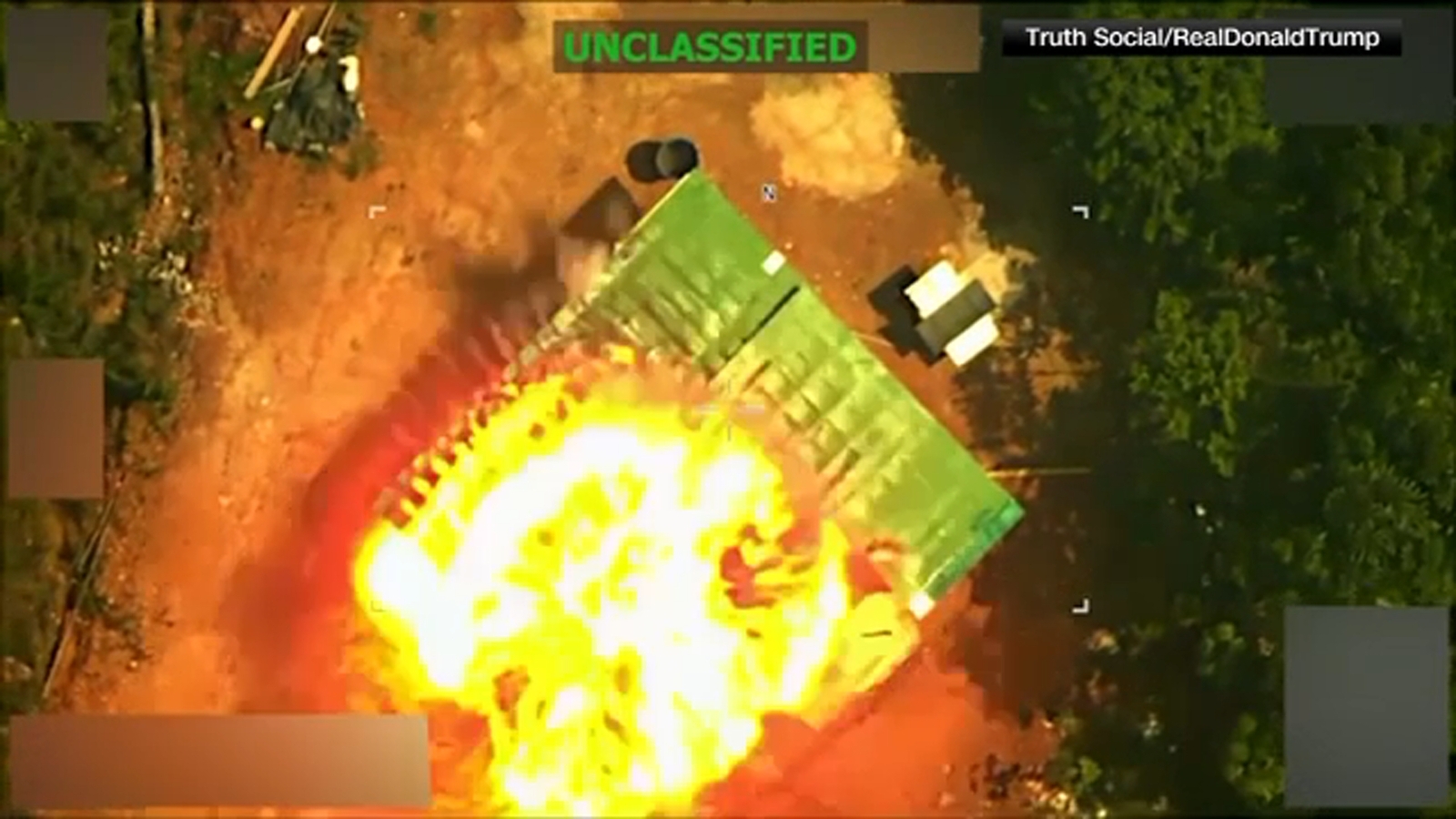
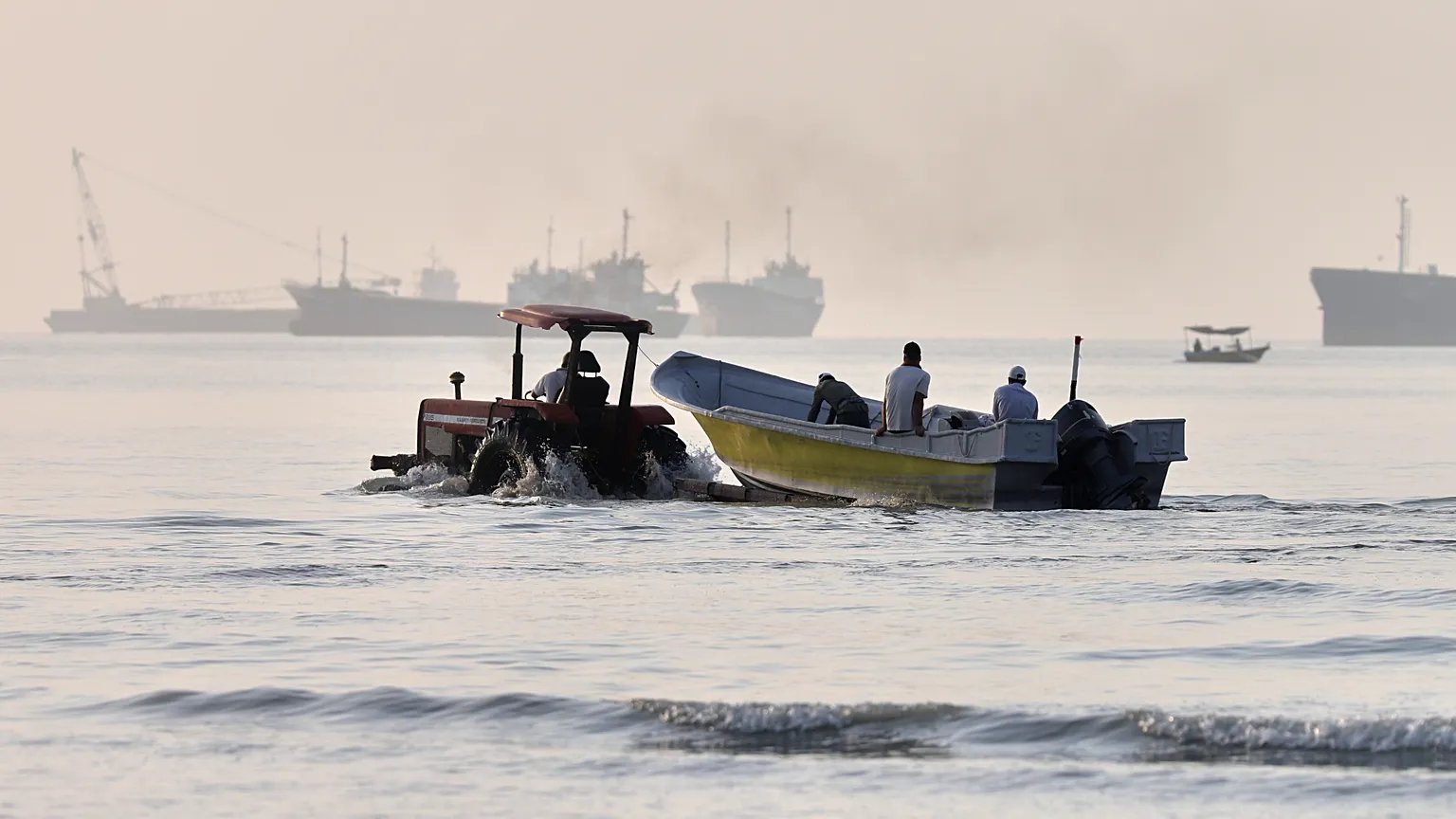
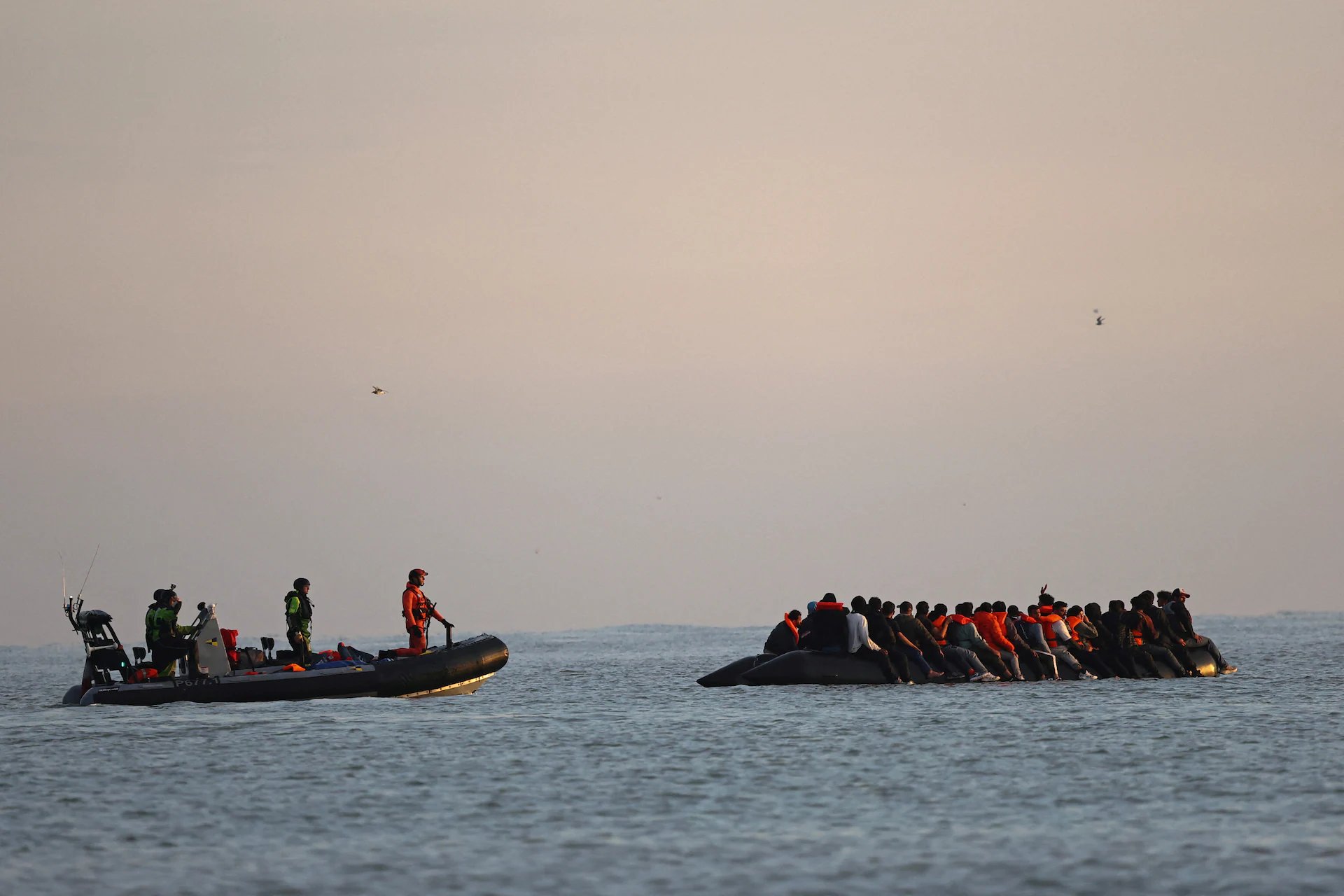
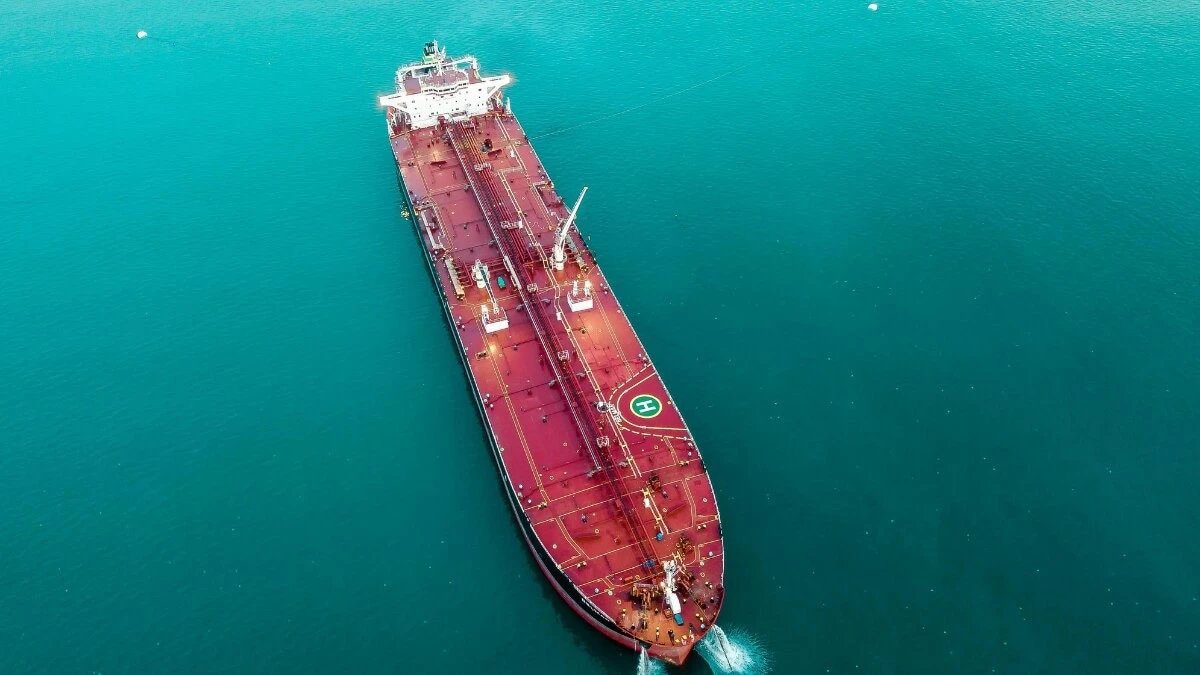
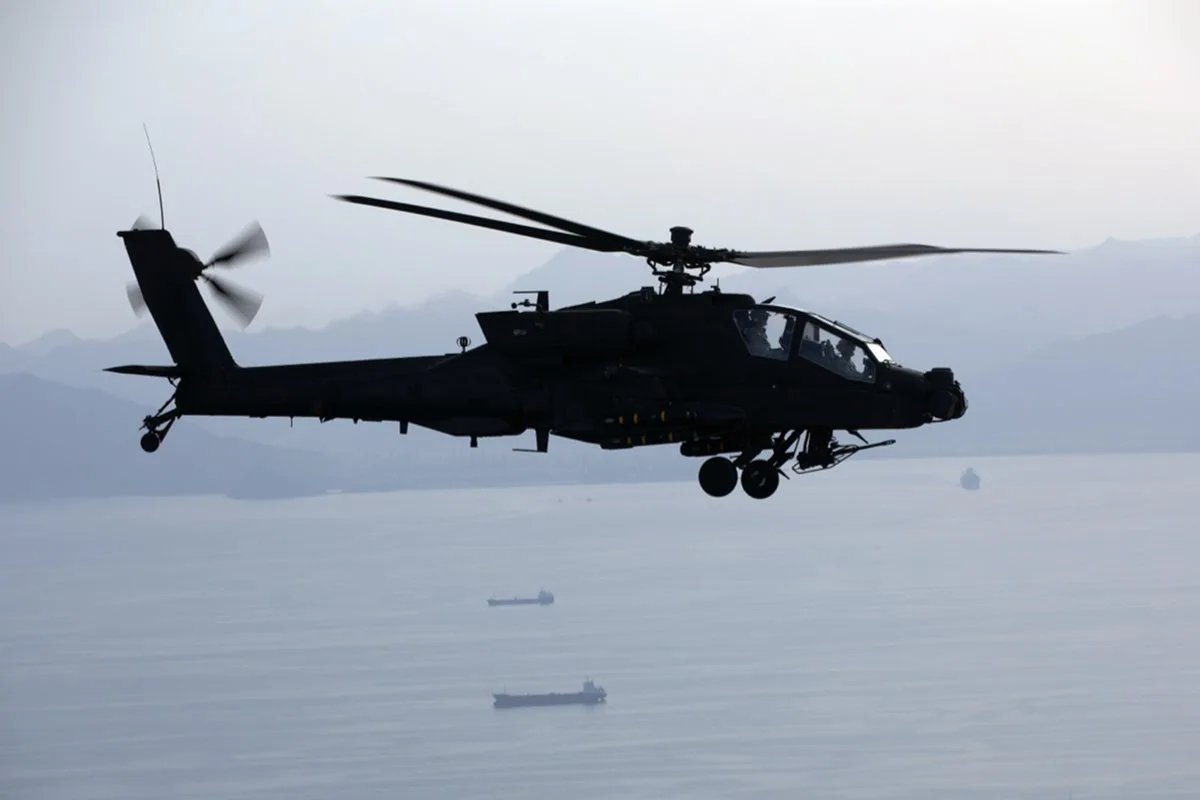
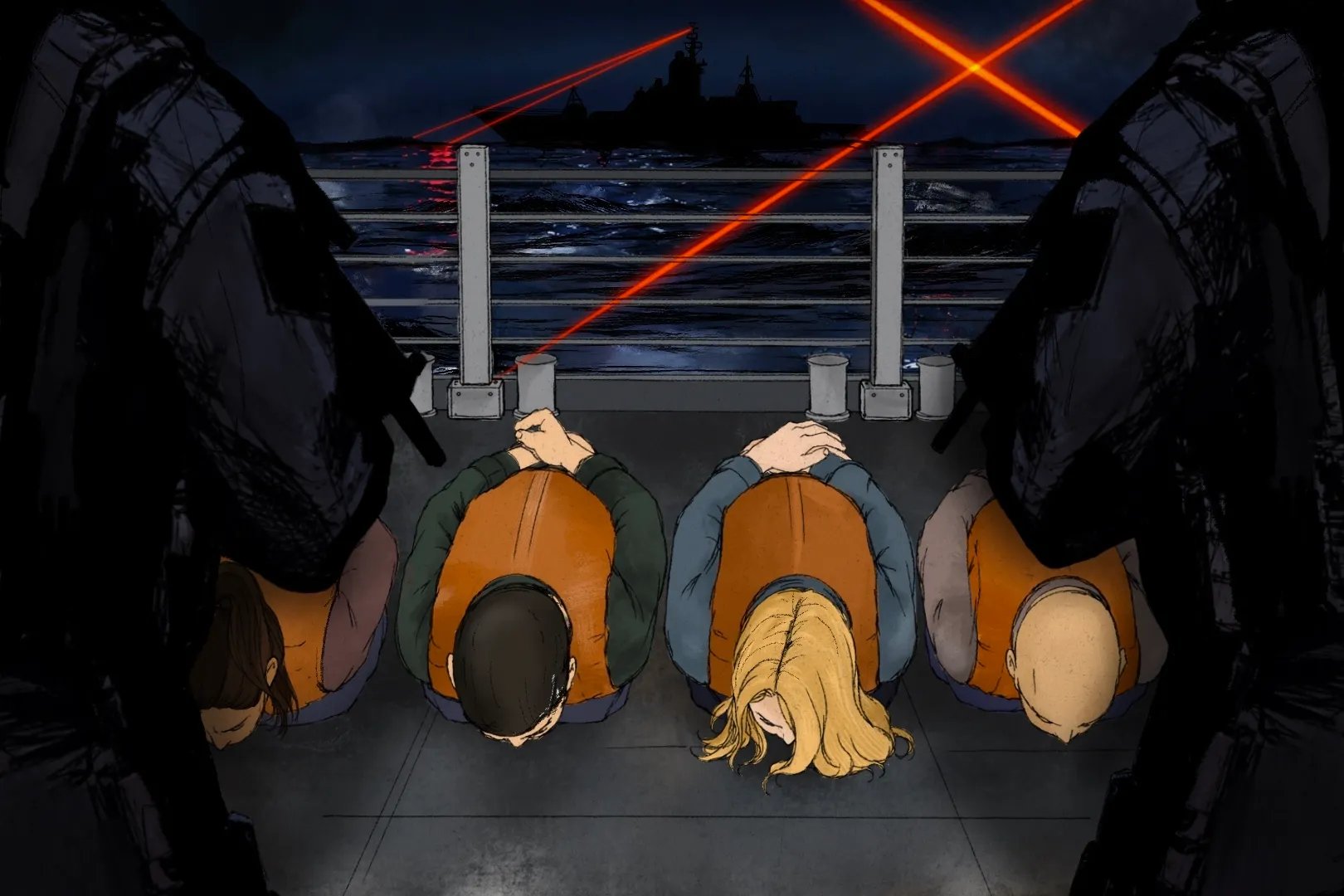
The U.S. military conducted a strike on an alleged drug trafficking boat in the eastern Pacific Ocean on Sunday, resulting in the deaths of two individuals and leaving six survivors, according to the U.S. Southern Command (SOUTHCOM). This operation is part of the ongoing "Operation Southern Spear," which has seen over 60 such strikes since its initiation in September. The total death toll from these operations has reached more than 210 individuals, according to SOUTHCOM, all labeled as "narcoterrorists" by the U.S. government.
SOUTHCOM reported that it notified the U.S. Coast Guard about the six male survivors but did not provide further details regarding their condition or rescue efforts. This lack of information follows the June 16 strike where two survivors were reported, but the Coast Guard suspended its search for additional survivors the following day, citing no evidence of life or wreckage.
White House spokeswoman Anna Kelly defended the operations, stating they target designated narcoterrorists bringing harmful substances to American shores. However, critics argue that the military has not provided evidence of drug trafficking associated with the vessels targeted.
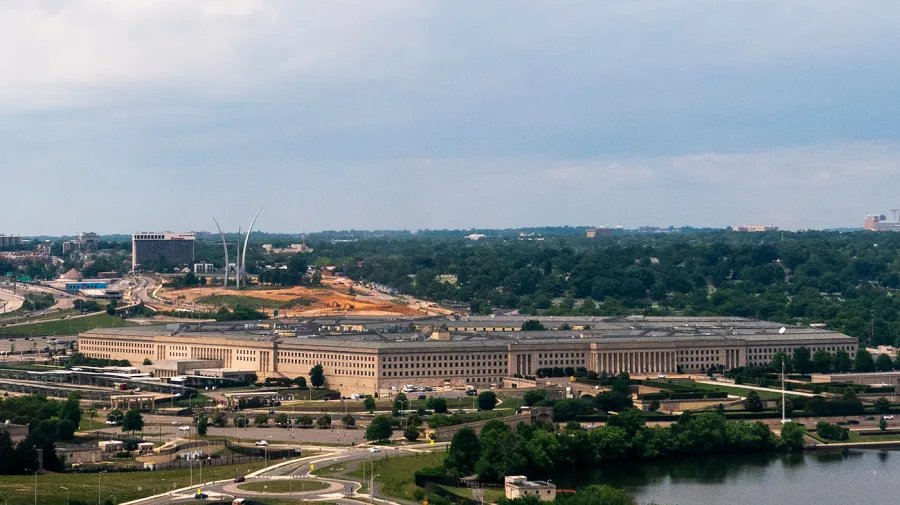
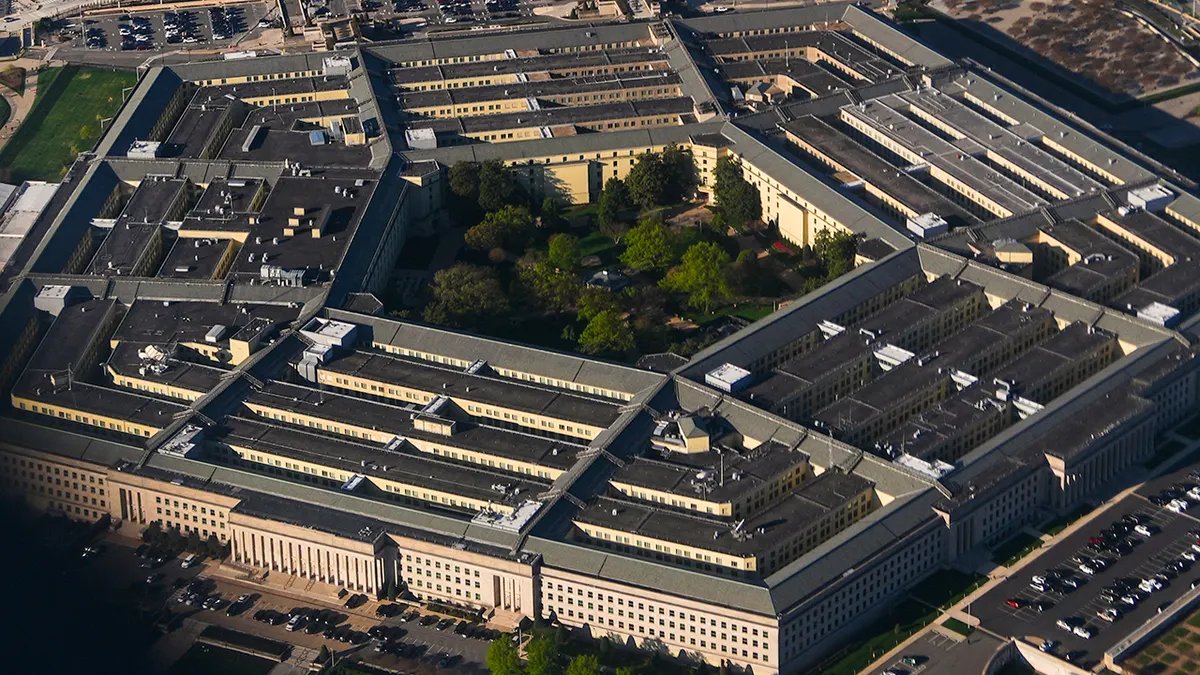
The legality of these strikes has come under scrutiny. Legal scholars and some lawmakers have raised questions about whether the military's actions violate U.S. and international law, particularly when targeting individuals who may not pose an imminent threat. The Pentagon's inspector general announced a review of the military's adherence to established targeting protocols, although it will not assess the legality of the strikes themselves.
Critics of the strikes argue that fentanyl, which drives many U.S. overdose deaths, is typically trafficked overland from Mexico, not by sea, questioning the campaign's effectiveness. The strikes have been described as a gruesome aspect of the war on drugs, with some arguing they represent a shift towards military solutions for complex social issues.
The lack of transparency and evidence regarding the targeted strikes raises critical questions about the future of U.S. drug policy and the potential consequences for international relations and domestic safety.
The U.S. military conducted a strike on an alleged drug trafficking boat in the eastern Pacific Ocean on Sunday, resulting in the deaths of two individuals and leaving six survivors, according to the U.S. Southern Command (SOUTHCOM). This operation is part of the ongoing “Operation Southern Spear,” which has seen over 60 such strikes since its initiation in September. The total death toll from these operations has now surpassed 215 individuals, all labeled as "narcoterrorists" by the U.S. government.
SOUTHCOM reported that it notified the U.S. Coast Guard about the six male survivors but did not provide further details regarding their condition or rescue efforts. This lack of information follows the June 16 strike where two survivors were reported, but the Coast Guard suspended its search for additional survivors the following day, citing no evidence of life or wreckage.
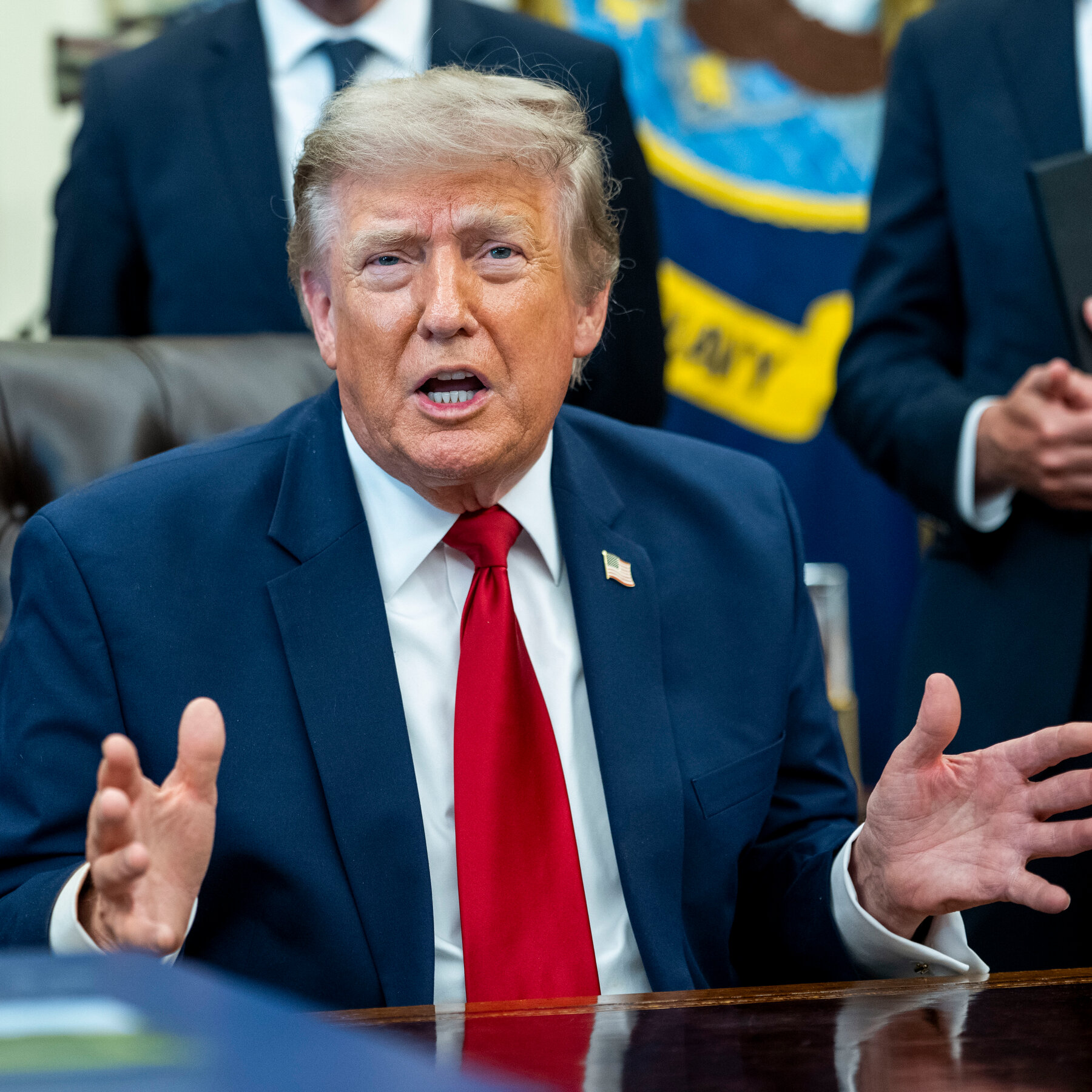
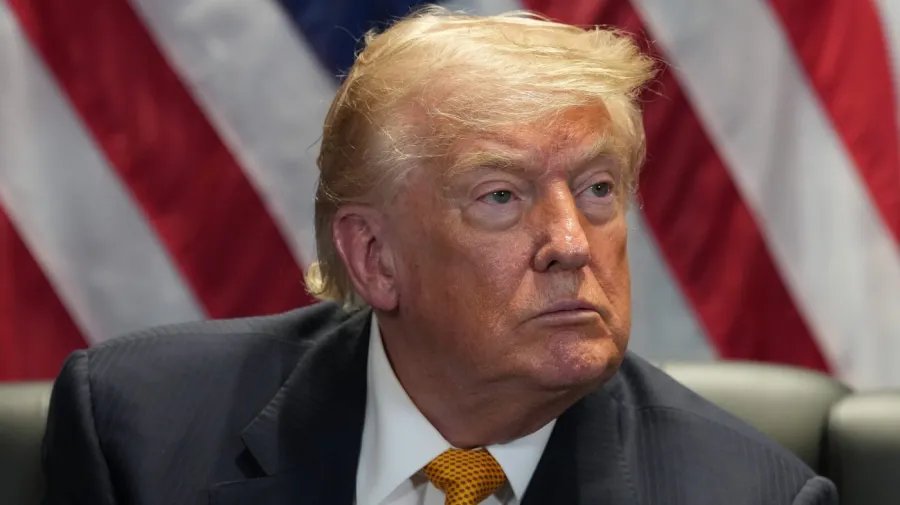
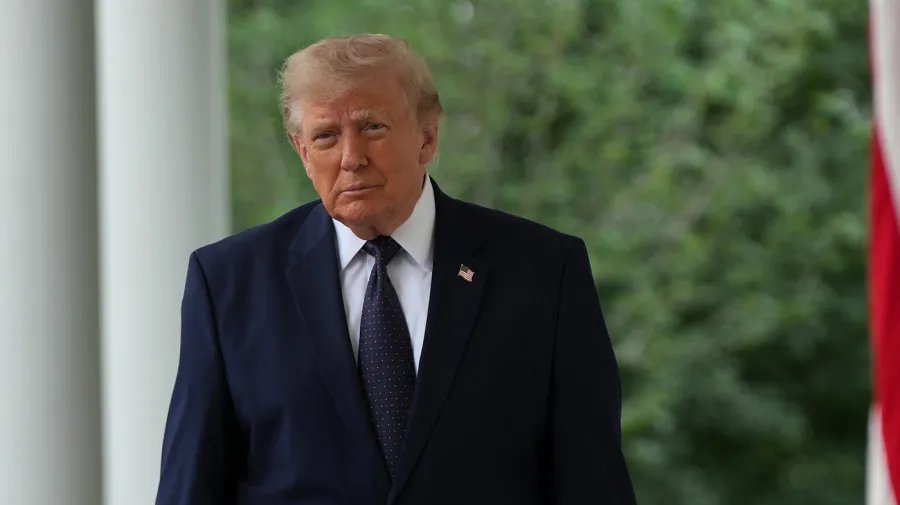
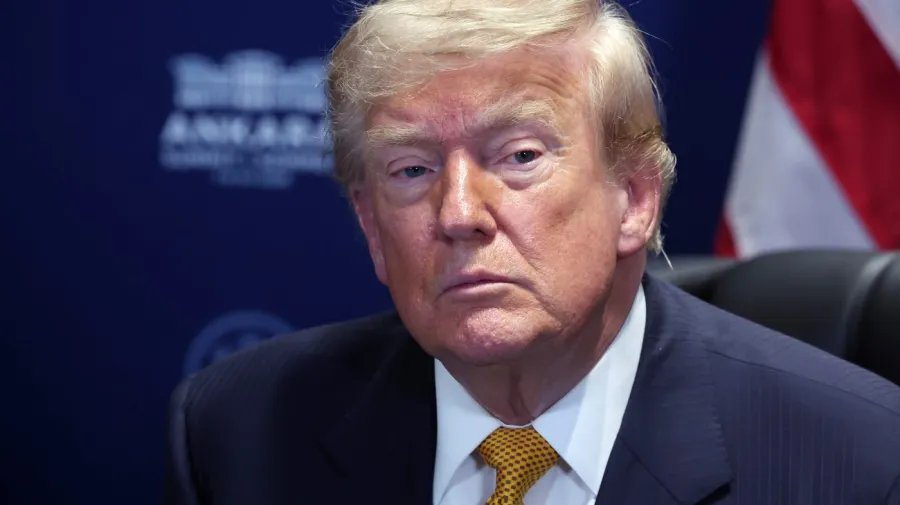
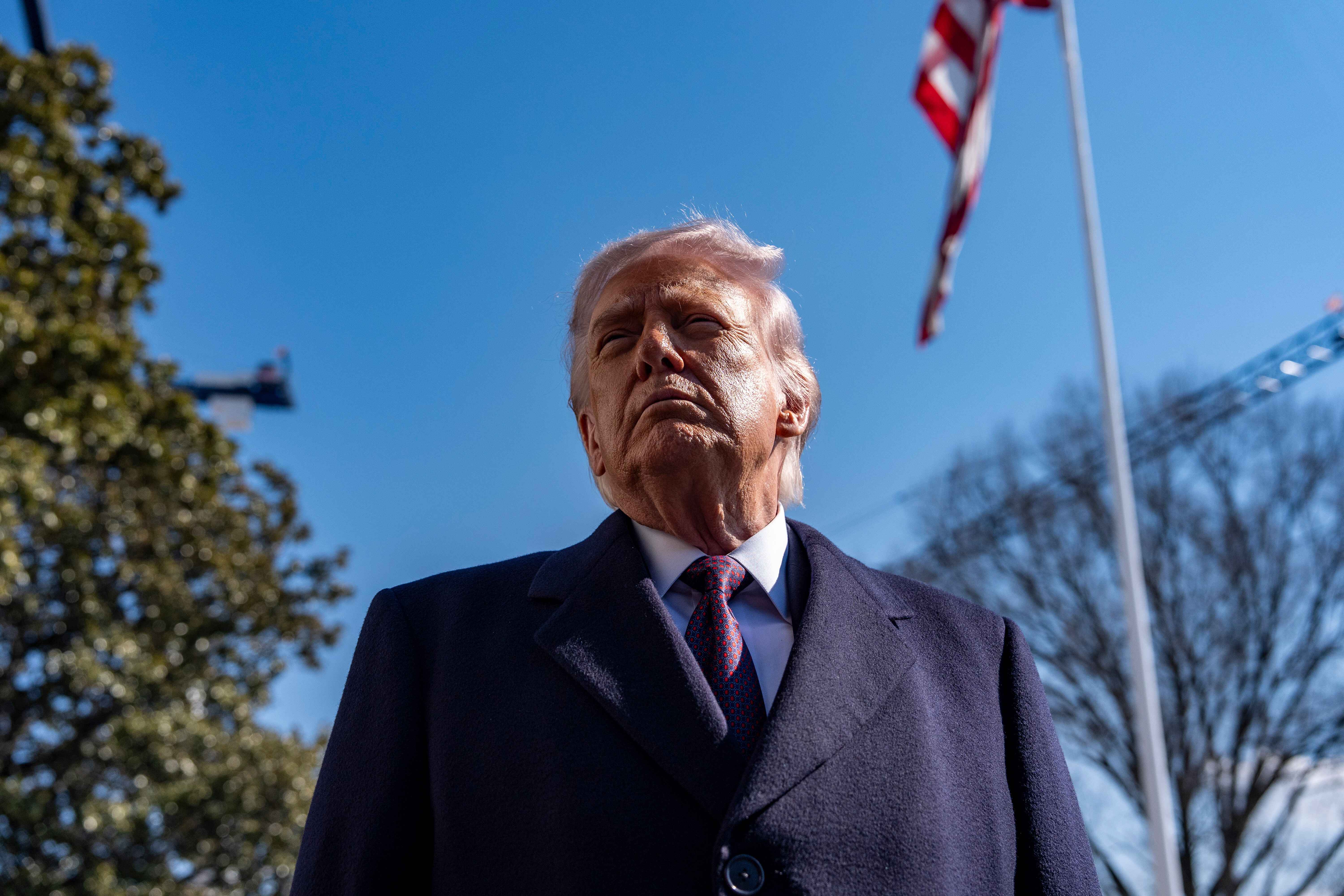
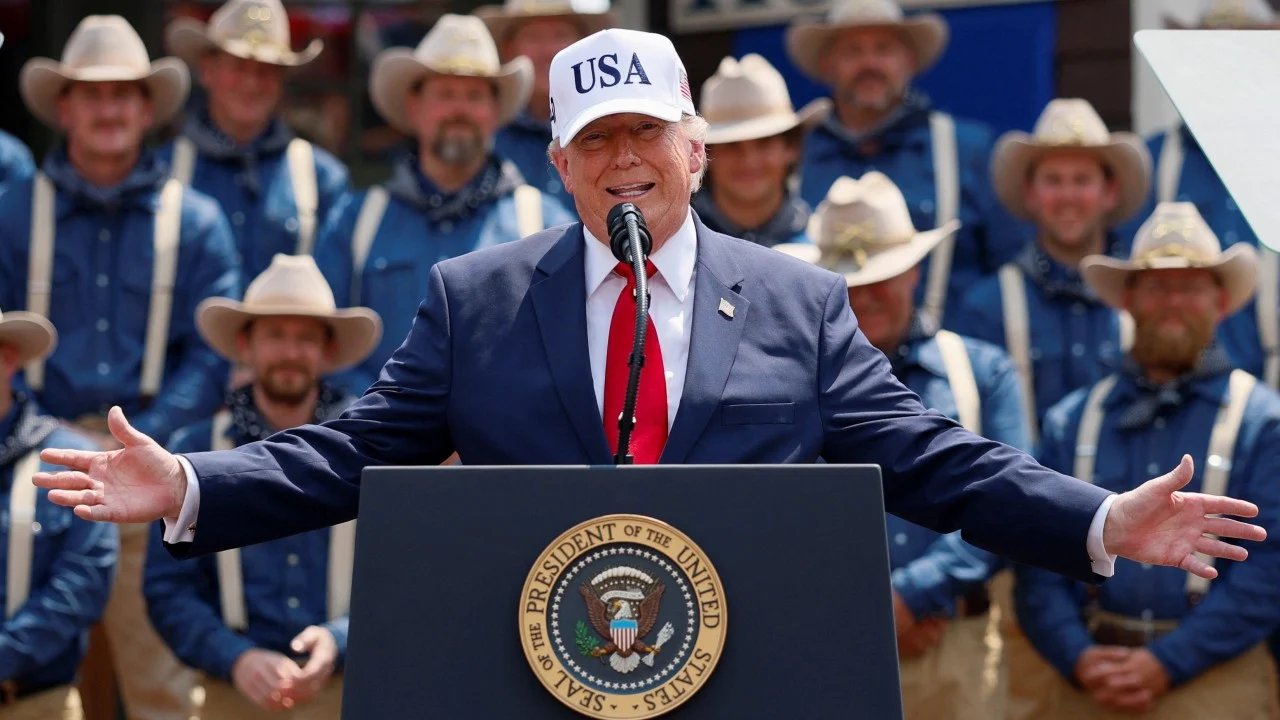
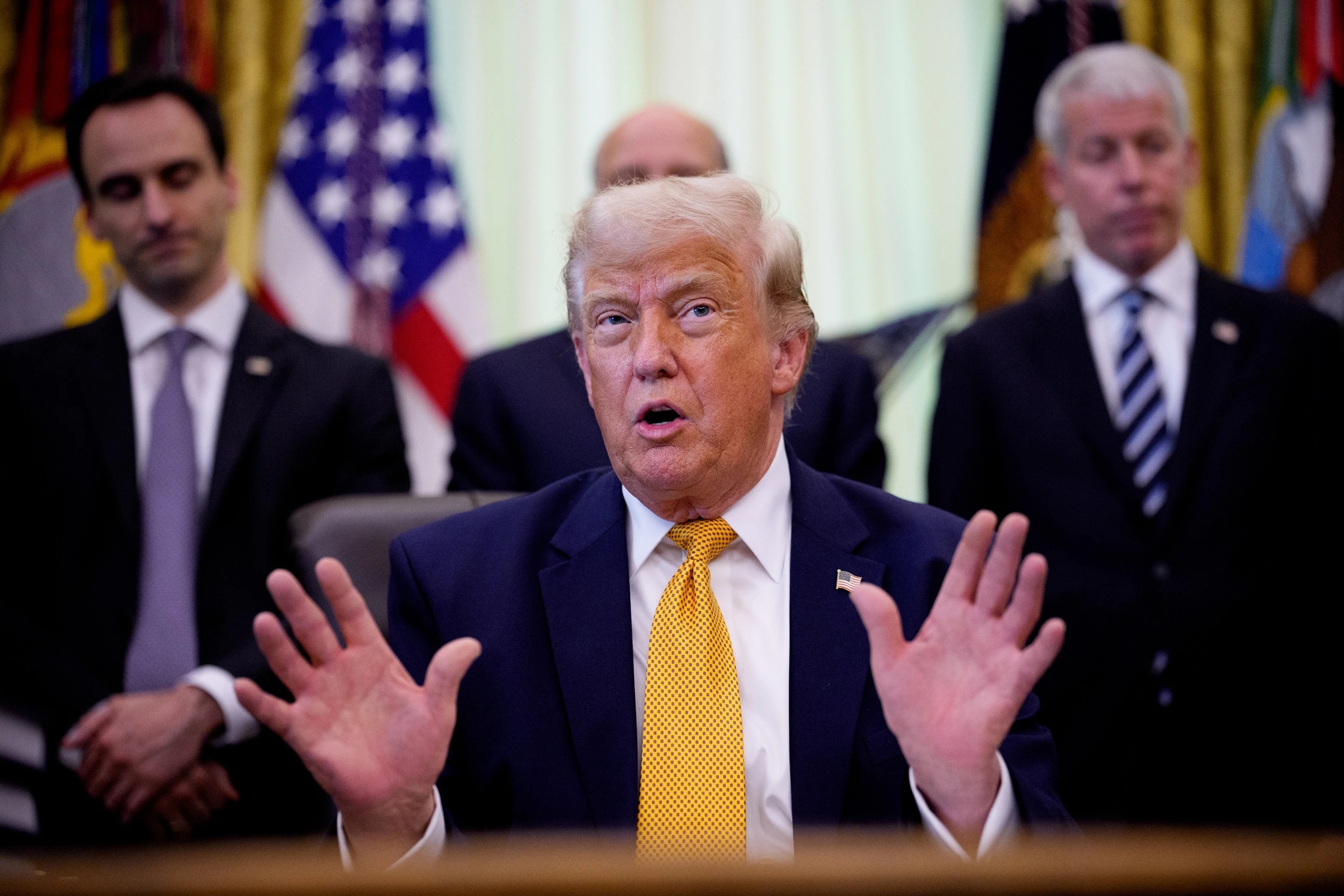
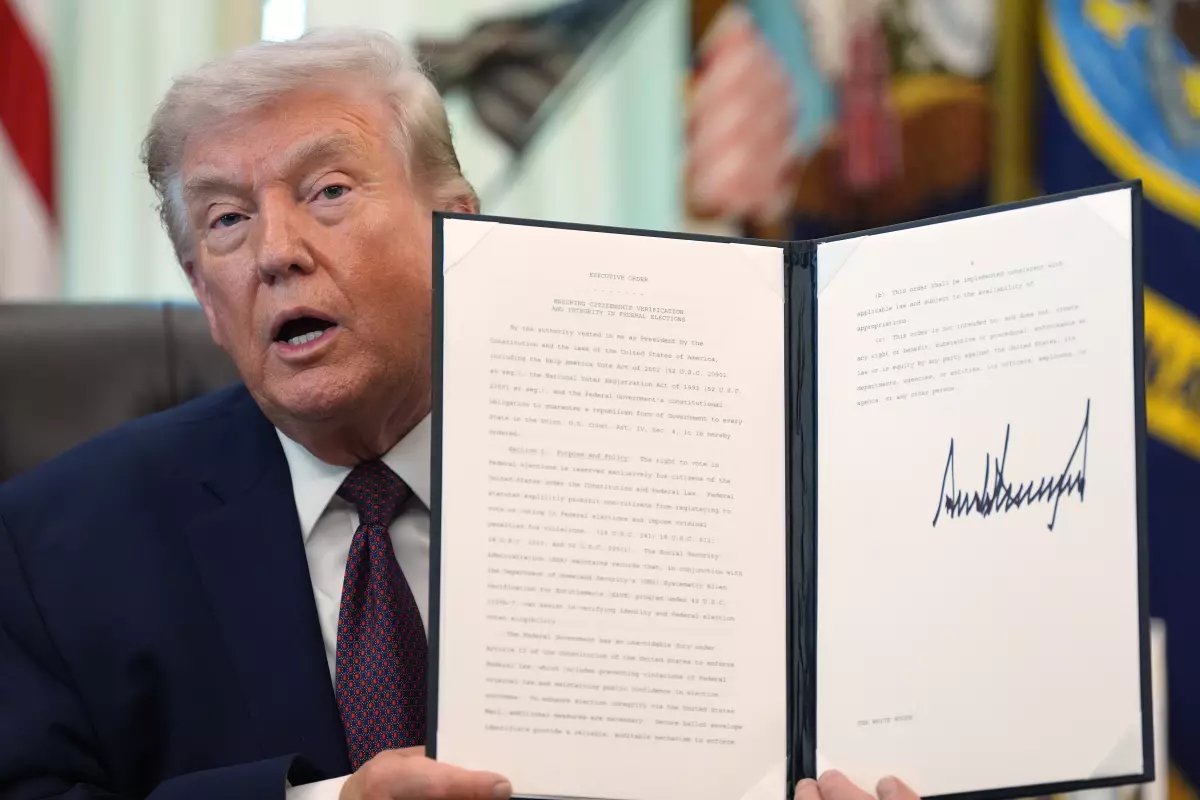
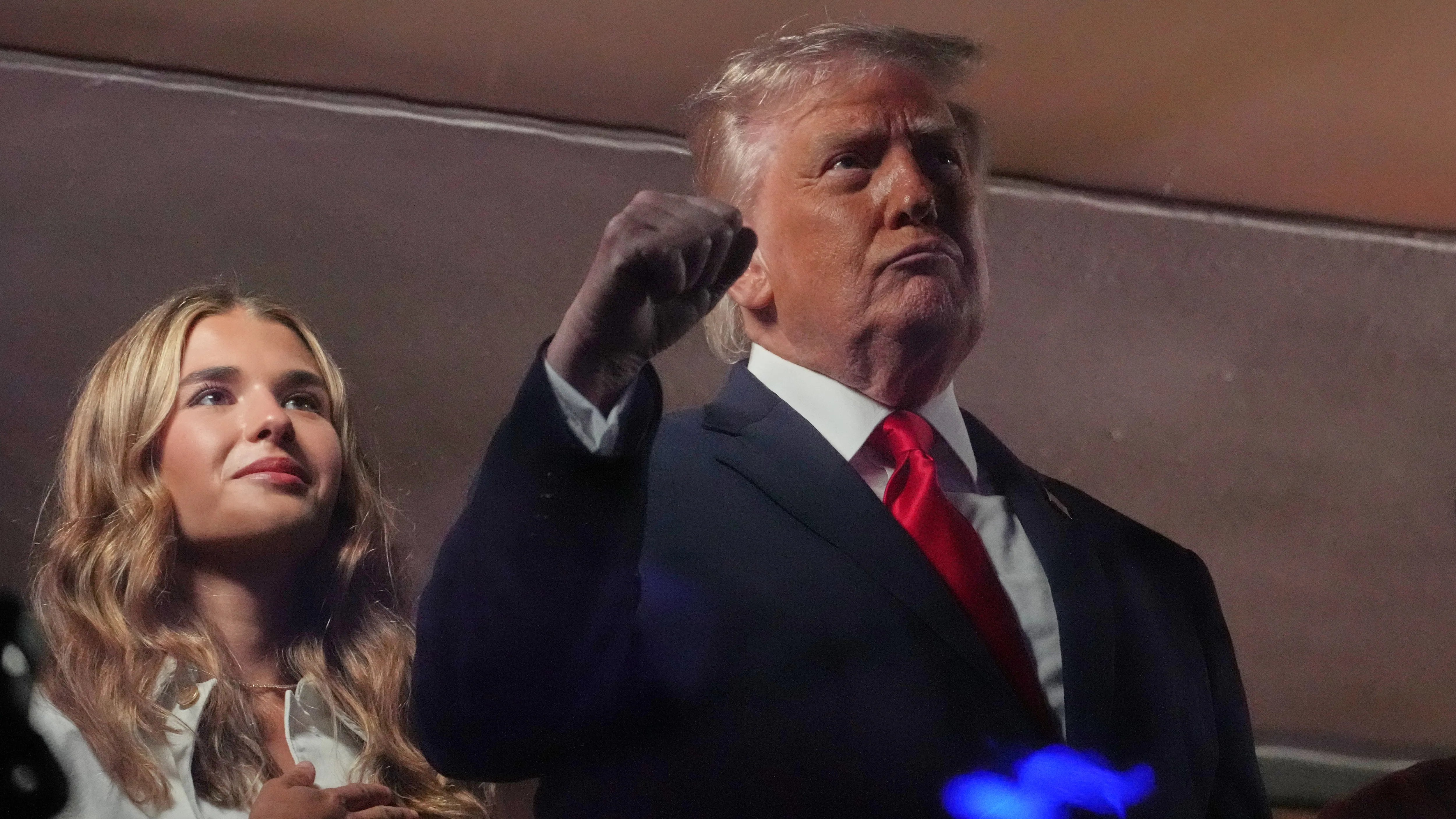
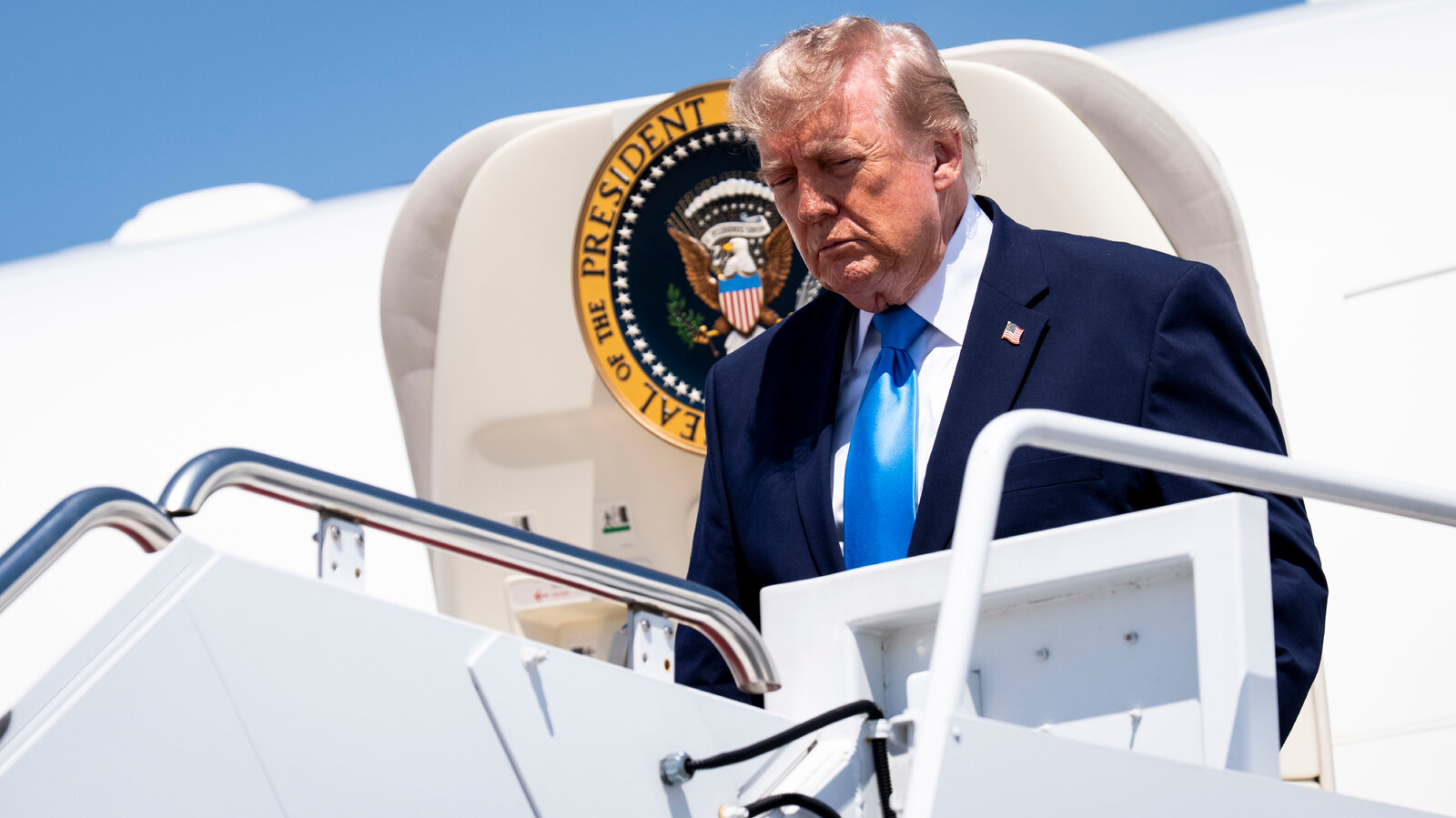
President Trump has characterized the U.S. actions as an "armed conflict" against Latin American cartels, asserting that these strikes are crucial to combatting the drug overdose crisis in the U.S. White House spokeswoman Anna Kelly defended the operations, stating they target designated narcoterrorists bringing harmful substances to American shores. However, critics argue that the military has not provided evidence of drug trafficking associated with the vessels targeted.
The legality of these strikes has come under scrutiny. Legal scholars and some lawmakers have raised questions about whether the military's actions violate U.S. and international law, particularly when targeting individuals who may not pose an imminent threat. The Pentagon's inspector general announced a review of the military's adherence to established targeting protocols, although it will not assess the legality of the strikes themselves.
The ongoing campaign has drawn attention to the broader implications of U.S. military actions abroad, particularly in light of rising drug overdose deaths primarily linked to substances trafficked overland from Mexico. Critics highlight that fentanyl, a major contributor to overdose fatalities, is often smuggled through land routes rather than by sea. The strikes have been described as a gruesome aspect of the war on drugs, with some arguing they represent a shift towards military solutions for complex social issues.
As the U.S. continues its aggressive stance against alleged drug trafficking, the debate surrounding the effectiveness and morality of such military operations intensifies. The lack of transparency and evidence regarding the targeted strikes raises critical questions about the future of U.S. drug policy and the potential consequences for international relations and domestic safety.
Highlighted text was flagged by the council. Tap to see feedback.