




Federal Courts' Limited Role in Redistricting
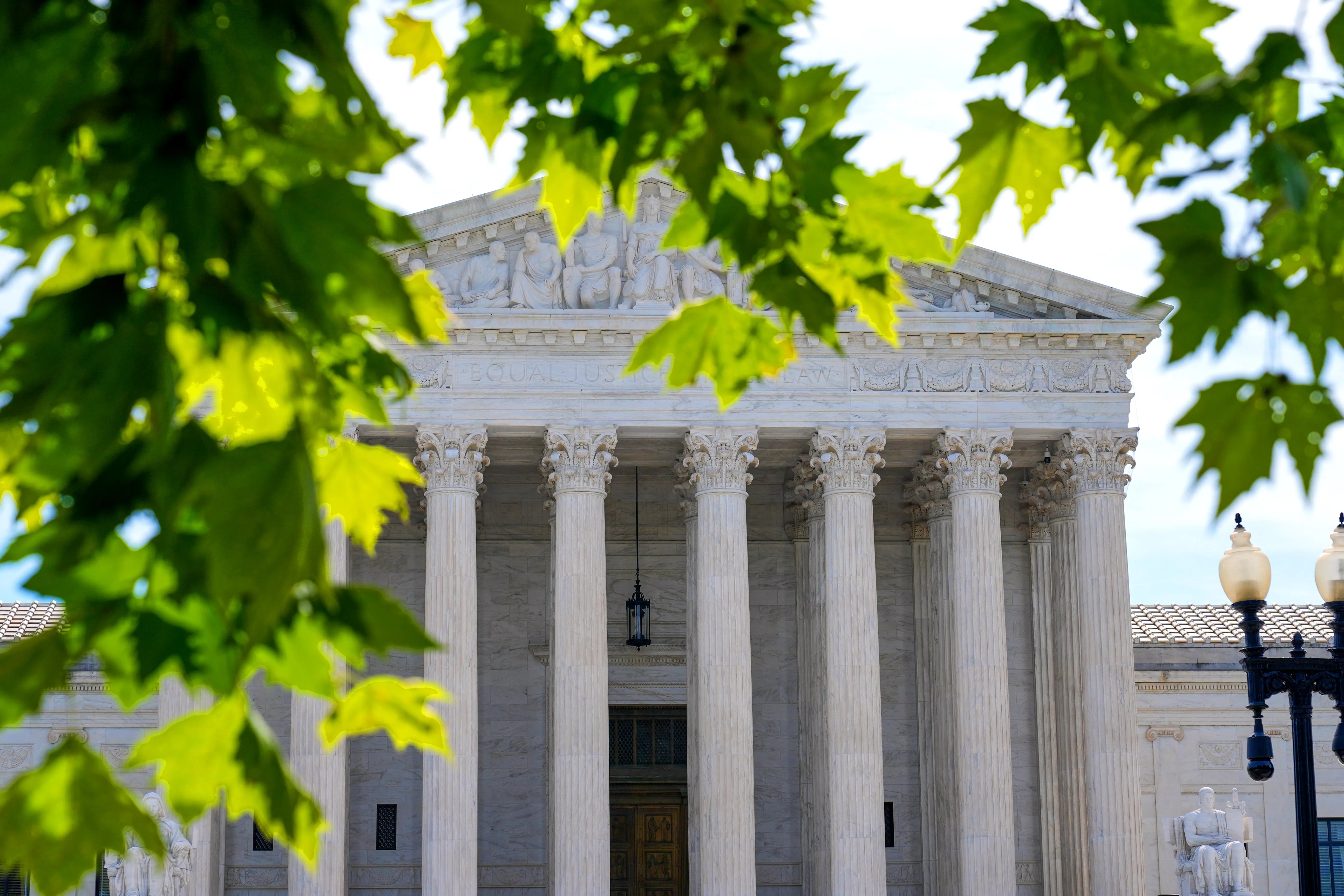
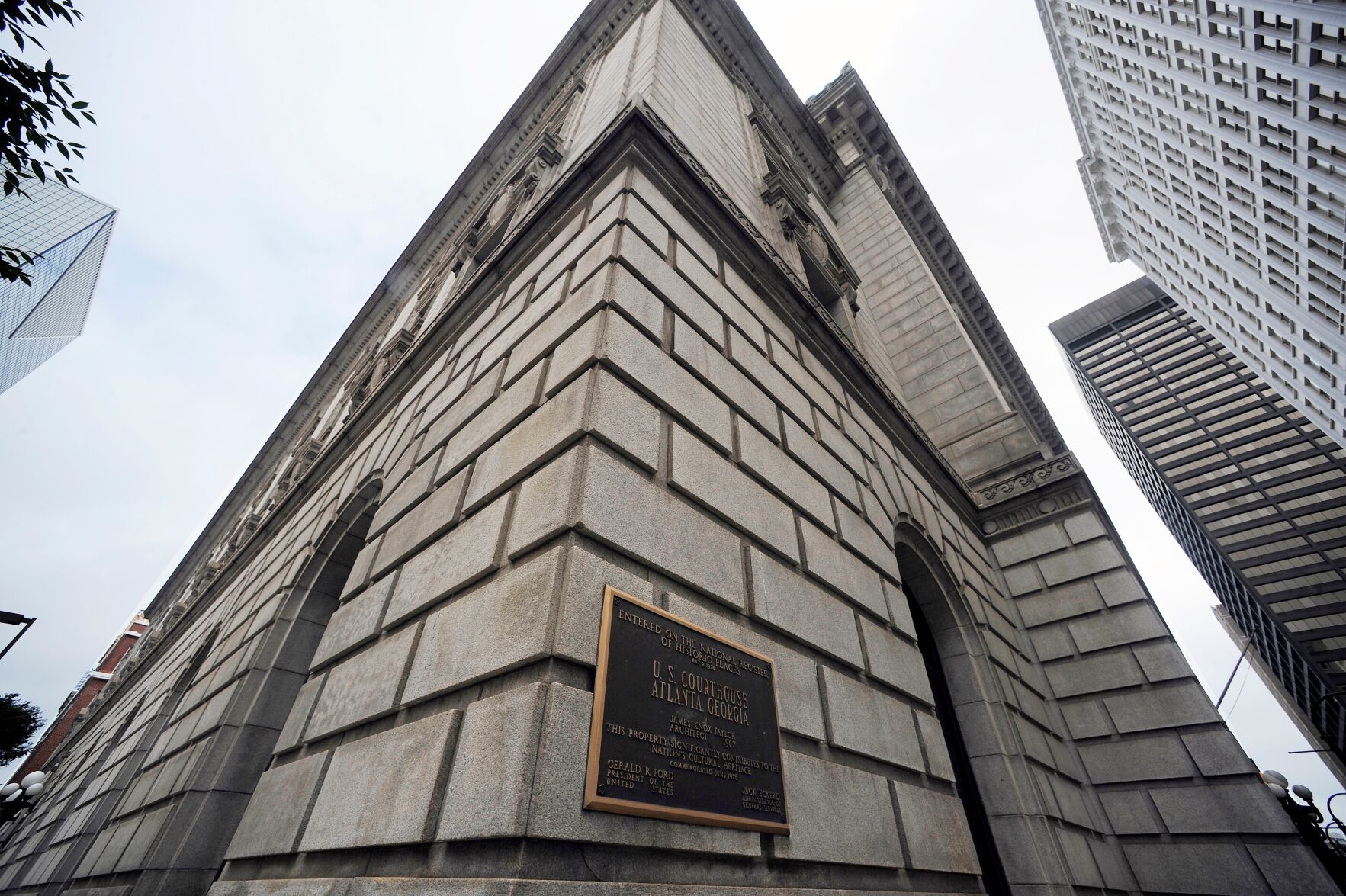
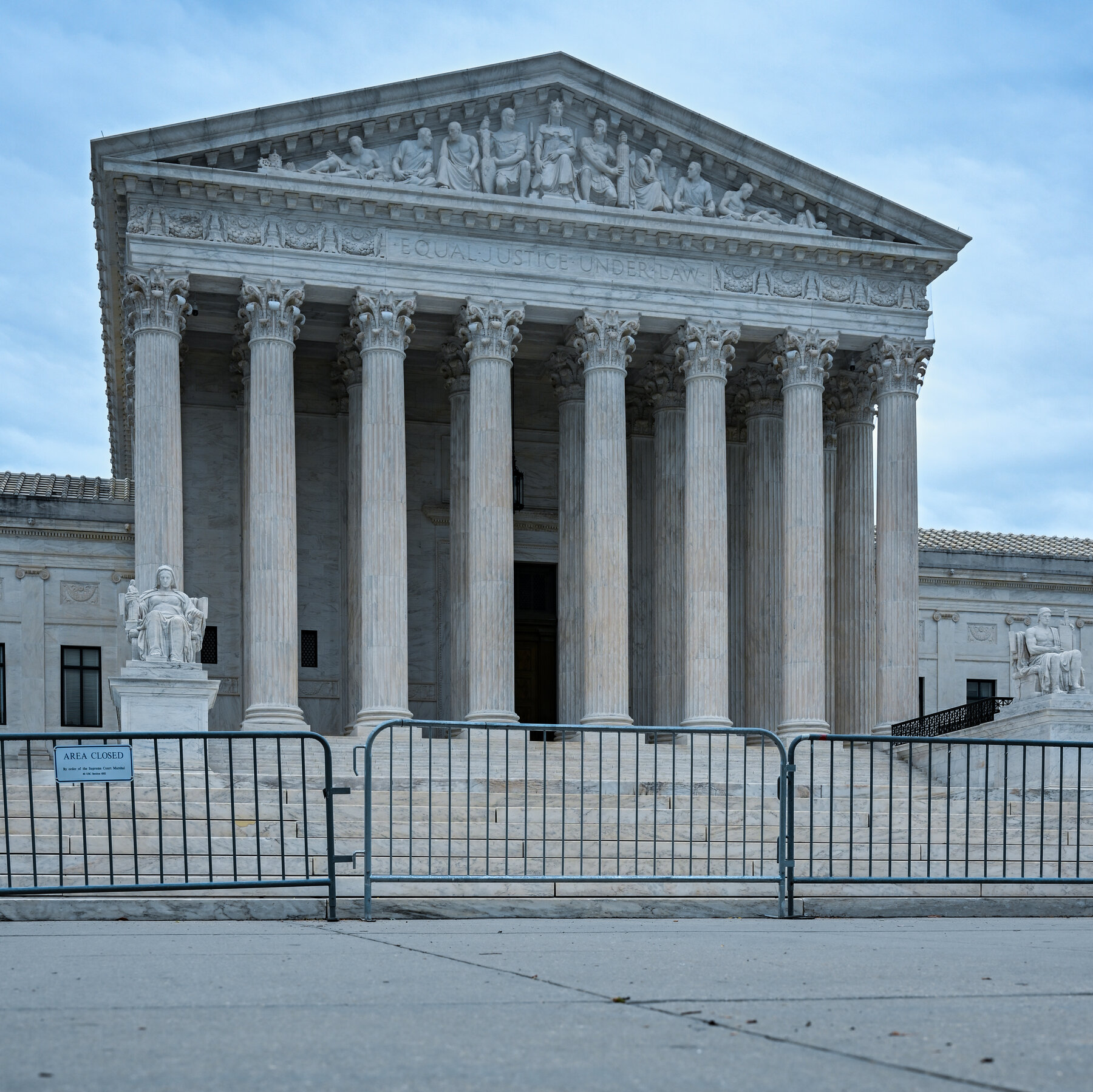
The Supreme Court overturned a lower court ruling on Alabama's redistricting, applying new standards for evaluating Voting Rights Act claims. The Court's conservative majority established new standards for evaluating Voting Rights Act claims, requiring that intentional discrimination be strongly inferred to impose liability under Section 2, as stated in Louisiana v. Callais.
Impact on Minority Representation
The ruling's impact on minority representation is profound. Black voters, who make up 27 percent of Alabama's population, can expect to elect their candidate of choice in just one of the state's seven congressional districts under the Alabama Republicans' map. Critics argue the Court's decision will permit discrimination against Black voters and benefit Republicans in Congress. "The Supreme Court's decision gives cover to Alabama and others to deliberately and openly discriminate against Black voters without fear of any consequence," said Deuel Ross, Director of Litigation at the NAACP Legal Defense Fund.
The Court's Partisan Bias
Justice Sonia Sotomayor and voting rights advocates including Deuel Ross, Director of Litigation at the NAACP Legal Defense Fund, argue the Roberts Court has shown partisan bias benefiting the GOP. The ruling provides evidence of how the Court has influenced the midterms to favor the Republican Party, including the issuance of the Callais opinion in late April to allow time for Republican-controlled states to redraw maps, eliminating Black representation in Congress. Justice Sonia Sotomayor, in her dissenting opinion, stated, "It debases the democratic process by upending Alabama's entire election in the name of permitting Alabama to discriminate against Black Alabamians. It also corrodes the rule of law by rewarding Alabama's gamesmanship and outright defiance of court orders."
Consequences for Future Redistricting Cases
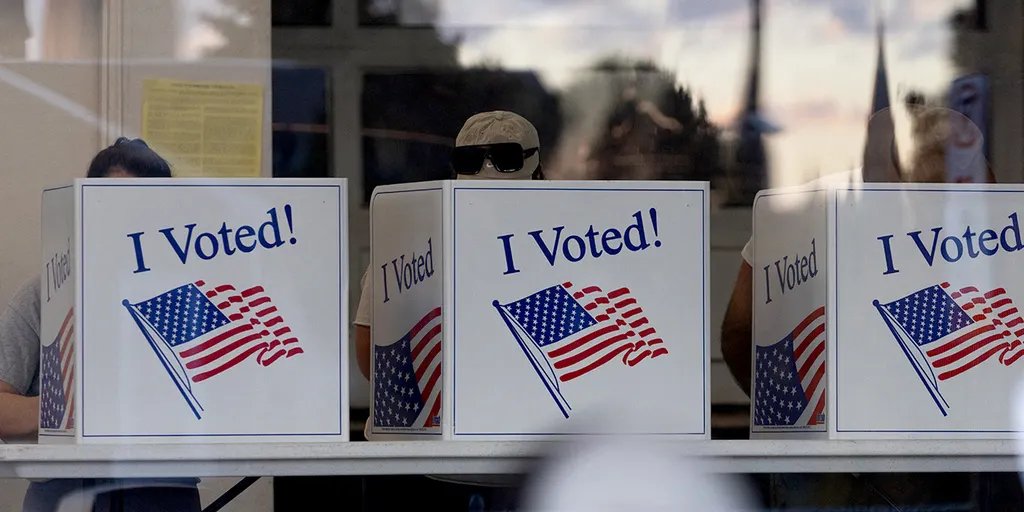
Justice Sonia Sotomayor warned in dissent that the ruling allows states to make last-minute election changes without federal court intervention, potentially affecting voters' ability to cast ballots in fair elections. This ruling, along with the Court's actions in Louisiana, suggest a willingness to ignore evidence of racial discrimination in redistricting when it benefits the Republican Party, potentially leading to more instances of gerrymandering and discrimination in the pursuit of political power.
The Public's Trust in Democracy
The immediate consequence of the ruling is the gifting of another Congressional seat to the Republican Party in the battle for control of the US House. However, the long-term effects could be more damaging, eroding public trust in the democratic process and the rule of law. As Sotomayor wrote, "After today, it is hard to call Alabama's cynical gambit anything other than a success, and the Court's rewarding of Alabama's behavior anything other than a blow to the rule of law." This case is a stark reminder of the power of the judiciary in shaping electoral outcomes and the potential for that power to be used in a manner that undermines democratic principles.