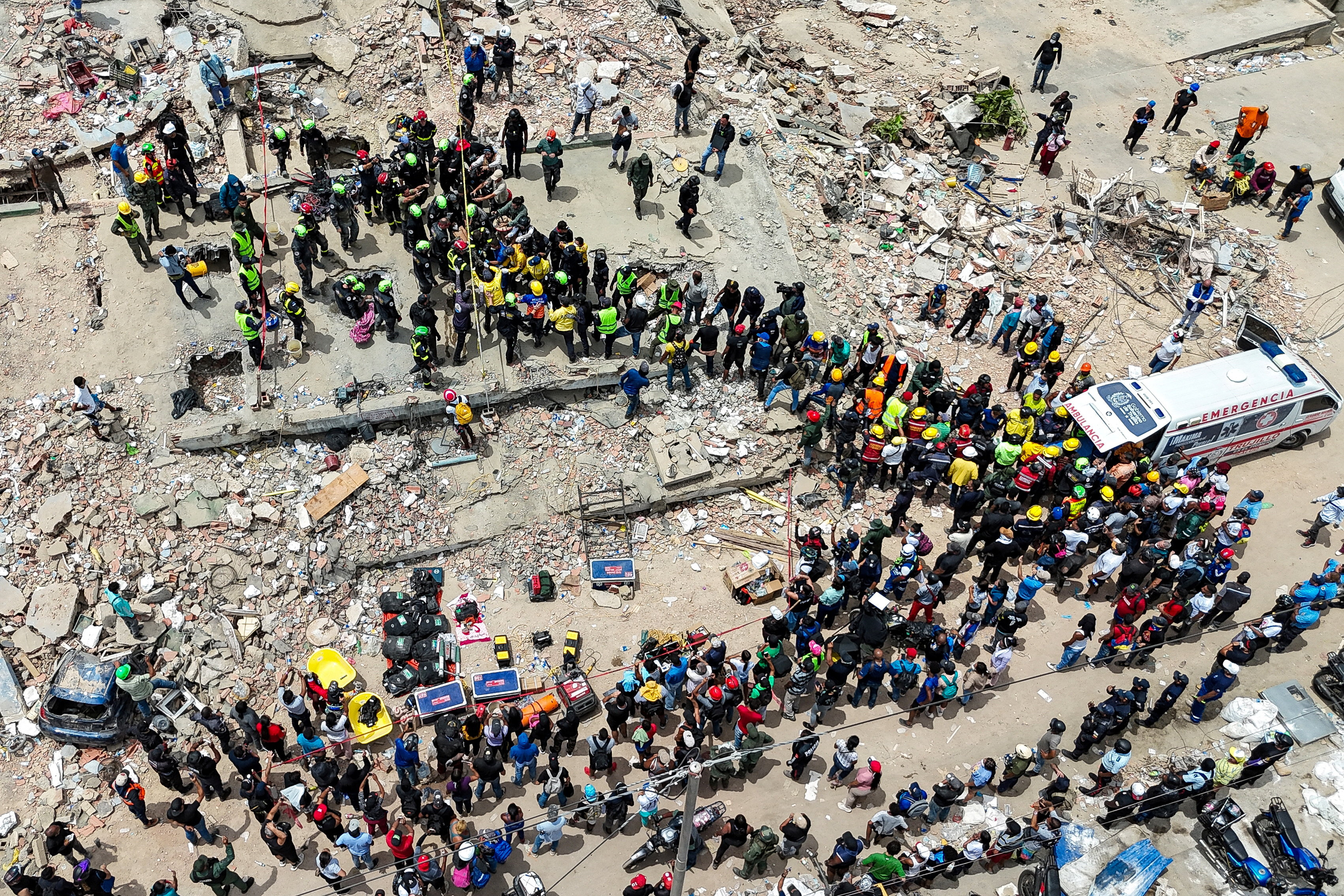





A Search That Ended in Loss
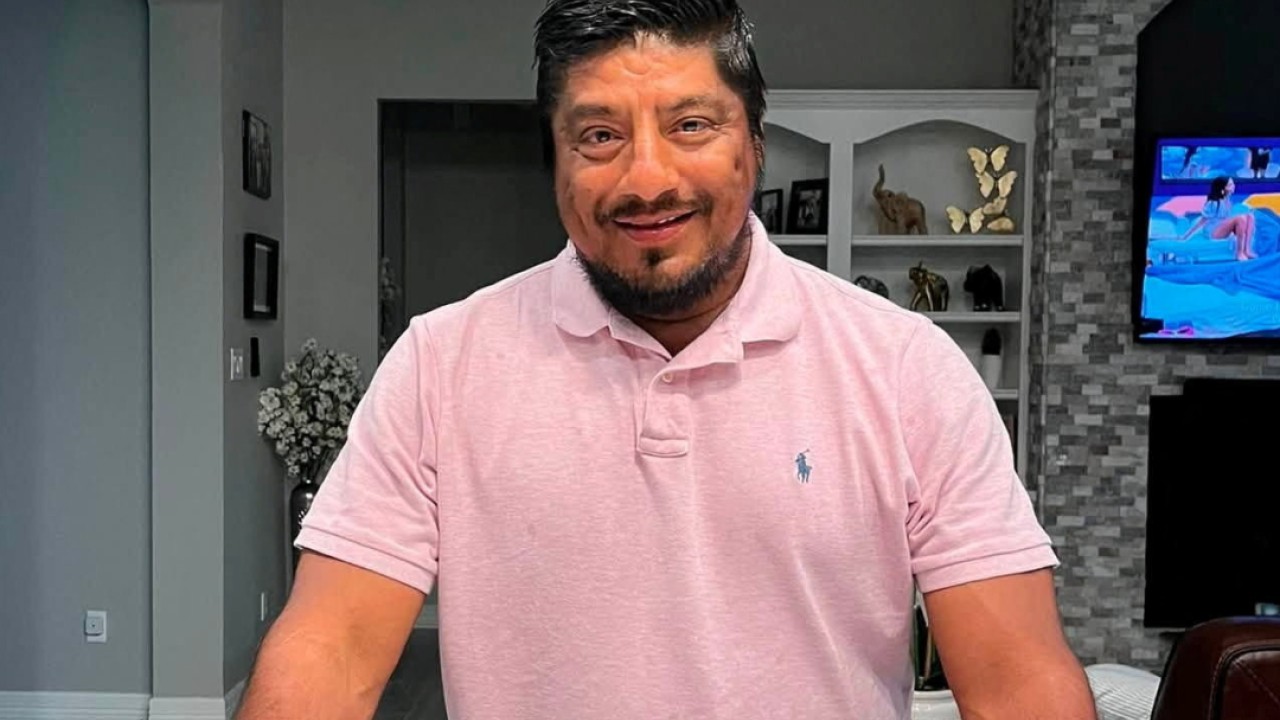
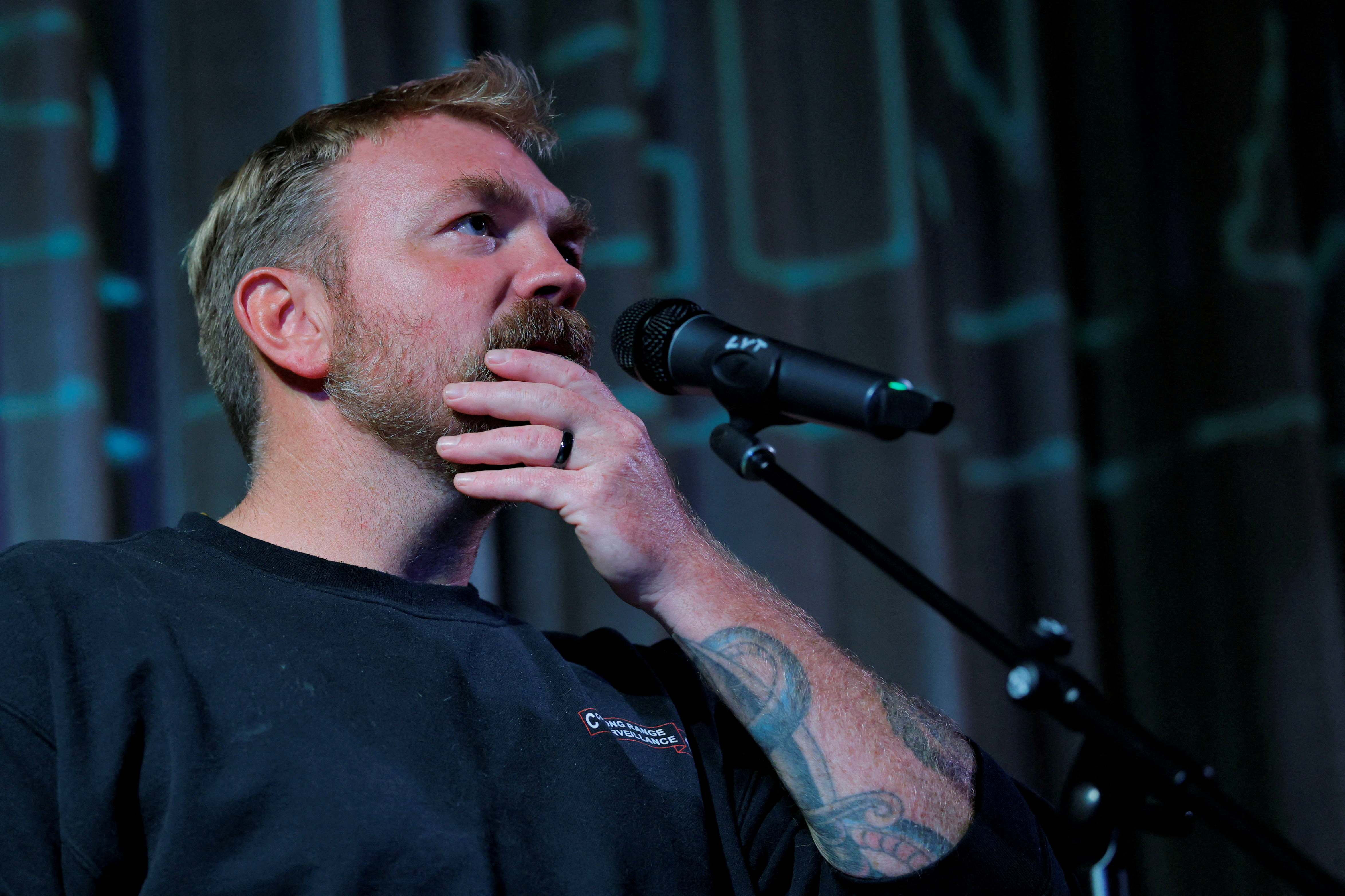
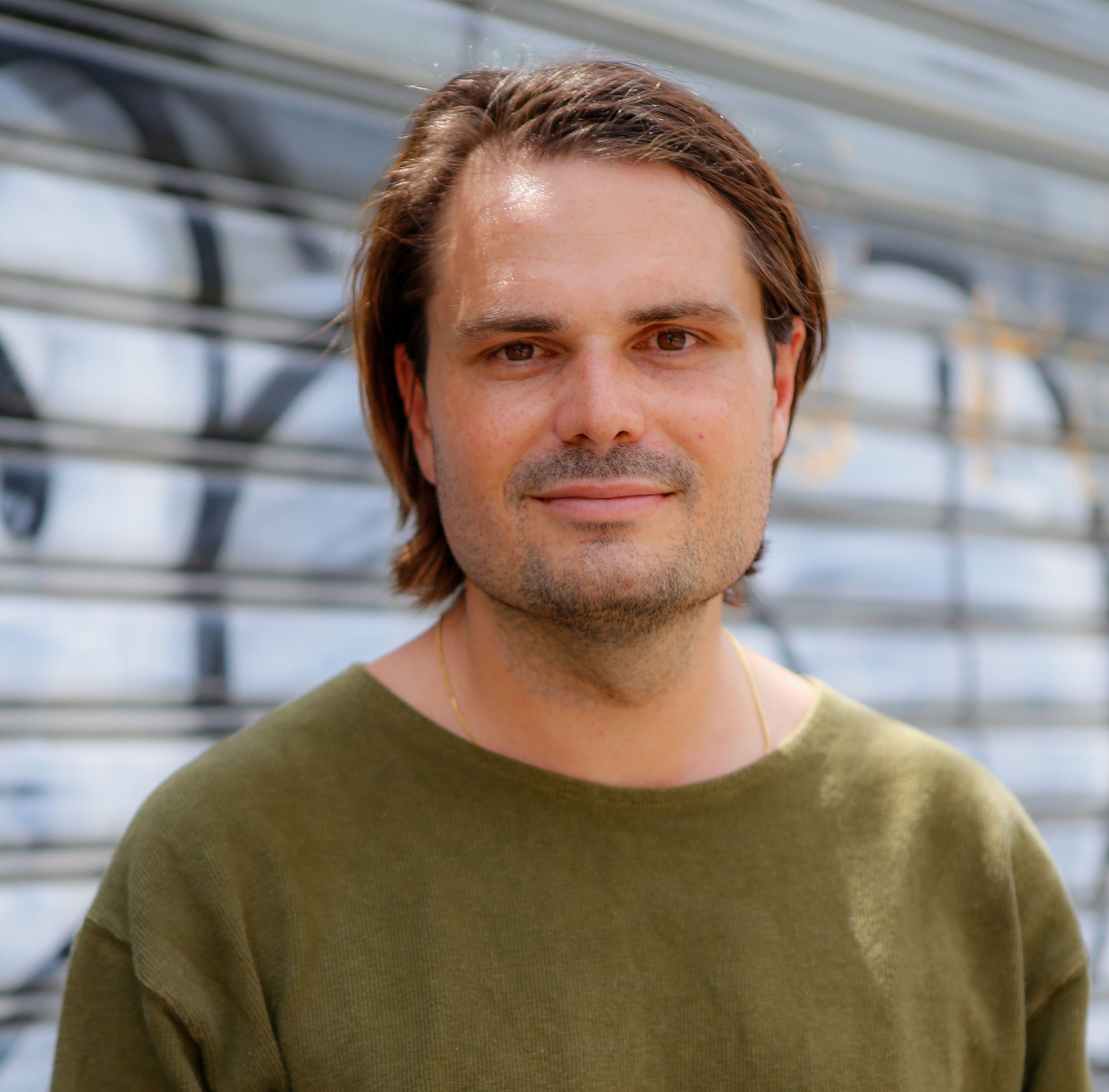
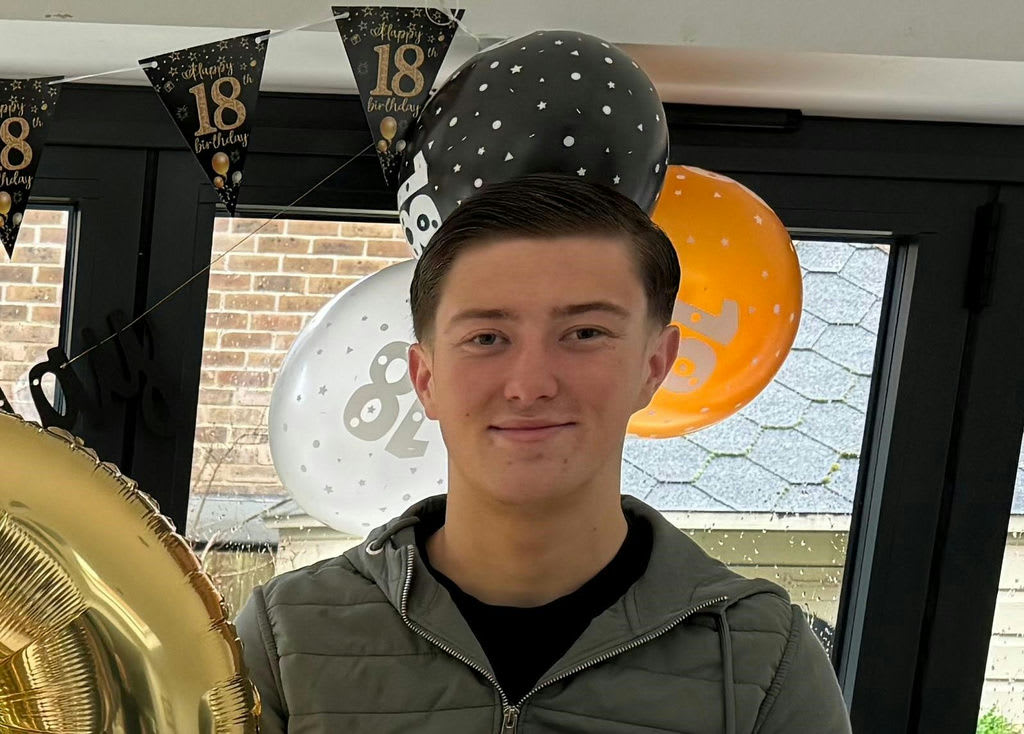
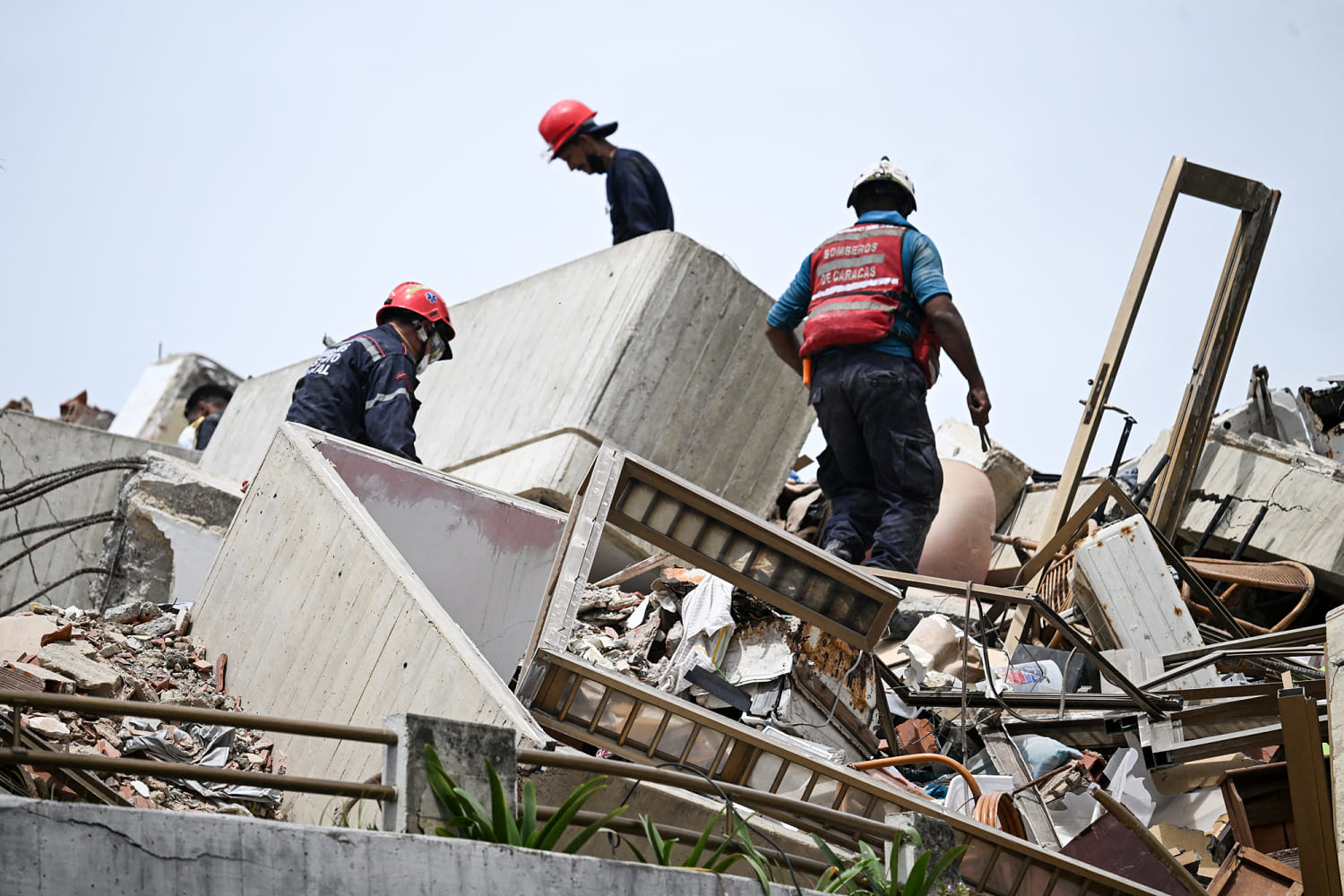
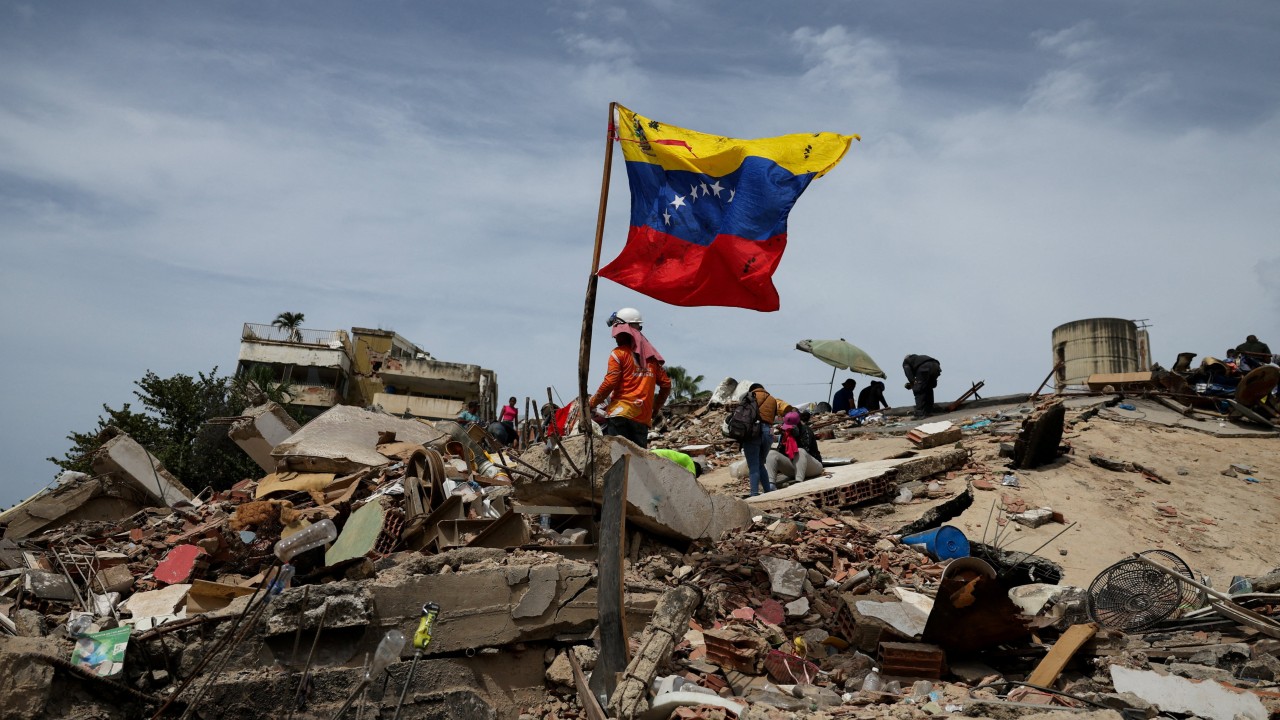
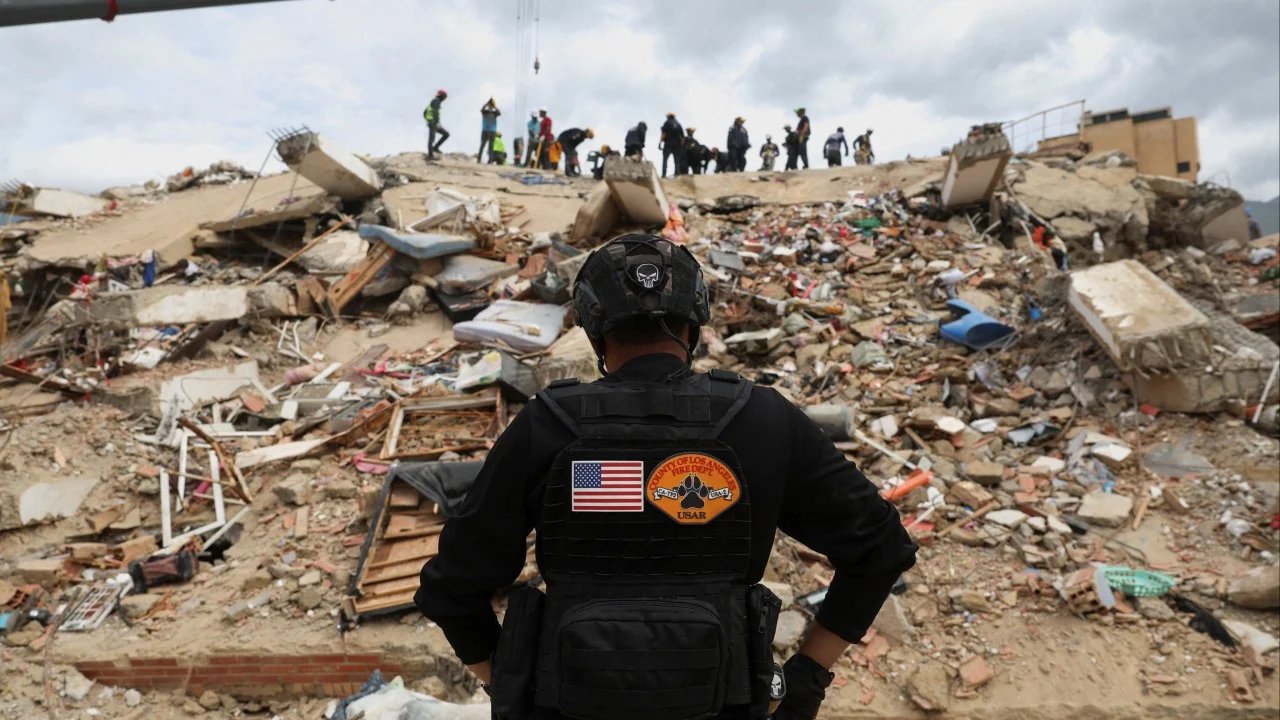
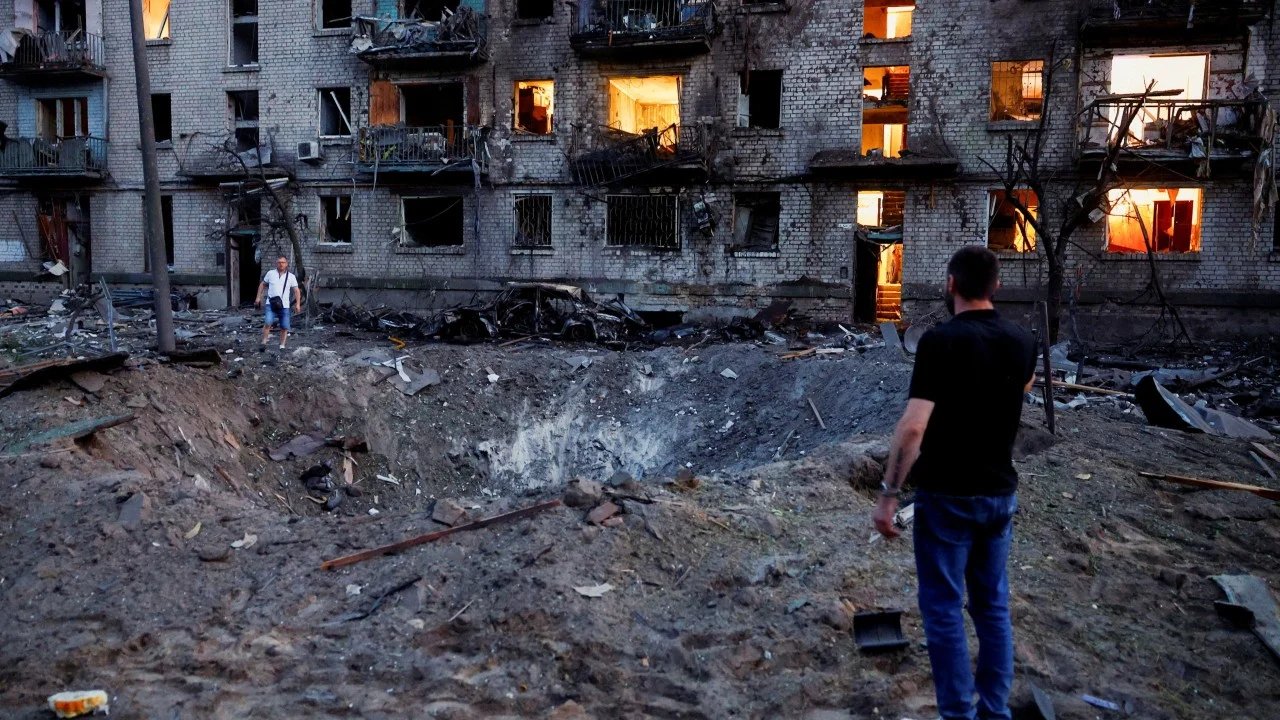
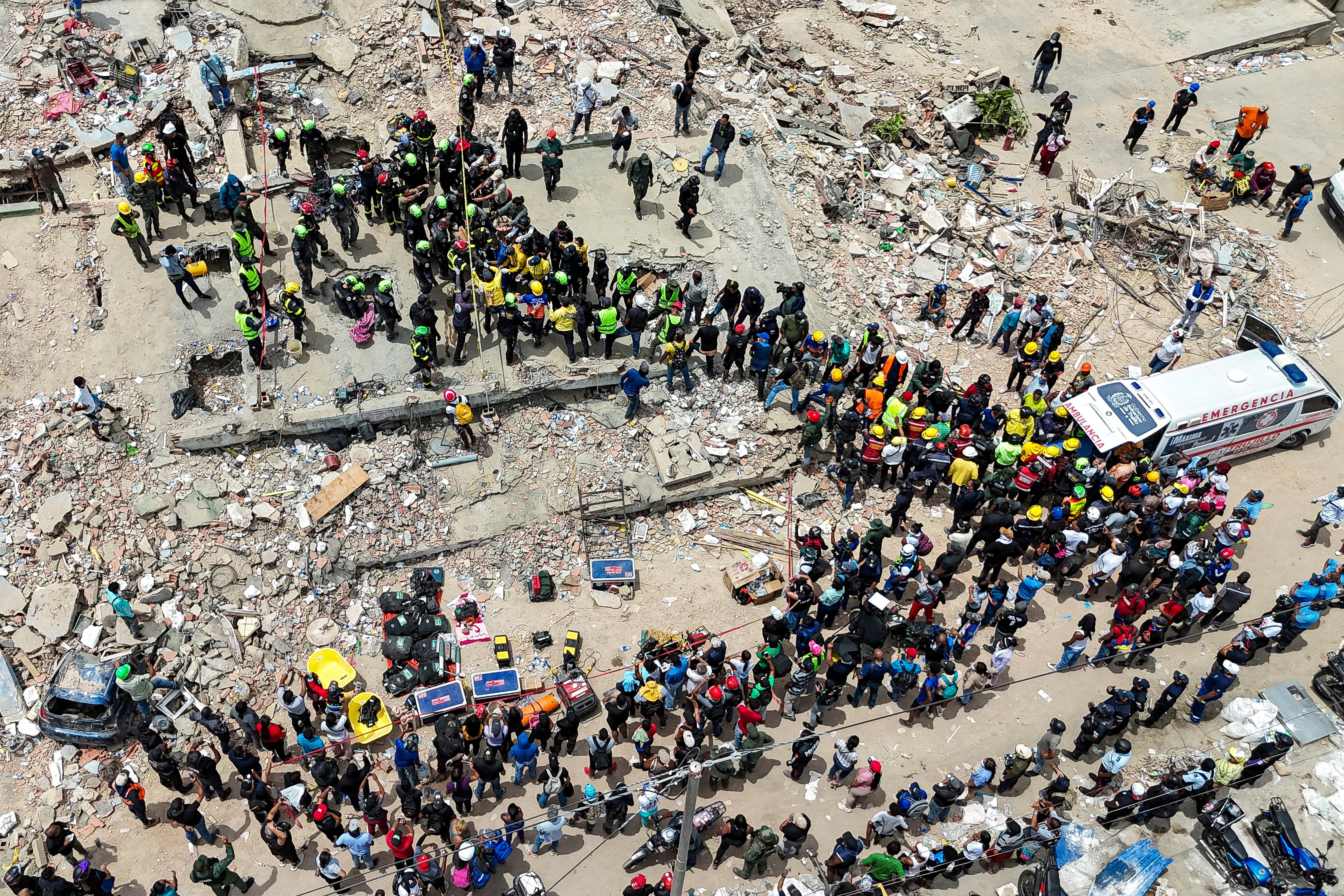
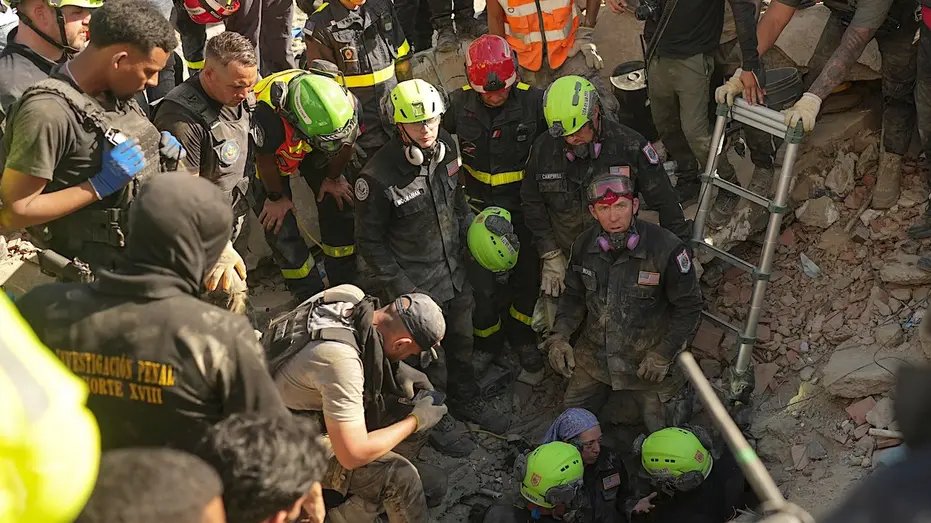
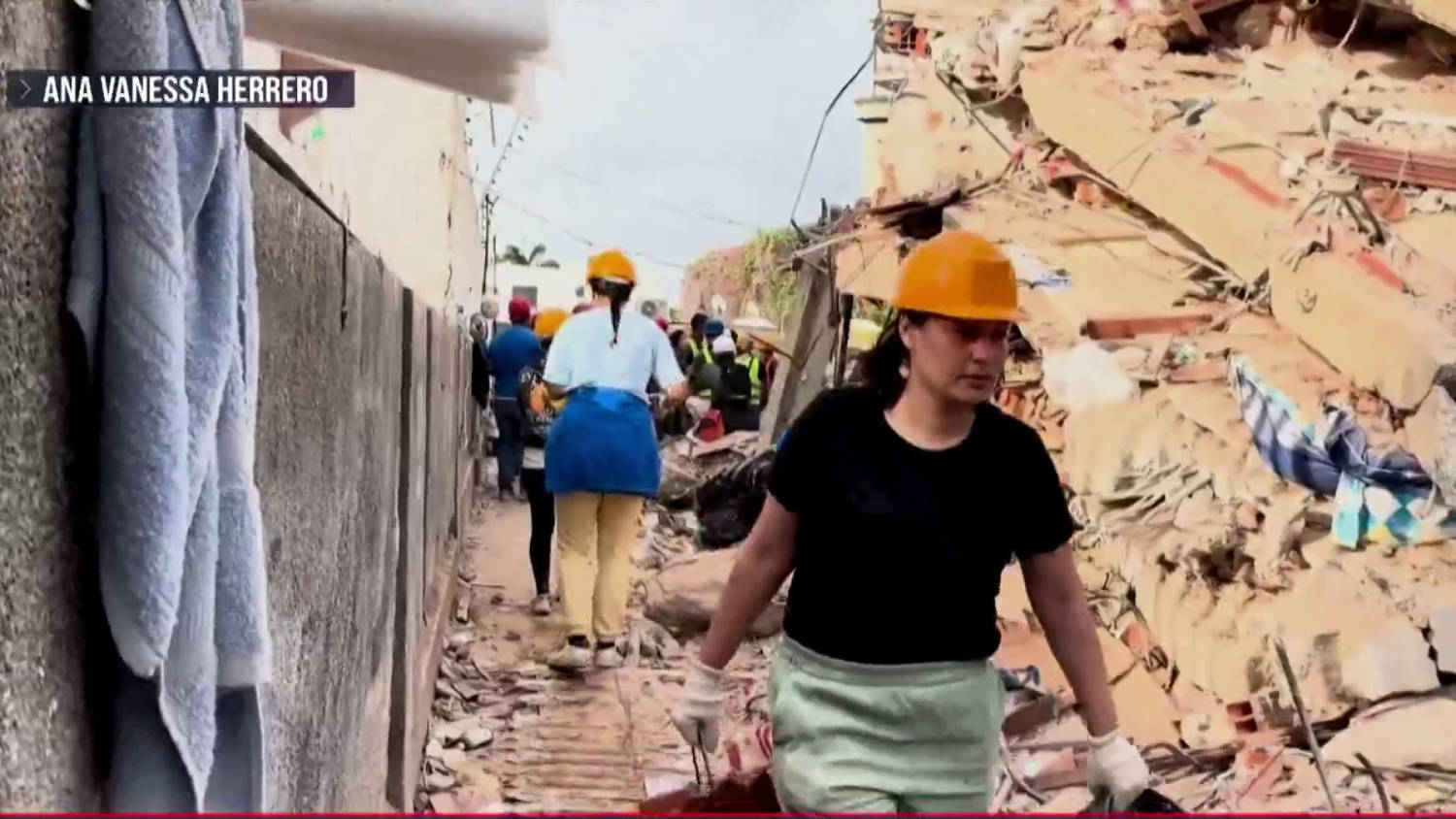
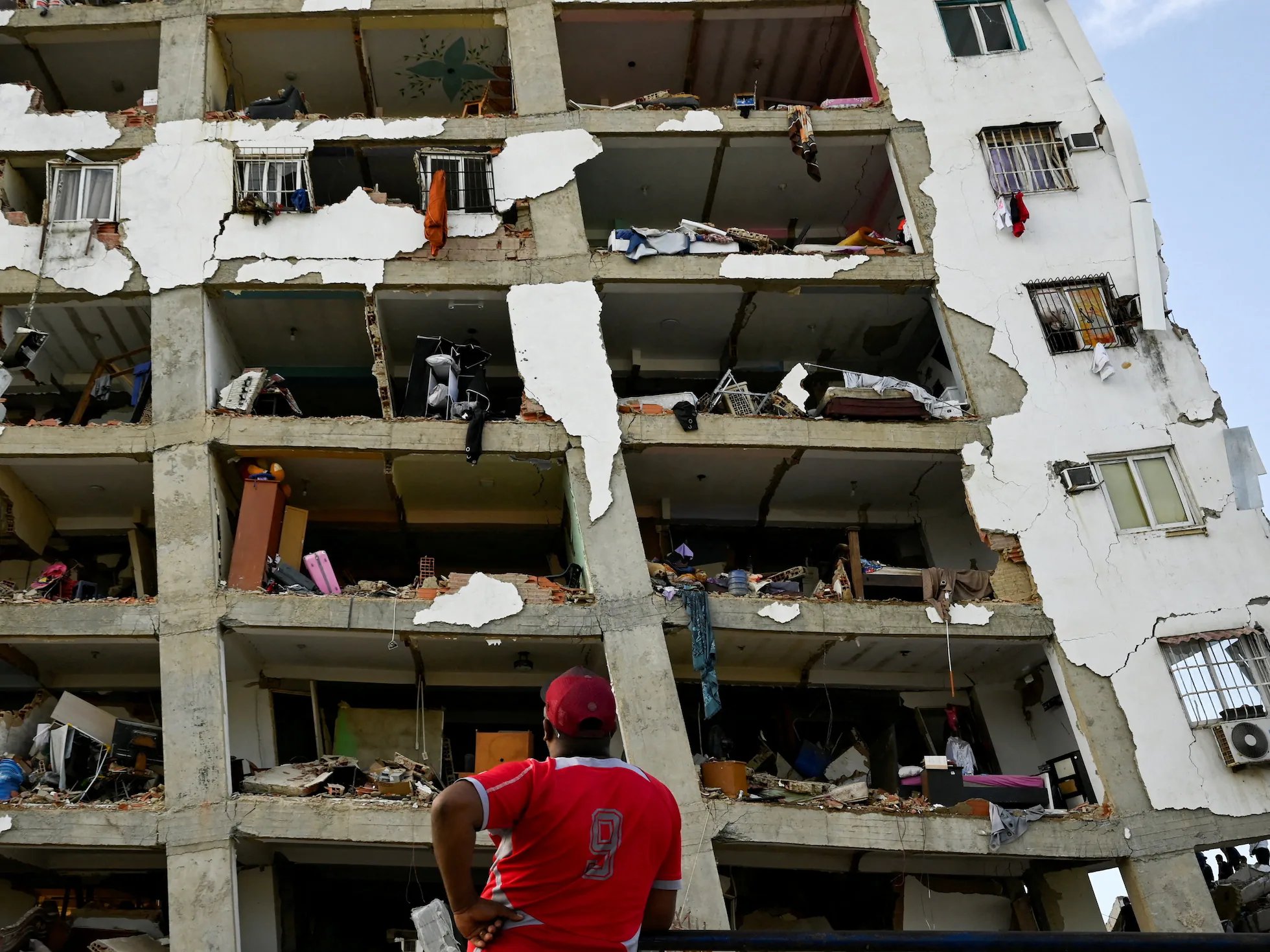
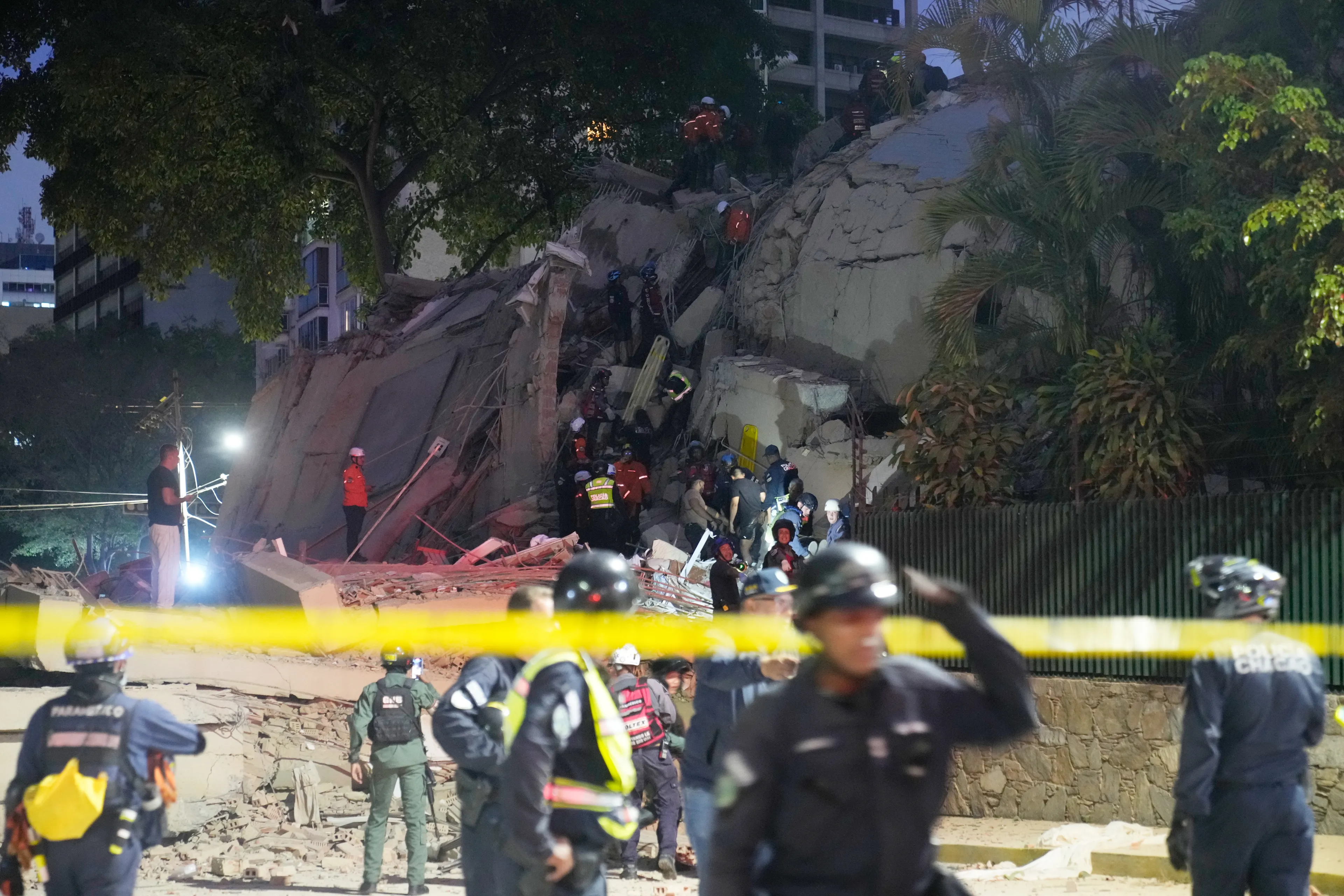
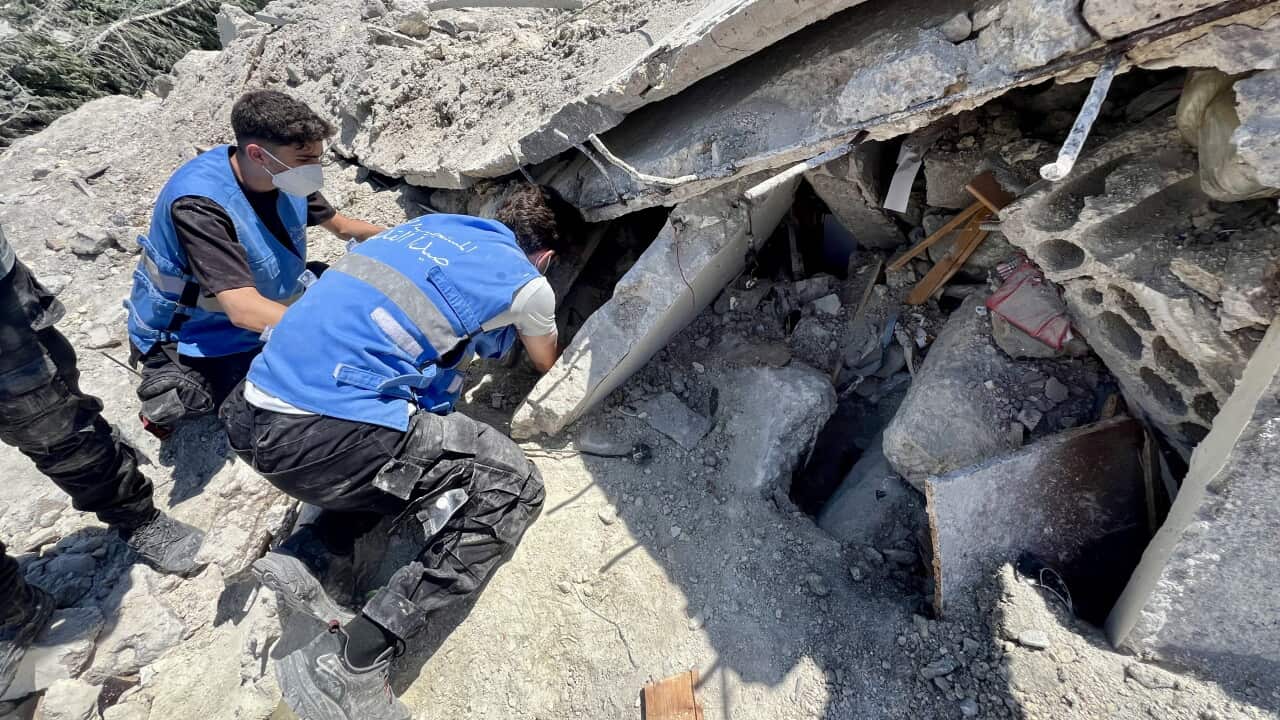
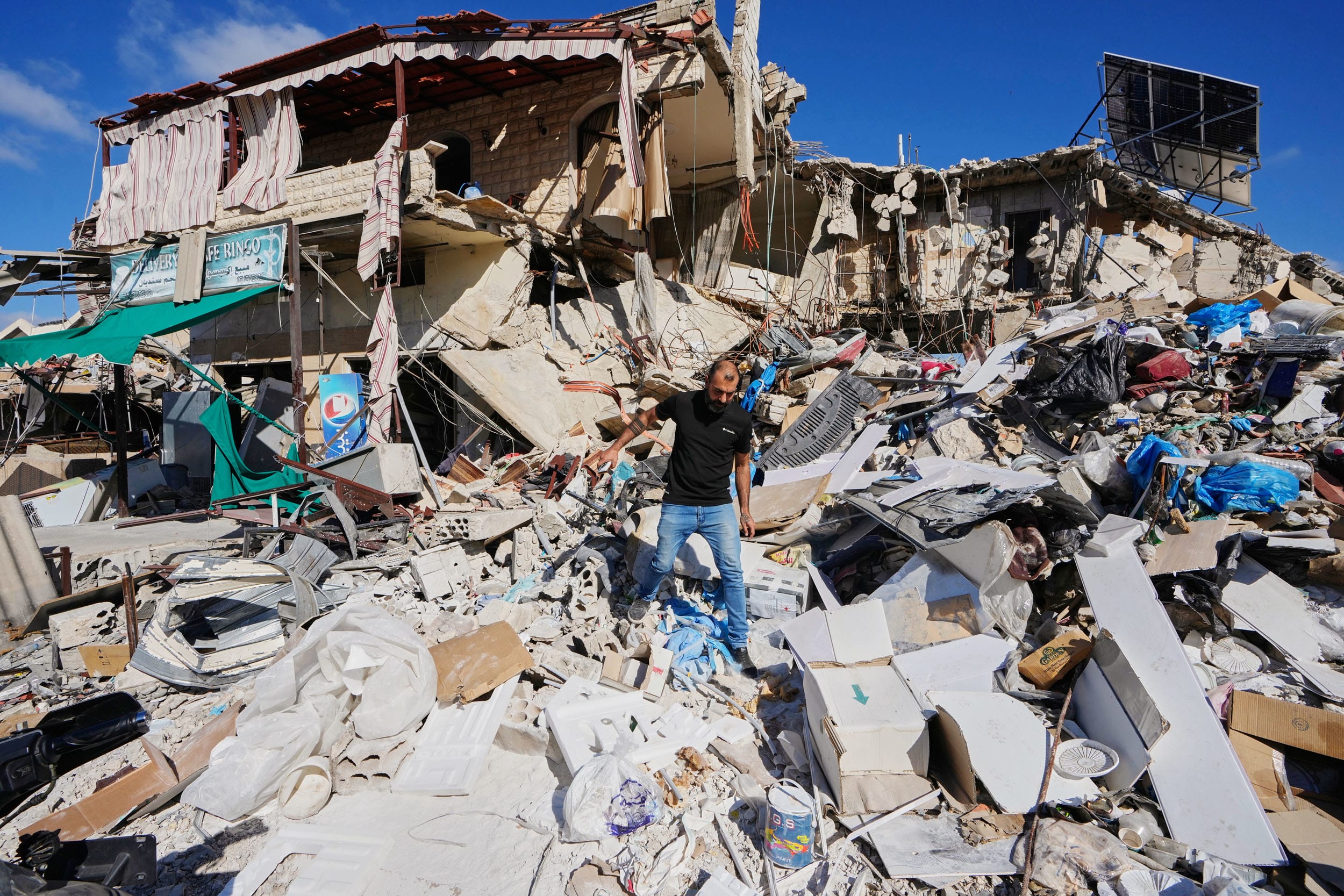
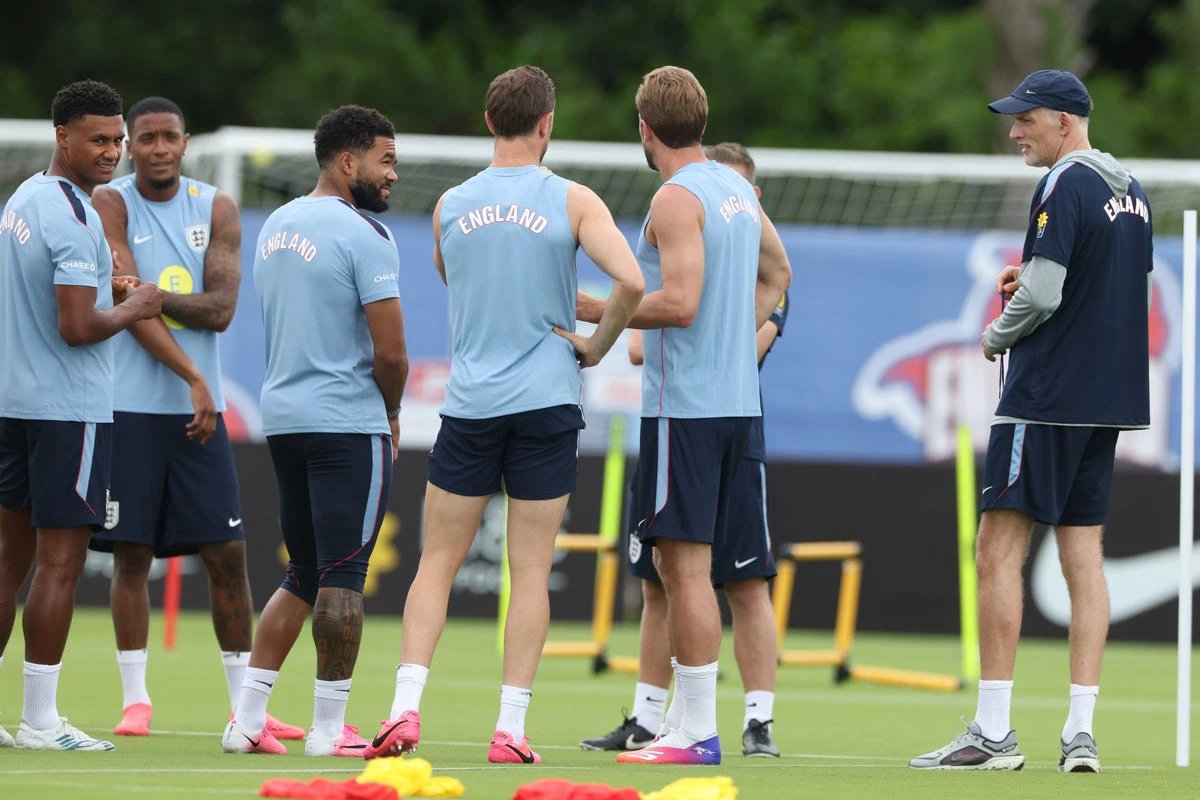
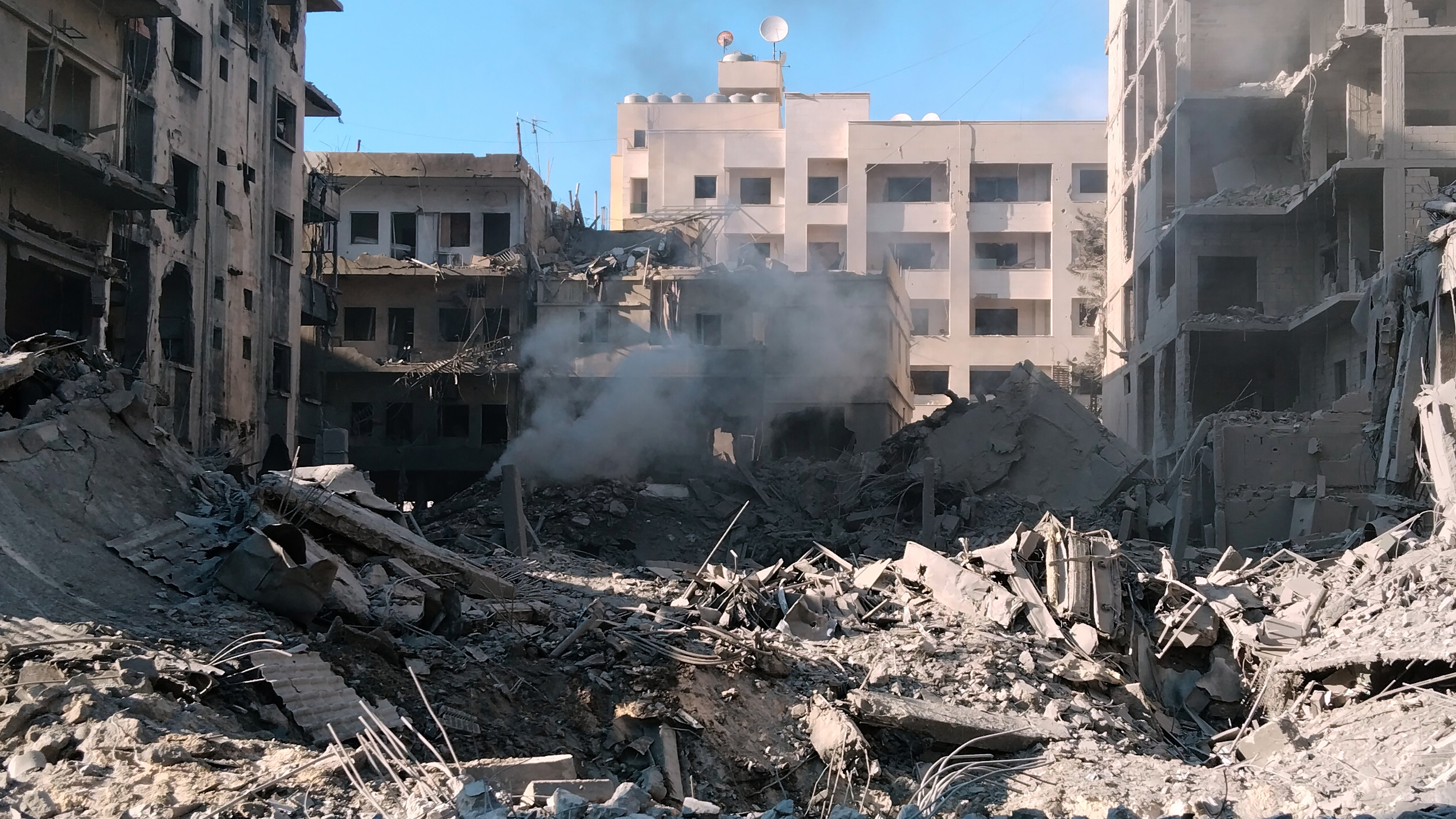
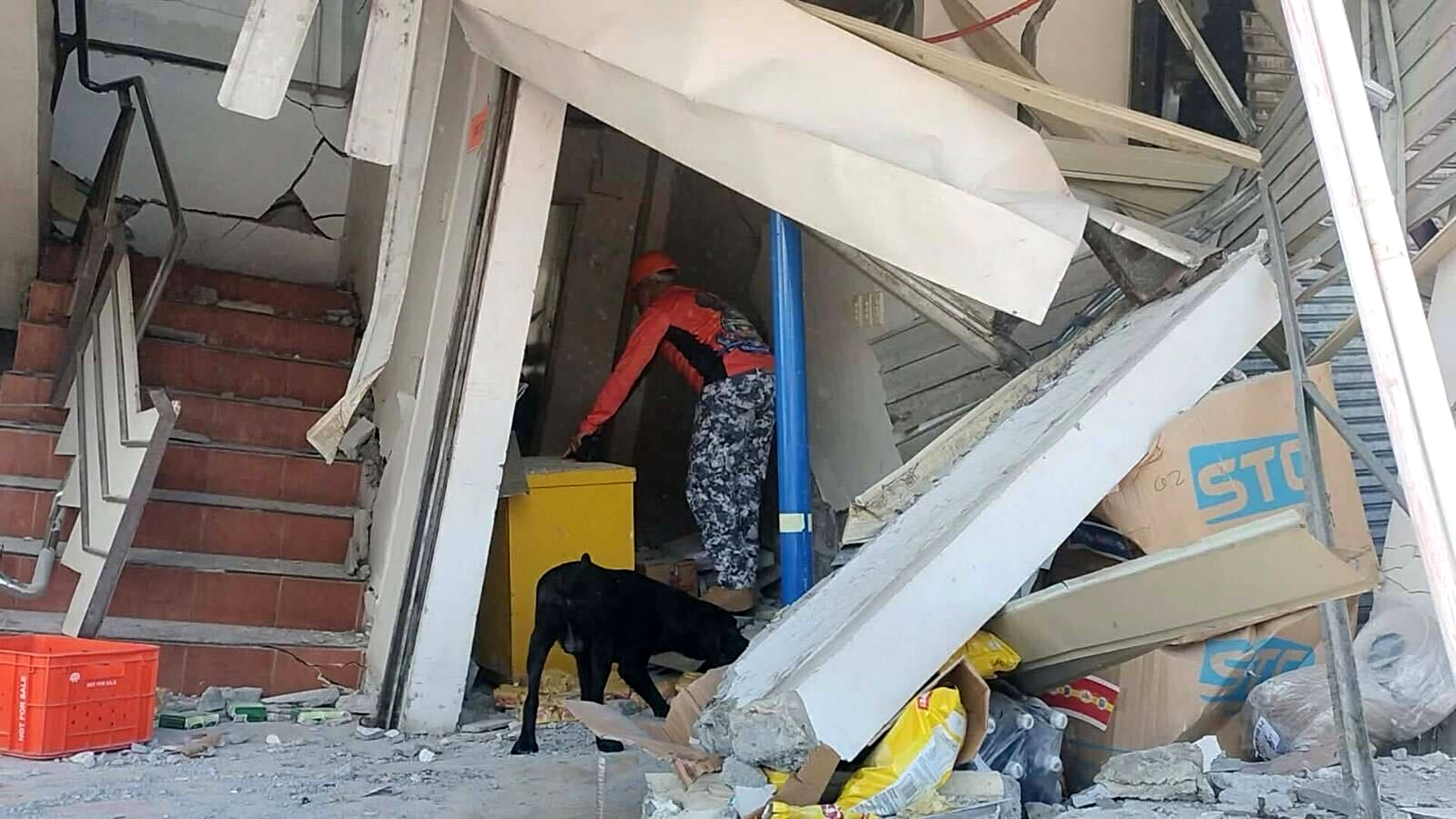
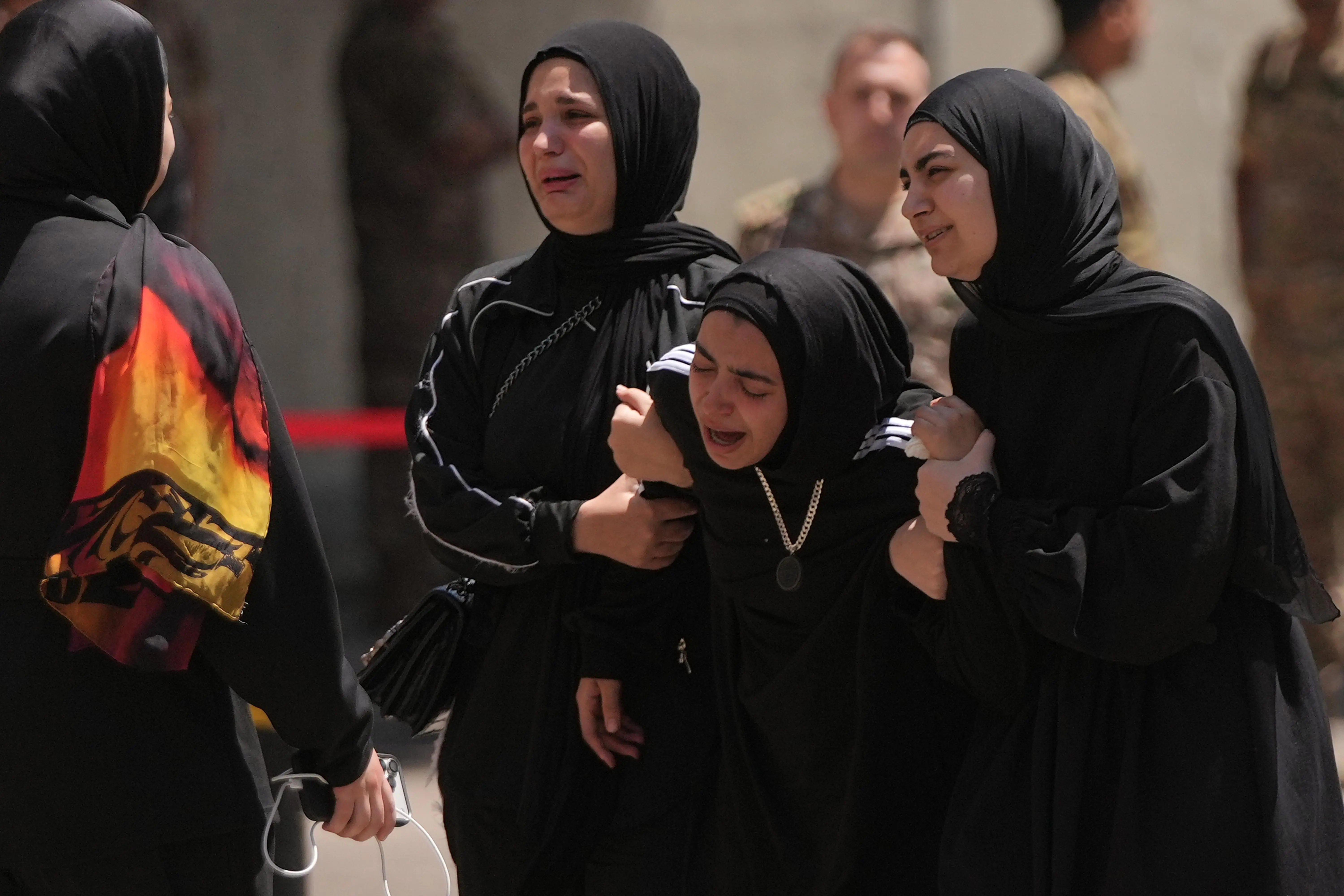
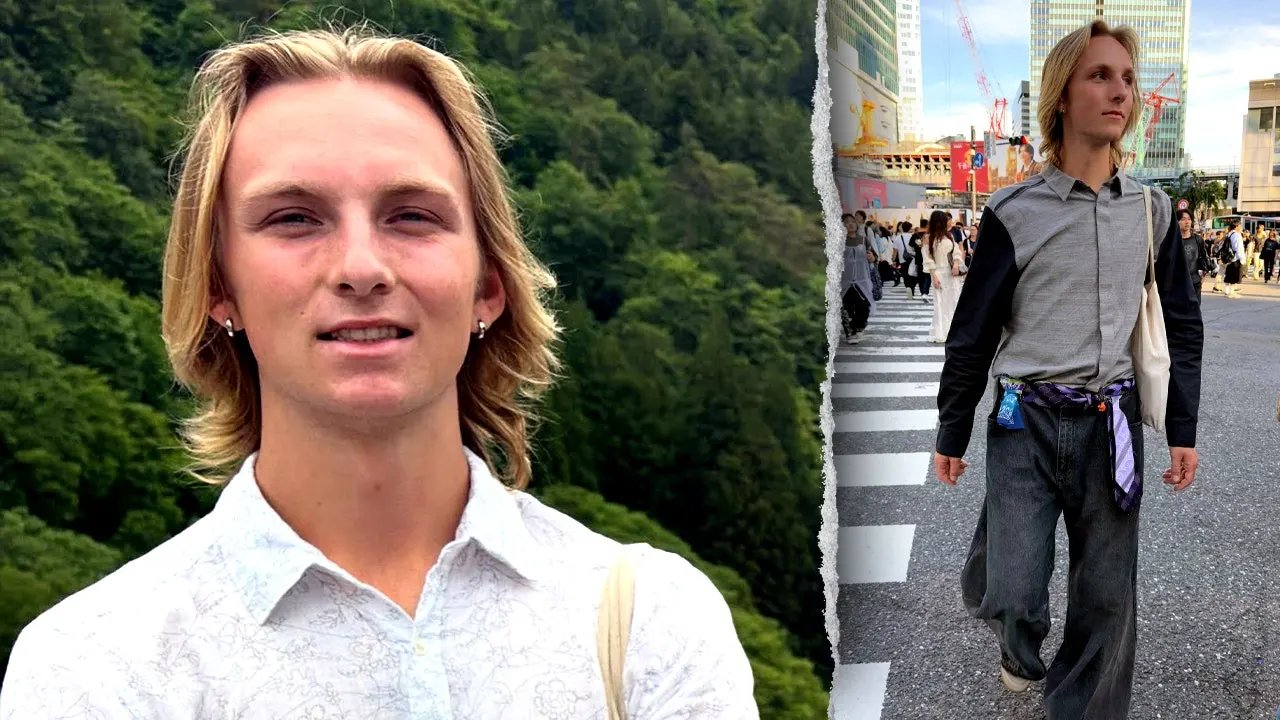
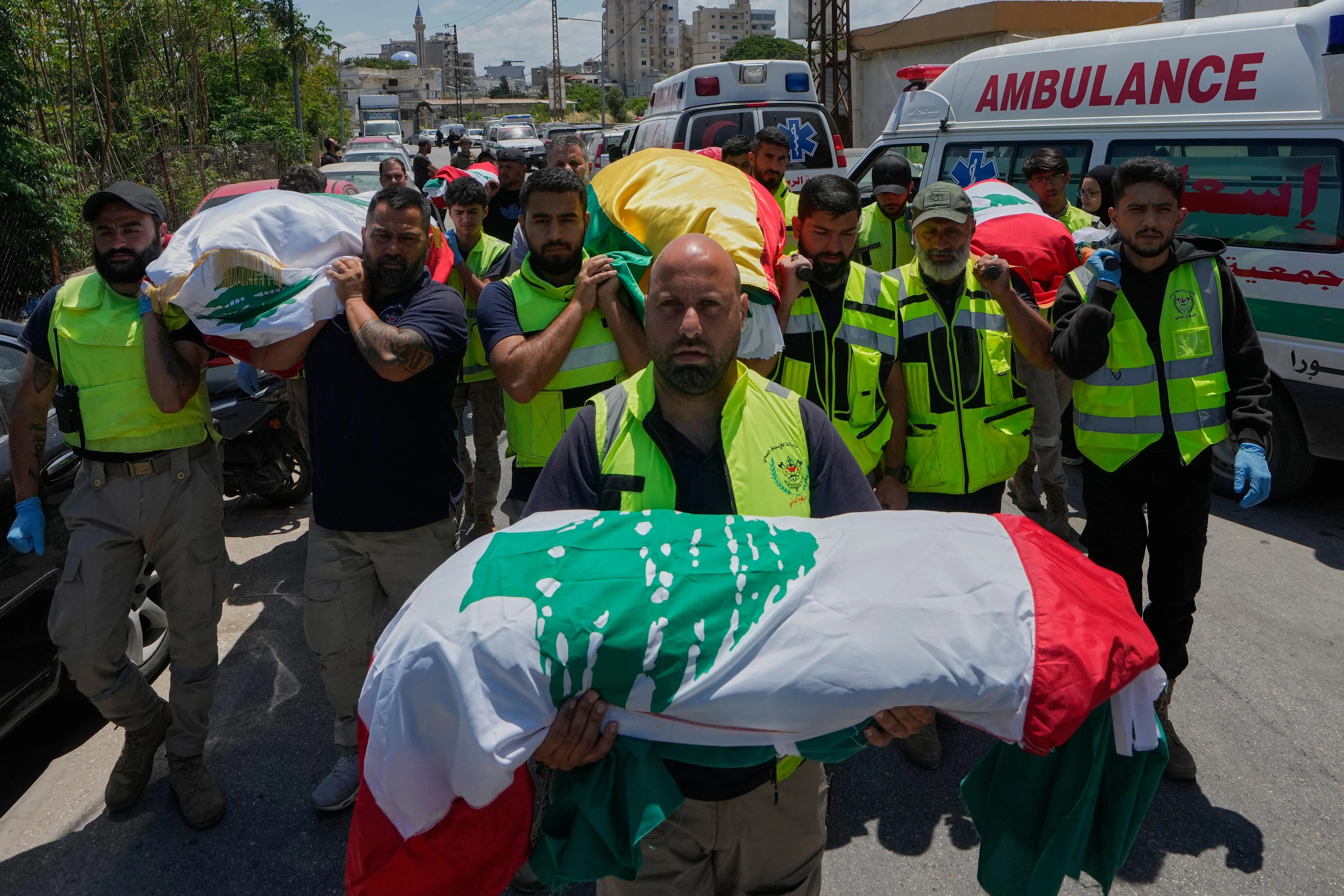
Lucas Trejo, a 38-year-old center back for Venezuelan club Sport Maritimo de La Guaira, was at a team training camp in Caracas when twin earthquakes measuring 7.2 and 7.5 struck the country's northern coast on Wednesday evening. His wife Yanina Maranella and their two children, Aaron and Ainhoa, were in their apartment building in Playa Grande, La Guaira, when the structure collapsed. After 74 hours of searching through the rubble, rescue workers recovered their bodies on Sunday.
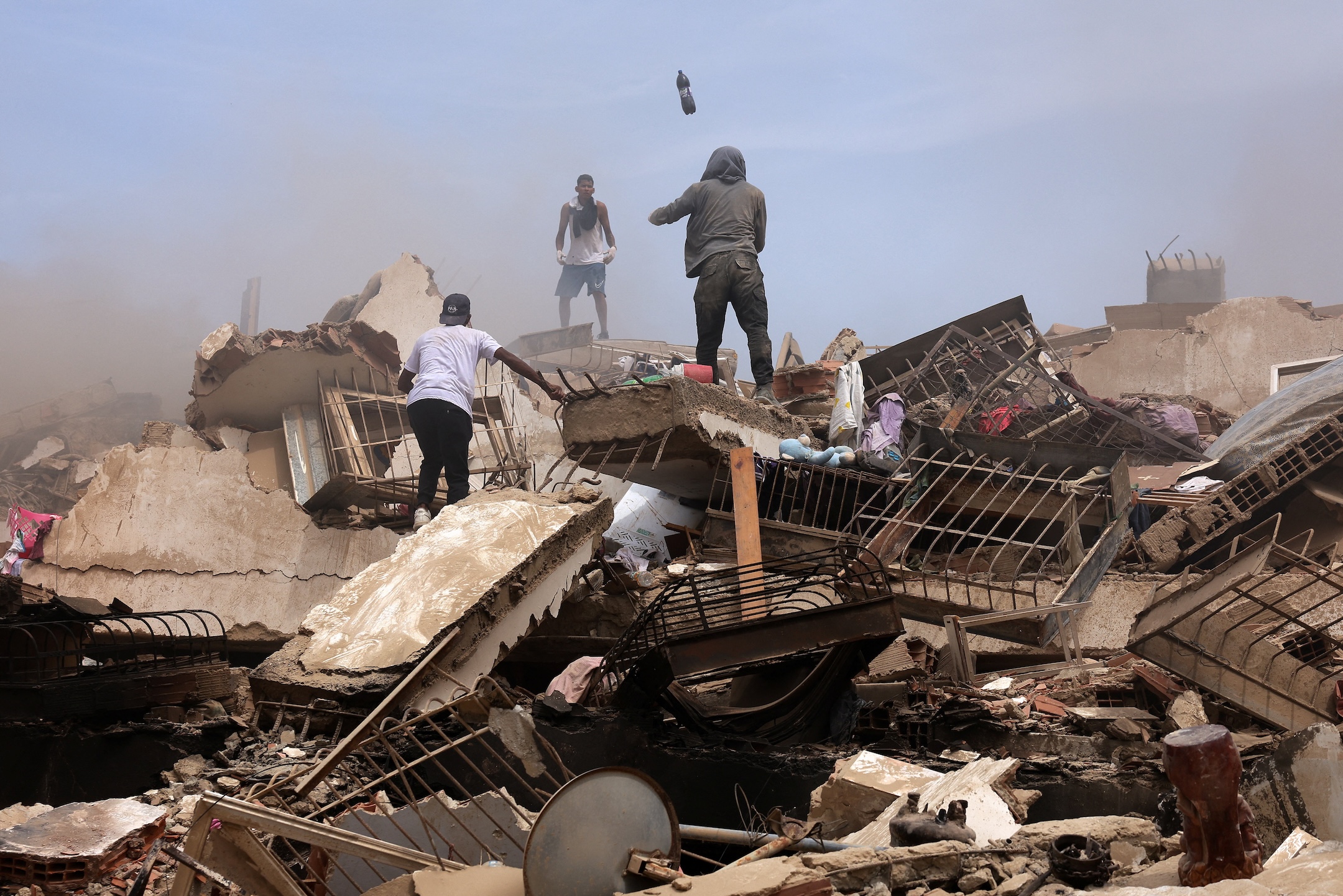
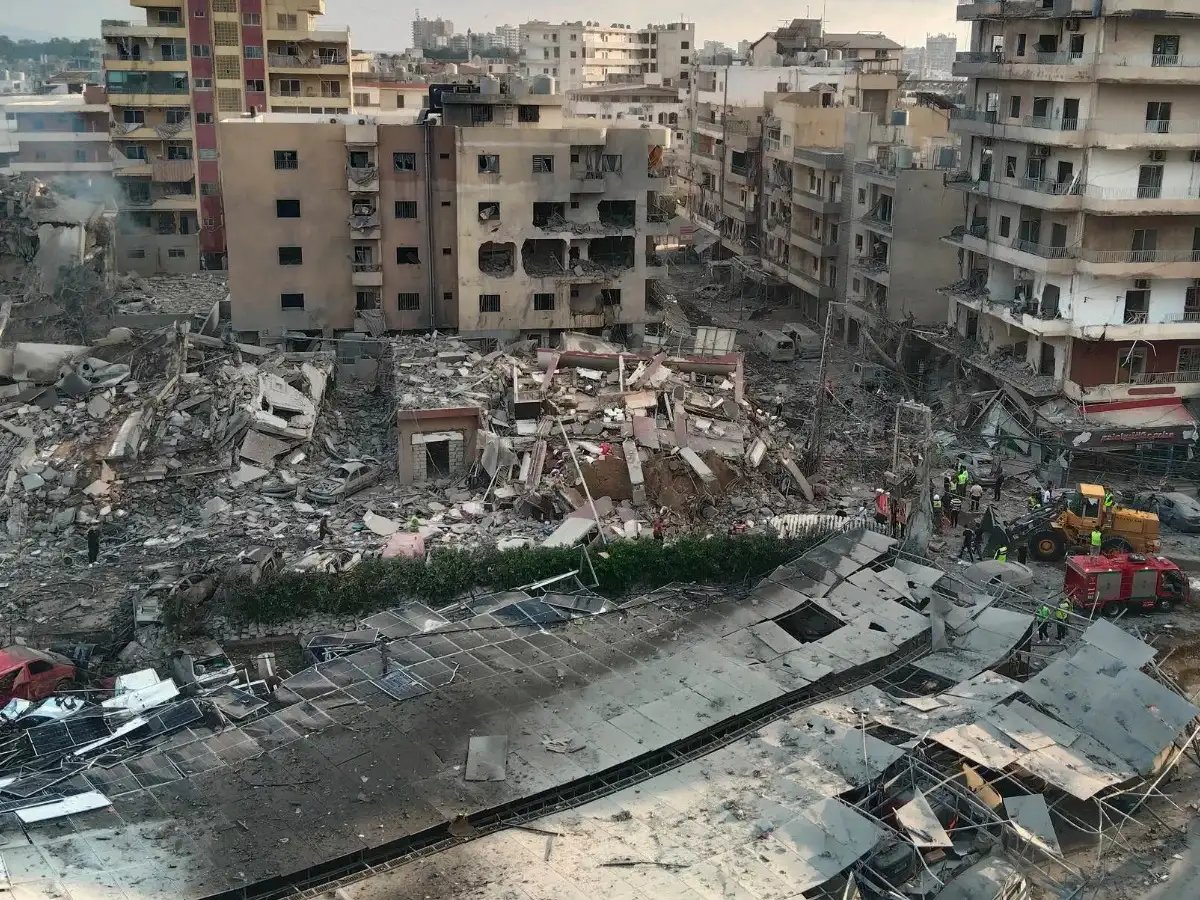
Trejo's brother-in-law Ricardo Ardiles told CNN Espanol that when the player returned home after the quakes, he found "absolutely nothing of what the building itself had been." Trejo's father and brother traveled from Argentina to assist firefighters, military personnel, and volunteers digging through the debris. The tragedy prompted an outpouring of support from the South American soccer community. Fellow Argentine footballer Edson Tortolero, a close friend of Trejo's, wrote: "Today my heart breaks into a thousand pieces. There are no words that can ease so much pain. I ask God to give Lucas strength to endure this unimaginable loss."
Club Sport Maritimo de La Guaira confirmed the deaths in a statement Sunday, saying the organization joined "the grief that overwhelms player Lucas Trejo for the passing of his wife, Yanina Maranella, and of his children, Aaron and Ainhoa Trejo."
The Scale of the Disaster
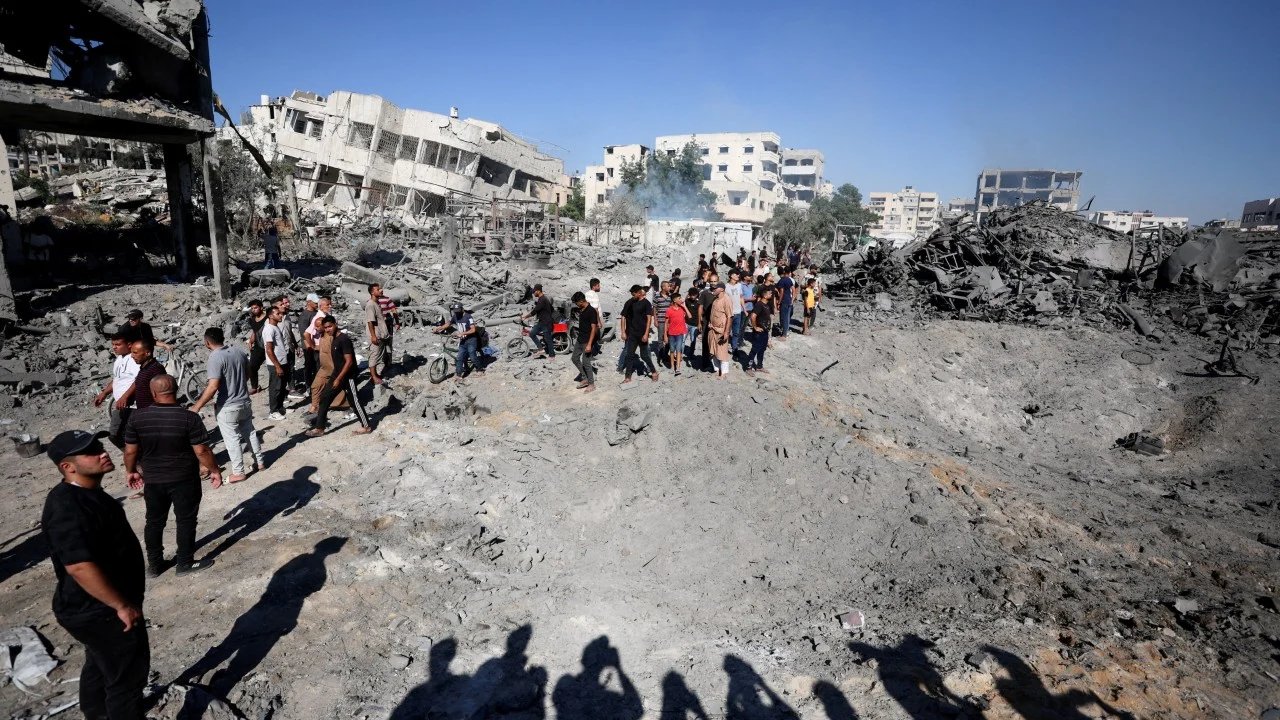
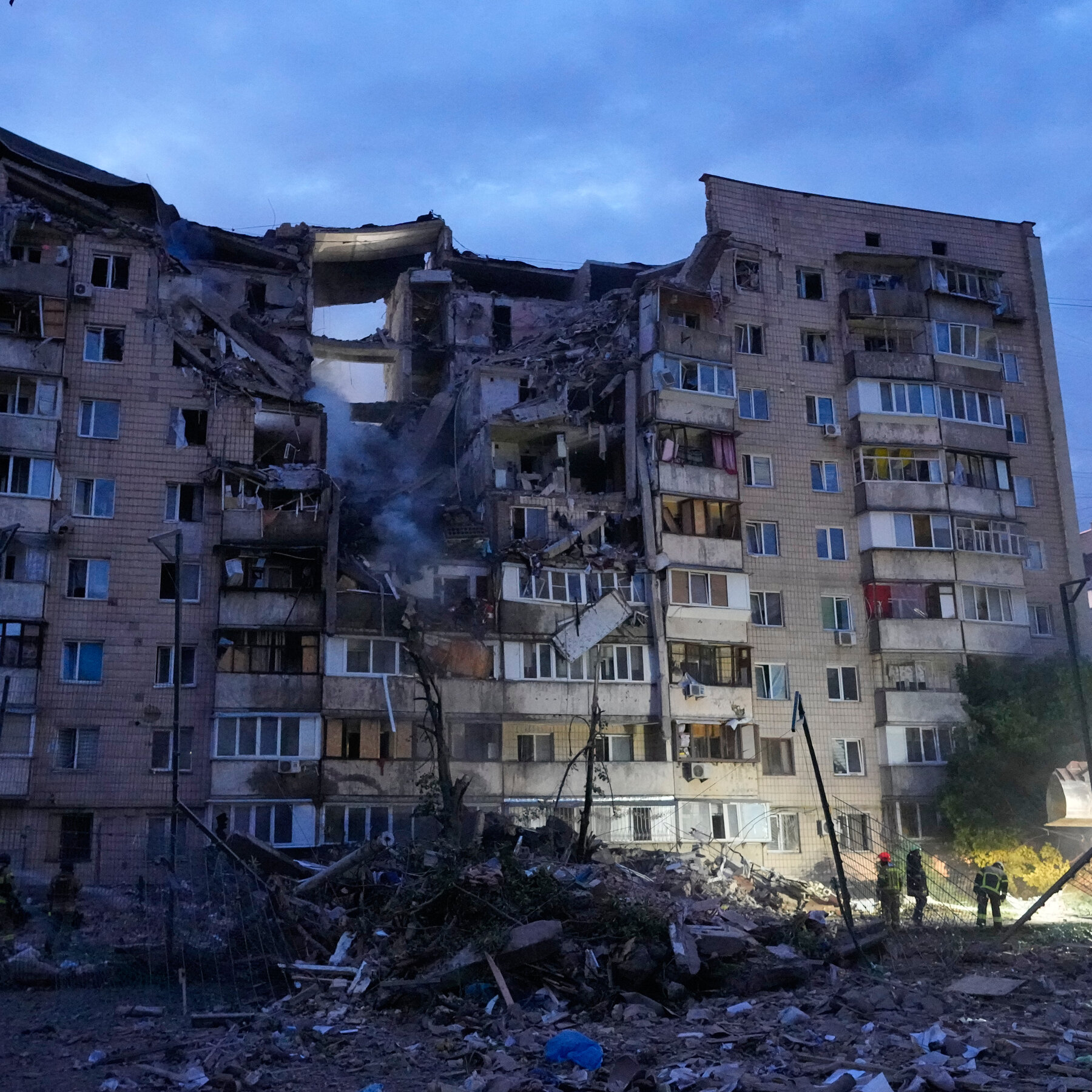
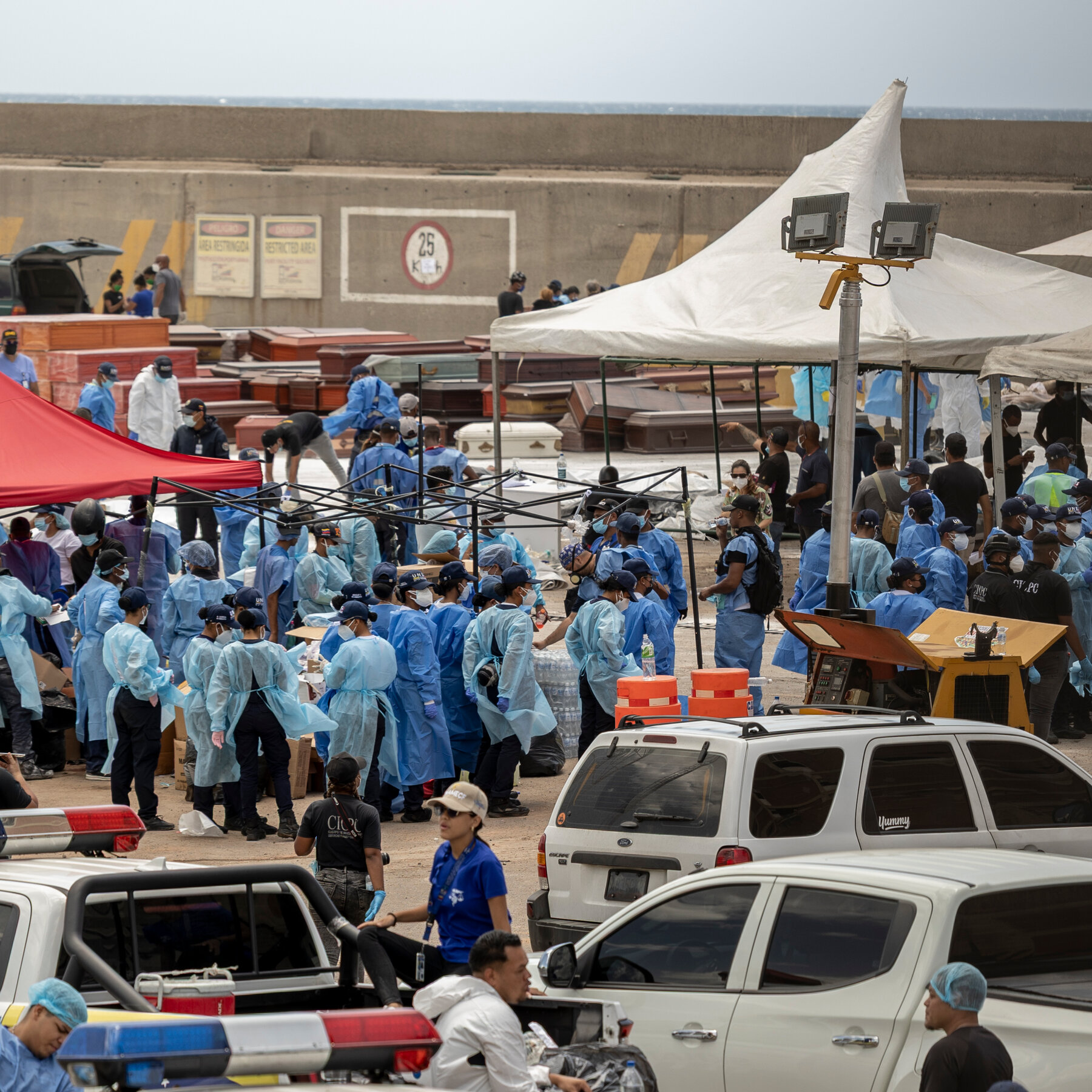
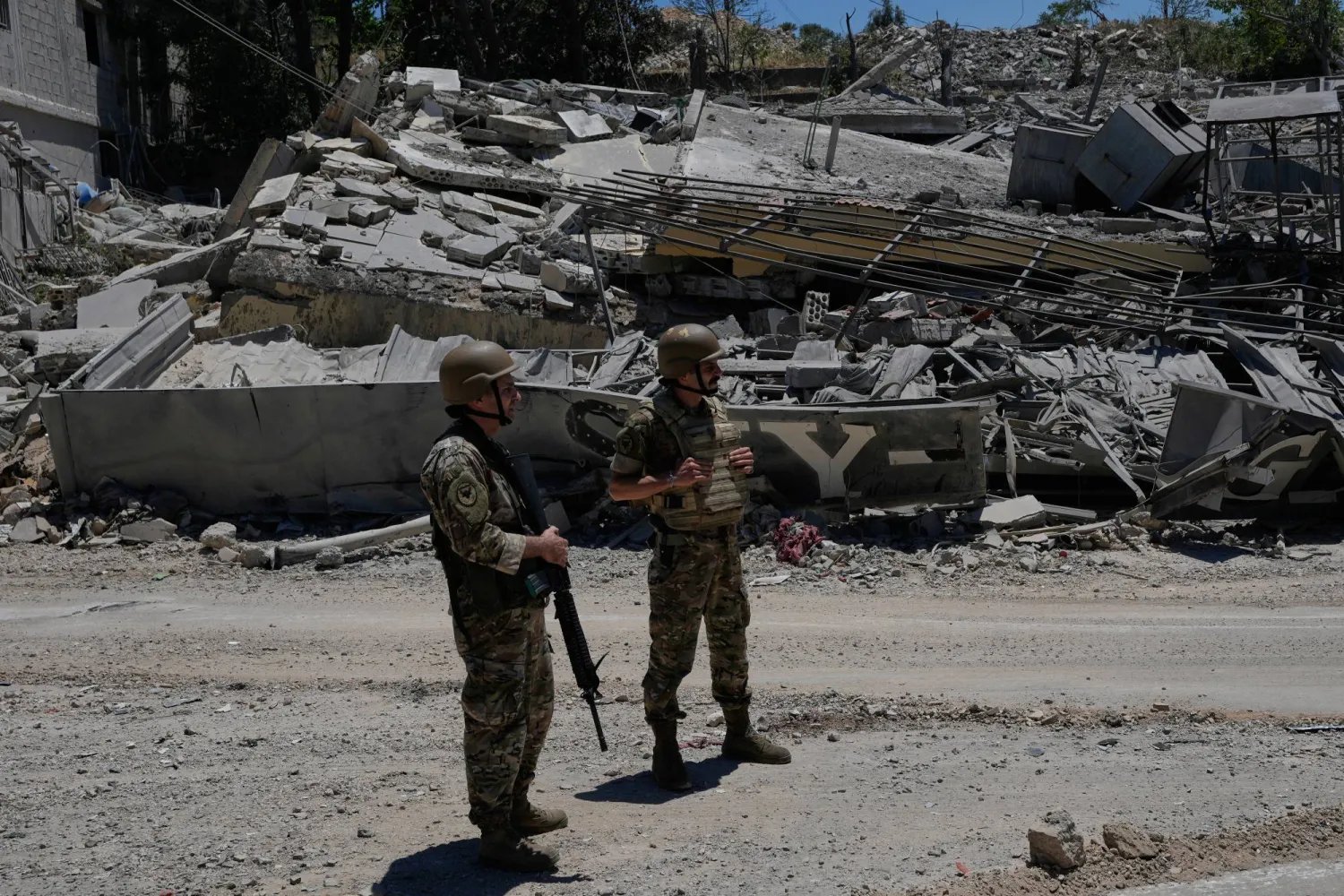
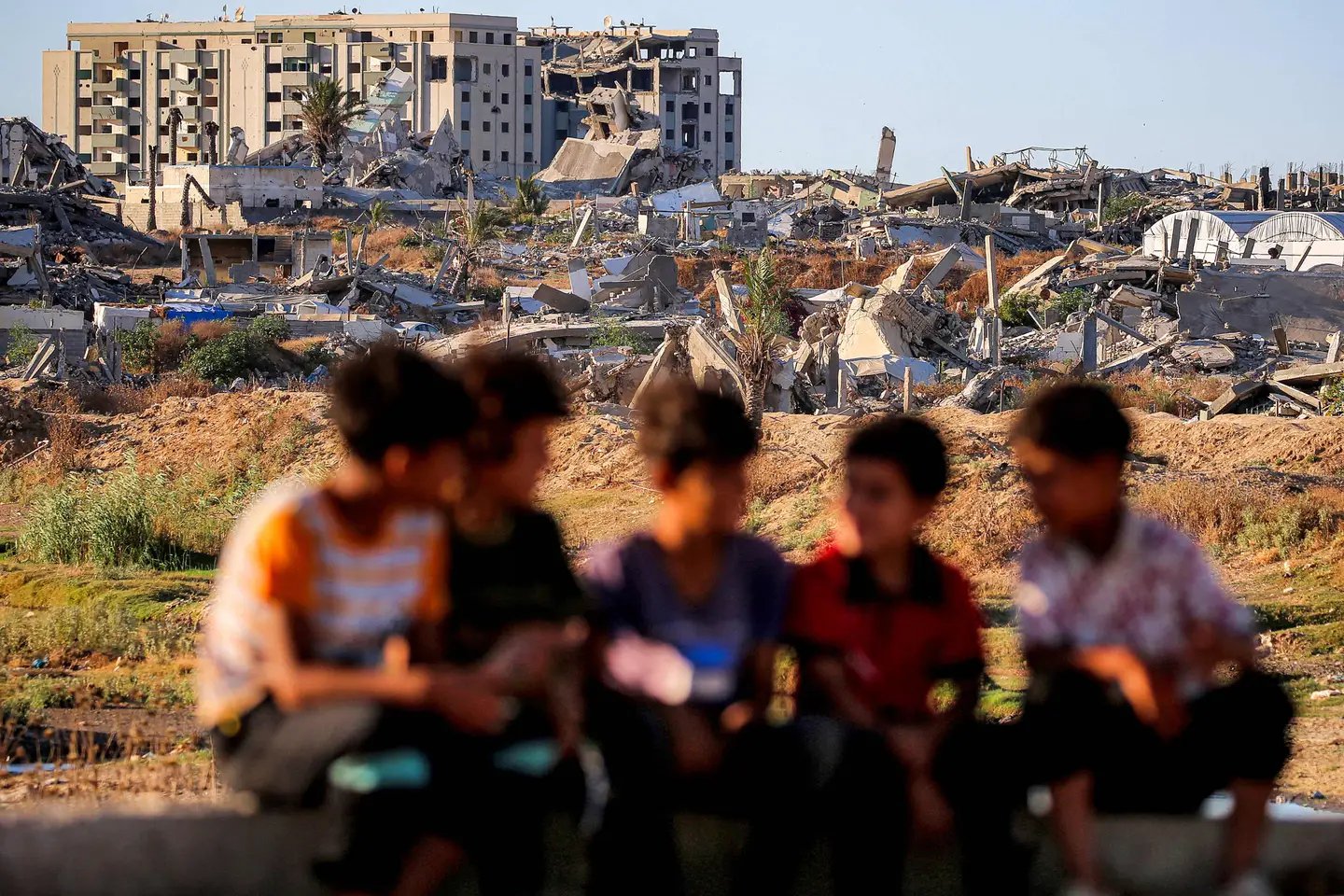
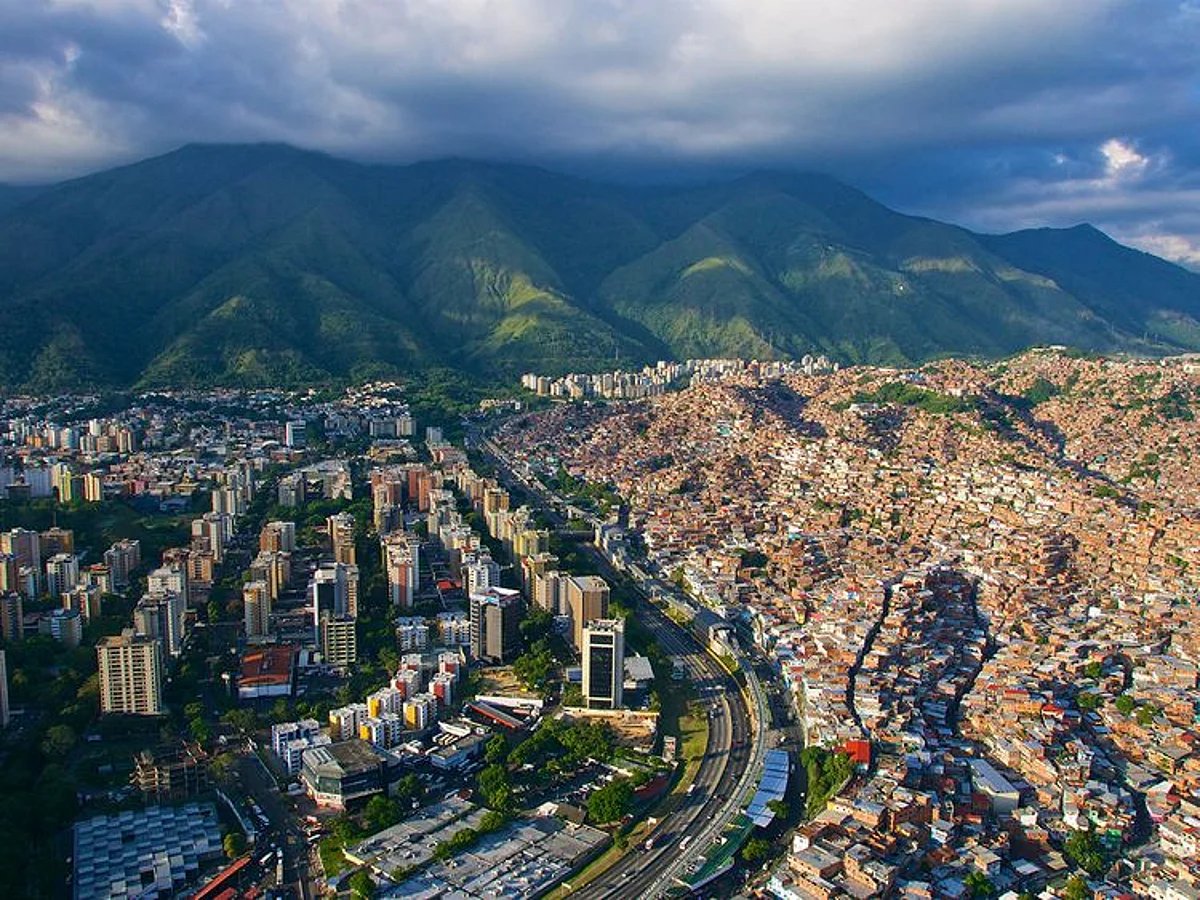
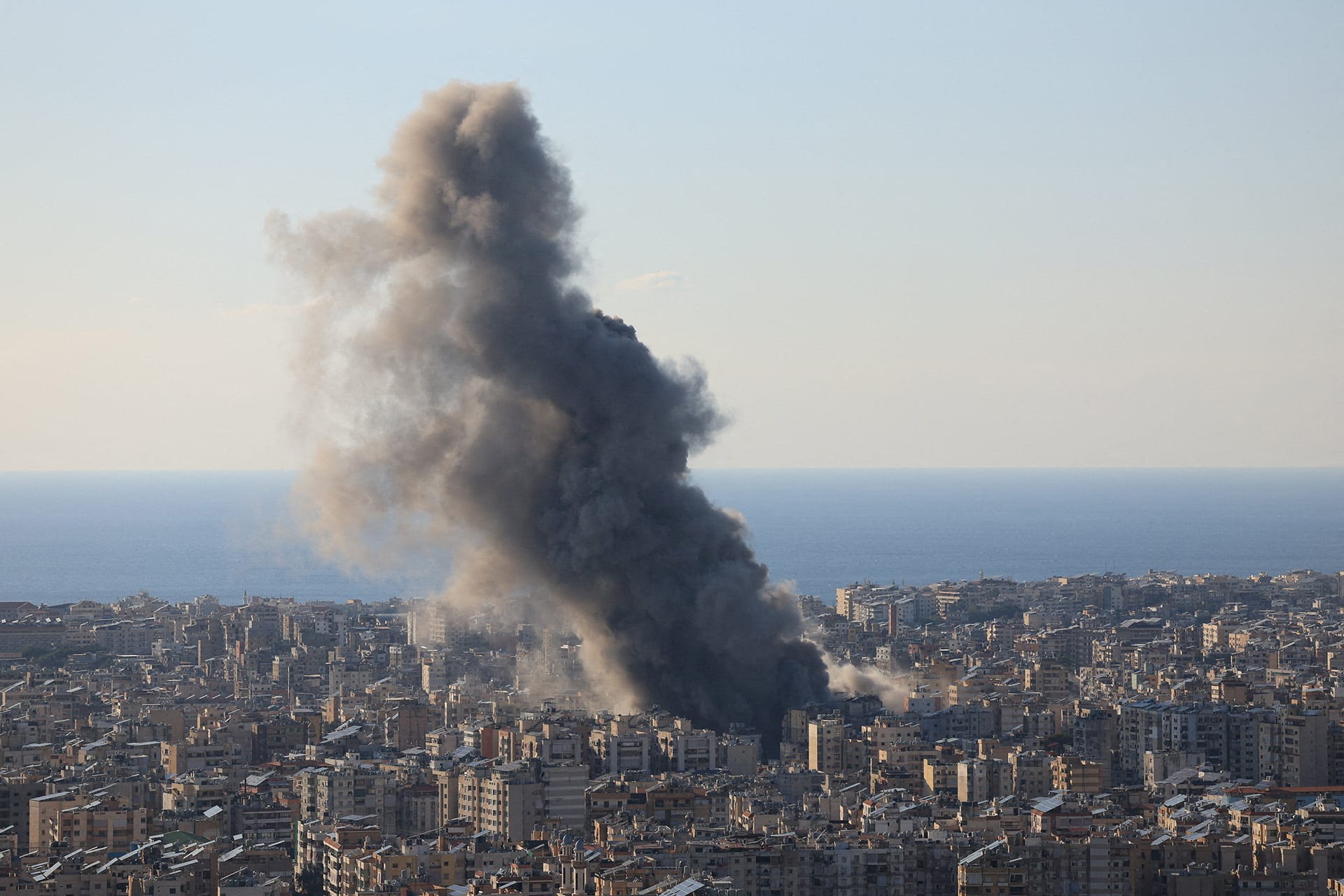
Nearly 1,500 people died in the twin earthquakes that struck on Wednesday. Venezuelan National Assembly President Jorge Rodríguez said Sunday that the death toll had reached 1,450, with another 3,150 people reporting injuries to hospitals in La Guaira and other affected areas. Online databases indicate approximately 51,000 people remain missing, though this figure likely includes people unable to communicate with loved ones due to lack of cellphone signals and may contain duplicate reports.
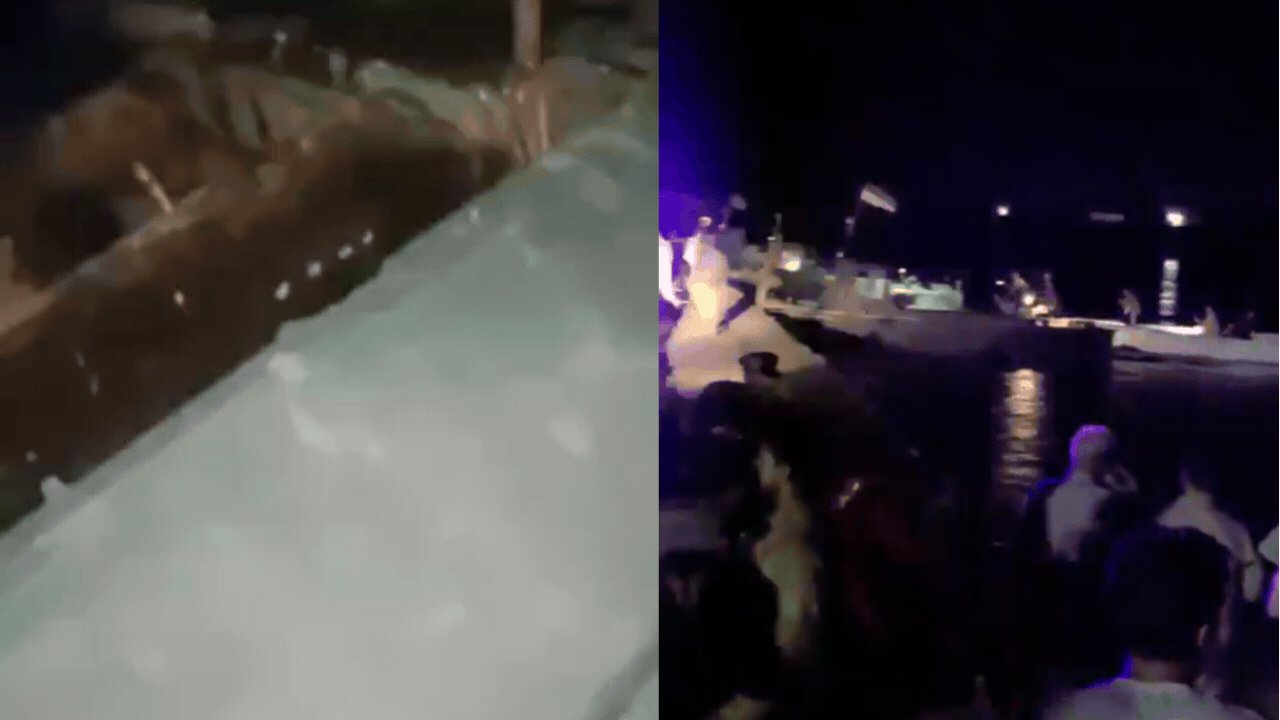
The two quakes struck within a minute of each other, giving residents little time to evacuate their buildings. Northwestern University professor emeritus Emile Okal told CBS News that the shallow depth of the quakes led to massive impact on the surface. Aid agencies consider the first 48 to 72 hours crucial for retrieving survivors alive, though that window can extend if people have access to food and water.
International Rescue Efforts Underway
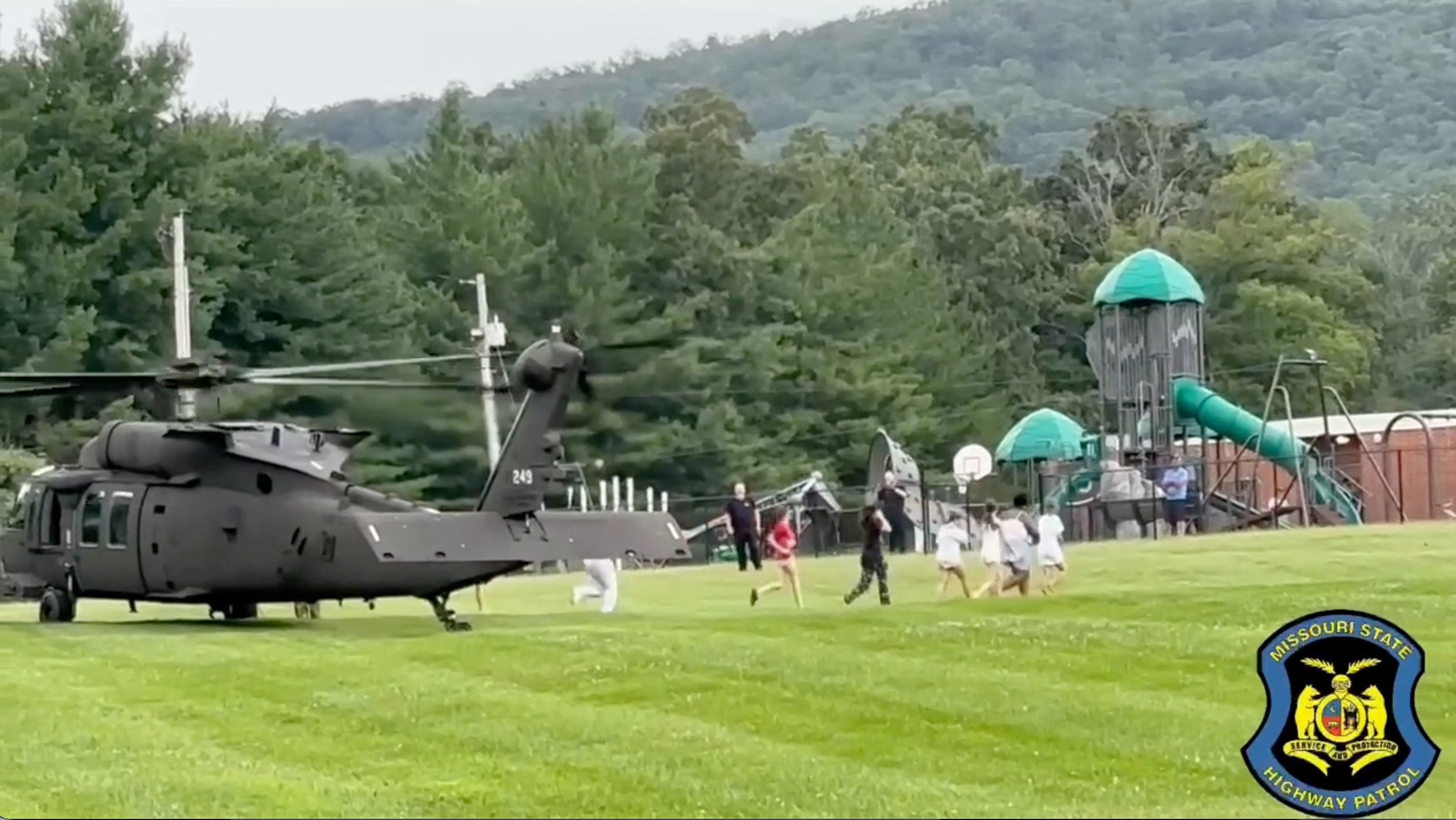
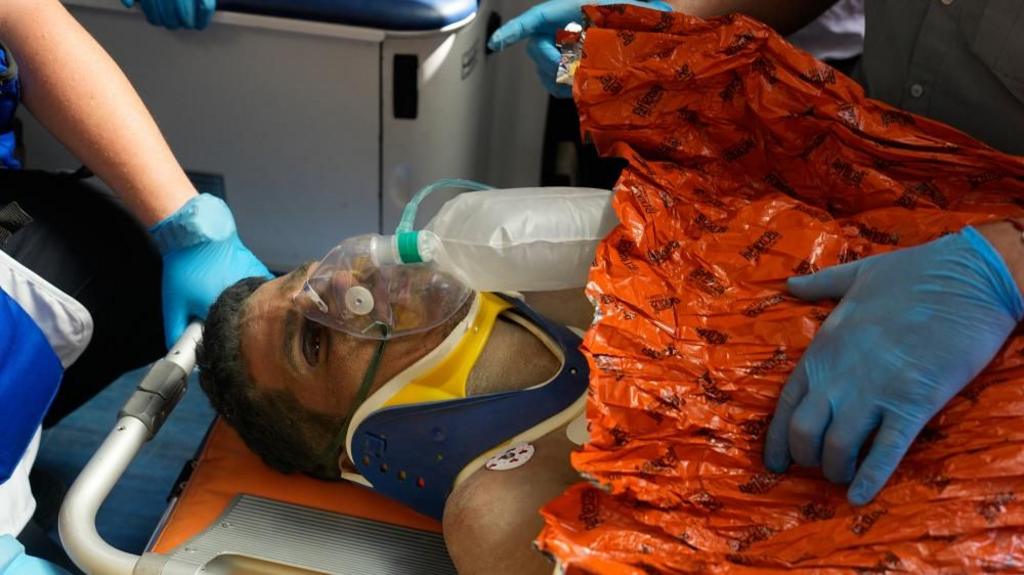
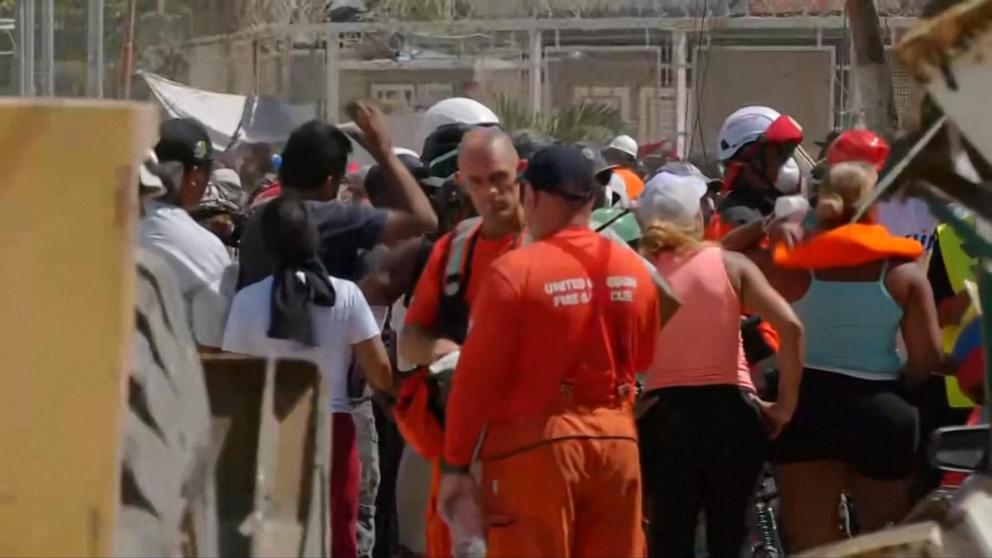
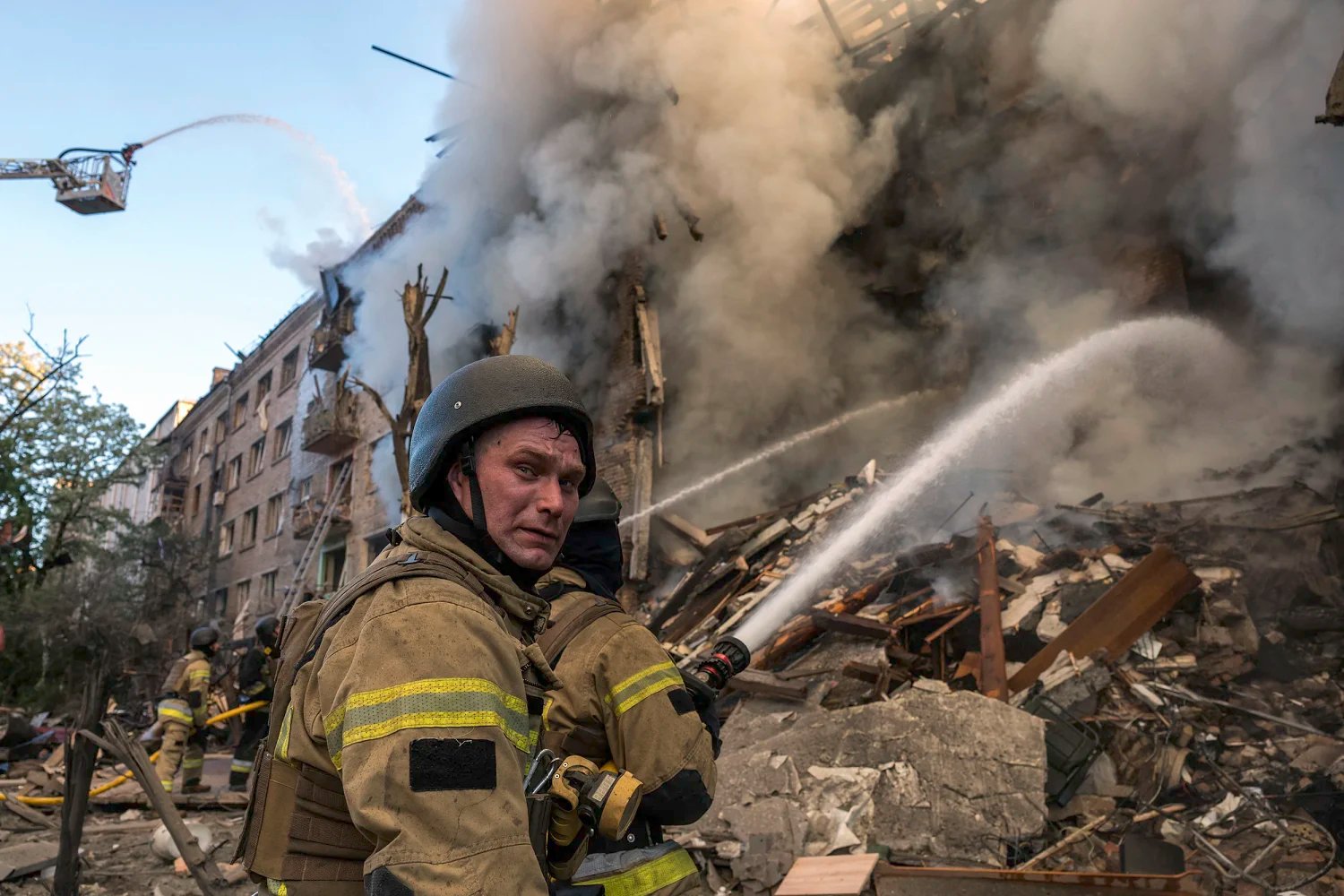
Hundreds of U.S. search and rescue workers have deployed to Venezuela to assist in recovery operations. Virginia Urban Search and Rescue Task Force 1 pulled a mother and her nine-month-old baby from the rubble of a collapsed building, with both suffering only minor injuries. The U.S. State Department shared video of the baby being removed wrapped in blue fabric, writing: "Against impossible odds, hope endures. Every life saved is a victory."
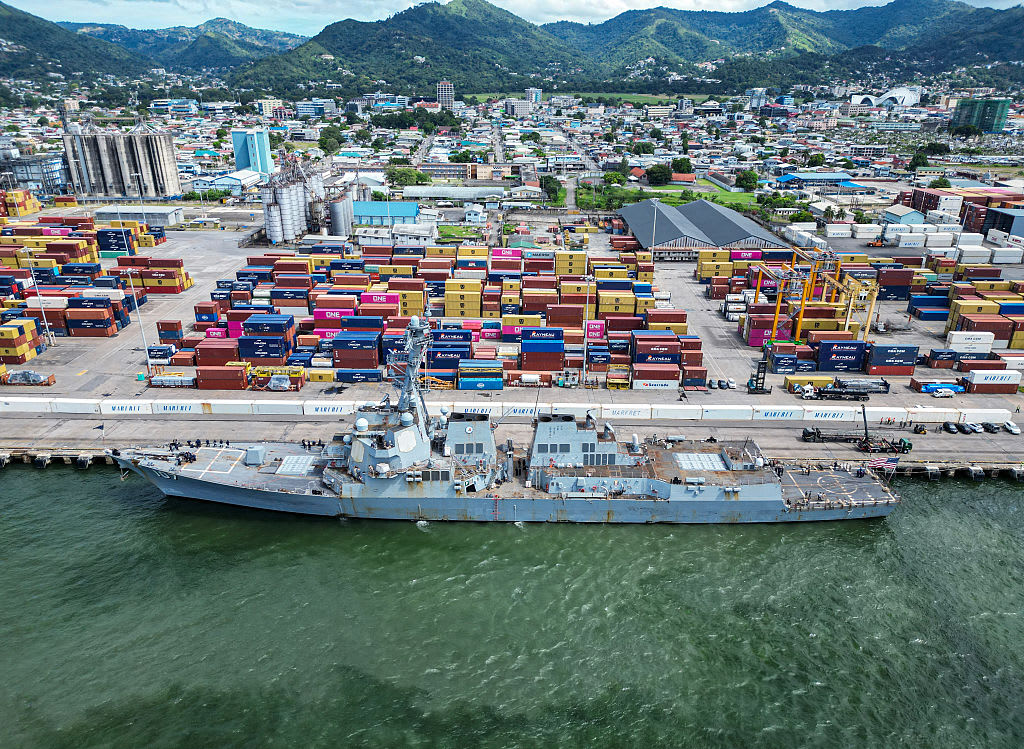
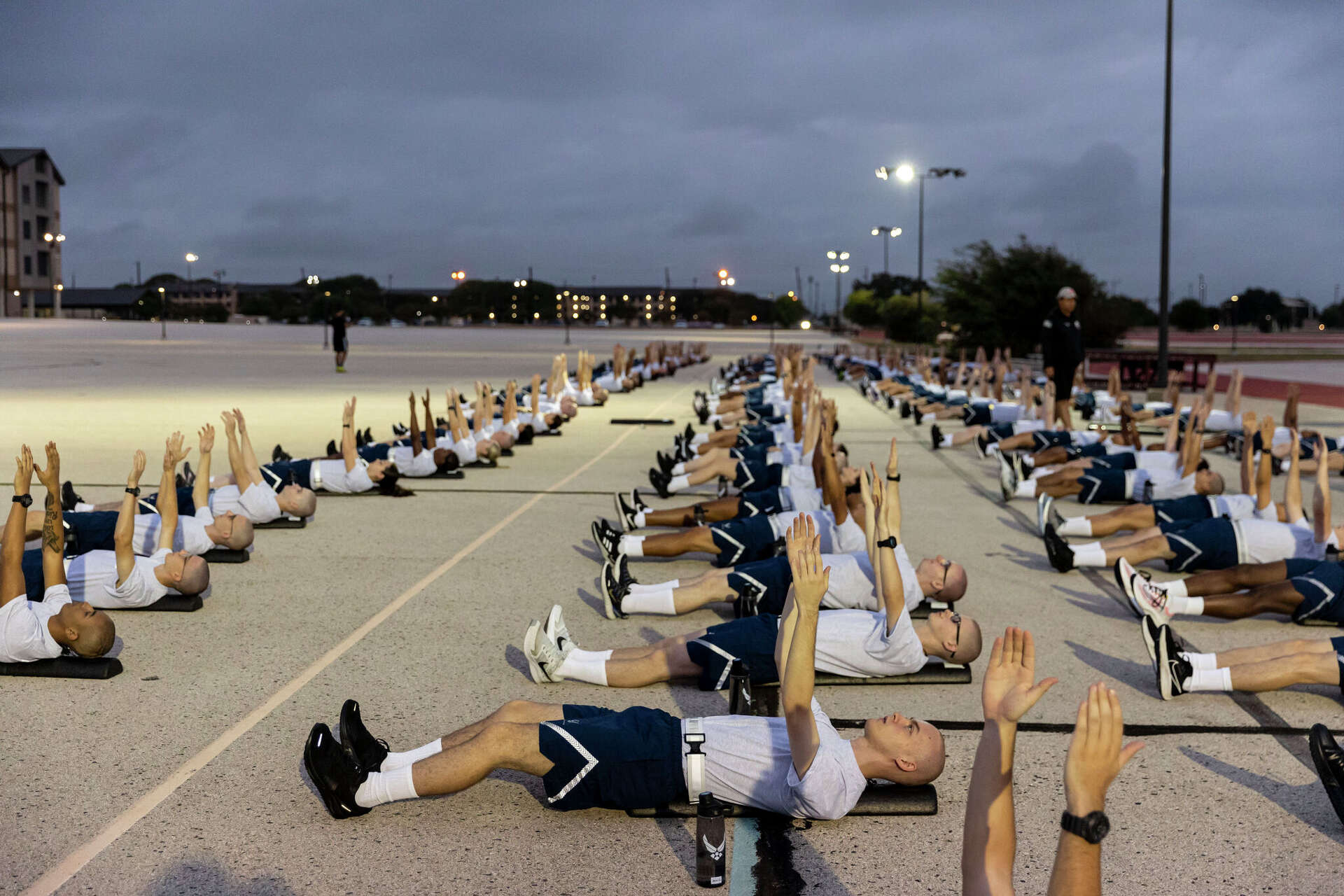
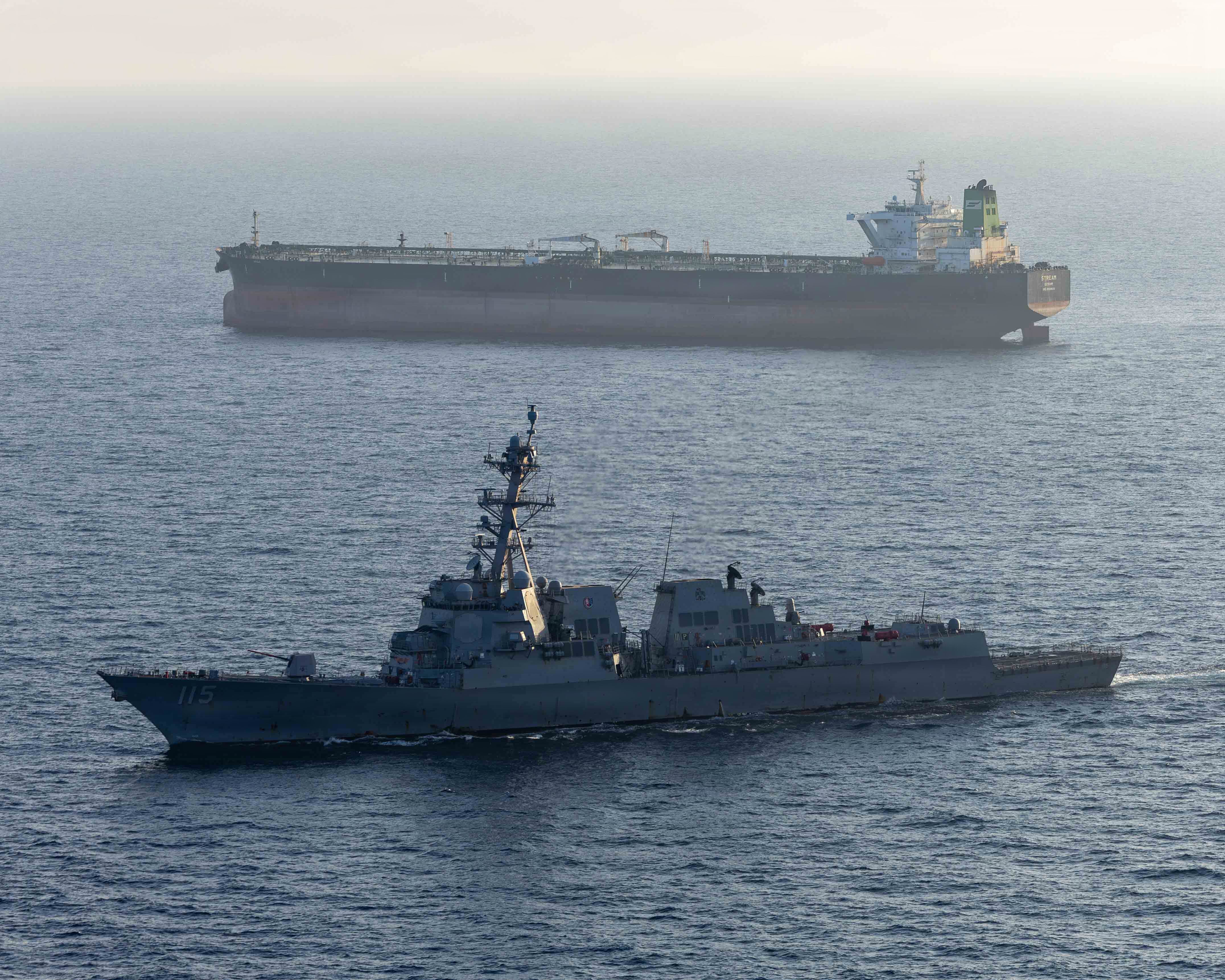
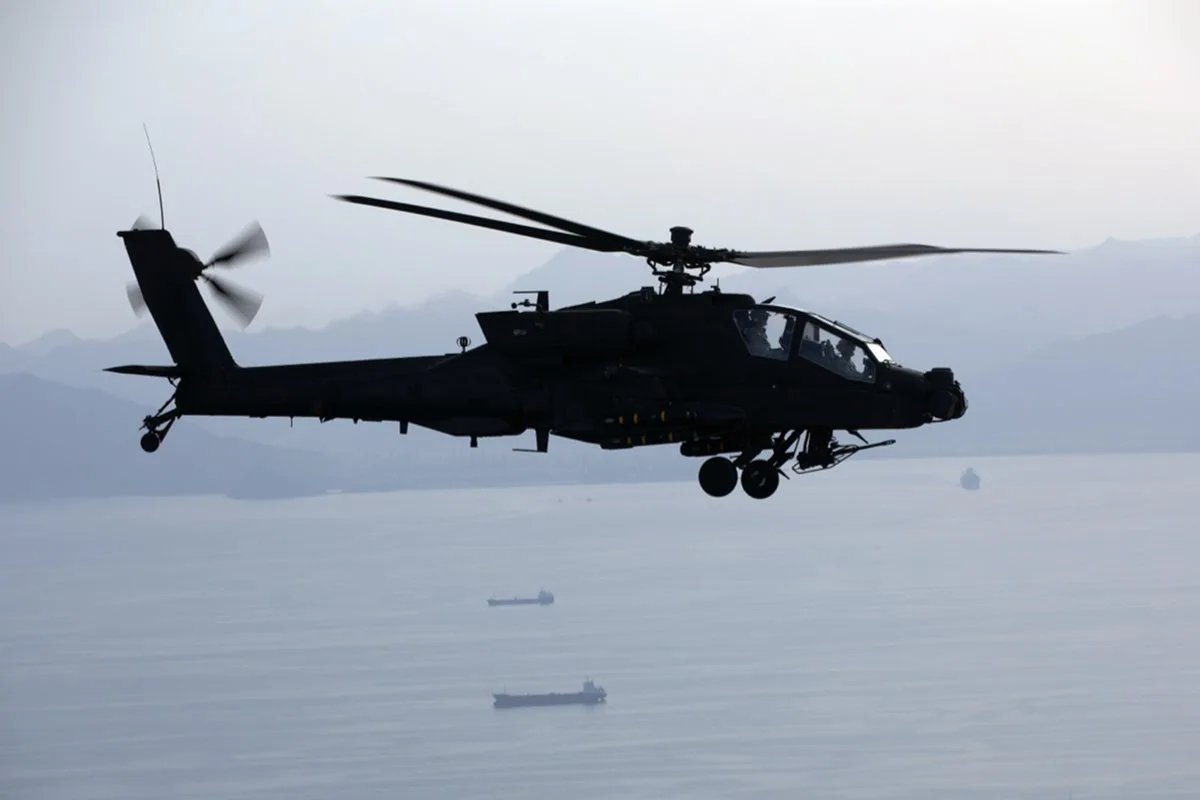
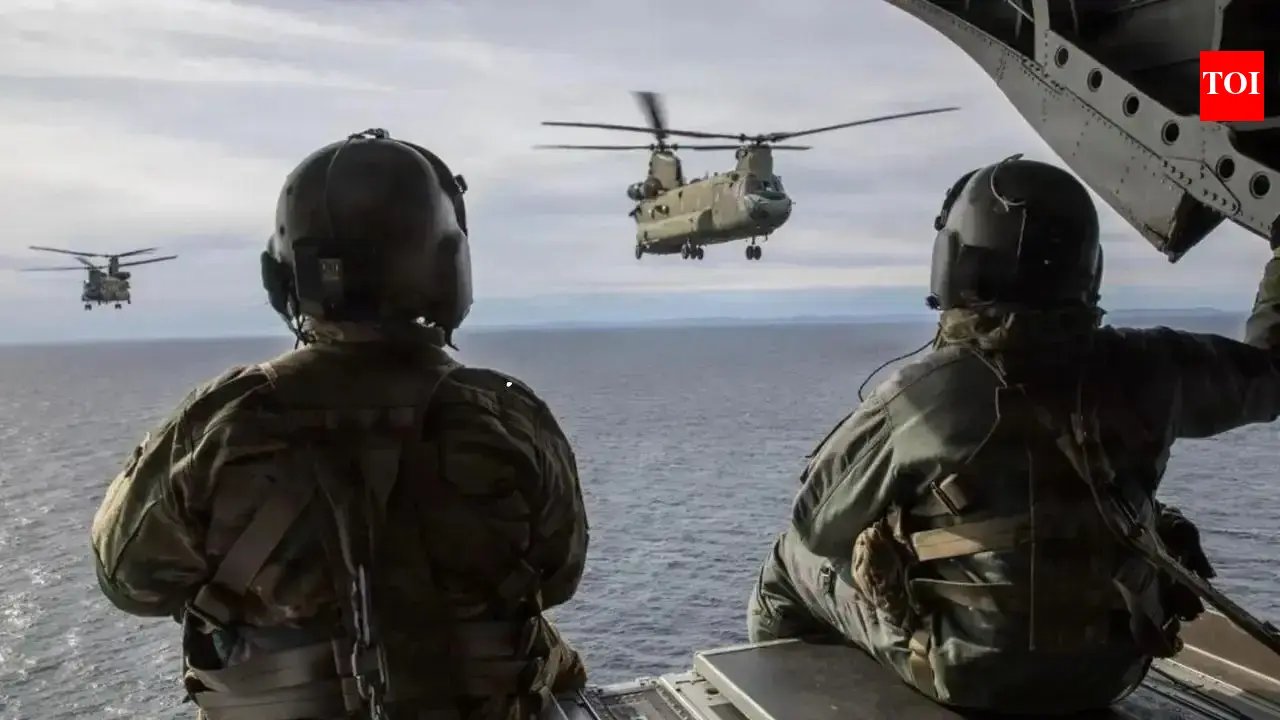
The U.S. military has sent approximately 100 airmen to help Venezuelan authorities expand air traffic flow at the country's main airport, while around 130 U.S. Marine Corps personnel were deployed to help reopen the port in La Guaira. The amphibious ship USS Fort Lauderdale and Army helicopters also arrived to enable more supplies to enter by sea. The Los Angeles County Fire Department said 71 of its members, part of Urban Search and Rescue Task Force 2, were conducting ground and aerial damage assessments across affected areas.
Acting President Delcy Rodríguez said Sunday that 33 people had been rescued the day before, though she did not provide an updated death toll. Venezuelans have reported seeing few state rescue teams in the hardest-hit areas, with residents taking matters into their own hands by digging through rubble to search for loved ones. Rescue workers from Mexico, El Salvador, Switzerland, and other nations are also operating in the country, Venezuelan officials said Friday.