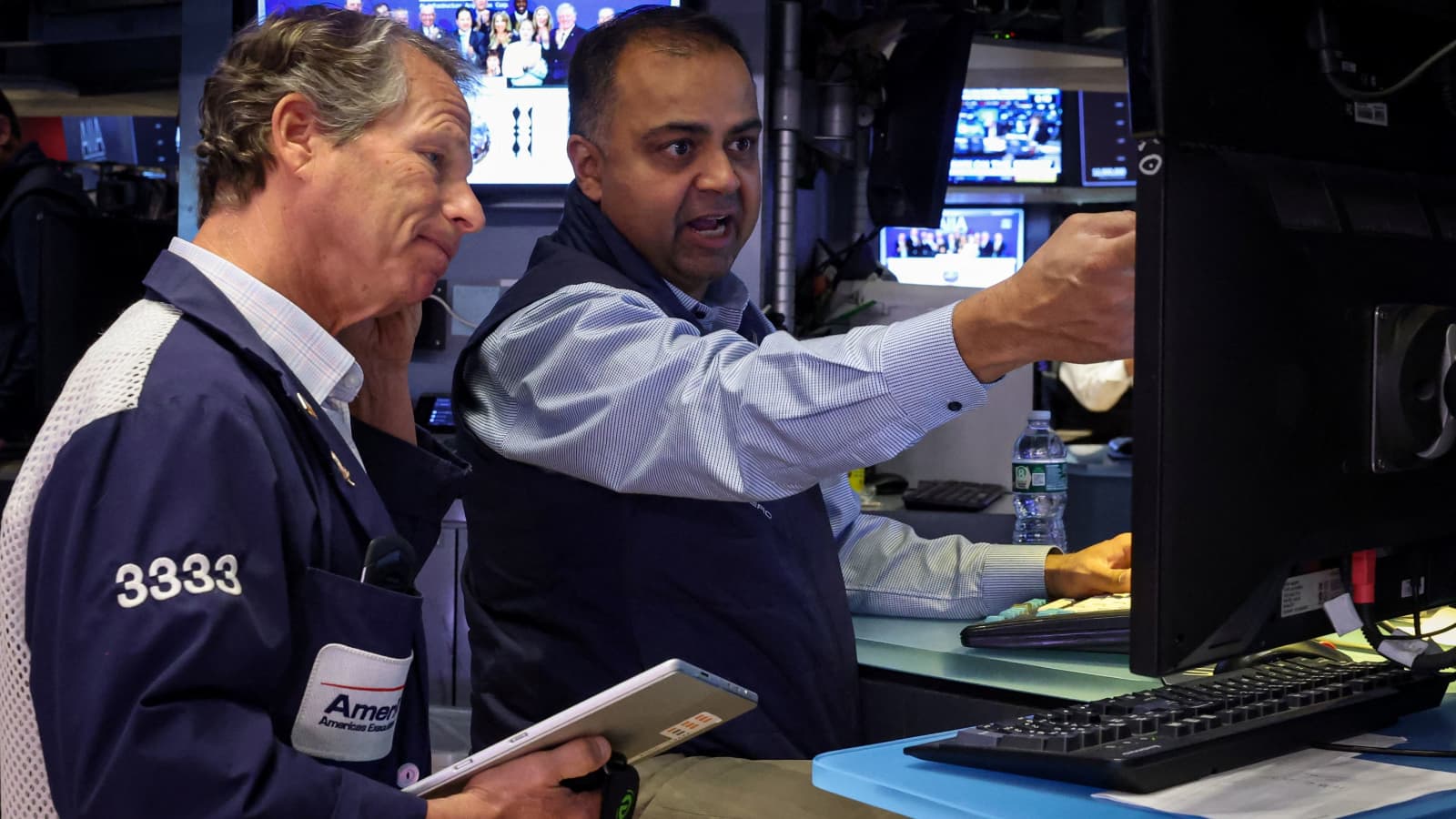
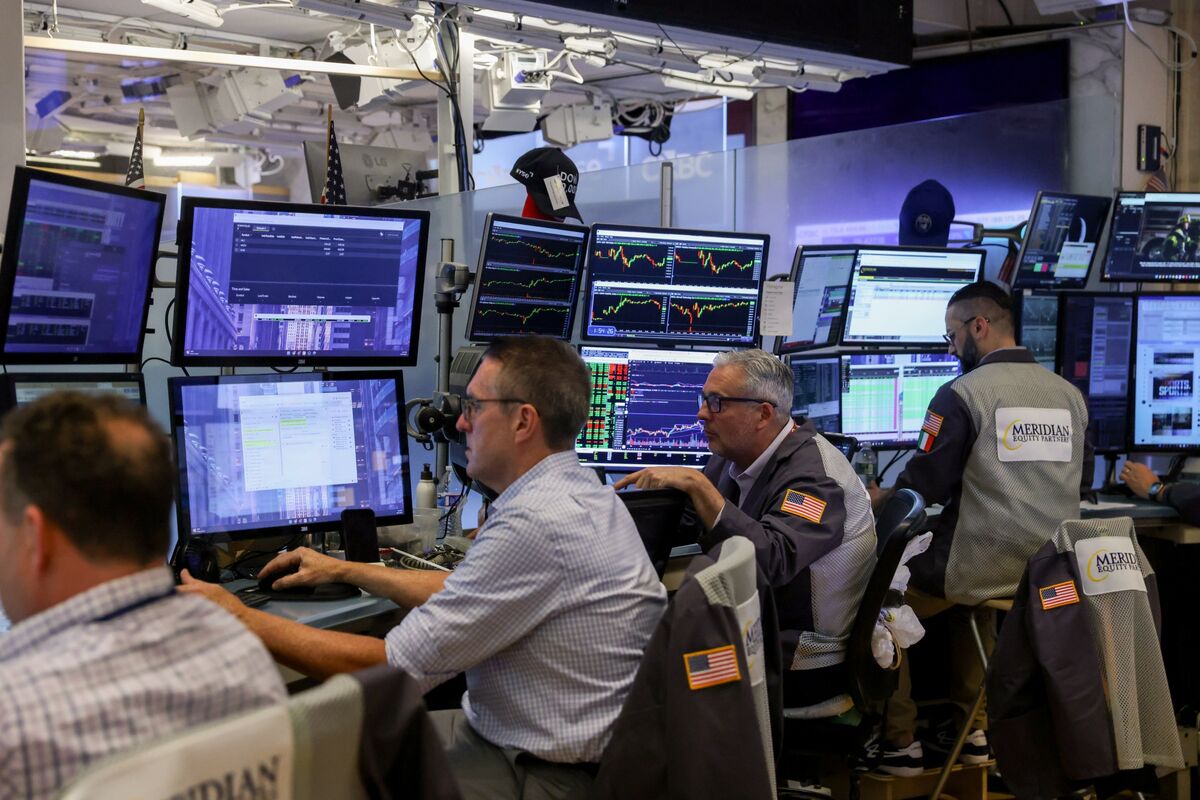
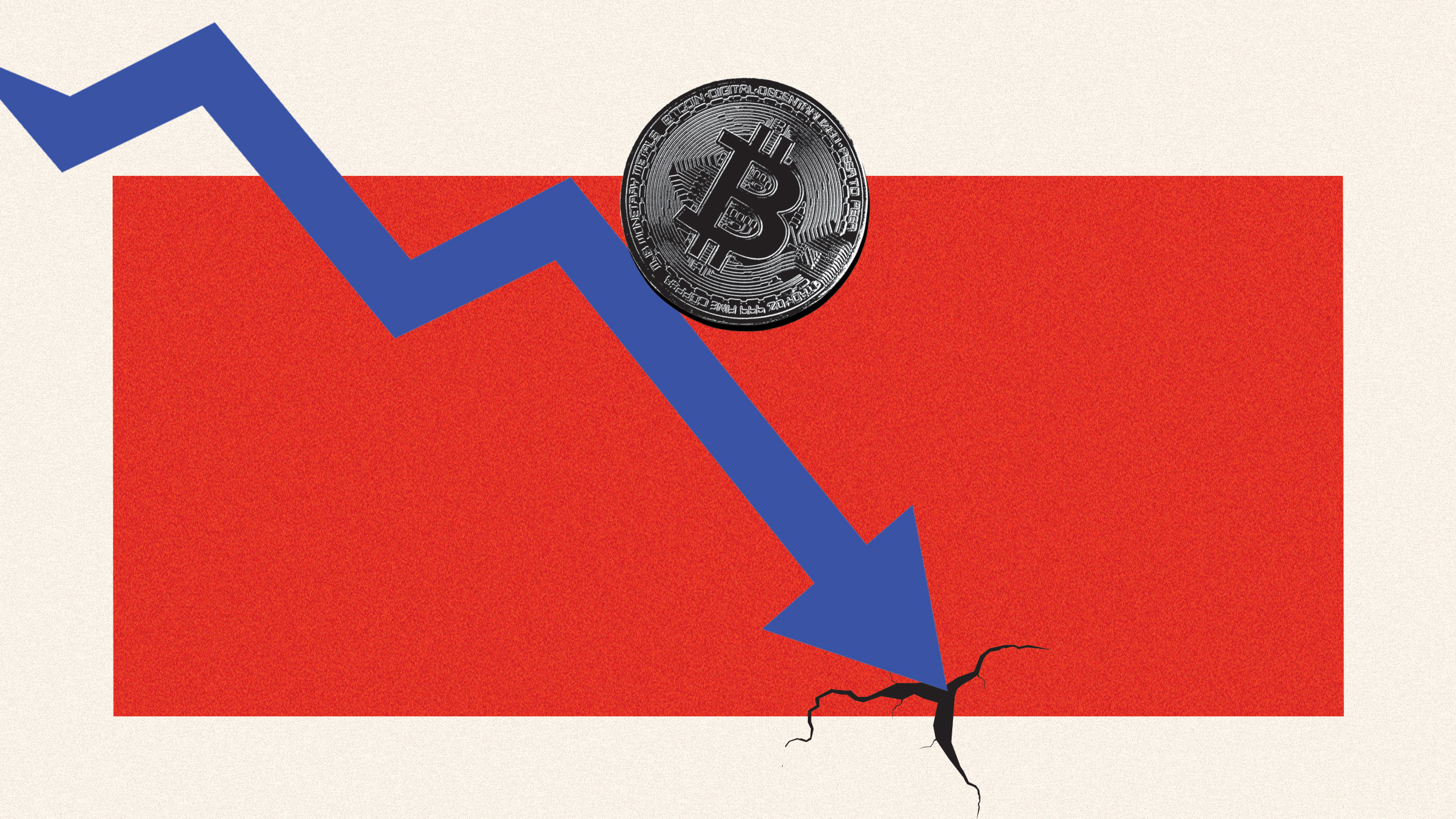
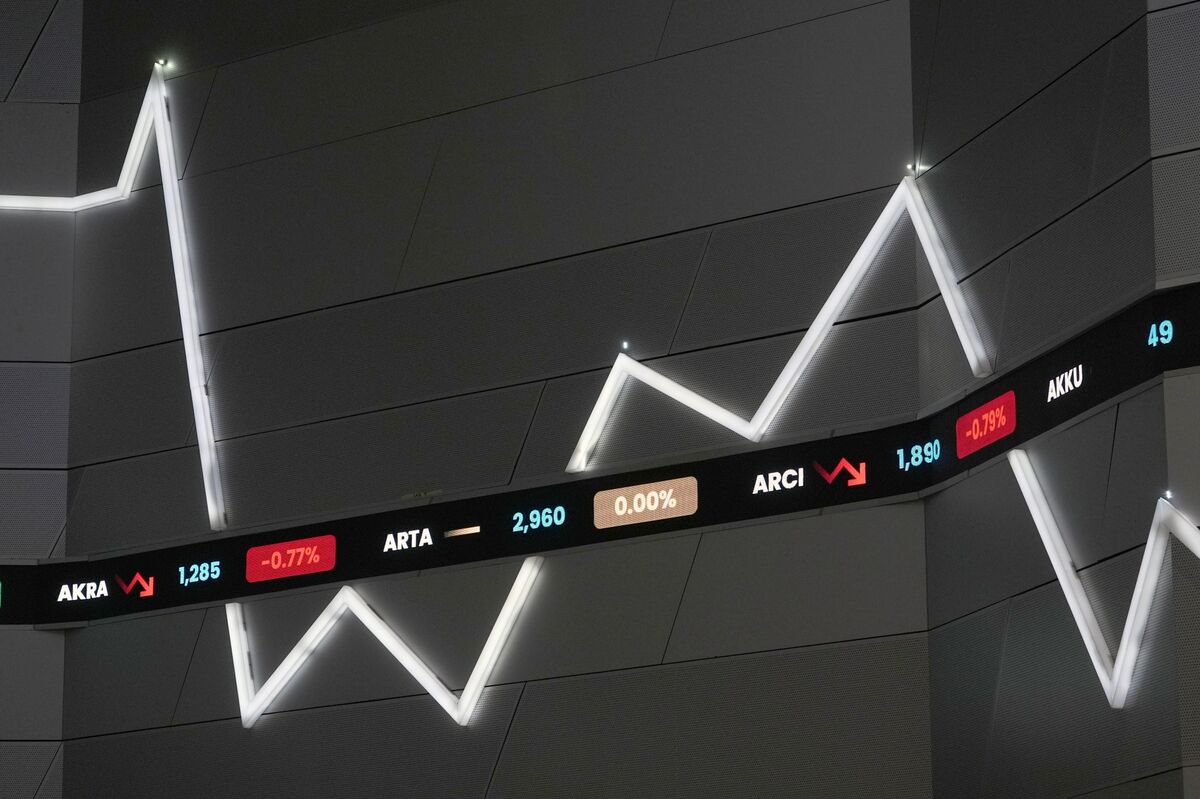
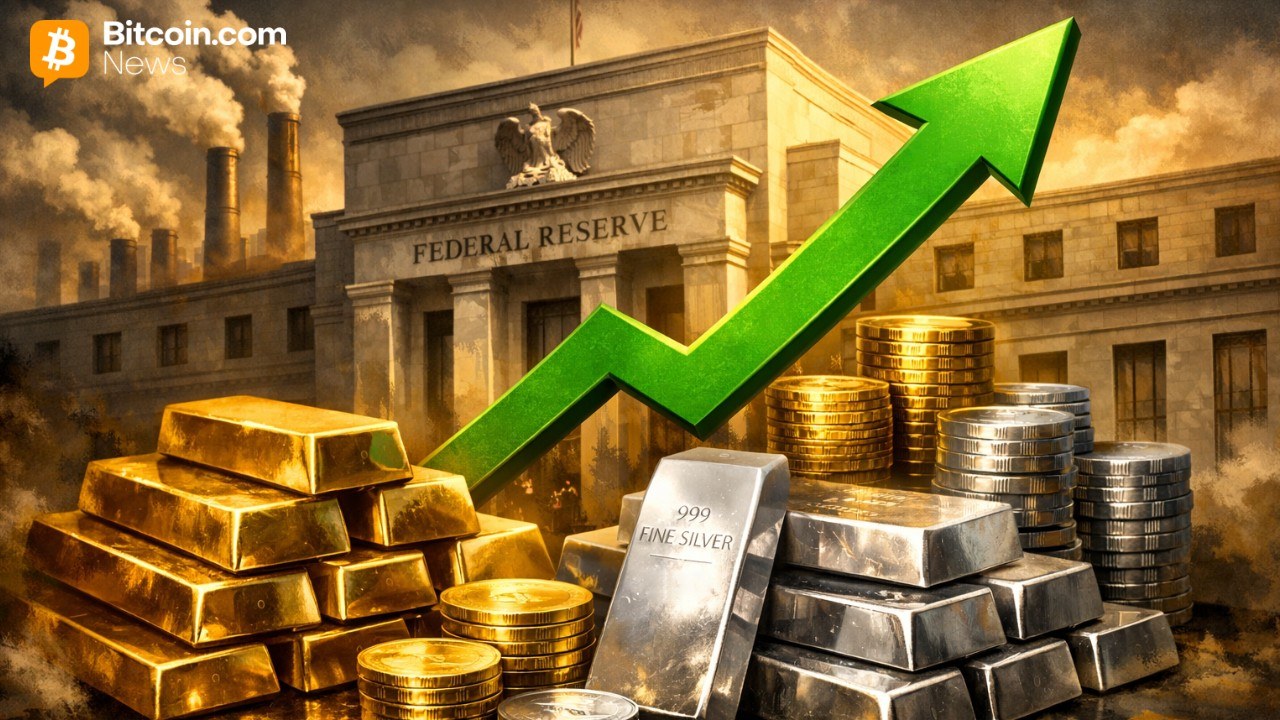
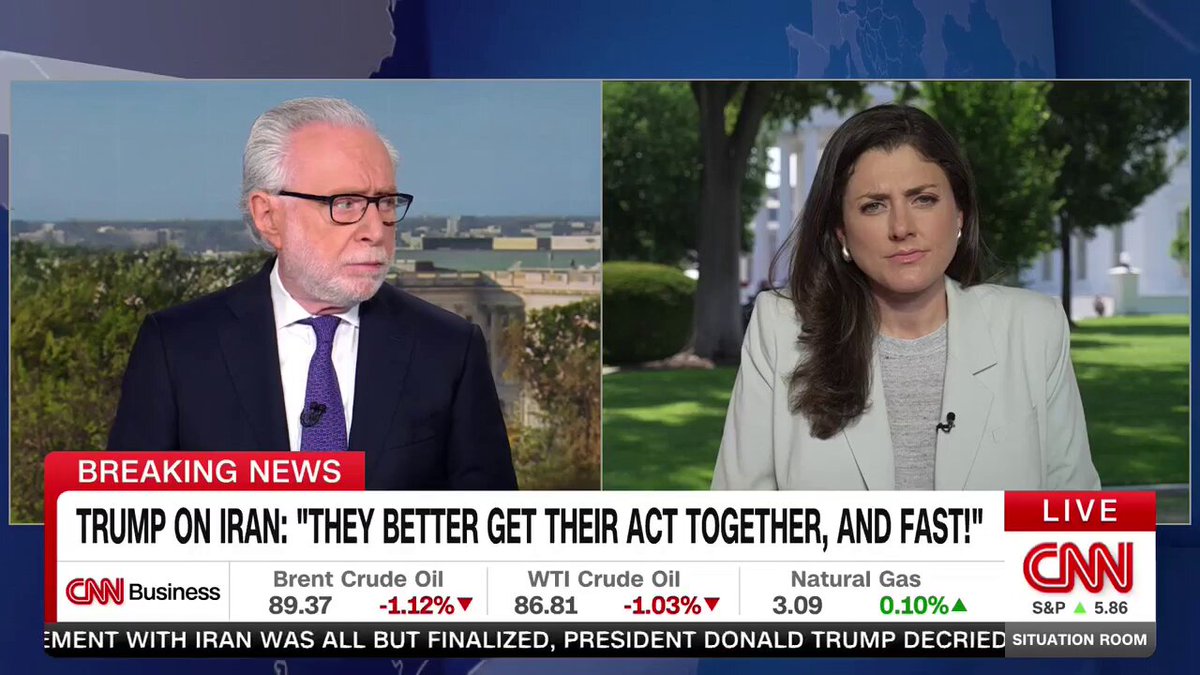
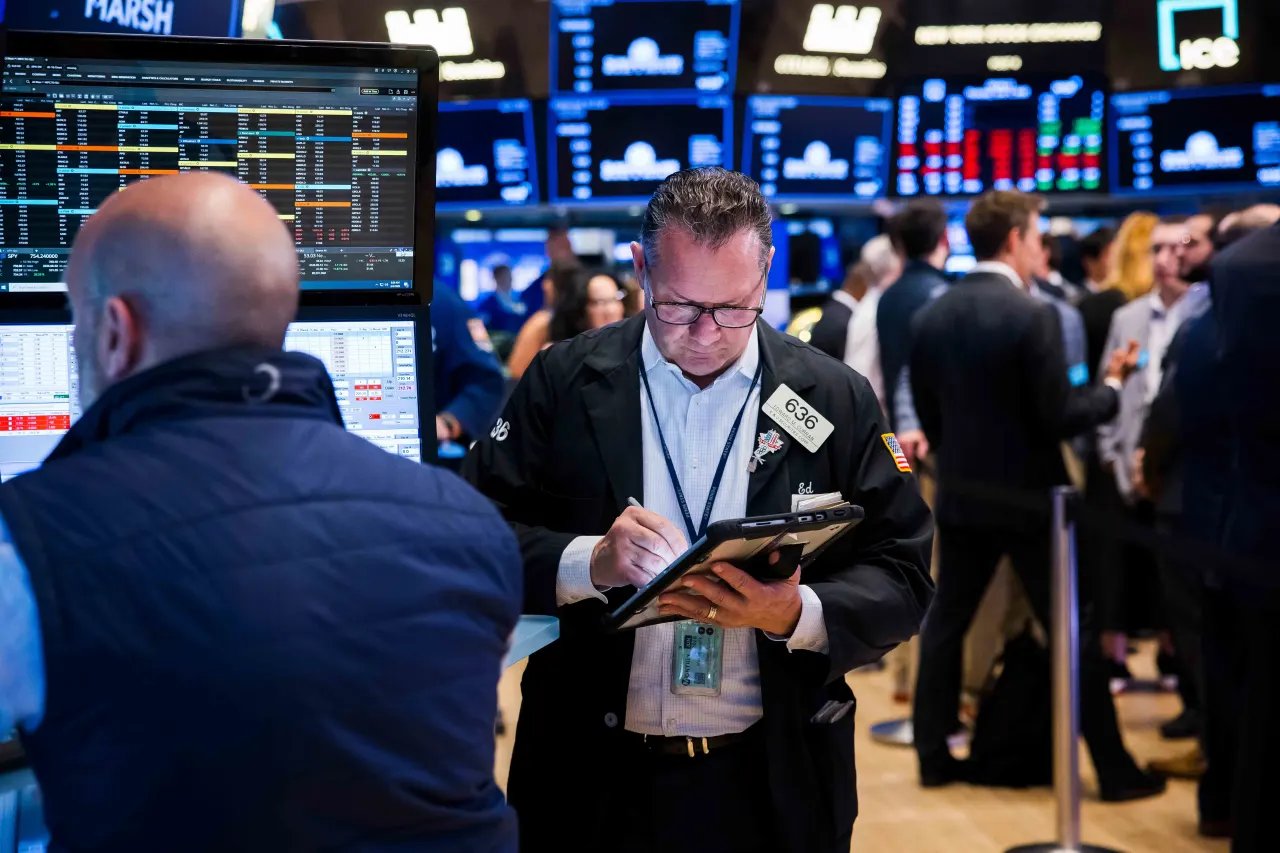
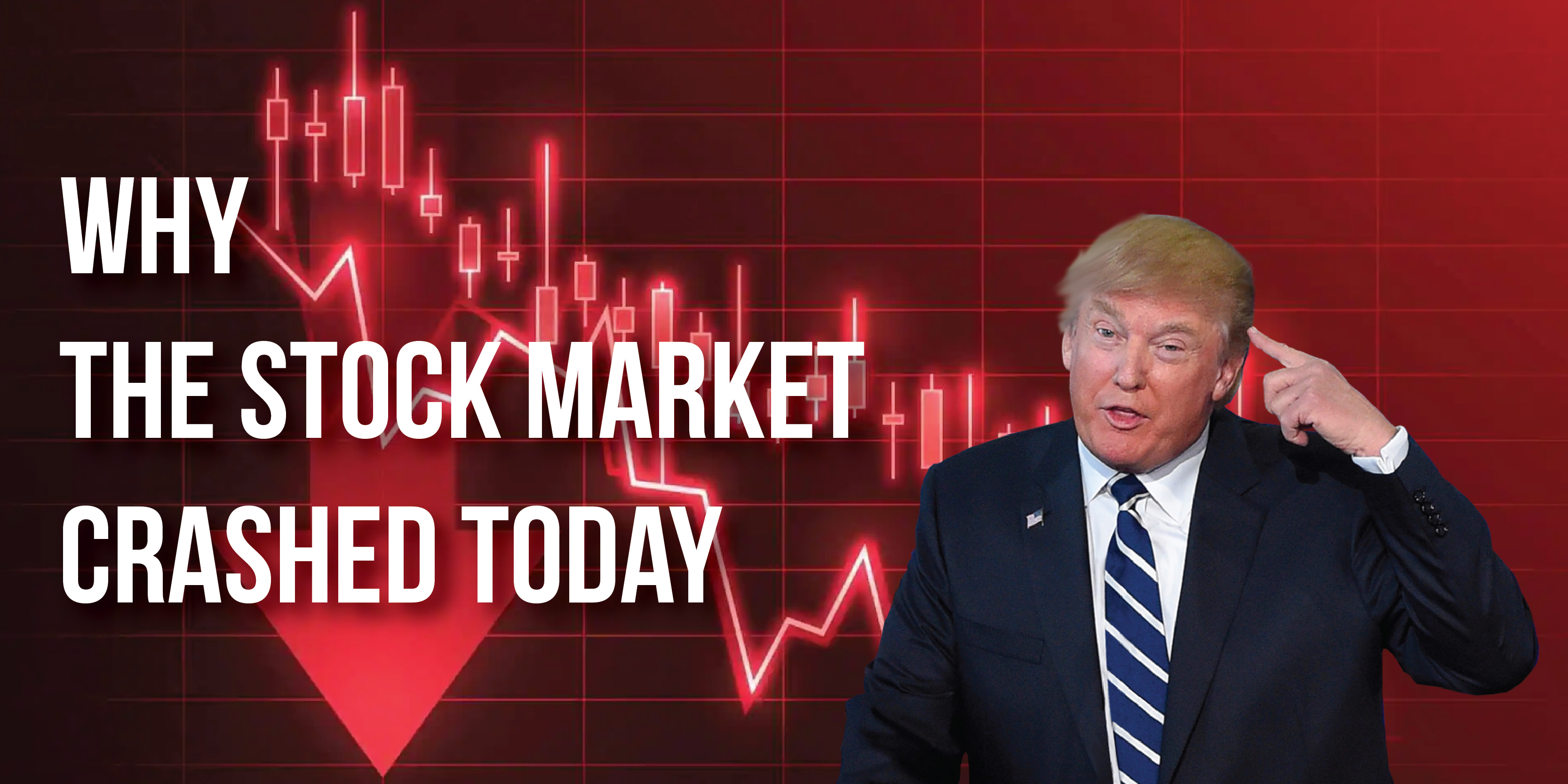
The S&P 500 fell more than 2.6 percent on Friday, its worst one-day drop of the year and ending nine weeks of gains. The decline came after employers added 172,000 jobs in May, roughly double what forecasters had expected, signaling economic strength that investors worry will force the Federal Reserve to raise interest rates.
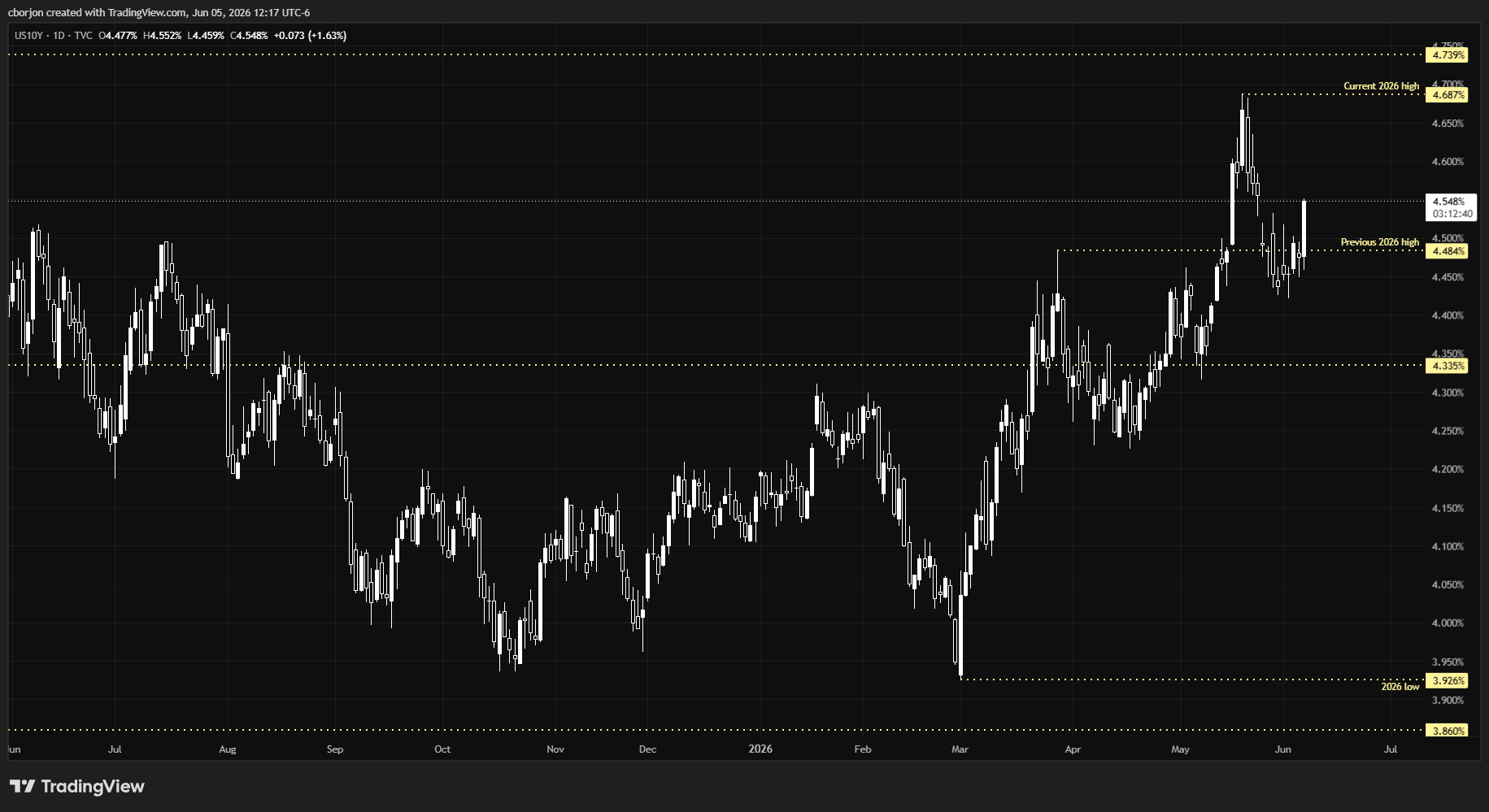
Bond traders fully priced in a Federal Reserve interest-rate hike by the end of this year after the jobs data was released. Wall Street now expects a rate hike in December, a sharp change from the start of the year when central bank officials had still penciled in two rate cuts. An increase by the Fed could lead, over time, to higher borrowing costs for mortgages, auto loans, and business loans.
Job growth was broad-based across the economy. Local governments added 55,000 workers, restaurants and bars 48,000, and healthcare companies 35,000. The unemployment rate remained at a low 4.3%, and Labor Department revisions added a combined 93,000 jobs in March and April.
Heather Long, chief economist at Navy Federal Credit Union, said "The hiring recession is over. American firms are hiring again. The job rebound is happening in almost every industry."
Last year, employers added just 9,700 jobs a month, the fewest outside of a recession since 2002. Hiring has rebounded, averaging 114,000 new jobs a month so far this year.
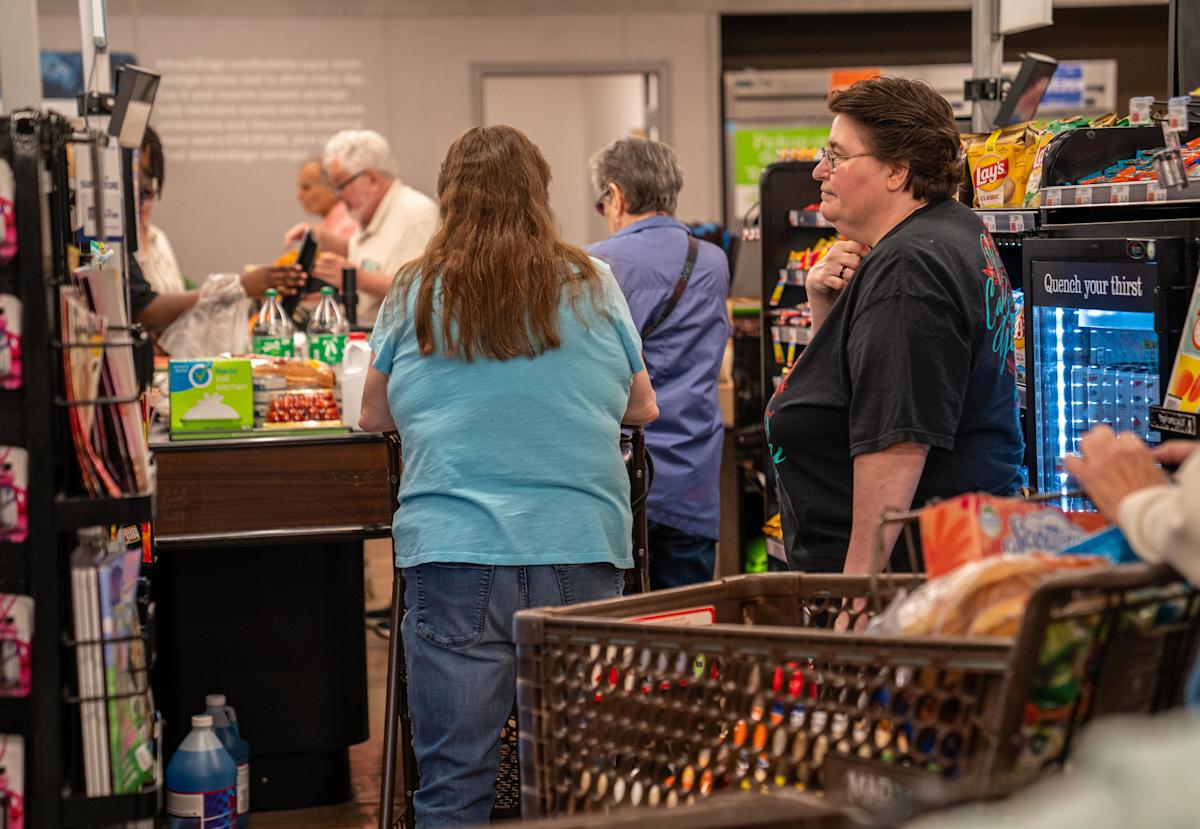
Despite the pickup in hiring, wage gains were modest. With just five months to go before consequential midterm elections, Americans have grown increasingly frustrated by rising costs, and it's unclear if the strong job numbers will change their gloomy view of the economy.
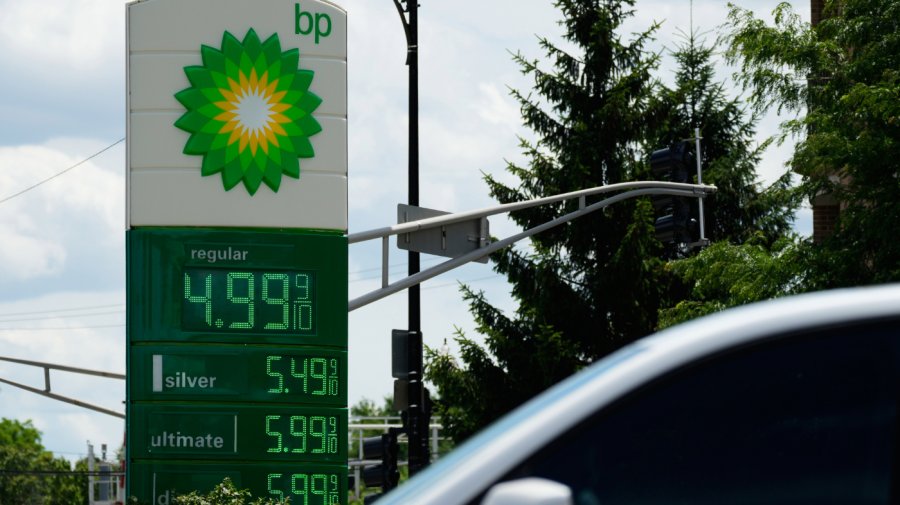
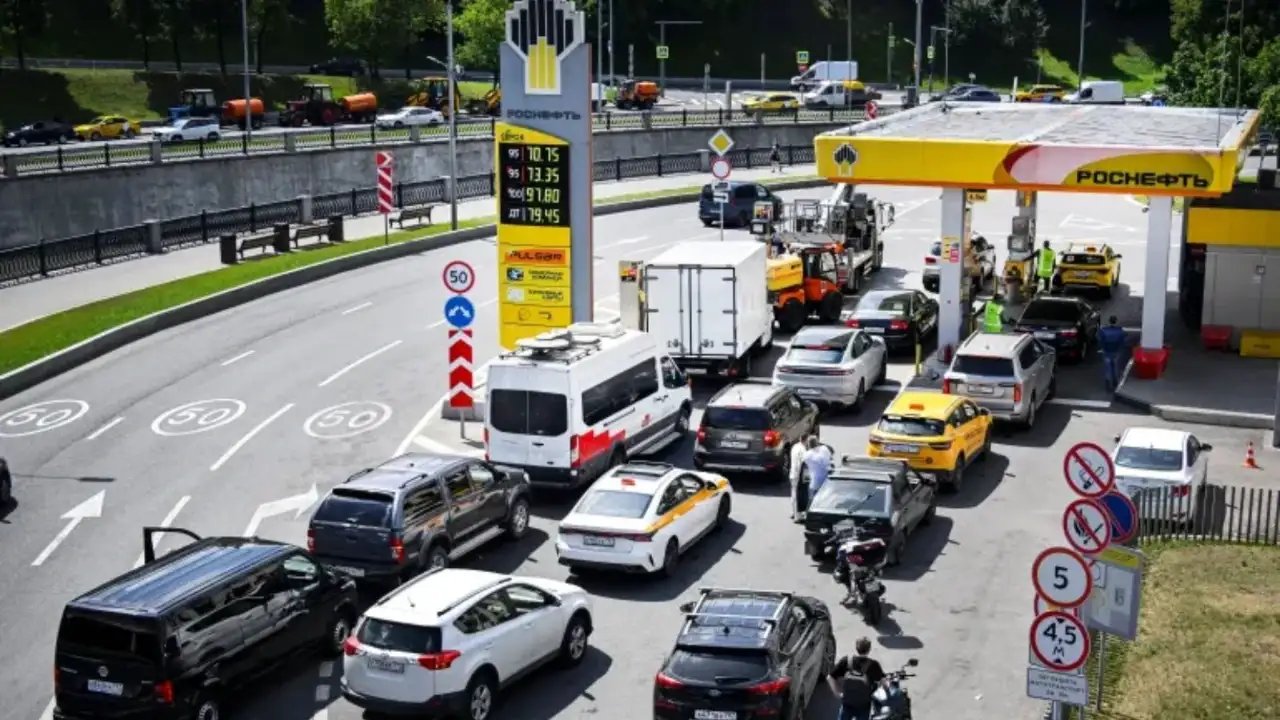
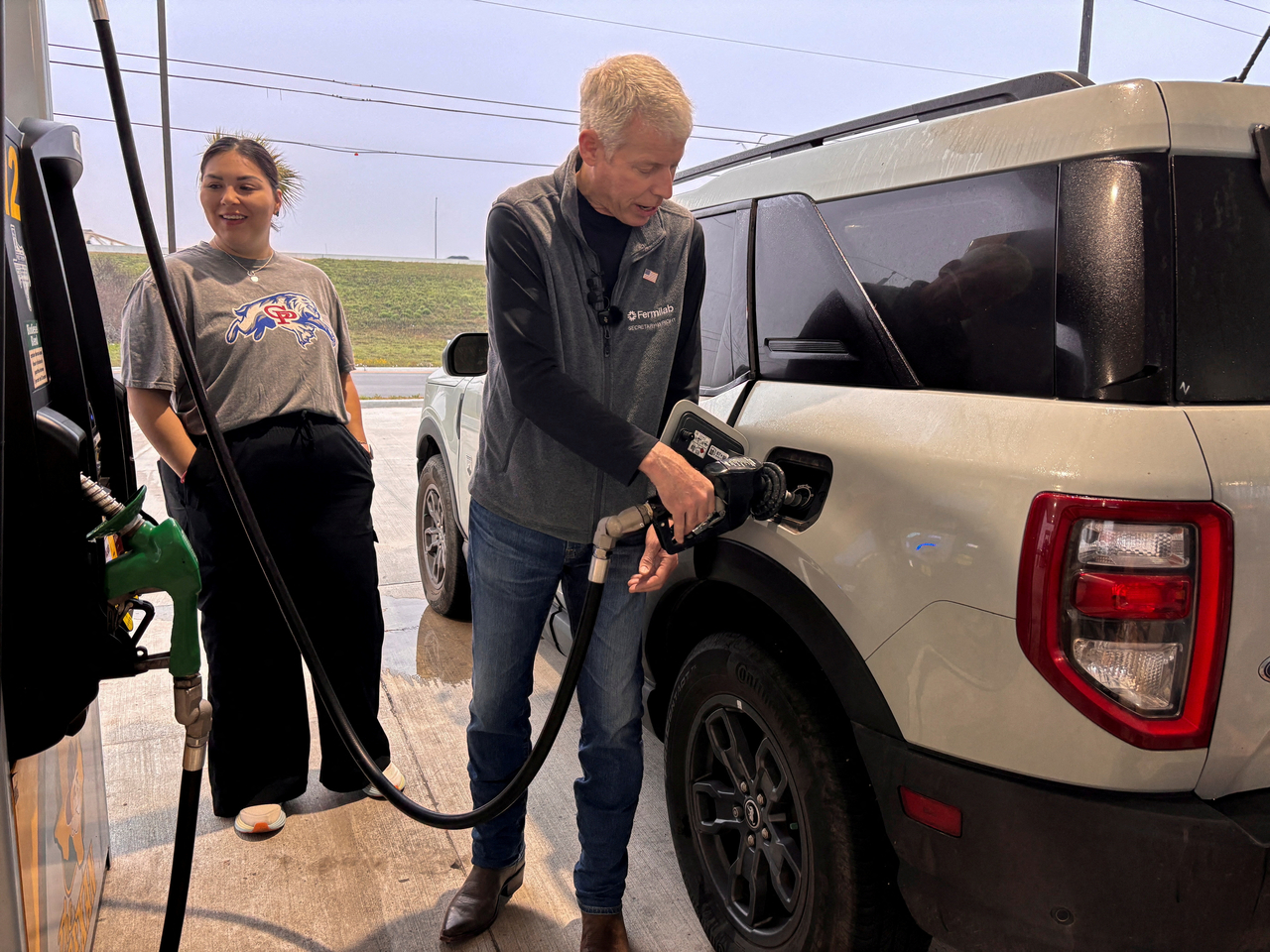
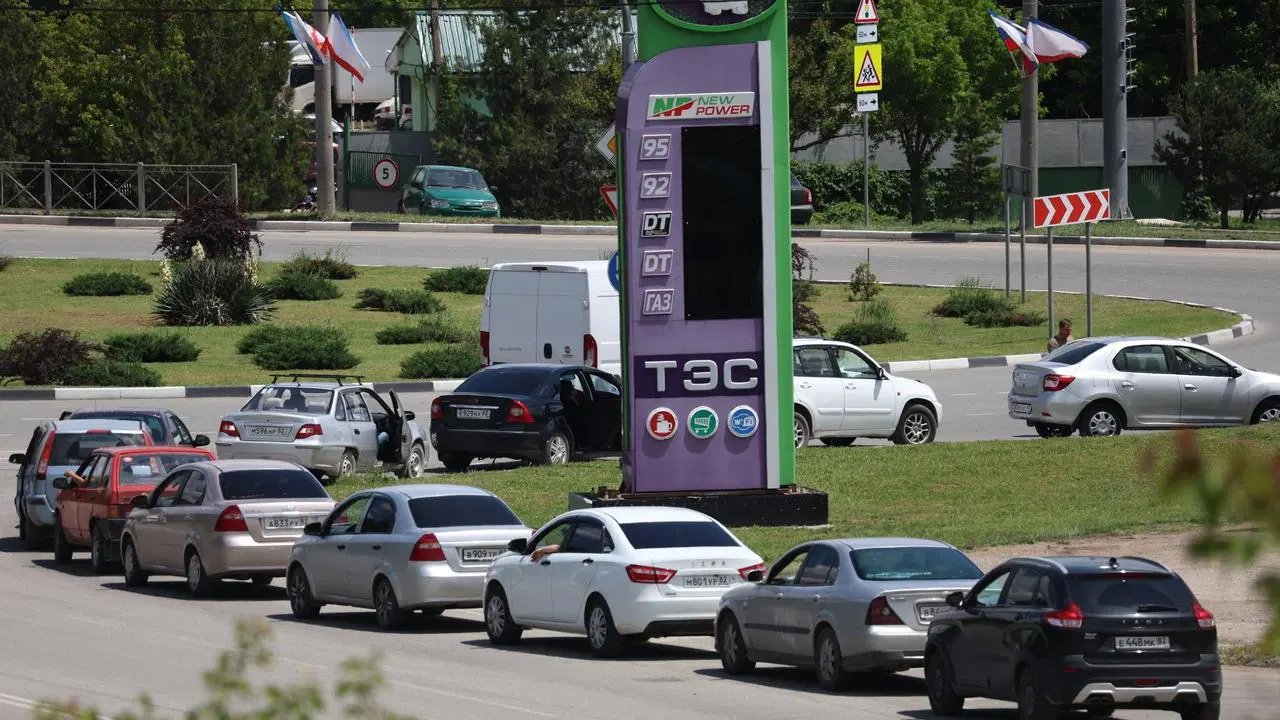
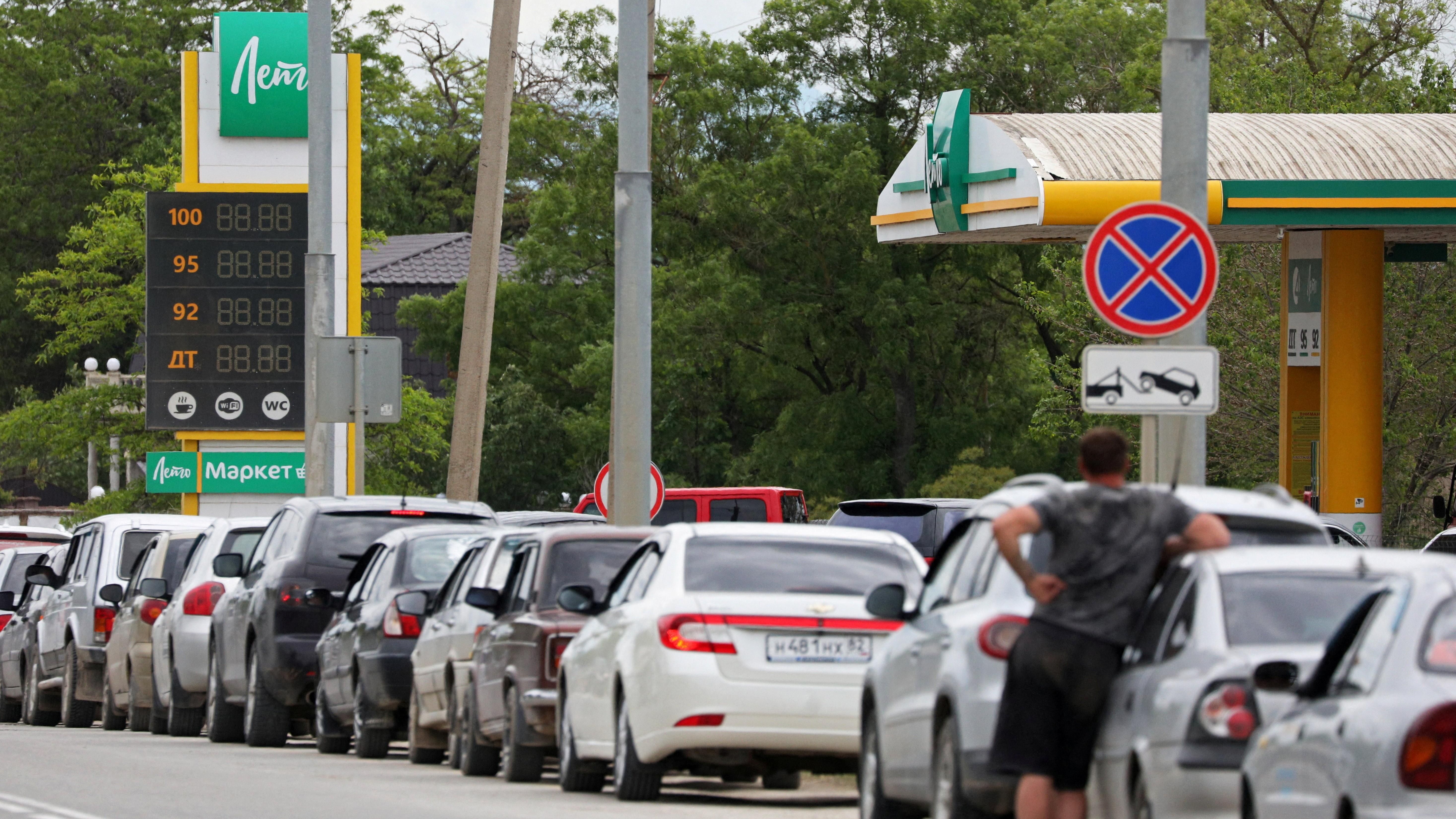
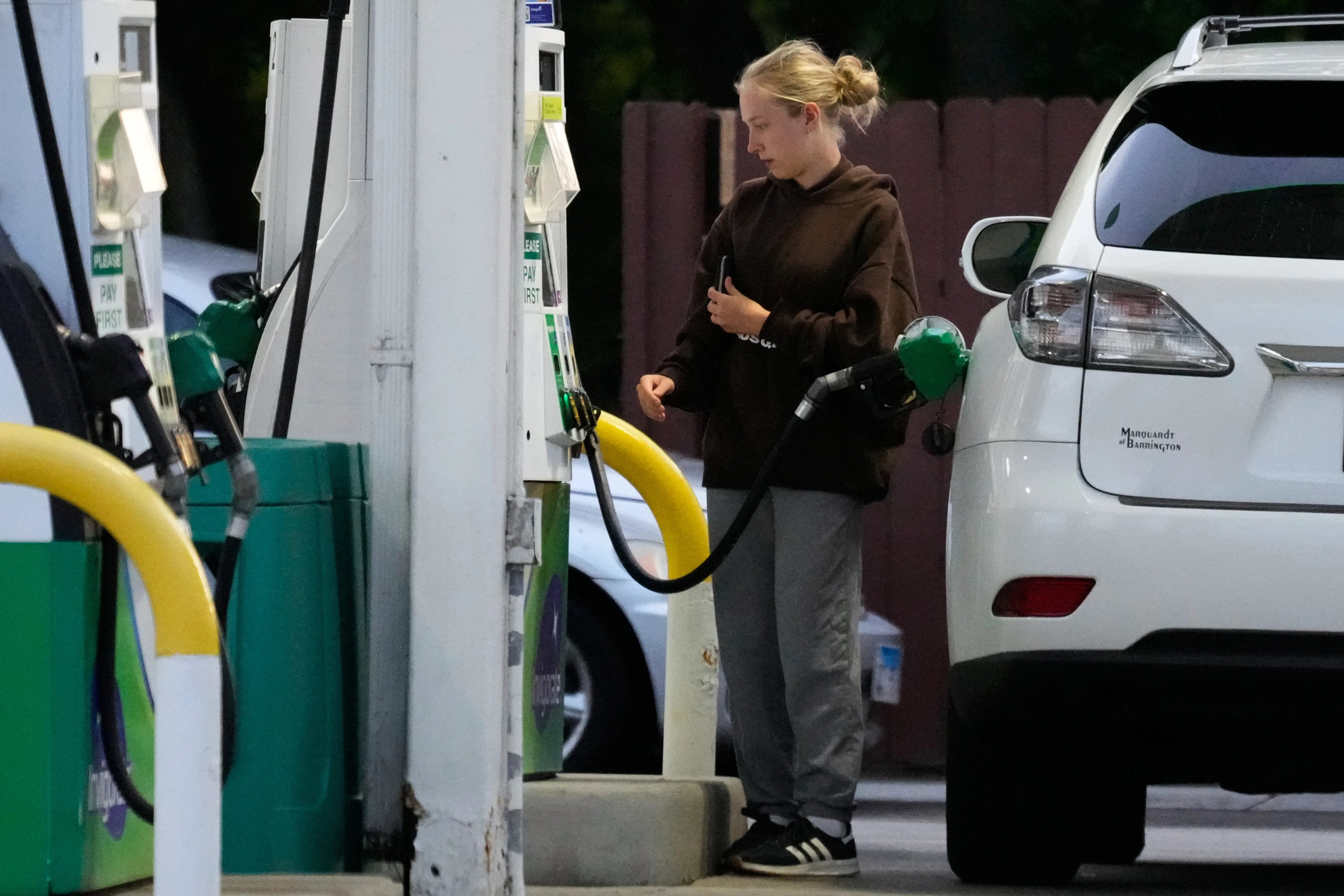
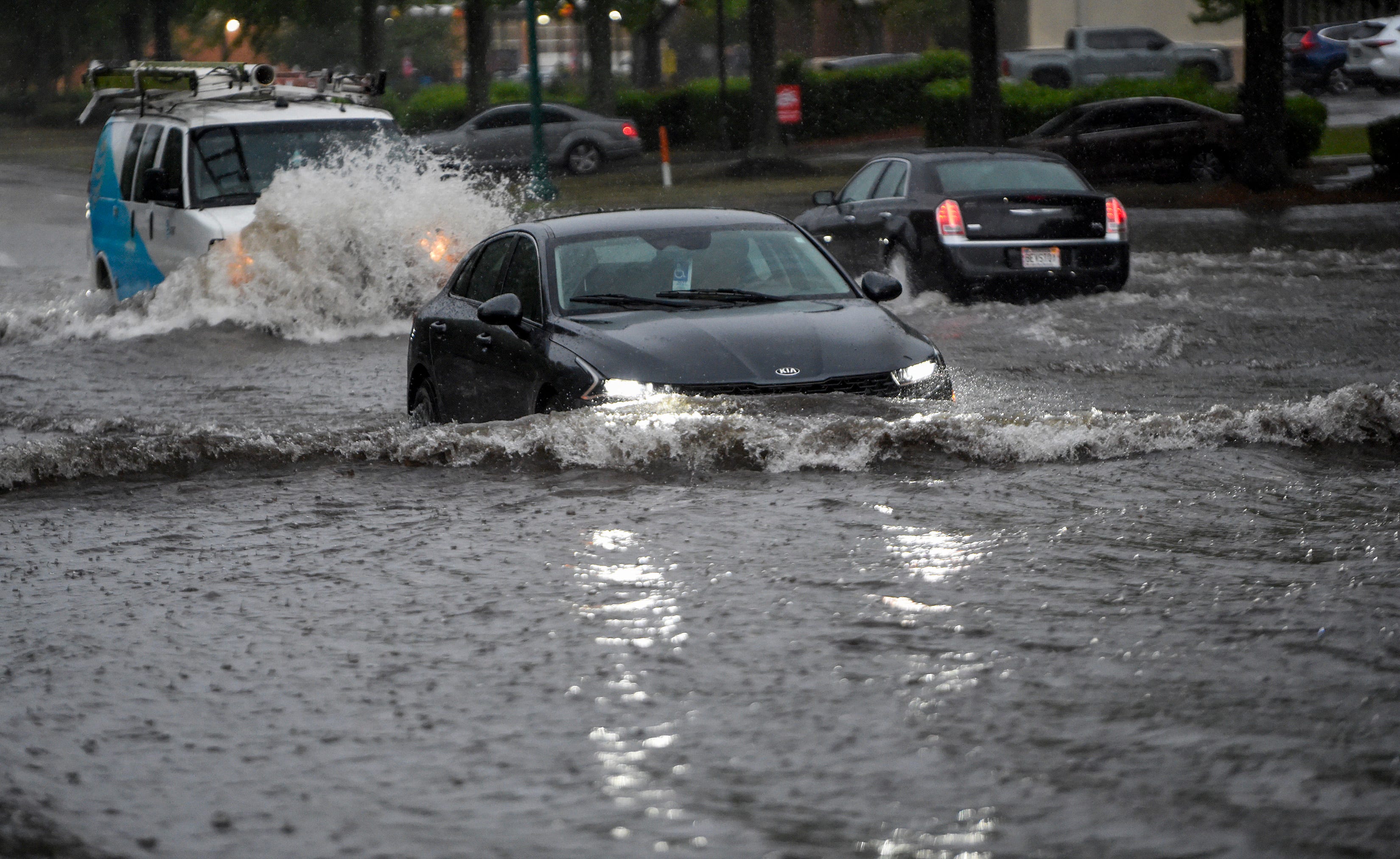
Inflation data showed that in addition to gasoline, prices for groceries, clothing and electricity are also on the rise. Gasoline prices have remained above $4 per gallon since March.
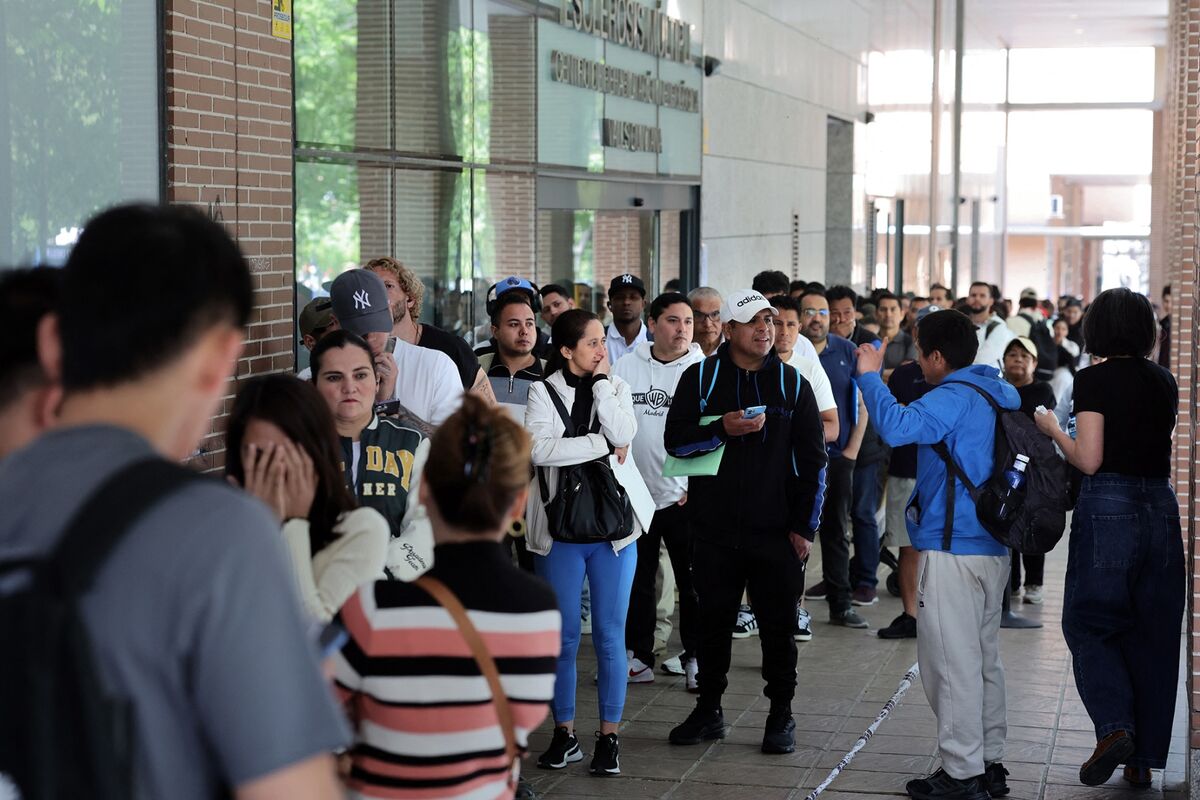
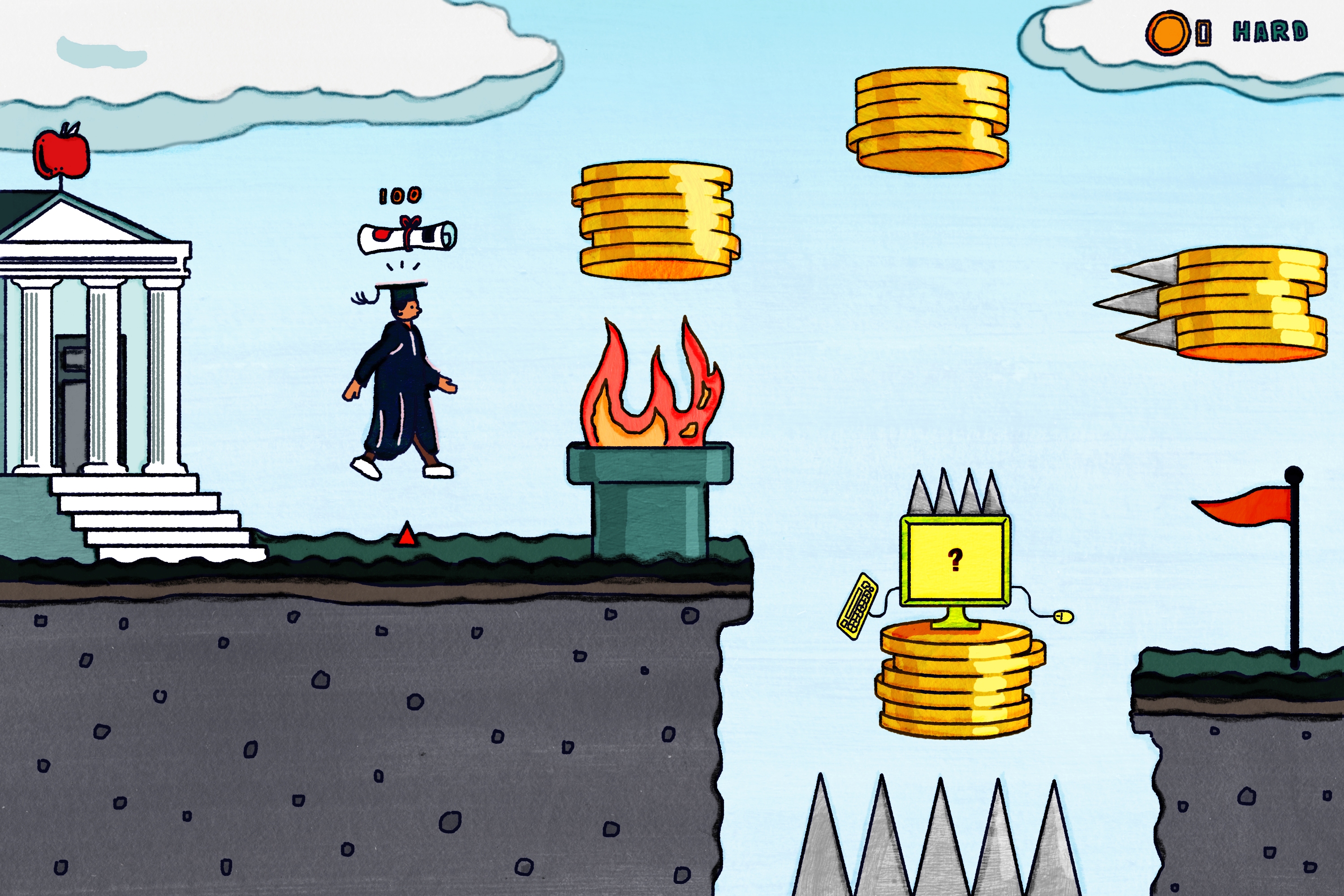
Nearly 28% of the unemployed in April had been jobless for more than six months. Many young people are still finding it tough to catch a break on a job, and workers who have been laid off have struggled to find another.
John Flood, head of Americas equities execution services at Goldman Sachs Group Inc., said Friday's pullback in US equities offers a chance to add exposure rather than a reason to retreat, with a clear path for the S&P 500 to reach 8,000 this year.
Dario Perkins, an economist at TS Lombard, said "Higher rates are coming, particularly when inflation is above target and clearly moving in the wrong direction. The only question is when."
The S&P 500 fell more than 2.6 percent on Friday, its worst one-day drop of the year and ending nine weeks of gains. The decline came after employers added 172,000 jobs in May, roughly double what forecasters had expected, signaling economic strength that investors worry will force the Federal Reserve to raise interest rates.
Bond traders fully priced in a Federal Reserve interest-rate hike by the end of this year after the jobs data was released. Wall Street now expects a rate hike in December, a sharp change from the start of the year when central bank officials had still penciled in two rate cuts. An increase by the Fed could lead, over time, to higher borrowing costs for mortgages, auto loans, and business loans.
Job growth was broad-based across the economy. Local governments added 55,000 workers, restaurants and bars 48,000, and healthcare companies 35,000. The unemployment rate remained at a low 4.3%, and Labor Department revisions added a combined 93,000 jobs in March and April.
Job growth averaged 188,000 a month from March through May, marking the best three months of hiring since early 2024. Heather Long, chief economist at Navy Federal Credit Union, said "The hiring recession is over. American firms are hiring again. The job rebound is happening in almost every industry."
Last year, employers added just 9,700 jobs a month, the fewest outside of a recession since 2002. Hiring has rebounded, averaging 114,000 new jobs a month so far this year.
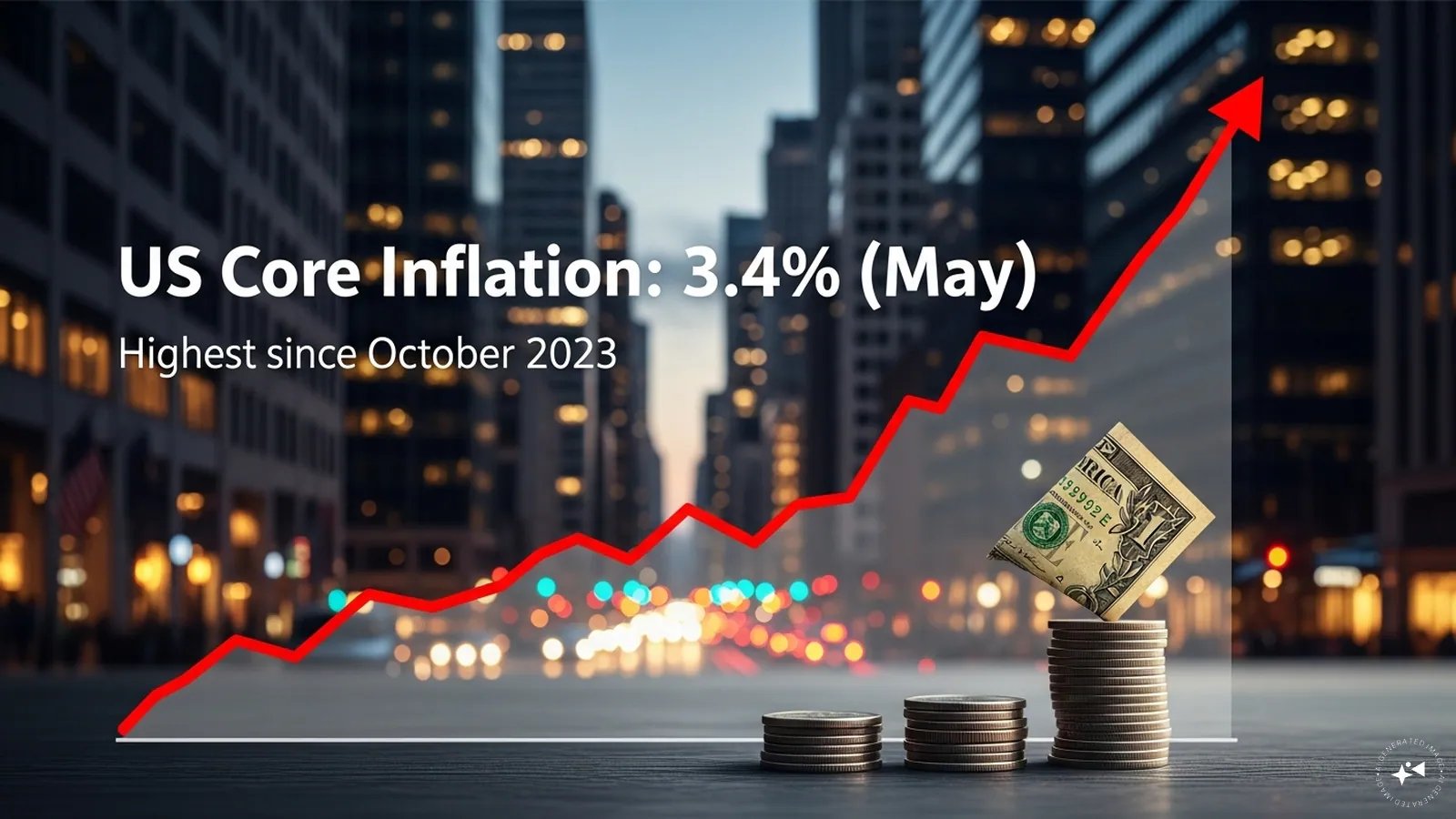
Despite the pickup in hiring, wage gains were modest. Average hourly wages rose 0.3% from April and 3.4% from May 2025. With just five months to go before consequential midterm elections, Americans have grown increasingly frustrated by rising costs, and it's unclear if the strong job numbers will change their gloomy view of the economy.
Inflation data showed that in addition to gasoline, prices for groceries, clothing and electricity are also on the rise. Gasoline prices have remained above $4 per gallon since March. Polls show that Trump's approval rating on the economy is falling sharply after being reelected largely on the promise of taming inflation.
Nearly 28% of the unemployed in April had been jobless for more than six months, the largest share since December 2021. Many young people are still finding it tough to catch a break on a job, and workers who have been laid off have struggled to find another.
John Flood, head of Americas equities execution services at Goldman Sachs Group Inc., said Friday's pullback in US equities offers a chance to add exposure rather than a reason to retreat, with a clear path for the S&P 500 to reach 8,000 this year.
Dario Perkins, an economist at TS Lombard, said "Higher rates are coming, particularly when inflation is above target and clearly moving in the wrong direction. The only question is when."
Highlighted text was flagged by the council. Tap to see feedback.