




Court Ruling on Asylum Benefits
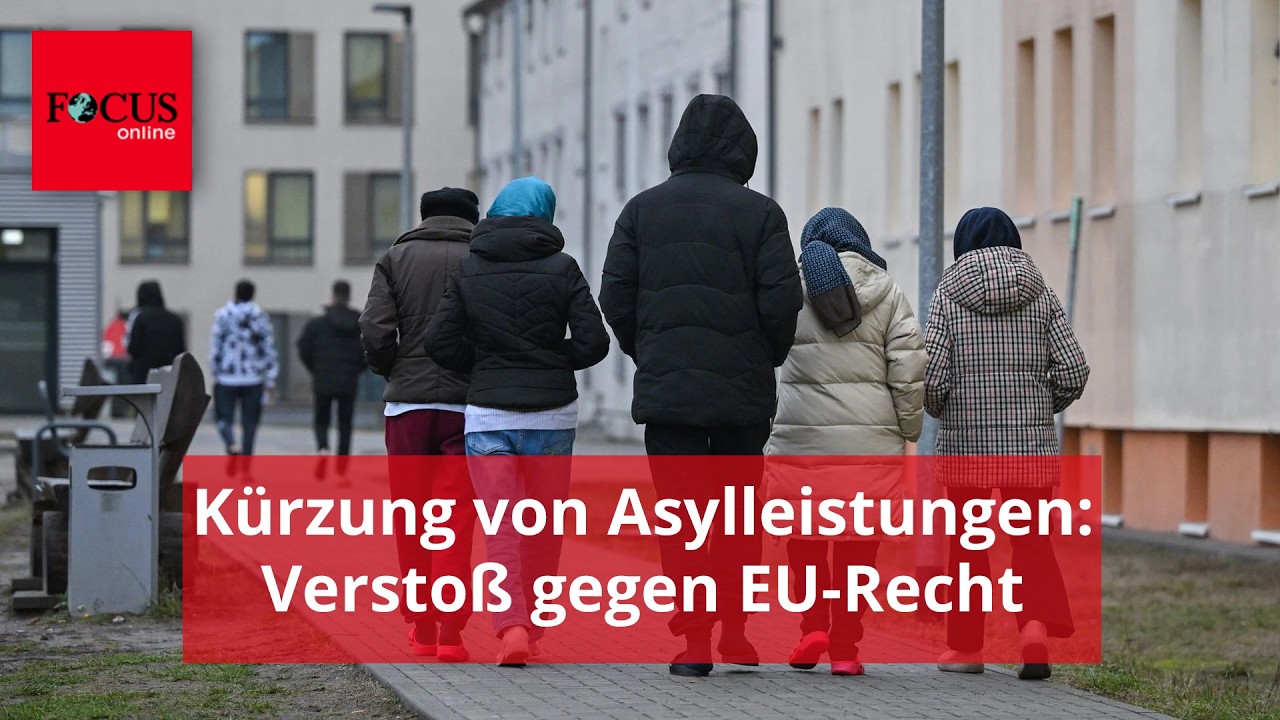
The European Court of Justice (ECJ) ruled that Germany's cuts to asylum benefits violate EU law, significantly impacting rejected asylum-seekers. The court addressed the case of an Afghan asylum-seeker, identified as FB, whose benefits were slashed to a bare minimum after his application was deemed inadmissible. The court stated that essential items like clothing and household goods cannot be withheld, asserting that these are necessary for maintaining dignity while awaiting transfer between EU member states.
Implications for Asylum Seekers
The ruling mandates that even rejected asylum-seekers must receive adequate support, which includes cash benefits for daily necessities. This decision aligns with the EU's Reception Conditions Directive, which sets minimum standards for assistance to asylum applicants. Wiebke Judith, a policy officer for Pro Asyl, emphasized that the absence of clothing and cash assistance undermines living standards, violating the spirit of EU law. Activists believe the ruling will have broad implications across Europe, although the new EU migration pact may complicate its effects.
The New EU Migration Pact
As the new EU migration pact is set to take effect on June 12, concerns arise about its potential to limit the benefits available to asylum-seekers. The pact allows member states to reduce or withdraw daily allowances for applicants required to be present in another member state. Gerard Sadik, asylum manager at the French NGO La Cimade, expressed skepticism about the long-term impact of the ECJ ruling, suggesting that the new rules may diminish the support available to asylum-seekers.
Political Reactions to Asylum Policies
The ruling comes amid heightened political debate in Germany regarding asylum policies, particularly as the far-right Alternative for Germany (AfD) party capitalizes on public sentiment against what they describe as "generous welfare" benefits for migrants. The AfD has criticized the provision of cash assistance, claiming it encourages immigration. Despite these political pressures, Judith remains hopeful, stating that the court's decision underscores the importance of personal benefits for a dignified life.
Future of Asylum Support in Europe
While the ECJ ruling reinforces the rights of asylum-seekers, the upcoming migration pact raises questions about its practical application. The court's decision highlights the need for member states to ensure a minimum standard of living for asylum-seekers, even during transfer processes. As the EU navigates complex migration issues, the balance between national policies and EU law will be crucial in shaping the future of asylum support across Europe.