




U.S.-Iran Negotiations Intensify
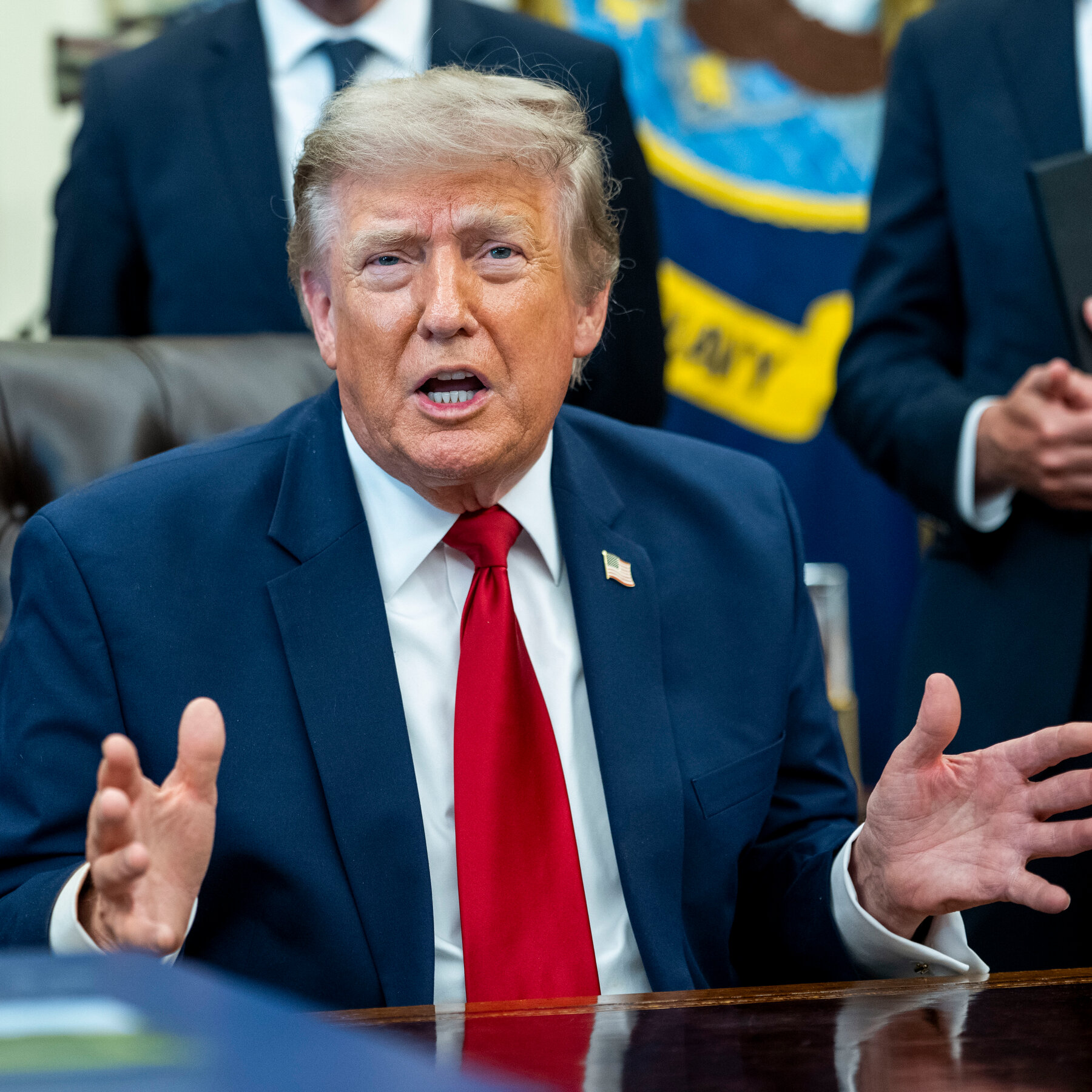
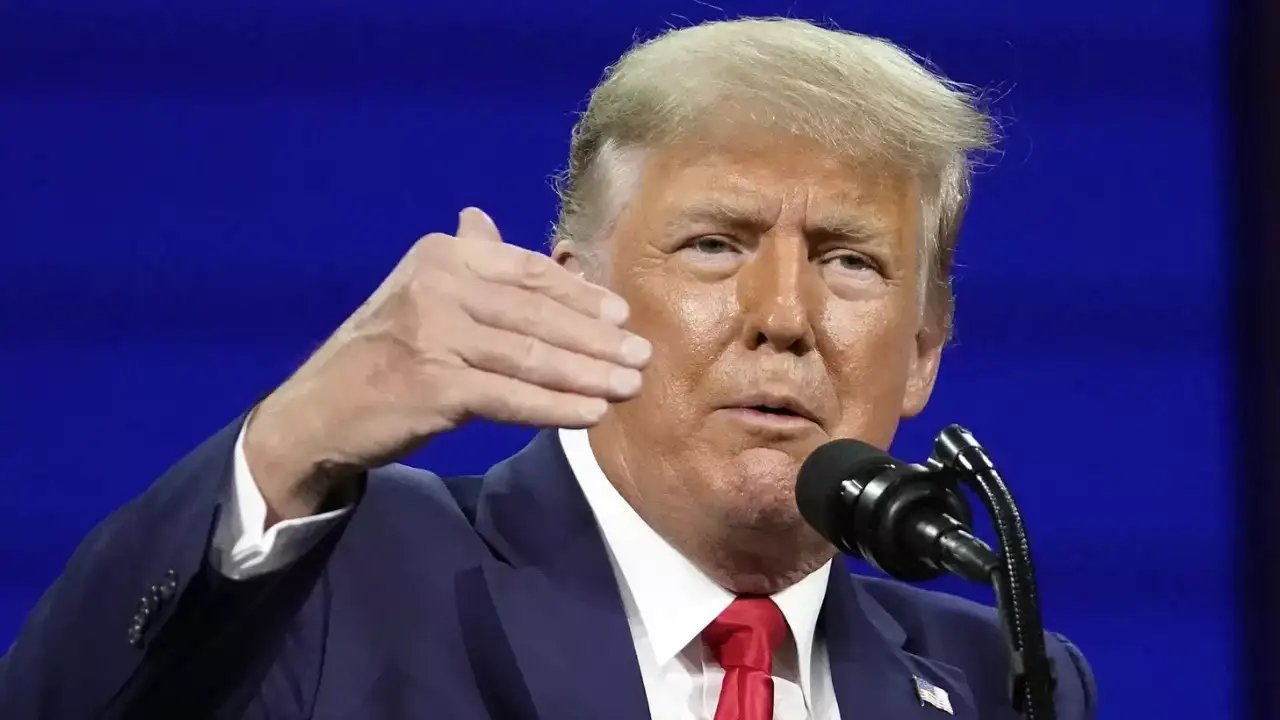
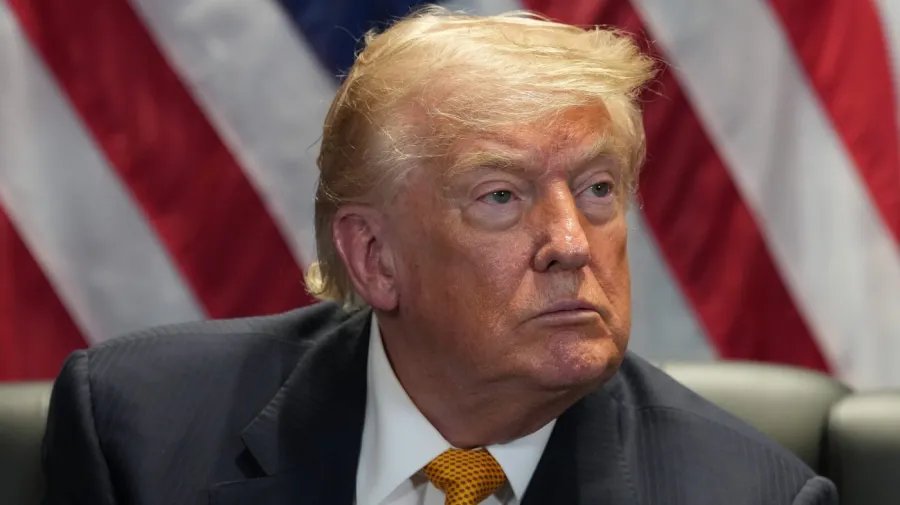
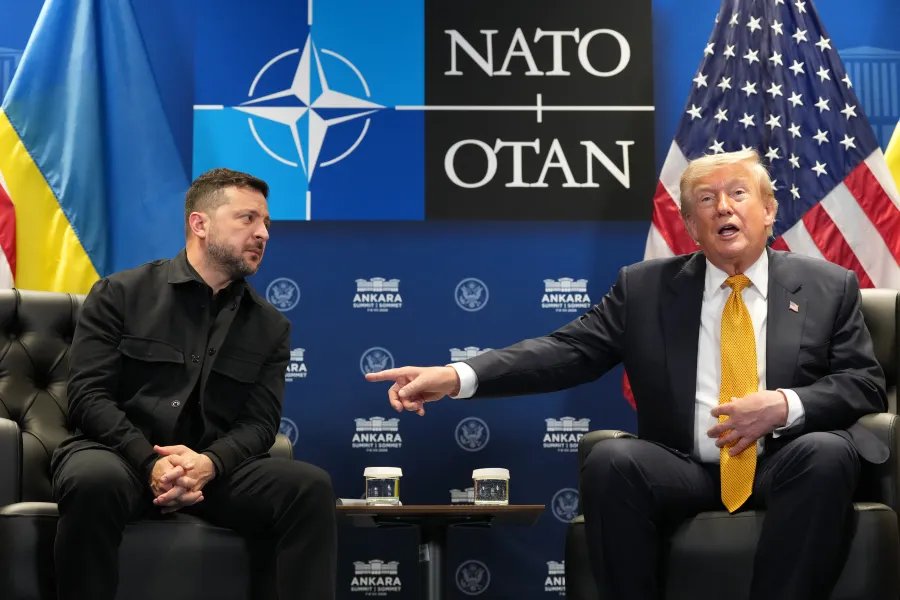
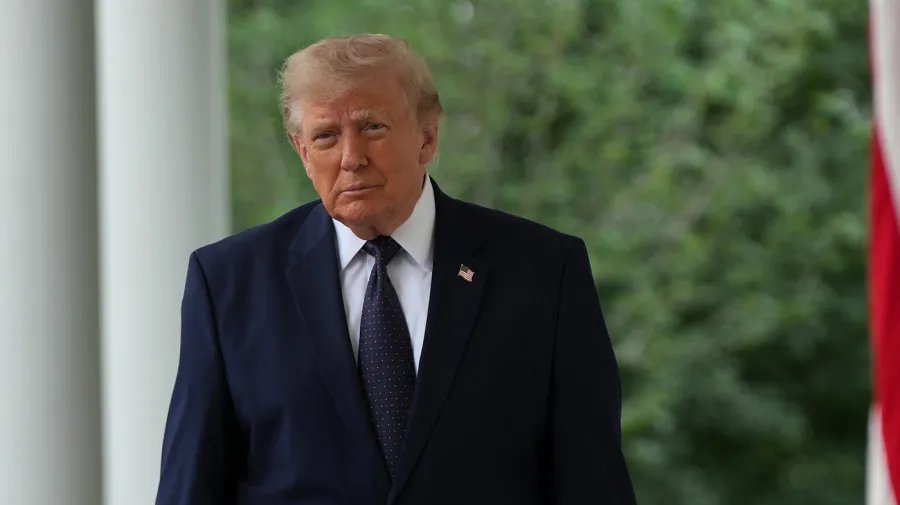
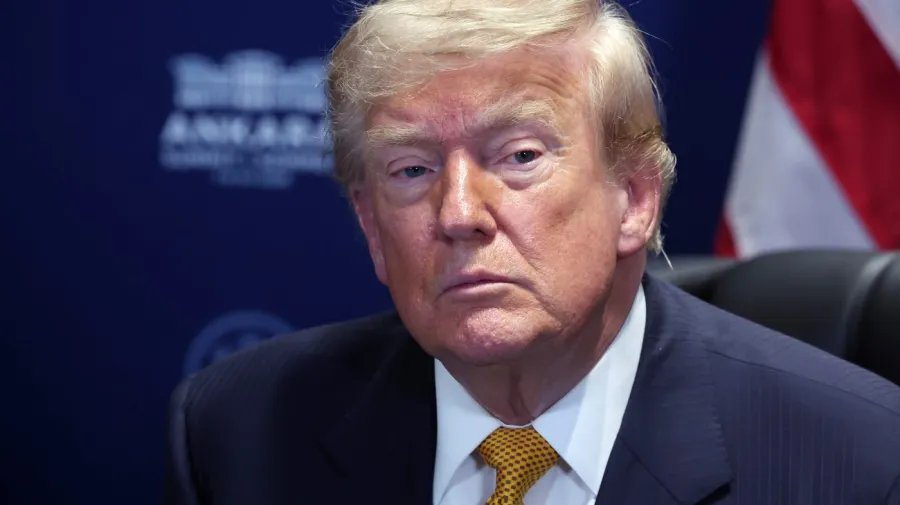
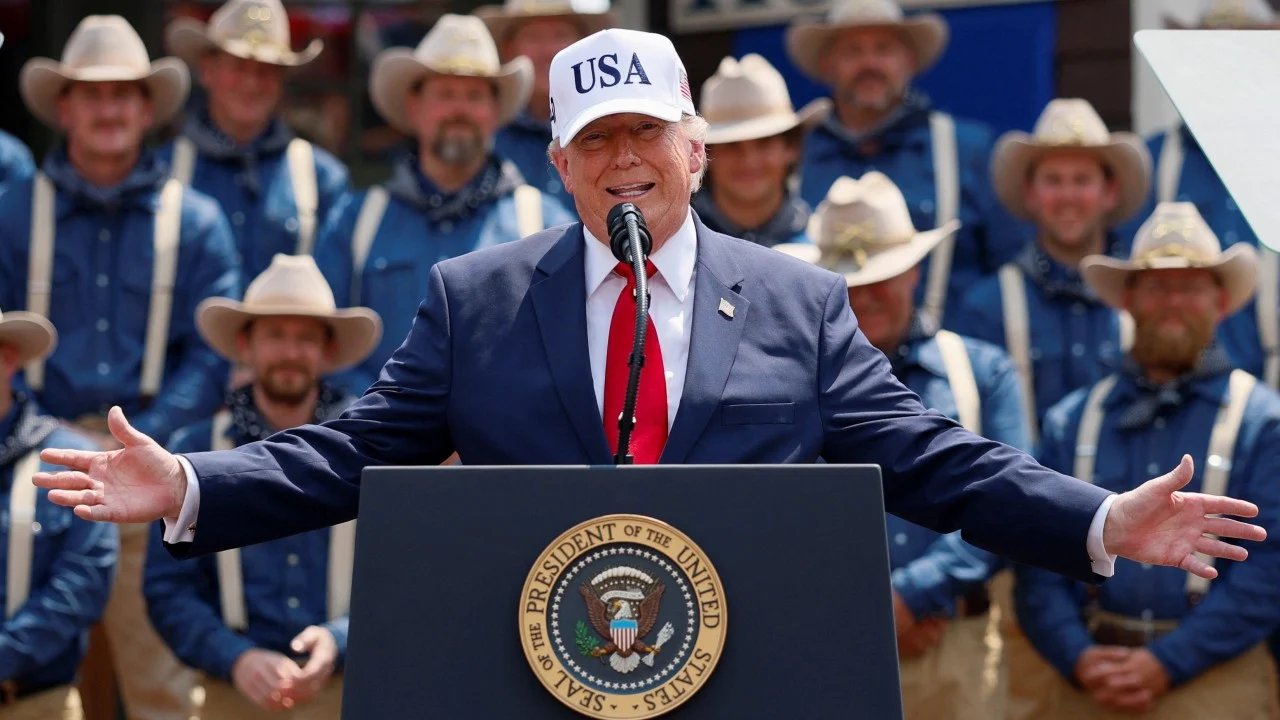
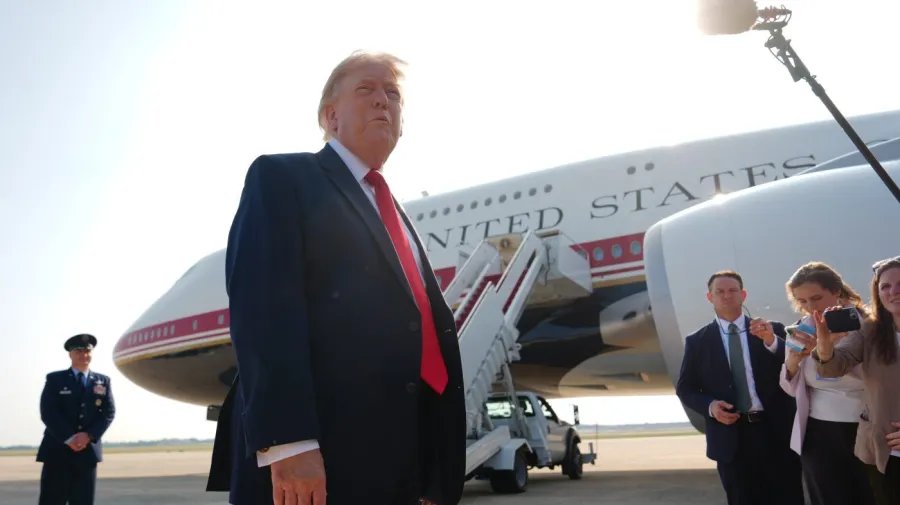
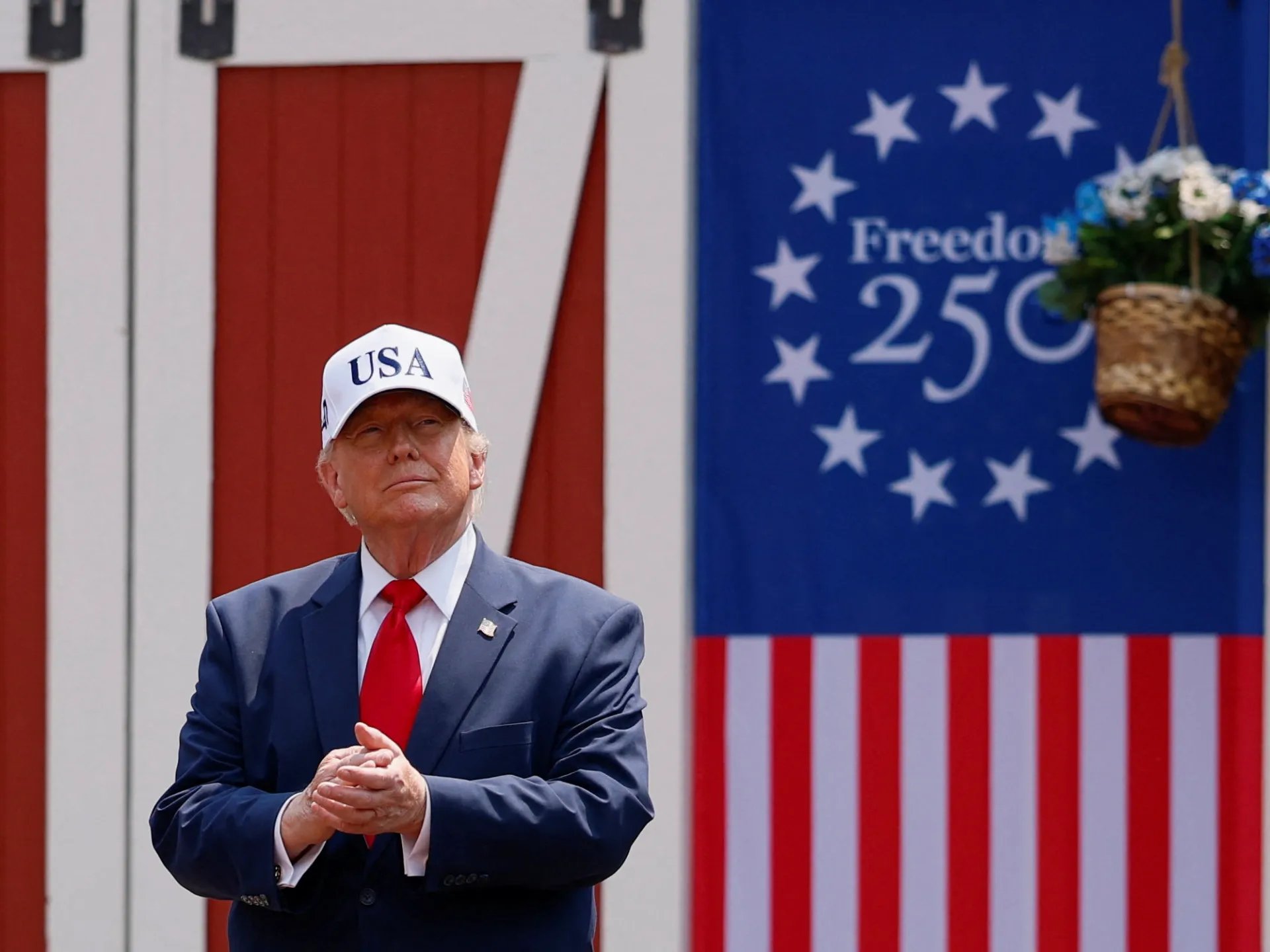
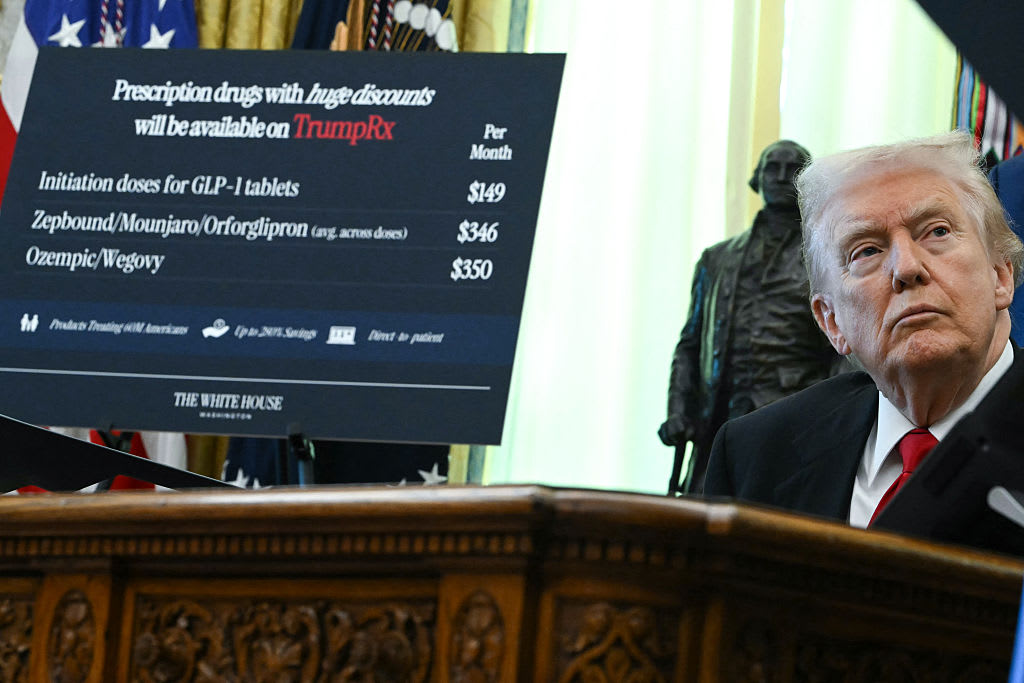
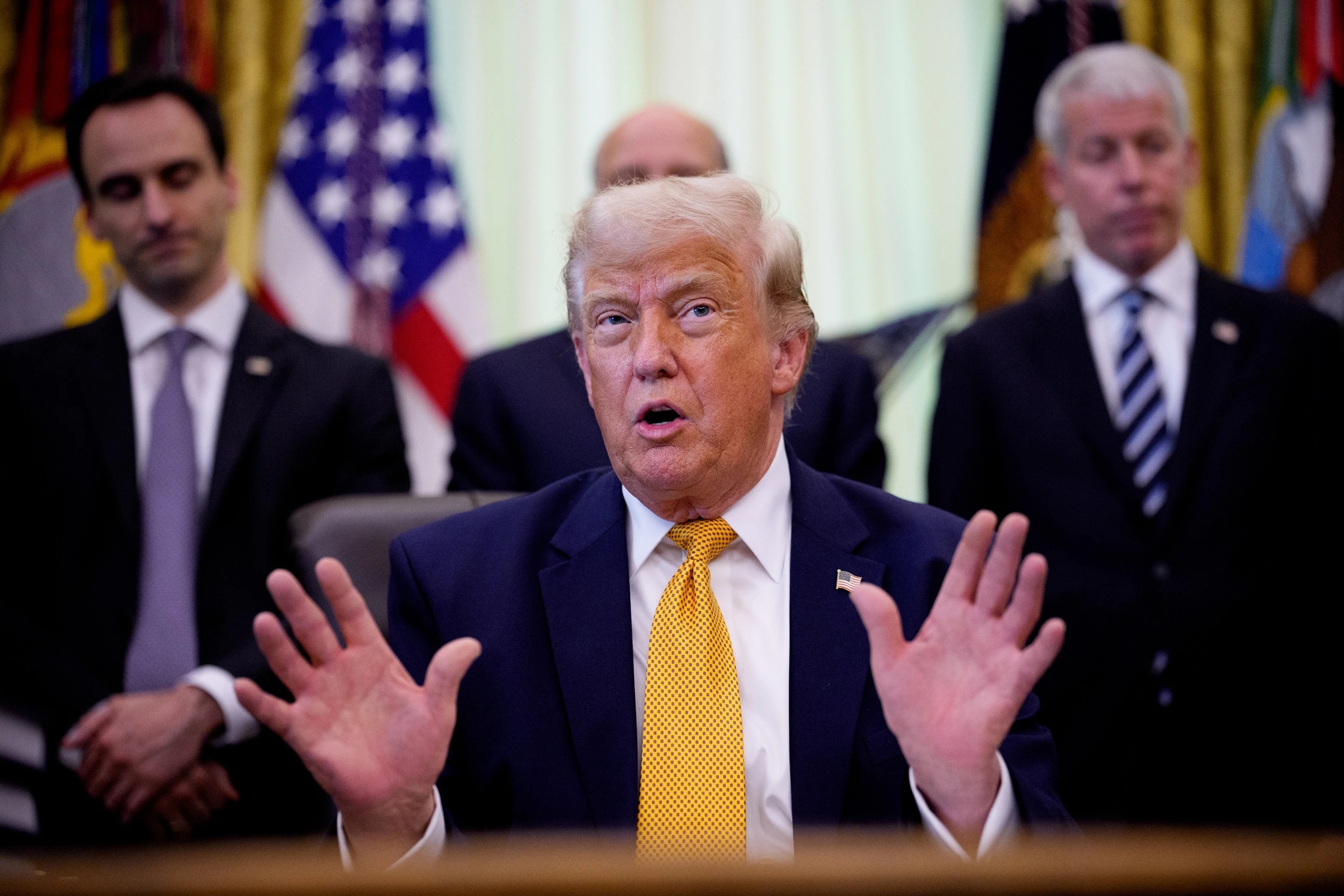
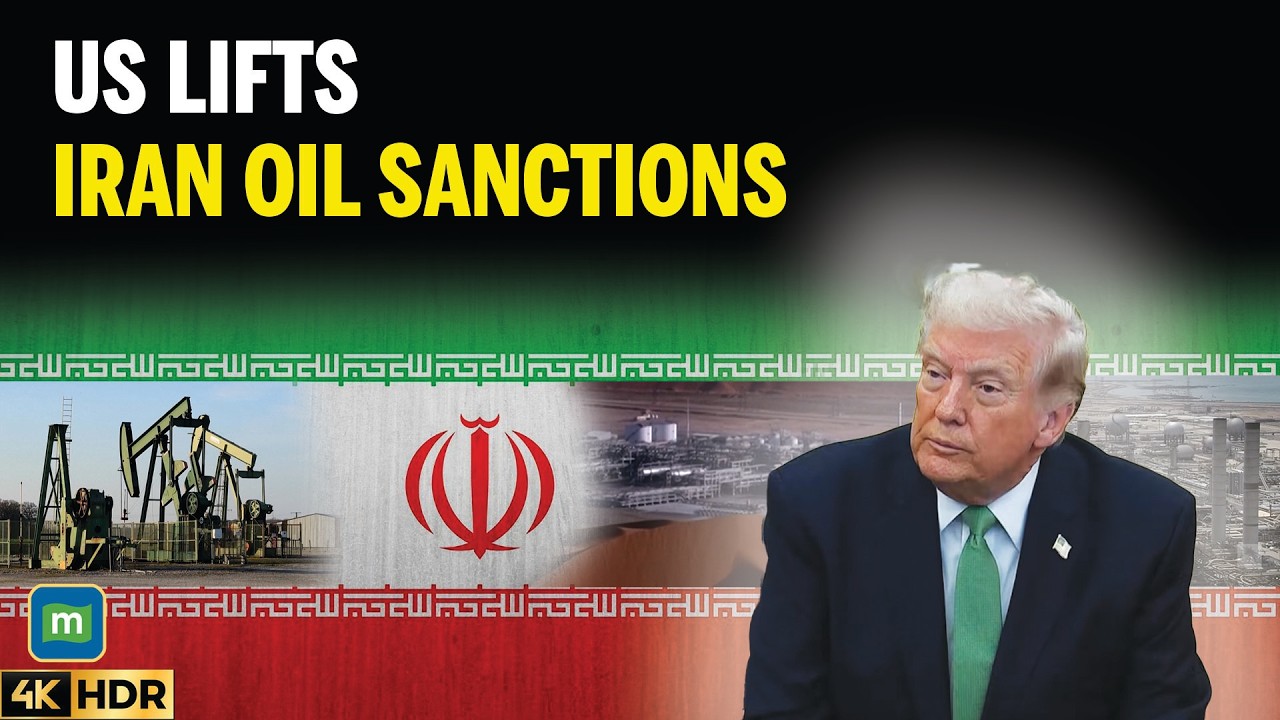
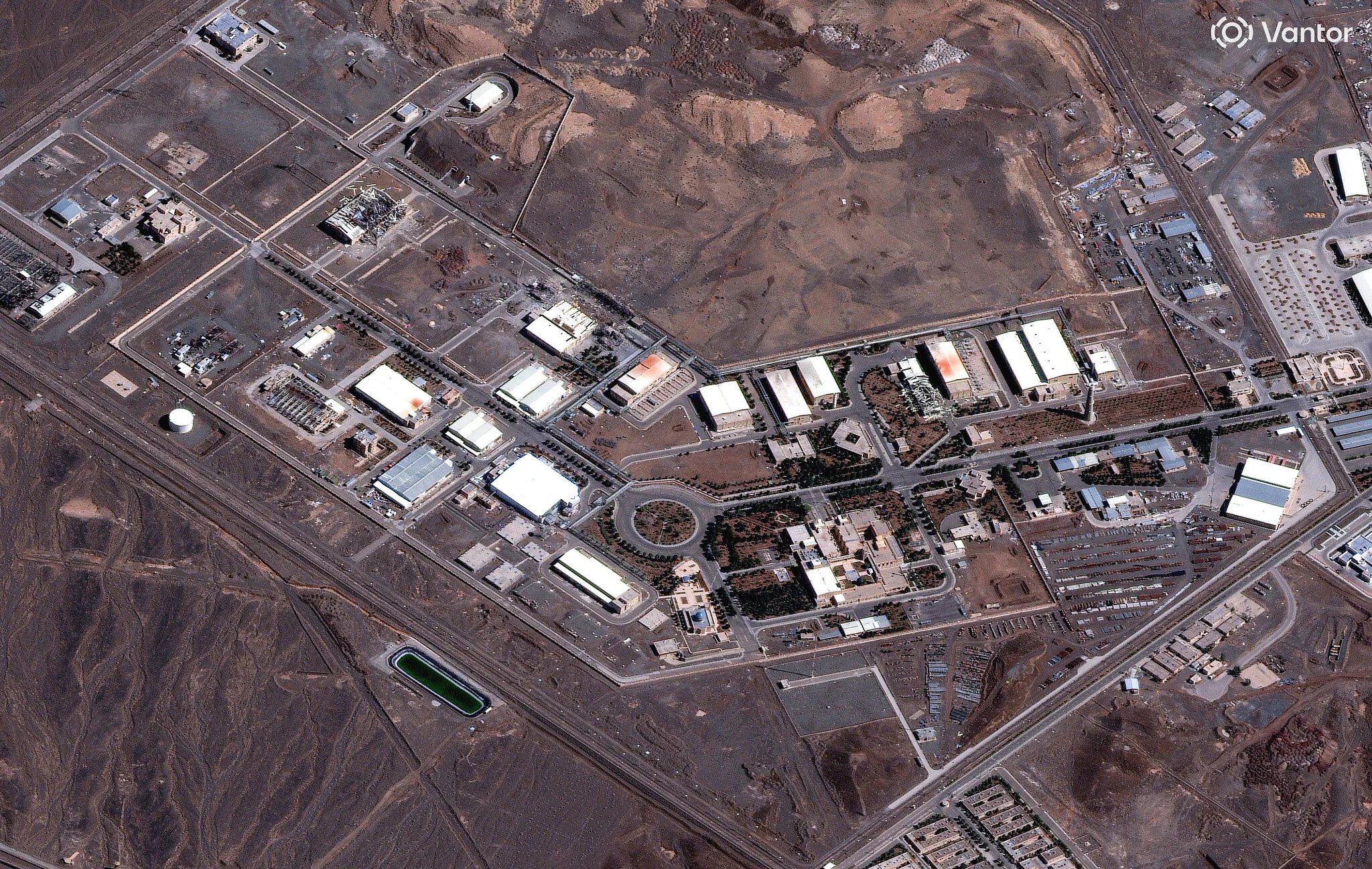
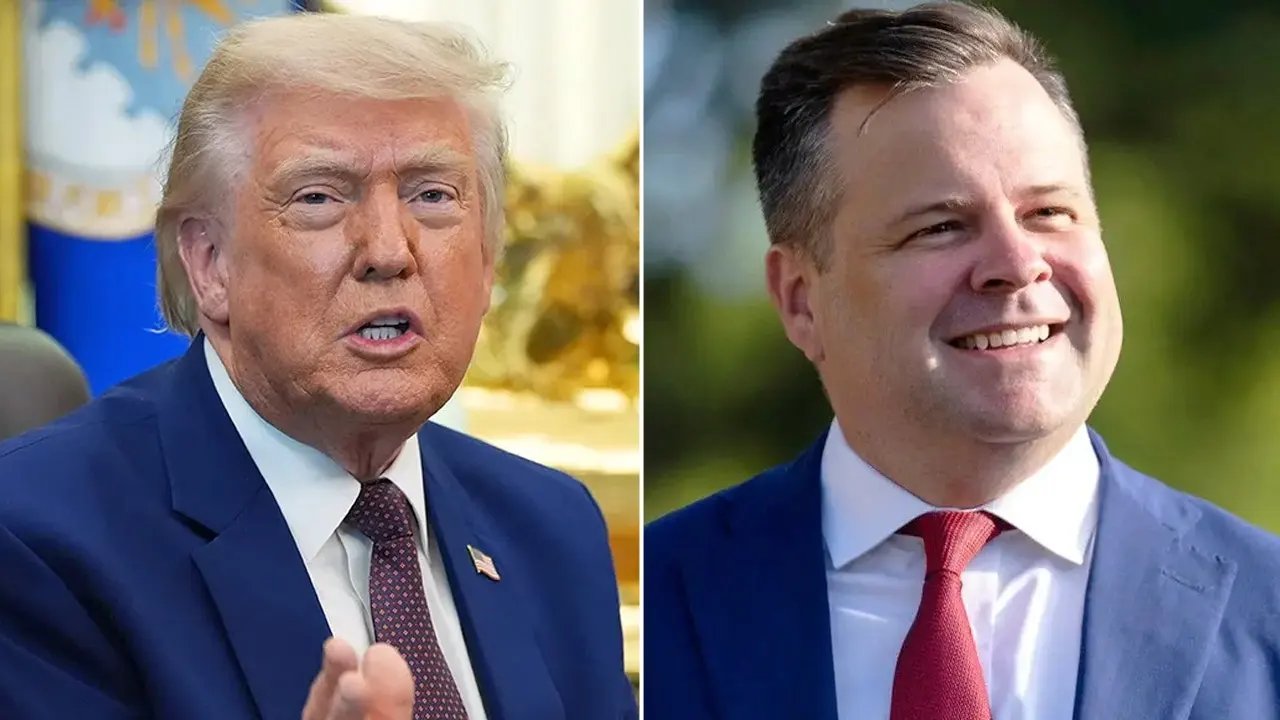
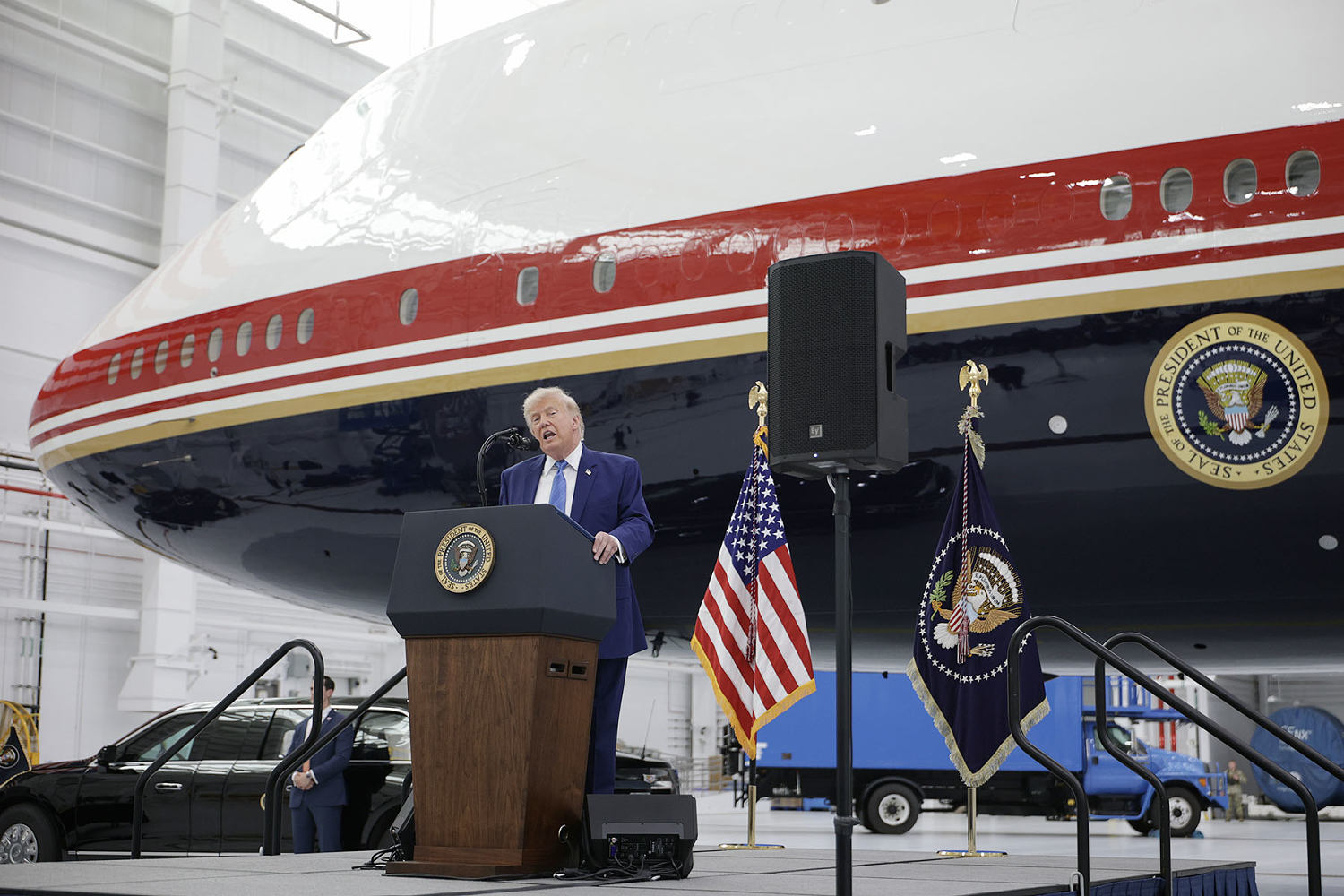
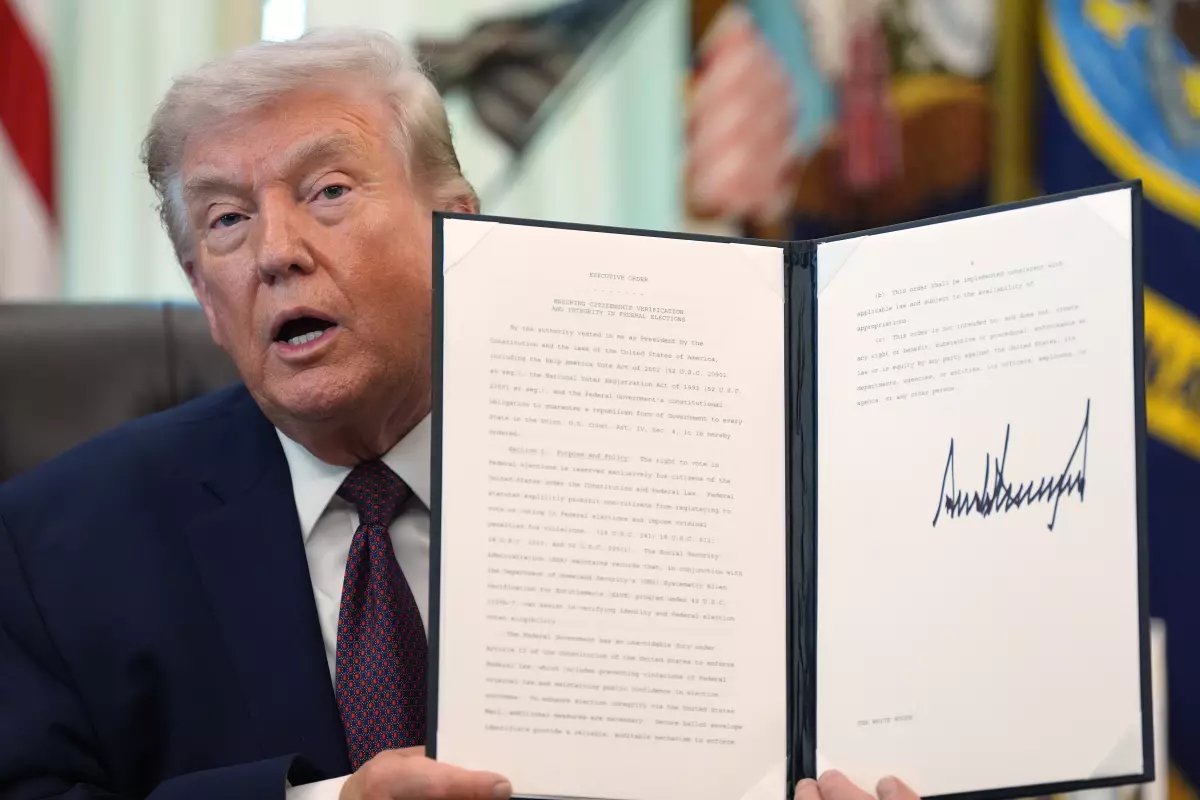
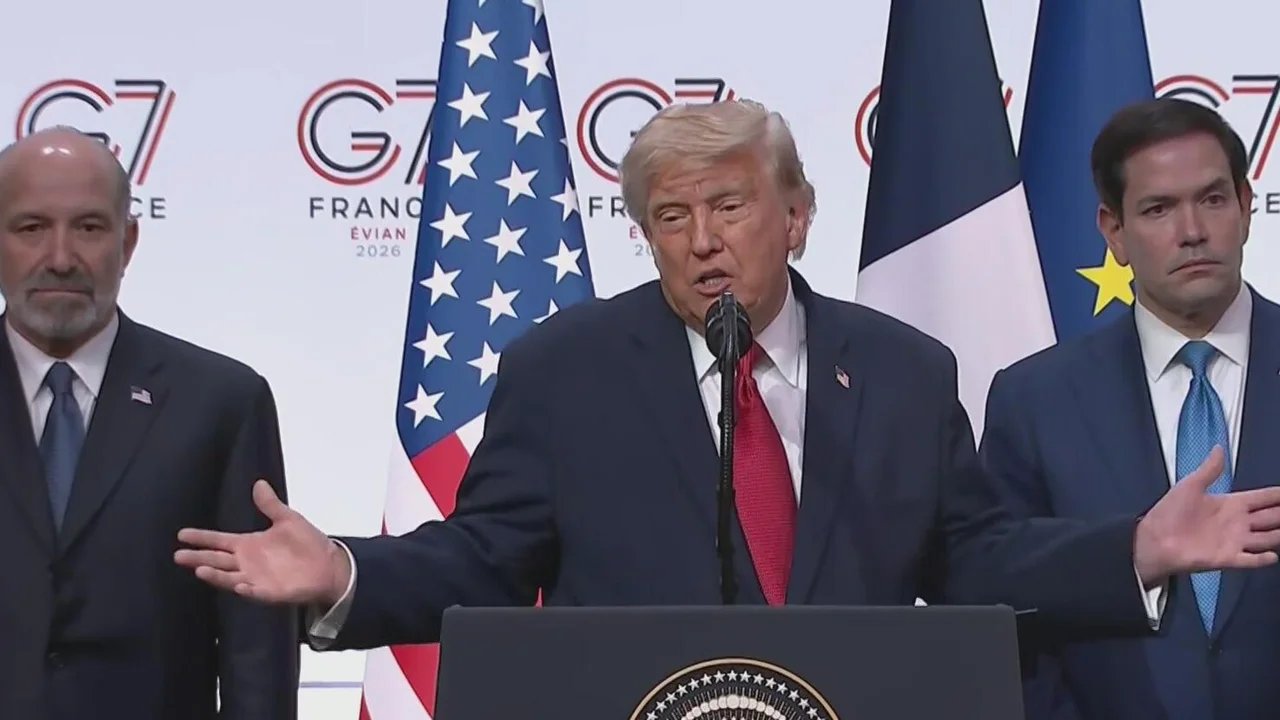
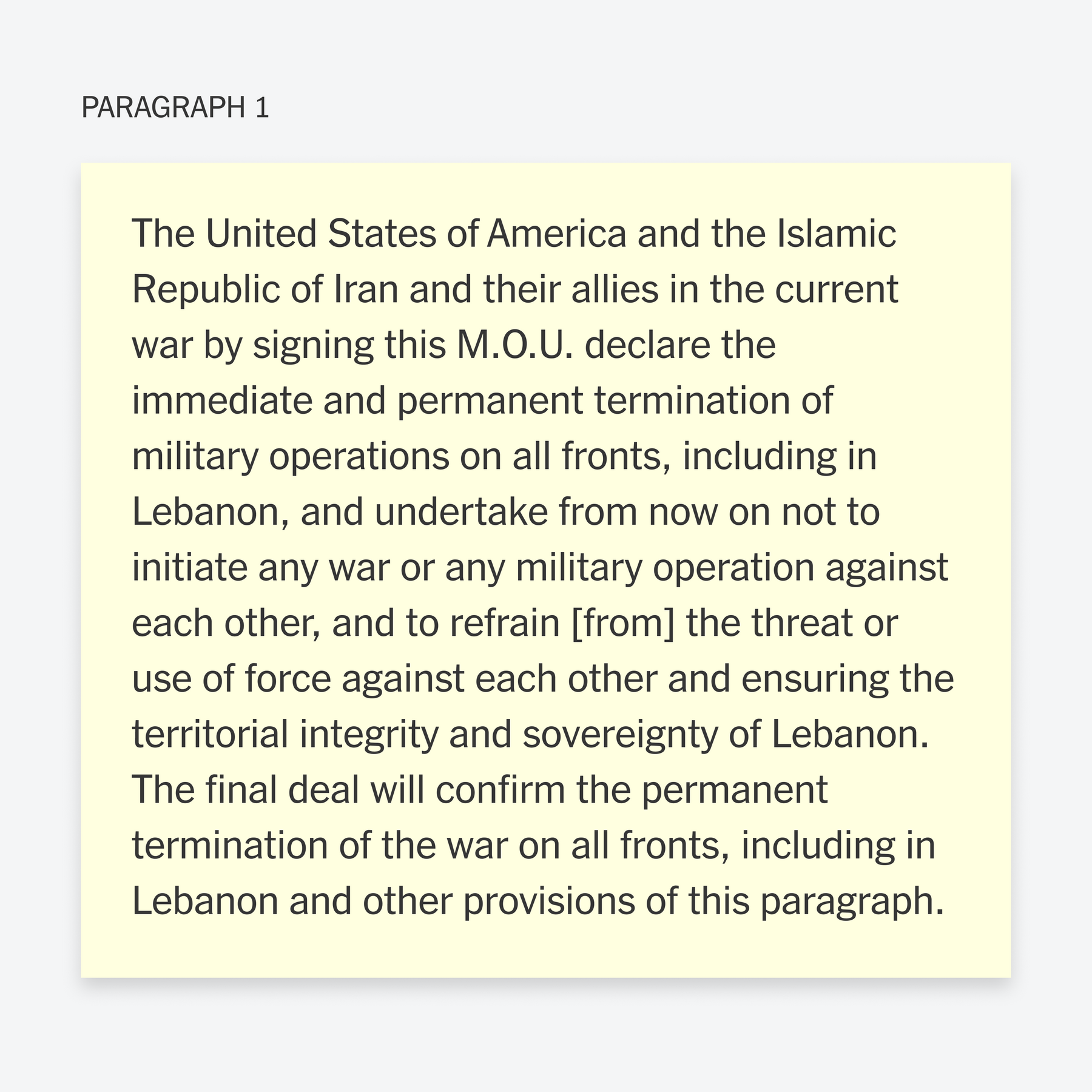
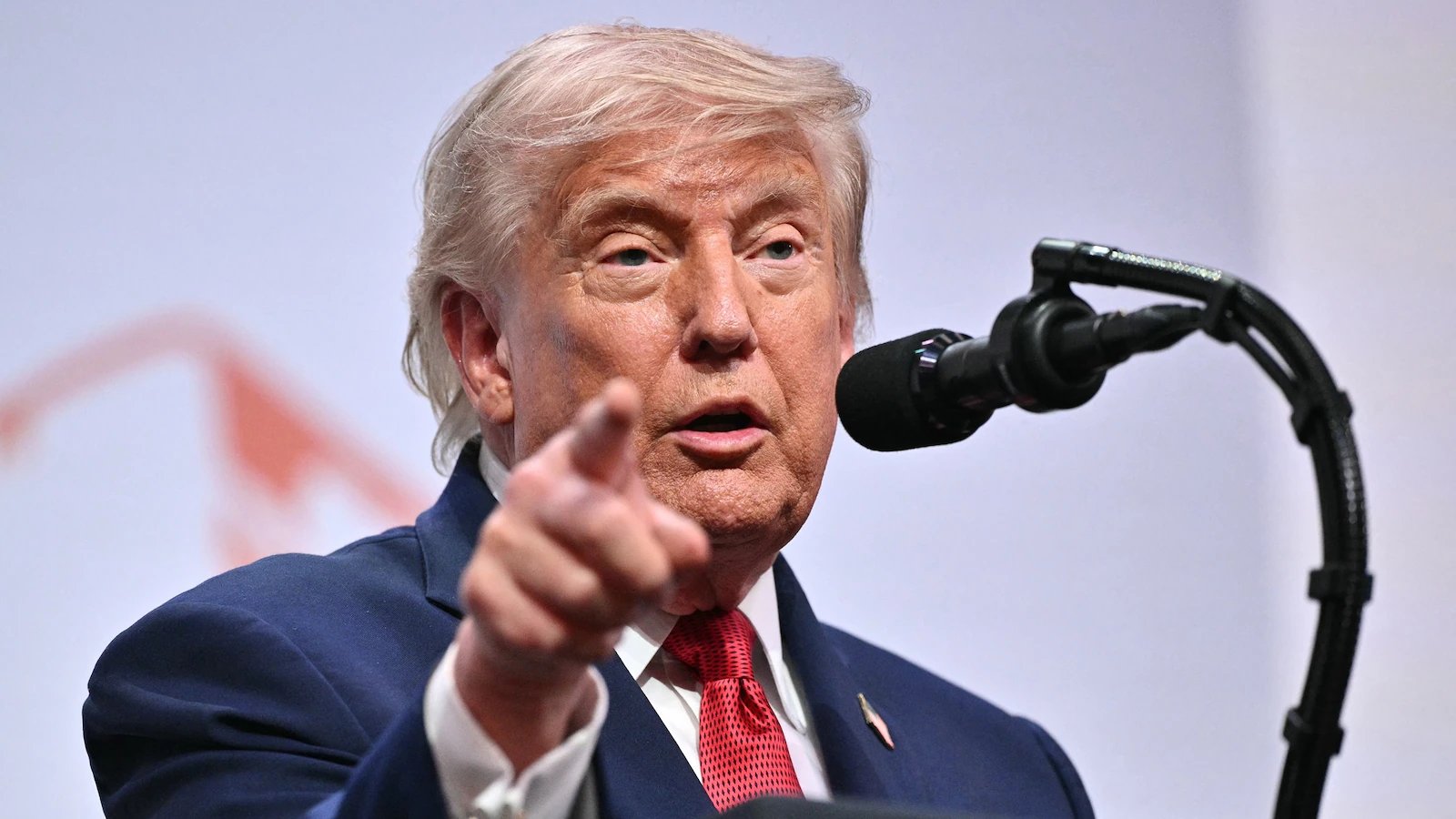
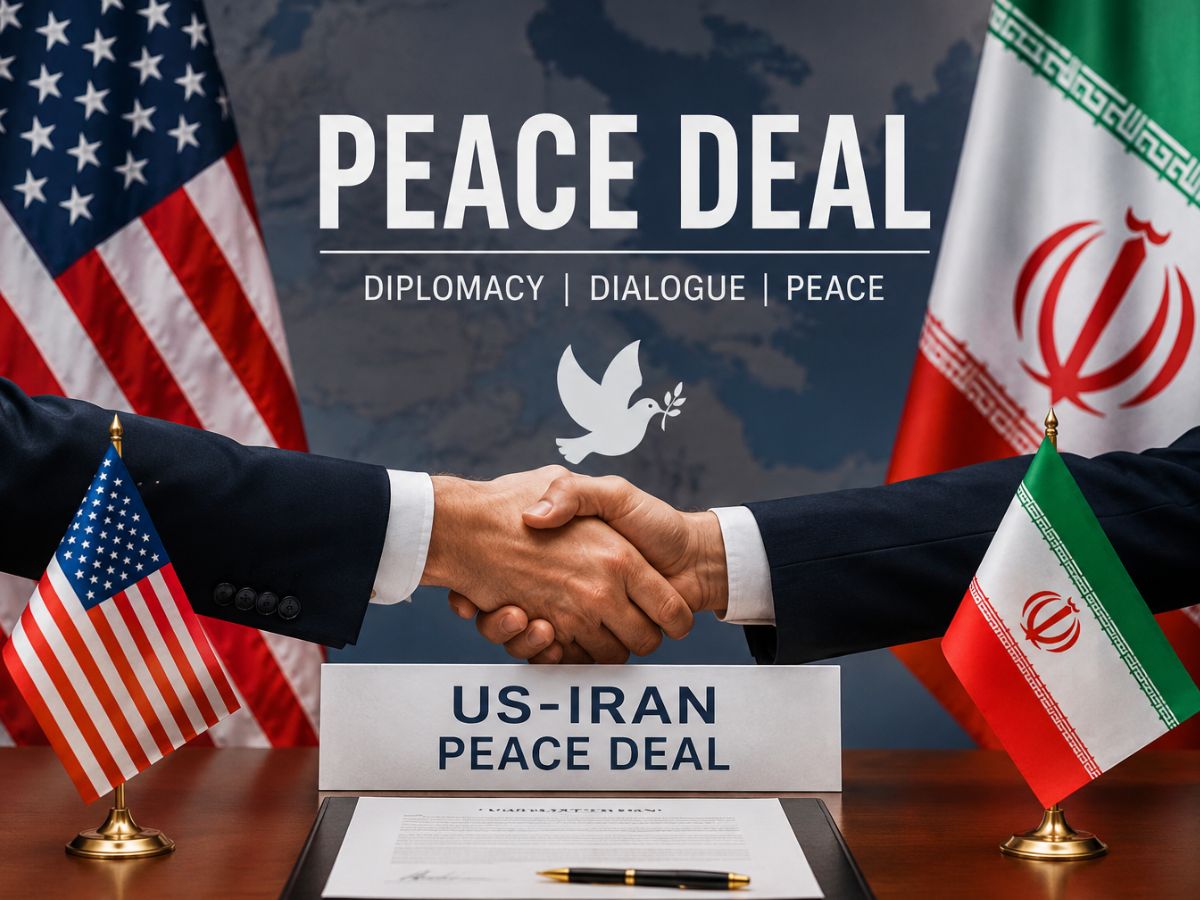
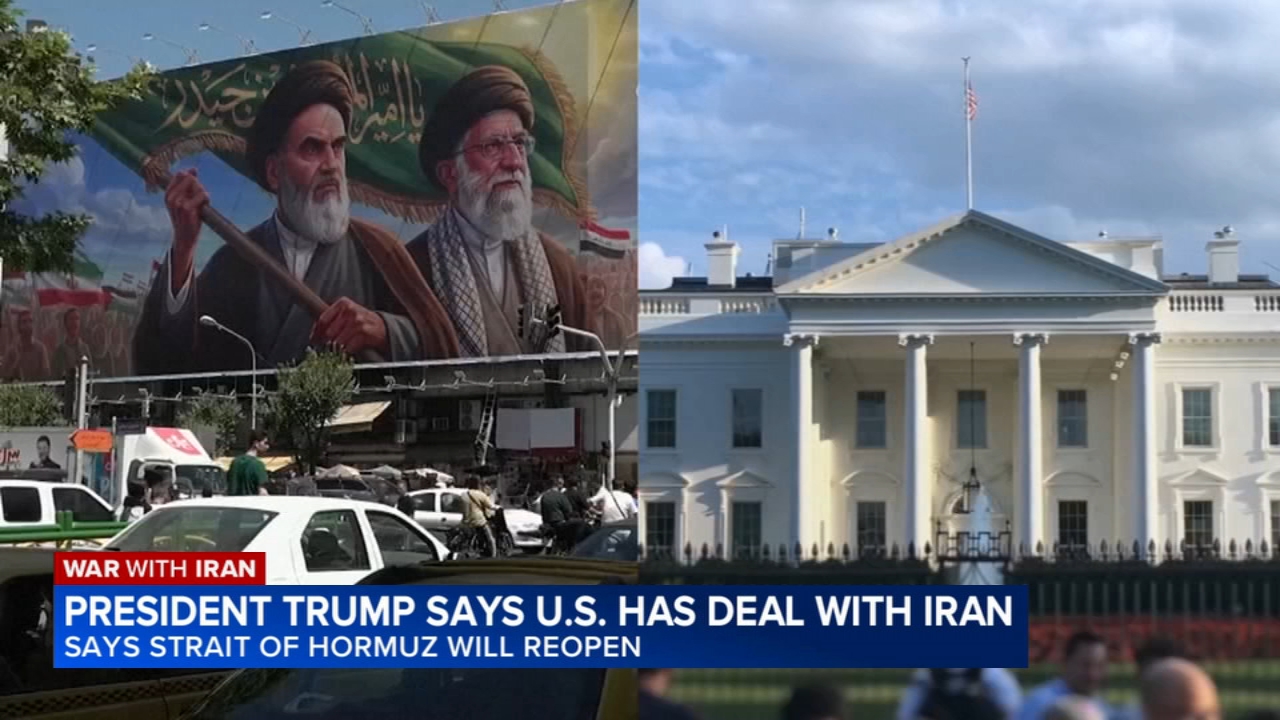
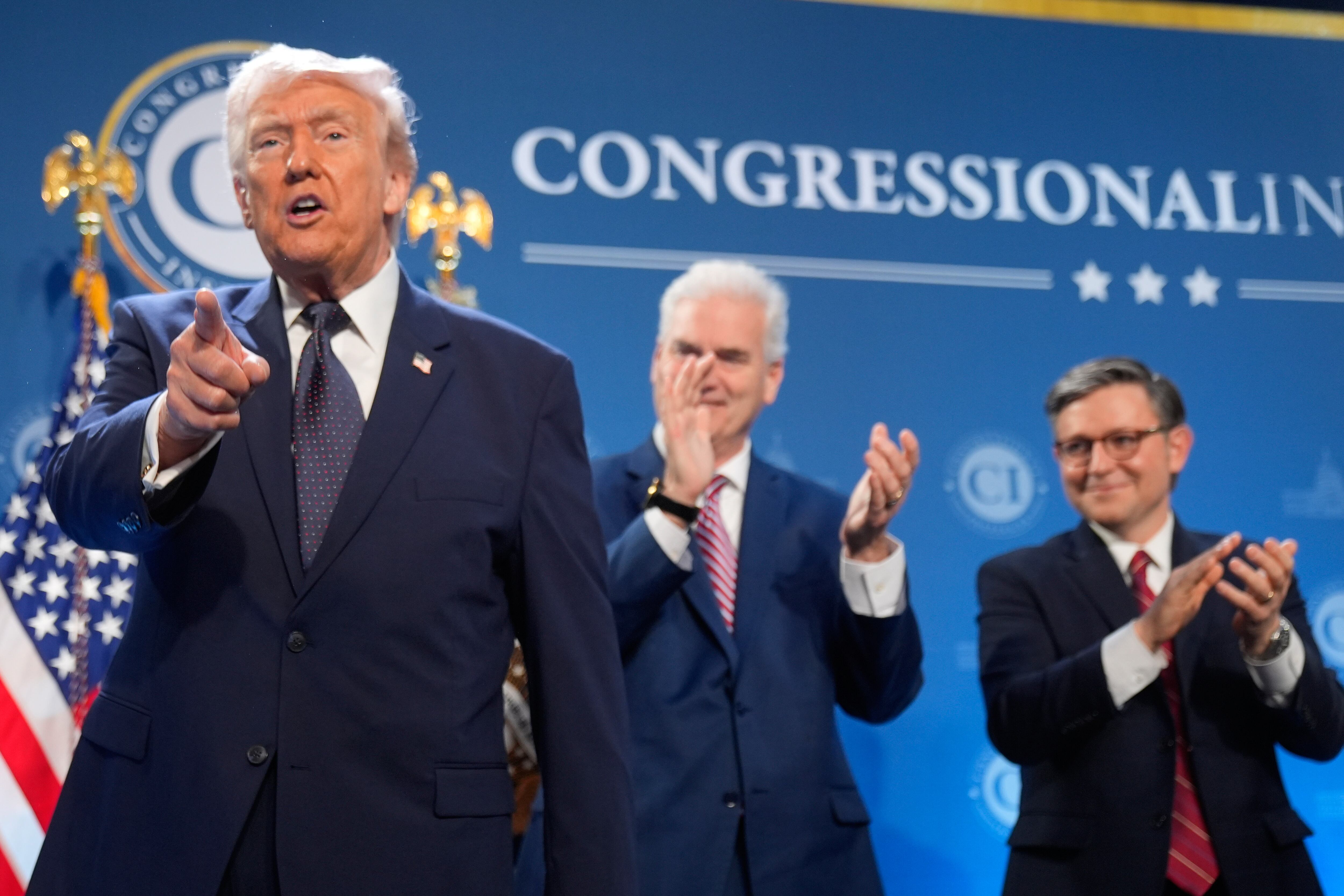
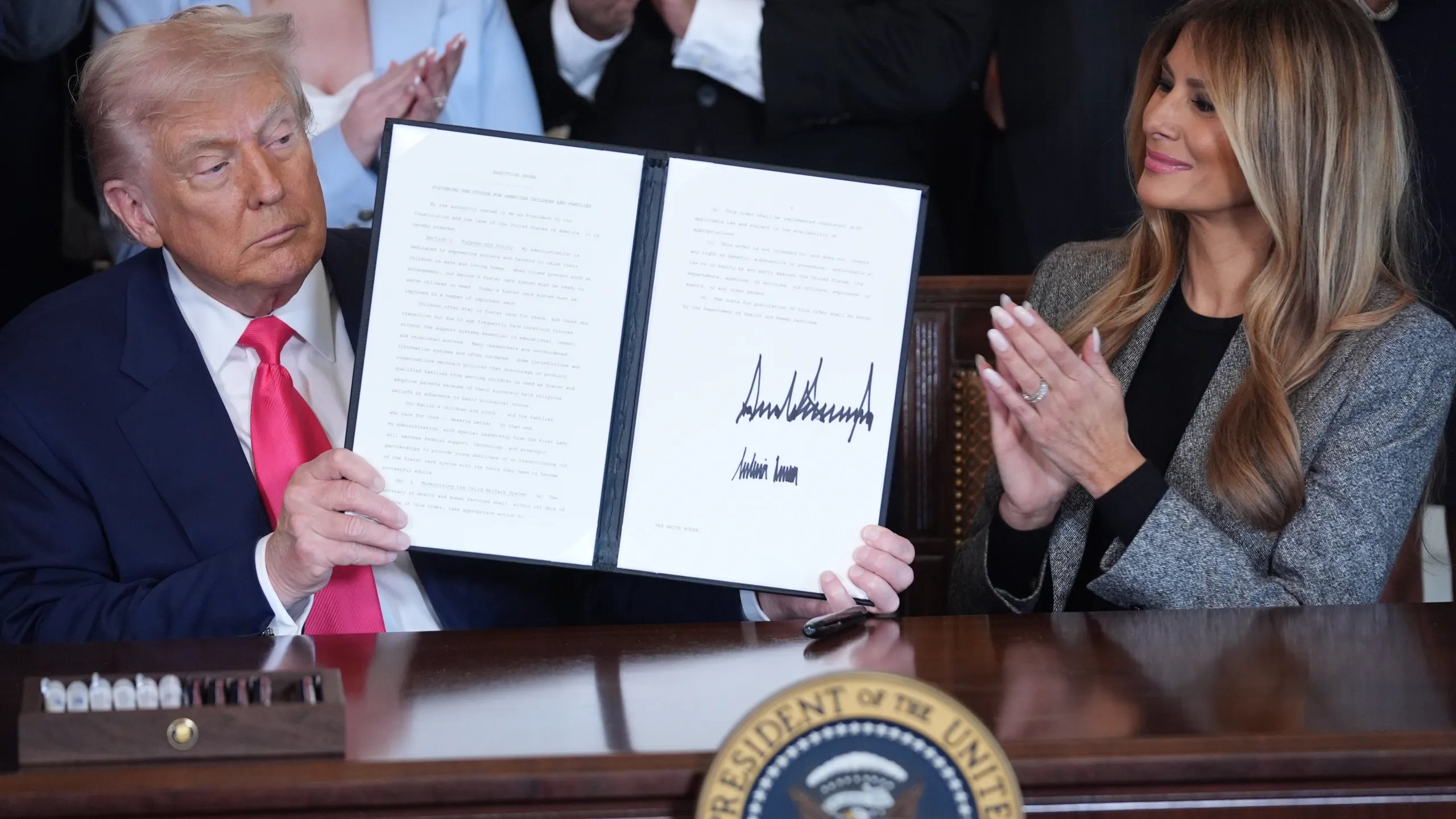
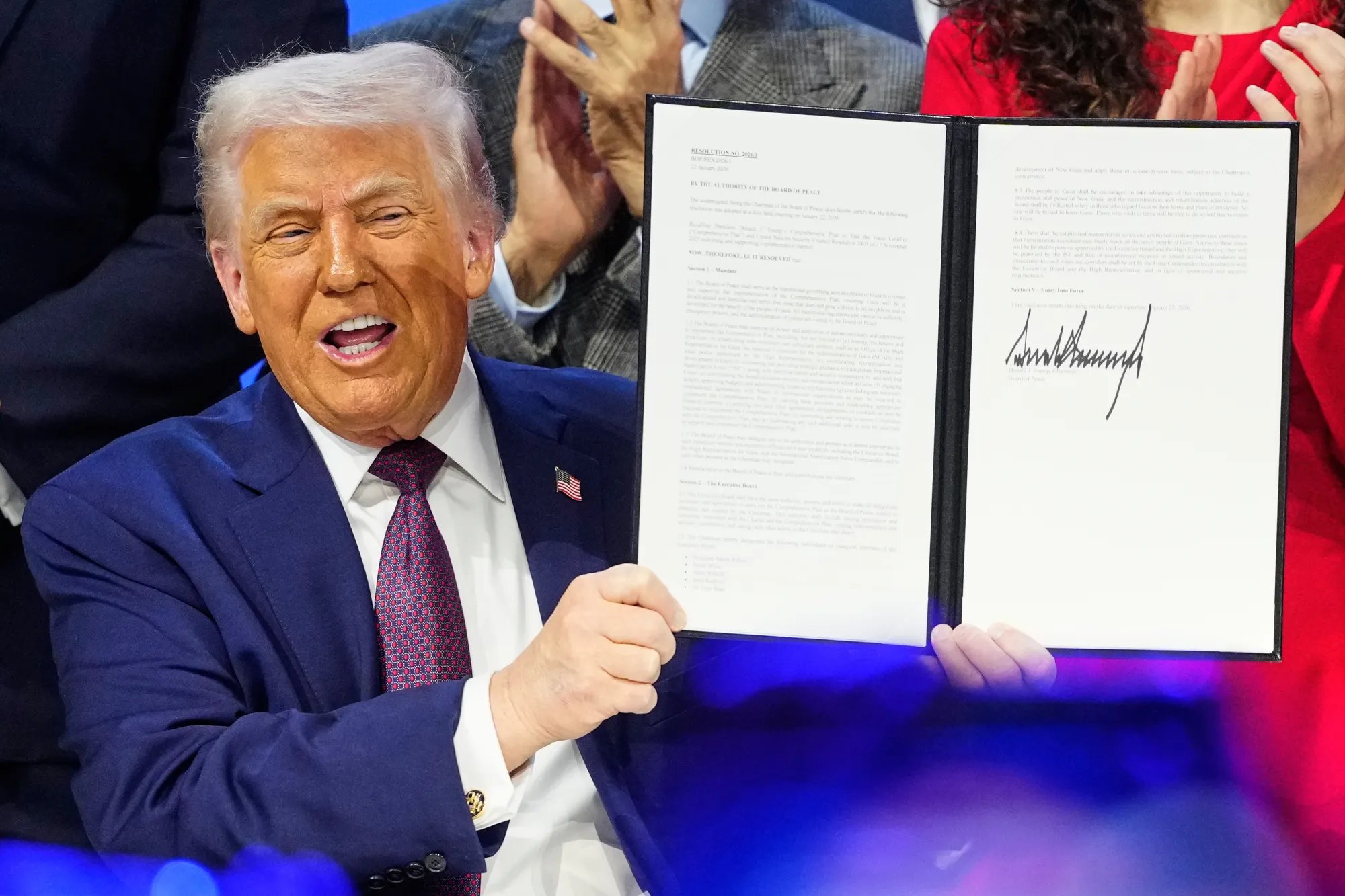
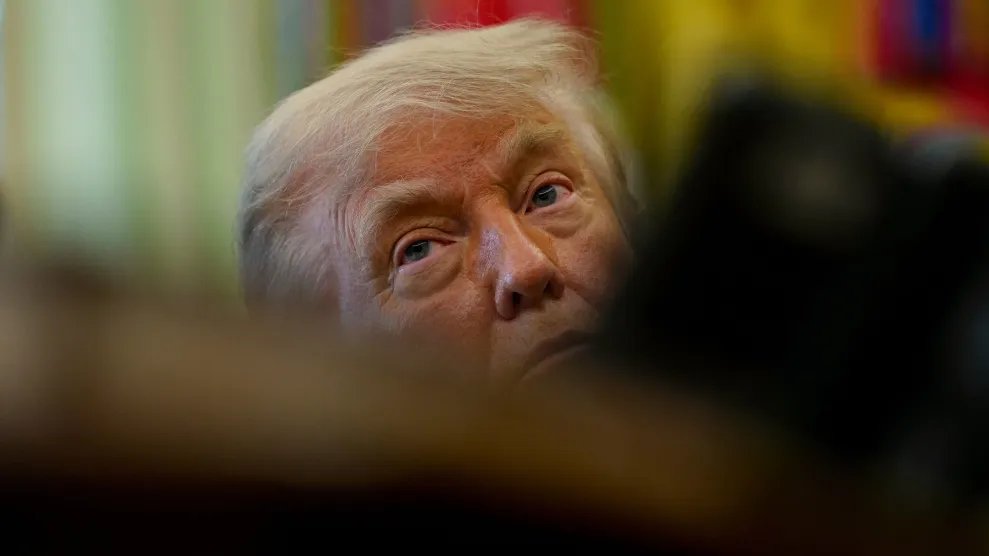
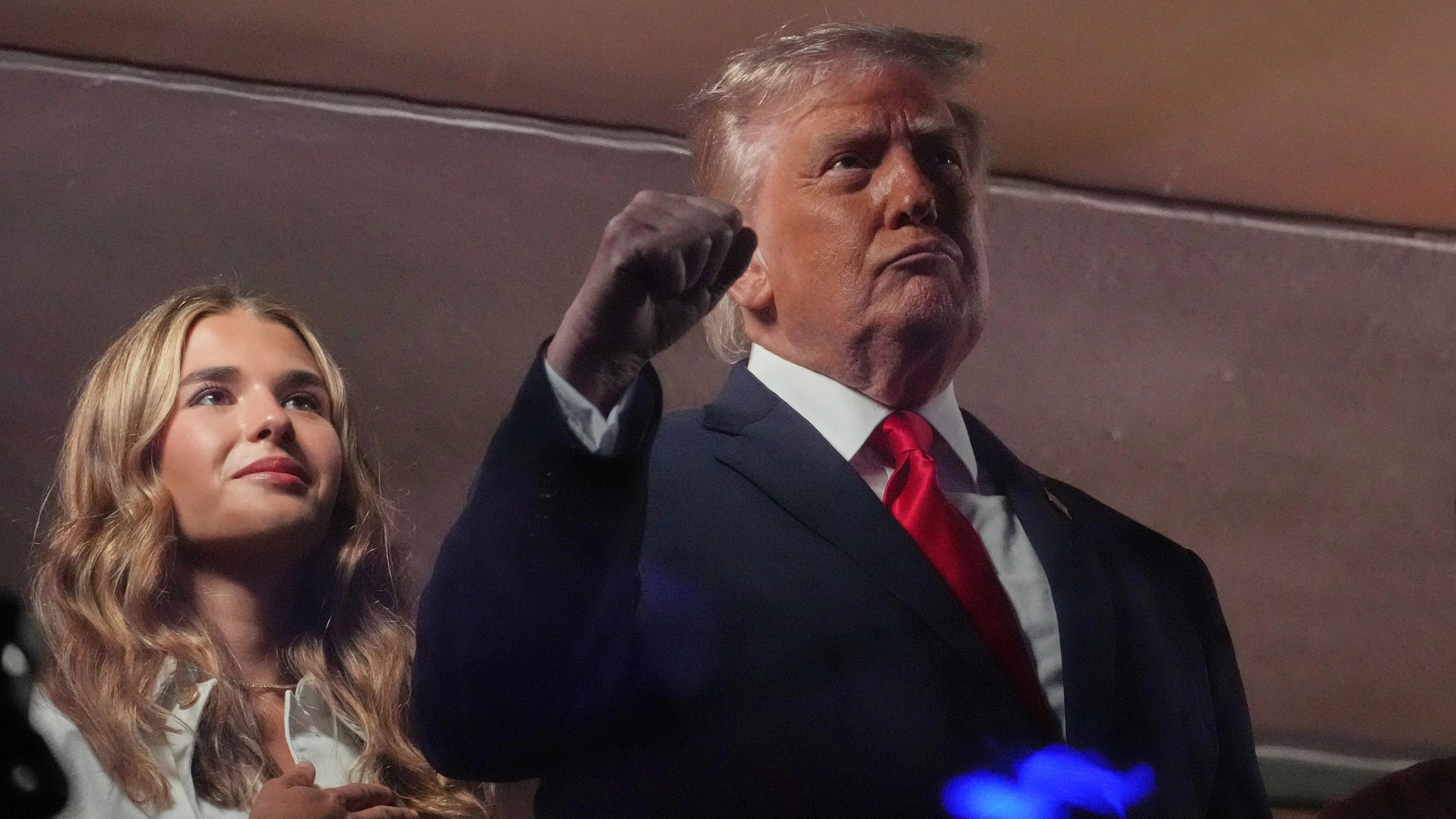
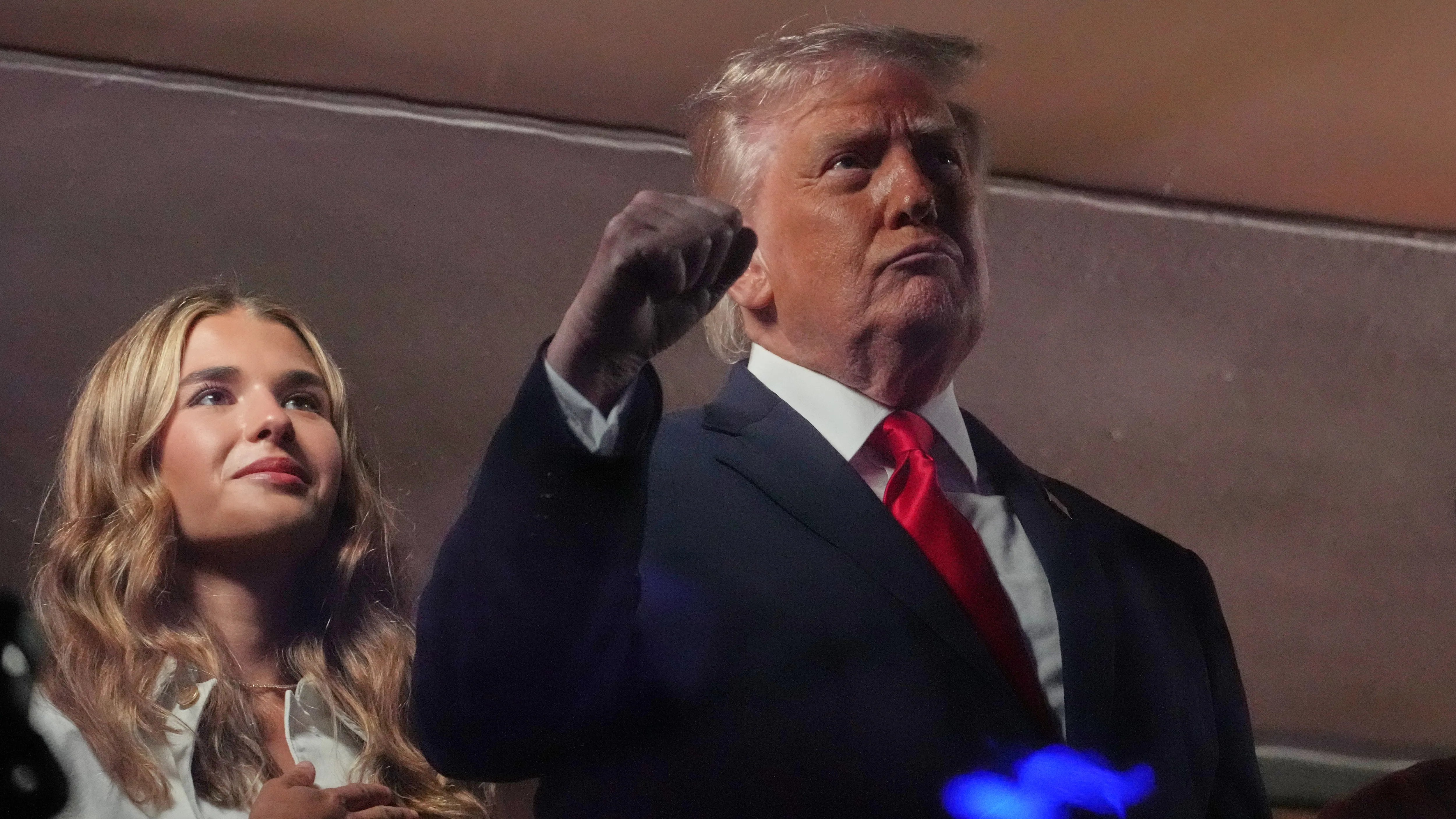
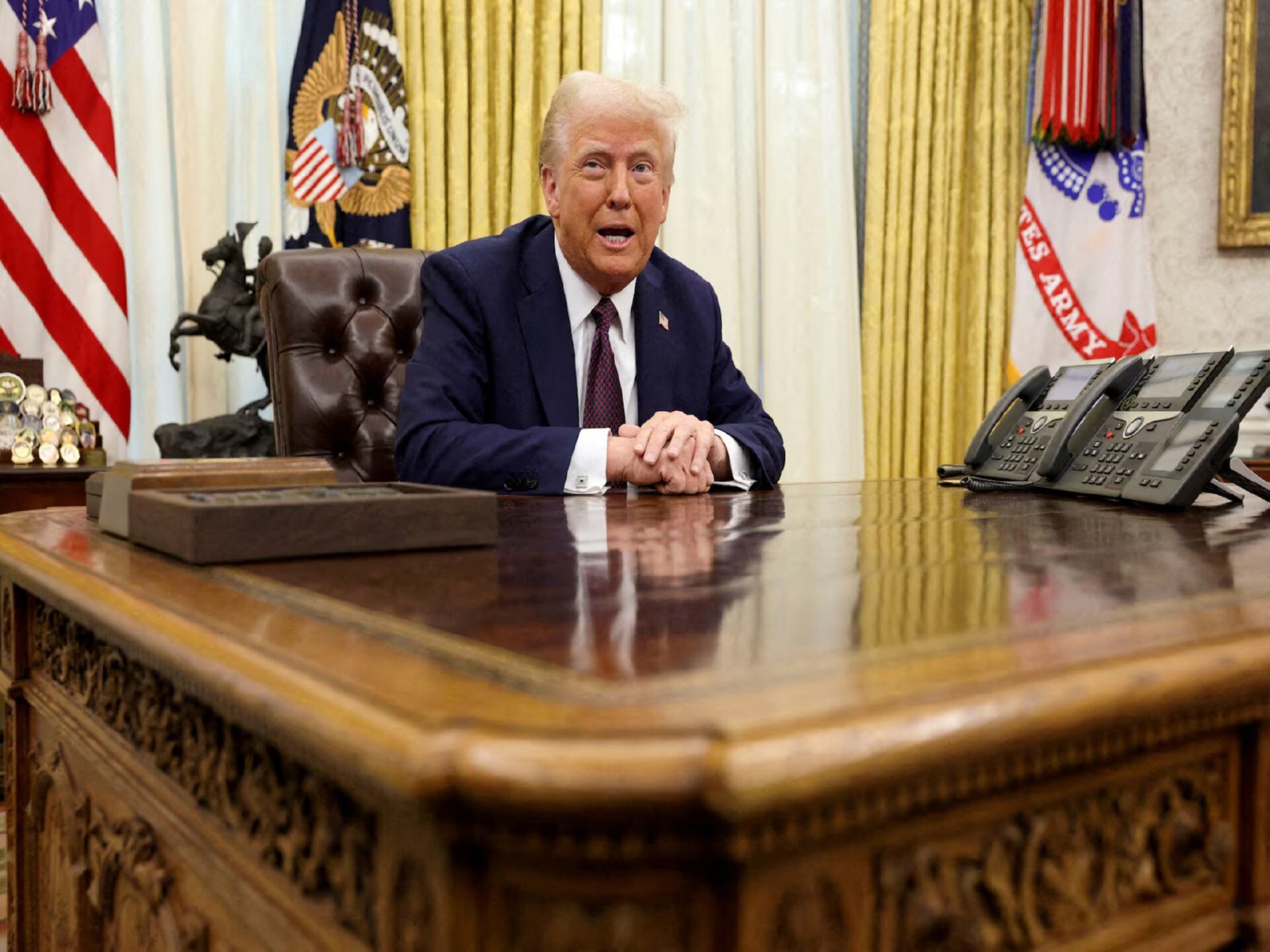
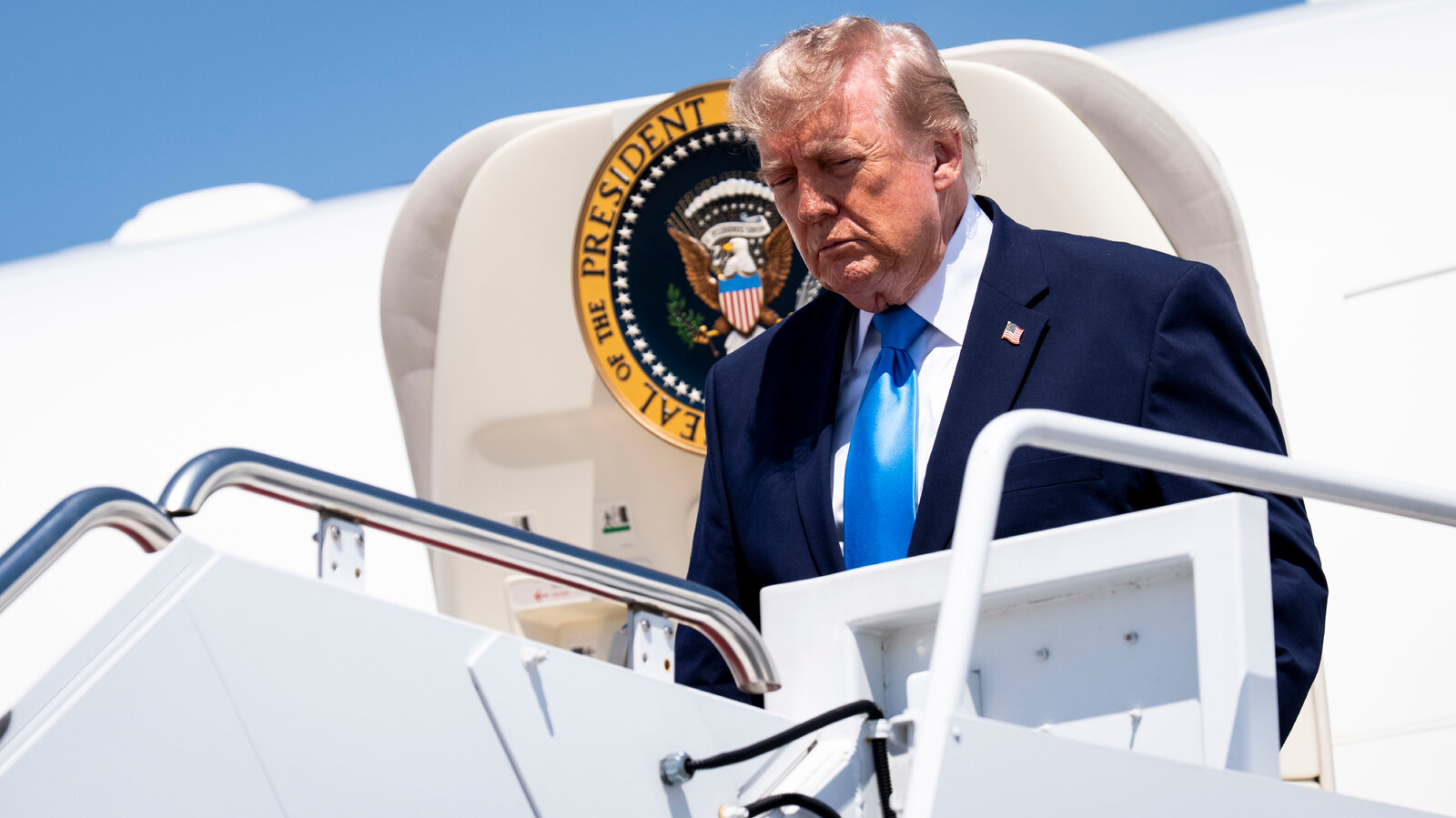
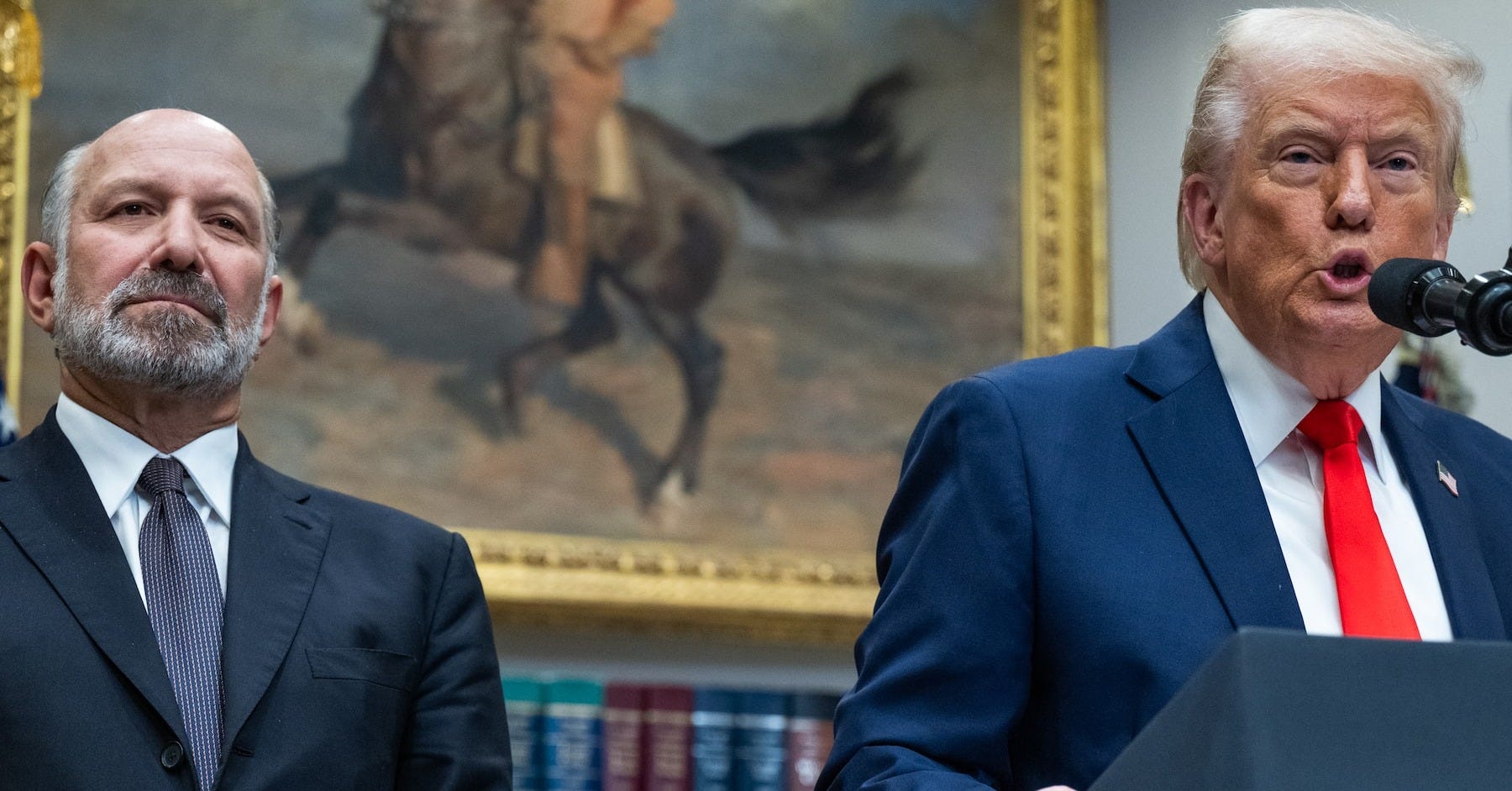
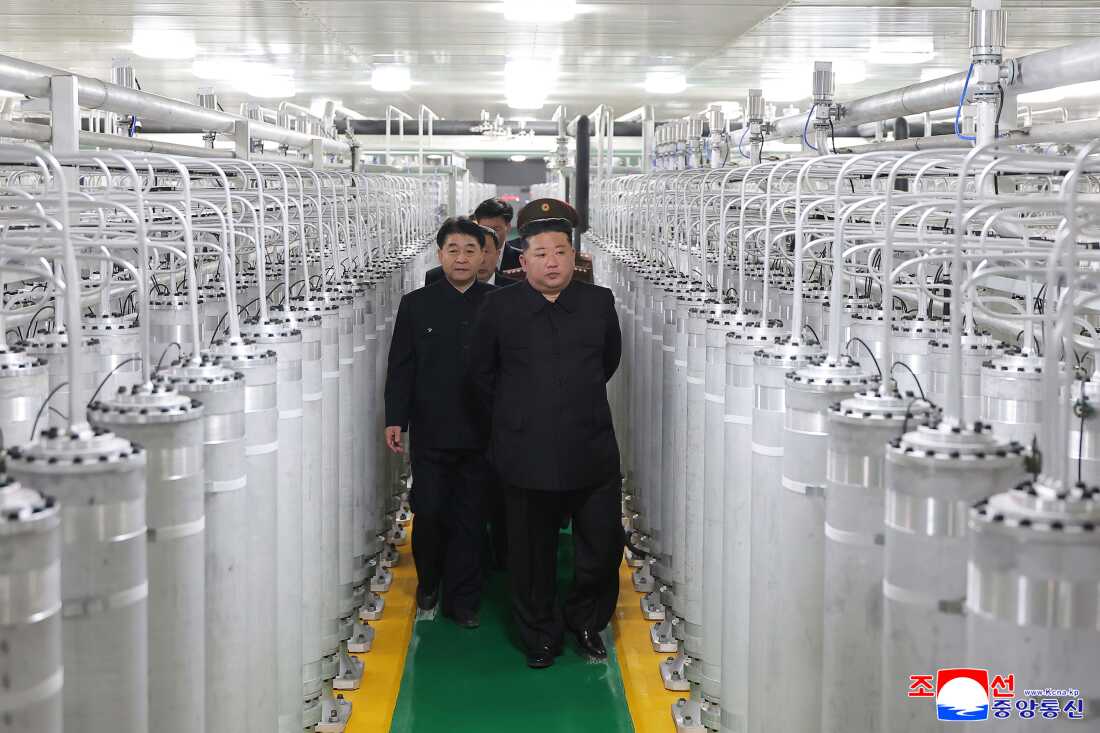
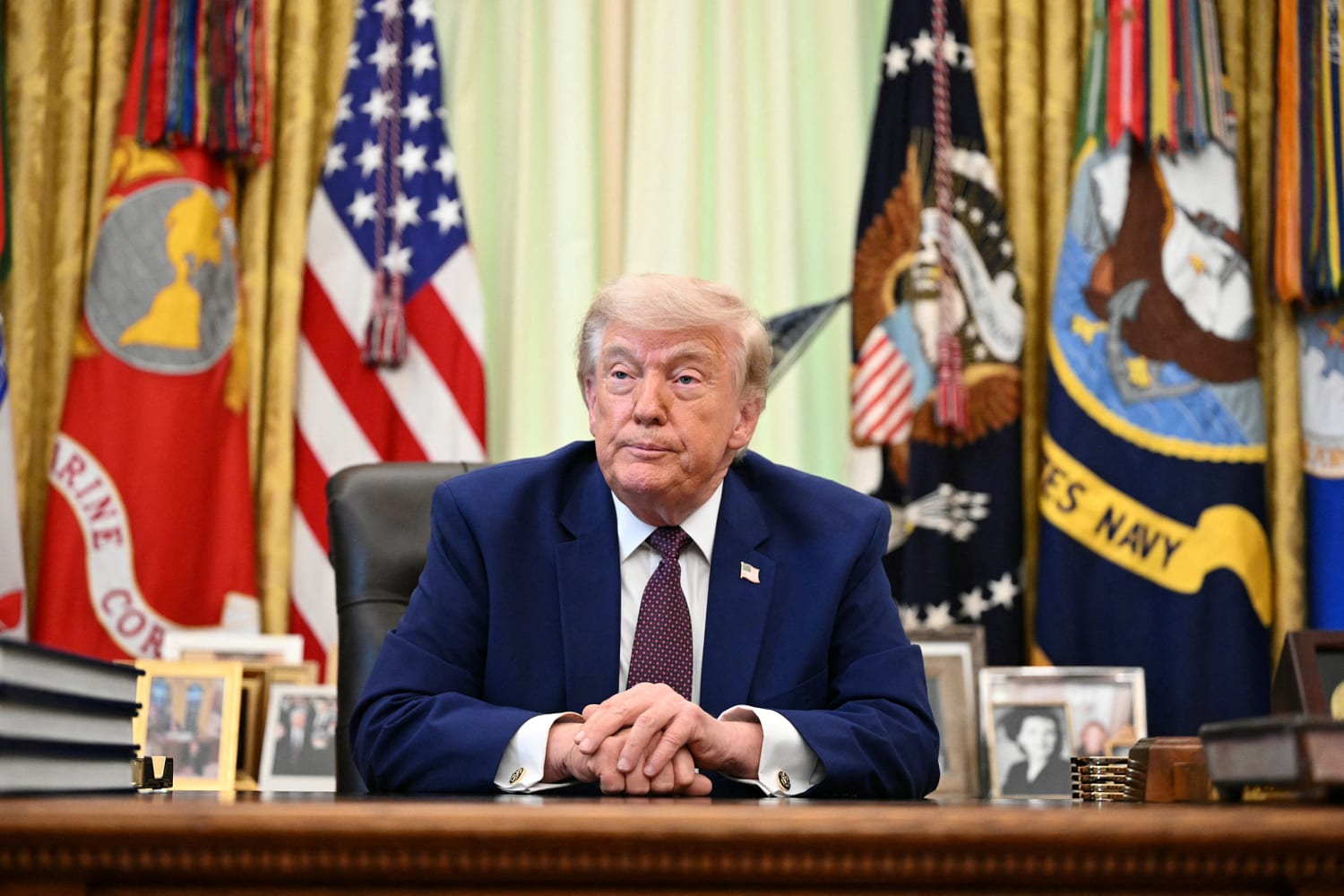
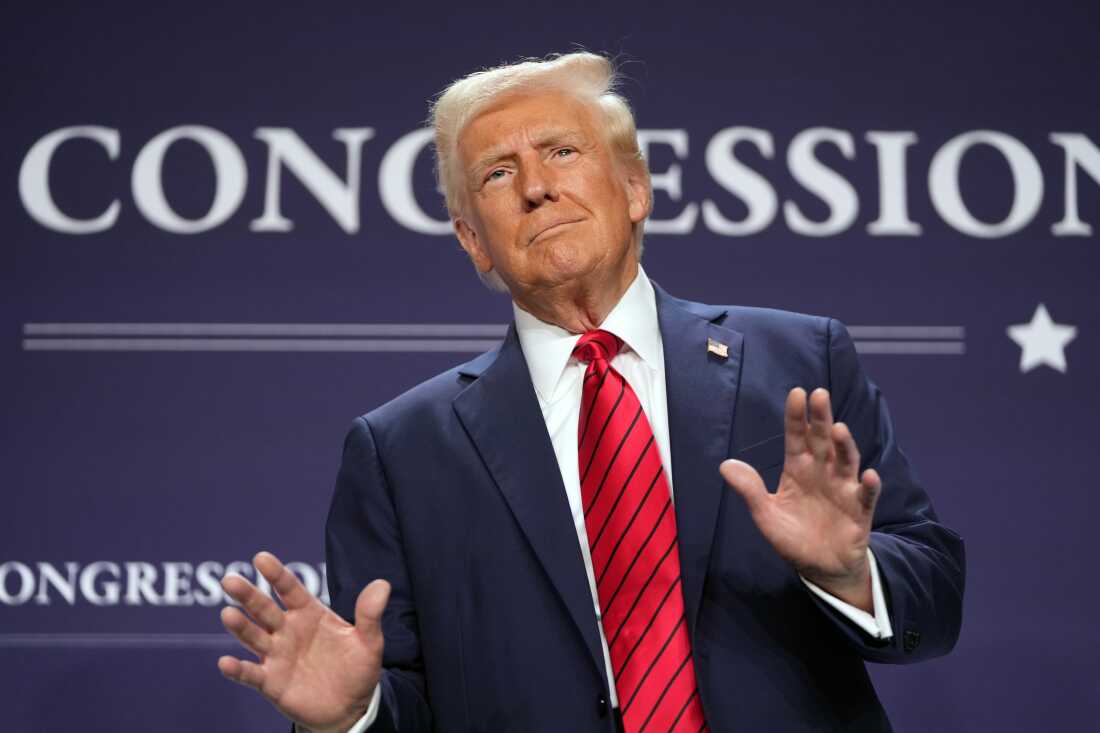
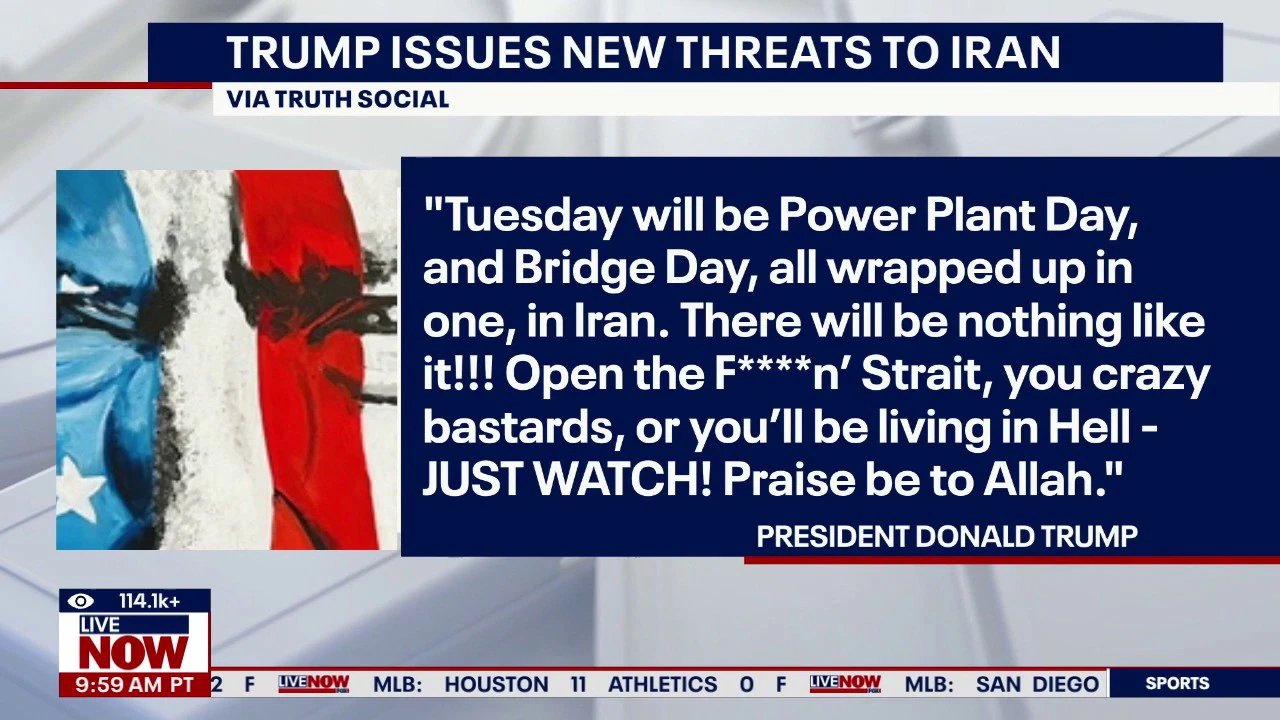
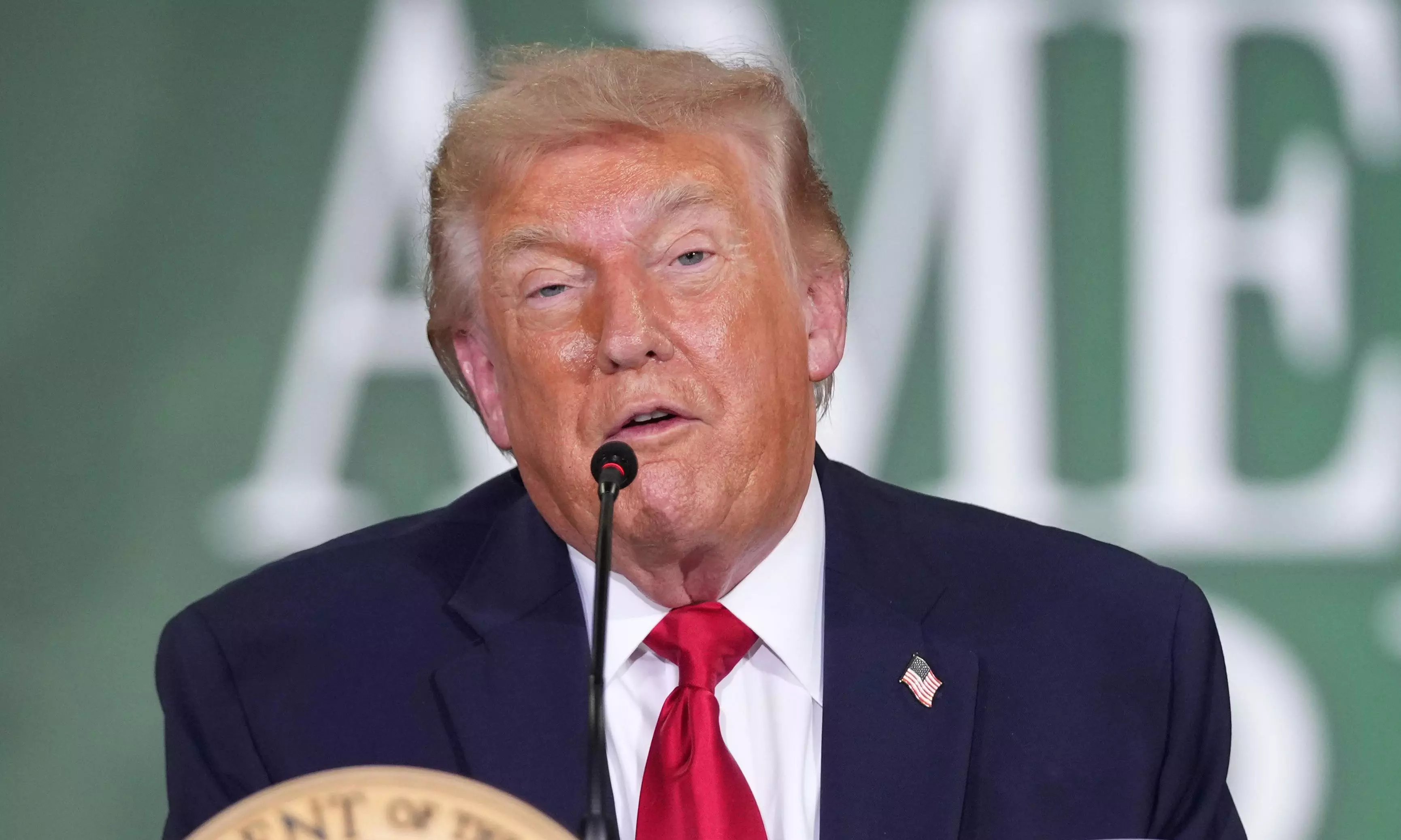
President Donald Trump announced that the U.S. will collaborate with Iran to retrieve and destroy its highly enriched uranium if a deal can be reached to end the ongoing war. In an interview on NBC's "Meet the Press," Trump stated, "If we make a deal that now we're friendly, we'll all go together. It'll be our equipment. We'll take it out and destroy it." If negotiations fail, Trump said the U.S. would "take them out militarily very harshly" and "wait till we do that before we go," ensuring safe retrieval of the material.
Diplomatic Pressure on Israel
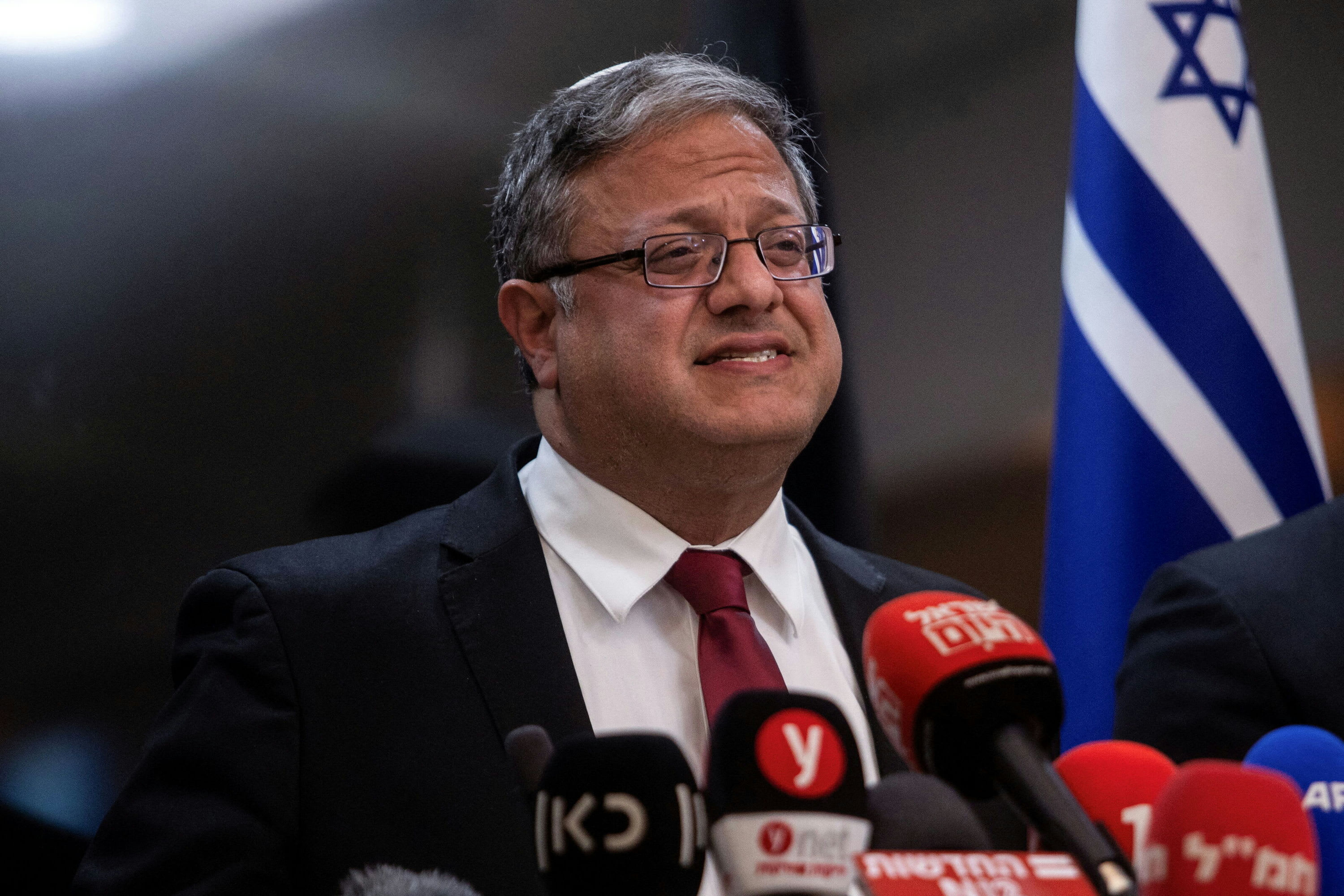
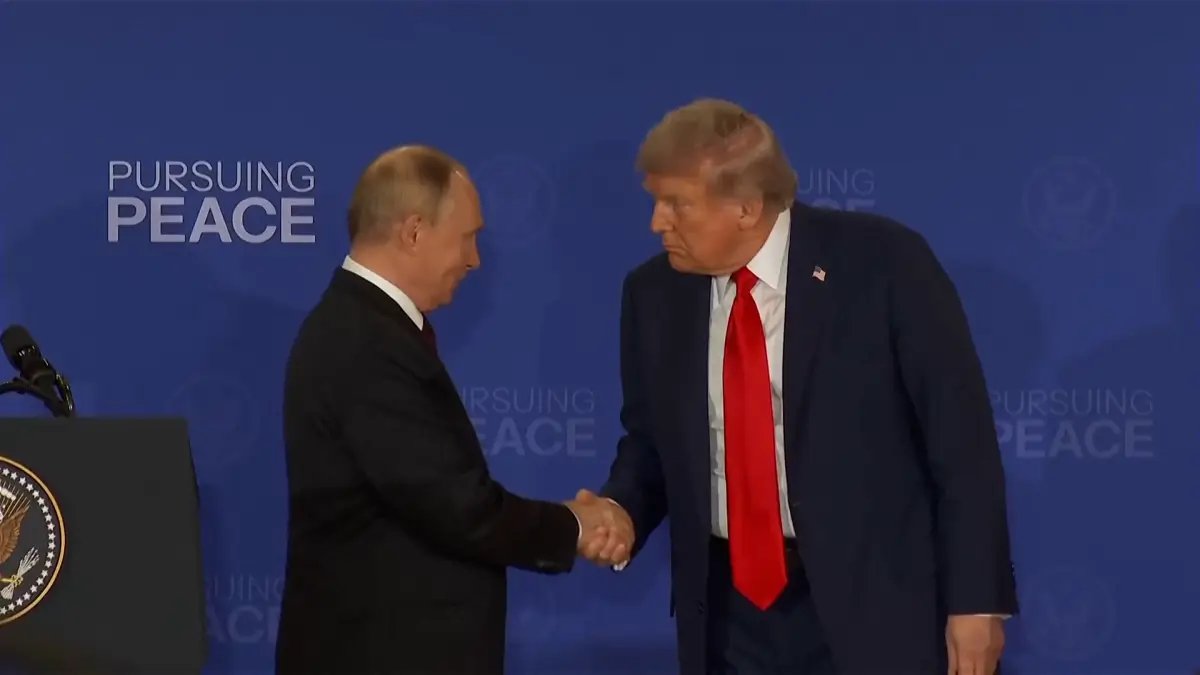
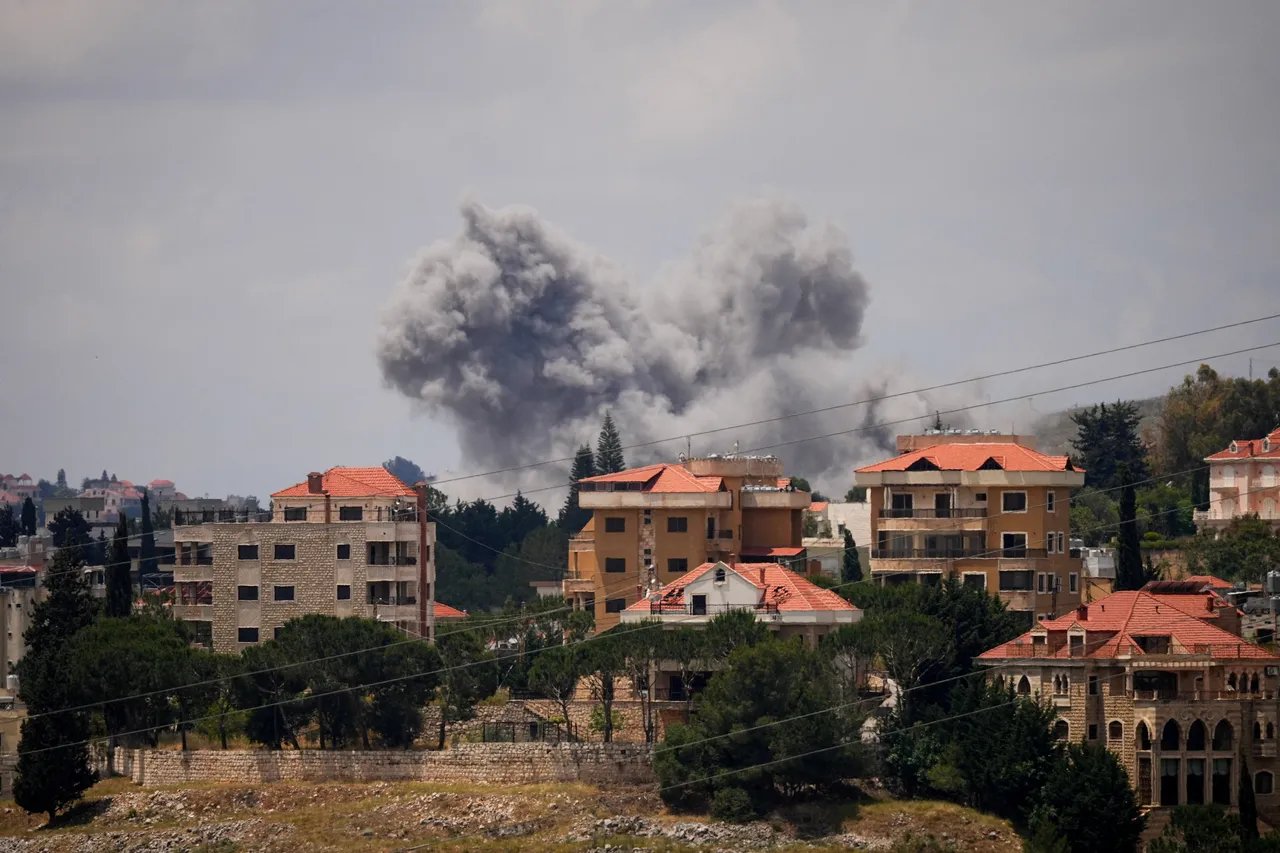
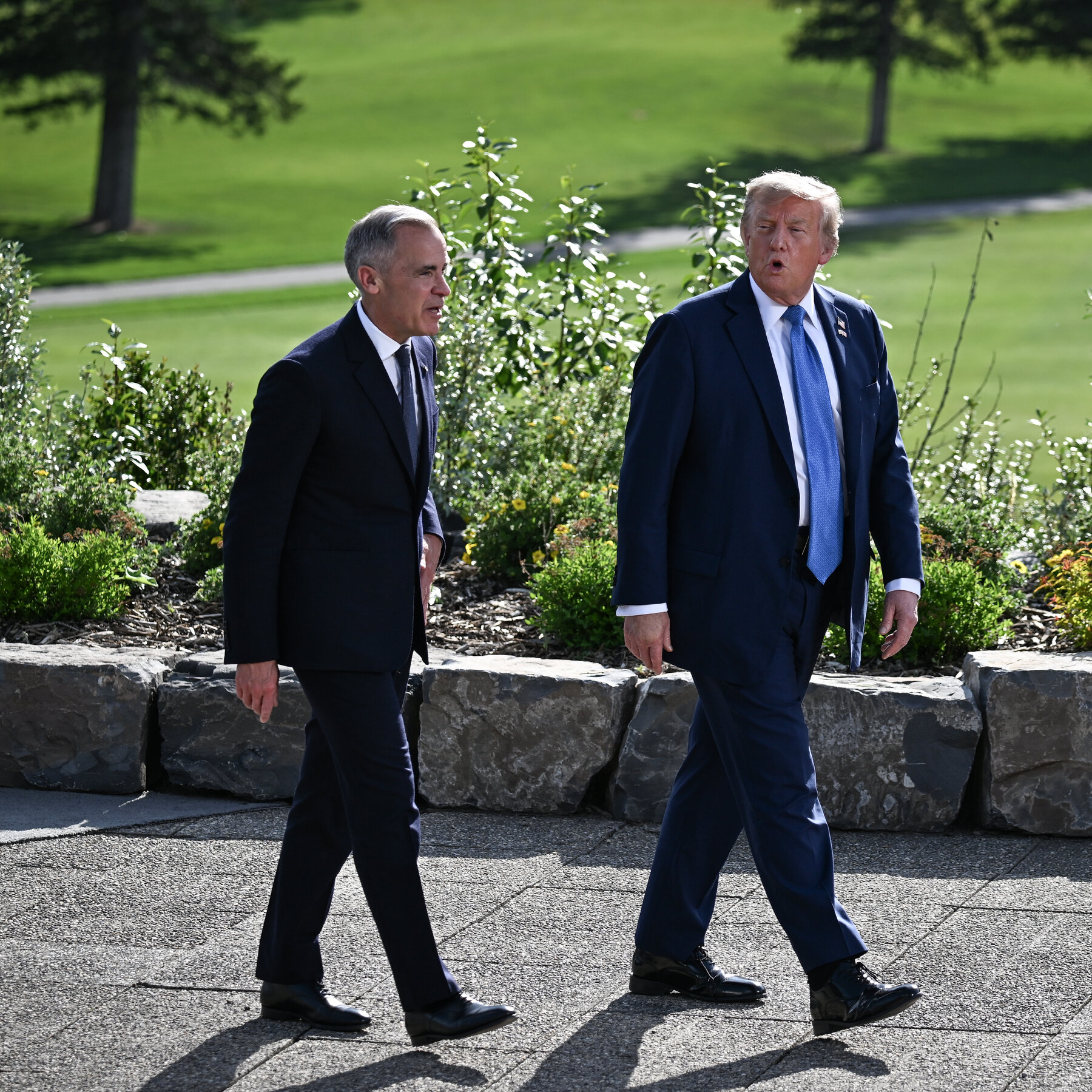
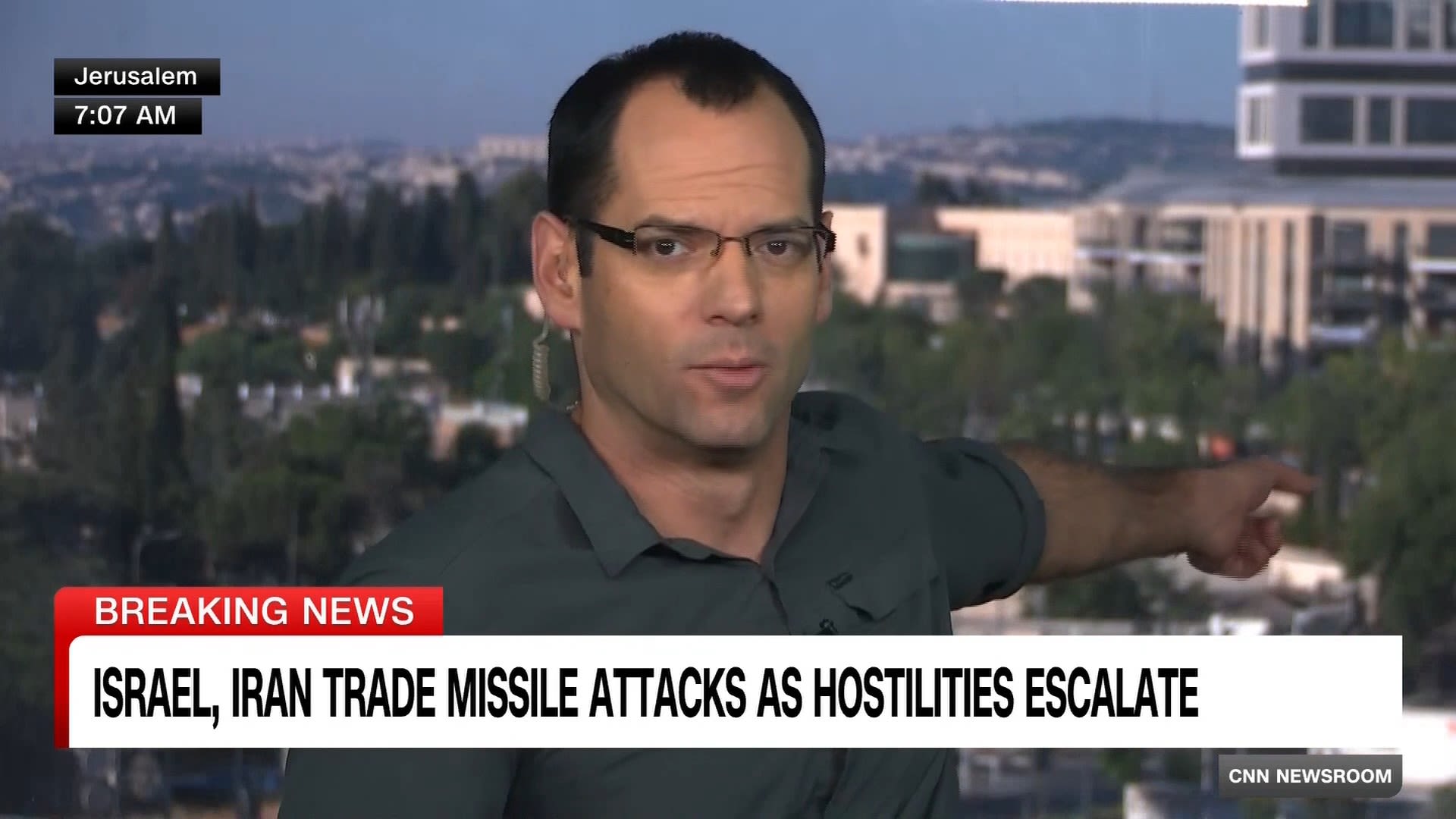
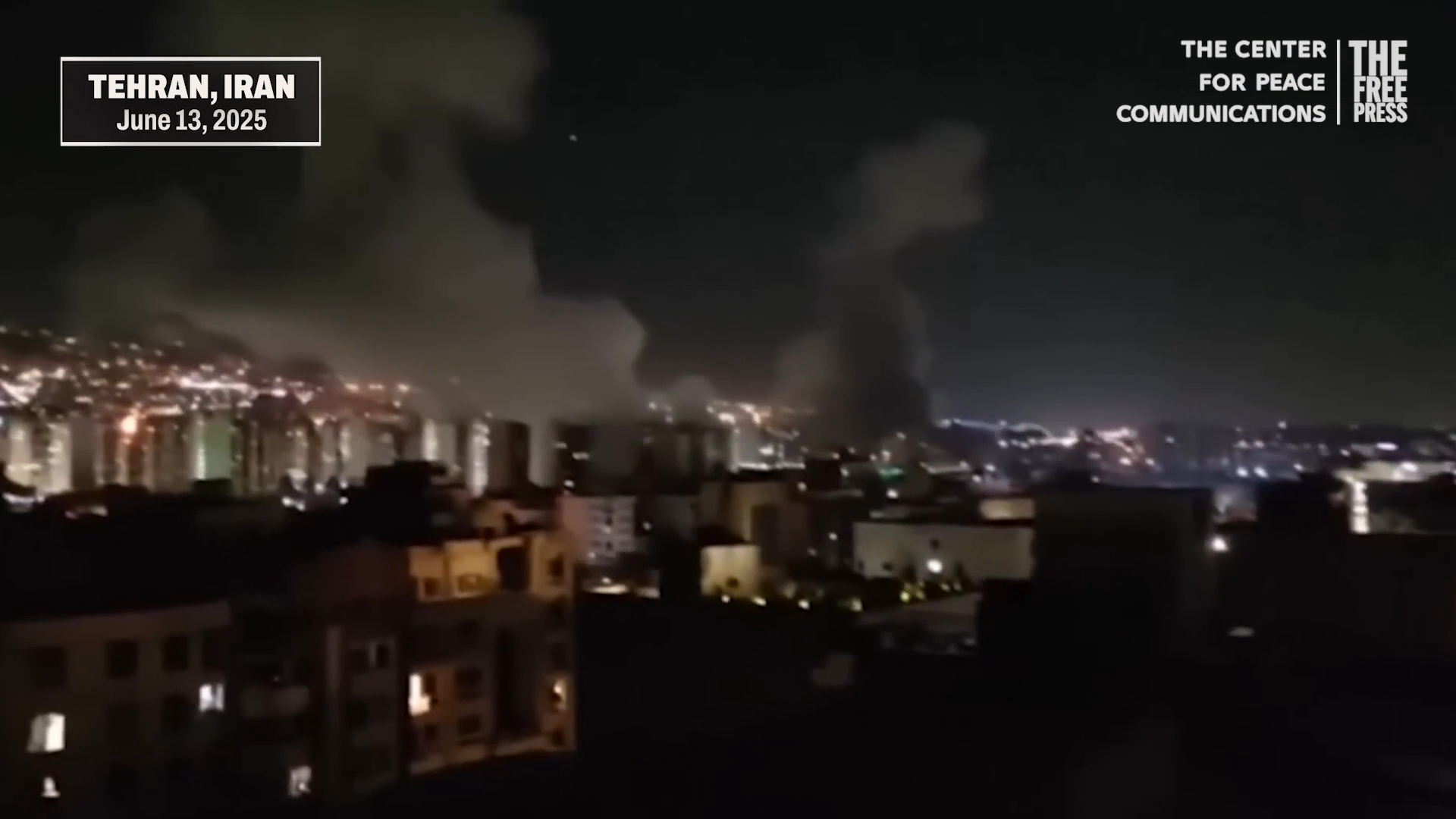
As tensions escalated following an Iranian missile attack on Israel, Trump urged Israeli Prime Minister Benjamin Netanyahu not to retaliate, emphasizing the importance of diplomacy. According to a senior U.S. official, Trump told Netanyahu the administration is "close to doing something good in terms of a deal." Trump urged Netanyahu not to retaliate to avoid jeopardizing negotiations. This call for calm reflects the administration's strategy to prevent further escalation in the region.
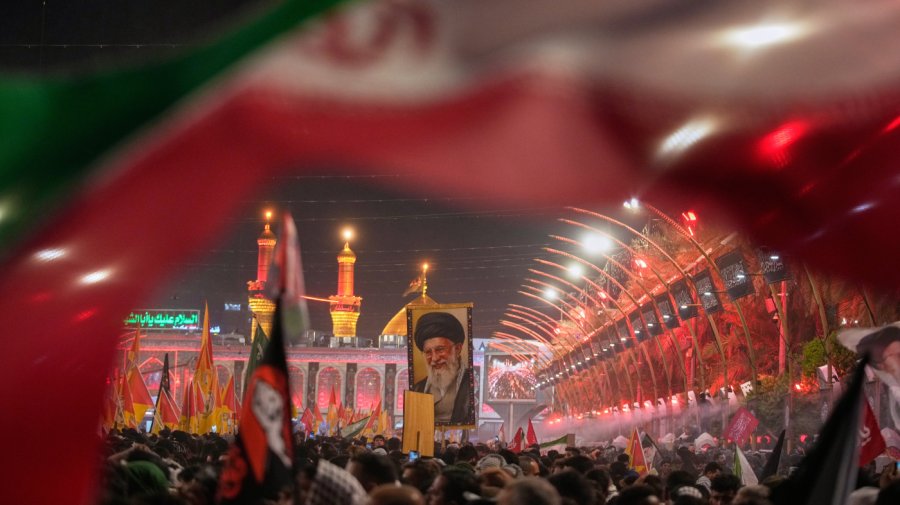
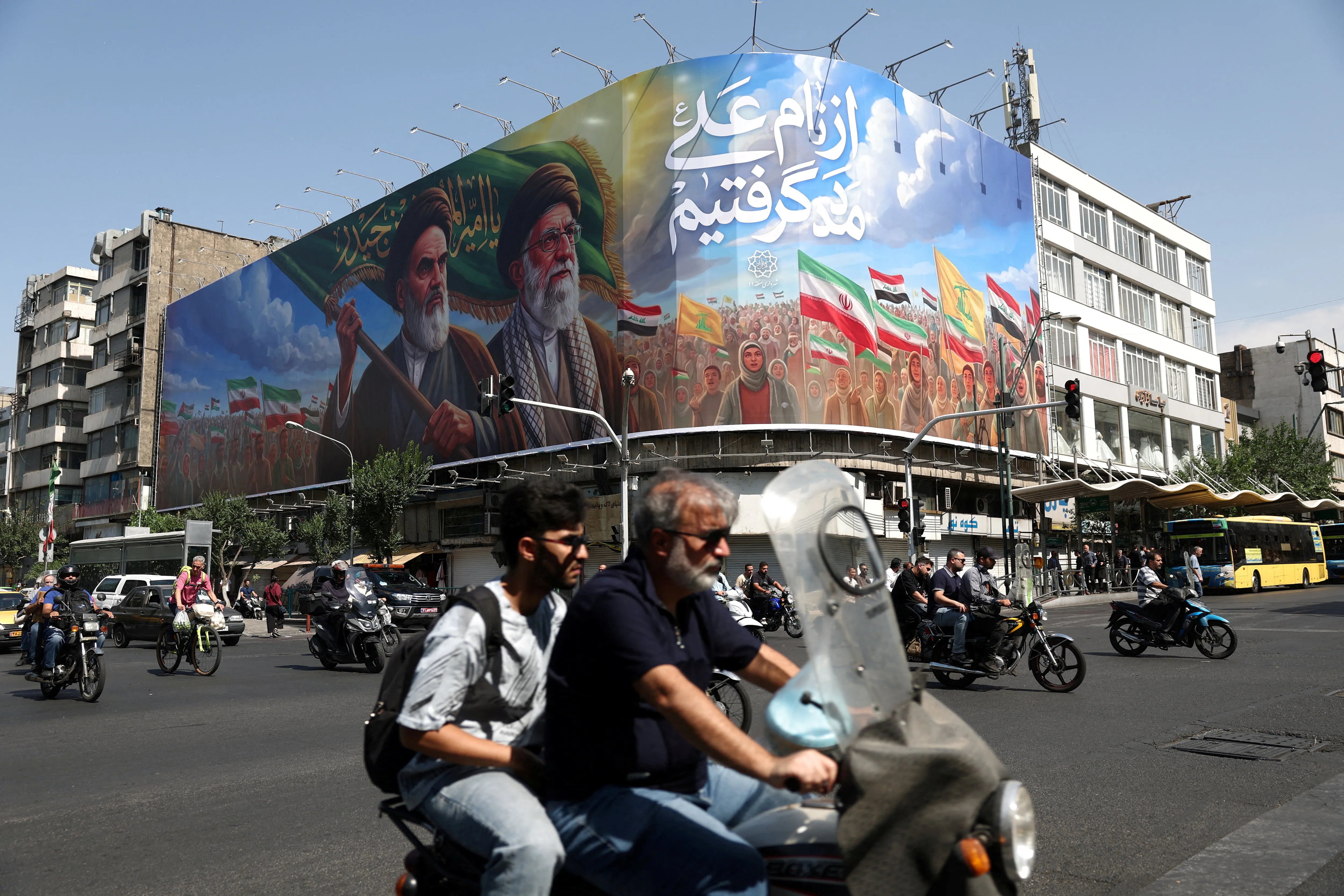
Iran's New Leadership
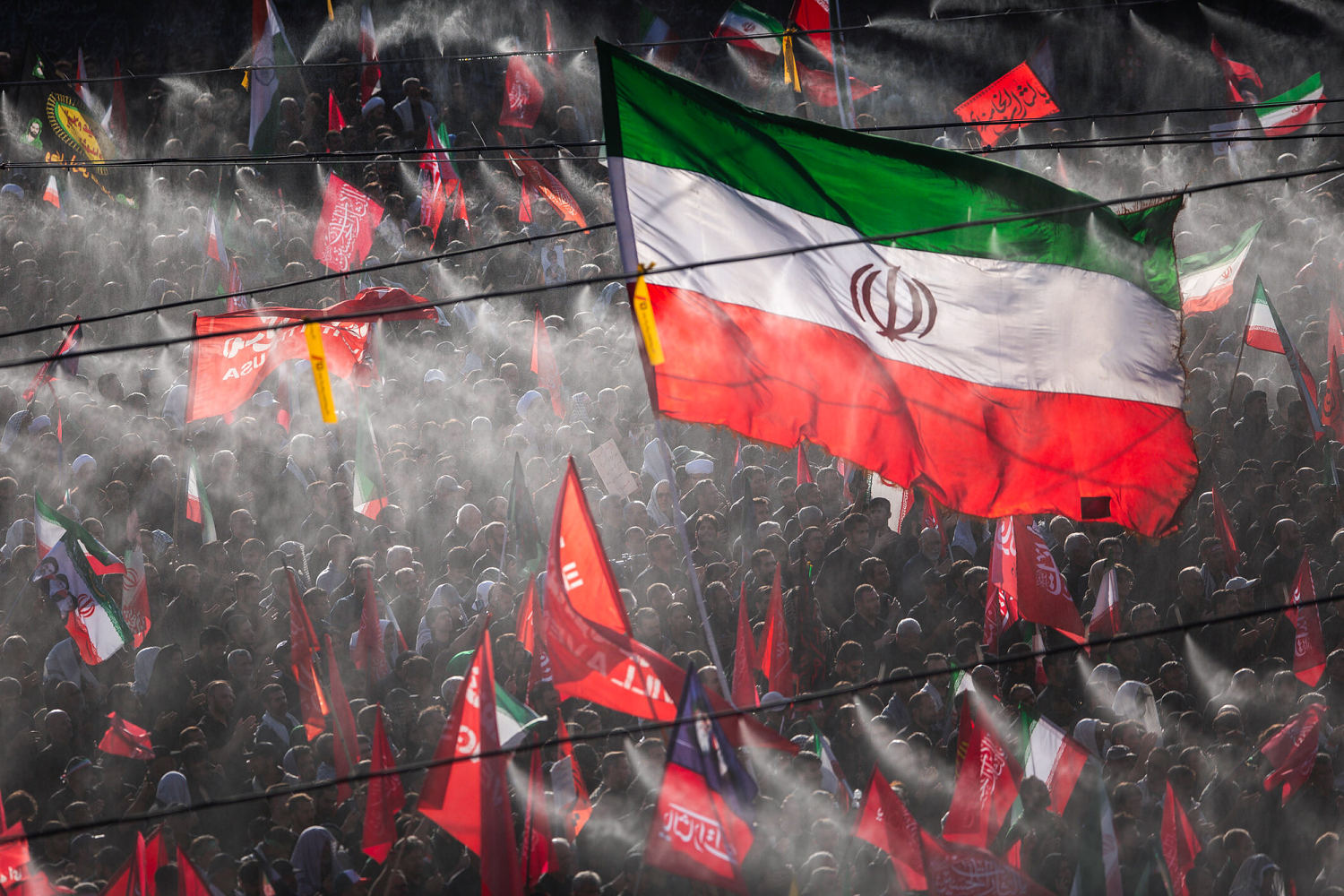
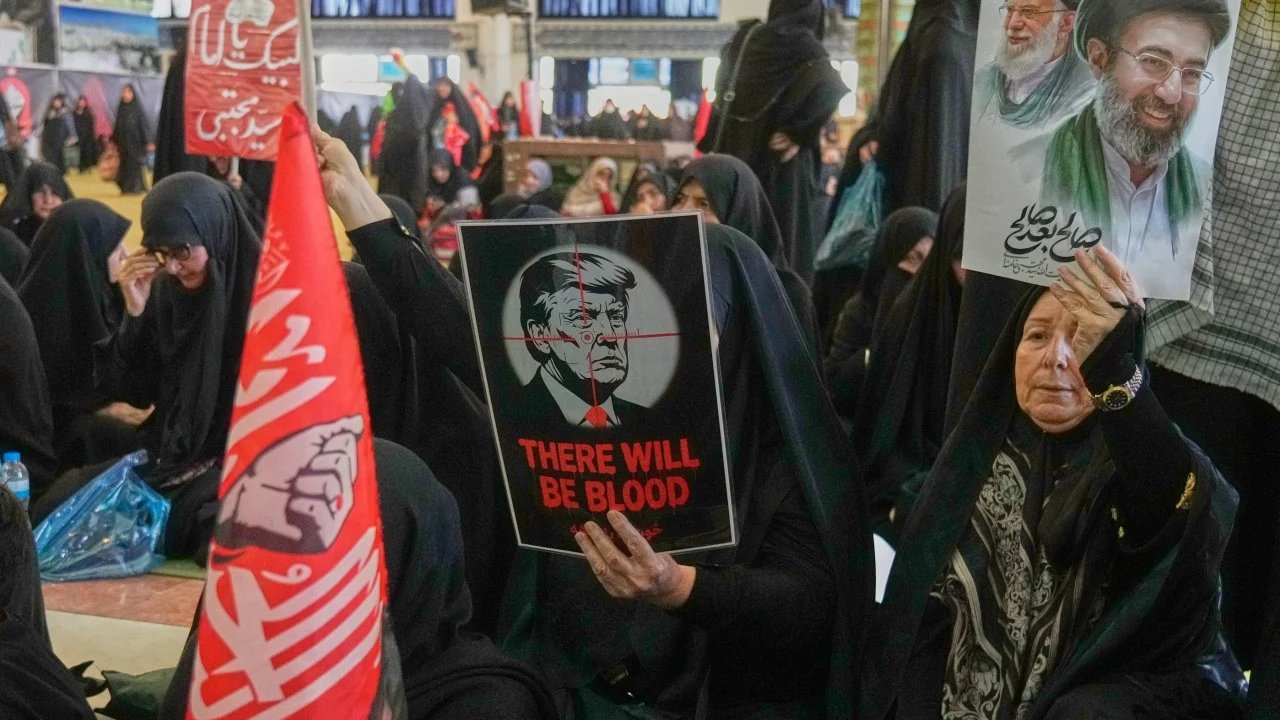
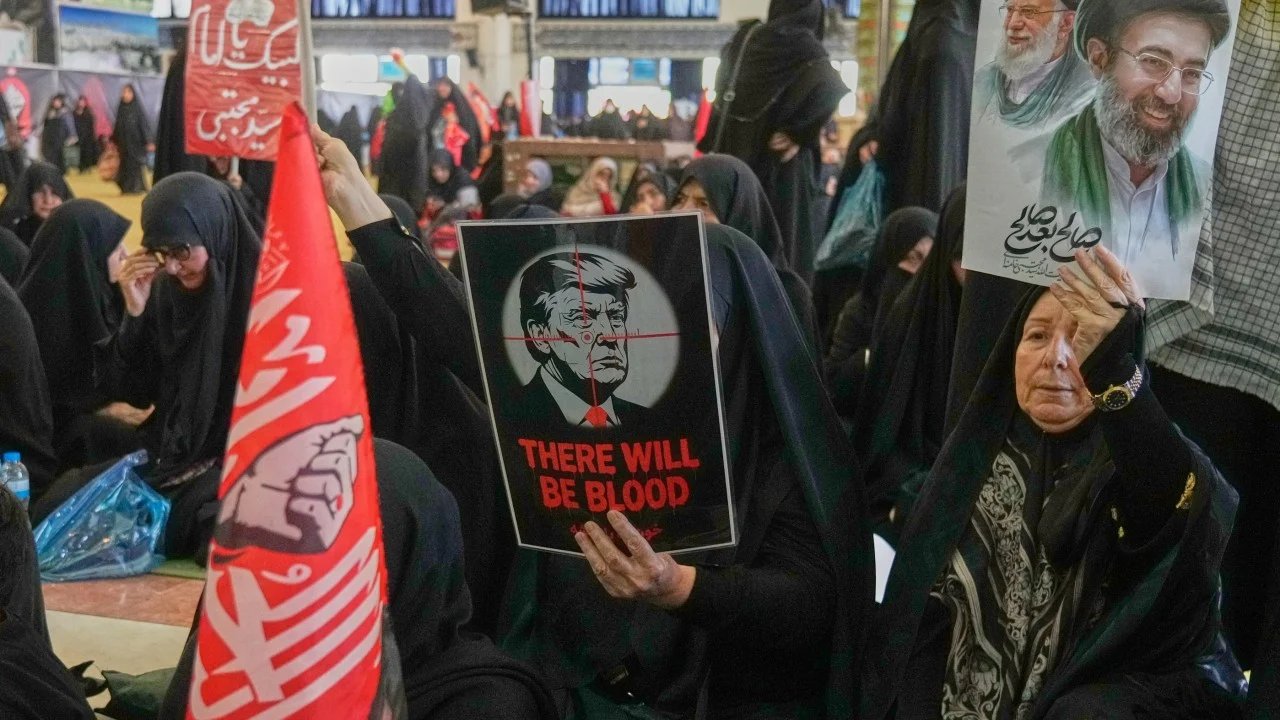
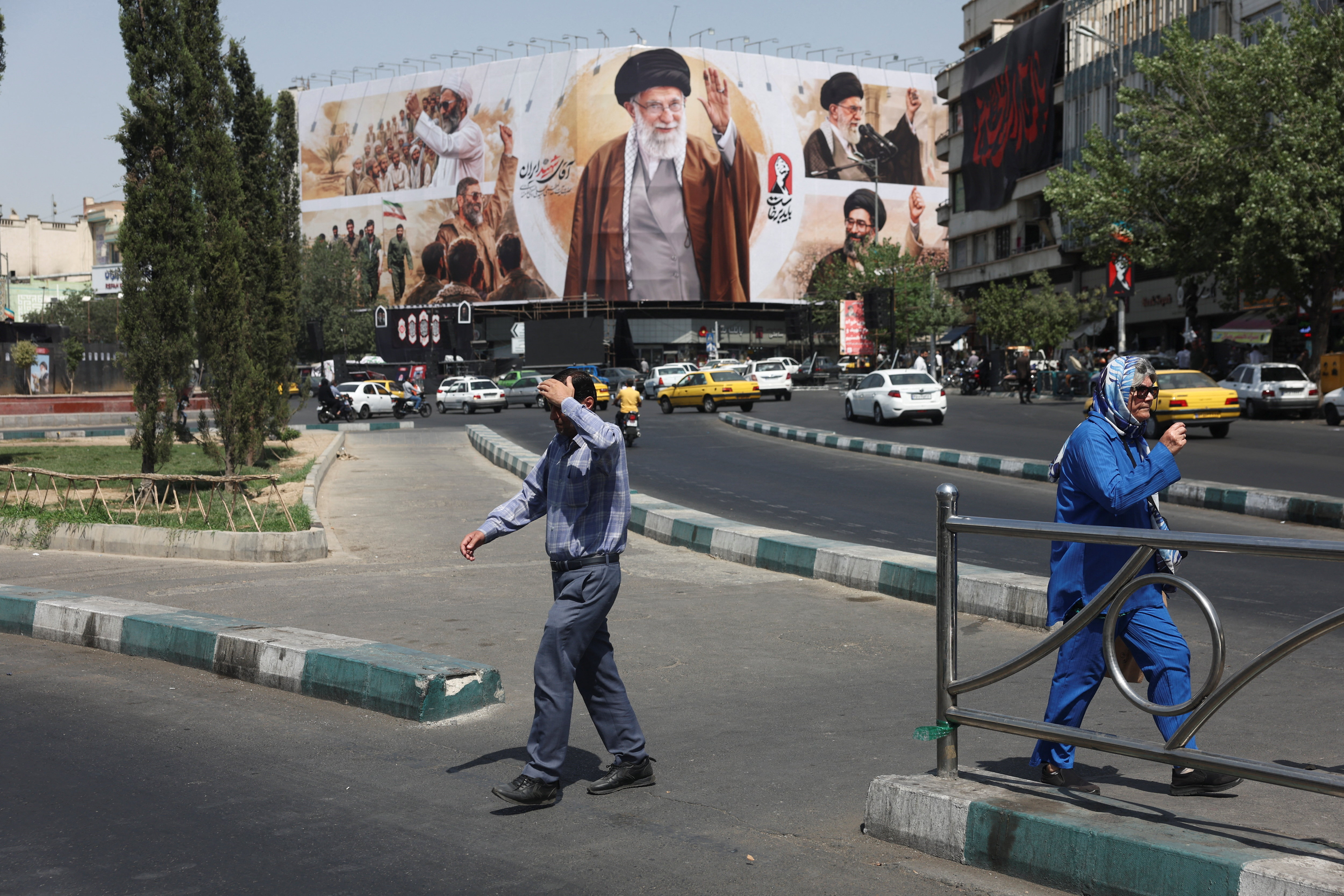
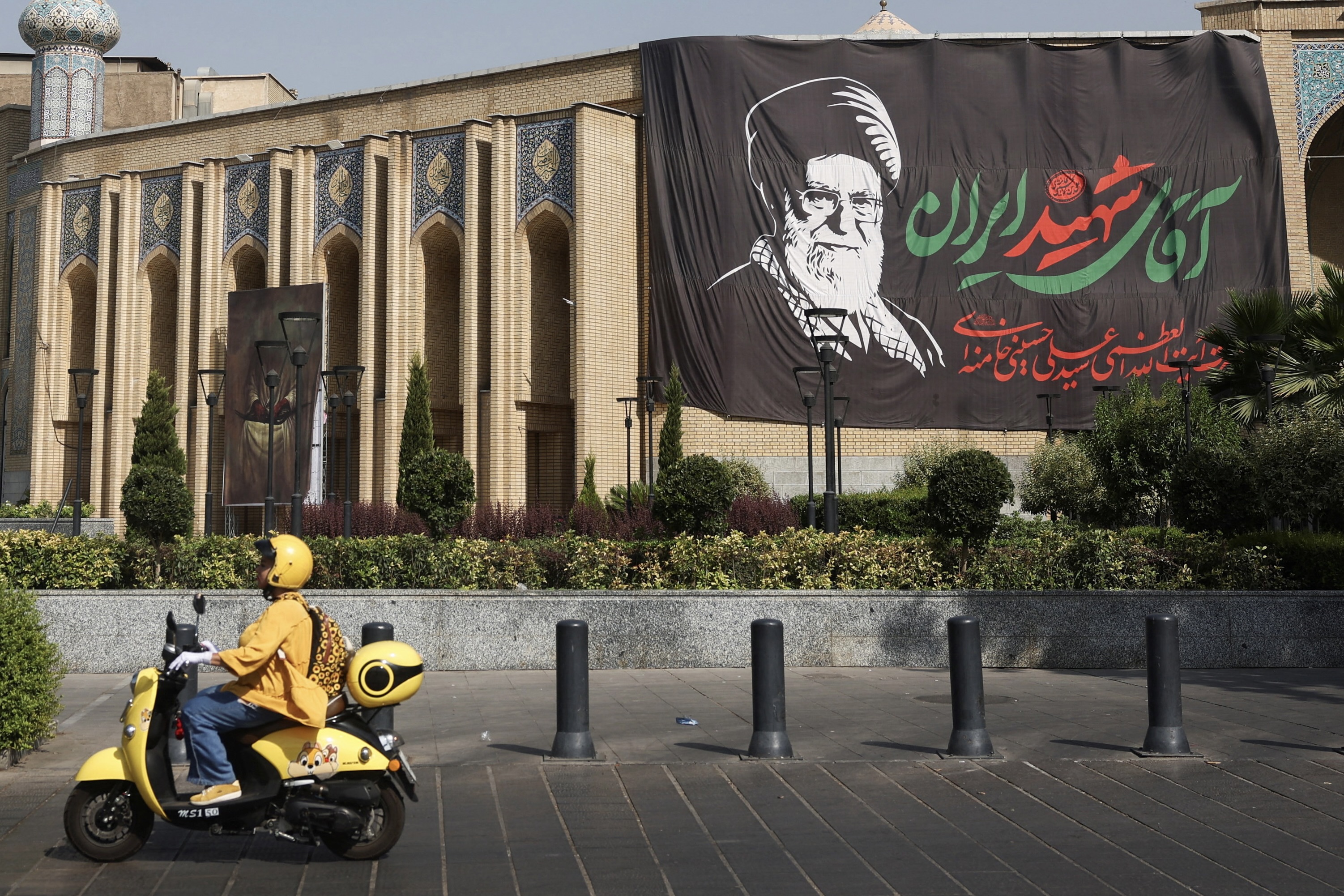
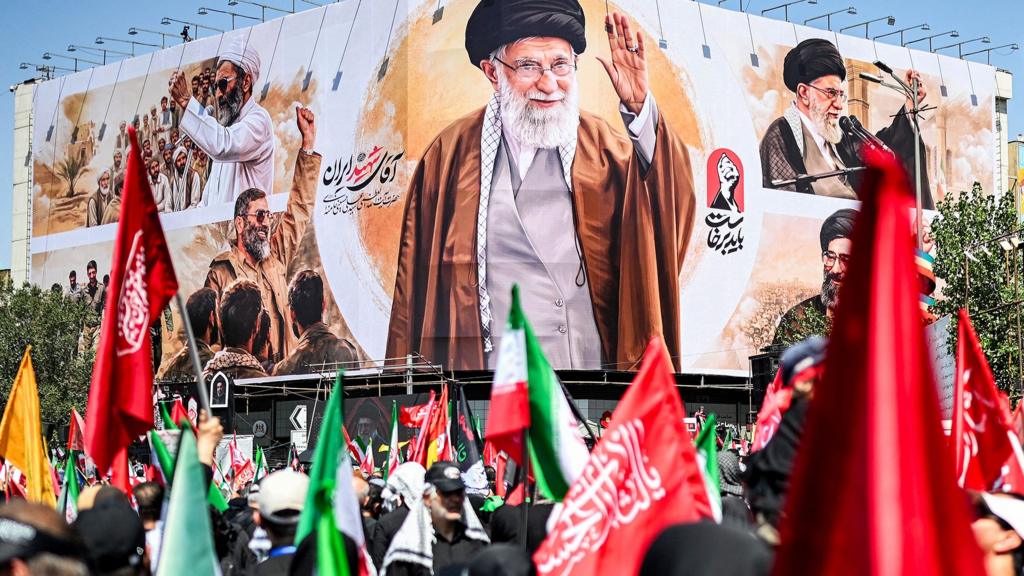
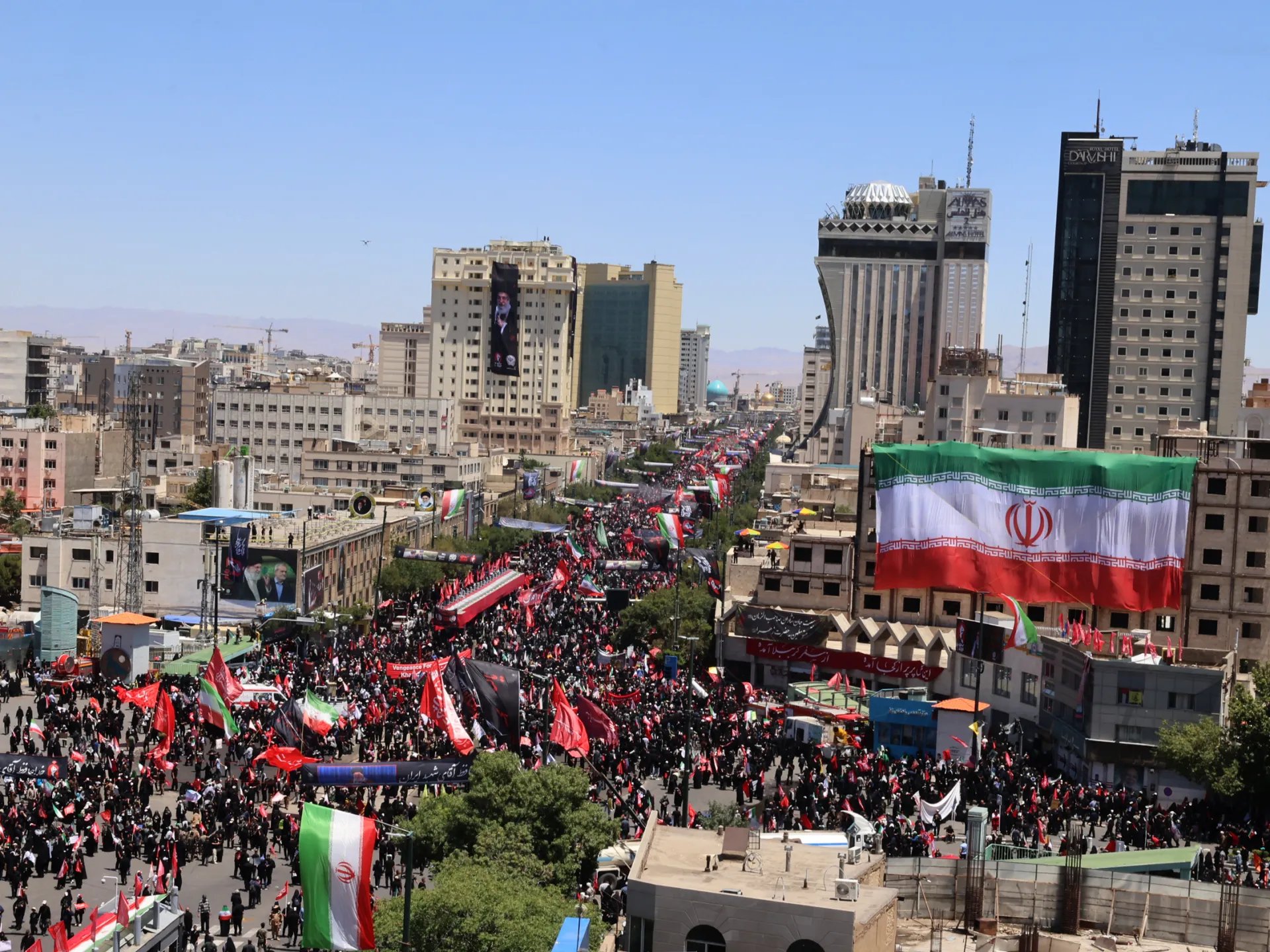
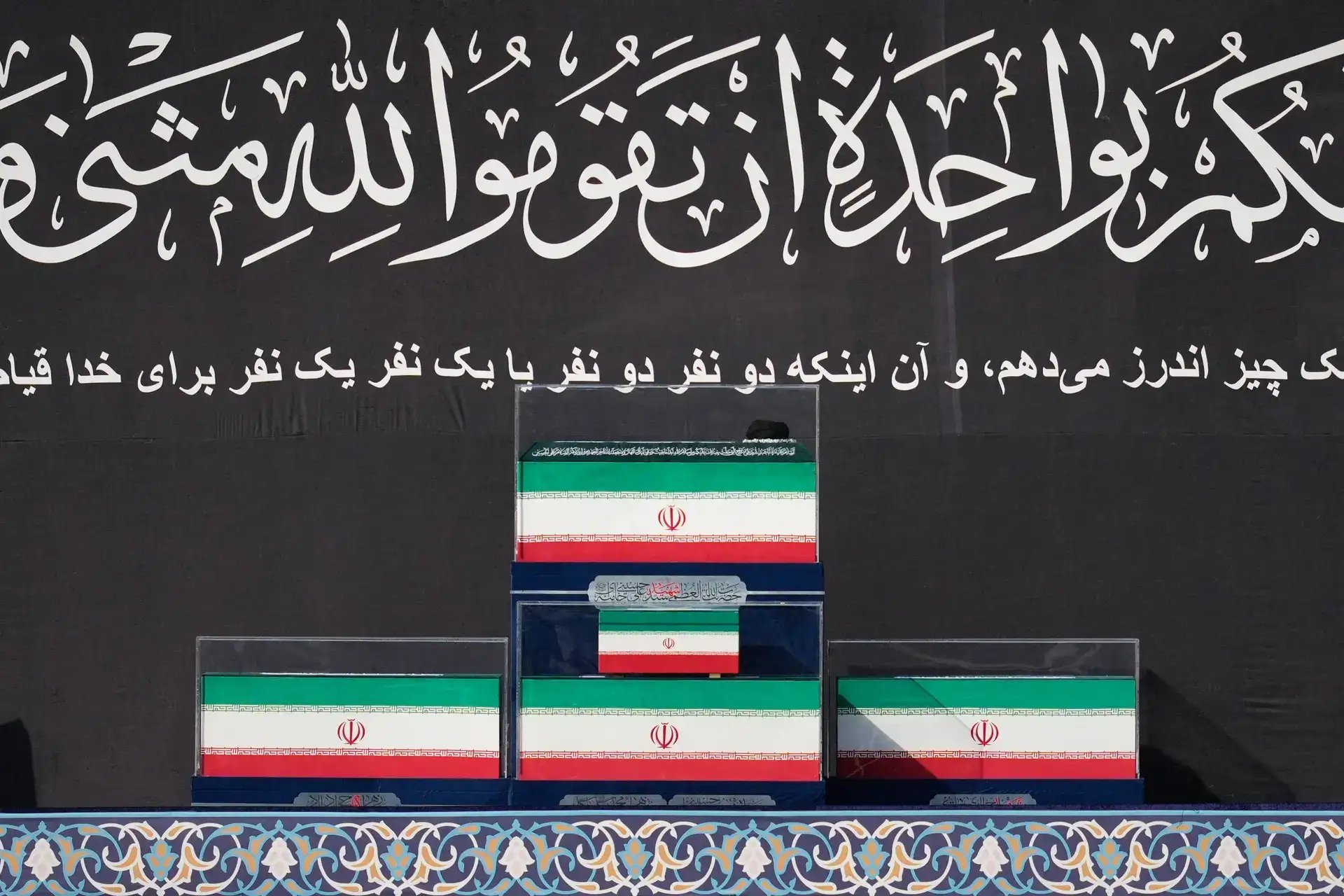
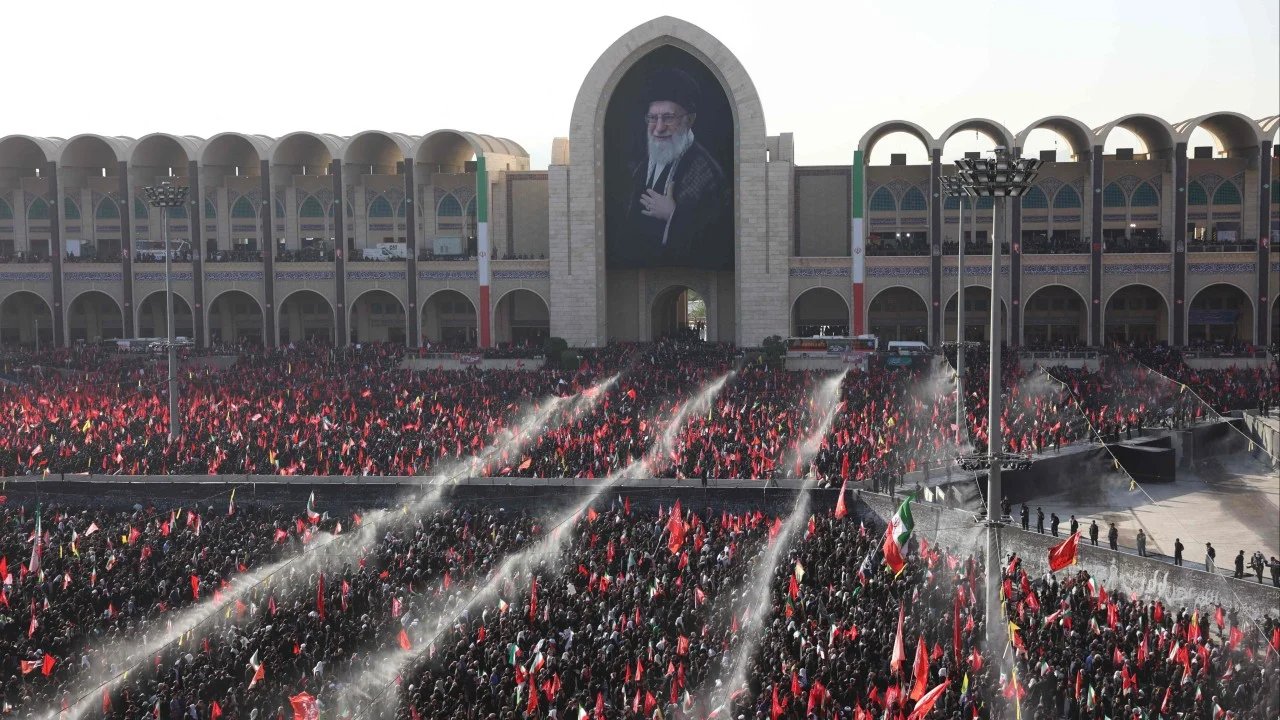
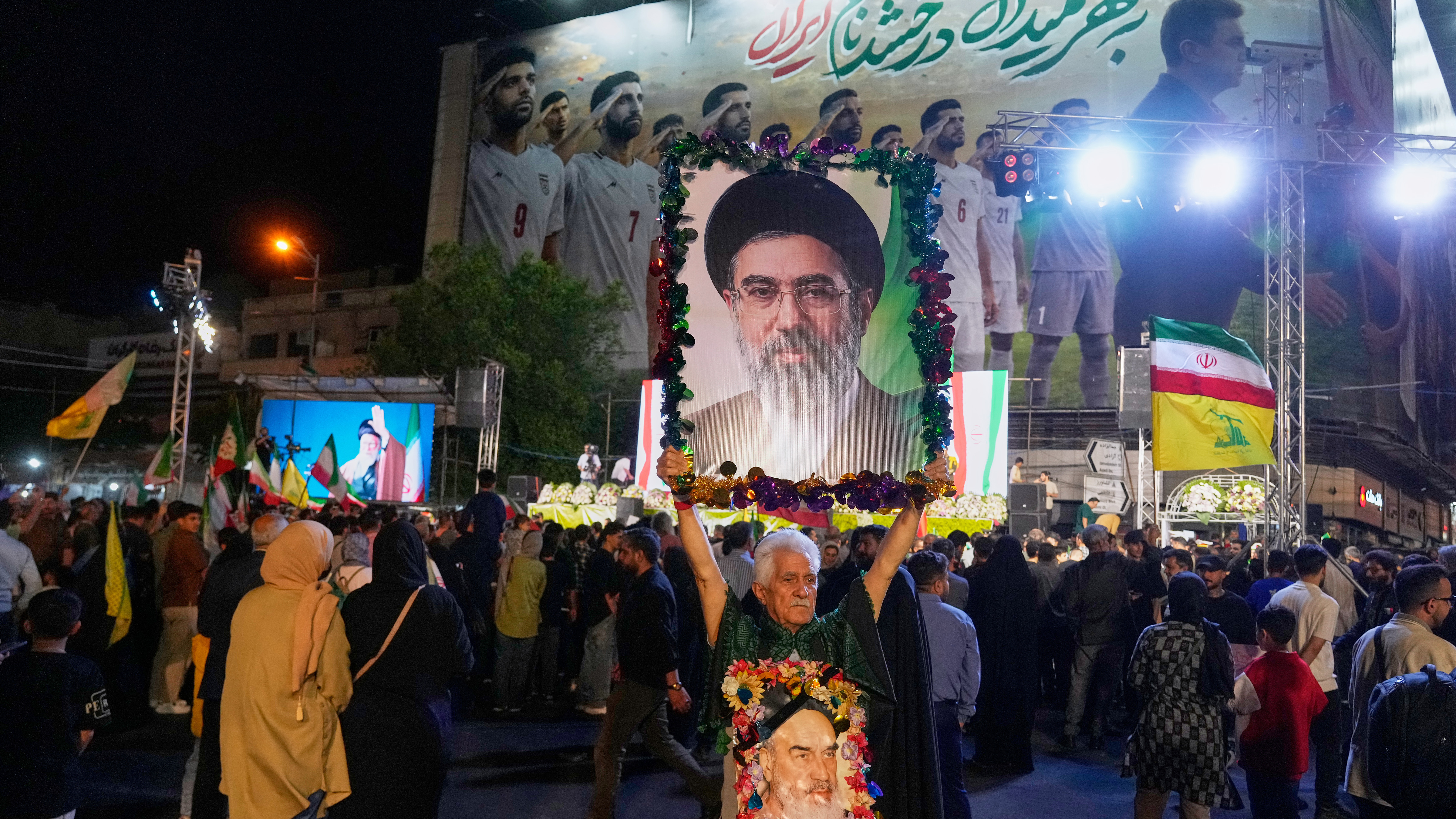
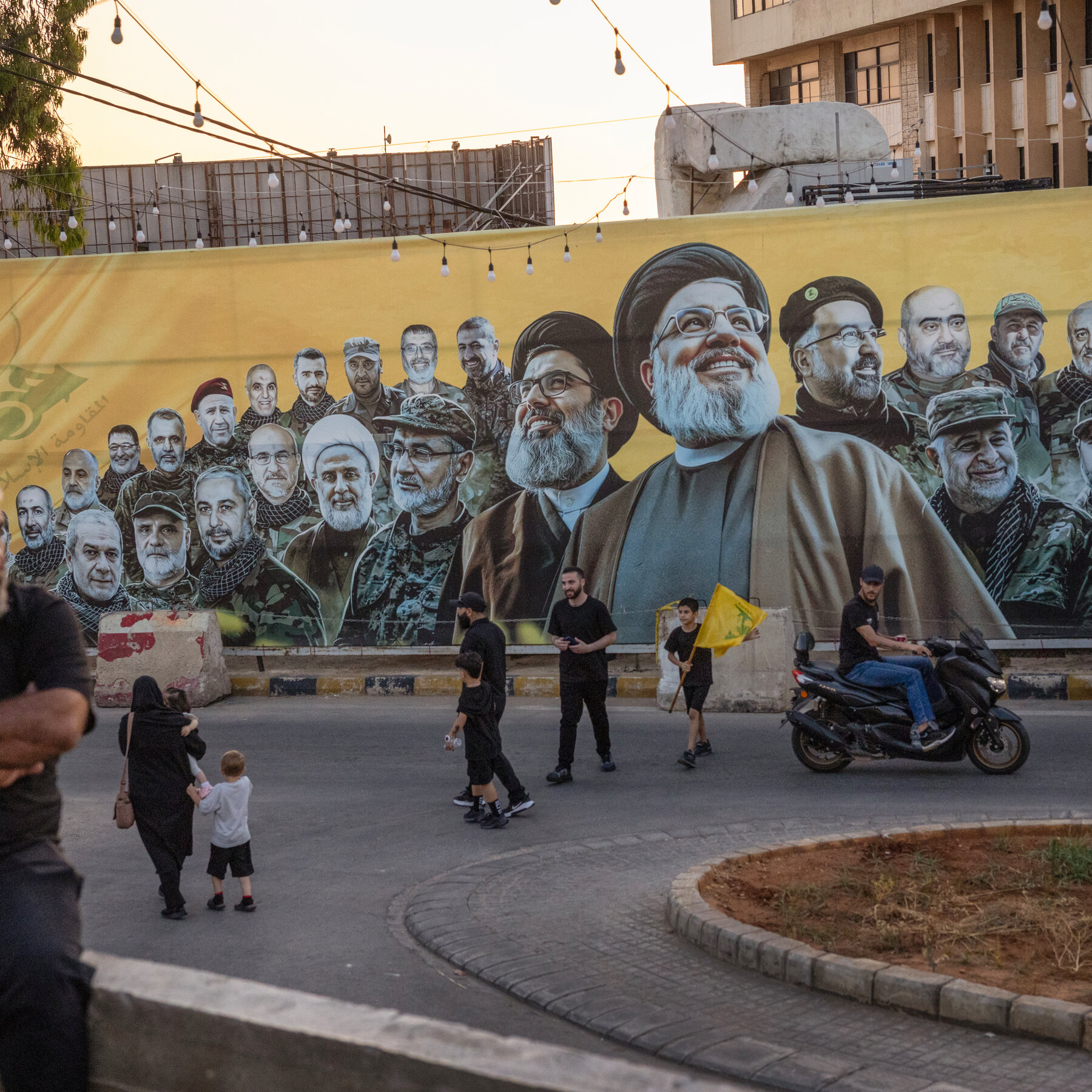
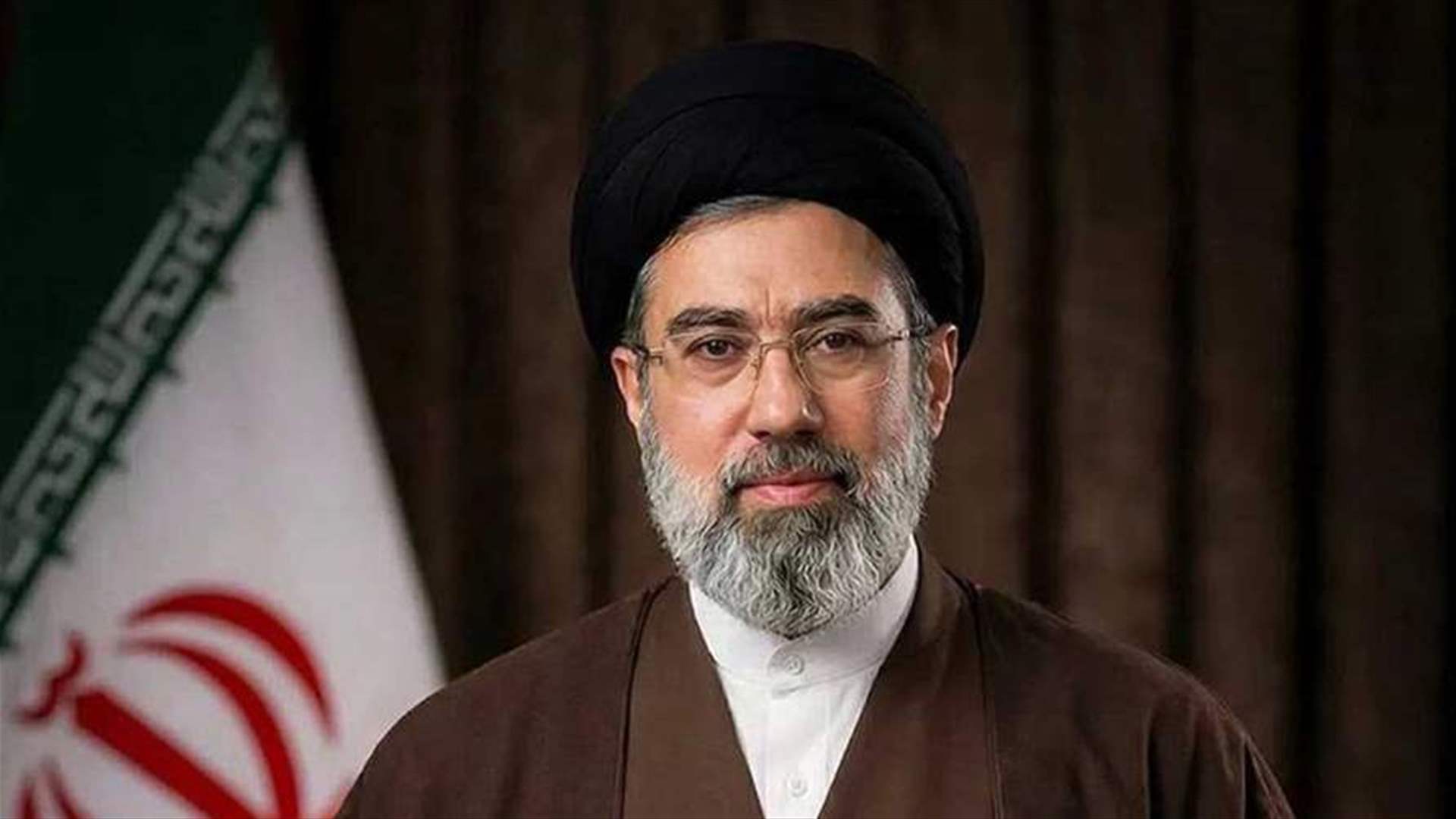
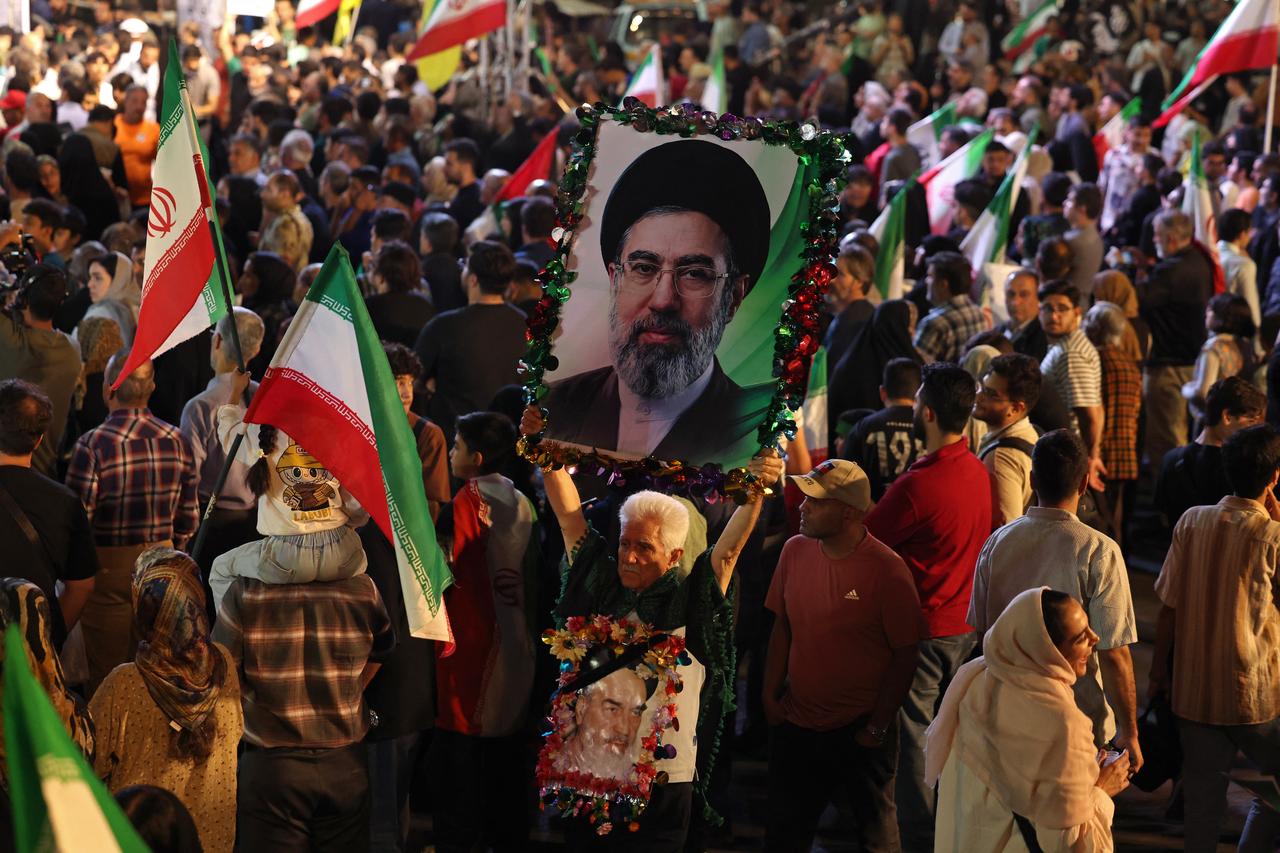
Trump characterized Iran's new leadership as "more rational" following the death of former Supreme Leader Ali Khamenei. Trump said Mojtaba Khamenei, Ali's son, is part of the approval process for a deal and expressed willingness to speak directly with him, though he has not done so yet. Trump remarked, "Younger. I think more rational," indicating a belief that the new leadership may be more amenable to a deal.
Military Presence and Economic Impact
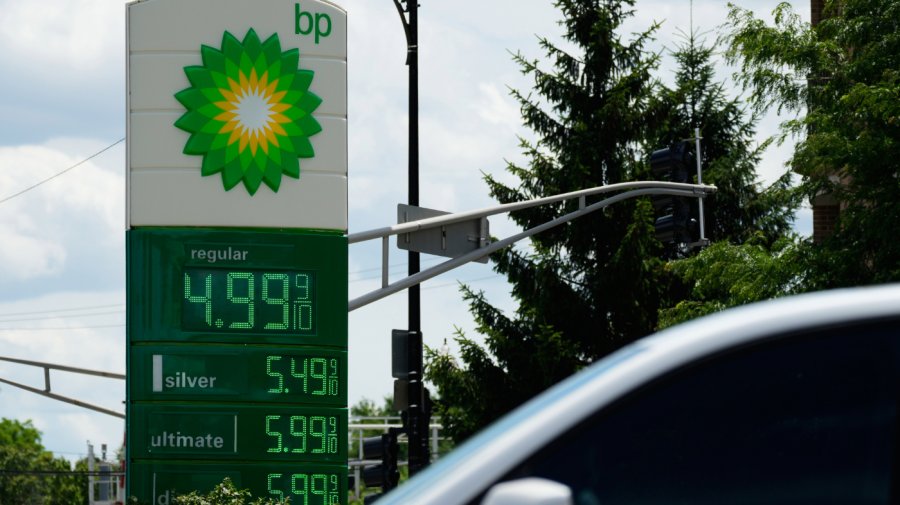
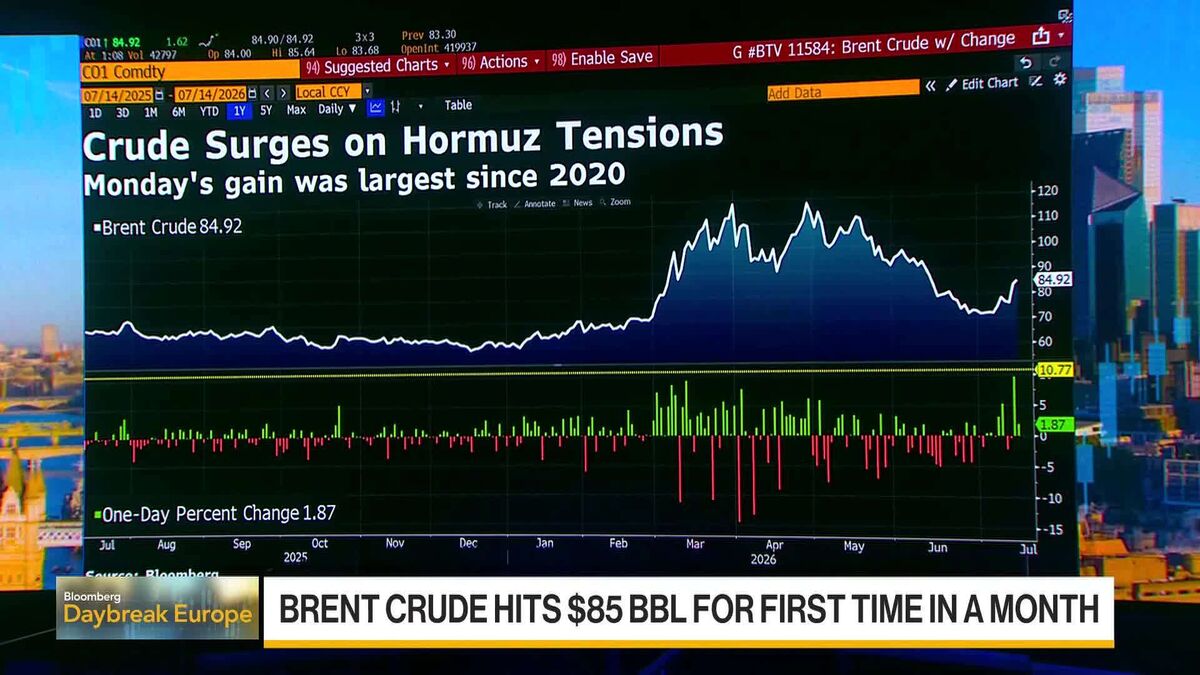
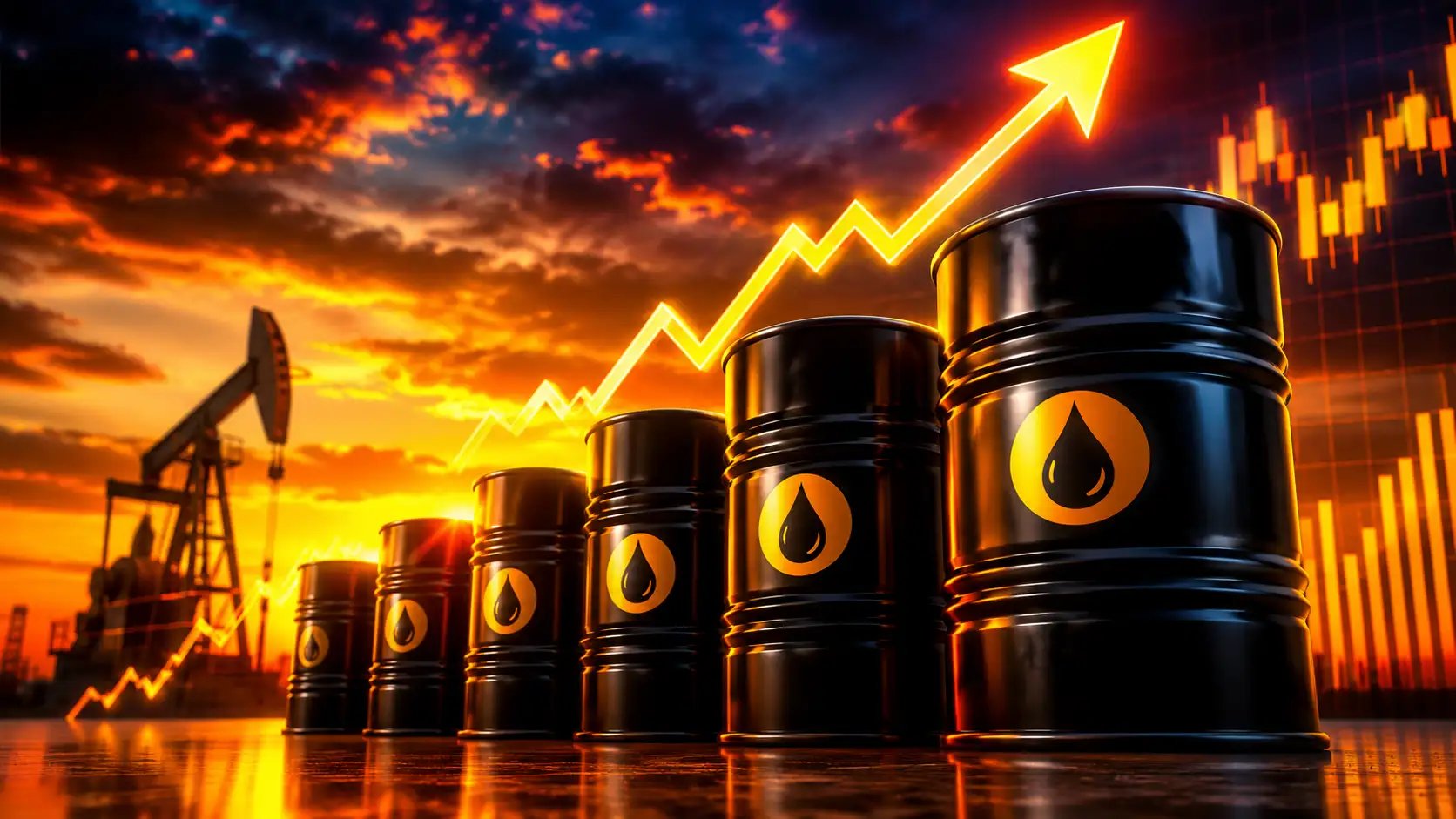
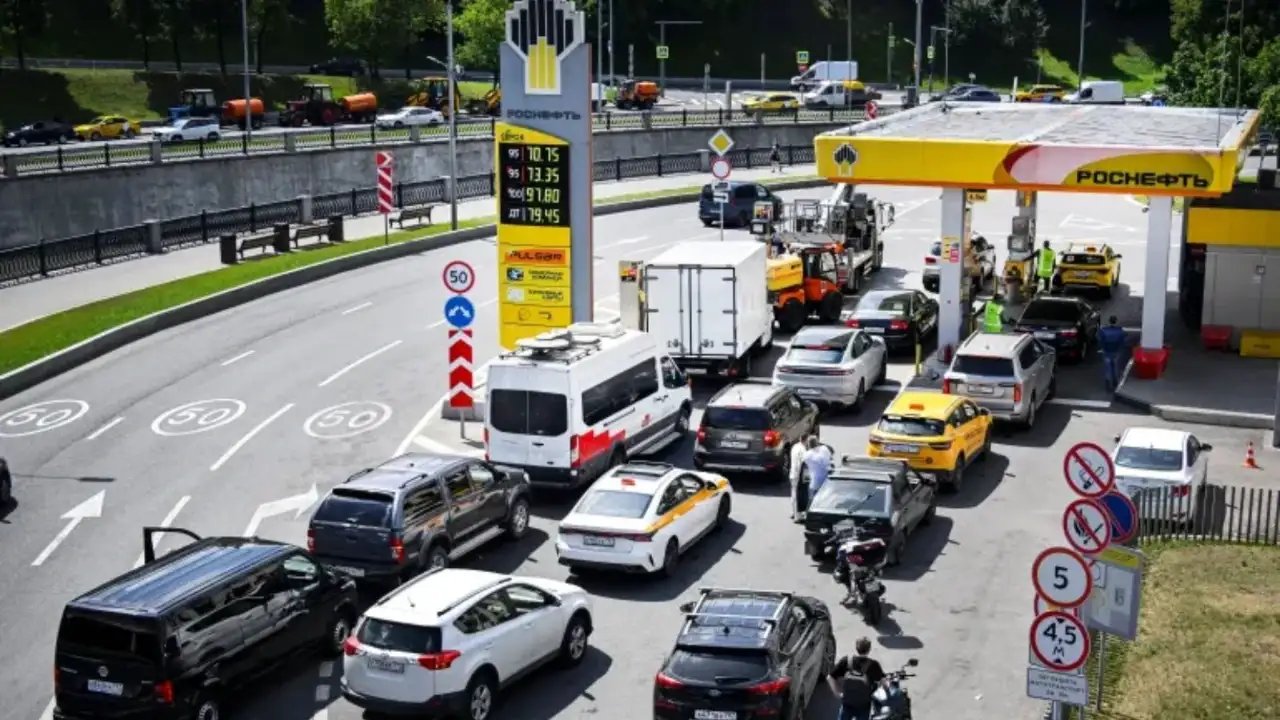
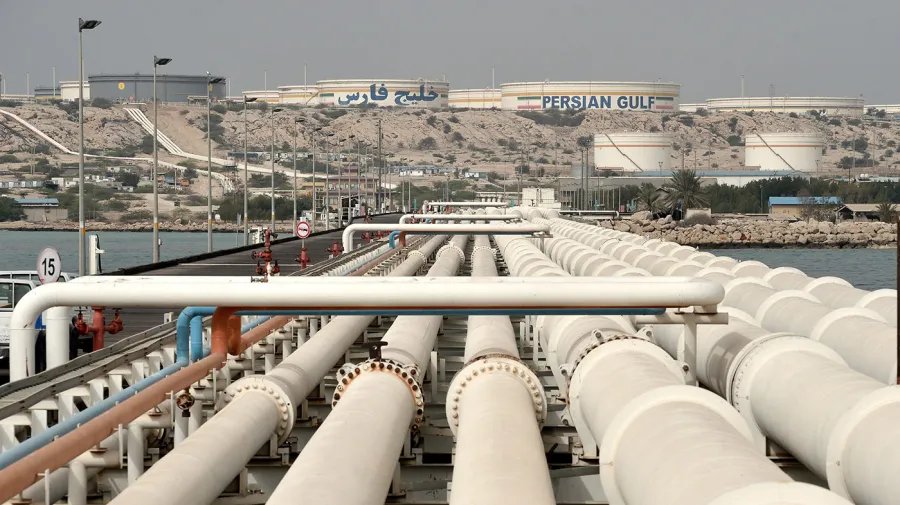
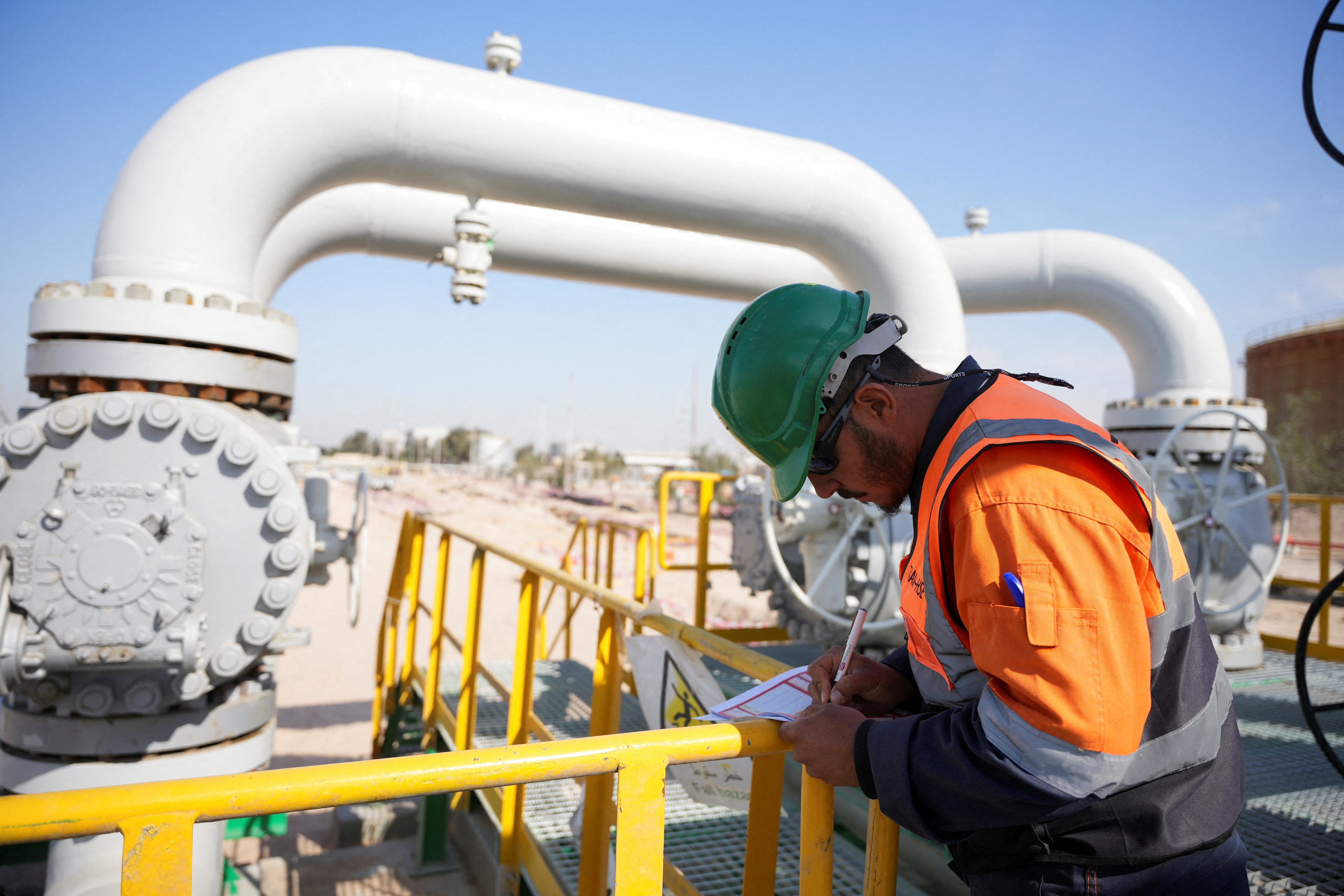
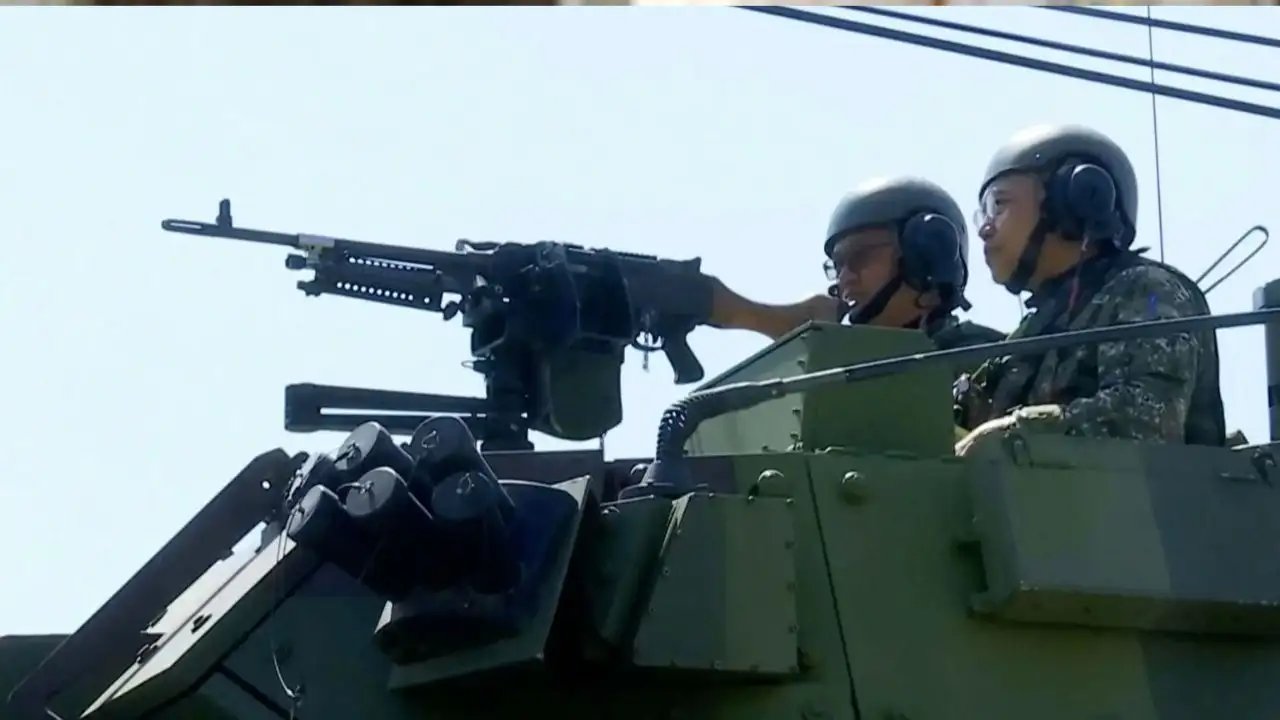
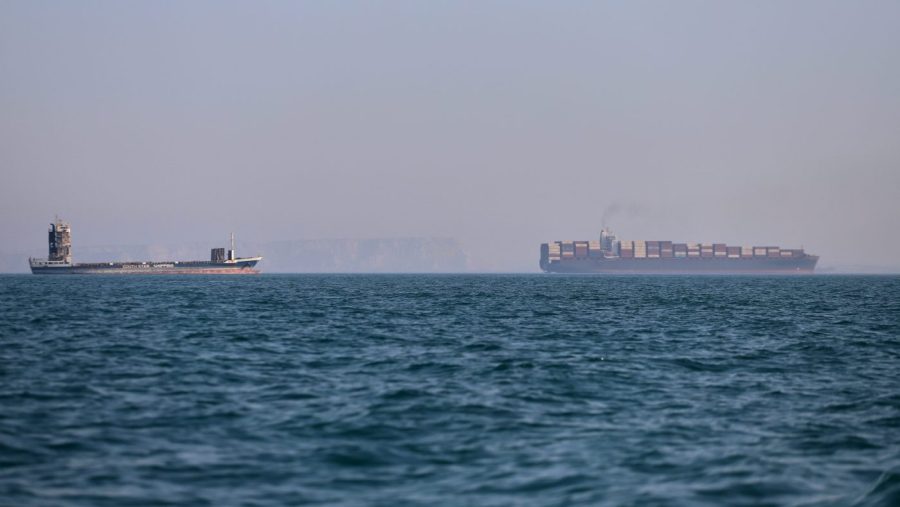
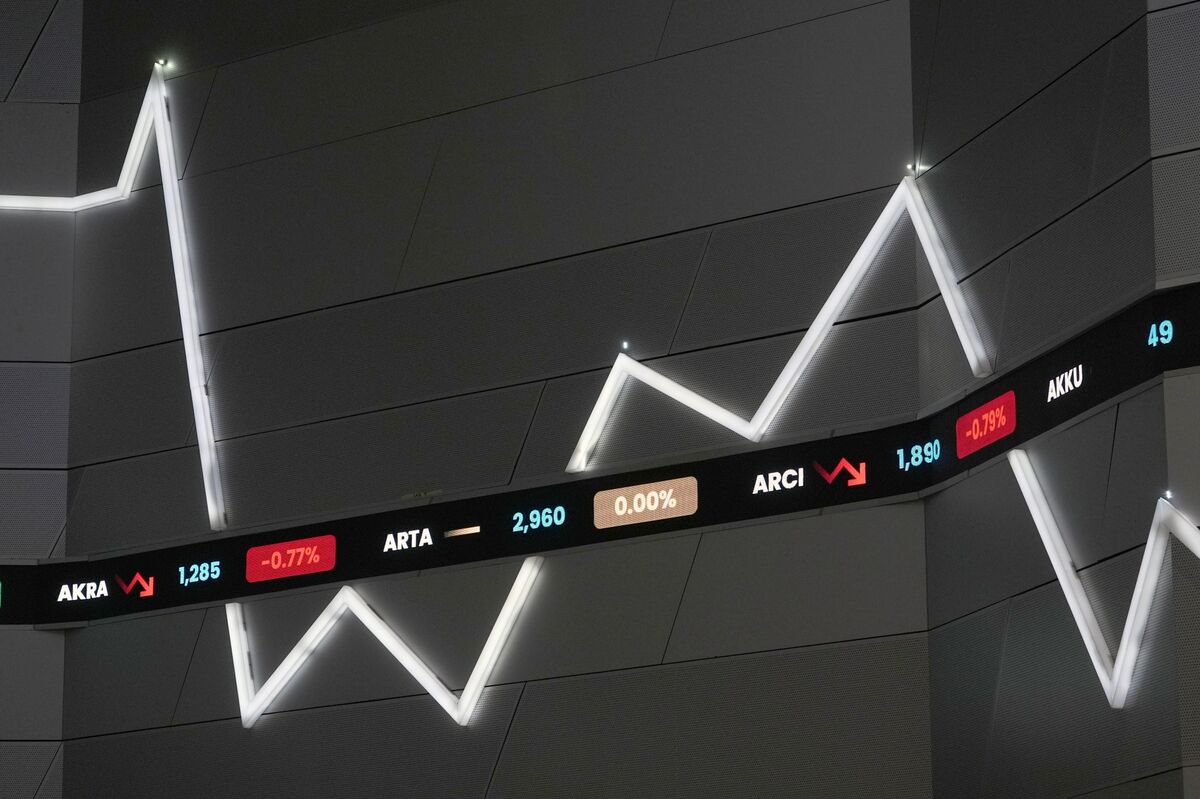
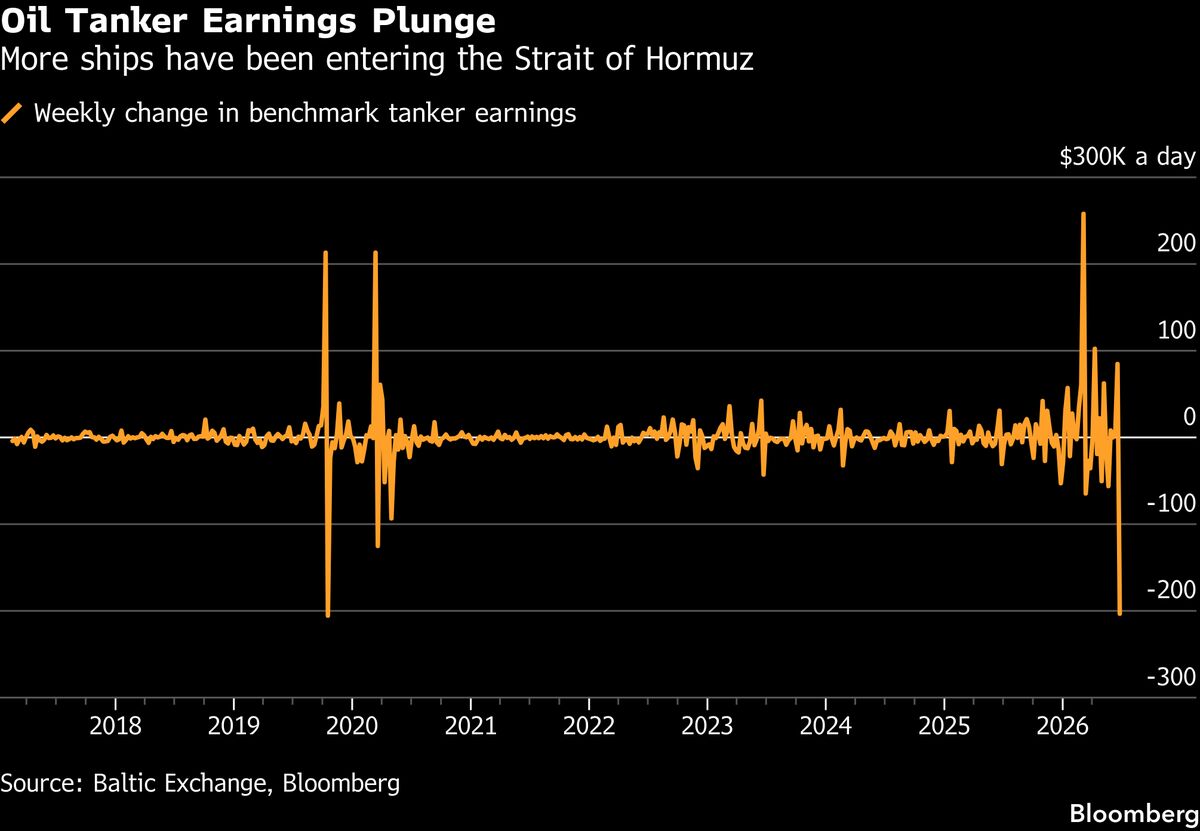
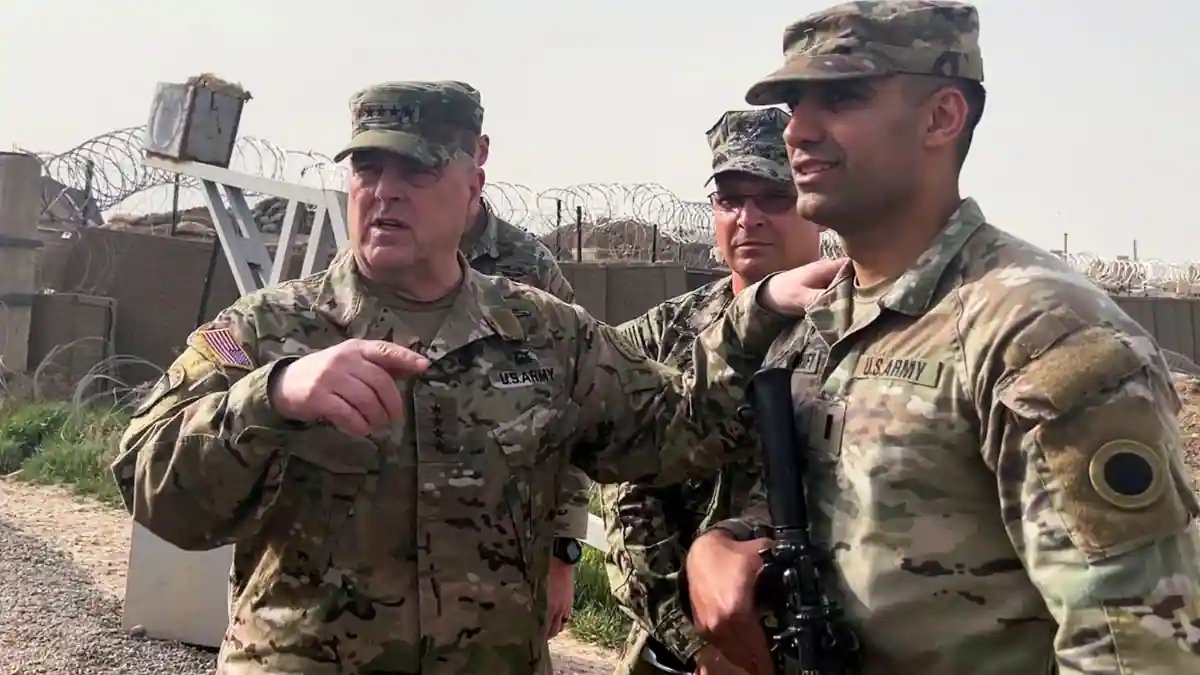
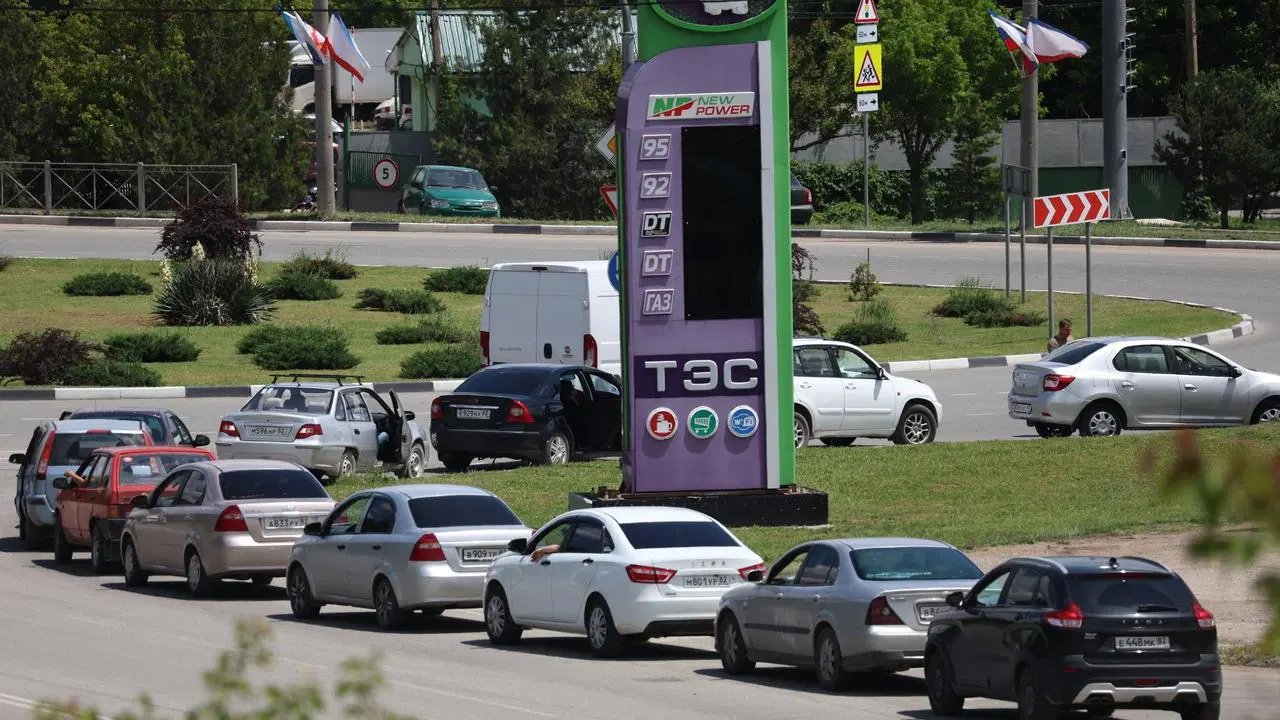
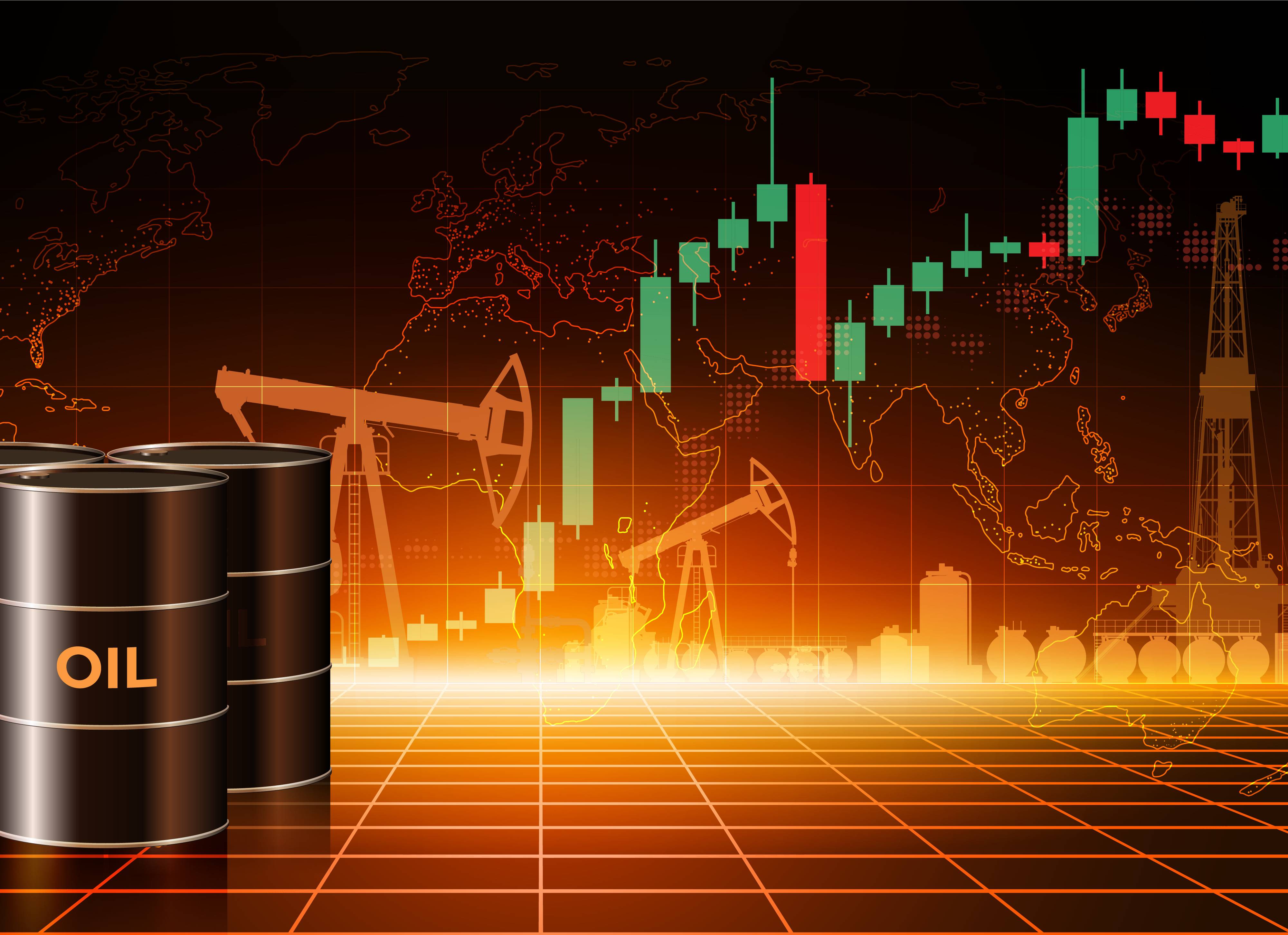
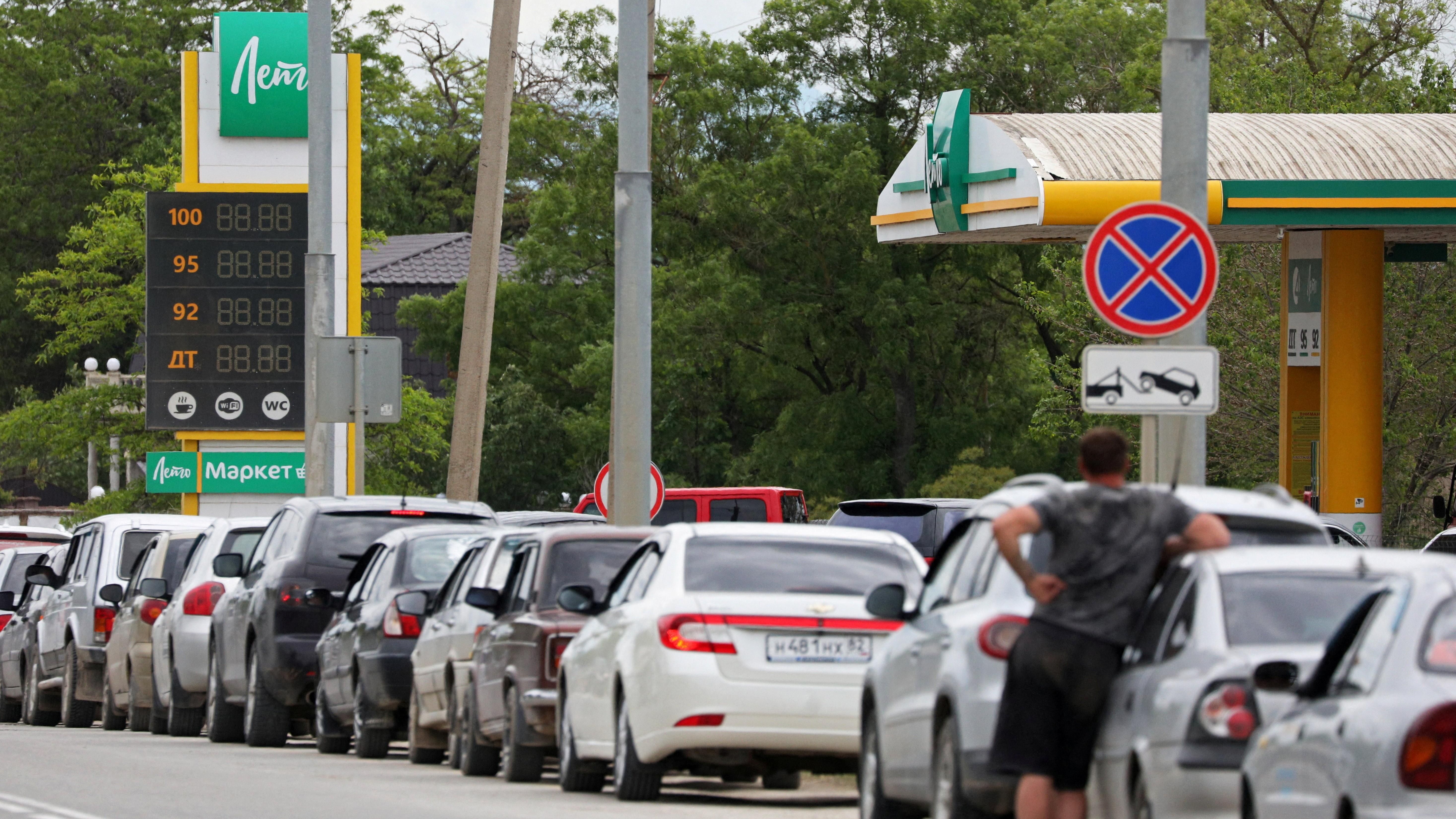
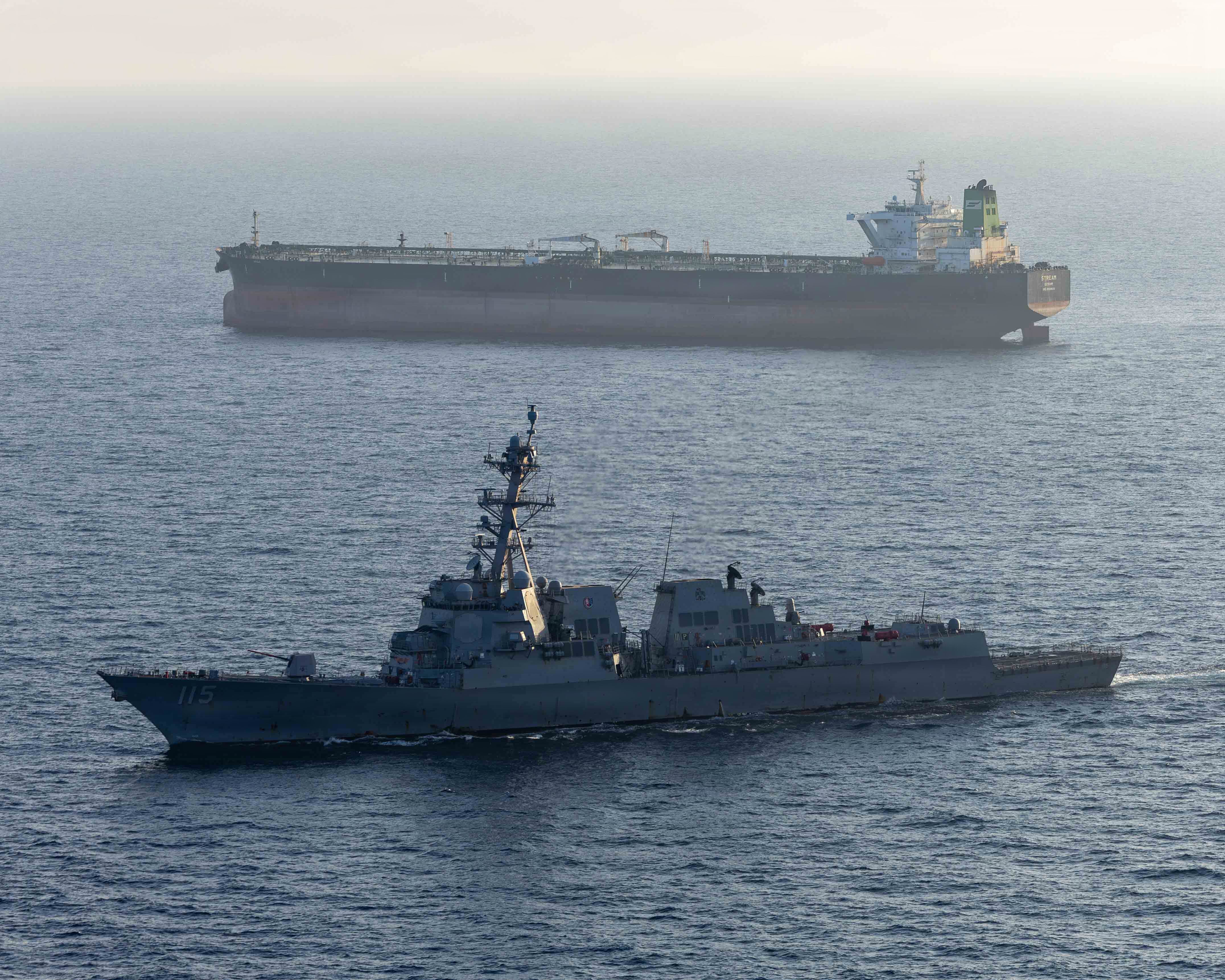
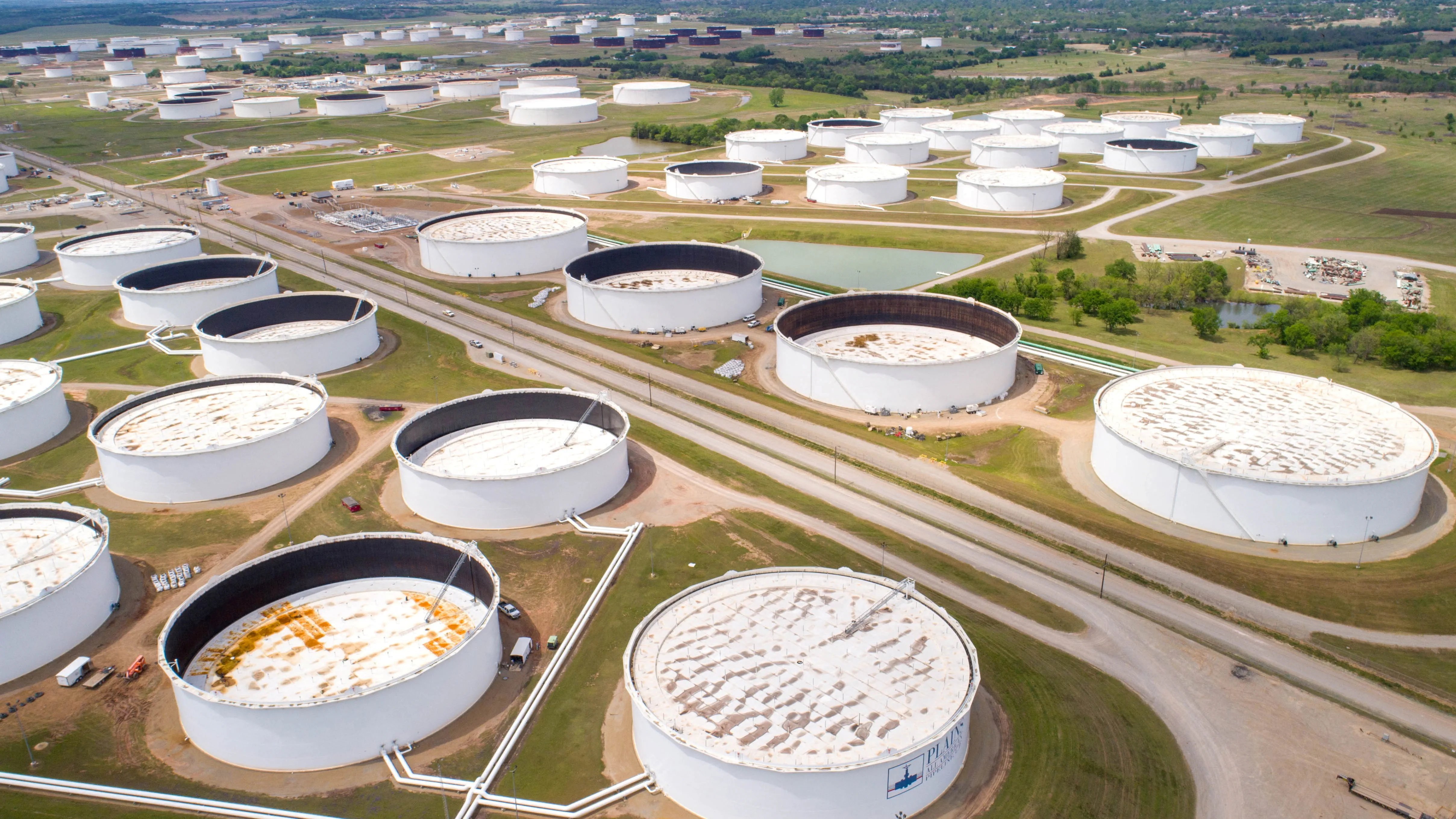
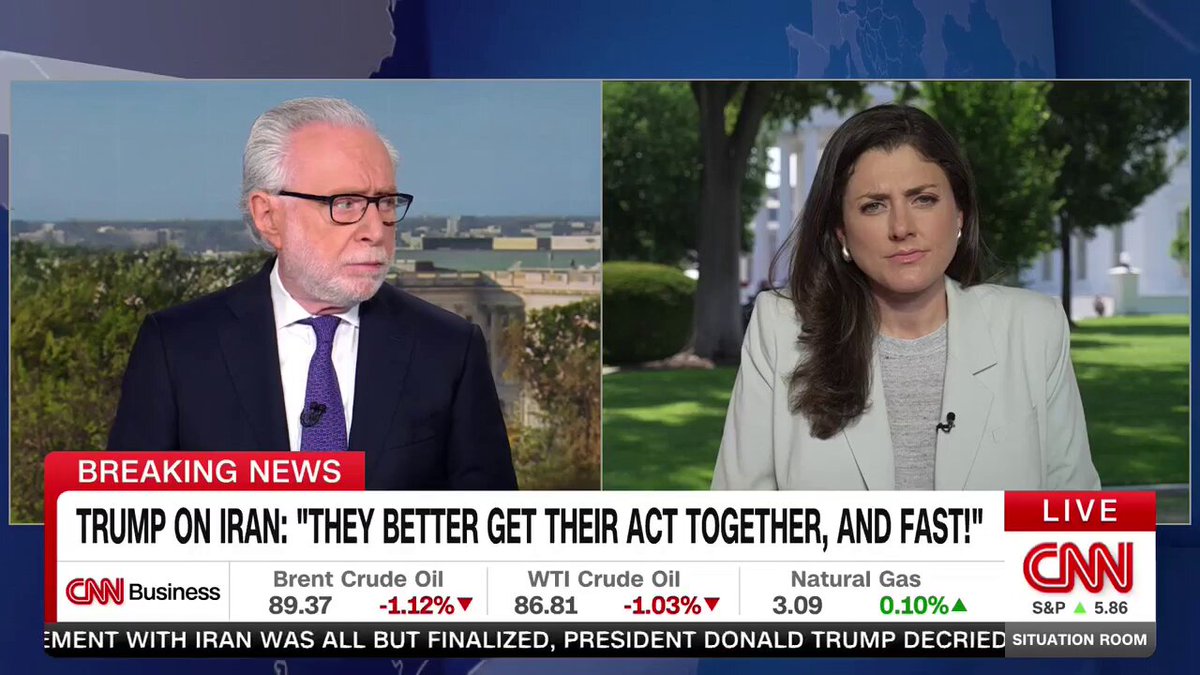
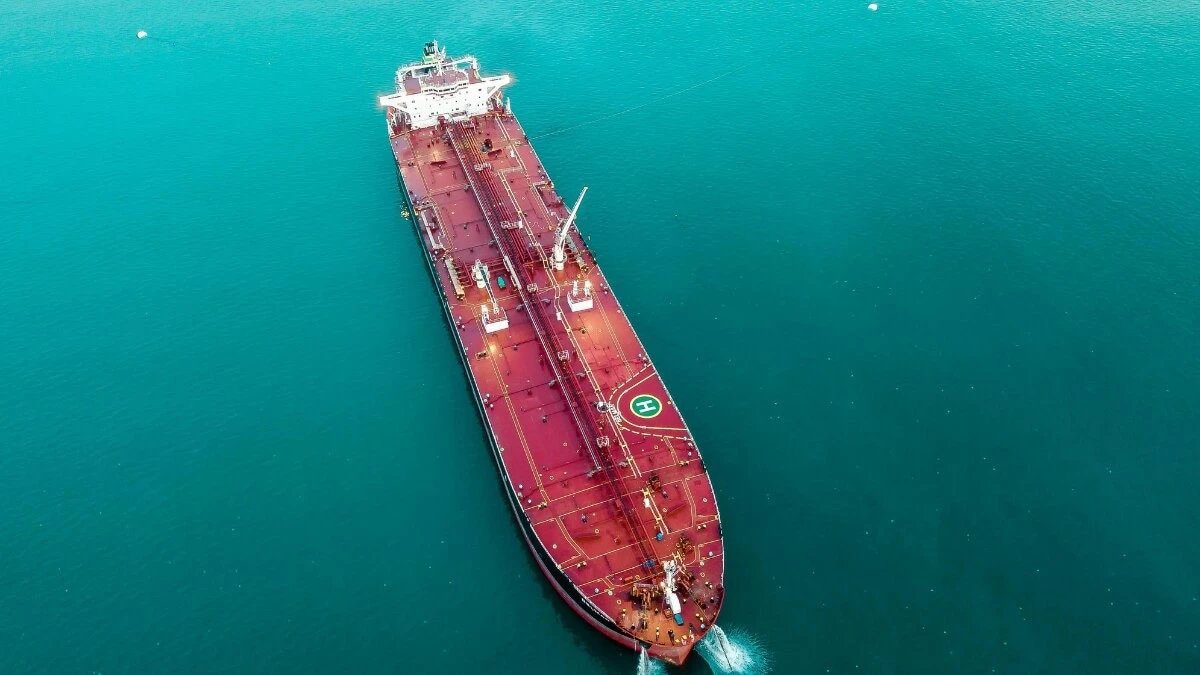
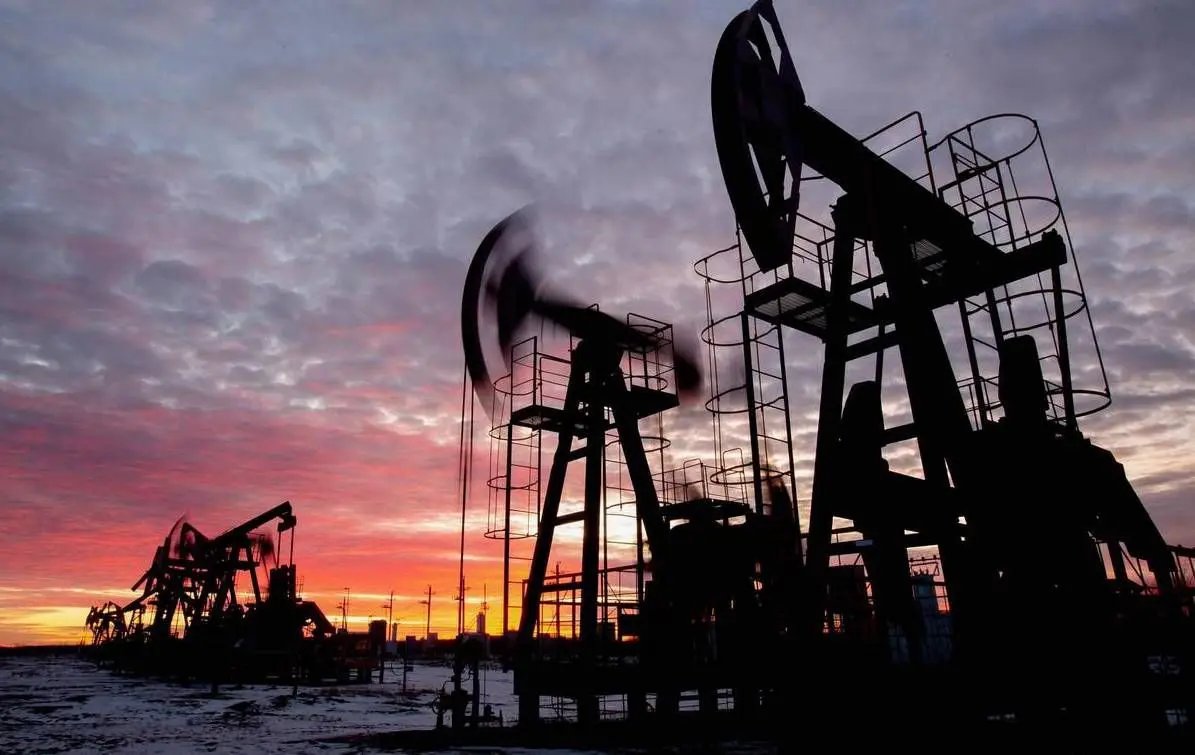
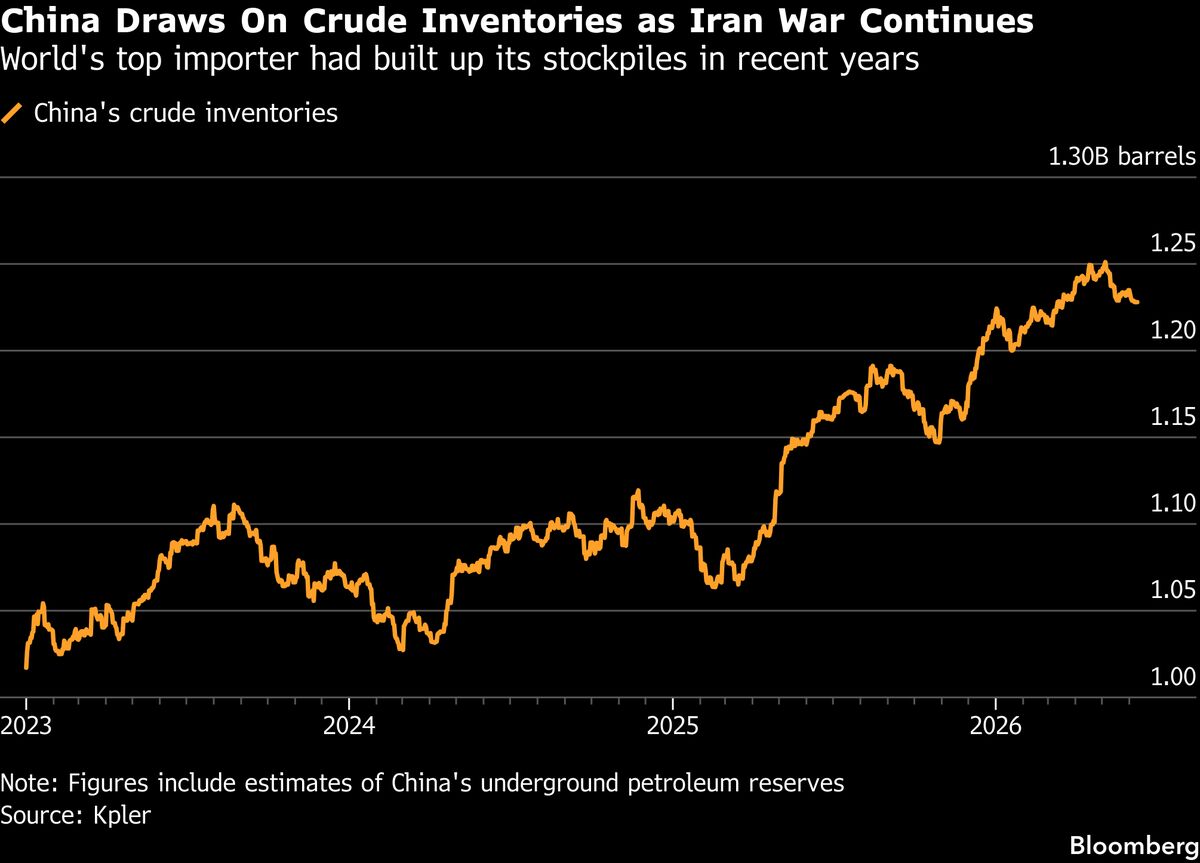
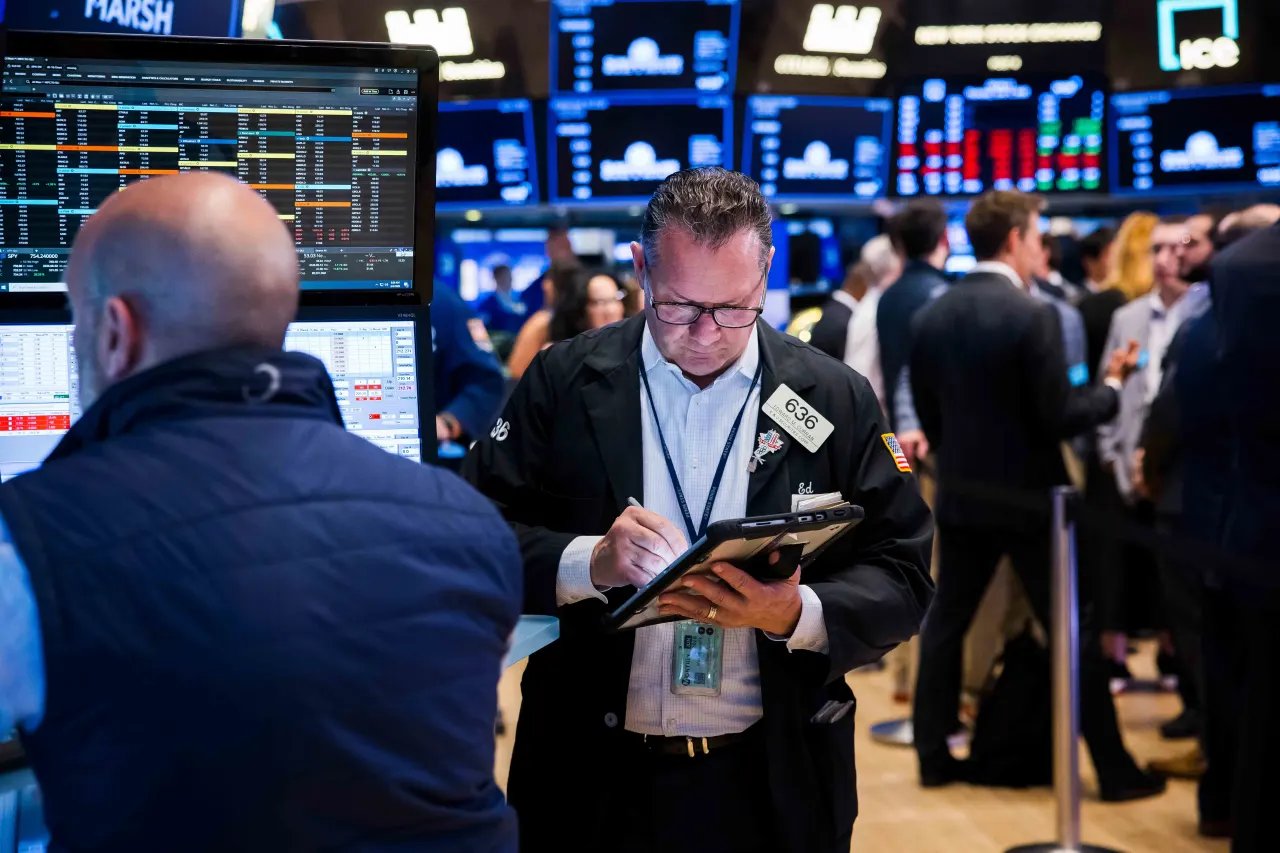
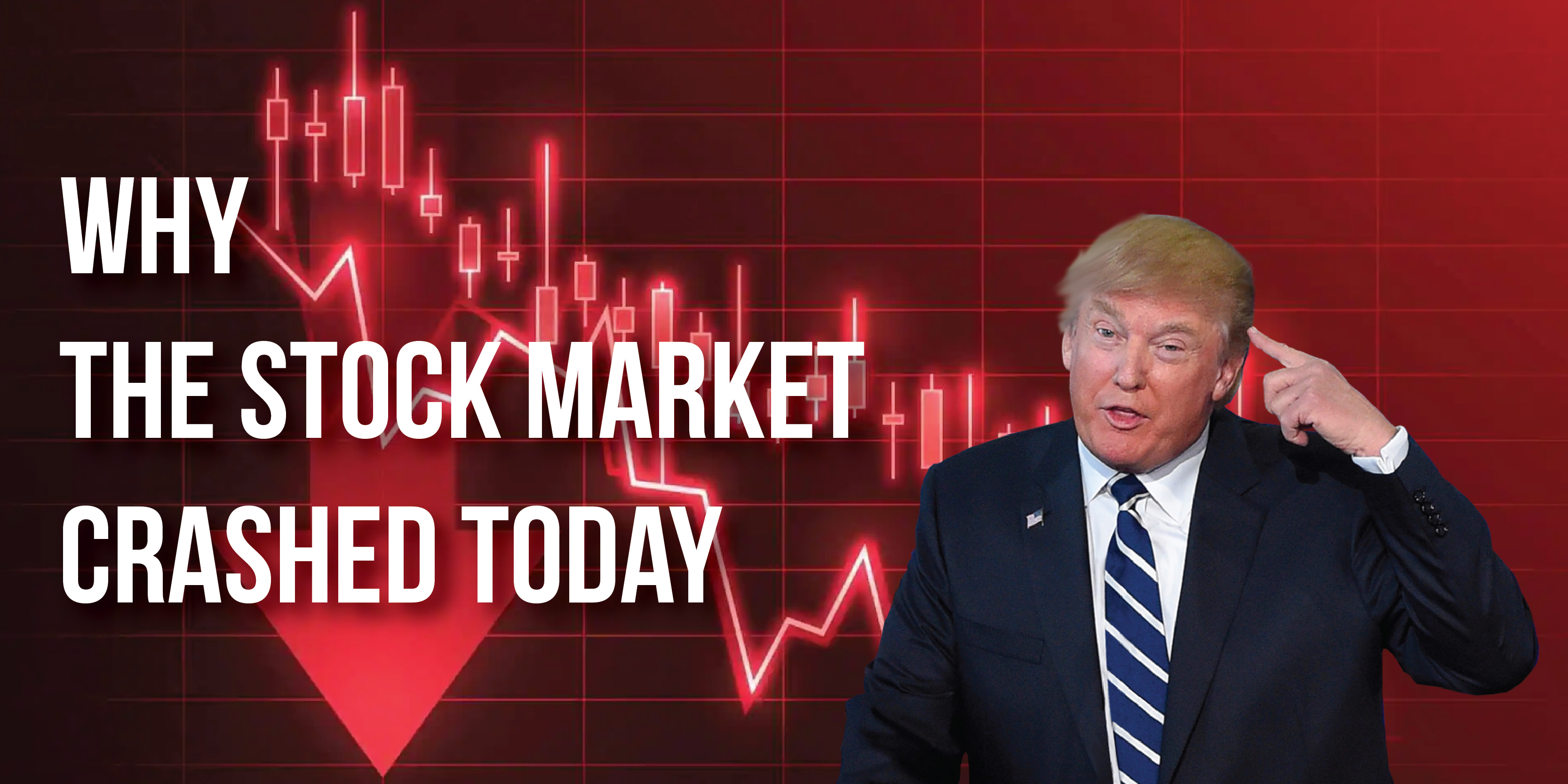
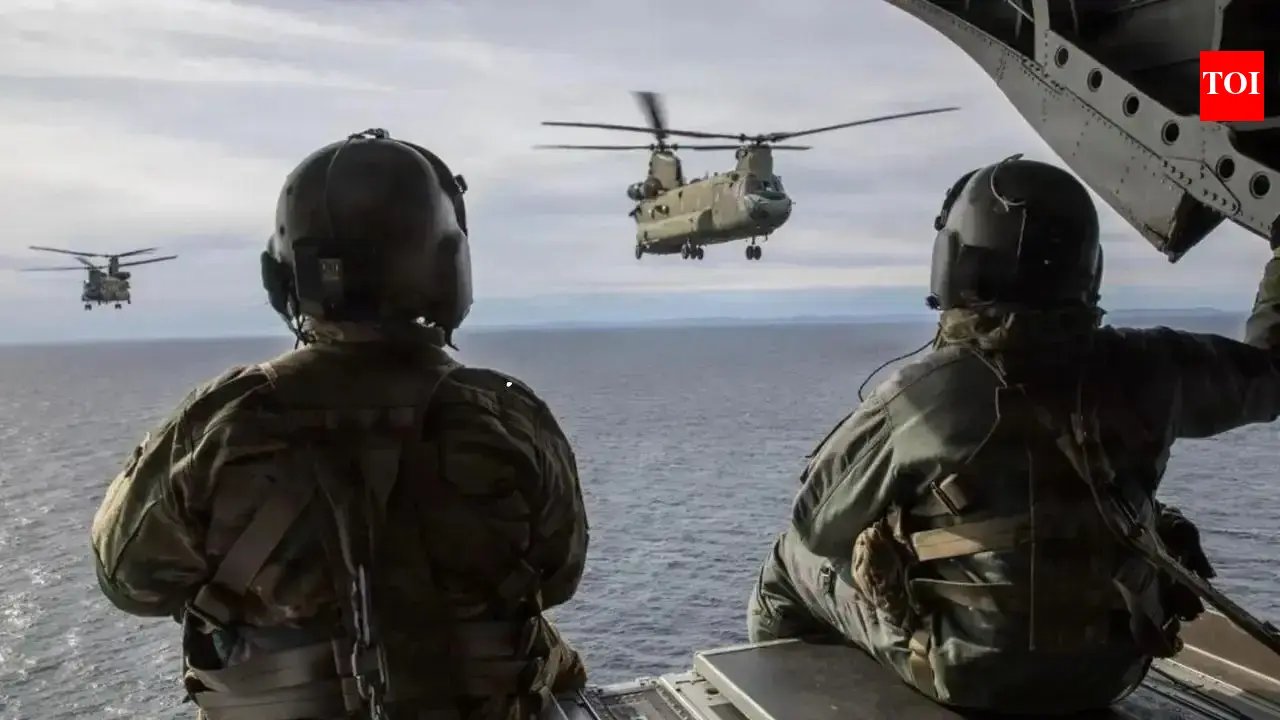
Trump stated that Iran's military capabilities have been significantly degraded, yet affirmed that U.S. troops would remain deployed in the region until a comprehensive agreement is reached. He stated, "It costs us very little to keep them there," suggesting that a continued military presence could help leverage negotiations. The ongoing conflict has affected global oil prices, with Brent crude rising to $96.59 per barrel, causing concern among consumers and businesses alike.
Public Sentiment and Political Implications
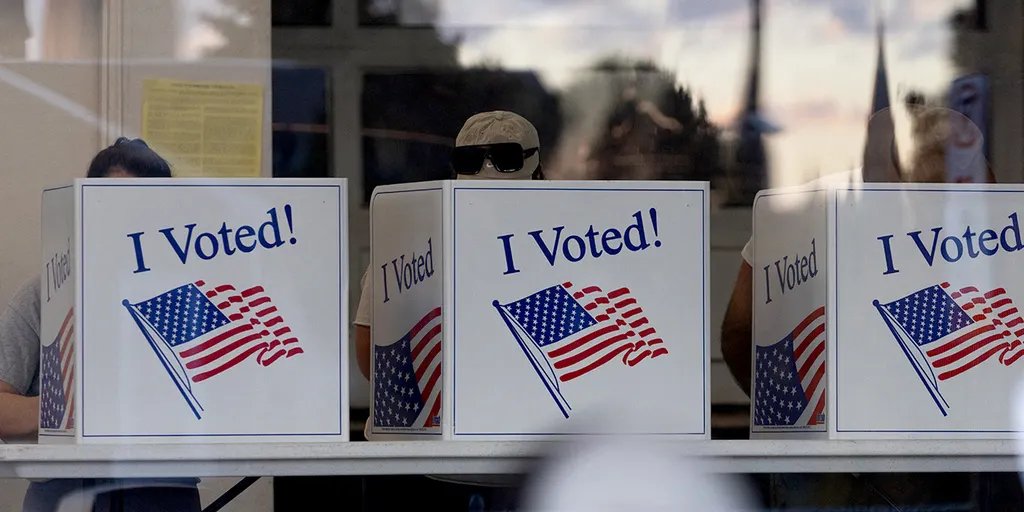
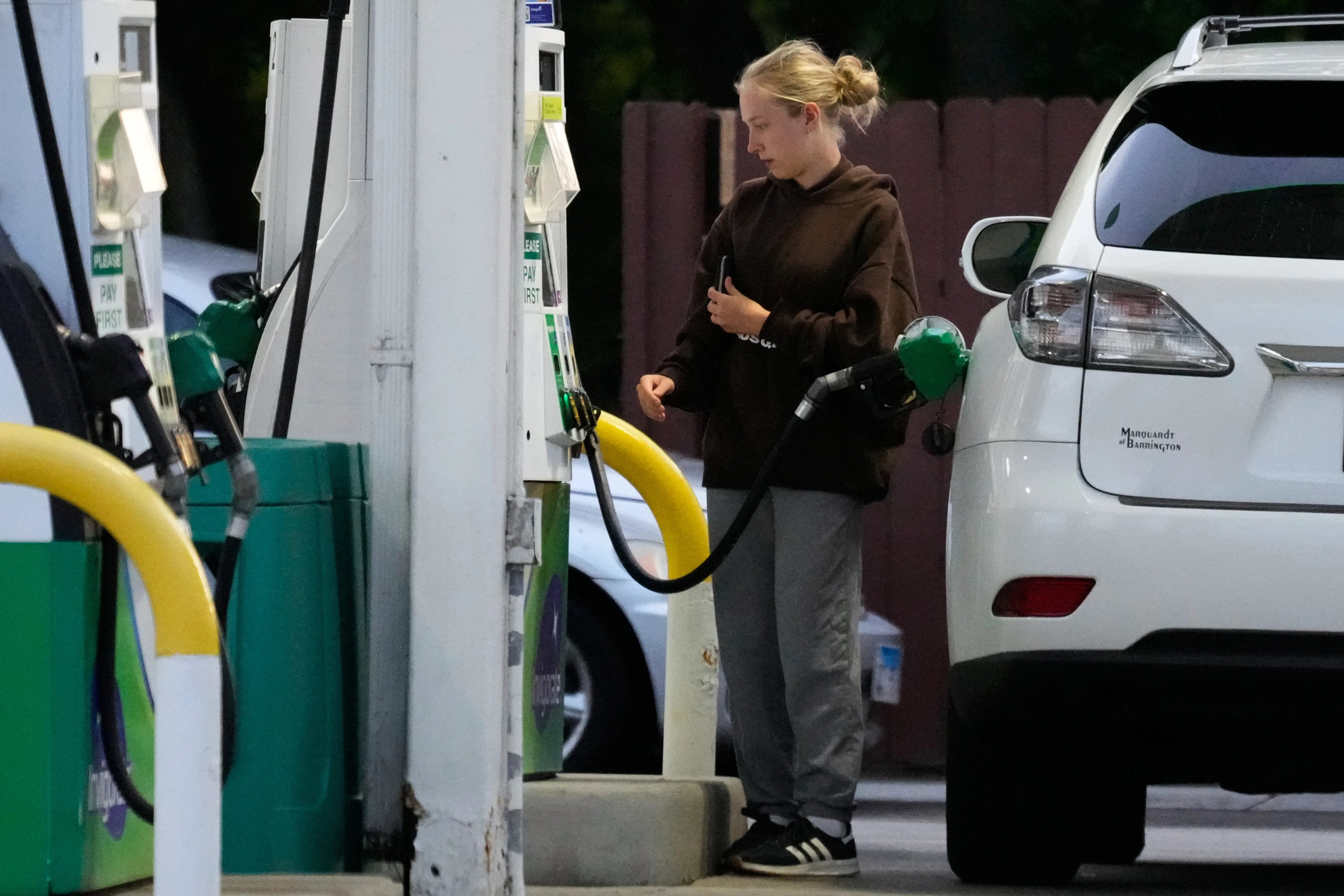
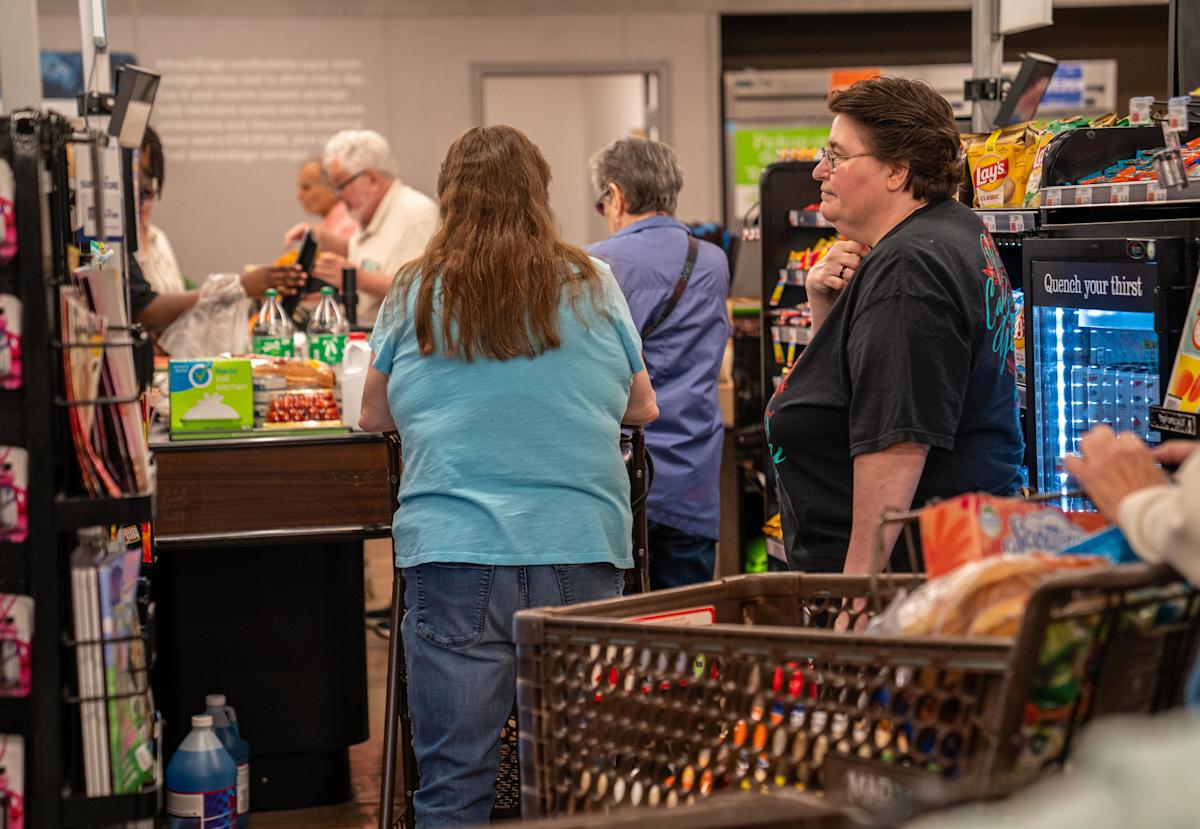
Polls indicate that a majority of Americans, including 55% of Trump's supporters, favor a swift resolution to the war in Iran. An Economist/YouGov survey found that 68% of adults believe the U.S. should prioritize making a deal to end the conflict. Trump acknowledged the unpopularity of the war, suggesting that a successful negotiation could alleviate economic pressures, particularly rising gas prices.
Future of U.S.-Iran Relations
Trump remains adamant that any new agreement will not unfreeze Iranian assets until compliance is demonstrated. He stated, "That comes after," emphasizing a cautious approach to financial concessions. The president's strategy aims to ensure that Iran does not circumvent restrictions on its nuclear capabilities, a concern he articulated during the interview.
Regional Stability at Stake
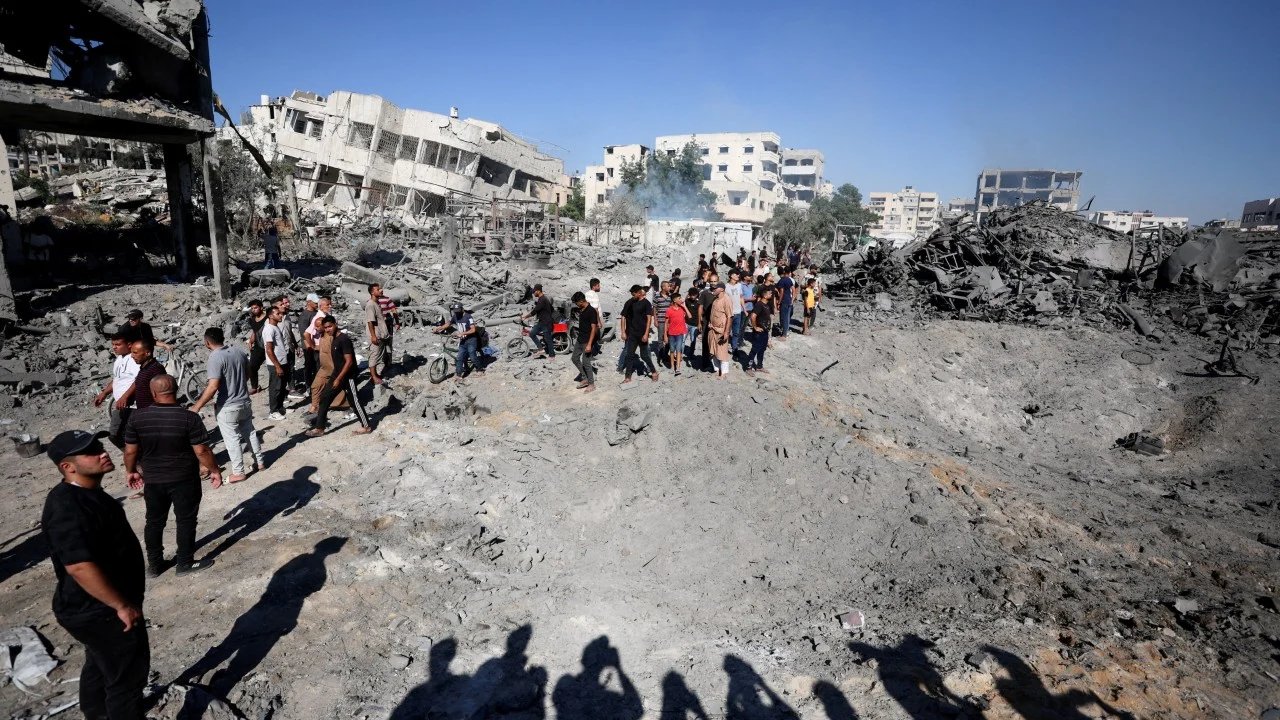
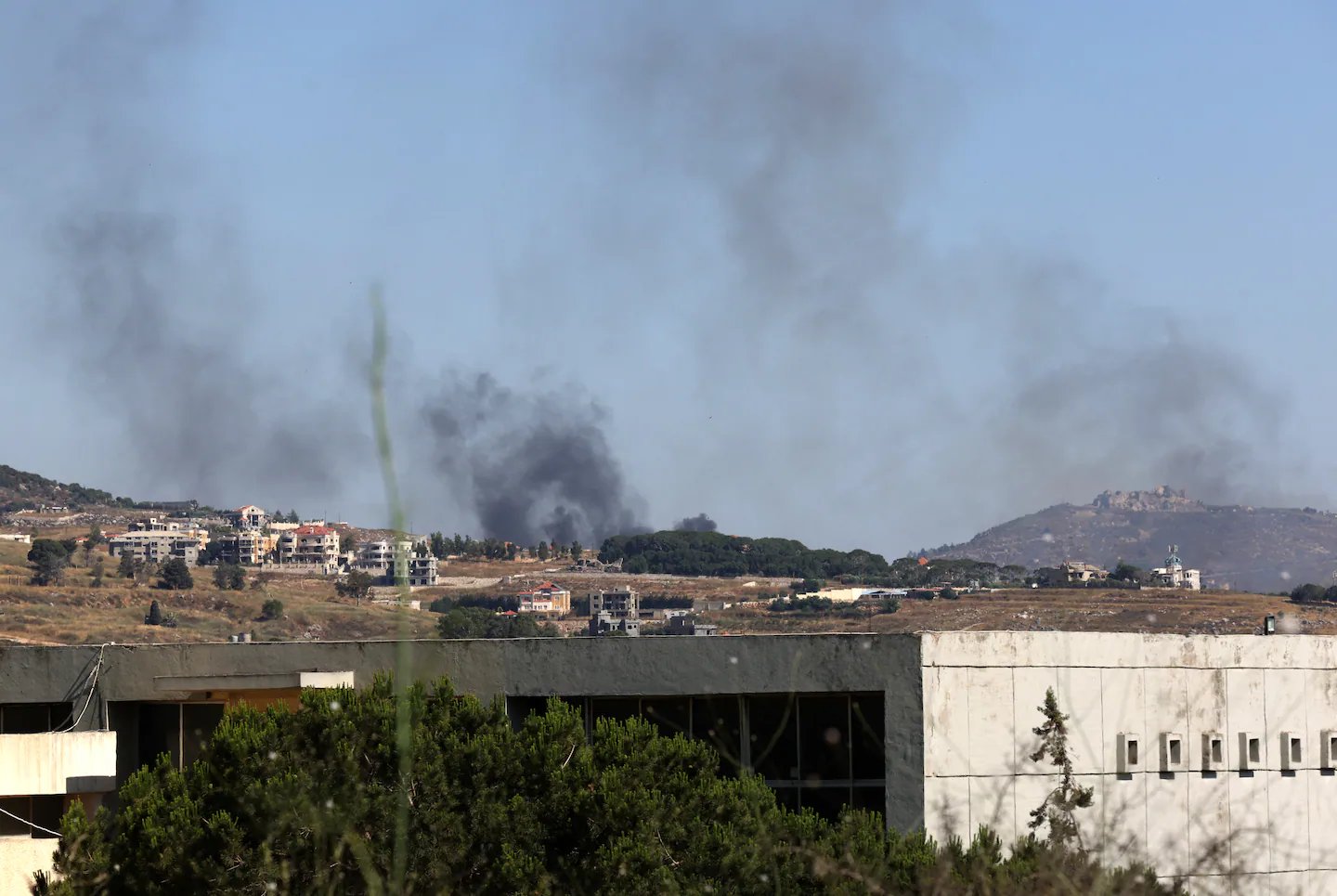
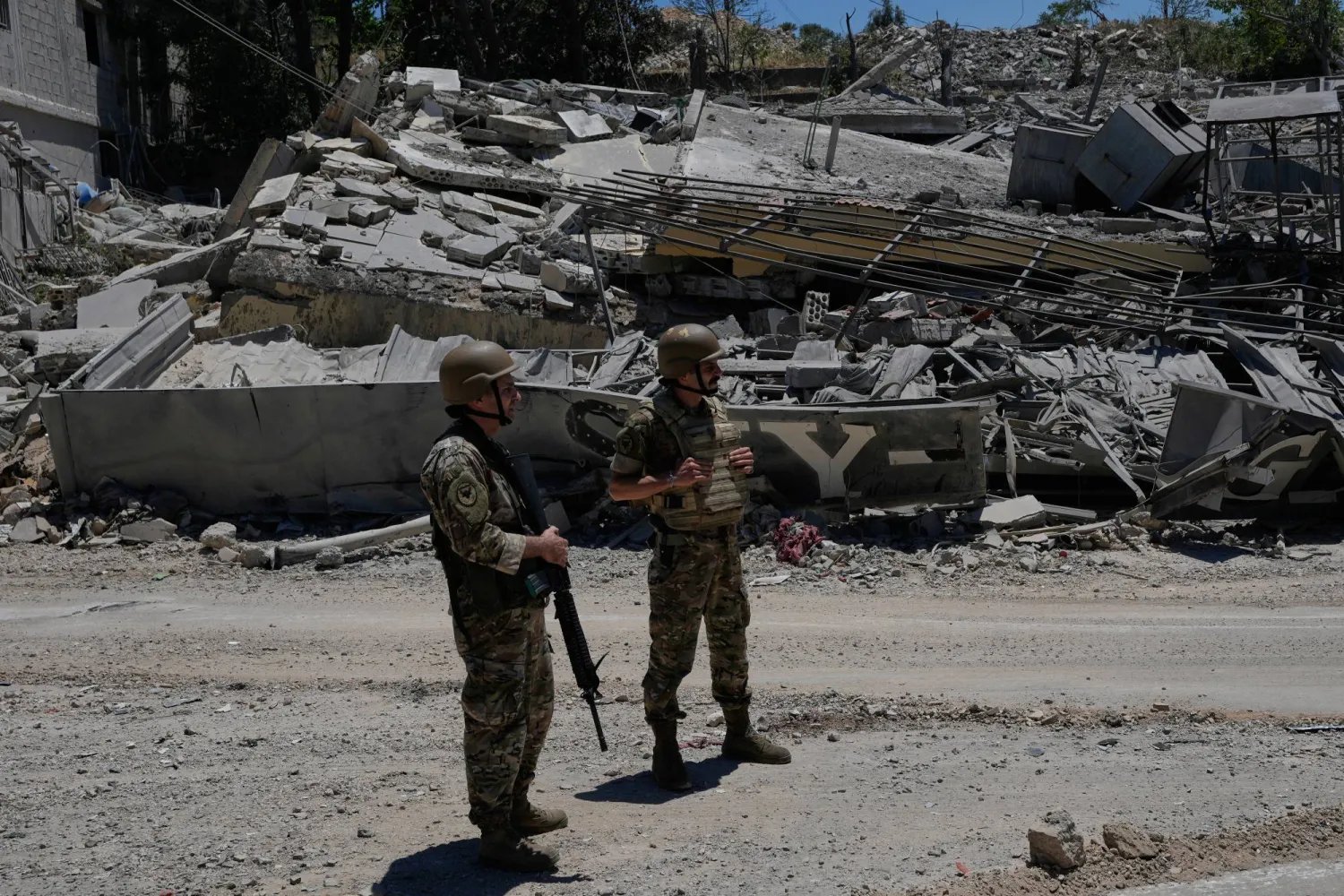
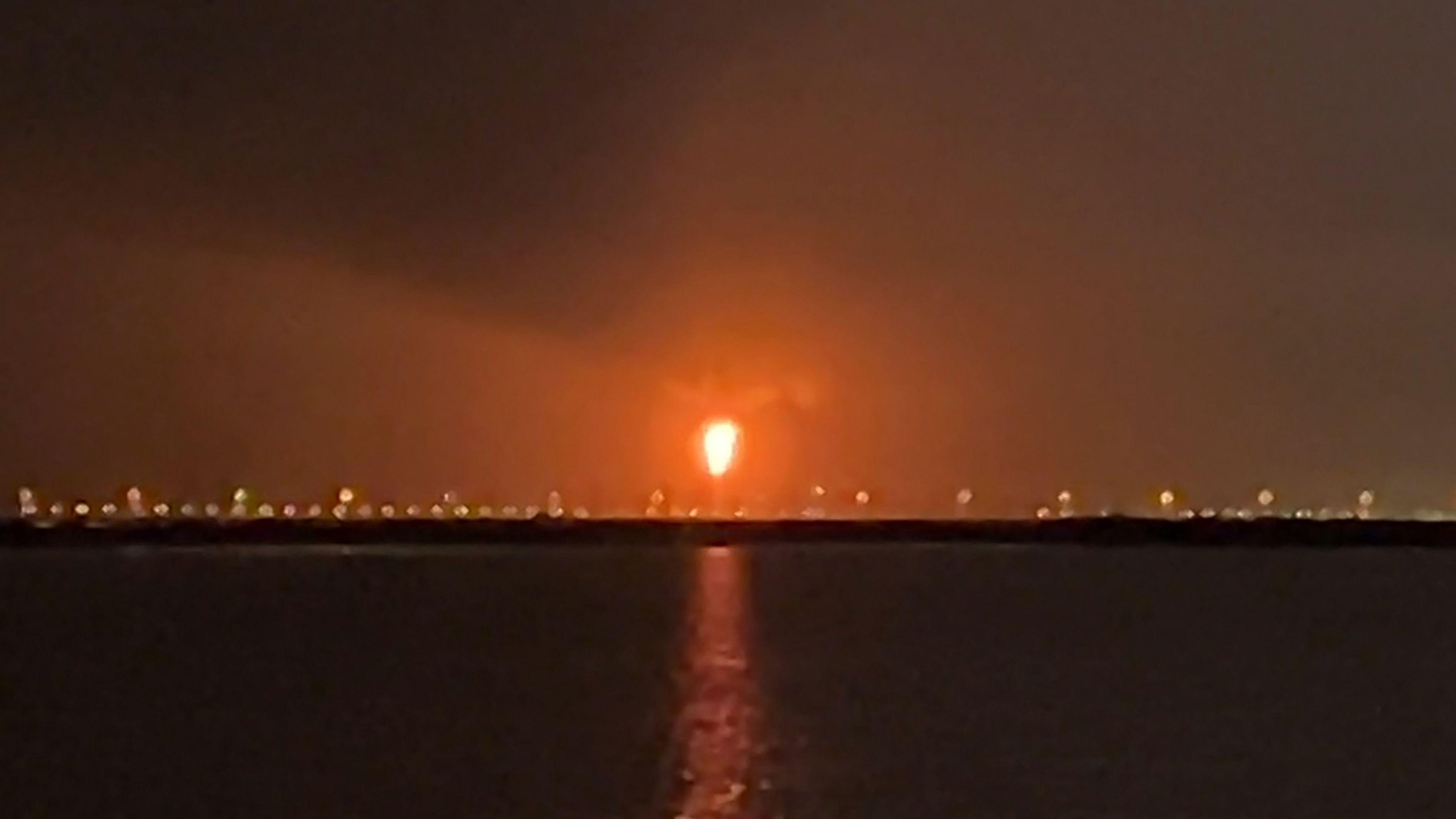
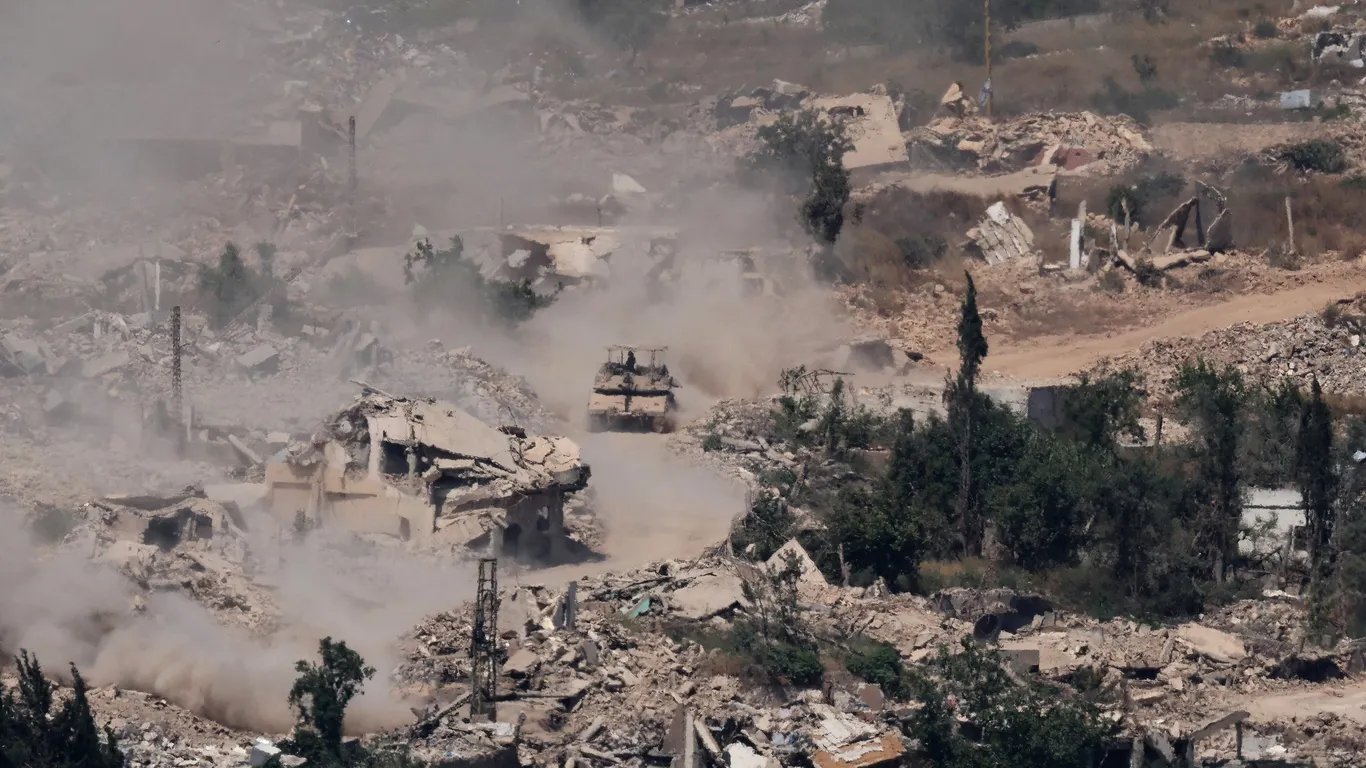
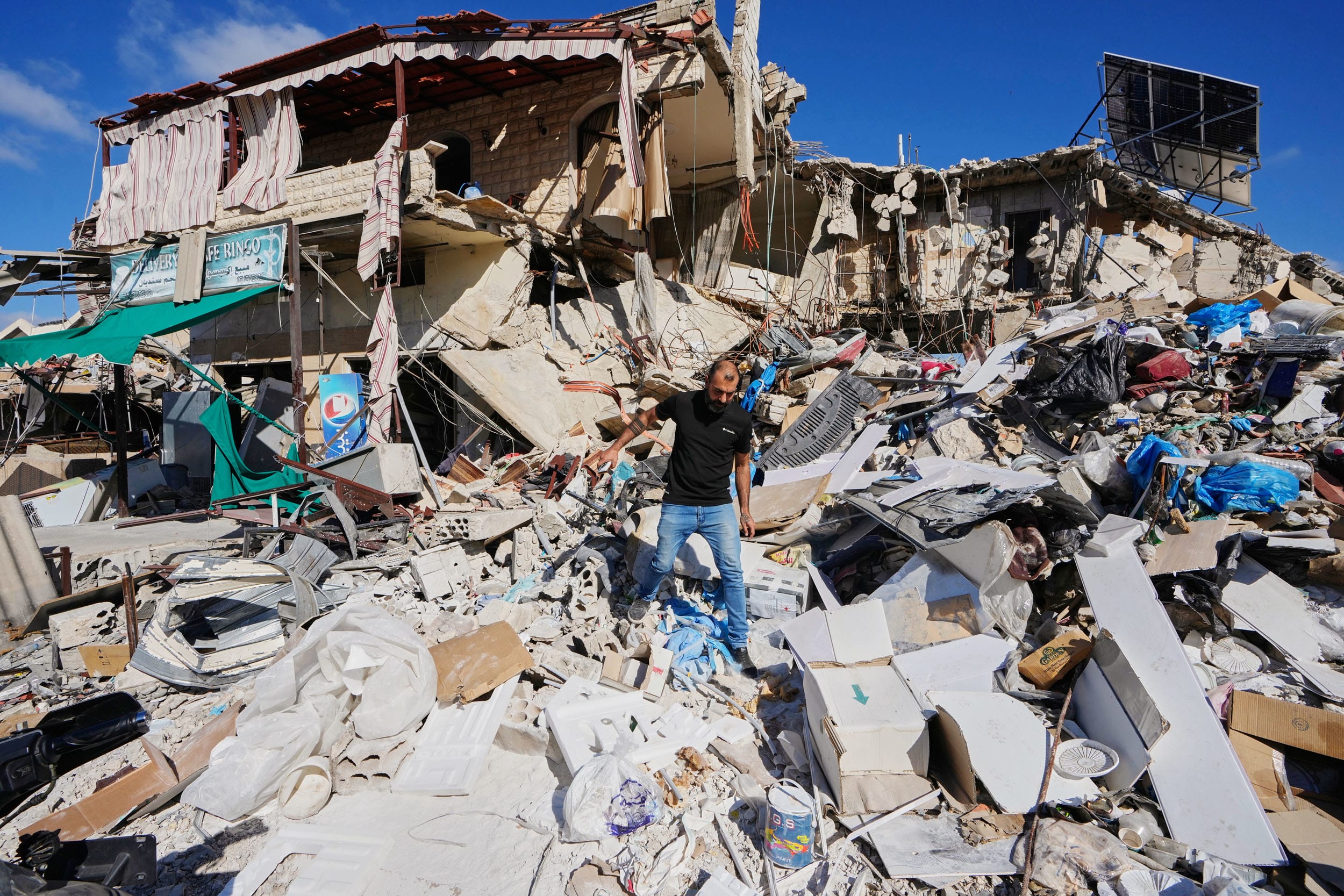
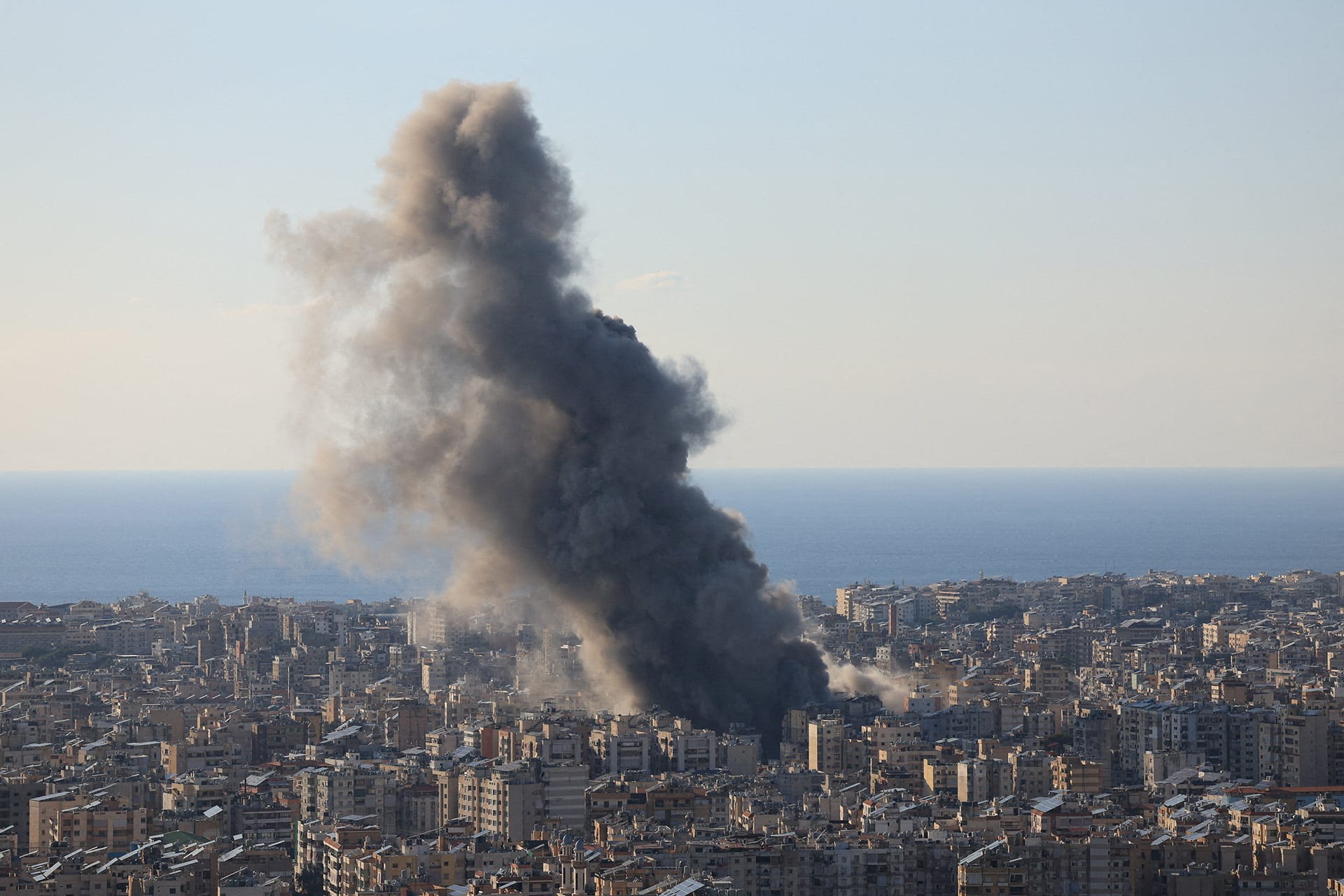
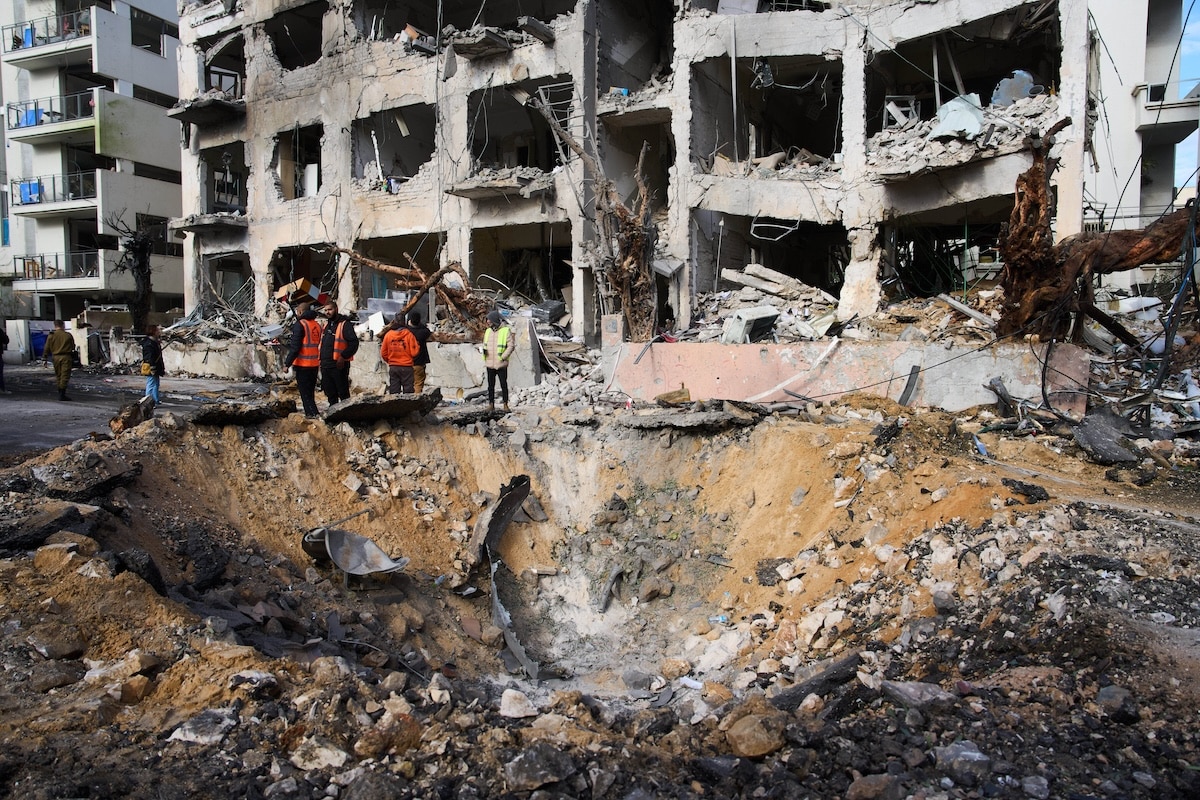
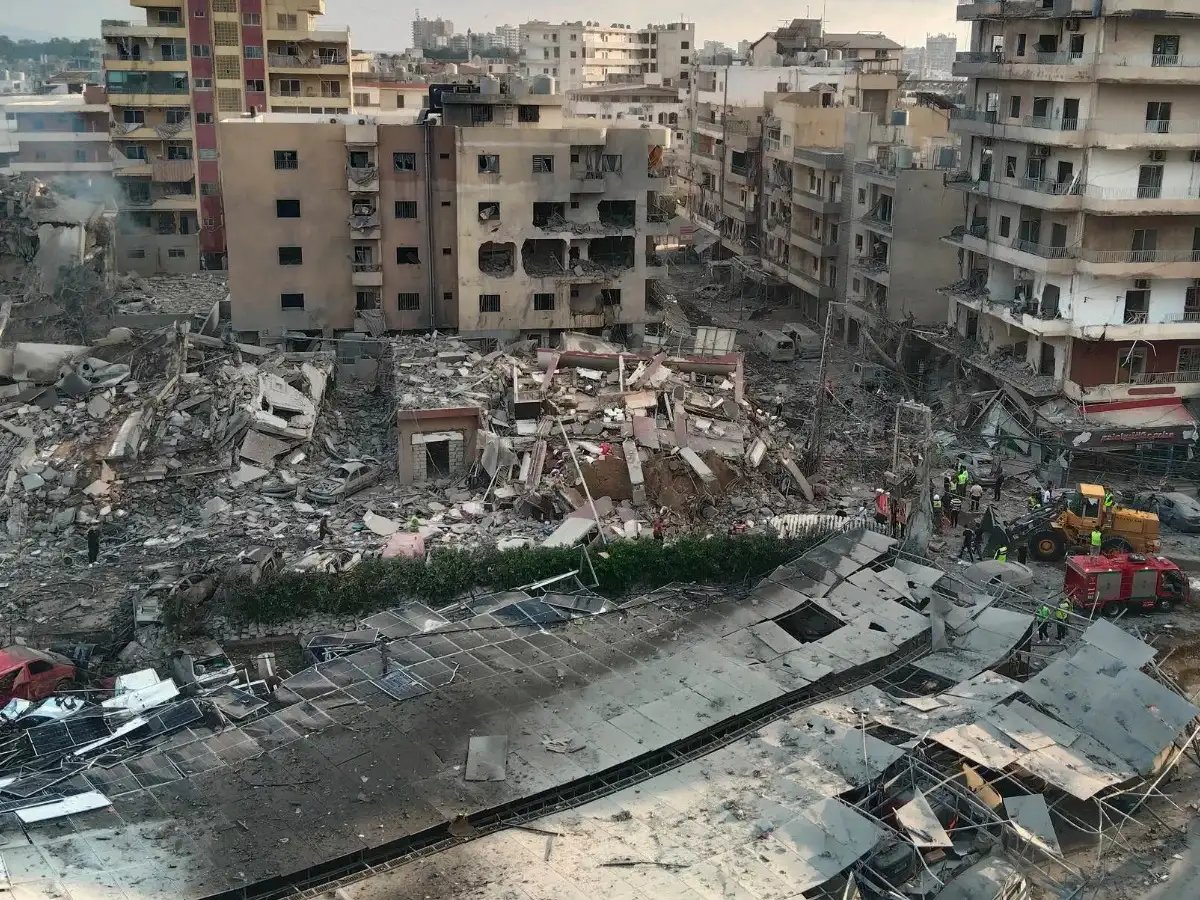
After Trump urged Netanyahu not to retaliate following Iran's missile attack, Israel struck Iran anyway, breaking the ceasefire established in April and raising questions about the stability of Trump's diplomatic strategy. Trump's administration is under pressure to navigate these tensions carefully, balancing U.S. interests with the realities of regional dynamics. As the situation evolves, the implications for U.S. foreign policy and economic stability remain significant.
Conclusion: A Crucial Moment for Diplomacy
The current negotiations between the U.S. and Iran represent a pivotal moment in Middle Eastern diplomacy. As Trump seeks to finalize a deal that addresses nuclear concerns while managing regional tensions, the outcome will have lasting effects on both U.S. foreign policy and global economic conditions. The stakes are high, and the path forward will depend on the willingness of both sides to engage in meaningful dialogue.