




Fatal Incidents Spark Outrage
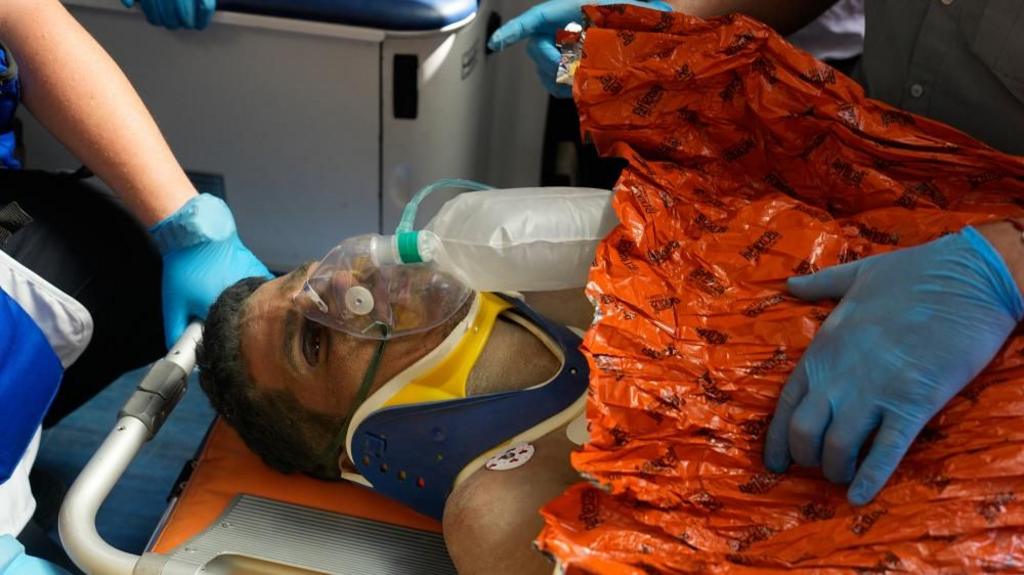
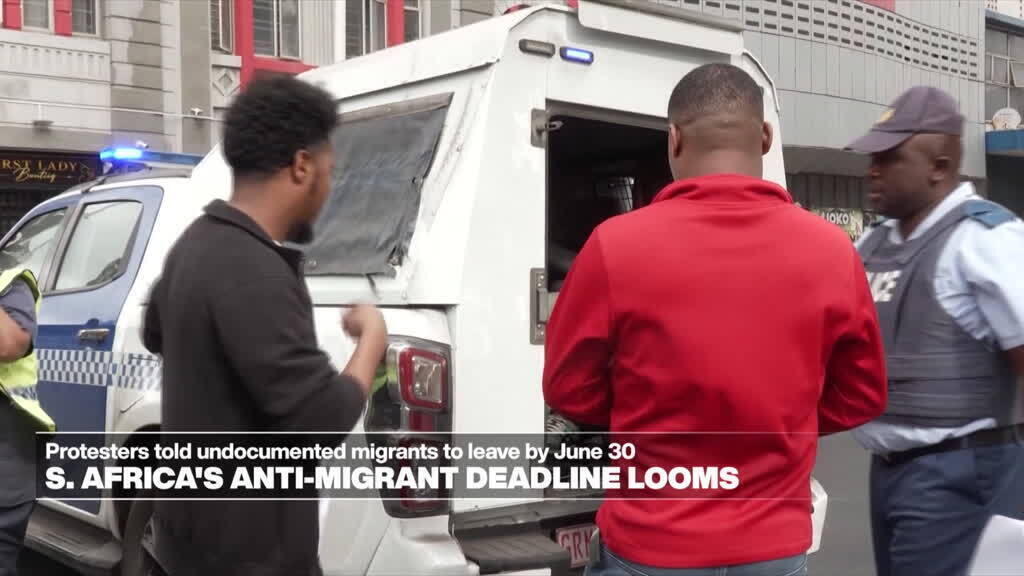
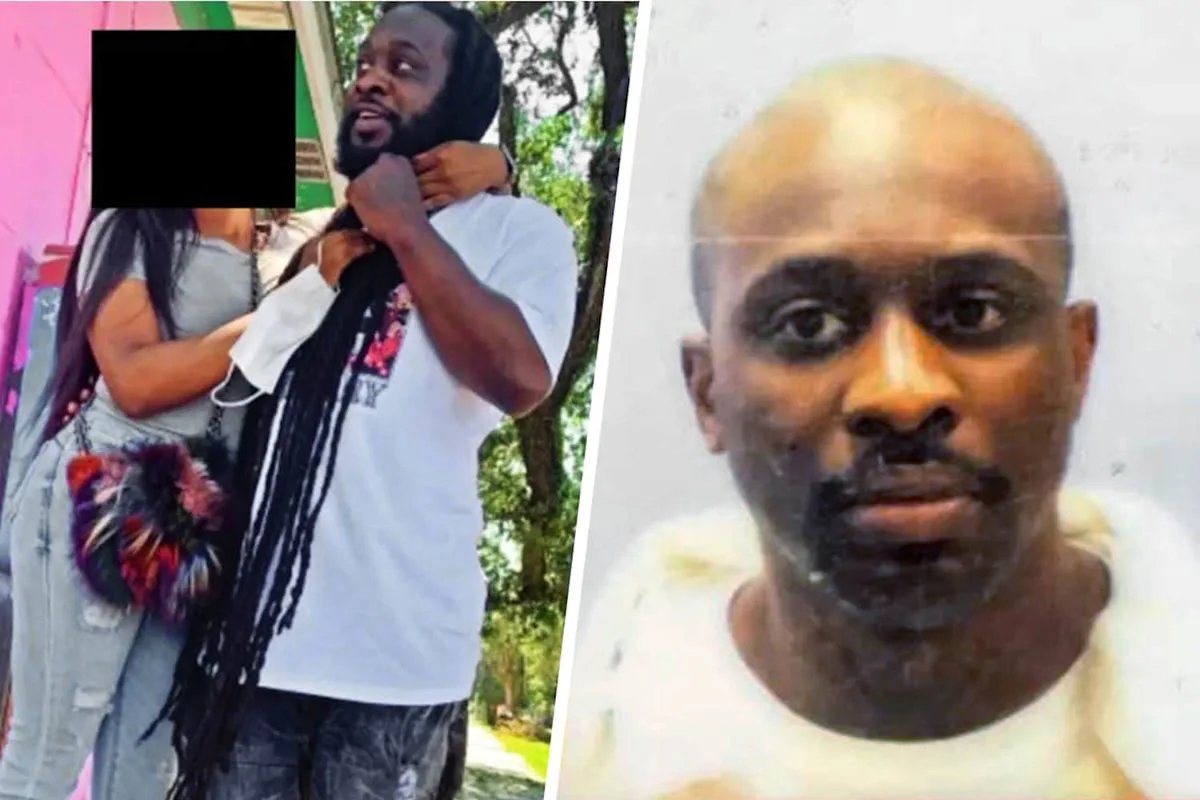
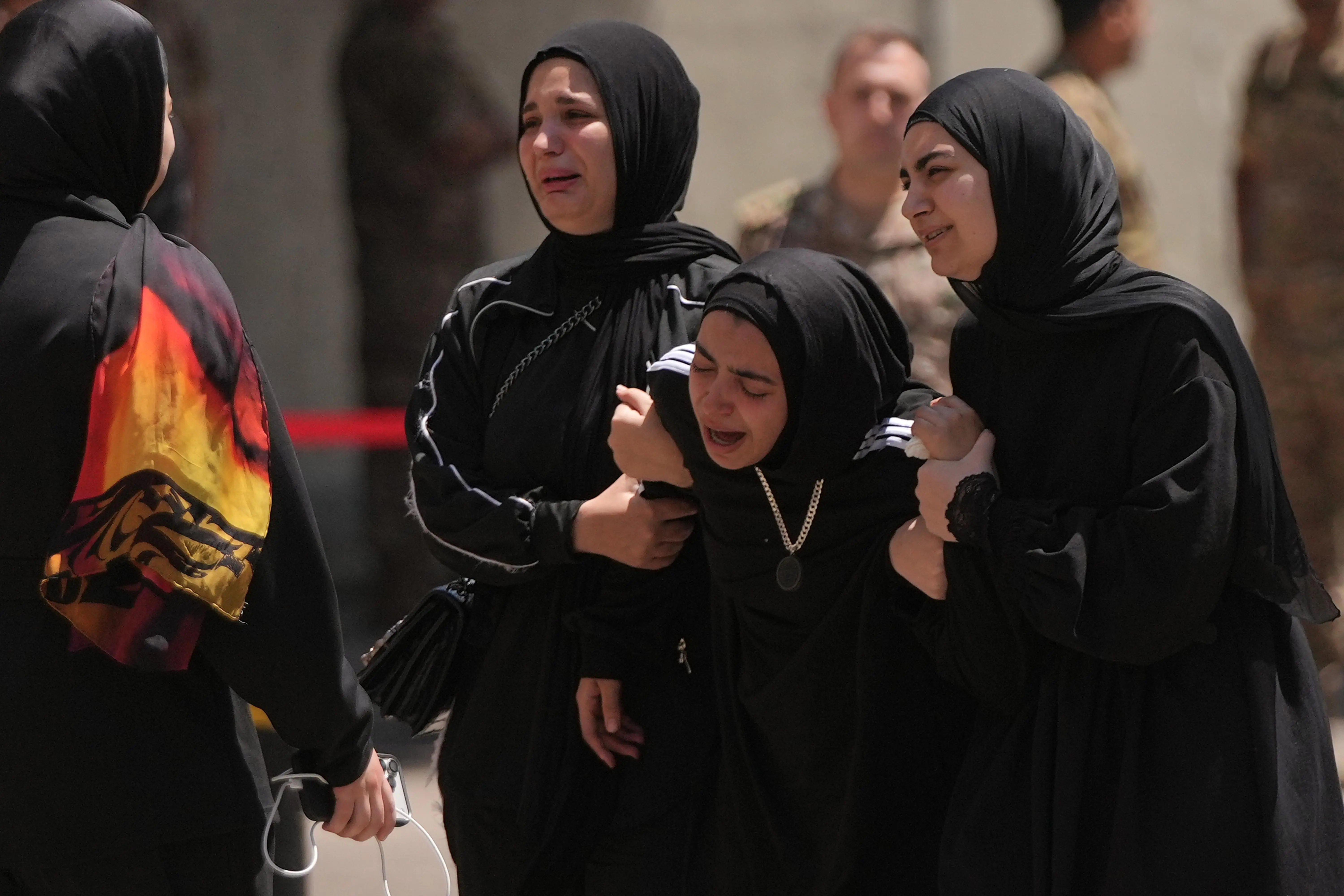
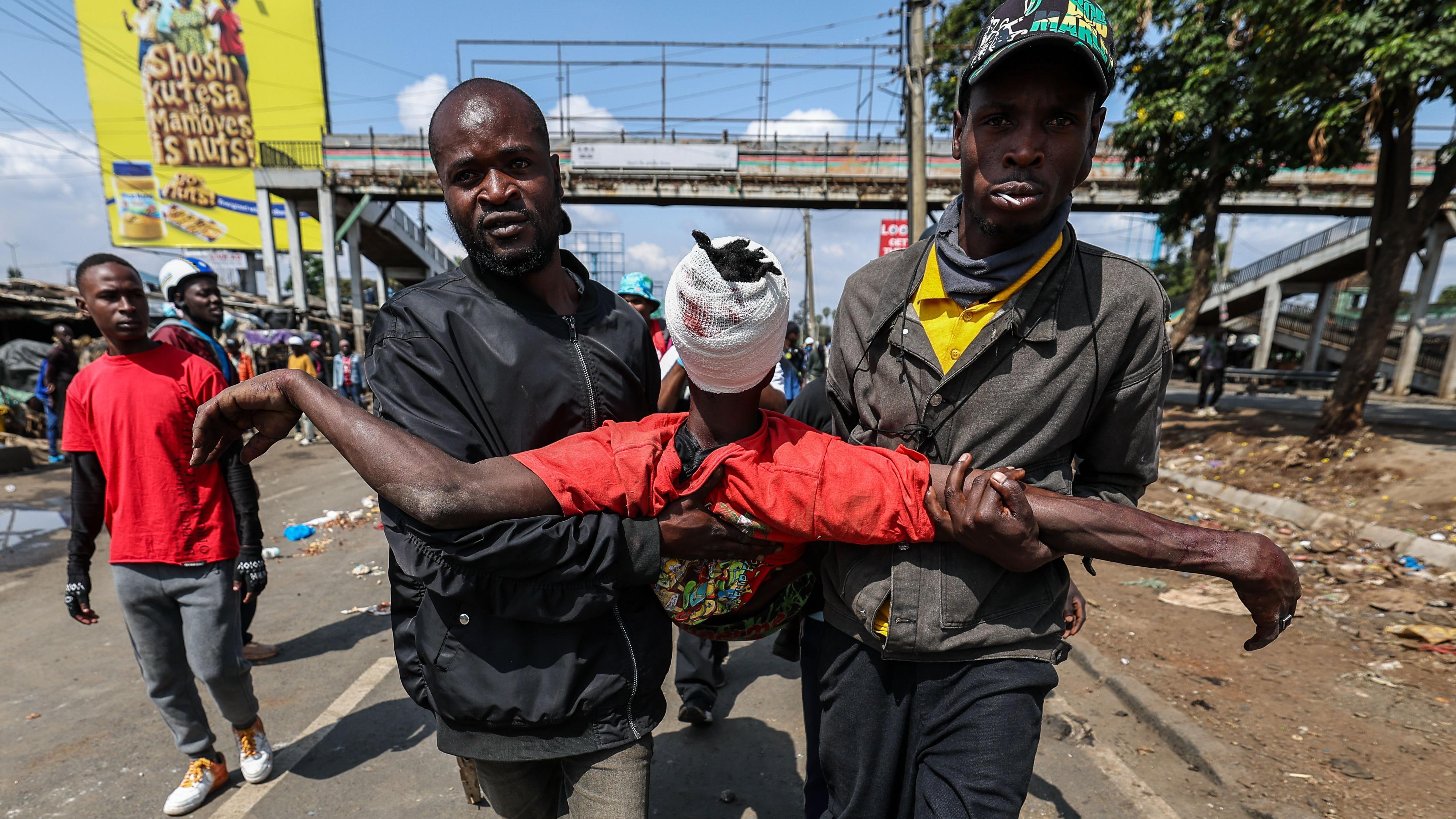
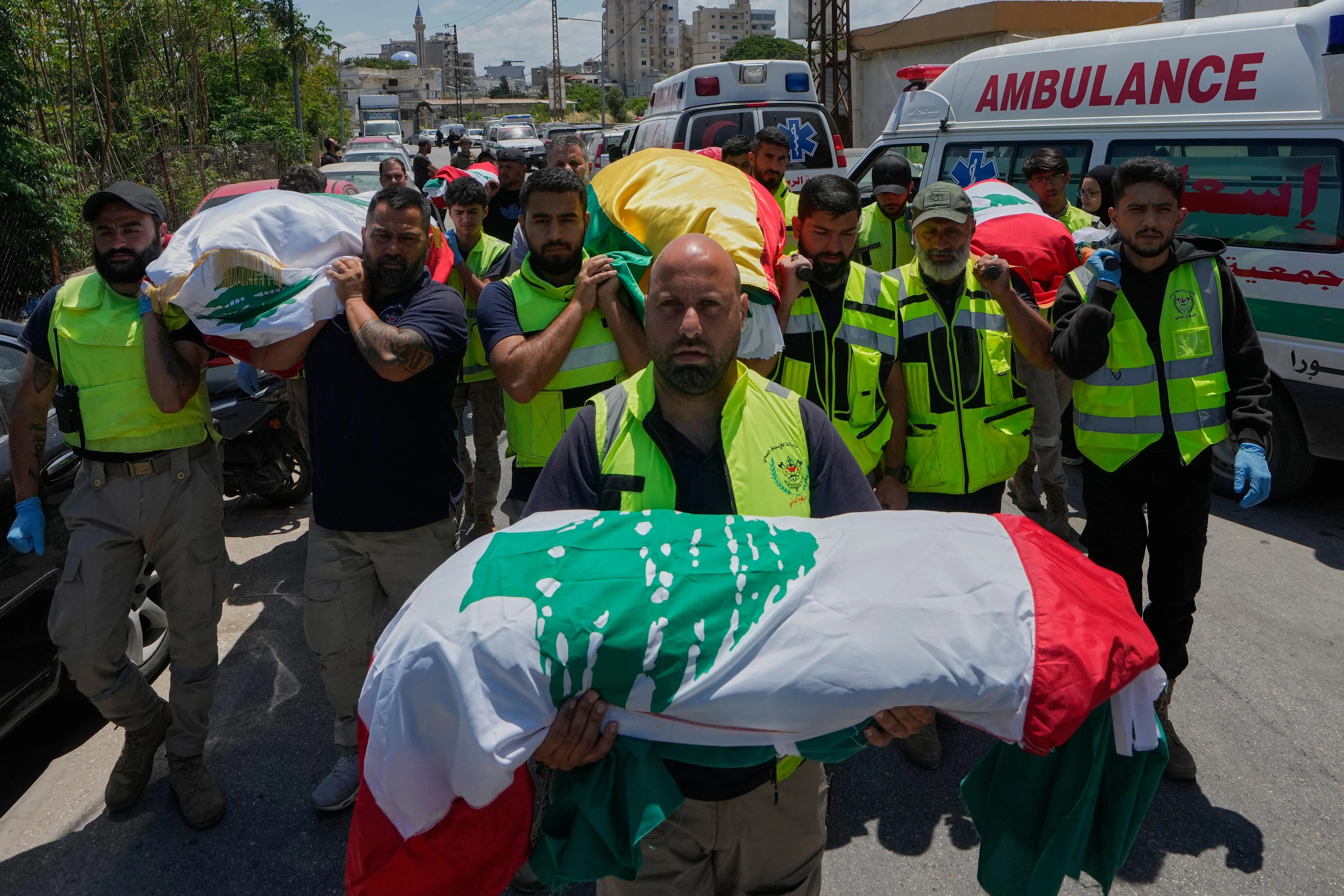
Nigeria's government has condemned the deaths of two of its citizens in South Africa, highlighting the escalating violence against foreigners. Emeka Charles Iroegbu, reportedly killed by police using "gruesome interrogation techniques," and Musa Yunana Joe, a shop owner murdered by unidentified assailants, both lost their lives on June 28. The Nigerian Foreign Ministry stated that these killings occurred during a period of heightened anti-migrant sentiment, with protests across South Africa demanding the removal of foreign nationals.
Context of Rising Xenophobia
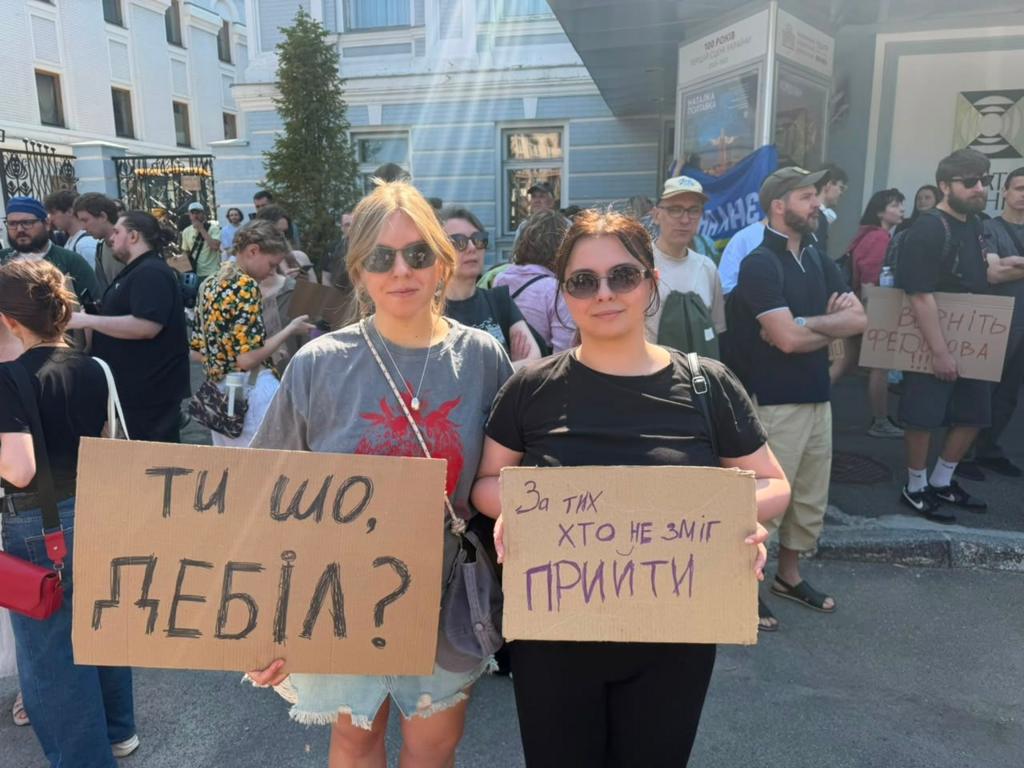
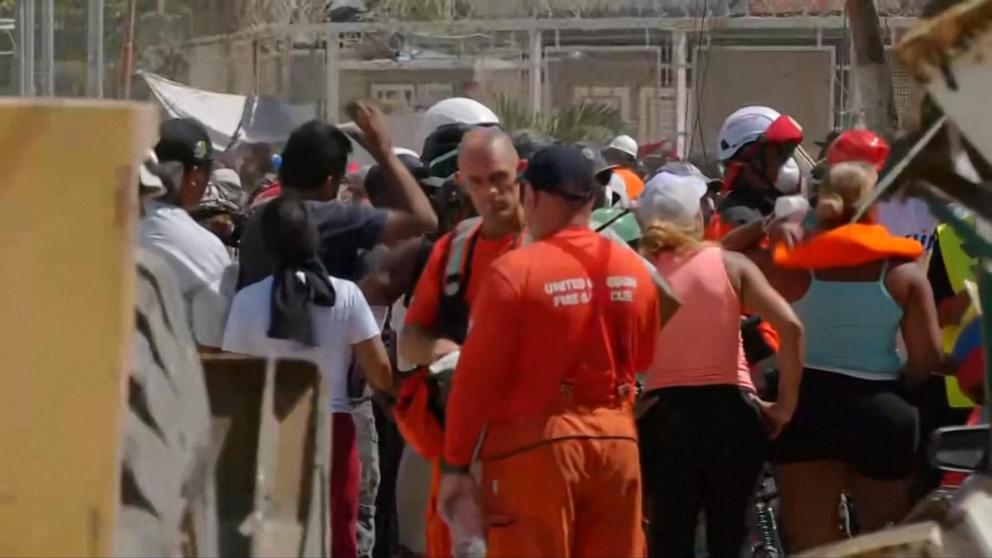
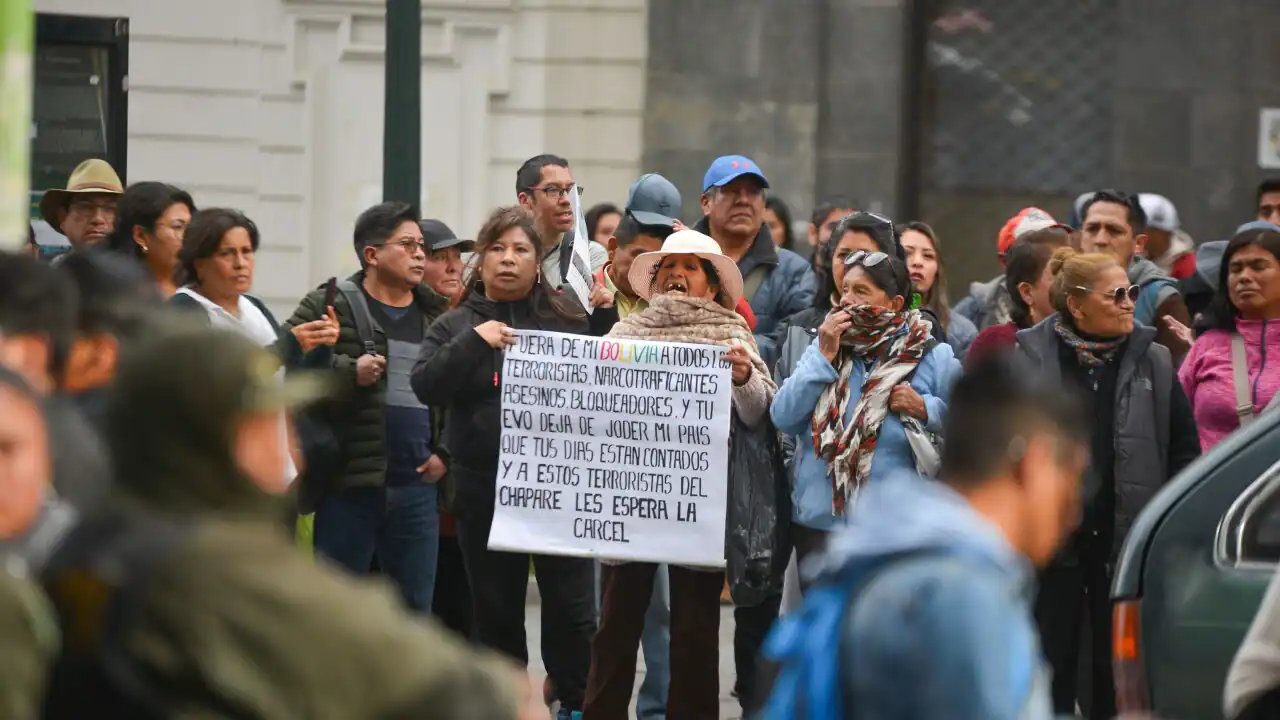
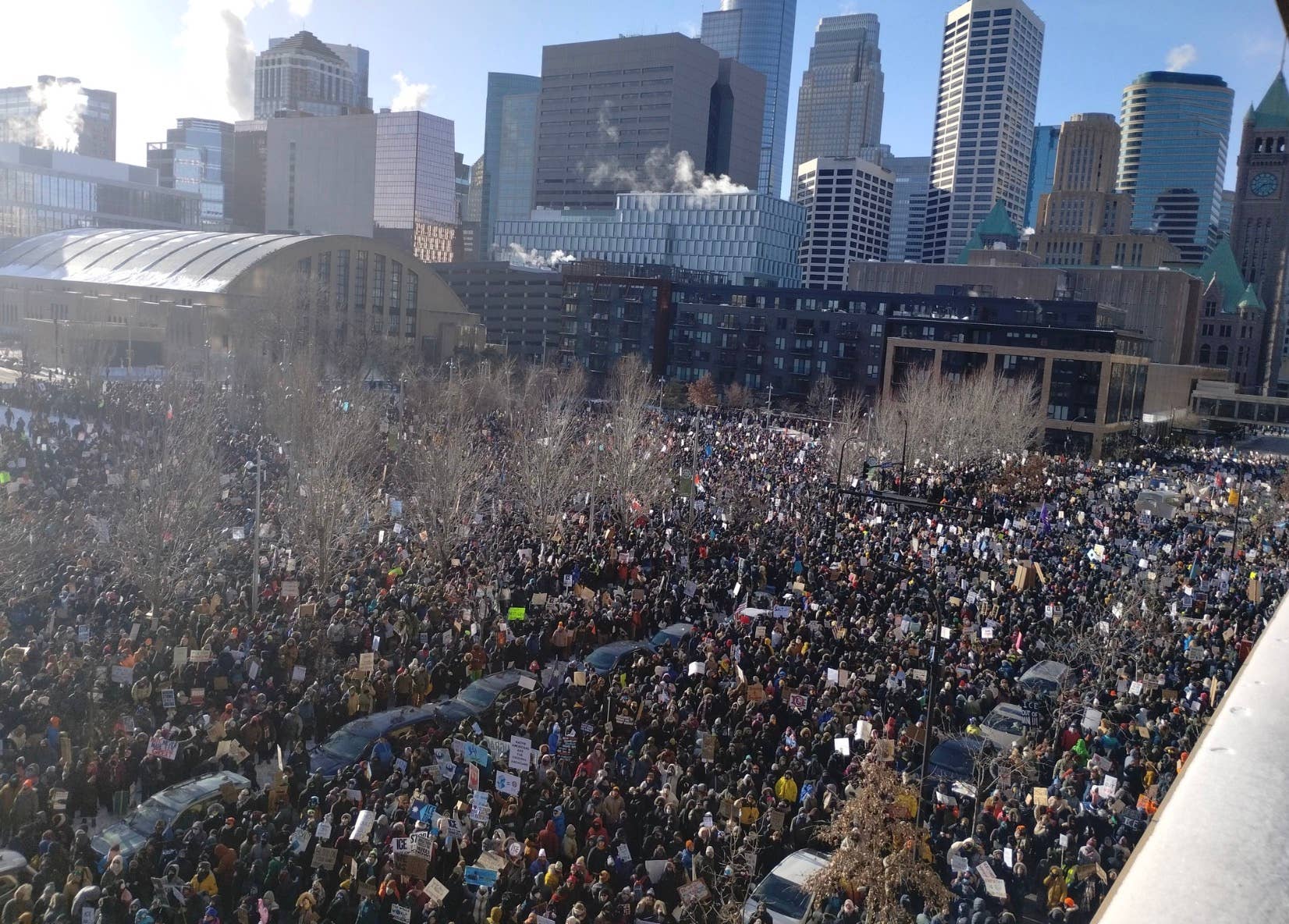
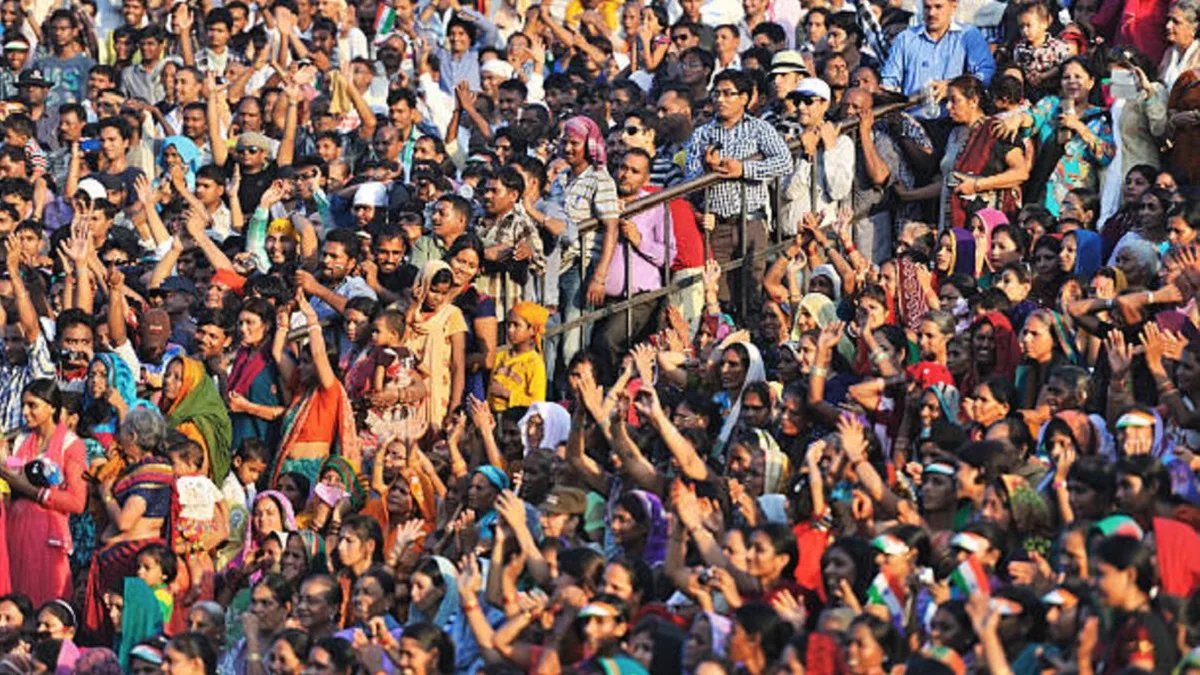
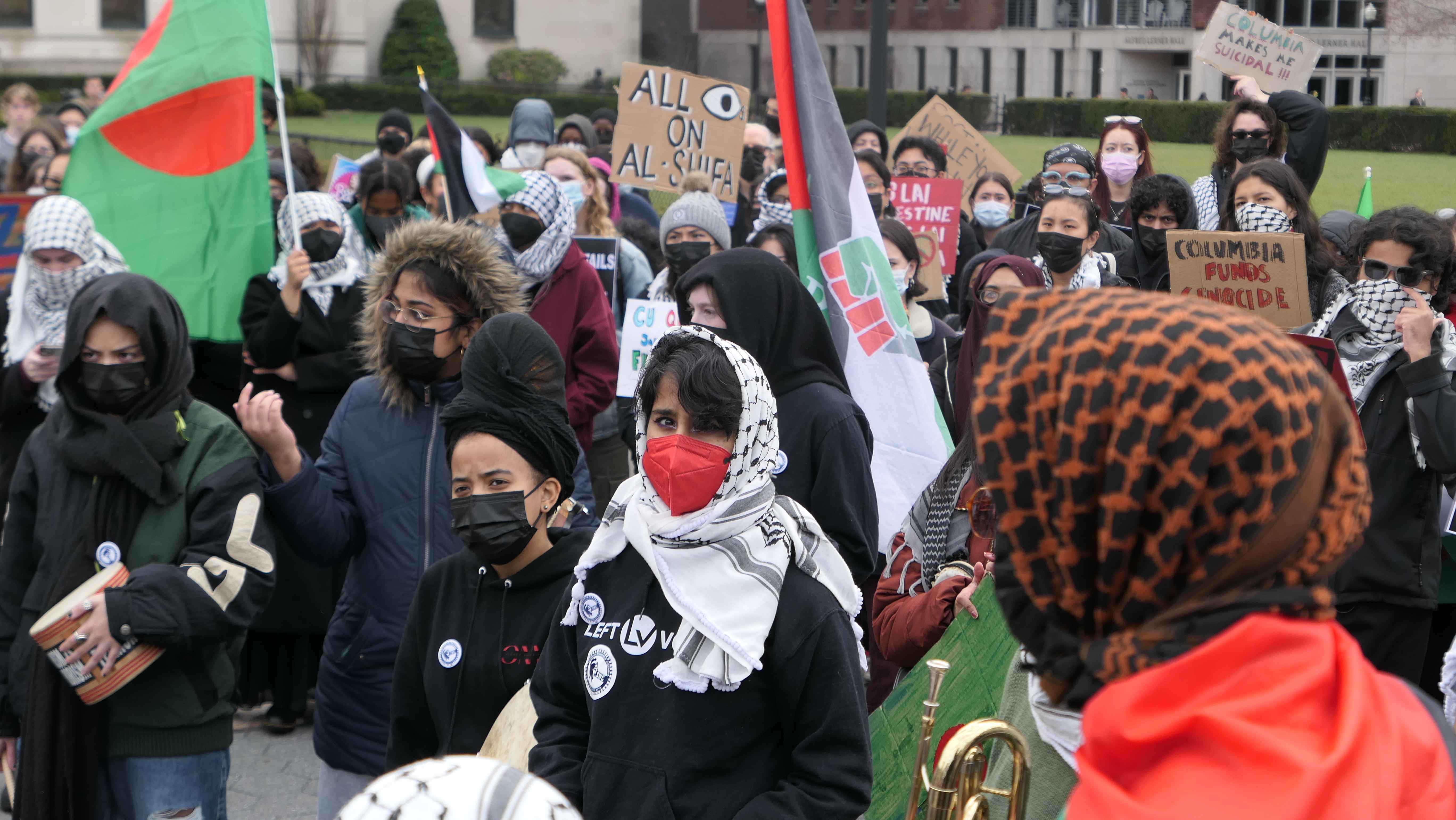
The Nigerian Foreign Ministry emphasized that the deaths reflect a broader trend of xenophobia in South Africa, which has seen a surge in anti-migrant protests. These marches, some of which turned violent, have occurred in various cities, including Pretoria and Johannesburg, with over 120 protests reported on June 30 alone. Protesters claim that migrants are responsible for job scarcity, crime, and strain on public services, fueling a narrative that has led to a significant backlash against foreign nationals.
Calls for Accountability
In response to the killings, Nigeria has placed the South African government "on notice," asserting that all options remain on the table if the violence against foreigners is not addressed. The Foreign Ministry accused South African authorities of criminal liability and expressed intentions to seek compensation for its citizens. A spokesperson for the ministry, Kimiebi Imomotimi Ebienfa, criticized the generalizations that associate Nigerians with criminality, stating, "This raises questions about a deliberate attempt by some elements to wrongfully generalize and tag well-meaning, hard-working, and respectable Nigerians as criminals."
South African Government's Response
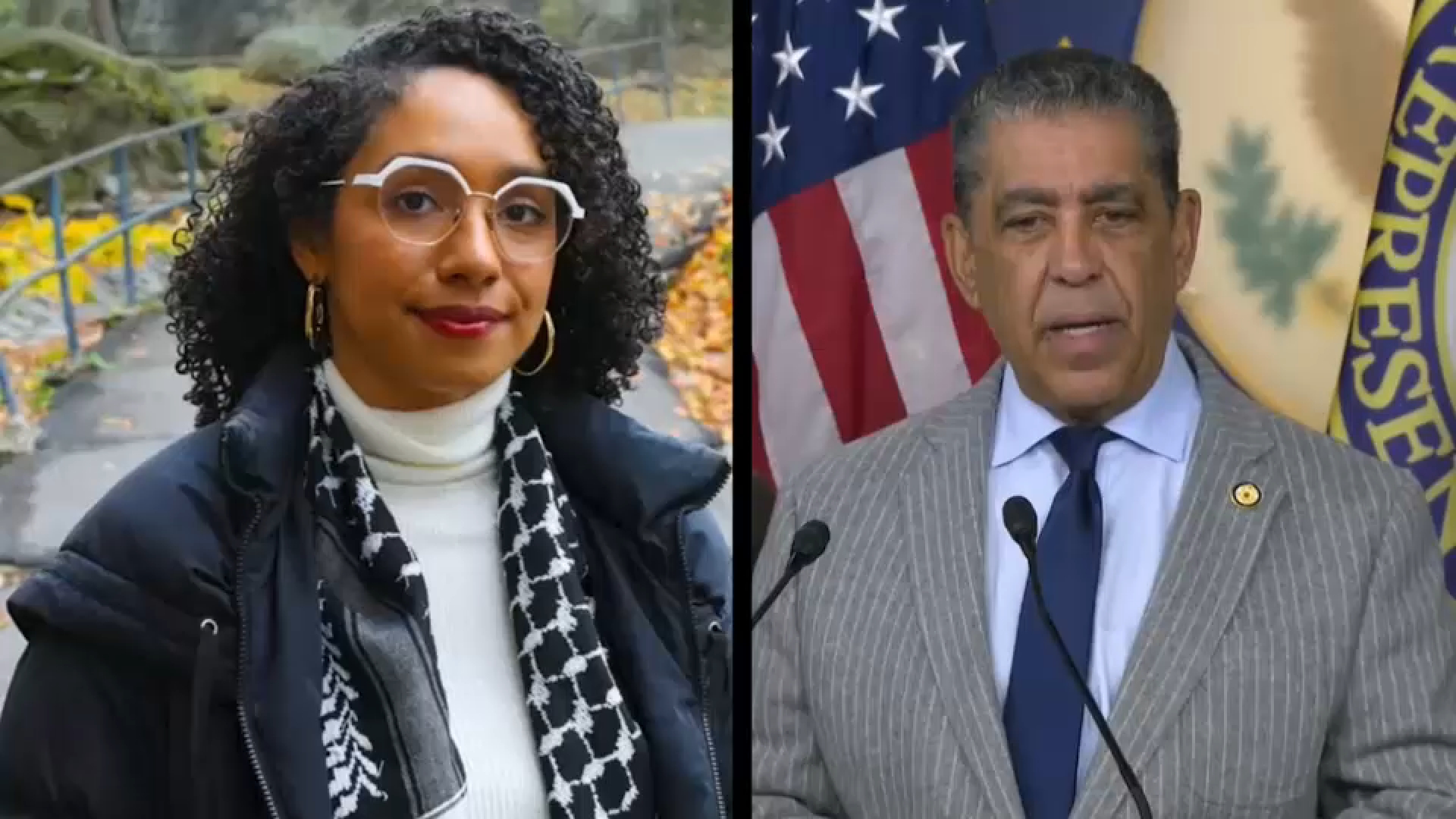
South African cabinet minister Khumbudzo Ntshavheni has publicly rejected Nigeria's compensation demands, suggesting that Nigerians can sell their properties left behind in South Africa. This response has drawn further criticism from Nigeria, which labeled her remarks as "unacceptable" and tantamount to hate speech. The Nigerian Foreign Ministry condemned the inflammatory statements made by South African officials and accused local protest groups of inciting violence against African nationals.
Broader Implications for Migrants
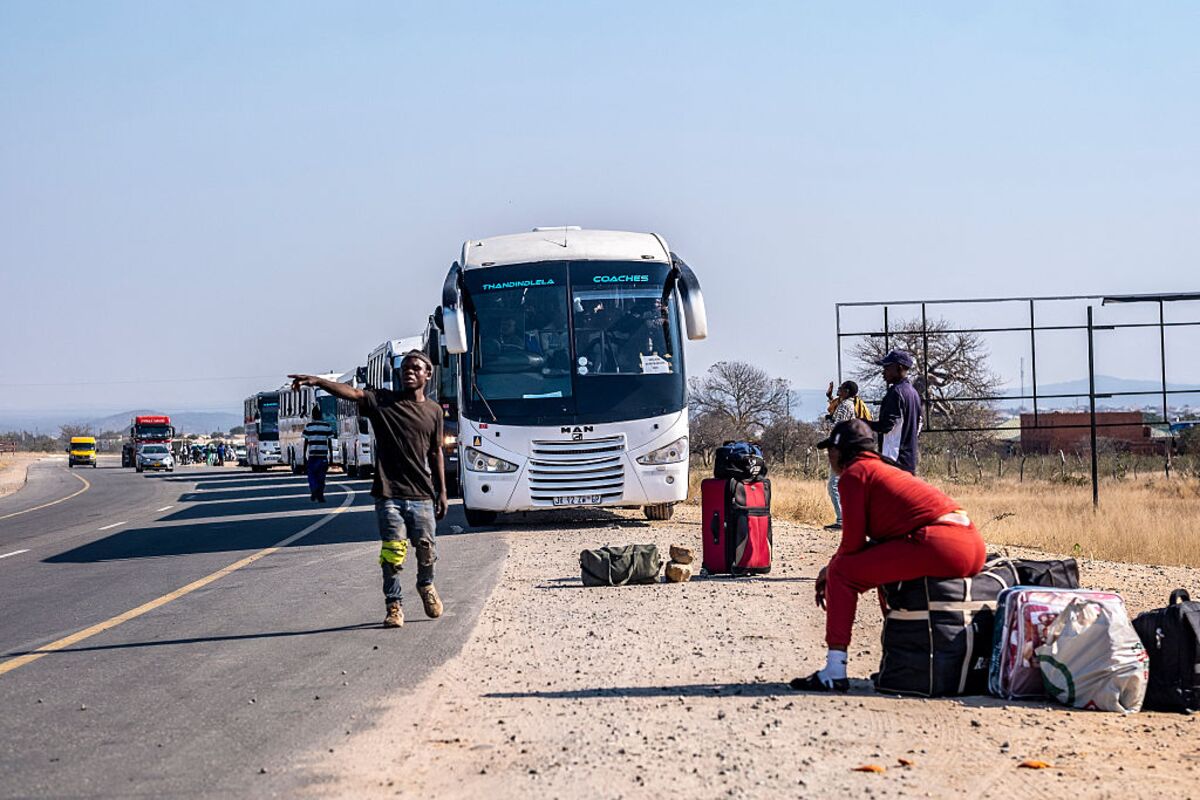
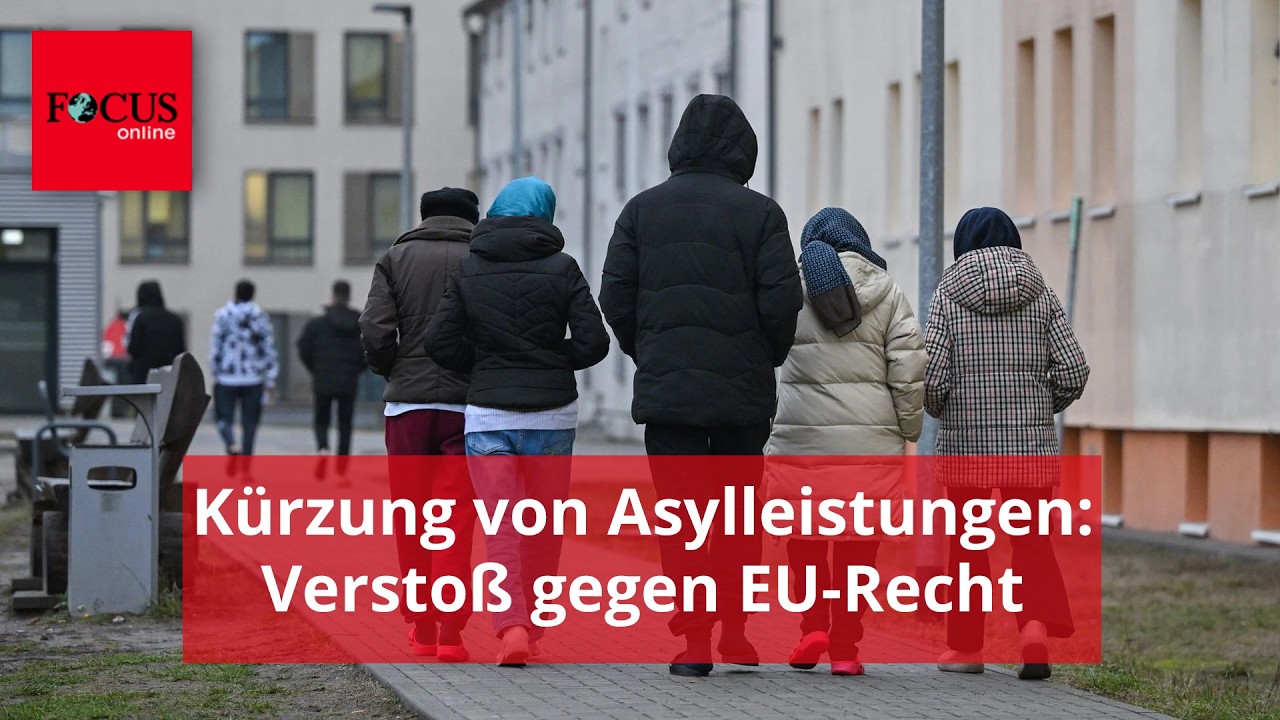
Amid the rising tensions, countries like Ghana, Malawi, and Nigeria have begun repatriating their citizens. The Nigerian government has reported that approximately 700 Nigerians have returned home due to the escalating situation. As South Africa grapples with high unemployment rates exceeding 30%, the growing anti-immigrant sentiment raises concerns about the safety and rights of foreign nationals, who make up about 5% of the country's population.
Next Steps for Nigeria
As Nigeria seeks to address the violence against its citizens, it has indicated a willingness to pursue international legal action against those responsible for inciting xenophobia. The Nigerian Foreign Ministry's call for an investigation into the deaths underscores the urgency of the situation. With tensions running high, the fate of foreign nationals in South Africa remains uncertain, as countries and organizations closely monitor the developments in this ongoing crisis.